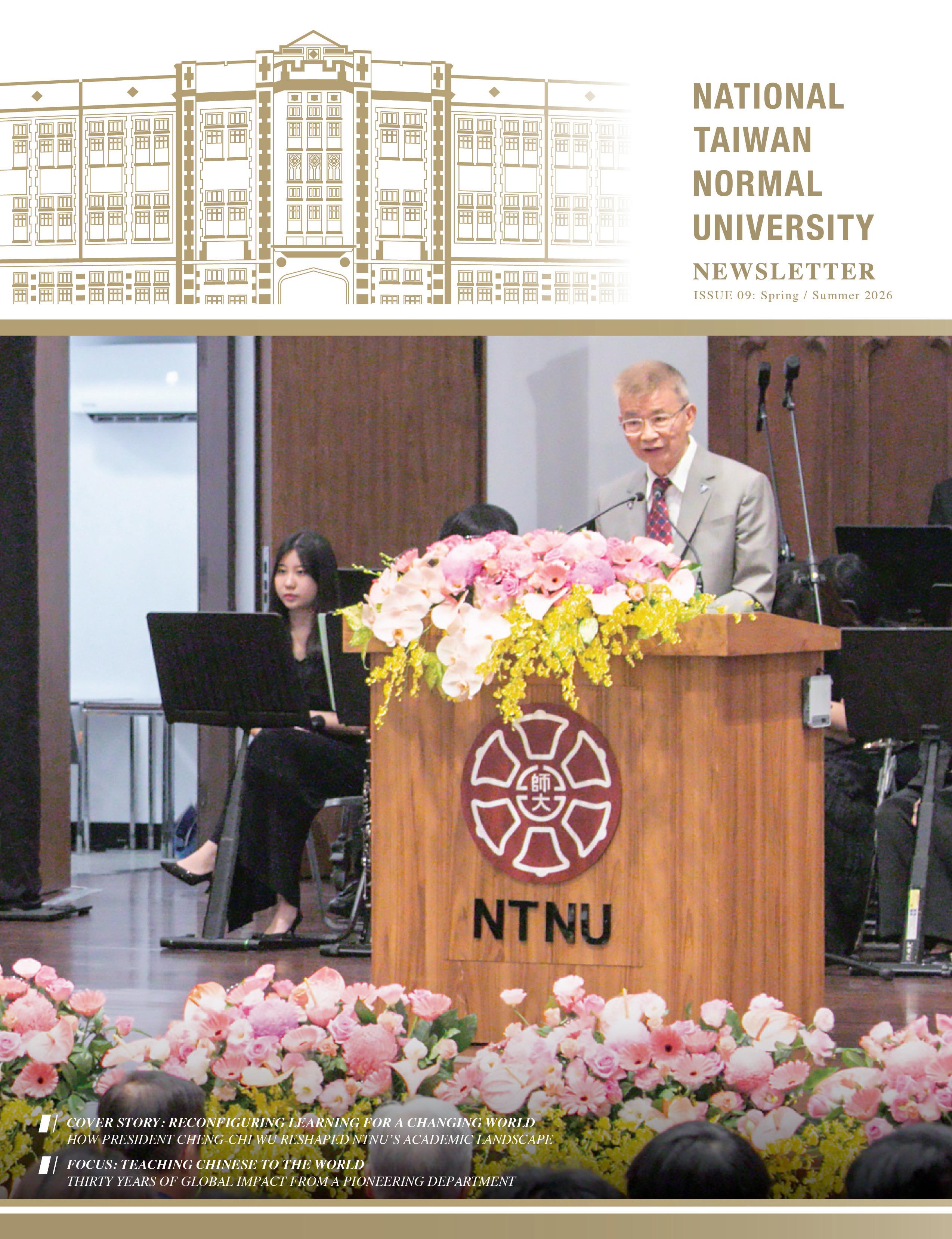

As we enter the Year of the Horse, NTNU marks a meaningful moment of transition. The selection of the university’s 15th President has been completed, and Professor Yao-Ting Sung, current Vice President and Chair Professor in the Department of Educational Psychology and Counseling, will assume office on February 22, 2026. My term will conclude on February 21, 2026. I extend my sincere gratitude to all faculty, students, alumni, and friends of NTNU for your trust and steadfast support throughout my presidency.
Much of the work reflected here began years ago and has unfolded gradually Research in quantum sensing, once centered on fundamental questions of measurement, now contributes to blood-based diagnostic tools and clinical screening technologies. Adjustments to undergraduate structures from credit requirements to more flexible degree design have opened new space for interdisciplinary study and international mobility. Thirty years of Chinese language pedagogy have shaped classrooms that now span more than fifty countries, while partnerships in South and Southeast Asia increasingly connect academic study with research training and industry practice. Even the reflections of alumnus Paul Chiang remind us that serious work develops over time, often quietly, and in dialogue with changing circumstances.
As I conclude my tenure, I do so grateful for the opportunity to have worked alongside this community, and confident in the continuity of the work ahead.
National Taiwan Normal University Newsletter
Issue 09
Spring / Summer 2026
Publisher
Cheng-Chih Wu
Publishing
National Taiwan Normal University
Editorial Director
An-Pan Lin
Editor-in-Chief
Min-Ping Kang
Editorial Board
Ying-Shao Hsu
Li-Chun Teng
Yi-De Liu
Copy Editor
Daniel Hu
Content
Yvonne Kennedy
Roxane Weng
Yung-Sheng Yang
Photography Shi Chang
Graphic Design
UNIQUE Design & Advertising
Contact Us
Cheng-Chih Wu President National Taiwan Normal University
WEBSITE www.ntnu.edu.tw
LINKEDIN national-taiwan-normal-university
MAILBOX pr@ntnu.edu.tw
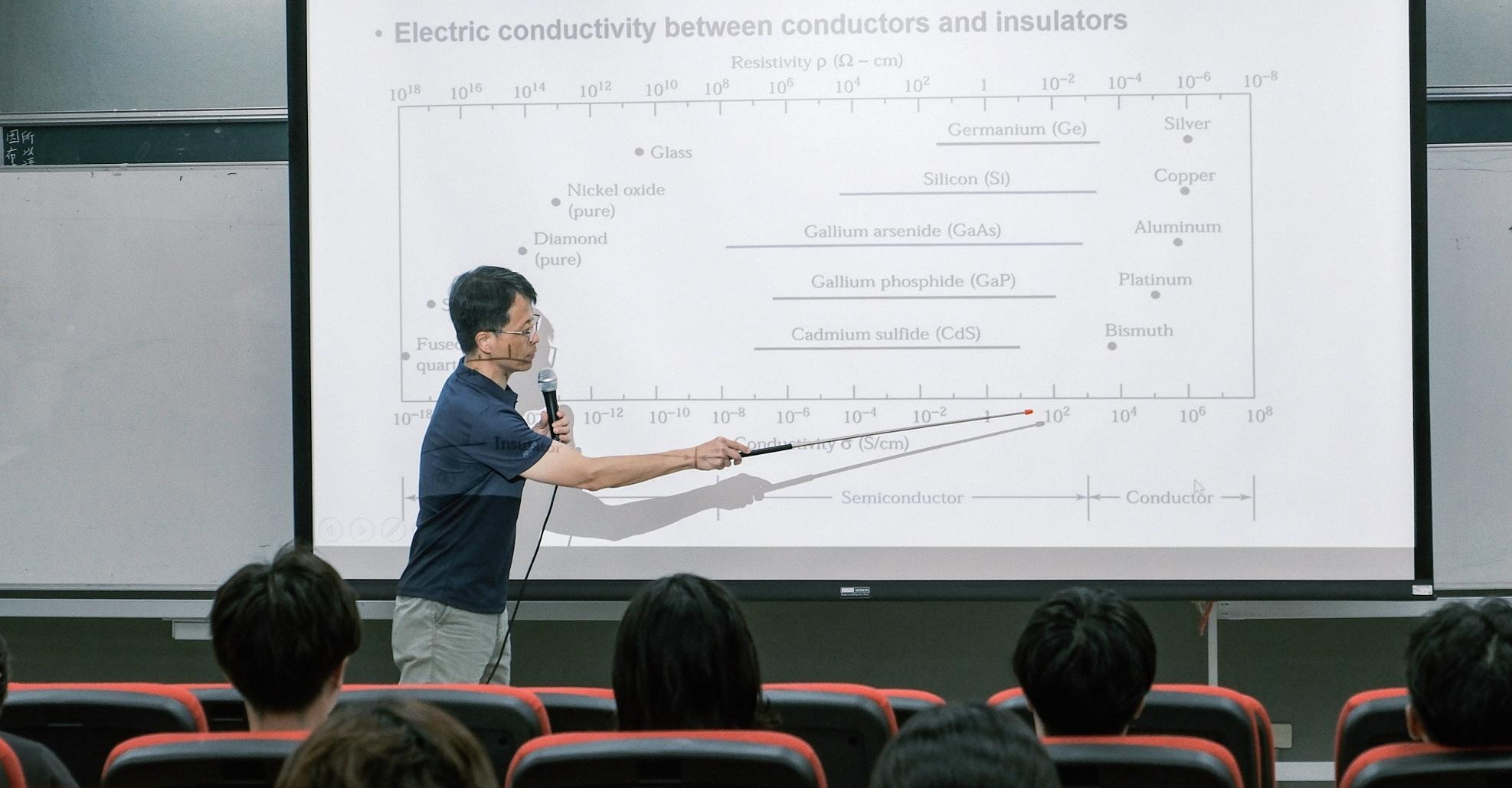
Recent research by NTNU’s Electro-Optical Engineering faculty shows how advances in materials, optics, and sensing technologies translate into real-world applications.
Chan-Shan Yang
Materials that exhibit extreme hardness typically suffer from poor electrical conductivity, while highly conductive materials tend to wear quickly. This study revisits that long-standing tradeoff through an investigation of high-entropy alloys, a class of metals formed from multiple principal elements.
Focusing on a niobium–molybdenum–tantalum–tungsten thin film, the researchers develop a low-frequency conductivity model that links the alloy’s electronic behavior to its complex internal structure. Terahertz spectroscopy and theoretical analysis show how this material achieves both high hardness and strong conductivity, a combination that proves especially effective in wear-resistant coatings for atomic force microscopy probes, enabling improved durability and atomic-scale imaging performance.
(Yeh C-H, Hsu W-D, Liu B-H, et al. Low-frequency conductivity of low wear high-entropy alloys. Nature Communications. 2024;15:4554. https://doi.org/10.1038/s41467-024-49035-0)
Nan-Fu Chiu
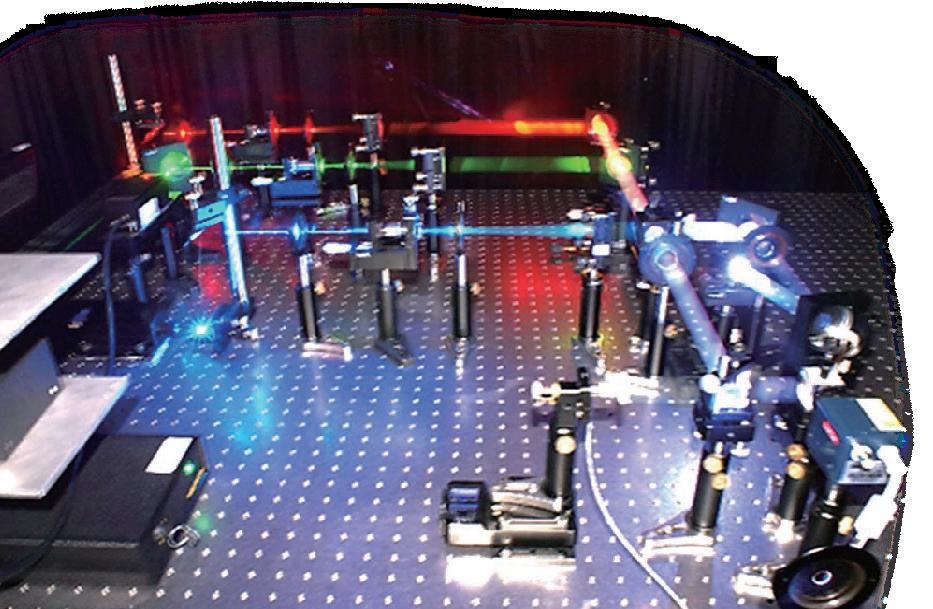
Optical sensors play a crucial role in chemical and biological detection, but improving their sensitivity without sacrificing accuracy remains a persistent challenge. This study investigates one-dimensional gold nanograting chips that support both surface plasmon resonance and optical cavity modes, enabling dual-function sensing within a single device. By comparing nanogratings with different periodic structures, the researchers show how carefully tuning grating geometry significantly enhances sensor performance. Experiments demonstrate that nanogratings optimized for plasmonic resonance not only achieve a higher sensing figure of merit but also amplify Raman signals through plasmon-induced electromagnetic enhancement. The results highlight a promising pathway toward compact optical sensors that combine high sensitivity with reliable molecular identification. (Nurrohman DT, Cagayan GRAC, Chiu N-F. Characterization of SPR and cavity modes in one-dimensional (1D) gold nanograting chips: figure of merit analysis and implications for Raman signal enhancement. Optics Express. 2025;33:1542–1555. https://doi.org/10.1364/OE.511402)
Shu-Hsien
Liao
Superconductivity is typically understood as a bulk property of materials, but when different oxides are layered together, new behaviors can emerge at their interfaces. This study examines bilayers composed of a high-temperature superconductor and a metallic oxide, revealing how superconducting properties change as the superconducting layer is thinned. Measurements show that reducing the thickness systematically lowers the superconducting transition temperature and alters how magnetic flux moves through the material. Detailed analysis indicates that superconductivity becomes confined to a nanometer-scale region at the interface, behaving as a quasi-two-dimensional system shaped by strain and oxygen redistribution during film growth. These findings deepen understanding of interfacial superconductivity and point toward oxide heterostructures as a platform for exploring novel electronic and potentially topological superconducting states.
(Lin C-W, Chang C-W, Lei Z, Huang W-Z, Chen I-N, Liao S-H, Wang L-M. Superconducting properties of YBCO/ LaNiO₃ bilayers grown on (100) SrTiO₃ substrates. Superconductor Science and Technology. 2025;38(9). https:// doi.org/10.1088/1361-6668/ae01e8)
Chan-Shan Yang
Accurately identifying where a sound originates is essential in fields ranging from acoustic engineering to clinical diagnostics, yet conventional methods often require direct contact or complex sensor arrays. This study presents a non-contact approach to sound source localization that combines laser Dop pler vibrometry with deep learning analysis. By measuring sound-induced surface vibrations along multiple axes, the researchers extract directional in formation and use neural network models to estimate the direction of arriving sound with high precision. Experimental results demonstrate accurate localization across a wide range of angles and frequencies, achieving classification accuracy exceeding 97 percent. The approach offers a flexible framework for localizing acoustic events in complex environments, with potential applications in medical diagnostics, assistive hearing technologies, and advanced acoustic sensing. (Chen J-W, Lee Y-C, Jiang Y-H, Chang C-Y, Yang C-S, Lai Y-H. Deep learning-driven non-contact sound source localization via multi-axis analysis with laser Doppler vibrometry. In: Proceedings of the 47th Annual International Conference of the IEEE Engineering in Medicine and Biology Society (EMBC). 2025;1–7. https://doi.org/10.1109/EMBC58623.2025.11253713)

Jen-Jie Chieh
Parkinson’s disease progresses gradually, but reliable markers for tracking its severity and predicting future decline have been limited. This study investigates whether levels of neurofilament light chain, a protein released during nerve damage, can serve as a measurable indicator of disease progression using a simple blood test. Analyzing data from patients with Parkinson’s disease, multiple system atrophy, and healthy controls over several years, the researchers show that higher blood NfL levels are associated with more advanced disease and faster motor and cognitive decline. These findings establish blood-based NfL as a quantitative biomarker for monitoring Parkinson’s disease, offering a less invasive way to assess disease severity and progression in clinical and research settings. (Lin C-H, Li C-H, Yang K-C, Lin F-J, Wu C-C, Chieh J-J, Chiu M-J. Blood NfL: a biomarker for disease severity and progression in Parkinson disease. Neurology. 2019;93:e1109–e1120. https://doi.org/10.1212/ WNL.0000000000008088)

In recent years, universities worldwide have faced intensifying pressure from rapid technological change, shifting labor markets, rising expectations for international engagement, and growing demands for social responsibility. At NTNU, these forces have prompted a sustained effort to rethink how a comprehensive university functions, whom it serves, and how learning is structured. Since 2018, the university has introduced reforms that emphasize flexibility, access, and long-term capacity building, gradually reshaping its position within Taiwan’s higher education landscape.
This direction has been defined less by headline projects than by structural changes affecting students’ learning pathways, faculty teaching conditions, and the university’s relationship with society. During the presidency of Cheng-Chih Wu, whose background is in computer science education and learning theory, NTNU has approached reform as a matter of institutional design and coherence rather than short-term visibility
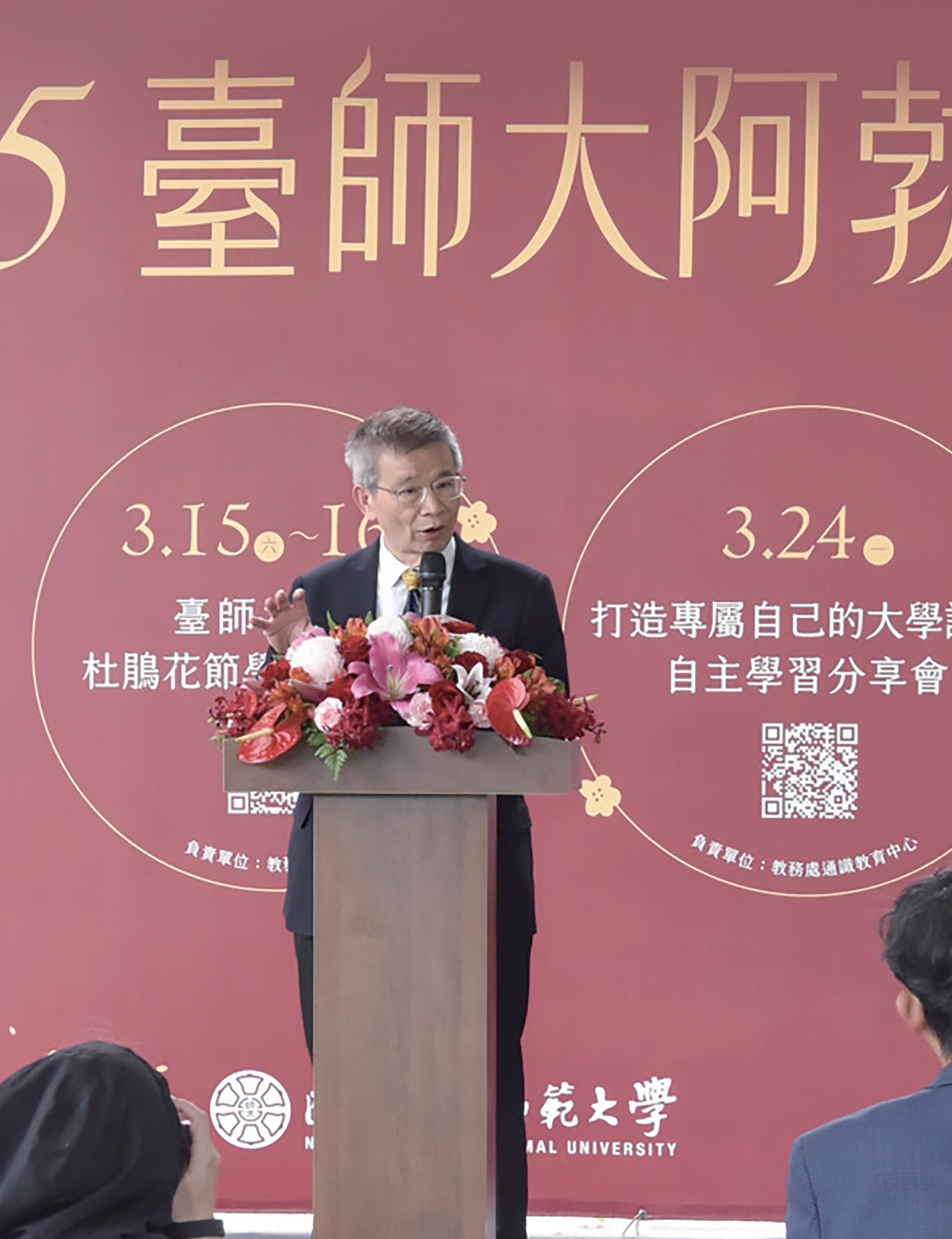
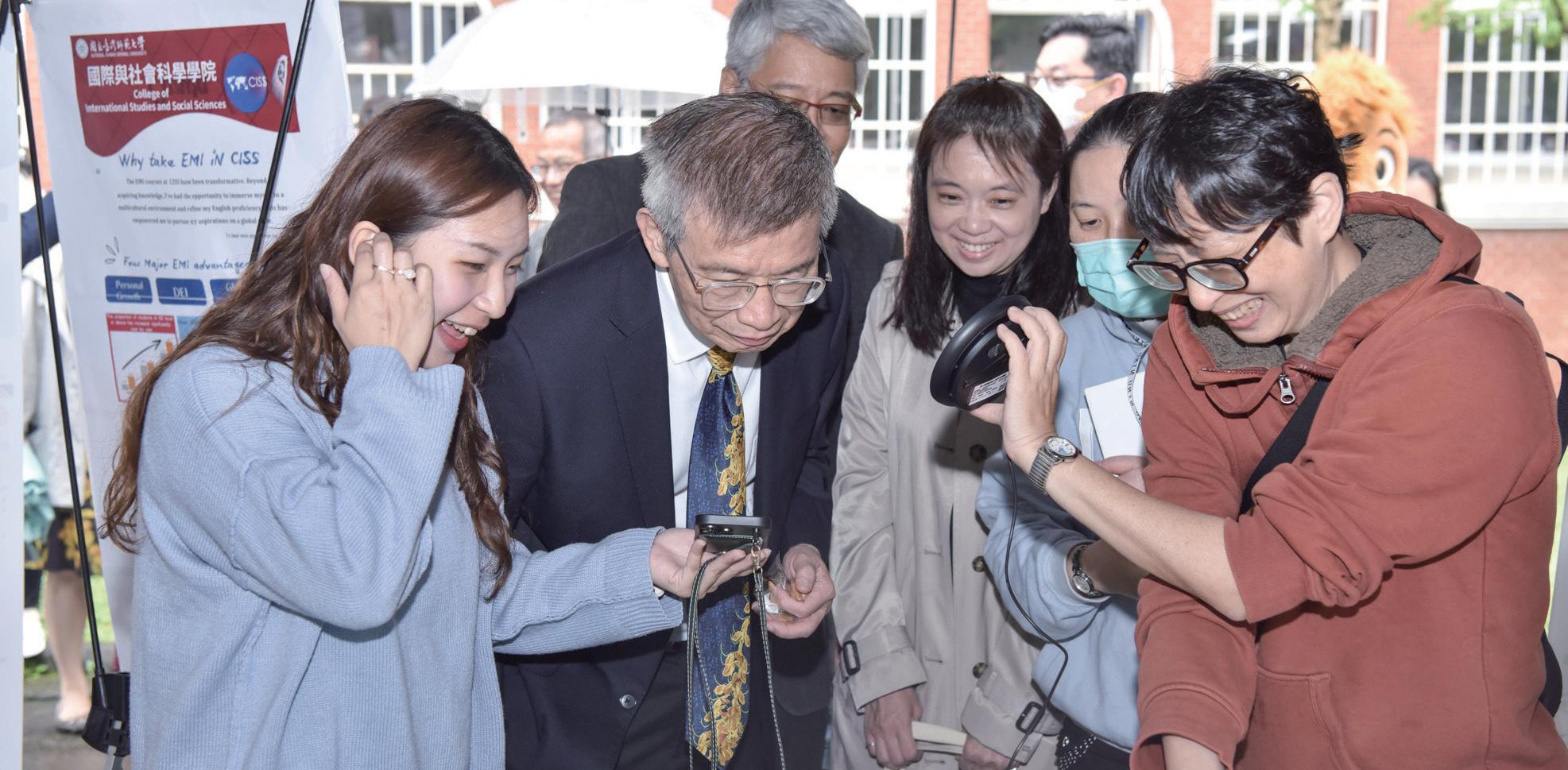
One of the clearest expressions of this shift can be seen in undergraduate education. Over the past several years, NTNU has undertaken a series of changes that loosen rigid curricular structures and give students greater opportunity and agency The adoption of a 16-week semester system, implemented in 2022, aligned NTNU more closely with international academic calendars while creating room for expanded summer offerings, interdisciplinary courses, internships, and overseas study. The reform redistributed time and learning intensity without diminishing academic rigor.
Alongside this shift, NTNU also revised credit requirements across departments. Required credits for single majors were reduced, and the credit thresholds for double majors and minors were lowered. In most departments, competitive selection for double majors was replaced with a registration-based system, allowing students to pursue additional fields of study after completing foundational coursework. Together, these changes reduced structural barriers to interdisciplinary learning, and enrollment data show steady growth in student participation in double majors and minors.
At the center of this reconfiguration is NTNU’s recently launched School Bachelor system, which allows students to assemble personalized degree pathways by combining minors and interdisciplinary credit programs. Supported by a dedicated advising structure, the system acknowledges that future careers may not align neatly with existing departmental boundaries. Rather than assuming a single, linear trajectory, the university has institutionalized flexibility as a core principle of undergraduate education.
Internationalization has been another defining dimension of NTNU’s development, particularly through the expansion of English-medium instruction (EMI). While EMI has become a common policy objective across Taiwanese universities, NTNU’s approach has emphasized institutional infrastructure rather than course-by-course expansion alone.
Over the past four years, NTNU has established a centralized Bilingual Education Office, introduced governance mechanisms based on continuous assessment and feedback, and created specialized centers to support both faculty and students. These include the English Academic Literacy Center and the EMI Teaching Resource Center, which provide academic language support, pedagogical training, peer observation opportunities, and shared teaching resources.
As a result, the number of EMI courses has grown steadily, with nearly half of the student body now taking at least one EMI course during their studies. At the graduate level, more than 70 percent of degree programs are now offered fully in English. Importantly, NTNU has also assumed a national role in EMI development, extending training programs and teaching resources to faculty at close to 90 universities across Taiwan. This outward-facing orientation has positioned NTNU not only as a beneficiary of bilingual education policy, but as a contributor to system-wide capacity building.
In 2024, these efforts were formally recognized when NTNU was designated by the Ministry of Education as a Bilingual Benchmark University. The designation acknowledged not only participation rates, but the university’s emphasis on quality assurance, teacher development, and scalable models adaptable to local contexts.
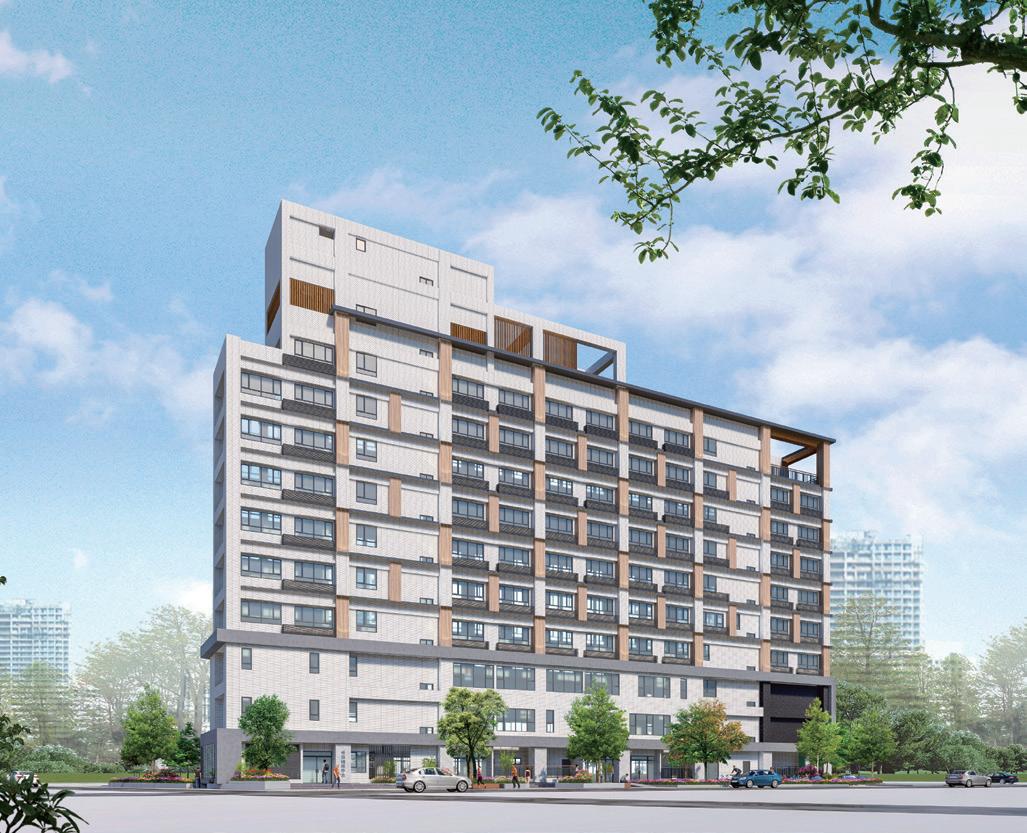
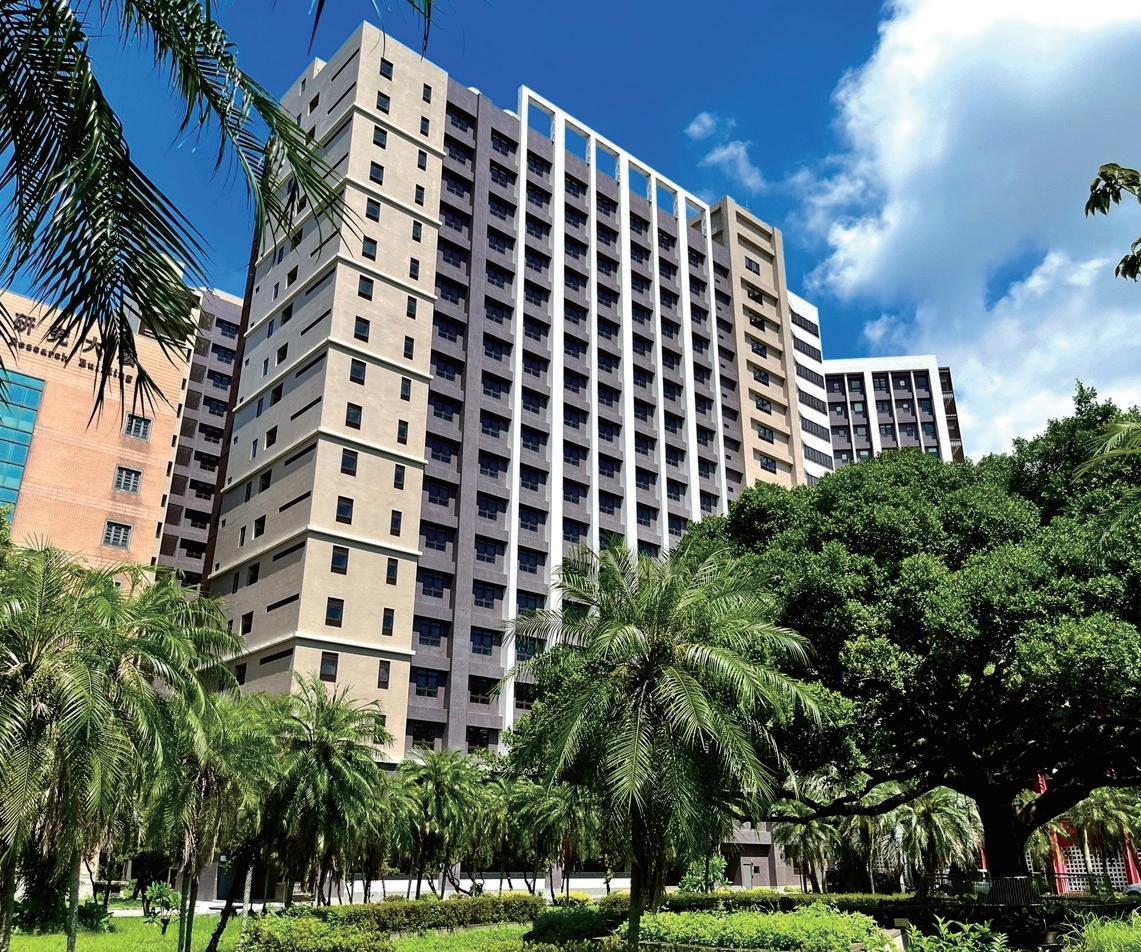
Parallel to curricular and instructional reforms has been a sustained investment in student support and campus infrastructure. NTNU has addressed long-standing housing shortages through the construction of a new student residence complex providing approximately 3,000 beds, raising on-campus accommodation capacity to an estimated 95 percent. The project integrated seismic safety technology, green building standards, and shared learning spaces, reflecting a broader commitment to student well-being as an academic issue rather than a peripheral concern.
Other campus projects, such as the renovation of teaching buildings, libraries, and sports facilities, as well as the opening of the NTNU Art Museum, reflect the same attention to function and openness. The art museum in particular has strengthened NTNU’s role in research, conservation, and contemporary curatorial practice, while making the university’s cultural collections more accessible to students and the broader community.
These investments also reflect a wider understanding of education as something that should enable, not exclude. Earlier in his administrative career, Wu spoke out against policies that removed students from higher education too quickly. That view continues to shape NTNU’s emphasis on advising, academic support, and giving students the opportunity to continue and improve, rather than relying on policies that sort or eliminate them.
NTNU’s transformation has also extended into research and industry collaboration. The establishment of the Interdisciplinary Industry-Academia Innovation Institute in 2023 marked a strategic effort to integrate research, teaching, and application across fields such as artificial
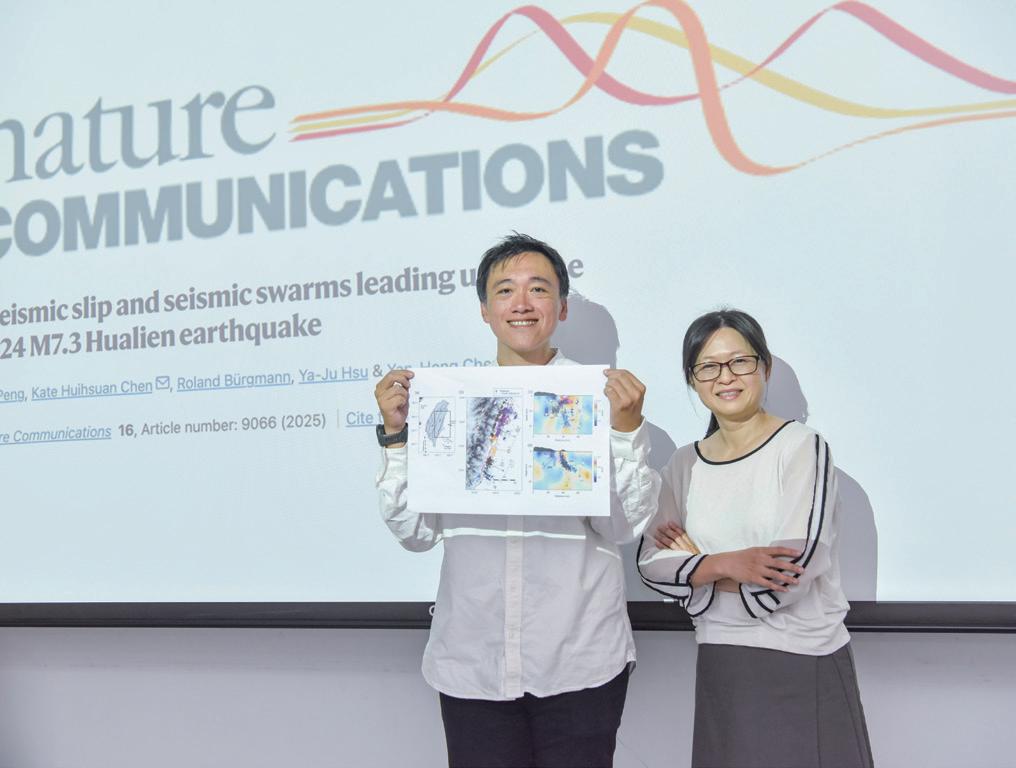
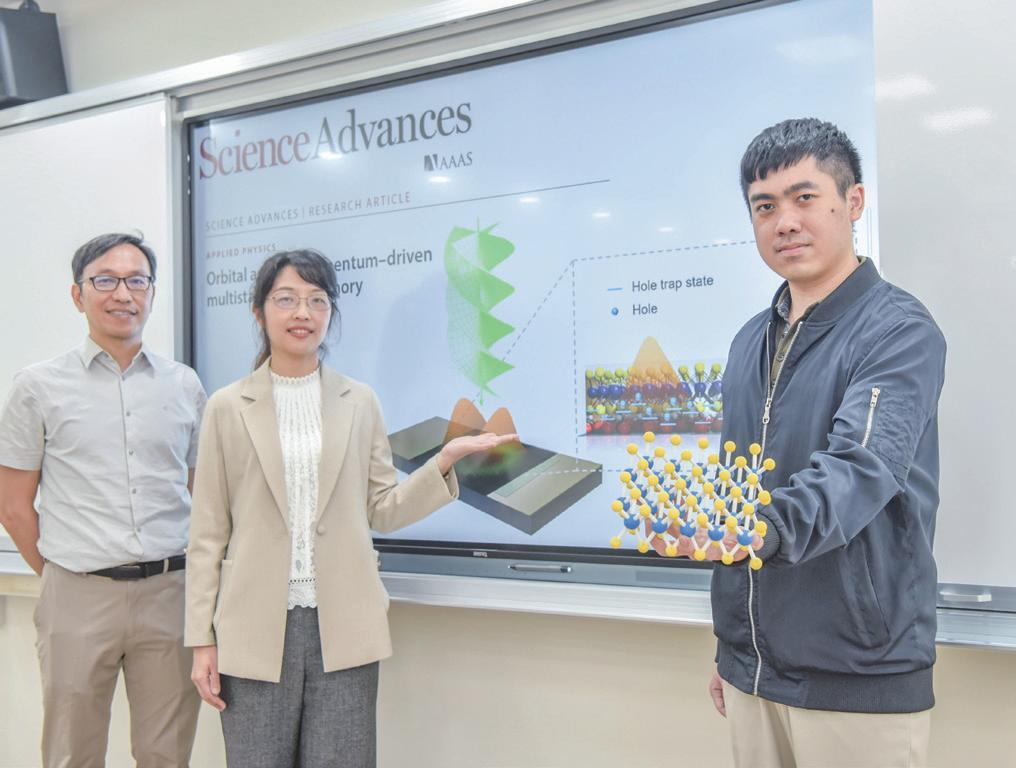
intelligence, green energy, and sustainability governance. Unlike traditional department-based structures, the institute operates as a cross-cutting platform, drawing faculty and students from multiple disciplines to address applied problems in partnership with industry.
Collaborations with companies such as TSMC, NVIDIA, Realtek, and Lion Travel Group have resulted in joint laboratories, specialized credit programs, overseas internships, and employment pathways that allow students to translate academic training into professional experience. Notably, these initiatives have not been limited to engineering or technical fields. Students from humanities, arts, education, and management backgrounds have been actively recruited into applied AI and digital media programs, reflecting NTNU’s emphasis on domain translation and interdisciplinary literacy.
Beyond employment outcomes, many partnerships have addressed public-interest challenges, including healthcare technologies, cultural heritage preservation, renewable energy research, and teacher training. These projects reinforce NTNU’s evolving role as a knowledge institution embedded in societal problem-solving rather than confined
to disciplinary silos.
Taken together, the changes implemented during the past several years point to a consistent institutional logic. NTNU’s recent development has not been driven by a single flagship initiative or symbolic reform, but by a series of interconnected adjustments that lower barriers, redistribute agency, and strengthen institutional capacity. The result is a university that is more permeable—across disciplines, languages, sectors, and national borders— while remaining grounded in its historical strengths in education and teacher training.
In reflecting on NTNU’s trajectory, President Wu has emphasized that universities should enable students to design their own futures rather than conform to predefined pathways. That principle is visible not only in policy statements, but in the structures now embedded within the university. As NTNU looks ahead, the significance of these reforms lies less in individual achievements than in the conditions they have created: conditions that allow the institution to adapt, collaborate, and educate in a rapidly changing world.
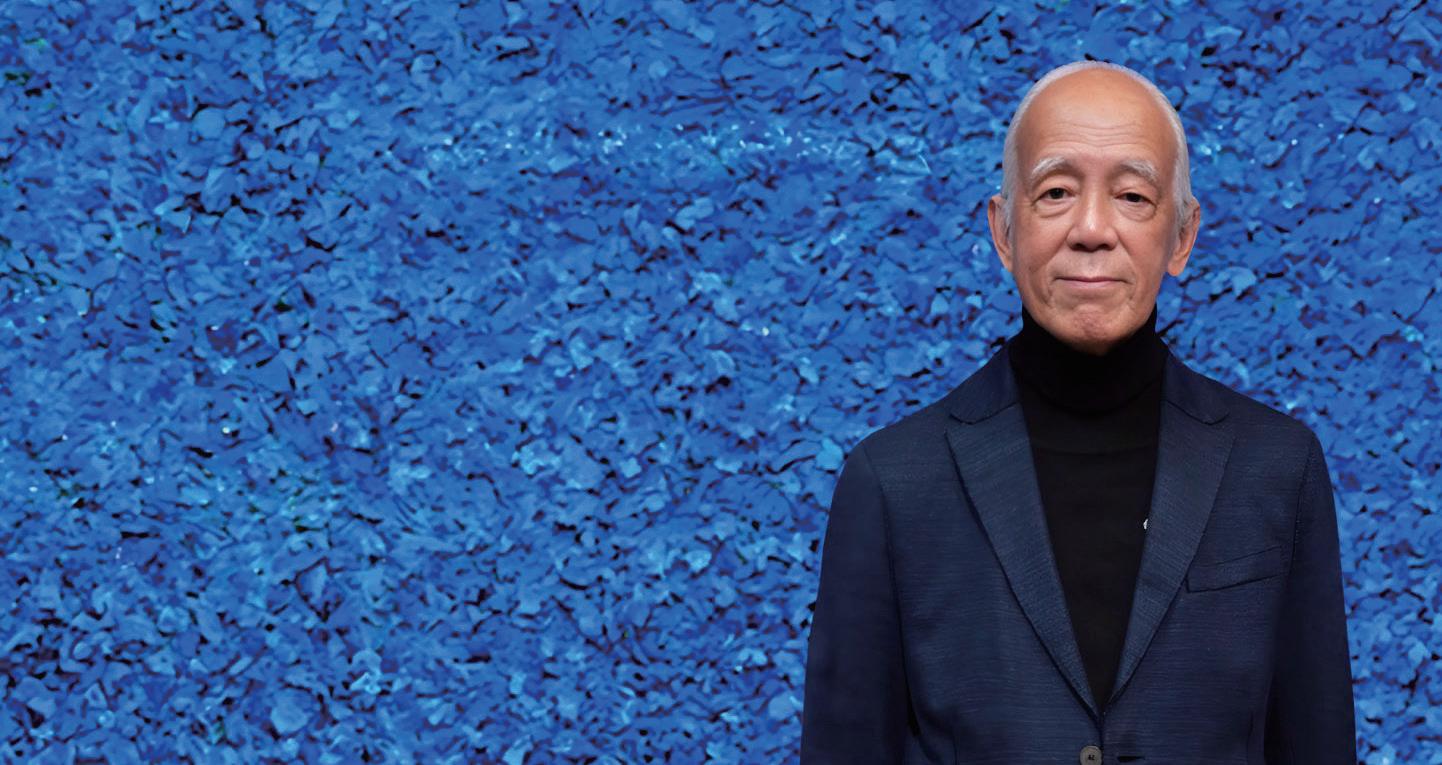
Internationally recognized abstract artist Paul Chiang (Class of 1965) has worked in Paris, New York, and Taiwan over the course of a decades-long practice shaped by solitude, abstraction, and close engagement with place. Since returning to Taiwan, he has been based in Jinzun, Taitung, where his work has continued to evolve in dialogue with the natural environment. In recent years, this way of working has also found physical expression in the Paul Chiang Art Center, developed from his long-standing studio practice.
Your work is often described as quiet and introspective. How would you describe your way of working?
I’ve always worked in a relatively solitary way. I spend long periods alone, working slowly. I don’t feel the need to respond quickly to trends or expectations. For me, a work of art is the manifestation of the artist and his life. How I work reflects how I live.
You have described moving to Taitung as the beginning of a “second artistic life.” How did this place reshape your work?
After many years in Paris, New York, and Taipei, moving to Taitung placed me in a completely different environment. The light, the air, and the rhythm of daily life here are very different. Over time, that entered the work. Even I was surprised. In my whole career, I never thought such colors would appear in my paintings. But I’m in a different environment now, I’ve reached a certain age, and the time had come.
Your paintings have become noticeably brighter in recent years. How do you understand that change?
Friends familiar with my earlier work sometimes joke that I discovered flowers late in life. I understand their surprise. Earlier paintings were more restrained and somber. Living in Taitung, surrounded by strong light and open space, my palette gradually became brighter. It wasn’t planned. It reflects changes in my surroundings and changes in myself. Your practice extends beyond painting into space, installation, and sculpture. How did that way of thinking develop?
I never felt that painting should stop at the frame. From early on, I was interested in how a work could extend into space. Over time, this led to three-dimensional works and installa-
tions. After moving to Taitung, I began working more directly with materials around me, including metal and construction remnants. Thinking about space became a natural part of my practice, including how my working environment was shaped.
How did the idea of the Paul Chiang Art Center emerge from this way of working?
The idea goes back to my years in New York. When I was living in East Hampton, I once thought about opening my studio so people could experience the environment in which I worked. After I moved to Jinzun, that idea gradually returned in a different form. I was in a different place, at a different stage of life. The art center grew out of that process. It isn’t separate from my practice, and it isn’t a conclusion. It continues alongside my work.
Your work has also responded to social and global events. How do you see the role of art in those moments?
I don’t think art can solve social problems. But when major events happen, they affect how I feel, and that naturally enters the work. After the 1999 Chi-Chi earthquake, I created the Purification series. Later works responded to September 11, the COVID-19 pandemic, and recent wars. These are not explanations. They are quiet responses.
What advice would you offer to younger artists today?
I would say not to focus too much on the identity of being an artist. What matters more is how you live and how you observe the world. Technique can be learned, but sensitivity comes from life itself. When a work truly carries the spirit of the artist, people can feel it without words.
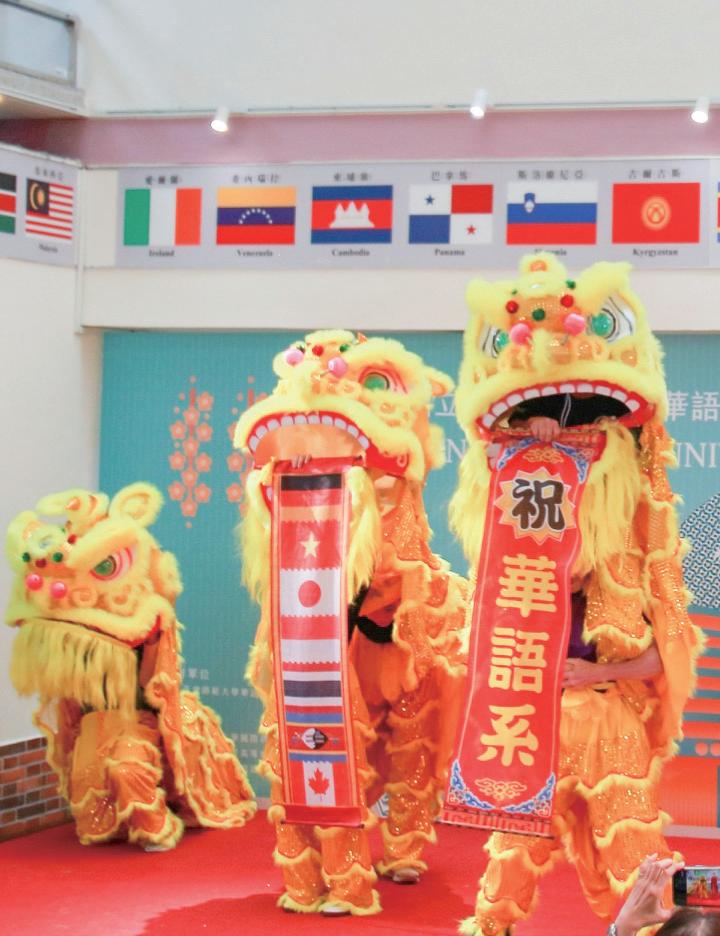
When the NTNU Department of Chinese as a Second Language was established 30 years ago, it occupied a position that was still relatively uncommon within Taiwan’s higher education landscape. Rather than treating Chinese solely as a subject of literary or linguistic study, the program approached it as a second language to be taught, learned, and researched within an applied pedagogical framework. Since then, the department has contributed to shaping how Chinese is taught, studied, and understood across cultural contexts. Marking 30 years since its founding this past December, the department has taken the opportunity to reflect on how the field has evolved alongside the changing demands of global language education.
What began as a small, specialized initiative has grown into a comprehensive academic unit with an international footprint. Today, the department’s students and alumni span more than 50 countries worldwide, with graduates teaching and working across six continents. The department now offers programs at the undergraduate, master’s, and doctoral levels, alongside professional and in-service training pathways. The foundations for this expansion were laid in 1993, when NTNU identified the need to formalize Chinese language pedagogy as a field of academic inquiry in its own right. At the time, Taiwan had yet to establish a graduate institute dedicated specifically to this area of study.
Formally established in 1995, the Graduate Institute of Teaching Chinese as a Second Language drew on faculty expertise from linguistics, Chinese literature, and language education, as well as resources from the university’s Mandarin Training Center. From the outset, the institute placed equal weight on theory and practice. Teaching practicums were built into degree requirements, and students were encouraged to work directly with learners from diverse linguistic and cultural backgrounds.
That emphasis continues to shape the department’s identity today. Department Chair Jia-Fei Hong notes that Chinese language teaching extends beyond technical instruction alone. “Chinese language teaching is not merely the transmission of language,” she explains. “It is also a sharing of culture, an exchange of emotion, and a form of accompaniment through learning and life.” This perspective informs the department’s approach to pedagogy, research, and student development.
Building a Holistic Program
NTNU’s TCSL program expanded in the early 2000s as global demand for Chinese language education continued to grow. New academic units were established to address different dimensions of Chinese language use, including undergraduate programs focused on international Chinese and applied Chinese studies. At the same time, the original graduate institute broadened its research scope, introducing specialized tracks in overseas Chinese education and diaspora studies.
Rather than continuing as separate areas of specialization, these programs gradually moved toward integration. In 2012, the Graduate Institute of Teaching Chinese as a Second Language and the Department of International Chinese and Culture were brought together to form a single Department of Chinese as a Second Language, creating a continuous academic pathway from undergraduate to doctoral study. A second major reorganization followed in 2017, when the Department of Applied Chinese was fully merged into the department, which became part of the College of International Studies and Social Sciences.
These changes went beyond administrative restructuring. They reflected a broader way of thinking about Chinese language education as an interconnected field, one that brings together linguistic research, teacher training,
cultural literacy, and applied professional practice. Today, the department’s programs support students with a wide range of academic and professional goals, whether they plan to pursue careers in education, research, or work in multilingual and cross-cultural settings.
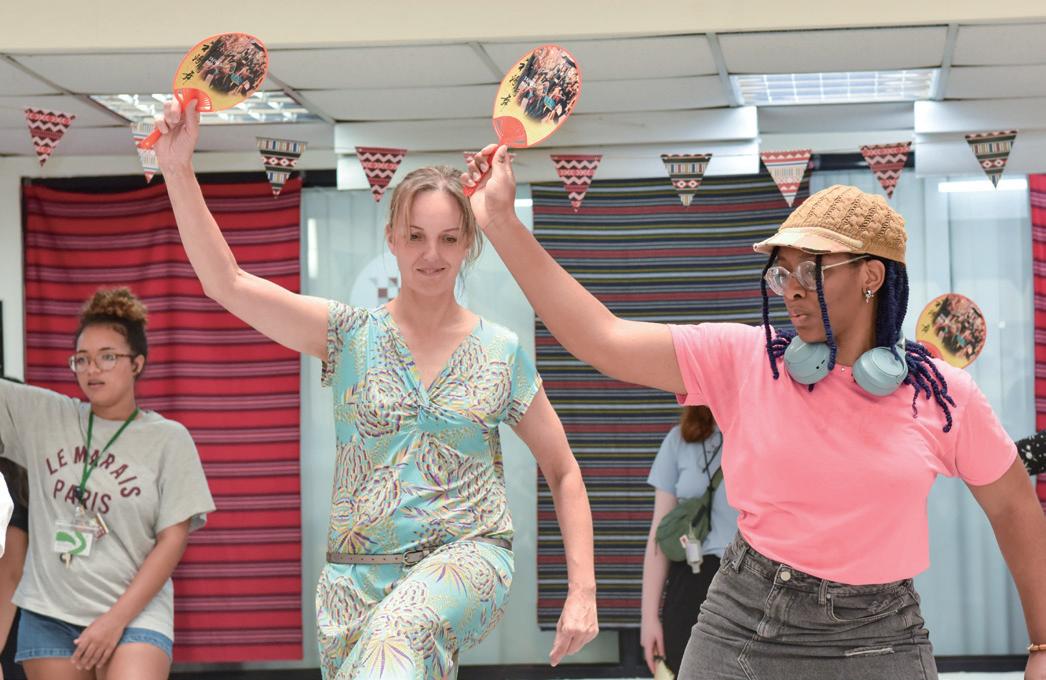
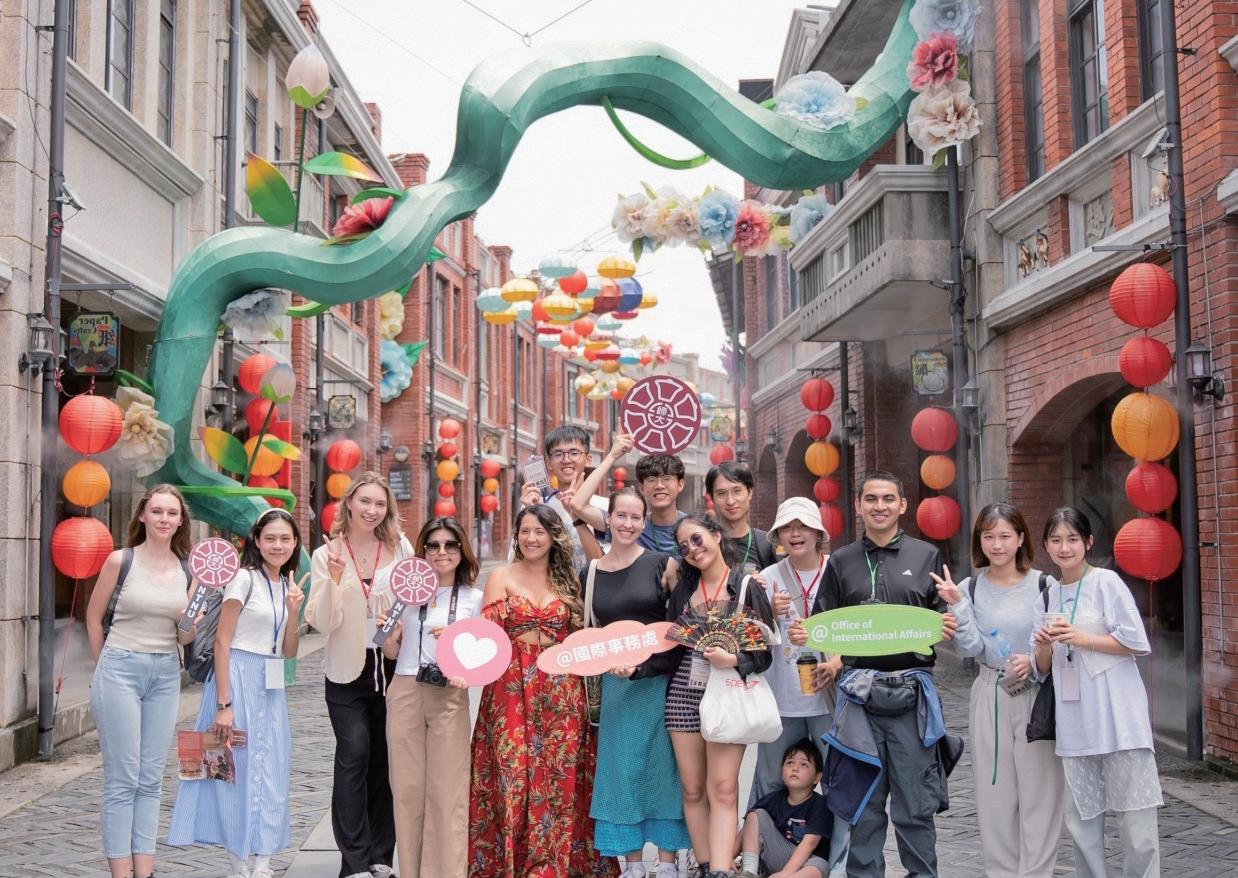
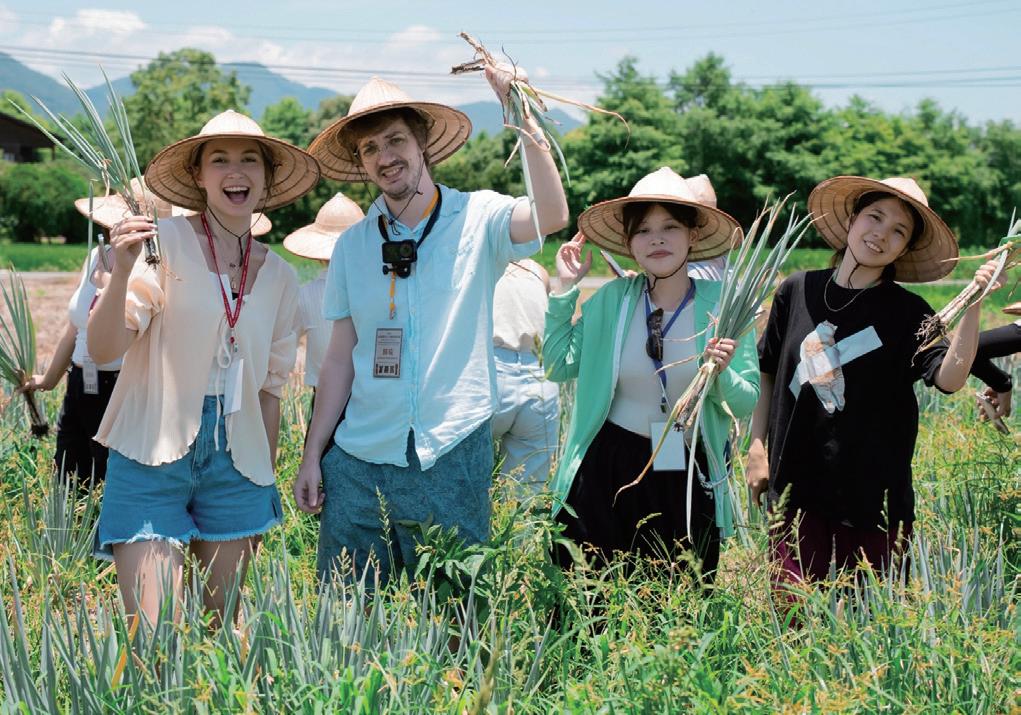
One of the department’s defining features is the international composition of its student body. Students enrolled in the international undergraduate track represent more than 50 countries, and the online in-service master’s program serves participants from 44 countries across six continents. This diversity shapes everyday classroom experience, where multilingual perspectives are the norm rather than the exception.
International exchange and overseas teaching placements are an integral part of the curriculum. Students gain firsthand experience by regularly taking part in internships and teaching practicums at NTNU’s partner institutions across Asia, Europe, and the Americas. For many, these placements provide a first opportunity to teach Chinese outside Taiwan, while also situating the department within broader global networks of Chinese language education.
The department also contributes to international academic exchange through conferences and collaborative research initiatives. Since its inception, it has hosted
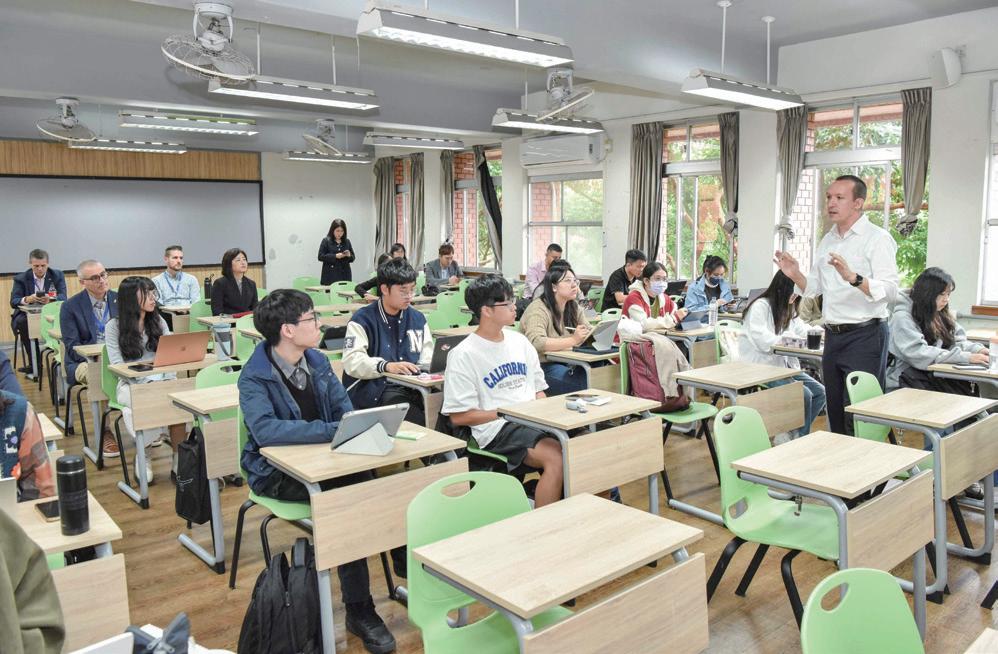
major academic gatherings focused on Chinese language pedagogy, creating spaces for dialogue among scholars and practitioners working in different regions and institutional contexts.
Across its programs, the department places a consistent emphasis on linking research with teaching practice. Courses address areas such as second language acquisition, curriculum design, assessment, and the use of digital tools in language instruction. Professional credit programs and in-service degrees extend this training to working educators, particularly those teaching Chinese in overseas contexts.
Hung emphasizes that adaptability remains central to the department’s outlook. “In a rapidly changing language education environment shaped by digital technology, cultural diversity, and global mobility, we hope to become a more forward-looking base,” she said, pointing to ongoing curriculum updates and international collaboration as key priorities.
Graduates of the department now work across a wide range of fields. Many teach Chinese at universities, schools, and language centers around the world, while others apply their training in areas such as cultural exchange, public service, media, and industry. Taken together, these varied career paths reflect the ways Chinese language education
can operate not only as an academic discipline, but also as a means of connecting institutions, societies, and cultures.
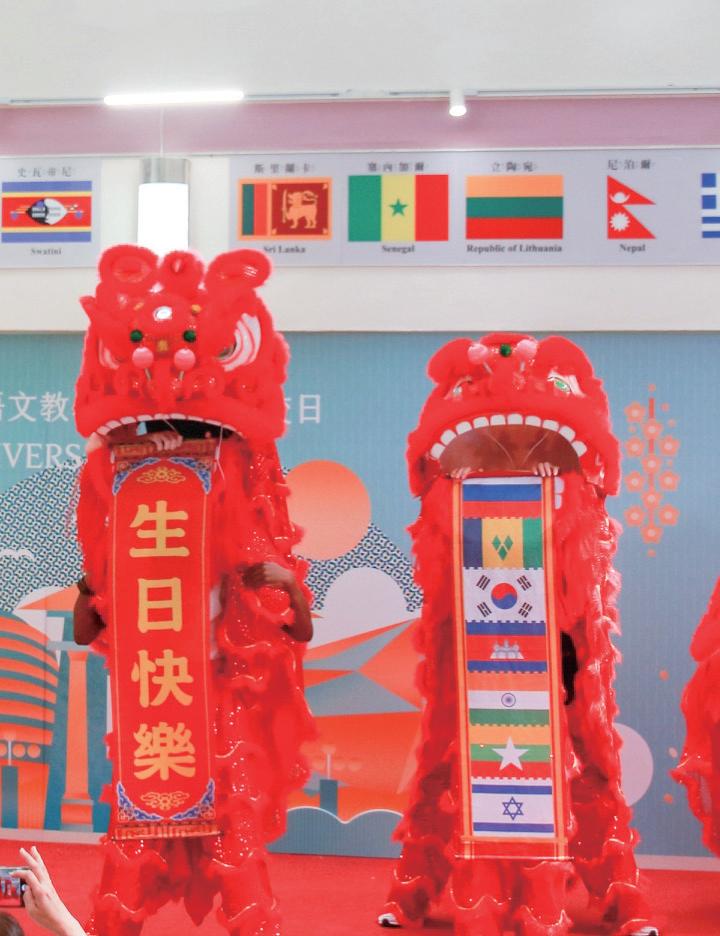
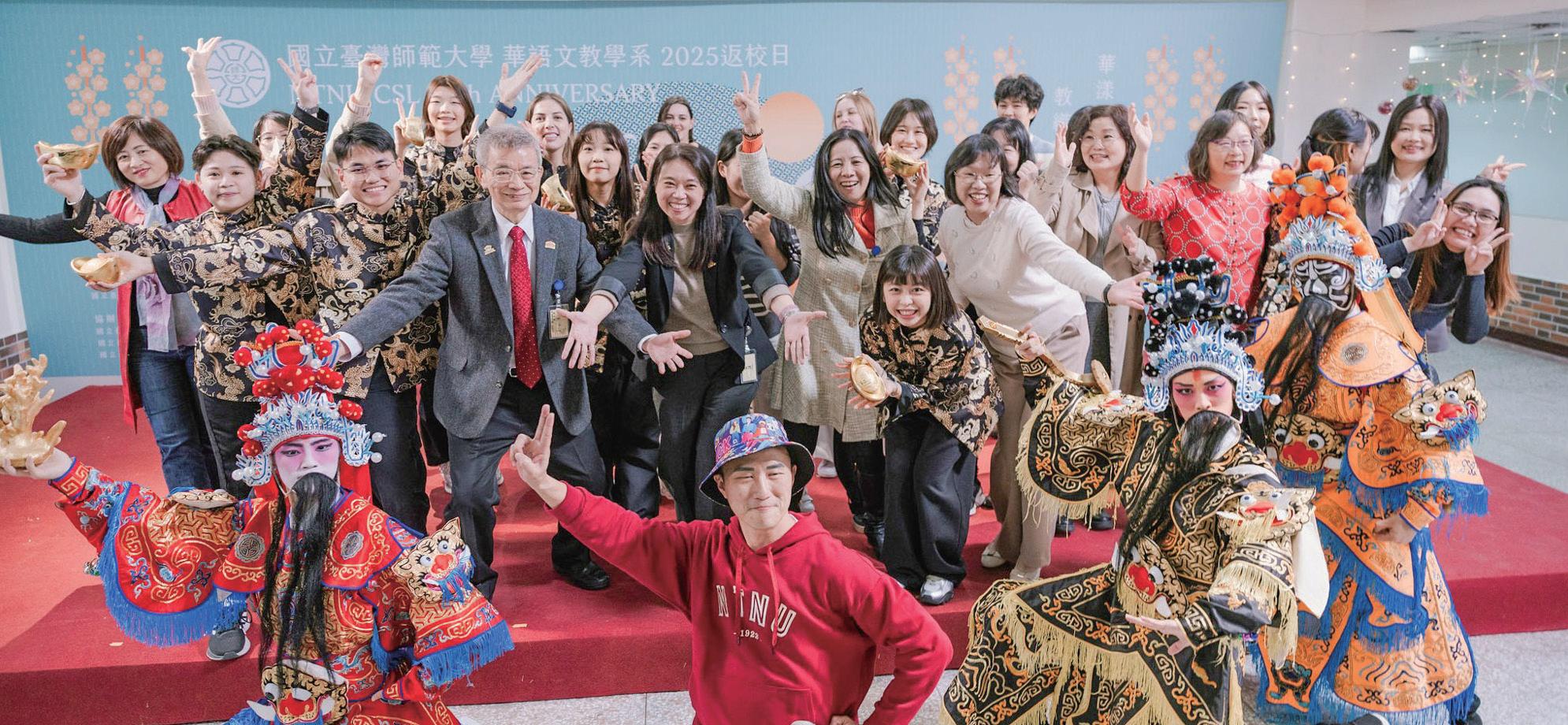
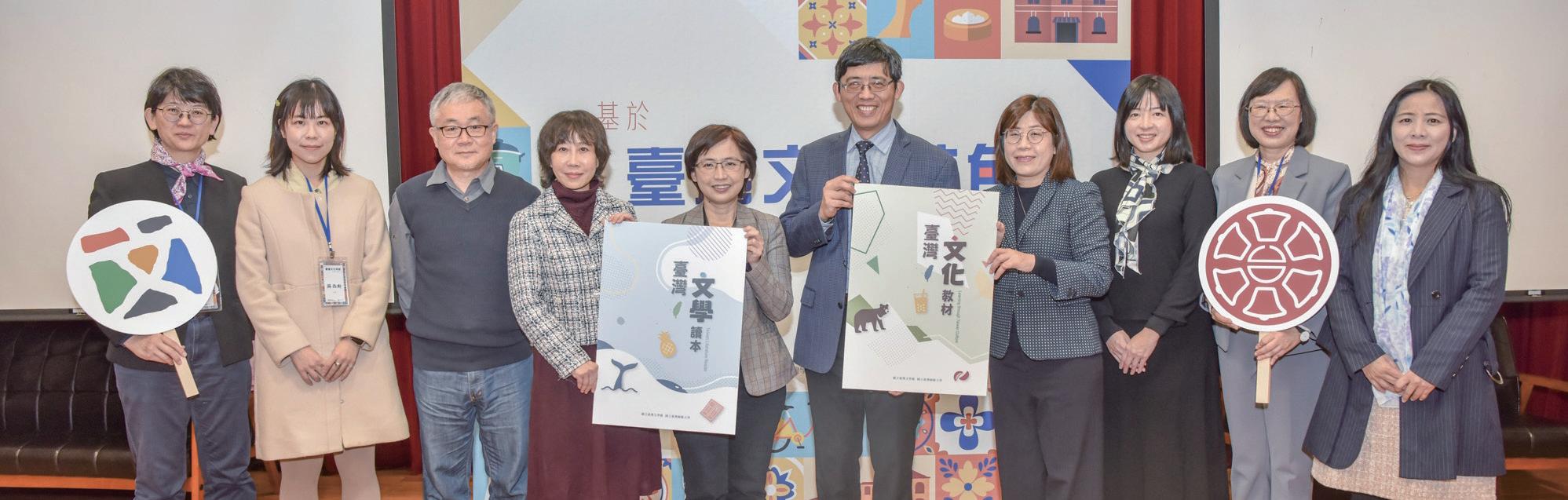
The department’s anniversary year culminated in an on-campus gathering that brought together alumni, faculty, students, and university leaders. While celebratory in tone, the event also served as a reminder of the department’s scale and continuity. Retired faculty who had guided the department through its early stages stood alongside current students whose academic paths are still unfolding.
In remarks delivered at the gathering, University President Cheng-Chi Wu highlighted the department’s role within NTNU’s broader internationalization efforts and its longstanding collaboration with the Mandarin Training Center. The occasion also marked moments of renewal, including the unveiling of a new departmental logo designed by a graduate student, symbolizing a forward-looking identity shaped by the next generation.
In reflecting on the department’s 30-year history, Hung invokes the Confucian phrase “at thirty, one stands firm.” The department, she suggests, now stands at a point where accumulated experience and institutional memory provide a foundation for continued innovation. “We inherit the work of those who came before us,” she noted, “and move forward with new energy.”
Connects the World
As Taiwan expands its engagement in international higher education and research, attracting and sustaining international talent has become both a stated national priority and a practical challenge for universities. Within the framework of Taiwan’s New Southbound Policy, NTNU has developed an approach to international talent cultivation that emphasizes continuity across the academic journey, from initial outreach and admission to academic and cultural support during students’ years of study, and onward to career preparation and longer-term integration into Taiwan’s research and industrial sectors.
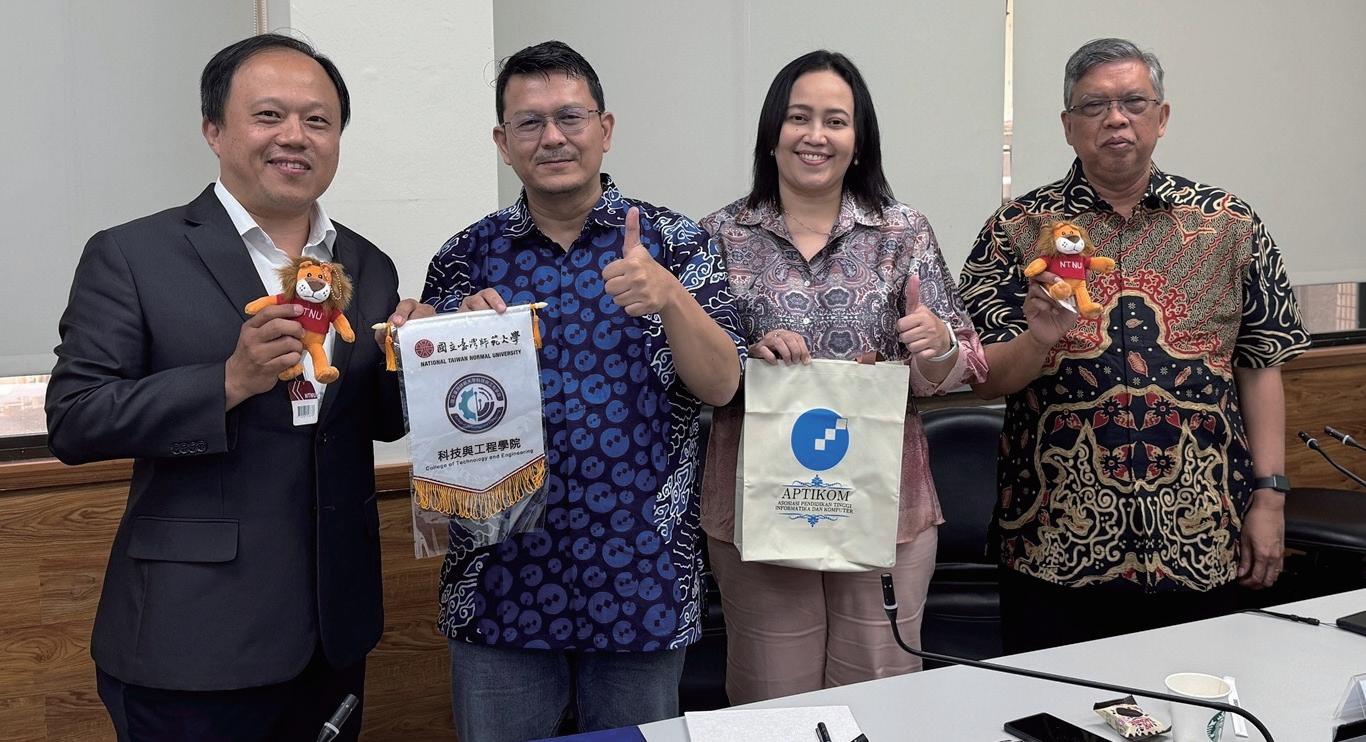
Rather than concentrating on short-term recruitment alone, NTNU has invested in sustained partnerships with universities, government agencies, and industry partners across South and Southeast Asia. Recent initiatives in India, Vietnam, Indonesia, and the Philippines illustrate how this approach has been put into practice.
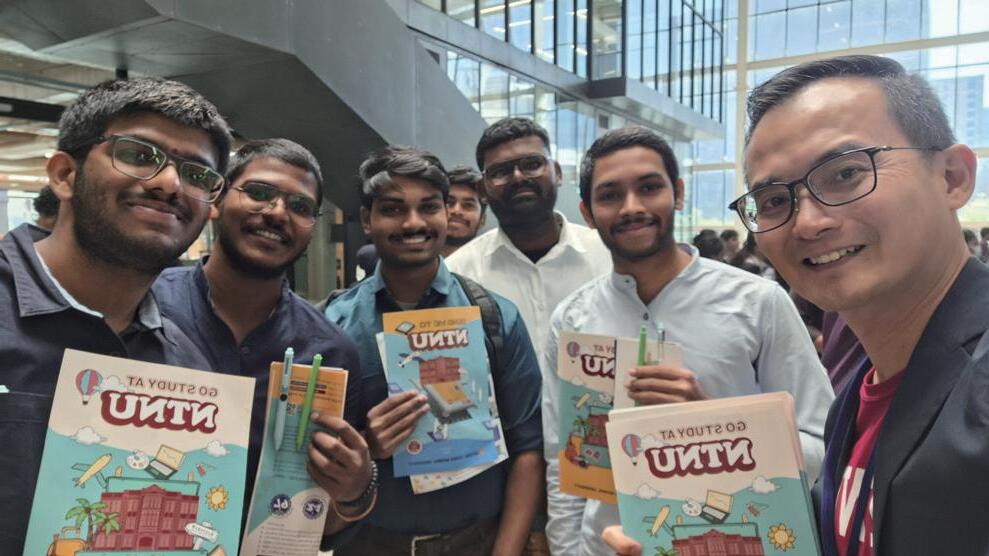
From 2024 to 2025, NTNU took part in two talent recruitment missions to India aligned with Taiwan’s national
talent development priorities, organized through Talent Taiwan, together with domestic industry partners and fellow members of the National Taiwan University System (NTUS). Student recruitment was a central aim of the visits. At the same time, NTNU faculty met with counterparts at Indian universities, including the Indian Institute of Science in Bengaluru and the Indian Institute of Technology in Hyderabad, to exchange views on academic environments and research practice.
Faculty members noted that these early academic conversations helped prospective students gain a clearer understanding of research settings, laboratory culture, and language use in Taiwan. Grounding recruitment discussions in the realities of study and research supported more informed expectations before application.
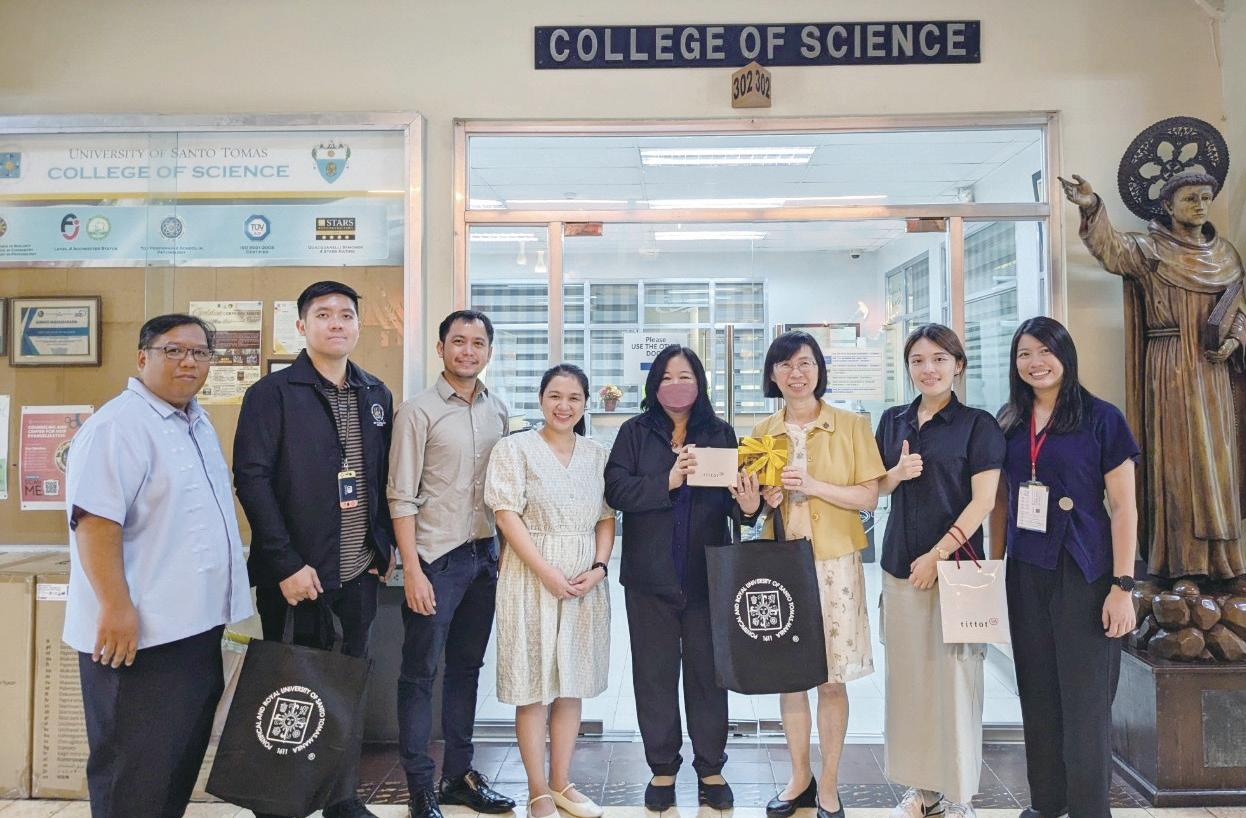
NTNU faculty together with administrative teams, have also conducted recruitment and outreach in the Philippines through the Taiwan Education Center Philippines. Visits were made to Chinese-Filipino secondary schools and universities, including Immaculate Conception Academy,
Saint Jude Catholic School, Hope Christian High School, the University of the Philippines Diliman , the University of Santo Tomas, etc., as well as other partner universities. Vietnam: Training Linked to Industry Practice
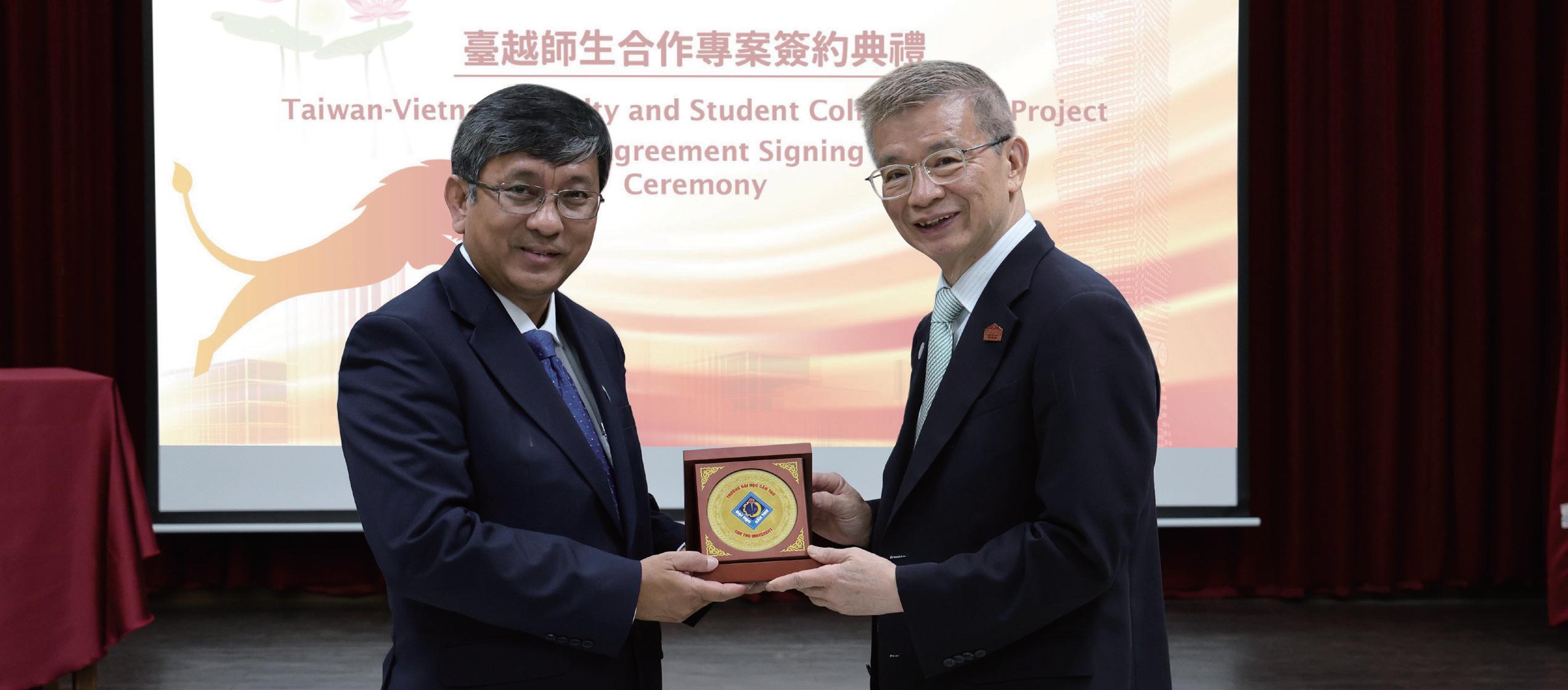
Vietnam represents one of NTNU’s most established Southbound partnerships. Building on long-standing student recruitment and exchange networks, NTNU formally launched the Lion Leap Program in May 2025 in collaboration with Can Tho University (CTU) and the Chenyung Memorial Foundation , with support from multiple Taiwan-based enterprises.
Designed as a two-year program (2025–2027), the initiative focuses on talent cultivation in artificial intelligence and semiconductors for both students and scholars. In its first year, NTNU hosted four visiting scholars from Can Tho University for intensive one-month training programs led by the Department of Electrical Engineering and the Department of Mechatronic Engineering. Training covered semiconductor fabrication workflows, cleanroom procedures, atomic force microscopy (AFM), femtosecond laser microfabrication, and VLSI design.
While academic training remains central, the program is closely aligned with technologies and research practices used in industry. Through hands-on laboratory work and exposure to applied research environments, participants gain early insight into how academic training connects to potential pathways in Taiwan’s technology sectors, including further study, applied research, or employment, while maintaining an open and exploratory approach.
To support implementation, NTNU’s Office of International Affairs established standardized procedures covering visas, funding arrangements, accommodation, academic scheduling, and tailored support as needed, allowing participants to focus on training and research while gaining a clearer understanding of academic and professional life in Taiwan.
At the departmental level, NTNU’s engineering programs play a central role in supporting international scholars during their period of study and training. The Department of Mechatronic Engineering structured its visiting scholar program around a four-week progression from theoretical grounding to advanced equipment operation and crossplatform analysis, with hands-on training in AFM-based nanomeasurement and femtosecond laser processing.
Similarly, the Department of Electrical Engineering hosted two scholars from the CTU Department of Electronics and Communications Engineering in September 2025. Faculty exchanges focused on integrated circuit design, modeling, verification, and chip testing, with NTNU faculty providing teaching materials to support curriculum development after the scholars’ return to Vietnam. These interactions also supported future collaboration in research and mobility.
Vietnam Partnerships beyond Recruitment
In parallel with the Lion Leap Program, NTNU has continued to strengthen cooperation with Hanoi National University of Education (HNUE), a key partner since 2017. A delegation led by HNUE president Dr. Nguyen
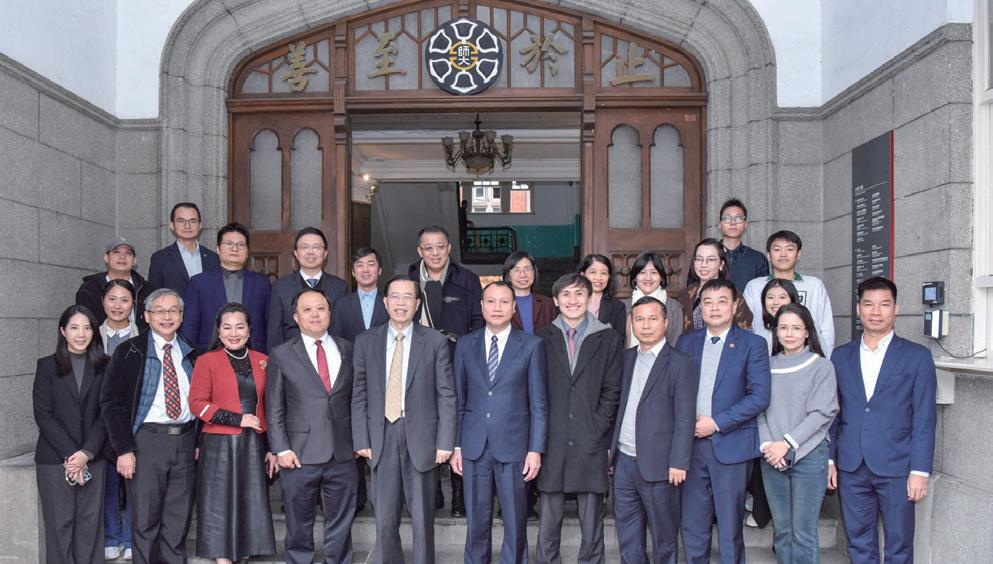
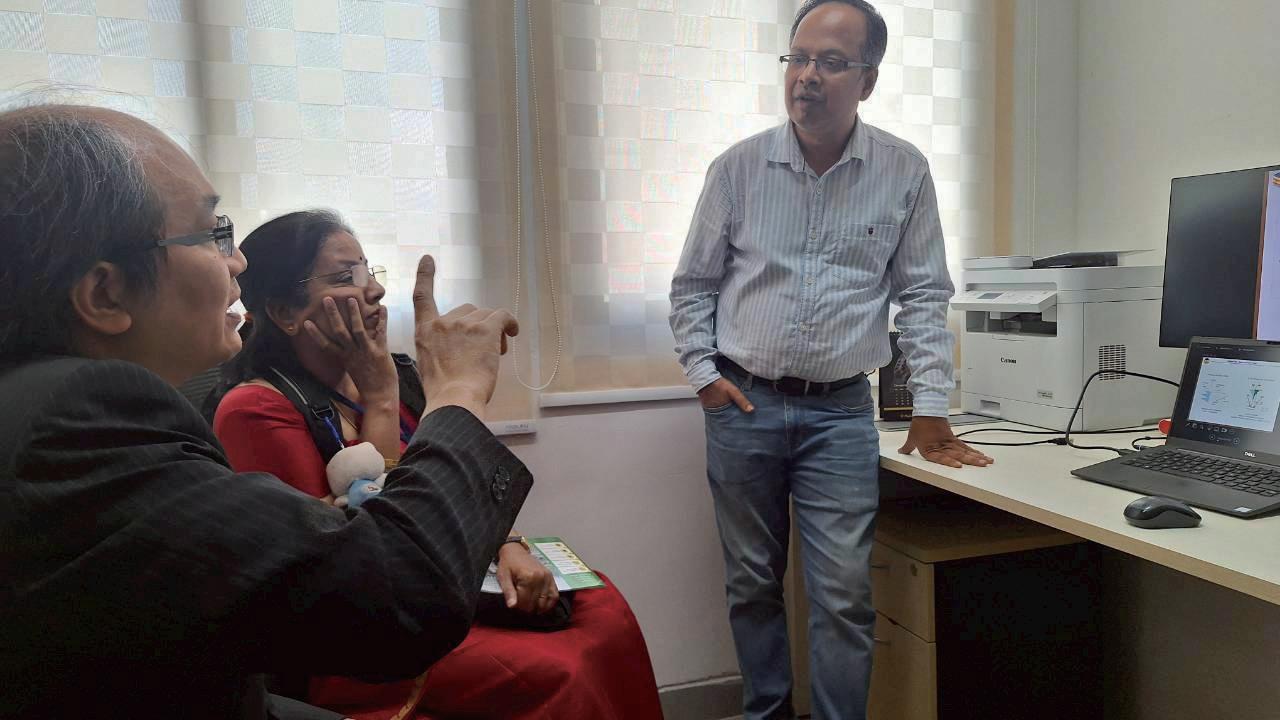
Duc Son visited NTNU in early 2025 to renew institutional agreements and expand discussions on teacher education, EMI curriculum development, and joint research.
Faculty- and college-level meetings addressed both short-term exchanges and medium-term initiatives, including overseas teaching practicums and joint workshops. Campus visits and cultural activities, including sessions at NTNU’s Mandarin Training Center (MTC), further highlighted the integration of language education with academic exchange and student support.
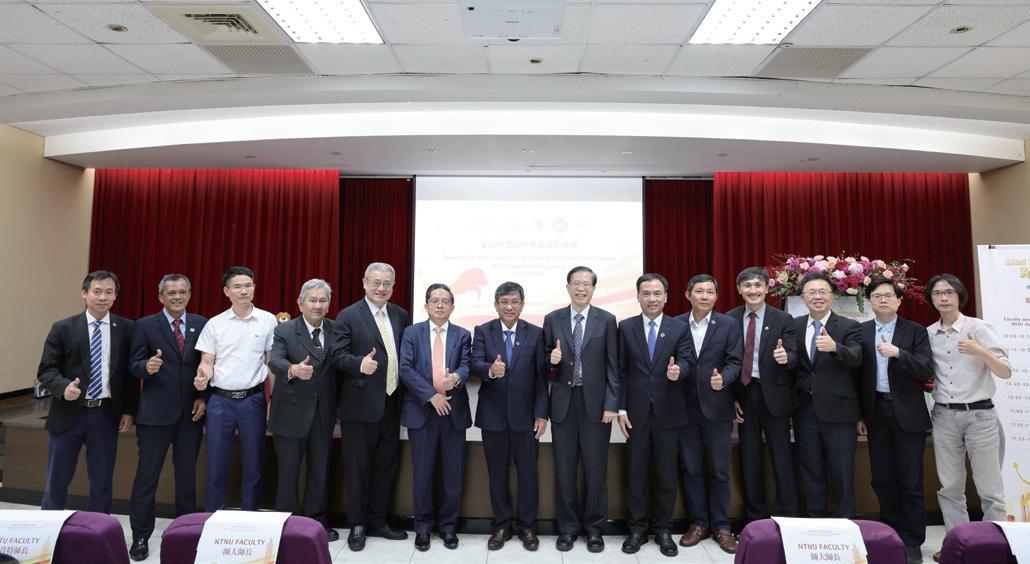
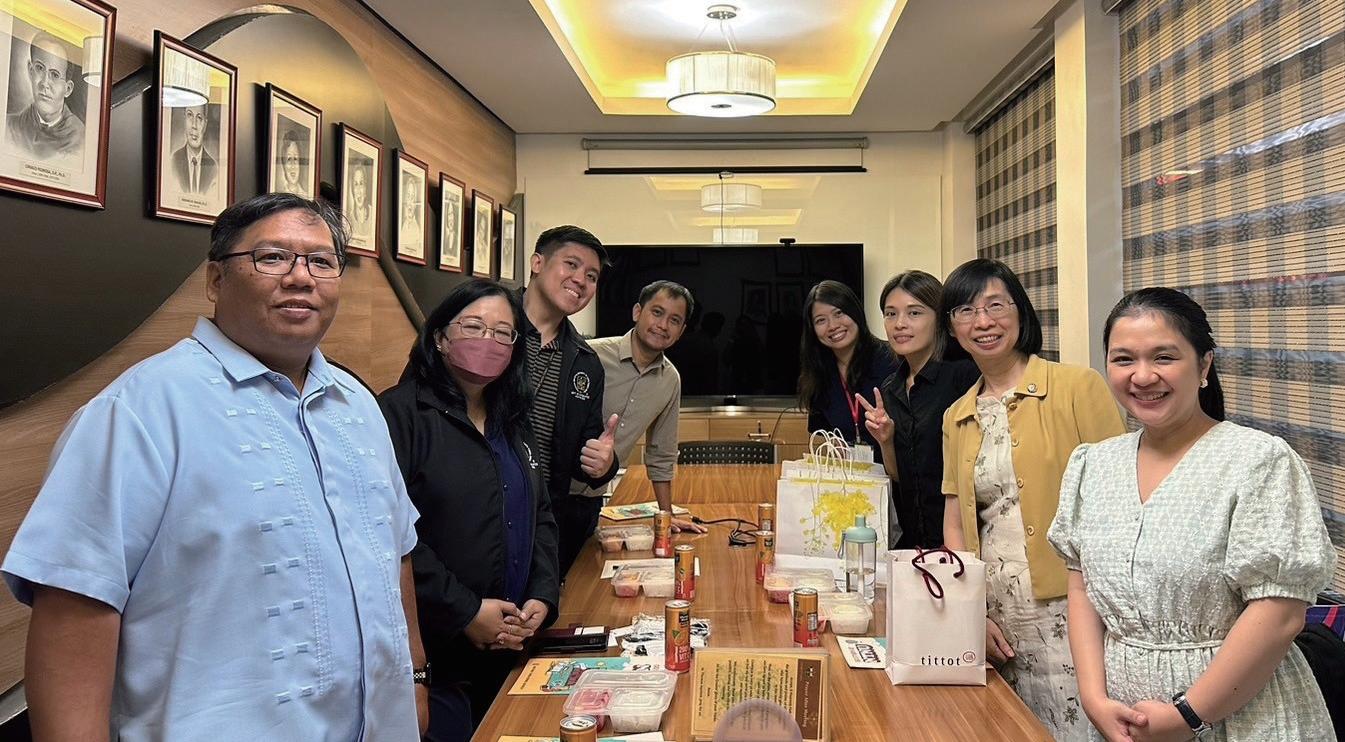
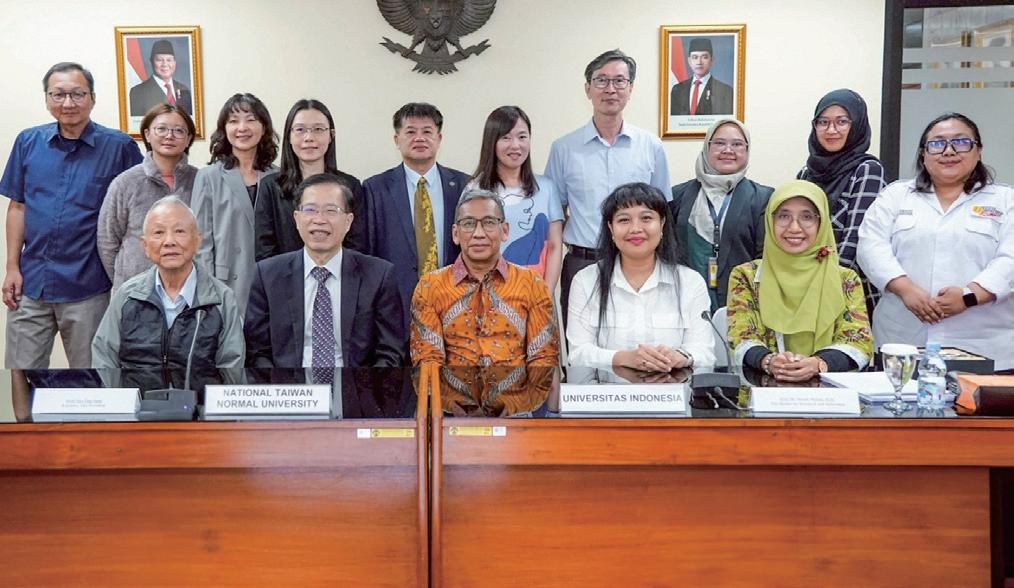
NTNU’s engagement with Indonesia reflects a complementary approach centered on institutional networks, faculty exchange, and alumni connections. In November 2025, a delegation led by Vice President Yao-Ting Sung visited Institut Teknologi Bandung (ITB), Universitas Pendidikan Indonesia (UPI), and Universitas Indonesia to renew memoranda of understanding and explore expanded cooperation in STEM education, dual-degree programs, and language training.
NTNU also co-hosted the MSCEIS-IWALS International Joint Conference 2025 with UPI, focusing on digital innovation in mathematics, science, and learning technologies. Faculty from NTNU’s Graduate Institute of Science Education and Department of Educational Psychology and Counseling contributed invited presentations, supporting academic exchange and applied research dialogue.
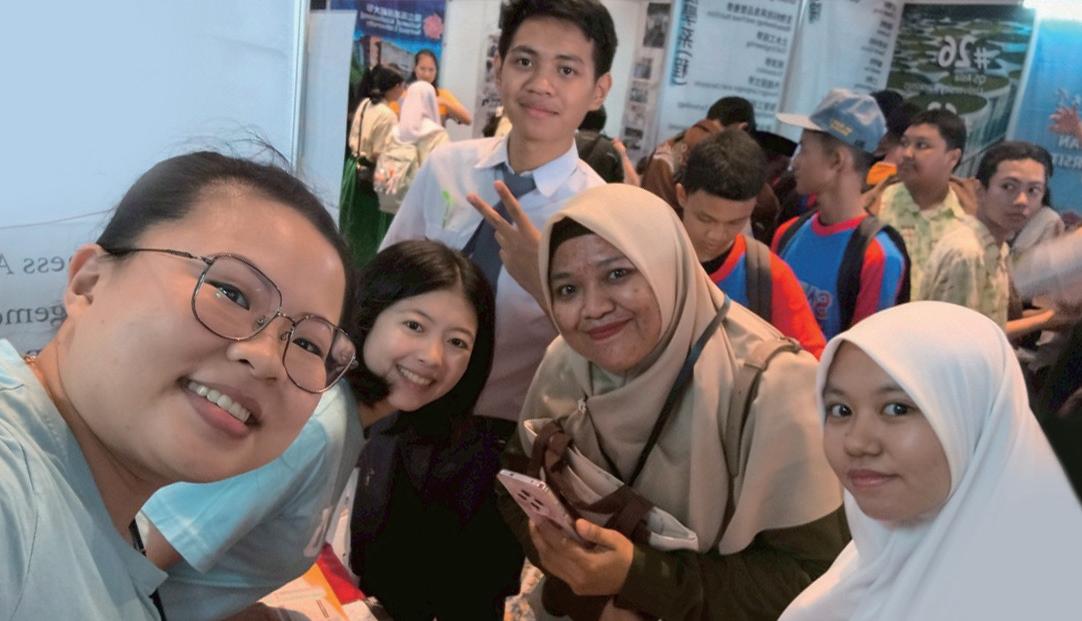
Alongside bilateral partnerships, NTNU faculty have participated in government-supported initiatives such as the Taiwan Experience Education Program (TEEP)
and the International Internship Pilot Program (IIPP). These programs offer short-term research or internship placements, some involving applied or industry-linked projects.
Although primarily educational, TEEP and IIPP provide opportunities that connect academic training with professional experience. Participation in applied research settings or industry-adjacent environments gives international students and early-career researchers early exposure to Taiwan’s research culture and workplace practices, which in some cases supports subsequent degree study or employment in Taiwan.
As of the 2025 academic year, NTNU hosted 1,942 international students, with sustained growth in enrollment from Southbound partner countries including Malaysia, Vietnam, Myanmar, Indonesia, Thailand, India, and the Philippines. This milestone reflects a series of concrete breakthroughs in NTNU’s international recruitment efforts, supported by expanded academic programs, diversified partnership models, and strengthened institutional support mechanisms.
Taken together, NTNU’s recent initiatives demonstrate a comprehensive approach to international engagement— one that moves beyond enrollment numbers to emphasize continuity across recruitment, academic support, research exposure, and industry-relevant experience. By systematically linking these elements across different stages of the academic journey, NTNU continues to broaden access, deepen engagement, and enhance its role as a regional hub for international talent cultivation and academic collaboration.
John Clarke Trailblazer
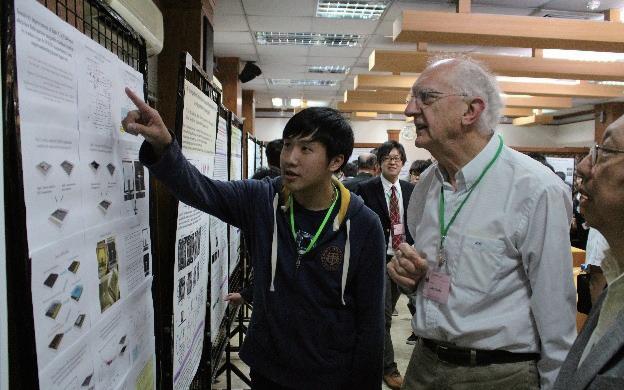
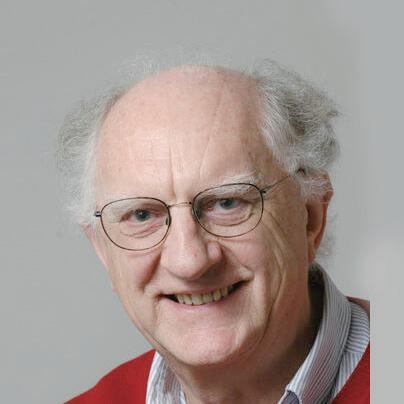
Professor John Clarke, awarded the 2025 Nobel Prize in Physics for his contributions to macroscopic quantum tunneling and superconducting electronics, served as Chair Professor in the Graduate Institute of Electro-Optical Engineering at NTNU from 2012 to 2017. While his formal appointment concluded several years before the Nobel announcement, the research frameworks he helped establish continue to shape NTNU’s work in quantum sensing and its translation into biomedical applications.
Clarke is widely regarded as a central figure in superconducting electronics. Over a career spent largely at the University of California, Berkeley, he demonstrated that carefully engineered electrical circuits could behave as coherent quantum systems, exhibiting discrete energy levels and quantum tunneling. These experiments, carried out with long-time collaborators Michel H. Devoret and John M. Martinis, provided the first convincing evidence that macroscopic circuits obey quantum mechanical laws once thought to apply only at atomic scales. This work is now recognized as a foundational contribution to superconducting qubits and modern quantum engineering.
Equally influential has been Clarke’s role in the development of the Superconducting Quantum Interference Device, or SQUID. As the world’s most sensitive magnetic sensor, the SQUID enables the detection of extraordinarily weak magnetic signals. Clarke’s insistence on pairing fundamental physics with instrument-building transformed the SQUID into a versatile platform now used across fields ranging from geophysics and neuroscience to medical diagnostics. Within the discipline, he is often referred to as the “King of SQUID,” a shorthand for his enduring influence on both theory and application.
It was this combination of foundational insight and practical instrumentation that led NTNU to invite Clarke to join the Graduate Institute of Electro-Optical Engineering as Chair Professor. During his time in Taiwan, he worked closely with local research teams on superconducting devices and quantum sensing systems, offering guidance on circuit design, noise suppression, and measurement strategies. The collaboration helped position NTNU within an international research ecosystem focused on extending quantum technologies beyond the physics laboratory.
Since Clarke’s appointment, NTNU researchers have continued to build on SQUID-based sensing architectures, expanding their applications from low-temperature physics to clinically relevant systems. Faculty in the Graduate Institute of Electro-Optical Engineering have developed innovative approaches to high-temperature SQUID design, enabling sensitive measurements using liquid nitrogen cooling rather than more demanding cryogenic environments. These advances opened new possibilities for compact and cost-effective biomedical systems.
One outcome has been the development of magnetic resonance and imaging platforms optimized for rapid pathological screening during surgical procedures. By rethinking sensor architecture and system integration, NTNU teams demonstrated that quantum-limited sensitivity could be achieved in settings far removed from conventional hospitalscale installations.
Perhaps the most visible extension of this research lineage has emerged in biomedical diagnostics. Building on SQUIDbased quantum sensing, NTNU researchers pioneered bloodbased detection technologies for neurological disorders by combining superconducting sensors with immunomagnetic reduction techniques. This approach enables highly sensitive and selective detection of biomolecules, allowing early screening for conditions such as Alzheimer’s disease through minimally invasive testing.
These technologies have progressed beyond proof of concept. Following regulatory approval in Taiwan, they have entered clinical use at multiple hospitals and have been adopted by international pharmaceutical companies as tools for evaluating drug efficacy in neurodegenerative disease research. In this way, foundational quantum physics has been translated into tangible biomedical value.
Clarke’s influence has also extended into neuroimaging research at NTNU, where he provided technical guidance for magnetoencephalography and magnetocardiography studies and supported interdisciplinary applications through the university’s Brain Research Center. Together, these efforts have contributed to NTNU’s growing international visibility in quantum-enabled measurement and brain science.