


Dear colleagues,
A warm welcome to your first Health and Wellbeing magazine of 2026.
I know this winter has been a blur for many of you, with extra pressures on many of our services due to the cold. But the evenings are getting lighter, the temperatures (a little) warmer and we’ll soon be welcoming spring.
I recently read that new year’s resolutions are best saved for this time of year – a season which signifies growth, new beginnings, and getting back to greener pastures. So if you’re searching for something new this year, there’s plenty of inspiration in these pages.
Your magazine includes staff member Ste Nicholson showcasing his passion for painting happy little trees (see page 6), some record-breaking line dancing (page 14) and an important article on a Teesside group supporting men’s health and wellbeing (page 7) amongst other excellent stories from colleagues around University Hospitals Tees.
We are also now starting our planning for this year’s Health and Wellbeing Festival –coming in summer to our four main hospital sites. Read more about this on page 9.
I hope you look forward to reading your latest staff magazine with a hot beverage.
Best wishes,
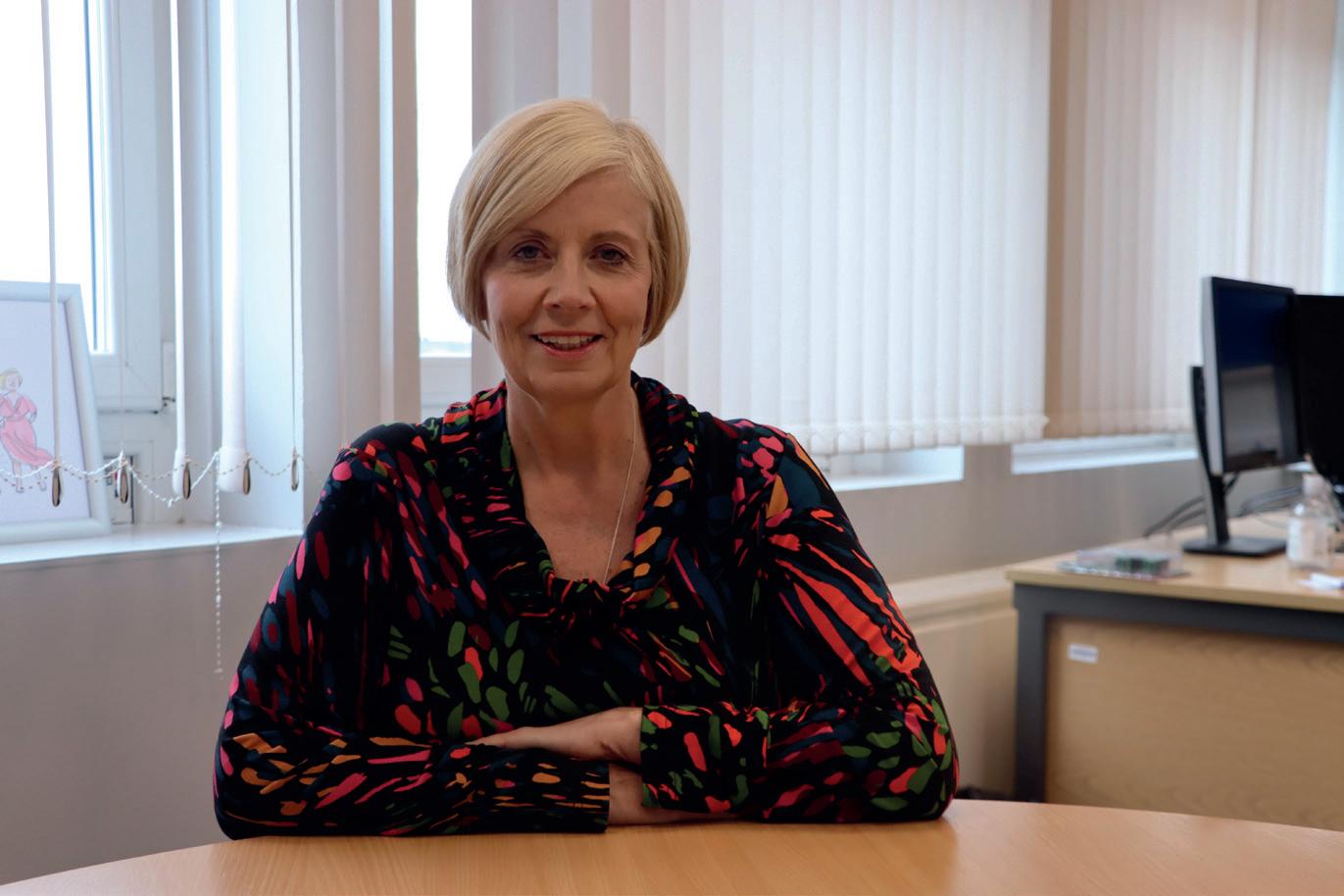
Stacey Hunter Chief Executive

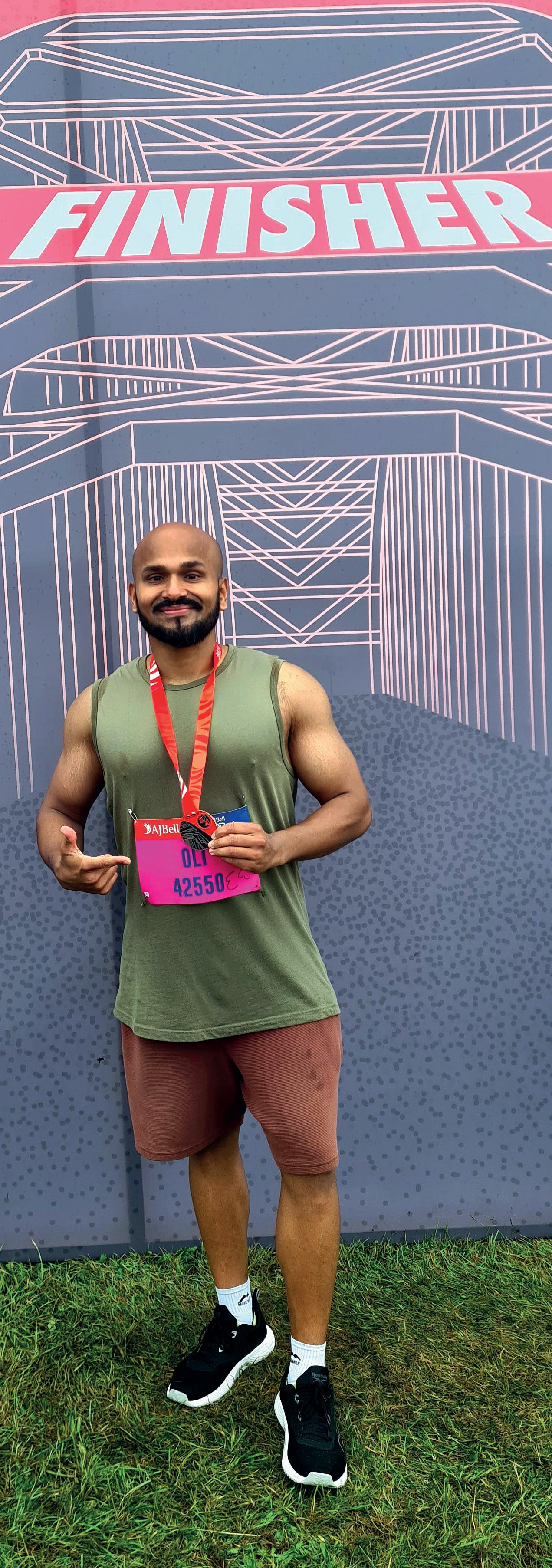
Lead dietitian Oli Ali credits running with overhauling his health and wellbeing in every way possible.
Despite always being an active person and participating in a variety of sports, Oli hit a point in his life where he lost his passion for sport and, in turn, his health deteriorated. He experienced joint aches, acid reflux and was snoring louder. At one stage, he was even struggling to keep up with his wife on slow walks.
Determined to reignite his passion and improve his health, Oli embarked on what he calls his ‘Couch to Active’ journey, starting initially with short five-minute jogs and building up his pace and strength with every run, supported by a nutritious diet.
Fast forward to the present day, he now finds 10km comfortable, has multiple races (including half marathons) under his belt and has met a wonderful community of fellow runners.
However, Oli is very honest that he sometimes struggles to motivate himself, but credits his supportive peers, relatives and friends for helping him on his journey to be better than he was yesterday.
He is using his raw experience to motivate others to find something that they love to help them to move more and feel happier, because in his words ‘your health is your greatest wealth’.
Read more about how Oli went from ‘Couch to Active’ and how you can too...

First up, can you tell us more about your ‘Couch to Active’ journey?
In July 2023, my health was deteriorating, and I knew something had to change.
I meal planned and created an achievable lifestyle training programme, starting off with slow and steady runs and gradually building up my tolerance, focusing more on my breath and how I felt, than the time.
However, like everyone, I am only human and went through stages of injury and lack of motivation, but with a big community of fellow runners and supportive family and friends, I managed to achieve my health goal and rediscover my passion to run.
What is your current training plan?
Currently, I am running three times per week; a mixture of short, long and tempo/hills.
I also go to the gym for one hour (undertaking a mixture of weightlifting and cardiovascular based exercises), three times per week and make sure to have one rest day.
How does running help your health and wellbeing?
In every way imaginable. It improves my cardiovascular system, respiratory, skeletal and mental health. Running can be started and stopped whenever you desire.

How does your job support your passion for health and wellbeing and running?
As a lead dietitian in the specialist weight management service, my knowledge of human nutrition, physiology and physical activity have helped to support my training. It is also very helpful to have supportive peers who enable me to be better than I was yesterday.
What is your advice to others wanting to start running?
1. Find a flat route in dry conditions and begin running for a short period of time (for example one to five minutes)
2. Practice walking, jogging, running and repeat, within your limits. Do this for a fortnight, before increasing frequency (for example five minutes twice a week, to ten minutes three times a week)
3. Self-monitor your pace – do not overexert but do work up a sweat. Challenge the distance weekly
4. Include strength conditioning and resistance exercise (for example, squats and lunges at home or utilising the resistance machines when in the gym) or alternatively, consider short hikes/hill walks
5. Spend time undertaking research on certain exercises, listening to podcasts by athletes or watching videos to enhance your understanding, especially as a ‘form’ checker
By Ste Nicholson, dementia specialist nurse
I was looking for a hobby other than the gym that would give me some escapism – something that was just for me, low cost and provided a sense of achievement.
Being of a certain age, I would occasionally watch Bob Ross and his landscape painting late on a night to wind down before bed. I thought for years ‘One day, I’ll have a go at that’. And one day, after discussing it with Laura and Kelly from work, and again with one of my lifelong mates Jeff, I did.
Two years later and 28 paintings in, I can see the improvement, and it meets the escapism, low cost and sense of achievement I’d hoped for.
People are always surprised when I say that I oil paint, and I agree I don’t fit the stereotypical look of someone that would. But when Bob says ‘anyone can do this’ I didn’t believe it. Now I know they can.
It’s just something different that a lot of people don’t think about trying, and I didn’t until two years ago. Now I do a new painting every six weeks or so.
I would say start with cheap oil paints and a cheap palette knife until you decide if it’s something you’d like to continue. A smaller canvas isn’t easier – a bigger canvas allows more margin for error.
Choose an episode of ‘The Joy of Painting’ with Bob Ross from TV or YouTube and follow the process, pausing after each stage. You might think you’ve made a mess of it or a mistake at some point, but trust the process.
Give it a go – you may well surprise yourself!
“Talent is a pursued interest. Anything you’re willing to practice, you can do.”
- Bob Ross





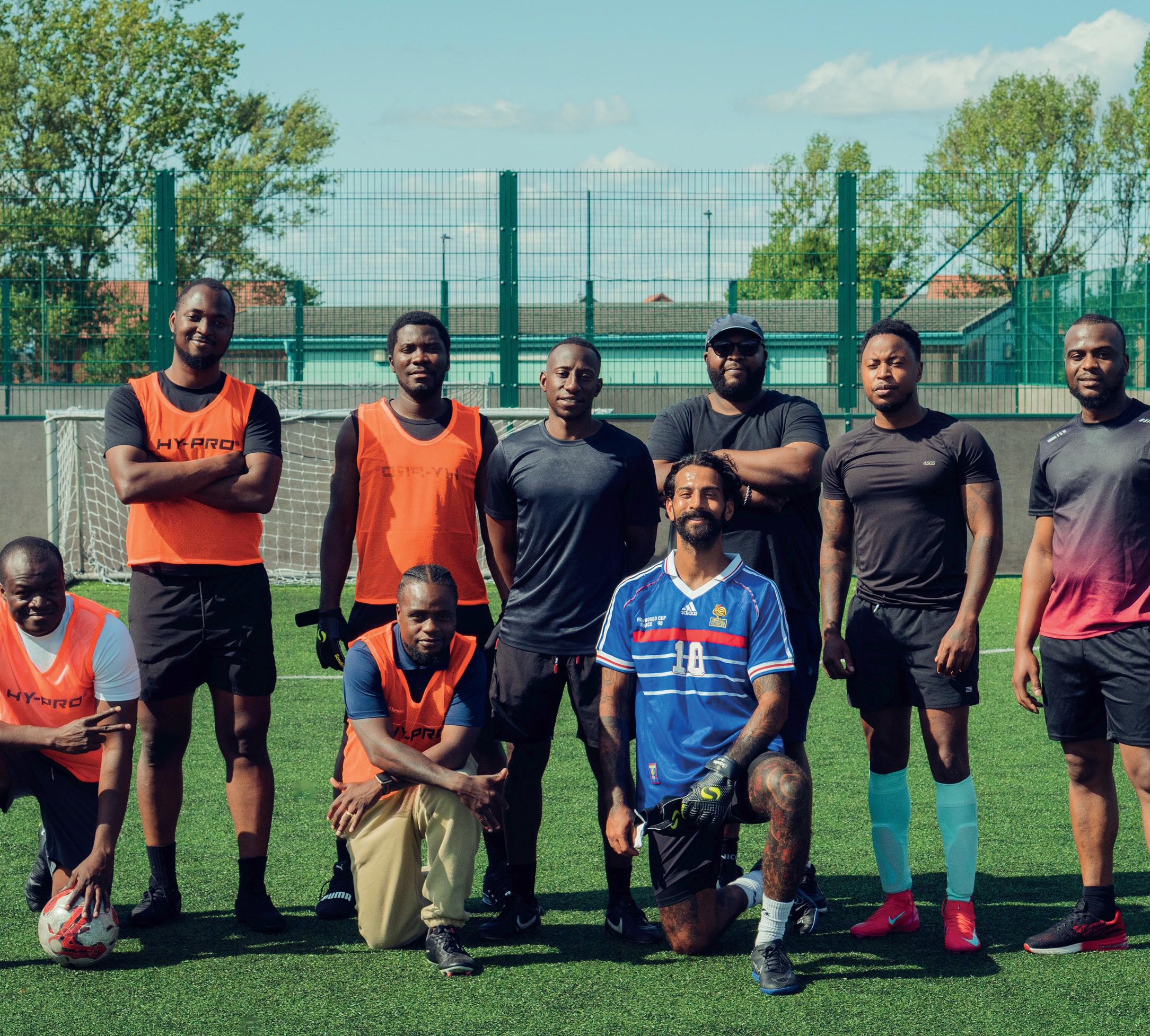
From peer support and reflection sessions to go-karting, beach walks and game nights, data analyst Dexter Munzara is on a mission to empower men across Teesside to prioritise their health and wellbeing.
In early 2025, he launched the Teesside Empowerment Group (TEG) with a dedicated team of volunteers and mental health advocates, all united by one aim: to create a safe, supportive space for men to connect, grow and heal. They wanted to break the stigma around men’s mental health and provide a platform where men could speak openly, build friendships, and empower each other through shared experiences, particularly those facing isolation, emotional struggles or life transitions.
We caught up with Dexter to find out why supporting men’s mental health and wellbeing is so important to him personally and what people can expect from the group...
Why was launching the TEG so important to you?
This initiative is deeply personal because I’ve experienced first-hand how isolation and silence can affect men’s mental health. Creating this group is my way of building a community where men feel heard, valued and supported. It’s about changing lives, one conversation at a time, and making sure no one feels like they have to face their struggles alone.
What can people expect?
A community where laughter and wellbeing lead the way. You’ll meet down-to-earth blokes from all walks of life — no judgement, no pressure, just real connection. From table tennis to football and beach walks, every session is designed to support your physical, mental and social wellbeing. We host fun, low-pressure outings like bowling, go-karting, arcade nights, and cinema trips — a perfect way to bond while switching off.
Our sessions run every week with real people and real support along the way.
How does the TEG support health and wellbeing?
Many men find it tough to open up — especially without pressure. Our purposeful social activities are designed to support physical, mental and social wellbeing.
Our members can also access ‘The Lounge’ which offers games to boost mental agility, regular mental wellness check-ins and a relaxed, non-judgemental setting where connection is easy, conversations matter and checking in on each other is second nature.
What type of social activities and events have you completed so far?
We’ve completed the following activities aimed at building connection and promoting wellbeing thanks to our partners Tees Millions, Sports England and the National Lottery:
Weekly meetups: These sessions feature table tennis and board games designed to encourage mental stimulation, teamwork and meaningful conversations. They’ve become a cornerstone of our group, helping members unwind and connect in a relaxed, fun environment.
Bi-weekly physical wellbeing activities: 5-a-side football matches that focus on movement, fitness, and friendship. These sessions promote physical health while strengthening social bonds through shared goals and teamwork.
How can people join?
Memberships are free for a limited time to help keep our men’s group running, covering the costs of organising events, securing venues, and ensuring our support network continues to grow.
To join today visit www.tegcic.org.uk or scan the QR code:

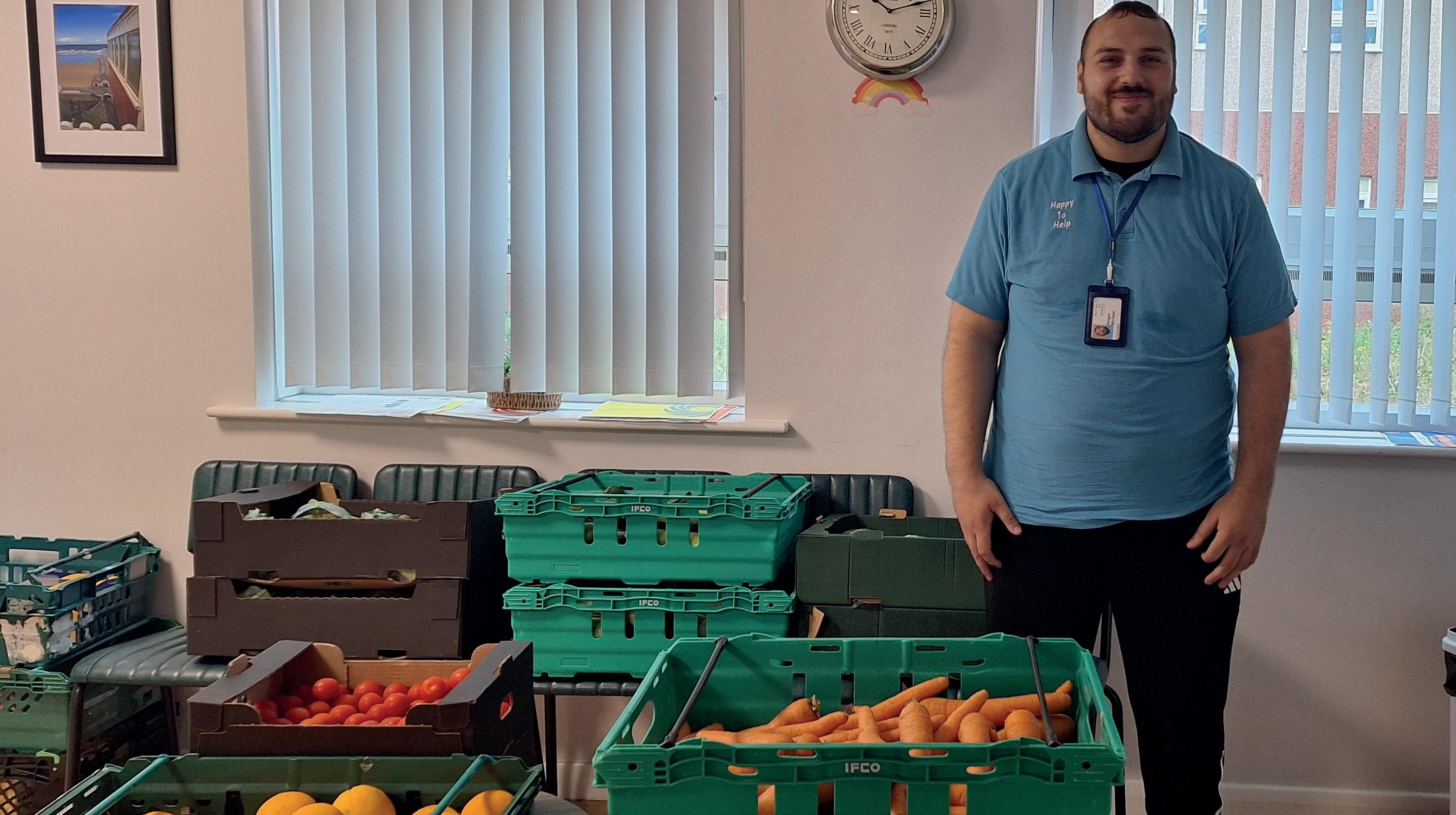
Hartlepudlian Michael Ainger, started volunteering at the University Hospital of Hartlepool in February 2025. Since then he has seen a massive impact on his health, wellbeing and independence.
Every volunteer has their own personal reasons for wanting to help; it can be work experience or wanting to give back to the NHS. For Michael, he wanted to get out of the house and away from the TV and games, to build his confidence and to make friends.
Michael has been gradually building up his hours and experience and, with the help of the targeted employment and volunteer team at Hartlepool Borough Council, he has been coming to the hospital to volunteer every Wednesday and Friday, where he has been working as a welcomer. More recently, he has been helping out at the staff eco shop.
Michael said: “I wanted to come and help people – I really like doing it.
“I help direct people to where they need to go and will chat to them about their day, which is nice. And in June I started helping at the eco shop as well.

“I get to welcome staff at the door of the rainbow room and help to pack bags.”
Recently, Michael has also been on the shuttle to North Tees with fellow friend and volunteer Paul, whom he has built a strong bond with. He hopes to build his confidence and potentially get the opportunity to volunteer there as well. He has also just completed wheelchair training, to ensure he is using the equipment correctly to support patients.
Michael added: “I wanted to do something to get out of the house again. Since starting to volunteer, I can walk further distances and my back pain has eased.
“I’m back at the gym and going to my sportability classes. I’ve lost two stone since I started volunteering. I’m healthier and happier and I’ve made a good friend while working at the eco shop.
“Everyone should volunteer – it is good to build confidence. Plus you will make a lot more friends and be a lot happier!”

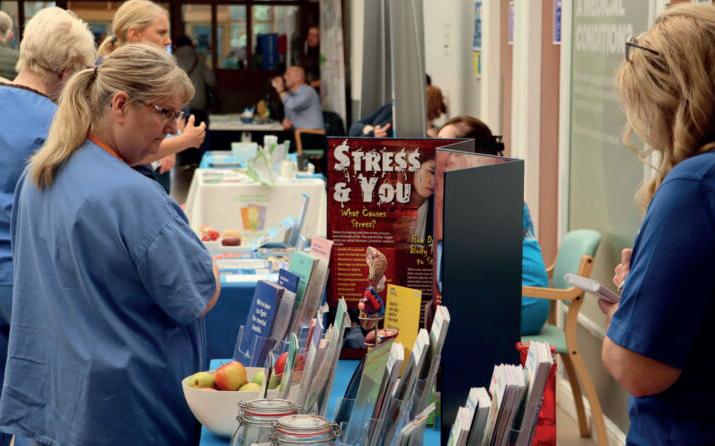
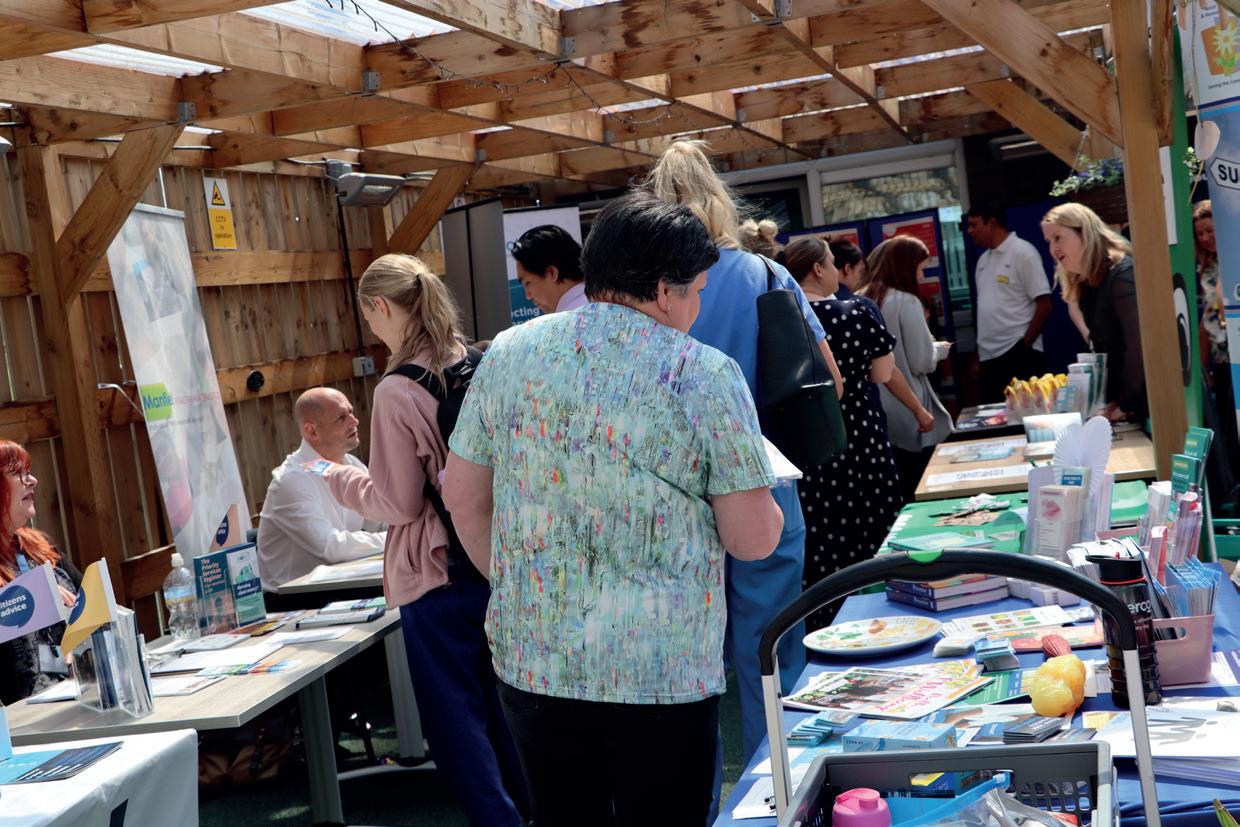
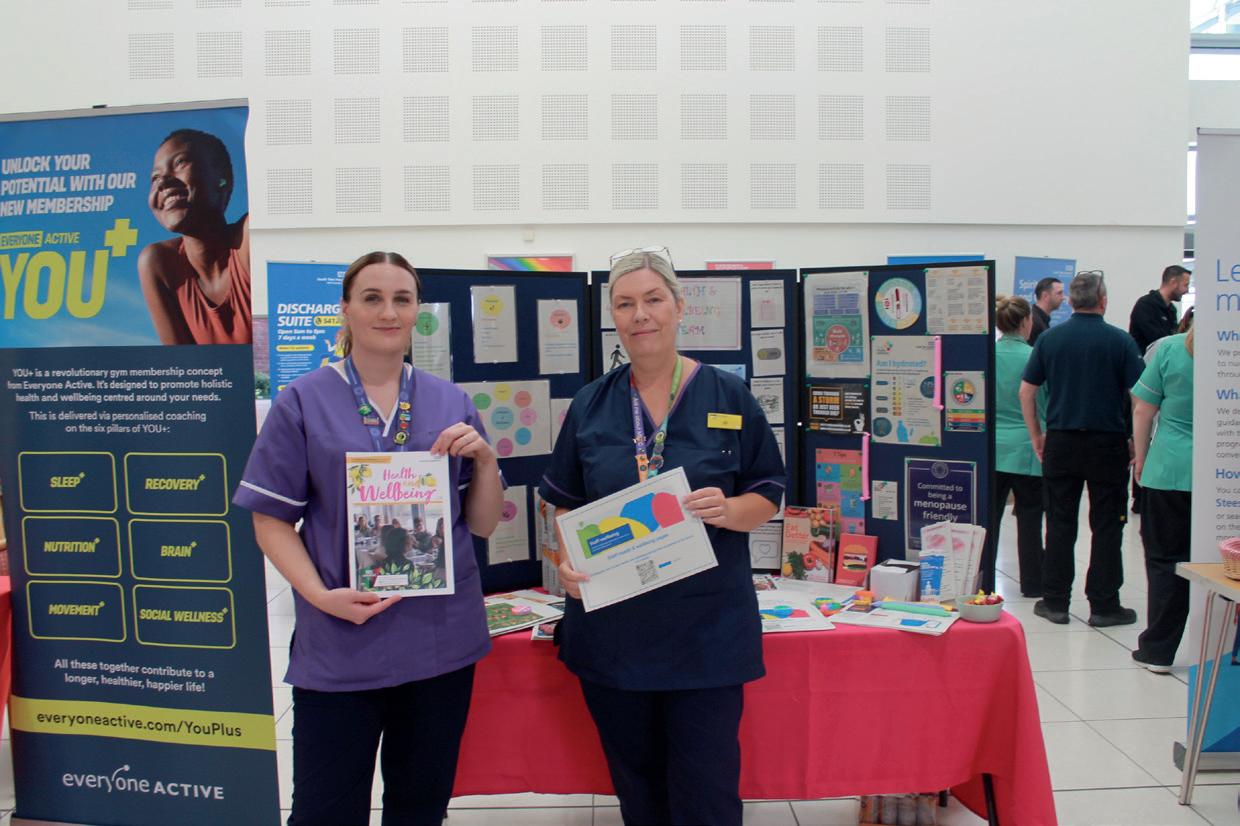
Last summer our annual Health and Wellbeing Festival invited organisations from across the Tees Valley to come together to support NHS staff with health, wellbeing and cost of living challenges.
The Health and Wellbeing Festival, formerly known as the Festival of Finance, has been running at the University Hospitals of Hartlepool and North Tees since 2022 and successfully held its first event for colleagues at The James Cook University Hospital and Friarage Hospital just last year.
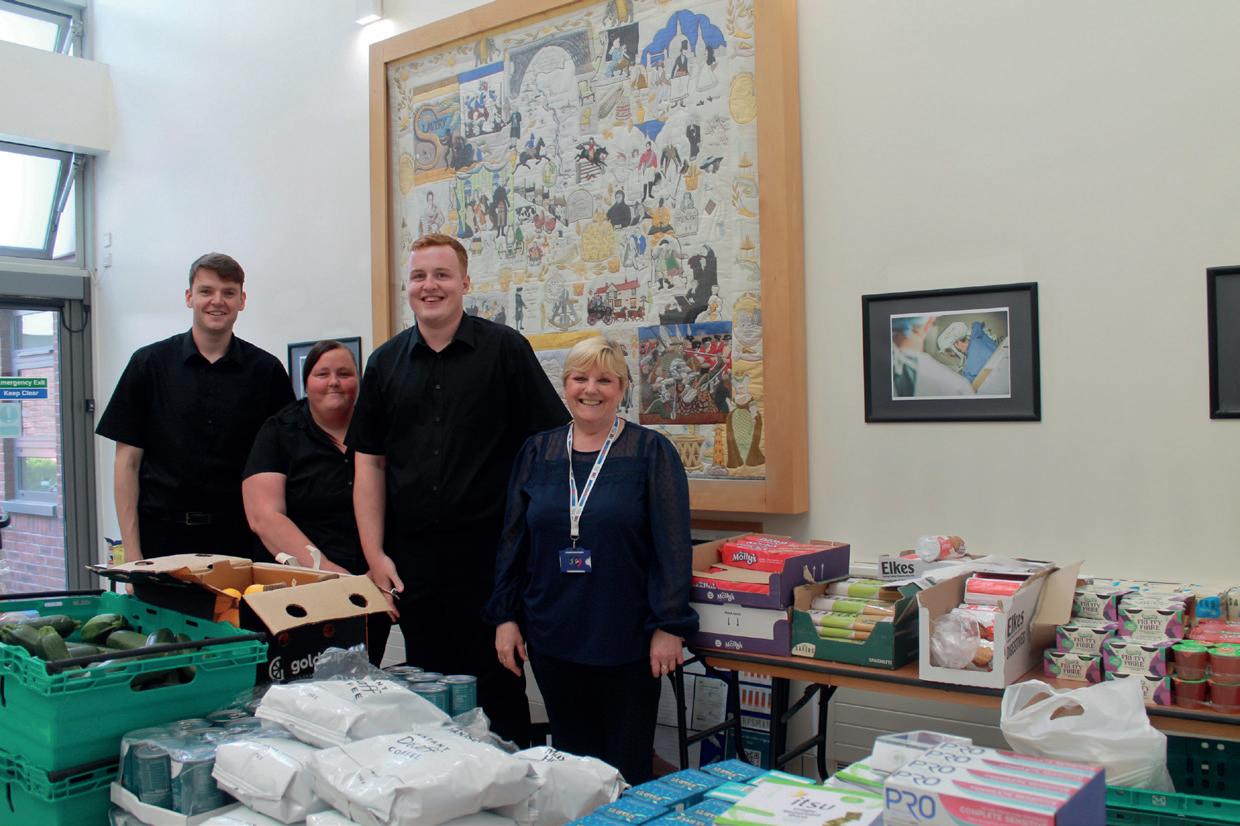
In 2025, the marketplace event hosted external organisations and internal departments throughout the week.
The festival included a range of advice and offers from foodbanks and eco shops, holistic therapies, financial support, will writing, citizens advice, physiotherapy and exclusive gym and cinema discount offers.
We’re pleased to announce that the festival will be returning again for Summer 2026 – so look out in the coming months for information on what stall holders and support you can expect this year!


By Alison Kerr, AHP workforce strategic lead
There’s nothing quite like the thrill of hitting a hockey ball into the goal and hearing the backboard vibrate!
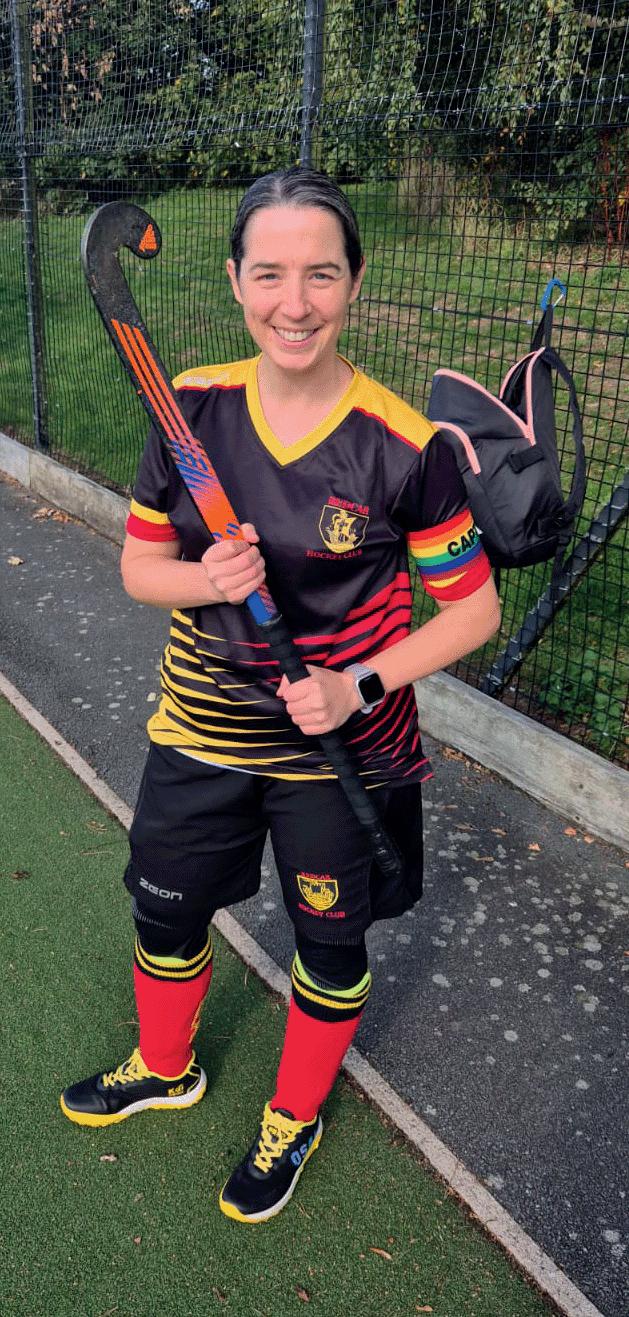
Hockey has been a key part of my life for the past 30 years.
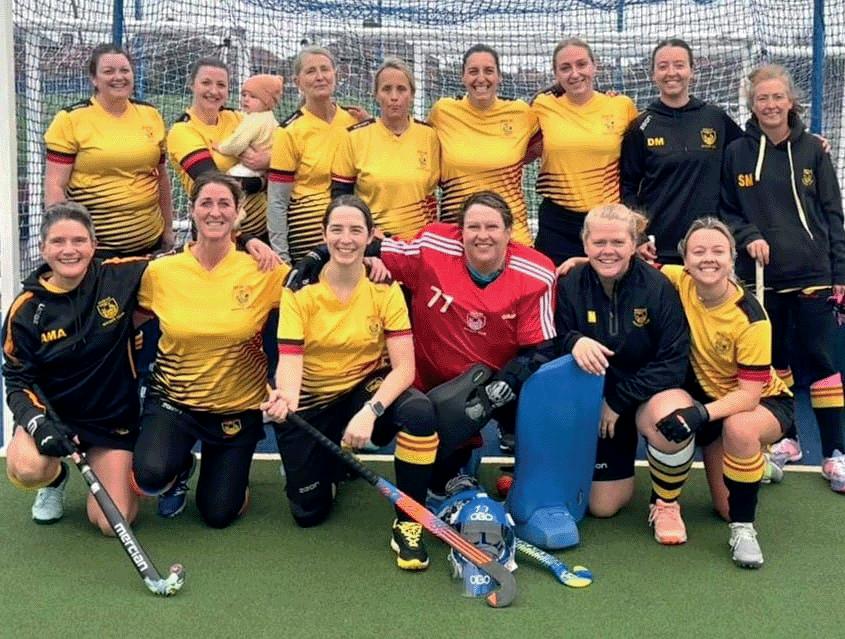
Over the years, I’ve had the privilege of representing my schools, college, county and several clubs across the North East at Hockey. I now play for Redcar Hockey Club.
Hockey builds teamwork, physical endurance, and mental resilience.
Hockey is such an inclusive and rewarding sport that encourages friendship and support. It brings like-minded people together who enjoy having a good laugh both on and off the pitch, no matter your background or level of experience.
Playing hockey on a Saturday morning is fantastic for your physical health – and the social side is an added bonus. We love to organise club socials, and trips to watch live sports. Most of us like a boogie too so dancing is always on the cards!

Redcar Hockey Club is proud to celebrate its brand-new 3G pitch at Rye Hills Academy –officially opened in August 2025 with the support of our local MP, Redcar and Cleveland Council, and England Hockey.
Redcar has both ladies’ and men’s teams who train together on Tuesday evenings from 6:30 to 8pm at Rye Hills Academy. All league games are played on Saturdays, with home fixtures at Rye Hills and away matches across the North East and North Yorkshire.
It’s more important than ever to encourage local people and school children to get involved in sport. Our club actively supports community events such as the Redcar Running Festival and National Cycling Championships to promote healthy, active lifestyles and raise awareness of local sports opportunities.
New members welcome
If you’re interested in playing hockey or getting back into the game, we’d love to hear from you! All ages and abilities are welcome. Sticks can be provided for newcomers, and full coaching support is available at training sessions.
Training: Tuesdays, 6:30 to 8pm at Rye Hills Academy
League games: Saturdays
Facebook: Redcar Hockey Club
Contact: Alison Kerr: alison.m.blower@gmail.com
Come join us – be part of Redcar Hockey Club, where fitness, fun, and friendship come together on the pitch! We’re proud to offer a place where anyone can pick up a stick, have fun and be part of something special.
Movement is vital for both physical and mental health and helps to improve strength and flexibility whilst reducing the risk of chronic diseases.
Our health and wellbeing teams across University Hospitals Tees have been raising awareness of the different ways everyone can incorporate more movement into their daily routine, both at work and home from 5-minute desk yoga to trying something new like instructor-led videos for all abilities and interests.
Teams were encouraged to take part in hula hoop and skipping competitions and to form their own dance troops to be with the chance of winning some fantastic lifestyle gadgets.
Move it more at home...
Instructor-led exercise videos including aerobic exercises, strength and resistance training, pilates and yoga:
Walk with a trained walk leader, check out The Ramblers and search for a group in your area:


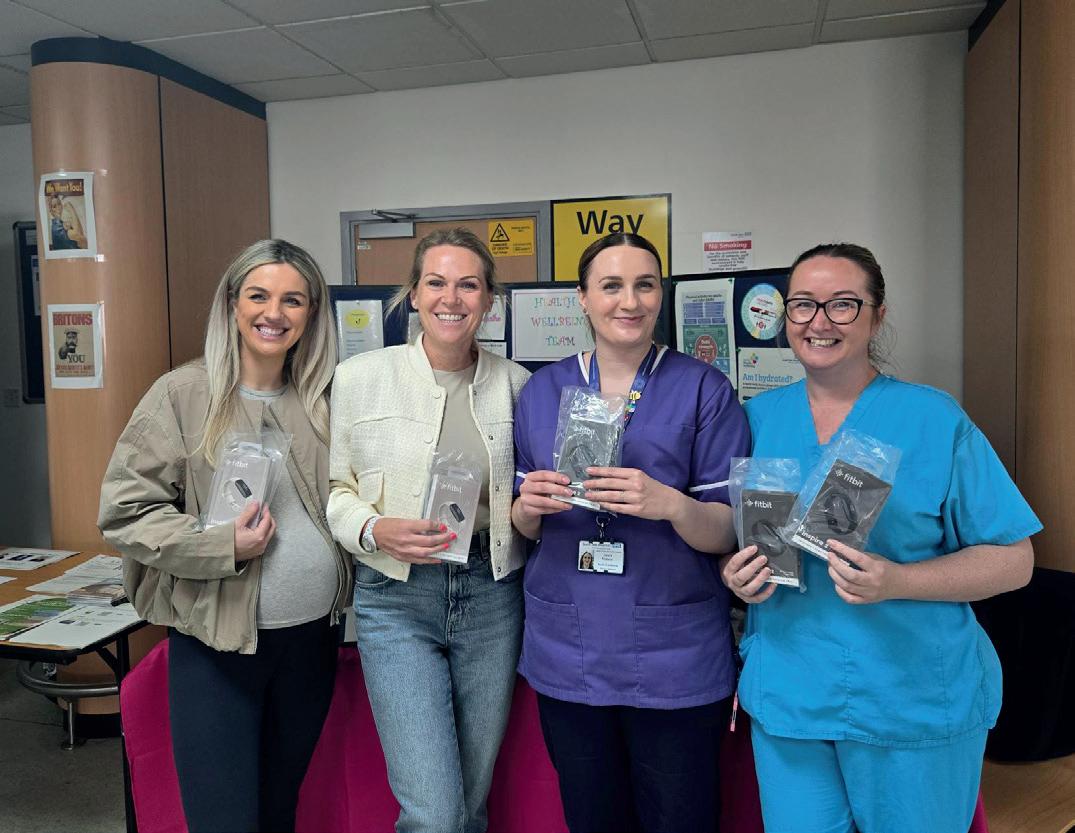
Senior physiotherapist Josh Harland ran rings around his colleagues after managing to do 67 hula hoops in one-minute. Meanwhile Becky, Sharon, Sophia, Amy and Kirsty from the Friarage maternity team got creative whilst dancing along to ‘Push It’ and the successful winners took home a fitness prize to help them keep moving more.
How can you move it more at work?
• Add some desk yoga exercises into your day including arm extensions, neck and back stretches and spinal twists
• Take a walk on your lunch break or join the walking groups at our hospital sites
• Set a timer to stretch or move around every hour
• Take the stairs, rather than the lift or challenge a colleague to a step count competition
• Organise on the move meetings so you can work whilst you walk
• Look for an opportunity to be active –for example, choose to use the toilet that is on the floor above or below you rather than the one on your floor or moving your bin further away
• Adding in some upper body movements or leg stretches, especially if you are on your feet all day
• Try leaving your car at home or getting off the bus a stop early
Every minute of activity counts towards a healthier and happier you.

Review by Mark Malik, communications, engagement and marketing manager

I’m a huge Bob Dylan fan but have never been a fan of music biopics. I find them formulaic - rise to fame, glory years, a fall from favour and/or personal crisis, followed by a triumphant return - sprinkled with unconvincing moments of inspiration as they write their biggest hits.
But I enjoyed A Complete Unknown more than I thought I would - and trust me, I went in expecting to not like it at all.
Rather than trying to tell a life story in two hours, the film focuses on a few short years covering Dylan’s transition from folk ‘protest singer’ to rock icon. It’s really about the importance of remaining true to yourself and not doing what’s expected by others. In this case the battle of wills between Dylan and Pete Seeger (an excellent Edward Norton) and others including his manager and fellow singers - all of whom are trying to shape Dylan into what they need him to be to fulfil their own dreams and aspirations.
His girlfriend (renamed Slyvie Russo out of respect for the late Suze Rotolo who never liked her pop culture status as “Dylan’s ex”) is the one character who loves him for who he is and wants him to be true to himself but has to leave him in order for that to happen. That’s the personal tragedy at the heart of the story - the sacrifices of real human relations that Robert Zimmerman has to make in order to become Bob Dylan. Any fan who knows something of Dylan’s life and work, knows it’s a price he continues to pay.
I admired how they made Bob unlikable at times (which he was and apparently remains), the musical performances are bang on and Timothée Chalamet is superb as Bob, capturing the studied cool of the public Dylan, the real man walking the tightrope of expectation versus being true to his music and the sheer joy he took from performing - the only times he is truly himself.
The production design is fantastic and you feel completely submerged in mid-60s New York which comes complete with a layer of grime rather than the sanitised ‘swinging 60s’ visuals we are usually presented with.
Perhaps not as good as 2007’s experimental film ‘I’m Not There’ (a surreal exploration of the multiple versions of himself that Dylan has presented to the world) but more accessible. It’s well worth a watch for a Dylan fan, anyone with a passing interest in the formation of modern rock music or those who like to be emersed into recent history. Maybe it’ll create a few new Dylan fans - that would be no bad thing.
Dylan’s status as one of the most important figures in popular culture is unparalleled, and this movie is a fine tribute to the early days of a living legend who continues to forge his own unique musical path into a seventh decade.
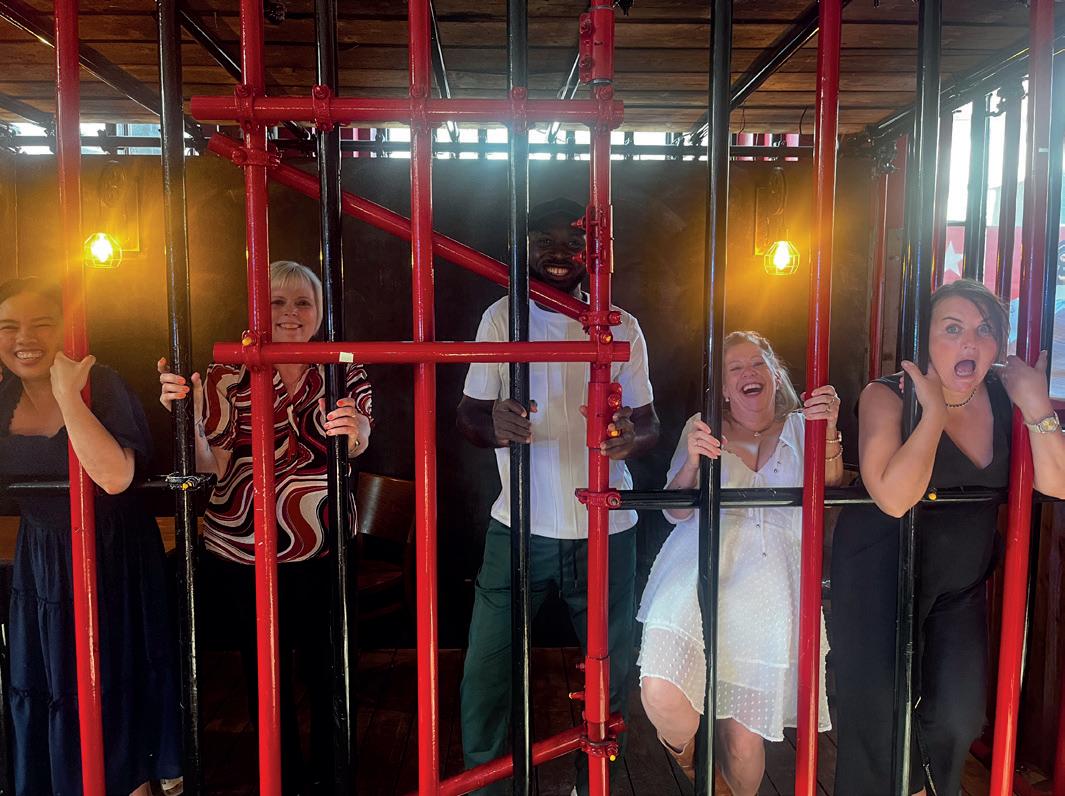
Inspired by her love of line dancing, Belinda McConnell recently choreographed a dance routine that saw her and her colleagues invited to take part in a Guinness Book of World Records competition.
Belinda, who works in the eye day unit at James Cook and attends line-dancing lessons regularly, was asked by her colleagues to teach them a line dancing routine.
Wanting the dance to reflect the department they all worked in there was only one choice of song.... ‘Cotton Eye Joe’ for the ‘eye day unit.’
When a county music bar opened in Middlesbrough, there was only one place for them to go... the Honky Tonky bar.
After seeing their dance routine online, the team were invited by the regional manager of Honky Tonk to enjoy an evening of eating, dancing and being merry and have since been asked to take part in a number of dancing events, including their Guinness Book of World records competition.
The hope is to get as many people in a formation dance as possible to raise awareness of mental health and wellbeing.

By Karen Brown, Volunteer at the University Hospital of North Tees

Being a volunteer
Is a positive thing to do It will bring out the very best in you
We get to listen and talk to patients
Go to the shop if they want us to
Just walking around on the ward
Being a listening ear if patients
Want to talk or are feeling bored
Keeping their fluid intake up if need be
Encouraging them to have a drink of water or a nice cup of tea
Never forgetting kindness is free
lf we help just one patient in the time we are there It makes us happy inside
Showing we care
The more patients we help
The better we feel
Being a volunteer, believe me, the rewards are real
By Dawn Cooper, staff nurse


enopause is the stage in a woman’s life where they have had no period for 12 consecutive months. The stage before that is perimenopause. It typically starts in the mid-40s but can happen before and, at times, feels like it lasts forever!
Menopause has been described by some as a moment to reinvent yourself, a time of empowerment, and selfdiscovery – we are encouraged to embrace it. Whoever came up with this description may not have experienced the 48 symptoms.
Yes, there can be up to 48 symptoms (give or take). The most common and most talked about are irregular periods, hot flushes, night sweats, mood swings and sleep disturbances. If only it was just these symptoms for all, how fabulous would that be? But many women do only experience these symptoms (I am not a bit envious at all).The symptoms that are less spoken about are the ones that I have experienced and I know have others too.
I have felt perimenopausal symptoms for at least the last 18 months, maybe longer. The symptoms have impacted me more than I could have ever imagined. The psychological impact I was not prepared for at all. The mood swings were horrific and my anxiety was through the roof at times. Things that had never bothered me before now did – at one point whilst at work, I had a bit of an anxiety attack, just because I was asked to switch wards for a few hours. What the heck was that about?
The urge to self-harm was overwhelming at times. Days when I just did not want to be here anymore. During a difficult, emotional day at work, I could feel anger and frustration building up. Not me at all – I believe I am one of the most caring, compassionate nurses. I went home, reflected on the morning and decided that I couldn’t go on like this, and I phoned in sick.
I have always been very open and honest about perimenopause and mental health. It was a scary time. I hadn’t felt like this since I had postnatal depression following the birth of our first child.
I decided to seek help and referred myself to IMPACT.
A counsellor contacted me and he was really understanding and helpful. He told me about a new initiative – a group that had been set up to help those going through the menopause. It was online via Teams, run by two counsellors. It focused on how to manage symptoms through cognitive behavioral therapy. It was very useful, and talking to others going through the same things made me realise that I wasn’t going mad!
I returned to work after five weeks – phased return for two weeks, which was helpful. Occupational health have been a great support, ensuring that reasonable adjustments were recommended, such as having my hand-held fan with me. And I’m lucky that I have some supportive colleagues who are going through the same and we can support each other.
I love my job, and I am passionate about what I do. I didn’t want to let my team down, but I also needed to look after myself too. I was so torn and the decision to phone in sick was not something I did lightly.
For those going through perimenopause, menopause and have similar symptoms to me, please talk to someone – go to your GP, contact occupational health, speak to your manager, but please speak to someone. You are not going mad and you are most definitely not alone.
As for everyone else, please support and look after each other. If someone doesn’t appear to be themselves, reach out, ask them if they are ok or if they need anything. Offer to take them axe throwing (sometimes, we just need a release!) Most importantly – be kind.
I’m doing ok – good days and bad days. I’m still waiting to reinvent myself into a beautiful butterfly, but for now, I shall take each day as it comes
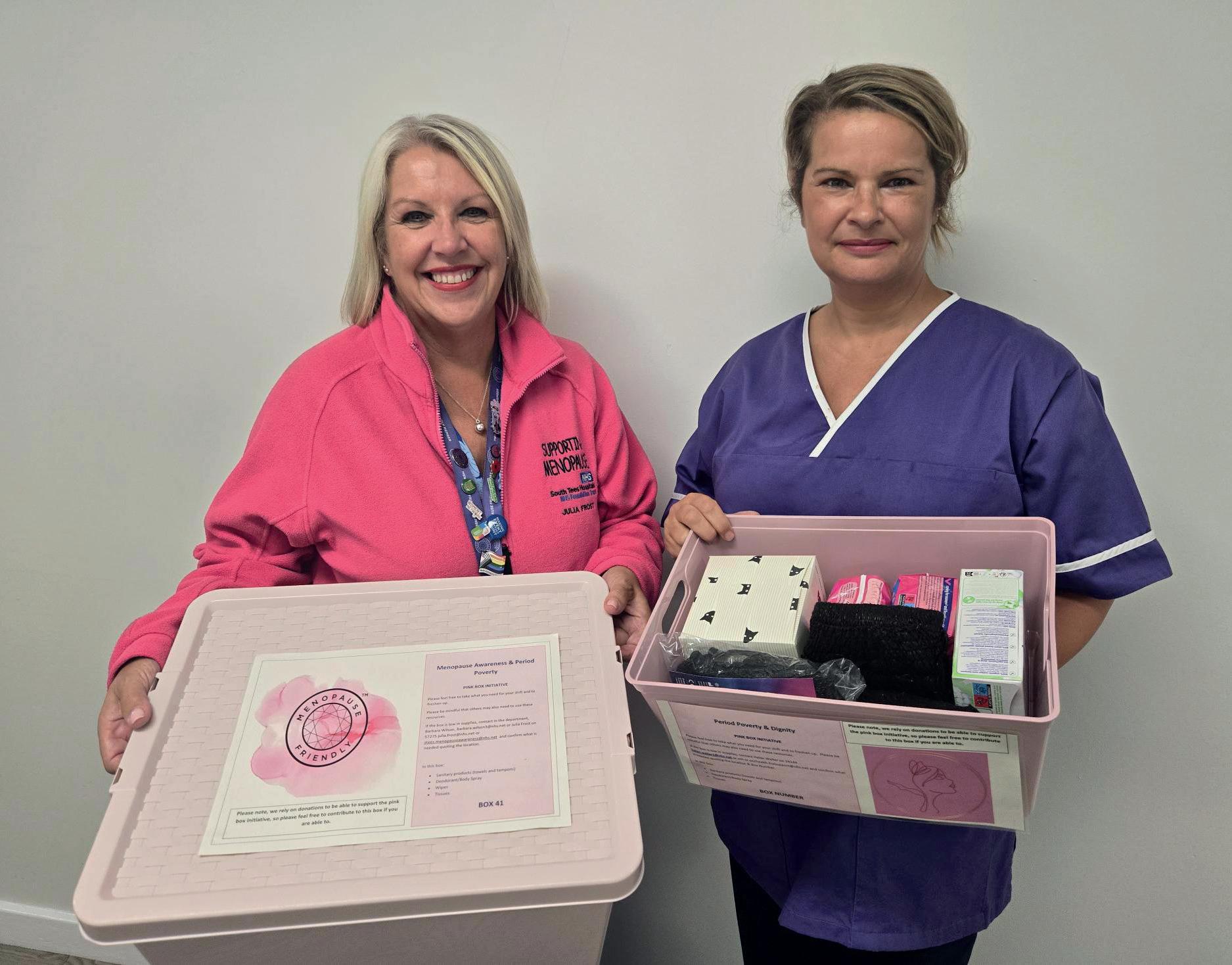

Our pink box initiative supports staff who are caught short with their period or who need to freshen up if struggling with hot flushes. The boxes contain sanitary products, body spray, disposable pants, tissues and even hair bobbles.
Staff can take what they need, when they need it to help them get through the rest of their day. We sat down with health and wellbeing advisor and menopause lead Julia Frost and health and wellbeing advisor Helen Waller to find out more…
Where did the idea come from?
Julia: It was always something in the back of my mind because I knew about the Red Box Project. During Covid we really set the plan in motion to raise menopause awareness and this was one of the ideas.
I was visiting wards, talking to staff about menopause support and a lot of them talked about having hot flushes while wearing PPE and really just wanting to freshen up. We started small with 16 boxes in October 2022 –launched as part of World Menopause Day – and put them in departments across James Cook and the Friarage where we knew we had high numbers of women. It’s just grown from there.
Helen: I heard Julia talking about the pink boxes on regional calls, and immediately knew it was something I wanted to adopt for our hospitals and community bases across Stockton and Hartlepool as well. We’ve got more than 60 pink boxes now across our University Hospitals Tees sites, as well as unofficial boxes that we also support with – ones that departmental staff have set up themselves.
Why is the pink box scheme so important?
Helen: There’s still a bit of a stigma about periods and menopause, and an even bigger stigma around those who can’t afford the products. But we shouldn’t feel embarrassed, we shouldn’t be uncomfortable, and no one should have to struggle.
81% of staff across University Hospitals Tees are female. If we can support, we should be.
Julia: People think your periods slow down or stop when you get into your 40s, but that’s not necessarily true. Periods become more irregular and can vary in heaviness. It’s a really long time to have to pay for period products.
If you’re struggling and need some more support outside of the pink boxes, please let us know. We will be happy to help you.
How can people support?
Julia: For both Helen and I, it’s really just a call for help. If you use any products, we don’t expect you to replace them or pay for them.
But if you’re out shopping one day and for example, tampons are on offer, if you would like to make a donation, we would gratefully accept what you can give. It really does go a long way.
If you would like to support the pink box scheme with a donation, please contact:
Julia Frost (South Tees Hospitals) julia.frost@nhs.net or stees.menopauseawareness@nhs.net
Helen Waller (North Tees and Hartlepool) helen.waller1@nhs.net
For more information and to find a pink box near you, scan the QR codes:


South Tees Hospitals North Tees and Hartlepool
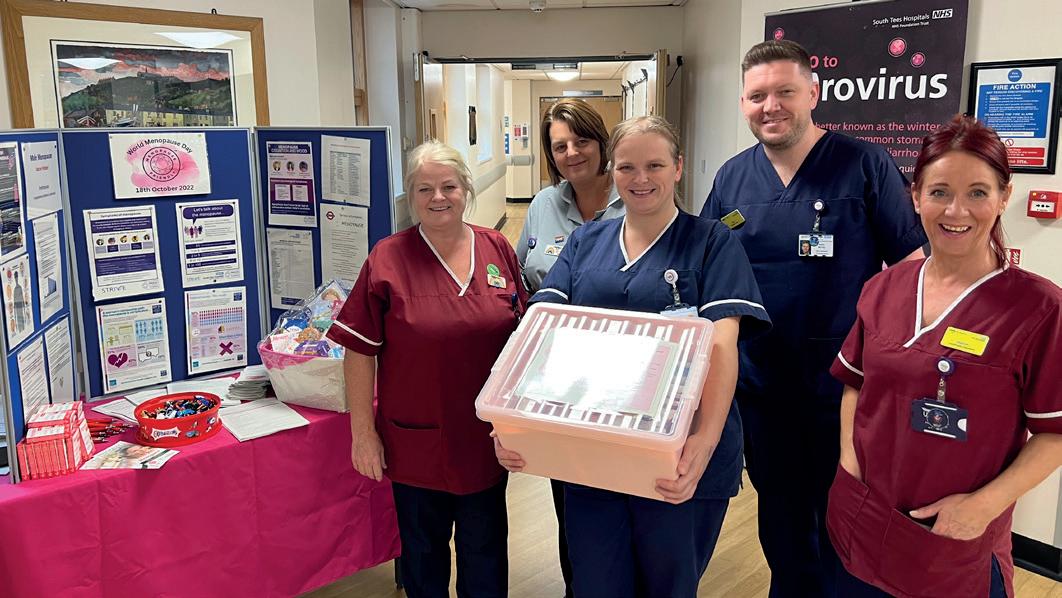
We are delighted to confirm that South Tees Hospitals has been re-accredited as a menopause friendly employer – demonstrating our commitment to supporting staff who are going through the menopause while at work.
The Menopause Friendly Accreditation, established by Henpicked: Menopause in the Workplace, is an externally accredited award which recognises high standards and proven practices that embrace menopause at work.

We have over 40 dedicated menopause champions across our South Tees sites, host regular training for staff and managers and thanks to previous funding from STRIVE and now from Our Hospitals Charities, we have secured funding for a staff menopause clinic with trained nurses.
The more awareness we have, the better we can support our staff, friends and family.

dedicates song to critical care team
Local songwriter, 23-year-old Katie Colborn, has dedicated one of her songs to the North Tees critical care team as thanks for the care her dad received.
Katie recently spoke about the experience with Radio Stitch’s Mick. Listen to her interview, as well as her song Only You, on Tees Voices now:

Improving care across our services
Our mouth care champions recently engaged in an interactive training session to help improve mouth care across our hospitals.

Made up of nursing staff, wellbeing advisors, therapeutic staff, speech and language therapists, dietitians and clinical support workers, our champions worked together to share knowledge, experiences and best practice.
To register your interest in becoming a mouth care champion, please email stees.clinicalskills@nhs.net
Colleagues have been experiencing the benefits of seated Sahaja Yoga meditation for their mind and body with free drop-in sessions at James Cook.
To book an upcoming slot, colleagues can contact laura.robson15@nhs.net for more information.
They think it’s all over – it is now!
Congratulations to ward matron Shirley Mealing (fair left) and the England Ladies over 60s team wo recently won the International Walking Football Federation World Championships.
Shirley and the team beat Norway in the final 2-1 to walk away with the 2025 cup.
The toolkit
Improve and maintain your psychological health with our ‘How Am I’ toolkit. The toolkit contains a range of help within four zones (Red, Yellow, Green and Blue) which relate to the way you are feeling right now – your ‘emotional temperature’.
Just scan the QR code or visit: www.southtees.nhs.uk/staff/how-am-I
Recovery college online
A range of online courses to support with aspects of wellbeing and mental health.
Access online: www.recoverycollegeonline.co.uk
Able futures
Available from 8am - 10.30pm weekdays or refer online.
Contact: 0800 321 3137
Access online: able-futures.co.uk/individuals
INTERNAL SUPPORT CONTACTS

Occupational health
STH 01642 282482
NTH 01642 383211

STH
James Cook: 01642 854802 Friarage: 01609 763275
NTH 01642 383138 jim.wright@nhs.net

ICS TEWV staff wellbeing hub
Confidential advice and support helpline. 7am - 9pm (7-days a week)
Contact: 0191 223 2030
IMPACT on Teesside - talking therapy
Talking therapy, counselling and alternative therapies. Available 9am - 5pm (weekdays) and online referrals can be made anytime.
Contact: 01642 573924
Access online: www.impactonteesside.com

Staff psychology support hub
STH
stees.psychology.training@nhs.net
NTH 01429 522049

Everyone who works, trains and learns within our organisation has the right to be safe and feel supported at work.
If you do need to report something, you will be supported. For more information about support available, please scan the QR codes.


Independent domestic violence advisors
STH 07827 330086 stees.idva@nhs.net
NTH 07973 764297 nicola.murphy47@nhs.net


“The secret of getting ahead is getting started.”
Mark Twain