



NTHBA Members,
I was out walking a jobsite the other day -- one of those perfect mornings where the slab is poured, the framing crew is moving, and everything just feels like it’s clicking. And it hit me that for all the noise we hear about the housing market, the reality on the ground is that people still need homes. Families are still growing. Military families are still rotating in. Life doesn’t wait for the Fed to make a decision.

That’s what keeps me optimistic about what we do. Not the headlines -- the handshakes. The buyers who walk through a door for the first time and start picturing their furniture in the living room. The moment a young couple realizes they can actually afford a new home right now, even in this rate environment, because we’re offering something the resale market can’t match.
There’s plenty to keep an eye on this month -- tariffs, rates, starts data -and I’ve got the article summaries below for those of you who like to stay up to date. But the big picture hasn’t changed: there’s a housing shortage, new construction is competitive, and the builders who keep showing up and doing good work are going to be just fine.
Hope to see some of you at the next meeting.
J. Tanner Wachsman President, NTHBA & RJ Wachsman Homes
Housing Starts Surge to 13-Month High in March -- But Permits Flash a Warning
The March 2026 New Residential Construction report showed total housing starts rising 10.8% month-over-month to an annualized rate of 1.502 million -- the highest since December 2024 and well above the 1.40 million forecast. Single-family starts specifically jumped 9.7% to 1.032 million (a 13-month high), and multifamily starts rose 9.6% to 446,000. Regionally, the South led with 794,000 starts, followed by the West at 311,000.
However, building permits -- the leading indicator for future construction -- fell sharply. Total permits dropped 10.8% to 1.372 million (the lowest since August), with single-family permits down 3.8% and multifamily permits plunging 23.5%. Reuters characterized the starts surge as "likely a blip" given the permit weakness.
Why it matters to us: The starts number is great news in isolation -- builders are still active. But the permits cliff, especially in multifamily, suggests the pipeline is thinning. For our members, the message is that current demand supports building, but forward-looking indicators say plan carefully and don’t overextend on spec positions without a clear buyer path.
NAHB estimates the cumulative tariff impact at $10,900 per home. Canadian softwood lumber -- which accounts for roughly 85% of all U.S. lumber imports and about a quarter of total U.S. supply -- now faces a combined duty rate of approximately 45% (anti-dumping/CVD duties plus the 10% Section 232 tariff). Kitchen cabinets and vanities face a 25% tariff that’s scheduled to increase to 50%. Meanwhile, U.S. sawmills are operating at just 64% of capacity, so domestic production can’t fill the gap anytime soon.
Brookings estimates that current tariffs will add roughly $30 billion to the costs of residential construction investment nationally, with about 90% of that hitting new home construction. The Center for American Progress projects that tariff-induced cost increases could result in 450,000 fewer homes being built through 2030. NAHB’s chief economist Robert Dietz noted that smaller builders are hit first because they lack the long-term supply contracts that nationals use to buffer costs.
There is one piece of positive news on lumber duties specifically: preliminary antidumping/CVD rates were recently revised downward from a combined 35.2% to 25.9%. If finalized (expected August), the total rate including Section 232 would be 35.9% -- still high, but an improvement from where we’ve been.
Why it matters to us: This is the single biggest cost headwind we’re facing right now. An extra $10,900 on a $250,000 home is over 4% of the sale price. For our members building in the $200K-$350K range, that’s the difference between a buyer qualifying and not. Lock in material pricing where you can, watch the cabinet tariff escalation closely, and make sure your contracts have appropriate escalation clauses.

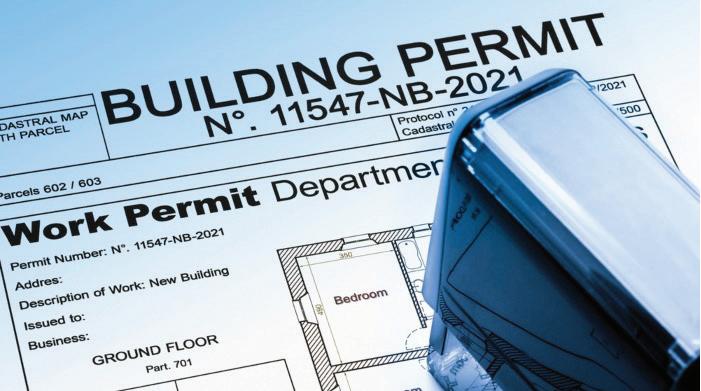
There were 4 new home permits pulled in April bringing the total for the year to 21. 3 were from NTHBA Builders bringing the total permits pulled by NTHBA builders to 17.
The 30-year fixed-rate mortgage averaged 6.23% as of Freddie Mac’s April 23 survey, down from 6.81% a year ago. Daily data from Zillow and Optimal Blue show rates have been bouncing between 6.00% and 6.25% through April, with some volatility tied to the Fed meeting today. The 15-year fixed is averaging around 5.58%. FHA rates are near 6.06%, and jumbo loans are at 6.54%.
The Fed is widely expected to hold rates steady at today’s meeting, with no cut anticipated until June at the earliest. MBA forecasts the 30-year rate near 6.30% through the rest of 2026. Fannie Mae is slightly more optimistic, projecting rates just above 6% by year-end. Rates have actually improved from March, when geopolitical tensions pushed the 30-year as high as 6.37%.
Why it matters to us: We’re in a range-bound rate environment for the foreseeable future. That means rate buydowns remain one of our most effective tools. If you’re offering incentives, a 2-1 buydown at these levels can make a meaningful difference in monthly payment for your buyers. The good news is that rates are lower than they were this time last year -- that’s a story worth telling in your marketing.
NAR has highlighted an unusual dynamic in 2026: the median price of a newly built home is now lower than the median resale home price. According to NAR, this has only happened two or three times in the last few decades. The combination of builder incentives (rate buydowns, closing cost contributions, price reductions) and the geographic location of new communities has created this rare pricing inversion.
Existing-home sales fell 3.6% month-over-month in March to 3.98 million (annualized), with median prices hitting $408,800 -- a record high for the month of March and the 33rd consecutive month of year-over-year price increases. Inventory is at 4.1 months of supply, still below the 5-6 months considered "balanced." NAR revised its 2026 forecast: existing-home sales are now expected to rise only 4% (down from a higher prior estimate), and new-home sales are expected to be flat.
Why it matters to us: This is a marketing opportunity. When a buyer can get a brand-new home with a warranty, new systems, and current building codes for the same price or less than a 20-year-old resale -- that’s a powerful value proposition. Make sure your agents and your marketing are communicating this clearly. New energy-efficient appliances, modern HVAC, new plumbing, and current code compliance all translate to lower operating costs for the homeowner.







June


North Texas Home Builders Association Hosts a Very Successful 11th Annual
The North Texas Home Builders Association proudly hosted its 11th Annual Sporting Clay Shoot on Friday, April 10th at the Northwest Field & Stream shooting range — and what a spectacular day it turned out to be. With picture perfect weather, a full roster of enthusiastic participants, and an atmosphere filled with camaraderie.
3800 Kell West Blvd. Wichita Falls, TX 76309 Office: 940-720-5200 Fax: 940-691-3199
We extend a tremendous thank you to John Lambeth, who once again volunteered his time and expertise to set up the range and ensure a smooth, enjoyable shoot for everyone. We are equally grateful to Kerry Wylie of On Site Solutions for hauling supplies, assisting with setup, and helping with registration. Their dedication is the backbone of this event’s continued success.
This year, 57 shooters took to the course, forming 11 competitive teams ready to test their skills and enjoy a day of friendly rivalry. Before the competition kicked off, participants were treated to a delicious meal of fresh seared hamburgers with all the fixings, along with gourmet cookies to satisfy every sweet tooth. This incredible lunch was sponsored and prepared by Investar Bank, with special thanks to cooks and servers Wayne Pharries, Jake Munholland, Robert Stahler, and Gordon McCain for their hard work and hospitality.

940.322.3129 • www.breegle.com 2213 Grant Street • Wichita Falls, Texas 76309 Carpet • Ceramic Tile • Wallpaper Hardware • Mini Blinds • Formica Vinyl & Hardwood Flooring • Carpet Supplies




Following lunch, NTHBA President Tanner Wachsman welcomed attendees and expressed heartfelt appreciation to our Annual Partners, whose support strengthens our mission year round:
• Platinum Partner: Hamilton Bryan Furniture & Appliances
• Gold Partners: American National Bank & Trust, Atmos Energy
• Silver Partners: Guarantee Title Company, Investar Bank, Landmark Title Company, Texoma Community Credit Union, Union Square Credit Union
President Wachsman also recognized our generous Event Sponsors, whose contributions help make this event possible: American National Bank & Trust, Builders Lumber Company, Corlett Probst & Boyd, Hamilton Bryan Furniture & Appliance, Woodco Supply, and WS Construction.
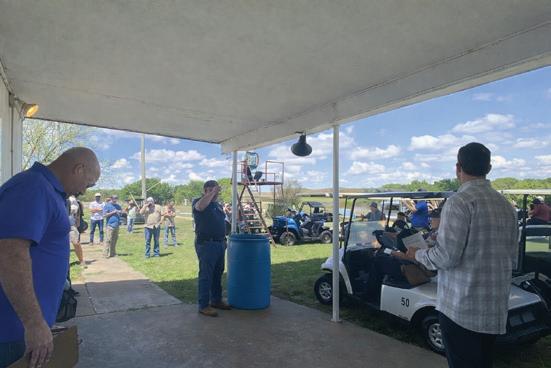
And of course, we extend our sincere appreciation to every participant, team, and station sponsor who showed up, supported the event, and made the day unforgettable. After announcements Tanner said word of prayer and the shoot began.
Once the shooting began, teams spread out across the range, each hoping to hit the highest number of targets. As shooters wrapped up their rounds, many gathered around the door prize table, eagerly checking their tickets for a chance to win items ranging from gift cards and ammunition to rifle covers, earmuffs, and more.
A special thank you goes to Lisa Graf of Pilgrim Bank, who diligently collected scorecards, recorded scores, and tallied results. Meanwhile, Kerry Wylie kept the excitement going by selling squares right up until it was time to announce winners and draw for the guns.
Congratulations to Our 2026 Winners
• Top Female Shooter: Elaine Shultz – Score: 73
• Top Male Shooter: Jeff Swayden – Score: 96
• Top Team: American National Bank & Trust that consisted of Damon Whatley, Jeff Swayden, Ted Douglas, Russell Hanger and Steve Wilkinson – Score: 381
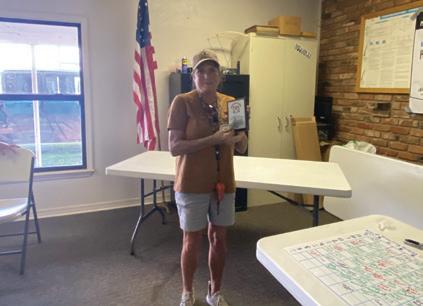
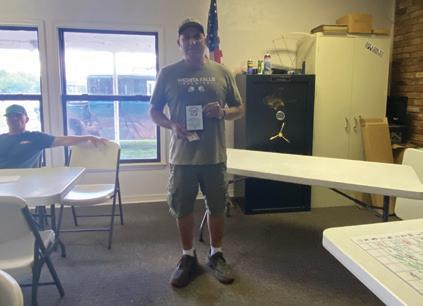
Gun drawing winners included:
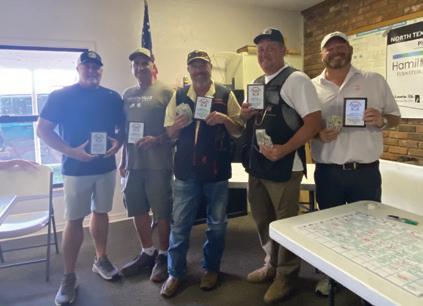
• Browning Maxus II Ultimate 3”x28” 12 Gauge: Brandon Litteken
• Smith & Wesson 22 Mag Pistol Package: Kerry Wylie
We celebrate each of you for your outstanding performance and participation.
Thank You for Making This Event a Success
From our volunteers and sponsors to every shooter who joined us, thank you for helping make the North Texas Home Builders Association’s 11th Annual Sporting Clay Shoot an incredible success. Your support, enthusiasm, and community spirit continue to elevate this event year after year.
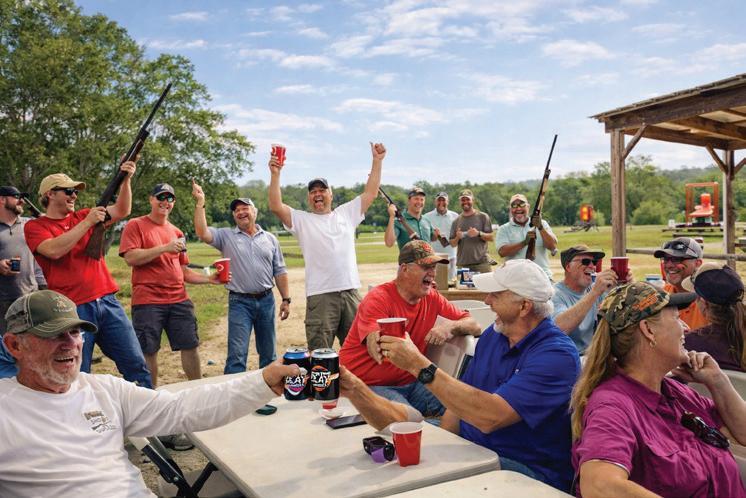
We look forward to seeing you again next spring for another unforgettable day on the range.



With a nationwide shortage of roughly 1.5 million housing units that is making it increasingly difficult for American families to afford to purchase or rent a home, NAHB provides this 10-point housing plan to help tame shelter inflation and ease the housing affordability crisis by removing barriers that hinder the construction of new homes and apartments.
Shelter inflation continues to rise faster than overall inflation. For the past year, more than half of overall inflation in the economy has been due to rising housing costs. The only way to effectively tame shelter inflation — particularly with elevated interest rates for both mortgages and development/construction loans — is to build more attainable, affordable housing.
With policymakers at all levels of government looking for ways to provide more affordable homeownership and rental housing opportunities for all Americans, NAHB is offering a plan that outlines initiatives that can be taken at the local, state and federal levels to address the root of the problem — the impediments to increasing the nation’s housing supply.
1. Eliminate excessive regulations;
2. Promote careers in the skilled trades;
3. Fix building material supply chains and ease costs;
4. Preserve energy choice for home heating and appliances;
5. Overturn inefficient local zoning rules;
6. Alleviate permitting roadblocks;
7. Adopt reasonable and cost-effective building codes;
8. Reduce local impact fees and other upfront taxes associated with housing construction;
9. Make it easier for developers to finance new housing; and
10. Update employment policies to promote flexibility and opportunity.
NAHB delves further into these issues below.

Excessive regulations are contributing to the housing affordability crisis. On average, regulations imposed by government at all levels account for nearly 25% of the price of building a single-family home and more than 40% of the cost of a typical multifamily development. NAHB believes that Congress must reassert its oversight authority over rulemaking agencies and that efforts to further regulate the housing industry must be subject to greater public scrutiny and based on sound data.
NAHB supports federal efforts to address overly burdensome regulations, especially those that impact small businesses, and to ensure greater transparency and accountability in the federal regulatory process.
As increasingly complex regulations are layered over existing ones, the growing mountain of red tape generates skyrocketing compliance costs that stifle business initiative and harm consumers. The housing industry provides a good example.
In a clear sign illustrating the severity of housing affordability challenges facing Americans, the NAHB/Wells Fargo Cost of Housing Index (CHI) found that in the fourth quarter of 2024, a family earning the nation’s median income of $97,800 needed 38% of its income to cover the mortgage payment on a median-priced new home. Low-income families, defined as those earning only 50% of median income, would have to spend 76% of their earnings to pay for the same new home. Likewise, a 2024 report by Harvard’s Joint Center for Housing Studies found that a record-high 22.4 million households are paying more than 30% of their income on rent and that among those renters, more than 12 million are paying more than half their income on housing, also an all-time high.
As a nation, we can and must do better. All home buyers and renters in America should have a choice in securing safe, decent and affordable housing where they want to live. America’s workforce families, including members of the armed forces, teachers and first responders, should be able to afford to live in homes or apartments in the communities they serve. NAHB strongly believes that increasing the inventory of new single-family and multifamily housing is key to improving housing affordability. Although there are many factors making it more difficult for builders to increase housing supply, excessive government regulations represent a major driving force frustrating the efforts of home builders and multifamily developers to build more housing and address the housing affordability crisis.
Residential construction is one of the most heavily regulated industries in the country. The prospect of an improved regulatory climate where federal agencies are limited to regulations that follow the letter and spirit of the law and are tailored to meet the needs of small businesses can lead to more informed, less burdensome rules and unleash home builders to increase supply and address the nation’s housing affordability crisis. In these challenging economic times, the significant undersupply in housing coupled with rapidly increasing home prices clearly indicate the need to reduce the regulatory burden on the housing industry.


Reasonable regulations are essential to protecting the health and safety of workers, the environment, financial institutions, and other interests, yet they must strike a balance. Federal regulations must be carefully structured to achieve their intended benefits while minimizing the burdens on citizens — especially in light of the many oftentimes duplicative initiatives taken at the state and local levels. Likewise, they must be based on accurate, up-to-date information and supported by sound, science-backed data so that both the regulators and the public have assurances that the rules will help meet the intended outcomes.
The federal rulemaking process is governed by several laws and executive orders. In developing, proposing and finalizing a new rule (or amending or repealing an existing rule), agencies must follow the procedures set out within these laws, clearly stating why the rule is being proposed, conducting public outreach, and sharing the data, information, and analyses that were relied on to develop the rule.
Unfortunately, the federal agencies often fail to adequately consider how their proposed regulations will be interpreted, how they will be implemented on the ground, if and how they are compatible with other existing rules, or how they will affect the regulated entities or their output. Likewise, although there are processes in place for how agencies are to scrutinize potential regulations, a recent report found that many agencies have failed to properly analyze a proposal’s costs, impacts or reach. Ultimately, the failure to provide regulatory certainty or properly and fully assess a rule’s impacts and alternatives can have a significant effect on regulated industries and in our case, further exacerbate the ongoing housing affordability crisis.
Several reforms can fix the broken regulatory rulemaking process:
1. Support legislative efforts, e.g., the REINS Act, to fix the broken regulatory rulemaking process; 2. Ensure rulemaking agencies consider the disproportionate impact rules have on small businesses; and 3. Reconsider the rulemaking process.
Reasonable regulations are essential to protecting the health and safety of workers, the environment and financial institutions, but they must strike a balance. Federal regulations must be carefully structured to achieve their intended benefits while minimizing the burdens on small businesses.
ASSOCIATION OF

You built it. Let us help protect

Marsh McLennan Agency’s construction specialists work with you to manage your business risks and support solutions. This is construction, empowered.