NewYear’sbaby
North Shore’s first baby of 2025 is a ‘pretty chill guy,’ parents say LIFESTYLE13
Localauthors
Library collection features works from North Shore writers
SPORTS14
WorldCup
North Van skier Cameron Alexander claims bronze in Bormio


North Shore’s first baby of 2025 is a ‘pretty chill guy,’ parents say LIFESTYLE13
Library collection features works from North Shore writers
North Van skier Cameron Alexander claims bronze in Bormio
BRENT RICHTER brichter@nsnews.com
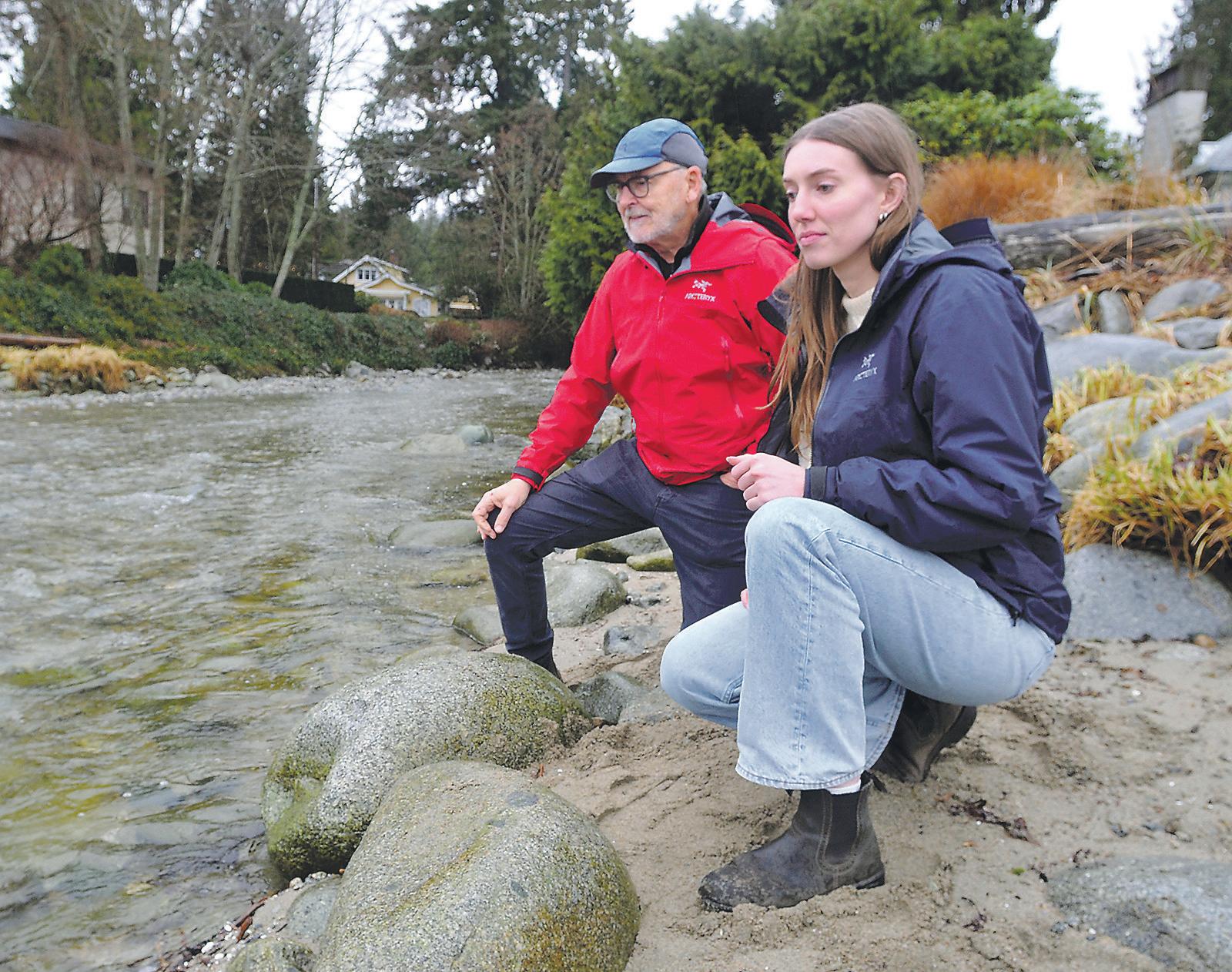
The advice for B.C.’s salmon is same your cardiologist is giving you: Time to cut back on the sodium chloride.
A new study is showing the salt municipalities use to keep people safe on the roads in cold, wet weather is likely killing future generations of B.C. salmon.
It was the Stoney Creek Streamkeepers in Burnaby who first began monitoring for salt levels and noticed spikes coming in the wintertime. They raised the issue with scientists at UBC, SFU, BCIT and the federal Department of Fisheries and Oceans, all of which are now collaborating on a study that is quickly confirming that the substance we use to keep our roads safe can be lethal for salmonids.
For the last four years, local Streamkeepers groups have been logging data from 40 water quality monitoring stations on 30 Lower Mainland creeks, which capture everything from temperature to electrical conductivity, which is a proxy for salinity, every 10 minutes
B.C.’s provincial guidelines state that fresh water should never have more than 600 milligrams of chloride per litre of water, but the data shows spikes much higher than that in the wintertime, lasting for about 24 hours at a time.































































NICK LABA nlaba@nsnews.com
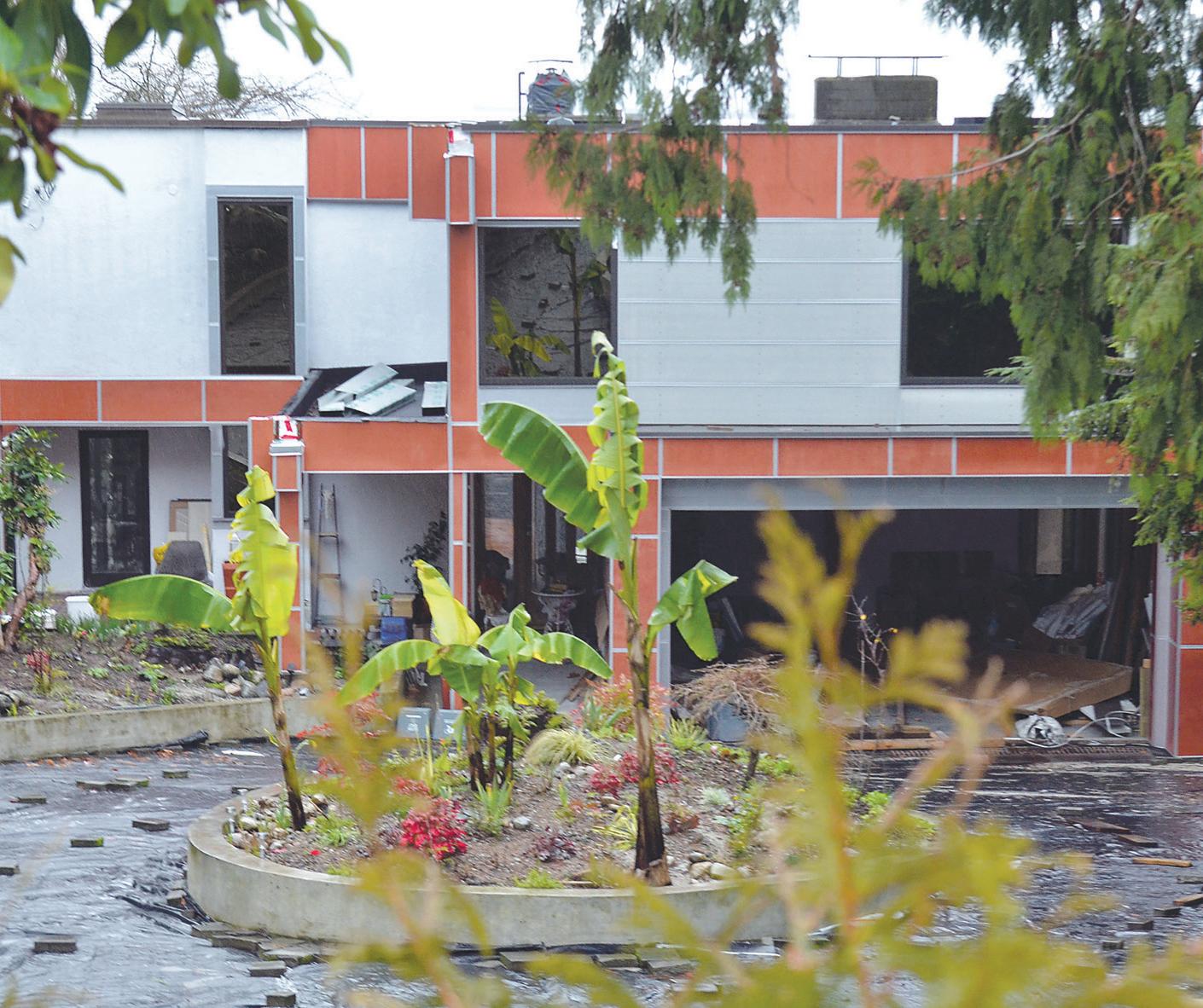
Owners of an embattled fire-damaged home in West Vancouver have been told by a B.C. Supreme Court judge to comply with a demolition order.
According to a ruling issued Dec. 24, the District of West Vancouver has been granted an injunction that prevents co-owner Rosa Donna Este and others from interfering with the ordered demolition of the home at 2668 Bellevue Ave.
The home was bought by Este and her mother Mina Esteghamat-Ardakani in 2003. Este told the court she lived in the house until 2015, when it was extensively damaged in a fire. It sat derelict for more than five years. After receiving complaints about the “eyesore” property, the district issued a demolition order in December 2020.
In 2021, Este applied for a permit to build a new house on the property, which her mother opposed, and the district denied the permit application.
Shortly after, Este applied for a judicial review of the decision and demolition order, which stated that all owners – including Esteghamat-Ardakani – must participate in a permit application. Este took the position in court that her mother’s consent was not required to build a new house on the property, but the B.C Court of Appeal rejected her argument.
Este has also previously taken Esteghamat-Ardakani to court, attempting to force her mother to comply with Este’s wishes to alter the property, the ruling notes.
The matter is further complicated by Este’s ex-husband Mehran Taherkhani, who has pending litigation on the property in relation to a family claim.
No triable issues related to enforceability of demolition order, judge rules
In her ruling, Justice Francesca Marzari agreed with the district’s position that Este has not complied with the demolition order; has demolished parts of the house without a permit; has gone ahead with construction on the property without a permit; and that she has ignored stop work orders and interfered with the work of district contractors.
Marzari acknowledged that Este didn’t dispute her non-compliance and in fact
argued she did so openly and “disclosed to them that I’m going to do this.”
“Her argument is that she should not have to demolish the house in its entirety because the demolition order is either invalid, or obsolete because the house is no longer in poor repair,” Marzari said. “In either event, she argues that the demolition order is unenforceable.”
Este argued that the district’s request for an injunction shouldn’t be granted because of alleged irregularities including
non-disclosure to district council of an email about the soundness of the foundation of her home from her insurance company’s engineer. She further claimed that the demolition order isn’t applicable anymore because she no longer wants to demolish the home entirely, as she did previously, and that due to improvements made (without permits) the house is no longer a nuisance or unsafe, according to the court documents.
Appealing to the issue of hardship, the judge acknowledged other arguments by Este that she loves the home and has spared no expense to rebuild it over the past year, including installing a door worth $10,000.
But Marzari ruled that there were no triable issues with respect to the enforceability of the demolition order, and that the previous Appeals Court decision held.
Marzari added that the myriad arguments Este made to question the fairness of the demolition order had already been resolved by the court.
“Efforts to raise new or fresh evidence to reopen those arguments are now far too late. That may have been available on appeal, which was taken,” the judge wrote in her decision. “They are no longer available to Dr. Este.”
Marzari also ruled that the demolition order still held despite legal arguments made by Este’s ex-husband.
The judge ordered that Este or anyone acting on her behalf be restrained from doing any unpermitted work on the property, or acting in any way to obstruct district contractors from carrying out the demolition order at the Bellevue Avenue home.
Este was further ordered to cover the district’s legal costs.
NICK LABA nlaba@nsnews.com
The Independent Investigations Office of BC is seeking witnesses to an arrest in North Vancouver in which a man sustained an injury.
The incident happened
around 9:30 p.m. on Dec. 28, according to investigators. Shortly after the man was discharged from Lions Gate Hospital, he was seen urinating on the RCMP detachment building across the street.
The man was arrested and taken back to Lions Gate, where
he was found to have sustained an injury, according to a statement from the IIO.
The IIO was notified of the incident shortly after it happened, and the office has opened an investigation.
Initial steps will be to confirm if the man’s injury
meets the definition of “serious harm,” as defined by the Police Act, and if the officer’s actions during the arrest were necessary, reasonable and proportionate in the circumstances, the IIO said.
The IIO is asking that any witnesses who have not already
provided a statement, or anyone who may have other video footage of the incident, to contact the IIO at its witness line (1-855-446-8477) or via the contact form on its website. North Vancouver RCMP has not responded to a request for comment.


NICK LABA nlaba@nsnews.com
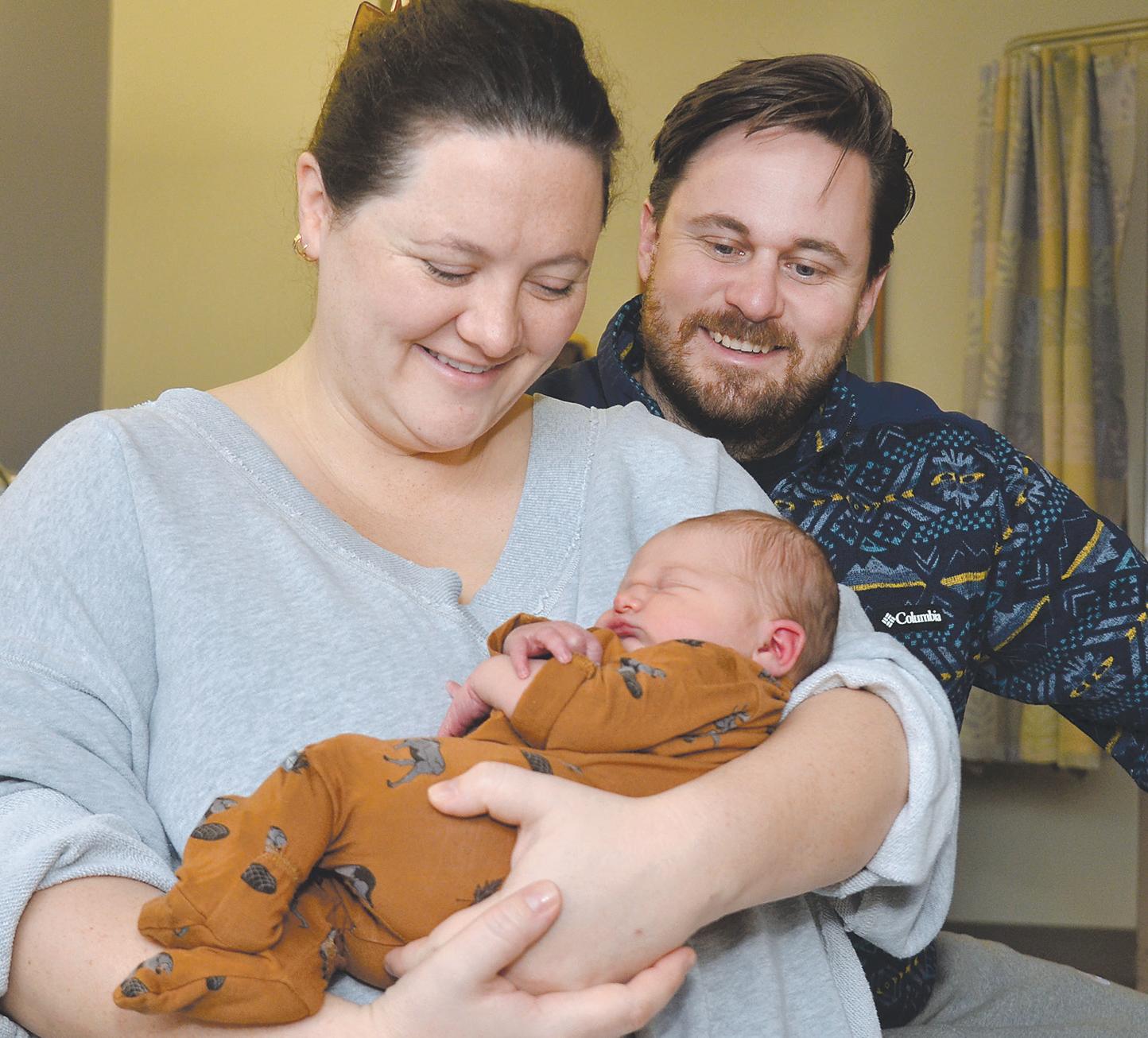
The North Shore’s first baby of 2025 wasn’t upset about getting up early on New Year’s Day.
Actually, he’s a “pretty chill guy,” according to his parents.
At 8:46 a.m. on Jan. 1, Remy Lockitt Brown was welcomed into the world by staff at Lions Gate Hospital, and his mom and dad, Kendra Williams and Sean Brown.
Weighing a healthy eight pounds four ounces, Remy was a bit late from his due date on Boxing Day, which isn’t uncommon for first-time mothers like Williams
The North Vancouver couple said they went in for a scheduled ultrasounds on Dec. 31, but it wasn’t the visit they expected. Williams’s amniotic fluid was low, so she was sent up to labour and delivery, where she started having contractions.
During her gruelling 15 hours in labour, Williams received little festive encouragement.
“We got to see some fireworks go off from our room, which was really cool,” she said. “In the trenches of labour, and you’re
like, ‘Oh, wow, hold on, Happy New Year!’”
A few hours later, they had something even better to celebrate.
Remy is a fantastic baby, the couple said.
“He’s completely and totally captured our hearts,” Williams said. “He’s a cute little guy, very sweet. Good eater As good a sleeper as any newborn is. He’s awesome.”
They’ve been very well taken care of at Lions Gate Hospital, she added.
“The nurses and the doctors have all visited us, and have given us so much love, attention and validation. It’s been really fantastic,” Williams said.
The couple – who’ve been married for two-and-a-half years, and together for nine – gave Remy the middle name Lockitt, a nod to Williams’s late father, who passed Jan. 19, 2024
Since Remy’s birth, the young family has been visited by his other grandparents and their immediate family
On the personality side, Remy takes after Brown.
“He’s pretty laid back,” Brown said.
“Pretty chill guy, just like his dad,” Williams said.



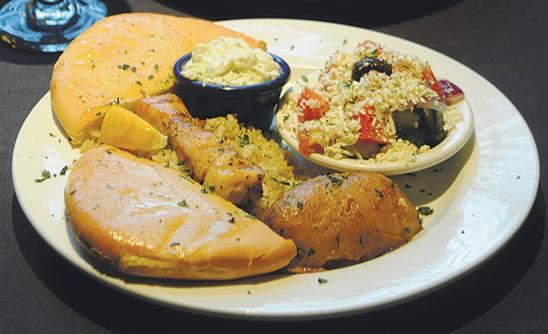
BRENT RICHTER brichter@nsnews.com
A WorkSafeBC investigation into the death of a heavy equipment operator working on Cypress Mountain found numerous safety infractions for which the resort has now been fined more than $100,000.
The incident happened on Oct. 3, 2023 on the Windjammer run while crews were disassembling the resort’s Eagle Coaster for the season
That required the use of a telehandler – a forklift-like piece of heavy equipment used to pick up the coaster’s aluminum rails and load them onto pallets, which can be moved into storage.
According to the WorkSafeBC incident investigation report released to the North Shore News, the operator of the telehandler, 26-year-old Ontario man, was preparing to transport a loaded pallet down the mountain at around 4:15 p.m. and stopped at the edge of a steep drop-off, likely to check the load before descending.
The telehandler immediately began to roll down the slope in the direction of workers further down the hill and it lost its load soon after. The operator chased
after the telehandler and managed to get one hand and a foot onto the outside of the equipment’s cab when the machinery tipped over, landing on him.
Workers attempted first aid and first responders arrived soon after but the injuries were fatal.
The WorkSafeBC investigation began soon after. It turned up numerous issues.
An inspection of the vehicle found the telehandler’s parking brake wasn’t engaged at the time.
Cypress had improper training and operation procedures, investigation finds
The investigation found the operator’s training by Cypress Mountain didn’t meet the standards required be B.C. law and the supervisors themselves were unaware of the applicable regulations
The manufacturer’s manual for the telehandler, which operators are supposed to have read front to back before taking control of one of the machines, specifies that loads should be carried down slopes with the telehandler in reverse, which wasn’t the case on Cypress.
The maximum slope grade for that particular piece of equipment was 15 per cent, but parts of the access road to the

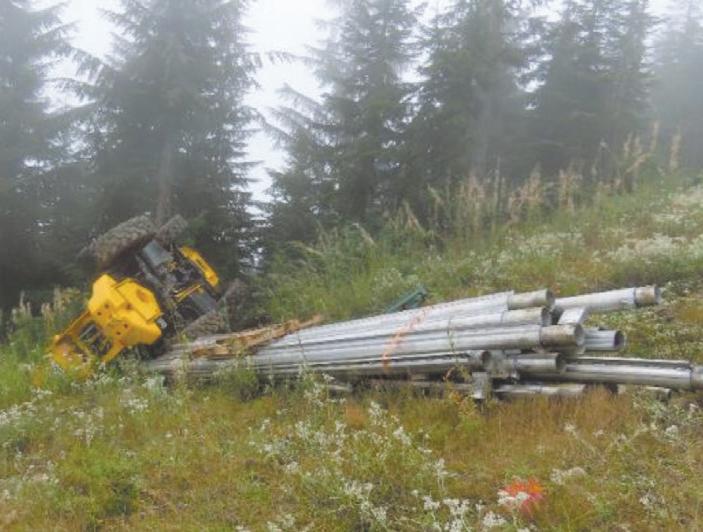
The aftermath of a fatal workplace incident on Cypress Mountain in West Vancouver, Oct. 3, 2023. A WorkSafeBC investigation found numerous safety infractions
worksite reached 34 per cent. The area where the telehandler began to roll was between 13 and 17 per cent.
“No Cypress workers or managers reviewed the telehandler’s operator’s manual, as required by the regulation,” the report states. “The telehandler was not rated to safely operate on the slopes encountered at the workplace, nor was it operated and inspected as recommended by the manufacturer Cypress did not ensure its supervisors on the coaster

project were aware of the hazards of the workplace and the limitations of the telehandler.”
The victim’s name and any identifying details about them are all redacted in the report. At the time of the incident, West Vancouver police said he was new to B.C. and had recently arrived to work at the ski resort over the winter.
Before the release of the report, WorkSafeBC already fined Cypress Bowl ULC / Cypress Bowl Recreations Limited Partnership $132,369 for failing to ensure that the load was properly restrained, failing to ensure the equipment was capable for the job, failing to ensure the workers were adequately trained and aware of the safety hazards, and failing to provide workers with proper supervision to ensure their health and safety
“These were all high-risk violations,” the summary stated at the time.
The fines WorkSafeBC levies are typically based on the size of the employer’s payroll but also on the nature of the violation and whether the same employer has a history of violations.
No one from Cypress Mountain returned North Shore News’s requests for comment.





BRENT RICHTER brichter@nsnews.com
The North Shore-based BlueShore Financial will soon be a name of the past, after members voted to merge their institution with Beem Credit Union.
According to a release from BlueShore, 70.1 per cent of Class A membership equity shareholders and 74.9 per cent Class C investment equity shareholders voted in favour of the merger between Nov 25 and Dec. 3.
The combination of the two credit unions will make Beem one of the largest credit unions in B.C.
“By joining forces with Beem Credit Union, we are pleased to offer our members an expanded network of branches for personalized service across the province. This partnership allows us to invest more resources in digital services, provide ongoing training and career development for our employees, and increase our investment in the communities we serve,” said Ian Thomas, CEO of BlueShore Financial in a release.
As of Jan. 1, BlueShore Financial officially became “a division” of Beem,
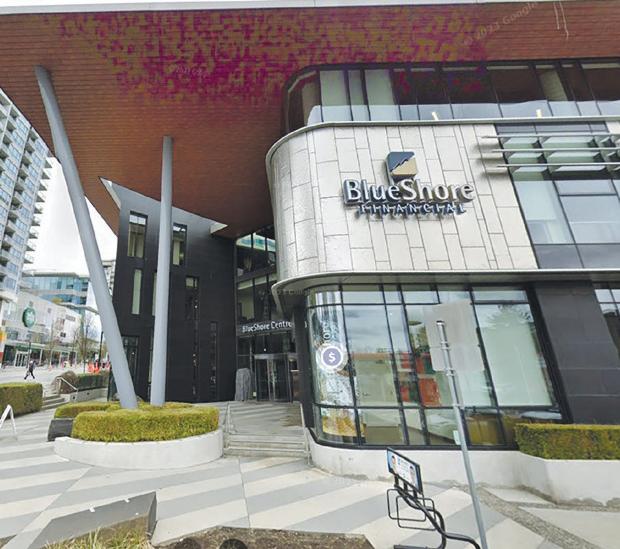
BlueShore Financial’s main North Vancouver office will one day bear the name of Beem Credit Union after the financial institution’s members voted for a merger
with a full merger expected to roll out over the next 18 months. The company says North Shore clients shouldn’t notice any disruptions in their usual banking services.
The North Shore Credit Union was established in 1941 by 10 deep sea fishermen, city clerks and shipbuilders with a combined $10 in capital. At the time, blue collar workers had few financial options. In 2013, the credit union
rebranded as BlueShore Financial. Today, BlueShore manages $7.4 billion in assets.
The merged credit union will provide a network of 66 personal and business banking branches, along with insurance offices, to approximately 190,000 members throughout the Lower Mainland, the Sea-to-Sky Corridor, the Fraser Valley, the Interior, and into Northern B.C. Combined total assets under administration will be approximately $17 billion.
Merger talks between the two credit unions began in 2024. The BC Financial Services Authority gave approval for the merger in October, paving the way for the shareholder votes.
“We are grateful for the members’ confidence in us and look forward to what we will accomplish together, taking all that is great about our two credit unions and making it even better Together we can go farther and faster,” said Beem president and CEO Brian Harris.
To mark the merger, BlueShore Financial is donating $2 per vote to BC Children’s Hospital, which Beem has matched for a total of $20,000.








After almost 10 years in power, Prime Minister Justin Trudeau is going for his walk in the snow
Speaking to reporters on Monday, Trudeau confirmed he would be resigning as leader of the Liberals and proroguing Parliament while the party chooses its new leader ahead of this year’s election. Trudeau acknowledged the polls that show his party at near-historic lows and that it was time for someone else to take over
In one ledger, you can credit him with shepherding Canada through the pandemic, creating the first national policy to do our part in combatting climate change, a national childcare system and legalized cannabis. In the other, you can chalk up records in new federal debt, buying a money-losing pipeline, and numerous unforced ethical scandals.
But legacies are for historians to debate. The issues of today are what’s making things move in Ottawa. The cost of living has grown at a punishing rate, and affordable housing remains out of reach for working people.
Some within the Liberals might say it’s too little, too late, and that Trudeau should have read the room and made his exit months ago. It probably wouldn’t have made much difference. Like a slow swinging pendulum, Canadians tend to oscillate between the Conservatives and the Liberals in fairly regular intervals of every 10 years or so. Barring any unforeseen scandal or some seismic shift in the country’s leanings, the Tories are likely cruising to an easy majority
Surely, as Trudeau takes that winter walk, he’ll feel the winds of change were already blowing at his back.

KIRK LAPOINTE
klapointe@glaciermedia.ca
Instead of resolving to fix some of ourselves at New Year’s, what if we resolve to fix some of our political institutions?
Voter turnout, voter engagement and voter eligibility are inadequate. Our legislatures are mock theatres of questions without answers. No one can claim today that our political discourse is improving.
In an ideal world, what would be my wish list of what to seek?
Voter turnout this century in our federal, provincial and particularly in our municipal elections has fluctuated but hovered at unhealthy levels: a decline to

62.6 per cent federally in 2021, a rebound (but below historic levels) to 58.3 per cent provincially in 2024, and turnouts of 40 per cent in Vancouver and 38 per cent in Toronto for municipal races in 2022
Several countries have successfully introduced mandatory voting to spur participation, among them Argentina in 1912, Australia in 1924, Belgium in 1893, Brazil in 1932, Singapore in 1959 and Peru in 1931. In these countries, there are disincentives not to vote, and turnout has been upwards of 80 and 90 per cent.
We have made it very easy these days to vote, with more polling stations and advanced voting, and it ought not to be long before we have gotten past our apprehensions to use an acceptable technology to vote digitally Low voter turnout

disproportionately silences youth, the poor and the marginalized If we are serious about political participation, it makes sense to confer responsibility on all of us.
Lower the voting age
It is incongruent that 14-year-olds can hold party memberships and vote on the federal leadership for the Conservatives and Liberals – and at age 13 federally and 12 provincially for the NDP – but can’t vote until age 18. It is further inconsistent to tax working and driving 16-year-olds yet prevent them from casting ballots.
Austria, Brazil and Scotland have successfully introduced voting at age 16. It has raised participation rates at an earlier life stage in politics and done well at creating a habit of behaviour to spur higher turnouts.

Today’s information-loaded 16-yearold is not what the 16-year-old of my era was, and prime political issues of today – education, climate change, health care and more recently public finances – are their issues to inherit (as they were mine to generate). Without the vote, you can’t influence the direction of policy, nor be heard tangibly and effectively – so what can you really do about it and why would any politician pay attention to you?
Turn
Long gone are the days of earnest opposition inquiries and accountable government responses in the daily ritual of Question Period in our federal and provincial legislatures. What we have now is
Continued on A9

Dear Editor:
RE: North Vancouver and West Van deserve their spots among Canada’s most livable cities, Dec. 25 Kirk LaPointe column
It would be interesting to compare the publications and individual comments Mr LaPointe’ based his Dec 25 article on to claim that West Vancouver is one of the most livable cities in Canada to the views of those who have left West Van over the past three decades or others of us still here who see it very differently I appreciate that he has lived here for only four years. My family has lived here for 33 years, and we have witnessed thousands of West Van graduates, workers and older downsizing family members leave because it became unlivable due to a lack of housing that could be rented or bought at reasonable market rates. This problem was caused by West Vancouver limiting the development of housing to largely single-family houses which supported a growth rate of only one sixth of the average in other Metro
Vancouver communities over the past 50 years
This also meant that West Van gave up 85 per cent of the revenue and increased tax base over that period from residential development, its main source of new revenue. This has led to its inability to properly fund and maintain its infrastructure and increasing transportation and environmental challenges.
I know many elderly residents who would dearly love to have their adult children or grandchildren live here and help them; or many businesses whose viability has been challenged due to a shrinking demand and lack of accessible workers
To make West Van truly livable for most, amid our wonderful sea and mountain views, we need strong support to encourage the immediate development of lower cost accommodation. Otherwise, the current 500-plus high school graduates in 2025 and those that follow in the coming years, and their downsizing parents, will join the ranks of thousands before them questioning, the livability of West Vancouver.
Gary D. Powroznik
West Vancouver
largely a chaotic pretense. It can be fixed Empowering the Speaker to demand more out of the government answers has worked in New Zealand and Scotland, even in a limited fashion In Iceland, citizens can submit questions.
In Germany and the U.K., the sessions are often themed to permit deeper dives on issues. Regardless, reforms are necessary.
Last century, Vancouver, Victoria, Kelowna, Kamloops, Nanaimo and New Westminster abandoned the ward system for at-large elections of councillors.
It is true that wards can be designed unhealthily along income lines and be less efficient to administer Overall, though, restoring a ward system could assure neighbourhood representation, provide better access to politicians, lower barriers to entry and encourage voter engagement We have to do something about voter turnout municipally, and if we’re not going to introduce mandatory voting, this is the next best move for our larger cities.
In the four decades since their inception, successive governments of all stripes have made laws affecting our right to know more about their operations more cumbersome, costly and cynical. For every step forward in amending these laws that provide the right to ask for information, governments have generally taken two shameful steps back.
The federal and provincial laws are designed and conducted to protect the reputations of sitting governments rather than illuminate their true natures.
In opposition, parties will promise comprehensive reform to bring about transparency, and once in power they fight to prevent unflattering information from disclosure. The public interest is overridden in this exercise, and no one in authority has stepped forward to make it a palpable priority
That being said, to expect any politician to concede vulnerability is, I suppose, my wish list’s wishful thinking.
Kirk LaPointe is a West Vancouver columnist with an extensive journalism background. His column appears biweekly in the North Shore News.
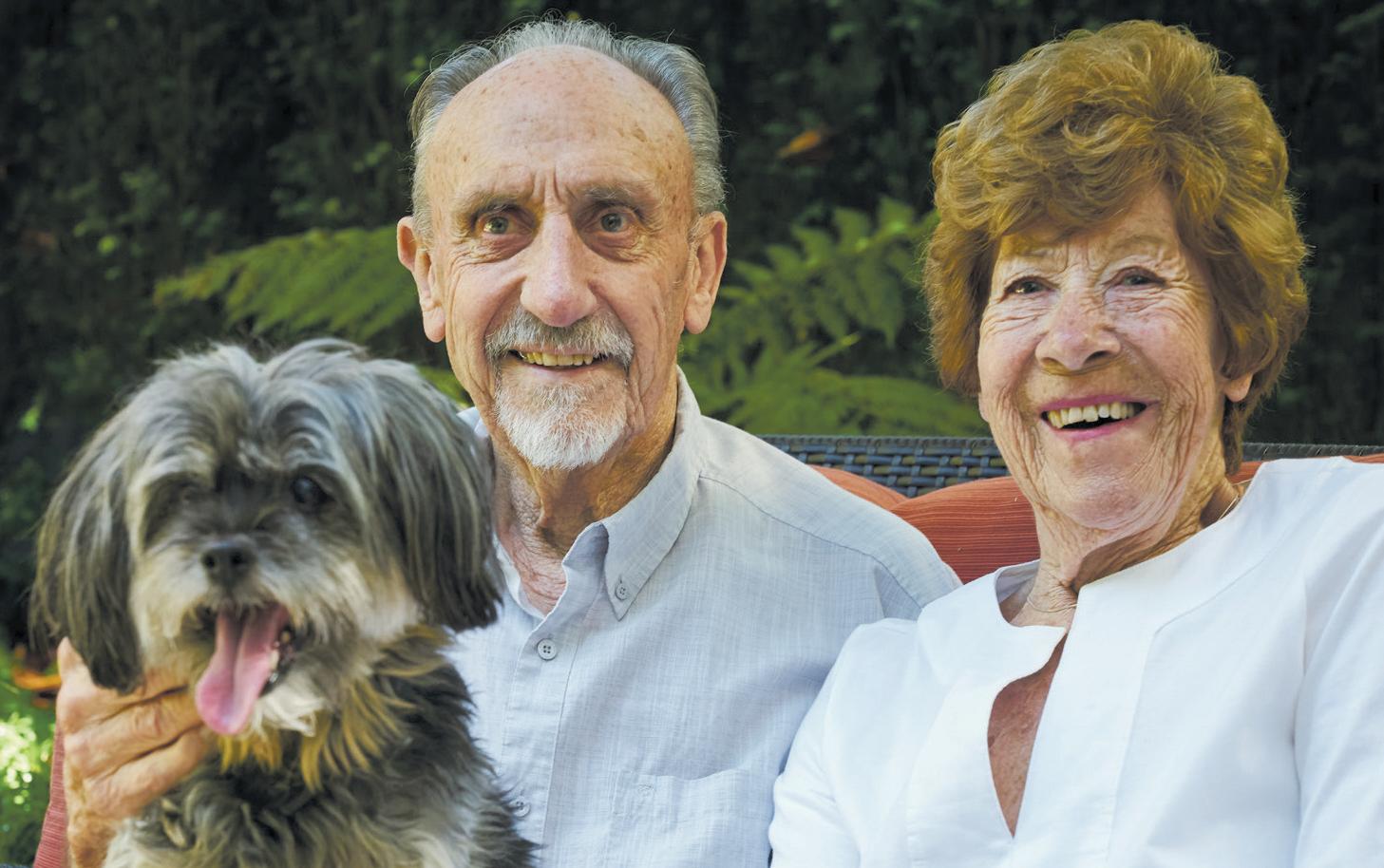

Come hometoa vibrant,welcoming community wherefestive gatherings,friendlyfaces,and ajoyousspiritmakeevery day special, including theholidays.
At Summerhill PARC,you’ll enjoy award-winning cuisine prepared by our chefs. Plus,with24-hour safety and security, you’ll live confidently,knowingwe’ve got youcovered around theclock.
Ourstunning West Coastlocationoffersbreathtakingviews and adynamic lifestylewithendlessopportunities forsocial, cultural,and recreational activities
Startyour NewYear surrounded by community,comfort, and cuisine. Don’tmissout on this incredibleopportunityto experiencethe bestofsenior living in theheartof NorthVancouver
parcliving.ca/summerhill *somerestrictionsapply CallJackieReidat604.980.6525 to learnabout our limited-time offers.
NICK LABA nlaba@nsnews.com
A supportive housing site set up at the former Travelodge motel on Marine Drive is closing down.
On Jan. 15, operations at the North Vancouver housing site will cease, leaving at least one tenant without future accommodations secured.
The temporary housing site opened quietly in 2020, in response to overcrowding at shelters during the COVID-19 pandemic. BC Housing signed a lease in 2022 for all 61 rooms to provide support for people experiencing homelessness or at risk of experiencing homelessness.
BC Housing agreed to pay $1.5 million per year toward operating costs, with Lu’ma Native Housing Society managing the site.
The site was not without problems, with eight deaths recorded at the site between its opening and March 2022, according to a statement from B.C.’s Ministry of Health, responding to a reporter’s
request for comment in 2023.
Concerns were also raised by former West Vancouver-Capilano MLA Karin Kirkpatrick, who said the facility was run without adequate supports.
BC Housing’s lease on the property expired in May of 2024, and the provincial body has been extending it on a month-by-month basis since.
BC Housing and Lu’ma have been in regular communication with residents over the past year, updating them on the future of the site, the provincial body said in a statement.
Residents were formally notified by letter on Nov. 15, 2024, that operations at the Travelodge site would end Jan 15.
With the property slated to be redeveloped, the supportive housing was always meant to be temporary, a BC Housing spokesperson said in a written statement.
“BC Housing has been working closely with Lu’ma Native Housing Society and the
Aboriginal Housing Management Association to find alternative housing for all residents. As of Jan. 2, there are five residents remaining,” the spokesperson said.
Of those individuals, all have been offered housing and four have accepted offers of housing elsewhere, the spokesperson added.
“We know moving is stressful, which is why BC Housing and Lu’ma have provided a variety of supports to residents to help them with the transition into new homes,” the BC Housing spokesperson said.
“For residents at the Travelodge, this includes covering the cost of moving expenses, joining residents at housing interviews, assisting with packing belongings and arranging transportation,” the spokesperson said.
BC Housing said it couldn’t provide specifics on where residents have moved, for privacy reasons, but is committed to
working with residents to assess their needs and offer options to remain in the community when possible.
“Many residents have moved into housing in North Vancouver. As some residents originally came to the Travelodge from Vancouver, some have also been offered housing in Vancouver or elsewhere in the Lower Mainland,” the spokesperson said.
More supportive and affordable housing coming to North Vancouver
“We know more is needed for people at risk of or experiencing homelessness in North Vancouver,” BC Housing added.
“Since 2017, the province, through BC Housing, has more than 1,100 supportive and affordable homes delivered or underway in North Vancouver,” the spokesperson said.
In January 2024, the City of North Vancouver borrowed more than $50 million to
fast-track a rebuild of North Shore Neighbourhood House, which will include construction of an affordable rental tower in Lower Lonsdale.
Last February, District of North Van passed a controversial plan to build a 67-unit supportive housing project at East Keith Road and Mountain Highway.
In March, the province announced a new affordable rental project with 166 units on district-owned land near the Holiday Inn in Lynnmour. That month, politicians and housing advocates also celebrated a $54.7-million project that will provide 86 units of affordable housing at the site of the former Delbrook community centre.
In June, a new 90-unit affordable rental building opened near Phibbs Exchange. And in August, the provincial government said it had bought a three-storey walk-up building in Lower Lonsdale as part of a $500-million program to purchase and secure older rental buildings
Invitation to Comment TheEnvironmental AssessmentOfficeisholding apubliccommentperiodonthe projectfrom January14toMarch 3, 2024 3, 2024
FortisBC proposes to expand its existingLNG facility on TilburyIslandinDelta, B.C., by increasing its storage capacityby2.5 times to 142,400cubic meters and increasing production capacityupto7,700 tonnes per day through the constructionofastorage tank, liquefaction facilities and supporting infrastructure.
In-Person Open House
4:00pm -8:00pm PT January23rd, 2024
Coast Tsawwassen Inn, 1665 56 St, Delta, B.C.
Online Information Session
5:00pm -7:00pm PT January21, 2024
To Register, Visit the link or QR code on the right
In case of substantial snowfall,the open-house will be conducted virtually.Check thelink atrightfor updates.
engage.eao.gov.bc.ca/TilburyExpansion-AR
Youmay also submit comments by mail: TilburyPhase 2LNG ExpansionProject, PO box9426, StnProvGovt, Victoria, B.C. V8W 9V1
ABBY LUCIANO aluciano@nsnews.com
Local Journalism Initiative Reporter
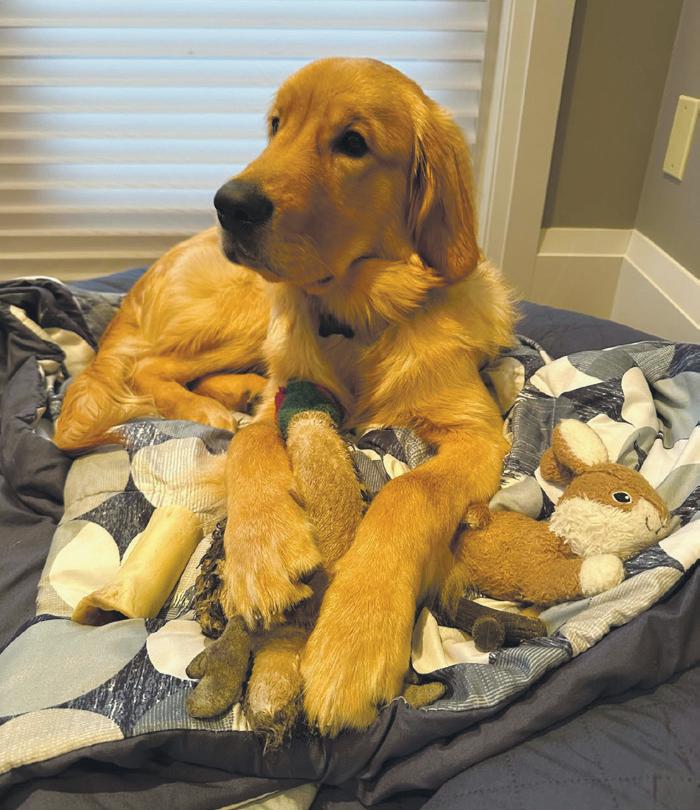
A dog owner was full of tears after firefighters saved her golden retriever stuck behind a fast-running waterfall on Mosquito Creek Dec. 28.
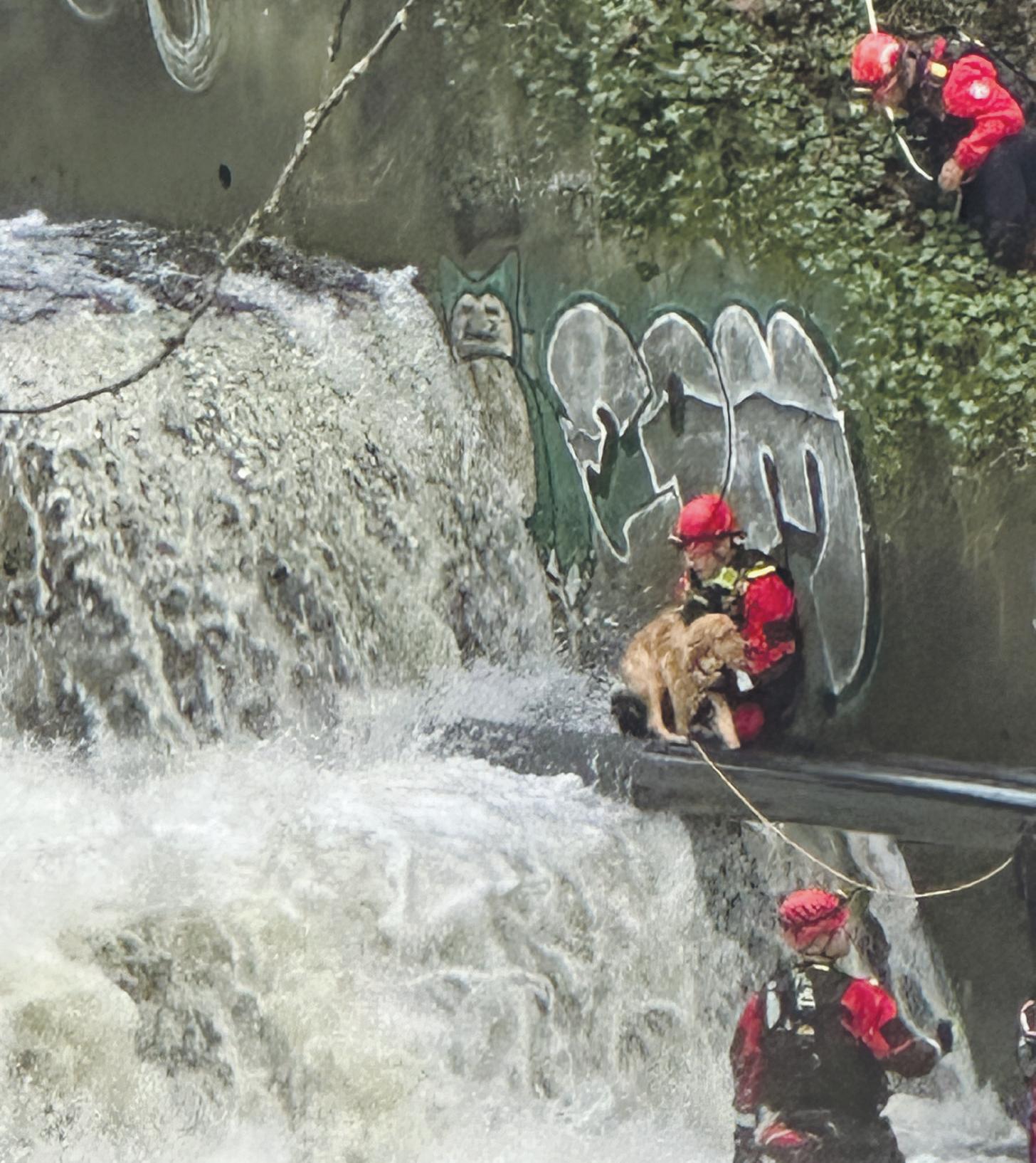
Dozens of people cheered after the six-month-old dog was brought out in a District of North Vancouver Fire and Rescue Services member’s arms.
Assistant chief Ryan Stewart said they received reports of a dog going over a waterfall near Evergreen Place and a person attempting to rescue the pet around 3 p.m.
When firefighters came to the scene, the person safely got out of the water, but the dog was still stuck.
The owner was walking the dog in an off-leash area near the creek when it was swept three metres down the waterfalls under the Mosquito Creek foot bridge. The dog was trying to come back up but couldn’t and ended up finding a hole to stay in behind the waterfall, the owner said.
“I did not know what’s going on, whether my dog was drowning, injured –very deep-water area – or whether he was being washed away,” she said.
Stewart said 16 crew members were deployed including the swift water rescue team, while a second team at the bottom of the waterfall served as a “backup rescue system” in case the dog broke free from the area. One rescuer entered the waterfall and carried the dog out safely, he said.
“It was a great result, not just for the dog and the owner, but I know our firefighters were really happy after it,” Stewart said. “A large portion of the people there are dog owners themselves, and so I think everybody was ecstatic that it was a great result.”
North Vancouver resident Patrick Haney
was doing his weekend walk through Mosquito Creek when he saw something out the ordinary – a crowd of people near the waterfall. Haney took video of the incident, hoping for a firefighter to emerge out of the waterfall with a happy ending.
“I kind of figured that it was going to be one of those moments that if he was successful in bringing the dog out, that it would be a happy video, so I just kept my phone up,” Haney said.
This isn’t the first rescue in Mosquito Creek. A border collie was saved by District of North Vancouver firefighters after becoming stranded on the edge of the fast-running creek in February, 2020.
Stewart said it’s not uncommon for events like this to occur
“There’s a lot of people that live and visit the North Shore and frequent the trails and are around the water systems,” Stewart said, adding that visitors should be mindful of pets being around fast-moving water. “Especially during periods
of high rainfall or snow melt. It can be hazardous for people and pets entering the water.”
The owner is glad their pet is now safe and sound
“He [has] recovered fully, happy to be at home. I did not sleep well for the first
night, being moved, so touched by the good people in the neighbourhood,” she said.
Abby Luciano is the Indigenous and civic affairs reporter for the North Shore News. This reporting beat is made possible by the Local Journalism Initiative




BRENT RICHTER brichter@nsnews.com
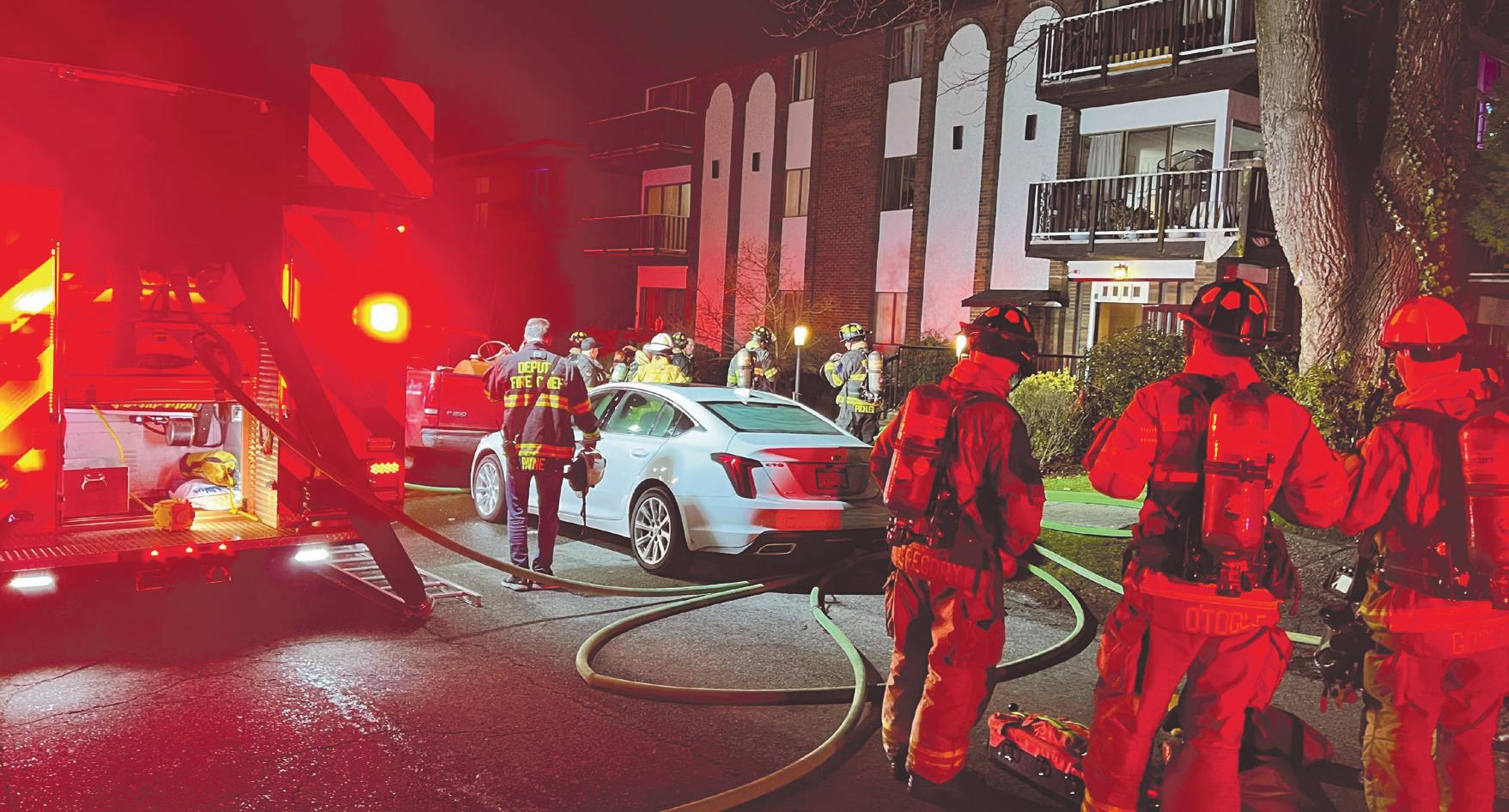
North Vancouver City Fire Department crews say quick action by residents in a burning apartment may have saved the building on New Year’s Eve, but one of the building’s feline residents did not survive.
Residents in the three-storey walk-up on the 100 block of East 18th Street could hear a neighbour’s smoke alarm going off around 7:30 p.m., Dec. 31. At the time, a fire had begun to burn in the kitchen of a first-floor resident who wasn’t in their suite at the time, but the blaze hadn’t reached a high enough temperature to trigger the building’s fire alarm
When the neighbours smelled smoke coming from the unit, one pulled the fire alarm, triggering an evacuation of the building and a fast response from North Vancouver City Fire Department and District of North Vancouver Fire and Rescue Services members, who were there within
minutes, said Deputy Chief Andrew Payne.
“When they opened up the door, the hallway was fully charged with smoke,” Payne said. Firefighters quickly put out the blaze and ensured the building was safely evacuated.
Everyone on the second and third floor was able to return later that night but those one the first floor are still out of their homes due to the smoke and heat damage. They have been in touch with

emergency social services, Payne said,
Among the evacuees were three cats from different apartments. Two of them were in medical distress, Payne said, and crews went to work on them.

“We actually drove the one cat to that to the vet, because the owner didn’t have a vehicle,” Payne said.
Crews will make an attempt to rescue animals once they are sure that everyone is safe and it’s always a proud moment when they save someone’s pets, Payne said.
Sadly though, Payne said he learned later in the week that one of the kitties had not survived.
But he said the neighbours’ quick actions gave them enough of a head start that the fire wasn’t able to spread, putting more lives and homes at risk.
“Things absolutely would have been worse if they had waited until the heat detector had gone off,” he said. “[It] would have significantly changed what we could have done… If you see or smell smoke, pull the fire alarm and get out of the building.”
The investigation into the cause of the fire is still under way but they have ruled out anything suspicious, Payne said.











BOOK IT
ABBY LUCIANO aluciano@nsnews.com Local Journalism Initiative Reporter
As the early days of the New Year kick into gear, there is no better time than now to start a new book.
The 2024-25 North Shore Authors Collection is on display at the North Vancouver City Library, North Vancouver District Public Library and West Vancouver Memorial Library.
The collection features 46 titles from 51 local authors – with three titles having co-authors. This year marks its fifth anniversary, and the second year the collection showcases authors from Bowen Island and Lions Bay
“I think it’s a really good community initiative supporting the local writing community here,” said North Vancouver City Library spokesperson CJ Pentland. “It can be easy to get lost in the shuffle of all the best-selling books and all the big authors that come through – obviously, those are super important, and always will be – but there is a lot of great talent here, and [it’s nice] to show it prominently.”
The collection ranges from literary fiction and children’s books to poetry and memoirs. But it also includes local perspectives of the community such as author Lindy Pfeil latest work on West Vancouver residents.
Pfeil’s book, West Vancouver Stories: 2024, dives into 18 West Vancouver residents who “share their stories of resilience, compassion, and hope” in a collaborative work.
“We are all writers, we’re human beings, what we do is tell stories,” Pfeil said. “So
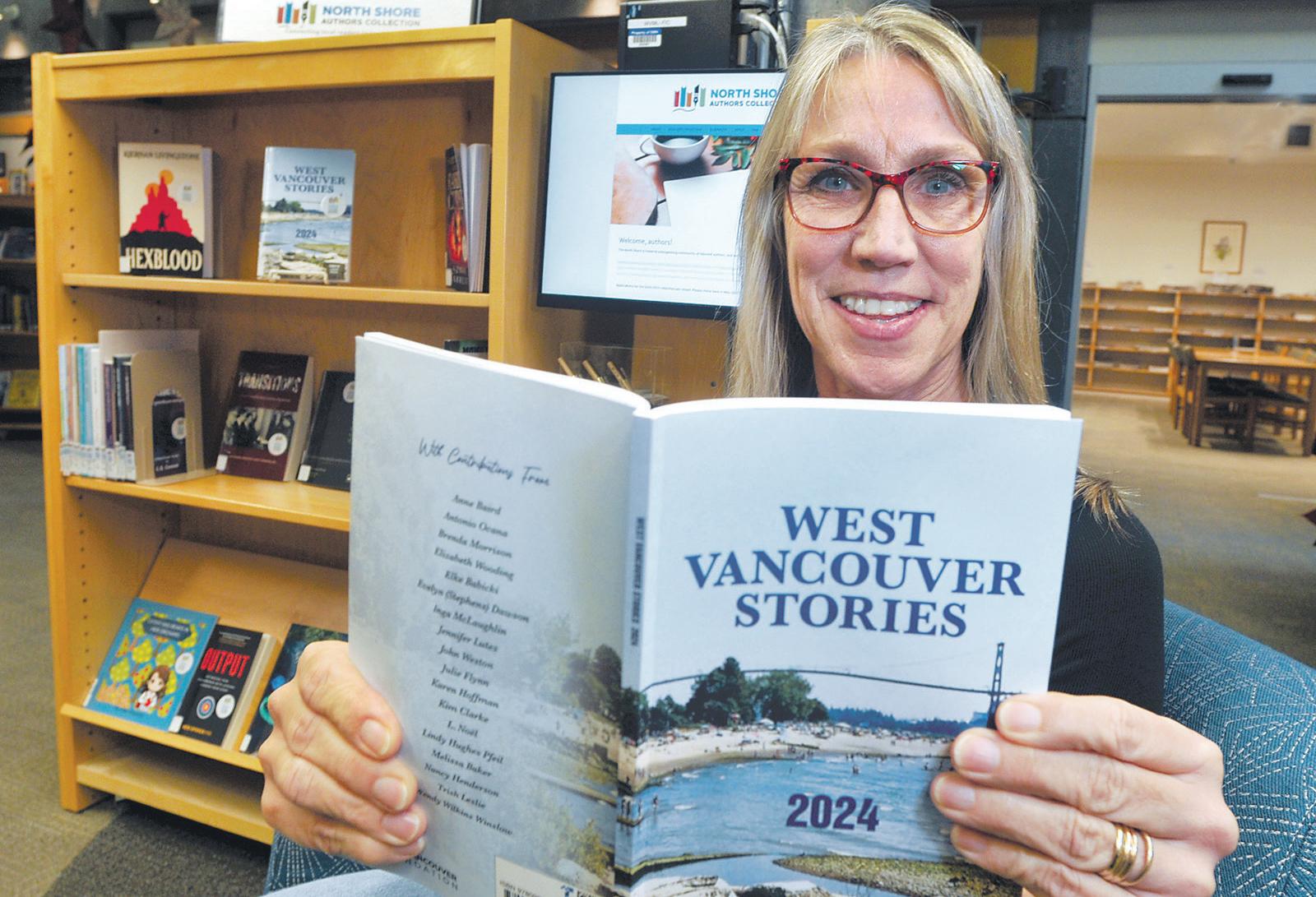
Author Lindy Pfeil, who edited and contributed to the book ‘West Vancouver Stories,’ is one of the writers featured in North Vancouver and West Van libraries as part of the North Shore Authors Collection. PAUL MCGRATH / NSN
when I heard the book was in the collection, I was just really excited. It feels like every single one of those writers now is a real writer, and that’s such an exciting feeling.”
Pfeil and the group worked together to create the book, spending countless hours telling each other’s stories in the library in West Vancouver, she said.
Perspectives range from as early as six years old to 85, she said, and it’s been beautiful hearing the retellings of people’s lives.
“I learned a lot when I went into the editing phase of these stories,” Pfeil said. “There



is a lot of kindness in this community and a lot of really interesting [stories].”
This marks the second book of her series telling residents’ stories.
The first one, West Vancouver Stories: The Pandemic Project, was released in 2021 and was featured in the 2021-22 North Shore Authors Collection
She received funding from the West Vancouver Foundation’s neighbourhood small grants program to work on the series.
The grants help bring the community together by offering events or other projects
Other books on this year’s list
If you’re a fan of mystery and thriller books, local authors have you covered.
On the Surface by Rachel McGuire is a psychological thriller about a couple who document their international travel journey on a 42-foot sailboat on their YouTube channel, but things turn sour when one of them goes missing.
Also included in the list is You Owe Me a Murder by Eileen Cook – where a woman’s class trip to London takes an unexpected turn after an encounter with a stranger, leading to blackmail and a game of survival.
Readers can also find Nobody Important
Just a Renegade Cop, a memoir by retired RCMP officer Mervin Korolek about his career and life in B.C., and Cathy has Bears in her Orchard, children’s story poems by North Vancouver author Patti Ricketts.
Authors selected for the 2024-25 North Shore Authors Collection were celebrated at a special reception at the West Vancouver Memorial Library Nov 15.
The collection will be on display until November 2025.
“Encourage people to read local books and support local authors,” Pentland said. “If you’re looking for your next read, just stop by those displays and take a look.”
Author bios and more information about this year’s collection can be found on the North Shore Authors Collection website Abby Luciano is the Indigenous and civic affairs reporter for the North Shore News. This reporting beat is made possible by the Local Journalism Initiative.




NOV22ND
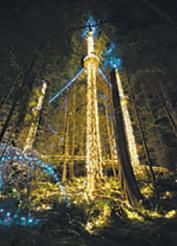
From Friday,November22, 2024 to Sunday,January 19, 2025, thePark willbeaglow withmillions of holiday lights, filling the air with festive cheer,seasonal treats, and fun for the whole family Stroll across the world-famous suspension bridge, illuminated by amesmerizing display of multi-coloured lights that span the canyon, creating abreathtaking glow from end to end. For moreinfo: tickets.capilanou.ca
SATURDAY, JANUARY25TH, 2025 •12PM –3:30PM
Discover essential services and opportunities at the Newcomer Expo! Connect with local businesses, organizations, and service providers in North and West Vancouver,all in one place.
COAST MOUNTAIN FILM
FEBRUARY7-9, 2025


Don’tmiss out on 20+ incredible North Shorefilms in 2024!
Purchase your tickets today to experience world-class local talent, diversity,and creativity in an intimate theater setting. http://tickets.centennialtheatre.com


DOWNHILL RACER
NICK LABA nlaba@nsnews.com
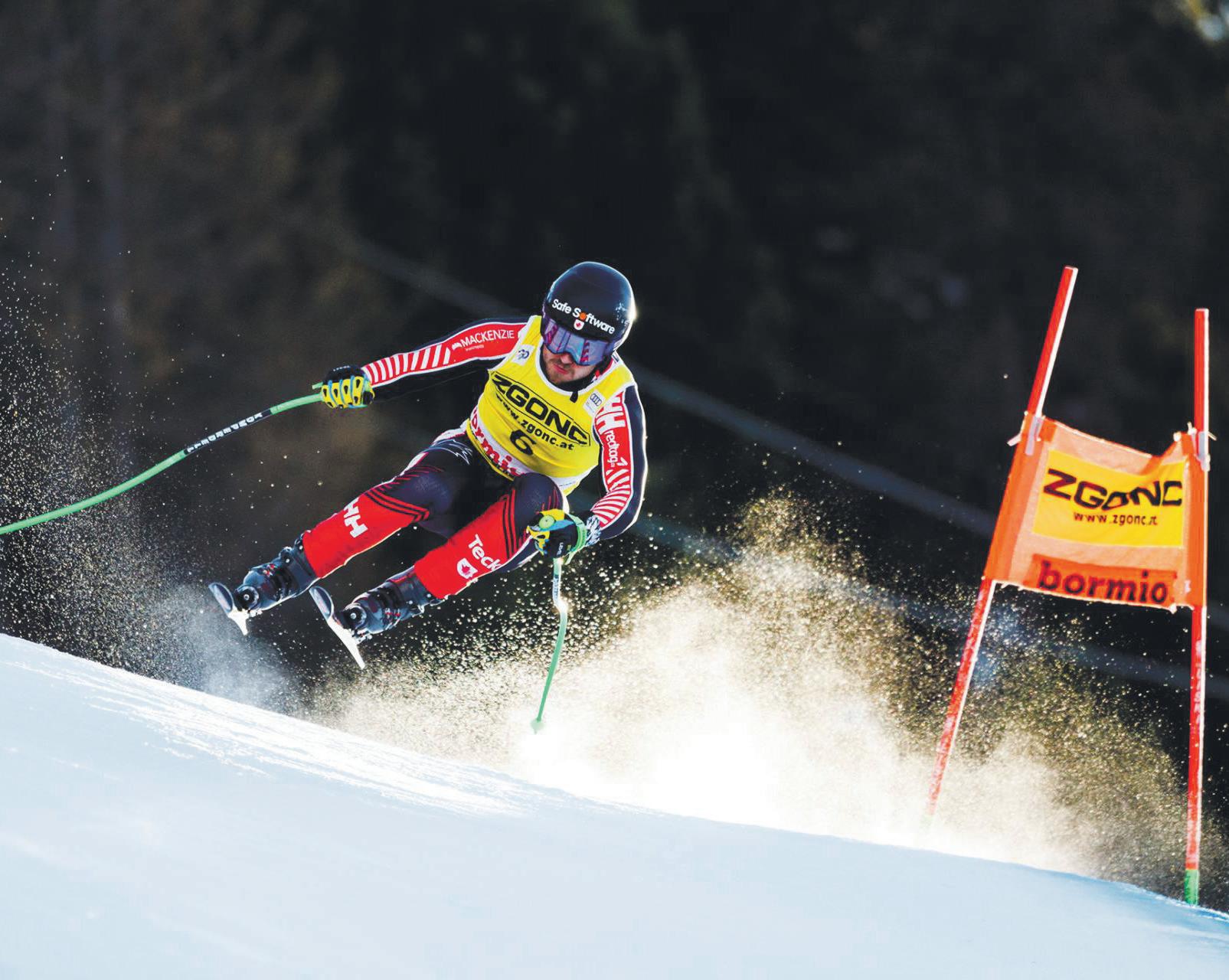
Cameron Alexander has scored his second-straight bronze at a downhill World Cup race in Bormio, Italy.
During an exciting day of high-speed skiing on Saturday, Dec. 28, the North Vancouver athlete recorded a time of one minute, 54.15 seconds.
That was just 0.72 seconds behind firstplace racer Alexis Monney of Switzerland, and 0.24 seconds behind Swiss teammate Franjo Von Allmen.
The race took place on the challenging three-kilometre Stelvio piste. Alexander, who had the best time during training on Friday, was sixth out of the gate and held second place until Monney’s run 13 racers later
At 27 years old, Alexander has secured his fourth-career podium at the site, which is set to host the 2026 Winter Olympics.
He described the race as another classic day in Bormio.
managed to do that the last couple of races here and got some good results,” he said. It’ll be great to have the Olympics there in 2026, Alexander said.
The Polygon Gallery 101 CarrieCates Court Territories of theSquamish and Tsleil-WaututhNatons, and theMusqueam Band @polygongallery |thepolygon.ca
“It was bumpy, it was icy, and it was dark. It’s a fight the whole way down,” Alexander said in a statement. “This place has been good to me the last couple of years, and it feels great to be back on the podium.
“You really need to push here and be on top of your skis the whole way down. I’ve
It’s a track that we have a ton of experience on, and a track that I’ve had some success on. I think I’ll bring some good confidence to my skiing here, and it should be exciting.
CAMERON ALEXANDER
“It’s a track that we have a ton of experience on, and a track that I’ve had some success on. I think I’ll bring some good confidence to my skiing here, and it should be exciting,” he said. The bronze win earned him 60 points in the FIS World Cup standings, where he currently holds the 19th spot. He scored another 22 points the following day with a 12th-place finish in the Super G event.
Canadian teammate Brodie Seger, also of North Van, didn’t qualify for the weekend’s races. But he sits in 49th place in the World Cup rankings, after placing 11th in a World Cup downhill race at Val Gardena, Italy on Dec. 21.
NICK LABA nlaba@nsnews.com
The North Shore’s flocks of foodies were treated to a buffet of new offerings in 2024.
But there were also fond farewells, as a list of local favourites were taken off the menu for good.
Here’s a roundup of the top food and beverage openings over the past 12 months, followed by closings and other happenings in the ever-changing industry.
Near the top of the calendar year, a new French restaurant opened its doors in West Vancouver’s Ambleside neighbourhood. Located at 1479 Clyde Ave., Merèon promises to bring French classics made with fresh West Coast ingredients.
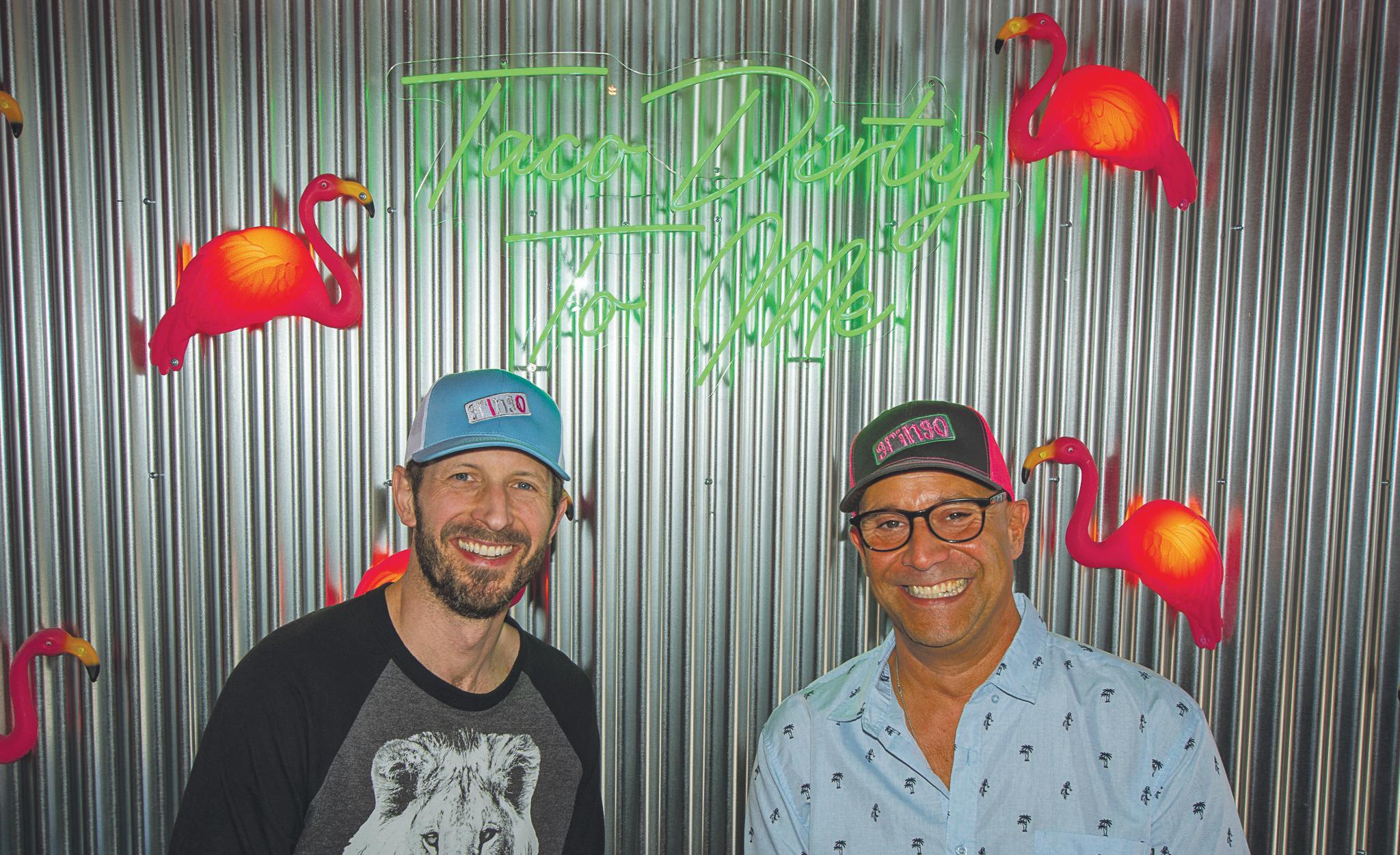
In May, Gastown-favourite Gringo brought its “white trash taco” vibes to Lower Lonsdale in North Vancouver With neon signs and drinks served out of sand-castle buckets, Gringo boasts lowbrow Mexican-inspired fare and a fair price
Just blocks away, Loam Bistro opened its doors next at 230 Esplanade With its grand opening in October, Loam specializes in decadent sweet and savoury brunch options, with high-quality hot beverages from its barista bar Also go there for its colourful and lush interior.
Likewise dressed to impress is the brand-new Strathcona North brewery and taproom beside the waterfront entrance of Lonsdale Quay. This refurbished establishment serves up the craft beer Strathcona is known for, but with a surprisingly tasty full food menu. One caveat has been that they can only serve you one alcoholic drink, but staff said they’re working on
updating the licence.
Lower Lonsdale grocery shoppers would have noticed changes to the IGA, as it underwent a transformation to become a new Fresh St. Market location. Many of these B.C. stores, owned by Georgia Main Food Group, are heading in this direction.
The folks at Lee’s Donuts said that the “hula hoop combat” marketing that’s been perplexing passers-by at 100-124 West First St. over the past year has been a ruse, disguising a new doughnut shop that’s set to open at the address.
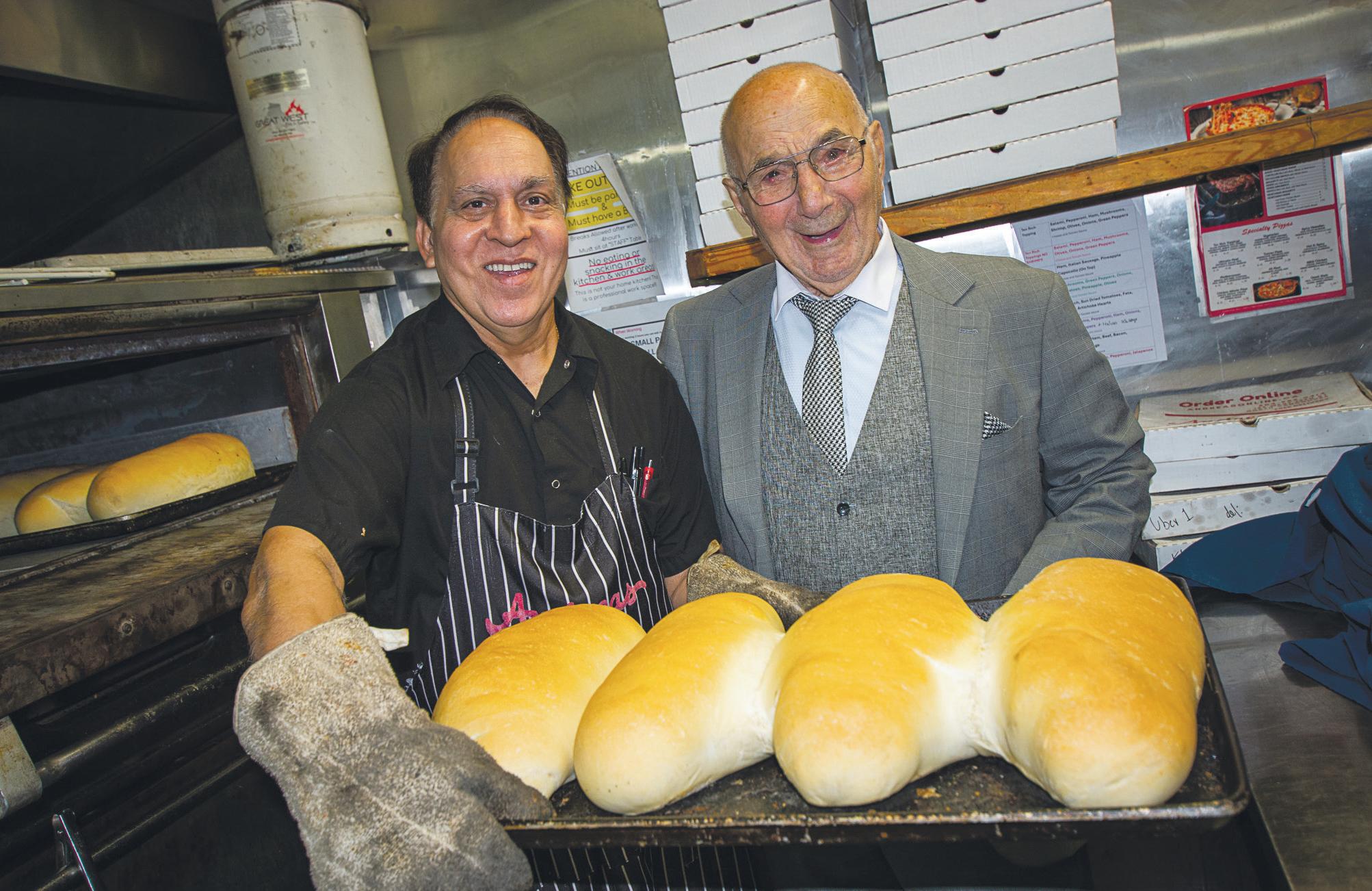
Celebrating four decades serving Greek favourites and delivering pizzas to North Vancouverites, Andreas Restaurant is preparing to update its space with a modern layout to welcome its next generation of customers.
Those looking to get into the business can buy the newly renovated The Raven Pub in Deep Cove. The 6,000-foot commercial space is currently listed at $488,000. It’s been a slice
B.C. Burger lovers lamented the closure of White Spot at Park Royal in January. The restaurant had been a staple at the West Van mall for nearly 70 years
Trattoria also said goodbye to Park Royal regulars in October after 10 years there, citing rising rent as a big factor in the closure. That business is set to be replaced in the new year by a Artigiano concept with an open kitchen
Lebanese eatery Jamjar Canteen closed after less than five years in North Van.
Flying Wedge Pizza at Park & Tilford became the last in the franchise to shutter, when it closed in August. The first location
opened in Kitsilano in 1989. A somewhat unexpected outpour of grief came when Thrifty Foods on Marine Drive closed in December We received many comments and letters from loyal
customers, many who would make trips from across town just to visit the exceptional staff at the grocery store. Some of those employees now work at the Edgemont Village location.






ABBY LUCIANO aluciano@nsnews.com
Local Journalism Initiative Reporter
Andrea Klas doesn’t let the unknown define her.
Klas competed in figure skating and cycling, and was also a runner and triathlete between her 20s and 40s.
Before Klas turned 50, she started to notice she wasn’t feeling as strong – more tired and brain fog.
When Klas entered menopause, she said specialists told her this is just how it is due to aging. But Klas didn’t accept that.
As she got into body building and learned more about nutrition, she started feeling like herself again.
Now the 56 year old helps others through their menopause and andropause years with her Andrea Klas Whole Body Fitness program in North Vancouver and Lions Bay
“I think a lot of people give up on the perimenopause, menopause [stage], just not going to deal with that,” Klas said, adding that hormonal changes can scare some people and cause them to simply try to ignore the topic.
The program is also for busy parents, people who have tried everything and nothing has worked and people who want to age powerfully, Klas website states
“We can age with power, age with strength and actually we can get stronger,” she said.
Each person in the eight-week program works with a personal training coach, a registered dietitian and mindset coach, where they all help create a personalized plan for the client’s fitness and health goals.


They meet at the gym two to three times a week, and get a customized meal plan such as a cookbook to help with nutrition, Klas said.
“Being fit [isn’t] just about going to the gym, you have to match it with the nutrition,” Klas said.
People complete weekly in-body scans to see their progress and have access to an app to connect with other clients and coaches while also getting access to nutritional advice.
Klas launched the business and program in Lions Bay in 2021.
But it was a huge risk, she said, as she


was starting from scratch. She saw success quickly after making a Facebook post, with 10 people wanting to take part in the program. Now that number has grown to 90.
Most of her clients were travelling to Lions Bay from North Vancouver, and in 2023 Klas decided to temporarily partner with Elevate Gym on Pemberton Street while she looks for a new permanent space in the area.
The work is paying off, as Klas won the Service Excellence Award (1-10 employees) at the 2024 Business Excellence Awards from the North Vancouver Chamber in
November.
“It meant all the world to me because when you build something from scratch, you really feel good about it,” Klas said. “It gave me confidence to keep going, because it’s a lot, you could work 24 hours a day on this business. It was like ‘You know what? You’re making a difference.’”
January one of the highest influx in interest, fitness business owner says
The team sees a huge influx in January for New Year’s resolutions and September around back to school, Klas said.
January can mark a stressful time for some due to people who setting up big goals and then get anxiety about achieving them, she said.
“I think the biggest tip is building it into a lifestyle. I always tell my clients, ‘what’s your why?’ When you lose the reason why you’re doing it – the deep reason – you tend to go off in another direction,” Klas said.
“Also take it day by day,” she added. “If you make a choice to do the right, good thing and take care of yourself, it becomes not daunting, because [you set up] habits.”
Moving forward, Klas hopes to find a permanent space in North Vancouver and potentially expand to Vancouver.
“We’ve created a great feeling when our clients get in here.... It’s just great,” Klas said. “So we want to move into our own space in North Van so that we can just keep that community and expand that way.”
Abby Luciano is the Indigenous and civic affairs reporter for the North Shore News. This reporting beat is made possible by the Local Journalism Initiative.



ABBY LUCIANO aluciano@nsnews.com
Local Journalism Initiative Reporter
It is New Year’s resolution season.
For many, it’s a chance to make new goals or break old habits for the new year. Whether it be fitness, changing your diet or learning a new skill, here are some options to help you find something new on the North Shore this year.
5. Digital creation at West Vancouver Memorial Library
If you’re looking to learn a new digital skill, this free program is one of your best bets. Every week, the library offers various events on creativity in the digital world from the basics of YouTube and editing videos for creators. Upcoming events include Digitization Basics: Movies and Videos, taking place on Friday, Jan. 17 from 3:30 p.m. to 5 p.m., and YouTube Basics for Creators on Tuesday, Jan. 21, from 6 p.m. to 7 p.m. Both events will take place in The Lab venue at the library, and registration is required.
4. Pins and Needles at North Vancouver District Public Library Parkgate Branch
Get your hands busy with yarn and textiles weekly in the Pins and Needles event at North Vancouver District Public Library.
People can knit, crochet, sew, needlepoint, or do felting, embroidery and other fiber arts while sharing their projects with others. The event takes place every Wednesday from 6:30 p.m. to 8 p.m. at the NVDPL Parkgate Branch (3675 Banff Court) No registration is required.
3. Join a book club at the North Vancouver City Library
Want to start reading a new book and talk to someone about it? The North Vancouver City Library offers book clubs for people to join throughout the year. The adult book club is open to all community members and meets about every six weeks in-person at the library or through Zoom.
Head to the North Vancouver City Library’s website to learn more about the book clubs.
2. Sports at West Vancouver rec centres
If fitness is your goal this year, there are tons of activities in West Vancouver to choose from. The West Vancouver Aquatic Centre offers public swimming daily at various times starting at 5:30 a.m. (except weekends) to 9 p.m. Admission is on a drop-in basis. Gleneagles Community Centre is offering pickleball for beginners every Wednesday from 11:20 a.m. to 12:20 p.m. for $8.25 They also offer mixed-level courses Thursdays from 10:30 a.m. to 12:30 p.m. and Fridays 12:45 p.m. to 2:45 p.m. People can register online through the District of West Vancouver’s website.
1. Pilates classes in North Vancouver
The Harry Jerome Community Recreation Centre is offering group beginner Pilates classes from Jan. 7 to March 26. Four sessions are available with each offering six weekly classes for $94.68.
People are asked to bring their own mat and can register online on the North Vancouver Recreation and Culture website






What’s included:
Fitnesscentreaccess • Book-a-visit fitness classes
Fitnessworkshops • Public skating
Public& lane swimming • TrailTrekkersgroup hikes Open gyms • Squash &racquetball • Tabletennis
Monthlyrates excludingtax
Adult19-64yrs $44.38
Senior 65yrs+ $33.28
Student19-65yrs $33.28
Youth13-18yrs $25.83
Child3-12yrs* $21.28
*Swim,skate &opengym only Get
Pass

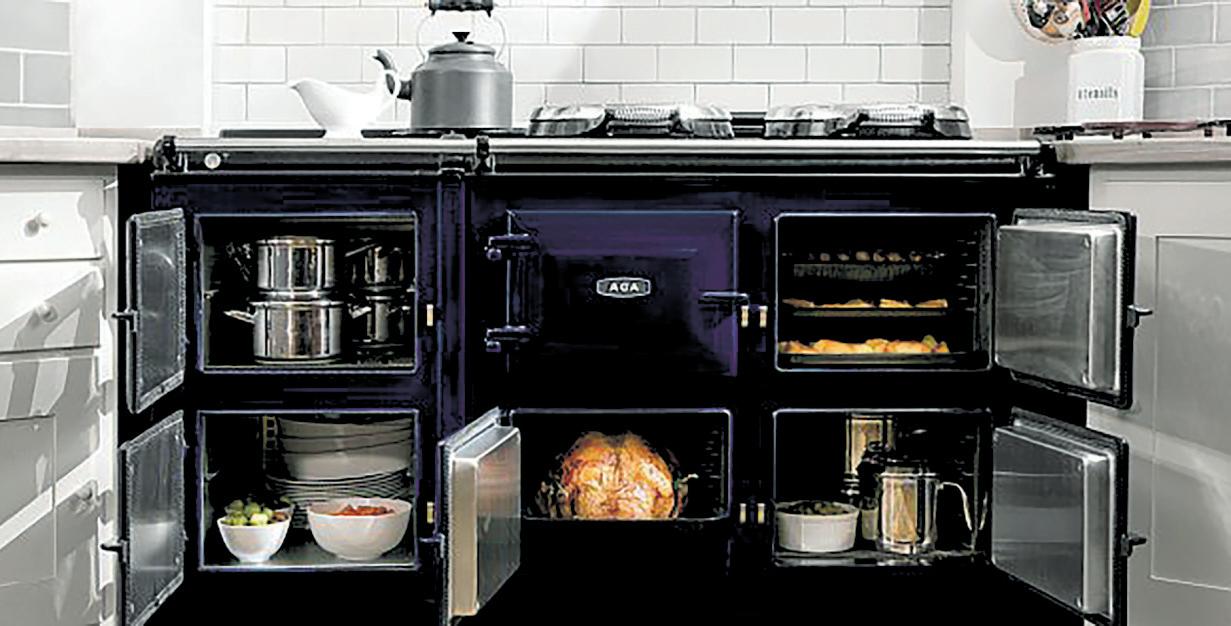
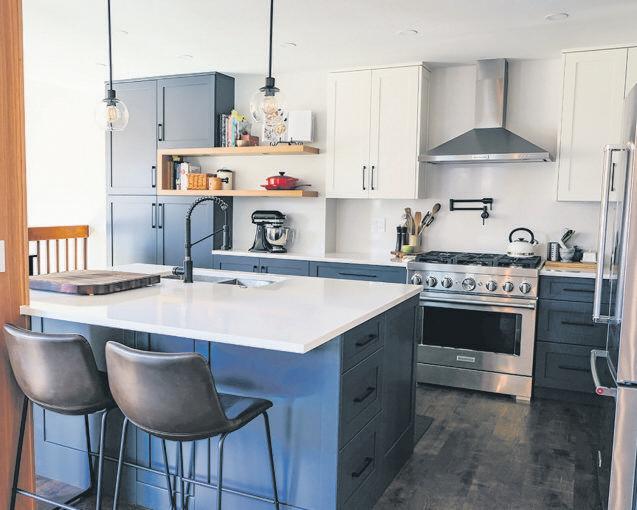
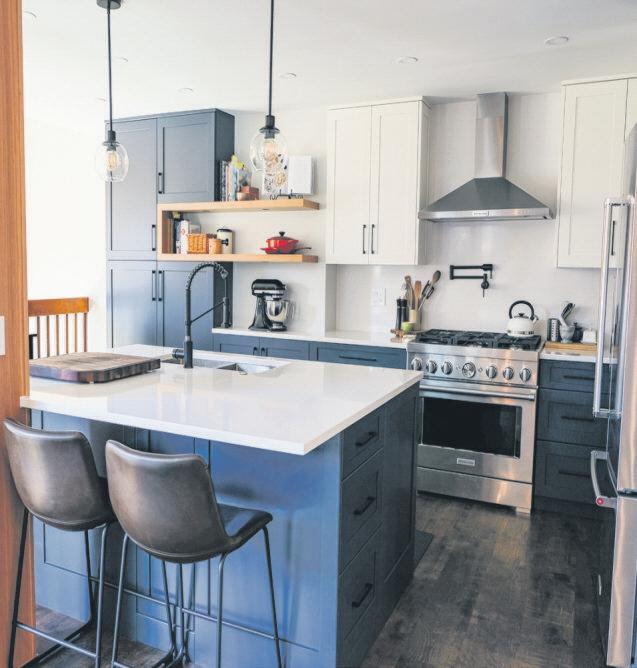
ThelegendaryAGA is aheat storage range which is referred to as a“cooker.”TheAGA cooker workson the principle that the heavily framed interior made of cast iron absorbs heat from arelatively low-intensityelectric burner.The accumulatedstoredheat can then be used forcooking by evenly radiating that heat outof the cast iron ovens with perfection.
TheAGA cooker was invented and initially produced in Sweden. Manufacturing was movedtothe U.K. in the 1930s wherethe AGAcooker isstill produced today.
In 1986 Alpine Appliance InstallationsLtd.was selectedasthe first Canadian companytobetrained and certified on installation andservice forthe legendaryAGA, with Bruce Johnstone the owner of Alpine Appliance being appointed as the Canadian representativefor AGA.
When it comes to the AGA, his knowledge of this iconic cooker is extensive. As Bruceand staff oftensay, “Let us teach youhow to cook amouthwateringmeal with ease the AGAway.Ona conventional range,8090 percent of the food is “worked” on thetop burners. In the AGA
the reverse is the way. We use themultiple ovens with
temperatureranges from the 450 degreeroasting, to the low120 degreesimmering oven, and let them do the work whileweenjoyfamily and friends.It’s so effortless!”TheAGA’s ability to makeaperfect meal is thanks to the precise and even radiant heat in each oven.
Alpine is the only full-service dealer in Canada providing knowledge,sales,installation, and service of theiconic AGAbrand
Thetraditional AGArequires atrained fitter upwards of 2-3daysfromdeliveryto“firing up abuild”. Each AGA cookerishand-built in thetraditional wayofexcellent craftsmanship! NewAGA cookers aredelivered pre-assembled,inavarietyofcolours speeding up your abilitytoenjoyyour meal the same day. Thenew R7 and ER7 AGAcookers arerevolutionary. Youcan control eachoven’sheat from “full to slumber mode” at the touch of abutton. Adding to the AGAline is theconventional range type of the Mercuryand Elise models.Find out moreatwww.alpinecanada.com or call 604-980-8889.



OPTIONS NEEDED
ABBY LUCIANO aluciano@nsnews.com Local Journalism Initiative Reporter
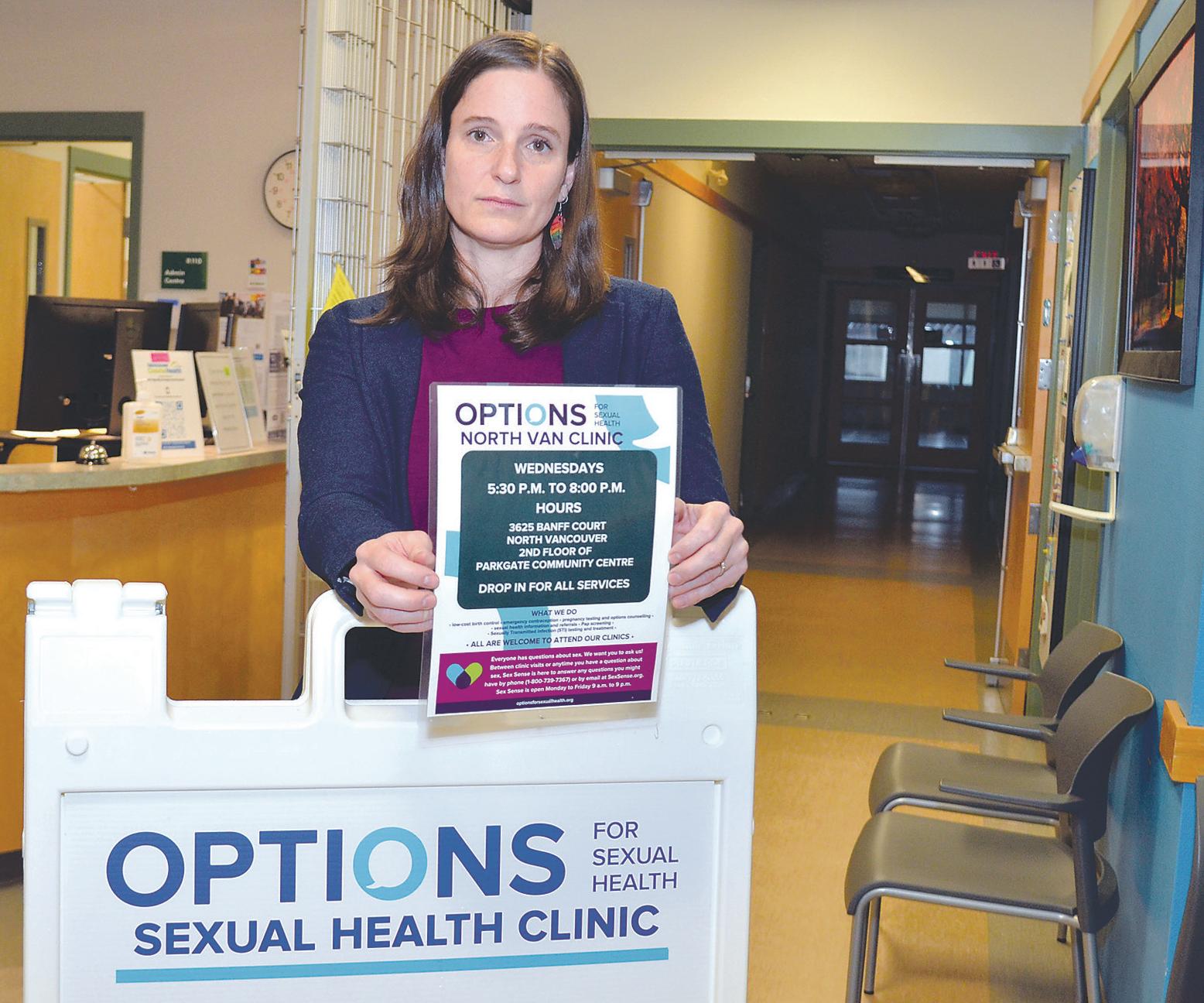
A North Vancouver sexual health clinic is one of the dozens at risk of closing across B.C. if they don’t get financial help from the province.
The clinic is part of Options for Sexual Health, a non-profit organization providing sexual and reproductive health care, including birth control, STI and cervical screening, pregnancy testing and pregnancy options counselling. Options for Sexual Health is asking the province for $800,000 in emergency funding that would allow 15 of their 30 directly managed clinics to remain open, said executive director Tiffany Melius.
“We’ve been running deficit budgets the last few years, and we just can’t afford to do that anymore. It’s a risk that we can no longer afford to take,” Melius said
The Options board of directors sent a letter to Premier David Eby in early December asking for the emergency funds and a commitment to increase their core funding to continue offering services in B.C.
Melius said it would cost $1.5 million to keep all of the clinics across B.C. running at normal operations.
The funding would help increase nurse wages to market levels, she said. Nurses working in Options for Sexual Health clinics earn 35-per-cent less than what they would in a BC Nurses’ Union job, Melius said.
“So part of the closures is potentially closing a clinic to increase the wages of staff at another clinic,” she said. “What the funding would allow us to do is keep all of the clinics open as well as increase those wages to market levels.”
The Ministry of Health said in a statement they and the Provincial Health Services Authority continue to work with Options for Sexual Health and other partners to find a pathway forward to support the delivery of care.
to North Shore
Melius describes the problem as “twofold” on the North Shore if the clinic closes. People will have to travel farther to access the same services and barriers may arise for those who are from vulnerable communities. This could include newcomers to Canada, people from the 2SLGBTQ+ community and youth who don’t feel comfortable accessing care through their family doctor, a pharmacist or haven’t had positive interactions in public health units, Melius said.
“When these closures happen, usually the ones who are most affected are the ones
who need it most,” she said. “They may not be a huge number of the patients that we see, but if they have nowhere to go, then that number is a really critical number.”
Melius said there are four other Vancouver Coastal Health clinics for sexual health services across the North Shore – three of them for youth only – but the Options clinic is needed for its low-barrier accessibility
When Melius moved to Canada over a decade ago, she used the Options for Sexual Health North Vancouver clinic when she needed it most. As Melius was waiting to be eligible for MSP and on the job search, she had few options in accessing low-cost contraception.
“By the time I got here, I was sort of low income. I couldn’t afford to go back to Australia,” Melius said “Coming to a new country and being newly single, access to the Options clinic was really helpful for me in accessing lower-cost contraception than what it would be if I had to pay to see a family doctor or walk-in clinic.”
The North Vancouver Options clinic is on the second floor of the Parkgate Community Health Centre on Banff Court, and is open Wednesdays from 5:30 p.m. to 8:30 p.m. The clinic has been operating since 1970 and serves 320 people a year.
Debbie Owusu-Akyeeah, co-director of policy and advocacy at Action Canada for Sexual Health & Rights, said the risk of clinics closing shows there are still gaps in sexual, reproductive health care in the country.
“Sexual health centres and clinics, in my humble option, are at the front lines of providing lifesaving services to a variety of people,” Owusu-Akyeeah said. “If it’s more difficult for people by virtue of where they are located, it sends a particular message that you need to be lucky to live in a place where you can access something that’s supposed to be a basic right, which is your access to health care.”
Options for Sexual Health is giving the province a deadline of Jan. 31 to respond to their request, Melius said. If a solution is not found, clinics could close by April 1.
The clinic is urging people to contact their local MLAs and share their stories on the non-profit’s website.
“The decision right now is with the government, and so if the MLAs know about it and they’re talking about it, there’s more chance that we’re going to get that funding we’re asking for.”
Abby Luciano is the Indigenous and civic affairs reporter for the North Shore News. This reporting beat is made possible by the Local Journalism Initiative.
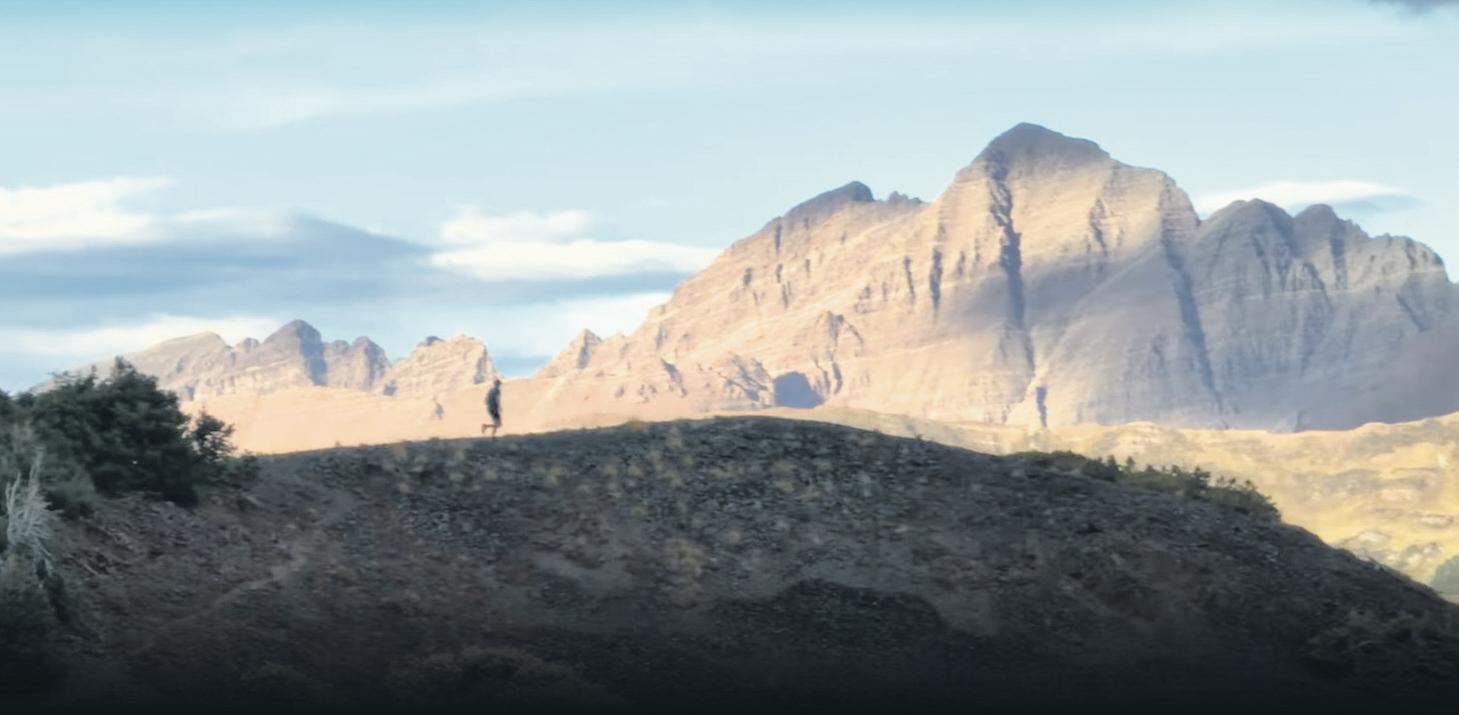
Endurance Night delvesintofeats of absolute courage, testingthe limits orwhat our bodiesand minds can achieve. Whether it is pushing to complete15Grouse Grinds in one day,orgrapplingwithblindnesswhile backcountry skiing,thisevening will provide insight into how we overcome thechallenges we set forourselves.
BRENT RICHTER brichter@nsnews.com
Rumours of the demise of one of West Vancouver’s oldest homes are somewhat exaggerated. But the clock is ticking.
In September, District of West Vancouver council agreed to the demolition of the 98-year-old Nesbitt House at 1281 Clyde Ave.
The Craftsman bungalow was built in 1926 by Harry Nesbitt, one of the community’s first Blue Bus drivers, right next to the dairy farm established by his early settler parents in 1912. The original unpainted cedar shingle cladding is still on the exterior.
The property’s current owners are hoping to see the historic home picked up and moved to a new foundation, which a local
firm says can be done for about $82,000, depending on the location and complexity of the move
Nickel Bros, the West Coast’s go-to company for moving entire structures, is marketing the 850-square foot cottage as an ideal coach house for buyers who want to own a piece of history.
“This historic cottage stands as a testament to refined artistry, with every corner echoing its storied past. From the moment you enter, be captivated by the open expanse of the main living area, where soaring ceilings invite the natural light to pour in through large windows, filling the space with warmth and grace,” the listing reads.
But, because construction is due to start on the Clyde Avenue property, there is only a brief window of time to claim the Nesbitt House, the company warns.

NICK LABA
nlaba@nsnews.com
A North Vancouver woman is calling for more awareness from dog owners on trails after being bitten in a popular
hiking area.
Around midday on, Natalia Trotman was on a usual run though Lynn Headwaters Regional Park.
After deciding to head down a

leash-optional trail, she spotted a family with a dog walking off leash ahead of them.
Trotman said she ran off the path to go around them. But then the dog – a Jack Russel terrier – ran toward her.
She’s used to dogs jumping up on her while running, so Trotman said she slowed down to avoid tripping on it. Then she put out her hand, and the dog bit her thigh, she said.
The dog’s owners immediately apologized and put the dog on a leash, Trotman said. A woman responsible for the dog came up to her, expressing compassion and offering her phone number should Trotman want to get in touch
Still in shock, Trotman moved to the side of the trail to check her wound. At first she thought it might not have broken through her leggings, but it was worse than she first expected.
“I could just lift up my pants a little to look down, and I saw, like, a ton of blood,” Trotman said. “So I was like, OK, yep, definitely broke through the skin.”
She crouched down.
“Then it just hit me. So I started crying,” Trotman said.
The dog owner came to comfort her further, but Trotman collected herself and said she could make it home fine on her own.
However, to make it there she would have to pass many more off-leash dogs.
“Now, I have those same dogs that were running up to me before, where I’d be like, ‘This is annoying,’ but now I’m crying, shaking and terrified,” she said.
While Trotman is healing, the incident
has left her with a swollen gash in her leg, and a new fear of passing though that area.
The part of the trail where she was bit is designated as leash optional. But according to Metro Vancouver, which owns Lynn Headwaters Regional Park, dogs must always be under control – on or off leash.
Per the regional parks bylaw, dogs must be within 10 metres of its owner or caretaker, immediately return when called, and “is not annoying, harassing, or attacking” any person or animal.
People with dogs must always yield the right of way to other hikers and equestrians.
Another area close to Trotman’s is an on-leash area, but she said dogs are off leash there all the time and often jump up on her
While she didn’t report the dog bite, Trotman said she hopes that by sharing her story, the community can work together to keep the area safe.
“I plead for others to understand that whilst their dog might be kind and wonderful, they don’t know the other half of the scenario. And so if the rule is, put your dog on a leash, please put your dog on a leash,” she said.
“It’s really for all of us to live in the same community We all have to respect each other,” Trotman said.
The runner said she’s not yet ready to return to her hobby, but hopes to be back at it one day soon.
“I like running because I like feeling free, and I don’t feel free right now, so I know that I have to work through that,” Trotman said.
BRENT RICHTER brichter@nsnews.com
Property assessments on the North Shore stayed relatively flat in 2024, according to the newest data from BC Assessment.
The District of North Vancouver saw the single-family home rise two per cent in 2024, for a median value of $2,124,000 The City of North Vancouver’s single-family lots saw their median value increase by just $2,000 for a total $1,990,000.
Homes in the District of West Vancouver remained among the most expensive in Metro Vancouver at $3,052,000 but the median assessment in 2024 was virtually unchanged from 2023. Only the University Endowment Lands around UBC and Point Grey saw a higher median assessment at $5,535,000.
The strata market on the North Shore similarly saw just minor fluctuations. West Vancouver’s median condo assessment fell one per cent to $1,388,000, though it remains the highest in the Lower Mainland. Strata homes in the District of North Van inched up one per cent, on average, for a median price of $940,000. And the City of North Vancouver’s strata assessments were flat, seeing just a $3,000 increase to a median $839,000.
“Across the Lower Mainland and throughout B.C., the overall housing market has generally stabilized in value for a second consecutive year,” said BC Assessment assessor Bryan Murao in a release on Thursday morning.
North Vancouver real estate agent Anthony Riglietti said he was not surprised to see assessments remain static, given the activity in the real estate market in 2024.
“You had a bit of a standoff between both sides in the last year,” Riglietti said. “With high interest rates, buyers weren’t really buying. And with no sales to actually report, it won’t really change the values too much. Nothing was really moving.”
The agency calculates assessments based on the market value of home sales as of July 1. Municipalities use assessment rolls at budget time to determine the total taxable value of the land in their jurisdictions and set tax rates accordingly Someone whose individual property value shot up in value more than the average in their municipality are more likely to face higher taxes as a result
But Riglietti always cautions – assessed values from six months ago have little to do with market values today Interest rates have fallen two percentage points since July Factoring that into a Metro-Vancouver-sized mortgage is “a huge chunk of change,” he said, and already, sales were picking up by the end of 2024.
West Vancouver real estate agent Clara Hartree, however, attributed the lack of growth in 2024 assessments on her side of the Capilano River to something else.
“I don’t think it’s interest rates. It’s the taxes and difficulties that the NDP causes for investors,” Hartree said. Hartree specifically blamed the home flipping tax, which penalizes people who buy homes and turn around and sell them at a profit within 730 days, for sapping confidence in the market.
“So many people made a living with flipping, and there is nothing wrong with flipping. And now you have to wait two years,” she said. “The flipping rule is incredibly unfair. You should be allowed to sell when the market is there.”
As for where things will go in 2025, Riglietti said there will always be demand for homes but the re-election of Donald
Trump in the U.S. could having a jarring effect for Canada’s economy more broadly.
“Who knows what’s actually going to happen to our economy next month,” he said. “I’m kind of curious to see what happens this month, because I think the first six weeks of this year might be kind of setting the pace for the rest of the year.”
Hartree said she is seeing signs the market may be heating up again. Chinese buyers are continuing to show up to open houses at her listings notwithstanding the federal moratorium on buyers who are not citizens, permanent residents or temporary residents. And she said she’s seeing more interest from builders in the Persian community
“When they buy, they know they can sell. There’s always something they know that we don’t,” she said. “I don’t see it necessarily going up substantially to justify people investing and expecting a big profit, but there is a point now coming up where you can invest and hope not to lose money.”
The total value of all the properties in the Lower Mainland, which includes Metro Vancouver, the Sea to Sky corridor, Fraser Valley and the Sunshine Coast came in at $2.01 trillion in 2024, $27 billion of which was from new developments, rezonings and subdivision.
Assessment notifications for individual property owners will be arriving in the mail, but those wanting a sneak peak can do so online at bcassessment.ca


Terms and Conditions:40% off anyorder of $1000 or moreor30% off anyorder of $700-$1000 on any completecustom closet,garage,orhome office unit. Take an additional 15% off on anycompletesystem order.Notvalidwithanyotheroffer.Freeinstallation with anycompleteunit order of $850 or more. With incoming order,attime of purchase only.Offernot valid in all regions.Expires 01/31/25.



“We’re seeing peaks up to 10 times that, so 6,000 milligrams per litre,” Clare Kilgour, a UBC grad student working on the road salt project.
In a lab at UBC, scientists on the project recreated the conditions salmonids are likely to face in the creeks, exposing them at various stages of their life cycle to 600 to 4,800 milligrams of chloride per litre.
While recently hatched salmon showed some tolerance, freshly fertilized eggs are the most vulnerable.
“They’re not doing as well,” Kilgour said. “We’re closing in on 100 per cent mortality at those highest concentrations.”
Exactly why is still being studied, but Kilgour said it appears the salt interferes with the eggs’ ability to take on water, grow and form a hardened wall
Most salmonids being studied spawn in the late fall, which is exceptionally bad luck for the fertilized eggs buried in the creeks’ gravel just as the cold weather arrives and municipalities begin deploying their fleets of salt trucks.
“November and December are probably the highest risk months for both coho and chum based on their spawning windows,” Kilgour said
While the study continues, Kilgour said it’s not too early
Monday,January 27, 2025 at 6:00pm
Watchthe meetingonlineatcnv.org/LiveStreaming or in person at City Hall
Pursuant to Sections 165and 166ofthe Community Charter,the City of North Vancouver’s Draft2025-2029 Financial Plan will be presentedfor considerationatthe Finance CommitteeMeeting, that formspartofthe RegularCouncil Meeting.
Providewritteninput: Starting January 3, 2025,share your thoughts on theCityof North Vancouver’sDraft Budget at www.cnv.org/budget2025. Thesurveyruns online fromJanuary 3toJanuary 17,2025.
Alternatively, aprint copy of thesurveyand abriefing document canbepickedupat CNV City Hall, NorthVancouver City Library, or at John BraithwaiteCommunity Centre fromJanuary 6th to January 17th.Writtensubmissionsmay be mailedordelivered to CityHalland addressedtothe FinanceDepartment, or emailedtofinance@cnv.org. All submissionsmustbereceived at City Hall no laterthan11:59pmonFriday, January 17th.All addresseswill be removedbeforeany materialsare published.
Speakatthe meeting:
In person at City Hall: On theday of themeeting,a sign-upsheetwill be availablein thelobby,outside theCouncil Chamber, between 5:30-6:00pm. EnterCityHallfrom 13th Street after5:30pm.
By Webexorphone: Pre-register onlineatwww.cnv.org/PublicMeetings,orby phoning 604-990-4234 to providecontact details.Login instructions will be forwarded to you. AllWebex/phone pre-registration must be submittednolater than noon on Monday,January 27,2025.
Non-registeredspeakers: Once allregisteredspeakershavespoken, anyone whodid not pre-register will also have an opportunity to provideinput.
Viewthe documents: Review theDraft 2025-2029 FinancialPlanat www.cnv.org/Budget,availableasof9:00amonFriday, January3,2025. Questions? FinanceDepartment, Finance@cnv.org
141 WEST 14THSTREET /NORTH VANCOUVER/ BC /V7M 1H9
T604 985 7761 /F 604 985 9417 /CNV.ORG
for municipalities, which are likely the largest source of salt going into the streams, to start looking for ways to mitigate the damage.
“I think a lot of people in B.C. understand the stressors that Pacific salmon are facing, and it’s a big, very multi-faceted issue,” she said. “And if this is one of those stressors that we could maybe take immediate action on, I think that would be wonderful.”
One of the top recommendations is to cut back the use of rock salt pellets and rely more on brine solutions to keep the roads safe.
“It uses about 50-per-cent less salt and sticks to the road better, so that would limit that contamination and would maybe even be financially appealing,” she said.
Private citizens and property managers who salt their walks and driveways could probably also cut back. Two tablespoons per square meter for your driveway is plenty, scientists say
That’s a message that municipalities should be pushing, said West Vancouver Streamkeepers volunteer Steve MacDonald.
“And yet you see places where there’s more salt than snow. It’s so thick. It’s just not necessary and that stuff, come the first rain, is ending up in our waterways,” he said.
And local governments can offer aquatic species a great deal of protection, MacDonald added, by supporting the installation of rain gardens or bioswales, which use rocks, soil and plants to filter runoff at key points where it enters the stormwater and creek system.
The West Vancouver Streamkeepers have been lobbying for more biofiltration infrastructure since an October 2023 mass fish kill on Brothers Creek left dozens of coho dead. The most likely culprit was 6PPD-quinone, a chemical additive in car tires that accumulates on roadsides and then washes into creeks with stormwater. It is considered the second-most toxic chemical to coho, with as little as one millionth of a gram per litre of water likely to be fatal.
A UBC study, however, found that biofiltration systems can remove more than 90 per cent of the noxious chemicals before they reach the fish’s gills.
“But it applies to salt contamination as well,” MacDonald said. “Bioswales are just generally good for reducing the amount of toxins that are getting into waterways.”
MacDonald cited the road salt project as a shining example of citizen science in which volunteers can support academics and governments with field research, which can otherwise be laborious and expensive.
“You can’t manage what you don’t understand. Simple as that,” he said. “Municipalities just don’t have that horsepower, so streamkeepers can fill that in. They can be the eyes and ears.”
In a statement, District of West Vancouver spokesperson Carrie Gadsby said the municipality uses a 24-per-cent brine solution “where possible and when the conditions are appropriate” – before and after freezing conditions set in. But once snow and ice are on the road surface, brine is no longer effective.
“The district continues to carry out ongoing work and initiatives with Streamkeepers related to the protection of fish, fish habitat and water quality throughout watersheds in West Vancouver,” she said. “Once additional data is available and we have a better idea of this issue as it relates to the creeks in West Vancouver, the district would explore this further with streamkeepers.”

JANUARY25• 12-3:30PM
PARTICIPANTS INCLUDE:
88 West Realty |Academy of LearningCareer College
AmieFamilyCare|BCSearchand Rescue
Canada West Immigration|Capilano Community Services
Family Services North Shore|Kimia Social Arts Society Lonsdale and 3rdPharmacy|NDP MLA Bowinn Ma
NDP MLASusie Chant |North ShoreMitsubishi
North Vancouver City Library |Pax Law
Soroptimist“Best Women”North ShoreDivision
West Vancouver Community Centres
SaveOnFoods







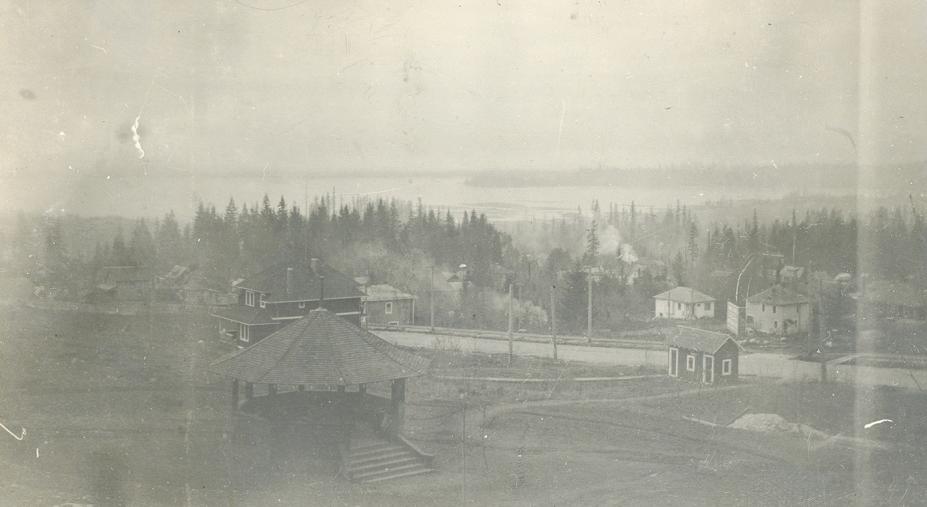
North Lonsdale Park &Bandstand
Not much is remembered of the North Lonsdale Park and Bandstand. In September of 1913 the first concert was played there, but mostly it servedasameeting point forhikerswho took the streetcartoWindsor to meet beforeascending Grouse Mountain.
With the streetcardiscontinued in 1947, the park lost visitorsasthe bus brought people up to the newly built chairlift at Capilano Road.
By the mid 1950s the park’sname waschanged to Carisbrookeafter the 12th centurycastle on the Isle of Wight to match with many other royalnames in the North Lonsdale area Visit monova.cafor moreinformation about thehistoryoftheNorth Shoreand to learn about MONOVA: Museum of North Vancouver, nowopen at 115 West Esplanade in The Shipyards. MONOVA:Archives of North Vancouverislocatedat3203InstituteRoad in Lynn Valley. Contact: archives@monova.ca
Aweekly glimpse into North Shore’spast from MONOVA:Museum of North Vancouver THE"TIMETRAVELLER"SPACEHASBEENGRACIOUSLYDONATEDBYTHEADVERTISERBELOW #LOCALMATTERS


We help peoplelikeyou stay in your homes longer. Shylocan help with your everydayneeds like meal preparation, laundry, housekeeping, gettingdressed and assisting with medications.Weare nota US franchise,weare alocal NorthShore business.We livewhere you livesoyou cantrustustoknowthe neighbourhood andthe insand outsofour healthcare system.Our GeriatricNurse Specialistsconductall newclient assessments andprovide complementary RN supportfor clientsand staff. Stayinginyour homeisthe best waytoage comfortably; we even have driverstoget you whereyou need to go.
Call 604-985-6881 fora
LAURA MARIE NEUBERT Contributing writer
Homegrown spring and summer greens made an appearance on our New Year’s Day dinner table this year, which was delightful and also strange.
Three varieties of pea shoots, baby fennel, baby rainbow chard, baby Siberian kale, cutting celery, sorrel and dock bunched up together on a tray next to the usual selection of cut root and storage vegetables with shiitake mushrooms that define the vegetable section of our annual cook-your-own hot-pot/ raclette event.
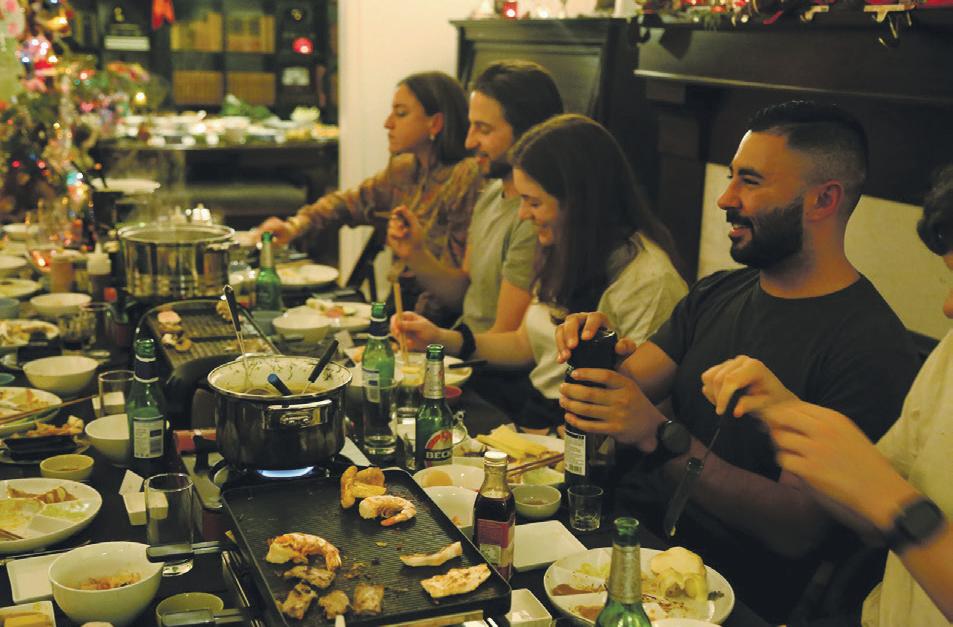
The tradition started years ago with a single inexpensive tabletop hot-pot burner around which our young family of five would delight in cooking our own thinly sliced chicken and beef, and assorted favourite vegetables, then dipping them in home-made sauces. After a few years we added a basic raclette grill upon which we seared meat, seafood and vegetables, but also melted cheese under the mini salamander-type element below.
As the years went on, we extended the table and added one and then two more hot pots and grills, so that all three of our children and their closest friends could embrace the event and make it their own. Known now simply and affectionately as “the hot-pot dinner,” this slow-burn communal table is held on the first day of each new year, and has become our favourite family meal.
Our grown children and their friends arrive early and stay late. Modest pourings of warm sake accompany home-made salad rolls and sunomono salad. Guests graze leisurely from a local organic raw-food buffet: a rainbow of bite-sized vegetables and mushrooms, small bowls of pre-cut bison, chicken and pork, plus prawns, scallops and tuna, and our favourite melty cheeses. And last but not least, a large bowl of tiny, steamed potatoes.
Home-made sauces – spicy peanut with lime and ginger, and chili Thai are non-negotiables, but this year we added a rather hot orange teriyaki, and a green curry coconut concoction also – all served in squirt bottles for ease and fun.
What began as a simple culinary adventure has grown into a two-day affair,
the prepping for which is calming and contemplative after the hustle of the holidays. Chopping and saucing, re-locating living room furniture and setting up the great long table has become a ritual. Nothing goes to waste. Left-overs become “hotpot paella” – frittata or soup enriched by reduced hot-pot broth.
The favourite ingredients this year, other than the green curry sauce for which I did not write down the recipe, sadly, were the just-picked baby garden greens. I have no empirical explanation for why these food plants are growing like weeds currently, but I suspect it is the living soil and the deep mulch. Just weeks ago, our youngest daughter pulled up the last of the frost-sweetened heirloom carrots and beets for storage, and the soil she said was “warm and crumbly with worms.”
Typically and expectedly, the second hard frost wilts late-summer planted peas, and the cut fennel lay dormant until spring. Likewise, cut perennial chard, kale and celery settle in unless cold-framed or fleeced
This year, we leaf mulched over vermi-compost early and extensively. Also, we sunk six lidded, six-gallon galvanized pails drilled throughout with quarter-inch holes, into a half-wide raised bed to use as ancillary in-bed vermicomposts. The late-sown spring peas that grow alongside them on tiny iron obelisks sunk into deeply-mulched worm casting-fortified soil, are unseasonably happy and climate-confused.
I too am happy, but not at all confused. Living soil is life. Happy new year! Laura Marie Neubert is a West Vancouverbased urban permaculture designer Learn more about permaculture by visiting her website upfrontandbeautiful.com, or email hello@upfrontandbeautiful.com.
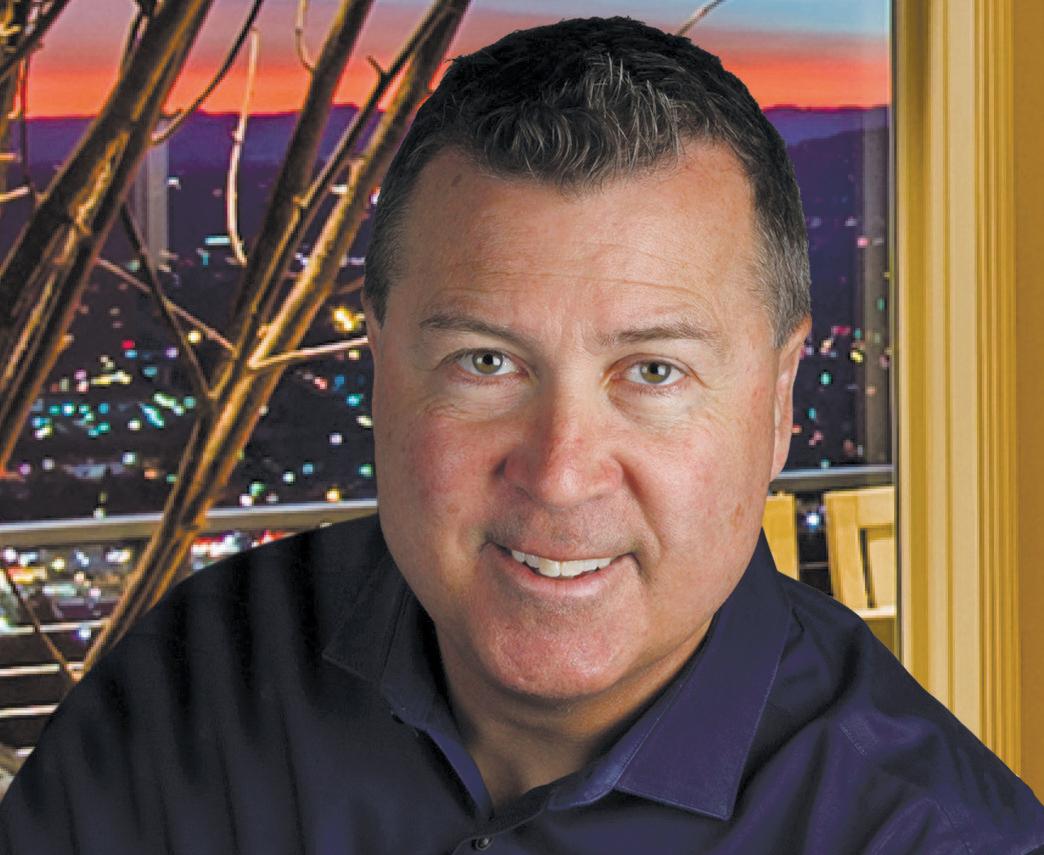





9.Attorney’scharge 10.Botch 11. Had being
19.Posed fora picture 22.Barrel
24._ the way 25.Mineral resources
26.Printed matter 27._ Cass 28. Frozen 29.Appear
30.Cherry seed
34.Young bug 37.Dye
38. Robs
40.Small quantity
41.Pressed
43.Raise:2wds
Gooeyliquid
and
kin
roof part
weight
over the limit
portion
Mimic
Bargain offering
Side streets
Come to aclose
“Perry Mason”star
Lamb’s comment 8. Blackboards

46._ on (love excessively)
48.Put on, as clothes
49.Liquid rock
50.Flowersupport
51.Tread the boards
52.Muck
53.Electrified particle
54. Ruby-hued
Crosswordpuzzle answers use American spelling



ARIES March21-April 19
You’ll spend alot of time looking for anew home. You may also consider changing your decorormaking home improvements. Be prepared for unexpected family needs that might demand your energy
TAURUS April 20-May20
Your words won’tgo unheard, especially by those who want to silence you. Speaking your truth could be the secret to overcoming challenges and forging apath to success.
GEMINI May21-June 20
Get ready for some fun events thisweek! At work, you’ll be assigned new responsibilities. To top it all off, you’llbegiven araise in recognition of your hard work.
CANCER June 21-July 22
Staying active is agreat way to shake offany feelings of sadness. Whether you’re following atraining program or participating in asport, moving your body is crucial for burning offpent-up energy
LEO July 23-Aug. 22
You’ll soon receive the guidance needed to take your career to the next level. You’ll finally find the perfect solution to a long-standing health issue that’sbeen bothering you.
VIRGO Aug. 23-Sept.22
At work, you’ll be swamped with customers; at home, there’ll be non-stop family activities to organize. Everyone is counting on you to plan everything.
LIBRA Sept.23-Oct. 22
You’reback at work and impressing others with your efficiency.This hardwork will lead to awell-deserved promotion. You’reontrack to be offered the boss’s chair or an opportunity to startyour own business.
SCORPIO Oct. 23-Nov. 21
After adisagreement, you’d rather seek out new adventures than get caught up in conflict. With your wisdom,you’ll enjoy life to the fullest and steer clear of negative influences
SAGITTARIUS Nov. 22-Dec.21
You’ll feel quite sensitive this week. It will be easy to feel like the world is working against you. This could be life’sway of telling you it’s time to startmaking the changes you need to feel moreatpeace with yourself.
CAPRICORN Dec. 22-Jan. 19
Beforeyou make any decisions, take amoment to weigh the pros and cons. An opportunity will present itself, whether it’sachance to dress up for afancy business dinner or aromantic evening out.
AQUARIUS Jan. 20-Feb.18
You’ll have alot of work to do this week and lots of important details to keep track of. Carefully listen to conversations and speeches, as crucial information will be revealed.
PISCES Feb. 19-March 20
You’ll accomplish something that will put you in the limelight. Even if you’renot used to all the attention, you’ll find the confidence to bask in your well-deserved success and embrace the spotlight.
HOWTOPLAY:
Fill in thegridsothat everyrow,every column and every3 x3box contains the numbers 1through 9only once Each 3x3box is outlined with a darker line. Youalready have a fewnumbers to get youstarted. Remember:you mustnot repeat the numbers 1through 9inthe same line, column or 3x3 box.

The moreyou give,
The moreyou get,
Themoreyou laugh,
The less youfret.
Themoreyou do unselfishly
The moreyou live abundantly
The moreof everything you share,
The moreyou’ll alwayshavetospare.
The more youlove, the moreyou’llfind, Thatlife is good and friends arekind.
Foronly what we giveaway, Enrichesus from daytoday.
Teresa Piercey-Gates

BAILEY,Gary Van July 16, 1956 -December 18,2024
Weare deeply saddened by thelossofGary Van BaileyonDecember18th, 2024. Garywas born on July 16th, 1956, in England and cametoCanada when he wasninemonths old. Gary attended Gleneagles Elementary,WestcotElementary, Sentinel SecondarySchool, and Shawnigan Lake Private School. Ourkindand loving son, brother, father and grandfather will always havea place in ourhearts. Heispredeceased by hisdoting father, RonaldBailey. He is survived by hismother,Jill Bailey; brothers Ross (Divina) and Glenn(Nicola); hisdearsons Keegan (Huyen) and Quinn (Micaela);granddaughter Lily;and many nieces and nephews Dear God, be good to himasthe sea is so large and hisboat is so small. Serviceto be live-streamed. To watcha recording ofthe service and to writeacondolence to the family, please visitwww.mckenziefuneralservices.com
BRUCE, DouglasJ May 29, 1930−December 7, 2024
Doug passed away peacefully in NorthVan Hospice.
Heis survived by his loving wife of 65 years,Murray Eleanor, sonCameron (Karen)and granddaughters Laura and Jennifer.Doug was predeceased by his daughter Kelly (1996). Doug travelled from his home in London,England, in 1956 andarrivedinPowellRiver,BC, wherehemet Murray,and theystartedtheirlife together.They movedtothe NorthShorein1963 andlived there eversince. Doug was beloved by allwho came to knowhim, whether through business,asa neighbour,asacoach or as afriend. He was a oving husband, dadand grandfather and willbeso missed by his family, who arecomforted by the fact that he is at peace andout ofpain
Thanks to the staff at LGHand Hospicefor making him comfortableinhis last days.
Call or email to place your ad, Monday through Friday8:30am to 4:30pm 604-653-7851 nmather@glaciermedia.ca Book
SPITALE, Filomena
August 16,1955−December20, 2024
JanetWinnifredChampion passed away peacefully at North Shore Hospice on December7,2024, at theage of 84. Acherished wife, mother, grandmother,sister andfriend.
She waspredeceased by her beloved husband, Harvey,and is survivedbyher brother, Robert Thompson(Carol);daughters, Barbara (Martin) Vondruska andLinda (Fergus) Walther; andher five grandchildren,Emily,Nicole, Brendan,Maddy,and Abby
Born in Vancouver,Janet lived herentire life in North Vancouver.Atalented ballet dancer in heryouth, she wasinvited to join the Royal Winnpeg Ballet but chosenot to pursue thatpath. She attended North VancouverHighSchool, where sheearned scholarships to attend UBC, graduatingwitha Bachelor’sdegree in Education.Janet began her teaching career in 1960 as agrade 4/5 teacher at Capilano Elementary School. Afterhaving herown children,she returned to teachingmusicand substitute teachingatHighlands Elementary School
Janet’s passion for musicwas centraltoher life. She played pianoasan accompanist for the juniorchoir at Highlands United Church, where she was also a member of thesenior choir.Beyondher musical talents, Janetloved gardeningand created a beautiful space aroundher home.She enjoyed time spentcampingatCultus Lake andher family vacationstoManningPark andQualicum, BC.
In herretirement, Janetenjoyed sailingwithHarvey andtheir friends, continuing to nurture hergarden, andspendingtime withher family,especially her grandchildren,who were her greatest pride andjoy
She will belovingly remembered by all who knew her


It is with great sadness that we announcethe passing of our beloved Filomena Spitale, née DeRita,who left us peacefullyonDecember 20, 2024,after avaliantbattle with Alzheimer’s disease.
Filomena wasa lovingmother, wife, and cherished friend,whose kind heartand generous spirit touched all whoknewher
Shewas bornonAugust16, 1955, in Petruro,Italy, and immigrated to Cranbrook, B.C.,with herfamily in 1962. In those early years, Filomena wasknown for herremarkableathleticism,excelling in volleyball and basketball
Filomena and Cono married in 1977, before settling in the Blueridge neighbourhoodofNorth Vancouvertoraise their threechildren, Maria, Julia, and Joseph. As amother, shewas agentle and nurturing presence,alwaysofferingwords of encouragement whileimparting values of kindness, loyalty, and empathy.
Filomena’s successful careerasanadvertising accounts manageratthe VancouverCourier newspaperwas marked by successand recognition. Sheconsistently earnedawards for topsales, but it was herwarm relationships with colleagues and clientsthat truly definedher professional legacy.
Filomena enjoyed many hobbies, including painting, bowling, and badminton. Herkitchenwas aplace of love,laughter, and delicious meals, where everyone waswelcome
Filomena leavesbehindher lovingfamilymembers Cono, Maria(Andrew), Julia, and Joseph,along with brothersSabato (Barb),Mario (Gwen), Jim (Kathy), and Frank (Erin), nieces Jalaine(Dale), Tracey, and Breanna, and nephews Lucas and Aiden.
Shewillalso be rememberedbyher sister−in−law Ida,nephew Sam(Caelie),and niece Catherine (Jon), as well as extendedfamilyand many friends whowillmissher dearly.Filomena is precededin death by herbeloved fatherand mother, John and Rosa.
Herlegacyoflove, generosity, and warmth will continuetoinspire all whoknewher.
Aspecial thank you to the staff at My Parkgate BREAK and TheVillage Langley, whocared greatly for Mom.
Amemorialservice will be held on Monday, December 30,atSt. Andrew’s United Church in North Vancouver. In lieu of flowers, the familykindly requestsdonations to the Djavad Mowafaghian Centre for Brain Health in Filomena’s memory.
Febuary 8, 1922 -December 28, 2024
LouisFitzakerleywas born in Sheffield,England, and died peacefully at CreekstoneCare Home in North Vancouver at the age of 102. He is survived by hisdaughter Shirley Rossand her husband David,his son Jack and hiswifeJoan, sons Patrick and Jamie and great-granddaughters Courtnyand Lyla
He and hiswifeVicky retired and moved to Canada to be withtheirdaughter in North Vancouver in 1983. He was aproud member of theWest Vancouver Legion
The family wishes to thank the nurses, caregivers and staffofthe Creekstone Care Home fortheir care and support.
In Loving Memory of Walter Ross Merrifield
February 18, 1935 -October30, 2024
It is with greatsadness that we announce thepassingofWalter Ross Merrifield, who left us peacefully on October 30, 2024, at Hospice of NorthVancouver.
Walter Ross Merrifield wasborn on February 18, 1935,inSudbury Dist., ON.Helived alife full of love, kindness, andadventure, leavinga lasting impact on allwho hadthe privilege to know him.
He will be dearly missedbyhis loving spouse, Mary binZhang Merrifield andhis family.Hewas preceded in deathbyhis parents, WalterStewart Merrifield and Isabel LouvainMerrifield, hissister Donna and hisson and daughter Clark and April.
Walter Ross Merrifield dedicated hislife to hisbusiness, Ross’ Treasure House, andhis family
Restinpeace, dear Ross, in theembrace of eternallove.
WEIR, William October 3, 1926 -December 16,2024
William Weir passed away peacefully on December 16 at LionsGateHospital in his99thyear.Heis survived by hiswifeJill; daughters Lorna and Ruth (Don);son Dave (Geo);and grandchildren Jackie (Briony), Katie, Cam and Ella
If friendssodesire,donations may be made to Lions GateHospital Foundation.

ISMAY, Arnaldo Andrés March 25,1946−December13, 2024
On December 13, 2024,our dear husband, dad, andabuelo, Arnaldo Andrés Ismay,passed away from this lifetobewithhis eternal Father at the age of78 years.
Arnaldo was born theeldestoffive children to Walter Ismay andElizabeth Johnston Ismay in Buenos Aires, Argentina.Arnaldo lived his early years in La Rioja,where his parentswereChristian Missionaries. Aftercompleting high school, Arnaldo went to Córdoba, wherehegraduatedasa metallurgical engineerfrom Universidad Tecnológica Nacional in 1973.
Arnaldo met his wife Mirtha in Córdoba whileboth wereinuniversity,and they were married in 1973. That same year, they travelled to Vancouver, Canada,for Arnaldo to earn his MastersinApplied Sciences at UBC in 1976. Arnaldo worked his whole career in themining industry, formanyyears asaresearcher, executiveand consultant, retiring in 2008 from Ausenco as President of Americas.
Arnaldo will be missed by his lovingwife of 51 years,Mirtha; his children, Wenda (Dave), Marissa (Jordan) andDavid (Ash ey); his eightcherished grandchildren, Alisha,Ethan, Riley, Cole,Ari,Leo, Hannah andJay; his siblings, Flora, Lorraine, Irene, Norman; and manynieces, nephews and extended family in Argentina andthe US.
Arnaldo is rememberedfor his devotion to family and friends,his kindnessand warmth, andhis playful sense of humour. He was happiest when spending time with his family, especially withhis grandchildren. From ayoung age, Arnaldo enjoyed hiking themountains of Argentina. He continuedto pursue this interest until recently,exploring trails on the North Shore andthroughout British Co umbia with Mirtha, andoften with his children and grandchildren. Arnaldo alsoloved travelling to other countriesand experiencedmanyculturessince his earlyyouth.Asanexpression of his Christian faith, Arnaldo volunteered formanyyears with several charities
Thefamily expressesgratitude andappreciation to thefriends andfamily who have offered endless support over the past fivemonthswhileArnaldo remained in hospital.
In lieu of flowers, donations may be sent to Union Gospel MissionorM2W2,two organizations whereArnaldo volunteered.
To honourhis memory, acelebration of Arnaldo’s lifewill be planned at alater date.


KELLETT, Ronald E.
Kellett,RonaldErnest, aged 94, died on December 11, 2024,inNorth Vancouver. Ron was born in 1930 andraised in Winnipeg. Ron met Bev, his wife of 68 years,onthe company baseballteam,where theybothworked in W nnipeg. In the nearly 7 decadesbetween, Ron and Bev raised their family of four children through several management positions in the automotive industry at International Harvesterand ICG Propane, and through multiple companytransferstoThunderBay, Regina, back to Winnipegand eventually settling in North Vancouver in 1971. Ron was predeceased by Bev in 2020.Heisloved and will be m ssedbyhis children Ron(Cynthia), Teresa (Brian), Brian, and Kathy(Dan); alongwith eight grandchildren, Kristina(Chris), Michael (Shawna), Cameron(Erin), Meghan (Brandon),Aidan, Colin, Emily (James) andJake (Maria); and seven great−grandchildren, Mackinley,Maddison, Ella, Landon, Chloe, Reid and Connorand oneonthe way. Ron loved golf, church, nicelawnsand people in general. Many will remember him forhis gregarious nature, love for friends andfamily and irrepressible sense of humour.
In lieu of flowers, please consider memorial donationstothe Lions GateHospital Foundation.
Funeral is scheduled forSaturday, January 11, at 11 am at St.Pius XCatholic Church, 1150 Mt Seymour Rd ,North Vancouver.







It is with deep sadness theMorris family sharesthe passing of Shaun Robert Morris of West Vancouver at age 68. Shaunwas born Jan 9th, 1956, in North Vancouver to Pat andFrank Morris andthough he moved across Canada and travelled globally he always calledNVhome.Shaun will be missed by his wife, Pamela Johnson, daughter Breana,sonin-law Kelvin Yu,brother Kerry Morris, sister-in-law Jerri Morris, nephew Dylan, niece Hayley andsister Shannon Chutskoff(nee Morris), niece Mariah, nephew Matthew and an abundanceoffriends and work associates. Shaun touchedsomanywith his infectious laugh and quickwit. He is so missed by all who were blessed to know him. Acelebration of life will followinFebruary
MACDONALD, Mary Diana
September 24,1936-November 11, 2024
What afulllife she lived from wartime babyto the RoyalAcademy of MusicinLondon. Meeting her future husband thru akitchen window led toalife across the world. Lovingand very supportive wife of John, dedicated and devoted MumtoHilary andPhilip.True friend to many whowill neverforget theparties and time together. Dedicated teacherand supporterof music in Vancouver forover 50 years.Lover of the arts and curious worldtraveler
Mumwas ashining example of alifewelllived who will be missed by all whoknew her. Avoice Iwill never forget,best Mumever,missyou every day
Inlieuofflowers,donations to theCancer Foundation appreciated.
MAHARAJ, Florence Eileen (nee Stark) May29, 1950 -November 4, 2024
We aresaddened by thesuddenpassing of Eileen. Eileen is survivedbysisterRobbie(Nick) Pavlukoff andniece and nephews Nicole(Al), Mike (Holly) and Aaron Pavlukoff.She also leavesalarge extendedfamily.
Eileen enjoyed acareer with theFederal Government,lunching with friends and family,and traveling theworld andgoing on garden tours.
She will be remembered as acaring, loving person. Shemay be gone, but will always be in our hearts
Amemorialservice will be held on Saturday, January 11, at 1:00pm at St.Andrew’sand St Stephen’sPresbyterian Church,2641 Chesterfield Ave, North Vancouver
In lieu of flowers,donations maybemade to Operation Eyesight Canada (205-609 14th St.NW, Calgary, AB, T2N 9Z9) or acharityofyour choice
As yousharethe stories and the memories
MCLELLAN, Christine
June 3, 1958 -December 18, 2024
It is with great sadness that we announcethe passing of Christine McLellan (nee Hunter). Chris passed away peacefully with her family by herside after ashort battlewithcancer.She will be forever remembered by herhusband Warren,daughter Michelle (Matt) and stepson Trevor.She is survived byher sisters Lorraine(Dave) Robinsonand Lee Anne (Brian)Taylor andextended family
Chris wasborn andraised in North Vancouver and moved to Nanoose Baywhen she andWarren retired. She loved her home in Nanoose Bayand thenew lifetheymade for themselves there. She was incrediblykindand compassionate andhad a zest for life. She and Warren travelledthe world andhad many wonderful adventures together.She wasalsoanavidgolfer andenjoyedthe many friendships she made on the golfcourse.
Thefamily wouldliketoexpresstheirheartfelt gratitude to thecare staff, nurses anddoctors at the RoyalJubileeHospital,BCCancer Centre in Victoriaand TrilliumHospice in Parksville
In lieu of flowers, donations to the BC Cancer FoundationonChris’sbehalfwouldbegreatly appreciated.
Acelebrationoflifewill be heldatthe Seymour Golf and Country Club at alater date.

September 26, 1929 -December 18, 2024
Our beloved mother,sister,friend, andclan matriarch hasleft us now.AnEnglishteacher, Donna pivoted in midlifetoserve women in need andcreateaffordablehousing, earningthe BC Achievementand YWCA WomanofDistinction Awards. HerChristian faith fueled hergratitude, her social justicework, andher leadership roles. We thank thecaring staff at theNorth Shore Hospice andLions Gate Hospital.A memorial service will be heldat2pm on January 18, 2025, at St. Helen’s Anglican Church, 4405 W. 8th Ave., Vancouver.In lieuofflowers, donations to More ThanaRoof or RiverwoodHouse woulddelight Donna’s heart.
PORTER, HeatherP. July 11,1949 −December11, 2024
Heather Patricia Porter (née McKenzie), age 75,of WestVancouver, BritishColumbia, passedaway peacefully at home after ashort illness with cancer
Heather is survivedbyher husband of 20 years, Eric; children Trond (ErinPotts), Jill (Mark Tompkins),and Tyler (Jackie) Nilsen; stepdaughtersAnnaPorter (DannyMorgan), Caroline Austin(Richard); grandchildren Makoa, Rylee,Arraiya, Savannah, andBaylee Nilsen, Jasmine Price, Tyler Tompkins, Madeline Potts; step−grandchildrenJude, Madeline andDominic Austin, Ella Morgan;siblings Donand Gordon (Agneta)McKenzie, Keltie Emery(Bruce); andthe father of her children Brian Nilsen
Born and raised in Edmonton, AB. Shemarried BrianNilsen at theage of 21, andtheyhad three children together. Thefamilyrelocated to Oakville, ON,for three years beforesettling in West Vancouver,BC, in 1990. At 45,Heatherstarted a new career as aMedical OfficeAssistant and worked with Dr.Ray Bolen for25years. She developed close friendships with hercolleagues at theofficeand strongconnections with her patients. Heather married Eric Porter in 2004 and formedloving relationships with histwo daughters and their familiesinEngland.
Heather’snumber onepriority was alwaysher family.She raised herchildren with kindness and compassion, whichextendedtoher grandchildren even more!
Memorialdonationsmaybemade to thePaul Sugar PalliativeSupport Foundation.
Acelebration of life will be held from1:00PMto 4:30 PM on January 20,2025, at First Memorial Funeral Services andBoal Chapel, 1505 Lillooet Road, North Vancouver, BC.
WARD, Marcyn ((Marcy) Tracey September 27, 1954 -December 20, 2024
Award winning Landscape Designer,crow whisperer,worldtravellerand information junkie. Marcy lived lifeonher own terms, fully and unapologetically
Missed by herfamily and so many friends and loved ones around theglobe.
Acelebrationofher life will be heldlater forfamily and close friends.


Each loss is verydifferent, Thepainissosevere. Will Iever stop missing This oneI loved so dear?
Good timeswehad together, Themomentsthatweshared We didn’t have to tell each other Howmuchwereallycared.
Inever dreamed you’dgoaway, Never thoughtofsorrow. So sure you’dalwaysbehere Took forgranted each tomorrow.
Nowmylifeisall confused Sinceyou went away. Youtooka part of me Andfor help Idaily pray.
But when God sent youtome He never said that youweremine, That Icould keep youalways–Only borrowed fora time
Now, He’s called youhome, I’m sadand Ishedtears. YetI’m glad He loanedyou to me Andwehad thesemanyyears.
SAKICH, Bessie Frances (née McGarvey)
May 27, 1934 −December14, 2024
Passed away peacefully after 90 wonderful years with family by her side and asmile on her face knowing she would again see her beloved husband Sam of 56 years. Survived by three children, four grandchildren and over 9million of her Jehovah’s Witness brothers and sisters worldwide. Bradley, Janet, Nicholas, Miranda, Sandra, Quinten, Martin, Wendy and Aidan remember adoting "Nanny" who loved to travel, shop, host family dinners and spoil her grandchildren. Bessie was born in Vancouver to Charlotte and Gordon McGarvey, along with older sisters Doreenand Marleen, olderbrother Lonnie and baby sister Beverly.Early in life, Bessie was homeschooled with her brothers and sisters by her mother, while living on ahouseboat up the BC coast as her father worked in logging camps. After returning to the Lower Mainland at age 7, Bessie attendedand graduated from local Burnaby schools, where she also enjoyed and excelled in softball and sports. Bessie worked as asecretary for Parsons Brown Insurance, where she met Sam in the early 1950s, married him in 1955 and welcomed their first childin1959. In 1960, Sam, Bessie and Bradley moved into their new house they built on Whitchurch Street in North Vancouver and welcomed 2nd and 3rd children Sandra and Martin, where they stayed until Sam retired and then moved to Deep Cove in 1998. Bessie was a devoted Jehovah’s Witness of 56 years, selflessly giving her love, faith, time and loyalty to her spiritual family. We thank you for the acceptance, comfort, support and love you provided and showed our mother throughout her lifetime. Bessie cherished it as she did the knowledgeshe would see you all again. We would like to thank Amica LionsGate, who provided exceptional care and support these past 2years while Mom was aguest. The 3rd Floor Care Team were wonderful, kind, professional and endlessly patient, and we can’t thank you all enough. As were the staff and medical professionals at Lions Gate Hospital on 6th Floor East,who provided comfort, respect, compassion anddignity during Mom’s brief stay
Aservice for Bessie will be held on January 11, 2025, at 2pm at The Kingdom Hall Of Jehovah’s Witnesses, 2626 Mountain Highway, North Vancouver,B.C.
In lieu of flowers, please consider adonation to the Cinderella Project supporting underprivileged girls or the Alzheimer Society of BC.
To place an Obituary, In Memoriam, or Memorial Service, please call Nadia at 604-653-7851 or email nmather@glaciermedia.ca
SZABO, Kalman Leslie (Les)
January 5, 1941 (Budapest)November 29th, 2024 (North Vancouver)
From a refugee to a salesman, a race car driver to a sk instructor; Kalman was a man you don’t meet every day He had an optimism that inevitably turned adversity into adventure In November of 1956, Kalman escaped Hungary with his mother, Theresa, by walking across the border at night into Austria.
He left behind his father Kalman, his cousin Jancsi, all their possessions and many happy memories of growing up on the shores of Lake Balaton. Kalman was always proud of coming to Canada as a $5 Canadian at 17 who learnt 50 words of English a day while living in a refugee camp Kalman lived in Toronto for 23 years, flourishing as a new Canadian while keeping close to his Hungarian roots. He worked many different jobs where he met his lifelong friends, new immigrants from Hungary, Denmark, and Italy While working at the Robert Simpson Company as a furniture buyer he met Judith and they were married in 1966. His life in Toronto was not complete until the birth of his two children, Andrew and Amanda.
In 1979, Kalman and his family were transferred to Vancouver for his work but the world-class skiing was a big draw too. Living high up Hollyburn Mountain with spectacular views Kalman adored the West Coast. Hiking in the summer and skiing 80 days in the winter, Kalman never took the vistas of Howe Sound, Whistler and the North Shore for granted.
With a fantastic smile, twinkling blue eyes, and equal parts optimism and impatience, Kalman never backed away from a political discussion (argument). He always drove above the speed limit and was passionate about Opera, folk music, Hungarian salami, classic movies and Formula One. He believed in dressing well on a daily basis and had an appreciation for a well-cut suit. With an infectious love of skiing, any day on the mountain was good, and many people learned to love skiing because of him.
Kalman was an engaged father and grandfather, generous with his time and affection. He is missed daily by Andrew (Masako), Alexander and Anna; Amanda (Oliver), Arthur and Leo.
Life will not be complete for Judy, who spent 60 years with Kalman by her side and still had so much to say to each other over their morning coffee and evening supper
The family invites friends to a Celebration of Life from 2 to 5 pm on January, 25th, 2025 at 140 East Keith Road, North Vancouver in the Lounge Room. If feeling inspired, please donate to the BC Cancer Foundation at: https://bccancerfoundation.com/donations /general-donation-form/ To write a condolence to the family, please visit: www.mckenziefuneralservices.com

Ed Peck died in the early morning hours of December 17, 2024, in White Rock, BC He had reached the milestone of 100 years of age less than a month before. In August, he and his beloved wife, Barbara, celebrated their 60th wedding anniversary
Ed was born on November 20, 1924, in Victoria, BC, to Cyrus and Kate Peck. He was raised in the home his father built on idyllic Robert’s Bay immediately north of the town of Sidney. His formative years were marked by boating, fishing and hunting in and around North Saanich and the Gulf Islands with his brothers, Joe and Doug.
This all changed in 1939 with the outbreak of World War II. Like many young men of his generation, he enlisted at 18 years of age. He served with the 16th Battalion Canadian Scottish, saw his first action in France in August 1944 and was wounded in October during the early stages of the Canadian Army’s liberation of Holland.
When the war ended, he returned home and attended the University of British Columbia, graduating with a Bachelor of Commerce degree in 1949. Thereafter, he began his career with the BC Power Commission in Victoria. Ed then moved to Vancouver in 1962 to work at BC Hydro, where he was eventually put in charge of managing labour relations during the construction of the Peace River and Columbia dams. The challenge was to keep labour peace while these vita parts of our province’s infrastructure were being built.
He next established the first labour relations arm of the towboat industry, following which, in 1974, he was appointed a Vice-Chair and the CAO of the newly founded BC Labour Relations Board - the first of its kind in Canada. In 1982, he was made Commissioner of the Compensation Stabilization Program, after which he became Commissioner of the Industrial Relations Council. He was a groundbreaking mediator and retired in 1991 after devoting most of his 40-year career to overseeing and working on labour relations in this province.
During those years, he also dedicated time to his community, including a stint in the 1980s as a member of the board of the BC Lions Football team.
He remained very active over the ensuing three decades of retirement He played tennis, had many rounds of golf (shot his age at 90) and took up lawn bowling. He was also very social and travelled with friends and family Travel highlights include attending the 1992 World Series in Toronto (he loved the Blue Jays) with his son Cy, touring war memorials in France with his son Richard and going to Augusta for the Masters golf tournament with his daughter Cheryl and son-in-law Mike. Ed went back to France in 2017 for the 100-year anniversary of Vimy Ridge, where he spoke at the nationally televised event.
One of his great accomplishments in retirement was writing a book about his father, Cyrus Peck, V.C., which he worked on for many years with the help of his wife Barbara, son Richard and nephew Jim, among others. The book was then published in three separate print runs.
He was a prolific reader, did the daily crossword puzzle, was a dab hand at bridge and cribbage and was adept on the dance floor He enjoyed a good Martini (gin, very dry with one olive) and was an engaging raconteur. He was also a very good listener who was always interested in others.
Never one to miss a good time, he was surrounded by family and friends for his 100th birthday party at a favoured locale - The Boathouse in White Rock
He is survived by his wife, Barbara; their son, Cy; and their daughter, Cheryl (Mike).
He is also survived by his son Richard (Mary); his four granddaughters, Kathryn, Shauna, Cydney and Devon; and six great-grandchildren.
He was predeceased by his son, Tim and his brother, Joe.
His was a life well lived, and he will be greatly missed.

Victory Memorial Park Funeral Centre 604-536-6522 www victorymemorialpark.com
February 9, 1930 - December 15, 2024
The Grant family is deeply saddened by the loss of their wife, mother and grandmother, Mary Margaret Grant. She will be sorely missed by her husband of 66 years, Nigel; children, Murray (Vicky), Cindy (predeceased by Dale) and Mandy (Mark); four grandchildren, Nina, Dania, Kai and Reale; and her older sister in England, Maudetta.
Mary was born in London, England, and grew up in an “Upstairs/Downstairs” house with her sister Maudetta, where her parents were employed as the lady’s maid and butler of a wealthy Sloane Street family Mary and her sister lived through the London Blitz during World War II using the wine cellar in the narrow 6-storey house as a bomb shelter. During this time, she experienced many spectacular and history-making events.
Mary had a lovely and innate ability to care and connect, particularly with children, which continued her whole life as a nurse, mother and grandparent By the time she was 13, she had lost both parents. She provided care to her Mum during her struggles with cancer, at this young age, which encouraged her to have a career in nursing.
At age 18, Mary began attending nursing school at Great Ormond Street Hospital for Children in London. She worked in several hospitals in London, including Westminster Hospital and St. Mary Abbot’s Hospital. In 1956, she came to Vancouver with her nursing friend, Doreen Shore. Initially, she stayed at the YWCA and worked as a nurse at St Paul’s Hospital
In 1957, she met Nigel at the Vancouver YMCA pre-ski exercise classes, and the pair were married in October 1958 at St Francis-in-the-Wood. They lived in a neat penthouse on Harwood Street for over three years. After a brief move to Waikiki, Mary and Nigel welcomed their first child, Murray, in 1961, then purchased their first house in West Vancouver. They moved to Toronto for a year in 1962 and returned to West Vancouver in 1963 to stay Daughters Cindy and Mandy followed in 1963 and 1965.
Mary was a dedicated member of the community in West Vancouver She volunteered for the Canadian Cancer Society and was very active at West Vancouver United Church, particularly in the Elegant Flea Market, helping to raise significant funds for the church and its connected charities. She also worked in the Caring Ministry, visiting the elderly in homes in the community Mary was well known for her amazing orange marmalade, which she made and sold yearly to raise money for the Stephen Lewis Foundation.
Mary also volunteered in the West Vancouver school system, supporting children with special needs and eventually workng part-time as a teacher’s aide, retiring in 1997 Mary also spent many hours sharing her story of growing up in London during the war, with various groups of children and youth.
In retirement, Mary and Nigel travelled extensively in Europe, New Zealand, the US and Canada, taking hiking and biking trips until, eventually, the older years relegated them to bus tours and cruise ships. They had many happy memories.
The family were fortunate to have Mary recognize each one of them through her final years with dementia. She engaged staff and visitors with an amazing smile and a look of curiosity
Mary believed that your life was your gift from God, and how you chose to live your life was your gift to God She was a loving mother and grandmother and an advocate for others People regularly commented on her selflessness, her warmth, her kindness and her smile
The family wish to extend their thanks to the staff of Loving Home Care, who provided 24-hour in-home care for nearly a year, and an extra special thanks to the staff at Cedarview Lodge, who provided such exemplary care and support to Mary in her final 3 years In lieu of flowers, Mary would have liked donations to be made to the Stephen Lewis Foundation. A Celebration of Life will be held for Mary in the near future.
September 7, 1940 - December 6, 2024
Wayne, a long time resident of North Vancouver, passed away after a brief battle with cancer. He is survived by his partner, of 25 years, Lynne Smith.
Wayne retired from BC Telephone (Telus) as a Field Service Representative after more than 35 years of service.
Wayne’s generosity , advice and warmth will be deeply missed by family and friends.
The family would like to thank his nephew Curtis Houlden and Vancouver Coastal Health for their support during a difficult time. Also we would like to thank all the staff in palliative care and hospice at Lions Gate Hospital for their caring ways and kindness that they extended to Wayne.
If desired, in lieu of flowers, a donation to Lions Gate Hospice would be greatly appreciated. A Celebration of Life will be held on February 15 from 11:00-2:00 pm at the Royal Canadian Legion #114, 1630 Lynn Valley Road, North Vancouver


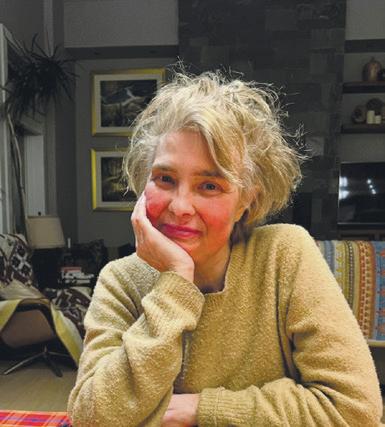
EVINGER, Christina Marie (Tina) January 19, 1974 - December 8, 2024
The family of Tina Evinger is very sad to announce the passing of our dearly loved daughter, sister, niece, cousin and friend. After a long and courageous battle with cancer, Tina died peacefully at Lions Gate Hospita with her mother by her side. She is predeceased by her father, Christer Evinger and her brother, Jonas Evinger She is survived by her mother, Peggy (nee: Alexander) Blackwood, her stepfather, Matt Blackwood, her step-siblings Leanne (Neil) Taylor and Paul (Christy) Blackwood, and numerous aunts, uncles, cousins and friends. We will all miss her beautiful spirit, her humour, her wit and her smile.
Tina graduated from West Vancouver Senior Secondary School in 1992 and went on to study Arts at Capilano College and graduated with a certificate in Textile Arts. After trying her hand at various jobs, she studied set and costume design at the Vancouver Art Institute and found her career as a costumer in the film industry There she worked for over twenty years, starting with lowbudget “indies,” where she learned to create costumes out of virtually nothing, to well-funded, popular TV series and the occasional movie.
Tina was an immensely generous, strong-minded, talented and creative woman and she took great care in everything she did. Her strength of character really showed in the grace and fortitude she manifested in dealing with the relentless losses that cancer brought into her life.
Many thanks to the North Shore Palliative Care team, especially to the compassionate and capable nursing and medical team on 7West at Lions Gate Hospital. Thanks also to Dr Sasha Smiljanic, whose excellent care allowed Tina to live as long and as well as she did and to Drs. Jessica Palmer and Kevin McLeod, whose support and kindness were much appreciated.
A Celebration of Tina’s Life will be held at West Vancouver United Church at 2:00 pm on February 2, 2025. In lieu of flowers, please consider a donation to either the Vancouver or your local Food Bank.





Celebrate the lives of loved ones with your stories, photographs and tributes





EXC Refs •WCB Insured 604-657-2375 604-462-8620 www.HerfortConcrete.ca
•Polished Concrete Floors •Pumping •Placing •Sealing •Acid Staining •Decorative Concrete •Forming •Demolition
LTD.




















Join us in celebrating local filmmakers as they showcase their work to hometown audiences
The second annual Coast Mountain Film Festival willplay host to morethan 20 films, many of which have aNorthShoreconnection.
While many of these films have been screened at prestigious festivals around theworld, this event offers our filmmakers achance to celebrate their work withthe community in which it was made.
Reserve your tickets beforethey’re gone.

BIG MOUNTAIN NIGHT
FRIDAY, FEB 7•7:30PM
British Pacific Properties presents our firstever Big Mountain night!Inaddition to showing, THE HARVEST,alocal ski film shot largley in Whistler’sbackcountry,your evening willinclude ascreening of theski film of theyear; CALM BENEATH CASTLES.
• Calm Beneath Castles
•The Harvest
•Prize Giveaways from North ShoreSki and Boardand Vancouver Island Brewing
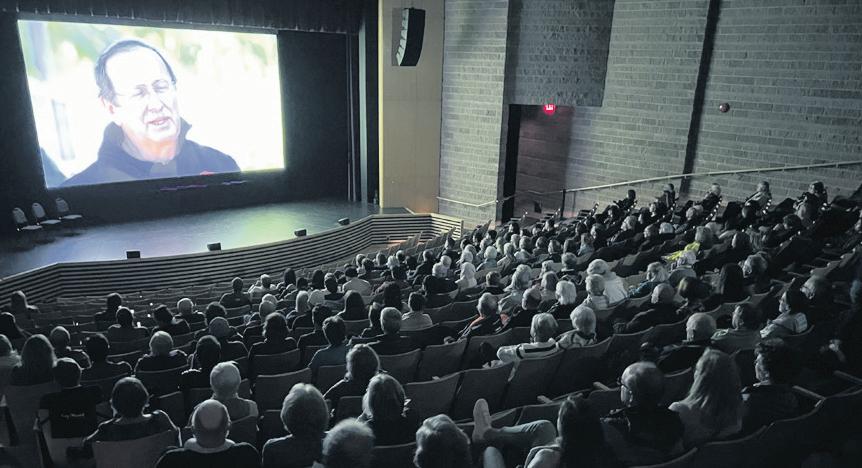
LOCALFILM CELEBRATION MATINEE
SATURDAY, FEB 8•4:00PM
An intimate opportunity to meet filmmakers who callthe NorthShore home and celebrate their work alongside their castand crews.
• The ThirdPerson (Comedy)
•Chat4U (Comedy)
•Dear May (Drama w/Animation)
•Jackie’sHaven (Drama w/Animation)
•Milk Loser (Comedy)
•Tumbleweed (Comedy)
•Gaby (Documentary)

ADVENTURE NIGHT
SATURDAY, FEB 8•7:30PM
In addition to ashort film showcasing athletes exploring theSea to Sky region’soutdoors, our featurefilm, CIRCLE OF MADNESS,features star athletes Markus Eder (ski) &Victor de Le Rue (snowboard) returningone moretime to the legendary spine walls of Haines, Alaska.
•Circle of Madness
•Skookumchuck Narrows: Surf &Kayak the Tidal Rapids with Dylan Graves
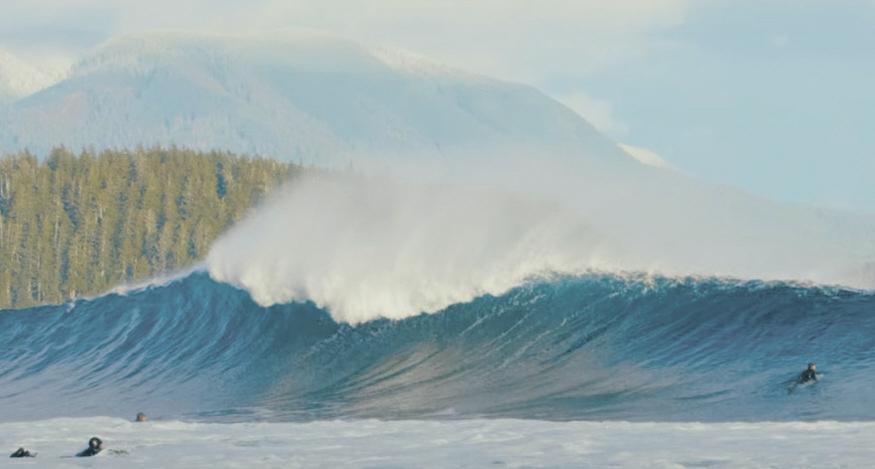
ENVIROMATINEE SUNDAY, FEB 9•4:00PM
Pacific Salmon Foundation presents several short films, shot locally,that encourageus tothink moredeeply about what we can do at theindividual level to protect our forests, create awareness about waste and think more critically about our daily choices. Follow surfers, mountain bikers and fisherman as they share their personal journeys for agreener world
• The Squamish Poacher
•EmeraldEdge
•Revolutions: AFilm on Bike Waste
•Beyond the Green Veil
ENDURANCE NIGHT
SUNDAY, FEB 9•7:30PM
Endurance Night delves into feats of absolute courage, testing thelimits or what our bodies and minds can achieve. Whether it is pushing to complete 15 Grouse Grinds in one day,or grappling withblindness while backcountry skiing,this evening willprovide insight into how we overcome thechallenges we set for ourselves.
• Feel it All
•Snow Blind
•Fifteen: AMulti Grouse Grind Story
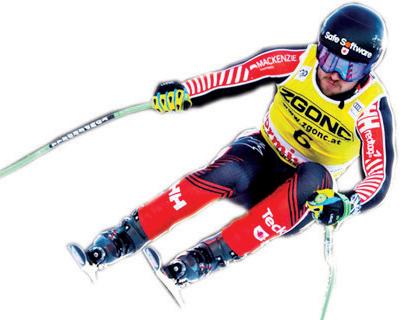





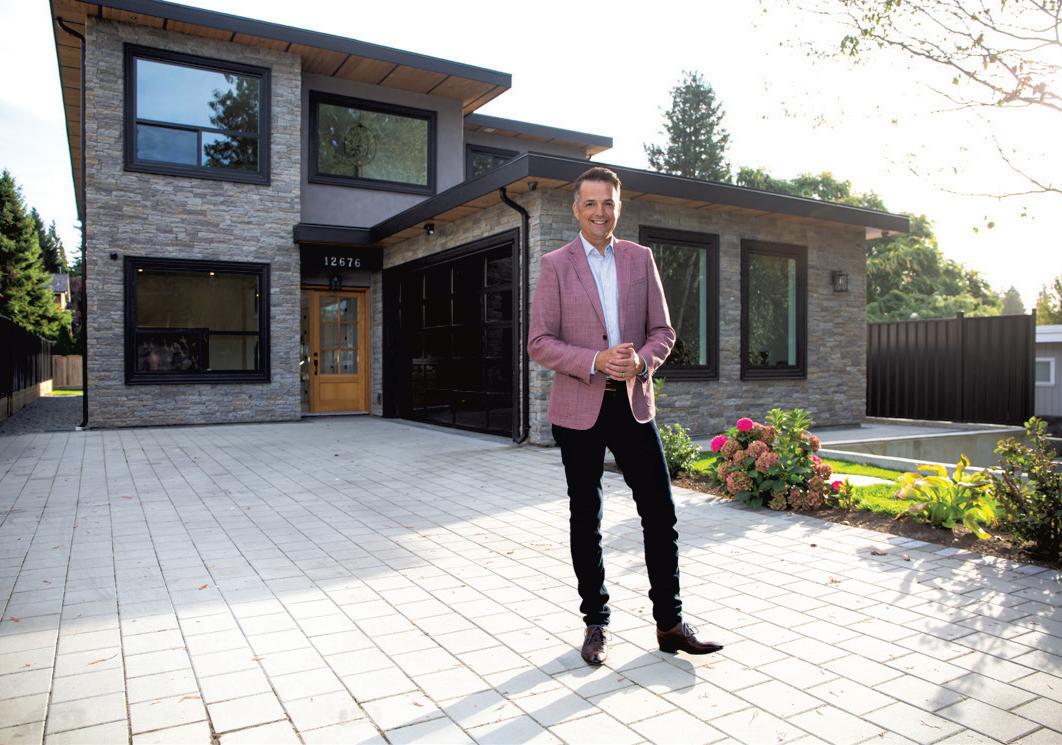

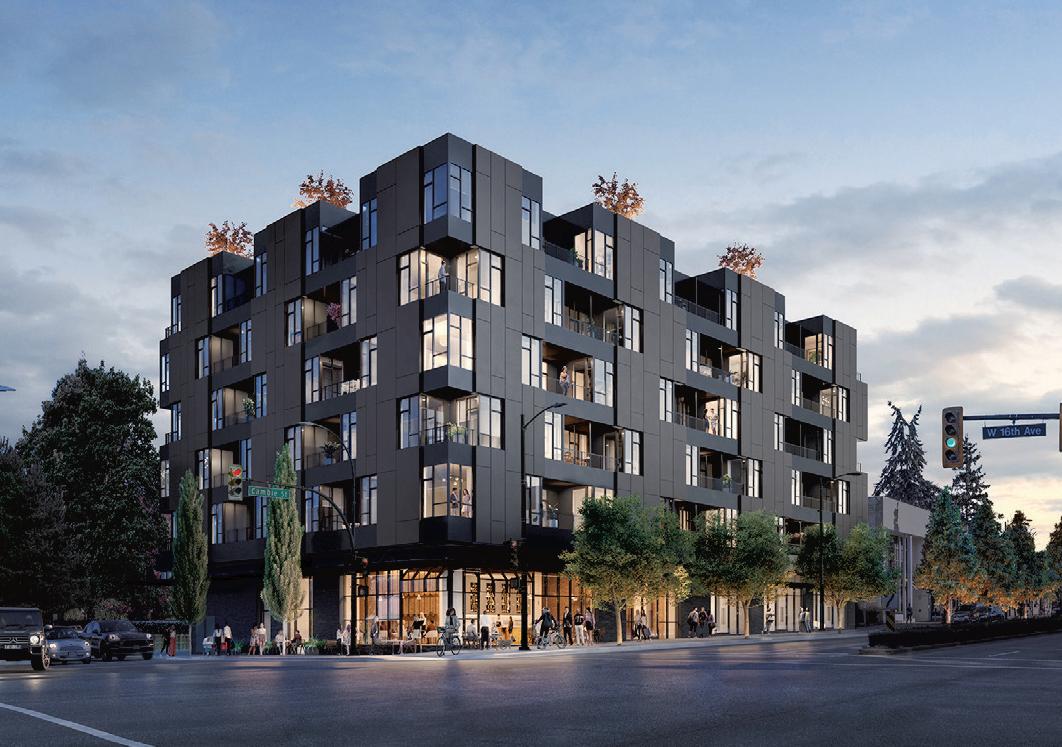
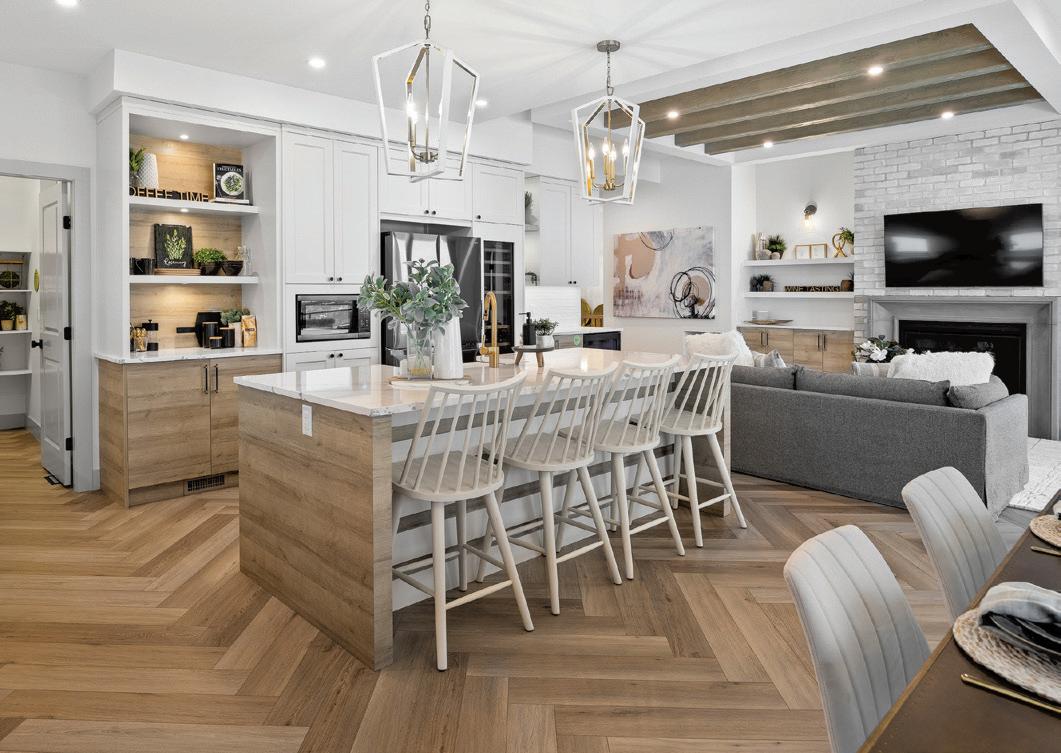


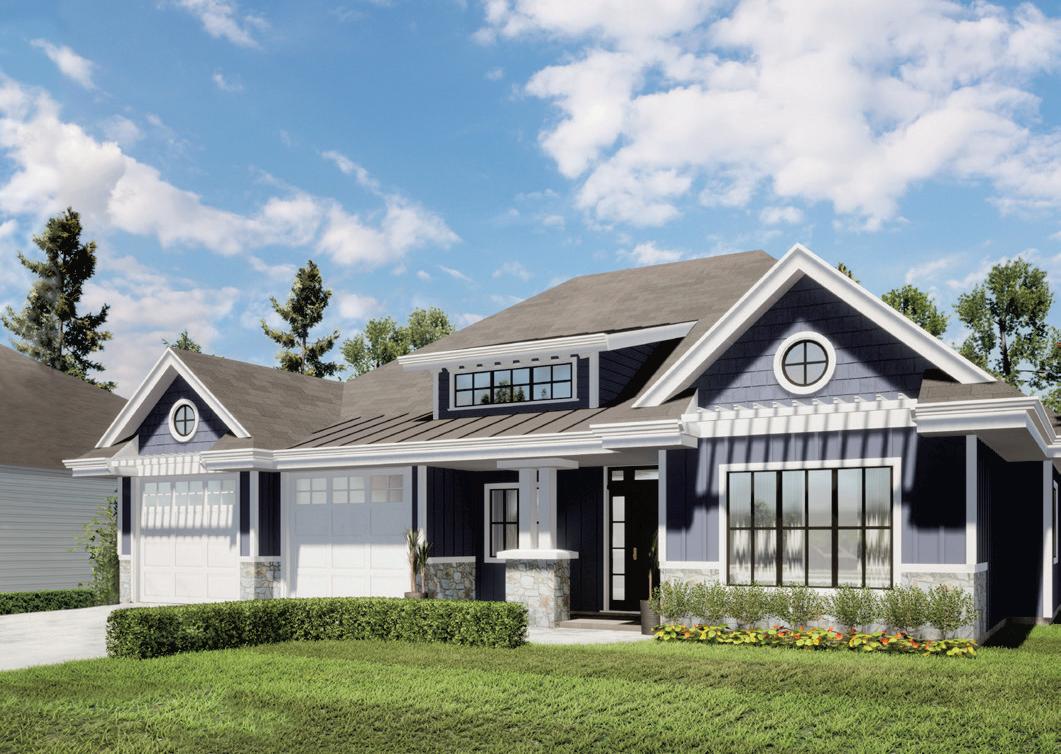
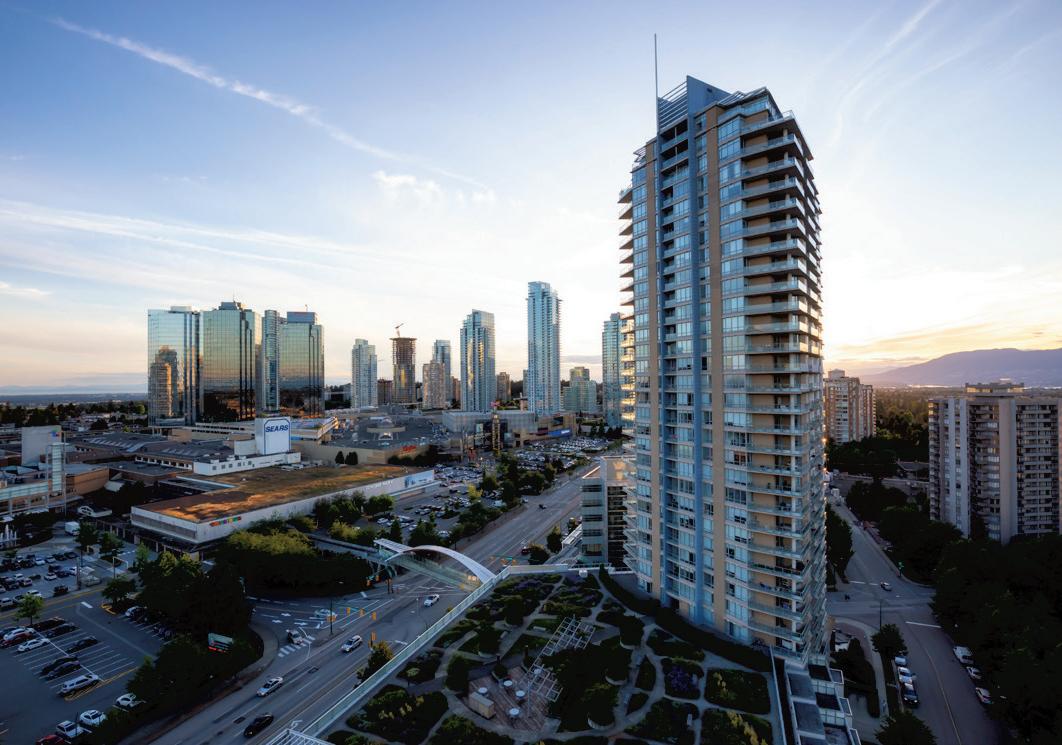


No matter whereyou areinBC, VGHisherefor you.
As the largest,most specialized hospital in the province -and one ofonly twoaccredited Level1adult trauma centres -VGH provides world-class care the peopleofBC can’tget anywhereelse.
Your Millionaire Lotteryticket,supporting VGH&UBC Hospital Foundation, fundsstate-of-the-art equipment,groundbreaking research, and innovative treatment options offered across VancouverCoastal Health. As the largest philanthropic partner of VancouverCoastal Health, VGH&UBC Hospital Foundation raises essential funds for VGH, UBCHospital, GF Strong Rehabilitation Centre, VancouverCoastal Health Research Institute, and Vancouver CommunityHealth Services.
VancouverCoastal Health serves morethan 1.25 million people, performing 60,000+surgeriesand seeing 300,000+emergency visits everyyear. When it’s serious, our hospitals areyour best chance.
Helpusshapethe futureofhealth care in BC.
Help us save lives.