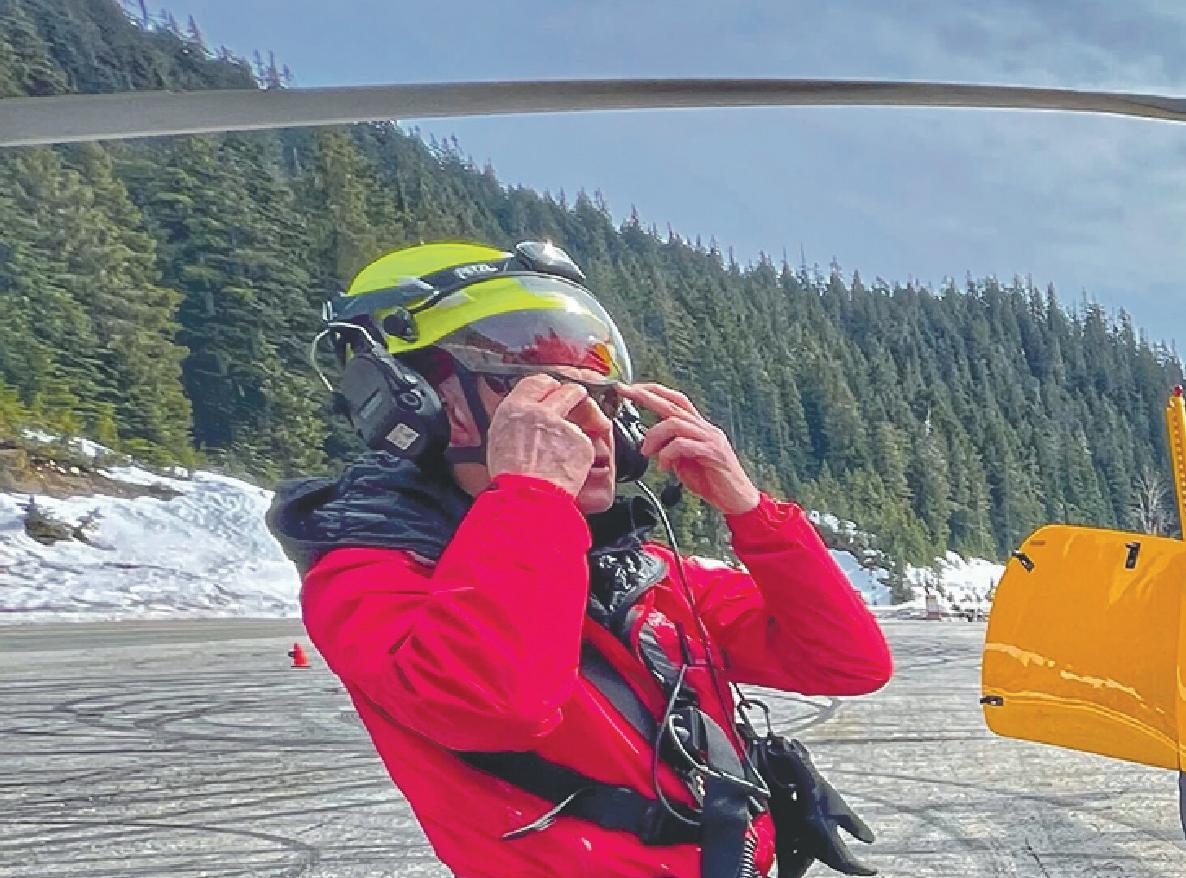
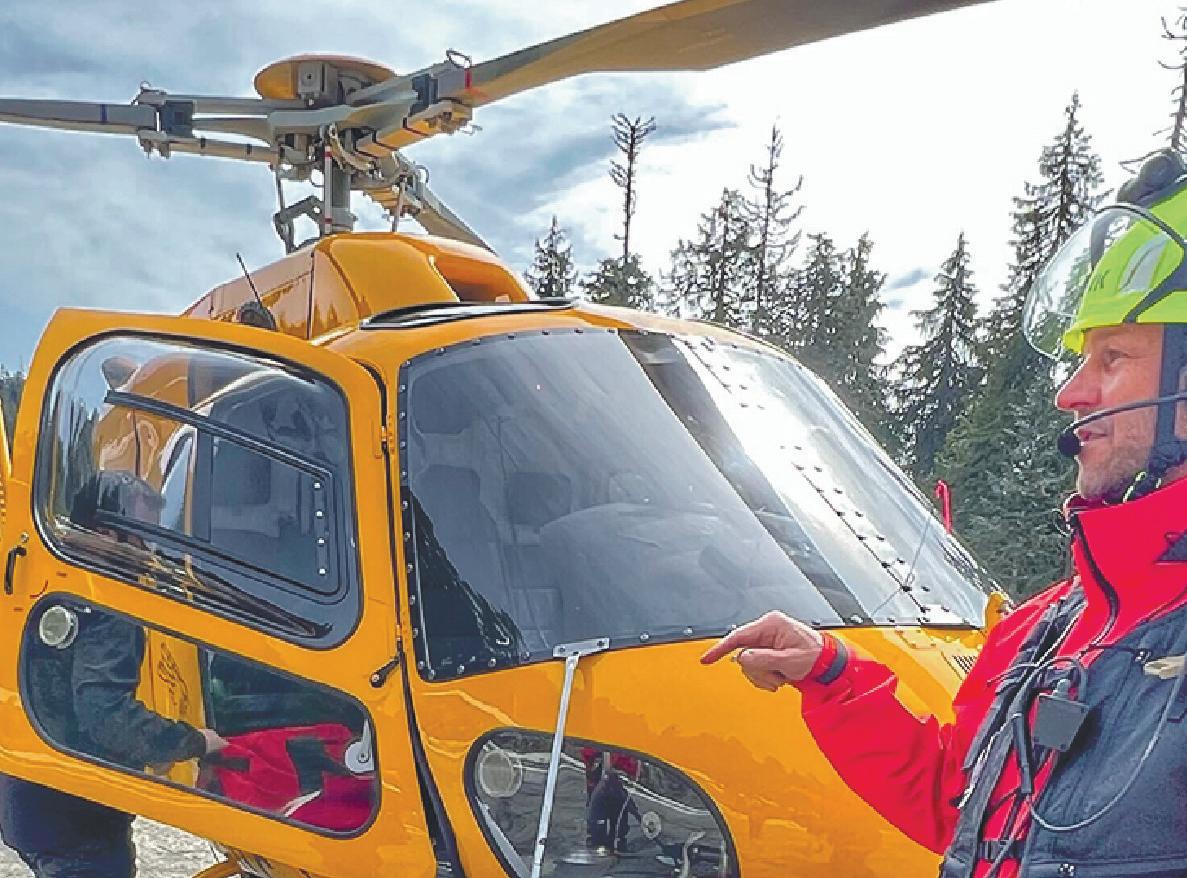

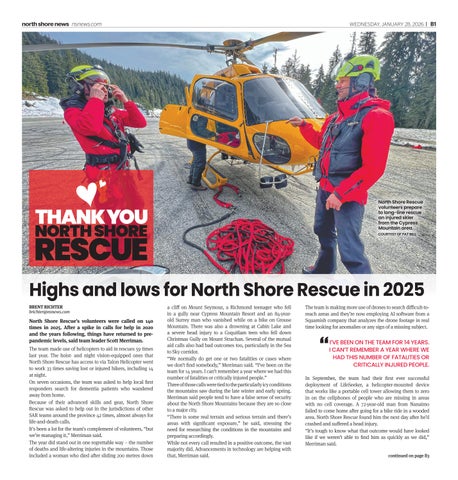
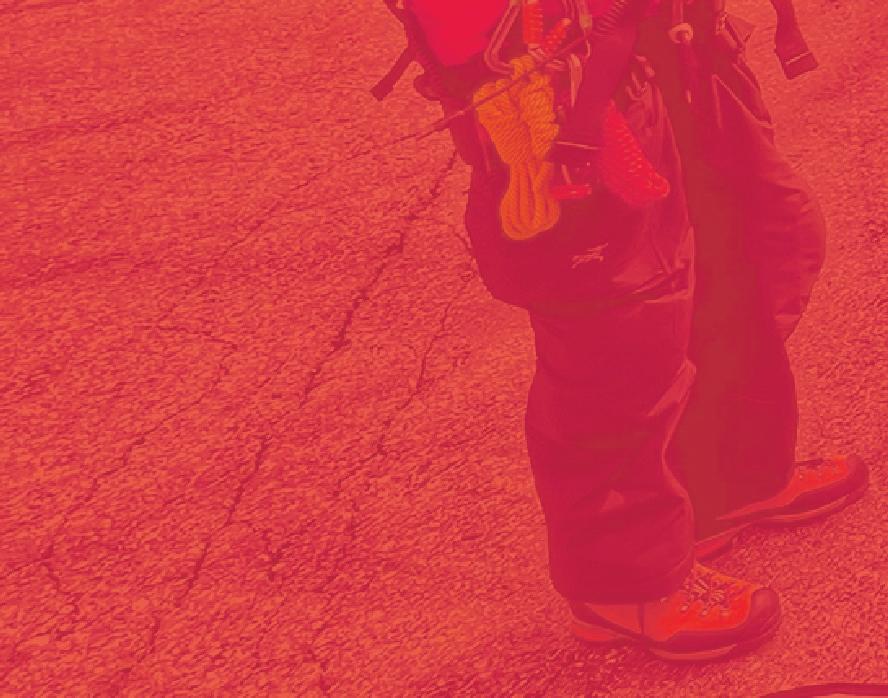
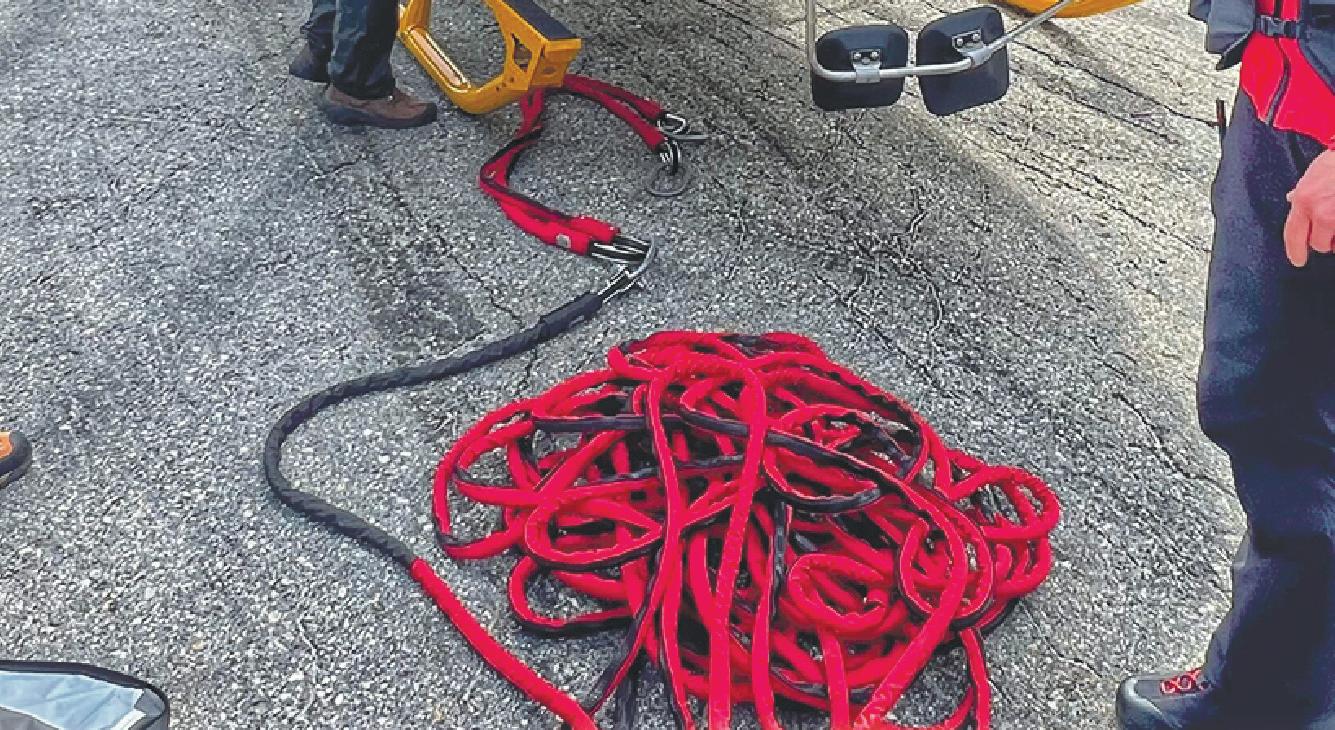

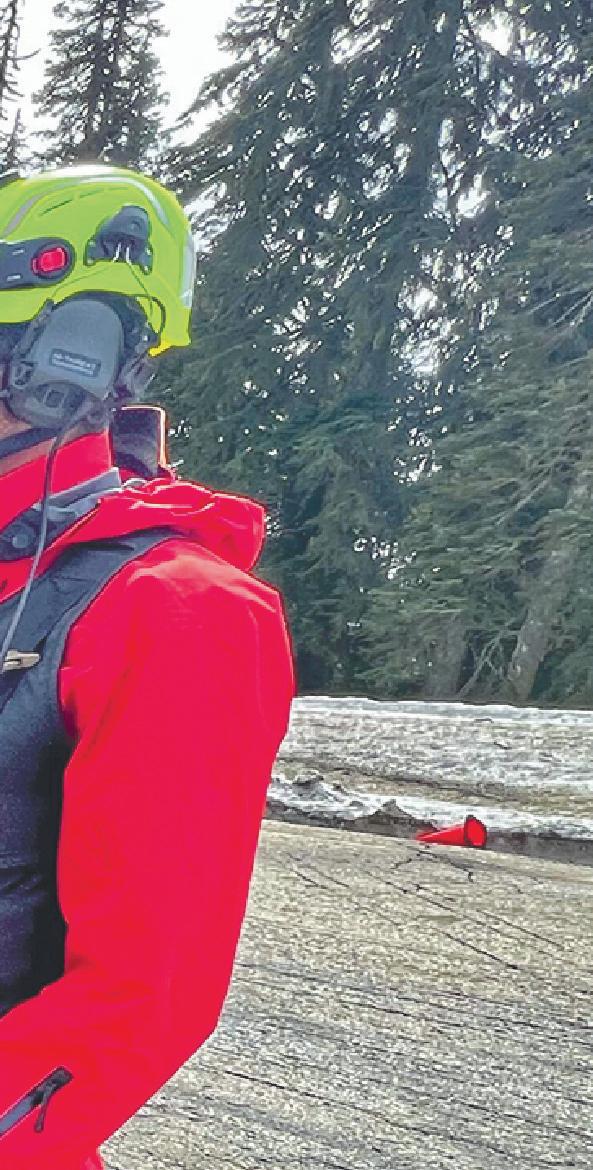

NorthShoreRescue volunteersprepare tolong-linerescue aninjuredskier fromtheCypress Mountainarea.
COURTESYOFPATBELL


BRENTRICHTER
brichter@nsnews.com
North Shore Rescue’s volunteers were called on 140 times in 2025. After a spike in calls for help in 2020 and the years following, things have returned to prepandemiclevels,saidteamleaderScottMerriman.
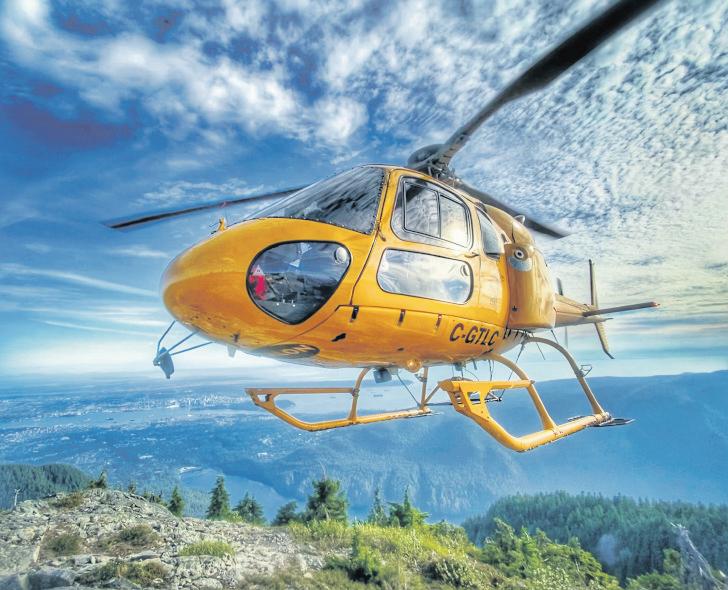
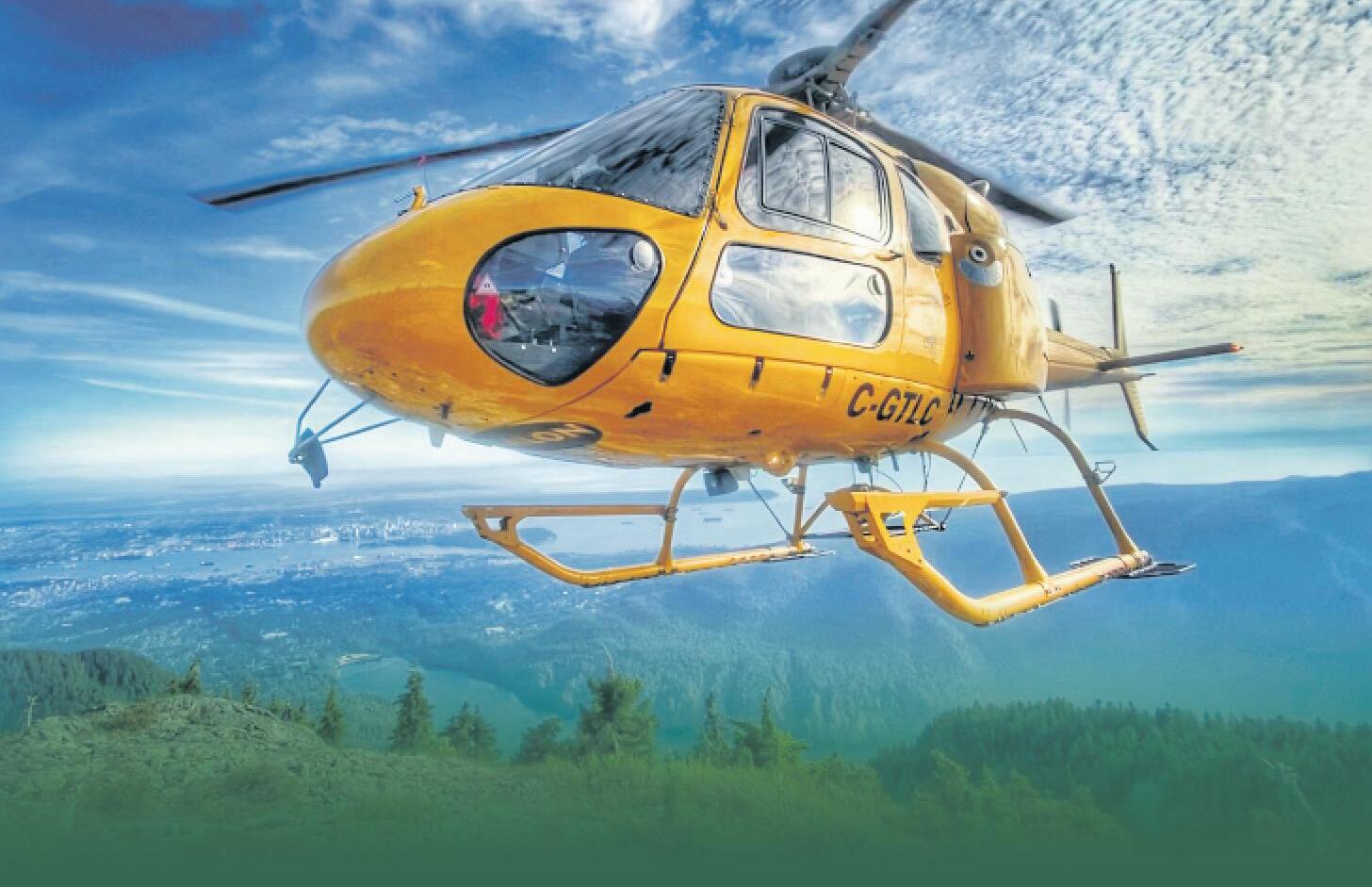
Theteammadeuseofhelicopterstoaidinrescues59times last year. The hoist- and night vision-equipped ones that NorthShoreRescuehasaccesstoviaTalonHelicopterwent to work 33 times saving lost or injured hikers, including 14 atnight.
On seven occasions, the team was asked to help local first responders search for dementia patients who wandered awayfromhome.
Because of their advanced skills and gear, North Shore Rescue was asked to help out in the jurisdictions of other SAR teams around the province 42 times, almost always for life-and-deathcalls.
It’sbeenalotfortheteam’scomplementofvolunteers,“but we’remanagingit,”Merrimansaid.
Theyeardidstandoutinoneregrettableway–thenumber of deaths and life-altering injuries in the mountains. Those included a woman who died after sliding 200 metres down
a cliff on Mount Seymour, a Richmond teenager who fell in a gully near Cypress Mountain Resort and an 84-yearold Surrey man who vanished while on a hike on Grouse Mountain. There was also a drowning at Cabin Lake and a severe head injury to a Coquitlam teen who fell down Christmas Gully on Mount Strachan. Several of the mutual aid calls also had bad outcomes too, particularly in the Sea toSkycorridor.
“We normally do get one or two fatalities or cases where we don’t find somebody,” Merriman said. “I’ve been on the teamfor14years.Ican’trememberayearwherewehadthis numberoffatalitiesorcriticallyinjuredpeople.”
Threeofthosecallsweretiedtotheparticularlyicyconditions the mountains saw during the late winter and early spring. Merriman said people tend to have a false sense of security abouttheNorthShoreMountainsbecausetheyaresoclose toamajorcity
“There is some real terrain and serious terrain and there’s areas with significant exposure,” he said, stressing the need for researching the conditions in the mountains and preparingaccordingly.
Whilenoteverycallresultedinapositiveoutcome,thevast majoritydid.Advancementsintechnologyarehelpingwith that,Merrimansaid.
Theteamismakingmoreuseofdronestosearchdifficult-toreach areas and they’re now employing AI software from a Squamish company that analyzes the drone footage in real timelookingforanomaliesoranysignofamissingsubject.
“I’VEBEENONTHETEAMFOR14YEARS. ICAN’TREMEMBERAYEARWHEREWE HADTHISNUMBEROFFATALITIESOR CRITICALLYINJUREDPEOPLE.
In September, the team had their first ever successful deployment of LifeSeeker, a helicopter-mounted device that works like a portable cell tower allowing them to zero in on the cellphones of people who are missing in areas with no cell coverage A 72-year-old man from Nanaimo failed to come home after going for a bike ride in a wooded area.NorthShoreRescuefoundhimthenextdayafterhe’d crashedandsufferedaheadinjury.
“It’s tough to know what that outcome would have looked like if we weren’t able to find him as quickly as we did,” Merrimansaid.
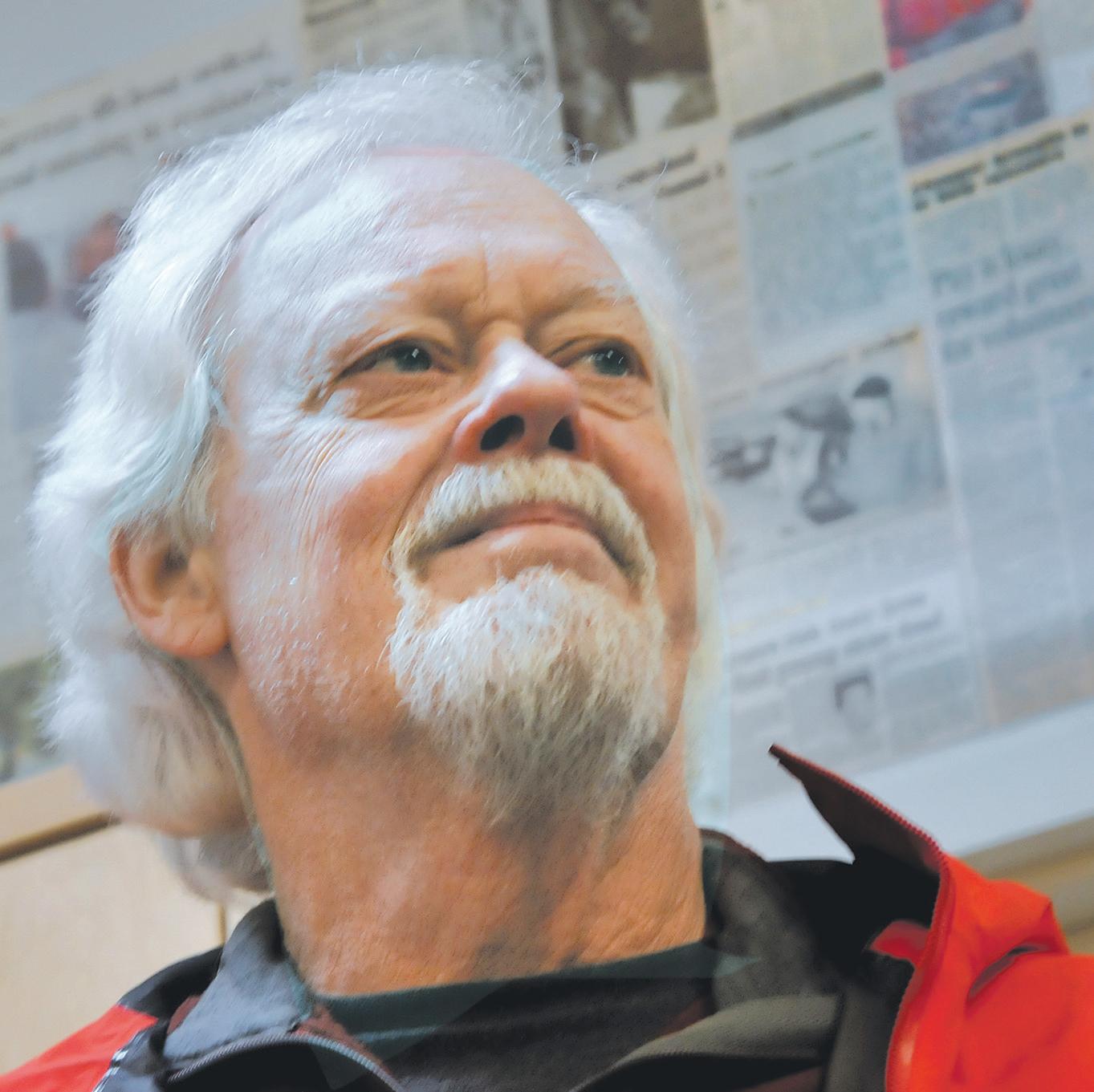

LongtimeNorthShore RescuememberGreg Millerispartofaninhouseteamhelping fellowmembersdeal withstressfromdifficult rescues.Hestandsin frontofacollectionof newsarticlesofpast rescuesatNorthShore Rescue’s‘Embassy’ headquarters. PAULMCGRATH /NSN
JANESEYD
jseyd@nsnews.com
As a long-time member of North Shore Rescue, Greg Miller has been a part of many storiesthatdidn’thavehappyendings.
Sometimes they were tourists who stumbled off a trail but couldn’t be found, despite extensive searching. Other times they were tragicaccidents
“It’snotamatterofifitwillhappen.It’swhenit willhappen,”saidMiller
”I can quite vividly remember my first body recovery,”saidMillerofadeaththathappened inLynnCanyoninthe1970s “Youdon’tforget thosethings.”
As a 50-year member of the rescue team, Miller has seen a lot of changes, especially in attitudestowardsthementalwellbeingofteam volunteers
Back in the 1970s and 1980s, “No one was especially concerned about your mental health,” said Miller. “The approach in those
dayswasprettytough.Ifbadthingshappened, youwereexpectedtojustsuckitup.”
That started to change after a harrowing incident that struck especially close to home, when a member of the rescue team died after fallingintoa60-footcrevasseduringatraining exercise in the Tantalus Range. “That was just ahuge,hugeimpactonallofus,”saidMiller Former team leader Mike Danks recalls the days when volunteers were expected to tough it out after traumatic calls. “You didn’t talk aboutit,youdealtwithit.”
“Thatworkedforaverylongtime,”hesaid. Untilitdidn’t.
Just before Christmas in 2014, he was part of the team dispatched to save Erin Kate Moore, aseven-year-oldgirlcaughtinarockslidenear LionsBaywhilehikingwithherfamily. Despite the efforts of the team, the girl died at thescene.
At the time, Danks’ own daughter was the
continuedonpageB3

continuedfrompageB2
sameageasthegirlwhodied
It wasn’t until Danks was asked how he was doing after the mission that “it just hit me like someone punched me in the face,” he said. “ThatwasthefirsttimethatIrealizedIhadjust beenbottlingallofthisup.”
Today,peer-ledsupportformentalhealthispart ofwhathappensaftereverycriticalmission.
“It’s not counselling,” said Miller, but involves being able to talk to a peer who understands what team members are likely going through, who can advise on what to expect and be supportive Furtherprofessionalsupportisalso availableforteammemberswhoneedit.
Sometimes,it’sthesearchesthatdon’tresultin finding someone that are the most difficult for volunteers to mentally let go of, said Miller, as their minds repeatedly turn over questions of whattheycouldhavedonedifferently.
Miller recalls a search for an American tourist lostonGrousethatfailedtoturnupanysigns. Itwasaweekortwolaterthatamemberofthe publicfoundthebodyhiddeninsomeferns.
“Thesearethethingspeoplethinkaboutalot,” saidMiller
Other difficult cases are those involving children who are close in age to people in the volunteer’sownfamily.
“If you’re searching for a five-year-old and you have a five-year-old, you’re going to connect more,”hesaid.
In recent years, the rescue team has also increasingly been tasked with recovery of people who die by suicide in the backcountry,
continuedfrompageB1
Training for new volunteers has become more intense and expensive, but donations from individualsandbusinesseshavehelpedkeepthe volunteerspreparedandsafe,Merrimansaid.
“The support from the community was unbelievablelastyear,”hesaid.
And the public has been helping out in other ways. In recent years, the team has welcomed
which means dealing with death has become morecommon.
These days, the team is careful to make sure thesamepeoplearen’tbeingrepeatedlysentto dealwiththosecalls.
“
“I’ll be the very first to say that it does get to you,”saidDanks
Members can also opt out of particular calls, added Miller. “Anyone can say ‘I don’t want to dothat.’It’snotlikeyouhavetogoorelse.”
Whenadifficultcallends,oneofthefirstthings theteamdoesisshareinformationaboutwhat happened. The resilience team also educates members about common reactions to stressful events–likeseeingvisualscenesfromthecall replayedinaloopinsideyourhead.
“It’sthebrain’swayoftryingtocategorizeitand recognize threats,” said Miller, adding there are techniques that can help dispel some of patterns. It’s important for volunteers to know, “All of that’s normal,” said Miller. “You’re not goingcrazy.”
Sometimes, just being asked if you’re OK by a peer who knows what you’re going through is what’simportant,saidMiller.
Despite the rescue team’s larger-than-life reputation for heroics, “We’re just a bunch of humans,” said Miller, “and we get affected by thesethings.”
resource members who take on more administrativetaskslikefinance,socialmedia, IT,logisticsandradiowork,“sothatouractive memberscanfocusmoreonthefieldworkand beingavailableforcalls,”Merrimansaid.
“It’stheonlywaythatwecanreallysurvive.There wassomuchburdenonourmembers,”hesaid.
If people want to donate to the team or volunteer their skills and time, they can find opportunitiesatnorthshorerescue.com ■


TheDistrictofWestVancouver extendsa heartfeltthank youto NorthShoreRescuevolunteers. We appreciate allthat youdo.
BRENTRICHTER
brichter@nsnews.com
Everyherohasanoriginstory.
A new documentary series launched by North Shore Rescue shares the history of the team in itsearliestdaysandtracesthetrajectorythey’ve followed to become one of the most advanced andadmiredcivilianrescueoutfitsintheworld
In 1965, North Shore Rescue was borne of Cold War fears there would be a need for civil defenseteamswhocouldhelprescuesurvivors in the wake of a nuclear attack. The bombs never came, but the members had training with ropes, which came in handy as they were increasingly asked to go search the mountains forinjuredandmissingadventurers
Around 10 years ago, when the team was marking its 50th anniversary, some founding members felt the need to begin documenting what happened in the earliest days “so we haven’tlostthehistoryofhowthiscametobe,” saidAllanMcMordie,amemberof47years
“[We]startedthinkingthatweshouldgetsome ofthesestoriesrecordedbeforewelosesomeof thesepeople,becausethey’regettingoninlife,” saidMcMordie.
They started getting those senior members in frontofacameratolayouttheirrecollectionsof
bushwhackinginthewildernesswithlittletogo onbutthelastknownwhereaboutsofahiker. Atfirst,therecordingswerejust“forposterity,” but a couple of years ago, McMordie said the team’shistoryandarchivesgroupwantedtosee theprojectfinished.
Memberswentdiggingthroughtheirbasements forphotos,newspaperclippingsandVHStapes withmediaclipsandrescuefootage.Theyalso recorded more interviews to fill in the gaps, and the entire trove of information had to be winnoweddowntoaboutfourhoursofcontent.
The amount of time that went into the project wouldbehardtocount,McMordiesaid.
“Itwasanawfullotofwork,”hesaid. Theresultis22shortvideosrangingfromfiveto 25minutesnowpostedonNorthShoreRescue’s YouTubechannel.
Subjectsincludethedevelopmentofhelicopter rescues, first aid training and the introduction of search dogs to the team. The videos have rackedupthousandsofviews.
Occasionally,NorthShoreRescuestillhastogo back to the old-school fundamentals of search andrescue,butmoreoftentoday,smartphones can provide GPS co-ordinates and pinpoint exactly where a subject is Drones can reach dangerous or hard-to-reach places. And night
Snowshoes• Trekking poles• Goggles
•Sleds +tubes •Headlamps •Boot gators •Safety gear• Survivalaccessories +more


visionandhoist-enabled in in hours, were oncemuch,muchharder, younger
visionandhoist-enabled helicopters can get the team in and the subjects out in minutes or hours not days. Things were oncemuch,muchharder McMordiesaid.
“The newer, younge membersontheteamnow don’thaveasenseforwhat it’s like to do a multi-day search where you’re ground-pounding and trying to make voice contact,”McMordiesaid.“It’sagoodreminder that this is what we used to do all the time.… Thisiswhatmadetheteamwhatitis.”
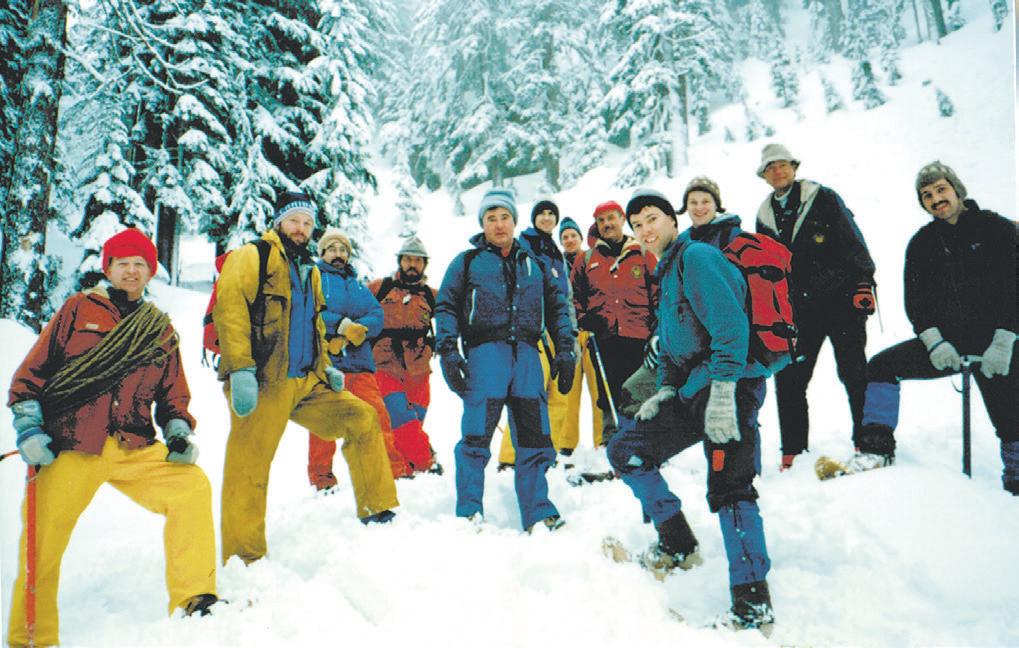

MembersofNorthShoreRescuegatherin themountainsduringtheearlierdaysof theteam. COURTESYOFNORTHSHORERESCUE
memory of the team can rest and possibly be sharedwiththepublic.
Whiletheywatchtheseries,McMordiesaidthe wider public should know how they’ve shared intheteam’ssuccesses
“ThisiswhatIloveaboutthis–thecommunity rallies behind our team. You know, everybody, theythink‘NorthShoreRescue,yeah,whatcan wedotohelp?’”
The team’s history lives on in other ways too. They have a dedicated exhibit at MONOVA And as the project developed, members also began digging up old gear and other rescue relics McMordie said they are now looking for a climate controlled space where the physical
McMordie said he expects the documentaries willlandwellwithviewers ThehistoryofNorth Shore Rescue is a history of recreation on the NorthShoreitself,henoted.
“When I look at it, I’m almost overwhelmed by it,” he said. “This has been an interesting life. We’ve all been involved with the team for decades and have seen how things have changed and how it’s affected our lives and how the community has come together and supported us. And it is, I think, just a terrific story, because it’s all volunteers It’s all communitybasedandit’sagreatstoryofhowa numberofliveshavebeensaved.”