Postal Address: PO Box 474, Dargaville Physical Address: 107 River Road, Dargaville
Editor: Andy Bryenton
Journalists: Denise Gunn | Andy Bryenton | Amy Fifita
Advertising: Debra Seymour 027 525 8217
Production: Gavin Bainbridge | Marnie Fuller | Daniel Foster | Liz Clark
Accounts: accounts@rml.nz
Distribution: Laurie Willetts Printed by: NZME
Website: farminglifestyles.co.nz
Opinions
9,074 copies DELIVERED FREE to every rural delivery address in Taranaki.
Innovation, resilience and community
by Barbara
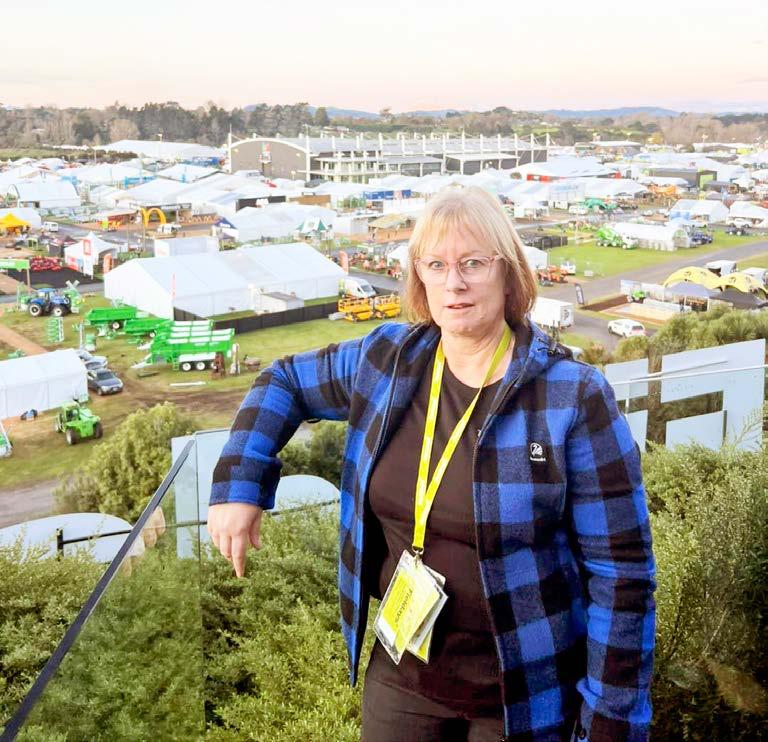
If you make your living off the land, Fieldays isn’t just another date on the calendar — it’s where we go to recharge, take stock, and remind ourselves we’re not in this on our own.
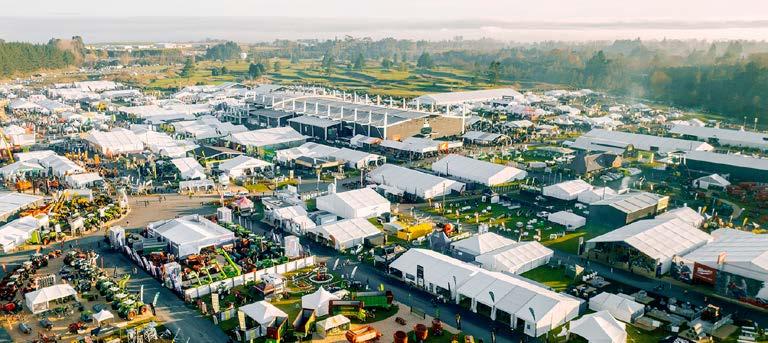
Since 1969, National Fieldays at Mystery Creek has been bringing farmers, contractors, families and townies together; and haven’t the organisers succeeded? What began as a simple showcase of Kiwi ingenuity has grown into the Southern Hemisphere’s biggest ag event. Generations of farming families come back year after year to see what’s new, catch up with old mates, and bring the kids along for a look at their future.
This year, with fuel, freight and finance all tightening the screws, Fieldays feels more important than ever. It’s a chance to kick the tyres on gear that genuinely cuts fuel use, explore tools that save labour, and talk directly with people who understand the realities behind the farm gate.
Over four days, more than 1,200 exhibitors will be on-site, showcasing the
best innovations, products and services to an audience of over 100,000. From low-emissions tech to pasture management, there are plenty of opportunities to find ideas that make a real difference. Seminars and workshops will offer straight talk on markets, regulation, and banking, while the social side, a yarn over a coffee, often delivers the most valuable, and most unexpected, insights of all.
At its heart, Fieldays is a reminder that New Zealand farming still leads the world. Not because it’s easy, but because our people are resilient, practical, and keen to teach and to learn. As we walk through the gates this year, we’re not just visiting a show — we’re backing our businesses, our communities, and the future of our rural New Zealand.
This year’s Fieldays will be held from 10–13 June at its traditional and spiritual home, Mystery Creek. See you there.
Kuriger, MP for Taranaki-King Country
Agriculture school opens doors
An open day at Otiwhiti School of Agriculture will give visitors the chance to see first hand what life and training are like at one of the North Island’s most established agricultural training schools.
The day will showcase Otiwhiti’s facilities and strong pastoral support, with prospective students and their families taken on tours of the station by current cadets. These cadet-led tours offer an authentic insight into daily life, training and opportunity at Otiwhiti.
Otiwhiti is a historic sheep and beef breeding property located in the Hunterville district of Rangitīkei. The station, farmed by the Duncan family since the 1880s, is now owned by Otiwhiti Limited Partnership.
Charlie and Jo Duncan established the Otiwhiti School of Agriculture in 2007 in partnership with Land Based Training, building on the property’s long farming history.
“It’s been a real journey for us with our cadet school,” said Charlie.
The school offers a comprehensive one - year programme that combines theoretical education with hands-on training. Cadets work towards the New Zealand Certificate in Agriculture Level Three while training on a working sheep and beef station.
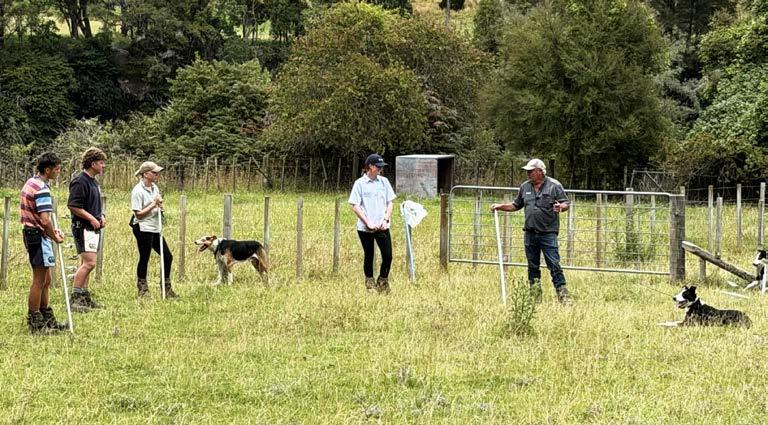
Training is structured around five core agricultural pillars — fencing, shearing, processing of house muttons, dog training and horsemanship. Cadets are on-farm four days and in the classroom one day each week.
“We give them multiple skills, getting them to a level where they are employable.
We are firm believers in training for the outcome of employment.”
The training team includes farm managers, cadet managers, support staff and Land Based Training tutors. Nine local farmer partners are also involved, collectively managing around 500,000 stock units and employing approximately 100 people.
“Immersing our cadets in farmer partner businesses gives them valuable insight into how different farming operations work,” said Charlie.
Cadets live on-site in The Hood that includes 18 single bedrooms, communal lounges and shared bathrooms. The cookhouse is the hub of station life,
“Strong pastoral care, and a dedicated health and wellbeing programme set Otiwhiti apart from other residential training facilities.”
“The programme is delivered over one year and gives cadets early, practical responsibility, including training their
first heading pup from the outset. We also create clear pathways into level four and five qualifications, supporting cadets to continue their training while they are employed beyond Otiwhiti.”
The annual open day typically attracts around 200 visitors.
“We’re proud to open up the training school and share what we do,” said Charlie. “Our cadets lead the tours and answer questions along the way.”
The open day will be held on Saturday, June 6, with registrations from 8.30am and a welcome at 9am. Otiwhiti School of Agriculture is located at 4744 Turakina Valley Road.
From left: Otiwhiti cadets Jakob Byers, Stephen Couldrey, Maiah Thomson and Ella McDowell taking part in a dog training session with Duncan Atkinson while the former Otairi School is used for classroom teaching.
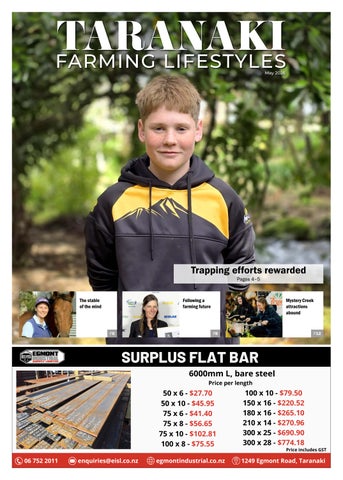
TRAPPING EFFORTS REWARDED
BY DENISE GUNN
Two young trappers, recognised in the annual Taranaki Regional Council Environmental Awards late last year, are continuing their efforts helping preserve biodiversity.
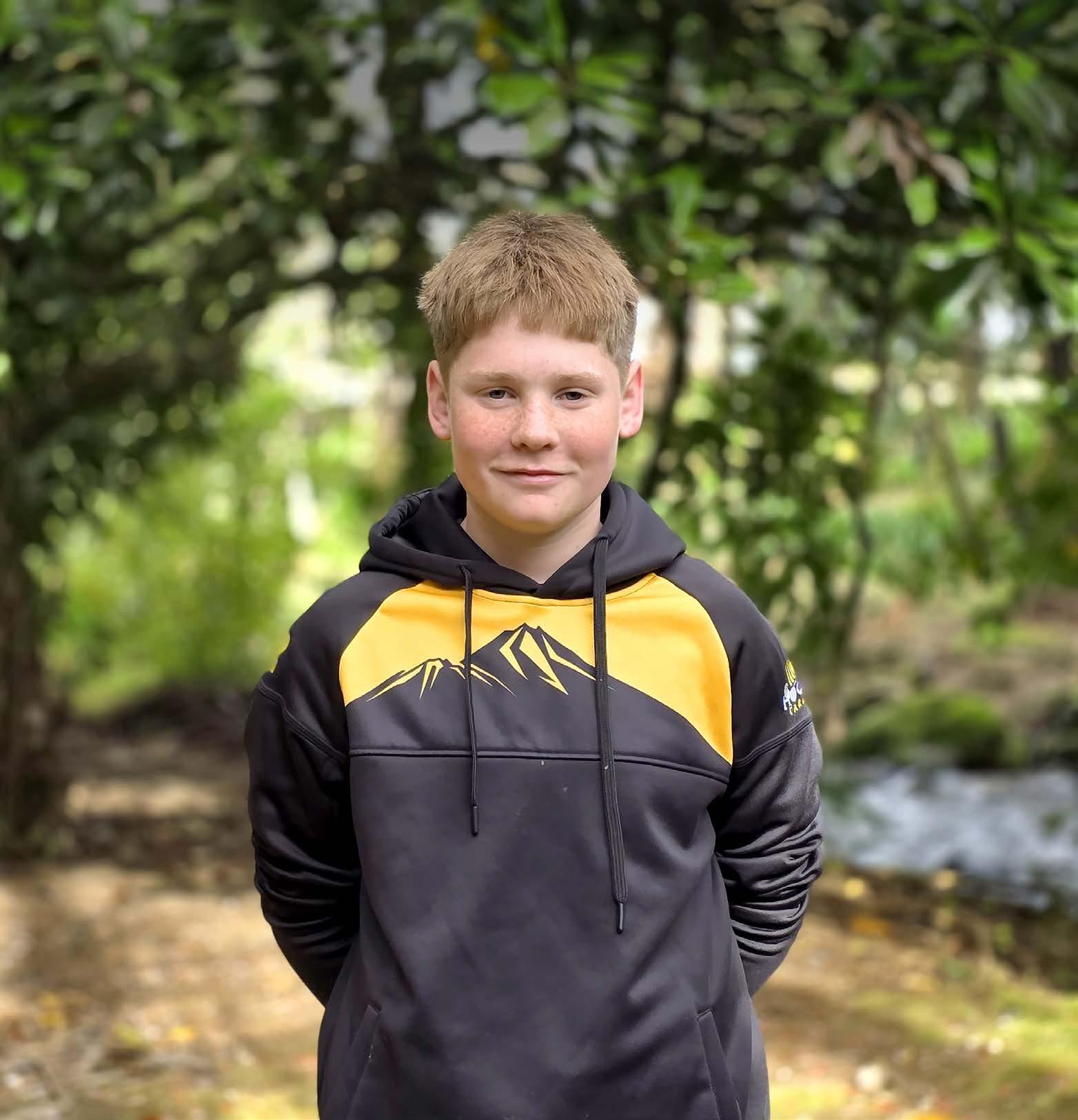
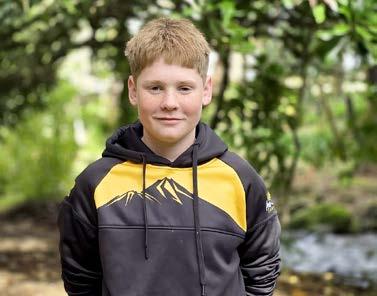
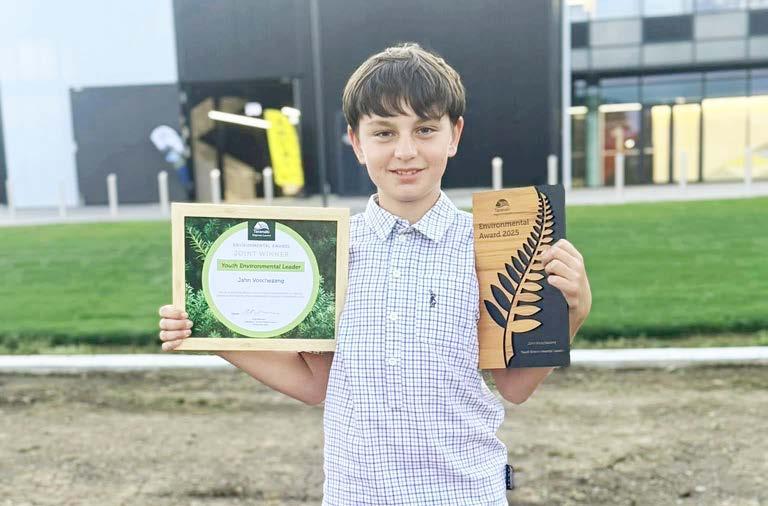
Vinnie Jackson and Jahn Voschezang, both 12, received the joint award for Youth Environmental Leader. They began trapping predators at a young age and have inspired others to get on board, too.
Trapping caught Vinnie’s interest after he was given a spare trap by a friend’s father. Vinnie was seven at that time, and as he wasn’t strong enough to set the trap on the family’s dairy farm, or carry the carcass home, his mother Michelle became assistant possum hunter.
The family live in a home they built 16 years ago, on a small section of the Inglewood dairy farm.
“We have the enjoyment of being on a farm, but with no responsibilities,” said Michelle.
In addition to setting traps around the farm, and after some encouragement from teachers at Inglewood Primary School, Vinnie began setting traps by the creek beside the school. He also formed the Assassin’s Squad; a team of five students, trapping predators in the school’s bush learning area.
“They had some rat traps at the school and Vinnie attached one of his traps to a tree,” said Michelle.
“He would show them where to put the rat and possum traps, clear the
space around them, and the team would check the traps daily. The rat population diminished very quickly, and the school noticed the immediate effects of their trapping as the school veggie garden started thriving again.”
Vinnie also helps his 89-year-old neighbour with her possum troubles by trapping and disposing of them, too. Other neighbours tend to message Michelle late at night to say they have a possum, or can hear a possum, and Vinnie will head out to try and sort the issue for them.
In 2024, Vinnie was junior ambassador for the Rotokare Scenic Reserve. Michelle said through this, Vinnie learnt a lot about the environment and how
important it was for the area to become predator free for the native birds, flora and fauna.
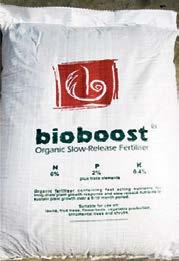
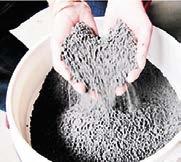
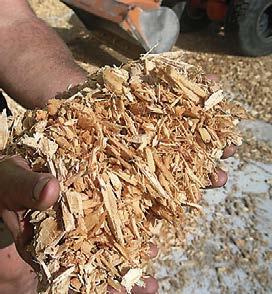
67% organic matter
• Will not burn plant roots or foliage
• Can be incorporated when planting or used as a top feed
• Fantastic for ALL lawns, flowers, vegetables, roses, trees, shrubs, & container plants
• Bioboost is available from: Selected Garden Centres, Commercial Horticultural,
Youth Environmental Leader Vinnie Jackson
Jahn Voschezang with his Youth Environmental Leader award
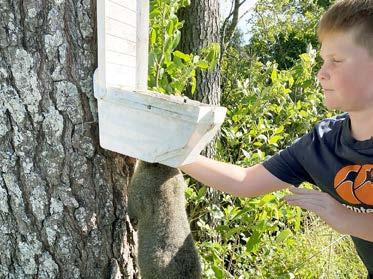
Using Trapinator traps, Vinnie places these 1,200mm high on pine tree trunks. “They are set on clear nights and checked in the morning,” said Michelle.
He also makes his own lure with rose oil as a secret ingredient. A good sprinkling of cinnamon to the bait and around traps entices the possums but repels domestic cats.
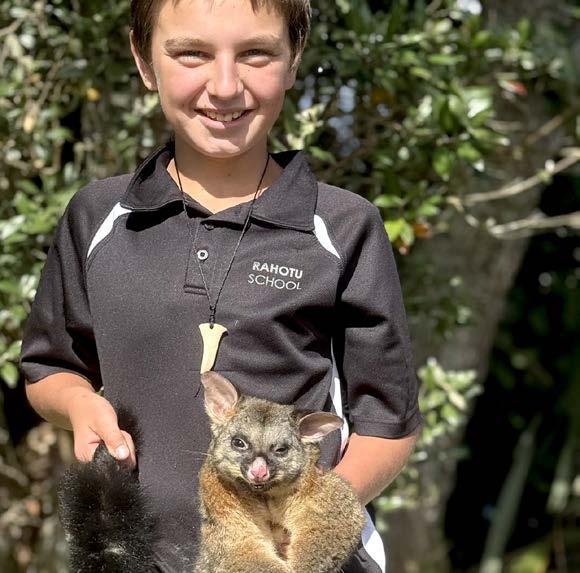
Rahotu School year eight student Jahn, lives on his family’s 168ha dairy farm at Ōkato.
“Jahn started trapping after he got talking with the council guys, and joined them a few times going around checking traps on a previous farm,” said his mother Michelle.
“He was about nine years old when he first started. He had an obsession with all
native birds and he learnt trapping helps to bring up numbers and protect them.”
Last year, Jahn completed a senior ambassadorship programme with Rotokare Scenic Reserve.
“They helped him learn more about other predators, and the trap guy would send him home with chunks of rabbit meat for traps.”
Jahn has a variety of different traps that he places out most weekends, checking them each morning. He keeps a tally in a notebook that was given to him by a council trapper when he first began. So far, Jahn has caught 70 possums, two stoats and a huge number of rats.
“Most of the traps he’s been given or bought himself when he sells the possum fur, or uses his own money.”
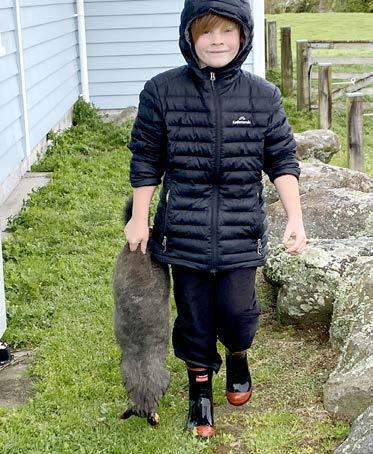
Vinnie also traps and disposes of possums for neighbours
As an enviro leader at school, Jahn has a small group of students who check and set traps daily during the week.
Currently, Jahn is plucking and selling possum fur to save money to buy his own motorbike. This mode of transport will solve his problem for transporting traps to a large section of bush at the back of the farm.
Michelle said there is a wide variety of bird life on the farm.
“We have been feeding calves, watching a baby kererū dancing in front of its mum on a tree limb. It’s awesome.”
Vinnie and Jahn were very excited to receive awards, and have plans to increase their trapping endeavours. Jahn is also considering pursuing a career in farming and pest control.
Every morning, Vinnie checks the traps for possums
THE STABLE OF THE MIND
BY AMY FIFITA
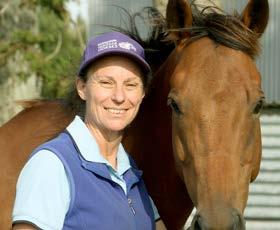
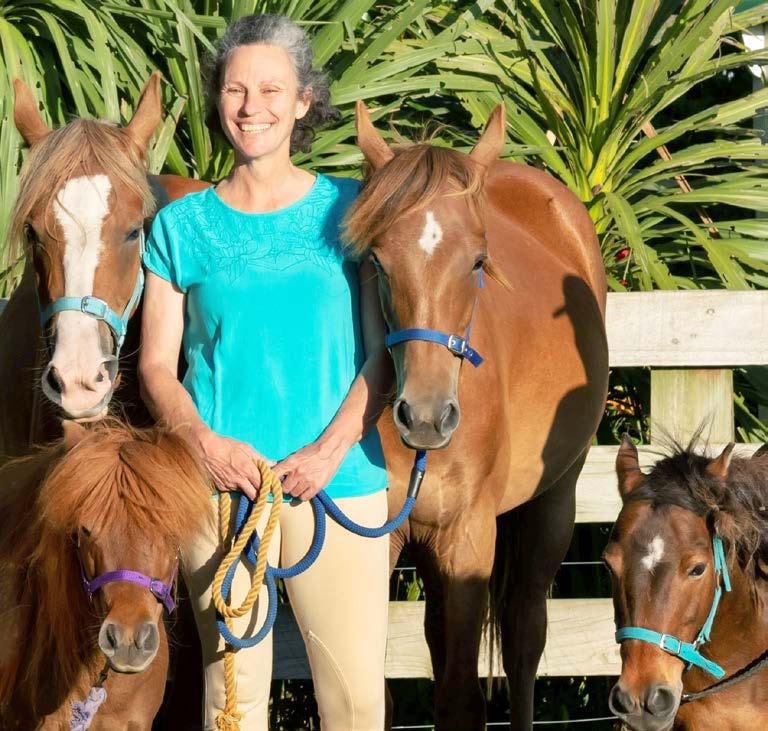
A love that began with reading Anna Sewell’s Black Beauty, Anne Vogel has spent most of her life with horses and now uses them to help people with personal development, literacy and mental health.
“Igot completely drawn into the concept of horses as living beings when I was about nine years old, and I read the original Black Beauty by Anna Sewell. It is all about the life of a horse from the 19th century, and I was engrossed in horses from that point,” said Anna.
“From there, I learned horse riding and training, amongst other things. I became a vet, working in animal health, not specifically with horses, as I was more researchfocussed and interested in disease.”
After experiencing burnout and moving away from research, human mental health piqued Anne’s interest. Much different from training equines, Anne was brought into a world where horses can teach people.
“Originally, I saw interaction with horses as people teaching them how to be ridden, listen to cues, be bold about strange new experiences, and other riding basics. Through reading another book, The Tao
of Equus by Lisa Kohanov, I became interested in how horses can help people heal in the mental health arena.
“Different from horses being taught by humans or being in a sport setting, equine facilitated learning is about horses teaching people. It is about humans building selfawareness and self-confidence with the horses in the arena. The people are working with horses on the ground.”
Enjoying the opportunity to help others thrive, whether children with literacy or personal development in adults, Anne opened her arena to people through Equine Interactive. Adhering to the Equine Assisted Growth and Learning Association ethical standard, the mental health team is made up of horses, a mental health professional and an equine specialist.
“The mental health environment is focussed on problem-solving, so the person is working on their own problem in their own way with the horse. It is
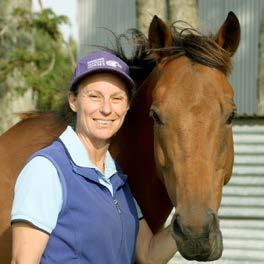
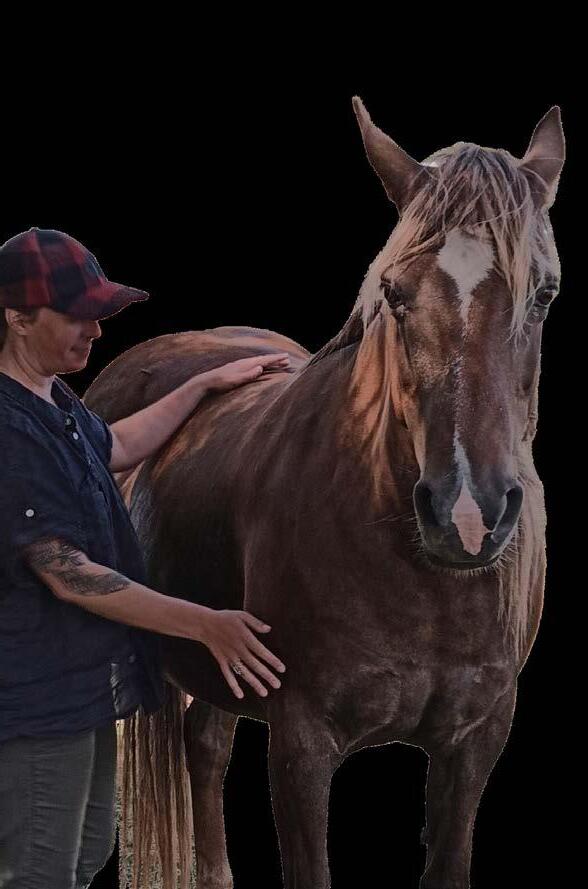
Vogel has loved horses her whole life, and now uses her equine friends to make a difference in the lives of children and adults
because no highly-educated specialist is giving advice and solving the problem for the person.
“With mental health, it is more about finding the source of the problem and
addressing it within oneself. The mental health side of things is handled entirely by the psychiatric nurse who is with me in the arena, and I facilitate the activities with the horses.
powerful,
Anne
“Sometimes it is just about a dialogue in the presence of the horse and how it is reacting. The horse is reading the room and responding to a person’s feelings.
“Natural herd behaviour communicates through understanding and feeling what the whole group is feeling, and they can do that with people, too. There has been a lot of research done on how interacting with horses affects brain chemistry and also how horses read human body language.”
While horses are a big part of the initiative, those doing the programmes do not ride, groom or do horsemanship, but learn alongside the animal. Sessions use a client-driven, solution-oriented approach, including personal development.
“A person could be setting a goal, so I ask them to create a metaphorical journey, asking them about possible obstacles and actions to achieve the goal.
“They create a physical structure in the arena using items like pool noodles, cones, barriers, hoops and other objects to represent a journey towards their goal. I will then bring the horse in and see what it does in that setting.
“The horse could walk straight down the track, cross over it, or knock an item over, which would lead to a conversation about the significance of what it did.
“I’ve discovered that by taking them into a horse arena and throwing in some somatic awareness, one can have a powerful personal experience with the horses. It takes personal development coaching to the next level.”
From giving people the opportunity for life-changing experiences in the personal development and mental health sphere to helping children learn differently, Anne loves what she does. Offering a
12-session programme, Anne says that for true change, people should take their time with it.
“If you really want a long-term difference, it could take 6 to 12 months to complete the 12-session programme. Mostly, we start weekly, then it pushes to every two weeks.
“I need to give the person time to work through where they are in the programme and the process. I am helping people to become more selfaware and to empower them to take control of what they can in their lives — I love my work.”
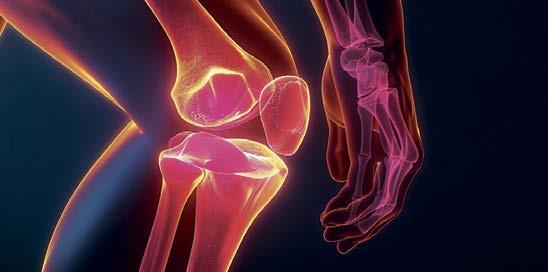
For many, joint health deterioration is the first obvious sign of aging. Gradual erosion of cartilage, is by far the most common issue.
What is Bettaflex?
Bettaflex is the most popular supplement in the Abundant Health range because of its positive support for joints affected by wear and tear, helping Bettaflex users to support mobility and quality of life.
How does Bettaflex work?
Bettaflex has been formulated to support joint comfort and mobility, making it an ideal supplement for those seeking support for joint comfort and stiffness. Bettaflex combines high-grade chondroitin
Why
Bettaflex?
Anne
Anne loves that her work helps people become more self-aware and empowered in their lives
FOLLOWING A FARMING FUTURE
BY DENISE GUNN
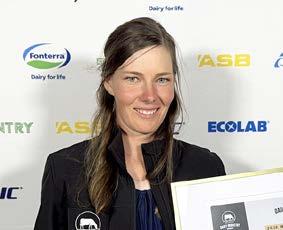
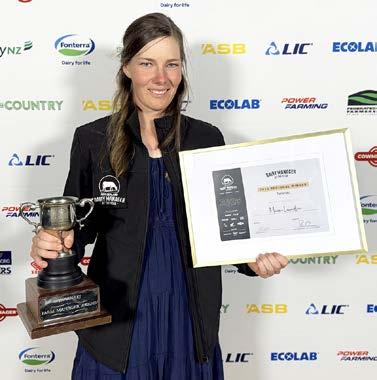
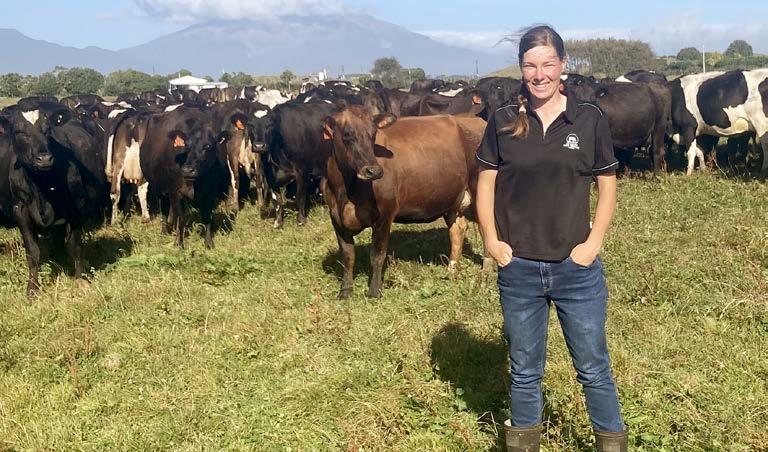
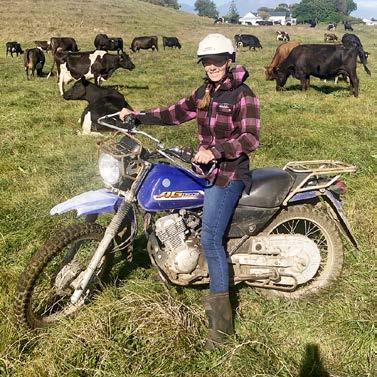
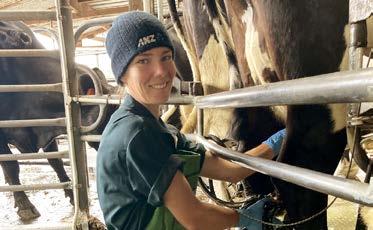
The 2026 Taranaki Dairy Manager of the Year, Miriam Lauridsen, grew up with a passion for farming.
Miriam’s parents were dairy farming before they decided to switch to drystock on their Midhirst farm. From a young age, Miriam loved heading out on the farm, carrying a dream of being a farmer one day.
“After I finished school, I decided to give dairy farming a go because there were more job opportunities than drystock farming,” said Miriam.
“I quickly fell in love with dairy farming. There were also good progression opportunities in the dairy industry.”
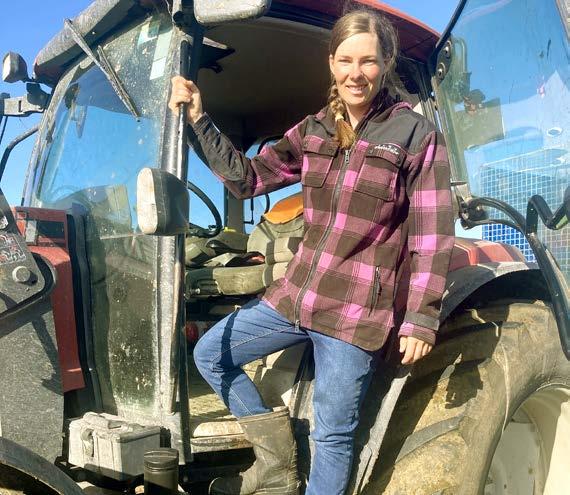
Miriam’s first position in the dairy industry was as a relief milker and calving assistant for a neighbour. Following knee surgery and a lengthy recovery time, Miriam studied and worked in town. From there, she took up a full-time farm assistant position for sharemilkers Warren and Mary Patterson on a Midhirst property.
While working full-time for the Pattersons, Miriam began studying towards the New Zealand Apprenticeship in Agriculture — Dairy Farming (Levels Three and Four) through Primary ITO.
“After the Pattersons, I came to my current job at Liam O’Sullivan’s where I completed my apprenticeship. I started as manager trainee and have since progressed to pasture, forage and herd manager.”
Support from employers and continued studies have boosted Miriam’s confidence to pursue a dairying career. Miriam is now in her third season on Liam’s coastal dairy farm in Warea.
She said as Liam works in town and is off-farm for the majority of the time, this has created an opportunity for her to take on more responsibility and learn a lot of skills.
Although the district’s climate is fairly mild, the farm can dry out during summer. The farm receives an average annual rainfall of 1,500mm.
“The summer dry can be a challenge given the coastal location. This is managed via an annual turnip crop, Proliq, and usually moving to a 30-day round by January 1,” said Miriam.
“We grow six hectares of turnips each year and all silage is grown on the farm. We buy in Proliq and PKE to help fill feed deficits.”
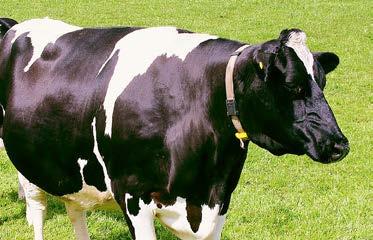
At peak, a herd of 385 Kiwicross cows are milked on the 137ha property — 35ha of that is leased.
“In dry years, we will cull MTs after pregnancy testing at the beginning of February. If really dry, we will dry off heifers earlier.”
Miriam finds coping with the long hours required in the job is the biggest challenge faced during her farming
Miriam won
the 2026 Taranaki Dairy Manager of the Year award
career. She manages this through being selective about which jobs she accepts, and prioritising a work/life balance.
Miriam’s focus over the next few years is building equity and going contract milking
To overcome feelings of isolation, Miriam tries to get off the farm at least once a week to connect with other people.
“I really love being on the farm, but have learnt to have other hobbies outside of farming.”
She said her Christian faith is very important.
“Spending time with God each day helps strengthen me mentally and reminds me that I’m never alone.
“I love working outdoors and seeing the beautiful scenery that God has made. I love that there’s a variety of different jobs to do and that each year can be totally different, which is a fun challenge.”
Spring is her favourite time of year on the farm.
“I like to be busy and I love getting up first thing in the morning to go check on the cute calves that were born during the night.”
Over the next few years, Miriam is focussing on building equity and going contract milking. Long-term, she would like to own land, ideally a farm.
“With building equity, I think that contract milking can help me earn more, but I’m also looking at investing in a rental property this year.”
She also plans to complete a contract milking course through Dairy Training, a self-funded subsidiary of DairyNZ. In addition, she is open to gaining knowledge from her employer, veterinarians, previous employers, and others in the dairy industry.
“Doing Primary ITO study and having such amazing and supportive employers
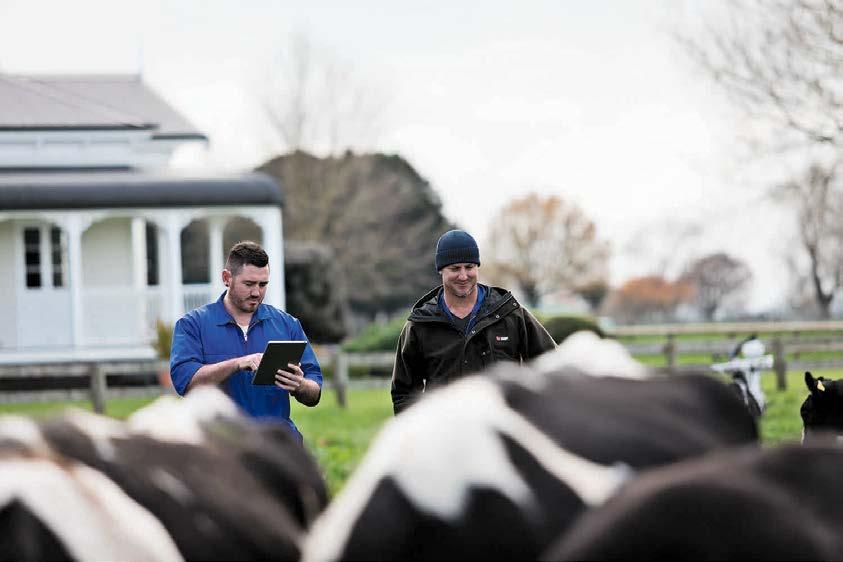
During her three seasons on Liam O’Sullivan’s farm, Miriam has taken on more responsibility and learnt more skills
has really helped me gain confidence, and given me a desire to progress further in the dairy industry.”
Entering the Taranaki Dairy Industry Awards was another challenge for Miriam to push herself out of her comfort zone. She also won the Baker Tilly Staples Rodway Personal Planning and Financial Management, and the Delaval Pasture and Feed Management awards.
“The awards process has challenged me to look ahead and set realistic goals for the future, and to set up actions to achieve them.”
A herd of 385 Kiwicross cows are milked on Liam O’Sullivan’s coastal dairy farm
Meet Julian and Geo . They didn’t move here; they’re from here. Julian provides advice to help you make the most of your Fisher Funds KiwiSaver Plan and Managed Funds investments while Geo works alongside our advisers and banking partners to strengthen local networks.
Get in touch today.
Positive freshwater results
Analysis of decades of research has revealed the implementation of good farming practices plays a critical role in reducing nutrient losses to improve freshwater outcomes.
Researchers from DairyNZ, the Bioeconomy Science Institute (formerly AgResearch), and Lincoln University have explored two decades’ worth of data and used multiple data sources to assess the impact of good farming practice implementation on nutrient loss reductions.
The results showed a clear link between the widespread implementation of good farming practices and lower contaminant losses from land to water on New Zealand dairy farms.
DairyNZ senior scientist Dr Katrina Macintosh says farmers should be confident that the actions they are taking on their farm are having an impact, without affecting productivity.
“Over the past 20 years dairy farmers have implemented a range of good farming practices, including better fertiliser use, effluent management, reduced soil cultivation and improved irrigation scheduling. Until recently, few studies assessed its impact, and when improvements in water quality might be detected,” said Dr McIntosh.
“In recent years, we’ve been working with milk processors using the data they are collecting from their suppliers via their farm environmental plans to better understand environmental improvements.
“Working with Fonterra and Open Country Dairy, plus capturing information
from DairyBase, we were able to analyse multiple anonymous datasets to determine the level of good farming practice implementation around the country and what that means for reducing nutrient losses and improving water quality.”
One of the studies looked at five dairy-dominated catchments ranging from 598 hectares to 2,480 hectares between 2001 and 2020, a period where extension programmes began to be rolled out, and water quality and farm practices were being regularly monitored. The research found good farming practices reduced phosphorus, E coli and sediment concentrations.
Another study looked at uptake of good management practices across a 10-year period between 2013–2022 and the influence they had on nitrogen and phosphorus losses to water from dairyfarmed land.
It found that N management, and improved irrigation and cultivation practice contributed to lower N loss trends, while P fertiliser and effluent storage methods were the most influential parameters for reducing P loss.
“Freshwater management is a longterm game, and it’s great to be able to show farmers the impact of their efforts on-farm over the past 20 years or so.”
by John Arts ADVERTORIAL
Nutritional therapy for joints (Part one)
Being diagnosed with osteoarthritis means you have joined one of, if not the largest health problem clubs.
Your doctor may have arranged X-rays to confirm that you have cartilage loss and possibly degenerative changes to your bones. You may have been referred to an orthopaedic specialist who may have outlined surgical options.
Medicine has essentially three options for osteoarthritis: pain relief, physiotherapy or surgery. Nutritional therapy is based on quality, professionally prescribed supplements and anti-inflammatory diets that can be very effective in improving joint function and mobility. My client files are full of testimonies from people who have had significant reductions in pain and improvements in mobility.
The goal of nutritional therapy is firstly to improve the function of the specialised cells (chondrocytes) that maintain cartilage. Secondly, we want to reduce inflammation in the joint capsule. This is responsible for much of the discomfort and reduction in mobility.
Let’s give your OA symptoms a score of 10/10 discomfort. What would your life be like if this was reduced to 7/10, or
5/10 or even 2/10? I recently caught up with a client with significant knee pain. The worst part was the pain at night. He now reports the pain at night has gone and is significantly better during the day. He has gone from 10/10 to around 2/10.
The question is whether we are willing to try something different. There is the cost barrier. Fortunately, a quality, high chondroitin joint supplement with omega-3 fish oil is about $40 a month, more in the initial intensive period.
Adopting an anti-inflammatory diet will possibly mean some extra costs, but it is hard to put a price on our health. However, in my experience the biggest barrier is simply we are creatures of habit and naturally resist change.
John Arts (Adv.Dip.Nut.Med) is a qualified nutritional medicine practitioner and founder of Abundant Health. To read more articles by John and learn more about the Abundant Health products he has formulated, visit healthhouse.co.nz, call 0800 140 141, or email john@ healthhouse.co.nz.
COMMUNITY NEWSPAPERS – NEWS YOU CAN TRUST
by Paul Campbell
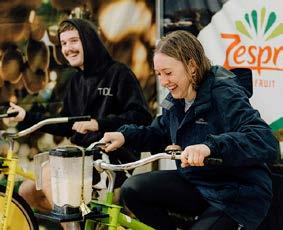
Mystery Creek attractions abound
Innovation is the key to National Fieldays’ events, and these centre on a series of hubs that encapsulate the pillars of the event focussing on the rural and thus the national economy.
The future leads off in this account, and that is the new Drone Zone as visitors ‘take flight’ to discover how drones are revolutionising farm management practices, and explore opportunities to engage with industry experts and innovators.
“Whether you’re a seasoned drone professional or a curious enthusiast, the Drone Zone promises an immersive experience that celebrates the forefront of agricultural technology,” says programme manager Steve Chappell.
The Drone Zone, supported by the Agricultural Drone Association (ADA), will showcase the exciting opportunities drones are opening up for agriculture, with the latest technology on display, advice on a range of new drone careers, information on certification and training available and drone demonstrations
Engagement Sessions interactive hub is bustling with activity, as education providers and sector groups collaborate to present career and education pathways to becoming a part of this vital industry. Several engagement sessions are held daily during the event and are popular among students of all ages.
“Activate the Fieldays Careers and Education Trail layer on the map on the Fieldays App to see all the participating exhibitors that can provide you with information, advice and suggestions that could help you land that perfect career in the food and fibre sector,” says Steve.
“Student tickets are available for $10 each with a promo code. For every 10 student tickets purchased, your group will qualify for one discounted adult oneday ticket at $15, available for teachers or chaperones. To access the code for discounted tickets, please register your school.
“The Fieldays Hauora Taiwhenua Health and Wellbeing Hub has been set up to help us look after ourselves and family. We recognise the importance of health and wellbeing whether struggling with physical or mental health, get free check-ups, talk to health experts, book health appointments and get information, all in one place.”
Free health checks include hearing, blood sugar levels, hepatitis C, skin cancer spot checks, blood pressure checks, atrial fibrillation checks. Health experts
are on hand to answer your questions and concerns — from cardiothoracic surgeons and specialists to a range of health practitioners. It’s a rare chance to hear it straight from the source.
This is a one-stop shop to book those appointments you have been letting slide. Tap the Fieldays Smart Band with exhibitors to gather important information and connect with health and wellbeing exhibitors.
With one in five people affected by mental illness and addiction each year, there are many of us doing it tough right now. Get information and confidential support from mental health workers.
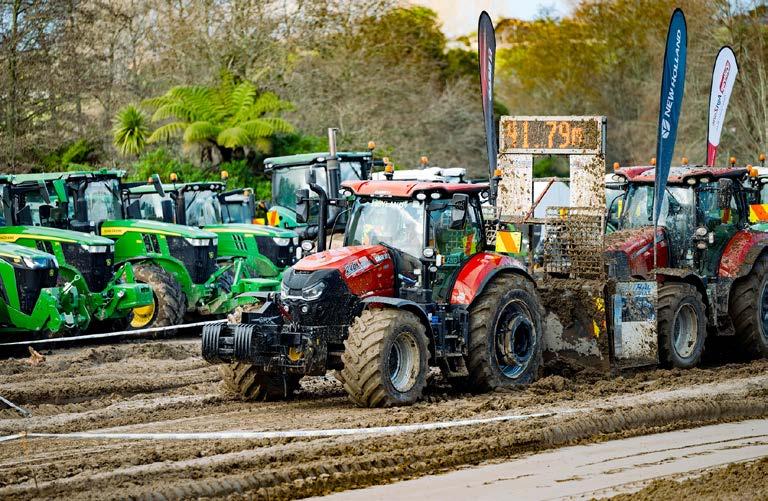
The Tractor Pull is a prime Fieldays’ attraction
Learn about forestry and wood processing at the Forestry Hub, as a dedicated space where visitors can follow the forestry lifecycle story exploring the many facets of the forestry and wood processing sector — from seedling to tree, showcasing nursery technology, innovative engineered timber used in mid-rise buildings, to pharmaceuticals, bioenergy and more.
“Forests generate important economic income for the regions, support biodiversity and help in mitigating the effects of climate change. We are excited to show how planting trees — whether native or commercial — can strengthen farms, landscapes and local economies,” says spokesperson Anna Gordon.
Farm Forestry Association president, Peter Davies-Colley, says FFA strongly supports the Fieldays Forestry Hub and has been heavily engaged in its design
and development. The farm forestry section of the hub has experts and practical information available on multiple plantation species, with a focus on redwoods, eucalypts, cypresses, poplar and willow, and radiata pine.
Anna Gordon says that the multibilliondollar forestry sector is a major employer in New Zealand, employing over 35,000 people in both year-round and seasonal jobs.
“People of all ages and abilities can find great careers in this sector — from planting and managing native forests and looking after the forest environment, to managing people and resources and working with state-of-the-art technology,” says Peter Davies-Colley.
Fieldays Rural Advocacy Hub is where all the big conversations about the future of farming happen, and those in the industry have an opportunity to
get involved. Federated Farmers and Fieldays are proud to have delivered a one-stop-shop for grassroots farmers to discuss the big issues impacting our rural communities. At least a fifth of parliament’s MPs spoke from the podium, or popped in for a chat, including seven cabinet ministers, at the 2025 event.
“Farmers need to be actively involved in political decision-making and shaping the future of our sector. Fieldays is the ultimate launch platform for Innovation.”
The Fieldays Innovation Awards deliver a global platform for problem-solvers to showcase their innovation to the primary industries, while providing the opportunity to bring in more customers, investors, advisers, media and potential partners in just four days than you’ll find anywhere else. Entries for 2026 have now closed.
Health and fitness is a busy event hub
Informative events add Fieldays’ lustre
A time for town and country to gather
by Andy Bryenton
Innovation in the spotlight
The National Fieldays will once again bring out the best new ideas in farming technology, with the 2026 Fieldays Innovation Awards attracting a competitive field of genius-level intellects.
“The Innovation Awards continue to attract exceptional entries that shape the future of agriculture and food production, and this is something we are proud to support and advocate for,” said Agritech New Zealand CEO Brendan O’Connell, one of the panel members convened to judge the awards.
“The Fieldays Innovation Awards are the leading showcase of primary sector innovation in New Zealand. Many of our members have taken part, and we’re using our global relationships to bring international innovators and their ideas to the New Zealand audience through Fieldays.”
There’s a long history of the awards promoting new thought and debuting new ideas. Last year saw winners across four categories push the boundaries with inventions to help in horticulture, livestock and arable cropping.
The prototype award went to Ruminant Biotech, a company that has developed a new slow-release bolus called Emitless, which delivers a more than 75 per cent methane output reduction in cattle, lasting 100 days from a single treatment.
Alps2Ocean Food Tapui won the earlystage award, with its product Mīti, designed to process excess dairy calves into a worldfirst, shelf-stable protein snack.
CropX took out the growth and scale award, with the expansion of the CropX platform and the development and incorporation of the Evato1 evapotranspiration sensor. With more data available to farmers through this system, the judges praised CropX for facilitating smarter, more efficient practices.
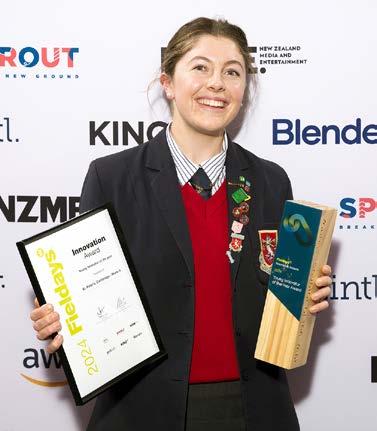
Finally, students from St Paul’s Collegiate School’s KiwiPrune team won the Fieldays Young Innovator Award for their idea to simplify the labour-intensive task of removing plastic clips used to secure kiwifruit vines.
“Each year, we see practical problemsolving from people who understand the pressures and opportunities in the primary industries,” says New Zealand National Fieldays Society programme manager Steve Chappell.
“The Innovation Awards are about connecting those innovators to the people and opportunities that can take their ideas further, in New Zealand and beyond.”
This year, prizes totalling more than $75,000 are up for grabs across the same range of categories, as well as a people’s choice award. The ultimate goal for innovators showcasing their wares at the Fieldays is the recognition of a global market, and the opportunity to turn smart concepts into multimillion-dollar industryleading success stories.
Penny Ranger’s Mark-It sheep drenching identification system was a previous top Fieldays innovation
by Andy Bryenton
Fieldays’ spirit of volunteering
In 2025, the National Fieldays at Mystery Creek was made possible by the efforts of 151 volunteers, who stepped up to make New Zealand’s biggest farming event a success.
“Our volunteers are the reason we have reached 58 years,” says Fieldays people and culture executive Beth Jobin. “Their commitment and passion are what keep the tradition alive. Every year, we look for new faces to join us and become part of something truly special.”
The New Zealand National Fieldays Society is a charitable organisation, just like the committees nationwide that organise A&P shows, but on a huge scale. That means they rely on volunteers, and they have always found willing hands to pitch in. An example of the spirit of volunteering, which makes the Fieldays happen, is the winner of the event’s volunteer rookie of the year award for 2025, Keith Flockhart, or Anita van Beek, who says she first got involved as a car park attendant with the NZ Young Farmers, 26 years ago.
“Those first few years were full-on, helping in the site services team. I would start on gate two, welcoming exhibitors, then move on to deliveries, then helping with the vintage tractor parades, and then either roaming or area-specific exhibitor assistant, and of course, afternoon traffic management,” says Anita.
“It’s incredibly satisfying to be part of something so dynamic and to interact with such a wide variety of people, whether that’s team members, exhibitors or visitors.”
For the past 12 years, Anita has driven the visitor shuttle, acting as an ambassador for the event as she ferries folks to the heart of the action. However, volunteers span every space within New Zealand’s premier rural occasion, from ticket takers and administrators to support crews and parking assistants. Universally, those who have been involved speak of
the value of the experience and how it’s rewarding socially as well as professionally.
“I enjoyed meeting many people from across the world, all coming to Fieldays at the bottom of the world to do business,” says Peter Fisher, a volunteer since 2018. “Volunteering is a good social thing to do, enabling you to give back to the community. You make lifelong friends.”
As the 2026 Fieldays approaches, the committee organising this mammoth undertaking salutes all those who have given freely of their time across almost
six decades of innovation, celebration and industry. They’re also keen to hear from those who will help for 2026. If you would like to get involved, visit nznfs.co.nz/ working-with-us/volunteering.
The Fieldays in Mystery Creek runs on a spirit of volunteering, and those who have been involved through the years report that it’s a rewarding experience
Who are you going to call?
Agriquip
Bioboost
Builtsmart Ltd
Chem-Dry Taranaki
Clark
Energy City Ford New Plymouth
759 8402
754 8454
755 1144
828 9285
769 5300
224 3011
758 5125
752 2011
757 5639
Equine Interactive 022 317 6034
Filbee Kells & Co ............................................................
Making it easier for tradies coming to your home or farm this winter isn’t just about being courteous; with the cost of diesel, making a job swift and simple could save both of you money.
The reason we call in the experts is that often, as homeowners, we don’t have the know-how to cure every leak, blown fuse and stubborn appliance. However, sometimes knowing more than just ‘it’s broken’ can mean the difference for the tradespeople we call on for specialist expertise.
To ensure that any repairs you might need this winter go smoothly, swiftly and with less expense, take a little time to make it all clear and concise. That doesn’t necessarily mean reading screeds of internet information on your unresponsive oven or wheezing extractor fan. Still, it’s a major help for the folks coming to help out with it, if they can know its make and model. Sometimes, that’s in the warranty paperwork which you might have kept.
Sometimes, it’s printed on the machine itself. Even the make of a device can be a big asset. If it’s not well marked, take a photo with your phone and send it to your repair technician; they are likely to have a broad knowledge of different products in the market.
Then there’s another big factor; is it likely to be a repair or a full replacement? If the device that’s gone wrong is old or
and the best possible idea of the tools and parts they’ll need; they’ll thank you and the job will get done faster and more economically
if it’s failed on you before in this same manner, it might be time to send it to the scrapheap. If smoke has come out, a burning smell has been noticed or if it’s given you a shock, tell your technician before they pull it open to find a blackened mess that will never be safe again.
Taking a picture is also a good idea when you’re dealing with things like window replacements and carpentry fixes, where accurate measurements are
welcome but may not tell the whole story. The final consideration to make is: how easy it is to access the spaces where a tradesperson may need to go.
Climbing under crawlspaces, getting into ceilings, accessing the backs of cupboards or wrangling heavy whiteware are one thing, but setting up ladders and plunging into garden overgrowth is another. Getting furniture out of the way, ensuring safe paths to carry tools and gear, and even sometimes a pass over with the weed whacker, can show that you’re helping make the job go smoothly.
Give your local tradies a clear shot at their work area,
We’re here for the good of the country.
by Andy Bryenton
Who are you going to call?
Tune up to save
With fuel prices at all-time highs, making sure your vehicle gets the most from every drop can potentially save you hundreds of dollars; here are some tips from the professionals.
Get rid of roof racks you’re not using, as they can drop fuel economy by five per cent, just by causing drag. After-market racks, and other storage pods, roof tents and bike carriers make your vehicle less ‘slippery’ and really cut into your fuel bill.
Your tyres play a massive part in fuel economy, even more so in some cases than the engine itself. Damaged tyres, uneven tread wear and under-inflated tyres can slash between 3 and 10 per cent off fuel efficiency, and it gets worse the faster you go, so highway trips end up costing more.
Speaking of those motorway missions, it’s worth noting that at speeds above 80km/h, it’s usually more efficient to have your air conditioning on rather than wind down even a single window? Modern aircon is more frugal than old units, and while not having the chill turned up is the best way to save fuel, it’s still better than creating excess drag with open windows, at least on the open road. The US Automobile Association
puts the fuel efficiency loss at anywhere up to 20 per cent.
Now we come to the big ones; the factors which really spell trouble for loss of fuel economy. Most modern cars with fuel injection have oxygen sensors, and if one of these is out of whack, it can cause anywhere up to a 40 per cent increase in fuel consumption. Worn spark plugs with a weak spark can rob you of 30 per cent of fuel economy.
A clogged or worn air filter starves the engine of oxygen, with bad results for fuel efficiency. This is a job you can easily do at home, by taking your old filter from its housing and getting a direct, plug-andplay replacement from your local auto parts store. This one may not even need the use of any tools.
A poorly-tuned engine or one with issues like these might display a rough idle, sluggish acceleration, or chug out smoke from the exhaust. All of these factors can creep in well before the ‘check engine’ light goes orange.
Finally, have your wheel alignment checked. Alignment can drift out of true due to the knocks and wear of driving
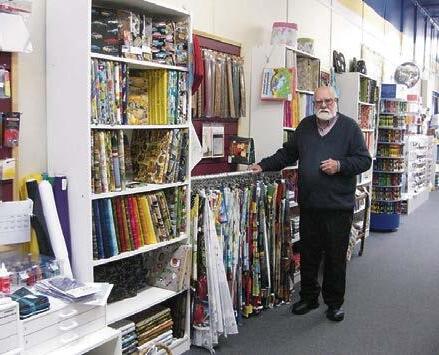
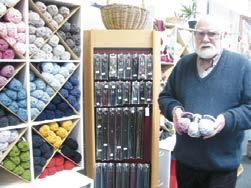
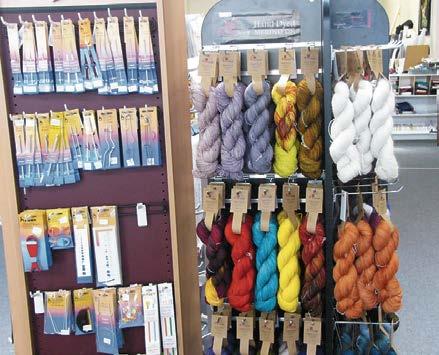
I specialise in 4ply to chunky wool. Loyal, Broadway Yarns. Haberdashery, Embroidery Cottons. Quilting & NZ Fabrics. Blenders & Children’s Fabrics. Needles – Wood, Aluminium, Bamboo.
long distances, and it’s as important as fresh rubber for both safety and fuel efficiency.
Winners at water
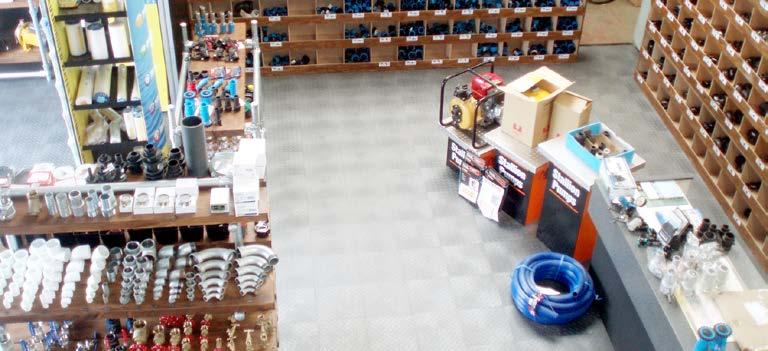
Machinery Maintenance Ltd has been servicing Whanganui and Taranaki for all of its water pump, irrigation and reticulation needs, amongst others, for over 53 years.
With decades of experience in and around the community, the business prides itself on providing customers with domestic and farm water pumps, plus much more. As Davey Water Products’ master dealers, we supply domestic, commercial, spa and pool pumps, water filters, water softeners and UV treatment systems.
We sell and service, and can supply many different brands of pumps.
• Effluentsystems
• Watertreatment&pumps
• Milkmachineryupgrades
• Registeredmachinetesting
• Machineservicing
• Newmilkingmachineryinstalls
We have purchased a Spintouch Pool Water Tester, which enables us to complete a pool water test in minutes, producing a report on chemicals required to keep your pool sparkling. We now carry a good range of pool chemicals in-store.
Machinery Maintenance is an agent for Prattley Datamars, and we are able to service their electric drafter and weight scales. We install irrigation and farm reticulation systems and have our own lifting rig to remove submersible pumps from bores.
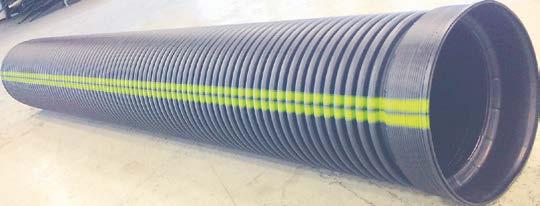
Being RX Plastics agents, we can supply pipe, K-Line irrigation pods and plastic tanks.
• Watertreatment&pumps
• Milkmachineryupgrades
• Registeredmachinetesting
• Machineservicing
• Newmilkingmachineryinstalls
Machinery Maintenance is an authorised dealer of GEA Farm Technologies, servicing Milfos and Westfalia Surge Milking Machines. Our team of experienced servicemen completes upgrades and service work on all dairy equipment, and includes a registered milking machine tester.
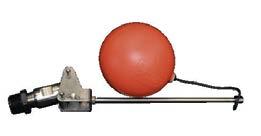
We are able to supply many different effluent system options, including Houle equipment, K-line pods or travelling irrigators. See us in store for RX water tanks, pipe, hose, lever valves, ballcocks, fittings, PVC, Anka, S/S, camlocks, plus all other pump and dairy essentials.
Visit the team at 99 Ridgway Street, Whanganui and explore the showroom or contact the office on 06 348 9239, or 0800 667 867. For more information, visit our website — machinerymaintenance.co.nz.
COMMUNITY NEWSPAPERS NEWS YOU CAN TRUST
by Andy Bryenton
Who are you going to call?
New horizons for CFMoto
It’s been a month of new arrivals and big announcements for CFMoto, as the manufacturer embarks on a globe-trotting tour of reveals for machines for on and off the tarmac.
It began in France, where CFMoto has achieved the title of best-selling off-road vehicle brand. To celebrate, their French vice president Markus Ferch and his team took to the beaches, debuting a new CForce C4m, C5 and C6. Six trails for customers to try out showed off the power of the new generation of CForce quads, which has been optimised for farm work.
Then came the 139th Canton Fair, a showcase of industry and manufacturing, which is held in China for more than 300,000 buyers across a range of automotive products. CFMoto coverage puts the Canton Fair in the same bracket as the prestigious EICMA motorcycle show in Italy. This year, CFMoto used the occasion to debut a range of interesting new models, from 250cc road bikes for commuters and learners, through to the 675SR-R, a race-bred ‘adrenaline bike’ with a proprietary-designed threecylinder engine.
Also on the stand was a bold foray into adventure bike design. The 1000MX-T develops 111hp alongside 103Nm of torque, but that’s not the whole story.
CFMoto keeps on creating new ways to enjoy horsepower and put it to work
Cornering antilock brakes and three levels of traction control come standard, as does a heated seat and heated grips.
That’s a big portfolio of new machines, but the best has been left for last, and for us. New Zealand now has delivery
of the ZForce 950 Sport, a side-by-side off-roader, which shows off some of the durability and zest that allowed the company to do so well in recent Paris to Dakar rally events.
With a powerful 963cc four-stroke v-twin tucked low in the middle, and a healthy 85 horsepower on tap, the latest iteration of the ZForce name is compact and aggressive at the same time. There are two power modes for the driver to access; normal mode for low-speed manoeuvres and sport for when it’s time to let loose. The little 950 Sport sits on 14inch alloys with grippy, mud-friendly tyres, and boasts 305mm of ground clearance. Of course, the fine detail for any machine like this is in its suspension set-up, and CFMoto engineers have worked hard to evolve the previous platform beyond what was already reckoned a point of nimble balance. With the addition of tool-free compression damping adjustment and adjustable tie rods on the quadralink rear suspension set-up, the lightness and torque of the new ZForce shine through across multiple types of terrain.
by Andy Bryenton
VEHICLES & MACHINERY
Prelude’s sixth symphony
The Honda Prelude was first conceived of as a sports coupe to sit next to the Civic in a revitalised range, all the way back in 1978.
Brock Yates of Motor Trend called it “a splendid automobile. The machine, like all Hondas, embodies fabrication that is, in my opinion, surpassed only by the narrowest of margins by Mercedes-Benz.” Then — it got even better.
The most iconic Preludes, to those of a certain age, are the series three and series four, cars which come at the peak of JDM coupe dominance, and cemented Honda as a maker of exciting vehicles on four wheels as well as two.
The third-generation Prelude was a baby NSX, all sharp lines and pop-up headlights, with innovative four-wheel steering and a punchy two-litre inline four. The fourth generation upped the ante, with more displacement and horsepower, as well as the magic of VTEC from 1994 onward. Up until 1999 there was a more angular fifth evolution as well, and it found a similarly large fanbase.
All were a pleasure to drive, and remain so for collectors lucky enough to have an immaculate example in their garages Up until very recently, that was the only way to get behind the wheel of a Prelude and see what all the fuss was about — but no more.
With the discontinuation of the Civic and Accord coupe variants, Honda needed a badge to revive which encapsulated
speed, refinement and innovation. Hence a brand-new Prelude, teased at the Japan Mobility Show in 2023, and now on its way to New Zealand.
Once again, there’s a hint of the modern NSX about the new liftback lines of the sixth-generation Prelude, but also a nod to the rounded, slippery contours of the fourth-generation car. There’s 200 horsepower on tap from a hybrid petrolelectric system under the hood, and the chassis layout is identical to the fire-
breathing Civic Type R. Before it even lands in New Zealand, it’s picked up the best coupe award at the 2025–2026 New Car World Championships. What stunned the judges in Europe should work very well on Kiwi twists and turns, too.
“We’re fortunate to experience some of the world’s best driving roads in New Zealand, and now with the all-new Prelude, Kiwis will have a car that promises an elevated, connected and fun driving experience,” says Honda New Zealand managing director, Carolyn McMahon.
She and her team will be expecting major interest as the new Prelude goes on sale this May, with a base price of $69,990. That puts this exciting Honda firmly in the sports car segment, battling it out with the Toyota GR86, Mazda MX5 and the Nissan Z in a new era of Japanese-manufactured driver’s machines. If you are keen on an engaging, exciting drive, the recommendation echoes down from 1988; you simply have to give the Honda Prelude a try.
New Honda Prelude — a classic badge returns with plenty of promise
by Andy Bryenton
Research for a fertile future
That’s why research into better management of fertility in the national dairy herd is critical, and why a group of industry leaders has banded together to form the Resilient Dairy Programme, a joint venture with DairyNZ and its subsidiary New Zealand Animal Evaluation, breeding company LIC, and the Ministry for Primary Industries.
Their aim is to improve animal wellbeing and health diagnostics, promote genetic innovations and genomic advancements. Scientists have compiled extensive research during the past 10 years, exploring new methods of cattle pregnancy diagnosis, including wearable technology. This technology can also be used to monitor the time from calving to first heat more accurately.
“Most New Zealand dairy herds calve seasonally, so timing matters. When cows don’t conceive early in the mating period, they calve later the following season, produce less milk early in lactation, and are more likely to be carried over,” said DairyNZ senior scientist Dr Susanne Meier.
“The fertility breeding value (BV) estimates how desirable an animal’s traits are when passed down to offspring. Genetics is one of the tools available to farmers to help improve herd reproductive performance. Every season’s mating decisions shape the future of the herd.”
Fitting better pregnancy diagnosis and ways to measure calving-to-first-heat chronology into the way farms operate is fundamental, but has strong potential. Wearable technology for cattle has come a long way and is now unobtrusive, durable and affordable. As these traits are influenced by genetics, measuring them accurately can lead to insights and advancements which benefit the entire sector.
“DairyNZ is well placed to act as a ‘trait development accelerator’, bringing the right people together early on — geneticists, sire selection and sales teams, and data custodians early in the development cycle,” Dr Meier said.
“By coordinating this work early, it reduces risk and avoids duplication. Importantly,
Wearable technology can provide valuable real-time data to help boost research into cattle fertility
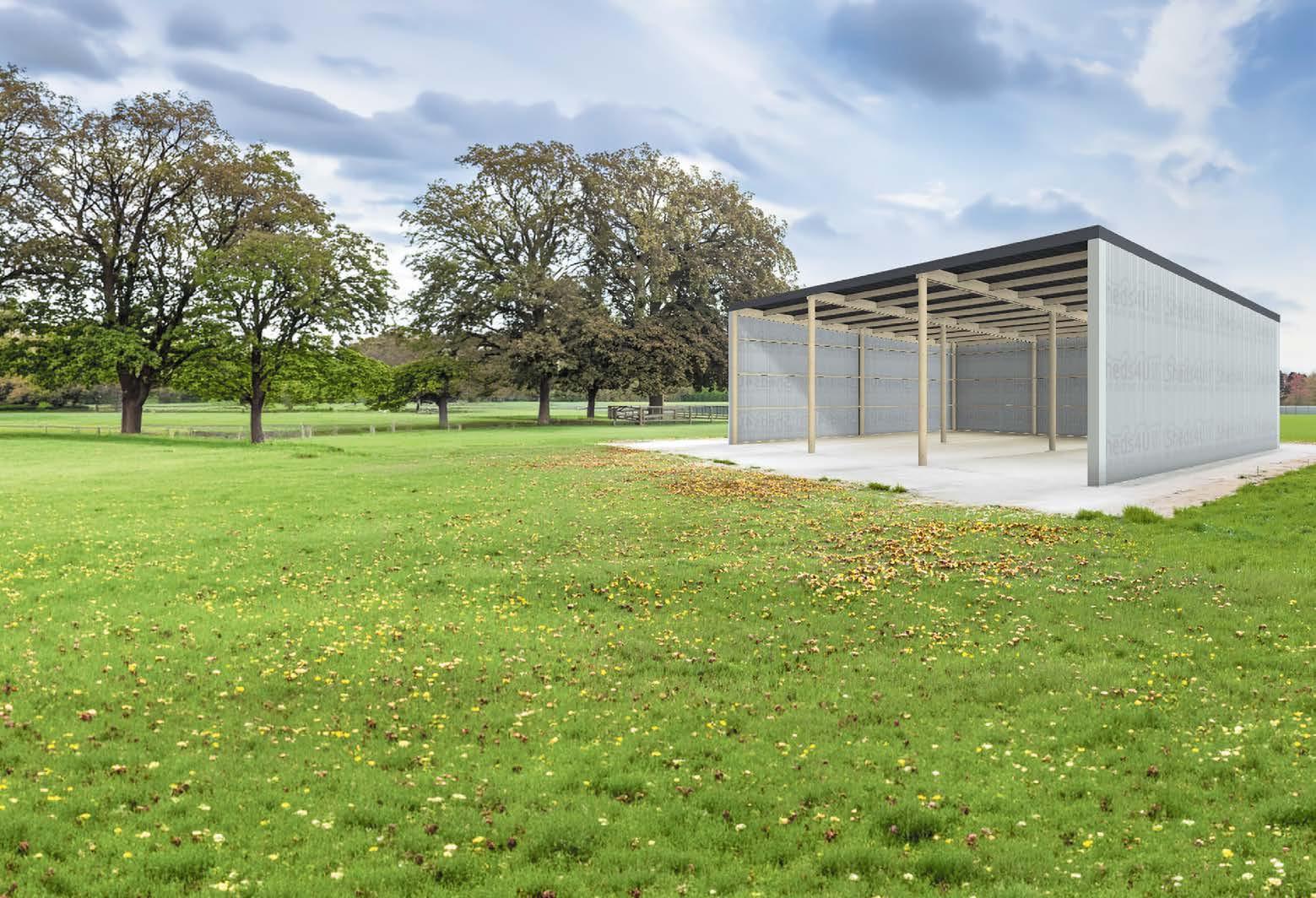
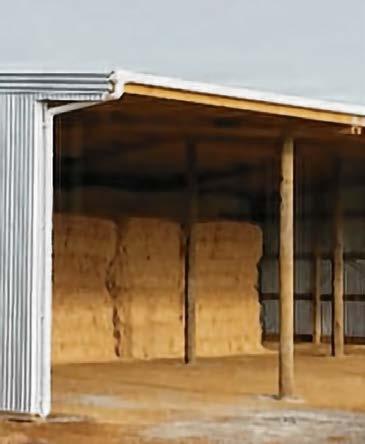
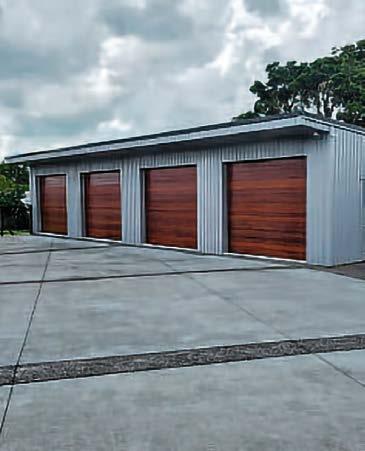
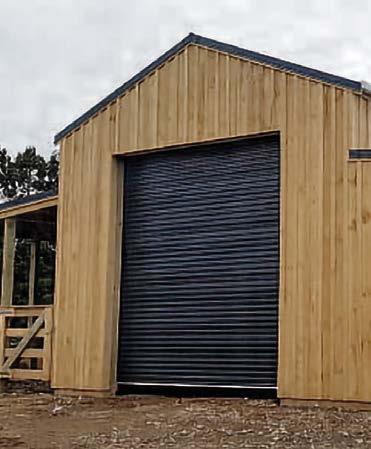
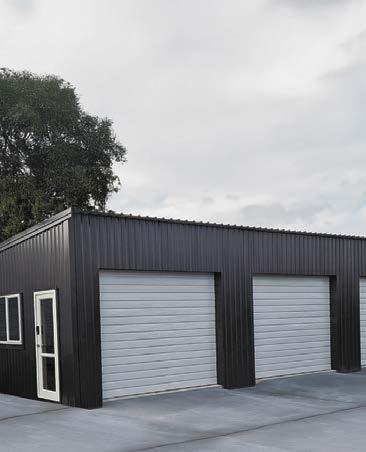
With over 50+ years building sheds, we can design a shed to match your needs, and stand up to Taranaki’s harsh conditions. From haysheds to implement sheds, workshops to
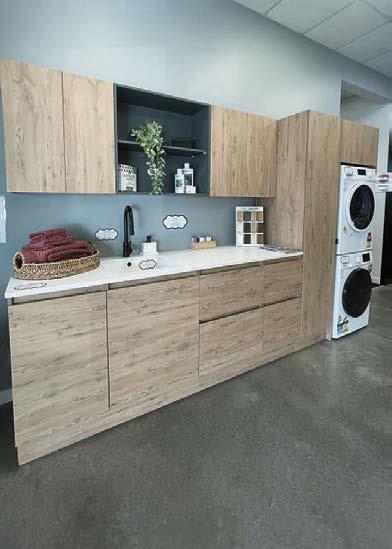
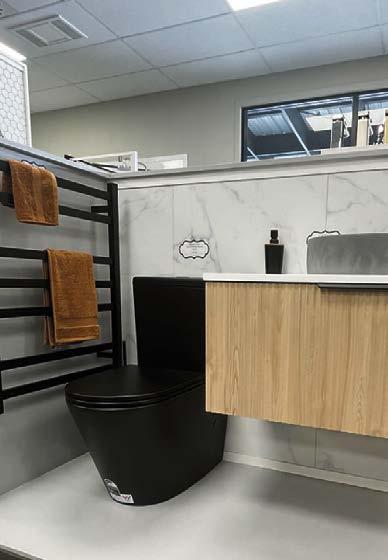
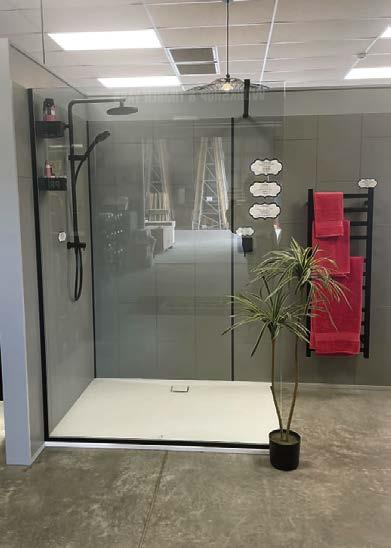
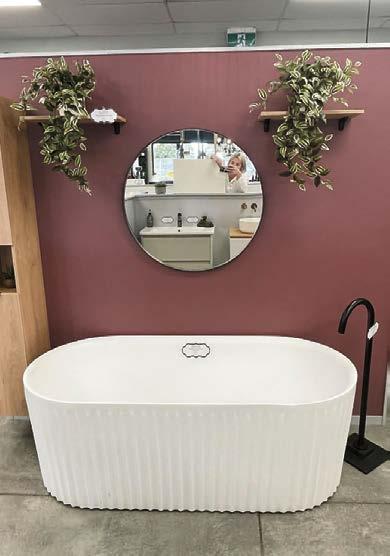
BATHROOM, TOILET, LAUNDRY INSPIRATION
Check out our fabulous showroom for more renovation inspiration, showcasing products from NZ’s most trusted and respected brands.