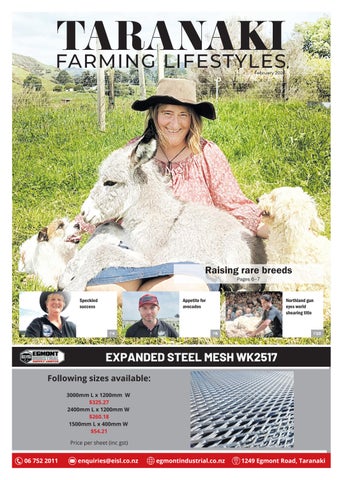
9,074 copies DELIVERED FREE to every rural delivery address in Taranaki.
Cheaper, easier, safer: a win for rural youth
by Barbara Kuriger, MP for Taranaki/King Country
For many young people in rural areas, a driver’s licence isn’t just a piece of plastic — it’s their lifeline. It’s how they get to work, training, school and healthcare, often over long distances with little or no public transport.
That’s why the recently announced improvements to the driver licensing system will be warmly welcomed by rural communities.
From January 25 2027, the government will overhaul New Zealand’s Graduated Driver Licensing System (GDLS) to make it cheaper and easier to get a driver’s licence. The changes are expected to deliver particular benefits for rural areas, where being able to drive is often essential for daily life.
Under the new system, the total cost of getting a Class 1 car licence will drop by $80, from $362.50 to $282.50. This saving comes largely from removing the full licence practical test for car drivers, cutting not only fees but also the time and travel costs involved in sitting tests, a real bonus for people who currently must drive long distances to reach a testing centre.
Young drivers under 25 will spend longer on a learner licence — 12 months instead of six — but they can reduce this to six months by logging supervised practice hours or completing an approved practical course. The aim is to give young people more real-world driving experience,
including on rural roads where conditions can be more demanding, while still allowing motivated drivers to move through the system more quickly. Will safety be compromised? No. The restricted period will be 12 months for under-25s and six months for those 25 and over. Restricted drivers who receive demerit points will stay on their restricted licence for an extra six months, reinforcing safer driving habits. A zeroalcohol limit will apply to all learner and restricted drivers, an important safeguard on rural roads where serious crashes can have devastating impacts on tightknit communities.
In short, these licence changes aim to make life easier and safer for rural drivers: cutting costs, reducing long trips for tests, and encouraging more real-world driving experience, especially for young people.
With tougher expectations around safety and ongoing reviews built in, the new system is designed to open work and training opportunities while helping keep rural roads, and rural communities – safer and stronger.
by Andy Bryenton
From tariffs to quotas
The end of 2025 saw a major trade deal inked between New Zealand and India, with tariffs eliminated on all but five per cent of exports leaving for the Indian market.
The deal capped a year in which tariffs were the buzzword, thanks to sometimes unpredictable moves from the US government, which caused instability in some spheres of international trade. New Zealand proved to be nimble and well positioned to take advantage; other deals with the United Arab Emirates and the EU deepened economic ties.
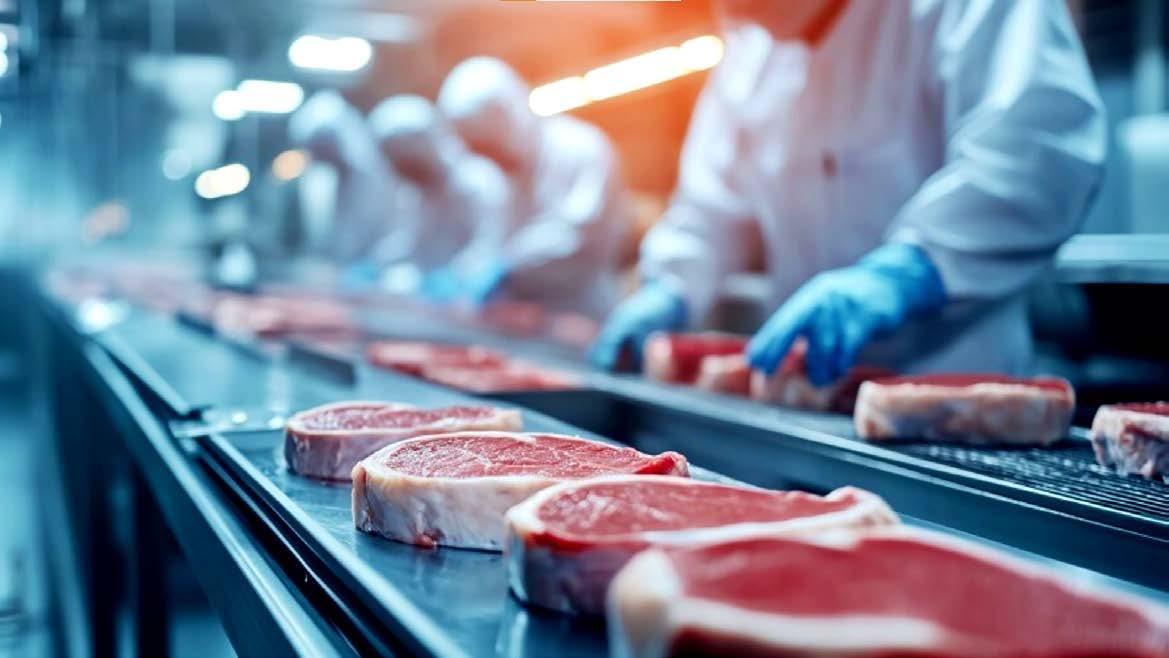
In January the talk shifted from tariffs to quotas, with China announcing strict beef import numbers, designed to help its own domestic market with a form of protectionism. New Zealand has been allocated a quota of 206,000 tonnes of beef each year, rising to 214,000 tonnes. Any tonnage above this figure would face duties.
On the face of it, this sounds like a return to some of the restrictive policies of yesteryear, but the devil is in the details of this potentially $1.75 billion development.
“This quota, whilst unwelcome, is larger than the last two years’ beef exports to China of around 150,000 tonnes per year, and New Zealand exports are unlikely to face restraint under the arrangements,” says trade and investment minister Todd McClay.
“I’ve been able to make the case to my Chinese counterparts on three occasions last year that New Zealand exporters are not harming the Chinese beef market and therefore should not be adversely affected
by any safeguard measures. Our quota allocation means beef exports under the China NZ FTA are, in practice, unaffected.”
This means that Kiwi beef headed for China will not be impacted unless output grows; good news for Mr McClay to deliver, as he’s also responsible for the agriculture portfolio. That export tonnage
may be needed, though; other nations may well exceed their quotas, meaning that the headroom New Zealand has been afforded could be a blessing.
China is New Zealand’s second-largest beef market after the United States. In the 12 months to November 2025, 19 per cent of New Zealand’s beef exports by value, $961 million, went to China, representing approximately 4 per cent of China’s total beef imports. The appetite for high-quality meat in China continues to grow along with that nation’s growing middle class, with 11 million tonnes of beef destined for Chinese supermarkets and restaurants this year.
Beef exports to China face a new quota cap — but it’s one which actually exceeds the amount we send there annually
SPECKLED SUCCESS
BY DENISE GUNN
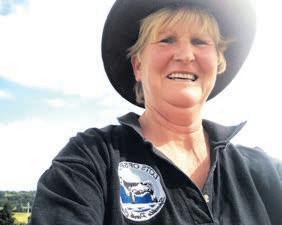
Following her return to New Zealand after working overseas, Janice was raising some crossbred calves when she took a trip to the Central Districts Field Days. While wandering around, she came across Mark McKenzie’s stall with some Speckle Park cattle from his Maungahina Stud.
“I really liked them, and I ended up getting three embryos from Mark back in 2011. He made sure all three were from different sires and cows, so I managed to get two heifers and a bull from that,” said Janice.
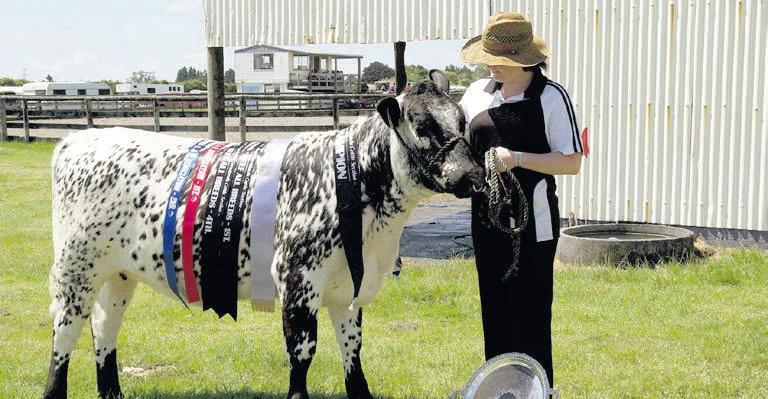
During the show season, Janice exhibited her calves at the Egmont A&P Show in Hāwera, and the Stratford A&P Show, with great success. Her best cow
won supreme champion at the Stratford A&P Show in 2015, and at the Egmont A&P Show the following year.
“I took her and some of the others to the Easter Show in Auckland in 2015. My friends came with me and we slept beside the cattle to keep an eye on them.”
As there were no Speckle Park classes at this show, Janice entered her cattle in the general section.
“The cow won reserve champion and my little bull ended up winning the bull section, beating the Angus and another lovely Charolais. The judge was from Australia and told me if my cow was at the Sydney Royal Show that year, she would have been very successful.”
OUR BUSINESS IS GROWING CLOVER
Fertiliser products for healthier stronger pastures
Fertco offers the New Zealand agricultural industry some of the most effective soil and plant nutrient products on the market today. Fertilisers that can deliver you a better return and often are kinder to our environment at the same time.
“Dad was getting older, so I began leasing his block. He died suddenly in 2020. Mum wanted to go into a home then, so I had to buy more land.”
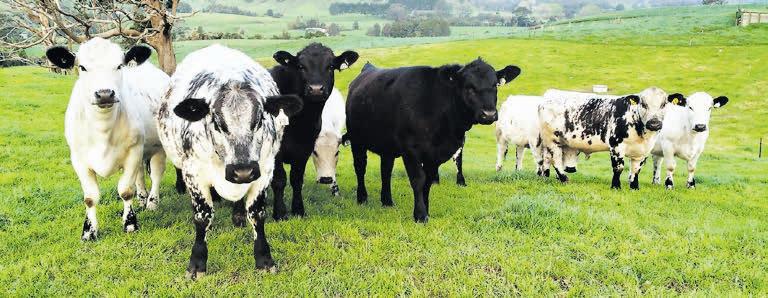
Some of Janice’s herd on her LotsASpots Stud
The following day, Janice’s cow placed third in the interbreed section. Under the stud name LotsASpots, Janice originally bred her cattle on a four-acre lifestyle block.
Good growth rates, easy calving ability, docility and striking markings first drew Janice Aldridge to Speckle Park cattle.
In December 2020, Janice bought 13ha of bare land near Waitara. She lived on the property in a small teardrop caravan while her house was being built and relocated. During this time, Janice built yards and loading facilities.
“I built it up from there,” she said.
Since then, Janice’s herd numbers have increased. However, during last year’s drought she had to cull a few, dropping back to 12 cows.
“I kept the best bull calves to sell at the weaner sales.”
With quite a few heifer calves born in 2024, Janice said her herd should be back to 20 this year.
“They are nice quiet animals with ease of calving, and I’m impressed with how big they grow. My two-year-old heifers even calve with no problems.
“I don’t seem to have any problems with them at all. They are just so
easy to look after and look good in the paddock.
“I can still go up to my former show cows and stroke them; they are good mothers.”
Speckle Park cattle were developed in Canada, originating through crossbreeding British White Park and Teesdale Shorthorn/Angus. Recognised as a pure breed in 2006, Speckle Park is considered to be one of the fastest-growing beef breeds in the world.
Janice finds Speckle Park continue to keep their condition even during droughts.
Baleage grown on the property fills in the gaps.
“I do my own replacement feed as I know what I’m getting and not importing any weeds.”
After using AI on her previous property, Janice bought a bull when she moved to the larger block. She uses a different bull every couple of years, and her yearling
bulls are often sold to dairy farmers to use over their heifers.
“I’ve bought bulls from Mark at Maungahina Stud, and also from Derek Hayward at Premier Stud in Cambridge.”
She appreciates the larger breeders who can bring in new genetics. Janice fits her farm and cattle chores around her fulltime employment as a medical laboratory scientist at Taranaki Base Hospital, where she works different shifts.
“I would like to breed and show more, but I also do dog agility and alpaca shearing, so any spare time goes into that.”
She shears around 400 alpacas in Taranaki and south to the Manawatū between November and January.
“Long term, I’ll continue improving the stud, and probably just keep going. They are easy, so I should be able to keep breeding them for another 10 or more years.”
Melanie with one of Janice’s heifers LotsASpots Dos
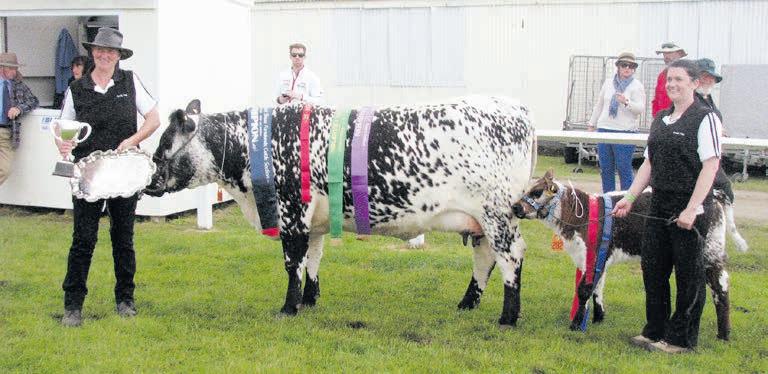
From left: Janice leading her cow LotsASpots Dos, with friend Melanie Williams leading calf LotsASpots Lucy
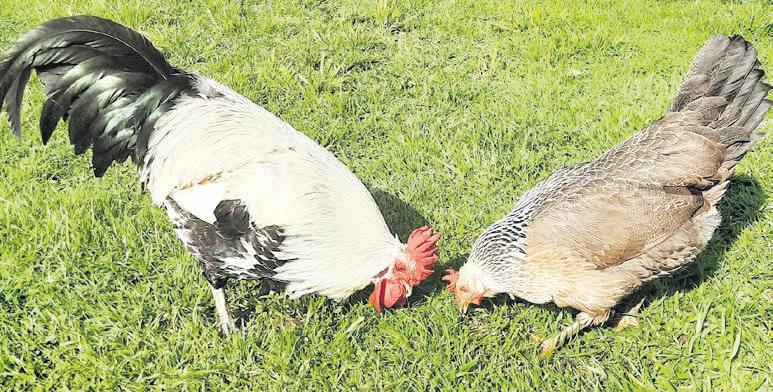
While living in Fitzroy, New Plymouth, Tigerlily’s son Leonardo hand-raised three Brown Shaver hens.
“They were great pets and reliable layers, but we were dismayed by their short lifespan of only three to four years, being purely bred as egg producers. This drove home the downside of some of the modern genetics in common hen breeds,” said Tigerlily.
Since moving to her property near Douglas, Tigerlily has bought some Sicilian Buttercup chickens from John Earney at Avonstour Island heritage farm.
“It’s quite surreal to know there are breeds out there that have been around for hundreds of years, or potentially thousands, and could still be recognised by the ancestors today. Their double-comb is quite eye-catching.”
“The hens are good egg producers, great personalities and are much longerlived than the Brown Shavers,” she said.
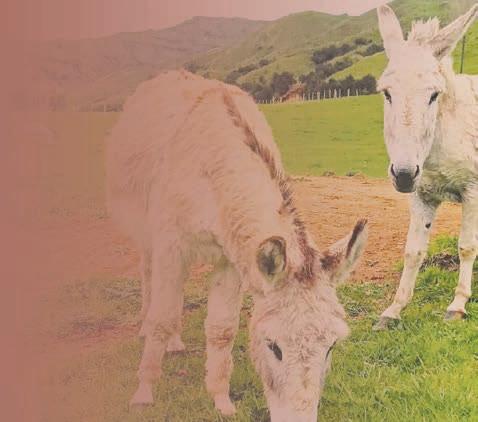
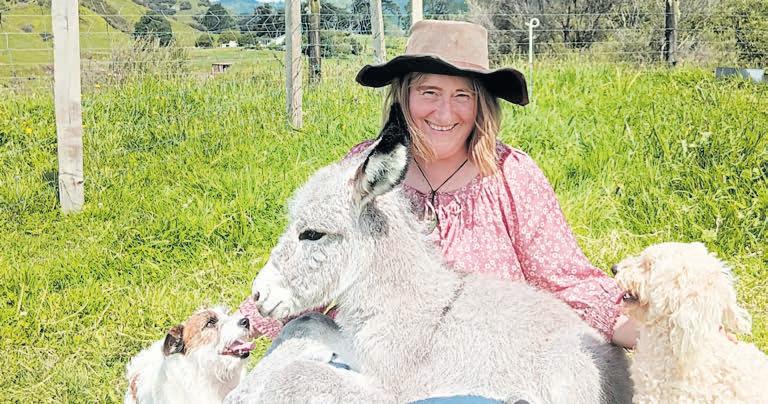
A few more rare breeds followed, including a small herd of Ponui donkeys.
Some of these donkeys belong to John and the others are Tigerlily’s.
Ponui donkeys were imported to Ponui Island in the Hauraki Gulf from New South Wales, Australia by the Chamberlain family in the 1880s. Standing around 10hh, Ponui donkeys are generally light grey with a darker dorsal stripe.
More recently, with a number of these donkeys brought into mainland New Zealand, rare breed enthusiasts are building up the population.
Tigerlily believes maintaining the genetic diversity in New Zealand’s agricultural animals is as important as maintaining heritage plant varieties.
“It’s easy for people to jump to the latest cultivars with fashionable genetic traits, but the problem arises when we
face new challenges, changing market and environmental factors. Then we might want to breed for new traits, and
it is important that someone has held on to stock with different traits through the years they were unfashionable.
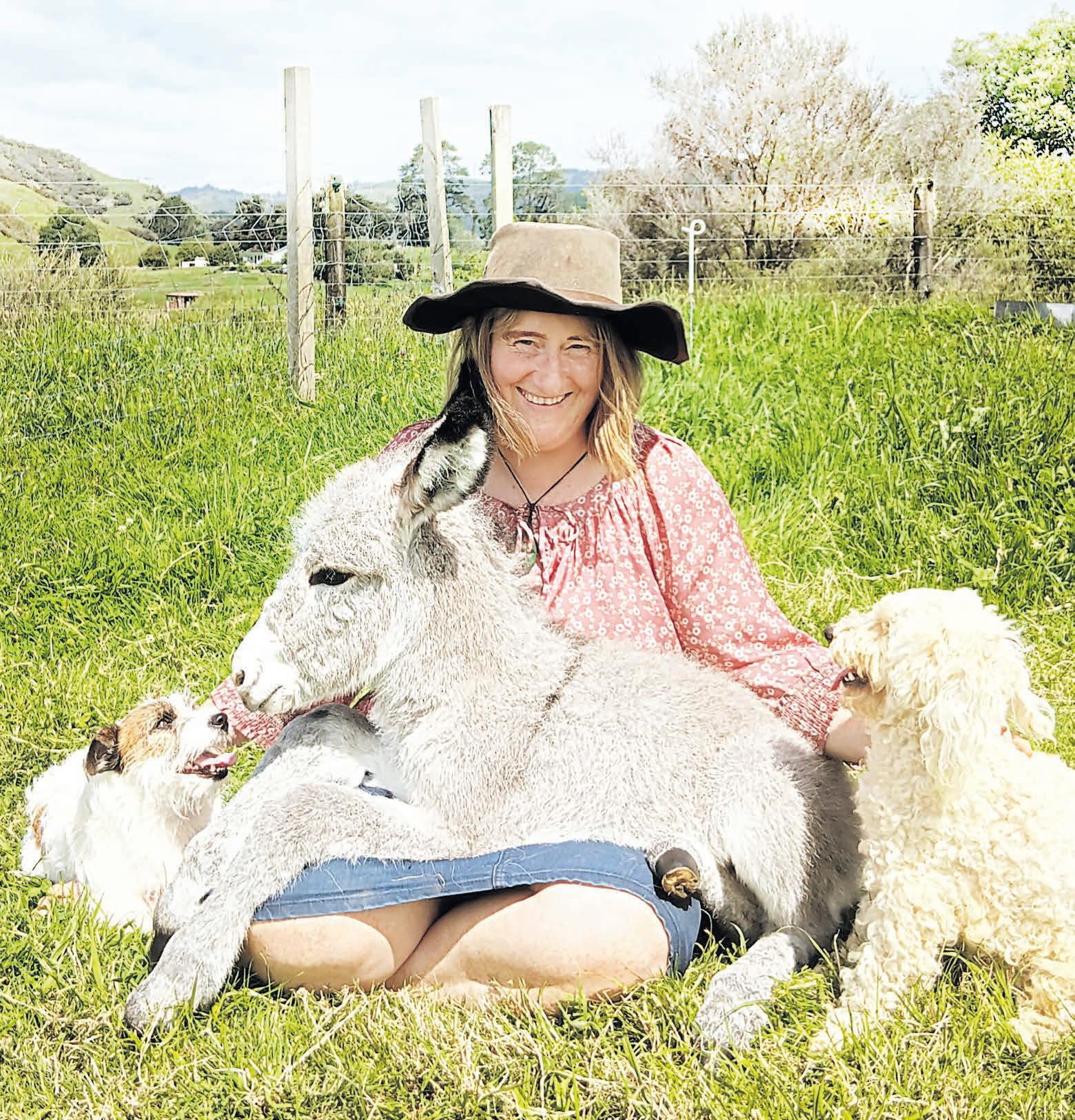
Tigerlily with one of her Ponui donkeys and a couple of canine companions
“The recent fall in the wool market has been a case study of this. Farmers are no longer breeding for wool production, and many have crossed their flocks with rams from breeds that are self-shedding.
“Wiltshires have become popular all of a sudden but a few years ago this trait was undesirable. Now the purebred Merino sheep, which were so common, might become a heritage breed in a few years’ time as the numbers are dropping significantly.”
She said many sheep from the Subantarctic Islands had more disease resistance, and maintain unique genetic profiles that have been held in a time capsule production.
“The genetic pools these animals came from in Europe have often been watered down by modern breeding, meaning the New Zealand populations can potentially offer more diversity back into their original
homeland. The Enderby Island cattle maintaining the genetics of the Shetland Island cattle, is a case in point.”
Tigerlily’s goal with rare breeds is to provide support where she can.
“That’s how I ended up with the Ponui donkeys. Despite their importance to genetic diversity of agricultural animals, there is no funding, which means the survival of these unique animals is in the hands of interested hobbyists and usually small farmers.”
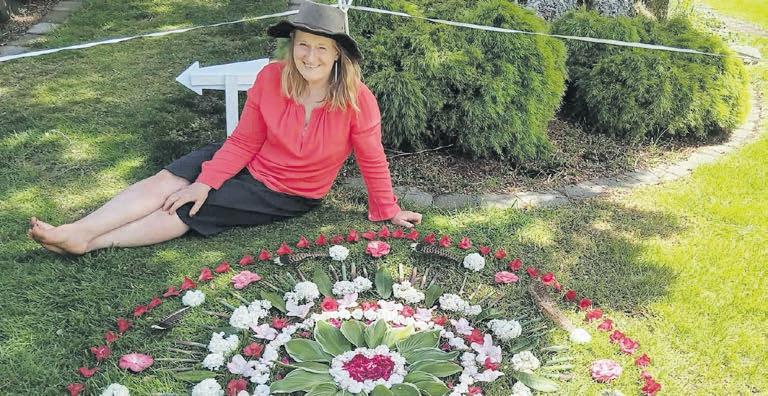
For the past 11 years, Tigerlily’s other passion is creating eco-art mandalas. Using foraged and natural materials, she created three mandalas at three different gardens in the 2025 Centuria Taranaki Garden Festival. She’s also an artist for the Te Henui Cemetery in New Plymouth, holds an organic gardening qualification and teaches part-time.
“Recently, I introduced the children I work with to the wonders of the New
Zealand native leaf-cutter bees. They are tiny, stingless, and a great way for children to learn about lesser known types of bees that are still important for our native plants.”
As a nature lover, training in ecotherapy has deepened Tigerlily’s appreciation of creation from a therapeutic standpoint.
She said ecotherapy encompasses many ways for people to enhance their physical, emotional and spiritual wellbeing through connection to nature.
“I’ve found Ponui donkeys have been amazing for therapy. They are renowned for their calm energy, more so than other breeds, so it is easy for people to feel safe with them. They are sensitive and responsive.
“The old jack I have is around 50 years old, and was caught from the wild on Ponui Island. He is an absolute gentleman and has a steady presence with people, whether elderly or at-risk youth.”
A rare poultry breed, the Sicilian Buttercup, was the first to arrive on Tigerlily’s eastern Taranaki property
Another of Tigerlily’s passions is creating eco-art mandalas using natural and foraged materials
APPETITE FOR AVOCADOS
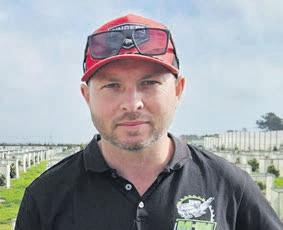
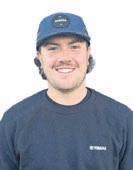
Growing avocados is giving Matt Hareb an opportunity to diversify his income while continuing to run his earth moving contracting business.
Matt was born and bred in Taranaki, establishing M Hareb Excavating in Waitara in 2007. The business covers projects for a range of industries, including the oil and gas sector.
Machinery and tractors have fascinated Matt from a young age. His first introduction to operating a digger was when he was around 16, using a machine belonging to his cousin. Matt went on to successfully compete in several national excavator operator competitions with wins and placings.
Following a two-year search, Matt bought his 30ha Brixton property in 2020 specifically for the purpose of growing
avocados. The former dairy farm had been divided up into smaller blocks by the previous owner.
Although he briefly considered growing kiwifruit on his property, at that time Matt didn’t think there was enough kiwifruit growing in Taranaki to make an orchard viable.
His parents had also bought an established orchard in the Bay of Plenty several years ago, where they’ve continued with further earthworks and more planting. Through lending a hand to help plant trees and build shelters, Matt gained experience and knowledge, and can call on his parents for advice.
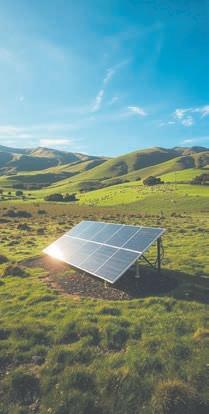
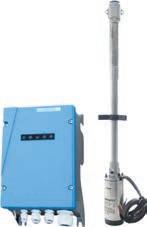
STOCK WATER. NO DIESEL.
German-engineered solar pumping that keeps water flowing for farmers. Simple, reliable and free from diesel
Reliable solutions for your farm
Contact us today to learn how solar can benefit your farm
www ablesolar co nz 09 267 7065
BY DENISE GUNN
important factors for growing avocados. Knowledge of the water table is also a key factor, along with the ability to break the soil up.
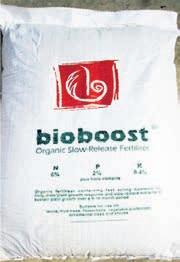
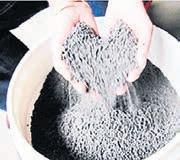
• Organic granular slow release fertiliser
• Weed free - 67% organic matter
• Will not burn plant roots or foliage
• Can be incorporated when planting or used as a top feed
• Fantastic for ALL lawns, flowers, vegetables, roses, trees, shrubs, & container plants
• Bioboost is available from: Selected Garden Centres, Commercial Horticultural, Agricultural & Turf Service Centres
As Matt is familiar with the area where he bought his property, he knows what grows well on the land. He has found good soil and climate to be the most
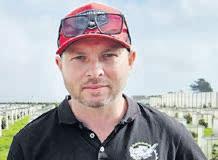
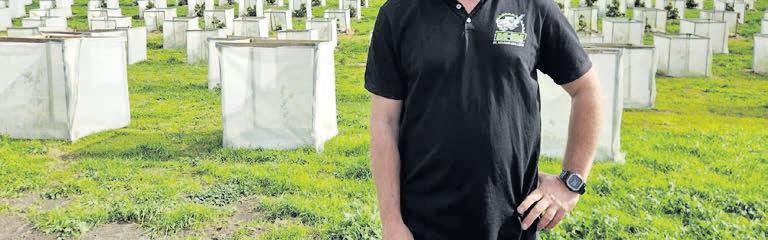
Matt Hareb is diversifying his income growing avocados
“Soil needs to be free draining as avocados don’t like wet feet. You need to know what you are working with.”
Matt’s bulldozer, a D8L, is put to good use when breaking up the allocated area prior to planting.
With 30ha of plantable property, Matt aims to cover it all in avocado trees. In 2021, he planted 1,500 trees on half the property. Sticking with his plan to plant up to 2,000 each year, Matt now has a total of 6,000 avocado trees.
The Hass variety, which is well suited for frost-free areas of New Zealand, and SR1 colonial rootstock were selected for his orchard.
“That’s what I thought was best for what I was trying to do,” he said.
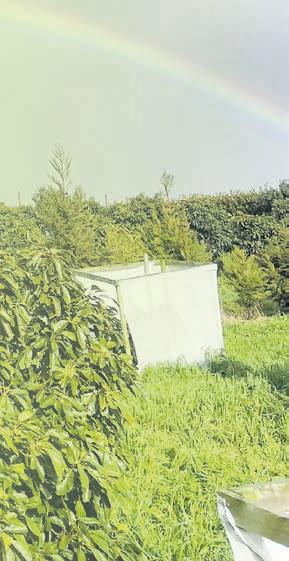
In an attempt to combat wind on the property and protect the fruit, Matt constructed shelters around each tree and planted shelter belts.
Two full-time staff members are employed for day-to-day spraying, weeding, pruning and general care of the trees. “We will employ more when needed.”
Matt’s children, Mason and Summer, also enjoy helping with the planting. Longterm, Matt is setting up and running the orchard for them.
Currently, Matt transports his avocado harvest to Trevelyan’s packhouse and
coolstore in Te Puke. He has plans to build his own packhouse in Taranaki, which will also take fruit from other orchards.
Project lead of Branching Out Michelle Bauer said it’s great to see people like Matt take the initiative. Branching Out is the region’s award-winning land diversification project led by Te Puna Umanga.
“At a recent open day hosted at Matt’s orchard, we had more than 50 landowners, growers and rural professionals showing real interest in large-scale horticulture in the region. Going forward, Branching Out can help identify permanent horticulture
opportunities that have validated market demand,” Michelle said.
“As this progresses, we’re keen to align shared infrastructure needs across growers and landowners, laying the groundwork for the scale required to support regional processing and new investment.”
Matt has also diversified his property’s income stream through growing maize and grazing dry dairy heifers over winter. Looking to the future, he is considering producing avocado oil, along with setting up a cafe and brewery on his property.
“Everything is working and doing what it’s meant to,” said Matt.
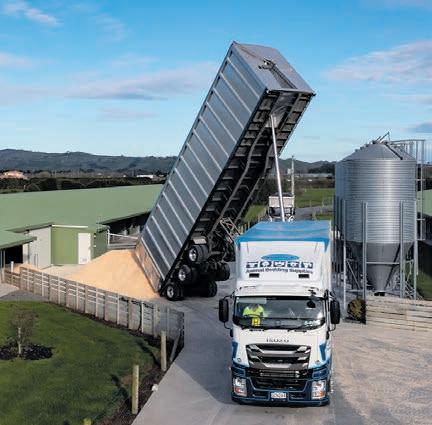
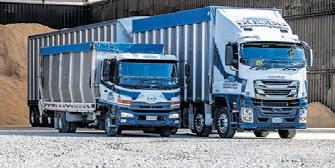
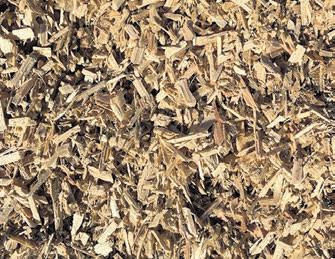
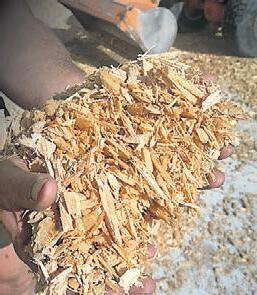
Our robust wood chip, which we chip ourselves, is perfect for cow housing, outdoor wintering and stand-off pads. This free-draining, hard-wearing material is both durable and cost-effective, making it an excellent choice for your livestock needs. Available for North Island Delivery.
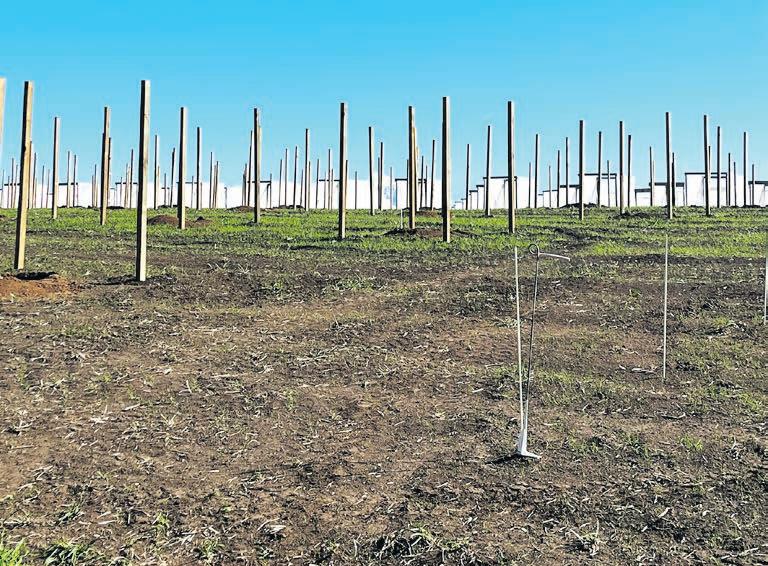
An area prepared for planting more avocado trees
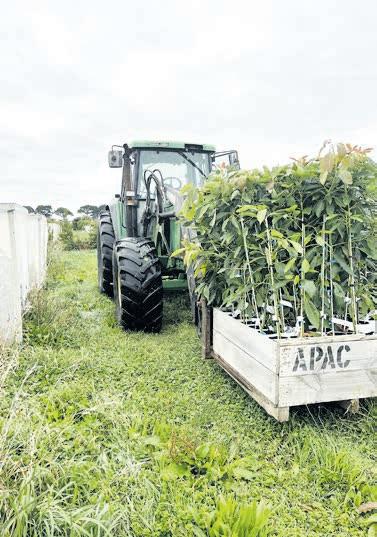
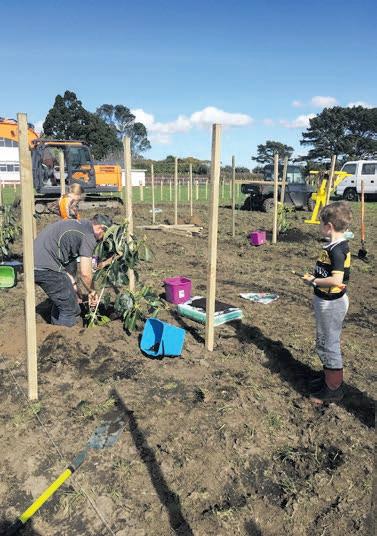
The avocado trees require staking after planting
Matt aims to plant 2,000 avocado trees each year
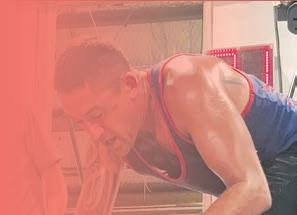
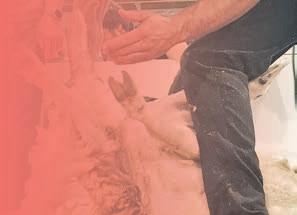
NORTHLAND GUN EYES WORLD SHEARING TITLE
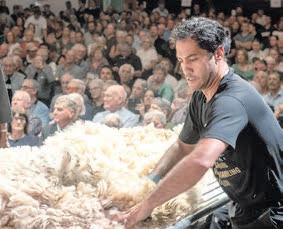
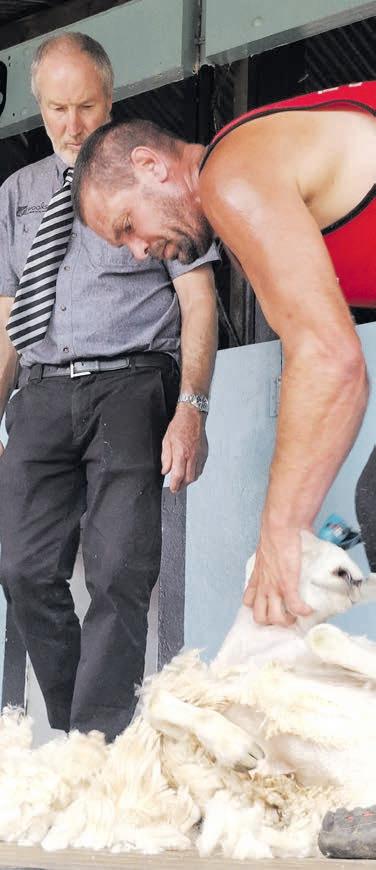
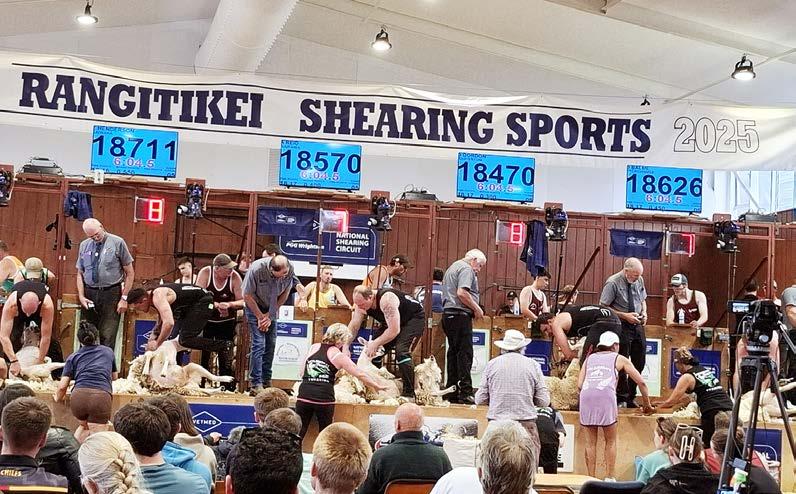
Northland shearer Toa Henderson will be shearing for the ultimate dream when he represents New Zealand at the 20th Golden Shears World Championships in Masterton on March 4–7.
Winning the Golden Shears and New Zealand Shears Open finals in Masterton and Te Kūiti respectively last year, Henderson dominated Shearing Sports New Zealand’s near year-long, eight-round machine shearing selection series, winning four of the first five events and finishing runnerup in the other, to secure one of the two berths with a round to spare.
“A team of two machine shearers, two blade shearers and two wool handlers
will represent New Zealand with the goal of restoring the black-shirt pride after New Zealand, for the first time in world championships’ history dating back to 1977, filed to win any of the titles in Scotland in 2023,” says SSNZ spokesman, Doug Laing.
“New Zealand also missed out on the glamour open shearing individual and teams titles in Scotland, and four years earlier in France, and also has an old score to settle from when veteran
BY PAUL CAMPBELL
Kaiwaka shearer, Henderson, a top senior shearer around 2007–2008, has had a dramatic rise in the open ranks since returning eight years ago from a stint in Australia. He is now closing in on a total of 50 wins in the top grade in New Zealand, and showed his relent in top international class in winning the open title at the Royal Welsh Show in July last year.
His victories have been highlighted by the long journeys to get to the events, sometimes over 1,000km return trips by road in the North Island, and he will be out to emulate the feat of Northland’s other world champion, Rowland Smith,
Rowland Smith hailing from Ruawai has won the open title in the past
Scotland international Gavin Mutch won the individual title the last time the championships were held in Masterton in 2012.”
from
Ruawai but based in Hawke’s Bay, and who won the 2014 title.
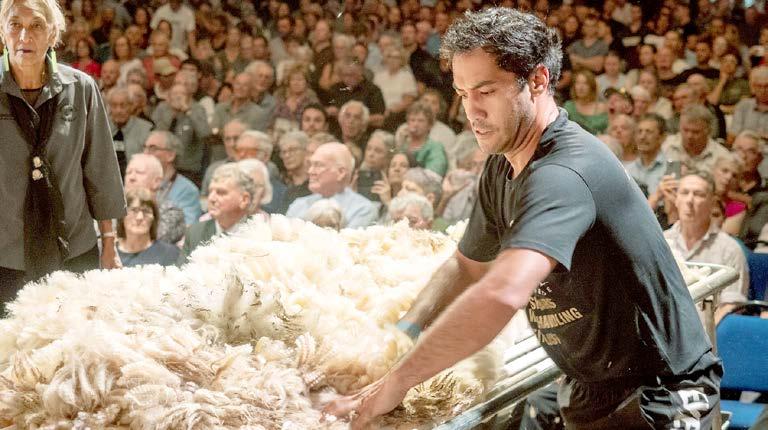
Woolhanding will show shed support skills in Golden Shears competition
The championships in Masterton have attracted entries from 28 countries, and hundreds of others from overseas as either entrants in the supporting annual Golden Shears events or as supporters.
In addition to the six world titles, more than 20 other regular titles at the annual Golden Shears will be decided, including the Golden Shears open shearing and woolhandling events.
In all, about 600 competitors will take part, bolstered by about 150 chasing the world titles. Tickets for the major Friday and Saturday night events in Masterton’s War Memorial Stadium, where the Golden Shears international championships have been held annually since 1961, sold out quickly several months ago.
Spectators will also be accommodated in a marquee across the road in Queen Elizabeth Park, while thousands around
the world are expected to watch the live-stream, covering all events over the four days.
It was back in 1958 that members of the Wairarapa district Young Farmer’s Club proposed a shearing competition at the annual Agricultural and Pastoral show. With advertising and special invitations, the stage was set for a new sporting spectacle that would impact Masterton in the future.
The competition was a huge success and organisers, Laurie Keats, Iain Douglas and Graham Buckley approached Federated Farmers’ then chairman, Mr Roy O’Hara, and president, Mr Bob Chamberlain, to ask if an annual contest could be staged in more appropriate premises — the War Memorial Stadium. Golden Shears was the agreed title and from this point in 1960, the world’s
greatest shearing competition was conceived. The inaugural Golden Shears of 1961 surpassed all expectations, with crowds so great that the local army was called upon to help with control.
Through the 1960s and 70s, before the impact of live sport on TV, the fascination and excitement of Golden Shears became a household name with seats booked from year to year.
Many shearing greats including Ivan Bowen, Snow Quinn, Roger Cox and Martin Ngataki to mention a few — engraved their names in the record books. In the late 1970s and early 80s many minor shearing competitions sprang up throughout New Zealand. Shearing had entered the world of professionalism.
Prize money for competitions became larger by the year, with many shearers adopting professional attitudes such
as training programmes and fitness courses never heard of in the early days of the 1960s.
For the voluntary organisers of Golden Shears, the rate of change was difficult to keep pace with. There were many rule changes, major sponsors were required, inter-challenge events between Australia and New Zealand were implemented and a World Shearing Championship held in 1980.
Golden Shears became more than just a simple shearing competition. It became a foundation, a centre point and arena, where many constitutional meetings were held and our world champions were founded.
Shearing competitions throughout New Zealand and the world established their presence as a major sporting code in the late 80s and early 90s.
Provincial competition sets the stage for world champs
by Andy Bryenton
Rates rise cap floated
The coalition government has proposed another hard-hitting change to local government for 2026; a rates rise cap which has met with a mixed response.
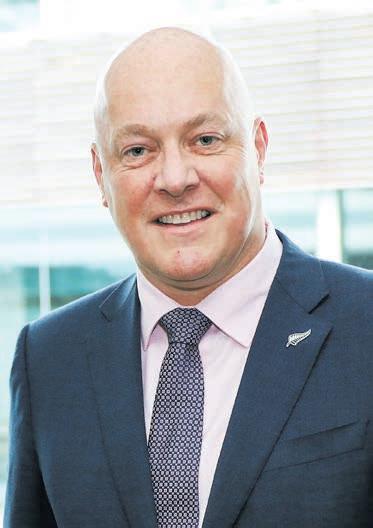
“The bottom line is that councils need to be focussed on the must-do, not the nice-to-do stuff,” said prime minister Christopher Luxon. “You can’t have inflation at three per cent and rates going up, up over 12 per cent. That’s just not acceptable.”
The nation’s lowest rates rises for 2025 sat at just over eight per cent, with many exceeding double digits, fuelled in part by the need to prepare for Local Waters Done Well. This would still be more than double the amount MP Simon Watts says could be the upper limit of the cap.
“Analysis suggests a target range of two to four per cent per capita, per year. This means rates increases would be limited to a maximum of four per cent,” Watts said.
“A minimum increase is necessary, so councils can continue to provide essential services like rubbish collection, council roads maintenance and the management of parks and libraries.”
The cap will apply to all sources of rates; general rates, targeted rates and uniform annual charges. However, it will exclude water charges and other non-rates revenue like fees and charges. Opponents of the scheme have pointed out that this could mean that user-pays fees and charges are on the way, or on the way up, for using amenities like boat ramps, sports fields, libraries and pools.
There’s also been a response from civic councils around the country saying that such a cap ignores the prime drivers of rising council costs. These are inflation, which heavily impacts the number one council expenses, roading and infrastructure maintenance, and regulatory changes imposed by the same government now proposing the rates cap scheme.
RGT Hustle delivers high-protein, homegrown feed when animals need it most.
RGT18 endophyte provides protection against key pests, helping pastures persist with proven animal safety. ORDER YOUR RGT HUSTLE RGT18 HERE
by Denise Gunn
19–21 MARCH 2026 MANFIELD, FEILDING
Uniting town and country
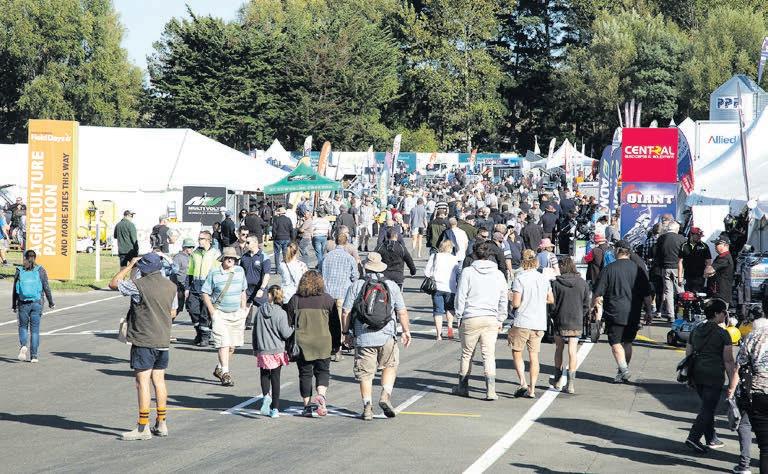
Central Districts Field Days is just around the corner, showcasing the latest in rural innovation, agricultural displays, demonstrations and exhibits on-site at Manfeild Park in Feilding.
Now in its 33rd year, the Central Districts Field Days has grown to become a regular highlight on the rural calendar.
Since its early beginnings with 230 exhibitors setting up their sites in 1993,
the field days now sees close to 500 booked well in advance each year.
Over the week leading up to the event, the 33ha Manfeild Park is transformed from a paddock into a small town as exhibitors set up on-site.
The Central Districts Field Days has also evolved into New Zealand’s largest regional agriculture event, drawing a crowd of around 26,000 visitors to the region.
With cutting-edge technology and machinery, the latest rural innovations and product launches, along with a range of merchandise and services for the farm, home and lifestyle, the field days have something for everyone. The family-friendly event also provides visitors with an opportunity to view product demonstrations, go shopping, sample gourmet food and beverages, watch competitions and enjoy live entertainment.
The Civil Contractors New Zealand Cable Price National Excavator Operator Competition, the New Zealand Fencing Contractors Central Districts Doubles Fencing Competition, and the Southern North Island Wood Council Golden Loader Competition will be held during the field
days. These competitions always draw large crowds keen to watch the action.
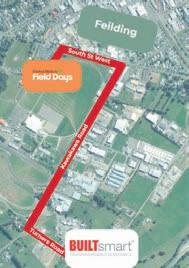
Gates open on Thursday, March 19 through to Saturday, March 21 from 9am until 4pm each day. Visitor entrances are off South Street and Kawakawa Road. A limited number of mobility scooters are available for hire during the event. Bookings are essential by phoning
06 357 7943 or emailing shop@ mobilitymanawatu.co.nz. Hireage is $30 for half a day or $50 per full day. Tickets are available online now at cdfielddays.co.nz, saving money and time standing in queues. Tickets can be purchased at the gates on the day, too. Further information is available at cdfielddays.co.nz.
The Central Districts Field Days will be held from Thursday, March 19 to Saturday, March 21
by Andy Bryenton
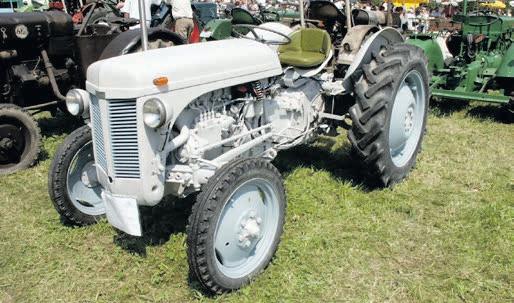
The little grey Fergie turns 80
In 1946, the legendary industrial designer Harry Ferguson sat down to sketch a tractor on his drawing board which would change New Zealand.
The second world war was over, and the mechanisation of farming had come, spurred by the importation of farm machinery from the US, which Kiwis used to feed hungry troops. When Harry designed the TE20, soon to be known as the ‘little grey Fergie’, his plan was to standardise implements and make tractors versatile.
Since 1928 Ferguson had been working to combine his ideas of a three-point hitch, PTO and suction-side valve-controlled hydraulic system into one machine. The TE20 popularised this combination worldwide, to the extent that examples sit in museums as far apart as Poland and Canada. With its small size, tight turning radius and reliable, simple motor, the Fergie could outperform horses and access areas too small to be ploughed by bigger machines.
The ability to use one tractor to undertake a whole range of jobs on the farm was game-changing. By 1950 there were more than 60 official implements which could be used with the TE20, including balers, seed drills, ploughs, sickle mowers and cultivators. Generators and pumps could also run from the back of this hardy little machine, which could therefore deliver power and water to places that were otherwise inaccessible.
As a result of its capabilities, the little grey Fergie became a bestseller. It also
became a legend. In Australia, there’s a monument to this small utility tractor where the Darling and Murray rivers meet. During a huge flood in 1956 the levees burst and the two huge waterways threatened to destroy the town of Wentworth. A fleet of TE20 tractors rebuilt the stop banks and saved the settlement.
A TE20 named Betsy, from Britain, circumnavigated the entire coastline of that island nation in 2003, securing a Guinness World Record for the longest ever journey by tractor, of 5,111 kilometres without a breakdown.
Then there’s the fact that the TE20 is the only tractor ever to feature on a New Zealand bank note. Between 1992 and 2015, the little Fergie was pictured on the bottom left corner of the five-dollar bill, next to the portrait of Sir Edmund Hillary. It was there because in 1958 the intrepid Sir Ed converted six TE20s to cross Antarctica. They became the first machines to drive to the south pole, and cemented the legacy of the little grey Fergie as a machine which could tackle any task.
ADVERTORIAL
Trace elements for human health
by John Arts
I recently spoke to a sheep farmer who told me that his lambs were 1kg heavier than the previous year after supplementing with trace minerals.
Farmers know that New Zealand soils are deficient in selenium and other trace minerals and the benefits of adding these for animal health and productivity. It is a pity that the human health system essentially ignores most trace elements leading to many health problems.
Minerals are critical for the health and development of every cell in our body. Insufficient trace minerals can weaken immune response and leave people feeling tired and run down. Addressing trace minerals is my first step for those who are tired with no medical cause.
The major minerals are calcium, magnesium and potassium. Of these, it is usually magnesium that is insufficient in many diets. Low magnesium can cause many health problems, including cramp, restless legs and heart rhythm problems.
We use zinc, copper, boron, selenium and manganese to make a group of antioxidant enzymes. The two most important are superoxide dismutase (SOD) and glutathione peroxidase (GPx). We
make SOD from zinc, copper, iron and manganese, while boron increases SOD and GPx activity. We make GPx from selenium. These antioxidant enzymes are the front line of our cell defences against free radical damage and are important for immune defences.
While people often respond quickly to antioxidants and vitamins, the benefits of minerals can be significant over time. This is why any good multi-nutritional will have these minerals at the right levels and in a form our body can absorb. Over the years, I have seen profound health improvements by adding a multi that is a true multi-mineral. Try a good multi mineral/vitamin and antioxidant for three months and see what you have been missing.
John Arts (Adv.Dip.Nut.Med) is a nutritional medicine practitioner and founder of Abundant Health Ltd. For questions or advice contact John on 0800 423 559 or email john@abundant.co.nz. Join his newsletter at abundant.co.nz.
Supportshearthealthand circulation Includesaspecificeyehealth formula
The 1946 ‘Fergie’, perhaps New Zealand’s most famous tractor, turns 80 this year
by Denise Gunn
Tap into your rural contractor
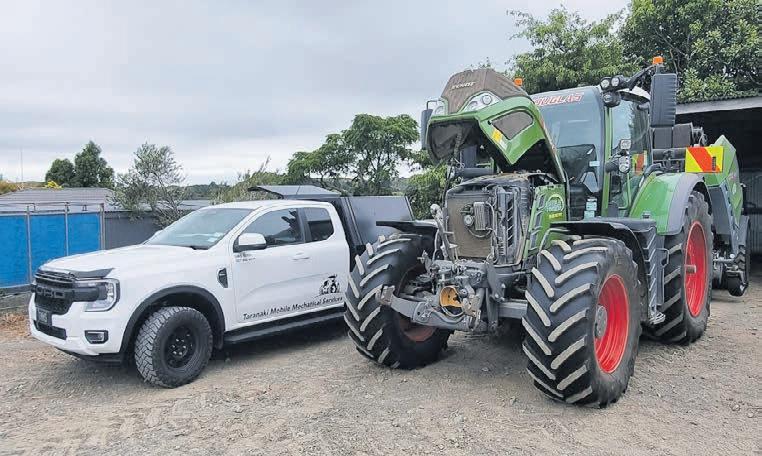
As part of the wider agricultural, horticultural and cropping community, rural contractors you can depend on provide an invaluable link to your farming operation.
Each farming system is unique with different soil types, pasture, stocking rates, climatic conditions and the lie of the land. Through tackling the job with a wide range of specialised machinery, and often the latest technology, rural contractors are able to customise their services to suit the varied requirements.
Starting from the ground up, tapping into your rural contractor’s knowledge and experience is the ideal place to begin. Contractors are available to cover a variety of tasks on the farm from cultivation, planting, applying fertiliser, spraying, crop management, harvesting and earthmoving. With modern machinery and equipment, rural contractors offer extensive solutions to get a wide range of jobs done effectively and efficiently.
Good communication every step of the way is also a key factor to building a professional partnership between the farmer and contractor. Keeping each other in the loop is essential should plans change before or during a project.
The weather plays a critical role in the daily work of a rural contractor, occasionally hindering getting the job started or completed. When external
elements delay the planned work, patience is essential to ensure the job is done accurately and thoroughly. Technology in today’s world is changing the face of farming. Rural contractors are no exception as new technology is adopted and used daily to increase efficiency, sustainability and precision. This in turn is optimising farming practices, helping farmers to lift yields while taking care of the land.
Reliable rural contractors take pride in the task being done, striving to deliver high-quality workmanship and service. They understand the pressures that come with working in a farm environment, and want to support you in your efforts to get the best out of your land. Knowing the job is being taken care of every step of the way, should give you peace of mind while continuing to run your farm.
Rural contractors have knowledge, experience and specialised equipment to get the job done efficiently and effectively
FISHING, HUNTING & OUTDOORS
by Andy Bryenton
Soichiro Honda’s passion for motorcycles started things off the way they have largely continued making maximum power and performance from minimal cylinders. It’s not the Honda way to throw a big donk at the problem of velocity, in the style of those boat-sized Cadillacs of yesteryear.
So when Honda does produce a V8 engine, it’s time to pay close attention. One broke cover as a prototype power plant for the incredible, coveted NSX supercar, but was passed over for final production. On the Indy Car circuit, Honda’s V8 prowess is undisputed. However, in their passenger car range there’s never been an eightbanger, and tucking one in a bike may have been a whispered, forbidden fantasy during the speed wars of the late 1990s, but it never amounted to anything more.
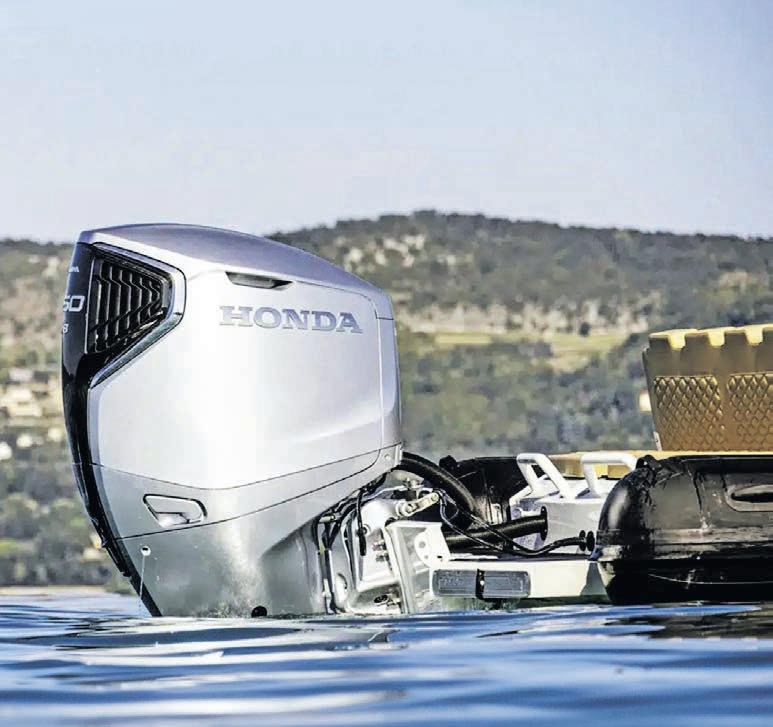
Honda’s V8 power has been unleashed, instead, at sea. “Leave them in your wake,” says the slogan for Honda’s first-ever production V8, and it’s a mighty 350-horse outboard, which carries it. The BF350 was introduced in 2024, and proceeded to reap a swathe of awards, from the Boating Industry Magazine product of the year through to a Red Dot award for design and many more.
Sea horses unbridled
Part of this is a sentence that will make Honda car fans and JDM purists salivate. It’s a V8 with VTEC. Let that sink in. The legendary Honda-derived valve timing system has made cars like the Prelude and Type R Civic into superstars, and that’s with just one bank of cylinders. What you feel from the helm when there’s a BF350 behind you is a smooth, flat torque curve, with crisp, precise acceleration. There’s no need for a harmonic balancer. Honda engineers have utilised a 60-degree engine design for almost poetic balance and lack of vibration.
The upshot is power on top of power, delivered with calm, grace and efficiency. On the water, where extra power can mean the ability to stay out of trouble, this is a welcome capacity. Good engineering is also reflected in the fuel economy of the BF350, which puts roadgoing V8s to shame with its frugal thirst. At close to five litres in displacement, this motor still looks sleek, and while it’s a big unit it’s still suitable for boats with a smaller footprint. That means a power-to-weight ratio that’s going to deliver adrenaline as well as capability.
INDEPENDENTLY & LOCALLY OWNED
Honda’s BF350 puts the esteemed company’s first-ever V8 on water with powerful results
by Andy Bryenton
A trek through auto history
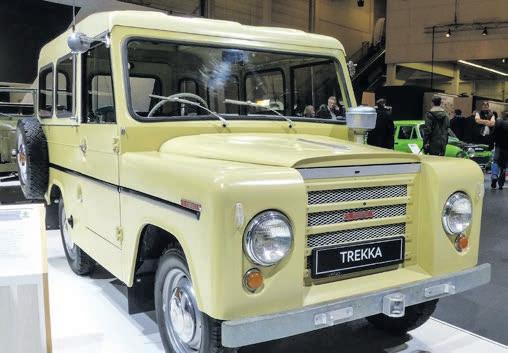
This year marks the 60th birthday of a real Kiwi battler; the little off-road machine they called the Trekka.
It was bold and boxy, innovative and ahead of its time. The crossover SUV before either of those terms existed, the Trekka was the brainchild of Phil Andrews and Noel Turner, who saw the Kiwi public being squeezed by hard-line vehicle importing laws in 1966. Their answer was to build vehicles here, and the recipe they cooked up combined a knowledge of local conditions with tech from behind the iron curtain of the Soviet Bloc.
Under its skin, which resembled a Land Rover in more ways than one, the Trekka was built on the mechanicals of a Skoda Octavia station wagon. A Czech product, in a time when that nation lay under the red empire of cold-war communism, the Skoda was not a common sight on western roads. However, it was built to be simple and tough. These qualities lent themselves well to the design philosophy of the Trekka.
The body design, which was mated to that Czech running gear, was purely Kiwi; in fact, it originated in Kawerau. The Trekka team acknowledged the reality of Kiwi roads in 1966, and called for a light but capable machine. They aimed for the exact qualities, which have made Toyota’s Rav 4 a bestseller in 2025; economy, practicality and the ability to tackle a range of surfaces.
The styling was unapologetically an homage to the ‘landy’, because that’s what worked. Making the entire body and interior locally meant that 70 per cent of the Trekka was Kiwi, and that sidestepped the crushing import rules holding 1960s New Zealand in a kind of automotive limbo. Rural folk who had been forced to carve up Morris Minors into utes or thrash Prefects and Wolseleys down gravel roads were delighted.
The Australians took 50, in exchange for Holdens. The Indonesian government took 100, but allegedly then lost their wallet. Five Trekkas served with
distinction at Quy Nhon during the Vietnam War, as part of New Zealand’s civilian hospital mission. All the while, people were buying the little go-anywhere machines in their hundreds. In the end, 2,500 were made.
The 1973 oil crisis, the relaxation of import laws, and the Japanese car boom that followed signalled the end for this bold experiment in local design. Rust and time took their toll, and 60 years on the Trekka is an elusive beast, coveted by collectors. One sits in the Skoda factory museum in the Czech Republic, as an example of how innovation could span the rifts of the cold war. Oddly, the police drive Skoda Octavia station wagons of a more modern type today.
New Zealand’s only mass-produced automobile turns 60 this year
by Andy Bryenton
Racing on the road to Rouen
Rallying, rock-crawling, V8 supercars, drag strip showdowns and the Paris to Dakar; all trace their history back to a curious race 131 years ago, in which the top speed was only 19 kilometres an hour.
The first-ever motoring event almost came even earlier, when French bicycle magazine Le Velocipede issued a challenge to see if this newfangled internal combustion malarkey was up to snuff. The editor, a Monsieur Fossier, sketched out a two-kilometre course from Neuilly Bridge to the Bois de Boulogne. The route cuts through the middle of Paris, and the editor failed to notify the police or the mayor. It could have been a disaster, except for one key fact; only one car turned up.
Georges Bouton and Albert, the Comte de Dion, won by default but didn’t spare the champagne. De Dion was absolutely bitten by the motoring bug, and with Georges as his engineer, he was one of the major forces behind popularising the automobile in France.
Someone who listened to the eccentric but dashing count was a bicycle and pepper-mill craftsman who owned the Peugeot company. He supported Auguste Doriot and Louis Rigoulot to pilot a very early ‘Pug’ on a 1,200-kilometre round trip from Paris to Brest and back again. The kicker — the little Peugeot would be up against the top cyclists in France. It was a mixed result. While the Peugeot made it to the finish line, driving further
than any car had ever done before without a breakdown, it wasn’t quick. Cyclist Charles Terront, who won the race, was back in Paris enjoying a cheeky merlot before Auguste and Louis had made it to Brest.
In 1894, the first real motor race was organised, with a prize put forward by the magazine Le Petit Journal. One hundred and two ‘horseless carriages’ signed up and paid a 10-franc fee, but by qualifying day only 69 cars started. Peugeot was back in the pack, along with Panhard and De Dion, and a large number of amateur owners with custom machines.
Twenty-five were selected for the main race, with few of them recognisable as race cars by modern standards. Tiller steering, chain drives, wooden brakes and gaspowered headlights prevailed. De Dion won the race, but was disqualified as his car was steam-powered, and required a stoker to keep it moving while the Count handled the steering. Peugeot took the trophy.
The whole race had taken place on open public roads, with most of the other traffic pulled by horses. It was a bizarre spectacle, which thrilled the public, and ignited motorsport across France and wider Europe.
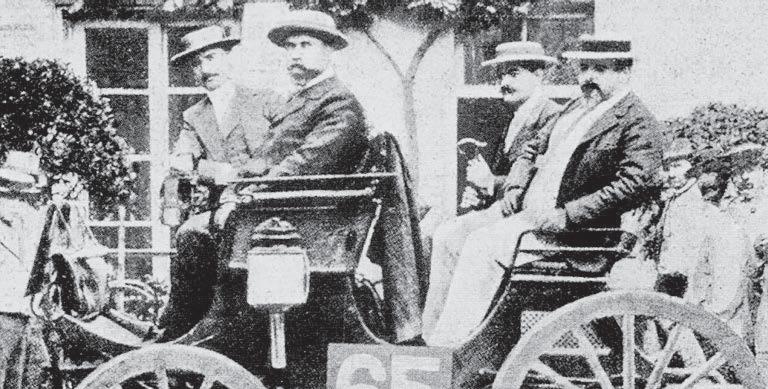
One of the Peugeot cars, which competed in the Paris to Rouen rally, with the crew kitted out in straw boaters instead of crash helmets
by Andy Bryenton
Precision meets power
MotorBody Works
Kawasaki knows how to do this with small displacement and immense power. Their road bikes, for example, can deliver more sheer velocity from less than one litre than some car makers can wring from five. In the world of off-road performance, the suffix ‘KX’ has meant track-dominating power and agility for decades.
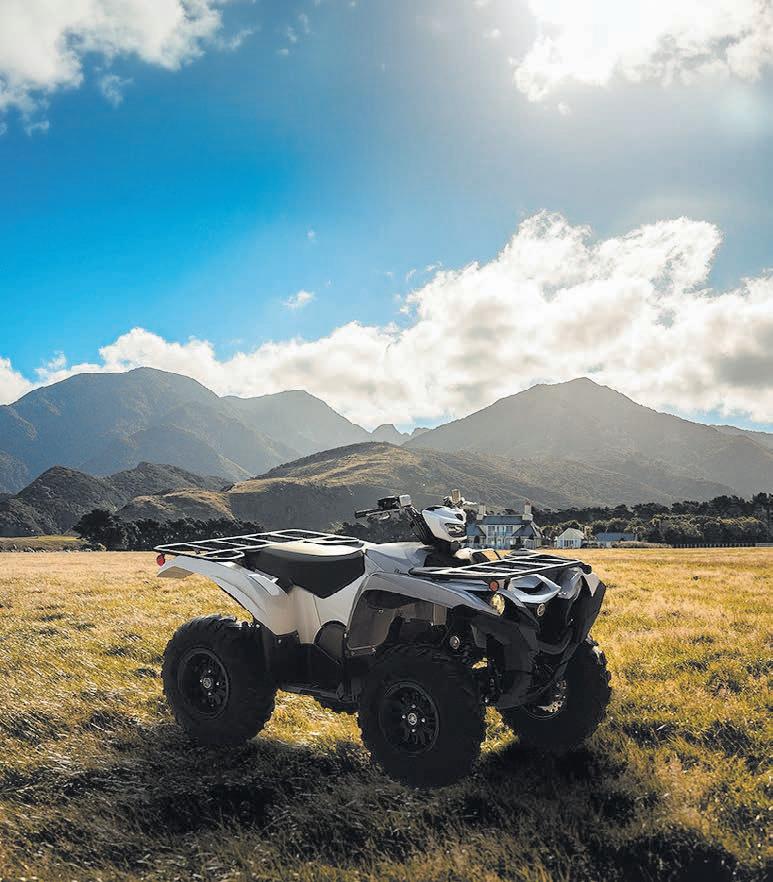
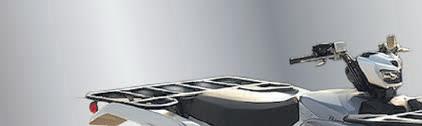
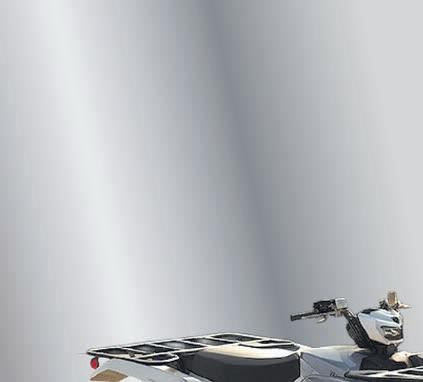
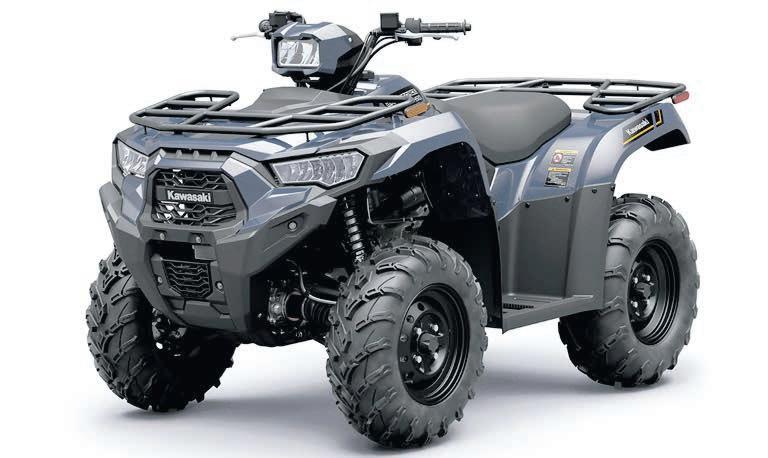
This puts Kawasaki in the right spot to engineer a great mid-sized ATV quad, the kind of machine that is not about massive size and displacement, but more about massive capability and utility. Sometimes, especially on the farm, it’s not about how much torque you can churn out, but about how you can put it down and where you can go with it. Hence, the KVF450, otherwise known as the Brute Force 450 — a machine that hits the sweet spot.
Moreover, because Kawasaki knows that the Brute Force 450 will be used for serious work, it’s been optimised for two things above and beyond its power delivery and manoeuvrability. The first is comfort, which has been addressed with feedback from real-world users. A more comfy seat, controls in all the right intuitive places, and a reworked suspension system with optimised springs and dampers combine to provide sharp handling and dramatically reduced rider fatigue.
The second thing Kawasaki has delivered from on-the-ground feedback is rugged durability. The Brute Force 450 looks the part, and it’s cleverly designed to be just as tough as it appears. A reinforced frame, big, powerful disc brakes and attention to detail when it comes to making maintenance easy are executed with renowned Kawasaki build quality, to craft a dependable package.
Load up with 465kg of towing capacity and more than 100kg on the onboard racks, and tackle a big day of work with a machine that’s just the right tool for the job. Get a closer look at your local Kawasaki dealership, and see what a difference clever engineering can make.
It’s able to go where some of the bigger-displacement ATVs on the market just can’t, and negotiate narrow paths, ridges and yards easily thanks to a very tight 3.1-metre turning radius. Kawasaki’s single-cylinder engine design has a long history and is engineered for reliability, as well as producing lots of smooth torque from way down low on the rev counter and through a wide and useful band. That’s because this Kawasaki is designed to be a consummate all-rounder out of the gate, ready to respond without a fuss in all kinds of situations.
The Brute Force 450 is a force to be reckoned with
Milk solids levy vote
Dairy farmers are encouraged to have their say on whether to continue with a milk solids levy in the upcoming vote, which opens on Monday, February 16.
Industry-good organisation DairyNZ holds the vote once every six years.
DairyNZ chair Tracy Brown says the milk solids levy enables the organisation to support farmers in driving on-farm profitability and sustainability through science and research, policy advocacy and extension behind the farm-gate.
“For generations, farmers have been part of each other’s success. Through the milk solids levy, you’ve shared knowledge, the cost of futurefocussed research, and its on-farm benefits, and established the clear, united voice of dairy that has generated more government support and practical policy,” Brown said.
“The upcoming milk solids levy vote is a chance to do what you’ve always done for the sector — to come together to continue building a stronger future for New Zealand dairy farming.
“This vote is about whether DairyNZ can keep backing farmers with the research, development and advocacy that move our industry forward. There are no plans to change the current milk solids levy of 4.5 cents per kilogram of milk solids (MS).”
Collected under the terms of the Commodity Levies (Milksolids) Order 2020, the levy is capped at a maximum of 5c/kgMS. Under the proposed
DairyNZ is encouraging dairy farmers to vote on the upcoming milk solids levy
Commodity Levies (Milksolids) Order 2026, the maximum rate will stay capped at 5c/kgMS for the term of the new levy order.
“We encourage farmers to vote. Our vision is to ensure the levy is the best investment for every New Zealand dairy farmer. A recent independent audit on our industry-good activities funded by the levy revealed a seven-fold return in value,” said Brown.
“I encourage those eligible to vote to reach out to any of your farmer-elected directors to discuss.”
Brown says the milk solids levy helps New Zealand farmers be competitive on the world stage through productivity, strong farm systems, and sustainability.
“New Zealand leads the world in responsible dairy production. Together, we support a thriving dairy sector that is intergenerational, where our care for
land, people, animals and community is world-class.
“Your levy underpins this. It’s a collective investment that has supported you on the farm and in your community, and what keeps us all moving forward. There’s more to get done. So, let’s keep ahead. Let’s vote — together.”
Voting opens on Monday, February 16 and closes at 5pm, Friday, March 13.
by Paul Campbell
Lamb prices suggest careful planning
With lamb prices at record highs, many farmers are considering breeding their ewe hoggets for the first time, according to Massey University’s Professor Paul Kenyon, who says while this can increase the total number of lambs weaned and boost farm revenue, it doesn’t automatically mean greater profitability.
Professor Kenyon is the Head of the School of Agriculture and Environment and a Professor in Sheep Husbandry. He says “success depends on careful planning and management. If you’re thinking about breeding hoggets, now is the time to have a well-developed plan to maximise the chance of pregnancy and healthy lambs.”
He lists key considerations for successful hogget breeding as:
• Target weight and condition: Hoggets should be close to 70 per cent of their expected mature weight before mating, or at minimum 65 per cent. You can use the four-tooth ewe weight as a proxy for mature weight. Body condition scores of 2.5 or above are also recommended. Monitoring liveweights and adjusting feed levels now can make a significant difference.
• Animal health: Work with your local veterinarian to ensure a robust animal health plan, including vaccinations, is in place.
• Encouraging cycling: Encourage cycling by introducing vasectomised “teaser” rams 17 days before breeding. Well-grown hoggets may
benefit from an even earlier teaser exposure, for example, 34 or 51 days before mating. It is advised to use a teaser-to-hogget ratio of 1:100.
• Ram introduction: Use mature rams in smaller paddocks, at a ratio of 1:50, since hoggets are shy breeders. Avoid ram genotypes that produce very large lambs, as hoggets have an increased risk of birthing difficulties.
“The most common challenge with
hogget breeding is ensuring sufficient feed. Hoggets need to continue growing during pregnancy, gaining at least 130 grams per day to maximise lamb survival and maintain their suitability for rebreeding as two-tooths.”
Massey University modelling shows that, in many cases, farmers can adjust mature ewe numbers to maintain feed availability and still improve profitability by breeding hoggets. However, research also indicates that if mature ewe weaning
percentages are below 150 per cent, it may be better to focus on improving mature ewe performance before introducing hogget breeding.
“Our research at Massey underscores the importance of evidence-based decision-making in agriculture. While high lamb prices are tempting, breeding ewe hoggets can be a profitable way to increase farm productivity but only if done carefully, with proper feed, animal health and overall farm management.”
Professor Paul Kenyon
by Andy Bryenton
The people behind the thoroughbreds
Author Brian de Lore was born within sight of Riccarton’s thoroughbred racecourse, and his latest work chronicles Kiwi equestrian history, highlighting how one of rural New Zealand’s favourite outdoors pursuits became a world-beating industry.
“My father built the first motel in Christchurch, half a kilometre from the racecourse, and all kinds of personalities and characters came to stay for race days. I had a sort of misspent youth around racing, part of that culture,” said Brian.
“Then, I moved to Sydney, Australia and got a job at a horse racing magazine,” he says, setting the background to introduce his substantial, revealing look behind the winner’s circle and the flashbulbs, titled The Horsemakers.
It’s a very personal compilation born of 91 interviews, speaking to those who have helped breed and train champions. These often unsung heroes of the Kiwi equestrian world are the folks who have made this small nation punch above its weight. Many of them come from the rural heartland, where knowing horses was a matter of make-or-break within living memory.
“This is something no one has attempted before,” says Brian. “Other books have been about race results, horse trainers, jockeys and big prizes. This book is about people, and if these people
were not talked to, their stories could have been lost forever.”
Brian is not wrong. Sixteen of the luminaries he interviewed have since passed on, and their recollections of a vibrant industry are collected on the page for posterity.
“What I have tried to do with this book is to anecdotally explore how people came to be involved in horse breeding. Some of the family stories go back generations. For example, the story of Jack Alexander, who was not only a leading figure in horse racing but also the world most-acclaimed Romney lamb breeder of his generation.”
As well as being a valuable and engaging chronicle of the people who forged a leading horse breeding legacy for New Zealand, The Horsemakers serves another purpose. The book has been crafted to raise money for Catwalk, a spinal injury charity, and the proceeds from the sale of every volume go to this worthy endeavour.
Even before the presses rolled, more than $180,000 had been raised to
of spinal cord injury research.
If the heritage and the true stories of Kiwi horse breeding are a subject that interests you, this definitive and personal look behind the scenes is a must-have. You can find out more, or purchase a copy of this substantial hardback volume by visiting thehorsemakers.com.
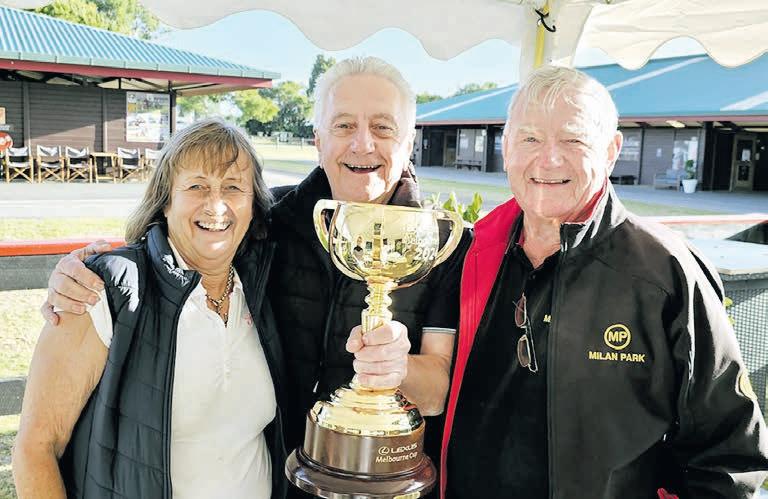
Author Brian de Lore holding the Melbourne Cup, between Sheila Laxon and the late John Jeffs
Catwalk by Brian’s efforts; contributions from those in the industry who have given generously to the cause
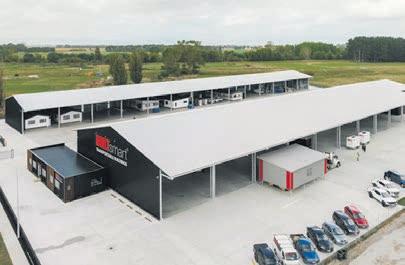
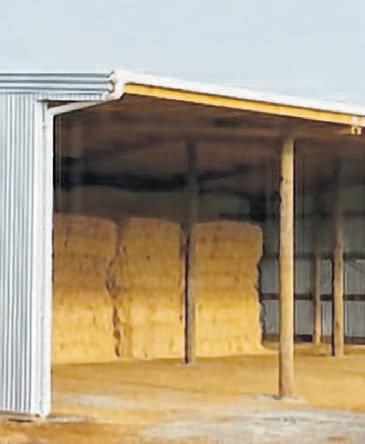
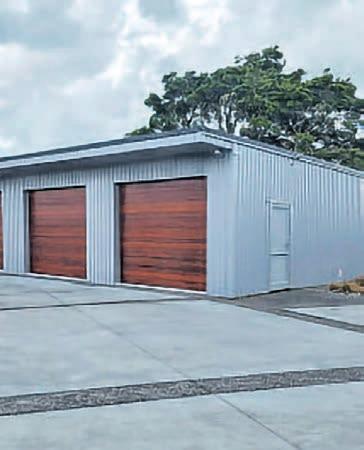
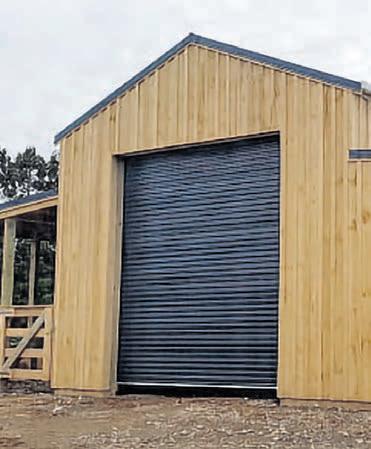
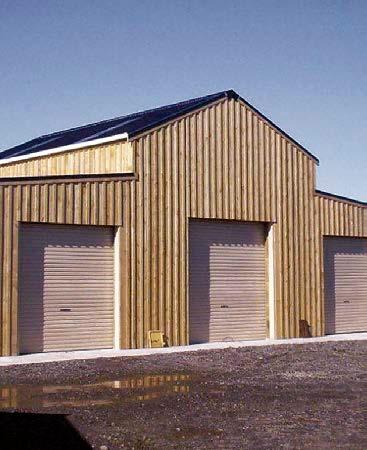
With over 50+ years building sheds, we can design a shed to match your needs, and stand up to Taranaki’s harsh conditions. From haysheds to implement sheds, workshops to storage, Lifestyle and American barns we can do it all!
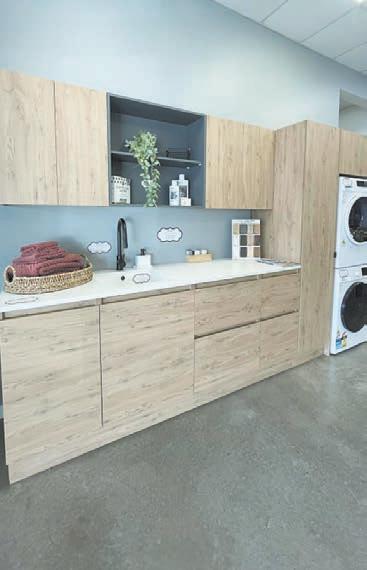
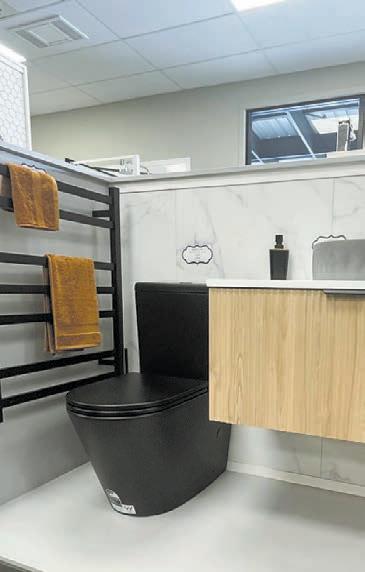
BATHROOM, TOILET, LAUNDRY INSPIRATION
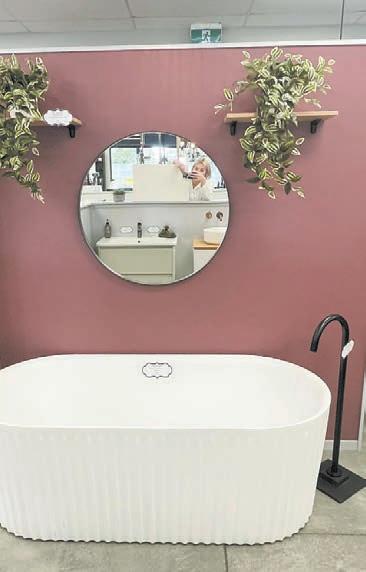
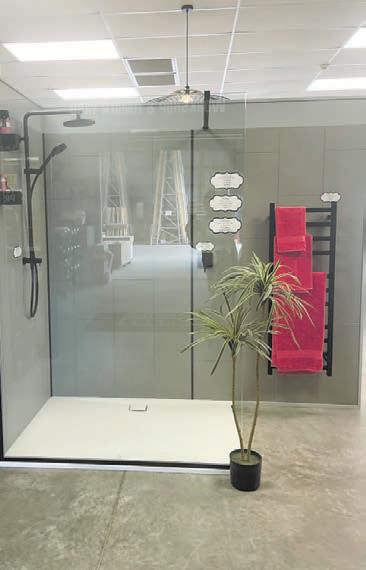
Checkout our fabulous showroom for more renovation inspiration, showcasing products from NZ’s most trusted and respected brands.