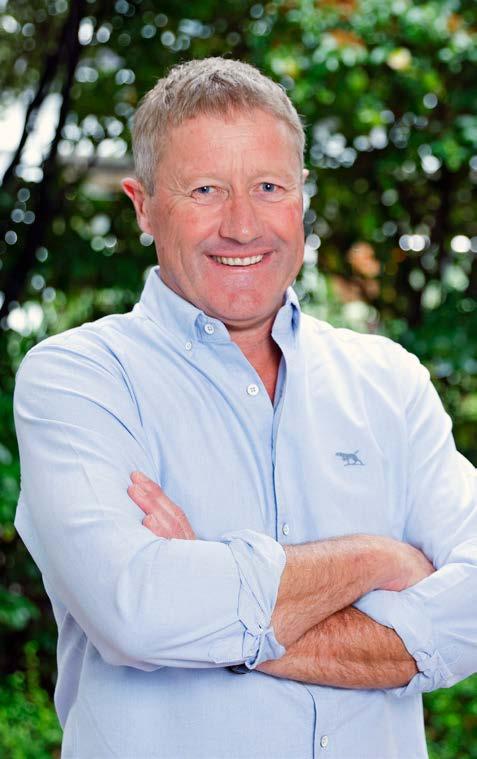
For too long, New Zealand’s planning system has been holding our communities back. The Resource Management Act has become overly complex, expensive and time-consuming, creating unnecessary hurdles for people wanting to build homes, invest in businesses, develop infrastructure or grow our primary industries.
That’s why I welcome the government’s resource management reforms reaching another important milestone.
The Planning Bill and Natural Environment Bill have now been reported back to parliament following extensive public consultation. The changes recommended by the Environment Committee strengthen the legislation while keeping its core purpose intact — creating a planning system that is simpler, more consistent and easier to work with.
•
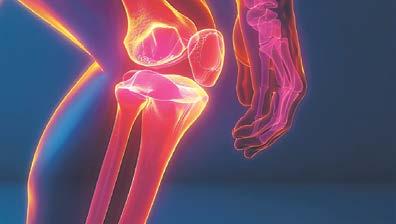
SportsInjuries
• UltrasoundGuidedSteroidInjections
This is particularly good news for Northland.
Our region needs better infrastructure, more housing, reliable renewable energy and the ability for our farmers, growers and businesses to invest with confidence. The current system has too often delayed projects and added unnecessary costs without delivering better environmental outcomes.
The new planning framework is designed to cut red tape while continuing to protect our natural environment. It will reduce unnecessary consenting requirements, provide greater certainty for landowners and businesses, and make planning decisions more practical and evidence-based.
The government has also listened carefully to the feedback received during the select committee process, making sensible improvements that will help councils, communities and industry transition more smoothly to the new system.
A more efficient planning system means more opportunities for economic growth, more jobs and greater confidence for those looking to invest in Northland’s future.
There is still work to do as the legislation progresses through parliament, but this is a significant step towards replacing one of New Zealand’s most complicated pieces of legislation with a system that supports both environmental stewardship and sustainable development.
I’m pleased to see these reforms moving forward and look forward to the benefits they will bring for Northland and New Zealand.
by Paul Campbell
New rescue partnership underway
Northlanders will soon notice a change in the sky as the rescue helicopters are now known
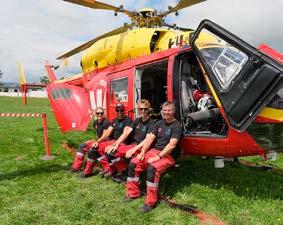
Helicopters, operated by Northern Rescue and operating some new aircraft.
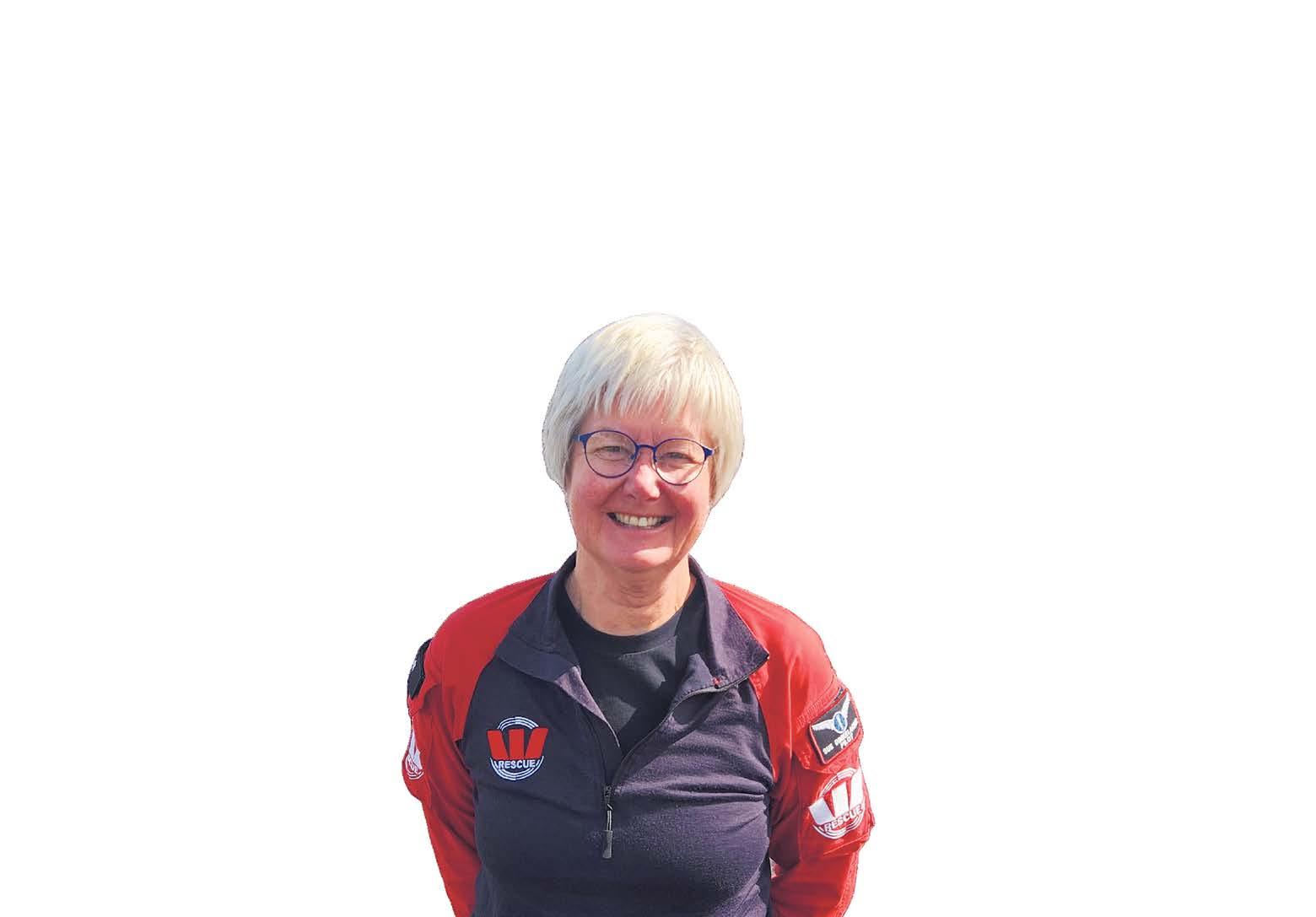
Northern Rescue CEO Ian MacPherson says it marks the start of an important new partnership supporting lifesaving services across the region. “In the months ahead, locals can expect to see more of the distinctive red and yellow helicopters flying across Northland as Westpac joins the Northern Rescue family of sponsors.”.
the air. Standardising the fleet with the AW169 also allows more interoperability between the bases leading to improved operational efficiency.
Westpac’s support of rescue helicopter services is long-standing. The bank has been a key sponsor of the Auckland Westpac Rescue Helicopter service for 40 years and supports
“Rescue chopper crews do a wonderful job all day, every day, and often in challenging conditions to help keep our communities safe”
To meet this increasing demand on the air ambulance service, Northern Rescue has invested in a new fleet of AW169 helicopters that will soon operate across the region.
“The new aircraft are configured to meet the complex demands of modern patient care. They are more reliable, and provide advanced capabilities for crews delivering critical treatment in
similar services in Waikato, Wellington and Canterbury. By joining as an associate sponsor of Northern Rescue in Northland, Westpac is reinforcing its commitment to helping save lives across the country.
Westpac managing marketing director Sarah Hearn, says the bank is pleased to be extending its support of the lifesaving service to Northland.
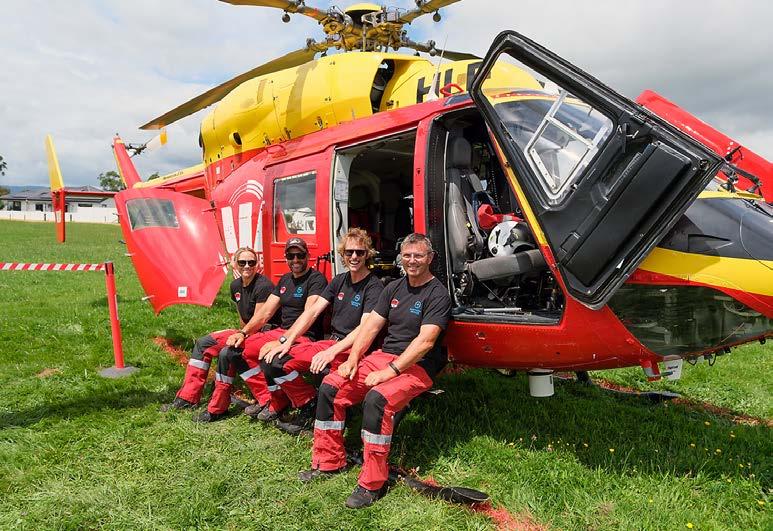
A Northland Westpac Rescue team ready to go
“Rescue chopper crews do a wonderful job all day, every day, and often in challenging conditions to help keep our communities safe. We’re immensely proud of our existing long-standing rescue helicopter partnership and are delighted to be extending it,” she says.
Demand for emergency air ambulance and rescue services continues to grow across the upper North Island, and from its two bases in Ardmore and Whangārei, Northern Rescue completed around 2,087 missions in Northland, Auckland, Coromandel and other regions in 2025.
Pampas
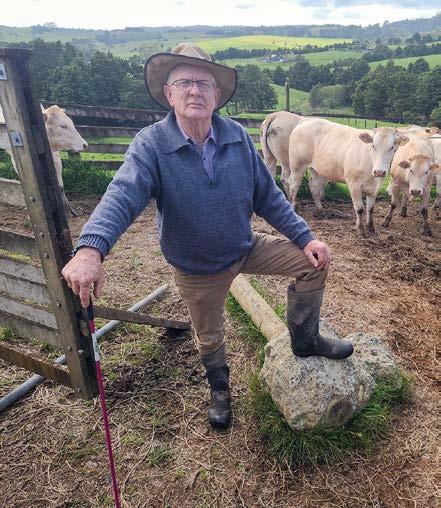
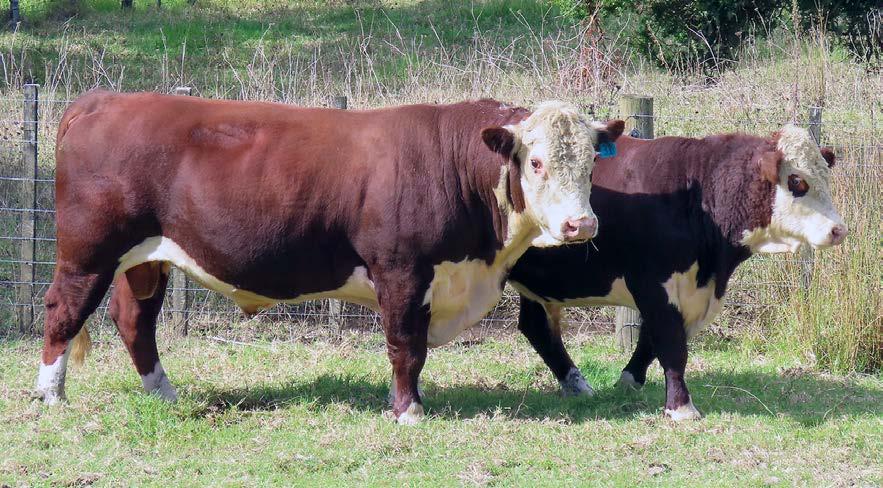
Herefords (Kaitaia)
Herefords (Kaeo)
by Amy Fifita
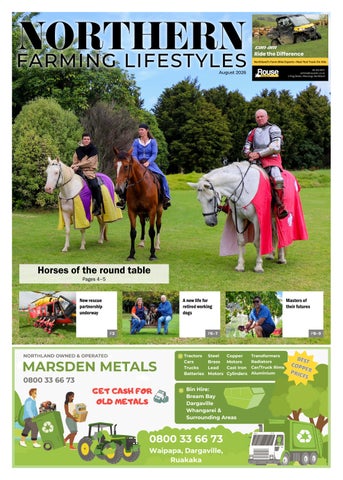
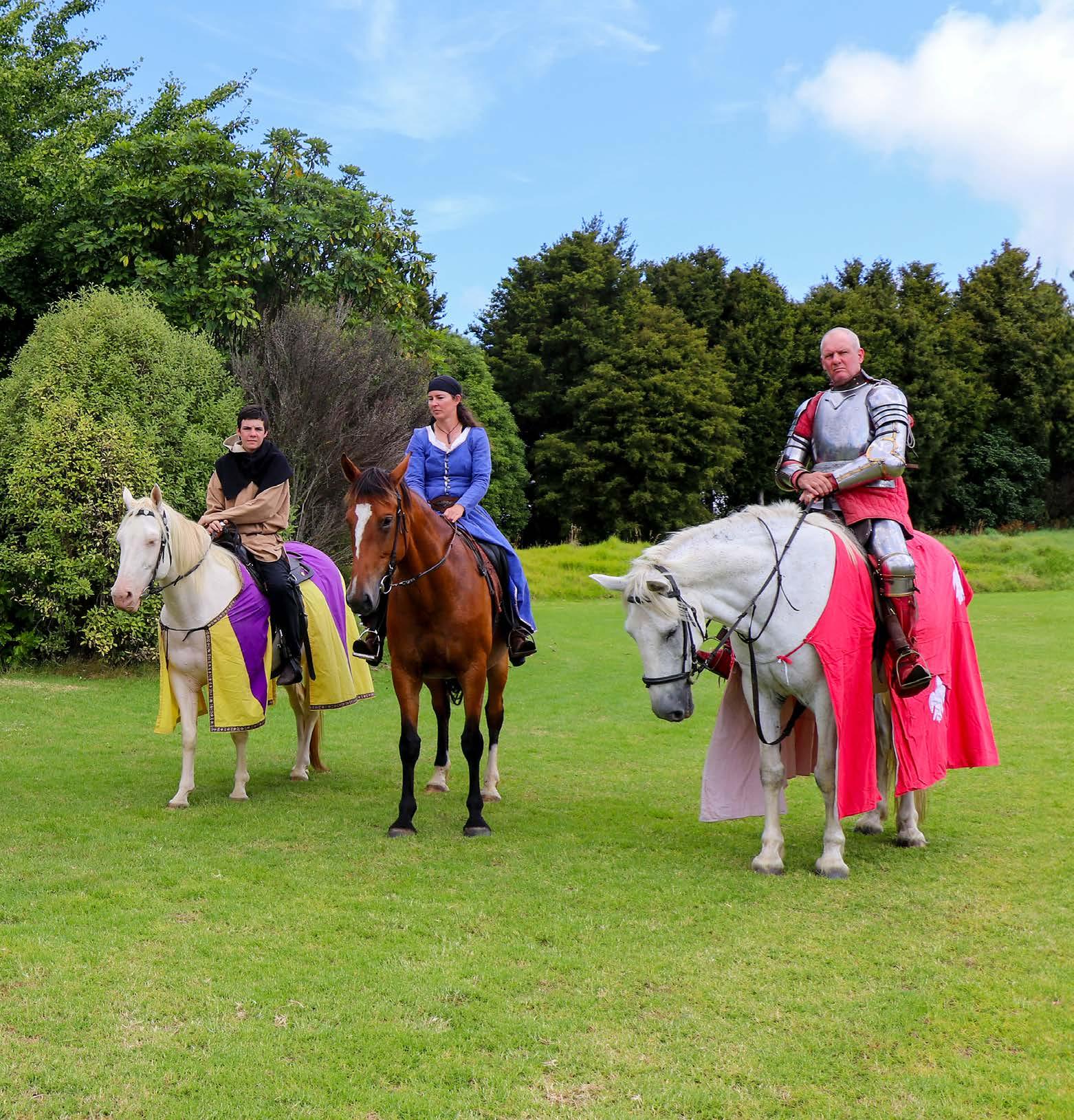
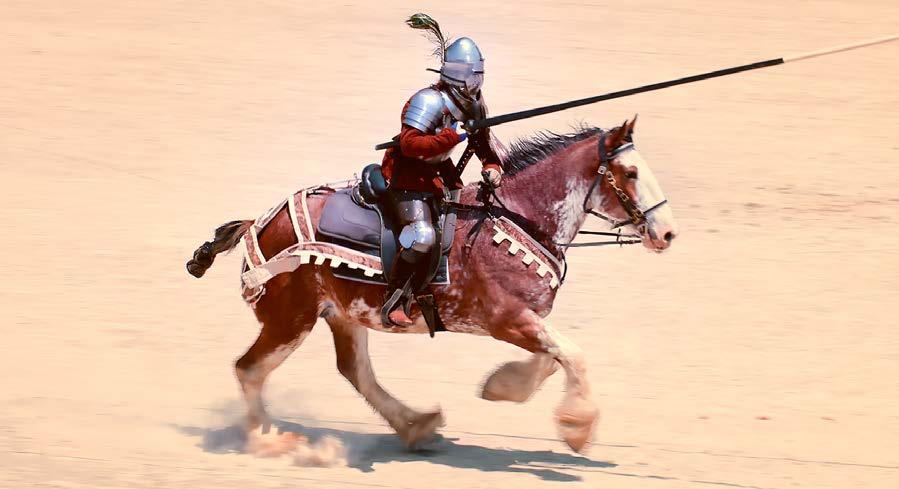
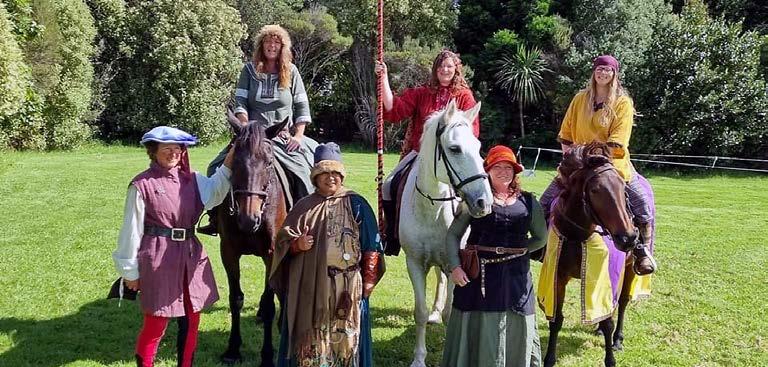
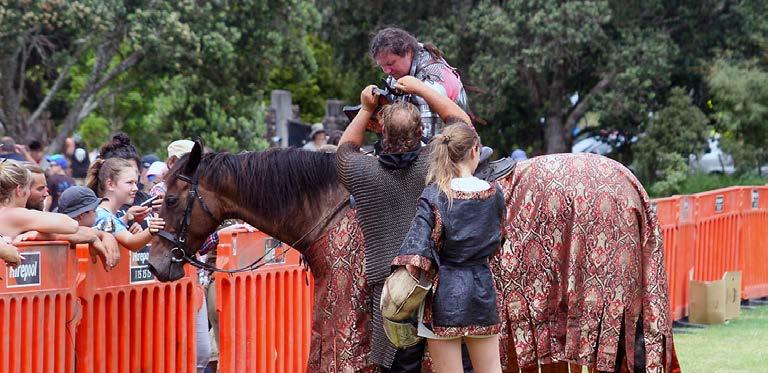
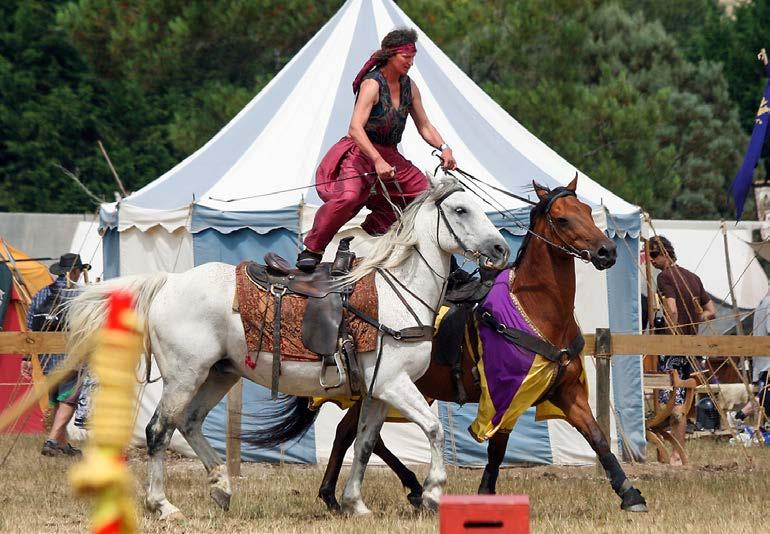
While many fantasise about mediaeval times, Vikki Subritzky lives it, travelling the country with her horses to showcase jousting and other skills at events and movies.
Being raised in the 60s, Vikki says she was drawn to horses from an early age. Life for her was a mix of urban and rural living, as her grandparents ran a farm in Fairburn.
“I was raised in an urban environment, and I always gravitated to any horse living in the area. When I spent time on my grandparents’ farm, I was enthralled by the wild horses that roamed the area,” Vikki says.
“I couldn’t understand why no one would catch one for me. I got to ‘ride’ the stock horses in the sheep yards. I was very young, and the yards were safe enough for a toddler to sit happily for as long as I could. When my grandfather gave me a bridle, it opened doors for me.”
With a bridle in hand, Vikki’s spark for equines grew, and she wanted to begin her personal journey with horses. Vikki
knew what she wanted, not only to ride horses but to own one of her own.
“Back home, I disappeared with my bridle and with grass wrapped around the bit, managed to put it on a rather large horse at Maunu Pony Club grounds down Puriri Park Road. Through the kitchen window, my mother saw this horse trotting across the paddock and then me getting dumped at the same time. I’m sure it was thoroughly sick of me.
“My father finally relented, and a chunky white-faced horse I named Sparky joined the family — the name fitted his temperament.
“My grandfather, my older brother and I had to corner him using a long rope, then with a long stick rubbed the horse all over till he could get a rope on him. Not the ideal first horse, but I got to ride him.”
send
Leasing land in her teens, Vikki began buying about four horses a year, some suitable for lessons and treks, others in need of rehabilitation, or people would
horses for her to train and sell on. It was a learning curve for Vikki, and one that she built on. “The big heavy horses also appealed to me, and I helped at
After discovering jousting as a cheeky volunteer at a mediaeval day, Vikki decided to hone her skills and build her kit
Vikki trained with the Order of the
for a
of
and eventually
the Clarke Homestead and Whangārei Museum in Maunu for several years, and learnt a lot from old Dick Stirling. As a lad, he had a four-horse team and wagon working over Mareretu way, taking something like two weeks to get round all the farms delivering sacks of flour, sugar, tea and so on.
“Old-timers like him had abundant knowledge, and I loved nothing more than to hear tales of particular horses and the journeys they made. Around the turn of the century, in the middle of an applied arts degree and involved in theatre productions, the museum advertised a mediaeval day. I cheekily asked if they would like some jousting knights.
“They were delighted and readily accepted. A local guy and I borrowed some armour from Auckland, practised, and put on a pretty average jousting display. However, it was a great draw card, and they had us back the following year.”
Having tasted the fun of mediaeval jousting, another journey, one that included her horses.
“Then I discovered there was a jousting group in Upper Hutt, the Order of the Boar, and it needed persuasion and perseverance from me to allow me to train with them. Now, years later, we still support each other in training and events.
“When the Company of Lance chapter ended, I formed the Guild of the Hawk. We travelled a lot, competing in tournaments here and abroad. I was fortunate in spending a decade competing in Australia and did a stint in Canada.
“The Great Lakes International Jousting Tournament ran for quite a few years. I produced a DVD documentary of the 2006 tournament to promote it.”
With her saddle clearly mounted on mediaeval horsemanship, and finding like-hearted individuals, Vikki helped form
January 23 and 24 at the Northland Renaissance
Faire in Arapohue, where people from all over can come and experience mediaeval times. Join us next month for more about Vikki’s journey.
Boar
couple
years
went on to form the Guild of the Hawk
the Guild of the Hawk, a group that worked across New Zealand and the world.
One such event is upcoming on
A new life for retired working dogs
by Denise Gunn
The couple first heard about Retired Working Dogs NZ (RWD) through a friend’s daughter who was a farm cadet at Otiwhiti School of Agriculture. As a charitable trust, RWD finds foster and permanent homes for working dogs that are no longer able to put in long days on the farm due to age, injury or inability to work.
Since its establishment in 2012, RWD has rehomed more than 3,000 working dogs from all over the country. Farmers contact RWD through either the trust’s Facebook page or website retiredworkingdogs.org.nz.
Some dogs are referred to RWD through veterinary clinics. These dogs tend to have
sustained career-ending injuries. Pounds, the SPCA and other rescue agencies refer dogs, too. Other dogs may need to be off-farm and taken into foster care to be desexed, vaccinated and socialised before rehoming.
The RWD team of fosterers plays a critical role behind the scenes to help the dogs.
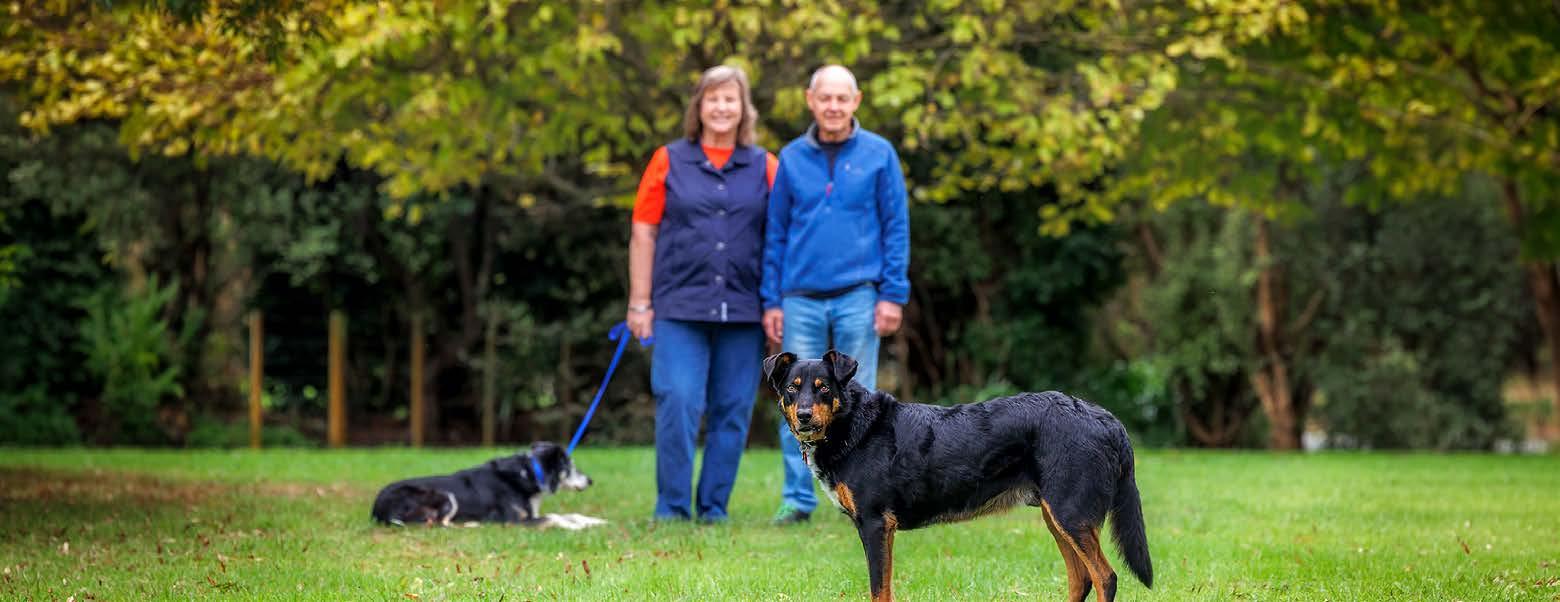
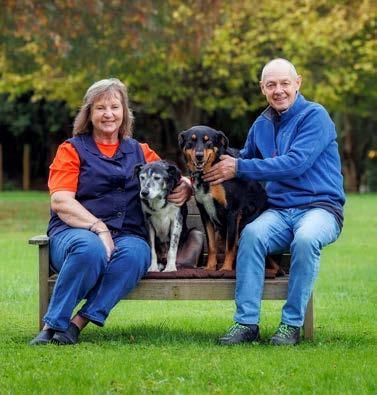
Mark and Astrid became involved with RWD following the deaths of two of their three pet dogs due to old age, and within a short time frame. They couldn’t see themselves with just one dog, so two years ago decided to foster dogs through RWD.
“We had love to give and a property big enough to allow an ex-work dog to
Fostering retired working dogs is a rewarding experience for Horowhenua dog fosterers Mark and Astrid, and it’s providing a second chance for the canines to be rehomed.
run. An interim is essential at times between the farmer rehoming and finding the best home if time is a pressure,” said Astrid.
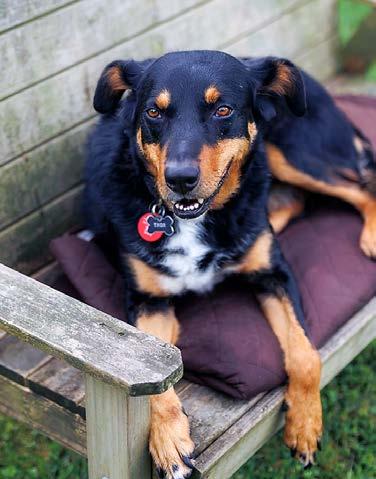
The couple had previously rehomed three dogs, just not working dogs. Thor, a nine-year-old Huntaway-cross, arrived on Mark and Astrid’s property when he was five.
Astrid said Thor had been cared for by a farm worker after the farmer had given him up.
“She couldn’t keep him, but took him anyway out of the goodness of her heart. In the four months she had Thor, she got him neutered and started to look for a suitable home for him.”
We are releasing plants for a new commercial pineapple crop in 2026. We see this crop as the start of a new industry in NZ. We estimate this crop will give returns better than any fruit crop currently grown in NZ with a massive bonus in the sixth year, repaying your entire investment plus a huge surplus ongoing. A Partnership option is being offered to make it easier to get started in this new industry. Go to bacmil.co.nz
A Cooperative has been developed to support Growers ongoing through to the first harvest and sales. Having purchased your first pineapple plants there is no need to purchase any more as they multiply giving more plants and fruit.
A new pineapple variety with PVR will be exclusive to this Cooperative. This crop is ideally suited to Northland with its hot summers. Pineapples don’t require irrigation or shelter. The returns for this crop are exceptional.
NZ grown pineapples are spray free and are not fumigated with Methyl Bromide like the imported fruit.
New Horticulture Fruit Crop Release Phenomenal Crop Returns GOURMET QUEEN PINEAPPLES For further information: www.bacmil.co.nz Reply by email to: bacmil@xtra.co.nz I Go to www.bacmil.co.nz
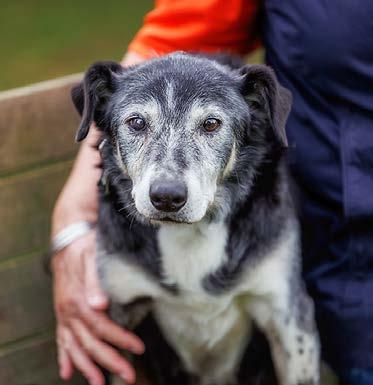
Since being adopted by Mark and Astrid, Speck has come out of his shell
Photos: Jo Moore
The couple has fostered nine dogs through Retired Working Dogs NZ
Thor came into foster care with RWD as an urgent situation. “That’s the magic of RWD — their reach is further.”
Since adopting Thor, Mark and Astrid have seen him gain more confidence from the nervous dog he was on arrival. He has settled in well to become a member of their family pack.
“We appreciate the work that the fosterer put into Thor before he arrived, and that she stepped up to give him a chance.”
Mark and Astrid have fostered nine dogs through RWD, responding to those advertised that they feel will mesh with their pack. They’ve found that being open to the dog’s needs first is the key to settling the canine into a new environment.
On arrival, Mark and Astrid spend time with the dog on a lead and walk around their one-acre property.
“Then we gauge the meet and greet process needed with our own two dogs. This can vary tremendously,” said Mark.
“Usually, we take a day for dogs to see each other and smell through a fence. We also prioritise our dogs getting lots of attention so their status is acknowledged. Recently, we had a female dog introduced happily in an hour with no issues at all.”
Their other adopted working dog, Speck, has also come out of his shell.
“He now comes up for cuddles and sits with other dogs.”
Mark said some of the highlights since fostering working dogs have been working with the RWD team.
“They work together so cohesively. It’s the willingness of each team member that stands out. Nothing is ever a problem.
“Also the word goes around when a dog needs transporting from one town to another, even from the North to South Island. The RWD community all chip in to help in various ways. There’s a wealth of very willing people.”
“When a foster dog finds a permanent home, it gives the dog a second chance for a different chapter in life with its working days behind them. Retirement is well earned by these amazing dogs,” said Astrid.
The couple encourages more people to become involved in fostering or adopting dogs through RWDNZ.
“Our world needs understanding and empathy. Our dogs need kindness,” said Astrid.
“You’ve giving a fresh chapter to a dog — a new beginning.”
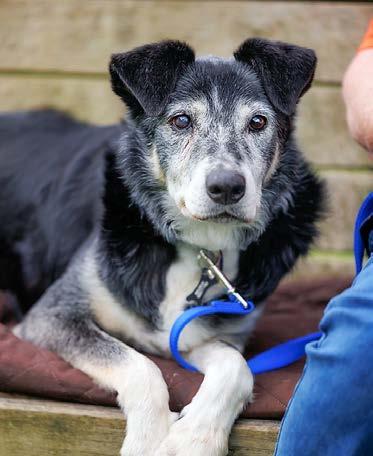
Retirement is well earned by these working dogs
Over the past 14 years, Retired Working Dogs NZ has rehomed more than 3,000 dogs from all over New Zealand
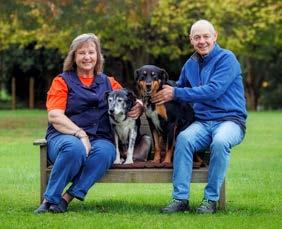
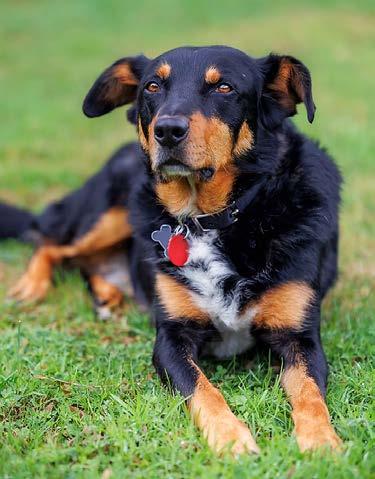
Astrid and Mark with their two dogs, Thor and Speck, adopted through Retired Working Dogs NZ
Thor, a nine-year-old Huntaway-cross, was adopted by Mark and Astrid four years ago
Masters of their futures
BY AMY FIFItA
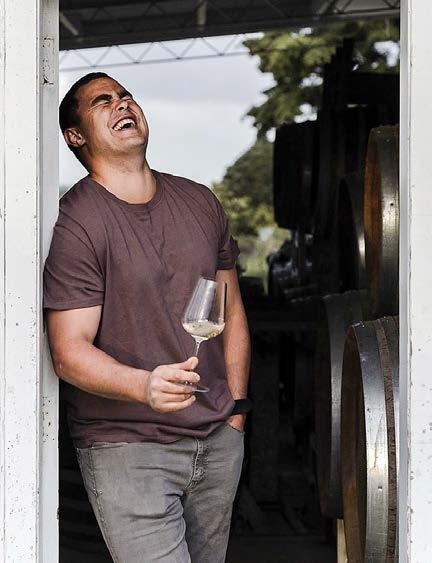
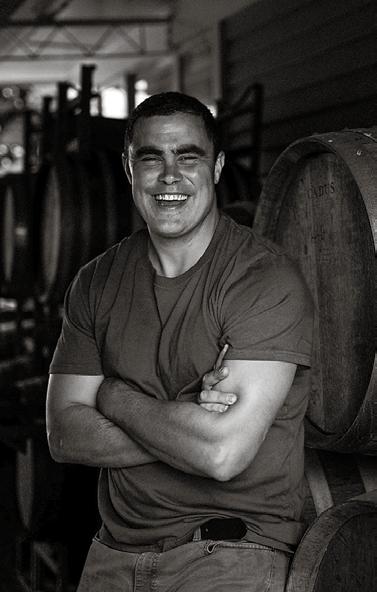
Returning home from university, corporate work and travel, Jake Dromgool began in business as a 24-year-old, growing a vineyard as a sideline — a venture that has since grown into 144 Islands Wine.
From working at a vineyard before and after his return to becoming a vigneron, Jake says it was his father, Shane, who encouraged him to dream bigger and grow his own.
“I grew up in Kerikeri, where my family runs a dairy farm milking 550 head of cattle. We also run a beef farm, and my father has a Shorthorn stud. I went to school at Kerikeri High School, and when I was 15 years old, I got to work at Marsden Estate during a school programme,” said Jake.
“After school, I moved away for five years to study, work and travel before returning and having my own family. Returning to Kerikeri a decade ago, I began working at The Landing for a season, before they employed me full-time.
“About that time, my father suggested if I was going to be growing grapes for a living, I should plant my own on the farm. Planting my own on an acre of land, we started expanding bit by bit each year, and started our first wine production in 2019.
“In between planting the vineyard and Covid, I had had three children, and so I
through
pulled away from my day job to focus on my vineyard full-time.”
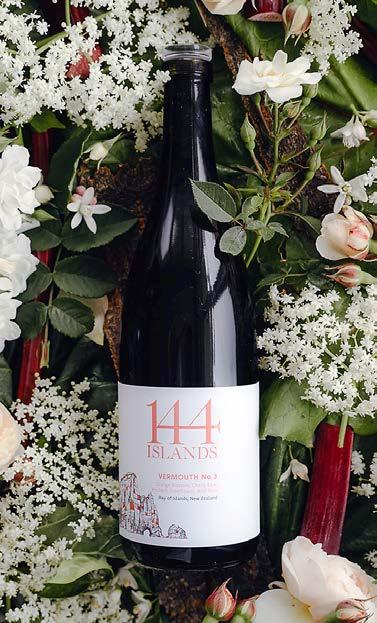
Since the beginning, the venture has expanded, not just in hectares, but in beverage options, too. Jake focussing on the vineyard full-time has led him to create not just wine, but aperitifs, four different vermouths and an amaro.
“There are a lot of different producers in the wine business producing many similar products, and if you want to penetrate the saturated drinks market, you have to be doing it independently. There seem to be two business models that work.
“One is to make an abundance of wine and sell it quickly for as little margin as possible, and the other is to make a little bit of wine and take your time to sell it for a good price. Unlike anything else that others are making, we are making wines from different varieties and styles.
“We have managed to occupy a small niche by using vines that people aren’t growing or taking seriously in New Zealand. We have expanded the vineyard to six hectares of vines, so in the next few years we will be producing much more.
Jake says he has built his wines to meet a consistent style, using various grape varieties, and
that diversity, his vineyard has found resilience
Instead of growing vines commonly used in the wine industry, Jake approaches things differently, choosing unique vines not as popular in New Zealand
of quality. One of the ways we have counteracted that is having different grape varieties and clonal diversity.
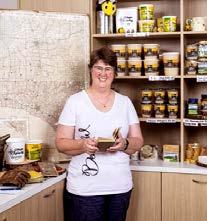
directly to customers in Northland. Very much an operation that values people and family, Jake’s mother, Dot, sells the wines at her Kerikeri Packhouse Market stall, and loves going to the festivals and events with them.
“Now we are known for the things that we do differently, which is a nice position to be in. For example, we make an orange aperitif out of locally-grown fruit, and that has added a new wing to our business.”
With a changing and challenging wine market and a reasonably volatile climate in Northland, Jake’s unique approach is the saving grace for the vineyard.
“If you are going to try to focus all your efforts on producing wine from one predominant grape variety every year, you will have ups and downs in terms
“We make a lot of wines where we coharvest all of the varieties and ferment them together. I have named four wines after family members; each being made with a handful of different grape varieties, and the balance of those blends changes depending on the year.
“We are still able to build our wines to meet a consistent style by not limiting ourselves to one particular grape variety. We have found resilience through diversity.”
Using a distributor outside of Northland, Jake enjoys being able to go
“I love that I can be wearing work boots in the morning and a suit and tie in the afternoon when I am selling my wines. While that comes with its own challenges, we still connect to our customers and are the masters of our trajectory.
“It is special to be able to raise my children five minutes from where I grew up, and take them up the road to see their grandparents whenever they want. For now, it is giving us a lifestyle to be grateful for, and I hope my children become interested in some sort of agricultural pursuit, and whatever they aspire to, I will help them pursue that.”
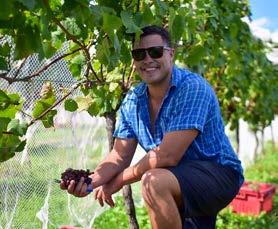
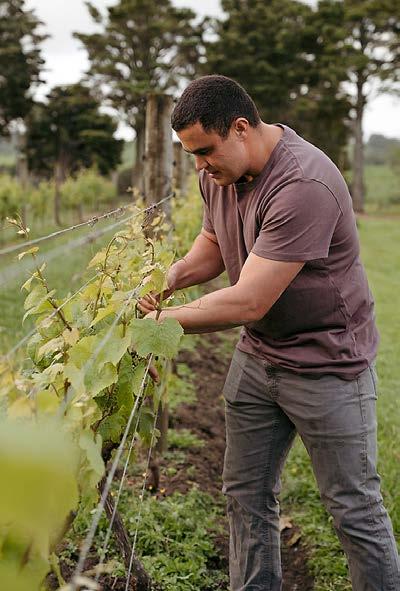
After returning to his hometown, Kerikeri, from studying, travelling and experiencing the corporate world, Jake Dromgool was inspired to start growing his own vineyard by his dad Shane
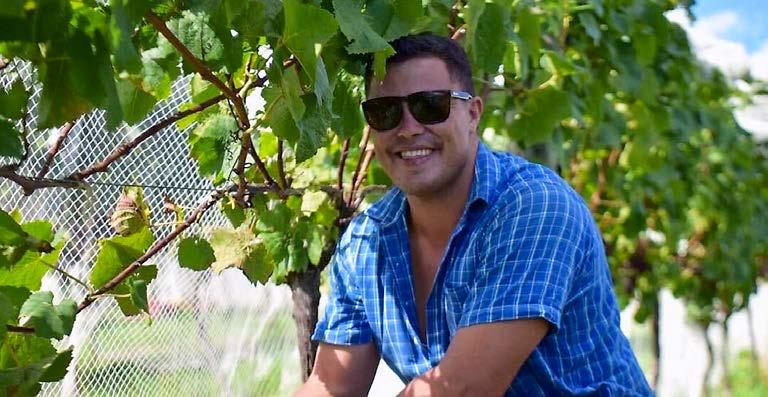
From small beginnings to six hectares and from just wine to producing vermouths and aperitifs, Jake says 144 Island Wines has gradually grown since he planted the first vines 10 years ago
Local body amalgamation needed
by Colin Hannah, Federated Farmers Northland president
In the late 1980s, rural New Zealand was in the grip of double-digit rate increases and the government of the day felt there were too many separate local bodies.
It was decided economies of scale would be created by combining county councils with borough councils, creating regional councils which could oversee aspects considered outside the brief of the newly-formed local bodies.
New Zealand ended up with roughly a tenth of the local bodies that existed prior to this major change, a shakeup driven by a belief too many council staff were resting on their shovels and laurels.
The resting shovel concept went from a cost model to an added profit margin, as initial progress was made to shift the dial for the better.
However, over the years we have witnessed neutrality of opinion disappearing and ideology taking place amongst some local councils, with many reports rubber-stamped without commonsense scrutiny.
Decades after that big change, the government is now reviewing the situation and signalling a significant shift will take place.
It needs to happen because rural
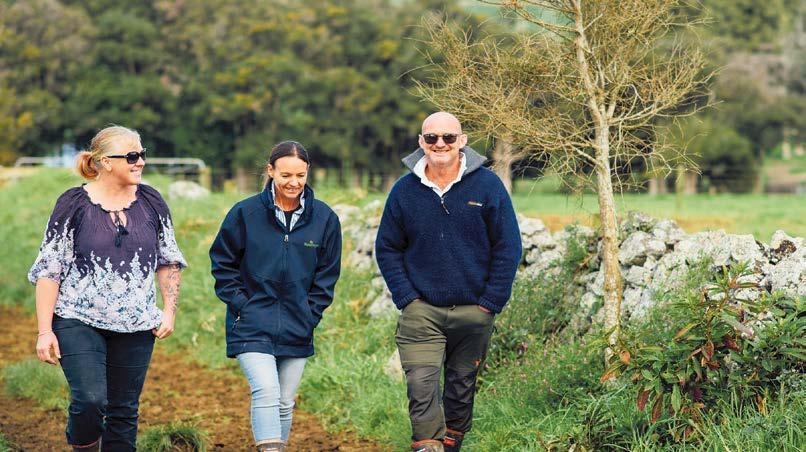
Federated Farmers has been looking closely at this for some time now, while working with councils, our members and rural folk in general. In Northland alone, we have spoken with hundreds of people and it is clear that rural folk want some respite, common sense and consistency, so they can make a living and get ahead.
Equally, legislation imposed on regions without considered financial assessment or assistance creates fiscal holes in local pockets.
The overwhelming feedback we have received is that many people in Northland favour our four councils becoming one entity to better serve ratepayers.
The combined Northland balance sheet of these councils indicates assets totalling almost $7 billion New Zealand dollars. Suffice to say that there are few New Zealand companies with balance sheets greater.
Interestingly, those companies are governed by professional directors — most often leaders with the appropriate skills and qualifications.
Perhaps with that level of leadership in a new government-driven and regionallymerged council regime, we would be the recipients of a stronger and more efficient model, free from unnecessary red tape and cost.
Ultimately, we need and want the best outcomes for our communities and
the primary sector and businesses in general.
A refreshed local government model is needed to let that truly flourish.
MAID WITH NEW ZEALAND PRIDE
by Andy Bryenton and Ian Dougherty
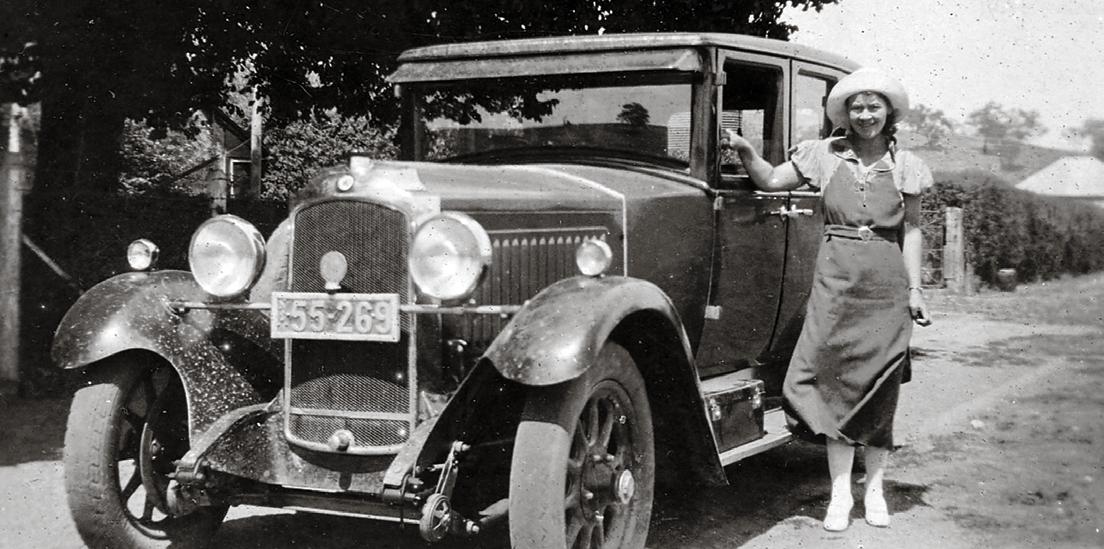
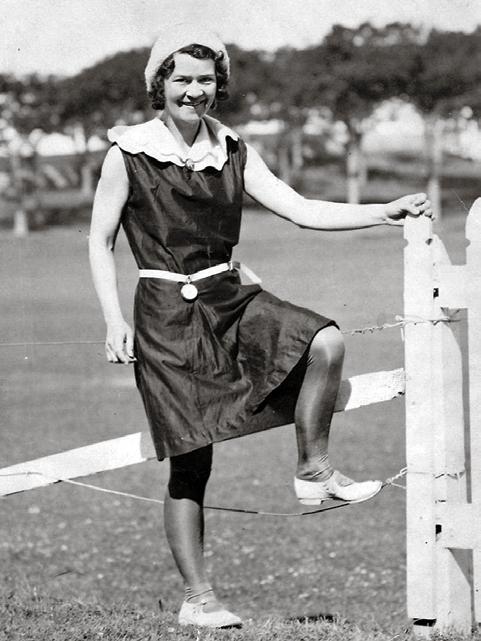
Author Ian Dougherty has written a book about the remarkable Esther James, who walked the length of New Zealand during the Depression years of the 1930s to promote Kiwi produce.
New Zealand Maid tells the tale of that epic trek, the first of its kind, and certainly the first campaign for local products and produce. Esther James was the first person to walk the length of the country, which is remarkable in itself, but she did so in 1932 during the Great Depression, wearing only New Zealand-made clothes and eating only New Zealand-produced food, to encourage people to ‘buy local’.
Mr Dougherty says that every stage of her progress in New Zealand was followed by newspapers and fledgling radio stations, and devoured by the public. Bands played her into cities and towns, which feted her with official welcomes, civic receptions, dances and socials. Reporters bombarded her with questions.
Autograph hunters thrust pens and paper at her. Poets waxed lyrical about her. She quickly became a celebrity, says the author. It was part distraction, part inspiration, and part symbol of people’s aspiring progress out of the economic and social gloom. Setting out from Spirits Bay on December 3 1931, Miss James walked through Northland, Waikato, Taranaki and Manawatū to Wellington, then down the east coast of the South Island to Bluff, where she arrived on June 18 1932.
In completing her extraordinary journey, Miss James had walked a total of 2,581 kilometres: 1,448 through the North Island and 1,133 through the South Island, with a few detours along the way. It had taken her 937 hours over 199 days: 128 days walking and 71 resting,
including a Christmas/New Year’s break in Auckland. She estimated she had taken six million steps.
Despite the daily physical workout, contemporary reports say she had ‘piled on the pounds’. Starting out weighing 50 kilograms, she walked into Bluff weighing 65 kilograms, which she attributed to eating New Zealand-grown food and especially New Zealand milk and cream, butter and cheese. The overnight stays with hospitable families, and the foodcentred functions through which she politely sat and ate, would not have been conducive to figure-keeping, not to mention the special hiking chocolate Nestle produced for her.
News of Esther James’s arrival in Bluff was widely reported in newspapers
Help us save lives in Northland.
throughout the country. It resulted in her receiving more than 1,000 letters and about 500 telegrams from all over New Zealand congratulating her on her achievement. This was in addition to about 1,200 letters and telegrams of congratulations and good wishes she received during the walk. She personally answered every message: it took her three weeks just to reply to the end-ofwalk messages.
Many of the host of congratulatory telegrams echoed the sentiment the mayor of Pātea, Fred Ramsbottom, had expressed during Miss James’s visit to the town: that she was ‘undertaking a work which many a man would hesitate to tackle, and she deserved credit for her pluck.’
Esther would often be asked if she needed a ride by motorists eager to help, but she refused them, walking every step of the way
The telegrams included one from politician Gordon Coates, who told her: ‘I feel that this is a remarkable achievement and you as a New Zealand woman are to be commended for your spirit and determination.’
Another was from the county clerk in Kaitāia, who conveyed: ‘By your performance you have ennobled the women of our country.’ In a similar vein, a Christchurch newspaper later commented that Miss James ‘deserves to be regarded as one of our national heroines.’
The enthusiastic public response to Esther James’s walk was a statement of faith. As she later wrote of the congratulatory letters and telegrams that poured in from all over New Zealand after the walk: ‘although they were addressed to me, they were really written by New Zealanders to their own country. I was merely a focus for their faith in the fact that, in spite of the grimness of the passing depression, we still had the spirit to get up and do things and make things — and to make and do them well.’
In an era before endurance sports, before social media and
him to write the book, focussing on Miss James’s New Zealand and Australian walks and the public responses to them.
Farmers often develop sore joints (Part two)
by John Arts
Earlier this year, a farmer contacted me about severe osteoarthritis affecting his hands and shoulders. Joint pain is common among farmers; many experience it before age 50, often due to livestock accidents or years of demanding physical work.
His hands were so painful that closing them was difficult, and the discomfort was constant. Shoulder arthritis is also common and can be especially troublesome, because pain often radiates through the ligaments, muscles and tendons that support the joint, making everyday tasks harder.
After three months, the results were impressive. He reported major improvements in hand and wrist function, and his shoulder pain had eased enough to feel much more comfortable. His progress offers another reason to explore nutritional medicine as part of osteoarthritis management.
Mr Dougherty says that the ‘buy local’ campaigns associated with climate change and carbon footprints, the coronavirus pandemic, supply chain disruptions and the fast-approaching centenary of the onset of the Great Depression, prompted
New Zealand Maid: Esther James And Her Campaigning New Zealand And Australian Walks During The Great Depression is published by Saddle Hill Press. Copies are available for $40 from bookshops, and directly from the publisher (post free): Saddle Hill Press, PO Box 90, Dunedin 9054; email saddlehillpress@ xtra.co.nz.
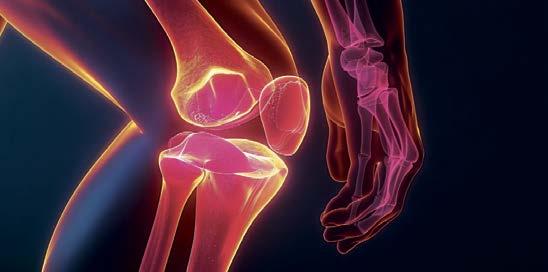
Osteoarthritis usually develops in one of two ways: from direct injury or from gradual cartilage loss. As cartilage breaks down, bones can rub together, causing pain because bone contains many nerve endings. Cartilage degeneration may be driven by excessive destructive enzymes, free-radical damage to chondrocytes — the cells that produce healthy cartilage — and ongoing inflammation.
To address these problems, I started the farmer on an intensive three-month programme. It included 1,600mg each of high-grade chondroitin sulphate and glucosamine sulphate, along with 400mg of water-soluble curcumin extract from turmeric.
For people with similar concerns, high-dose chondroitin combined with glucosamine and curcumin, supported by an anti-inflammatory diet, may provide meaningful benefits.
To learn more, email me for a copy of my osteoarthritis programme and begin your journey toward better joint health.
John Arts (Adv.Dip.Nut.Med) is a qualified nutritional medicine practitioner and founder of Abundant Health. To read more articles by John and learn more about the Abundant Health products he has formulated, visit healthhouse.co.nz, call 0800 140 141, or email john@ healthhouse.co.nz.
For many, joint health deterioration is the first obvious sign of aging. Gradual erosion of cartilage, is by far the most common issue.
What is Bettaflex?
Bettaflex is the most popular supplement in the Abundant Health range because of its positive support for joints affected by wear and tear, helping Bettaflex users to support mobility and quality of life.
How does Bettaflex work?
Bettaflex has been formulated to support joint comfort and mobility, making it an ideal supplement for those seeking support for joint comfort and stiffness. Bettaflex combines high-grade chondroitin
DAFFODIL DAY
FRIDAY 28TH AUGUST 2026
“Together
“Proud
cll@xtra.co.nz
Ph:
by Andy Bryenton
Daffodil Day turns 36
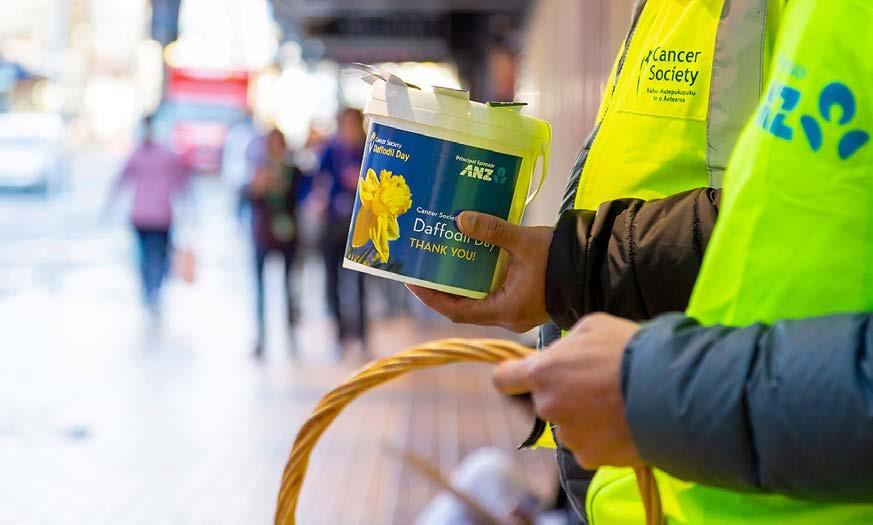
This year marks the 36th anniversary of one of the most important charitable fundraisers in our community, the annual appeal for the Cancer Society New Zealand.
We likely know this occasion better as Daffodil Day, a time for reflection, commemoration and hope for the future symbolised by garlands of bright yellow flowers.
While it seems that the yearly event has been part of our calendar forever, in fact, it’s a recent addition to the works of the CSNZ. The firstever Daffodil Day was organised for the start of spring in 1990, the year when New Zealand turned 150. It turned out to be a great idea, raising awareness as well as funds. Still, it’s notable that the Cancer Society had been operating for 61 years before that date.
Founded in 1929, out of a desire to offer support to Kiwis and their families battling cancer, the CSNZ has always been at the forefront of both treatment, diagnosis and education, as well as practical help for cancer patients and survivors. In those early days, the Cancer Society lobbied hard for support. It established a consultation clinic in 1930, with follow-up services coming online just a year later. In 1933 a
radiological medical specialist was hired, putting the CSNZ at the front of known treatments and diagnosis methods.
Education has always been a priority for the CSNZ. From ensuring that Kiwis take precautions out in the sun to
1990 as the icon of the Cancer Society NZ’s annual campaign telling doctors and nurses in those early years what to look for when it came to early detection of cancer symptoms. Doubtlessly, the knowledge disseminated by the CSNZ has helped save lives. It’s now common knowledge that we should
keep a close eye on moles and skin spots, for example, and have regular check-ups.
In 1950 cancer research in Auckland began, when Dr JF Burton was granted a cancer research scholarship in pathology. That was to be the beginning of a wideranging and continuing campaign that has linked up with doctors and scientists worldwide, looking for ways to cure or prevent cancer in all its forms.
By the time of the 1979 jubilee year, the CSNZ was a major force in Kiwi medicine, looking to the future. By 1990, the scope and variety of the services they offered meant it was necessary to apply modern techniques to their fundraising, branding their message with a bright symbol of hope. The daffodil, legendary as the herald of spring and held in many worldwide myths and legends as an icon of rebirth, was chosen. Thirty years on, we still honour the commitment and hard work of the Cancer Society New Zealand through its image.
The daffodil is a symbol of new life, and was chosen in
Minister promises ‘simpler’ RMA replacement
by Andy Bryenton
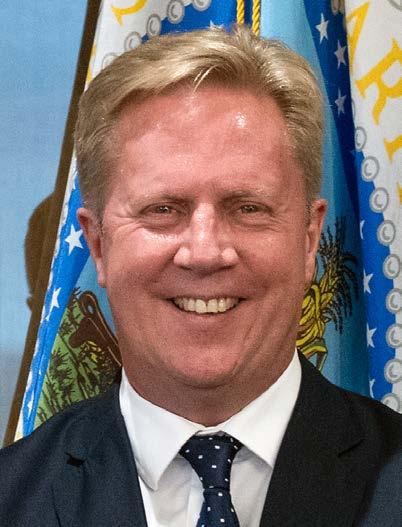
Agriculture Minister Todd McClay has used his speech at the Primary Industries New Zealand Summit to announce an end to the ‘war on farming’, speaking of the replacement to the RMA as the tonic to an “ever-growing regulatory burden”.
Mr McClay was a keynote speaker at the event, which was held in Auckland on June 23 and 24, bringing together primary producers to consider a year of change and opportunity. His speech touched on the highs of 2026, including record forecasts in dairy, projected at $28.6 billion, meat and wool, $14.1 billion,
and horticulture — $9.5 billion. “This government’s vision is clear: to position New Zealand as a world-leading, highvalue producer of premium, sustainable food and fibre. We are on track to double the value of our exports within a decade, and the latest forecasts show we are ahead of schedule. By 2030, we are looking at primary exports exceeding $70 billion,” said Mr McClay.
He then took aim at the perceived regulatory overreach which he and his party opine has set back the achievement of that $70 billion goal, saying that “the sector faced an ever-growing regulatory burden that eroded certainty and increased compliance costs.”
Mr McClay told delegates that the replacement to the RMA “will deliver simpler, more predictable consenting, fewer prescriptive rules, and clearer national direction.
“This is not about removing environmental standards. It is about making them workable and practical so that farmers can focus on production while delivering genuine environmental
outcomes. Improved environmental performance is a must — but it can and should be achieved without imposing unnecessary and excessive costs on the primary sector,” he said.
Farmers will be keen to hold the coalition to these benchmarks for the new resource management framework. There’s also the matter of the New Zealand-India free trade agreement, which has garnered criticism from some senior parliamentarians, Mr McClay promoted in his address as a major breakthrough for primary producers.
“This landmark deal opens the door to a market of 1.4 billion people and provides tariff reductions or elimination on 95 per cent of our current exports to India.”
Mr McClay’s final point was on landuse flexibility, which touches on issues of resource management, and getting more revenue each hectare.
“The principle is straightforward,” he said. “If you can demonstrate the same or an improved environmental and climate
footprint, you should have the freedom to choose what you use your land for. With one exception: I have banned the conversion of productive land to pine trees for carbon farming.”
Todd McClay spoke at the Primary Industries New Zealand Summit recently
by Andy Bryenton
FROM THE GROUND UP
Getting the lead out
After nearly 3,000 years, lead plumbing fixtures may soon be a thing of the past, preventing a health issue which, at least apocryphally, contributed to the fall of ancient Rome.
New building rules will ban lead plumbing fixtures in all new builds nationwide, putting an end to the use of lead piping and fittings. Famously, lead pipes were first used to bring water from the aqueducts of Rome to the palaces and plazas of that great city of antiquity, but now we know that lead exposure can cause problems.
“The quality of the buildings where we live, work and play can have a significant impact on our wellbeing, and there is growing evidence that even trace amounts of lead exposure can be harmful over time,” says Building Minister Chris Penk.
“International health advice shows that removing lead from plumbing products entirely is the most effective way to reduce the risk of exposure.”
Lead is detrimental to human health, and lead plumbing can introduce tiny amounts of the substance to drinking water. One of its effects is to disrupt neurotransmitters in the brain, with the risk of personality changes, psychosis and delirium in sustained doses. Some have posited that the use of all-lead plumbing
in the days of the Roman emperors may have contributed to the erratic, antisocial and bizarre behaviour of several historical rulers, such as Nero and Caligula. There’s even a theory that the effects of lead contamination on the mental state of the ruling class may have contributed to the demise of the empire.
What we know today is that lead is bad for health, and it’s been cut from paint and petrol, toys and utensils. Now, plumbing fixtures are to face a similar restriction.
“From tomorrow, all pipes, fittings, valves and tapware that come into contact with drinking water must be lead-free for new buildings or renovations. Tapware must also be resistant to dezincification to help maintain water quality over time,” says Mr Penk.
“That means designers and tradies will need to check that products specified in a building consent and those installed meet the updated requirements and confirm early with suppliers that compliant products are available, so they don’t get caught short. The move to lead-free plumbing products has been
well signalled. In 2022, plans were announced to tighten the amount of lead permitted in plumbing products used for drinking water, alongside a transition period to give the industry time to prepare before the updated guidance comes into effect from May 2.
“We have received positive feedback from plumbers, other trades and suppliers, which suggests the industry is well placed to transition. It’s estimated any additional cost from using lead-free plumbing products will be negligible.”
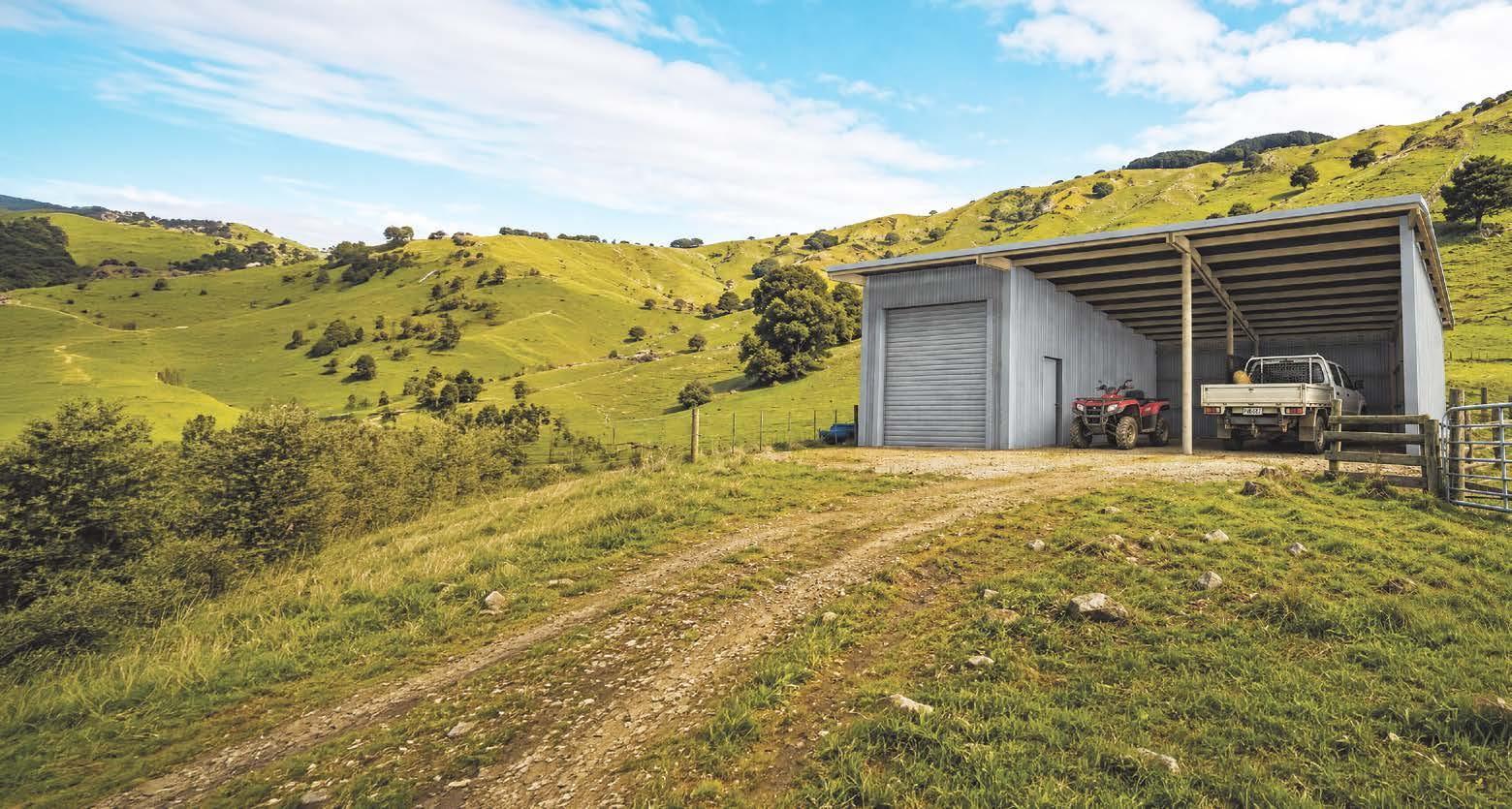
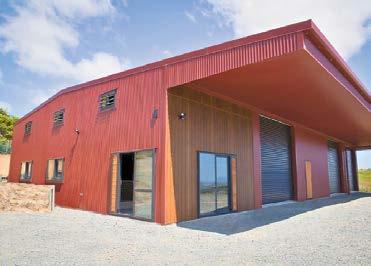
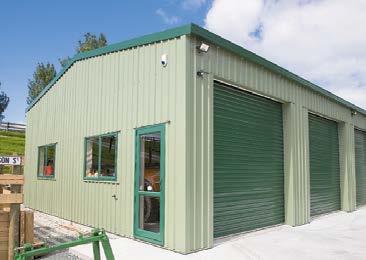
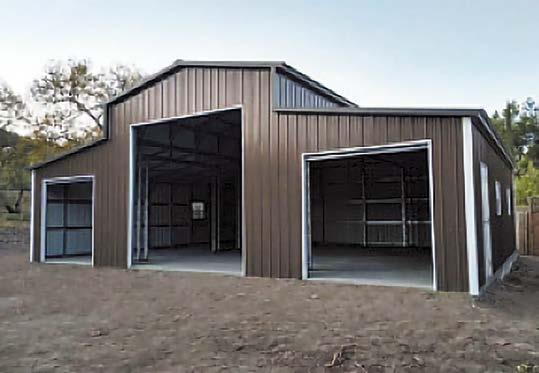
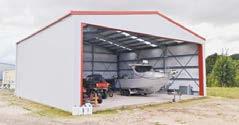
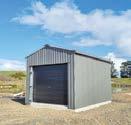
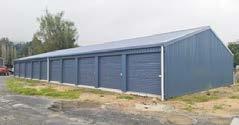
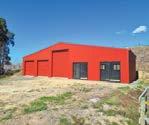
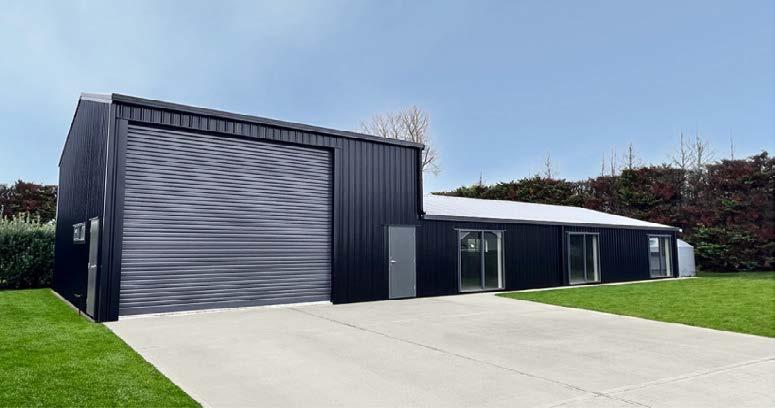
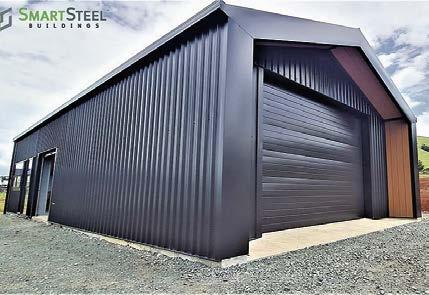
For anyone farming or owning a lifestyle block across Northland and the Far North, a shed is never just a shed. It is where machinery stays dry, and where your tools, vehicles and valuable equipment are protected from the ‘winterless north’s’ occasional harsh weather.
That is why many property owners across the north are trusting Cyclone Buildings Northland for quality steel structures
designed and built specifically for New Zealand conditions.
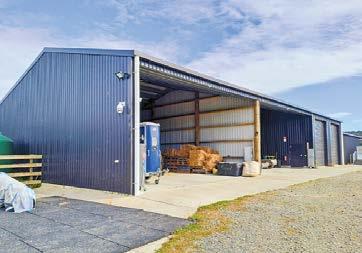
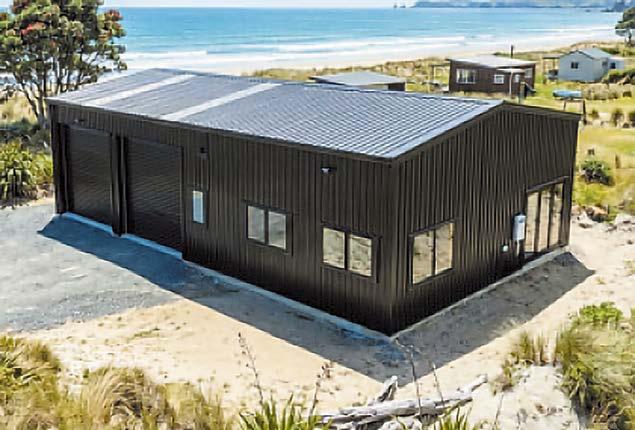
As part of the well-established New Zealand Cyclone Buildings network, Cyclone Buildings Northland brings over 10 years of local building experience to every project, backed by a 30-year warranty on workmanship and systems. Every shed is engineered with heavy-duty New Zealand steel framing, built to withstand high wind zones and coastal corrosion, both of which are constant challenges for Northland properties exposed to salt air and severe storms.
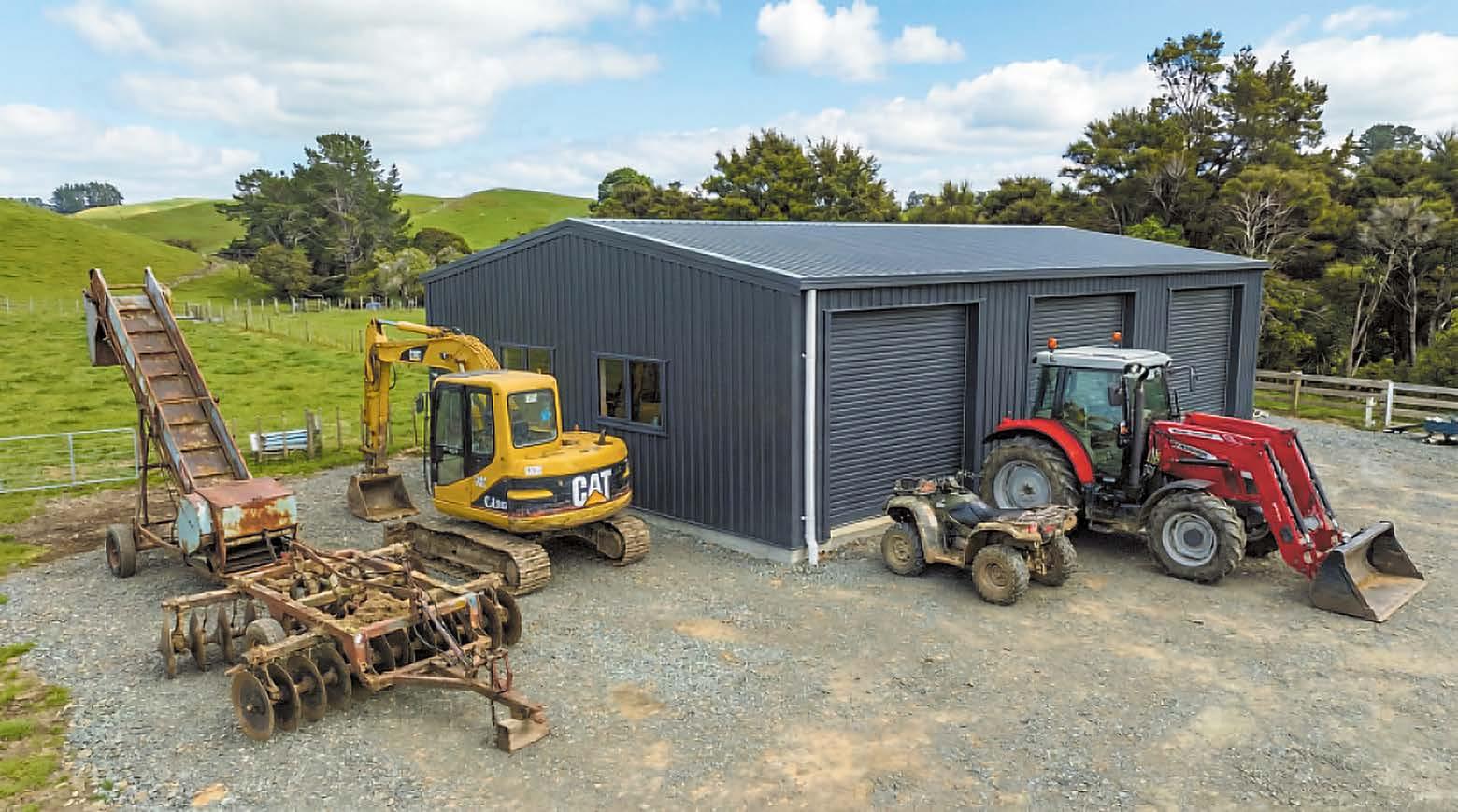
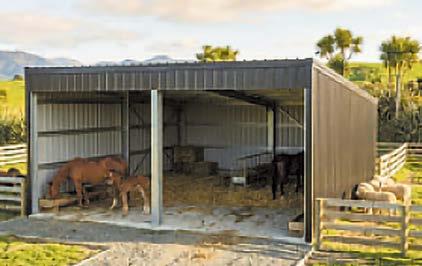
For rural operations, that means sheds designed around real farm workflows, whether it is machinery storage, hay and implement sheds, workshops or full-scale farm buildings. Custom bay sizes, generous heights, large roller and sliding doors, and options for lean-tos or enclosed workshop areas mean each build fits the way a property actually operates, not a one-size-fits-all template.
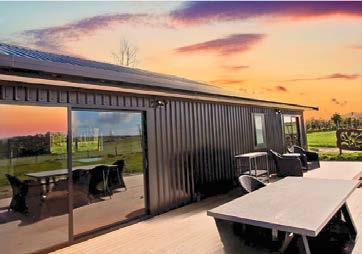
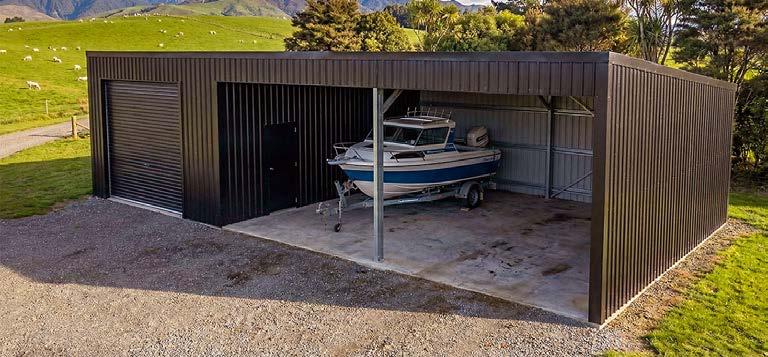
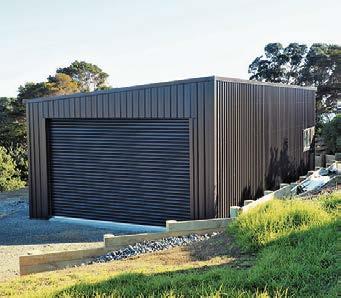
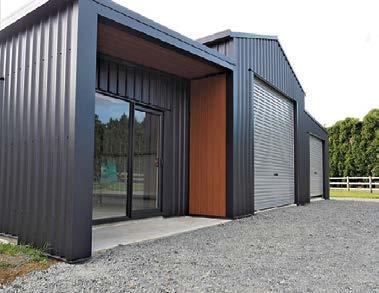
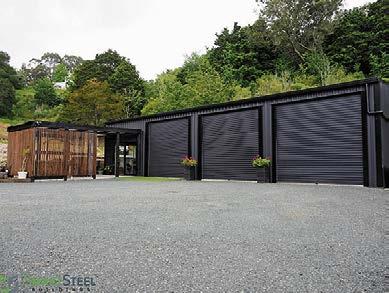
Lifestyle block owners have their own priorities: security, versatility and a shed that looks the part while still doing the heavy lifting. Cyclone Buildings Northland designs
lifestyle sheds that double as secure storage for vehicles, boats and equipment, while offering the flexibility to add workshop or office space as needs change over time. What sets the team apart locally is a hands-on, end-to-end approach. From initial design through to council consent and final construction, Cyclone Buildings Northland manages the whole process, keeping it straightforward for busy farmers and block owners who do not have time to chase paperwork.
Your experienced local team at Cyclone Buildings Northland has built a reputation across the region for delivering on time, on budget, and built to last.
For anyone considering a new rural shed, lifestyle building or commercial structure, now is the time to start planning ahead of the busy building season.
Contact Cyclone Buildings Northland on 0800 113 990 or visit cyclonebuildingsnorthland.co.nz to request a quote.
by Andy Bryenton
Keep warm to keep dry
Winter in New Zealand is usually not
illness and mould through an excess of
Heating your home, whether by firewood, electricity or gas, is harder when the air is filled with moisture. Imagine the difference between getting warm while wearing a dry sweatshirt and wearing one that’s soaked through. The energy from your heat pump or fireplace has to heat the water molecules in the air to raise the temperature in the room, and it can be hard going. At the same time, warm and damp conditions are just the ticket for mould and fungus to take hold.
What’s the solution when Kiwi homes are often built more to a northern hemisphere design than to fit our subtropical climate? The first step is to expel as much moisture as you can at the source. In winter, it’s not practical, safe or smart to have windows open day and night, so extractor fans in damp areas are your best bet. The bathroom and shower area comes firstequal with the kitchen when it comes to moisture output; both pump out steam with litres of moisture a day.
contact a handyman or grab a kitset from your hardware store.
What’s worse is that modern homes are more weathertight than ever before. That is a good thing in many other ways
but trapped moist air can’t escape via ‘unintended ventilation’, a nice name for draughts, gaps and cracks. Before winter, clean out your kitchen rangehood and bathroom extractors. They may have built up dust, scurf, lint and grease during the year that’s affecting their operation. In some cases, replacing cracked or bent fans is a good idea, too. If you have no extractor in the kitchen or bathroom,
That leads to one of the biggest modern questions: will an in-ceiling ventilation system warm my home? The short answer is no, but the more complicated truth is that you’ll feel warmer if your ceiling cavity contains dry air. Most of these systems take dry air from in the roof, where there’s no respiration, cooking or cleaning being done, and bring it into the home to stop window condensation and mould. The added bonus is that low-moisture air heats up more easily. Of course, it depends on your ceiling and your roof. A roof getting lots of sun, fitted with tar paper and insulation, will be a good source of drier air. A roof cavity connected via wall gaps to a damp undercroft and foundations will be of little use.
As a general rule, systems in the roof and extractors at the source beat chemical mould absorbers and electric dehumidifiers, hands down. If you have
to use these products, consulting with an HVAC professional about how to stop the issue is a must.
Stop damp conditions at the source to tackle mould, cold and damp this winter
Sound planning advice and accurate boundaries
Thinking about subdividing, building a new shed, or developing part of your block, but
Every successful build or subdivision starts with the same groundwork: accurate boundaries, sound planning advice, and a clear path through consents. That’s where Buckton Surveyors and Planners can help.
Buckton is a multi-disciplinary team of experienced professionals, bringing planning, surveying, ecology and engineering together under one roof. Based in Warkworth, Dargaville and Whangārei, the team has spent more than six decades helping Auckland, Kaipara and Northland landowners take projects from first idea through to final delivery.
“For a lot of rural and lifestyle owners, the hardest part of a build isn’t the construction — it’s knowing where to start with boundaries, consents and land-use rules,” says Richard Cullen, a director at Buckton.
“That’s where we come in. We manage everything from initial scoping and feasibility to the complexities of land use and development, so our clients can move into the build phase with confidence.”
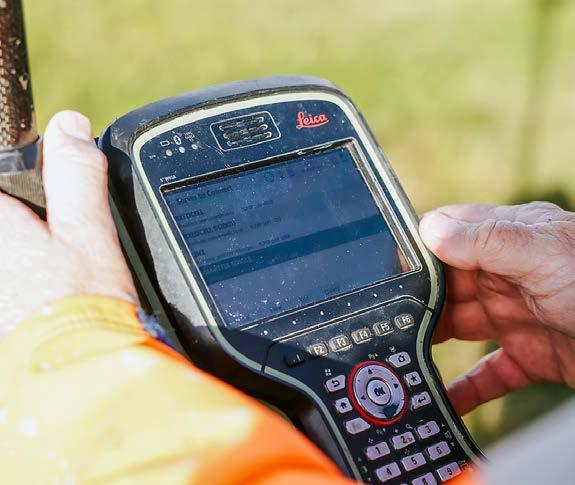
Buckton’s clients range from rural and urban landowners to property developers. Its services include resource consent planning, ecology assessments, land and construction surveying, aerial LiDAR surveying, building set-outs, siting certifications, boundary surveys and more. An investment in LiDAR drone technology
has enabled Buckton to complete some survey work in a fraction of the time compared with traditional methods and has allowed access to difficult-to-reach areas, says Richard. “This technology delivers detailed terrain mapping, and quicker turnarounds — and it’s safer than sending people into tough terrain.
“At Buckton we take pride in our work and commit ourselves to every project. We listen to our clients and work hard to deliver, whether it’s a small shed or a largescale subdivision.”
If your next rural project is something you’d like to discuss, get in touch on 0800 282 586 or visit buckton.co.nz.
BUY,EAT, WORK , PLAY
Breeding Better Beef
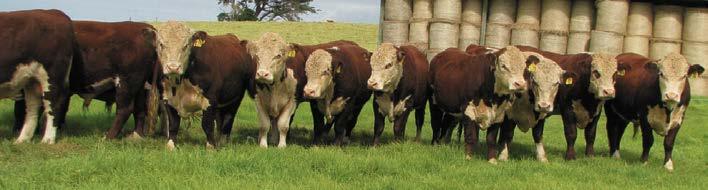
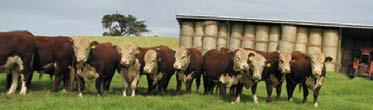
With beef prices still on a high, Northland Hereford Breeders’ Association members are gearing up to meet the demand for Hereford bulls during the spring bull selling season.
Hereford cattle are one of the oldest established cattle breeds in New Zealand, and the popularity of the breed has never waned, as evidenced by the high demand for Hereford bulls in 2025. The Hereford breed is known for growth, hardiness and maternal instincts.
Hereford-cross cattle have a reputation for gaining a premium at the saleyards, and the breeders aim to produce bulls that are suitable for both the beef and dairy sectors. They have a detailed knowledge of the pedigrees and genetic characteristics of their cattle, which gives their customers certainty about the history of the bulls they are buying. The breeders can also advise buyers about the suitability of the bulls for mating to both cows and heifers.
The spring sale season will see bulls offered through both On-Farm auctions and private treaty sales. The sales kick off on August 28 with Otengi/Waimaire
Herefords offering 15 18-month-old animals, 38 yearlings, and four R2Yr bulls. Matapouri Herefords’ sale on September 4 will offer 65 R2Yr and 70 yearling bulls. After their first successful sale last year, Kaipara Herefords will offer 80 x 15-month bulls at their sale on September 22.
Omaha Heights Herefords will be selling through the online Bidr platform. Omaha
will have an open day for viewing bulls on Friday, September 4, followed by an online sale on Bidr on 24 September 7pm, where 39 R2Yr bulls (18 stud and 21 commercial) will be offered for sale.
Other breeders selling through private treaty (paddock sales) are Wyborn, Pampas Lane, and Marua Herefords. For more details, refer to our advertisement in this issue.
• Specialising in Homekill & Recreational Catch
• Venison - processed into Salamis, Smoked Cheese Kransky + a variety of other flavours & Hamburger Patties
• Electrical stimulation for accelerated rigor mortis - improving the PH levels & aging process on the bone
• Offal & Hide disposal by arrangement (extra fee)
• All beasts weighed on-site - Meat returned & weighed back with yields given
• All beasts vac packed & hung on the bone minimum of 10-12 days
• Operating for 25 years
• We know our job well
• No Retail - Homekill Only
by Andy Bryenton
Innovate to dominate
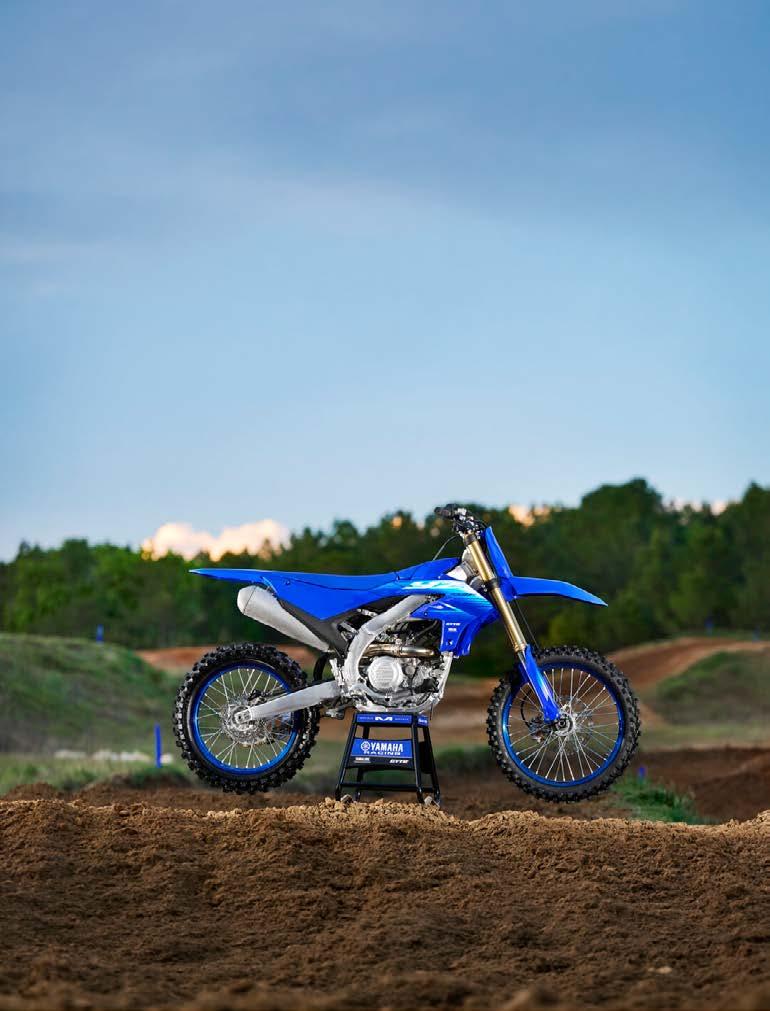
Yamaha heads into a new model year for its 250cc YZ250F with motocross and supercross wins that could fill a trophy case, but the team behind the bikes in blue have not rested on their laurels for one second.
The all-new Yamaha YZ250F comes with the slogan ‘because legends don’t stand still’, and in terms of advancements over previous models, they’ve taken a big leap forward.
Yamaha’s research and development team, notably the guys other auto makers go to for tuning know-how, has added a revised engine with more power and torque through the rpm range. They’ve paired this with a new hydraulic clutch for smoother, more effortless engagement, and, because the fundamentals matter, they’ve even improved the frame, with an advanced aluminium bilateral layout offering unrivalled rigidity and flex.
Let’s drill down into those engine specs, because it’s a world of superlatives. The 2027 YZ250F has an entirely new motor; a liquid-cooled, double overhead cam fourvalve beast which does more with its small displacement than you’d imagine. What’s most intriguing is a boost at the top of the rev range, where the limit has been pushed out by a further 700 rpm.
With fuel-injected power right through this range, the comparison to another
Yamaha product, the company’s concert pianos, comes to mind. It’s like they’ve added another octave at the top of the keyboard, and cranked the amplifiers up to a spinal-tap-worthy 11. Speaking of lovely tones and timbres, Yamaha proved once again that they are masters of attention to detail; they’ve tuned the exhaust note to be robust and resonant, despite being noise compliant.
Power is one thing, but finesse is another, and stability and control win races as surely as raw kilowatts. The new YZ250F adopts a bilateral aluminium beam frame design pioneered on its 450cc big brother, and it’s a nice balance between light weight and confidence-inducing stability.
Add in adjustable suspension front and back, and you have a machine which encourages the selection of razor-precise lines, and helps riders commit to them with traction and poise. It helps that at just 107kg wet, this is a light and nimble motorcycle indeed. You might feel guilty for having a pie before firing it up.
Yamaha YZ250F models have been doing the business and racking up victories
since 2001, and each generation has seen an evolution, from a new frame in 2006 to a new engine in 2010, to this latest comprehensive reimagining. What hasn’t changed is the image of Yamaha’s
lightweight off-road champ. It’s available in any colour you like so long as it’s the company’s famous blue livery and, of course, it looks best of all covered in dirt and leaned up against the winner’s podium.
WHEELS
Twin turbos and tuned for toughness
by Andy Bryenton
Nissan’s new Navara comes with a legendary name, a fresh, rugged style update, and next-generation power and handling.
The Navara badge rose to prominence in the 1980s with the unbreakable D21, but refinement has been the byword for successive generations since. In this spirit, the current Navara comes with more technology and smarter engineering, making it both a more relaxed place to spend those highway hours, and a dependable co-worker for farmers and tradies.
Nissan, Mitsubishi and Renault share design and development know-how in this
era of big-budget new-vehicle innovation, but to set the Navara apart there’s been some substantial man-hours of research put into the new ute’s suspension set-up. This took place in the gruelling proving grounds of Australia, and has resulted in a measured, substantial steering feel, transitioning from tarmac to unpaved surfaces. It’s an option on every one of the four grades of Navara, right up to the range-topping Pro-4X, and it’s one country drivers will appreciate.
AUTOMOTIVE & PERFORMANCE PARTS
Under the hood you’ll find a 2.4-litre diesel producing a handy 201 horsepower, and an even more appreciable 470 Newton-metres of torque. This engine comes with not one but two turbochargers; one to build fast boost and another to feed the motor for maximum power. The upshot is smooth, motive force without any waiting around — this certainly adds to the Navara’s crisp on-road manners. Nissan knows a thing or two about turbos, especially when they come in pairs; just ask anyone who loves the legendary Skyline.
While in this case it’s a ute that’s received the benefit of Nissan’s technical knowledge, the result is equally tuned for its specific niche. The Navara is designed to work, designed to haul tools and equipment, camping gear and materials. It’s designed to tow a hefty 3.5 tonnes, too, so your powerboat or your small excavator can come along for the ride. Better yet, this voluminous ute does it all while delivering fuel economy of just 8.8 litres for every 100 kilometres.
Now we get to the impression, the looks, and the way in which form mirrors function in this new generation. While all of the Navara range comes with sleek new steel, it’s the flagship Pro-4X which wears it best, boasting lava-red exterior flashes, big, aggressively stanced alloy wheels, custom red accents and stitching in the well-appointed cabin. Creature comforts include a nine-inch infotainment screen, dual-zone climate control, heated seats and support for Apple and Android phones.
Your local Nissan dealership has examples on display right now, and a test drive is well recommended to see just how far the Navara has advanced in this latest generation.
Nissan Navara roars back on to Kiwi roads (and off them) with a new generation tuned for both work and recreation
WHEELS
Steam ploughs weave with iron
by Andy Bryenton
In modern times, a ‘shuttle’ means a van which zips through traffic faster than a bus, or perhaps a spaceship able to launch and land over and over again, but in the past it meant something very different.
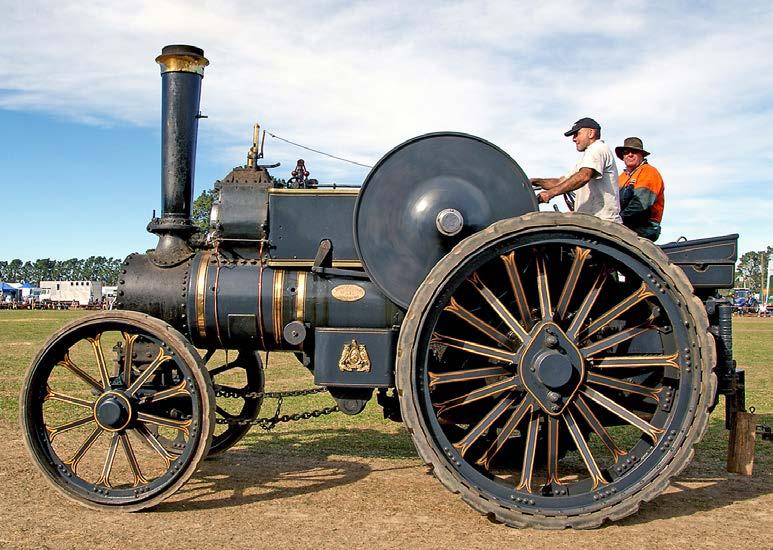
In 1863 steam was king, and a growing population in Europe looked to innovation and engineering to boost farm production and feed the masses. John Fowler of Leeds had already founded a company making traction engines, powerful steamdriven machines not tied to the rails like a locomotive, but they had a big problem when it came to agriculture.
A traction engine could not plough a field in muddy conditions, because it weighed almost as much as a railway locomotive. Compaction of the soil is a huge issue for modern tractor makers, which can utilise treads and tracks, composite materials and advanced tyres to offset the weight of big agricultural machines. John had to contend with unshod wheels and tonnes of red-hot iron.
Nevertheless, Fowler had witnessed the Irish potato famine first-hand, and reasoned that better soil drainage and improved efficiency could save lives. The answer was in the name of the factory he set up; the Steam Plough Works. There, the concept of the shuttle was redefined.
The shuttle John Fowler knew of was used in weaving, and especially in the textile industry that had boomed in tandem with the industrial revolution. A shuttle passes back and forth across a
loom to weave thread into fabric, and John saw a way to plough fields without his powerful but heavy machines ever getting their wheels stuck.
His idea was to position a traction engine on each side of a large field, then attach a cable drum sideways under both machines. This looked like the winch on a modern off-road truck, and as the cable
in on one traction engine, it reeled out on the other. Halfway down the sturdy cable was a double-ended plough, which could be tipped back and forth.
To plough a furrow, the blades were reeled in by the immense torque of the steam engine on one side of the field, then reversed and pulled back to the other, using the second engine. Moreover,
because both machines were on wheels, they could creep forward as the shuttle plough did its work, covering 20 acres each day, in a time when a horse could plough only one or two.
It was a revolutionary idea for its time, and Fowler’s company went on to manufacture more than 2,100 cable plough systems, exporting them around the world. Shuttle ploughing was the pinnacle of mechanised farming all the way through until the invention of the internal combustion tractor.
BUY,EAT,
WORK , PLAY
THANK YOU FOR CHOOSING LOCAL
A Fowler road locomotive of the kind adapted for shuttle plough use in the Victorian era was reeled
•
•
•
•
•
•
1. Upset (7) 5. Nightwear (7) 9. Impudent verbally (5) 12. Long flat runner used on snow (3) 13. Throng (5)
Queasy (9) 16. Unusual and unpredictable (5) 17. Hole in a needle (3)