Postal Address: PO Box 474, Dargaville Physical Address: 107 River Road, Dargaville
Editor: Andy Bryenton
Journalists: Amy Fifita | Andy Bryenton | Paul Campbell
Advertising: Joanne Lowe 027 202 3990
Production: Gavin Bainbridge | Marnie Fuller | Daniel Foster | Liz Clark
Accounts: accounts@rml.nz
Distribution: Laurie Willetts Printed by: NZME
Website: farminglifestyles.co.nz
Free trade agreement with India
by Grant McCallum, Northland Member of Parliament
Our free trade agreement with India will be signed next week — opening up new opportunities in a market of 1.4 billion people in the fastest-growing economy in the world.
For a trading nation like New Zealand, this is significant. One in four Kiwi jobs are tied to trade, and exports are a key driver of our economy. When we make it easier for New Zealand businesses to compete on the world stage, we create jobs, lift wages, and put more money in your back pockets.
For Northland, where primary industries underpin a large share of local employment and exports, this agreement creates real opportunities for growth.
This agreement reduces or removes tariffs on 95 per cent of our exports. From day one, more than half of New Zealand exports to India will be duty-free, rising to 82 per cent over time.
That means products like mānuka honey, kiwifruit, forestry products and seafood will reach more customers. Tariffs on mānuka honey, for example, will drop
from 66 per cent to 16.5 per cent over five years, while kiwifruit will gain duty-free access within a quota nearly four times current export volumes.
Three years ago, National said we would deliver an FTA with India. People told us it couldn’t be done. Now, we are delivering a once-in-a-generation agreement that opens the door to one of the world’s largest markets.
Since coming into government, exports have grown by more than $17 billion. We’ve concluded, signed and brought into force the New Zealand–UAE Comprehensive Economic Partnership Agreement and finished negotiations with the Gulf Cooperation Council.
Growing trade is the key to growing New Zealand’s economy. It’s part of National’s plan to fix the basics, create more jobs, lift wages, and put more money in Kiwis’ pockets.
Five-star for community heart
by Amy Fifita
A busload of about 40 tourists was rescued by Sue Girven and her family following flooding along State Highway 15 a couple of weeks ago.
Diverted from SH1, the Leopard Coachlines bus was left stranded after having to turn back due to flooding at Tarai Station. Discovered by Pakōtai local Sue Girven with her daughter, Megan, and her grandson, Devon Butler, the tourists got a different kind of Kiwi experience.
“It was starting to flood, and I said we’d go for a quick drive when I saw a stranded tour bus. The driver and some other people were wandering around. One guy had driven his car into the floods, and he’d escaped, but he had to swim to where the bus was,” said Sue.
“It was a busload of American, Indian and Asian tourists, all about 70 years upwards. By the time the bus had turned around at Tarai Station and gone back, they were completely trapped and couldn’t go back to Whangārei, Dargaville or Kaikohe.”
Sue says it would have taken them about 15 minutes. Directing them to The Rec Pakotai, Sue, her family and other community members ensured that the visitors were fed, watered and had accommodation for the night.
“The Rec is where everyone goes for civil defence emergencies, and it has a shower, toilets, and a big kitchen. By the time I had got the keys and got back, a couple of locals had arrived
to set up tables, put urns out for cups of tea, and pull mattresses out of the container.
“By the time we left, Tania Faber was singing Māori waiata on her guitar, and they were dancing and enjoying themselves.”
The community rallied around them, with offerings of fresh scones, fish, sweet corn and hot beverages. By morning, it was safe for the coach to continue its trip to Paihia.
“Having grown up on a sheep and beef farm, I understand the challenges that come with running an asset‑heavy rural business — from servicing debt to navigating how ownership and succession are structured over time.
We’re here to support all your rural accounting needs, whether that’s retrospective processing or forward‑focused planning.
Our goal is to help rural businesses and families move confidently in whatever direction they’re heading.”
Brayden Nichols
DIRECTOR
“It was not a five-star hotel; it was marae style for the night, and it felt good to help these people. I am thankful to the locals in Pakōtai and Parakao, and we are there for anybody, no matter what happens. I am proud to be part of this amazing community.”
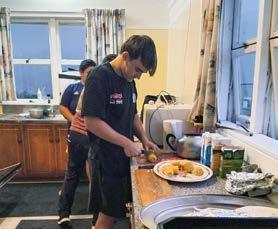
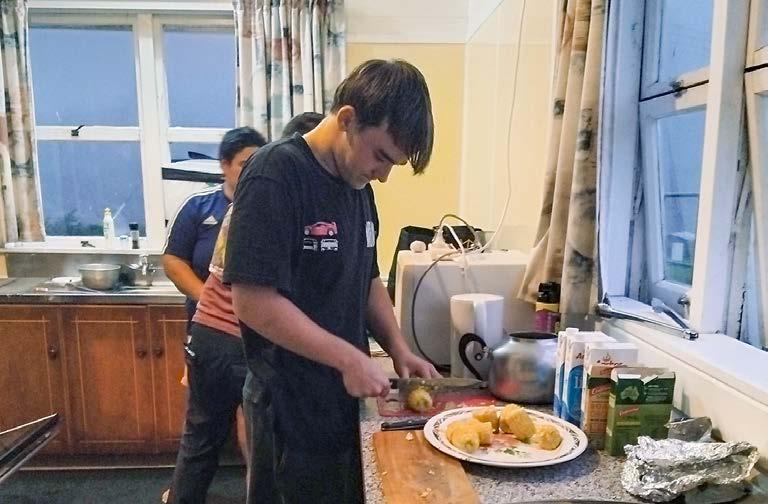
Sue’s grandson, Devon Butler, was quick to lend a helping hand in the kitchen, ensuring the stranded tourists were fed
Growing people to grow crops
by Amy Fifita
With an upbringing on a Nelson orchard, Alan Dobbie used his knowledge and experience in apple growing to become a leading figure in the kiwifruit industry, realised in the Ballance Farm Environment Awards success.
“After doing a fitting and welding apprenticeship after my school years, I returned to Nelson and purchased my own apple orchard in 1991,” said Alan.
“In 2000, when they deregulated the industry, I sold my orchard and relocated to the North Island, managing an apple orchard.”
Desiring change, Alan became a manager in Gisborne growing apples, kiwifruit and citrus. His first taste of the
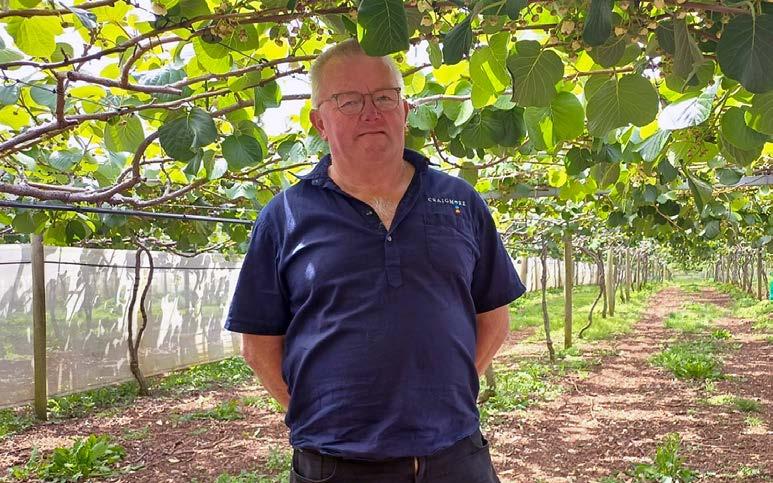
kiwifruit industry, Alan said it is a good industry all round. Working for Craigmore Sustainables for the past eight years, Alan made his way north to develop the company’s kiwifruit venture in Kerikeri.
“I started with Craigmore eight years ago and shifted here to develop this orchard over four years, starting in 2019. We have developed 82 hectares of kiwifruit; 70 for SunGold and 12 for our new red variety. We are learning how to grow the red variety. It is a smaller
fruit and is more susceptible to wind damage, so it needs better shelter and more careful management than the SunGold.
“It is hard work, but we’re improving our growing practices and seeing better yields and size each year. As we continue to learn, this will become the norm.
“Northland doesn’t get as much winter chilling, so we are more careful about the type of wood and buds we tie down to get a good number of fruit. The soils here
are not as forgiving as the Bay of Plenty, which affects our irrigation and fertiliser management. With the wetter soils here, we are moving to using Bounty rootstock.
“The most common rootstock is Bruno. What we see with the Bounty rootstock is that it is more tolerant of wet soil, and it has a better conversion of buds to flowers to fruit, and we are harvesting heavier crops and bigger fruit from it.”
While always seeking to take care of the environment through reusing, recycling,
Having grown up on an apple orchard, horticulture is in Alan’s blood
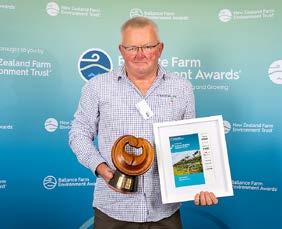
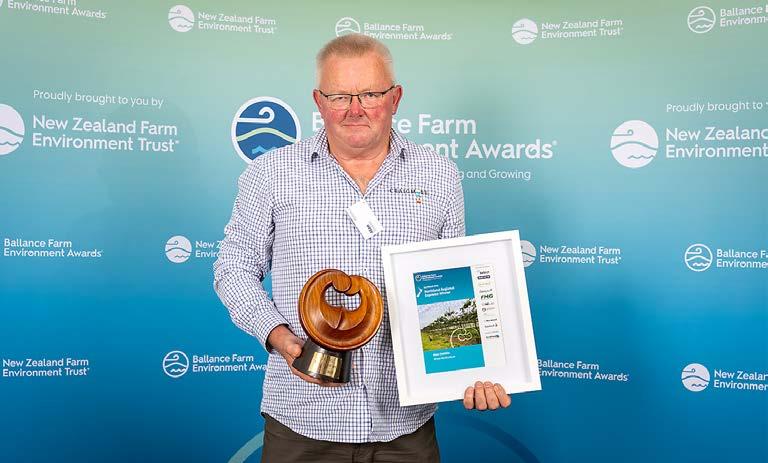
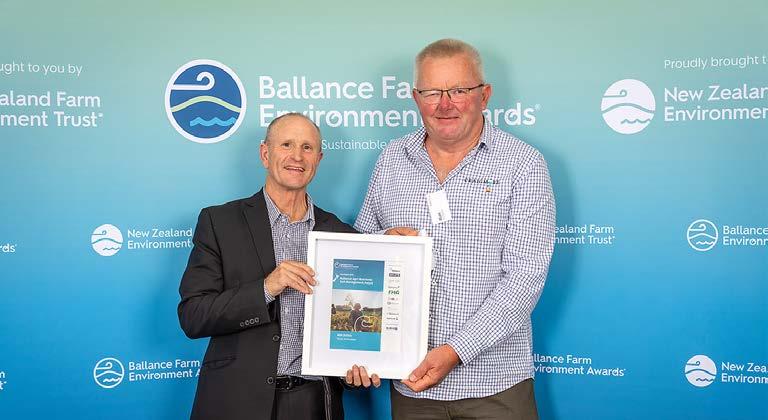
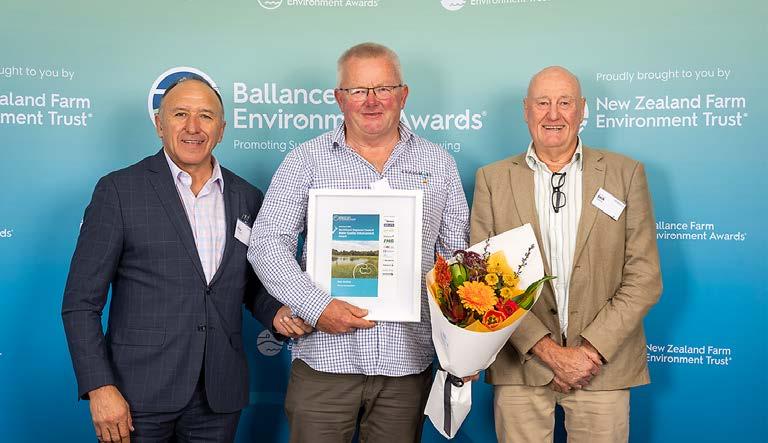
Alan Dobbie from Wiroa Horticulture was victorious as the Northland Regional Supreme Winner at the Ballance Farm Environmental Awards
planting and pest control, Alan says until the awards, he didn’t realise the impact that sustainability has had in the orchard.
“Looking at all your carbon inputs and minimising them, we’ve also been involved in carbon-neutral growing of kiwifruit. We’ve planted about 30 hectares of natives and done a lot of pest control, and now we’ve got kiwi running around in the bush.
“With careful thought about our water use, and the way we apply our fertiliser, mostly done through irrigation, giving plants a little and often, we are applying less fertiliser and see better results.
“Our hydrogen cyanamide alternative trials have been reasonably successful. The main carbon inputs are fertiliser and fuel, so with tractors, we try to do everything with one-pass mowing. If we weed spray, we use two booms and other techniques to decrease our fuel input.
“The way we put the fertiliser on is more effective, and none is running through the profile. If something can be reused, we will use it again, and be careful with fertiliser inputs.
“Until you do something like this, you won’t realise what you’ve done sustainably — recycling plastic containers and string, fertiliser input methods and other practices.”
“It has all been good learning for us, and we have done a lot of trial work, and this award has brought it to the forefront.”
Awarded the Northland Regional Supreme Winner at the awards, Alan shares his love for the industry and the people. With their practices championing a sustainable approach, being part of the awards has created networks and ideas from other horticulturalists.
With the orchard successfully producing red and SunGold cultivars,
and a BFEA award in hand, Alan says they are expanding the orchard further and looking for new land to develop.
“It is a great opportunity to go into the awards. I give a shout-out to all the volunteers and people who put in time behind the scenes, with the judging and other factors.
“I advise anyone vaguely thinking about it to give it a crack and enter because you’ll probably learn something about yourself along the way.”
For Alan, the industry is more than growing fruit — it is also about growing people.
“It is a growth industry at the moment, and we are investing more money and finding more land to develop. I grow people to grow crops, and it is rewarding to see them learn how and watch them flourish as people.”
Northland Regional Council chair Pita Tipene, Alan Dobbie and councillor Jack Craw
Grahame Fitzgerald, Ballance regional sales manager, celebrated the win with Alan Dobbie, Craigmore Sustainable’s Wiroa Horticulture manager
Top guns in shearing sports final
by Paul Campbell
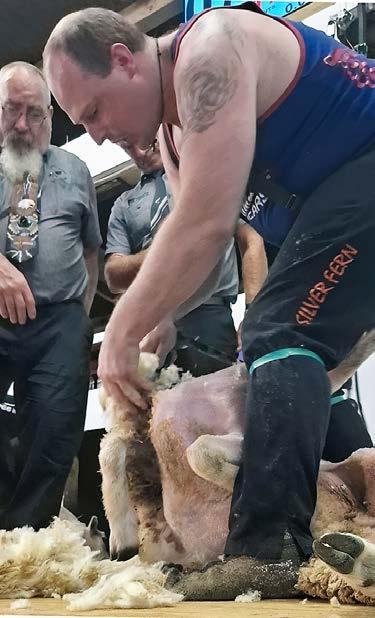
The 40th New Zealand Shearing and Woolhandling Championships in Te Kūiti closed out the Shearing Sports New Zealand season with a spectacular 25-sheep open final dominated by New Zealand teammates Jack Fagan and Toa Henderson.
“The penultimate event was the Golden Shears and world Champs in Masterton last month in a season that comprised 56 shows, of which 29 were in the North Island, and 27 were in the South Island,” said SSNZ spokesman, Doug Laing.
“These included 12 that were standalone shearing sports events, 39 were at A&P shows, and five were at country sports days or community events.
“All but one included machine shearing, 23 included woolhandling competition, nine included blades shearing, eight traditional competitions in the South Island plus the All-Nations during the Golden Shears and World Championships, and one included wool pressing.”
Doug reported that the Te Kūiti closing open event saw Henderson and Fagan shearing blow for blow — Fagan for the first time in his six-man home-town final and ultimately claiming the title, against
defending champion, 2025 and 2026, Henderson, who was out to complete a second Golden Shears and New Zealand Shears double.
It was Henderson first off the board by less than three seconds, completing the country’s only 25-sheep final of the season in 18m 57.25s, but it was Fagan, desperate after 12 years of trying in open class to win a title claimed 17 times by father Sir David Fagan. The new champion had his previous biggest win in
the National Shearing Circuit final at the Golden Shears in Masterton five weeks ago, and his biggest, previously at Te Kūiti in the New Zealand Shears Circuit final two years ago, and the North Island Shearer of the year title in 2025.
“I’m a true believer in that you are who you surround yourself with,” he said, a tribute to those he’s competed against, many of them contemporaries of his dad. Since the Golden Shears, he’d focussed on the gym. In the woolshed, he’s shorn just
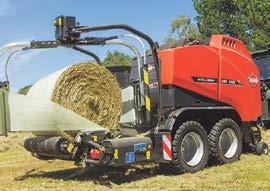
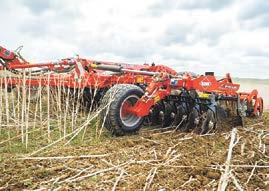
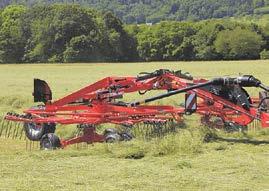
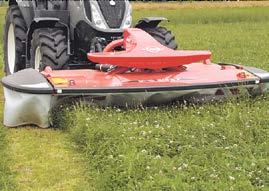
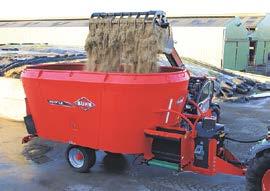
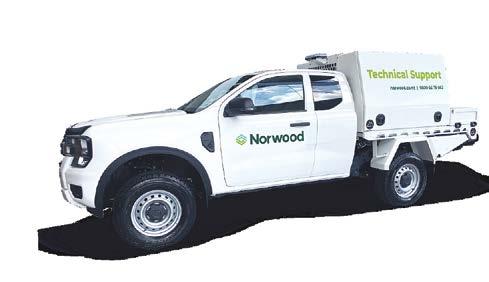
NORWOOD IS PROUD TO BE YOUR LOCAL HOME FOR KUHN SALES , PARTS & SERVICE.
For over 50 years in New Zealand, Kuhn has been a leading equipment supplier for Hay and Harvest Equipment (mowers, rakes, tedders, balers and wrappers), Bedding and Feeding (mixer wagons), and Cul tivation equipment (ploughs and power harrows).
For
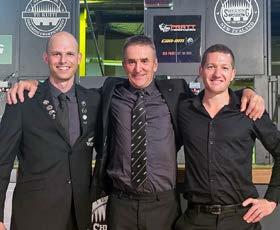
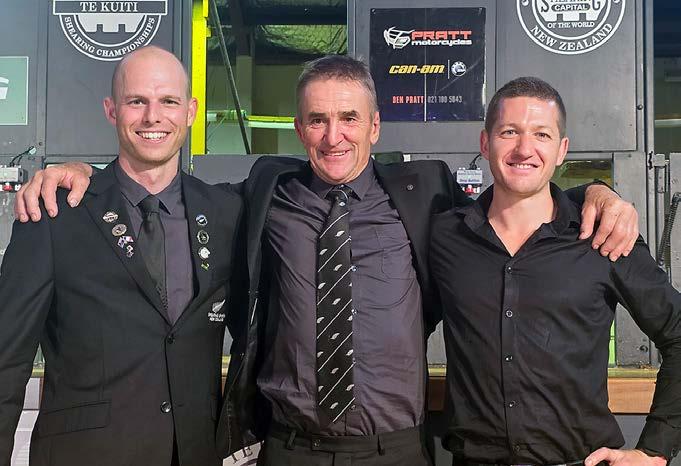
The 2026 New Zealand shearing team to the UK, from left manager Jack Fagan of Te Kūiti, manager Digger Balme, of Otorohanga, and Hemi Braddick, of Eketāhuna
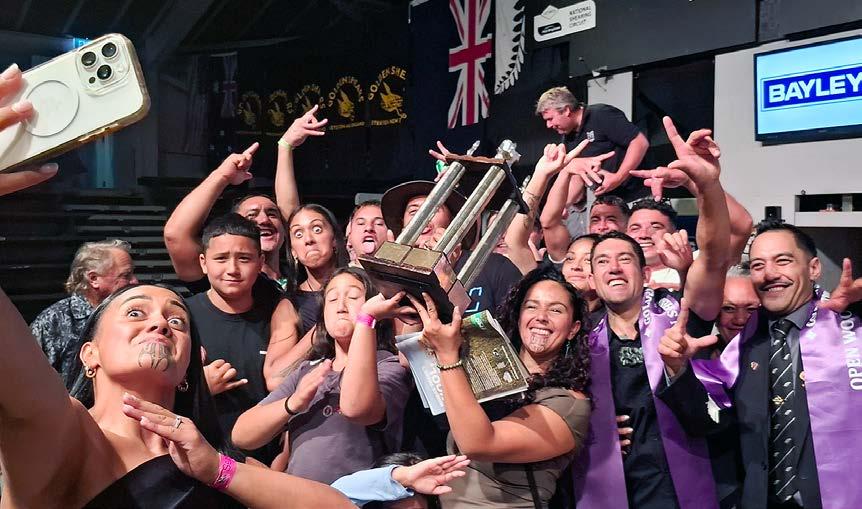
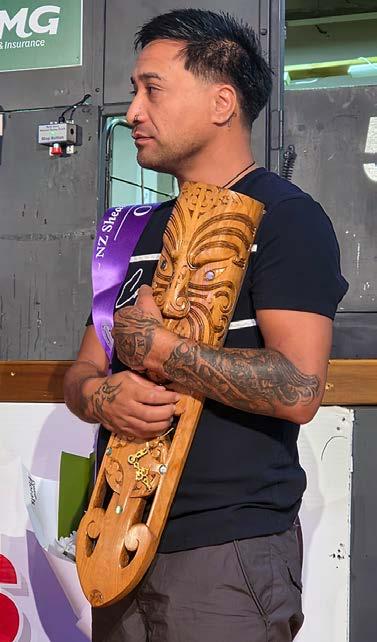
Toa Henderson (right) celebrated a star season with friends and family
Bay farmer Gavin Mutch successfully defended the New Zealand Shears Circuit title, in a six-man final, which provided a big moment for runner-up and Eketāhuna shearer Hemi Braddick, who will join Fagan in a New Zealand team tour of the UK in July.
Braddick becomes the third member of the family to represent New Zealand in less than 12 months, with woolhandling sisters Ngaio Hanson having been in the New Zealand trans-Tasman team and Marika Braddick having won a world championships team title.
Southland shearer Drew Roberts reaffirmed his place as number one senior by winning the NZ Shears senior final, by just half a point from star of the north Taelor Tarrant, of Taumarunui, and Tye Meikle, of Ōamaru, claimed his 16th intermediate win of the season, the most by any shearer or woolhandler in any grade.
drew an end to the 2025–2026 shearing sports season in the South Island.
JP Bouyer, also from the North Island, broke through for a senior win after seven minor placings in South Island finals during the season, including being runner-up at Banks Peninsula, Reefton and Methven. Jah Smith, of Christchurch, won the intermediate event, and Mike Toshach, of Oxford, claimed his third junior win in recent weeks.
As expected at the late stage of the season, entries were light, with competitors and supporters at the world championships having headed home or, along with other New Zealand shearers and woolhandlers, headed for other shearing seasons around the globe.
one two-hour run, to counter the fatigue that might have abounded at the end of a long season, in which most top-level finals are shorn over five fewer sheep.
Henderson did come out of the three days with one title, in the North Island Shearer of the Year final confirming his place as number one-ranked open shearer for the season.
Fagan’s win saw Southland shearer Leon Samuels claim second place, with Masterton shearer David Gordon keeping the quality together in third.
Manawatū woolhandler Logan Kamura completed his best season with his biggest when he won the open woolhandling final, with Marika Braddick, of Eketāhuna, in second place, and third place going to home Waitomo District hope Keryn Herbert, winner in both 2024 and 2025. The 31-year-old Kamura was runner-up last year, and had won at the Wairarapa, Central Hawke’s Bay shows this season, before finishing runner-up at the Golden Shears to world champion Joel Henare. Scottish shearer and southern Hawke’s
It was a big week for Tararua District competitors, with Camden Bolton-Smith, of Woodville, winning the junior shearing final, Dannevirke cousins Tahupotiki Hauiti and Hinepurotu Hauiti winning the novice shearing and woolhandling titles respectively. Laura Bradley, of Papatawa, retained the women’s shearing title.
The senior woolhandling title was won by Tia Manson, of Piopio, and Jayda Millanta, from Te Kaha, won the junior woolhandling final.
North Island shearer Axle Reid completed a successful mission of five A&P show competitions in the South Island, with a win by almost three points from runner-up and North Canterbury local Blake Crooks, as the Oxford A&P Show
New Zealand Shears open woolhandling champion, Logan Kamura, of Marton
Photos: SSNZ
Central Hawke’s Bay-based Axle Reid, formerly of Taihape, won the last South Island shearing competition open final of the season
merging of two passions
by Amy Fifita
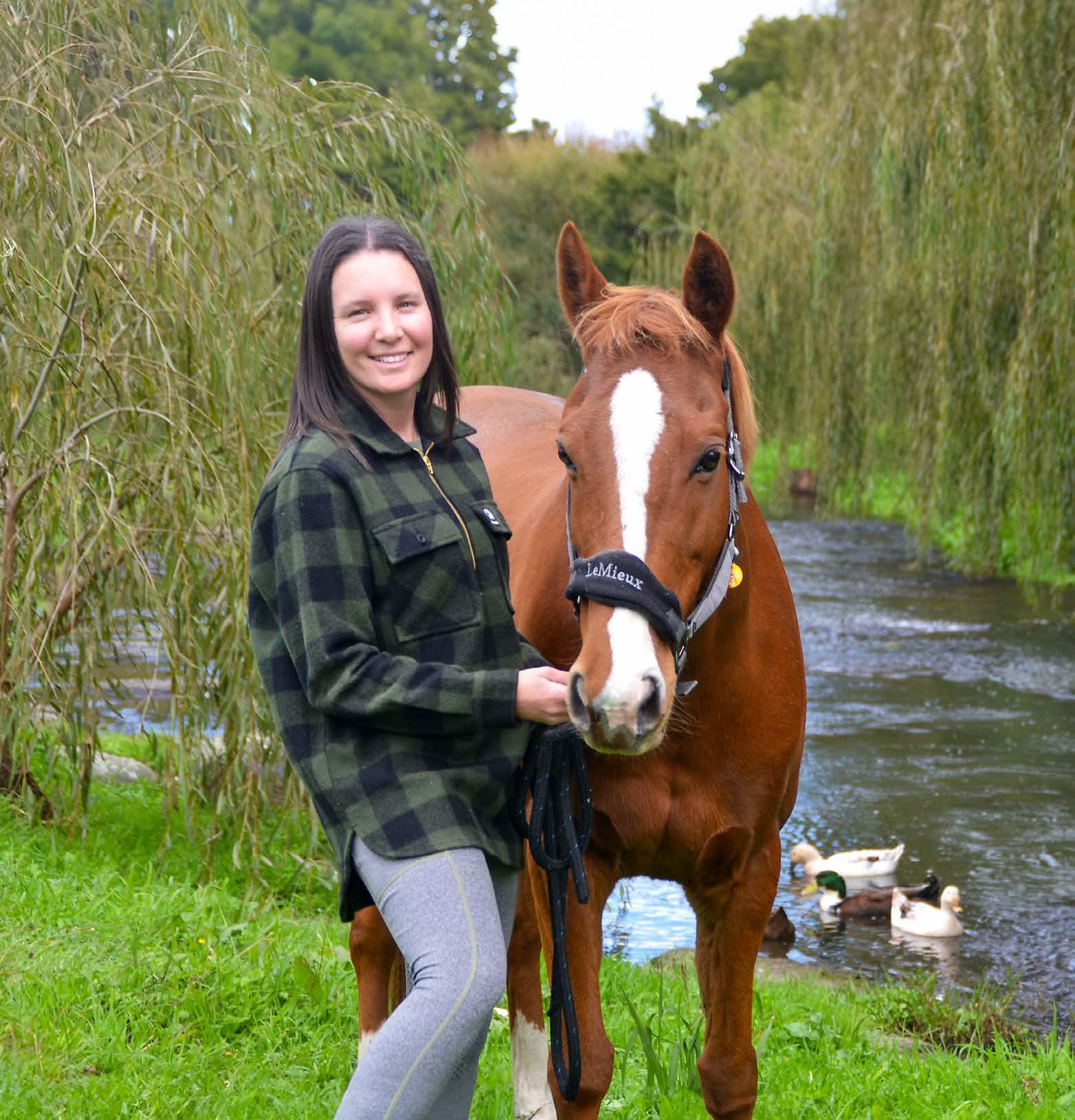
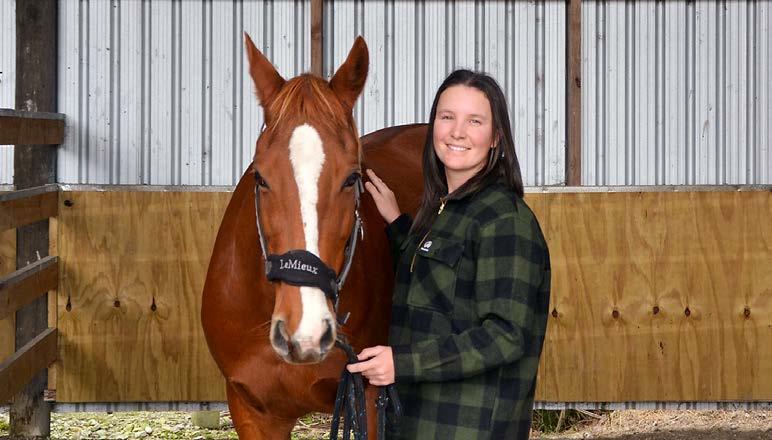
With a love for teaching children and horses, Jayde Jongkind discovered a way to do both on her lifestyle block just out of Whangārei.
rowing up in residential Onerahi, Jayde always wanted her own horse, having discovered a passion for them after her sister had a pony at Pony Club.
“I grew up in Onerahi with my parents and three siblings. We didn’t live rurally. I grew up in a Christian home and attended Christian Renewal School. I loved horses from a young age, and my sister had a pony at Pony Club, and that is where my love for horses originated.
“My sister ended up giving up her horse, and I wanted a horse, but we weren’t in a
position to have one then — living in town and not having land made it difficult.
“Mum and Dad used to take me horse trekking for my birthday, or I would go and ride with my friend Sarah. I finished school and studied to become a teacher, another passion of mine and got married to Jacob.”
Still with a heart for horses, Jayde decided to save up her 21st birthday money to make another step forward towards her equine passion. A decision that led her to many people in the field, including helping teach children to ride
miniatures, where she was learning.
“While still teaching at a school, one of the parents asked me what I did as a hobby at the parent-teacher interviews. I told her that I loved horses and was getting into riding, and she offered me her pony.
“She connected me to her good friend Leah Goodhue, who let me graze there and is now a close friend of mine. She taught me a lot of natural horsemanship stuff. She is a huge support and really got me going, teaching me all the on-theground tasks with horses and riding.
Jayde enjoys riding her horse Dobby and has competed in showjumping with him
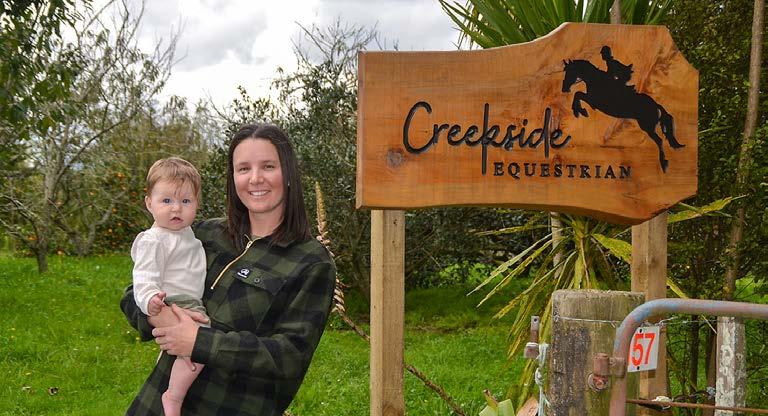
Jayde started the venture so she could be at home with Ruby and still help support her family
“I would help her a lot, and she was running horse clinics with children, and I was there as her right-hand woman. She let me ride her horse, Topaz, for two seasons, and he and Leah taught me how to do showjumping.”
Five years ago, Jayde and Jacob relocated to their own country paradise. Now with plenty of land, Jayde opened Creekside Equestrian to share her love for teaching and horses with children with the same spark for the equine animal.
“For fun, I started doing lessons after work and helped out at Kamo Pony Club. They asked me to become the head coach, so I did that for a year before moving on to Maunu Pony Club and have been head coach there for a couple of years — I absolutely loved it.
“Then, everyone started to encourage me to do pony camps and lessons — so that’s what I did. Every school holiday I would open it up to people I knew, and it grew.
“When I got pregnant with Ruby, and as much as I loved my teaching job, I wanted to be at home with her. I decided to incorporate my passion for teaching and horses together.
“My horse is Dobby, and the miniature horse for Ruby is called Peanut. I turned my hobby into a business to keep our family supported and to continue to use my passion and strengths. I also provide grazing facilities for people, so I have another eight horses on the property and others at a lease property in Glenbervie, which has more horses on it.
“I love seeing children starting out from the grassroots level and finding a pony that they enjoy, and helping them be the
horsemen and women, and develop good skills on the ground and on the saddle.”
While sharing her love and passion with young hopeful equestrians, Jayde says her most asked question is — what does it take?
“People need to put in the work, the time and the effort, and have a positive mindset. If we go into the ring thinking that we are going to fail, then that is the outcome we normally receive.
“This sport is not like tennis, where you can put the
in the
and then take it out and go again. These animals need to be cared for, even when they are injured. Horses are a partnership — it is not an individual sport.
“My goal isn’t to make heaps of money, but to make a positive impact in the horse community and to be a support for those who want to enjoy horses and people who don’t have the land.” BUY,EAT,
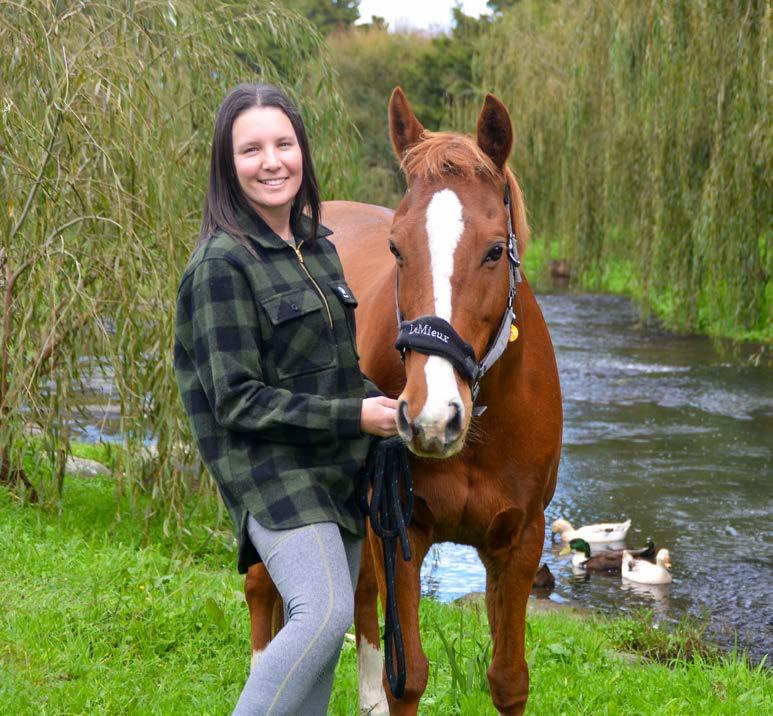
Jayde named her business Creekside Equestrian because of the creek that runs through her property
racquet
cupboard
Science key to farming future
by Paul Campbell
Outside of New Zealand, agriculture is often imagined as mixed farming or cropping-heavy, but here it is overwhelmingly animal-based.
“Production animals, from pigs and poultry to sheep and dairy cows, drive our primary output and underpin much of our national prosperity and animal production science helps keep the system thriving,” says Professor Paul Kenyon from Massey University.
“Most of our farmland is grazing land; our landscapes and climate aren’t suited to large-scale grain crops. That means decisions about animal nutrition, genetics, reproduction, health and welfare are not peripheral considerations for us.
“They are fundamental to how most farms operate and succeed. Understanding the animal is essential to understanding the farm.”
Dr Kenyon says animal production science has been one of the most powerful drivers of productivity in modern agriculture. Research into genetics, nutrition, growth, reproduction, meat science and health has enabled farmers to produce more food with fewer resources.
“Productivity for each animal and a hectare has increased in all our ruminant systems and our understanding and management of animal health has improved dramatically. These gains are the result of decades of sustained investment
in applied animal production science, grounded in real farming systems.
“You cannot reduce emissions without understanding animal nutrition. You cannot improve welfare without evidencebased insights into behaviour and health. You cannot design resilient farming systems without integrating the animal, the pasture and the environment.
“Animal production science needs to work alongside the disciplines of pastoral science, agronomy, soil science and farm management if we are to manage our ruminant production systems and environments effectively.”
by John Arts ADVERTORIAL
Nutritional therapy for Joints (Part one)
Being diagnosed with osteoarthritis means you have joined one of, if not the largest health problem clubs.
Your doctor may have arranged X-rays to confirm that you have cartilage loss and possibly degenerative changes to your bones. You may have been referred to an orthopaedic specialist who may have outlined surgical options.
Medicine has essentially three options for osteoarthritis: pain relief, physiotherapy, or surgery. Nutritional therapy is based on quality, professionally prescribed supplements and anti-inflammatory diets that can be very effective in improving joint function and mobility. My client files are full of testimonies from people who have had significant reductions in pain and improvements in mobility.
The goal of nutritional therapy is firstly to improve the function of the specialised cells (chondrocytes) that maintain cartilage. Secondly, we want to reduce inflammation in the joint capsule. This is responsible for much of the discomfort and reduction in mobility.
Let’s give your OA symptoms a score of 10/10 discomfort. What would your life be like if this was reduced to 7/10, or
5/10 or even 2/10? I recently caught up with a client with significant knee pain. The worst part was the pain at night. He now reports the pain at night has gone and is significantly better during the day. He has gone from 10/10 to around 2/10.
The question is whether we are willing to try something different. There is the cost barrier. Fortunately, a quality, high chondroitin joint supplement with omega-3 fish oil is about $40 a month, more in the initial intensive period.
Adopting an anti-inflammatory diet will possibly mean some extra costs, but it is hard to put a price on our health. However, in my experience the biggest barrier is simply we are creatures of habit and naturally resist change.
John Arts (Adv.Dip.Nut.Med) is a qualified nutritional medicine practitioner and founder of Abundant Health. To read more articles by John and learn more about the Abundant Health products he has formulated, visit healthhouse.co.nz, call 0800 140 141, or email john@ healthhouse.co.nz.
For many, joint health deterioration is the first obvious sign of aging. Gradual erosion of cartilage, is by far the most common issue.
What is Bettaflex?
Bettaflex is the most popular supplement in the Abundant Health range because of its positive support for joints affected by wear and tear, helping Bettaflex users to support mobility and quality of life.
How does Bettaflex work?
Bettaflex has been formulated to support joint comfort and mobility, making it an ideal supplement for those seeking support for joint comfort and stiffness. Bettaflex combines high-grade chondroitin
sulphate and patented BioSolve® Curcumin. This combination supports the maintenance of healthy cartilage and other joint tissue by supporting the joint processes that protect, maintain and renew cartilage.
Why use Bettaflex?
Bettaflex formulator John Arts comments, “I formulated Bettaflex with a single objective; that those concerned about joint health can support mobility and comfort helping them to enjoy better quality of life.”
Professor Paul Kenyon, Massey University
by Paul Campbell
Mystery Creek attractions abound
Innovation is the key to National Fieldays’ events, and these centre on a series of hubs that encapsulate the pillars of the event focussing on the rural and thus the national economy.
The future leads off in this account, and that is the new Drone Zone as visitors ‘take flight’ to discover how drones are revolutionising farm management practices, and explore opportunities to engage with industry experts and innovators.
“Whether you’re a seasoned drone professional or a curious enthusiast, the Drone Zone promises an immersive experience that celebrates the forefront of agricultural technology,” says programme manager Steve Chappell.
The Drone Zone, supported by the Agricultural Drone Association (ADA), will showcase the exciting opportunities drones are opening up for agriculture, with the latest technology on display, advice on a range of new drone careers, information on certification and training available and drone demonstrations
Engagement Sessions interactive hub is bustling with activity, as education providers and sector groups collaborate to present career and education pathways to becoming a part of this vital industry. Several engagement sessions are held
daily during the event and are popular among students of all ages.
“Activate the Fieldays Careers and Education Trail layer on the map on the Fieldays App to see all the participating exhibitors that can provide you with information, advice and suggestions that could help you land that perfect career in the food and fibre sector,” says Steve.
“Student tickets are available for $10 each with a promo code. For every 10 student tickets purchased, your group will qualify for one discounted adult oneday ticket at $15, available for teachers or chaperones. To access the code for discounted tickets, please register your school. The Fieldays Hauora Taiwhenua Health and Wellbeing Hub has been set up to help us look after ourselves and family. We recognise the importance of health and wellbeing whether struggling with physical or mental health, get free check-ups, talk to health experts, book health appointments and get information, all in one place.”
Free health checks include hearing, blood sugar levels, hepatitis C, skin cancer
spot checks, blood pressure checks, atrial fibrillation checks. Health experts are on hand to answer your questions and concerns — from cardiothoracic surgeons and specialists to a range of health practitioners. It’s a rare chance to hear it straight from the source. This is a onestop shop to book those appointments
you have been letting slide. Tap the Fieldays Smart Band with exhibitors to gather important information and connect with health and wellbeing exhibitors. With one in five people affected by mental illness and addiction each year, there are many of us doing it tough right now. Get information and confidential
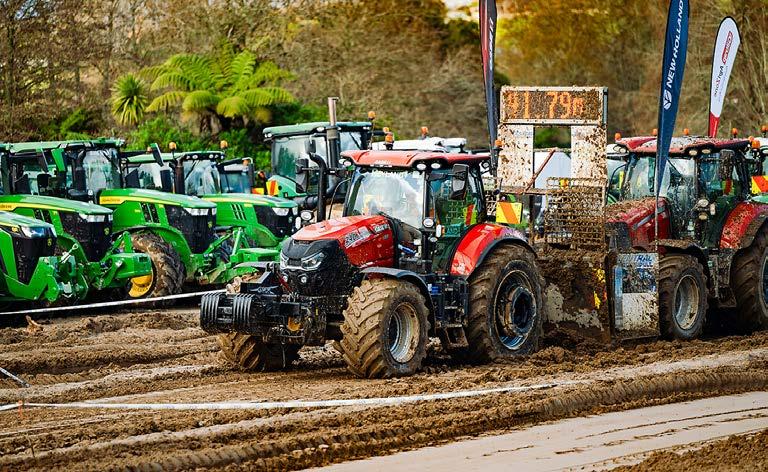
The Tractor Pull is a prime Fieldays’ attraction
support from mental health workers. Learn about forestry and wood processing at the Forestry Hub, as a dedicated space where visitors can follow the forestry lifecycle story exploring the many facets of the forestry and wood processing sector — from seedling to tree, showcasing nursery technology, innovative engineered timber used in mid-rise buildings, to pharmaceuticals, bioenergy and more.
“Forests generate important economic income for the regions, support biodiversity and help in mitigating the effects of climate change. We are excited to show how planting trees — whether native or commercial — can strengthen
farms, landscapes and local economies,” says spokesperson Anna Gordon.
Farm Forestry Association president, Peter Davies-Colley, says FFA strongly supports the Fieldays Forestry Hub and has been heavily engaged in its design and development. The farm forestry section of the hub has experts and practical information available on multiple plantation species, with a focus on redwoods, eucalypts, cypresses, poplar and willow, and radiata pine. Anna Gordon says that the multibillion-dollar forestry sector is a major employer in New Zealand, employing over 35,000 people in both year-round and seasonal jobs.
“People of all ages and abilities can find great careers in this sector — from planting and managing native forests and looking after the forest environment, to managing people and resources and working with state-of-the-art technology,” says Peter Davies-Colley.
Fieldays Rural Advocacy Hub is where all the big conversations about the future of farming happen, and those in the industry have an opportunity to get involved. Federated Farmers and Fieldays are proud to have delivered a one-stop-shop for grassroots farmers to discuss the big issues impacting our rural communities. At least a fifth of
parliament’s MPs spoke from the podium, or popped in for a chat, including seven cabinet ministers, at the 2025 event.
“Farmers need to be actively involved in political decision-making and shaping the future of our sector. Fieldays is the ultimate launch platform for Innovation.” The Fieldays Innovation Awards deliver a global platform for problem-solvers to showcase their innovation to the primary industries, while providing the opportunity to bring in more customers, investors, advisers, media and potential partners in just four days than you’ll find anywhere else. Entries for 2026 have now closed.
Health and fitness is a busy event hub
Informative events add Fieldays’ lustre
by Andy Bryenton
Innovation in the spotlight
The National Fieldays will once again bring out the best new ideas in farming technology, with the 2026 Fieldays Innovation Awards attracting a competitive field of genius-level intellects.
“The Innovation Awards continue to attract exceptional entries that shape the future of agriculture and food production, and this is something we are proud to support and advocate for,” said Agritech New Zealand CEO Brendan O’Connell, one of the panel members convened to judge the awards.
“The Fieldays Innovation Awards are the leading showcase of primary sector innovation in New Zealand. Many of our members have taken part, and we’re using our global relationships to bring international innovators and their ideas to the New Zealand audience through Fieldays.”
There’s a long history of the awards promoting new thought and debuting new ideas. Last year saw winners across four categories push the boundaries with inventions to help in horticulture, livestock and arable cropping.
The prototype award went to Ruminant Biotech, a company that has developed a new slow-release bolus called Emitless, which delivers a more than 75 per cent methane output reduction in cattle, lasting 100 days from a single treatment.
Alps2Ocean Food Tapui won the early-stage award, with its product Mīti, designed to process excess dairy calves into a world-first, shelf-stable protein snack.
CropX took out the growth and scale award, with the expansion of the CropX platform and the development and incorporation of the Evato1 evapotranspiration sensor. With more data available to farmers through this system, the judges praised CropX for facilitating smarter, more efficient practices.
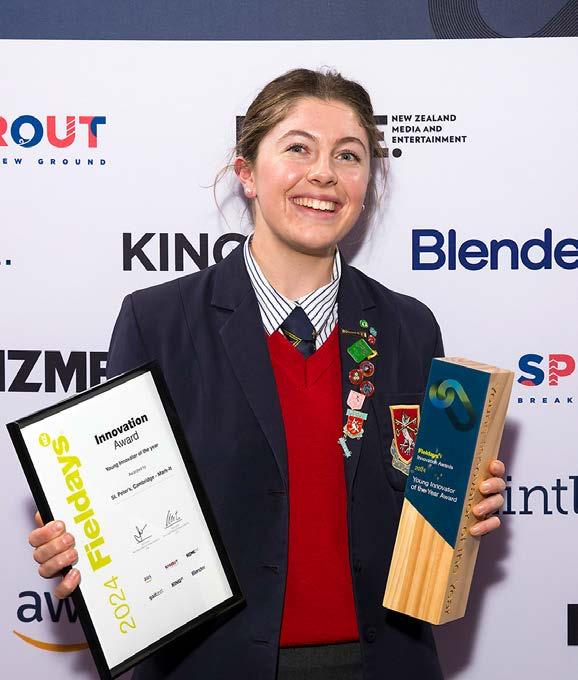
Finally, students from St Paul’s Collegiate School’s KiwiPrune team won the Fieldays Young Innovator Award for their idea to simplify the labour-intensive task of removing plastic clips used to secure kiwifruit vines.
“Each year, we see practical problem-solving from people who understand the pressures and opportunities in the primary industries,” says New Zealand National Fieldays Society programme manager Steve Chappell.
“The Innovation Awards are about connecting those innovators to the people and opportunities that can take their ideas further, in New Zealand and beyond.”
This year, prizes totalling more than $75,000 are up for grabs across the same range of categories, as well as a people’s choice award. The ultimate goal for innovators showcasing their wares at the Fieldays is the recognition of a global market, and the opportunity to turn smart concepts into multimilliondollar industry-leading success stories.
Penny Ranger’s Mark-It sheep drenching identification system was a previous top Fieldays innovation
by Andy Bryenton
Fieldays’ spirit of volunteering
In 2025, the National Fieldays at Mystery Creek was made possible by the efforts of 151 volunteers, who stepped up to make New Zealand’s biggest farming event a success.
and how it’s rewarding socially as well as professionally.
“Our volunteers are the reason we have reached 58 years,” says Fieldays people and culture executive Beth Jobin. “Their commitment and passion are what keep the tradition alive. Every year, we look for new faces to join us and become part of something truly special.”
The New Zealand National Fieldays Society is a charitable organisation, just like the committees nationwide that organise A&P shows, but on a huge scale. That means they rely on volunteers, and they have always found willing hands to pitch in. An example of the spirit of volunteering, which makes the Fieldays happen, is the winner of the event’s volunteer rookie of the year award for 2025, Keith Flockhart, or Anita van Beek, who says she first got involved as a car park attendant with the NZ Young Farmers, 26 years ago. “Those first few years were full-on, helping in the site
services team. I would start on gate two, welcoming exhibitors, then move on to deliveries, then helping with the vintage tractor parades, and then either roaming or area-specific exhibitor assistant, and of course, afternoon traffic management,” says Anita.
“It’s incredibly satisfying to be part of something so dynamic and to interact with such a wide variety of people, whether that’s team members, exhibitors or visitors.”
For the past 12 years, Anita has driven the visitor shuttle, acting as an ambassador for the event as she ferries folks to the heart of the action. However, volunteers span every space within New Zealand’s premier rural occasion, from ticket takers and administrators to support crews and parking assistants. Universally, those who have been involved speak of the value of the experience
“I enjoyed meeting many people from across the world, all coming to Fieldays at the bottom of the world to do business,” says Peter Fisher, a volunteer since 2018. “Volunteering is a good social thing to do, enabling you to give back to the community. You make lifelong friends.”
As the 2026 Fieldays approaches, the committee organising this mammoth undertaking salutes all those who have given freely of their time across almost six decades of innovation, celebration and industry. They’re also keen to hear from those who will help for 2026. If you would like to get involved, visit nznfs.co.nz/ working-with-us/volunteering.
The Fieldays in Mystery Creek runs on a spirit of volunteering, and those who have been involved through the years report that it’s a rewarding experience
Element Landworks ......................................................... 027 496 5277
Energy Equipped 021 606 606
Far North Helicopters 021 846 534
Gas Works & Plumbing Ltd
0800 400 192
Generation Homes 021 120 1163 / 027 2347 2792
Gibson’s Irrigation Pumps & Machinery 09 407 8530
Grant McCallum MP Northland 09 407 7219
Health House .................................................................... 0800 140 141
Husqvarna NZ Ltd (Whangarei)
438 296
K P Dreadon Ltd 021 273 2572
Kaitaia Tractors 027 481 2188
Kaiwaka Towing Ltd 021 057 4225
Kawakawa Engineering Ltd 021 569 661
Keri
by Andy Bryenton
Research for a fertile future
Fertility is of vital importance on dairy farms, with proven downstream effects on milk production, farming costs, workload and sustainability.
That’s why research into better management of fertility in the national dairy herd is critical, and why a group of industry leaders has banded together to form the Resilient Dairy Programme, a joint venture with DairyNZ and its subsidiary New Zealand Animal Evaluation, breeding company LIC, and the Ministry for Primary Industries.
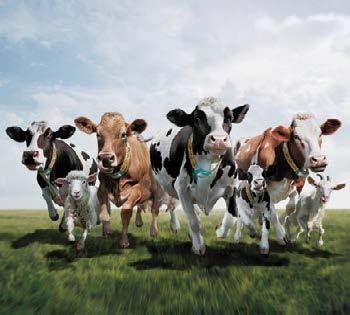
Their aim is to improve animal wellbeing and health diagnostics, promote genetic innovations and genomic advancements. Scientists have compiled extensive research during the past 10 years, exploring new methods of cattle pregnancy diagnosis, including wearable technology. This technology can also be used to monitor the time from calving to first heat more accurately.
“Most New Zealand dairy herds calve seasonally, so timing matters. When cows don’t conceive early in the mating period, they calve later the following season, produce less milk early in lactation, and are more likely to be carried over,” said DairyNZ senior scientist Dr Susanne Meier.
“The fertility breeding value (BV) estimates how desirable an animal’s
traits are when passed down to offspring. Genetics is one of the tools available to farmers to help improve herd reproductive performance. Every season’s mating decisions shape the future of the herd.”
Fitting better pregnancy diagnosis and ways to measure calving-to-first-heat chronology into the way farms operate is fundamental, but has strong potential. Wearable technology for cattle has come a long way and is now unobtrusive, durable and affordable. As these traits are influenced by genetics, measuring them accurately can lead to insights and advancements which benefit the entire sector.
“DairyNZ is well placed to act as a ‘trait development accelerator’, bringing the right people together early on — geneticists, sire selection and sales teams, and data custodians early in the development cycle,” Dr Meier said.
“By coordinating this work early, it reduces risk and avoids duplication. Importantly, valuable new traits can be developed faster and are ready to be used on farms, for the benefit of the whole industry.”
Master Davey Dealer
Authorised Grundfos Agent
Wearable technology can provide valuable real-time data to help boost research into cattle fertility
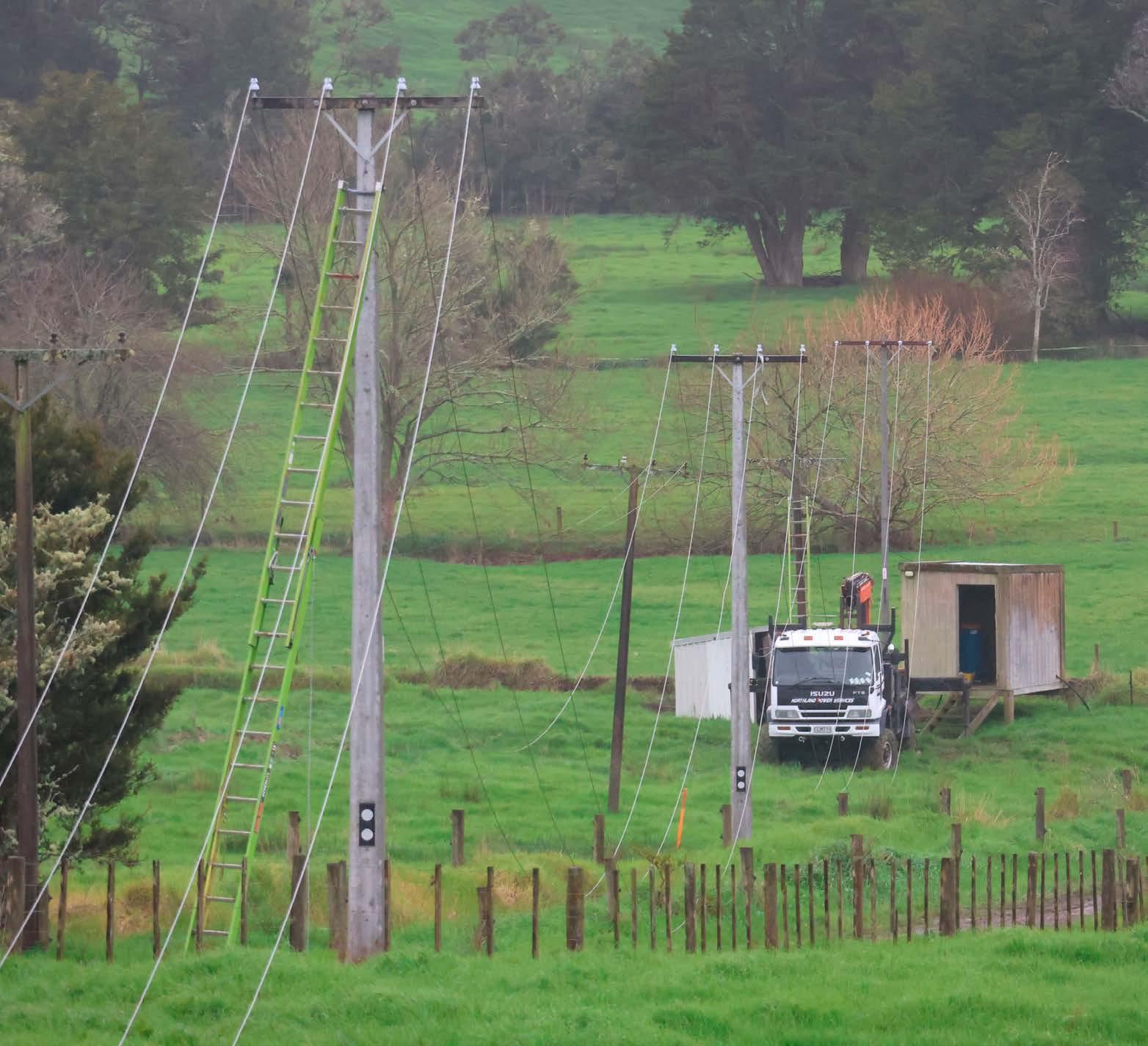
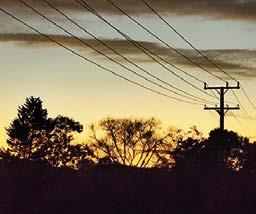
Northland Power Services specialises in: In Northland, property owners are responsible for the power lines, poles, and cables on their land. Don’t wait for a storm to find a fault!
Private Line Maintenance: Upgrading aged poles and sagging wires
Safety Inspections: Expert assessments to prevent hazards and outages.
Network
Approved: For Northpower and Top Energy networks. Keep your power reliable and your property safe.
by Andy Bryenton ADVERTORIAL
Who are you going to call? Your power is their priority
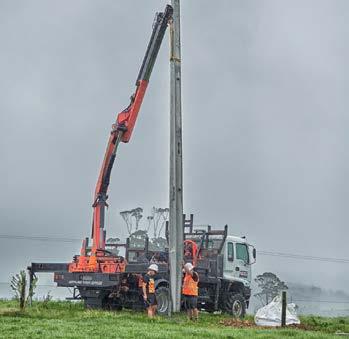
Alister Bain is on a mission to ensure safer power supply on Northland farms, and his team at Northland Power Services is out in the field, making it easy for rural customers.
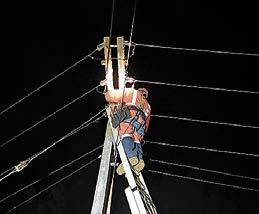
Alister drew together a skilled team in 2021, based out of Whangārei but serving the entire north. They know that reliable, safe power supply is what keeps the dairy sheds, pump houses and chillers of Kiwi farms working hard. With a group of skilled local linemen adding a combined 50 years of expertise to the crew, he’s out there this autumn supporting the cause of safety and power security.
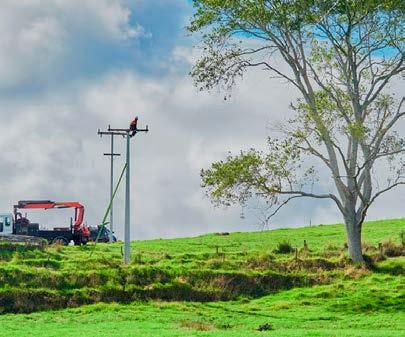
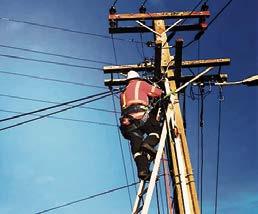
“Wooden poles are super dangerous and can rot from the inside out. Old wire can drop down from old age and kill cows, and of course, there’s the danger to anyone working around these unsafe poles and wire, too,” says Alister.
“We offer a free power line inspection and free quote for any works required. If wooden poles and their associated wires have been on a farm for more than a decade with no inspection, it’s important to investigate. We can provide that service free of charge, then quote for replacement, making it easy to keep your farm or lifestyle block safe.”
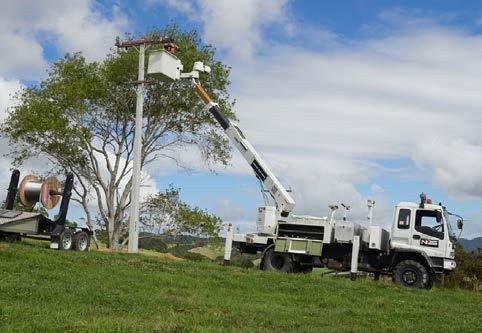
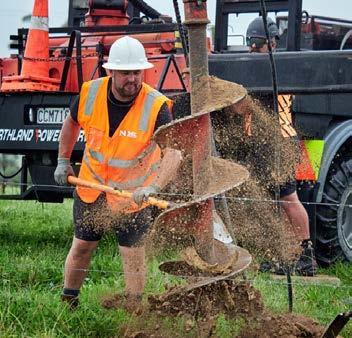
“We install new poles, run new wire, we can also remove old overhead wires and run new underground cable to remove hazards around the farmyard,” says Alister. “It’s worrying how many lines have been accidentally ripped down by diggers, tractors and other farm equipment.”
While helping to ensure an uninterrupted, safe supply for Northland farms is a big part of the Northland Power Services’ mission, there’s much more as well. From high voltage cable jointing to a superlative service for those considering subdivision of their land, and into top-level power line maintenance, Alister and his team have the ability to tackle even the biggest electrical jobs.
“We basically can do everything Northpower can offer, just through a locallyowned, growing business,” says Alister. “We’d encourage anyone to call us first, and put our experience and skills to the test.”
The results speak volumes. Northland Power Services has worked beside top surveyors, such as Cato Bolam and Reyburn
and Bryant, as well as contributing to major developments like Port Nikau and Kotata Heights.
Local, independent and versatile, they stand behind their motto ‘your power is our priority’. That’s good to know coming into
winter, when a safety inspection could save considerably more than just downtime. It also means that no matter the project, if it’s got voltage running through it, Alister and the Northland Power Services team are the ones to contact.
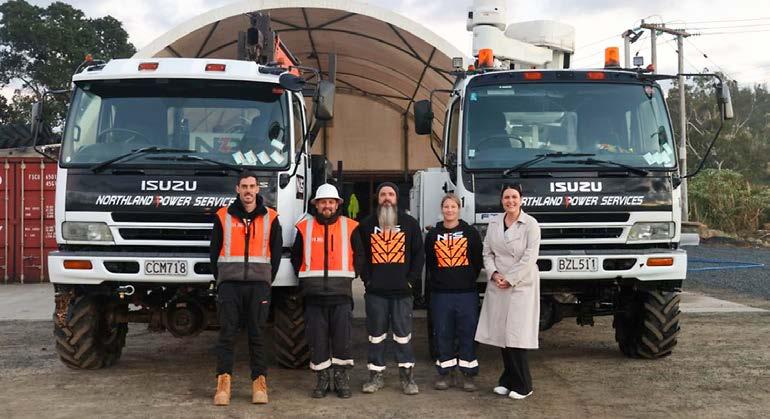
Alister Bain and the Northland Power Services team; prioritising power security on northern farms and tackling major projects, too
Moving on to a lifestyle block or rural property often starts with big dreams, more space, a
even a veggie garden; but it doesn’t take long before the list of practical jobs starts to grow.
An extra set of keys suddenly becomes essential. That old pole shed finally needs replacing. The water tank needs upgrading before winter hits. The chickens need feed, and of course it’s the weekend.
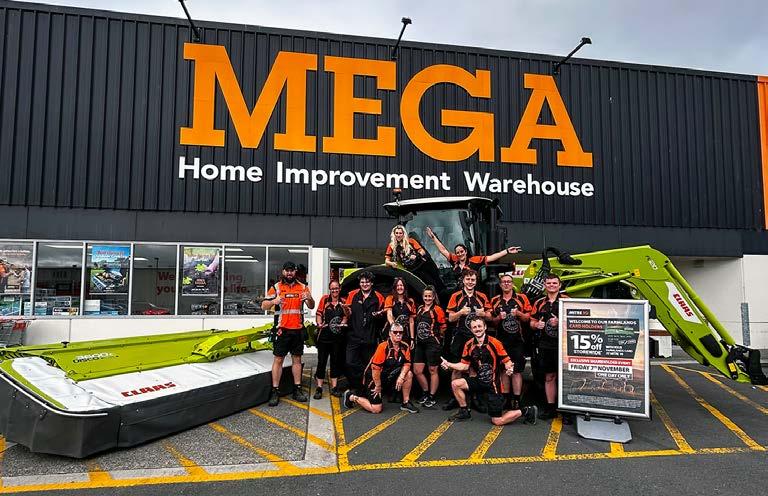
For many new lifestylers and rural families, one of the biggest challenges is knowing who to call or where to go when these everyday needs pop up. That’s where Mitre 10 MEGA Whangārei comes in.
We’re proud to be locally-owned and operated, with a team that lives and works in the communities we serve. We understand rural and lifestyle living because for some of us, it’s our way of life too, and we’re committed to backing our local people with practical support, reliable products, and friendly, down-to-earth service.
From key cutting and storage to home and shed essentials, replacement materials, water tanks, toilet paper, animal feed, and the bits and pieces that keep everything ticking along, we stock what people actually need.
Whether you’re setting up a new property or maintaining one you’ve had for years, we’re here to help make the jobs easier. No
fuss, no jargon — just helpful service and the right products to get the job sorted.
We also know that rural life doesn’t stick to a Monday to Friday schedule. That’s why being available when others aren’t, including weekends, matters. When something can’t wait, it’s reassuring to know there’s a local business you can rely on.
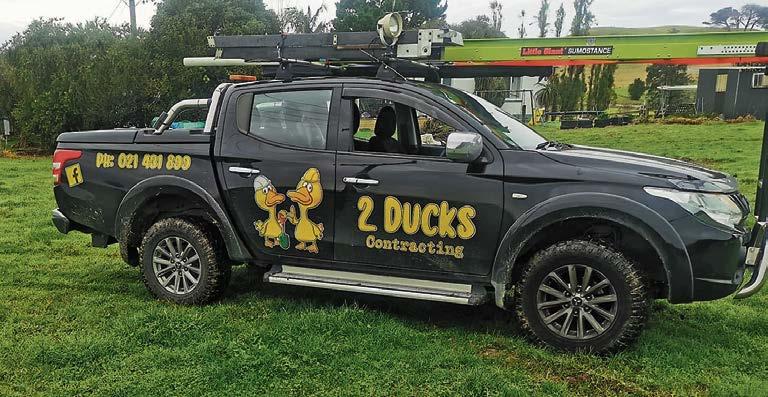
2 Ducks Contracting
We proudly accept Farmlands and Farm Source cards, and we offer cash or credit account options to make managing purchases easier and more flexible.
So when you’re standing in the shed wondering what to do next, or asking yourself: “Who are we going to call?” It’s good to know there’s a local team ready to help.
by Andy Bryenton
A reputation built on steel
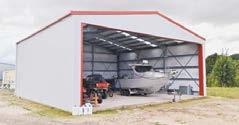
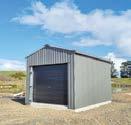
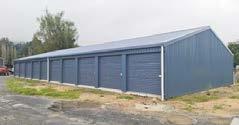
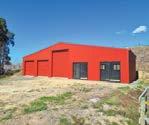
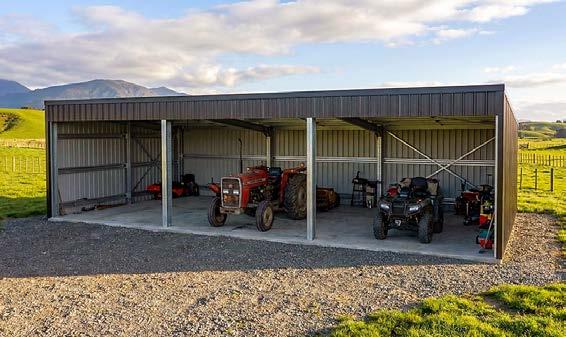
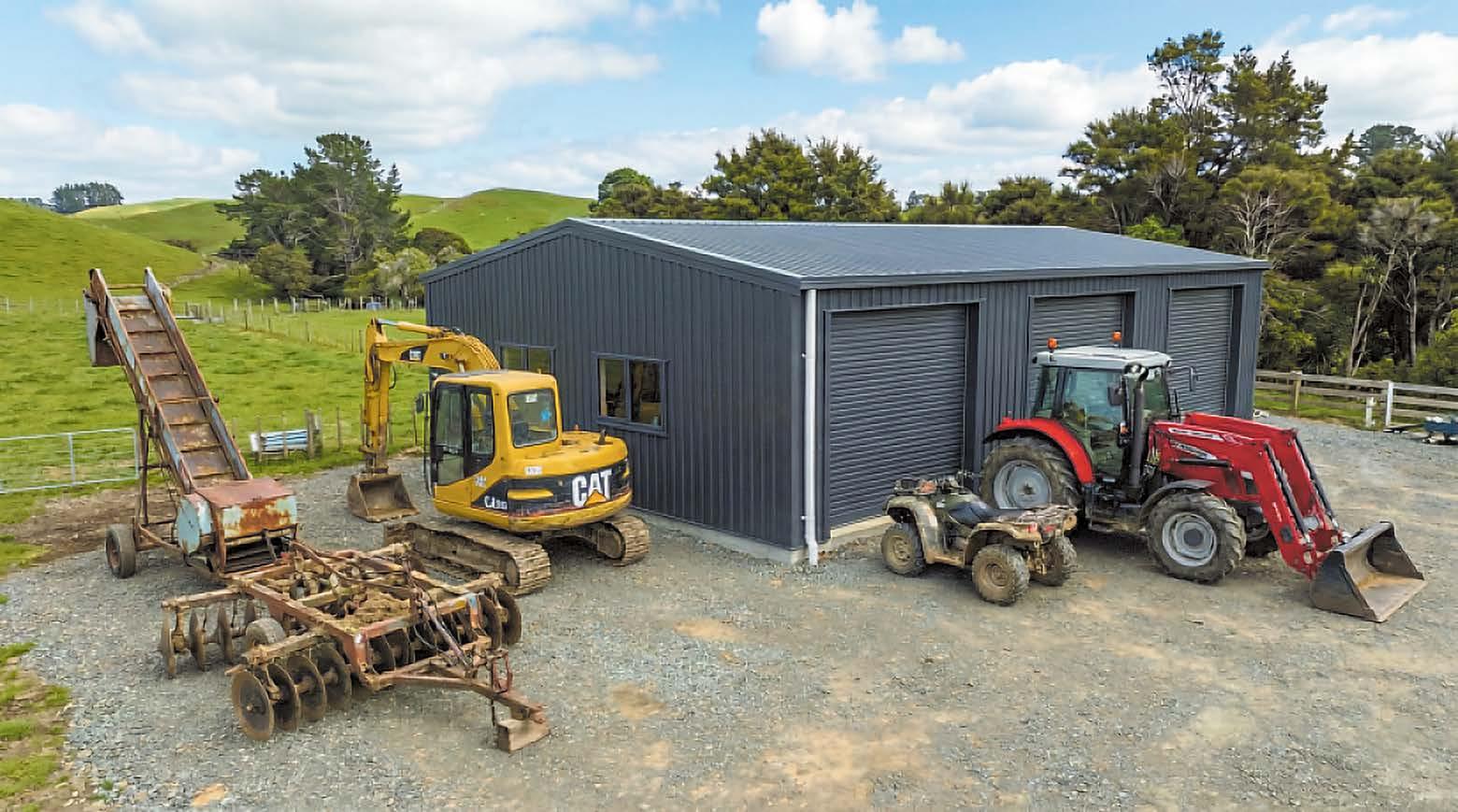
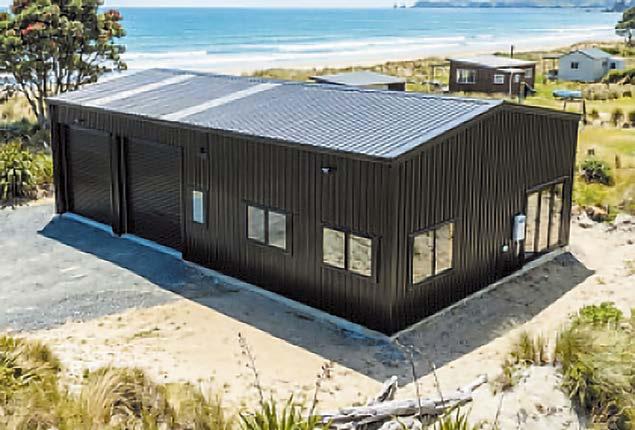
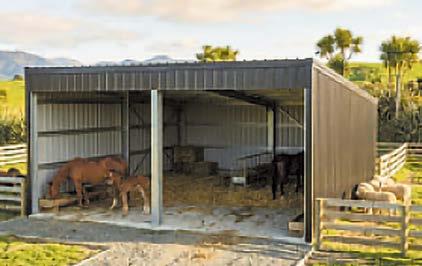
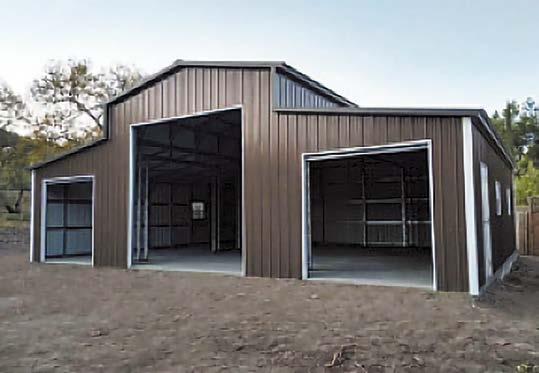
One of the biggest and longest-established names in construction now has a top team in Northland, and they’re ready to deliver clever solutions for Northlanders in need of a new shed, barn, garage or steel building, under the Cyclone brand.
a legacy behind them stretching back more than 110 years. The qualified and dedicated crew at Roofing Specialists Northland have teamed up with Cyclone to put their own local expertise at the service of those seeking a shed, barn, garage or storage space.
The story begins back in 1915, when James Fletcher and his brothers formed a building company out of a classic villa in Dunedin. Their reputation grew to the point where the Fletcher Building brand became a household name. Along the way, the brothers were on the lookout for other big building brands to incorporate into their growing business. This ethos continued down the years, and when Fletchers bought Fair Dinkum Sheds and Shed Boss in 2007, they had just the right brand to represent these sturdy steel constructions.
Cyclone is just as much of a household byword as Fletchers. The folks famous for
innovating with steel to produce products like their ubiquitous Cyclone fencing, as well as the original Kiwi fleet of shopping trolleys, iconic outdoor furniture and the steel rubbish bins nearly every home popped out by the kerb. It made sense for Fletchers to add the Cyclone name, synonymous with steel, to their new building enterprise. By 2024, the whole plan came together and a new era of the Cyclone story was born.
While the nationwide reach of Fletchers is huge, every Cyclone Buildings’ distributor is a local. Picking a building firm with a solid base of local experience (and a swag of very positive testimonials) was important to Cyclone, and when they looked north, Jeff Heasley, Steve Fallon and the team were a great fit. Certified and qualified, they have all points north of the Brynderwyns covered. If you’re in the market for a shed, barn, garage or building combining robust steel construction with innovative use of space, Cyclone Buildings might be the exact solution you need. The team has a smart virtual shed designer online right now, from a simple garage to a big American Barn or ‘Barndominium’. Have a go with the easyto-use interface at cyclonebuildingsnorthland. co.nz and detail your dream, or give the Cyclone Buildings Northland crew a call on 0800 113 990 to get some solid advice.
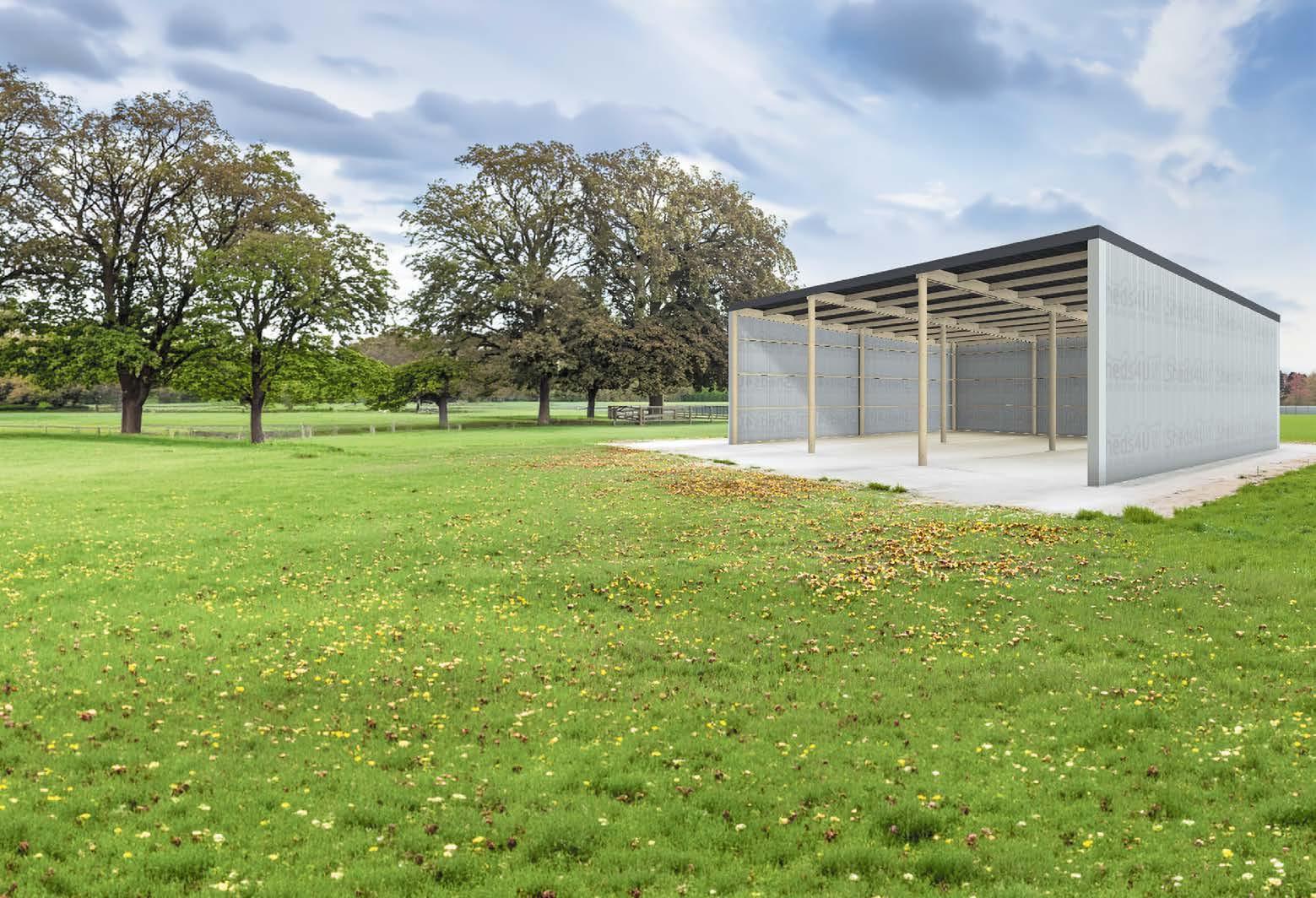
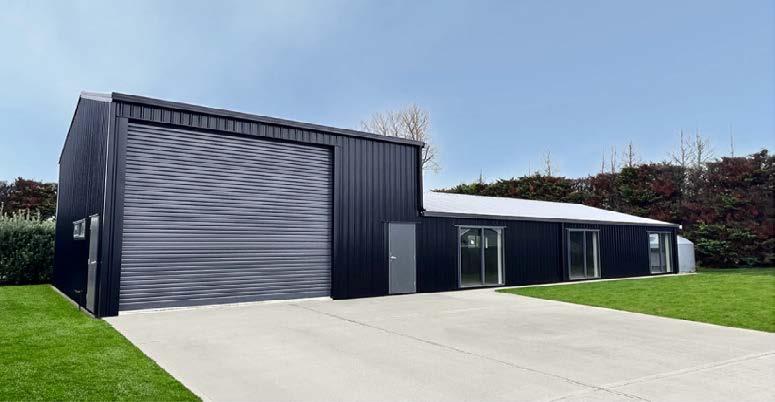
A Cyclone building combines modern design with a legacy of steel construction spanning decades
Cyclone Buildings don’t just have a name boldly attesting to their toughness; they have
Tune up to save
by Andy Bryenton
With fuel prices at all-time highs, making sure your vehicle gets the most from every
here are some tips from the professionals.
Get rid of roof racks you’re not using, as they can drop fuel economy by five per cent, just by causing drag. Aftermarket racks, and other storage pods, roof tents and bike carriers make your vehicle less ‘slippery’ and really cut into your fuel bill.
Your tyres play a massive part in fuel economy, even more so in some cases than the engine itself. Damaged tyres, uneven tread wear and under-inflated tyres can slash between 3 and 10 per cent off fuel efficiency, and it gets worse the faster you go, so highway trips end up costing more.
units, and while not having the chill turned up is the best way to save fuel, it’s still better than creating excess drag with open windows, at least on the open road.
Speaking of those motorway missions, it’s worth noting that at speeds above 80km/h, it’s usually more efficient to have your air conditioning on rather than wind down even a single window? Modern aircon is more frugal than old
The US Automobile Association puts the fuel efficiency loss at anywhere up to 20 per cent.
Now we come to the big ones; the factors which really spell trouble for loss of fuel economy. Most modern cars
with fuel injection have oxygen sensors, and if one of these is out of whack, it can cause anywhere up to a 40 per cent increase in fuel consumption. Worn spark plugs with a weak spark can rob you of 30 per cent of fuel economy.
A clogged or worn air filter starves the engine of oxygen, with bad results for fuel efficiency. This is a job you can easily do at home, by taking your old filter from its housing and getting a direct, plug-and-play replacement from your local auto parts store. This one may not even need the use of any tools.
A poorly-tuned engine or one with issues like these might display a rough idle, sluggish acceleration, or chug out smoke from the exhaust. All of these factors can creep in well before the ‘check engine’ light goes orange.
Finally, have your wheel alignment checked. Alignment can drift out of true
due to the knocks and wear of driving long distances, and it’s as important as fresh rubber for both safety and fuel efficiency.
by Andy Bryenton
Royal estates and real estate
You may have wondered why the term ‘real estate’ is written
to existing only online or as a sketch?
The term comes down to us from the end of the mediaeval period, when an estate was land granted to a person by
their feudal lord, such as the country estate of a duke or a knight. The term ‘real’ means both ‘material, not money’ and ‘royal’ at the same time.
In those days, real estate wasn’t handled by the same kind of professionals we can call today when buying or selling a home, farm or business. Modern estate agents might be pleased to know that their calling originates with the scribes and archivists of the colleges of heraldry, the people who made sure that knights and nobles had their family assets tied to a distinctive coat of arms.
Today, heraldry serves as a great key to history. Genealogists and researchers looking back into the Middle Ages and the Renaissance can track the fortunes of families by the way their coat of
arms, a design based around a stylised shield, appears on property deeds, legal documents, and even in carvings on tombs and the stones of castles. In those early times an estate was granted by the king, or granted to lesser knights by mighty barons and dukes, so one’s ‘real estate’ was very royal and very real indeed. The right to bear a coat of arms was part of the grant.
Therefore, when things changed hands and the fortunes of famous families rose and fell with the centuries, it was heraldic scribes who kept records of who owned
which estates. In a very pragmatic way, the king or queen could keep track of the estates of their subjects, when it became necessary to levy a tax or two.
Things get even more interesting north of the Scottish border, where land and coats of arms were even more tightly linked. The overlap between the ancestral clan structure and the mediaeval concept of estates through fealty meant that titles to land were often established by territorial designation; which coat of arms had flown on the flagpole there for the longest. Coats of arms were tied to marriages, property disputes, land ownership and tax. Heraldic archivists became adept at knowing the laws of land and ownership, and were often consulted first when land changed hands. While it was not their job to broker deals on estates, their role as the prime identifiers of property ownership carries down to the modern profession of real estate, as does the royal connotation of the industry’s name.
In the Middle Ages, the way to find out who owned an estate was to talk to the college of heralds, archivists of property and royal dispensations
by Andy Bryenton
Making it
Helping the helpers this winter
for tradies coming
job swift and simple could save both of you money.
The reason we call in the experts is that often, as homeowners, we don’t have the know-how to cure every leak, blown fuse and stubborn appliance. However, sometimes knowing more than just ‘it’s broken’ can mean the difference for the tradespeople we call on for specialist expertise.
To ensure that any repairs you might need this winter go smoothly, swiftly and with less expense, take a little time to make it all clear and concise. That doesn’t necessarily mean reading screeds of internet information on your unresponsive oven or wheezing extractor fan. Still, it’s a major help for the folks coming to help out with it, if they can know its make and model. Sometimes, that’s in the warranty paperwork which you might have kept.
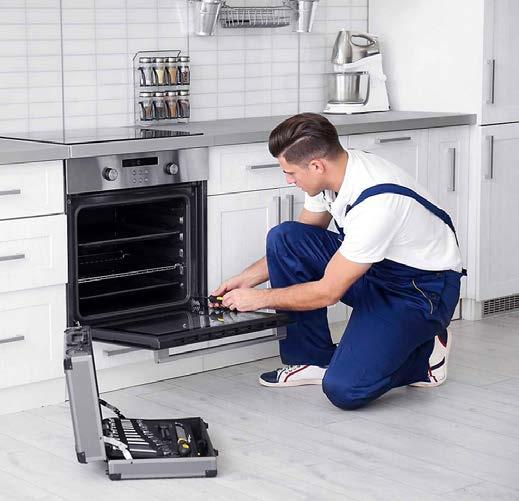
Give your local tradies a clear shot at their work area, and the best possible idea of the tools and parts they’ll need; they’ll thank you and the job will get done faster and more economically
Sometimes, it’s printed on the machine itself. Even the make of a device can be a big asset. If it’s not well marked, take a photo with your phone and send it to your
repair technician; they are likely to have a broad knowledge of different products in the market.
Then there’s another big factor; is it likely to be a repair or a full replacement?
If the device that’s gone wrong is old or if it’s failed on you before in this same manner, it might be time to send it to the scrapheap. If smoke has come out, a burning smell has been noticed or if it’s given you a shock, tell your technician before they pull it open to find a blackened mess that will never be safe again.
Taking a picture is also a good idea when you’re dealing with things like window replacements and carpentry fixes, where accurate measurements are welcome but may not tell the whole story. The final consideration to make is: how easy it is to access the spaces where a tradesperson may need to go.
Climbing under crawlspaces, getting into ceilings, accessing the backs of cupboards or wrangling heavy whiteware are one thing, but setting up ladders and plunging into garden overgrowth is another. Getting furniture out of the way, ensuring safe paths to
carry tools and gear, and even sometimes a pass over with the weed whacker, can show that you’re helping make the job go smoothly.
•
•
•
•
•
•
•
•
Breeding better beef
With beef prices still on a high, Northland Hereford Breeders’ Association
bulls during the autumn/winter bull selling season.
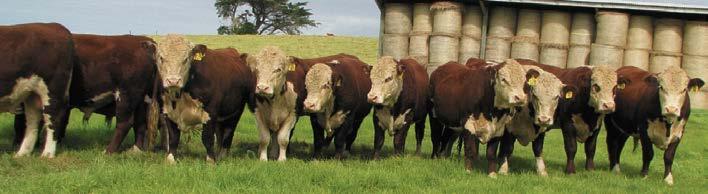
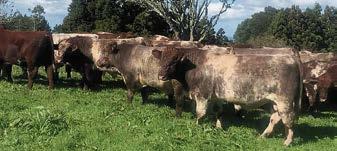
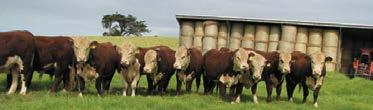
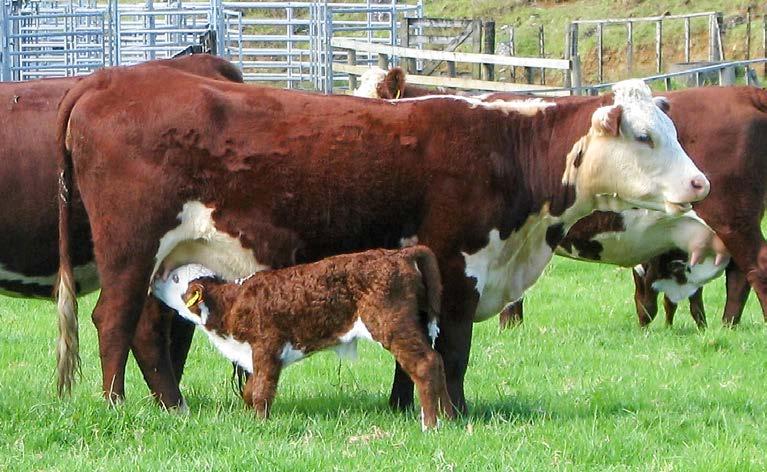
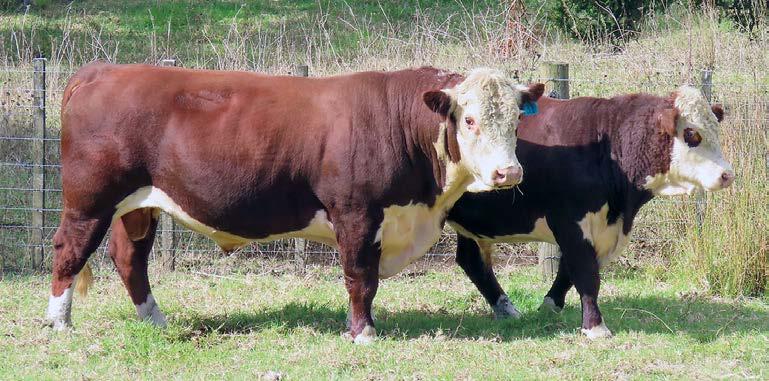
Hereford cattle are one of the oldest established cattle breeds in New Zealand, and the popularity of the breed has never waned, as evidenced by the high demand for Hereford bulls in 2025. The Hereford breed is known for growth, hardiness and maternal instincts.
Hereford-cross cattle have a reputation for gaining a premium at the sale yards, and the breeders aim to produce bulls that are suitable for both the beef and dairy sectors.
They have a detailed knowledge of the pedigrees and genetic characteristics of their cattle, which gives their customers certainty about the history of the bulls they are buying. The breeders can also advise buyers about the suitability of the bulls for mating to both cows and heifers.
The autumn/winter sale season will see bulls offered through both on-farm auctions and private treaty sales. Following on from a fantastic sale in 2025, Te Puna Herefords will have their annual on-farm auction on Monday, July 6, offering 15-month and rising two-year-old bulls.
After a break of six years, Matapouri Herefords will hold an on-farm sale on June 11 offering 23 rising two-year-old bulls. Other breeders selling through private treaty (paddock sales) are Kaipara, Wyborn, Pampas Lane, and Otengi & Waimaire Herefords (see front page ad for details).
Bulls will also be for sale during the spring sale season. Last year saw Kaipara Herefords stage their inaugural on-farm spring sale, which proved to be very successful.
This year, Omaha Heights Herefords will be selling through the online Bidr platform. Bidr has really taken off as a method of selling cattle, particularly since Covid. Omaha will have an open day for viewing bulls on September 11, followed by an online sale on Bidr on September 24 at 7pm, where 40 rising two-year-old bulls (23 stud and 17 commercial) will be offered for sale.
For more details on the spring sales, look out for our advertising in the August issue.
DOES YOUR PIPE SIZE MATTER?
YES - because of pipe friction.
CAN YOU PUT ANY BORE PUMP DOWN?
NO - you must have a bore log. This is to specify the correct pump.
IF YOU HAVE ECOLI IN YOUR WATER, DO YOU NEED PROTECTION?
YES - you require a UV Filtration system.
WOULD ANY HOUSEHOLD PUMP BE SUFFICIENT TO RUN YOUR HOME?
NO - it all depends on usage required.
IS IT GOOD TO HAVE A PRESSURE TANK INSTALLED WITH YOUR PUMP?
YES - it saves
and short
by Andy Bryenton
New horizons for CFMoto
It’s been a month of new arrivals and big announcements for CFMoto, as the manufacturer embarks on a globe-trotting tour of reveals for machines for on and off the tarmac.
It began in France, where CFMoto has achieved the title of best-selling off-road vehicle brand. To celebrate, their French vice president Markus Ferch and his team took to the beaches, debuting a new CForce C4m, C5 and C6. Six trails for customers to try out showed off the power of the new generation of CForce quads, which has been optimised for farm work.
Then came the 139th Canton Fair, a showcase of industry and manufacturing, which is held in China for more than 300,000 buyers across a range of automotive products.
CFMoto coverage puts the Canton Fair in the same bracket as the prestigious EICMA motorcycle show in Italy. This year, CFMoto used the occasion to debut a range of interesting new models, from 250cc road bikes for commuters and learners, through to the 675SR-R, a racebred ‘adrenaline bike’ with a proprietarydesigned three-cylinder engine.
Also on the stand was a bold foray into adventure bike design. The 1000MX-T develops 111hp alongside 103Nm of torque, but that’s not the whole story. Cornering antilock brakes and three levels of traction control come standard, as does a heated seat and heated grips.
That’s a big portfolio of new machines, but the best has been left for last, and for
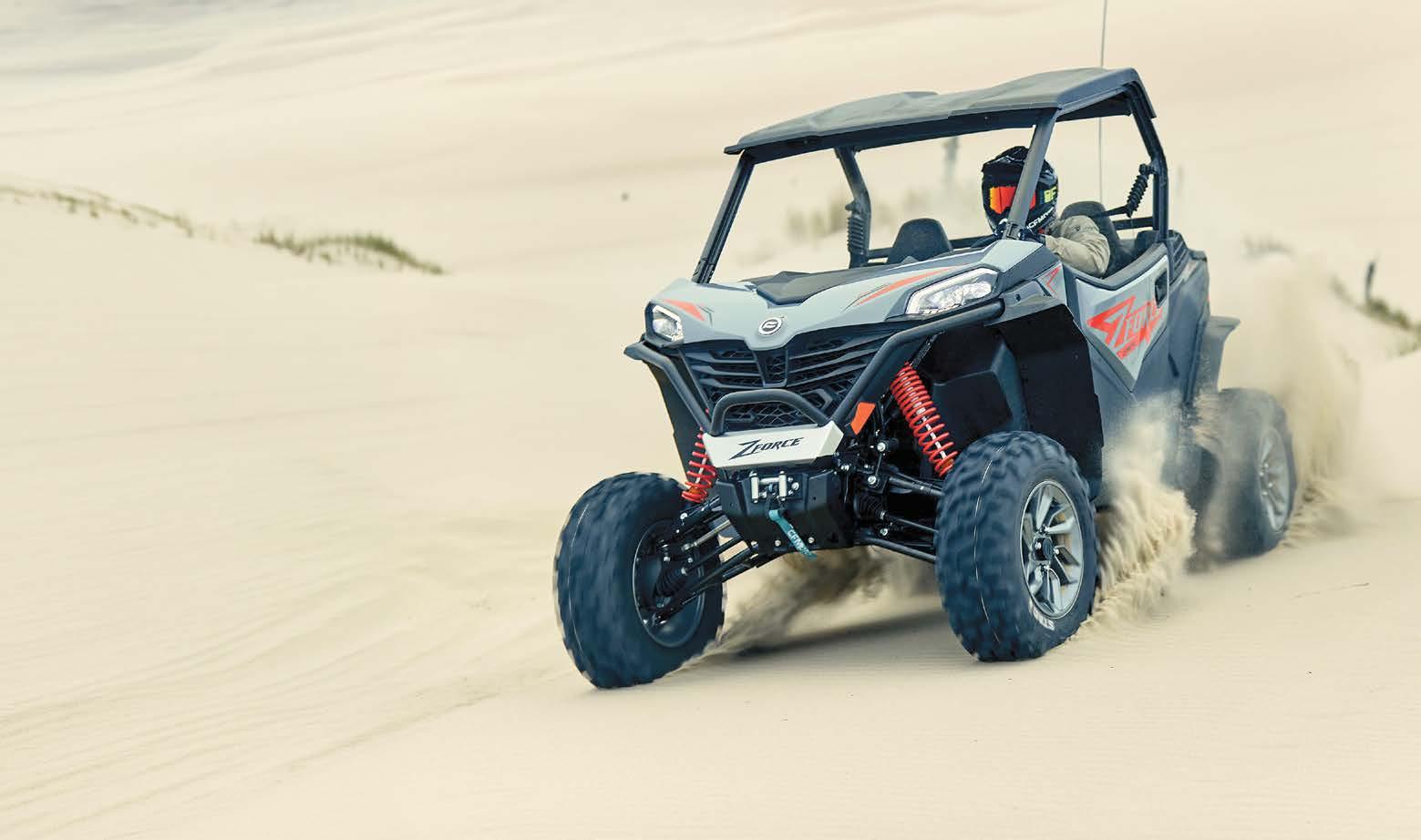
us. New Zealand now has delivery of the ZForce 950 Sport, a side-byside off-roader, which shows off some of the durability and zest that allowed the company to do so well in recent Paris to Dakar rally events.
With a powerful 963cc four-stroke v-twin tucked low in the middle, and a healthy 85 horsepower on tap, the latest iteration of the ZForce name is compact and aggressive at the same time. There are two power modes for the driver to access; normal mode for lowspeed manoeuvres and sport for when it’s time to let loose. The little 950 Sport sits on 14-inch alloys with grippy, mud-friendly tyres, and boasts 305mm of ground clearance.
Of course, the fine detail for any machine like this is in its suspension set-up, and CFMoto engineers have worked hard to evolve the previous platform beyond what was already
reckoned a point of nimble balance. With the addition of tool-free compression damping adjustment and adjustable tie rods on the quadralink rear suspension set-up, the lightness and torque of the new ZForce shine through across multiple types of terrain.
THANK
In New Zealand’s construction and contracting
it’s essential.
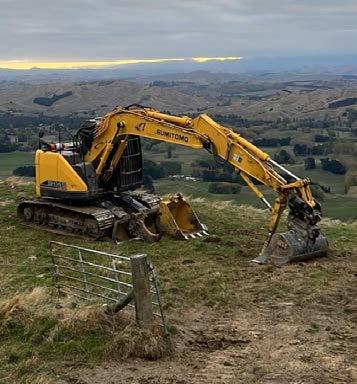
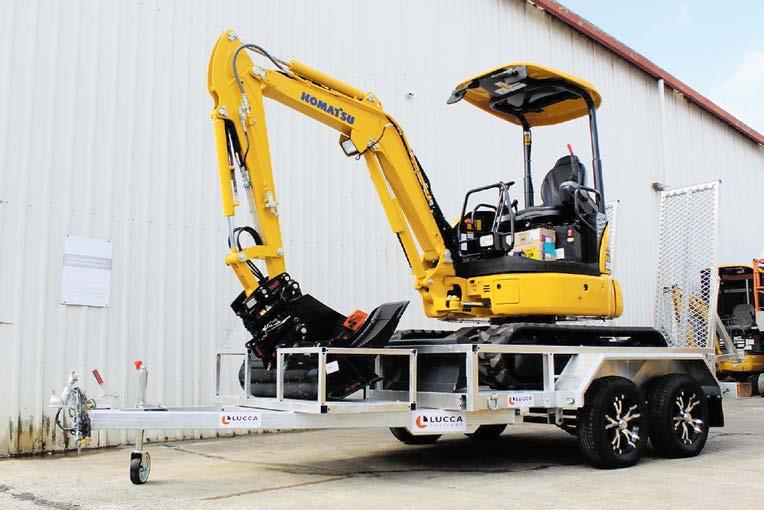
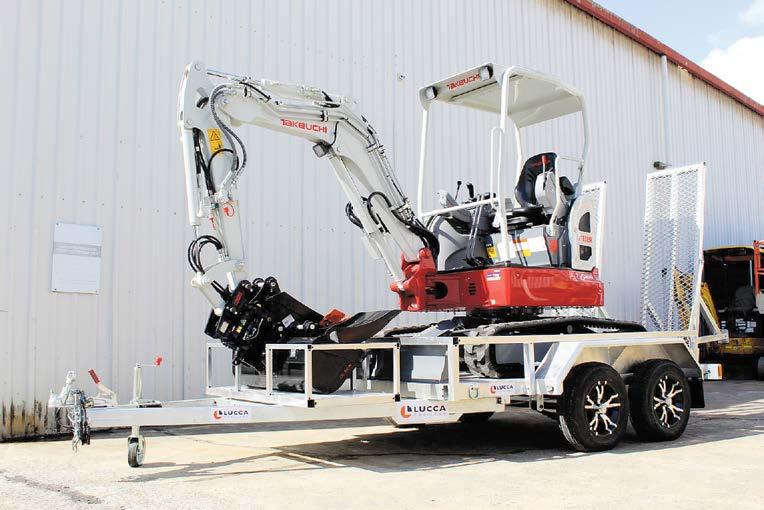
From tight access residential builds to drainage and general earthworks, operators need machinery that can adapt quickly and perform reliably. It’s this demand that has firmly established the 2.5-tonne excavator as a staple across the industry.
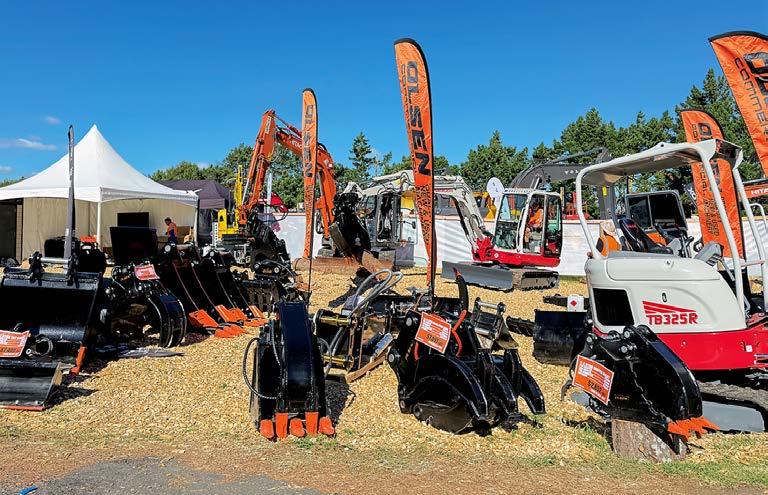
A new wave of 2.5T excavator and trailer packages, available through Olsen Commercial, is making it easier than ever for contractors to step into capable, ready-towork equipment, streamlining the path from purchase to productivity.
The appeal of the 2.5T class lies in its balance. Compact enough to navigate confined spaces, yet powerful enough to handle trenching, footings and general earthworks, it occupies a space that larger machines often can’t. For many operators, it’s not just a practical choice, it’s a core part of their day-to-day operations, offering flexibility without compromising performance.
What sets these packages apart is their turnkey nature. Olsen Commercial’s approach brings together the excavator, trailer and essential attachments into one cohesive solution, removing the delays and uncertainty that can come with sourcing equipment separately. The result is a fully mobile set-up that can move straight from the yard to site, allowing operators to focus on the work that matters.
That flexibility extends well beyond the base machine. Through Olsen Attachments, a broad range of additional attachments, from buckets and augers through to specialised tools, can be integrated to expand capability across multiple applications. For contractors, this means one machine can take on a wider variety of tasks, improving efficiency and maximising return.
New Zealand job sites demand adaptability, with tight access, varied terrain and frequent movement between locations.
The 2.5T excavator is well suited to these conditions, easy to tow, straightforward to manoeuvre, and robust enough for consistent daily use. With Olsen Commercial operating from both Auckland and the Manawatū regions, access to equipment and support remains close at hand.
While the used market continues to play a role, new equipment offers a level of certainty many operators prioritise, reduced downtime risk, improved efficiency, and the reassurance of warranty support.
by Andy Bryenton
A distinguished occasion Vigilance for drivers as rules change
The Distinguished Gentleman’s Ride brings together well-dressed blokes on bikes to raise money and awareness for men’s health.
This year the mid-north event will take place in Ruakākā on May 17, with riders heading out from Bream Bay College on a loop, which takes in some stunning scenery. The ride is great fun, and a chance to break out some dapper threads, too. Still, it’s hosted for a serious cause, and Northland’s most recent chapter of the worldwide phenomenon is already punching above its weight.
“This is a worldwide event that runs the same day around the world,” says local organiser John Pearce. “Last year, this small group of 66 riders raised more than $15,000, and all of that money goes directly to New Zealand charities. The number of motorcycles and riders will be a lot larger this year as more people are getting aware of the cause.”
John moved to One Tree Point on the east coast just over a year ago, and he says the cause of the Distinguished Gentlemen’s Ride is close to his heart, as he’s lost a few mates and wants to make a difference.
He kicked off an inaugural DGR for Ruakākā last year, following on from very successful events in Auckland and the other main centres. Now, he’s aiming to invite classic bikes and classy lads and ladies from all over the north to make 2026 a year to remember.
The cause they ride for is a major one. Prostate cancer is the most prevalent form of cancer in New Zealand men, and 10 people are diagnosed each day. Two of those 10 will succumb to the disease.
Research is the key to a cure, and support for those who are battling prostate cancer costs money, too. Men’s mental health is similarly a core area of concern. A topic that still evades true definition as reticence about being open about such issues is a factor of unhealthy, marketed masculinity.
The DGR movement has grown to encompass 1,070 cities worldwide, and has raised US$60 million internationally. This year, riders attending the Ruakākā DGR will meet at Bream Bay College at 9am, joining riders from 12 other regions of New Zealand and nations as far apart as Nigeria, Malta and Ukraine. Care to get involved? Visit gentlemansride.com to register your bike today.
by Andy Bryenton
From November 1 this year, vehicles less than 14 years old will move to requiring a warrant of fitness every two years, new cars will only need a warrant after four years on the road, and all other vehicles will move to a single WOF each year.
However the move, announced by Chris Bishop and James Meager last week, comes with a warning for drivers living in rural areas like Kaipara.
“Overall, the government’s changes align inspection effort with actual safety risk, meaning fewer unnecessary inspections, lower costs for vehicle owners, and less time spent jumping through administrative hoops, while still ensuring the cars on our roads are safe to drive,” said Mr Bishop.
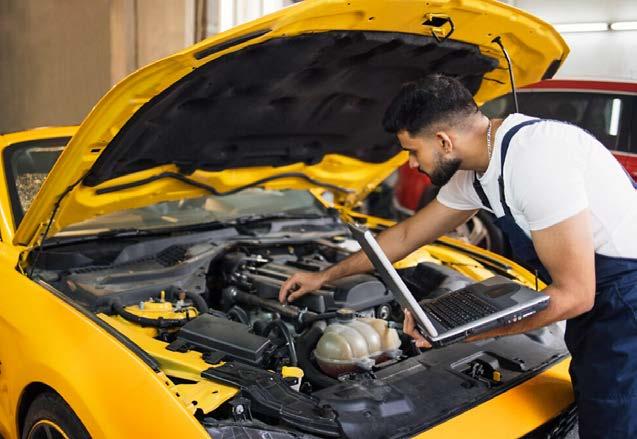
The term ‘safety risk’ being based on age is relative. Cars take a hammering from rural roads, and the onus is on the driver to keep them safe between WOF inspections. For Kaipara residents, this will mean keeping a close eye on brakes, suspension, tyres, alignment and shocks.
The worry, expressed by Dargaville mechanics, is that some people will simply not check, thinking that a WOF is a guarantee of safety, even 23 months later. Observably, there are vehicles
built post-2012 that are in poor repair on Kaipara roads, as well as vintage cars in immaculate condition — age is not the only factor.
The other consideration is for those buying a second-hand car, who should not take evidence of a WOF as a guarantee that a car is without any faults. While the fiscal and operational benefit for most drivers will be clearly apparent as WOF periods extend, caution and a good knowledge of your vehicle will become more important in staying safe on the road.
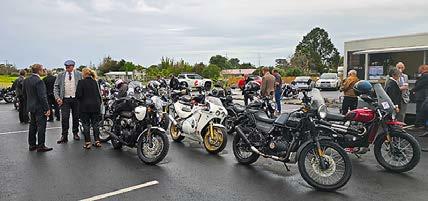
Distinguished gents and ladies get ready to roll out for the 2025 DGR, raising funds for men’s health
WOF periods are increasing, but there’s still a requirement for drivers to keep their vehicles safe