25,093 copies DELIVERED FREE to every farm and rural delivery address from Albany to Cape Reinga.
Govt strengthening vocational education in Northland
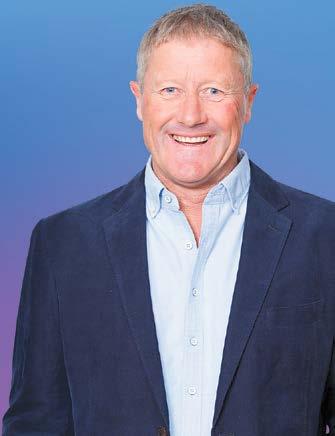
NorthTec will be re-established as a standalone regional polytechnic from January 1 2027, benefitting apprentices and trainees in Northland, says Northland MP Grant McCallum.
NorthTec will be re-established as part of the government’s plan to rebuild a regionally-led vocational education system.
“This will include the return of NorthTec’s ringfenced reserves of $4.7 million alongside $1.3 million each year from 2028 to 2031 through funding for strategically important provision, as well as the $2.75 million already allocated for 2027.
“Support of $4.5 million is being provided for property consolidation, reducing long-term financial risk.
“Finally, the proposed development of a tertiary hub in central Whangārei
will help modernise NorthTec’s facilities and improve access for learners across the region.
“In-principle investment of $34.7 million has been agreed for the development of a new Whangārei tertiary hub, subject to a business case, creating modern fit-forpurpose facilities and supporting growth in areas such as health training.
“Giving Northland control over its own vocational education will ensure that decisions will be made locally, supporting programmes that meet local industry needs, support key sectors and create real pathways into full-time work — making it a great win for our region.”
Trade missions look to South America
by Andy Bryenton
New Zealand’s trade missions to secure export market opportunities have proven successful in recent
new paradigm of tariff threats and seeks trade with stable partners.
The stated aim of the coalition government is to double exports by 2034, and trade arrangements are the way to make this possible. The Middle East and India have proven fruitful when it comes to forging trade alliances, and on the back of good deals, industries like the lamb and kiwifruit sectors are seeing robust export revenue.
In early March, Agriculture Minister Todd McClay inked an agreement with Chile to boost agricultural cooperation, cementing a bilateral trade figure in excess of $340 million.
“Agriculture is at the heart of the New Zealand and Chilean economies. We have similar farming systems, similar geographies, and both advocate for open rules-based trade,” Mr McClay said.
“The new Strategic Agricultural Arrangement 2026–2030 signals our strong commitment to working together and strengthening our agricultural relationship.”
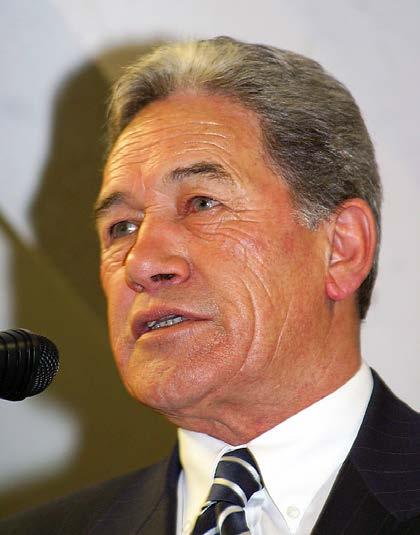
by a top-level delegation to Brasilia, capital of Brazil. Foreign Affairs Minister Winston Peters delivered a keynote opening speech to the New Zealand Innovation Showcase.
“Latin America represents the world’s fourth-largest economy, US$6.34 trillion, almost twice that of India. Latin America is home to 660 million people with high education levels; large middle classes; sizable youth populations; and an abundance of natural resources,” said Winston Peters at a mid-March diplomatic symposium.
He noted Latin America is a crucial part of plans to double Kiwi export value by 2034, and a 2024 trade mission to Sao Paulo saw this goal come a step closer, with 13 new arrangements signed to the value of $100 million.
“The operation has since gone from strength to strength,” said Mr Peters. “The farm is now the largest milk producer in the state and will shortly inaugurate a new modern farm.”
•
Mr McClay and Chile’s Minister of Agriculture Dr Ignacia Fernández signed for their respective nations, committing to developing skills for the rural sector workforce in both countries, promoting and advancing sustainable agricultural development, and undertaking research and innovation to tackle mutual challenges.
Meanwhile, the importance of forging stronger ties with the entire South American region has been highlighted
(473
A practical example of how Kiwi ingenuity can benefit South American farmers was also given. New Zealand invested in the Kiwi Group dairy farm in Goiás state in 2007, with the aim of adapting New Zealand pasture-based sustainable production systems to Brazil’s climate conditions.
Winston Peters and Todd McClay have both played a part in a push to strengthen trade and diplomatic ties with nations like Chile and Brazil in recent weeks
A refuge from the storm
by Amy Fifita
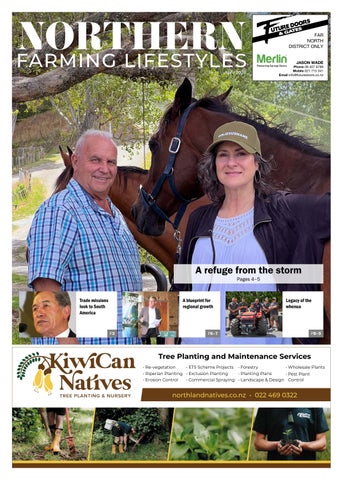
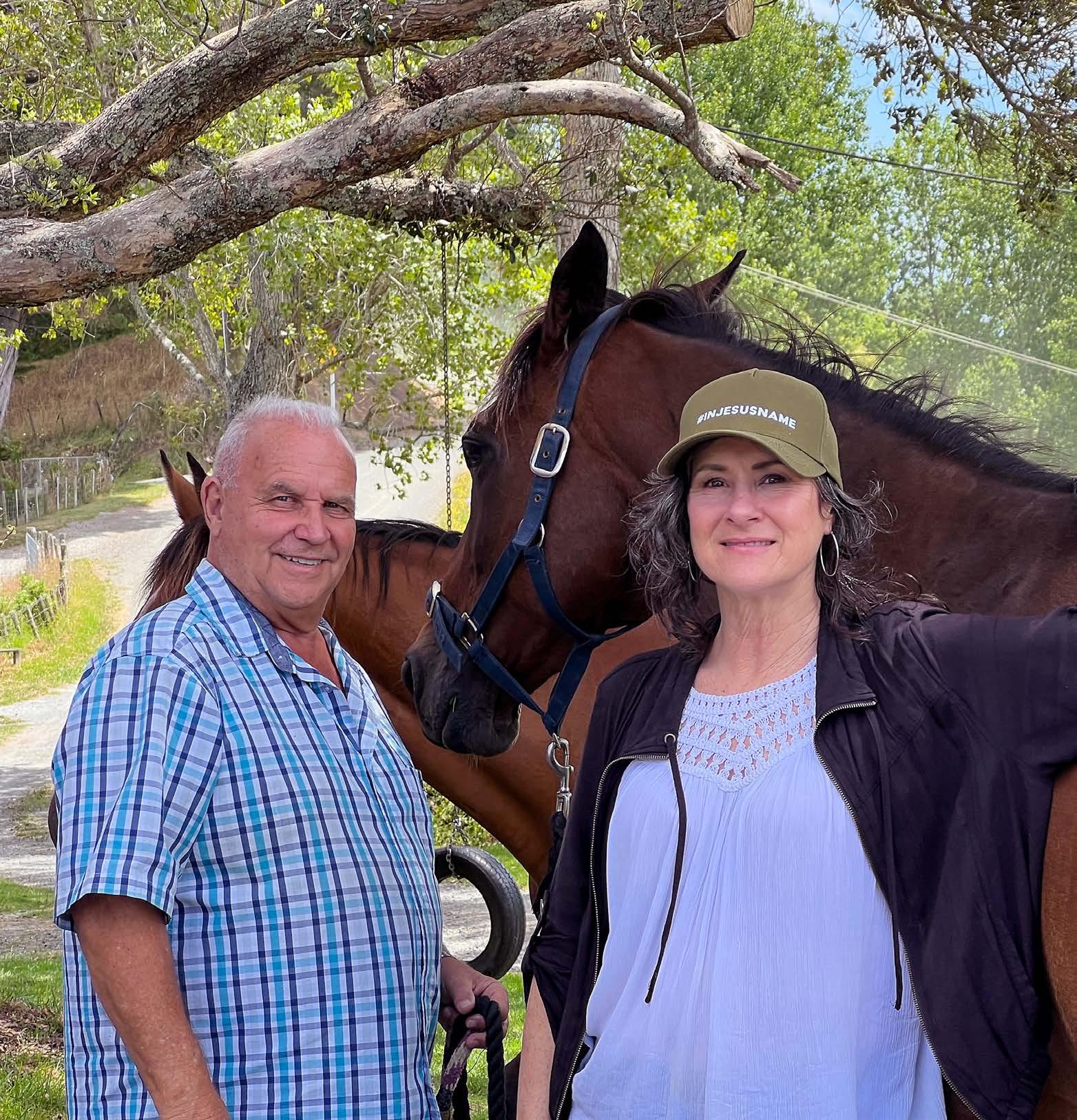
Guiding men wanting to overcome their battles with addiction, Ray and Janet Curle bought the Arapohue Retreat, a place for people to return to their purpose.
No stranger to the perils of addiction and crime herself, Janet was redeemed by grace and penned her autobiography, The Wild Side, under her pen name, Janet Balcombe.
“After I wrote The Wild Side, people began reaching out to me, thanking me for giving them hope, and others were asking for my help with recovery,” said Janet.
“Already praying for people who came from places like Auckland, Whangārei, and locally, to see us, we looked into how we could help.
“We thought of running some educational workshops, but that wasn’t the way we were supposed to be going — God closed the doors, and then He gave Ray a dream.”
Both born-again Christians, Ray and Janet, had a heart to help others and bring people from destructive paths onto stable ground. While their workshop idea was thwarted, a bigger plan was about to begin.
“I had a dream where I was walking around Cooper’s Beach Christian Camp,
talking with them about wanting to hire the camp to do seminars, but then we started negotiating buying the property.
“I woke up and asked the Lord what that was about, and I heard him say, ‘Look at Arapohue’, so I asked Janet what Arapohue was. It was an old Christian camp that used to teach literacy to children who couldn’t read or write, and she was unsure if it was still going.
“Making some inquiries with Miriam Holloway, the daughter of the founder Graham Crawshaw, we discovered it
hadn’t been running for 13 years. Miriam invited us to a family get-together to check it out. Once we walked into the lodge, we thought it was an amazing place for a retreat.”
Within two years, the Wildside Charitable Trust bought the property using donations, with the help of generous donations and a loan from Dugdale Charitable Trust. Having to restore the house they now live in, they used the extra money from the purchase to have renovations and repairs done. Then
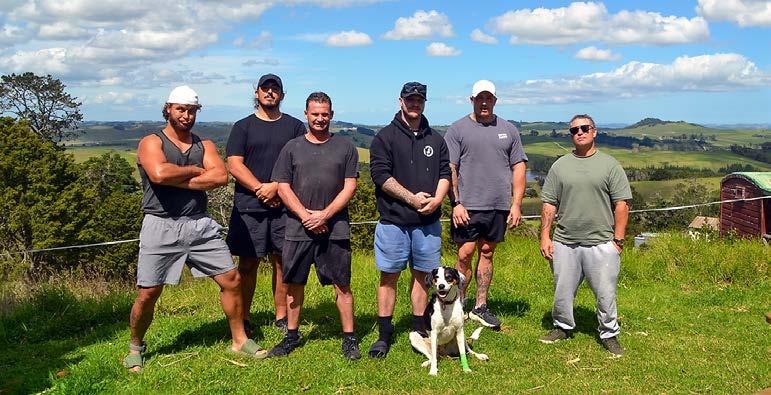
With a calling to help people break the chains of addiction, Ray and Janet Curle bought the Arapohue Retreat
Once a Christian camp for children learning to read and write, it continues the legacy of helping others
they began restoring people, starting with one.
“Now, we have eight residents operating in two of the houses, as well as a big lodge with a kitchen, dining and lounge area, and a gymnasium. The upper room in the lodge is being restored at the moment, so that we can have meetings there.”
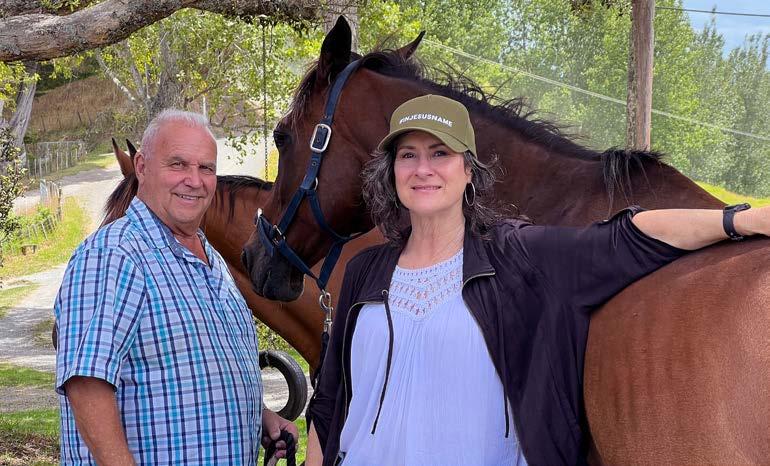
Creating purpose by giving men tasks on the lifestyle block, including working on the gardens and being guardians of the QEII National Trust bush. With horses Hope and Sophie, black Valais sheep, feline friend Bob Cat, canine companions Lucy and Buck and about 15 chickens, the gentlemen can enjoy animal therapy.
“In its nature, this place is a holistic model, and so it is not like a facility. It is more like life here in a loving and supportive environment,” said Janet.
“With more of nature around and the animals around, and everyday jobs, like looking after and riding the horses.
Animals touch people on a different level and bring their hearts back to life.”
With two other buildings still needing renovations, there is room to grow and have more volunteers help in their ministry.
“We will only take people desperate to be off of their addictions for the rest of their lives, because we put so much effort into the counselling, prayer work and getting them to appointments,” said Ray.
“Families who get their sons back free of addictions, the men stop their criminal lifestyle, they are back in the community, and employers are getting drug-free employees.”
While men stay at the retreat at a cost, Ray and Janet volunteer alongside AOD counsellor and builder Gary Codlin — all money collected from the residents goes towards immediate costs.
Why Succession and Progression Planning Matters for all Rural Businesses
- and how YHPJ are leading the way
At YHPJ we are more than just accountants, we are trusted advisors to the Northland rural business community. We understand that your operation isn’t just a livelihood — it’s a lifetime of hard work, family history, and community connection. Farms and rural enterprises are often built over generations, which makes
“The only reason this place works at all is that Ray, Gary, and I volunteer because there is not enough money to pay people,” said Janet. “God gets the glory because he has provided for us and the restoration. He has provided the amazing people who he is pulling out from a death sentence to give them a new lease on life, and what can be more rewarding
than that?” Visit wildsidetrust.org to contribute to the restoration of people or the property, financially, with items or food or through volunteering.
“There have been a lot of amazing stories of lives and families transformed. If you help one person, you help a family, and one person can change a community or the world.”
succession and progression planning one of the most important, and most challenging, decisions an owner will face.
At YHPJ we have been on our own succession and progression planning journeypracticing what we preach! We are delighted to announce the appointment of Brayden Nichols as the newest YHPJ director, based in our Dargaville office. Brayden has been with YHPJ for more than 12 years and was born and raised on a Northland sheep and beef farm. Brayden has built a great reputation in Northland for understanding rural businesses and supporting clients through all stages of the business lifecycle. Trevor and Brayden will continue to work together in supporting clients of YHPJ.
Having walked the path himself (albeit as advisor rather than farmer), Brayden will tell
you that good succession planning also creates opportunities. It allows the next generation time to learn, develop skills, and gradually take on responsibility. This transition period can strengthen the business, improve long-term profitability, and give confidence to banks, suppliers, staff, and family members.
If you are looking for a trusted advisor, look no further - pop into our Whangarei or Dargaville office for a chat or contact Brayden@yhpj.co.nz for a complimentary initial meeting.
Trevor Osbaldiston
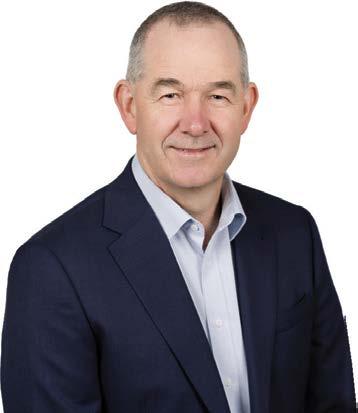
Brayden Nichols
Situated in a country setting, this haven offers a place of healing and restoration for those engaged in the retreat
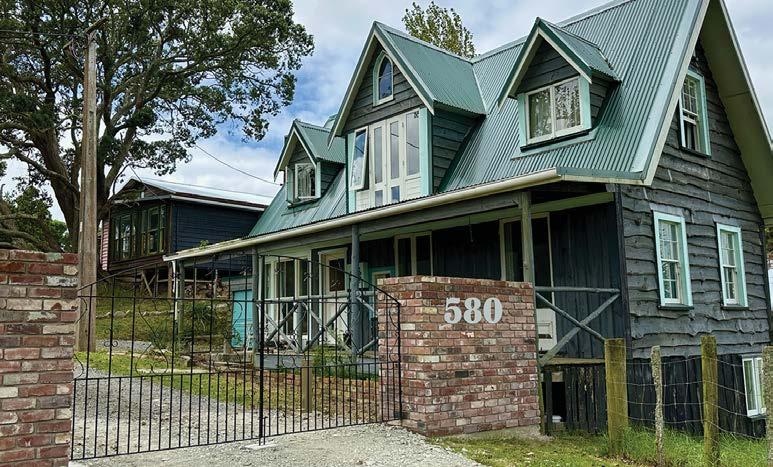
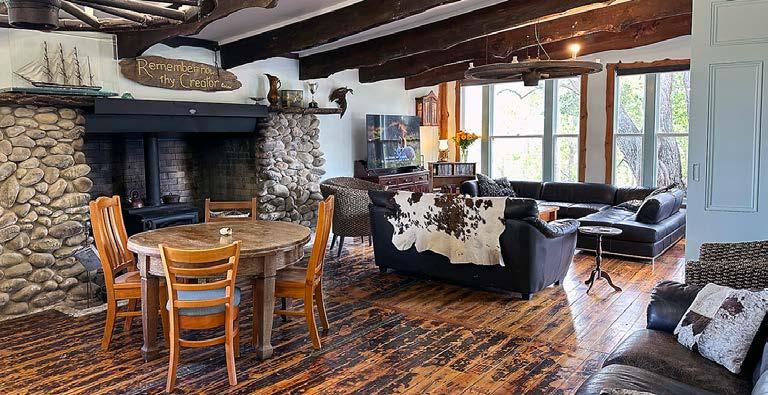
Currently going through restoration, the lodge was one of the features that made Ray and Janet think it would make a great retreat
A blueprint for regional growth
by Paul Campbell
Northland is entering a period of significant opportunity as regional partners, iwi, and industry leaders work to strengthen the region’s economic future according to the Joint Regional Economic Development Committee, while the farming sector nationally is equally upbeat.
While economists have interim caution in the wake of the fuel shock from the Persian Gulf, they suggest the underlying indications of the regional and national economic strength remain valid into the future despite a short term interruption slowdown.
In rural industry, strong returns and lower debt-servicing costs mean more farmers than ever are making a profit, according to the Federated Farmers’ half-year survey in February, with 70 per cent of respondents saying their farm
was currently profitable. “That’s the highest level since we started our twiceyearly Farm Confidence Survey back in 2009,” Federated Farmers president Wayne Langford says. “When farmers are profitable, that’s good news for the rest of New Zealand.
“That money flows into rural communities and the wider economy, supporting local businesses, creating jobs and strengthening regional New Zealand.”
Meanwhile, again prior to fuel concerns emerging, Northern regional councillor
Geoff Crawford has highlighted unique strengths and the energy building across the region.
“Northland is a region with extraordinary potential,” he told a kiwifruit harvest season gathering in Kerikeri in March.
“Our natural beauty, our communities, and our history of resilience and enterprise give us a foundation that many regions would envy.
“Better roads, rail, and port capacity transform how businesses operate here,” he said. “For growers, infrastructure
determines how quickly fruit reaches packhouses, how safely workers travel, and how reliably products get to market.”
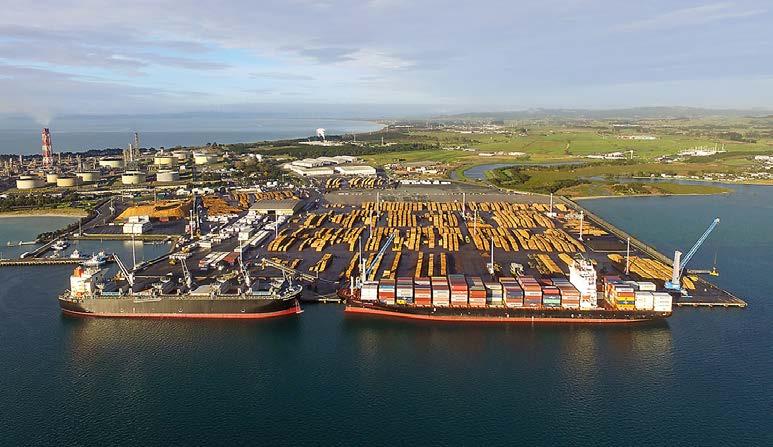
Projects linked to Northport and the wider Marsden Point area were already opening the door to new logistics, manufacturing, and export opportunities across the region.
He says Northland’s primary industries remain a cornerstone of regional prosperity.
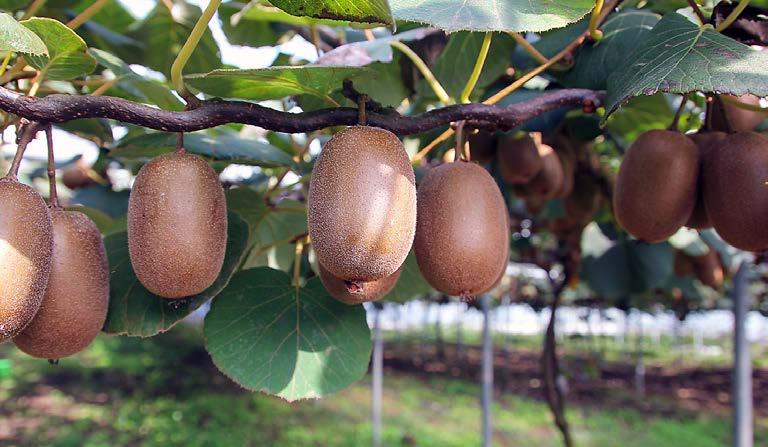
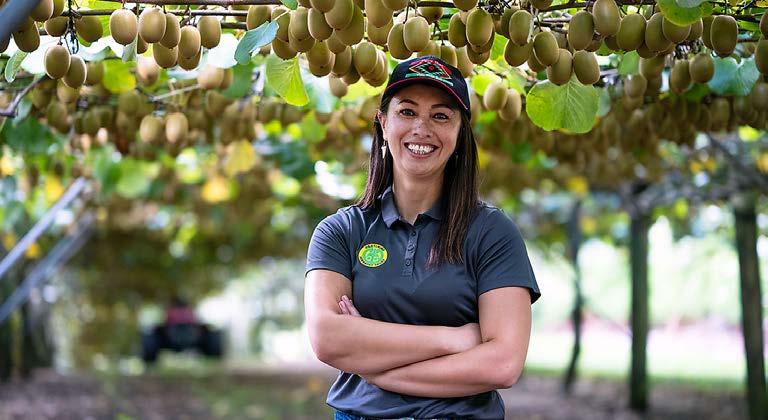
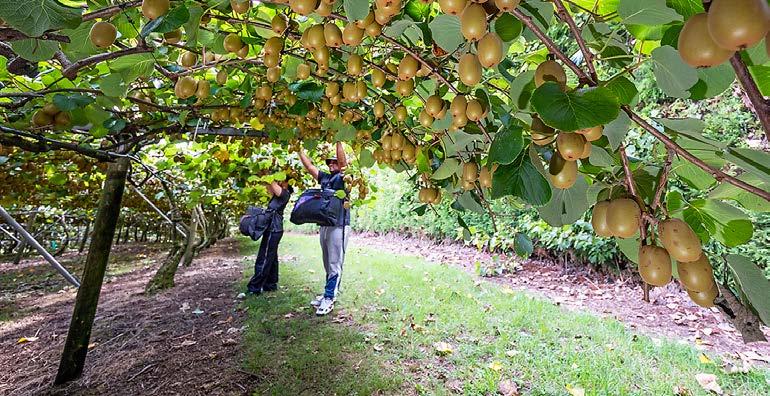
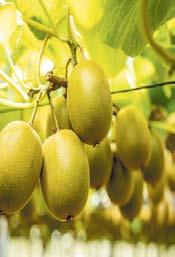
“Last season, the region’s kiwifruit sector earned a record $80 million in
Kiwifruit brought $80 million in returns last season
Northport is key to Northland prosperity
orchard gate returns from 700 hectares of production, and early forecasts suggest another strong year ahead.”
As a focus point of the northern potential, Northland Inc has delivered a 180 per cent return on shareholder investment over the past decade, according to a new regional impact report. It has used $16.5 million of shareholder investment to leverage $46 million in total investment into the Northland economy over a 10-year period from 2013 to 2023.
Presented to the Joint Regional Economic Development Committee in March, the report highlights the broader regional impact of Northland Inc’s work, including support for thousands of Northland businesses, catalytic investment in major projects, and coordinated advocacy to secure additional government funding during major disruption events.
Chair of the Joint Regional Economic Development Committee Geoff Crawford said the report demonstrates the value of coordinated regional economic development on behalf of Northland’s four shareholder councils. “This report shows how targeted investment through Northland Inc can deliver significant returns for the region,” he said.
“By working across councils, government, iwi and industry, Northland Inc is helping unlock investment, progress major regional projects and support businesses across Te Tai Tokerau.”
The report outlines the role of the Investment and Growth Reserve as a catalytic fund, designed to reduce earlystage risk and help unlock further public and private investment into the region.
Over the lifetime of the reserve, 61 projects have been supported through Project Development Funding, helping attract more than $400 million in subsequent investment into Northland.
A further 13 enabling investment projects have been supported, with modelling indicating these projects have contributed to an estimated 1,657 jobs and more than $514 million in economic impact over time. Northland Inc chair Suzanne Duncan said the report reflects both the scale of the organisation’s work and its impact across the Northland economy.
“Northland Inc works across a wide range of activity — from supporting Northland businesses and strengthening our primary sector to attracting investment, developing major projects, and growing Northland’s visitor economy,” she said. “What this report demonstrates is how Northland Inc has used relatively modest public investment to deliver significant results for Northland through
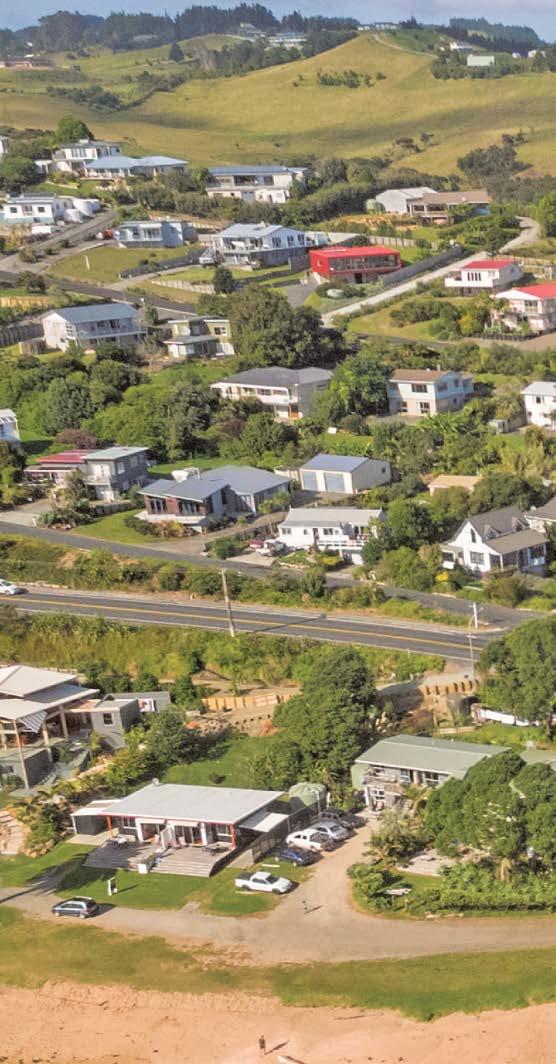
Te Rautaki Mokowā ā Rohe –the District Wide Spatial Strategy will guide how and where growth happens across the Far North over the next 30 years.
disciplined, regionally coordinated investment.”
The report also highlights Northland Inc’s role in helping the region respond to disruption and secure additional support for Northland businesses and communities. In recent years, the entity has secured or jointly advocated for approximately $14 million in additional central government and agency funding following events, including Covid-19, Cyclone Gabrielle, the State Highway 1 Brynderwyn disruptions and the Transpower tower failure.
Alongside investment activity, the report highlights a broader contribution across the regional economy, including more than 4,000 Northland businesses supported over the last decade. Mr Crawford said the report provides shareholders with confidence in the organisation’s direction and performance.
“Economic development is long-term work, and this report demonstrates the important role Northland Inc plays in
We’re coming to you
Te Hiku
Saturday 11 April – Kaitāia markets, 7am to 12pm, Matthews Ave
Kaikohe-Hokianga
Thursday 9 April – Kaikohe markets, 3pm to 6 30pm, Broadway
Tuesday 14 April – Rāwene, 10 30am to 1pm, Opposite Wharf
Tuesday 14 April – Ōpononi, 11am to 1 30pm, Ōpononi 4 Square
Bay of Islands – Whangaroa
Thursday 9 April – Paihia farmers market, 10am to 1 30pm, Village Green
Friday 10 April – Kawakawa Library, 10am to 1 30pm, Gillies St
Email: submissions@fndc.govt.nz
Geoff Crawford, Joint Regional Economic Development Committee chair
Legacy of the whenua
PART TWO
by Amy Fifita
This month, we continue with the Ngāti Hine Forestry Trust story and its significance through the generations, as the trust represents Northland as an Ahuwhenua Trophy finalist.
While last month we learnt about the operation of the land, for CEO Heidi Mackey, one of the highlights has been the work with people and the connection to the community.
“My connection to the whenua within the trust is through my great-grandmother, one of the original landowners, so I have always had an interest here. When I was contacted to assist with specific projects, and learned more, I was enthusiastic to become part of it,” Heidi said.
“Some of my favourite aspects of working in the trust are the people, my colleagues, the beneficial owners, knowledgeable trustees and other stakeholders. We are always reminded that the people are a paramount consideration in the work that we do.” With a strong focus on valuing people and building capability, the trust has more than tripled its employees from 8 to 30 in the past three years.
“When I first started as the acting CEO, eight people were working in the trust, and we now have 30, with further growth anticipated as the trust looks to expand its contracted services in kiwifruit and forestry.
“We are always looking at ensuring that the mahi we create is meaningful and sustainable. As a real commitment from all levels of the trust — governance, management and operations, there is a shared commitment to delivering that for our whānau and community. I’m enjoying learning about innovative
land use optimisation in a way that is better for environmental outcomes and sustainability.”
As each generation comes to make their mark on the trust, it is a reminder of the people who went before them. With multiple business operations, kaupapa and projects, some as recent as the past four years, it reminds them that they are kaitiaki of the land.
“Four years ago, the trust set up its native nursery to provide trees for a kaupapa developing a strategy to transition from pine trees to native cover
The Ngāti Hine Forestry Trust team is both excited and humbled by becoming Ahuwhenua Trophy finalists
Ngāti Hine Forestry Trust beneficial owners, whānau, community, and supporters are welcome to attend the public field day on April 23
intergenerationally. The kaupapa was matauranga-led, science-supported and included trial sites, wānanga with whānau, and the development of a strategy.
“It was part of a research kaupapa led by Ngāti Hine uri (descendants) and knowledge holders in partnership with Scion. Over four years, our team planted approximately 32 hectares of natives over six trial sites.
“It was also a great opportunity to engage with our beneficial owners, local kura, kōhanga reo and whānau who attended the planting days. They shared their histories and stories of what they remembered before pine trees were covering the landscape.”
No stranger to connecting with people and the land together, last month, the community, government representatives, central government officials and influential business leaders from across
the region attended a harvest karakia.
While March was a time to set good intentions with the community harvest karakia, April provides an opportunity to showcase Northland and the trust in the Ahuwhenua Trophy.
“We were encouraged by the Whangaroa Ngaiotonga Trust, the 2025 Ahuwhenua Trophy beef and sheep winners. Some of the trustees and I had attended the 2025 awards ceremony to support their trust. The Whangaroa Ngaiotonga Trust co-chair, Huhana Lyndon, told me that Northland was hosting the 2026 event, and it would be awesome if there was a finalist from our region. It has been a privilege to become a finalist and not something we considered entering before. Everyone has been ecstatic but also humbled. This acknowledgement reflects generations of commitment to upholding the vision of land and people thriving. We
would love to see a great turnout at our field day. It would be fantastic to have our beneficial owners, whānau, community, and supporters attend and see what we are doing.”
The public field day begins with a pōwhiri at Otiria Marae, 7 Kingi Road, Moerewa. Guests are invited to assemble by 8.45am for a 9am start on April 23. It finishes at 2pm, and lunch is provided.
“It is a milestone, and the mahi continues. It is a good reminder to look back at how far we’ve come, building off the work of those before us and the sense of duty to continue it into the future. We want the work we are doing today to be felt by those after us, as it is now. The legacy left to us by our tūpuna underpins what we do and how we do it. It comes back to our vision of he whenua hua, he tangata ora — productive land, people’s wellbeing.”
Ngāti Hine Forestry Trust CEO Heidi Mackey says one highlight since being with the trust has been the people
With a focus on building and benefitting future generations, the Ngāti Hine Forestry Trust continues to build on the work of those before them so that future generations can enjoy the land, too
by Amy Fifita
Forever in the farming game
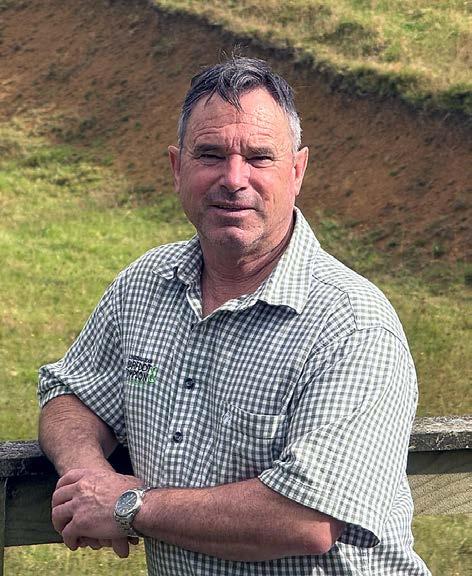
In the industry since birth, Barfoot and Thomson Mangawhai realtor Mark Bygrave brings his farming upbringing to the fore when dealing with the rural communities he serves.
“I grew up on a dairy farm between Kaiwaka and Mangwhai, and when I left school, I did a diploma in agriculture at Massey University in Palmerston North. I farmed for many years before helping people on lifestyle blocks and fencing,” said Mark.
“When I am not working, I am out in the community helping out at the Scouts. I was a scout for many years as a boy, and I enjoy bringing the children through and teaching them life skills.”
Already passionate about people, rural living and farming, Mark seized the opportunity to explore what rural real estate was and joined Barfoot and Thompson Mangawhai.
“I am a rural person who understands the land and what you can do with it, and what good and poor farming is, so I can get the right person into the right farm. All farms and people are very different, so it is quite a skill to get the right person to the right farm,
To make the BEST of your produce, you need the BEST
“Harvest time is near, get organised now”
Olive Grove and Orchard Equipment
Phone: 09 945 0890
Email: info@grovesupply.co.nz
Web: grovesupply.co.nz
and I enjoy it. Everyone wants something different in the land or the property. When I meet the people, I assess them and see where their interests are, what they want to do and where they are prepared to live.”
Mark says that while sometimes the houses can be disappointing for the ladies, you can change the house but not the land. With rural market trends and the positive milk, beef, and sheep prices, there is an opportunity for people to own land.
“I thought that because the milk prices, beef and sheep are good, it would equate to higher prices, but it hasn’t worked out like that at all.
“Farms are selling, but they are not selling for big money. They have been selling for CV or slightly below for quite some time, and the trend is that people are a little cautious, allowing the market to stabilise itself.”
For some, selling their farm is a matter of selling it to a family member or knocking on the neighbours’ door. For others, it requires a spruce-up and presentation.
“If you have a good impression from the front gate to the cowshed, it will go a long
Maybe, cut your front paddocks, get rid of weeds, spray around the
and drains, clean the cow shed and keep machinery out of sight.
“For farmers finding it difficult to let go of their farms, there is life after farming. Now, it is time for the next person to take over the farm and take it to the next stage.”
Mark Bygrave has spent his whole life in the farming industry, whether it be farming, fencing or selling them way to selling the farm.
fenceline
by Andy Bryenton
Resurrecting a giant
The first tractor sold at the Northland Field Days was a Case IH, a 1985 model, which returned to the hallowed ground of the agricultural show this year to celebrate the event’s 40th birthday.
However, this vintage farm machine is not the genesis of the Case name; the company was involved with tractors long before the reign of diesel and turbochargers. Perhaps the crowning achievement of Case in those early years was a tractor so huge and imposing that it gained the name ‘the road locomotive’ — the colossal Case 150hp.
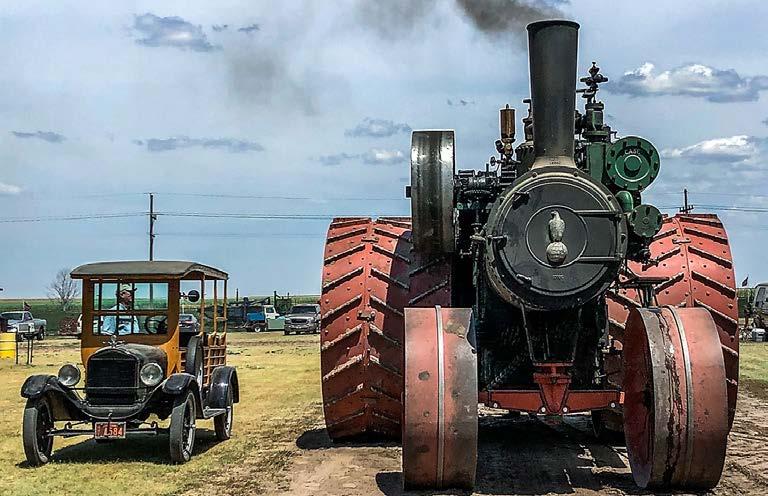
Every metric confirmed it as a giant, and its job was to mechanise agriculture on the great plains of the US in the days of steam. Even the modern Case IH tracked tractor units only approach its massive size; 35 tons of hand-crafted iron and steel, driven by 180psi of boiler pressure chugging to spin a 1.27-metre flywheel. The road locomotive was more than eight metres long, as tall as a house, and could reach a top speed of just 10km/h. That sounds unimpressive, until you realise that it could hit this speed while drawing 40 giant plowshares through the soil.
The pinnacle of steam technology and might, only nine of the huge machines were ever made back in 1905. There was a limited need for such a huge and powerful steam tractor.
The wide-open fields of the midwest were its natural home, and with most farms in those days being smaller than the big mechanised operations of the present day, the Case 150hp was ahead of its time.
Sadly, all nine machines were destroyed as they became seen as outdated and inefficient, replaced by fleets of smaller tractors using internal combustion.
Then came Kory Anderson, a visionary engineer who grew up with steam traction engines. His parents took him to his first steam engine show when he was only five days old, and his parents Kevin and Donna supported his passion for the preservation of agricultural machinery heritage with their own. At the age of ten he met a man named George Hedtke,
who owned the boiler of a very special machine; the prototype Case 150hp. It became Kory’s ambition to rebuild the giant.
From the age of 16 he embarked on his plan, talking to veteran fabricators, learning old techniques, building his skills and aiming to remake the big 150hp from scratch. By the age of 22 he’d founded a metalworking company that could help fund and accomplish his dream. In 2016, he hand-picked a team of friends and began the task, completing the rebuild in
just 16 months. It was the culmination of an idea sparked when he was still in primary school, and it worked. The new Case 150hp is a huge attraction today, and holds the record for the biggest steam tractor on earth.
The massive Case 150hp, with a vintage car for scale
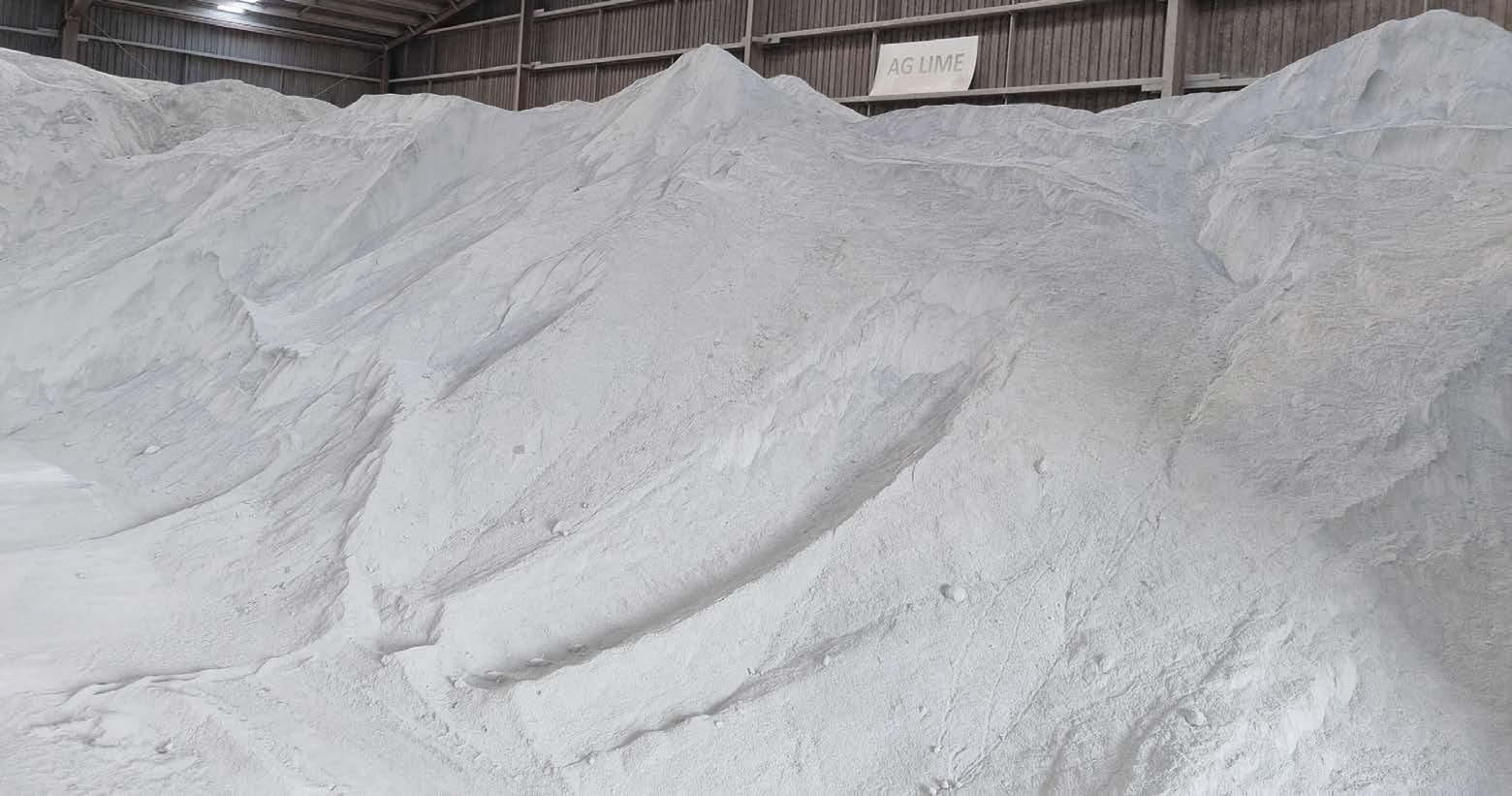
Avoca’s Agricultural Lime (AgLime) and Limestone are manufactured at our three lime quarries at Rarewa (Whangarei), Pokapu (Bay of Islands), and Port Albert (Wellsford). Both are also available at bulk stores in Dargaville and Te Kauwhata (Waikato). From all of these locations, we’re well placed to deliver Agricultural Lime products Northland and Waikato wide. Avoca also provide soil fertility testing and consulting as well as lime and fertiliser products and custom mixes.
NORTHLAND LIME
10
reasons to apply lime to your soils:
1
2
3
4
Increases nutrient availability; raising soil pH with lime to ~6.3-6.5 releases and balances soil nutrients for plant uptake, maximising return on your fertiliser spend.
Improves pasture yield. Trials have shown pasture production increases up to 68% and corresponding live weight gains.
Reduces need for N-fertiliser; lime stimulates N-fixation by legumes, and N-release from organic matter into plant available forms.
Improves P availability through a ‘phosphate sparing effect’ - trials in Northland showed 50-60kg more P available consistent over 3 years after applying 5t/ha of lime to a pH 5.8 soil. Optimal P availability occurs when soils are limed to pH 6.3-6.5.
Improves pasture palatability allowing for more even grazing of pasture and better pasture utilisation. 5
6
7
Increases soil biological activity and diversity; key to nutrient availability, good soil structure & porosity, and ultimately pasture/crop yield.
Increases resilience to droughts, floods, and runoff/erosion, reduced greenhouse gas emissions, and greater root penetration for pasture/crop growth by flocculating (loosening) your soil to improve soil structure and porosity.
Increases water holding capacity in the dry and water drainage in the wet. Lime drives down magnesium in ‘tight, high Mg’ soils such as estuarine soils found in the Hauraki Plains. 8
9
Reduces elemental toxicities evident at low pH levels, e.g. Al, preventing subsoil acidification and improving root growth, root development, and reduces P-fixation.
Provides calcium which is essential for both plant and animal growth and health. 10
Expert menopause care — at your place
Menopause Wellbeing is a private online clinic operated by Sexual Wellbeing Aotearoa: you
Through our private menopause clinic, we offer dedicated, expert and tailored menopause treatment — all without you having to leave home.
With longer appointments, we can investigate your symptoms in more detail and provide tailored treatment plans and advice, including hormone therapy and other medications. Time is precious. That’s why we’re offering virtual appointments, held in the late morning, afternoon, and evening, to fit in with your busy life.
Our services
Hormone therapy, sometimes called menopause hormone therapy (MHT) or hormone replacement therapy (HRT) is the most-effective treatment we have for relieving many symptoms of perimenopause and menopause. It’s not for everyone though, and there is a range of other medications that have been found to help menopausal symptoms.
Our appointments
All our appointments are online. Your first appointment will be 45 minutes long. You’ll see the doctor or nurse practitioner you booked with. They’ll discuss your physical symptoms and other relevant medical conditions, as well as your psychological wellbeing and any concerns you may have, and come up with a treatment plan tailored to you. Follow-
up appointments and prescription repeat appointments are also available.
Booking options
You can book using our online booking system. Check out our website for more details at menopause.sexualwellbeing. org.nz, or you can call us on 07 810 6823.
Doing good, while doing you good
By coming to us for menopause treatment, you’re also supporting our valuable work across New Zealand. All proceeds from this clinic are reinvested in Sexual Wellbeing Aotearoa, enabling us to continue to promote health, advance education and benefit the community.
PS Menopause Wellbeing and Sexual will be in the Health Hub at the 2026 Fieldays — stop by and say hello.
Dr Suzie Evason: “I’m interested in health and wellbeing at menopause, and I look forward to treating and working with women at a time when they can often feel alone and unsupported.”
Nurse practitioner Rachell Webb: “Having worked in sexual and reproductive health for over 12 years, I understand the impact perimenopause and menopause can have on a woman’s life, particularly when not recognised or given the appropriate care.”
Nurse practitioner Katie McCullough: “There’s a significant gap in accessible, evidencebased support for people navigating menopause, and I’m eager to draw on my clinical background to contribute to improving menopause care across Aotearoa.”
A Dome Valley landfill view
by Paul Campbell
An eight-year court battle against plans for a mega-dump for Auckland’s rubbish in the Dome Valley and an Environment Court finding in favour of the Waste Management landfill plan, subject to conditions, is not being taken as a ‘done deal’, and opposition shows no sign of backing down.
Those close to the tip opposition movement say “councils of war are well underway to continue heartfelt opposition to having 60 hectares of rubbish in a fragile ecosystem; a catchment area for the Kaipara Harbour. This battle is not over. We are actively exploring avenues to prevent such a travesty.”
There’s every indication that there is strong iwi involvement in pursuing further legal remedies to the tip plan.
“We are keeping our legal powder dry until we have confirmed legal action,” say those involved with the opposition.
A formal legal hearing is continuing. Meanwhile, Forest and Bird appeals over national river protection provisions are ongoing, because many streams would be blocked by a dump site.
Tip opponents reject Waste Management’s fix-plan for stream loss by riparian planting in the adjacent catchment of the Kaipara Harbour. It’s their opinion that this
would simply echo work undertaken by the $300 million Kaipara Moana Remediation project.
However, iwi opposition has many facets, and one major consideration is understood to involve “a statement of tikanga” (Māori custom). Tip opponents cite the imposition eight years ago of a rāhui over the landfill site that remains in force today. Tikanga was most recently cited successfully in a Wellington court case involving the national museum Te Papa, resulting in a Crown backdown in a criminal prosecution.
So while Forest and Bird soldiers on, there are strong rumblings through the Kaipara iwi base that the Dome Valley tip is most certainly not a foregone conclusion. These cite a complete aboutface from opposition to tip approval by iwi leadership that does not have popular support. That, and the succession of court decisions, locals say, “fly in the face of common sense.”
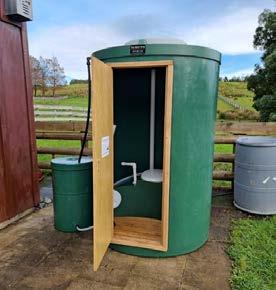
• Domestic unit (handles 4-5 persons per day/365 days per year)
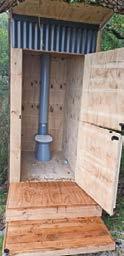
THE SPECIALISTS IN COMPOSTING TOILETS
• Commercial Unit (handles 20-25 persons per day/365 days per year)
• Toilet Building at your cost.
• Toilets are vented so there are no unpleasant odours
• Meet required NZ Standards. In use by DOC & Regional Councils.
• Cheaper to purchase and install than other systems. Leave the system to work for you, to have safe, composted material
Long-term benefits of chondroitin
by John Arts
Research shows that chondroitin supports cartilage health and inhibits enzymes that break down cartilage delaying joint degeneration.
I have the privilege of speaking with clients who have taken chondroitin combined with glucosamine and curcumin (from turmeric) for years.
These report three stages of improvement. There are the initial improvements noticed over 2–6 months. This is important as it is usually the first relief they have had without pain medication. Over 6–12 months the rate of improvement usually slows but there are still noticeable improvements. The rate of improvement slows further but is still noticeable for years.
Today I had a phone review with a client who had been taking my high-chondroitin supplements. After just two months she said that her hips and ankle were much more comfortable. I have no doubt she will continue to improve.
I have one such client who contacted me over five years ago with moderate knee osteoarthritis. He noticed significant short-
term improvements. He noticed definite improvements as the years passed and after five years, he stated he had effectively no knee discomfort.
This is confirmed by a six-year study into the benefits of using chondroitin with glucosamine for those with knee osteoarthritis. It showed that those who used this for six years had maintained cartilage and slowed cartilage loss.
The outcome was these long-term participants had much better results than would have been expected. The study showed that those who took chondroitin with glucosamine long term had less joint space narrowing than expected.
A study, however, does not guarantee that you will get the same results. This is why I am much more interested in how individuals respond. It is one thing to read a study; it is another for you to be more comfortable living with osteoarthritis.
What is Bettaflex?
• Bettaflex is a joint support formula to promote healthy joint cartilage function.
• Bettaflex has 400mg (per capsule) of high-grade avian chondroitin, 400mg of glucosamine and 100mg of BioSolve® bioavailable Curcumin (from turmeric).
• Try Bettaflex for 3 months and see for yourself.
How can Bettaflex help?
• Chondroitin and glucosamine are building blocks of cartilage.
• Supplementation with correct levels can support healthy cartilage function and cartilage repair processes.
• New BioSolve® bioavailable curcumin helps joint function while gentle on the stomach.
• Research indicates that chondroitin is highly effective at 800mg daily.
John Arts comments:
by Andy Bryenton
The fire of the fabricators
Watching a metal fabricator work is a process as fascinating as that employed by any sculptor or painter, and sometimes it seems, just as mysterious to the layperson.
Metal is a medium which has been vital to human civilisation for thousands of years. Those who know how to shape and fuse it into the right forms for work and warfare have always been professionals in high demand.
There’s a good reason for this respect. Metalworkers and those who can turn a plan on paper into a working tool or machine part are responsible for our capacity to feed billions, our ability to travel all over the world and into space, and even the machines that build our cities.
The word weld comes from an old Saxon term meaning ‘to make red hot’, and for good reason. Before Sir Humphry Davy discovered the electric arc in 1800, forge welding was the only way to bond metal to metal in a way we’d recognise as welding. Even so, the feats of the late medieval and renaissance armourers are testament to a sublime level of skill.
Davy created the electric arc as part of his experiments in isolating elements like potassium and calcium. Also the father of nitrous oxide, inventor of
photographic enlargements and the editor of Wordsworth, Davy didn’t immediately think of welding when he created the arc, but a Russian scientist named Vasily Petrov did. It would take 80 years until fellow Russian Nikolai Benardos and his Polish colleague Stanislaw Olszewski introduced carbon electrodes to build the arc welder. Three-phase welding was also a Russian invention, but the revolution in that nation saw innovation stall until a great leap forward in welding technology came in 1914.
The first world war was a war of manufacturing and engineering as much as it was a war of brutal attrition. The British, who relied on a strong navy, adopted arc welding to attempt to speed up production of what until then had been riveted ships. The Fullagar was the first vessel to come out of the UK with an entirely welded hull, and it changed the game. Meanwhile, German aircraft were being made using welding, as wood and canvas planes were superseded. By the 1920s, auto-feeding electrode wire and the use of shielding gases
A welder uses an electric arc to turn plans into reality: one of the core skills enabling modern civilisation to operate to prevent oxygen and nitrogen in the atmosphere from affecting welds were in wide use. The second world war saw the rise of TIG welding, using a gas tungsten arc method, and aluminium could now be welded for the aircraft industry. By
this time riveted ships like the ill-fated Titanic were resigned to history, and welding allowed feats of production like the US liberty ships programme, turning out large vessels in a matter of days each.
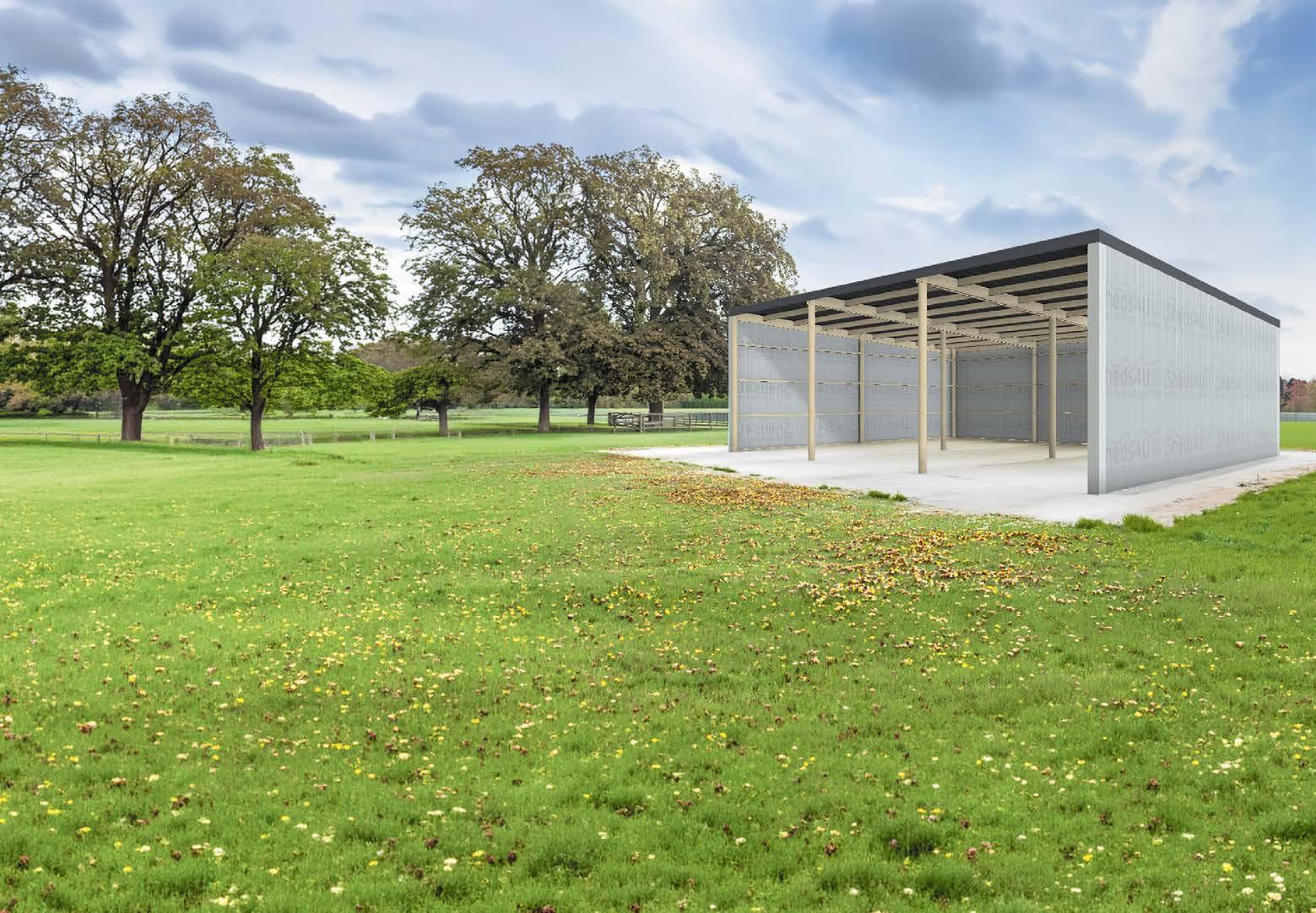
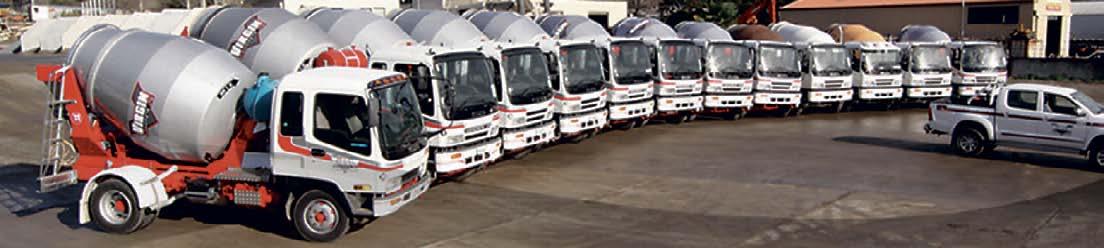
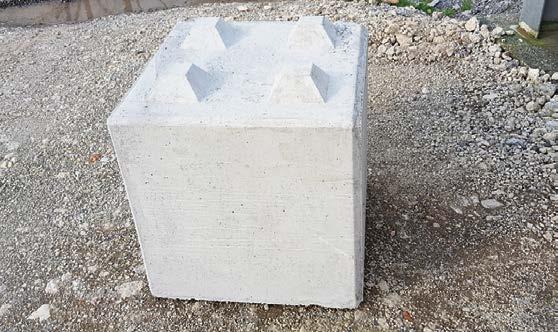
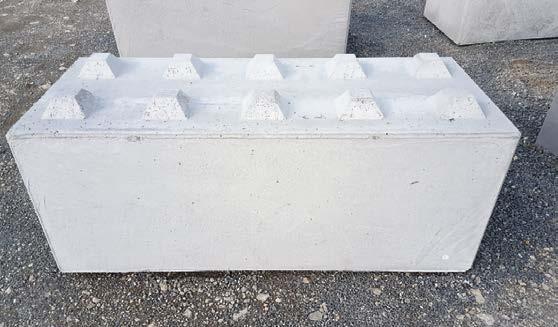
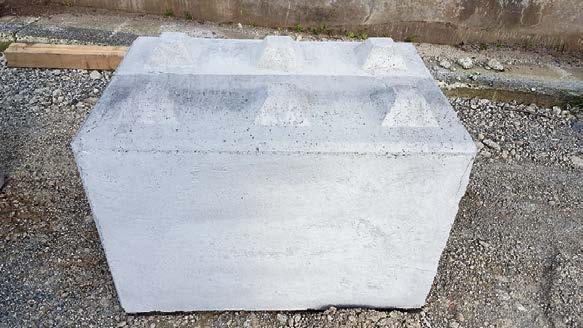
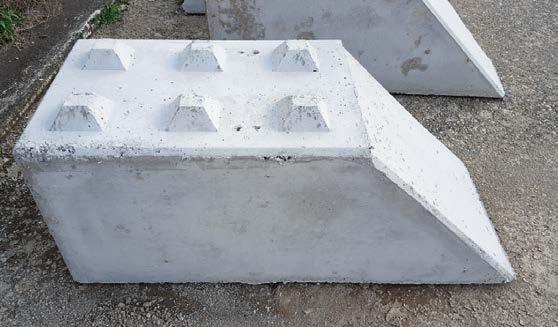
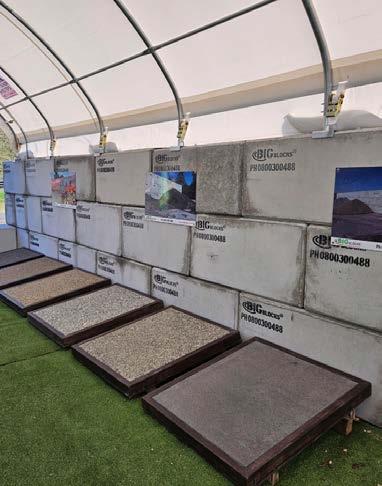
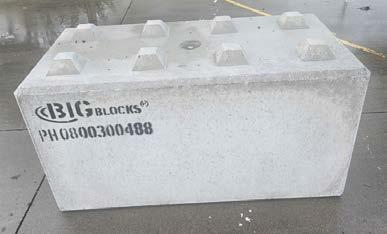
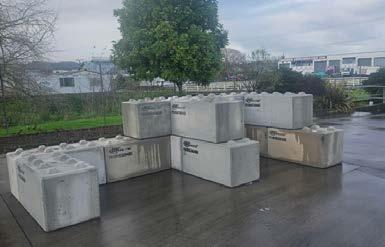
Concrete Blocks for
• Retaining Banks
• Silage Pits
• Storage Bays
• Fertiliser & Feed Bins
Length: 600mm
Width: 600mm
Height: 600mm
Weight Approx: 490kg
Length: 1500mm
Width: 600mm
Height: 600mm
Weight Approx: 1260kg
Length: 900mm
Width: 600mm
Height: 600mm
Weight Approx: 750kg
Length: 900/1500mm
Width: 600mm
Height: 600mm
Weight Approx: 1000kg
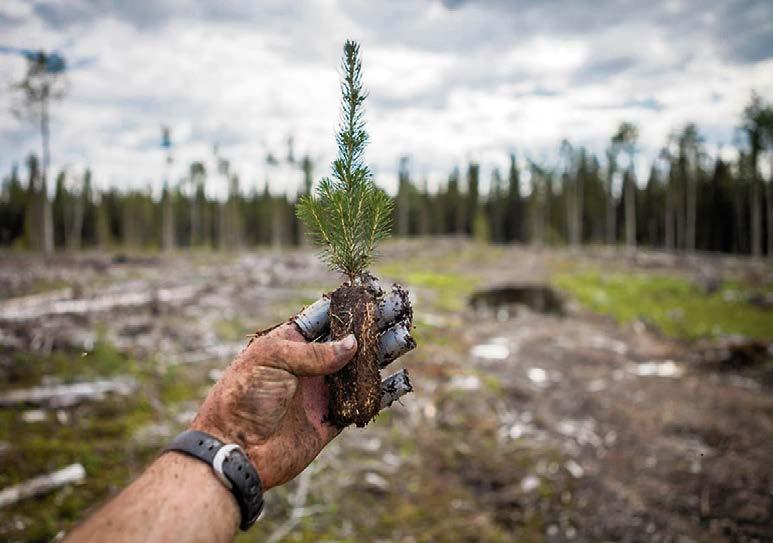
SILVICOM: Silviculture specialists providing services throughout the Northland Region. Situated in Whangarei we cover all surrounding areas in Northland.
SERVICES WE OFFER:
» Planting including Native and Pine » Thinning to waste
» Release spraying » Manual Fertilising
» Scrub Cutting » Regen Pulling » Tree Pruning
ALERT: Whether you are considering planting natives or Pines in 2026, Now is the time to cement a contractor. Call today !!
WHANGAREI
Will Edmonds | M: (020)4302-677 | E: will@silvicom.co.nz www.silvicom.co.nz
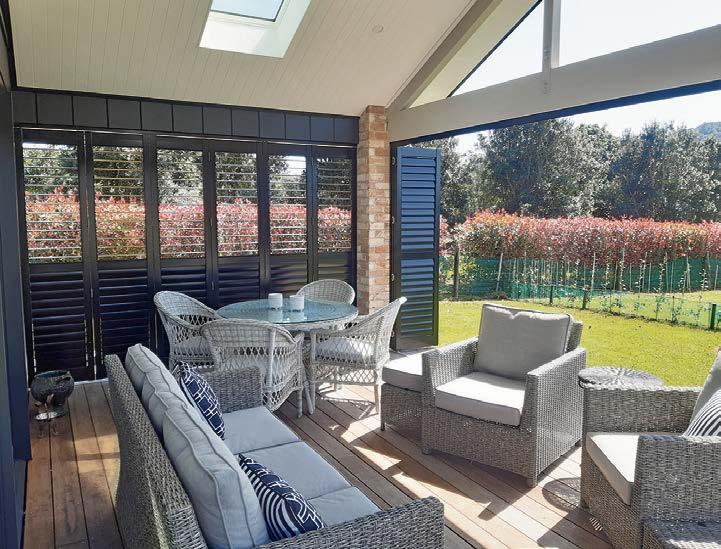
Blinds
Awnings
Shutters
Umbrellas
Turning sunlight into sustainable savings
by Andy Bryenton
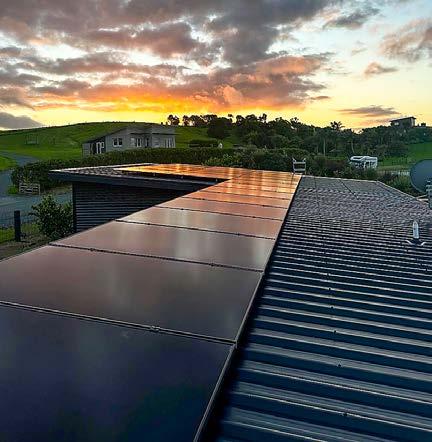
Cameron Duckmanton of Energy Equipped has been in the industry and working with solar for a decade, during which time he’s seen the technology advance and the savings grow.
Cameron established his own business, Energy Equipped, five years ago, assembling a team of three to help him achieve more than 300 installations in this time. He says that the most important part of considering solar power for your farm or home is the way in which it’s tailored to fit your situation, and that’s exactly where he and his team shine.
“We go to every home and every farm, and we’ve found that every one is different. On a farm, for example, we make a calculation which takes into account how many cattle are in the farmer’s herds, how many milkings are
done each day, what kind of shed, chiller and equipment is on-site — these are all factors,” says Cameron.
“Right now, with banks such as the ASB offering zero per cent finance on solar installations, and with modern panels carrying a 30-year warranty, the opportunity to reduce power bills through solar is timely.”
Solar power is a technology whose time has come, especially in Northland where we enjoy some of the longest sunlight hours of any part of New Zealand. Then again, one of the solar myths, which Cameron is quick to debunk, is that solar
ATTENTION FARMERS
BULK SILO FILL OR BY THE BAG
For all of your stockfood requirements contact your local merchant or
panels only work well in bright, direct sunlight. Even on a cloudy day, an array of panels that’s the right fit for a farm or home can deliver ample energy; enough to run all the modern appliances which people demand.
That ‘right fit’, which is so important, comes into play for offgrid installations, too. Cameron has overseen more than 50 of these specialist solar builds, with batteries and inverters designed to cut dependency on the national grid. Once again, the right solution which will last the distance begins with a conversation, and an assessment by Energy Equipped to ensure satisfaction.
From the iconic Waikaretu Marae in Poutō to off-grid cabins and highly productive dairy farms, Cameron and his team have tailored solar solutions that deliver sustainable, affordable, robust and reliable power. If you’ve been thinking about the possibility of harnessing the limitless energy of the sun, but have
not known quite where to start, Energy Equipped invites you to make use of their expertise. Give Cameron a call and talk about what could be achieved at your place. Big or small, on grid or off, farming or residential, he’s got the know-how and the technology to ‘make it pay when the sun shines’.
The sun rises over a custom-designed solar array installed by Energy Equipped
New podiatrist boosts local care for farmers
Farmers in the region now have better access to foot and lower limb care, following the appointment of podiatrist Hannes Louw to Kerikeri clinic, Bodyworks Physiotherapy & Wellness.
The addition brings another layer of support to one of the community’s most physically demanding workforces.
Long hours spent on uneven ground, repetitive lifting, and sustained pressure on joints often lead to persistent discomfort for those working in the farming industry. Many farmers report foot, ankle, knee and back issues that affect day-to-day tasks, but these concerns are frequently put aside during busy periods.
“Farmers are known for getting on with the job despite discomfort. However, pain shouldn’t become a normal part of life. Early attention can prevent long-term problems,” Louw said.
Bodyworks Physiotherapy & Wellness has supported the community for many years, and is very excited to be able to add podiatry to their list of services at last.
“We feel really lucky to have been able to bring a podiatrist to the region. These roles can be hard to fill in Northland, so having someone like Hannes join the team is a real
boost for the local community,” said clinic owner and physiotherapist Mark Burnett.
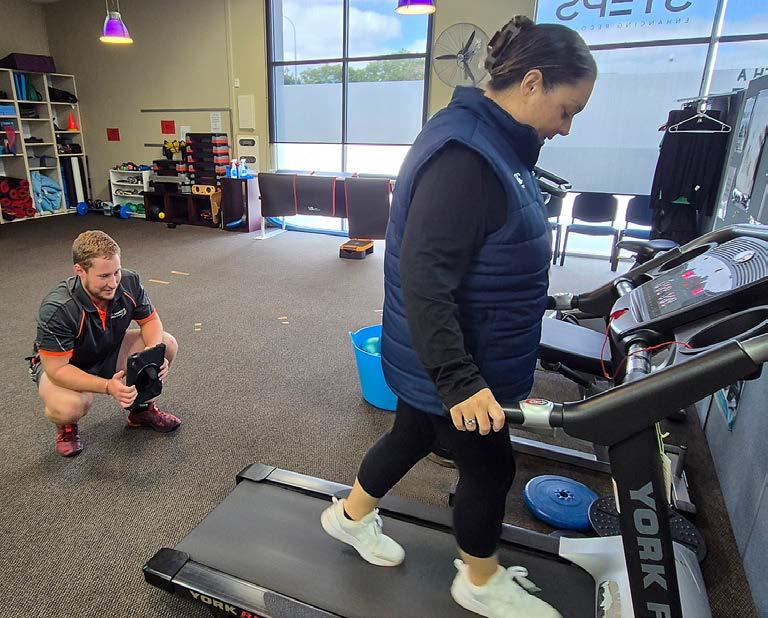
Louw’s assessments typically focus on biomechanical patterns, including how the lower limbs move, how pressure is distributed during walking or standing, and where strain may be building up. He also supports people with footwear advice, strategies to reduce load on hardworking joints, and general podiatry care.
For a region where physical labour is central to daily life, this expanded service is viewed as a practical step toward supporting locals with their long-term health and mobility.
“If we can help farmers keep moving and reduce the impact of pain on their day-to-day work, that’s a win for them and for the wider community,” Hannes said.
Bodyworks also offers physiotherapy, massage, acupuncture, dry needling, Pilates, yoga, GLA:D Osteoarthritis courses, Bradcliff Breathing method, and cancer rehabilitation, providing a broad range of support for local health and wellbeing.
Hannes Louw, podiatrist, doing a biomechanical assessment in Bodyworks’ gym
Farmers urged to embrace Avoca’s dicalcic phosphate
As pressure mounts on farmers through rising input costs, Avoca managing director Bryce Manderson believes Avoca has a solution to ease some of the financial pain for primary producers.
He is encouraging farmers to turn to Avoca’s non-water soluble Dicalcic Phosphate (DCP), which is less prone to leaching and run-off — nor is it fixed or immobilised in
high phosphate retention soils.
“During times of uncertainty and increasing on-farm costs, dicalcic phosphate provides a really cost-effective option to reduce phosphate application rates by increasing nutrient use efficiency, at the same time reducing environmental impacts,” says Manderson.
“So, not only will farmers spend less on phosphate applications, with a nearneutral pH of six, DCP does not impact soil biology in the same way that highly acidic superphosphate can.”
sales and marketing Manager
and
managing director Bryce Manderson say dicalcic phosphate (DCP) is less prone to leaching and run-off low water-soluble product — Avoca’s dicalcic phosphate.”
Avoca’s Dicalcic Phosphate is a unique combination of Avoca lime and superphosphate, which has been cured and processed to produce an easy to spread, slowrelease, stable calcium phosphate fertiliser.
“What a lot of farmers don’t realise is that water-soluble phosphate fertilisers are not suitable for many Northland and Waikato soils, due to phosphate leaching, run-off and lock up. Often the best way to reduce phosphate losses is to apply a slow-release,
Manderson says those farmers who are regular users of Avoca’s dicalcic phosphate have seen the benefits of it providing a stable, slow-release phosphorus source that resists leaching and remains available to plants over time. Avoca sales and marketing manager Neil Crowson says chemistry within DCP ensures much better nutrient utilisation and improved pasture performance in soils prone to nutrient loss.
“So, in effect, using DCP for maintenance or capital fertiliser plans, will get better long-term supply of phosphate for sustained pasture production throughout the year,” says Crowson. “Over the years, farmers will save money on their fertiliser bills and improve soil health. Ultimately, it is the stock that will benefit by grazing on healthier pastures.”
Crowson says along with lime, DCP is just one of numerous fertiliser options offered by Avoca throughout Northland, South Auckland, Waikato and Bay of Plenty.
An independent research paper has shown leaching is a pathway for phosphorus loss on low retention soils that Manderson believes is too often, and wrongly, dismissed as environmentally and economically insignificant.
“That’s why I encourage farmers to consider the use of less soluble fertilisers and more frequent, but smaller, applications.”
Avoca
Neil Crowson, left,
Avoca
WINTER FOCUS
by Andy Bryenton
By taking ambient heat from the air and then transferring it where it needs to go with a heat exchanger, heat pumps can generate five kilowatts of warmth for every kilowatt of
they consume.
That’s great for heating your home, and the long slimline box shapes of heat pumps have become ubiquitous in Kiwi living rooms and bedrooms. As an added bonus, home heat pumps can work in reverse, too, cooling the home in summer. However, there’s more to this technology than just a pleasant environment, as clever minds have been scheming on other ways to use heat pump technology around the house.
Foremost for big savings on electricity bills is the use of heat pumps as water heaters. The old-fashioned hot water cylinder uses a big coil like one inside a kettle to heat hundreds of litres. It’s the equivalent of the old three-bar electric fire compared to a modern heat pump, and equally wasteful. Hot water heat pumps can slash the cost of heating water by up to 70 per cent, they take less time to get the water up to temperature, and are usually situated outdoors, meaning that valuable storage space can be unlocked indoors.
Another area of the home where heat is needed but power bills need to be driven down is in the laundry. Heat pump technology has been widely adopted by the manufacturers of tumble dryers, and early high prices to invest in one of these power-saving devices have come down dramatically as whole factories switch to the new standard. Drying clothes indoors used to be a grim necessity in winter, with power bills to match. Now, heat pump dryers offer not only more affordable convenience, but are also easier on fabrics.
Heat pump efficiency has even made one of the most luxurious options for a modern home a little bit more affordable to maintain. While there’s an initial investment cost, heat pump spa pools take away one of the most daunting aspects of owning a hot tub; the ongoing cost of keeping the water warm. Spa pool manufacturers say that a standard spa pool upgraded to a heat pump water heater repays the cost in two to three years. Heat exchanger technology isn’t new. It’s what makes your fridge work, and has been used for air conditioning in cars for nearly 100 years. Making the best use of this concept and utilising it to drive down electricity bills is all about innovation. Take a look and see if there are ways you can use it to make your own home more affordable and energy efficient.
Heat pump technology is about more than just warm air in winter; new appliances harness its efficiency to slash power bills
Protect your land and livestock from Madagascar Ragwort
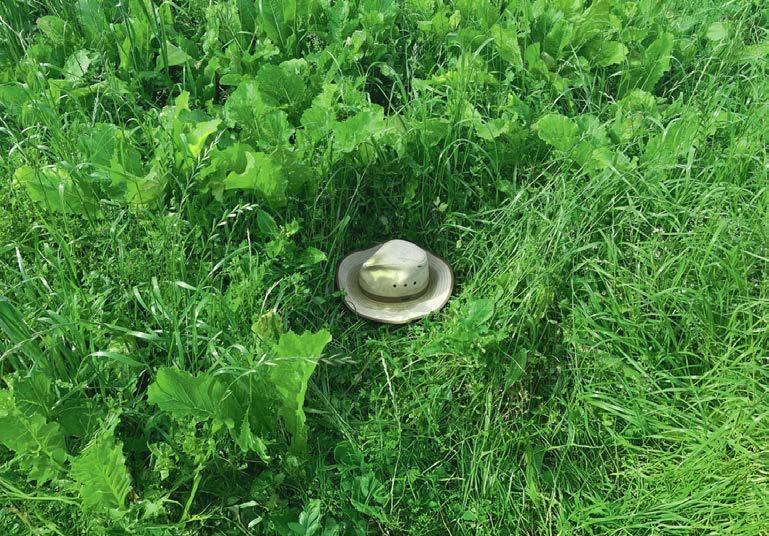
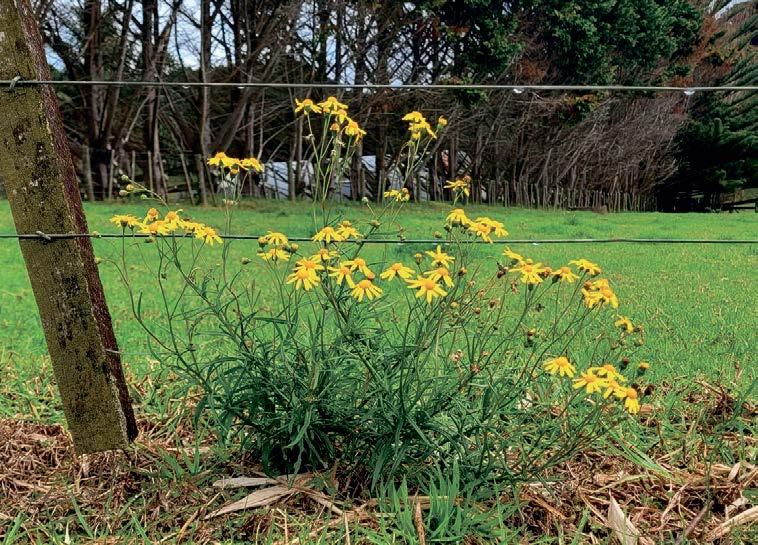
Madagascar ragwort is becoming one of Northland’s most serious pasture weeds. Whether you run a commercial farm or a lifestyle block, now is the time to learn how to identify and manage Madagascar ragwort.
With bright yellow, daisy-like flowers, it rapidly invades pasture and is highly toxic to livestock, especially cattle and horses. It is widespread in the Far North and Kerikeri area, and has been confirmed as far south as Pakaraka and Kaikohe.
Why everyone should take it seriously
The rapid growth rate of Madagascar ragwort, and its potential for yearround germination, makes control more challenging than other pasture weeds. A single plant can quickly create a significant infestation and can produce 10,000 viable seeds in as little as six weeks from germination.
Seeds also spread easily. Most drop near the parent plant, but they can also travel long distances via contaminated fodder, animals, vehicles, machinery, clothing, and wind – sometimes more than a kilometre.
A big risk of infestation is the cost of lost pasture production. Cattle and horses avoid grazing near the plant which creates a “shadow effect” where surrounding grass is left ungrazed and the infestation builds. In heavily infested areas, declines of up to 35% in carcass weight and 65% in milk solids have been reported.
It is also a real risk for animal safety. All parts of the plant contain toxic pyrrolizidine alkaloids that cause irreversible liver damage when eaten, with no treatment available. The risk is
highest when Madagascar ragwort is dense and alternative feed is limited, or when young/new stock are unfamiliar with it. If sprayed or cut, Madagascar ragwort becomes more palatable, and it can remain toxic in contaminated hay, baleage, or silage.
If you haven’t seen it on your land yet You’re in the best position if it’s not on your land yet, as prevention is much easier than controlling this weed. Some simple steps that can help keep your property Madagascar ragwort-free include:
Source hay and other fodder products from unaffected areas or properties. Use a washdown area for vehicles, machinery and equipment entering the property.
• Be vigilant – make sure everyone knows what to look for, and monitor high-risk areas, such as where contractors or new equipment have been.
• Check any unknown yellow-flowering plants and use the identification information on the Northland Regional Council (NRC) website. If needed, bring a flowering sample in a completely sealed bag to NRC or a rural supplier’s Technical Advisor for further help with identification.
If you’re already seeing it on your land Early, regular control is essential to stop an infestation escalating and
• Maintaining strong, competitive pasture to reduce germination in bare or stressed areas. Spot-spraying, or hand pulling and bagging plants before they seed. Recheck infested areas every 3-4 weeks, to control new plants before seed set.
• For established infestations, timing of agrichemical control is critical. Control should be timed around germination events to target newly germinated seedling and juvenile plants while they are more susceptible and before they begin flowering.
We all have a part to play Whether you’ve never seen it, have a few plants, or are battling a major infestation, timely, consistent action is our strongest defence against the further spread of Madagascar ragwort. With good farm hygiene, early detection, and well-timed control, we can protect Northland’s farms, animals, and rural communities.
For help with identification or control advice, contact the Northland Regional Council Pest Plant Biosecurity team at 0800 002 004 or visit nrc.govt.nz/MadagascarRagwort
www.nrc.govt.nz/madagascarragwort
a dense seed bank developing. Key actions include:
Positive times for farmers
by Colin Hannah, Federated Farmers Northland president
It certainly has been an extended
I have heard from farmers who have been farming for more than 50 years that this is the best season that they can remember.
Some farmers have told me they have broken production records and that excitement from them was intoxicating.
This all leads to positivity on farms throughout New Zealand. Farmers have not only had the best growing season but also the best returns for beef, lamb and dairy at the same time. They need it. Worldwide demand for grass-fed has never been so strong.
I read an article saying that grass-fed beef tastes so different and is driving the demand from countries that can afford to pay for a quality product. On top of this, US cattle inventories are at a 75-year low, partly driven by extensive droughts in the Western United States.
This would indicate that it is going to take time to replenish the US cattle herd, so we can expect to see these higher prices likely to remain for at least two more years. Sill, it isn’t all cream on-farm in New Zealand and elsewhere.
So, let’s celebrate the positives because there are, and always will be, challenges for farm businesses.
The inflationary pressures on-farm since Covid, are now structural as reported by Radio New Zealand, with costs 27% higher than pre-Covid. These increases are from wages, input costs like fertiliser, distribution, rates, regulatory costs and more.
A team of us have been examining the change required to the structure of local bodies in New Zealand. It has become apparent that significant change is required. Local bodies are serious businesses in New Zealand.
Many are as large as some of our large public companies, with equity greater than NZ$7 billion, and need seriously refreshed governance. Click on the policy tab on the Federated Farmers’ website to read more.
Our Northland Federated Farmers AGM is looming in May and we are looking forward to inviting rural Northlanders to attend that, along with some community barbecues and gatherings
around the north. More on that in my next column.
One issue we have our eye on is the threat of the growing wild pig population in Northland, which is increasing rapidly thanks to the amount of once productive farmland being swallowed by pine plantations. This is a major problem that will require pest control measures — beyond what farmers can manage — to be taken very quickly.
Reflecting on the Northland Field Days, it was pleasing to see the amount
of people interacting with our Northern Rescue Helicopter ambassadors, pilots, paramedics and fundraising team members.
So many Northlanders came and shared their stories with previous recipients of life-saving flights, which was emotional at times and really brought the community together.
Finally, to those farmers hammered by recent flooding, I urge you to get in touch with the Rural Support Trust for support.
Otangaroa
WINTER FOCUS
by Andy Bryenton
A mandate for dairy leadership
Once every six years Kiwi dairy farmers are asked to vote on whether to keep up payment of a levy funding the work of DairyNZ, the sector’s voice of advocacy and scientific advancement. This year was a polling year, and farmers were encouraged to make their voices heard, amid a time of generational governmental legislation change and
technological innovation. The result, released mid-March, was a resounding mandate for DairyNZ, with two-thirds of eligible voters saying ‘yes’ to another sixyear tenure for the levy. That equates to a 72 per cent vote for the affirmative when the ballot is weighted by milk solids. For a ‘yes’ vote to take effect, both of these metrics must be over 50 per cent.
“Over the last year farmers gave clear feedback on the areas they want DairyNZ to focus on,” said DairyNZ chair Tracy Brown.
“They’ve shown support for our strategy of applying DairyNZ’s strong engine of dairy science to deliver tools and resources that drive productivity, strengthen farm systems, and support farmers to compete on sustainability.
“I would like to sincerely thank every farmer who took the time to participate in the vote. Farmers have given us a clear mandate to get on with the job.
“With the levy vote confirmed, DairyNZ will be putting all its energy into delivery of its work programme, including advancing genetic gain, harnessing data and insights
to strengthen farm systems, and contributing to improved water quality across New Zealand.”
An example of the benefits provided by DairyNZ is the EconTracker, a tool which breaks down complex economic forecast data into figures that can help guide farm investment and infrastructure choices.
It’s up to date. The March precis from EconTracker has analysis of how geopolitical factors, such as war and disrupted shipping routes, could counterbalance a high dairy price in the short to mid-term.
Then there’s also the fact that DairyNZ weighs in with input into government programmes such as the recently announced Dairy Beef Opportunities initiative. This partnership between Dairy NZ, Beef + Lamb NZ, the Meat Industry Association, members of the Dairy Companies Association of New Zealand and the government has more than $20 million unlocked to improve cattle genetics, breeding programmes and the
exploration of new supply chains within the sector.
“We’re proud to stand alongside our sector partners in driving this next step for dairy beef. This is about creating real opportunities for farmers and ensuring the beef and dairy sectors continue to grow in a way that supports long-term sector success,” said Beef + Lamb NZ chair Kata Acland.
“The programme also reflects the strong level of collaboration across the sector, bringing together organisations from across the value chain to help dairy and beef farmers lift productivity and profitability.”
A positive vote on the levy supporting DairyNZ promises another six years of leadership and advocacy for the sector
WINTER FOCUS
Autumn sowing, soil health and pasture recovery
“The 2026 season began with wet, cool conditions, and in some areas, flooding. These conditions have already influenced nutrient availability, seedbed preparation, and early crop establishment,” says agronomist Michael Osborne of Pastoral Improvements.
Michael is a New Zealand agronomist with more than 30 years of farming experience; 20 years of soil-testing expertise, and decades working with farmers.
“Autumn helps set up winter feed and spring performance. Fertiliser, seed, freight and spreading all need to be coordinated tightly. Soil testing, correct seed selection and timely fertiliser application can lift performance from average to exceptional,” says Michael.
toral
Autumn is one of the best times to repasture because warm soil temperatures support pasture establishment. How will the wet summer affect autumn sowing?
re
viding
Wet, cool conditions and summer flooding can mean highly mobile nutrients such as nitrogen, sulphur, boron, and potassium may have leached.
fertilisers designed for local ditions, at great prices. We have highly efficient foliar fertilisers ock now that are 90% efficient, ideal for an autumn boost
This means:
• Standard NPK blends may not address the real deficiencies
rass seeds& pasture premixes
nutrients have been lost,” Michael said. Wet weather in late summer can affect autumn growth.
What to look for:
• Yellowing or pale leaves may indicate nitrogen or sulphur deficiency
• Purpling may indicate phosphorus stress
“Inspect crops every few days. Deficiencies caught early can often be corrected with a granular fertiliser. If it’s left later foliar applications or topdressing may be needed.”
What should farmers consider when selecting seed?
• Think three months ahead. What feed is needed in winter? And in early spring for lambing or calving?
• Match seed to soil. Soil testing can help determine the correct seed based on factors like pH and nutrient levels.
• Match fertiliser to seed. Correct pairing avoids the risk of fertiliser burning seed or inhibiting germination.
• Consider animal nutrition — some crops can create mineral deficiencies. Consider tailored seed mixes
that may be depleted in autumn soils, or which are beneficial to apply in autumn. Pastoral Improvements has highly efficient foliar fertilisers in stock, which are 90% efficient, offering an autumn pasture boost.
vocado& kiwif ruit orchard mixes
• Crops may start strong but stall due to nutrient gaps
ailored custom seed mixes
• Pasture recovery may be slow
• Patchy growth may indicate waterlogging or root damage
Fertilisers& growth promoters (biostimulants)
• Uneven colour may indicate micronutrient imbalance
Tailored advice on custom mixes, nutrient requirements for pasture and crops offer:
Custom mixes can be designed for wet soils, orchards, dairy grazing, lamb finishing or other needs. Pastoral Improvements can design custom mixes and ship them nationwide.
Assess fertiliser priorities for autumn
egumes, herbs, brassicas ereals and cover crops
“Carrying out soil testing before you sow or top dress helps you understand what
• Fungal risks increase in humid, wet conditions
high quality seeds are often better priced than competitors, our knowledgeable team is ready to help
ne 03 302 7909, email enquiry@pastoralimprovements.co.nz
Nutrients such as lime, elemental sulphur, slow release nitrogen, SOA, humates, boron and potassium may be some of the nutrients
Pastoral
Pastoral Improvements can help you get the right seeds and fertilisers for your farm.
Pastoral Improvements can help you get the right seeds and fertilisers for your farm.
your farm.
Pastoral Improvements can help you get the right seeds and fertilisers for your farm.
We are an established New Zealand-based agricultural supplier providing high-performance seeds and fertilisers designed for local conditions, at great prices. We have highly efficient foliar fertilisers in stock now that are 90% efficient, ideal for an autumn boost
We are an established New Zealand-based agricultural supplier providing high-performance seeds and fertilisers designed for local conditions, at great prices. We have highly efficient
We are an established New Zealand-based agricultural supplier providing high-performance seeds and fertilisers designed for local conditions, at great prices. We have highly efficient foliar fertilisers in stock now that are 90% efficient, ideal for an autumn boost.
We are an established New Zealand-based agricultural supplier providing high-performance seeds and fertilisers designed for local conditions, at great prices. We have highly efficient foliar fertilisers in stock now that are 90% efficient, ideal for an autumn boost
We
Grass seeds& pasture premixes
Grass seeds& pasture premixes
Avocado& kiwif ruit orchard mixes
Grass seeds& pasture premixes
Avocado& kiwif ruit orchard mixes
Grass seeds& pasture premixes
Tailored custom seed mixes
Avocado& kiwif ruit orchard mixes
Tailored custom seed mixes
Avocado& kiwif ruit orchard mixes
Our
Our
Fertilisers&
Fertilisers& growth promoters (biostimulants)
We offer: Phone 03 302 7909, email enquiry@pastoralimprovements.co.nz
Tailored custom seed mixes
Legumes, herbs, brassicas
Tailored custom seed mixes
Legumes,
Legumes, herbs, brassicas Cereals and cover crops
Cereals and cover crops
Legumes, herbs, brassicas Cereals and cover crops
Fertilisers& growth promoters (biostimulants) Tailored advice on custom mixes, nutrient requirements for pasture and crops
Tailored advice on custom mixes, nutrient requirements for pasture and crops
Fertilisers& growth promoters (biostimulants) Tailored advice on custom mixes, nutrient requirements for pasture and crops
Agronomist Michael Osborne
by Andy Bryenton
WHEELS Generation nine pushes boundaries
In December last year, excitement began to build about the new Toyota Hilux, following a test drive by Toyota New Zealand representatives in Australia. Now it’s here.
While the classic ute certainly had big boots to fill, it acquitted itself with honour across the ditch. However, by Toyota’s own admission, Kiwi terrain is a whole other paradigm, despite having less spiders and snakes.
“New Zealand is one of the most challenging environments we have evaluated. After seeing the conditions here, I am confident the new Hilux will serve customers well,” said Hilux project chief engineer Anyarat Sutthibenjakul.
Fast-forward to the Northland Field Days, and the chance to take the new Hilux for a drive. Sitting next to its old stablemate from 1985, the hex-mesh grille makes sense; it’s a nod to the front treatment of that venerable ancestor. All the rest, though, is totally new. We’ve looked at the aesthetics and the comfortable cab of the 2026 Hilux in previews, however; so down to the main course.
This was the turbo-diesel automatic variant, and the first thing you’ll notice is that it’s quiet for all its on-tap torque. Part of that is the cabin itself; a place of more comfort and luxury than in previous
generations, though none of the utility has been sacrificed. Power delivery is linear and smooth, seemingly unfazed by either stop-go traffic or rural hills. The revmatching tech of the six-speed box has
Hilux will come in a variety of variants, including a hybrid garnered praise, but this automatic was silent, effective and effortless.
Out on to the highway and then some twisty rural byways, and the new Hilux proved the case for its electric power
steering, which felt predictable and very capable. The whole sensation made the voluminous big ute feel like a much smaller car to command, and the tweaks made to the suspension system underneath also made this Hilux feel more stable and planted, even with nothing in the tray. Kiwi drivers will spend a lot of time on the back roads, and a measured, confident steering response just feels better in these conditions.
Driving the 2026 Hilux was a lesson in why the name Hilux sits right at the top of the premium ute leaderboard for all time. For many people, it’s either the Hilux or its big blue rival which takes the crown when they think of the best buy in the segment. This iteration proves why; it’s the culmination of decades of refinement. It delivers the legendary Toyota build quality, fit and finish with no wild gimmicks, just more stability, space, power and comfort than the previous generation, and it does it without inflating the price. You know what else is a classic recipe? Chocolate cake. The new Hilux is proof that you can have it, and eat it too.
The 2026 Toyota
WHEELS
This one means business
by Andy Bryenton
In these days of geopolitical madness, fuel price shocks and busy
those seeking a hard-working vehicle.
When it’s time to get down to business, the ability to haul tools and equipment is often balanced by the need to bring along a whole crew. All too often, there’s the need to do both in one day, which makes it hard to settle on the right van for the job. Add in running costs, and bigger is not always better; a nimble, smaller, more flexible solution is in hot demand.
As a bit of a detour, let’s think back to the last time the situation in Iran led to oil headaches. In 1979, the Shah was out and petrol was up. Back then, tradespeople found a solution which meant they didn’t have to drive a full-sized truck or even a big van to get the most out of their day. That answer came from Ford, in the form of the Escort panel van.
Now a beloved classic, with examples going for major dollars online, the ‘esky’ was a familiar sight, painted up in the livery of your local plumber or builder and out there getting on with business. Fast-forward to the
present day, and you’ll see an echo of that cheeky little snub-nosed shape in the new Ford Transit Courier, the little brother of the big Transit Custom.
quite true. There are two full rows of seats on offer if your task involves shuttling a team to where they need to go.
Then again, it’s a snap to fold up those rear seats and turn the back of this machine into a voluminous cargo hold.
Like its classic ancestor, the Transit Courier has the driving position and layout of a passenger car, and a small footprint to dominate city driving and parking. Unlike anything else this shape, that rear deck will take a pallet, and comes with an adjustable cargo protecting grille. This utility and small footprint combined have seen it become one of the bestselling vans in the UK. Then there’s the fuel economy, and it’s in a league of its own right now when you’re at the pump. With Ford’s acclaimed 1-litre ecoboost engine under the hood, the Transit Courier is equipped with a seven-speed automatic transmission and a truly frugal appetite. Added to this practicality is the fact that it’s a goodlooking little machine too, with plenty of big, flat spaces on which to emblazon your company’s logos and colours.
The Ford Transit Courier is a new member of the Transit family, a small but mighty double-cab van with versatile load space Ford calls it a double cab in van form, and that’s
by Andy Bryenton
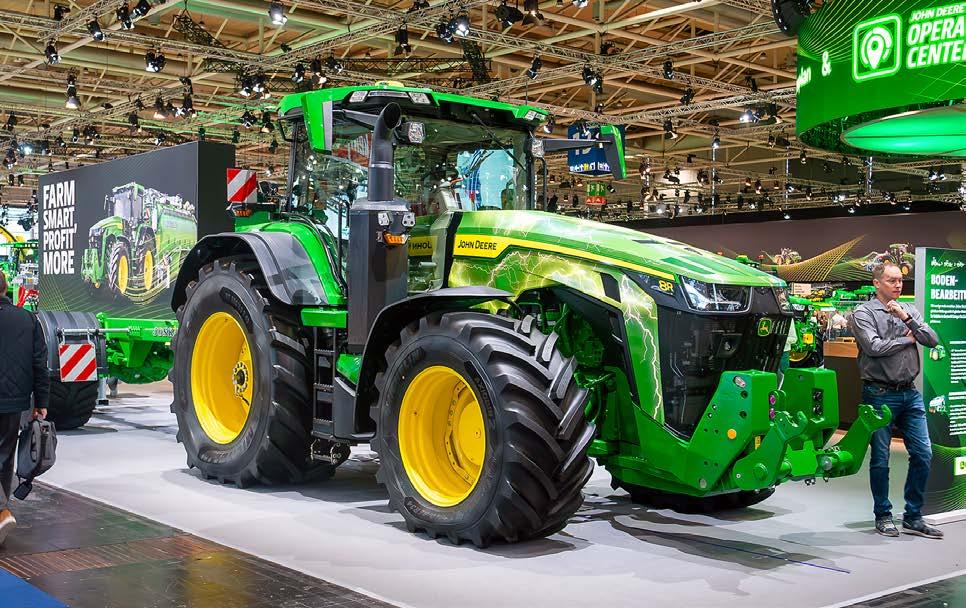
A pair of eights wins for John Deere
Thirty years from the inception of the John Deere 8 Series of tractors, the big green machines have evolved
for seeding, tilling and planting, as evidenced by the release of the new generation
The new 8R and 8RX tractors from Deere offer 440, 490 and 540 horsepower options, making them capable of utilising some of the biggest and most efficient implements for crop and pasture management tasks. All have at their heart the new JD14 engine, which delivers its peak power at low rpm, and can max out at a big 634 horses at just 1,700 revolutions.
That’s in line with customer demand for more potent PTO power on tap, as well as electrical offboarding, a growing need in the modern farming environment. The hydraulic systems of the 8 Series have also been beefed up, with more capacity, and separate steering and braking pumps to ensure smooth operation.
“Whether you are seeding, tilling or planting, these tractors have the power, technology and functionality to increase productivity and efficiency,” said John Deere marketing manager for production and precision agriculture, Royce Bell,
when the new 8 Series broke cover in Australia last month.
“Similar to the impact of the HHP 9RX, the HHP 8R and 8RX are expected to increase productivity and efficiency in customer operations while providing the versatility of a rigid chassis tractor.
Horsepower, ballasting, lift capacity, size and functionality all increase with these models.”
That high horsepower and high capacity has been matched up with a push for more manoeuvrability. Features like reactive command steering to bring
the wheels back to centre automatically during pasture operations are coupled with smart chassis design to deliver a turning radius that’s got to be seen to be believed.
With the option of a front hitch and PTO, and equipped with a rear hitch that boasts a capacity close to 11 tonnes, this new brace of John Deere machines is set to work with some large and efficient tools, leveraging maximum economies of scale.
That’s no mistake and no coincidence. At the same time as the big green and yellow brand launched the newest 8 Series generation, they also debuted their modelyear 2027 planters, packed with new tech for parallel fertiliser application, digital connectivity and accuracy of placement. A new air cart, the C1100, boosts the capacity of grain growers who want to tackle more pasture during tight seeding windows, while the 2027 sprayer range was also unveiled, once again focussed on improved precision.
The John Deere 8R series has enjoyed a long period of popularity due to successive generations of innovation and power
by Andy Bryenton
Diesel technicians and mechanics keep the rural sector running: as
worries, it’s this form of fuel keeping the
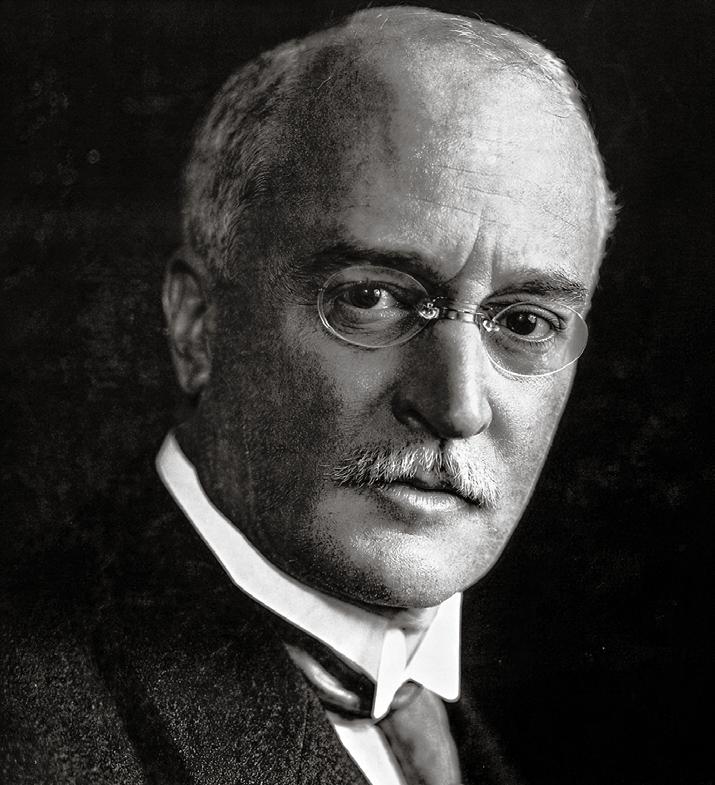
While it’s a hard-working fleet of diesel specialists who ensure the machines of the present day are ready to roll each day, once upon a time there was only a single diesel mechanic in the world. Aptly, Rudolf Diesel was his name. Most people know that he developed the first compression-combustion engine in 1897, but few are aware that Rudolf was born in France, educated in Britain and he helped invent air conditioning before he turned his colossal mind to building motors.
Born in Paris in 1938, Rudolf was forced to go to work early, despite being the third mostaccomplished student in France. Pushing a heavy barrow of his father’s leather goods through the streets, Diesel reasoned that something had to replace horses and barrowlads like himself.
He later continued his education in London, and ended up in Germany, where he studied under the tutelage of Carl von Linde, the inventor of refrigeration. Another inspiration came to Diesel. The big steam engines used to power industrial freezers were horribly inefficient, and a smaller, more potent motor would allow refrigeration for the home, food and cooling the air in hot climates.
Diesel’s first idea was to make a steam engine, which ran on ammonia vapour, but the prototype exploded, nearly killing him.
and
This, and the fact that steam engines could only achieve 10 per cent efficiency in turning their fuel to power, led to young Rudolf ripping up his plans and starting afresh. He had time to think and design; the explosion had put him in hospital.
By 1893, he had a theory, and then a patent. However, it would not be until 1897 Diesel unleashed a 25-horsepower fourstroke, compression-ignition motor, which boasted a 75 per cent improvement of fuelto-power ratio over steam. The world was waiting for just such an engine. Industries worldwide could now switch out steam for diesel in their excavators, mining machines, transport solutions, ships and, more chillingly, military applications.
Rudolf Diesel did not get to enjoy the fruits of his genius or his labours for long. On September 29 1913, as Europe stood on the brink of the first world war, Diesel boarded a ship to London to talk to investors there. He never made it. Following his disappearance, it was revealed that he’d cleared out his bank accounts and taken plans with him for next-generation engines. In early October 1913, he was confirmed dead by drowning, but speculation was rife that he had been assassinated, to prevent Germany’s enemies from gaining his knowledge to use in two new inventions — the submarine and the tank.
Rudolf Diesel: so respected by his peers that Japanese engine builder Magokichi Yamaoka, founder of Yanmar, travelled to Germany in the 1950s to build a monument to his legacy