Postal Address: PO Box 474, Dargaville Physical Address: 107 River Road, Dargaville
Editor: Andy Bryenton
Journalists: Denise Gunn | Andy Bryenton | Amy Fifita
Advertising: Monique McKenzie 027 525 9172
Production: Gavin Bainbridge | Marnie Fuller | Daniel Foster | Liz Clark
Accounts: accounts@rml.nz
Distribution: Laurie Willetts Printed by: NZME
Website: farminglifestyles.co.nz Opinions
11,708 copies DELIVERED FREE to every rural delivery address in Manawatu.
World titles fall close to home
by Paul Campbell
The international shearing world has celebrated at the Golden Shears event in Masterton where a supporting cast of thousands and 600 shearers and woolhandlers saw Te Kūiti’s Jack Fagan, familiar face Toa Henderson and three other Kiwis win top world rankings.
On top of that New Zealand won all three teams titles, the first country ever to do so, with the treble of machine shearing, blades and woolhandling titles.
Toa Henderson successfully defended the Golden Shears open shearing title in Masterton. He is a familiar face, after his sameday marathon 900km drive from Kaiwaka to Stratford and back last year to win his event at the A&P show, and watch as Jack Fagan made it three in a row in show competitions, winning the Taranaki Shears open final at the age of 33.
“The Golden Shears meant more as the black singlets dominated when New Zealand scored an unprecedented five wins in six events at the World Shearing and Woolhandling Championships,” said Shearing Sports New Zealand official, Doug Laing. “The only event not won by the Kiwis went to perhaps an appropriate southern hemisphere rival in South African Bonile Rabela’s successful defence of the blades shearing title.
“In the final events of the four days of competition Toa successfully defended the Golden Shears open shearing title, with 2014 winner Roland Smith, from Hawke’s Bay sneaking through to be second.”
Jack Fagan, of Te Kūiti, won the National Shearing Circuit final to secure a place in the 2026–2027 New Zealand trans-Tasman shearing and woolhandling series team. It was clearly a dream for
Fagan as his father, Sir David Fagan, won several times from 1986 to 2008. Jack Fagan shore in the 2024–2025 series, after finishing third in the circuit final.
“The whole four days of the championships was a sell-out with the venues jam-packed with families, supporters and fans. A post-event gathering in Masterton saw accolades of the past recalling Taranaki shearing luminaries, including Paul Avery’s shearing in 16 of the 20 Golden Shears Open finals from 1990 to 2009. He also won three New Zealand open finals, five North Island Shearer of the Year titles, and was the SSNZ’s Bowen Trophy holder as the country’s top-ranking open-class shearer in 1999–2000 and 2005–06.”
The next world championships will be held in Geelong, Victoria, Australia, in 2029, and is expected to be in the first week of November. The championships have been previously held in Australia in Perth, Western Australia, in 1986, and Toowoomba, Queensland, in 2005.
About Us
A sell-out crowd at the Masterton Golden Shears
Trade missions look to South America
by Andy Bryenton
New Zealand’s trade missions to secure export market opportunities have proven
new paradigm of tariff threats and seeks trade with stable partners.
The stated aim of the coalition government is to double exports by 2034, and trade arrangements are the way to make this possible. The Middle East and India have proven fruitful when it comes to forging trade alliances, and on the back of good deals, industries like the lamb and kiwifruit sectors are seeing robust export revenue.
In early March, Agriculture Minister Todd McClay inked an agreement with Chile to boost agricultural cooperation, cementing a bilateral trade figure in excess of $340 million.
“Agriculture is at the heart of the New Zealand and Chilean economies. We have similar farming systems, similar geographies, and both advocate for open rules-based trade,” Mr McClay said.
“The new Strategic Agricultural Arrangement 2026–2030 signals our strong commitment to working together and strengthening our agricultural relationship.”
Mr McClay and Chile’s Minister of Agriculture Dr Ignacia Fernández signed for their respective nations, committing to developing skills for the rural sector workforce in both countries, promoting and advancing sustainable agricultural development, and undertaking research and innovation to tackle mutual challenges.
Meanwhile, the importance of forging stronger ties with the entire South American region has been highlighted by a toplevel delegation to Brasilia, capital of Brazil. Foreign Affairs Minister Winston Peters delivered a keynote opening speech to the New Zealand Innovation Showcase.
“Latin America represents the world’s fourth-largest economy, US$6.34 trillion, almost twice that of India. Latin America is home to 660 million people with high education levels; large middle classes; sizable youth populations; and an abundance of natural resources,” said Winston Peters at a mid-March diplomatic symposium.
He noted Latin America is a crucial part of plans to double Kiwi export value by 2034, and a 2024 trade mission to Sao Paulo saw this goal come a step closer, with 13 new arrangements signed to the value of $100 million.
A practical example of how Kiwi ingenuity can benefit South American farmers was also given. New Zealand invested in the Kiwi Group dairy farm in Goiás state in 2007, with the aim of
“The operation has since gone from strength to strength,” said Mr Peters. “The farm is now the largest milk producer in the state and will shortly inaugurate a new modern farm.”
BUY,EAT, WORK
,
PLAY
THANK YOU FOR CHOOSING LOCAL
Winston Peters and Todd McClay have both played a part in a push to strengthen trade and diplomatic ties with nations like Chile and Brazil in recent weeks
adapting New Zealand pasture-based sustainable production systems to Brazil’s climate conditions.
Raising a rare breed
by Denise Gunn
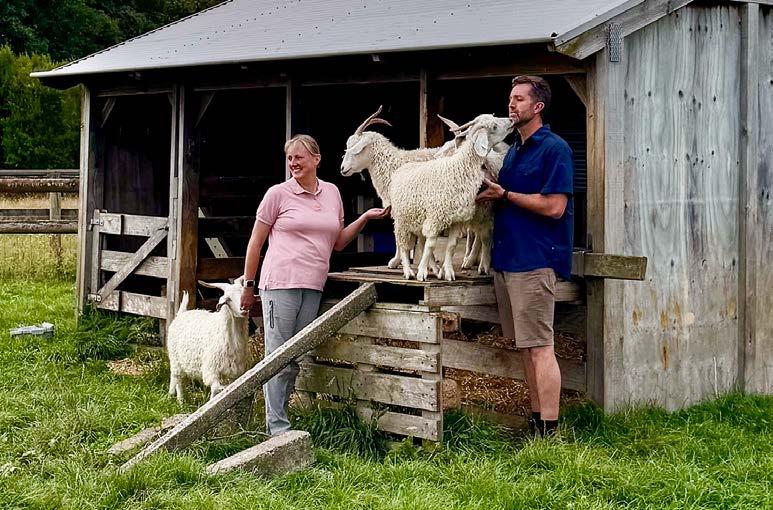
During a visit to rare breeds farm Avonstour Island near Stratford a few years ago, Sean and Becky Willis fell in love with Waipu goats, particularly their charm and character.
Soon after learning more about this rare New Zealand breed from owner John Earney, the couple decided to help with the preservation efforts.
Waipu goats are thought to be descendants of Angora goats imported to New Zealand in the late 1800s.
An experimental farm, established by the government in Northland around 1900, trialled a flock of Angora goats to control the spread of blackberries.
Unfortunately, this experiment failed and the goats were sold to a farmer in the district.
While the goats were being moved by a drover to their new owner, a number escaped into nearby bush near Waipu. Numbers slowly built up over the years and the flock spread further afield.
Some of these wild Waipu Angora goats were captured in the early 1970s
and farmed on a Lands and Survey block near Dargaville, then also Waitangi. Waipu Angoras formed the foundation for New Zealand’s Mohair industry.
Waipu farmer Dave Brown caught some of the wild goats and began selective breeding. Efforts by Rare Breeds Conservation Society members in both the North and South Islands have also assisted in increasing numbers of Waipu goats. However, the breed is still
considered rare with around 70 female Waipu goats in the world.
Sean and Becky bought their first two does from Michael and Jill Nawrocki in Canterbury four years ago.
“Michael and Jill are the primary breeders of Waipu goats and have a wealth of knowledge,” said Sean.
“We don’t keep a buck on the property full-time but borrow from local breeders when required.”
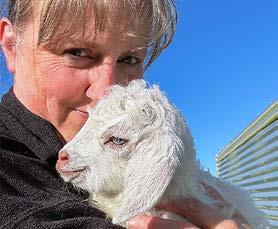
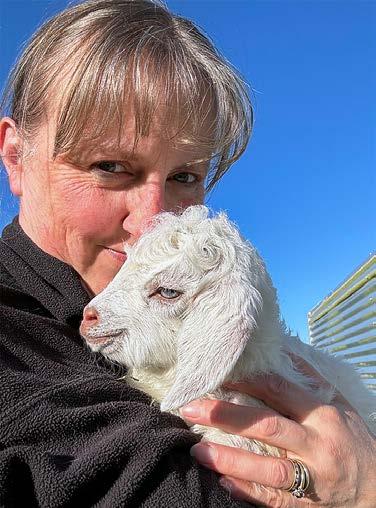
Becky with a young Waipu goat kid
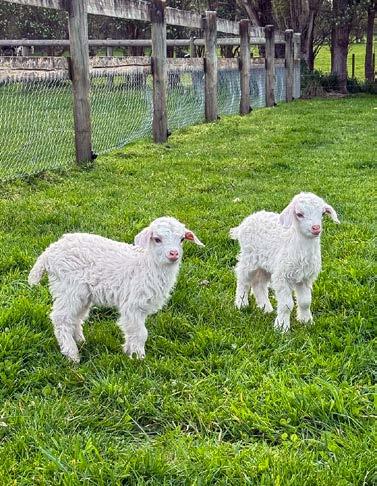
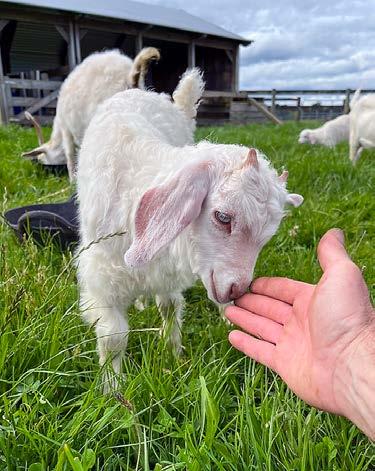
A highlight of breeding Waipu goats is the arrival of cute kids
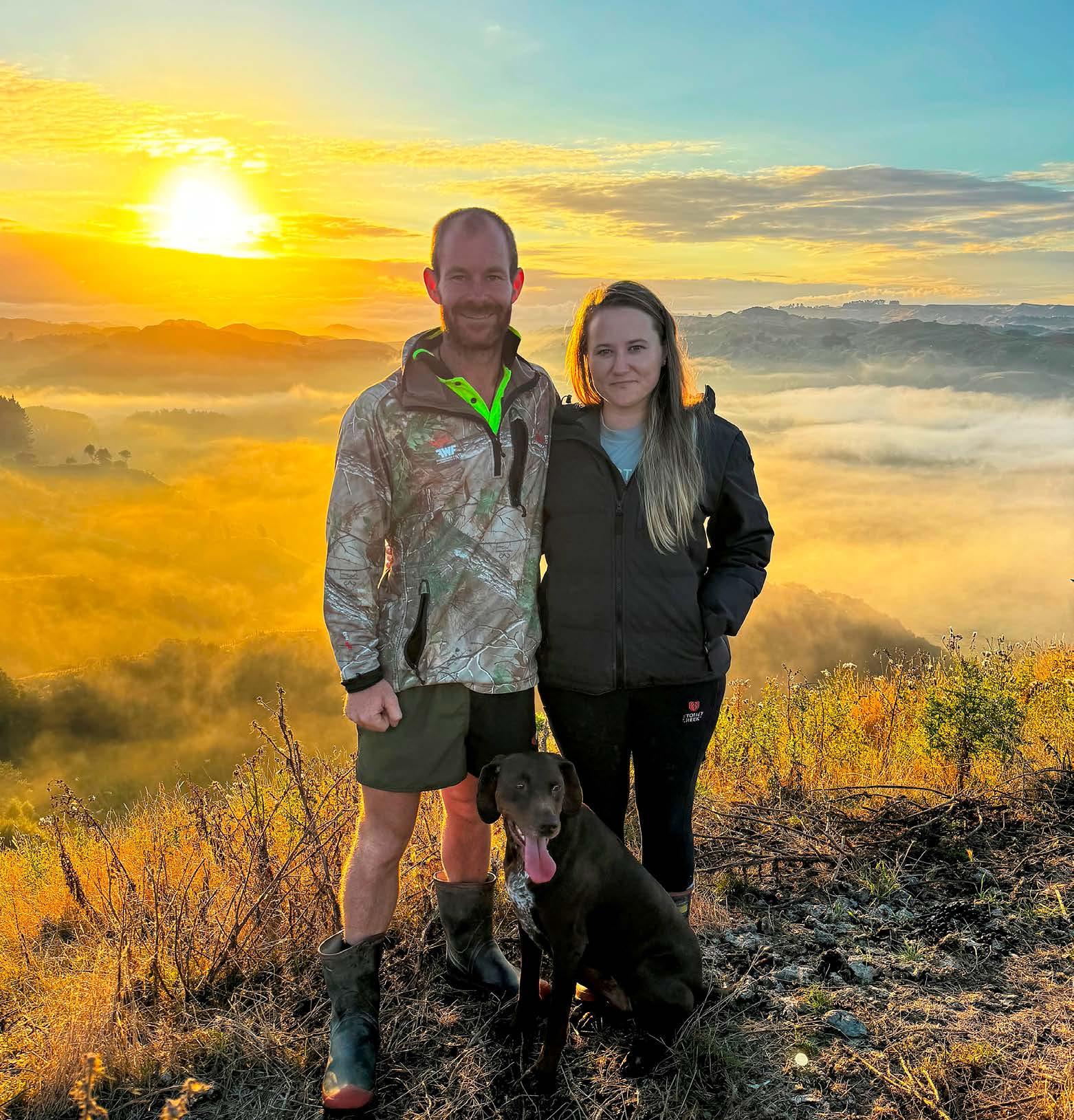
The couple with some of their Waipu goats
The Willis’s keep their small herd on a 10ha lifestyle block just north of Marton. They also run a small mob of beef cows, and are a registered Valais Blacknose sheep breed-up stud. Other livestock includes an alpaca that lives with the goats, as well as horses, dogs, cats, chickens and ducks.
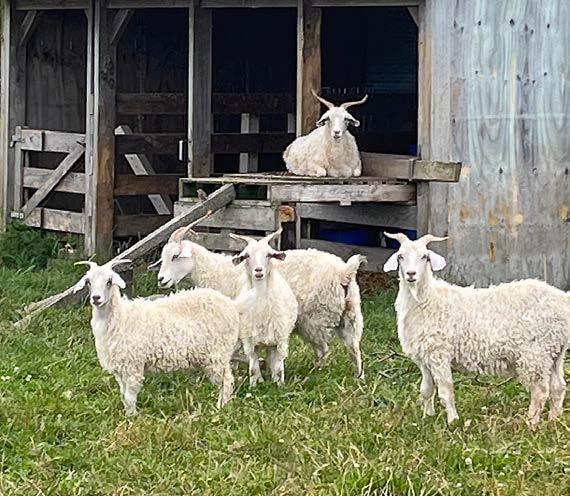
Sean said although Waipu goats are quite small compared to some other breeds, they require good fencing to keep them contained, and suitable shelter from the elements.
“Ours currently have a one-acre paddock with a large horse shelter, although we have made suitable temporary shelters with straw bales and roofing iron, and simple triangular shelters. The paddock they currently use
was set up for horses, so the fencing is adapted post and rail with a strand of electric wire at the top and middle rails. The bottom half has sheep fencing.
“We have never had a goat escape, although when small they sometimes get their horns stuck through the sheep fencing. We have also contained them successfully with the four-strand temporary electric sheep fencing.”
“Goats are browsers so require a varied diet of leaves, branches, weeds and tough grasses,” he said.
The couple aims to help sustain the breed numbers and to provide more awareness of the breed through friends, family and their Airbnb guests.
“They have a very curious nature, and are pretty cheeky, which makes them fun
to watch and interact with,” said Becky. Although the Willis’s had horses and lived rurally in the UK, it wasn’t until they moved to New Zealand in 2012 that they ventured into lifestyle farming.
“We started with a few sheep and have built up our experience since then, relying heavily on our farming neighbours at the start for help and guidance,” said Sean.
The arrival of their first Waipu goat kids has been one of the breeding highlights.
“We thought lambs were cute, but goat kids are on another level of adorable. Angora goats are known to be one of the most friendly and sociable small farm animals around. They certainly are a highlight with our Airbnb guests.”
Goats are susceptible to parasites, so regular faecal egg counts and drench management are required. Sean and Becky also avoid cross-grazing their goats with sheep.
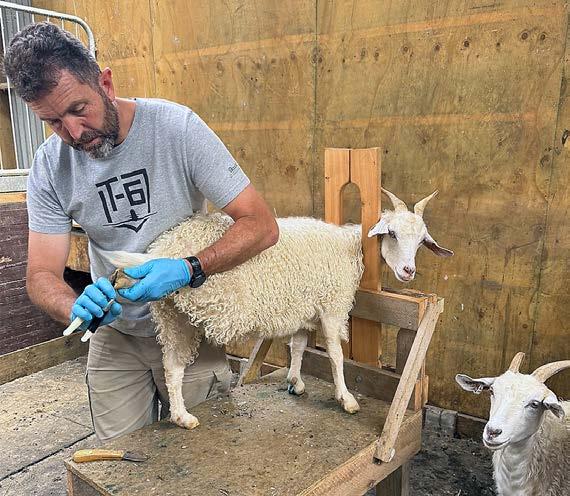
“New Zealand soils are often iodinedeficient, so supplements are vital. When kept on our lush New Zealand pasture, their feet grow quickly and require trimming regularly.”
As the Willis’s are moving to Canada in July to work for three years, they are looking to rehome their flock.
“We love promoting the breed and increasing knowledge of this rare breed. They are also super-soft to cuddle,” said Becky.
Sean trimming the hooves of one of their Waipu goats
Goats need good fencing and shelter
The Waipu goats have a friendly, sociable nature
Meeting a growing need
by Denise Gunn
When Turakina Valley farmers Callum and Grace McLeay-Chalmers came across an Instagram post looking for Meet the Need volunteer champions, the couple felt drawn to help the farmer-led charity.
Formerly known as Meat the Need when established by Siobhan O’Malley and Wayne Langford in 2020, the food charity has steadily grown from its early beginnings providing fresh mince and milk to people in need. In 2025, to reflect its expansion into supplying a wider range of food items, the charity rebranded to Meet the Need.
“The purpose of Meet the Need resonated with both of us,” said Grace.
“With our roots in the primary sector, we know first-hand that New Zealand farmers produce an abundance of high-quality protein. Yet, at the same time, many Kiwi whānau struggle to put nutritious meals on the table.”
Prior to becoming involved, Callum and Grace said they didn’t appreciate the scale of food insecurity in New Zealand.
“Food bank networks reach further and deeper into communities than most
people realise. Food hardship affects people from all walks of life; a single parent working full-time, elderly couples trying to stretch a pension through winter, families hit by unexpected medical bills, or neighbours quietly doing it tough.
“Food insecurity doesn’t discriminate.”
Callum and Grace both come from farming backgrounds, and are now the fourth generation to farm in the Turakina Valley.
“Farming and the rural sector have been part of both of our lives from early on,” said Grace.
Callum grew up on sheep and beef farms near Pahīatua before moving to Invercargill. Over the course of nine years, he split his time between a Southland sheep and beef farm, and working as an outdoor instructor in the US. A move to Christchurch followed, where Callum worked on a large arable and vegetable
NOWS THE TIME TO GET SOGGY
Meet the Need volunteer champions Callum and Grace McLeay-Chalmers
Meet the Need’s mission is to end food insecurity
The couple farms in the Turakina Valley
farm. He holds an outdoor leadership and management qualification.
A Turakina Valley sheep and beef farm was home for Grace. After studying at Telford, and Lincoln University, Grace spent 13 years working across several farming and agribusiness organisations in the South Island. Grace completed two diplomas in agriculture and farm management, followed by a Bachelor of Agricultural Commerce.
In 2023, Grace was accepted into the Kellogg Rural Leadership Programme. The pair met in Christchurch and returned to the Turakina Valley in 2024. “It has been a real full-circle moment for us both.”
Towards the end of last year, Grace finished an Executive Master’s of Business
Administration (MBA) through Massey University. The McLeay-Chalmers’ farm has the capacity to run approximately 3,000 stock units.
“We hope to finish around 2,500 lambs this season. We’re focussed on improving the efficiency and productivity of the 100ha of flats, and gradually building scale over the long term as part of our succession journey.”
The role of Meet the Need champions is to raise awareness, talk with farmers, and help connect the story of the charity with the people who can make it possible.
“Sometimes, it’s simply starting conversations, especially in a tough economic climate where farming families
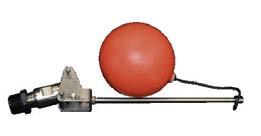
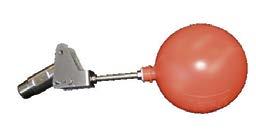
SIS BALL COCK VALVE
have been under pressure and charitable giving naturally drops.”
The charity supports 14 community groups in the Manawatū-Whanganui region alone, with another 18 still on the waiting list.
“To fully service the region would require 220 cows, 1,100 lambs and 28,200 litres of milk,” said Grace. “At a time when donations are down and demand is up, even small contributions from farmers collectively make a huge impact.”
Meet the Need general manager Zellara Holden said food insecurity has never been more dire in New Zealand, but together we can change the story.
“Meet the Need is on a mission to end food insecurity, and it starts with
acknowledging that the face of need might look very different to what we imagine. If every farmer across the motu gave just a little, one animal, one unit, one gift, we could feed thousands of Kiwi families in need.”
Callum and Grace have found being part of a grassroots’ charity is genuinely impactful.
“There’s real pride in knowing the donations we made end up as nutritious meals for people who otherwise wouldn’t have access to them. It’s a tangible, practical way to support our own communities.
“Giving back will always be part of our values. We intend to remain long-term supporters of Meet the Need,” said Grace.
• Only NZ Manufacturer providing lifetime guarantee on the body of the ballcock
In their role as Meet the Need volunteer champions, Callum and Grace raise awareness and chat with farmers
The Turakina Valley farm has a 3,000 stock unit capacity
Callum and Grace aim to finish 2,500 lambs this season
Scholarships support local students
by Denise Gunn
Last month, we featured Haylee Baker, the first of three Feilding High School students to
feature Bridie Humphrey and Jessica Will.
Bridie began helping her parents Bevan and Kathryn on their 380ha farming operation, West Valley Farming, from a young age. The Humphreys farm sheep, beef and dairy across two properties at Rewa and Waituna West.
“We have a split-calved milking herd, where during peak milking there are roughly 330 milking cows which run on 120ha. Mum rears all of the calves which, over the split-calving, is about 300 calves all up.
“The remaining 140ha being sheep and beef, trading beef bulls and heifers. We also have summer and autumn trade lambs. We do all of our own cropping, growing and preparation,” she said.
Drenching and vaccinating stock, along with tractor driving, are listed among Bridie’s favourite chores on-farm.
“I especially enjoy working during summer because I love sitting in the tractor, blasting music and getting the satisfaction out of completing a job that I can see the progress with.”
Agri
For the past three years, Bridie has fundraised for Arohanui Hospice as a volunteer.
“I pick sunflowers to sell at the Feilding Farmers’ Market, help at their annual quiz night, and also sell raffle tickets for the Easter and Christmas raffles,” she said.
“I enjoy volunteering for the community, especially for the Hospice because it is a good cause. At some point in everyone’s life, they have been connected to or needed the service of the hospice.”
In her spare time, Bridie enjoys playing netball.
“The sport is a very strong passion of mine. I am hoping to play netball next year after having anterior cruciate ligament (ACL) and meniscus issues with my knee from a previous netball season. If playing is not possible, then I hope to continue my umpiring and work towards my zone badge.”
At first, on finding out she had been awarded a scholarship, Bridie had to reread the email about three times to
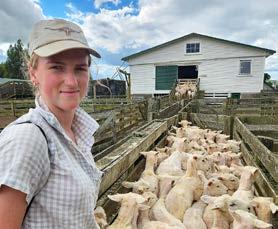
From a young age, Jessica has helped out on the farm
In addition to schoolwork, Jessica also worked three seasons as a rousie for Bailey Shearing
PART TWO
make sure she wasn’t daydreaming. Bridie is now studying towards a Bachelor of Agriculture at Lincoln University.
“I am excited for the entirety of it, but am looking forward to having a new experience, meeting new people and spending some time down south as I have not done so much growing up.
“I’m also looking forward to working on farms down here for my work placement, and seeing what it’s like compared to North Island farming.”
Jessica also headed to Lincoln University this year, working towards a Bachelor of Commerce in Agriculture. With primary industries a consistent favourite subject through high school, Jessica enjoyed learning about new aspects and different farming systems that came with it.
“It opened my eyes to different agriculture practices that I hadn’t seen at home,” she said.
Spread across three properties, the Will family farming operation covers 860ha. Jessica’s parents, Mike and Lindsay, farm the 480ha home farm at Waituna West. This property is supplemented by a 280ha block at Kimbolton and a 130ha leased property at Awahuri.
Jessica said 4,000 ewes, 200 cows, and all lambs are finished, and trade heifers are bought in to finish.
Growing up on the farm has given Jessica a solid working foundation. She particularly enjoys docking on-farm.
“We have good friends that come and help, and the banter is good. My least favourite chore is shifting break fences
because you normally have your full wet weather gear on and that sucks.”
For the past three seasons, Jessica also worked as a rousie for Bailey Shearing.
“I have grown up wool handling for my dad, starting as soon as I could hold a broom.”
In her spare time, Jessica enjoys playing netball and hockey.
“This year, I coached a year 8 netball team. I also enjoy hunting, local wool handling competitions, and exploring new places.”
Jessica said she is excited and grateful to receive an Agri Futures scholarship to help towards study expenses.
“I am looking forward to learning new things and gaining an in-depth knowledge
about the agriculture industry, meeting new people and making lifelong friends.”
Last year’s Agri Futures’ 14 scholarships increased from nine in 2024.
“We’re all about inspiring and supporting the next generation in agricultural and rural sports,” said Agri Futures general manager Daniel O’Regan.
This year, Bridie began studying towards a Bachelor of Agriculture at Lincoln University Tractor driving during summer is Bridie’s favourite time of year on the farm
The people behind the thoroughbreds
by Andy Bryenton
Author Brian de Lore was born within sight of Riccarton’s thoroughbred racecourse, and his latest work chronicles Kiwi equestrian history, highlighting how one of rural New Zealand’s favourite outdoors pursuits became a world-beating industry.
“My father built the first motel in Christchurch, half a kilometre from the racecourse, and all kinds of personalities and characters came to stay for race days. I had a sort of misspent youth around racing, part of that culture,” said Brian.
EXPORT SERIES
“Then, I moved to Sydney, Australia and got a job at a horse racing magazine,” he says, setting the background to introduce his substantial, revealing look behind the winner’s circle and the flashbulbs, titled The Horsemakers.
It’s a very personal compilation born of 91 interviews, speaking to those who have helped breed and train champions. These often unsung heroes of the Kiwi equestrian world are the folks who have made this small nation punch above its weight. Many of them come from the rural heartland, where knowing horses was a matter of make-or-break within living memory.
“This is something no one has attempted before,” says Brian. “Other books have been about race results, horse trainers, jockeys and big prizes. This book is about people, and if these people were not talked to, their stories could have been lost forever.”
Brian is not wrong. Sixteen of the luminaries he interviewed have since passed on, and their recollections of a vibrant industry are collected on the page for posterity.
“What I have tried to do with this book is to anecdotally explore how people came to be involved in horse breeding. Some of the family stories go back generations. For example, the story of Jack Alexander,
who was not only a leading figure in horse racing but also the world’s mostacclaimed Romney lamb breeder of his generation.”
As well as being a valuable and engaging chronicle of the people who forged a leading horse breeding legacy for New Zealand, The Horsemakers serves another purpose. The book has been crafted to raise money for Catwalk, a spinal injury charity, and the proceeds from the sale of every volume go to this worthy endeavour.
Even before the presses rolled, more than $180,000 had been raised to Catwalk by Brian’s efforts; contributions from those in the industry who have given generously to the cause of spinal cord injury research.
If the heritage and the true stories of Kiwi horse breeding are a subject that interests you, this definitive and personal look behind the scenes is a must-have. You can find out more, or purchase a copy of this substantial hardback volume by visiting thehorsemakers.com.
Author Brian de Lore holding the Melbourne Cup, between Sheila Laxon and the late John Jeffs
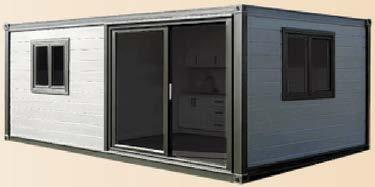
S13 STUDIO
From $24 ,900
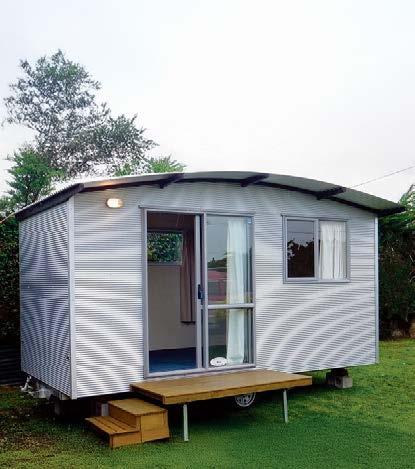
13m2 Single Bedroom, Small footprint , Big flexibility.
Noble history of the farmer’s best mate
by Andy Bryenton
As you watch the dog trials at your local A&P Show, consider the remarkable history which has brought man and canine together in a farming alliance.
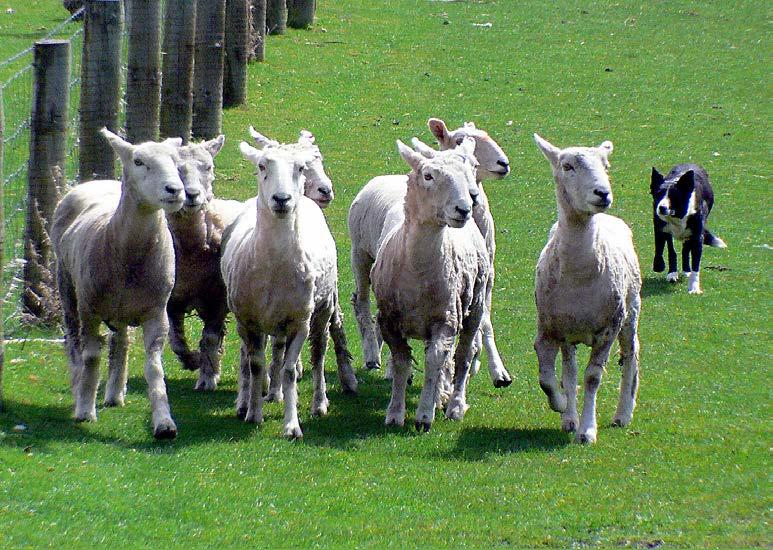
New Zealand’s unsung heroes of farming, working dogs can often run 60–100 kilometres every day. At any time, there may be 200,000 purpose-bred dogs helping farmers in the livestock industry, fulfilling a pact between humans and canines made more than 9,000 years ago when dogs, sheep and cattle became domesticated.
The help of a smart and loyal dog has been a benefit to herders and drovers since time immemorial. Still, it was here in New Zealand that the true potential of a dog as the farmer’s ‘eyes and ears’ was realised. It all began with James Mackenzie, a settler of Scots descent. He indulged in that old Caledonian mischief of helping himself to other people’s livestock, something feuding Highland
clans had gotten up to for centuries. Initially, high-country station owners were incredulous that one man and his dog could separate and herd so many animals, then drive them up through the passes of the country, which would come to have Mackenzie’s name.
However, when he was eventually captured, it turned out that his secret was the intelligence and loyalty of his working dog, Friday. Able to respond to commands by whistle and gesture, this exceptional dog displayed the traits farmers still look for in a trials champion. These include patience, a good ‘eye’ for staring down stubborn sheep, speed, and endurance.
Mackenzie so loved and respected his dog that he agreed to plead guilty if the judge let Friday go to a good home.
received a lighter sentence when he agreed to teach others how he trained his remarkable canine assistant. From there, competitions to see who could field the sharpest, smartest dog became part of the fabric of rural life. Friday is immortalised with a statue by Lake Tekapo and also the name of a gourmet hamburger restaurant there, which any dog would appreciate. Today, farm dogs are prized companions and co-
workers on farms from the Cape to the Bluff. A little-known fact is that farmers prefer black and white colouring to help their canine assistants stand out against the green of the hillside and the moving white background of the flock. The Kiwi working dog remains a hardy and valuable creature, even as other old-world working breeds like the Rottweiler, Corgi and Old English Sheepdog lose their working traits and become predominantly pets.
The sheepdog’s proud lineage goes back to legendary working dogs like James Mackenzie’s Friday Mackenzie
TO BUILD OR RENOVATE
Granny flat rules meet building reality
by Andy Bryenton
dwellings of less than 70 square metres, changed in January, but what does this mean in real terms when it comes time to pick up timber and concrete to start a build?
While there’s now no need to seek resource consent or building consent when you wish to build a granny flat with a small footprint, that does not mean that all the rules have gone out the window. There are still conditions that must be met in order to expand your living space, and the first and foremost of these involves advising the council that you’re doing it.
It’s also noteworthy that your local council may at its discretion charge development contribution costs. In urban areas this could be a steep fee in excess of $10,000, levied to help pay for the upgraded infrastructure greater population demands. This cost must be discussed with your local council before construction, say industry experts. While building consent is gone, there are still forms to fill in, notably for a Project Information Memorandum or PIM. This informs the council of your intent, and should be followed up by a form from the licensed building practitioner
you’ve hired to get the job done, proving their credentials. As there’s likely to be plumbing going in the ground alongside the build, there’s at least a third point of communication when a licensed plumber makes this connection, and a fourth for your chosen electrician. Needless to say, these tradies must all be properly qualified to ensure a safe and legal build. There are rules, too, around the design of granny flats allowed under the new law. As well as being 70 square metres or less in size, structures built under the new rules must be at least two metres away from the property boundary and from any other buildings; they have to stand alone. They must be single-storey only, so no upstairs rooms or granny flat basements are permitted. Additionally, there are rules about internal plumbing to check out. For example, a tiled, level-entry shower is not allowed; you must have one with a step-up floor tray. The frame of the building must
be lightweight timber or steel. This means that pre-existing designs, of a kind that have proliferated since the law change, through established small building providers, may be your best bet.
A very definitive guide is available at building.govt.nz, including all the forms you need to lodge with your local council,
links to the web presence of professional tradespeople’s organisations, and even tips on design and build practices to keep within the rules. Cutting consenting out of the small building process is a major bonus for those who need more living space, but it’s just the beginning, not the end of the construction story.
There has never been a better time to build a granny flat, but consulting with professionals is definitely still a must
TO BUILD OR RENOVATE
The heat is on
by Andy Bryenton
By taking ambient heat from the air and then transferring it where it
kilowatts of warmth for every kilowatt of electricity they consume.
That’s great for heating your home, and the long slimline box shapes of heat pumps have become ubiquitous in Kiwi living rooms and bedrooms. As an added bonus, home heat pumps can work in reverse, too, cooling the home in summer. However, there’s more to this technology than just a pleasant environment, as clever minds have been scheming on other ways to use heat pump technology around the house.
Foremost for big savings on electricity bills is the use of heat pumps as water heaters. The old-fashioned hot water cylinder uses a big coil like one inside a kettle to heat hundreds of litres. It’s the equivalent of the old three-bar electric fire compared to a modern heat pump, and equally wasteful. Hot water heat pumps can slash the cost of heating water by up to 70 per cent, they take less time to get the water up to temperature, and are usually situated outdoors, meaning that valuable storage space can be unlocked indoors. Another area of the home where heat is needed but power bills need to be
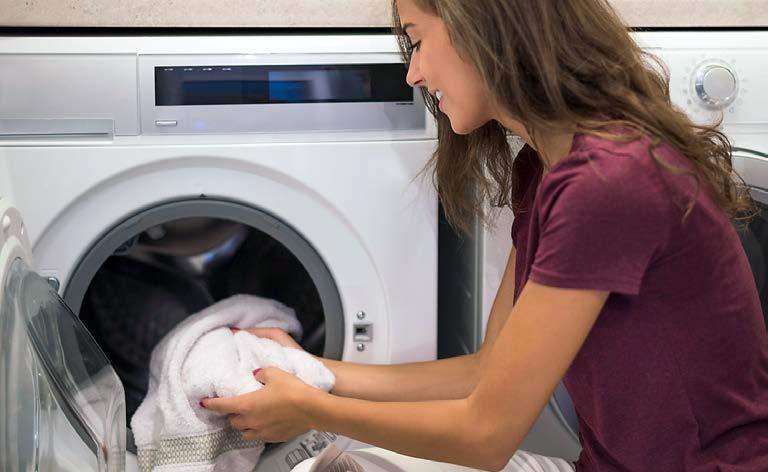
driven down is in the laundry. Heat pump technology has been widely adopted by the manufacturers of tumble dryers, and early high prices to invest in one of these power-saving devices have come down dramatically as whole factories switch to the new standard. Drying clothes indoors used to be a grim necessity in winter, with power bills to match. Now, heat pump dryers offer not only more affordable convenience, but are also easier on fabrics.
Heat pump efficiency has even made one of the most luxurious options for a modern home a little bit more affordable to maintain. While there’s an initial investment cost, heat pump spa pools take away one of the most daunting aspects of owning a hot tub; the ongoing cost of keeping the water warm. Spa pool manufacturers say that a standard spa pool upgraded to a heat pump water heater repays the cost in two to three years.
Heat exchanger technology isn’t new. It’s what makes your fridge work, and
has been used for air conditioning in cars for nearly 100 years. Making the best use of this concept and utilising it to drive down electricity bills is all
about innovation. Take a look and see if there are ways you can use it to make your own home more affordable and energy efficient.
Heat pump technology is about more than just warm air in winter; new appliances harness its efficiency to slash power bills
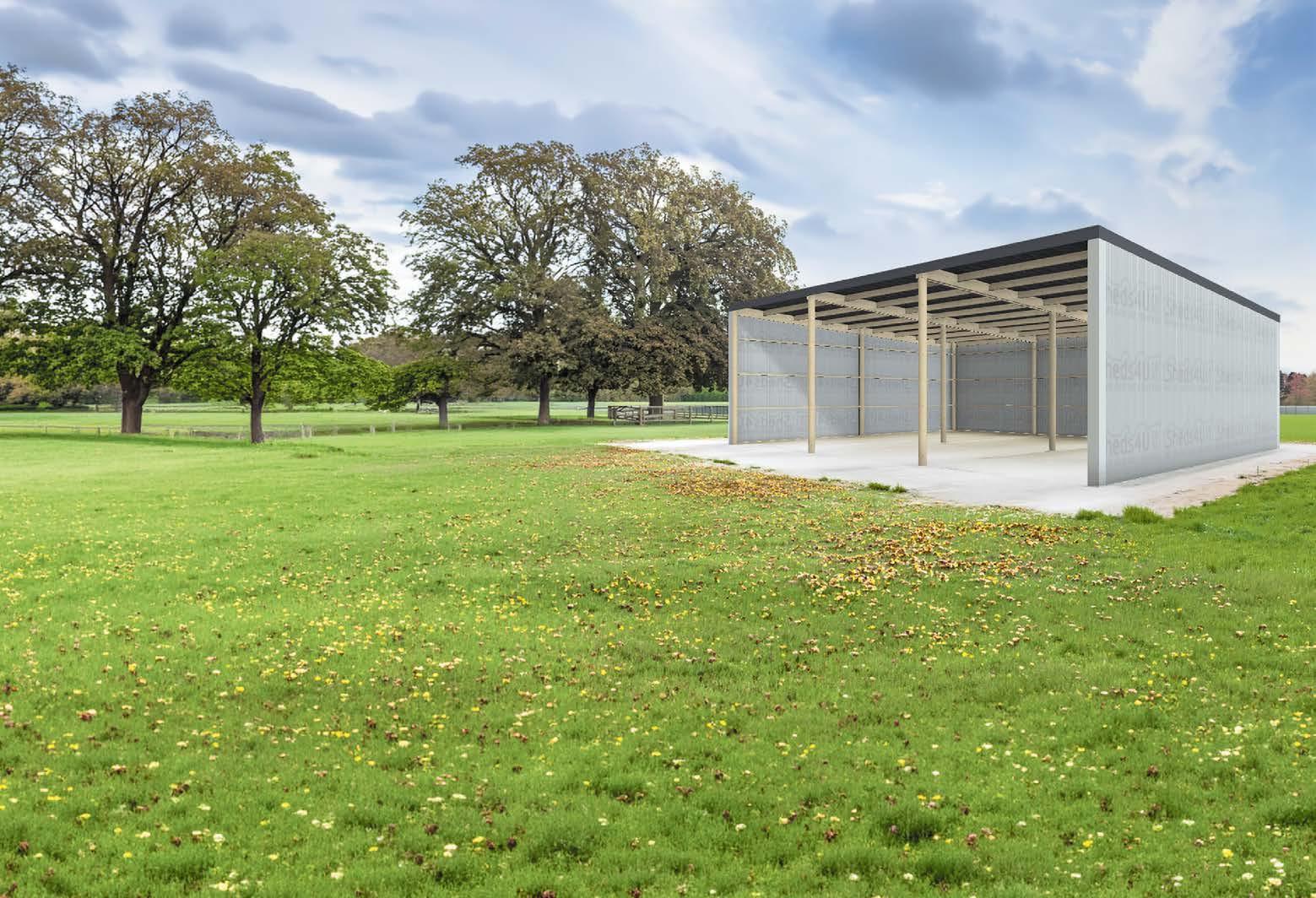
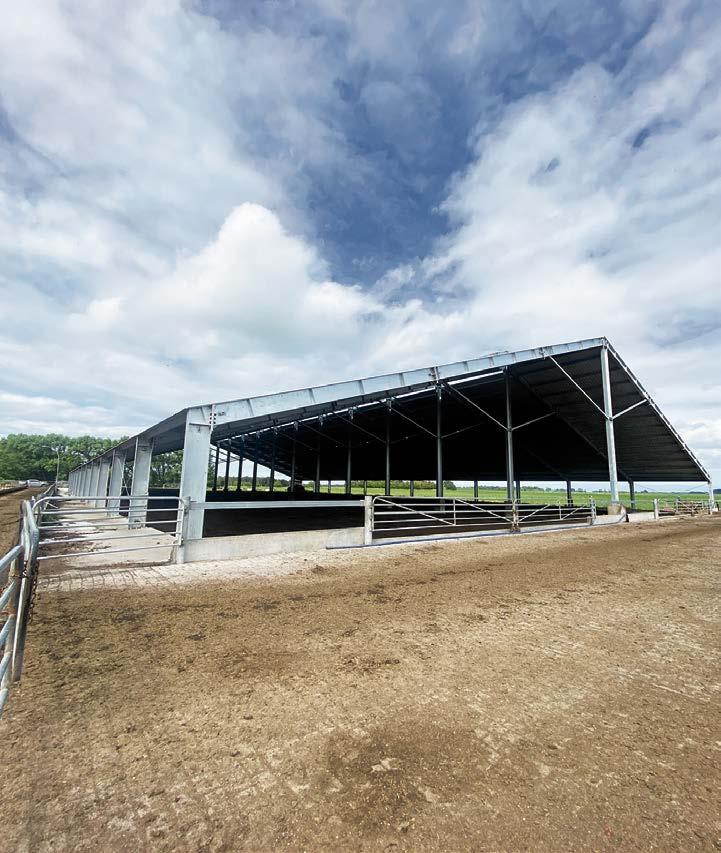
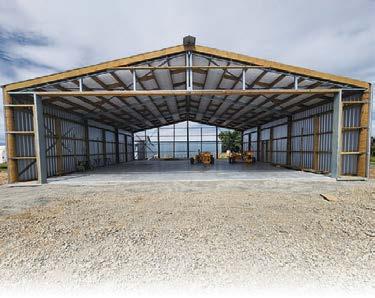
With a wealth of experience and knowledge when it comes to all farm style buildings, we can build new or upgrade existing structures to suit.
No matter the size or the style, we can project manage the entire process for purpose built requirements.
TO BUILD OR RENOVATE
by Paul Campbell
Tiny House rules OK
The growing popularity of tiny house accommodation has probably been a reaction to the ever-rising cost of building generally, and it’s proving a viable first home option and even retirement living as singles downsize in later life.
Like everything in life though, regulations apply and this article looks at the red tape governing tiny house regulations in New Zealand, which are actually determined by mobility. In other words, wheels and whether it is legally a building or a vehicle, often assessed by local councils using a Ministry of Business, Innovation and Employment’s Tiny House Guide.
Accordingly, the structure is classed as a building If it is fixed to the ground, connected permanently to services, or intended for long-term occupation. In this case it is under the Building Act 2004 and as a result must comply with the New Zealand Building Code and usually requires a building consent.
However, wheels make a difference and it is classed as a vehicle if it is on a wheeled chassis, road-legal with a Warrant of Fitness sticker and registration and easily movable when disconnected from flexible hoses and power cables.
However, if used for permanent accommodation, some councils
may still treat it as a building under specific regulations.
There are some new rules though, because as of January 2026 reforms have introduced significant exemptions for small, standalone dwellings.
This is where downsizing comes in because of something called a Granny Flat Exemption. Small homes up to 70 square metres can be built without a consent if they are single-storey, built by licensed professionals, and meet building codes.
Then there’s a 30m² sleepout rule, meaning that structures between 10–30 square metres do not require building consent if they do not contain cooking or sanitary facilities and are the work of a registered builder. These exemptions do not typically apply to tiny houses on wheels or structures used for shortterm accommodation.
If a building consent is not required it may still need a resource consent. Some councils have different rules for minor or secondary dwellings with height-to-boundary ratios and setbacks. Requirements for wastewater disposal
Tiny houses prove popular
and proximity to boundaries must be adhered to, and a building consent is almost always required to connect a tiny house to council water or sewer networks. All 240v electrical work
electricity certificate.
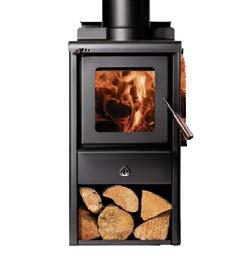
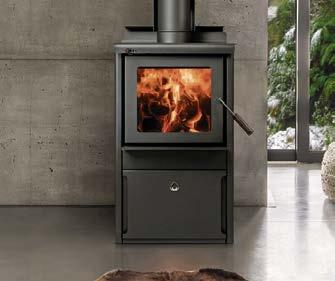
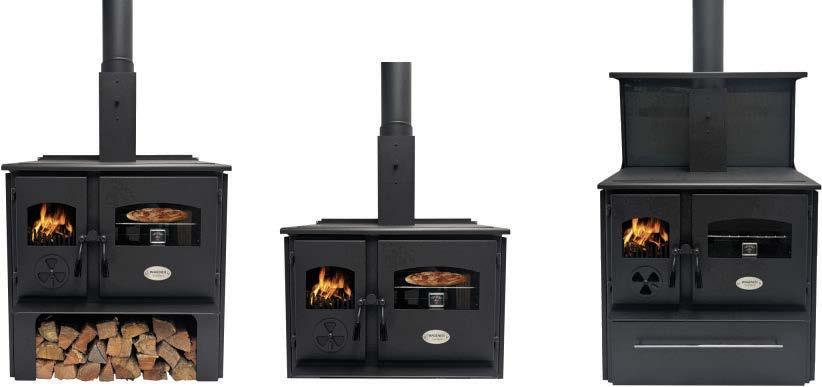
Fairburn is the traditional cooker Wagener has been producing for over 35 years offering quality and refined engineering over the decades. In early 2026 the redesign of both the Leg and Drawer base models occurred and are now available with new features like long side panels, slimline ash
by Amy Fifita
TO BUILD OR RENOVATE
A place to put your feet
Vinyl, carpet and wooden timber floors can look stunning, but each has a purpose, so what are the benefits of each?
When renovating or building a home, choosing the right flooring can create comfort or chaos for homeowners, so it pays to stop and think about what works best. Of course, some smart choices, like using rugs, can make a wooden floor softer and warmer to the feet during winter.
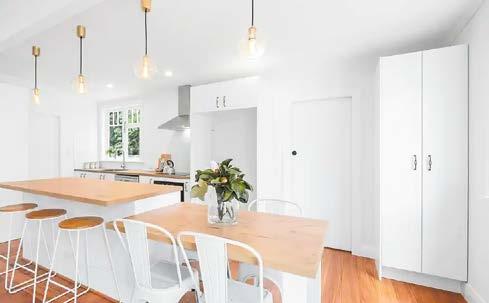
Creating a spacious appearance, hardwood floors are easy to clean. This flooring option is reasonably affordable,
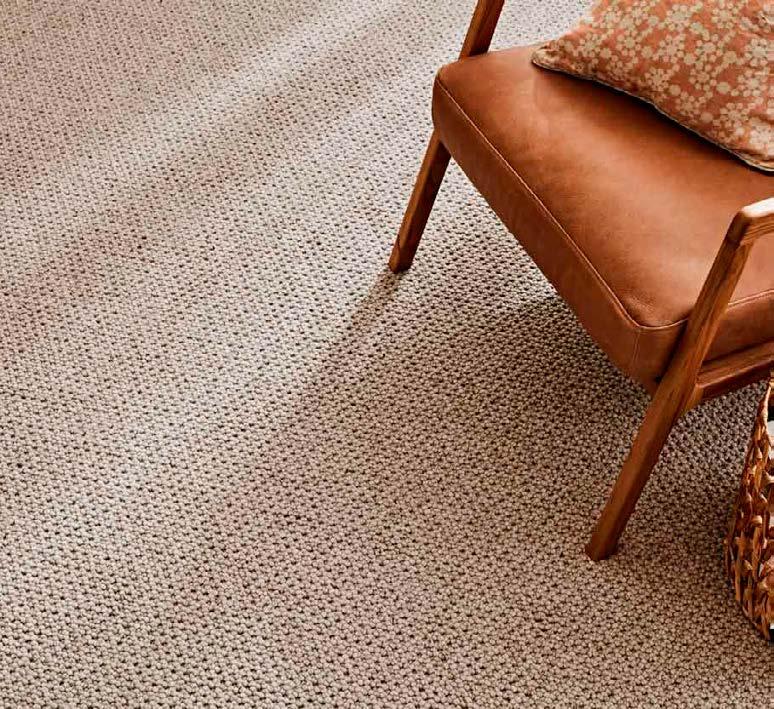
Carpet can add colour, patterns and warmth to spaces. Great for lounges and bedrooms, it is soft to the touch, making it a cushioned space for children, and it can also reduce noise and keep in heat by acting as insulation on the ground.
For many, carpet is more affordable than other options. These days, carpets can offer those seeking to be eco-friendly with natural, sustainable fabrics, lowering the property’s carbon footprint.
Carpet can add colour, patterns and warmth to spaces
but as people living in old villas know, durable and simple to maintain with a broom and mop.
Many people enjoy the look of timber floors and can change the look with a fresh varnish or stain. When choosing what wood should be laid, there are endless options to select from, from geometric patterns, wood grain, patterns and textures. Musicians can appreciate the acoustic effect that hardwood floors add to any home.
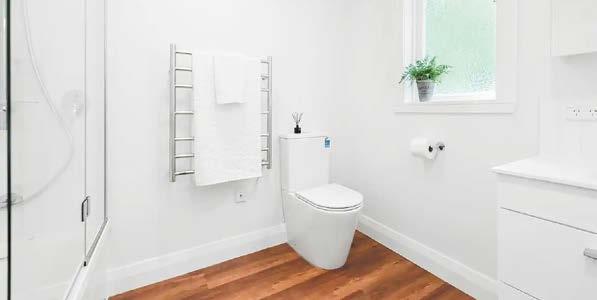
Vinyl, on the other hand, is a practical flooring option. Easy to clean from most messes, this option is often used for bathrooms, kitchens, mud rooms, dining spaces and other wet areas.
Like carpet, vinyl comes with various styles, tones and patterns, including a wood-look aesthetic. The flooring option is water-resistant, making accidental spills easy to wipe up, and if a vinyl plank is damaged, it can be replaced.
Also in the realm of wet areas is tile. Tile is durable and made to last, plus unlike vinyl, is harder to scratch while still creating a water-resistant and wipeable space. Once always a cool surface in summer or winter, modern technology tiles can come with
Flooring is very much a personal choice and reflects the style of the property owner, from practical to comfort or a mixture of both — every option has a benefit to enjoy.
Millbrook Pavillion Retreat
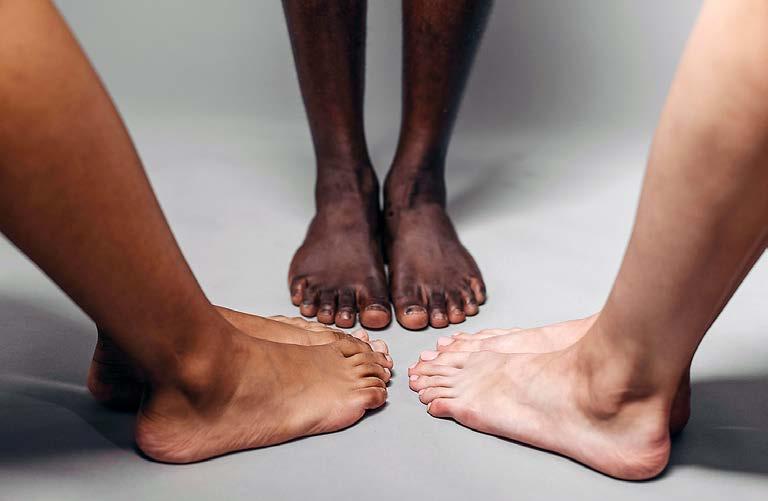
The floor is a blank canvas for homeowners who want to add style, comfort and practicality to the place they put their feet
TO BUILD OR RENOVATE
by Andy Bryenton
Number eight wire thinking
The problem of stopping livestock from pushing battens along fence lines is as old as farming itself, and Lloyd Altham has decided it’s high time for a solution.
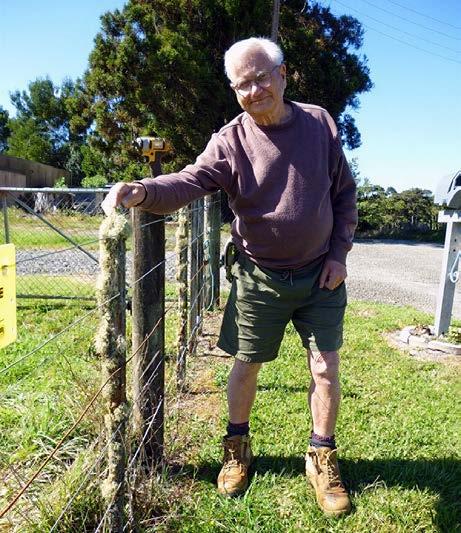
It’s not just sheep and cattle that can make a mess of fence lines, either; sometimes, they are too difficult to get at for routine maintenance. Enter Lloyd, a lifestyle farmer, with a past career in engineering and the fastening industry. He’d spent years working on nuts, bolts, screws and other hardware, before he turned his mind to the problem of unruly battens.
His concept was to devise a product that could be applied without expensive equipment, and could be kept in a tool kit
along with the very popular battery drills that most farmers have ready access to. It would need to be a product that could grip the popular 2.5mm HT fencing wire, without damaging the plating on the wire, but applying a substantial grip. It took several years and many prototypes to develop a product that goes on quickly and easily, and stands the test of time in a rural environment. The clips are made from the same steel used for the manufacture of roofing washers. The screws are galvanised, then
coated to withstand the harsh Kiwi elements.
“Yes, you can hammer the staples back into the same place, only for them to work loose again,” says Lloyd.
“With a Batten Buddy you won’t have any concerns about cattle pushing through the fence. The Batten Buddy is also particularly handy on sheep fencing on the lower-level wires.
“It is also a great alternative to what some farmers do; installing barbed wire to keep their battens in place.”
We deliver Heat Pump & Air Conditioning, Rural, Industrial, Commercial and Residential electrical services that represents the best possible value for money.
Providing electrical services to the Feilding, Bulls, Marton and the greater Manawatu areas Proudly Supporting The Local Community For
thinking about a reno or outdoor upgrade?
From outdoor living/working areas to full home renovations, Pzazz Design & Build is ready to help bring your vision to life.
Get in touch for an initial chat or to arrange a free in-home consultation.
Cattle escaping on to roads or neighbouring properties is the stuff nightmares are made of, says Lloyd, and the Batten Buddy concept can provide peace of mind. Although it’s new to the marketplace, some early adopters have found other uses for the handy product, too. Batten Buddies work well on vine wires and mesh for orchardists, for example.
Lloyd’s pleased to have solved a problem that’s had farmers scratching their heads since the invention of fencing wire, and he’s also pleased to deliver a new example of Kiwi ingenuity at its finest.
Lloyd Altham has put on his thinking cap and devised a way to stop livestock from battering the nation’s battens
TO BUILD OR RENOVATE
by Andy Bryenton
A polarising prospect for glass
It’s a long-standing science fiction trope that any
inner workings.
From Captain Kirk to Doctor Who, polarity-reversing antics have saved the day across time and space, but now there’s a real application of this principle on the market, designed to protect you from harsh and dangerous radiation. That’s not more sci-fi; we’re talking about the rays of the sun.
Electrochromic glass is the latest trend in windows, adding the ability to tint the windows of your home with the flick of a switch. It’s down to the miracle element lithium, used in batteries and also a vital part of our own biological processes. By sandwiching five layers of ceramic material on a very thin pane of glass between two other glass layers, it’s possible to make lithium ions jump between the layers by using a very small electrical charge. Reversing the polarity turns it back.
The result is that the glass tints, becoming darker in the same way that some spectacles change with the intensity of the sun. In this case, however, it’s your choice as to how tinted your windows become. You can even go fully opaque
when privacy is a priority. This technology was initially only viable on smaller pieces of glass, which meant that early adopters were often automotive manufacturers, looking for a technological edge.
Mercedes, Polestar and other luxury brands kicked off the trend, and it reached new heights in the VW ID Buzz, a replacement for the venerable Kombi Van, where the whole panoramic moon roof is able to tint by wire.
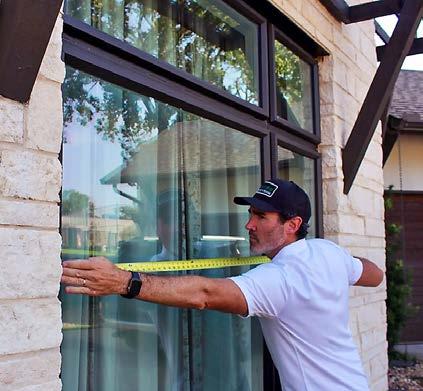
In home design, electrochromic glass can provide excellent protection from UV for both people and artworks, furnishings and carpets. An example is a home with massive picture-window beach views; as the sun beats down at noon, heat and light can be filtered, but the windows can become crystal clear to capture the full glory of a west coast sunset. Alternatively, there’s the option of automating electrochromic glass, to ensure that it works in harmony with your home’s heating and cooling systems.
sensors and a computer control
can allow a suite of smart windows to track the sun, allowing warmth when it’s wanted in the winter and stopping a percentage of thermal loss in shade. Conversely, a home which tints up to reflect heat and help air conditioning bills stay low as the sun tracks across the sky and strikes different glazed surfaces is a smart idea.
Electrochromic windows are a new technology, but they can be retrofitted into existing homes
Visual
module
by Amy Fifita
TO BUILD OR RENOVATE
An elevated position
Farmers know too well the deluge that rain can bring, just another reason why flood-proofing
and clean-ups.
Having already experienced the forces of nature this year, before winter comes, it might pay to flood-proof your home. While we can’t stop the weather pressures from their downpours, people can consider ways to prevent an unwanted water feature from going through their living room.
If you are doing a new build, making wise decisions may be easier. You can build on a hill, put the structure on pylons or cleverly design the downstairs to be a garage and storage space and not a living area.
Consider the materials used in construction. Steel frames, bricks, hardwood and polished concrete floors are durable and easier to clean in the event of a flood. Water-resistant insulation is also an option.
Existing homes may have more challenges, especially if you are on lowlying land, but rest assured, there are deterrents. Digging drains and installing catchpits around the property can help divert and manage water. While with drains you dig down, it may pay to build up. With
breakaway and flood walls, homeowners can prevent damage to foundations and deflect water.
Using permeable surfaces for your driveway and outdoor areas helps, too. Porous pavement, open-jointed or grass pavers or gravel allow water to soak into the ground, rather than having no place to go.
Installing flood vents can relieve the pressure. While allowing water to enter your crawlspaces may sound strange, it actually equalises hydrostatic pressure, making stormwater less of a force of nature.
It always pays to be safe. So, heading inside, what can people do to decrease the impact if the house does flood? Elevate your devices like televisions, stereos and so on, and if your wallet allows it, have
electrical outlets raised to protect the integrity of your wiring.
Large gutters and downpipes are another deterrent. The more water they catch and divert to the drains, the better. With these small considerations covered, the next time we get heavy downpours, people can have a more-confident sleep knowing they have done all they could to flood-proof their home.
An elevated home can protect your house and your possessions from the chaos of flooding
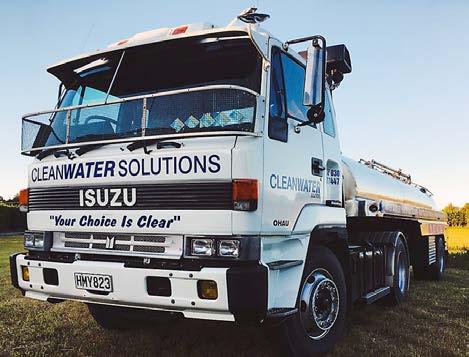
The choice is clear
From water tank cleaning to water delivery, Clean Water Solutions ensures customers’ water for drinking and bathing is
André Groeneveld started the venture with the help of his father, Gerry, in 2004. A family-owned and operated business, enabling tankwater owners to have a healthy water source, is André’s number one priority.
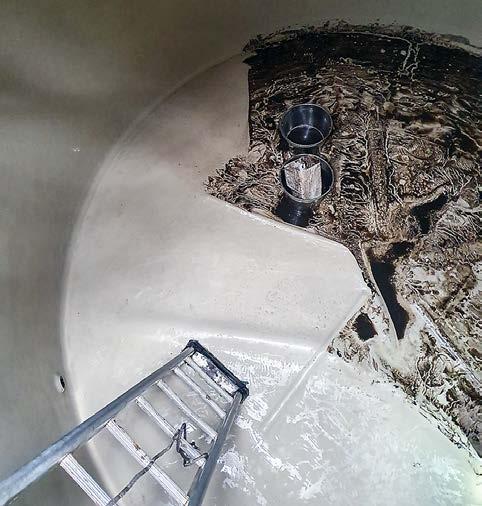
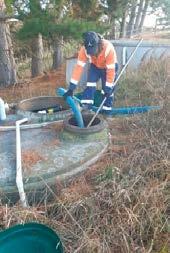
Offering a rare difference, the team does a full tank clean where they will physically clean the tank from the inside. Using brushes and hard work to remove all sediment from the ceiling, walls and floor of the tank, they do a visual inspection of the tank’s interior condition.
Another option for customers is the vacuum-to-waste approach. It removes sediment from the bottom of the tank and only decreases the water level by about one metre, depending on how much sediment is on the tank’s base.
Clients can request to have tanks treated with sterilising agents in the existing water or as water is being delivered.
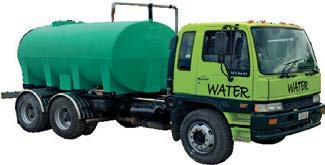
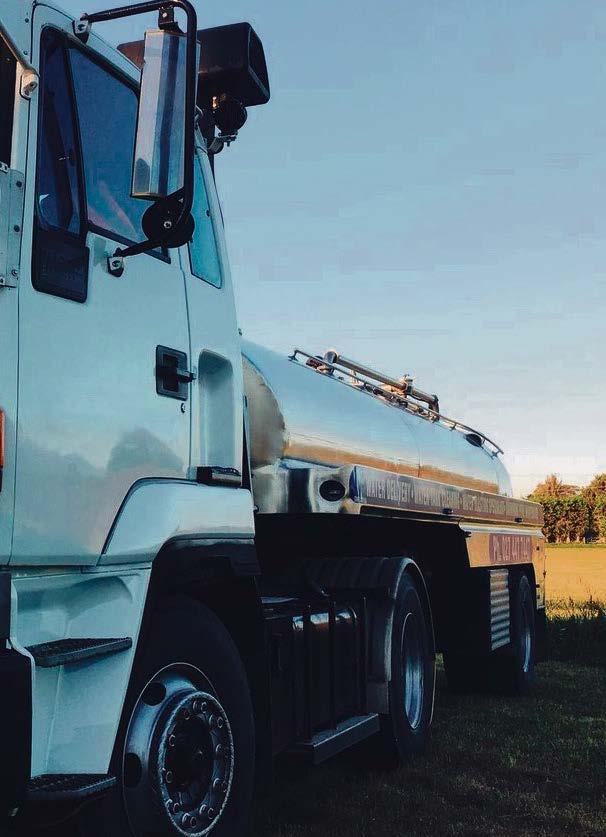
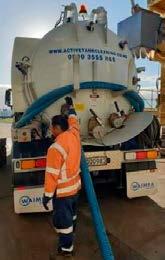
We provide water from the town supply, via the 10,500-litre tanker or the special 3,500-litre 4WD tanker for those hard-to-get-to situations. The tankers are
fully certified by the Ministry of Health and the District Health Board.
With two trucks in the fleet, cartage is offered as a service to the ever-improving businesses. Clients can reach out, as between our two trucks, we can deliver water to tanks and swimming pools with different access.
We can replace your domestic water filter cartridges as required. Servicing the area for 22 years, the team is constantly improving the service and upgrading equipment.
Covering Horowhenua, Manawatū, Whanganui and the Kāpiti Coast, the experienced team supplies rural and coastal areas with water deliveries, water tank cleaning, and water filter replacements. Contact André on 027 447 7447 or andre@ cleanwatersolutions.co.nz.
The Clear Water Solutions team can physically get inside the tank to ensure the interior is fully clean
With two trucks in operation, one being a four-wheel-drive, Clear Water Solutions can transport water to hard-to-get situations
by Andy Bryenton
A quarter century of sowing
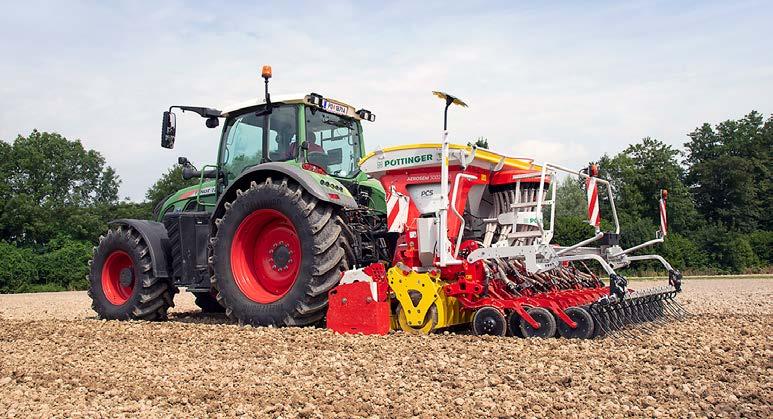
Pöttinger celebrates 25 years of seed drill innovation
labour can be seen in hundreds of Kiwi fields.
Pöttinger may have 25 candles on its cake when it comes to seed drills, but the firm has been in the business of building agricultural machinery for one and a half centuries. Much of that time was spent developing better machines for grassland farming, but in 1975, Pöttinger bought out the Bavarian Plough Factory, a massive industrial powerhouse in the city of Landsberg am Lech. That’s just down German Highway 96 from Munich, the home of BMW, so this part of the world knows its engineering.
The development of arable land became a priority at Pöttinger. It became apparent that mechanical and pneumatic seed drills were the way of the future, and in 2001, Pöttinger made a move similar to that which had seen it take command of the Bavarian Plough Factory. The Rabe seed drill plant in Bernberg joined the company, and a mighty weight of engineering know-how was bent toward innovating the seed drill into the precision
implement Pöttinger offers today. Sometimes, you can look back on a long history, such as that of the motor car, and watch it evolve toward the modern era. With Pöttinger’s leap into seed drills, that evolution was put into top gear. By 2003, two years after first entering the market, Pöttinger released the Terrasem, a mulching seed drill which threw down the gauntlet to competitors with fresh technology. In 2009, the firm was confident enough to launch its Vitasem drill at Agritechnica, the world’s biggest implement and tractor show, highlighting precise seed metering.
Pöttinger engineers may not have won machine of the year in the fierce competition of that year’s Agritechnica, but in 2013, just 12 years after first getting into seed drills, the Pöttinger Aerosem pneumatic drill took the gold. In the years that followed, higher precision, bigger capacities, front hoppers and lowdraft, high-output options hit the market.
took over Italian manufacturer MaterMacc in 2022, and last year it was back at Agritechnica with the prototype of the Puro precision planter, debuting nextlevel precision close to home in Hanover. Pöttinger’s stated mission is to make farmers’ lives easier, and it’s delivered some popular innovations in the past quarter century to achieve this goal. As farms combine automation with information to boost efficiency, the company’s focus on precision looks like a smart move for the next one.
The Pöttinger 3002 taking care of business in partnership with a Fendt tractor Pöttinger
by Andy Bryenton
Resurrecting a giant
The first tractor sold at the Northland Field Days was a Case IH, a 1985 model, which returned to the hallowed ground of the agricultural show this year to celebrate the event’s 40th birthday.
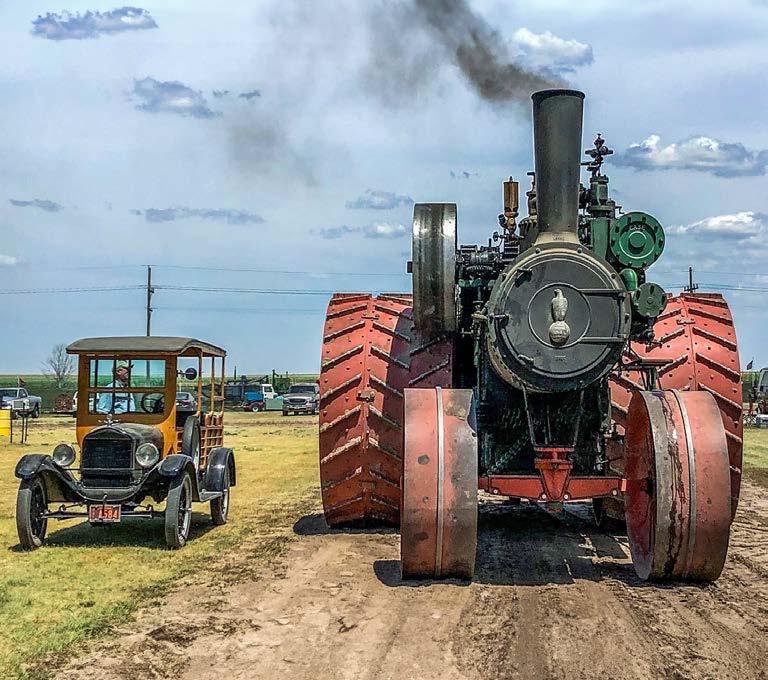
However, this vintage farm machine is not the genesis of the Case name; the company was involved with tractors long before the reign of diesel and turbochargers. Perhaps the crowning achievement of Case in those early years was a tractor so huge and imposing that it gained the name ‘the road locomotive’ — the colossal Case 150hp.
Every metric confirmed it as a giant, and its job was to mechanise agriculture on the great plains of the US in the days of steam. Even the modern Case IH tracked tractor units only approach its massive size; 35 tons of hand-crafted iron and steel, driven by 180psi of boiler pressure chugging to spin a 1.27-metre flywheel. The road locomotive was more than eight metres long, as tall as a house, and could reach a top speed of just 10km/h. That sounds unimpressive, until you realise that it could hit this speed while drawing 40 giant plowshares through the soil.
The pinnacle of steam technology and might, only nine of the huge machines were ever made back in 1905. There was a limited need for such a huge and powerful steam tractor. The wide-open fields of the midwest were its natural home, and with most farms in those days being smaller than the big mechanised operations of the present day, the Case 150hp was ahead of its time. Sadly, all
nine machines were destroyed as they became seen as outdated and inefficient, replaced by fleets of smaller tractors using internal combustion.
Then came Kory Anderson, a visionary engineer who grew up with steam traction engines. His parents took him to his first steam engine show when he was only five days old, and his parents Kevin and Donna supported his passion for the preservation of agricultural machinery heritage with their own. At the age of ten he met a man named George Hedtke, who owned the boiler of a very special machine; the prototype Case 150hp. It became Kory’s ambition to rebuild the giant.
From the age of 16 he embarked on his plan, talking to veteran fabricators, learning old techniques, building his skills and aiming to remake the big 150hp from scratch. By the age of 22 he’d founded a metalworking company that could help fund and accomplish his dream. In 2016, he hand-picked a team of friends and began the task, completing the rebuild in just 16 months. It was the culmination of an idea sparked when he was still in primary school, and it worked. The new Case 150hp is a huge attraction today, and holds the record for the biggest steam tractor on earth.
The massive Case 150hp, with a vintage car for scale
RURAL CONTRACTORS & SUPPLIERS
Innovation Fertco’s success
In the late 1990s, when the fertiliser industry in New Zealand was undergoing a significant amount of consolidation, Waikato dairy farmers Ross Karl, Rob Phillips and Ken Titchener bucked this trend by forming Fertco.
They employed chemical engineer Frank King, and opened a factory at Mt Maunganui to manufacture dicalcic phosphate, a fertiliser they believed would improve soil, plant and
animal health. They didn’t expect the company would last very long — last — it has. Twenty-six years on, Fertco operates two sites: the Mt Maunganui factory, and a site in Te Awamutu, which houses a second fertiliser factory along with a plant that makes Mineral Boost, a feed supplement to overcome livestock deficiencies.
When asked how Fertco has survived when many start-ups fail, the founders will tell you that they weren’t afraid to try new things and to innovate when things weren’t going right.
Their success with dicalcic phosphate encouraged further innovation. They tried granulating lime and coating urea, no one in NZ was doing at the time. When the big companies began to copy them, they knew that they were on to something.
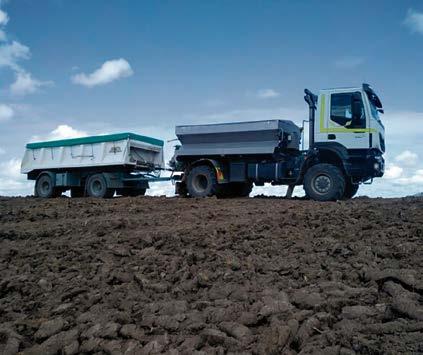
Today, the product offering includes a full range of conventional fertilisers, and the largest range of organic fertilisers in the country. There is an emphasis on products that look after soil health and the environment, and new products that are scientifically proven to do so are continually being added to the range. The latest is a dicalcic phosphate (DCPMax) that has twice the phosphate content (17%) as standard dicalcic phosphate (8%), reducing cartage and spreading costs for farmers.
Moreover, because of its origins, the company understands that all farmers and growers have unique requirements. So Fertco customers are looked after by a team of sales representatives who visit, and every order is customised to suit the client.
Fertco offers the New Zealand agricultural industry some of the most effective soil and plant nutrient products on the market today. Fertilisers
by Andy Bryenton
Generation nine pushes boundaries
In December last year, excitement began to build about the new Toyota Hilux, following a test drive by Toyota New Zealand representatives in Australia. Now it’s here.
While the classic ute certainly had big boots to fill, it acquitted itself with honour across the ditch. However, by Toyota’s own admission, Kiwi terrain is a whole other paradigm, despite having less spiders and snakes.
“New Zealand is one of the most challenging environments we have evaluated. After seeing the conditions here, I am confident the new Hilux will serve customers well,” said Hilux project chief engineer Anyarat Sutthibenjakul.
Fast-forward to the Northland Field Days, and the chance to take the new Hilux for a drive. Sitting next to its old stablemate from 1985, the hexmesh grille makes sense; it’s a nod to the front treatment of that venerable ancestor. All the rest, though, is totally new. We’ve looked at the aesthetics and the comfortable cab of the 2026 Hilux in previews, however; so down to the main course.
This was the turbo-diesel automatic variant, and the first thing you’ll notice is that it’s quiet for all its on-tap torque.
Part of that is the cabin itself; a place of more comfort and luxury than in previous generations, though none of the utility has been sacrificed. Power delivery is linear and smooth, seemingly unfazed by either stop-go traffic or rural hills. The revmatching tech of the six-speed box has garnered praise, but this automatic was silent, effective and effortless.
Out on to the highway and then some twisty rural byways, and the new Hilux proved the case for its electric power
INVESTMENT
steering, which felt predictable and very capable. The whole sensation made the voluminous big ute feel like a much smaller car to command, and the tweaks made to the suspension system underneath also made this Hilux feel more stable and planted, even with nothing in the tray. Kiwi drivers will spend a lot of time on the back roads, and a measured, confident steering response just feels better in these conditions.
Driving the 2026 Hilux was a lesson in why the name Hilux sits right at the top of the premium ute leaderboard for all time. For many people, it’s either the Hilux or its big blue rival which takes the crown when they think of the best buy in the segment. This iteration proves why; it’s the culmination of decades of refinement. It delivers the legendary Toyota build quality, fit and finish with no wild gimmicks, just more stability, space, power and comfort than the previous generation, and it does it without inflating the price.
know what
The 2026 Toyota Hilux will come in a variety of variants, including a hybrid
You
else is a classic recipe? Chocolate cake. The new Hilux is proof that you can have it, and eat it too.