Postal Address: PO Box 474, Dargaville Physical Address: 107 River Road, Dargaville
Editor: Andy Bryenton
Journalists: Denise Gunn | Andy Bryenton | Amy Fifita
Advertising: Monique McKenzie 027 525 9172
Production: Gavin Bainbridge | Marnie Fuller | Daniel Foster | Liz Clark
Accounts: accounts@rml.nz
Distribution: Laurie Willetts Printed by: NZME
Website: farminglifestyles.co.nz
Opinions
10,680 copies DELIVERED FREE to every rural delivery address in Manawatu.
Rural women’s wellbeing in focus
by Paul Campbell
A nationwide call has gone out to women living and working on farms around New Zealand to share their experiences of mental health and wellbeing in a survey being conducted by Massey and Lincoln universities.
The NZ Women in Farming Wellbeing Survey aims to address a significant gap in research and data on rural women — a group whose contributions to the agricultural sector it says are vital but often under-recognised.
The research team consists of associate professor Nicky Stanley-Clarke, from Massey, and Dr Jorie Knook and Dan Smith, from Lincoln, who say the survey comes at a critical time for the sector.
“With the government’s recent consultation on the Draft Mental Health and Wellbeing Strategy 2026–2036, a renewed call for a focus on rural wellbeing, and National Fieldays underway in Waikato, this survey fills a knowledge gap about the wellbeing needs of women in farming.
“We know women are balancing multiple roles, from farm work to family responsibilities and often off-farm employment, but there is very little New Zealand-specific data capturing what this means for their wellbeing.”
The initiative also aligns with growing national and international recognition of women’s roles in agriculture, with 2026 marked as the United Nations International Year of the Woman Farmer.
Despite increasing numbers of women entering farming and agricultural study, much of the existing research, services and policy focus has traditionally centred on male farmers. Dr Stanley-Clarke says this has created a blind spot in understanding the pressures facing rural women.
“International research highlights what’s often called the ‘triple burden’ of managing farm work, caregiving
and household responsibilities. In New Zealand, that can also include paid work off the farm and strong commitments to community life, often leaving women with little time to prioritise their own wellbeing.
“There are some great farming organisations supporting farming women, such as Dairy Women’s Network, Rural Women New Zealand and Agri-Women’s Development Trust, but to our knowledge there is no New Zealand academic research, and no current data capturing the wellbeing needs of this sector,” she said.
“We hope the survey results will create a comprehensive national picture of women’s wellbeing in farming, providing evidence to inform future services, policy and community initiatives.”
The NZ Women in Farming Wellbeing Survey is online and takes approximately 15 minutes to complete, and is open until mid-July.
and
pick-up service for unwanted healthy cows and horses in the Manawatu-Wanganui region.
If you would prefer to transport your animal yourself or have your horse or cow put down on the farm then we can arrange this with a No Hassell guarantee.
About Us
Our in-house processing plant enables us to guarantee the consistent quality and reliability of the process from the picking-up to the putting-down of the animal. As a recognised specialist you can rest assured that our years of expertise and close connection to the farming industry makes our service as convenient, respectful and professional as it can be.
Nicky Stanley-Clarke, Massey University associate professor
Minister promises
‘simpler’ RMA replacement
by Andy Bryenton
Agriculture Minister Todd McClay has used his speech at the Primary Industries New Zealand Summit to announce an end to the ‘war on farming’, speaking of the replacement to the RMA as the tonic to an “ever-growing regulatory burden”.
Mr McClay was a keynote speaker at the event, which was held in Auckland on June 23 and 24, bringing together primary producers to consider a year of change and opportunity. His speech touched on the highs of 2026, including record forecasts in dairy, projected at $28.6 billion, meat and wool, $14.1 billion, and horticulture — $9.5 billion.
“This government’s vision is clear: to position New Zealand as a worldleading, high-value producer of premium, sustainable food and fibre. We are on track to double the value of our exports within a decade, and the latest forecasts show we are ahead of schedule. By 2030, we are looking at primary exports exceeding $70 billion,” said Mr McClay.
He then took aim at the perceived regulatory overreach which he and his party opine has set back the achievement of that $70 billion goal, saying that “the sector faced an ever-growing regulatory burden that eroded certainty and increased compliance costs.”
Mr McClay told delegates that the replacement to the RMA “will deliver
simpler, more predictable consenting, fewer prescriptive rules, and clearer national direction.
“This is not about removing environmental standards. It is about making them workable and practical so that farmers can focus on production while delivering genuine environmental outcomes. Improved environmental performance is a must — but it can and should be achieved without imposing unnecessary and excessive costs on the primary sector,” he said.
Farmers will be keen to hold the coalition to these benchmarks for the new resource management framework. There’s also the matter of the New Zealand-India free trade agreement, which has garnered criticism from some senior parliamentarians, Mr McClay promoted in his address as a major breakthrough for primary producers.
“This landmark deal opens the door to a market of 1.4 billion people and provides tariff reductions or elimination on 95 per cent of our current exports to India.”
Mr McClay’s final point was on landuse flexibility, which touches on issues of resource management, and getting more revenue each hectare.
“The principle is straightforward,” he said. “If you can demonstrate the same or an improved environmental and climate footprint, you should have the freedom to choose what you use your land for. With one exception: I have banned the conversion of productive land to pine trees for carbon farming.”
Todd McClay spoke at the Primary Industries New Zealand Summit last week
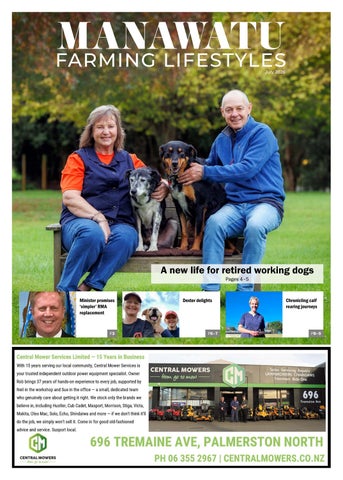
A new life for retired working dogs
by Denise Gunn
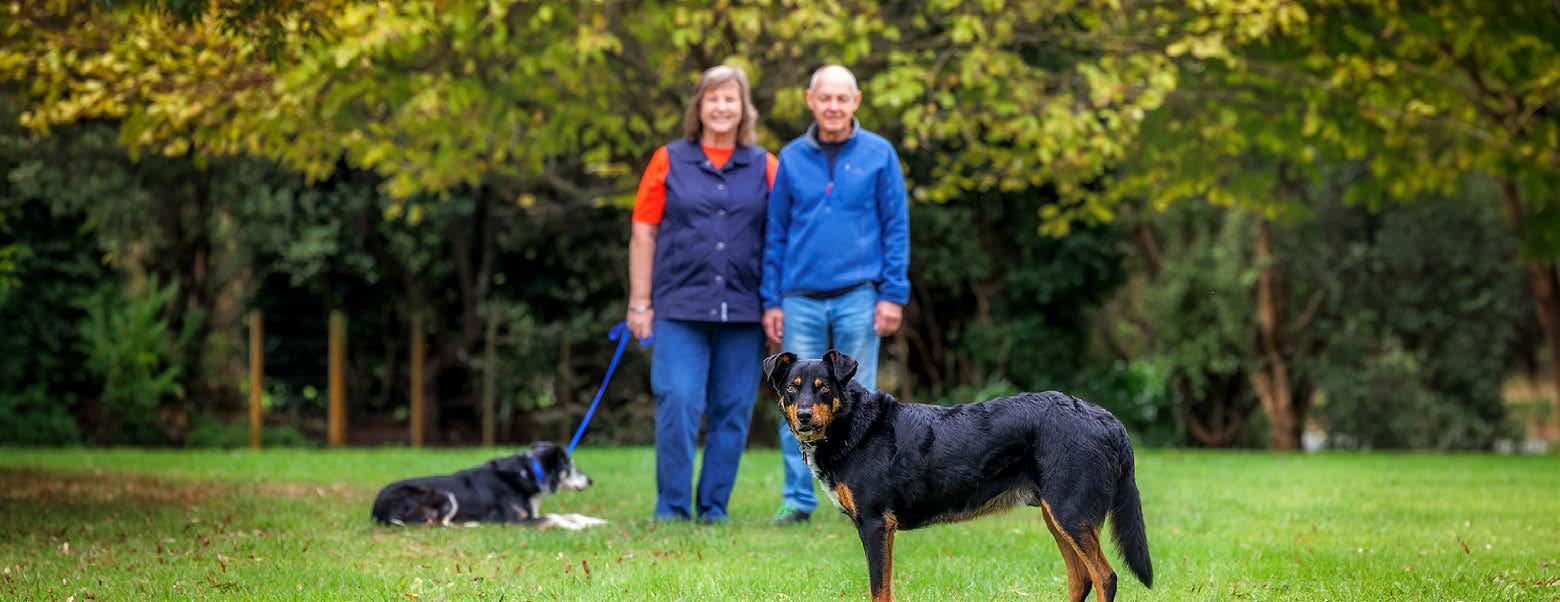
The couple first heard about Retired Working Dogs NZ (RWD) through a friend’s daughter who was a farm cadet at Otiwhiti School of Agriculture. As a charitable trust, RWD finds foster and permanent homes for working dogs that are no longer able to put in long days on the farm due to age, injury or inability to work.
Since its establishment in 2012, RWD has rehomed more than 3,000 working dogs from all over the country. Farmers contact RWD through either the trust’s Facebook page or website retiredworkingdogs.org.nz.
Some dogs are referred to RWD through veterinary clinics. These dogs tend to have
sustained career-ending injuries. Pounds, the SPCA and other rescue agencies refer dogs, too. Other dogs may need to be off-farm and taken into foster care to be desexed, vaccinated and socialised before rehoming.
The RWD team of fosterers plays a critical role behind the scenes to help the dogs.
Mark and Astrid became involved with RWD following the deaths of two of their three pet dogs due to old age, and within a short time frame. They couldn’t see themselves with just one dog, so two years ago decided to foster dogs through RWD.
“We had love to give and a property big enough to allow an ex-work dog to run.
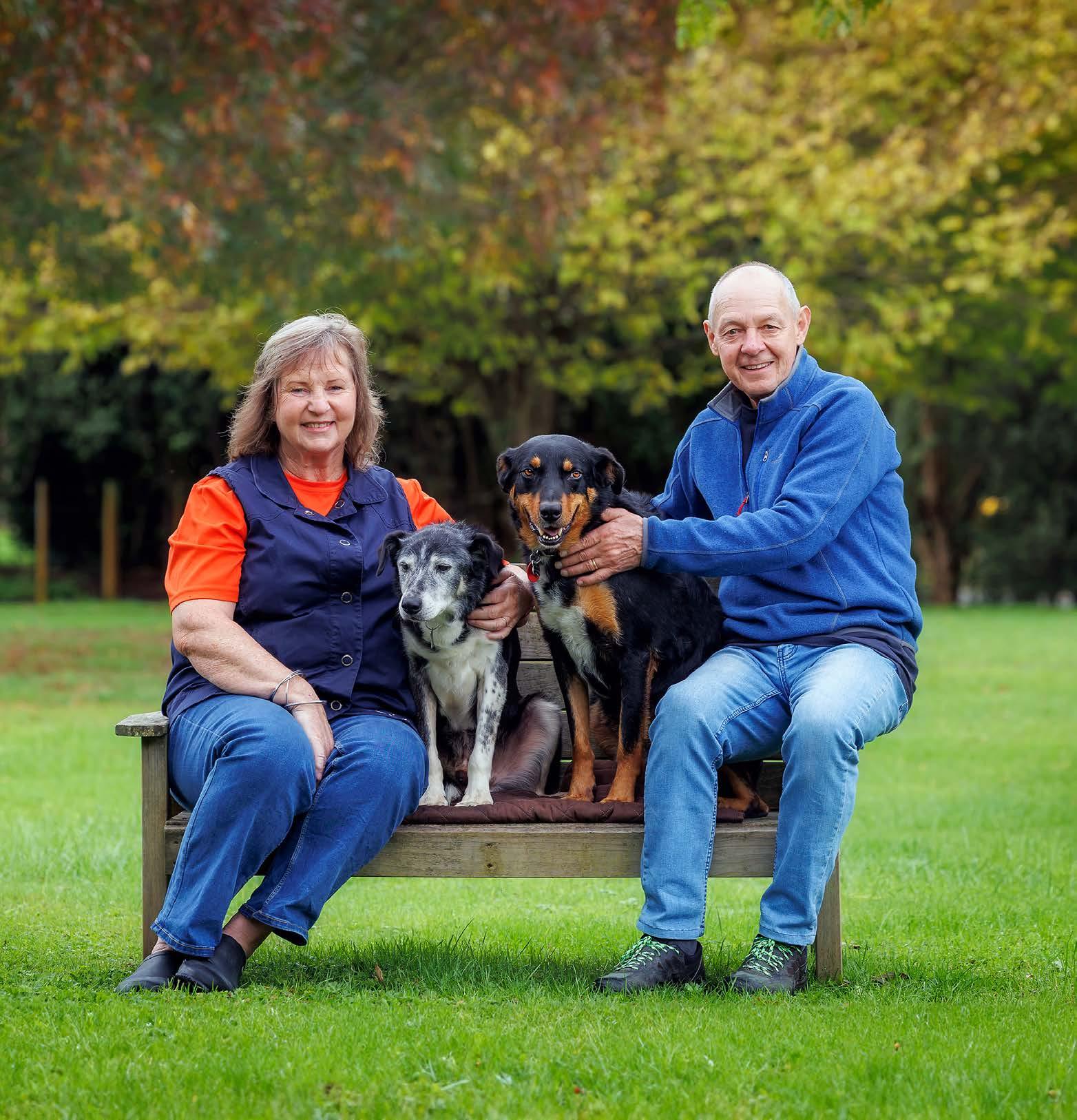
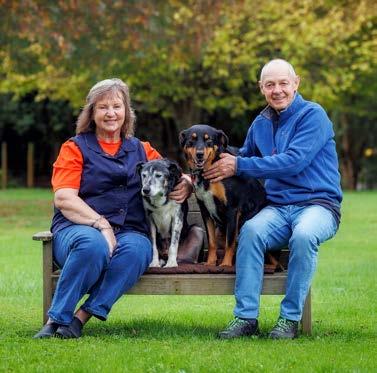
Fostering retired working dogs is a rewarding experience for Horowhenua dog fosterers Mark and Astrid, and it’s providing a second chance for the canines to be rehomed.
An interim is essential at times between the farmer rehoming and finding the best home if time is a pressure,” said Astrid.
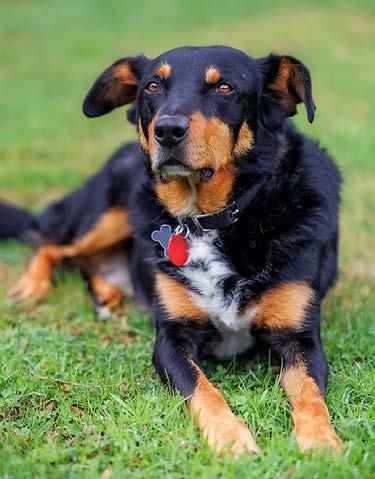
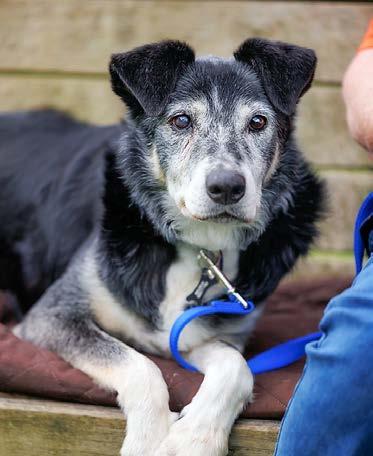
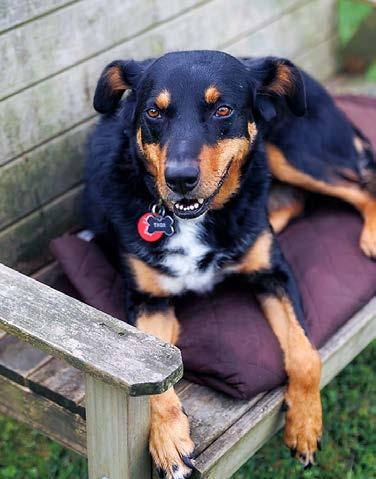
The couple had previously rehomed three dogs, just not working dogs. Thor, a nine-year-old Huntaway-cross, arrived on Mark and Astrid’s property when he was five.
Astrid said Thor had been cared for by a farm worker after the farmer had given him up.
“She couldn’t keep him, but took him anyway out of the goodness of her heart. In the four months she had Thor, she got him neutered and started to look for a suitable home for him.”
Thor came into foster care with RWD as an urgent situation. “That’s the magic of RWD — their reach is further.”
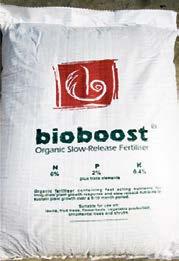
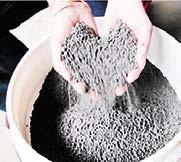
Organic granular slow release fertiliser
Weed free - 67% organic matter • Will not burn plant roots or foliage • Can be incorporated when planting or used as a
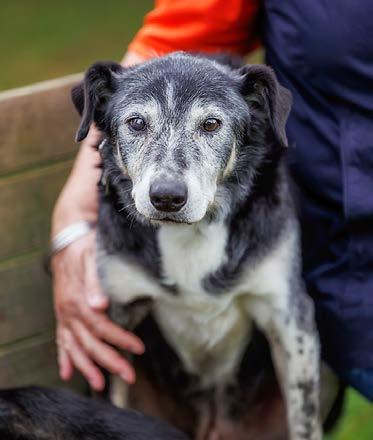
Since being adopted by Mark and Astrid, Speck has come out of his shell
Photos: Jo Moore
The couple has fostered nine dogs through Retired Working Dogs NZ
Since adopting Thor, Mark and Astrid have seen him gain more confidence from the nervous dog he was on arrival. He has settled in well to become a member of their family pack.
“We appreciate the work that the fosterer put into Thor before he arrived, and that she stepped up to give him a chance.”
Mark and Astrid have fostered nine dogs through RWD, responding to those advertised that they feel will mesh with their pack. They’ve found that being open to the dog’s needs first is the key to settling the canine into a new environment.
On arrival, Mark and Astrid spend time with the dog on a lead and walk around their one-acre property.
“Then we gauge the meet and greet process needed with our own two dogs. This can vary tremendously,” said Mark.
“Usually, we take a day for dogs to see each other and smell through a fence. We also prioritise our dogs getting lots of attention so their status is acknowledged. Recently, we had a female dog introduced happily in an hour with no issues at all.”
Their other adopted working dog, Speck, has also come out of his shell.
“He now comes up for cuddles and sits with other dogs.”
Mark said some of the highlights since fostering working dogs have been working with the RWD team.
“They work together so cohesively. It’s the willingness of each team member that stands out. Nothing is ever a problem.
“Also the word goes around when a dog needs transporting from one town to another, even from the North to South Island. The RWD community all chip in to help in various ways. There’s a wealth of very willing people.”
“When a foster dog finds a permanent home, it gives the dog a second chance for a different chapter in life with its working days behind them. Retirement is well earned by these amazing dogs,” said Astrid.
The couple encourages more people to become involved in fostering or adopting dogs through RWDNZ.
“Our world needs understanding and empathy. Our dogs need kindness,” said Astrid. “You’ve giving a fresh chapter to a dog — a new beginning.”
Retirement is well earned by these working dogs
Over the past 14 years, Retired Working Dogs NZ has rehomed more than 3,000 dogs from all over New Zealand
Astrid and Mark with their two dogs, Thor and Speck, adopted through Retired Working Dogs NZ
Thor, a nine-year-old Huntaway-cross, was adopted by Mark and Astrid four years ago
DexterPartdelights 2
BY DENISE GUNN
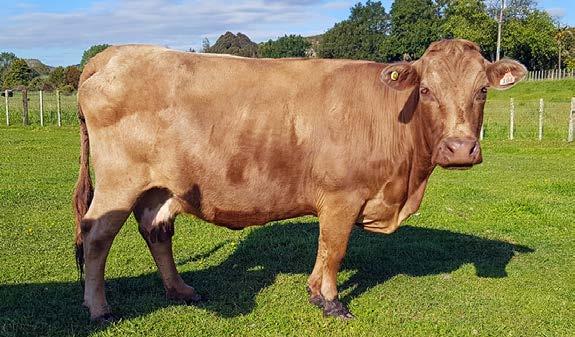
We continue with the story of Michelle Goodwin’s Pearson Dexter Stud near Whanganui.
Michelle’s property has a pumice base, providing a solid foundation for her cattlebreeding operation.
“I also lend a hand to the neighbouring farmer with his herd of 10 cows, and together we make good use of his 10-acre paddock by running drystock there. It’s a system that works well for both of us as breeding cows stay on our property, while the drystock winters next door.”
She’s found that Dexter’s gentle nature really shines when it comes to calving.
“If I ever need to assist, the cows are relaxed enough to let me help right there in the paddock. No need to yard them or confine them in a chute.
“It’s far less stressful for everyone, and much easier to manage in the moment.”
All of Michelle’s cattle are sold directly off the farm, with many buyers purchasing sight unseen.
“Thanks to clear photos and video footage, people feel confident choosing animals remotely. We offer delivery throughout the lower North Island.”
She sells her calves as weaners when they’ve reached around four to five months of age, although heifers are weaned a few months later.
“I’ve found they develop into stronger, more resilient cows when given that extra time. Timing can vary depending on seasonal conditions and feed availability.
“The market also plays a big role. Some years, demand is so strong I could sell the same calves three times over.”
Michelle said flexibility is the key to balancing animal health, pasture
management and market timing. Half of the herd calves in autumn and the other half in spring to balance feed availability.
“This ensures we never have more stock than we can comfortably support.”
Daily interaction pays off with some of Michelle’s cows gentle enough to hand-milk in the paddock. The cows also happily allow Michelle to check on their newborn calves without any fuss.
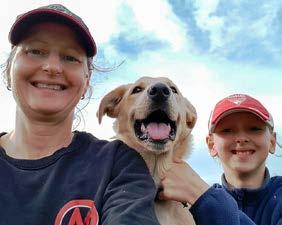
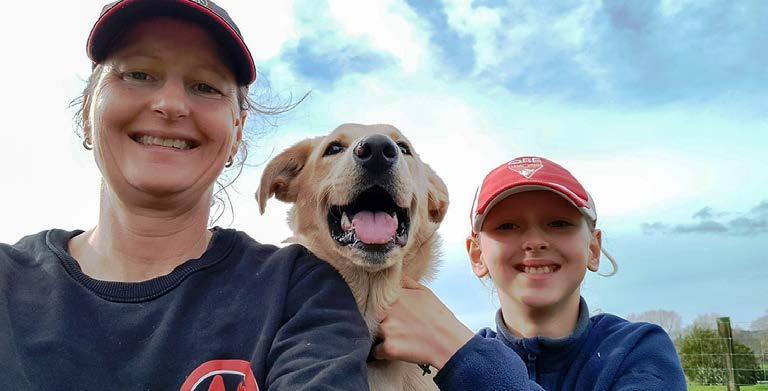
Michelle and her daughter Elizabeth with one of their foster dogs
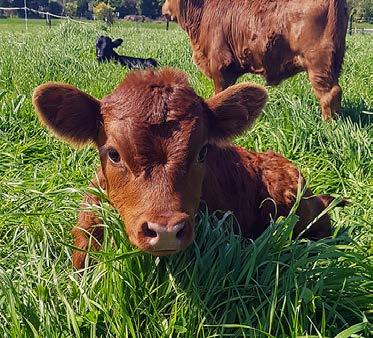
“One of the true joys of the breeding season is watching the calves play and race around in the evening light. It’s a moment that never gets old.”
As the smallest and one of the oldest British cattle breeds, the Dexter developed from native Irish cattle. The breed’s developer, Mr Dexter of Ireland, achieved success producing well-performed compact cattle, ideal for smallholdings.
Renowned for its milk productivity and quality of beef, Dexter cattle are also surefooted and do well on rugged country.
The dual-purpose breed first arrived in New Zealand in 1904, and a small herd was established. However, it wasn’t until the 1990s that the Dexter experienced a surge in popularity, particularly among smaller block owners.
“There is growing popularity amongst dairy farmers for the use of Dexter bulls across the Jersey cows and for heifers due to the naturally low birthweight, short gestation period, and easy calving of Dexter progeny.”
Michelle has found Dexters to be a low maintenance, hardy breed with a natural resistance to worms.
“They have strong, healthy feet and rarely require intervention. I haven’t faced many of the challenges that other cattle breeders often encounter, which speaks volumes about the breed’s resilience and temperament.”
She said her cattle are on the larger size but still well within the breed standard, true to type, robust and versatile.
“Often people think that Dexters are miniatures, but they are not. The breed standard for cows’ preferred height is between 96cm and 108cm at the rump. For bulls, the preferred height is between 100cm and 114cm at the rump.
“One of the hardest parts of breeding them though is letting go of the replacement heifers or cows I’ve grown attached to, particularly those that are second or third generation. It’s never easy to part with animals you’ve raised and watched develop over time.”
Michelle’s involvement with the breed extends to her role as herd registrar for the Dexter Cattle Society of New Zealand (DCSNZ). She oversees all registrations, transfers and culls within the national herd.
“It’s my responsibility to maintain the integrity of the herd registry by ensuring animals are correctly recorded to their sire and dam, and that all DNA testing confirms they are disease-free.
“I also manage the transfer process, making sure new breeders receive the correct animals under their assigned breeder number.
“Beyond the administrative duties, I provide guidance and support to new members, helping them understand their responsibilities when it comes to breeding and registering Dexter cattle. It’s a role that combines precision, care and a deep commitment to the breed’s future.”
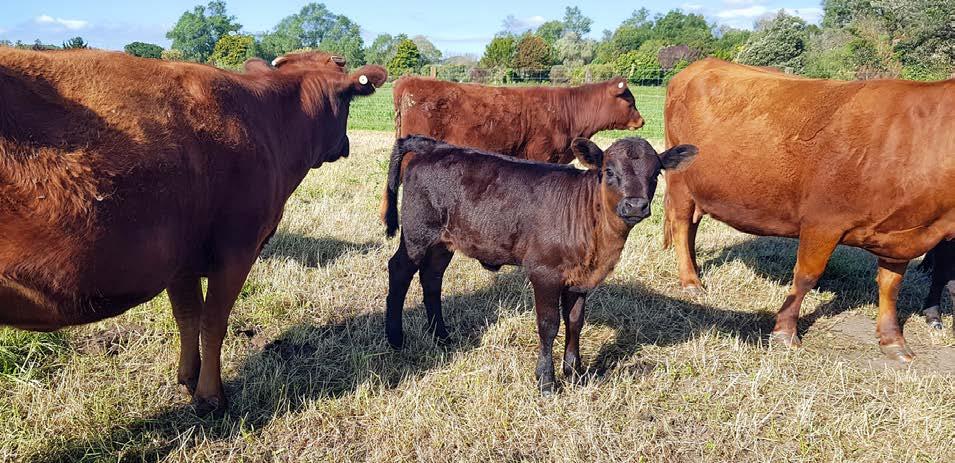
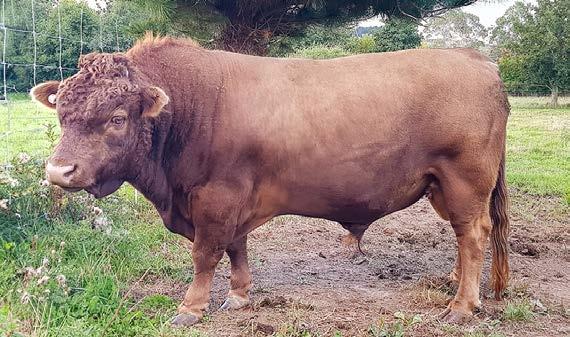
One of the stud’s former bulls Pearson Gilreath
Some of Michelle’s cows are quiet enough to hand-milk
Calves bred at Pearson Dexter Stud are sold as weaners
CHRONICLING CALF REARING JOURNEYS
by Denise Gunn
Interaction received on calf rearing posts on her personal Facebook page, led Taranaki dairy farmer LeAnne Blakelock to start a separate page, Calf Chronicles, dedicated to sharing her calf-rearing journey with others.
LeAnne and her husband Ian Powell are in an equity partnership with LeAnne’s parents, milking 320 cows on their Inglewood farm. LeAnne also has her own accounting practice.
Rearing the calves is one of LeAnne’s on-farm roles and although calf rearing information is available from different sources, she’s found it to be scattered.
“Some of it was technical, some of it was practical, some of it sat with vets or nutritionists or experienced calf rearers. Very little of it was pulled together in a way that helped me apply it to my own shed, my own calves, and my own system,” said LeAnne.
“My early results weren’t very good. The calves got sick. More died than should have. I was working incredibly hard, but I
LeAnne posts information all year round, but during spring content is posted directly from the calf shed
couldn’t reconcile the effort I was putting in with the outcomes I was getting.”
LeAnne recalls calf rearing felt like one of the loneliest, most stressful, and morally soul-destroying spaces for a few months every year.
As she began to learn more about the biology, nutrition, immunity, housing, hygiene, disease pressure and welfare side of calf rearing, she found the system complex and fascinating.
“The more I learned, the more I shared.”
Since setting up Calf Chronicles two years ago, there is now a following of nearly 7,000 people with some contributing their own information and different topics discussed.
“I have a very engaged audience, and people are often generous about sharing their own experiences, examples,
CBD Home Solutions
NO BULL JUST PAINT
questions and perspectives. That is hugely valuable because calf rearing is one of those areas where there is not just one farm, one system, one answer, or one perfect way of doing things.”
LeAnne said the aim of Calf Chronicles is to empower people to make better decisions for calves, for farms and for themselves. “At its heart, it is about welfare, understanding and confidence.
Not just saying do this, but helping people understand why it matters, what the science says, what the trade-offs are, and how the choices made in the calf shed reach much further than those first few weeks.
“A dairy heifer calf is the future herd. Her first feeds, colostrums, housing, health, growth and the way she is managed in those early weeks can shape
Calf Chronicles supports calf rearers, providing a place to chat about experiences
the cow she becomes. Her resilience, productivity, longevity and her ability to step into the milking herd all start long before she ever sees the platform.”
She also recognises the value chain of dairy beef calves.
“Calf Chronicles is about helping people see outside the farm gate. To understand that what happens in the calf shed does not stop at weaning. It follows that animal forward into welfare outcomes, beef performance, dairy productivity, industry reputation, and the value we are either creating or losing without always seeing it.”
Calf Chronicles supports calf rearers, too, as a place to chat about the pressure, hard calls, mistakes, mental load and learning.
“The bigger goal is industry improvement. Calf Chronicles is about helping dairy heifer and dairy-beef systems get even five per cent better productivity. Five per cent is a very achievable goal and across the industry, that is enormous.”
During spring, when LeAnne is directly rearing calves, she posts content that follows the everyday rhythm of the calf shed, capturing not just information, but also the mistakes, little wins, hard calls and funny moments.
Throughout the rest of the year, LeAnne finds a wide range of topical subject matters to post. Some posts are practical and science-based, and others may cover calf rearing issues or the human side of calf rearing.
“Sometimes there are bigger story arcs, like when I covered the New Zealand Mental Health Foundation’s Five Ways to Wellbeing as a five-part series.”
As the same basic calf rearing topics are naturally repeated each season, LeAnne often finds another angle, layer, season, science-based information or a practical example to add to the topic.
She thinks part of why Calf Chronicles has grown is that it’s real and doesn’t pretend that calf rearing is always easy, tidy or straightforward.
“If Calf Chronicles can help even a small number of people feel more confident, more supported, more curious, and better equipped to make good decisions, then it is doing something worthwhile.”
“With
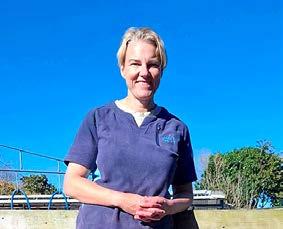
LeAnne Blakelock shares her calf rearing journey through the Facebook page she founded, Calf Chronicles
A wide range of calf rearing content is posted on Calf Chronicles
Recognising the value chain of dairy beef calves, LeAnne also rears bobby calves for Rose Gold Veal
by Andy Bryenton
Hail to search and rescue heroes
As professionals who go above and beyond, search and rescue first responders venture into danger to bring others home safe, and they have been honoured at this year’s New Zealand Search and Rescue Awards.
The award ceremony specifically recognises long-term contributions to search and rescue operations, outstanding bravery in the face of danger, and highlights the year’s single-most well-orchestrated search and rescue mission. However, the event also serves as a time to reflect on the courage, skill and resilience of all those who respond when the call goes out that people are lost or stranded.
“Our country has one of the largest and most challenging global search and rescue regions. It covers more than 30 million
square kilometres, which is one-twelfth of the Earth’s surface. This makes the sector’s work even more dangerous and treacherous,” said Associate Transport Minister James Meager, who presented the awards in mid-June.
The highlighted gold awards for 2026 don’t just tell a tale of individual courage; they are also a testament to organisation, planning, and support on the ground.
Moreover, they are a reminder that public generosity is often key to search and rescue success, whether it’s in the donations keeping rescue helicopters flying or the volunteer hours put in by people like firefighters and ordinary citizens, who step up to join search parties.
This year’s gold award went to Operation Artigau, a combined effort by more than 40 volunteers and five professional organisations to rescue missing tourist Hector Artigau.
“This was an intensive and dangerous operation involving five organisations and 40 Wānaka search and rescue volunteers, who over 20 days, contributed 823 hours of their own time. Two search and rescue dogs and their handlers were also brought in to help. It was a huge collaborative effort,” Mr Meager said.
Top search and rescue heroes included Coastguard veterans Carolyn Tapley and
Keith Allen; the former helmed a rebuild of rescue services in Lyttleton after the Christchurch earthquakes, while the latter has orchestrated rescues on the high seas and atop Mount Cook as part of a decades-long career. Mr Allen is held in such high regard that the Tauranga Coastguard base is located on a street named after him, Keith Allen Drive.
“Each of these awards tells a story of the extraordinary lengths and efforts
people have gone to — to help those in their time of need. I believe they celebrate the very best of New Zealand: our people, culture, values and connection to the outdoors,” Meager said.
“I congratulate all the award-winners for this well-deserved recognition of their outstanding effort and thank them for their service, professionalism, passion and unwavering selfless commitment to helping others.”
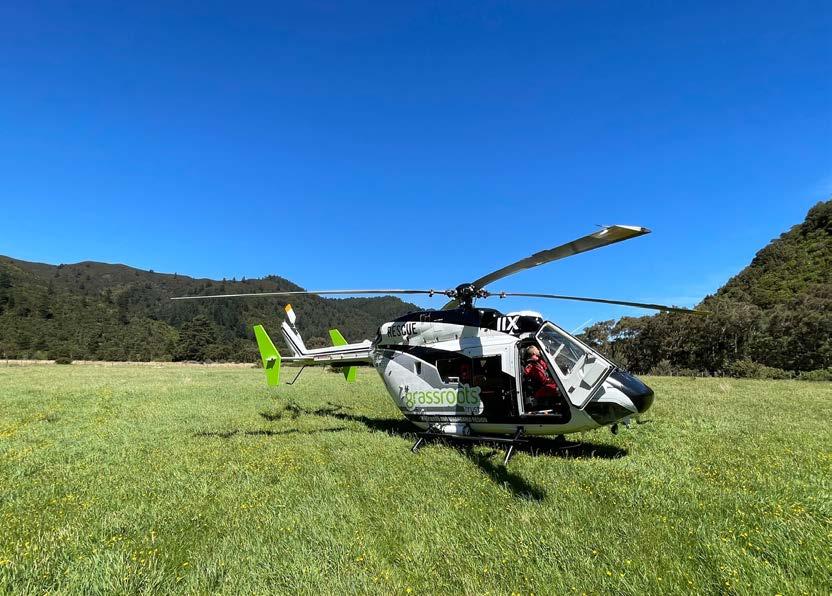
Rescue crews, whether in the air, at sea, on land in search parties or working behind the scenes in planning, deserve praise for their commitment and courage
by Andy Bryenton
Steam ploughs weave with iron
In modern times, a ‘shuttle’ means a van which zips through traffic faster than a bus, or perhaps a spaceship able to launch and land over and over again, but in the past it meant something very different.
In 1863 steam was king, and a growing population in Europe looked to innovation and engineering to boost farm production and feed the masses. John Fowler of Leeds had already founded a company making traction engines, powerful steamdriven machines not tied to the rails like a locomotive, but they had a big problem when it came to agriculture.
A traction engine could not plough a field in muddy conditions, because it weighed almost as much as a railway locomotive. Compaction of the soil is a huge issue for modern tractor makers, which can utilise treads and tracks, composite materials and advanced tyres to offset the weight of big agricultural machines. John had to contend with unshod wheels and tonnes of red-hot iron.
Nevertheless, Fowler had witnessed the Irish potato famine first-hand, and reasoned that better soil drainage and improved efficiency could save lives. The answer was in the name of the factory he set up; the Steam Plough Works. There, the concept of the shuttle was redefined.
The shuttle John Fowler knew of was used in weaving, and especially in the textile industry that had boomed in tandem with the industrial revolution. A shuttle passes back and forth across a loom to weave thread into fabric, and John saw a way to plough fields without his
powerful but heavy machines ever getting their wheels stuck.
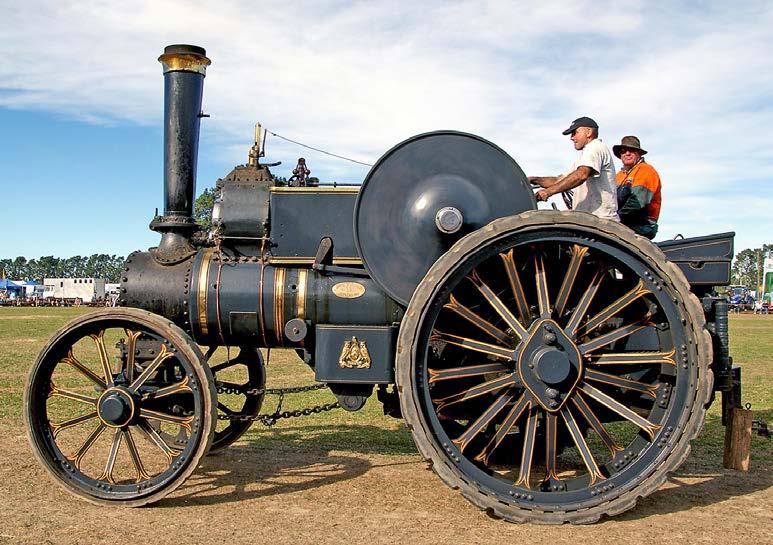
His idea was to position a traction engine on each side of a large field, then attach a cable drum sideways under both machines. This looked like the winch on a modern off-road truck, and as the cable was reeled in on one traction engine, it reeled out on the other. Halfway down the sturdy cable was a double-ended plough, which could be tipped back and forth.
To plough a furrow, the blades were reeled in by the immense torque of the steam engine on one side of the field, then reversed and pulled back to the other, using the second engine. Moreover, because both machines were on wheels, they could creep forward as the shuttle plough did its work, covering 20 acres each day, in a time when a horse could plough only one or two. It was a revolutionary idea for its time, and Fowler’s company
went on to manufacture more than 2,100 cable plough systems, exporting them around the world. Shuttle ploughing was the pinnacle of mechanised farming all the way through until the invention of the internal combustion tractor.
A Fowler road locomotive of the kind adapted for shuttle plough use in the Victorian era
DAFFODIL DAY
FRIDAY 28TH AUGUST 2026
AG FIR S T
“With your help, there is hope! Sharing our full support with the CSNZ this Daffodil Day”
Ph: 06 929 4557
41 Bowen St, Feilding
“Proud to stand beside our community and support Daffodil Day”
Ph: 06 323 0903 www.centralparts.co.nz
“Proud to stand beside our community and support Daffodil Day.”
44 KIMBOLTON RD, FEILDING 06 323 4054
“With your help, there is hope! Sharing our full support with the CSNZ this Daffodil Day”
“Proud to stand beside our community and support Daffodil Day”
Ph: 06 329 9712
M: 027 221 9481 office@himatangitransport.co.nz
“Proud to stand beside our community and support Daffodil Day”
166 works road, Longburn 027 777 0982 www.jasescaffolding.co.nz admin@jasescaffolding.co.nz
“With your help, there is hope! Sharing our full support with the CSNZ this Daffodil Day”
Office: 06 327 5263 John: 027 445 8410
“Proud to stand beside our community and support Daffodil Day”
This year marks the 36th anniversary of one of the most important charitable fundraisers in our community, the annual appeal for the Cancer Society New Zealand.
We likely know this occasion better as Daffodil Day, a time for reflection, commemoration and hope for the future symbolised by garlands of bright yellow flowers.
While it seems that the yearly event has been part of our calendar forever, in fact, it’s a recent addition to the works of the CSNZ. The first-ever Daffodil Day was organised for the start of spring in 1990, the year when New Zealand turned 150. It turned out to be a great idea, raising awareness as well as funds. Still, it’s notable that the Cancer Society had been operating for 61 years before that date.
Founded in 1929, out of a desire to offer support to Kiwis and their families battling cancer, the CSNZ has always been at the forefront of both treatment, diagnosis and education, as well as practical help for cancer patients and survivors. In those early days, the Cancer Society lobbied hard for support. It established a consultation clinic in 1930,
with follow-up services coming online just a year later. In 1933 a radiological medical specialist was hired, putting the CSNZ at the front of known treatments and diagnosis methods. Education has always been a priority for the CSNZ. From ensuring that Kiwis take precautions out in the sun to telling doctors and nurses in those early years what to look for when it came to early detection of cancer symptoms. Doubtlessly, the knowledge disseminated by the CSNZ has helped save lives. It’s now common knowledge that we should keep a close eye on moles and skin spots,
“With our help there is hope!”
Ph (06) 327 6045 219 Broadway Marton
“With your help, there is hope! Sharing our full support with the CSNZ this Daffodil Day”
Ph: 06 322 1860 centralhousemovers.co.nz
for example, and have regular check-ups.
In 1950 cancer research in Auckland began, when Dr JF Burton was granted a cancer research scholarship in pathology. That was to be the beginning of a wideranging and continuing campaign that has linked up with doctors and scientists worldwide, looking for ways to cure or prevent cancer in all its forms.
By the time of the 1979 jubilee year, the CSNZ was a major force in Kiwi medicine, looking to the future. By 1990, the scope and variety of the services they offered meant it was necessary to apply modern techniques to their fundraising, branding their message with a bright symbol of hope. The daffodil, legendary as the herald of spring and held in many worldwide myths and legends as an icon of rebirth, was chosen. Thirty years on, we still honour the commitment and hard work of the Cancer Society New Zealand through its image.
“Proud to support the search for a cure” 06 323 0001 info@adoresalon.co.nz adoresalon.co.nz
“Proud to support the search for a cure”
Ph: 06 356 7860
16 The Square, Palmerston North 16onthesquare@healthforlife.co.nz
“Proud to stand beside our community and support Daffodil Day”
Aaron Boyd: 027 323 2693
Ph: 027 538 5518 ruraltyres@gmail.com
The daffodil is a symbol of new life, and was chosen in 1990 as the icon of the Cancer Society NZ’s annual campaign
Farmers often develop sore joints (Part one)
by John Arts
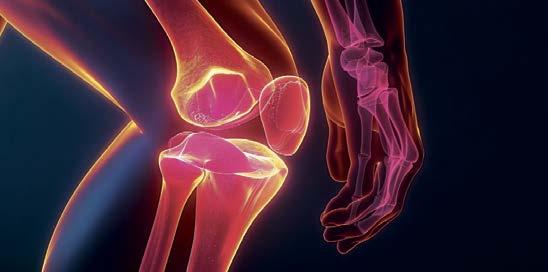
New Zealand farmers often develop osteoarthritis due to the physically demanding nature of their work.
Farming involves repetitive movements, heavy lifting, prolonged standing, and frequent bending, all of which place significant strain on the joints, particularly the knees, hips and hands.
Over many years, these repetitive stresses can lead to the gradual breakdown of cartilage, which is the hallmark of osteoarthritis. The outdoor environment also exposes farmers to variable weather conditions, which may exacerbate joint pain and stiffness.
Additionally, farming is a year-round occupation with limited opportunities for rest or recovery, increasing the risk of chronic joint overuse. Many farmers also start working at a young age and continue well into older age, further compounding the wear and tear on their joints over decades.
The real question is what to do about it, especially if joint deterioration does not warrant surgery. While anti-inflammatory medications help relieve pain, they are hard on the body and do not address the main disease process behind cartilage loss.
Cartilage is dynamic tissue dependent on special cells called chondrocytes to
maintain and repair cartilage. They do this by making and secreting new cartilage matrix, which includes chondroitin sulphate. If these are damaged, or die, the tiny patch of cartilage they maintain soon disintegrates.
Adding 800–1,600mg of high-grade chondroitin can make a huge difference. Chondroitin is by far the most important compound available through supplements. While glucosamine is important, I regard this as a supporting therapy. Adding the latest water-soluble curcumin (from turmeric) can be helpful by reducing joint capsule inflammation.
My client files include many farmers who have had significant benefits of this type of therapy with most getting notable improvements in flexibility, mobility and comfort. To learn more, email me for a copy of my osteoarthritis programme and start your journey to better joint health.
John Arts (Adv.Dip.Nut.Med) is a qualified nutritional medicine practitioner. To read more by John and the Abundant Health products, visit healthhouse.co.nz, call 0800 140 141, or email john@ healthhouse.co.nz.
many, joint health deterioration is the first obvious sign of aging. Gradual erosion of cartilage, is by far the most common issue.
What is Bettaflex?
Bettaflex is the most popular supplement in the Abundant Health range because of its positive support for joints affected by wear and tear, helping Bettaflex users to support mobility and quality of life.
How does Bettaflex work?
Bettaflex has been formulated to support joint comfort and mobility, making it an ideal supplement for those seeking support for joint comfort and stiffness. Bettaflex combines high-grade chondroitin sulphate,
Expo returns to Rotorua
Whether you’re a farmer, hunter, angler, 4X4 enthusiast or simply enjoy the outdoors, the New Zealand Fishing, Hunting & 4X4 Expo is shaping up to be one of New Zealand’s biggest outdoor lifestyle weekends.
Returning to Rotorua’s Energy Events Centre from August 14 to 16 2026, the expo has grown from humble beginnings into a major national event, attracting more than 11,000 attendees in 2025, with over two-thirds travelling from outside the Rotorua region.
The expo opens at 3pm on Friday, August 14, followed by full days from 9am on Saturday and Sunday, giving visitors plenty of time to explore the huge indoor and outdoor exhibition areas.
covering topics such as surfcasting, freshwater fishing, hunting, game preparation, butchery and outdoor skills.
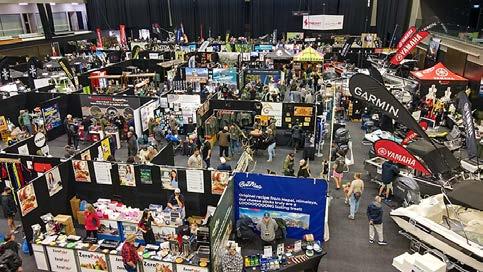
More than 100 exhibitors will showcase the latest in hunting, fishing, marine, 4X4, camping, overlanding and outdoor lifestyle products. Whether you’re looking for a new boat, upgrading your hunting gear, planning your next camping trip, or checking out the latest vehicles and equipment — there is something for every outdoor enthusiast.
A major highlight is the Big Four Rotorua competition, running from Wednesday through to Sunday. Teams of five compete across four iconic species, including wild boar, red deer, rainbow trout and pheasant, with the competition culminating in a live weigh-in and prizegiving at the expo on Sunday afternoon.
The weekend also features a packed programme of workshops and demonstrations
Families are well catered for, with activities for children, great food vendors, entertainment and plenty of hands-on experiences throughout the weekend.
Visitors can also enjoy the popular Show & Shine display and 4X4 Flex Comp, showcasing some of New Zealand’s most impressive off-road vehicles and builds.
At just $10 an adult online or at the gate, and $20 for a family pass, the New Zealand Fishing, Hunting & 4X4 Expo offers one of the best value family days out on the Bay of Plenty events calendar. It is a great excuse to get off the farm, catch up with mates and spend a day immersed in New Zealand’s outdoor lifestyle.
For more information and tickets — visit wildnzexpo.co.nz.
by Amy Fifita
In honour of national sport
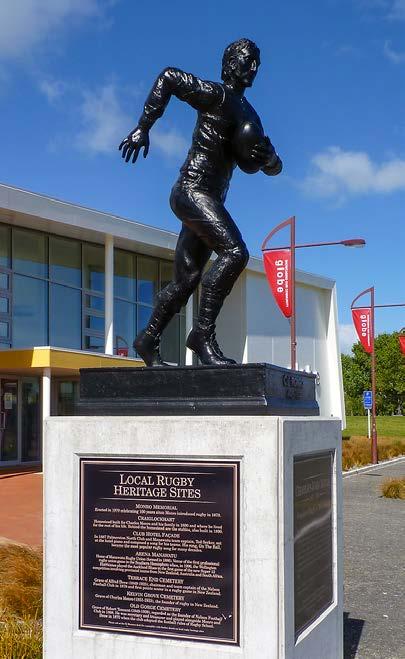
Palmerston North holds a special part of the nation’s heart with stories, activities and memorabilia at the New Zealand Rugby Museum.
While old-timers may proclaim that rugby is not as ‘tough’ as it used to be, the sport still holds a special place in the hearts of many Kiwis.
While many rugby greats were raised on paddocks, like Sid Going and, more recently, Sam Whitelock, game memorabilia and tales of those who helped strengthen it can be found in the city.
Situated within Te Manawa Museum, at 326 Main Street, Palmerston North, fans of the oval-shaped ball sport can delve into what makes rugby the country’s favourite. Visitors can even hone their skills at the Have-a-Go area or peruse relics of former years.
Formed 57 years ago, and with a well-established society backing it, the museum encapsulates and preserves the heritage and history of rugby in New Zealand. The facility emerged as the first-ever museum dedicated to rugby, and while New Zealand holds second place in world rugby rankings, the museum remembers a time when it held the number one spot.
Fifteen years ago, the museum relocated to its current location and was ready for New Zealand to host the Rugby World Cup for the second time. Celebrating all modes of the sport, the Rugby Tribe space is forever changing with new exhibitions featured before the next one comes in.
For the bookworms and researchers out there, the Discovery Library stores many books about the sport, but the history extends to other parts of the museum.
The Rugby Relics’ section covers every decade from 1870 all the way up to 2010, showing just how far the sport has come.
This museum is a space for young and old rugby fans, a nod to our nation’s number one sport and a place to value the evolution of the game. Whether you’re a rugby player with aspirations at playing professionally or someone who cheers from the sidelines, there is something for everyone at the museum.
For more information, go to rugbymuseum.co.nz, look it up on Facebook or contact 06 358 6947 or email info@rugbymuseum.co.nz.
Visitors are welcomed by the memorial statue of Charles Munro, the man credited with bringing rugby union to New Zealand shores
Sallan Realty: a rural story still growing
In the late 1990s, when rural New Zealand still ran on early starts, hard-earned trust, and a handshake that meant something, Les and Sharon Cain were already on the road through the Tararua and Manawatū, helping farmers navigate the biggest decisions of their lives; buying and selling the land that carried generations of work, pride and identity.
Coming from farming backgrounds, they understood early that rural real estate was never just about hectares, soil types or capital value. It was about people, legacy, timing and the courage it takes to change direction. That understanding became the heartbeat of Sallan Realty, formally established in 2002 as a boutique rural agency built on one clear promise; a genuine and personal service without compromise for the farming community.
Over the years, Sallan Realty became closely associated with dairy farm transactions. It helped some clients gracefully scale back after decades on the land, and supported others to unlock the value they had built over a lifetime of early mornings, droughts and good seasons. At the same time, one of the most rewarding parts of the journey has been guiding first-farm buyers into ownership, watching ambition turn into gates, paddocks and a place to call home.
As New Zealand’s appetite for rural and lifestyle living has grown, so too has Sallan Realty’s reach. Farm sales have naturally flowed into lifestyle opportunities, giving rise to new beginnings for families seeking space, privacy and a stronger connection to the land.
Today, Sallan Realty, a 100% locallyowned business, operates from a lifestyle property on the edge of Palmerston North. It’s a fitting base for a small, dedicated team that still believes in doing things properly: direct communication, honest advice, and being present from the first conversation through to settlement day.
Whether you are considering selling a farm or stepping into a lifestyle block, Sallan Realty is ready to help you take the next step with confidence.
If you would like to talk to one of our team, call 0800 SALLAN (0800 725 526) for a free and confidential chat.
SPOTLIGHT ON PALMERSTON NORTH
Twin turbos and tuned for toughness
by Andy Bryenton
Nissan’s new Navara comes with a legendary name, a fresh, rugged
The Navara badge rose to prominence in the 1980s with the unbreakable D21, but refinement has been the byword for successive generations since. In this spirit, the current Navara comes with more technology and smarter engineering, making it both a more relaxed place to spend those highway hours, and a dependable co-worker for farmers and tradies.
Nissan, Mitsubishi and Renault share design and development know-how in this era of big-budget new-vehicle innovation, but to set the Navara apart there’s been some substantial man-hours of research put into the new ute’s suspension set-up. This took place in the gruelling proving grounds of Australia, and has resulted in a measured, substantial steering feel, transitioning from tarmac to unpaved surfaces. It’s an option on every one of the four grades of Navara, right up to the range-topping Pro-4X, and it’s one country drivers will appreciate.
Under the hood you’ll find a 2.4-litre diesel producing a handy 201 horsepower, and an even more appreciable 470 Newtonmetres of torque. This engine comes with not one but two turbochargers; one to build
fast boost and another to feed the motor for maximum power. The upshot is smooth, motive force without any waiting around — this certainly adds to the Navara’s crisp on-road manners. Nissan knows a thing or two about turbos, especially when they come in pairs; just ask anyone who loves the legendary Skyline.
While in this case it’s a ute that’s received the benefit of Nissan’s technical knowledge, the result is equally tuned for its specific niche. The Navara is designed to work, designed to haul tools and equipment, camping gear and materials. It’s designed to tow a hefty 3.5 tonnes, too, so your powerboat or your small excavator can come along for the ride. Better yet, this voluminous ute does it all while delivering fuel economy of just 8.8 litres for every 100 kilometres.
Now we get to the impression, the looks, and the way in which form mirrors function in this new generation. While all of the Navara range comes with sleek new steel, it’s the flagship Pro-4X which wears it best, boasting lava-red exterior flashes, big, aggressively stanced alloy wheels, custom red accents and stitching in the well-appointed cabin.
Creature comforts include a nine-inch infotainment screen, dual zone climate control, heated seats and support for Apple and Android phones.
Manawatū Nissan has examples on display right now, and a test drive is well recommended to see just how far the Navara has advanced in this latest generation.
Nissan Navara roars back on to Kiwi roads (and off them) with a new generation tuned for both work and recreation
New outdoor power equipment range
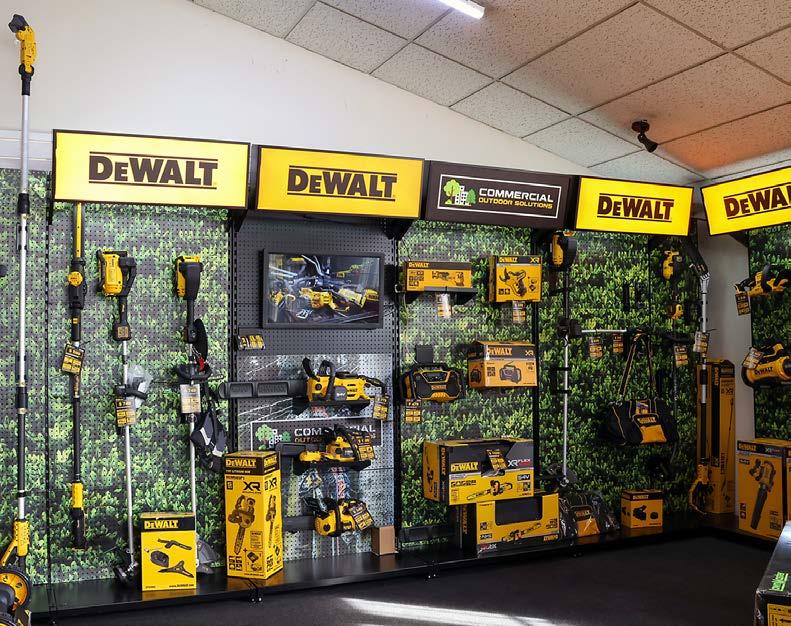
Central Mower Services Limited, Manawatū’s trusted name in outdoor power equipment for over 15 years, has added another reason for locals to shop close to home — they’re now proud stockists of DeWalt outdoor power equipment.
DeWalt is owned by Stanley Black & Decker, the world’s largest tool company, and that heritage is exactly why the brand carries such trust with tradespeople and homeowners alike. Central Mower Services now stocks the full DeWalt outdoor range in-store at 696 Tremaine Avenue, including exclusive dealer-only products not available everywhere.
To celebrate the launch, selected DeWalt kits come with a bonus battery included — a great way to get more cordless power for less. The offer runs through July, while stocks last — terms and conditions apply.
Behind the advice counter is Rob, who brings 40 years of experience in outdoor power equipment to every conversation. “We take the time to make sure you get the right product for the job,” he says. “It’s not about the biggest sale — it’s about the right one.”
As an independent, family-run dealer, Central Mower Services only stocks tried and true, reliable equipment — no gimmicks, just gear that lasts. If you spot the same item cheaper elsewhere, the team
encourages you to come in and talk to them first. They’ll always try to be competitive, and they genuinely appreciate every local customer who chooses to spend their money in the community.
With 15-plus years of local service, decades of hands-on expertise, and now a top-tier outdoor brand behind the counter, Central Mower Services is well placed to keep Manawatū’s lawns, gardens and properties running smoothly.
Visit the team at 696 Tremaine Avenue, Palmerston North, call 06 355 2967, or visit centralmowers.co.nz.
The new DeWalt outdoor display now in store at Central Mower Services, 696 Tremaine Avenue — home to the full range, including exclusive dealer products and launch bonuses on selected kits
Waiting on a Project Information Memorandum can be frustrating, and the government insists that it’s stifling the ability for builders to swing into action, leading for calls for maximum wait times to be slashed.
Rules changes proposed in Wellington will truncate the amount of time councils can take to issue Project Information Memorandums (PIMs), effectively cutting them in half. It’s another plan from a duo of parliamentarians who have been very visible and vocal in the ‘red tape busting’ space during the past triennium: Building and Construction Minister Chris Penk and Local Government Minister Simon Watts.
“Fixing the basics and building for the future for New Zealand means taking a close look at every part of the building system to identify delays, remove bottlenecks, and improve productivity,” Mr Penk says.
“Project Information Memorandums, or PIMs, are an important part of the building process. They give homeowners and builders greater certainty about site-specific requirements, like natural hazards and infrastructure constraints, before a building consent is requested and construction begins.”
“Right now, the system can also undermine competition in our building consent market, with private building consent authorities required to obtain PIMs from councils before they can progress work. The government wants to ensure there is a strong incentive for councils to process those applications promptly.”
Councils can take 20 working days to process a PIM application, and that ‘working days’ appellation means that the reality is roughly one month. The slowest councils in the land are, on average, the biggest, according to MBIE’s quarterly figures, on issues of building consents in general. Kaipara, the Far North and Whangārei outperform Auckland in these metrics, for example. If the wait time should be cut back to just 10 working days, it’s likely that the smaller, more nimble councils of the north would adapt well, with minimal need for more staffing.
Mr Watts and Mr Penk say that such measures are necessary.
“To address these issues, the government will reduce the processing timeframe for all PIM applications from 20 working days to 10 working days,” they announced in mid-June.
“Faster processing times will help homeowners and businesses to get on with their projects sooner, improve competition in the building consent market, and reduce unnecessary delays and costs, as part of the government’s wider work programme to make building easier and more affordable for New Zealanders.
“Reducing PIM processing times will also particularly help our agriculture sector — by accelerating farm development, reducing costs, and improving investment certainty. It will help farmers and rural businesses to respond faster to market opportunities, environmental requirements, and operational needs.”
INSULMA X
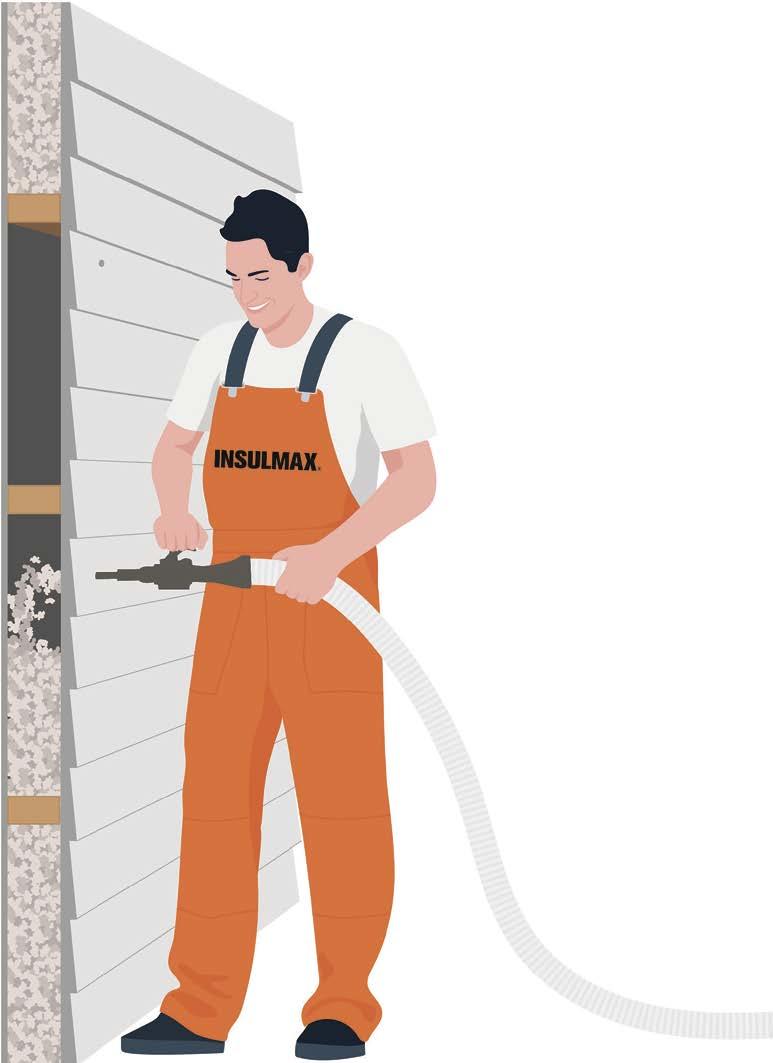
Warm, healthy homes start with blown insulation. If cold or damp are words you’d use to describe your home or if you’re tired of high heating bills, insulation is a major part of the solution. While heating solutions seem like the answer, reducing the amount of heat escaping from your home is the most cost effective way to get an energy efficient, warm, dry home. Contact us
For Home Owners DO YOU WANT THE WARM WALL FEEL OF A NEW HOME?
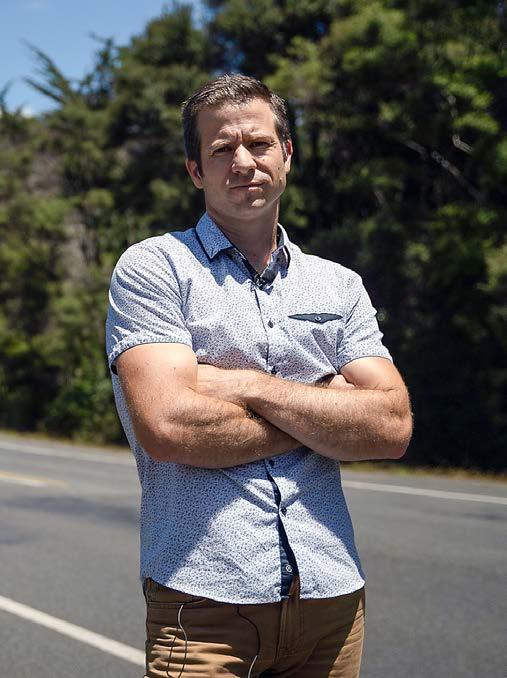
Building and Construction Minister Chris Penk wants faster reports and increased council efficiency to speed up building
Rural Building/sheds & shelters
by Liz Clark
With spring kicking in at the end of this winter, thoughts will turn
and buying the furniture to match.
Most decks and outdoor furniture use H3 or H4-treated radiata pine. However, other timber can be used, including eucalyptus, macrocarpa and tropical hardwoods such as kwila, balau and, more rarely, Fijian kauri. Alternative timbers can be attractive and durable. Still, before you jump into the vehicle and go off to the local hardware store to get your timber or outdoor furniture made from tropical hardwood, consider where it came from first.
If your furniture retailer is responsible, the wood the products are made from will carry a sustainable forest certification label, especially in the case of outdoor furniture. While it’s a great idea to have attractive wood tables and chairs, check before you buy that a sustainable wood certification label comes with the product you want to purchase. If there isn’t a label on the product, then check with the retailer where it was originally sourced.
The same applies to decking timber. Always check with your local timber merchant where that particular tropical
timber species has been sourced. All good timber retailers can provide advice and information on where their imported wood has been supplied from.
Tropical timber comes from regions such as Africa, Indonesia, South America and the Pacific Islands. Balau is a dense hardwood native to the Philippines, Malaysia and Indonesia. Kwila is sourced from the Indonesianruled areas of New Guinea. In recent
times, issues have been raised regarding illegal logging surrounding this particular hardwood species.
Fijian kauri is considered a fast-growing timber species. Still, according to a study by the Vanuatu Environmental Science Society, this tropical tree is now under threat. There are legal and sustainable logging operations globally that comply with international conventions on sustainable timber production.
According to the Ministry of Primary Industries website, tropical hardwood timber has the highest chance of being illegally or unsustainably logged. You can also check if the retailer is a member of the New Zealand Imported Timber Trade Group. Its members are importers and retailers that aim to only import and sell sustainable timber products.
For more information about the importation of tropical timber, visit the MPI website at mpi.govt.nz/import/forestproducts/combatting-trade-of-illegallylogged-timber.
Rural Building/sheds & shelters
by Andy Bryenton
Chainsaw safety in the spotlight
Chainsaw Safety Awareness Week has just passed, as winter motivates many of us to get out there and carve up a bundle of firewood.
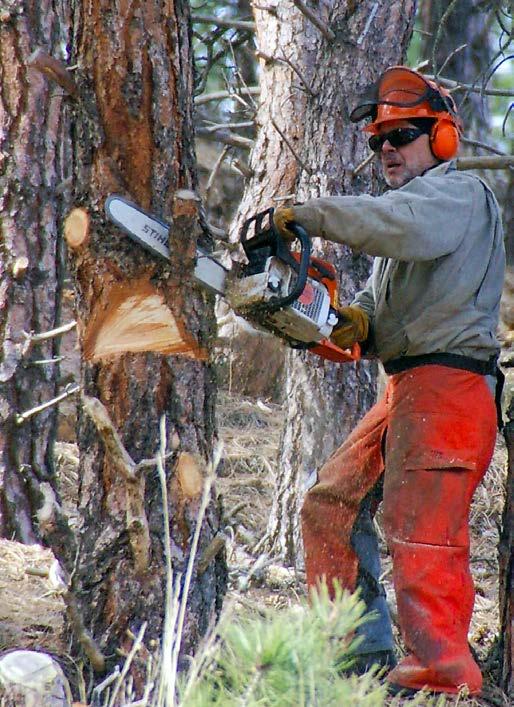
If you’re getting the chainsaw out of the shed this weekend, your work clothing should be snug-fitting, with no loose straps, belts or hems. It’s a good idea to invest in timber-worker chaps filled with fibres that clog the blade and save your skin in an emergency. Your shoes should be protective, fully enclosed footwear with non-slip soles and steel toecaps. Protect your hands with heavy-duty non-slip gloves, preferably in leather. Don’t forget to wear proper head, face and eye protection, as well as hearing protection if you’re using a petrol saw.
Next, check the saw itself. A rattly, rusty old saw with the wrong parts, half-bodged repairs or a dull, poorly tensioned chain is an accident waiting to happen, and a hassle to work with. If in doubt, don’t use the chainsaw, especially if you were not the last one to operate it. After a year in the shed it’s likely to need a service in any case.
Don’t forget to check your work area. Plan out your strategy when
cutting limbs or trees. Look out for power lines and tripping hazards. If you’re working at height, be extra careful and consider drop areas, as well as getting help to stay steady and safe.
Here’s what Stihl, the sponsors of Chainsaw Safety Awareness Week, say about proper chainsaw technique.
Keep two hands on the saw and hold it close to your body, with the body of the saw close to what you’re cutting. Plant your feet firmly and slightly apart for balance. Never try to adjust your chain or machine while the engine is running. Good maintenance will extend the chainsaw’s life and ensure it’s always safe to use. When you finish a job make sure the air filters, sprocket cover and chain brake mechanism are free from sawdust; clean the guide bar groove; oil the holes and check everything is in place.
Of course, if your old machine has passed its use-by date, the best thing you can do is send it off to the
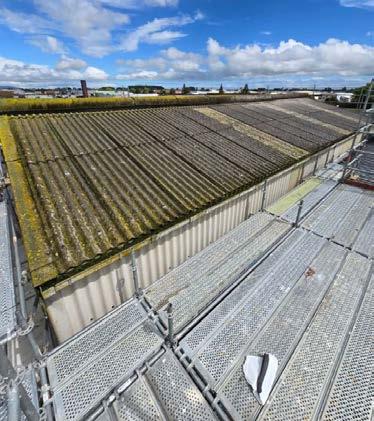
Asbestos and Roofing
As a dual-licensed trade specialist holding both active Class B Asbestos Removal qualifications and a comprehensive Roofing/LBP licence, our company provides a unique, fully integrated solution. Unlike traditional projects that require hiring separate removalists and roofers—which introduces scheduling delays and split liability—we handle the entire project in-house from containment to final handover.
Our seamless operational
great hereafter and invest in new technology. If firewood and small tasks are your main chainsaw jobs, why not take a look at an electric saw? They’re just as powerful as their same-size petrol counterparts, but are quieter, have less vibration, and use no fuel. There’s a whole range available at your local mower and chainsaw specialists right now.
These tips and techniques are great not just for piling up firewood for a cozy winter, but also for that other cold-weather outdoor chore; making sure that dicey branches and questionable trees are cut back to prevent disasters. If a powerful storm blows through, it’s best to have foliage out of the way, and a safe, efficient saw is your best friend when calculating a pruningback strategy.
If it looks like it’s a big, dangerous, high or complicated job, or if you’re unsure if your non-commercial chainsaw is up to the task, consult an arborist and stay safe.
methodology guarantees single-point accountability, streamlined project timelines, and maximum protection for your property against the elements.
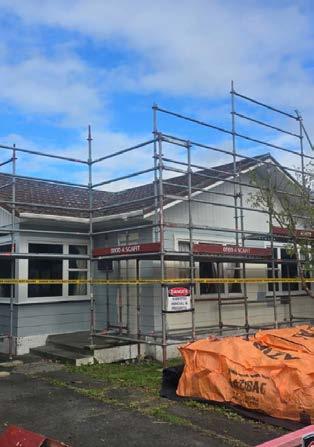
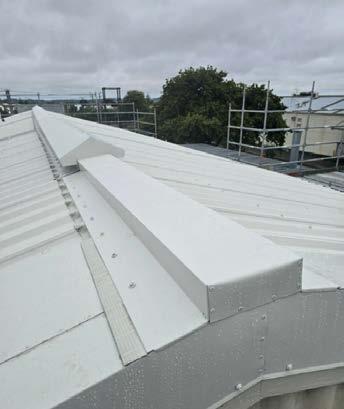
Decramastic tile conversion to Coloursteel long-run roofing solutions. With qualifications and licenses to remove asbestoscontaining decramastic tiles and install Coloursteel long-run roofing systems, we deliver comprehensive services under one roof. Our business
model allows for competitive pricing without compromising profit margins, enabling us to employ the best professionals in the field. Take a look at another local decramastic tile roof conversion project and arrange your free quote today.
From firewood chores to tall timber, chainsaw users who respect their tools know that safety gear comes first
Rural Building/sheds & shelters
by Paul Campbell
Essential installation
Good insulation means lower energy bills, warmer living, and seeing the end of damp and mould thus enhancing family health. A drier and warmer climate reduces the risk of winter ailments, respiratory problems and allergies, too.
Add to that noise reduction and for the really environmentally-aware lessening that family carbon footprint, then good home insulation is a no-brainer. Enter then Mates Rates Insulation with its commitment to providing exceptional insulation installation.
“Our partnership with the Kainga Ora Healthy Homes initiative and our expertise are proud reflections of this goal,” says company director Angela Star. “We’re dedicated to simplifying the H1 regulations and Healthy Homes process for builders, developers, property managers and landlords. Our joy derives from swiftly delivering highquality work that consistently exceeds expectations.”
Sanson-based and covering the wider home installation and commercial market, Mates Rates is known for speed, precision and professionalism.
“Clients trust us to get the job done right. We are trusted installers for a wide network of property managers and landlords around
the North Island, relationships built up over years through our dedication to delivering excellence from first contact to delivery on every install.”
Industry overwatch under current rules, including the Healthy Homes and H1 regulations, bring new layers of compliance considerations for both retrofit and new build projects.
“Navigating these regulations can be a complex task, but with Mates Rates Insulation, you’re not alone,” says Angela. “Our team is thoroughly versed in all the relevant regulations, ensuring your retrofit or new build project seamlessly aligns with the required standards as applicable.
“Our expertise in insulation installing guarantees that your home will be an epitome of comfort and health, meeting all standards and regulations. With a focus on healthy homes, we use quality materials to ensure optimal insulation even if your home or project falls outside H1 regulations.”
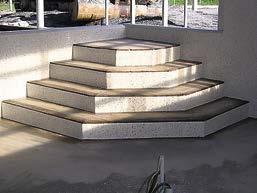
Rangitikei Floorings
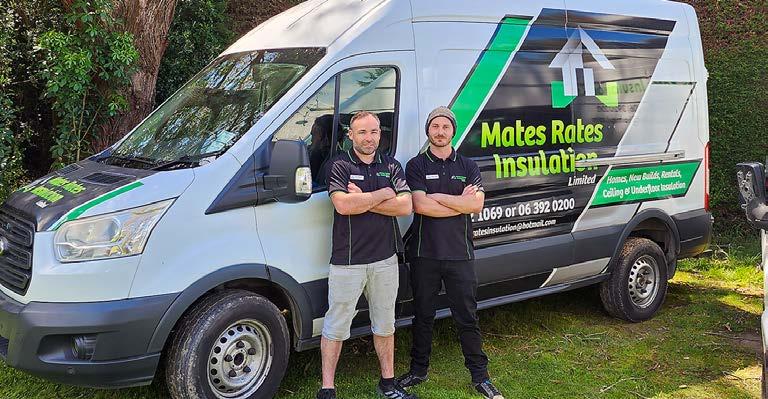
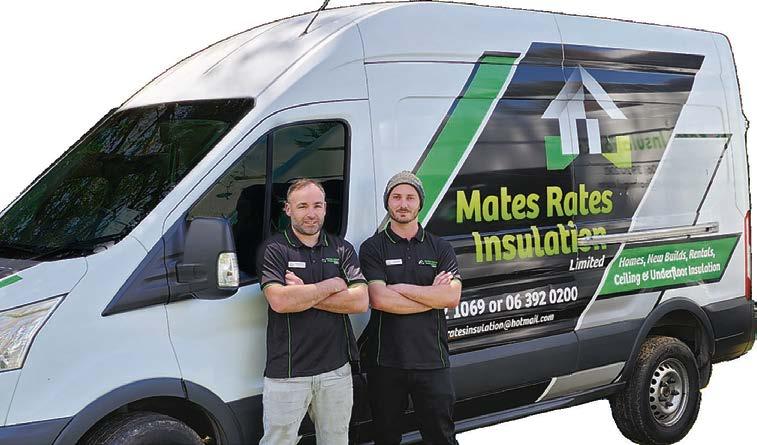
Mates Rates Insulation staff. From left: Kon and Jody, on the job
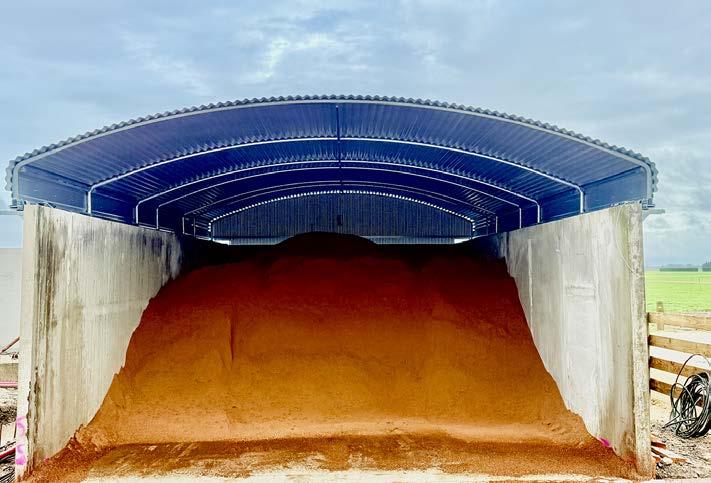
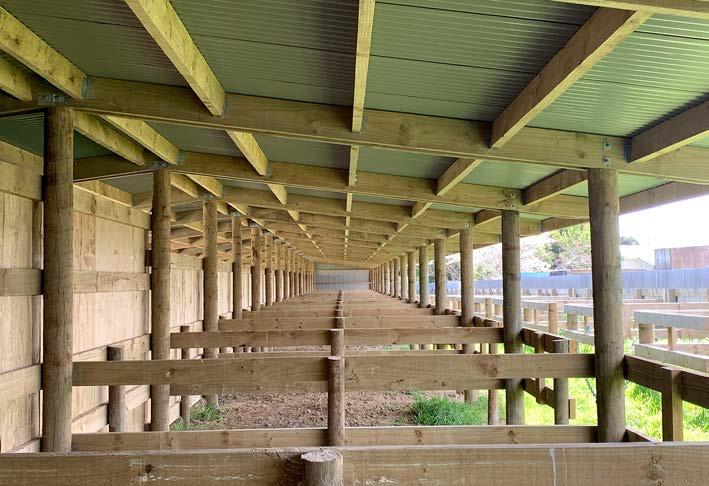
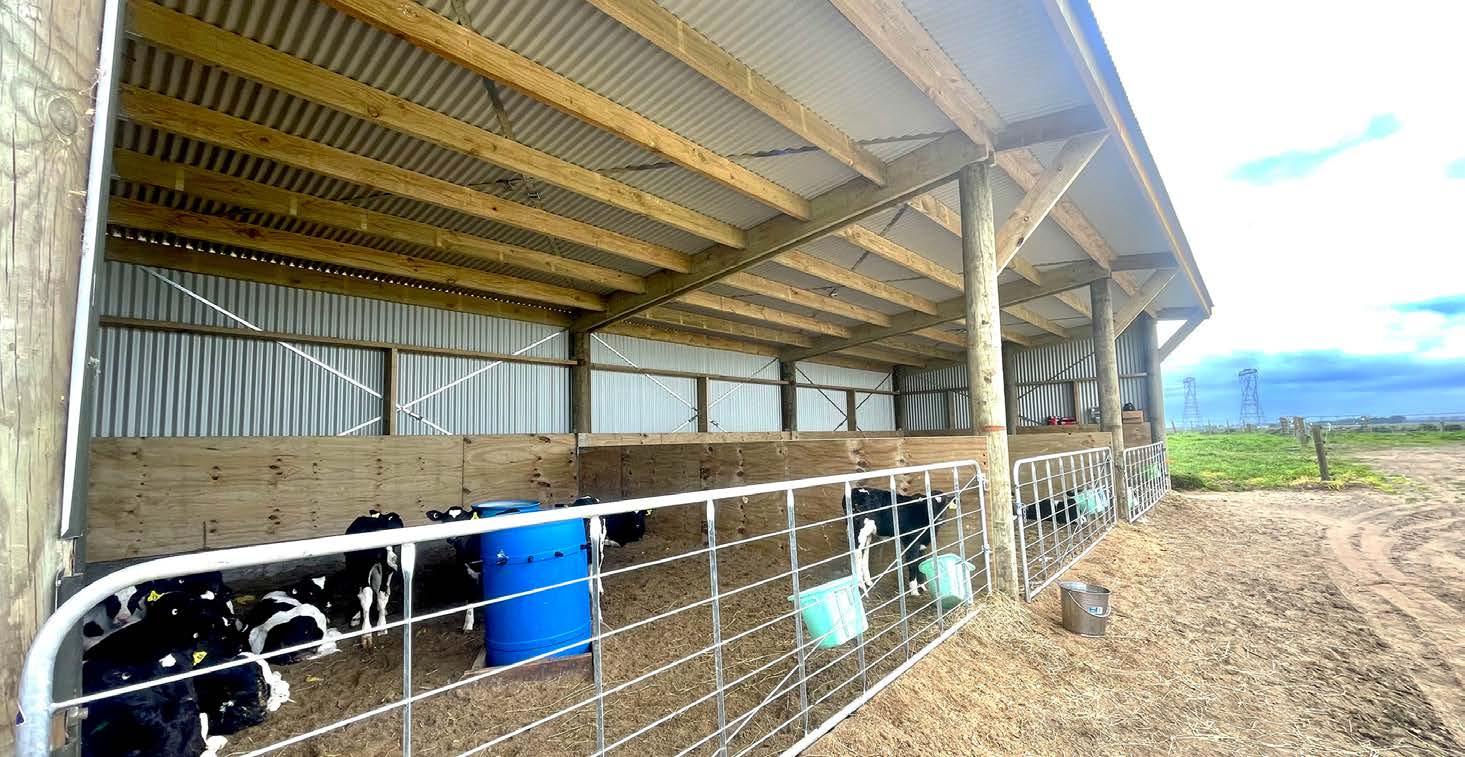
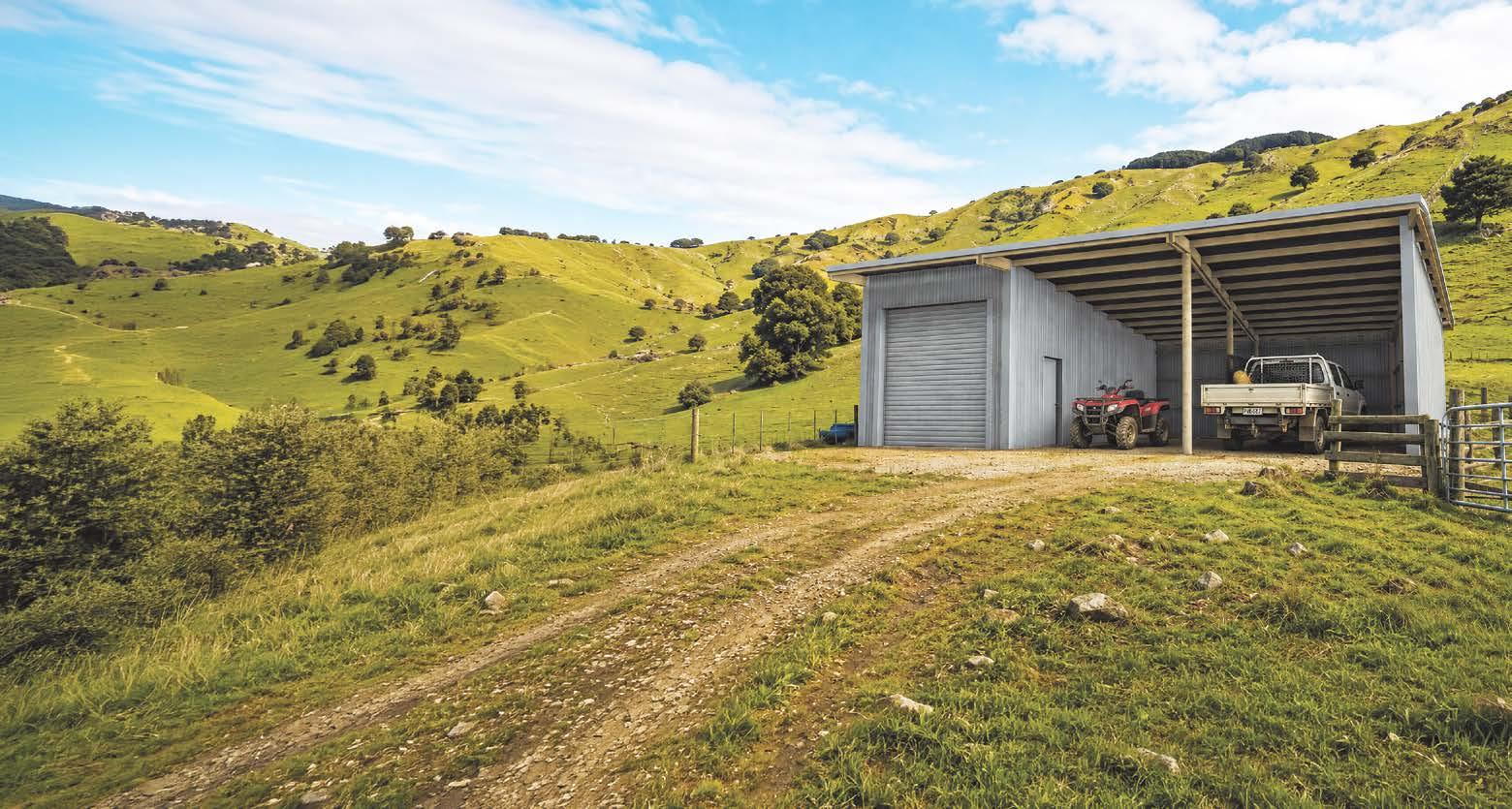
With a wealth of experience and knowledge when it comes to all farm style buildings, we can build new or upgrade existing structures to suit.
No matter the size or the style, we can project manage the entire process for purpose built requirements.
Rural Building/sheds & shelters
Creating lasting value
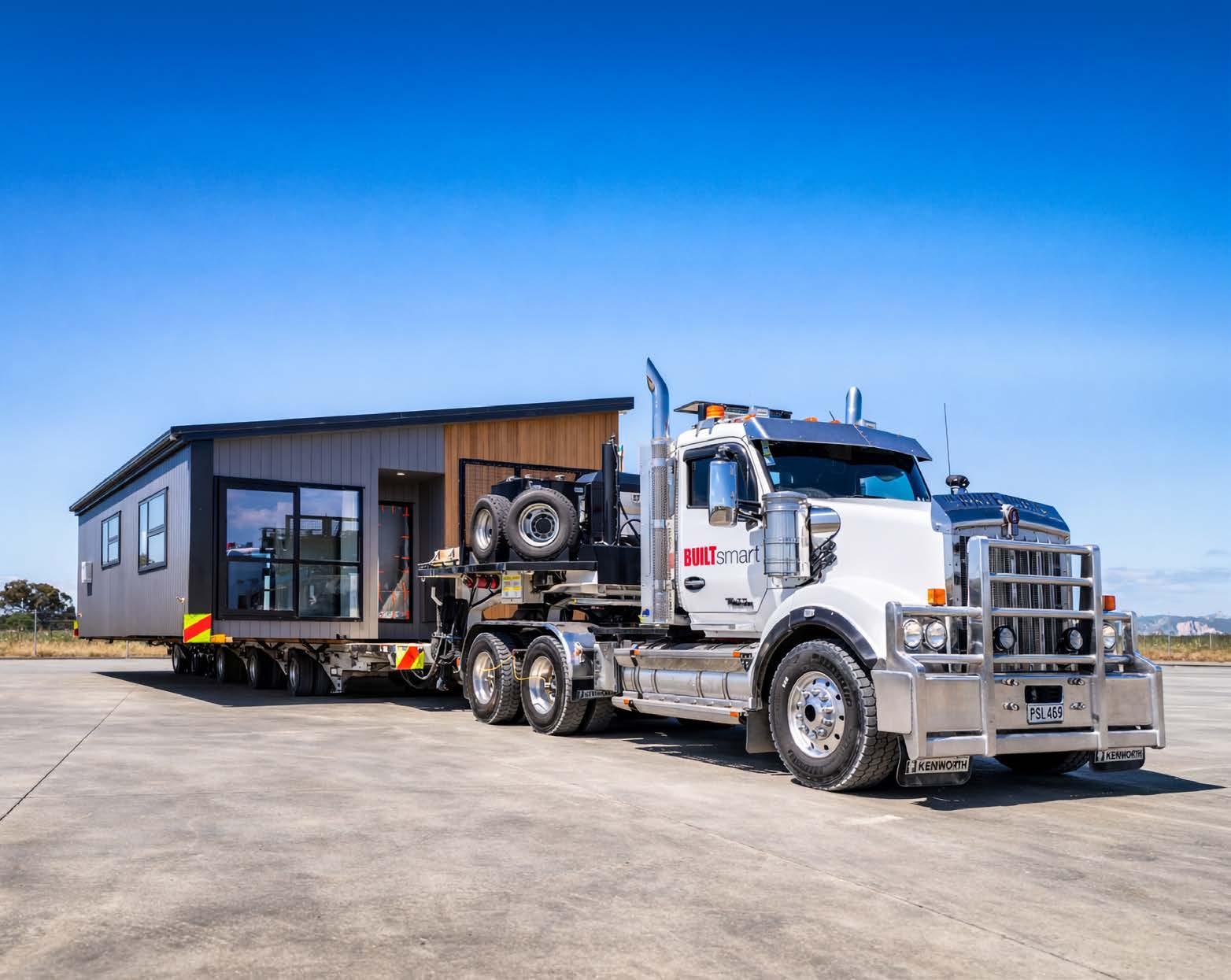
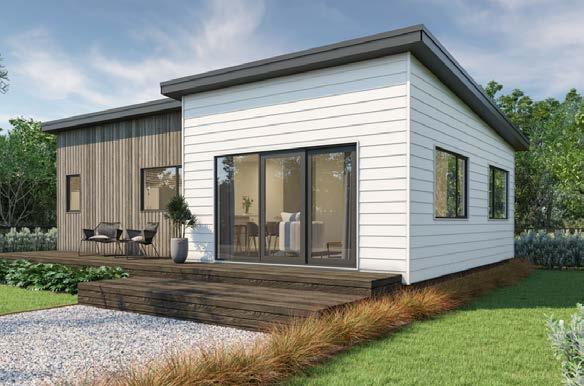
When it comes to delivering affordable, high-quality transportable homes across New Zealand, Builtsmart continues to set the benchmark.
Affordability isn’t achieved by cutting corners — it’s achieved through experience, efficiency, scale and a commitment to doing things the right way.
Builtsmart has invested heavily in purpose-built manufacturing facilities designed specifically for efficient home construction. Unlike traditional building methods that can be affected by weather delays and site constraints, our custom factories allow homes to be built faster, with greater consistency and less waste. These efficiencies translate directly into savings for our customers.
One of the biggest advantages Builtsmart offers is capacity. With one of the largest production capabilities in the transportable housing sector and factories strategically placed around the North Island from Huntly, Gisborne to
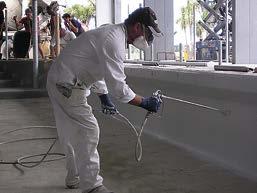
LEADERS IN QUALITY PAINT FINISHES
Feilding, we can take on projects of all sizes, from individual homes through to large-scale residential developments. While many builders face long waiting lists and resource shortages, Builtsmart continues to grow its workforce and expand its operations to meet increasing demand.
At the heart of the business is a strong family culture. Builtsmart remains family-run through and through, with values centred on hard work, honesty, reliability and long-term relationships. These principles have helped build a trusted reputation throughout New Zealand and have been a key factor in the company’s continued growth. Our track record speaks for itself. Builtsmart has successfully delivered multiple large housing developments in partnership with iwi organisations and
government agencies, helping provide quality housing solutions where they are needed most. These projects demonstrate not only our ability to deliver at scale but also our commitment to supporting communities and creating lasting value.
By combining industry-leading capacity, efficient manufacturing, a growing and skilled team, and genuine family values, Builtsmart offers a range of exceptional homes at highly competitive prices. It’s a simple formula that has made us one of New Zealand’s most-trusted and affordable transportable home providers.
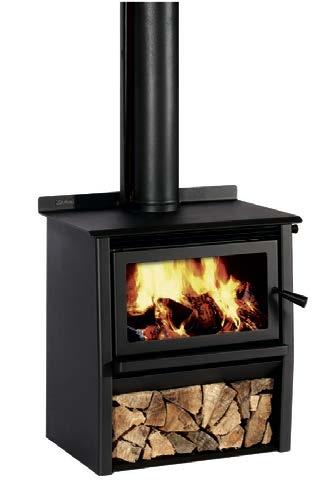
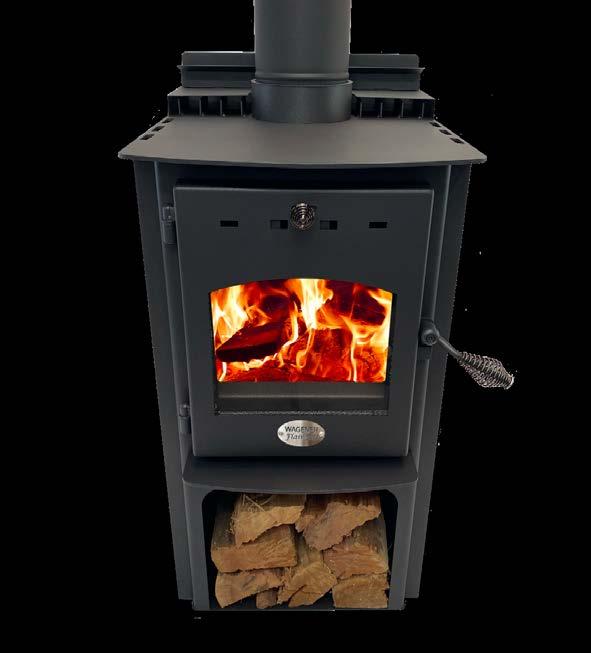
Wagener Flair
She’s dressed to impress but it’s her hidden talents that make her extra special. She has streamlined panels and loves to dress up so customised coloured panels are available. Her fixed base has a removable cover providing an alternative look along with a wood storage option.
Flair is a solid mid-range fire designed to captivate and comfort your kiwi household along with a generous stove top cooking surface to nourish the family. With her Wagener genes underneath she’s built tough for top performance and to stand the test of time.
by Amy Fifita
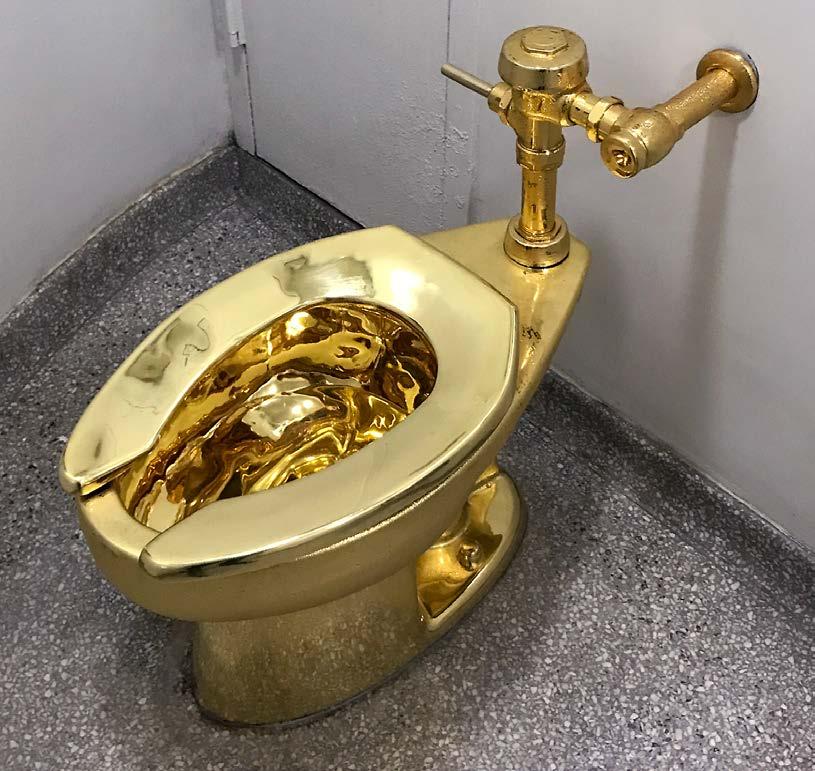
Humourously called the throne, some people have taken the colloquial term literally and have gold toilets in their establishments or homes.
While most of society is more bothered about the function of the humble toilet, some people have taken luxurious living to new heights by installing a gold toilet in their throne rooms. Moreover, while some exist as an artistic pot shot at wealth and consumerism, some are intended for prestige and power.
Luxurious bathrooms have been around for centuries, but some say that gold toilets are more of a modern trend. Some high-end hotels offer gold toilets, whereas others are placed in museums for guests to marvel at and use. While the wealthy enjoy the luxury and status of their opulent ablutions, some turn it into bathroom humour, showing the absurdity of it.
One such lavish lavatory is located in Hong Kong. Made by jeweller Lam Sai-wing, the loo is solid 24-carat gold; its prominence extends beyond the toilet bowl. The tiles, door and sink
are also solid gold, and visitors have to wear plastic coverings on their shoes to enter. The jeweller was inspired by Vladimir Lenin, who envisioned using surplus gold to build public toilets, making fun of capitalist greed and waste.
Knowing the toilet is simply a place to sit your bottom, another artist, Maurizio Cattelan, made a functional toilet sculpture. Named America, the 103-kilogram, 18-carat solidgold loo sat at Blenheim Palace in Oxfordshire on loan from Solomon R Guggenheim. It was stolen in 2019, with the culprits convicted last year. A second casting of the gold toilet was sold beyond its bullion value in 2025.
Whether made for satire or luxury, gold toilets exist as a reminder that everybody poops, whether they are in the higher echelons of society or your everyday down-to-earth person.
The Guggenheim Museum displayed America by Italian artist Maurizio Cattelan in 2017, before its disappearance from Blenheim Palace in 2019