BigQuestions inClassrooms


WhyShouldWeCareforthe Earth?
Leadschools
Spalding Parish C of E Day School
Wrawby St. Mary’s C of E Primary
Coningsby St. Michael’s C of E Primary
Leadstaff
Claire Hearth
Megan Balderson
Ruth Pobjoy
Charlotte Hickerton

Tellingthe
storyofour project
We decided to look at the idea of sustainability and climate change through the lenses of Science and RE We wanted the staff, and pupils to consider how ideas around this were both similar and different for people with different worldviews We also wanted to encourage staff and pupils to think about how they could use their learning from one curriculum area to develop their understanding in another The challenges we faced were finding time in the curriculum to look at this, so we decided to have a special week where the focus every afternoon was on our big question – why should we care for the Earth?
The week went well, and we had lots of positive feedback from staff and pupils The responses we got across the school, from EYFS to Year 6, showed high levels of engagement from the children and demonstrated how their ideas developed over the course of the week. The week culminated in each class coming up with a social action project on a sustainability theme which they plan to carry out We really enjoyed completing the project and feel it had a real impact on our schools We will now go on to share this with the other schools in our Trust.
Thinkingaboutconnecting waysofknowinginREand
Science
During the week we used the three disciplinary lenses of RE learning, Theology, Human / Social Science and Philosophy, to challenge the children. We emphasised the links between these and the skills we use in Science.
For example, the scientific idea of researching using secondary sources linked well with the Human / Social scientist in RE who may look at several sources of evidence to draw a conclusion We talked about how scientists observe changes over time, and how that links to a philosopher who may consider why these changes have occurred.
The children noticed that people with all sorts of beliefs and worldviews did similar things to look after the planet, but not necessarily for the same reasons. The children’s understanding of sustainability certainly increased and they are still referring back to the week’s learning now, several months later
Thinkingaboutthe EEFImplementation Considerations
The EEF recommendations for implementation were really important We ensured that all staff and pupils understood why we were carrying out this series of lessons Staff were given time and resources to support their teaching so that they had the relevant subject knowledge and felt confident in delivering the week. Staff CPD sessions ensured they were all prepared and enthusiastic about delivering the programme.
“Thechildren’sunderstanding ofsustainabilitycertainly increasedandtheyarestill referringbacktotheweek’s learningnow,severalmonths later.“

Deeperdialogues
As a result of this project, we all had several interesting conversations, often being stopped in corridors to discuss something the children had said or noticed during the week
Staff feedback was extremely positive about the resources produced and shared and we were told that this made the project much easier for them to implement, rather than having to spend time finding things for themselves.
Sustainingthisworkinthe future
We are now going to spread the project across the trust using our network meetings for RE and Science subject leaders to disseminate the work we have done We are also looking at other opportunities for linking together Science and RE learning with other big questions

Resourcesandoutcomes
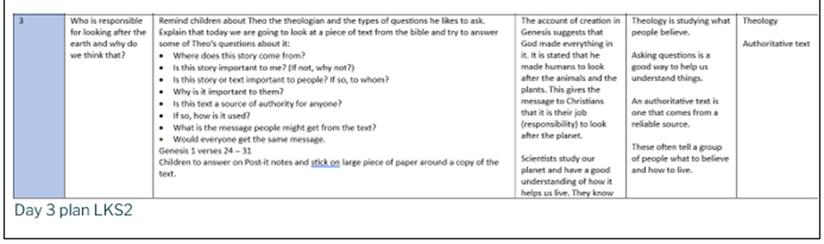
1: Plan for lower Key Stage 2
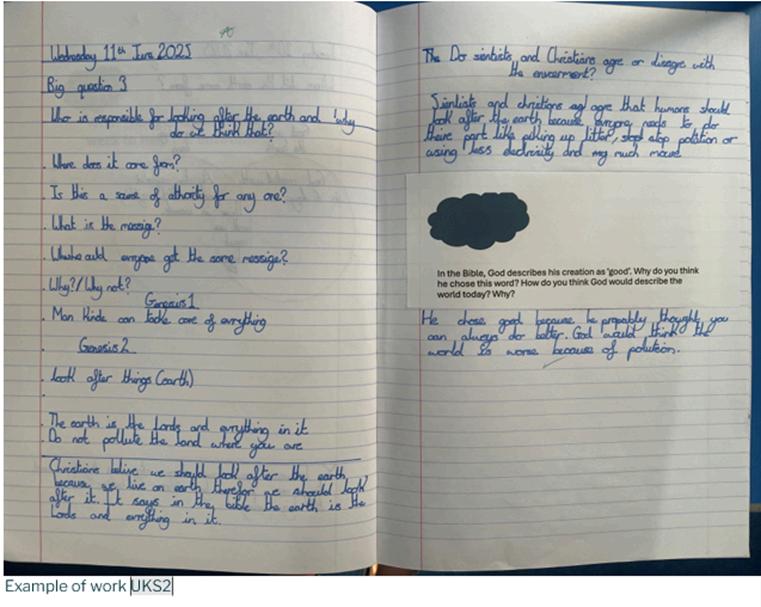
2: Examples of work from Upper Key Stage 2
Figure
Figure
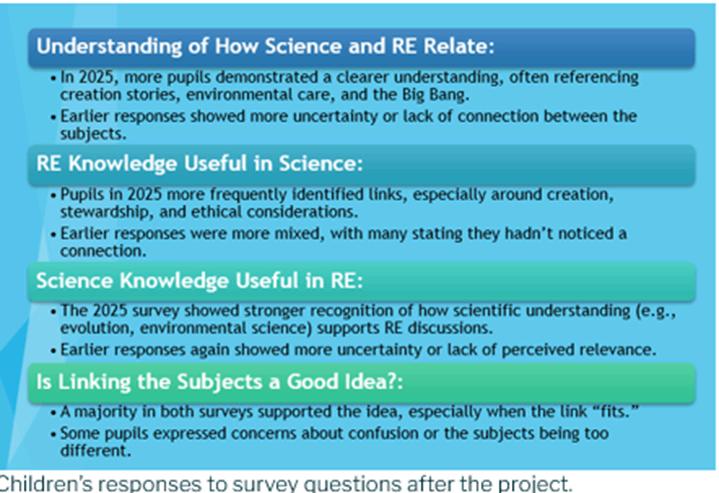
Figure 3: Children’s responses to survey questions.