People’s Post Grassy Park/Retreat E-edition 14 April 2026
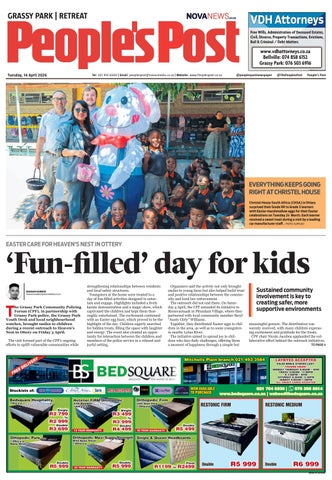
TGrassy Pa po ce,the Grassy Pa YouthDeskand localneighbourhood watches, broughtsmilestochildren during arecentoutreachtoHeaven’s Nest in Ottery on Friday 3April.
Thevisit formed part of theCPF’s ongoing efforts to uplift vulnerable communities while oughly entertained. eexcitementcontinued with an Easter egghunt, whichprovedtobethe highlightofthe day. Children eagerlysearched forhiddentreats, filling thespace with laughter andenergy. Theevent also createdanopportunity forinteraction between thechildrenand membersofthe police serviceina relaxedand joyful setting
partneredwit ocal commu ty member Bery “Aunty Girly” Williams.
Together,theydistributed Easter eggs to children in thearea, as well as to some youngsters in nearby LotusRiver
Theinitiativeaimed to spread joytochildren whofacedaily challenges,offeringthem amomentofhappiness througha simple but
“The decrease in fatalities is an encouraging result andshows that stronger enforcementby ourtrafficofficers andbetterbehaviour by road usersare making adifference
“Thisincludesa 36,1%dropindriving under theinfluenceofalcohol arrests, suggestingthat constant visiblepolicingiseffectively discouragingrisky behaviour.”
Atotal of 108motorists were arrested for drivingunder theinfluence, with thehighest alcoholreading recorded in Vredendalat1,46 mg/l,morethan five timesthe legallimit Trafficofficers also removed293 unroadworthyvehiclesand identified 1778 unlicensed vehicles
Authoritiesalsouseddronestomonitor pedestrian movement andpublictransport areas.
However, nine pedestriansand sevenpassengers lost theirlives,withmanyincidents involvingpedestrians walkingonhigh-speed roads, oftenunder theinfluenceofalcohol
Although totalarrestsdroppedby29%,indicating some behaviouralimprovement,officials warn that speeding, reckless andnegligent drivingremainmajor risks.
Therecentproceedings of theMadlanga Commission have againbrought this tension into focus, particularly throughevidencegiven underconditionsofanonymity Awitness referredtoonlyas“WitnessD”appeared before thecommission underprotective arrangements
Theuse of anonymityisnot procedural detail It is asignalthatdisclosurecarries risk It acknowledges acentral contradictionthat truth-telling in formal settingsisnot always a neutralact
SouthAfricansoften assume that silence or hesitation in such forums stemsfromfear of prosecution. Butthe realityisoften more layered.
It includes retaliation, reputational damage, andthe destabilisationofnetworksthatonce provided protection or influence. In systemsshapedbypatronage,political contestationand institutionaloverlap,those risks arenot theoretical. They arelived realities. This does notabsolve witnessesofresponsibility to be truthful.Accountability depends on testimonythatisaccurate,consistentand complete Withoutit, oversightmechanismslosetheir effectiveness.
Butitdoescomplicatethe assumption that full disclosure is simply amatterofwillingness. Thereisalsoa psychologicaland environmentaldimension that is frequently overlooked in public interpretation of testimony.
Memory is nota fixedrecord.
It is shaped by stress, isolation, time and circumstance
Witnesseswho areincarcerated, underinvestigation,ortestifyingfromrestrictive conditions mayexperiencerealdifficultyrecalling events with precision.
This createsa gapbetween what is demanded andwhatisrealistically available. Commissionsand parliamentarycommittees continue to rely on theprinciple of fulldisclosure
Butthe environmentinwhich that disclosure is produced oftenunderminesits completeness. Theresultisnot necessarily deception. It is oftenfragmentation
This tensionsitsatthe heartofSouth Africa’s accountability architecture
On onesideisthe expectationthatpublic hearings will reveal thefulltruth of complex networks of wrongdoing
On theother is asystemthatcannotfully protectevery witnessfromthe consequences of what they reveal Even when legalprivilege applies, it does not extend to alloutcomes. Testimonycan still guideinvestigations, shapemedia narratives, or shiftpolitical andlegal scrutiny onto individualsand institutions in ways that aredifficult to predictorcontain.Thisiswhy inquiryprocesses oftenproduce partialnarrativesratherthan complete accounts
Foundationbuildinglearners
KEANANHARMSE
The Kezlei Foundation (TKF)hopes to make ameaningfulimpactondisadvantaged communitiesthrough its Literacy andReading Initiative,aimed at improvingreading skills andfostering a love forbooksamong younglearners.
Thegroup is hostinga fundraiser, Storytelling Sunset Dinner, on Saturday 18 April, which aims to raisefunds whilepromoting aculture of storytelling with allthe proceeds goingtowards theirliteracyprogrammesfor impoverished learners on theCapeFlats
They hope to expand theirprogramme to areassuchasGrassy Park,Heathfield, Parkwood, Manenberg, HanoverPark, Nyanga,Gugulethu, Khayelitshaand othercommunities
Theorganisationwas foundedin2015by ChantalLeibrandt andbornfromthe passion of threevisionary mothersand community activists whoidentified acriticalneed forresources to support impoverished community members strugglingtoaccess educationand learning opportunities.
LITERACYINITIATIVEAIMSTOUPLIFTYOUNG LEARNERS
What startedassmall readingsessionsand artworkshops in localschoolshas growninto acomprehensive programme reaching over 15 schoolsand impactingmorethan1 200 children
At itscorethe programme promotes aculture of reading. “Wepromote aculture of reading andstorytelling that inspires curiosity, creativity, andimagination,” Leibrandtpointed out. “Webuild learners’confidenceand improve theirfutureopportunitiesthrough ourreading andartscreativityprogrammes.”
ShesaidTKF hopestoexpandits programmes
‘Werescue and rebuild lives’
NAMHLAMONAKALI
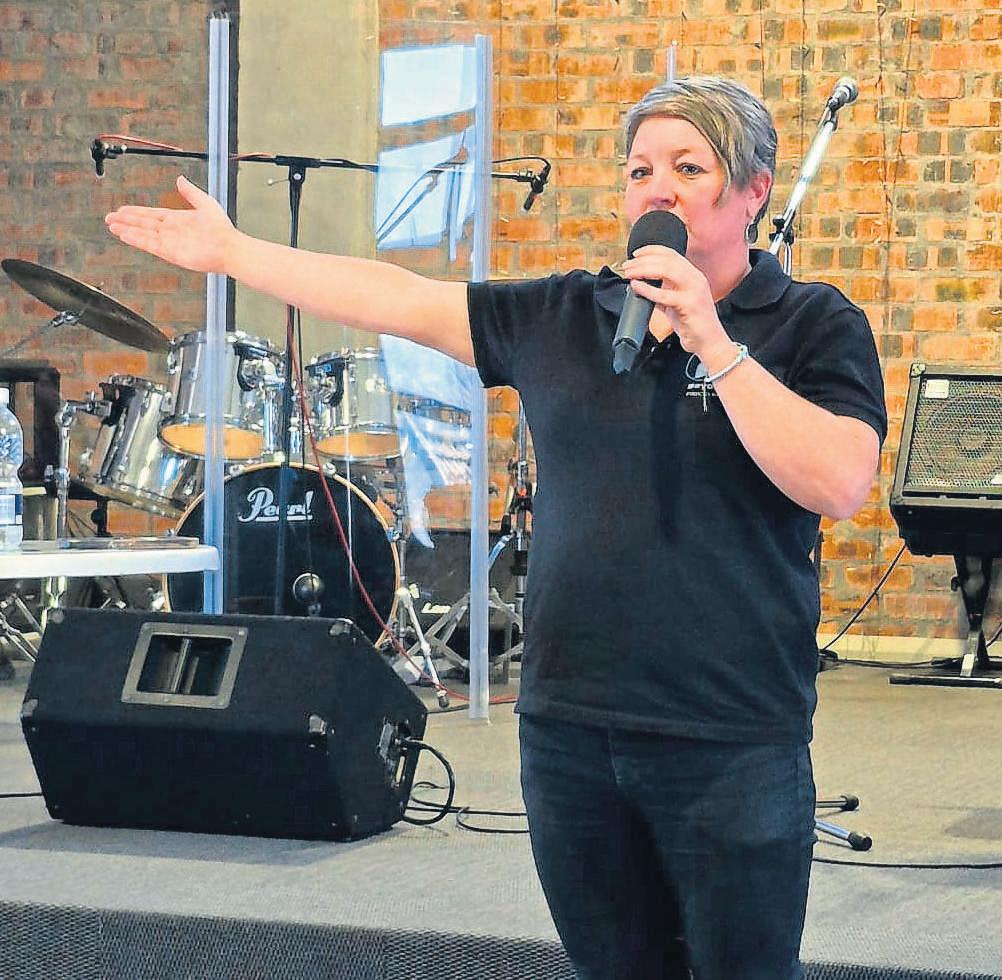
At27, Salome Geiger arrivedinCape Town alone, withoutknowing anyone,stepping into alifeshe describesasbothexcitingand overwhelming. “The last 15 yearshavenever been easy,” shesaid. “I didnot know anybody before Icamehere. Everything wasexciting,but also made me ask, ‘WhatamI getting myself into’?”
Originally from Germany, Geiger grew up in afaith-centred home andsaysshe always knew shewantedtoworkwithchildrenand vulnerable women. “I always knew Iwantedtobea kindergarten teacher, andI knew Iwantedto
COMBAT TRAFFICKING AND EXPLOITATION THROUGH PREVENTION,AWARENESS AND RESTORATION
be amissionary,”she said.“Ihad theprivilege of growingupina lovely home centredinfaith, andI wanted to make Godknown andshare that.” Herstudies in earlychildhood development (ECD)took heracrossEurope, including Germanyand Spain, whereshe experienced contrastingapproachestolearning.
“InGermany,itwas allabout play,” shesaid.
“InSpain,itwas more academic.The people were so friendly,and it gave me alovefor the nations.”But it washer arrivalinSouth Africa that wouldshape herpurpose in unexpected ways.“Ihavenever seen povertysoclose to oneanother,” shesaid. “Fromthe beginning,I worked in aplace of safety,and it wasshocking.”Despite thechallenges,she says South Africa also offered connectionand community “South Africans areveryhospitableand open-hearted,” shesaid. “I have made really good friendsherethatI stillhavetoday.” Geiger’s passion forvulnerablewomen is deeply personal.“It is my ownexperienceof walkingthrough abusethatgavemea passion forvulnerablewomen,” shesaid. During hertimeinAmsterdam,she encounteredwomen involved in prostitution,an