


























Thousands of Western Cape parentswho appliedfor GradeR,1 and 8placementsfor next year have untilMonday15Juneto confirm aschool
TheWestern Cape Department of Education(WCED)releasedthe outcomes of theon-time admissionsapplications on Thursday 28 May. Thedepartmenturged families nottopanic if they do not receiveanimmediate offer
DavidMaynier,Ministerfor Educationinthe WesternCape, said schoolsdetermine theoutcome of admissionsbased on theiradmissionspolicies.
“Atthe pointwhenoutcomesare firstreleased, asubstantial number of learners will have received multiple offers. Forexample,last year more than 40 000 learners hadmultiplesuccessful outcomes at variousschoolsand were ‘double parked’onthe system.”
Mayniersaidwiththousands of learners holdingmultipleoffersat once theadmissionsprocess was expected to shiftsignificantly in theweeksahead as spaces beginto open up across schools.
“Itisimportant to note that more than 46 000 learners received two or more offers, andastheir parents confirm theirchoiceofschool more than 64 000 places will stillopen up to be offered to otherparents.”
WHATTHISMEANSFORPARENTS
Maynierstressedthatthe admissionsprocess continues well beyond theinitial releaseof results, with significant movement in placements expected in thedays andweeks that follow.
He said many learners whoare notplacedimmediatelywillbe accommodatedlater as spaces become available, with schools contacting parentsdirectlywhen newopeningsoccur.
Parentswho received multiple offers areurged to accept oneschool immediately. This helpsfree-up places forother learners
Parentswhose children have notyet been placed areadvised to constantly engage with theschools they appliedtoand ensure their contactdetails arecorrect
Accordingtothe department,the admission processisstill active, many placements will stillbe finalised. Maynierurged parentsto remain patient, saying thedepartment closelymonitored placements andremainedcommittedtoensuringevery learnerisaccommodated.
He said further communication andsupport wouldbeprovidedto families throughthe remainderof theadmissionsprocess.

On social mediatimelines andinstreetconversations,a phrase hasbecomeshorthand forSouth Africa’s current tension:“Abahambe?Abahlale?”
Should they leave, or should they stay?Itisa question that has gained momentum alongsidethe “March andMarch”protestsin recent weeksinGauteng andnow in Cape Town thepastweekend, wheredemonstrators have called forstricterimmigrationenforcement,tighter border controland, in some cases, theremoval of undocumented migrants.Atthe same time,itsitsuncomfortably against Africa Day, marked on 25 May, whichwas meanttoaffirm unity, solidarity andsharedbelonging across thecontinent.The contradictionisdifficult to ignore
Translated from Zulu “Abahambe?” means“Should they leave?” and“Abahlale?” means“Should they stay?” On thesurface,itisa binary question.Inreality,itreflects amorelayered struggleover belonging, legality,economicpressure andidentityina countrystill shaped by inequality andhistorical displacement
This year’s Africa Daytheme, focusedonwater security and sustainablesanitationunder the AfricanUnion’s Agenda 2063, speaks to along-term vision of shared infrastructure andcollective survival across borders. Howeveronlineand offline, the dominant mood is oftenshaped less by continentalunity andmore by scarcity,frustration andfear.
The“Marchand March” protests have been framed by organisers andsupportersasa response to unemployment,strainedpublic services andcompetition forlimit-
ed opportunities. In communities wherejobsare scarce andservice delivery inconsistent,frustration hasfound avisible target.Migrants,particularlythose without documentation, areoften placed at thecentreofthatanger.Yet even within that anger, distinctions are frequently lost Concerns aboutimmigration policy arenot automatically the same as hostilitytowardforeign nationals. Butinthe speed and heat of public discourse, those linesblureasily. That is where “Abahambeorabahlale” becomes more than aphrase. It becomesa filter throughwhich people sort others into categories of belonging or exclusion.
SouthAfrica’sunemployment crisis,inequalityand uneven access to housingand healthcare arereal pressures. They shapehow people interpretevery additional strain on public systems. However, Idonot thinkmigration is theroot cause of thesestructuralproblems. It is onevisible expression of awider regional realityshapedbydisparity, conflictand uneven development across thecontinent.A recent conversation with my father on Africa Daybrought this into sharper focus. He wished me a“Happy Africa Day, ntombam,”beforeunpackingits meaning. He reminded me that this dayemerged from the liberation era, when Africanstates supported oneanother in struggles againstcolonialism andapartheid That historyisnot symbolic alone; it shaped theideathatAfrican futures areinterconnected,not isolated Former presidentThabo Mbeki hasrepeatedlywarnedthatpoverty across thecontinent remainsdeeply entrenched,a reminder that the promiseofAfrican unitystill exists alongsidepersistenteconomic hardship.His reflection echoes the gapbetween Africa Day’sideals andthe livedrealities that continue
to define much of thecontinent That conversation made clearthat present-dayrealities nowsit alongside that legacy in uncomfortable ways In SouthAfrica, thegovernment is oftenexperienced notas astabilising forcebut as asource of frustration. Servicedelivery protests,risinglivingcosts and persistent unemployment shape howcommunities respondto anything perceivedasadditional pressure.Migration becomesone of thosepressure points becauseit is visible, immediateand politicallycharged.The question,then, is notonlywho belongs, butwhat belongingmeans in asociety where many alreadyfeel excluded from economic participation. If my observationsserve me right“Abahambeorabahlale” captures that tensionina wayofficial language oftencannot. It is raw, direct and emotionally loaded.But it is also reductive. It flattens acomplex mix of documented migrants,undocumented migrants,refugees,longterm residentsand citizens into a single forced choice
It also raises adeeper question aboutgovernancewhether enforcement alonecan addresswhatis fundamentally an economic and structural challenge. Border controlmay respondto legality,but it does notcreatejobs. Deportationmay signal political action,but it does notresolve failingservicesoreconomicstagnation.Atthe same time,dismissing public frustrationwould miss the point. Theseconcernsare rooted in livedexperience. Theriskliesnot in recognisingthatfrustration,but in howeasilyitcan be redirected into exclusionary narrativesthat harden over time
Thereisanother layertothisconversationthatlives almost entirely online.Morethanjustcreating content, as aMillennial Igoonto social mediatoengage. That is a
worldonits own; aworld fullof voices,opinions, threads, clips, counterarguments andoutrage cycles that move faster than my reflections.
In that space, youare constantly pulledintopositions.You areexpected to declarewhere youstand, to pick asideand respondquickly andvisibly.But if youdonot know whoyou are, andifyou do not standyourground, youcan easily getlostinthe discourseitself. It is notjustabout beinginformed. It is aboutbeing anchored.Without that grounding, everytrend becomespersuasive, everyargument feelsurgentand everycomment sectionstartstofeel like truthrather than noise. Thedangerisnot only misinformation,but fragmentation,the loss of personal clarity in asea of competingcertainty That dynamicmatters here because“Abahambe or abahlale” is notonlya street-level question It is also adigital one. It circulates, sharpens andpolarises in real time.Socialmedia does notmerely reflectpublicopinion;itintensifies it,often stripping away nuance in theprocess.
Africa Day, in contrast,asksfor somethingslower. It asks formemory, contextand an awarenessof shared historiesthatare notalways visibleina scrolling feed SouthAfricanow sits between thesetwo worlds:the immediate pressure of economic hardship andthe longer arcofcontinental connection. Theprotestsrepresent urgency. Africa Dayrepresents intention. Social mediaamplifies both,often withoutdistinction Andinthe middlesitsthe question Abahambe or abahlale?There are no simple answers. Butthere is awarning embedded in howthe question is asked. When societyreduces complexrealities into binaries,itmay feel like clarity.But it oftencomes at thecostof understanding.
Athlone police areseekingthe help of thepublictocomeforward with informationintwo cases, onemurderand oneattemptedmurder, which occurredrecently.
On Sunday 24 Maybetween 05:00and 06:30, a42-year-old male sustainedgunshot wounds to hisbackinZinniaRoadinSilvertown.
Thedeceasedwas amemberofthe FancyBoys gang In aseparateincident, on Wednesday27May at 02:55whilstpatrolling in Koodoo Road in
Kewtown, thecrime prevention unit sawtwo unknownmales andastheyapproachedthem, onemalestarted shootingatpolice.
Thepoliceofficers then proceeded to chase thesemen on foot butlosttheminthe process.
Furtherinformation wasbrought to thepolice
aboutwho theshooter wasand theshooter was arrested.Policeofficers sustainednoinjuries, butthe patrol vehiclehad damages.
AccordingtoWOZitaNorman, spokesperson forAthlone police,theyappreciate thecommunity beingthe eyes andearsofthe police
“Togetherwecan eradicatethe community of individualswho do notrespect thelaw and orderofthiscountry.A case of murder anda second case of attemptedmurderwereopened,” shesays.
. Anyone with information about the twocases cancontact Athlone policeon021 6979238/39
Anotherstreetparty in Heideveldturnedinto amurderscene on Saturday 23 Maywhena 29-year-oldmalewas shot in theface.
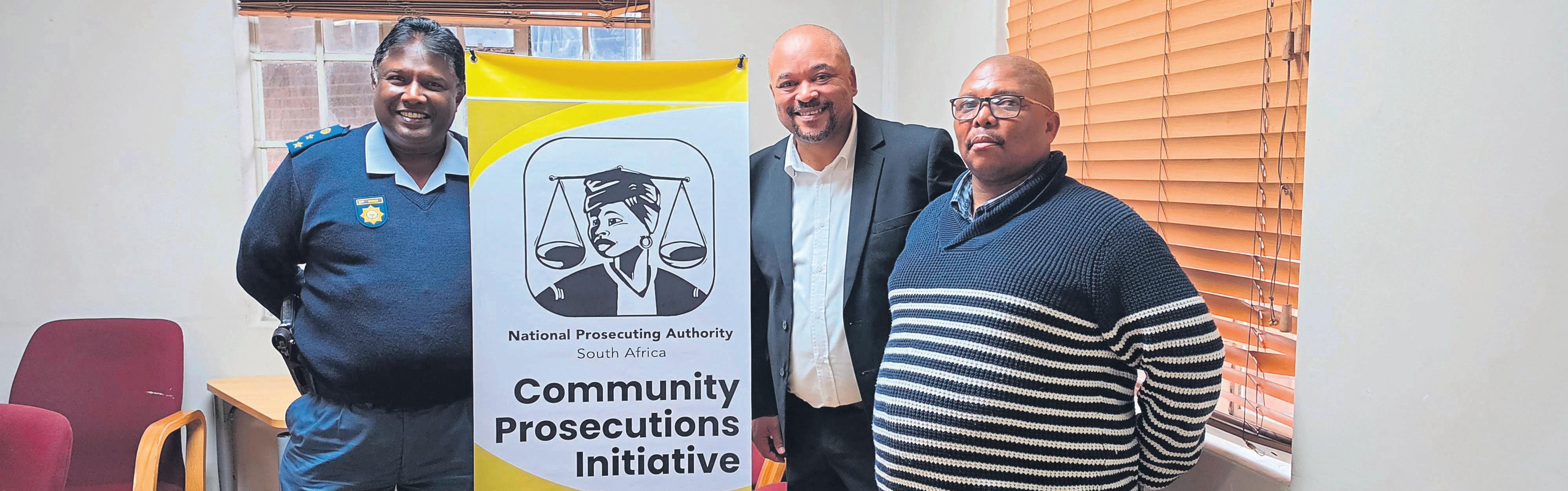
Brig JayceNaidoo, StationCommander at ManenbergPoliceStation,saysithas been proven over andoveragain that street parties oftenleadtomurderscenesorrapeparties whereyouth have been violated
“Despite communities beingaware of this possibleoutcome we find that communities defy lawenforcement andaninstruction that keepscommunities safe.Tohosta street party an applicationmustbemadetothe City of Cape Town.The police will rate it.Because Manenberg Police Stationisa gang stationand there have always been problems,the applicationwill notbeapproved.Whatmuststill be done before communities take fullresponsibilityfor what’s
happening amongthemontheir streets?”
Naidoo asks
On theday of theincident, at about22:00 at a OneLovestreet partyinJonkershoek Road in Heideveld, thevictimwas shot at pointblank rangeinfront of partypatrons
It is allegedthatunknown suspects walked up to thevictimwhile he wasatthe partyand shot himinthe face in fullviewofpatrons.This is amurderthatcould have been preventedby thecommunity if they were notindefiance of a crimepreventioninstruction
Naidoo hascalledonall street partiestobe bannedwithinthe ManenbergPolicing Precinct
“All lawenforcement agencies need to take cognisance of this instruction. Permitsfor events that arenot approved by my office will be
deemed invalidasthe police areheldaccountable forcrime within anypolicingprecinct. Integrated lawenforcement need to be on the same page if we want to be successful in combating crimewithinthe ManenbergPolicing Precinct,” he says “Organisersand eventmanagerswillbeheld criminally liable forthismurder. Manenberg police will nottoleratelawlessnessofany sort within theManenberg Precinct
“These street partiesdon’t just contribute to crimebut disrupta wholeneighbourhood contributingtogender-basedviolenceand harming thementalwell-beingofthe greatercommunity.Noarrestshaveyet been made . Naidoo calls on communitiestoreport these illegalstreet partiesbycontacting Manenberg policeon021 6999400orCrime stop 0860010111.
NAMHLAMONAKALI
Alocal faith-basedinitiativeisworking with people affectedbyhomelessness, addictionand gang violence throughweekly support groups, mealsand outreach programmesingreater Cape Town
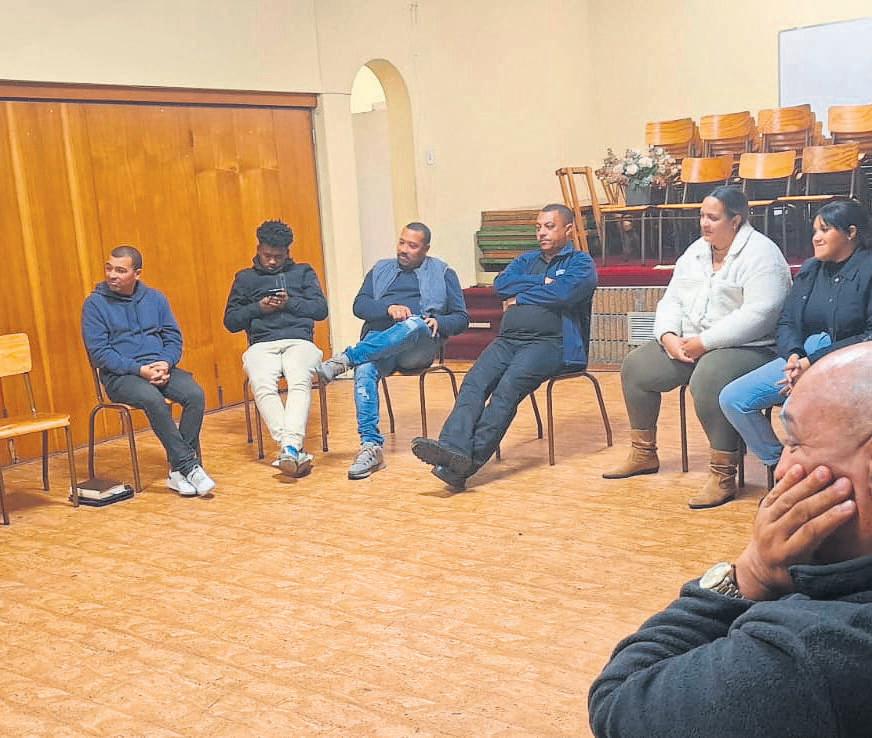
TheRebuild,Renew,Restore support group, foundedbyCarlo Booyseninconjunction with HandsofMercy anda VolksChurch-based ministry in Athlone, meetsevery Tuesdayand Thursday eveningtosupport people dealing with dailylifechallenges, peer pressure and recovery from street life BrandonBrown,one of theprogramme leaders, says thegroup focusesonhelping participants understand whytheyend up on the streetsand howtorebuild theirlives through structured support andChristian-based guidance “Wedealwithdaily living struggles, peer pressure andthe reasonspeoplerun away from the streets,”heexplains.
Theprogramme currently hasabout 25 active membersand hasbeen runningsince Aprilthis year
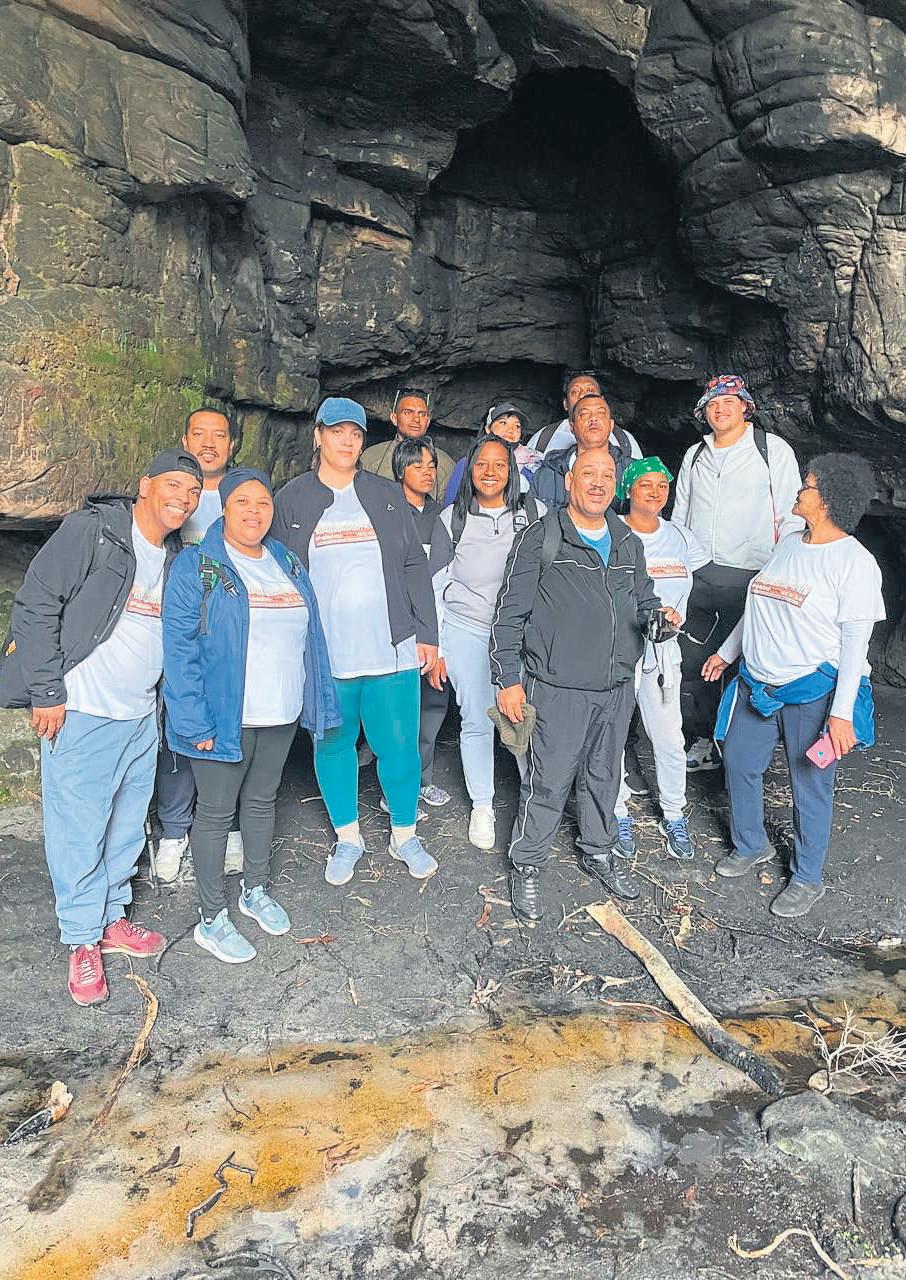
Participants also take part in outdoor and developmentactivities, includinga hike at Silvermine on Friday 1May
Otherhikingtrips areplannedfor Friday 19 to Sunday 21 June as part of ongoingefforts to builddiscipline, teamwork andpersonal growth
On Saturday 23 Maythe grouphosteda “spokenword” anddiscussion session wherea guestspeaker addressedloyalty andapplying Christianvaluestoeverydaylife.
Outreach remainsa keyfocus.OnFriday29 Maymembers distributedfood andshared mealswithpeoplelivingonthe streets, includingindividuals whopreviouslyformedpartof theprogramme Brownsaysthe work wasdrivenbycommunity commitmentratherthanfunding.“We don’t askfor acent. Everything we do comesfromour ownpockets.Evenatnight when people have nothingtoeat we step in.”
Thegroup says it also worksclosely with social workersand referindividuals whereprofessional intervention is required
However, safety remainsa challenge. The
team says it hadengaged with Athlonepolice regardingoutreachingang-affectedareas, includingManenberg,but arestill awaiting formal response
“Wecannotgointosomeareas withoutproper safety support,”Brown explains.“It becomesa challengefor us,eventhoughthe need is there.”
Thegroup meetsatVolks Church on the corner of Second Avenue andLower Klipfontein Road on Thursdays, andatthe CalvinistChurch in SpringbokAvenue, Kewtown.
Theleadershipprogramme also runs every second Saturday Brownsaysthe long-termvisionistoexpand theinitiativeacrossthe Cape Flats. “Wewant to seethisworkinall areas. Many people don’t understand theimpactofdrugs untilitistoo late.”
Thegroup says rising addictionand gang-relatedpressurescontinuetodrive demand for support
Despitethe challenges,organiserssay the focusremains on rebuilding livesthrough consistent support, community presence and faith-basedmentorship.

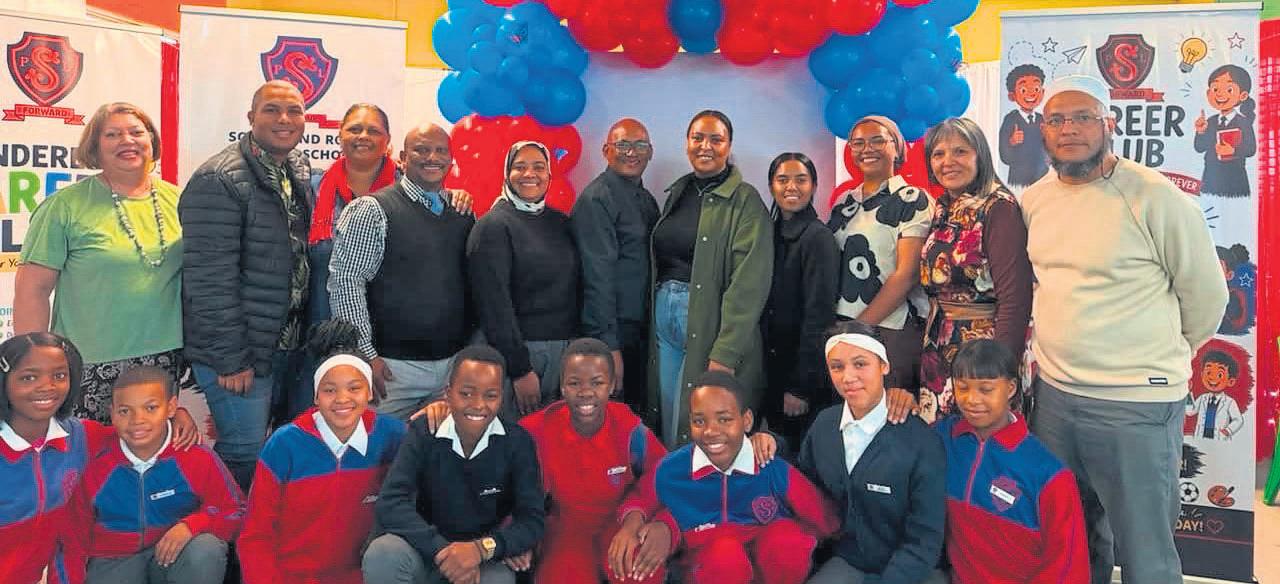
Sonderend Road PrimarySchool is oneofthree schoolsinManenberg to launch theirCareer Club to broadenGrade 7horizons.
Thelaunchispartofthe WesternCapeEducation Department’s (WCED) Growth forJobs strategy,aimingtoexposeyoung learners to a wide rangeofcareer optionsbeyondtraditional professional roles.
“Wewereselectedtoalso pilotthe programme in Manenbergand thelaunchbrought together school staff,ex-learners,vocationalpartners andcommunity businessesina lively showcase of opportunities,”saysRa-eesha Adams, spokesperson forthe school
KimThompson, Life Skills/Life Orientation CurriculumAdvisor,attended theevent and praisedthe collaboration betweenSonderend andSilverstreamSchool of Skills
“Whatstood outasparticularlyspecial was themeaningful collaborationbetween thetwo schools. Thedecisiontoinvolve learners from theSchool of Skills in career demonstrations wasbothcreativeand impactful.Byshowcasing thepractical skills andtalentthese learners are acquiring, younot only celebrated theirabilities butalsoactivelychallengedand debunked the negative connotationsoften attached to Schools of Skills ,” shesays.
Thelaunchfeatureddemonstrationsfroma varietyofvocationalroles
Mnandi Life Saving demonstrated emergencyresponse skills,while Samantha Arendze, a localManenberg confectioner,showcased bakingand small-business possibilities
Silverstream School of Skills broughtlearners to demonstratehands-ontradesand practical talents, giving Grade7sa first-hand look at vocational pathways
Walter May, aformerlearner from Sonderend, nowlinkedtothe sciencedepartmentat theUniversityofthe WesternCape(UWC),
emergencyservices, culinary arts,logistics and technicalschools,reflecting thelocal economy’s rangeand theWCEDstrategy’sfocus on employabilityand youthreadiness.
donatedfunds to support theCareer Club and spokeabout hisroute from classroom to higher educationand communityengagement. His presence underlined themessage that career pathscan begininthe same neighbourhood and developintodiverse outcomes Sonderendemphasisedthatcareers arenot limitedtoprofessional careersalone Organisers highlightedroles across trades,
Thompson also says that this positive and innovative approach strengthensthe important link between primaryschoolsand Schoolsof Skills,while promotingdignity,inclusion and awarenessofthe diversepathwaysavailable to learners.Itsends apowerful message that every learnerhas value, potentialand ameaningful contribution to make in society.
Teachers at theschool saytheyhopethe Career Club will become aregular fixture, offering workshops, employer visits,mentorship
from ex-learnersand practicalsessionsthat help learners identify interestsand consider multiple post-school options. As oneorganiser noted, earlyexposurehelps demystifyvocational training andbuildsconfidenceinlearners whomay notsee thoseroutesasviable.
SonderendRoadPrimary’s initiative aligns with broaderprovincialefforts to connect educationtolocal labour-marketneedsand to equipyoung people with both practicalskills andinformedchoices abouttheir futures
ForManenberg learners theCareer Club aims to turn aspiration into actionable steps– andto show that everypathcarries dignityand opportunity,Adams says





















shelter. Ouraim with this stoimprove qualityoflife ra more inclusiveCBD.”
eValayadum,chief executive fthe HavenNight Shelter, rganisationhopes to create ingful impact”. elterhas been designed
as low-thresholdsleepingspace or overnightemergency accommodation rather than long-termhousing, providingvulnerableindividuals with protection during winter.”
Accordingtothe Haven, thereare an estimated14000 people living on thestreetsinthe city,but only around 3800 shelterbedsare available.
At itsDistrictSix facility theorganisation has90bedsavailable.“Winter places significant strain on shelters as demand forwarmbedsand basiccare increases,”saysValayadum,“particularly during storms andperiods of
severe weather. “Bymid-June, whichisonlythe beginning of winter,weoften see ourcapacityalready exceeding80% TheSafeSleepingZonewillprovide significant andmuch-needed relief by helpingtoeasecapacityconstraints.”
Tasso Evangelinos, CCIDchief executiveofficer, says theproject has strong potentialfor growth “While it is atargetedresponseto immediatewinterneeds, ourhopeis that itssuccess will pave theway for expansionintoother partsofthe CBD andbeyond.”