







.co.za


Maintaining good health requires a holistic approach that addresses physical, mental and oral wellbeing. Small daily habits can make a significant difference to overall quality of life. Physical activity forms the foundation of good health. Regular exercise reduces the risk of cardiovascular disease, diabetes and certain cancers whilst improving mental health and cognitive function. Adults should aim for at least 150 minutes of moderate-intensity activity weekly, combined with muscle-strengthening exercises. Start small by taking the stairs instead of the lift, parking further from your destination or scheduling short walking breaks throughout the day. Even 10-minute bursts of activity accumulate health benefits. Nutrition plays an equally important role. A balanced diet rich in fruits, vegetables, whole grains and lean proteins provides essential nutrients whilst reducing the risk of chronic conditions including heart disease, stroke and obesity. Aim for at least five portions of fruits and vegetables daily. Limit processed foods, reduce salt intake and stay hydrated by drinking six to eight glasses of water daily. Limiting sugar intake benefits both general and oral health.
Adequate sleep completes the 24-hour health framework. Quality rest supports immune function, mental clarity and emotional wellbeing. Adults should aim for seven to nine hours nightly. Establish a consistent sleep schedule, create a cool and dark sleeping environment, and avoid screens for at least one hour before bedtime.
Mental health remains an often-overlooked component of overall wellness. Oral diseases affect nearly 3.7 billion people worldwide, yet they are largely preventable. Untreated tooth decay is the most common health condition globally.
Good oral hygiene includes brushing twice daily with fluoride toothpaste for two minutes, regular flossing and limiting sugary foods and drinks. Replace your toothbrush every three months and

A balanced diet rich in fruits, vegetables, whole grains and lean proteins provides essential nutrients.
PHOTO: UNSPLASH/ NADINE PRIMEAU
schedule dental check-ups every six months for early detection and treatment of problems. Tobacco and excessive alcohol use significantly increase the risk of oral diseases.
Mental health deserves equal attention. Managing stress through mindfulness, social connections and professional support when needed contributes to overall wellbeing. Practice relaxation techniques, maintain meaningful relationships and seek help when struggling.
By addressing these interconnected aspects of health through consistent daily practices, individuals can significantly improve their quality of life and reduce the risk of chronic diseases.
△Sources: World Health Organisation; Sleep Foundation


Healthexperts warn that chronic kidney disease (CKD) can dramatically increase the risk of life-threatening heart problems. World Kidney Day on 12 March highlighted that this can also lead to stroke, coronary artery disease or arrhythmias. CKD often accompanies heart failure and type-2 diabetes, a “cardio-renal-metabolic” system, where dysfunction in one triggers problems in others. Ingrid Singels, associate director of Pharma Dynamics’ scientific division, said the heart and kidneys rely on each other to maintain the body’s balance. “The heart depends on the kidneys to regulate fluid balance, while the kidneys rely on the heart for proper blood flow.” She said protecting kidneys safeguards overall well-being. How CKD is managed is changing. Empagliflozin, a low-pressure sodium-glucose co-transporter-2 (SGLT2) inhibitor can slow disease progression and reduce complications. Patients may live longer

without needing dialysis or a transplant. Semaglutide, for adults with type-2 diabetes and CKD, was found to reduce adverse events by about 24% in people with CKD and type-2 diabetes. Access to treatment in South Africa remained limited and was mainly in the private sector. Singels said expanding access was key to tackling a growing health problem.
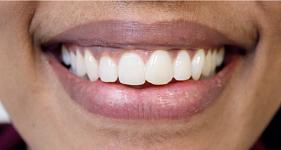
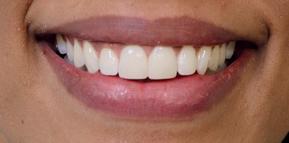



Vanskoolverpligtinge tot kinderontwikelling
– daar is talle fokusareas waaraan ouers op ’n dag-tot-dag basies moet aandag gee – maar volgens dr. Ockert Bekker van Bekker Dental & Aesthetics, wat ook ’n tak in die Paarl bedryf, behoort kinders se gebit egter net soveel aandag te kry – en dit reeds van so jonk as twee jaar oud.
“Melktande is dalk tydelik, maar die skade wat plaak in die vroeë jare kan aanrig, kan blywende gevolge hê – nie net vir melktande nie, maar ook vir die ontwikkeling van permanente tande,” sê Bekker in ’n verklaring.
Plaak (’n taai bakteriële lagie) kan selfs op peuters se tande vorm. Indien dit nie betyds behandel word nie, produseer dit sure wat tandemalje beskadig en kan dit tot gaatjies, infeksies en in ernstige gevalle selfs tandheelkundige behandeling onder algemene narkose lei.
“Dit kan skokkend wees vir ouers om te hoor dat hul kind moontlik narkose benodig vir tandheelkundige werk, maar baie van hierdie gevalle is voorkombaar met vroeë sorg,” verduidelik hy.
Bekker gee dié praktiese wenke aan ouers:
•Tandartsbesoeke van tweejarige ouderdom af:
Vroeë ondersoeke stel tandartse in staat om risiko’s te monitor, ouers op te voed en ’n voorkomende plan saam te stel.
•Volgehoue mondhigiëne: Borsel tande twee keer per dag met ’n sagte tandeborsel en ouderdomstoepaslike tandepasta. Om tande te vlos, kan volgens die tandarts se voorskrifte bekendgestel word. Hierdie gewoontes help nie net om plaak te voorkom nie, maar vestig ook goeie mondgesondheid vir later jare.
•Gesonde dieet: Beperk soet versnaperinge en drankies – veral voor slaaptyd. “Ons sien steeds kinders wat met sap in hul bottels gaan slaap.
Snags het tande geen manier om hulself te beskerm nie en hierdie hoë-suiker drankies veroorsaak groot skade in die mond,” waarsku Bekker.
•Ouertoesig: Ouers moet seker maak dat kinders korrek borsel en self ’n voorbeeld van goeie mondgesondheidsgewoontes stel.
“Met vroeë besoeke en eenvoudige daaglikse gewoontes kan ons die meeste gaatjies voorkom. Dikwels vertrou ons op ouers om hul kinders by die tandarts te kry en ná die eerste besoek is die meeste kinders opgewonde om terug te kom.”
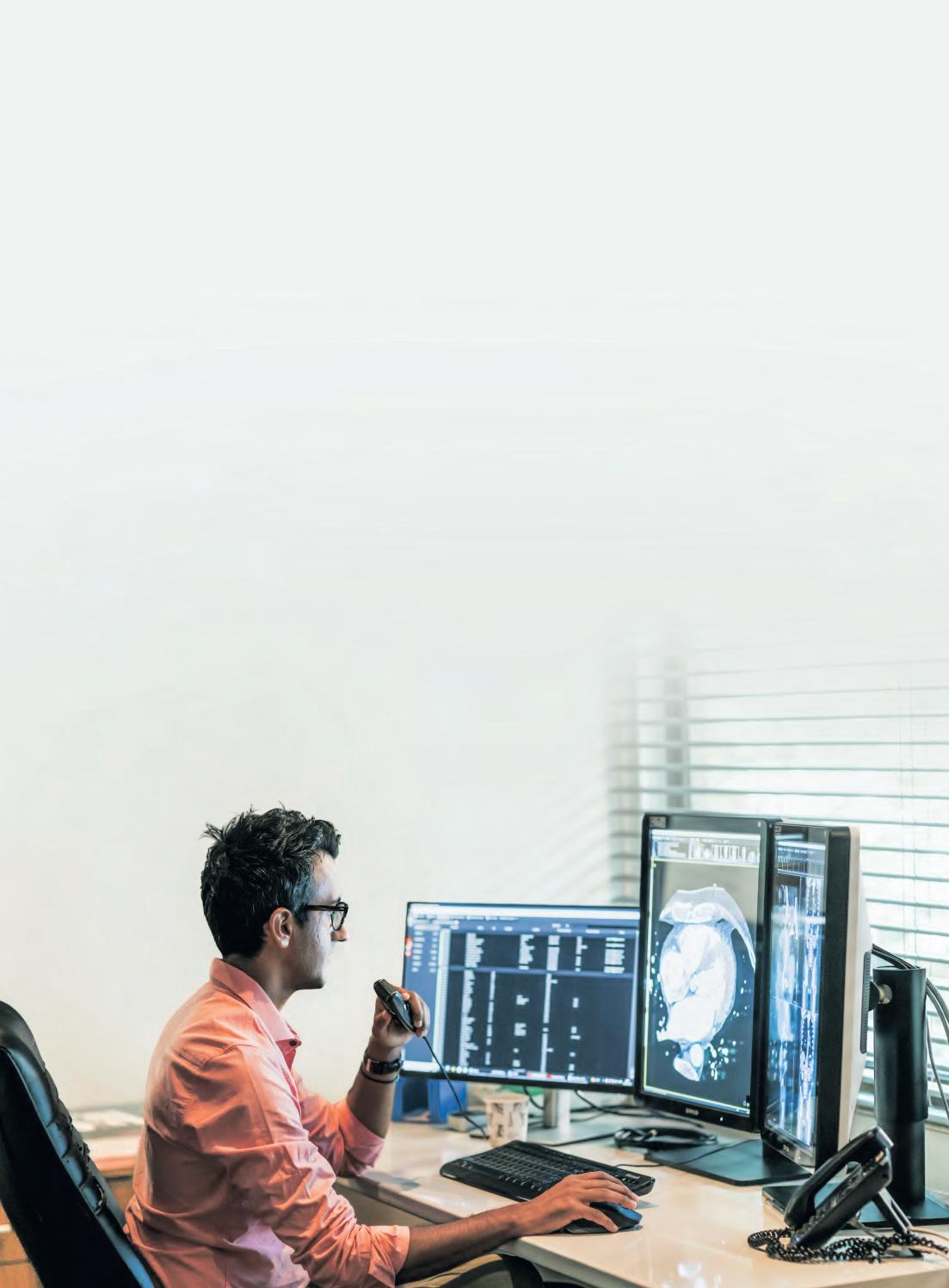
Healthcare is abalance betweenfrontline workersand those patients maynever meet.Radiologists, though of tenbehinda screen,playa pivotalrolebyproviding insights that lead to accurate diagnosesand ef fectivetreatment plans.
scp.co.za| info@scp.co.za
Detox diets surge each January as part of post-holiday resets, despite lacking scientific evidence for claimed health benefits, according to nutrition experts.
A United States study published in Nutrients found around 26% of consumers had tried juice cleanses or detox programmes. Experts suggested the trend mirrors behaviour in countries with comparable wellness industries, including South Africa. January remained a strong sales period for detox supplements marketed around liver support, digestion and cleansing.
The global detox market is forecast to grow from approximately US$40,7 billion in 2025 to more than US$72,6 billion by 2035.
Prominent dietitian Aziwe Booi said no credible scientific evidence exists showing detox diets remove toxins or provide lasting health benefits.
“The human body is naturally equipped with highly efficient elimination systems, primarily the liver, kidneys, lungs and digestive tract, which continuously remove waste without special regimes or products.”
She noted detox diets and cleanses promised rapid toxin elimination, weight loss and improved energy levels, but research showed most lack strong clinical evidence. Some protocols, including juice-only cleanses, may lead to nutrient deficiencies, blood-sugar fluctuations and negative metabolic effects.
The supplements industry remains largely unregulated, with no requirement for health claims verification. Many products marketed for weight loss or detoxification contain ingredients with laxative effects.
Long-term use can cause dehydration and, in severe cases, require hospitalisation.
Research in Nutrients found a three-day juice cleanse increased inflammation markers and altered gut bacteria in ways associated with poorer digestive health, contradicting typical detox claims.
Around 26% of consumers have tried juice cleanses or detox programmes.

Booi noted the term “toxins” is rarely defined in wellness marketing, with many detox plans failing to specify what is removed or whether substances are harmful at typical dietary exposure levels.
“Detox diets oversell the idea that we need to purge our bodies after a few days of celebration. Your body is already detoxifying around the clock. Sustainable habits, not extreme regimes, support long-term well-being.”
She emphasised many popular detox programmes exclude balanced protein, healthy fats or fibre sources essential for metabolic and digestive health.
For South Africans rooibos is increasingly recognised in scientific research as a credible, evidence-based beverage valued for its antioxidant profile rather than detox claims. It contains polyphenols, including aspalathin and quercetin (antioxidant-like).
Research links rooibos consumption to cardiovascular and metabolic improvements, other studies an intestinal anti-inflammatory barrier. Naturally caffeine-free and low in tannins, rooibos provides a convenient substitute for sugar and caffeine.
Booi encouraged shifting from restriction towards sustainable habits, drinking beverages such as rooibos, eating fibre-rich meals, choosing nutrient-dense options, including lean protein sources, prioritising plant-based fats, maintaining daily physical activity and getting seven to nine hours of quality sleep.
Acondition affecting 40% of children between six months and five years, along with 37% of pregnant women, continues to pose serious health risks globally, with over two billion people affected by anaemia and iron deficiency.
Anaemia occurs when blood haemoglobin levels drop below normal, reducing the body's ability to transport oxygen from the lungs to vital organs. Left untreated, the condition can cause fatigue, weakness, dizziness, breathing difficulties and nerve damage. In children, it may impair cognitive and physical development, while increasing maternal and child mortality risks.
Despite affecting millions globally, particularly pregnant women and young children, irondeficiency anaemia responds well to dietary changes and iron supplements.
Early symptoms often go unnoticed and include unusual tiredness, loss of appetite, headaches,
irritability and concentration difficulties. Vitamin B12 deficiency may cause numbness or tingling in hands and feet due to nerve damage.
As the condition worsens, symptoms intensify. Patients may experience dizziness, brittle nails, blue discolouration in the whites of eyes, pale or yellowing skin, and worsening breathlessness.
Severe cases can lead to extreme fatigue, inflamed tongue, mouth ulcers and unusual cravings for non-food items - a condition called pica.
Treatment typically involves oral iron supplements to restore iron levels. .
Randomised controlled trials in children and adolescents show oral iron supplementation significantly increases haemoglobin and ferritin levels while reducing iron deficiency prevalence.
Healthcare professionals recommend consulting doctors or pharmacists for information about iron deficiency and anaemia management.

Calcium is an essential mineral found in large amounts in the body. Ninety-nine percent of all the calcium in the body is found in the bones and teeth, the remaining 1% found in the blood. First and foremost, calcium is an important bone mineral. Calcium also plays important roles in nerve conduction, muscle contraction and blood clotting.
Calcium is lost daily in the urine, sweat and faeces. If calcium levels in the blood drop below normal calcium will be taken from bone and put into the blood in order to maintain blood calcium levels. It is therefore vital to consume enough calcium to maintain adequate blood and bone calcium levels. But how much is enough?
Strong evidence exists that a calcium intake of below 500 mg per day leads to accelerated bone loss, which can cause osteoporosis and subsequent fractures. The National Osteoporosis Foundation of South Africa (Nofsa) recommends an average daily intake of approximately 1000 mg, although calcium requirements differ in the different age groups. Children and teenagers between the ages of 9 and 18, for example, should be getting 1 300 mg calcium, while women over age 51 should be getting 1 200 mg calcium.
• Soya beverages – 250 ml serving size = 300 mg calcium
• Yoghurt: plain, fruit yoghurt, drinking yoghurt, buttermilk, maas – 150 g serving size = 243 mg calcium
Other sources of calcium from fish include sardines in oil, drained pink salmon, canned mackerel with bones, canned drained shrimp –100g = 382 calcium. Non-dairy sources of calcium include some vegetables, such as Chinese cabbage, kale, and broccoli. Spinach provides calcium, but its absorption rate is poor. Most grains do not have high amounts of calcium unless they are fortified.
A day’s nutrition, which includes, for example, 40 g of cheese, a cup of milk, 150 g of yoghurt and 100g of tinned pink salmon will give you approximately 1 185 mg of calcium.

There are also certain groups of people who are at an increased risk of calcium deficiency, such as post-menopausal women and people with lactose intolerance or cow’s milk allergy. Here is a list of calcium-rich foods and how much calcium they provide per serving:
• Cheese (aged and processed) and cheese spreads –40g serving = 260 mg calcium
• Cheese (unripened) such as cottage cheese, ricotta, feta – 150 g serving = 300 mg calcium
• Milk: fresh, UHT, sterilised, milk powder (reconstituted), commercially-flavoured, goat’s milk – 250 ml serving size = 300 mg calcium
But how many of us can achieve this daily?
Most people can easily get at least half of the calcium they need from food. Taking an appropriate calcium supplement is also a great way to increase your calcium intake as the right supplement will contain relatively large amounts of elemental calcium and dissolves well in the body.
B-Cal is South Africa’s number 1 prescribed calcium range and consists of five different products, allowing your specialist or pharmacist to choose the calcium supplement best suited for you.
The extensive B-Cal range to suit each unique patient profile best, includes B-CAL-DM (Calcium with Vitamin D3 and Magnesium); B-CAL-D (Calcium and Vitamin D3), B-CAL Ultra (Calcium with vitamins and minerals), B-CAL (Calcium) and Calcium Citrate D (Calcium effervescent with Vitamin D3).
Always speak to your doctor or pharmacist about possibly requiring a calcium supplement, what the possible side effects may be and how best to take it.
South Africa’s health-care non-profit sector confronts a sustainability crisis following continued international funding withdrawals, with organisations warning of devastating impacts.
South Africa’s non-profit health-care sector, which serves vulnerable communities, is at risk.
On World Health Day, 7 April, Inyathelo: the South African Institute for Advancement highlighted critical concerns about the sector’s future. Feryal Domingo, its acting executive director, spoke of devastating impacts of the withdrawal of USAid funding, for instance, on the mental well-being of health-care workers, as with the freezing of Pepfar (President's Emergency Plan for Aids Relief)-funded projects.
Since 2025 numerous health projects have been terminated, affecting thousands of frontline staff and creating a multi-billion rand gap in the HIV/Aids and tuberculosis response. "The non-prof-
it sector forms the backbone of health-care delivery in our most vulnerable communities,” Domingo said. The withdrawal has seen clinics closing, mobile services halted, millions lose access to life-saving treatment and workers facing unprecedented burnout and trauma levels. Inyathelo has called for urgent intervention to prevent reversal of two decades of public-health gains.

Mitzi Buys
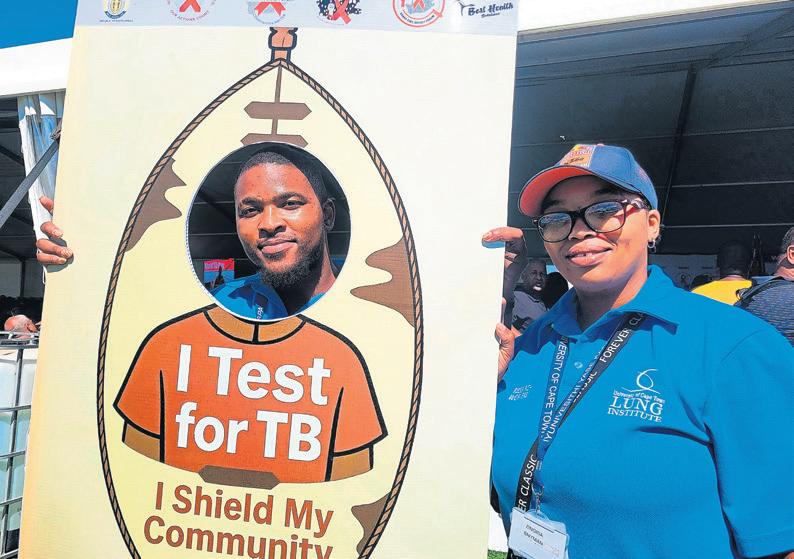
“Yes!We can end TB!” was the theme of World TB Day 2026, adapted in South Africa to "Yes! You and I can end TB!" This was a bold call for action and message of hope as the country confronted one of its deadliest health challenges. World Tuberculosis Day is observed annually on 24 March, marking the anniversary of Dr Robert Koch’s groundbreaking announcement of discovering the bacterium responsible for TB in 1882. Despite this pivotal medical milestone revolutionising understanding and treatment of the disease, TB remained a global health concern more than a century later.
Deputy President Paul Mashatile and Health Minister Dr Aaron Motsoaledi joined dignitaries at Caledon Sports Grounds on the day.
Shenaaz El-Halabi, World Health Organisation country office representative for South Africa, presented sobering statistics in her address. “In 2024, globally, an estimated 10,7 million people fell ill with TB, of whom 54% were men, 35% women (15 years and above) and 11% children less than 15 years.
“Additionally, 1,23 million lives were lost to TB. In our region TB killed 378 000 people and infected 2,7 million more, representing one quarter of the global burden. Every 83 seconds TB claims a life in the WHO African Region.” El-Halabi emphasised the theme “Yes! We can end TB. Lead by Countries. Powered by Communities”. It recognises that progress depends on strong national leadership, sustained investment and empowered communities driving change at every level.
In his keynote address Mashatile described TB as “a disease that has stolen too many breaths from our people. It has silenced voices in our homes, emptied chairs at our tables and left a permanent scar in our communities.
“TB remains a public health concern and is still the leading cause of death, particularly for people liv-
ing with HIV. Despite a slight decrease in overall TB deaths we have only managed a 17% reduction compared to 2015, far short of the 75% target we set for ourselves.
“This gap reminds us that lives are still being lost unnecessarily.”
He cited a 2021 TB survey showing 56% of people affected by TB in South Africa continued facing catastrophic socio-economic constraints that pushed families into poverty.
“We cannot ignore this human and economic toll. We need to make our response more patient-centred, meeting people where they are and removing all barriers against access to testing and treatment.
“We must find TB to end TB. Early detection is the key to breaking the cycle of infection and protecting families and communities.”
He urged men to be tested as their positivity rate is higher and encouraged anyone in close contact with TB patients to visit health facilities immediately for testing and treatment.
“To end TB truly, we need a whole-of-society approach. Let us commit ourselves anew: to get tested, seek treatment promptly, complete treatment if infected, support one another and build a healthier, TB-free South Africa. TB is preventable. TB is curable. Yes! You and I can end TB.”
Millions of people worldwide live with chronic conditions, and the Western Cape Department of Health and Wellness is calling on residents to take responsibility for managing their health to avoid preventable emergencies.
The department offers a comprehensive care package for chronic patients at clinics across the province, but emphasises that consistent treatment adherence is crucial for preventing serious complications.
“Living with a chronic illness is a daily commitment, and for many people that commitment comes with very real challenges” said Dr Masudah Paleker, public-medicine specialist for the Western Cape Department of Health and Wellness. “But the consequences of interrupted treatment cannot be overstated.
“When a patient misses medications, skips appointments, or stops their treatment early, the disease does not pause with them. Conditions like high blood pressure, diabetes and asthma can deteriorate rapidly and silently, often resulting in emergency centre visits, severe complications and outcomes that are far harder to treat than the original condition.”
Paleker noted that many of these emergencies were preventable through consistent, uninterrupted treatment, which not only benefited individual patients but also reduced the burden on an already strained health-care system.
Unmanaged chronic diseases can lead to stroke, heart attacks and the need for advanced medical intervention. However, medication alone is not the solution.
Dominique Boswell-October, pharmacist at a chronic-dispensing unit, said chronic patients often use medications as a quick fix rather than making necessary lifestyle changes.
“One would hear a patient say ‘I can eat this because I will just take a tablet and will feel better’, rather than change their lifestyle or eating habits for a healthier approach to managing their chronic condition.
“According to our data chronic patients are collecting medication, but from there it is up to the patient to adhere to the treatment schedule. Patients need to get to a point where they are accountable for their own
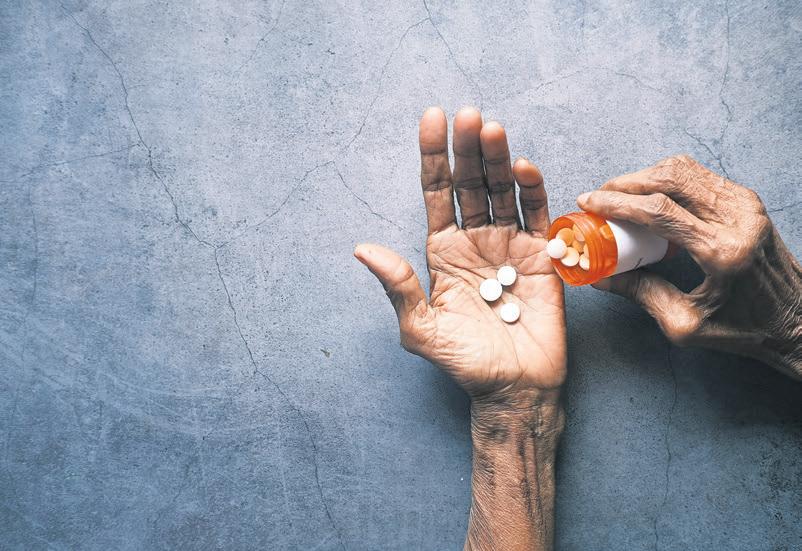
A holistic approach, combining medication, healthy eating and regular exercise, is essential for managing chronic health conditions. PHOTO: UNSPLASH/ TOWFIQU BARBHUIYA
health. Taking treatment is not meant to be a quick fix, it is meant to be a holistic approach.”
Dale Patience, qualified dietitian for the department, offers a practical dietary tip for lifestyle adjustment:
• increase intake of proteins such as meat, fish, eggs, chicken or plant-based alternatives like beans and lentils;
• ensure variety by including carbohydrates such as rice, pasta and potatoes in moderation daily for energy;
• stay active and enquire at your local clinic about joining a Western Cape on Wellness group.
"We encourage communities to consume as much fresh produce as possible. Plan meals in advance, purchase affordable ingredients accordingly and prepare meals at home whilst avoiding sweet treats or fast foods that have little to no nutritional value,” said Patience.
“The benefits of meal planning and preparation allow you to take advantage of discounted prices. If you have a menu planned when going shopping, you know the ingredients you need. Take advantage of bulk buying, allowing your budget to stretch further.” Residents requiring assistance with managing chronic diseases, including nutrition support, diagnosis and treatment, should make an appointment at their local health-care clinic.
Wanneer ons oor rou praat, dink die meeste mense onmiddellik aan die dood. Rou is egter nie net gekoppel aan die verlies van ’n persoon nie.
Rou is die emosionele proses waardeur ons gaan wanneer ons enigiets verloor wat ’n belangrike rol in ons lewens gespeel het.
In die wêreld van verslawing en herstel speel rou ’n kragtige, maar dikwels misverstaande rol. Baie mense besef nie dat verslawing sy eie rouproses het nie. Wanneer iemand herstel begin, gee hulle nie net ’n middel of gedrag prys nie, maar neem ook afskeid van iets wat vir ’n lang tyd gehelp het om die lewe te hanteer.
Dit is hoekom herstel emosioneel intens kan voel. Die persoon leer nie net om sonder die middel te leef nie; hulle is ook besig om te rou oor die rol wat dit eens gespeel het. Die rouproses in verslawing weerspieël dikwels die bekende fases van rou: ontkenning, woede, onderhandeling, depressie en

aanvaarding.
Ontkenning is dikwels die eerste fase. In hierdie stadium sukkel die persoon om die werklikheid van hul verslawing en die impak daarvan op hul lewe ten volle te erken. Soos ontkenning begin afneem, kom woede na vore. Hierdie woede kan gerig wees op ander mense of na binne draai in die vorm van skuld, skaamte en selfkritiek.
In die onderhandelingsfase probeer die persoon met hulself ooreenkomste aangaan.
Depressie word dikwels gekenmerk deur hartseer, moegheid en ’n gevoel van hopeloosheid.
Aanvaarding beteken nie dat die verlede goedgepraat word nie, maar eerder dat die persoon die werklikheid van hul verslawing begin erken en verantwoordelikheid neem vir hul herstel. Herstel gaan dus nie net oor om op te hou nie. Dit gaan oor om te verstaan, te verwerk en uiteindelik vry te word.

VA N AS WE GE N
Counselling & Mental Well-being
Preven�on, Support, and the Enhancement of wellbeing through Holis�c Counselling.
Life can be greatly challenging leaving us feeling like we are juggling many balls all at once. Instead of dropping a ball, one can take a pro-ac�ve approach by learning “juggling” techniques through counselling.
OUR FOCUS AREAS
•Abuse and neglect
•Accultura�on Difficulty
•A�ercare support
- relapse preven�on plans
•A�achment Difficul�es
•Spouse or partner violence
•Coping with Divorce
•Phase of life problem
•Managing Emo�ons
•Psycho-educa�on




•Aggression
•Bullying
•Self Esteem
•Addic�on
•Bereavement
•Stress
•Trauma
•Vic�m of crime
•Adjustment
•Rela�onship Challenges
•Sibling rela�onal problems
MANDY-LEIGH VAN ASWEGEN: Bpsych (HONS)
Psychology - Registered counsellor
CELLPHONE: 076 104 1462
E-MAIL: info@thewellsamaria.co.za
PRACTICE ADDRESS:
18 Genl Hertzog Boulevard, Wellington
www.thewellsamaria.co.za


CONSULTING HOURS
Monday-Friday 10:00-15:30
Prac�ce No 0962120
Registra�on No.
PRC0039578 NM10052734-PLAD300426
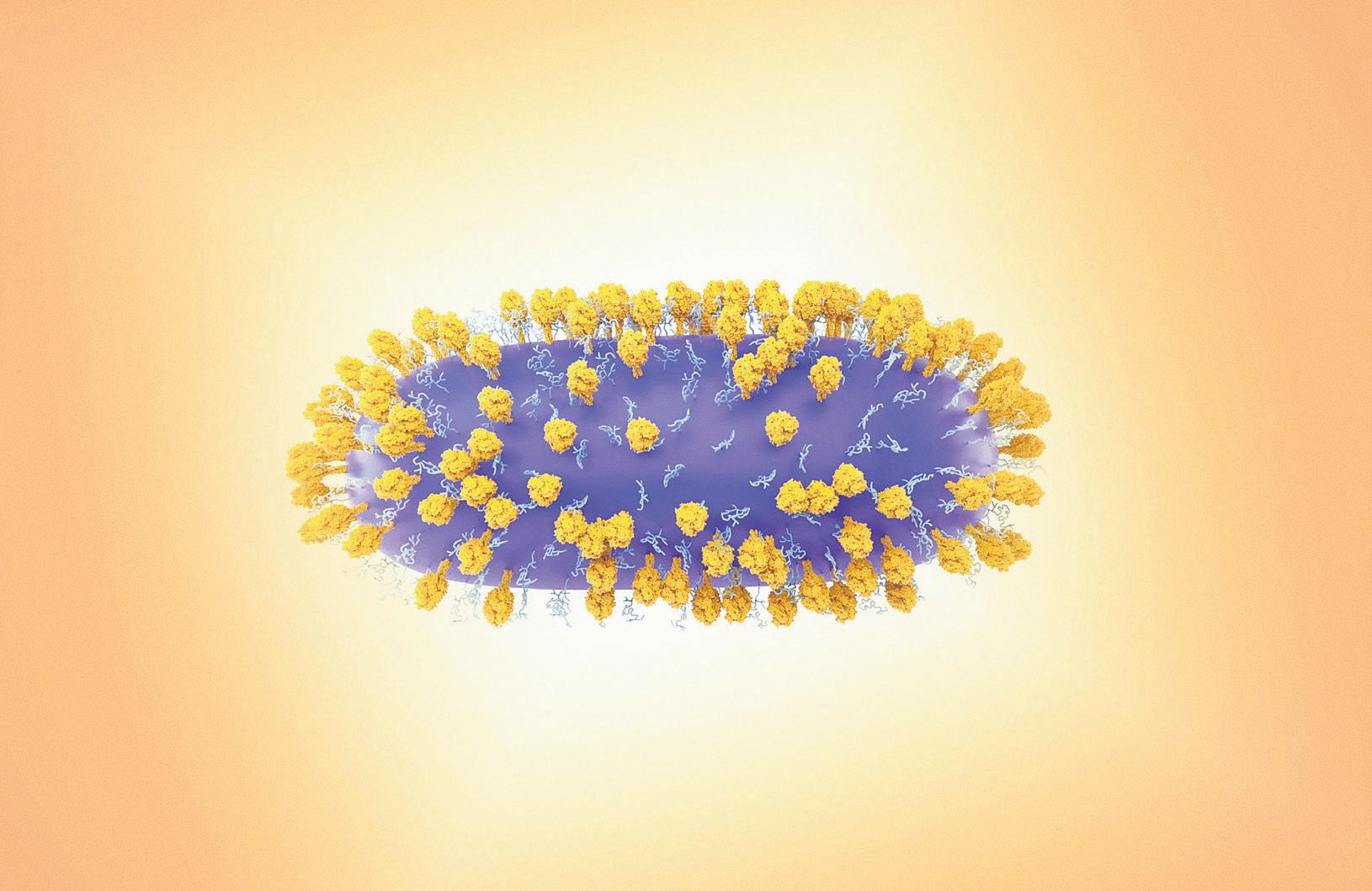
The South African Health Products Regulatory Authority (SAHPRA) has granted registration for a long-acting monoclonal antibody designed to protect infants against Respiratory Syncytial Virus (RSV). PHOTO ILLUSTRATION: NATIONAL INSTITUTE OF ALLERGY AND INFECTIOUS DISEASES
Sanofiannounced in January that the South African Health Products Regulatory Authority (SAHPRA) has granted registration for a long-acting monoclonal antibody designed to protect infants against Respiratory Syncytial Virus (RSV), one of the leading causes of serious lower respiratory tract infections such as bronchiolitis and pneumonia in babies.
The registration marks an important step for RSV prevention in South Africa, meaning more families will have access to new solutions that can help reduce hospital stays for babies and the impact RSV has on them.
RSV is a common seasonal virus that spreads easily and can cause serious illness in babies, often leading to hospital stays. In South Africa the RSV season usually runs from February to May, although infections can happen at any time of the year. In this period many babies and young children become infected. Symptoms can range from mild, cold-like illness to serious lung infections that affect either the upper airways, including the nose and throat, or the lower airways in the lungs.
Every year, about 96 000 babies under five years suffer from severe RSV illness, and around one in seven newborns under one month old are hospitalised with severe disease.
Nearly one in three lung infections in infants are caused by RSV, with symptoms ranging from mild colds to serious lung infections. In the first six months of life RSV is linked to about 22%, or around two in 10, of all baby hospital admissions.
Sanofi South Africa says thousands of families are affected each year when babies fall ill during the February to May RSV season. The company's goal is to help parents and health-care providers protect every baby, not only those considered high risk, by ensuring timely access to effective prevention during this vulnerable period. Protecting babies before their first RSV season can help reduce emergency visits and hospital stays. Most babies hospitalised with RSV are otherwise healthy and born at term, which is why experts note that prevention strategies for all infants could have the greatest impact.
Sanofi South Africa says RSV places a significant burden on South African families and the health-care system every year, and the launch of this medicine will help reduce serious RSV illness and keep more babies out of hospital. Parents are encouraged to act early and speak to their health-care provider about effective protection for their babies.
Breast cancer awareness takes centre stage throughout October not only in South Africa, but across the world, as organisations highlight the importance of early detection and treatment.
According to the World Health Organisation (WHO), breast cancer is the most commonly diagnosed cancer among women worldwide and caused an estimated 670 000 deaths globally in 2022. The disease was the most common cancer in women in 157 countries out of 185 in the same year.
“In 2022, approximately 2.3 million women were diagnosed and another 670 000 died from the disease,” writes the WHO in a statement.
“These are not just numbers but mothers, sisters, daughters and friends that deserve hope and dignity.” Global estimates reveal striking inequities in the breast cancer burden. While the five-year survival rates in high-income countries exceed 90%, the figures drop to 66% in India and 40% in South Africa. These disparities are driven by unequal access to early detection, timely diagnosis and effective treatment.
Female gender is the strongest breast cancer risk factor, with approximately 99% of breast cancers occurring in women and 0.5 to 1% in men. However, approximately 80% of breast cancers develop in women who have no specific risk factors other than sex and age. Certain factors increase the risk of breast cancer, including increasing age, obesity, harmful use of alcohol, family history of breast cancer, history of radiation exposure, reproductive history, tobacco use and postmenopausal hormone therapy. The WHO notes that breast cancer can have combinations of symptoms, especially when it is more advanced. Symptoms include a breast lump or thickening often without pain, change in size, shape or appearance of the breast, dimpling, redness or pitting of the skin, change in nipple appearance and abnormal or bloody fluid from the nipple. People with an abnormal breast lump should seek medical care, even if the lump does not hurt. Most breast lumps are not cancer, but cancer-

ous breast lumps are more likely to be successfully treated when they are small and have not spread to nearby lymph nodes.
The WHO’s Global Breast Cancer Initiative, launched in 2021, aims to reduce breast cancer mortality by 2.5% annually, thereby averting 2.5 million deaths globally by 2040 through health promotion for early detection and timely diagnosis.
O S IT I V E O S I T T E P O S I I V E MA KI NG YO UR
Pu tt in go ne ’s life ba ck tog eth e ra ft er un der goi ng am as tec tom y, lum pe ct om yo rr ec on str uct ion is ne v er ea sy. Th is is wh yw eh ave ad ed i ca te d sto re, Li ke B4, spe cial iz ing so le ly in po st ma st ecto my pr od uc ts and fitt ing s.
We of fe ra pr of es sio na lf it ting s er vic e an da dvic ei na ni nt im ate en vi ro nm en t, all ow in gt he fo cu st ob eo n th ec lien ts in dividu al ne ed s. MA KI N G Y O U R





I t i s i m p o r t a n t t o g e t p r o f e s s i o n a l h e l p

w h e n f i t t i n g p r o s t h e s i s a n d b r a s , a s
n o t h a v i n g t h e c o r r e c t f i t c a n r e s u l t i n
d i s c o m f o r t a n d a h e a v y f e e l i n g
p r o s t h e s i s , p u t t i n g p r e s s u r e o n t h e
n e c k a n d s h o u l d e r s .
A n i l l - f i t t i n g p r o s t h e s i s n o t o n l y l o o k s
a n d f e e l s u n c o m f o r t a b l e ; c l o t h i n g w i l l
p u l l t o t h e n a t u r a l s i d e , g i v i n g a n
u n e v e n l o o k
B o o k y o u r f r e e , p r o f e s s i o n a l
m a s t e c t o m y f i t t i n g w i t h o u r
e x p e r i e n c e d t e a m . W e a r e r e g i s t e r e d w i t h m e d i c a l
a i d s , a n d w e k e e p m a s t e c t o m y b r a s
a n d b r e a s t f o r m s i n s t o c k f o r y o u r
c o m f o r t a n d c o n v e n i e n c e .
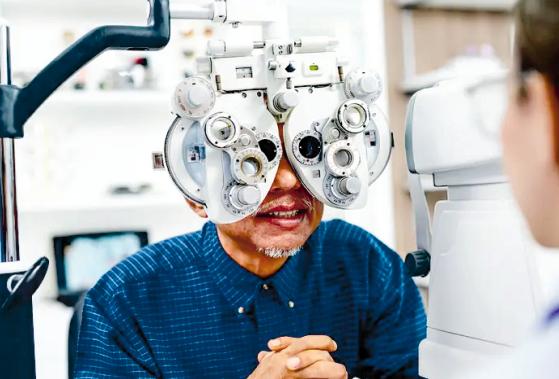
Driven by increasingly urbanised lifestyles, greater screen time and less time spent outdoors, myopia is expected to rise as much as 50% by 2050. Myopia is the medical term for short-sightedness or the inability to see distant objects.
Globally it affects between a quarter and a third of the world's population and is rising at an alarming rate.
Evidence shows the chances of a child becoming myopic are reduced by approximately 30% if they spend more than 14 hours a week outdoors.
Yet many children are instead spending large portions of their day engaged in near-work activities such as reading, gaming and screen use, often indoors and without natural light.
Myopia is the most common refractive vision error and one of the leading causes of poor vision, notably among young adults and school-aged children, whose eyes are still developing and are at risk of worsening the condition.
with other activities, children exposed to screens before the age of three years are more likely to have developed myopia by pre-school age. Screen time in children and teenagers has also been linked to development of dry eyes and digital eye strain, which can causes uncomfortable eyes, blurred vision, headache and red eyes.
Children and adults appear to hold screens closer than books, increasing visual demand on the eyes' focusing system. Digital eye strain may be suffered by up to 50% of people who use screens.
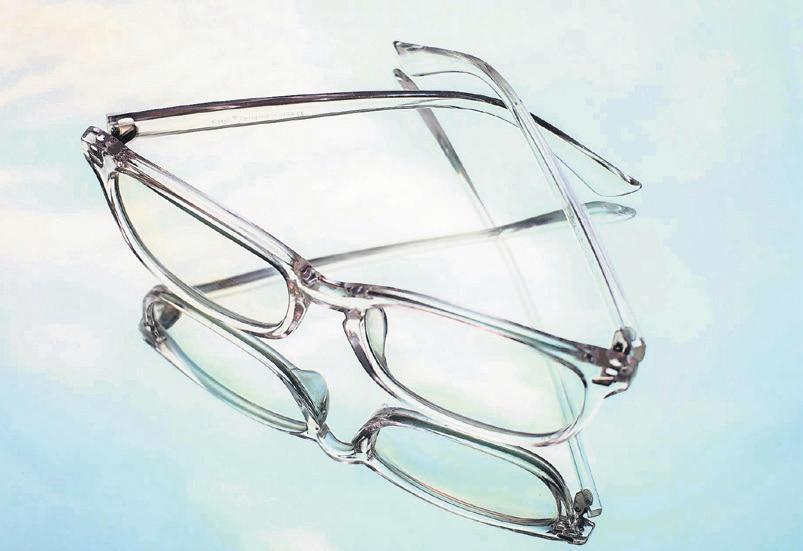
Research has shown that children who read or wrote at a distance closer than 20 cm showed faster progression of myopia. Uninterrupted eading for more than 45 minutes had the same outcome.
The Ophthalmological Society of South Africa (Ossa), in partnership with the South African Society for Paediatric Ophthalmology and Strabismus (Saspos) and the South African Society for Cataract and Refractive Surgery (Sascrs), continues to highlight the rise in myopia, particularly in children. Parents and teachers should be vigilant for signs including holding books close to the face, sitting very close to the television, rubbing the eyes, squinting or straining to read the board at school, disinterest in teaching (often diagnosed as behavioural issues), and fear or hesitancy to participate in sports.
While screen time can be beneficial when balanced
"Poor vision has a tremendous negative impact on a child's ability to learn," says Dr Helga Abrahamse-Pillay, president of Saspos. "The child may struggle not only in educational progress, but also behaviourally and socially."
She says myopia often develops during childhood and may worsen up to the age of about 20, yet could develop in adulthood.
Dr Ed Anderson, president of Sascrs, said although myopia is complex there is significant evidence that many people inherit the tendency. "If one or both parents are near-sighted, there is an increased chance their children will be near-sighted."
Options for correction include spectacles, contact lenses and, for adults, laser surgery or implantable lenses. One good preventative strategy is to encourage outdoor activities and reduce near-work and screen time.
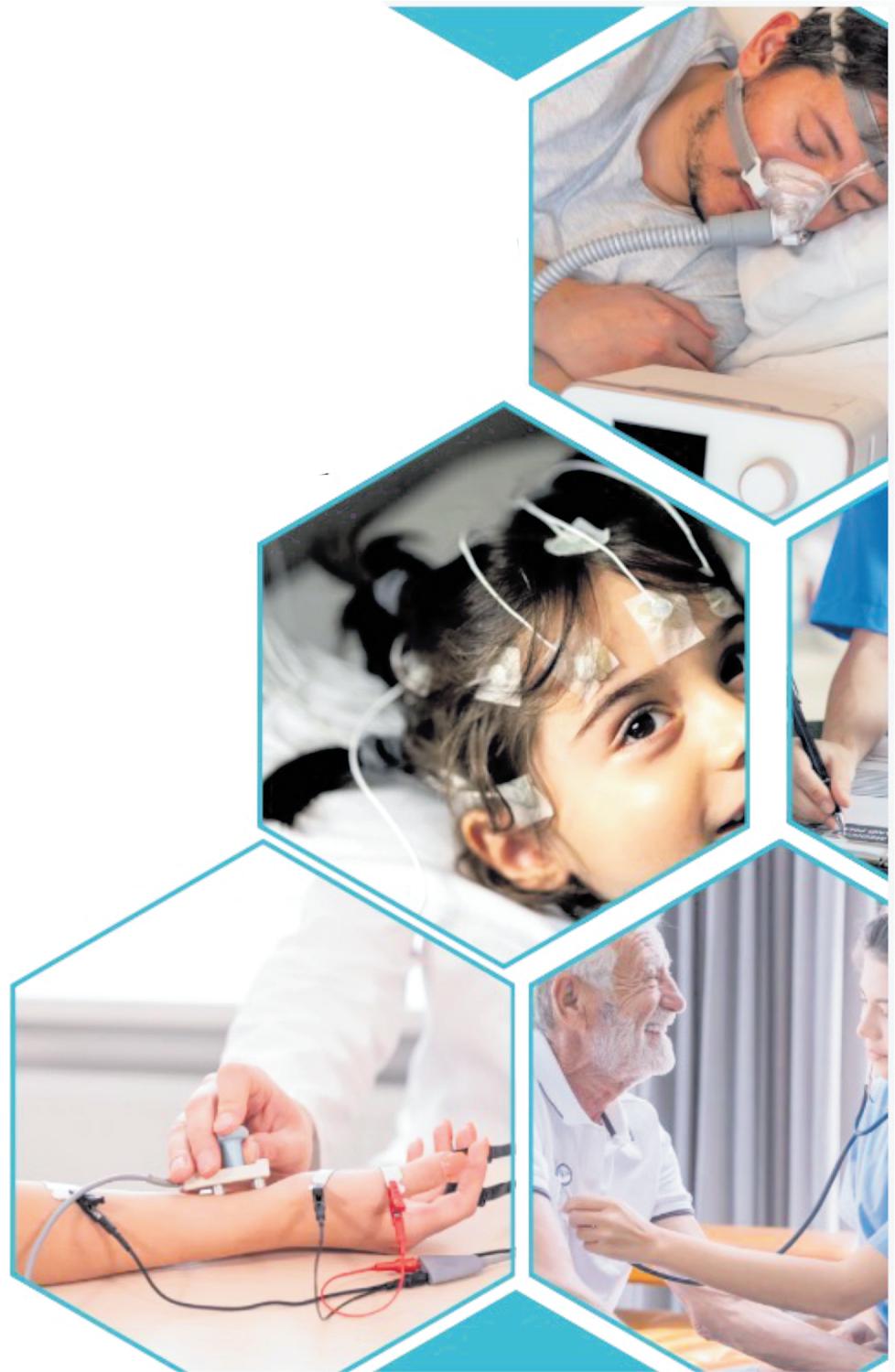
Routine / Holter EEGs
Sleep studies
CPAP Titrations • Ner ve conduction studies
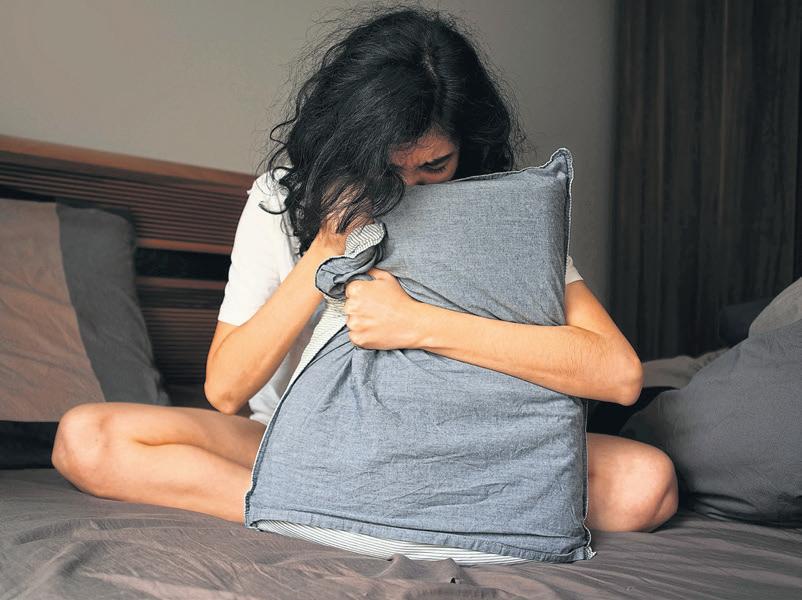
Racing heart, knotted stomach, tense shoulders and exhaustion; for millions of South Africans, anxiety doesn't stay confined to the mind but shows up powerfully in the body as psychosomatic symptoms with very real physical sensations. These mind-body interactions include chest discomfort, headaches, digestive upset and chronic fatigue. Left unmanaged, anxiety can significantly impair daily functioning, reduce workplace productivity and erode quality of life whilst increasing risk of additional health complications.
"What starts as emotional strain can quietly become a broader health problem,” said Abdurahmaan Kenny, product manager of branded generics at Pharma Dynamics. “When stress becomes chronic, the nervous system remains on high alert. Over time, that constant fight-or-flight response starts to wear the body down.”
Globally, an estimated 4,4% of people currently live with an anxiety disorder. In South Africa, a national survey found anxiety disorders were the most common class of lifetime mental health conditions, affecting around 15,8% of adults.
Several factors contribute to this prevalence, including poverty, unemployment, HIV/Aids, political and social upheaval, and trauma from exposure to violence and abuse. Women are more likely than men to experience these conditions.
Generalised anxiety disorder (GAD) is one of the most common clinical forms, characterised by excessive, persistent worry occurring more days than not for at least six months, accompanied by physical
Anxiety is fast becoming one of South Africa’s most underreported health stories, affecting both mental and physical well-being. PHOTO: UNSPLASH/ SOLVING HEALTHCARE
symptoms including muscle tension, sleep disturbance and irritability. Psychosomatic symptoms include muscle tension, trembling, jaw clenching, headaches, upset stomach, nausea, digestive issues, fatigue, restlessness, sleep difficulty, sweating, rapid heart rate and shortness of breath.
“These physical reactions aren’t imagined,” Kenny said. “They’re the body’s stress response, short-term protective mechanisms that become dysfunctional when anxiety is persistent.”
Managing anxiety effectively often requires a comprehensive approach, including psychotherapy and medical treatment tailored to individual needs.
First-line antidepressant therapies, including SSRIs and SNRIs, are widely recommended because of their strong evidence base. These regulate key neurotransmitters involved in mood and stress responses, yet relief takes two to four weeks to show.
Health-care providers may prescribe short-term adjunctive treatments to bridge this gap. Some fast-acting agents can cause drowsiness and dizziness, while other non-benzodiazepines help regulate stress response without sedation or dependency. Evidence-based strategies that help reduce anxiety include physical activity, mindfulness and breathing techniques, limiting stimulants, adequate sleep, maintaining social connections and professional guidance through cognitive behavioural therapy. The World Health Organisation says about one in four people with an anxiety disorder receive treatment. "Stigma and lack of awareness are major barriers," Kenny said.
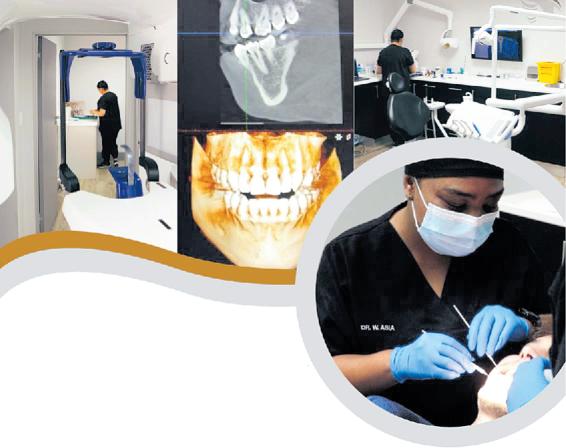
Specialized Dentistr y
• Digital treatment planning
• Tooth wear & bruxism treatment
• Specialist cer tified tram for implant planning
Restorative
Crowns • Bridges • Veneers • Teeth Whitening
Tooth Replacement
Dentures (Full / Par tial)
Implant-Retained Solutions
• Facial prostheses (ear, nose, eye prosthetics and reconstruction of facial resctions

Feeling
Brain fogged?
Str uggling with
Constantly
Emotionally
These
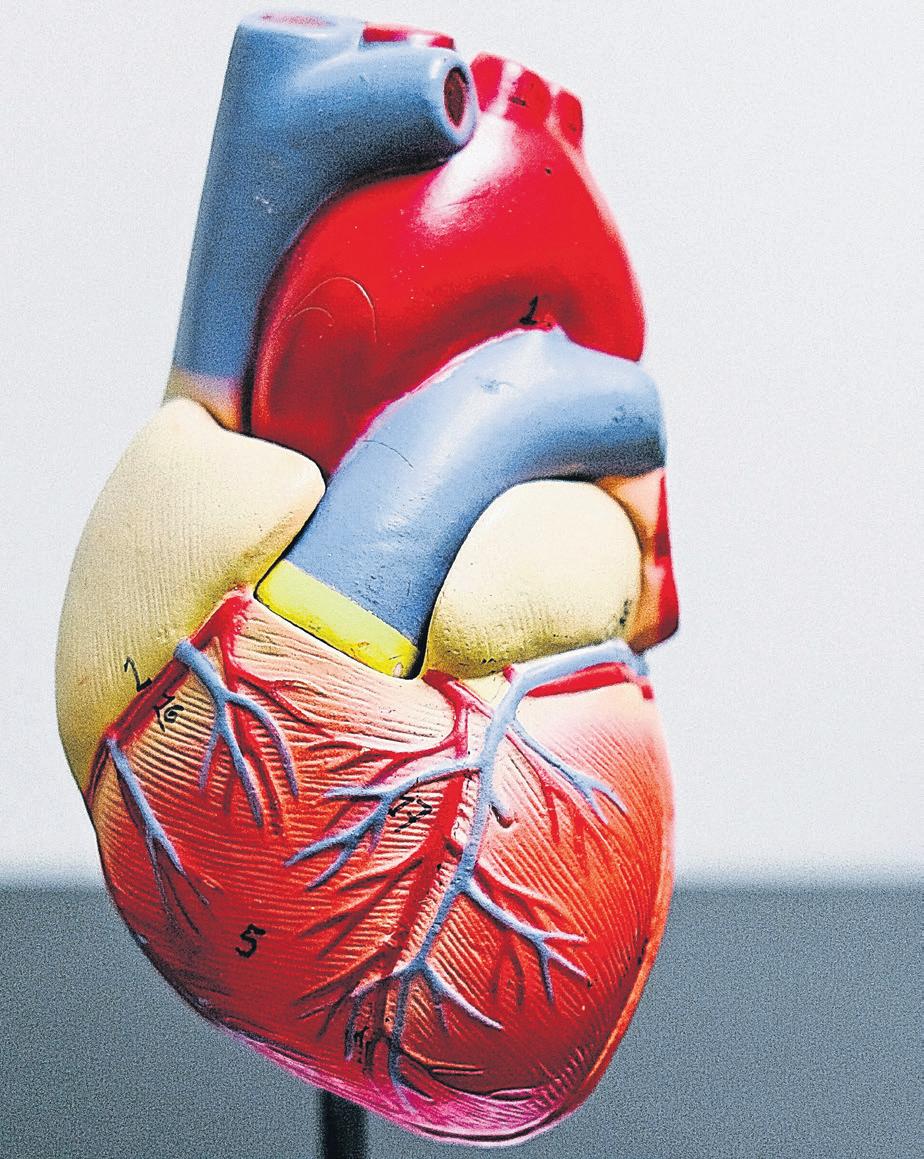
Left unchecked, high cholesterol can silently increase risk of heart disease, stroke and other severe health conditions.
Two main types exist: low-den sity lipoprotein (LDL) or “bad cholesterol” contributes to fatty plaques in arteries, while high-density lipoprotein (HDL) or “good cholesterol” helps remove excess LDL from the bloodstream.
High triglyceride levels can further elevate risk.
Recent research suggested high cholesterol is more common in South Africa than previously thought.
A study on adults with diabetes and high blood pressure found more than three quarters (76,7%) had abnormal cholesterol levels, with women most affected.
High triglycerides affected over 62% of participants.
Some South Africans, particularly those of European colonial descent, are more likely to have familial hypercholesterolaemia, a genetic condition causing dangerously high cholesterol levels.
A history of Covid-19 can double long-term risk of heart attack, stroke or death, according to research from Cleveland Clinic and University of Southern California.
Patients with any Covid-19 infection were twice as likely to experience significant cardiac events for up to three years after initial diagnosis. During the pandemic many South Africans adopted sedentary lifestyles, consumed unhealthy diets and experienced heightened stress, making
High cholesterol can silently increase risk of heart disease, stroke and other severe health conditions.
PHOTO: UNSPLASH/ KENNY ELIASON
cholesterol management an essential post-Covid health priority. The only way to determine cholesterol levels is through a lipid profile test measuring total cholesterol, LDL, HDL and
Cholesterol is manageable through lifestyle changes and dietary adjustments.
Foods like oats, beans, lentils and fresh fruits help lower LDL cholesterol, while avocados, nuts, seeds and olive oil support higher
Fatty fish, including salmon and sardines, do help lower the triglycerides.
Moderate aerobic exercise for at least 150 minutes weekly can help regulate cholesterol. Strength training twice weekly also improves cardiovascular health.
South Africa has one of the highest obesity rates globally. Reducing body weight by 5-10% can significantly improve cholesterol levels and heart health.
Smoking lowers HDL cholesterol and damages blood vessels. Stopping can improve cholesterol levels within weeks.
Health-care providers may prescribe cholesterol-lowering medications if LDL cholesterol remains high despite lifestyle adjustments, there is strong family history of heart disease or individuals have diabetes or other high-risk conditions.
• Source: Medishield












Having unprotected sex while knowing you have a sexually transmitted infection (STI), and without informing your partner, can result in imprisonment, health experts warned during STI/ Condom Awareness Week from 9 to 15 February.
Researchers from the Centre for HIV and STIs of the National Institute for Communicable Diseases (NICD) and the School of Public Health at University of the Witwatersrand conducted research on sexually transmitted infection syndromes in South Africa from 2021 to 2024.
In this period 3 265 people participated in a survey, of whom 71,3% were male. Significant proportions reported high-risk sexual behaviours, including having sex with a casual or non-regular sexual partner in the preceding three months (34%), having two or more sexual partners in the preceding three months (39,1%), and having sex with someone living in a different province (11%) or another country (9,9%).
Almost 20% reported being treated for at least one STI syndrome in the preceding 12 months.
Researchers found 3 088 participants were well informed about their HIV status, while 634 reported being diagnosed with HIV. Of those self-reporting as living with HIV 557 reported ever taking ARVs, with 548 taking ARVs in the preceding three days. In total, 2 113 males were diagnosed with male
urethritis syndrome, an inflammatory condition of the urethra in men resulting from an STI. Of these males, 93,2% had one or more STIs.
In 2010, Mphikeleli Lovers Phiri, an HIV counsellor, had consensual unprotected sex with his girlfriend while aware he had tested positive for HIV. He did not inform her about his status, and she tested positive shortly afterwards.
After discovering her status and confronting Phiri, she opened a criminal case. He was charged with attempted murder and sentenced to six years in prison. Phiri appealed to the Gauteng High Court, but his appeal failed.
Sandra Maritz, spokesperson for the Western Cape Department of Health and Wellness in the Cape Winelands, said the department continued providing health education at its facilities and during its community-outreach initiatives.
“We provide health education so people are informed about safe family planning and methods to prevent sexually-transmitted infections.”
The department focuses on preventative services, including making condoms available and informing patients about pregnancy-prevention options.
Maritz encouraged people to visit their nearest medical facility where trained health workers can assist with condoms, family planning and possible male circumcision.
Since 2014 more than 350 000 girls in South Africa have been vaccinated against the Human Papillomavirus (HPV), advancing efforts to eliminate cervical cancer, which it causes. The Western Cape's school-based immunisation programme offers free vaccines administered by trained health-care professionals at public and private schools. The HPV vaccine (single dose) is administered to Grade 5, 6 and 7 girls at private
schools and the Tdap booster to Grade 5 learners at public and private schools. Side effects include redness at the injection site, slight fever or tiredness, which resolve quickly.
Consent forms will be sent to be signed by parents or guardians and returned before the day. Without these no child will be vaccinated. For more, contact your local clinic or nurse, or consult the Road to Health booklet.

AsMarch marked Endometriosis Awareness
Month women in the Overberg facing this debilitating condition can now access innovative treatment that could transform their quality of life.
Endometriosis affects one in 10 women of reproductive age globally, with thousands of South African women living with chronic pelvic pain, heavy periods and reduced mobility that significantly impacts their daily lives. The condition occurs when tissue similar to the uterine lining grows outside the womb, causing severe symptoms that often go undiagnosed for up to 10 years. African women typically face even longer delays in proper diagnosis and treatment.
increasing blood flow to affected areas.
Testimonials reveal promising outcomes. One endometriosis sufferer who had been tracking daily pain reported: “When I started at Pelvic Care I was noting pain almost every second day. But it has now been a very long time since I felt pain that was noticeable or even worth mentioning.”

Revolutionary treatment available locally
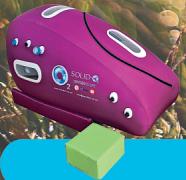
Hermanus now offers Pelvic Chair Therapy, a groundbreaking electromagnetic treatment that stimulates and strengthens pelvic-floor muscles without invasive procedures. “Evidence shows physical activity assists pain management in women diagnosed with endometriosis,” explained Danielle Ross, a women’s health physiotherapist from Gqeberha, who provides the therapy through a programme named Pelvic Care.
“The Pelvic Chair promotes pelvic mobility and increases circulation in the pelvic region.” Each 30-minute session activates more than 11 000 targeted muscle contractions, addressing pelvic-floor dysfunction that contributes to chronic pain and reduced mobility. The therapy works by relaxing overactive muscles, improving coordination and
Another patient with more than 20 years of endometriosis experience and two previous surgeries confirmed: “I do feel that there has been an improvement.” Younger patients are encouraged to seek early treatment.
According to Chrismari de Kock, founder of Pelvic Care, the importance lies in listening to women who have spent years adapting their lives around persistent pain.
“When someone tells you they have lived with discomfort for two decades any improvement matters. Feeling heard and supported matters.” While there remains no cure for endometriosis this non-invasive technology offers new hope as part of medical therapy, surgery and/or lifestyle modifications.
Pelvic Care Hermanus is at 29 Albertyn Street. For appointments call 028 312 1981 or email hermanus@ pelviccare.co.za.
△More information is available at www.pelviccare.co.za.
Sports & injury rehabilitation
Back & neck pain treatment
Post-surgery recovery
Pilates focused strength & mobility
Pilates focused long-term injury prevention
Pilates focused pre- and post surgery rehabilitation
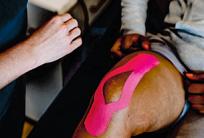
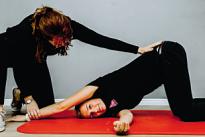

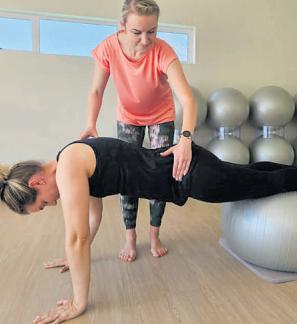
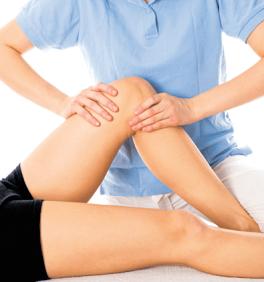
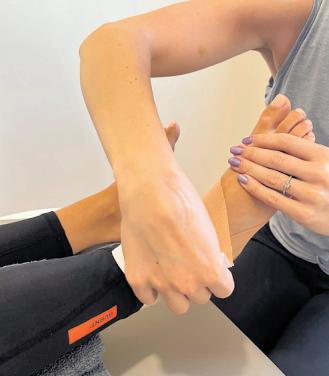
• Spinal and peripheral joint mobilisation
• Extra corporeal shockwave therapy
• Post operative orthopaedic rehabilitation of spine
• Post operative orthopaedic rehabilitation of peripheral joints (knee, hip, hand, shoulders, elbow, foot, ankle)
• General exercise planning after a sport injury
• Management of musculoskeletal and orthopaedic conditions
• Chest and sinus treatment Your team of qualified physiotherapists in holistic, evidence-based care across the Cape Winelands. Tailored treatments, compassionate patient centred care, and a commitment to your well-being awaits you. Let's restore balance and optimal function together!
• Fascial mobilization
• Sports specific rehab
• Neck and Back pain management
• Joint manipulations
• Pelvic health
• Men's health
• Home visit
Knowing how to respond during a choking incident could save a child’s life, according to Netcare 911, which has highlighted the importance of quick action and proper technique when assisting a choking child or baby. Whilst choking in children is not always preventable, being prepared with the right knowledge can make a critical difference in an emergency situation.
Netcare 911 emphasises that witnessing a child choking can be very distressing, causing many parents or caregivers to panic and, in some instances, completely freeze up if they don’t know what to do. That is why it is always advisable to familiarise yourself with the correct actions to take should you be present during a choking incident. When responding to a young child who is choking, Netcare 911 stresses the importance of keeping calm and acting quickly. Speed is of the essence in any choking situation, as being able to dislodge a blockage quickly greatly minimises the risk of further complications.
However, one should never try to remove a foreign object unless it can actually be seen, as this can push it further into the airway. Depending on their age, the child may not be able to communicate that they are choking. Therefore, as soon as a baby or younger child is unable to cry, cough or talk it is likely that something is blocking their airway. They may even turn bright red or blue.
It is important to keep calm and think rationally about what actions will best assist the child.
• Firstly, try to encourage them to cough. Often the child will forget to try this, and forceful coughing may successfully expel the object
• If this doesn't work, do the Heimlich manoeuvre: stand or kneel behind the child, wrap your arms around them and make a fist with one hand. Place your fist against the stomach, just above the belly
button. Place your other hand over your fist and position your body up against the child. Give a series of five hard forceful squeezes, attempting to force the air out of the child to dislodge the object. Check in the mouth to see if the object is visible. If you can see it pull it out.
• If the thrusts don’t work, then do a series of back blows: have the child positioned with the head as low as possible and hit the child forcefully between the shoulder blades. Repeat this five times. Keep repeating Heimlich thrusts and back blows until the object is released or check if you can see the object to pull it out.
to do if a baby is choking:
• Lay the infant face down along your arm, with the head lower than the rest of the body.
• Give five hard slaps on the baby's back with the intention of shaking the object loose.
• If the object doesn't come out, turn the baby on his or her back. Whilst supporting the entire baby, place two fingers on the middle of the chest and give up to five hard chest thrusts. Keep repeating back slaps and chest thrusts until the object comes out, or keep checking in the mouth to see if the object is visible. If you can see it, pull it out.
Netcare 911 emphasises it is essential to call for professional help immediately. If at any time the baby or child becomes unresponsive place them gently onto the floor and begin cardiopulmonary resuscitation (CPR). When giving breaths, take a moment to look in the mouth and see if the object is visible, and remove it if possible. CPR should continue until help arrives.
Emergency medical services should be summoned as soon as possible when someone is choking because if these steps do not work, choking can very quickly result in the person losing consciousness and suffocating. The sooner paramedics are called the sooner they will arrive on scene and the greater the chance of a positive outcome.
Cancer begins in the cells, which are the basic building blocks that make up tissue. This is found in the breast and other parts of the body. Sometimes cell growth goes wrong and new cells form when the body doesn’t need them and/or old or damaged cells do not die as they should. When this occurs a build-up of cells often forms a mass of tissue called a lump, growth or tumour. Breast cancer occurs when malignant tumours develop in the breast. Their cells can spread by breaking away from them and entering blood vessels or lymph vessels, which branch into tissues throughout the body. When cancer cells travel to other parts of the body and begin damaging other tissues and organs the process is called metastasis.


Dienste:
•Gehoor toetsebabas, kinder s en volwassenes
•Gehoorapparate
•Gehoorbesker ming
•Tinnitus behandeling
•Kogleêre inplantings ver stellings en evaluasies
Jou gehoor is ons passie. Ontdek die wêreld van gehoor by Tamara van Zyl Oudioloë Alle mediese fondse welkom!

Het jy al jou gehoor laat toets?
Skakel 021 180 4065 vir ’n afspraak


Kontak gerus vir
Kontak gerus vir
Azille Visser of Kay Williams, Maatskaplike Werkers op azille@utilitas.co.za / kay@utilitas.co.za / www.utilitas.co.za of 021 946 1685
Azille Visser of Kay Williams, Maatskaplike Werkers op azille@utilitas.co.za / kay@utilitas.co.za / www.utilitas.co.za of 021 946 1685
Kontak gerus vir Azille Visser of Kay Williams, Maatskaplike Werkers op azille@utilitas.co.za / kay@utilitas.co.za / www.utilitas.co.za of 021 946 1685
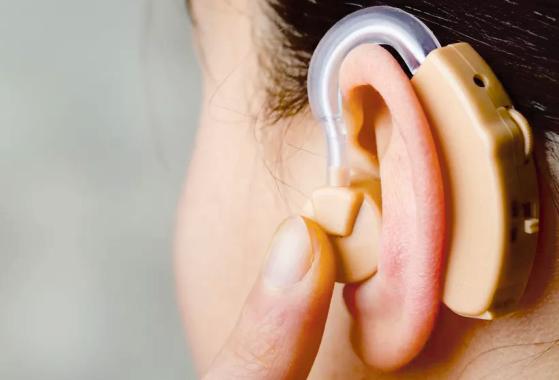
Morethan 1.5 billion people worldwide experience hearing loss, with numbers projected to reach 2.5 billion by 2050. In South Africa alone, an estimated 12 million people, or over 20% of the population, live with some degree of hearing loss. Despite these figures, many cases remain undiagnosed, with individuals unaware they are affected. Early detection offers the best opportunity to prevent long-term complications and preserve quality of life.
Untreated hearing loss extends beyond difficulty hearing conversations. Research links it to cognitive decline, social isolation, depression and increased dementia risk. Children with unaddressed hearing challenges face delays in speech development, literacy struggles and reduced educational opportunities.
“A child’s ability to hear shapes their entire developmental journey,” says Chéri van Zyl, Chief Audiologist at Red Cross War Memorial Children’s Hospital. “When hearing difficulties are identified early, we can intervene before they affect communication, learning or confidence.”
For newborns, screening should ideally occur within the first month of life. Parents should seek assessment if babies do not startle to loud sounds, show delayed babbling or experience frequent ear infections. School-age children who turn up device volumes excessively or struggle to follow classroom instructions also warrant evaluation.
Adults should establish a baseline hearing test around age 40, followed by assessments every two to three years. Common warning signs include muffled conversations, difficulty understanding speech in noisy environments, frequently asking people to repeat themselves or persistent ringing in the ears.
Younger people face increasing risk from prolonged headphone use at high volumes and regular

exposure to loud music at concerts or clubs. Over one billion young adults worldwide are at risk of permanent, avoidable hearing loss due to unsafe listening practices.
Many causes of hearing loss are preventable through immunisation, prompt treatment of ear infections, occupational hearing protection and safe listening habits. Reducing headphone volumes and wearing ear protection in noisy environments can make a lifelong difference. Hearing assessments are non-invasive, painless and typically take 40 minutes. Public health facilities across the Western Cape offer screening services, whilst private providers including Spec-Savers provide free screenings at over 70 locations nationwide.
Early action changes outcomes. If concerns arise, seeking assessment promptly ensures the best chance of preserving hearing and preventing complications.
△Sources: World Health Organization; Western Cape Department of Health and Wellness; Spec-Savers
AU DI OL OG IS T / OU DI OL OOG
B SPEECH THERAPY & AUDIOLOGY; M TH (US)
• GE HOO RT OE TS E (V OL WA SS EN ES & KI NDE RS )
Weskus: Wesmed 17 voortrekker Vredenburg

• GE HOO RA PPAR AT E: PA SS IN GS , HE RS TE LL E
• GE HOO RB ES KE RM IN G, SWE MP RO PP E
• GE HOO RE VA LU AS IE S VI R BA BA S
• GE HOO RS IF TI NG (B ER OE PS GE SON DH EI
• GE SELS OO R WAT U BE N OD IG VI R BE TE GE HO OR EN BA LA NS www hearingsa com elrietha@gmail com 072 906 7198

• HE AR IN G TE ST S (A DULTS & CH IL DR EN
• HE AR IN G AID S: FI TT IN GS , RE PA IR S
• HE AR IN G PR OT EC TI ON , SW IM MI NG PL UG
• HE AR IN G EVAL UATI ON FO R BA BIE S
• HE AR IN G SC RE EN IN G (O CCU PATI ON AL
• DI SC US S YO UR NEE DS FO R BE TT ER HE AR IN G AN D BA LA NC E


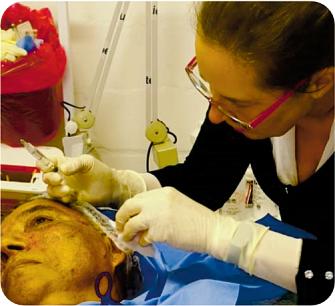
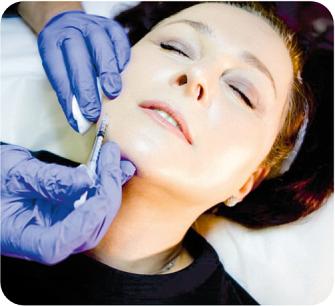
Advanced Medical Aesthetics Treatments:
• Anti-ageing anti-wrinkle injection
• • Skin Boo
• Fillers • Bio-revitalization
• Microneedling •
• Skin Tag removal Dr Jill te Water
Treatments: injections Medical weight loss injections
• Anti-ageing peels and mesotherap