





ng people whogrewup nder some of the most However, theyrefused problem, butchose to be .Weneedmoreyoung young people whoare ference. eneedtoplayanactive we sitdownwith our mand offer guidance must notjustthrow thatcould crushtheir people is notasstrong ays, buttheyare not associatescalls them re just advanced and ap into their wisdom he rightdirection so ishand contribute to a ourcountry, especialtinuetoshine the light ess,I salute you.Conkthatyou are doing.
ngoku sinohlohlena balonto ububona uneka umntu ehlile sele bengasamfuni, umntu ulwa kujijike isikhinda akafunikwehla esikhundleni.Phofu lo mntu ebengene esaziukuba usikelwe iminyaka emihlanu Kodwa lithi lakufika eloxeshaubone esilwa. Kuyo yonke lonto kudekuphume nezidumbu Ndinayo into ethi ke zezinyezezizathu ezibangela ukuba abantu bakuthi bangazibandakanyi nezopolitiko.Yonke njeleimibutho iyafana. Ithilonto kusezakubanzima kwayesisezokukhala. Utywala buhamba phambili Nditsho sele ubhiyozelausuku lokuzalwa komntanaogqibaunyaka abantu abadala bafikabafune utywala. Sele usenza imbeleko kufuneka obutywala. Asisakwazi ukonwabangaphandle kotywala. Utywala ngubhubhani othileotshabalalisa isizwe.Amakhaya amaninziaphelile butywala Uyakuqaphela ukuba kumzi ngamnye ubanayo intseli okanye inxila lawo. Makhe sibuyiseniunyawo senzelento ifanelekileyo mzóntsundu
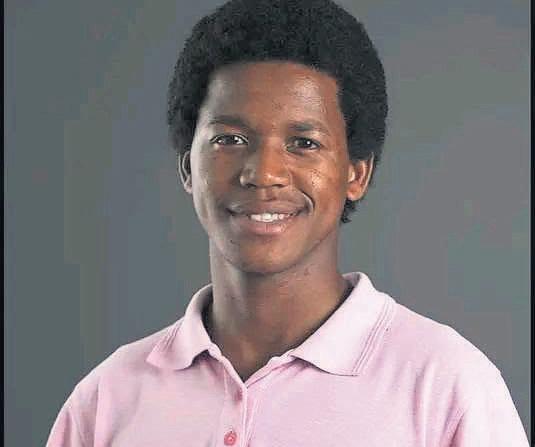
Men are generally expected to be strong and resilient, regardless of their challenges. Yet behind that image arestruggles with mental health, unemployment, family responsibilitiesand social pressures. Theseare theremarks of Luyolo Lengesi-Hawule, the co-founder and managing director of #Langa ForMen.
#Langa For Men is anon-profit organisation (NPO) focussed on reprogramming the minds of men and grooming youngboys to become protectorsofwomen andchildrenrather than the perpetratorsof gender-based violence and femicide (GBVF).
Lengesi-Hawule (28) describedthe organisation as amovementthatcreates safe community spaces for male accountability, healing and progressive dialogue. He said the organisation is dedicated to empowering men and promoting positive masculinity.
“Through regular meetings, workshops and community activities,the organisationprovides asafe space where men can discussissuesaffecting their liveswithout fear ofjudgment. The programmebrings together men from different age groups and backgrounds to share experiences, learn from one another andfind solutions to common challenges.
“Topics discussedrange frommental health,fatherhood and relationships to substance abuse, GBV and economicempowerment,” he said.
According to Lengesi-Hawule, oneofthe programme’s primary objectivesistoencourage men to become active participants in building healthier families and safer communities by promoting accountability, respect and emotional well-being. He said they want to change the mind-
set and stereotypes that often prevent men fromseeking help when they need it.
“Theaim is to help men develop better communication skills, improve relationshipswiththeir families and gain agreater understanding of their role within the community.Our programmes are more than support groups;they have becomea brotherhoodbuiltontrust, encouragement and asharedpurpose,” he said.
To promote broader inclusivity in the community,the organisation recently establishedLanga ForWomen andLanga ForQueer
“As #LangaForMen,wenoticed that there are casesthatrequirea more specialisedapproach. We therefore established Langa ForWomen to focus on issuesaffecting women. Thesameapplies toLanga ForQueer,which represents and supports members of the lesbian, gay, bisexual, transgender, queer and intersex (LGBTQI+) community,”heexplained, adding thatboth groups were established in2021.
Lengesi-Hawule said that beyondgroup sessions, members also participateincommunity outreach projects, awareness campaignsand activities aimedatpromoting unity and social cohesion.
“These efforts demonstratethe group’s commitment to making atangible differenceboth in their ownlives andinthebroader community,” he said.
Headdedthat the organisation alsoruns the Siyakhathala Community Kitchen, whichprovides mealstovulnerableresidents fromTuesday to Friday.
“Wecook fornofewer than 400 people every day. We also visit schools in Langa and have builtstrong relationships with both primary and high schoolsinthe area During these visits, we engage with learn-
ers througheducational andmotivational sessions,” said Lengesi-Hawule.
Ward 51 councillor LwaziPhakade described the organisation as avaluable asset to the community.
“It playsa pivotal role in empowering men, particularly young menand boys. Socialproblemssuch as crime, substance abuse anddomesticviolencecannotbeaddressedwithoutinvolvingmen in meaningfulconversationsand interventions. We believe programmes like #Langa For Men contributetopositive social change by encouraging mentobecomerole models and agents of transformation,” said Phakade.

























UNATHIOBOSE
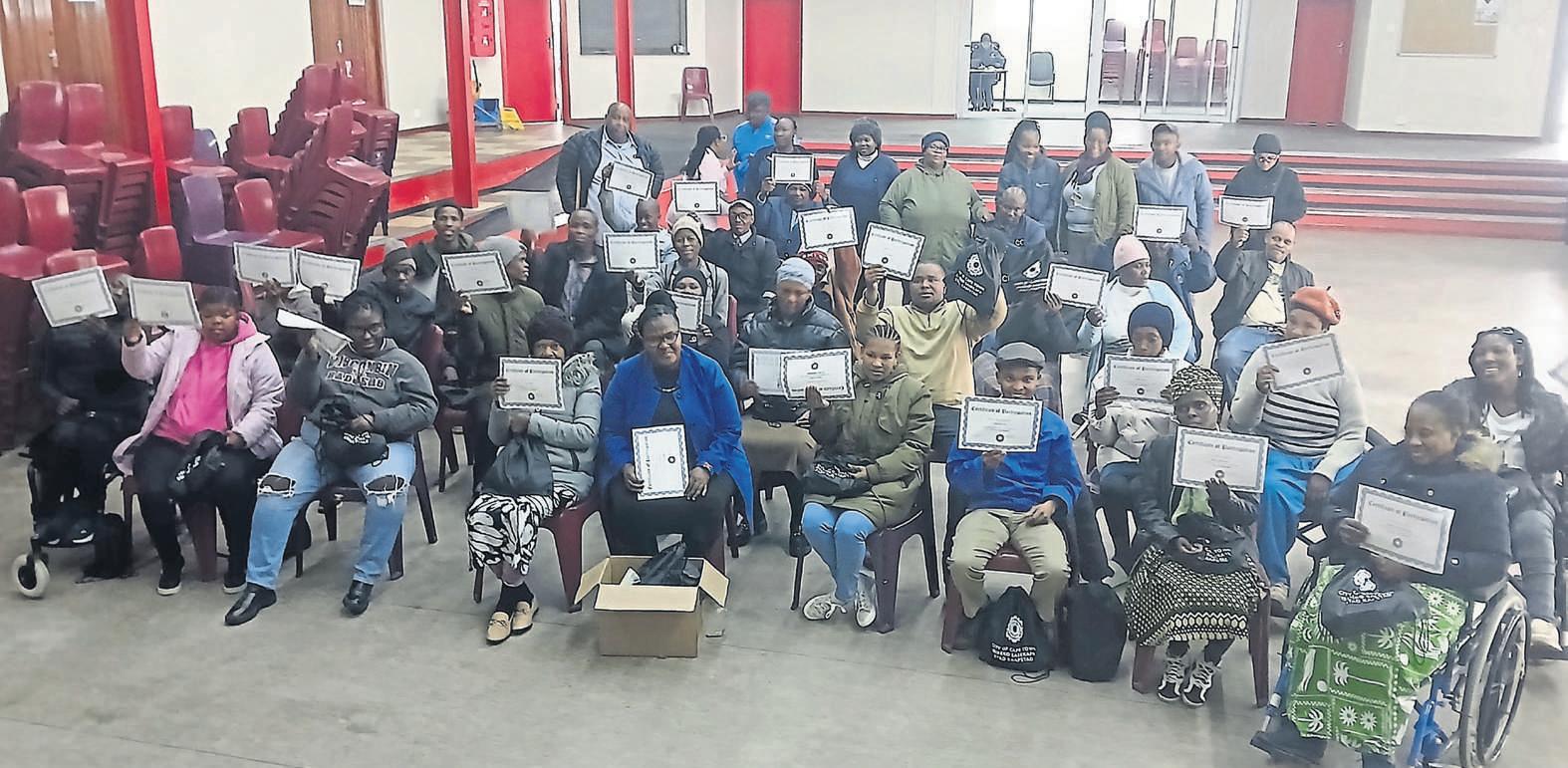
Excitement was evidentonthe facesof members of the Masizakhe Disabled Forum in Site Bduringagraduation ceremony heldatSite BCommunityHall on Wednesday,10June.
At least 30 members receivedcertificates aftercompleting an eight-weekLive Well Challengeprogramme spearheaded by the City to promote healthy living and wellness.
Eleanor Sopili, the City’s Health Promotion Officer, described the event as aspecial occasion. Shesaid participants attended asession on substance abuse.
“We also educate them about the dangers of substance abuse and its impacton their health. We encourage themtolive cleanlives and stay away from alcoholand
drugs. We also educate them aboutthe dangers of diabetes andhighblood pressure,” saidSopili.
MasizakheDisabled Forumchair Babalwa Tabata described the programmeasinformative andeducational. It taught participants howtotake care of their healthand maintainhealthy lifestyles.
“Welearnta lotduring the programme. Theytaught us aboutthe dangers of high blood pressure,diabetes and cancer
“Theyalso advised us on whattoeat if we havediabetes or cancer,and educated us about the dangers of smoking,” said Tabata
Shehighlighted thatone of the major challenges people living with disabilities face dailyisdiscriminationfromthe community,including some family members.
Young people from Ward 86 in Lwandle completedabasiccomputer-skills training course conducted by the City of CapeTown on Friday12June.
Thefive-daytraining programme was held at Nomzamo Community Hall. It was held from Monday 8toFriday12June.
ProgrammefacilitatorBreyton Arendse said the training,which aimedtoempower young people, saw30participate.
“We taught them basic computer skills, including howtouse Microsoft Word, Excel andPowerPoint. This programme was identified by the ward councillor.The participants arebetween the ages of 18 and35. Our jobistoequip them with the skills they need.”
He highlighted the importanceofkeeping up with technological advancements,saying people areliving in amodernsociety where computer literacyisa mandatoryin many workplaces.
One personwho attended, PhiwePaliso (24) from Greenfields, said it is important
for young people to expand their knowledge continuously.
Palisocompleted hermatricin2021. She described the training as helpfuland beneficial.
“I heardabout the programme through the councillor’s office. SinceIamunemployed Idecided to participate to improve my qualifications.Iwilladd the certificate to my curriculum vitae [CV]. It will help when Iapply for jobs.”
Palisourged herpeers nottosit backand do nothing, butinstead take advantage of opportunities thatcan improve their lives. Ward 86 councillor XolaniDiniso said the programme was fundedthrough the ward-allocation budget. He described it as astepping stone towards abetterfuture.
“All the young people here areunemployed. We aretryingtoempowerthem with skills thatwillimprove their chances of finding employment.”
He stressedthe programme formedpart of bringing services closertocommunities andcreatingopportunities for residents.
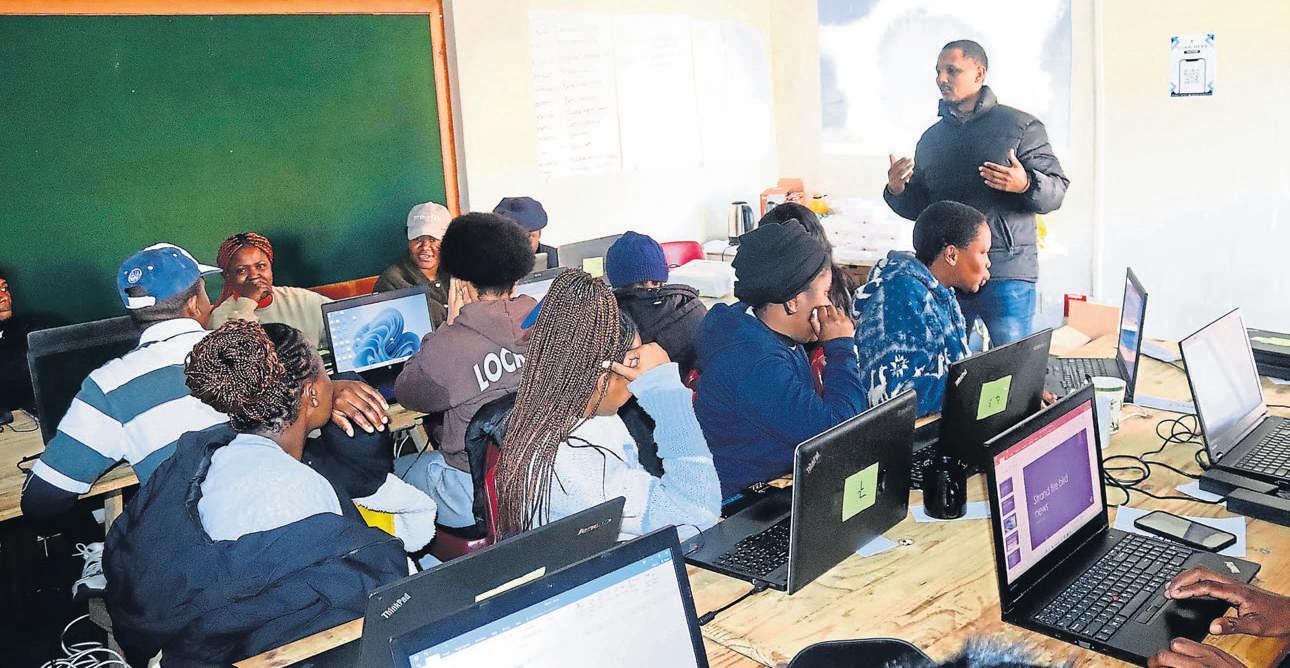
Programme facilitator BreytonArendse tutorsparticipantsinthe computer-skills training course



















































































































































































The South African Local Government Association (Salga) is urgingyoung peopletoturn Youth Month intoaction by registeringtovote and taking ownership of their future in this year’slocal government election on Wednesday4November.
Salga said with voter apathy rising and trust in democraticparticipationunder strain, the upcoming voter registration weekend on Saturday 20 and Sunday21 June is acrucialchance to get on the roll,
update details, and step back into the democratic process thatshapes everydaylife
According to arecent Public Opinion Research by Government Communication andInformation System(GCIS), SouthAfrica approachesthis year’s electionamid “entrenched public pessimism andactive democratic disengagement”.
The study says 62%ofunregistered voters have no intentionofregistering tovote,withonly38% of unregistered respondentssaying they are opentoregis-
tration.
Salga Youth Commission chair Lucky Sele expressedconcern over the numbers. “What is worrying is thefact that over 60% of non-registered youth aged 18–34 do not intendtoregister, representing millions of potential first-time or second-time voters absent from the rolls,”hesaid
The Independent Electoral Commission (IEC) recently unveiled its campaign for this year’s local government election underthe message “Get Up, Show Up, Vote”
which has identified young people as a priority audience in effortstostrengthen democratic participation.
Salga believes that local democracy will only be strengthened when young people choose to participate actively in shaping the councils, priorities and decisions that affect theirdaily lives.
“Young people cannot afford to be absent from decisions that affect jobs, service delivery, accountability and the futureof theircommunities,” concluded Sele.
As the country markedYouth Month on Tuesday 16 June, CityVision took to the streetstoask residents what they think about today’s youthcompared to the youth of 1976
We asked adults whether theybelievetoday’s youth are less ambitious or whether theyare facing different challenges and opportunities. We also asked youngpeople for their views on the perception that they are less driven and committed than the generation of 1976.
. Lunga Mvumvu from ASectionin Site C, Khayelitsha, said today’s youthare notcommitted enough. Hebelieves they lack thefighting spiritthat characterised theyouth of 1976.
“Our children want things to cometo them on asilverplatter. Theyare notpassionate or enthusiastic aboutanything. The youth of 1976 were united andhad one goalinmind –tofight for theircountry Thatisdifferent from today’s youth”
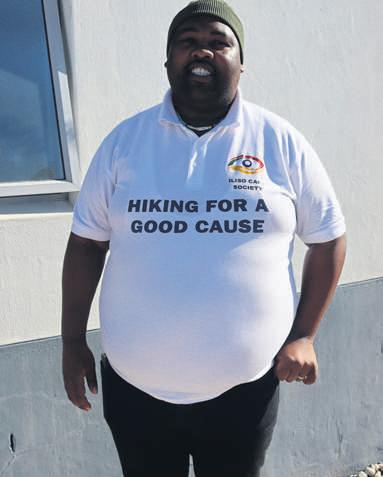
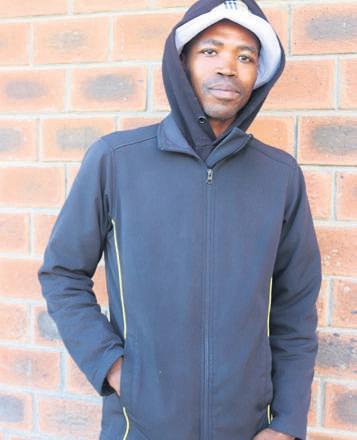
. Monwabisi Njomba from Site B echoed Mvumvu’s sentiments,saying today’syouth arenot dedicated enough. He saidyoungpeople have access to many resourcesbut often show littleinterest in making use of them
“Young peoplehaveall the resources at theirdisposal,but they are just notinterested.Theydon’t want to work hard.Sometimes it is important forparents to listento their children insteadofforcing them to do
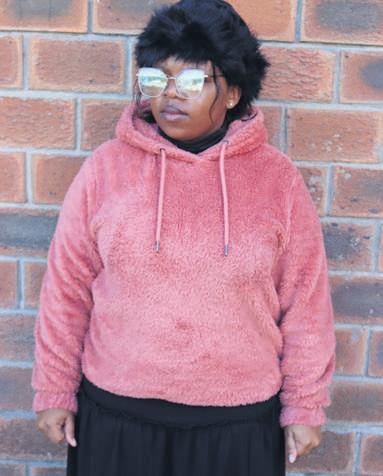
things they do not like, especially when it comes to academics. Parentsoftenchoose careersand courses for their children without listening to them,” said Njomba He added thatthis is one of the reasons many young people drop outofuniversity.
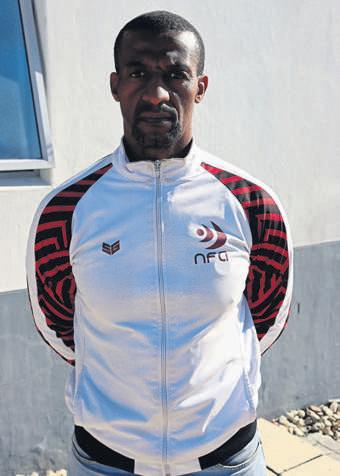
. Zibele Phumezweni (28) from Wag 'n Bietjie informalsettlementinLwandle said the youth of today andthose of 1976 arevery different because theyliveindifferent eras.
“Weare livinginthe ageoftechnology. Most of what we do is through technology. It doesnot mean we arelazy. We get most of ourinformation through ourcellphones,”said Phumezweni
However, he believes the main difference betweenthe two generationsisdiscipline.
“The currentyouth lacks respectfor elders andoftendoastheyplease. Toomuch emphasisonhuman rights hascontributed to indisciplineamong children,” he said
. Kwanele Dlamini (19) from Nomzamo said many young people feel discouragedbecause theyare excluded from decision-making processes in their communities
“There is nothing thatexcitesus. We are notmotivated because we aremarginalised in many thingswithin ourcommunities. Olderpeople do noteveninvite us to public meetings.All we seeiscorruption by governmentofficials,” said Dlamini.
Sheadded thatyoung people need more opportunities to participate in community affairs andhavetheir voicesheard
Langa Library is operating as usual after the City of Cape Town completed renovationwork at the facility lastmonth.
The renovation began on Wednesday 1 April and was completed on Friday 29 May Francine Higham,Maycomember for community services and health, visited the library on Friday 12 Juneto assess the project.
des fr mor fr and env
Bukaniadded that libraries arenolonger justplaces forstoring books or studying.
“People can also use libraries to host meetings, access information andspend their leisure time,”hesaid.
Highamsaidthe renovation projectinvolvedaninvestment of R600 000 aimed atenhancing the facility and creating a healthier,safer andmore welcomingenvironmentfor patrons andvisitors.
Shesaidthe improvements included the
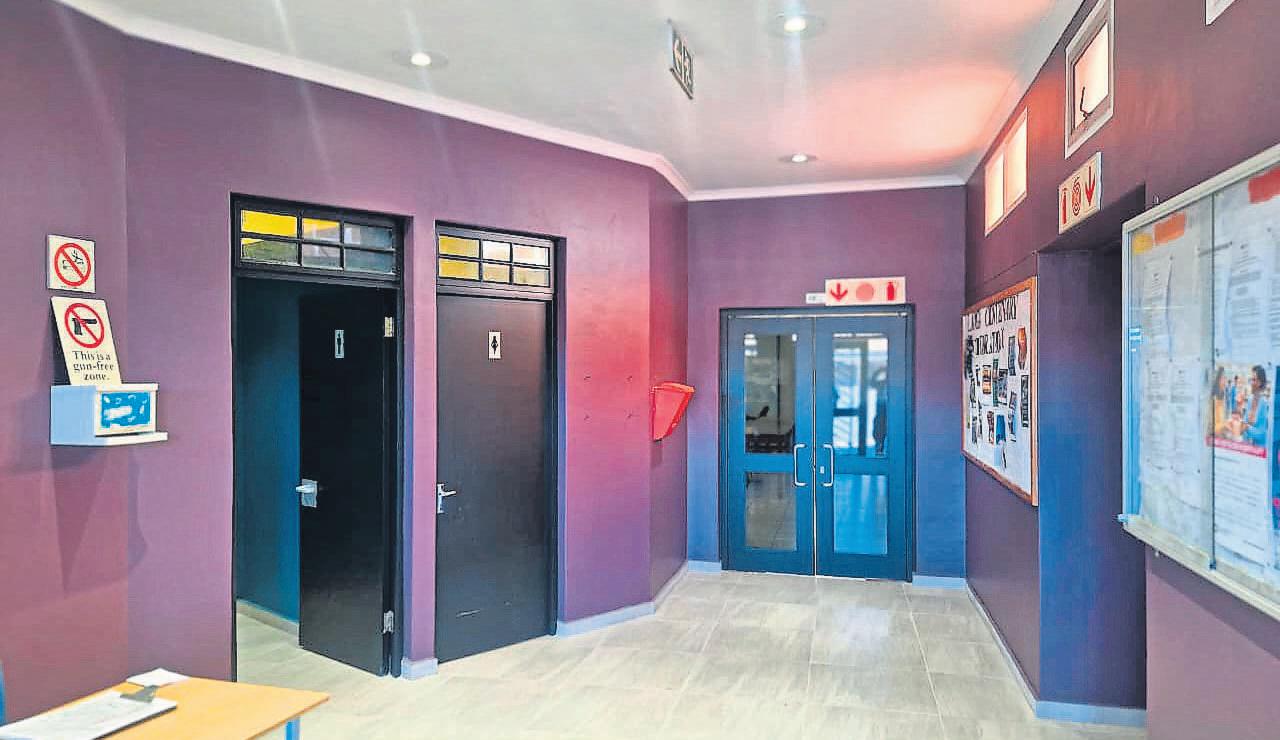
space forreading andlearning.
“Libraries play an important role in our communities, andrenovations,regular maintenanceand upgrades areinvestments in future learning opportunities
“The library now looks modern andinviting,and we hope the new lookwillattract more patrons and encourage greater useof the facility,”saidHigham.
Oneofthe key features of the project is the construction of aseparate parking area,providing dedicatedparking for visitors attending library programmes and events
Theupgrades areexpected to benefit the Langa community by improving accessibility,safety andthe overall user experience at the library.


LA
BSchool marked Jun Athlone not th we June,” gue nings. with pat lers international sary, 20 er, fin guez thing —t an at