































Santa Rosa Symphony | Troy Quinn, conductor Transcendence Theatre Company Sat, July 4 at 7:30 p.m. | Weill Hall + Lawn
Arrive early to make the most of the festivities. The Kids Zone is open from 4:30–7 p.m. with carnival games, bounce houses, food, music, and more. Lawn tickets for kids 12 and under are half price.
GET TICKETS




Sharon Gowan Publisher/Editor Sharon@family-life.us
Looking for a new summertime ritual for you and the kids?
Consider making outdoor concerts your next family tradition for several reasons, including affordability and building community (page 22). Another way to keep kids engaged is to introduce them to new experiences. Extracurricular activities provide safe places where children can experiment and grow in arts, athletics, and more (page 10). Before the summer doldrums set in, discover how an ancient pastime can challenge and entertain young players. If you ever thought the game of chess was too demanding for
youth, you might think again after reading this month’s Book Break about unlocking one’s inner genius one move at a time (page 32).
While time is more relaxed this month, it’s still important to consider educational plans for your children this fall … especially early education options for infants, toddlers, and preschoolers (page 14). Before enrollment, there’s still time for family vacations, but travel with toddlers can be tough. This month’s edition shares ways to lessen the stress of these journeys, from takeoff to landing (page 18).
Lastly, included within is a (red, white, and) blueberry cheesecake recipe to mark America’s 250th year (page 24)!

Marketing/ Sales/Events
Patricia Ramos 707 586-9562 x1 patty@family-life.us
Features Editor
Angel Jenkins angel@family-life.us
Production Manager
Donna Bogener production@family-life.us
Contributing Writers
Dovi Geretz
Cherie Gough
Angel Jenkins
Billing
Jan Wasson-Smith


Publishing Office P.O. Box 351 Philo, CA 95466 (707) 205-1539

Cashews are an ingredient that can effortlessly mimic a velvety, creamy texture, allowing you to completely replace heavy dairy ingredients in traditional baking. They are also a foundational staple in wholesome “Blue Zones” styles of eating, where they provide an abundance of healthy fats and clean, plant-based protein. Keep in mind that even though this recipe contains absolutely no refined sugars, it is incredibly rich and should still be consumed consciously as a special celebratory food.
This magnificent blueberry cheesecake turns out so decadent that your guests will never guess it is completely plant-slant and dairy-free. Before serving, you can simmer extra blueberries with a touch of chia seeds to create a gorgeous, glossy fruit compote to pour over the top.
Another great thing about this dessert is that the recipe is wonderfully versatile; any type of fresh berry, from sweet strawberries to tart blackberries, will work beautifully as a substitute to make this a red or blue Fourth of July dessert! ❖
Source: The Blue Zones American Kitchen

Prep and cook time: 6 hours 15 minutes
Makes 18 mini cheesecakes
2 cups raw cashews, soaked in water overnight
1½ cups fresh blueberries (or frozen blueberries, thawed), plus more for optional topping
½ cup maple syrup
1/3 cup melted coconut oil
Juice of 1 lemon (or 2 Tbs. lemon juice)
½ tsp. salt
Crust Ingredients
1½ cups raw almonds
8 to 10 Medjool dates, pitted 1 to 2 tsp. water
1. In a food processor, combine the almonds and dates. Slowly add the water, 1 tsp. at a time as needed, until the mixture clumps together.
2. Place liners in a muffin pan (standard-size muffin cups with silicone liners recommended). Press a little bit of crust into each muffin cup. Place in the fridge
while you make the cheesecake filling.
3. In a food processor, combine the cheesecake ingredients until the mixture is smooth, 1 to 2 minutes.
4. Spoon the cheesecake mixture into each muffin cup, filling it all the way to the top. Once all the muffin cups are filled, place the muffin pan into the fridge to firm up. It will take a good 6 hours until completely firm. You can also put the cheesecakes into the freezer for about 1½ hours to speed up the process.
5. Serve topped with fresh blueberries, if desired. These can be kept in the fridge or the freezer. They should last about 2 weeks in the fridge and up to 6 months in the freezer.
Variations
• If you want to make one big cheesecake instead of the mini cheesecakes, you can use a 6-inch springform pan.
• As mentioned, any berry can be used in place of the blueberries.
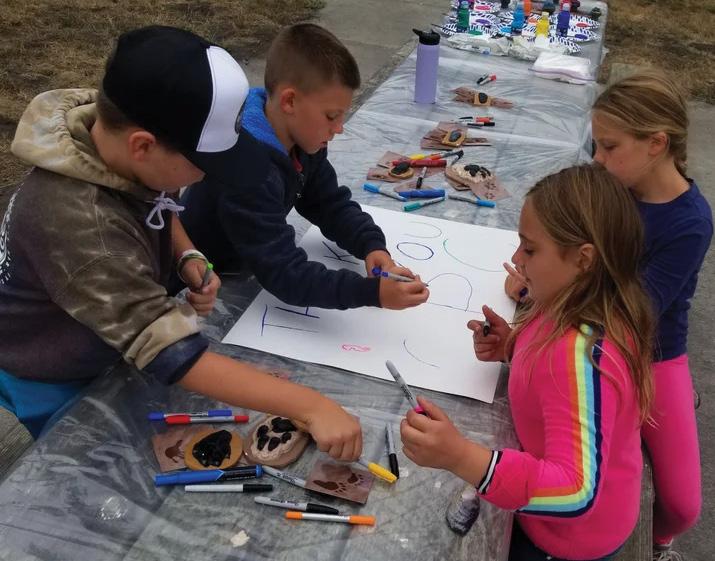
This fun, interactive program offers youth, ages 7–12, the opportunity to become Junior Rangers. Junior Rangers hike trails, play games, observe nature, create art, experience history, and practice science in some of the most special places in California. Best of all, Junior Ranger Programs cost no additional fee. Multiple days in July. MacKerricher State Park. 24100 MacKerricher Park Rd., Fort Bragg. (Laguna Point parking area, upper tables located in the center of the parking loop.) See full schedule at mendoparks.org/ event-calendar

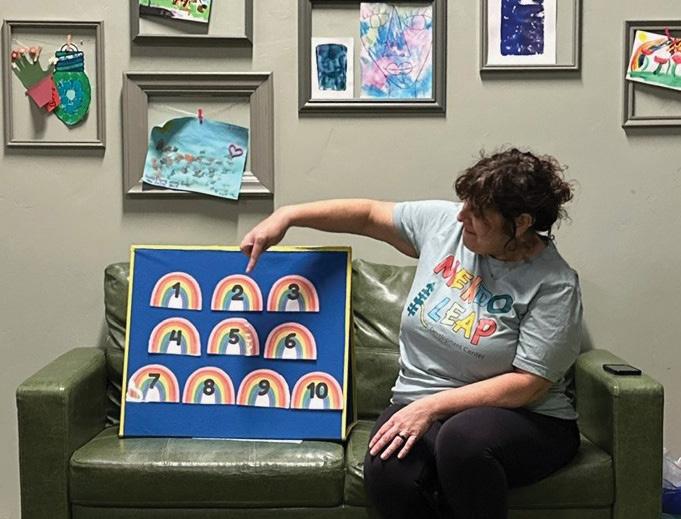
Circle time at Mendo LEAP shares weekly themes, dances, songs, and stories designed for 0–5 year-olds. Activities are included with two-hour general play admission. $15 per child. Membership options available. Each child gets two free adults. Tuesdays and Wednesdays throughout the month from 10–11 a.m. The site opens at 9 a.m. to allow for check-in and getting the wiggles out before circle time starts. Mendo Leap. 203 S. State St., Ukiah. Visit mendoleap. com/Calendar for more details about this and other LEAP events. Learn about this and other Mendo LEAP activities at mendoleap.com/classes
Sundays in the Park Free Concert Series is the largest and most recognized community event in Mendocino County. Since 1992, the series has thrilled the community with exceptional musical performances by artists from diverse genres including blues, classical, country, salsa, soul, rock, swing, reggae, and more. Each summer, taking center stage in beautiful Todd Grove Park, six free concerts featuring world-renowned artists as well as local talent, entertain more than 20,000 music fans. Pack a picnic or indulge in food prepared by vendors. Bring a blanket and low-back chairs. No pets or smoking. Concerts begin at 6 p.m. Todd Grove Park. 600 Live Oak Ave., Ukiah. View the entertainment schedule at cityofukiah. com/sundaysinthepark
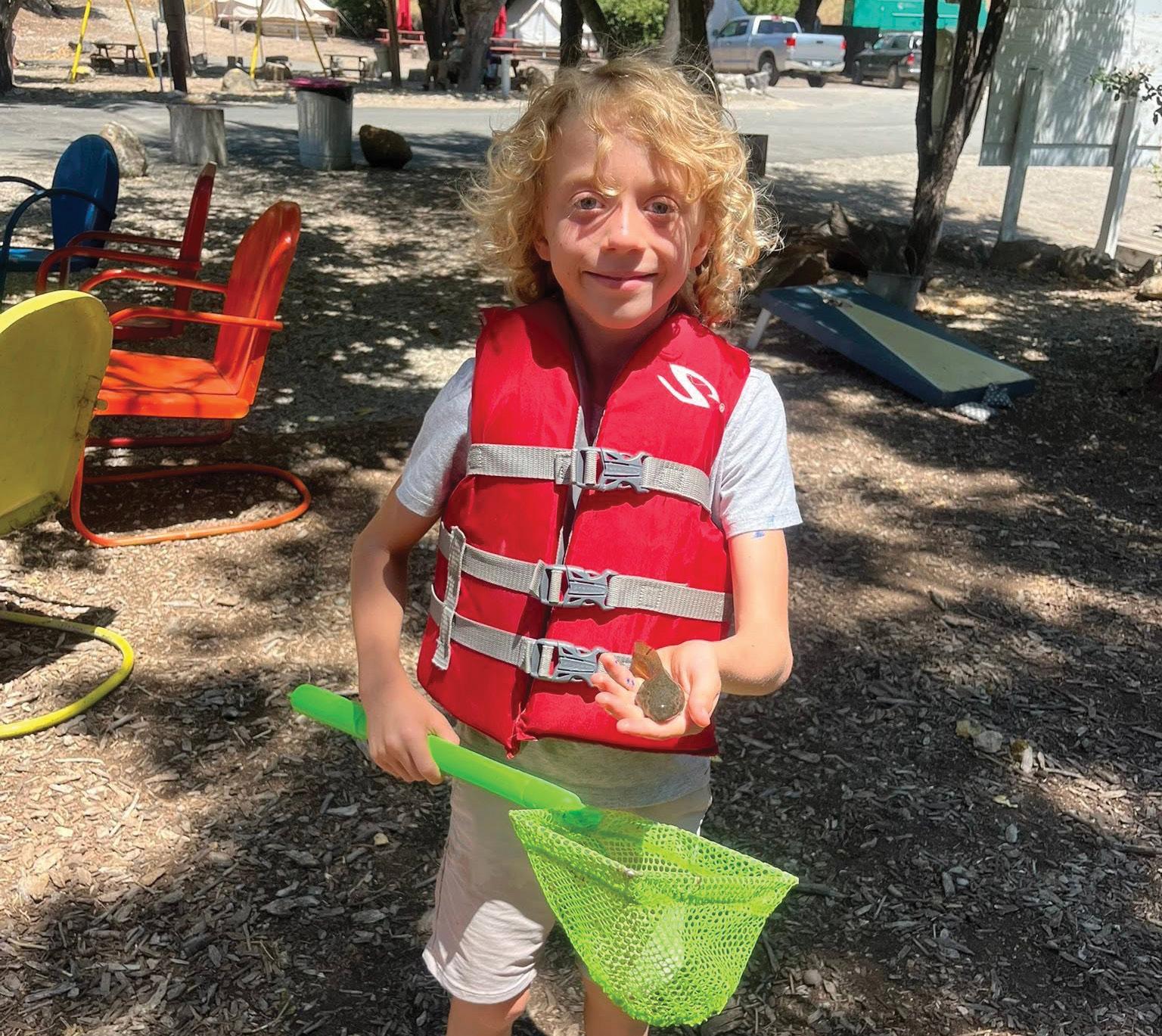
Students of all ages gain hands-on experiences using different life scenarios that they will encounter during their adventure at CMAS Adventure Camp. Teams go on scavenger hunts using a compass to explore nature and collect specimens to examine with microscopes. They experience opportunities to dissect owl pellets and chart their findings to decipher their discoveries. The event is free but donations are appreciated. All ages and families are welcome but must register. 11:30 a.m.–5 p.m. July 26. Southlake Alliance Childrens’ Museum of Art and Science. 15210 Lakeshore Dr., Clearlake. Find remaining event dates at cmaslakecounty.org

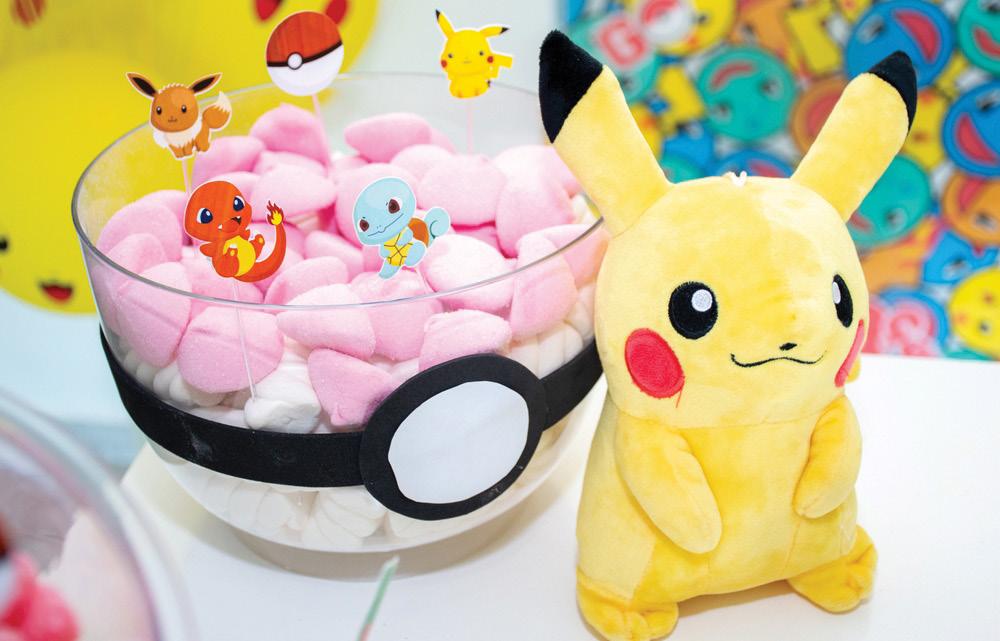
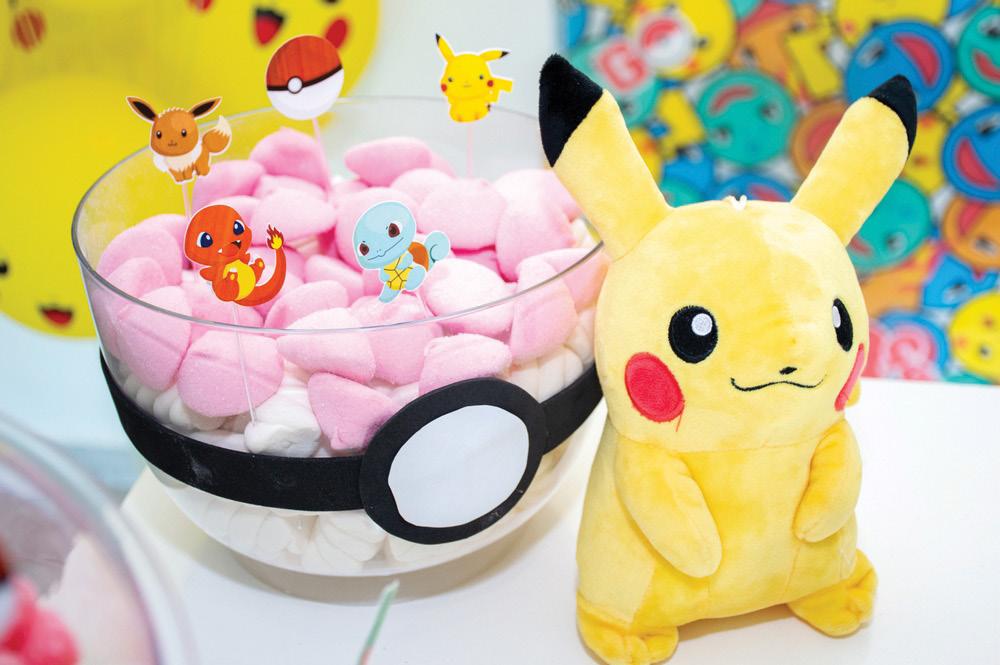
Calling all Pokémon vendors, collectors, artists, and trading card enthusiasts! Save the date for Poke-Palooza, the Pokémon Card & Collectibles Show featuring trading cards, sealed products, vintage collectibles, toys, gaming merchandise, anime items, artwork, accessories, and more. This event will bring together collectors and fans of all ages for a fun-filled day of buying, selling, trading, and community engagement. Saturday, July 25 from 10 a.m. to 6 p.m. 200 S. School St., Ukiah. Learn more at tinyurl.com/45sv2p55
In 1926, the Willits Development Association came up with the idea of sponsoring a community activity to raise funds for the construction of a much-needed hospital. Through the efforts of many prominent citizens and the American Legion Post, a plan was hatched and the first Willits Frontier Days Rodeo occurred in July 1927. Experience the tradition as you stroll the midway, play carnival games, a truck pull, rodeo, music, street dance, and more. Dates and a full schedule can be found at willitsfrontierdays. com/events.html.

By Angel Jenkins
While classrooms present young minds with mathematics, language arts, and scientific theory, a report card rarely tells the whole story of a child’s development. Often it is extracurricular activities that help develop traits like self-confidence, creativity, resilience, and more outside the school walls.
Extracurricular activities provide safe places where children can experiment, fail, adapt, and grow far away from the pressure of standardized test scores and traditional grading rubrics.
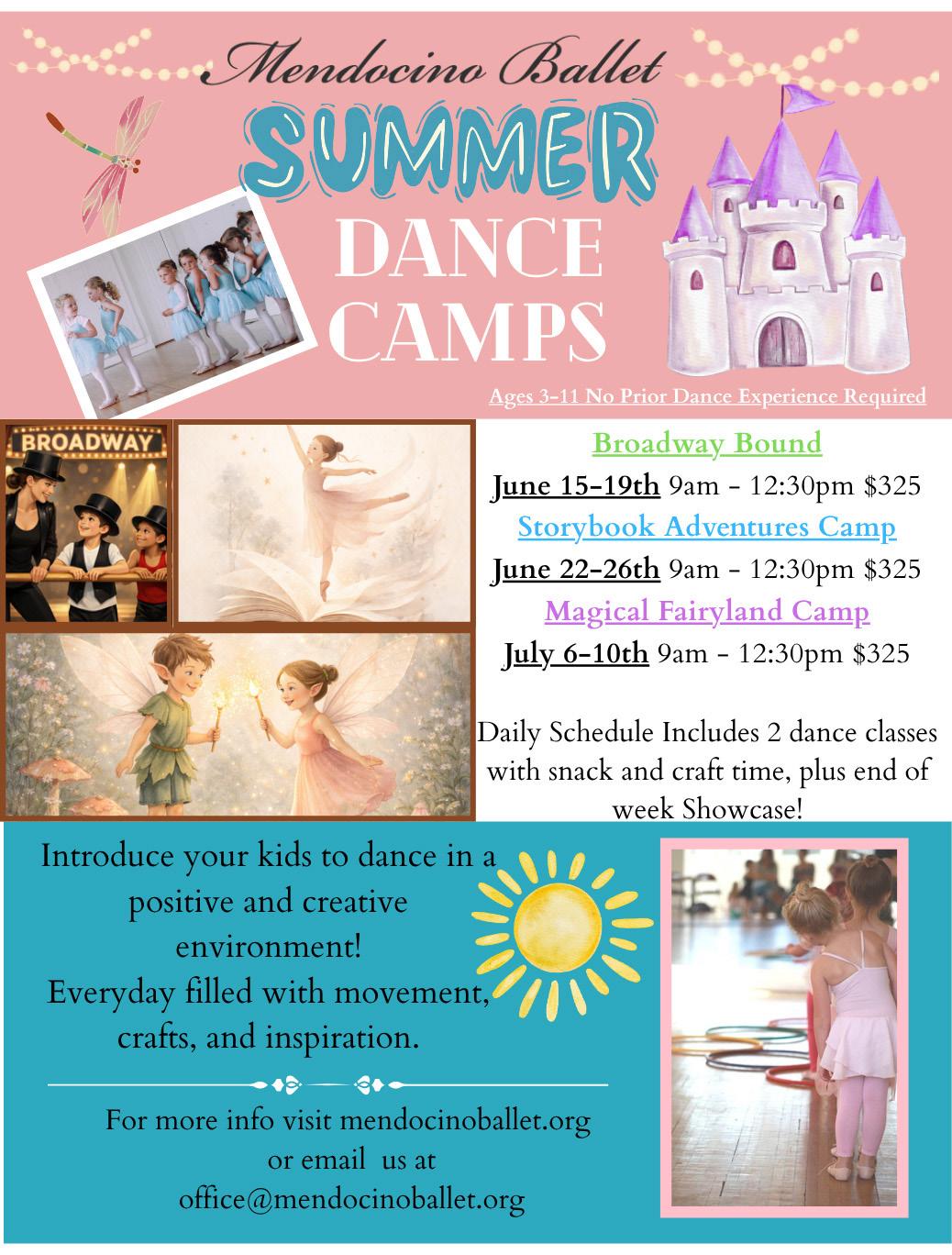
Standing before a floor-to-ceiling mirror, ballet students learn to challenge their own physical capabilities. Dance and ballet, with their expectation of posture, precision, and repetitive practice, serve as a masterclass in building resilience and independence.
Students internalize rhythm and execute the steps on their own as they learn complex choreography. When a dancer stumbles during a pirouette or forgets a sequence, they must try again. This repeated cycle transforms initial self-consciousness into confidence that serves them in adulthood.
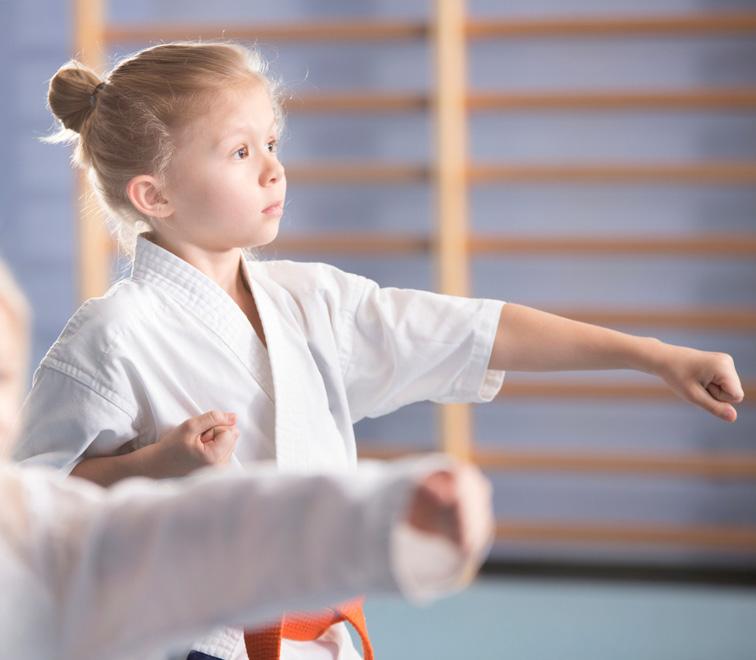
Martial arts also presents a framework for personal growth for those kids who crave physical activity. Unlike traditional playground games, disciplines such as karate, taekwondo,
or jiu-jitsu emphasize self-regulation and individual accountability. When a child bows onto the mat, they enter an environment where progress is visibly measured by belts, earned strictly through personal effort and discipline.
As the student realizes their advancement depends on their own focus and work ethic, a sense
Ultimately, the value of extracurricular pursuits lies in how their lessons translate into daily life.
of independence is born. Sparring teaches resilience: receiving a blow or losing a match is not a permanent defeat, but rather a diagnostic piece of feedback. Learning to manage physical confrontation while respecting an opponent, children cultivate emotional control that benefits them when facing academic or social issues at school.
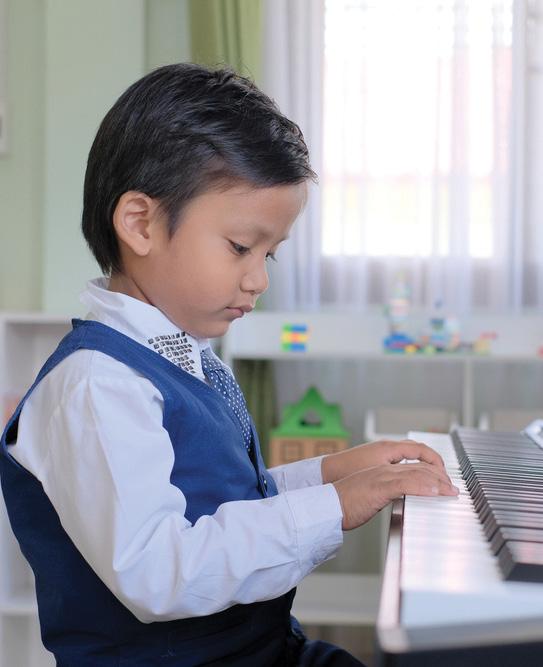
Whether a child joins a band, an orchestra, or a local choir, music requires teamwork. In an ensemble,
a child learns that their individual performance must blend with the notes played by their peers. If a trumpet player blows too loudly, the entire melody is impacted; if a violinist misses a beat, the rhythm falters. This interdependence teaches children to work toward the collective good of the group.
In addition, mastering a musical instrument requires months of practice. When a child finally performs a piece flawlessly on stage, the resulting surge of confidence is rooted in real, hard-earned competence.
Traditional team sports also offer the opportunity for interpersonal skill development. On the soccer field, the basketball court, or the baseball
diamond, children learn collaboration. Leadership, negotiation, and conflict resolution are part of teamwork.
Young athletes discover they must lift each other up after a setback, communicating constructively under
Extracurricular activities provide safe places where children can experiment, fail, adapt, and grow …
intense pressure. The shared sweat, collective victories, and sense of grief in defeat build camaraderie.
Off the athletic field, arts and crafts programs offer a sanctuary for independence and self-expression. In
a society dominated by digital screens, a blank canvas or a lump of clay requires a child’s own imagination. Pottery, painting, or woodworking, allows students to make a continuous stream of independent decisions. They must choose the colors, determine the shapes, and decide when a piece is finished.
Because art is subjective, it frees children from the paralyzing fear of being wrong, directly boosting their creative confidence. When a sculpture collapses or paint bleeds unexpectedly, the child must problem-solve on the fly, learning to view mistakes not as failures, but as unexpected pivots in the creative process.
A different set of mental and physical muscles is flexed when a child takes
up fencing. Fencing is a highly individual pursuit that takes place on a narrow strip called a piste. Stripped of teammates to share the burden, a young fencer stands completely alone against an opponent.
Every tactical decision, parry, and lunge must be executed with split-second timing and absolute independence. Fencing teaches resilience; when an opponent scores a touch, the fencer cannot look to a coach for immediate rescue. They must instantly diagnose their own tactical error, manage their frustration under a mesh mask, and formulate a new strategy for the next exchange. The mental focus required to outsmart an opponent builds a sharp intelligence and a
profound confidence in one’s own decision-making capabilities.
Ultimately, the value of extracurricular pursuits lies in how their lessons
As the student realizes their advancement depends on their own focus and work ethic, a sense of independence is born.
translate into daily life. The child who learns resilience on the fencing strip or the dance floor will not easily collapse when faced with a challenging grade on a classroom quiz. The student who masters teamwork in an orchestra

or on a sports field will navigate the complex social hierarchies of the school cafeteria and the corporate boardroom.
By providing children with safe spaces to explore their boundaries, navigate failures, and celebrate unique victories, extracurricular activities do not merely fill their afternoons — they build the psychological scaffolding required to raise independent, resilient, and deeply confident human beings. ❖
Angel Jenkins is features editor of Family Life Magazine. Research assistance from Google AI was used from the following sources: U.S. Census Bureau, National Center for Education Statistics, National Institutes of Health, Academy of Fencing Masters, GreatSchools, Edutopia.


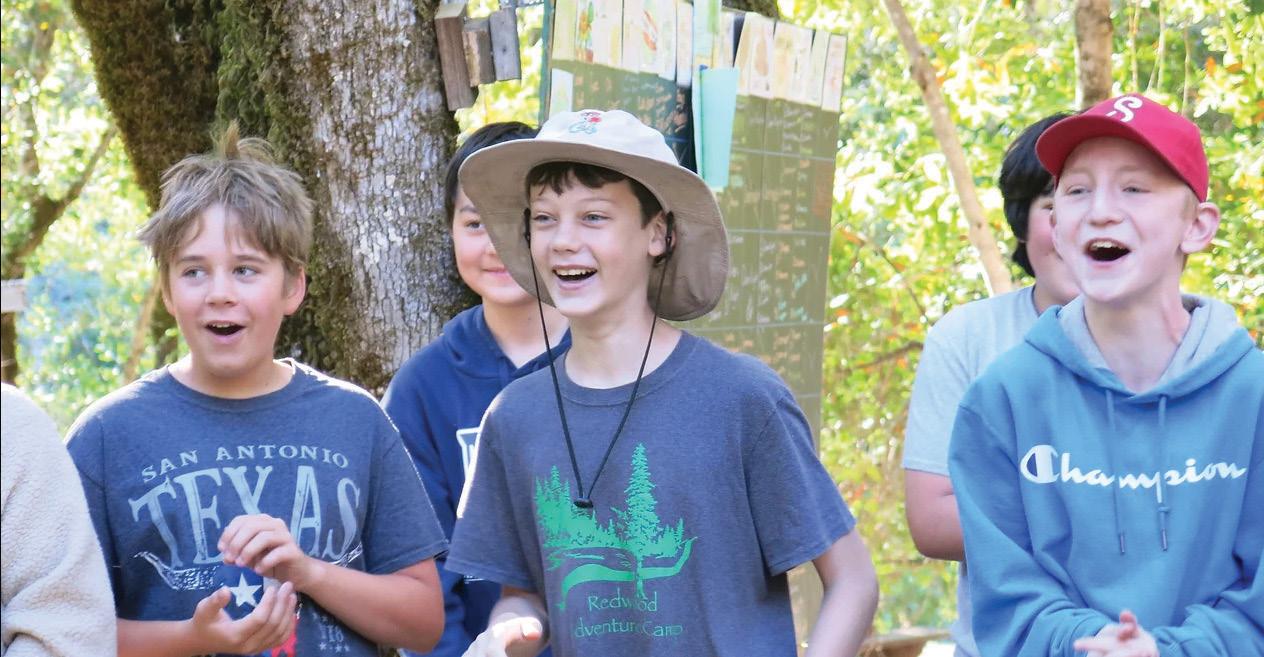
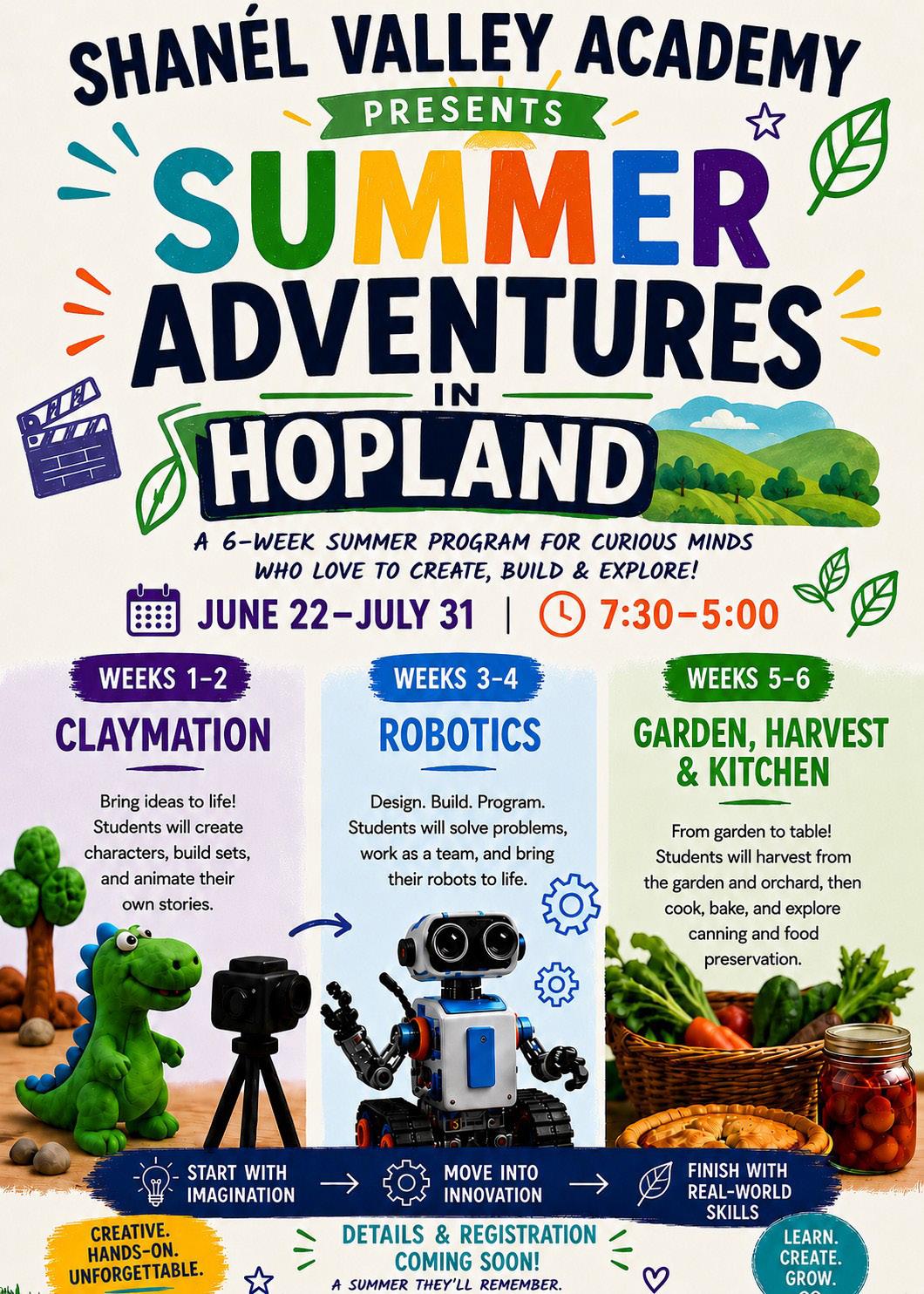
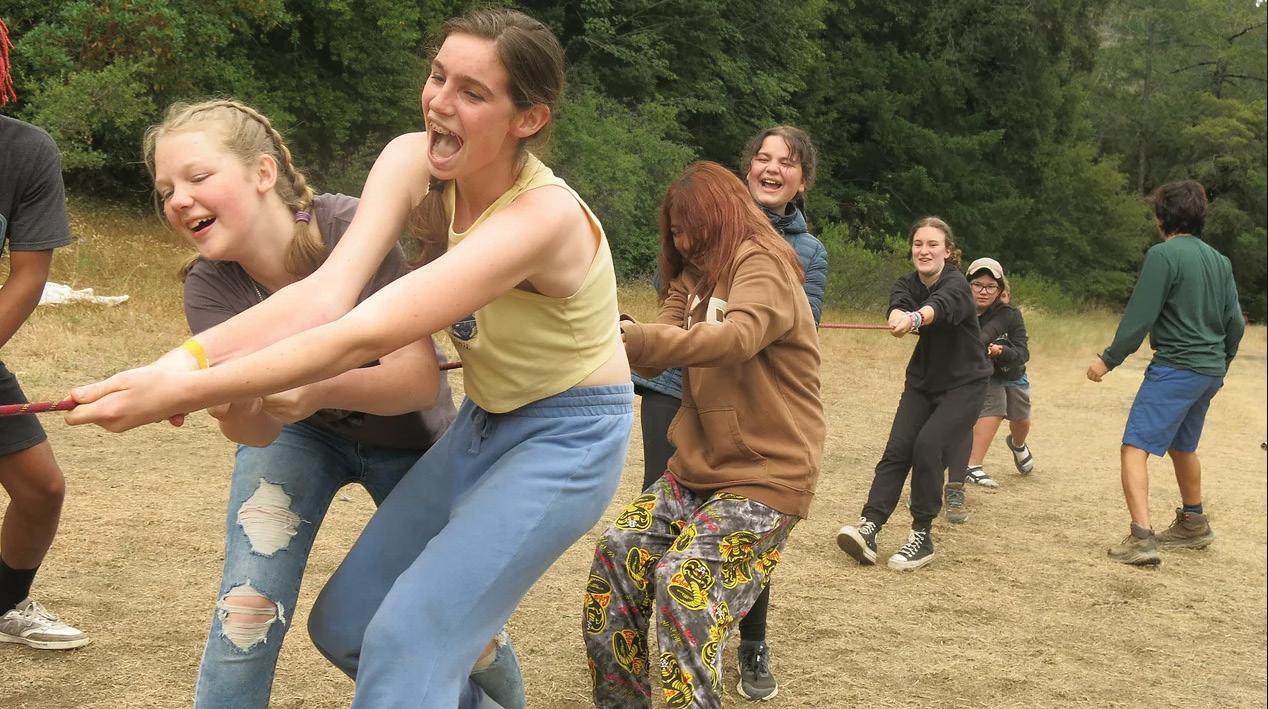
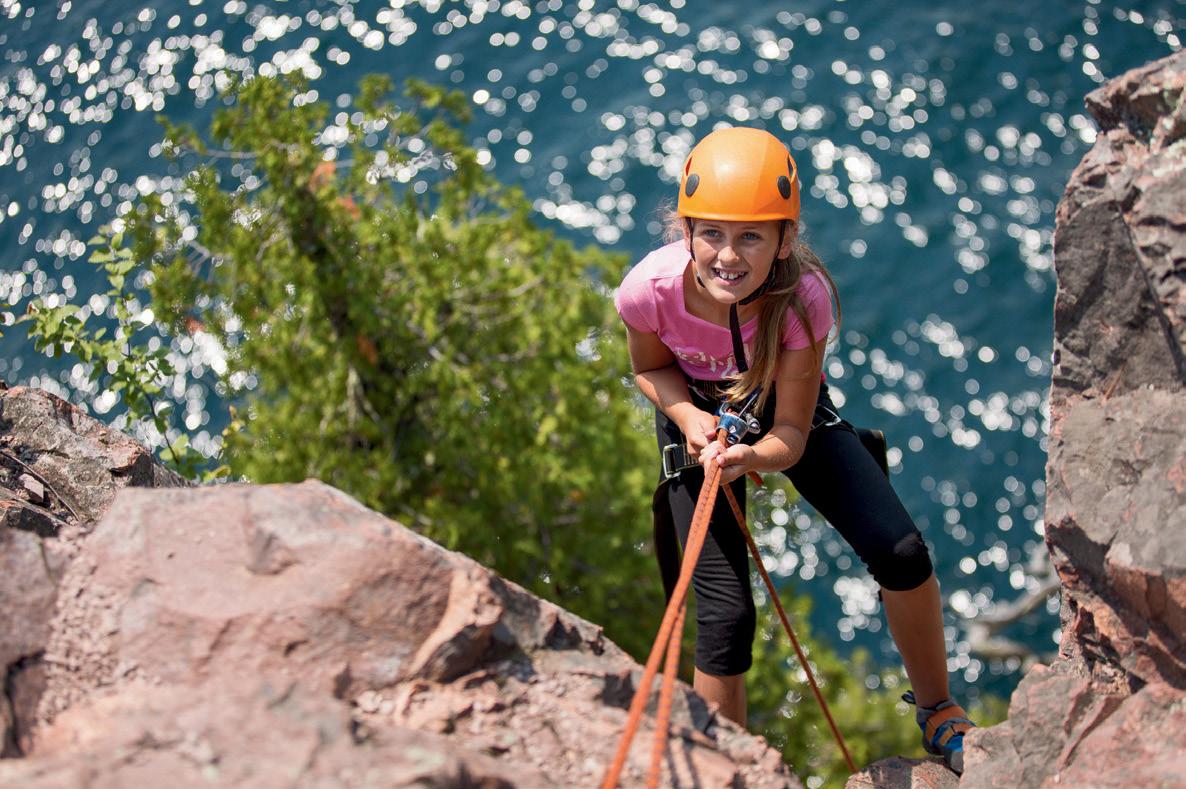
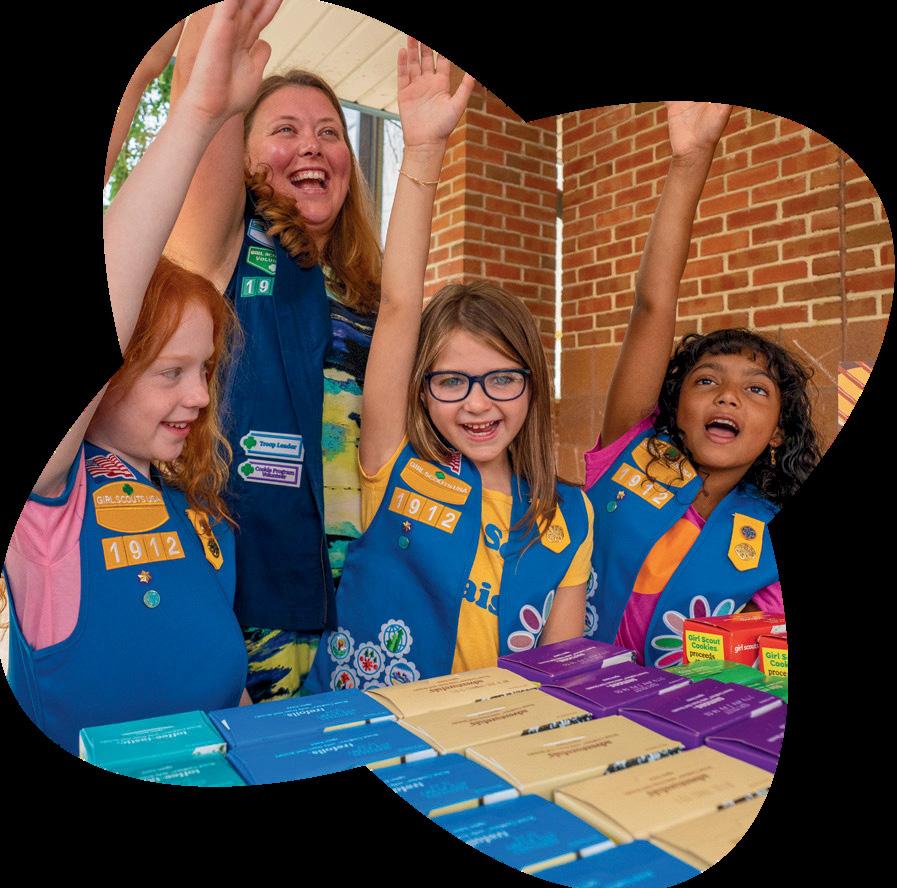
The adventure awaits! Sign up today. Make long-lasting friendships Try activities that make her smile
Build real-world skills through fun, hands-on experiences
Lead in her own way and connect with causes she cares about



By Angel Jenkins
While parents and children are in the middle of summer break, thoughts may quickly be turning to backpacks and big yellow buses. Long before the first day of kindergarten, in fact, human brains are firing at an astonishing rate, constructing the foundation of future learning.
Science suggests that some 85 percent of brain development occurs before the age of 5. This realization has transformed how early childhood options are being viewed today. While early education programs may once have been seen as babysitting or basic childcare, today they are recognized as the starting point of lifelong curiosity for infants, toddlers, and preschoolers.
Looking forward to the upcoming fall enrollment season, proactive parents may begin to explore how these early environments are where children first
learn to engage with the world beyond their family unit.
The informed parent sees how rolling on a mat or grasping at colorful rings is the beginning of learning during infancy. And, in high-quality infant programs, the curriculum is entirely relational.
Infants learn language through the melodic back-and-forth of responsive caregiving — a process experts call serve-and-return interaction. When a baby coos and a teacher mirrors that sound back with an encouraging smile,
neural pathways for communication spark to life.
Finding environments that prioritize deep emotional security and sensory exploration is key for parents considering fall enrollment for infants. Look for things like soft lighting, varied textures, and specialized materials designed to encourage reaching, tracking, and spatial awareness.
Because this will be a child’s first separation from home, parents want to choose an infant program to ensure that the earliest memories of
A child’s capacity for complex thought and structured play expands exponentially as they age up from toddlerhood to preschool.
the outside world are rooted in safety, warmth, and predictability.
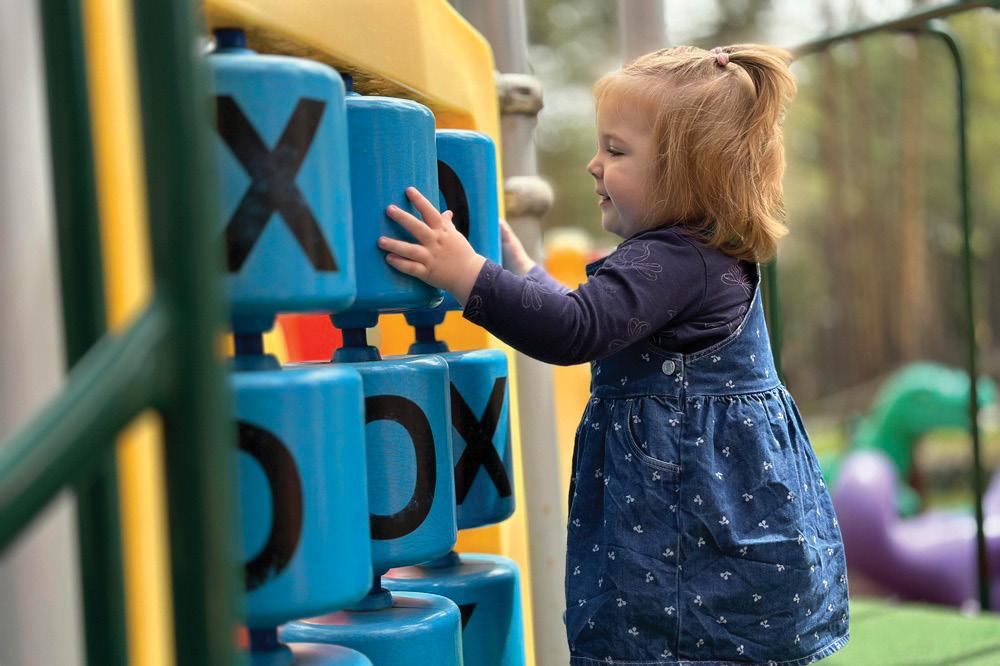
Moving from infancy to toddlerhood, cognitive and physical needs shift dramatically. Toddlers are embracing their newfound independence, as they are now able to walk, run, and explore. Parents begin to see their children’s fierce desire to do certain things on their own. Early childhood programs designed for toddlers channel this chaotic energy into constructive discovery.
These environments emphasize autonomy, with activities that encourage toddlers to experiment with cause and effect — stacking blocks, sorting shapes, etc. Low shelves allow
toddlers to independently pick and choose from a variety of educational opportunities.
With an emphasis on socialization, toddler programs explore parallel play, emotional regulation, and early empathy alongside peers as cooperative play begins to develop.
The transition from self-centric to community-centric interaction is balanced through quiet storytimes and vigorous physical movement as structured parts of toddler programming.
A child’s capacity for complex thought and structured play expands exponentially as they age up from toddlerhood to preschool. Three- and 4-year-old preschool

programs offer varied educational philosophies allowing parents to match their child’s unique interests and learning style.
Science suggests that some 85 percent of brain development occurs before the age of 5.
Traditional play-based programs, utilizing guided play to teach literacy, math, and science concepts naturally are among options parents will find for preschoolers. Montessori and Reggio Emilia are two other examples of approaches used at preschools.
Montessori education emphasizes self-directed learning and hands-on cosmic education, while the Reggio Emilia approach views children as driven researchers who communicate through art, movement, and building.
Nature-based forest preschools where the outdoor wilderness serves as the primary classroom are another option.
Fostering executive functioning skills — like cognitive flexibility, impulse control, and working memory — are goals of outstanding preschool programs regardless of which educational model they employ, because these are considered strong predictors of future academic success.
In order to determine which program might be best for one’s child, parents can weigh not only the practicalities such as location and scheduling, but also the intangibles such as how the program’s environment speaks to them and how the learning philosophy aligns with their own. While having to make this choice may leave parents feeling overwhelmed, there are some key things to look for during tours that may help … Do teachers get on children’s eye level to communicate? Are they actively involved in lessons and play or just standing back? Do they utilize calm, respectful tones and redirection rather than punishment?
Are student projects displayed at eye level and do they imply individually it is encouraged over conformity? Does the environment
prioritize hands-on learning over rigid, desk-based worksheets? Are classroom layouts child-centered, with books and toys on accessible shelves to encourage independent decision making?
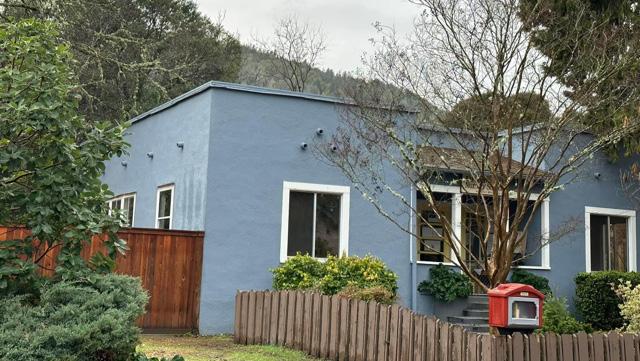
Also consider the health and safety operations, such as cleanliness, secured access, and licensing and staff-to-child ratios. Detailed guidelines for what to consider during a tour plus a comprehensive preschool checklist can be found through organizations such as Zero to Three or NAEYC
Despite being in the heart of summer, now is the time to investigate infant, toddler, and preschool care options. As parents expand their child’s circle of care, they also lay the groundwork for a successful educational journey. ❖ Angel Jenkins is features editor of Family Life Magazine. Research assistance from Google AI was used for this article.









By Dovi Geretz
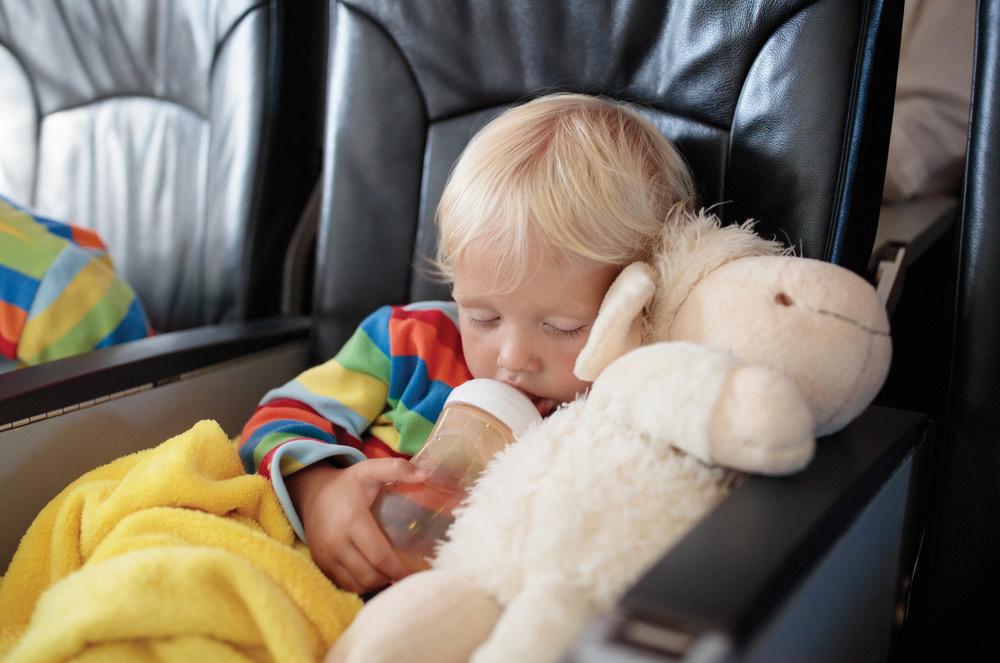
Summer is one of the busiest times of year for air travel. And for parents of toddlers, crowded airports, long lines, and unexpected delays can turn even a short flight into a major challenge. Between keeping little ones entertained, managing nap schedules, and navigating packed terminals, traveling with toddlers during peak season requires extra planning and patience.
As the chief technology officer at a real-time flight price alert platform, I’ve seen firsthand that successful family travel isn’t about avoiding every disruption; it’s about preparing for them. With the right expectations and a few practical
strategies, parents can make summer flights with toddlers far less stressful and much more enjoyable. Here are some tips to help make your next trip smoother from takeoff to landing.
Choose Toddler-Friendly Flights. When traveling with toddlers, flight timing matters. Early morning flights are often less crowded and less likely to be delayed by disruptions that accumulate throughout the day. Also, whenever possible, opt for nonstop flights to minimize time spent navigating connections, rushing between gates, or dealing with missed flights.
A thoughtfully packed carry-on is one of the best tools parents have for surviving a travel day.
It’s also worth selecting seats in advance. Sitting together as a family eliminates unnecessary stress and helps parents keep toddlers comfortable and supervised throughout the flight. Before departure, review airline policies regarding strollers, car seats, and carry-on items. Knowing what can be gate-checked and what needs to be screened at security can save valuable time at the airport.
Arrive Early and Embrace a Slower Pace. Summer airports are notoriously busy, and everything takes longer when traveling with a toddler. Arriving at least two hours before a domestic flight gives families extra time for diaper changes, bathroom breaks, snacks, and inevitable toddler detours. Rushing through the airport often increases stress for both parents and children, so build extra time into your schedule to allow you to
Pack a Carry-On Built for Toddlers. A thoughtfully packed carry-on is one of the best tools parents have for surviving a travel day. Pack plenty of snacks, a refillable water bottle, wipes, diapers, a change of clothes, and any comfort items your toddler relies on. Entertainment is also equally important. Small toys, sticker books, coloring activities, downloaded videos, and favorite books can help keep little travelers occupied during long waits. Introducing activities one at a time rather than all at once can help extend their usefulness throughout the trip.
Don’t forget a portable charger to keep devices powered when delays inevitably occur.
but preparation helps. Keep liquids, electronics, and travel documents easily accessible, and be prepared to fold strollers for screening. Also, giving toddlers simple jobs (like helping push a small backpack or holding a boarding pass) can keep handle surprises without feeling pressured.
Make Airport Security Easier. Security checkpoints can feel overwhelming with a toddler in tow,
them engaged while waiting in line. Staying organized and calm often helps children remain calm as well.
Prepare for Delays and Crowded Terminals. Summer weather and heavy travel demand often lead to delays, so flexibility is essential. If you’re facing a long wait, look for airport play areas or open spaces where toddlers can safely burn off energy before boarding. Walks through the terminal, simple games, story time, or people-watching can help break up waiting periods. A toddler who has had an opportunity to move around is often much more willing to sit still once it’s time to board.




In-Flight Strategies for Toddlers. Once onboard, focus on comfort and routine whenever possible. Offering a drink or snack during takeoff and landing can help reduce ear pressure. Familiar comfort items such as a favorite blanket, stuffed animal, or pacifier can also help toddlers feel more secure. If your child typically naps during the day, try to preserve that schedule as much as possible. Even if sleep doesn’t happen, maintaining familiar routines can help reduce overstimulation and meltdowns. Most importantly, keep expectations realistic. Toddlers aren’t designed to sit quietly for hours, and flexibility often goes a long way toward making the flight more manageable.
Top of Mind. Busy airports expose families to plenty of germs, which makes hand sanitizer and frequent handwashing especially important. Staying hydrated is also critical, particularly during
long travel days. Keep medications, emergency contacts, and essential supplies within easy reach rather than packed in checked luggage. Being able to quickly access necessities can prevent small inconveniences from becoming bigger problems.
Perfection. Summer air travel with toddlers may never be completely stress-free, but it doesn’t have to feel chaotic. Thoughtful planning, strategic packing, and realistic expectations can make a significant difference. By building flexibility into your travel day and focusing on your toddler’s needs, you can spend less time managing meltdowns and more time enjoying the adventure ahead. ❖
Dovi Geretz is the Chief Technology Officer at SlickTrip, an online platform that instantly compares top travel sites and alerts you the moment flight prices drop at slicktrip.com









By Cherie Gough
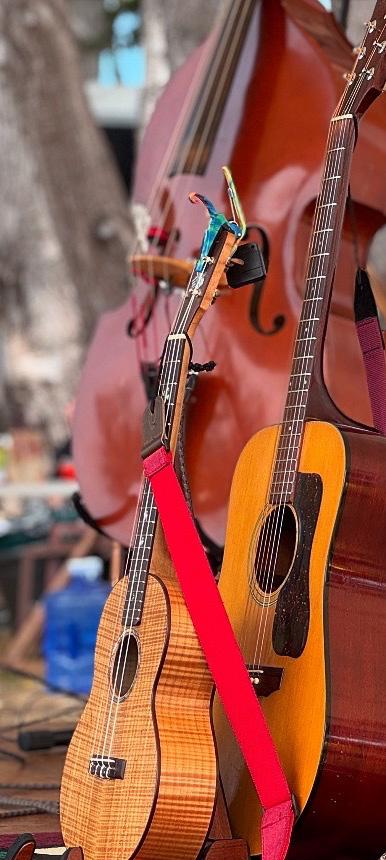
ake the most of beautiful weather and longer summer days by attending free outdoor concerts in your neighborhood. Here are six reasons to make outdoor summer concerts your family’s new summertime ritual.
1. Get together with friends with little to no planning. A simple text message serves as the invitation. No one has to host. A potluck picnic is a simple way to share a no-fuss meal. Some venues may have food trucks on site for ultimate convenience.
2. Play outside with the family. Avoid being couch potatoes this summer. Most concerts are held at a park, so bring along your favorite ball or Frisbee and find an open space to play.
You’re sure to meet people or bump into neighbors. Visit the playground if your kids need to climb. Some venues even offer games and bounce houses to keep children happy and active at the event. While the music is playing, it’s natural to get up and dance as a family.
3. Neighborhood concerts build community. People of all ages gather together, reminiscent of the piazzas in Italy where time slows, conversations flow and people share food and smiles. In our
super busy, over-scheduled lives, it’s important to schedule some down time. It’s good for the kids to see grandparents dancing together and enjoying life—and for older folks to see young families playing together in a positive way.
4. Share your love of music with your kids. Summer concerts offer a wide variety of
While the music is playing, it’s natural to get up and dance as a family.
musical genres, everything from 80s rock and bluegrass, to country and Big Band. Sharing music with your kids allows you to tell stories and share a piece of your youth with them. It also offers an opportunity to watch live musicians, point out different instruments and sounds, or just boogie down and be silly together.
5. Enjoy the beauty of nature together. When was the last time you ran around outside, observed clouds, watched the sunset or enjoyed a dinner picnic as a family?
6. All the outdoor summer concerts are totally free! So, what are you waiting for? ❖

Cherie Gough is a freelance writer who loves taking advantage of everyday, simple pleasures with her family. Find her on IG @cgoughwrites.




Friday 3
Point Arena Independence Weekend. July 3: 4–11 p.m. Street fair, food activities, live music, and fireworks begin at dark. $12 entry fee. Cash only, ATM on site. July 5: Parade on Main Street. 3–11 p.m. Parking: $10 cash only, w/shuttle service from Cityhall to Tracy’s Iversem. Point Arena. pointarena.net.
FREE Community Fireworks Show. All ages welcome. Music, dancing, vendors. Food, wine/beer, and non-alcoholic options sold. Indoors Fun Zone Arcade open. Fireworks held on Marina lawn. Bring your own seating. Festivities starts at 6 p.m. Fireworks at dusk, (approx. 9:30 p.m.). Konocti Vista Casino. 2755 Mission Rancheria Rd. Lakeport. tinyurl.com/ydd6s3ju
FREE Maxine Sherman Memorial Annual Fireworks Display. Fireworks launched from Clearlake Oaks Beach Park. Best views are from boats, anchored east of Rattlesnake Island. Next-best viewing area from Clarks Island. Donations accepted. Fireworks: dusk. Clearlake Oaks. clearlakeoaks. org/fireworks.
Lakeport Speedway Boat Races and Fireworks. Action-packed racing and celebrating America’s 250th anniversary with a spectacular fireworks show. Food and beverages available for purchase on-site. Gates open: 5 p.m. Fireworks: dusk. Lake County Fairgrounds. 401 Martin St., Lakeport. tinyurl.com/njknfpxh.
Code 3 Mind Health’s Red, White, and Blue Race. 7–11 a.m., Fort Bragg Coastal Trail, 100 Cypress St. Soroptomist Craft Fair, 10 a.m.–5 p.m. Fort Bragg Town Hall, Main and Laurel. World’s Largest Salmon Barbecue, 11 a.m.–6 p.m., Noyo Beach, 32100 N. Harbor Dr. Fireworks, 9:30-10:30 p.m., South Noyo Harbor, 19101 S. Harbor Dr., Fort Bragg. tinyurl.com/y2ykjynu
FREE 4th of July Street Fairs and Fireworks. Craft and food vendors and beer booth. 10 a.m.–8 p.m. Boat Parade: 6 p.m. Fireworks shortly after sunset. Library Park. 200 Park St. Lakeport. tinyurl.com/5n66pt8r
FREE International Worm Races, Festival, and Redbud Parade.
Parade at 11 a.m. starts at Redbud Park ends at Austin’s Park, where there will be games, carnival, and worm races (noon). Food/drinks/ beer/wine sold. Firework: 9 p.m. 11 a.m.–10 p.m. Carnival runs July 3–6. Austin Park. 14077 Lakeshore Dr., Clearlake. tinyurl.com/3vc3e4tf
FREE Willits Frontier Days Parade and 4th of July 100th Celebration. Floats, dogs, horses, art cars, music, and more. Parade: 11 a.m. Main Street between Commerical and E. Valley St. Willits. Full schedule: willitsfrontierdays.com.
FREE 4th of July Parade Mendocino. Floats, dogs, horses, art cars, music, and more. Noon-1
p.m. Main and Lansing streets, Mendocino. tinyurl.com/yc2f8w26
Ukiah Speedway 4th of July Firework Extravaganza! $12–$20. Ages 5 and under: free. Gates open: 3:30 p.m. Racing: 5 p.m. Fireworks at dusk. Ukiah Speedway, 1055 N. State St., Ukiah. tinyurl.com/ fxxzvyt4.
Parade and Fireworks. Hosted by Lakeshore Lions. Concert in the Park featuring Aquanett. 6–10 p.m. Austin Park. 14077 Lakeshore Dr., Clearlake. clearlake.ca.us
FREE Kelley House July 4th Lawn Party and Parade. DJ’s music, margaritas, local wine/beer, and non-alcoholic options. BBQ hot dogs and hamburgers available

for purchase on-site. No pets. Donations accepted. 11 a.m.–3 p.m. Watch from: South Coastal Trail at Noyo Headlands, Pomo Bluffs Park, and Todd Point Parking Area, Fort Bragg. tinyurl.com/4z6ce2ns
FREE Fort Bragg Independence Day Fireworks. Fireworks over Noyo After Dark. $20 parking. 9:30 p.m. Watch from: South Coastal Trail at Noyo Headlands, Pomo Bluffs Park & Todd Point Parking Area, Fort Bragg. visitfortbraggca.com.
Sunday 5
Independence Day Parade. Noon. Main Street and Highway 1, Point Arena. tinyurl.com/y2ykjynu.





The Ukiah Unified School District provides breakfast and/or lunch depending on the site — to all children and teens 18 and under, with no application or registration required. Summer meals must be eaten on site, and students are required to choose at least three food items, including at least ½ cup of fruits or vegetables, as part of the Offer vs. Serve meal format. Offered Monday through Friday (except holidays) through July 17. Schedule and locations can be found at uusd.net/ apps/news/article/2080627.
Wednesday 1
Flynn Creek Circus Camp. Athletics, theater, and outdoor play under the big top. Multiple dates

this month for various age groups. flynncreekcircus.com.
Circle time at Mendo LEAP. Weekly themes, dances, songs, & stories designed for 0–5 yrs. Included in


2-hour general play admission. $15/ child. Membership options available. Each child gets 2 free adults. Tuesdays & Wednesdays. 10–11 a.m. Mendo









Leap. 203 S. State St., Ukiah. mendoleap.com/Calendar
FREE Books, crafts, games, and STEM activities. The WUSD Summer Lunch Program will serve free meals to children on weekdays from 12–12:30 p.m. Wednesdays through Aug. 7. Willits Branch Library. 390 E. Commercial St., Willits. tinyurl.com/3u3awcvr
Thursday 2
FREE Junior Rangers@ MacKerricher Park. Ages 7–12 are invited to join a California Park interpreter to learn about history, plants, & animals. MacKerricher State Park. Meet at picnic tables. 24100 MacKerricher Park Rd., Fort Bragg. Other Mendocino State Parks will host this event. Full schedule & registration: mendoparks.org/ event-calendar-1
Friday 3
FREE National Park Day. All National Parks have free admission July 3-5. Mother-Wise. 180 N. Main S., Lakeport. tinyurl.com/mwxntn2y.
Saturday 4
Guided Hike. Meet at the tasting room and expect rolling hills during 4-mile hike 4. 9a.m.–11 a.m. Six Sigma Ranch & Winery. 13372 Spruce Grove Rd. Lower Lake. middletownareamerchants.com
World’s Largest Salmon BBQ. Food, live music, local wines, & beers. $35. Ages 12 & under: $15. No pets. 11 a.m.–6 p.m. Noyo Harbor. 19101 S. Harbor Dr., Fort Bragg. visitfortbraggca.com/ the-worlds-largest-salmon-bbq.
FREE Kickin’ in the Country Summer Concert and Street Dance. The Billy Watson Band. Food and libations available for purchase. Bring blankets or low-back chairs. 7–9 p.m. Main St., Kelseyville. visitkelseyville.com.
100th Willits Frontier Days. Enjoy treats as you stroll the midway. Carnival games, truck pull, rodeo, music, street dance, and more. Full schedule: willitsfrontierdays.com/ events.html

Thursday 9
Second Thursday Writer’s Circle. Bring your latest, unpublished work to share for feedback and inspiration. 5–7 p.m. Main Street Gallery. 325 N. Main St., Lakeport. discoverlakeportca.com.
Friday 10
Lake County Rodeo. CCPRA Pro Rodeo featuring pro events plus local barrel racing and team roping events. $20 at the gate. July 10–11: 6 p.m. Potter Valley Rodeo Grounds. 10747 Main St., Potter Valley. lakecorodeo.com.

FREE Summer Fridays & Moonlight Madness. July 10: Zootopia 2. Bring blankets & low-back chairs. Gates open: 7 p.m. Ukiah Municipal Pools. 511 Park Blvd., Ukiah. cityofukiah. com/summerfridays
Full Buck Moon Night Tour. Enjoy a panoramic view of the sea and coast, plus docent-led tower guide. Gates open: 8:30 p.m. Tour starts: around 9 p.m. Point Arena Lighthouse. 45500 Lighthouse Rd., Point Arena. pointarenalighthouse.com.
Saturday 11
Red, White, and Blues. Live jazz, local food trucks, wines, craft vendors, and laid-back summer energy for one unforgettable afternoon. Noon–3 p.m. Xabatin Park. 800 N Main St., Lakeport. support.lakecochamber.com
Lakestock Jam. Outdoor live music festival and vendors. Kids 12 and under free with paid adult. 11:30 a.m.–8 p.m. Lakeside County Park. 1985 Park Dr., Kelseyville. adiamondexperience.com/lakesidejam
Sunday 12
FREE Sundays in the Park Concert Series. July 12: Blair Crimmins and the Hookers. July 26: Joe and Hattie Craven. Blanket or low-back chairs only. Food/drinks for purchase or bring picnic. Sundays. 6–8 p.m. Todd Grove Park. 600 Live Oak Ave., Ukiah. cityofukiah.com/sundaysinthepark.
Saturday 18
CasparFest. The summer festival kicks off in the afternoon and features live music, dancing, dozens of local vendors, and a welcome parade for Gertie the Gorse Monster. Noon–8:30 p.m. Caspar Community
Center. 15051 Caspar Rd, Caspar. casparcommons.org/calendar
Ranch To Table Dinner. 4-course meal featuring wine and ranch-raised beef. $100/member or $130/guest ($25 deposit at time of reservation).
5–8 p.m. Six Sigma Ranch & Winery. 13372 Spruce Grove Rd., Lower Lake. middletownareamerchants.com.
Friday 24
FREE Summer Fridays & Moonlight Madness. July 10: Pokemon Detective Pikachu. Bring blankets & low-back chairs. Gates open: 7 p.m. Ukiah Municipal Pools. 511 Park Blvd., Ukiah. cityofukiah.com/ summerfridays.
Saturday 25
FREE Poke-Palooza Card & Collectables Show. Trading cards, collectables, toys, anime, and more. Buy, sell, trade, and enjoy a fun day with collectors of all ages. 10 am–6 p.m. Play & Trade After Event: 6–8 p.m. Ukiah Valley Conference Center. 200 S. State St., Ukiah tinyurl.com/33p6mk68.
Lighthouse Lens Tours at Point Cabrillo. First-come, first-serve, no reservations. $5–$10. Children 42” and taller only. Tours last 15–30 minutes. Held first weekend of each month. July 25–26. 11 a.m.–2 p.m. Point Cabrillo Lighthouse. 45300 Lighthouse Rd., Mendocino. pointcabrillo.org/visit/events.
Sunday 26
FREE Annual Adventure Camp. All ages and families are welcome to enjoy life science activities. Must register. 11:30 a.m.–5 p.m. Donations encouraged. Southlake
Alliance Childrens’ Museum of Art and Science. 15210 Lakeshore Dr., Clearlake. Schedule: cmaslakecounty.org
Friday 31
FREE Touch-a-Truck. Family event that allows children to explore unique and exclusive vehicles of all types. 5-8
p.m. Pear Tree Center. 504 E Perkins St., Ukiah. visitukiah.com
FREE Ukiah Unified School District provides breakfast and/or lunch. depending on the site — to all children and teens 18 and under, with no application or registration required.

Summer meals must be eaten on site, and students are required to choose at least three food items, including at least ½ cup of fruits or vegetables, as part of the Offer vs. Serve meal format. Schedule and locations: uusd.net/apps/ news/article/2080627.
FREE Brick Builders. Children are invited to the Coast Community library for creative building sessions. This event encourages fine motor skills and imaginative play through various construction sets. Noon–1:30

p.m. 225 Main St., Point Arena. mendolibrary.org
FREE Round Valley Storytime. This weekly gathering focuses on early literacy through interactive reading and group songs. It is designed to engage young children and their caregivers in a communal learning setting. 11 a.m. 23925 Howard St., Covelo. mendolibrary.org
FREE Ukiah LEGO Hour. A dedicated hour for kids to build, create, and play with a massive collection of LEGO bricks. 3–4 p.m. Ukiah Branch Library, 105 N. Main St., Ukiah. mendolibrary.org.
FREE Coast Storytime & Kids Crafts. A themed story session followed by a hands-on craft project for young children. 10:30–11:45 a.m. Coast Community Library, 225 Main St., Point Arena. mendolibrary.org
FREE History Makers. Drop-in family activities Wednesdays, February–October. New themes monthly. 2–4:30 p.m. Mendocino County Museum, 400 E. Commercial St., Willits. mendocinocounty.org/ museum.
FREE Fort Bragg Farmer’s Market. Families can browse local produce and crafts while enjoying live music and the coastal breeze year-round. 2:30–5:30 p.m. Laurel & Franklin St, Fort Bragg. mendocinocounty.gov.
FREE A Child, A Dog & A Good Book. Children can practice their reading skills by reading aloud to a gentle, non-judgmental therapy dog. 3–4 p.m. Ukiah Branch Library, 105
N. Main St., Ukiah. mendolibrary.org.
Free Fort Bragg Teen D&D. Aspiring adventurers can join a tabletop role-playing quest in this collaborative storytelling group. 3–5 p.m. Fort Bragg Branch Library, 499 E. Laurel St., Fort Bragg. fortbragglibrary.org.
Acoustic Sunsets. Popular Wednesday evening, concert series runs May 6-September 16, with live music, local wine tasting, a family-friendly atmosphere inviting picnics and pups. This year, Latin bands join for the monthly Noche Latina night. Included with admission and free for members of Sonoma Botanical Garden. 5:30–7:30 p.m. at 12841 Hwy. 12, Glen Ellen. Band schedule and prices can be found at sonomabg.org/visit/acoustic-sunsets.
FREE Library at the Farmer’s Market. The Fort Bragg Branch Library hosts a community table during the local market. Families can stop by for information on library programs and special pop-up activities for children. 2:30 p.m.–4:30 p.m. (2nd and 4th Wednesdays). Downtown, Franklin St., Fort Bragg. fortbragglibrary.org
FREE Fort Bragg Open Mic Poetry. A community-focused evening where poets of all levels are invited to share their work. 7–8 p.m. Fort Bragg Branch Library, 499 E. Laurel St., Fort Bragg. fortbragglibrary.org.

Watercolor Workshop with Suzi Long. A relaxed session for families to learn the fundamentals of proportion, perspective, and color mixing. 10:30–12:30 p.m. Blue Pelican Gallery, 401 N. Harbor Drive, Fort Bragg. mendocinocoast.com.
Fridays
Art Together at Medium Art Center. A weekly community art session where families can explore different mediums and express their creativity in a shared studio space. Various times. 522 S. State St., Ukiah. visitmendocino.com.

Over summer, parents ask the same question: what activities will help my child grow, not just keep them busy? In recent years, chess has seen a surge in popularity among kids and families. For Dan Shapiro, that question became especially real during COVID …
At the time, chess was just another activity for his son to try. At the same time, more families were starting to rediscover chess as something that builds real skills.
What began as a simple game became a space where Dan’s son could think ahead, make decisions, and see direct results of his choices. There were no shortcuts, no guessing, and no one to blame. Every move mattered, and every outcome connected back to something he’d done.
It wasn’t immediate, and it wasn’t perfect. But Dan noticed that this was different from a lot of the other activities his son had tried. In many environments, kids are either told exactly what to do or evaluated based on outcomes they don’t fully control. With chess, the process itself started to matter more than anything else. Progress came from thinking, adjusting, and trying again.
Just as important, his son enjoyed it. Often, activities that are “good for kids” feel like work, but chess didn’t carry that weight. It was challenging, but fun. It gave his son a sense of independence and ownership that
started to show up not just on the board, but in other parts of life, too.
Over time, Dan began to notice his son’s ability to pause and think before acting, willingness to make a decision without knowing exactly how it would turn out, and understanding that mistakes weren’t failures, just part of figuring things out. These aren’t always the kinds of skills kids pick up in school, but they show up everywhere else.
During summer, when structure disappears and screen time tends to increase, chess may fill a gap in a way few activities do. It creates a structure where learning happens naturally. And because it can be played both in person and online, it also works for real life, whether during a quiet afternoon at home or a quick game while traveling.
Reflecting on what worked, some simple patterns stood out that other parents can try this summer:
Start with interest, not pressure: Introducing chess casually, without expectations, makes it easier for kids to engage and enjoy the process.
Let kids make their own decisions: One of the biggest benefits comes from allowing children to think through moves on their own, rather than being told what to do.
Focus on the process, not winning: Progress comes from

thinking, adjusting, and learning from mistakes, not from results.
Keep it flexible: Whether it’s a quick game at home, a casual lesson, or online play during travel, consistency matters more than structure.
For families in the middle of summer, sometimes the most meaningful activities aren’t the obvious ones. Sometimes, they are simply a game. Dan Shapiro is the author of Decoding Genius: The Unexpected Lessons of After-School Chess Club

After seeing how chess helped his son build confidence and decision-making skills, he set out to better understand what it can teach kids beyond the board. For more information, visit DecodingGeniusBook.com.
This disclaimer clarifies that the magazine is reporting news from the publishing industry and is not offering an endorsement or review of the books mentioned.