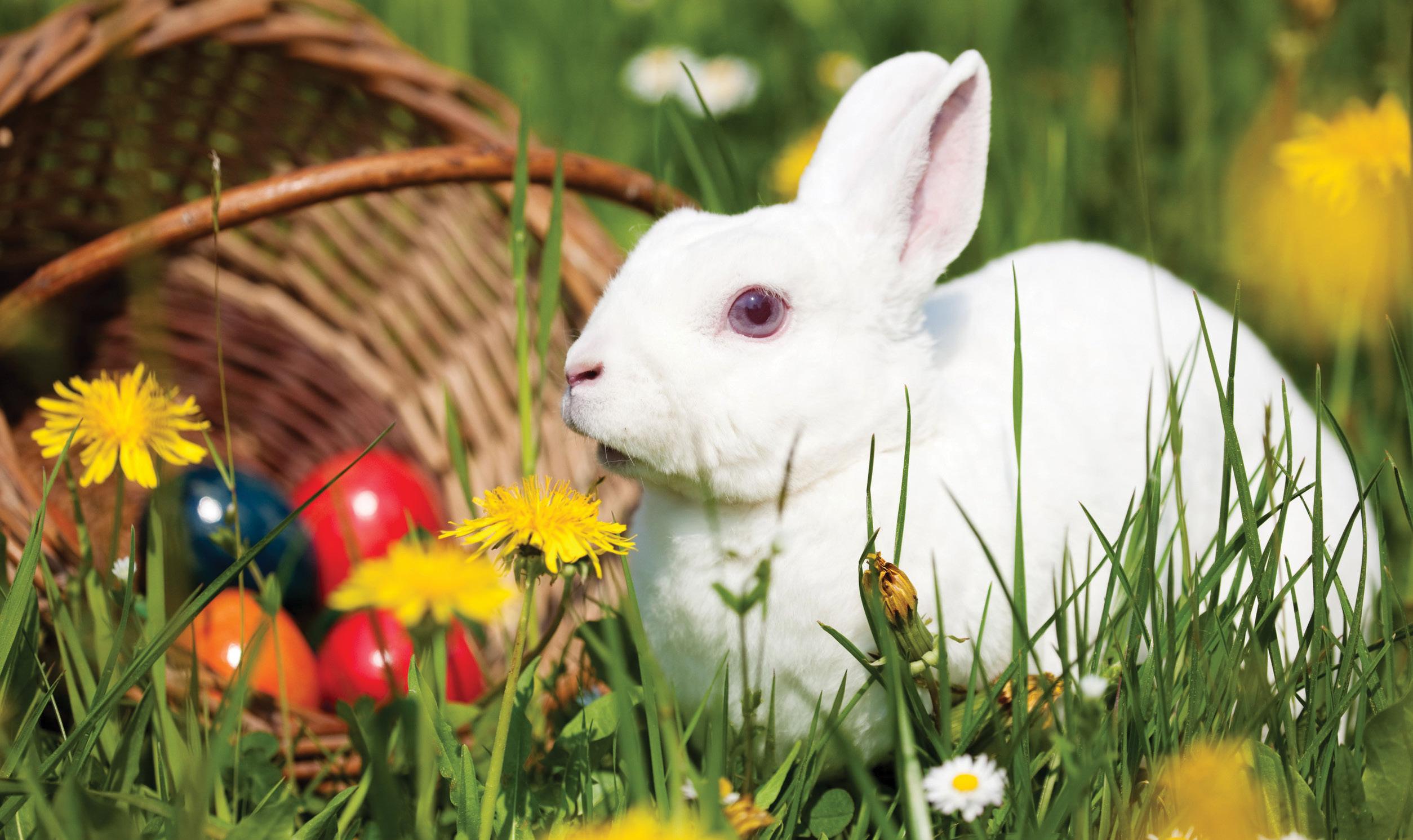
There’s much to enjoy in April! The month kicks off with Easter celebrations which can be exciting and overwhelming, especially for sensory-sensitive children. Ten practical ways to make Easter more calm and inclusive can be found in this month’s edition (page 18).
Earth Day comes later this month, bringing with it a chance to help your children learn to care for the environment. Find 30 ideas, one for each day in April, to help your family take action (page 14).
In between these two holidays is an opportunity to encourage kids to join you in spring cleaning. Sprucing,
decluttering, and organizing help your home and your family, feel more at peace (page 16).
Family Life offers the last in its series of educational options articles to help parents as they make plans for next school year, with a homeschooling mother’s take on taking on education yourself (page 12). And, just in time for summer camp registration, we share with families the life lessons time away from home can bring. From confidence to independence, the right camp can be a positive experience where children make lifetime memories (page 10).
May you find opportunities to bloom all month long!
Publishing Office P.O. Box 351 Philo, CA 95466 (707) 205-1539
Carrot Muffins
Bunny-Inspired Easter Snacks
Hop into the spirit of April with these carrot muffins, inspired by the Easter Bunny’s absolute favorite snack! Since everyone knows the big guy needs plenty of orange-hued fuel to deliver all those baskets, these treats are the perfect way to welcome the season with a delicious, garden-fresh crunch.
Carrots are a beneficial way to start the day because they have a high fiber content. They’re also rich in beta-carotene which is known to act as an antioxidant that fights cancer and other inflammatory age-related diseases. These lightly spiced carrot muffins are something the whole family will love, and they are perfect for breakfast or dessert. A great recipe to make with — or for — your family on Easter morning. ❖
Source: The Blue Zones American Kitchen.
Lightly Spiced Carrot Muffins
¾ cup of whole wheat flour
½ cup white flour
½ cup soy flour
1 cup of whole wheat cereal, (grapenuts, flax seed cereal, bran flakes, etc.)
½ cup brown sugar
1 tsp. baking powder
1 tsp. baking soda
¾ tsp. ground cinnamon
1/8 tsp. ground cloves
2 slightly beaten eggs
2/3 cup soymilk
¼ cup soy oil
½ cup grated or chopped carrots
1. Preheat oven to 400°F.
2. Spray a 12 cup muffin pan with cooking spray or use paper liners.
3. In a large bowl, stir together all dry ingredients.
4. In a medium bowl, combine eggs, soymilk, and soy oil. Add egg mixture to flour mixture, stir until moistened. Fold in carrots.
5. Fill muffin tins 2/3 full and bake for 15-20 minutes.
Walk and Festival to Keep Kids Safe
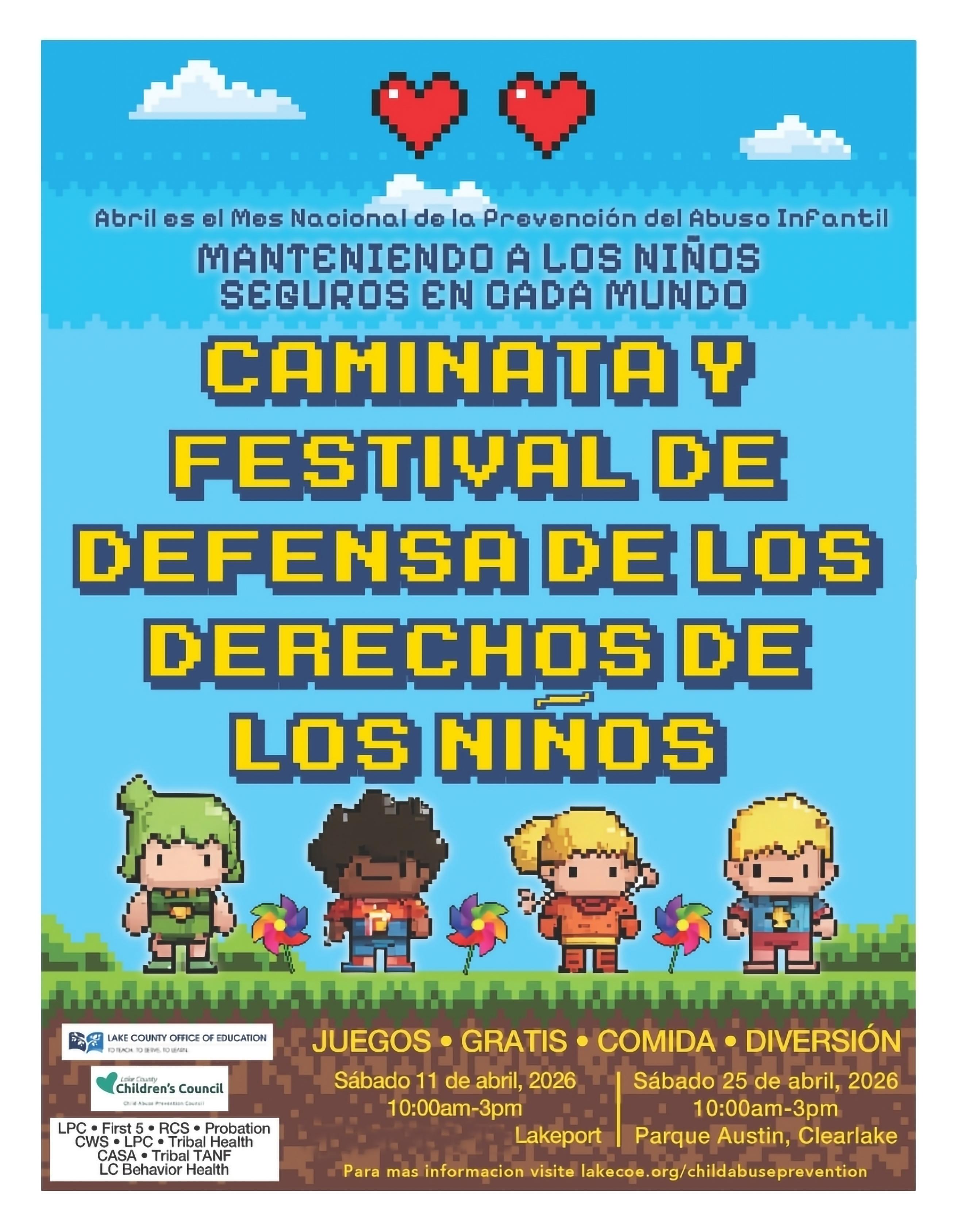
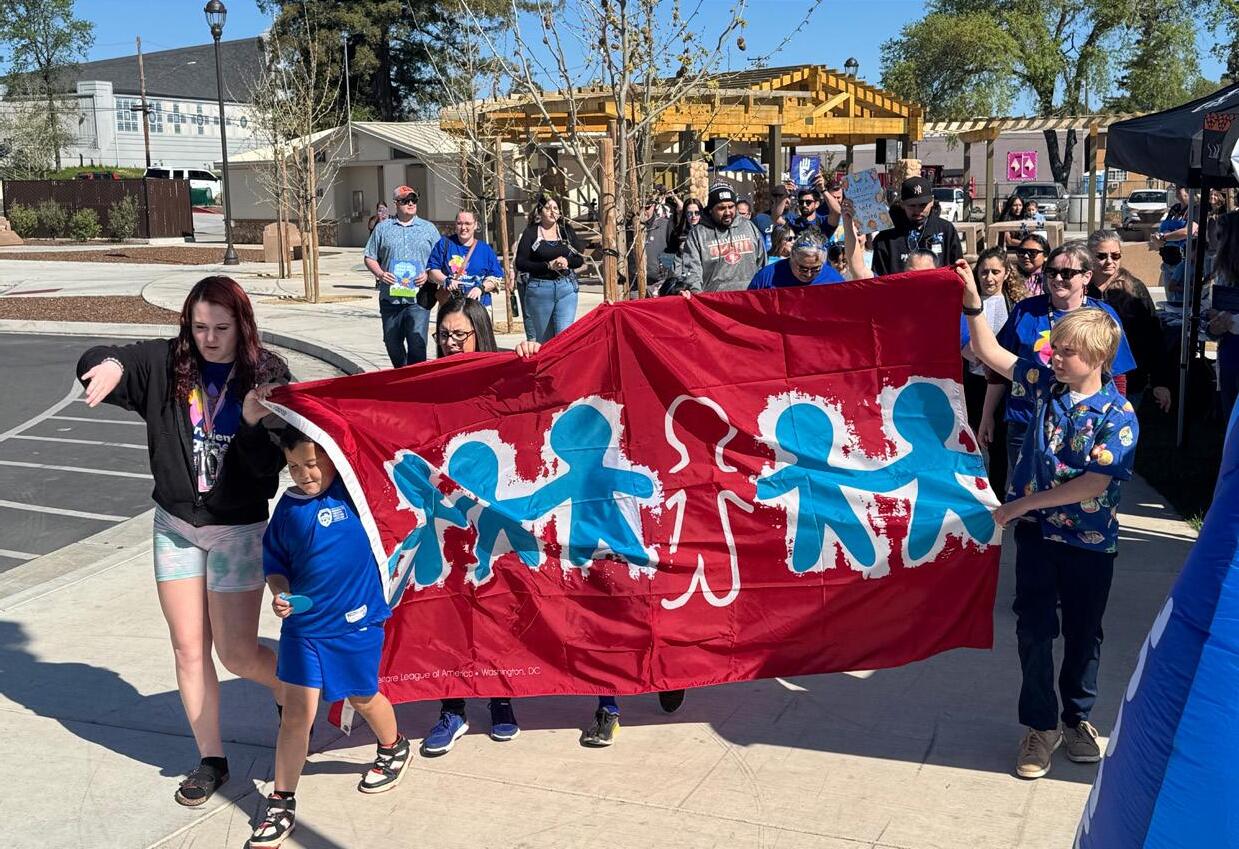
There will be a Children’s Advocacy Walk and Festival this year for Child Abuse Prevention Month, “Keeping Kids Safe in Every World.” Booths will be set up to provide free goodies, resources, education, prizes, and surprises. Saturday, April 12, from 10 a.m.–3 p.m. Xabatin Community Park, 800 N. Main St. Learn more at tinyurl. com/zsa7vsku
Guided Walks Through the Blooms
Enjoy the guided Rhododendron Walk at Mendocino Coast Botanical Gardens with Dennis McKiver of the American Rhododendron Society’s local chapter. More than 1,000 rhododendrons can be seen blooming throughout the Gardens during peak bloom in April and May. Learn more about the Gardens’ signature collection, including more than 124 species of rhododendrons and 315 taxa, many of them developed by the region’s prolific, enthusiastic, and generous rhododendron growers. Fridays, April 10, 17, and 24. Mendocino Coast Botanical Gardens, 18220 N. Hwy. 1, Fort Bragg. Find times and admission costs at gardenbythesea.org/rhodo-walks
Mendocino College Plant Fundraiser Sale
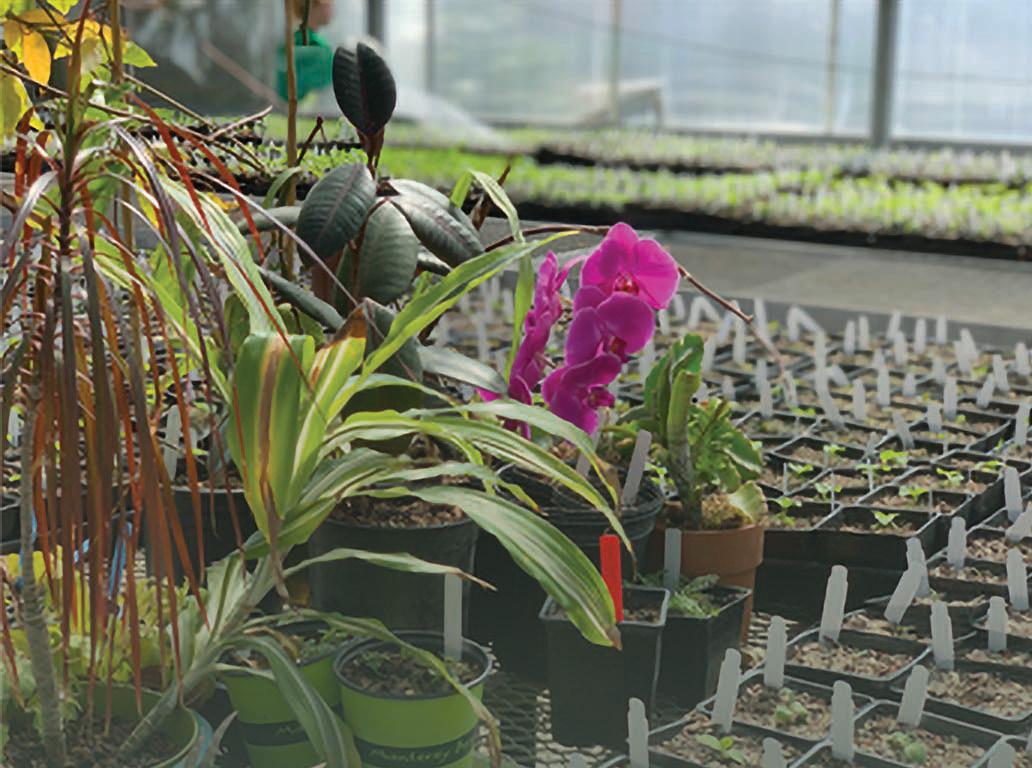
The Mendocino College Agricultural Department hosts its annual spring plant sale with a wide selection of vegetable starts perfect for a summer garden. Patrons will also find annual flowers, succulents, and house plants as well as native, xeriscape, and pollinator gardens. All proceeds go directly back to the agricultural department to fund student workers. The sale is Friday, April 24 from 9 a.m.–5 p.m. and Saturday, April 25, from 9 a.m.–3 p.m. They are now accepting card payments. Cash or check also accepted. Agriculture Department of the Mendocino College, 1000 Hensley Creek Rd., Ukiah. Learn more at tinyurl.com/498j6w5h
Rhododendron Walks
Mendocino College Plant Sale
Children’s Advocacy Walk and Festival
Easter Express
Departing Willits
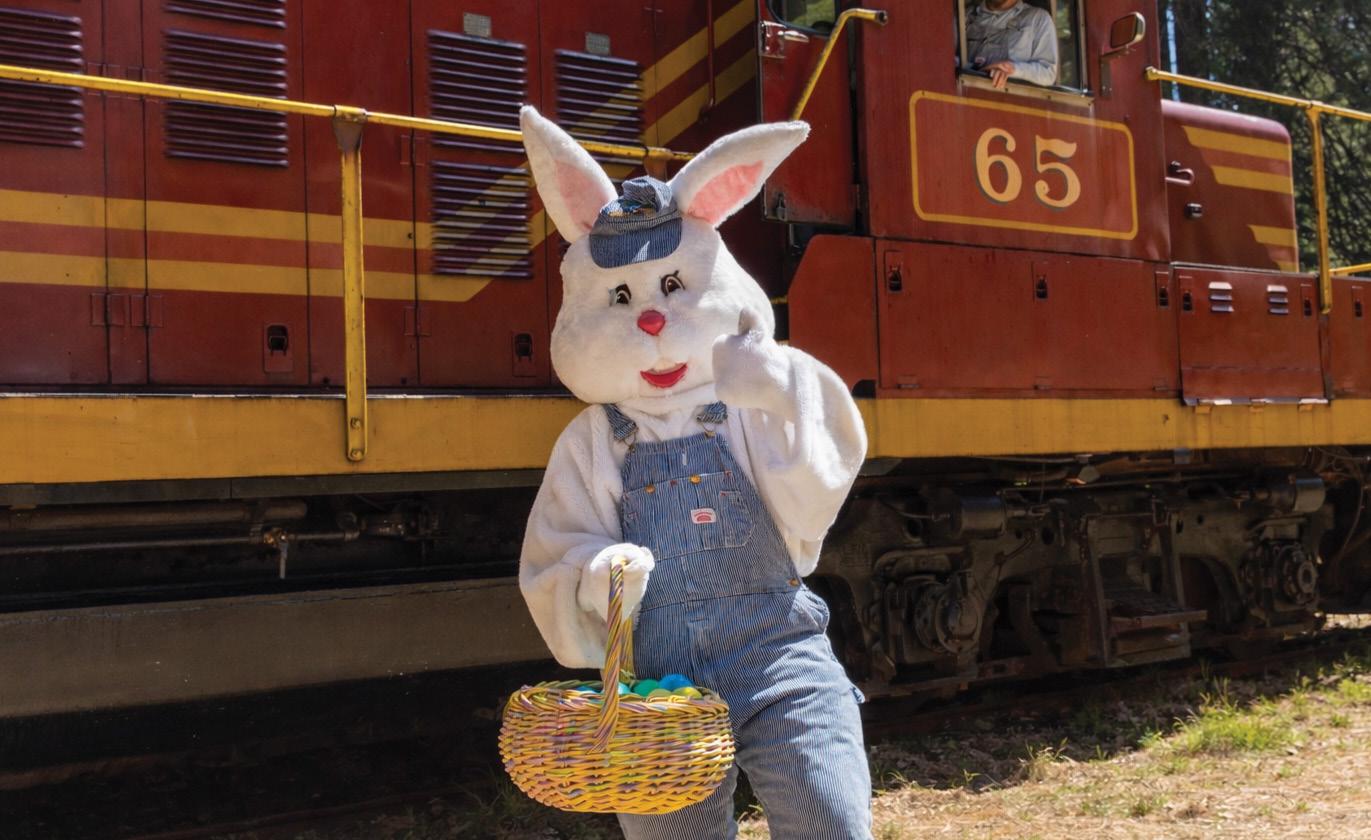
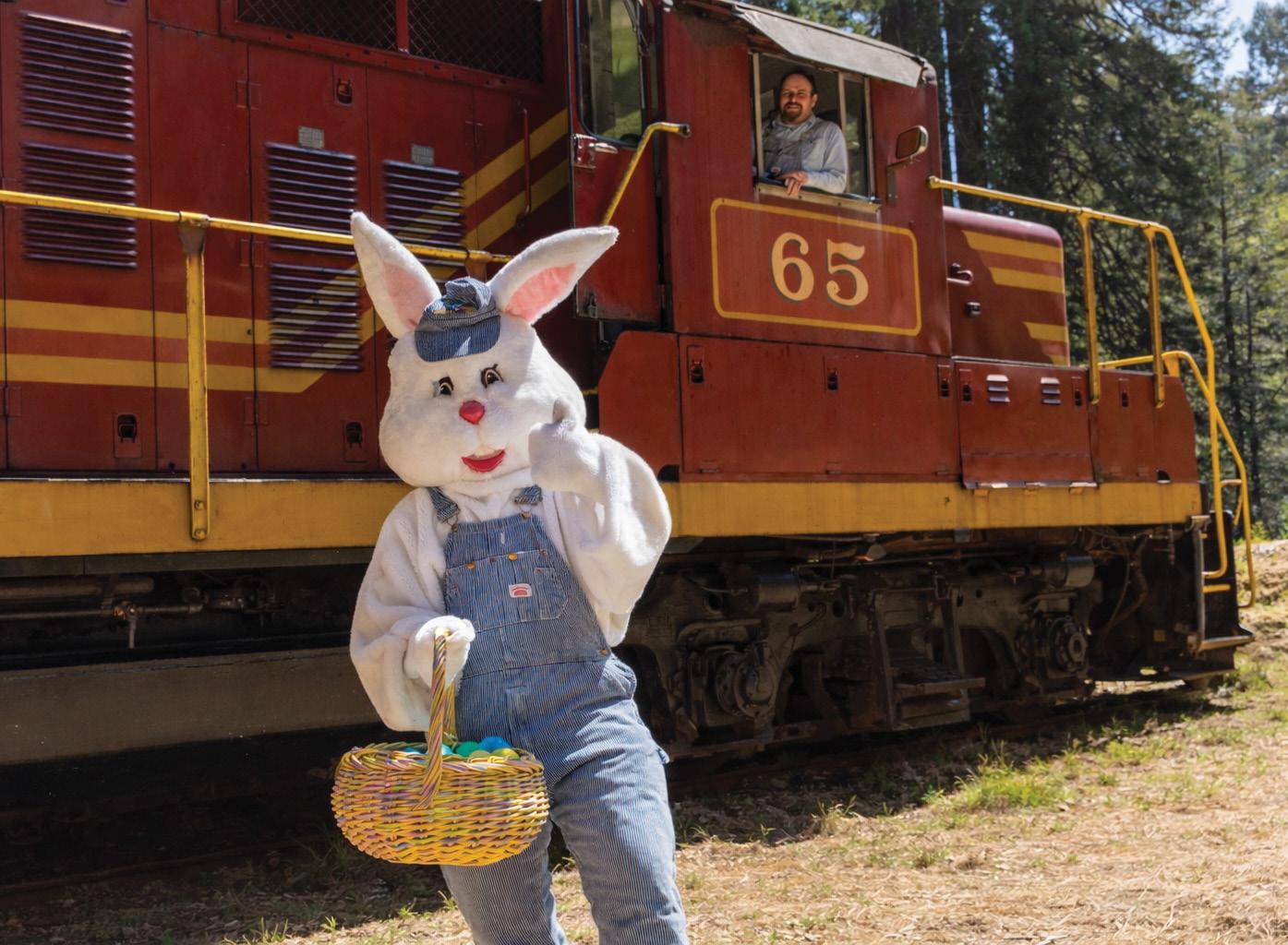
Hunt for Easter eggs aboard this one-of-a-kind hopping good time! Join the Skunk Train from Willits for a two-hour train excursion featuring Easter egg surprises, a special treat, and pink lemonade, plus a visit from the Easter Bunny. The finder of the golden egg during the egg hunt will win exclusive prizes. Don’t miss your chance to win, hop aboard and start the hunt. The Historic Skunk Train at Willits, 299 E. Commercial St.,Willits. Check ticket availability at skunktrain.com/easter-express.
Free Family Art Year-round At Center
Visit the Mendocino Art Center for a year full of fun and creative free art workshops for the whole family. Led by local artist Julie Karlonas, these hands-on sessions offer a wonderful opportunity to create art and make memories together. All materials are provided, and all ages are welcome. Parents must remain on site and participate with their children. The Saturday, April 12 event is printmaking with foam plates, from 1–3 p.m. at Mendocino Art Center, 45200 Little Lake Rd., Mendocino. View full details at mendocinoartcenter.org/kids
Experience Local Dance Performances
As part of its mission to connect the arts to the community, the Lake County Arts Council is proud to present a showcase of Lake County dancers, choreographers, and teachers. Performances are from various dance schools and local artists including a diverse range of dance styles, from ballet to hip-hop showcasing original choreography and innovative dance pieces. The event supports local artists by providing a platform for exposure. The Spring Dance Festival performances are at 1 and 6 p.m. Saturday, April 18, at the Marge Alakszay Center, 250 Lange St., Lakeport. Purchase tickets at lakearts.org/spring-dance-festival
The Spring Dance Festival
Mendocino Art Center
Skunk Train Easter Express
Camp Lessons
Life Skills Learned Over Summer
By Sarah Lyons
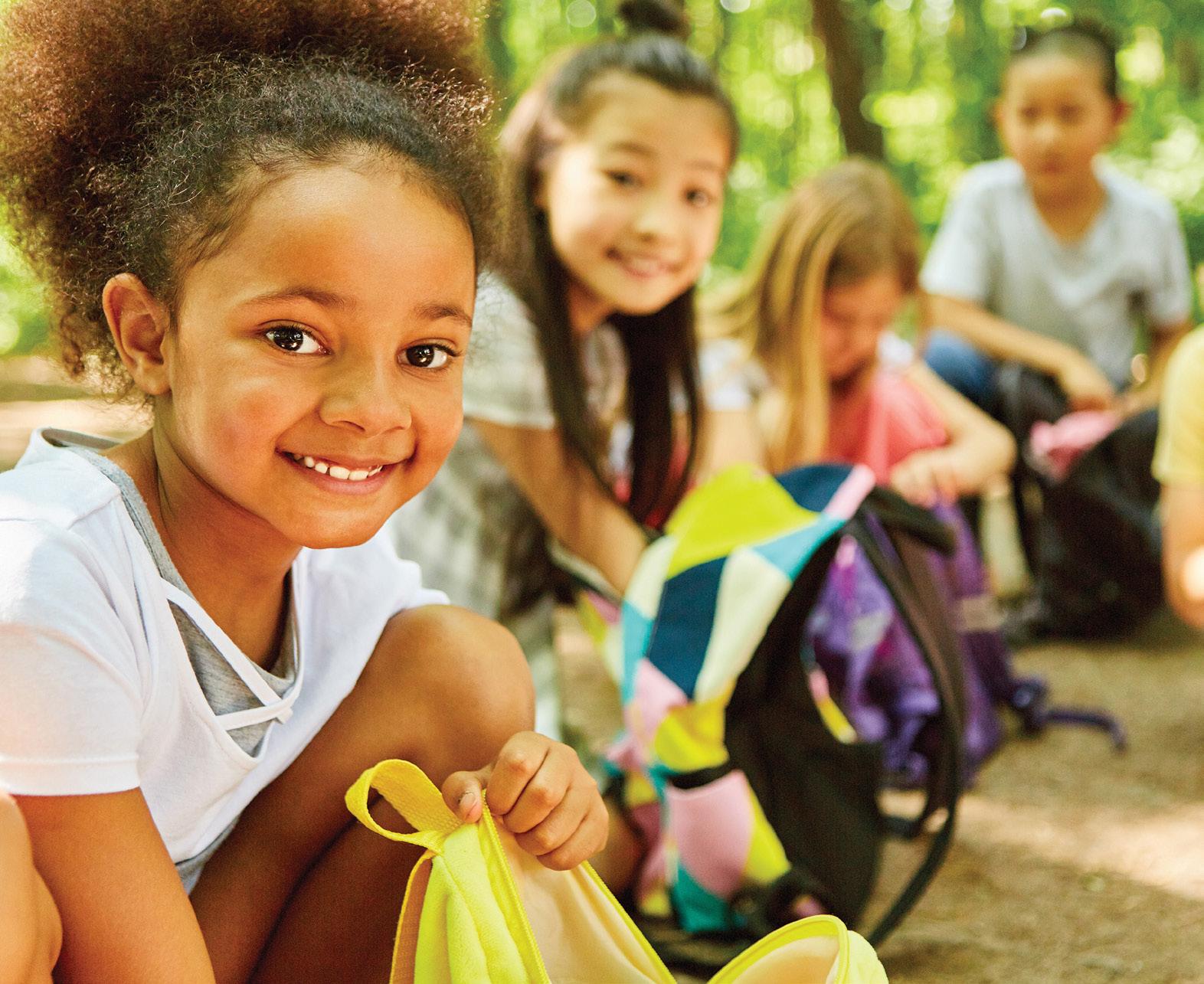
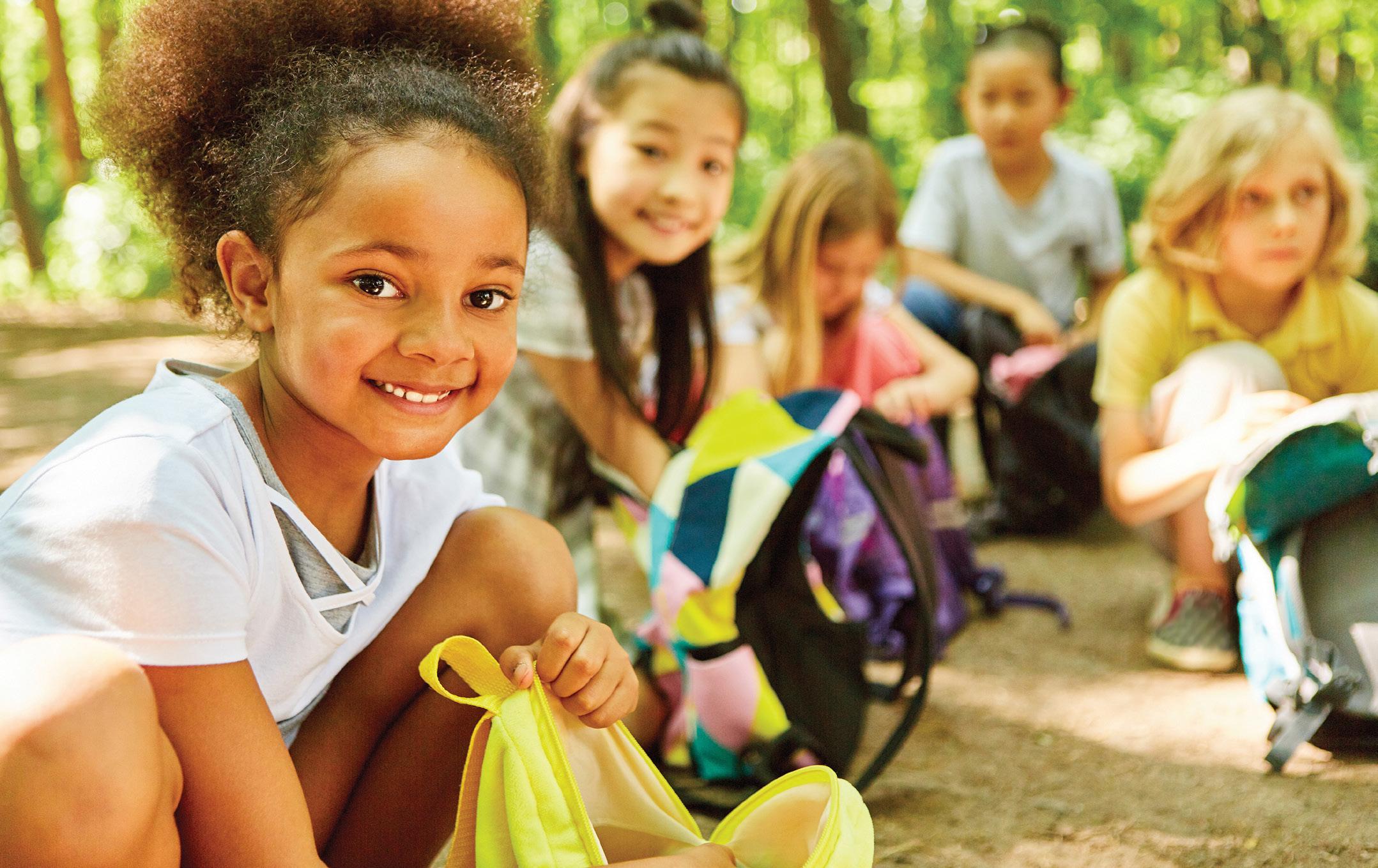
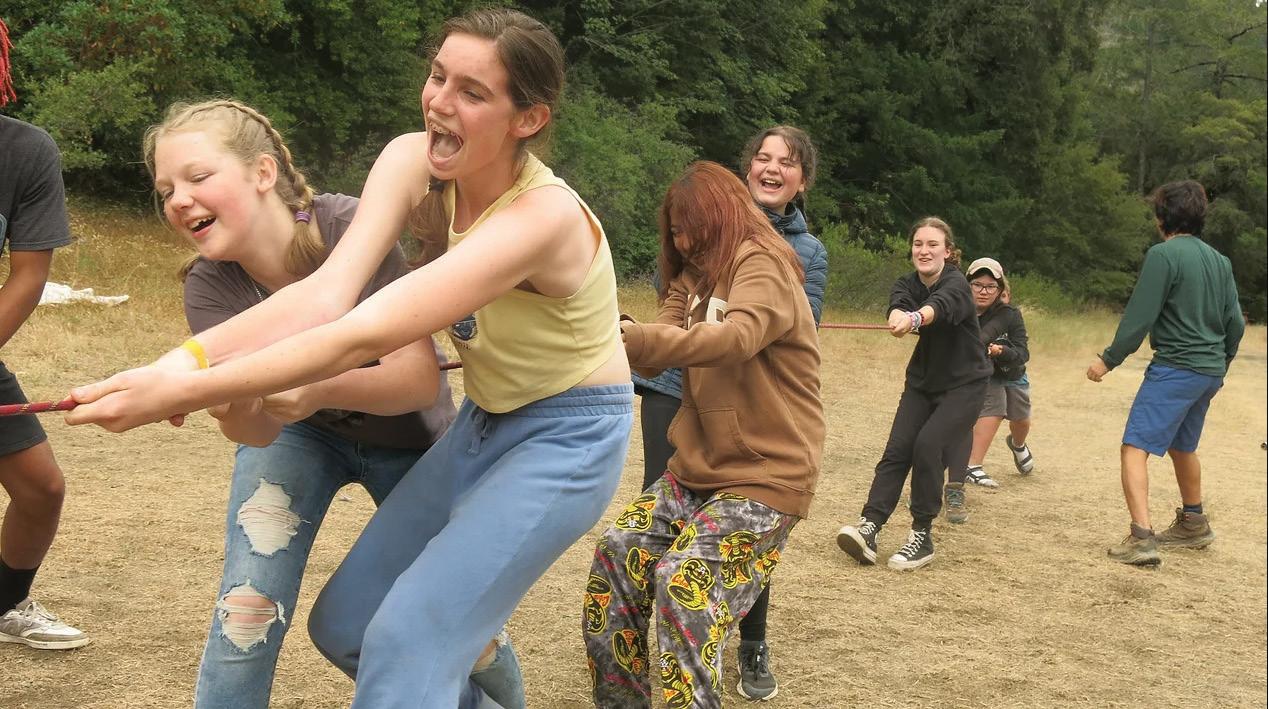
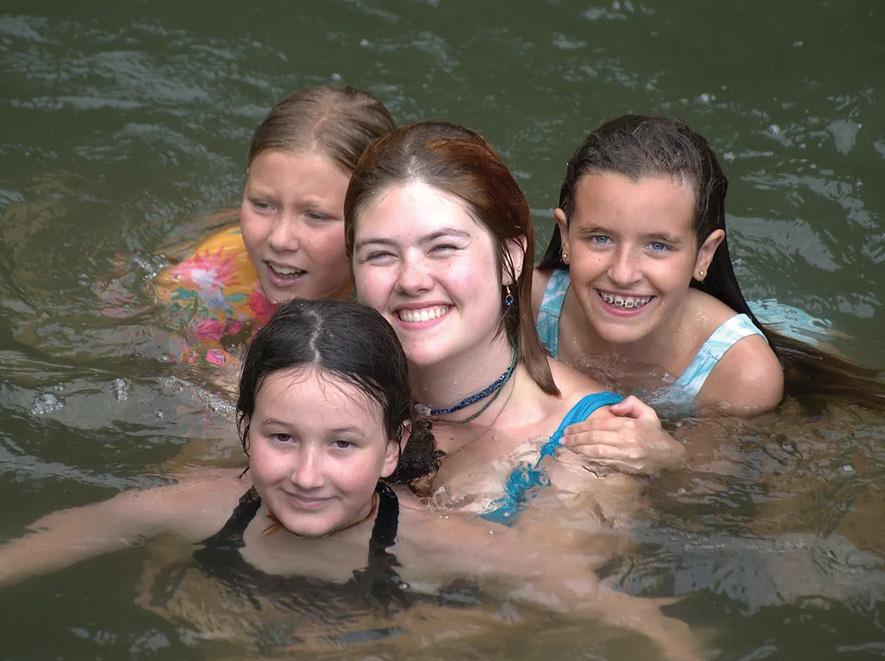
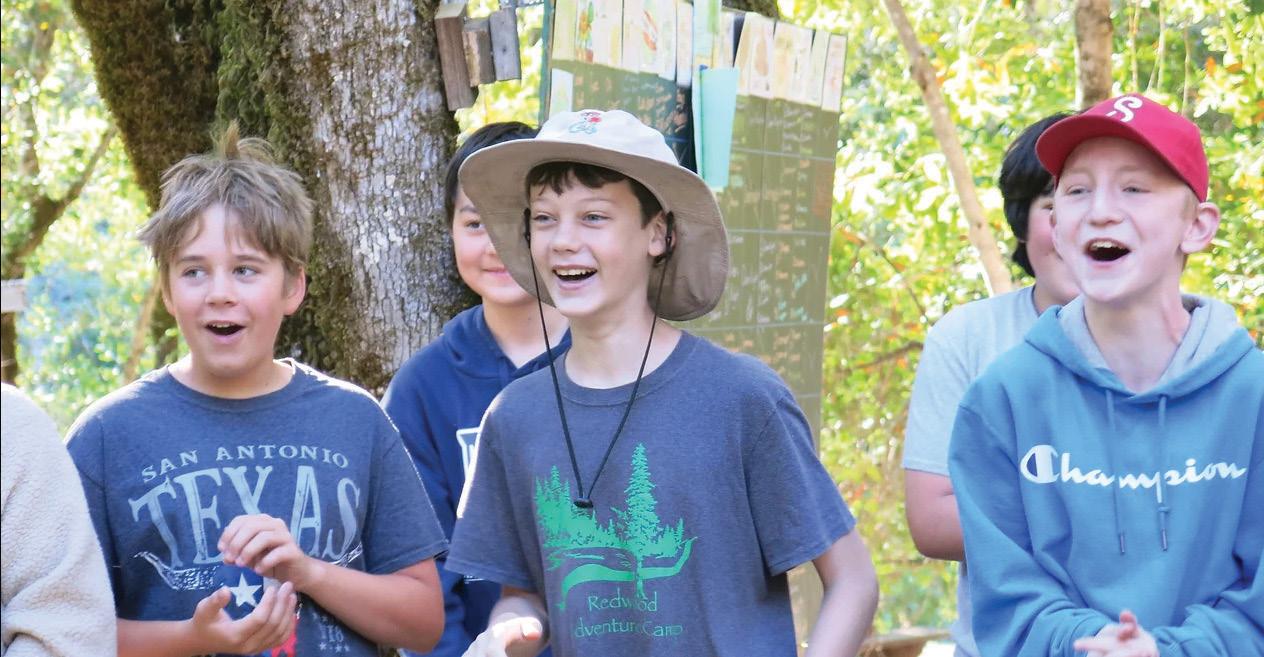
Summer is just around the corner and it’s time to start registering kids for camp. Whether you choose to send your child to day camp or an overnight camp, you can be sure it will be a fun and memorable experience for your child. Camp can help your child step out of their comfort zone, experience something new, learn or develop new skills, and spend time outside (and off of screens) this summer. Many parents and kids will tell you they learned valuable life lessons while at summer camp.
Independence: “I love summer camp because it teaches them independence,” said Jayne Holmes, mom of four. Away from parents, whether it’s for hours or days, kids are expected to be responsible for themselves which includes
everything from keeping track of their belongings to remembering to shower. With counselors and peers alongside to guide and encourage them, they learn to be independent in a way that is different from any other setting.
Many parents and kids will tell you they learned valuable life lessons while at summer camp.
Diversity: When kids attend camp they are exposed to a variety of people with different backgrounds, abilities, gifts, and challenges. Camp forces kids to step out of their inner circle and meet kids they would not have come in contact with otherwise. This helps kids understand the world outside of their neighborhood and prepares them for high school and college where the school population is larger. Kids begin to understand that despite differences, people with all different backgrounds can have similar interests and values. It also helps build empathy, understanding, and teaches them how to be a good friend to others.
Confidence: Camp doesn’t just expose kids to diversity when it comes to people but it also gives kids the opportunity to try something new. Being introduced to new activities and interests at camp can give kids the confidence they need to step out of their comfort zone and try new things in the future. Amy Cameron, mom of three said, “They have come home with a new sense of grit and responsibility as well as new interests such as astronomy, horseback riding, and canoeing. They’ve also developed a love for the outdoors and found that technology isn’t always necessary for entertainment.”
Relationships: Relationships are the most important thing in life. At camp, kids develop deep relationships quickly because of the teamwork, camaraderie, and quality time that camp provides. These
Camp helps build empathy, understanding, and teaches them how to be a good friend to others.
relationships are often valuable and long lasting. As kids grow and natural distance grows between their camp friends, the memories are always there and the value and
ability to build strong friendships remains a lifelong skill.
“My kids, my husband, his father, and many other family members have all attended the same camp when they were kids and it had a lasting impact on them,” said Cameron. “So much so that we took my father-in-law’s ashes there over the summer. It is where he would want to be.”
Kids carry the great memories, valuable life lessons, and the relationships built at camp with them through their lives. ❖
Sarah Lyons and her husband, Justin, have been married for 20 years and have six children together.
Homeschooling was never my plan. I’ve always supported public schools to provide free education for all. Not only that, I work full-time and couldn’t imagine choosing, organizing, and teaching curriculums organized into daily schedules. Enter my family’s COVID-19-inspired “independent study” in 2020 consisting of my kids learning through playing all day. We rolled with it.
I knew that at ages 4 and 6 they were learning all the time, just not in the way that the school system categorizes and measures. Often when I suggested activities that sounded fun to me, they weren’t interested. So, I decided to let them take the lead. After all, how can we really measure what’s going on in someone else’s brain?
At home they were not being tested, assessed, judged, forced to sit, compete, or measure up to their peers. I noticed their freedom heightening in their creativity, emotional well-being, and relationship with each other. When it was time to return my 6-year-old to the rigor within the walls of the classroom so she could get “back on
track” as they say, it was clear that we were already on a different path. To understand more about the way we learn and to research ideas about alternatives to conventional education I read Free to Learn by Peter Gray, Raising Free People: Unschooling as Liberation and Healing Work by Akilah Richards, and Untigering: Peaceful Parenting for the Deconstructing Tiger Parent by Iris Chen. These authors validated my intuition that told me we can be free to learn; especially in our youth when we are allowed to follow our own interests. In fact,
If
interested in learning more, visit the ASDE website for a more detailed definition as well as many resources.
putting pressure on someone to learn something at a certain time could be debilitating or even traumatizing.
I was sure I didn’t want to recreate any harmful educational traits at home and immediately felt alignment with “unschooling” aka “self-directed education” aka “learning through life.” A resource that became one of my greatest supports and inspiration initially and still today is the Alliance for Self-Directed Education, ASDE.
On its website, ASDE defines self-directed education as “education that derives from the self-chosen activities and life experiences of the learner whether or not those activities were chosen deliberately for the chosen purpose of education.” If interested in learning more, visit the
ASDE website for a more detailed definition as well as many resources.
As I reflect on my five years of learning outside the conventional school system with my now 10- and 12-year-olds, I believe attention in these three areas has benefited my family’s educational journey the most:
• Deschooling myself and my partner: Unlearning the idea that schooling (scores, hierarchy, standardization, perfection, obedience, production …) is equivalent to learning/success. Shedding the feeling that we need to constantly measure up to what someone or something else expects us to be. Podcasts and workshops have helped me with this.
• Trust and connection with my young people: Mutual respect
with our children, builds trust and connection. There is no, “because I said so.” Honoring children rather than shaming them. Speaking to them like I would any other person I honor and respect. This practice removes conflicts that adult domination
reciprocity by giving back to the community we live in. Over the years we have built relationships with community organizations, librarians, coaches, and activists who have taught us so much about current events, ourselves, and how we can be active participants in shaping our own futures. We keep an eye out for local volunteering and education opportunities that feed the soul and mind simultaneously.
If conventional education feels misaligned for you and your children, please know that there are other paths and you are not alone! ❖
and control often fuel and supports confident, empathetic, communicative, and curious young people.
• Being active participants in our community: We practice
Tessa Henry has found a community at KindKin Collective, the only Self-Directed Learning Center in the North Bay, located right in Sebastopol. Follow on instagram: @kindkincollective.
Earth Day Every Day
Ways to Protect Mother Earth
By Cherie Gough
Earth Day is April 22, but it’s important for us to take care of our planet every day. If you’ve been thinking about finding significant ways to help your children learn to care for the environment, we’ve got 30 ideas, one for each day in April, to help your family take action. From building a sense of wonder for nature to conserving precious resources to helping older kids to find ways to become activists, you’ll find an array of activities to suit your family.
1. Go for a butterfly walk in your neighborhood or a local garden. Afterwards, plant pollinator-friendly native plants.
2. Recycle food scraps. Proper food waste disposal is powerful. Did you know food and yard waste in landfills rots without oxygen, emitting methane, the second greatest contributor to climate change?
3. Donate fruit from your trees or volunteer to pick fruit and donate excess to food pantries.
4. Fill your kitchen with gently pre-loved, thrifted treasures. Hosting a party or gathering? Rather than choosing single-use or plastic products, vintage tableware adds character and personal flair in addition to being a green choice.
5. Observe nature while getting exercise. Try hiking, rock-climbing, or kayaking.
6. Avoid single-use plastics. Take the kids shopping and help them choose reusable snack bags, lunch
containers, and water bottles.
7. Enjoy a natural playground. Kids’ imaginations expand when building with logs, rocks, and petals.
8. Host a toy or book swap with friends. Be sure to get kids’ input on items they’d like to exchange.
9. Learn how to compost. Attend a community workshop. Many young kids enjoy the adventure and mystery of worm bins!
10. Don’t idle your car while picking up the kids. The U.S. Department of Energy reports that idling personal vehicles wastes about 6 billion gallons of fuel annually.
Make a nature journal to chronicle family outdoor adventures.
11. Go on a nature scavenger hunt. Find inspiration through the National Wildlife Federation: nwf.org/ Great-American-Campout/Activities/ Print-and-Go
12. Plant a garden. Even if you live in a small space, gardening can be a fun family activity. Find easy beginner tips here: garden.org/ getstarted.
13. Watch a sunset together.
14. Eat leftovers to avoid food waste. Start with a rotisserie chicken: Use leftovers to top a salad, throw in a soup, make a pot pie, or enchiladas, anyone?
15. Instead of paper napkins and paper towels, try fabric and see how it works for you. Many Etsy shops make napkins in cute
seasonal fabrics and “unpapertowels” or Swedish dish towels can be found at Costco and other stores.
16. Buy local, pesticide-free produce at farmers markets.
17. Walk or bike instead of drive to do an errand. Better yet, encourage your teen to take on this age-appropriate task.
18. Check out nature at your local library, including hiking backpacks and State Park passes. Search availability online.
19. Buy good quality clothing that lasts or try thrifting.
20. Make a nature journal to chronicle family outdoor adventures.
21. Conserve water. Shut off the tap while brushing teeth.
22. Attend a local Earth Day event. Check your community’s online calendar to find opportunities for the whole family.
23. Commit to Meatless Mondays. Make soups, chilis, tacos, and pasta without meat. One of the most impactful ways individuals can make a difference for the planet is by eating less meat.
24. Choose restaurants that use organic, locally sourced ingredients.
25.Make recycled art. Repurpose jars, lids, and egg cartons into a fun craft.
26. Try bird watching. Read tips from The Audubon Society here: audubon.org/magazine/ easy-ways-get-kids-birding
27. Volunteer at a community garden. Attend a workday and help weed, plant, water, and harvest produce. You’ll build teamwork while helping grow healthy food for neighbors.
28. Do a litter pick up around your neighborhood.
29. Encourage your teen to become a climate activist. Find opportunities at dosomething. org/us and volunteermatch.org/ search.
30. Spring clean and donate e-waste at a site or recycling event near you. ❖
Cherie Gough is a writer, mom of two, and avid gardener. Find her on IG @cgoughwrites
Spring Cleaning
10 Steps for Kids’ Rooms
By Rebecca Hastings
Spring cleaning is a great way to get a deep clean, go through children’s belongings, and reset their space to match their current needs. It is a lot of work, but breaking it down can help. Spring cleaning your kids’ room can feel refreshing for spring. Here are some steps to get the job done:
1. Declutter: This is the biggest job, but it makes the most difference. Start by getting rid of items your child no longer needs or uses. The more thorough you can be, the better. Consider what toys they truly play with, make sure their clothes fit, and toss things that are broken or stained. Donate or discard things that are taking up space unnecessarily.
2. Organize: You may be tired from all the decluttering, but don’t give up. It’s time to arrange things systematically. It is tempting to go online and find the best organizing
solutions, but start with what you have. You can always fill in the gaps later. Consider using storage solutions around the house, such as bins, baskets, or shelves, to keep things tidy. Then make a list of what you still need. Always organize before you buy new storage solutions.
3. Dust and Wipe: The hardest part is over! Now it’s time to deep clean the space. Start by dusting all surfaces, including shelves, furniture, and electronic devices. Wipe down surfaces with a damp cloth or foam
sponge like a Magic Eraser to remove accumulated dirt or grime.
4. Vacuum or Sweep: Next, clean the floors thoroughly. Vacuum carpets and rugs, and sweep or mop hard floors. Be sure to get corners, around heat sources, and under furniture.
It is tempting to go online and find the best organizing solutions, but start with what you have.
Deep-cleaning carpets or area rugs with a service or a carpet cleaner is also helpful.
5. Wash Bedding: Launder all bedding, including sheets, pillowcases, and blankets. This can contribute to a fresh and clean atmosphere in your room. If you use seasonal bedding, swap out the winter bedding and store it in a tote or vacuum-sealed bag for colder weather. Spring is also a good time to replace worn pillows or sheets. If pillows are yellowed, wash them as directed or replace them.
6. Clean Windows: Clean all windows inside and out. This will allow more natural light to enter and brighten up the space. Don’t just clean the glass. Be sure to clean the sills, tracks, trim, and screens so things are fresh and clean. Also, wipe down blinds or shades to remove any dust or dirt and make sure they are in working order. Remove curtains and wash as directed.
7. Check and Rotate Mattress: If possible, rotate or flip your mattress. This helps to maintain its shape and
comfort over time and improves longevity. Be sure to follow directions for your specific mattress, as some types do not get flipped. Also, check to see if the mattress needs replacement. A quality mattress is important for sleep and overall wellness, even for kids.
8. Inspect and Clean Furniture: Take a close look at your furniture. Clean any stains or spills, and consider using furniture polish to keep surfaces looking new. Make any necessary repairs or note what you need to make them. Consider if your child has outgrown any furniture or if anything needs replacing.
9. Freshen Up the Air: The best part of spring cleaning is fresh
air. Open windows to let in fresh air. Consider using child-safe air fresheners or natural options like oil diffusers to add a pleasant scent to your room. You can also consider whether your child would benefit from an air filter to improve air
Start by getting rid of items your child no longer needs or uses.
quality in their room. If you use an air filter, be sure to clean the device and replace the filters.
10. Evaluate and Rearrange:
Now that you’re done, take a moment to evaluate the layout of the room. Is
everything working well? Do you notice any gaps or things that are not functional? Does the space feel restful? Consider rearranging furniture or creating zones for a new look and improved functionality.
Spring cleaning is not only about creating a clean environment but also about creating a space that feels comfortable and organized. If you do these tasks once or twice a year, you will create a space that is healthier and more comfortable for your child and your home.
Rebecca is a published author and former teacher passionate about authenticity, faith, and family. Connect with her at RebeccaHastings.net and on Instagram.
Sensory-Friendly Easter Activities
Celebrations for Kids With Autism
By Matt Rokowsky
Easter can be a joyful time filled with family traditions, special meals, and festive activities. However, busy schedules, loud gatherings, unfamiliar foods, and crowded Easter egg hunts can feel overwhelming for children with autism. The changes in routine and increased sensory input may lead to anxiety, fatigue, or sensory overload.
Thoughtful adjustments can make Easter calm, predictable, and joyful for children with autism. Here are 10 practical ways to make Easter more sensory-friendly and inclusive.
Prepare a Visual Plan. Many autistic children feel more comfortable when they know what to expect. Creating a simple visual schedule or social story can help reduce uncertainty and anxiety about the day’s events. Include pictures or
drawings of activities such as waking up, opening baskets, attending an egg hunt, going to brunch, visiting relatives, or participating in a religious service. Review the schedule a few days before Easter and again the morning of the holiday.
If plans change, update the visuals and explain the change in clear, simple language. Predictability helps children feel more secure and better able to enjoy the day.
Keep Routines Consistent. Holidays often disrupt daily routines, but maintaining familiar patterns whenever possible can make a big difference. Try to keep regular wake-up times, meals, naps, and bedtime close to your child’s normal schedule. If you’re planning activities, build them around your child’s usual rhythm. For example,
Using brightly colored or larger eggs can make them easier to find and reduce frustration.
schedule visits after a nap or hold the Easter egg hunt at a time when your child is typically most regulated and alert. If changes are unavoidable, give advance notice and provide reminders throughout the day.
Choose Sensory-Friendly Clothing. Traditional holiday outfits may look festive, but they can be uncomfortable for children with sensory sensitivities. Itchy fabrics, tight collars, stiff seams, tags, or dress shoes may quickly become distracting or distressing. Allow your child to help choose clothing they find comfortable, even if it’s more casual than expected. Comfort should take priority over appearance.
Plan a Low-Stress Egg Hunt. Large community egg hunts can be overwhelming because of crowds, noise, and competition. Consider hosting a small family-only hunt or attending a community event during a quieter time. Also, spread the eggs farther apart to reduce crowding
and pressure. Using brightly colored or larger eggs can make them easier to find and reduce frustration. Some families also prefer a structured approach, such as color-coded eggs or a set number to collect.
Consider What Goes Inside
Eggs. Candy may not be the best option for every child due to dietary restrictions, texture sensitivities, or strong flavors. Consider stickers, small toys, fidget items, bubbles, mini puzzles, or favorite packaged snacks. Avoid items with strong scents, sticky textures, or unexpected sensory surprises. Filling eggs with items your child already enjoys will increase the likelihood that the experience will be positive and rewarding.
Create a
Calm Brunch. Holiday meals can be challenging when they include unfamiliar foods, strong smells, or long periods of sitting. Keep the menu simple and avoid overwhelming your child with too many new options at once. If possible, set up a quieter seating
Your child may not want to participate in every activity, and that’s OK.
area away from heavy traffic or loud conversations. Limiting strong cooking odors and allowing your child to eat at their own pace (or even on their usual meal schedule) can reduce stress.
Manage Settings.
Family gatherings can quickly become noisy and overstimulating. Limit the number of guests or stagger visits throughout the day. Prepare for louder environments by bringing noise-reducing headphones or earbuds if your child finds them helpful. Before guests arrive, identify a quiet room where your child can retreat if they need a break. Let relatives know in advance that your child may step away at times.
Set Up a Sensory Break
Space. A designated calm area can help your child regulate. This space might include comfort items such as a stuffed animal, books, a tablet, sensory toys, or a weighted blanket. Let your child know that they can use the space
Cal Dental Program provides free or lowcost dental services for children and adults.
The MediCal Dental Program provides free or lowcost dental services for children and adults.
A healthy smile plays a big role in your overall health. Establishing good oral health habits in early childhood is the best way to fight tooth decay and the first step for a lifetime of healthy smiles.
your overall health. Establishing good oral health habits in early childhood is the best way to fight tooth decay and the first step for a lifetime of healthy smiles.
A healthy smile plays a big role in your overall health. Establishing good oral health habits in early childhood is the best way to fight tooth decay and the first step for a lifetime of healthy smiles.
Tooth decay is preventable!
Tooth decay is preventable!
Tooth decay is preventable!
To find a Medi-Cal dentist, go to smilecalifornia.org/find-adentist or call 1-800-322-6384.
To find a Medi-Cal dentist, go to smilecalifornia.org/find-a-dentist or call 1-800-322-6384.
To find a Medi-Cal dentist, go to smilecalifornia.org/find-adentist or call 1-800-322-6384.
Funded by the CDPH under Contract #22-10177
Funded by the CDPH under Contract #22-10177
Funded by the CDPH under Contract #22-10177
whenever they need to, without asking permission or feeling pressured to return quickly.
Incorporate Special Interests. Consider incorporating favorite colors, characters, or themes into baskets, decorations, or activities. For example, eggs can
feature preferred colors, baskets can reflect a favorite hobby or character, or the egg hunt can include items related to a special interest. Familiarity builds confidence and enjoyment.
Keep Expectations Flexible.
Your child may not want to
participate in every activity, and that’s OK. Shorter participation, modified activities, or observing rather than joining are all valid ways to be included. Focus on your child’s comfort and emotional well-being rather than meeting traditional expectations. Also, celebrate small successes like finding a few eggs, trying a new food, greeting a relative, or simply
Thoughtful adjustments can make Easter calm, predictable, and joyful for children with autism.
staying regulated during part of the day. A positive, low-pressure environment helps create lasting, meaningful memories.
Make It Meaningful.
A sensory-friendly Easter is all about thoughtful planning and prioritizing what helps your child feel safe, comfortable, and supported. Predictability, flexibility, and attention to sensory needs can turn a potentially overwhelming day into a joyful, manageable experience. With small adjustments to routines, meals, activities, and the environment, families can celebrate in ways that honor tradition while respecting individual needs. When children feel secure and included, the holiday becomes more meaningful for the whole family. ❖
Matt Rokowsky is the CEO at Above and Beyond Therapy, which is dedicated to helping children with Autism Spectrum Disorder thrive and reach their fullest potential.
Hunt for Eggs!
Wednesday 1
Skunk Train Easter Express. Two–hour train excursion, featuring Easter egg surprises, a special Easter treat, and pink lemonade, plus a visit from the Easter Bunny. $79.75–$113.95. Infants (2 & under) ride free on a lap. If infant occupy a seat, a ticket must be purchased. $12.83. Through Apr. 5. Apr. 1 & 3: 1:30 & 4:30 p.m. Apr. 4: 10:30 a.m., 1:30 & 4:30 p.m. Apr. 5: 10:30 a.m. & 1:30 p.m. Willits Skunk Train Depot. 299 E. Commercial St., Willits. skunktrain.com/easter-express.
Saturday 4
FREE Fort Bragg Lions & Leos Easter Egg Hunt. Four age groups: 0–2, 3–5, 6–7 & 8–10 yrs. 40 grand prizes. Easter bunny. Bring baskets. 10 a.m. NEW LOCATION: Field between Redwood School and CV Starr Center on S. Lincoln St., Fort Bragg. tinyurl.com/ ymjdx44f.
FREE City of Clearlake Egg Hunt. Ages 0–12. Children will receive age-appropriate wristbands at check-in and be guided to the field designated for their age group. 9 a.m. (check-in 8:45
FREE Easter Eggstravaganza. Visit the Easter bunny, festive baskets while supplies last, petting zoo, and free movie. 11 a.m.–2 p.m. Twin Pines Casino. 22223 CA-29, Middletown. tinyurl.com/ ah7uswyb.
Jack & Noel’s Easter Egg Hunt. Bring a basket, will also be the chance to take a photo with the Easter bunny. 10 a.m. Jack & Noel’s Holiday Garden. 9532 Laughlin Way, Redwood Valley. tinyurl. com/39v5m335.
FREE Easter on Main Street. Bring a basket. Hunt for plastic eggs filled with candy. Enjoy kids’ activities and photos with the Easter Bunny. 9–11 a.m. 1st to 4th streets, Kelseyville. tinyurl. com/4xmd2bdu.
Easter Egg Splash. Ages 1–16 yrs. Rubber ducky races and egg hunt. Bring basket or bag, bathing suit, and towel. $5 entry. 1–4 p.m. CV Starr Community Center. 300 S. Lincoln, Fort Bragg. facebook.com/cvstarrcenter
FREE HSIMC Easter Egg Hunt. Bring a basket. Pictures with the Easter Bunny. Bake sale benefiting Redwood Valley Grange. Noon–1 p.m. Human Society for Inland Mendocino Co. 9700 Uva Dr., Redwood Valley. mendohumanesociety.com/events
Sunday 5
FREE 100th Annual Lakeport Rotary Egg Hunt. Four age groups: 0–3, 4–8, & 8–12 yrs. Real boiled eggs you can take home after, and also money egg prizes to be found. Gates: 1:15 p.m. Hunt: 1:30 p.m. Lake County Fairgrounds. 401 Martin St., Lakeport. tinyurl. com/3mys3mhr
FREE Reverse Easter Egg Hunt. Kids hide eggs for parents to find. Adults-only groups are welcome to join in the fun, too. Lucky guest who finds the Golden Egg will receive a reward. Events are for guests staying at the cottage only. 10 a.m. Mar Vista Farm + Cottages. 35101 Hwy. 1, Gualala. marvistafarmandcottages.com/events.
April Calendar of Events
Walk the Whale Trail Saturdays
One of the best whale-watching spots on the Mendocino Coast is the Point Cabrillo Light Station State Historic Park, just north of the village of Mendocino. Every Saturday through April 9 at Point Cabrillo Light Station, there will be volunteers along the bluffs to loan out binoculars and help point out the migrating Gray Whales passing by. These Whale Celebration Saturdays are from 11 a.m.–3 p.m., and there will also be three walking tours to choose from on those Saturdays at Point Cabrillo Light Station, 45300 Lighthouse Rd., Mendocino. Visit pointcabrillo.org/ self-guided-whale-trail for more information.
Thursday 2
FREE Open Mic Poetry. A community gathering where poets of all ages can share their original works or favorite verses in a supportive environment. 7–8 p.m. Fort Bragg Branch Library, 499 Laurel St., Fort Bragg. mendolibrary.org.
Friday 3
FREE Rhyme Time Storytime. An interactive session for young children featuring rhymes, songs, and early literacy activities. 10:30–11 a.m. Fort Bragg Branch Library, 499 Laurel St., Fort Bragg. mendolibrary.org.
Saturday 4
Whale Walks. Every Saturday through April 9 with volunteers along the bluffs to loan out binoculars and help point out the migrating Gray Whales passing by. 11 a.m.–3 p.m., and there will also be three walking tours to choose from on those Saturdays at Point Cabrillo Light Station, 45300 Lighthouse Rd., Mendocino. pointcabrillo.org.
FREE Rhyme Time Storytime. A weekend version of the popular rhyming and song program designed
for toddlers and their families. 10:29–11 a.m. Fort Bragg Branch Library, 499 Laurel St., Fort Bragg. mendolibrary.org
FREE Kids Craft Time. A hands-on creative hour where children can experiment with different art materials and projects. 11 a.m.–noon. Fort Bragg Branch Library, 499 Laurel St., Fort Bragg. mendolibrary.org
Sunday 5
Easter Sunday Celebration. Local community gatherings and traditional holiday services held throughout the county’s scenic towns. Times vary by location. Various locations, Mendocino County. tinyurl.com/ ykr36prc
Thursday 9
FREE Littles Storytime. A specialized story session for children up to age 3, focusing on sensory play and short tales. 10:30–11 a.m. Ukiah Library, 105 N. Main St., Ukiah. mendolibrary.org.
North Coast Comedy Night. A family-friendly comedy performance featuring local and regional talent in a riverfront setting. 5 p.m. Noyo River
Grill, 1011 S Main St., Fort Bragg. tinyurl.com/ezjm9ke3.
Drop-in Life Drawing. An open studio session for aspiring artists to practice sketching from live models in a relaxed environment. 1–4 p.m. Willits Center for the Arts, 71 E. Commercial St., Willits. willitscenterforthearts.org.
Flying Dog Bluegrass Band Live. A lively evening of traditional bluegrass music that is open to all ages. 7 p.m. Shanachie Pub, 50 S. Main St., Willits. tinyurl.com/jyjykbb7
Thursday 10
Guided Rhododendron Walk. More than 1,000 rhododendrons can be seen blooming throughout the Gardens during peak bloom in April and May. Fridays, April 10, 17, and 24. Mendocino Coast Botanical Gardens, 18220 N. Hwy. 1, Fort Bragg. gardenbythesea.org.
FREE Drop-in Knit and Crochet Group. A social gathering for fiber artists of all skill levels to work on projects and share techniques. 5:30–7 p.m. Ukiah Branch Library, 105 N. Main St., Ukiah. mendolibrary.org.
April 11
FREE Second Saturday in Mendocino. Mendocino Village galleries and shops stay open late for art openings and community events. 5–8 p.m. Main Street and surrounding village, Mendocino. tinyurl.com/ bdz4ww4n.
The Summer Garden with Sakina Bush. An educational workshop focusing on seasonal planting and garden maintenance for the North Coast. 10 a.m. Fort Bragg Branch Library, 499 Laurel St., Fort Bragg. mendolibrary.org
FREE Storytime. A reading session featuring classic and contemporary children’s literature to foster a love of reading. 10:30 a.m. Fort Bragg Branch Library, 499 Laurel St., Fort Bragg. mendolibrary.org
FREE Adult Crafting: Nailed It! A fun, lighthearted crafting challenge where participants attempt to recreate complex DIY projects. 1 p.m. Fort Bragg Branch Library, 499 Laurel St., Fort Bragg. mendolibrary.org
Whale and Jazz Festival. A unique festival combining world-class jazz performances with local whale watching excursions and culinary events. Various times. Gualala Arts Center, 46501 Gualala Rd., Gualala. gualalaarts.org.
Sunday 12
Children’s Advocacy Walk and Festival for Child Abuse Prevention Month. Booths provide free goodies, resources, education, prizes, and surprises. 10 a.m.–3 p.m. Xabatin Community Park, 800 N. Main St. tinyurl.com/zsa7vsku.
FREE Art Center Saturdays. Fun and creative art workshops for the whole family. All materials provided, and all ages welcome. Parents must remain on site and participate with their children. 1–3 p.m. at Mendocino Art Center, 45200 Little Lake Rd., Mendocino. mendocinoartcenter.org/kids
Wednesday 15
Mendocino County Women, Infants, and Children. (WIC) will be at the Round Valley Public Library, 23925 Howard St., Covelo. 10 a.m.–noon & 1–3:15 p.m. Appointments required. Call the WIC Main Office to schedule: (707) 472-2743.
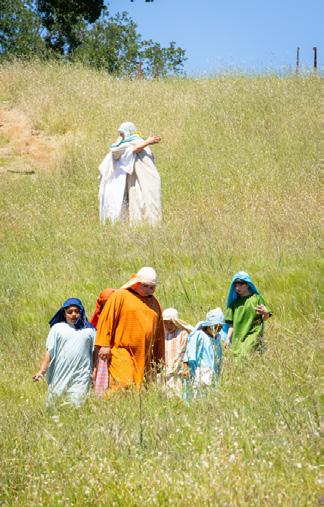
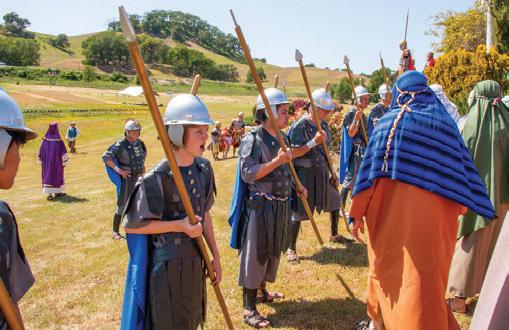
LAKE COUNTY OUTDOOR PASSION PLAY
MAY 16TH & 17TH, 2026 @4-6 P.M.
IS FREE; donations are gratefull chair and sunscreen. No smoking, food, drinks or pets allowed on the grounds. Water is available Facilities for the handicapped
Thank you for
ADMISSION
Friday 17
Laurie Lewis Band Concert. A performance by the renowned bluegrass and folk group in a historic coastal setting. 5 p.m. The Caspar Inn, 14701 Caspar Rd, Caspar. tinyurl. com/2x9a782f
Saturday 18
17th Annual Earth Day Festival. This free, family-friendly event brings together live music, local vendors, hands-on activities, and community organizations, celebrating sustainability and environmental education on the Mendocino Coast. Noon–5 p.m. The Learning Garden at 300A Dana Street, Fort Bragg. tinyurl. com/4msdy9d5.
Spring Dance Festival. Lake County dancers, choreographers, and teachers. 1 and 6 p.m. Marge Alakszay Center, 250 Lange St., Lakeport. lakearts.org
Whale and Jazz Festival (Weekend Two). The second weekend of the coastal festival features the popular Chowder Challenge and more jazz sets. Various times and locations in Gualala and Point Arena. headlandsinn.com/events.
Wednesday 22
Wednesday Watercolor Workshop. A guided art class focusing on basic watercolor techniques for beginners and hobbyists. 4 p.m. Willits Center for the Arts, 71 E. Commercial St, Willits. tinyurl.com/y67n8uwx
Thursday 23
Earth Day Celebration. Family and earth-friendly activities. Music, local craft and food vendors. Wood Land College, 15880 Dam Rd., Clearlake. facebook.com/ WoodlandCommunityCollege
Friday 24
Mendocino College Plant Sale. Annual spring plant sale with a wide selection of vegetable starts, flowers, and plants. Friday, April 24, 9 a.m.–5 p.m. Saturday, April 25, 9 a.m.–3 p.m. Agriculture Department of the Mendocino College, 1000 Hensley Creek Rd., Ukiah. kozt.com.
Saturday 25
FREE Earth Day City of Ukiah Clean-Up. Trash clean-up, graffiti
Lens Tour. Visitors climb to the top of a real lighthouse. Saturday, April 25 and Sunday, April 26. 11 a.m.–2 p.m. Typically $10 for adults and $5 for children. Children must be at least 42 inches tall. The Point Cabrillo Light Station is also open to the public daily 11 a.m.–4 p.m. pointcabrillo.org
Almost Fringe Festival. Family fun includes big kites, fringe fashion, motorcycle parade, hands-on activities, merchant specials, art exhibits, crafts fair, food specials, bubbles, poetry, live music, and more. 10 a.m.–7 p.m. Druids Hall, 140 Main, Point Arena. tinyurl.com/2rzx74um
Sunday 26
17th Annual Potter Valley Cancer Support Walk/Run. 5K/10K walk/ run honoring those who have battled cancer. Registration: 9 a.m. Race starts: 9:30 a.m. PV Firehouse, 10521 Main St., Potter Valley. pvycc.com/ walkrun.html.
Wednesday 29
FREE Storytime & Kids Crafts. A combined session of storytelling and a creative craft project for elementary-aged children. 10:30–11:45 a.m. Coast Community Branch Library, 225 Main St., Point Arena. Mendocino County Government. mendolibrary.org
Thursday 30
Roaring 20s Blues Fest Kick-Off. A themed train excursion with live 1920s-style jazz and blues to open the Fort Bragg Blues Festival. Various departure times. Skunk Train Depot, 100 W. Laurel St, Fort Bragg. tinyurl. com/5amkjs46.
Mendocino College Spring Dance Festival. A showcase of student and faculty dance choreography spanning multiple genres and styles. 7:30 p.m. Mendocino College Center Theatre, 1000 Hensley Creek Rd., Ukiah. tinyurl.com/3v7cvy3r
Line Dance Fitness. A high-energy dance class for all ages focusing on easy-to-learn line dances. 6 p.m. The Thirsty Axe, 209 S. School St., Ukiah. tinyurl.com/yuyd5snj.
Exploring Through Fairy Tales Book Supports
Social and Emotional Development
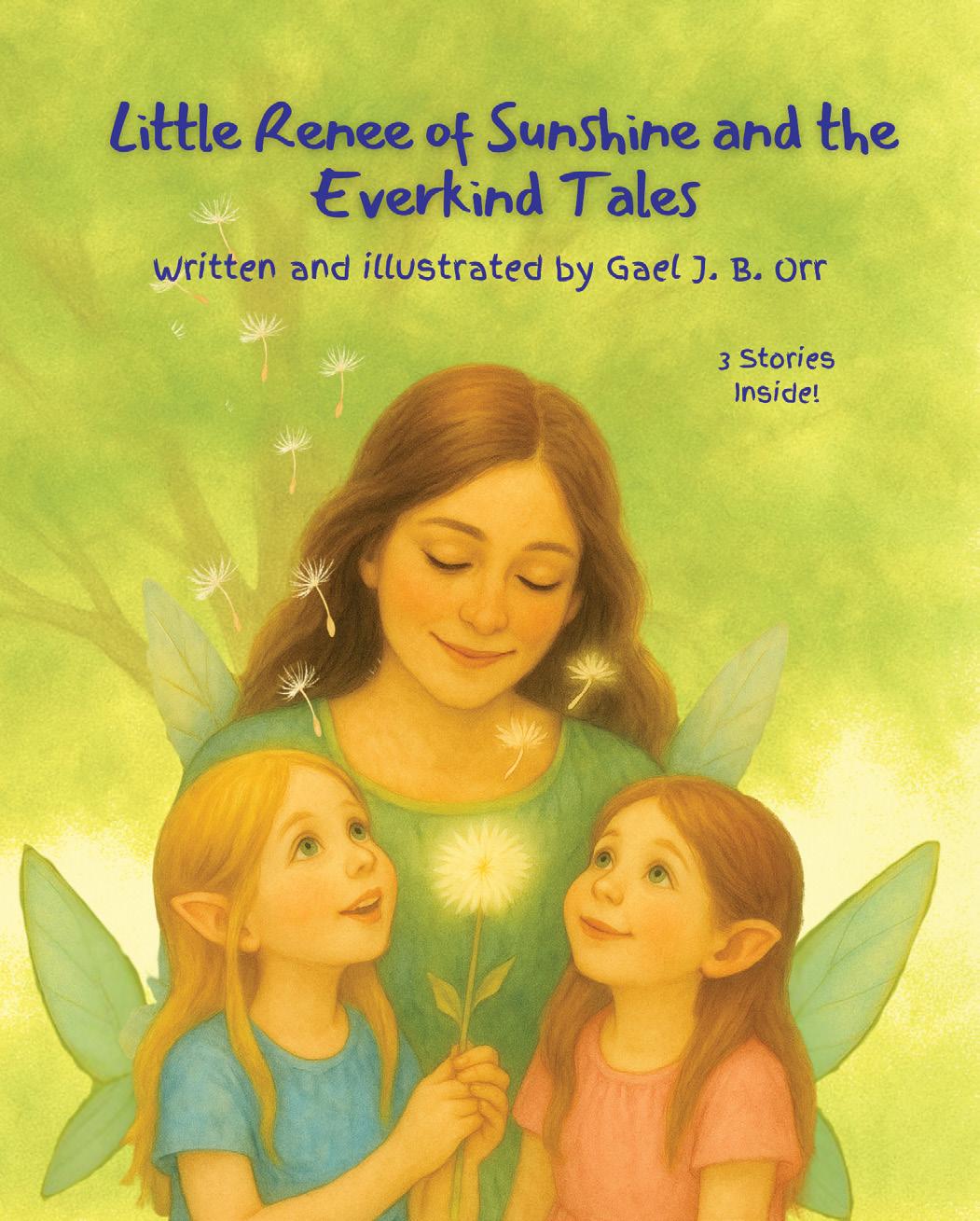
Children’s author Gael Orr announces the release of Little Renee of Sunshine and the Everkind Tales, a collection of three original read-aloud stories designed to support social and emotional development through imaginative storytelling.
Key Features
• Social and Emotional Focus: Engages themes of empathy, identity, and kindness through story.
• Read-Aloud Design: Written specifically to foster connection between children and caregivers.
• Critically Acclaimed: Five-star reviewed by Readers’ Favorite for emotionally fulfilling storytelling and illustrations.
Written for children ages 4 to 12 and the adults who read with them, Little Renee of Sunshine and the Everkind Tales uses gentle fantasy and fairy adventures to explore themes of empathy, identity, patience, and kindness.
Creating a safe, magical space for children to explore real-world social challenges while encouraging meaningful shared reading experiences, the collection has already received early critical acclaim, including a five-star review. Readers’ Favorite reviewer Pikasho writes:
“Little Renee of Sunshine and the Everkind Tales is full of magic and wonder. But more importantly, these stories offer a few valuable life lessons for young readers, highlighting themes related to patience, self-belief, identity, empathy, and kindness. This is definitely one of the best children’s books of the year.”
Available worldwide through Amazon and major booksellers and libraries via Ingram, each original story in the Little Renee of Sunshine and the Everkind Tales centers on a distinct social and emotional lesson, from the importance of listening and patience when emotions run high to the power of sharing and the strength that comes from recognizing self-worth.
Gael J. B. Orr writes imaginative stories that support children as they learn to understand their emotions, value their individuality, and build strong relationships. Orr’s books, and the shared act of reading them, create space for connection, reflection, and growth, inviting families and caregivers to turn story time into thoughtful, engaging conversations about the child’s feelings and the experiences of others.
Beyond her writing, Orr holds a passion for preservation and education and channels that by restoring antique horse carriages, giving history talks at local museums, and teaching sidesaddle riding. For more information, visit GaelOrr.com
This disclaimer clarifies that the magazine is reporting news from the publishing industry and is not offering an endorsement or review of the books mentioned.