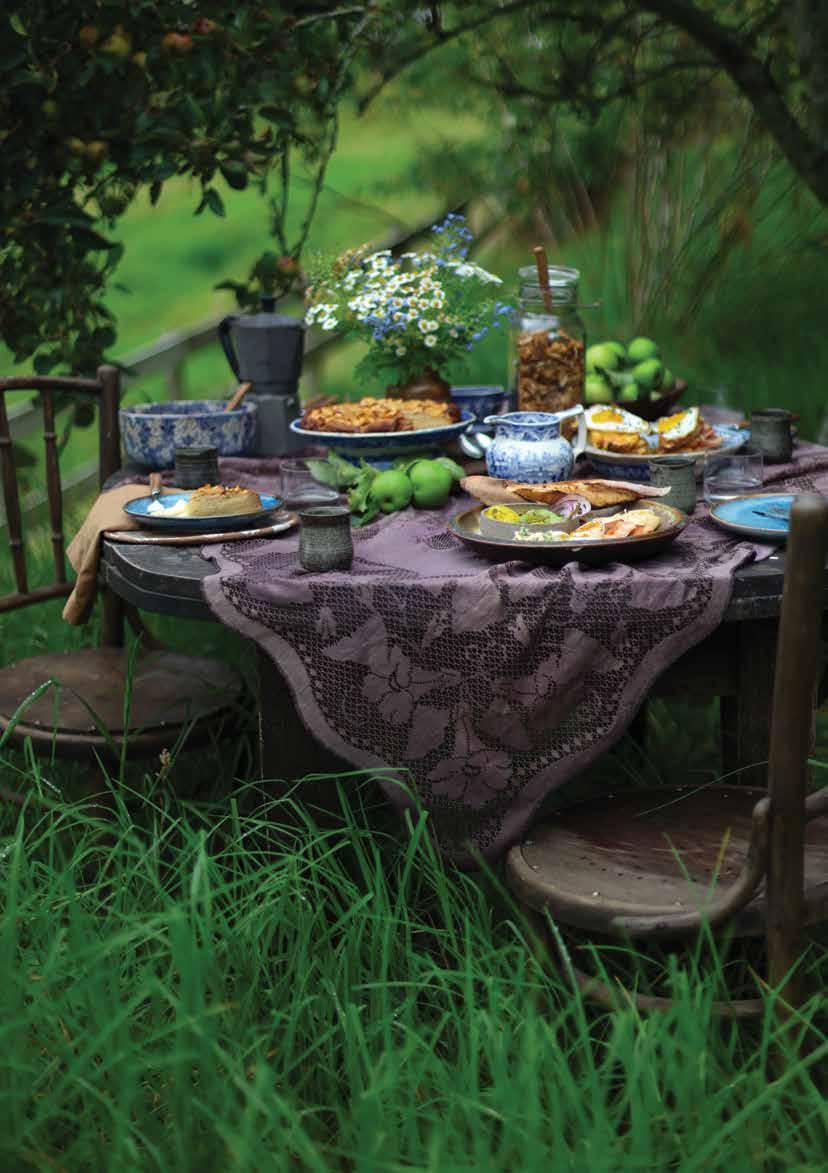
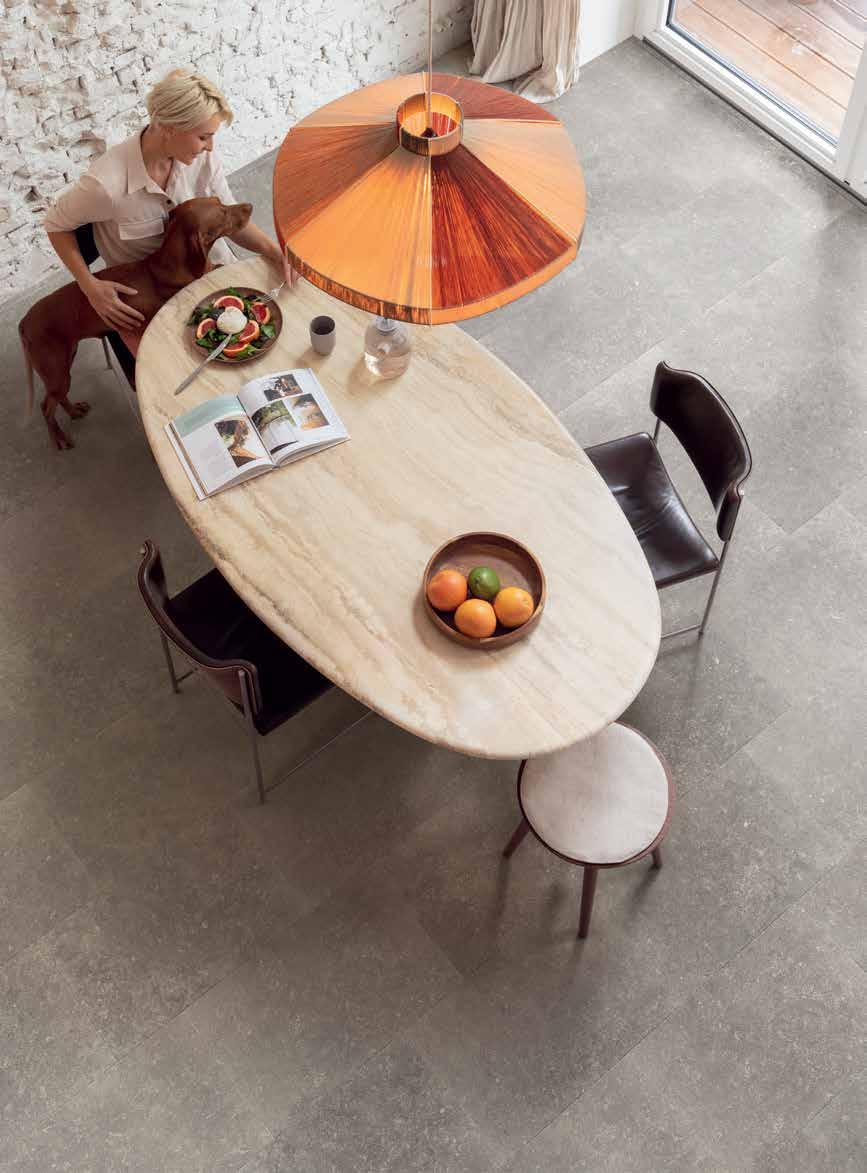
The autumn edition is always one of my favourites. It shouldn’t be, because it’s the hardest one to put together. Christmas chaos is followed by holiday mode, add to this February being a short month and the result is always a frantic rush to get this issue to the printer.
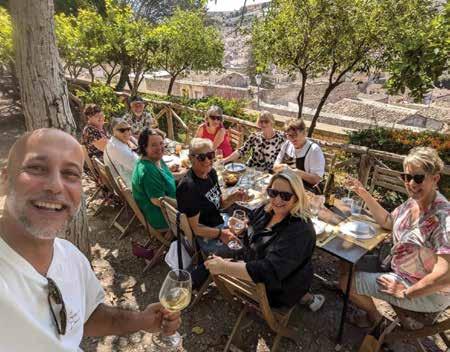
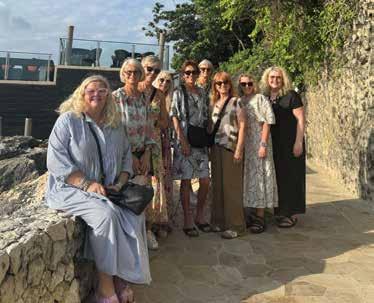
But I love this time of year, weather wise as well as the anticipation and excitement of the year ahead it represents. And this year is going to be a big one! Yes, I have more travel planned. In June I host our Taste of Emilia Romagna and Taste of Croatia tours. We have a few spots available on these, so if you are looking for a culinary adventure, join me!
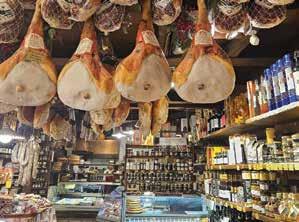
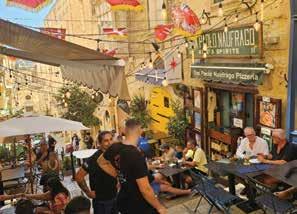
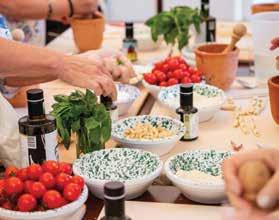
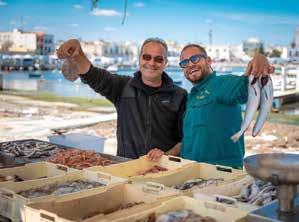
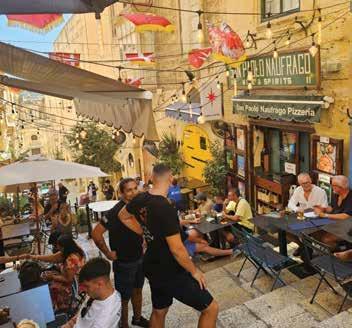
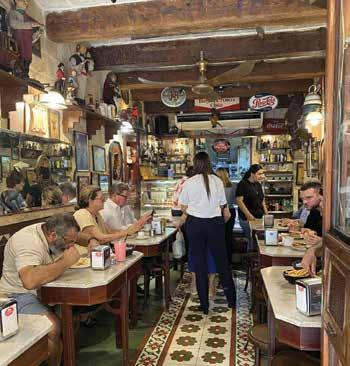
Talking of culinary adventures, on page 55 read about my trip to Malta – another magical destination we are adding to the Taste of Tours line up in 2027 (along with Tasmania).
A little closer to home, on page 8 we discover some of the highlights in this year’s Flavours of Plenty line up.
Autumn is about abundance, so this issue reflects this. Emma Galloway makes the most of her garden’s harvest on page 23. Kathy Paterson has some fun with our national fruit on page 28, and I share my love of eggplants on page 42.
Julie Le Clerc whips up some super cute Easter treats on page 14, and on page 19 Fiona Hugues says bugger brunch.
On page 10 we join Mark Webster for a cup of tea with Native Tree Farm and on page 50 Liz French chats to the Trueman team.
One of the perks of being the editor is I get to read everyone’s stories and in doing so I am continually adding to my food knowledge. For instance, Lynda Hallinan has me no longer nuking our broccoli in the microwave – apparently it kills most of its nutrients. And on page 48 we get an insight into when your favourite foodies are happy to fake it. You can also listen to us discuss this on The Sauce NZ podcast which we have brought back for 2026. I told you it was a big year ahead!
So, thanks for joining us.
Vicki Ravlich-Horan Editor
• 20 years in business
• 400+ projects delivered
• 80+ years of collective experience
• 100+ client testimonials
• 5 years voted Most Trusted Architectural Builder BOP
Visit www.thornegroup.co.nz for case studies, inspiration and FREE guides
1.
IT’S THE PERFECT TIME TO GET IN A PICKLE
Autumn serves us up an abundance of fruit and produce, making it the perfect time to get preserving.
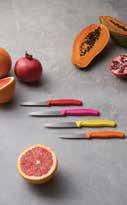
Easy to clean, durable and dishwasher safe, the range of preserving glassware available at Forage will have you enjoying your harvest for many months to come.
Preserving glassware is also excellent for storing everyday food items.
For all the preserving essentials, including seals, sieves, funnels, pans and glassware, check out the range at Forage.
readbros.co.nz/forage
308 Pollen Street, Thames
2.
UNPLUG, UNWIND, ESCAPE
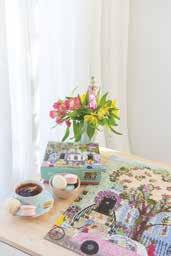
Take some time to switch off and step away from work, social media, and technology with a jigsaw.
Put on your favourite playlist, pour a glass of wine and enjoy some quality time with someone you love and a jigsaw.
Check out the beautiful range at thejigstore.co.nz
3.
TREASURE HUNTING IN THE WAIKATO
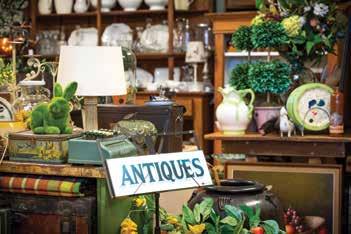
Looking for a great day out discovering your next treasure? The Waikato has a growing number of fabulous antique and brocante stores, perfect to centre your day out around.
The Heritage Trading Co in the heart of Cambridge mixes antiques with upcycled finds. Here timeless elegance meets modern sustainability.
40 Duke Street, Cambridge heritagetrading.co.nz
Linen and Stone is the brainchild of Jo McIntosh who spends half her time in France, hosting bespoke French Village experiences and hunting for treasure, which find their way back to New Zealand. Her now permanent pop up at Gails is always worth a stop.
28 Devine Road, Tamahere (open Friday to Sunday, 10.00am to 4.00pm) linenandstone.co.nz
Arkanda Living & Antiques
From his lifestyle property in Gordonton, between feeding his growing number of animals and tending the garden, Wayne Good runs cooking classes and workshops. But his background in interior design and keen eye means his ‘shed’ is always worth checking out!
Sandy from Clarke Road Eatery and Soulful Escape's trips to Bali have proven so popular she has added another destination, Morocco. Think secret foodie finds, artisan workshops and unforgettable moments in tropical luxury.
BALI 12 April–23 April and 22 June–3 July 2026
MOROCCO 2 September–23 September and 17 September–6 October (option to stop in Lisbon (Portugal) on your way home for a few days)
Follow the fun on Instagram and Facebook: soulfulescapesnz or email soulfulescapesnz@gmail.com
TASTE OF TOURS WINS
Our sister company Taste of Tours recently won Lux Magazine’s Best Culinary Tour 2026 – New Zealand and LUXlife Client Satisfaction Excellence Award 2026.
While extremely proud of this accolade, endorsement from our guests means more! Seeing guests return for not just their second adventure with us but their third is truly thrilling.
Our 2026 tour season is booking fast with our Taste of Sicily and Taste of Puglia tours SOLD OUT. We still have a few spots left on our Taste of South Australia tour over Easter and our Taste of Emilia Romagna and Taste of Croatia tours in June. Tasteoftours.com
THE SAUCE
After an 18 month break Tash and I have decided to bring The Sauce podcast back. This is the dinner party you never want to leave. We’re serving up interviews, hot takes, food trends, and irresistible libations. We're not here to reheat press releases or parrot marketing spin. We're pouring out the truth about what (and who) makes this country taste bloody good. Pour yourself something good and listen up!
Thesaucenz.com
FLAVOURS OF PLENTY FESTIVAL
The fifth edition of the Flavours of Plenty Festival returns from 16 April to 3 May with the theme ‘Pushing the Palate’ – a bold celebration of fearless flavour, creative flair and culinary innovation that’s sure to surprise and delight.
This annual celebration of the Coastal Bay of Plenty’s vibrant food scene showcases the people, places and produce that make this bountiful region so special, with events ranging from coastal dining and long-table lunches to hands-on workshops and tastings.
Here’s a taster of what’s on the menu.
The festival will open again with the Battle of the Snack (16 April), now in its fourth year. This thrilling event brings local chefs and rising talent together to compete as they create the most mouth-watering canapés.
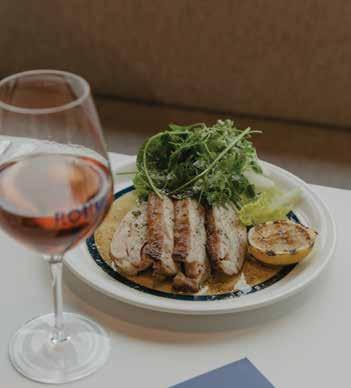
Join the team at Florence for Firenze Spettacolare (Spectacular Florence), an evening that captures the flavours of the city and the charm of Tuscany. Inspired by travels through the region, the menu showcases authentic Italian dishes with a playful twist.
For the first time ever, Tauranga will host the 2026 New Zealand National Chilli Eating Challenge on Wharf Street. Top competitors, including local chilli legend Shannon Leigh and 2025 New Zealand champion Jesse Painter, will face escalating heat in a fiery battle for the national champion title. Come along to watch the action, browse stalls from local and national hot sauce makers, and enjoy restaurants and bars serving their own spicy specials. Think you can take the heat? Sign up to compete against the region’s fiercest chilli eaters.
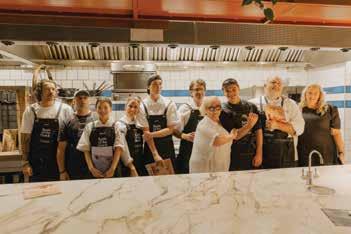
Five Go Wild is back! A five-course degustation menu created by five of the region’s best culinary talents.
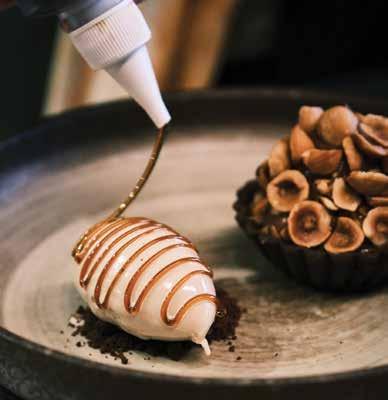
Melting Point at Solera is a five-course savoury dinner where ice cream takes the spotlight in every dish.
The Big Bay Brunch at Pāpāmoa Surf Life Saving Club will have you enjoying a hyper-local Sunday brunch featuring the Bay’s top producers.
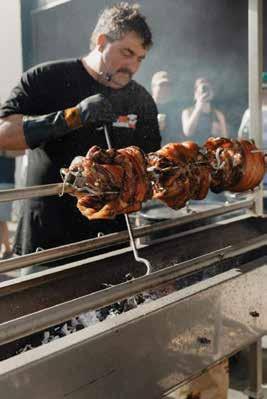
Smoke on the Water at Fisherman’s Wharf in Ōhope includes an open-fire cooking demo and a smoky four-course dinner.
Get off grid with a campfire feast under the stars at Smoke, Fire & BBQ.
This one-night-only farm adventure has guests head beyond the gardens to a secluded spot, where fire and smoke lead the menu.
A BBQ including dessert and s’mores is followed by a small whiskey tasting, along with BBQ tips, tricks and optional hands-on moments, all enjoyed by the fireside beneath brilliant, star-filled skies.
Learn the art of making croissants and hand-stretched pizza with the team from Chez Louis at L'Atelier in Whakatāne. Apprendre Croissant + Pizza is a workshop that blends skill, creativity and plenty of laughs.
Gnam (Yum) Cha at The Trading Post – An eight-dish yum chastyle lunch fusing Asian and European flavours.
Get the younger generation involved with the Kids Kai Trail at Jubilee Park in Te Puke. This is a fun, family-friendly food trail filled with tasty treats and hands-on garden activities.
Hikoi & Hākari at Otawhiwhi Marae in Bowentown is a cultural experience of traditional stories and kai.
Experience a cultural journey with Te Whānau a Tauwhao and the Echo Walking Festival at Otawhiwhi Marae. Begin with a guided hīkoi, learning about traditional Māori foraging practices and connections to the land.
Plates of Plenty Challenge 1 April – 3 May 2026
Local eateries across the Coastal Bay of Plenty are stepping up to create one-off festival dishes that celebrate the very best of regional ingredients. Participating eateries must use at least three of the ingredients from the box of local products to create a unique dish that showcases their creativity and the richness of the local food scene. Expert judges will crown the Judges’ Choice Award. You can vote in the People’s Choice Award after eating your way around the region.
The producers taking part in this year’s challenge are: Waitoa Fresh Chicken, Lady Alchemy, Curds First Cheese, Aroha Kai, Native Tree Farm, Lumberjack Brewery (with their Festival beer Fork’n Good), The Flavorsmith, and Kaimai Eggs.
flavoursofplentyfestival.com
Tea Talks
WITH NATIVE TREE FARM & WEBSTER’S
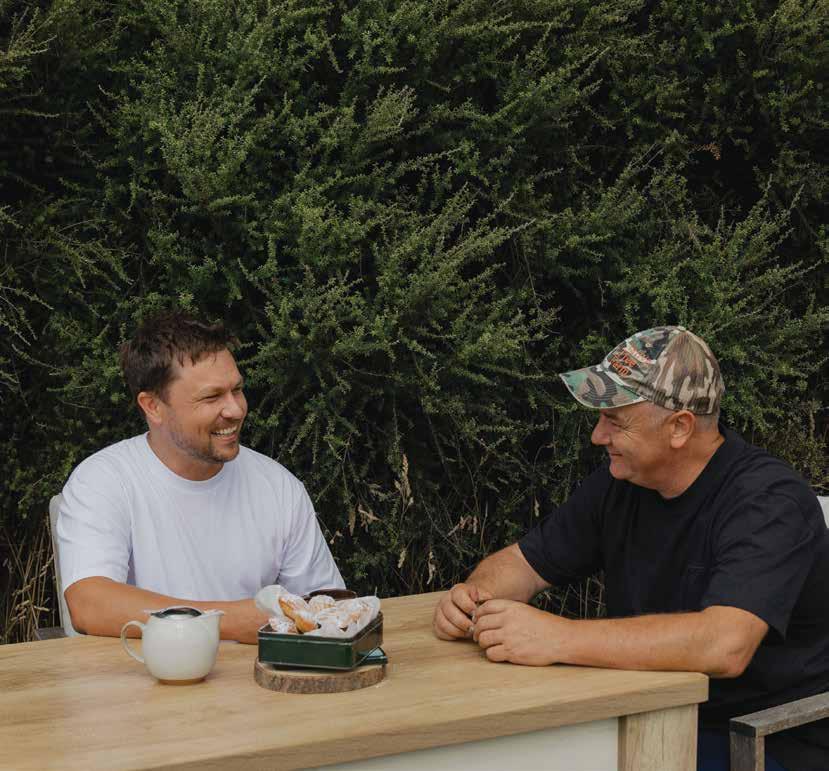
Mark Webster from Webster Tea says right from the beginning he had wanted to include New Zealand ingredients in their teas.
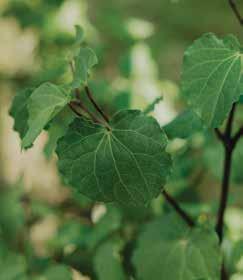
Their Kawakawa tea was first. Mark explains: “I was aware of its medicinal benefits, which led me to research it further. Then I started noticing kawakawa everywhere! Around the base track of the Mount, growing wild wherever I looked. It felt like a no-brainer to incorporate it into a tea, and I thought it might pair nicely with green tea.”
“Kawakawa,” Mark explains, “is quite peppery, so we added spearmint to balance that out on a base of green tea.” Enthused by the response to this tea, Mark set his sights on mānuka, first blended with a Rooibos base and more recently their Kiwi Breakfast Tea.
Mark says the Kiwi Breakfast tea “came about because we’re big fans of black tea. We wanted to create something in the style of an English breakfast, but with a distinct Kiwi twist. The mānuka adds
a subtle, unique aftertaste and some added benefits – mānuka can support immunity and has antibacterial properties while keeping it a hearty breakfast tea. I love that it’s still very much an English breakfast style, just with that local lift.”
Proving these teas would work and people would enjoy them turned out to be easier than sourcing the New Zealand native ingredients, which is why we have wound our way deep into the hills behind Whakatāne.
Our destination is Native Tree Farm, who now grow, harvest and process the kawakawa and mānuka Webster’s use in their teas. Mark says previous to discovering Native Tree Farm, supply of both kawakawa and mānuka was inconsistent both in quantity and quality. He had almost given up when he saw Native Tree Farm kawakawa powder in a local shop and sent them an email.
Dan Andrews laughs as he explains kawakawa is slow to process. “We were ceasing additional supply of kawakawa when we got Mark’s email, and it was so nice we couldn’t say no.”
WORDS VICKI RAVLICH-HORAN | IMAGES ERIN CAVE
Dan and wife Laureen began Native Tree Farm a decade ago. Their fourteen acres was an old airstrip and as Dan describes it “a blank canvas”. The pair, with a young family at the time, both had professional careers, Laureen a teacher, Dan in management.
But the land was calling. One summer they dreamed of selling flavoured corn at the market so tilled their entire suburban backyard to plant a corn crop. The corn was a disaster, but the pair were not deterred. Puha was next and more successful.
Then the opportunity arose to buy the land they now call home and they jumped at it, not really knowing what they would grow.
What did grow was their love of New Zealand natives and the power these plants have.
Laureen’s koro was the seed, an expert in native plants and their medicinal benefits. And with the gift of some special mānuka seeds from whānau, their first plantation was lovingly hand planted following organic guidelines.
Native Tree Farm is BioGro certified and now, along with mānuka, grows kānuka, kawakawa, horopito and kūmarahou. Along with selling some wholesale to Webster’s Tea, these are grown for their own teas, powders and essential oils and for sale on their website.
The old airstrip has slowly been transformed as the Andrews discover better ways to grow, harvest and preserve their growing range of natives.
As we sit chatting, Dan points out the rows of plants behind me. They are kūmarahou, a plant I had never seen or heard of before. Its yellow flowers create a naturally velvety lather, hence its nickname ‘gum diggers soap’.
But Dan says before the gum diggers arrived “it was one of the most esteemed plant for Māori”.
Because of its healing properties as a remedy for skin complaints, bronchial illnesses, cold and flu as well as digestive issues and that there is not much around, Laureen says “it is highly sought after”.
The fact that there is not much around, the pair discovered, could be that it is not easy to grow as a plantation (from seed). “We are starting to get our heads around it now,” admits Dan. This is the case for many of the crops they grow, which have been a case of trial and error.
Back to kawakawa and the difficulties plantation growing this plant that, as Mark witnesses, seems to flourish in the bush. Their current plantation growing under shade cloth are seedlings that have appeared in the mānuka rows, spread there by birds. This successful approach has Dan planning to expand the area under shade and a number of kawakawa plants.
There are plans afoot to replant the mānuka to make it more manageable to harvest, which is all done by hand. As we wander the rows to see how this is done, Dan points out the kānuka, a plant that research is proving could match mānuka in many ways.
While mānuka is spikey, kānuka is soft and its leaves have a gorgeous, almost citrusy bouquet. I’d certainly buy some essential oil of that!
It’s clear Dan and Laureen have found a beautiful balance here as they marry science with traditional medicine, creating a business with a simpler way of life.
Discover more of Webster’s Tea at their Tea Shop (7 Clarke Road Te Puna, Tauranga) or online at websterstea.co.nz
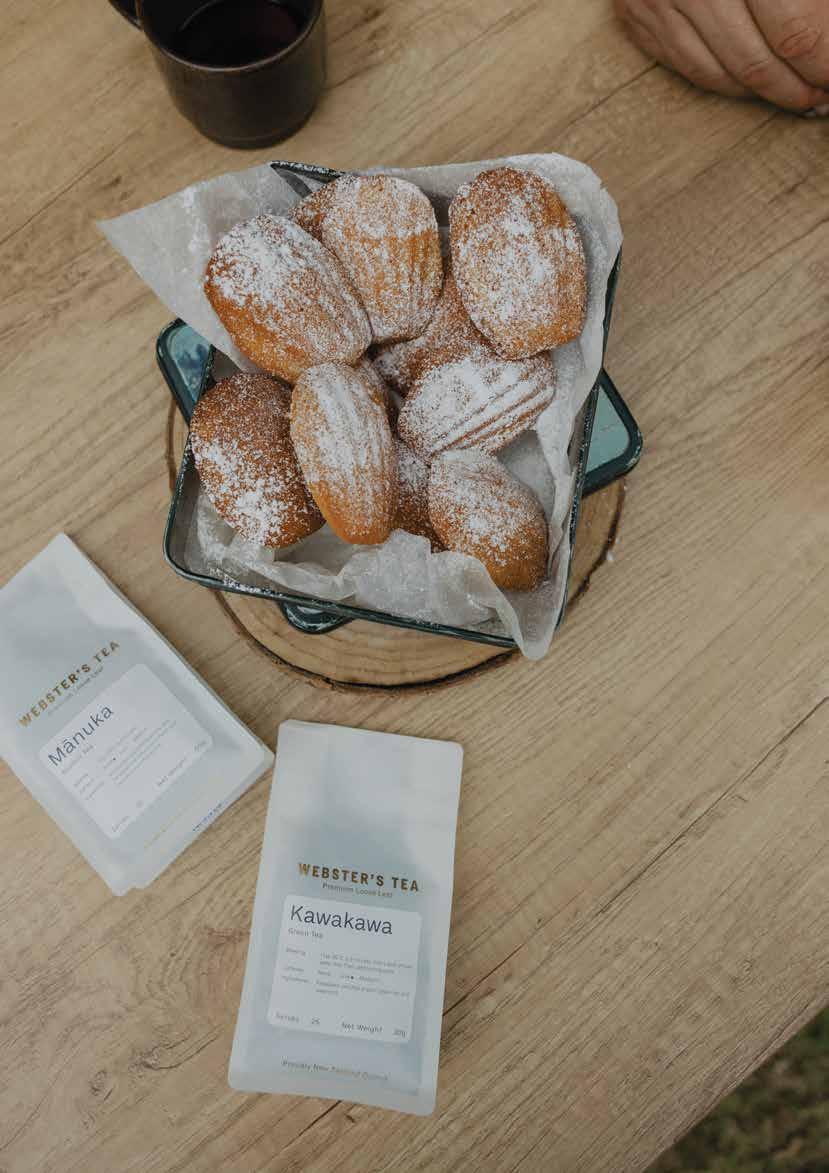
Mānuka Madeleines
Madeleines are dainty, light and fluffy French cakes baked in a distinctly shell shaped tin. They are delicious warm out of the oven with a cup of tea!
This is by no means an authentic recipe. I have simply taken inspiration from a dainty cake that pairs well with a good cuppa.
My version uses Webster’s Mānuka tea, a mix of rooibos and mānuka leaves, but they would also work well with Kiwi Breakfast tea or for that matter their amazing Earl Grey.
2 tsp Webster’s M nuka tea
½ cup milk
50g butter
2 tbsp honey (preferably m nuka)
cup sugar
1 egg
1½ cups self-raising flour
Heat the milk and add the tea. Allow the milk to cool and tea infuse then strain off the tea leaves.
In a small saucepan melt the butter with the honey. Take off the heat and whisk in the sugar.
Add the tea infused milk and egg and whisk well before adding in the flour. Mix until you have a smooth batter.
Grease your madeleine tin and half fill each hole. Bake at 180°C for 8–10 minutes.
Autumn indulgence served with style
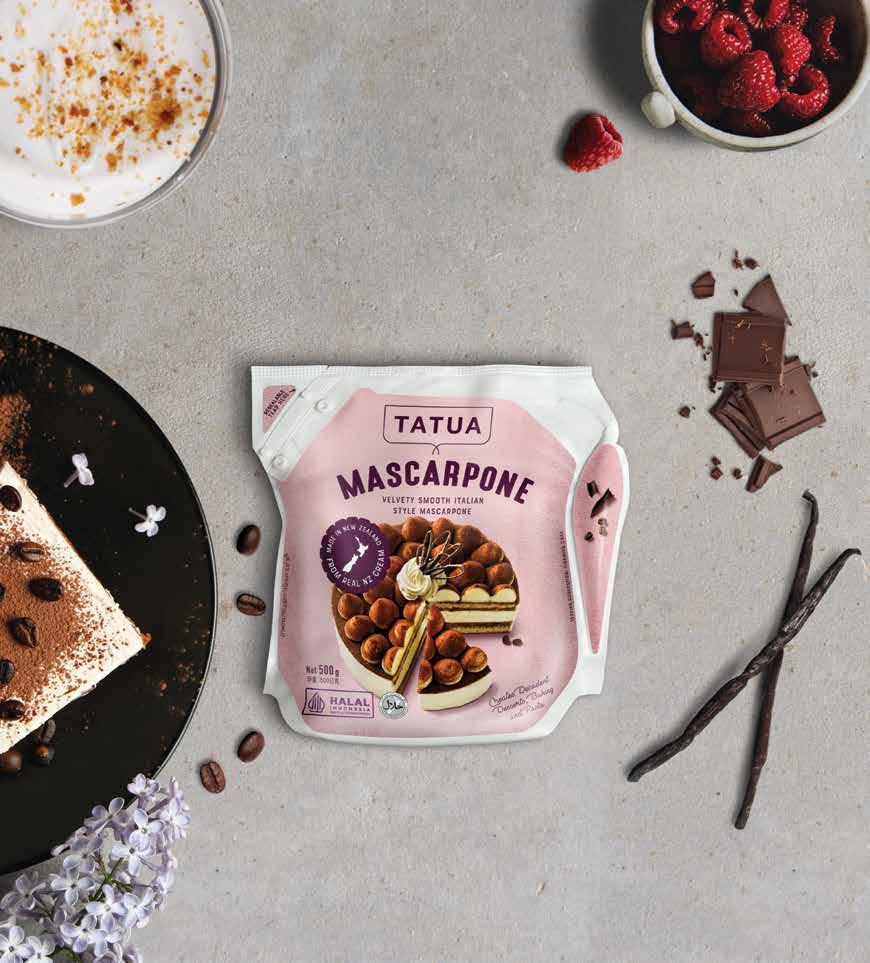
Tatua Specialty Creams add elegance to every creation
Tatua Mascarpone brings a touch of style to autumn cooking. Perfect for favourites like tiramisu, cheesecakes, tarts and cakes, it’s a luxurious alternative to cream. Enjoy straight from the pack or paired with sweet, seasonal flavours. It also adds depth to savoury dishes such as pasta, risotto and soup, turning simple meals into true indulgence.
Proudly New Zealand made | Available in supermarkets nationwide
Easter Sweet Treats
Funfetti Easter Bunny Biscuits
As cheerful as they are delicious, these sprinklestudded sandwich biscuits are fun to bake and make a lovely homemade Easter gift.
MAKES ABOUT 30 PAIRS, DEPENDING ON SIZE
FUNFETTI BISCUITS
3 cups plain flour
2 tsp baking powder
pinch of fine salt
250g butter, softened
1 cup caster sugar
1 egg, room temperature
2 tsp vanilla extract cup 100s & 1000s
ICING
1 cup icing sugar, sifted
1 tbsp lemon juice
FUNFETTI BISCUITS: In a large bowl, whisk together flour, baking powder and salt. Set aside. Put the butter and sugar in a large mixing bowl and beat with an electric mixer until pale and creamy. Add the egg and vanilla and mix well. Add the combined flour mixture one cup at a time and mix until just incorporated. Mix in the 100s & 1000s. Divide the dough into two discs and wrap each one in plastic wrap. Chill for 30 minutes.
When ready to bake, preheat the oven to 180°C (160°C fan-bake). Roll out one portion of dough at a time on a lightly floured surface to a thickness of 3-4mm. Use cookie cutters* to cut out shapes and place on baking trays lined with baking paper. Any scraps of dough can be pressed together and re-rolled to make more biscuits.
Bake for 8–10 minutes, until lightly golden. Cool on the baking trays for a few minutes until firm, then move to a wire rack to cool completely.
ICING: Sift icing sugar into a bowl, add lemon juice and mix well until smooth. Add a little more icing sugar or lemon juice, as needed, until the icing is fairly stiff. Sandwich pairs of biscuits together with a thin layer of icing. Spoon remaining icing into a piping bag and pipe small bunny tails onto biscuits to decorate, if desired. Leave to set. Store in an airtight container.
* A great range of options available at sweetpeaparties.co.nz
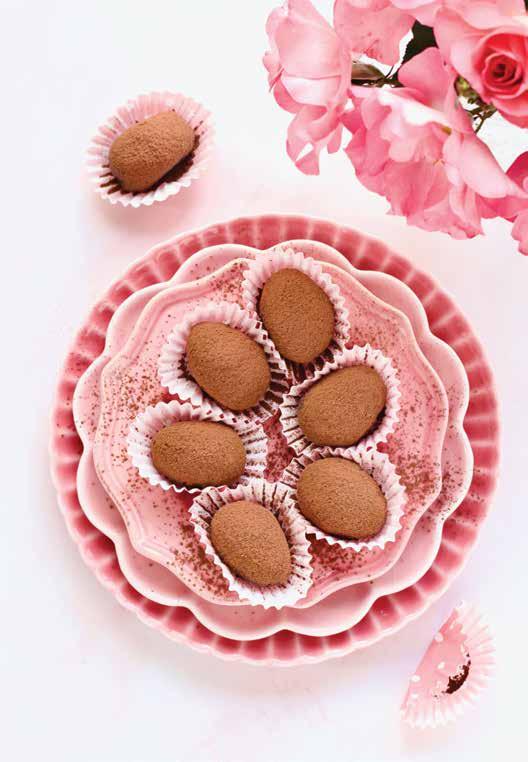
Salted Caramel Chocolate Eggs
These handmade delights make a nice alternative to store bought Easter chocolates.
MAKES ABOUT 20–30, DEPENDING ON SIZE
250g dark chocolate, coarsely chopped
¼ cup cream
½ can (200g) caramel condensed milk
1 tsp vanilla extract
½ tsp fine salt
cocoa powder, to coat
Place chocolate and cream in a bowl set over a saucepan one-quarter full of simmering water until chocolate melts. Or microwave in short bursts to melt. Stir until smooth. Remove bowl from heat and stir in the caramel condensed milk, vanilla and salt. Cool, then cover bowl and refrigerate overnight, to set.
Once firm, roll into balls and then mould into egg-shapes. Roll in cocoa powder to coat. Store in an airtight container in the fridge.
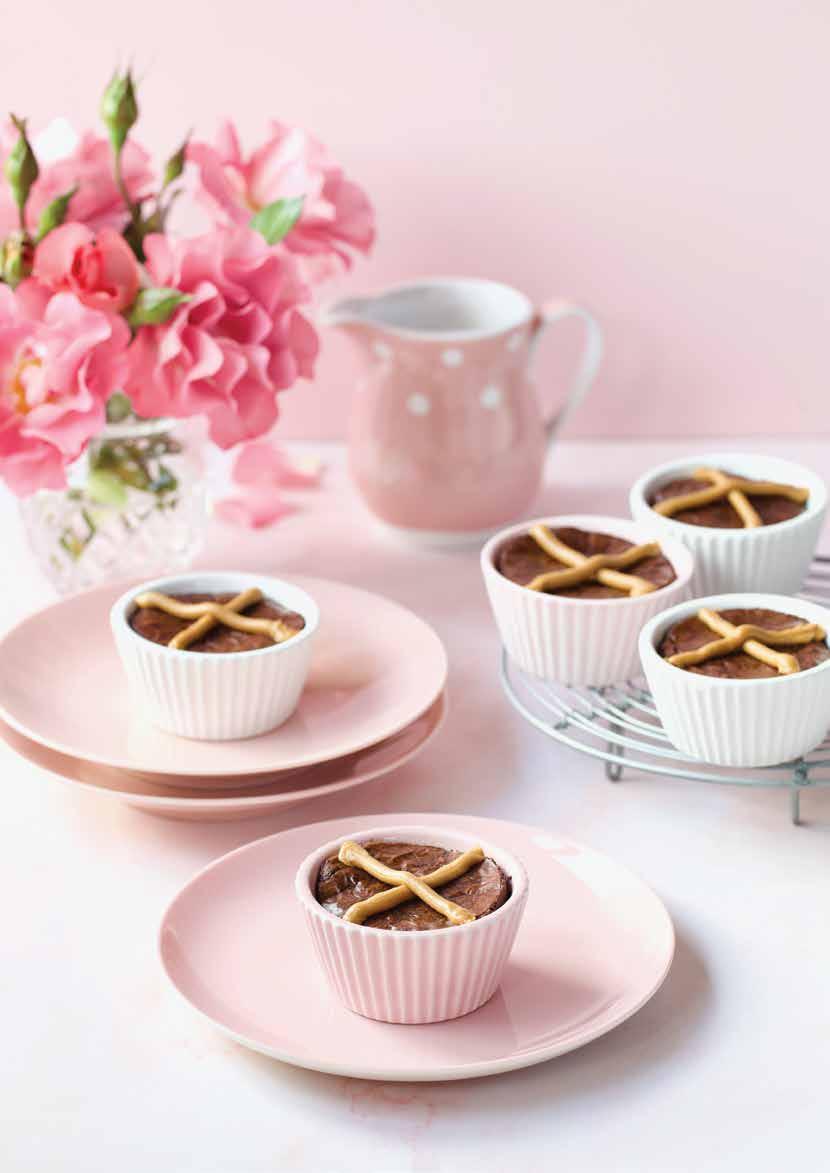
Hot Cross Brownies
You only need one bowl to make these fudgy chocolate brownies with shiny crackly tops. Biscoff spread is a creamy spread with a unique caramelised, spiced biscuit flavour. It melts easily and smoothly so makes a great alternative to traditional icing.
MAKES 10
125g butter, melted and slightly cooled
½ cup caster sugar
½ cup packed soft brown sugar
2 large eggs, lightly beaten
¼ tsp fine salt
1 tsp pure vanilla extract
½ cup plain flour
½ cup cocoa powder
200g dark chocolate, coarsely chopped cup Biscoff spread, to decorate
Preheat oven to 180°C (160°C fan-bake). Spray 10 individual 100ml capacity cake tins – or use 10 holes of a standard muffin tin.
In a large mixing bowl, stir together the melted butter and both sugars until the sugar has dissolved. Stir in the eggs, salt and vanilla to combine. Sift in the flour and cocoa and stir until just combined. Gently stir in the chopped chocolate.
Spoon the mixture into the cake tins, dividing it evenly. Bake for 20–25 minutes on the middle rack in the oven until just set to the touch – this will give the brownies a fudgy texture. Allow to cool in the tins for 20 minutes before turning out onto a wire rack to cool completely.
Melt the Biscoff spread only briefly so that it’s a spreadable consistency (you don’t want it to be runny or it will be hard to pipe) then put it in a piping bag fitted with a small plain nozzle and use to pipe crosses on top of the brownies.
Julie Le Clerc is a former cafe owner and chef turned food writer, stylist and photographer. She loves creating doable, flavour-driven recipes inspired by seasonal local produce and assorted world cuisines. Julie has written a bunch of best-selling cookbooks that reflect her cafe background, love of baking, and culinary travels. When she’s not in her own kitchen, you’ll find her dreaming about inspiring destinations, near and far, or off on an eating adventure.
Julie Le Clerc
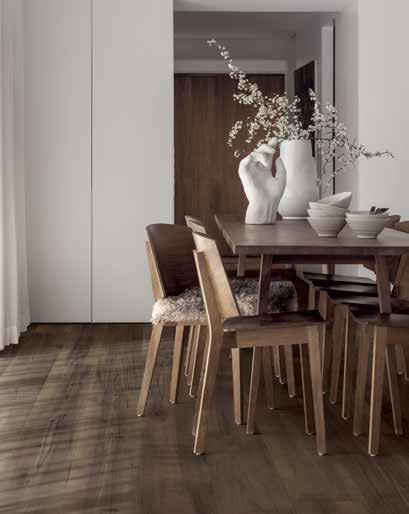
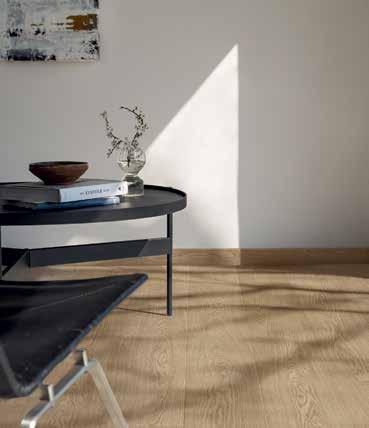
At Gerrand Floorings, our premium laminate ranges combine refined design with everyday durability — delivering the look of timber or stone. why choose laminate?
• Highly durable and scratch-resistant — ideal for busy homes
• Water-resistant technology suited to kitchens and living spaces
• Easy to maintain and live with
• Consistent colour, grain and finish across every plank
• Excellent value without compromising on aesthetics
Talk with our team today about your space, lifestyle, and design goals — and let us help you choose a premium laminate flooring solution that looks exceptional, performs beautifully, and fits your home perfectly.
QUICK-STEP MUSE
for
PERGO ODENSE
Wide, long planks with natural texture and depth, designed to create calm, spacious interiors with superior wear resistance.
PERGO ARENDAL
Timeless timber visuals in versatile plank sizes, combining warmth, realism and everyday practicality.
Contemporary tile-inspired designs — crisp detailing and a modern edge — perfect
architectural interiors.
BUGGER BRUNCH
RECIPES & IMAGES FIONA HUGUES
I used to quite like brunch, but now I’m of the age where I’m considering how many actual years I have left on this earth to do things and brunching ain’t really it.
With the clock silently ticking, I’m up early and it’s either clearly breakfast or lunch. The weird midmorning love child meal of them both I now find rather annoying. It’s a slothful event that slows you down for the day and buggers up dinner because your morning was abducted, so by 5pm you’re ravenous and ready to devour anything that gets in one’s way.
Disgruntlements aside, these two recipes, even though they’re reluctantly branded brunch, are fit for all day affairs. Designed to devour whenever one needs a little pick me up, whether it’s mid-morning and one is lately risen and awfully dusty from the night before, or you’re just famished and it’s embarrassingly too early for lunch or dinner – fret not, these tasty treats will definitely do.
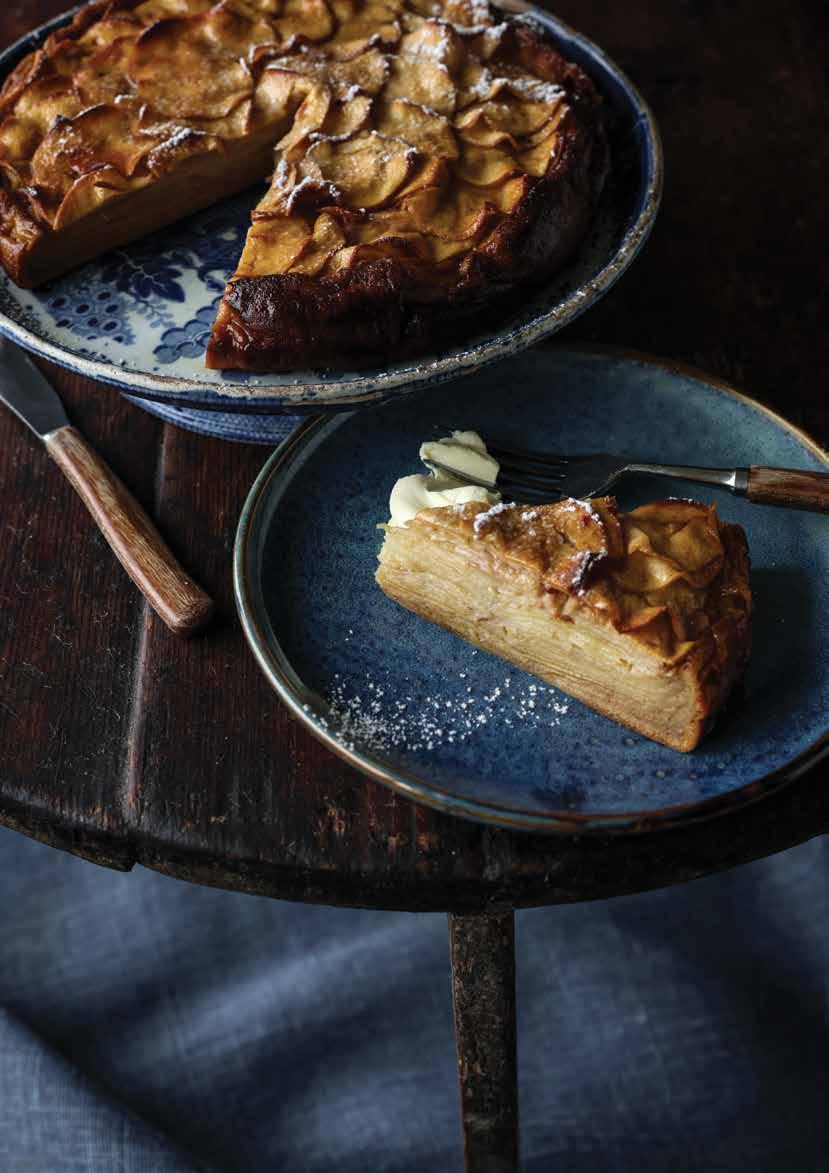
Gâteau Invisible
(RIDICULOUSLY FANTASTIC FANCY APPLE CAKE)
This cake is exactly as described – it looks and tastes as fancy as f-ck, so much so that your guests will think you’ve snuck off to some pompous pâtisserie course in Paris while their backs were turned. Ridiculously simple in manufacture, delicate layers of thinly sliced apple are suspended in sweet spongy custard cake. What’s not to love? Even if you bugger it up and its presentation is questionable, it’s still going to taste good.
It is a good idea to use a mandoline for this recipe, but by all means feel free to torture yourself by thinly slicing the apples by hand.
about 5 medium apples (I’m not pedantic about what variety to use here – I think the joy is in the varied results across different apple types)
3 large free range eggs, lightly beaten
²⁄³ cup milk, slightly warmed
50g butter, melted
½ teaspoon vanilla paste
½ cup high grade flour
½ cup icing sugar
1 heaped tablespoon brown sugar
1 teaspoon cinnamon
1 teaspoon baking powder
pinch of salt
squeeze of lemon juice
vanilla ice cream or Tatua crème fraîche to serve
Line a 23cm springform cake tin with a large piece of baking paper to contain the cake batter. The mix is very liquid, so use a solid cake tin or loaf tin if you don’t have baking paper big enough, lining them with over hang to make lifting the cake out easy.
Pre-heat oven to 170°C fan bake.
Whisk the eggs, milk, melted butter and vanilla paste together.
Add the flour, sugars, baking powder, cinnamon, salt and mix until smooth.
Core and thinly slice all the apples. (I don’t bother to peel my apples as I like the added texture, but go for your life. The thinner the slices the more fancy she will look.) Squeeze over a bit of lemon juice to stop the apple slices browning as you go.
Place the slices in a large bowl and pour over the batter to coat.
Layer the battery apple slices into your lined cake tin, pouring over any remaining batter.
Bake for around an hour until soft when tested.
Cool complety before slicing.
Dust with icing sugar to serve.
Fiona Hugues | Born in Hamilton, multiinternational award winning food stylist & creative multi-hyphenate Fiona Hugues spent her childhood gallivanting around the Waikato countryside on horseback. After Hillcrest High School, Elam School of fine Arts took her to Auckland where she now resides on a rural property with her French husband, teenage children & a plethora of animals. From photographing food, art directing commercial campaigns to designing restaurants, her creative skills have encompassed a multitude of genres. Named one of Aotearoa New Zealand’s TOP 50 Women in Food and Drink to watch in 2024 she brings the beauty of food, the joy of eating and art of making things look good to her many clients, and these pages.
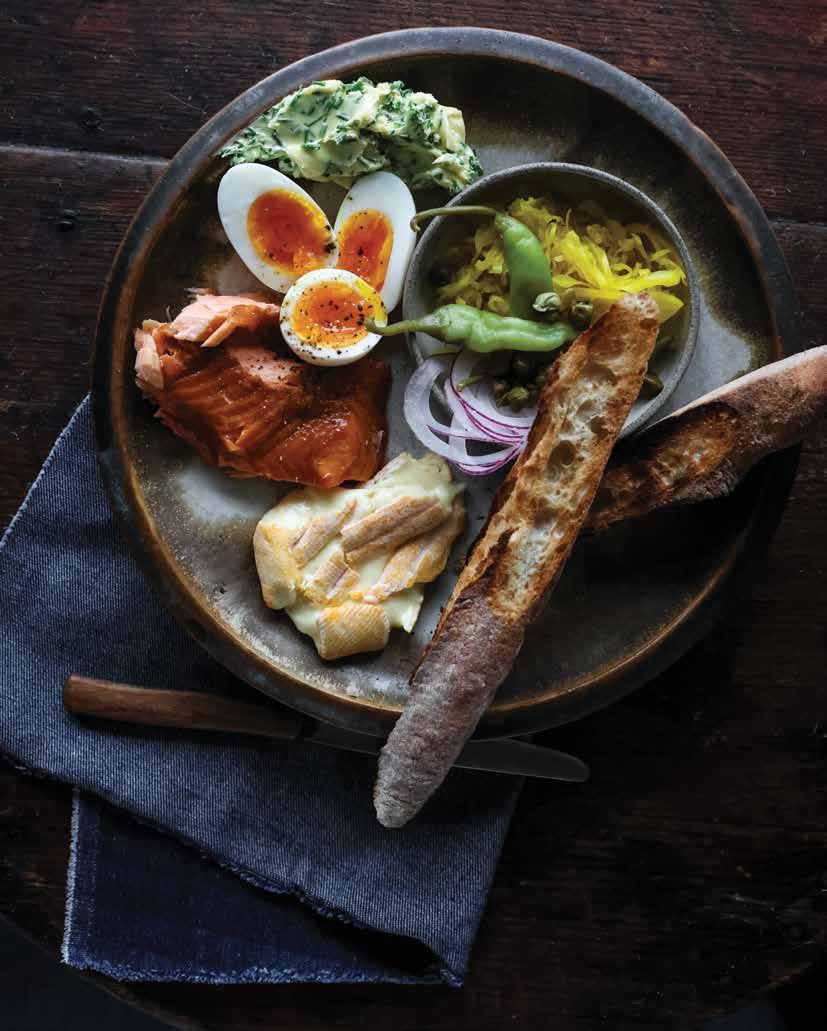
We call this a Picky Plate or Piccoli Piaceri
(ITALIAN FOR LITTLE PLEASURES)
If I am somehow forced into brunching then this platter of delightful tastes would be top of my list of things to devour. Basically it’s a plate of all the things you love to eat with a side of good crusty or toasted bread. Not really a recipe, more a suggestion, so think salty, creamy, sweet, spicy and tangy with a smack of heat for good measure – and she’s sure to be a thing of any time of day gastronomic beauty.
Here I’ve layered soft jammy eggs with a decent wad of garlicky herb butter (but herby mayonnaise would be fab too)
Sauerkraut and a few Guindilla peppers
Finely sliced red onion rings and capers
The best hot smoked salmon you can afford
An oozy wedge of washed rind brie
For an alternative, swap the jammy boiled eggs for a couple of sunny sides with a little chilli oil. Add a few endive leaves for bitterness with a wee knob of creamy chevre, pickled vegetables, olives, dates or prunes, slices of cheddar with some decent chutney.
You’re welcome.
Autumn Harvest
RECIPES & IMAGES EMMA GALLOWAY
Now’s the time to get in the kitchen and preserve the last of summer’s bounty, ready to savour over the cooler months when pickings grow a little thin.
Tomatoes are full of flavour, and if you don’t grow your own, they are often cheap and plentiful at this time of the year. If you have access to fresh boysenberries, make use of them in this delicious jam recipe, but if you don’t, New Zealand-grown frozen berries (find them at Vetro) work just as well too.
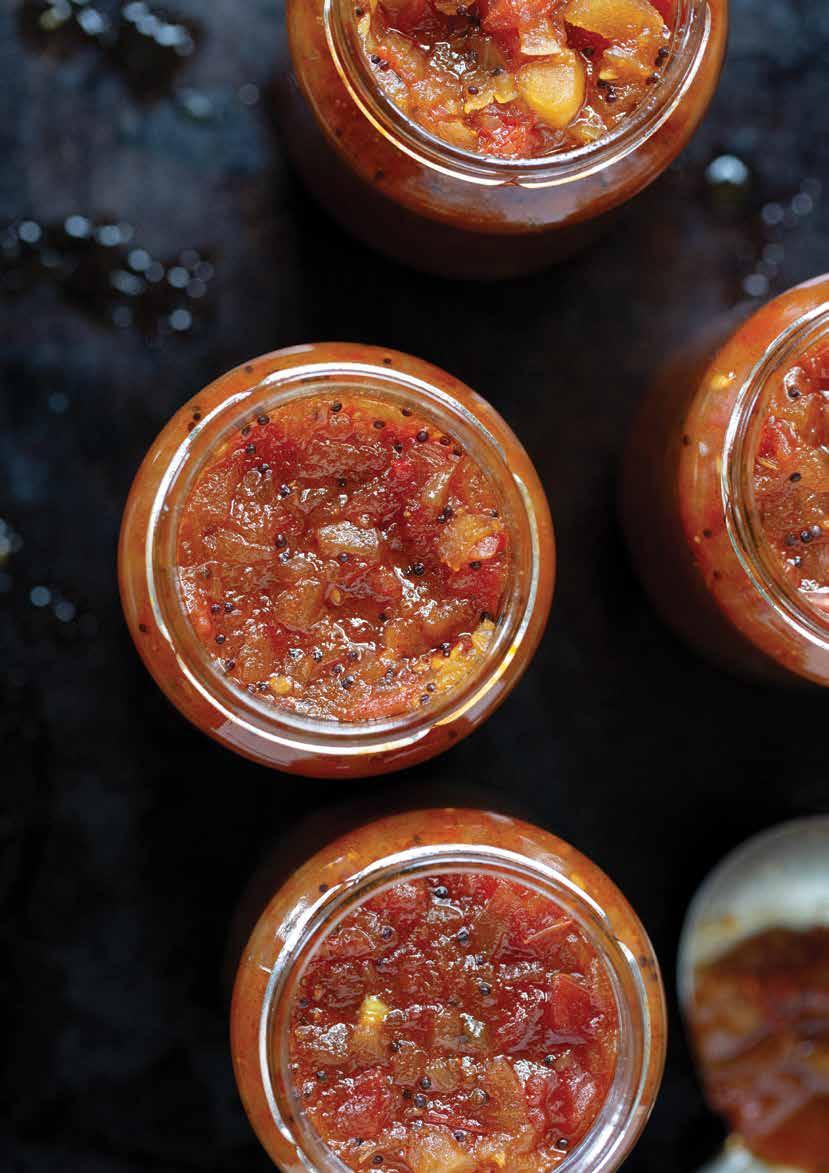
Spiced Tomato + Apple Chutney
This lovely sweet spiced chutney is perfect to serve with cheese and crackers, cheese toasties or spread onto burger buns or sandwiches.
MAKES APPROX. 6 X 280ML JARS
1 kg ripe tomatoes, cored and finely diced
500g (approx. 4–5) cooking apples (such as Granny Smith), peeled, cored and finely diced
1 tsp cumin seeds
1 tsp fennel seeds
1 tsp coriander seeds
4 tbsp olive oil
3 tsp black mustard seeds
500g onions, finely diced
4 cloves garlic, crushed
2 tsp ginger, finely grated
1 long red chilli, finely chopped
1 tsp curry powder
2 tsp fine sea salt
500g brown sugar
300ml apple cider vinegar
Dice tomatoes and apple and set aside. Toast cumin, fennel and coriander seeds in a dry pan, then grind. Heat oil in a large heavybased saucepan over medium heat, add mustard seeds and cook until they just start to pop. Add diced onion and cook 4–5 minutes, until tender. Add garlic, ginger and chilli and cook for a further 30 seconds. Add ground spices, curry powder and salt. Stir well, then add diced tomatoes, apple, brown sugar and vinegar. Bring to the boil, reduce heat and simmer approx. 1 hour, until thick. Take care towards the end of cooking, and stir more often, as it can easily catch on the bottom. Ladle into sterilised jars (see jam recipe), screw on lids tight, but not overly so, and set aside until cool. The lids should suck down as the jars cool, forming a tight seal. Any jars that don’t seal, store in the fridge and use within a month. Sealed jars will store in a cool, dark place for up to a year.
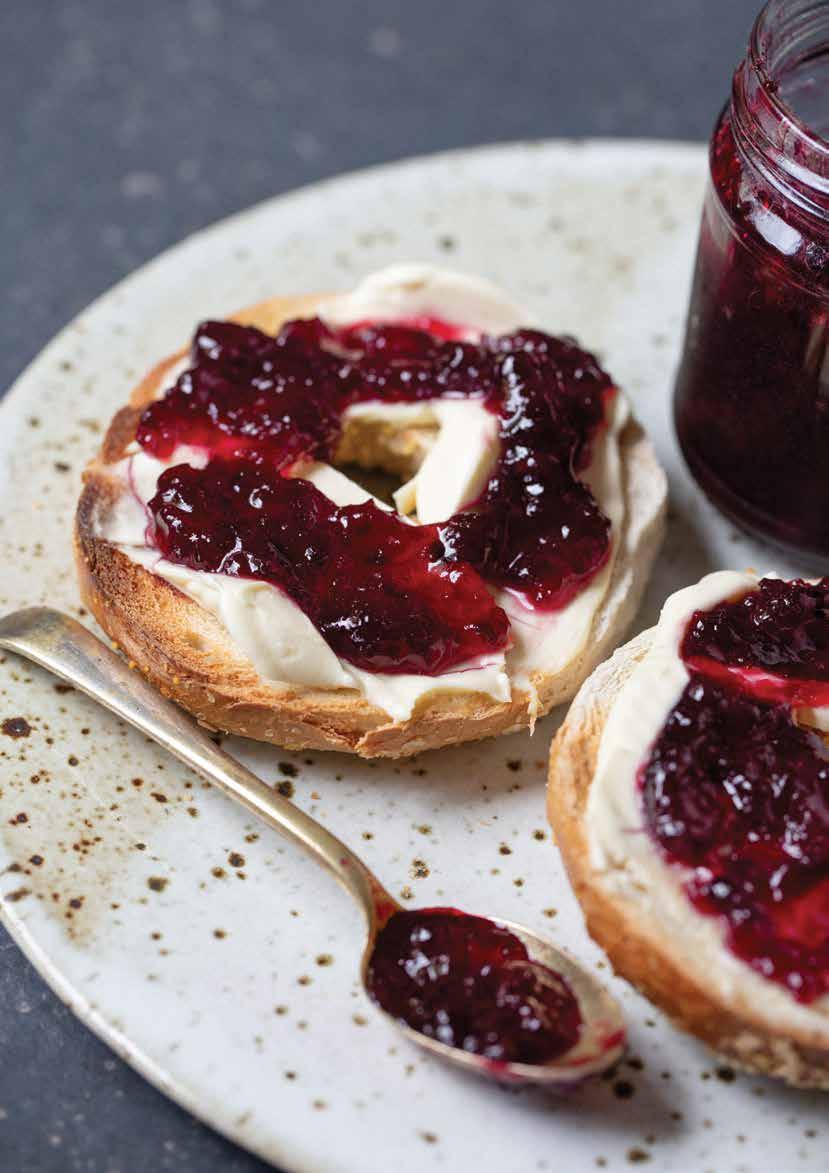
Boysenberry, Apple + Vanilla Jam
Bulking this jam out with apples not only gives it a lovely soft texture, but also helps to set the jam faster, thanks to their high pectin levels.
MAKES APPROX. 7 X 200ML JARS
500g boysenberries, fresh or frozen 500g (approx. 4–5) cooking apples (such as Granny Smiths), peeled, cored and finely diced juice of 1 lemon 1kg caster sugar
1 tsp vanilla extract or vanilla bean paste
Pop a small side plate into the freezer. Place boysenberries in a large heavy-based saucepan, along with the diced apples, lemon juice and 100ml water. Cook over medium heat for 10 minutes, or until fruit is soft. Add sugar to the pan, and mix until dissolved. Bring to the boil, reduce heat and simmer 20–30 minutes or until setting point is reached. To check this, 15–20 minutes into cooking, remove side plate from the freezer, drop a spoonful of jam onto it, run your finger through the centre, if the line remains without the jam seeping back into the centre, you’ve reached setting point, if not, cook for another 5 minutes before checking again. I think it’s best to undercook slightly and have a soft jam, then to overcook and have a super firm jam. When setting point is reached, remove from heat and stir in vanilla. Pour hot jam into sterilised jars (see note), screw on lids, tight, but not overly so, and set aside until cool. The lids should suck down as the jars cool, forming a tight seal. Any jars that don’t seal, store in the fridge and use within a month. Sealed jars will store in a cool, dark place for up to a year.
NOTE: If the foam that forms on the top of your jam is something that stresses you out, a little trick I learnt off my nana is to add a tiny pat of butter to the pan towards the end to dissipate the foam.
NOTE: To sterilise jars, place freshly washed and rinsed jars in a preheated oven at 120°C for 30 minutes. Remove from the oven carefully with a dry tea towel. To sterilise lids, immerse in boiling water for 5 minutes.
Emma Galloway | mydarlinglemonthyme.com
@mydarlinglemonthyme | @tahu.ceramics
Best-selling author of three cookbooks and award-winning blogger, Emma Galloway is also a chef, photographer and budding potter. After years of living overseas, she has settled back in her hometown of Raglan, where she is inspired by the seasons and her extensive veggie garden.
7 Clarke Road, Te Puna, Tauranga Open 9 -3, Tuesday - Saturday www.websterstea.co.nz Discover better tasting tea. Visit Our Te Puna Tea Shop to discover teas, homewares and NZ-made pantry favourites.
AN AUTUMN RESET
Returning to Routine, Slowing Down, and Replenishing from Within
WORDS DANI SHERIDAN
Autumn carries a quiet elegance. As social calendars soften and the pace of life begins to ease, we are offered a welcome opportunity to return to routine, slow down, and restore what summer may have quietly depleted.
Long, sun-filled days give way to cooler mornings and earlier evenings, encouraging a natural shift inward. Time once spent outdoors is replaced by cosy interiors, gentler rhythms, and moments of reflection.
This seasonal change creates space to reset, reassess, and replenish not only our schedules, but our overall well-being.
Summer invites indulgence. Days spent in the sun, celebratory gatherings, travel, and relaxed routines all contribute to its appeal. Yet the combination of heat, UV exposure, and richer food and drink often leaves the body working harder than usual to regain balance.
The skin is often the first place this shows. As the body prioritises essential systems, hydration and nutrients can be diverted elsewhere, leaving skin feeling dry, congested, or lacking vitality. These changes are not a flaw but a gentle signal that it is time to slow down and nourish more deeply.
Autumn allows us to respond with care rather than urgency. Autumn has long been associated with transition. Temperatures fluctuate, daylight softens, and energy naturally shifts. Cooler days followed by moments of warmth, paired with earlier sunsets, help guide us back into healthier sleep patterns and more restorative evenings.
At the same time, the abundance of seasonal produce available during autumn naturally supports the body as it shifts into a phase of renewal. Pumpkin and kūmara are particularly beneficial, rich in beta-carotene (a precursor to vitamin A), which helps repair skin from summer damage and supports healthy cell function. Fortunately, these nourishing staples are also affordable and plentiful at this time of year.
Dark leafy greens, such as kale, spinach and silverbeet, should always be a foundation of a balanced diet, but increasing our intake through the cooler months becomes even more important. High in vitamins A, C and K, these greens play a key role in supporting skin repair, strengthening resilience, and maintaining overall skin health as we transition into autumn.
As the weather cools, thirst cues often become less obvious. The desire for cold drinks fades, yet hydration remains essential. Introducing one or two cups of herbal tea throughout the day offers a comforting way to maintain fluid intake while providing additional antioxidants, particularly helpful as winter approaches.
These gentle rituals often have a surprisingly powerful impact. After months of sunscreen layers and environmental exposure, skin can begin to feel congested and fatigued. Autumn is the perfect time to reset, focusing on gentle exfoliation and deeper hydration to restore clarity and comfort. Professional products, such as our O Cosmedics Exfoliating Cleanser scrub, deliver an invigorating deep cleanse using multi-level exfoliating beads and peptides, while the Juvenate B-Hydrated 4D Serum provides intense hydration through advanced hyaluronic acids, antioxidants and B vitamins, leaving skin softer, smoother and beautifully replenished.
The cooler months also provide a safer environment for more advanced skin treatments due to reduced UV exposure. Before beginning any new treatment plan, however, it is important to first support hydration and repair the skin barrier. As the saying goes, hydrated skin is happy skin.
A thoughtful home skincare routine becomes a grounding daily ritual during autumn. When products are well suited to the skin’s current needs, they not only support skin health but also create moments of calm within busy lives.
Slowing down the evening cleanse, taking extra time to massage products into the skin, and allowing space to decompress before bed all contribute to a deeper sense of balance. These small, consistent actions build meaningful change over time.
Self-care is not an indulgence. It is a foundation.
Although summer has passed, sun protection remains essential for maintaining healthy skin. Autumn is an ideal time to transition to lighter formulations that feel more in tune with the season, such as lower SPF options or tinted moisturisers with built-in protection. I often recommend Jane Iredale Dream Tint Tinted Moisturiser SPF 15, a lightweight, hydrating, water-resistant formula that is 100% vegan and cruelty-free, or for a tint-free option, Environ RAD Antioxidant Sunscreen SPF 15, a sheer daily lotion enriched with antioxidants to help protect against free radical damage.
Autumn invites us to reclaim calm after a busy season and to enjoy life at a gentler pace. When we move with the seasons rather than resisting them, well-being feels more intuitive and sustainable.
Dani Sheridan is the owner of Tranquillo Beauty Clinic. With a background in nursing and advanced skin therapy, she blends clinical knowledge with a refined, results-driven approach to skin health and well-being.
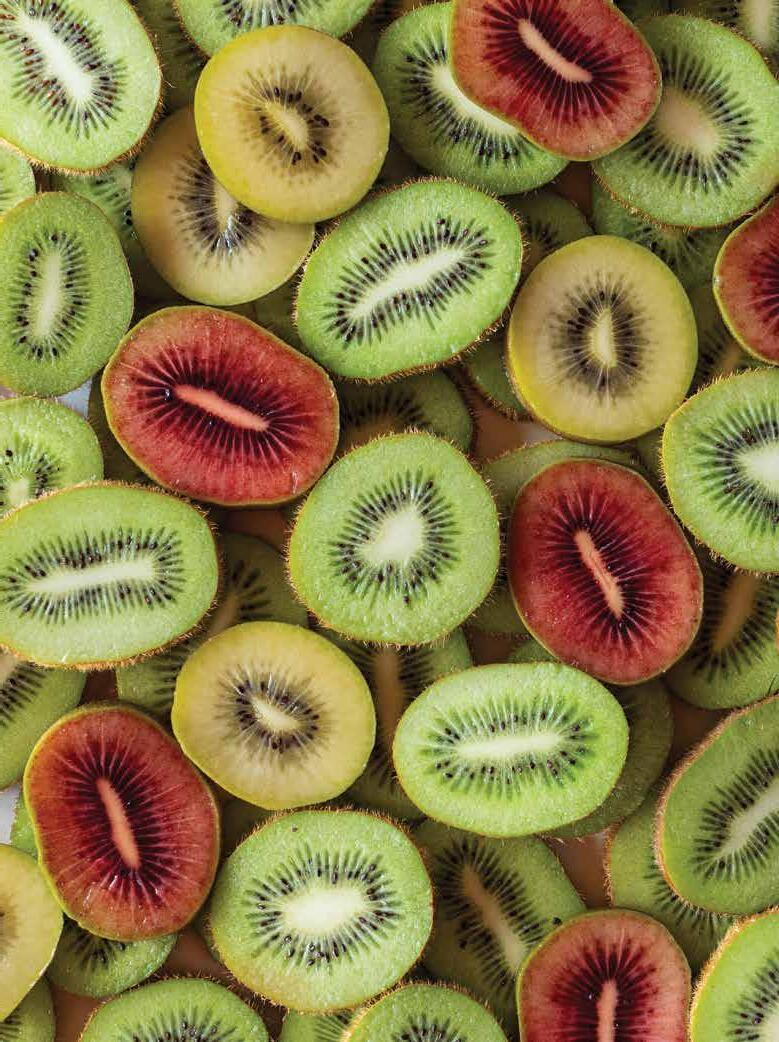
You may not know this but other countries simply call kiwifruit … kiwis. Blasphemy, I know! You’d never get away with that here. Kiwis are people; kiwis are flightless birds that live in the forest and come out at night; kiwis are not small, green (or gold), fuzzy fruits.
Which brings me to two slightly contradictory facts. First, this article is all about kiwifruit. Second, while I am a Kiwi … I haven’t always been one. I moved here in my early twenties, and now find myself trying to do justice to your national fruit.
Here’s the truth: I didn’t grow up eating the fruit. I didn’t indulge in kiwifruit-topped pavlovas every Christmas as a child. And I never saw a kiwifruit growing on the vine until I moved here as an adult. So please keep that in mind while I try my very best to tell you something you don’t already know about these magical little gems.
Kiwifruit (as I have learnt to call them) are not from New Zealand. Not originally. They date back to the 12th century where they grew wild in China and were used not for food, but as medicine. They reached our shores in the early 1900s and, back then, we called them Chinese gooseberries.
During the Second World War, they gained popularity among servicemen stationed here, and by the 1950s this led to a booming export industry. The fruit took so well to our Bay of Plenty sunshine, climate, and rich volcanic soil that they are now synonymous with New Zealand. We renamed them kiwifruit and have been sending them far and wide ever since.
But the name and history are only half the story. These palm-sized treasures are absolutely packed with nutrition. I’m not one to throw the term ‘superfood’ around lightly, but kiwifruit truly deserve the title. They have three times more vitamin C than oranges. As much potassium as a banana. Tiny black seeds filled with omega-3s.
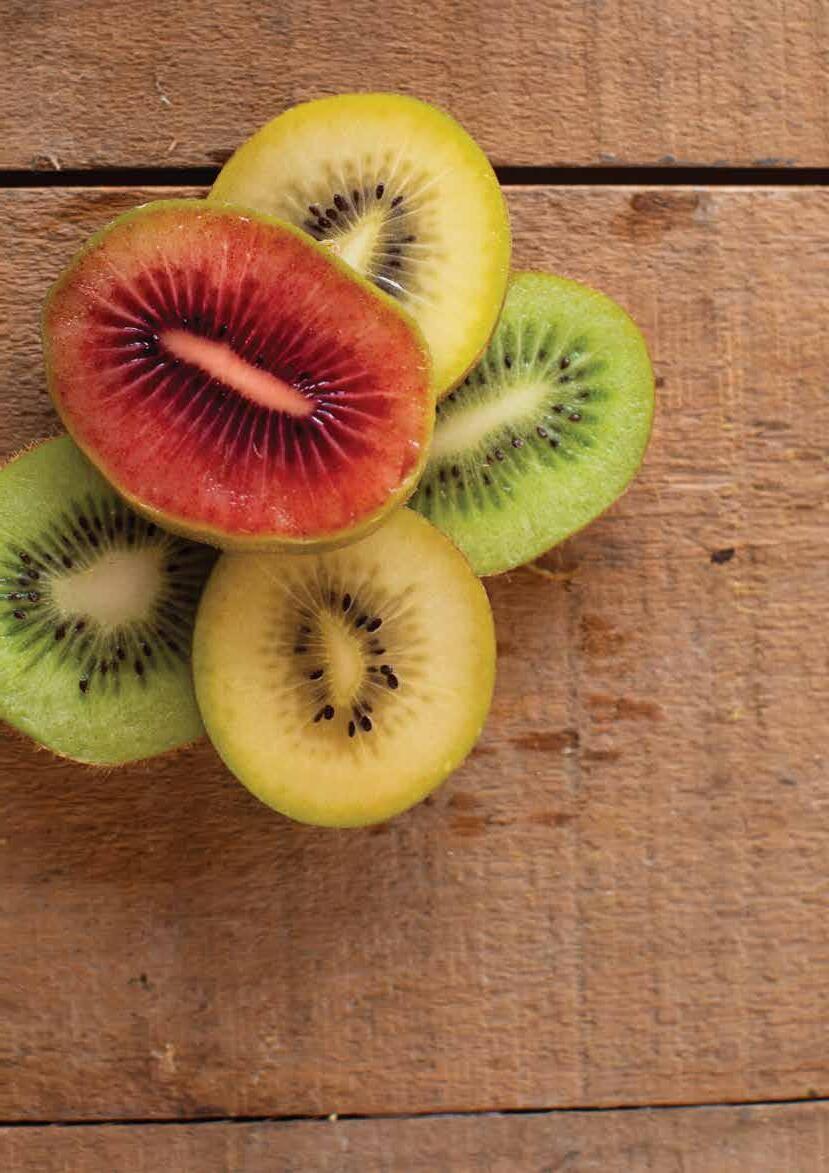
And the fibre! A sluggish digestive system is no match for kiwifruit, which boast an impressive blend of both soluble and insoluble fibre. If you want to get the most bang for your buck, eat the whole fruit: flesh, seeds, and skin. By eating the skin, you’ll increase the fibre content by 50 percent, while also adding an extra dose of folate and vitamin E. And if, like me, you don’t like the fuzz, the smoother skin of the golden variety is much more palatable.
Kiwifruit is a great addition to marinades, with an enzyme called actinidin helping to break down protein, making tougher cuts of meat much more tender. Whether you prefer tangy green or sweet gold, tossing kiwifruit into an autumnal fruit salad adds a pop of colour and a hit of tastebud-tingling acidity.
As if all this wasn’t enough, kiwifruit is also one of few foods that contain serotonin, a natural compound that helps send us off to sleep. Not bad for a national fruit – Kiwis should be pretty proud of our kiwi … fruit!
Rachel Hart
Hailing from Canada, Rachel has fallen in love with life in the beautiful Bay of Plenty where she is a freelance writer with a passion for healthy food. She splits her time between telling people’s stories, creating web content and experimenting in the kitchen.
Kiwifruit
RECIPES & IMAGES KATHY PATERSON
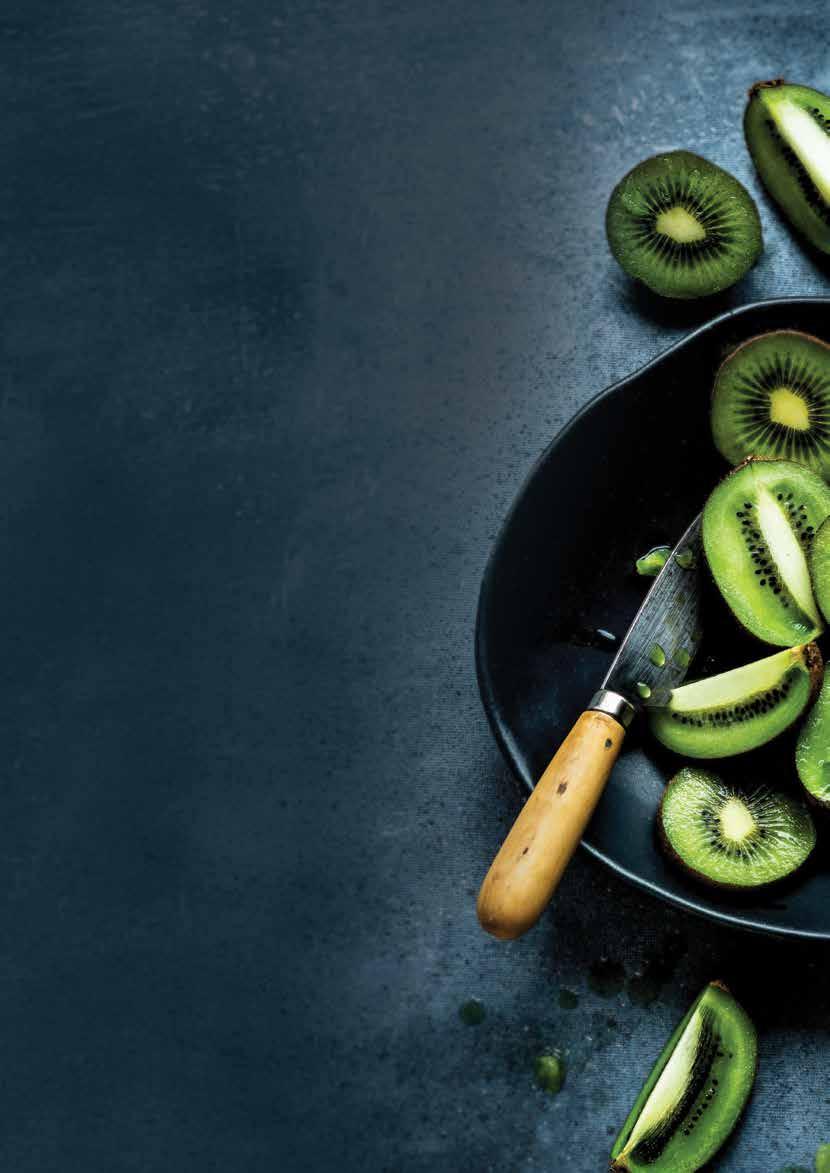
Harvested in Aotearoa New Zealand, March –May, kiwifruit can be enjoyed in more ways than you might think. We love them on a pav, sliced, arranged in neat circles and perhaps some summer berries as well to add to the deliciousness and colour palate.
The enzyme, actinidin, in green kiwifruit has always been known to aid tenderising and marinating meat.
Now we look to using kiwifruit in smoothies and chia puddings, we dehydrate slices for snacking and making jam. Have you made a kiwifruit jam Louise slice? Swap out the raspberry jam for kiwifruit jam.
The tartness of green kiwifruit appeals to me the most and when you hit on the perfectly ripe one, it’s truly divine to eat.
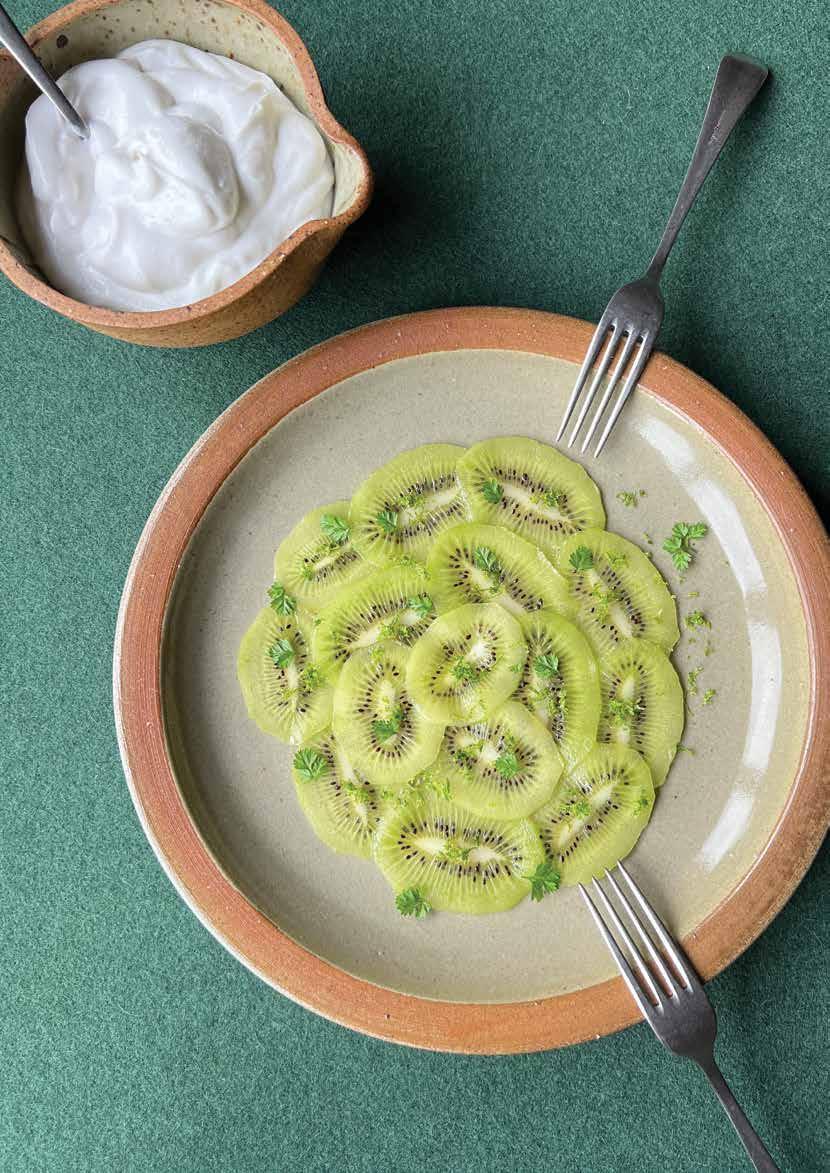
GREEN KIWIFRUIT CARPACCIO
Tiny sprigs of fresh and raw chervil taste like delicate anise with a hint of black pepper and give a pleasant, if somewhat surprising flavour match to kiwifruit. Chervil, a French herb most commonly known for adding to Béarnaise sauce, is well worth growing.
SERVES 4
4 ripe but firm green kiwifruit zest of 1 lime
a few tiny sprigs of chervil or very finely shredded mint leaves
TO SERVE
Raglan Food Co vanilla bean coconut yoghurt 425ml tub Kiwi Sorbet, optional
Peel the kiwifruit, put into a covered container and freeze for 30 minutes and up to an hour. This will help with the slicing.
Use a mandolin to slice the kiwifruit into very thin slices (promise me to use the guard, as kiwifruit without their skins are slippery to handle). Or you can slice with a sharp knife.
Arrange each kiwifruit on their own plate. Finely grate over the zest of the lime and scatter over a few tiny sprigs of chervil. Serve with yoghurt and a good scoop of Kiwi Sorbet, if wished.
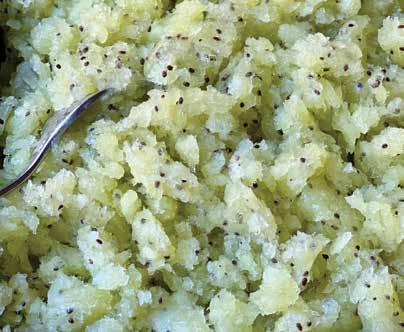
KIWIFRUIT GRANITA
A Sicilian icy dessert made using frozen fruit juice, our kiwifruit are perfect for this.
SERVES 4
3 large ripe green kiwifruit, peeled 25g sugar
½ tbsp lemon juice
Roughly dice the kiwifruit and put in a shallow dish, one that is suitable for the freezer and non-metallic. Put in the freezer while you make the simple syrup.
Put the sugar, lemon juice and 80ml water in a small saucepan. Gently bring to a simmer, ensuring the sugar has dissolved, then set aside to cool.
Remove kiwifruit from the freezer and put into a food processor and process until pureed. Pour in the cold syrup and process to combine.
Pour back into the freezer dish and freeze for 1½ hours. Remove and use a fork to bring the ice crystals around the edge into the middle. Return to the freezer. Repeat at half hour intervals for up to four hours until you have beautifully shaped ice crystals and a granita that doesn’t melt the moment you take it out of the freezer.
Serve with yoghurt and a bowl of sliced kiwifruit. Granita is also great served alongside a scoop of ice cream or pass around a bowl of whipped vanilla-spiked cream.
TIP – Use the fork to gently scratch/drag the ice crystals.
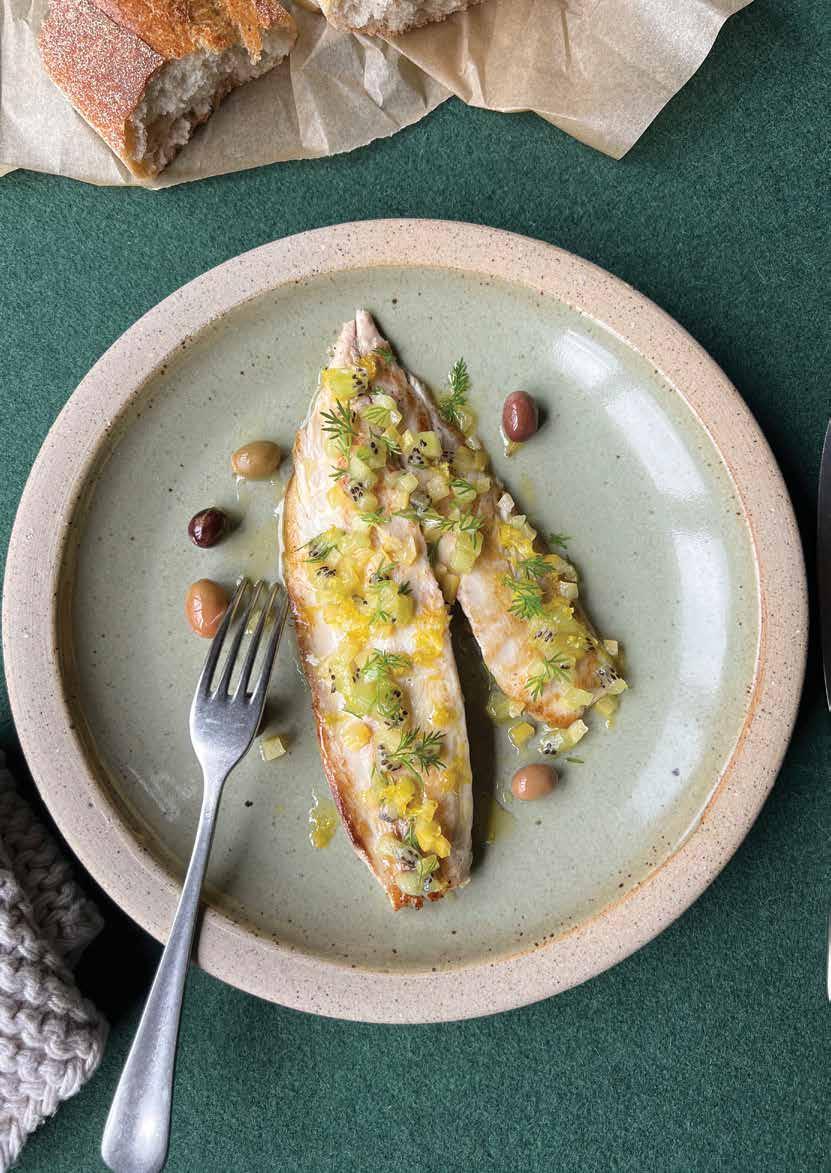
TREVALLY WITH KIWIFRUIT AND PRESERVED LEMON MUDDLE
Trevally is an oily fish that stands up to the tart and punchy flavours of green kiwifruit and preserved lemon.
SERVES 4
2 kiwifruit, peeled and finely diced
½-1 tbsp preserved lemon, finely chopped (see tip) extra virgin olive oil
4 fillets trevally
zest of 1 small lemon
a few sprigs of fresh dill
16–20 small olives
Put the kiwifruit and preserved lemon in a bowl. Splash over a little olive oil and mix by very lightly crushing the kiwifruit to muddle with the preserved lemon.
Heat a large frying pan or hot plate over medium heat.
Lightly rub the trevally fillets with olive oil to prevent them sticking to your pan. Add to the pan and cook for about two minutes on each side, but this will depend on the size and thickness of the fillets. Be careful not to overcook to prevent dry fish and remember fish does cook a little more once removed from the heat.
Put a fillet of trevally on each dinner plate and top with some of the kiwifruit muddle. Finely grate over the lemon zest and drizzle with a little extra olive oil. Finish by picking off the delicate feathery green leaves from the dill or use your kitchen scissors to snip the dill over the fish fillets. Scatter each plate with 4–5 olives.
Serve with crusty bread and a simple green leaf salad.
TIPS – Remove and discard the white pith and any pips from the preserved lemon pieces. Wash the skins well and dry. Now they are ready for chopping.
Use olives that have had their stones removed if you want to add them to the kiwifruit muddle.
No dill? Use roughly chopped flat leaf parsley leaves or snipped chives. Late summer/autumn basil would work well too.
A plentiful herb garden, citrus trees and a trial and error vegetable garden give Kathy the starting place for her recipes along with her love of the classics with a modern twist. Named one of Aotearoa NZ’s Top 50 Most Influential & Inspiring Women in Food and Drink 2024, Kathy is a food writer, recipe developer, food stylist and photographer. www.kathypaterson.co.nz
Kathy Paterson
Taste of Tours are small group tours giving you a real taste of place. For more details on any of these tours please visit
4SPACESLEFT 2SPACESLEFT
This is a truly intimate tour. Our base is a gorgeous villa just outside Bologna, perfect for us to explore the nearby towns of Parma, Modena and Ravena, discovering the true heart of Italian cuisine.
$6550 pp twin share
“Another fabulous adventure completed. If you wish to adventure beyond the predictable, see a country behind the scenes, get to know the people and their past with an equally adventurous group of people, superbly organised and down-to-earth host and local guides - Taste of Tours will take you there.”
MANDY AND GREG JARVIS
$11,9750 pp twin share
“I was apprehensive about joining a group tour as I have never been in a group before, but it was a perfect size and really enjoyable. It was so great to not have to think about any planning and just enjoy the range of experiences.”
SHARON WHITAKER, TASTE OF SOUTH AUSTRALIA 2024
“Vicki’s local knowledge was great and her expertise in all matters food and wine related added another level. This is a tour that opens up experiences not normally available due to the knowledge of the local guide. So many wonderful experiences.”
KAY SCHULDA, TASTE OF SICILY 2023
Book now for 2027 tours to Malta, Tasmania, Croatia, Emilia Romagna, Sicily, Puglia and Sri Lanka
11 - 16 JUNE 2026
Join your hosts Vicki and Julie Le Clerc travelling down the stunning coast of Croatia. Discover the rich history and stunning beauty of this nation while enjoying their wonderful food and wine.
19 JUNE – 1 JULY 2026
Totally Troppo
Tropical herbs are an easy-to-grow addition to your summer garden, and so worth it for their unique flavour. Vietnamese mint and Thai basil pack a punch in these two easy recipes.
RECIPES + IMAGES AMBER BREMNER
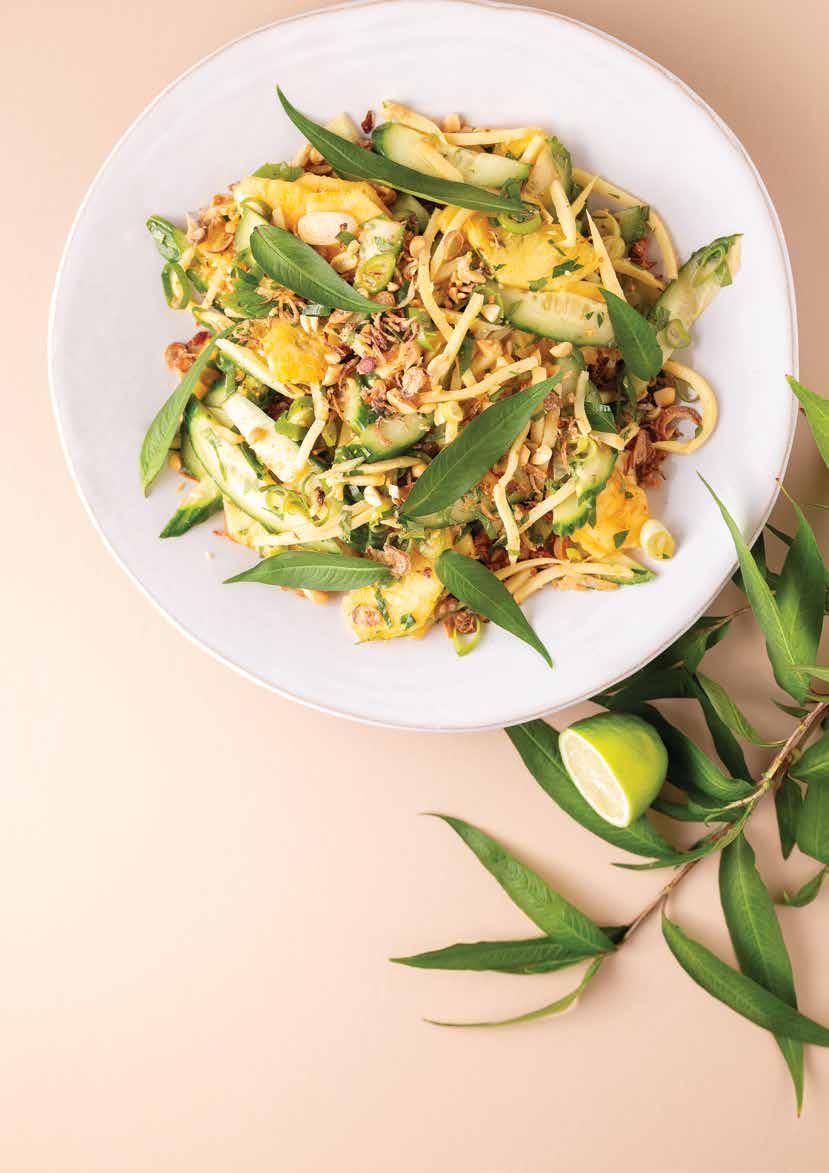
PINEAPPLE AND VIETNAMESE MINT SALAD
Give me a hot day and a pineapple and I’m happy. I have a deep love for tropical fruits and herbs (and chilli of course), so this salad ticks all the boxes. Chilled pineapple and cucumber are sweet and refreshing, and the salad has a low hum of chilli heat, lime and spring onion to keep it bright; texture from bamboo shoots, peanuts and fried shallots; and pungency from the Vietnamese mint. If you haven’t tried Vietnamese mint before, understand that it doesn’t taste like regular mint at all. It has an intense, sharp, peppery flavour and a sort of fruity funk that perfectly complements pineapple. I could happily eat this salad all summer long.
SERVES 4
SALAD
½ a pineapple, skin and core removed, thinly sliced ½ a telegraph cucumber, thinly sliced
1 cup bamboo shoot strips (about half a 540g can)
1 spring onion, thinly sliced about 30 Vietnamese mint leaves, finely chopped (keep a few aside for garnish)
½ cup salted roasted peanuts, roughly chopped
¼ cup fried shallots
DRESSING
2 tbsp freshly squeezed lime juice
1 tsp sesame oil
1 tsp sugar
½ tsp chilli powder
½ tsp freshly ground white pepper
½ tsp salt
Mix dressing ingredients and set aside.
In a large mixing bowl, use your hands to gently mix together pineapple, cucumber, bamboo shoots, spring onion and finely chopped Vietnamese mint. Pour over the dressing and combine, ensuring everything is coated. Chill until ready to serve.
Just before serving, spread about half of the salad on a serving platter. Scatter with half of the peanuts and fried shallots, then add the rest of the salad, and the remaining peanuts and fried shallots. Garnish with a few Vietnamese mint leaves and serve straight away while the peanuts and shallots are still crisp.
Add tofu or protein of your choice to make it a complete meal, or serve alongside the mushroom pad kra pao for a real feast.
This recipe serves four as a side, or double the recipe to serve bigger portions or more people.
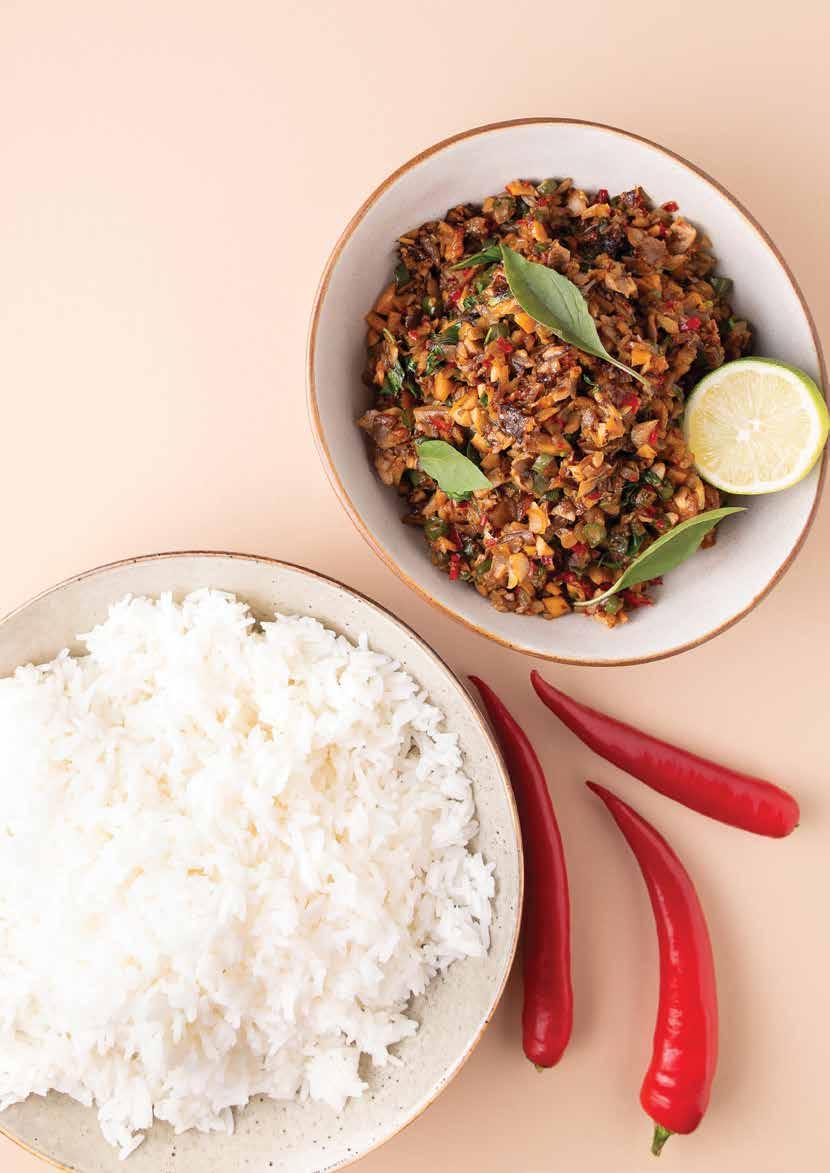
MUSHROOM PAD KRA PAO
Pad kra pao is a very popular Thai stir-fry dish that uses generous amounts of chilli and Thai basil, and a blend of sauces for a spicy, sweet and umami finish. It’s often made with pork or chicken but can easily be made plant-based using tofu, or in this case a mix of fresh oyster and shiitake mushrooms. This dish is quick and easy to make (it’ll be done in the time it takes to cook rice) and it takes me straight to memories of Thailand, where I’ve eaten many versions of this dish with tropical waters in front of me and white sand between my toes. You can use Thai holy basil, which has a peppery, clove flavour, or regular Thai basil, which has stronger anise notes. Both are delicious here.
SERVES 4
¼ cup cooking oil
3–4 shallots, finely chopped (about 1 cup)
5 cloves garlic, finely chopped (about 2 tbsp)
2–5 fresh red chillies, finely chopped (see notes)
500g fresh mushrooms, finely chopped (I used about ¾ oyster mushrooms and ¼ shiitake mushrooms)
100g green beans, thinly sliced in rounds
1 cup Thai basil leaves, whole
2 tbsp oyster sauce (vegetarian if required)
1 tbsp dark, sweet soy sauce
1 tbsp light soy sauce
1 tsp soft brown sugar
TO SERVE
Cooked jasmine rice
Cut limes to squeeze
Heat cooking oil in a wok or large frying pan over high heat. Add shallots, garlic and chillies, and cook for a few minutes until sizzling and fragrant.
Add mushrooms and green beans, and continue cooking, stirring often, until the mushrooms have browned and cooked down a fair bit.
Add the Thai basil, sauces and sugar, and cook for a few more minutes, stirring often, until glossy and fragrant.
Serve straight away with jasmine rice and a squeeze of lime juice.
Try using any leftover mushroom mixture chilled and wrapped in crunchy iceberg or baby cos lettuce leaves. Simply delicious.
NOTES
You can dial the chilli up or down as much as you like, by adjusting the quantity of chillies, or adding in a few small bird’s eye chillies if you really want it hot. I used three long red chillies for a medium level of heat that my children were comfortable with.
I used mushroom-based vegetarian oyster sauce, Thai black soy sauce and light soy sauce, which are easily found at Asian grocers. Alternatively you can use ABC sauce for the dark sauce, and regular soy sauce for the light soy sauce. The combination gives the right balance of umami, sweet and salt.
Amber Bremner | Quite Good Food www.quitegoodfood.co.nz
Amber Bremner is a Hamilton-based food writer and photographer, author of cookbook Simply Veg and popular plant-based food blog Quite Good Food A champion for food that’s good for both people and planet, Amber’s recipes are globally inspired, family-friendly and full of flavour.
Bro ccoli
WORDS LYNDA HALLINAN
When I was a teenager, I didn’t know much about American politics – oh, for a return to those halcyon days! – but I was aware that President George H. W. Bush shared my adolescent antipathy for boiled broccoli.
“I haven't liked it since I was a little kid and my mother made me eat it,” he famously quipped. “And now I'm President of the United States and I'm not gonna eat any more broccoli!"
My mother, of course, wasn’t having a bar my dinner plate protests. She boiled up broccoli, in rotation with silverbeet, cauliflower and cabbage, until its green florets sagged soddenly. Later, Mum attended microwave cookery night classes and started serving funereal wreaths of broccoli, the wretched stuff having been steamed in a plastic ring mould until it was relieved of not just all taste and texture, but most of its nutritional goodness too. (A peer-reviewed study by Spanish food scientists in the early 2000s, published in the Journal of the Science of Food and Agriculture, found up to 97 per cent of health-giving flavonoids are zapped out of existence when broccoli is microwaved.)
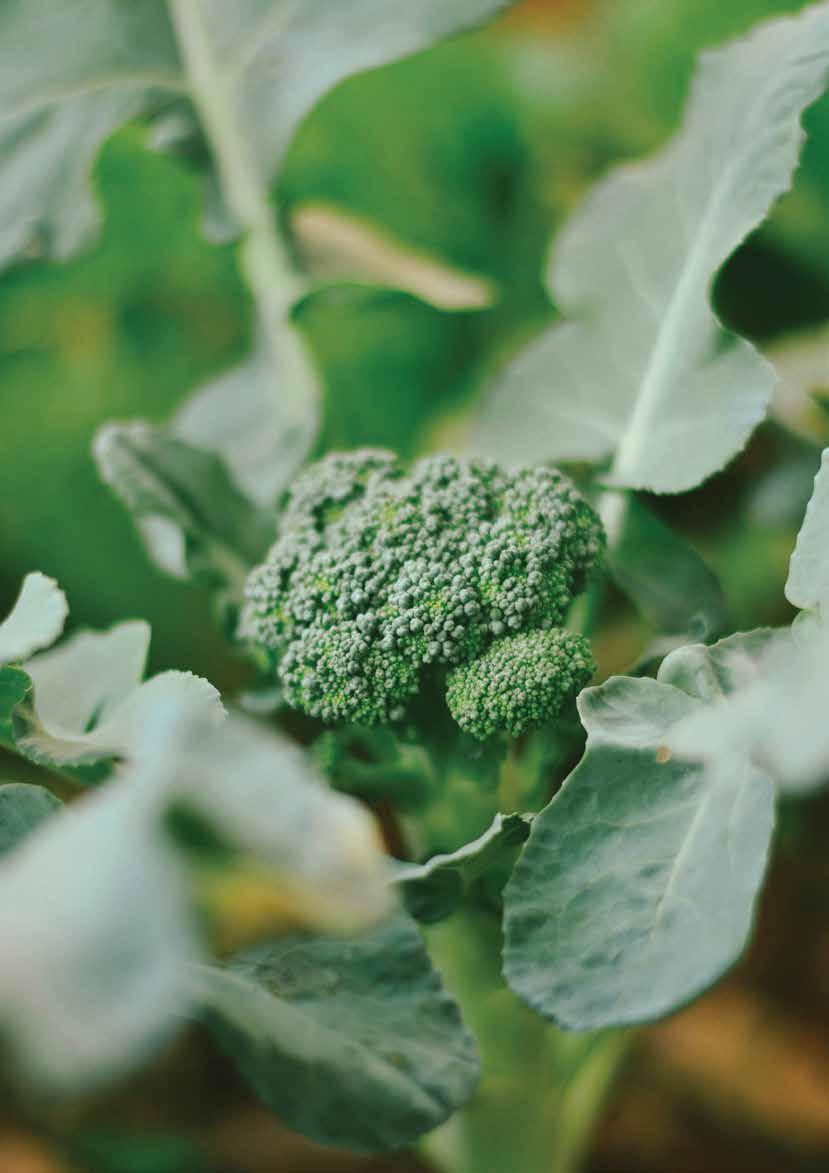
Eaten raw or ever-so-briefly blanched, broccoli is a nutritional powerhouse, packed with vitamins A, C and K, plus fibre, calcium, potassium, iron, folate and antioxidants. Not that my teenagers would know; in a perverse twist of genetics, both my boys actually prefer overcooked broccoli and would willingly eat it every night of the week. Indeed, some weeks they do, because once broccoli is ready to harvest, there’s no stopping it. Those tightly permed heads soon loosen their curls and bolt to seed if left unpicked.
If you can’t keep up, slice and freeze the florets for winter soup making, leaving most of the stalk still attached to the rosette of leaves. Almost all broccoli varieties will reward you with a secondary crop of smaller side sprouts, doubling their harvest season.
As the weather cools, broccoli does best when planted in a sheltered, sunny spot. To promote quick growth heading into winter, dig in granular fertiliser then drench weekly with liquid seaweed to encourage big leaves and, consequently, big heads. If you’re growing broccoli in a glasshouse, opt for a fish-based foliar fertiliser to deter whitefly at the same time.
If sowing seeds in trays to transplant, don’t let the soil mix dry out, as stressed seedlings have a habit of ‘buttoning’ (producing a tiny,
premature head) prematurely. Cover your seedlings with fine grade insect mesh to protect your plants from white cabbage butterflies until Jack Frost sends the last lingering caterpillars packing.
Once your broccoli plants have developed fat stalks, you can also safely mulch around the stems with lawn clippings. Not only are these rich in nitrogen, as the grass breaks down it suppresses weed growth while warming the soil like a biodegradable electric blanket.
BEST BROCCOLI VARIETIES:
• For autumn sowing and winter growing, opt for cooltolerant hybrids such as ‘Shogun Winter Harvest’ (Yates Seeds), ‘Winter Green’ (Kings Seeds) or ‘Marathon’ (McGregor’s Seeds). Organic growers can choose from ‘Belstar’ (Kings Seeds) or the heirloom ‘Waltham’ (Kings Seeds), which has a noticeably stronger flavour and a reliable side sprouting habit once the medium-sized head is cut.
If you’d prefer to transplant store-bought seedlings every fornight, ‘Green Dragon’ (in Zealandia GrowFresh punnets in garden centres) is my no-fail favourite. It can be grown in small gardens or large pots and, after the central head is cut, produces a secondary crop of up to half a dozen miniature heads about a month later.
• In winter, sprouting varieties such as ‘Sticcoli' (Yates Seeds), ’Tender Stems’ (Kings Seeds) and ‘Side Sprouter’ (in punnets) are quicker to crop and provide a long harvest season. Sow ‘Sprouting Winter Rudolph’ (Kings Seeds) for purple-pink florets to liven up your salads.
Lynda Hallinan
Waikato born-and-raised gardening journalist Lynda Hallinan lives a mostly self-sufficient life in the foothills of the Hunua Ranges, where she has turned a former sheep paddock into an organic no-dig vegetable garden at Sweetgum Cottage. Her garden is open to the public by appointment.
Growing Into Life at The Bayview
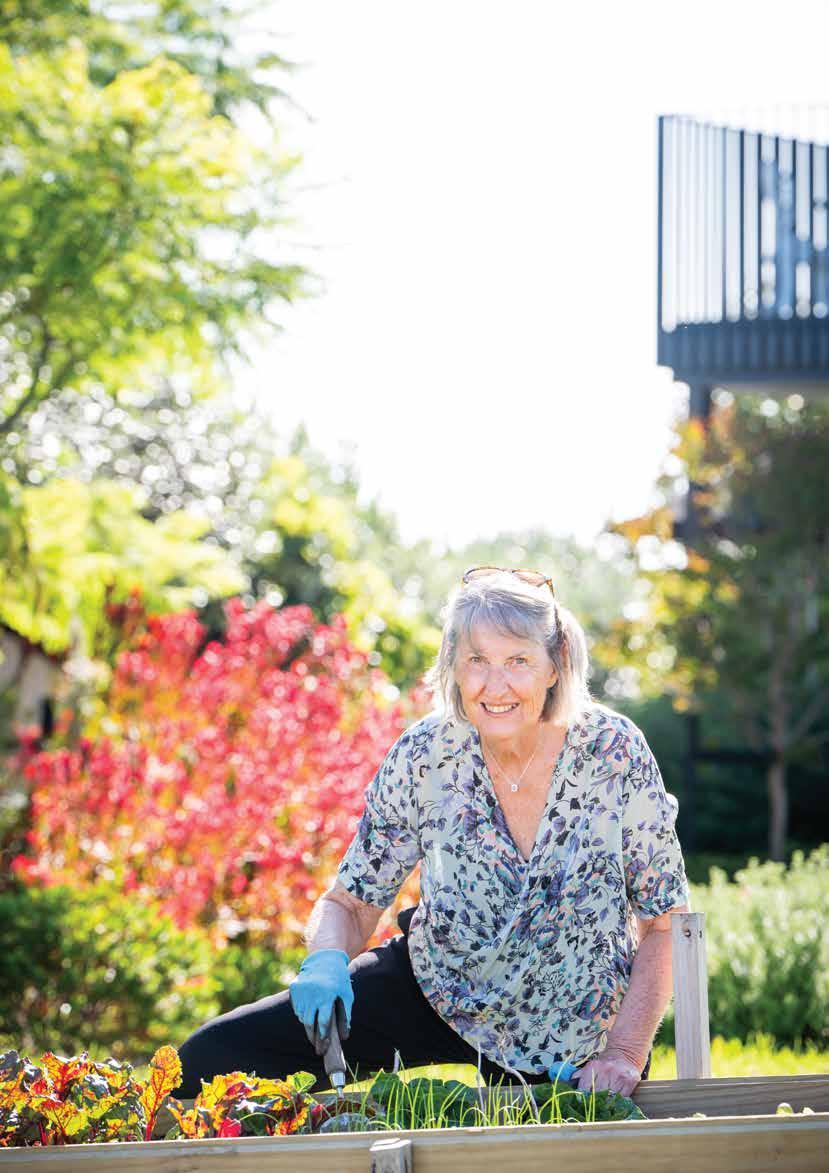
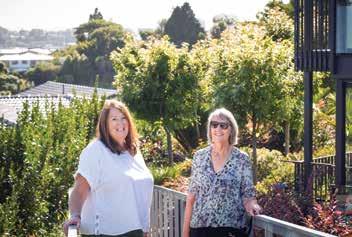
“I’ve got to have my hands in the dirt,” Pam says with a smile that suggests this is non-negotiable. We step out of the bright reception area at The Bayview and begin to meander towards her pride and joy - her garden. Warren, her husband, walks alongside her as we pass through the village cafe, buzzing with mid-morning energy. Instead of taking the quickest route, we drift through the village’s social heart, heading towards the space that grounds her.
We make our way downstairs past the pool, where sunlight reflects off the water. Warren tells me he uses it often, adding, almost as an aside, that the best view of the Mount is actually from the spa. Just beside it, Pam points out the gym, explaining she’s been spending time there recently as she rehabilitates her knee. It’s part of her routine now, woven into her days without fuss.
From here, the feel of the village changes. The cafe noise fades as we walk on and the gardens take over. We skirt the edge of the bowling green and are quickly joined by a cat weaving between our legs, clearly keen for attention. Pam laughs and stops to give her a pat before we continue.
The sun is glorious. We pause to take in the view across the harbour, the Mount sitting clearly in the distance. As we move further through the village, cicadas hum and birds move through the trees. The landscaping is lush and layered – dense planting, established trees, pockets of shade – alive with flora and fauna and clearly central to how the place feels.
Pam and Warren moved into The Bayview at the end of October, after more than 30 years in their family home in Matua. Pam is open about the fact she didn’t want to look at retirement villages at first.
“I just wouldn’t go,” she says. Leaving behind a garden was a big part of that hesitation. “I’ve got to have my hands in the dirt,” she repeats.
But finding their ideal apartment and lock-and-leave lifestyle, The Bayview eventually won them over.
As we walk, Pam tells me how she and Warren met. “We met at university … I did a BSc, science and chemistry, and Warren was doing a science degree as well.”
We arrive via what feels like a secret entrance, a small garden gate leading onto their patio.
“This one,” Pam says. “This is what did it.”
In the broad expanse of lawn outside their window, beneath a mature tree, sits a raised planter box built specifically for Pam after they moved in. When she explained she needed her hands in the dirt, the village made space for it – quite literally.
Herbs spill over the edges now – parsley and basil – planted with the intention that others can help themselves.
Nearby, a grapevine stretches along the fence, heavy with fruit, and feijoa trees run the length of the garden, extending as far as the eye can see. From inside the apartment, Pam tells me they enjoy a clear view of the Mount on fine days. Their cat, Carbon, now 20, saunters in briefly to say hello before settling again.
As we talk, Warren moves in and out, sorting gear and checking bags. He’s preparing to leave early the next morning on a cycling trip with friends for the Sounds to Sounds ride, heading south from Picton to Milford Sounds – a plan that quietly puts my own activity levels to shame.
The following day, I return for photographs. Catherine, the village sales manager, and I bump into Pam outside her apartment and she greets us with a big smile.
Warren has already left – up at 7 a.m., bike loaded, setting off with his group.
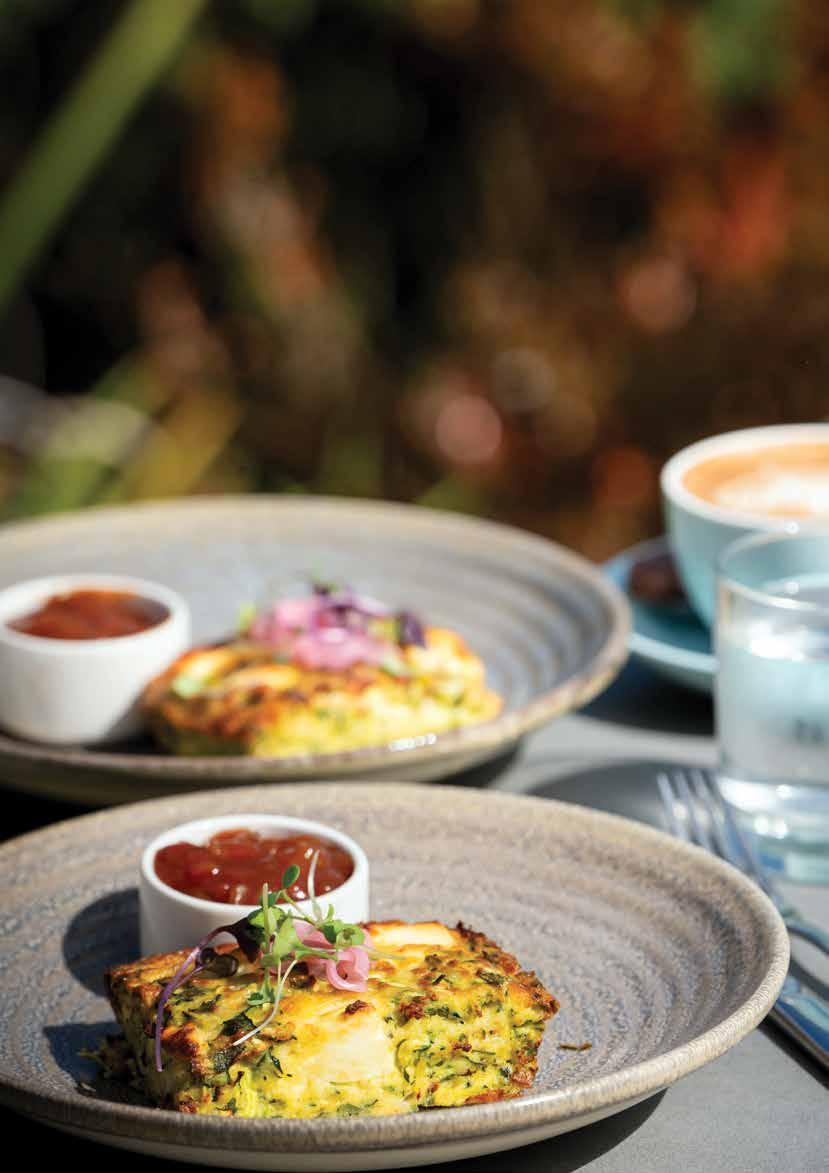
As we organise ourselves for the shoot, Catherine takes the lead. A keen foodie, she’s eager to turn the village’s produce into something to share. She heads across to the other vegetable patch – a long-established garden created and cared for by a dedicated group of residents – and returns with a generous haul of courgettes.
Back in Pam’s apartment, the oven goes on between shots. Catherine prepares her family’s courgette slice while Pam makes a salad using leaves picked fresh from her own plot. Later, plates are passed around as we go, conversation continuing easily as we serve the finished product. We tuck in between the chatter, the slice gloriously buttery – a perfect match to the sunshine and good company.
As I leave feeling full and satisfied, I note the quiet buzz of activity around the village – people heading off to run errands, others stopping to chat or spending time outdoors. Here at The Bayview, Pam and Warren have found more than a home; they’ve found a rhythm that lets them keep doing what they love, with space, community and a garden still at the heart of it all.
The Bayview Village 159 Waihi Road, Judea, Tauranga thebayviewvillage.co.nz
Courgette Slice Catherine’s
1 tablespoon olive oil
5 cups courgette, grated (about 4 medium ones)
½ cup vintage cheddar grated
1 block feta cheese
¾ cup self-raising flour (use gluten-free if required)
sea salt and pepper
4 eggs
½ cup oil
Preheat oven to 180°C. Grease and line base of a 26cm x 18cm slice tin or similar.
Place courgette in tea towel and squeeze out excess juice, tip into large bowl and combine with cheeses. Sift in flour, a pinch each of salt and pepper and toss lightly.
Whisk eggs and oil until combined. Add to courgette mixture and mix. Spoon into tin and smooth the top.
Bake for 30–35 minutes or until puffed, golden and set in the centre. Serve warm or cold with a chunky tomato relish.
WITH VICKI RAVLICH-HORAN AND TASH MCGILL
The dinner party you never want to leave.
The real sauce on NZ’s food & drink story.
Serving up interviews, hot takes, food trends, and irresistible libations. We’re not here to reheat press releases or parrot marketing spin. We’re pouring out the truth about what (and who) makes this country taste bloody good. Pour yourself something good and listen up!
AVAILABLE ON SPOTIFY AND EVERYWHERE YOU LISTEN.
Egging You On TO TRY EGGPLANT
Many Kiwis, unless of Asian or Mediterranean descent, have yet to learn to appreciate eggplants. I know I was in the camp for many years. But when you taste an eggplant dish that understands what eggplant brings to the table, you too will be a convert.
In Sicily it is hard to go a day without eggplant. It is the main ingredient in their staple dish, caponata. In our spring (Waikato) issue, I went to Dumpling House in Hamilton to find out how they make my all-time favourite veggie dish, crispy eggplant.
What I have deduced is you need to cook eggplant until it is unctuous. This veg is all about texture but not the undercooked chewy texture from the 80s.
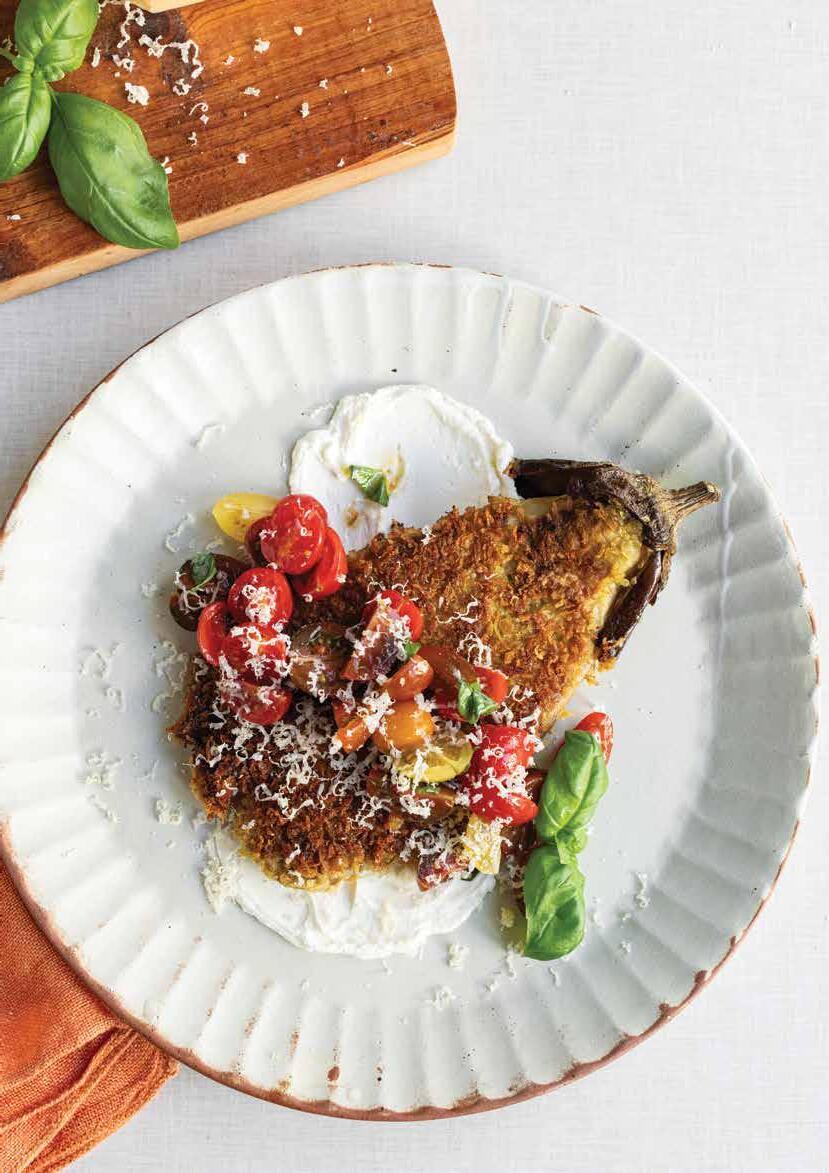
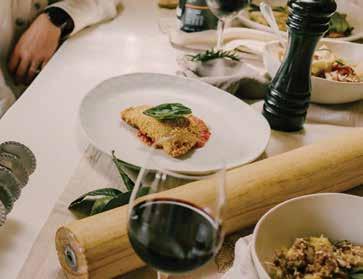
EGGPLANT SCHNITZEL
This dish can do two things – it can convince hard core carnivores that vegetables can sometimes be ‘meaty’ and it will win over any eggplant hater.
SERVES 2
2 eggplants cup flour
1 tsp salt
¾ cup water
1½ cups breadcrumbs
½ cup parmesan
TO SERVE
Labneh
Cherry tomatoes
Basil
Extra virgin olive oil
Parmesan
Flaky sea salt
Place the eggplants on a baking tray and bake at 180°C for approx. 1 hour or until the eggplant is completely soft. Place in a bowl and cover.
When the eggplants are completely cool, carefully peel off the skin, leaving the stalk in place. Flatten the eggplant a little, keeping the flesh attached.
In a shallow bowl, whisk together the flour and salt with the water to make a smooth batter.
On a plate mix together the breadcrumbs and parmesan.
Dip each eggplant into the batter and then the breadcrumbs. Heat some oil in a pan and shallow fry over a medium heat until golden brown on both sides. Baking also works!
I love to serve mine on a smear of labneh. You can make your own by straining some good quality Greek yoghurt overnight and then mixing with a pinch of salt and a little lemon zest. Or I love the Fernglen Sheep Labneh available from Vetro.
Then top with a quick salsa of chopped cherry tomatoes that have been tossed with a little extra virgin olive oil and torn basil.
Finish with a final sprinkle of freshly grated parmesan and/or flaky salt.
ESCAPE THE CITY
Tranquil setting - Fairtrade coffee - Delicious food Kids play area - Dog Friendly
7 Clarke Road, Te Puna – 552 44405 www.clarkeroadkitchen.co.nz
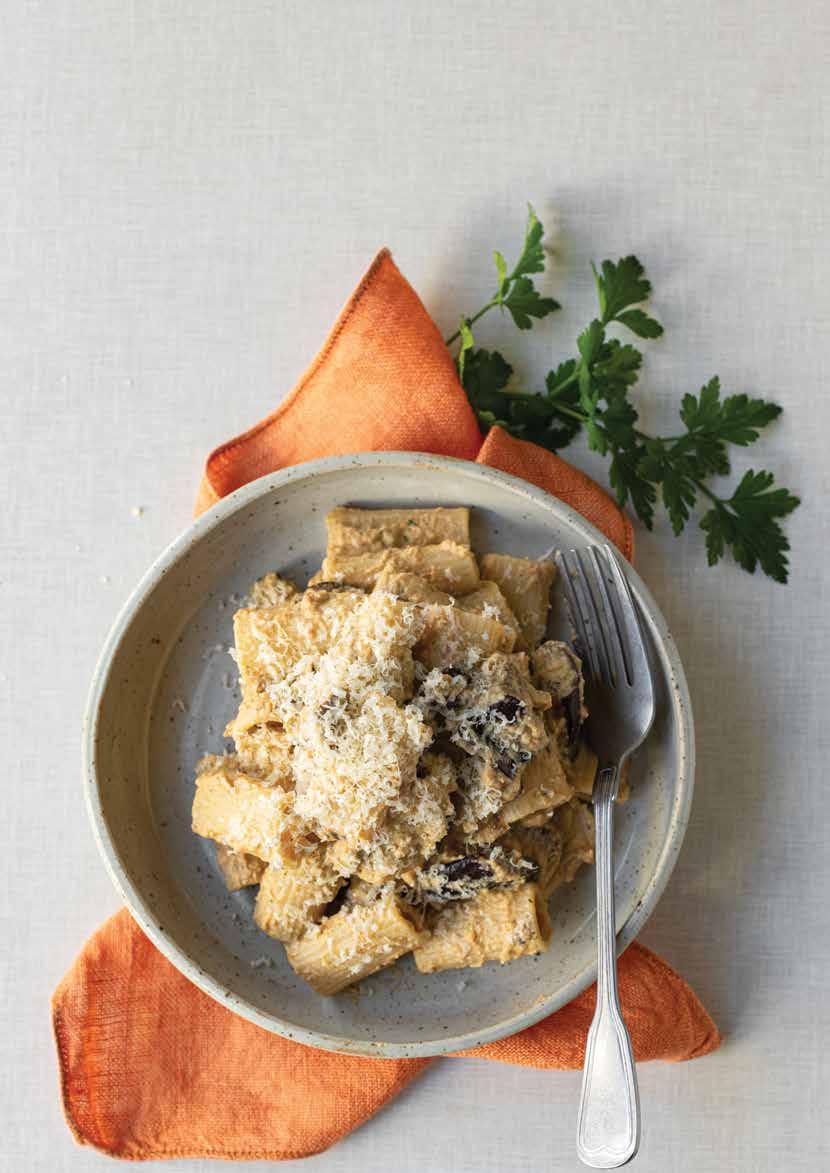
EGGPLANT & RICOTTA PASTA
You can make this dish vegetarian simply by removing the anchovies.
SERVES 5
2–3 eggplants (the dark purple variety)
extra virgin olive oil
salt
500g packet pasta (like penne or rigatoni)
250g chip of cherry tomatoes
2–3 garlic cloves
1–2 anchovies
1 cup ricotta*
8–10 basil leaves
Chop the eggplants into approx. 1 cm cubes. Drizzle generously with olive oil and season with salt and place on a baking tray. Bake at 180°C for 25–30 minutes until the eggplant is soft.
Put a large pot of water on to boil. When boiling, add a generous amount of salt and the pasta.
While the pasta is cooking, place a little olive oil in a pan along with the cherry tomatoes (sliced in half if large), garlic and anchovies. Once the tomatoes are soft, place
the contents of the pan, along with half the eggplant, ricotta and basil into a blender and blend until smooth.
Place the sauce back into the pan along with the remaining roasted eggplants. Drain the pasta, reserving 3–4 tablespoons of the water, adding this to the sauce along with the cooked pasta.
Toss and serve with grated parmesan.
*I sometimes replace the ricotta with Tatua mascarpone or crème fraîche
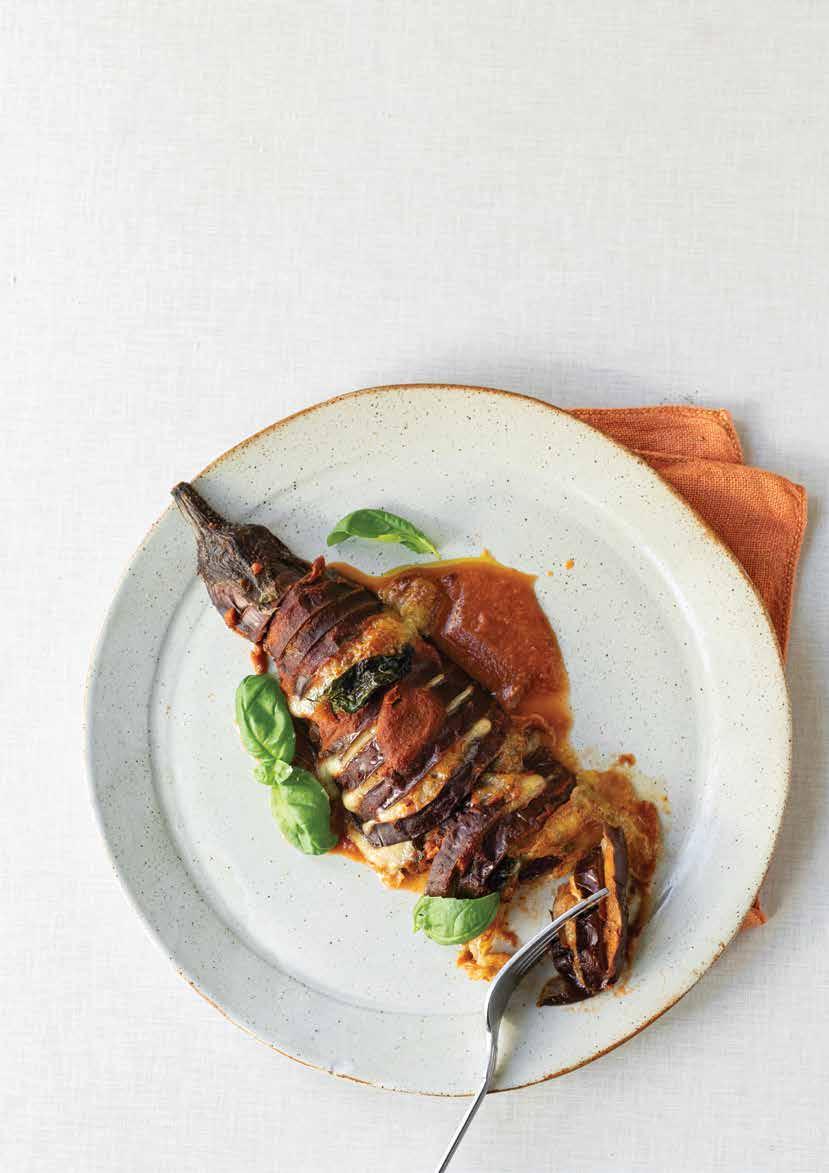
HASSELBACK EGGPLANT
Looking for a delicious meat free meal? PER SERVE
1 eggplant
1 mozzarella ball, sliced or 1 cup of grated mozzarella
1 cup tomato pasta sauce * basil
Slice horizontally (without going all the way through) across the eggplant from top to bottom, with each slice being around 1 cm thick.
Between each slice spoon in some pasta sauce and a slice of, or grated, mozarella along with a basil leaf.
Bake at 180°C for around an hour or until the eggplant is thoroughly cooked.
Serve with some additional warmed pasta sauce.
*Your favourite pasta sauce will work for this. I used my Roast Tomato Sauce from page 46.
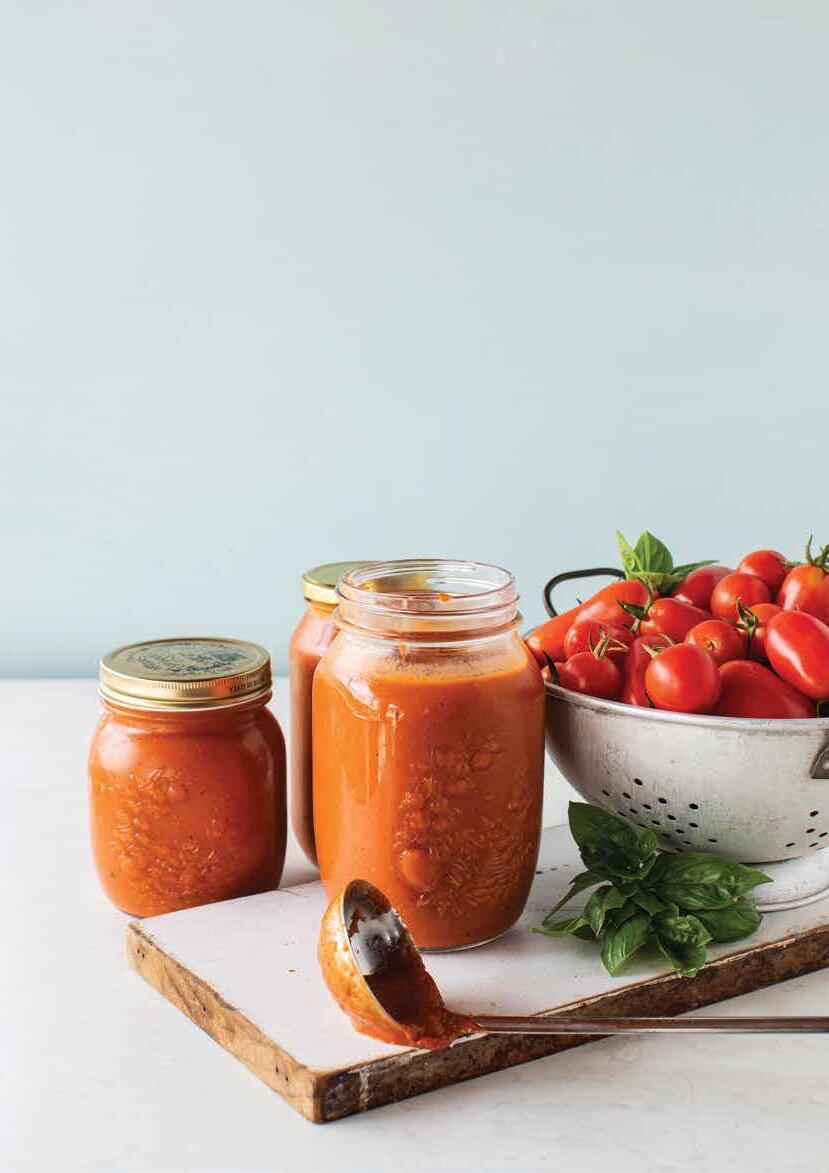
Every spring I plant way too many tomato plants, especially considering I’m the only person in the family that eats tomatoes.
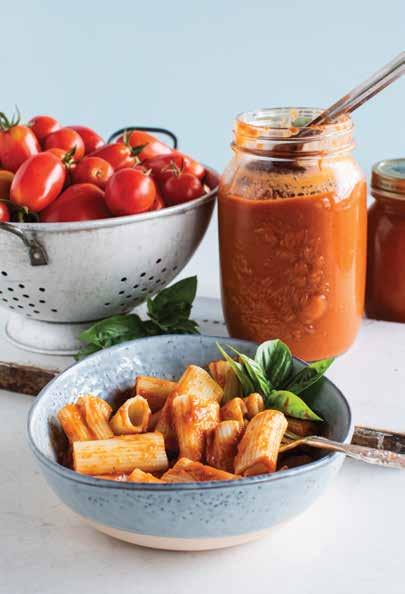
The family do love pizza night every Saturday and pasta though, so a few years back I started roasting up my tomato crop and turning it into this versatile sauce.
The recipe below is just a guide. Add more garlic if you love it. Use brown onions if you don’t have red … If space permits, and you have the tomatoes, double or quadruple the recipe.
2kg tomatoes
1–2 red onions, peeled and quartered
1 red capsicum, chopped into 4–6 large pieces, seeds removed 2–3 cloves garlic, peeled slosh of extra virgin olive oil
salt fresh basil or oregano
Depending on the size of the tomatoes, i.e. if they are big beefsteak ones, cut them in half or quarters; if cherry, leave whole.
Place the tomatoes on an oven tray on top of the onions, capsicum and garlic.
Drizzle over some olive oil and sprinkle with salt.
Roast in the oven at 175°C for 1–2 hours. You want the onion and capsicum to be soft.
The longer you roast them the more intense the sauce will be, as more of the liquid will have evaporated. For instance, I roast longer if I’m making pizza sauce than I do if wanting a light pasta sauce.
Allow to cool, then place in a blender with herbs and puree until smooth.
If I’m not using in the next few days I freeze the sauce in Ziploc bags. This means I can stack them in my freezer. Last year I made enough to last us nearly all year.
FAKING IT
This story idea began with a simple question, when is it okay to fake it? I only use vanilla extract, shunning the essence I grew up with, yet I am happy to slosh some truffle oil (basically synthesised truffle flavour) over my rocket or pizza.
Maple syrup is our family go-to for the traditional Sunday morning pancakes, and I would rather golden syrup (the Kiwi alternative in the 80s) to the cheaper maple flavoured versions on our supermarket shelves and often served in cafes.
I posed this question to a wide range of chefs, food writers and foodies in my life and they all came back with completely different takes on my question. With such a skewed sample audience, I naturally got the message: quality counts. But I also got where they were willing to ‘cheat’ or take the faster track.
Authenticity is an interesting conversation in the world of food today. I prefer real Parmigiano freshly grated over my pasta, but happily broke this rule when Meyer Cheese released their Old Master cheese. In my opinion it was just as good as the imported DOP Parmigiano cheese I was buying, with the bonus of being local.
Liz from Vetro says they have a couple of “New Zealand bries which to me are just as good, if not better, than the French and a much better price”. Her advice, if going for the French ones go for
If going for a French brie, go for a really amazing one.
Similarly with blue cheese. If the recipe calls for blue cheese, Liz believes you need to use a true blue cheese with some grunt, like Gorgonzola or even stilton.
Debate over cheese, their authenticity and their names is one that will continue for some time, especially in New Zealand, as our cheesemakers grapple with new free trade laws coming banning them from using terms like ‘feta’.
An industry that has already grappled with this is the wine industry with the likes of Champagne. And our panel overwhelmingly thought there were many Methode Traditionnelles better than many Champagnes.
Quartz Reef Methode Traditionnelle is a favourite!
Both food writer Amber Bremner and Lisa Quarrie from Hayes Common in Hamilton thought the Quartz Reef Methode Traditionnelle was excellent. Liz from Vetro said there were also many great French bubbles, like Louis Perdrier and Ackerman Crémant de Loire Brut, that aren’t technically Champagne but just as good and better value. But if you were only wanting the real deal, forget the brands you know like Moët and Veuve, Vetro stock Charles Orban Champagne which Liz says “is cheaper than the more traditional well-known ones but in our opinion much nicer”.
Another product many agreed on was pastry. Food writer Julie Le Clerc said, “I love making pastry and find homemade shortcrust pastry far superior to bought. However, I draw the line at making puff pastry on a regular basis, due to the time it takes and because Paneton’s* [made with real butter] is so brilliant.”
I have to agree with Julie and always have a ready supply of their flaky pastry in my freezer. But I would never buy sweet premade pastry. Annabelle White disagrees with me here and loves Paneton's sweet pastry, saying, “Yes, I can make great pastry but Paneton's all butter sweet pastry is already rolled out ready to be
rolled thinner and perfect for fruit pies.”
The theme here is all these foodies read the labels of the pre packaged food they might use as a shortcut. In pastry you are looking for butter, the same ingredient you would use if making pastry at home. In the same vein, Amber says her go to supermarket convenience food is Tonzu vegetarian sausages. “They’re high in protein and actually have very clean ingredients, basically tofu, herbs, spices and natural setting agents.”
Lisa’s quick convenience meal in her family is frozen falafel. And here I have to agree! Who can be faffed making falafel on a Tuesday night? Although she qualifies this admission by saying, “I always make my own garlicky yoghurt dressing and tabouleh to serve with it!”
Julie says, “Charred capsicums* in jars are great and they save a lot of fluffing about roasting and peeling fresh ones. I also love the added flavour the brine gives the jarred versions.”
When after that charred or smoked flavour our panel were quite happy to use a shortcut. Gus Tissink from Fed Foods is happy to pull out the blowtorch and “in small doses” use liquid smoke*. Amber was also a fan of smoke in a bottle, saying, “I love my liquid smoke as a shortcut, and actually it’s hardly even fake. It’s made from capturing and condensing the steam vapours from burning wood.”
Annabelle White loves a good quality supermarket dip – think hummus, pesto and tapenades. “Yes, of course you can make your
Pesto from the supermarket and good olive oil can work where you would need a salsa verde.
own hummus,” says Annabelle, “but equally you are busy. Pesto from the supermarket and good olive oil can work where you would need a salsa verde.”
Annabelle, a realist, advises, “Get savvy with your purchases, and when it’s good there is no problem or guilt using it. It’s about eating well, maintaining your sanity and being honest. Have the confidence to say – no, its not made in my kitchen but it’s really good.”
Warning – if something says ‘flavoured’, think beef flavoured sausages, maple flavoured syrup, fruit flavoured drink … steer clear or read that label. Food manufacturers are always trying to pull the wool over your eyes and the word flavoured is a red flag.
*Find these products at Vetro.
Listen to the full conversation on when it’s okay to fake it on our podcast, The Sauce NZ, available on Spotify, Rova and Apple.
TRUE TO THEIR NAME
WORDS LIZ FRENCH
Trueman & Co Realty recently achieved a record sale for the Bay of Plenty, a prestige property worth many millions. The satisfaction gained from this milestone is equally matched by their pleasure in finding people their first properties.
Though only a few years young, this company, established by experienced real estate professional Brent Trueman has carved out a significant niche in a crowded property sales market.
Brent was motivated by his dissatisfaction with traditional real estate practices and a desire to create a more personal and genuine relationship-based business.
He sited the first Trueman & Co office near his rural home, in Ōmokoroa, a rapidly burgeoning area. Architect and interior design input has created a smartly efficient base for staff to work, meetings to be held (Brent handcrafted the board table!) and clients to visit. He handpicked his sales consultants from like-minded people with proven success or obvious potential. While growth is inevitable, he aims to cap sales team numbers at around a dozen.
AndCo MEANS MORE
While they may appear a stand-alone boutique company, Trueman & Co Realty are part of a national brand, AndCo Realty. Member companies, which all have the suffix, ‘& Co’, have been responsible for some of New Zealand’s highest value sales. Brent says Trueman & Co were proud to join this invitation-only group, and stresses that it is a privilege to represent any vendor, whether their property is high end, entry level or anything in between.
This is clear when you see Trueman & Co’s distinctive marketing. Brent did not want the standard window cards displaying their properties for sale. Instead, the company produces a regular magazine. Portfolio showcases all the properties they represent and illustrates the company’s geographical reach, from Papamoa to Waihī, and its range, from orchards, farms and lifestyle to urban and suburban. You can collect the latest edition from their office or, much easier, ask to be on the emailing list for a digital version.
The internet is an integral part of any marketing these days and Trueman & Co have taken it a step further, developing, due to a serious ‘nerd’ in the family, an innovative algorithm identifying users’ needs and highlighting the properties that meet them.
A HAPPY PLACE
Brent’s policy of only employing people the entire staff agrees on fosters a cohesive team. He also ensures all his consultants have strong office backup. “Our sales team each have able and wellqualified assistants which leaves them free to be face to face with people not computers,” he says.
Corinne Brooks is P.A to residential and lifestyle consultant Craig Orr. Corinne has worked in real estate support for over 20 years, and she says this is the best. “We feel like a family,” she explains. “All working to the same goals, sharing information, bouncing ideas off each other. We all want to excel in an atmosphere that is encouraging not competitive.”
The culture at Trueman & Co proves that you can have serious action without acting seriously. They have fun at work, and their
company promotion displays a sense of humour. Brent has a menagerie on his small farm, and his team are all animal lovers. Pets feature in their advertising with Pebbles, Brent’s donkey, holding the position of Pet Liaison Manager!
BRANCHING OUT
The success of the Ōmokoroa team and the demand from throughout the region has prompted Trueman & Co to open more offices. “Mount Maunganui and Papamoa may merge along the beach, but they can’t be lumped together,” says Brent in planning an office to serve each. The new offices will echo their established sophisticated style and welcoming vibe, and each will be staffed by lean, highly motivated teams, working with Trueman & Co because they believe in it and love it.
Watch this space!
Trueman & Co Realty Licensed REAA 2008 truemanandco.nz
Brent Trueman 021 607 718
Liz’s career careened everywhere spanning London barmaid, café owner, art gallery assistant, PR, radio and television (Head of Publicity for TV3 in the 1990s), real estate, and now, part time writing. She is an active relaxer enjoying hiking, biking, improving bone density at the gym, skiing in winter and devouring several books a week. She never lets an adventure pass her by but is mature enough to say “No” if it doesn’t look life enhancing. Luckily, she loves writing for Nourish!
Liz French
Rebuild or Renovate?
WORDS? IMAGES?/
This is a dilemma many home-owners struggle with.
You love the location, the neighbours, the atmosphere of the street. But the house itself no longer works. Maybe it’s too small, poorly laid out, cold, or simply not designed for how you live now.
So, what’s the answer: renovate, rebuild, or attempt a combination of the two? Thorne Group (Bespoke Architectural Builders) share some advice.
Renovating is often driven by emotion. Memories matter and the desire to hold onto the past can be strong.
However, emotion needs balancing with reality and practical considerations, like the current condition and structural integrity of the building and how well the current layout works for your lifestyle.
Financial feasibility is also important. Your vision for your completed home needs to align with your budget. And understanding the value of the site (land) and likely end property value will help avoid over-capitalising and ensure a return on your investment.
IS RENOVATING CHEAPER THAN REBUILDING?
Logic would suggest that renovating should be more cost effective than building new, and it often is. However, renovating carries risks. Once walls are opened up, hidden issues can emerge … outdated wiring and plumbing, weather tightness issues, structural integrity and inadequate foundations. These unknowns are difficult to price accurately upfront and costs can quickly escalate.
Generally, new builds offer more cost certainty. "We’ve often seen people opt to renovate only to discover, in hindsight, that building new would have been the more cost-effective approach," says Aaron Thorne.
HOW LONG DOES IT TAKE?
Whether renovating or rebuilding, the planning phase is often underestimated. Design, geotechnical investigations, drawings, engineering and consenting can take up to a year before work onsite even commences.
Construction timeframes can often be similar. More extensive renovations often take as long as a new build and can progress more slowly, as builders work around existing structures rather than starting with a clean slate.
BEFORE: ROAD ELEVATION
WHERE CAN I GO FOR ADVICE?
AFTER: ROAD ELEVATION, RENOVATED BOATSHED AND STUDIO COMBINED WITH A NEW BUILD
The Thorne Group team has 80+ years of collective building and development experience between them and over the past 20 years have seen what works, what doesn’t and where budgets can blow out.
A no-obligation consultation with Aaron or Gavin can rapidly identify land and building parameters and clarify the most costeffective and desirable path to the home you want. “We look at every aspect of what you are wanting to achieve and, if a reno, we see if the bones and layout of the existing structure make it feasible to upgrade and/or extend without compromise,” says Aaron.
Five areas where Thorne Group can smooth your building pathway are:
• FREE site assessment highlighting planning or compliance requirements/regulations with clear advice on how terrain, natural hazards and zoning could impact your build.
• Budget guidance (once the site is reviewed). Thorne Group can help shape your design brief and guide you in setting a realistic budget for your project.
• Architectural design. Thorne Group works closely with a select group of leading architects and architectural designers and can assist you in selecting the professional who can best express your brief.
• Thorne Group’s one-stop service offering incorporates design through to your completed home.
• If subdivision is the answer to unlocking your site’s full value, Thorne Group’s team have the expertise to advise on feasibility and likely cost and can help navigate the resource consent process through to a freehold title.
CAN YOU KEEP THE MEMORIES WITHOUT KEEPING THE HOUSE?
In a recent project on a coastal Bay of Plenty site, an aging bach and boatshed sat on land rich with family history. The instinct was to preserve everything. The reality was more complex.
The result is a fusion of old with new. The boatshed was incorporated into a new contemporary home, while the original
BEFORE: STUDIO
AFTER: RENOVATED STUDIO WITH OUTDOOR KITCHEN
bach was relocated and repurposed elsewhere. It’s a reminder that every situation is unique and the solution needs to be tailored to suit.
See Thorne Group’s 10-point ‘rebuild or renovate’ checklist on their website: www.thornegroup.co.nz/buildingadvice
__
Thorne Group Unit 1, 41 Newton Street, Mount Maunganui
www.tgafarmersmarket.org.nz
MALTA
WORDS & IMAGES VICKI RAVLICH-HORAN
I went for the Caravaggio, Mr Horan for the knights – we both fell in love with Malta.
Sitting in the middle of the Mediterranean Sea yet so close to Africa that the cars are constantly covered in dust blown over from the Sahara Desert, Malta is a magical spot.
As a lover of Sicily and its chaotic charms, I was dubious about Malta, expecting an anglicised version of the island I love. And it’s true, Malta is less chaotic than Sicily. It’s also cleaner! They drive on the left-hand side of the road and English is an official language and thus widely spoken.
For many this makes this 316 sq km island the perfect summer destination, especially the English, for who Malta has long been a favourite spot.
This is also why many online blogs recommend staying outside the old city. The bays of Silema and St Julian are filled with large hotels catering to the crowds of English, here to get some sun,
sea and party. Carry on further around the island and all-inclusive resorts dominate the many beautiful bays.
Next time we visit (and there will definitely be a next time), we will stay in Valetta. This time it was Silema, with the hotel pool and close proximity of the beach swaying me.
We had five nights in Malta before heading to Sicily, which is just a 20-minute flight away. Each day was spent exploring something new: Mdina, Marsaxlokk, Gozo and finally Valetta.
After just a few hours in Valetta, I found myself seeing if we could change our flights and stay a few extra days.
Valetta is the capital of Malta. Named a UNESCO World heritage site in 1980, it is hard to believe it was devastated in World War Two*.
The very reason many tourists stay outside Valetta is what I believe is part of its charm. The city was built from local limestone after the siege of Malta in 1565. These historic buildings with
their colourful enclosed balconies are protected and make Malta postcard perfect. But they lack modern conveniences like parking and lifts to help you get your luggage to the fourth floor.
And I get that, as well as the attraction of a pool in such a hot place. But I’d rather be immersed in the history, wandering the narrow streets in the early morning, stopping to enjoy a coffee and cake at local treasure Caffe Cordina, or to take a stroll in the evening, stopping for a drink on a rickety table precariously perched on the cobbled streets or steps while taking in the view.
Malta is fairly small so, with the exception of the islands like Gozo, you can get to each town in little more than 20 minutes. And because they drive on the left-hand side, renting a car and driving is a great option. Parking will be your only problem.
VALETTA
Malta has a long history. From the Phoenicians to the Romans, the Byzantines, Arabs, Normans, Knights of St. John, French, and the British. There’s a lot to unpack, and Valetta is a great place to start. We split up and still didn’t get to see everything Valetta has to offer. While Mr Horan headed to the Archaeological Museum, I joined the queues at St John’s Co-Cathedral & Museum. Entry, at 15 euros, is not cheap for a church, but it is worth it!
Churches in Europe are like castles in the UK or temples in Asia –they’re everywhere, which is why it is easy to dismiss yet another church. I had come to see Caravaggio’s Beheading of St John, so wasn’t really fussed on learning much about the church until I stepped inside and was bowled over by possibly the most lavish baroque church I had even seen.
Thankfully the entry fee comes with a free audio guide to help explain what you are seeing. Built in the 1570s by the Knights of St John, it initially had a very modest interior. But in the 1700s it was redecorated in the Baroque style that now makes it one of the finest examples of high Baroque architecture in Europe.
But as impressive as the church is, the Caravaggio is more so. The icing on the cake being the display of this masterpiece where you can learn more about the man as well as his artwork.
Digital projections allow you to come 'face-to-face' with the artwork and the opportunity to understand Caravaggio’s creative process via scientific studies showcasing his brushwork and use of light.
We regrouped at the Upper Barrakka Gardens. Here you get a gorgeous view of Valletta’s Grand Harbour and each day at noon and 4pm the cannon fires. It’s also from here you can head down
and learn more about Malta’s most recent history in the Lascaris War Rooms.
This underground tunnel complex housed Britain's top-secret command in Malta during World War Two and is now a fascinating museum. Well worth the visit, but allow plenty of time.
MARSAXLOKK
If in Malta on a Sunday, head out early to Marsaxlokk. Here the harbour is filled with fishing boats, including the iconic Maltese luzzu. On Sundays the harbourside comes alive with a fresh fish market. With tourism now being a bigger economic contributor to the Maltese economy than fishing, the market inevitably also contains more and more souvenirs. But what can you do? Just know that the pistachio crème they are giving free samples of is likely to come from Sicily. And don’t be tempted by the cookies and baked goods charged by the gram. Mr Horan had the heaviest and most expensive scone in his life here!
If seafood is your thing, Marsaxlokk is a great place for lunch and to get your fresh seafood fill. Otherwise grab lunch from a bakery and drive east and enjoy lunch and a swim at the natural rock formation, St Peter’s Pool.
MDINA AND RABAT
Mdina is a must visit. Set aside a full day to discover this historic fortified city and nearby Rabat.
Set up on a hill, Mdina was first settled by the Phoenicians and was the capital of Malta until the Knights of St John arrived. There are a number of musuems to visit or 3D experiences that give you an insight into the history of Mdina along with the Knights of St John, but you could easily spend the day just exploring the streets,
stopping for lunch and enjoying the atmosphere.
Speaking of lunch, there are many options. If you are looking to splurge, The de Mondion is a 1 Michelien star restaurant inside The Xara Palace Relais and Chateaux where the food and view are spectacular.
Or settle for the hotel’s slightly more casual restaurant in the square, Trattoria AD1530. A local favourite since 1975 is Fontanella Tea Garden. What started as a hobby for owner Louisette, is now one of the most popular cafes in Mdina. Famed for its chocolate cake and strawberry meringue, make sure you get a table with a view.
A visit to Rabat, just a few hundred metres away is a must! While Mdina has few actual residents, Rabat is a living, breathing town. And as you make your way from Mdina to Rabat, make sure you stop at Is-Serkin (Crystal Palace), Malta's most iconic pastizzi shop. This 24-hour, ‘no-frills’ shop will guarantee your first bite of a pastizzi is the real deal.
Pastizzi are super flaky pastry traditionally filled with ricotta or peas.
Like much of Malta, what lies under Rabat’s streets is almost as interesting as what’s above. In Rabat you can head underground and visit the Catacombs of St Paul and St Agatha; and St Paul’s Grotto and the labyrinth of underground passages under the Wignacourt Museum, which were once ancient burial sites, but were repurposed as air raid shelters during World War Two, and even includes a historic bread oven that once served hundreds of locals during the war.
GOZO
Gozo is an easy day trip from Malta, reachable by ferry, water taxi or the many day trip tour providers. We opted for the latter, hoping to pack in as much as possible in the one day. My advice would be to stay longer and enjoy the slower pace and beautiful countryside and beaches.
On Gozo you can discover ancient salt pans, enjoy traditional bakeries, and taste the local sheep cheese, honey and sun ripened tomatoes. This is simple food from the land that has sustained and been enjoyed for millennia and should be experienced in an unhurried way.
MALTESE DISHES TO TRY
Rabbit was once a peasant dish but is now considered the national dish. Versions of rabbit stew (stuffat tal-fenek) and roasted rabbit with potatoes can be found in Michelin star restaurants and local trattoria alike.
Timpana is the Maltese mash up of an Italian lasagne and a British pie. Macaroni pasta is mixed with meat ragù, onion, egg, grated cheese, and tomato, then encased in a pastry shell.
Ftira, not to be confused with the gozitan ftira (a kind of pizza with a unique dough, found in the traditional bakeries around Gozo), in Malta is a hearty sandwich made with a crusty sourdough filled with tomatoes, fragrant olive oil, tuna, capers, and olives and creates a flavour explosion that connects you to Malta’s Mediterranean roots.
We enjoyed a great one at Museum Café on Melita Street, Valletta. This is one of Valetta’s oldest cafes and you know it’s good because it’s always packed with locals.
Wash your ftira down with a Kinnie. Malta’s signature soft drink is made from bitter oranges and aromatic herbs.
Or if it is aperitivo hour, the Maltese have you sorted with an array of foods perfect for an antipasti platter. Zalzett is a coriander-flavoured sausage. Galletti are crispy water crackers. Hobs biz-zej, is a bruschetta-like bread with tomato and olive oil. Ġbejna is the local sheep milk cheese.
Looking for a sweet treat? Imqaret is a date-filled pastry, deepfried and often infused with aniseed.
*Malta was the most bombed place on earth during World War Two. Malta endured over 3,000 air raids and 15,000 tonnes of bombs between 1940 and 1942. The intense bombardment caused over 10,700 buildings to be destroyed or damaged, with over 1,500 civilian deaths, and earned the island the George Cross for bravery.
Keen to discover more of Malta with me? Bookings for our inaugural Taste of Malta tour in June 2027 open soon. Email hello@tasteoftours.com for more details. www.tasteoftours.com
EVENTS
TAURANGA FARMER'S MARKET
Where local and convenience collide. The Tauranga Farmer’s Market is on every weekend, rain, hail or shine.
Discover a new way to move, connect and unwind at Wellathlon, a feel good evening and morning of mindful walking, music and gentle yoga set among the transportive scenery of the Enclosed Gardens at Hamilton Gardens.
21–22 March
$55pp with 10% off for healthcare professionals
Hamilton Gardens hamiltongardens.co.nz
ARKANDA WORKSHOPS
Join Wayne in the kitchen for a fun day of food, learning something new.
Portuguese Tarts Workshop – March 28 or 29, 10am
Favourite Dishes From My Travels – The Last 30 Years – April 18 or 19, 9.30am
The Flavours of Rajasthan – Fabulous Food From My Travels – May 3, 9.30am Classes $100
128A Whitikahu Road, Gordonton email wayne@arkanda.co.nz to book
FALLS RETREAT WORKSHOPS
Kombucha Brewing Workshop
Learn how to make your own kombucha drinks at home to enjoy great gut health. Workshop includes nibbles and coffee on arrival and lunch.
Sunday 22 March | $95pp
Full Monty Organic Gardening Workshop
Join Nicki, Falls’ resident gardener, to learn the fundamentals of growing your own organic, nutrient-dense produce. Includes morning tea on arrival, interactive garden session, take-home notes and a delicious lunch.
Sunday 15 March | $165pp
To book go to fallsretreat.co.nz
FLAVOURS OF PLENTY
The fifth edition of the festival returns this year with the theme ‘Pushing the Palate’ – a bold celebration of fearless flavour, creative flair, and culinary innovation that’s sure to surprise and delight.
16 April – 3 May flavoursofplentyfestival.com
SOULFUL ESCAPES
Think secret foodie finds, artisan workshops and unforgettable moments in tropical luxury.
BALI
12 April–23 April 22 June–3 July 2026
MOROCCO
2 September–23 September
17 September–6 October soulfulescapesnz@gmail.com
TASTE OF TOURS
Award winning small group, bespoke tours giving you a real taste of place.
Taste of South Australia
Five fabulous nights of foodie fun in South Australia.
1–6 April 2026 (Easter weekend) with Julia Clarke | $3850pp twin share
Taste of Emilia Romagna
Discover the heart of Italian food on this small group tour with Vicki Ravlich-Horan. 11–16 June 2026 – just 2 spaces left $6550pp twin share
Taste of Croatia
Explore everything the beautiful coastline of Croatia has to offer with Vicki RavlichHoran and Julie Le Clerc.
19 June–1 July 2026
$119750pp twin share tasteoftours.com
WAIKATO FOOD SHOW
Take your tastebuds on a culinary journey and experience a fantastic day out with family and friends, sampling the latest foods, wines and delicious products.
Saturday 11 July 9am-4pm, Sunday 12 July 9am-3pm
Claudelands Events Centre waikatofoodshow.co.nz
discover a world of
fl ring inspir i
Leading brands and expert advice, in our showroom or online with samples delivered to your door.