
WHISPERS IN THE WOOD
Could once-native lynx roam Britain’s forests again?
MAGICAL MURMURATIONS
Our six top nature reserves for starling murmurations this winter
WHISPERS IN THE WOOD
Could once-native lynx roam Britain’s forests again?
Our six top nature reserves for starling murmurations this winter
Taking action for nature is in our DNA. The fight to save what is now the much loved Attenborough Nature Reserve was pivotal to the formation of our Trust and next year we will mark the 60th Anniversary of this amazing nature reserve.
Our efforts to protect and restore nature, whilst also working to ensure that communities can connect with wildlife on their doorstep reach into all parts of the county and this is only possible thanks to the support of our members and donors. As you’ll see from the updates in this latest issue of Nottinghamshire Wild Life - with your support we’re having a huge impact – whether in terms of sustainable management of our nature reserves; eradicating mink from river catchments to help bring water voles back from the brink, providing opportunities for young people to support nature’s recovery, working with farmers to restore floodplain habitats or standing up for wildlife in the planning system, together we are making a difference.
Our work to create wilder places or help people live wilder lives was the focus of our Action For Wildlife Appeal launched in our summer magazine. As I write, almost 140 people have donated over £20,000 towards our vital work. In addition, dozens of members have taken the opportunity to increase their level of support through membership upgrades at a challenging but exciting time, contributing a further £4,000 towards our £35,000 target and providing additional funds for years to come. On behalf of the Trust I would like to thank all donors for their generous support. Now, through the Big Give, we have the opportunity to draw down match funding against additional donations made during The Big Give Week starting on 2nd December, so if you haven’t already donated, now is the perfect time to add your support to help us get over the line. Please check your cover letter for further details on how to help.
In addition to financial support, one of the most important ways in which people help us achieve impact for nature is
through volunteering and since October 2024 our amazing volunteers have recorded over 10,000 hours of effort across all aspects of our work from caring for nature reserves, supporting community engagement, leading and supporting events, helping raise our profile to vital back office functions including finance and membership administration. Amongst the thousands of hours that people dedicate to acting for nature each year is the work of our local groups, committee members and trustees. Whilst we wish to thank each and every one of our hundreds of volunteers, we want to make a special mention of the contributions of Nick Parsons and Colin Gibson who stood down as Chairman and Treasurer at the AGM in November. Nick has served as Chair since 2019 – having volunteered for over 30 years. Nick, who has long championed urban wildlife and efforts to engage young people in all aspects of our work, helped steer us through the challenging lockdowns during the pandemic and helped shape our ambitious Wilder Nottinghamshire 2030 strategy alongside Colin and our other Trustees. Colin, who was appointed as Hon. Treasurer in December 2015 has provided huge support and guidance as the Trust navigated both the pandemic and cost of living crisis – working closely with the Trust’s Senior Leadership Team to ensure that we not only came through the challenges, but came through with a solid financial base to underpin our ambitious strategy. I’m sure you’ll join me in thanking them both for their sterling service. Whilst stepping down from their governance roles, I’m delighted that they have both agreed to remain involved as Executive Vice Presidents, ensuring that we’ll benefit from their experience, enthusiasm and support for years to come.

Paul Wilkinson Chief Executive @originalwilko
Volunteer
See what role could suit you on our website. nottinghamshirewildlife.org/ volunteering-opportunities
Donate
We can’t do it without your support! Donate via our website donation form. nottinghamshirewildlife.org/donate
Include a gift in your will
This will help future generations to enjoy nature in Nottinghamshire as you have done. nottinghamshirewildlife.org/gifts-wills
Visit a reserve
Explore a new site or revisit a favourite one! nottinghamshirewildlife.org/nature-reserves
Online shopping
Get your bird food delivered straight to your door, as well as other wildlife products and homeware. nottinghamshirewildlife.org/shop
leaves
Commemorate a celebration with a dedication leaf. nottinghamshirewildlife.org/dedications
Play your part in raising awareness for a Wilder Future, Wilder Nottinghamshire. nottinghamshirewildlife.org/campaigns
Join in our events
Keep an eye on our website for updates about our events. nottinghamshirewildlife.org/events
Social media
Keep informed and join in with the regular wildlife updates online via Facebook, X (formerly Twitter) or Instagram and LinkedIn
E-newsletter
For more regular updates about Nottinghamshire wildlife make sure the Membership team has your email consent. Email membership@nottswt.co.uk
3 Your wild winter
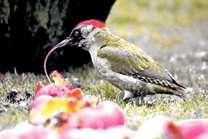
See if you spot a green woodpecker this winter with our handy hints and description.
4 Natures unseen engineers
Ellen Winter tells us how fungi shape our world.
6 Local News
Read how four of our Business Partners are collaborating to make a wilder Nottinghamshire.
7 UK news
Find out about what's happening across the UK including wildlife highlights.
8 Wild reserves
Check up on whats been happening across our nature reserves in Nottinghamshire this year.
10 Missing lynx
Dr Deborah Brady introduces a secretive animal from the UK’s past and the partnership project exploring its potential return.
12 Delivering nature recovery
Discover how your support is vital to ensure the Trust can bid for projects.
14 Wildife gardening
It's all about how the teasel supports life in it's flower and seed head throughout the year.
15 6 places to see...
Starling murmurations are not to be missed this season! Either across the UK or locally.
Editorial enquiries and contributions to: Rachel Rutherford communications@nottswt.co.uk
Copy deadline: Monday 19th January 2026 Nottinghamshire Wildlife Trust, The Old Ragged School, Brook Street, Nottingham NG1 1EA Tel: 0115 958 8242
Email: info@nottswt.co.uk
Web: nottinghamshirewildlife.org
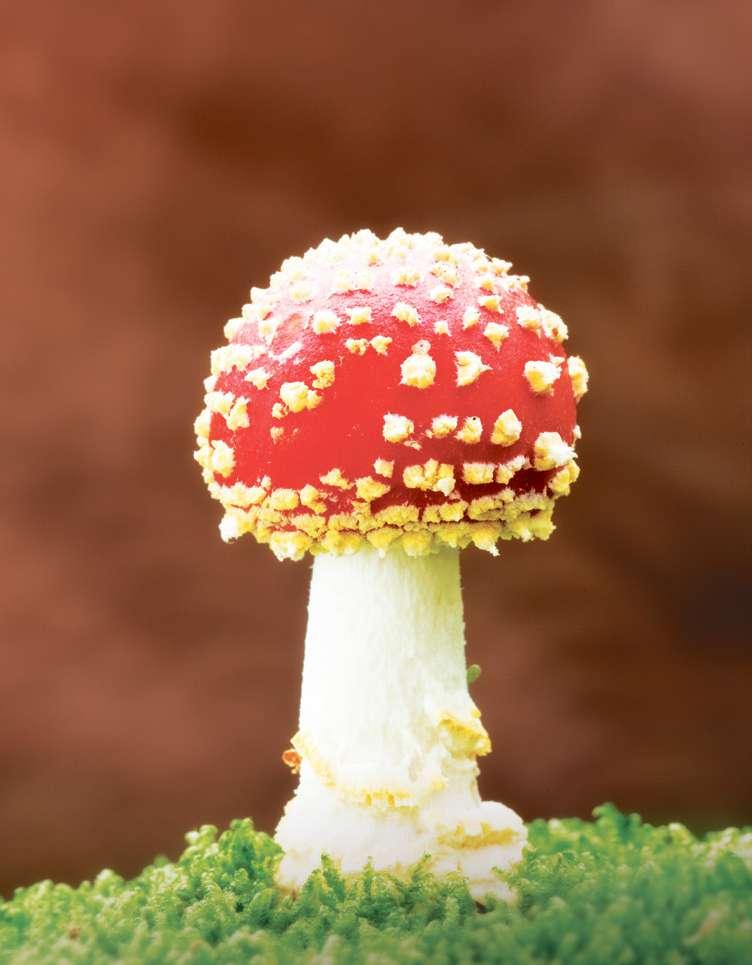
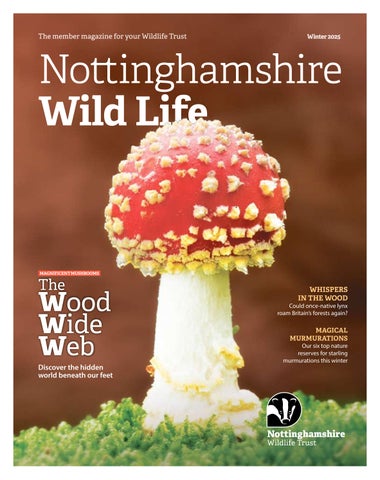
Front Cover: Fly agaric © Guy Edwardes/2020VISION
Consultant Editor: Joanna Foat
Consultant Designer: Ben Cook
The views expressed in this publication are not necessarily those of the Wildlife Trust or its Council
Published by: Nottinghamshire Wildlife Trust
Editor in Chief: Erin McDaid
Editor: Rachel Rutherford
A Company Limited by Guarantee
Registered in England No. 748865
Reg. Charity No. 224168
Designed & Produced by Optima Graphic Design Consultants Limited optimadesign.co.uk
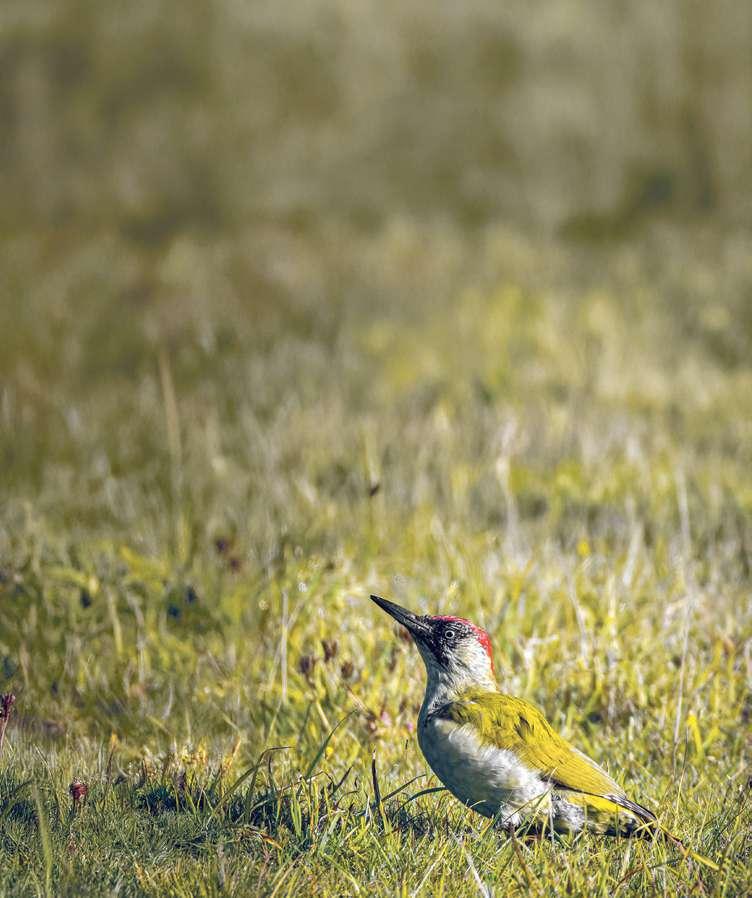
The shy green woodpecker (Picus viridis), the largest of the native woodpeckers, is easiest seen and heard from a safe distance at Skylarks Nature Reserve on the grassy areas eating ants on the ground. It also eats other invertebrates using its barbed tongue to help extract insects from crevices in tree bark.
Sometimes referred to as a ‘yaffle’ due to it’s loud laughing call, it’s stated that it was the inspiration for Professor Yaffle, a character in the classic children's programme Bagpuss.
January and February are the noisiest months for this native bird as they mate and excavate nests in holes in trees - but they rarely drum on trees like other woodpecker species. You should be able to spot them in gardens, orchards, large parks and broadleaved woodlands too with their colourful dark green wings, paler breast and yellow rump that can be seen as a flash in its undulating flight. Their cheeks are black with a distinctive red cap on the heads of both male and female with males having an additional red streak below their cheeks which the females do not have.
The good news is that the green woodpecker population is doing well and is thought to have doubled since the 1970s. However, the loss of woodland and felling of trees threatens the species’ habitat.

After studying zoology and mycology, Ellen Winter now monitors nature reserve health at Gloucestershire Wildlife Trust.
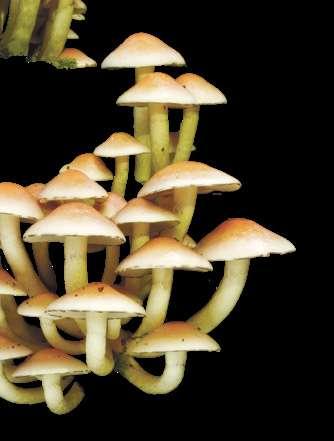
If all fungi vanished overnight, first you might notice a shortage of tea, coffee, chocolate, wine or simply mushrooms on toast! Some would be grateful for no athlete’s foot or dry rot, but fungi themselves are largely invisible. Over 15,000 species of fungi have been recorded in the UK. But less than a third are visible to the naked eye. We see products and effects, but we rarely notice the living beast.
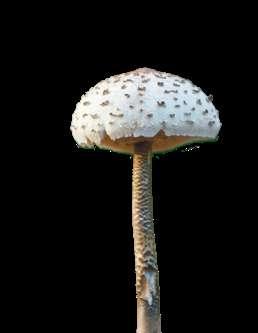
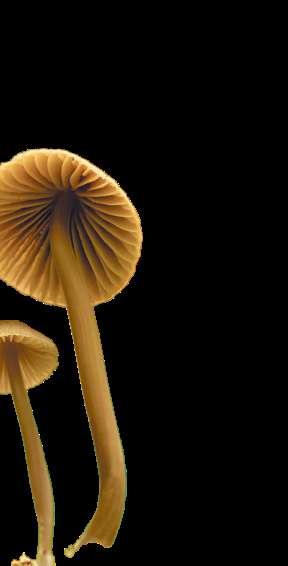
The mushrooms and toadstools we see are fruitbodies, like apples. We rarely see the body of the fungus – the ‘apple’ tree. Years past, my walk to primary school took me along suburban verges lavished with eye-catching mushrooms. I was fascinated by bright white lawyers’ wigs, spongy yellow boletes bruising blue when poked and translucent parasols appearing one day and gone the next, but fungi themselves hide all around – and inside – us!
Closer to humans than plants
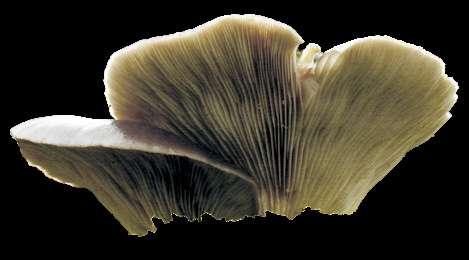
One reason fungi are largely invisible to us is the way they eat. Fungal structure consists of mycelium, a microscopic tangle of thread-like hyphae, or single celled fungi like yeasts. Both live and feed inside material such as soil, wood, intestinal tract or petrol. Basically, anywhere they can get carbohydrates. Like animals, fungi absorb food from their environment, but animals digest and absorb nutrients internally, while fungi digest and absorb their food externally.

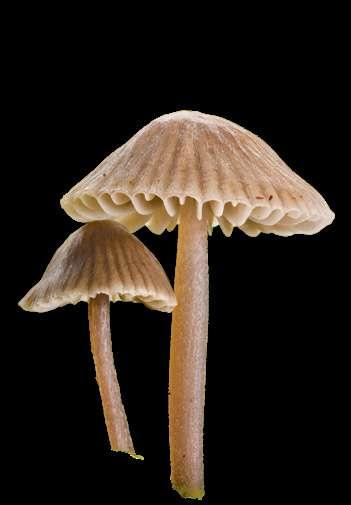
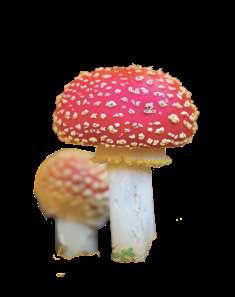
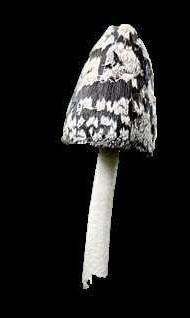



Only in 1969 were Fungi confirmed as separate from Plants – despite fungi being more closely related to animals. Fungi grow their structure from material more like our fingernails than plant cellulose.
Fungi
More recently, we’ve started to unravel the unseen ways that fungi modify the world. Fungi influence ecosystems through decomposition and soil structure. One recently recognised influence is the mutually beneficial relationship between plant roots and soil fungi.
Closer than hand in glove, mycorrhizal partnerships are so globally vital that if all fungi vanished overnight, 80% of plant species would immediately struggle to survive. These plants trade sugars from photosynthesis for water and essential minerals provided by soil fungal partners.
The increased harvesting power provided by mycorrhizal fungi helps crops and wild plants cope with extreme conditions, such as this year’s drought. Ongoing research suggests plants can also biochemically communicate threats such as insect attacks to surrounding plants purely via soil fungal networks – sometimes called the ‘wood wide web’.
The unseen cost
Being invisible comes at a cost. While 95% of approximately 6,640 global mammal species have been documented, only about 6.3% of an estimated 2.5 million fungal species have been named. And people don’t love and protect what they don’t know.
Even in the UK, one of the ecologically best documented countries in the world, fungi are under-recorded, and mushrooms are often casually picked or destroyed – something we’ve mostly learnt not to do with wildflowers.
The fungal kingdom is so understudied that UK firsts still turn up annually and keen novices can record rarities. Beginners are encouraged and there’s always something new, even for experts. Fruitbodies are not just found in autumn and winter, but can be found all year-round. So, if you spot an interesting mushroom or you’d like to learn from others, contact your Wildlife Trust who should be able to point you towards your local fungus group.
Check out our events listing for any upcoming fungi-themed activities coming up near you: wildlifetrusts.org/events
@geordieramblers @geordie_hiker
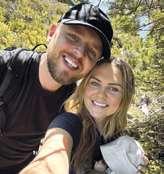
We both grew up in the northeast of England and were blessed to be surrounded by the wild beauty of forests, coastlines, historic castles, valleys and rolling moorland. We remember our muddy boots after school, rock pooling, riding our bikes until the sun set over the city, flasks of tea on blustery hilltops and walking for miles with our parents without seeing another soul.
Steph promotes access to women in the outdoors and runs navigation workshops with mountain leaders. Our community interest group @tynetosummit runs community walks every month in beautiful places across the North-East. We love it when people are surprised to find themselves laughing on a hilltop, instead of queuing at the bar.

To share our adventures, I set up @geordieramblers and Steph @geordie_ hiker, This was before we even knew each other. It’s funny looking back, we were just two strangers posting walks, reflections and the quiet magic of what felt real to us. The boggy bits, the windswept cliffs, early starts, aching legs and our full hearts.
We’ve recently become new parents, and yes, with shorter distances, more bags and snacks, it’s possible to hike with a baby. Luca’s eyes open with wonder when he’s out in nature. A rustling tree, a buzzing bee or the sparkle of water may be his first memories. We want our son to grow up knowing that joy can be found in simplicity, in nature and the land we love.
We met completely by chance in the tent aisle of an outdoor shop. Steph was full of confidence and questions about wild camping. That moment turned into hours, favourite trails, wildlife and the sense of belonging in nature. A week later we were hiking Blencathra together.
We’re not about ticking off peaks, we share real moments, places and our love for these wild places. Whether it’s the silence on a solo hike or a deep chat halfway up a climb, it gives you room to breathe and space to reflect, particularly after a busy week at work. We were saying what a lot of others were feeling.
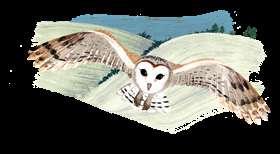
We’ve had magical moments with wild deer in the Scottish Highlands, spotted a red squirrel leaping through trees in Kielder, an otter slipping silently into a river at sunrise, a barn owl silently gliding over a frosty field at Bamburgh Castle. Each one felt like a gift from the land that we love so deeply.
But barriers to getting out on a hike are real for people. Everything from lack of transport, to not feeling ‘outdoorsy enough’, to thinking you need expensive gear. We’ve heard people say, “I didn’t think someone like me belonged in those spaces,” and friends say, “I never thought this was for me.” That hit us hard.
So, we started sharing more beginnerfriendly routes, hosting inclusive meetups and talking openly about imposter syndrome. We have written e-Books on beautiful beginner walks and created free guides to get people started. We believe nature should be for everyone.
Recently, The Wildlife Trusts embarked on an exciting venture to save Rothbury Estate in Northumberland. With part already in Wildlife Trust ownership, it’s open to those looking for adventure. However, with 2,600 nature reserves across the UK, Alderney and the Isle of Man, there’s a nearby adventure awaiting everyone!
wtru.st/rothbury-appeal
The Geordie Ramblers
Steph @geordie_hiker and Scott @geordieramblers have built over 300,000 followers on Instagram. They’ve been named the Hero of Northumberland for their @tynetosummit hiking community and have won national awards simply for sharing their love of the countryside in the North-East and Lake District.
Create space for inspiration, connection and what truly matters this Christmas with 12 Days Wild. “The most breathtaking things in life, a sunrise, a breeze, the sound of trees... cost nothing, yet offer everything” – Scott.
Sign up and we’ll help you discover something magical this Christmas. wildlifetrusts.org/12dayswild
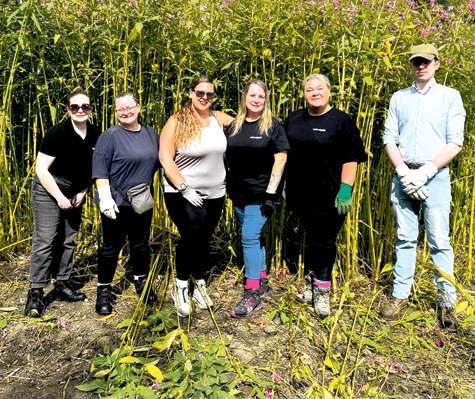
National Grid Electricity Distribution have formed a new corporate partnership with the Trust this year, to support our work across the county. Their employees have already taken part in two volunteering days at Attenborough Nature Reserve this summer, contributing to habitat management and improving access for local communities.
They've been assisting with the removal of Himalayan balsam, willow coppicing and scrub clearance to open up pathways and maintain the health of wetland habitats. These activities help ensure Attenborough Nature Reserve remains a thriving space for wildlife and an enjoyable destination for visitors.
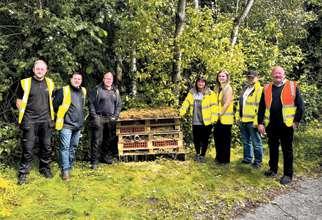
Mayborn Group (Tommee Tippee®) continues to partner with the Trust as part of their ESG commitments and have been active in working with the Trust on several initiatives to make the natural world more accessible to young children and their families.
Mayborn works with the Trust to educate and inspire employees on ways they can take action for nature. As part of World Environment Day and 30 Days Wild activities, the team at Mayborn’s Mansfield factory designed and built a 'bug mansion' on site and have been receiving advice from the Trust to support their biodiversity plan and improve their site for wildlife.
As well as recognising positive action for wildlife, we want our Wilder Nottinghamshire Awards to inspire others to take action for nature’s recovery – so we were delighted to team up with our business partner It’s in Nottingham, the city’s Business Improvement District (BID), as sponsors of the business category.
Alex Flint, CEO of It’s in Nottingham, said: "At It’s in Nottingham, we believe a thriving city is also a green and healthy one. It’s vital to recognise and champion the businesses that are taking action for nature, because their commitment not only supports wildlife but also helps create a more sustainable, vibrant Nottingham for everyone."
The support of It’s in Nottingham will help us reach more businesses across the city and county who make a difference directly and through inspiring and enabling their staff to support initiatives in their communities. Businesses can also now join the Wilder Nottinghamshire Network and record their environmental efforts on the Trust’s interactive Actions Map.
A big THANK YOU to Capital One UK for their long-standing backing of our Trust with their corporate support and employee volunteering programme helping us to protect local wildlife and natural habitats across Nottinghamshire.
They have supported a range of important initiatives over the years that have directly contributed to the Trust's nature reserves including funding the Boardwalk Dipping Platform at Attenborough Nature Reserve and providing hundreds of volunteers for the Trust's 'Wild Work Days' to help complete
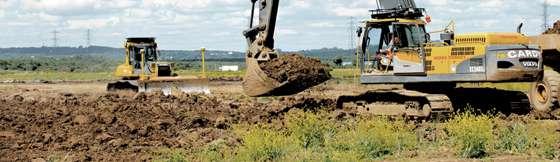
Over this year, The Wildlife Trusts and other environmental organisations have become increasingly concerned about the risks to wildlife posed by potentially destructive rollbacks in environmental safeguards. In what felt like a twin attack on measures to help protect and restore wildlife in England, the UK Government has been considering big changes with new legislation related to the planning system. This includes a new Planning and Infrastructure Bill and a relaxing of Biodiversity Net Gain – a requirement on developers to leave nature in a better state than it was before.
Despite the Government promising a ‘win-win’ for development and the environment in the run up to the General Election, early readings of the Planning and Infrastructure Bill looked to strip away environmental protections and remove requirements for developers to avoid harming nature – breaking that promise. As concerns mounted, The Wildlife Trusts called on you, our supporters, to lend your voice. In what became our Broken Promises campaign, over 30,000 of you emailed your MP to ask for parts of the Bill to be withdrawn as environmentally unsafe and to request that the UK Government stopped issuing incorrect
statements about nature protections being a blocker to house building.
Thanks to your support, we have seen progress, with amendments to the Bill published by Ministers in mid-July that go a significant way to addressing our concerns. These amendments add new environmental safeguards to the proposed law and were published alongside a policy statement from the UK Government recognising nature protections are not a barrier to growth. However, this does not mean the risk to wildlife has completely disappeared and so we will continue to work with parliamentary peers on the Bill, pressing for further assurances. We will also continue to stress to Government that fiddling with planning protections will not produce the economic results they want. Nature is not a ‘blocker’ - it is the source of our security and prosperity.
In addition, proposals to weaken Biodiversity Net Gain still exist and would, if followed through, make this policy virtually meaningless – blasting a hole through one of the most
Bottom trawling is destroying our seabed – and it’s still happening inside Marine Protected Areas (MPAs). This industrial fishing method drags heavy gear across the seafloor, smashing fragile habitats, releasing stored carbon and killing marine life on a massive scale. Then, of what’s caught, over three quarters is simply thrown away.
Thanks to Ocean, Sir David Attenborough’s latest BBC documentary, the public can now see the destruction caused. But the reality is worse: MPAs, meant to protect the seabed, are being trawled without repercussion. Out of sight cannot mean out of mind. The UK Government’s recently launched consultation looking at banning bottom trawling in 41 offshore MPAs. This is a crucial step – but only if swift action follows.
important tools we have to halt nature loss. The proposal is to make small development sites exempt from the rules, which new research by eftec has shown could lead to 97% of planning applications escaping any Biodiversity Net Gain requirement.
Lots of evidence shows that investing in and avoiding harm to nature does more than just boost its recovery – multiple co-benefits exist including solutions to flooding and drought, improved health and well-being and making financial savings through supply chains. The same research from eftec also suggests that the proposed changes to Biodiversity Net Gain represent a potential loss of funding for nature’s recovery equivalent to around £250 million a year. It makes no sense to deregulate and pull the rug from under investors in the green economy – and this is a case we will continue to make with politicians.
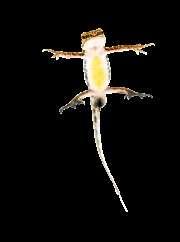
Partial or delayed protections won’t save our seas. The Wildlife Trusts are calling for an immediate ban on bottom trawling in all seabed-protecting MPAs. We must protect entire areas, not just fragments, and finally stop industrial-scale damage in waters meant to be safe for nature.
Rare birds, bees and butterflies are returning to farms across England thanks to a decade of nature-friendly farming. The Jordans Farm Partnership – a collaboration between The Wildlife Trusts, Jordans Cereals and LEAF (Linking Environment and Farming) – has supported 27 farms since 2015 to create tailored conservation plans.
To keep up-to-date with the latest news around planning and development, in context of the environment take a look at The Wildlife Trusts’ blogs on wildlifetrusts.org/blog/ category/planning-and-development
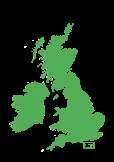
Discover how The Wildlife Trusts are helping wildlife across the UK Once in a lifetime
When Peter McEvoy first stepped foot on 90-acres of farmland in County Fermanagh, he knew it was a special place: the last remnants of species-rich grassland and centuries-old woodland in Northern Ireland. Ulster Wildlife is now the proud new owner of Fedian Nature Reserve, brimming with wildflower meadows, bird-friendly hedgerows and ancient woodlands. wtru.st/Safeguarding-nature
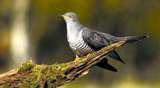
Two cuckoos, named Arthur and Ashok, have been fitted with lightweight satellite tags to track their remarkable trans-Saharan migration. The cuckoos from Suffolk Wildlife Trust’s Worlingham Marshes nature reserve will join over 100 others in the British Trust for Ornithology’s long-running Cuckoo Tracking Project, to help understand the cuckoo population decline.
wtru.st/Cuckoos-tagged
Marine life can recover. Seabed habitats store carbon, support wildlife, and help secure sustainable fisheries. But only if we act now. In the words of Sir David Attenborough, “If we save the sea, we save our world.”
Join us in telling Minister Hardy to ban bottom trawling in MPAs. The future of our seas depends on it.
wtru.st/Ban-Bottom-Trawling
Devon and Somerset Wildlife Trusts are among those celebrating the birth of wild pine martens in a pioneering reintroduction project in the Southwest of England. Recorded on site, exclusive footage shows the first kits born into the wild in Devon for more than a century.
wtru.st/Pine-marten-kits
From planting hedgerows and wildflower margins to restoring ponds and improving habitat links, farmers have transformed their land for wildlife. Over half have reported sightings of new or returning species – many of them rare or endangered. Red-listed birds like the tree sparrow, nightingale and goshawk have reappeared, alongside the rare meadow clary plant, found
in just 26 UK sites. Other highlights include breeding stone curlew in Hampshire, scarce emerald damselfly in Suffolk and brown hare in Leicestershire.
This inspiring partnership shows what’s possible when farming works hand-in-hand with nature – creating healthier landscapes for wildlife, farmers and future generations.
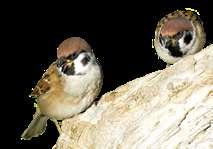
Once common species, like tree sparrows are now red-listed
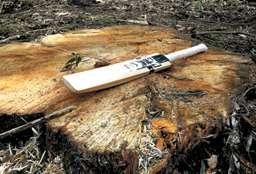
A carefully tended crop of cricket bat willows, a hybrid between white willow and crack willow, which produces strong durable timber, has recently been harvested from Nottinghamshire Wildlife Trust’s 3 Farndon Willow Holt by JS Wright & Sons of Essex – continuing a relationship with the site that stretches back across the generations and maintaining the site's links with the willow industry.
The recently harvested trees were planted by the company almost 20 years ago, after they harvested an earlier crop of trees. The harvesting forms part of the long-term management of the site, previously a working willow holt that supplied
Our Nature Recovery Teams are now in the thick of the busy winter work season which will include selective felling to open up gaps in the canopy, vary the age structure and enhance species diversity in woodland at our 1 Strawberry Hill Heath Nature Reserve thanks to funding via our South Sherwood Nature Recovery Network project funded by Severn Trent.
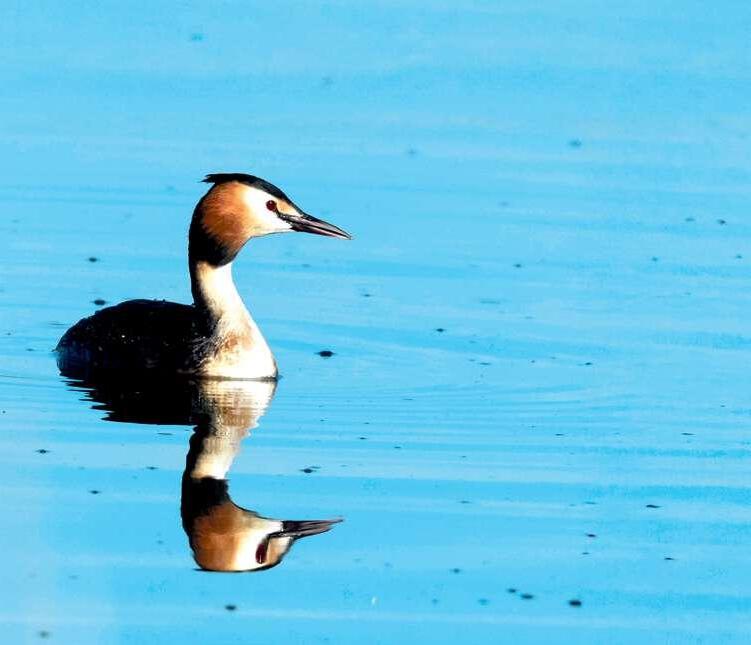
Whilst autumn and winter are the focus for much of our habitat management work when many plants are dormant, the past few months have still seen plenty of activity - from a very early hay harvest triggered by the record-breaking summer, to concerted efforts to control invasive Himalayan balsam at 2 Attenborough Nature Reserve funded through our Species Thriving in a Wilder Trent project. In addition to funding habitat enhancements on our reserves and with landowners adjacent to the River Trent, the project has supported a range of events – including an eight mile walk from Nottingham to Attenborough on World Rivers Day to showcase improvements the team have supported. Attenborough is also one of the sites where we’ve noted positive signs that the efforts of our Water Vole Recovery team is having an impact – with anecdotal evidence of an increase in numbers of great crested grebes – a bird long associated with the reserve – and lapwings.
willow rods for Newark’s burgeoning basket making industry. Since acquiring the holt in 1986, the Trust has been working to enhance the site’s value for wildlife whilst restoring its heritage. The willow harvesting helps maintain these links whilst also helping offset the costs of caring for the site.
We were delighted that JS Wright & Sons were able to harvest the trees as the company’s connection with the site stretches back to the 1960s when they planted a crop of willows for the site's previous owners – Leaver and Brenda Howitt – renowned botanists who planted many species of willow at the holt.
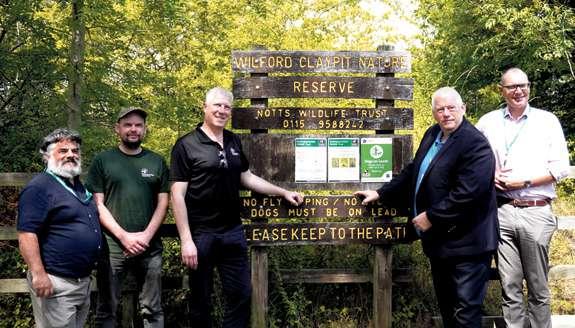
Since the last issue of Nottinghamshire Wild Life we’ve celebrated our partnership with Rushcliffe Borough Council to care for key wildlife sites, which spans five decades.
Our partnership at 4 Wilwell Farm Cutting and 5 Wilford Claypit nature reserves stretches back to the 1980s when the Trust fought to save the sites at Public Inquiry – enabling them to be purchased by the borough. Both are now Sites of Special Scientific Interest (SSSI) and have long been managed by the Trust with the support of local volunteers.
In addition to marking five decades of collaboration we were also celebrating a new partnership agreement to cover management of the reserves, ecological advice and supporting volunteers involved in managing other wildlife areas.
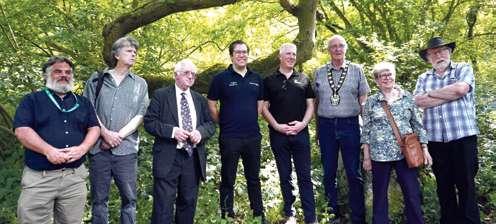
Hot on the heels of the photocall at Wilford Claypit, we marked the 40th anniversary of 6 Bunny Old Wood – also in Rushcliffe.
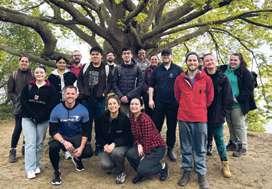
Back in 1985, East Leake based British Gypsum, which operates the huge Marblaegis Mine which covers almost 40 square kilometres beneath the South Notts landscape, donated the wood to the Trust. In the four decades since, local volunteers have played a key role in helping restore it after the impact of Dutch Elm Disease in the 1970s. Guests included the representatives of Rushcliffe Borough Council (RBC), Nottinghamshire County Council, Bunny Parish Council, British Gyspsum, plus longstanding local volunteers. With the Trust committed to mobilising a movement for nature across the county, our Chief Executive Paul Wilkinson highlighted the impact that volunteers have had at Bunny, saying - “Bunny Wood stands as a testament to what can be achieved when the talents and tenacity of volunteers is combined with ambition and a spirit of partnership. It should serve as motivation that despite being in the midst of a climate and ecological crisis – we can make a difference. By working together, we can create space for nature, and we can give people the chance to lead wilder, happier, healthier lives.”
- originally published in the Bunny Bulletin back in 2011.
The poem and a longer report about the celebration can be read online: nottinghamshirewildlife.org/news/ partners-and-locals-gather-mark-40years-popular-bluebell-wood-wildlifetrust-nature-reserve


Dr Deborah Brady introduces a secretive animal from the UK’s past and the partnership project exploring its potential return.
Nature is like a puzzle. There are lots of different pieces, with such a wide variety of shapes, sizes and colours that it’s hard to imagine them all merging. But somehow, they do. They fit together seamlessly, creating something strong and spectacular: a healthy ecosystem. A community of animals, plants and other organisms interacting with each other and the landscape in which they live. Nature in balance.
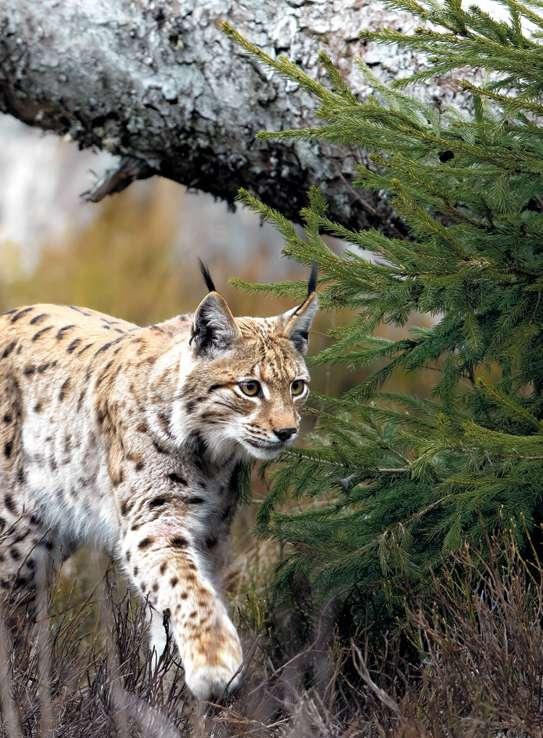
Here in the UK, we have lots of wonderful wildlife. But some of the important pieces of that puzzle are missing. One of those pieces has a graceful, feline shape, with tufted ears and a short bob tail. It would once have sat within a mosaic of trees, never far from its preferred prey, roe deer. A missing link. The missing lynx.
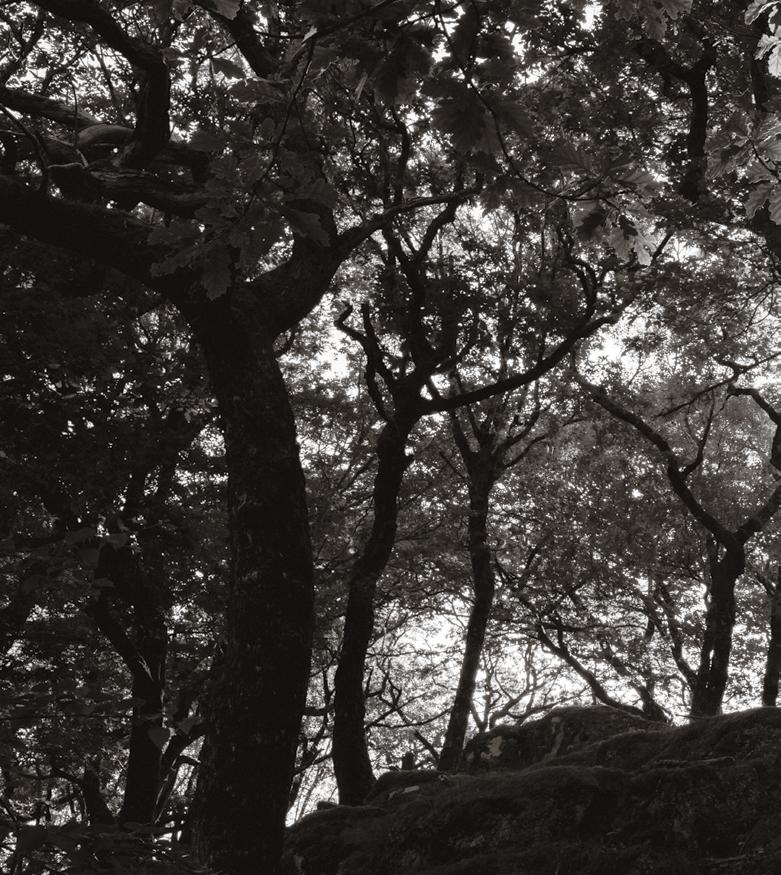
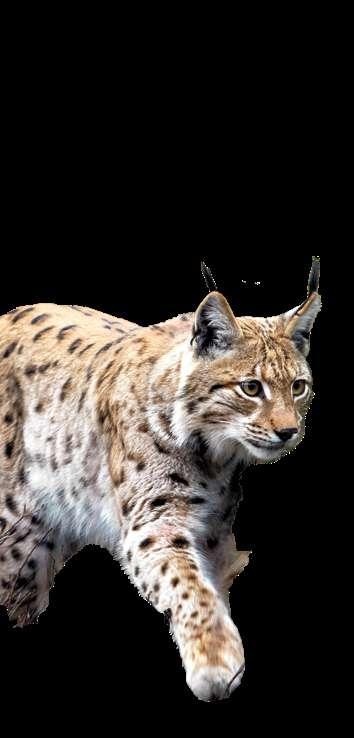
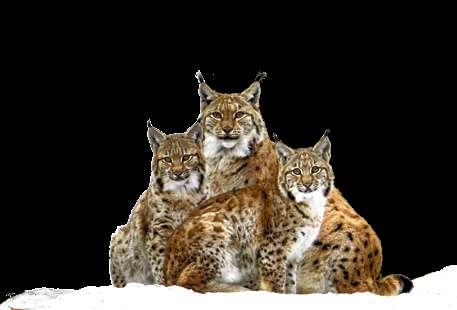
Lynx are woodland cats. They’re about the height of a Labrador, but lighter, with grey to golden-brown fur that can be plain or speckled with black markings. They are elusive, live in low densities and like to avoid people. They are most at home amongst the trees, with lots of understory plants to hide them as they hunt. Across most of Europe, their main prey is roe deer, though they also feed on other hoofed mammals like reindeer and chamois. Occasionally, they might eat smaller prey, such as rodents, hares, foxes and birds. They are most active between dusk and dawn. For thousands of years, lynx were a critical part of our ecosystems. As top carnivores, they would have helped regulate other animals like deer and foxes. The remains of their prey would have fed birds, beetles and other scavengers.
Lynx bones have been found in 32 cave sites across England, Ireland, Scotland and Wales. These bones tell us lynx were still here when the Romans arrived and when Hadrian’s wall was built. The most recent lynx bone found so far belonged to an animal that died around 1,500 years ago. But it’s unlikely this was the last lynx. They’re still mentioned in poems and other cultural evidence exists beyond that century, too. It’s most likely that we lost our lynx during the medieval period, around 800-1,000 years ago. They finally disappeared due to hunting and habitat loss.
Lynx faced similar issues across the rest of Europe. By the 20th century, they had been lost from many of the countries they once called home. However, in Europe, lynx are now making a comeback. Lynx have been reintroduced in countries such as Germany, Switzerland, Poland, Slovenia and Italy. Could they one day return to Britain, too?
The Missing Lynx Project was formed to explore this question. It’s led by The Lifescape Project supported closely by Northumberland Wildlife Trust and The Wildlife Trusts. The project is exploring the ecological, practical and social feasibility of reintroducing lynx.
This is basically asking three key questions. Is there an area in Britain where lynx could live? How would bringing lynx back work (e.g. where would they come from)? And would local people accept lynx back in the landscape?
The first step was to examine whether there was anywhere with the right habitat for lynx. To test this, the Lifescape Project followed a similar approach to that used in Germany, where lynx have been successfully reintroduced. This meant using advanced computer modelling techniques, drawing on the most recent and detailed data on lynx ecology and Britain’s landscapes. Essentially, a virtual Britain was created in which simulated lynx could live. Knowledge from over 50 years of monitoring European lynx populations helped make the lynx behaviour as realistic as possible. Lynx reintroductions in different areas were tested using the model, under lots of different scenarios, and the outcomes studied.
This research found that if lynx were to be released in Northumberland, they could grow into a healthy population covering north-west Northumberland, the edge of Cumbria and the bordering areas of southern Scotland. This is currently the only area in England and Wales with the extensive forest habitats that lynx need.
Any species reintroduction is a complicated process. There are lots of practical elements to consider. These include finding the right place to get the lynx from, managing the translocation and release, and monitoring lynx after they are released. The Missing Lynx Project is working closely with experts from across Europe to explore these elements. There are decades of experience to help guide the process.
To recap, the Missing Lynx Project’s research has shown that there’s an area of northern England and southern Scotland that could support a healthy population of lynx. We also have lots of expertise from across Europe on how to manage the practicalities of a successful lynx reintroduction. But – crucially – a reintroduction could only take place if local people are accepting of the animal back in the landscape.
For more than a year, the project has been sharing its findings with people in the area identified by the modelling; opening discussions about lynx and providing a variety of opportunities for everyone to share their views. As part of this, a travelling Missing Lynx exhibition toured the area to bring
the lynx to life. We welcomed almost 10,000 visitors across 15 venues, from village halls to agricultural colleges and at iconic local landmarks. The project has held meetings, hosted community workshops and conducted one-to-one interviews. We also held focus groups for people with shared interests in the area – there are groups for farming, forestry and business, as well as a Lynx Community Group with 117 members. In addition to all of the face-to-face conversations, the project provided a questionnaire for people to record their views on lynx. We had responses from just over 1,000 people who live in the project region, with 72% of them supporting a lynx reintroduction there. The overall attitudes towards lynx were positive, but it’s important to listen to the voices of those with concerns. Much can be learnt from how people live alongside lynx in Europe and the project’s next step will be to keep working with local communities, exploring how a reintroduction project could be managed to maximise benefits and reduce risks. Together, with the acceptance of the local community, we can bring back our missing lynx. What are your views on lynx reintroduction? Let us know at missinglynxproject.org.uk/share-your-views

Dr Deborah Brady is lead ecologist for The Lifescape Project and manages The Missing Lynx Project.




“Bringing back lynx could benefit wildlife more widely – something that is sorely needed in this nature-depleted country. We have pushed many native species to extinction, and it makes sense to bring missing wildlife back where feasible. Bison and beavers have invigorated degraded habitats and this consultation shows there’s now an opportunity for us to bring back lynx too.”
Rob
Stoneman
director of landscape recovery for The Wildlife Trusts
Lynx lived wild in Britain for thousands of years. They were most likely lost during the medieval period, around
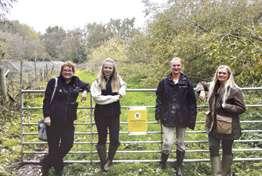
Back in October, Janice Bradley - our Head of Nature Recovery (North) spent a day welcoming key partners to Idle Valley to showcase the spectacular impact beavers had had since being released at the reserve back in 2021. Firstly, we welcomed Gabriella Gregory, Notts County Advisor and Natalie Elms, Environment Advisor from NFU to discuss ways to ensure that wild beavers can one day live in our Nottinghamshire landscape alongside thriving farm businesses, and bring benefits for nature, natural flood management, and drought resistance.
After lunch we welcomed the team from Rewilding Britain who had travelled from across the UK to see the beavers’ positive impact and to explore the potential for the UK reintroduction of Elk following the charity’s funding for our joint disease risk assessment for elk which we are progressing with Derbyshire Wildlife Trust.
“The fact that 72% of respondents in the project region support a potential lynx reintroduction is hugely positive. Locals are proud that our region is a stronghold for threatened species such as red squirrels and water vole – so it’s no surprise that they’re in favour of bringing more back. The chances of ever seeing this beautiful creature are very rare, but communities have let us know that they recognise the benefits of restoring this beautiful animal.”
chief executive officer of Northumberland Wildlife Trust




Whilst our nature reserves are vital to the future recovery of nature across the county, work with other landowners and partners, plus major project delivery enables us to maximise our impact for nature and people by creating, restoring and reconnecting vital habitats.
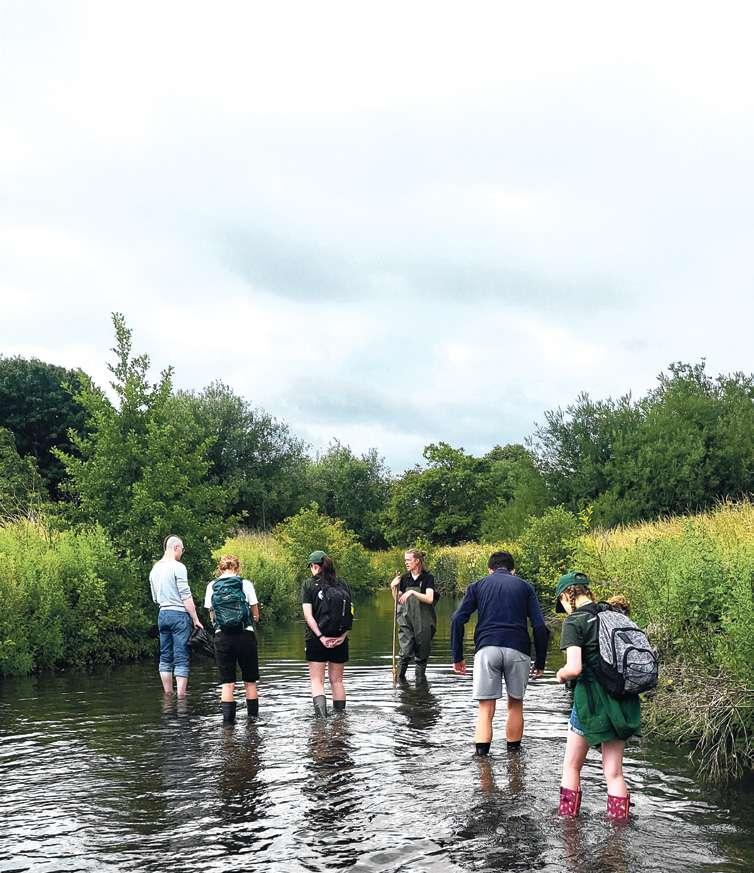
Your support is vital to ensure the Trust has the skills, capacity and resources to bid for project funding and our current range of exciting projects is delivering nature recovery on an ambitious scale. This summer, members of our Keeping it Wild (KIW) young activists group were given a behind the scenes look at our successful Three Rivers Restoration project and our ongoing Water Vole Recovery project during their annual residential in the iconic Sherwood Forest. KIW members visited Vicar Water Country Park to see the impact of the river restoration work and also learned about the reasons behind our efforts to control north American mink.
The team behind the Three Rivers Project is now making progress with our £1.1 million Natural Flood Management scheme for Shireoaks & Worksop – collaborating with partners to identify opportunities for interventions on local farmland that will provide increased flood resilience to the area while benefiting people and nature. Our Water Vole Recovery Project is having a significant impact on mink numbers with the project area now extend to include much of the Trent catchment and over 230 now trapped and humanely dispatched since January 2024.

Whilst our Natural Flood Management project will deliver future habitat improvements on local farmland, our Nature Recovery Networks in Farmed Landscape project has already delivered results. Thanks to the backing of Severn Trent via their Strategic Partnerships Fund, we can continue to make funding available for farmers and landowners to create wildlife habitat.
As most of our county is farmland, we must find innovative farmer-facing solutions to help tackle the nature and climate crises that still enable farmers to run a profitable business and continuing to meet our need for food. So far, the project has supported 45 farmers and landowners. In addition to agreeing to
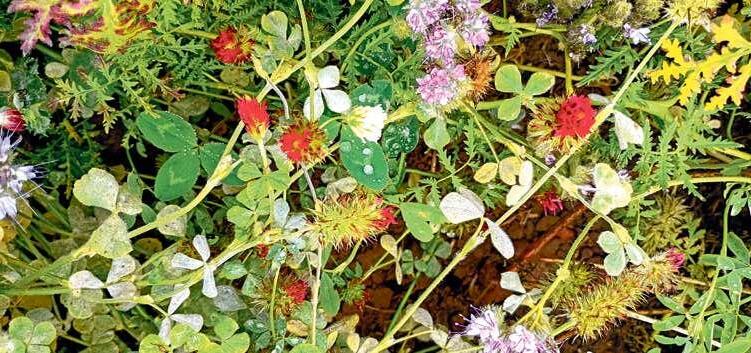
larger, more permanent habitat projects such as pond and scrape creation or hedge laying, many of our farmer partners carry out initiatives such as sowing cover crops and putting out supplementary bird seed to fill the ‘hungry gap’. Cover crops not only provide habitat for farmland birds and insects, including pollinators, they also help to sequester Carbon, reduce soil loss, improve soil quality and protect water quality. Species recorded so far in ponds created in 2023/4 include great crested newts, smooth newts and grass snakes. In 2024/25 we delivered over sixty-nine hectares of permanent new habitat and 577ha of temporary habitat – illustrating the scale of impact we can have when working with landowners keen to support nature-friendly farming. This year we plan to help with the cost of seed for cover crops, wild bird cover, wildflower seed and species rich grassland, and are also supporting woodland conservation management projects.

In September, Nottinghamshire Wildlife Trust alongside The Wildlife Trusts and RSA Insurance, an Intact company, announced an 18-month project to map and analyse the economic, environmental and societal benefits of restoring nature along the River Trent.
Speaking about the project, our Chief Executive Paul Wilkinson said: “The River Trent is one of the country’s most important rivers – flowing close to the homes of around six million people from its headwaters in Staffordshire, through towns and cities including Nottingham and Newark and on into the Humber. It has had a huge positive impact on the history, culture and natural heritage along its course, but much of the wildlife value of the Trent Valley over the past century has been impacted by intensive agriculture, huge development pressure and industrial pollution. The time has come to invest in nature recovery so that species such as bitterns, water voles and wild beavers can thrive once more and communities living along the river, from Attenborough and Nottingham, through Burton Joyce & Besthorpe and Cromwell, can benefit from better connection to wildlife and from solutions such as natural flood management.

Julie Gould, wilder childhood officer, and Becky Williams, wild network officer, at Cheshire Wildlife Trust, share their passion for the magical world of winter seed heads and the wildlife they welcome.
Two years ago, Julie shook a teasel head, Dipsacus fullonum, over a patch of her garden, releasing the small brown seeds. This plant soon grew to seven feet tall, displaying fresh, bright green foliage. In the summer, the conical-shaped seed head was densely packed with lilac flowers, providing a rich nectar and pollen source for pollinators, such as bumblebees and a variety of our resident butterflies.
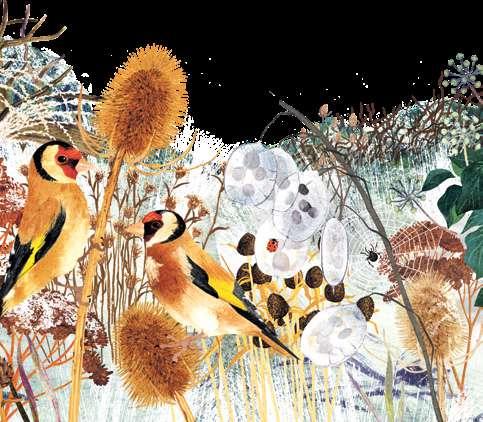
The magic of the teasel doesn’t end with summer. In winter, its sculptural seed heads become striking silhouettes, and more importantly, they provide a rich food source for wildlife.
One of Julie’s fondest wildlife memories is from her kitchen window, where she spotted a charm of goldfinches balancing on swaying teasel seed heads. Their long, needle-like beaks root around for the small seeds. On frosty mornings, the seed heads sparkled silver in the low light – a truly enchanting sight.
Teasels are just one example of how leaving plants standing throughout winter can benefit wildlife. From the warmth of your house, watch birds such as house sparrows feeding on flowerheads like rudbeckia.
Consider delaying the cutting of your herbaceous borders until early spring and leaving the leaf piles intact. This is a unique habitat that provides cover for ground-foraging birds, such as dunnocks, as well as hibernating frogs and hedgehogs. Hollow plant stems are a vital over-wintering home for invertebrates such as ladybirds, earwigs, and butterfly and moth caterpillar larvae. Uncut ivy and hedgerows also offer protection and food to a plethora of wildlife. This winter, resist the urge to tidy too much. A wilder garden is better for both wildlife and our own enjoyment too.
Here are Becky’s favourite seed heads to be left in the garden through winter:

Honesty
Lunaria annua
Echinacea
Echinacea purpurea
Their spiky seed heads stand tall through winter, offering shelter for insects and a vital food source for hungry finches and other seed-loving birds.
These papery silver seed pods are a winter must have. Beautiful and sculptural, providing shelter for insects and lingering seeds when food is scarce.

Knapweed
Centaurea nigra
Ivy
Hedera
helix

The garden’s unsung hero! It’s evergreen leaves shelter nesting robins in spring, while fruits and seeds provide a vital food source for other birds in winter.
Thistle-like and wild, knapweed bursts with nectar rich purple blooms in summer. By autumn, its fluffy seed heads feed goldfinches and flutter across meadows.

Rudbeckia
Rudbeckia hirta
Miscanthus

Miscanthus sinensis
Rustling in the wind, its dense growth offers hiding spots for birds, mammals and insects, plus nutritious seeds through the long winter months.
Resist the urge to tidy! These bright summer blooms leave behind crispy, black seed heads that feed birds and shelter insects, standing elegantly through the winter.


Sedum anglicum
Sea holly
Eryngium
A prickly, garden ghost. Spiky, thistlelike sea hollies that thrive in dry, coastal spots. Loved by pollinators in summer and birds in winter.
Easily Becky’s favourite winter plant, sedum’s tall flower heads offer late autumn nectar for bees, shelter for overwintering insects and look stunning covered in frost.

1 East Chevington, Northumberland Wildlife Trust
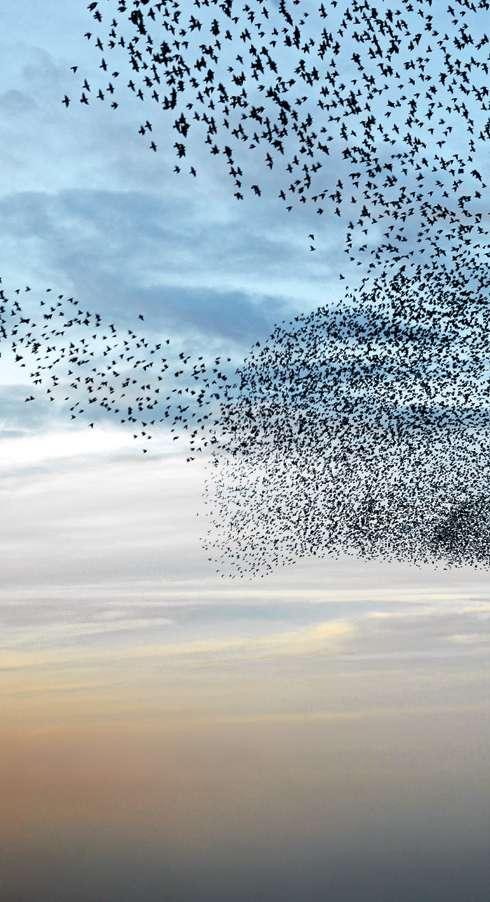
Flocks of starling swirl in wave-like patterns in their fabulous murmuration attracting hundreds of visitors each year. Terns, water rails and snipe, skylark and stonechat can also be seen, while large flocks of pink-footed geese fly overhead.
Where: Druridge Bay, NE61 5BG
2 Brockholes nature reserve, The Wildlife Trust for Lancashire, Manchester & North Merseyside
Head to the floating Visitor Village in November and December to witness the swirling and swooping murmuration that turns the sky above the lakes into a starling spectacle. Up to 100,000 birds gather; so many that you can hear their wings beating.
Where: Preston, PR5 0AG
3 Ripon City Wetlands, Yorkshire Wildlife Trust
Ripon City Wetlands nature reserve is famous for its incredible twisting waves of starling murmuration. Best viewed from the path by the central reedbed, watch the cloud of starlings grow as more join – and then descend in a rush of wingbeats and chattering into the reedbed below.
Where: Ripon Racecourse, HG4 1UG
4 Teifi Marshes, The Wildlife Trust for South and West Wales
During the winter months, many people travel to special Wildlife Trust nature reserves up and down the country an hour before dusk to witness one of nature’s greatest shows – the starling murmuration.
To begin with fast-moving flocks of starlings arrive from all directions, like a blur in the skies above. Onlookers await in silent anticipation, as breathtaking numbers of starlings increase from groups of hundreds to thousands.
When tens of thousands and upwards have arrived, the murmuration performance begins. The throng of starlings become an awesome spectacle of black swirling shapes as they tumble and swoop in the sky in a synchronised aerial display. The mass of birds twist, turn and soar in mesmerising geometric patterns.
Then on the minute of dusk, the starlings descend in their thousands like a waterfall of birds. They pour out of the sky onto roost sites in trees, reedbeds and nature reserves and it's all over.
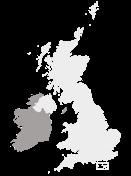
The lucky spectators will never forget this fleeting moment of incredible beauty and will go home very happy indeed. Here are six places to see starling murmurations.
Don’t forget you can usually see starling murmurations across Nottinghamshire too.
Often seen at Attenborough Nature Reserve and Idle Valley Visitor Centre at dusk across the reed beds, but head over to Skylarks Nature Reserve too near Holme Pierrepont just outside the city. With a vast array of reed beds where the starlings roost, both on the reserve and in surrounding areas, their display beforehand is well worth wrapping up for and experiencing live.
The stunning Teifi Marshes is one of the best wetland sites in Wales and a great place to experience the sights and sounds of a starling spectacle. Head to a hide or watch from the board walk as thousands of starlings perform a glorious murmuration over the marshes before descending into the reedbeds to roost for the night.
Where: Cilgerran, SA43 2TB
5 Thameside Nature Discovery Park, Essex Wildlife Trust
Watch the spectacle of a murmuration unfold from the accessible 360º viewing platform of the Nature Discovery Centre. Watch the resident starling acrobatics above with the Thames Estuary as your backdrop.
Where: Thurrock, SS17 0RN
6 Fishlake Meadows, Hampshire and Isle of Wight Wildlife Trust
Fishlake Meadows comes alive in winter as up to 80,000 starlings sweep across the dusk sky in murmuration. This fluid ritual draws watchers to the wetland reserve with great views from the canal path and viewing platforms.
Where: Romsey, SO51 7AB
Did you spot any murmurations?
We’d love to know how your search went. Please share your best photos with us!