How to Help a Hedgehog and Protect a Polar Bear - preview
70 simple things YOU can do for our planet!
For my mum, Lynne, who taught me to care for the world and all its inhabitants. And for Fenya, with whom I cannot wait to share that love.
– J. F.
For Jayden, my family and all creatures great and small –especially those with small hands and a love for drawing!
– A. K.
How to use this book: Hedgehog
cm
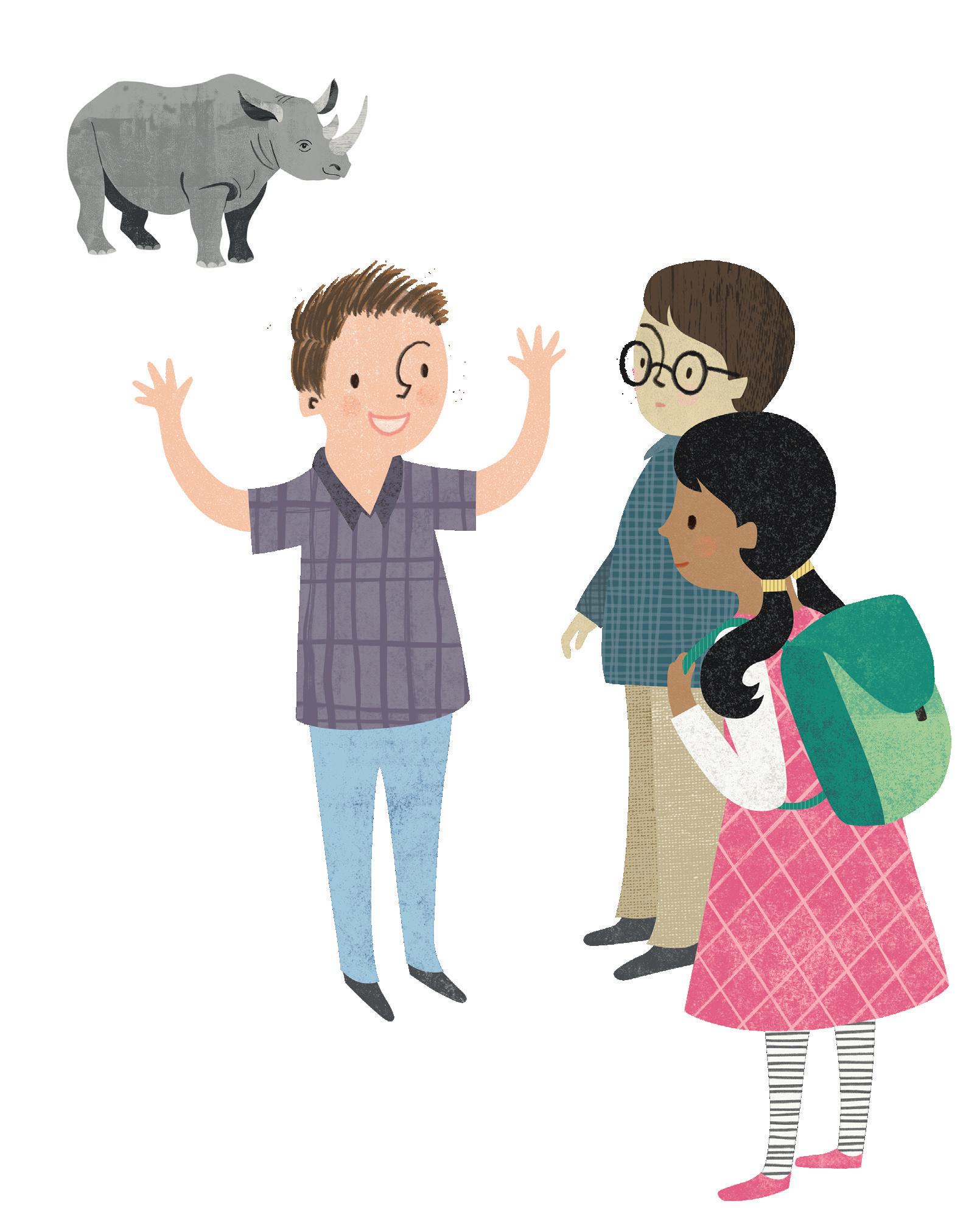
Look out for these size icons to find out approximately how big each animal is.
Only endangered animals are labelled in the habitat scenes, but there are many more to spot!
300 g
These weight icons show approximately how heavy each animal is.
First published 2018 by Nosy Crow Ltd The Crow’s Nest, 14 Baden Place, Crosby Row, London, SE1 1YW www.nosycrow.com
ISBN 978 1 78800 257 8
‘The National Trust’ and the oak leaf logo are registered trademarks of The National Trust (Enterprises) Limited (a subsidiary of The National Trust for Places of Historic Interest or Natural Beauty, Registered Charity Number 205846).
Nosy Crow and associated logos are trademarks and/or registered trademarks of Nosy Crow Ltd.
The right of Jess French to be identifed as the author and Angela Keoghan to be identifed as the illustrator of this work has been asserted.
All rights reserved.
This book is sold subject to the condition that it shall not, by way of trade or otherwise, be lent, hired out or otherwise circulated in any form of binding or cover other than that in which it is published. No part of this publication may be reproduced, stored in a retrieval system, or transmitted in any form or by any means (electronic, mechanical, photocopying, recording or otherwise) without the prior written permission of Nosy Crow Ltd.
A CIP catalogue record for this book is available from the British Library.
Printed in China.
Papers used by Nosy Crow are made from wood grown in sustainable forests. 1 3 5 7 9 8 6 4 2
Gardens Introduction
Hedgerows
Heathlands
Woodlands
Highlands
Wetlands
Freshwater
Coastlines
Oceans
Savannahs
Jungles
Mountains
Migrations
More about endangered species
More ways to help Glossary Index
Introduction
Saving the planet might sound like an impossible job, but it’s not too late for you to make a change. From creating hedgehog tunnels in your own back garden, to switching off lights when you leave a room to help protect the polar bears in the Arctic, there are plenty of little things you can do to make a big difference. It’s difficult for animals to survive in the wild, but, as humans, we sometimes make it even harder.
Around the world, every second, we cut down enough trees to fill two football fields, destroying natural habitats to make room for our towns and cities. This is called deforestation and means that hundreds of animals lose their homes, or worse, are killed. Some of these forests are home to animals that are not found anywhere else on the planet. If we don’t help now, those animals will become endangered and may be lost forever. And it’s not just the forests that are affected; all over the world different kinds of habitat are damaged by the way we live our lives.
But don’t worry, we know more now about how to protect our planet than we ever have done before. We’re constantly discovering new ways to be more environmentally friendly and this will help make things better for the future. Even on a small scale, there are many things you can do to help save the world’s most endangered animals and their habitats.
Taking care of nature is not just important, it’s really fun too! So, what are you waiting for? Get outside, explore, and read on to discover how YOU can help protect our planet . . .
D ENS
What is a habitat?
A habitat is a home for nature. Here are some of the major habitats in the world, all rich with wildlife.
A garden is an outside space near a house, which is part of a human home. Gardens often have pretty flowers and areas of green grass. Although gardens are not created naturally, they are still very important to wildlife.
Hedgerows are long, thin stretches of bushy plants that were originally used by farmers to separate different fields. They are usually made up of woody shrubs, small trees and beautiful flowering plants. Some hedgerows contain prickly plants, like hawthorn, to stop sheep and cattle from leaving their fields.
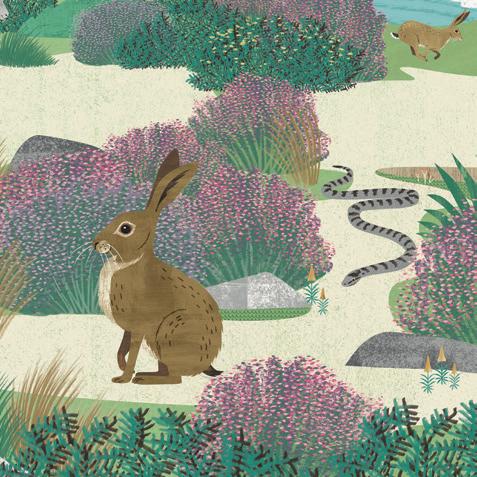
Heathlands are one of the rarest habitats in the world. They are wide, open spaces covered in low-lying plants, such as heather, grasses and gorse. They are usually found in places with very sandy or acidic soil. With their open areas for basking in the sun and healthy populations of insects, heathlands are just the right home for amphibians and reptiles.
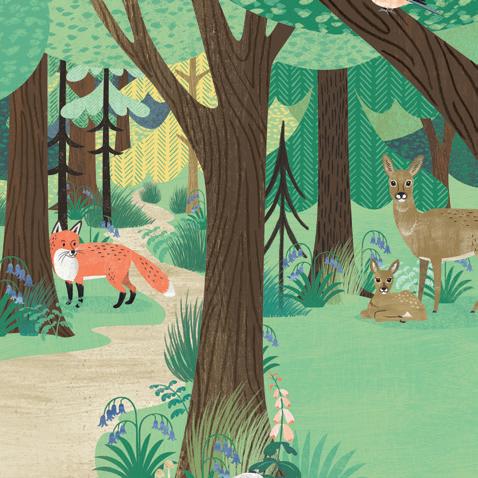
Woodlands are areas of land that are covered by trees. Many are ancient habitats, and some trees are hundreds of years old! Woodland floors are littered with dead leaves and rotting wood, which makes a perfect environment for fungi, insects and shade-loving flowers.
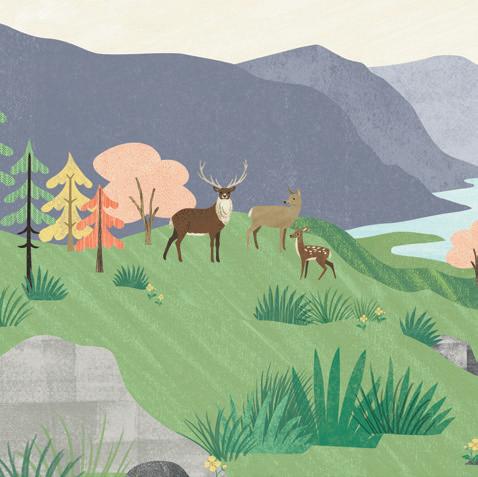
The Scottish highlands are made up of mountains, lochs and glens. ‘Loch’ is the Gaelic word for lake. The most famous loch is Loch Ness, where many people believe a monster called Nessie lives! A glen is a deep, narrow valley, which was carved by glaciers thousands of years ago during the last ice age.
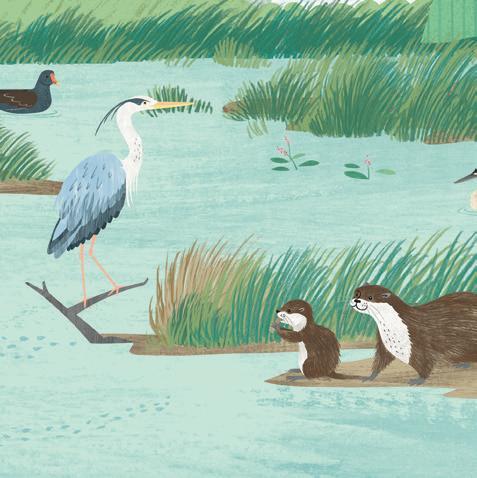
Wetlands are areas that are covered in water for all or most of the year. They are often created by flooding. Swamps, bogs, fens, marshes, mudflats and mangroves are all examples of wetlands.
COAS
INES
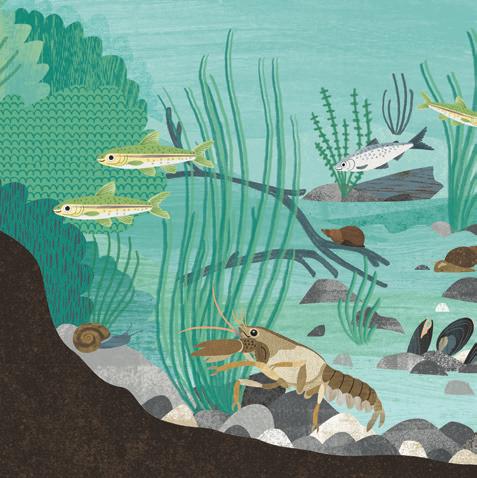
Freshwater is water that contains very little salt. It is found in ponds, rivers, lakes and glaciers. Freshwater is much more rare than saltwater and it makes up less than three per cent of Earth’s water!
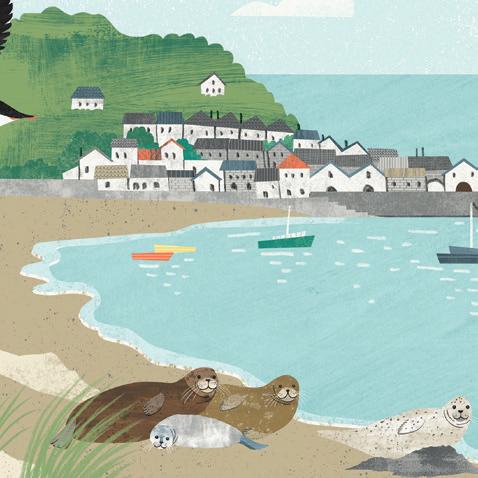
The coastline is the area where the land meets the sea. There are many different habitats along the coast, including beaches, sand dunes, estuaries and cliffs. All of these are salty, wet and home to lots of amazing animals.
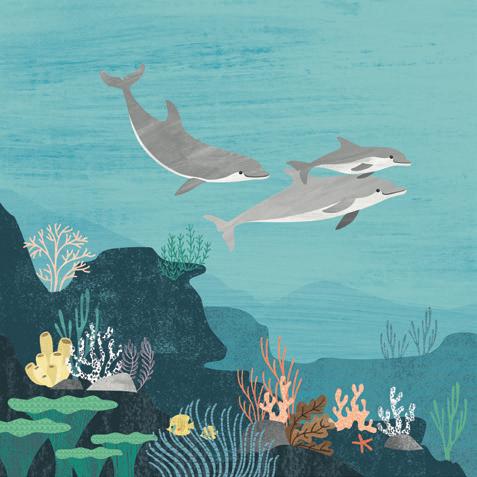
Seas and oceans are enormous areas of saltwater. Over 70 per cent of the Earth’s surface is covered by seas and oceans, making them the largest ecosystem in the world. They have the greatest variety of life, from enormous whales to tiny plankton, and from coral reefs in the warm tropics to polar bears in the freezing Arctic.
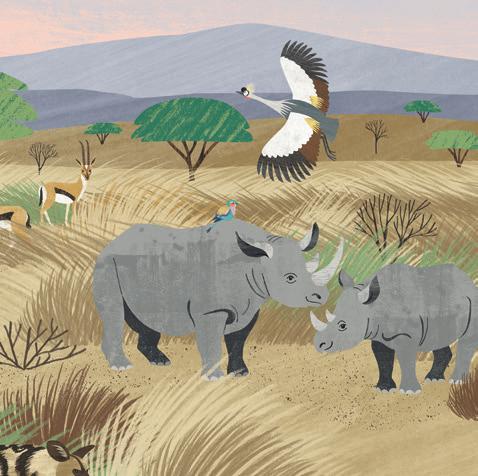
Savannahs are huge, flat plains covered in long grasses and dotted with trees. They are usually found between rainforests and deserts. Savannahs are difficult environments to live in, so savannah animals depend upon one another to stay alive.
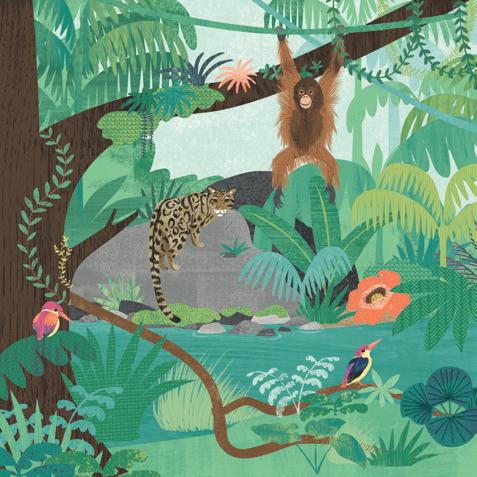
Jungles are areas that are densely covered with trees and thick with tangled vegetation. They are usually found in tropical areas such as the Amazon in South America, the Daintree in Australia and the Congo in Africa. They are often wet and humid.
A mountain is an area of land that reaches much higher than all of the land around it. It often has steep, rocky sides. Mountains are tough places to live, as there is not much food and it can be very cold. The higher you go up a mountain, the colder it gets!
Gardens
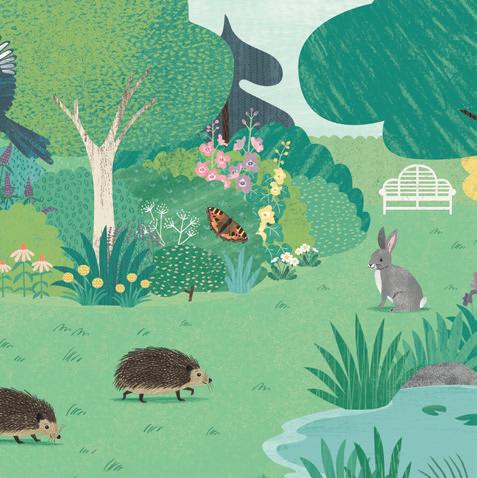
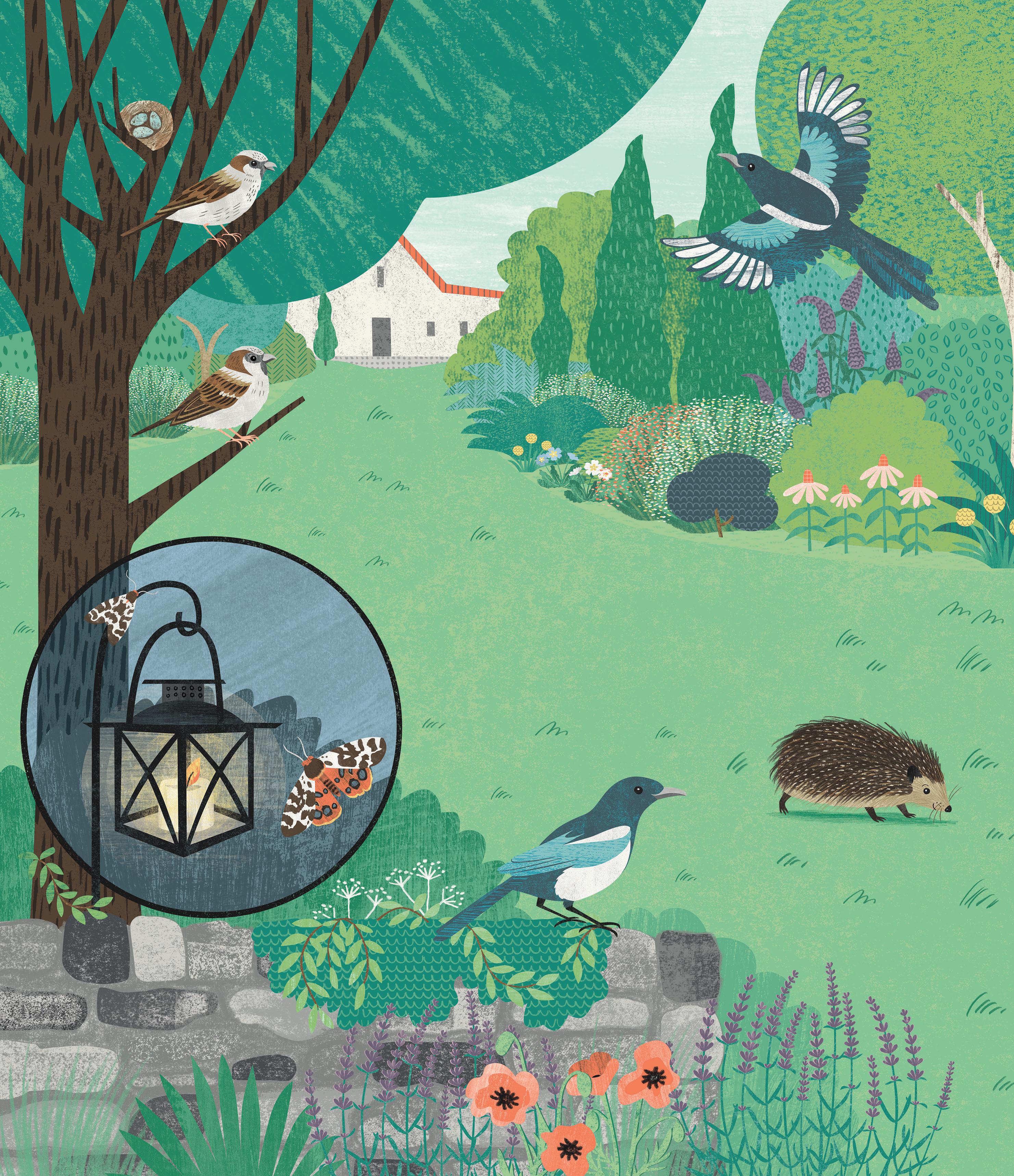
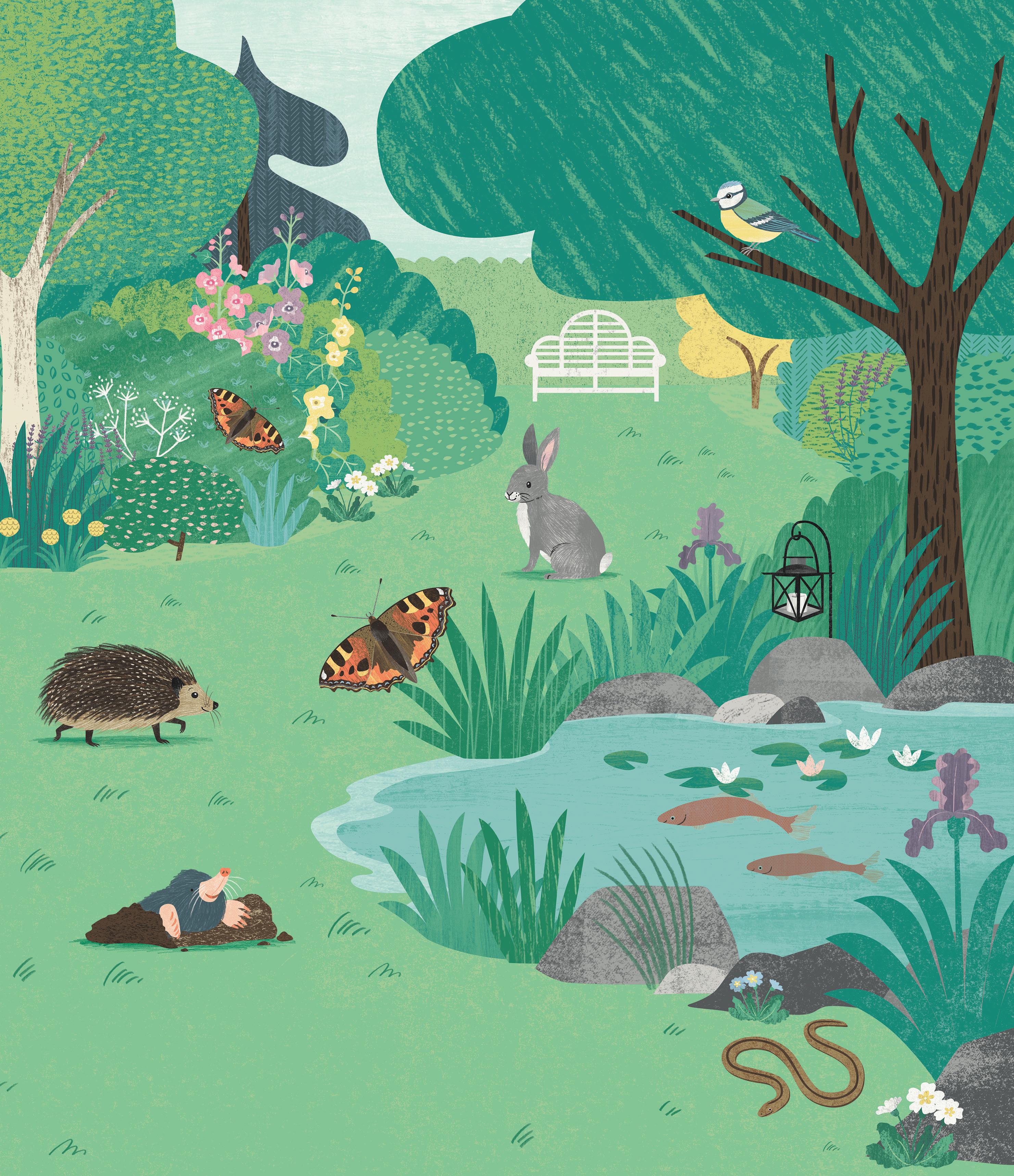
Gardens are home to a lot of wild animals, including butterflies, hedgehogs, birds and even frogs and toads! As more and more houses are built, gardens are getting smaller and smaller.
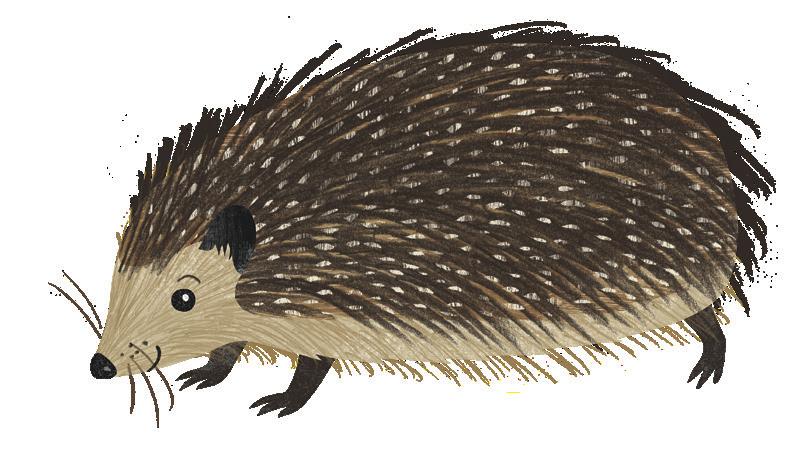
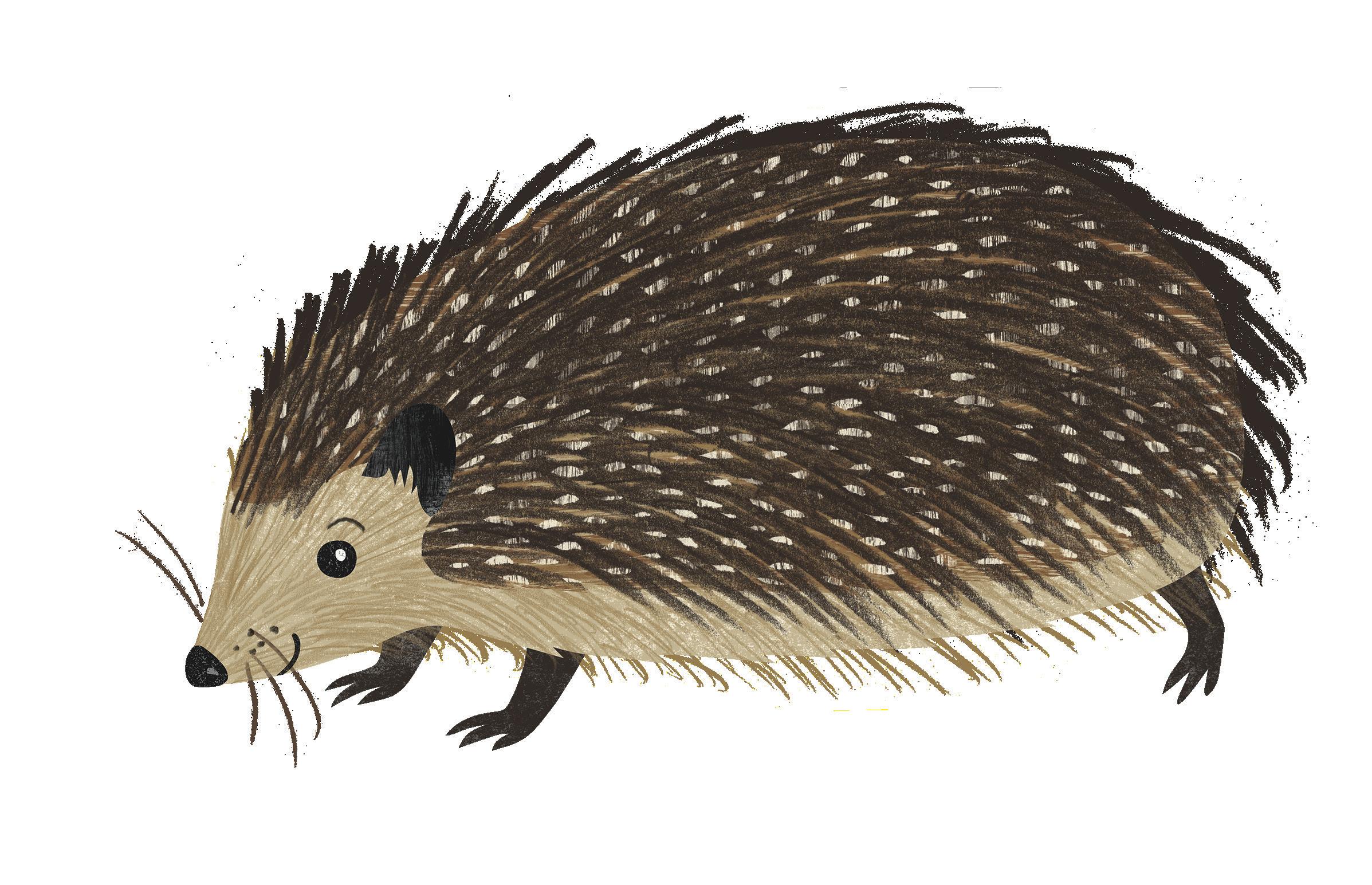
Hedgehog
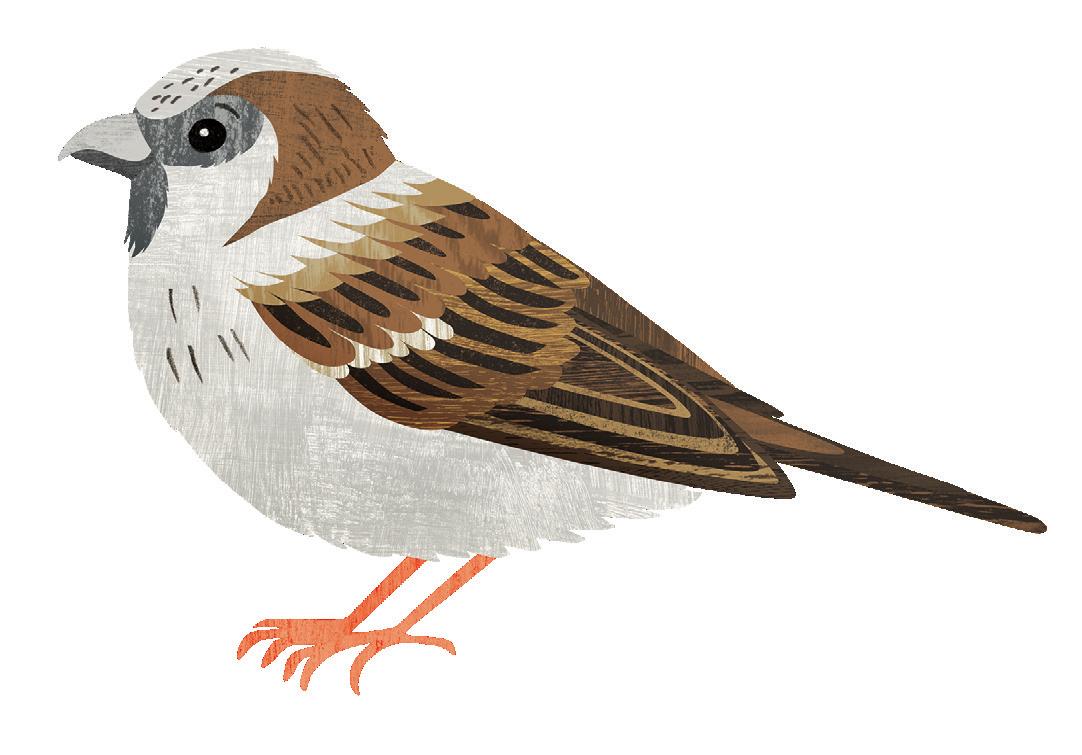
House sparrow
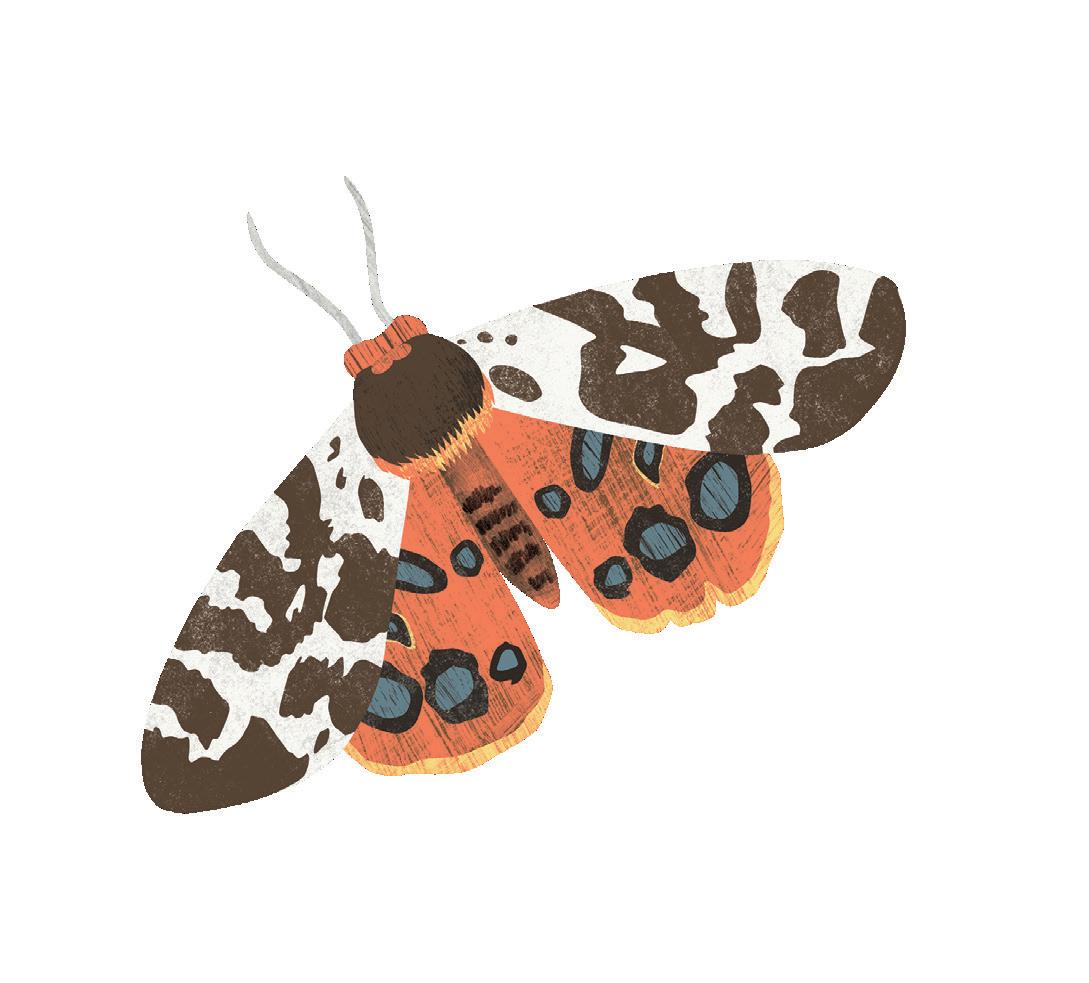
Garden tiger moth
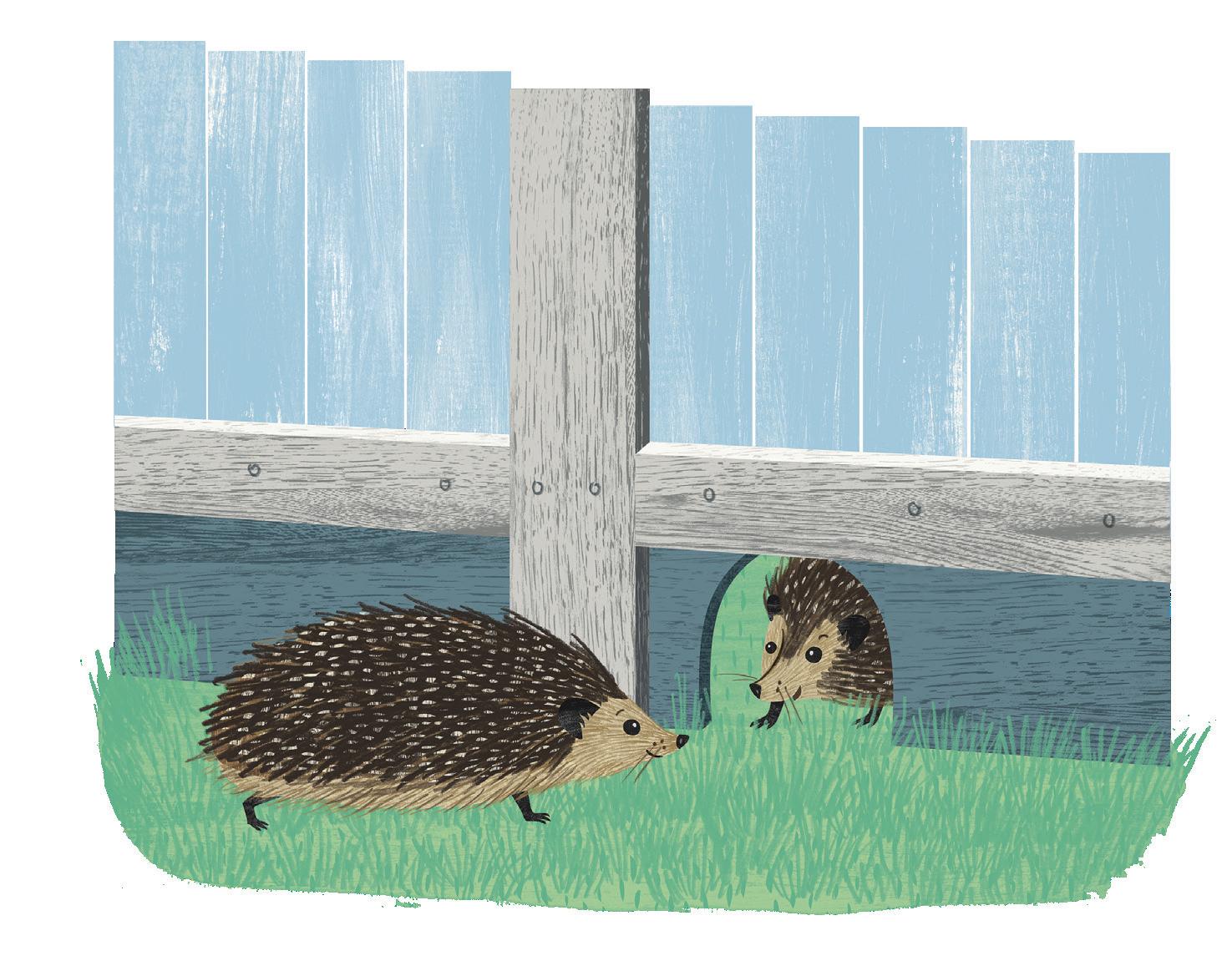
These smaller gardens often have sturdy fences, or even walls, put up to separate them from their neighbours. This means animals like hedgehogs cannot pass freely from one garden to another, making it difficult for them to find food, water and mates.
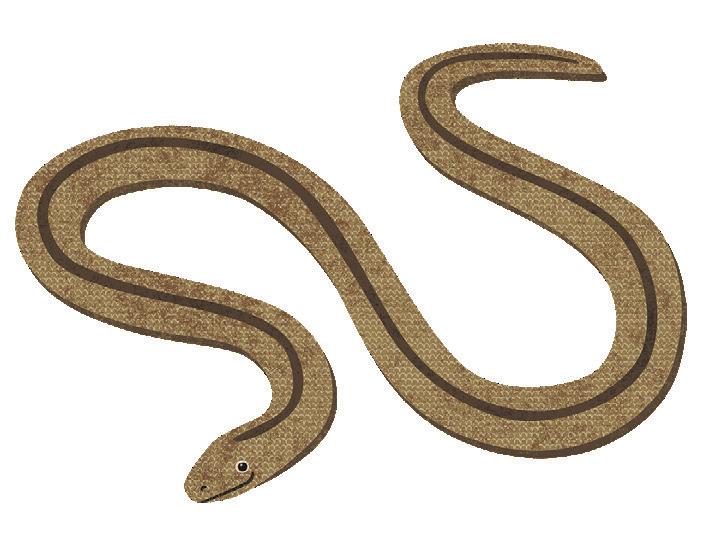
Slow-worm
Small tortoiseshell butterfly
Garden species fact file
Hedgehog
A shy, nocturnal mammal who is often found snuffling and grunting around gardens. Hedgehogs mainly eat insects and they curl up into a spiny ball when they are frightened.
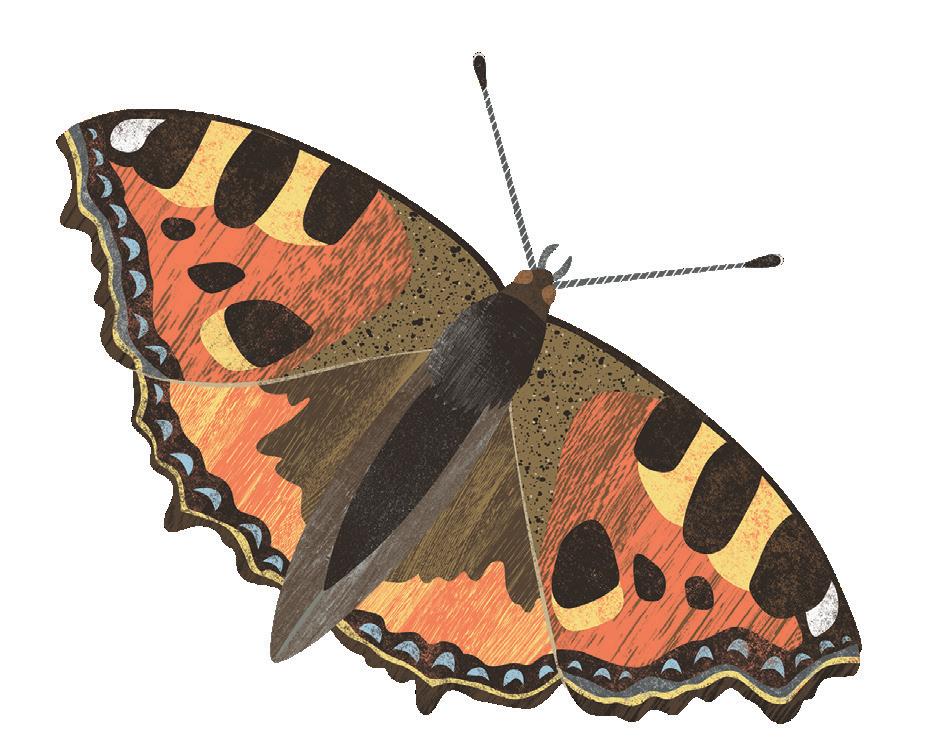
Small tortoiseshell butterfly
One of the first butterflies to appear in spring and often found hibernating in outbuildings over the winter months. Its caterpillars feed on stinging nettles.
How you can help
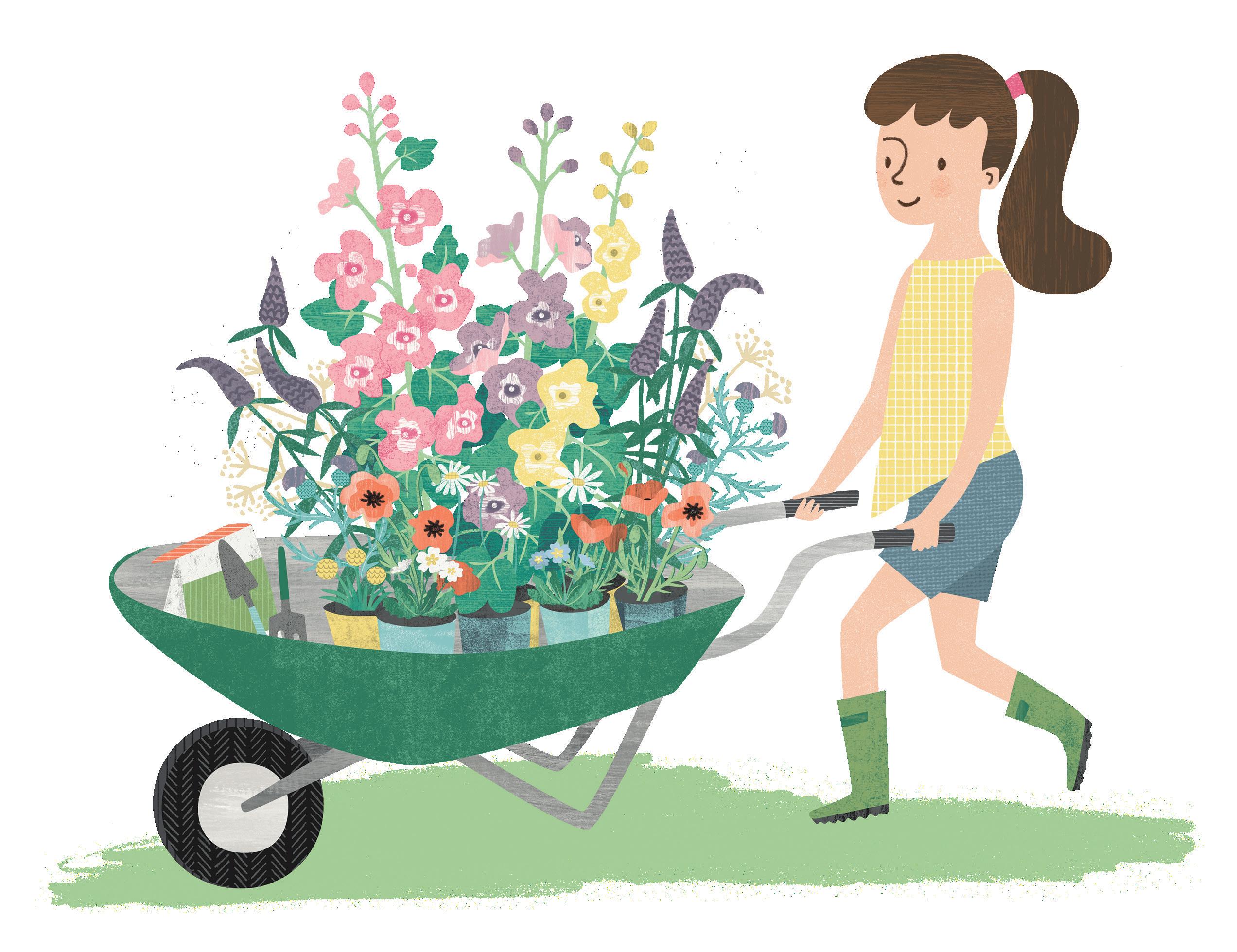
Plant native flowers with lots of nectar for bees and butterflies to visit.
Bees can see purple flowers more clearly than any other colour, whilst butterflies love them all!
Garden tiger moth
A big, brightly-coloured moth, whose markings warn that it is poisonous to predators. Its caterpillars are known as ‘woolly bears’ because they are very hairy!
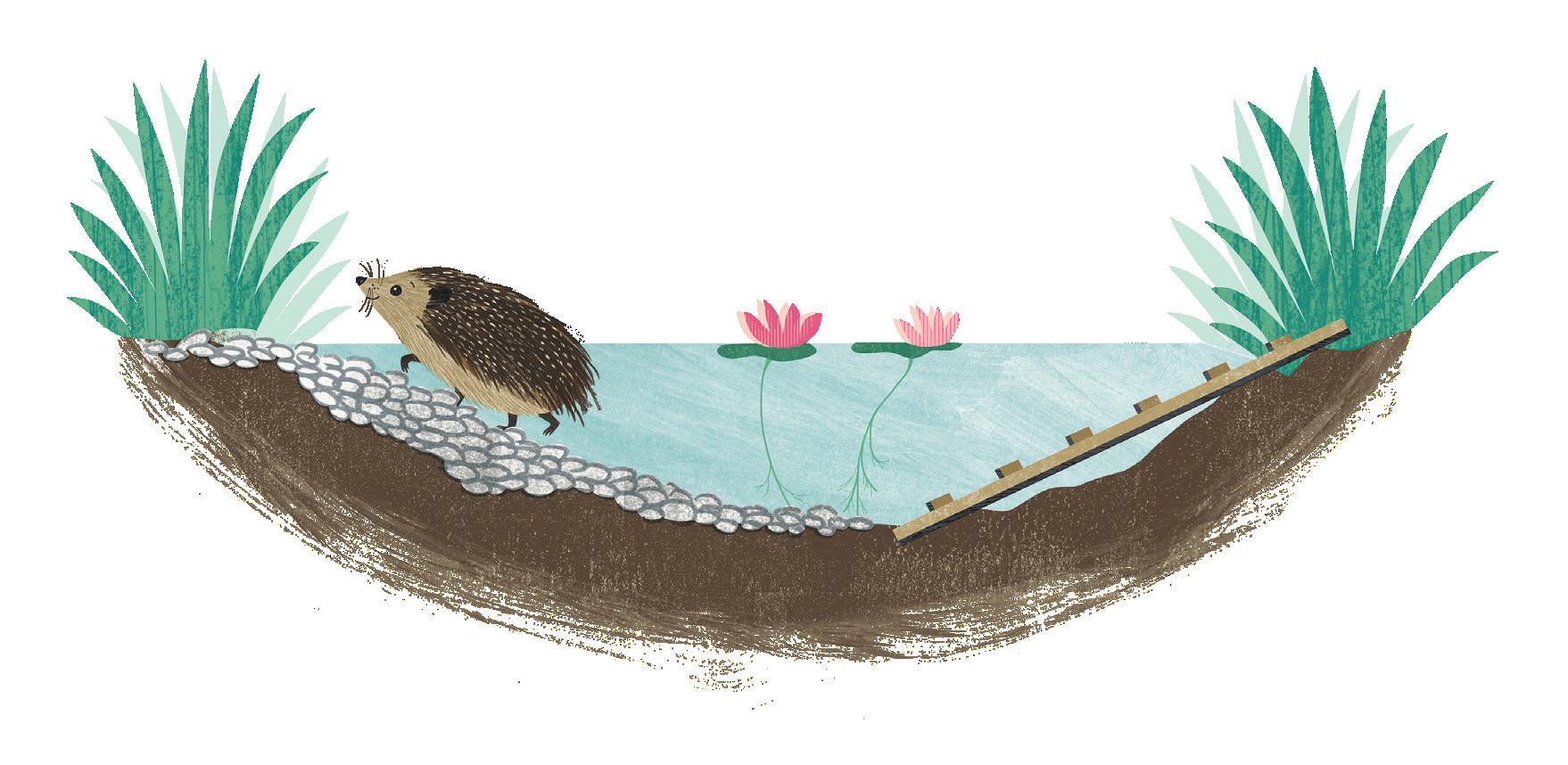
Build up any steep edges with stones or pebbles to help animals crawl out.
House sparrow
A small, brown bird with a dome-shaped skull. It has lived alongside humans for thousands of years and is often spotted nesting in the walls of buildings.
Slow-worm
Often mistaken for a snake, it is actually a lizard with no legs! It likes to burrow and can usually be found hiding under rocks and logs.
If you have a pond in your garden, make sure there is a gentle slope so any creatures that fall in can easily escape.
Collect rainwater in a large container, such as a water butt, and use that to water the plants in your garden.
Don’t put down slug pellets –they can kill hedgehogs and other garden animals.
Cut a tunnel in your fence so hedgehogs can pass through your garden on their nightly food hunts.
Hedgerows
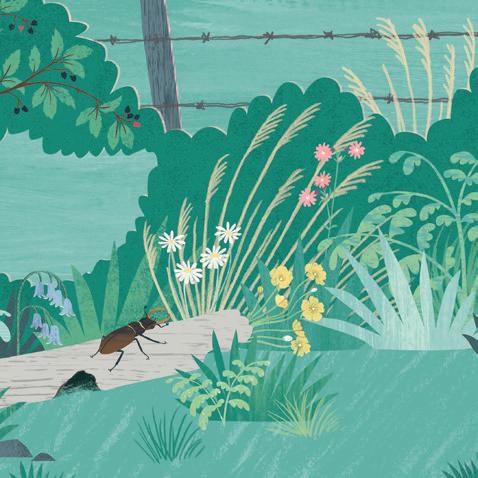
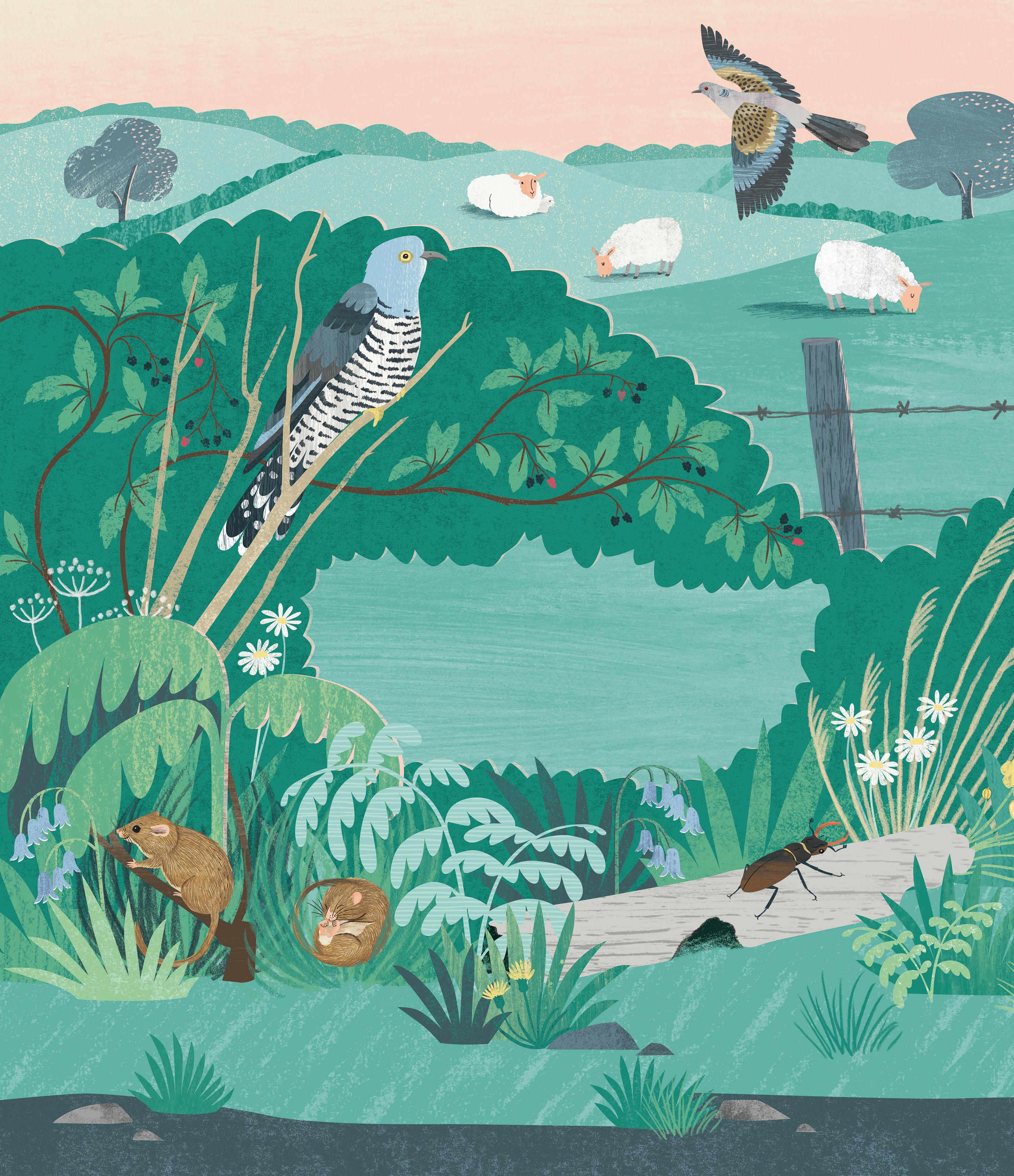
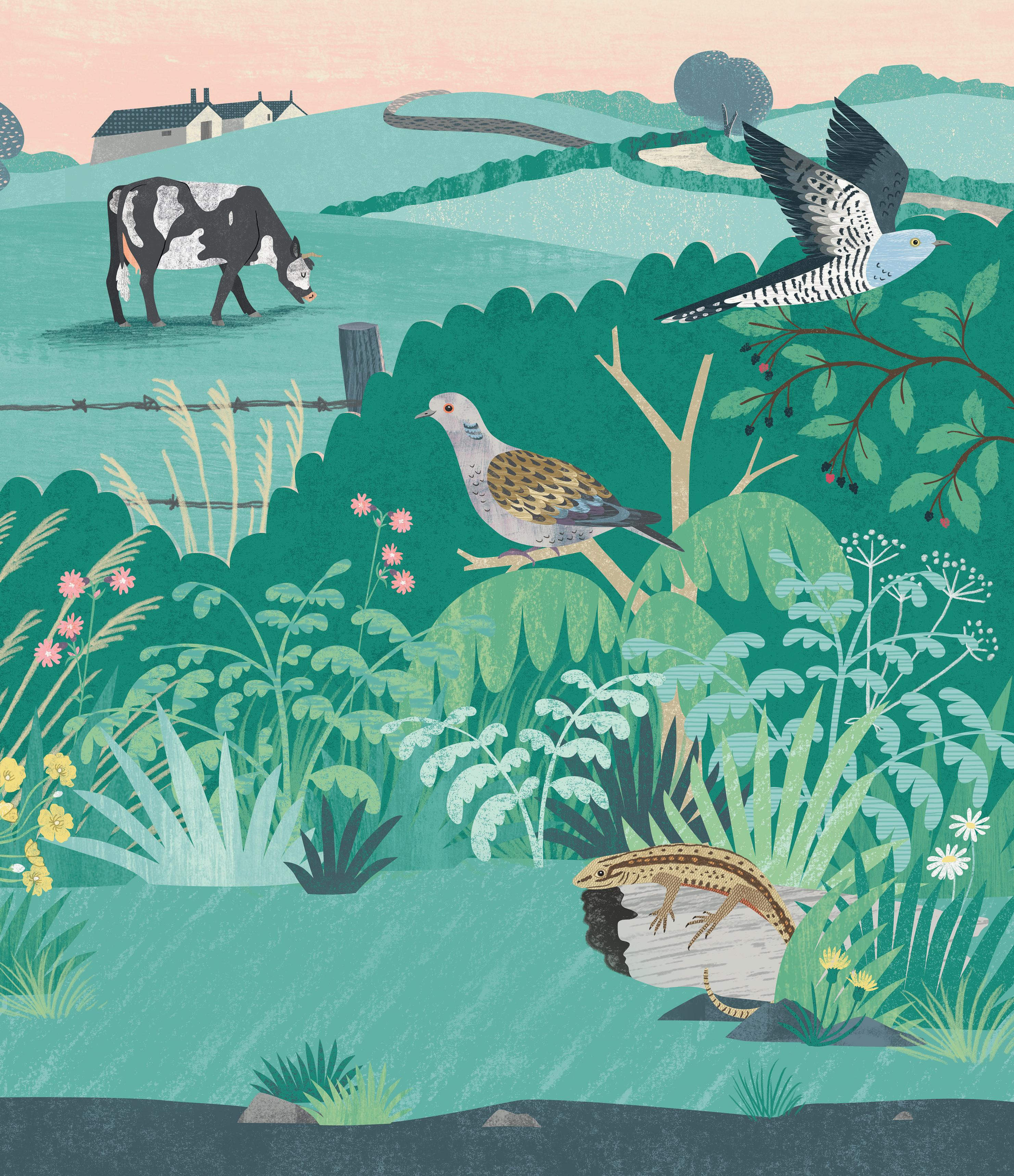
Hedgerows are perfect homes for nectar-loving insects such as butterflies and moths and for farmland birds, dormice and hedgehogs, which nest in their dense leaves. Hedgerows make wildlife corridors, allowing animals to move safely from one place to another. They can also stop soil erosion and store carbon, which helps to combat climate change.
Stag beetle
Cuckoo
Hazel dormouse
Hedgerows are being cut down to make bigger fields, to be replaced with fences and to make space to build houses and other buildings. They are also threatened by the use of chemicals such as pesticides and fertilisers – bad news for all the animals that live here.