A
Kid s Life In a Medieval castle
First published 2022 by Nosy Crow Ltd The Crow's Nest, 14 Baden Place, Crosby Row, London, SE1 1YW, UK
Nosy Crow Eireann Ltd 44 Orchard Grove, Kenmare, Co Kerry, V93 FY22, Ireland
www.nosycrow.com
ISBN 978 1 83994 106 1 (HB)
ISBN 978 1 83994 214 3 (PB)
Nosy Crow and associated logos are trademarks and/or registered trademarks of Nosy Crow Ltd.
Published in collaboration with the British Museum.
Text © Chae Strathie 2022
Illustrations © Marisa Morea 2022
The right of Chae Strathie to be identified as the author and Marisa Morea to be identified as the illustrator of this work has been asserted.
All rights reserved.
This book is sold subject to the condition that it shall not, by way of trade or otherwise, be lent, hired out or otherwise circulated in any form of binding or cover other than that in which it is published. No part of this publication may be reproduced, stored in a retrieval system, or transmitted in any form or by any means (electronic, mechanical, photocopying, recording or otherwise) without the prior written permission of Nosy Crow Ltd.
A CIP catalogue record for this book is available from the British Library.
Printed in China.
Papers used by Nosy Crow are made from wood grown in sustainable forests.
A Kid s Life In a medieval castle
Home life
Pages 6—11
chores
Pages 22—25
family life
Pages 12—15
Diet
Pages 32—37
clothes
and hairstyles
Pages 16—21
education
Pages 26—31
health and medicine
Pages 38—43
battles and sieges
Pages 44—49
knights and Pages 50—55
tournaments
Fun and games
Pages 56—59
Still think you , ve got it bad?
Pages 60—61
Glossary
Pages 62—63
I n D e X Page 64
home life
Don’t you hate it when you bring a friend home after school and your house smells like TERRIBLE things have happened?
Maybe your dad is cooking one of his cabbage, haddock and onion stews and your mum is trying out an “interesting” new perfume that makes your eyes melt and your hair turn green.
On top of that, your brother has just done the worst bottom burp in the history of bottom burps and your pet cat decided now would be a G r E a T time to bring home a stinky dead mouse.
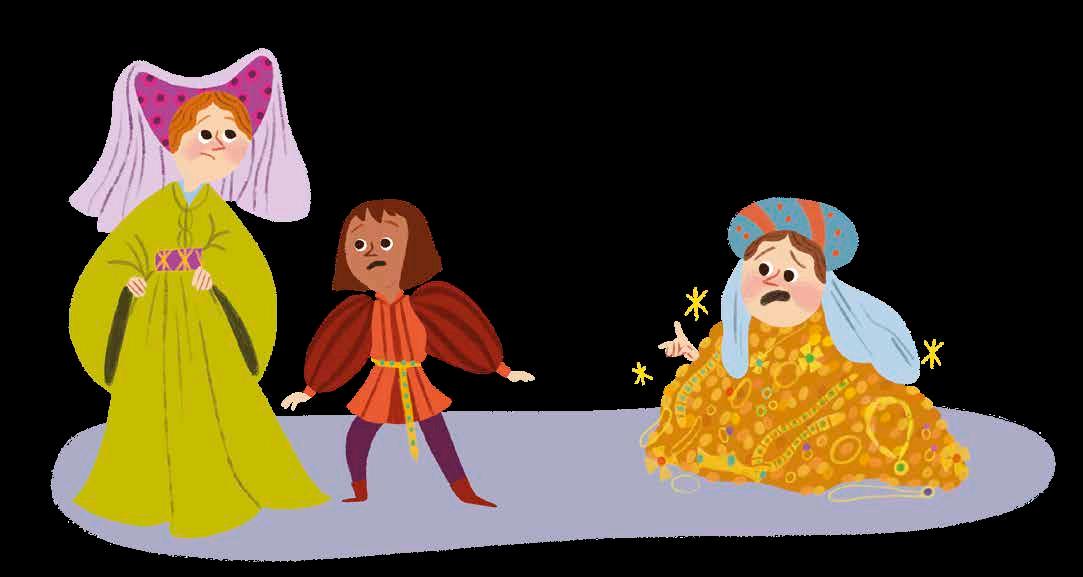
But if you think YoU’vE G o T i T B a D , at least your house isn’t surrounded by water filled with H u M a N P o O and animal dung, and the floors aren’t covered in lumps of stinky food and dog mess.
If you happened to live in a medieval castle, that’s exactly what your poor nose would have had to deal with.
First things first – what do we mean by “medieval”? Also called the Middle Ages, the medieval period lasted for around 1,000 years, from roughly the year 500 to the year 1500, which is just over 500 years ago.
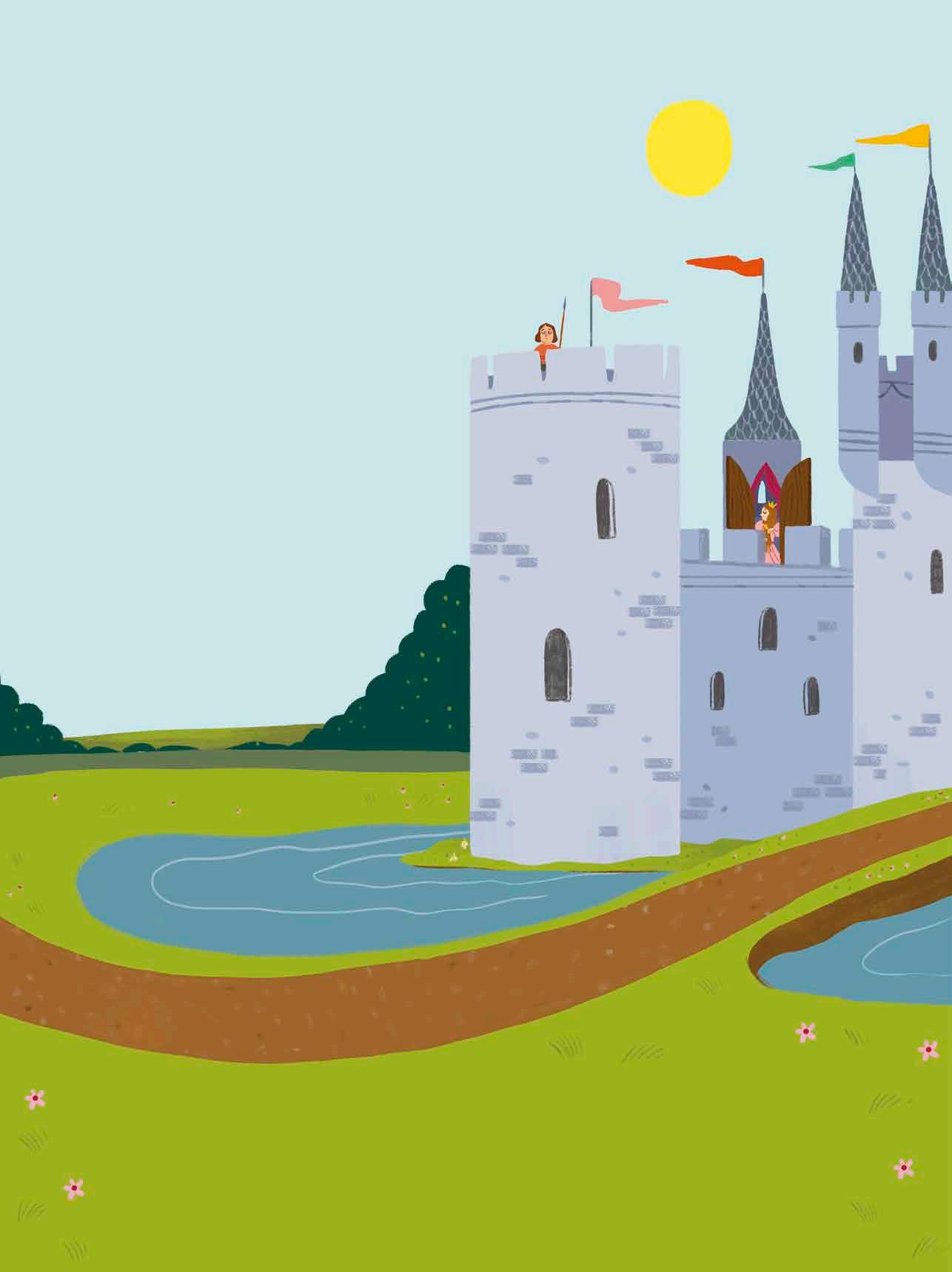
Castles were big news back then. To begin with they were built with wood, and then stone as people worked out how to construct bigger and better buildings. They were homes for a lord and lady – powerful royalty or nobles who were in charge of the land and people in their area, or even across the whole country if they were King or Queen. Their family also lived there, as well as all their servants and staff and other people. But castles were also designed to defend the people and the land around them from invaders , which is why they were so big and hard to get into.
When it came to life in castles, things were pretty basic – particularly in the loo area. Back then, toilet technology wasn’t exactly advanced.
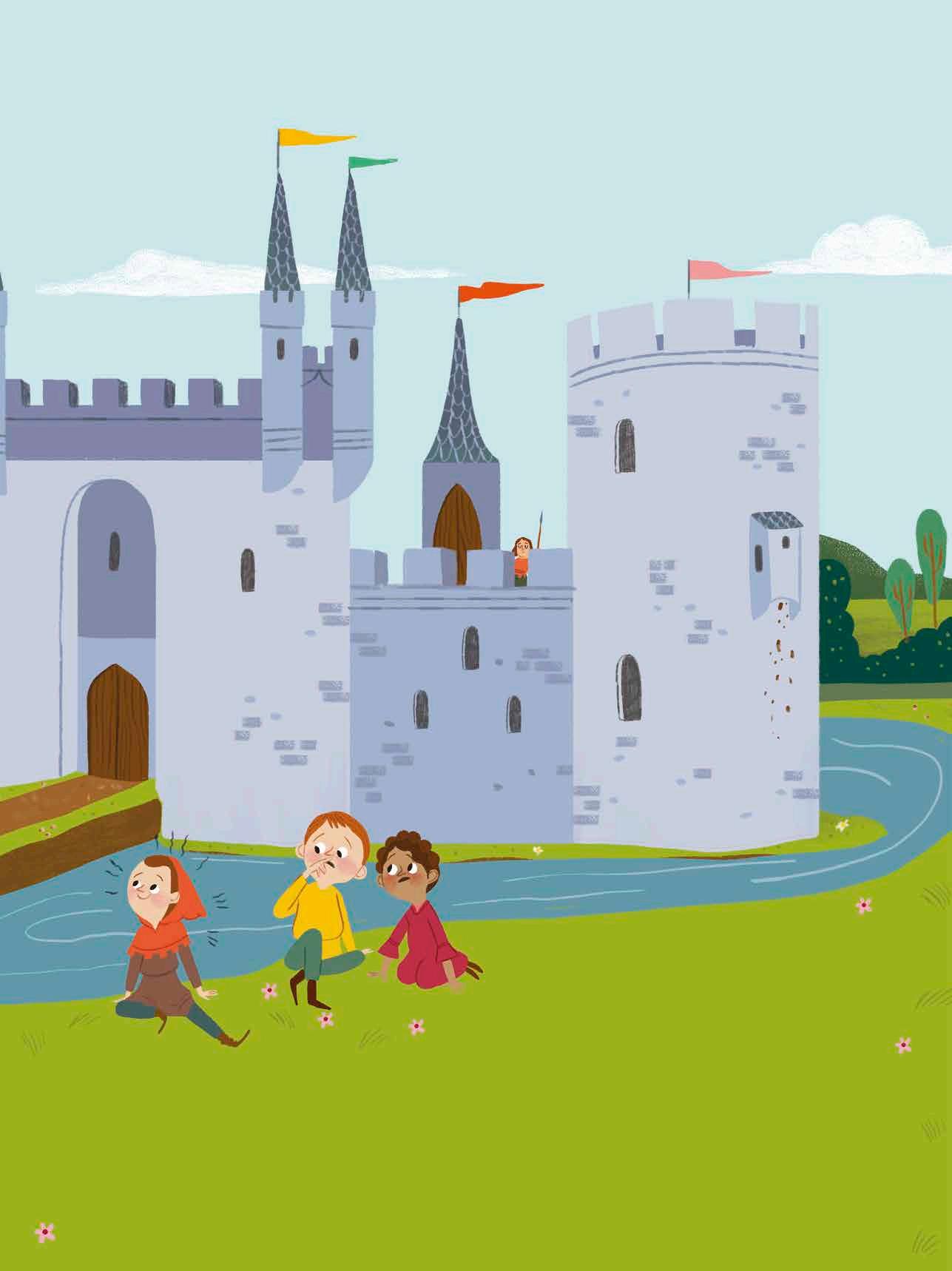
There was no flush to carry your, errr, deposits quickly away down pipes into a sewer where you would never have to think about them again (unless you’re weirder than we thought). Nope, all poop and pee would simply slip out a hole high up in the castle wall and – ‘WH e E e E, PL o P’ – land in the moat that surrounded the castle.
YUCK! What´ s that dreadful smell?
More on moats later, but basically a moat is a dee P ditch filled with water that surrounds a castle to help keep invaders out.
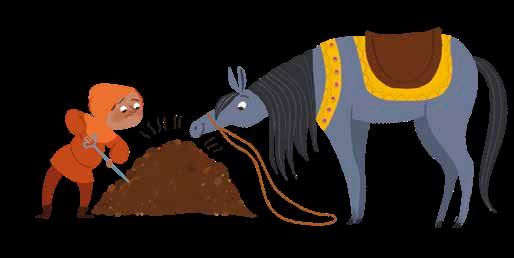
Other types of waste would end up in there too, from horse manure to cow dung. So the reek would have been pretty ri P e – especially on a hot day.
Edward went for a swim in the moat . . . last year!
FANCY THAT!
Castle walls were very thick – up to 2.4 metres – but they weren't solid. Imagine a stone sandwich, with outer and inner walls filled with rubble and mortar. Rather than bare grey stone, some castles were covered in plaster and whitewashed so they were bright and could be seen for miles around. If your job was painting a castle, you'd need a mighty big brush!
Moats weren’t the only source of stink when it came to castle life – there was plenty more where that came from!
The main room inside many medieval castles was the Great Hall. It was used for many things, from eating and conducting business to sleeping.
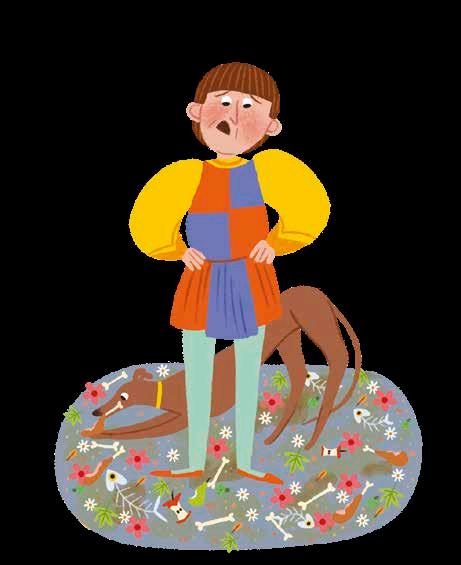
After a big meal, the floor would have had scraps of food and bones littering it, with dogs nibbling on the leftovers and doing their doings. Servants would have scattered dried flowers and leaves to cover up the mess and mask the P ong
Just a small warning – don’t chuck your cauliflower cheese on the floor and then tell your parents to let the dog eat it or sprinkle some dandelions on it. Unless you live in a castle 500 years ago, it won’t go down well.
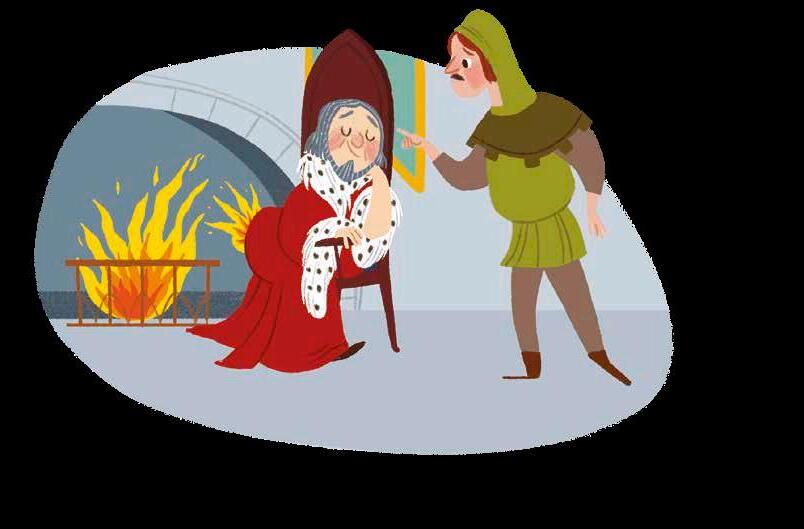
At the beginning of the medieval period the hall had a fireplace in the centre of the room, but later the fireplace was in the wall. The lord and lady of the castle would get the seats nearest the fire so they could keep their wealthy bottoms toasty. Less important members of the household had much chillier bottoms.
I can´t WAIT for vacuum cleaners to be invented.
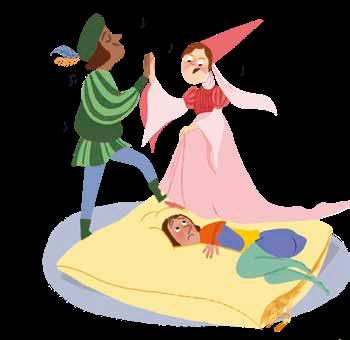
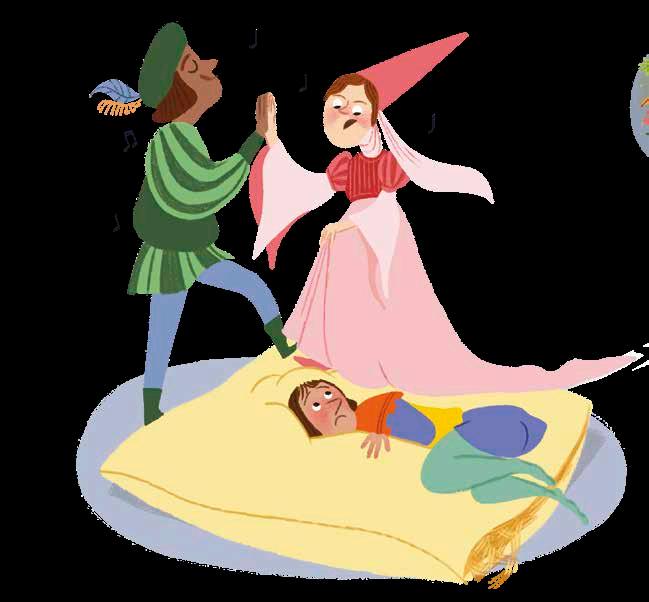
How many times? Wait till the dancing finishes before you go to bed.
The Great Hall could be a very lively place. The main meal was eaten there at 10 or 11 in the morning, with supper in the evening. Later on, tables were moved to allow for dancing and entertainment and straw mattresses were brought out for servants and staff to sleep on.
Imagine sleeping on a mattress made of straw on a floor covered in old food! Itchy A n D stinky. Not a recipe for a good night’s sleep.
I think you may have got a little TOO close to the fire, my lord.
FANCY THAT!
Castles could be cold places, especially in winter. Cloth paintings and tapestries were hung on the walls to keep out draughts and there was no glass in the windows, so wooden shutters were used. Next time you pass a radiator in your house, blow it a little kiss and whisper, “Thank you.”
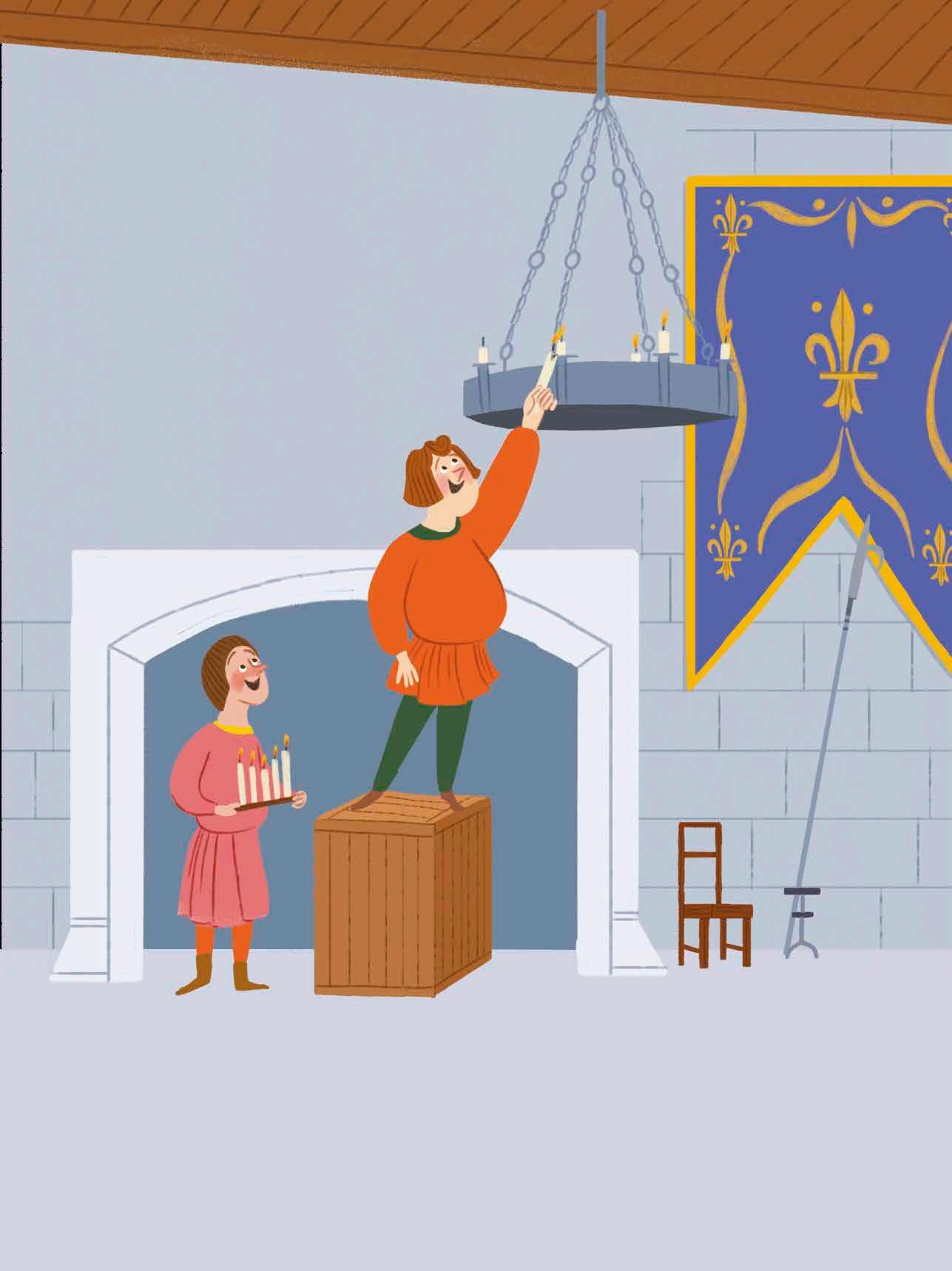
As well as the light from the fire, candles would illuminate the rooms of the castle. They were made from animal fat and a castle could get through hundreds of them on a winter night.
This candle is making me REALLY hungry.
I fancy a bacon sandwich.
Of course, fire can be risky, so the castle kitchen was often separate from the main building. Accidental fires could easily burn down a castle, which would have been quite inconvenient. The kitchen had massive fireplaces or big ovens, and several animals could be cooked at once.
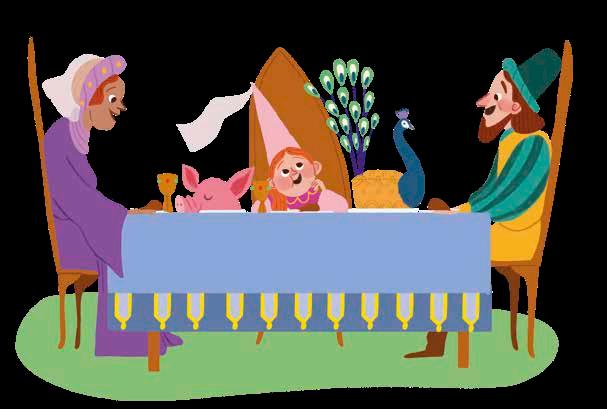
The kitchen was usually connected to the castle by a passage so that food was kept warm on its way to the hall, as the lord got r E a L l Y grouchy if his peacock pie was cold.
After supper, when the rest of the household slept on the floor of the Great Hall or in the parts of the castle where they worked, the lord and lady and their children would go to their bedrooms, which were much fancier.
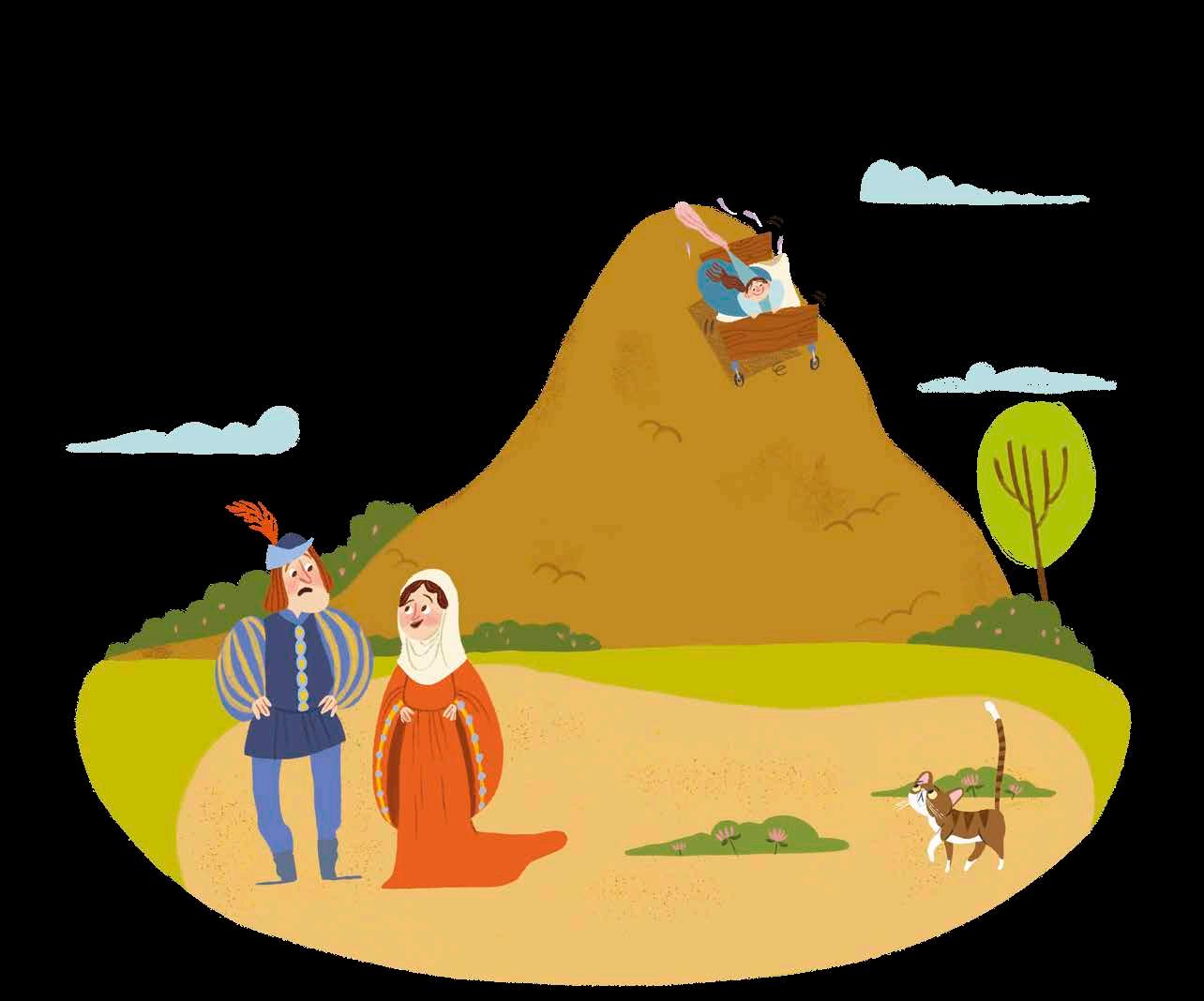
They had thick fur covers, and rather than sleeping on bits of straw they had comfy mattresses stuffed with feathers. Sometimes there was even a little bed on wheels – called a truckle or trundle – under the parents’ bed for kids to sleep on. Sounds cool – like a mash-up between a bed and a skateboard!
One room we haven’t mentioned is the bathroom . . . mainly because there wasn’t one.
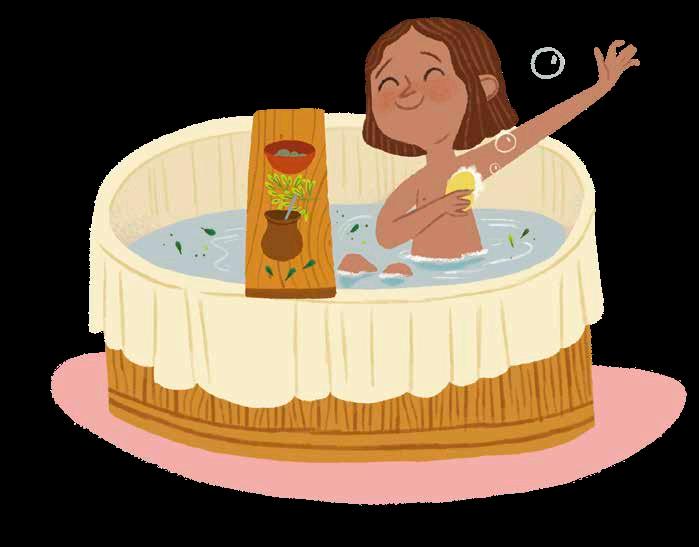
The lord and lady and their children would have enjoyed the luxury of a large W ooden tub , which was lined with cloth and filled with hot water that had been heated over the fire. They may have used soap made from olive oil and herbs, so you’d end up clean but would smell a bit like a pizza.
In bed . . . rolling down the hill at high speed again!
Where´ s Gwendoline?
Wheeeeee!
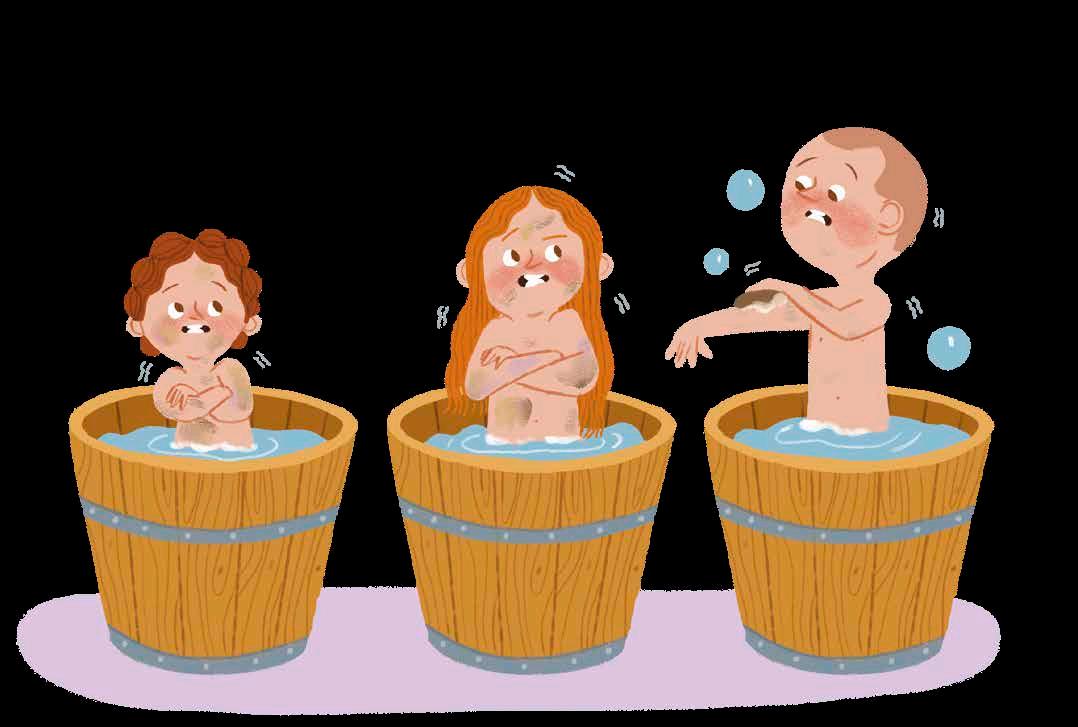
Poorer children used soap made from animal fat and ashes, and bathed in barrels filled with water from the castle well or nearby river. Sometimes the water would have been heated, but it was often cold, which would definitely wake you up in the morning.
With that in mind, next time you’re considering getting all “talk to the hand” about taking a bath, just remember you could be getting dunked in a chilly barrel , so keep quiet and enjoy your lovely warm bubbles.
Do you ever wish . . .
you had a den that made all your pals literally
wet themselves with envy?
If so, you should get familiar with some castle-building techniques from the Middle Ages.
First things first, choose a good site. You want to make sure your den/castle isn’t easily attacked by enemies. So you could build it on an outcrop of rock with steep sides, or land that’s suitable for a moat.
In medieval times moat-building was a specialised skill – and expensive. When King Edward I added a huge new moat around the Tower of London, it cost more than £4,000 – a fortune at the time (and probably more than you can afford for your den).
It could take thousands of men to build a castle – from stonemasons and carpenters to diggers and blacksmiths, and many other workers besides.
When it came to building, teamwork was the key. For example, masons would build a doorway, carpenters would make the door and blacksmiths would forge the nails, brackets and hinges to hang it.
To finish the castle, it would be given all the best defences, such as an iron portcullis that could be dropped to protect the main doors, “murder holes” so boiling liquid could be poured on the heads of enemies, and slits in the walls so bowmen could fire arrows at attacking soldiers.
Just to be clear – you do N o T need murder holes or arrow slits in your den!