Illustrated by Written by and

Illustrated by Written by and
For Toby Battersby, polyglot and all-round marvel.
For Lexie Donkin, historian of the future.
For my mom and dad, who handed me my first road atlas on one of our many family road trips, spurring my fascination with maps, and for Erik, my favorite person with whom to explore the world.
First published 2021 by Nosy Crow Ltd The Crow’s Nest, 14 Baden Place, Crosby Row, London SE1 1YW www.nosycrow.com
ISBN 978 1 78800 671 2
Nosy Crow and associated logos are trademarks and/or registered trademarks of Nosy Crow Ltd.
Published in collaboration with the British Museum.
Text © Tracey Turner and Andrew Donkin 2021 Illustrations © Libby VanderPloeg 2021
The right of Tracey Turner and Andrew Donkin to be identified as the authors and Libby VanderPloeg to be identified as the illustrator of this work has been asserted.
All rights reserved.
This book is sold subject to the condition that it shall not, by way of trade or otherwise, be lent, hired out or otherwise circulated inany form of binding or cover other than that in which it is published. No part of this publication may be reproduced, stored in a retrieval system, or transmitted in any form or by any means (electronic, mechanical, photocopying, recording or otherwise) without the prior written permission of Nosy Crow Ltd.
A CIP catalogue record for this book is available from the British Library.
Printed in Italy.
Papers used by Nosy Crow are made from wood grown in sustainable forests.

ities are full of possibilities. They are where big ideas are born, because they welcome people from far and wide, bringing them together to live and work, and to swap skills, inventions and thoughts. We’ve been living in cities for thousands of years, and now more and more of us are choosing city life.
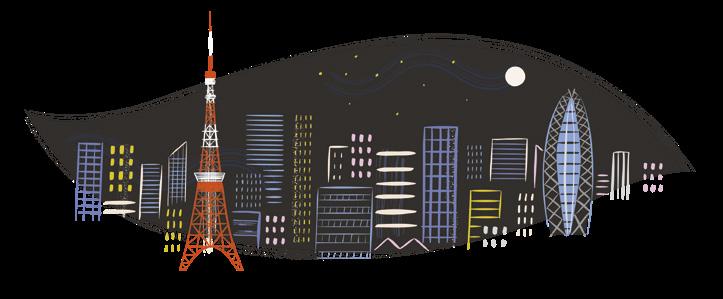
Together, the 25 cities in this book tell the history of human life. The first city we'll visit is Jericho in the Middle East, home to around 2,000 people over 10,000 years ago, when hardly any cities existed. The last is modern-day Tokyo in Japan, which has the highest population of any city on Earth today – more than 38 million people. Today, cities are home to more than half of all the people in the world.
All the cities we’ll visit have fascinating stories to tell –of wars and revolutions, the rise and fall of powerful empires, and the movement of people all over the globe. Each of these cities is exciting and unique. Turn the pages and you’ll be transported to Athens in ancient Greece, where the first democracy was born, Beijing at the time of the mighty Ming dynasty and Paris during the French Revolution, when rebellion brewed in its crowded slums. You’ll find out what daily life was like for people in all of these very different places and times.
Some of these cities are thriving, bustling places today –many of the buildings from 2,000 years ago still stand in the modern city of Rome.
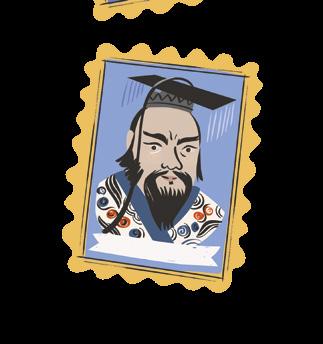
Others are in ruins, like Cuzco, the Inca capital city, or lost beneath desert sands, like Memphis in Egypt. Some are hidden within modern cities that have grown up on their ruins – the temples and pyramids of Tenochtitlán are hidden beneath modern Mexico City, and the beautiful palaces of China’s first capital, Xianyang, have been destroyed. But you can step back in time and visit them in this book.
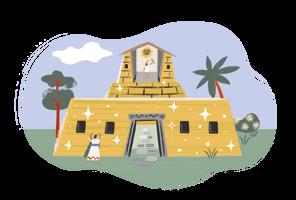
A mountain city full of palaces and temples, laid out in the shape of a puma.
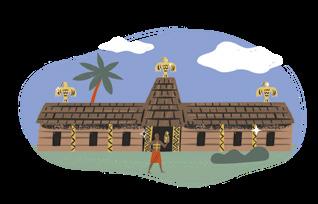
A city deep in the
with
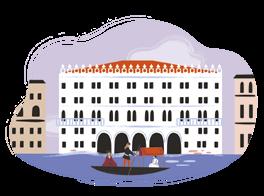
A city of islands linked by bridges, with canals instead of streets.
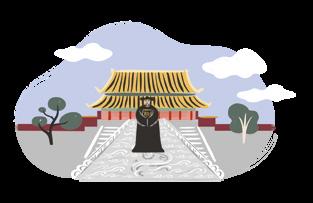
A forbidden city, which no ordinary person could enter on pain of death.
We’ll also look at what cities of the future might be like –perhaps they’ll be built to encourage wildlife, using sustainable energy, with buildings alive with lush, green plants.
Get ready for a fantastic journey. Prepare to walk the streets of 25 amazing cities, on a voyage through human history, travelling across the centuries and around the world.
Jericho, one of the oldest cities on Earth, lies in the Middle East. Before the first towns or cities, people travelled about and lived in small communities, hunting animals and gathering plants to eat. As people gradually learned to grow crops, farm animals and store their food, communities began to live together in one place, eventually forming towns and cities.
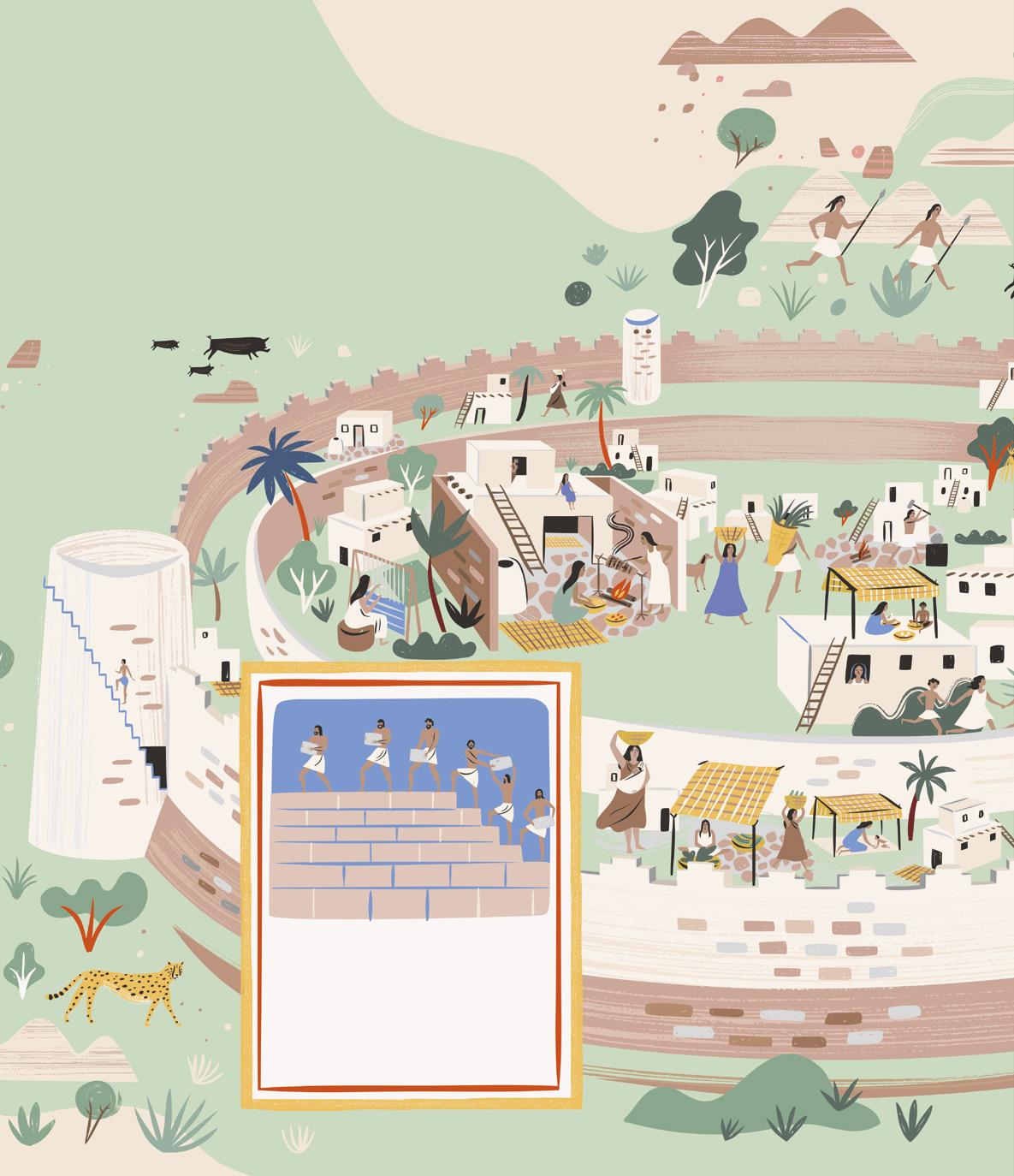
This tower might have been used as a lookout point. It was at least two storeys high and had 22 stone steps inside it. It’s the oldest known staircase in the world.
The first houses in Jericho were built in about 10,000 BCE and were round and made of sun-dried clay and straw. About 1,500 years later, houses were rectangular and built of mud bricks, with stone foundations.
Walls around the city kept invaders out. The walls were rebuilt many times but the first ones, built in around 9000 BCE, are among the earliest city walls known in history.
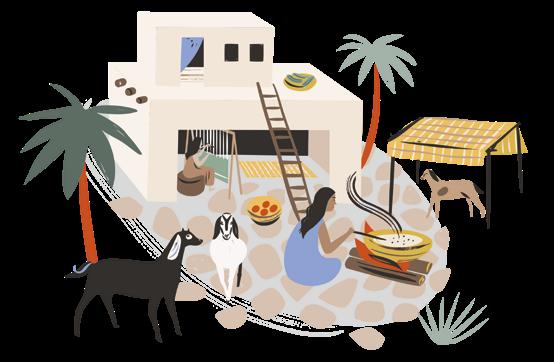
Rooms were arranged around courtyards where people made fires for cooking.
Rich soil and a good supply of water meant people could grow crops like lentils, wheat and barley.
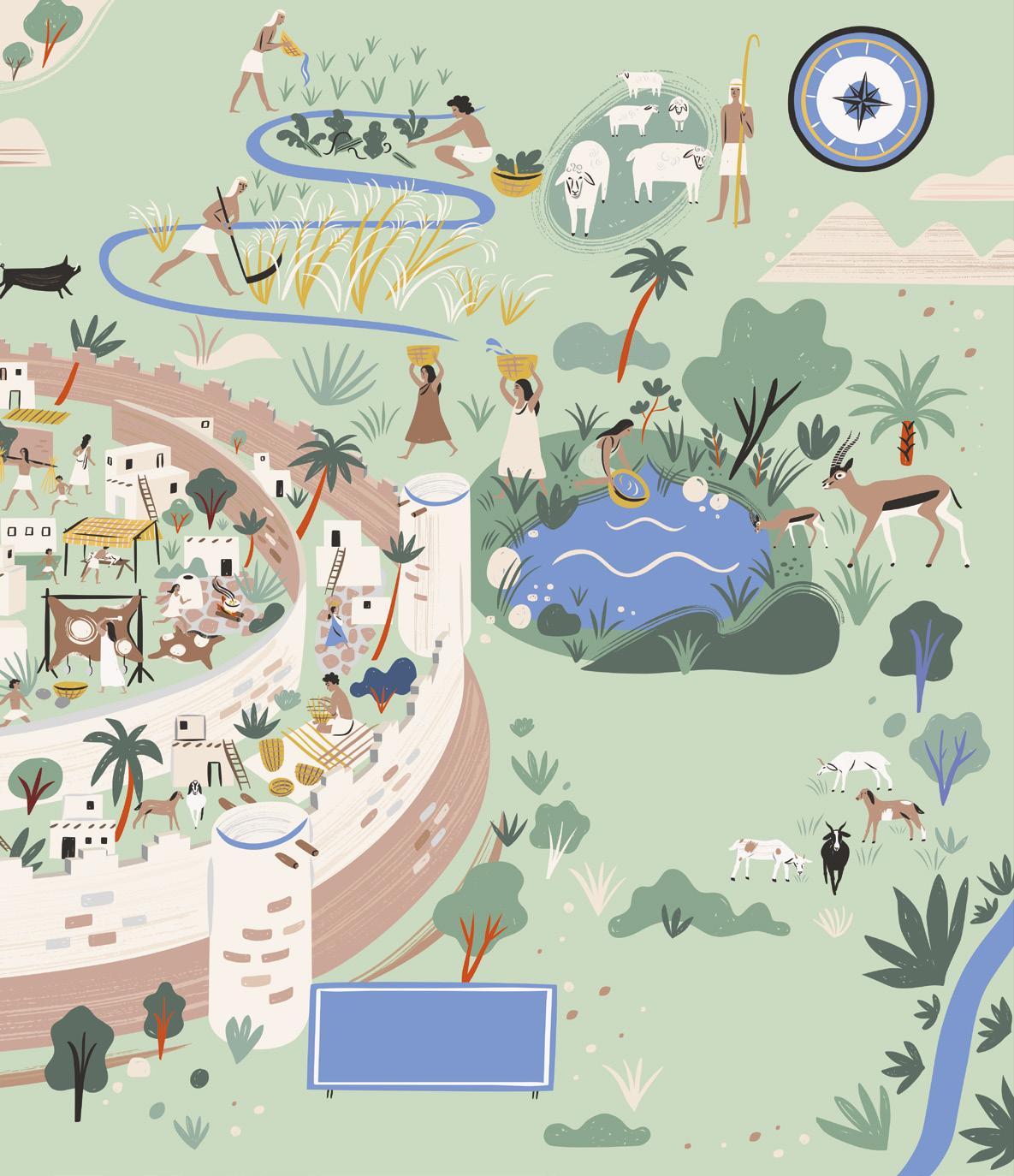
Being close to the salty Dead Sea meant that the people of Jericho could trade salt for other goods.
These natural water springs in and near the city meant that even though the surrounding land was very dry, the people of Jericho always had access to clean water for their families and herds of animals.
Jericho lies in the valley of the River Jordan.
At almost 260 metres below sea level, it’s the lowest city in the world.
People have lived in Jericho for 12,000 years or more – longer than any other city on Earth – and there’s still a city there today. But what was life like for families back in Jericho’s earliest days?
By about 10,000 years ago, houses in Jericho were built using sun-dried mud bricks. Most family life happened in the largest room in the house, while smaller rooms might have been used as bedrooms or for storage. People spun and wove cloth to make clothes and they used stone tools to harvest crops and kill animals. Living in a city meant that gradually different people could specialise in different jobs, becoming farmers, craftspeople, soldiers, priests or traders.
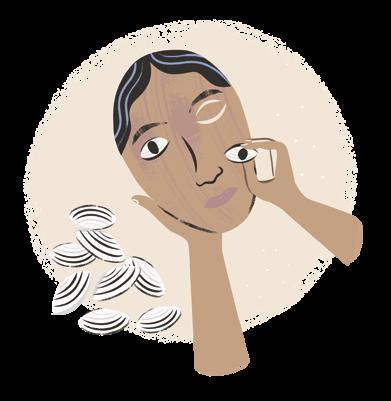
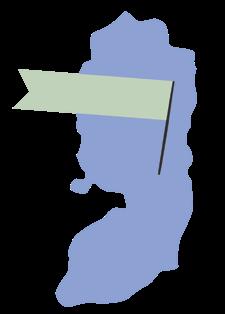
The early people of Jericho usually buried their dead (sometimes even under the floors of their houses). In some cases the skulls were kept separately. Some skulls were covered in plaster to make life-like faces, using shells to represent the eyes. It’s possible they were kept on display as a way of remembering what a family member had looked like after they were gone.
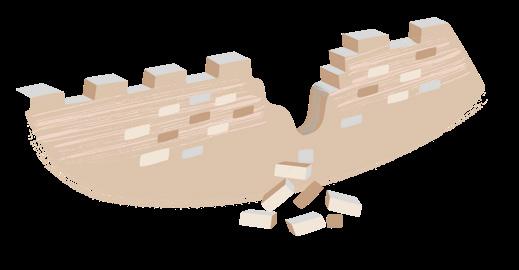
The people of Jericho built huge stone walls around the city and a lookout tower (at least 6,000 years before the pyramids of ancient Egypt were built) to keep themselves safe. The walls were rebuilt many times because of attacks, falling into disrepair and at least once due to an earthquake.
During the first few thousand years of Jericho’s existence, there was no written language. There were no schools and no teachers. Children learned everything from the people they lived with. It seems that some babies had their heads tightly wrapped up in order to change the shape of their head as they grew up. We know this from several of the skulls found but we don’t know exactly why they did it. Perhaps they thought it made them look good!
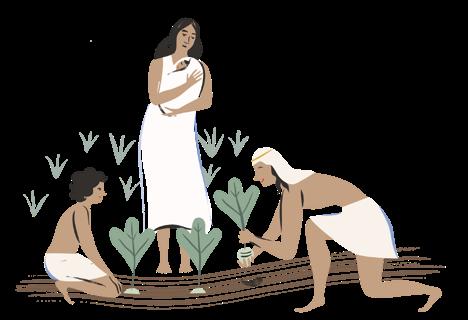
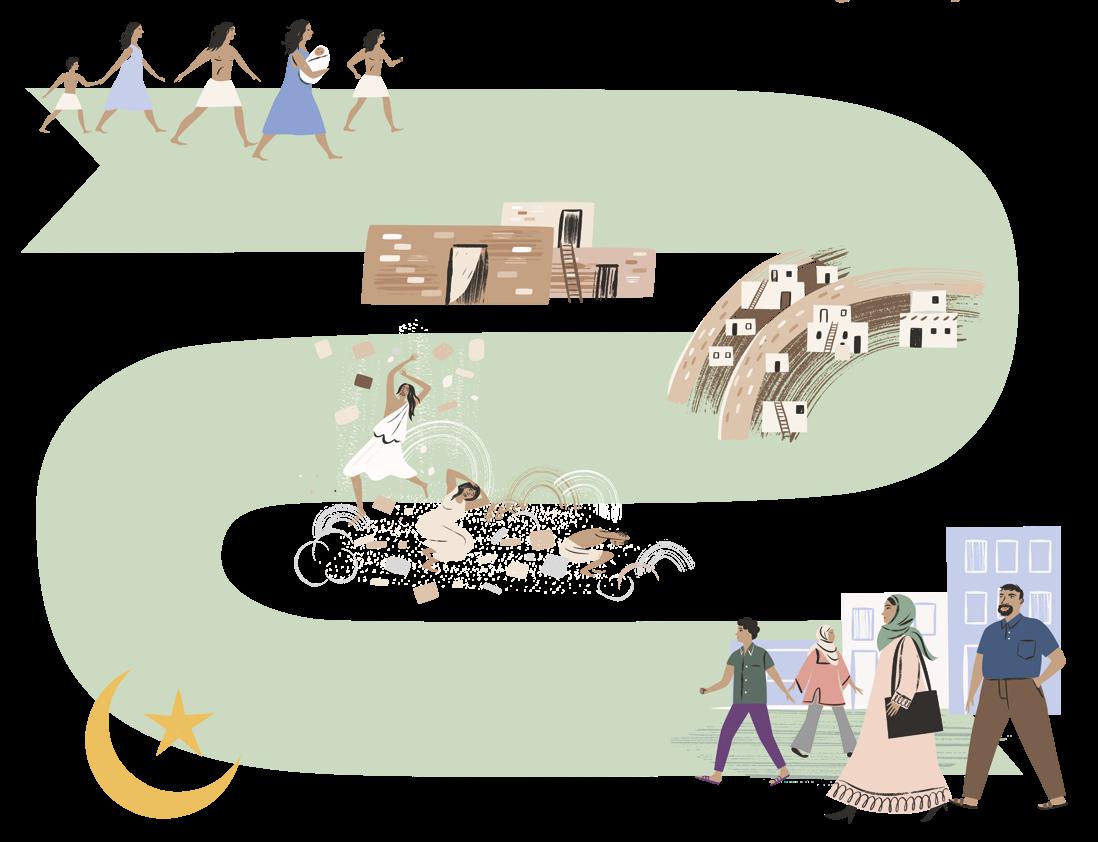
Founded as the new capital when Upper and Lower Egypt became one, Memphis remained the largest and most important city in Egypt for 3,000 years. Originally known as Inbu-Hedj or ‘White Walls’, because its painted mud brick palace shone brightly across the desert, Memphis was a city of workshops and warehouses and was said to be under the protection of the god Ptah, the patron of craftsmen.
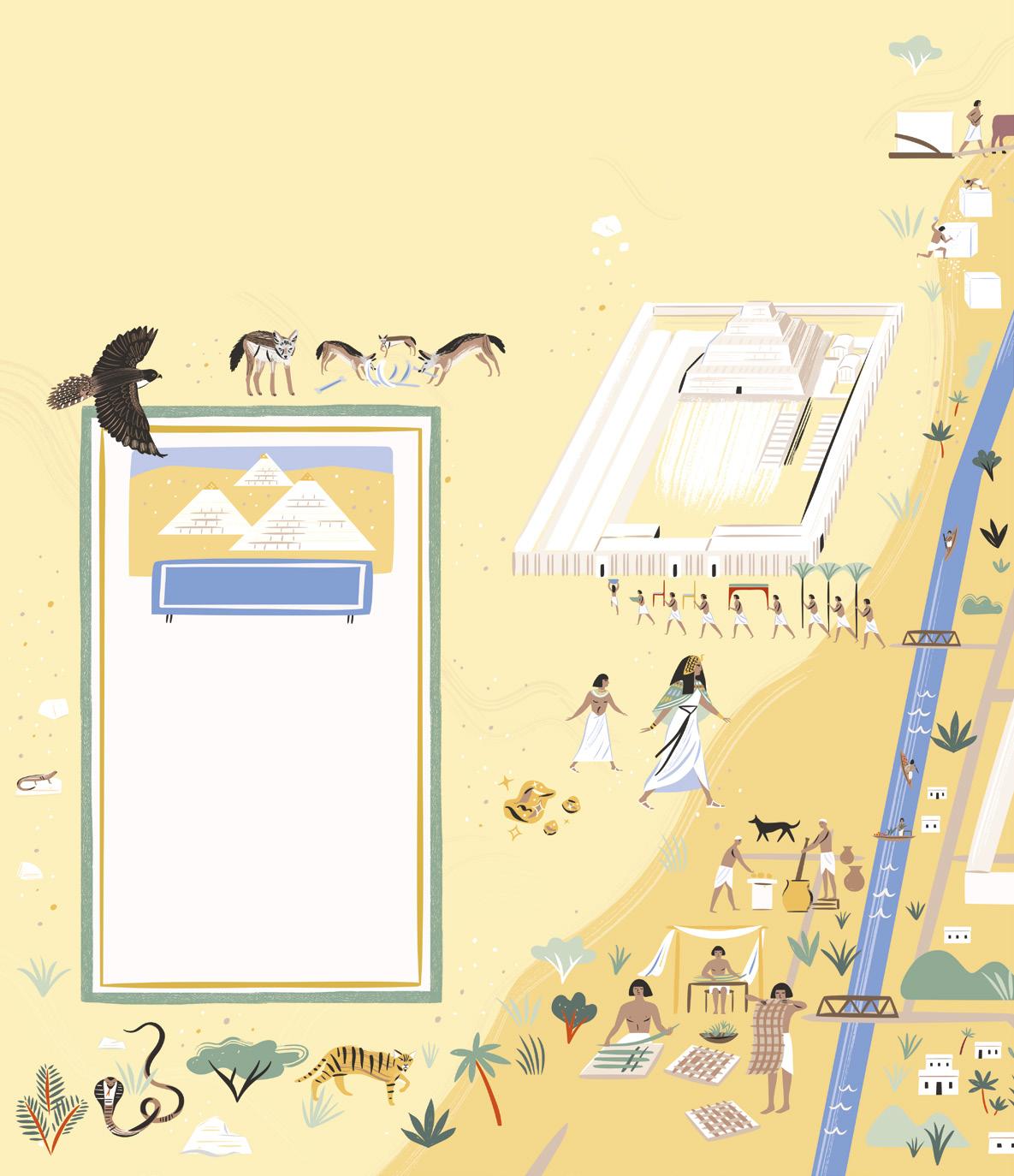
The three largest pyramids in Egypt are near Giza, 20 kilometres north of Memphis. They were built around 2500 BCE and took thousands of workers decades to build. The largest, called the Great Pyramid, was built from over two million stone blocks. All three pyramids were finished in bright white limestone and had a golden cap at their summit. Standing guard was the famous Sphinx, a huge statue carved out of stone to look like the head of a human on the body of a lion.
This vast burial ground housed many tombs, temples and pyramids. Necropolis means ‘city of the dead’.
Built around 2650 BCE to the northwest of Memphis, this was the burial place of the pharaoh.
Out in the barren desert were gold mines.
Designed for transport and protection, this network of waterways also provided water to grow crops.
Dedicated to the worship of the Apis bull, believed to be the living form of the god Ptah. Inside, a ceremonial bull was cared for by priests. After death, it was mummified and a new bull was chosen.
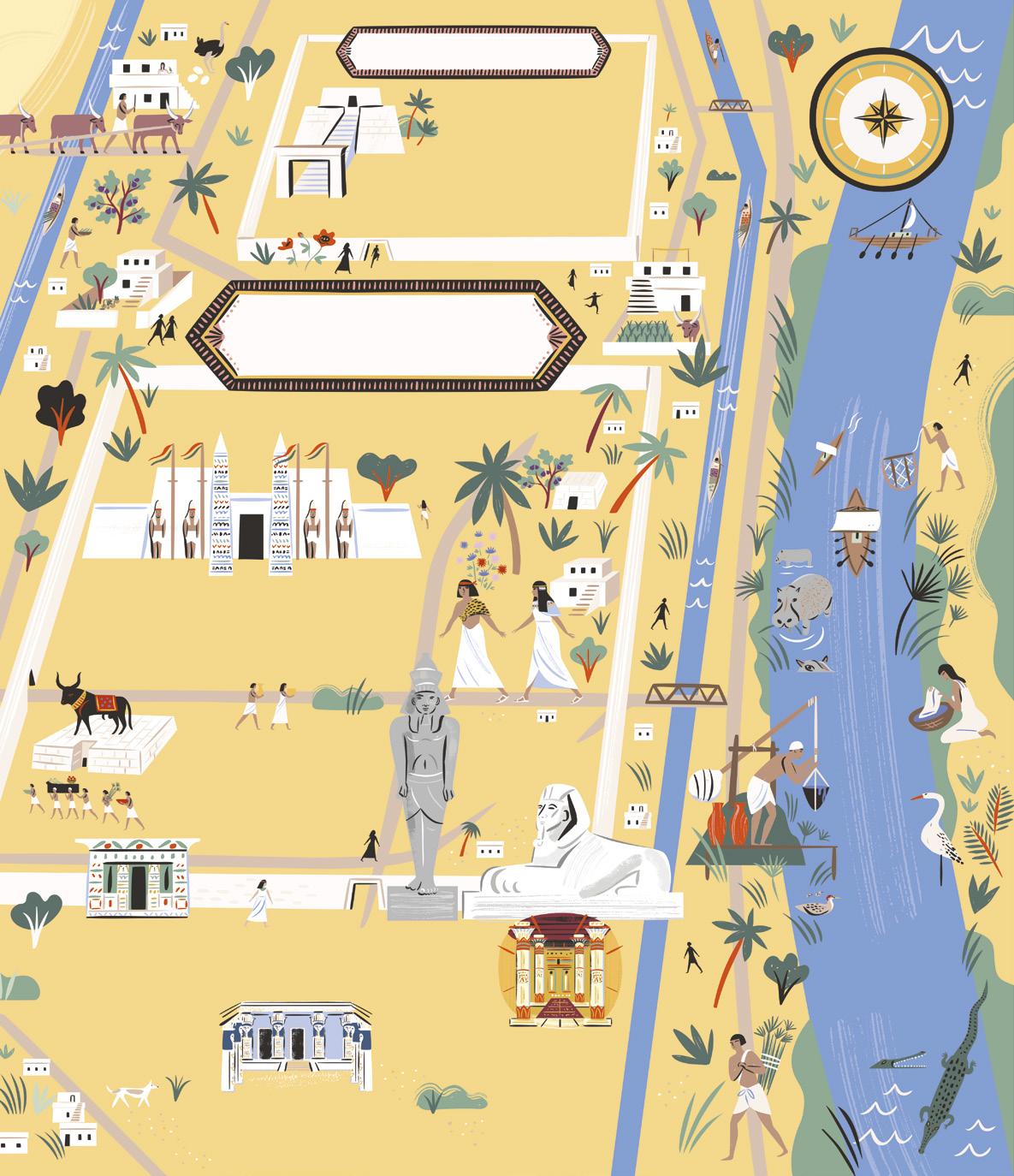
These high stone walls protected the temple, which could be accessed through five enormous gates.
The largest and the most important temple in the city. Located in the city centre, this temple enjoyed royal patronage from Ramesses II, later known as ‘Ramesses the Great’.
A small temple dedicated to Ramesses II. It included a large pillared hall, a tower and an open courtyard for rituals.
A huge 14-metrehigh statue carved from a single block of granite.
A stone temple alongside a
For thousands of years, Memphis was the largest and most important city in Egypt. But, rather strangely, during its long history the city actually moved location! Parts of the city were abandoned, and new areas built as the mighty River Nile changed its course and gradually drifted eastwards. The city of Memphis no longer exists today. Much of its remains lie hidden beneath several small modern villages that have sprung up where the mighty trading city once stood.
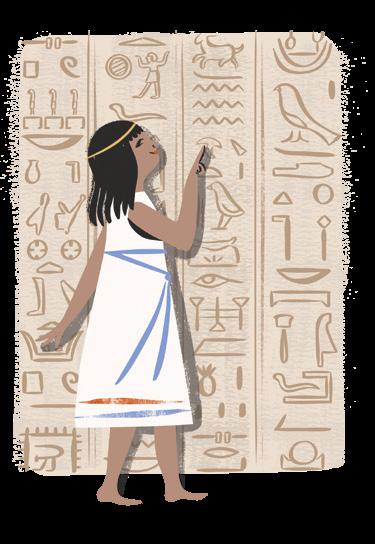
The family was the most important part of ancient Egyptian society, and most boys were married by 18 and girls by around 14 years of age. Unlike many other societies at the time, men and women had almost equal status, and it is thought that some girls, as well as boys, might have been taught to read hieroglyphs, the pictorial symbols that make up the written ancient Egyptian language.
Along with the rest of Egypt, Memphis depended on the River Nile for fresh water for people to drink, as well as water for growing crops. The river flooded every July, leaving behind it very rich, fertile farming land. The Nile was also used as an easy way of transporting people and goods, although you had to watch out for aggressive hippos and hungry crocodiles.
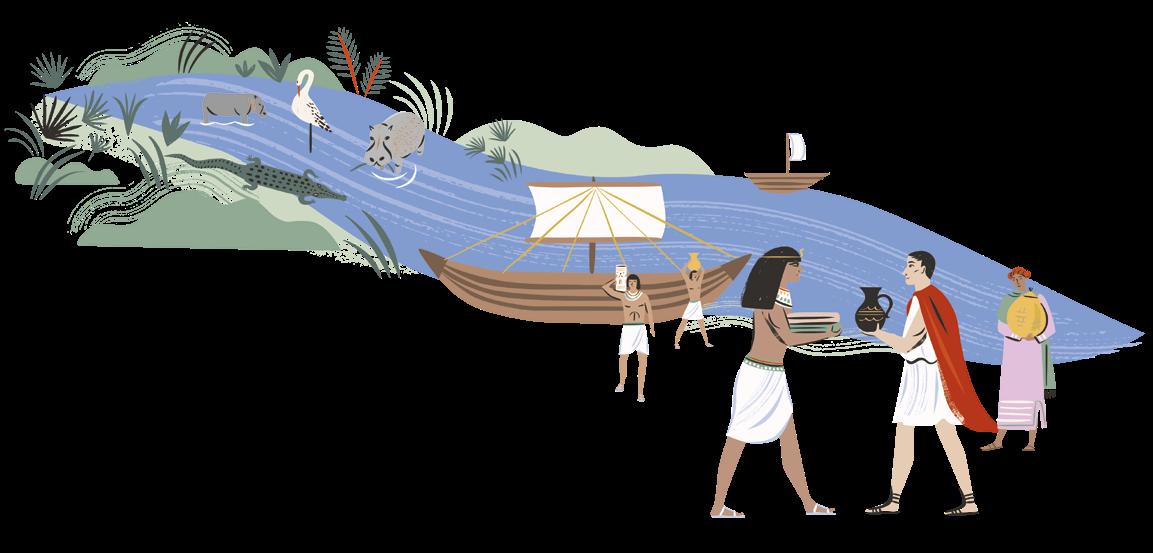
Egyptians swapped their goods for what they wanted from other traders. Merchants from Memphis traded with many other countries in the Middle East to the east and in Africa to the south, as well as sailing across the Mediterranean Sea. Memphis was one of the richest cities in the ancient world, partly because of the gold mines located in the desert to the east that kept wealth flowing into the city.
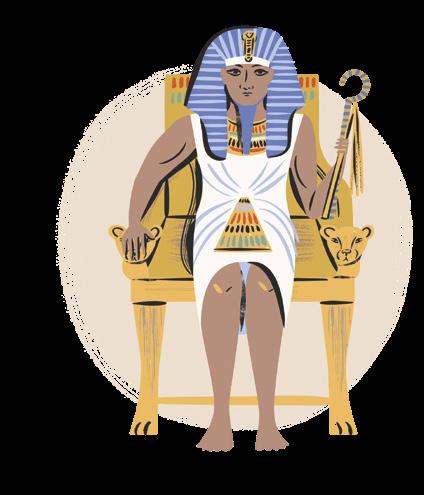
The pharaoh was the absolute ruler of Egypt, and he (or, very rarely, she) set the laws, collected taxes, owned all of the land, and was responsible for keeping the people safe from war and invaders. Pharaohs were seen as god-like beings, and often married their siblings or half-siblings to keep the bloodline ‘pure’. Pharaohs often had many children, with Ramesses II recorded as having 156 children!
The Egyptians believed in over 2,000 gods and goddesses, many of which were shown as half-human, half-animal beings. The most important god was the sun god, Ra.
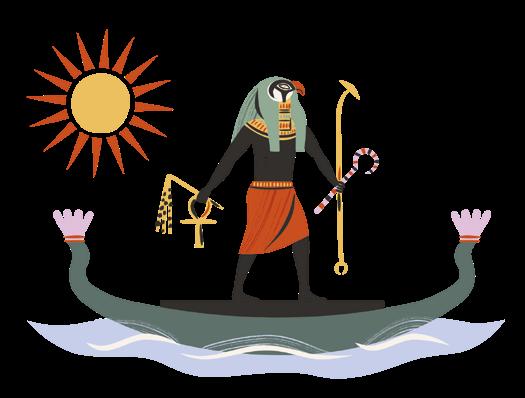
Egyptians believed that every dusk, Ra was swallowed by the sky goddess, Nut, as it went dark. Ra spent the night travelling through the underworld so he could be reborn at dawn. Each Egyptian home had its own little shrine to the gods, where the family would worship daily.
Number of pharaohs who ruled Egypt:
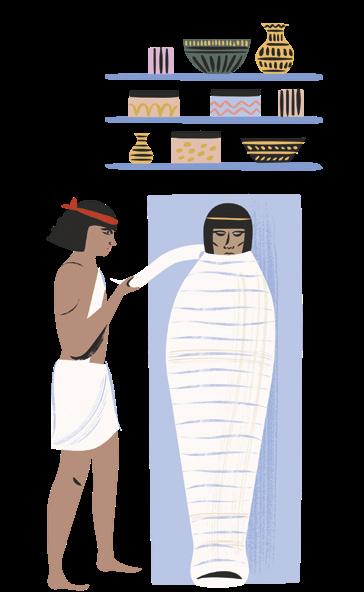
Egyptians believed that by preserving the body of someone who had died, they could ensure that person’s soul would live on in the afterlife. They did this through a process called mummification, in which the person’s internal organs (apart from the heart) were removed. The body was coated with salt and left to dry for 40 days before it was stuffed and wrapped in bandages.
Length of time Memphis existed:
Population of Memphis around 1200 BCE:
Population of Memphis today:
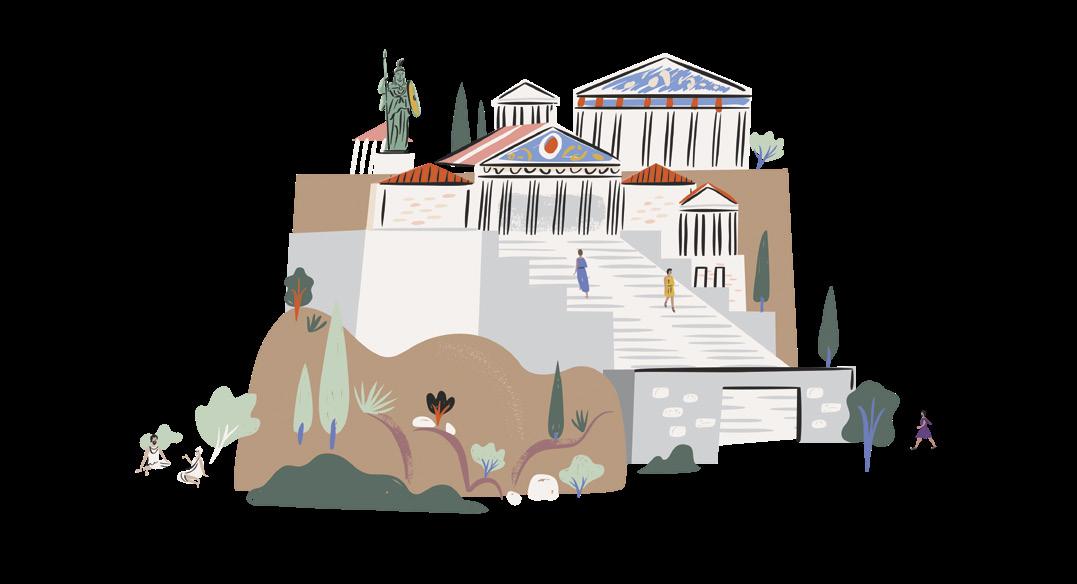
In the ancient Greek world, cities and the areas around them were small, independent regions, or city states. During the sixth and fifth centuries BCE, Athens was one of the richest and most powerful of them all. Around 2,500 years ago, the ancient Athenians developed a new way of running things, giving every male citizen the chance to have their say. The Athenians had invented democracy.
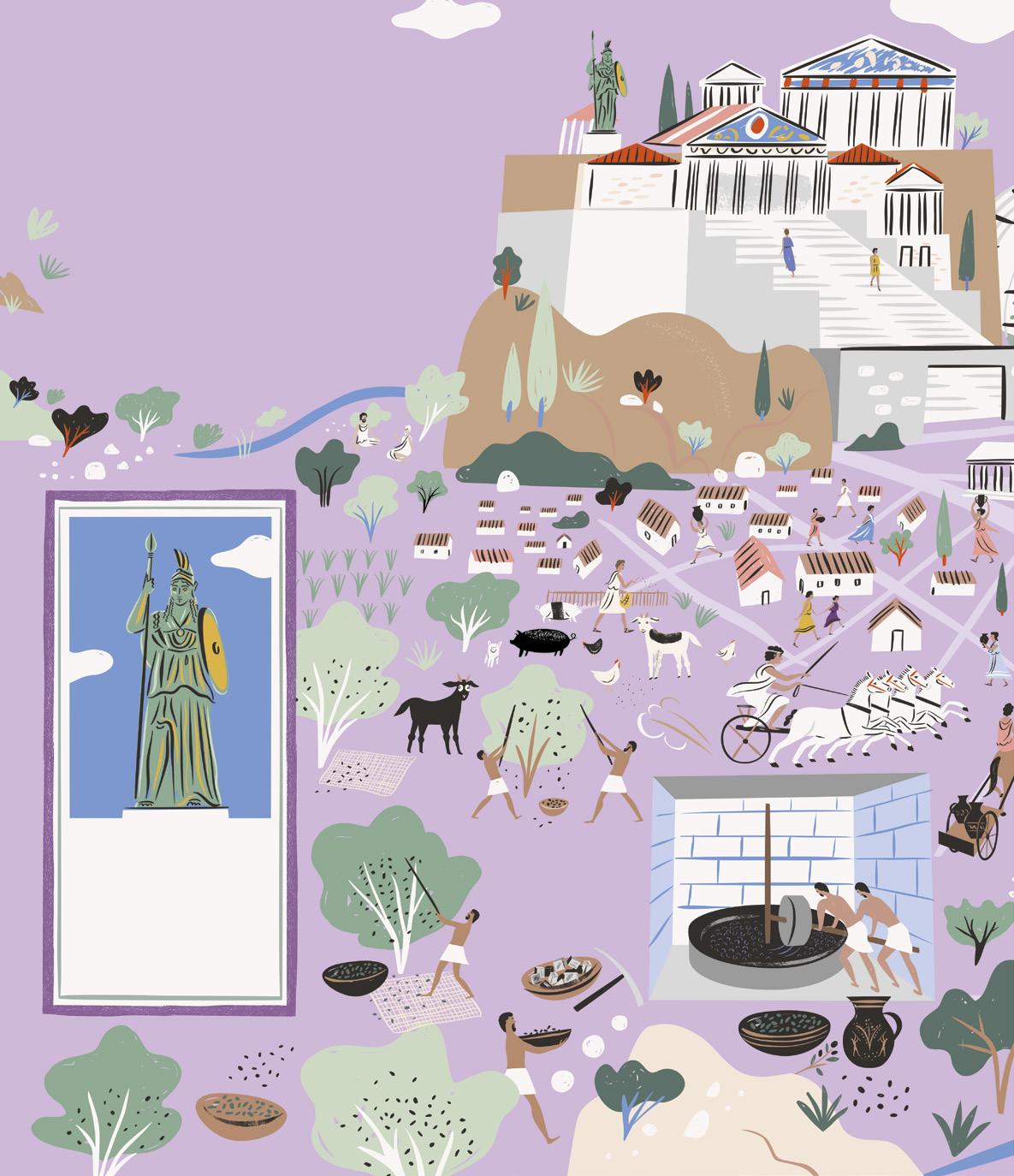
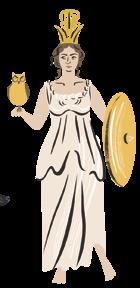
Daughter of Zeus, the king of the gods, Athena was the goddess of war and protector of Athens.
Inside this temple was a 12-metre-tall gold and ivory statue of the goddess Athena. Athens was named after her.
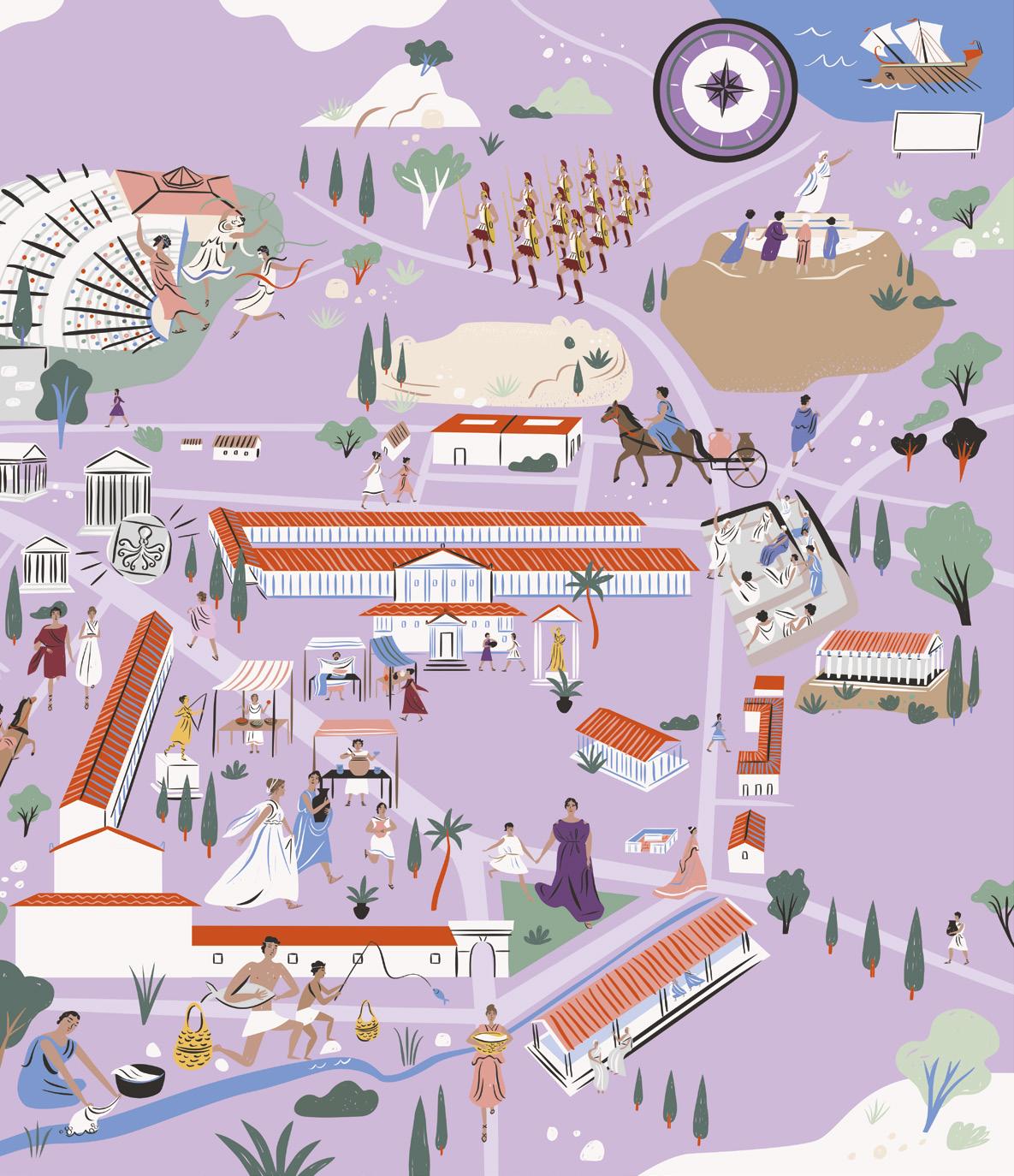
Athenian citizens gathered on this
for political meetings.
The Theatre of Dionysus could seat 25,000 people.
Athens’ government met here.
People met here to trade and talk. There were shops, temples and public buildings.
Not all Athens’ temples were on the Acropolis. Hephaistos was the blacksmith god of fire and volcanoes.
People met and chatted here. Philosophers talked about the meaning of life.
The city of Athens has existed for thousands of years. Back in the ‘Golden Age’ of Athens in the 400s BCE, city life was very different from how it is today . . .
You could only become a citizen and take part in the running of Athens if you were a man, and not a foreigner or an enslaved person, so even though it was one of the first democracies, it was not a very equal one. Most women in ancient Athens couldn’t take part in politics, own property, or even go out on their own if they were from a wealthy family.
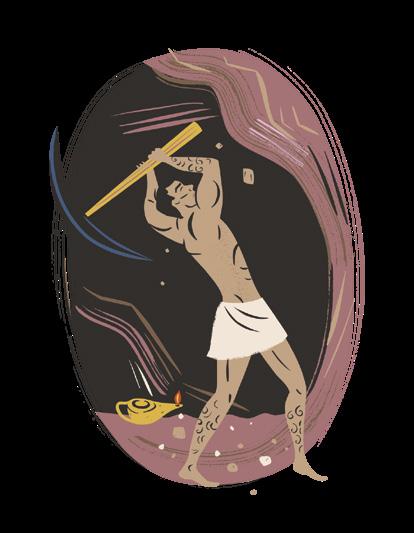
Between a quarter and a third of the people who lived in Athens were enslaved people. They included policemen, servants and workers on farms or in mines and quarries. You might be born into slavery or be captured in war. Enslaved people didn’t have any rights and their owners had complete control over their lives.
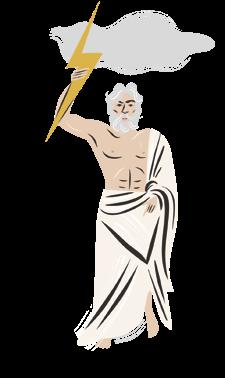
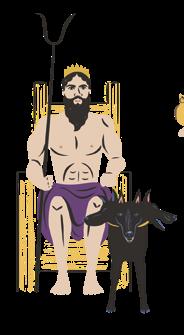
The ancient Greeks worshipped a lot of gods and goddesses. The most important ones were supposed to live on Mount Olympus, a high mountain a long way north of Athens. Here are just a few of them:
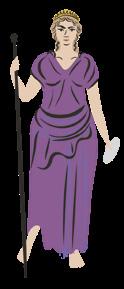
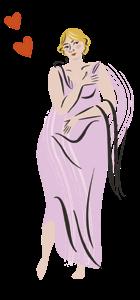
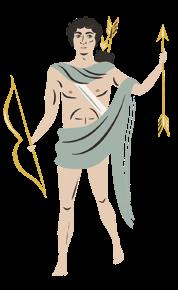
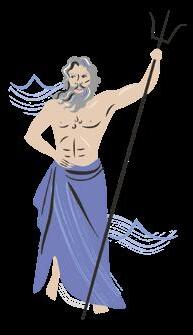
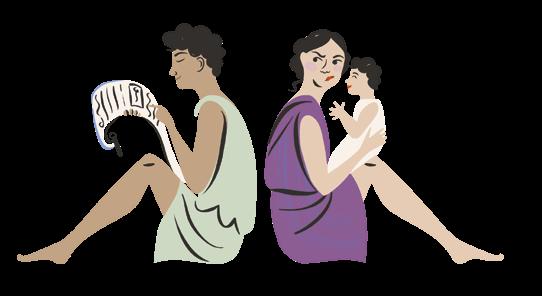
In wealthy households, young girls and boys lived with their mothers in the women’s quarters, separate from the men. Children’s toys included swings, see-saws and yo-yos.
At the age of seven, well-off boys were sent to school to learn maths, reading and writing, sport and music. Girls didn’t go to school – they stayed at home and learned how to spin, weave, sew and look after children. Boys of poorer households didn’t go to school either – instead they went to work with their parents, along with the girls.
Young men aged 18 were given two years of military training. Athens was often at war, and every citizen aged between 20 and 50 could be called on to fight in battles or patrol Athens’ borders.
In ancient Athens, a girl might be named Lysimache or Syeris, while a boy might be called Stephanos or Theomnestos. But in daily life, girls and women were hardly ever called by their actual names. Instead, they were often referred to as the daughter, wife or sister of a man in their family.
While all the hard work was being done by enslaved people, some Athenians had time for thinking and writing.
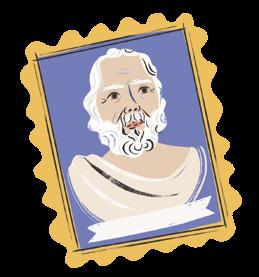
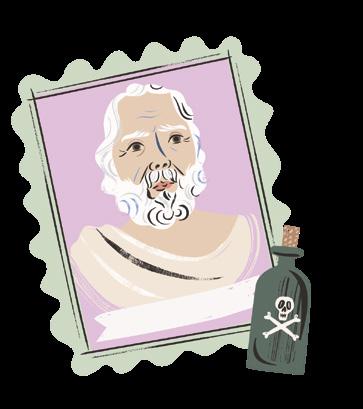
The son of a stonemason and a midwife, Socrates became one of the most famous philosophers in history. Unfortunately for him, some people didn’t like his ideas. He was accused of corrupting young people and sentenced to death by poison.
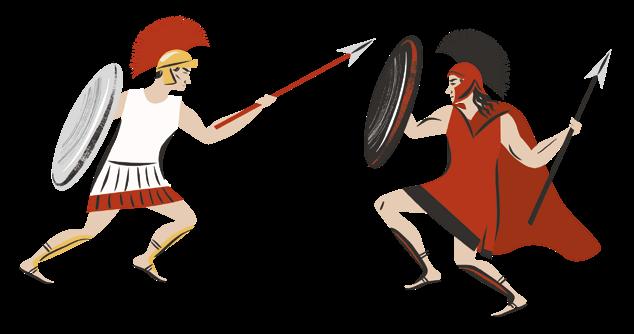
Athens was at war with the Persians for 50 years (the Greeks won), and for 25 years against another Greek city state, Sparta. Sparta won that war, in 404 BCE, and Athens was never as powerful again.