


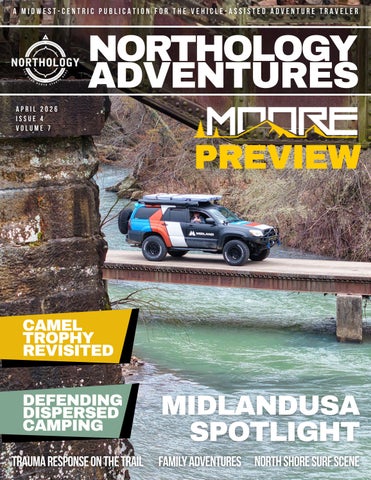
April always feels like the turning point. The maps come back out, rigs start getting attention in the driveway again, and that restless energy to get moving starts to build. For us, it also means one thing in a big way—the return of the MOORE Expo. It’s more than just a date on the calendar; it’s where this community comes alive after a long winter. The conversations, the ideas, the gear, the people—it all converges in one place and sets the tone for the entire season ahead. This issue leans into that momentum, with coverage and stories that reflect why this event continues to matter so much to the Midwest overland scene.
Beyond the expo, this issue takes you north to the icy shores of Lake Superior, where a dedicated crew is chasing waves in the dead of winter. The Duluth surf scene is one of those things that sounds improbable until you see it—then it just feels like another perfect example of people finding adventure where others wouldn’t think to look. It’s raw, a little gritty, and completely captivating.
We’ve also got a look at the gear and the companies that continue to support what we do, including a feature on Midland Radio Corporation—a brand that has quietly become essential to how we communicate on the trail and at events. Their radios aren’t just tools; they’re part of the connective tissue that keeps groups moving safely and smoothly, whether you’re deep in the woods or coordinating a busy basecamp.
There’s a piece on planning family adventures—because getting out there doesn’t have to mean going it alone. Check out the latest installment on trail trauma from Alex of Northwoods Overland Adventures. And for a bit of inspiration rooted in history, take a look at a new event channeling the spirit of the legendary Camel Trophy. It’s a reminder that challenge and exploration have always been at the heart of this lifestyle.
As always, this issue is a mix of stories, ideas, and people that reflect where we are right now—and where we’re headed next. Spring is here. Let’s get after it.
-Cindy
Creators- Drop us a line at or submit content on our website. We love stories and photos of trips, events, gear reviews, destinations and outdoor activities. Advertisers- Get in touch to learn about our current promos and how a presence here can help you tell your story to this amazing community and grow your business info northologyadventures@gmail com




BASECAMP COMMUNITY
ENDLESS TRAILS
VENDOR DISPLAYS & DEMOS
EDUCATIONAL CLINICS
KID’S KOARNER
ONSITE & OFFSITE ACTIVITIES
HAPPY HOUR
DOOR PRIZES & GIVEAWAYS
GEAR SWAP & SALE
KORC BEACH CLEANUP & MORE TO BE ANNOUNCED!

A NORTHOLOGY BASECAMP EVENT PRESENTED BY CHITOWN 4X4
SEPTEMBER 17-20, 2026
TRAILS END CAMPGROUND, COPPER HARBOR, MI
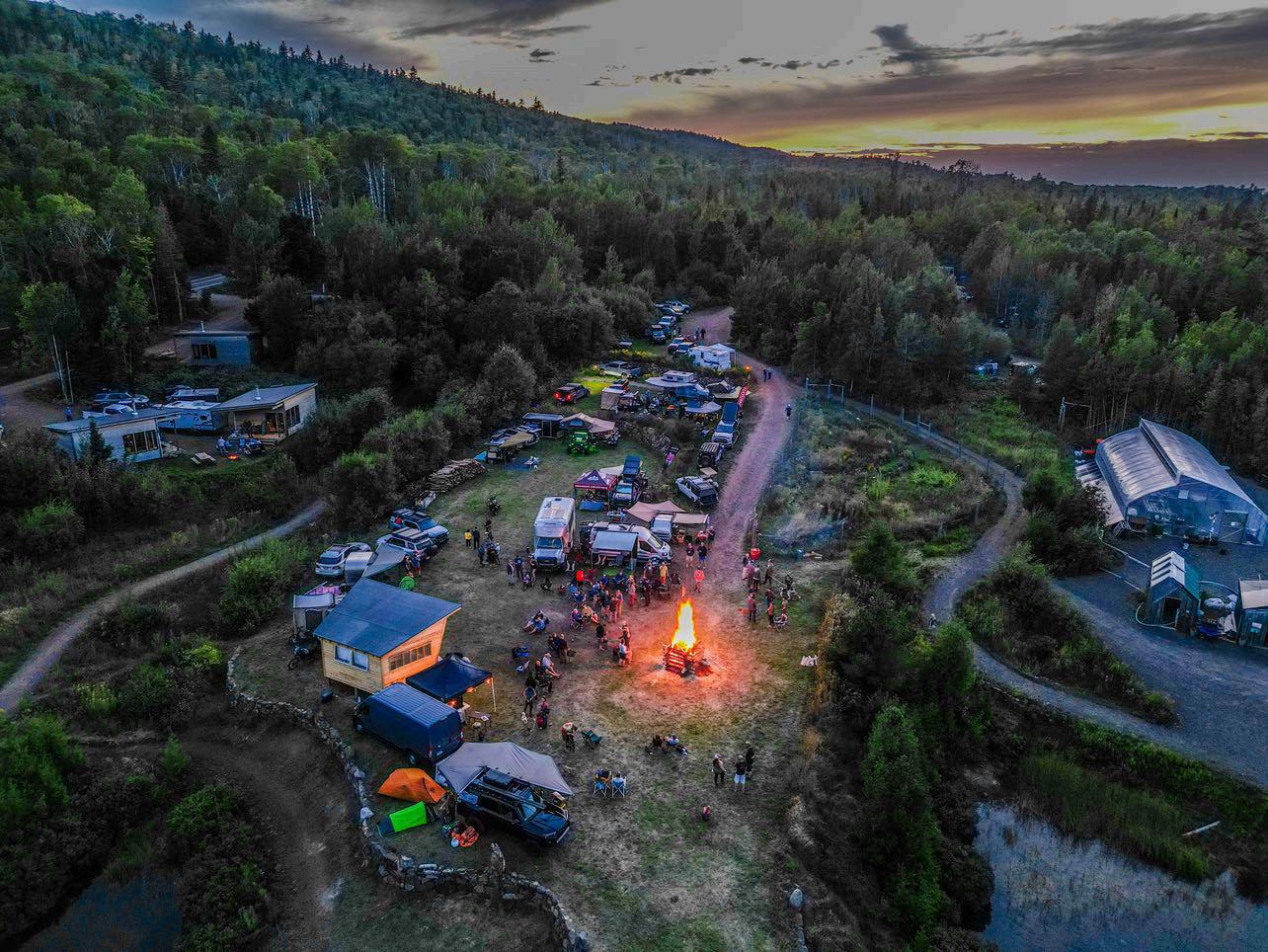

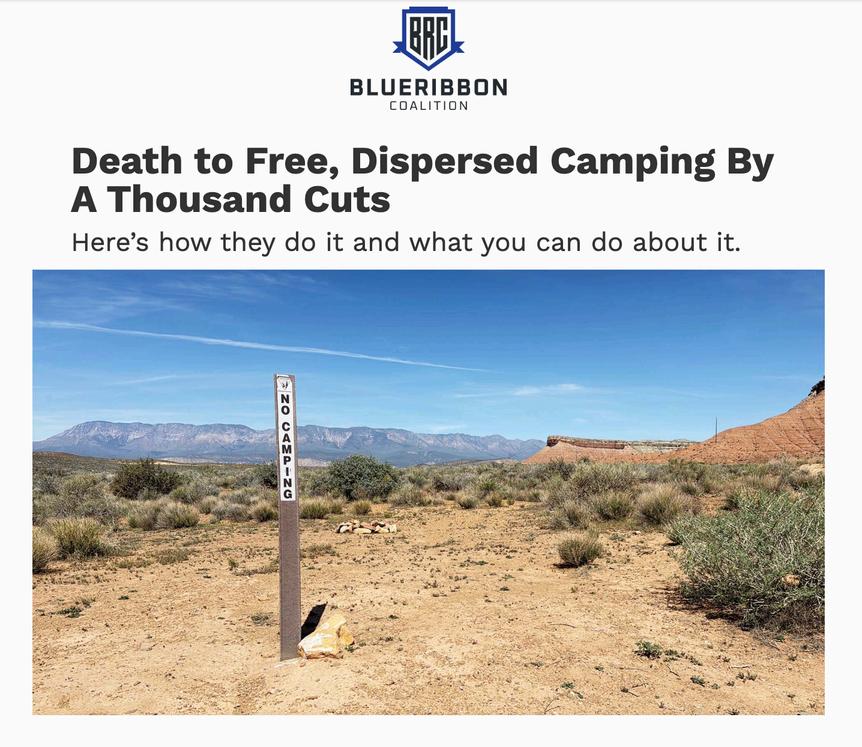
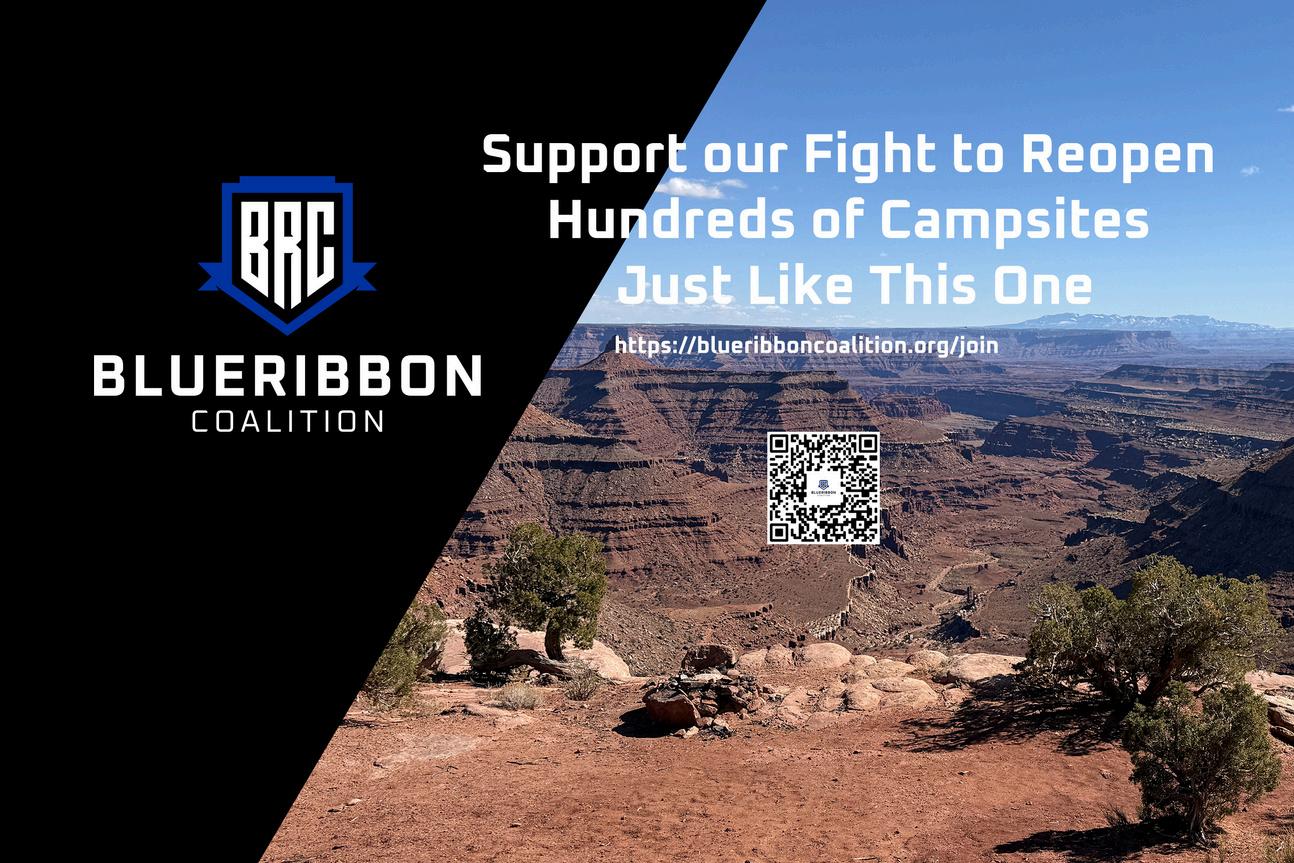
The BLM just closed nearly 14,000 acres of free, dispersed camping outside Zion National Park.
Agencies are quietly eliminating free, dispersed camping across the West The SR9 decision outside Zion is the most recent example of a strategy designed to end it permanently. Dispersed campsites will be shut down, bulldozed, and "restored." In their place, the BLM plans to build two developed campgrounds that may never be fully funded or constructed
We warned you this was coming. Hundreds of BRC members submitted comments opposing this plan. They were ignored. But this is not a reason to stop showing up. It is exactly the reason to keep digging in
This decision is not isolated. It is the same playbook we watched unfold at the Wedge Overlook in the San Rafael Swell and at Beas Lewis Flat outside Capitol Reef Close the routes Concentrate camping Cite the concentration as a problem Then close the campsites too. Replace them with controlled, fee-ready campgrounds (only if they have the funding). Repeat.
And the agency seems to be getting this strategy from a single literature review funded by the Southern Utah Wilderness Alliance (SUWA), an anti-access organization, to justify these closures. The report contains zero field data from the SR9 corridor It was not designed to address vehicle-based camping It was designed to give the BLM the language it needed to restrict your access
The fight is not over. BRC is actively pursuing every avenue to challenge this decision because the precedent won’t stop in southern Utah But we need your help to build the case
We are collecting adverse impact statements from anyone who has camped in the SR9 corridor. Your personal, specific account of how this closure affects you, your family, and your ability to access your public lands is the single most valuable thing you can give us right now. These statements will form the backbone of our effort to fight back.
If you have ever camped in this area, we need to hear from you today
For the full details on the playbook they’re utilizing to close free camping site-by-site, and for the form to add your statement, click the button below

The work of BlueRibbon Coalition isn’t limited to the West—it matters just as much here in the Midwest, where access to forest roads, dispersed camping, and OHV trails is always at risk of change or closure The same pressures exist here, and without a strong, unified voice, we stand to lose access we often take for granted BRC brings the experience and advocacy needed to protect access, but only if we show up—joining is how you stay ahead of the forces working to shut it down.
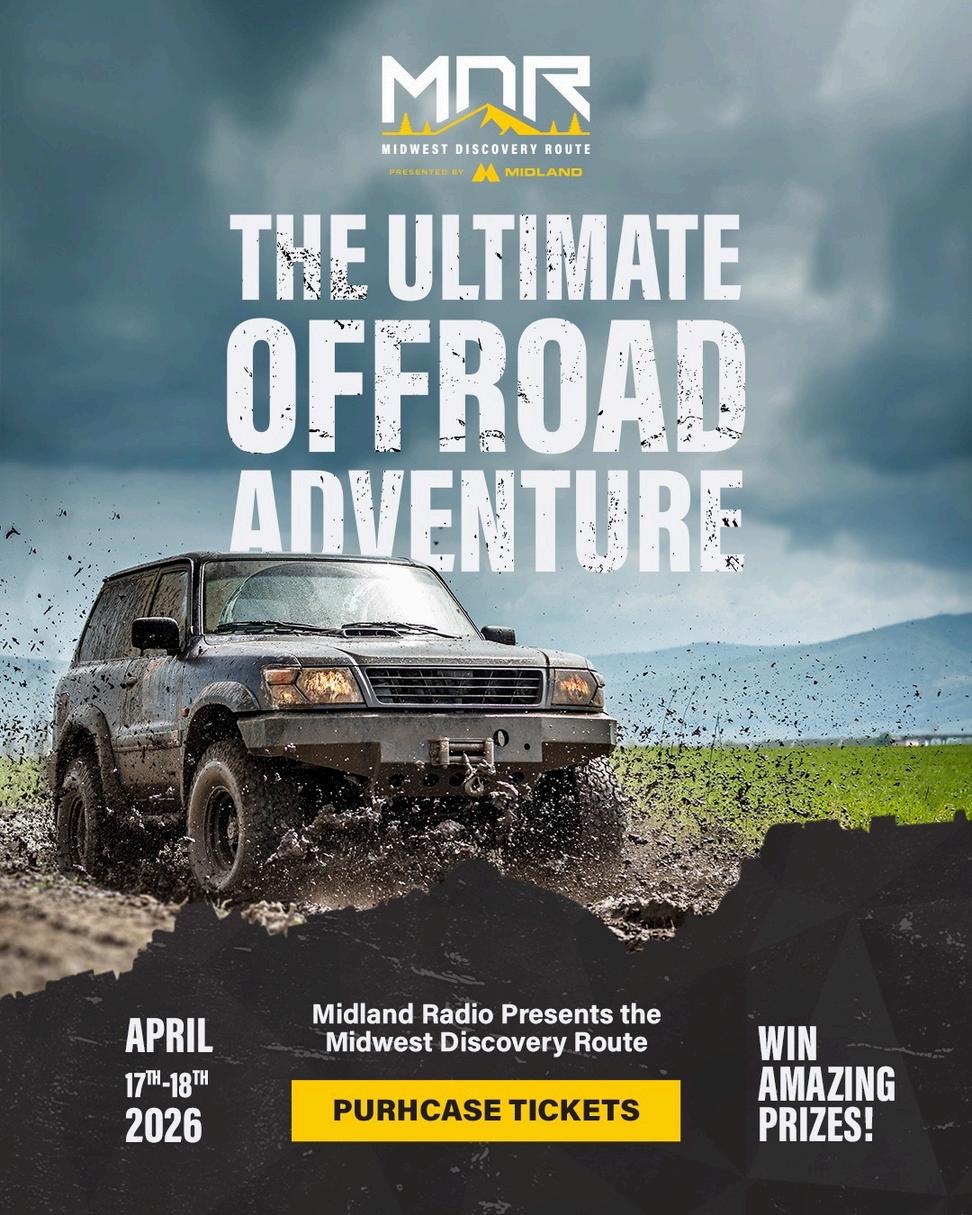
MOORE EXPO.COM/MIDWEST.DISCOVERY.ROUTE/

Ben Jones is a Wisconsin based photo-grapher and videographer who specializes in tourism and outdoor/adventure photogra-phy He works with organizations in the Midwest and beyond and he divides his time between Madison and the Wisconsin Northwoods. When he’s not looking through a camera or working on his MacBook, you can find Ben exploring Wisconsin backroads, working on his familys forest land, or participating in endurance sports like mountain biking and trail running In April, 2026, he’s competing in the Defender Trophy North American selection event in British Columbia, Canada Find him on Instagram @boldlandphoto
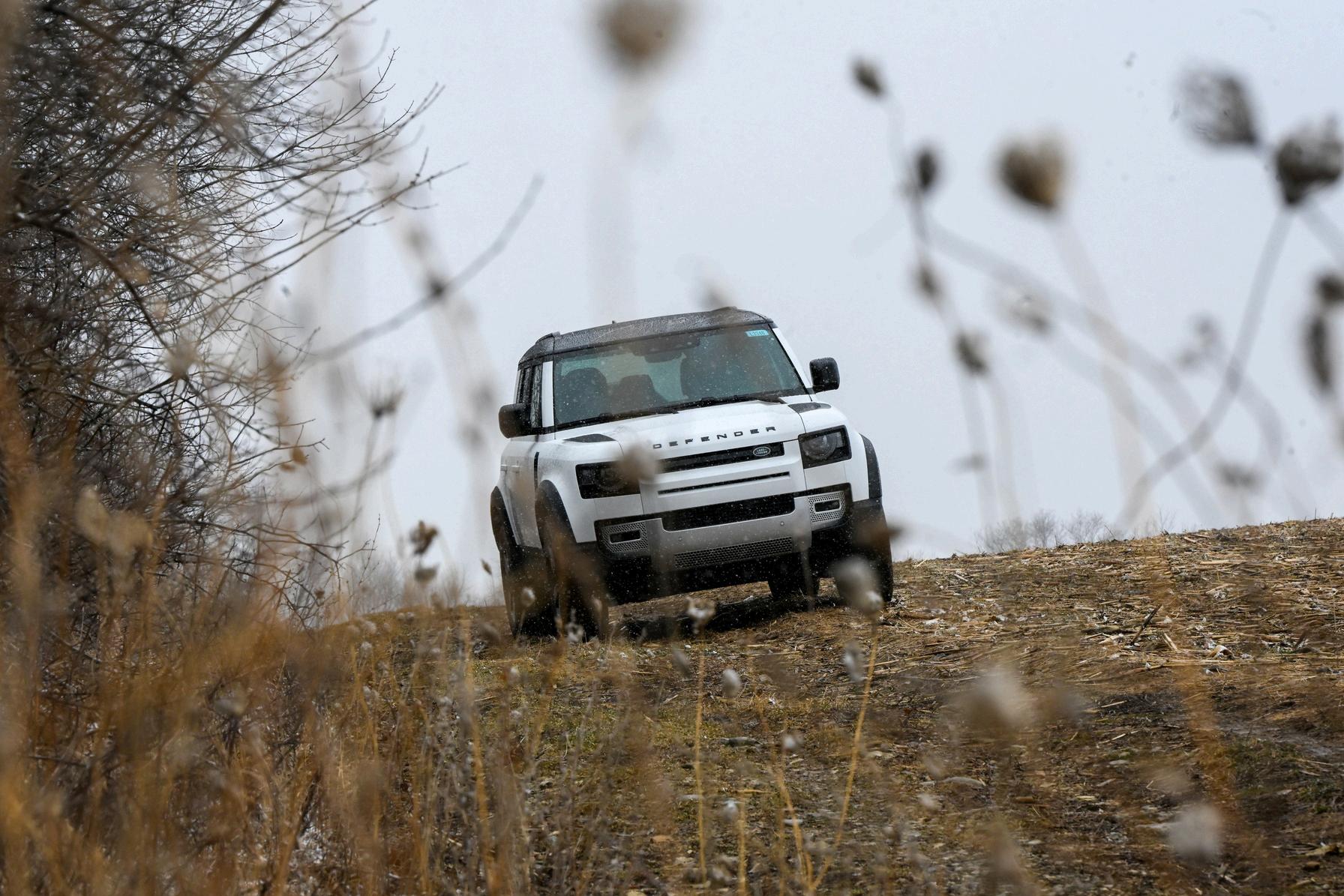
This year, Land Rover is launching a new Defender Trophy adventure competition, an international event that’s a nod to an iconic off road event from the ‘80s and ‘90s – the Camel Trophy. I’m taking a shot at this, competing in a North American selection process that will determine who will represent the United States in the world final in Africa this fall.
I can’t wait to get out there.
The event is drawing competitors from 50 countries who will test themselves, and the Land Rover Defender, in a series of off road challenges in regional finals around the world. Winners from each region will meet somewhere in southern Africa in October to compete in a global final that includes a partnership with Tusk, a conservation organization.
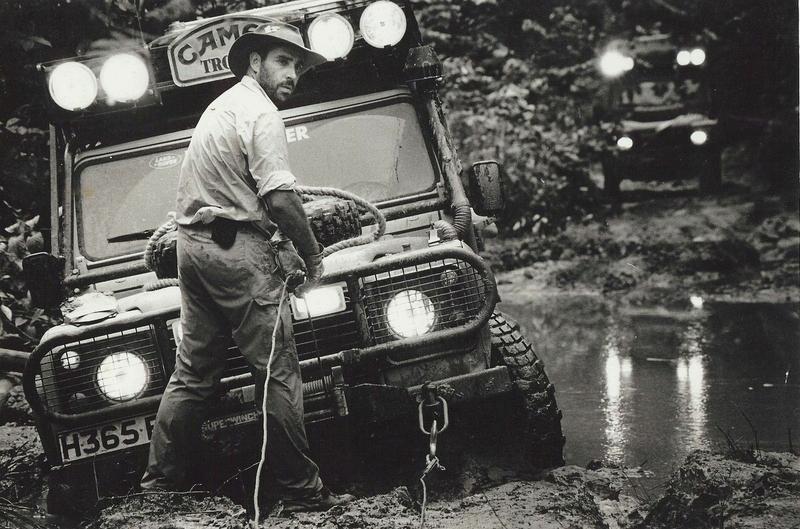
Back in the 80s and 90s the Camel Trophy was legendary Sponsored by Camel Cigar-ettes, it was an epic competition that took adventurers across vast swaths of difficult terrain They battled through jungles and deserts and some calleditthe“Olympicsof4x4 ”
For most of the competitions, Land Rover was front and center, and over the years racers drove, dragged, and floated bright yellow Range Rovers, Land Rover Series IIIs, Land Rover 90s, Land Rover 110s, Land Rover Defenders, Land Rover Discoveries and Freelanders. Races took place in all kinds of harsh climates and far-flung locations, everywhere from Siberia to Malaysia.
This year Land Rover relaunching an international adventure competition – Camel is no longer part of the brand, but the spirit remains. Land Rover has been a little quiet on the exact points of this year’s event, which is part of the challenge. It’s an endurance event but nothing like a running marathon, where you know ahead of time that you’ll be running exactly 26.2 miles and on a route that’s published in advance. Instead, the exact details of the Defender Trophy are largely kept secret from participants.
The North American qualifier take place in the area of Stave Lake, a reservoir about 40 miles east of Vancouver in British Columbia. They’ve told us that we’ll be tested over the two-day qualifier and we need to know how to swim, be able to run, have some navigation and off road driving and recovery knowledge. “The trophy is a way to really prove the capability of the Defender and the Land Rover product, and also bring out the best in people,” said Will Snider, General Manager of Land Rover Madison. “You have a team-based effort, man and machine, to try to get a vehicle and navigate the environment and do good, as well. It’s all about sustainable off roading and a sustainable future for it. That’s what the defender product is all about, to Defend it.”
I love challenges, so I applied to compete. While I’ve never done anything quite like the Defender Trophy, over the years I’ve done a lot of endurance events including trail running races, mountain bike events, and Triathlons. I made Team USA for age group
triathlon, won a trail race in the Chihuahuan Desert, and got spit out of the back of races as well – but I always had fun. I also enjoy driving off road. I’m a tourism/outdoors photographer so I spend a lot of time on forest roads up north and I get my tires dirty on my family’s Wisconsin farm and forestland in Richland County. We’re converting a big area of erodible fields into native prairie that will improve the habitat and prevent runoff down the valley. In the spring, I get plenty of practice with mud.
“THE LAND ROVER MAY HAVE BEEN ROLLING AND RATTLING DOWN A QUIET WISCONSIN ROAD, BUT IT FELT READY TO CROSS THE SAHARA.”
I also have a little time in a Land Rover. When my Wisconsin driver’s license was fresh in my wallet, I got behind the wheel of a 1973 Land Rover Series III that belonged to a friend. He was a generous guy, so he let me drive the truck, despite my questionable clutch skills. It was a little beast – powered by a little inline- four, it had lots of torque and was better off road than on. Reaching 50 mph was a struggle, even though it had an optional overdrive. The truck had the dusty green alloy body made of “Birmabright,” a mount for a spare on the hood (the wheel was left off to avoid wearing through the Birmabright), jump seats in the back and a folding “windscreen.” The glovebox had an old brochure of optional accessories that included everything from agricultural implements driven by PTO (the truck was equipped) to armor with gun ports. The Land
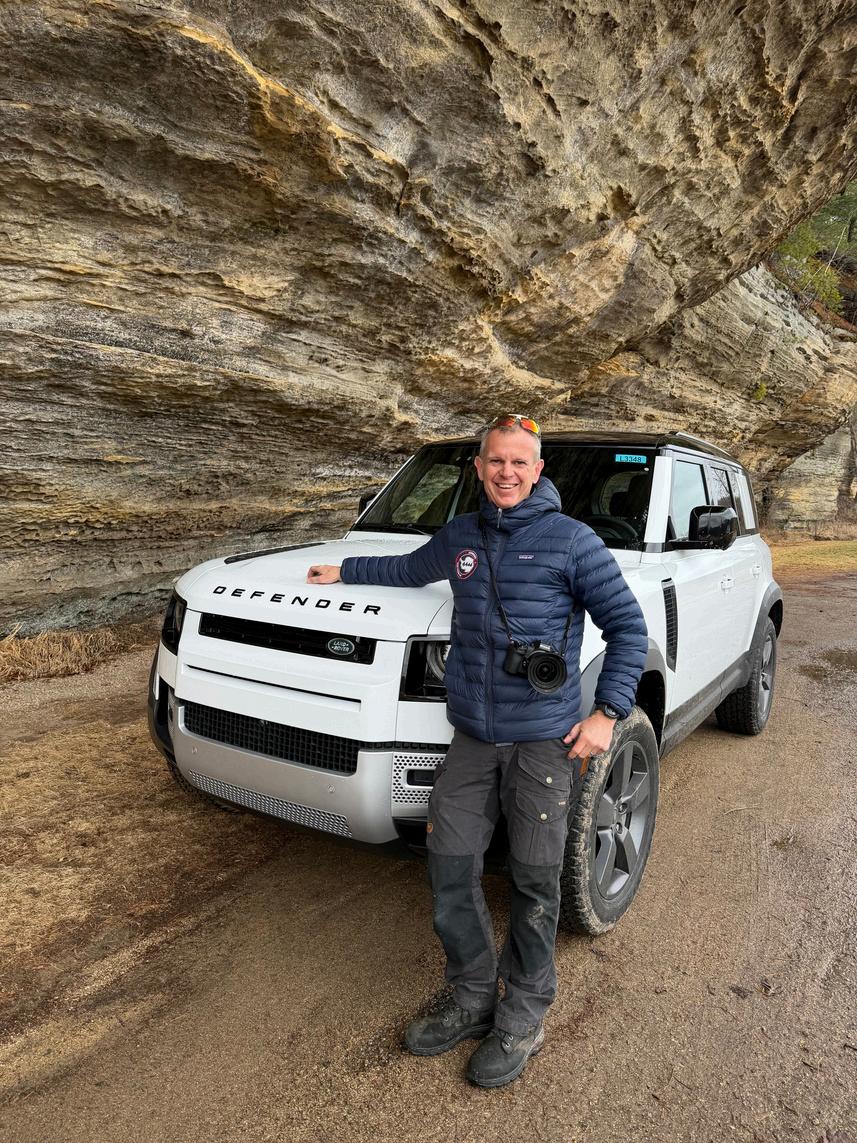
Rover may have been rolling and rattling down a quiet Wisconsin road, but it felt ready to cross the Sahara.
A lot has changed with Land Rovers, and you can see it clearly in the Defender Trophy Edition we’ll be driving. This limited-edition truck has a manufacturer’s suggested retail price of $89,250 including delivery. It’s available in the distinctive Sandglow Yellow that’s inspired by the Camel Trophy trucks. It’s powered by a 395 horsepower 3.0L 6 cylinder mild hybrid that produces 405 lb-ft of torque and gets the truck to 60 mph in a respectable 5.8 seconds. It has a raised air intake a lockable waterproof gear carrier and a roof rack with a side-mount ladder.
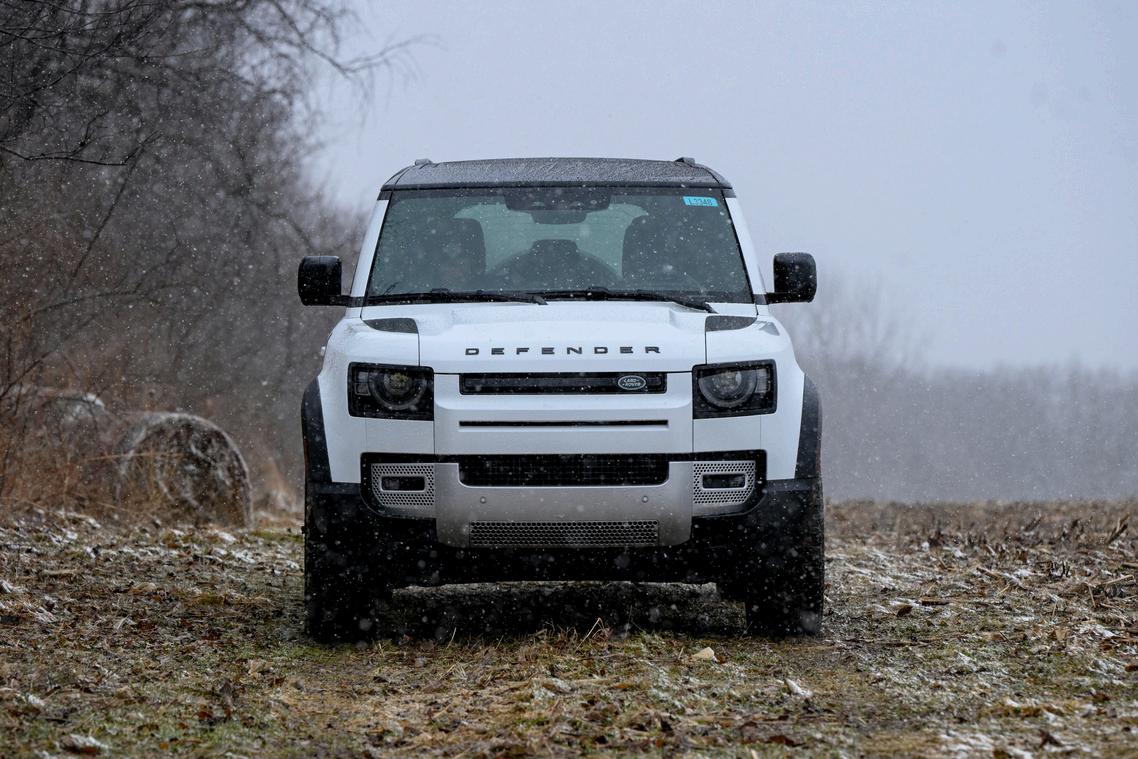

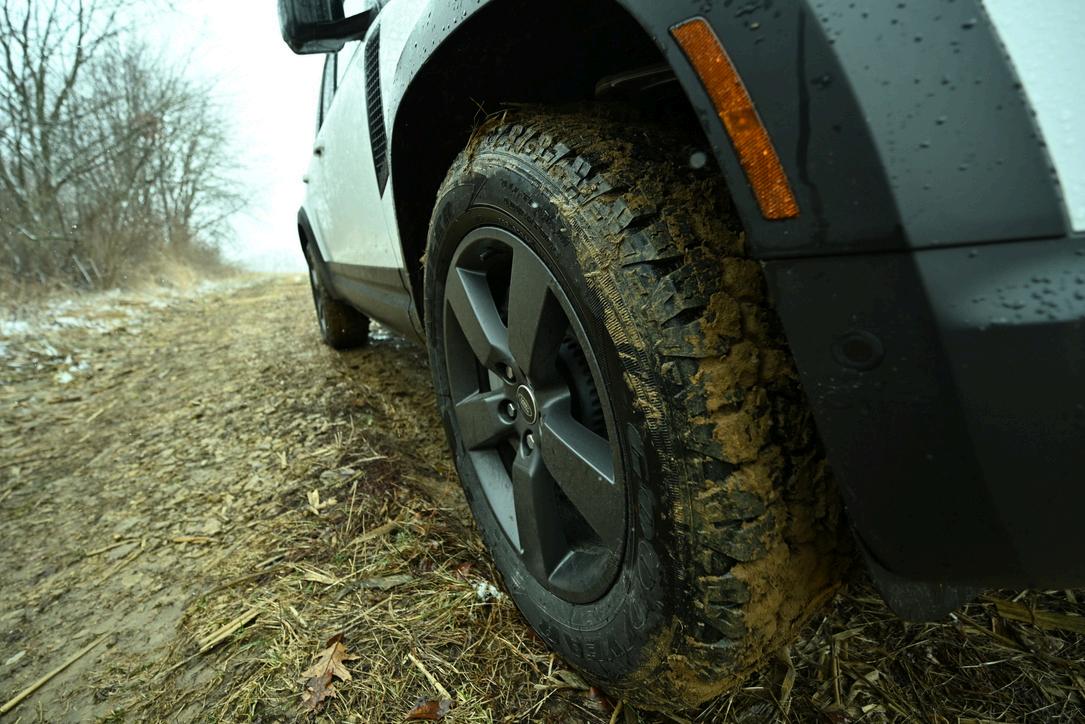
Land Rover Madison is sponsoring me for the event and has been kind enough to let me experience Defenders. I love them. The truck incorporates a lot of tech, accessible via an expansive touch screen. I found the menu layout intuitive, including various modes to optimize traction in mud/ruts, sand, rock crawling and wading. I can vouch for the mud mode – I took it uphill through some thick slop that was on top of a frozen under layer and it was a piece of cake. Some additional options are available to expand the truck’s comfort and capability, including a winch package.
I chatted with Jared Schmidt, Sales Manager at Land Rover Madison, about who buys these trucks. He said that the customer base includes pretty much everybody. Some just like the visibility, and how the Defender drives, and they never leave the pavement. Others use the Defenders to get up long, unplowed gravel drives. And some Defender drivers head cross-country to explore national parks. “There are guys who get them dirty and messed up and others who keep them immaculate,” Schmidt said. At the Defender Trophy, things are sure to get a little dirty—and I can’t wait.



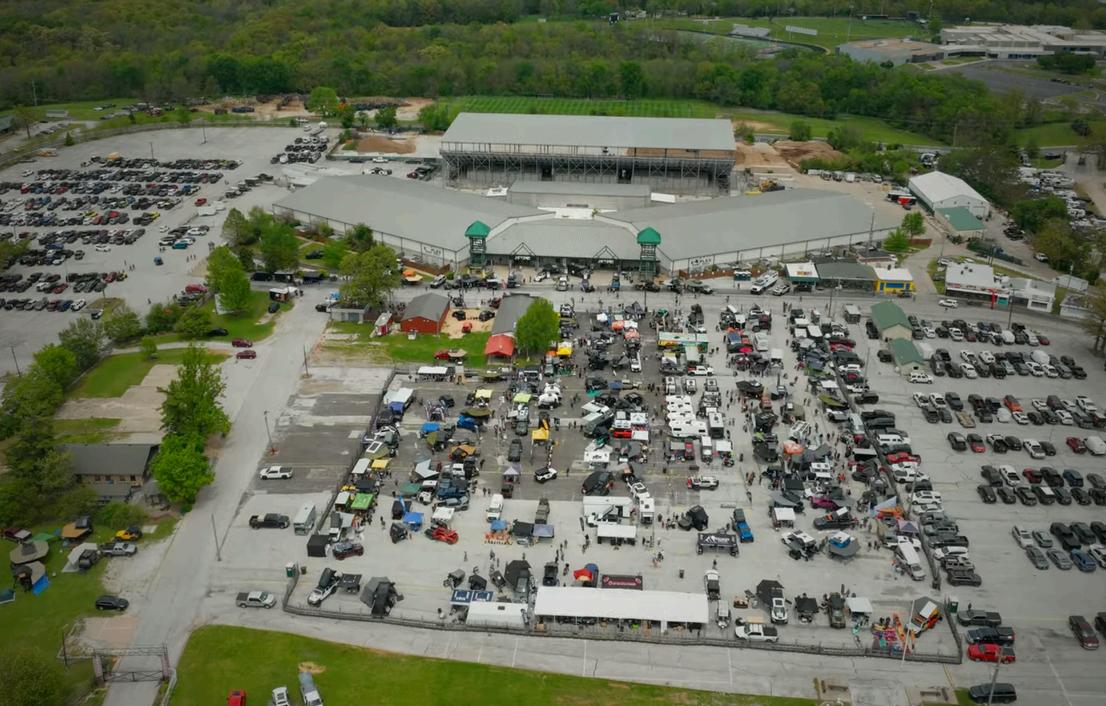
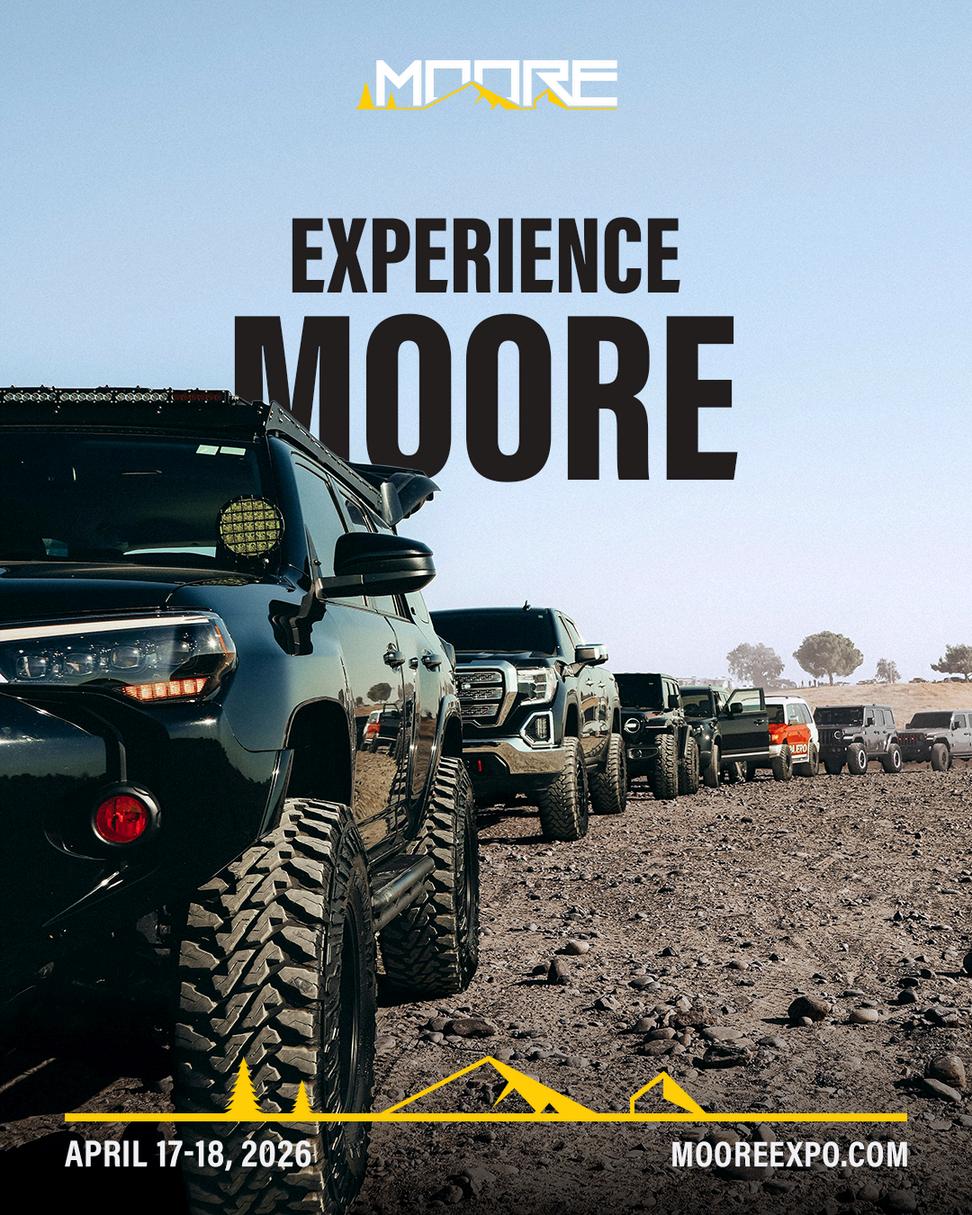
Well hello everyone Cindy from Northology here I’ve been getting a lot of messages lately from folks in the Upper Midwest who are curious about MOORE but aren’t quite sure what it is or whether it’s “for them ” If you’ve been on the fence, here’s the rundown in plain terms from someone who’s been in it, helped shape parts of it, and genuinely believes it’s one of the most valuable weekends you can plug into as an overlander in the Midwest
IT IS SO MUCH MORE THAN JUST AN EXPO
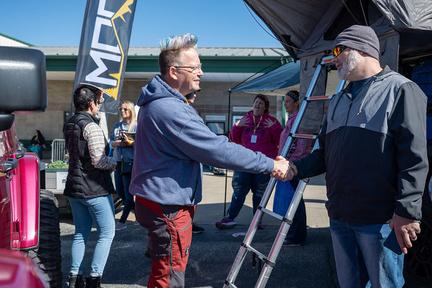
The MOORE Expo is basically the Midwest’s biggest gathering of overlanders, off-roaders, builders, educators, and brands but more importantly, it’s a community hub. Yes, there are hundreds of vendors and some incredible rigs to check out, but what really makes it worth your time are the people, the camping, the conversations, and the incredible learning opportunities
If you’re newer to overlanding, this is one of the best places you can possibly start You’ll get exposure to gear, setups, and real-world experiences without having to scroll endlessly online or guess what works. You can ask questions, see things in person, and learn from people who actually use their rigs. If you’ve been doing this for a while, it’s still just as valuable there’s always something new to learn, and honestly, it’s just a really good time to reconnect with people who “get it ”
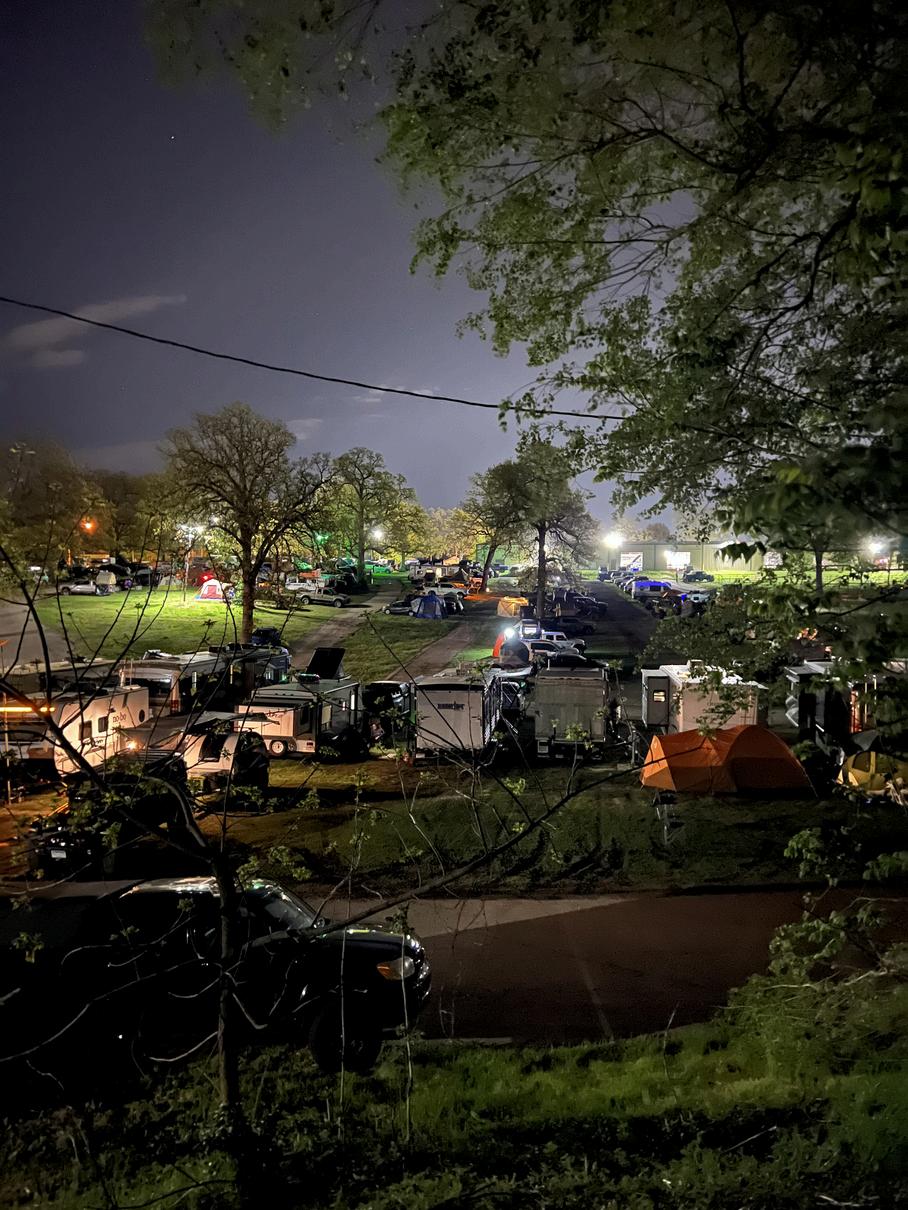
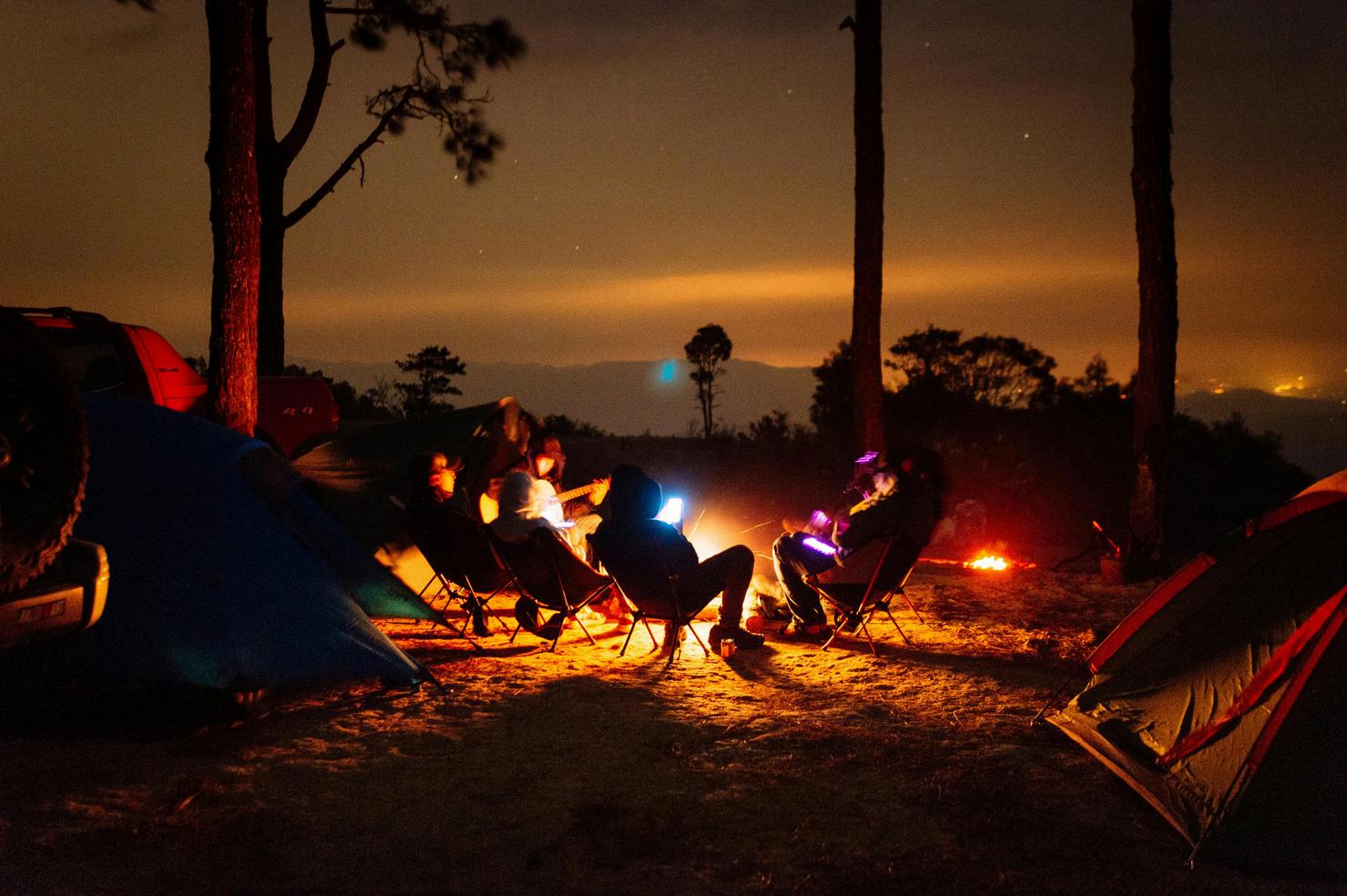
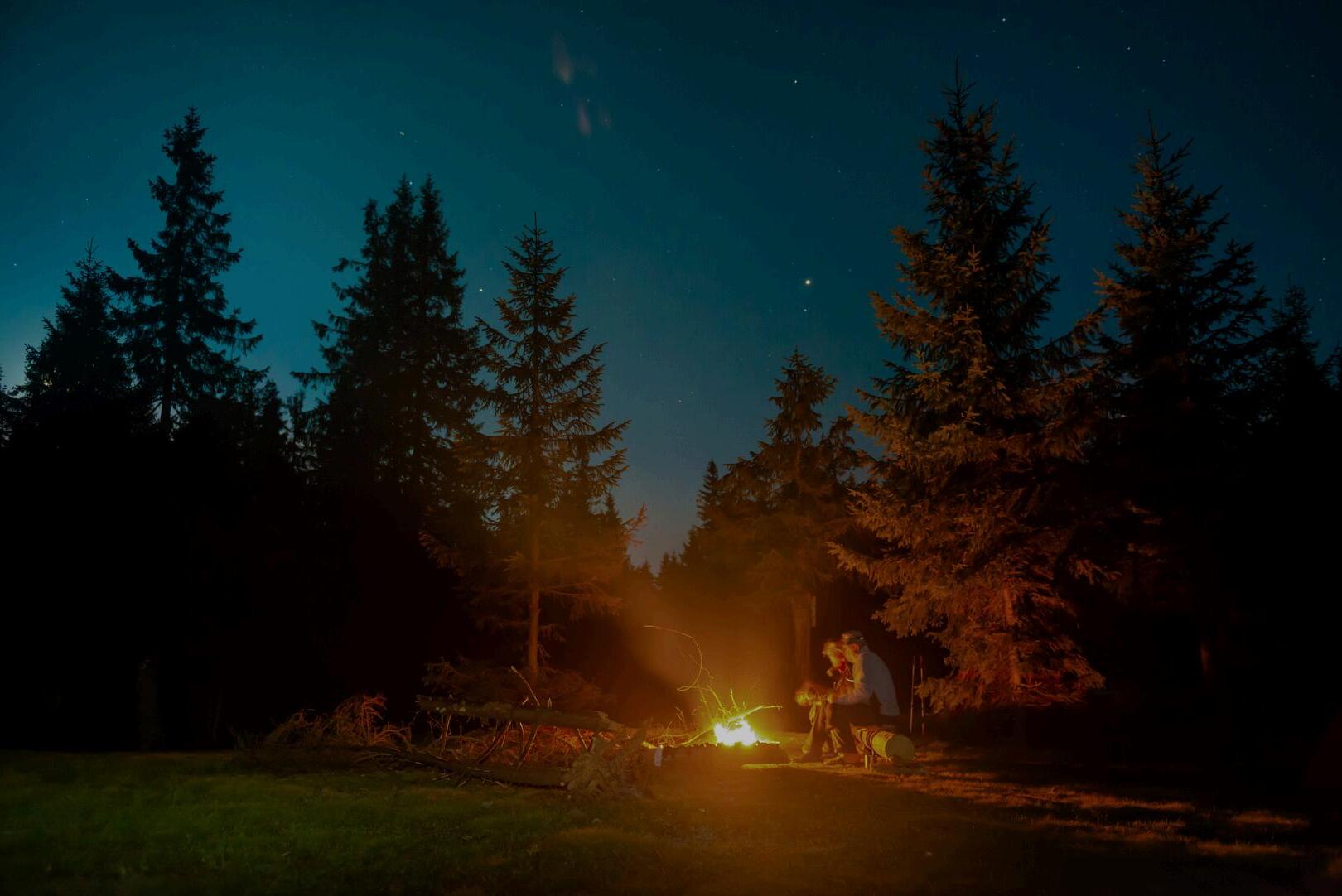
One of the things I’m most excited about again this year is Camp Northology We set this up as an onsite camping experience so you’re not just attending the expo during the day you’re living it for the weekend It’s where a lot of the best conversations happen after hours. Campfires, late-
night hangs, meeting people from all over the Midwest and beyond it turns the event into something much more than just a show you walk through
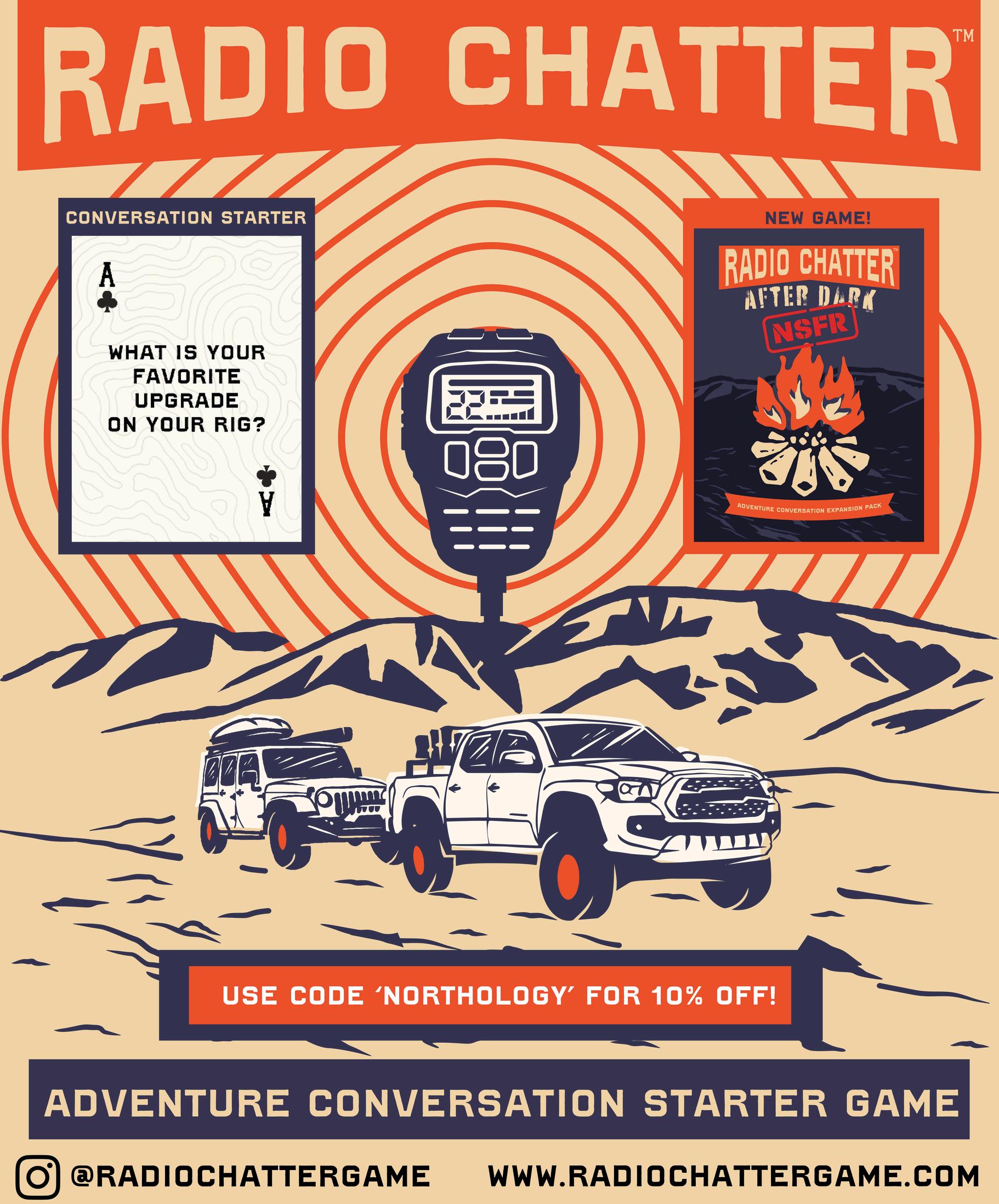
New this year is the Camp Northology Wrap Party on Saturday night Bring your guitar, your harmonica, and join in or just sit back and enjoy the live music Rumor has it there will be door prizes, Radio Chatter After Dark games and content creators joining us for the last bash of the weekend
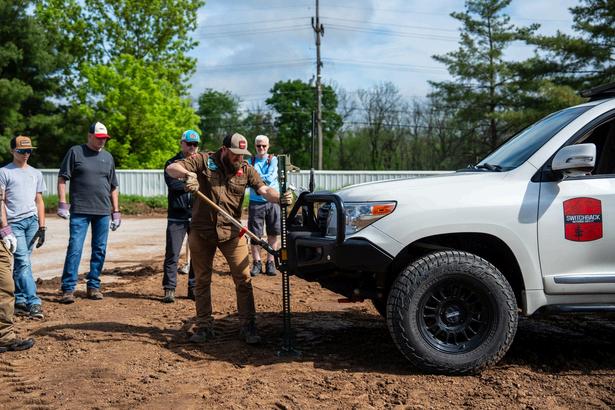
We’ve been working hard to add meaningful education, and this year includes Midwest Women’s Basecamp clinics as part of the Switchback Outdoor Safety Course schedule These are hands-on, practical sessions focused on real skills things like recovery, safety, and building confidence on and off the trail It’s not just theory, and it’s not watered down It’s about creating space for people to learn, ask questions, and walk away actually more capable.
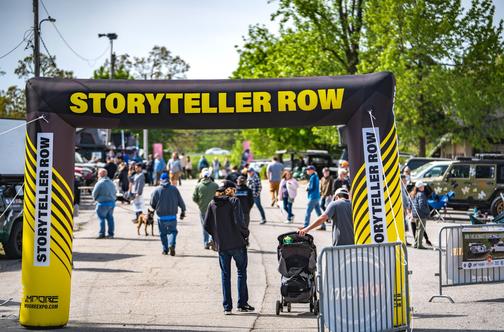
Another really cool piece returning this year is the Storyteller Program, which ties the event into a bigger purpose MOORE is partnering with the National Center for Missing & Exploited Children, and creators are raising funds and awareness through ticket sales and donations. It’s a reminder that this community can do more than just explore we can show up for something that matters
This year we are helping one of our own make it to Storyteller Row You can use Dakota’s code for a discount - dakotaadventures1941 - and even if you don’t attend you can support Dakota and NCMEC here.
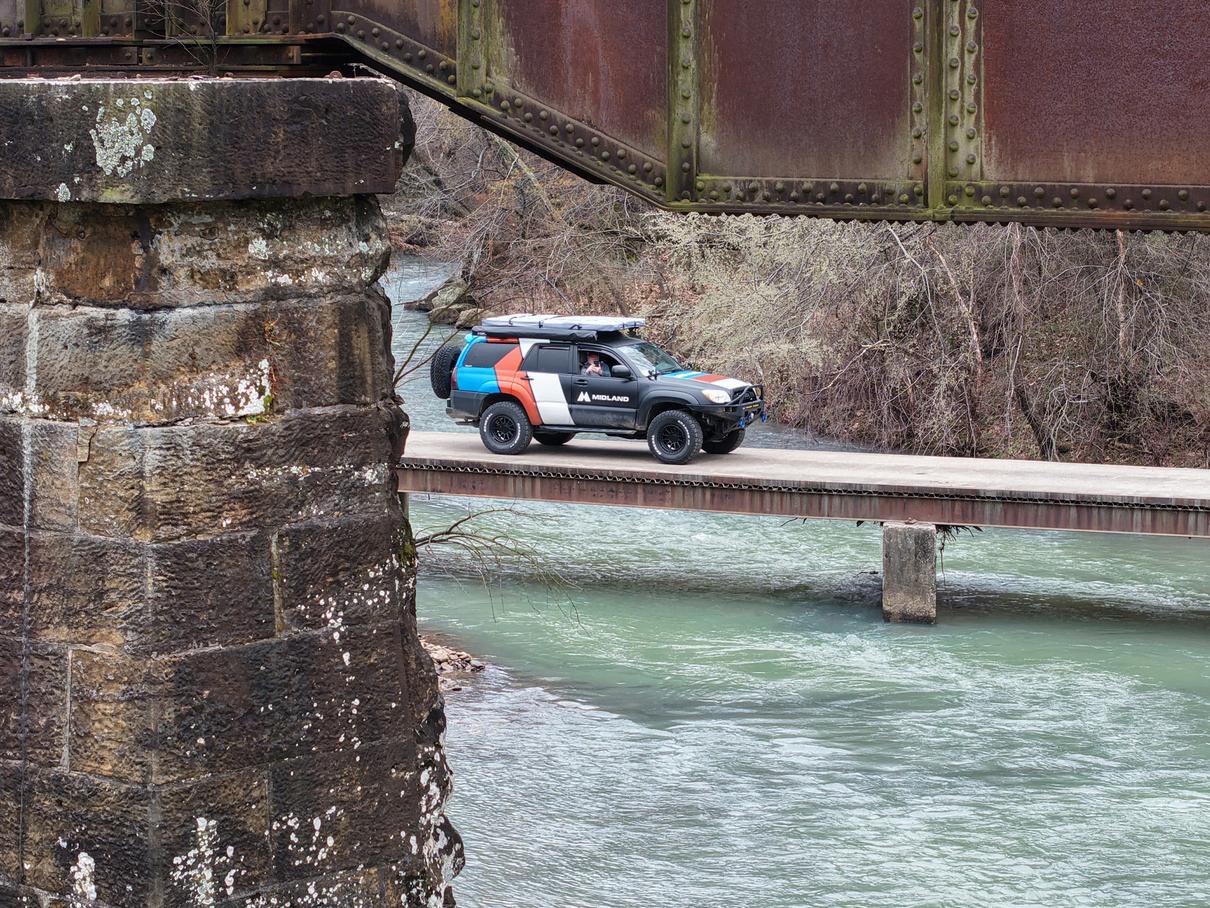
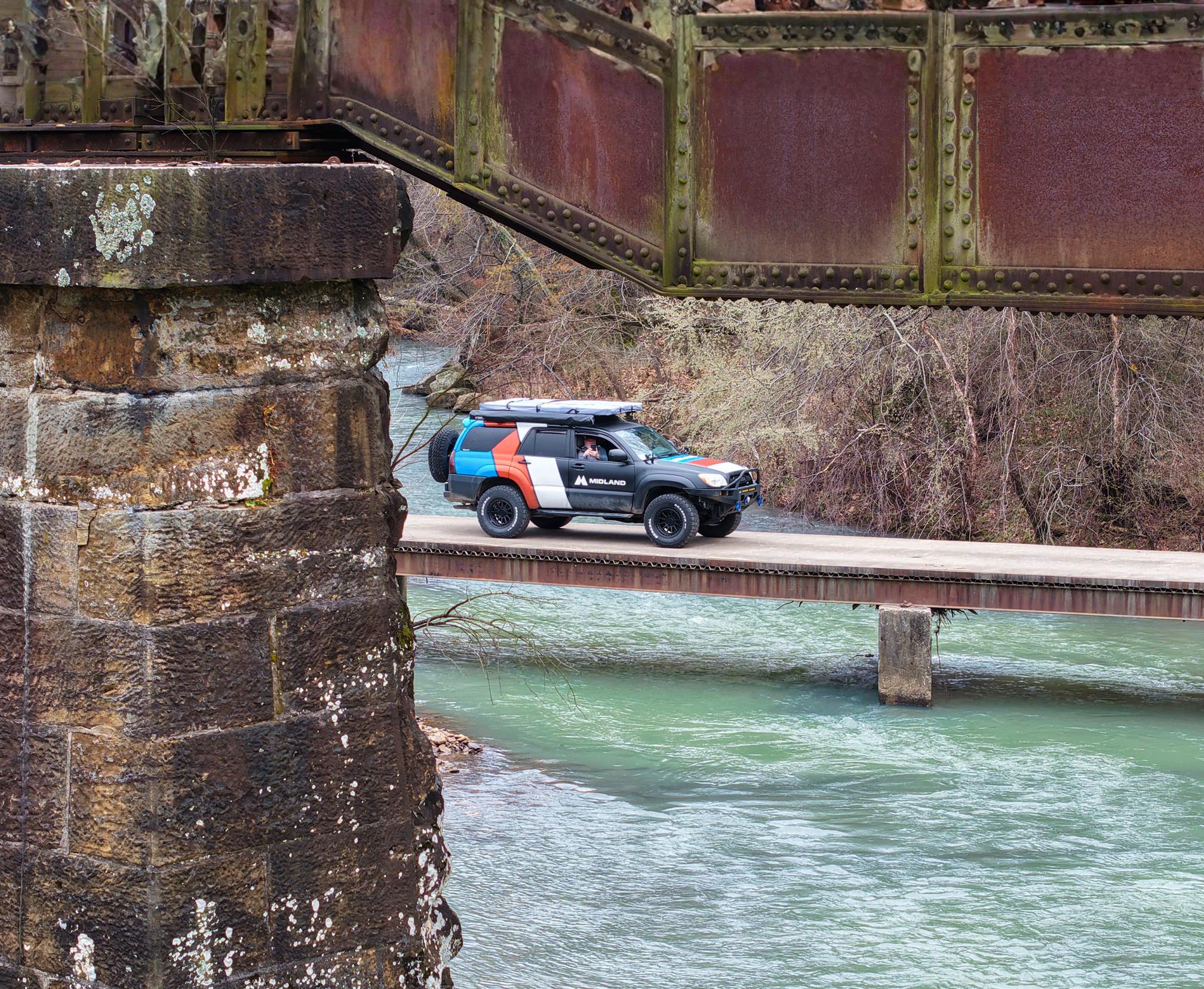
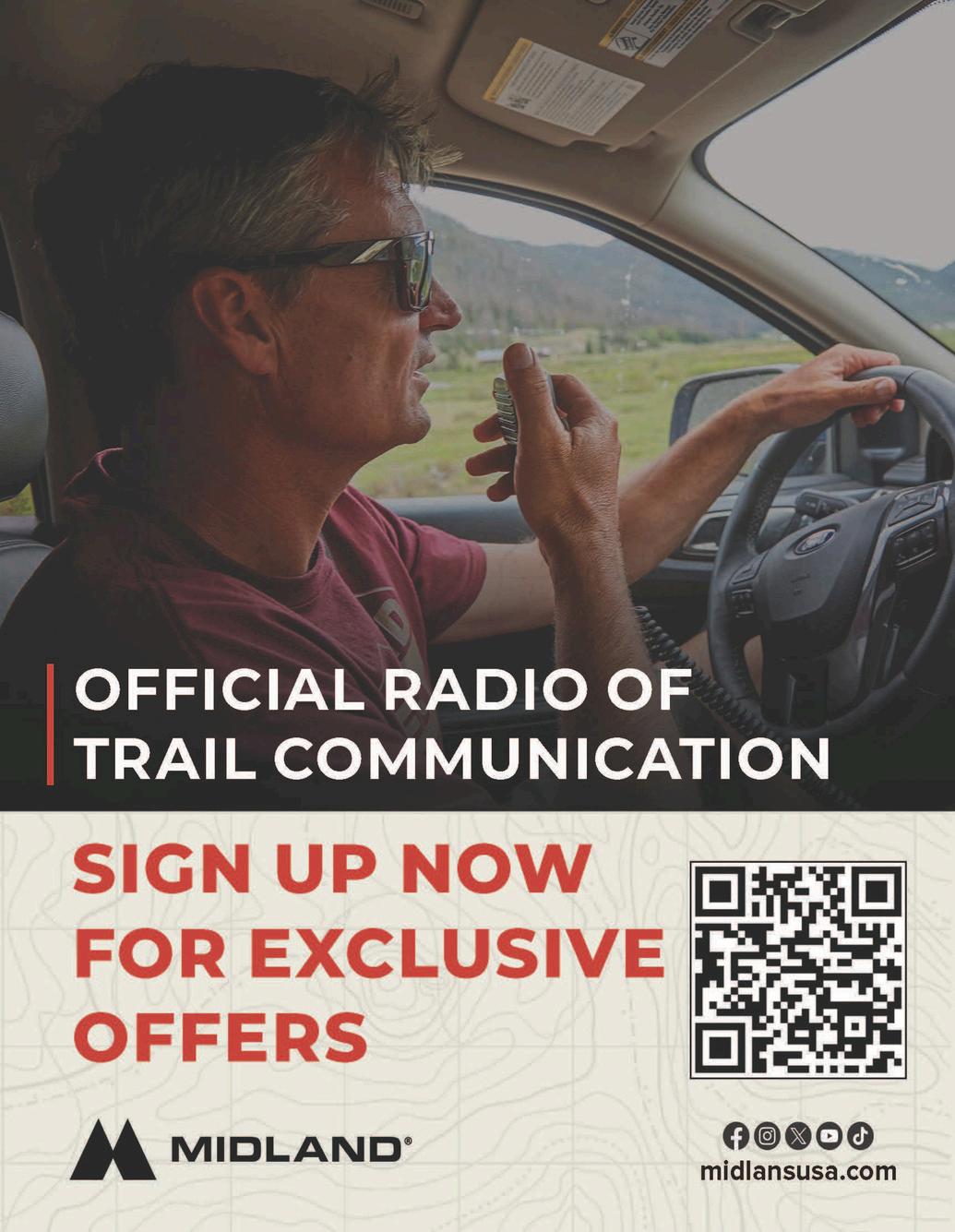
The Midwest Discovery Routes sented by Midland USA, are q becoming one of the most ex developments for overlanders region Designed to connect backroads, public lands, and town waypoints across the Mid these routes give travelers a s ured way to explore the backro The MOORE Expo. With Mid support, the routes are not only mapped and shared, but promoted with a focus on co nication, safety, and accessibility encouraging more people to get out, travel responsibly, and experience what’s been in our backyard all along
If you’ve been watching from the sidelines or wondering if this is your thing, this is your sign to just go You’ll learn a ton, meet great people, and probably leave with a completely different perspective on what’s possible with this lifestyle
If you’ve got questions, drop them here or shoot me a message I’m always happy to help you figure out how to make the most of it. Better yet, join our MOORE Expo convoy event on Facebook to find folks to travel with and hang out with at camp. From Minnesota to Michigan, and all the surrounding states, the chances you can find like-minded people headed down to the expo are pretty darn good.
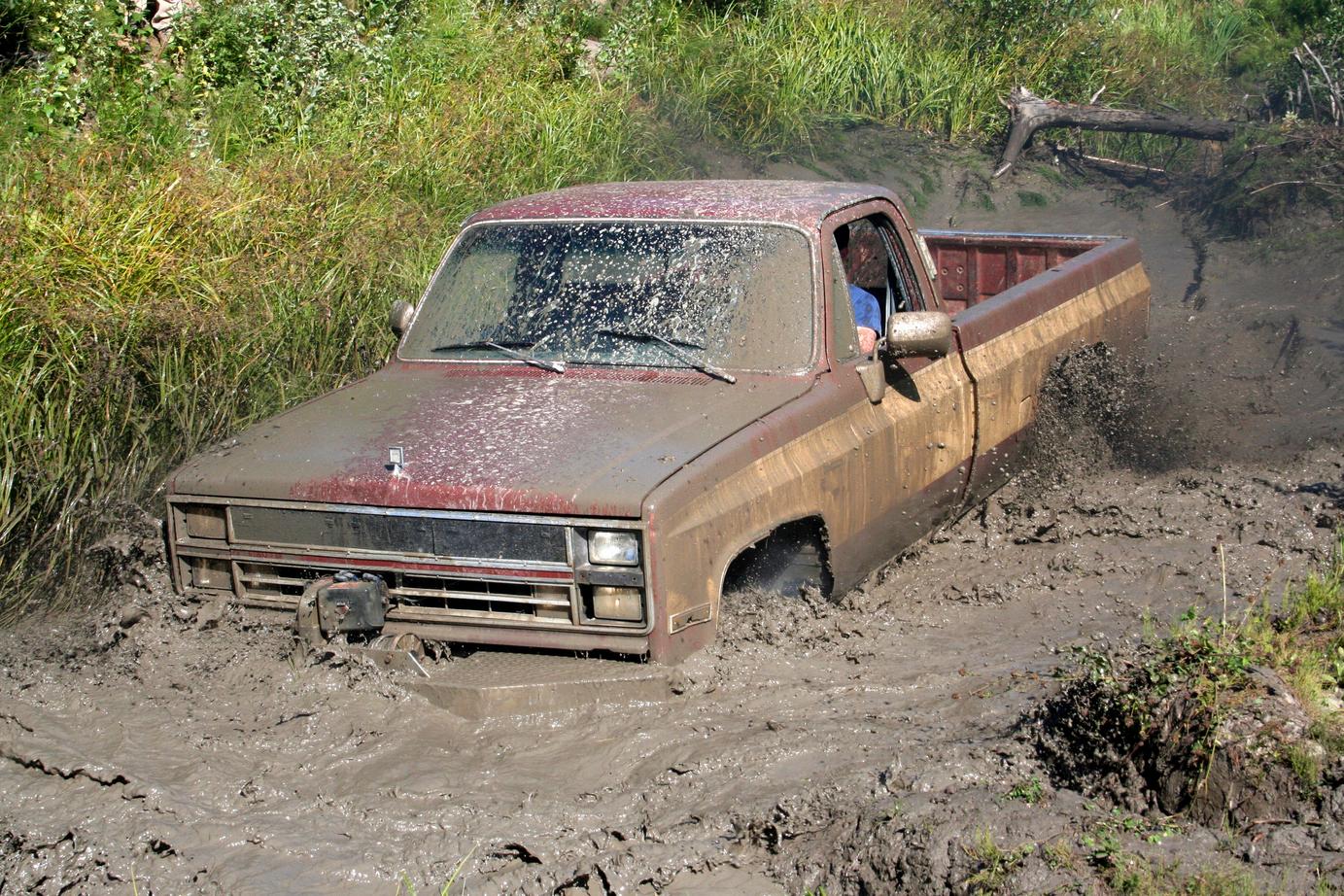
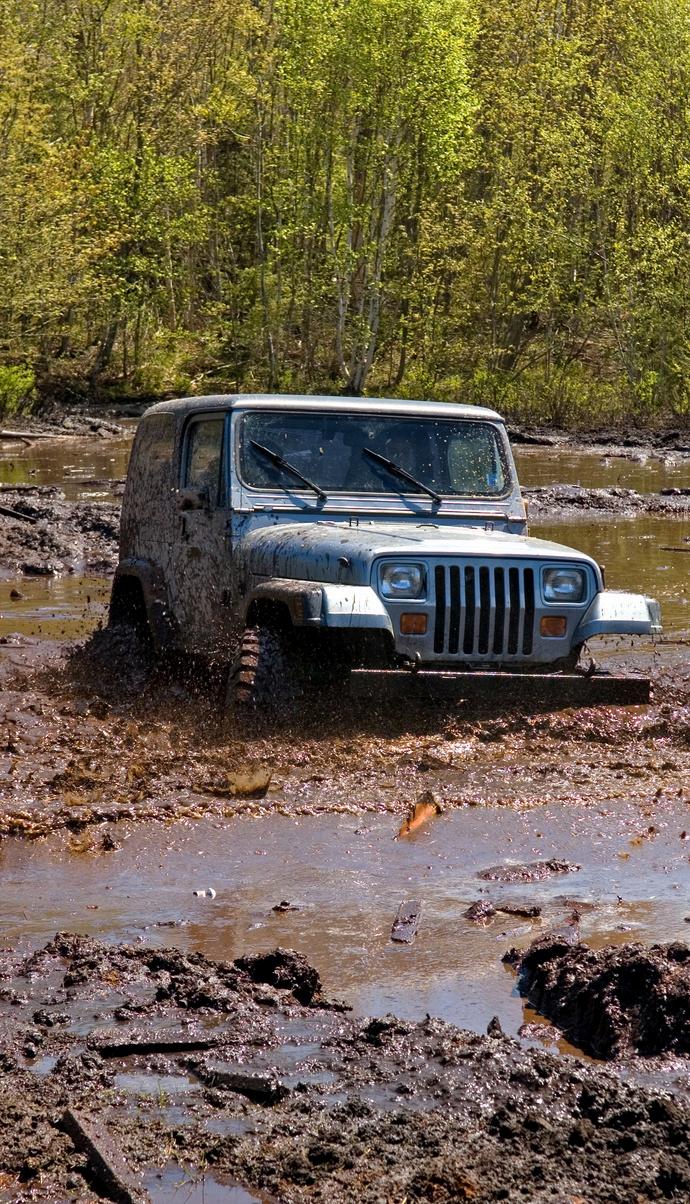
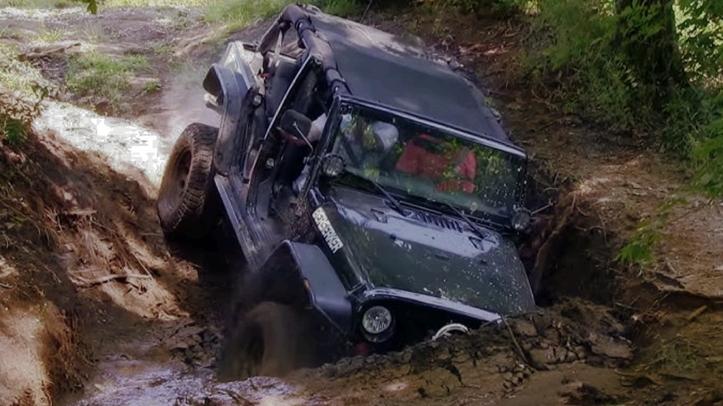
Spring has arrived, and the snowpack is melting fast. What was once a frozen forest road is now a ribbon of deep mud, standing water, and soft shoulders. Your overlanding group is exploring a remote trail when the lead vehicle suddenly drops into a hidden washout softened by the thaw.
The rear tire sinks deep into mud. The driver attempts to reverse but only digs the tire deeper. You all step out to begin a recovery.
Jordan grabs a recovery strap and walks toward the front of the stuck vehicle to help guide the process. As they step near the edge of the rut, the muddy bank collapses beneath them.
Jordan slips hard, tumbling down the muddy embankment and striking a rock before landing in shallow, icy runoff water. They are now lying partly in the mud and water about 15 feet below the trail.
Your group moves toward them.
Before you rush to Jordan, pause. Spring thaw environments can be unstable. Ask yourself:
What hazards exist in this scene?
Could the vehicle move unexpectedly?
Is the ground stable where you are standing?
Is there moving water, mud collapse, or loose rocks?
What steps should you take to make the scene safe before approaching the patient?
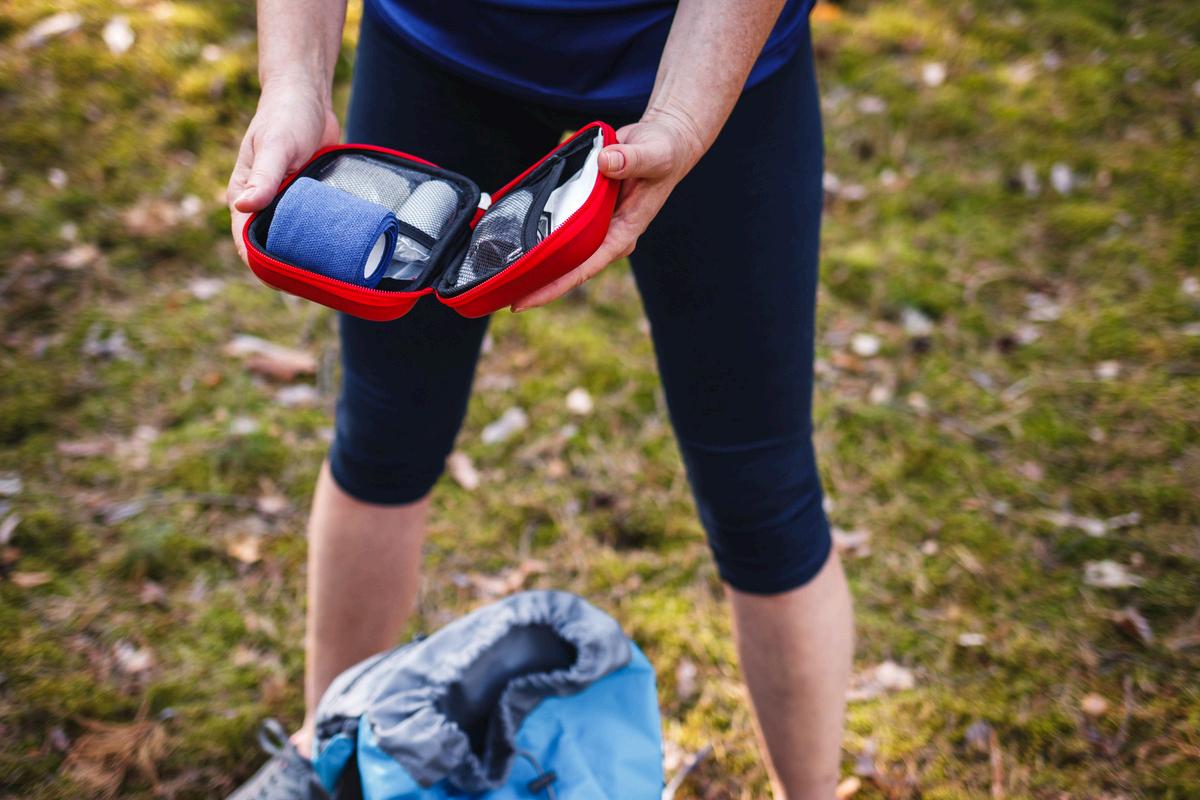
The MARCH Assessment is a systematic way to identify and treat lifethreatening conditions. Originally developed for tactical medicine, it is widely used in wilderness first aid, search and rescue, and remote medicine to help rescuers prioritize care in stressful environments.
MARCH stands for:
M — Massive Hemorrhage
The first priority is stopping life-threatening bleeding.
Severe bleeding can cause death within minutes, so it must be addressed immediately.
Look for:
Spurting or pooling blood
Blood soaking through clothing
Partial or complete amputations
Treatment includes:
Direct pressure
Pressure bandages
Tourniquets if bleeding cannot be controlled
A — Airway
Next, ensure the patient’s airway is open and clear.
If a person can speak normally, their airway is usually open. However, rescuers should still check for:
Blood, vomit, or debris in the mouth
Decreased responsiveness
Obstructions
Treatment may include clearing the airway, repositioning the head, or placing the patient in a recovery position if unconscious but breathing.
R — Respirations
Assess how well the patient is breathing.
Look for:
Chest rise and fall
Breathing rate and effort
Signs of chest injury
Problems such as chest trauma or lung injury can prevent adequate oxygen delivery and require close monitoring.
C — Circulation
After life-threatening bleeding and breathing issues are addressed, check circulation and signs of shock.
Indicators of shock include:
Pale or cool skin
Rapid pulse
Weakness or dizziness
Anxiety or confusion
Treatment focuses on controlling bleeding, keeping the patient warm, and minimizing unnecessary movement.
H — Head Injury / Hypothermia
Finally, assess for head injuries and environmental exposure.
Check for:
Confusion or altered mental status
Memory loss
Unequal pupils
Signs of cold stress or hypothermia
In wilderness settings, hypothermia can occur even in mild temperatures, especially when patients are wet or injured. Treatment includes protecting the patient from the environment, insulating them from the ground, and keeping them warm.
MARCH helps rescuers focus on what will kill a patient first. By following this order, responders ensure that the most critical problems are addressed immediately, even in chaotic or remote environments.
In short:
Stop bleeding → Protect the airway → Support breathing → Maintain circulation → Manage head injury and hypothermia.
This structured approach helps rescuers stay calm, organized, and effective when seconds matter.
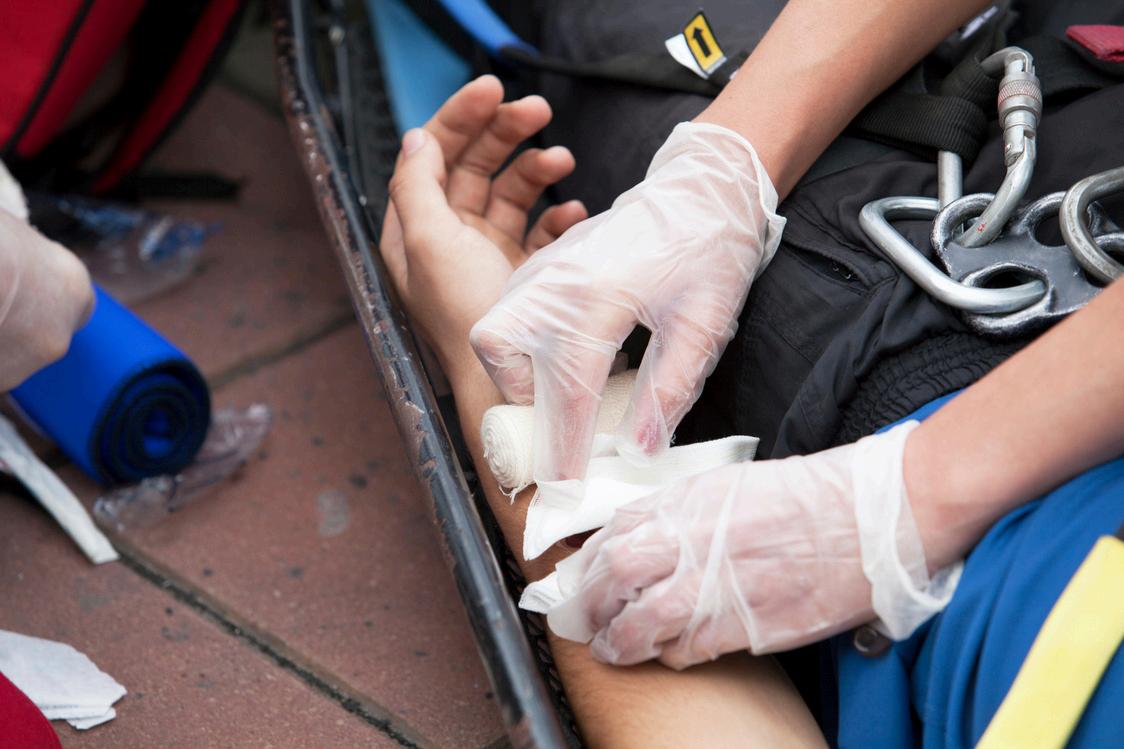
You reach Jordan. They are conscious but clearly in pain. Their pant leg is torn and muddy.
You notice a dark stain spreading around the calf area.
Ask yourself:
Is there life-threatening bleeding?
What signs indicate severe bleeding in muddy or wet environments?
How would you control massive bleeding in the field?
Consider:
Direct pressure
Pressure bandages
Improvised tourniquet if bleeding cannot be controlled
Remember: Massive bleeding is treated before anything else.
Jordan is talking, but their breathing sounds strained. You kneel beside them.
Ask yourself:
Is the airway open and clear?
Can the patient speak clearly?
Is there any mud, water, or debris in the mouth? What interventions might you take if the airway becomes compromised?
Jordan says it hurts to breathe deeply. You look for chest movement.
Ask yourself:
Is the chest rising evenly?
Are respirations fast, shallow, or labored?
Is there any sign of chest trauma?
What signs might suggest:
Rib fractures
Pneumothorax
Serious chest injury
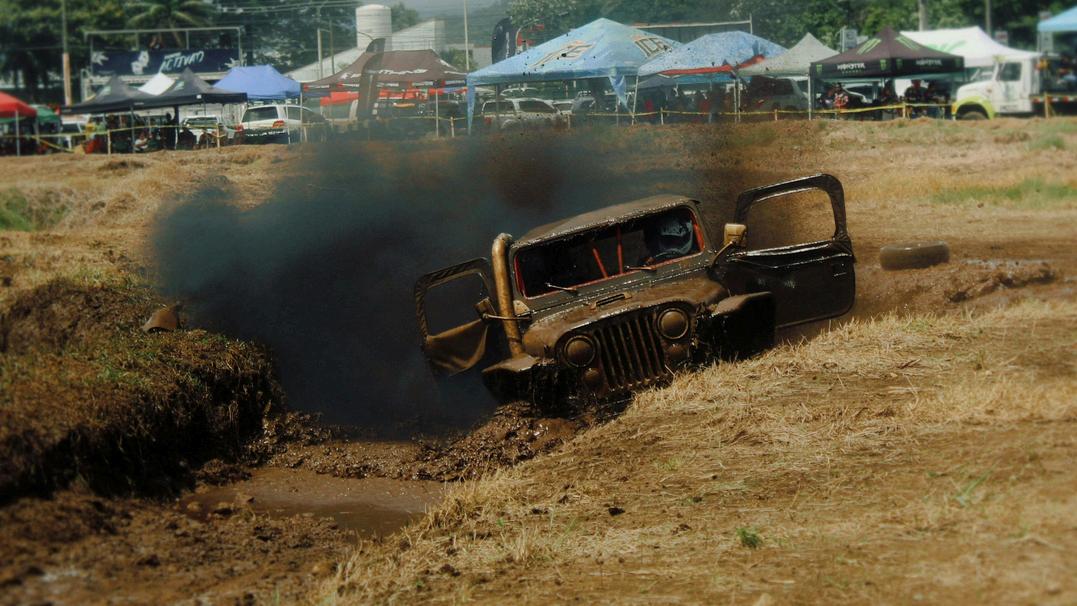
Why is monitoring breathing especially important after a fall onto rocks?
Jordan’s hands are cold and muddy. Their pulse feels fast. You begin checking for circulation problems.
Ask yourself:
Is the skin pale, cool, or clammy?
Is the pulse rapid or weak?
Are there signs of shock developing?
Look for:
Rapid heart rate
Anxiety or restlessness
Weakness or dizziness
Question 6: Head Injury / Hypothermia
Jordan hit the ground hard and is lying partially in icy meltwater.
Now assess:
Did the patient strike their head?
Are they oriented to person, place, and time?
Are there signs of confusion or memory gaps?
Also consider cold exposure.
Ask yourself:
How quickly can wet clothing lead to hypothermia?
What symptoms might appear early?
Possible early symptoms: Shivering
Slurred speech
Clumsiness
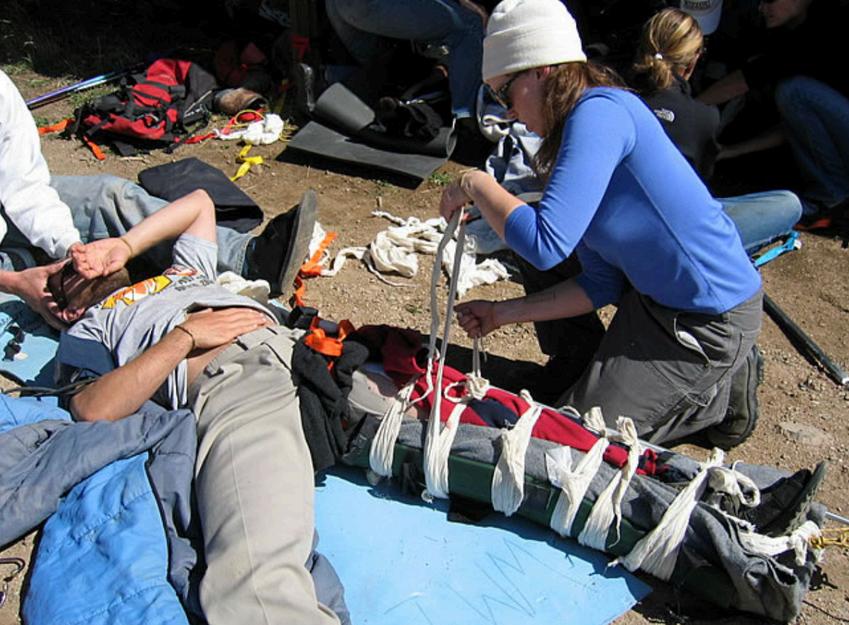
Once life threats are addressed, you begin treatment. Jordan cannot bear weight on their lower leg, which is swelling rapidly.
Ask yourself:
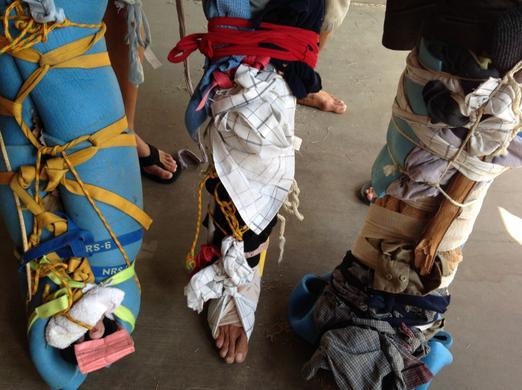
How should a suspected lower leg fracture be stabilized?
What gear in an overlanding vehicle could be used as a splint?
Possible splint materials include: traction boards, shovel handless, tent poles, tools, sleeping pads, recovery boards
Check CSM (circulation, sensation, movement) before & after splinting
Next, address environmental exposure:
Remove wet clothing
Insulate from the ground
Add dry layers or blankets
Provide warm drinks if the patient is alert
Your group is several miles from the nearest maintained road, and the trail is becoming worse. Jordan cannot walk.
Ask yourself:
Can the patient be safely transported in a vehicle?
Would moving them worsen the injury?
Do terrain and mud conditions allow for vehicle movement?
Possible extraction options:
Slow vehicle evacuation
Improvised litter using recovery gear
Stabilizing the patient while calling for rescue
During extraction, continue monitoring:
Mental status
Pain levels
Signs of shock
Circulation in the injured limb
Springthawenvironmentscombinemechanicalhazards,unstable terrain,coldwaterexposure,andlimitedaccesstohelp
Using a structured assessment like MARCH helps rescuers prioritize life threats even in chaotic environments.
Ask yourself:
Could you perform a MARCH assessment under stress?
Would your recovery gear double as medical equipment?
Do you have a plan for extraction when trails become impassable?
Because sometimes the most difficult recovery in overlanding isn’t the vehicle—it's the patient.
The answers to the scenario questions on the right can be found on the Northwoods Overland Adventures website, just snap the code.
The article questions and answersThe questions posed in the monthly articles will be answered in blog posts on Northwoodsoverlandadventures.com every month. Feel free to use the communication tab to start a dialog. You can also message @northwoods_overland_adventures on Instagram . If you have situations you’d like to go through, let us know and we can include them in an article for everyone to learn from. We are also able to accommodate online or in-person classes to go over the curriculum that has been developed for the community, or if you’d like to be certified in Stop the Bleed®.
Note from Alex: When Cody, my husband, and I joined this community, we wanted to contribute something meaningful to it. After much thought and observation, we saw a gap in medical knowledge that we could fill to make our community more aware and safer during medical emergencies. I’ve written a class curriculum, blogs, and articles for the overlanding community regarding medical care. Now we are introducing a new journey of scenarios in the Northology magazine that allows you to critically think and develop your own skills!
Alexandria Eschen is an Intensive Care Unit nurse with eight years of experience providing high-acuity patient care. Clinical specialties include trauma care, Advanced Cardiac Life Support (ACLS), Basic Life Support (BLS), and stroke care. In addition to clinical practice, Alex is a certified Stop the Bleed® educator, with experience teaching hemorrhage control and lifesaving emergency response skills to healthcare professionals and community members. This background ensures that all instruction is grounded in current evidence-based practice and real world clinical application.










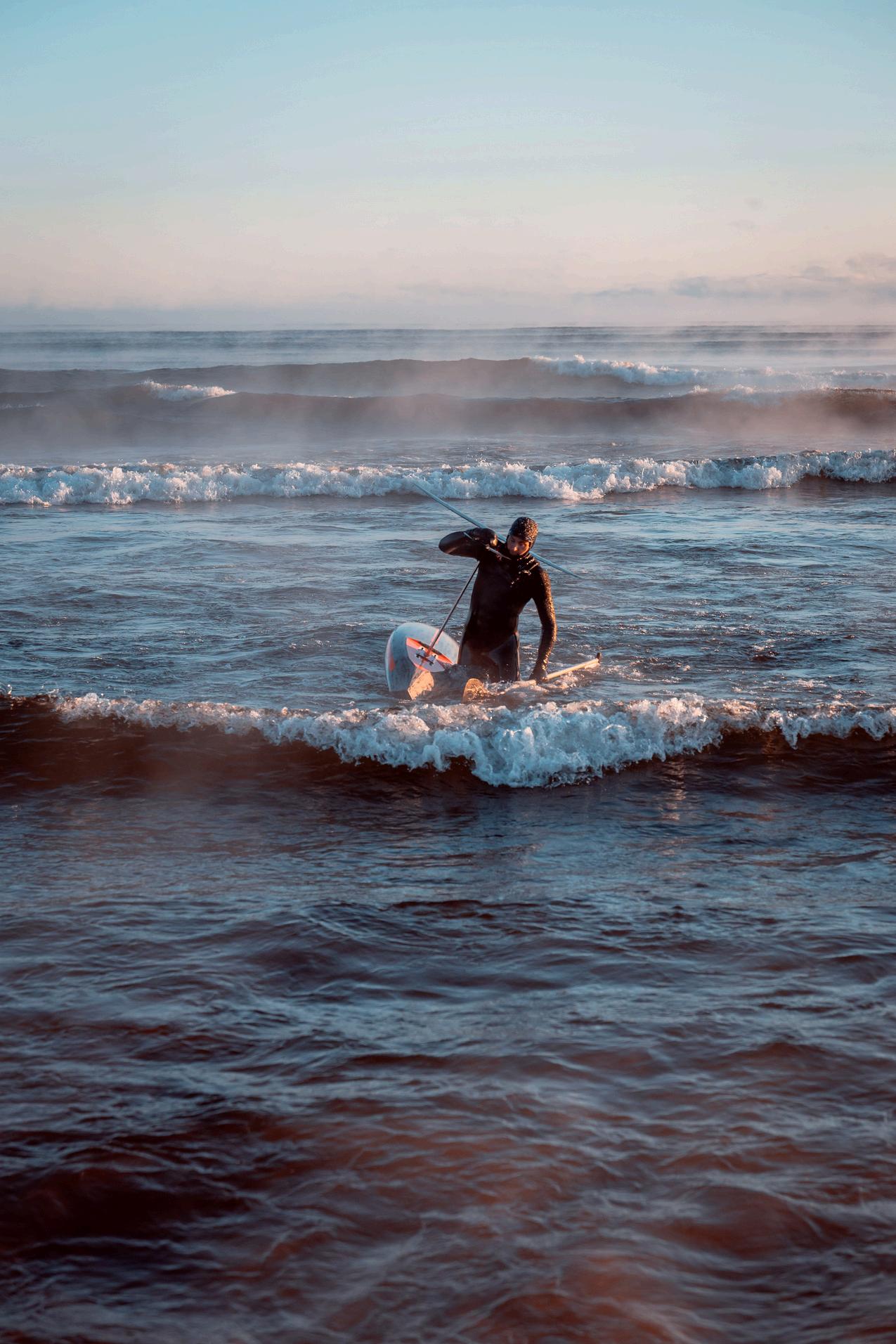

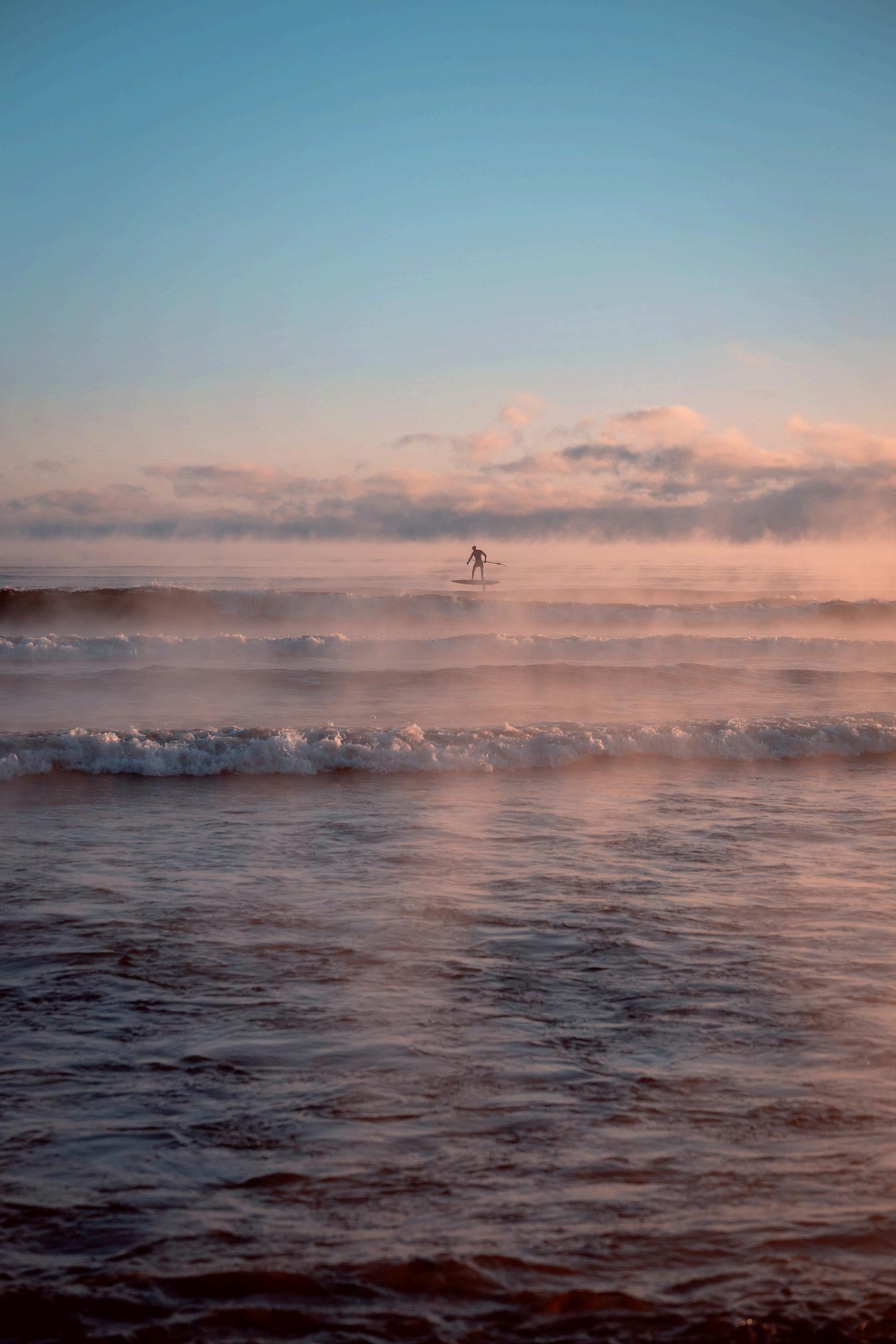
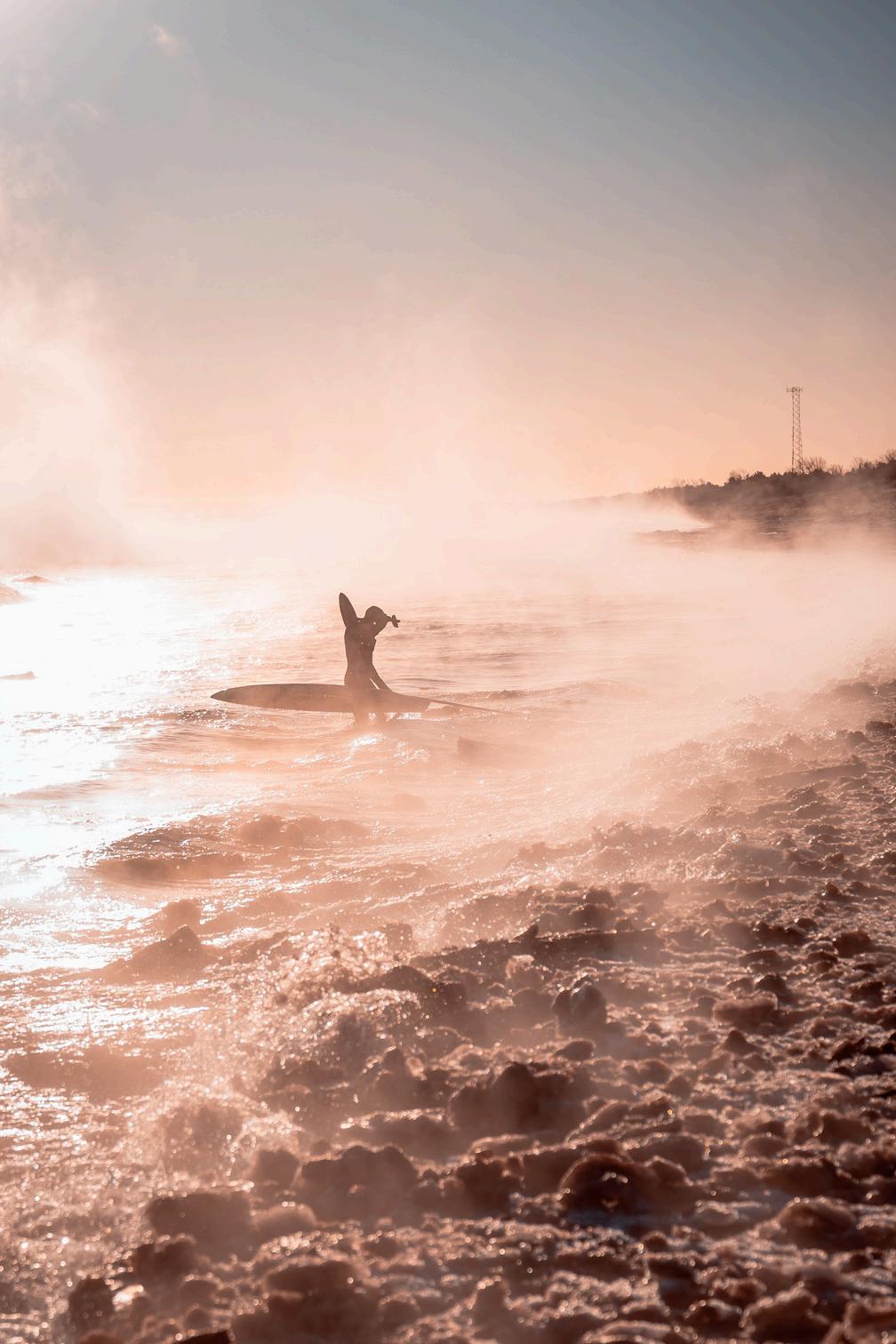
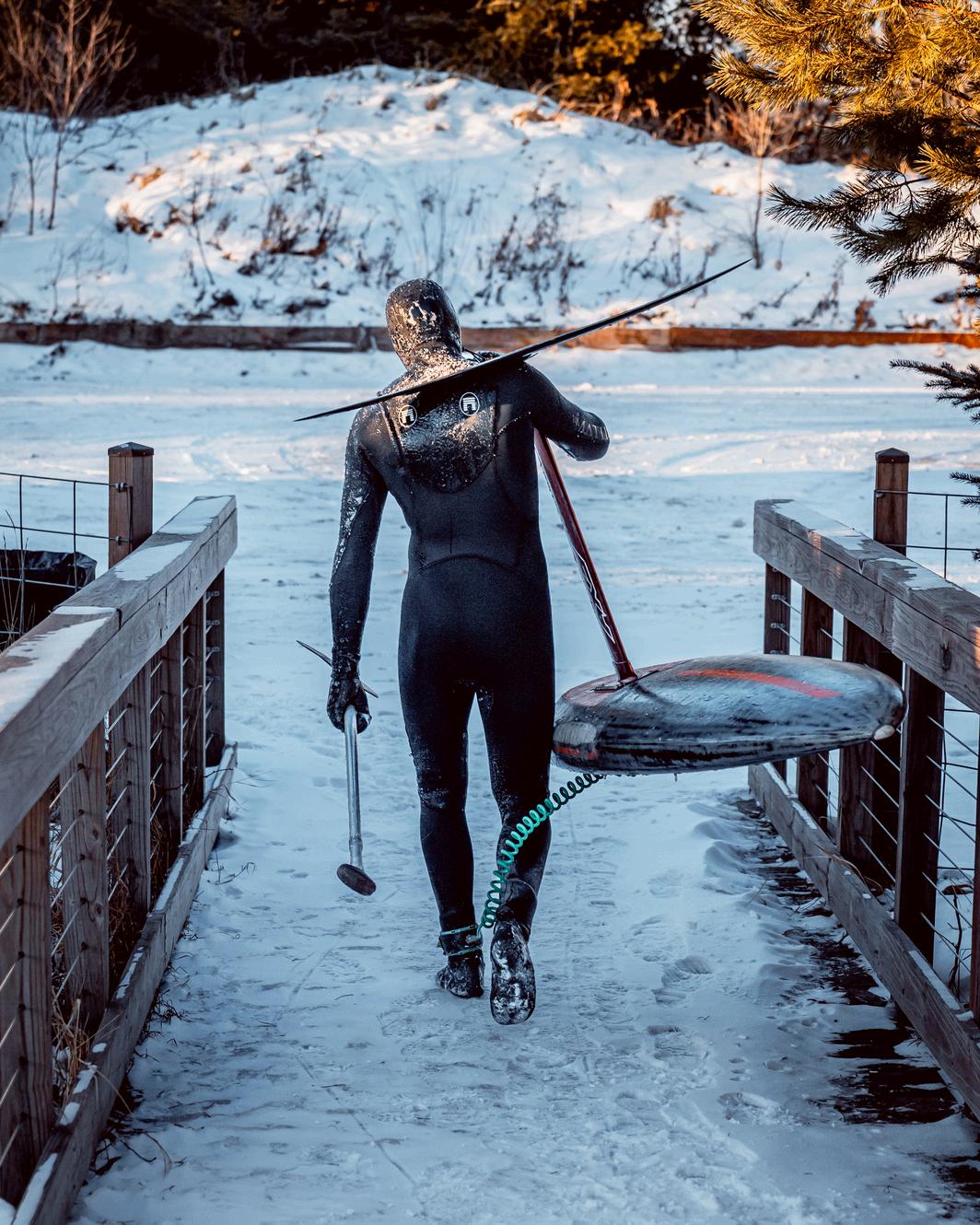
As the ice starts to melt and winter starts to thaw into spring, I wanted to share these pictures I was lucky enough to capture while on a trip up to the North Shore of Lake Superior. My mission was to tap into the local surf culture that has blossomed there and see if I could capture some of these cold water surfers in action.
And the best time for surfing on Lake Superior?
The middle of winter.
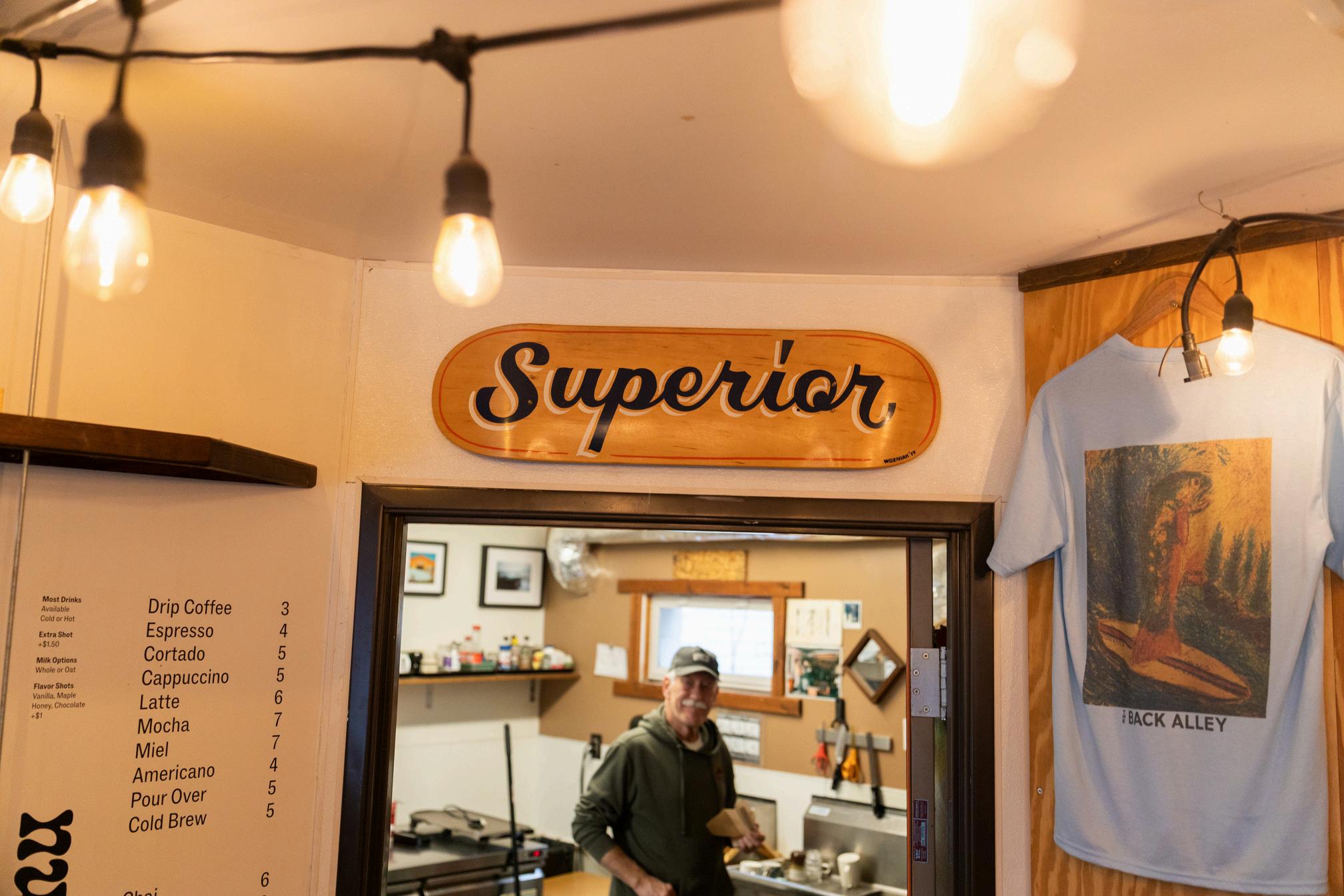
I heard a storm was in the forecast which makes for some “sweet swells” along the North Shore, so I headed to Duluth. First stop - The Back Alley - a local surf shop/coffee shop where I was hoping to get some intel on the best places to find surfers.
I was in luck. I was greeted by Jerry, resident surfer, and owner of The Back Alley. Clearly a good place to start.
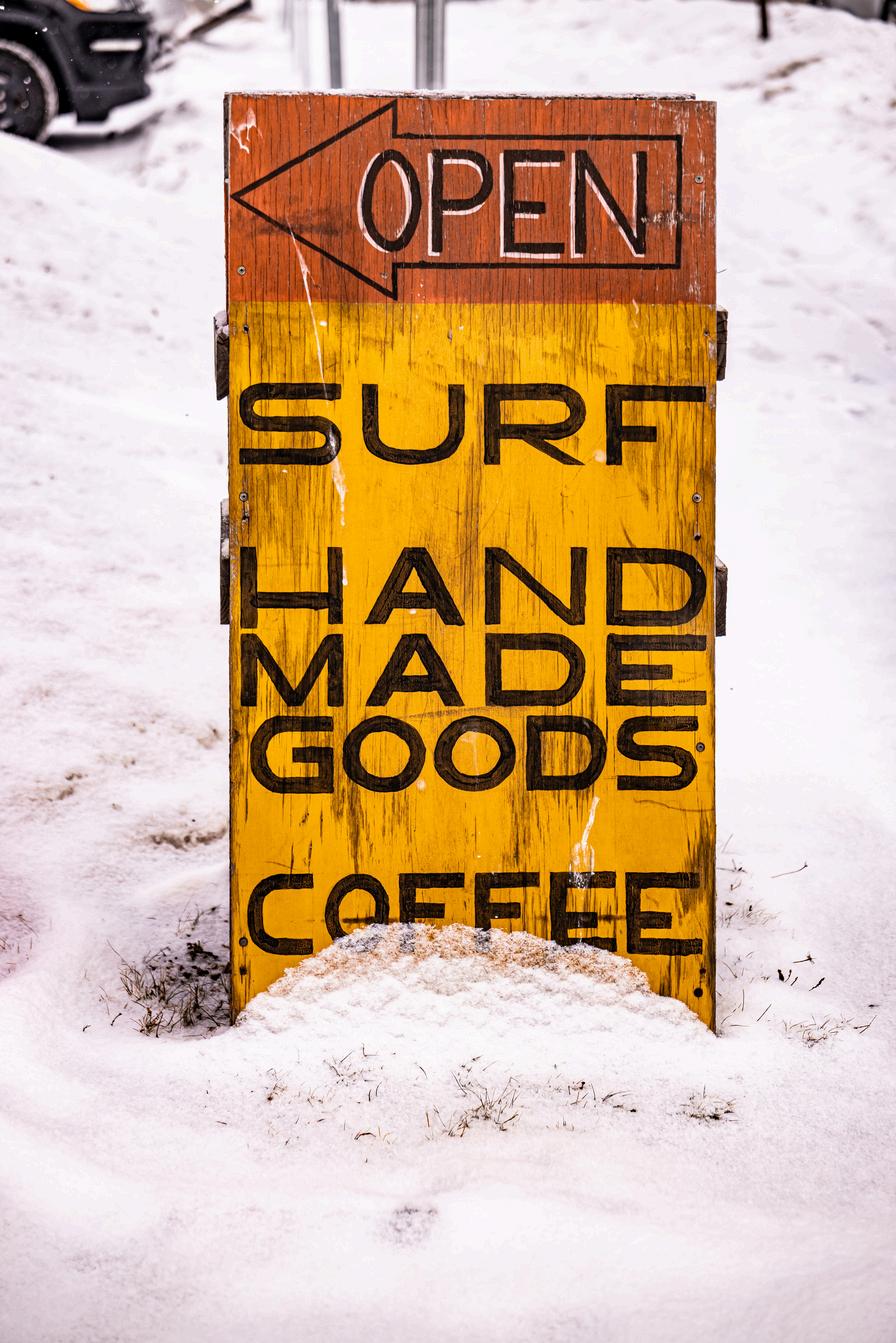
I explained my hopes and he immediately grabbed a map to show me the best places to find surfers. “The storm is blowing in overnight, so go to either of those spots around sunrise and you should find a dozen or so people suiting up.”
I had my plan. So I ordered a latte and hung out for a bit while he continued to tell me about the local surfing community, the ups and downs of owning a surf/coffee shop and even introduced me to local surf legend, Greg Isaacson, one of the first Duluth surfers to be featured in a national magazine.

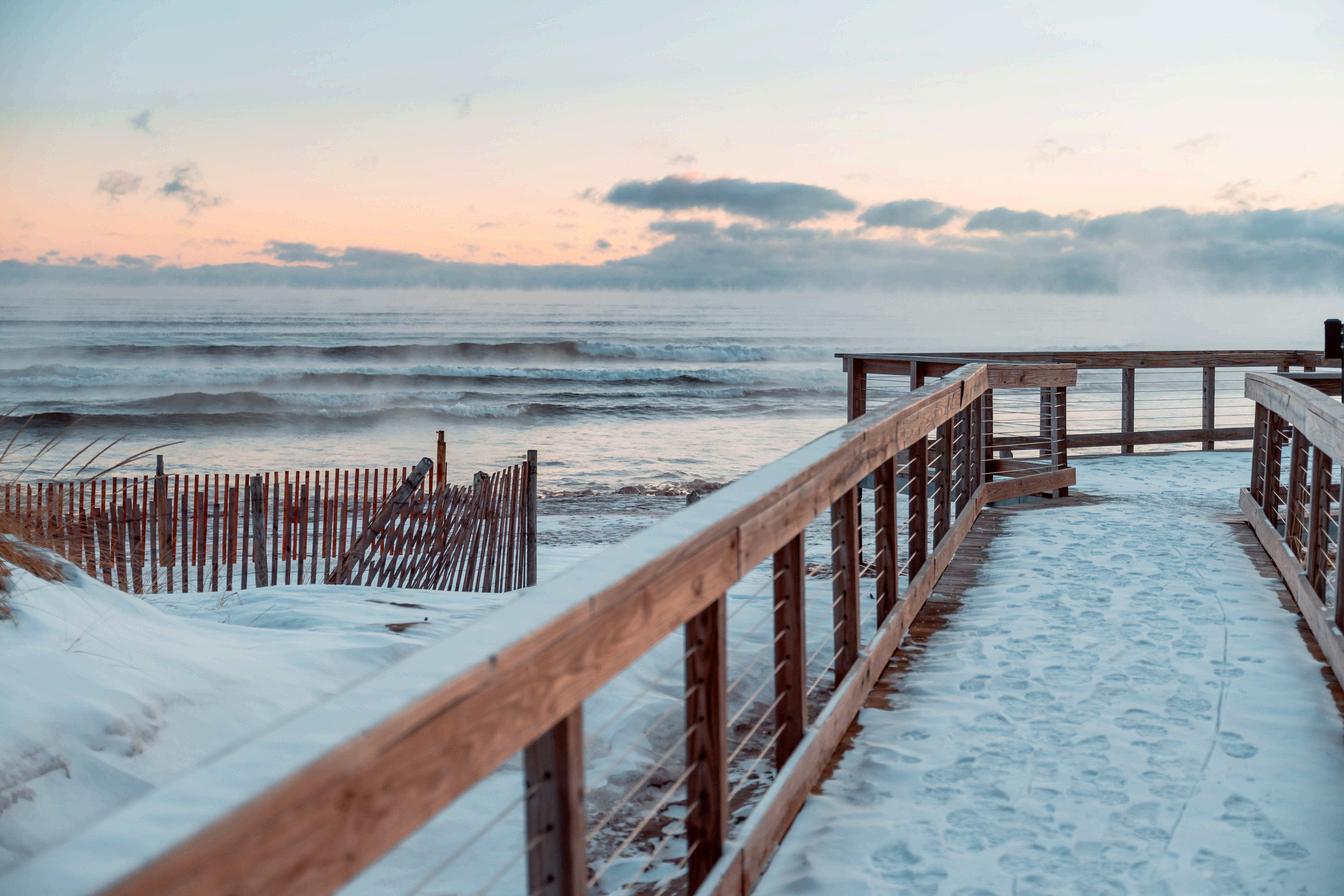
“There is a long history of surfing in Duluth,” Greg explained, which makes sense, since he pioneered it in the mid 1970’s.
Who would have thought the surf culture was so alive and well right here in the north?
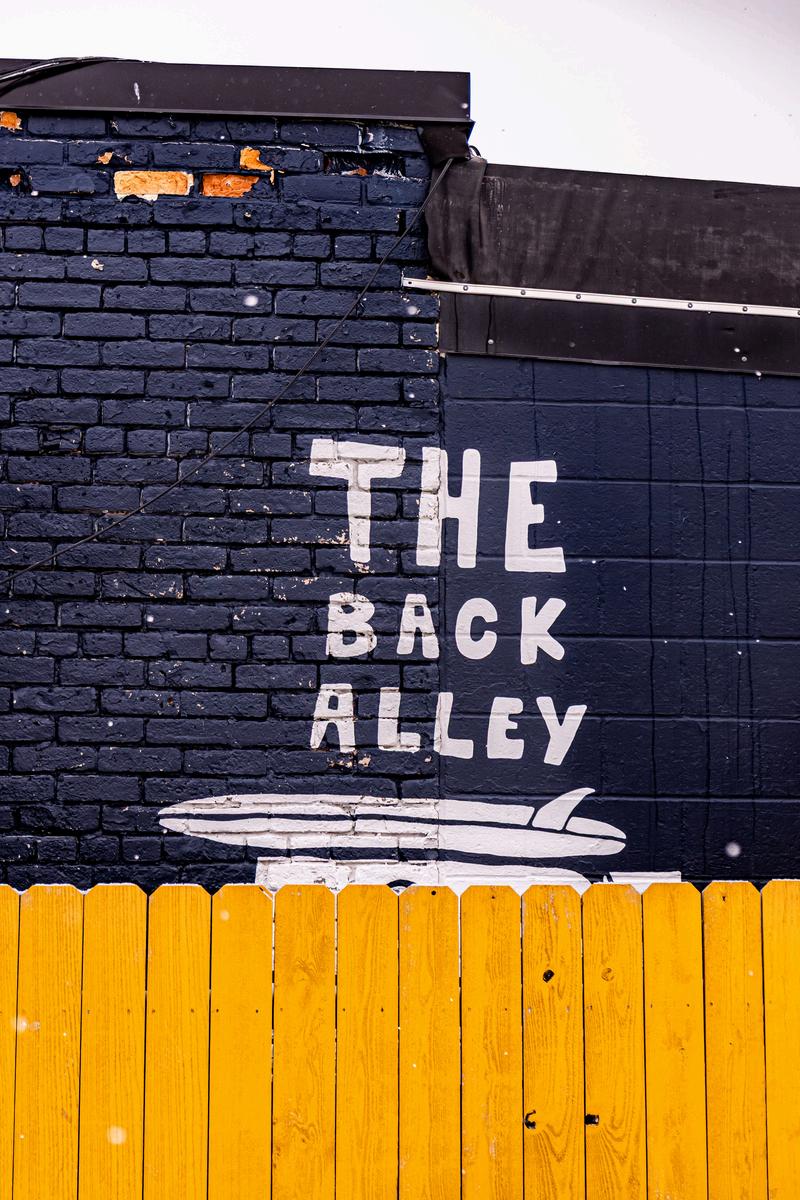
After browsing the surf boards and sex wax, I went to prep for my early morning. I could hear the wind start to howl outside of my room as I made sure my batteries where charged and my long underwear were ready.
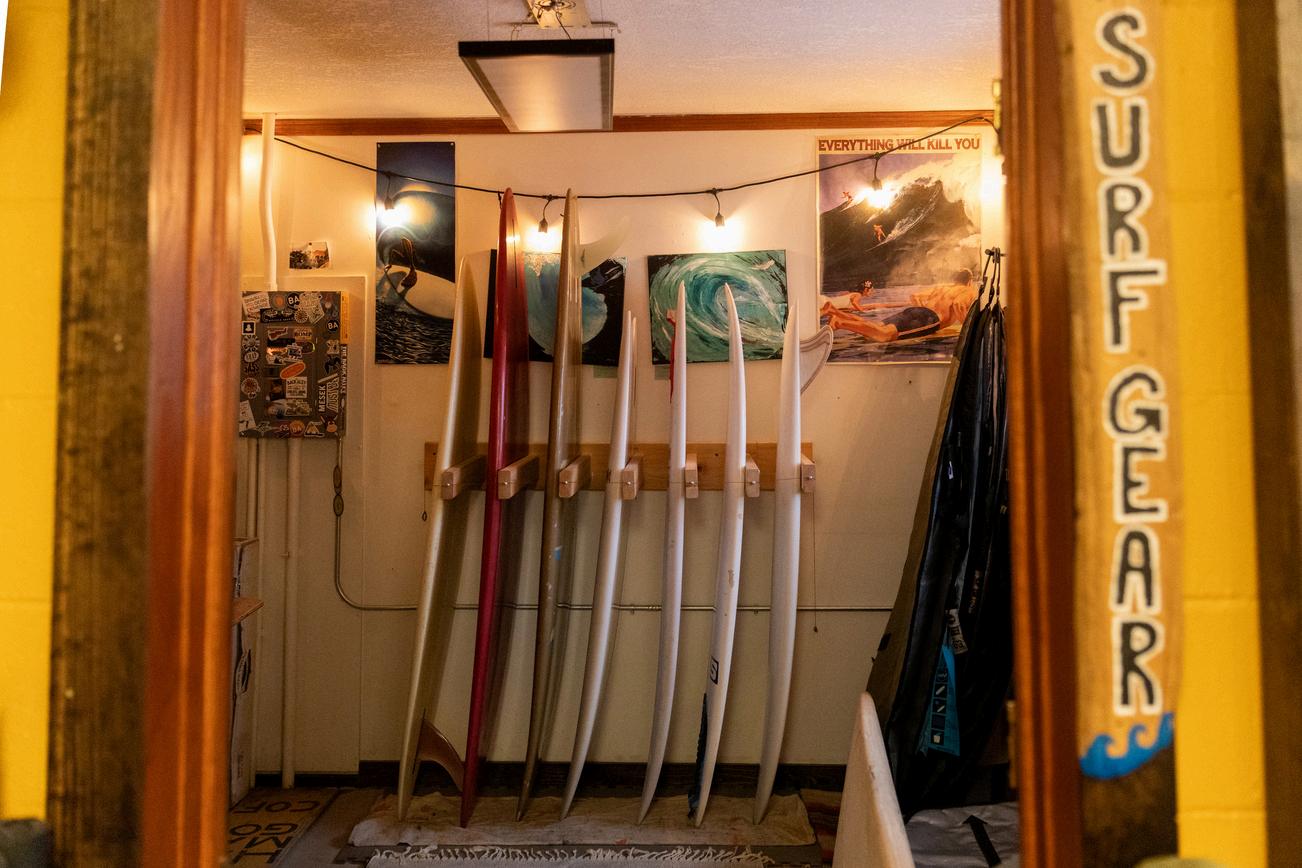
The next day came very early. The wind had died, which made me nervous that maybe the storm had already passed. And sure enough, arriving at the first location, in the darkness of the early morning, I was greeted to an empty parking lot. Not a surfer in sight. And the waves… barely there. So I jumped back in my rig and headed to the one other spot he mentioned.
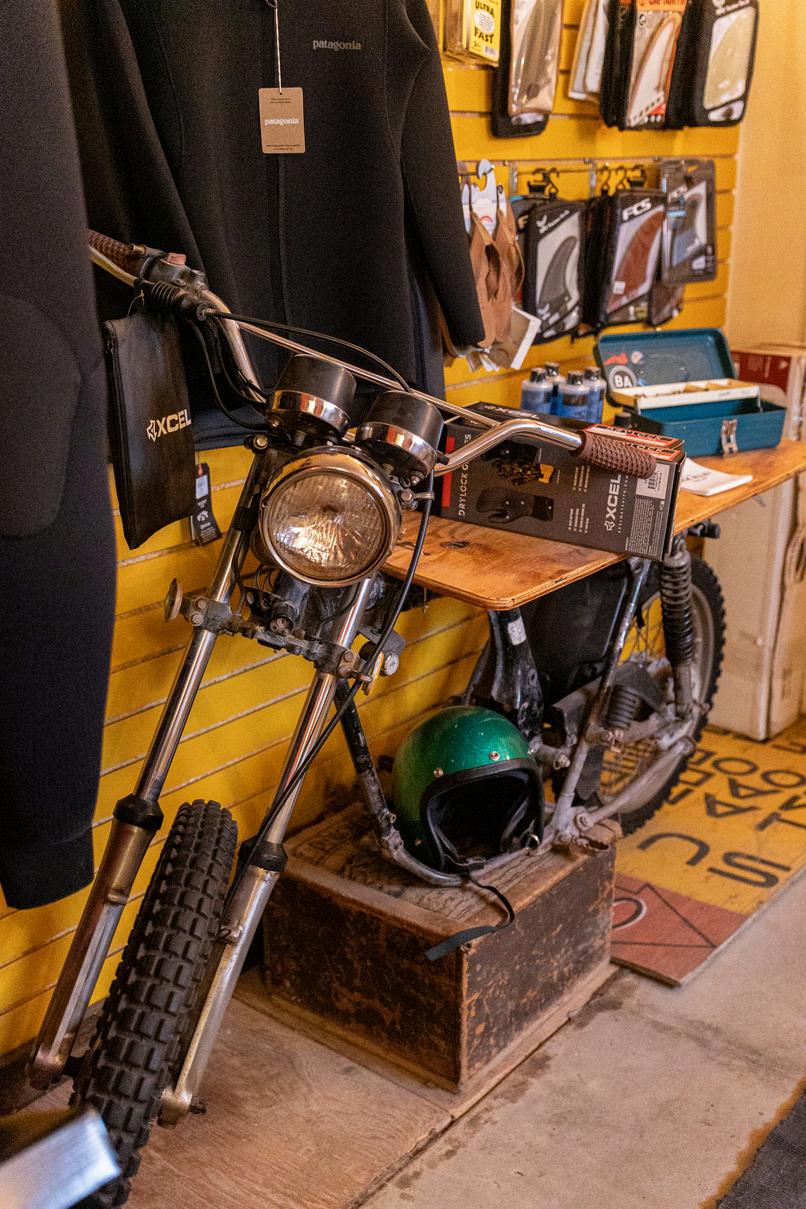
But as the sun started to illuminate the sky, I arrived at another, empty lot. My dreams of shooting a winter surfer started to melt away but decided to check out the beach anyway.
It wasn’t long before Jake arrived. A surfer in the area for the last 10 years! But it wasn’t any old surf board he was carrying. It was a hydrofoil! He agreed to let me get some shots of him on this -14 degree morning. He and I spent a couple hours out there in the cold and boy did it pay off. These are some of my favorite pics from the North Shore.
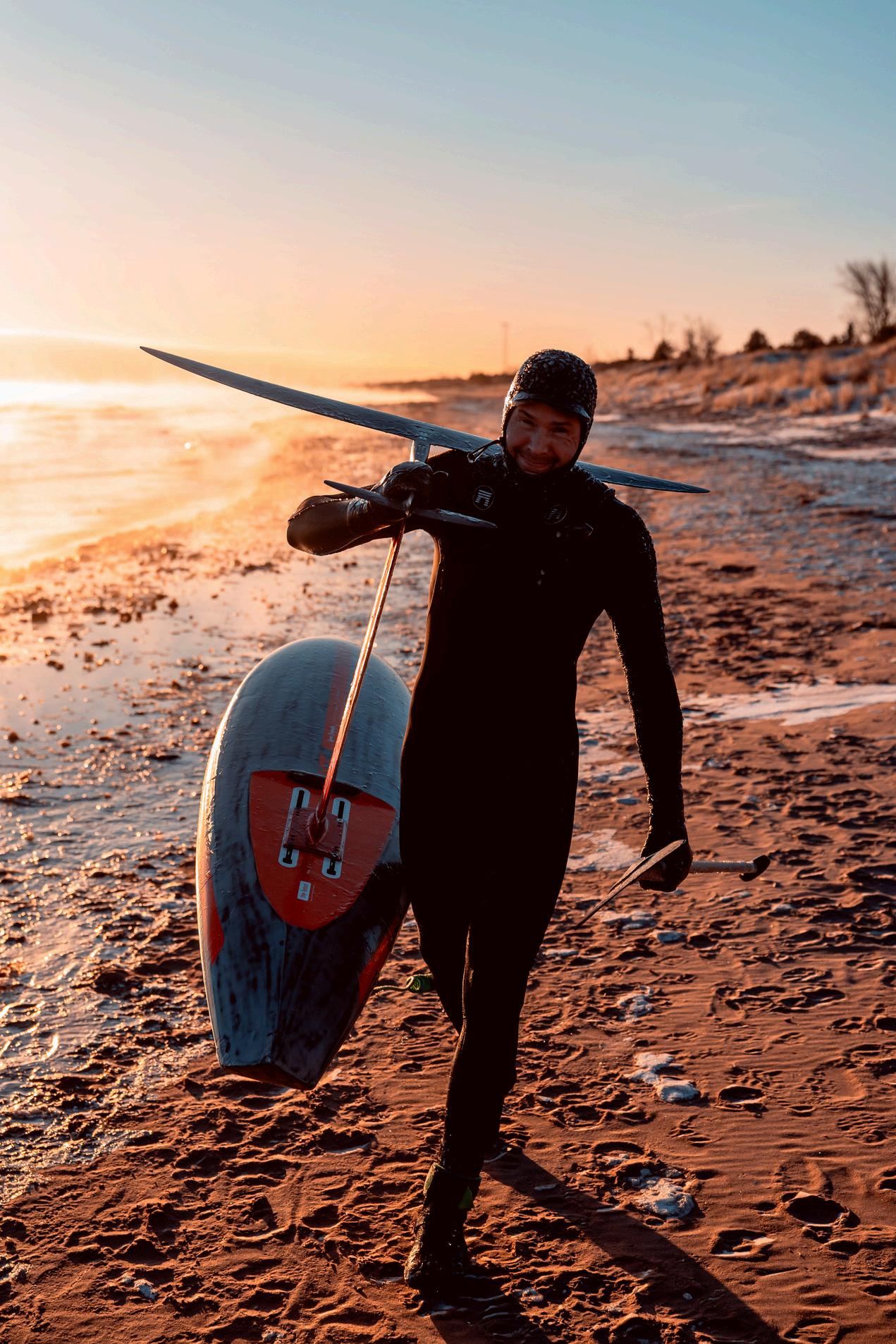
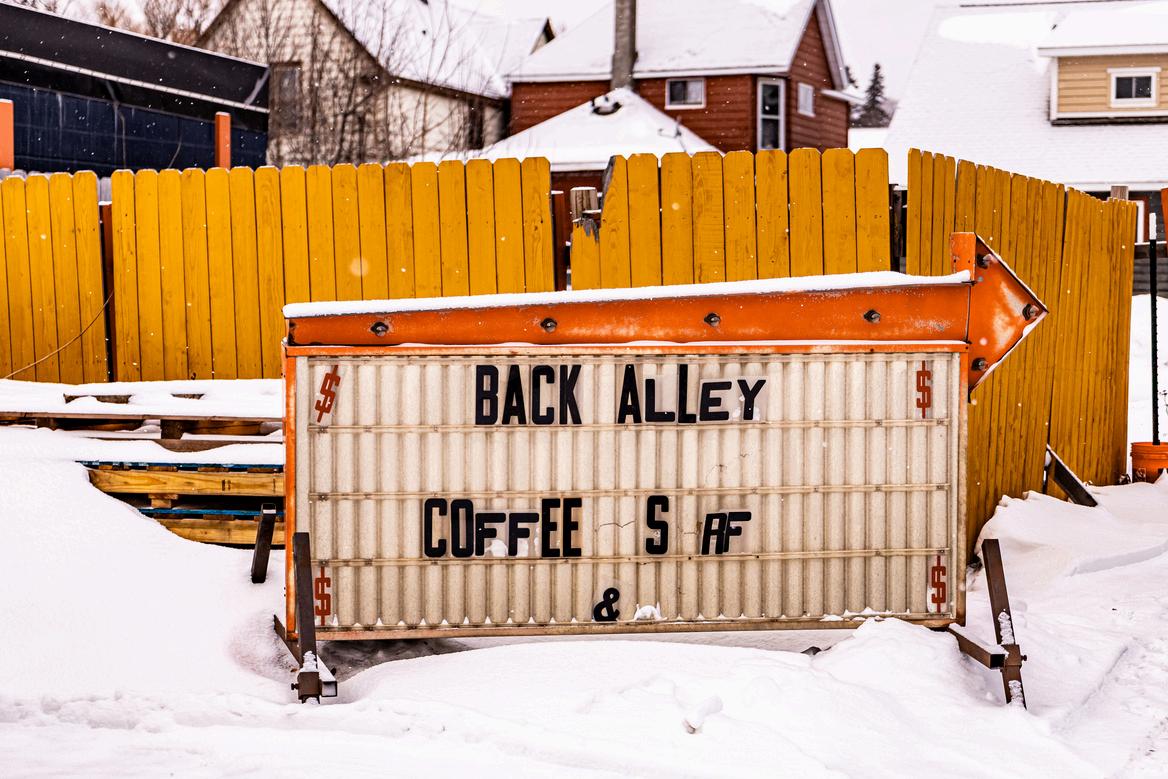
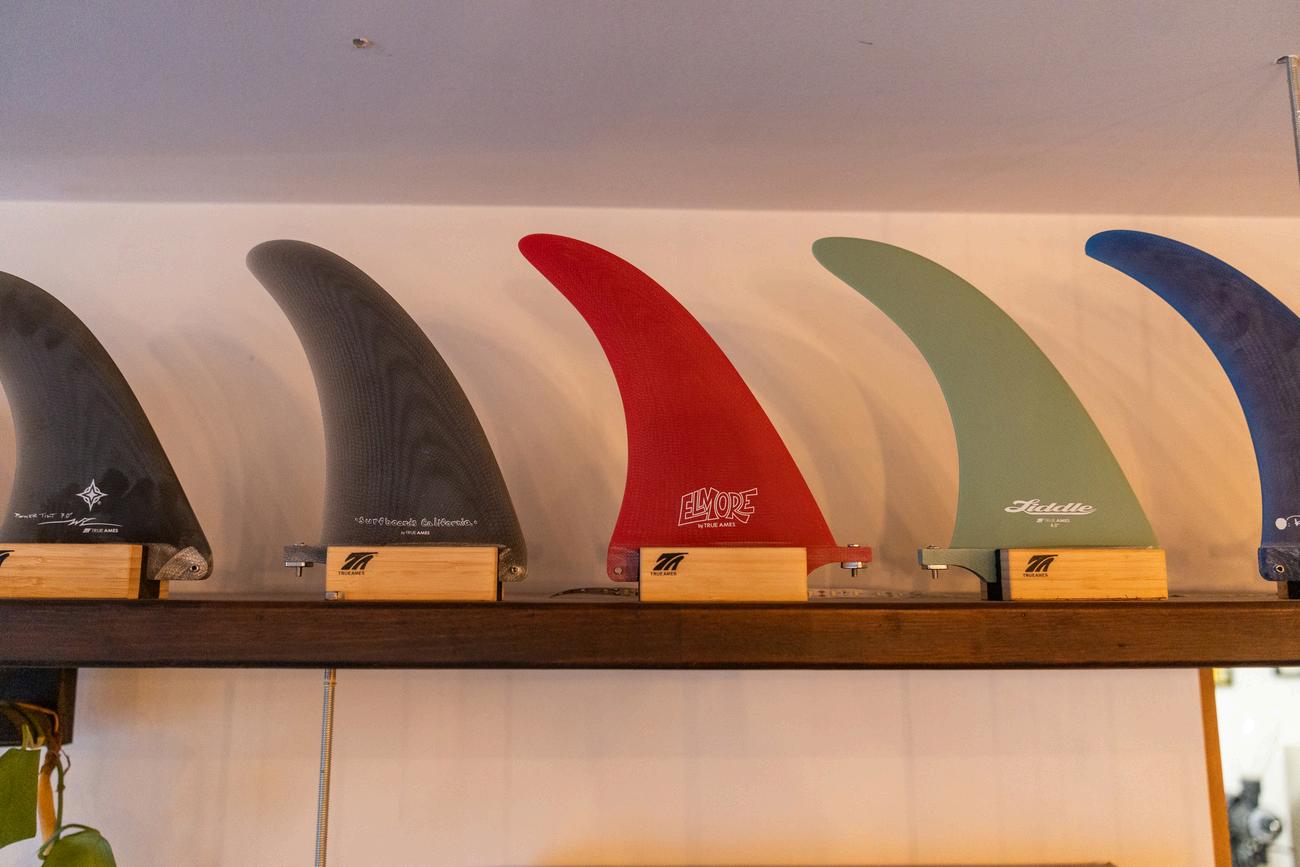
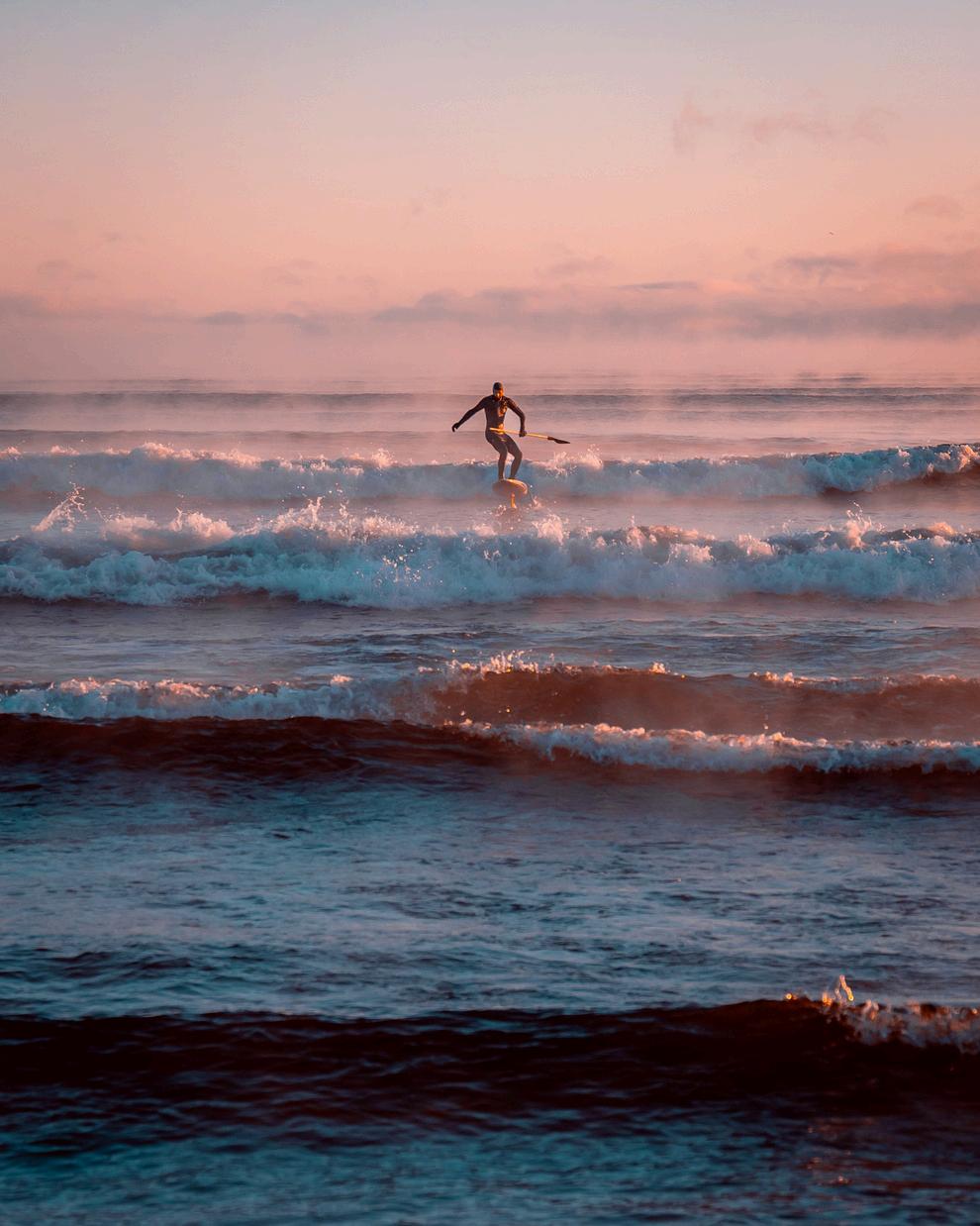
Brent is a Minnesota based photographer, writer, and adventurer. You can often find him along the North Shore of Lake Superior or off exploring various parts of the world. Check out his adventures @adventurebrent.


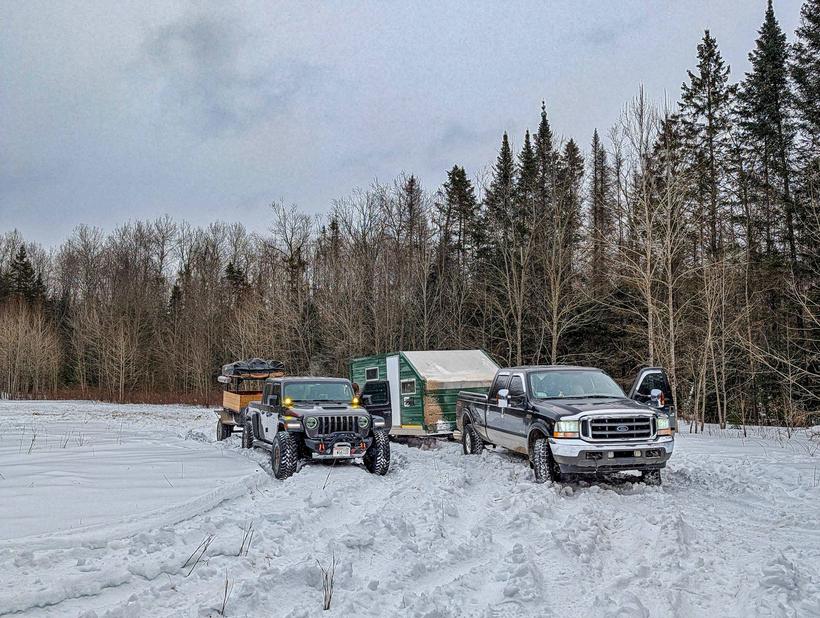
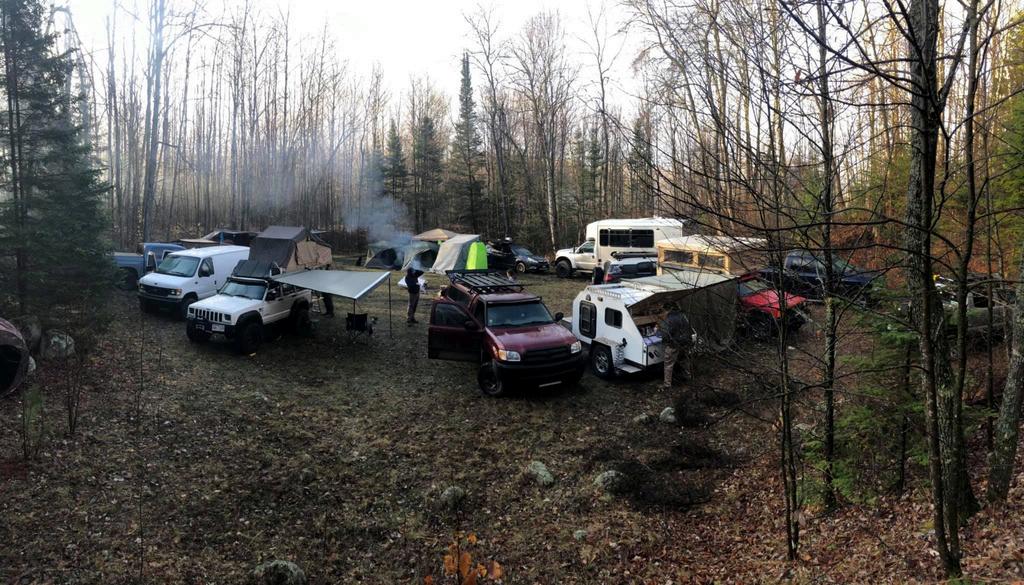
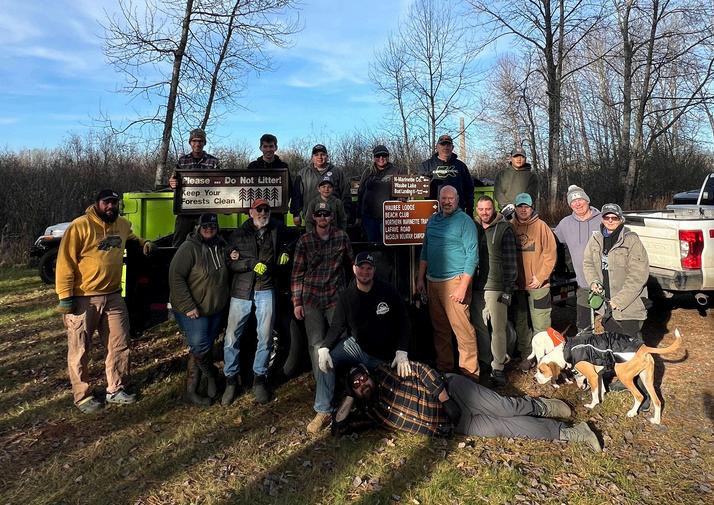


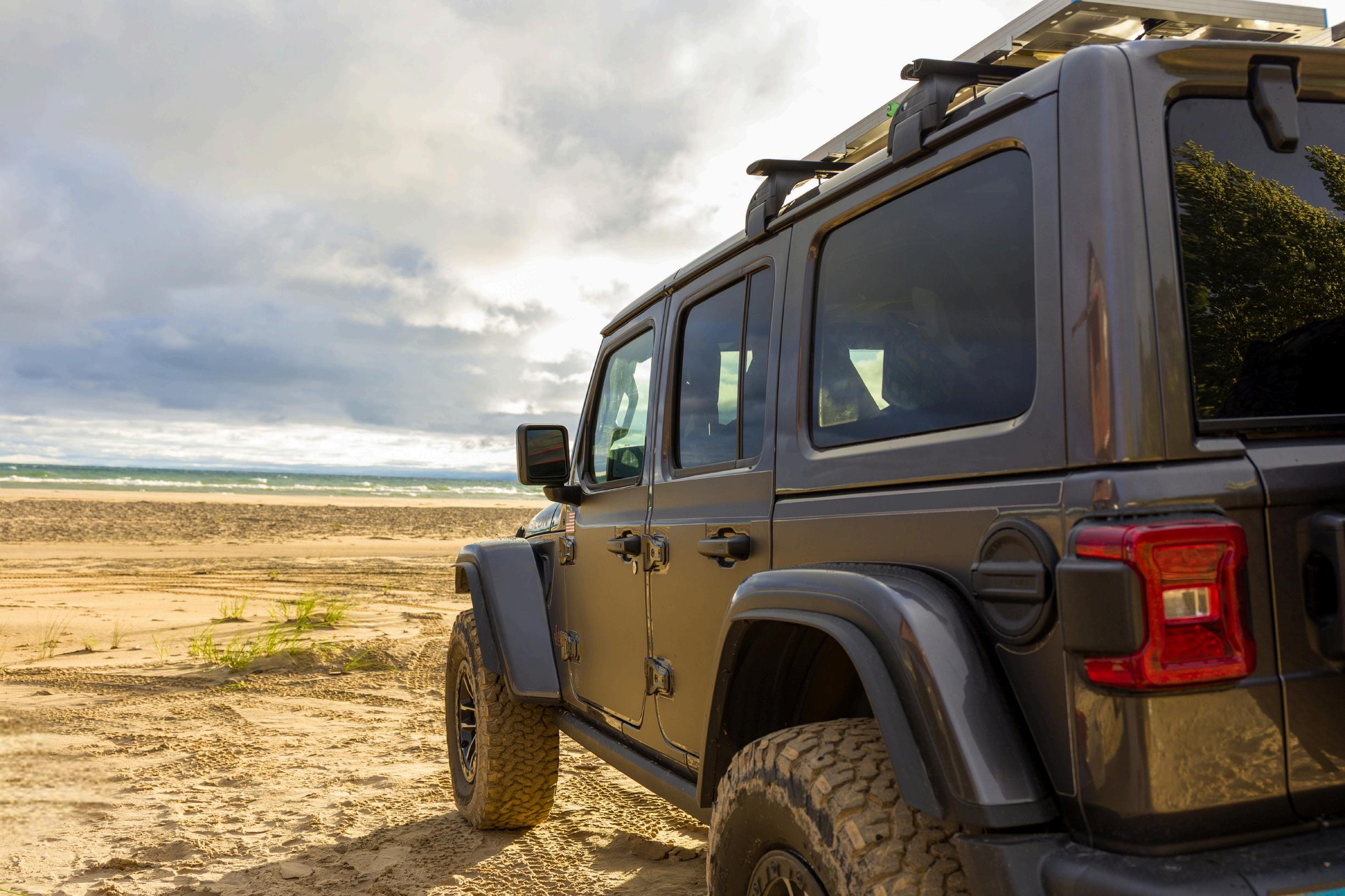
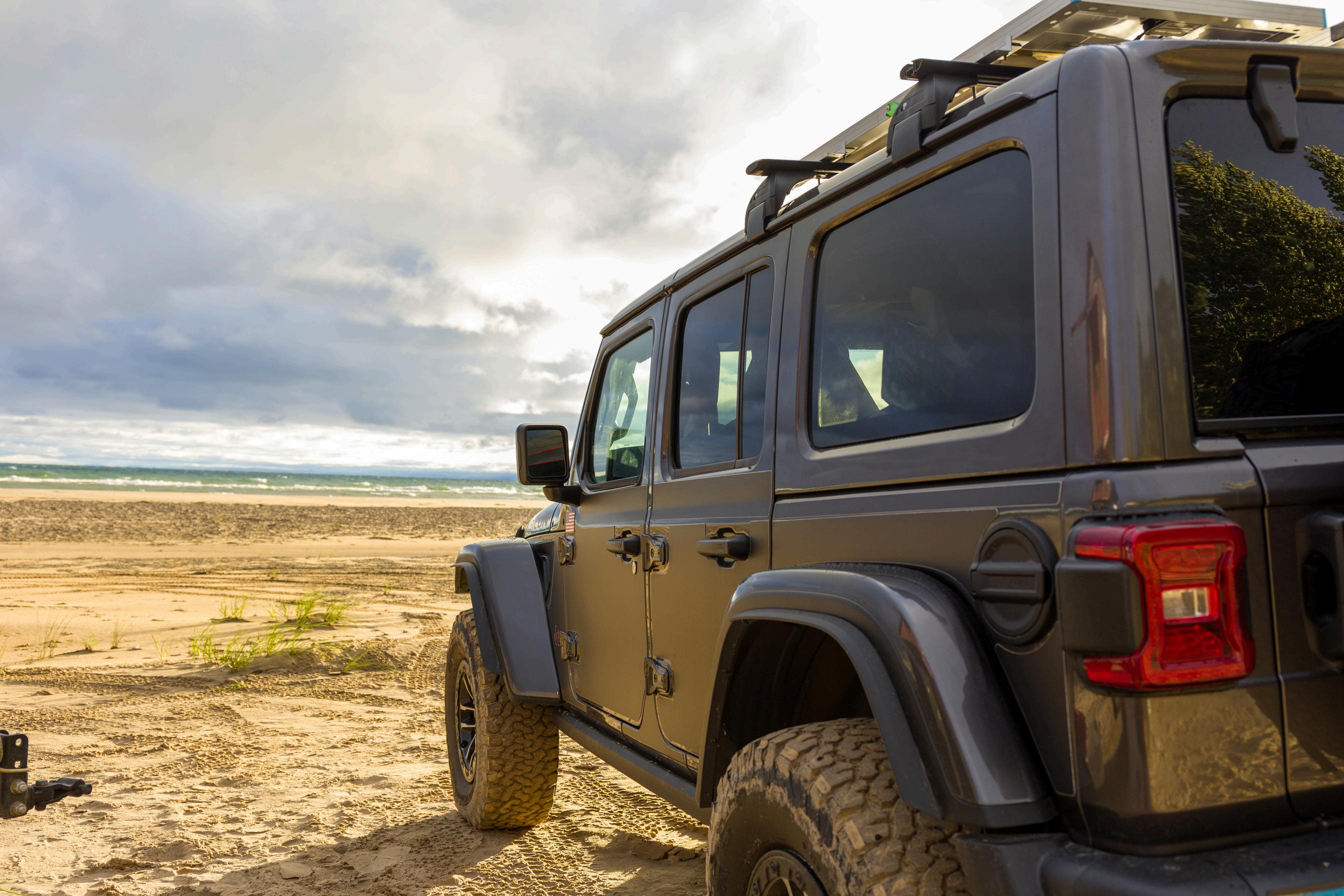
Spring always sneaks in around here. One minute we’re spreading holiday cheer, and the next I’m looking at the calendar thinking… Alright, how are we making this all work this year?
For us, spring means it’s time to start planning summer. Not in a perfect, Pinterest board kind of way. It’s more like notes in a shared google doc, random ideas, and a lot of “wait, when does school end again?”
Also, we’re officially a family of five now. Luna the beagle has joined the crew, and she fully believes every plan revolves around her. She’s not completely wrong.
Planning has definitely gotten more interesting. Between two kids in school, work schedules, NASCAR weekends, and everything else going on, it can feel like a lot. We’ve learned pretty quickly that if we don’t at least try to get ahead of it, summer just fills itself up before we even get a chance to enjoy it.
One thing we do now is plan earlier than we used to. Fall Ride in the UP is a perfect example. That’s one of our few trips where we skip camping and stay in a hotel, so if we want a decent place, we’re booking in February. It feels early, but it works.
From there, we pretty much just get everything out of our heads and onto a shared list. Every trip idea, every event, even the “maybe we could…” stuff. Then we throw it on the calendar. School dates go in first, then we build around that. It’s not fancy, but it helps us see what’s actually possible.
This year feels a little different too. Our oldest is heading into high school, which I’m still trying to wrap my head around. I’m hoping it has at least a little of that Montessori feel that our family is used to. Either way, they’re going to hear my “family first” speech more than once. Some things aren’t negotiable.
A few things that have helped us along the way:
We don’t try to make every trip a big one. Some of our favorite times are the quick, simple ones. One night. No overthinking. Just go.
We leave space. Not every weekend needs a plan. Sometimes the best days are the ones that weren’t scheduled at all.
We get the kids involved. Even if it’s just picking a spot or helping plan meals, it makes a difference. They care more when they’re part of it.
We keep food easy. Tacos are still our go-to.
This year we are planning with a dog in mind. Luna has already made that clear. So we’re checking pet-friendly spots and will be packing a little differently.
And honestly, we’ve gotten better at just rolling with it. Things change. Weather happens. Plans shift. It’s fine. The goal isn’t perfect. It’s just being together and getting outside.
I’m always curious how other families plan. Is your planning organized, or is it a little chaotic like ours? Do you sit down together and plan it out? Are you the one keeping it all in your head and making it work behind the scenes?
However it looks, if it gets your family outside and together, it’s working.
Summer’s coming whether we’re ready or not. We’ll figure it out like we always do.
A little messy, sometimes last minute, but always worth it.
And probably with a beagle barking at something none of us can see.
Instagram @sticksandstones.adventures





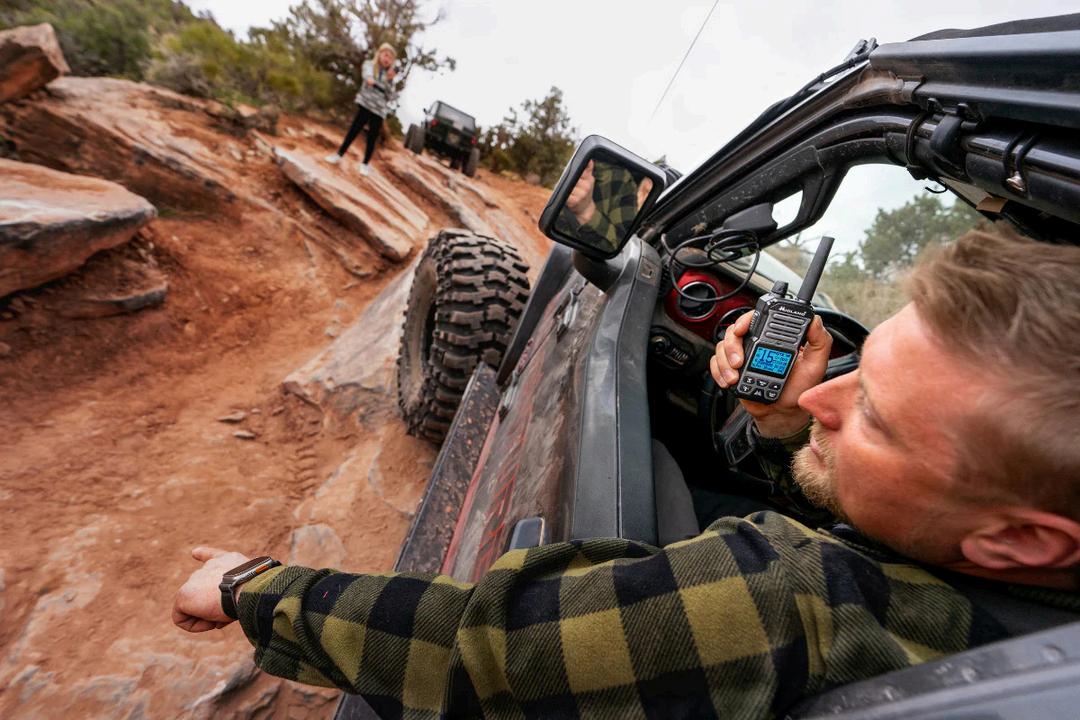
There’s a moment on every trail ride when the chatter comes alive
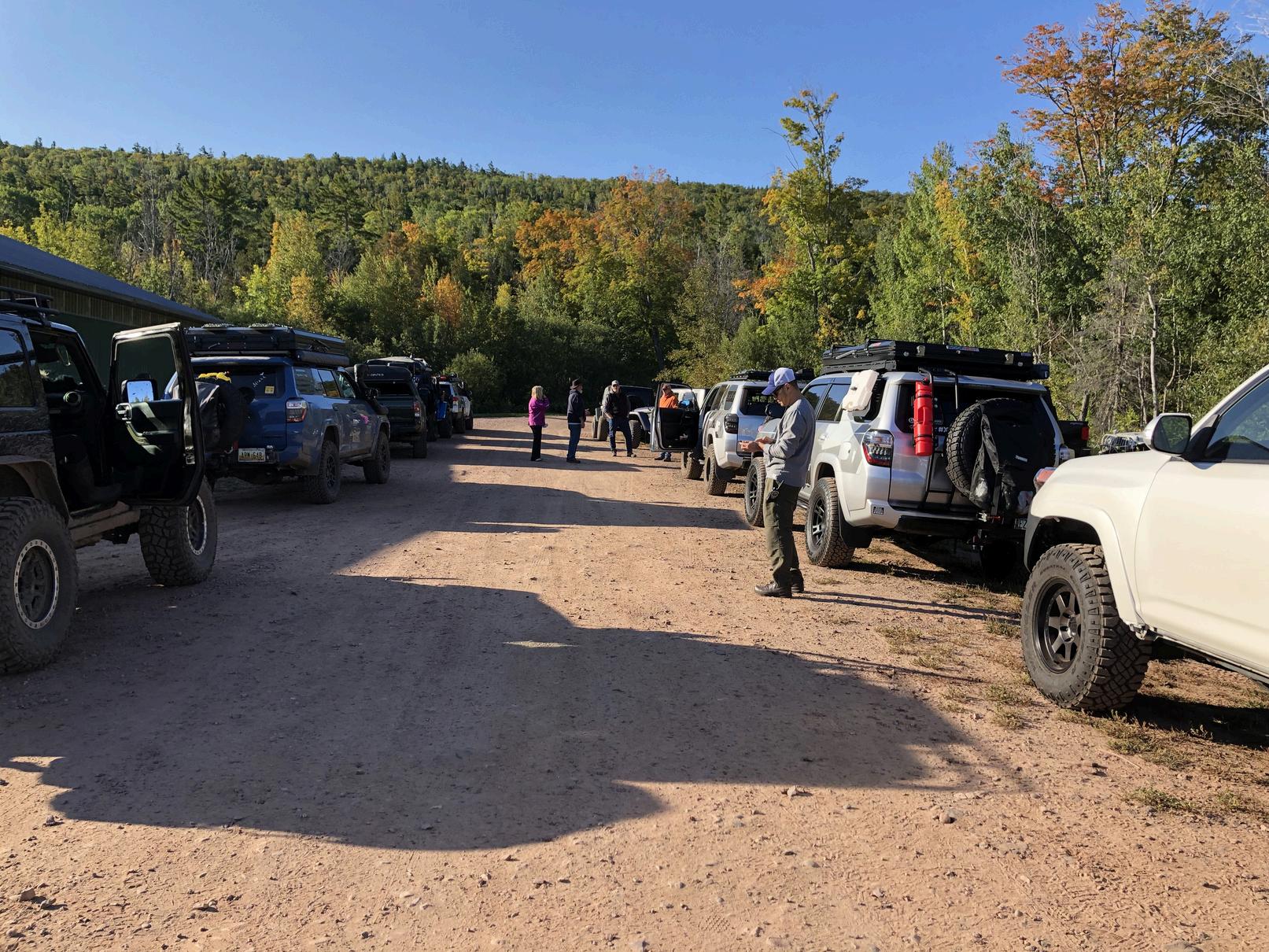
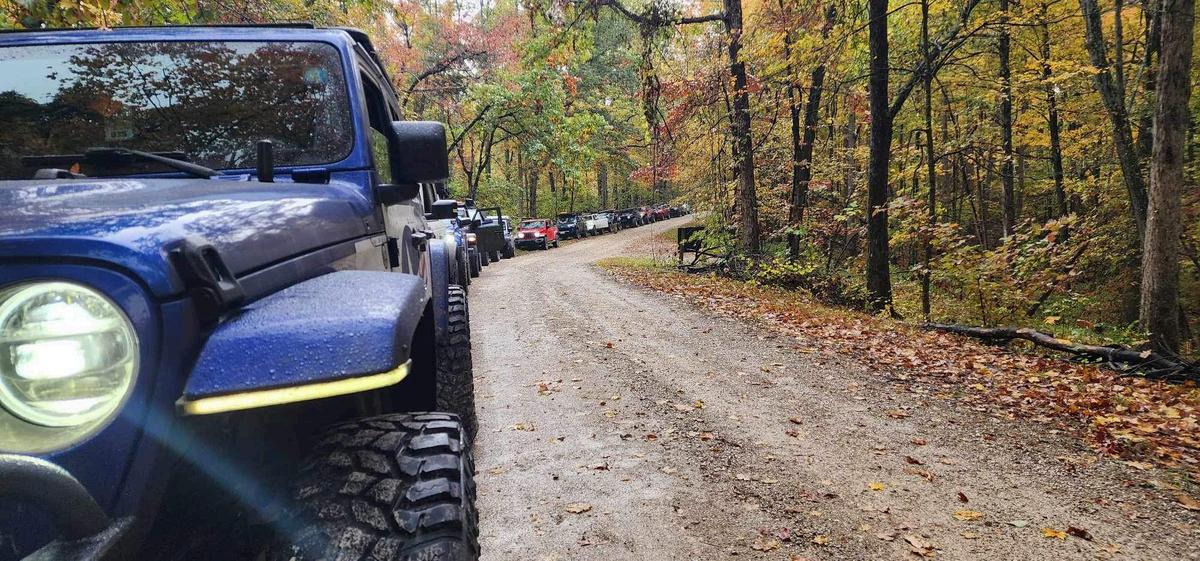
Someone calls out a line through a rock garden A spotter calmly guides a driver over an obstacle. A convoy stretches out across miles of forest road, yet somehow still feels connected That moment that sense of coordination, safety, and shared experience is powered by communication And more often than not, it’s powered by Midland
Midland Radio Corporation has been building radios since 1959, long before overlanding was a hashtag or a lifestyle movement But today, they’ve become something more than a manufacturer. They’ve become a backbone of the modern off-road and overland community
Not that long ago, CB radios were the standard for convoy communication They were clunky, inconsistent, and often more frustrating than helpful Today, that’s changed. GMRS has stepped in and Midland has led the charge.
Compared to CB’s limited output, GMRS radios can push significantly more power, delivering clearer communication and greater range, often up to 50 watts on higherpowered units. And more importantly, they’re simple No tuning No guesswork Just turn it on and go A definite upgrade if you ask us
That simplicity is exactly what has made the MidlandUSA MicroMobile radios popular and widely adopted Compact, powerful, and easy to install, units like the MXT275 and MXT575 give overlanders a true invehicle communication systemwithout the headache
These aren’t just radios they’re tools that make group travel possible. As Andrew Kinsman of Midland puts it: “The off-road and overland community is incredibly important to us It’s not just a market it’s part of who we are, and it’s been a huge driver behind the success of our MicroMobile radios.” And these products have been a huge success in providing drivers and the community with safe and easy communications
If you’ve spent any time on a trail ride, you already know: radios aren’t optional MicroMobiles have become indispensable for convoy communication keeping rigs connected across distance, terrain, and dust. Whether you’re calling out turns, warning of hazards, or just keeping the group tight, they create a level of cohesion that simply isn’t possible otherwise
And when things get technical, handhelds take over. Midland’s handheld GMRS radios are the unsung heroes of the trail. Spotters rely on them to guide drivers through obstacles with precision Event organizers use them to coordinate volunteers, manage logistics, and keep things running smoothly.
At gatherings like MOORE Expo and Northology events, they’re not just helpful they’re critical From vendor communication to trail ride coordination, radios are what keep everything connected.
What sets Midland apart isn’t just performance it’s usability. Their MicroMobile lineup offers a range of power options, from compact 5watt units to full 50-watt systems capable of reaching miles across terrain. Many models feature fully integrated control microphones, allowing the radio body to be tucked away while all controls stay in your hand exactly where you need them on the trail
Add in repeater capability, weather alerts, and compatibility across hand-held and mobile units, and you get a system that works whether you’re leading a convoy, spotting a rig, or managing an event It’s not just communication it’s coordination.
What makes Midland truly stand out, though, is how they show up for the community. They don’t just
sell radios They really support the people using them. From swag and giveaways at events to behind-thescenes support, Midland has consistently invested in the Northology community They understand that these events aren’t just about products they’re about people, connection, and shared experience It’s a small thing, but it says everything They get the lifestyle They get the community. They get us.
Walk through any modern overland event or trailhead staging area and you’ll see it immediately: antennas where there used to be fiberglass whips, clear comms where there used to be static.
GMRS and specifically Midland has effectively replaced CB as the standard for convoy communication And honestly, there’s no going back. Because once you’ve experienced a trail ride where everyone is connected where communication is clear, immediate, and reliable you realize something: This isn’t just about radios. It’s about making the entire experience better









ALL OVER OVERLAND
ALL THINGS OVERLANDING
BOTCHES OFFROAD PODCAST
MOORE MOMENTUM PODCAST
OFFROAD GARAGE PODCAST
OVERLAND RADIO
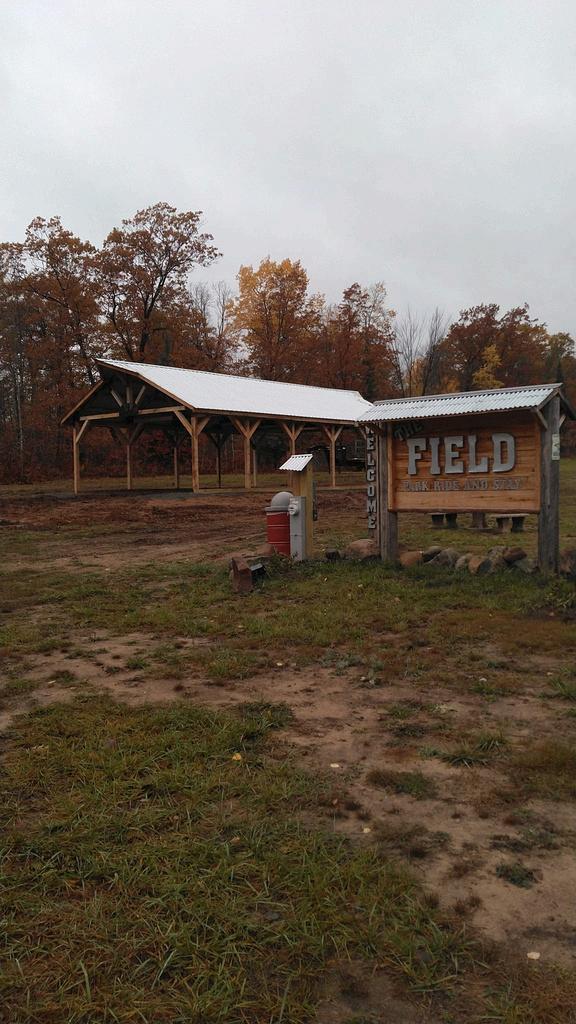

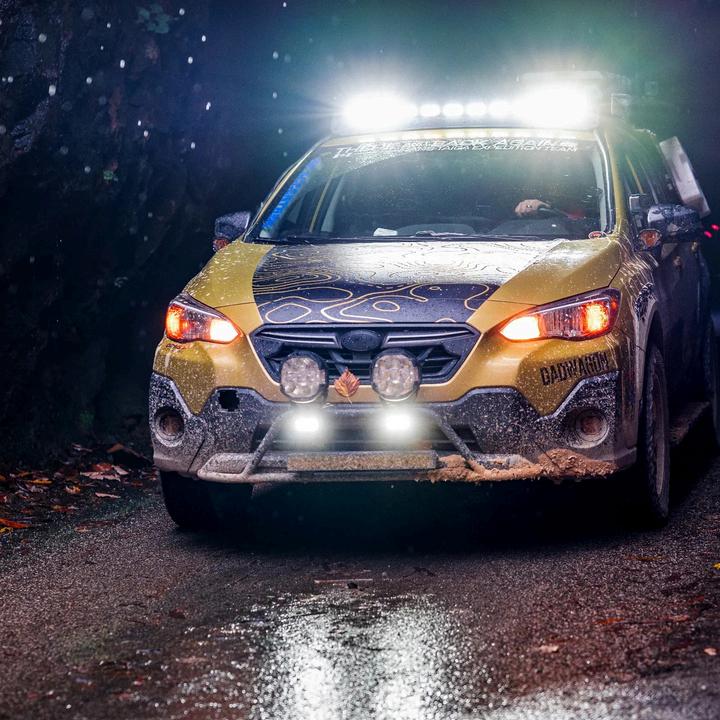








Thanks to the advertisers that support the Midwest overland and adventure travel community.
Overland Radio A D V D I R E C T O R Y
Northology Adventures
Rocktown Adventures
True North Outpost
MidlandUSA
OnX Offroad
Dead Miners
Flat Peak Level Tent
Inspired Overland
North Star Overlanding
Rocktown Adventures
True North Outpost
Callie’s Lake & Campground
The Field
River Forest Campground
Trails End Campground
Big Iron Overland Rally
Keweenaw Overland Adventure Retreat
MOORE Expo
Overland the Red
Rendezvous in the Ozarks
All Things Overlanding
Botches Offroad
Momentum Podcast
All Roads Taken
Northwoods Overland Adventures
Radio Chatter Game
SJ Michals Photography
TCTeardrops
All Dogs Offroad
ChiTown 4x4
Ernie’s Custom Shop
Orbis Overlanding
New Holland Overland
TrailBuilt Off-Road
TRUKD