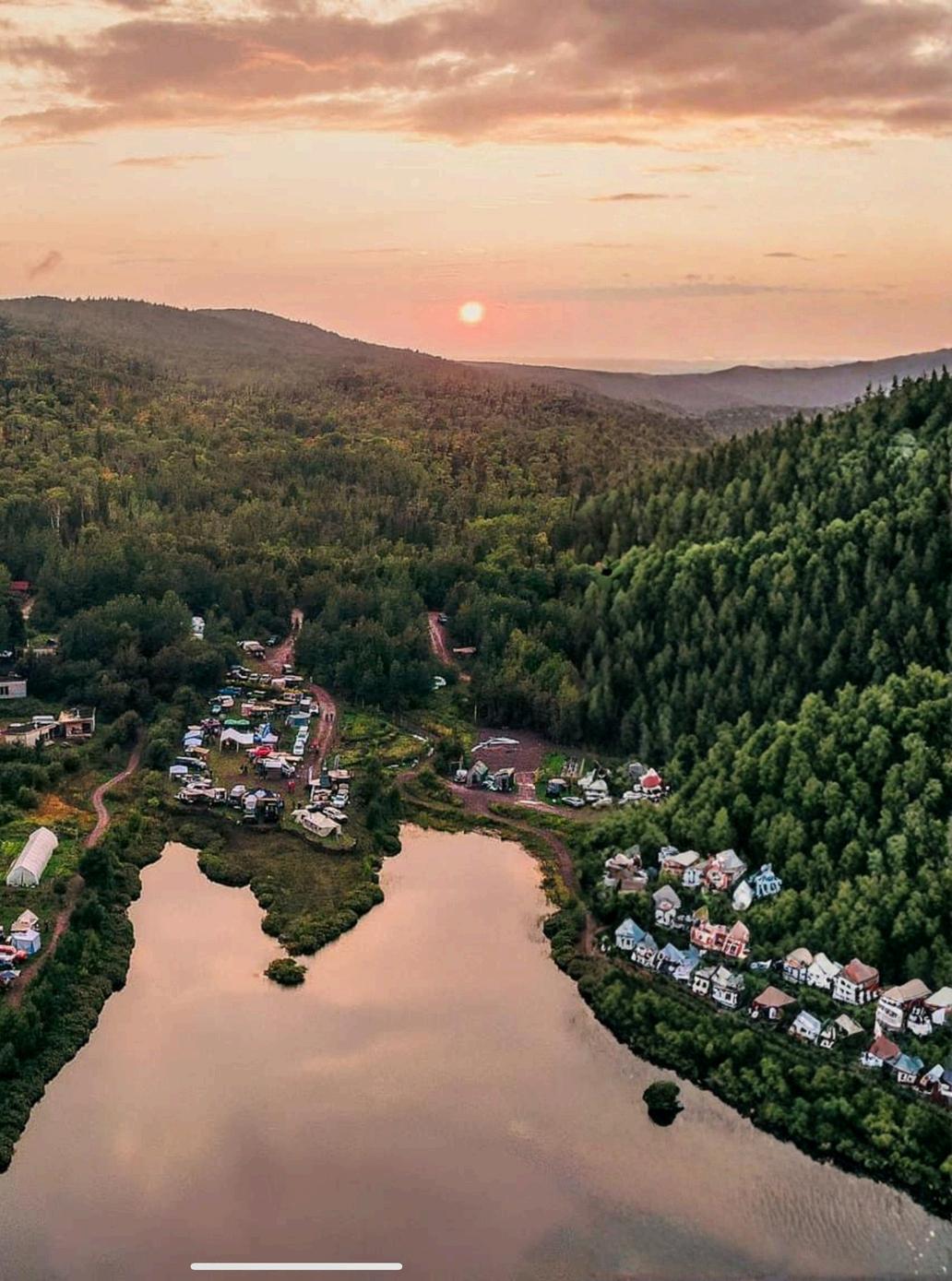
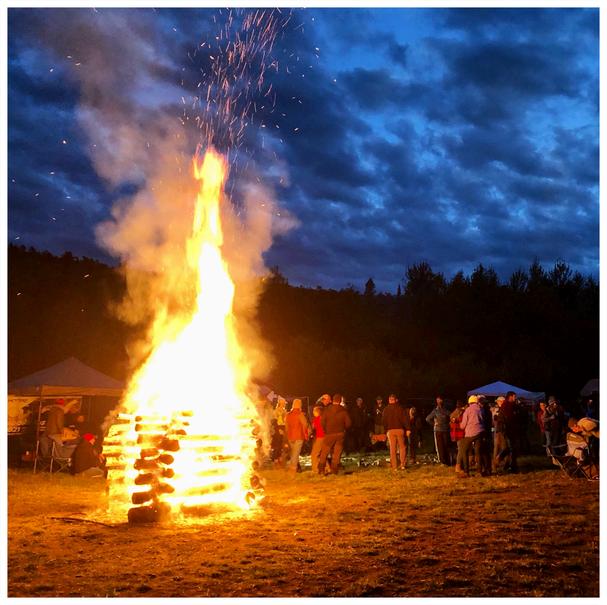
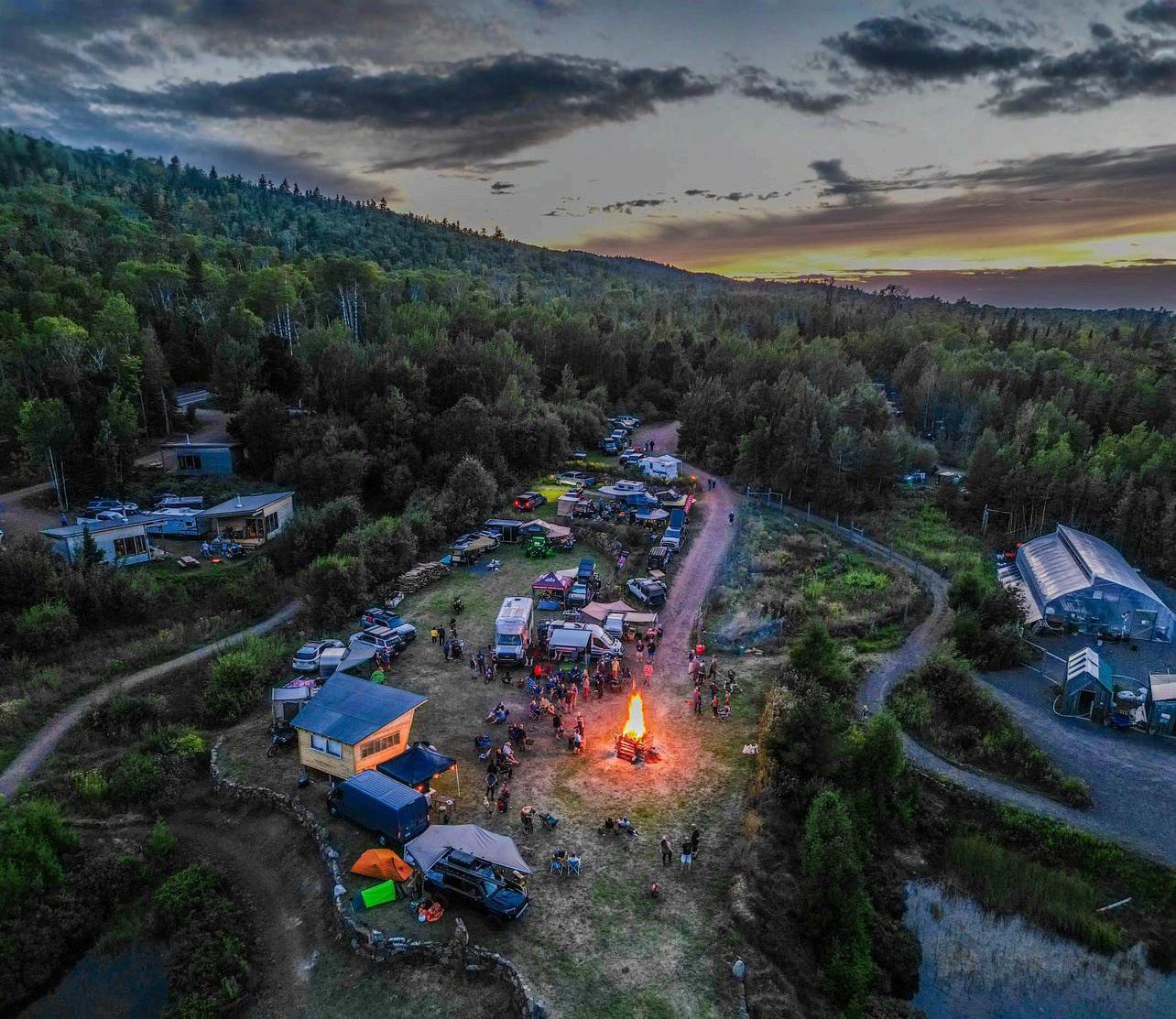
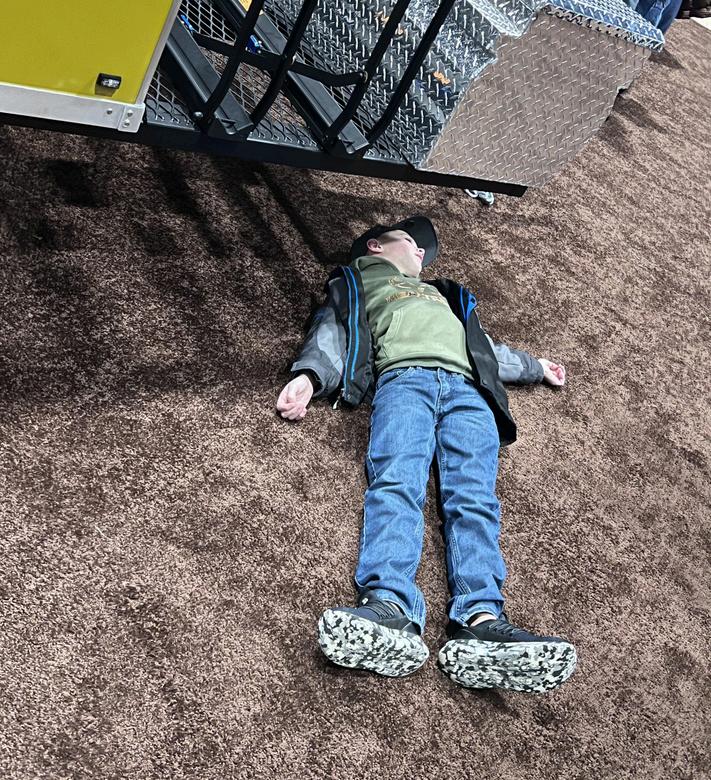
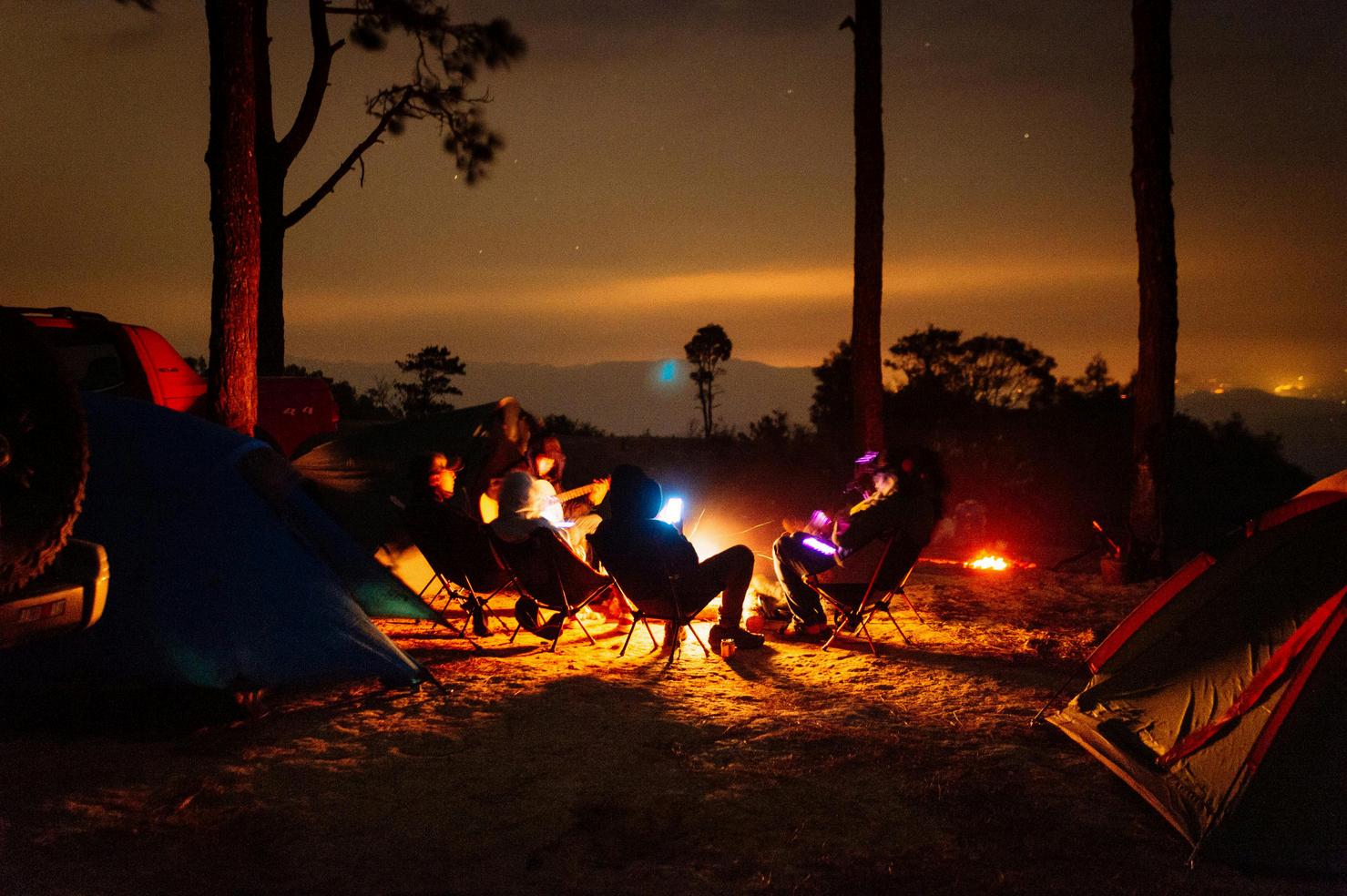
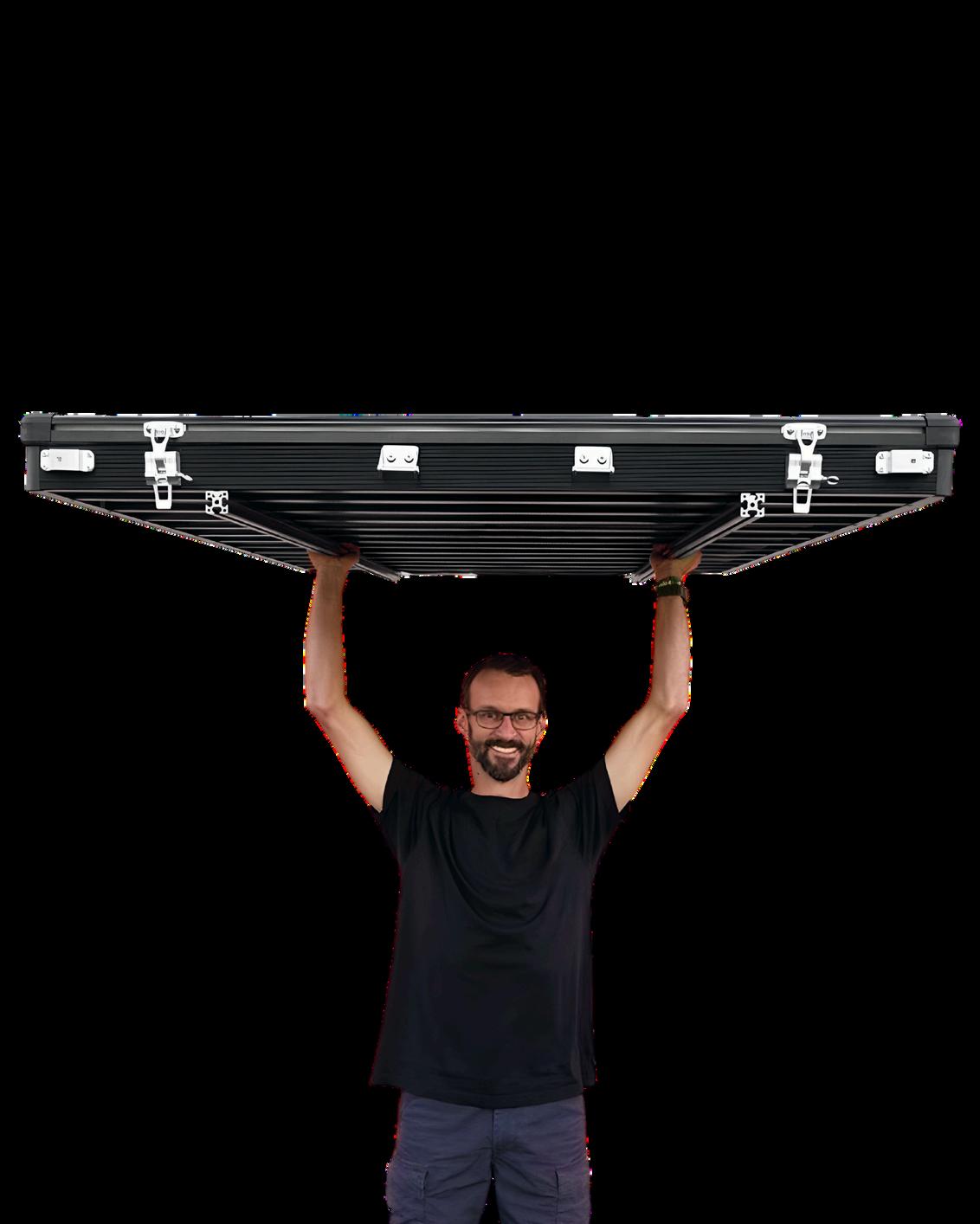
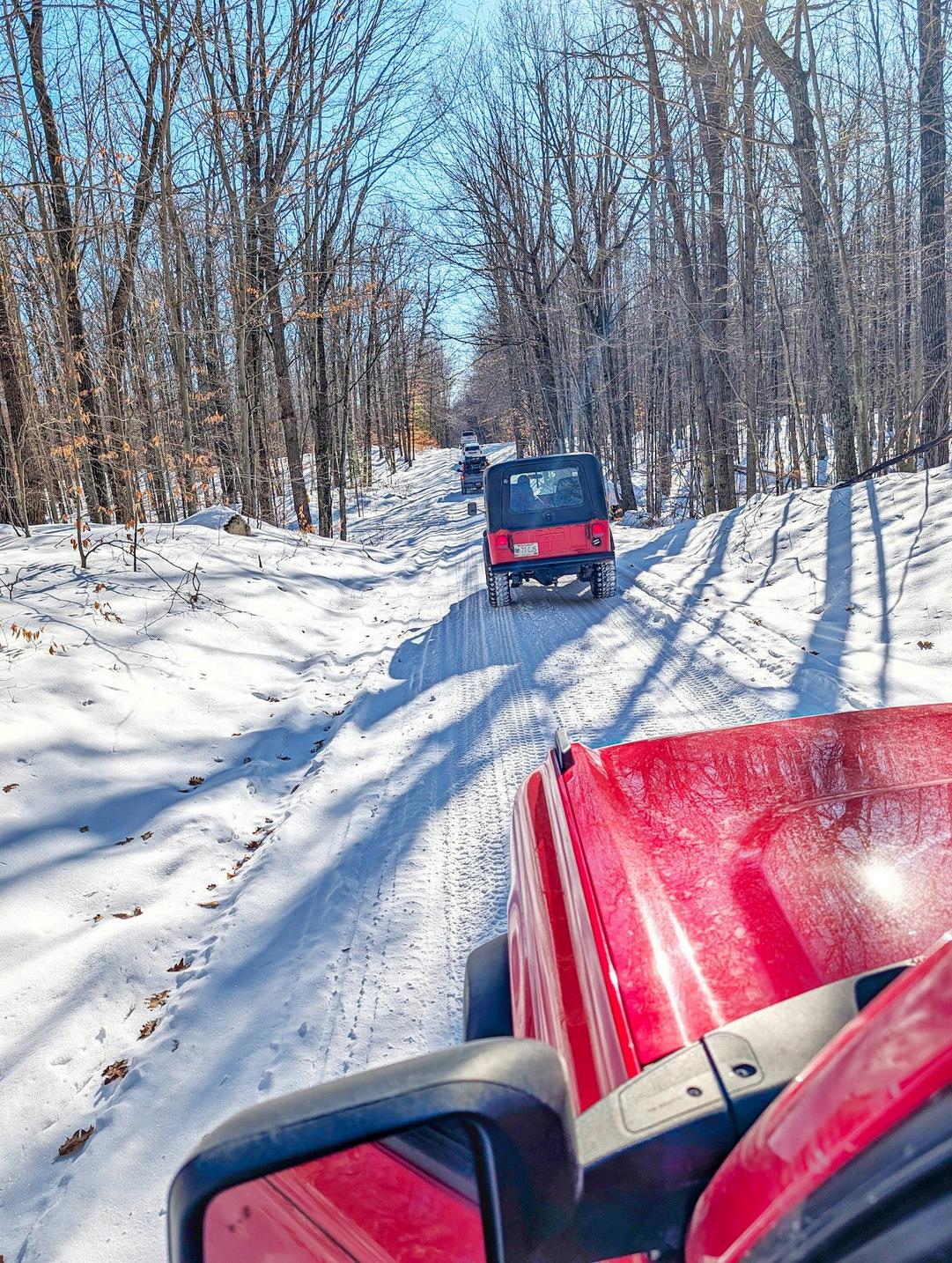
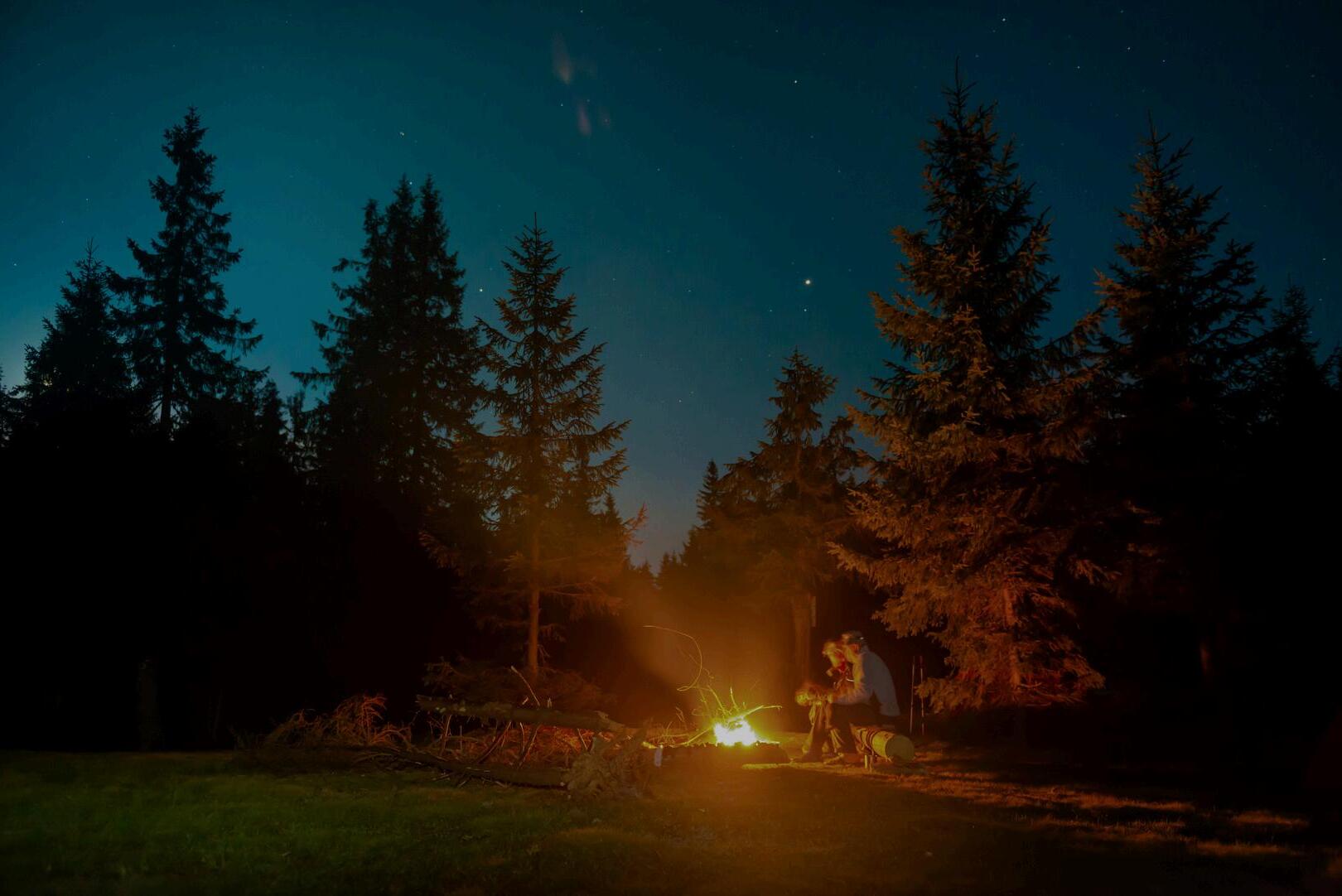
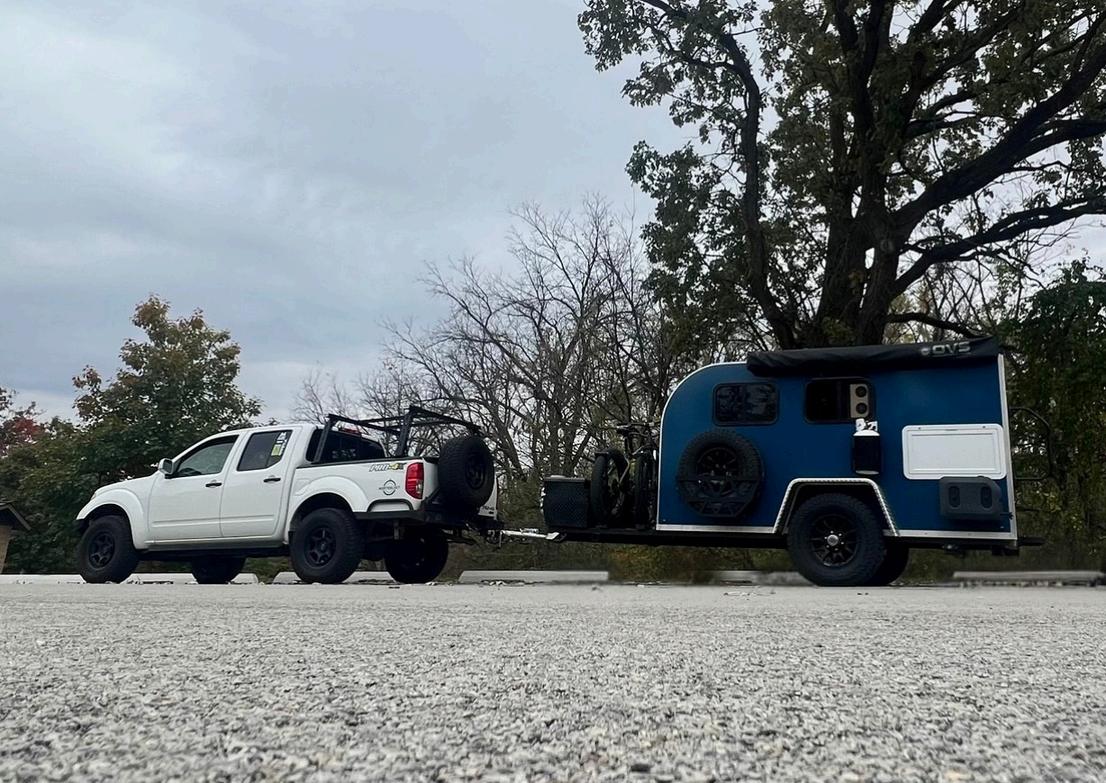
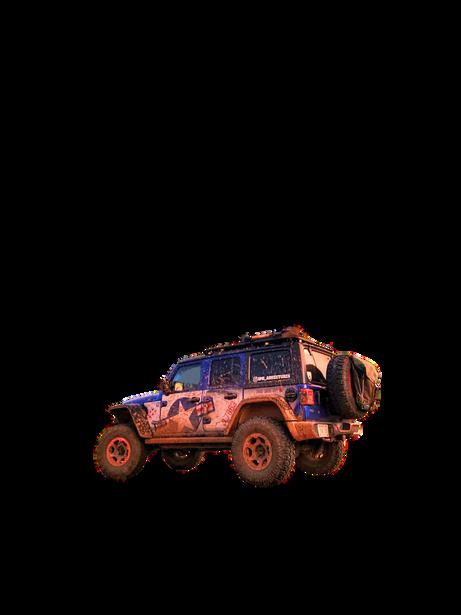
A NORTHOLOGY BASECAMP EVENT PRESENTED BY CHITOWN 4X4
SEPTEMBER 17-20, 2026
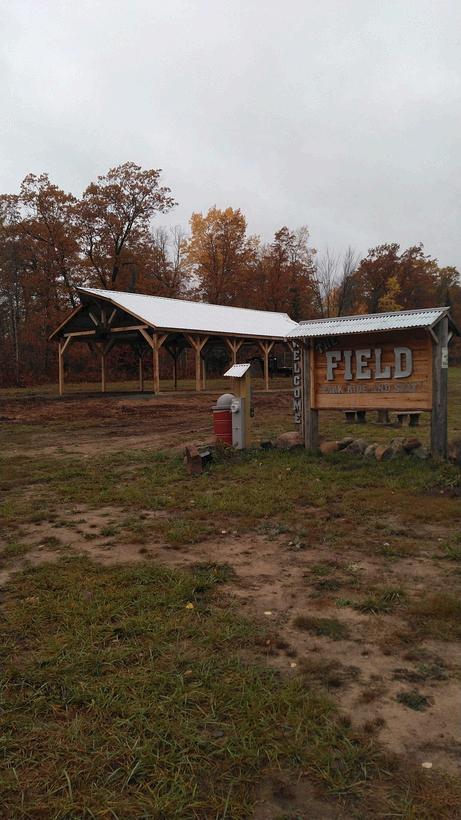
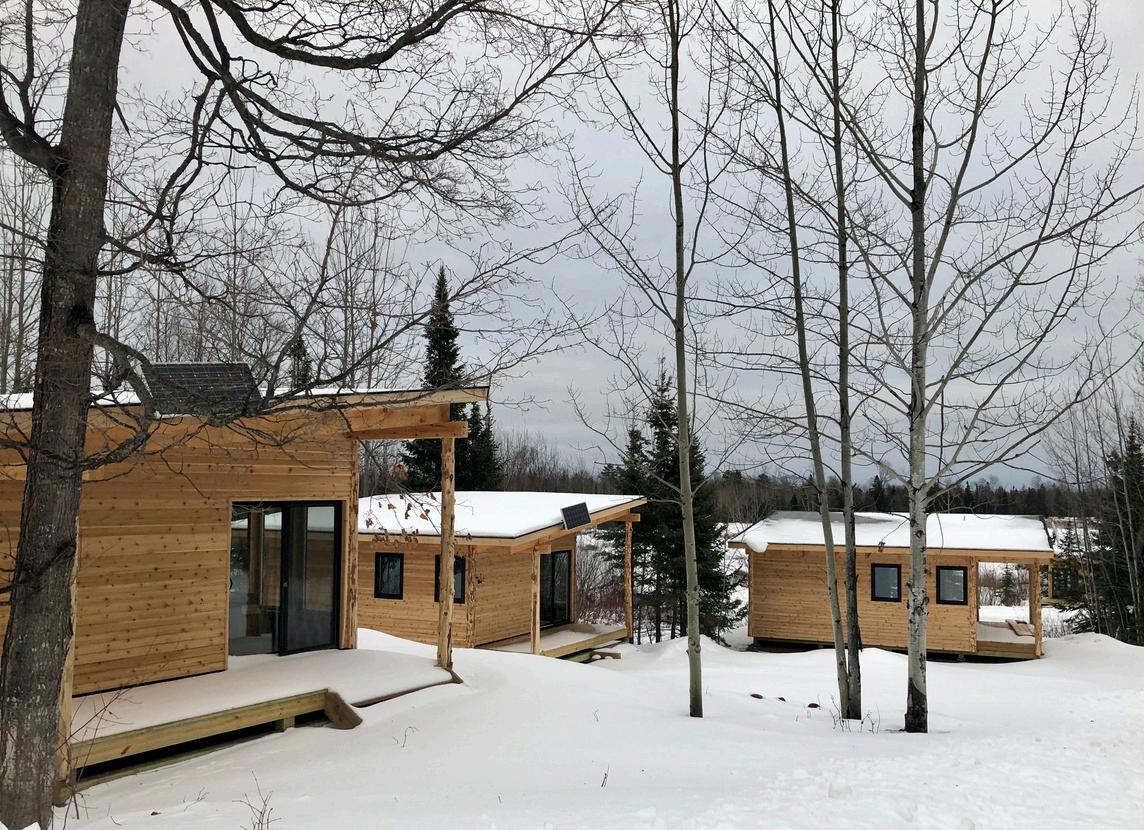
TRAILS END CAMPGROUND, COPPER HARBOR, MI
TICKETS ON SALE NOW! USE CODE PREKOAR20 FOR $20 OFF CAMPING PASSES THRU 3/17
BASECAMP COMMUNITY
LOCAL TRAIL INFO
VENDOR DISPLAYS & DEMOS
EDUCATIONAL CLINICS
KID’S KOARNER
ONSITE & OFFSITE ACTIVITIES
HAPPY HOUR
DOOR PRIZES & GIVEAWAYS GEAR SWAP & SALE
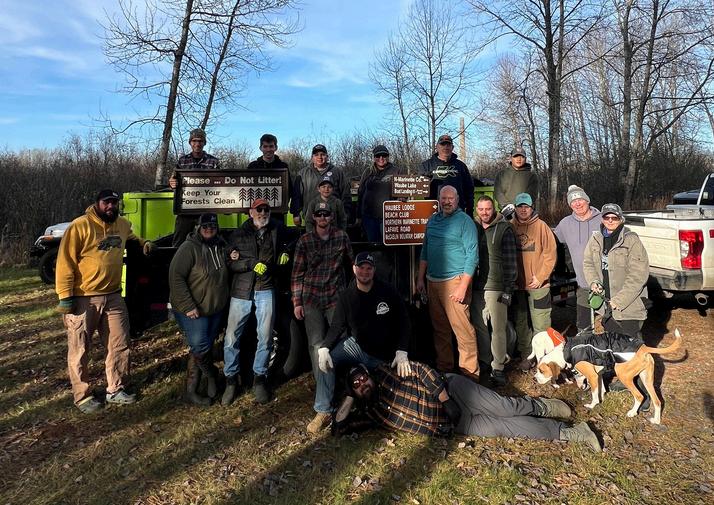
KORC BEACH CLEANUP & MORE TO BE ANNOUNCED!
NOTES FROM THE EDITOR
March Winter isn’t done with us yet, but the longer days start whispering about trail season ahead This issue sits right in that in-between snow still on the ground in places, event calendars filling up fast, and rigs getting the once-over in driveways and shops across the Midwest
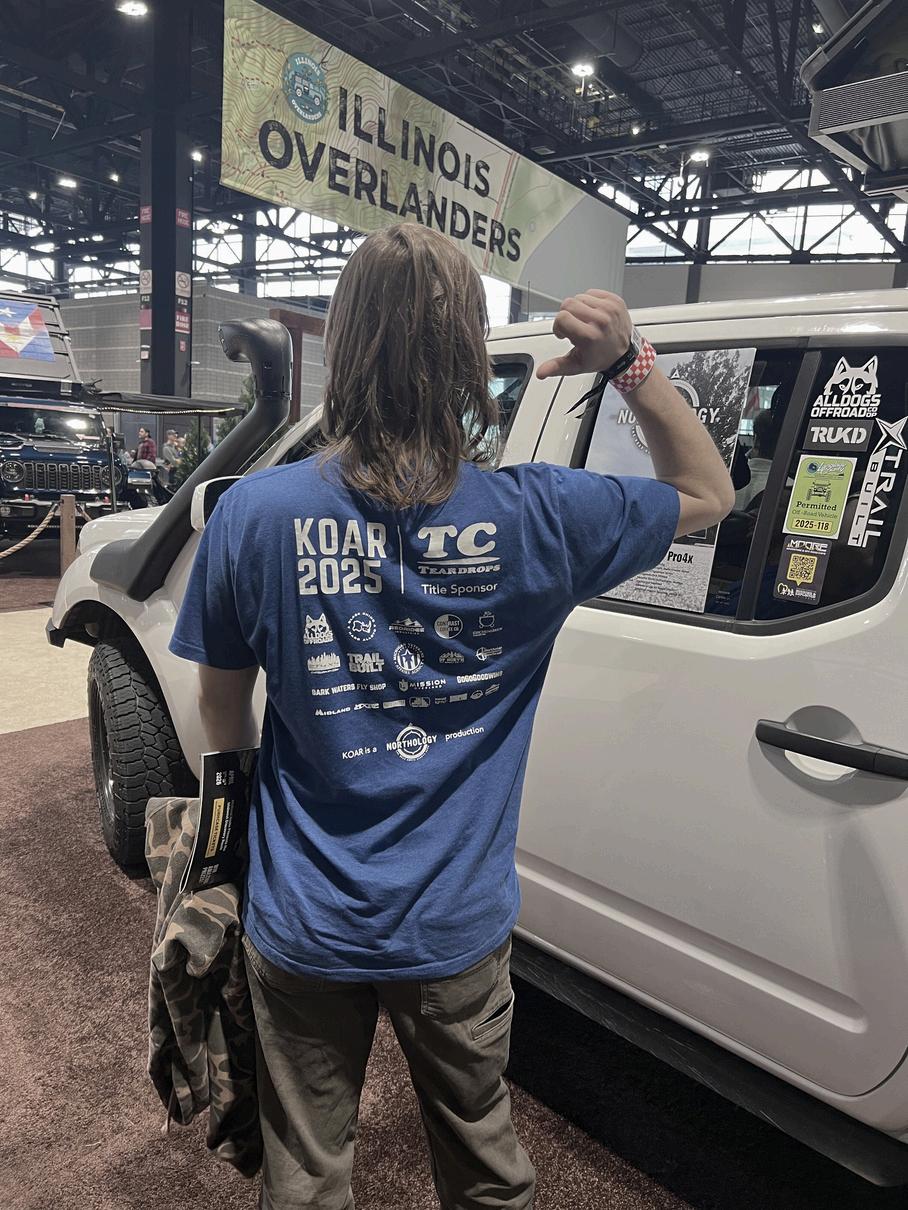
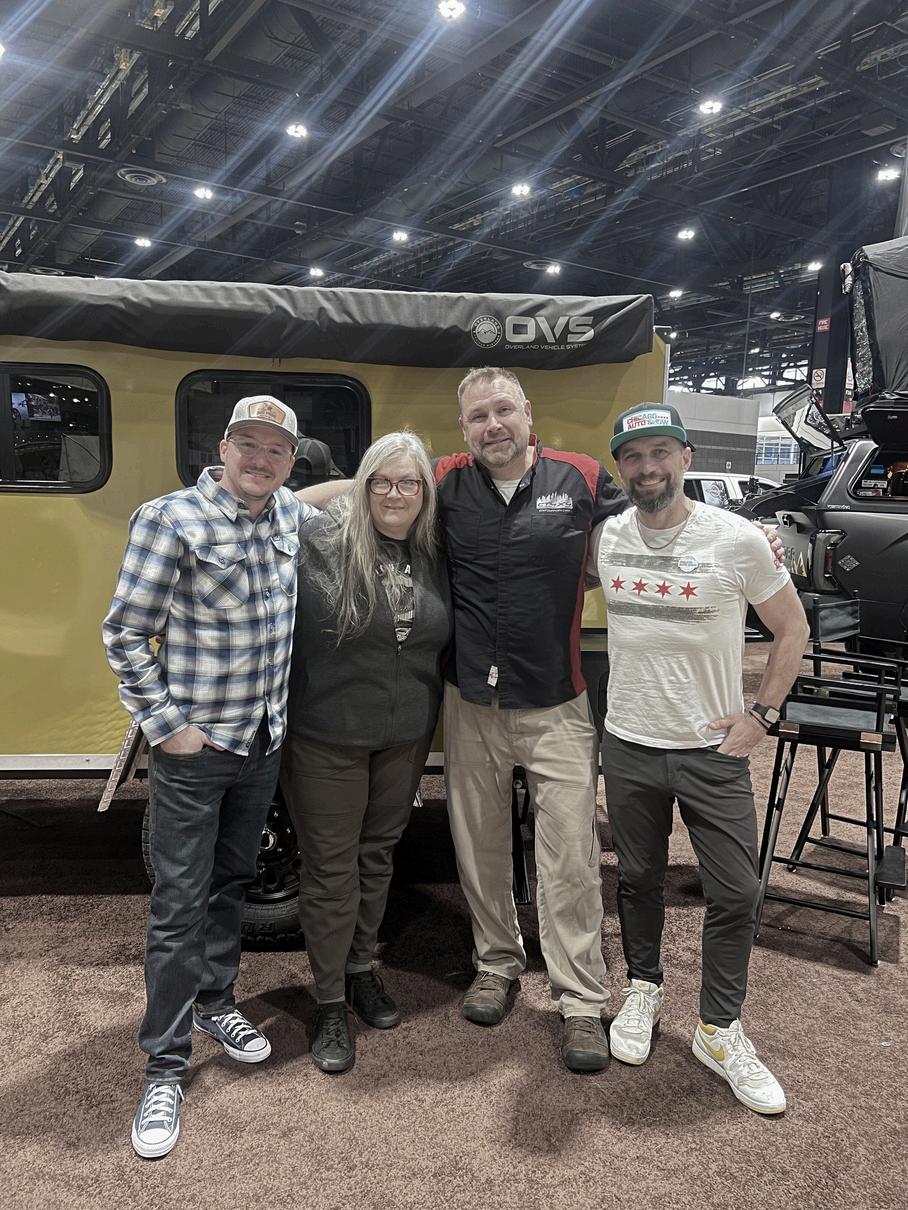
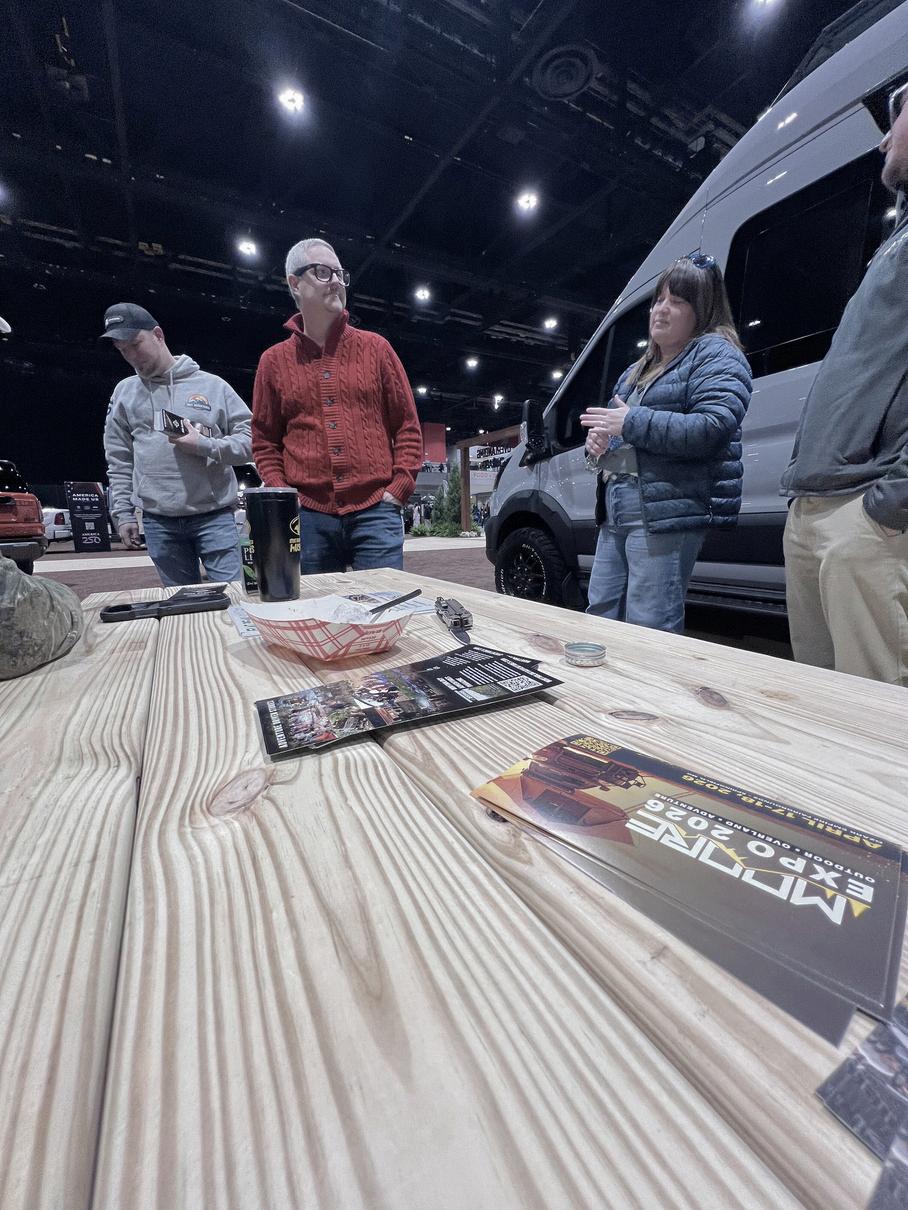
We’re recapping our time at the Chicago Auto Show, where overlanding and vehicle-based travel continue carving out space in the mainstream conversation It’s always energizing to see adventure builds under bright convention center lights and even more energizing to connect with so many of you who stopped by to say hello
Back home in the cold, Wisconsin Overland’s Snoverland reminded us that winter isn’t something to wait out it s something to lean into Dispersed camping in the Nicolet National Forest, snowy trail rides, and long nights around the fire reinforced what makes this community strong: preparedness, resilience, and a willingness to show up even when the temps drop
We’re also sharing an important piece from Northwoods Overland Adventures on hypothermia a topic that’s not dramatic, but very real for anyone who spends time outdoors in shoulder seasons or winter
Inside this issue, you’ll find practical guidance, event news, and the stories that keep this lifestyle grounded As always, thank you for reading, for supporting the partners who make this possible, and for continuing to build something meaningful in the Midwest overland community.
We hope you enjoy this edition, and as always, here is your reminder to help us continue the discussion of magazine topics or anything adventure-related in the Northology Adventures facebook group Feel free to share your thoughts on articles or to just give us some feedback or suggestions so we can continue to craft this publication in a meaningful way And let us know if you have a story to tell- we want to hear about your adventures, gear and outdoors & overland-related events you have attended
-Cindy Pope
SHARE YOUR STORY
Creators- Drop us a line at or submit content on our website. We love stories and photos of trips, events, gear reviews, destinations and outdoor activities. Advertisers- Get in touch to learn about our current promos and how a presence here can help you tell your story to this amazing community and grow your business info northologyadventures@gmail com
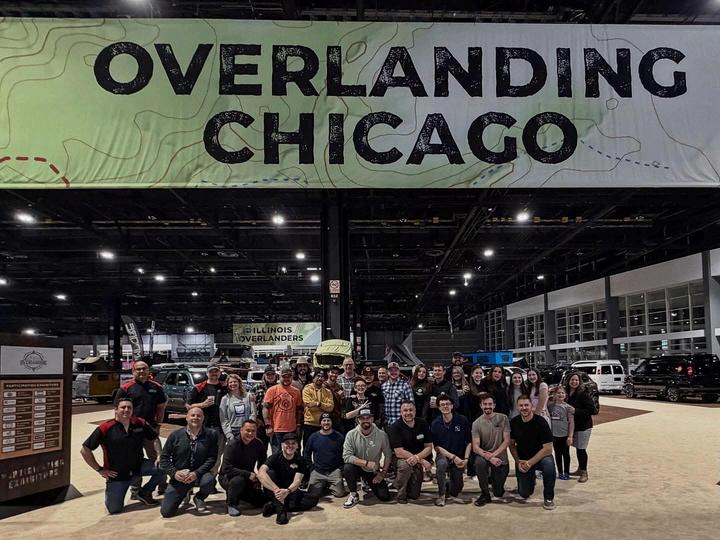
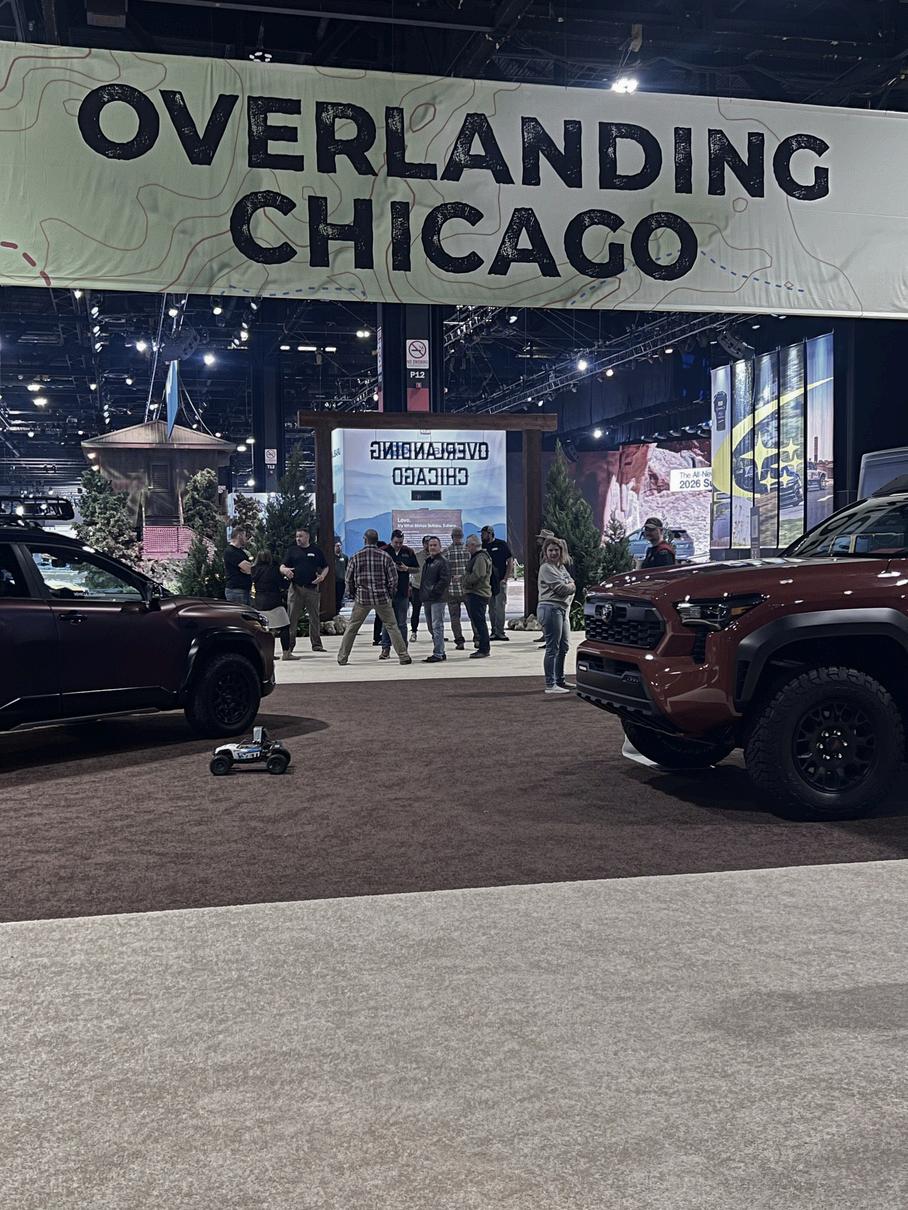
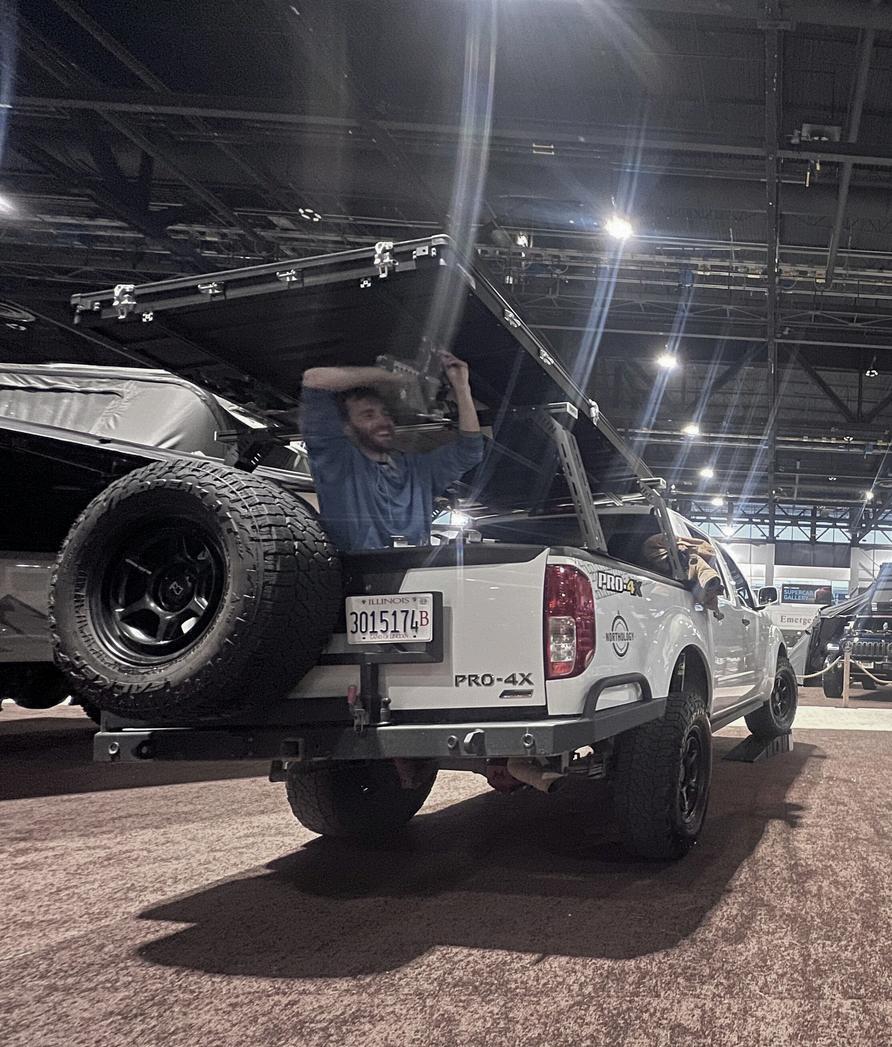
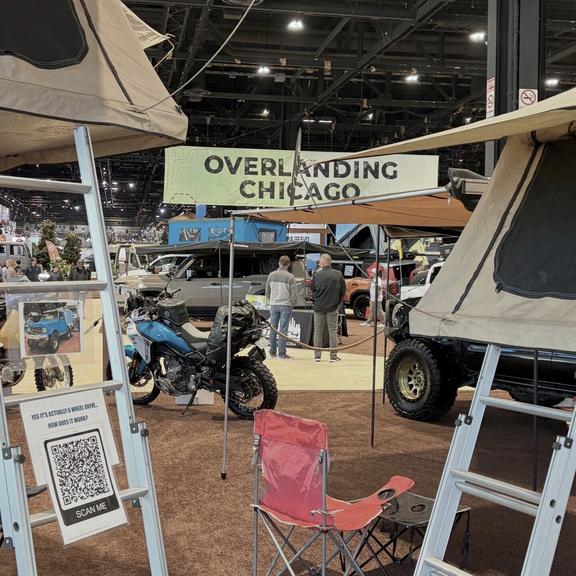
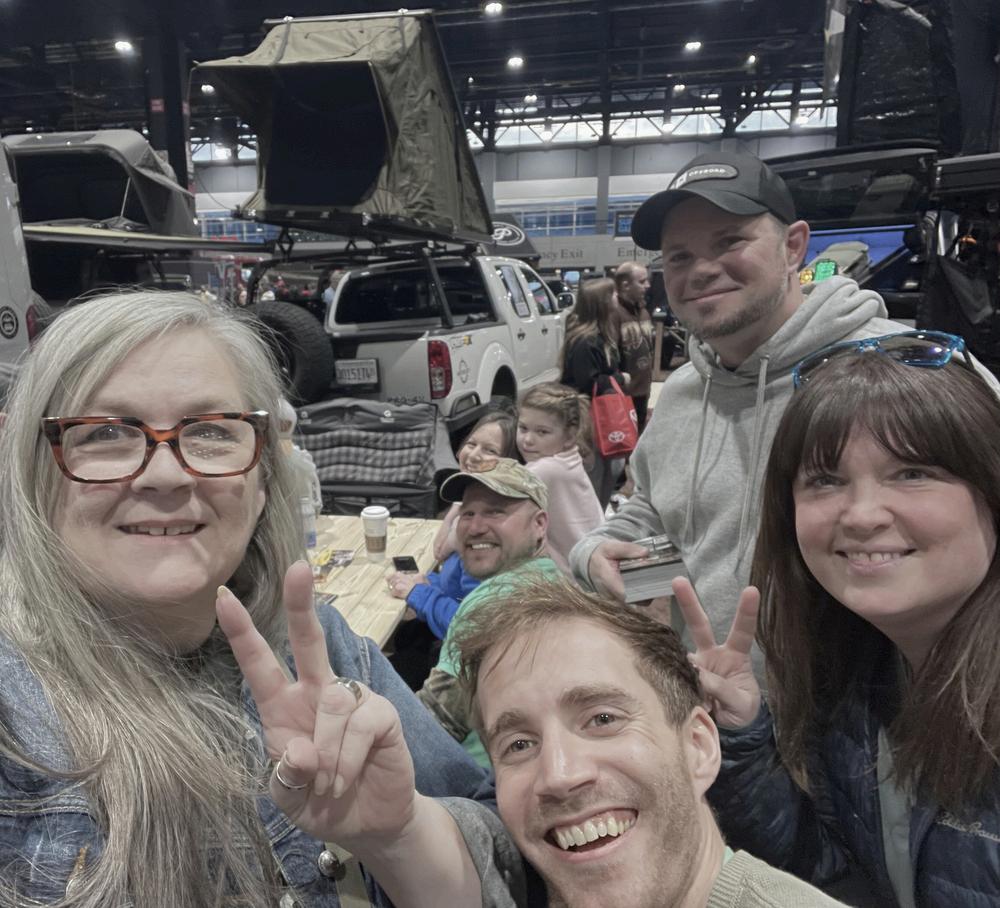
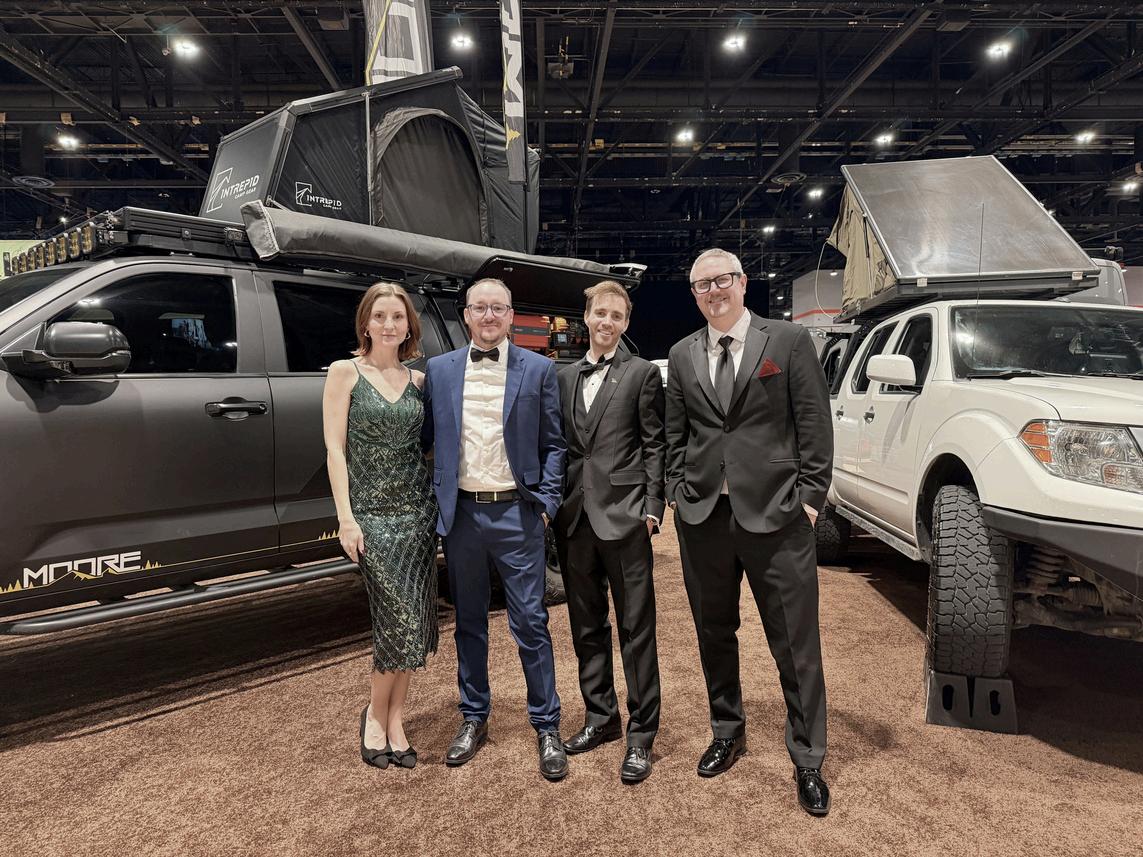
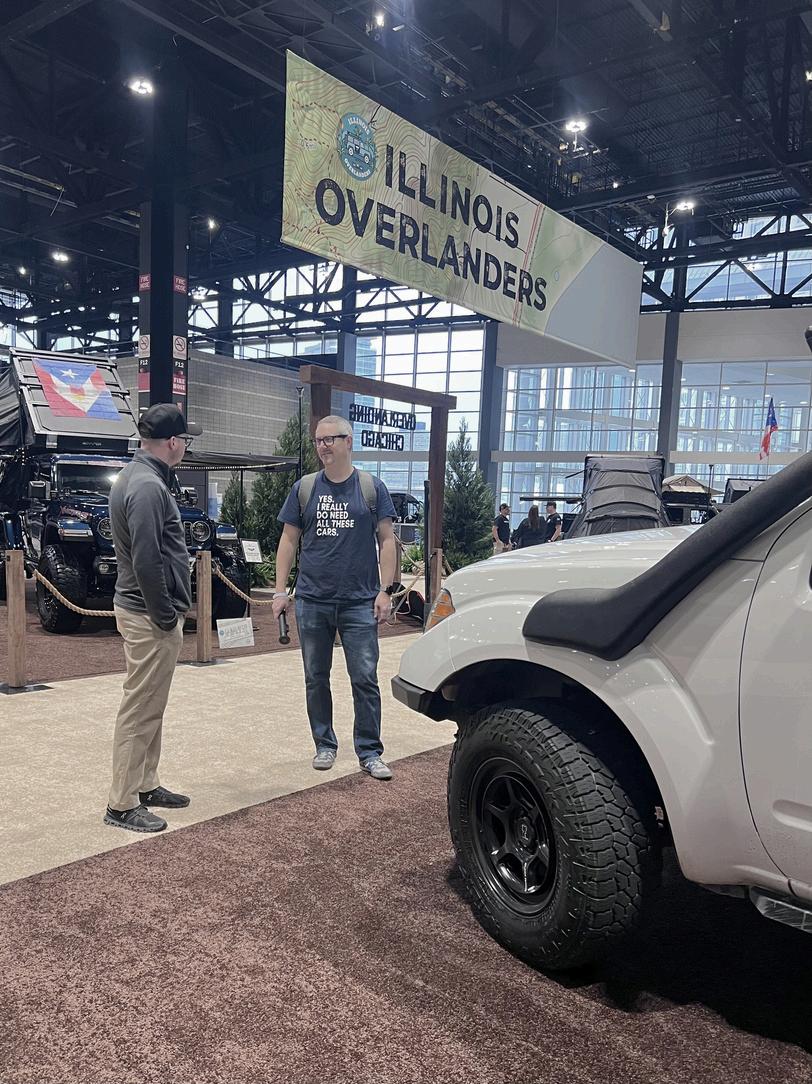
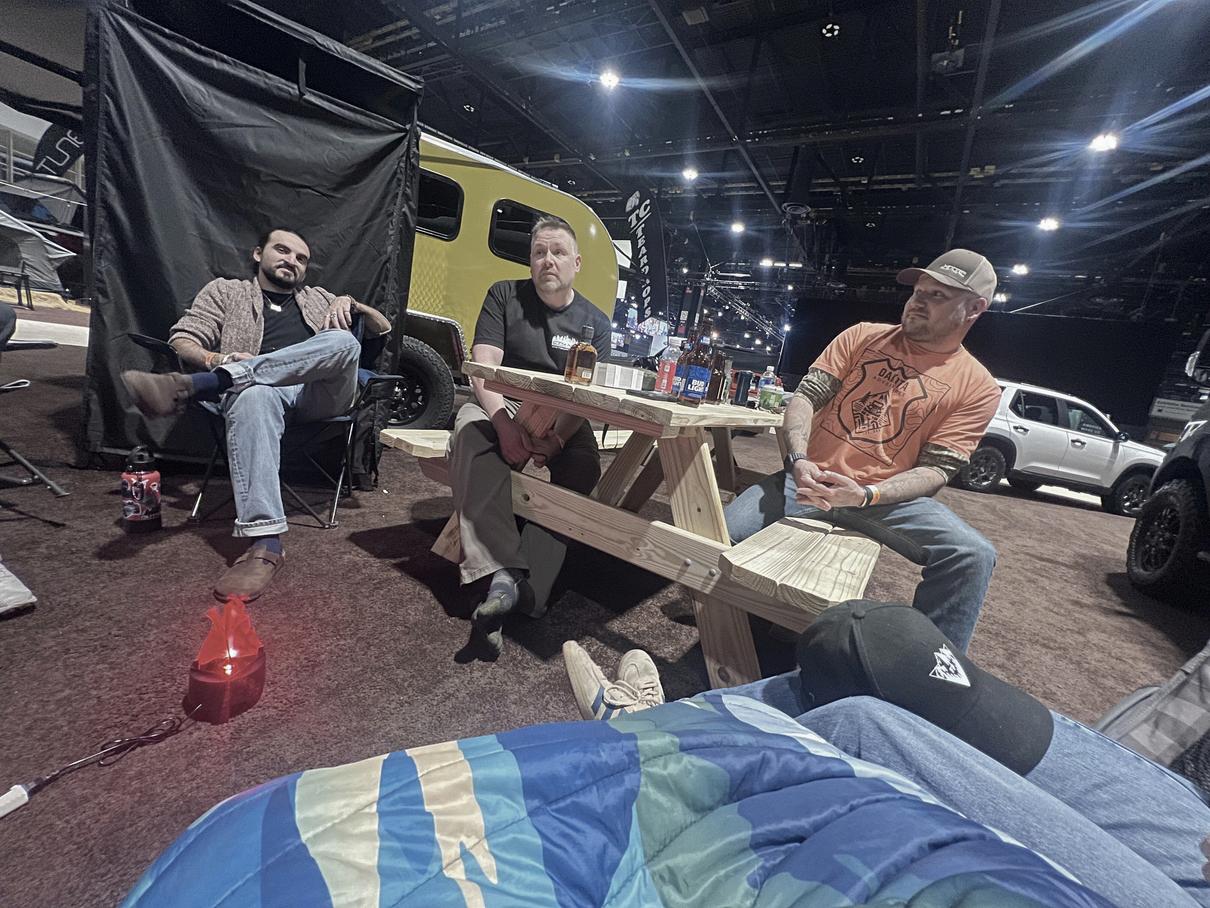
(Left) The overlanding section at the Chicago Auto Show brought together an incredible mix of builders, brands, and travelers all under one roof. From fully built-out rigs to innovative gear and accessories, it was a powerful snapshot of how vehicle-based adventure continues to grow in the Midwest Seeing this many passionate participants gathered in one space sharing ideas, stories, and inspiration was a reminder that our community isn’t niche anymore. It’s thriving.
CHRIS
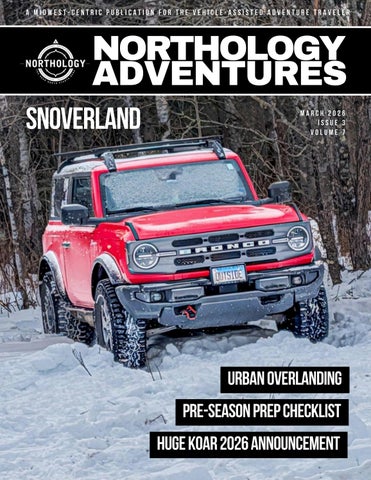
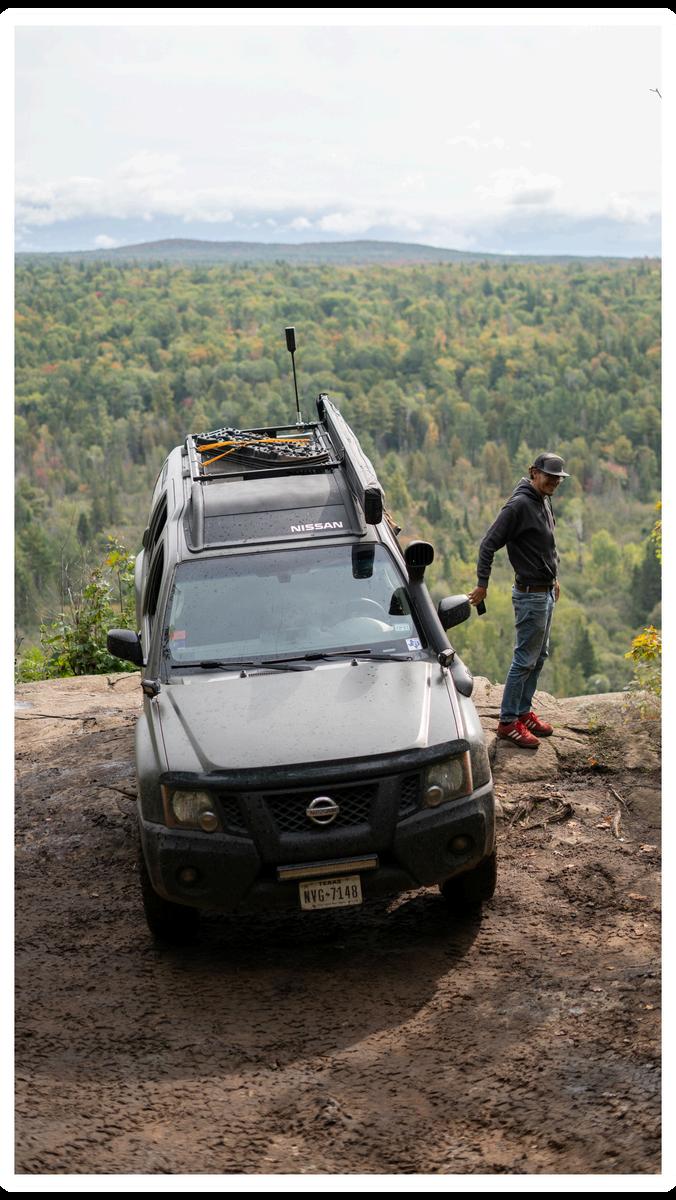
Front and back cover photos by Mark Daggett
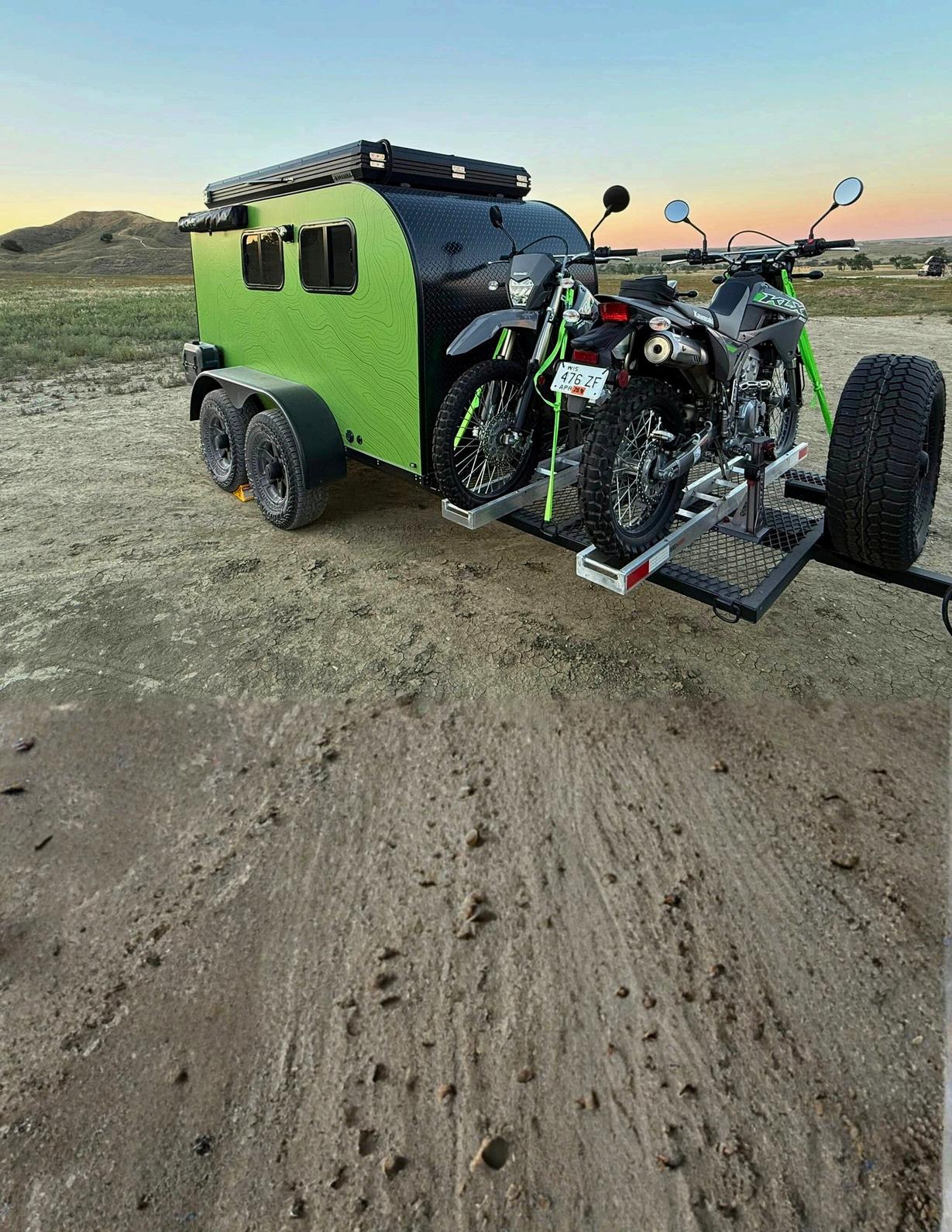
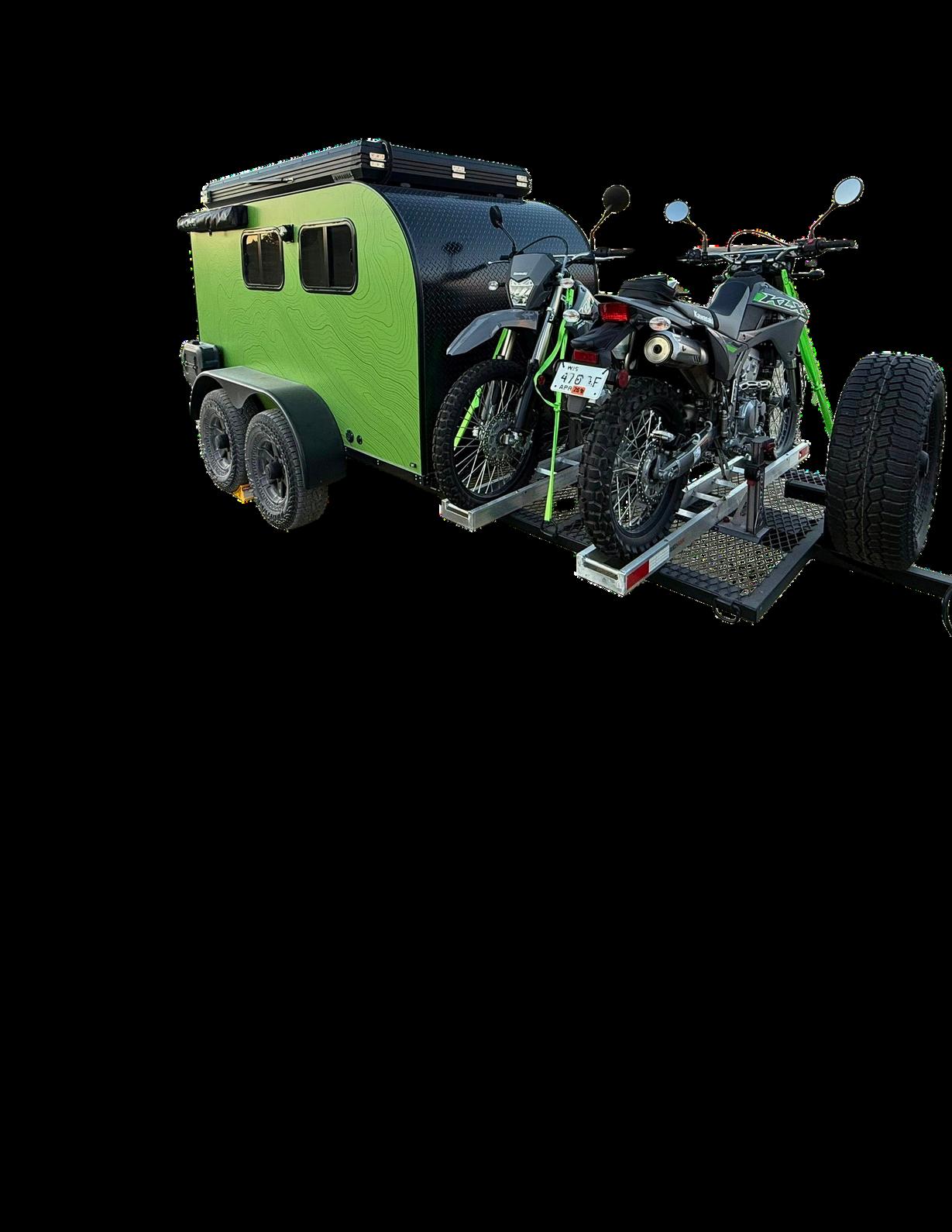
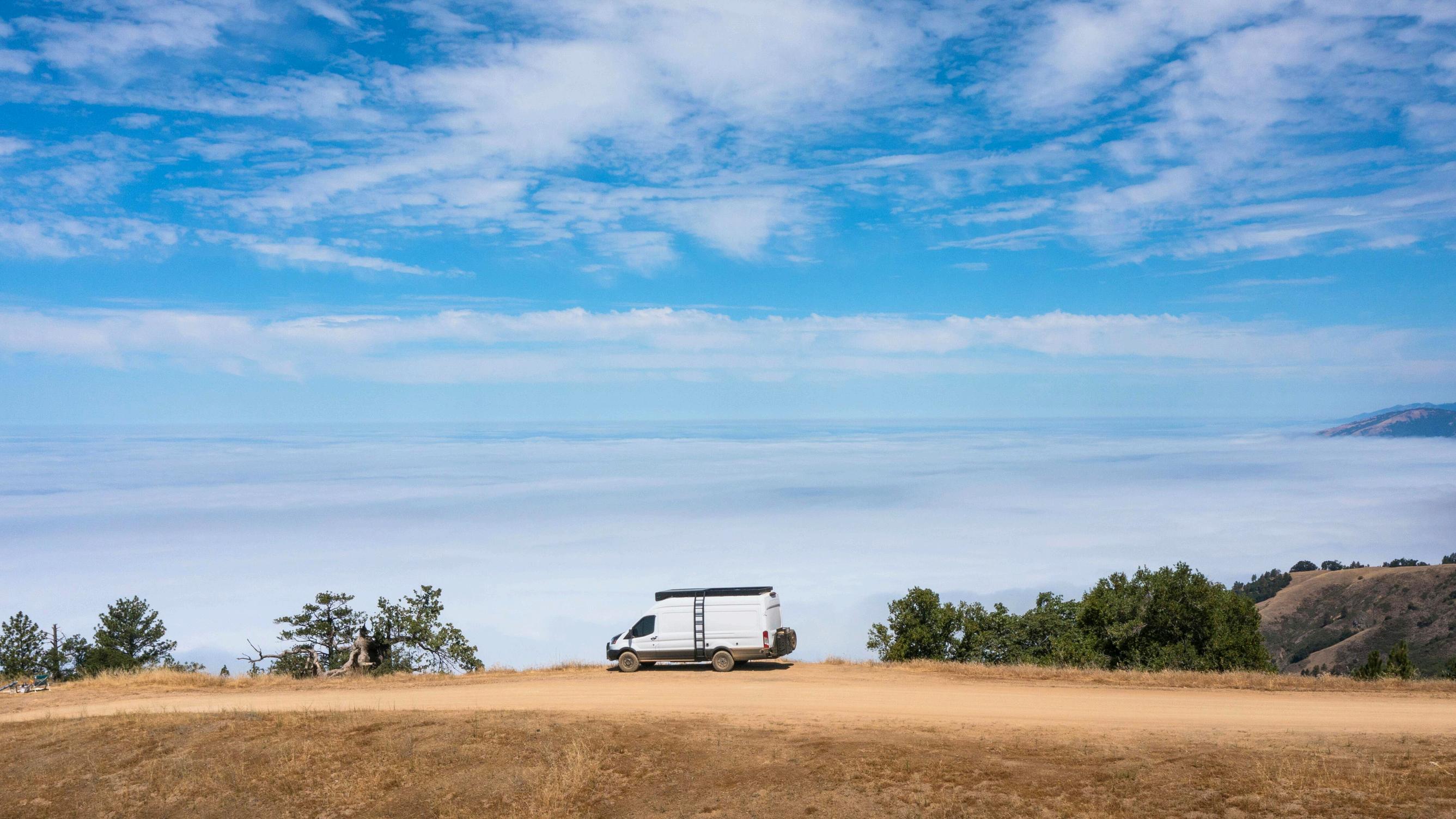
Our all-new TC Terrain camper is the culmination of our experience and expertise, combined with feedback from our customers. The Terrain offers a comfortable living space with a table and bench seating for four; convert that to a couch and table for two, or unfold the mattress completely into a queen size bed. The indoor galley and optional porta-potty allow you to stay dry inside if the weather takes a turn!
KEEPING IT IN THE FAMILY
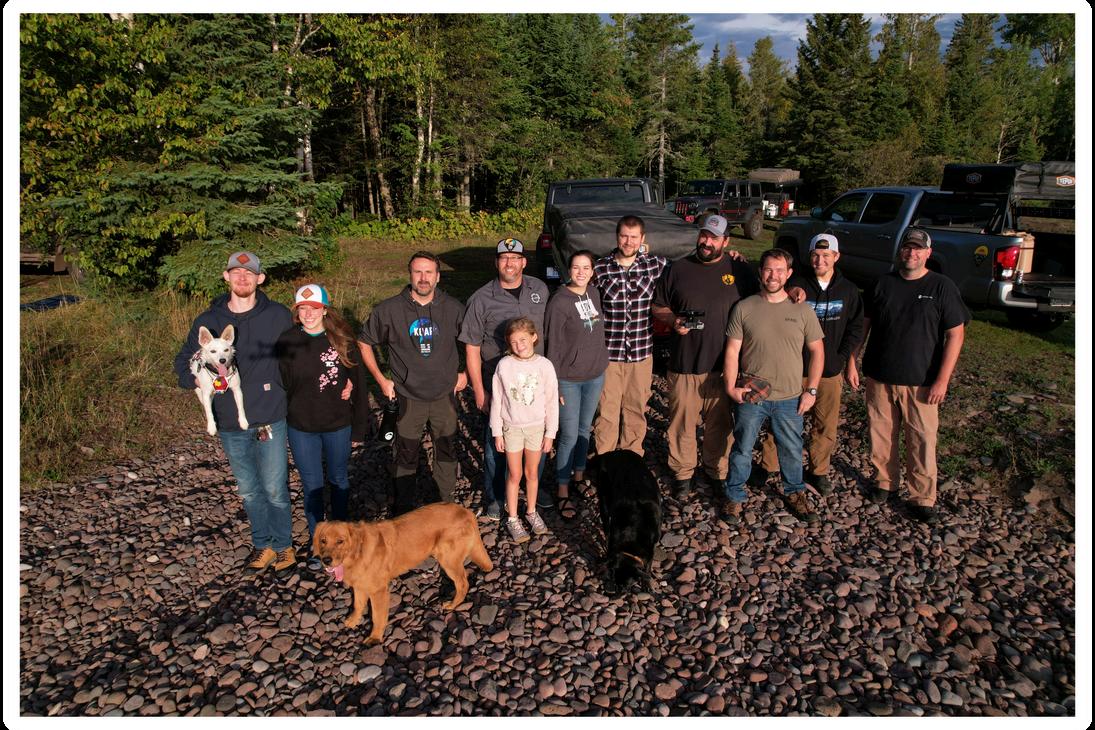
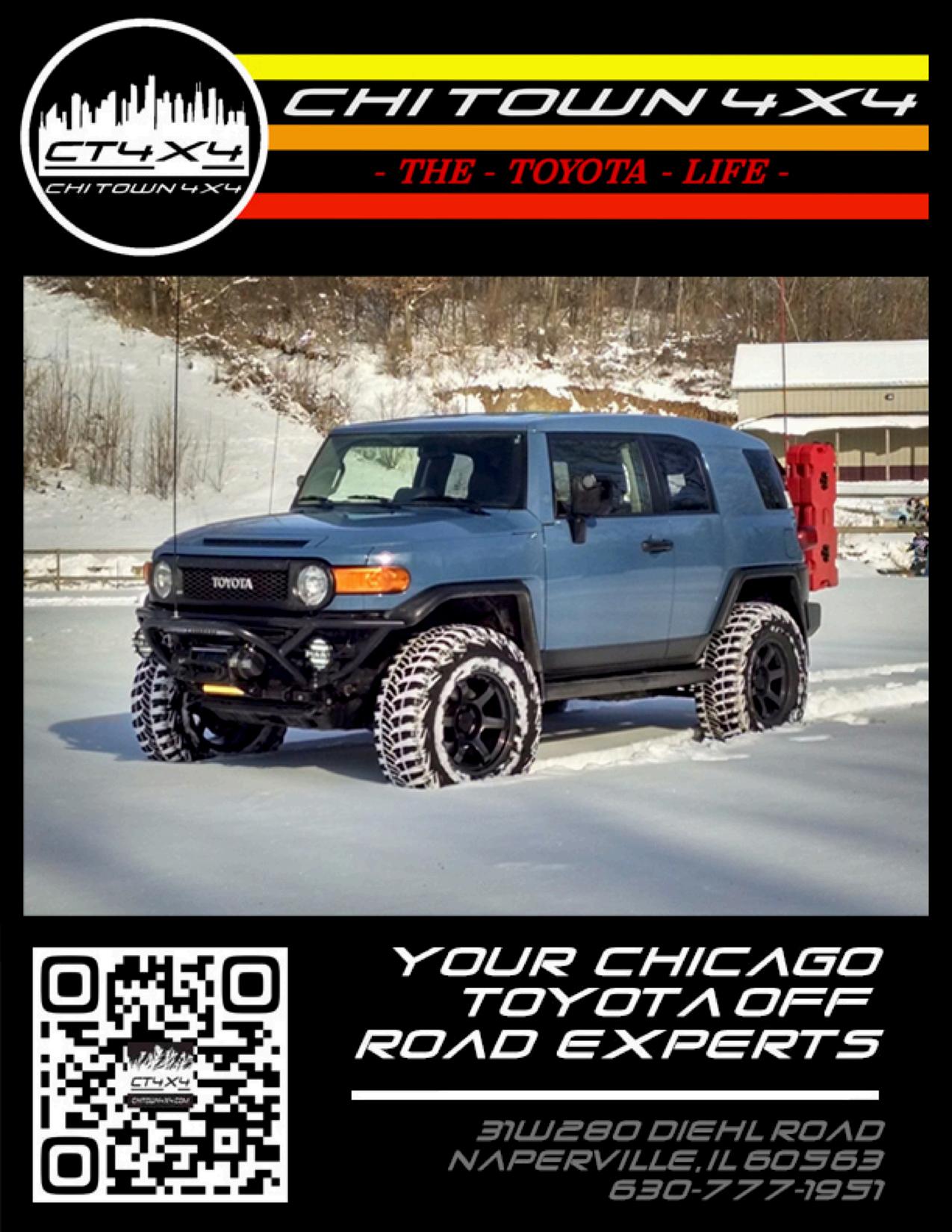
Big news!!! We’re honored to share that ChiTown 4x4 will serve as Title Sponsor of the Keweenaw Overland Adventure Retreat
ChiTown was there in the early days of KOAR, setting up as a vendor at our original location and helping establish the culture that still defines this event hands-on, welcoming, and rooted in real trail experience They weren’t just another booth. They were part of the fabric. Even during seasons when they weren’t onsite, their presence in the Midwest overland community always shined. They’ve continued to show up for enthusiasts, support builds, invest in education, and stand shoulder to shoulder with the very people who gather at KOAR each year.
This collaboration is built on trust and community. It’s not transactional. It’s relational We share values We care about doing right by the community. Bringing ChiTown back into KOAR in this capacity feels like planning a family reunion.
For attendees, this means deeper technical education, meaningful product integration, and a long-term commitment from a brand that understands the responsibility that comes with serving this community. This isn’t a one-year experiment it’s a three-year commitment rooted in shared vision and mutual respect.
While TC Teardrops is no longer the Title Sponsor, we are incredibly grateful for their foundational support and the years they stood with us Their relationship with ChiTown 4x4 is strong, and we appreciate the way both brands continue to invest in the broader overland family
We’re excited for what this next chapter represents Stability Alignment Family. And a renewed commitment to building KOAR with people who believe in it as deeply as we do
Please check out ChiTown 4x4's website and follow them on socials!
Tickets for KOAR 2026 are now on sale to the public on our website!
VEHICLE PREP FOR OVERLANDERS
DEPENDABLE RIGS, SMART PREPARATION, AND THE GEAR THAT GETS YOU HOME
IS YOUR RIG READY FOR ADVENTURE?
Melt season. You can feel it in the air. Spring is coming. Rigs are coming out of storage. Trail plans are being sketched on napkins. Before we talk about routes, campsites, or gear, we need to talk about the one thing that makes all of it possible: your vehicle.
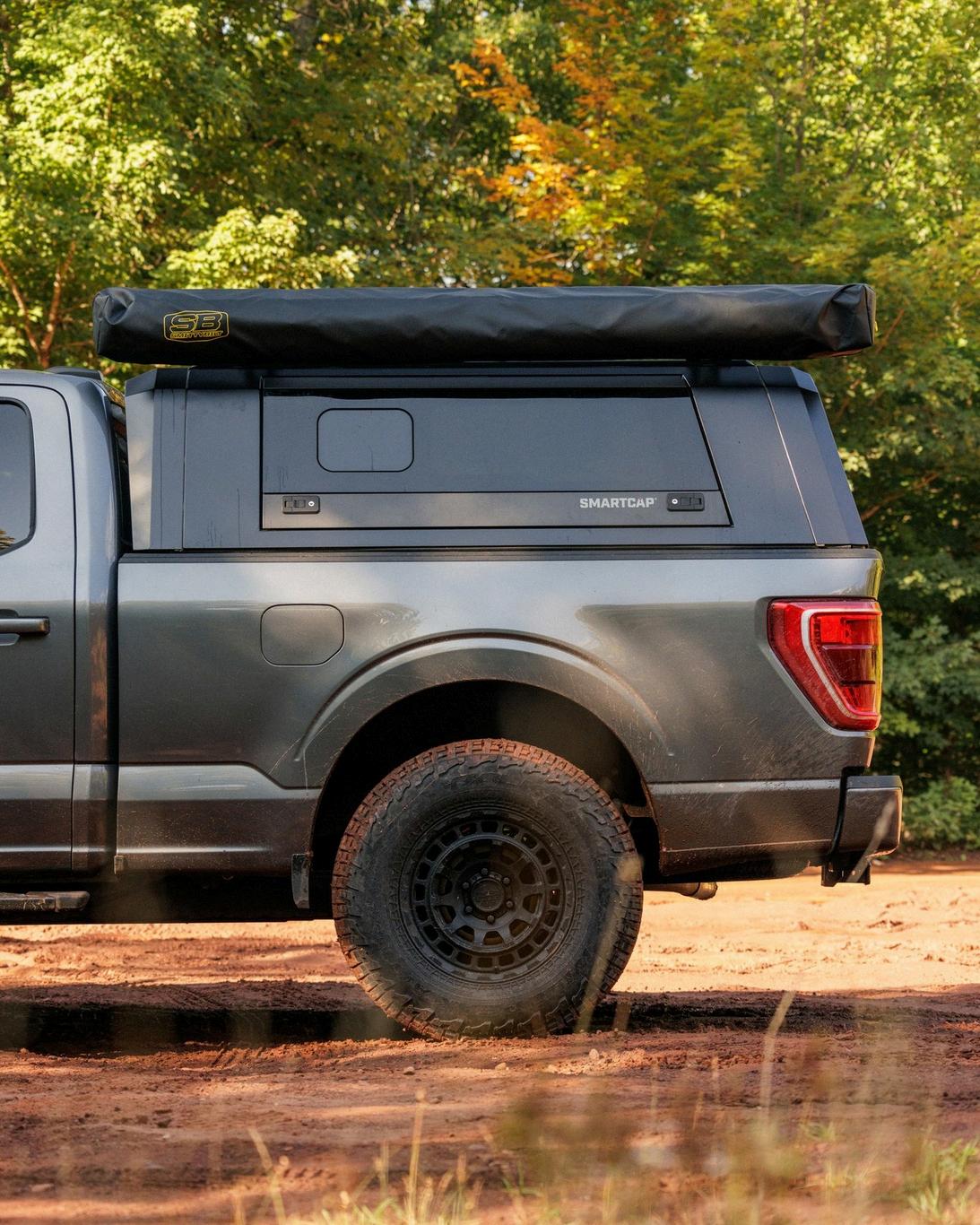
Overlanding isn’t about having the most built rig. It’s about having a dependable one. Whether you drive a stock SUV, a half-ton pickup with a canopy camper, or a fully outfitted expedition build, readiness matters more than aesthetics. Let’s dive into what you need to do before you hit the road.
START WITH MAINTENANCE, NOT MODS FLUIDS
Before adding lights, bumpers, or rooftop tents, make sure the fundamentals are solid.
Check and top off engine oil, coolant, brake fluid, power steering fluid, and windshield washer fluid If you’re close to an oil change interval, do it before the trip If your coolant is several years old, flush it. Overheating in the woods is avoidable
Inspect serpentine belts for cracks and glazing Squeeze radiator hoses and heater hoses for brittleness A $30 hose can end a $3,000 adventure
BELTS AND HOSES BATTERY AND CHARGING SYSTEM
Cold winters and short trips drain batteries
Test your battery Clean terminals Confirm your alternator is charging properly If you rely on a secondary battery system for camping, verify that your isolator or DC-DC charger is working correctly If you rely on solar and battery banks, now is also a good time to check and charge those, too
BRAKES AND TIRES
Listen for grinding. Feel for vibration. Check pad thickness If you’re towing or carrying heavy gear, your braking system matters even more
Tires are the most critical overland component Check tread depth, sidewall damage, and tire age Inspect your spare If you don’t know how old it is, look at the DOT date code Replace cracked or dryrotted spares Confirm lug nuts are torqued!
SUSPENSION AND STEERING
Look for leaking shocks, loose tie rods, worn ball joints, and play in the steering A lifted vehicle or heavily loaded rig puts additional stress on these components
UNDERBODY
Crawl underneath Look for loose skid plates, dangling wires, fluid leaks, or rust damage Early spring salt corrosion is real in the Midwest If you wouldn’t trust your vehicle for a 1,000-mile highway road trip, don’t trust it 30 miles down a forest road
PRE-TRIP SHAKE DOWN
Before a big adventure, load the vehicle exactly how you plan to travel and take it for a local drive Listen for rattles Feel for sag Watch temperatures Make adjustments close to home, not in the backcountry If you’ve added weight rooftop tent, fridge, drawers, recovery gear consider whether your suspension and tire load rating are appropriate Overloaded rigs break parts and handle poorly
WHAT TO BRING FOR THE UNEXPECTED
No matter what style of camping you do dispersed, campground, off-road park, forest road cruising — certain essentials should always be in your vehicle.
Recovery Basics
Even if you don’t plan to “wheel,” you can get stuck on wet grass, spring mud, or snow.
– Recovery strap (non-metal hooks)
– Soft shackles or rated D-rings
– A shovel
– Traction boards
– Work gloves
A factory tow hook is not a recovery plan if you don’t know how to use it safely.
Tire Support
Most trail problems are tire problems.
– Full-size spare
– Tire plug kit
– Portable air compressor
– Valve core tool
– Tire pressure gauge
If you air down, you’ll need to air back up.
Tools and Spares
You don’t need a full mechanic’s shop, but you need enough to handle common issues.
– Basic socket and wrench set
– Screwdrivers and pliers
– Duct tape and electrical tape
– Zip ties (!!!)
– Extra fuses
– Fluids (oil, coolant, brake fluid etc.)
– Jumper cables or a jump pack
Communications and Navigation
Cell service is unreliable, period. –Download offline ahead of time
– Paper map as backup
– Two-way radios for convoy travel
– Satellite communicator for remote trips
Know the Motor Vehicle Use Map (MVUM) rules before you go. National Forests do not have “trails” — they have roads with seasonal restrictions. Always verify open dates.
Safety and Survival
Even if you’re planning a casual overnight, conditions can change.
– First aid kit (and knowledge to use it)
– Extra food and water
– Warm layers and rain gear
– Headlamp or flashlight
– Fire extinguisher
Weather shifts quickly in spring and fall. Mud seasons in Wisconsin and the U.P. can turn a mild outing into a recovery exercise.
Fuel Planning
Don’t assume you’ll find a gas station in rural areas. Know your range. Consider carrying a jerry can for extended routes.
Mindset Is Part of Prep
Vehicle readiness is mechanical. Overland readiness is mental Tell someone where you’re going Build in extra time The goal is to return home safely, not to conquer every obstacle You don’t need a $100,000 build to explore You need a well-maintained vehicle, a few critical tools, and the humility to prepare for what you hope won’t happen The most capable rig is the one that gets you home
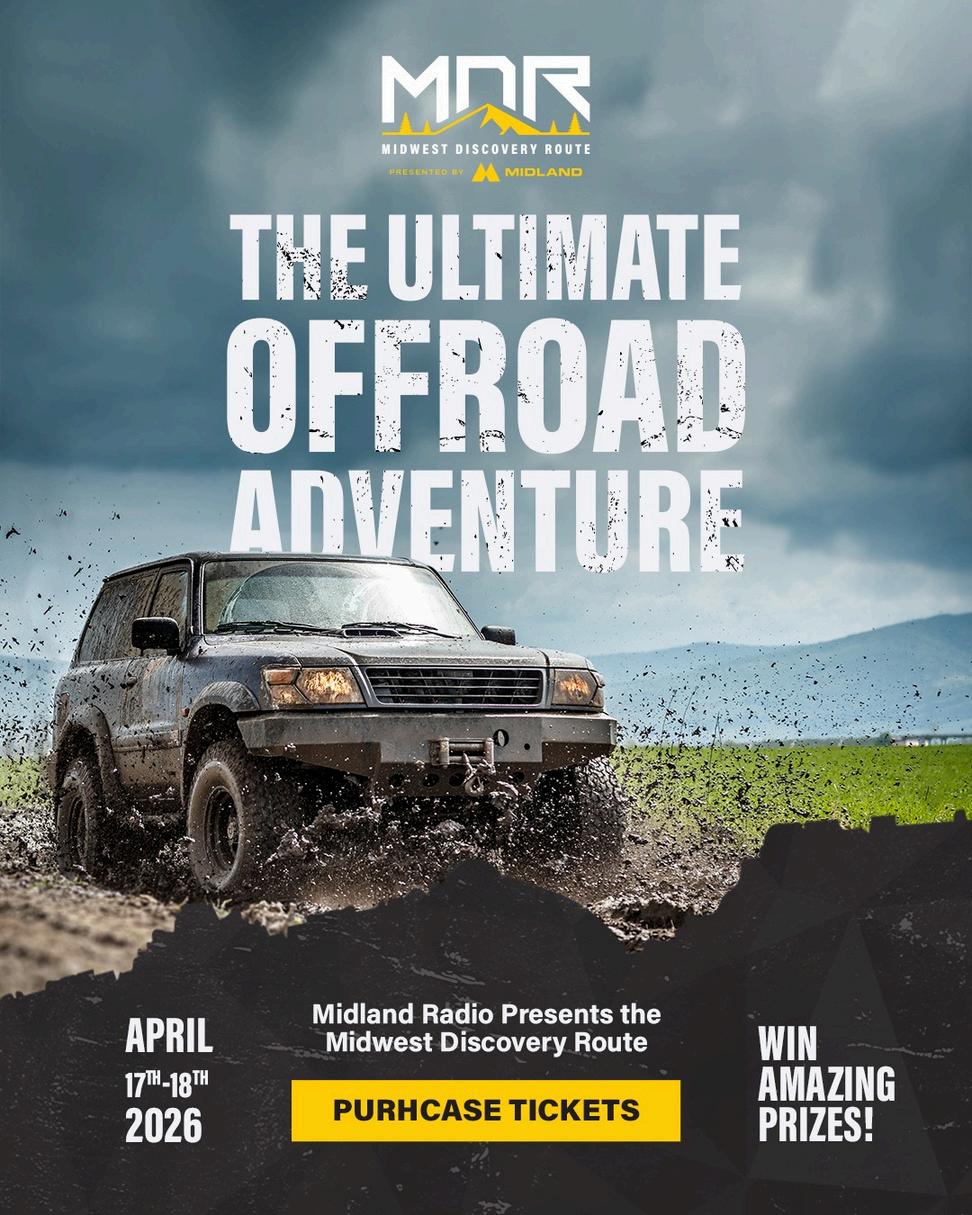
MOORE EXPO.COM/MIDWEST.DISCOVERY.ROUTE/
By Cindy Pope
o v e r l a n d i n g C h i c a g o
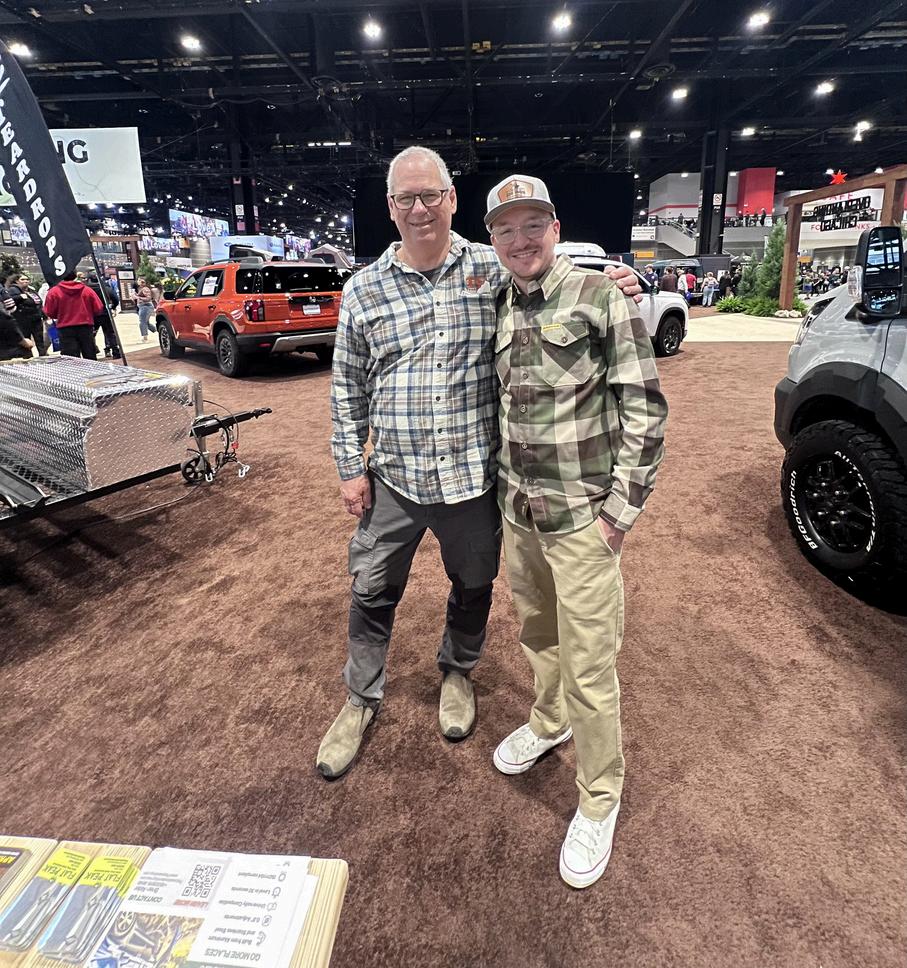
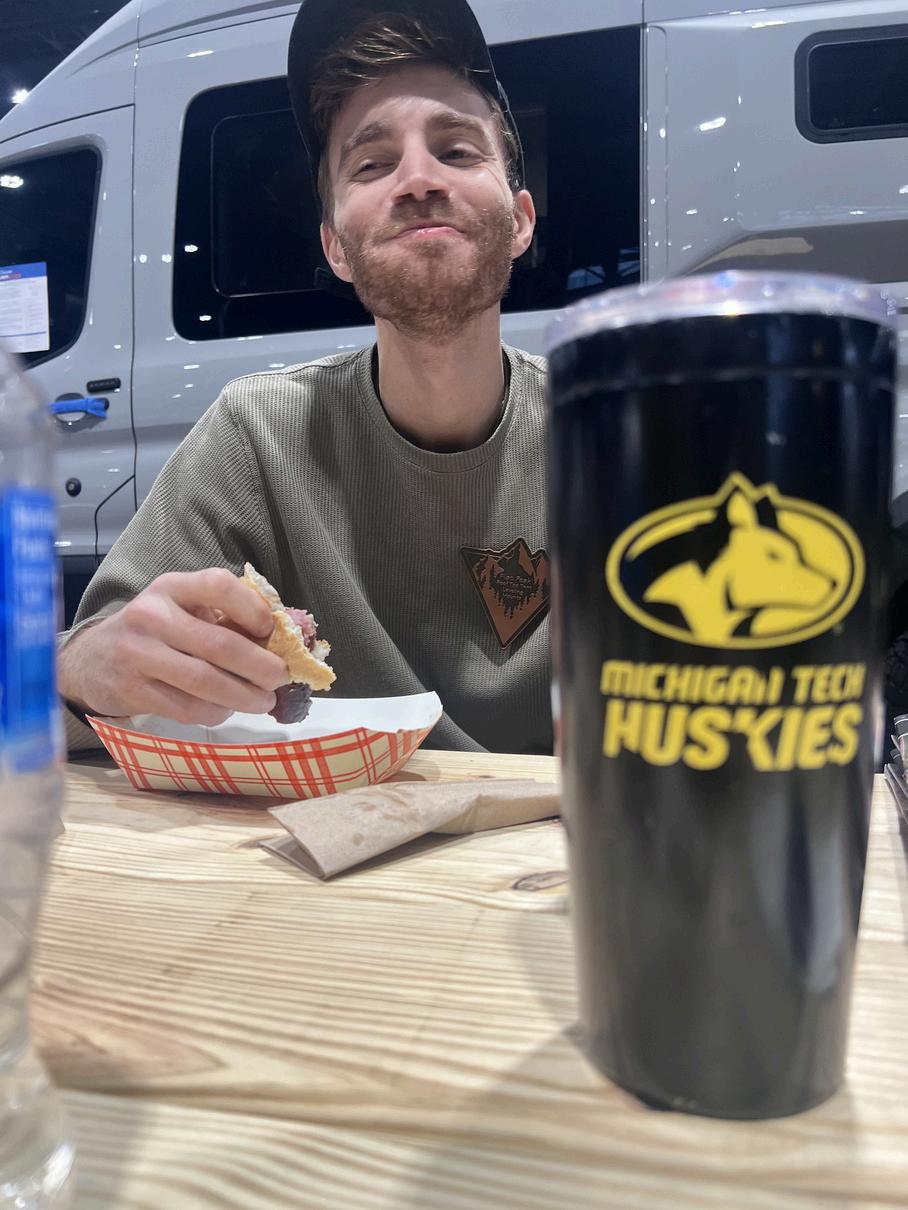
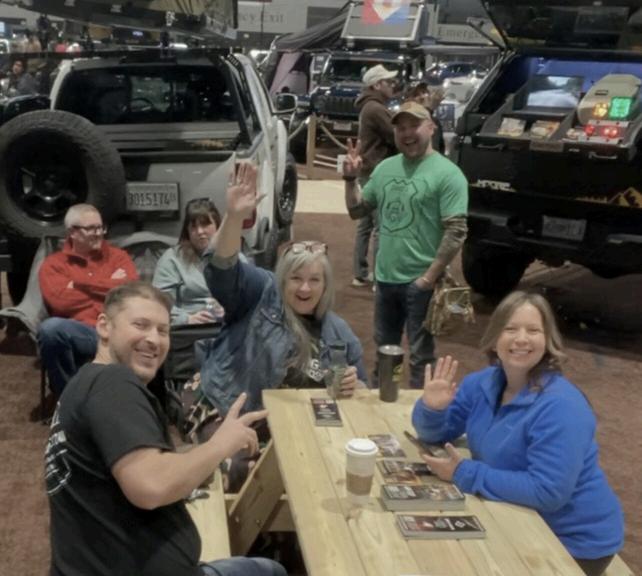
At The Chicago Auto Show, I had one of those moments where I had to pause and take it all in. Seeing overlanding represented on a stage that big inside one of the largest consumer auto shows in the country felt like a milestone, not just for Northology and MOORE, but for the entire Midwest community We weren’t tucked away in some corner of the internet or a back forest road We were front and center, introducing thousands of people to the idea that their vehicle could take them somewhere meaningful beyond the pavement
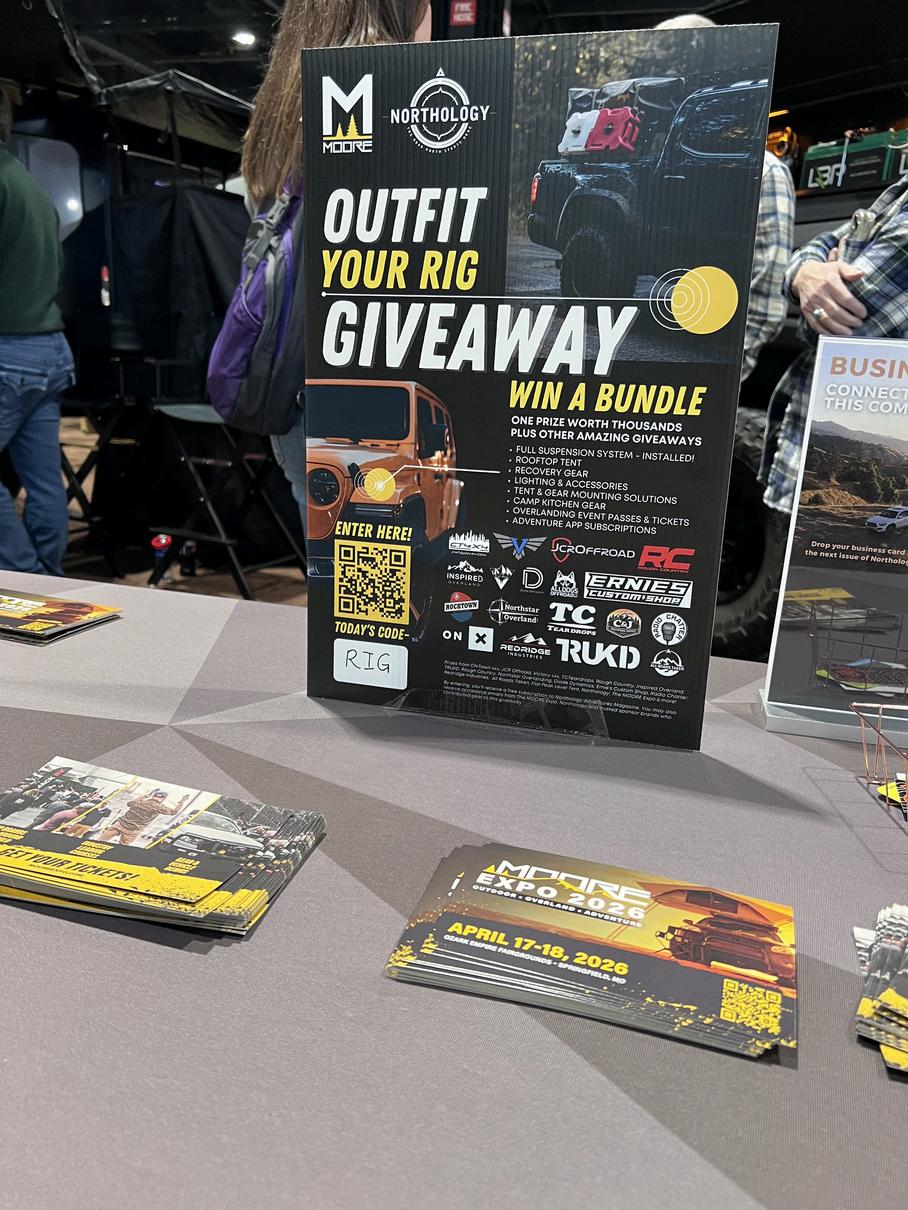
I’m incredibly grateful to our sponsors and partners who stepped up to make this happen. From the brands that contributed to the “Outfit Your Rig” giveaway to those who supported the print edition and booth presence, this simply wouldn’t have been possible without you. When small businesses back each other and invest in the bigger vision, it changes what’s possible Your support didn’t just fund a booth it helped bring Midwest overlanding and our events to a massive new audience
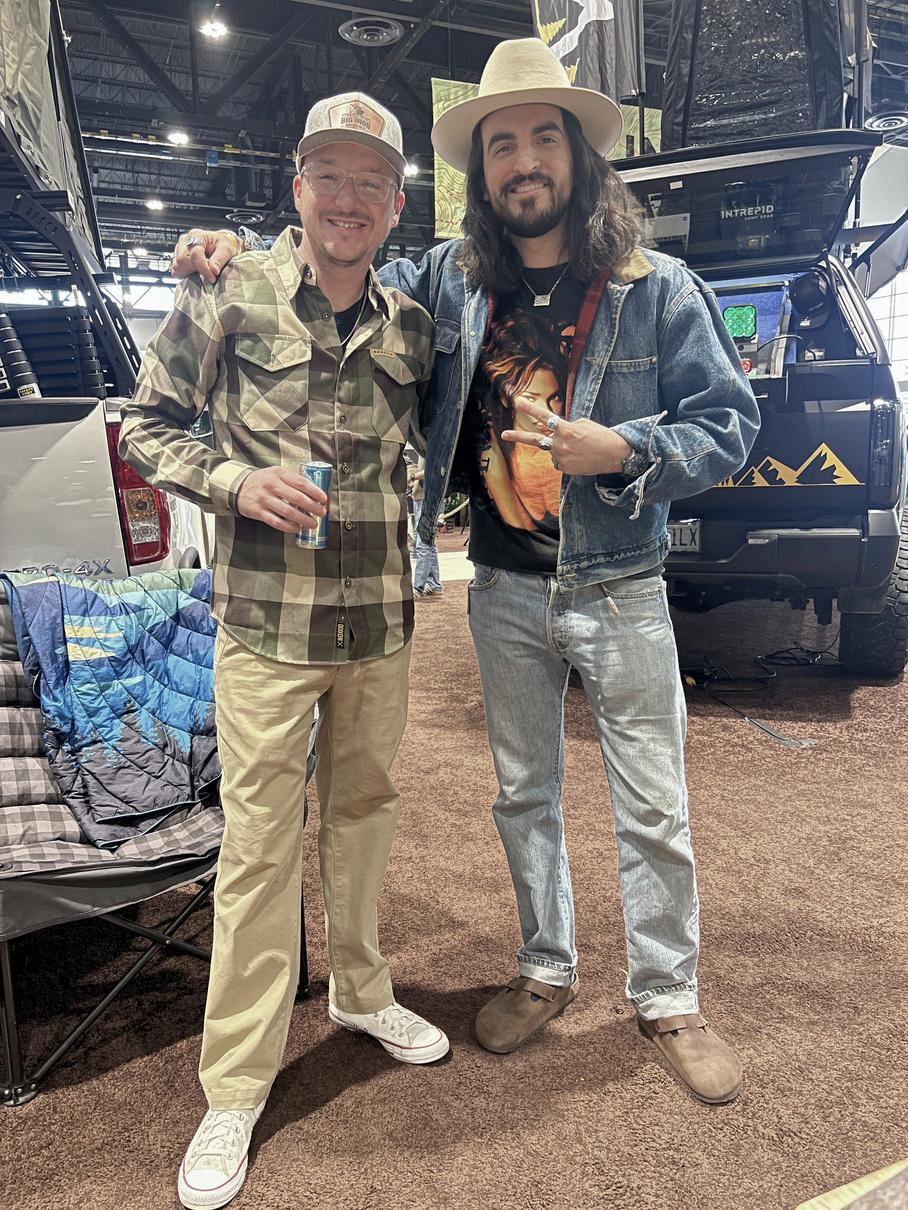
It was fun to see old familiar faces and Chris from the MOORE Expo and I have to thank a few really important people- Jim O’Brill of the show for making overlanding part of this event, Joe Krelle for making the Illinois Overland participation something special, and to Brian Alder of Flat Peak, Dakota Hillman of Dakota Adventures, and Jason with All Things Overlanding for helping us man the booth over the long days
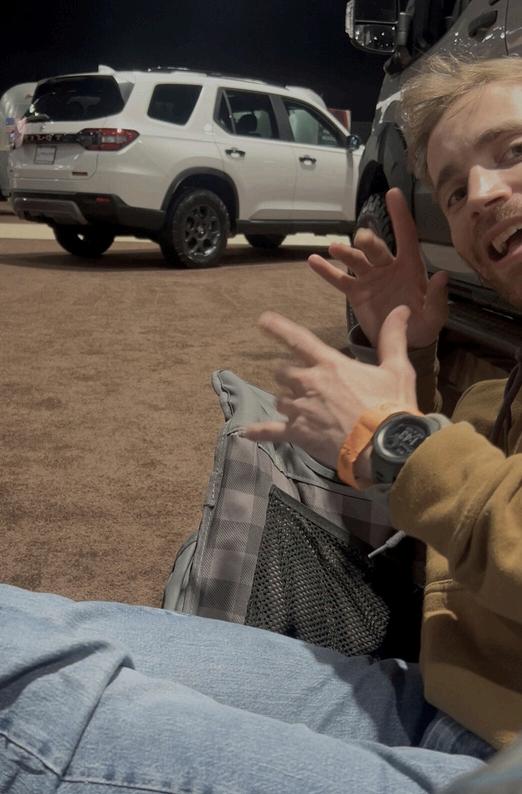
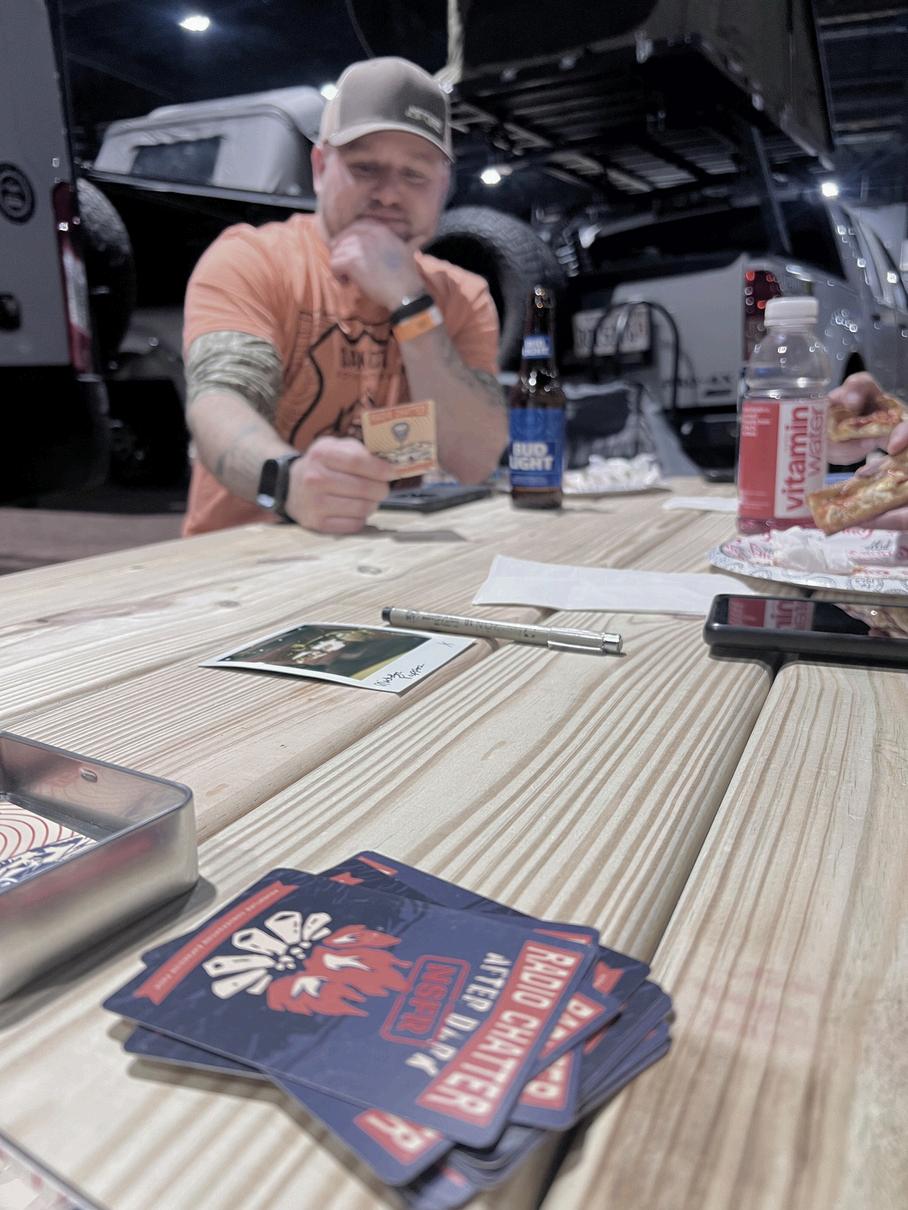
And yes, camping overnight at McCormick Place was a story all its own. There’s something surreal about climbing up into your rooftop tent to sleep inside a convention center Thank you, Subaru, for running your nature soundtrack all night, the birds chirping added to the strangeness of it all. We gathered around a hastily ordered fake firepit, just a handful of us surrounded by rigs and gear, trading stories and drinking cocktails under the convention center lights instead of starry skies It wasn’t the forest, but it was its own kind of adventure a reminder that overlanding isn’t just about where you park, it’s about the spirit and people you bring with you
As the show wrapped and we packed up the booth, I felt proud Proud of our community, proud of the partnerships, and proud that we showed up in a way that felt authentic We didn’t just talk about overlanding we represented the heart of it And if even a fraction of those attendees leave inspired to find a trail, join a local group, or attend a Midwest event, then it was more than worth it See you next at the MOORE Expo!
SNOVERLAND
WISCONSIN OVERLAND CAMPOUT AND TRAIL RIDE
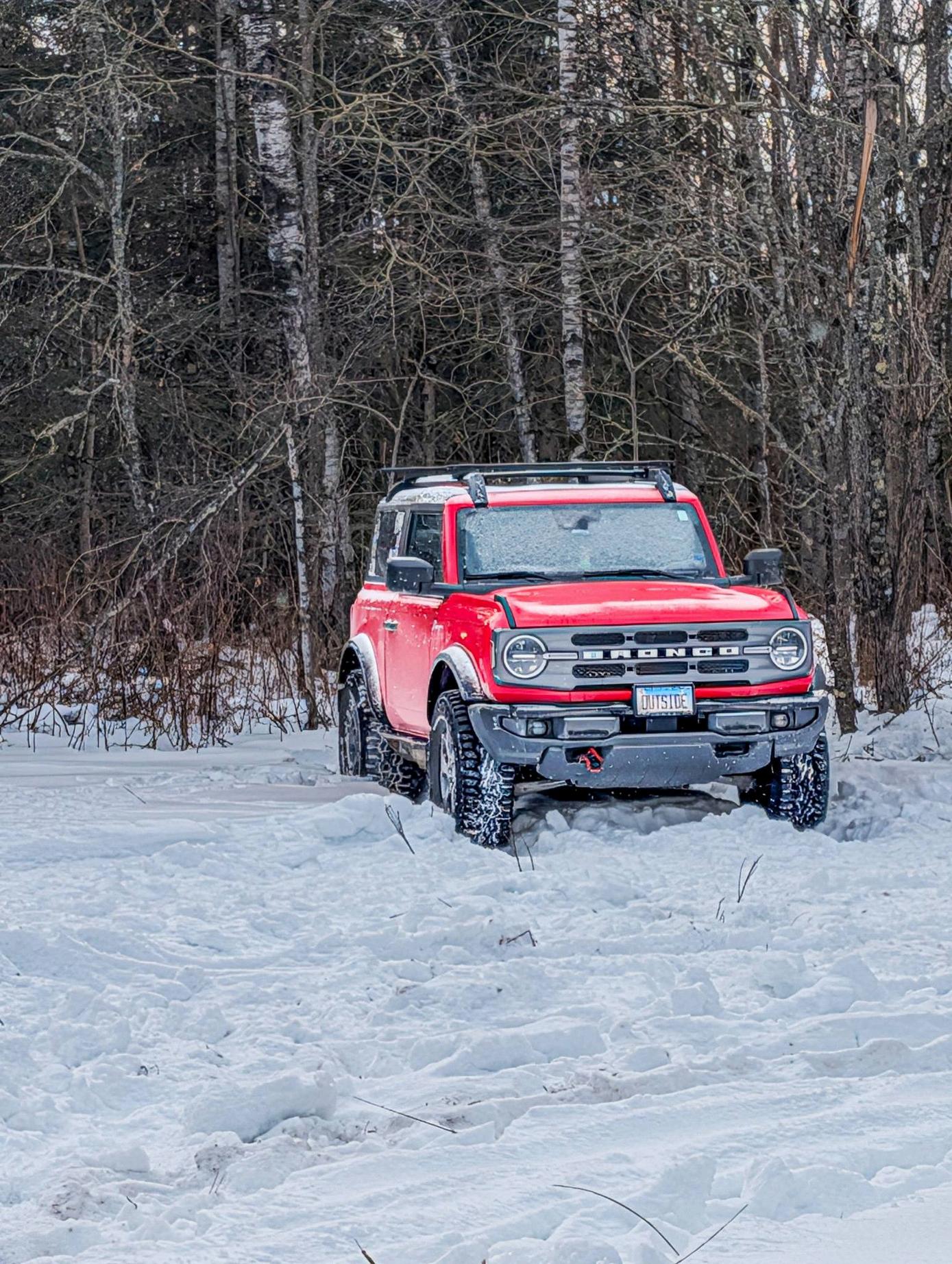
PHOTOS BY MARK DAGGETT RECAP BY CINDY POPE
SNOVERLAND RECAP
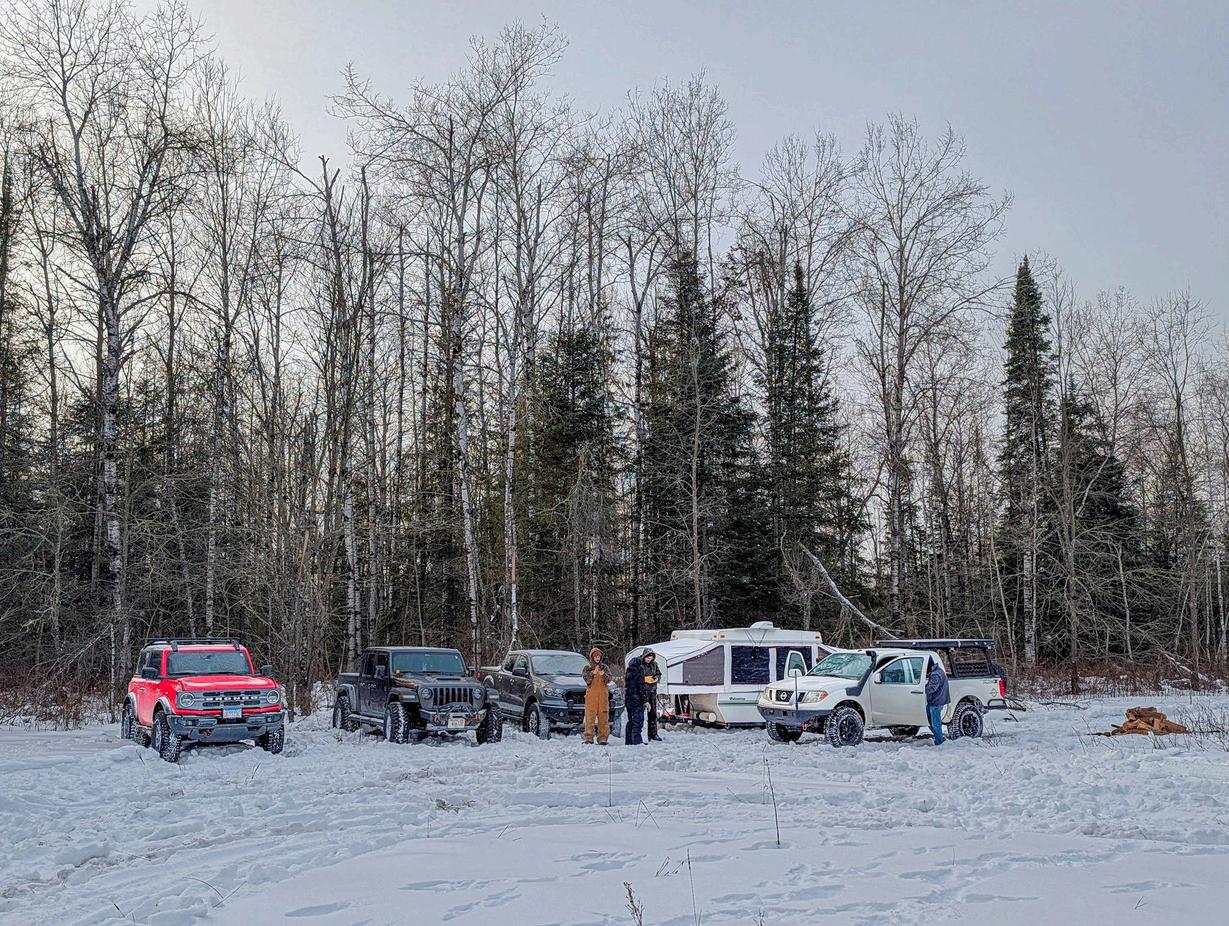
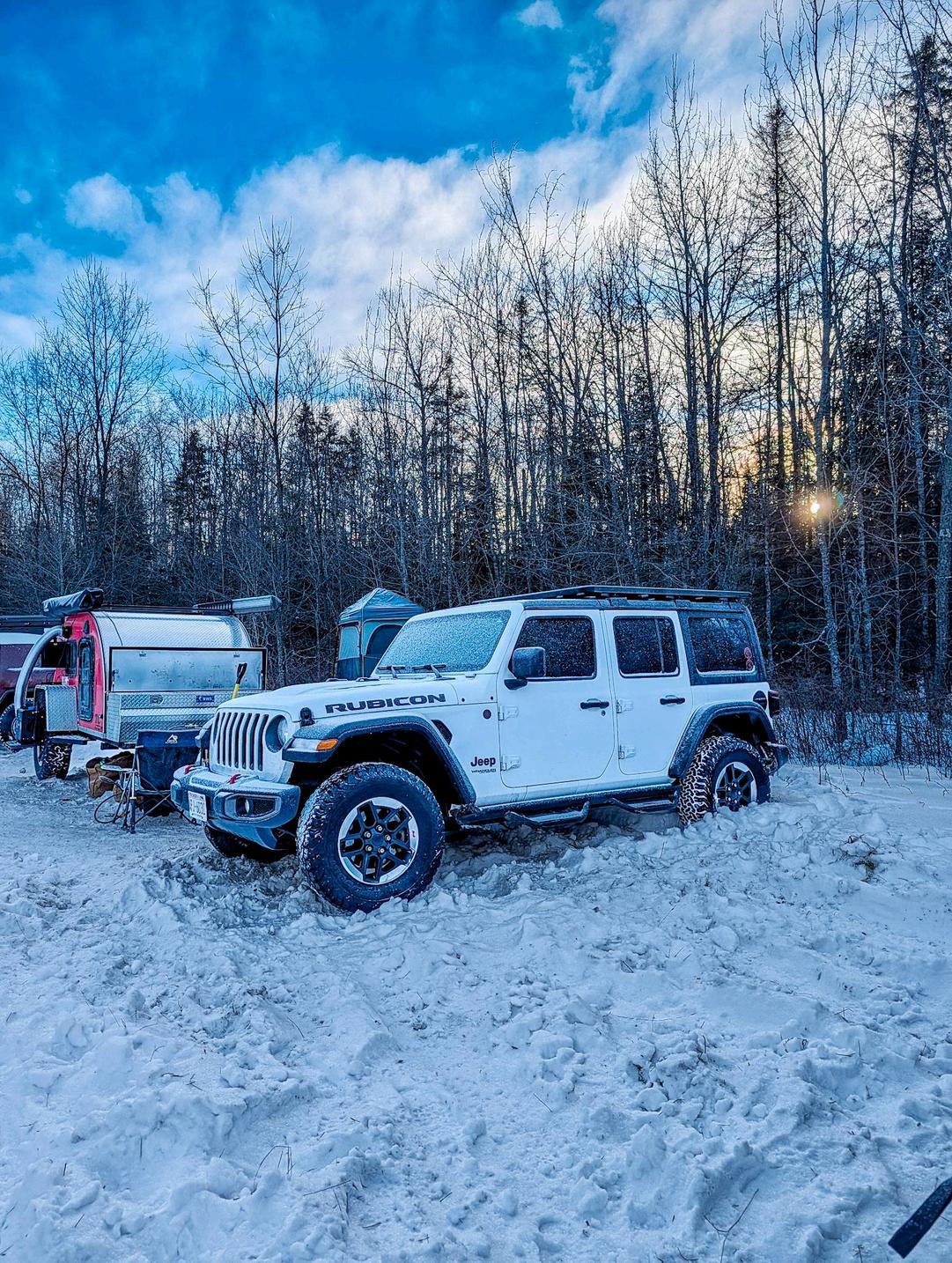
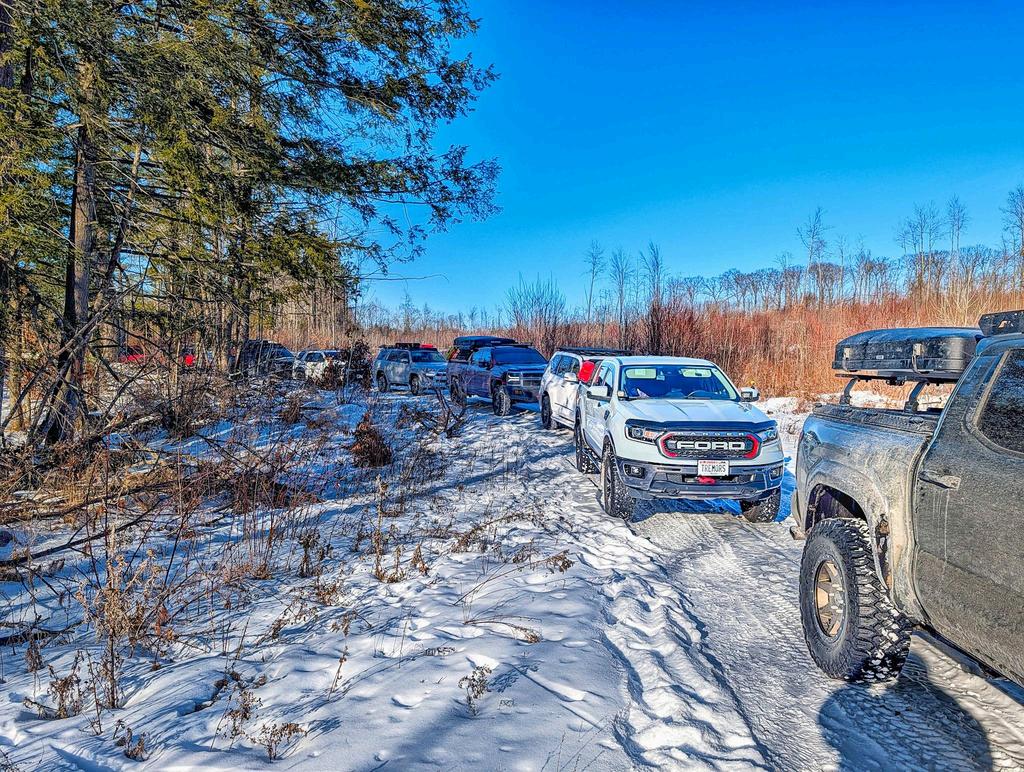
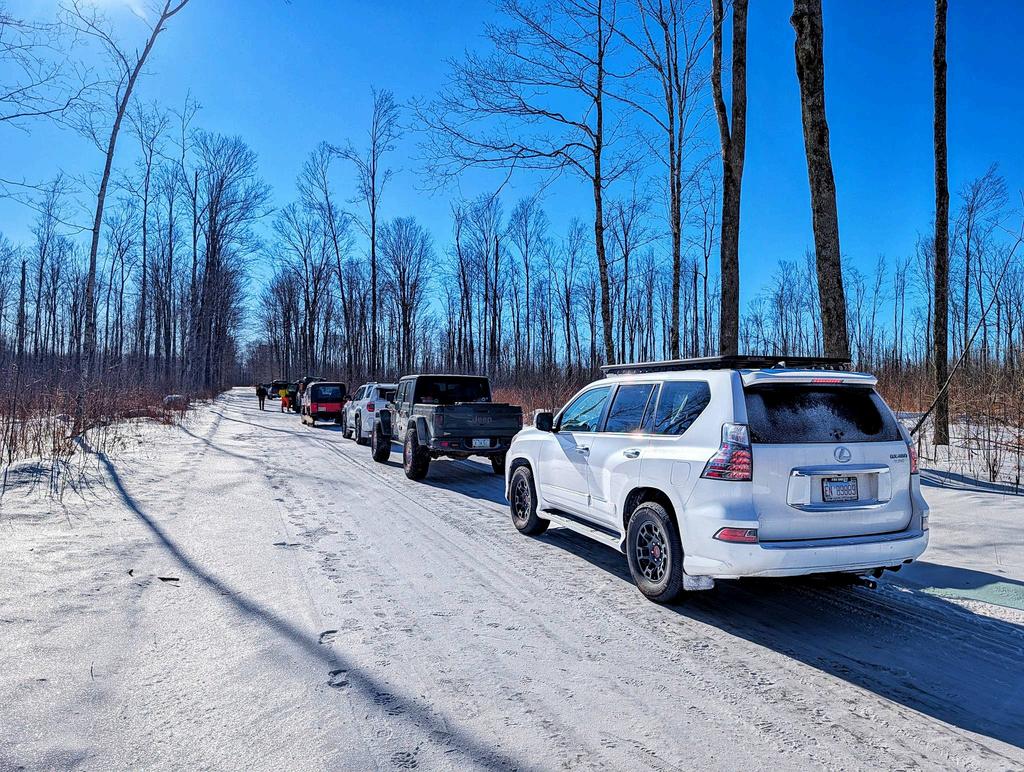
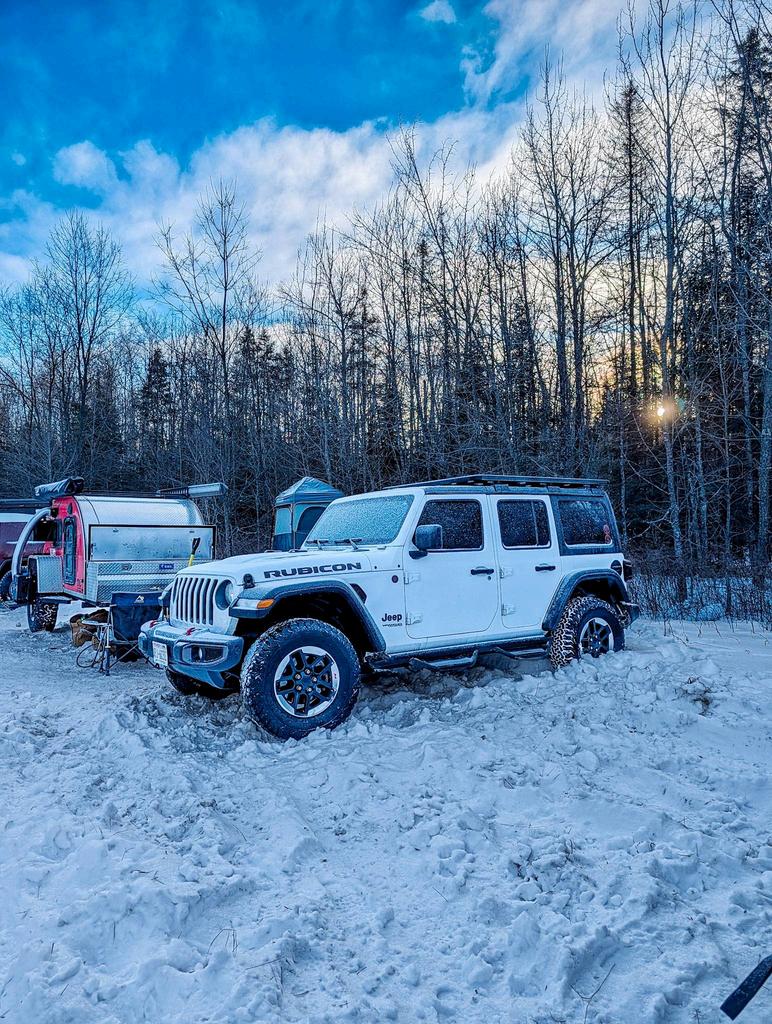
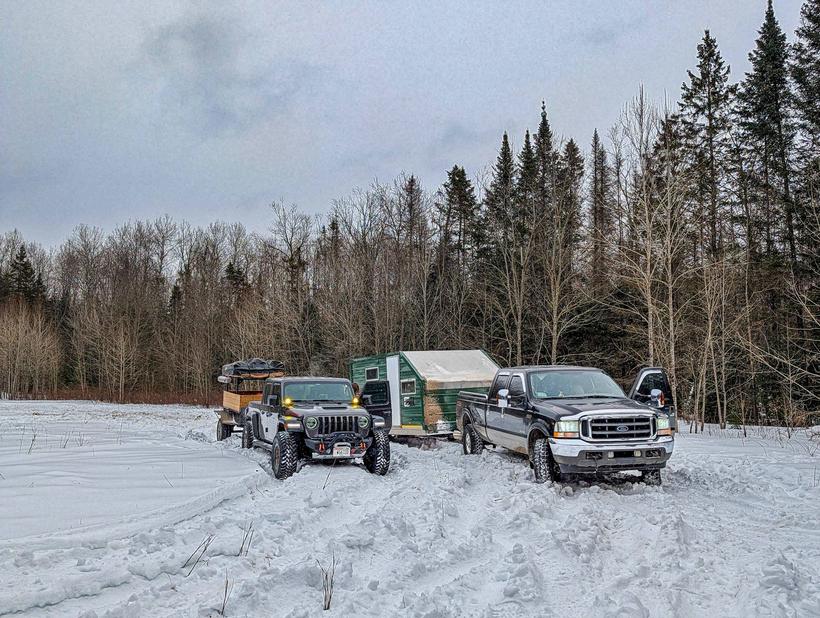
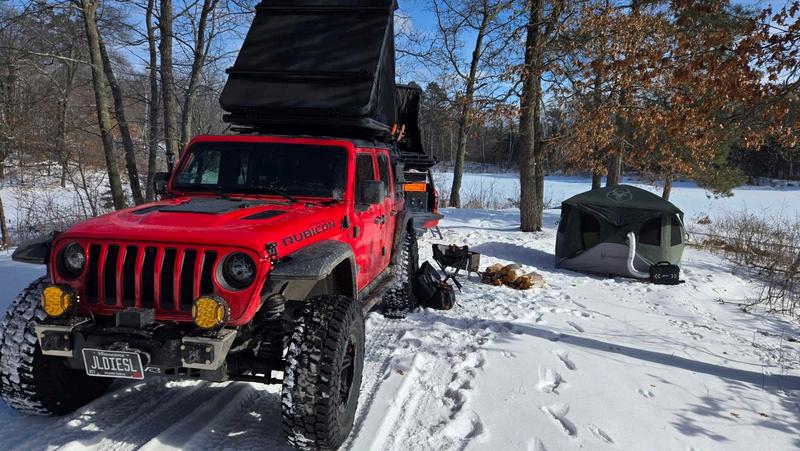
Snoverland brought true Northwoods winter energy to the Nicolet National Forest, with dispersed camping tucked into a snowcovered stretch of woods that felt perfectly removed from the noise of everyday life.
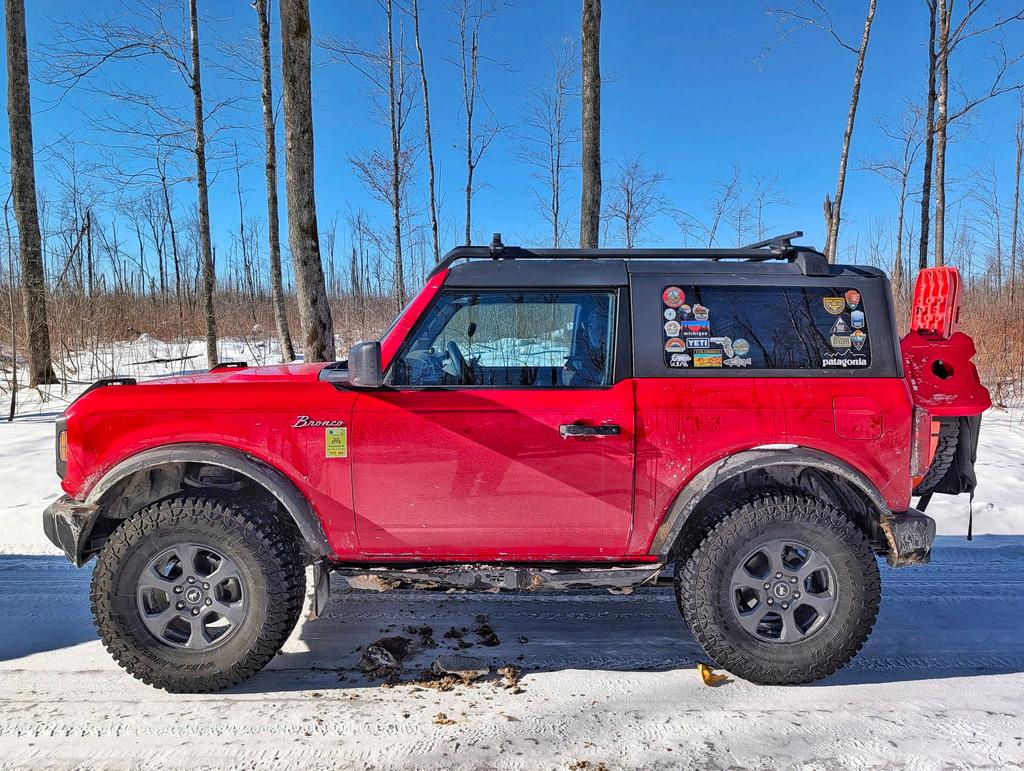
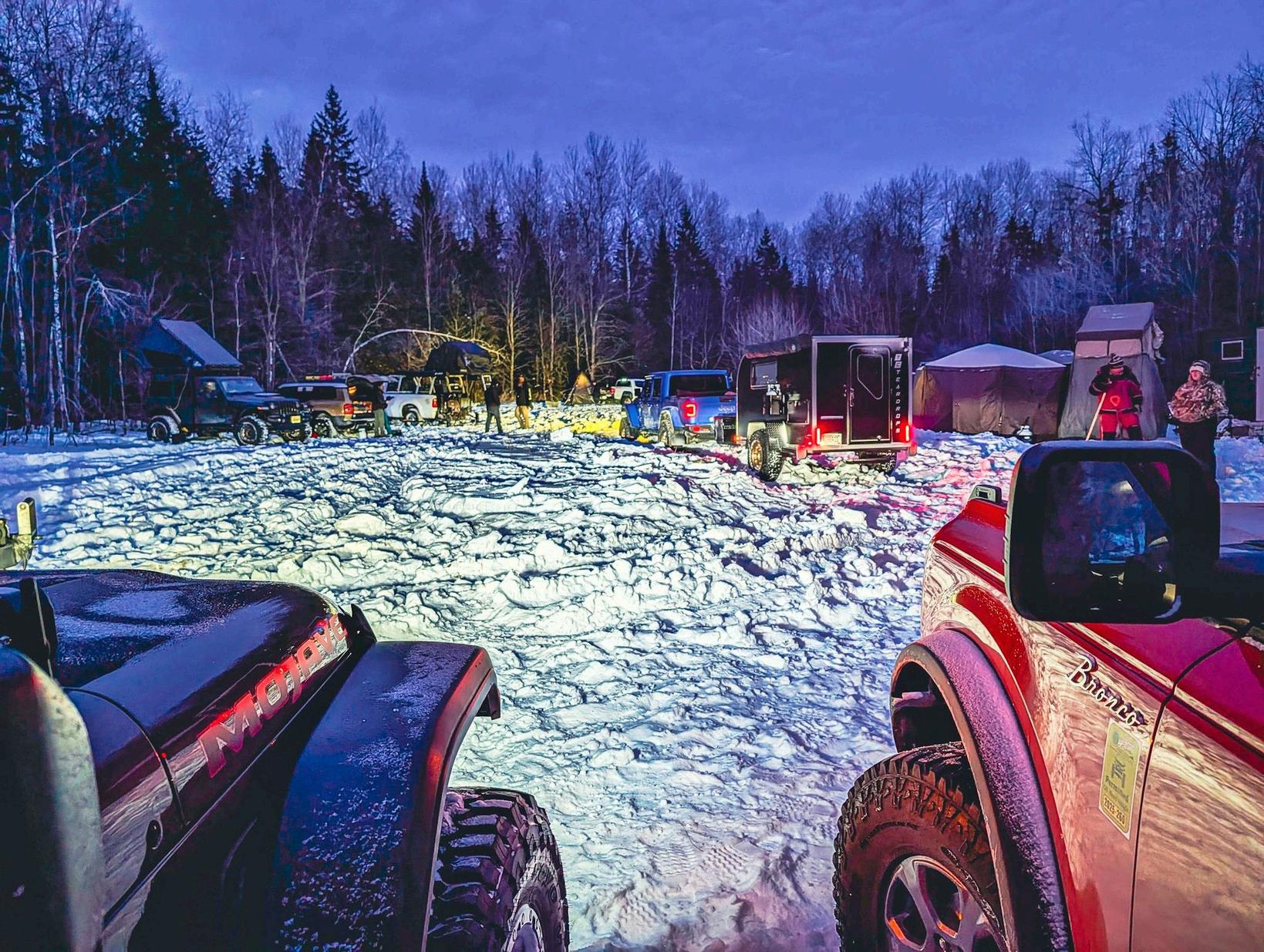
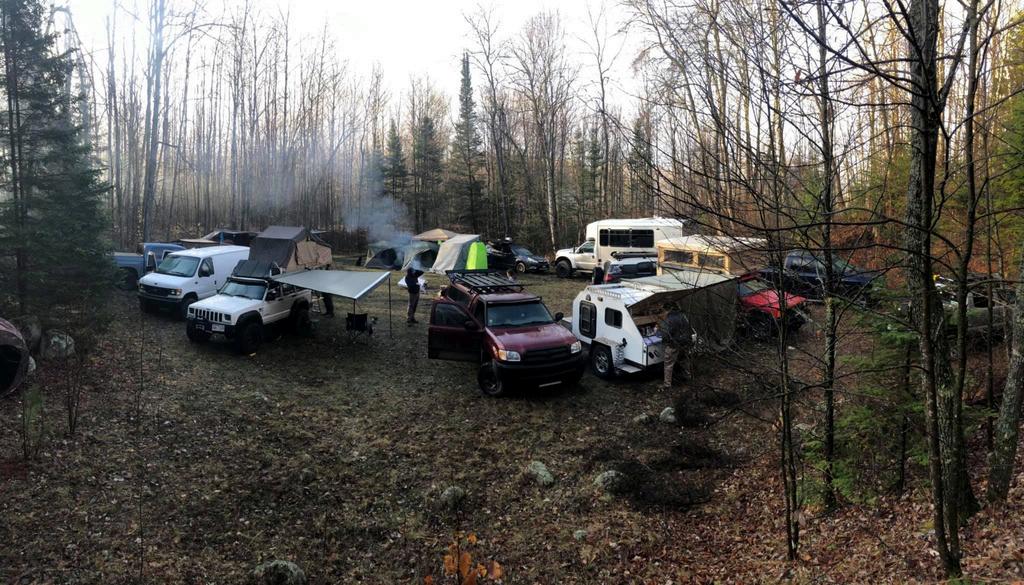
The campsite, scouted and chosen by August Rich and Chris Carr, was filled to the max. Every kind of setup showed up trailers, truck campers, rooftop tents, ground tents, and simple car camping rigs. It was a great reminder that winter overlanding doesn’t look one specific way. If you came prepared, you fit right in.
Trail ride participants met up in Wabeno before heading out in groups divided into easy, medium, and hard routes. The variety gave everyone a chance to choose their comfort level — though one thing became clear: we need more trail guides next year. Cindy’s group stopped at Wolf River Roots for a coffee and snack break before heading back out into the woods.
It was a long day on snowy forest roads, with recoveries, laughter, and that steady winter sun that never quite warms you up but makes everything glow. By late afternoon, rigs filtered back into camp one by one.
WHY WE DO THIS
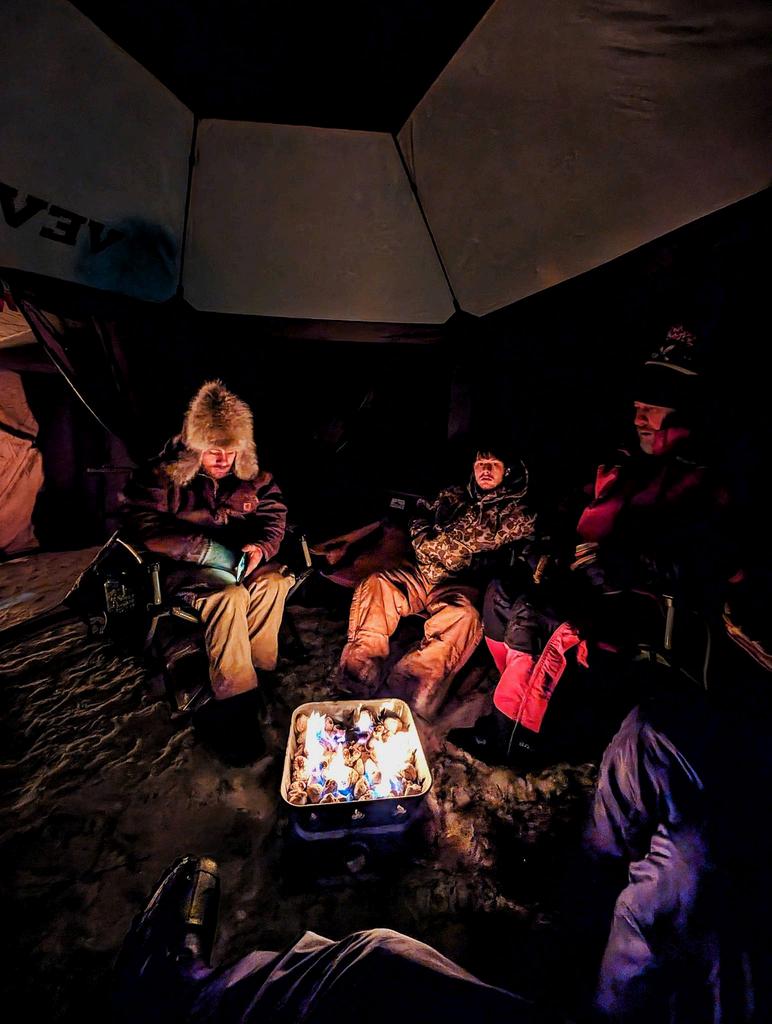
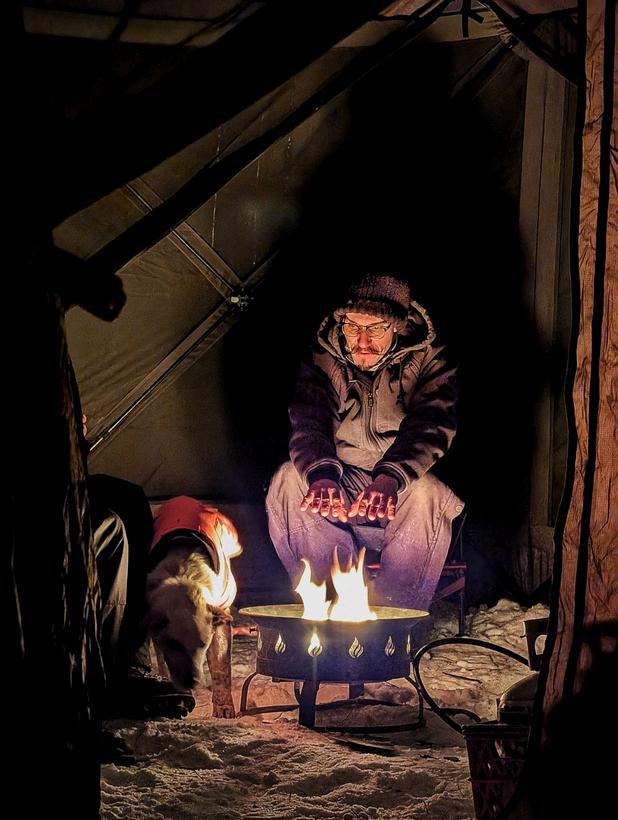
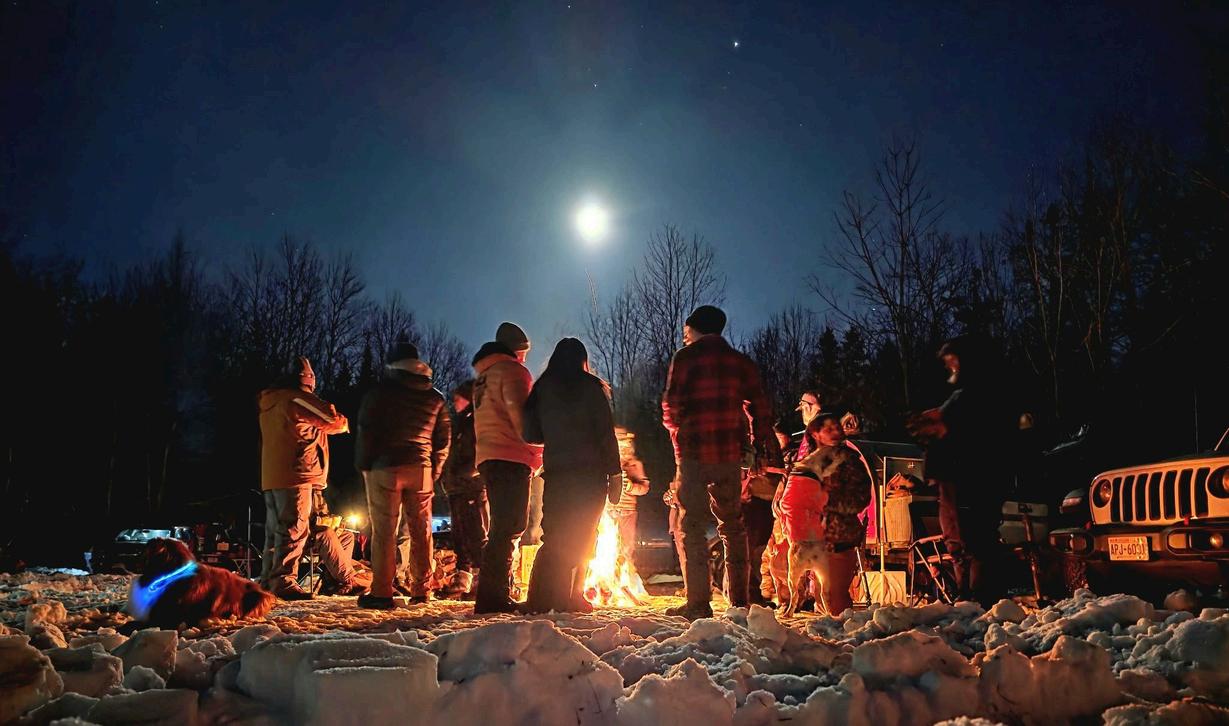
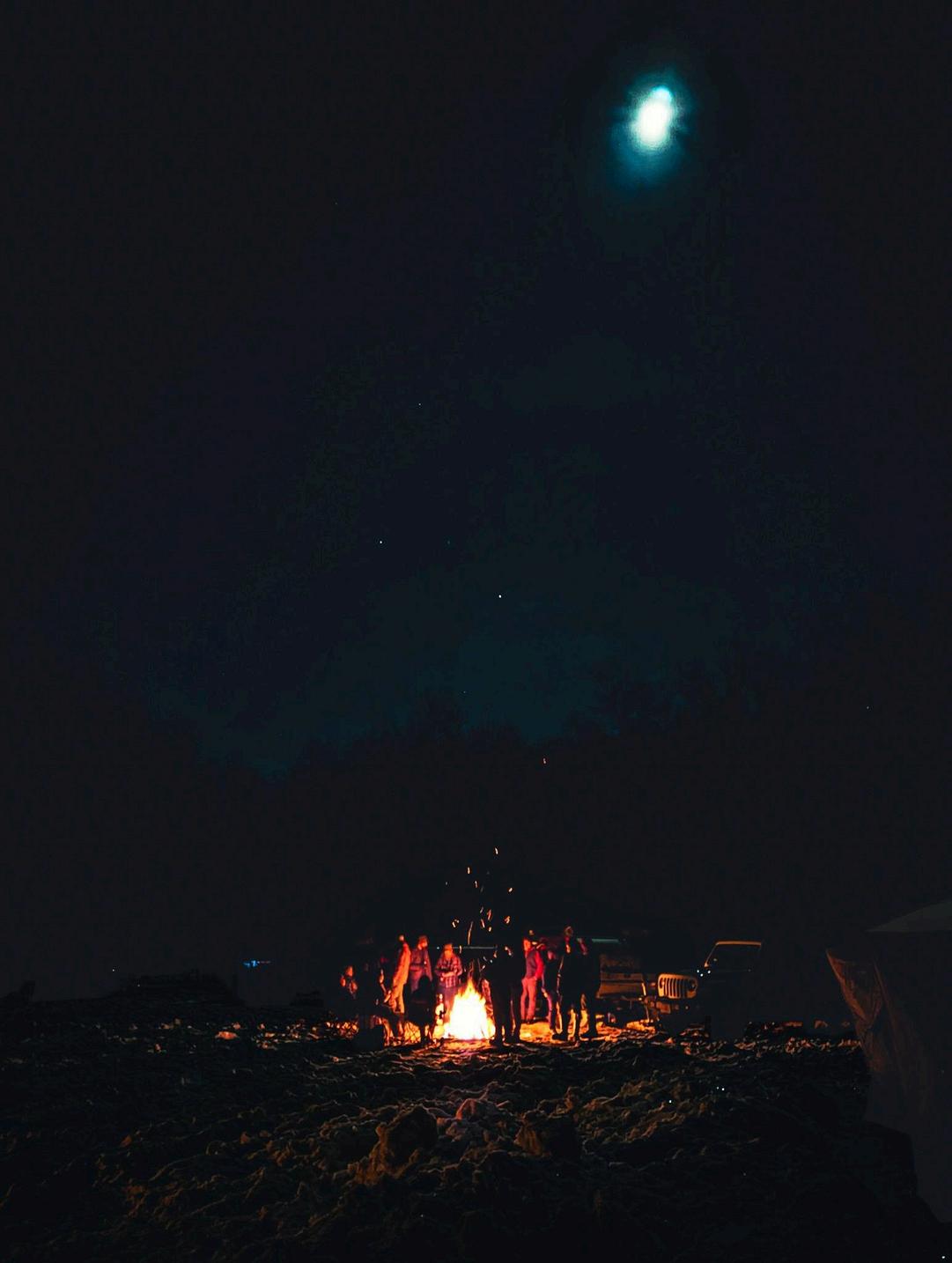
The evening settled into what makes Snoverland special — cooking at camp, swapping stories, checking out each other’s setups, and gathering around the fire. Conversations carried on well into the night, with cold air overhead and a shared sense that winter in Wisconsin is something to lean into, not hide from.
Snoverland proved again that even in the cold, this community shows up. Camping is not confined to one season, if you are willing and prepared, the fun never stops!
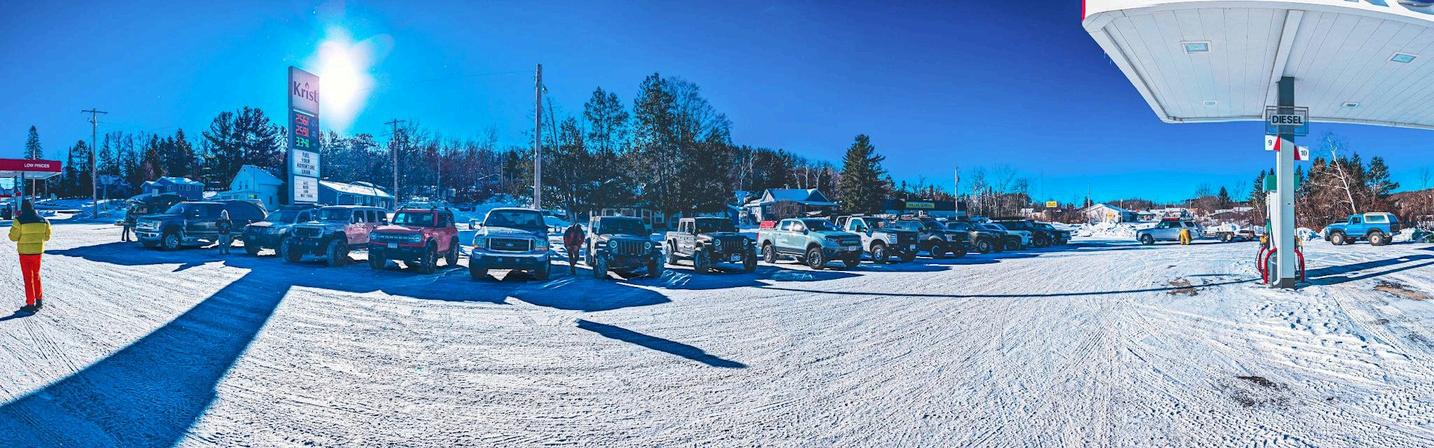
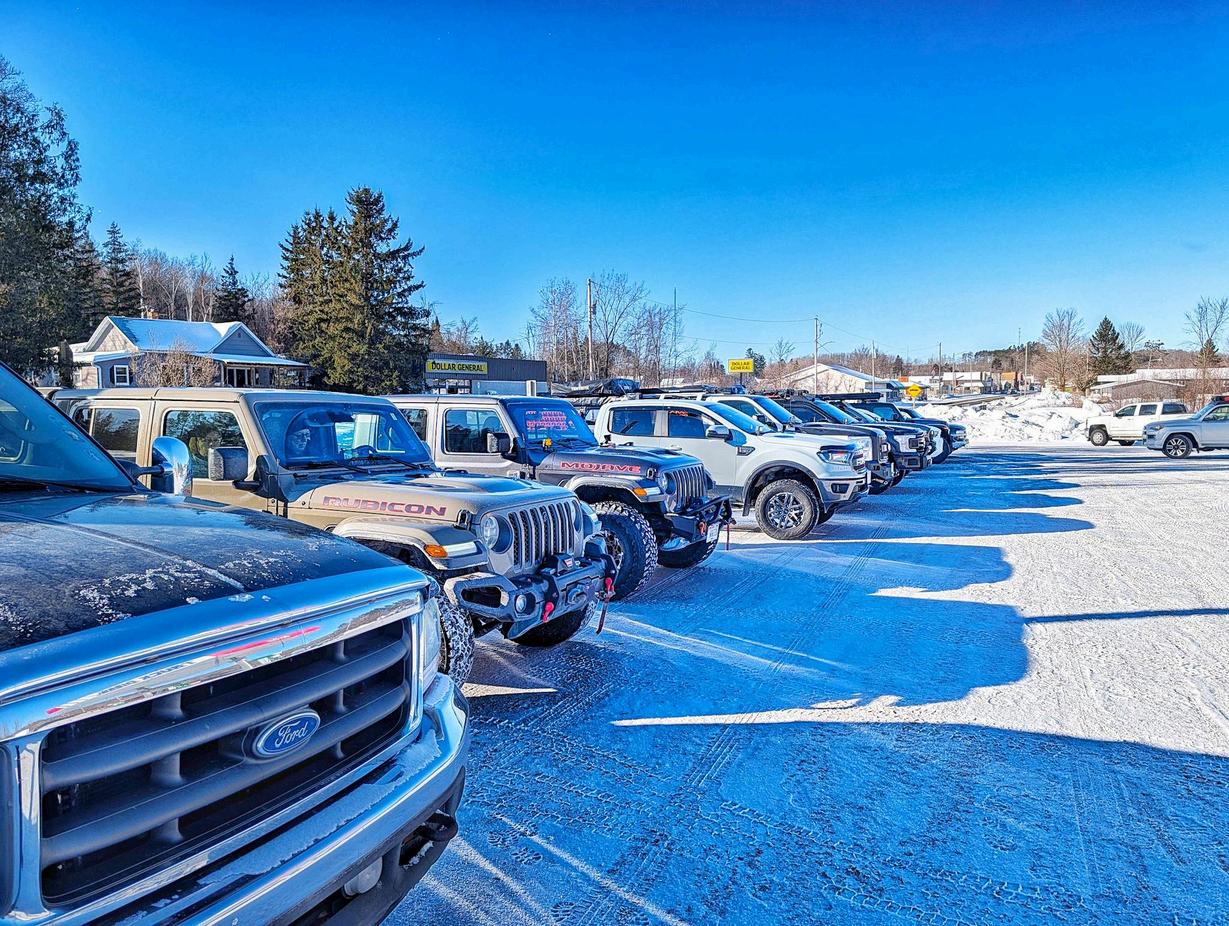
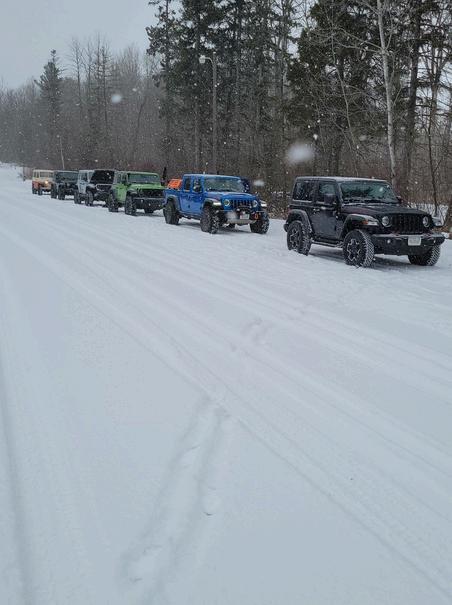
The drivers meeting at the gas station in Wabeno was classic Snoverland — rigs idling in the cold, coffee cups in hand, last-minute air checks and windshield scrapes happening between conversations. We circled up in the lot to go over routes, expectations, and group splits before heading out into the snow. Huge thanks to the folks who stepped up to lead the easy, medium, and hard trail rides. Winter guiding is no small task — watching conditions, keeping groups together, navigating snowy forest roads, and making sure everyone gets back safely. We couldn’t do this without you, and we’re grateful for the time, attention, and steady leadership you brought to the day.
Winter camping hits differently than any other season. The woods go quiet in a way that feels almost sacred, snow softening every sound and reflecting the glow of headlights and campfires. Breath hangs in the air, boots crunch on packed snow, and even the simplest routines — setting up a tent, firing up a stove, brushing frost off a windshield — feel intentional. Winter strips camping down to the essentials. You prepare well, move a little slower, and lean into the stillness. And when you’re gathered around a fire after a full day on snowy forest roads, the cold and snow become part of the story.
Thanks, Mark Dagget for the photos. Hit Mark up on facebook for more awesome photography!
Camp Northology
Register now for your chance to pre-book stays or invest in a one-of-a-kind camping experience in the Upper Peninsula of
Camp Northology is taking shape. Built with intention, this unique project focuses on nature-crafted campsites, quiet nights, and time outdoors rooted in stewardship, access, and community. It’s a place shaped by the same values that guide Northology’s events, stories, and trail time — slow mornings, shared campfires, and respect for the land and the people on it. Project launch is underway, with a limited number of founder’s passes, early reservations, and supporter options helping bring the vision to life.
COLD DECISIONS
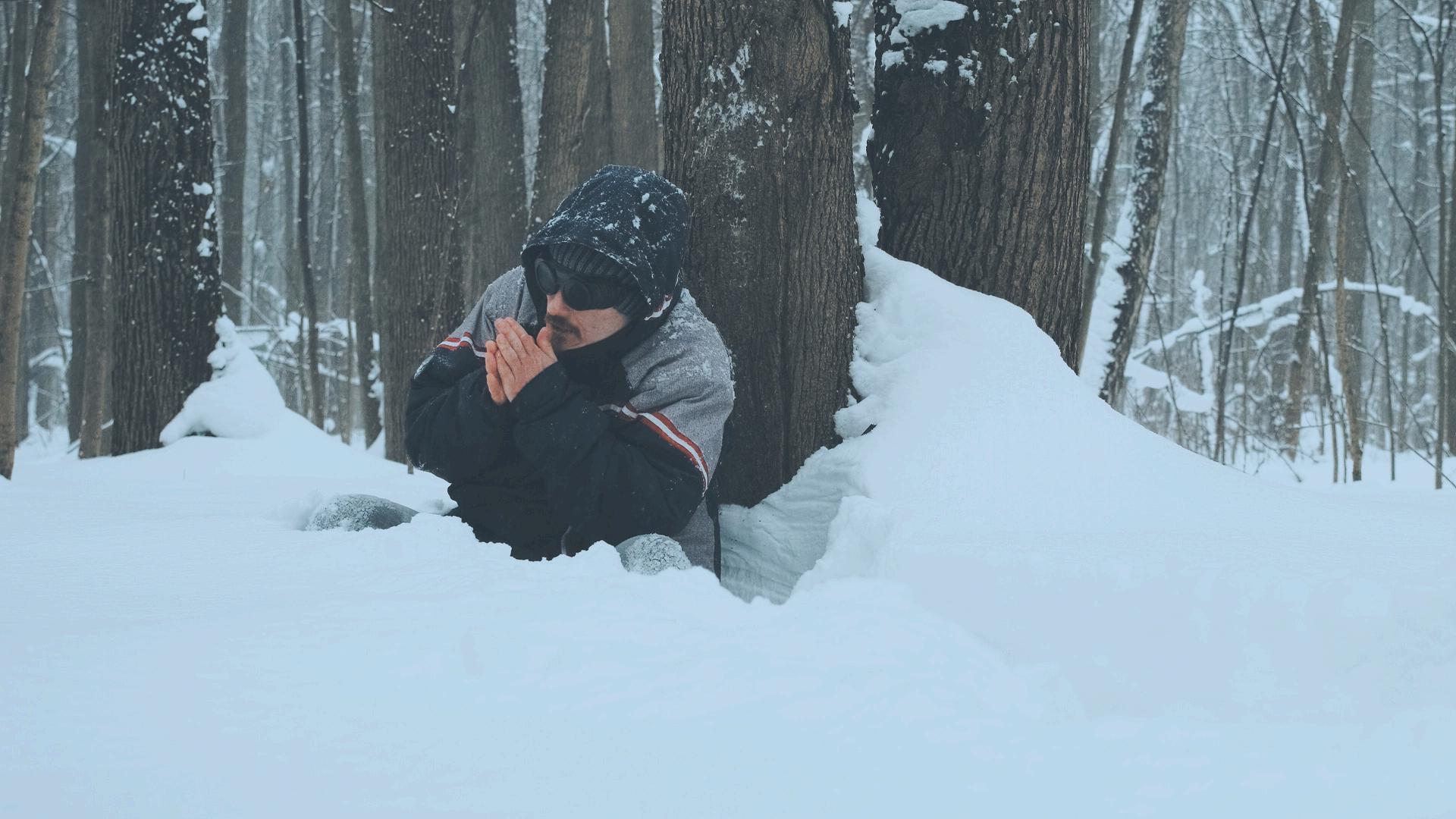
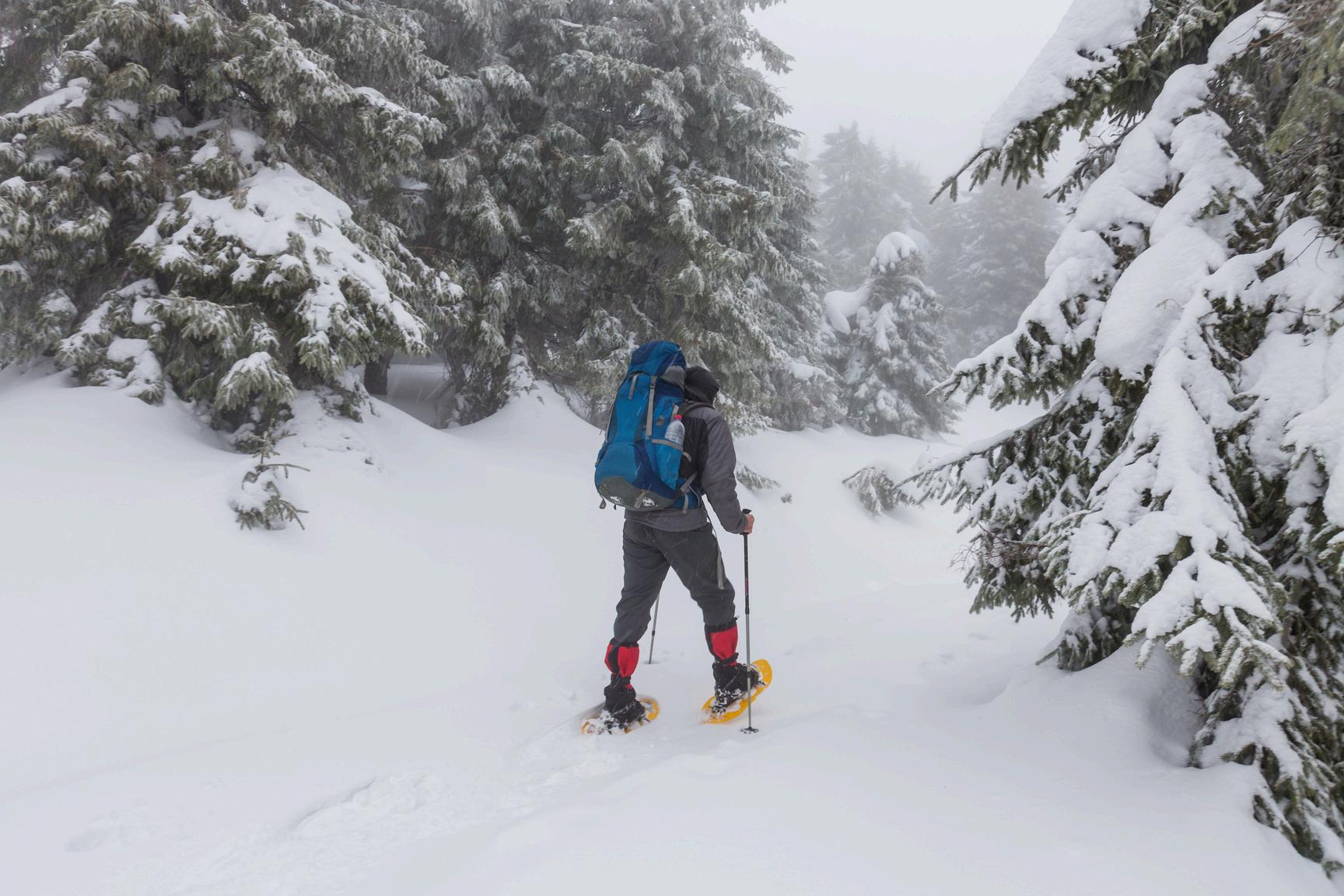
The snow has been falling steadily all afternoon, soft at first, then heavier Your group is six miles into a winter trek when the wind picks up and visibility drops The temperature hovers just below freezing, but the wind chill bites hard One member of your group Sam has slowed noticeably You stop to regroup
QUESTION 1: WHAT ARE THE FIRST CLUES SOMETHING IS WRONG?
Sam says they’re “just tired,” but you notice more Their speech seems slightly slurred. They fumble with glove buckles. When asked simple questions, their responses are delayed.
What early signs of hypothermia should you be looking for?
Why can hypothermia occur even when temperatures are near or above freezing?
As you observe, Sam begins shivering more aggressively and seems irritable when you suggest stopping
QUESTION 2: HOW DO YOU CONFIRM HYPOTHERMIA IN THE FIELD?
There’s no thermometer available. You perform a focused assessment. What mental and physical indicators help you determine the severity of hypothermia?
Why is mental status often a key indicator in cold patients?
What risk factors in this environment increase Sam’s likelihood of hypothermia?
You note: persistent shivering, clumsiness, altered mental status, wet outer layers from snow, and increasing fatigue
QUESTION 3: WHAT IMMEDIATE ACTIONS SHOULD YOU TAKE?
The wind is cutting through the trees. Sam is still standing, but clearly declining. Do you continue moving or stop?
What steps should you take before beginning treatment?
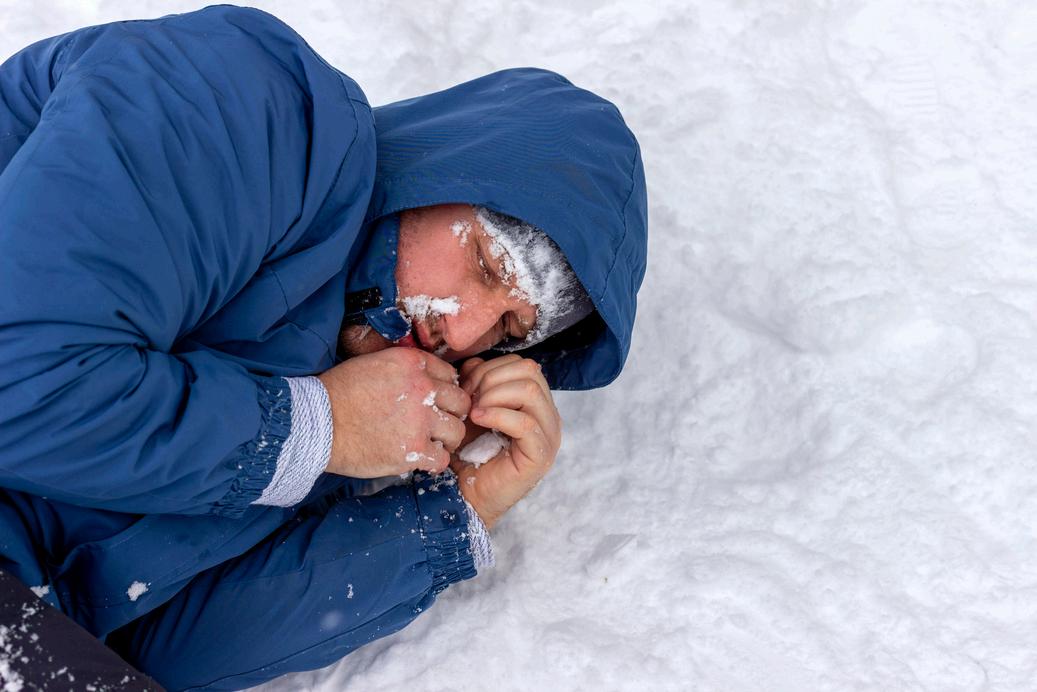
Frostbite is a cold-induced injury caused by freezing of the skin and underlying tissues It most commonly affects fingers, toes, ears, nose, and cheeks areas exposed to wind and cold, often with reduced blood flow
How do you protect the patient from further heat loss?
You decide to move off the trail into a protected stand of trees and begin care
QUESTION 4: HOW DO YOU TREAT MILD TO MODERATE HYPOTHERMIA IN THE WILDERNESS?
You remove Sam’s wet outer layers and insulate them from the snow using packs and a foam pad Dry layers are added, followed by a shell Another group member shares body heat inside a bivy
Why is insulation from the ground critical?
When is active rewarming appropriate?
What types of calories and fluids are best and which should be avoided?
Sam is given warm, sugary drinks and high-energy food Shivering continues, which you recognize as a positive sign
QUESTION 5: WHAT MISTAKES COULD MAKE THIS SITUATION WORSE?
As the group works, someone suggests rubbing Sam’s arms vigorously
Why can rough handling be dangerous in hypothermia patients?
When should you not attempt aggressive rewarming?
Why are alcohol and nicotine harmful in cold exposure?
You keep movements gentle and focused, avoiding unnecessary exertion
QUESTION 6: HOW DO YOU DECIDE IF EVACUATION IS NECESSARY?
Sam improves slightly but remains slow and fatigued. Nightfall is approaching. What factors determine whether you shelter in place or evacuate?
How does weather, terrain, and patient condition affect that decision?
When does hypothermia become a life-threatening emergency requiring rapid extraction?
You determine that Sam’s mental status is still altered and that conditions will worsen overnight
QUESTION 7: WHAT DOES A SAFE EXTRACTION LOOK LIKE IN WINTER?
You initiate an evacuation plan
How do you prevent further heat loss during movement?
What position should the patient be in during transport?
How do you monitor for deterioration during evacuation?
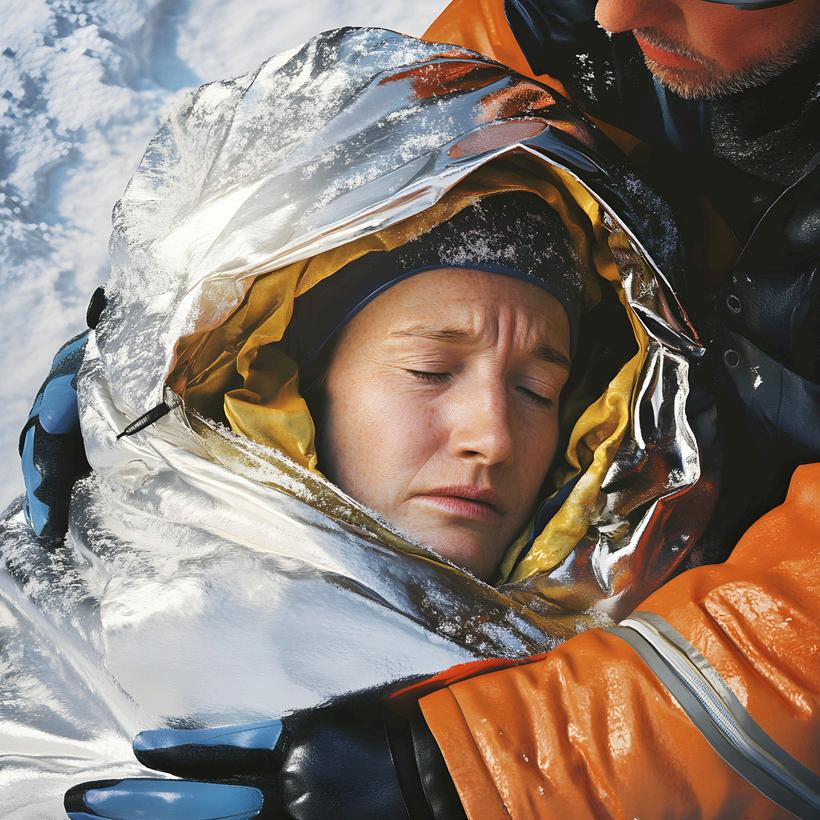
Sam is wrapped in multiple insulation layers, kept horizontal, and closely monitored for changes in consciousness and shivering
PREVENTION: THE LESSON HIDDEN IN THE SCENARIO
Prevention: Could This Have Been Avoided?
Looking back on the day, several moments stand out 1 What pre-trip planning steps reduce hypothermia risk? 2 How do clothing choices and layering systems prevent heat loss? 3 Why is managing moisture just as important as staying warm? 4 What role do nutrition and hydration play in prevention? 5.How can group awareness and pacing prevent cold-related injuries? The rain eventually stops. The situation stabilizes but only because the warning signs were noticed in time.
Takeaway for the Reader
Hypothermia is not a single moment it’s a progressive failure of heat balance Early recognition, environmental control, and thoughtful decision-making are often the difference between a manageable situation and a life-threatening emergency
Ask yourself:
Would you recognize the subtle early signs?
Could you slow down soon enough to prevent further heat loss?
Do you know when to treat in place and when to get out?
Winter doesn’t forgive hesitation, preparation and awareness saves lives
Final Reflection:
Hypothermia doesn’t always announce itself dramatically It often creeps in quietly, disguised as fatigue, clumsiness, or mild confusion In the wilderness, recognizing subtle changes, making timely decisions, and preventing further heat loss can mean the difference between a manageable situation and a medical emergency The question is not whether hypothermia can happen but whether you’ll recognize it when it does
The answers to the scenario questions on the right can be found on the Northwoods Overland Adventures website, just snap the code below.
The article questions and answersThe questions posed in the monthly articles will be answered in blog posts on Northwoodsoverlandadventures.com every month. Feel free to use the communication tab to start a dialog. You can also message @northwoods_overland_adventures on Instagram If you have situations you’d like to go through, let us know and we can include them in an article for everyone to learn from. We are also able to accommodate online or in-person classes to go over the curriculum that has been developed for the community, or if you’d like to be certified in Stop the Bleed®.
Note from Alex: When Cody, my husband, and I joined this community, we wanted to contribute something meaningful to it. After much thought and observation, we saw a gap in medical knowledge that we could fill to make our community more aware and safer during medical emergencies. I’ve written a class curriculum, blogs, and articles for the overlanding community regarding medical care. Now we are introducing a new journey of scenarios in the Northology magazine that allows you to critically think and develop your own skills!
Instructor Biography
Alexandria Eschen is an Intensive Care Unit nurse with eight years of experience providing high-acuity patient care. Clinical specialties include trauma care, Advanced Cardiac Life Support (ACLS), Basic Life Support (BLS), and stroke care. In addition to clinical practice, Alex is a certified Stop the Bleed® educator, with experience teaching hemorrhage control and lifesaving emergency response skills to healthcare professionals and community members. This background ensures that all instruction is grounded in current evidence-based practice and real world clinical application.
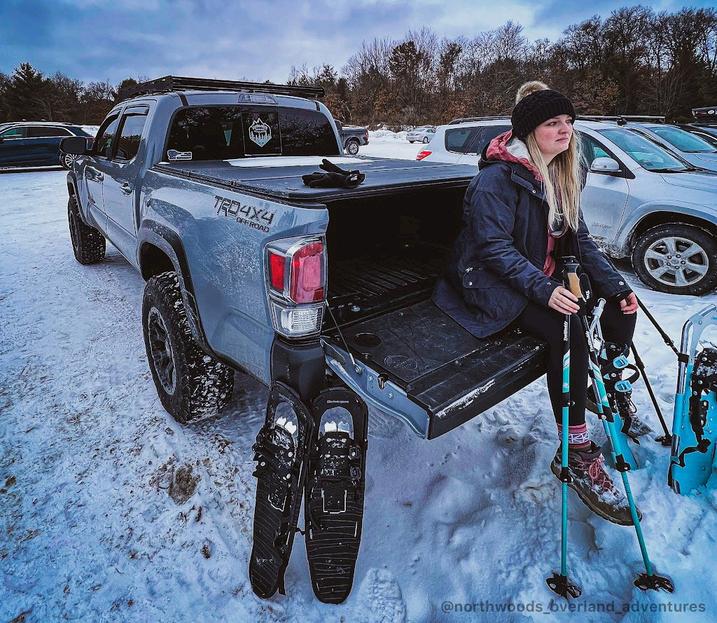
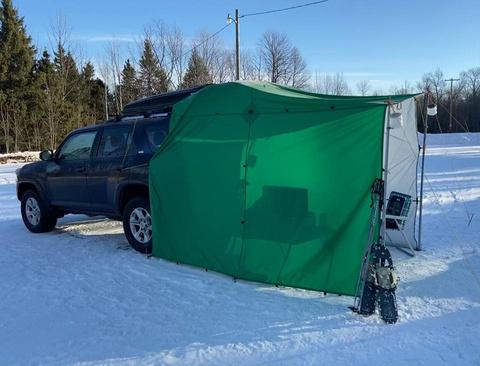
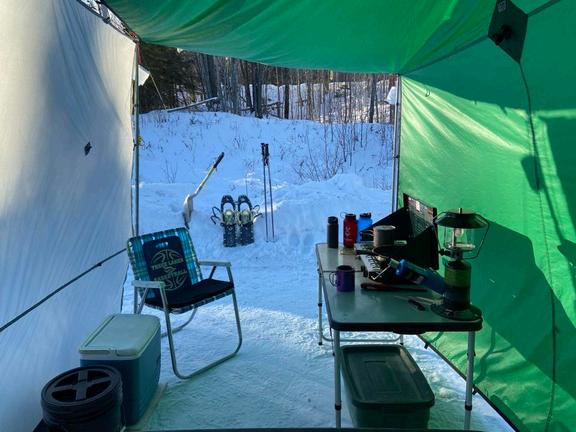
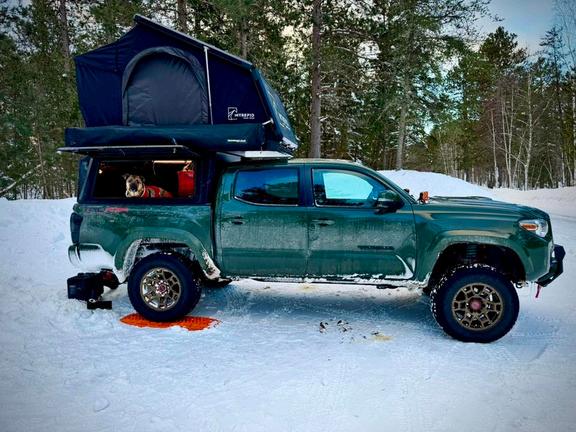
We asked the Northology Community to drop a photo of their favorite winter camping or trail ride moment and a winter camping hack that has made life easier for them If you have a winter camp or trail ride tip you can still add to the conversation in our facebook group here!
Zachary Rusch
Winter Trail Ride
Ray Zuelke
Snoverland Camp shot by Josh Thompson
coldbutnot frozen
To keep food and beverage from freezing, I keep them in a cooler with one Nalgene of hot water that I change out periodically I use pieces of foam on my chair, and between my boots and the ground to stay warm sitting around camp -Paul Woods
beprepared
Winter camping is a blast if you are prepared for the conditions. Always make sure that you have appropriate clothing and footwear for the conditions -Renza Thompsom
Layers are key and always be prepared, even if you dont think you will need it because of winter, bring it anyway -Elise Fallin
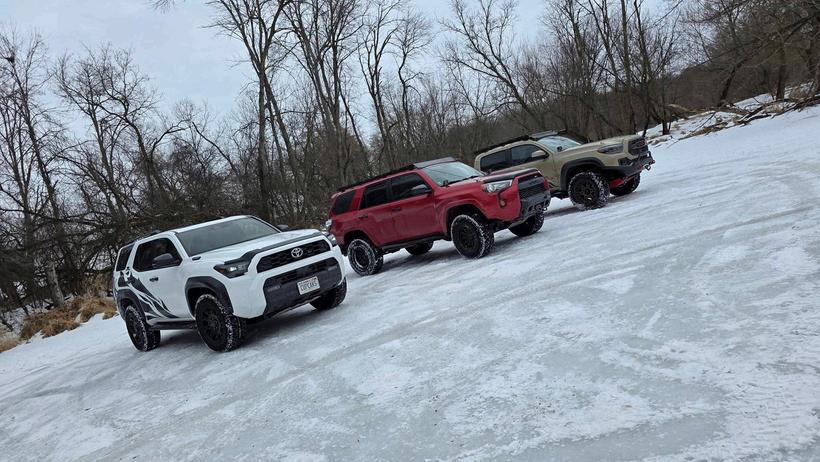
Mom's, Mine, and my Dad's rigs all on our winter ride. Elise Fallin
Snowshow camp setup
Paul Woods
Snowshoe Camp Setup
Paul Woods
Nature will call, don’t let it catch you with your pants down. At the very least, bring tp, and sanitizer or wipes for wild pooping. I bring a bush toilet for those moments when you can’t refuse nature’s call -Cindy Pope
Cindy Pope
Korey Mollenhauer
Upper Peninsula Camp
Chris Blake
Melissa Wisniewski
New Trail Pup
FROST LAWS
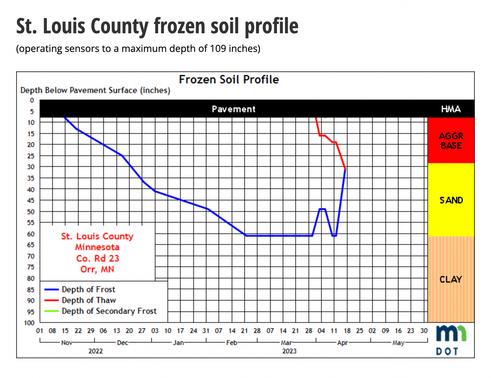
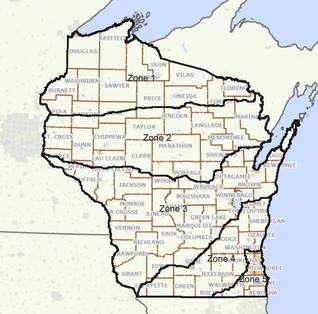
Using seasonal road restrictions for clues to frost-out
"Frost Laws" are statewide and local seasonal road weight restrictions are put in place during times of the year when the ground is soft and vulnerable to damage from heavy vehicles. These restrictions typically apply to public roads and highways, and are designed to protect the infrastructure from damage caused by heavy vehicles.
Winter is harsh on road surfaces in northern US states. "Some roadway sections are too weak to withstand even the legal load limit (80,000 pounds) during the seasonal freezing and thawing period. These highway sections have signs posted indicating the allowable weight limits during the period normally from the second week in March till late April or early May "WisDOT
These are not off-road travel restrictions but they can give you an idea when the frost is out of the ground. It’s important to be aware of the local conditions when planning offroad activities. Even if a route is open, you may be damaging the surface if the frost is still coming out While travel is legal on open routes, if you are damaging the surface and leaving ruts, it is best to wait until conditions improve rather than risk permanent damage to the surface
In addition to paying attention to frost conditions, it is also important to follow best practices for responsible off-road travel. This include staying on designated routes and trails, avoiding sensitive areas such as wetlands or fragile vegetation, and minimizing your impact on the environment By following these guidelines, you can help ensure that your offroad travels are both safe and sustainable
Michigan
Minnesota
Wisconsin
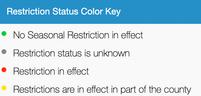
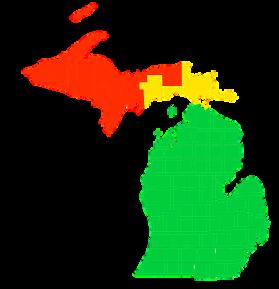
Most of the Upper Peninsula will be in frost restictions long after they are lifted in the lower peninsula.
CALENDAR
S.A.V.E. Expo February 27 – March 1
Southeast Overland Camping Event: March 27-29
MOORE Expo April 17-18
Expo Adventure - Appalachia: May 1-3
Backcountry Adventures Expo: May 1-2
Cleanup Campout for KORC, May 15-17
Midwest Women’s Offroad Weekend, May 29-31
OnX Trail Revival Project- Wisconsin June 5-7
Mitten State Tours Invades Leatherwood, June 11-14
Range to Ranch Retreat June 18-20
Keweenaw Overland Adventure Retreat, September
Wisconsin Fall 4x4 Fest October 9-11
Overland the Red, October 15-18
SOCIAL GROUPS
CHITOWN OFFROAD TOYOTAS
ILLINOIS OVERLANDERS
JEEP'N SHAWNEE
KOAR COMMUNITY
MICHIGAN OVERLAND
MINNESOTA OVERLANDERS
NEWBIE OVERLANDERS
NORTHOLOGY COMMUNITY
WISCONSIN OVERLAND
PODCASTS
ALL OVER OVERLAND
ALL THINGS OVERLANDING
BOTCHES OFFROAD PODCAST
MOORE MOMENTUM PODCAST
OFFROAD GARAGE PODCAST
OVERLAND RADIO
Thanks to the advertisers that support the Midwest overland and adventure travel community.