Landscapes
Dear Friends,
When I think about the past six months at North Florida Land Trust, what stands out most is not a single project, but the growing sense of momentum behind our work
We celebrated the publication of Keeping North Florida Wild, a reflection on the landscapes and partnerships that have defined conservation in our region for the past 25+ years We gathered on Amelia Island for our first Salty Soirée, a joyful evening rooted in place and community And through partnership, we helped protect more than 1,000 acres in Putnam Lakes, land that will continue to support wildlife, water, and working landscapes long into the future
These milestones remind me that conservation is both visionary and practical It requires us to think decades ahead while doing the day-to-day work that makes lasting protection possible
In this issue, you’ll see how that balance takes shape We share results from our eelgrass restoration project with Sea & Shoreline, demonstrating how thoughtful stewardship strengthens coastal resilience You’ll also find a deeper look at our Preservation Priority Areas, the lens we use to evaluate land and make decisions rooted in science, strategy, and community values And we’re excited to introduce our new greenhouse and seed propagation project, a behind-the-scenes investment that will help us restore native habitat using plants grown from the landscapes we protect
As we look forward, I hope you’ll join us on March 22 for our Annual Meeting We’re honored to welcome Ashley Demosthenes of the Land Trust Alliance, whose perspective will help us think boldly about what conservation can and must be in the years ahead
Thank you for believing in this work and for walking alongside us as we protect the places that make North Florida home
Rev.
Cn. Allison DeFoor
President & CEO
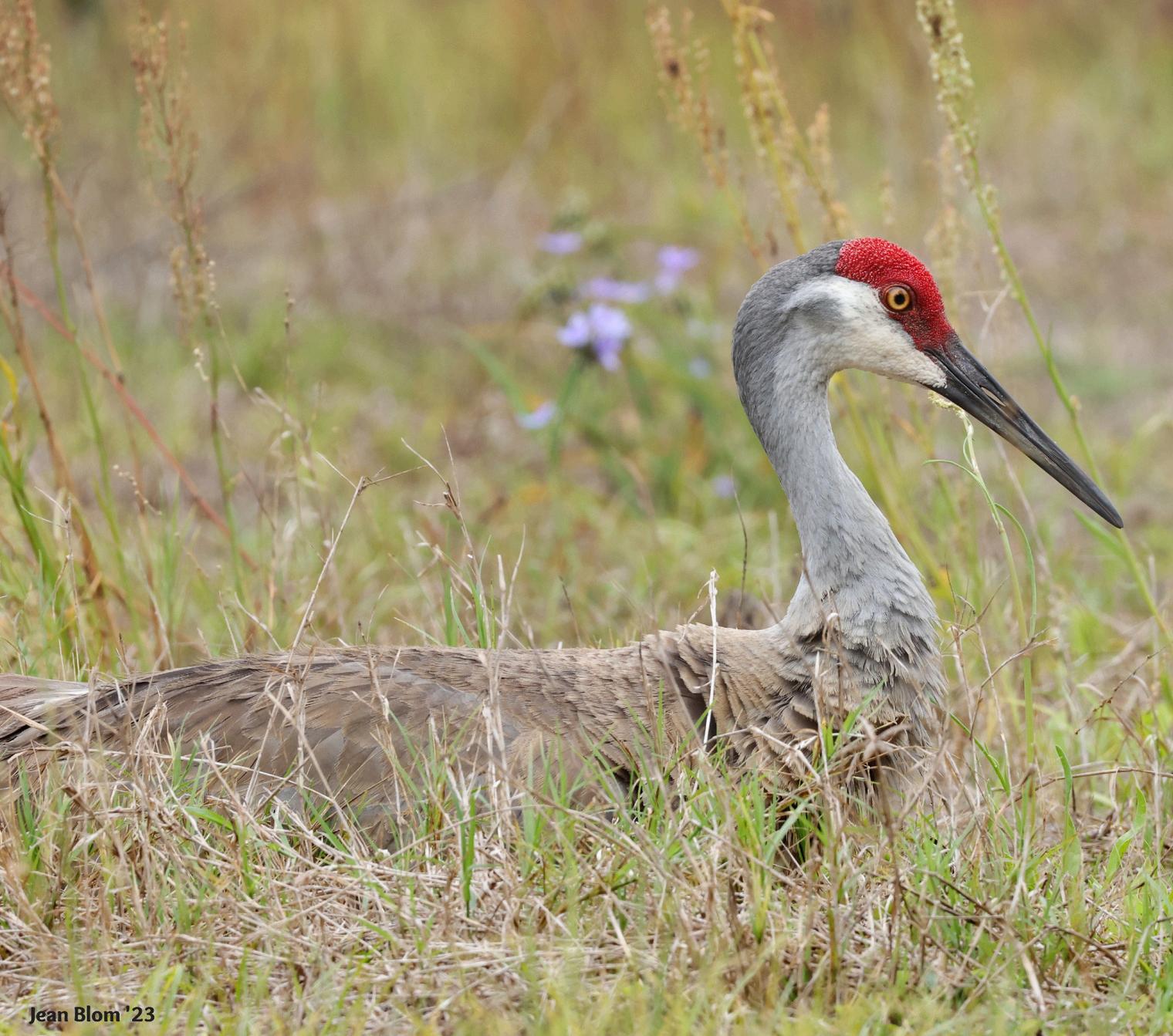
September 2025 – NFLT, in coordination with the Putnam Land Conservancy, The Conservation Fund, and the State of Florida, was able to preserve a 1,086-acre property previously owned by Rayonier, Inc. The land is in Putnam County within the critical Ocala to Osceola, or O2O, wildlife corridor near the Carl Duval Moore State Forest and Marjorie Harris Carr Cross Florida Greenway and within the Etoniah/Cross Florida Greenway Florida Forever Project Area. The acquisition of the property from Rayonier resulted from a collaboration between the partners to ensure the land would remain natural forever.
October 2025 – NFLT received a donation of 4 acres of land in southeast St. Johns County, south of the Matanzas Inlet. The land was given to NFLT by St. Johns Wildlife Care, Inc., who reached out to the nonprofit land conservation organization to offer the land for conservation. The property is in a tidally influenced salt marsh and is surrounded by homes in the Matanzas Inlet Beach subdivision and is just west of the coastal Summer Haven neighborhood. The 4-acre property is densely populated with a variety of vegetation including black mangrove, southern red cedar, oak, Indian blanket flower, sabal palm, and many other plant species. Keeping this property in its natural state in perpetuity helps create a refuge for wildlife to allow them to thrive.
October 2025 – NFLT hosted the first annual Salty Soiree on Amelia Island to honor the donation of 388 acres next to Fort Clinch State Park to NFLT by Jack and Kathleen Thornton in late 2024. NFLT and the Thornton family were joined by nearly 170 supporters to celebrate the preservation of the land and to raise money for the nonprofit. The Thornton family received a standing ovation for their generous donation of what is now known as the Thornton Family Preserve. The property is adjacent to Fort Clinch and runs about two miles between the state park and Egan’s Creek. The Salty Soiree is a fundraiser for NFLT and in total $70,000 was raised to support NFLT’s conservation work in Northeast Florida
November 2025 – NFLT was awarded a $550,000 grant from the Florida Defense Support Commission (FDSC) to prevent incompatible land development and encroachment around Camp Blanding Florida Commerce recently announced the grant, which is among $2 6 million the state designated to organizations to strengthen Florida’s military communities NFLT has been working with Camp Blanding for nearly a decade to preserve and protect land around Camp Blanding Joint Training Center, which is located within the critical Ocala to Osceola (O20) Wildlife Corridor The nonprofit has been able to conserve approximately 9,455 acres within a three-mile buffer around the military installation, enabling aerial and ground military training operations without disturbance Almost 2,800 of those acres were conserved with a conservation easement and remain privately owned
November 2025 – Florida Trend named NFLT President and CEO Allison DeFoor one of Florida’s 500 most influential business leaders. Each year, Florida Trend chooses 500 people who have made a difference in the state to be included on the Florida 500 list. This was the second year DeFoor has been selected as one of the top executives in the philanthropy/nonprofit category.
December 2025 – NFLT’s rich history is now chronicled in a new book, Keeping North Florida Wild The book, now available for purchase, documents the nonprofit land conservation organization’s accomplishments and celebrates its 25 years of protecting North Florida’s natural spaces It takes readers on a journey through NFLT’s 25 years of service through compelling essays and images that record the places, people, priorities, and partnerships that have driven the nonprofit’s mission to protect and preserve North Florida’s irreplaceable natural beauty. Readers will learn about how NFLT has protected almost 44,000 acres since its inception in 1999, led restoration projects to bring back natural habitats for wildlife and plant species that depend on them, and safeguarded landscapes including wildlife corridors, wetlands, forests and working lands. The foreword was written by Clay Henderson, an environmental lawyer and educator who has been an important part of the conservation effort in Florida throughout his long career. The afterword for the book was written by Mark Woods, author of Lassoing the Sun and columnist for the Florida Times-Union.
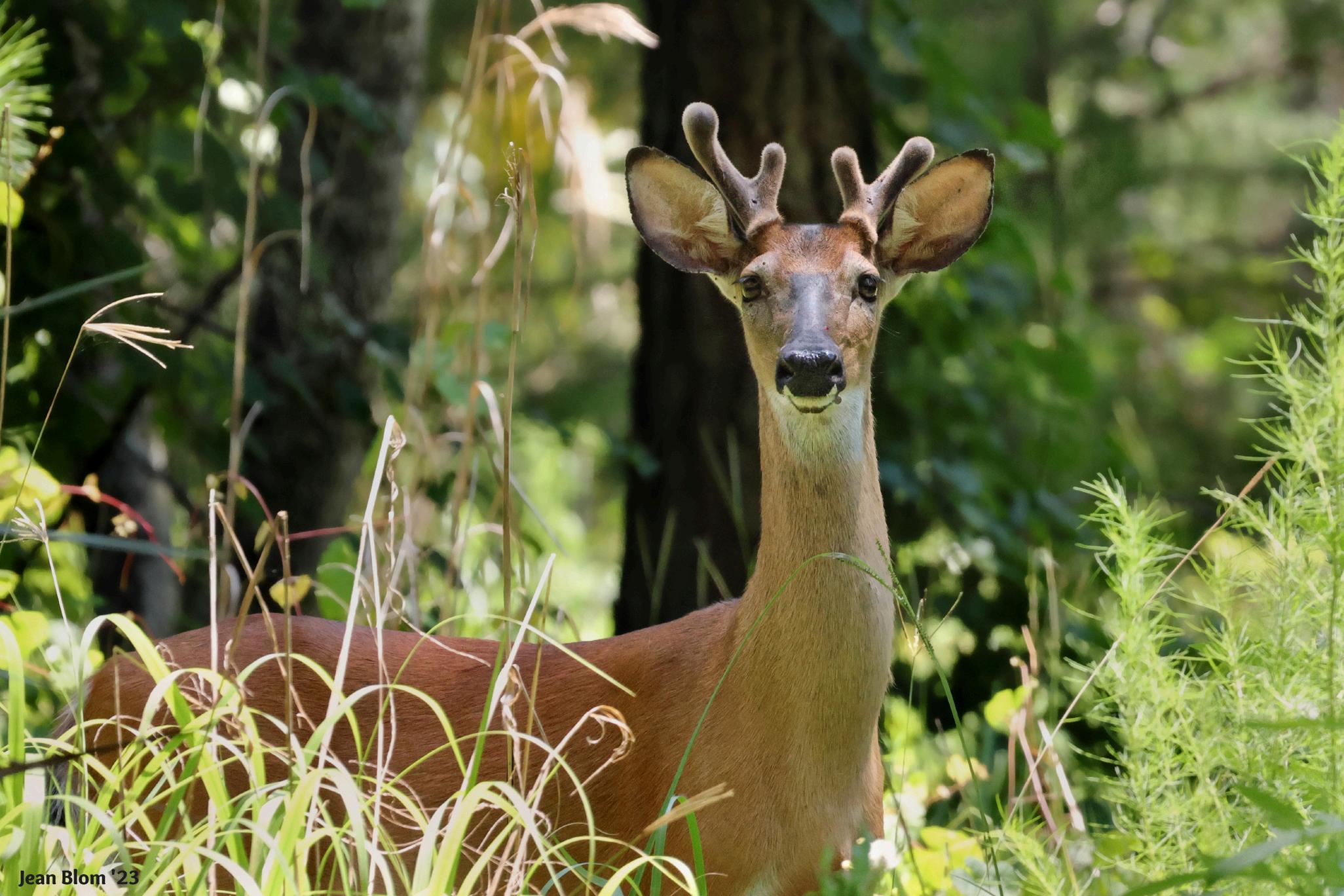
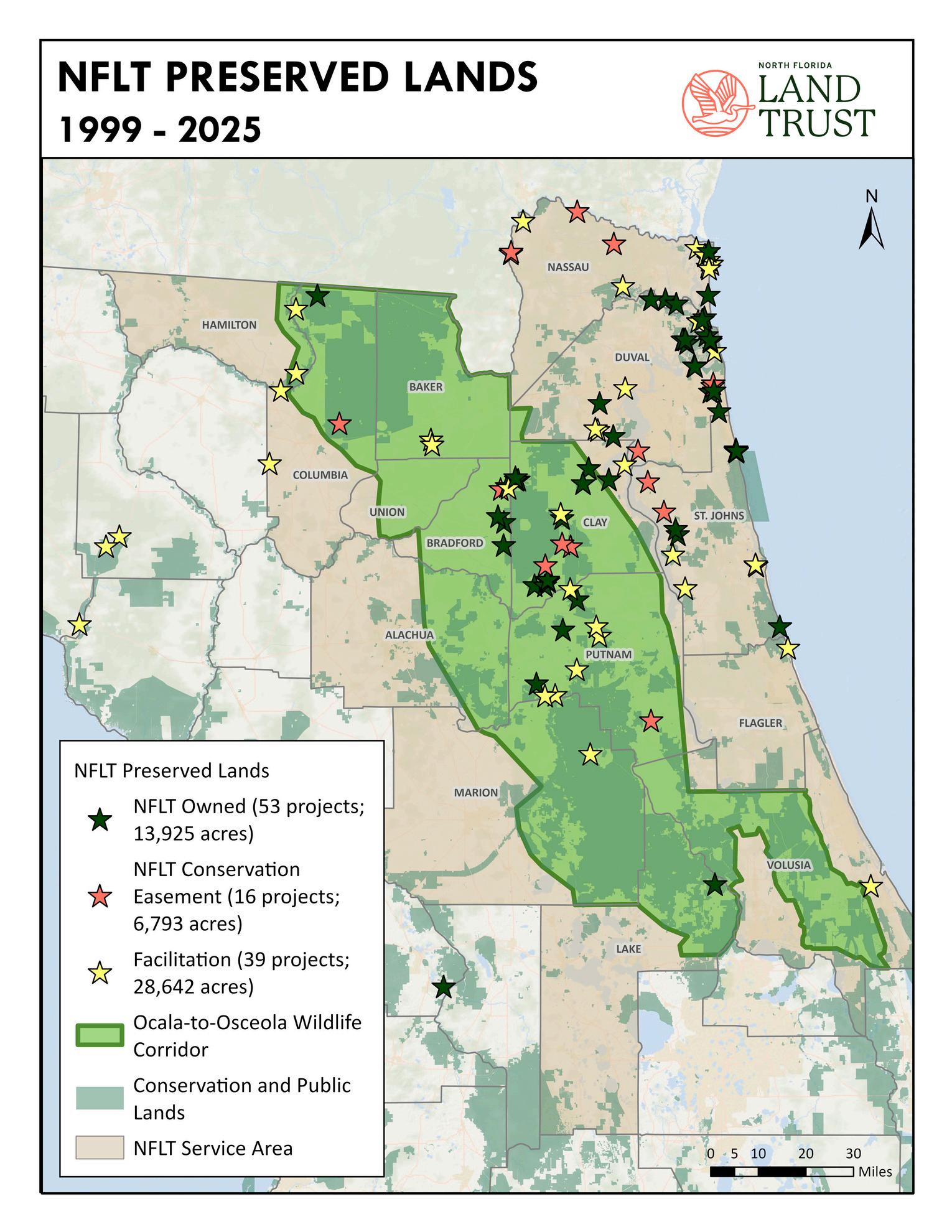
When one thinks about land conservation, one may assume the decision to protect a piece of land is a simple one a beautiful and natural place is saved because it is a beautiful and natural place In reality, the work is far more nuanced and more strategic For the North Florida Land Trust (NFLT), every conservation decision begins with key questions that go beyond scenic value, “What does this land protect, why does it matter now, and will it matter in the future?” More importantly,” Where do we begin? What will have the biggest effect?”
To answer those questions, NFLT developed six Preservation Priority Areas (PPAs) These PPAs serve as a practical framework for evaluating properties across our service area, helping staff, partners, and funders understand how a single piece of land can deliver lasting conservation benefits A property only needs to meet one PPA to be considered, but the more boxes it checks, the greater its impact In a rapidly developing region, this layered approach allows NFLT to act with intention, urgency, and clarity
At their core, the PPAs reflect a belief that conservation is not one-dimensional It is ecological and economic, environmental and cultural, immediate and intergenerational Together, these six priorities explain not only where NFLT works, but how decisions are made, and why some properties rise to the top
The Backbone: Ocala to Osceola (O2O) Wildlife Corridor
The Ocala to Osceola (O2O) Wildlife Corridor forms the geographic backbone of NFLT’s service area This 1 6-million-acre landscape connects the Ocala National Forest and the Osceola National Forest, creating a critical north–south passage for wildlife across Florida.
Anchored by the Camp Blanding Joint Training Center, the O2O also represents one of the most intact remaining conservation opportunities in the southeastern United States It is the long, dark gap in Florida you can see at night, as you fly south down the peninsula
North Florida’s conservation story is inseparable from its military presence NFLT’s Military Readiness and Base Buffering PPA reflects a strategic partnership with the U S Department of Defense to support the continued operation of critical installations while simultaneously protecting natural resources
This work focuses on properties surrounding installations such as Naval Air Station Jacksonville, Naval Station Mayport, Outlying Landing Field Whitehouse, Blount Island, Pinecastle Bombing Range, Rodman Bombing Range, and Camp Blanding Through acquisition of lands or negotiation of conservation easements with willing landowners, NFLT helps prevent incompatible development that could interfere with training, flight paths, or operational safety to both civilian and military personnel
The benefits of these buffer lands extend well beyond the fence line They often contain high-quality habitats, wetlands, and working forests Protecting them supports wildlife, preserves rural character, and reinforces the military’s role as a major economic engine in North Florida In these landscapes, national security and environmental stewardship are not competing goals, they are mutually reinforcing
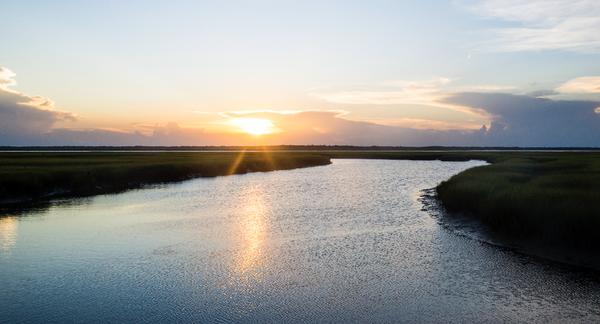
Along North Florida’s coast, salt marshes do quiet, essential work They shelter fisheries, absorb storm surge, filter pollutants, and blunt the force of hurricanes Seventy-five percent of the saltwater commercial and recreational fishery species spends some portion of their life in these near-shore environments, including shrimp, snook, blue crab, and red drum NFLT’s Salt Marsh and Climate Resilience PPA prioritizes properties that protect or restore these coastal systems, especially as climate change accelerates sea-level rise and intensifies storms
Properties within this PPA may include intact marshes, degraded coastal lands with restoration potential, or upland buffers that allow marshes to migrate inland over time Protecting these areas strengthens the region’s natural defenses while preserving recreational and economic resources tied to fishing and tourism
In evaluating coastal properties, NFLT looks not only at what exists today, but what could exist tomorrow A parcel that supports future marsh migration or enhances hydrologic function may deliver long-term resilience benefits that far exceed its acreage
Beneath the Surface: Springs, Aquifer Recharge,
Water is a defining characteristic of Florida’s identity, and its vulnerability The Springs, Aquifer Recharge, and Water Quality Improvement PPA addresses the invisible systems that sustain life above ground North Florida depends heavily on groundwater for drinking water and irrigation We are mining old rainfall, and that water is only as clean as the land that filters it
NFLT prioritizes properties that protect first- and second-magnitude springs, spring recharge and protection areas, high and medium aquifer recharge zones, wetlands, and surface waters listed on the National Rivers Inventory These landscapes function as natural filters, allowing rainfall to percolate slowly through soil and into the aquifer
Because groundwater and surface water are deeply interconnected, protecting uplands can be just as important as protecting waterways themselves In many cases, conserving a forested tract far from a spring can have a direct impact on water quality miles away This PPA reminds us that conservation is often about safeguarding processes, not just places
Forests, farms, and ranches are often overlooked in conservation conversations, yet they form the backbone of a resilient regional economy NFLT’s Working Lands PPA recognizes that food security and sustainable forestry are matters of local —and national—importance.
The COVID-19 pandemic underscored how fragile supply chains can be. Protecting working lands helps ensure that food, fiber, and forest products remain close to home, while also maintaining open space and wildlife habitat. Through partnerships with landowners and agricultural producers, NFLT supports conservation approaches that keep land in production rather than pushing it toward development Equally important, it facilitates the next generation of farmers taking over Florida’s agricultural heritage, as the current producers retire and leave the stage
These lands often overlap with other preservation priorities such as supporting aquifer recharge, buffering military bases, or providing connectivity within the O2O Wildlife Corridor When a working landscape meets multiple priorities, it demonstrates how conservation and economic productivity can coexist
Not every meaningful project fits neatly into a map or model The Community Conservation PPA exists to honor that reality Rooted in listening, this priority focuses on protecting places that matter deeply to a community’s residents: green spaces, cultural landmarks, and lands that anchor a community’s sense of identity
Community Conservation projects may not always align with other PPAs, yet they deliver tangible benefits such as public access, protecting locally important wildlife populations, cultural preservation, and historic preservation NFLT works alongside willing landowners, funding partners, and community members to protect places that might otherwise be lost
This PPA emphasizes collaboration with local governments to establish sustainable funding sources for conservation, ensuring communities have the tools to protect what defines them In doing so, Community Conservation safeguards not only landscapes, but relationships between people and place.
Rarely does protecting a property serve just one purpose. The most impactful conservation projects are those that address multiple PPAs: working forests that recharge aquifers, buffer military bases, and lie within the O2O corridor; coastal lands that protect marshes while offering community access; rural properties that preserve a way of life, water quality, and wildlife all at once.
This layered evaluation process allows NFLT to be both flexible and focused. It ensures that every acre protected delivers maximum benefit, both today, and for generations to come.
In a region experiencing rapid change, the PPAs provide a compass for NFLT. They guide decisions, strengthen partnerships, and make clear that conservation is not about choosing one value over another, it is about recognizing how land, water, wildlife, and people are inseparably connected, for better or worse.
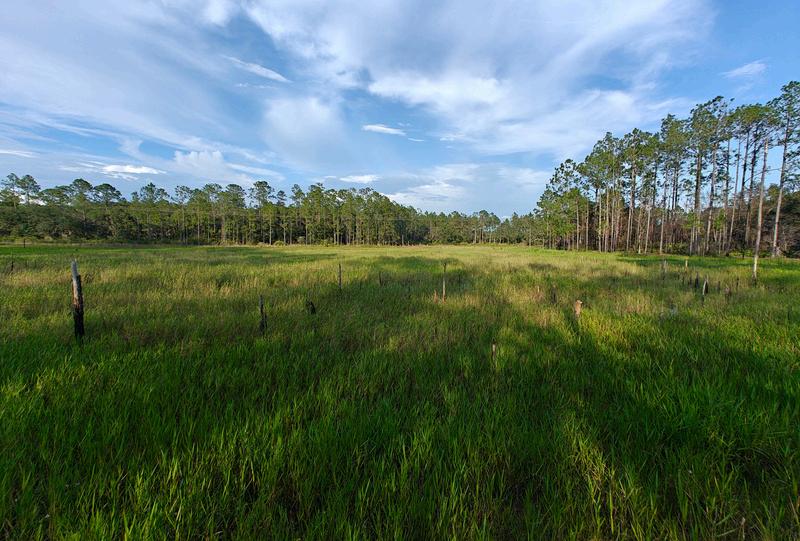
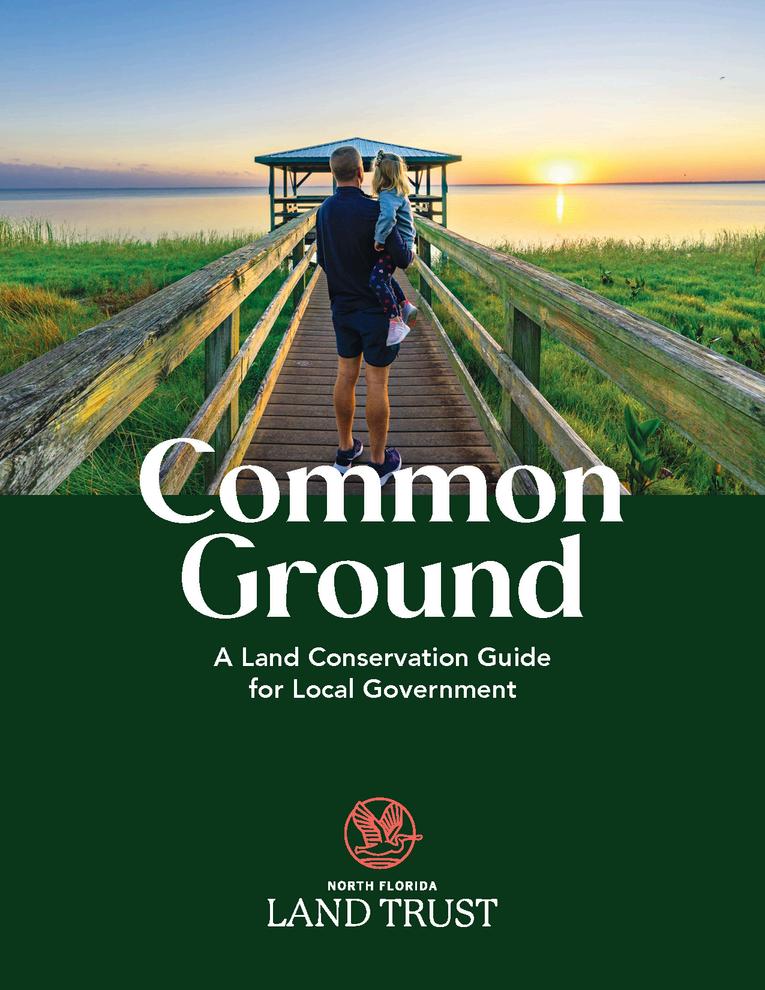
Lasting land conservation works best when it’s shaped by the people who call a place home. Why? Because ultimately conservation is about protecting identity. In his essay What Are People For?, writer and farmer Wendell Berry once wrote, “You cannot know who you are until you know where you are.” That idea sits at the heart of Greenprinting: a process that helps communities define, protect, and preserve the places that shape who they are.
A Greenprint is a community-driven framework for land conservation. It allows residents and local leaders to recognize meaningful conservation opportunities, evaluate them thoughtfully, and manage a transparent process to acquire and steward land over time. Most importantly, it builds shared confidence, confidence that decisions are being made intentionally, responsibly, and in alignment with local values.
NFLT has become a trusted partner for communities seeking to design and implement these locally financed land conservation programs. Drawing on more than 30 years of combined experience managing county land conservation initiatives across Florida, NFLT developed Common Ground ~ A Land Conservation Guide for Local Governments, a practical, step-bystep roadmap for communities interested in creating Greenprints of their own.
NFLT officially launched Common Ground at the Florida Association of Counties Annual Conference in June 2025, sharing the guide with county leaders from across the state. The resource is designed to help local governments assess whether the timing and conditions environmental, political, and economic are right to pursue a conservation program supported by voters
At the core of NFLT’s approach is a clear line-of-sight model This model helps communities move from shared values to tangible outcomes by creating a transparent path toward a portfolio of well-managed conservation lands Each step, from identifying priorities to evaluating projects to long-term stewardship, is designed to ensure that conservation efforts are ecologically sound, politically viable, and financially sustainable
Through Greenprinting, communities aren’t simply reacting to development pressure; they are proactively shaping their future They are deciding which lands matter most, why they matter, and how they will be cared for, now and for generations to come In doing so, Greenprints preserve not just land, but a sense of place
By empowering communities with tools, expertise, and clarity, NFLT is helping conservation become something people can see, understand, and trust Because when communities know where they are and what they value, they are far better equipped to decide where they’re going
Common Ground ~ A Land Conservation Guide for Local Governments was produced in partnership with the Live Wildly Foundation.

Protecting land is only the first step in conservation. While some properties come to NFLT’s portfolio in good ecological condition, others need thoughtful, long-term care to restore balance and support wildlife and natural ecosystems. That work of restoration falls to NFLT’s stewardship team.
One of the biggest challenges of land management nationwide is cost. Restoring native habitat often means sourcing specialized plants or seeds adapted to local ecosystems and both options come with high price tags and significant risk. Buying native plants from reputable nurseries is expensive and availability can be limited. Purchasing bulk seed from specialized growers can also be costly and success is often at the mercy of weather, seed viability, and site conditions. Rather than relying solely on those approaches, NFLT chose a more sustainable solution: growing our own.
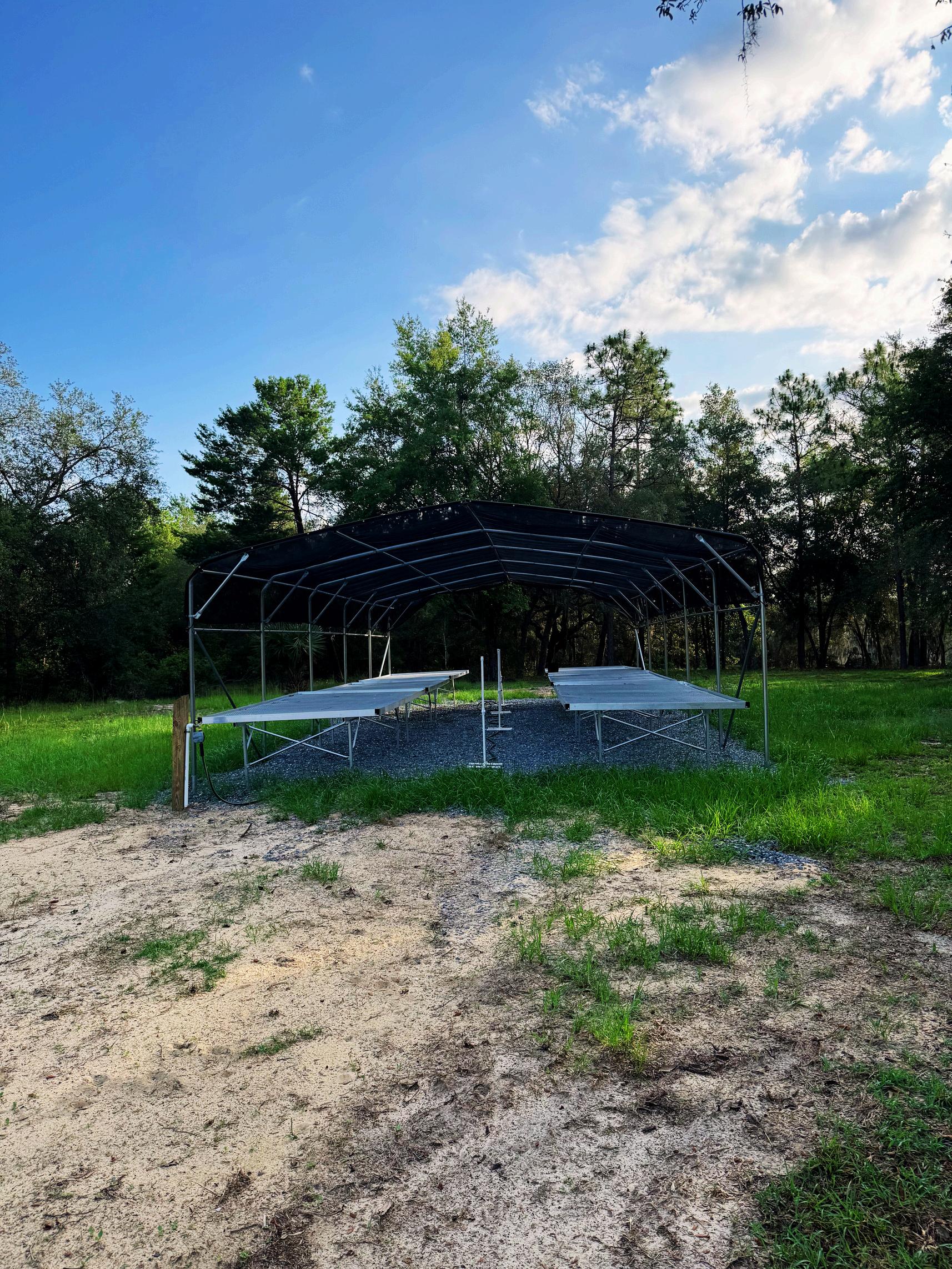
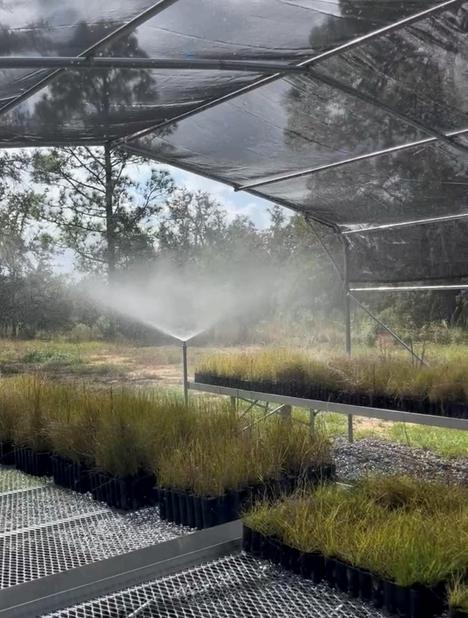
Thanks to grant funding and collaboration with conservation partners, NFLT recently completed a small-scale native plant nursery designed to grow plug seedlings for habitat restoration projects across Northeast Florida. Built by our stewardship staff and completed in May 2025, the new greenhouse (technically a shade house) marks an important step forward in how we care for the lands we protect.
The structure features an A-frame design covered with 60% shade cloth, bench tables with expanded metal surfaces for proper drainage, weed barrier, and a granite foundation. Though modest in size, it has the capacity to support up to 20,000 plug seedlings at a time, enough to make a meaningful impact on future restoration efforts
What is even more exciting is what this nursery makes possible in the long term
The ultimate goal is to use seed sources already present on NFLT conservation lands, in other words, plants that are already well adapted to local soils, climate, and wildlife needs. By managing those landscapes to produce highquality, viable seed, staff can collect, sow, grow, and eventually return those plants to the land, completing a full restoration cycle rooted entirely in place. Seeds for the first growing season have already been collected, with plug production expected to begin early to mid-February once the risk of frost has passed. Planting on the landscape is planned for summer 2026, timed with the rainy season to maximize survival and success. Initial species will focus on warm-season native grasses such as wiregrass, lopsided Indiangrass, purple lovegrass, and pineywoods dropseed, key building blocks for healthy, fireadapted ecosystems.
Our new greenhouse may not be grand in size, but its impact will be. By investing in the ability to grow our own native plants, NFLT is strengthening stewardship, reducing long-term costs, and ensuring that restoration work is as locally grounded as the lands we protect
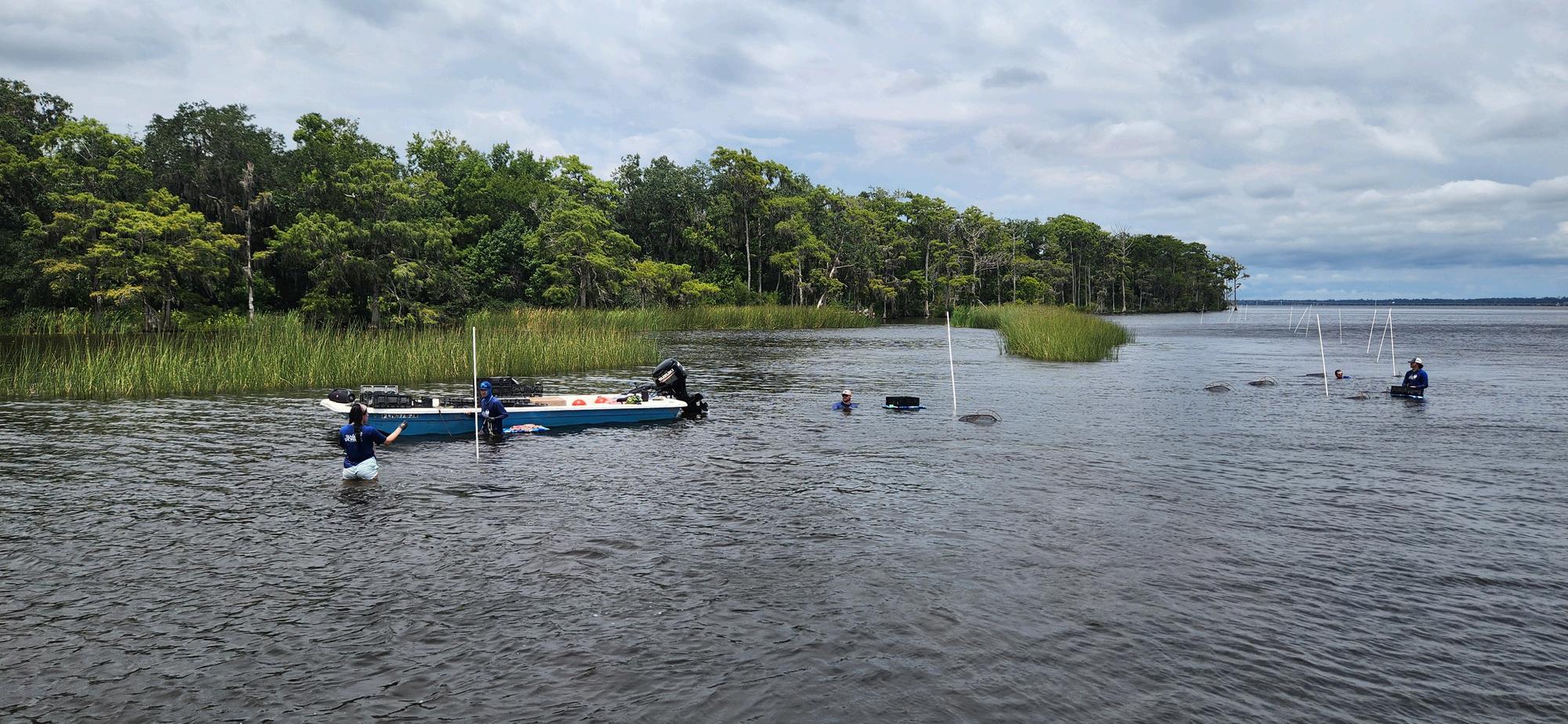
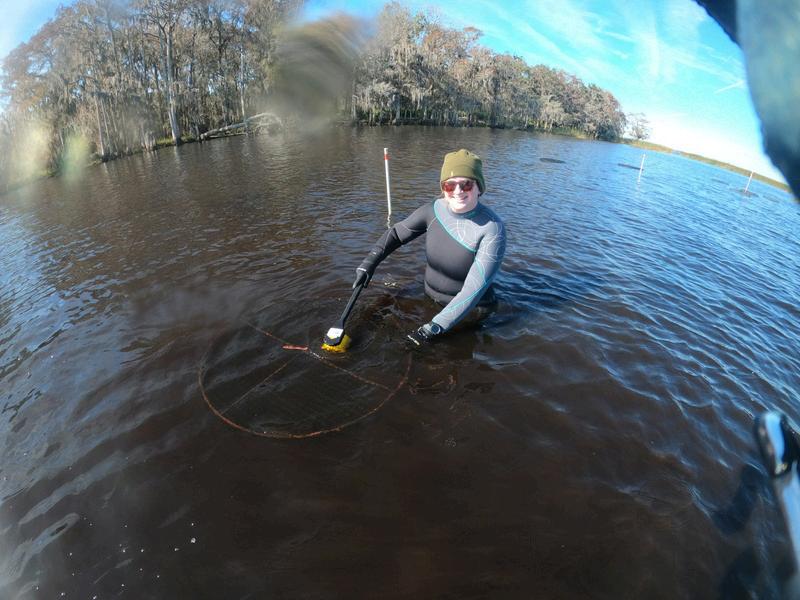
When NFLT launched its eelgrass restoration project with Sea & Shoreline last summer, the goal was clear: rebuild the underwater habitat that helps the St. Johns River thrive. In July 2025, that vision moved from plan to action and forty acres of Vallisneria (eelgrass) were planted in two 20-acre plots in the lower St. Johns River, completing one of the largest eelgrass restoration efforts in that part of the river in recent years.
The scale of the project was significant. More than 131,000 plants were installed, supported by 2,200 protective cages designed to give young eelgrass the best chance to establish Each cage was planted with five 4-inch pots of Vallisneria, totaling 11,000 larger plants, while an additional 120,000 one-inch plugs were planted between cages Using both plant sizes creates a continuous underwater landscape and encourages the eelgrass to spread naturally across each plot, an important step toward reestablishing this once-abundant habitat along the river’s shoreline.
Eelgrass plays a critical role in river health. As it takes hold, it rebuilds the underwater habitat that supports river life. Eel grass provides food and shelter for native fish and invertebrates, stabilizes sediment, and
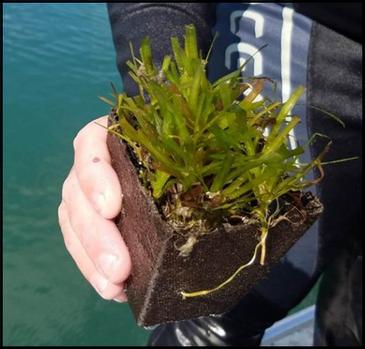
improves water quality Restoring these submerged grasses is a key step in fortifying the foundation of the river’s ecosystem.
Planting, however, is only the beginning. Long-term success depends on careful maintenance and monitoring. Each month, NFLT staff and the Sea & Shoreline team inspect every single cage that’s 2,200 cages brushing away algae and other biological growth. This hands-on effort ensures sunlight can reach the plants below. Without regular cleaning, algae would quickly outcompete the eelgrass, limiting growth
In addition to maintenance, a randomized 10% of cages are monitored to track plant growth across the site Results so far have exceeded expectations While Vallisneria typically grows from late spring through early fall, some plants installed in July have already “topped out,” reaching the top of the two-foot-tall cages by December 2025
NFLT and Sea & Shoreline are encouraged by this early success and are looking ahead to the 2026 growing season, when even greater expansion is expected. With continued stewardship, this project represents not just restoration, but a renewal of life beneath the river’s surface.


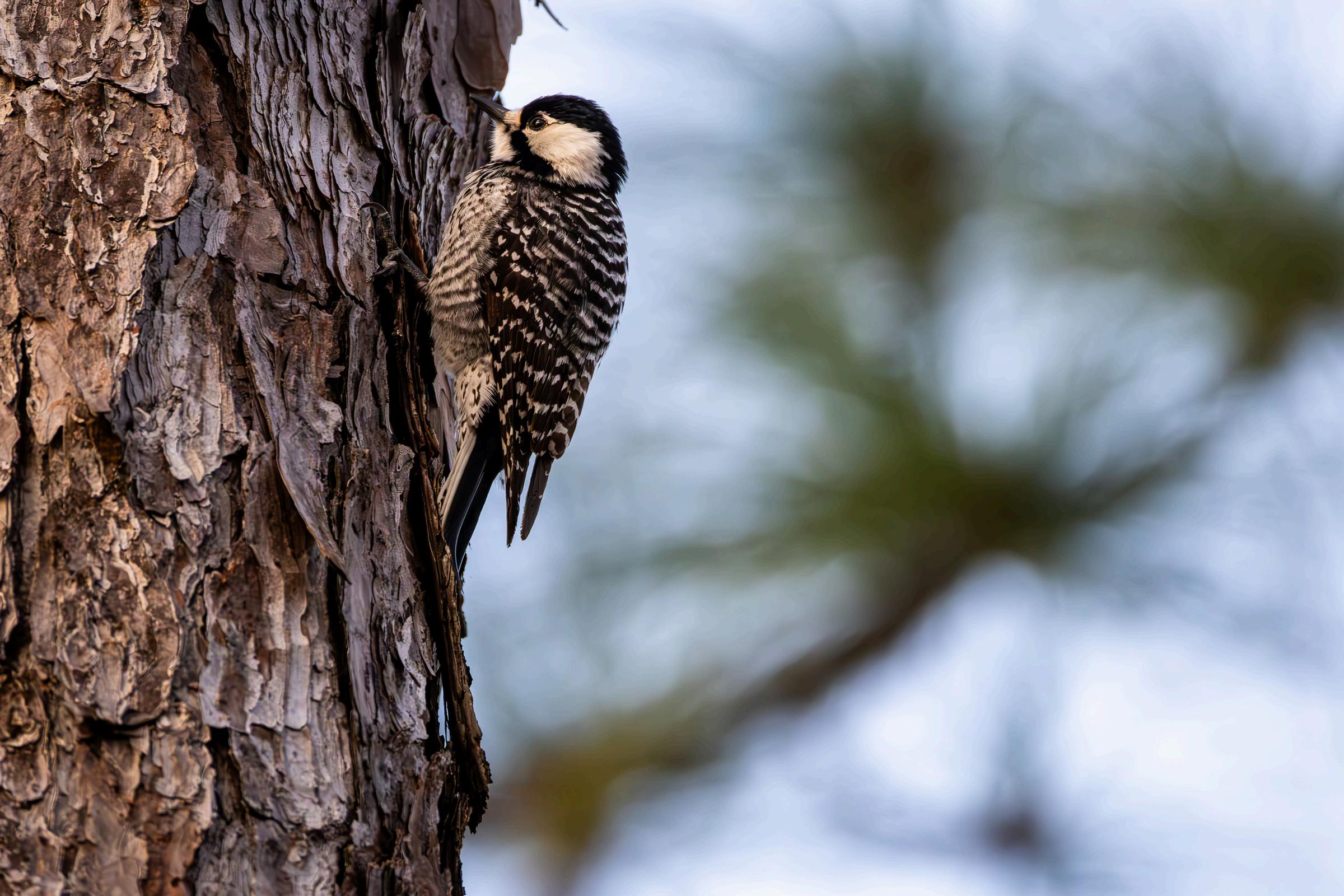
Native to the southeastern United States, the Red-Cockaded Woodpecker (RCW), with its subtle red streak, or “cockade,” behind the eye of males, is one of the most important indicators of ecosystem health in North Florida’s longleaf pine forests.
What sets this species apart is where it lives. Unlike other woodpeckers that excavate cavities in dead or decaying trees, red-cockaded woodpeckers carve their homes into living, mature longleaf pines These pines produce a sticky resin, and the birds deliberately encourage sap flow around their cavity entrances The constant resin acts as a natural defense, deterring snakes and other predators Creating a single cavity can take years, making each one a long-term investment in survival
RCWs are also highly social. They live in family groups, typically made up of a breeding pair and several helpers (often male offspring from previous years) who assist with nest defense and chick rearing. These cooperative family units depend on clusters of cavity trees rather than a single nest, meaning large, intact forests are essential to their survival
This reliance on a specific habitat is both what makes the species remarkable and what placed it in danger Longleaf pine ecosystems once covered an estimated 90 million acres across the Southeast Today, less than five percent of that landscape remains. Logging, land conversion, and fire suppression dramatically reduced suitable habitat, leading to the RCW’s listing as endangered in 1970.
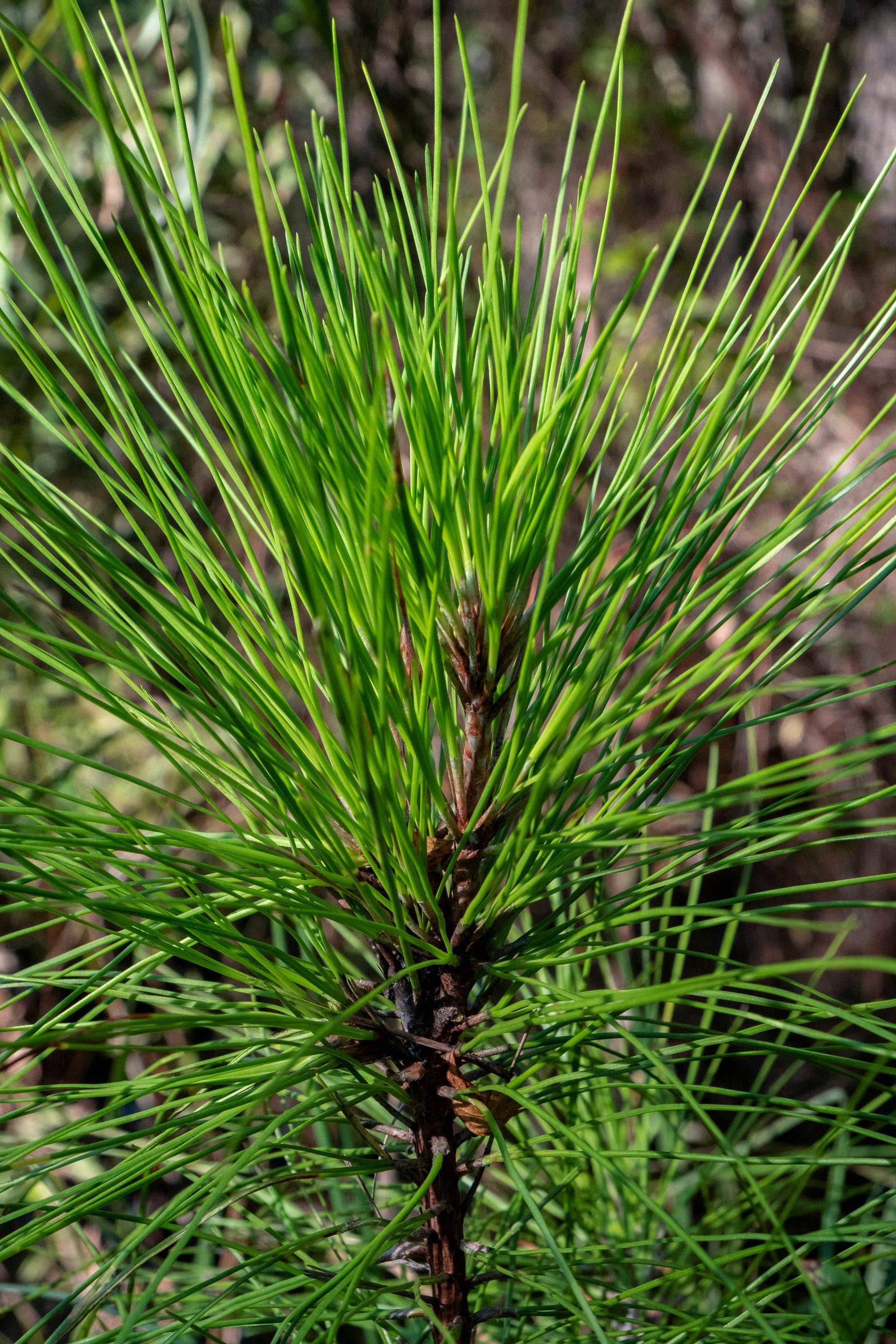
Fire, or rather, the absence of it, is a central part of this bird’s story Longleaf pine forests are fire-adapted ecosystems that evolved with frequent, low-intensity burns. These fires keep hardwoods in check, maintain open understories, and support the grasses and insects the woodpeckers rely on for food. Without regular fire, the forests quickly become unsuitable.
The good news is that land management and restoration methods work Through prescribed fire, protection of mature pines, and habitat restoration, RCW populations have begun to stabilize and even increase in parts of their range As a keystone species, their recovery benefits many other species that rely on the cavities and the same healthy forests
In North Florida, protecting land that supports RCWs often means protecting much more: working forests, aquifer recharge areas, wildlife corridors, and landscapes critical to military readiness and rural economies. Their habitat overlaps with some of the region’s most ecologically valuable and increasingly rare lands
The red-cockaded woodpecker is a good reminder that conservation is about patience and perspective It takes decades to grow a longleaf pine, years to carve a single cavity, and ongoing stewardship to maintain the open, fire-driven landscapes they depend on. Protecting this species is not a short-term effort, but a long-term commitment, one that safeguards an entire ecosystem.
A new year brings fresh opportunities to pro intentional about your charitable giving Whe contribution or exploring strategic giving opti ways to support North Florida Land Trust wh goals
Cash gifts remain one of the simplest and m Most donors can deduct up to 60% of their a
Many employers offer matching gift program contribution. Check with your HR or benefits NFLT is happy to help complete any necessa

Donor-advised funds are an increasingly popular and flexible giving tool and now account for more than 20% of NFLT’s total contributions Recommending a DAF grant allows you to support conservation work today while receiving immediate tax benefits Contact your sponsoring organization to recommend a gift
By donating stock held for more than one year, you may be able to avoid capital gains tax and receive a charitable deduction for the full fair market value. These gifts are a tax-efficient way to support conservation while preserving your cash flow.
If you’re age 70½ or older, you can make a Qualified Charitable Distribution (QCD) of up to $108,000 from your IRA, satisfying your Required Minimum Distribution (RMD) while excluding the gift from taxable income. It’s a smart way to support NFLT using one of your most tax-efficient assets.
Consider including NFLT in your will, trust, or estate plans to ensure your impact on Florida’s natural legacy continues for generations to come Bequests and beneficiary designations on retirement accounts, life insurance policies, or donor-advised funds are simple ways to make a lasting difference often with significant tax advantages Let us know if we can help you explore your options
Every gift helps protect the lands and waters that define our region If you have any questions or would like assistance making your gift or setting up a legacy gift, we’re here to help Contact Lee Anderson Louy, CFRE, at LAndersonLouy@nflt.org or Brenda Lynch at BLynch@nflt.org.
Save these dates and stay tuned for more details coming soon. Check the NFLT Member Calendar on the website for registration links!
Working Lunch Wednesday – Spring 2026 Artist Spotlight Series
February 18
March 18
April 15
May 20
NFLT Members
March 3 Bogey Creek P
April 18 — Smith Lake Pr
April 22 Earth Day
May 21 Guided Tour

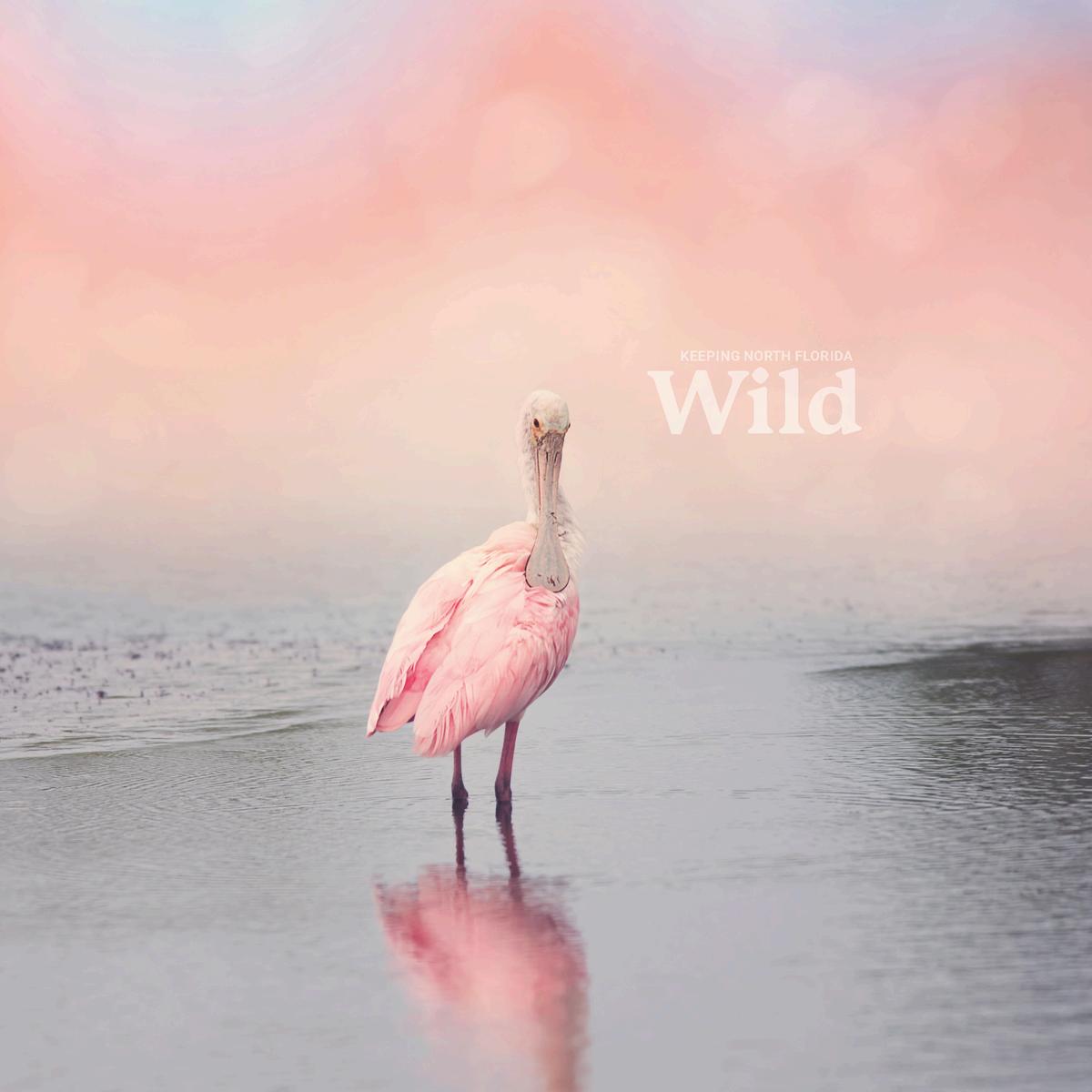
This is conservation you can hold.
Purchase Keeping North Florida Wild and help protect the landscapes that define our corner of Florida.