2025 Annual Report
2025 Annual Report
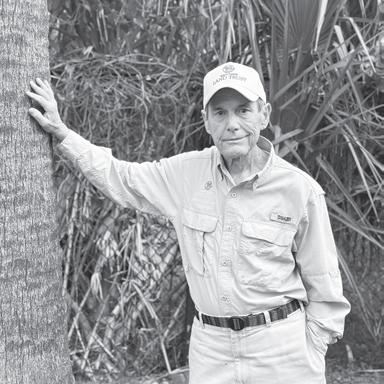
Dear Friends,
Reflecting on 2025, what has continuously struck me is the extraordinary momentum behind our work together. This past year demonstrated what is possible when passion, partnership, and purpose come together and once again, you helped us make it all possible.
Together, we reached new milestones in community support, growing our membership to 752 dedicated individuals committed to conservation. That expanding base of friends strengthens our ability to act quickly, think boldly, and ensure the permanence of the places we cherish. With your support in 2025, we protected more than 18,000 acres across North Florida, safeguarding wildlife habitat, preserving working lands, protecting military bases, and advancing the connectivity goals that are critical to the future of the Ocala to Osceola Wildlife Corridor.
2025 was also a year of storytelling and celebration. Stories are data with a human face, and we proudly released Keeping North Florida Wild, our 25th anniversary book. This stunning book captures the history, people, and places that shaped our first quarter century. Sharing these stories allowed us to reflect on how far we’ve come while inspiring the work still ahead. We also gathered together in new ways, including hosting our first Salty Soirée on Amelia Island, an event that brought 150 friends together in celebration of conservation and community and recognized the Thornton family.
Internally, we celebrated important recognition as well. For the second year in a row, NFLT was named a Best Place to Work, this time at the state level. Florida Trend magazine named us, and it was an honor that reflects the dedication, collaboration, and culture cultivated by our staff and leadership. This same magazine named this writer one of the 500 Most Influential People in Florida, an overestimate, but we will take it. It is that same spirit that enables us to do ambitious work and, quite honestly, to make a little magic happen all along the way.
None of these accomplishments would be possible without the commitment of you, our staff, our board, landowners, partners, volunteers, and supporters. You are the driving force behind every acre protected and every milestone achieved. Because of you, we continue to build on the vision first set forth almost three decades ago, ensuring North Florida’s natural landscapes endure for future generations. It’s Now or Never!
With sincere appreciation,
REV. CN. ALLISON DEFOOR PRESIDENT & CEO
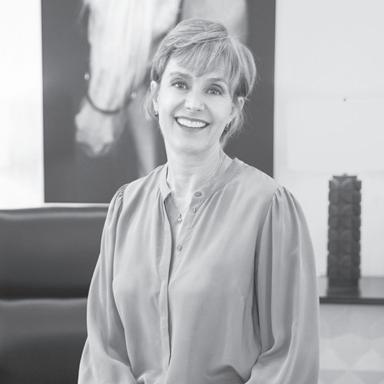
Dear Friends,
Conservation begins with belief. Belief that land matters, that stewardship matters, and that the choices we make today will shape the Florida our children inherit.
In 2025, North Florida Land Trust strengthened not only the acres under protection, but the foundation that makes lasting conservation possible.
Our culture of commitment remains one of our greatest strengths. This year, we achieved 100% giving from both our Board of Directors and our staff. Every individual entrusted with governance and leadership made a personal investment in the mission. That shared commitment reflects accountability and confidence and it sets the tone for the organization as a whole.
The power of community was equally evident. One hundred sixty-five volunteers gave their time and energy in support of our work. Their willingness to plant, steward, advocate, and gather reminds us that conservation succeeds because people choose to participate in something larger than themselves.
And when our community gathered in March for a sold-out Annual Meeting featuring Dr. Johnnetta Betsch Cole, we were reminded that conservation is inseparable from culture, history, and shared responsibility.
On the land, meaningful stewardship continued. The completion of a major fence removal project at Smith Lake Preserve restored habitat connectivity and improved ecological resilience, an example of conservation not only as protection, but as active care.
We also welcomed three new board members whose experience and perspective strengthen our ability to guide the organization strategically in a time of rapid growth and change across Florida.
Your generosity propelled us forward. By surpassing our ambitious yearend fundraising goal, we closed the year positioned to act decisively when opportunities to protect land arise.
The challenges facing North Florida’s landscapes are real. So is our resolve.
With disciplined governance, dedicated leadership, and an engaged community, I am confident we will continue to protect the places that define this region, now and for generations to come.
With gratitude,
LISA BARTON BOARD CHAIR 2025-PRESENT
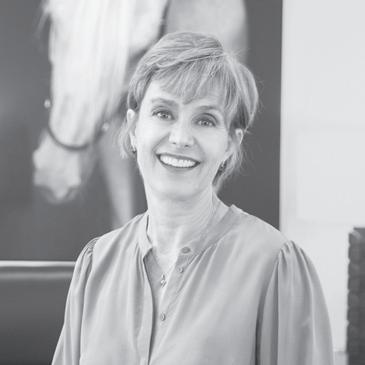
CHAIR LISA BARTON
LISA BARTON TEAM
PONTE VEDRA BEACH
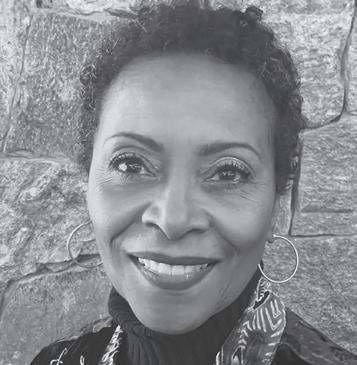
JANYCE DAWKINS COMMUNITY VOLUNTEER
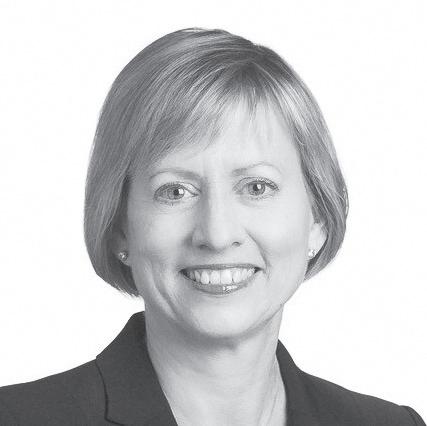
CONNIE MCDANIEL COCA-COLA, RETIRED
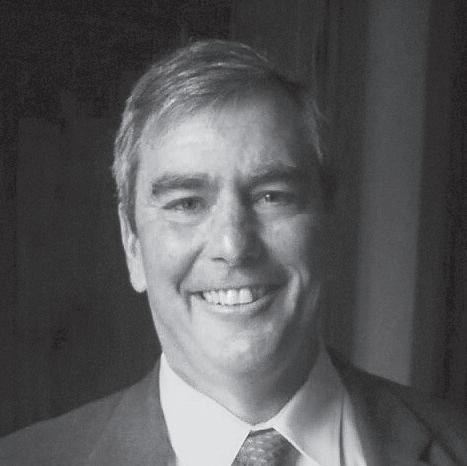
SECRETARY RICK HOFFMAN ORION SOLUTIONS LLC
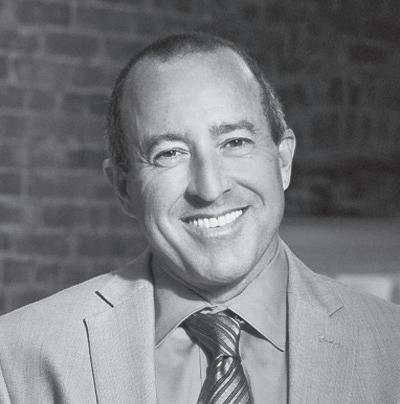
TOM GOODRICH AMERIPRISE FINANCIAL
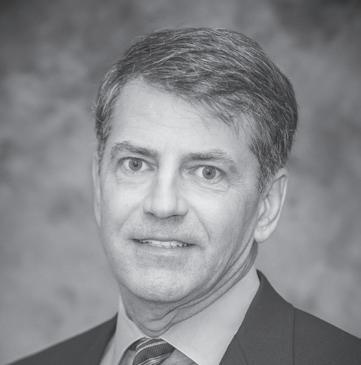
TED MCGOWAN CLAY COUNTY PORT, INC.
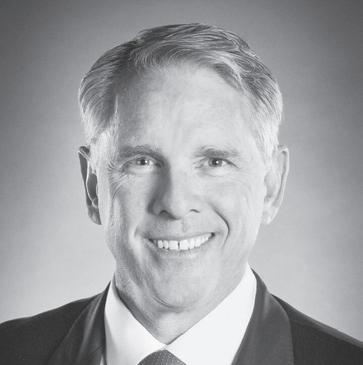
TREASURER
SCOTT KEITH PINNACLE FINANCIAL PARTNERS
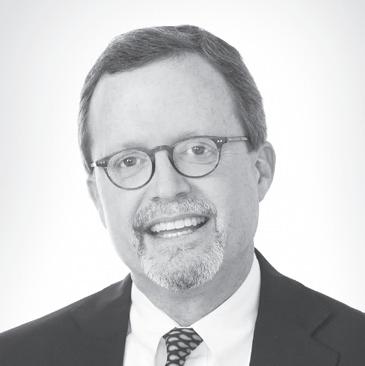
T.R. HAINLINE ROGERS TOWERS
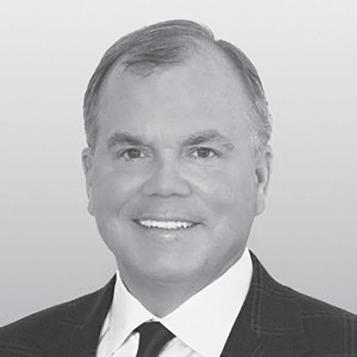
CHARLEY MOORE THE MOORE GROUP
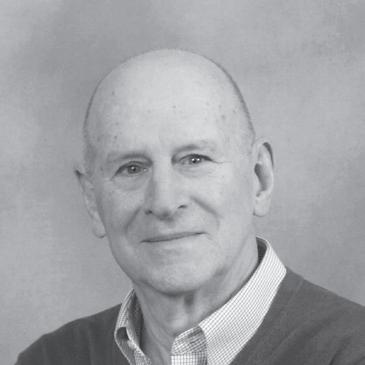
PIERRE N. ALLAIRE
PIERRE N. ALLAIRE, LLC
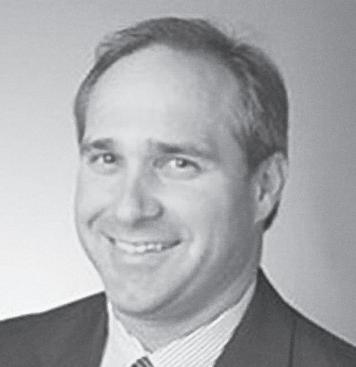
CHARLES COMMANDER HEIDRICK & STRUGGLES
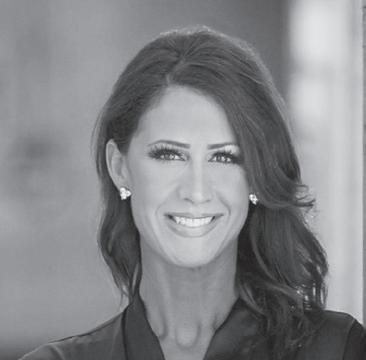
NATALIE HEALY THE HEALY FOUNDATION
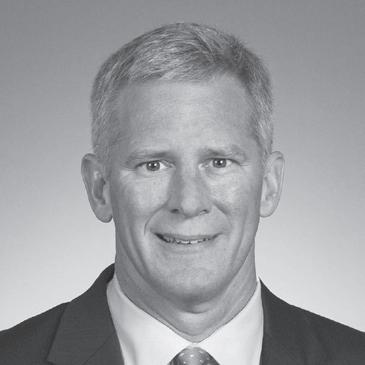
CHAIRMAN EMERITUS MATT RAPP
MHR CONSULTANTS LLC
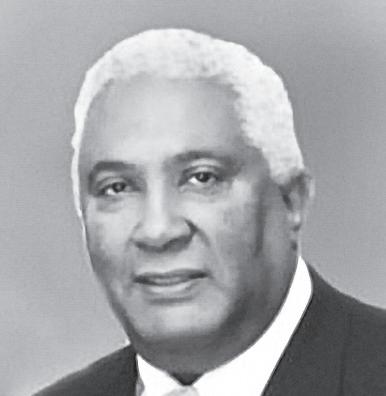
CARLTON JONES THE RENAISSANCE GROUP
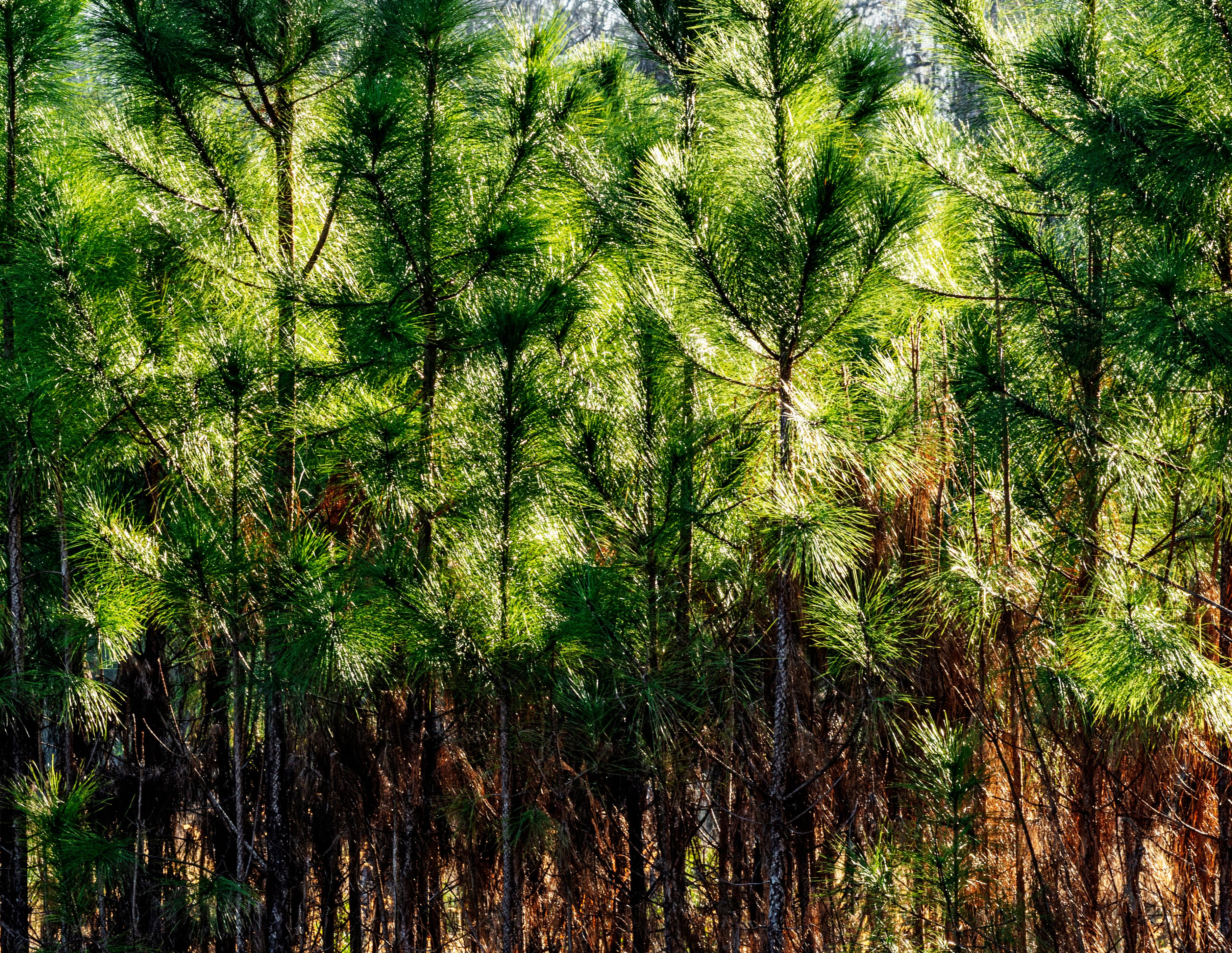
$43 million
TOTAL VALUE OF LAND SAVED
NFLT continues to work diligently to increase land holdings and fundraising to conserve North Florida’s irreplaceable natural environment. The importance of land conservation is receiving increased recognition and support from landowners, donors, government officials, and industry executives who want to protect the natural resources we all cherish. Here is our growth by the numbers.
18,807
TOTAL ACRES SAVED
NAMED BEST PLACE TO WORK IN FLORIDA FLORIDA TREND MAGAZINE
$7.2 million
TOTAL SUPPORT AND REVENUE
752
TOTAL NUMBER OF NFLT MEMBERS
621
TOTAL DONORS
62,427
TOTAL ACRES SAVED NFLT LIFETIME
$174.9 million
TOTAL VALUE OF LAND SAVED NFLT LIFETIME
TOTAL NUMBER OF NATIVE PLANTS PLANTED 4000 plants
In 2025, North Florida Land Trust helped protect more than 18,000 acres across Northeast Florida. Of that total, 3,369 acres were added to NFLT’s conservation portfolio through the acquisition of six properties. The remaining acres were conserved through strategic partnerships, with NFLT playing a key role in facilitating land protection alongside landowners and conservation partners. Together, these efforts advance our Preservation Priority Areas and help safeguard North Florida’s landscapes for future generations.
1,732 ACRES
NFLT received a 1,732-acre conservation easement donation in St. Johns County, just east of the St. Johns River. DeerCreek Plantation extends two miles along Trout Creek and will remain in its natural condition in perpetuity while continuing to operate as a quail hunting plantation. Located within NFLT’s Springs, Aquifer Recharge, and Water Quality Improvement Priority Preservation Area and the St. Johns River Blueway Florida Forever Project Area, the easement protects critical water resources feeding the St. Johns River. Facing intense development pressure from surrounding subdivisions and commercial projects, NFLT’s protection of this property preserves vital natural habitat and water quality for future generations.
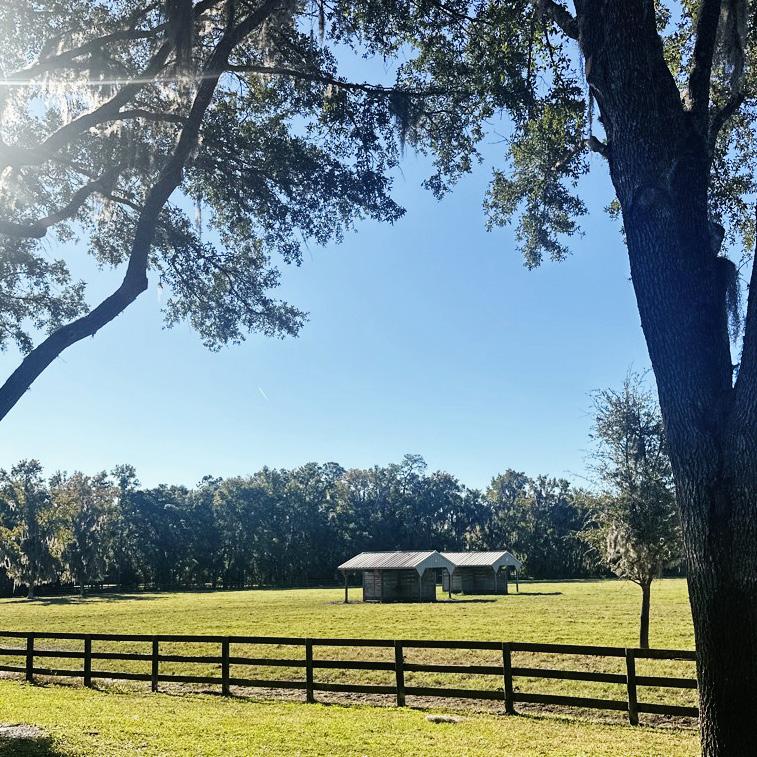
14,700 ACRES
NFLT had a part in closing a 14,700-acre conservation easement in the Ocala to Osceola (O2O) Wildlife Corridor, permanently protecting a critical bottleneck between Osceola National Forest and Raiford Wildlife Management Area. The Blackbottom easement connects key conservation hubs, creating a contiguous landscape for wide-ranging species like the Florida black bear while safeguarding aquifer recharge, wetlands, and vital wildlife habitat. The property will remain a sustainably managed working forest supporting rural forestry economies while ensuring the land is forever protected from development.
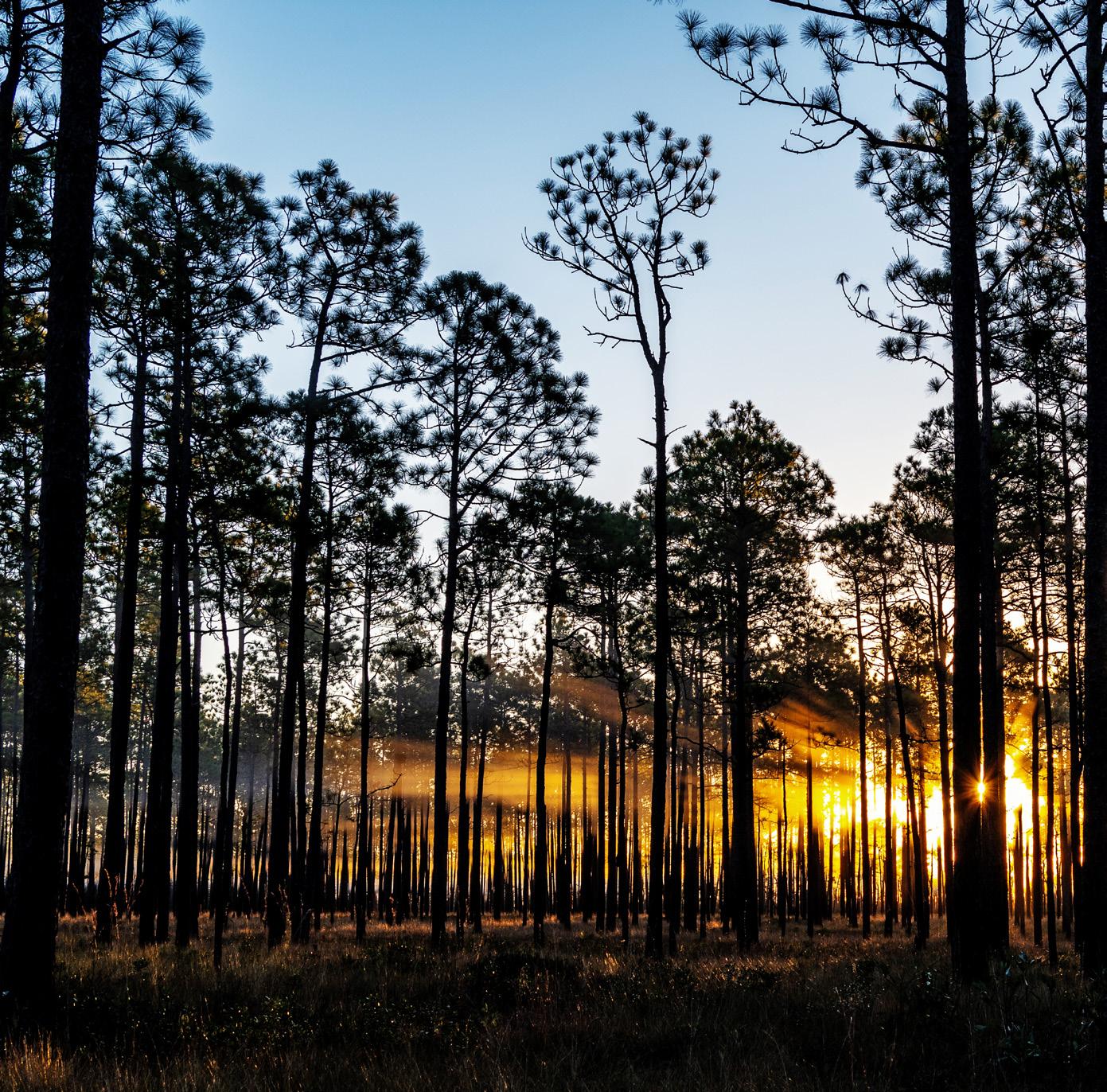
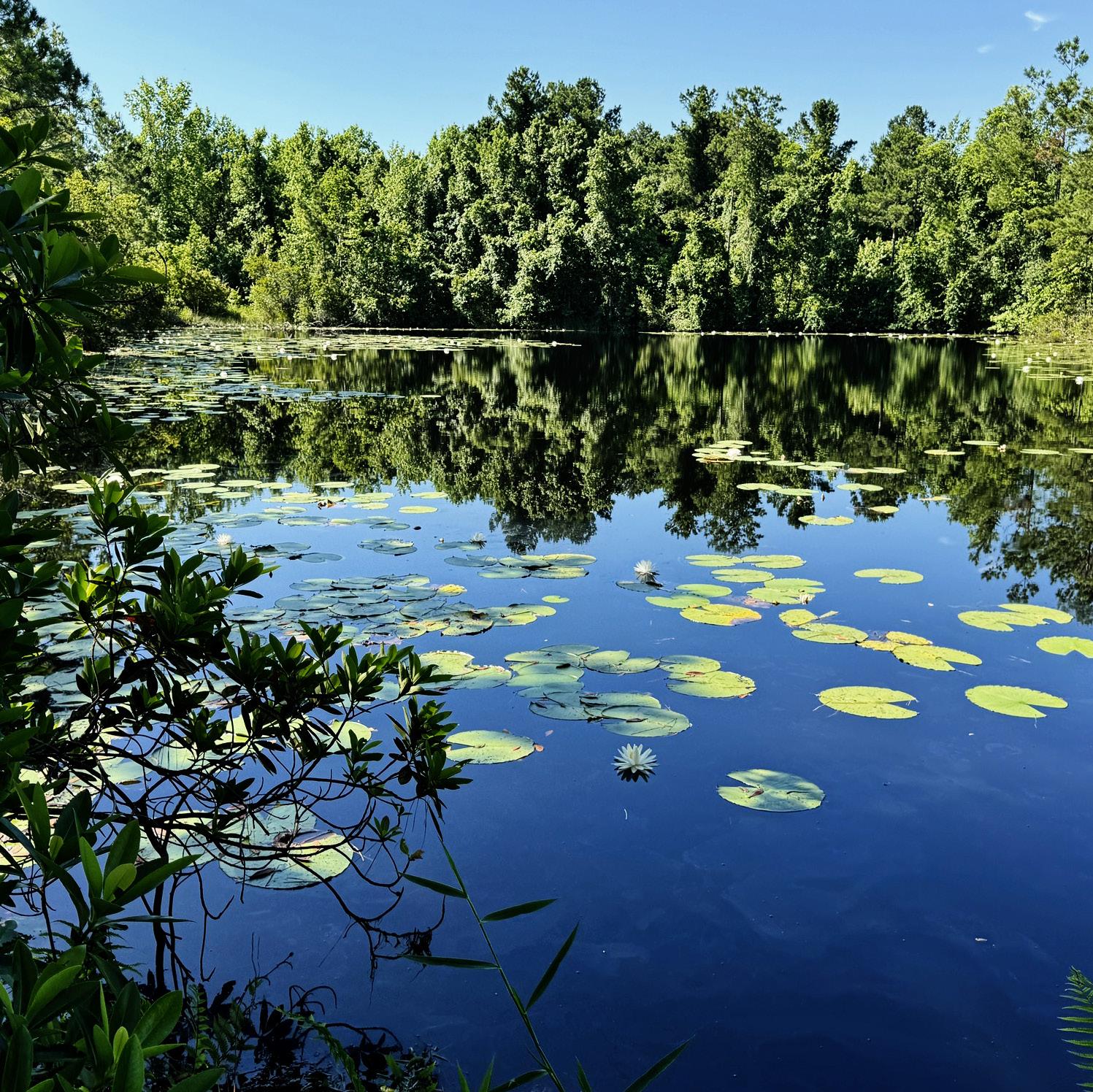
1,086 ACRES
NFLT, partnering with Putnam Land Conservancy, The Conservation Fund, and the State of Florida, preserved a 1,086-acre Rayonier property in Putnam County within the Ocala to Osceola Wildlife Corridor near Carl Duval Moore State Forest and Marjorie Harris Carr Cross Florida Greenway. The Conservation Fund purchased the property and held the title until the state was able to complete the acquisition. The diverse landscape features forested wetlands, pine flatwoods, sandhill, scrub, and prairies and supports threatened species including gopher tortoise, Florida scrub-jay, and red-cockaded woodpecker.
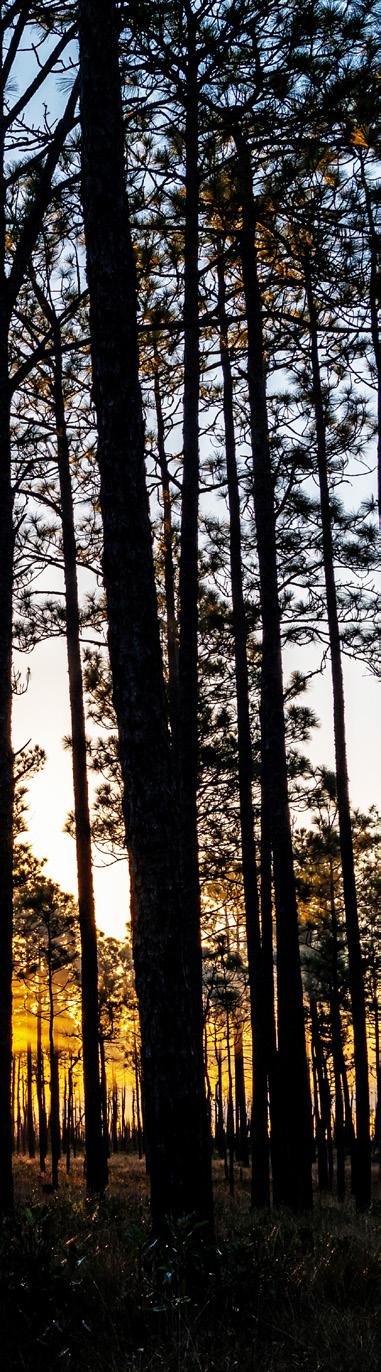
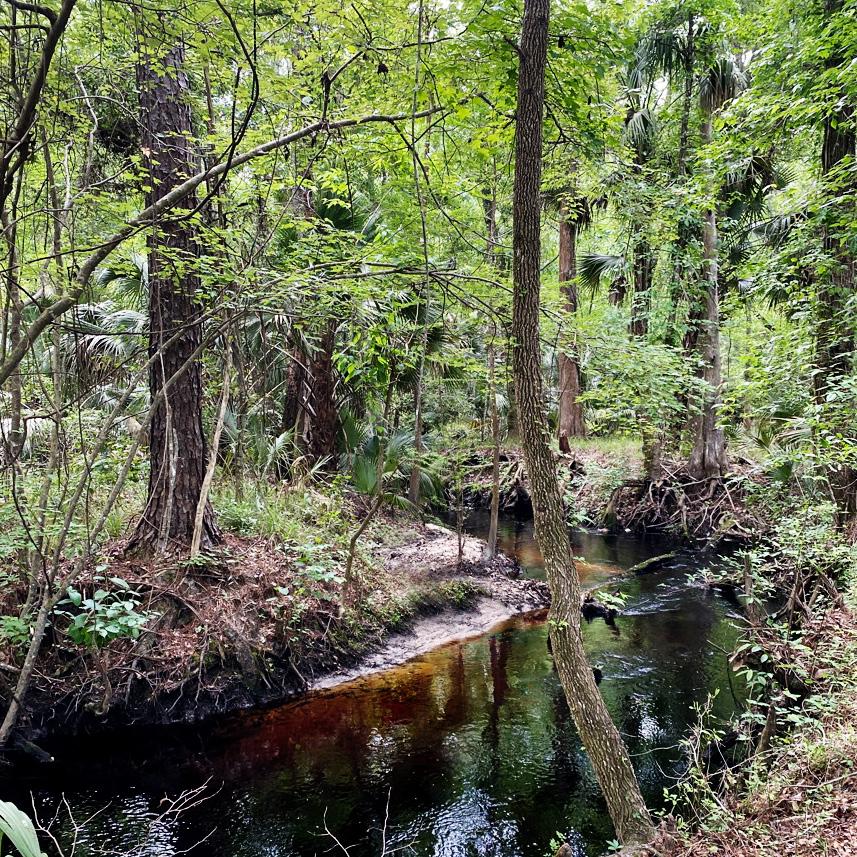
385 ACRES
NFLT and Florida Department of Environmental Protection (FDEP) preserved over 385 acres in Putnam County through a conservation easement on the O’Connor family property adjacent to Etoniah/Cross Florida Greenway near Orange Springs. FDEP purchased the easement for $850,000 via Florida Forever funding, marking the second NFLT-facilitated O’Connor easement following an 855-acre purchase in 2024.
Located within the critical Ocala to Osceola Wildlife Corridor, the four-parcel property features uplands, wetlands, and two miles of Little Orange and Orange Creek frontage feeding Rodman Reservoir. This preservation connects existing conservation lands while protecting water quality, supporting aquifer recharge, enabling landscape-scale restoration, and providing crucial habitat for wildlife.
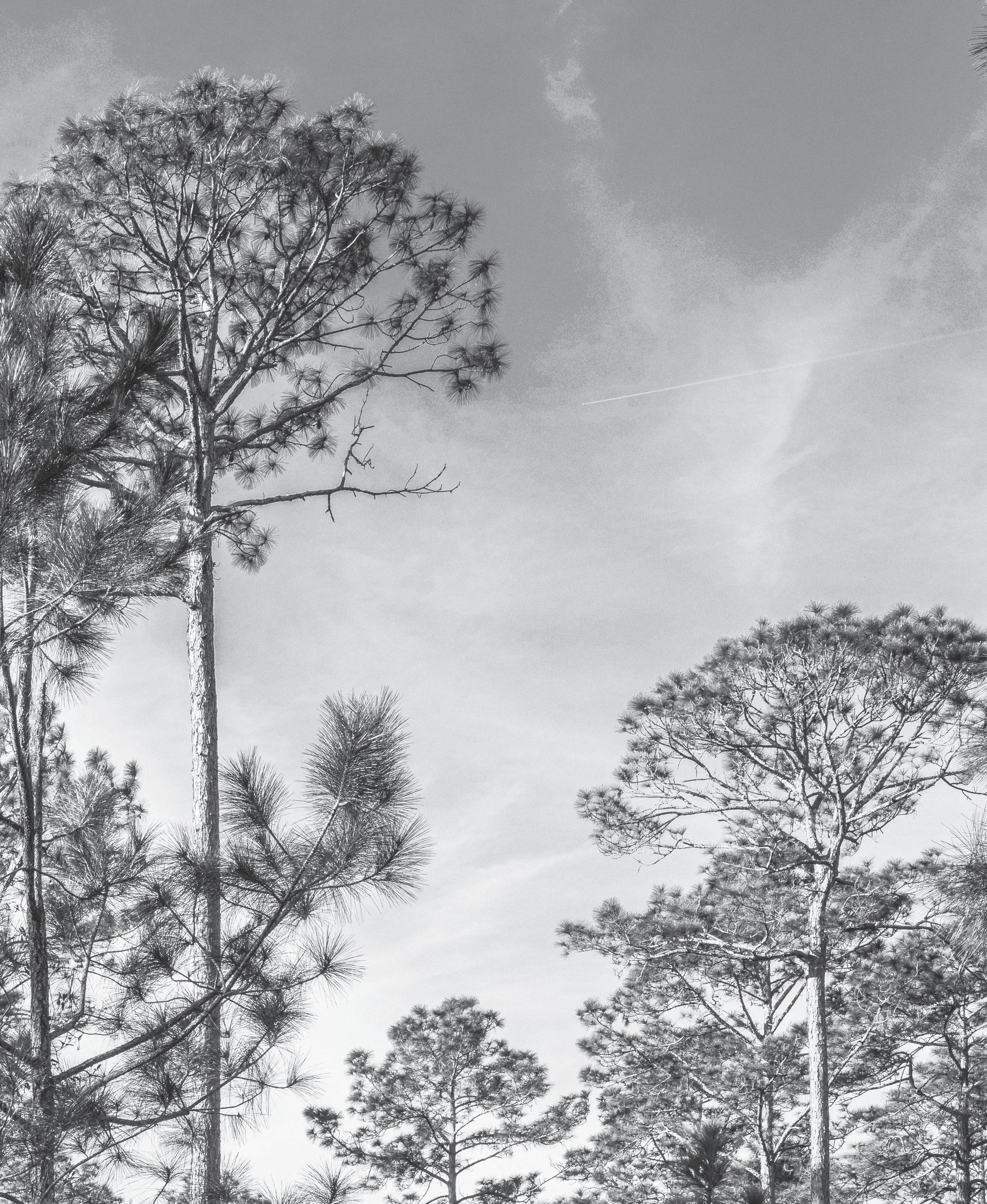
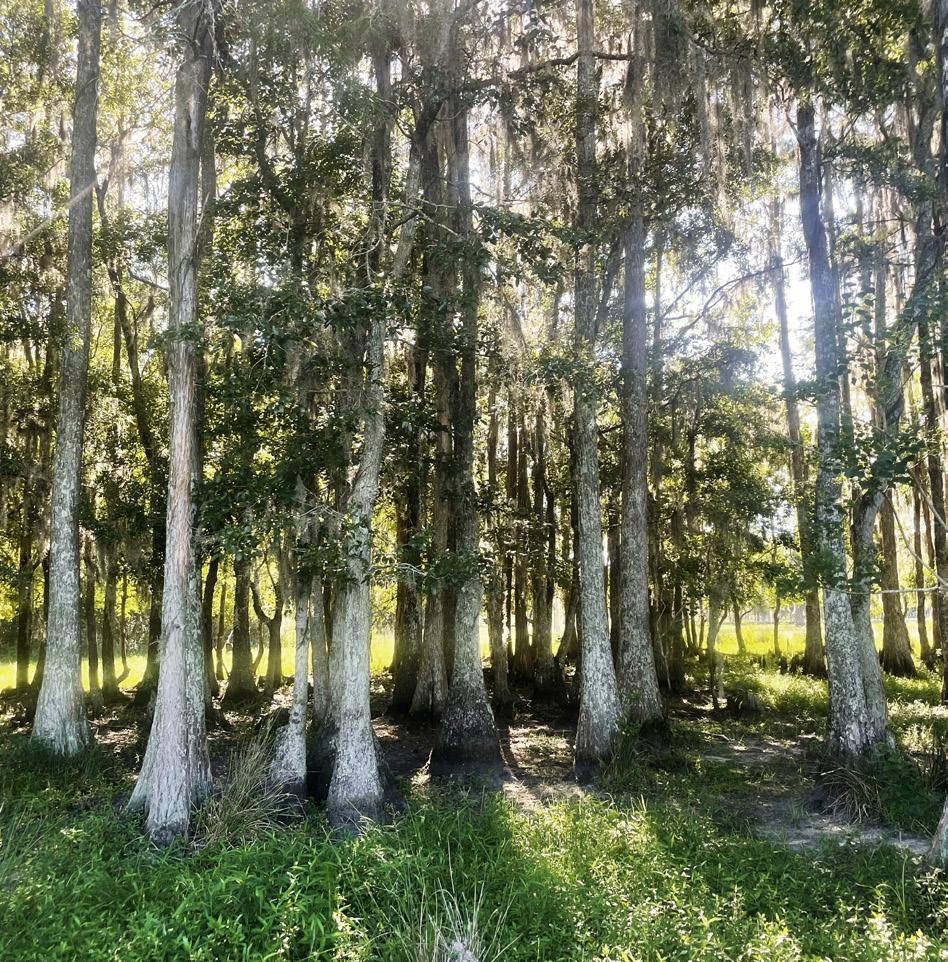
79 ACRES
NFLT acquired over 79 acres in Bradford County, further expanding the Ocala to Osceola Wildlife Corridor.
Located west of Camp Blanding Joint Training Center and a quarter mile from the existing 1,100-acre Water Oak Creek Preserve, this acquisition increases natural habitat for native wildlife and plant species while increasing a portion of the permanent buffer for Camp Blanding’s training operations. Funding was provided through the Department of Defense’s Readiness and Environmental Protection Integration (REPI) program and the Army Compatible Use Buffer (ACUB) program.
83 ACRES
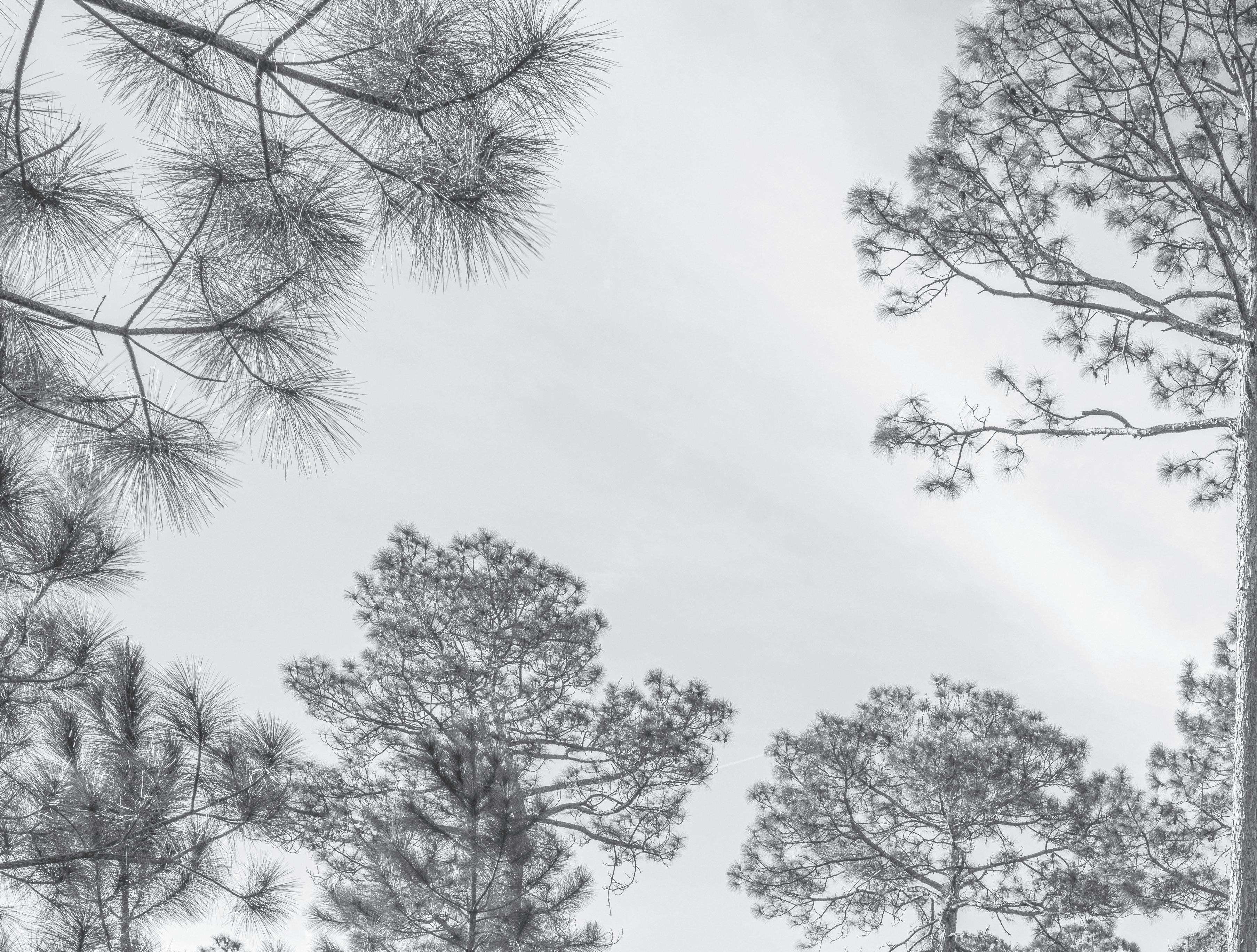
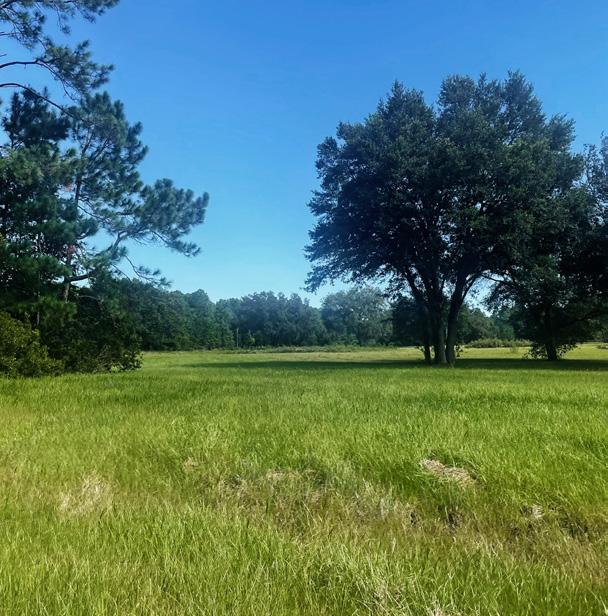
NFLT secured an 83-acre conservation easement in Clay County on Camp Blanding’s southeast side, within the Army Compatible Use Buffer zone and the ecologically vital Ocala to Osceola Wildlife Corridor. The Hughes family property was purchased through the Department of Defense’s REPI program. This conservation effort protects diverse wildlife habitats including white-tailed deer, wild turkey, and the threatened gopher tortoise while providing a crucial buffer for military operations. Protection preserves the creek system, maintains natural water recharge and discharge areas, and prevents potential flooding at the installation from intensive development.
4 ACRES
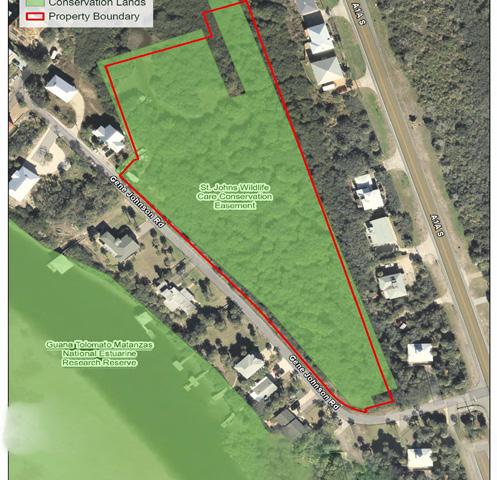
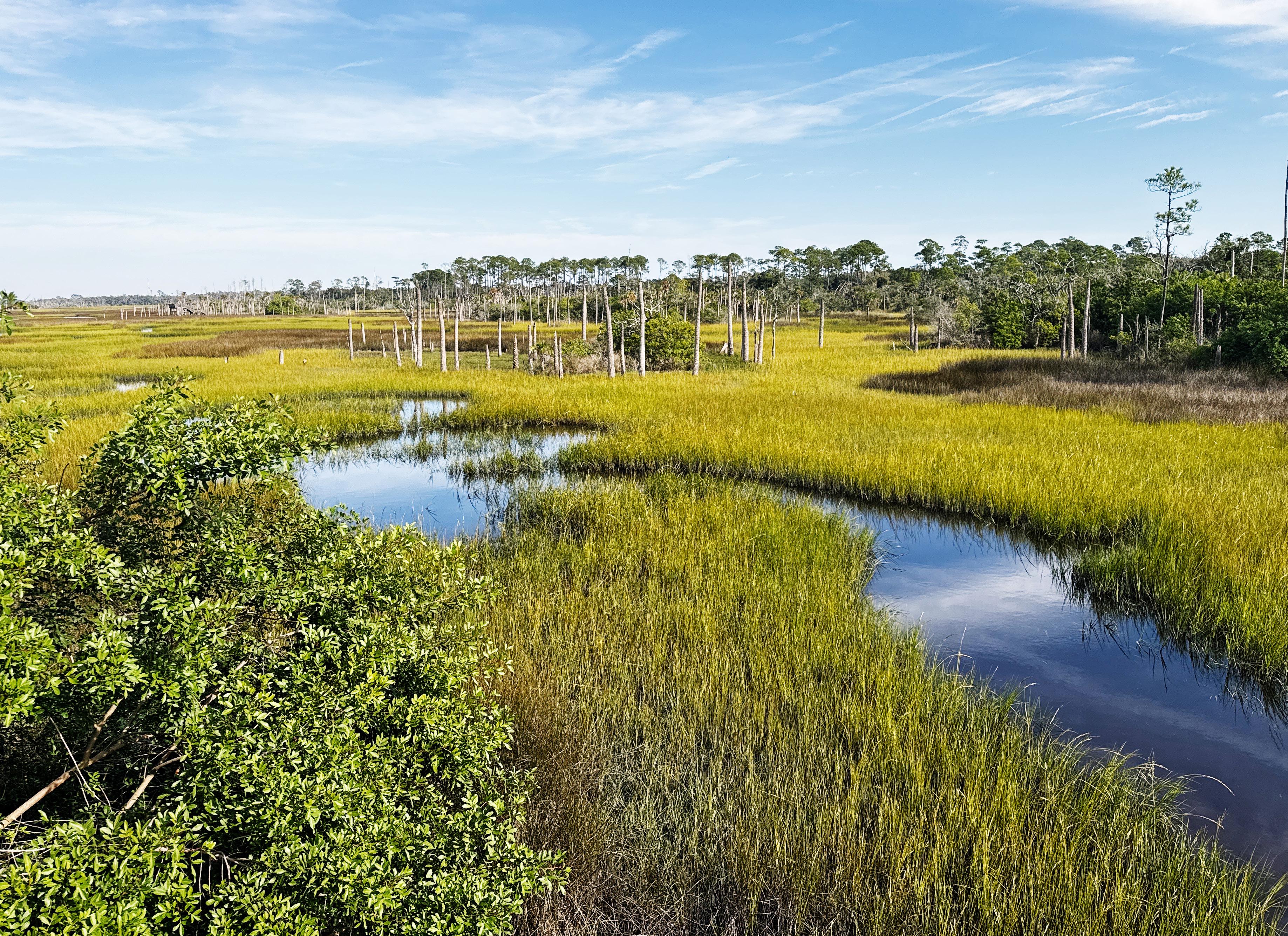
NFLT received a 4-acre land donation in southeast St. Johns County, south of Matanzas Inlet, from St. Johns Wildlife Care, Inc. Located in a tidally influenced salt marsh just west of the coastal Summer Haven neighborhood, the property features dense vegetation including black mangrove, southern red cedar, oak, Indian blanket flower, and sabal palm. Preserving this land in its natural state permanently creates a wildlife refuge and supports biodiversity.
The property’s conservation value aligns with NFLT’s Salt Marsh and Climate Resilience Preservation Priority Area.
644 ACRES
NFLT actively assists Nassau County with the implementation of its voter-approved Conservation Land Acquisition and Management (CLAM) Program by handling the property evaluation and negotiation workload. This conservation easement, one of the first two acquisitions made through the CLAM program, preserves the naturally wild and scenic viewshed along the St. Marys River while expanding the St. Marys River Ranch Conservation Area. It strengthens a vital link in the Atlantic-to-Okefenokee Corridor, connecting Cumberland Island to the Okefenokee National Wildlife Refuge. Conservation of the land safeguards highest-risk habitats, protects wildlife corridors, and helps maintain water quality along the river.
39 ACRES
The second of the initial two acquisitions made through the Nassau County CLAM program, the 39 acres of Piney Island were permanently protected to safeguard critical viewsheds, wildlife corridors, and some of Nassau County’s most at-risk habitats. Its conservation also preserves important cultural and archaeological resources while enhancing flood mitigation in a rapidly developing area. The land is ideally suited for a future passive ecological and cultural park and will offer residents a place to connect with nature and enjoy the restorative benefits of open space.
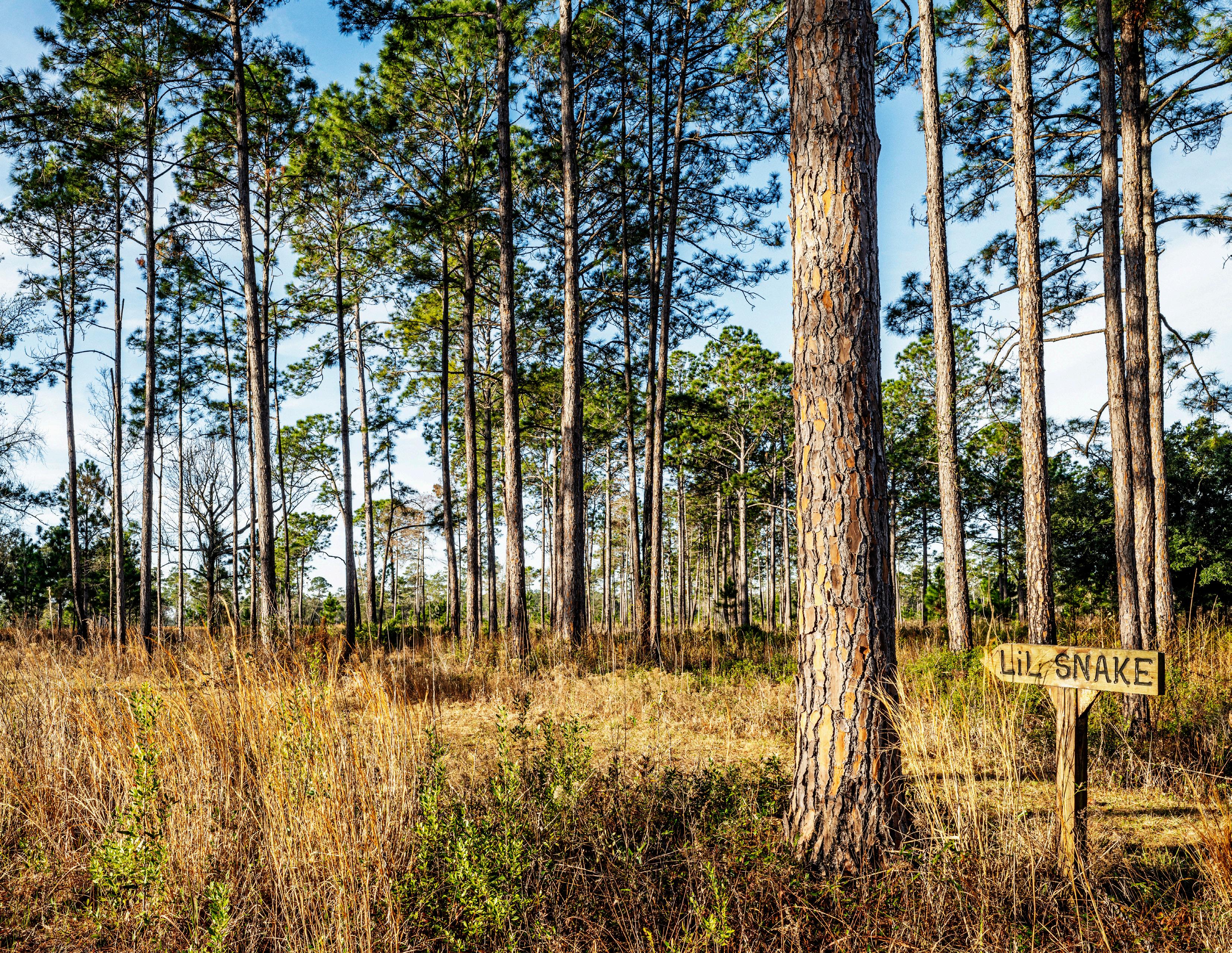
The donation of a conservation easement on DeerCreek Plantation by Ring Power Corporation and Mr. and Mrs. Ringhaver is significant not only for the acres protected, but because of the legacy it secures. This is land that has been cared for with intention for generations. Through regular prescribed burns and thoughtful management, the Ringhavers have nurtured a thriving longleaf landscape where deer, wild turkey, and bobwhite quail move freely, and southern fox squirrels still abound. Yet even this well-stewarded property has felt the mounting pressure of growth. In that context, the decision to permanently protect DeerCreek Plantation is both a deeply personal commitment and a statement.
“DeerCreek was established in 1981 when Paula and I purchased the first track across from our soon to be home site on the St. John’s River. This first parcel was 135 acres and part of ITT Rayonier’s industrial forestry tract. Initially, we ran some cattle on the land which was bordered on the North and South by creeks flowing to the St. John’s River. Over time we acquired approximately 2500 contiguous acres. The land has been professionally managed under a multiple use management plan. Timber production, recreation and wildlife habitat enhancement were central to our management regime. Protecting water resources, and preservation of historical resources were secondary objectives. We permitted DeerCreek as a Game Preserve because of our passion for quail hunting. One of the last large undeveloped parcels in St. John’s County, the donation of a Conservation Easement over DeerCreek to the NFLT will preserve this piece of ‘Old Florida’ for generations to come.”
Randy Ringhaver
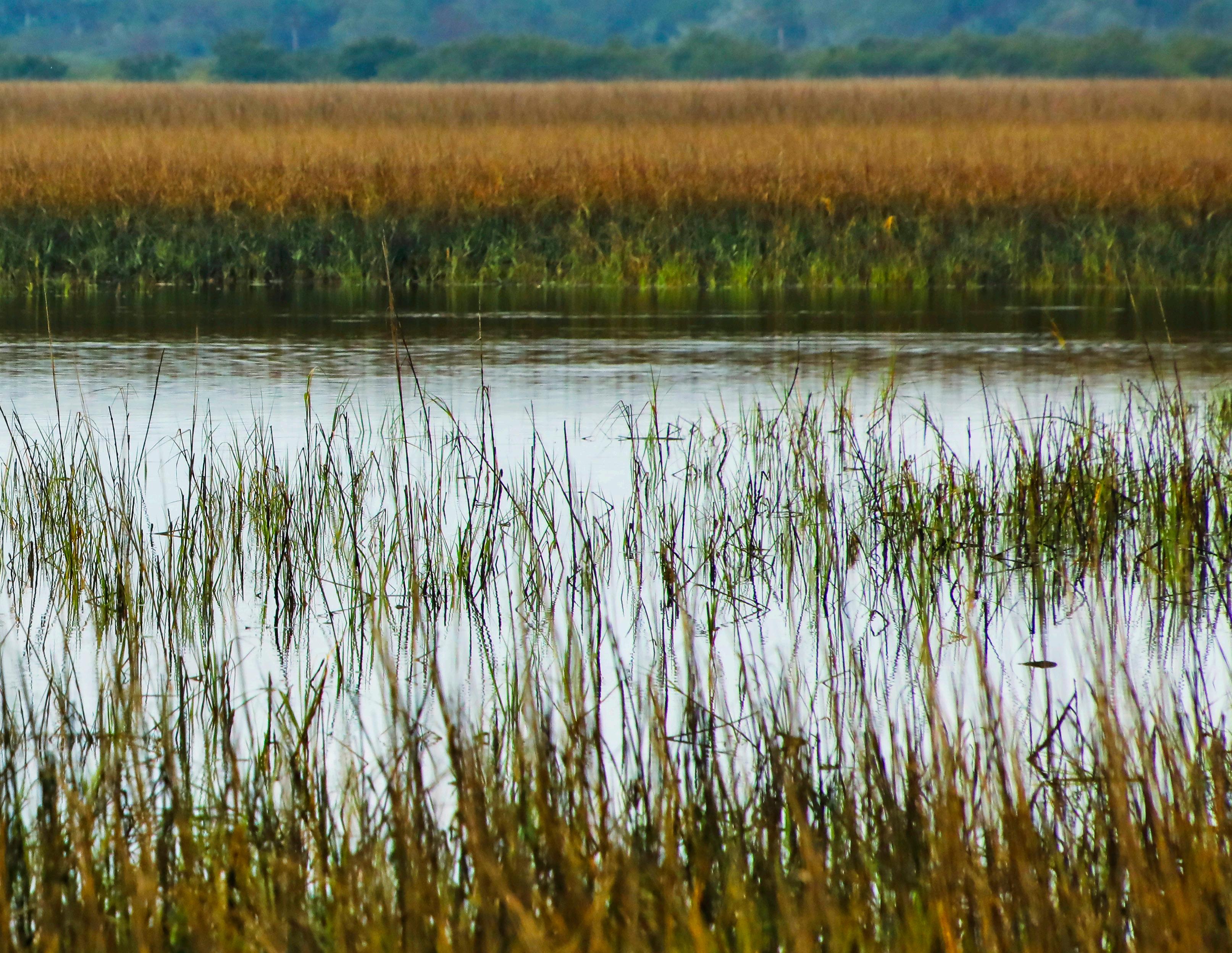
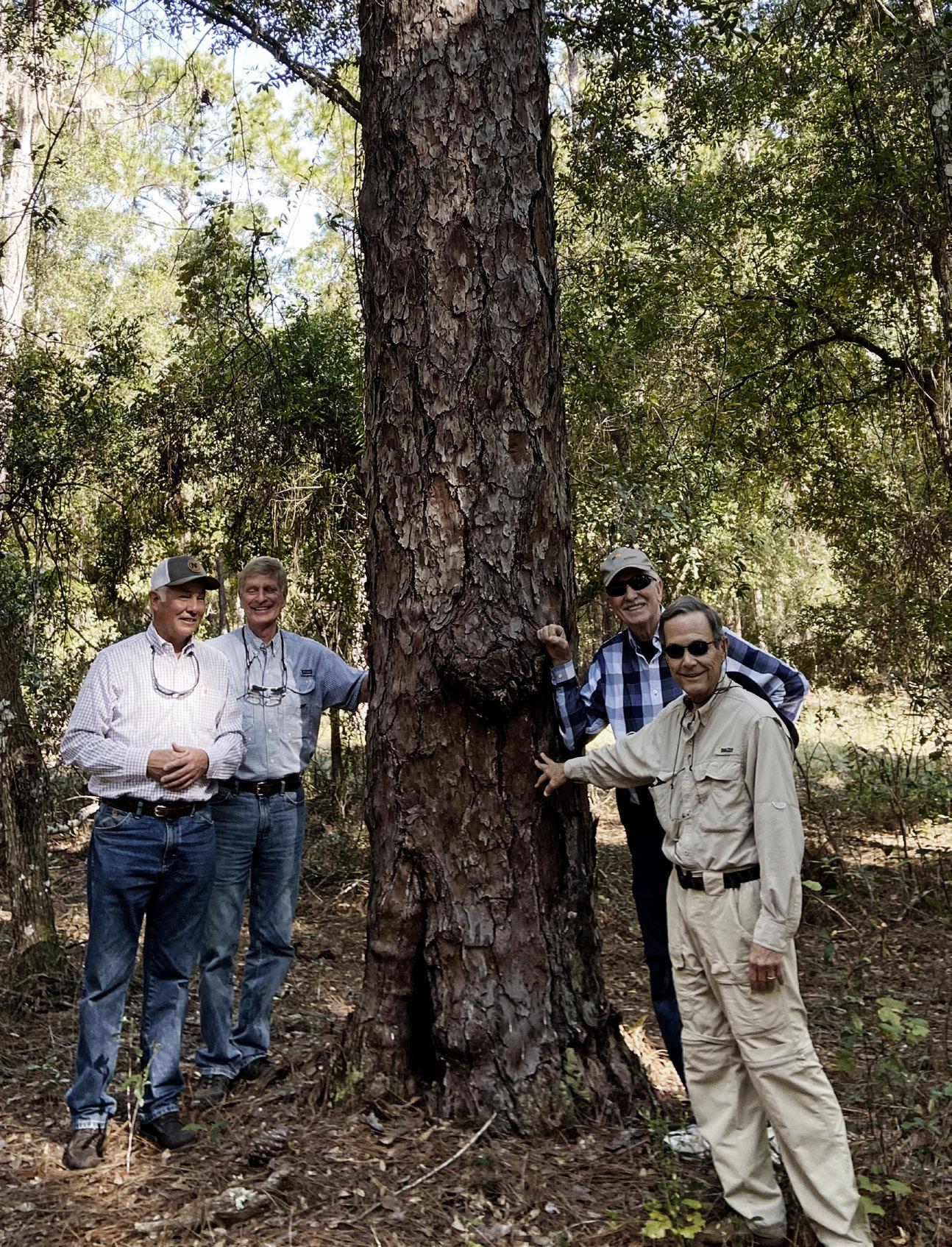
Guy Marwick still remembers the day heavy machinery arrived at Cypress Creek. Its subtropical beauty rivaled Corkscrew Swamp with its massive cypress trees and abundant bird life. To him, Cypress Creek was irreplaceable. But then the creek was dredged into a canal, seawalls went up, homes followed, and at the headwaters, a sewage treatment plant. What had once felt ancient and alive became polluted and transformed beyond recognition. Guy felt like he was watching Florida disappear.
The pattern was becoming all too familiar. Ancient sea grape trees cleared so residents could improve their ocean view. Indian burial mounds becoming house lots at the end of cul-de-sacs. Farmland becoming shopping centers, dairy farms becoming subdivisions, beachfront dunes giving way to high-rise condominiums. The loss of Cypress Creek made conservation personal, but it was childhood wonder that launched Guy’s conservation legacy.
Growing up, summers were spent at his family’s cabin in the Catskill Mountains, exploring the woods, fishing, catching salamanders and snakes. When his family moved to South Florida around age twelve, Guy was captivated by the Everglades and the once-open landscapes of Broward County. Before he could drive, he and his friends rode bikes to the edge of the glades, hid them in the bushes, and waded out—sometimes through three feet of water—to hardwood hammocks rising like islands. They camped on weekends in army-surplus jungle hammocks, immersed in a Florida that felt endless and alive. It was these early encounters that formed his lifelong affinity for wild places.
Even then, as Broward County grew, Guy was beginning to witness how quickly that version of Florida was vanishing. Wonder and loss became twin teachers, shaping everything that followed. In 1970, after graduating from Florida Atlantic University, Guy made a decision that would shape the next five decades of his life. He left South Florida behind and moved north to the Ocala area, drawn by what still felt possible—wild land, open space, and the hope that parts of Florida could still be saved.
Guy started as a teacher, teaching 7th, 8th, and 9th grade for three years in Broward and 20 years in Marion County. He believed strongly in experiential learning, taking students on field trips and organizing weekend cleanups around ponds and along the banks of the Ocklawaha River. On his own property, he and his students planted thousands of trees to restore habitat that had been repeatedly burned for cattle grazing.
Then came the Challenger disaster in 1986. In the wake of the disaster a fellowship was created in memory of the astronaut teacher, Christa McAuliffe. Guy learned of the fellowship opportunity and applied on just two days’ notice. His proposal was selected and Guy became one of the first teachers nationwide to receive the fellowship. He was given six months to pursue an ambitious idea: build an environmental education center and museum for Marion County students.
Guy had never raised money before and now he had a mission and a deadline. He began by speaking to civic groups and local leaders, first asking for letters of support rather than dollars. He formed a small board and began applying for grants. A breakthrough came with a $50,000 grant from the St. Johns River Water Management District. Around the same time, he joined advocates working to protect acreage along the Silver River, learning firsthand what committed citizens could accomplish when land was at stake.
To build his education center, Guy negotiated with the state for land inside what was then state-owned property. It wasn’t easy. Setbacks, sleepless nights, and a crucial lesson: some people look for ways to help you succeed, while others look for reasons it can’t be done.
Still, momentum grew. Volunteers arrived on weekends. A boardwalk was constructed through the swamp. Trails and access took shape. Then a chance connection with state senator Tom McPherson helped unlock major funding. When McPherson asked why a museum mattered, Guy explained that museums had sparked his imagination as a child, especially exhibits at the Museum of Natural History in New York. McPherson lit up, recalling the same vivid wonder. Soon after, Guy secured two legislative appropriations.
Silver River Museum and Environmental Education Center opened to students in 1991. Over 16 years, Guy built it into a community treasure with major exhibits, research collections, and artifacts used by visiting scientists. Today, the center serves approximately 10,000 students each year, booking out year to year as Marion County continues to grow.
This work became the genesis for Guy’s relationship with the Felburn Foundation. Phil Felburn and his daughter, Ellie Schiller, saw the impact of what was being built at Silver River and offered support, funding a research library, office space, and later a history wing that expanded both the center’s reach and legacy.
In 2004, Guy retired from the school system and the museum and spent several years traveling and backpacking in the American West. It was while he was on these adventures that Ellie approached him with a question that brought him home to Florida: would he ever want another job? Guy initially declined, then he learned the truth. Ellie was facing terminal cancer and needed someone she trusted to step into leadership of the foundation. Guy said yes.
For the next 16 years, he led the Felburn Foundation with a focus on strategic, nimble conservation support, partnering with land trusts and organizations across Florida, helping cover operational costs, leveraging federal and state funding, and stepping in quickly when critical parcels were at risk.
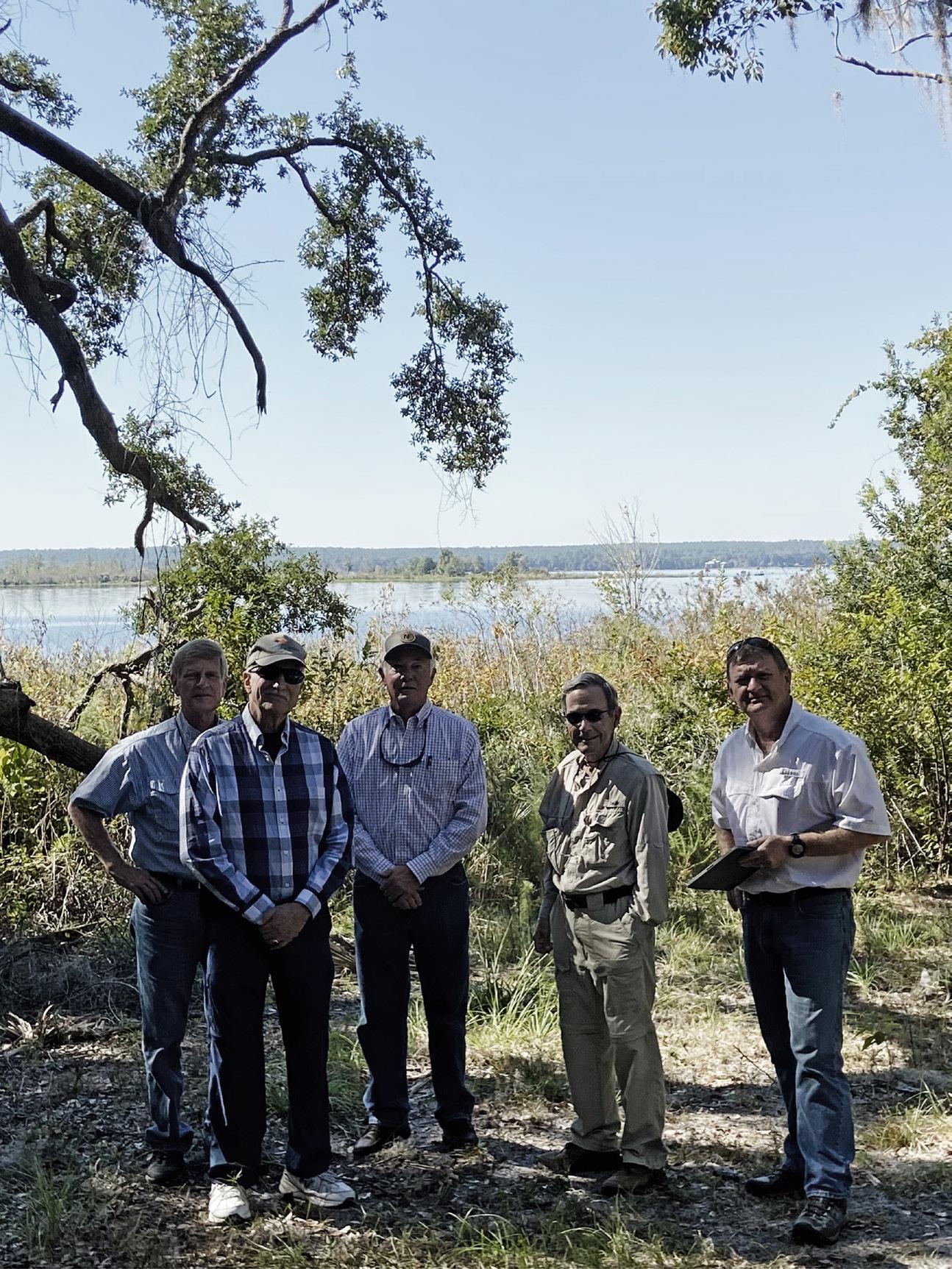
As Guy explains, agencies often want to protect land, but their processes take time.
Foundations can sometimes act in days, buying key acreage before it’s “gobbled up,” then ensuring it’s protected for the public good. It’s the kind of partnership that strengthens the land trust movement and directly supports work protecting land in perpetuity, connecting habitat corridors, and ensuring Florida’s wild character endures.
Guy doesn’t pretend the challenges are small. Development pressure, invasive species, climate change, and rapid population growth are accelerating at an alarming pace. Yet he remains hopeful, grounded in what he has witnessed over a lifetime of conservation work. He believes deeply in the next generation of leadership.
“The future is in their hands,” he says.
The quality of life Floridians will experience depends on whether more people are willing to step forward. Guy has spent a lifetime demonstrating what that commitment looks like on the ground — one protected acre, one determined coalition, one hard-won conservation victory at a time. From a boy wading through the Everglades to a teacher planting thousands of trees to a foundation leader safeguarding critical habitat, his story is a steady refrain:
Small groups can accomplish extraordinary things. Ordinary citizens can win improbable victories. And land, once protected, becomes a lasting gift.
Guy retired from the Felburn Foundation in late 2025. On behalf of North Florida Land Trust, we extend our deepest gratitude to Guy Marwick for a lifetime of leadership, vision, and unwavering commitment to protecting the lands and waters that define Florida and for the lasting difference his work will continue to make for generations to come.
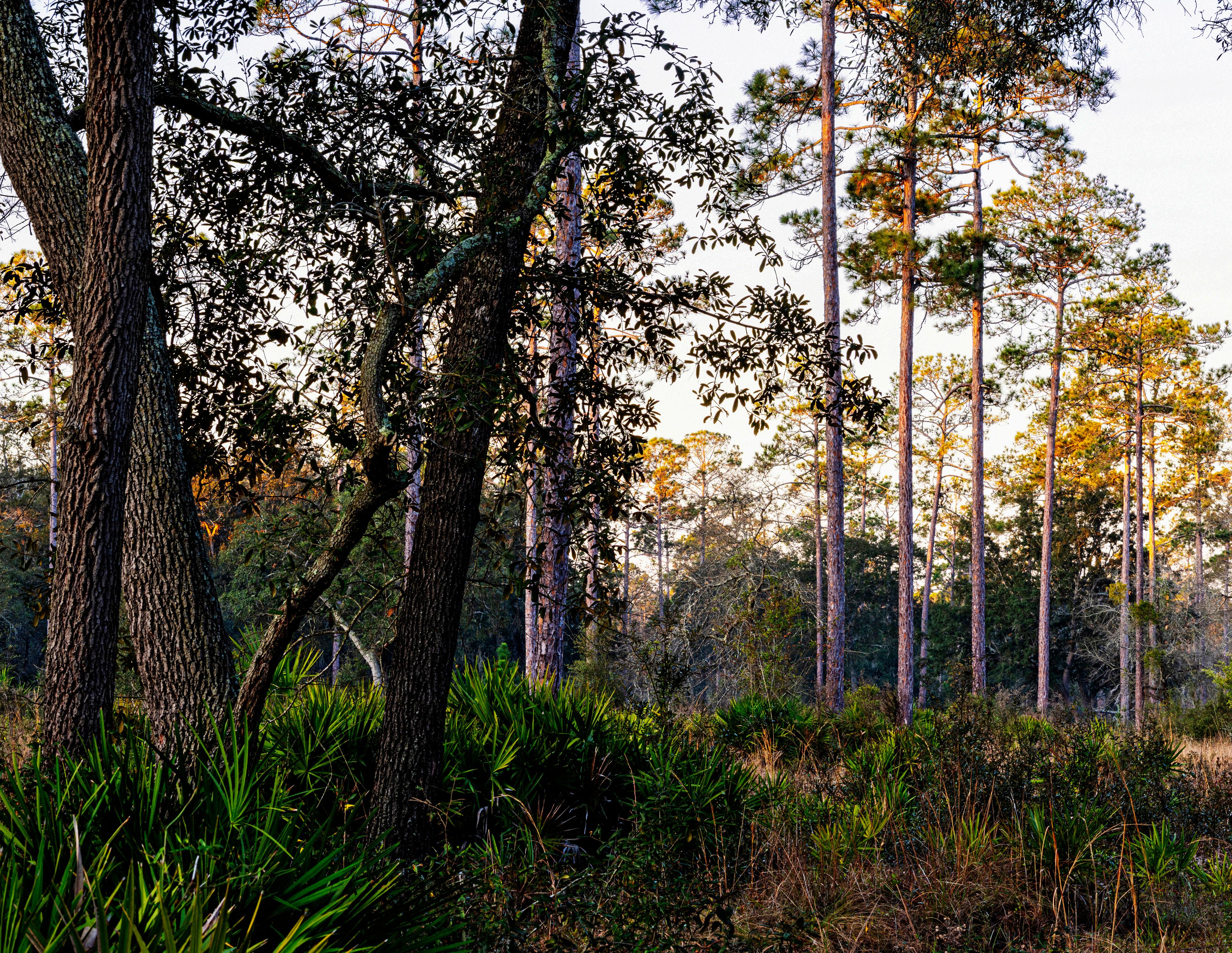
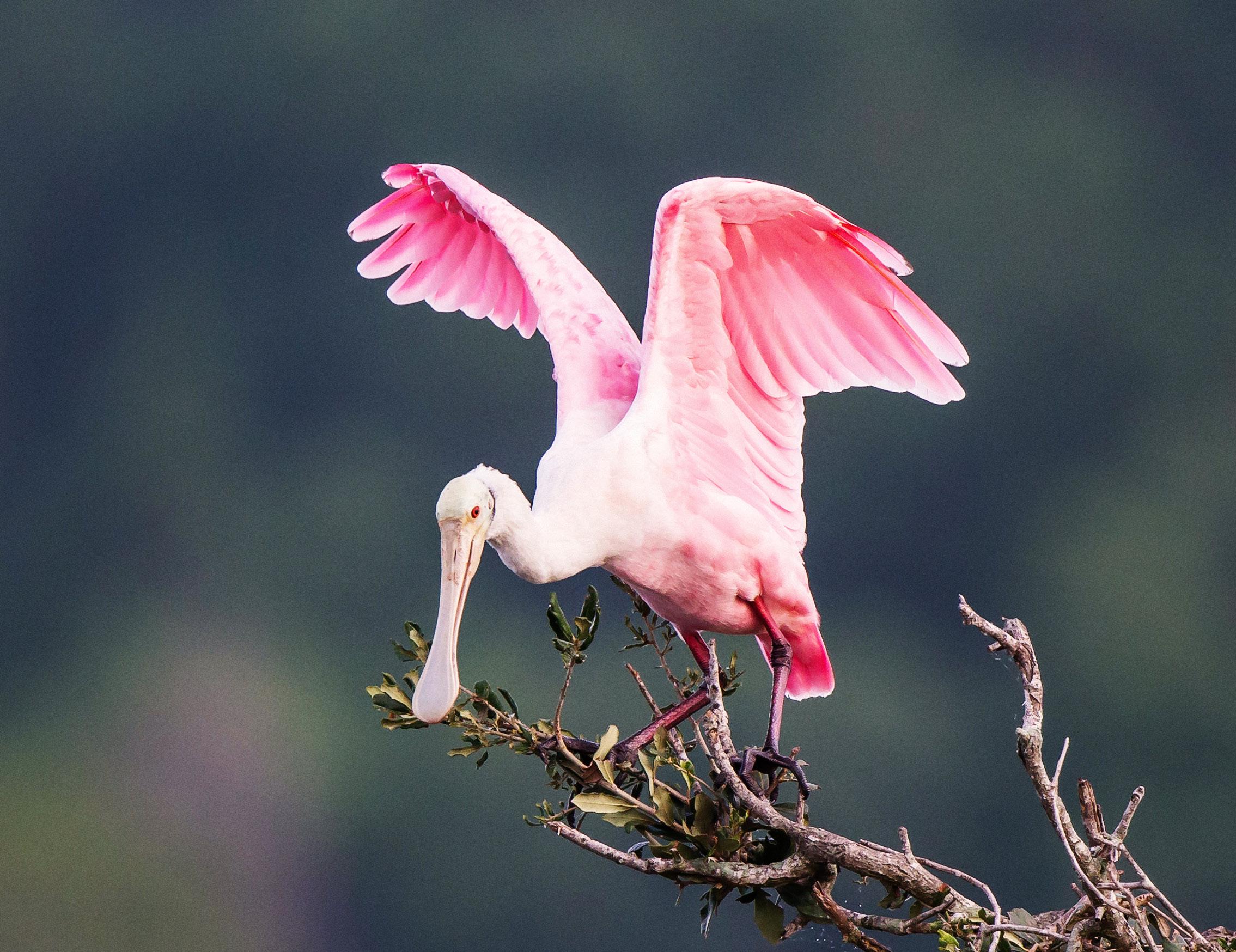
The Silver Spoonbill Giving Society was created in celebration of NFLT’s 25th anniversary year and offers special recognition to those individuals, families, and foundations making annual contributions of $25,000 or more within a calendar year. This giving society is an opportunity for NFLT’s most passionate supporters to be recognized for their generous support and become more deeply involved in NFLT’s mission. NFLT unveiled a special logo featuring a silver spoonbill, symbolizing its 25th anniversary. Silver was chosen for its association with durability, strength, and beauty. As the emblem of NFLT, the spoonbill remains a defining symbol of the organization and our identity.
Anonymous x2
Sue and Terry Bottom
Wende and Michael Burdick
Delores Barr Weaver Legacy Funds
Heather and Hervé Devos
Felburn Foundation
Faith and Rick Hoffman
Penney Burnett and William Gingrich
Morton Glickman
Becky and Tommy Grimes
Heidja and Michel Kruse
Partnership for Gulf Coast Land Conservation
Ring Power Corporation
Ron Silver
The Healy Foundation
The Lane Family
The Spurlino Foundation
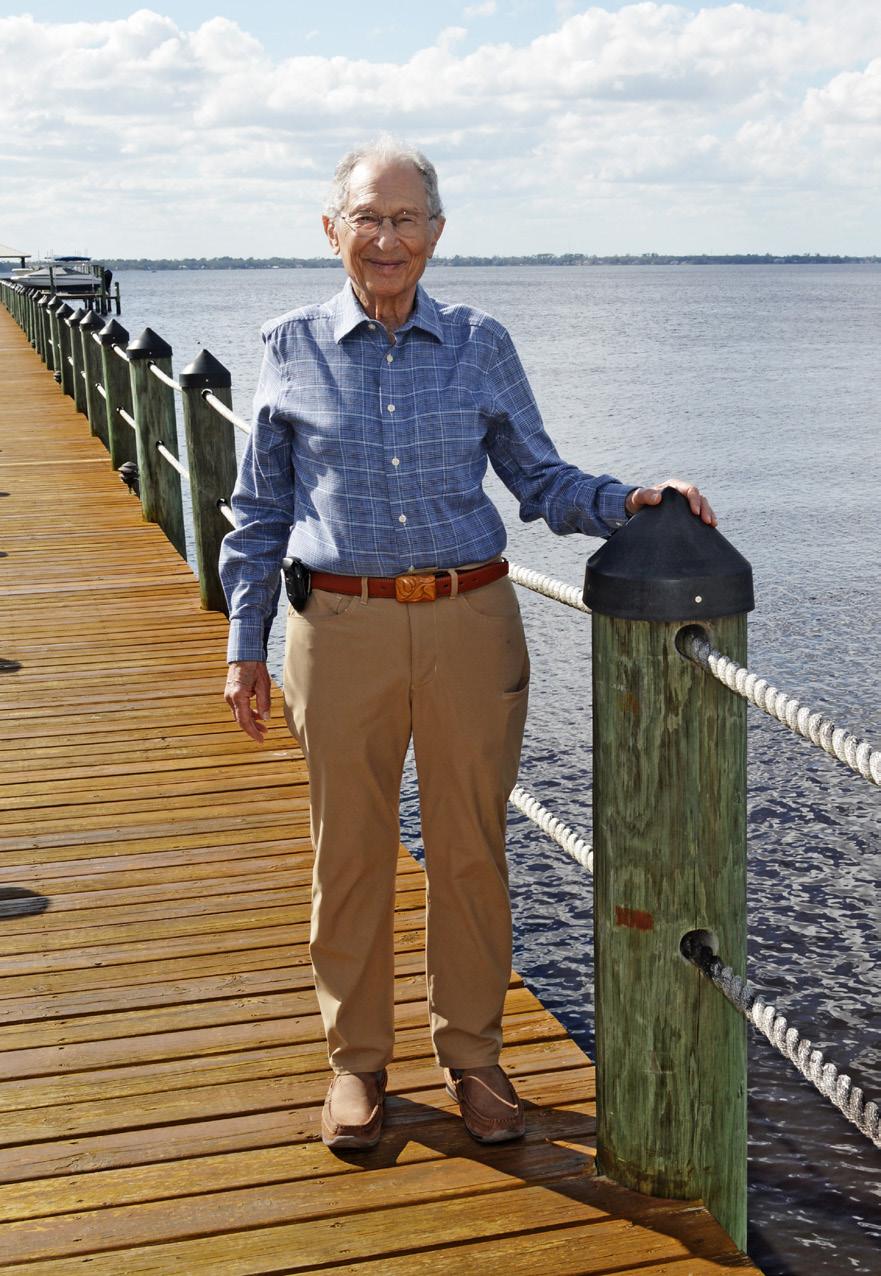
Morton Glickman traces his environmental consciousness back to a surprisingly specific moment: a walk home from elementary school in Cleveland. Born in 1937 at the tail end of the Great Depression, Morton grew up in a modest inner-city household shaped by scarcity and the realities of World War II. Resources were limited, and conservation wasn’t a concept, it was a necessity. Yet it was a science lesson, not circumstance alone, that sparked a lifelong awareness of humanity’s relationship with the natural world.
A teacher explained how dinosaurs had lived, died, and over millennia become fossil fuels. On that walk home, Morton remembers thinking about the scale of human consumption compared to a finite supply. Even as a child, he resolved to be careful with what he used. “That thought never left me,” he recalls. “To this day, I turn off lights when I leave a room and keep the thermostat low. Conservation became important to me.”
Though he describes himself as “an indoors person” for much of his life, that early awareness shaped his values. The natural world and its beauty and fragility remained central to his thinking even while his professional path led him elsewhere.
Morton pursued higher education, attending college and medical school before embarking on a career that blended his intellectual curiosity with a desire to teach and solve problems. Rather than private practice, he chose academic medicine, believing in research and discovery.
Training as a radiologist, Morton found himself at the forefront of a revolutionary new technology emerging from Europe: angiography, imaging of blood vessels. At the time, only a small handful of physicians in the United States were exploring its possibilities. “I was one of maybe ten people in the country working with it,” he says. “We were doing things that had never been done before.” His work helped shape what would become interventional radiology, a specialty that moves beyond diagnosis to treatment using minimally invasive imaging-guided procedures. Morton and his colleagues advanced techniques that allowed doctors to visualize internal organs in unprecedented ways, identify internal bleeding, and eventually stop hemorrhaging without surgery.
The field expanded rapidly. Early gatherings of a few dozen practitioners grew into professional organizations numbering tens of thousands. Morton served as professor of radiology and surgery at Yale University School of Medicine and as an associate dean, contributing to both research and education. Yet dedication to his profession came at a cost. Long hours in the hospital meant less time outdoors and, at times, less time with family, something he has worked to balance in later years.
Morton’s life has been marked by deep relationships and profound loss. Married during medical school, he shared 31 years with his first wife and raised two children before losing her to colon cancer. Years later, he married a longtime friend who was battling melanoma; she died just three months after their wedding. A third long-term partnership brought companionship for more than a decade before age-related illness claimed another loved one.
Rather than framing these experiences with regret, Morton speaks with gratitude. “I look back on it with pleasure,” he says. “I had wonderful years with quite wonderful women.” Those experiences, combined with a demanding career, have shaped his outlook on time, connection, and legacy.
After retiring from Yale in 2001, Morton remained professionally engaged by providing short-term radiology coverage across the country. He selected assignments in places he had never explored, including Alaska and New Mexico. These travels opened an entirely new chapter.
Working in hospitals serving Indigenous communities and spending weekends exploring unfamiliar landscapes, Morton developed a deep appreciation for wilderness, culture, and perspective. He encountered artists, individualists, and elders whose worldviews broadened his own understanding of humanity’s relationship with nature.
Alaska, in particular, captured his heart. “I learned to love the snow, the mountains, the wilderness,” he says. “If I’d discovered Alaska ten years earlier, I might have moved there.” His connection remains strong today through support of the Katmai Conservancy, an organization protecting wildlife and habitat within Katmai National Park.
Morton eventually relocated to Florida, first to Sarasota and later to Jacksonville to be closer to family. The region’s natural beauty, from sprawling parks to ancient live oaks, has left an impression. “I feel a kinship with those trees,” he says. “Some are hollowed out, living with disease, fighting to survive. Their root structures remind me of arteries I used to study.”
Now 88, Morton lives along the St. Johns River, whose shoreline he describes as his favorite place in the world. Though health challenges limit his mobility, his connection to the environment remains vivid and deeply personal. “The outdoors and the environment replaced all the science and medicine that used to be in my head,” he says. “I began thinking about what keeps it alive.”
Seeking meaningful ways to contribute despite physical limitations, Morton began exploring nonprofit organizations focused on environmental stewardship. His search led him to North Florida Land Trust. He was drawn by its scale, mission, and people. “It’s small enough to be personal,” he says. “The work you do matters, and when I give my little bit of resources, it feels like it matters.”
Over the past five years, he has followed NFLT’s work through newsletters and visits to Smith Lake Preserve, where he has met staff and witnessed restoration efforts firsthand. Stories of habitat recovery, gopher tortoise protection, and native species stewardship resonate deeply. “I love the time I spend out there,” he says. “The people clearly care about what they’re doing.” His message to others considering conservation support is characteristically concise: “Four words: North Florida Land Trust.”
Morton’s commitment to conservation is grounded in generational thinking. A grandfather of four, he reflects often on what future families will inherit. “I want them to walk in the woods and see nature alive,” he says. “By then they might even be talking to trees.”
He also credits his childhood “victory garden,” planted during wartime food shortages, as a foundational connection to the natural world. Tending vegetables from seed to harvest sparked a lifelong love of gardening and reinforced his belief in stewardship.
Today, Morton continues to nurture that sense of responsibility through advocacy and philanthropy. From pioneering medical innovation to cultivating environmental awareness, his life reflects a consistent thread: curiosity paired with care. And from his riverside home, watching the St. Johns flow past, he remains hopeful.
“ I hope we keep it beautiful for the generations still too come.”
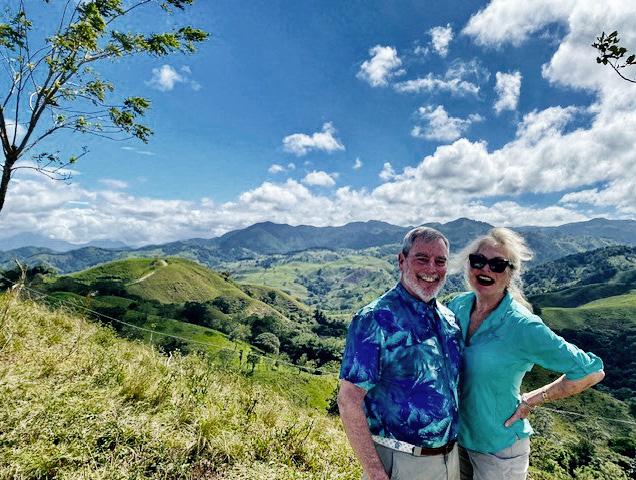
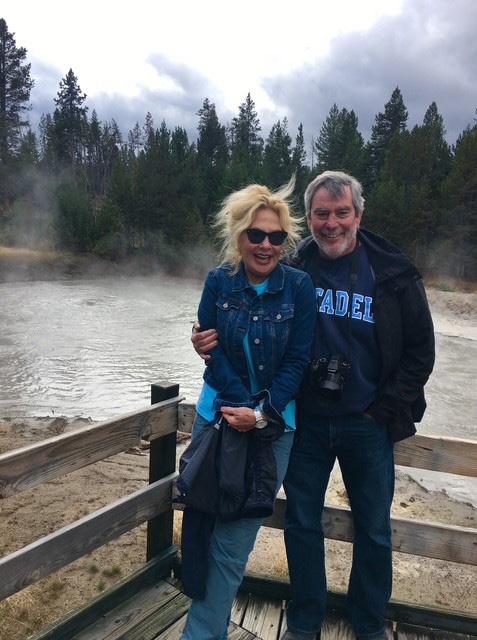
Faith and Rick Hoffman have traveled the world, first as children of the military, and now as partners in marriage and life. Married for 10 years after both were widowed, they have visited all seven continents, 48 countries, and 28 states. Yet for both of them, Florida has always felt like home. Rick moved his family to Jacksonville Beach 30 years ago while serving as a Navy captain. After 28 years of service, he retired in 2003 and chose to remain in North Florida. Faith, a fifth-generation Floridian, spent years traveling across the U.S. and overseas but always returned home. With each return, she witnessed the changes happening to her home state. “I always returned to Florida because it felt like home,” Faith said. “But flying in, I could see the development happening at what felt like a meteoric rate, and it scared me. The urgency for me is there. We have a lot to preserve here in Florida.”
Rick’s connection to conservation began long before North Florida. He grew up exploring woods on Army bases and was shaped early by reading Silent Spring by Rachel Carson. He later became a marine biologist and earned a master’s degree in oceanography, studying the interaction between nearshore and deep ocean systems and the vital role of salt marshes and estuaries. His academic training deepened what he already believed: ecosystems are interconnected and essential.
Then, about seven years ago, conservation became personal. Faith and Rick learned about a group of islands in the Intracoastal Waterway just north of J. Turner Butler Boulevard that were being marketed for development. His daughter, Christine Hoffman, was a city council member at the time and was tasked with negotiating with the developer. There was significant public outcry over the potential development of the nine small islands, which are surrounded by salt marshes and oyster beds, creating an exceptionally biodiverse ecosystem. Christine (now the mayor of Jacksonville Beach) brought NFLT to the table to help save the islands from development. NFLT purchased and preserved the islands which are now known as River Branch Islands Preserve.
River Branch Islands Preserve are right in Faith and Rick’s backyard. Faith said that when they learned of the potential for development, it gave them a whole new perspective, because they knew the effect it would have on the ecosystems. Rick decided he wanted to do more than simply appreciate the outcome. He reached out about joining NFLT’s board of directors. Within months, he took a seat at the table, and he and Faith have been deeply engaged ever since. Rick has served on the development committee and now chairs the lands committee. Together, Faith and Rick are both donors and hands-on volunteers.
Rick says that as they have become more involved with NFLT, they have learned more about what conservation means and developed a greater appreciation for the role of stewardship. They have had the opportunity to tour NFLT’s Smith Lake Preserve on several occasions and enjoy learning from the stewardship team about the steps needed to restore the land. It was on one of those tours that Faith was moved to get involved with a particular stewardship project. The removal of an old fence from Smith Lake that was a significant obstacle for wildlife and a potential danger to boaters, swimmers, and researchers had long been on the stewardship team’s wish list. Faith saw the importance and decided to donate to help bring it to fruition.
“One of the important things that motivates us is that the environment can’t represent itself, but through the North Florida Land Trust with advocacy and philanthropy, we can give it a voice.”
“I was so motivated and have seen it in our own backyard, how the little things you do can affect the environment,” said Faith. “Seeing the fence in the water, preventing so much beauty from flourishing, it was easy to make the decision to help. I was so excited that I could play a part in the project and felt very strongly about it.” Rick added with a grin, “Turtles are Faith’s spirit animal, and that is what inspired her to remove the fencing at Smith Lake, to protect the turtles and all the other wildlife and plant species that call that ecosystem home.”
Donations from both Faith and the Delores Barr Weaver Legacy Funds made it possible for NFLT to complete the much-needed project in July of 2025.
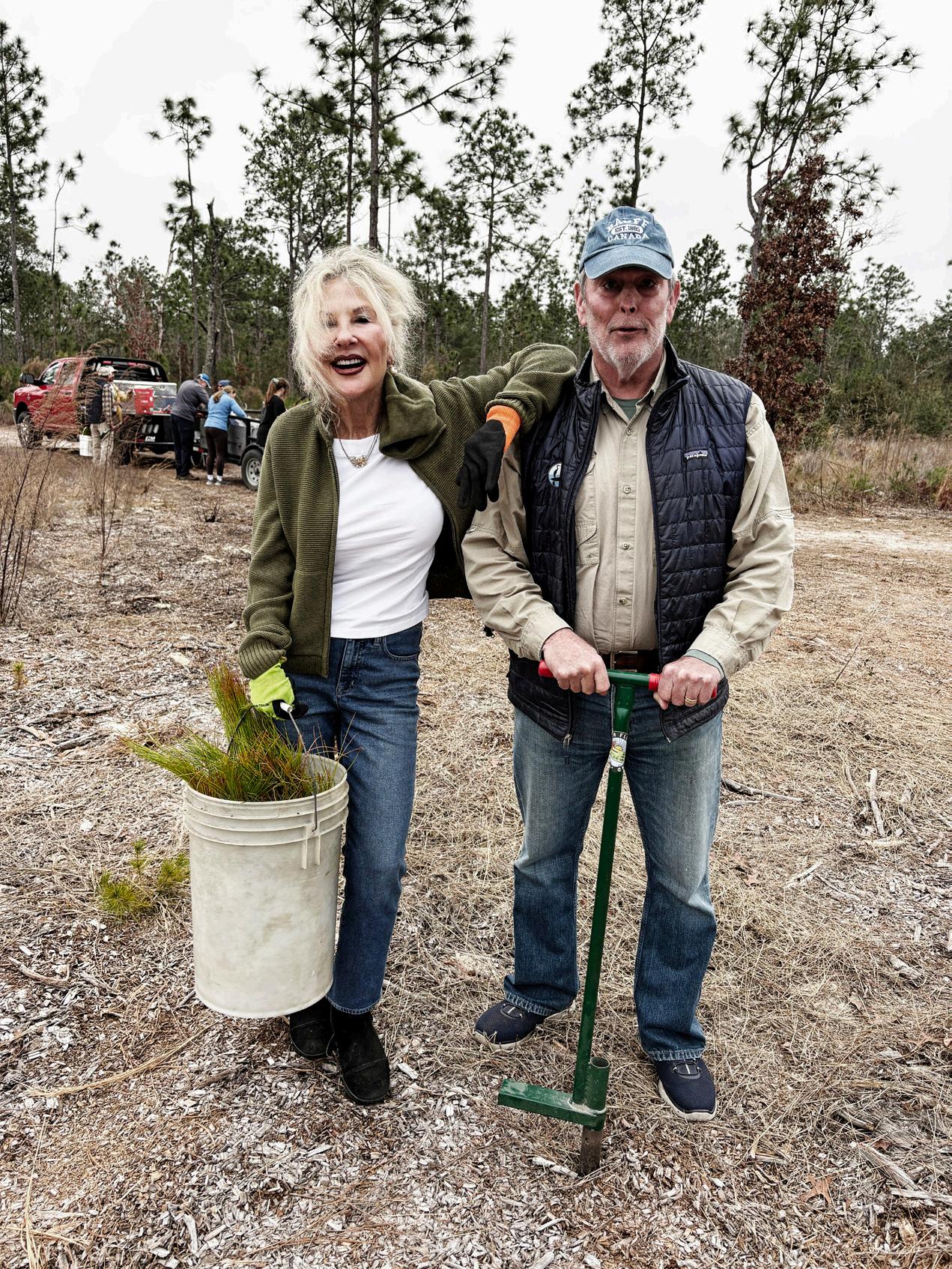
The Hoffmans don’t see philanthropy as separate from participation. “Organizations need donors,” Rick said. “But they also need doers. We try to wear all the hats.” Recently, they stood side by side planting longleaf pine seedlings at Little Rain Lake Preserve. By day’s end, they had planted nearly 500 trees.
For Rick, Florida’s appeal is exactly what makes conservation urgent. He feels strongly the work NFLT does to protect the wild and natural spaces and slow down development is important because it is now or never. Faith says, “It is through the North Florida Land Trust that I’ve learned even more about the need for balance between development and conservation. Conservation is a gift to those of us who live here and to those who are coming. Florida has finite resources. Striking that balance is critical.”
Rick points to NFLT’s work with local governments through Greenprinting and its efforts to create sustainable conservation solutions as examples of an organization thinking long-term. “Our work goes beyond the salt marsh,” said Rick. “I like that we are actively seeking and actively pursuing other ways to bring our message to the masses. I like that we have a focus on the salt marsh and the O2O, but we are not neglecting other opportunities, such as advocacy through county governments. It is a way for us to get our unfiltered message to these decision makers.” Faith is equally proud of the organization’s collaborative spirit. “NFLT is really good at finding new and innovative ways to further the mission,” she said. “I love how you seek partnerships and collaborate with other organizations. [It] is what I love most about you all, working together to make a difference for the good of the environment.”
When asked what they would say to others considering getting involved, their answer is steady and resolute. “Keep at it. It is worth fighting for,” Rick said. “Protecting the land as a legacy for our children’s children’s children is why we do what we do. If we don’t do something proactive, it will all be gone. We’re happy to be on the team.” Faith added, “We only have one earth, and it is so important to love and protect her.”
LEGACY CIRCLE
Jean and Vaughn Cochran
CHARLIE COMMANDER
HERITAGE CIRCLE
Ring Power Corporation
Steven Austin
In memory of John
Michael Carter
The Bull Family
Charles Chupp
Dave Coderre
Cheryl Cummer
Cummer Family Land Trust
Thomas R. Dumas
Noble Enge, Jr.†
Charlie and Mary Farr
Vickie and Buck Griffis
Jeffrey and Lauren Hoffman
JLC Suncoast
Phil J. Mays
Lynn and James† McCloskey
Established in 2018, the McQuilkin Society recognizes those individuals, families, and foundations who have supported NFLT’s mission of conservation by donating land, leaving NFLT in their estate, or through cumulative giving at the $10,000+ level. †Deceased
James and Paula McGarvey
Rebecca and Paul Nowicki
Eugene Porter
Laine and Gary Silverfield,
Christie Atkerson
South Pasture LLC
Eloise Bailey Thompson†
Kathleen and Jack Thornton
Welaka Woods, LLC
Judy Silva, Michael Wilensky and Robert Wilensky
Louann and Ben Williams
Robert Van Winkel
Anonymous
William L. Berthet
Diane Joy Milam Dennis†
Ashley Dopf
Elizabeth Dougherty†
Quan and Chris McDermott
Ellen and Phillip Petersen
Lynn Roberson
Stacey and Matt Roesch
Drs. Barbara Sharp and Todd Sack
Jeff Schroer
Pamela Telis
PRESERVATION CIRCLE
Anonymous (x3)
Nancy and Gary Chartrand
Jessie and David Dzion
First Horizon Foundation
Global Payments
Melody and T.R. Hainline
Prudence Hostetter
Dana and Allan Jones
Daniel Lehmann
NorthPoint Development, LLC
Don Pepe
Judy and Charles Pillans
Partnership for Gulf Coast Land
Conservation
Ring Power Corporation
Sea & Shoreline
Dory Shipley
Judy and Walter
Shipley Family Fund
Laine and Gary Silverfield
Mary Jane Stafford
Amy and Rob Swanson
Alachua Conservation Trust
Lorraine and Pierre Allaire
Alexander Foundation
Amelia Tree Conservancy
Amy E. Lohman Charitable Foundation
Warren Anderson, Jr.
Anonymous (8)
Donna and Art Appel
Maureen and John Ausura
Anne and John Baker
Margaret Kirkland and John E. Baker
Sue and Mike Barker
Susanna and David Barton
Lisa and William Barton
Judy Beaubouef
Leslie and Henry† Berghoef
Dr. Johnnetta Betsch Cole and JD Staton
Aimee and Dane Boggs
Sue and Terry Bottom
Wende and Michael Burdick
Penney Burnett
Tim Campbell
Davron and Carlos Cardenas
Cascone Family Foundation
Center for Large Landscape Conservation
Kathi Chalk
Meg and Charles Commander
Vicky and Charlie† Commander
Betsy and Steve Crosby
CSX Foundation
Cheryl Cummer
Margaret Davis and David Kenney
Randy and Allison DeFoor
Delores Barr Weaver Legacy Funds
Silvia and Jim Denkler
Heather and Hervé Devos
Jean and Tom Dodson
David Donoho
Robin Donoho
Doolittle Family Foundation
Jean Drapeau and Leon Kumpe
Dream Finders Homes
Thomas R. Dumas
Eastland Development Group
Sarah Edwards
EJK Foundation
Lila S. Elliott
Kristen and Bill† Ely
Sally and Ronald Evens
Felburn Foundation
Florida League of Conservation Voters Education Fund, Inc
Patricia and Norman Foy
Sally Ann Freeman
Sondie and John Frus
Jim & Tabitha Furyk Foundation
G. Timothy Pate Legacy Trust
Darlene Gantt†
JoAnn† and William Gingrich
Morton Glickman
Patricia and John H. Goelz
In memory of Gloria Child Goelz
Donnalea and Tom Goelz
In memory of Gloria Child Goelz
Anne and Bill Gower
Thomas Grady
Becky and Tommy Grimes
Melissa Gross-Arnold
Thea and Bob Gude
Hanna Foundation
Pam and Joe Hart
Joan and Preston Haskell
Haskell Foundation
Clay Henderson
Sherry and Edward Hicks
Renate and Joseph M. Hixon
Andrea and Corky Hoffman
Faith and Rick Hoffman
Pat and Wayne Hogan
Carole Reynolds-Holt and David Holt
Ann and Keith Holt
Jaguars Foundation, Inc
Cindy and Bob Kastner
Susan and Stephen Kaye
Matt Kenyon
Lindsay Klecan and Matthew Slaughter
Heidja and Michel Kruse
Larsen Fund
Jo-Ann and Stephan† Leimberg
Marco Family Foundation
Carolyn Marlowe, Chuck O’Connor
MaryEllen Willis Foundation
Alison McCallum
Connie and Ken McDaniel
Sue and Bill McQuilkin
Jean and Wayne† Middleton
Meriel W. Milam†
Lindsay and Charley Moore
David Moross
Terry Mullervy
Newman Family Foundation
Nextera Energy Foundation, Inc.
Thelma and Robert Nied
Kimbrough and Thomas Noonan
North Carolina Coastal Federation
Robert Nuss
Sally and Tony Perez
Janet and Ron† Pfeffer
Matt Rapp
River Branch Foundation
Bob Rhodes
The Roberts Companies
Genie Ross
Dr. Sally Ryden
Sibley-Saltonstall Charitable Foundation
Ron Silver
Sandra and Richey† Smith
Eileen and Tad Smith
Jill and Robert Storey
Elizabeth Strawbridge
Elaine and David Strickland
Susan Elizabeth Laird Rev. Living Trust
The Coca-Cola Company
The Fig Tree Fund
The Healy Foundation
The Lane Family
The Makowski Trust
THE PLAYERS Championship
The Rayonier Foundation
The Spurlino Foundation
The Walter V. and Judith L. Shipley Family Foundation
Timucuan Parks Foundation
Nanette and Harold Tool
Wells Fargo Foundation
Louann and Ben Williams
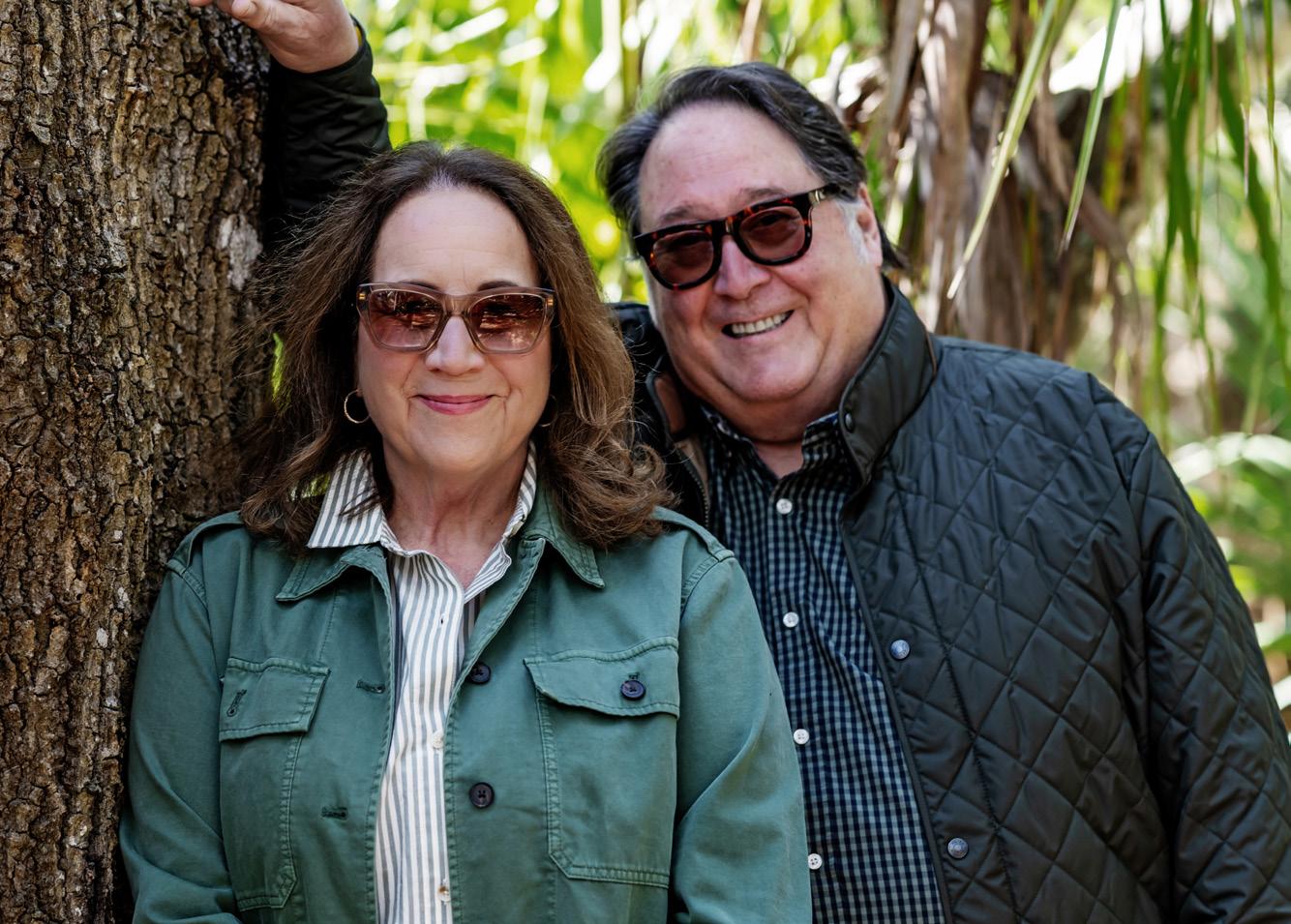
Sally and Tony Perez didn’t arrive at conservation through a grand plan. It started the way many causes do: by paying attention and refusing to assume someone else would take care of it.
Their conservation story began in Atlanta. Behind their historic Brookhaven home was a ten-acre ravine—wooded, walkable, and increasingly rare in a growing city. When a sign announcing new homes appeared at its edge, Sally and Tony realized something important: if they didn’t step forward, it would be gone. “That was the first time we ever pulled out our checkbook and did some soul searching about conservation and why it is important to us,” Sally said.
They helped save the ravine. Years later, they still ride by it and imagine the alternative: pavement, mansions, a neighborhood forever changed. That experience shaped a lesson they now repeat often: don’t assume anything is safe. “Don’t drive by a beautiful piece of land and say, ‘Oh, I bet that’s in conservation,’” Tony said. “Even if you say, ‘It’s going to be here forever.’
Because you know what? It’s probably not. Don’t take anything for granted.
Be aware of what’s going on around you, and take action.”
That instinct—notice, care, act—has defined the Perez family’s seven-year relationship with North Florida Land Trust. Their support has included volunteering, fundraising, and meaningful giving, all rooted in a commitment to “forever” outcomes: protecting places in perpetuity and building a community willing to fight for them.
By the time Sally and Tony moved to Amelia Island, they already carried a deep sense of place. Sally’s parents had a home there, and she’d been visiting for decades, forging her own ties with the landscape. Tony’s ties run even deeper: his mother is a Fernandina native, and the town has long been “an important part of our life,” he said. His father immigrated from France in the 1950s, landing first in New York before Tony’s aunt brought him south to join the family.
When the Perezes began considering their move from Atlanta, development pressures were already top of mind. At one point, they had put money down on a lot on the south end of the island. Then Hurricane Matthew in 2016 changed everything. The developer used the storm as an opportunity to clear-cut the property, pave what had been a canopy road, and triple the number of planned homes. It was jarring. Before relocating full-time, Sally began attending Amelia Tree Conservancy meetings whenever she was in town, “getting the lay of the land,” she said. Each visit revealed visible change. She wanted to understand what was happening and what could be done.
The moment that connected them directly to NFLT came through the local newspaper. Sally read about the City of Fernandina Beach conservation fund working to conserve a downtown parcel owned by the Episcopal Diocese. The city had raised a portion of the funds but still needed support. “We’re Episcopalian,” Sally said. “And I thought, well, that checks all the boxes.”
The article suggested reaching out to North Florida Land Trust. Sally did and soon after NFLT staff met with the Perezes. At the same time conservation energy was “bubbling up” across the island, early conversations that would become the Amelia Forever effort. Sally remembers it as a small but committed group of about ten people.
For Tony, the downtown project was the perfect introduction: “a really nice piece of wetland that I’m sure would have been filled in,” he said. It was conservation with immediate local meaning and a sense of permanence that felt rare and deeply satisfying.
Sally describes land conservation as uniquely rewarding because you can see and feel the outcome. “The great thing is riding by Little NaNa Dune and just thinking, nobody’s going to build on that,” she said. Or passing the downtown parcel and knowing it will remain undeveloped. “What is forever these days? Land conservation is particularly rewarding in that way.”
For the Perezes, “forever” is not abstract. It is a place saved, a view unchanged, a marsh still marsh. Saving land, they believe, is not just about preventing development. It is about protecting an interconnected web of life. “We’re all interconnected,” Tony said. “It’s our job to shepherd this world that is not ours, that we only inhabit for a short period of time, and that desperately needs our attention and our love and our care to maintain.”
He speaks often about what happens when we pave, drain, and fragment landscapes. “We really are messing with things that are all enmeshed together,” he said. “Loss of the maritime forest here, loss of beach through erosion, is going to affect every coastal community north and south of us.”
Watching change in his family’s home region has been heartbreaking at times—but motivating.
“We are so fortunate to be in a position to give our time as well as our treasure,” Tony said.
Over seven years, Sally’s involvement with NFLT has been wide-ranging: volunteering, donor support, event leadership, and advocacy. She describes it as a “progression” through the many ways a land trust operates: municipal partnerships, community building, events, direct fundraising, and awareness campaigns. She likes the variety, and she likes committing deeply. That commitment has fueled major efforts, from Amelia Forever fundraising during the pandemic to events at American Beach and the work to protect Little NaNa Dune.
Then came an entirely different kind of conservation work: the Nassau County conservation referendum campaign. Sally worked alongside members of the Amelia Forever Committee, the Amelia Tree Conservancy, and the Trust for Public Land to help pass the referendum, forming a PAC under the guidance of NFLT. “It was so out of my comfort zone but [also] very exciting!” she said.
The committee sponsored direct mail campaigns, staffed booths at the Farmers Market, and spoke with hundreds of residents about the importance of the referendum. “Our message was direct,” she said. “Conservation is not just an island issue. Everyone’s quality of life is affected by flooding, loss of wildlife habitat, and loss of outdoor recreation areas.” Tony embraced the public engagement.
“Standing around and chatting with people for four hours? I’m in,” he said.
On election night, they watched the results come in, laptops open, energy high, and celebrated a victory that passed with 68% of the vote. It remains one of the most memorable moments of their conservation journey. Tony reflects on that campaign with admiration. “[Sally’s] willingness to get involved in the things she cares deeply about continues to inspire me,” he said. Sally smiles at that. “In this case, it was easy to commit with such a great group of people to work with and a concise and urgent mission—it’s now or never.”
Ask Sally her favorite place in nature and she answers without hesitation: “Our house.” Their modern, glass-filled home sits on two acres overlooking marsh and maritime forest, alive with raccoons, deer, armadillos, and birds. Tony describes the region as a place where “low country” and “subtropical” meet, blending landscape, water, history, and people. Sally loves the mix too. “Oak hammocks and palm trees all mixed together,” she said. “It’s spectacular and to be treasured.”
If Sally and Tony can offer one takeaway for others considering conservation support, it is simple: don’t assume a beautiful place will always remain as it is. “Don’t take anything for granted,” Tony said. “Be aware of what’s going on around you. And take action.”
“ Conservation is just part of us. It is what we feel, it is who we are. We don’t like crowded environments. We celebrate the land.”
North Florida Land Trust’s Planned Giving Program is a way for donors to make charitable contributions to NFLT that will be realized in the future. This type of giving allows individuals to leave a lasting impact on our mission and ensure that our work continues for years to come. Whether through a bequest, trust, or other planned gifts, this program allows supporters to integrate philanthropy into their estate planning, aligning their personal financial goals with the causes they care about.
Planned giving, also known as legacy giving, refers to donations that are arranged in the present but are designated to be fulfilled in the future, typically after the donor’s lifetime. These gifts often include bequests in wills, charitable trusts, beneficiary designations for retirement accounts, life insurance policies, or other financial instruments. They enable donors to make a significant impact without sacrificing their immediate financial needs.
Planned giving allows NFLT to continue its vital work, providing long-term sustainability. By including NFLT in their estate planning, donors help build an enduring legacy that will fund programs and services for future generations. It ensures that our mission is upheld, and resources are available to meet future challenges.
Donors who commit to planned giving are recognized as members of NFLT’s Legacy Circle, a special group dedicated to shaping the future of our cause. These individuals will receive special updates, invitations to exclusive events, and recognition for their foresight in supporting our mission. Learn more at NFLT.org.
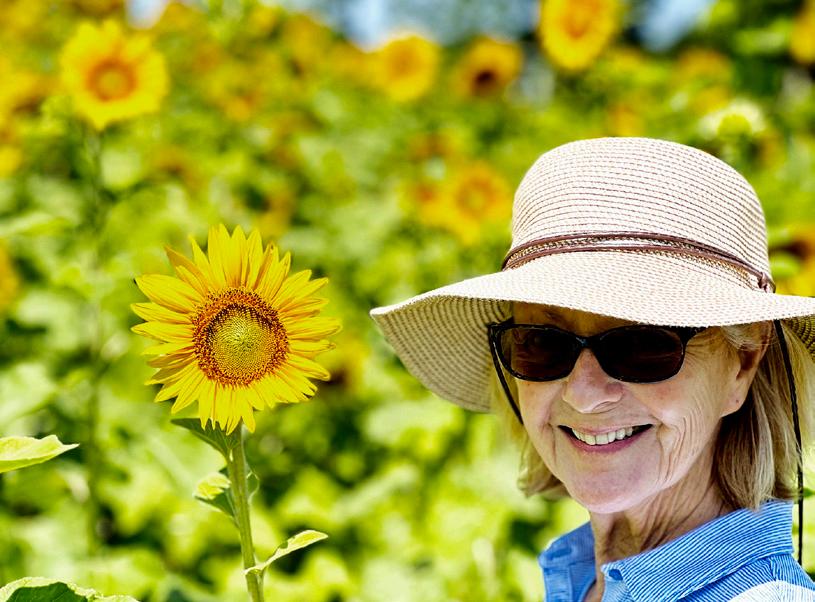
Nature has always been a formative force in Jean Cochran’s life. From her earliest memories to her travels around the world, she has understood the irreplaceable value of wild places. That lifelong awareness ultimately inspired her decision to support North Florida Land Trust through planned giving. “I believe that nature holds the answers to questions we don’t even know to ask yet,” said Jean. “Once it is gone, access to that is forever lost.”
Jean grew up north of Detroit in an idyllic setting where she spent countless hours outdoors. As an adult, her love of exploration carried her far from home. She spent six months traveling through South America in her 30s and later lived in Mexico, Belize, Costa Rica, and Key West with her husband, Vaughn, a professional fisherman and artist. In 2003, the couple returned to Vaughn’s hometown of St. Augustine. Together they opened Blackfly Outfitter and Fine Art Gallery, eventually expanding and adding a cafe at their Jacksonville store.
Jean first learned about NFLT in 2018 from Keith Holt, who was NFLT board chair at the time and frequented their fly shop and Blackfly café. Jean was intrigued and signed up for the newsletter. Not long after, she met another customer at the cafe, Allison DeFoor. In 2020, Jean and Vaughn closed the Jacksonville store and café and began thinking about creating a trust. “With the urgency of preserving the nature that we still have and the real belief in Allison’s leadership, I decided to join NFLT and make it one of my beneficiaries,” said Jean.
Jean said throughout her life, she has been lucky to be able to travel and see some of the Earth’s most amazing wonders. She said she was profoundly affected by those natural places and cultures. “It is hard to put into words how they make you feel,” she said. “It is immense, it is majestic, it just inspires reverence and awe. It highlights the fact that the human race is a small part of the big picture.”
Reflecting on those experiences, Jean feels a deep responsibility to protect natural spaces for future generations. “I see how lucky I am, and I am very grateful for all of that, so I want to give back and do what I can to protect what is left of the nature here,” she said. “The fact that there are no virgin forests left in the United States is alarming. There are old growth forests, but there are no virgin forests.”
Since joining NFLT, Jean has attended member events, visited Smith Lake Preserve, and built relationships with others who share her passion for conservation. Meeting the staff who carry out the organization’s mission has only strengthened her commitment. “Everyone is so dedicated and happy to be part of this impressive mission,” she said. “What the land trust is doing is not easy, and I really appreciate it. The lasting impact of a successful organization, like NFLT, will be much greater than I could do as an individual. I hope my advocacy for NFLT persuades someone else to do the same.” Jean adds, “We are stronger together in a successful organization. If we work together, we are more impactful and will have longer-lasting results.”
OUR FINANCIAL PERFORMANCE IN 2025 POSITIONED NFLT FOR SUSTAINED CONSERVATION IMPACT ACROSS THE LANDSCAPES OF NORTH FLORIDA. THE LANDS WE ARE PROTECTING TODAY ARE MADE POSSIBLE BY THE DISCIPLINED STEWARDSHIP OF THE RESOURCES ENTRUSTED TO
US. OUR NUMBERS FOR 2025 ARE ESTIMATES AS OF FEBRUARY 18, 2026, AND A FINAL REPORT WILL BE AVAILABLE AFTER OUR ANNUAL AUDIT IN SUMMER 2026.
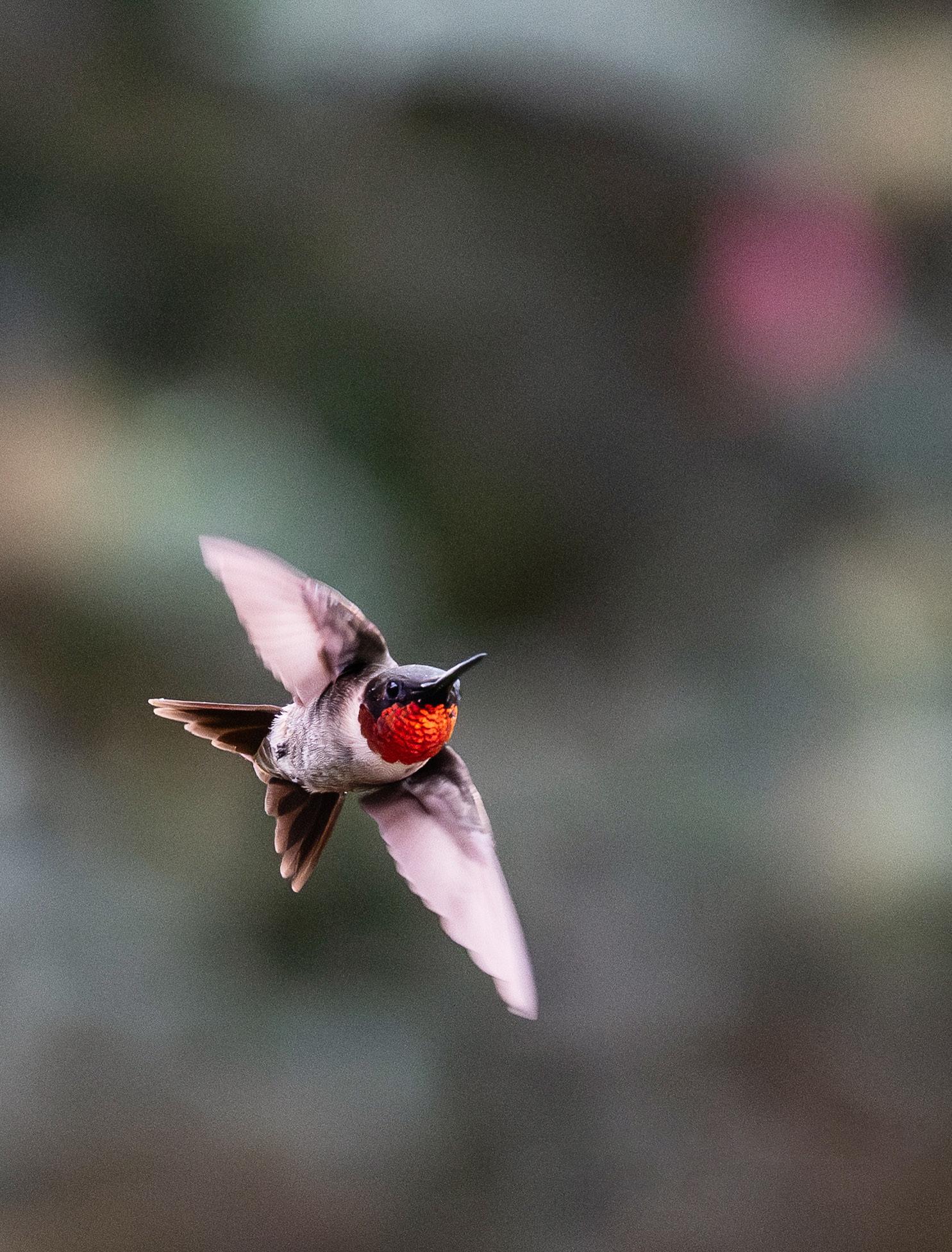
The Annual Membership program at NFLT is a great way to witness the behind-the-scenes activities of the organization, enjoy special outdoor experiences that aren’t available to the public, and best of all, support the organization’s areas of greatest need with unrestricted gifts. Our members spent more than 30 hours outdoors with us in 2025, exploring NFLT preserves and other conservation lands.
We welcomed members to four NFLT-managed properties throughout the year, including Smith Lake, Little Rain Lake, and Putnam Lakes Preserves in Clay County, as well as Bogey Creek Preserve in northeast Duval County. Members were also invited to private tours of key preservation areas in North Florida – Camp Blanding Joint Training Facility, Jacksonville Arboretum and Gardens, Lanakila Gardens, and St. Johns Botanical Gardens, to name a few.
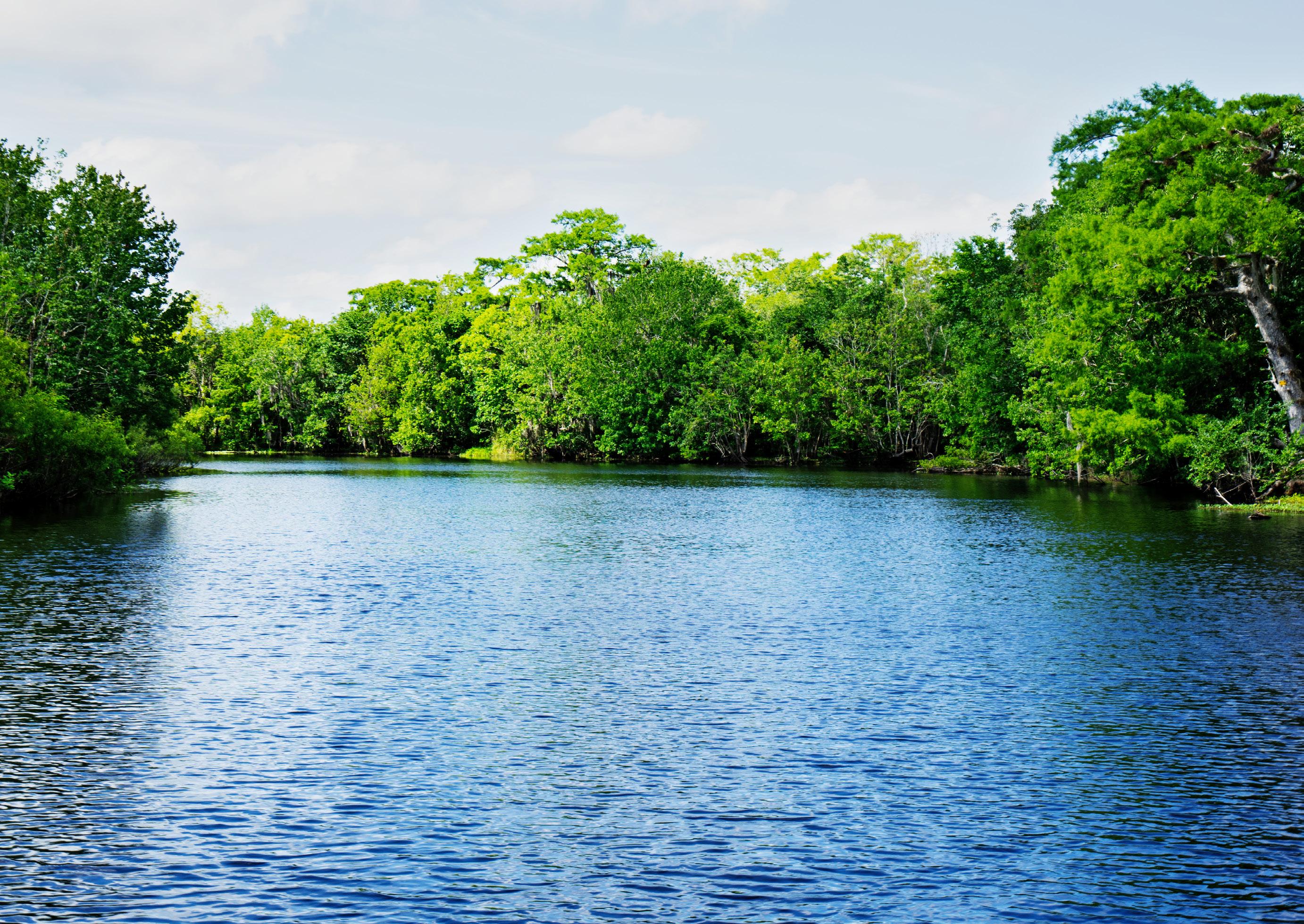
The adventures were not limited to hiking tours; we kayaked more than six miles through Gloria Child Goelz (Guana River) Preserve and Sixmile Creek Preserve in St. Johns County, as well as Thornton’s Family Preserve in Nassau County. Taking in the beauty of these protected lands from the vantage point of the water is a special experience. Roseate spoonbills, numerous heron species, and a few different kite species made appearances in the sky, and our group even spotted an alligator or two sunbathing on the shores.
Back by popular demand was our Working Lunch Wednesday virtual education series. We hosted nine dynamic presentations with speakers from a variety of backgrounds such as Duval Audubon Society, Beaches Sea Turtle Patrol, Guana Tolomato Matanzas National Estuarine Research Reserve, and others, learning more about their work and inspiring us all to continue making an impact on North Florida’s irreplaceable environment. When we all come together for conservation, the beauty around us exponentially improves.
Another highlight of 2025 was the Earth Day celebration at Smith Lake Preserve, where six new interpretative panels were unveiled along the portion of the Florida Trail that runs through the preserve. Representatives from NextEra Energy Foundation, Florida Power and Light’s charitable arm, spoke about the project they funded, and the NFLT stewardship team guided the group along the trail to each of the panels which showcase some of the native species (both flora and fauna) inhabiting the preserve.
Annual Membership at NFLT is a fun way to learn more about conservation, get outside with likeminded conservation enthusiasts, and make a transformative difference in North Florida.
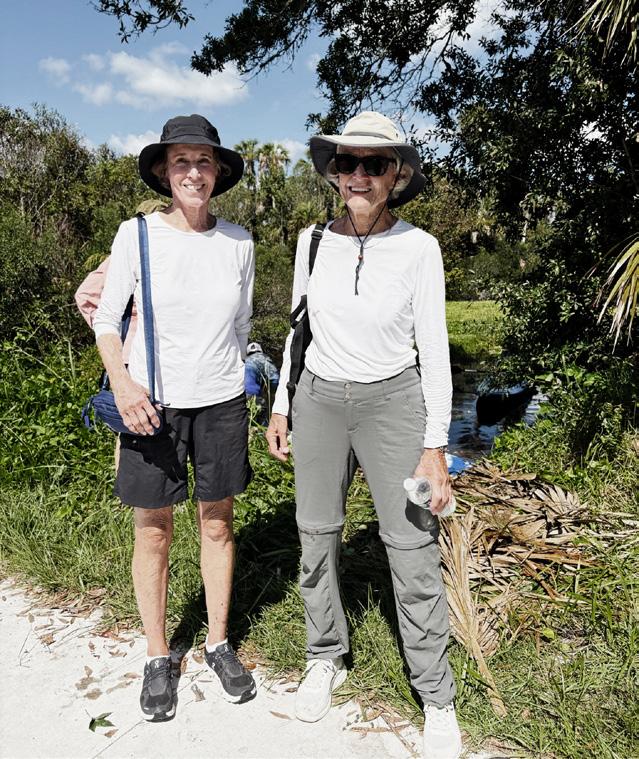
Sisters Alison McCallum and Susan
Bledsoe are no strangers to the outdoors.
Growing up in Connecticut meant ice skating in the winter, boating in Long Island Sound in the summer, and hiking and camping in the fall. They have fond memories of a childhood spent exploring the outdoors and both knew from an early age that conservation would be key to ensuring these special places remain enjoyable for future generations.
Alison was introduced to the work of NFLT by its founder, Bill McQuilkin. Alison and Bill served on the BRASS Board of the Jacksonville Symphony together in the late 90s, and Bill spoke so enthusiastically of his grassroots efforts to initiate a local land trust that Alison enthusiastically became an early supporter of the cause. She fondly remembers small fundraisers and outings, including the Annual Meeting at White Oak Conservation where guests fed giraffes during a tour of the grounds. It wasn’t until 2024 that she recruited Susan to get involved with NFLT, too.
Susan was thrilled to be invited as Alison’s “plus one” to the McQuilkin Society Social in September of 2024, where Alison would be pinned in an induction ceremony. Alison’s steady support since the land trust’s inception in 1999 elevated her membership status to “lifetime” with her inclusion in the giving society, and Susan had a front row seat to the special event honoring her sister and other inductees in NFLT’s 25th anniversary year.
Having spent decades involved with the Georgia Conservancy in Atlanta, Susan wore many hats, from children’s program director to board chair, and saved countless acres along the way. She was (and still is) a volunteer for the Audubon Society, educating children and adults alike on the environment. Though they lived many years of their adult lives hundreds of miles apart, the sisters made parallel and hugely impactful contributions to land conservation throughout the southeast.
When they aren’t traveling to see friends and relatives or playing golf, the sisters enjoy attending NFLT Member Events. From kayaking along the Guana River in Ponte Vedra to strolling through a lush Amelia Island garden, Alison and Susan have enjoyed getting outdoors with NFLT over the last couple of years. Susan commented, “I love doing the programs,” and even though they were out of town for the Little Rain Lake tree planting, she can’t wait to sign up for the next one.
To anyone on the fence about land conservation, Alison urges, “Look around and see what’s happening. Development everywhere is getting worse and worse with fewer controls. If we want to enjoy the outdoors, we have to preserve it, now.”
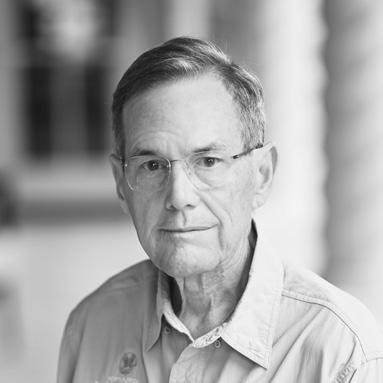
THE REV. CN. ALLISON DEFOOR PRESIDENT & CEO
OPERATIONS
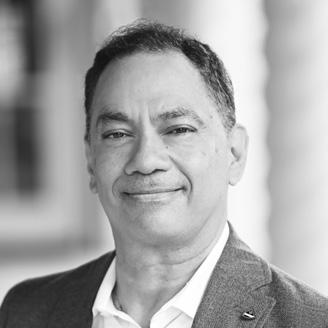
RONEY GUTIERREZ
CHIEF OPERATING OFFICER
PHILANTHROPIC SERVICES
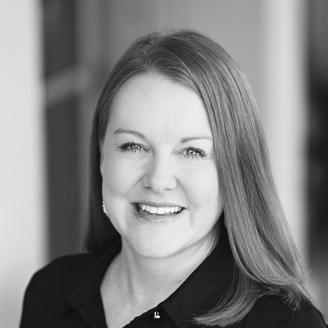
DR. LEE ANDERSON LOUY, CFRE DIRECTOR PHILANTHROPIC SERVICES
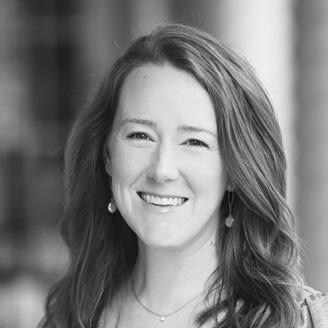
ABBY CARDEN MEMBERSHIP AND DATA COORDINATOR
CONSERVATION ACQUISITIONS
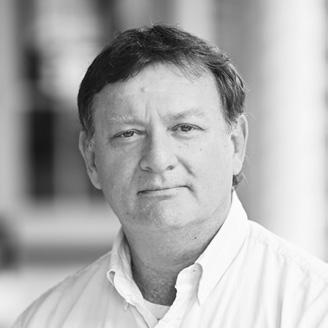
RAMESH BUCH
DIRECTOR OF CONSERVATION ACQUISITIONS
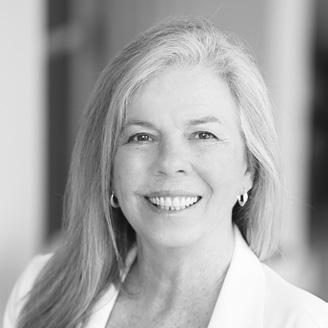
MICHELLE SMITH
OPERATIONS AND GRANTS MANAGER
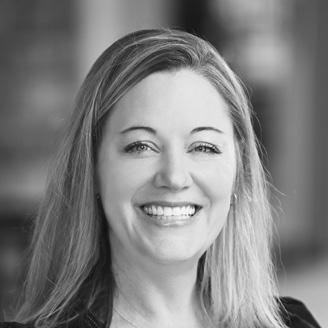
SARAH HANDE COMMUNICATIONS OFFICER
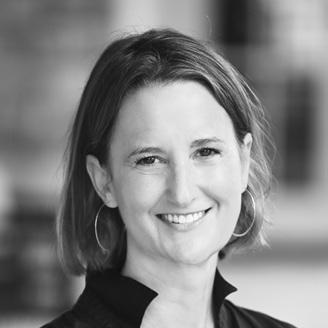
WILLOW LOGUE BOARD EXECUTIVE ASSISTANT
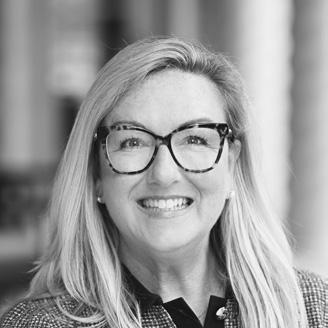
BRENDA LYNCH DEVELOPMENT OFFICER
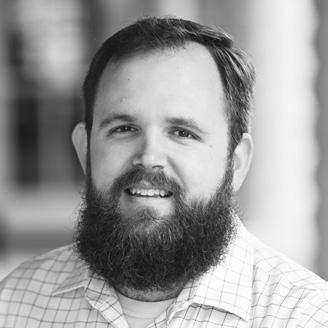
JOEL BENN
CONSERVATION ACQUISITIONS COORDINATOR AND IN-HOUSE COUNSEL
LAND STEWARDSHIP
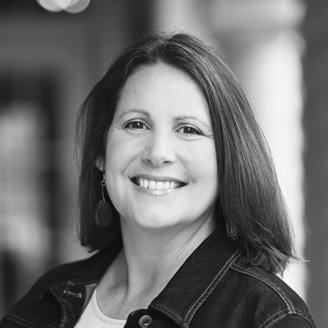
RIANNA LACHAPELLE DIRECTOR OF LAND STEWARDSHIP
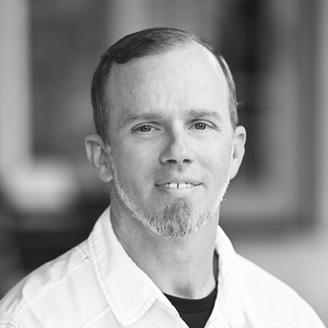
CHRIS BEBOUT LAND MANAGEMENT SPECIALIST
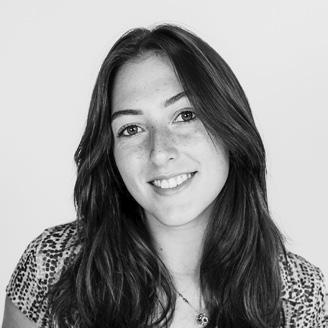
DAYNA BUCKLEY
ASSOCIATE ACQUISITIONS COORDINATOR
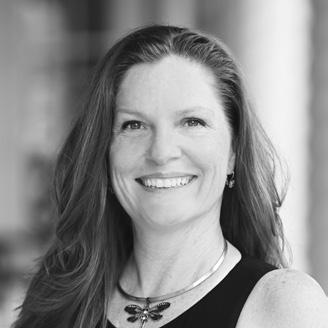
KIM HALL
CONSERVATION TRANSACTIONS MANAGER
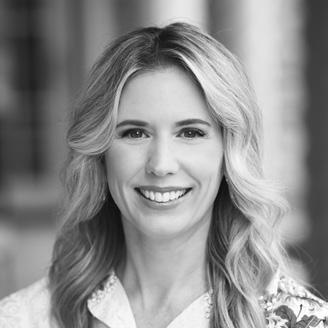
HEATHER NAGY STRATEGIC INITIATIVES MANAGER
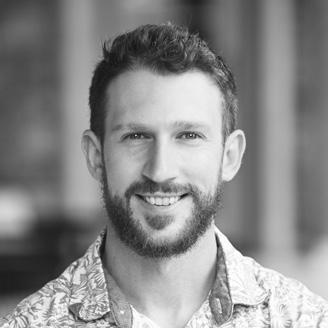
MARK MANNING LAND MANAGER
KALA NEIGHBOR LAND STEWARDSHIP LIAISON
AARYN PORTER LAND STEWARDSHIP BIOLOGIST
PHILANTHROPY is based on voluntary action for the common good. It is a tradition of giving and sharing that is primary to the quality of life. To assure that philanthropy merits the respect and trust of the general public, and that donors and prospective donors can have full confidence in the not-for-profit organizations and causes they are asked to support, we declare that all donors have these rights:
To be informed of the organization’s mission, of the way the organization intends to use donated resources, and of its capacity to use donations effectively for their intended purposes.
To be informed of the identity of those serving on the organization’s governing board, and to expect the board to exercise prudent judgment in its stewardship responsibilities.
To have access to the organization’s most recent financial statements.
To be assured their gifts will be used for the purposes for which they were given.
To receive appropriate acknowledgement and recognition.
To be assured that information about their donations is handled with respect and with confidentiality to the extent provided by law.
To expect that all relationships with individuals representing organizations of interest to the donor will be professional in nature.
To be informed whether those seeking donations are volunteers, employees of the organization or hired solicitors.
To have the opportunity for their names to be deleted from mailing lists that an organization may intend to share.
To feel free to ask questions when making a donation and to receive prompt, truthful and forthright answers.
843 W MONROE STREET
JACKSONVILLE, FL 32202
904.479.1967 | WWW.NFLT.ORG
FOLLOW US AND SHARE @NORTHFLORIDALANDTRUST

SUPPORT CONSERVATION IN NORTH FLORIDA SCAN HERE
To protect North Florida’s quality of life through acquisition and restoration of its irreplaceable lands.
“Through LAND we honor and protect the ground we stand on, ensuring its vitality for generations to come.”
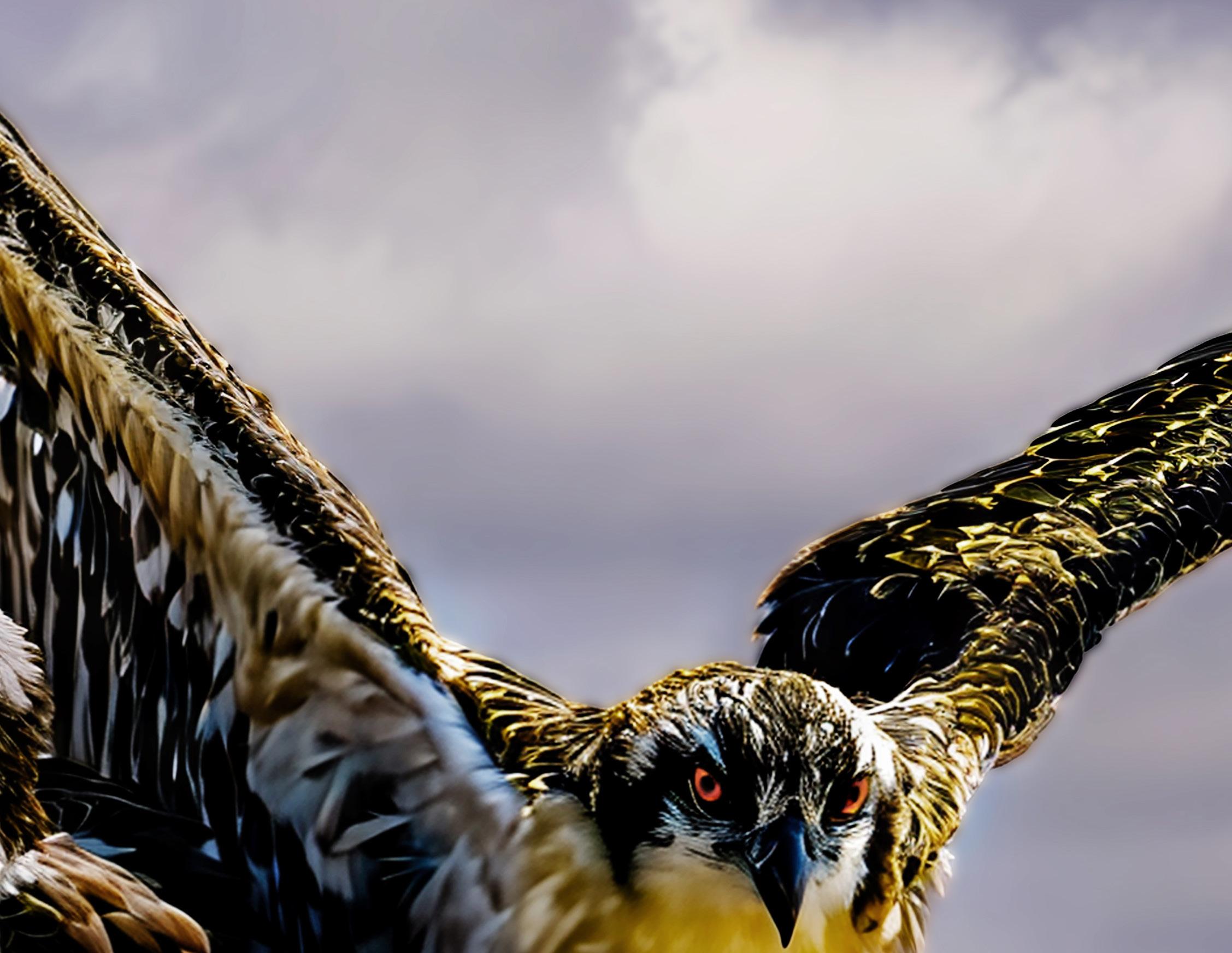
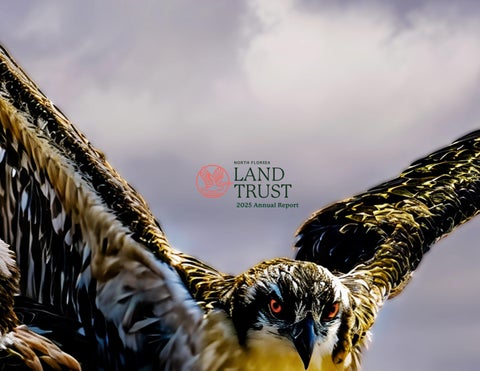
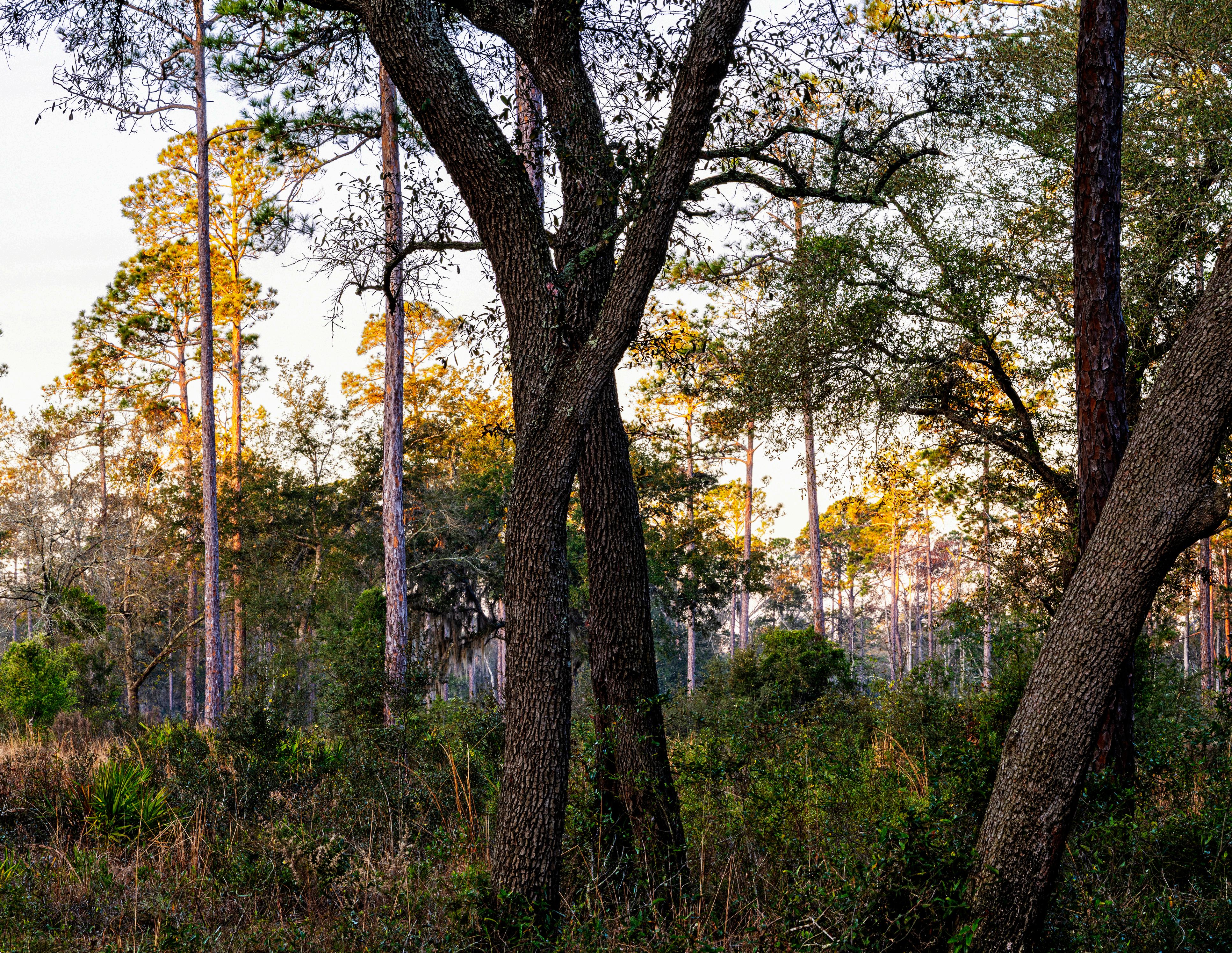
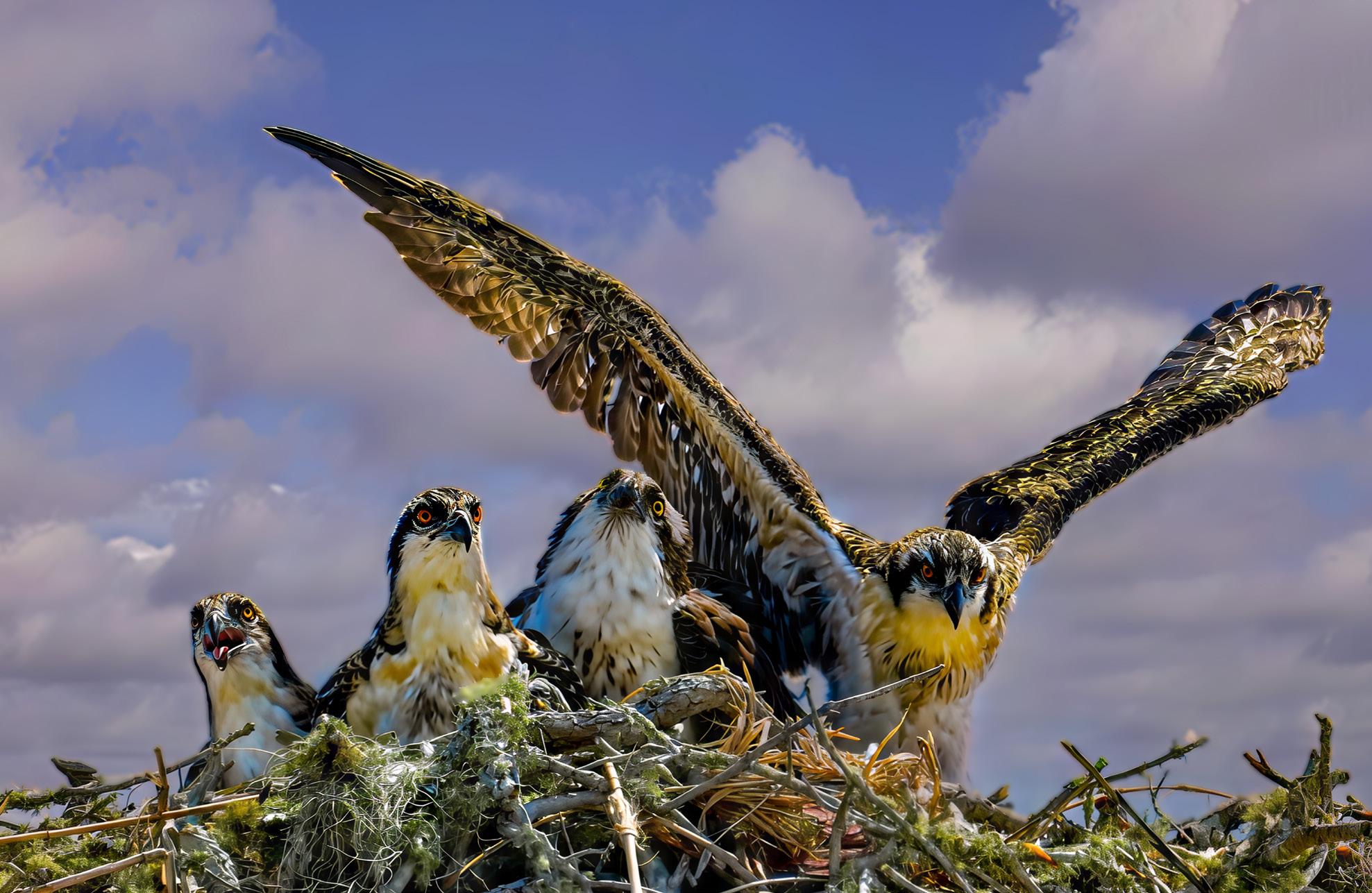
FRONT COVER IMAGE AND CENTER SPREAD
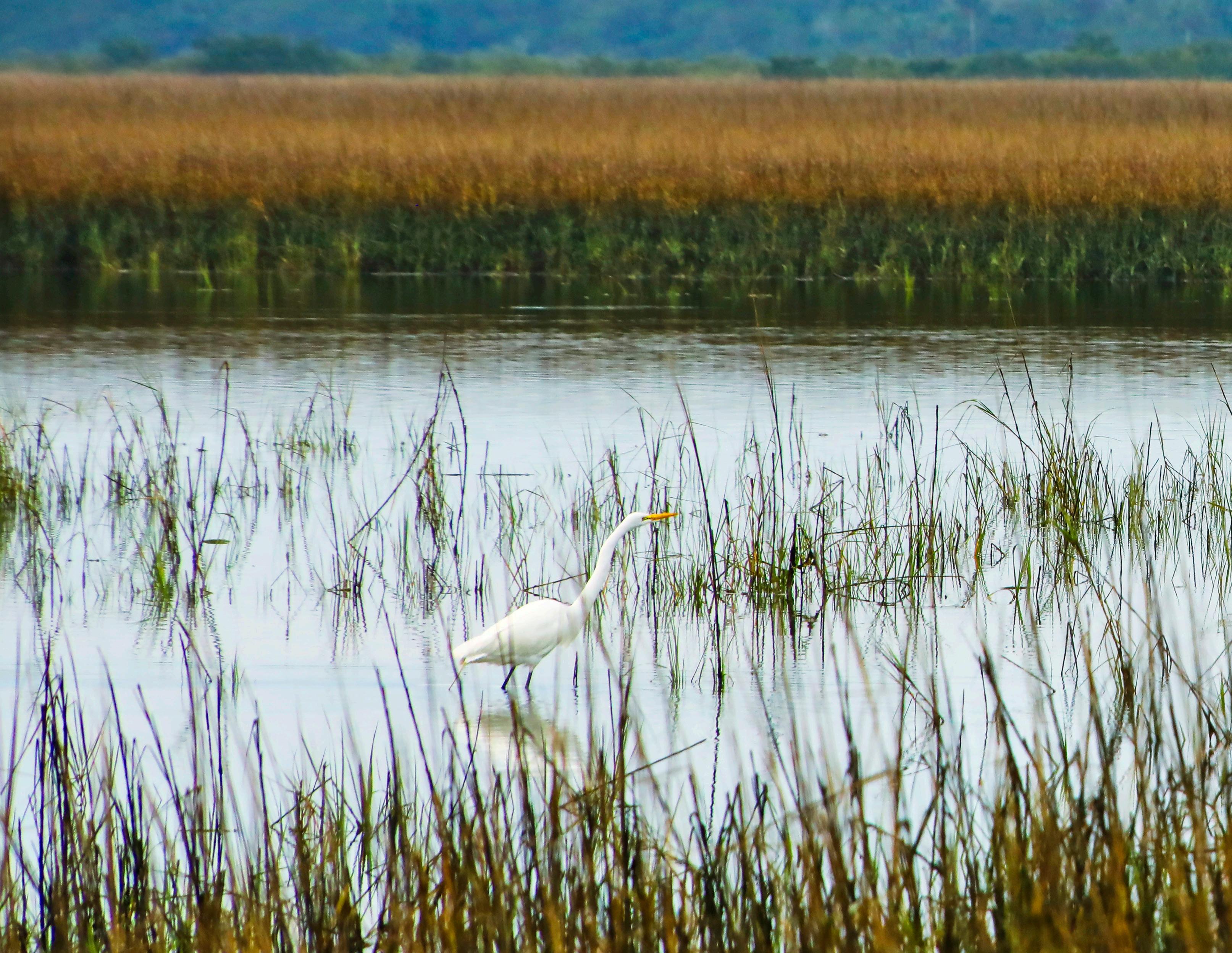
In fall 2025 NFLT hosted its first ever Annual Report Photo Contest. We received more than 20 submissions, and every single one told a beautiful story of North Florida’s wild and natural places and the animals that live there. Photos were reviewed through a blind judging process to ensure impartial evaluation. A panel of three independent judges (Vaughn Cochran, Dita Domonkos, and Doug Eng) selected the winner, Crowded Nest, by Terry Bottom. Terry also received Honorable Mention for his image, Fog in the Trees with Egret, as seen in the center spread.