


To develop sustainable, inclusive and high-quality football facilities that elevate the experience of the game for every player, coach, official and community member in the Far North Coast region.
Enable targeted investment in areas of most need.
To prioritise and deliver strategic infrastructure investments that respond to population growth, address participation demand and ensure equitable access to quality football facilities across the Far North Coast region.
n Target investment in facilities where the need is greatest and the return on participation is strongest.
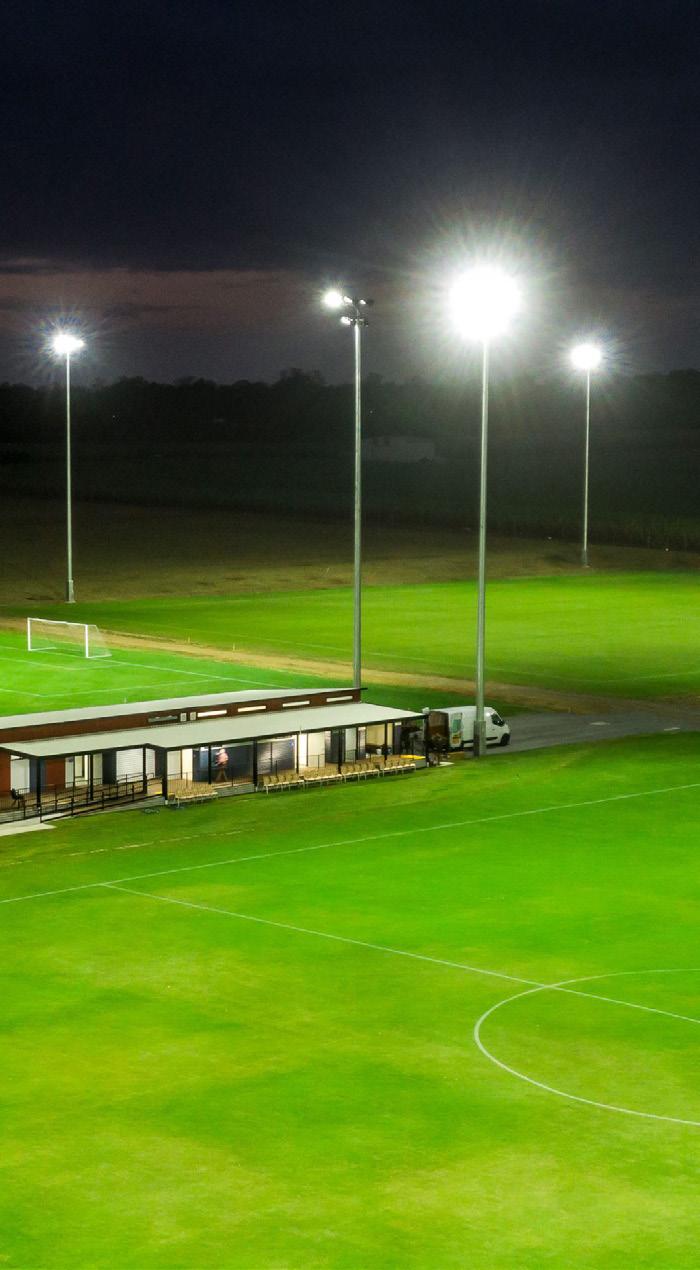
n Optimise and expand capacity at existing venues through lighting, drainage and surface improvements.
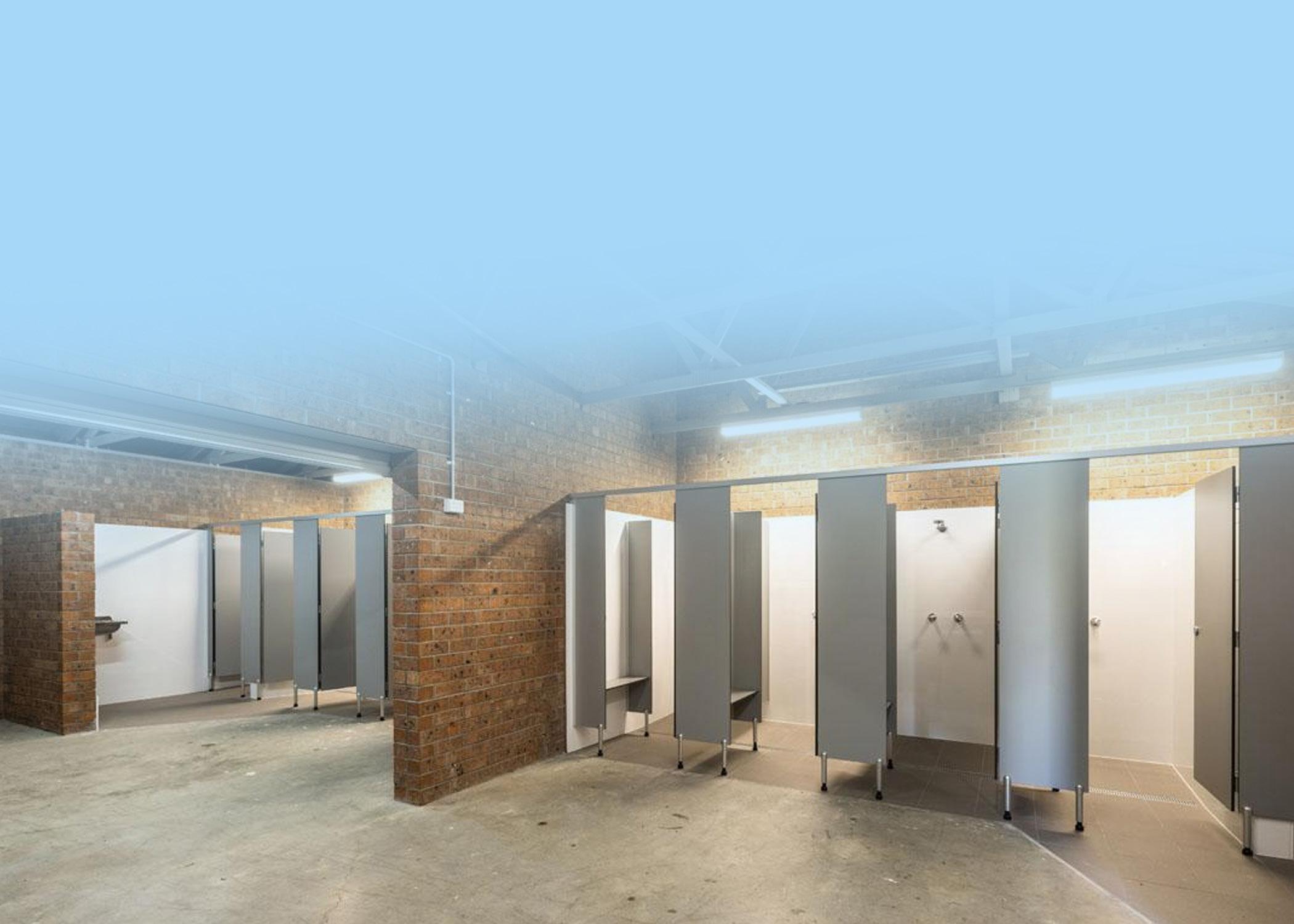
n Build inclusive environments, particularly through the delivery of gender-neutral change rooms and accessible amenities.
n Support new venues to meet the projected growth of the game and wider community needs.
n Foster partnerships with local government, community organisations and funding bodies to maximise outcomes.
TOTAL REGISTERED FOOTBALLERS
7,987 67%
PROJECTED GROWTH 26 TOTAL VENUES
672 NUMBER OF TEAMS +1,040 NEW PLAYERS BY 2030

The Far North Coast regions are experiencing sustained growth across its LGAs, with strong implications for future demand in sport and recreation infrastructure

NUMBER OF VENUES
NUMBER OF FIELDS
NPL VENUES
SYNTHETIC FIELDS
THIS STRATEGY SUPPORTS:
NSW GOVERNMENT ACTIVE RECREATION AND OPEN SPACE GUIDELINES
STATE AND FEDERAL INFRASTRUCTURE GRANT OBJECTIVES
2024-26 STRATEGIC PLAN DEVELOPMENT
NORTHERN NSW FOOTBALL STRATEGIC PLAN (2024–2026)

LOCAL GOVERNMENT COMMUNITY AND RECREATION STRATEGIES
1 2 3 4

With the population expected to grow by more than 48,000 residents across the member zone by 2041, the demand for sporting infrastructure, particularly for football, will increase significantly. Facility planning must align with urban growth corridors and future land-use priorities..
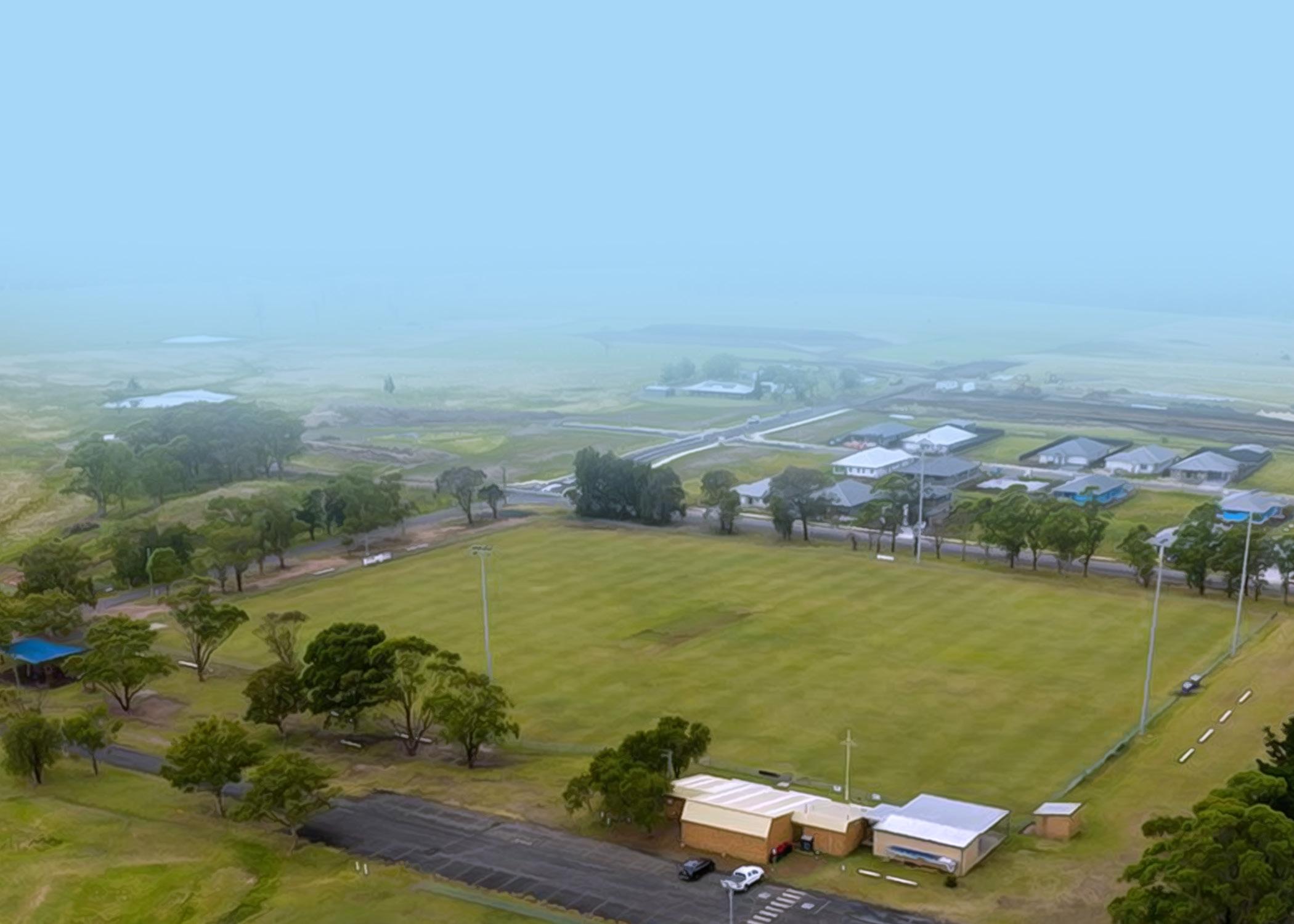
n Many fields lack sufficient lighting and drainage, limiting use during wet weather and after dark.
n Irrigation coverage is inconsistent, increasing maintenance costs and limiting surface quality.
n Targeted lighting and surface upgrades can increase capacity by up to 20 per cent across the network.
n Less than 40 per cent of venues have gender-neutral or female-friendly changerooms.
n Facilities to support referees, volunteers and spectators, particularly women and young people, are essential to participation growth.
n Accessibility upgrades are critical to ensure facilities are inclusive for people with disability.
n Long-term planning should identify opportunities to develop synthetic surfaces and regional hubs that can support year-round use, elite development and tournament hosting.
VENUE / PROJECT
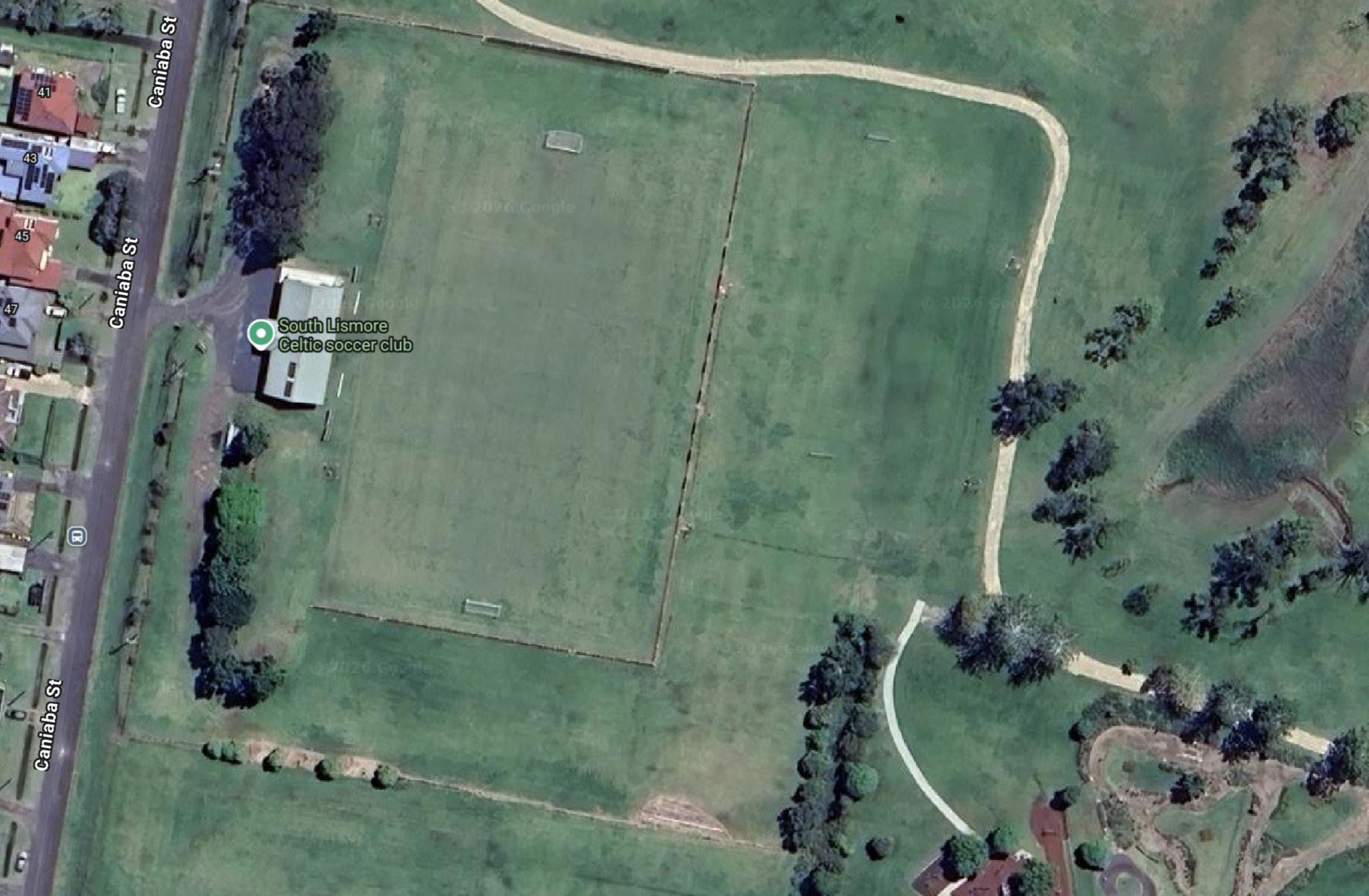
NESBITT PARK
ESTIMATED COST
DESCRIPTION
$250k INSTALLATION OF DRAINAGE
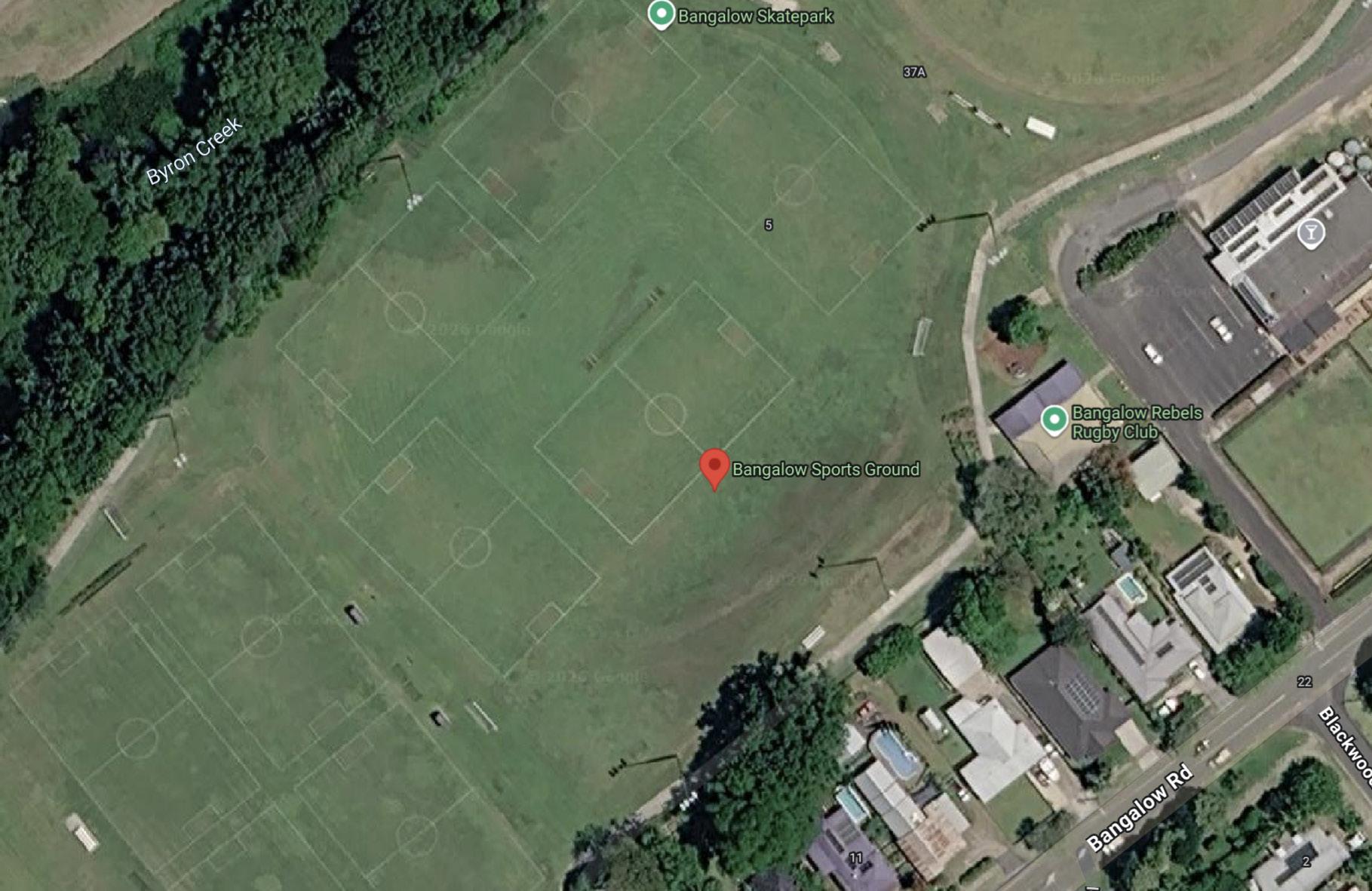
BANGALOW SPORTS GROUND
$800K DRAINAGE + NEW AMENITIES BUILDING
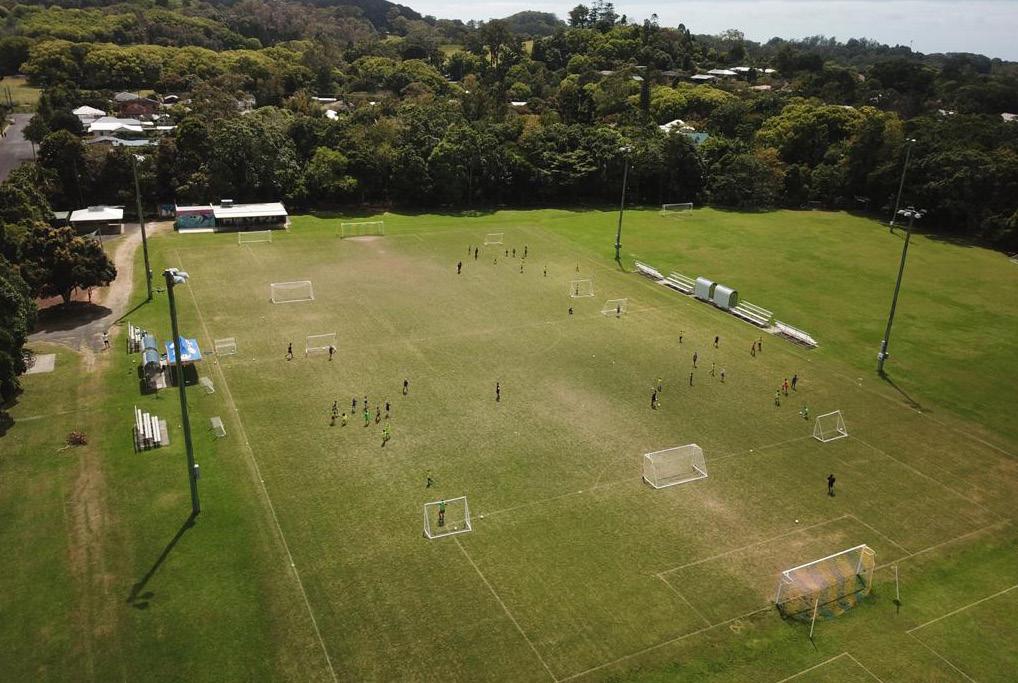
PINE AVENUE FIELD
$200K DRAINAGE ON REAR FIELDS
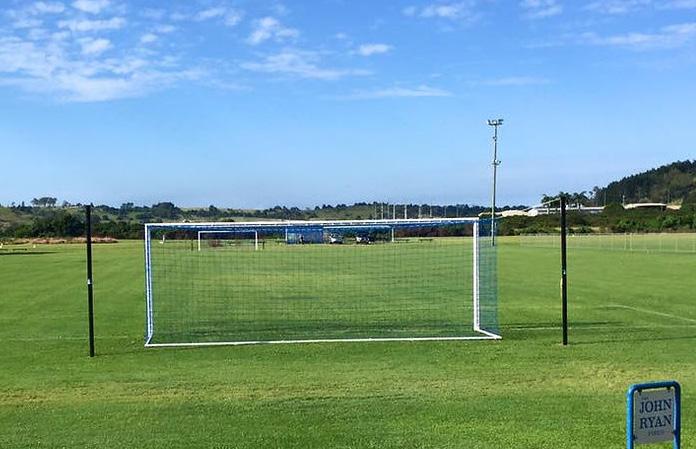
JOHN RYAN FIELDS
$317K DRAINAGE AND TOP DRESSING
FACILITIES Multi-sport (cricket and football)
PROJECT Installation of drainage across all playing fields
COST $250,000
RATIONALE
OUTPUTS
Support growth in participation of female players, volunteers and coaches
The club has a high number of female participants at 32 per cent and requires drainage to cater for this and future demand. Will allow club to grow and provide community a year-round facility
FACILITIES Multi-sport (cricket and football)
PROJECT
Upgrade surface on both fields including subsurface drainage and new amenities building
COST $800,000
RATIONALE
OUTPUTS
Universally designed amenities to cater for high female participation in multiple sports. Drainage upgrade desperately required to alleviate high percentage of washouts
Provide a safe and gender-neutral amenities and adequate drainage to grow participation and increase retention rates
FACILITIES Multi-sport (cricket and football)
PROJECT Installation of drainage on rear fields
COST $250,000
RATIONALE
OUTPUTS
This will enhance playability of the fields while increasing ability to host more matches and ensuring that playing surfaces remain safe
Quality surface for players and coaches leading to higher retention rates. Address loss of activity due to wet weather and provide opportunities to play more often
FACILITIES Multi-sport (cricket and football)
PROJECT
Installation of drainage on Field 1 and top dressing of Field 2
COST $317,000
RATIONALE
OUTPUTS
The club’s main field is constantly suffering washout due to no drainage. Urgently requires addressing along with top soiling on second field
A high-quality playing surface for players and coaches, improving the overall experience and supporting stronger retention. It will also reduce wet-weather cancellations and create more opportunities for participants to play more often
1 2 3 4 5 6 7
Football is the leading sport on the Far North Coast. Infrastructure upgrades critical to growth.
Drainage of fields is of critical importance.
Inclusive facilities key to female participation.
Align with council strategies. Continue evidence-based planning and advocacy.
Football is a vehicle for social inclusion, healthy lifestyles & community connection.