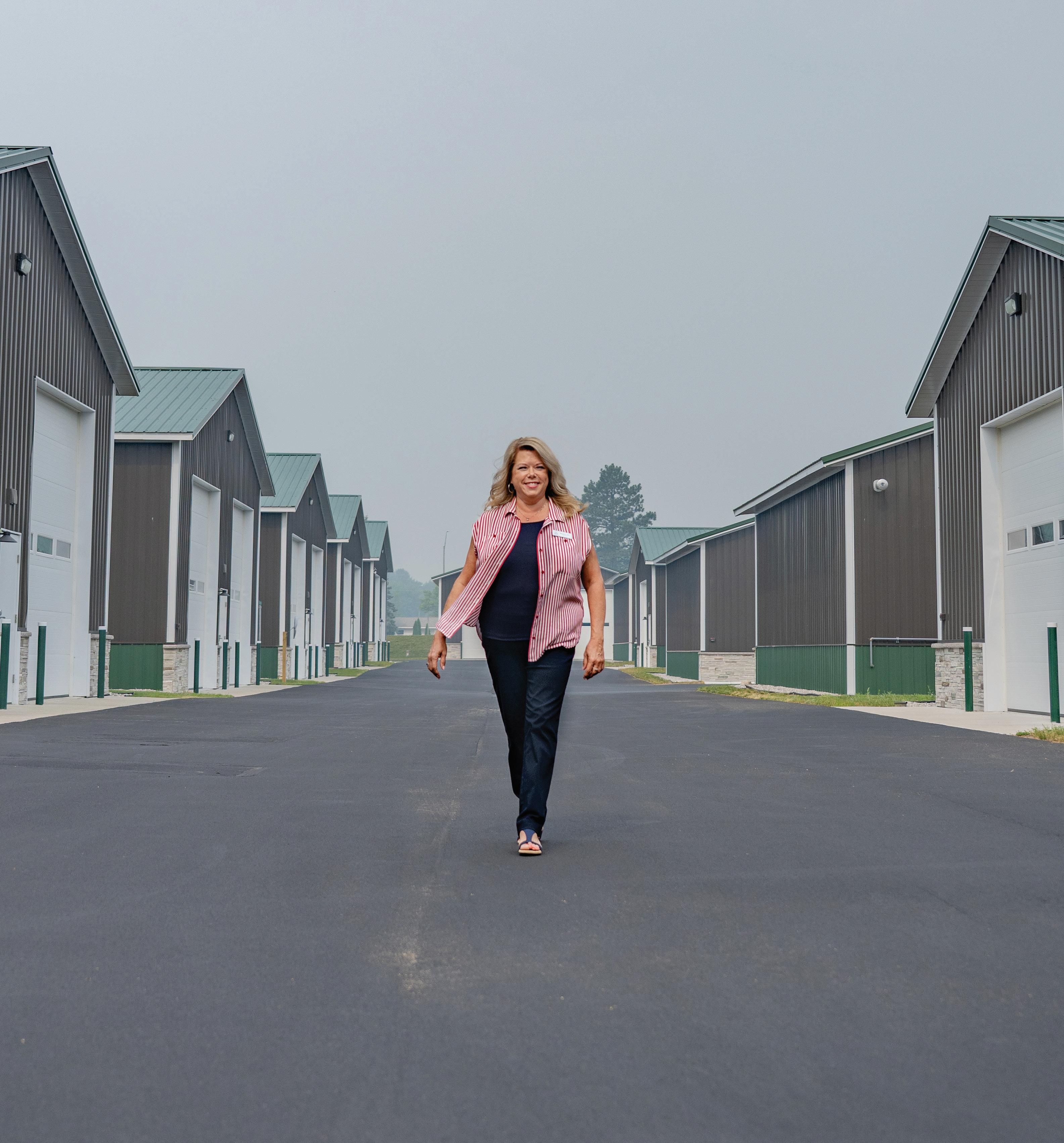



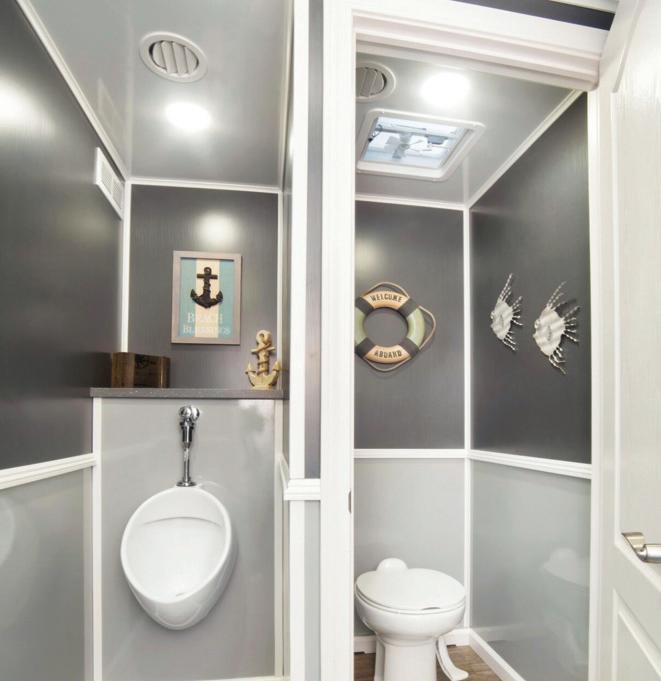
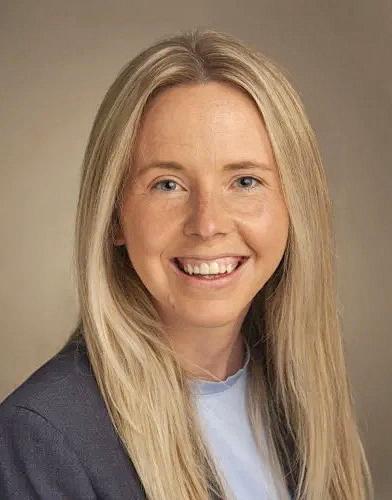
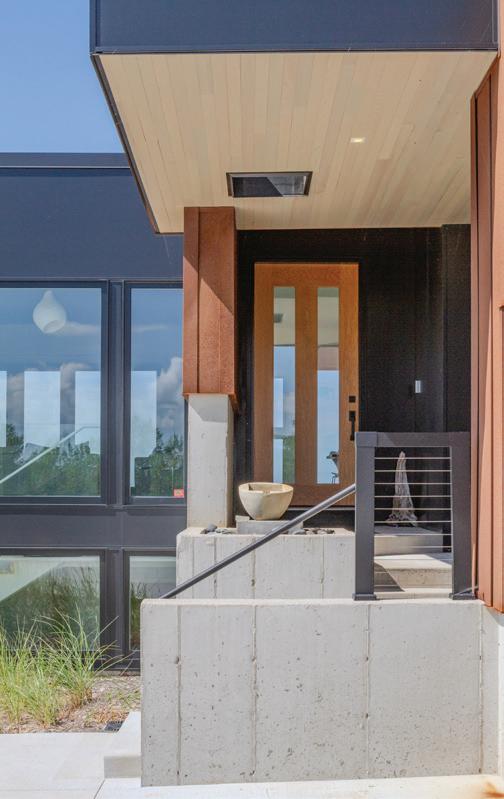
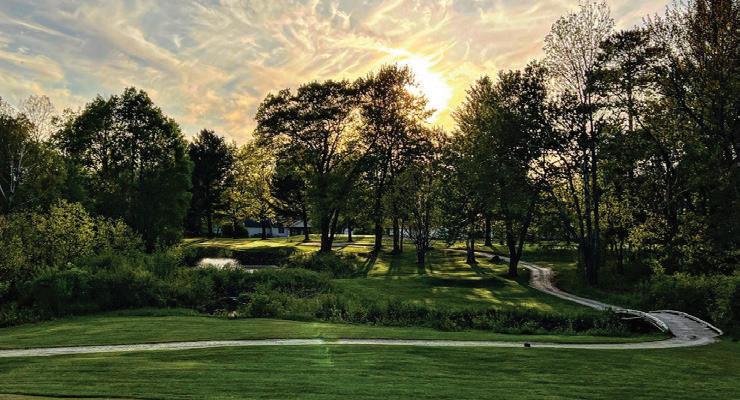
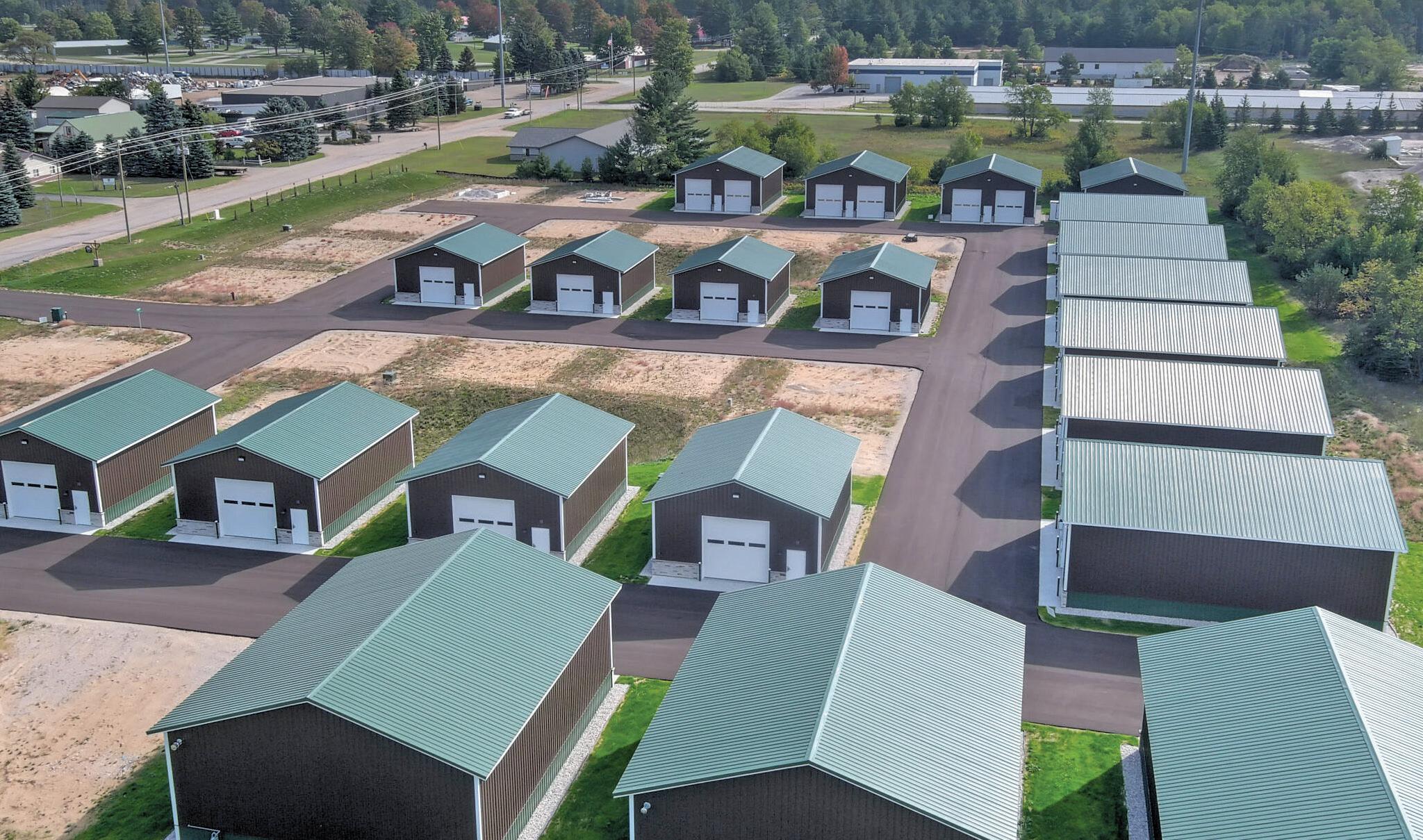
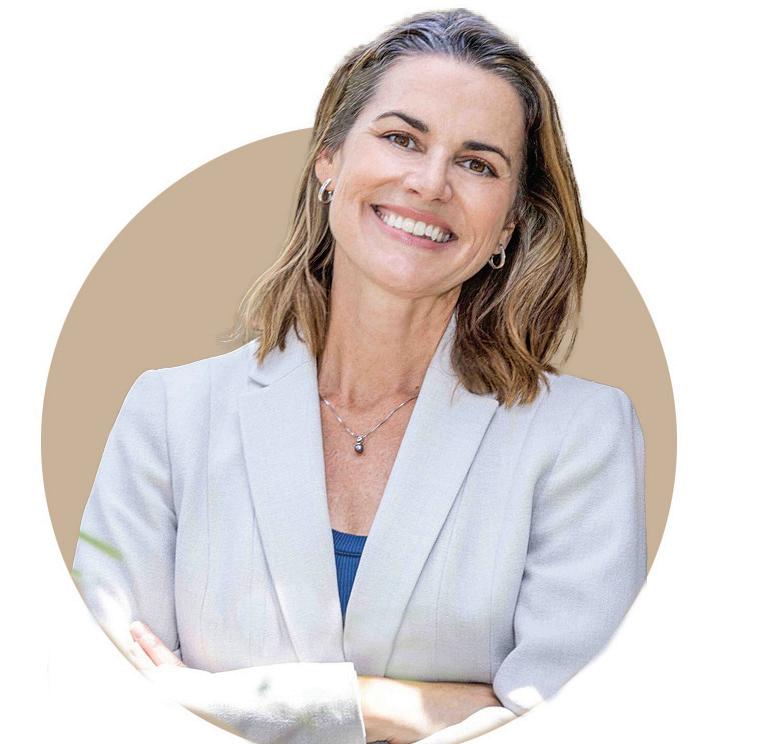
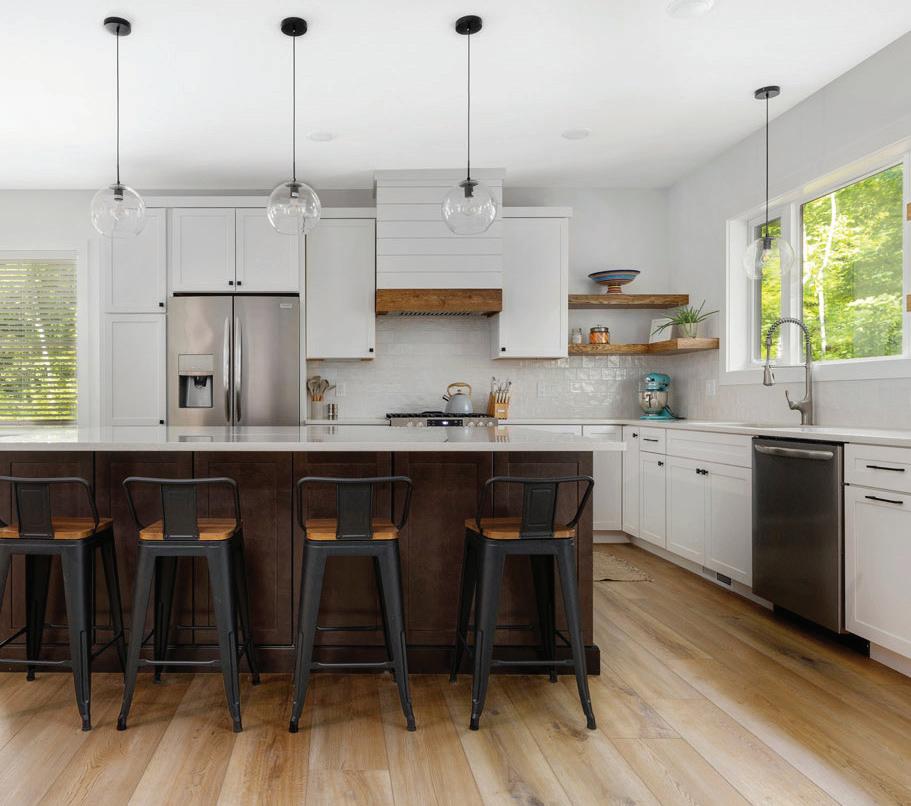
Pictured: Jen Kreta of North Coast Real Estate at M-37 Round About Barns

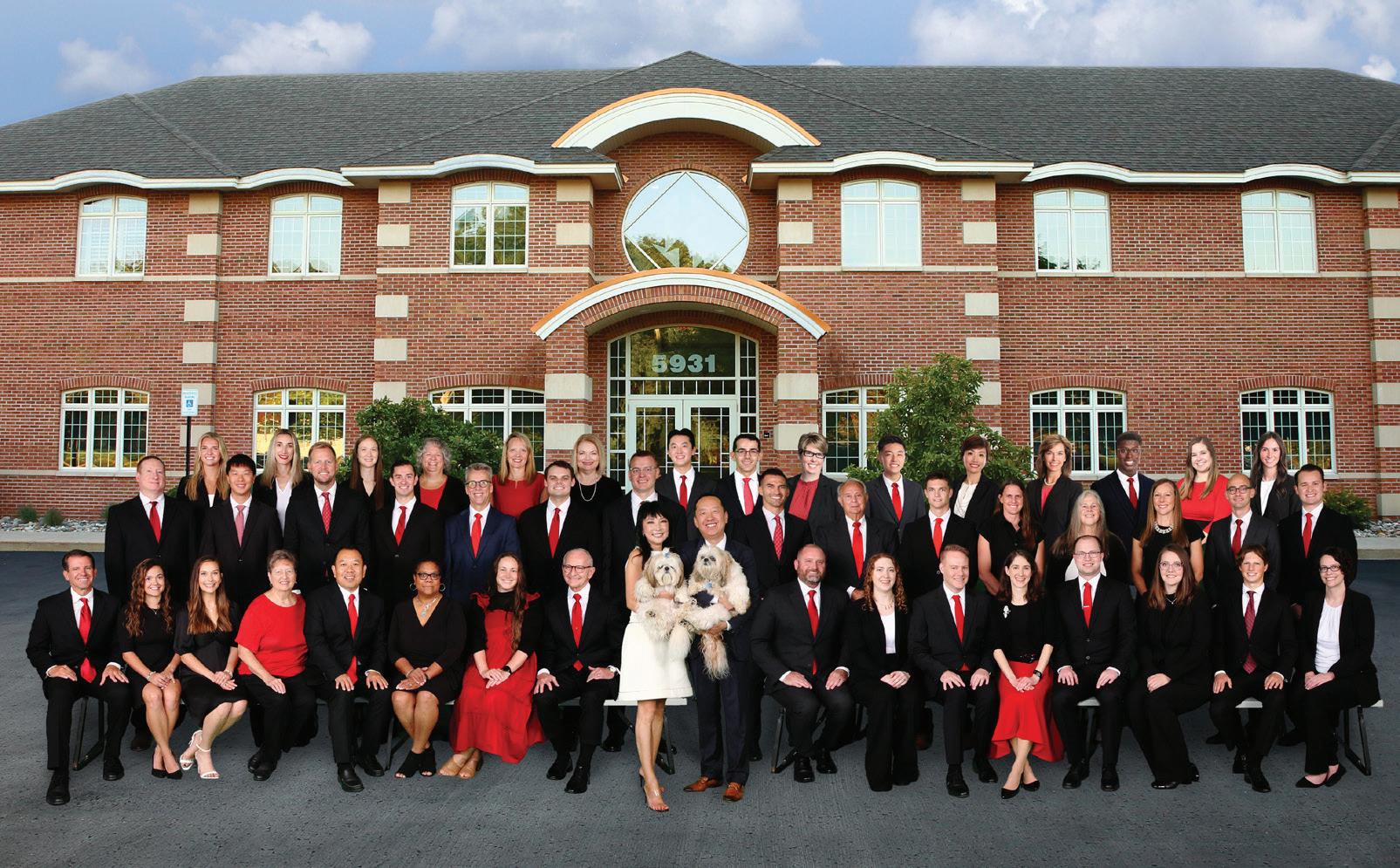
• We uphold a Fiduciary Standard and work with clients on a fee-only basis.
• We do not receive commissions, kick-backs, or soft dollars from product sales, eliminating inherent conflicts of interest.
• Our team of professionals holds designations and degrees such as CFP®, CFA, CPA, MBA, JD, and PhD.
• Charles received his MBA from the Kellogg School of Management - Northwestern University, his MA in Economics from WMU, and Executive Education from Harvard Business School and Columbia University.
Zhang, CFP®, MBA, MSFS, ChFC
Released September 15, 2025, covering the 12-month period ending June 30, 2025. Zhang Financial does not pay a fee to be considered for or included on Barron’s rankings. Zhang Financial pays a licensing fee to use the ranking in marketing materials. See zhangfinancial.com/disclosure for full ranking criteria and methodology. Ranked #1 on Barron’s List of 2025 Top 100 Independent Advisors

Geofurnace Heating & Cooling in Traverse City is under new ownership. Longtime owners Rex Ambs and Jim Holstine have transitioned the business to a new independent owner, Nick Glenn. All staff are remaining with the company. Additionally, Ambs will remain involved as a minority owner. Glenn brings an extensive military and manufacturing career to his new venture. “Jim and I wanted to make sure the business was left in the right hands, and we feel confident in Nick’s long-term vision and proven track record,” said Ambs.
French Valley Vineyard of Cedar has released two new wines: Sugar Loaf Red and Sugar Loaf White. Created in partnership with the Leelanau Conservancy, the wines support the long-term stewardship of Sugar Loaf, the iconic landmark recently protected from development for generations to come. The wines are available at the French Valley tasting room. A portion from every bottle sold will be donated to the Conservancy’s Sugar Loaf fund to help sustain trail maintenance, habitat restoration, and long-term stewardship of the 285-acre property.
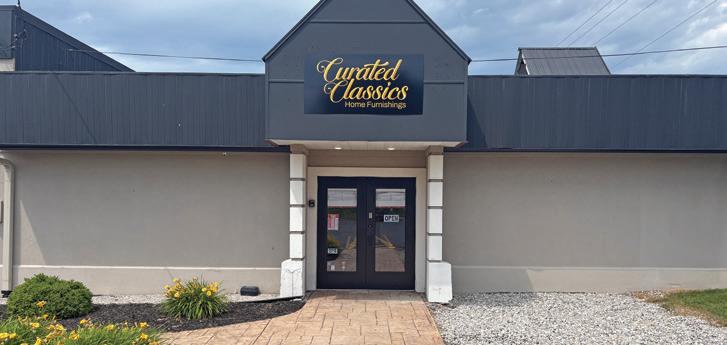
Curated Classics, a new consignment furniture shop specializing in high-quality home furnishings at “reasonable” prices, recently opened at 2751 N. U.S. 31 South (next to Red Lobster) in Traverse City. The store was founded by brothers Brentton and Logan White, who saw a void in the market for resale options for quality furniture. More info at curatedclassicstc.com.
In response to strong regional demand from manufacturers, Northwestern Michigan College Extended Education & Training is launching a new Industrial Sewing program this fall. Developed in partnership with Michigan Manufacturing Technology Center and Northwest Michigan Works!, the program provides hands-on training that prepares participants for careers in the expanding industrial textile manufacturing industry. Students will earn a certificate of completion and explore career opportunities in upholstery, apparel manufacturing, marine canvas, and other industrial textile applications. The program also serves as the first step toward a registered apprenticeship. Learn more by calling 995-1700.
Startup incubator 20Fathoms and global venture firm and accelerator gener8tor have launched a new accelerator program – the Northern Michigan Bluetech Accelerator –designed to support early-stage companies developing innovative solutions across the water technology sector. The accelerator will help founders working on technologies related to water infrastructure, monitoring, treatment, data, freshwater resilience, and other solutions that can be tested, piloted, or applied in freshwater environments. Learn more and apply for the free, seven-week program at gener8tor.com.

Anchor Point Athletics, an indoor training facility with turf fields, batting cages, and HitTrax technology, has opened at 1145 Woodmere Ave. in Traverse City. Founded by the Olds family - Kevin, Melissa, and Maddie - the facility offers year-round opportunities for athletes of all ages and skill levels. Learn more at anchorpointathletics.com.
Novello Specialty Clinic in Traverse City is now offering advanced gastroenterology services onsite through a new telemedicine clinic with Henry Ford Health. This expansion allows patients to receive specialty care locally, reducing the need for travel while staying connected to a full range of diagnostic and follow-up services. A physician’s referral is recommended, but patients may also self-refer by calling 989.244.9350 and asking to be seen at the Henry Ford Traverse City Specialty Clinic.
Three northern Michigan partners are introducing two new Michigan Crafted™ cherry spirits – Michigan Ginja and OMP Ginjinha – at special events this summer. Michigan Crafted is a brand campaign launched by the Michigan Craft Beverage Council to promote Michigan’s thriving craft beverage industry. The collaboration brings together local businesses Wunsch Farms / Third Coast Fruits, OBrien Vineyards and Red Pine Enterprises, LLC in a project that demonstrates how growers, winemakers, entrepreneurs, and craft beverage producers can work together to create new opportunities for Michigan agriculture. Learn more at redpineomp.com














A few weeks ago, I found myself behind the oars of a whitewater raft on Montana’s North Fork of the Flathead River.
I had spent plenty of time in boats before, but this time was different. Instead of holding a paddle or rod, I was responsible for the oars. Every decision – when to pull, when to back row, when to ferry across the current instead of fighting it head-on – determined where the boat would go.
I quickly learned that rowing is not about strength alone. It is about reading the current, anticipating what is around the bend and building trust with everyone else in the boat.
Since returning home, I’ve realized those lessons extend far beyond whitewater.
During this year’s FIFA World Cup, one of the most memorable moments was in the stands. Thousands of Norwegian supporters performed their now-famous “Viking Row,” moving in perfect rhythm as if they were rowing a longship together. It was a powerful image of shared purpose.
Or consider a fly-fishing guide quietly rowing a drift boat down a trout stream. The guide’s job is not to catch the fish. The guide’s job is to position someone else for success by making subtle adjustments that create the best opportunity for a cast.
Three boats. Three settings. One lesson.
Progress depends on people rowing together toward a common destination.
As I look around the Grand Traverse region, I believe that is both our challenge and our opportunity.
Our biggest issues do not stop at city
EDITORIAL & BUSINESS OFFICE
P.O. Box 4020 Traverse City, MI 49685
231-947-8787
ON THE WEB tcbusinessnews.com
PUBLISHER
Luke W. Haase lhaase@tcbusinessnews.com
CONTRIBUTING EDITOR
Gayle Neu gneu@tcbusinessnews.com
HEAD WRITER
Craig Manning
STAFF WRITER
Art Bukowski
limits or county lines. Workforce housing, economic development, infrastructure, transportation and behavioral health are challenges that require regional solutions. They demand collaboration among governments, businesses, nonprofits, healthcare providers and residents.
We are already seeing what rowing together can accomplish.
The work of the Northern Michigan Chamber Alliance is one example of what is possible when communities recognize that their future is interconnected.
across northern Michigan. It also demonstrates that behavioral health challenges do not stop at county lines – and neither should the solutions.
Of course, rowing together does not mean everyone always agrees on the route.
In the coming months and years, voters and local leaders will face important decisions about how we expand attainable housing. Different tools will be debated, from Tax Increment Financing and Payment in Lieu of Taxes agreements to a potential countywide housing millage. These conver-
When I climbed behind the oars in Montana, I assumed rowing was mostly about strength. I left understanding it was really about judgment, teamwork, communication and trust.
This year, we saw the power of regional collaboration when northern Michigan legislators from Manistee to Marquette came together to advocate for the Office of Rural Prosperity and won. Their success demonstrates the value of giving rural communities the tools and resources they need to compete for future investment.
The partnership between Munson Healthcare and Northern Lakes Community Mental Health is another example.
The one-year anniversary of the crisis center’s 24/7/365 operation marked an important milestone in providing critical behavioral healthcare services to more than 1,200 individuals from communities
COPY EDITOR
Becky Kalajian
CREATIVE DIRECTOR
Kyra Cross Poehlman
CONTRIBUTING WRITERS
Ross Boissoneau
Kierstin Gunsberg
Rick Haglund
Bill O’Brien
WEB PRODUCTION:
Byte Productions
MAILING/FULFILLMENT
Village Press
DISTRIBUTION
Marc Morris
Cover photo by Megan Renae Studios
sations deserve thoughtful debate, but they should also be guided by a larger question: Do these decisions move the entire region toward a shared vision of success?
Just as every successful river trip has a destination, every successful region needs a map.
Businesses measure performance. Organizations measure outcomes. Our region should too.
A regional scorecard tracking zoning and land use, infrastructure readiness, housing supply and business climate would give us a shared understanding of where we stand, where we are headed and where we need to improve. It would allow
SERVING
Grand Traverse, Kalkaska, Leelanau and Benzie counties
AD SALES
Lisa Gillespie lisa@northernexpress.com
Kim Murray kmurray@tcbusinessnews.com
Kaitlyn Nance knance@northernexpress.com
Abby Walton Porter aporter@northernexpress.com
Michele Young myoung@tcbusinessnews.com
us to benchmark our progress over time, compare ourselves to peer communities across the country, celebrate where we are succeeding and identify where we need to adjust course.
The communities that thrive in the future will not be the ones that simply hope they are prepared, they will be the ones that know.
Being development-ready requires more than having great assets. It requires knowing where we stand, where we are headed and what actions will move us forward. You cannot navigate a river by looking only at where you have been. You have to read the current in front of you, understand where it is taking you and adjust your course before the next bend. When I climbed behind the oars in Montana, I assumed rowing was mostly about strength. I left understanding it was really about judgment, teamwork, communication and trust.
Whether it is a whitewater raft navigating rapids, Norwegian soccer fans rowing in perfect unison, or a fly-fishing guide positioning someone else for success, the lesson is the same. The regions that succeed will be the ones that understand where they are, make intentional choices about where they want to go and work together to get there.
The current is always changing. The question is whether we are prepared to read it, and whether we are willing to row together.
Gabe Schneider is a consultant, policy strategist and founder of Northern Strategies 360. He lives, works and invests in Traverse City.
The Traverse City Business News
Published monthly by Eyes Only Media, LLC P.O. Box 4020 Traverse City, MI 49685 231-947-8787
Periodical postage qualification pending at Traverse City, MI.
POSTMASTER: Send address changes to The Traverse City Business News, PO Box 1810, Traverse City, MI 49685-1810.
The Traverse City Business News is not responsible for unsolicited contributions.
Content ©2026 Eyes Only Media, LLC. All rights reserved.
EYES ONLY MEDIA, LLC
By Art Bukowski
Paul Britten is president and founder of Britten, Inc., a signage, display and event-branding production company that has grown steadily since he started in 1986. The company (which now employs more than 230 people across multiple divisions) has done work for scores of Fortune 500 companies and has long been a very bright spot in Traverse City’s manufacturing scene. He was kind enough to show us around his desk and office, which overlooks a large production floor inside of Britten’s headquarters off Cass Street. If you have an idea for a From The Desk Of feature, email Art at abukowski@tcbusinessnews.com.
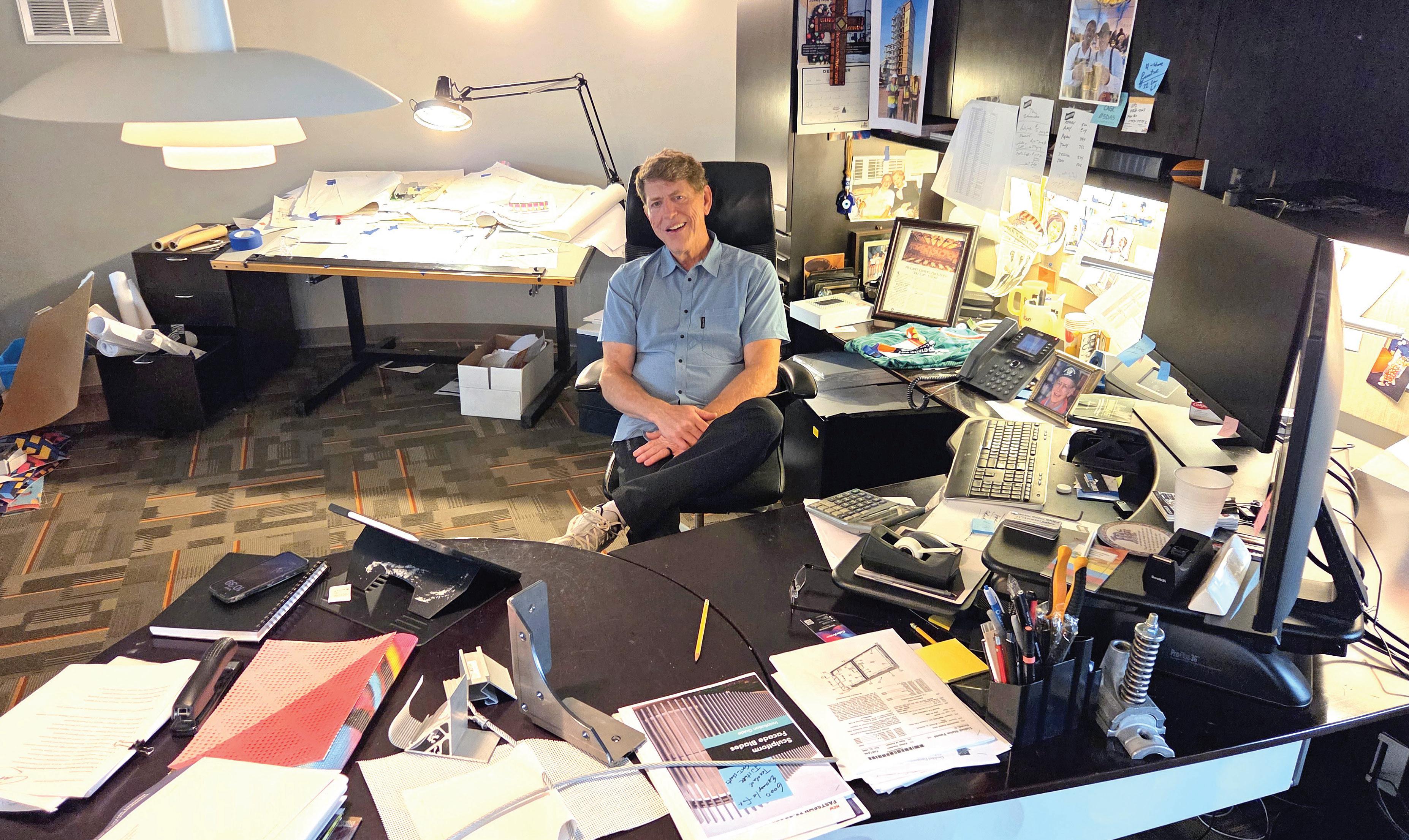
1. This is the first ad I ever ran for my business. I got the book “Ogilvy on Advertising,” studied it and copied his format for an ad exactly. It had a little coupon that you cut out on the dotted line to learn more. It ran in Special Events magazine and got 700 leads. That’s when I fully realized the power of advertising.
2. There are always samples of different materials on my desk, because there’s so much R&D here. Sometimes it’s a materials challenge, sometimes it’s an application challenge. I need to see it. Show me. I want to see it, look at it, understand it.
3. My iPad is always with me everywhere I go, and probably 95 percent of my time is spent in a software called Adobe Fresco where I’m studying and thinking about solutions. I’m very different from a typical CEO who manages the business and pays attention to the numbers. Sometimes that’s a necessary evil for me, but the best use
of my time is on creative problems and solutions.
4. This is a photo of my dad, Norman Britten. He’s my buddy. He keeps me happy. He was with the company for 15 years, and he’s left us now. He shared a wonderful empathy and compassion for people of all walks of life.
5. Here’s a jersey and other stuff from the World Cup. We recently designed and built the volunteer recruiting centers for all 16 North American stadiums for the World Cup. There were as many as 30,000 volunteers in each location, and we transformed huge warehouses into branded environments. It was a Herculean challenge and we’re all tired, but it was a really cool experience.
6. This is another huge initiative we’re working on. We have a whole new company that deals with a new technology where we can provide printing that is essentially bulletproof. It won’t fade, it won’t scratch off, it won’t
deteriorate. It’s been in development for three years. Really state-of-the-art stuff.
7. We have six patents for banner-related projects and attachments, and a heck of a lot of trademarks. And I have almost 400 domain names for ideas for products like custom wallpaper. We really believe in R&D, and authentic creation and innovation have guided our success.
8. I have seven kids and nine grandkids. I’ve always been hyper-focused on the business, and we had a pretty big separation of church and state when it comes to that and family. My wife Darcy is a trauma therapist, and she is a wonderful mother and parent. There’s never been a doubt in my mind that her job raising a family was a thousand times more important than mine.
9. I’m still old school. My drafting table and a pencil are very important to me.

By Craig Manning
One is responsible for many of the school rebuilds and renovations throughout the Traverse City Area Public Schools (TCAPS) school district over the past 10 years. The other is behind everything from attainable housing projects to Traverse City’s first brand-new marina in years.
Neither are based in northern Michigan.
Meet the Miller Davis Company and the Granger Group, two downstate construction companies that have increasingly shifted their focus to northern Michigan in recent years. What prompted these two developers to bet big on Traverse City, how are their contributions reshaping the region, and what do they see on the horizon for their businesses? The TCBN sat down with leaders from both to find out.
Home base: Kalamazoo
Construction niche: “We have quite a resume of higher education and K-12 projects throughout the state of Michigan. Eighty percent of our work volume is in education,” said Jack Abate, vice president and chief operating officer for Miller Davis. Clients include in-state universities (Michigan State, Central Michigan), public school districts (Grass Lake Community Schools, in Jackson County) and even out-of-state collegiate powerhouses (University of Notre Dame). Beyond education, Miller Davis takes on projects in industrial, warehousing, manufacturing and governmental sectors.
Traverse City origin story: “Back in 2016, there was an architect partner of ours that had won a design proposal for Eastern Elementary,” Abate said, referring to the TCAPS project that saw one of the district’s top elementary schools demolished and rebuilt from scratch. “They told us they’d won that project, and that TCAPS was going to be interviewing for construction managers soon.” Abate, whose parents live in Beulah, liked the idea of adding Traverse City to Miller Davis’s project map. “It just seemed like a good place to try and put down a stake,” he said.
Local projects: A successful interview with TCAPS landed Miller Davis the Eastern Elementary job. The company subsequently led the demolition and reconstruction process for the new $15 million, two-story, 59,000 square-foot school. Demolition occurred in summer 2017, and the school opened to students in fall 2018.
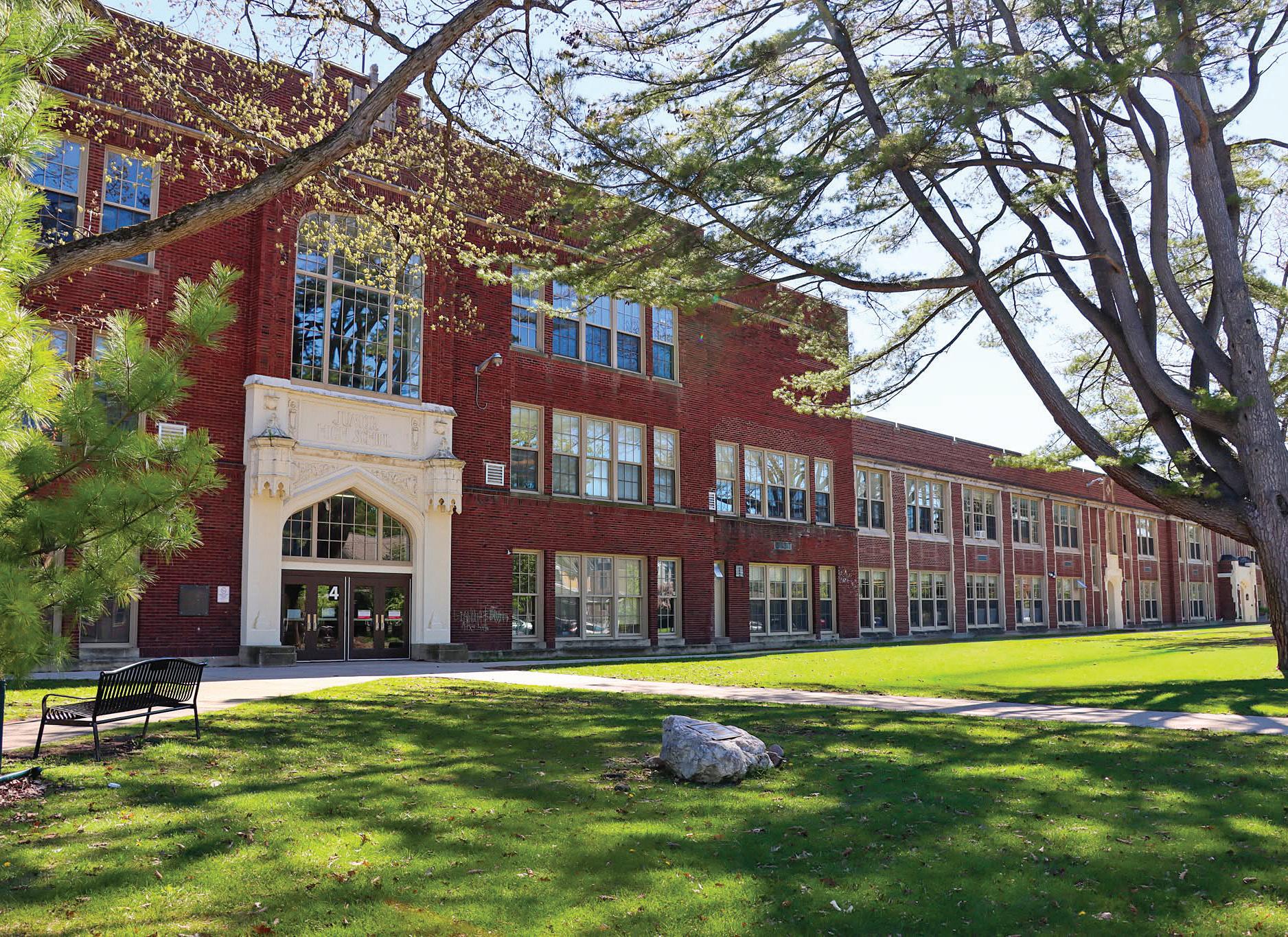
Since then, Miller Davis has become a trusted partner for TCAPS in the district’s ongoing efforts to modernize and rebuild its aging school facilities. The company also served as construction manager for the district’s new Montessori school on Franke Road, the innovation and man-
“TCAPS has been very generous in providing us with lots of lots of work, but we know that won’t last forever. Bonds have to pass for projects like these to continue, and sometimes they don’t pass. You can’t just have all your eggs in one basket.”
– Jack Abate, VP and Chief Operating Officer, Miller Davis
ufacturing centers at Central and West high schools, and even the artificial turf installation at Thirlby Field.
Miller Davis also worked with Northwestern Michigan College last year, building the school’s new 40,000 square-foot aviation hangar.
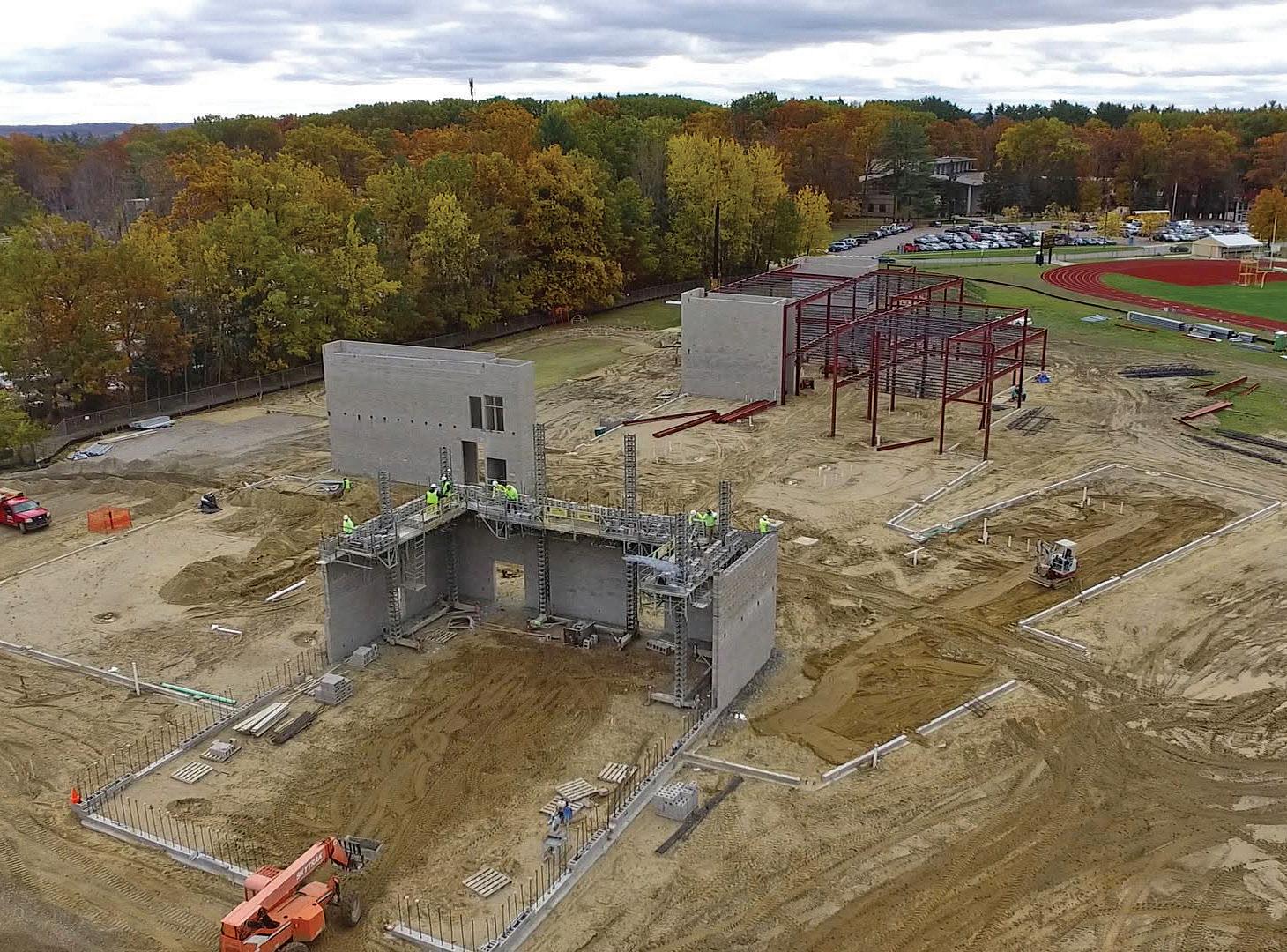
Next big thing: On July 13, TCAPS approved the bulk of the contracts and contingencies for the reconstruction of Central Grade School. Miller Davis will serve as construction manager for the $55 million project, which will take three years and completely reimagine the 150-year-old school. Highlights include the demolition of the school’s west wing, a new two-story addition, a consolidated front entrance and extensive interior renovations including a new cafeteria, reconfigured classrooms, gym renovations and third-floor conference rooms.
Miller Davis will also work on a future project to renovate Central High School, which requires more than $20 million of work to address ADA accessibility, gym capacity, entrances and exits, security and more.

Long-term plans: Abate estimates the Traverse City area now accounts for 15% to 20% of the developer’s total portfolio of active projects. He’d like to see that figure hold steady or even grow in the years to come.
“The plan is to continue to network and find more developers and owners we can work with,” Abate said.
In particular, diversifying Miller Davis’s northern Michigan workload is a prominent item on the to-do list.
“TCAPS has been very generous in providing us with lots of lots of work, but we know that won’t last forever,” Abate explained. “Bonds have to pass for projects like these to continue, and sometimes they don’t pass. You can’t just have all your eggs in one basket.”
Still, with tens of millions of dollars of TCAPS work lined up for the next few years, Abate admits Miller Davis likely won’t be earnestly looking for more Traverse City work until closer to 2028 or 2029.
In the meantime, the company has at least one man on the ground in TC: Project Manager Mike Farese, who leads local

operations from an office at 20Fathoms. Miller Davis took up residence at 20Fathoms in 2022, and Farese – a local who graduated from St. Mary Catholic School in Lake Leelanau – jumped at the chance to return home. Farese says having the foothold at 20Fathoms has helped him network with the local business community, in turn growing Miller Davis’s name-brand recognition in Traverse City.
Meg Gernaat, marketing and communications manager for Miller Davis, thinks that brand awareness will help Miller Davis in the future as it looks to grow and diversify its regional project portfolio.
“What I’ve heard from the locals is that it’s hard to be considered a ‘local’ in Traverse City,” Gernaat said. “But it is nice that we’re starting to see some people crawl out of the woodwork, asking us about our services, even if it’s just for small projects. They’ll say, ‘I see your trucks around town,’ or ‘So and so recommended you.’ Seeing more people coming to find us, that definitely makes us feel a little more local.”



1ST PLACE - TEAM #1
Brewery Terra Firma
Carey Stamp & Co.
Cornerstone Excavating
Curi Capital
Dart Bank
Flaska Landscaping
Great Lakes Orthopedic Center
Isenhart Electric
Miller Canfield PLC
Sheren Plumbing and Heating
Summit Fire Protection
True North Financial Group
Bar Hopper
Stuff It Upholstery
2ND PLACE - TEAM #2
Bob Simpson
Carter Lumber
Connie Deneweth
Dave’s Garage TC
Ford Insurance Company
Independent Wealth Management



Manthei Supply TruNorth Landscaping
NorthBay Produce
State Savings Bank
Towne Plaza
Electric




Lake Michigan Credit Union
3RD PLACE - TEAM #3
Bay Area Concrete
Brodeur Capital Management
Thomas Troost, CPA
Independent Bank
Chet Simonelli
Diablo Holdings
Plante Moran
Grand Traverse State Bank
Jimmy Johns
Munson Healthcare
Spence Brothers
TC East Middle School Girls Basketball
Etna Supply
Midwestern Broadcasting
32. Tri-Gas Company
33. Surfaces, Inc. #1
34. Burritt's Fresh Market
35. Diablo Holdings
36. Fit For You
37. The Towne Plaza
38. Huntington Private Bank
39. Cary Stamp & Co. #3
40. Real Estate One
41. Grand Traverse State Bank
42. Cherry Capital Airport #1
43. West Shore Bank
44. Henderson Associates
45. Superior Physical Therapy
46. Northern Financial Management #2
47. Eyes Only Media
48. Player 1 Performance #1
49. 45th Property & Power
50. Ford Insurance Agency
51. Tru North Landscaping #2
52. Rich & Cindy Mylock
53. Precision Plumbing & Heating #1
54. S & S Contractors #1
55. Sommerville Family #2
56. Bill Halbert #2
57. Etna
58. Northern Michigan Glass #2
59. Friend of Carol & CFS
60. The Thomases #1
61. Bay Area Concrete #1
62. Bruce Lee, DDS
63. Surfaces, Inc. #2
64. Coldwell Banker Schmidt Realtors
65. Jimmy John's
66. Player 1 Performance #2
67. Stephanie Reamer Real Estate Appraiser
68. Morse Moving
69. Kathy Olney
70. Thompson Surgical Instruments #2
71. Lake Michigan Credit Union #2
72. Bowerman, Ford, Clulo & Luyt PC #2
73. Access Window Door #1
74. Fresh Trippin'
75. Brick & Corbett RE/MAX Bayshore
76. Rectangles #2
77. James C. Smith Fine Jewelry
78. TC East Middle School Girls Basketball
79. Cary Stamp & Co. #1
80. Flight Path Creative #1
81. Silver Spruce Brewery
82. Ford Insurance Agency
83. Thompson Surgical Instruments #1
84. Hotel Indigo
85. Otwell Mawby
86. River of Life Chiropractic & Wellness
87. Flight Path Creative #2
88. Strata Design #2
89. Cass Road Investments #2
90. Trend Window & Design #2
91. J & S Hamburg
92. Access Window Door #2
93. Connie Deneweth #1
94. Thomas Troost, CPA
95. Searchlight Title Services, LLC #2
96. Cornerstone Excavating
97. Marika BeVier Consulting
98. Source Julien
99. Midwestern Broadcasting
100. Huntington Bank
101. CC Jewelers
102. D & W Mechanical
103. Dave's Garage TC
104. M & M Door #1
105. Precision Plumbing & Heating #2
1.Flight Path Creative
2.Smith + Johnson Attys #2
3.Smith + Johnson Attys #1 “QUACK-A-TUDE” –TOUGHEST LOOKING
1.Pro Image
2.Player 1 Performance
3.Miller Canfield
CLEVER QUACKER –CREATIVITY
1. Morse Moving 2. Assoc. in Dermatology


3. Munson Healthcare “FITS
143.
1.MSU
2.Waste Mgmt.
3.Tri-Gas
1.Miner's North
2.Cary Stamp & Co.
3.Brick & Corbett RE/MAX

106. TBA Executive Search
107. Harborside Dental #1
108. Waste Management
109. Eric and Betsy Chisholm
110. Gallagher's Farm Market #2
111. Dennis, Gartland & Niergarth
112. Searchlight Title Services, LLC #1 113. Chet Simonelli
114. Independent Wealth Management 115. Gallagher's Farm Market #1 116. Captain Bryan Smith 117. Merrill Lynch
118. Fortified Coatings #2
119. Optimism 120. Isenhart Electric, LLC #2
121. Dart Bank
122. Elk


Home base: Grand Rapids
Construction niche: Locally, Granger has focused largely on housing projects, with an emphasis on bringing new, attainable housing options online for the Traverse City market. Other specialties include mixed-use developments, commercial and retail projects, restaurants, athletic complexes, medical centers and more.
Traverse City origin story: Chief Investment Officer Devon Joslin says northern Michigan’s local housing crisis has proven to be the biggest motivator for the Granger Group’s investment in the region.
“Northwest Michigan, everybody’s read the same housing demand reports, and every developer wants to come in and satisfy the top 2% of the market,” Joslin said. “What Granger has done, historically, is look at a market and say, ‘What about the other 98%?’ So, we went up there and saw a lot of opportunity to satisfy a part of the market that just wasn’t being serviced. And that’s the service industry; it’s the hospitality industry; it’s the people that live and work in the Traverse City area.”
While Joslin is quick to note that Granger is not exclusively an attainable housing developer – one of the company’s current projects in Traverse City could incorporate a luxury condo component – he says the company sees a “big opportunity to actually solve a problem for the market.”
Local projects: The “featured assets under development” section of Granger’s website lists four key projects in the pipeline for the developer; three of them are in Traverse City. Overall, Joslin estimates that northern Michigan represents 30% to 40% of Granger’s current development pipeline.
“It’s a huge competency for us,” he said.
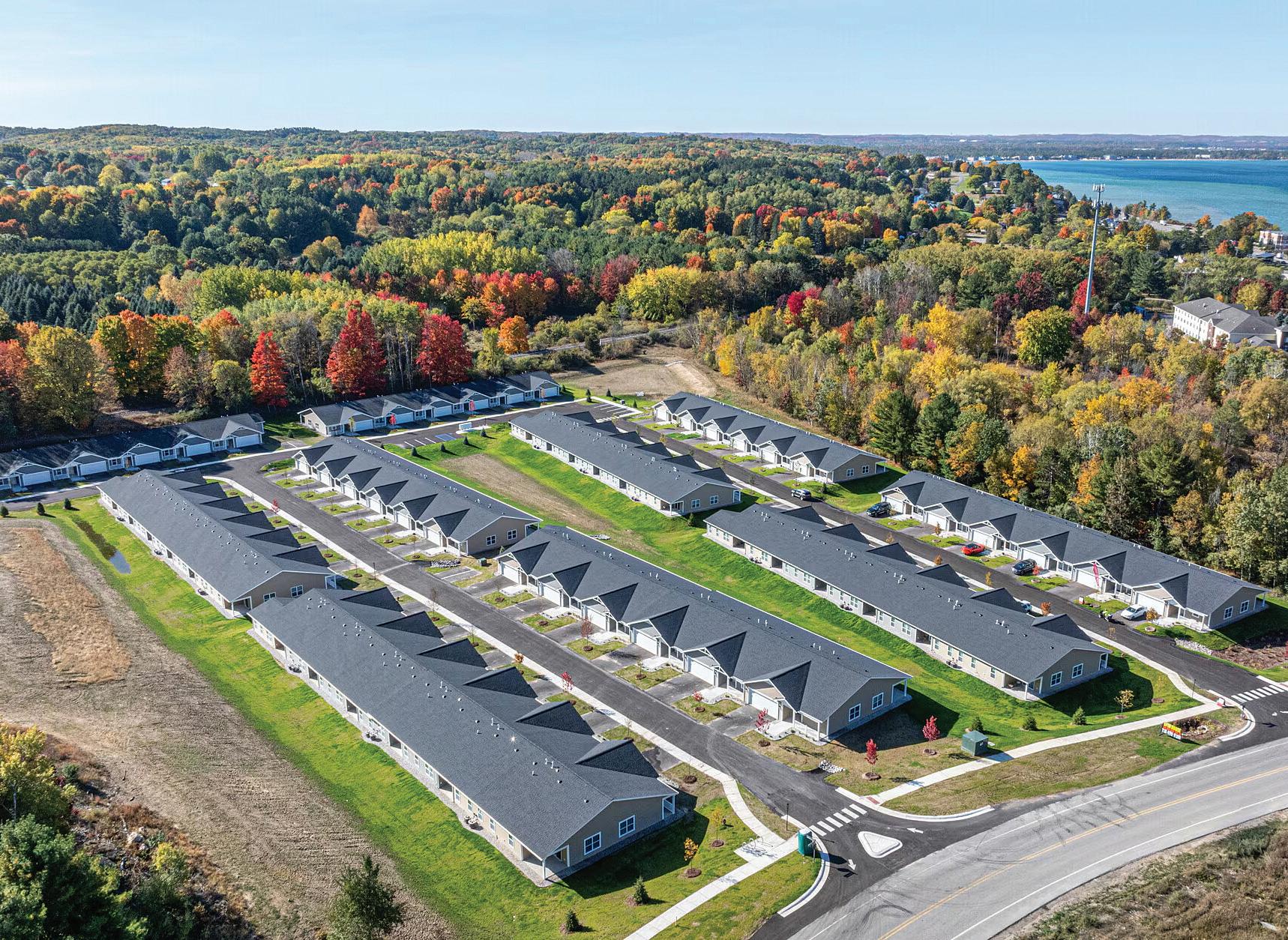
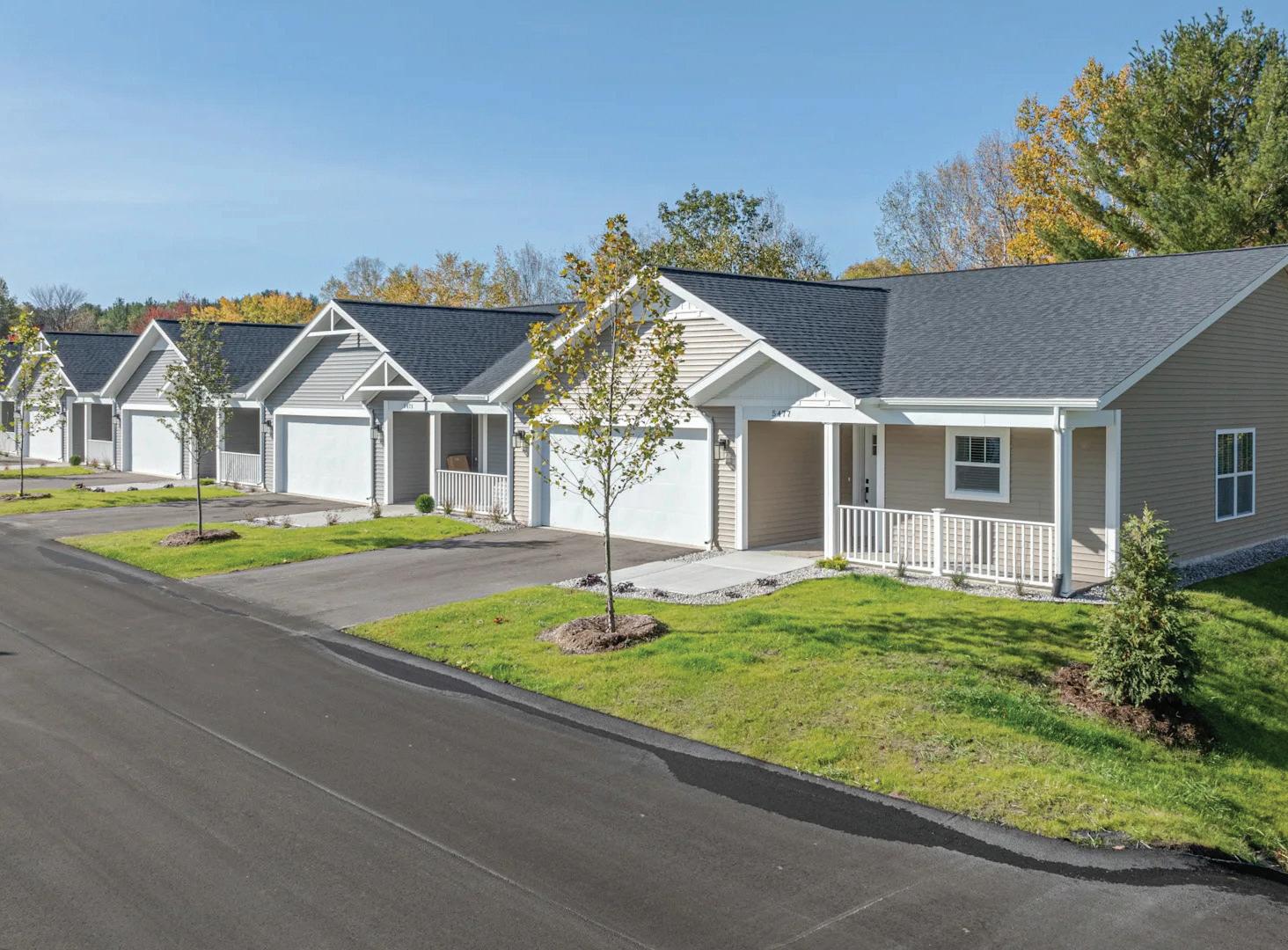
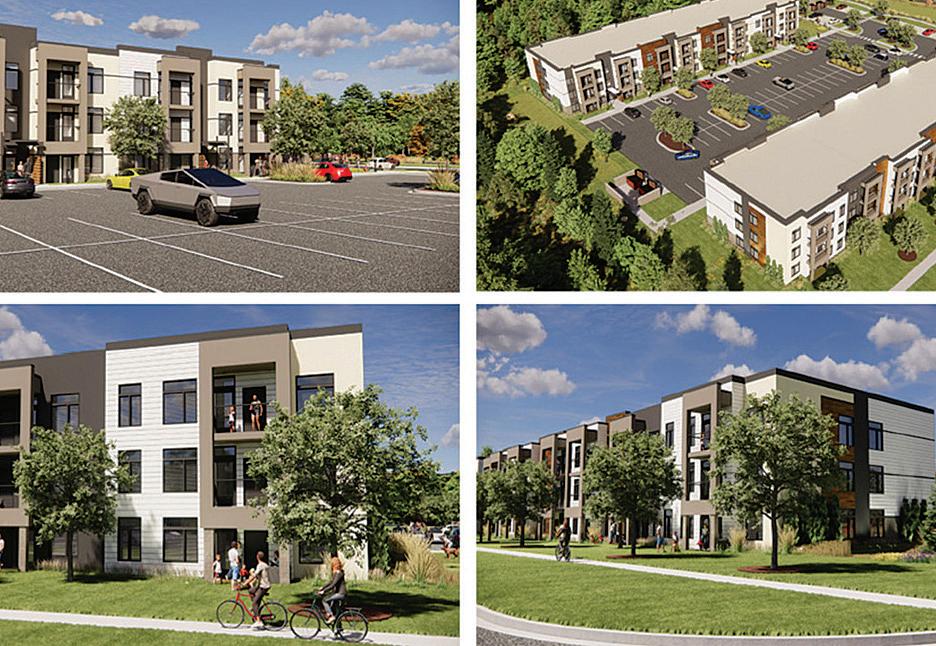
The behemoth for Granger, locally, is Acme Village, a new residential development off Mt. Hope Road in Acme. Last year, Granger completed the buildout on the first phase of that project, dubbed “The Flats of Acme Village,” which spans 60 “two- or three-bedroom condo style single-story homes” across 10 acres. Around the same time, Granger announced the second phase of the development: a pair of three-story buildings containing a total of 96 new apartments, called The Grove at Acme Village.
When all is said and done, Joslin says the Acme Village project will span nine phases and some $300 million in investment, including flats, condos, apartments, townhouses and cottages.
“We have another phase that we’ll be hopefully announcing soon, so I won’t tell you too much about that right now. But I can say that we have several other phases planned, between housing and retail,” Joslin said. “Our goal is really to make it a lifestyle community at that one development site.”
Also underway is a Granger Group project that will bring “30 single-family homes, across a couple different phases, to six acres right on the corner of Four Mile and Hammond,” Joslin said.
“We have nine units at 100% (area median income) right now, and we’re receiving brownfield funding for that,” Joslin added about the Four Mile/Hammond project. “We’ve priced the homes to be as competitive as we can, while still satisfying our lender covenants that we have.”
Next big thing: While housing is the Granger Group’s big focus in Traverse
City, the company’s next major project prioritizes another need: more boat slips.
Granger has been tapped by a local partner to build a new marina in the area. Joslin declined to share specific details for the project, which hasn’t been publicly announced yet – though he did clarify the project is different from the 80- to 100-slip marina DeVos-owned boat dealer Walstrom Marine is planning to build on West Grand Traverse Bay.
“We have a local partner that we’re doing a joint venture with,” Joslin teased. “They were able to get the site control and bring that to the project, and then they brought us this great opportunity.”
Joslin describes Granger’s partner as “a local operator” that is “involved in the community” and “would really love to just bring something online that there is clearly a market demand for.” Locally, he notes, most marinas have waitlists five to 10 years long.
“The math is pretty simple,” he said.
According to Joslin, the marina project is “shovel-ready,” with Granger “hopefully planning to break ground this fall, do construction over the winter and have it online by the spring.” That timeline would put the project ahead of Walstrom’s marina, which has been eyed for a 2028 opening at the earliest.
Granger’s role in the project could also go beyond the marina itself.
“What we saw was potential to develop on top of that,” Joslin explained. “If we wanted to put a product across the street, we own a lot there now. So, can we put housing there? Can we put an amenity there? Can we put commercial there? Those were all considerations we gave to that partnership.”



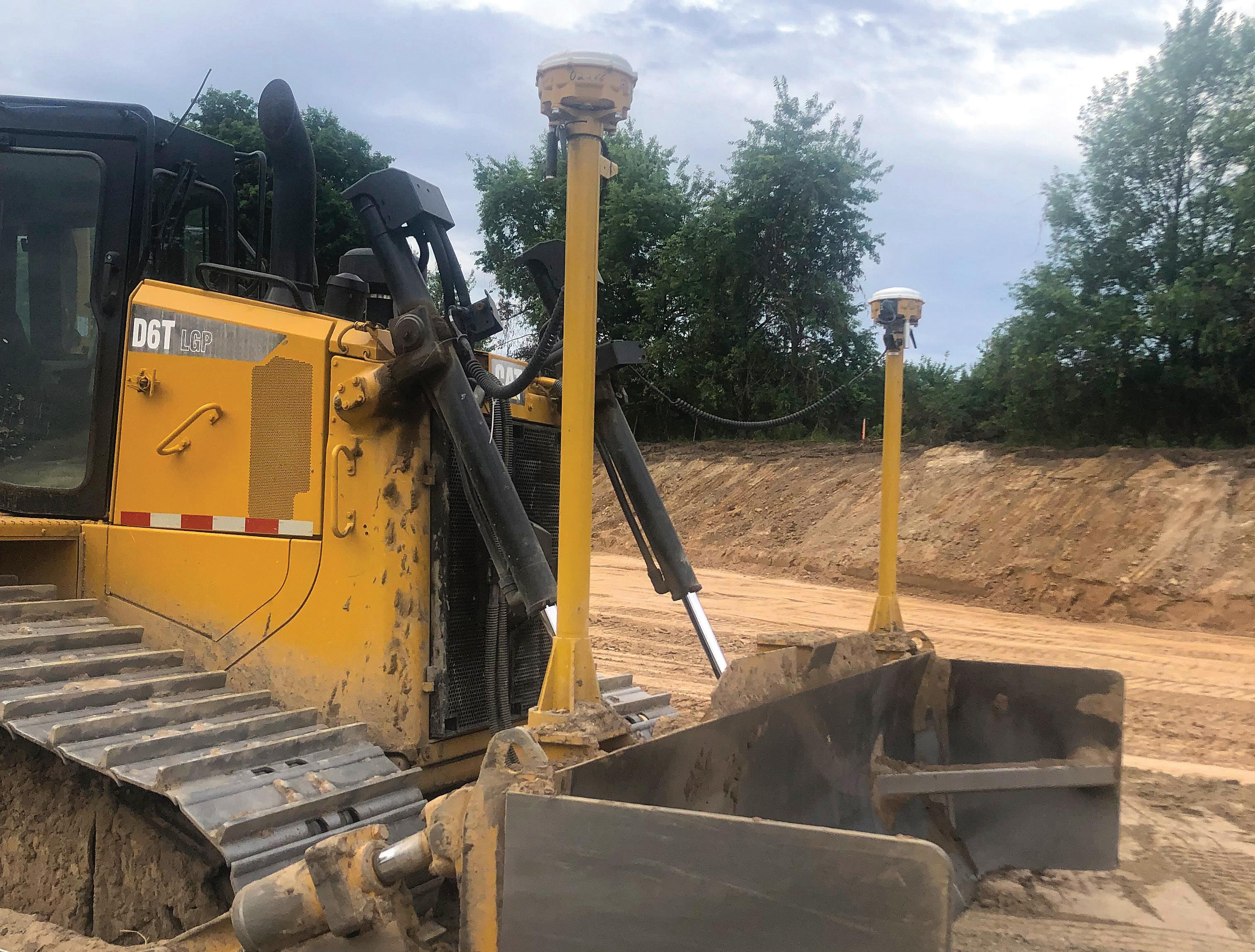
Transponders atop the blade of this bulldozer pick up signals from the base station to automatically set the machine’s grading parameters.
By Bill O’Brien
As Northwest Michigan continues to be transformed by the development, construction and real estate sectors, advancing technology in those fields are helping those professionals work smarter and faster while providing ever-more data to their clients.
Digital technology is working its way into numerous aspects of those industries in everything from site development to construction management to property sales. Technology advancements are helping firms work quicker and more efficiently, while keeping their clients up to speed with real-time data on their projects and transactions.
“It feels like there are new things coming all the time,” said Bobby Peplinski, who serves as chief financial officer and vice president of Northwest Michigan at Cunningham-Limp. “There’s always continued growth on that side of things.”
Development firms utilize digital technology early in the process, Peplinski says. Digital software allows developers to plug in various information – such as
something on site, then push things around to make it work on that site,” Peplinski said, saving planning designers days and even weeks of work.
“The biggest thing Elmer’s took advantage of was 3D technology. When I started, everything was built off (survey) stakes.”
- Max Bott, Team Elmer’s
plans for a specific number of housing units on a site – and then make adjustments to those plans based on topography, ponds or streams or other natural features of the land.
“Those types of programs can lay out
The advanced technology continues into the pre-construction and construction management phases of development projects.
“There’s a continued evolution that’s developed on the construction side of it too,” Peplinski said.
Project management software allows primary developers to quickly and accurately determine product and material needs, and run cost estimates and make financing projections. Cunningham-Limp uses a system called Procore it utilizes from pre-construction through a project’s close-out that helps determine construction schedules with sub-contractors. It also tracks project costs and margins while allowing project owners and financiers to follow the progress on their developments in real time.
“It’s a good way to have a nice open book and give them the relevant information on their projects,” Peplinski said.
Max Bott got a firsthand view of the technology evolution in the construction industry through his 26-year career as a
heavy equipment operator and division manager for excavation at Team Elmer’s based in Traverse City.
“The biggest thing Elmer’s took advantage of was 3D technology,” said Bott, who retired at the start of 2025 after more than 35 years in the industry. “When I started, everything was built off (survey) stakes.”
These days, most site contractors work off satellite and other data when doing projects like road construction, parking lots and general site development. Topographical information is compiled through various information including Global Position System (GPS) data or drone imaging. That information is transmitted to a base station at a construction site, which sends the information to transponders fixed to heavy equipment like bulldozers and road graders. The data automatically adjusts the dozer and grader blades according to the specifications set by project engineers.
“It will actually run the blade of a dozer by computer,” Bott said. “As long as the 3D model is correct, it’s going to work right.”
The technology also allows site managers to track the run and idle times of the equipment, and also serves as an anti-theft device.
The ease of learning how to use the technology is another benefit.
“It’s super simple to learn,” Bott said. “You can take someone who’s been operating a dozer for a day, you show them how it works and they can do it.”
Bott says most contractors have converted to digital technology, which can reduce the amount of heavy equipment operation by 20% to 25% depending on the size of the job.
“It’s not cheap, but the equipment pays for itself for sure,” Bott said.
There are other valuable applications for excavators and contractors. Bott says companies can utilize 3D images of their gravel pits to determine how much material remains, helping them with long-range resource management and facility planning.
Scott Jozwiak of Jozwiak Consulting in Greilickville is an engineer who helps compile the digital data from construction sites and transfers that information to the workers on the job. He frequently uses drones to determine a site’s dimensions and characteristics before planning changes.
“We need to know the surface that exists today, so we can design a surface that will match the objectives,” Jozwiak said.
“There’s never going to be a technology that can replace the historical knowledge that we have developed as a company. There’s definitely going to always be that need.”
– Bobby Peplinski, CFO/VP of Northwest Michigan, Cunningham-Limp
Jozwiak says he typically integrates drone data with GPS imagery and bootson-ground survey information when generating site preparation plans.
“There’s a lot of automation to it, but there’s also a lot of hand manipulation involved,” Jozwiak said.
It’s critical information as development costs increase as more material gets moved in and out of a construction site.
“There’s not as much waste in (dirt) movement, and there’s not as much waste in material,” Jozwiak said. “Trucking materials – especially around Traverse City – is a huge number.”
But the design and construction of

those projects aren’t the only things being advanced by technology. Real estate is also reaping the benefits of new technology.
Doug Swartz, an agent with Century 21 Northland and president of the Aspire North Realtors Board of Directors based in Traverse City, says technology upgrades are helping agents bring more information to buyers and sellers, while moving transactions with more speed and accuracy.
“(Artificial intelligence) is the biggest player in technology for everybody, including real estate,” Swartz said. “When you can automate processes, it makes everything also run smoother.”
Swartz utilizes various real estate tools including CubiCasa that can generate two- and three-dimensional floor






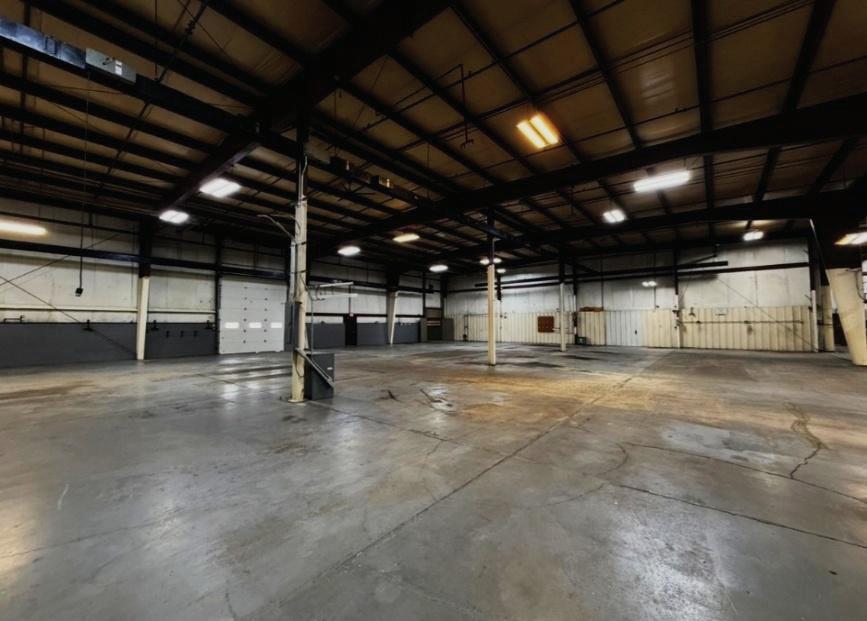
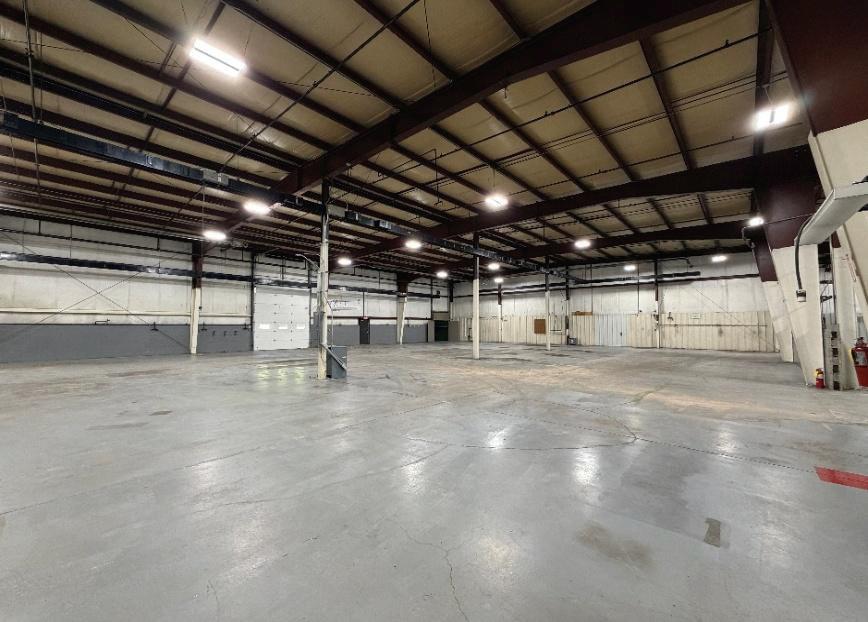
KEEN has partnered with IKE Investments to deliver a major lighting upgrade for a local community building, installing a new energy-efficient LED system, designed to reduce operating costs and improve the facility’s overall sustainability.

KILOWATT HOURS AVOIDED: 57,757kWh
SAVINGS EQUIVALENT TO:
4.7 homes’ electricity use for one year. 1,837,565 Smartphones charged.



Greg and Matt and the entire KEEN team were great to work with for our lighting upgrade project. The whole experience exceeded our expectations from start to finish.
From the initial site visit and quote through to project completion, their team demonstrated exceptional professionalism, expertise, and attention to detail. They took the time to thoroughly assess our facility, understand our operational needs, a nd recommend the best lighting solutions for our space. Their knowledge of the products and available options gave us confidence that we were making the right investment.
What stood out most was their willingness to go above and beyond at every stage of the project. Communication was excellent, timelines and budget were clearly outlined and met, and any questions or concerns were addressed promptly and professionally. The installation was completed efficiently, and we were impressed with the quality of their workmanship. The results are amazing, and clearly noticeable in a brighter, more energy-efficient workspace.
~ IKE Investments




plans, 3D video renderings, furniture placement and show various colors and textures on those renderings through a mobile phone app.
Agents can also use digital laser measuring devices on their phones to measure buildings and properties.
“It’s a whole lot better than using a tape measure, I can tell you that,” Swartz said.
Real estate professionals also extensively use drones to photograph and map properties, and utilize public information generated by geographic information systems (GIS) in county assessing departments that identify details including zoning designations, property boundaries, past transactions and deed types.
“There’s a lot of information there that you can use,” Swartz said.
The real estate industry has utilized electronic document processing for several years to eliminate in-person meetings needed to convey signatures needed for property transactions.
“You no longer have to be everywhere,” Swartz said. “It allows us to focus on the customer more while all this stuff is done in the background.”
Artificial intelligence is advancing to the point where an agent can put in various details of a home or other property and AI will develop a sales pitch for the agent, Swartz says. Social media platforms such as Facebook and LinkedIn also make it easy for professionals to promote their properties through their pages.
“Social media is a huge platform for real estate,” he said. “We have some neat toys to play with.”
While new technologies are improving speed, efficiency and accuracy of the building, development and real estate sectors, they’re not necessarily replacing the human element of those industries.
Peplinski says companies still need employees to operate the new systems and still heavily rely on the knowledge and experience of their staffs.
“There’s never going to be a technology that can replace the historical knowledge that we have developed as a company,” Peplinski said. “There’s definitely going to always be that need.”



By Art Bukowski
While local development activity of all kinds has soared over the last five years, you might have noticed one thing in particular: There’s a heck of a lot more self-storage facilities around town than ever before.
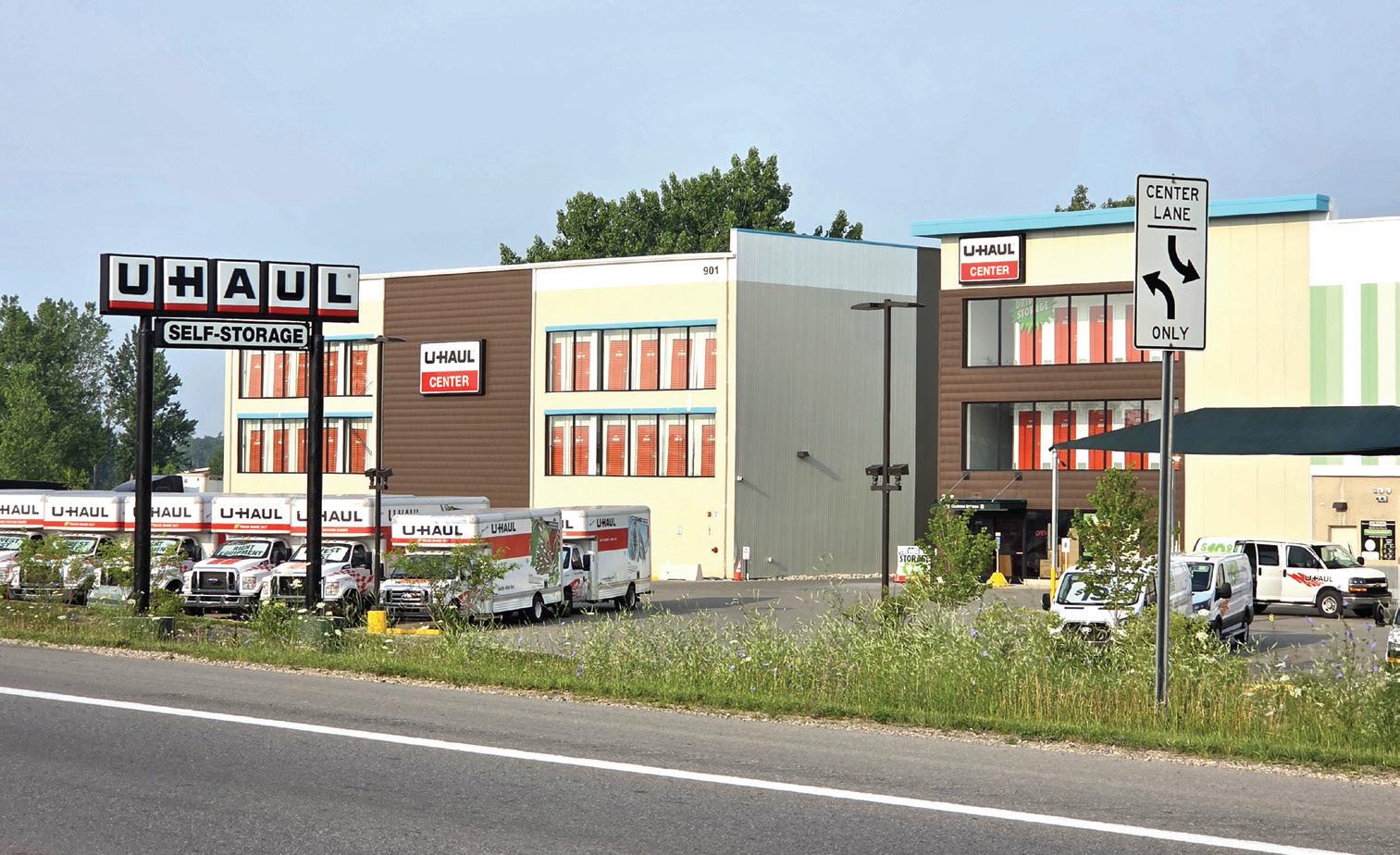
Some of this growth is from big, national players like U-Haul and CubeSmart, which have both built prominent facilities here in recent years. The rest is from scores of smaller facilities, many locally or regionally owned, that were built in the wake of the COVID-19 pandemic.
Surely all of these were built to meet demand and are at or near capacity, right? Wrong, industry insiders say. A headlong rush to build during and after COVID resulted in far too many facilities coming online, and now a lot of operators are paying the price.
“It’s a very difficult time to be a self-storage owner or operator. Yes, there’s demand and yes, people are utilizing storage more than they ever have in the past, but the real story is there was too much built,” said Brian Mullally, whose MBPG Capital owns, manages and consults in the self-storage industry. “There’s just way too much supply.”
How much oversupply, exactly?
“Generally speaking, a stabilized square fee per capita metric in the industry is going to be around seven to nine square feet

per capita, and in the Traverse City area now, we’re closer to 14 to 15 square feet per capita,” Mullally said. “That’s nearly twice as much self-storage per person than what is considered a stabilized market.”
This, in turn, drives pricing down for everyone, Mullally adds.
“The cost of a storage unit has decreased more than 50% from where the peak was in 2022,” he said. “Rates have really taken a hit, and occupancy has really taken a hit.”
This problem does not appear to extend to owned storage spaces (as opposed to traditional rentals). Condo-based
self-storage units, many of them high-end, continue to come online and sell well.
“We only have two left, and there’s 41 units in there,” said Jennifer Kreta, a real estate agent representing the newly opened M-37 Round About Barns on Blair Townhall Road.
Rental market woes
COVID changed everything, Mullally says. A lot of people were creating home offices, leading to a big demand for space to put all the stuff that had to be moved out of the way. Add to that people moving
or relocating, and there was a record-high demand for self-storage.
“COVID really accelerated the need, which then in turn drove a lot of development during a time when interest rates were already at all-time lows,” he said.
Not only did national players enter the local market to meet this demand, Mullally says (think U-Haul’s big facility south of Chums Corner and CubeSmart at Garfield and Hammond roads), but many local developers also rushed to get in on the action.
“Because storage became so popular, there were a lot of developers that didn’t
have backgrounds in self-storage that looked at a self-storage facility and said, ‘Wow, that’s a cash cow. Metal buildings with roll up doors, that’s so easy. I can do that,’” he said.
The problem is that it generally takes a few years for a development to be planned, fully approved and built, Mullally says. By the time they were all open, there were just too many. And, to make matters worse, the home office trend eventually softened.
“A lot of these new facilities that were planned and approved and started construction during that COVID boom have really struggled,” Mullally said.
Other operators reported similar sentiments. After noticing a strong demand, Mary Rollert and her husband John broke ground on a rental storage unit complex in 2018 on U.S. 31 west of Interlochen. They ended up building several phases on 10 acres, and the development (4 Seasons Storage) was a big success. They filled up 300 units and even had a waiting list.
“As soon as we were breaking ground, people were asking when they were going to be done,” Mary Rollert said. “We just couldn’t build them fast enough.”
In 2021, they sold to a downstate company that quickly doubled the number of units. But now, she says, they are probably a third empty.
“Since then they have not been full, and it does seem like the market is saturat-

“I’m sure the population will eventually catch up with the number of storage units. We know it’s a growing area … my goodness, just look around and see all the apartment complexes and developments being built in various areas.”
– Jim Drake, Manager, Hammond Road Storage Vault and Long Lake Storage Vault
ed,” she said. “It’s been successful, but they never reached full capacity like we had.”
The over-saturation hurt more than just new facilities, though established facilities with existing clientele likely fared better. Regardless, it’s a problem for everyone.
“I know several facilities that are really hurting and that they’re not cash flowing. They’re not making money. Their occupancies are below 50%. So they’re really struggling,” Mullally said. “And then add to that that taxes, insurance, utilities, all of your expenses continue to increase, and it’s a really tough time to be in the storage business.”
The national players rolling into town
with unlimited marketing budgets also puts a squeeze on the little guy.
“The bigger players in the business have much more money to spend on marketing, which can help them, and it really hurts some of the local mom and pop operators that aren’t thinking about the business the same way,” Mullally said. “CubeSmart is one of the largest operators in the country. I get mailers from them. You go online, and you get bombarded by ads on Facebook and TikTok.”
CubeSmart did not respond to repeated phone or email requests for comment on its local operations; a U-Haul spokes-

man said its facility was built specifically to meet demand and that demand remains strong, though he wouldn’t provide any hard numbers.
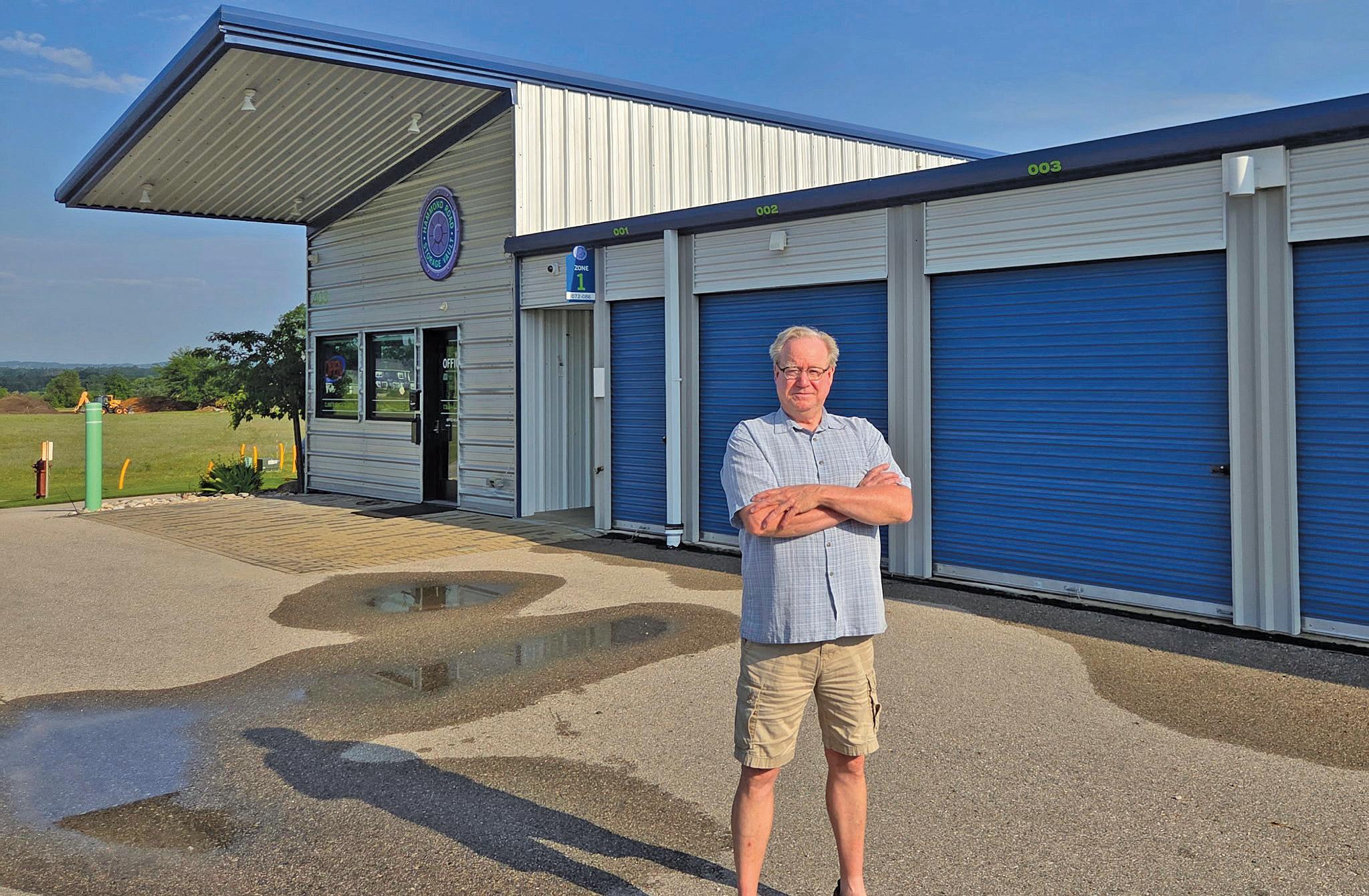
Jim Drake manages Hammond Road Storage Vault (about 400 units, built in 2018, 80% full) and Long Lake Storage Vault (about 120 units, built in 2024, 50% full). He agrees that the area is considerably oversupplied, but he’s not worried about it in the long term.
“I’m sure the population will eventually catch up with the number of storage units,” he said. “We know it’s a growing area … my goodness, just look around and










see all the apartment complexes and developments being built in various areas.”
Meanwhile, demand, sales and continued construction would suggest the oversupply problem does not extend to storage units that are designed to be sold and owned instead of merely rented. This is especially true for large, barn-sized buildings.
Many of the M-37 Round About Barns sold before they were even finished, and only two of the 41 remain, Kreta says. The large units range from $122,000 to $229,000.
While Kreta says a lot of things are in their favor – a killer location, dedicated website and very high-quality buildings – there are simply plenty of people who would rather own than rent, particularly for something as long-term as storage. They also have much more ability to control and customize the unit, she says.
“There’s just a lot of advantages,” she said.
Rollert, who with her husband owned the rental unit west of Interlochen, now is the exclusive real estate agent for Silver Lake Storage Barns, a relatively new development of larger units on Silver Lake Road near M-37. Having seen both sides (rental and condo) she says the condo storage market is much stronger.
About half of the 50 units at Silver Lake have been sold since it opened a few years ago, and Rollert expects them all to be
“Having on-site storage has really changed the way people are thinking about the storage industry. We’ve been doing it for about three and a half years now, and it’s been really great for us.”
– Matt Buza, Operations Manager, Northland Self-Storage
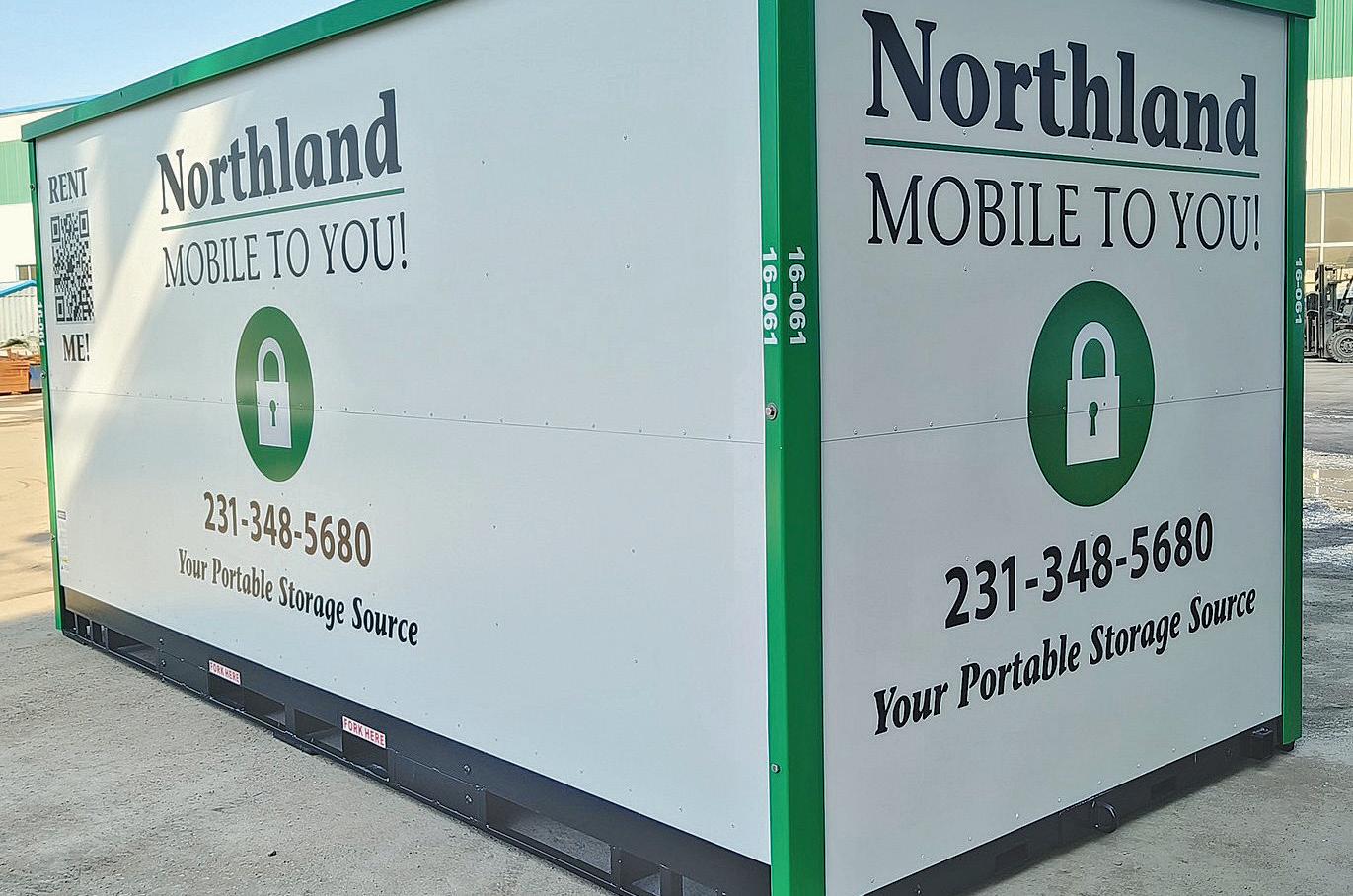
gone in less than two more. Like Kreta, she says a lot of her customers are attracted to the quality and customizable nature of her barns, and that a lot of them are simply thinking long-term. Why throw all that money at a rental when you could own?
“We even had somebody who said, ‘My kids are probably going to have to deal with this stuff (after I die),’” Rollert said.
There’s also plenty of strong demand for portable, on-site storage units. So says

Matt Buza, operations manager for Northland Self-Storage in Petoskey. Northland is opening up a Traverse City hub to better serve its growing mobile storage unit business, in which it delivers units all over northern Michigan.
“Having on-site storage has really changed the way people are thinking about the storage industry,” Buza said. “We’ve been doing it for about three and a half years now, and it’s been really great for us.”
There are many reasons why on site makes a ton of sense, Buza says, but the primary reason is not having to pack stuff



up and haul it across town. If you’re doing a flooring project, for instance, it’s much easier to put it in a unit outside than it is to load it up and transport it a few miles away.
“One of our units can really save them a bunch of time and energy,” Buza said.
Demand fluctuates depending on what’s going on around town, Buza says, but the units are mostly rented. People keep them for a few weeks or as long as a year or more. There’s a transportation fee, then the units start at about $200 a month to rent.
“We get consistent feedback that our pricing is very affordable,” Buza said.







By Rebecca Teahen, columnist
There’s something special about real estate Up North. You feel it whenever you’re here – whether you’re visiting or have made your life here.
It’s the location. The views. The agricultural value. The community. The history. The stories. The family value. And, yes, the market value. We’ll get to that, but sometimes that’s not the most important piece.
I was visiting with neighbors recently, walking their farm. They had purchased this particular piece many years ago, before they really knew where they’d settle exactly, or what they’d use the land for. What they knew was they wanted to take advantage of a buying opportunity and keep their options open.
They partnered with several growers to manage this land and other pieces over the years and are now enjoying their retirement home a few miles away.
This couple created opportunities for others while stewarding a passion to preserve agricultural land in Leelanau County. Now, they’re wondering what’s next. Their children aren’t farmers and don’t live in the area.
While this property was a dream for them years ago, it started to feel like a burden.
They realized the land had done its job. Their family no longer needed to hold it as an asset, nor did they want to retain the responsibility of managing it as a farm. So, they went back to what has always worked in the past … connecting with community to explore options and learn.
We worked together with real estate, legal and land protection experts to build a plan toward liquidity and a new chapter for this property. The first step was to work with a qualified appraiser to better understand the true market value. As you well know, real estate in our region (and almost everywhere) has dramatically increased in value over time.
For many, this represents a significant portion of your overall net worth and has been a good “store of value.” We’ll circle back on that later.

The trade offs between holding real estate vs.
The family in this story, however, wanted to explore a few other pathways before making any decisions. So, they did some research with the local land conservancy to learn more about conservation easements to protect the land in perpetuity.
Property owners can often sell development rights on their acreage to extract some of the value out of the real estate, without selling outright. Or, of course, owners could choose to donate the development rights to a conservancy as well.
In this case, the owner chose to donate development rights and plans to sell the protected land in the future. For them, this provides an ideal blend of charitable deduction, land protection and future cash value.
Each family and each property will have many different factors to consider. I mentioned above that real estate has been a great store of value, and for many of you, is likely a highly appreciated asset.
Well, that’s great. But it’s a bit hard to spend at the grocery store!
Perhaps you’ve heard the expression “land rich, cash poor.” That’s just a cute way of acknowledging that real estate is considered “illiquid.” Holding an illiquid asset like this for a long period of time can be a great investment, and you may simply want to maintain the property throughout your life and even on to future generations.
If, instead, you’d like to get some
liquidity out of your land, there are a few important items to consider:
First, remember that it doesn’t need to be “all or nothing.” As mentioned above, you could explore the potential to sell development rights. This could help provide some cash, while maintaining ownership of the land. Another way to extract some cash flow could be to lease the land to another farmer or explore rental potential on the property.
Or, maybe it is time to sell the property and let the next owner realize their dreams on this little slice of heaven.
For many families, this is where things get more complicated.
Building wealth through real estate often takes decades of patience, and hands-on stewardship. Managing the proceeds after a sale requires many similar attributes, but also a different set of technical skills.
The asset may have changed shape, but the need for stewardship remains.
If you’re selling land to gain liquidity, it’s worth recognizing that cash and land behave very differently. Much like cultivating crops or maintaining a property, managing investments does require expertise and careful stewardship.
Consider a retiree who sells land and nets $1 million after taxes. If that money sits in a savings account earning roughly 2% to 3% while $50,000 is withdrawn each year for living expenses, the account
may be exhausted within about 25 years. At age 60, that sounds like a long time. At age 85, it may not.
The lesson isn’t that selling land is a mistake. The lesson is that liquidity creates a new set of responsibilities and requires a new team of managers.
While accumulating wealth is a steep hill to climb, stewarding and preserving those assets can be challenging as well.
What works for your family may not work for others. For some, these properties remain in agricultural production for generations. Or are retained in trust for many generations to enjoy. For others, protecting this regional resource through a conservation easement may provide the right balance between liquidity and peace of mind that this property will remain intact.
No matter what your path is, at some point, we all must ask and answer: What do we want our wealth to accomplish now?
Rebecca Teahen, CIMA® is a financial advisor with The Rivard Teahen Wheatley Group at Baird in Traverse City. She works with individuals and families on wealth planning, charitable giving, legacy planning and navigating major life transitions in partnership with legal, tax, and real estate professionals. The scenario(s) described are hypothetical and not intended solely to illustrate the types of financial planning services that may be provided. It does not represent the experience of any specific client. Actual client experiences and outcomes will vary depending on individual circumstances and it should not be interpreted as a guarantee of future results or client experience.

By Ross Boissoneau
Expanding while your industry is contracting is a neat trick. Katy Bertodatto of Golden Swan Management saw it as a necessity.
The rental management company has diversified its offerings along with expanding its staff. It now offers complete housekeeping services, an in-house laundry service, an onboarding and field operations crew, even an in-house Realtor.
“We have been making moves for the last five years,” Bertodatto said.
All while the market contracts, due to the supply of short-term rentals expanding at a far greater pace than the number of users.
A broad array of services
Bertodatto says it’s all about providing the best service for her clients as well as
helping the local economy. One such move was purchasing a bus garage from BATA to create its own in-house laundry facility.
“It creates more jobs,” Bertodatto said, as well as enabling Golden Swan to maintain quality and contain expenses.
The facility is also open to other rental management agencies that have the same need without such a resource. That helps keep her staff busy and brings in more income while providing a resource to other such companies.
The same holds for her crew that is experienced in cleaning and maintaining hot tubs, another perk that owners use to set their property apart.
“Any pain point … we’ve experienced, we take our solution to others,” she said.
Having a Realtor on staff was a result of wanting to serve clients and make sure the company wasn’t getting short-changed.
She was sending referrals to outside Realtors in hopes they would in turn send their clients back to her for owners seeking rental property management services. That didn’t always happen.
Which is why she was happy to bring in Desiree Rajala. “She’s an expert in shortterm rentals, not just a Realtor,” Bertodatto said. “I should have done it sooner.”
She says a similar thought is what led to Golden Swan hiring a dedicated housekeeping staff.
“One of the planned strategies was bringing housekeeping in-house,” Bertodatto said, adding that housekeepers have typically been among the lowest-paid workers. “That has never jibed with me,” she said.
By hiring her own staff, she has been able to maintain quality and control finances while paying her housekeepers at
the top of the market.
“We want to take care of people,” she said, speaking of her staff but indirectly referencing her clients as well. “We want to have a good reputation.”
The increase of nightly rentals
The difficulty of balancing the region’s varied housing needs largely has its roots in the area’s long-standing appeal as a vacation and second-home destination, which resulted in pushing prices higher for years. But the pandemic increased the problem. When COVID-19 upended the world, social distancing closed plants, hotels, restaurants and clubs. Forced to adapt, many industries found ways to utilize remote working, and workers freed from their offices and cities moved to northern Michigan.
Investors saw an opportunity to capitalize on those wanting to escape the cities for rural areas, particularly areas with appeal to vacationers. Many who had not previously considered purchasing real estate as an investment jumped onboard as well.
Which was all well and good as long as demand kept pace with supply. But eventually those hotels reopened, others were constructed and the number of homes purchased for short-term rentals increased. According to Foreclosure Data Hub, between the pandemic recovery and 2024, the number of active U.S. nightly rentals roughly doubled, pushing past 2.6 million listings.
“The market really changed. It reached saturation,” Bertodatto said.
The supply of short-term rentals –STRs – has now far outstripped demand.
“Rates and occupancy have been suppressed,” she said. “It’s been a race to the bottom.”
Price decreases include both hotels and owners of properties on VRBO, AirBNB and the like, who try to stay in the game by matching prices. That has led many owners coming to her, asking how Golden Swan can help them.
Sometimes there’s nothing she can do, which is tough for someone

who says she is “addicted to solving problems.” In the case of those who find themselves competing with many offerings in the same price point, there’s only so much that can be done. Worse is those who approach her after purchasing a home expecting to use it as a short-term rental, only to find out the zoning prohibits it.
“Those are the worst-case ones,” she said, as there’s nothing Golden Swan can do for them.
Bertodatto said in 2018 Traverse City adopted regulations limiting the number of short-term rentals allowed in the city, but those who got their footings installed prior to the November deadline were grandfathered in.
She says a number developers raced to get their footings in and get their projects started, which then sometimes took years to be completed. The result was many came online too late to capture the market surge, and instead simply added to the surplus of options for a decreasing number of renters.
High interest rates collided with the glut of short-term rentals, leaving owners under water, unable to get enough rentals at a price point that would allow them to pay their mortgage and taxes.
That has led some to look toward
“We want to take care of people. We want to have a good reputation.”
– Katy Bertodatto, Owner, Golden Swan Management
longer-term rentals, which Bertadatto is happy to see. On the other hand, some are looking to get out of the market altogether.
“There are a lot for sale,” Bertodatto noted.
For those who are at a crossroads, perhaps the best solution is one of the oldest ones: using it as a vacation home themselves. Bertodatto says those who choose to do so and rent it out occasionally may at least be able to enjoy the area and at least cover their taxes.
It is not all doom and gloom. Berto-

datto says the market is still strong for unique, luxury properties, such as the Golden Lofts above Golden Shoes.
“There are not a lot of two- and three-bedroom units that are high-end,” she said, adding that properties such as those or homes on a lake will hold their value.
Where she sees trouble is those who have bland, nondescript units, what she calls “soulless condos.” In fact, she said the surfeit of such units that owners can’t rent has led to them being offered for sale.
“They didn’t see the writing on the wall,” she said. “There are so many of them.”


By Linda Royal, VP Mortgage Loan Originator, and Chad Royal, Mortgage Loan Originator
Our area has emerged as one of the Midwest’s most desirable places to live, work and invest. Known for its scenic waterfront, thriving tourism industry, vibrant downtown and exceptional quality of life, Traverse City continues to experience strong demand for residential, commercial and mixed-use development. As population growth and economic expansion reshape the region, real estate development and construction have become central to Traverse City’s future.
By Lori VanAntwerp, VP/Commercial Lending
increasingly common as municipalities work alongside developers to finance infrastructure improvements that benefit entire neighborhoods.
Construction is essential and increasingly complex. Strong housing demand continues to support development opportunities, yet the process of delivering new supply requires thoughtful planning, creative financing, and a good understanding of local market conditions.
Regional nonprofit Housing North estimates that approximately 31,000 additional housing units will be needed across northwest Michigan by 2027. Meeting this demand requires a wide range of housing types – from attainable starter homes to multi-family rentals, and thoughtfully designed mixed-use projects. As a result, construction activity across the region is gradually evolving to better serve a diverse and growing population.
Over the past decade, Traverse City has seen sustained growth fueled by a combination of tourism, remote work opportunities, retirement migration and an expanding local economy. As more individuals and families choose northern Michigan as their permanent home, the demand for housing has increased significantly. This growth has encouraged developers to pursue new residential neighborhoods, condominium communities, apartment complexes and mixed-use developments that combine housing with retail and office space.
Making more efficient use of land
Building in northern Michigan presents distinct challenges, including shorter construction season, skilled labor shortages, and limited contractor availability, which can extend project timelines and increase costs. These realities require careful planning and lenders to take a long-term view when evaluating construction opportunities.
Developers are responding with creativity and commitment
Regional developers are adapting in different ways to help expand housing supply.
Home prices have risen substantially, making affordability a concern for many workers and young families. In response, city leaders, developers and community organizations have collaborated on initiatives designed to increase housing inventory while encouraging responsible growth. Traverse City has adopted planning strategies and zoning reforms that support higher-density residential development, accessory dwelling units (ADUs), duplexes and mixed-use neighborhoods that make more efficient use of available land. These efforts are intended to address housing demand while preserving the character of the community.
Commercial construction has also remained active throughout the region.
In the downtown market, recent projects have focused on renovating and revitalizing historic properties. This has created attractive residential living spaces while modernizing retail and office environments. Importantly, they have also preserved the architectural character and longterm vibrancy of the community. As a lifelong resident, I am especially grateful for the care they have taken to improve and preserve these assets. Preserving historical elements of a project costs far more than tearing down and starting from scratch. THANK YOU to developers that have chosen preservation over profits.
New office buildings, healthcare facilities, hospitality projects, retail centers and industrial developments continue to strengthen the local economy. The city’s reputation as a year-round destination has encouraged investment in hotels, restaurants, entertainment venues and recreational facilities. At the same time, businesses relocating to or expanding within Traverse City have generated demand for modern office and flex-space construction that accommodates evolving workplace needs.
Elsewhere, some builders are pursuing a neighborhood-based strategy, constructing multiple speculative homes simultaneously within new and established subdivisions. This approach allows for improved coordination with subcontractors, efficient material purchasing, and better overall project scheduling. These efficiencies can help moderate construction costs and improve affordability.
One developer I work with recently shared, after years of success in the local real estate industry: “I’ve made a lot of money in Traverse City – now I want to give back.” That commitment to reinvesting in the community plays an important role in addressing regional housing needs.
Mixed-use development has become an increasingly important trend. These projects combine residential units with retail, dining, office space, and public gathering areas, creating walkable neighborhoods that enhance community connectivity. They not only maximize land use, but also support local businesses by increasing foot traffic and encouraging year-round economic activity.
Infrastructure investment plays an equally important role in supporting continued development. Road improvements, utility upgrades, public transportation enhancements and waterfront revitalization projects help accommodate growth while improving quality of life for residents and visitors alike. Public-private partnerships have become
We’re currently reviewing a project designed to breathe new life into the area surrounding the Boardman Lake Loop. Developers are committed to creating a vibrant hub of housing, retail, and gathering spaces that invite our community to enjoy the natural beauty of the region. They understand that success depends on a collaborative relationship with the city and township to ensure the project aligns with the long-term vision for
How environment, labor shortages and more affect development
the Loop. It’s this level of passion and intentionality that will continue to set our community apart.
Layered capital structures are increasingly common
Often, to make a project viable, developers will utilize funding from many sources. The capital stack may include:
• Senior construction loans from community and regional banks
• Public incentives from the MEDC – such as the Revitalization and Placemaking grants (RAP)
• MSHDA funding
Developers must carefully balance growth with protection of the area’s natural resources, including Lake Michigan, Grand Traverse Bay, wetlands, forests and agricultural land. Many new developments incorporate sustainable building practices such as energy-efficient construction, storm water management systems, native landscaping and environmentally responsible site planning. These practices not only reduce environmental impact but also appeal to buyers seeking energy savings and long-term value.
• Brownfield Tax Increment Financing (TIF)
• Mezzanine debt or preferred equity
• Partnerships with nonprofit organizations utilizing Low-Income Housing Tax Credit programs (LIHTC)
• Alternative funding sources such as Venture North, Northern Initiatives and Illinois Facilities Fund (IFF)
What community banks focus on in construction lending
From a lender’s perspective, several factors can significantly strengthen a construction project:
Construction professionals in Traverse City have also adapted to changing market conditions. Labor shortages, rising material costs and supply chain disruptions have influenced project timelines and budgets in recent years. Despite these challenges, local contractors, architects, engineers and builders continue to demonstrate resilience through careful project management, innovative building techniques and strong collaboration with clients. Continued investment in workforce development and skilled trades education is helping prepare the next generation of construction professionals to meet future demand.
The rise of redevelopment
• Maintaining appropriate contingency reserves – this will provide a cushion during pricing spikes, construction delays and unforeseen project challenges
• Preserving a strong liquidity position – this includes easy access to capital, like cash, stocks, bonds, etc. Lenders are often told by borrowers ‘If I had the cash, I wouldn’t need a bank.’ That can be true to an extent. But when we are talking about construction, you need a Plan A, B & C
Redevelopment has become another significant driver of growth. Rather than expanding solely into undeveloped land, many developers are revitalizing underutilized properties, former industrial sites and aging commercial buildings. Brownfield redevelopment projects transform obsolete properties into vibrant mixed-use communities while reducing environmental concerns and making efficient use of existing infrastructure.
• Including financially capable guarantors who can support projects through completion. A guarantor with financial strength independent of the specific construction project further enhances the viability of financing
• Using realistic assumptions regarding absorption, pricing, and interest rate sensitivity. Is the sales price/sq ft supported by the market?
I’d be doing clients a disservice moving forward with projects that lack sufficient liquidity and guarantor strength. If a major hiccup occurs and the borrower doesn’t have the funds to finish the project, no one wins.
Looking ahead, the outlook for real estate development and construction in Traverse City remains positive. Continued population growth, strong tourism, expanding healthcare services and increasing business investment are expected to support demand for new residential and commercial projects. Success will depend on balancing development with affordability, environmental preservation and thoughtful urban planning.
As development continues to evolve, Traverse City stands as an excellent example of how responsible construction and forward-thinking real estate planning can strengthen both the local economy and the quality of life for generations to come.
Responsible development helps preserve the character and quality of life that make this region attractive to residents and visitors alike. Community banks play an important role in balancing these priorities by supporting projects that align with market demand and long-term community goals.

By Craig Manning
Three makes a trend; four makes a movement.
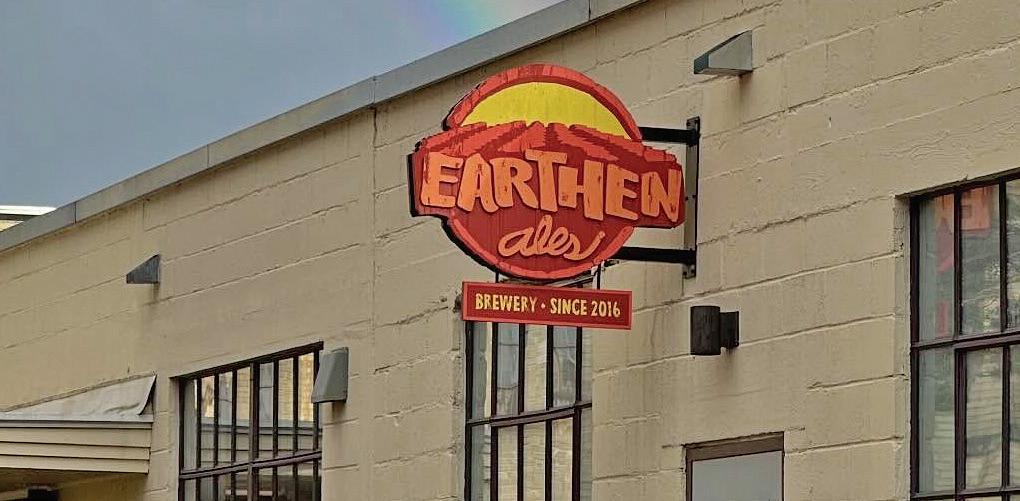
That’s a phrase worth applying to the craft beer sector in northern Michigan, where a quartet of local breweries has expanded to new locations against industry-wide headwinds.
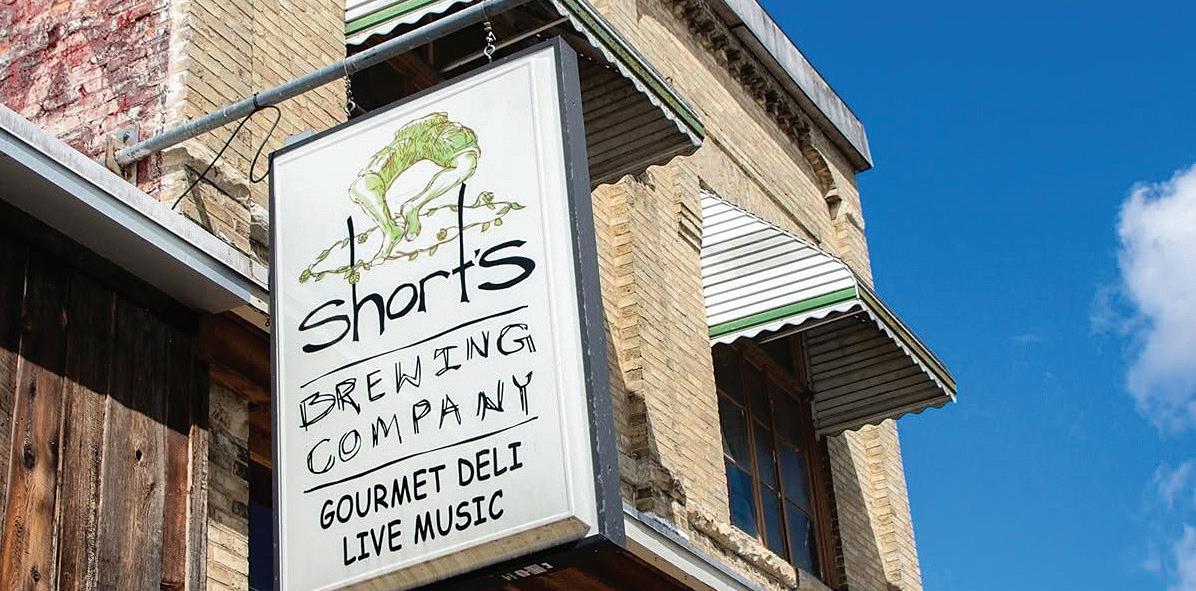
The story started in 2024, when Traverse City’s Earthen Ales launched Tank Space, a quirkily space-themed satellite location on Eighth Street. It continues today, as Short’s Brewing Company works to convert the Logan’s Landing complex into its first-ever Traverse City home.
What’s driving this pattern of local expansion, and how does it play into –or deviate from – craft beer’s flagging fortunes nationally? The TCBN takes a closer look.
Beer bubble burst?
“If the craft beer industry is a ship, we can comfortably say we’re no longer in the safety of a harbor.”
So says Matt Gacioch, staff economist for the Brewers Association, in that organization’s “Year in Beer” report for 2025. The BA is a nonprofit trade group that champions American independent craft
breweries, hosts major industry events and tracks key market metrics. Per the BA, 2025 marked the second year in a row where more breweries in the United States closed than opened. In 2024, closures outnumbered openings, a first since 2005.
There were few silver linings in the BA’s 2025 report. Overall beer sales were down 5.7%, craft beer sales were down 3.8% and import beer sales were down 5.3%. Production volume has seen a decline in line with those percentages.
Gacioch blamed the continued craft beer slump on “changing consumer behaviors, retailer rationalization, cost increases due to inflation and tariffs, and more
Great Lakes Potato Chips
competition than ever,” but said brewers were “stepping up to meet today’s challenges head on by adjusting their offerings and, sometimes, their entire business models.”
For a growing number of northern Michigan breweries, “stepping up to meet today’s challenges” has meant expanding rather than contracting. Earthen Ales added Tank Space as a satellite location in April 2024. Traverse City’s Silver Spruce Brewing Company followed suit later that same year, soft-launching a new taproom
on Silver Lake Road.
In the past year, TCBN sister publication The Ticker has broken the news about two additional craft beer expansions. First, in December, The Ticker reported that Brent Faber, owner and founder of Stone Hound Brewing Company in Acme, had “signed a lease with an option to purchase” the McLain Cycle & Fitness building on Eighth Street. Faber will open a second Stone Hound location there, likely sometime this year.
Then, in April, The Ticker was the first outlet to report that Short’s Brewing Company had partnered with Keen Technical Solutions to purchase the east side of the Logan’s Landing complex on South Airport Road, with plans to use about
10,000 square feet of the 16,000 squarefoot space for a new Short’s taproom.
Asked why so many breweries are choosing to expand amidst nationwide
“Beer
breweries open more retail, is because there’s a surplus of production,” Short said. “We’re seeing a little bit of that as well. The beer sales at the pub are a little
is just one piece of what we do. I’m still passionate about it, but at the end of the day, what we’re really doing is providing a third space in the community where you come in and you don’t have to worry about doing the dishes, and where your to-do list from work isn’t sitting there on the desk in front of you.”
– Andrew Kidwell-Brix, Co-Owner, Earthen Ales
contraction of the beer market, Short’s founder and namesake Joe Short paints the trend as an “adapt to survive” strategy.
“What I suspect, in why you’re seeing
slower, which means we have excess production beers, and so we’re trying to burn those up at the pub and at the pull barn.”
The flagship Short’s “pub” can be found in downtown Bellaire, where the brewery was first born in 2004. It wasn’t until 2017 that Short’s “threw some draft lines on a pole building” at its production facility in Elk Rapids, and even then, the establishment was merely a summer beer garden, with no indoor seating to speak of. The “pull barn,” as it is known today, took shape in 2021, when Short’s made the Elk Rapids location an indoor, year-round pub.
“The challenge is that both Bellaire and Elk Rapids are very tourist-driven villages; we don’t have a strong year-round, sevendays-a-week program for sales,” Short said. Add in a “not great” economy, a “down” period of distribution for Short’s, and

sobriety trends that have almost everyone – particularly younger demographics – drinking less, and Short has found himself with more excess beer to burn than he had a few years ago.
“Fortunately, we have a strong enough foothold that we were prepared to just weather that storm,” Short said of the headwinds.
That “foothold” is notable. Short’s is the third-biggest brewery in Michigan by volume, after Founder’s in Grand Rapids and Bell’s in Kalamazoo. Since both Founder’s and Bell’s have sold out to major corporations, Short’s now also has the distinction of being Michigan’s largest independent brewery.
Still, the shaky beer market meant Short was receptive when Tim Pulliam of Keen Technical Solutions came calling with the opportunity to be part of the revitalization of Logan’s Landing.
According to Short, there have been many offers and asks over the years aimed at getting Short’s to open a location in Traverse City. The answer was always no. Recently, Pulliam even “petitioned” Short to consider bringing the brewery to the Mill District, another Keen project on Boardman Lake.
“When everybody thinks of ‘Shorts opening up a new location,’ I think they’re picturing the pub in Bellaire, and as I told Tim, ‘I don’t want to run another restaurant. I just want to sell beer!’” Short said. “Logan’s Landing was
“Logan’s Landing was more intriguing, and probably a little more our style. It’s a little more ramshackle than something brand new. And then there were all the other elements ... We just kept talking about it and ultimately came to an agreement that worked for everybody.”
– Joe Short, Owner, Short’s Brewing Co.
more intriguing, and probably a little more our style. It’s a little more ramshackle than something brand new. And then there were all the other elements: the fact that the Boardman Loop is finished and there’s now so much pedestrian traffic out there; the fact that this legacy property is nostalgic for so many people; the fact that I’ve had a great relationship with Tim from Keen for decades. So, we just kept talking about it, and ultimately, we came to an agreement that worked for everybody.”
The Logan’s Landing project
Short’s CEO Scott Newman-Bale says

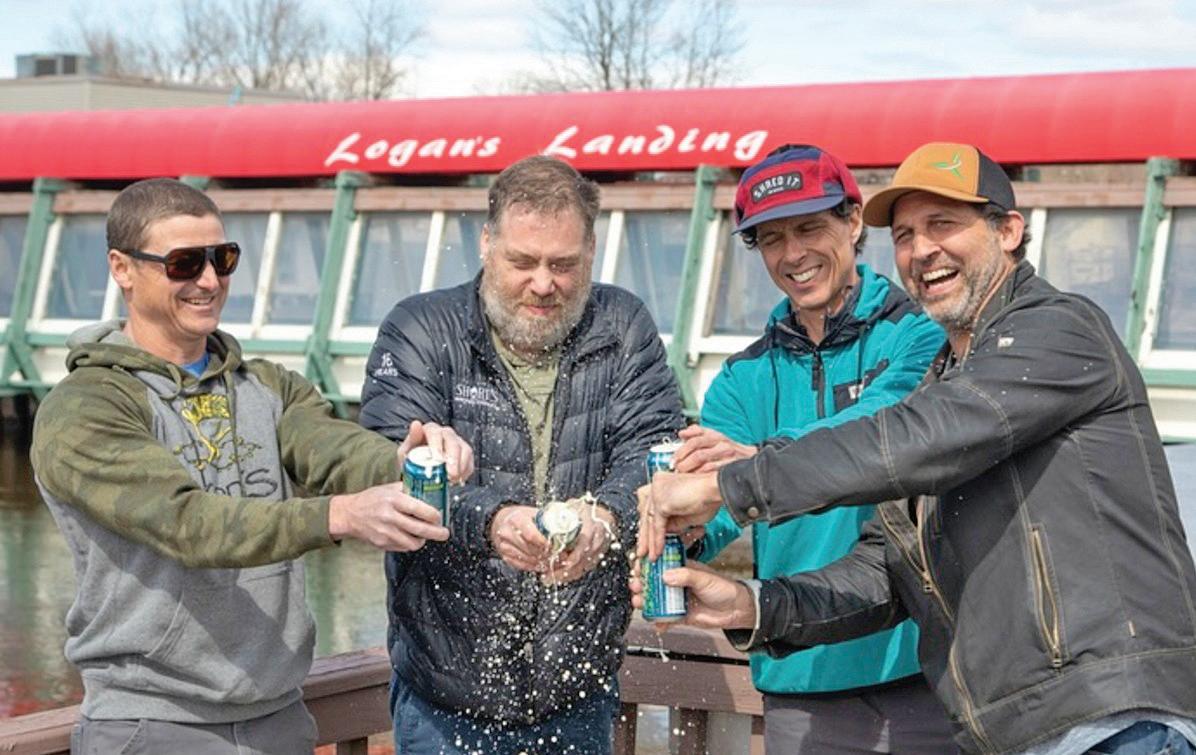
he
“can’t think of another building” in all of Traverse City that would have gotten the brewery to take the plunge on a TC-based taproom. Even after signing all the paperwork and committing to the project, Newman-Bale and Short both insist they “honestly don’t know” what the Logan’s Landing establishment will look like when it opens its doors.
“We’re going to start with just beers on the patio, and then it’ll evolve just like the rest of our projects do,” Short said. “We do feel the need to do our own food, because the food accounts for 70% of the revenue in Bellaire. So, I do have some ideas for that, but we don’t know how it’s going to be yet.”
As renovations begin at Logan’s Landing – Short’s is taking over the old Auntie Pasta’s space – it’s now spit-balling time for Short and Newman-Bale, where no idea is too crazy to say out loud. Newman-Bale’s current pie-in-the-sky proposal? Tracking down the old Clinch Park Zoo train and bringing it to Logan’s Landing for a family-friendly attraction. He even pictures the train traveling over the Boardman River, via the bridge the connects the two halves of the complex. No matter what happens, Newman-Bale says he’s confident the new Traverse City location will fulfill its purpose of helping Short’s burn through a whole lot of excess


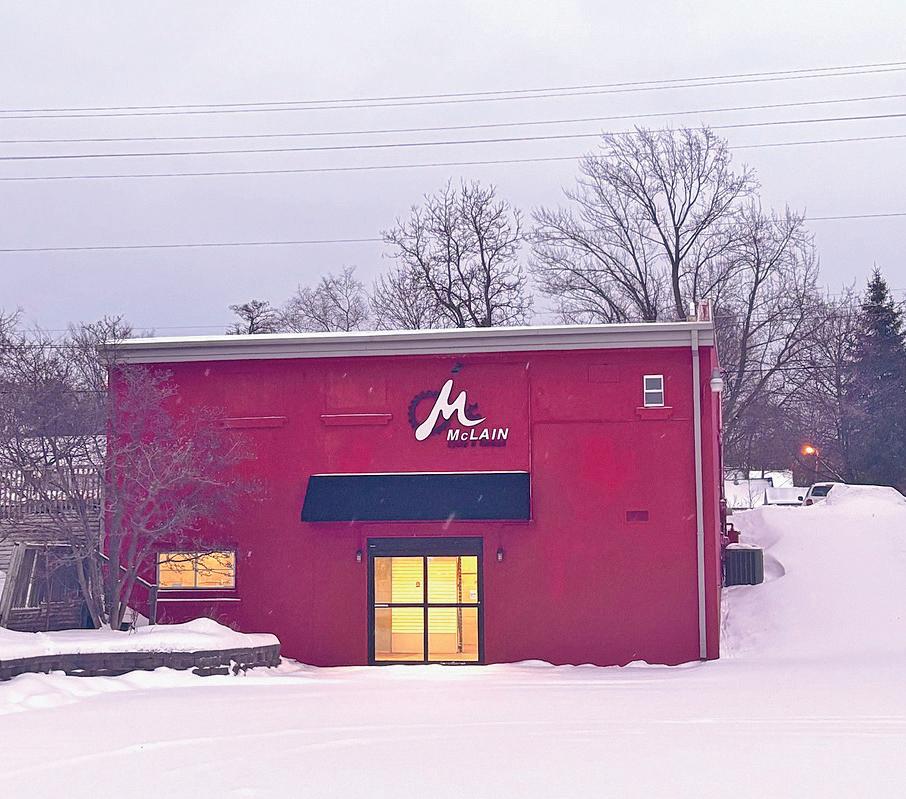
beer – regardless of the fact that Logan’s Landing will bring Short’s into its most competitive, brewery-saturated market yet.
“Yes, there are a lot of breweries around there, but I think we’ve got the coolest spot,” Newman-Bale said of Logan’s Landing. “There’s not a whole lot of outdoor spaces in Traverse City, which is weird, considering where we live. You’ve got a couple of rooftop decks on hotels now, and you’ve got places like Brady’s Bar that have patio space, but you don’t have a ton of places where you can just go sit outside and have a drink. I think that’s why Hop Lot in Suttons Bay does so well, and I think it will play in our favor, too.”
Short’s is targeting a May 1, 2027 opening date for the Logan’s Landing location.
Earthen Ales’ ‘third space’
Geography, as it turns out, is a driving force behind local craft beer expansions –and not just for breweries like Short’s that are setting up shop in entirely new towns.
For Andrew Kidwell-Brix, who co-owns Earthen Ales along with his wife Jamie, adding a second location was motivated by a desire to reach a new Traverse City demographic. While Earthen Ales will celebrate its 10-year anniversary later this year, the brewery’s location – tucked away into one of the less-well-traveled corners of the Village at Grand Traverse Commons – has always kept it one of the best-kept secrets of the local beer world.
“I still talk to folks over at Tank Space –and we’ve been there two-plus years now –and they’ve never been to Earthen Ales,” Kidwell-Brix said. “That’s even true of a lot of our Tank Space regulars: Their life revolves around the east side of town, and the Commons just doesn’t really play into things for them.”
Asked how Tank Space came to be, Kidwell-Brix admits he and Jamie “weren’t specifically looking for a second location,” but realized “there was some room on the map” between Stone Hound in Acme and the Eighth Street/Boardman Lake cluster of breweries like Silver Spruce, The Filling
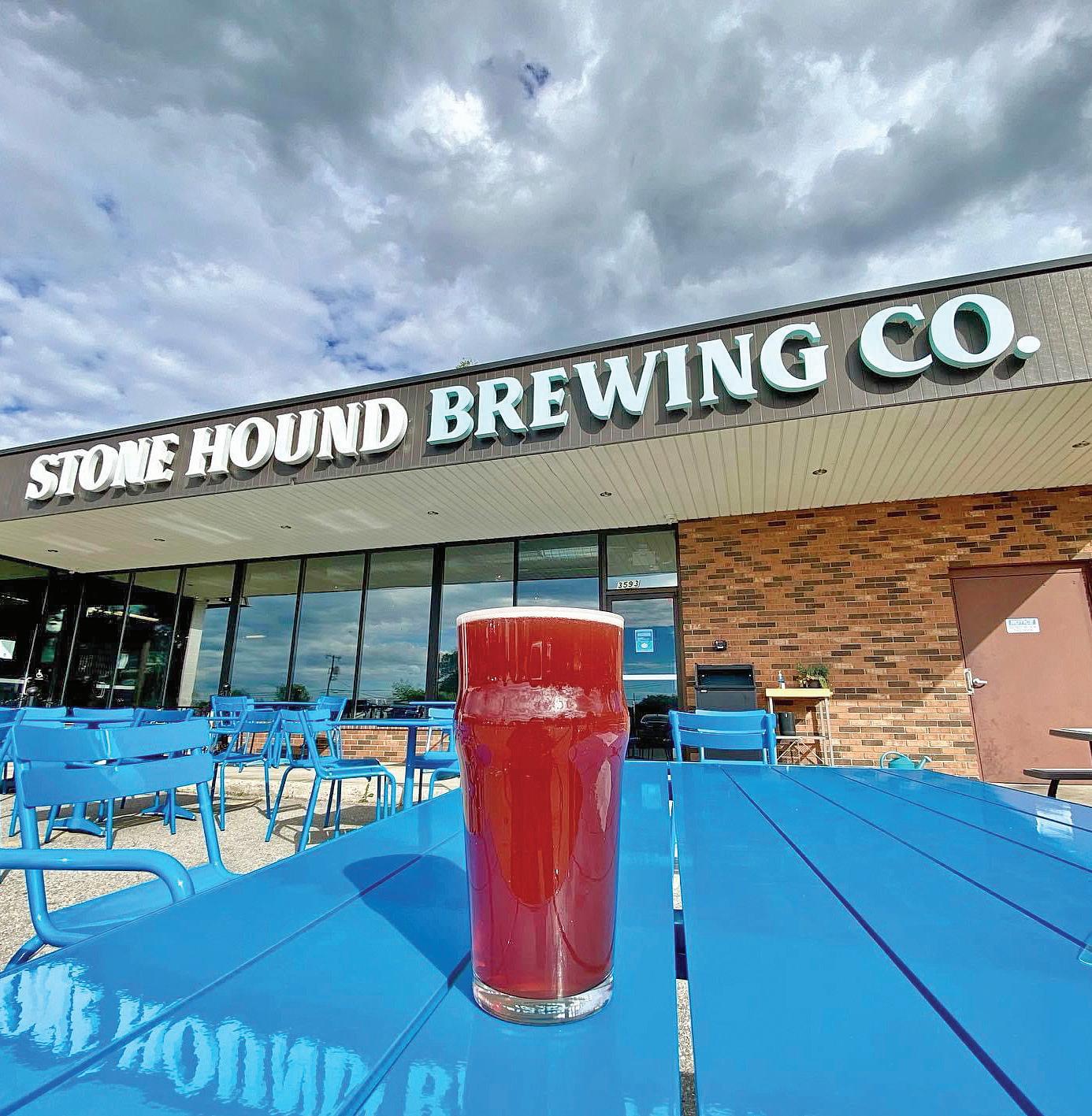
Station and Right Brain Brewery. Andrew and Jamie, who both come from urban planning backgrounds, saw an opportunity – and not just to sell more beer.
“Yes, you brew beer as a brewery, but I think your reason for continuing to exist is for the people who use the space,” Kidwell-Brix said. “It’s for the people who meet up after work, the people who celebrate milestones in their lives, even the people who just get caught out in the rain and need somewhere to tuck in for a minute. Beer is just one piece of what we do. I’m still passionate about it, but at the end of the day, what we’re really doing is providing a third space in the community where you come in and you don’t have to worry about doing the dishes, and where your to-do list from work isn’t sitting there on the desk in front of you.”
While Kidwell-Brix acknowledges that the national numbers indicate consumers are drinking less beer, he doesn’t think those trends have hurt Tank Space or its utility in the community.
“We’re selling more cider than we once did, and less beer, so we know things have changed a little bit,” he said. “But I think we’ve still found our niche, because we’re there to meet the needs of the people who want to use the space, not just to brew beer for the sake of brewing beer. Probably the best decision we made was putting in a private room at Tank Space, because it’s allowed us to host not just private parties – like birthdays or office get-togethers –but also meetings of local neighborhood associations and nonprofit groups, board retreats and even classes for the National Writers Series. We offer the room for free, so we’ve become a part of the broader fabric of the community, simply because we’re able to lessen the burden of these groups getting together.”
Stone Hound’s neighborhood brewery
Faber sees a similar advantage to bringing a new Stone Hound location online. The original Stone Hound opened
in 2021, in the midst of the COVID-19 pandemic, and quickly found a following in part because there were no breweries in Acme or Williamsburg. That location has continued to prove fruitful.
Faber says Stone Hound doubled its revenue over the past three years, even as craft beer declined nationwide. He credits “finding the right mix of things to get people in” – not just good beer, but also a diverse food menu that includes vegan and non-vegan options, a live music program, vinyl nights on Tuesdays and trivia nights on Wednesdays.
Now, Faber’s plan is to clone the Stone Hound model on Eighth Street, with the renovation likely finishing by the end of the year.
“Now that we have it dialed in, I think Traverse City is a spot that makes sense for us to be, just so we can reach a different audience,” Faber said. “I know a lot of people, when they come up on vacation, they don’t leave Traverse City proper. Those people would probably never even find us where we are now, because they just stay in that downtown area.”
Reaching the tourism audience is one motivator behind the Stone Hound expansion, but not the only one. Just like Kidwell-Brix, Faber wants his brewery to be a dependable third space where locals can gather and enjoy one another’s company.
“I lived a block over from the McLain building for nine years, so I’m familiar with that neighborhood,” Faber said. “The idea is to do something similar to what we built in Acme, where we draw a lot of people that live off Bunker Hill, or in Holiday Hills or out in Williamsburg. The Traverse Heights neighborhood, and then also across the street in the Webster/Washington neighborhoods, I know there are a ton of families there. I want to make this space a similar kind of thing: the local spot for those neighborhoods.”
Note: Silver Spruce owners Leah Tyrell and Scott Stuhr could not be reached for comment on this story.
Office Building For Sale! -
Sq/Ft. Main Level is 6,187 Sq/Ft. Walkout Lower Level is 5,299 Sq/Ft and Features a Large Open Area w/Picture Windows providing lots of natural light. Excellent for Physical Therapy, Patient Assessments, Gym Related Activities! Current tenant (month to month) is utilizing the lower level (some lab space), and approx. 2/3's of the main floor. The owner is using approx. 1/3 of the main floor & shared common areas. Owner leaseback is negotiable or buyer could use the entire building if needed. Many individual offices of various sizes. Close to Munson Hospital surrounded by a variety of Medical Practices. Virtual tour Online –MLS# 1919691 - $1,499,000.

to month) is utilizing the lower level (some lab space), and approx. 2/3's of the main floor. The owner is using approx. 1/3 of the main floor & shared common areas. Owner leaseback is negotiable or buyer could use the entire building if needed. Many individual offices of various sizes. Close to Munson Hospital surrounded by a variety of Medical Practices. Virtual tour Online –MLS# 1919691 - $1,499,000.
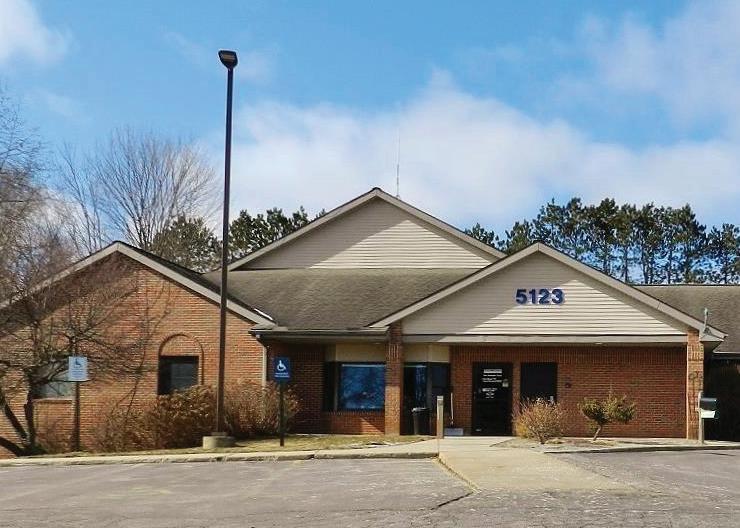
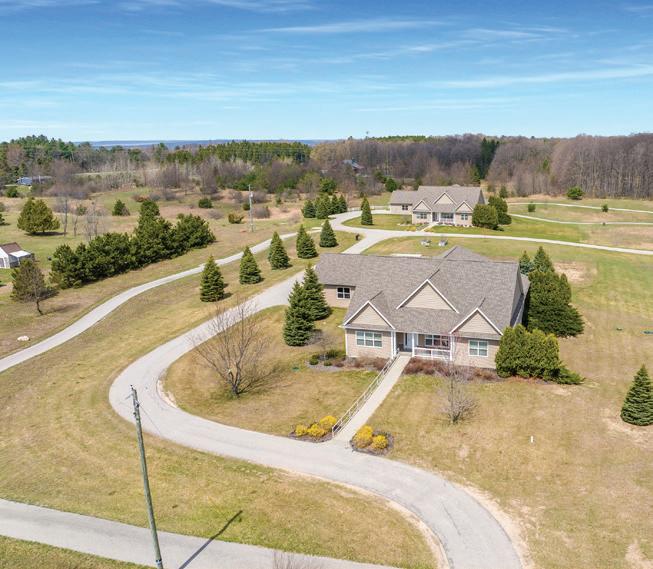
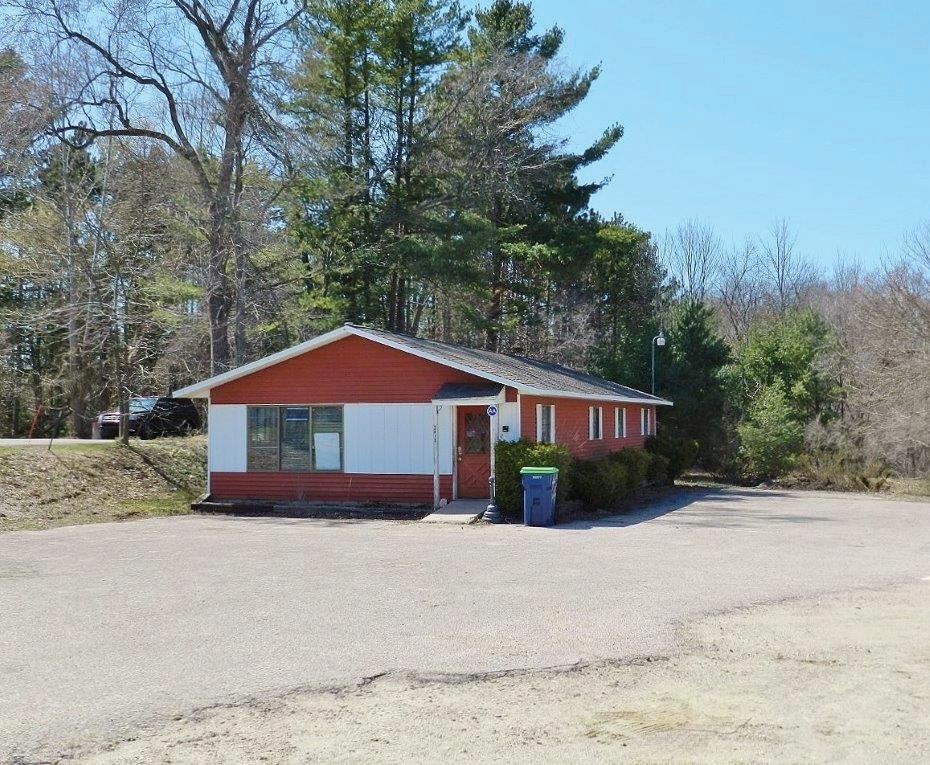
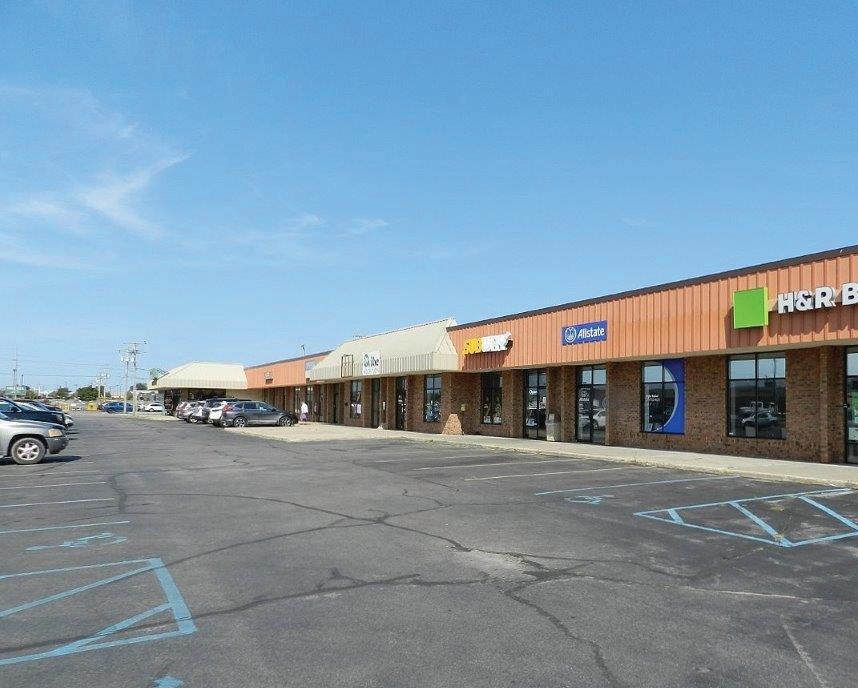
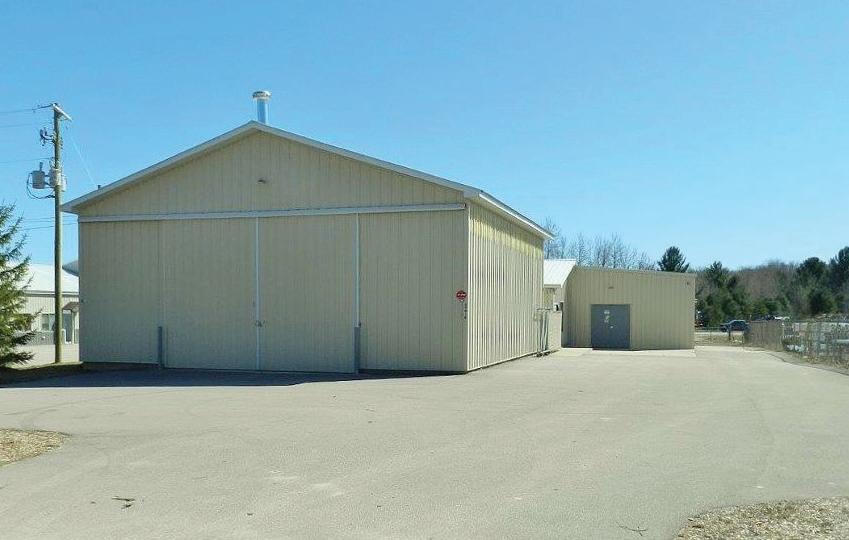
w/ New Drainfield, & Security System. MLS# 1922900 $459,900.
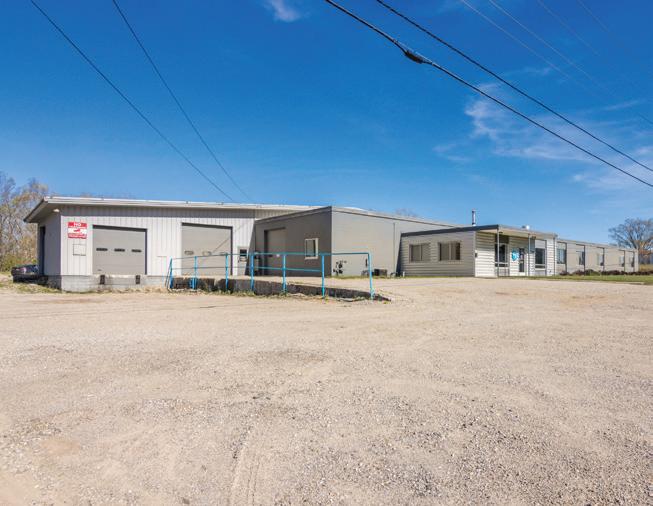
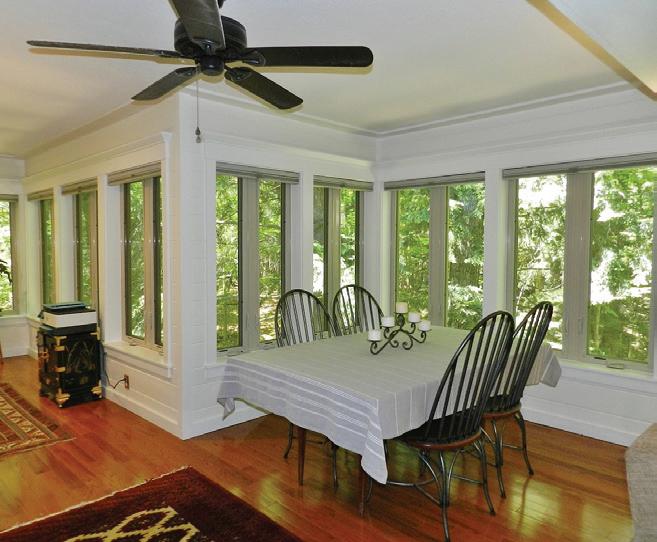
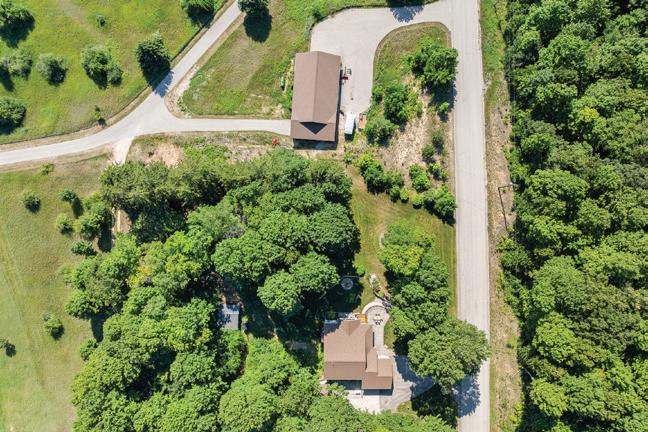

By Kierstin Gunsberg
For 18 years, Food Rescue of Goodwill Northern Michigan’s Healthy Harvest program has diverted more than two million pounds of surplus food annually from northern Michigan food producers and retailers to a network of nearby food pantries. Now, the organization is testing a new way to rescue even more.
A grant secured in May from The Americana Foundation is funding the launch of Food Rescue’s Farm Round-Up and Donation Program, a pilot that kicked off in June to create a new revenue stream for participating consumer-facing farms (including U-picks, farm stands and stores plus cideries and wineries) by offering their customers the option to round up their purchases or tack on a few extra dollars as a donation to the farm at the checkout.
Those customer contributions will help growers turn surplus produce into funded donations for Food Rescue to distribute to their more than 70 partner nonprofit
food pantry and meal sites across Antrim, Benzie, Grand Traverse, Kalkaska and Leelanau counties.
Why surplus produce goes to waste
Northern Michigan’s food insecurity numbers are rising. The latest data from Feeding America’s Map the Meal Gap study shows a nearly 3% rise among Grand Traverse County residents between 2021 and 2023 and an almost 4% spike during the same timeframe in Leelanau County. However, a large swath of Michigan’s surplus food consists of unharvested produce left in fields, making it one of the most in-demand food groups for pantries. Since 2008, Goodwill’s Healthy Harvest initiative has gleaned surplus produce from trees, vines and stalks before packaging and distributing the produce.
But for unsold produce that’s already been harvested and prepared for sale by
“Farmers are very generous and they also absolutely do not want their food to go to waste.”
– Taylor Moore, Director, Food Rescue

the farm, the new round-up program helps fund the purchase of this surplus, directing it to Food Rescue’s pantry network.
“Farmers are very generous and they also absolutely do not want their food to go to waste,” noted Food Rescue Director
makes these kinds of farms ineligible for charitable tax deductions, the cost of donating surplus produce, like “the boxes and containers … the extra work of coordinating,” and any other labor that goes into getting surplus off their farms and into the charitable supply chain can quickly become cost-prohibitive and “is a barrier,” for many to donating, says Moore.
As agritourism across northern Michigan booms alongside food insecurity figures, Moore sees the industry as flush with opportunity for consumers to help bridge that “meal gap” by donating directly to farms to fund their donation efforts through round-up initiatives.
“I’d donate and I’m betting that others will, too,” he said of the pilot’s reliance on customer willingness to part with their spare change.
Moore’s optimism isn’t just a hunch and it’s not the organization’s first foray into this type of fundraising.
Over the past three years, King Orchards and Wunsch Farm have run similar customer-supported donation programs with Food Rescue, generating nearly $62,000 in additional revenue that enabled the farms to donate more than 240,000 pounds of surplus fruits and vegetables to food pantries.
“Both of these farms wrote letters of

support for our grant to the Americana Foundation,” said Moore, who hopes the pilot’s built-in, ready-to-go tools –like a custom point of sale system and marketing resources – will attract at least a dozen farms to onboard in the next year.
Right now, they’re a quarter of the way there, with a working goal of adding another 40,000 to 120,000 pounds of fresh produce to Food Rescue’s five-county pantry network where currently not every pantry is able to offer fresh produce to
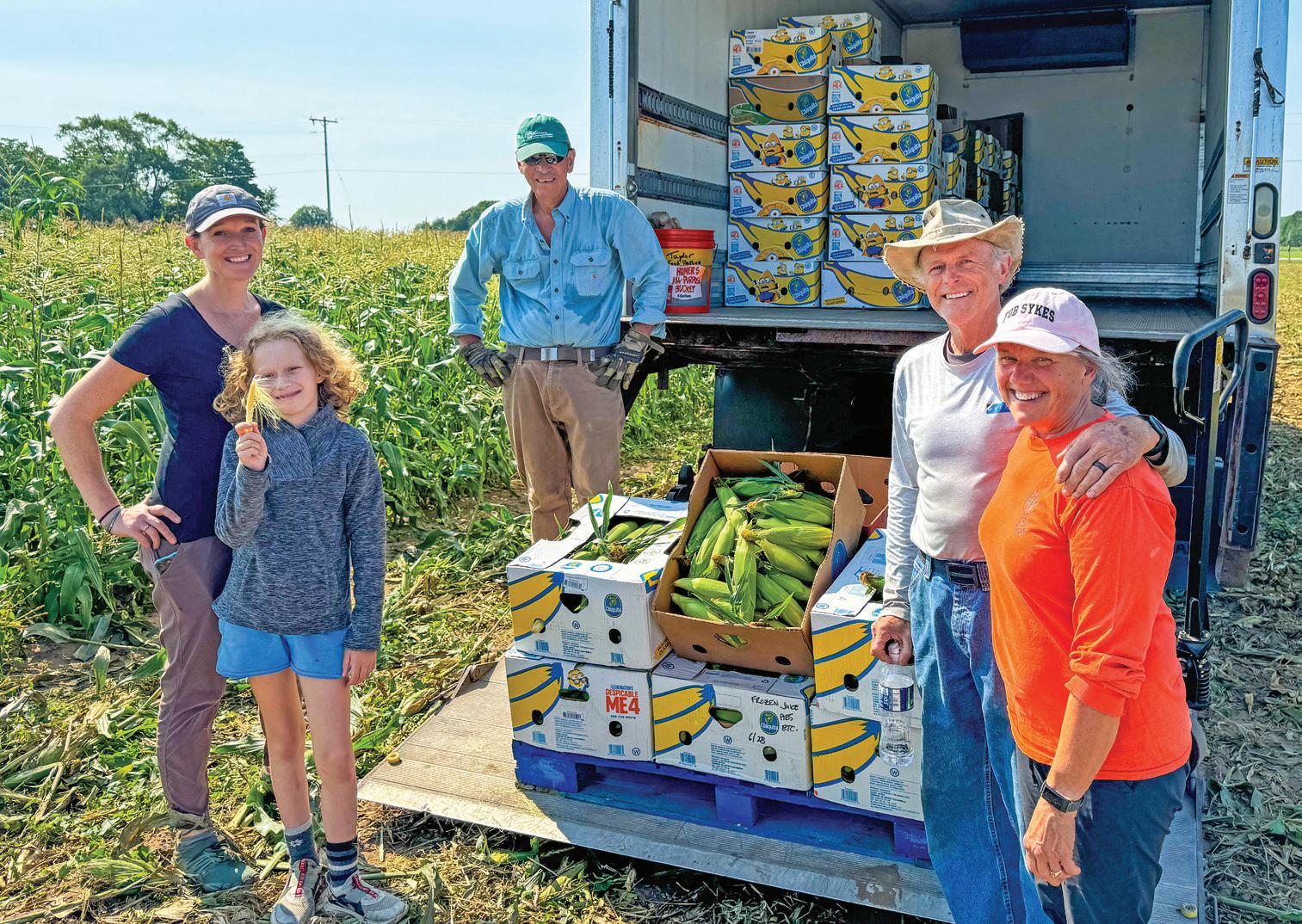
their users. If the pilot is successful, that number will reach 100%.
Moore cautions that while these are good initiatives, “(the round-up program isn’t) going to solve hunger in our community and it isn’t going to solve our farming crisis.”
“The long-term investment in this program is that it will be getting more people thinking about supporting their local farms and envisioning a community where everyone has access to healthy food,” he said.
And with Michigan ranking in the top 10 food insecure states per the U.S. Department of Agriculture and food insecurity costing the state more than $5 billion annually in, among other things, lost productivity and lower lifetime earnings, that’s where the real return on investment may become most apparent.
“What is not economically sustainable is parents unable to provide healthy food for their kids and themselves and (also farmers) not being able to make a living farming,” said Moore.
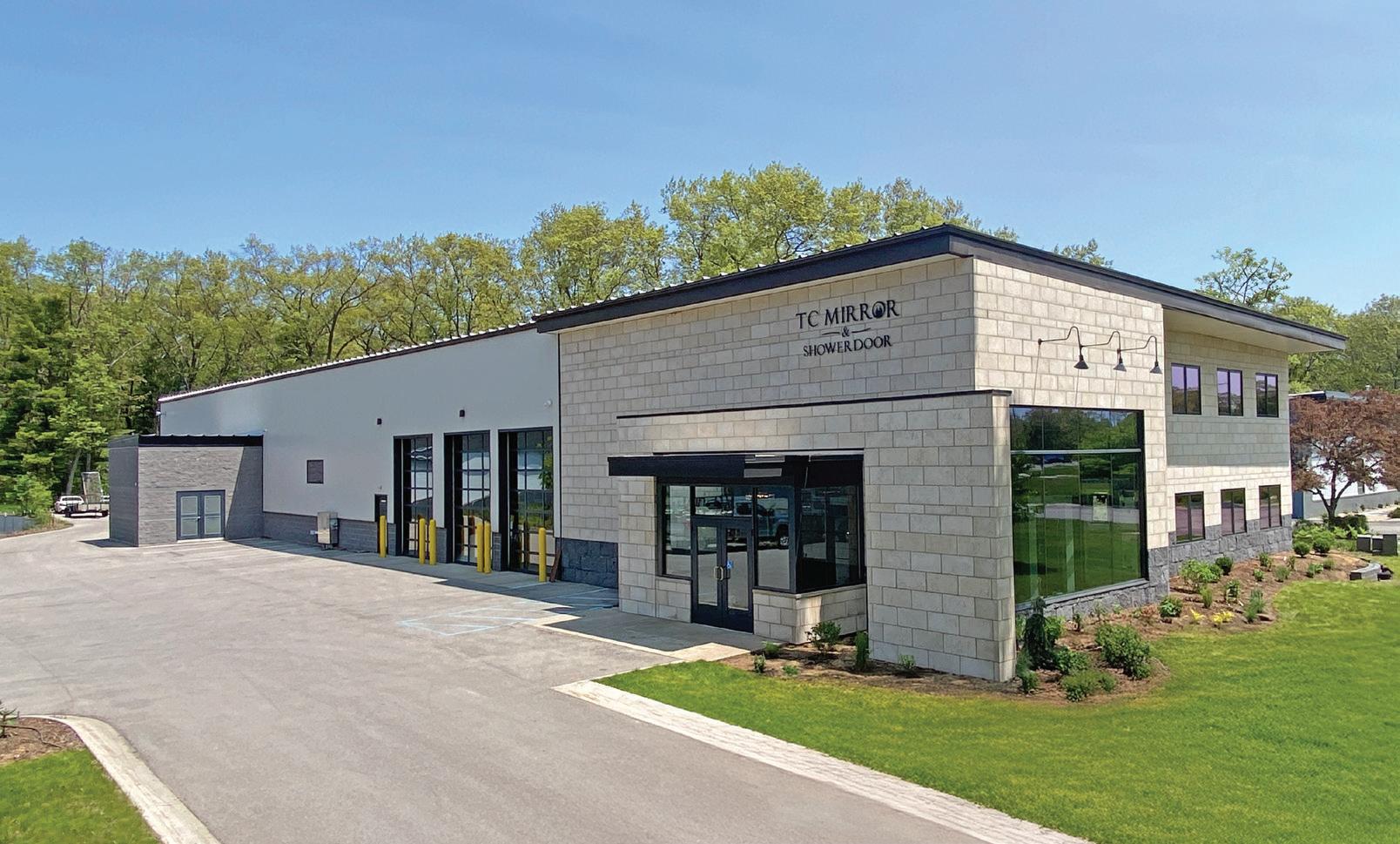

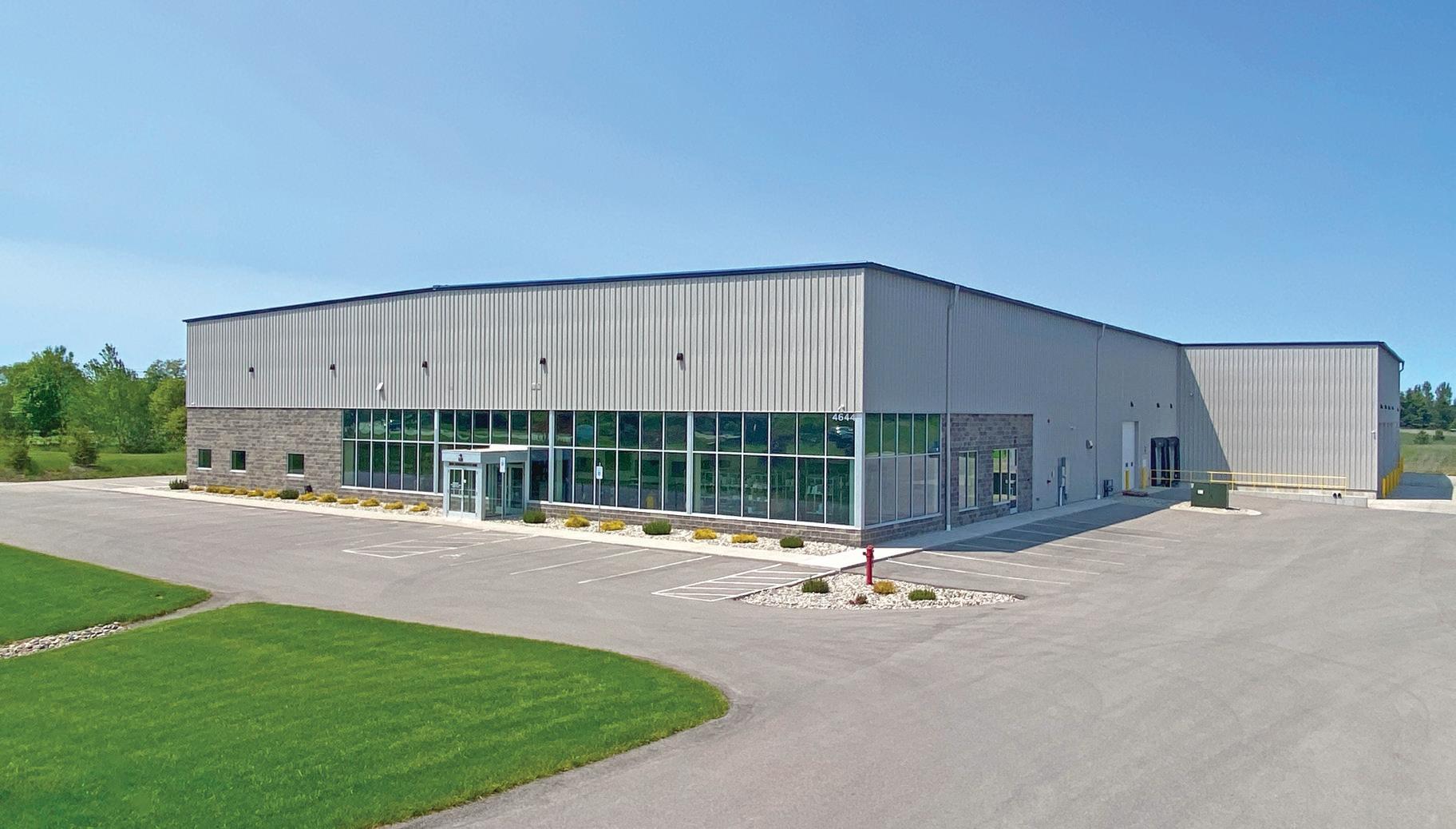
Great Lakes Potato Chip Co. continues strong growth after private equity injection
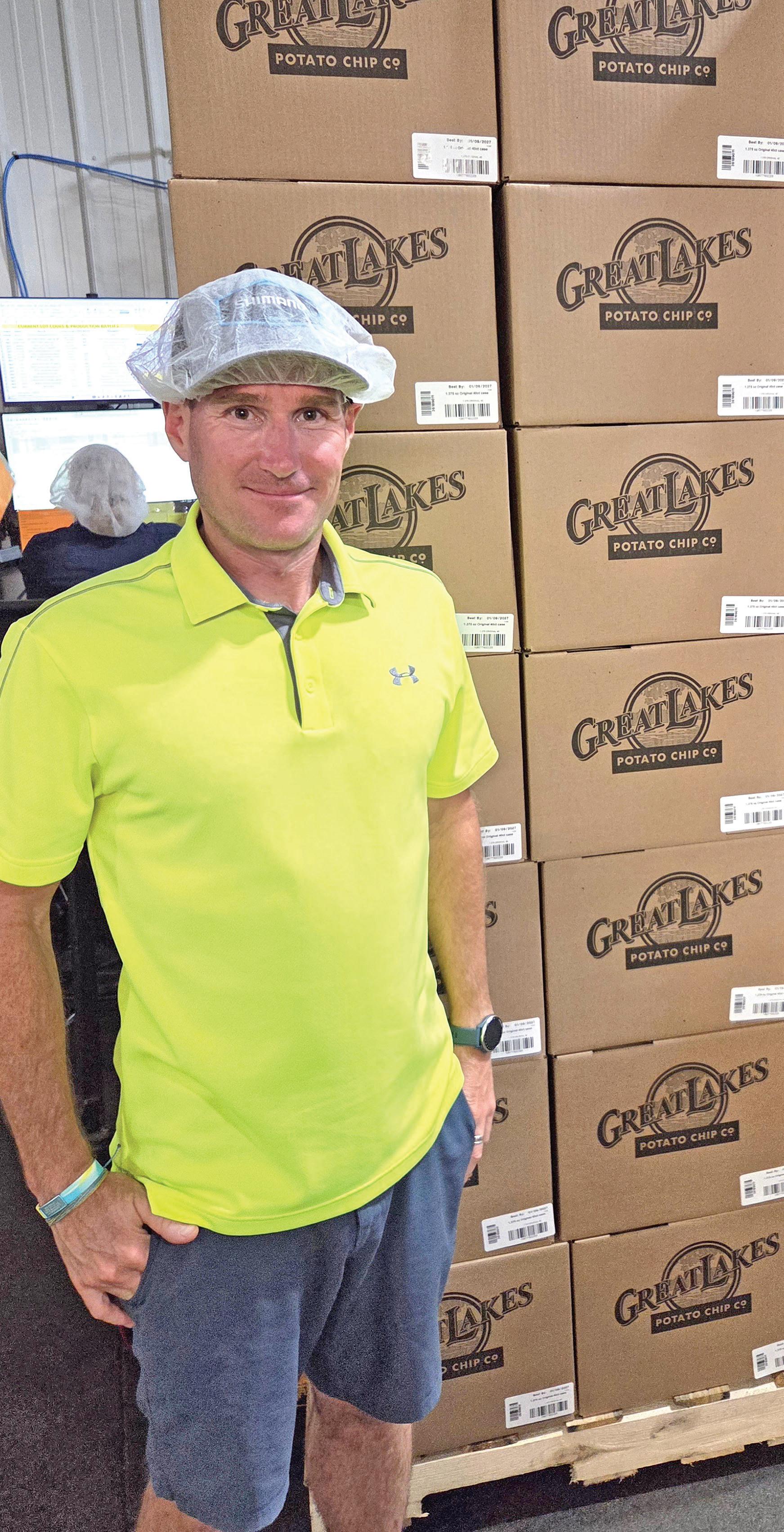
By Art Bukowski
In early 2010, the brand-new Great Lakes Potato Chip Company made about 175 pounds of chips an hour on a single used cooker in a building purchased out of bankruptcy.
Today, they do about 2,100 pounds an hour across seven state-of-theart cookers in an equally state-of-the-art facility near Chums Corner.
Put in other terms, sales of a few hundred thousand dollars in the first year are now north of $30 million. And these chips – all produced here in Traverse City – went from being sold at a handful of local shops to hundreds of locations across a dozen states.
Sure, some of this growth and success was luck. But it’s mostly the result of a solid business hunch from founders Ed and Chris Girrbach, who conceived of the concept and brand while still running Pangea’s Pizza in downtown Traverse City.
The TCBN sat down with Chris (Ed is now retired) to learn more about the past and future of one of Traverse City’s most popular brands.
The Girrbachs opened Pangea’s in 2006. It was a good business, but the hours simply weren’t great for someone with a young family (like Chris). After a few years, the father and son team set out to find something different.
“My dad worked for Merrill Lynch for his career, and he always said that if you took money out of it, that the quality of life in manufacturing was really good,” Girrbach said. “Restaurants are a great business, but they’re hard, especially if you want to raise kids. So we said, okay, well let’s manufacture something food-related.”
After experimenting with pizza sauce and frozen pizza, they settled on another item they both loved – potato chips. But it wasn’t that they simply liked chips. Several things suggested that this may be a very lucrative path.
The first was that there simply wasn’t a local competitor to the big national brands.
“If you look back 40 years ago, 50 years ago, there were a ton of regional potato chip companies,” Girrbach said. “And they got bought, or closed, or retired, or whatever it was. And when we started, there were really just the big companies [In Michigan]. That’s all there was.”
The second was that the Girrbachs knew there was no better time to start a local company, as the local food movement was gathering considerable steam. This, incidentally, is a wave they’ve ridden ever since as local food has become even more popular.
“We knew that ‘buy local’ and ‘Made in Michigan,’ especially with the Pure Michigan campaign, was hot,” Girrbach says. “And it’s even bigger now than it ever was.”
The third was entering into an unfilled local segment with no competition. As a lot of decidedly repetitive businesses opened up around them, they were glad to go in a different direction.
“The thing about our category is it’s not sexy. Making beer and wine, now that’s cool. People want to own a brewery or distillery. No one wants to own a chip company,” he said. “But the margins are really good. The business is really good. And I would rather compete against a couple of national brands than 50 other breweries.”
They settled on the Great Lakes name under the assumption that millions of people have an affinity for these bodies of water in one way or another, and that like Maui-style chips and Cape Cod Potato Chips, there’s a track record of success for regionally themed chips.
“If we called it Bill’s Chips, are we here right now?” Girrbach said. “Maybe. Maybe not.”
Other little things set Great Lakes Potato Chips apart from the get-go. In an effort to further stand out, they left their skin on. They also tried to make classic, in-demand flavors, but with a unique twist. It’s not barbecue, for instance. It’s Michigan cherry barbecue.
“If I took an original and a regular barbecue chip to any store and I said, ‘Hey, you’re going to love them. They taste really good.’ Every buyer would be like, ‘I have six of each of those. I don’t have room for that,” Girrbach says. “But If I take you a salt, pepper, and onion and a Michigan cherry barbecue, then the buyers are like, ‘Well, I don’t have any of that.’”
Even with a good product, it’s not easy getting it on shelves. The Girrbachs logged very long hours at trade shows and in front of

stores and distributors as they were getting
“The beginning was hard. The reception was warm, but distribution is really hard. It’s really challenging,” Girrbach said. “You can have the best of anything, but if you can’t get it somewhere, it’s very difficult.”
But that local food angle sure did pay off as they made the rounds.
“If it wasn’t for buy local, made in Michigan, we wouldn’t be here talking today,” Ed Girrbach told Bridge Magazine

for a 2012 story. “There’s no way we ever would have gotten into Kroger, Spartan, Meijer, Walmart, if we weren’t made in Michigan. It’s been amazing how many doors that has opened up, and how strong that drive is.”
Great Lakes Potato Chips has grown steadily in the years since its founding. It now has more than 90 employees and is
churning out chips as fast as it can to meet consumer demand. The 2,000 pounds a day of potatoes (almost all from Mecosta County’s Sackett Potatoes, since day one) is now about 80,000 to 100,000 pounds a day.
“We’ve kind of been building capacity and expanding regularly. Every year or two, we have a massive upgrade of some sort,” Girrbach said. “At the the old plant we did three building expansions and four cooking capacity expansions. Here we’ve done two building expansions, three



cooking expansions, and we just added machine seasoning. You kind of never stop with that.”
And you never stop because you can’t risk falling behind.
“You can’t be at capacity. You just can’t. Because then customers say, ‘Well, if we can’t get it, we’re going to buy someone else’s,” Girrbach said. “If you’re in a situation where you’re telling someone you can’t fill an order, you’re in big trouble.”
The company now distributes in about
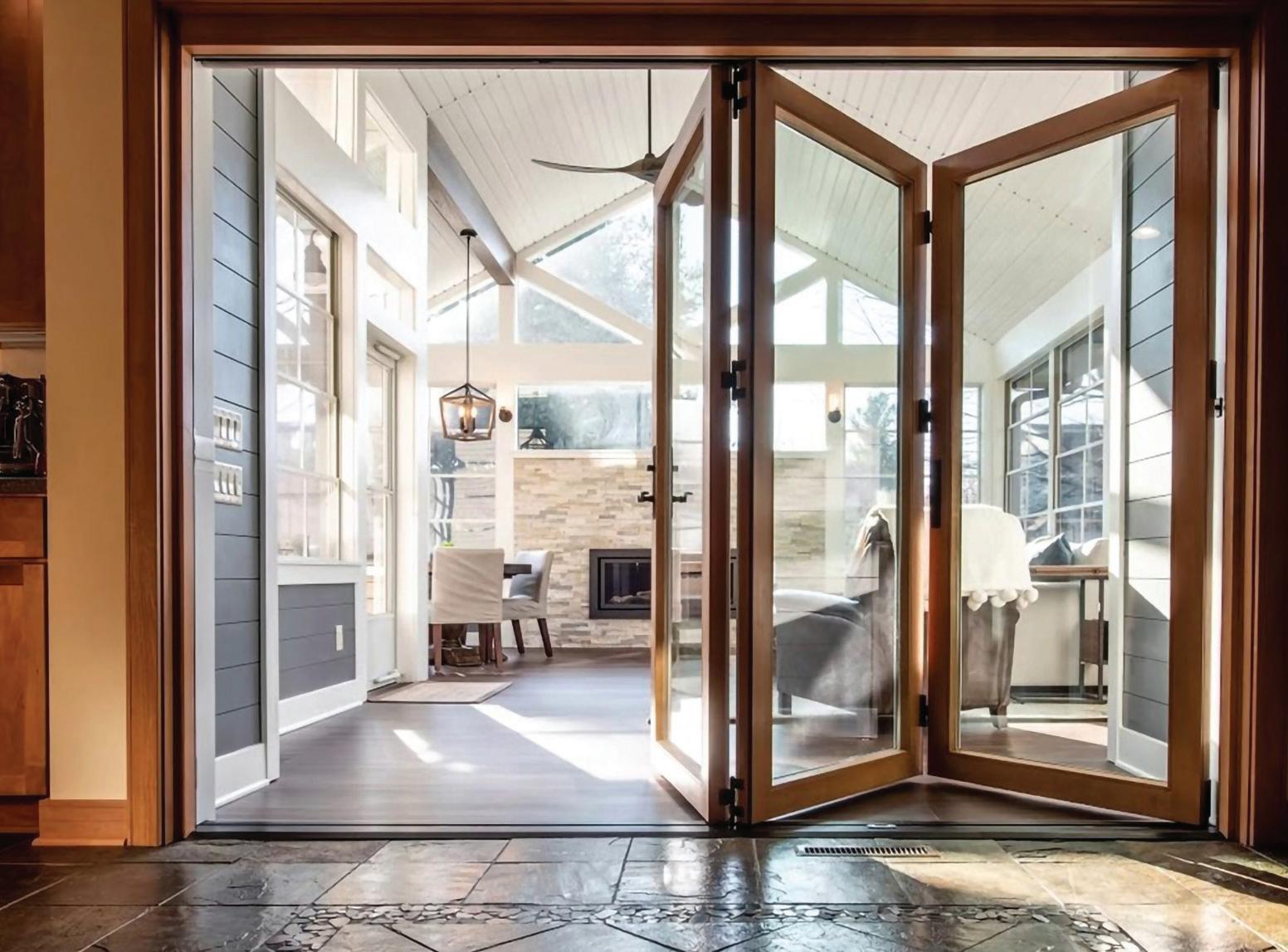

The Community Network offers Oryana owners exclusive discounts at neighboring independently-owned businesses like yours. Adding your organization to the network increases visibility within a tight-knit, discerning audience with a fi y-year history of prioritizing local and strengthening the regional economy.
See if your business qualifies, free of charge, by filling out the inquiry form at h ps://oryana.coop/community/community-network/. Just make sure one individual at your organization is a current Oryana member.
Some restrictions apply.


a dozen states east of the Mississippi River, with a few limited touch points out West. There’s plenty of ground left to conquer within this footprint.
“The reality is that we have so much white space left in our core region, and we’ll continue to fill that,” Girrbach said. “We have partners that we only do a little bit of business with that we can saturate, or that we don’t do any business with –regional chains and stuff – so there’s no shortage of opportunity.”
is fine, because it’s why food is safe, but it can be very challenging because there’s a lot of gray areas. Don’t give me gray. Give me black and white.”
Like everyone else, Great Lakes is dealing with price increases for supplies. Unlike everyone else, it’s a bit harder for them to manage.



They dabbled in a few other things in the past – tortilla chips, for one – but have avoided straying from chips since then. Do one thing and do it well, Girrbach says, and you have the best chance at success.
“The biggest thing is we’ve tried not to chase shiny nickels all over the place. We’ve been pushed and pulled to do things besides kettle chips. We’ve been asked to do popcorn and pretzels and all of these other things, but we make kettle chips,” he said. “Let’s stay in our lane.”
“Much
like we’re proud when we see Michigan dried cherries all over the world, seeing Great Lakes Potato Chips on menus and plates outside of this area is a source of pride, I think, for all of us.”
“We don’t have the ability to change pricing quickly. At a restaurant, you just change the menu. Like, “Hey, your burger was 10, now it’s 10.50.’ We can’t do that,” Girrbach says. “It takes us months to push a price increase through, and that’s months with justification to all of our parties.”
Girrbach (and his industry at large) are also keeping a close eye on the weight loss drug trend, which is expected to cut into snack sales considerably. Girrbach hopes that his local chips will be at least somewhat insulated.

– Warren Call, President and CEO, Traverse Connect
The company has had pretty good recruiting and excellent retention, in part because management believes in treating its employees well.
“We work really, really hard to be a best-in-class employer, so our benefits package is really strong,” he said. “And I hate to even say work-life balance, because it’s cliché, but it’s true. People don’t live in Traverse City to work 60 hours a week…and we choose to be accommodating to that.”
Girrbach doesn’t have much to complain about. But when pressed, he could think of a few things.
“When you get to our size, regulatory challenges are very real,” he said. “We’re audited by four different agencies, and all of them are unannounced. The compliance complexity that we have to deal with
“It’s real, but for us, the benefit is that most of the companies taking that on the chin are the national brands,” he says. “Our category in general is flat to declining. Our brand has been lucky enough to have been growing during that…but we have to be cognizant of all of this stuff.”
In 2022, the Girrbachs sold a majority stake to the Chicago-based private equity firm LaSalle Capital (in partnership with Lightspring Capital). Chris was retained as CEO and maintains a minority share.
The deal made sense for several reasons. Ed wanted to retire and Chris didn’t have the ability to buy his dad out. But it was also always their plan from the start to build the business and then sell it, Chris said.
The sale has allowed the company to make significant investments in recent years.



























In the last four years we’ve invested over six, probably close to $7 million in equipment and infrastructure and buildings,” Girrbach said. “We could have bootstrapped it again and taken out more loans, but (this is a better path).”
Girrbach has been pleased with the experience, which is happening more and more as private equity firms are dialing up their activity in northern Michigan.
“I think private equity used correctly is great, and you’re seeing it more and more when you want to scale or you want to do something,” Girrbach said. “If you’re diligent, which we were, you get the right partner. Our group is phenomenal. They’re great and I love working with them.”
The outside investment also should ensure that the company is strong for years to come. For Girrbach, whose greatest joy by far is providing good jobs, that’s great peace of mind.
“I think it’s really awesome that we get to supply 93 people with a good living, and be fair to them and help them, and that they help us. The product itself is cool, and it’s fun, and it’s good. But the real value … is that you can employ people in your region and keep this vibrant area going.”
“I think the idea of this plant being here beyond me is going to be cool,” Girrbach continued. “I can drive by here with my kids or my grandkids and be like, ‘We started it. I don’t have anything to do with
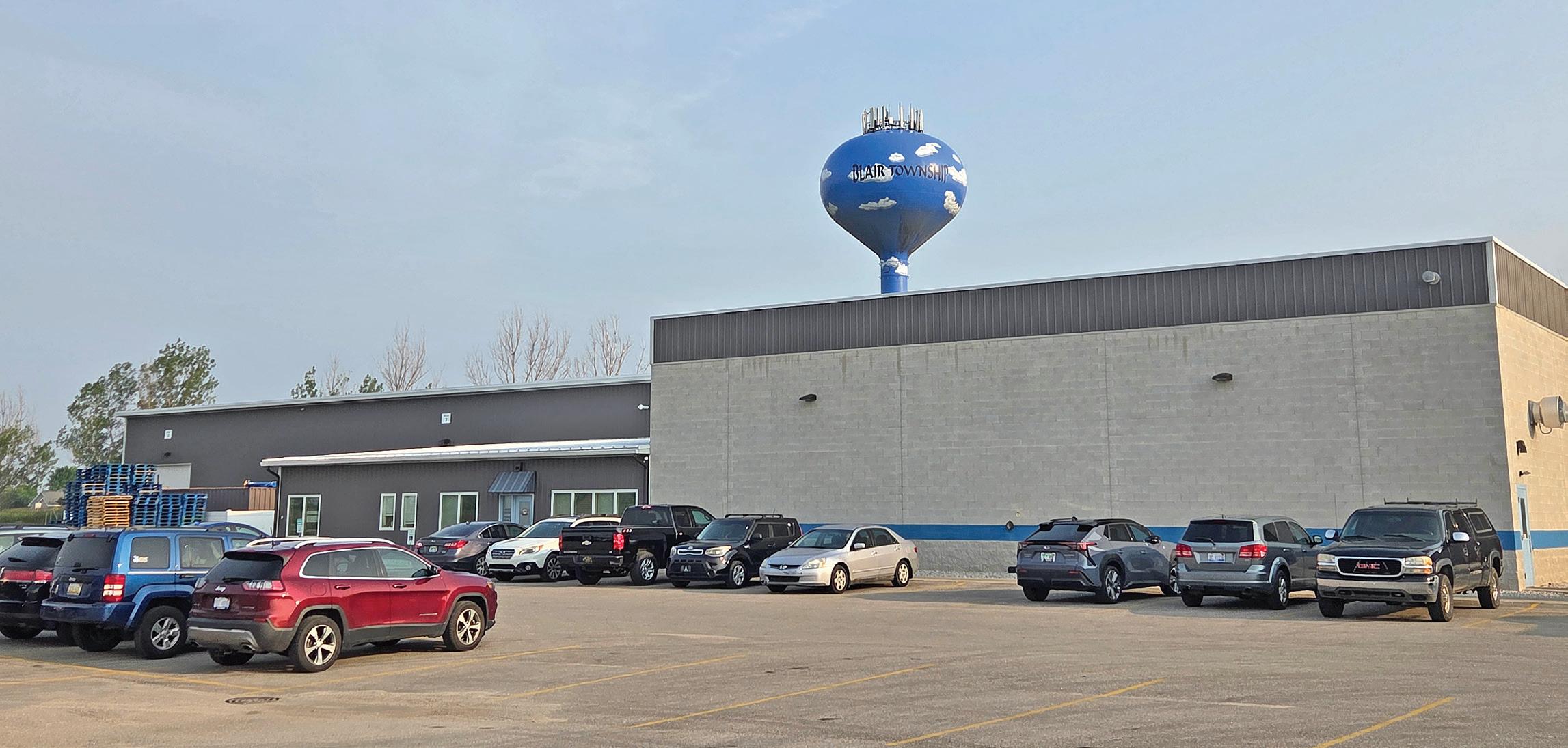
it anymore, but look, there’s still people pulling in doing work.’”
Warren Call, president and CEO of Traverse Connect, does not have enough good things to say about Great Lakes Potato Chips.
The company pulls together a lot of what makes the region notable and special into one package, he says.
“The best way to put it is that they’re
exemplary,” he said. “We’re using a locally grown product for value-added agriculture, and processing it is part of the manufacturing legacy of this area.”
“They’re employing people in good quality production jobs that are year round…and it’s a product that gets produced here and gets shipped out to the world,” Call continued. “It’s not that we mind having tourism and second homes, but it’s always valuable to have those diversified firms that ship a high-quality product out to the world that doesn’t
require us to import a visitor.”
Finally, they’re just another thing that serves to boost the region’s already strong reputation.
“Much like we’re proud when we see Michigan dried cherries all over the world, seeing Great Lakes Potato Chips on menus and plates outside of this area is a source of pride, I think, for all of us,” Call said. “It’s also a matter of continuing to reinforce our brand as a place that makes quality food and agriculture products. It really fits well with what we’re trying to portray to the world.”


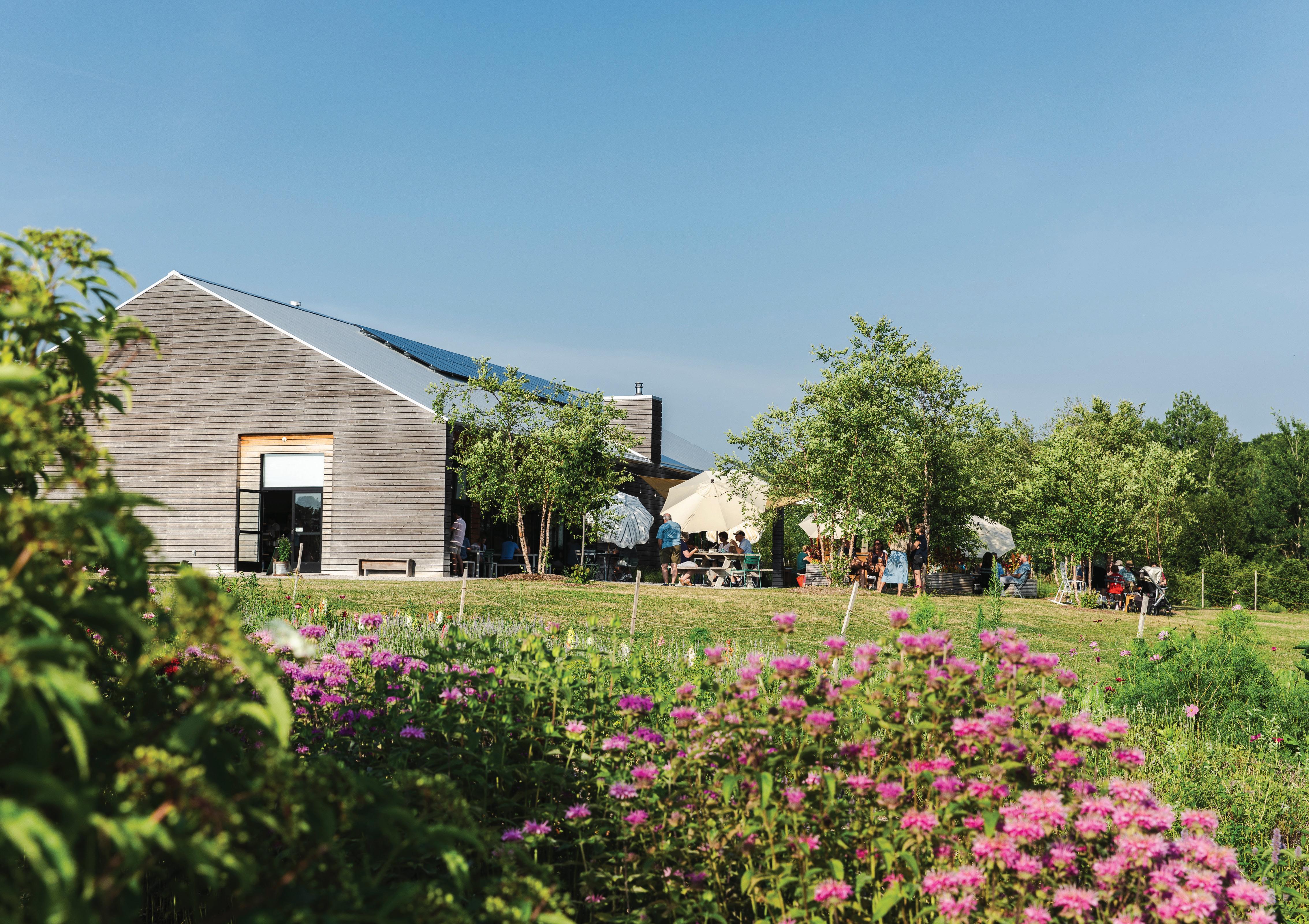
By Art Bukowski
You know your business is special when it shows up in real estate listings.
Not because it’s being sold, but because it’s a selling point if the home you’re selling is near it – the same way you’d talk about being only a few miles from Sleeping Bear Dunes or a short distance from the TART trail.
The ownership team at Farm Club, nestled in the rolling hills of Leelanau County a few minutes north of Traverse City, is well aware of this phenomenon.
“We see it in real estate listings,” co-owner Allison Jonas said. “And I have realtors coming in saying, ‘I just sold another house nearby. The buyers said one of their requirements was to be by Farm Club.’ It’s kind of crazy.”
Since it opened in July 2020, Farm Club has become one of the hottest operations in Leelanau County, if not the entire region. Its founders – Gary and Allison Jonas and Sara and Nic Theisen – set out to expand upon the farm-totable concept. Not only did they put the
table at the farm itself and let its bounty drive the menu, but they launched other endeavors – a brewery, bakery, flour mill, detached market, wholesale operations and more – to make the Farm Club experience unlike any other.
“I think people were ready for something like this,” Gary said. “People care
flower shop and bar there, but decided to relocate to Allison’s native Michigan when it was time to raise kids.
They soon opened The Little Fleet, a bar surrounded by a “little fleet” of food trucks, that has become a Traverse City staple. In many ways, The Little Fleet captured the essence of community – true
“We felt like the time was right – that people want this, crave this. I think a lot of this was honestly out of frustration that something like this didn’t exist already.”
– Gary Jonas, Co-Owner, Farm Club
about their food more than anyone else thinks, and I think people want sincerity and want to feel like there’s intention.”
By their powers combined
The Jonases moved to Traverse City from Brooklyn about 15 years ago. They had operated a restaurant and a combined
community – that they left behind in the big city.
“Brooklyn is this humongous borough filled with millions of people, but this little neighborhood, we were the hub. In our bar, we had weddings, we had brises, we had all different types of community events there, and we were part of that community,” Gary said. “And so we want-
ed to replicate that here. I’m glad it feels like (we did), and I’m really proud of it.”
Meanwhile, around the same time, another pair of transplants was starting something special. The Theisens moved to Leelanau County in 2011 and opened Loma Farm on 13 acres just down the road from the eventual Farm Club site. Aside from producing a bounty of organic produce using sustainable methods, they also hosted farm dinners attended by the Jonases.
Fast forward to 2017, when the Jonases were on a trip to Australia and came across a restaurant on a farm that “blew them away.” So much so that they started looking at properties to do just such a thing back home while they were still abroad.
“We said, ‘Can you imagine if we can take this idea of a restaurant on a farm that we saw in Australia, combined with what they’re doing at Loma Farm, and do this in Leelanau County?’” Gary said. “We felt like the time was right – that people want this, crave this. I think a lot of this was honestly out of frustration that some-
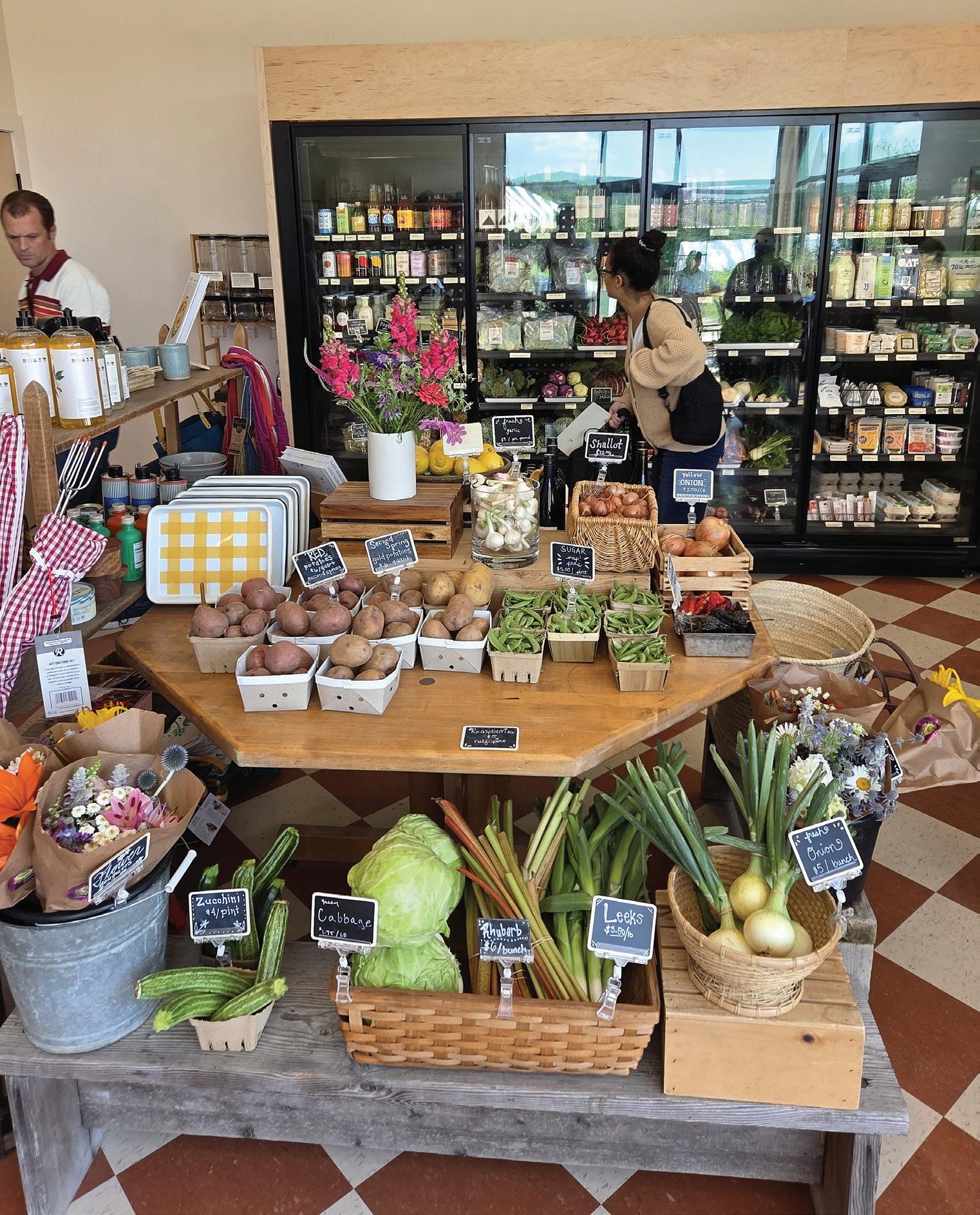
thing like this didn’t exist already.”
Their friends the Theisens were on board, and the four worked together to open Farm Club, which sits on nine acres. As they prepared to open, the timing couldn’t have been worse. But it also couldn’t have been better. People instantly gravitated to the space and began to find community there, Sara says.
“When we opened, it was during COVID. It was a dark time. A lot of places were closing,” she said. “But I’ve said a million times that we got to be a bright spot in an otherwise really dark time.”
Local focus
At Farm Club’s core is the restaurant, which averages over 90% of its produce coming from the fields at Farm Club or Loma Farm (which the Theisens still own, now sending almost all of the crops to Farm Club).
“Last year was 92.5%, which is an insane number considering we’re a vegetable-heavy menu, we’re covered with snow for four months of the year and we’re crazy busy,” Gary said. “And it’s not an accident. Nic puts an incredible amount of energy into making sure that this happens year round.”
They plant and grow food while planning the menu more than a year ahead, with many ingredients that aren’t used fresh put in storage or preserved for later use.
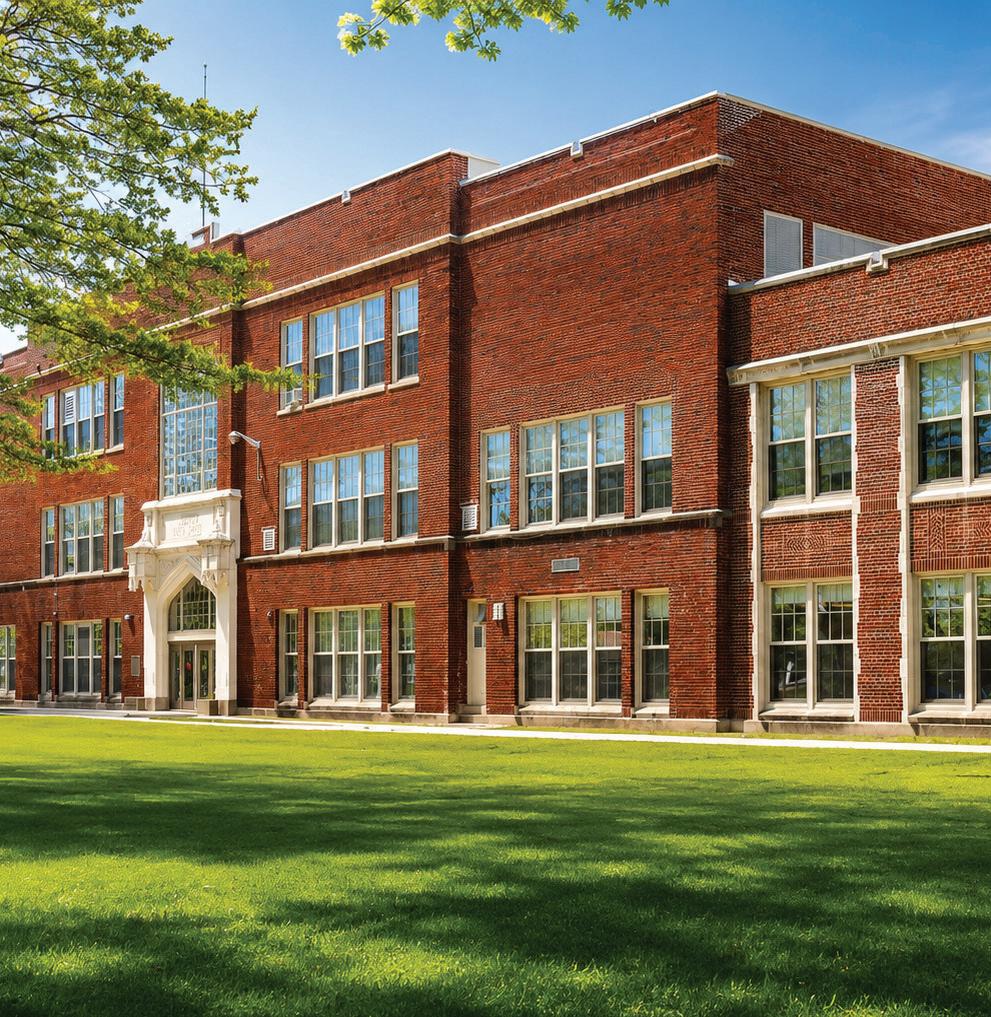
“There’s not one month of the year we’re not pulling food out of either a hoop house or outside from the ground,” Gary said.
All the ingredients not grown there are exhaustively and deliberately sourced from farms that grow things the way the Farm Club team wants them to be grown: organically and sustainably. Nic is the point man for these relationships.
“Nic speaks farmer. He is a farmer. He’s crawled on his hands and knees for over 20 years growing food and tending to the land, and it really means a lot to him that all of our inputs are quality,” Sara said. “He’s constantly reaching out to networks trying to find anything from a saskatoon all the way to a 2,000-pound tote of winter wheat.”
Nic is also a chef, which means his brain is thinking about what to do with the food, not just how to grow it.
“He is so in tune to cooking and ingredients and how to create and build beautiful dishes. So what he plants in the field informs the menu in a way that I don’t think a lot of people in farming think about,” Allison said. “He’s in kitchen meetings and he’s designing menu items with our chef, which really is special.”
The restaurant is, in many ways, the tip of the iceberg. Farm Club’s brewery cranks out quality suds that are enjoyed locally and across the state. An on-site mill grinds organic flours that are also distributed. A bakery produces piles of delicious






goods from this flour. A production kitchen makes a wide variety of packaged foods for retail sale. A bustling on-site market sells them, along with produce and other goods.
All of these things do generate revenue, but that’s not what drove their creation.
“We don’t take on any of these enterprises or these focuses or these special projects or anything because we think there’s some huge profit in it or it’s a trendy thing. It’s literally our interests, hobbies, passions, ethics,” Sara said. “It’s a big hobby that turned into a business.”
‘Nothing but elbow grease’
Farm Club now employs up to 100 people in the summer, while maintaining a still-robust 50 or so people in the off-season. The ownership foursome is extremely proud of their staff and credits them in large parts for Farm Club’s success.
But a big part of success is also that the four are deeply involved in day-to-day operations.
“You’re doing interviews, HR, bookkeeping, fixing a tractor, grading the driveway, fixing plumbing on the dishwashing, doing an Instagram post, all in one day,” Sara said. “It’s the weirdest smattering of responsibilities and tasks.”
The four also have diverse backgrounds that combine in a symbiotic fashion to create something special, Sara believes.
“The one thing is we are tremendously diverse. We have a lot of different sales venues and products. We’re selling in many different ways and we’re making many different things. Whether it’s through the mill, the brewery, the restaurant, the market, the bakery … we have dozens of finished products and raw materials to sell.”
– Nic Theisen, Co-Owner
She cites Nic’s farming and cooking combined with endless little things, like Gary’s instruction for bussers to not disrupt customers in the way they clean tables.
Four experienced eyes on the ball create a “deep bench” of quality control, she says.
“When you’re asking about how people feel when they leave or what resonates with them, there’s a lot of little details that can go overlooked. And we all have

little things that are important to the four of us, whether that’s sourcing or decision making or aesthetic or design,” Sara said. “There are things we all pay attention to that end up building to this big experience for folks that is hard to replicate and hard to experience anywhere else.”
“We built this from the truest place of authenticity,” Sara added. “We are nothing but elbow grease, top to bottom, back
to front. It’s a really hardworking crew, and it’s a really wild thing we’re doing.”
Dollars and cents
It’s not cheap, of course, to provide the type of ingredients and to run the type of operation that Farm Club does. But that doesn’t mean they’re eager to charge an arm and a leg.

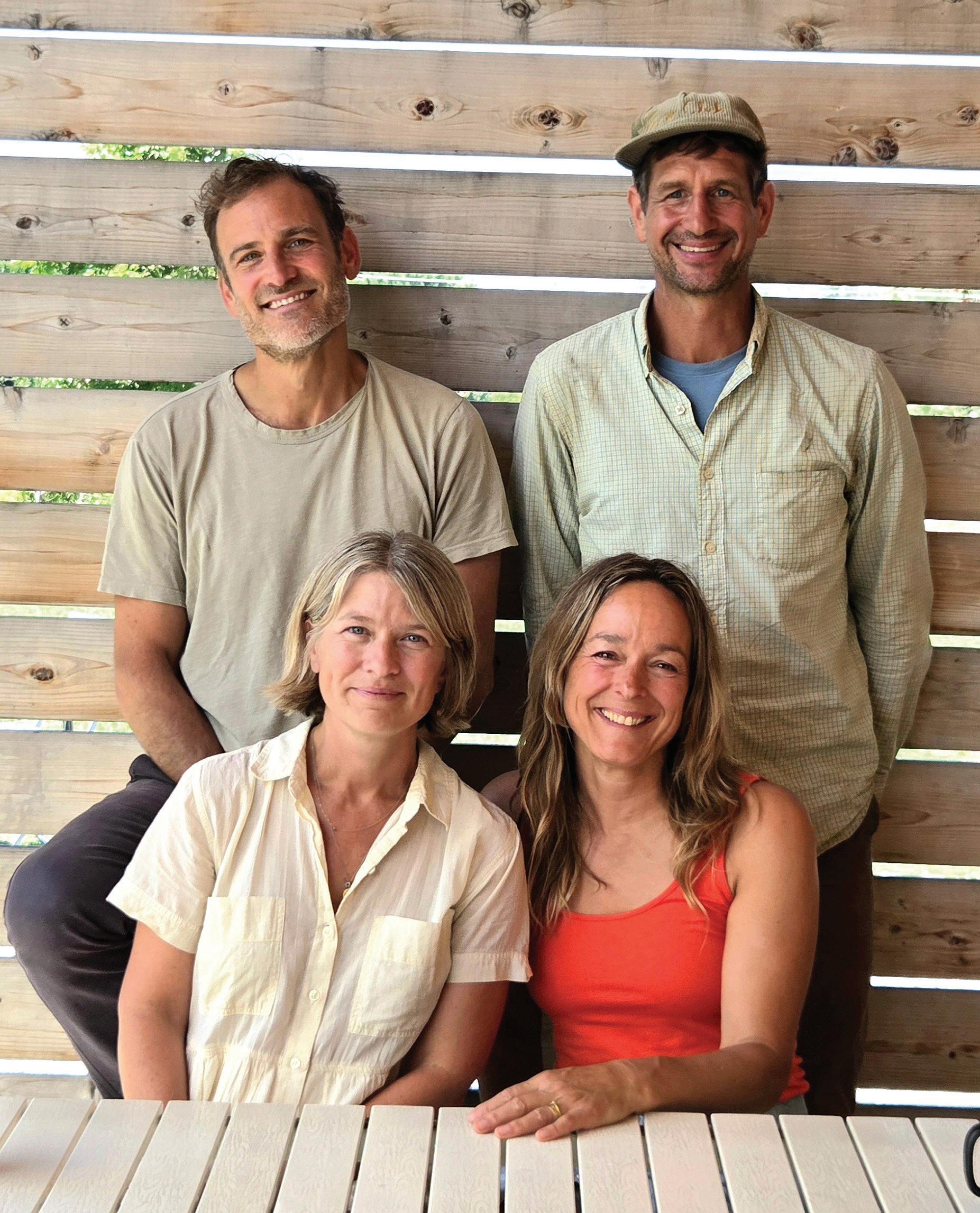
“To me, what’s most important about this space is that it’s accessible to people, that it’s not fine dining, that it’s not reservation only,” Allison said. “Most of the time when you’re eating this kind of quality food, it’s not a place you can ride your bike up to or take your whole family.”
So how does it all work?
“Well, we just keep making it more expensive on our end,” Nic said. “Our margins get smaller, (even as) revenue is increasing.”
A big part of the equation is being able to make money in a lot of ways, Nic says.
“The one thing is we are tremendously diverse. We have a lot of different sales venues and products,” he said. “We’re selling in many different ways and we’re making many different things. Whether it’s through the mill, the brewery, the restaurant, the market, the bakery … we have dozens of finished products and raw materials to sell.”
A recent expansion in the form of a detached market building that opened in May of this year should be a revenue booster. It gives people a place to buy all their favorite Farm Club baked and packaged goods (sauerkraut, anyone?) at longer hours than the restaurant, complete with dedicated parking for those who want to avoid the crowds.
More importantly, it also allows for a considerable increase in production, with bakery and other value-added and pack-
aged operations moving there from the restaurant and brewery building. Workers there are much less cramped and have the space to produce much more retail and wholesale goods.
“With a bigger facility, there’s a lot more opportunity,” Gary said.
Although the team isn’t eager to expand further, it might be on the horizon.
“Currently the brewery’s out of space, so that’ll be kind of our next pinch point,” Allison said. “How do we expand so we can produce enough to reach the demand? Because … it never feels good to say no when people want your product.”
Trevor Tkach is president and CEO of Traverse City Tourism. He’s a big fan of Farm Club.
“Farm Club is special because it’s authentic. They have a real, working farm. They’re processing their own foods. They’re delivering a true, farm-to-table experience unlike anything else,” he said. “And that of course appeals to not only locals, but visitors come from all around to see and enjoy this type of experience.”
In many ways, Farm Club is offering exactly what people who come here want and expect, Tkach adds, and indeed what they’re coming here for in the first place.
“They’re really the perfect example of the nexus between agriculture and the

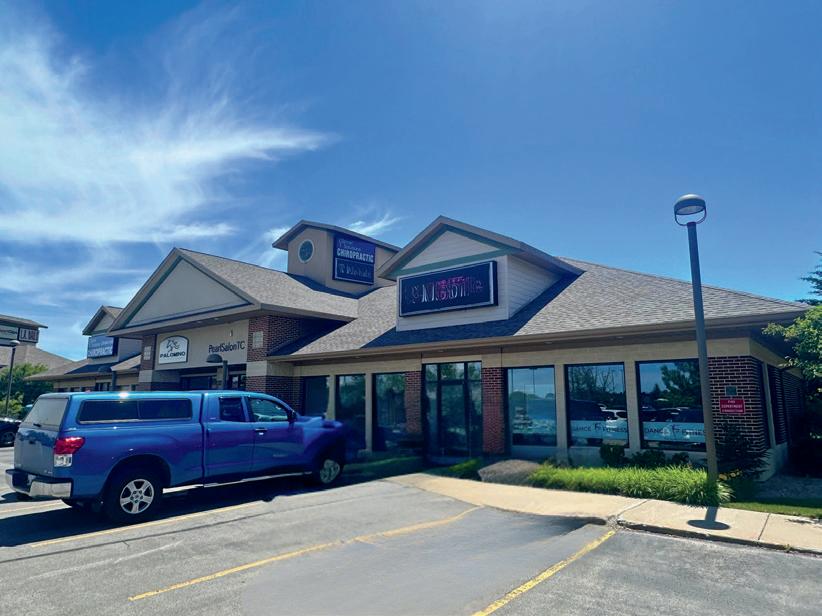
visitor economy,” he said. “We value fresh produce in northern Michigan and draw lots of people in who really appreciate that…I think they’re the poster child for what’s (attractive) in northern Michigan right now.”
Don’t get them wrong. The ownership foursome loves and appreciates tourists, who bring a ton of revenue. But the seasonal whiplash is hard from a logistical standpoint.
“It’s an unfair way to run a restaurant, quite honestly. You can’t staff the restaurant like you should in the winter and then expect to hire everybody and be prepared for July and August,” Gary said. “So you end up keeping as many people on as possible through the winter months so that you’re ready for this time of year. That’s stressful, and it’s expensive.”
And while those tourists fuel the engines all summer long, it’s the dedicated locals who keep things going when the temperatures drop.
“I just adore our local community, because they’re the ones that are skiing up in February in the middle of a snowstorm. They’re the ones coming out for a solstice bonfire, totally bundled up. They’re subscribing to our winter ration program, which is like a weekly or monthly bread and soup thing in the deep, dark days of winter,” Allison said. “We just lean into loving on our community in the off season.”

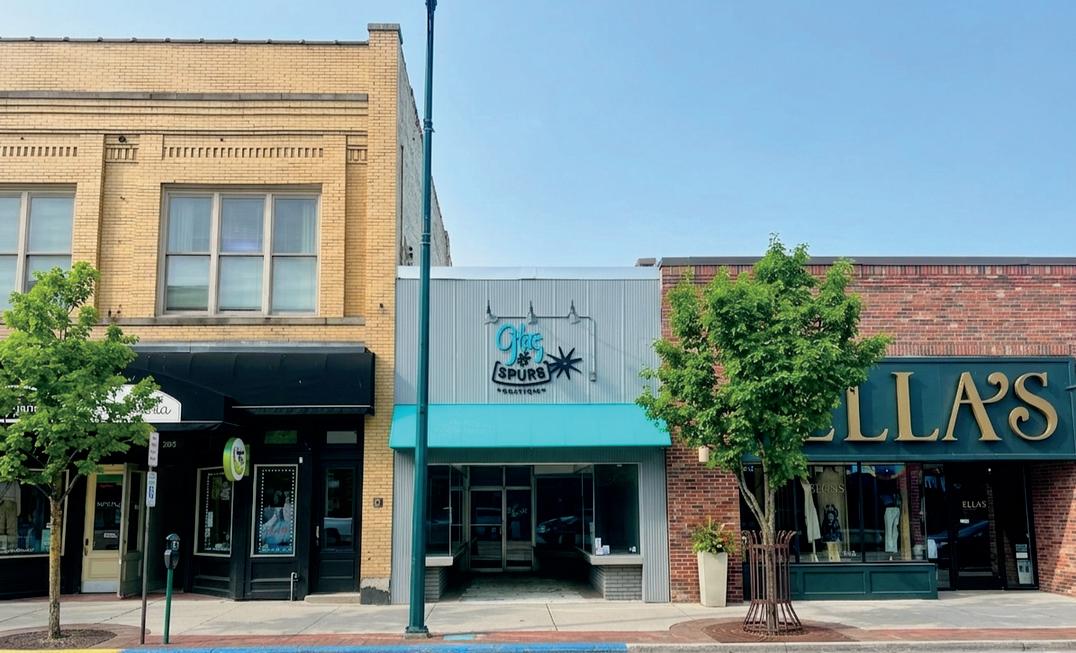


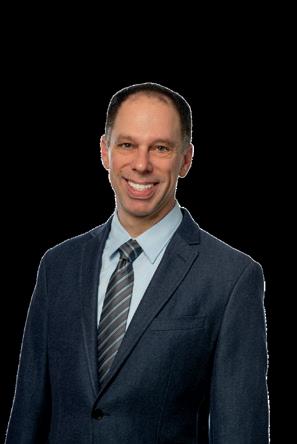
TRAVERSE CITY - The 10 Cents a Meal for Michigan’s Kids and Farms program has been restored in Michigan’s Fiscal Year 2027 School Aid Budget after a year of “determined advocacy from educators, farmers, parents, health advocates, and communities across the state,” according to a press release from Groundwork Center for Resilient Communities.
The program will receive $4 million in funding, but administrative funding was removed from the final bill package. Program partners continue to explore alternatives and emergency private funding to ensure the program operates for the

upcoming program year.
In addition, non-school sponsors have become ineligible for funding in 2027, due to adjustments made outside of program control, meaning sponsors such as childcare centers and homes, before and after school providers, and community service agencies won’t be able to participate.
“I can’t let the unfortunate and unexpected changes made to this program undermine the incredible work done by program advocates,” said Amanda Brezzell, Groundwork Center’s Policy and Engagement Specialist. “This program is a
Expand into the Traverse City market by developing our second landscape supply location to better-serve existing customers and foster new relationships.
From navigating the township’s complex permitting process to final construction, Mike and his team kept us on schedule and truly built our vision. We’ve worked with Burdco on multiple projects over the last five years for a reason.
– Josh Manthei President, Manthei Supply

real investment in children’s health, in local farms, in resilient communities, and in a food system that keeps Michigan dollars in Michigan. Myself and the people I represent are deeply grateful to the partners and advocates who made this restoration possible. Thank you.”
Groundwork piloted the initiative across seven northern Michigan school districts in 2013.
The program’s return marks the culmination of a year-long campaign led by the 10 Cents a Meal Coalition and local advocates.
Before its unexpected removal from
the state budget in 2025, 10 Cents a Meal reached more than 600,000 Michigan children while generating more than $7 million in economic benefit for local farmers and Michigan-based food businesses. The program is administered by the Michigan Department of Education, with support from the Department of Agriculture and Rural Development, Groundwork Center for Resilient Communities, and the MSU Center for Regional Food Systems.
For more information about the 10 Cents a Meal program, visit tencentsmichigan.org.
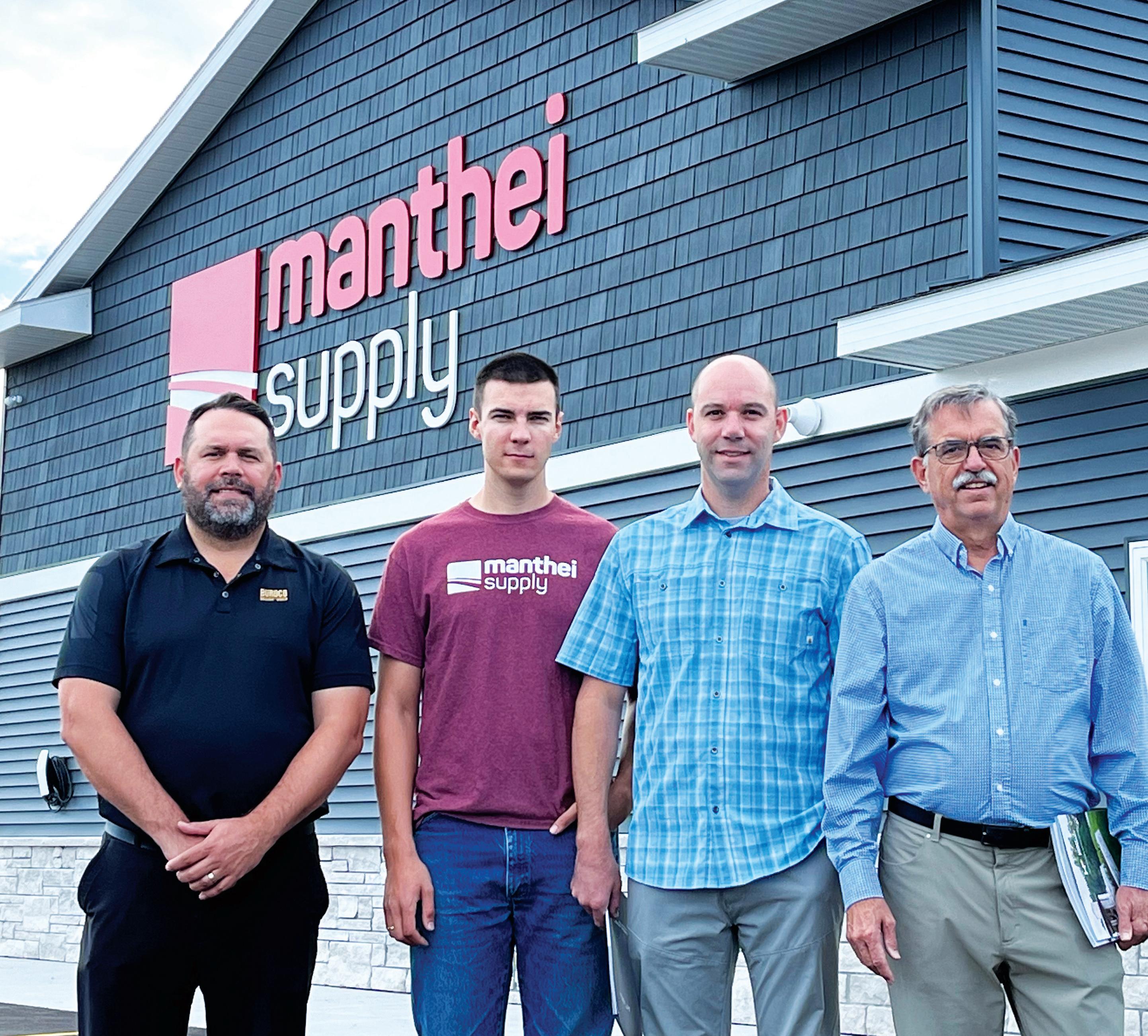





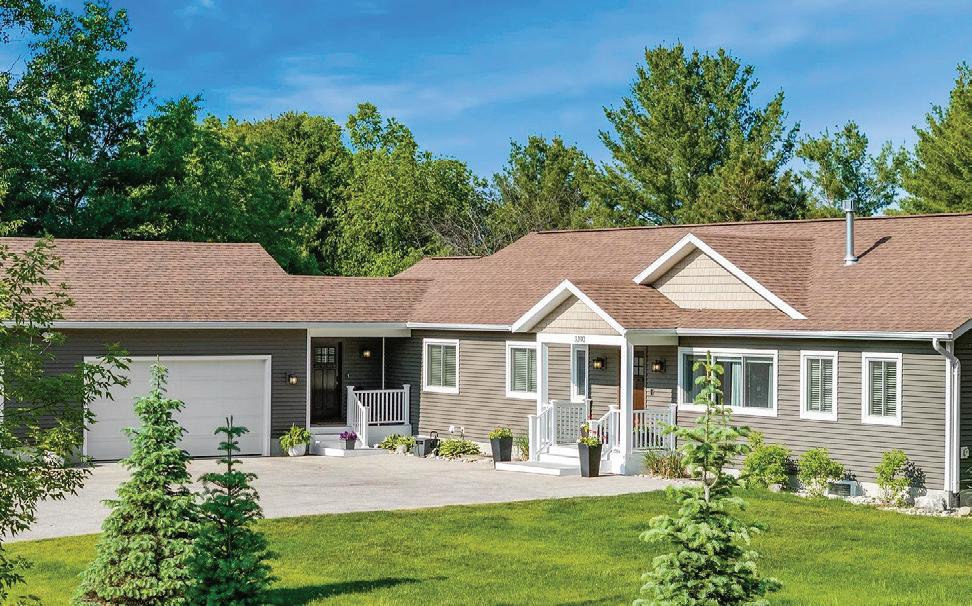
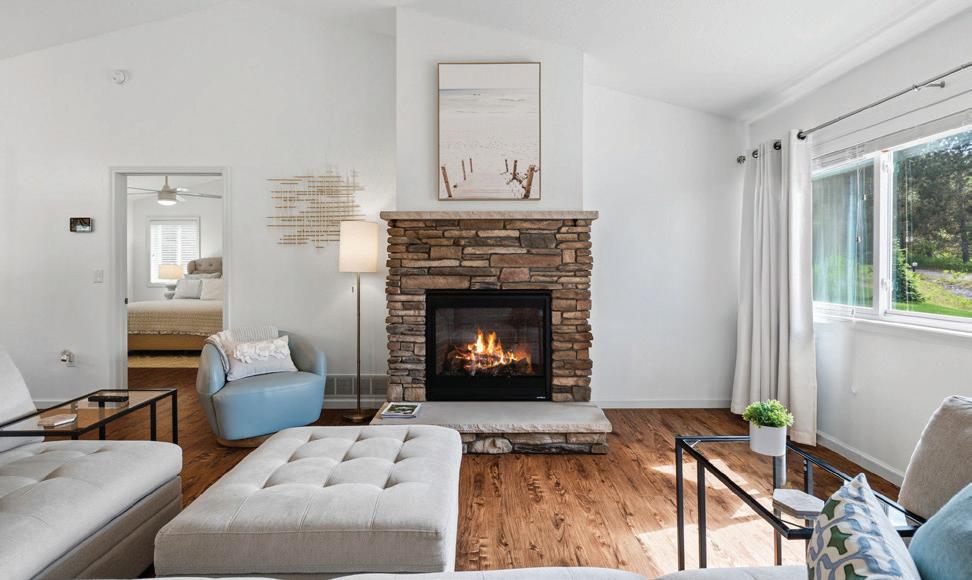
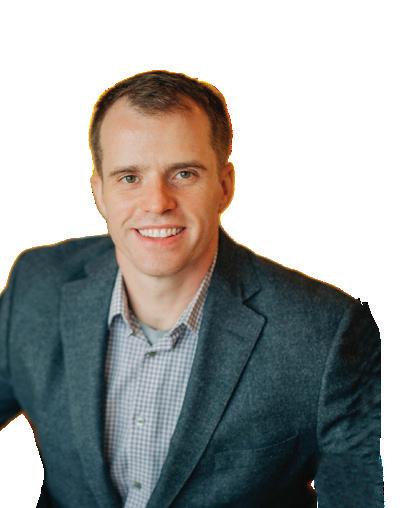
Built in 2017 and tucked on 1.66 acres along a quiet street, 3390 Epps Lane checks the boxes that are hardest to find together. The home spans two fully equipped levels, each with its own kitchen and laundry. At 7 bedrooms and 4 baths, this is a home built to accommodate life at full capacity without compromise. The main level offers true main-floor living with a primary ensuite plus two additional bedrooms, full laundry, and a massive mudroom with custom built-ins connecting to the attached 4-car garage.




A Q&A with local branch managers of the nation’s largest wealth management firms
By Art Bukowski
Wealth management is big business. But it’s also very important business. Millions of people look to their financial advisors for peace of mind (and what’s more valuable than that?) as they plan for retirement. Retirement is just the tip of the iceberg for firms that provide a wide variety of financial services to people of all ages and in all walks of life.
Here, the TCBN profiles the local branch managers of six major national firms. Keep an eye on upcoming issues for a similar story that focuses on the managers of local companies.


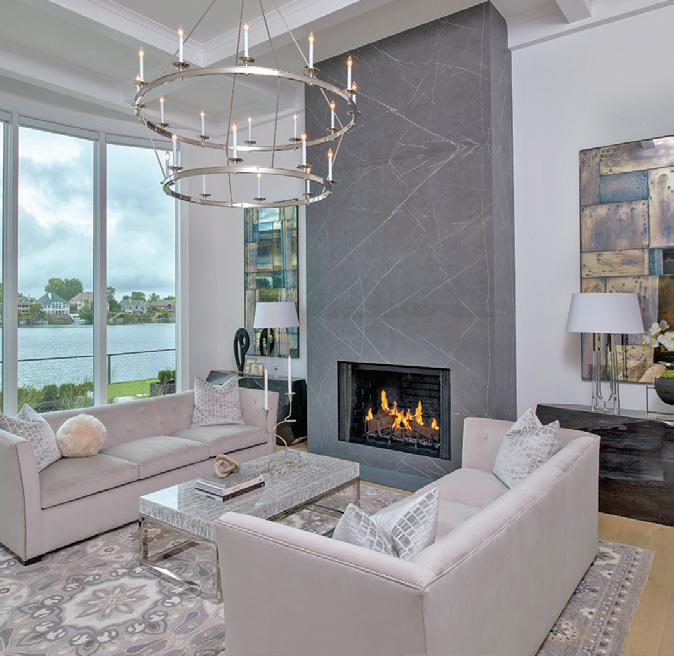
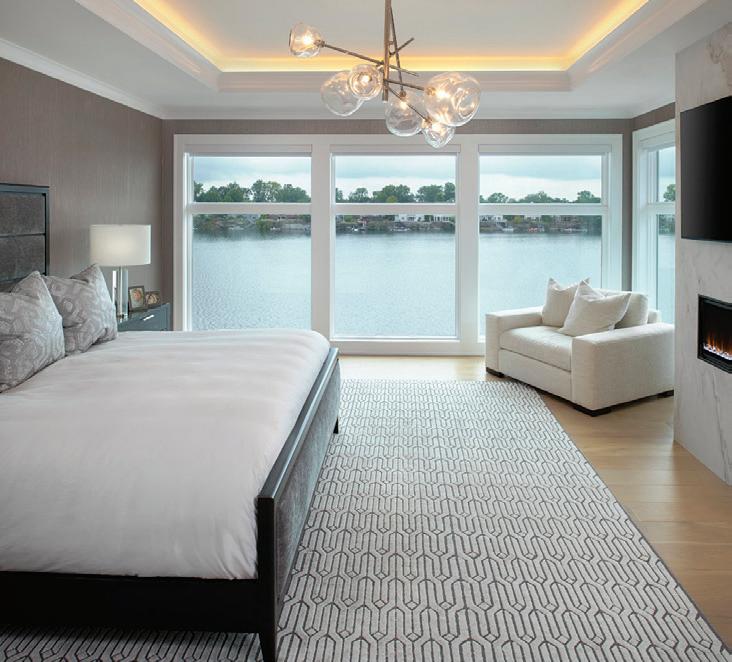
Mather

We’ve moved! We’re officially moved in, settled and are ready to welcome you to our new office on Webster Street! Stop by, say hello and take a look around. We’d love to show you our new space and celebrate this exciting next chapter with you.




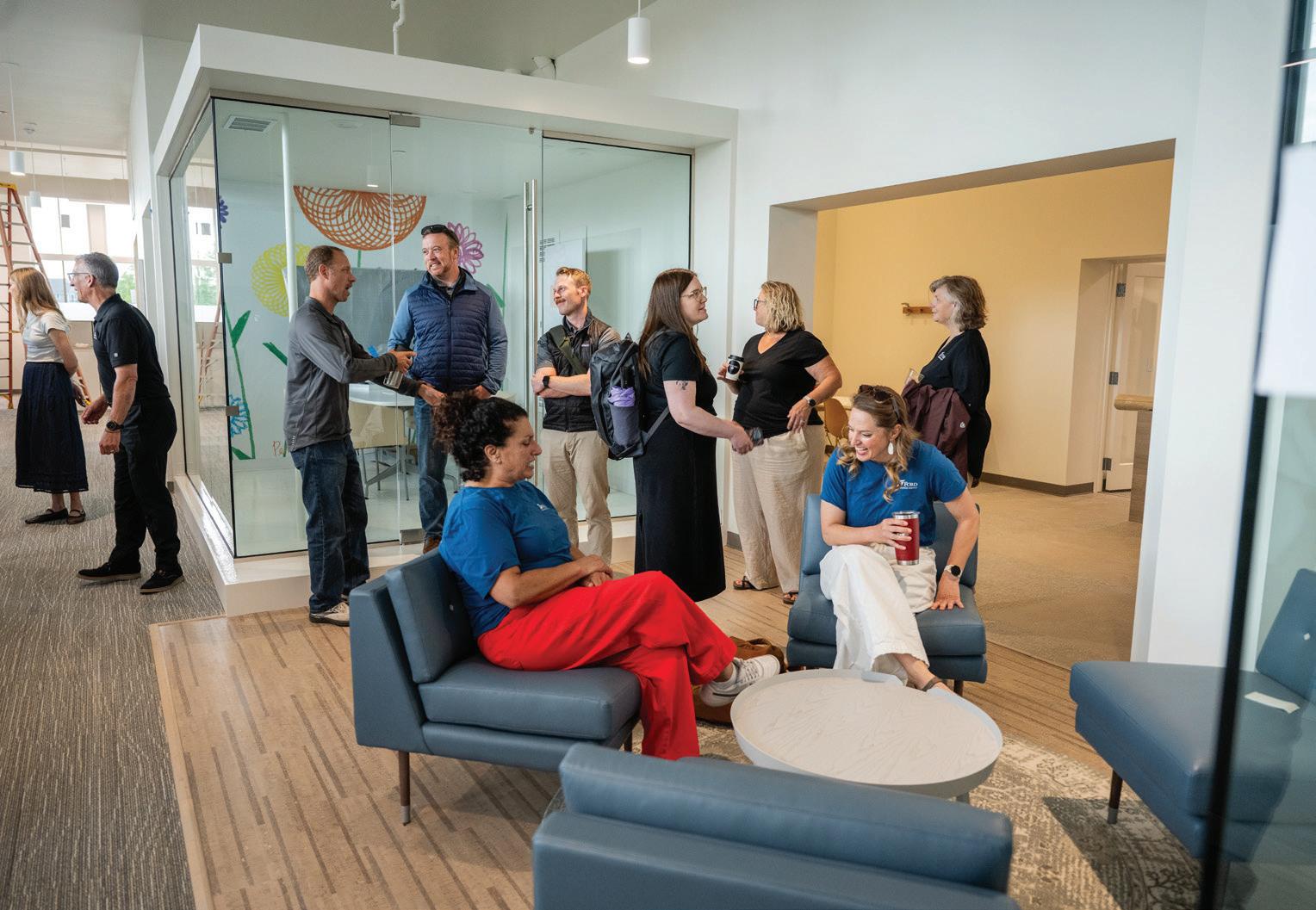
Tell us about your background. I have been in the investment business for 43 years, the last 33 with Baird. I am a Chartered Financial Analyst and spent 19 years as an equity research analyst. My last position before transitioning to being a financial advisor was as the managing director of private client research and analytics in Baird’s corporate offices in Milwaukee. We had decided as a family to make the move to Traverse City and remote work for that position was not an option. I have been in Baird’s Traverse City office since 2002 and the branch manager since 2010. I earned a BA in financial administration and Insurance from Michigan State University.
Describe your leadership style. I would like to believe that my leadership style is as an enabler and supporter. I view my role as helping our financial advisors and advisor teams best support their clients and practices.
Tell me about your background. I went to Michigan State University, and I’ve been a financial advisor since 2004. I’ve been at Merrill since 2010 and have run our local branch since 2016. My dad, Dave Eckenrode, worked in the industry for more than 40 years, so I grew up in the business.
Describe your leadership style.
I’m a student of history, and two of my favorite leaders are Eisenhower and Patton, which is ironic because they hated each other’s guts. But both have contributed to my leadership philosophy. Starting with Patton, I hate micromanaging and I hate being micromanaged. Patton has a quote: “Don’t tell people how to do things. Tell them what to do and they will surprise you with their ingenuity.” And I think that’s a brilliant way to manage. Surround yourself with good people, smart and intuitive people, and let them
OLIVIER
Tell me about your background. I studied history at Northern Michigan University. I am an investment advisor and branch manager with Series 6, 7, 9, 10, 63, and 65 licenses, along with life insurance and annuity credentials, supporting comprehensive wealth management and financial planning services.
Describe your leadership philosophy. I have a servant leadership style. I always seek a “yes” solution. If a “yes”
Describe your investment philosophy. Investment philosophy should meet the needs of the client. Too often, advisors say that they are a particular type of investor but, in my opinion, that is not necessarily the right fit for every client. Using a financial planning-based process, the client’s needs, goals and situation should determine the appropriate investment strategy and solutions. The key is to have access to a broad range of solutions that can be applied to help the client.
What are the biggest challenges facing branch managers today?
The word “today” is critical here. I don’t think the challenges for branch managers have changed that much. The ability for branch associates to work remotely has been greatly enhanced by technology deployed during the pandemic, but the tools to supervise have also improved lock step. I still think our focus as branch managers should be on securing
figure it out. Eisenhower had a decision matrix that sorted tasks by urgency and importance, and I’ve used it frequently.
Describe your investment philosophy. I think what people want to hear here is some Warren Buffet-style piece of what I’m looking for in a free cash flow ratio of a company that they’re going to invest in. But really what the business has evolved into, and what we do more of here, is goals-based financial planning and wealth management. We come at it by writing a financial plan for our clients and then letting that financial plan dictate what the investment philosophy looks like. It’s highly individualized. Within those financial plans we build an investment portfolio for our clients that’s going to achieve their goals while basically maintaining as low a risk profile as we can get away with. We also want to prioritize high quality companies that have good leadership structures, good leadership teams inside those companies and that have good balance sheets.
is not possible, I communicate the decision promptly and face to face.
Describe your investment philosophy. Build on each client’s unique, individualized financial plan with ongoing flexibility to adapt as needs and circumstances evolve.
What are the biggest challenges facing branch managers today? Finding adequately trained and well-prepared registered client associates.
What’s your favorite client memory or success story?
the resources our associates need to serve our clients effectively and competently.
What’s your favorite client memory or success story?
Success to me is defined whenever a client retires on plan, an education is paid for and/or a life event is achieved. These things happen every day. They all matter. That is what we focus on for clients.
Why choose Baird?
In the early 1990s, while interviewing with Fred Kasten, Baird’s CEO, for a position in equity research, I noted that Baird’s track record was enviable with consistent growth in a cyclical industry. I asked him about the firm’s planning process given its commendable results. Fred answered, “Our corporate planning process is quite simple; we do what is right for our clients. If we do that, everything else will take care of itself.” Baird is private, employee owned and that ownership is broad based with over 80% of employees owning stock. For 23 straight
What are the biggest challenges facing branch managers today?
Everybody has one big problem, whether you’re in financial management or making pizzas, and that’s making sure that you have an adequate amount of staff and good people. But one thing in our world that’s really challenging is risk. Criminals have gotten so good at scams: Different ways to weasel into people’s accounts, or to bypass our systems and extract money, or to pretend to be a client, things along those lines. It’s getting more sophisticated, and in the artificial intelligence era, I’m wondering how much more sophisticated it’s going to get.
Why choose Merrill?
Charlie Merrill founded the firm with a slogan of bringing Wall Street to Main Street. Back 110 years ago, they were not catering to middle America, and his vision was to democratize investing and bring it mainstream. And we’ve really built on that as a firm over the
One of my financial advisors shared a meaningful moment during a photo taken as I was beginning cancer treatment the following week. Standing with my son, he told me he loved me. This reflects a culture grounded in strong personal relationships, care, and human connection.
Why choose Wells Fargo?
The practice combines major national resources with a small-town philosophy of client service and attentiveness. It’s a great firm and we have an amazing team in Northern Michigan. They’re professional, extremely talented and they make my career very rewarding.
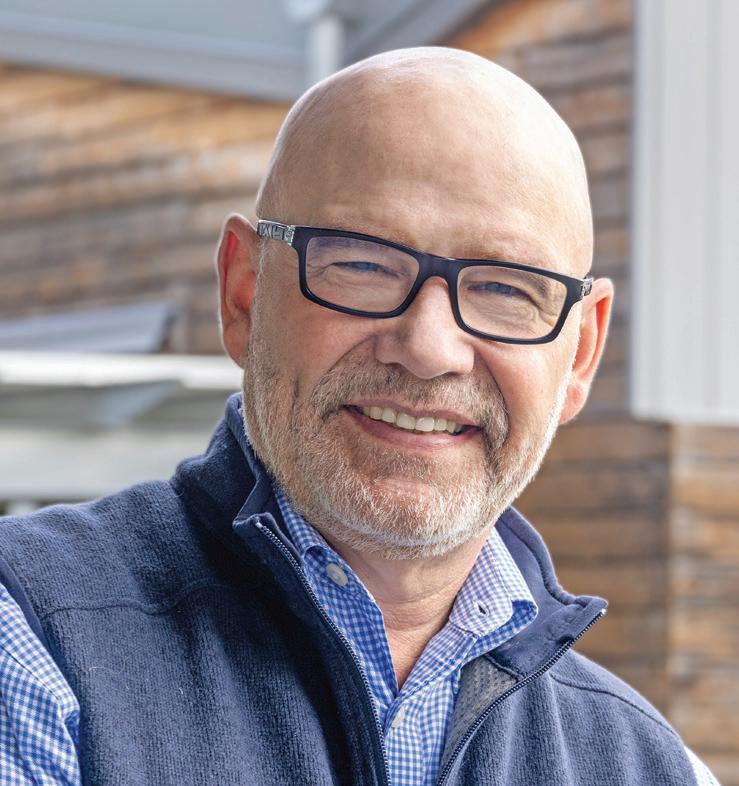
years we have been recognized as one of the Fortune 100 Best Companies to Work For. With 5,400 employees and over 200 locations in the United States, Baird is trusted with $560 billion of client assets. But we are also proud of our Traverse City office and its group of professionals focused on doing what is right for their clients.
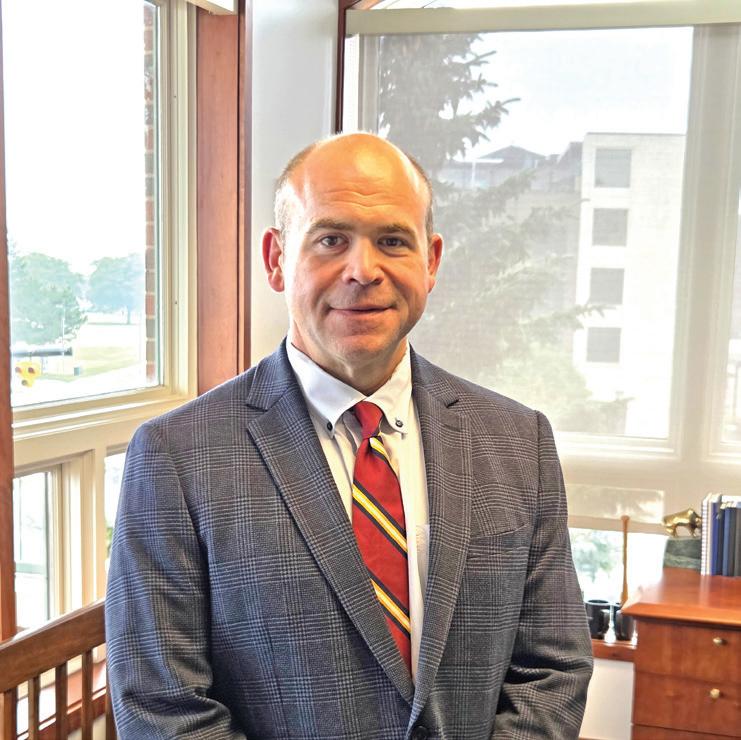
past hundred-plus years. The thing that I think is truly unique at this operation here is that we have such a wide doormat for clients and people to engage with us. Whether you’re Joe Sixpack just getting started all the way to Elon Musk doing the world’s largest IPO, we have the ability to interact and interface with everyone and make their financial lives better.
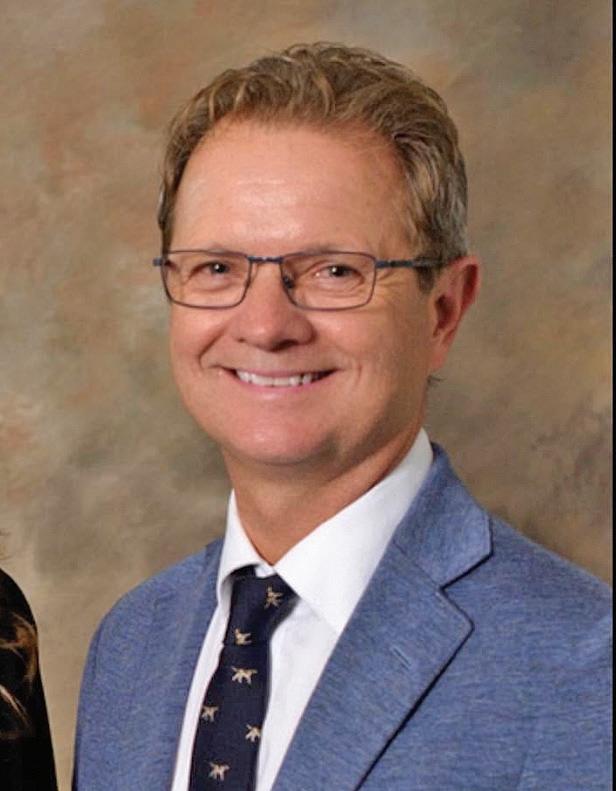

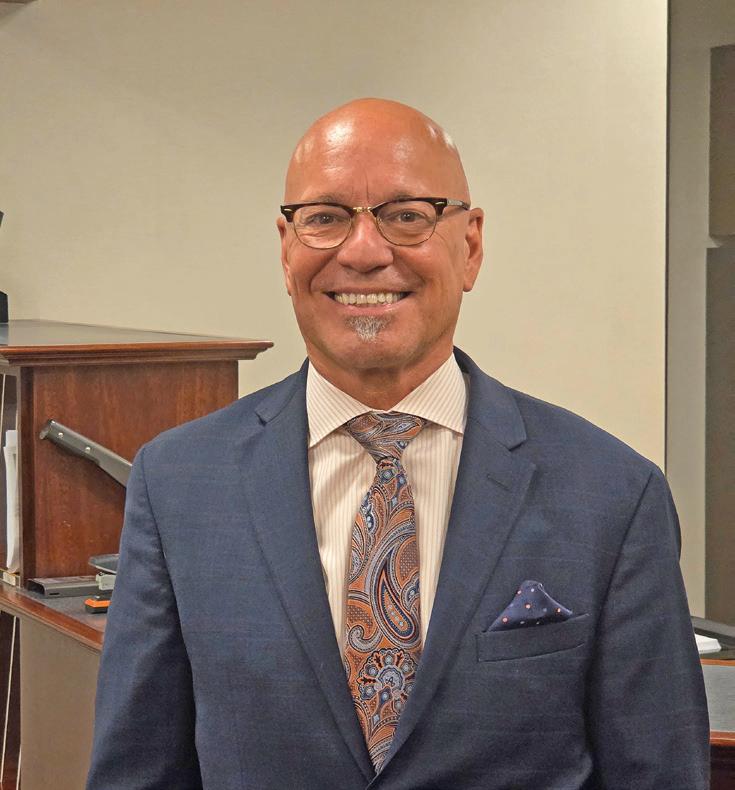
Tell me about your education and background.
I have a degree in Economics from Alma College, I am a Chartered Financial Analyst, and I completed the Securities Industry Institute at Wharton School of Business. I have been in the industry for 42 years and managed our local office for 33 years (it was Roney & Co. before being purchased by Raymond James in 1999).
Describe your leadership style. Friendly and easygoing.












Describe your investment philosophy. I think long term, focus on quality and avoid the hot trends.
What are the biggest challenges facing branch managers today?
Compliance with an increasing level of regulation is very important. Good investment returns for client accounts and maintaining a profitable enterprise have been easy lately, but those can be a challenge when Mr. Market takes a turn… and it always seems to do so.
What’s your favorite client memory or success story?
When I was quite new to the investment industry, I met with a newly retired couple who had just moved to our area. The husband was an executive at an insurance company and the wife was a school teacher. They stated to me that they already had a financial advisor who happened to be the gentleman’s former college roommate, but that they wanted to establish a new relationship in case their current advisor decided to retire. They asked if I would accept a $10,000 investment, and they would like to see how I perform with it. This May, I picked up the gentleman from his assisted living facility to take him to lunch for his 98th birthday and to do an account review. He still holds that particular investment, and it is worth over $600,000 today. That’s quite rewarding to me.
Why choose Raymond James?
Raymond James has the most open, honest, and respectful culture of any firm that I know.
Tell me about your education and background.
I grew up in a household of eight in mid-Michigan. We were lower middle income, with the emphasis on lower. My dad was incredibly hard working, and he worked his way up the ladder at GM’s Fisher Body. I ended up going to Alma College to play baseball. I started my career in 1987, and I was invited to come up to work in Traverse City by my college fraternity brother, Jeff Pasche. I’ve been with Stifel now for 19 years.
Describe your leadership style. It’s coaching, 100 percent. I’ve coached from little guys up to varsity baseball. And my philosophy is you get to know who your players are. You get to know what they’re good at. You get to know where their weaknesses are. And most importantly, you have them buy into the team. When I came here, and as I manage, I plug players into the positions where they are best suited for success. From there, it’s developing them and making them better and better.
Describe your investment philosophy. I really take a top-down, 30,000-foot view. Where is the money flowing? What’s causing the demand? And then trying to work my way through various investments into that demand so the clients are buying what somebody wants.
What are the biggest challenges facing branch managers today?
Succession plans. It’s almost like the pig in the python. Lots and lots of us are around my age (65) and I feel a personal responsibility to propagate the industry, because it’s been so good to me, a poor Michigan kid. So I feel this tremendous responsibility to always recruit young kids into the industry. We do a lot of internships, because there’s a real shortage of young people.
Favorite client memory or success story?
I had a client that worked at Meijer her whole life. She was divorced twice and both of her husbands took the money she had saved diligently. But she continued to save and stay positive and when she announced to me she was finally retiring from Meijer, it was an amazing feeling!
dad worked Body. I basewas City Pasche. coached And your they’re weakhave into for them philosophy. 30,000-foot then various cliwants. facpig aroundit’s kid. So always do her she retiring
Tell me about your education and background.
I grew up in Antrim County, basketball took me to West Michigan (Muskegon CC) and then finished up my academics with a bachelor’s degree in Economics from GVSU. Industry-wise, I have my series 3,7,9, 10 and 66 licenses and the CRPC (Chartered Retirement Planning Counselor). I have 21 years in the industry and have managed our local office since 2015.
Describe your leadership style.
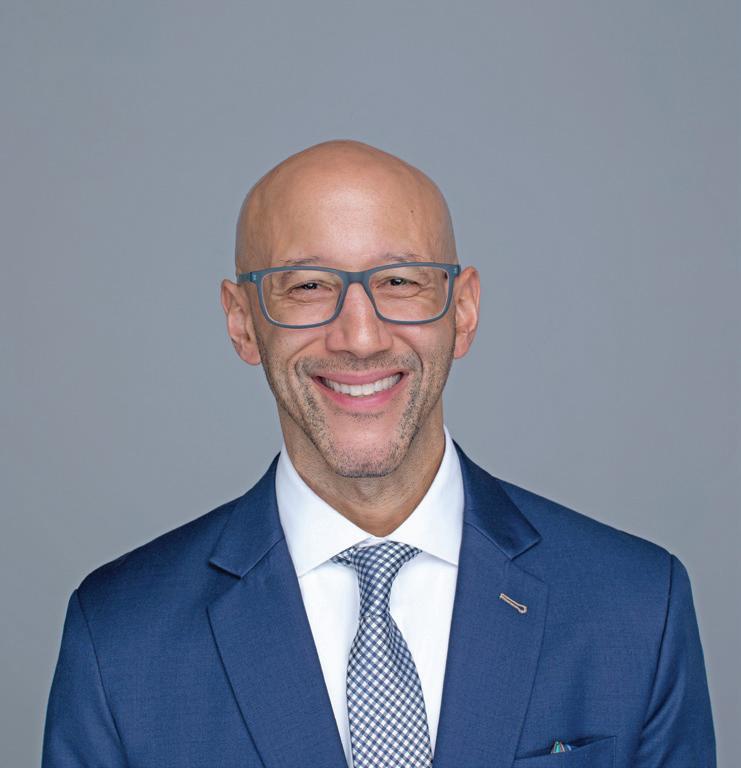
I am a true leader by example. Since I am a financial advisor and producing branch manager, my approach has always been that if I’m not willing to do it, then how can I ask the people I lead to do it? Sports taught me the value of teamwork, and I still have that same approach in my professional career. We win together and we lose together.
Describe your investment philosophy.
My investment philosophy over time has changed. Early in my career I had this notion that I was smarter than the markets, but the markets humbled me quickly. So over time I have changed to acknowledge no one is smarter than the markets, so let’s just own the market. Now, the tools have changed over the years, but for the majority of our clients still leverage a mix of traditional investments.
What are the biggest challenges facing branch managers today?
The biggest challenge is finding the next generation of financial advisors. This industry has always struggled to find young talent, and it’s still the biggest longterm issue for firms. With the addition of AI tools; we need more young people to get into the business and learn the business from the ground up. Firms are now starting to realize that traditional training programs don’t work well enough to replace the sheer number of financial advisors retiring each year.
What’s your favorite client memory or success story?
I don’t think I have just one. Having been in the business over 20 years and worked with so many amazing families, it would be hard to pick just one. I would say that the favorite thing about my job is when someone just says thank you! I work in an industry that over the years has had some really bad people taking advantage of good people (I feel I read an article every week in which an financial advisor scams a client), so it means so much when a client chooses to work with us and appreciates what we do for them and their families. When they say thank you, it means the world as it’s a reminder that what we do matters. We don’t take anything for granted.
Why choose Morgan Stanley?
For me personally, it was about being at a large firm with great brand awareness and culture. A culture that respects its employees and more importantly the clients that we serve. That respect shows up in so many ways in terms of our risk controls, compliance and investment into the tools and resources we can offer our clients. We are a leader in so many areas of wealth management that I think the amount of investment dollars that Morgan Stanley makes into the wealth management area of the firm each year is a great reminder for me that there is no better wealth manage ment firm for me or my clients.


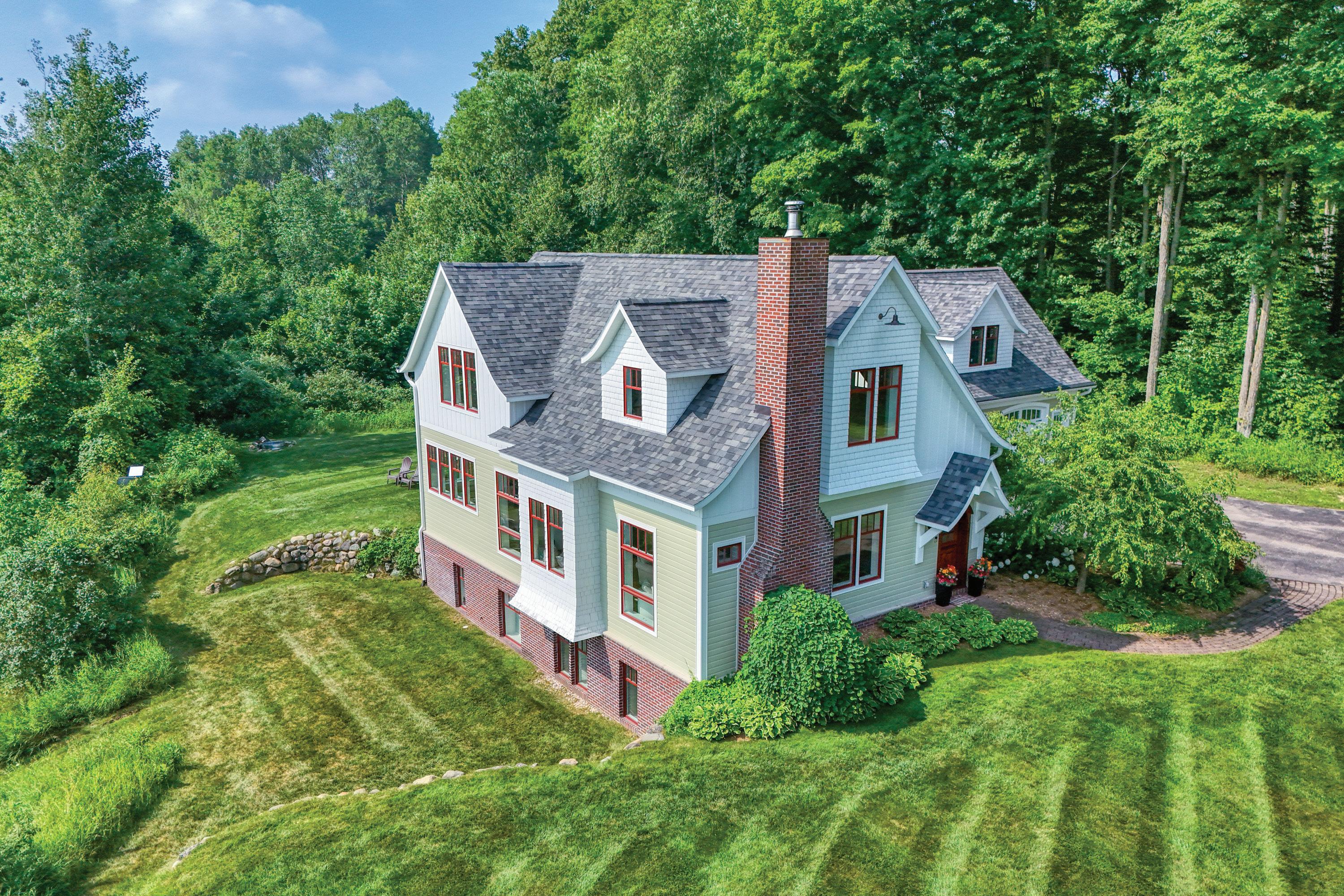

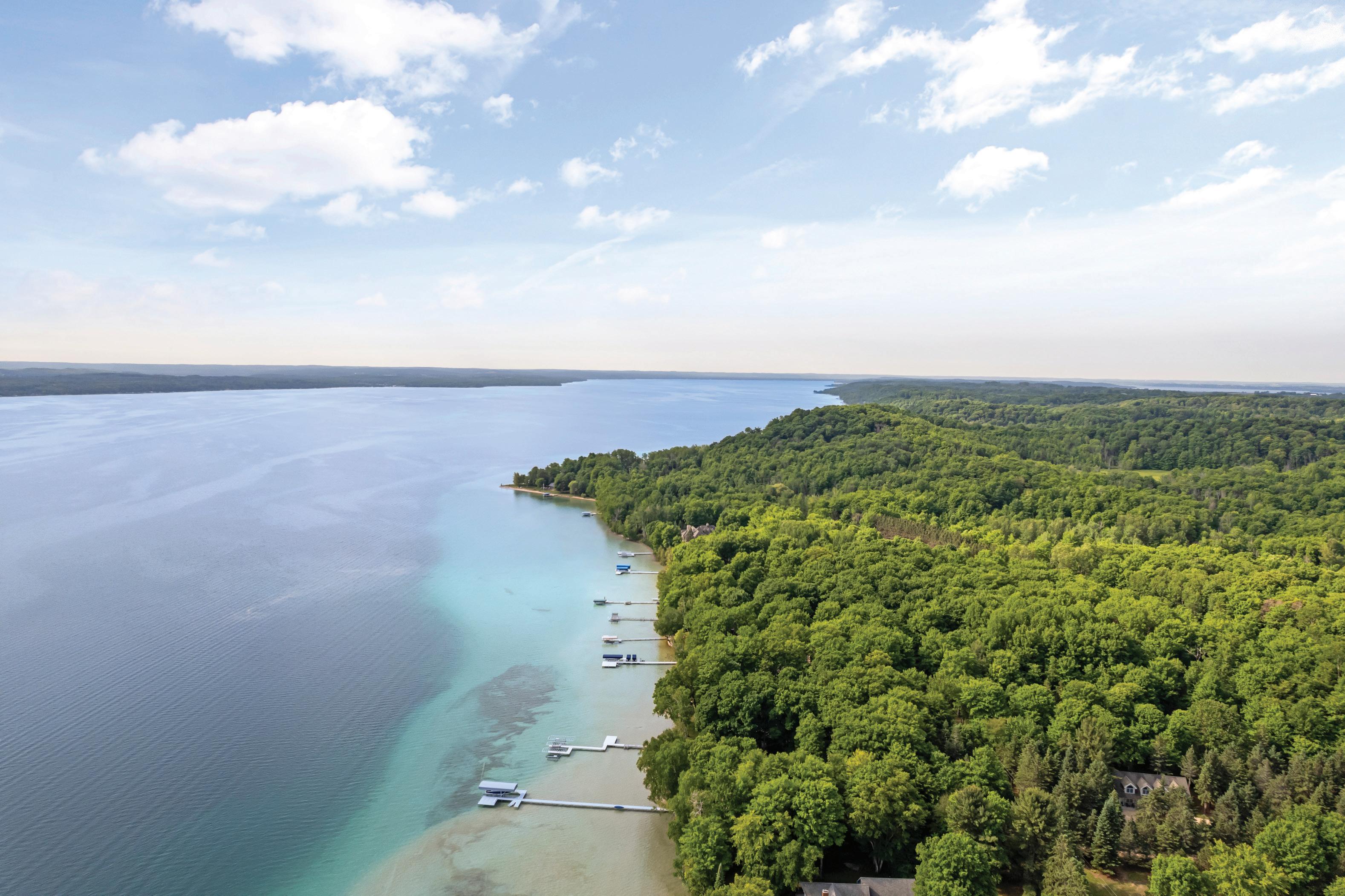
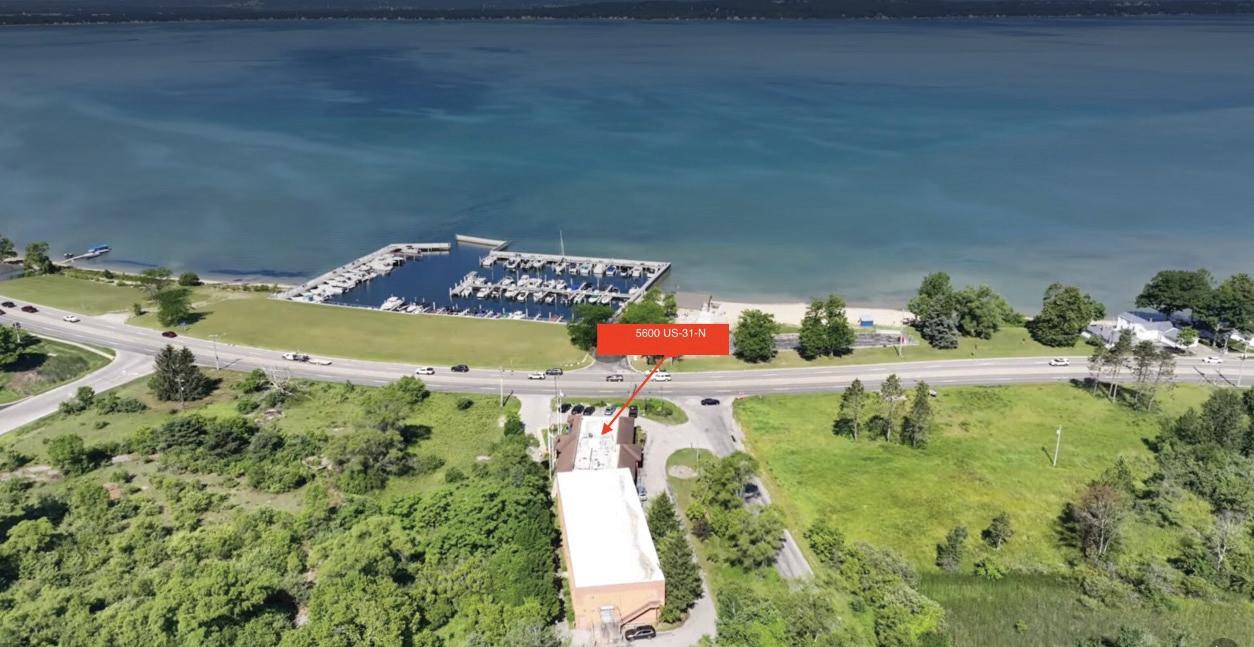
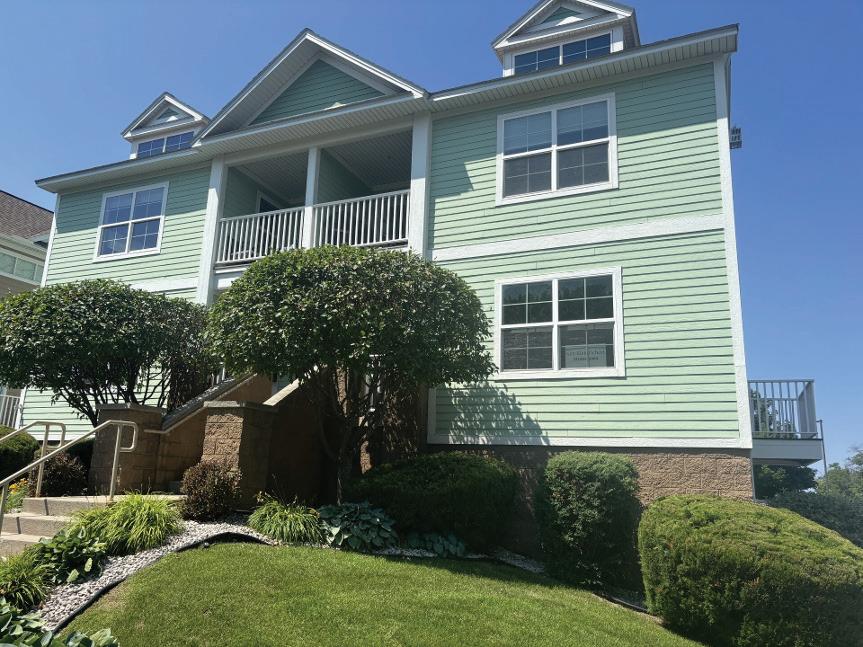
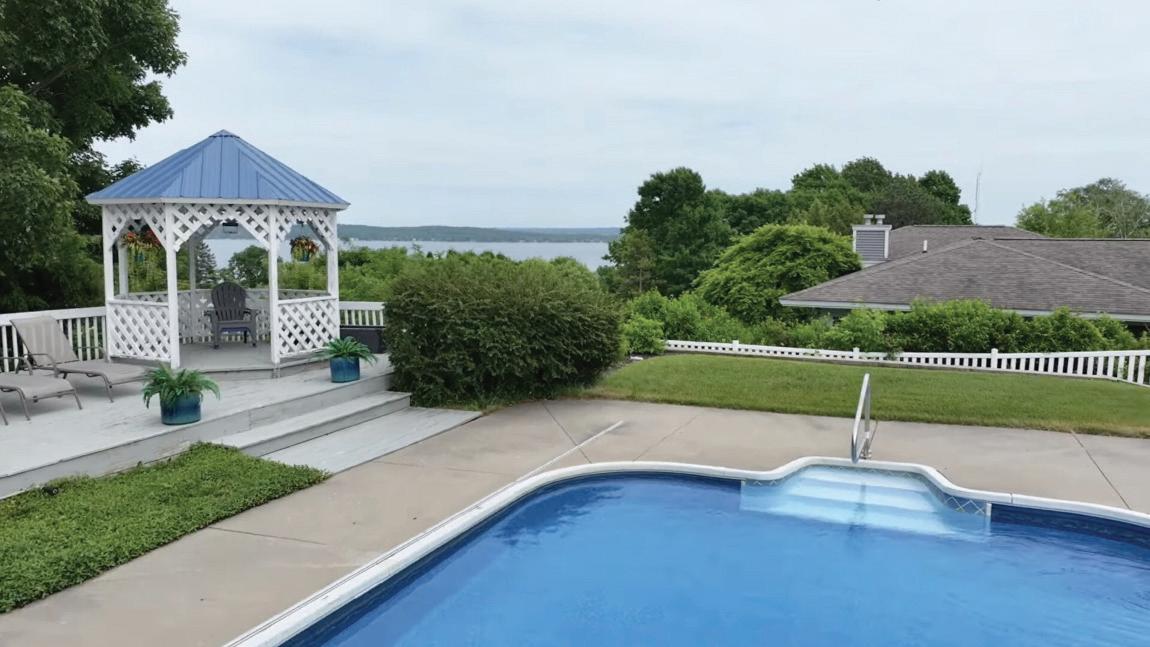
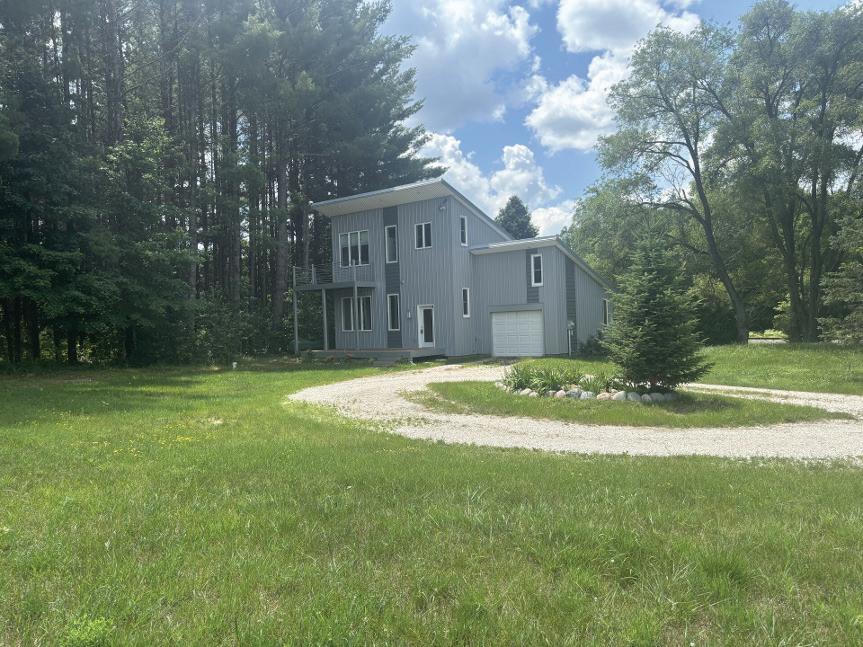
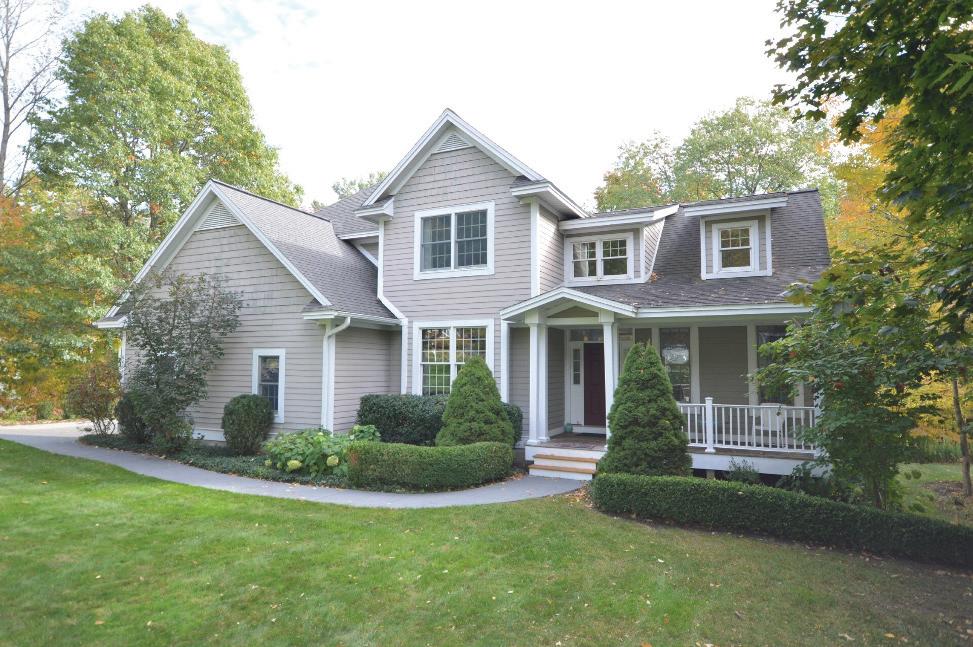

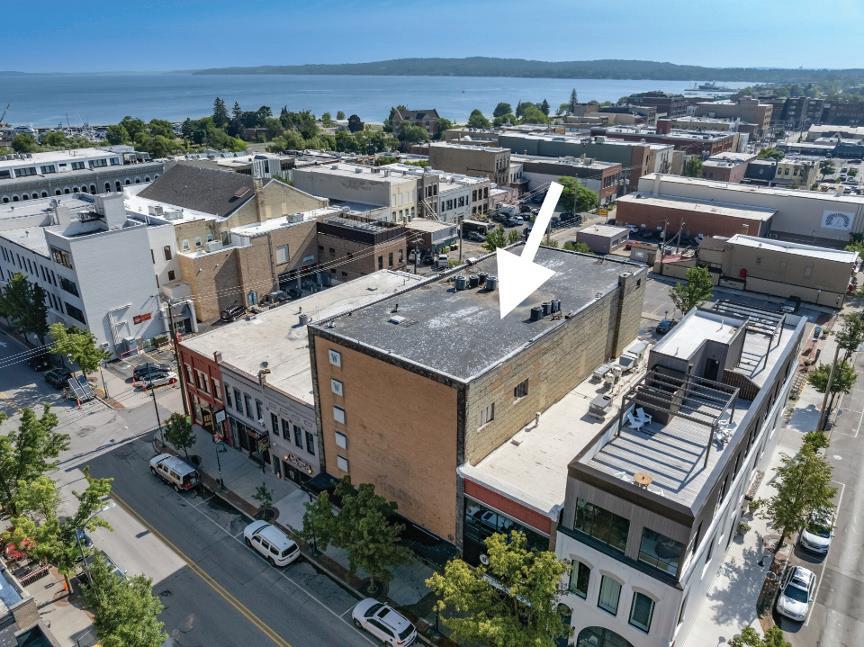
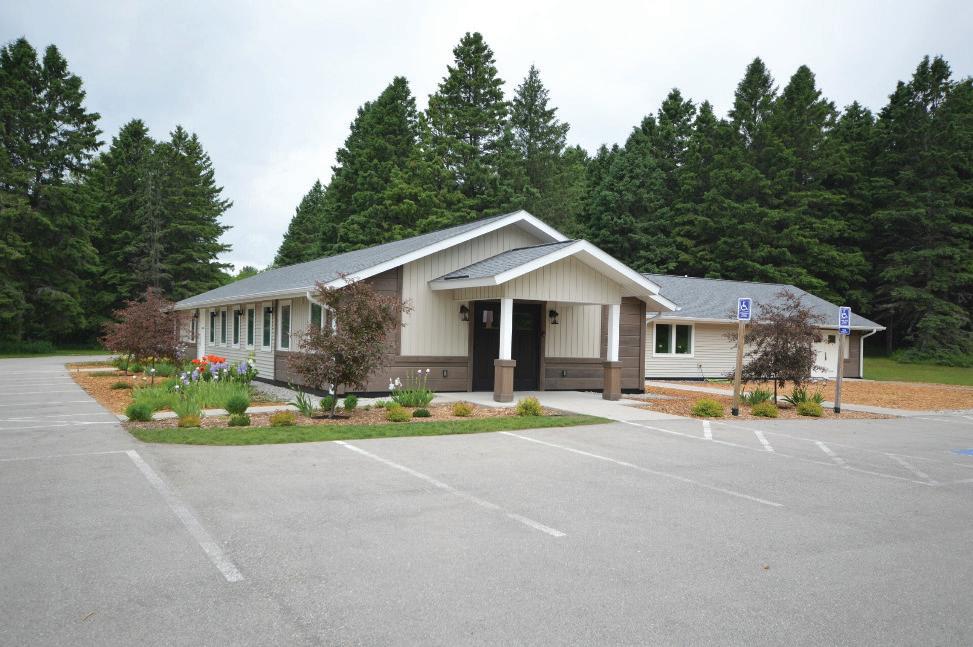
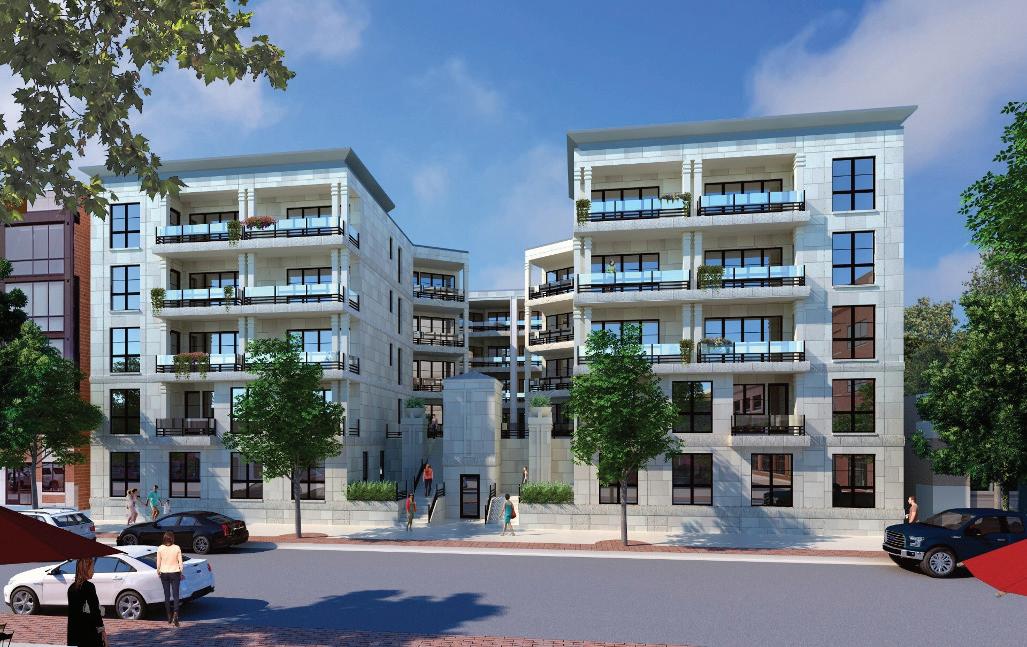

By Rick Garner, columnist
One of the biggest concerns retirees face is having enough income to cover life-long expenses.
While investment returns often receive the most attention, successful retirement planning begins with something more important: creating dependable income to cover essential needs, regardless of market fluctuations.
Start with three financial buckets
A way to think about retirement is to separate finances into three categories:
• Guaranteed inflows: reliable monthly income streams - pensions and Social Security benefits
• Essential expenses: Non-negotiable living expenses like housing, healthcare, groceries, insurance and taxes
• Discretionary expenses: Enjoyable extras such as travel, dining out, hobbies and gifts
The goal is to ensure guaranteed inflows are sufficient to cover essential expenses. This creates what advisors call your retirement income floor.
Many retirees rely heavily on investment portfolios to generate income. The challenge? Markets are unpredictable.
Imagine retiring just before a significant market downturn. If you need to sell investments to pay expenses, you may be forced to withdraw money when account values are depressed, potentially reducing the longevity of your portfolio.
By establishing an income floor, a portion of retirement income may be less affected by market fluctuations, which can help support essential expenses during periods of market volatility. This approach may allow other portfolio holdings to remain invested in accordance with investment goals, risk tolerance and time horizon.
Finding the gap
Building an income floor involves three steps:
1. Calculate essential monthly expenses.

2. Add up guaranteed income sources, such as Social Security and pensions.
3. Identify any shortfall.
For some, that gap may be small. For others, it can be significant. The objective is to determine whether additional guaranteed income sources could help bridge that difference.
For individuals without a traditional pension, annuities can serve as a self-funded source of predictable income.
Several types of annuities may play a role in retirement planning:
• Fixed annuities: offer a fixed interest rate for a specified period and protect principal from market declines.
• Single premium immediate annuities: designed to convert a lump sum into a stream of income that can begin almost immediately and continue for life.
• Deferred income annuities: provide income that begins later in retirement, often helping address longevity concerns.
• Fixed indexed annuities: offer growth potential tied to a market index while
protecting against market losses, subject to contract terms and limitations.
Depending on age, health, and payout options, annuities can provide a meaningful source of lifetime income. Keep in mind that these require alignment with your overarching financial goals.
A successful retirement strategy should also account for several often-overlooked risks:
• Sequence of returns risk: Poor market returns early in retirement while taking withdrawals can significantly impact longterm portfolio sustainability.
• Tax risk: Required minimum distributions and other taxable income sources may increase tax liability, affecting Medicare premiums.
• Healthcare costs: Medical expenses and long-term care needs frequently rise faster than inflation and can place pressure on retirement income.
The value of financial certainty
Retirement success is not solely deter-
mined by achieving the highest investment returns. For many, it stems from confidence that essential expenses will be covered regardless of market conditions. By matching dependable income sources with necessary living expenses, retirees can spend less time worrying about the markets and more time enjoying retirement.
Rick Garner, CFP® is director of wealth management and a CERTIFIED FINANCIAL PLANNER™ professional with DGN Wealthcare, LLC. Securities offered through Cetera Wealth Services LLC, member FINRA/ SIPC. Advisory services offered through Cetera Investment Advisers LLC, a registered investment adviser. Cetera is under separate ownership from any other named entity. Financial professionals may only conduct business with residents of the states in which they are properly registered. Fixed annuities: Although possible to have guaranteed income for life, there is no assurance income will keep up with inflation. Generally, a surrender charge is imposed during the first five to seven years or during the rate guarantee period. Not all investments and services are available in every state. This article is for informational purposes only and should not be considered individualized investment, tax or legal advice
By Dennis Prout, columnist
What if you had a way to think more deeply about charitable giving and both its immediate and lasting impact on you and your family? What if you knew that this could be a way for your wealth to be measured for generations and not just by your own largesse in the next few years? What if you had a way to involve your children and grandchildren in giving conversations that would deepen your relationships, give them better perspectives on money and ultimately treat wealth as a tool rather than an endless vacation?
For those who simply want tools and ideas on more efficient giving strategies, this article will discuss a few current and relatively simple concepts to help you with that. For those who want to have a deeper conversation with their financial advisor and/or attorney, the stats included here are compelling.
A 2021 article from the Journal of Family Business Strategy reported that families with an articulated, shared transcendent purpose (faith, legacy, philanthropy, mission statements) were four times more likely to preserve or grow wealth than families that didn’t. In essence, anchoring wealth in responsibility to others strongly correlated with discipline and unity. By contrast, families without transcendence anchors realized a 70% entitlement attitude by the third generation – marked by reckless spending, conflict and detachment – due to wealth being viewed as a personal entitlement rather than a shared responsibility. Sounds like something to avoid, doesn’t it?
The compelling reality is that you could potentially enjoy and be involved in much more meaningful relationships with your heirs than you ever dreamed. Consider, for example, that donors today don’t want to simply provide funds to make an impact, they want to experience it. This is why we’re seeing an increase in volunteerism. Trust is moving from institutions to relationships, and people are

increasingly trusting specific people and observable outcomes more than large organizations. If you want to be more deeply involved in the areas and pursuits of caring for others, your timing could not be better.
The next generation is very interested in sharing your vision (in most cases) and wants to be part of the overall process of giving and generosity. What’s also interesting is that, statistically, a smaller percentage of those with higher net worth are giving (81% now versus 91% a decade ago), but their giving has increased by 30% in the last decade. Intentionality and planning are key, and they involve more in-depth conversations and deeper thinking about what is hoped to be accomplished. The beginnings can start with us. But how can we be more involved and continue to grow in our giving strategies?
Health improves with giving
The health benefits are another bonus. A 2006 study in the International Journal of Psychotherapy found that participants who regularly volunteered with two or more charitable organizations had a significantly lower risk of death over a five-year period compared to non-volunteers. This reduction in mortality remained significant even after controlling for age, baseline health, exercise habits and smoking. The protective effect appeared to be tied to sustained engage-
ment. The wealth of stats and information tied to your improved well-being by focusing attention on those less fortunate, or helping where you can leverage other skills to further your impact through so many community endeavors right here in northern Michigan, can be almost overwhelming.
The compelling reality is that you could potentially enjoy and be involved in much more meaningful relationships with your heirs than you ever dreamed.
What tools are available to you to affect this giving? One of the easiest and most efficient is the qualified charitable distribution from your traditional IRA. For those over the age of 70½, the QCD can be used to turn 100% taxable money to 100% non-taxable funds by giving a portion of your IRA directly to
the charity or charities of your choice. You may give whatever amount you like up to $111,000 per person per year from your IRA. For those over the age of 73, the QCD can also satisfy your required minimum distribution, as long as certain rules are followed. The minimum amount you may contribute will depend on your custodian, but we have clients who give as little as $100 per charity. The next vehicle to investigate is the donor advised fund. The key benefits of the DAF are its flexibility, streamlined record keeping, the ability to donate appreciated assets and the ability to make multiple donations over time. Another significant benefit can be the ability to write off up to 100% of your donation in the year you fund the DAF, while allowing you to give from the fund to your selected charities over a multi-year period.
While this article only touches on a few of the highlights of expanded giving opportunities and benefits to you, we hope to write more on this timely subject in the future. Here’s to your expanded health, wellbeing and improved family relationships!
Dennis Prout, CFP®, CPWA®, Ed Slott Master Elite AdvisorSM, founded Prout Financial Design in 1990. Investment advice offered through Integrated Partners, doing business as Prout Financial Design, a registered investment advisor. Intended for educational purposes only and not as investment advice.
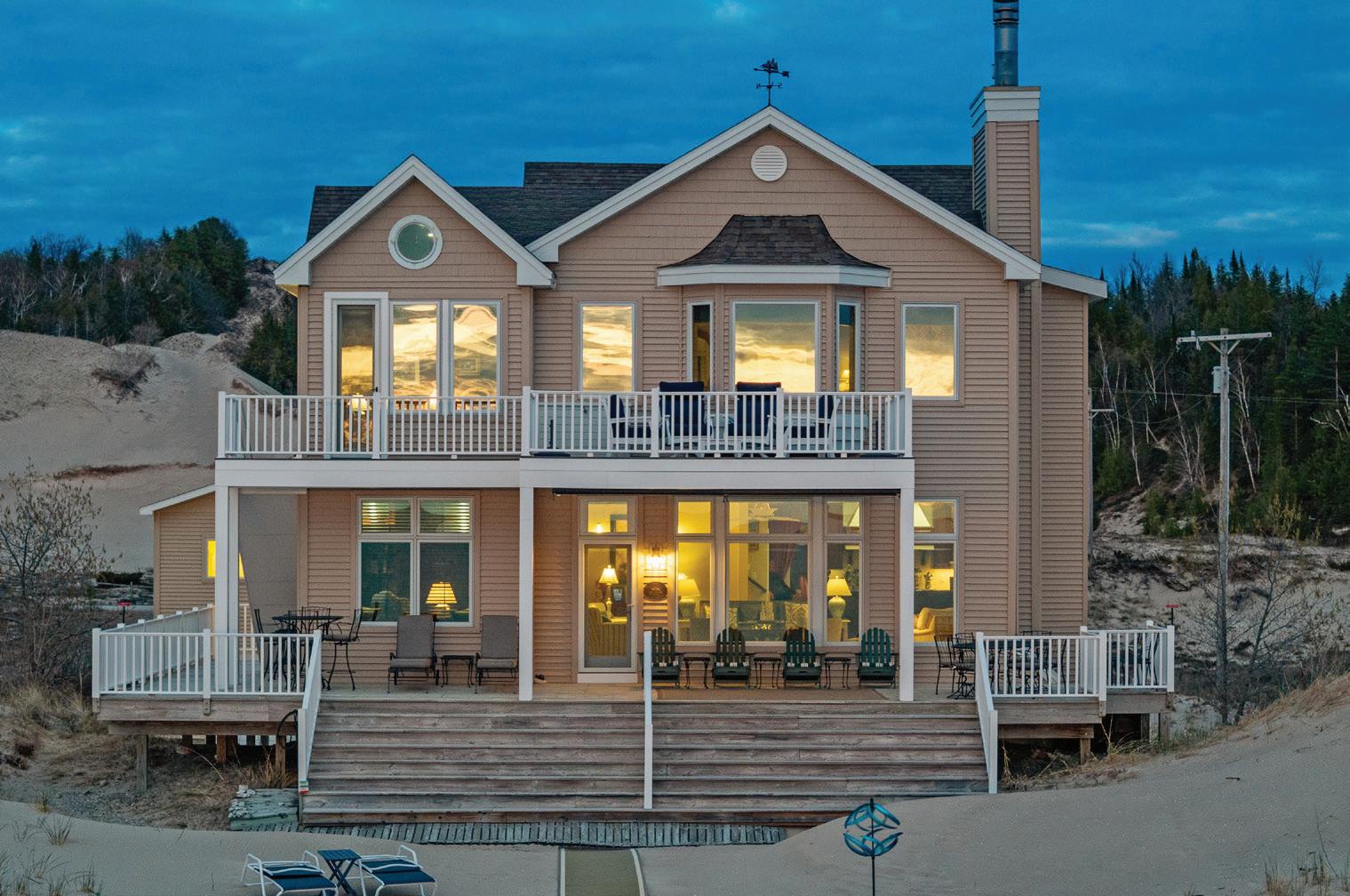







Jason
jason.c.piedmonte@jpmorgan.com


By Eric Braund, columnist
For many successful families in northern Michigan, wealth wasn’t built through a perfectly balanced portfolio. It was built through years of focus, risk and hard work.
It may be a business that took decades to grow. It may be lakefront property, family land, a rental portfolio, a commercial building or a concentrated investment that became far more valuable than expected.
That asset may be a major part of your family’s success story. It may also create risk if too much of your retirement income, liquidity, tax picture, estate plan or family legacy depends on what happens to that one holding.
A concentrated asset is any single holding that represents a meaningful share of your wealth. If one asset represents 20% to 25% or more of your net worth, it’s worth a discussion. If it represents 50% or more, that asset may not simply be part of the plan, it may be driving the plan.
This is especially relevant in our area, where wealth is often tied to local businesses, lakefront property, family cottages, commercial real estate or land owned for generations. For example, home prices in Grand Traverse County have increased roughly 47% since 2021, which can be good news for property owners, but it can also leave families with more of their wealth tied to real estate than they originally planned.
That doesn’t mean the asset is a problem. It means the family should understand what role it plays, what risks it creates and what options exist before a decision becomes urgent.
During the wealth-building years, concentration can make sense. Business owners reinvest in their company. Real estate investors hold properties they know well. Landowners may keep property for appreciation, income or family reasons. Investors may hold a concentrated stock position because selling would create a tax bill. As retirement approaches, the math changes. Reliable cash flow matters more.

Is too much of your wealth riding on one asset?
Taxes may become harder to absorb. Health care, family support, travel, charitable giving and legacy goals may create new demands on liquid assets. A valuable asset doesn’t always meet those needs if it cannot be easily turned into usable cash.
One useful exercise is to estimate how much cash you might need in the next five to 10 years. Think about living expenses, taxes, major purchases, medical costs, helping family or giving to charity. If those needs depend on selling a concentrated asset at the “right” time and price, the plan may need more flexibility.
A major asset requires a coordinated plan
A concentrated asset rarely affects only one part of the plan. Selling a business, property or investment can create tax consequences, change cash flow and affect what ultimately passes to the next generation.
A stronger review looks at four areas:
• Concentration: What percentage of your net worth is tied to this one asset?
• Liquidity: How much cash will you need over the next five to 10 years?
• Tax impact: What could happen if you sell, gift, transfer or continue holding it?
• Family readiness: Who wants the asset, who can manage it and who may need to be treated differently?
A CPA, an estate planning attorney and a financial advisor each view the same asset through a different lens. The CPA focuses on tax issues. The estate planning attorney focuses on transfer and ownership. The financial advisor focuses on how the asset affects retirement income, liquidity, invest -
ment risk and long-term family goals.
For families with meaningful wealth tied to a single asset, an experienced advisor can help connect the pieces, identify the tradeoffs and coordinate the right professionals before a sale, transfer, health event or family conflict forces the issue.
Home prices in Grand Traverse County have increased roughly 47% since 2021, which can be good news for property owners, but it can also leave families with more of their wealth tied to real estate than they originally planned.
value can complicate the decision
For many families, the asset isn’t just financial. A business may represent decades of work, employees, clients and community ties. Land may carry family history. An Up North cottage may hold years of memories with children and grandchildren.
That emotional value matters and it should be part of the conversation. It can also delay planning because no one wants to disappoint a parent, pressure the next generation or admit that an important asset may create more complexity than expected.
Thoughtful planning helps clarify what role the asset should play going forward. The right answer may be to keep it, sell it, gradually transfer ownership, restructure how it’s held or use other assets to create greater balance.
Build flexibility around a concentrated asset
As wealth grows, the question becomes less about what an asset is worth on paper and more about how much flexibility it actually provides.
For families with a business, property, land or concentrated investment, the goal isn’t always to sell or reduce the asset. The goal is to understand the role it should play and to make key decisions before taxes, liquidity needs, family conflict or timing pressures limit your options.
These conversations often start by looking beyond the asset itself and coordinating the broader plan around income needs, tax exposure, estate goals, family dynamics and long-term flexibility.
For families whose wealth has become more complex, that kind of coordination can make the difference between reacting to a major decision and planning for it on your own terms.
Eric Braund, CFP®, CRPC®, is the founder of Black Walnut Wealth Management, a fee-only financial advisory firm providing fiduciary guidance and personalized planning services to individuals, retirees and families with complex financial needs in Traverse City and throughout northern Michigan. Contact him at (231) 421-7711 or visit BlackWalnutWM.com. Investment advisory services are offered through Black Walnut Wealth Management, an SEC-registered investment adviser.
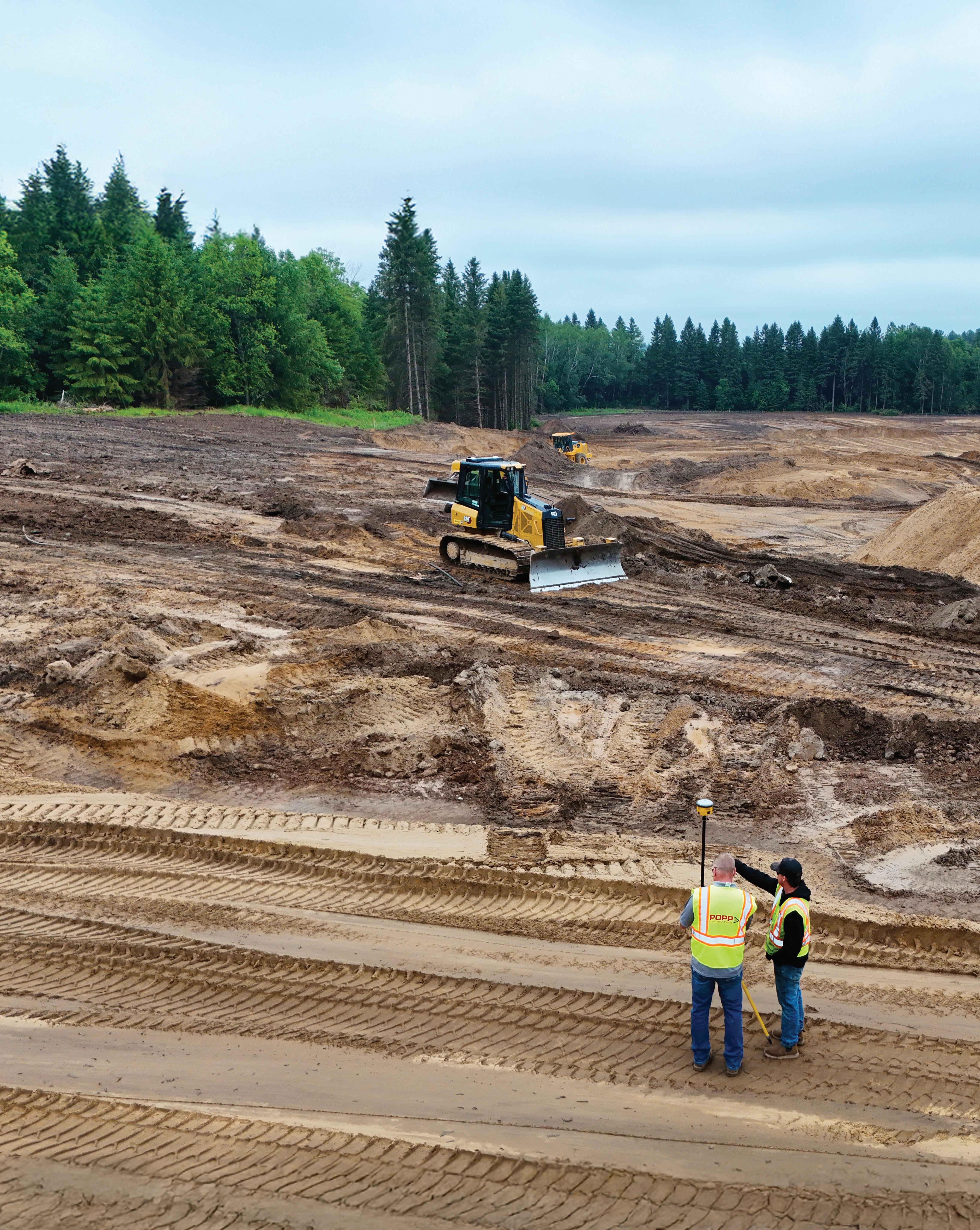

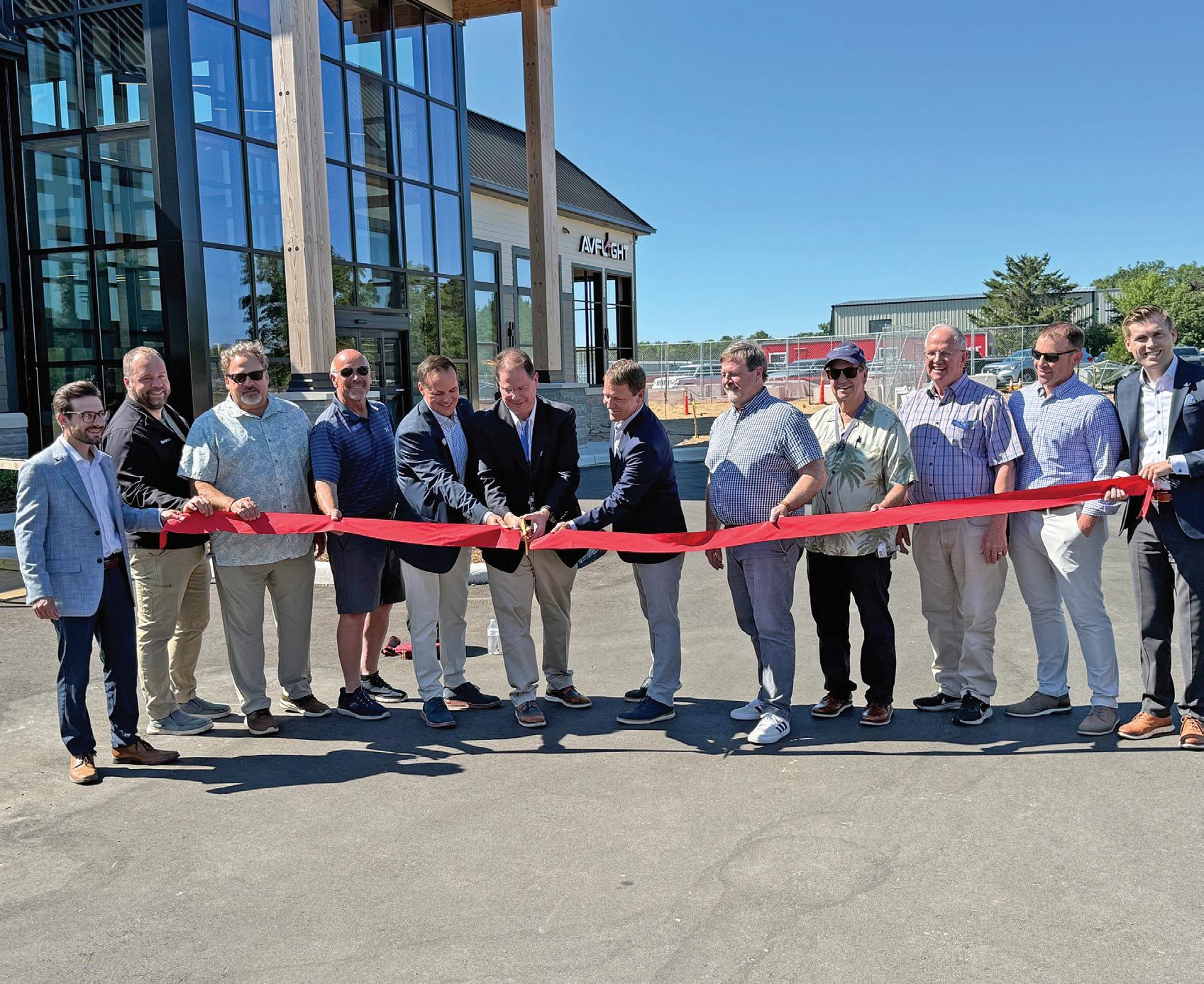














































































































































































































































































































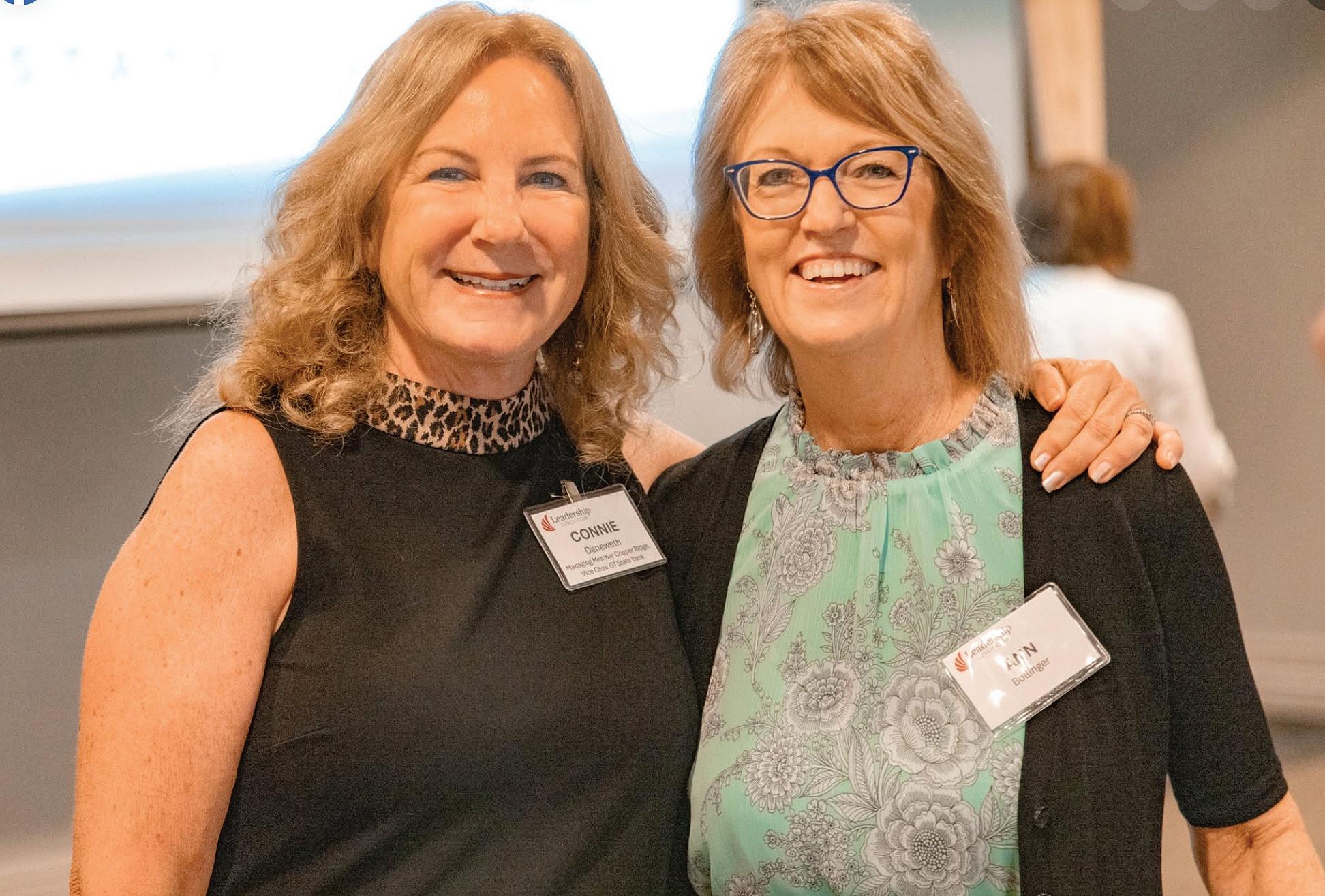






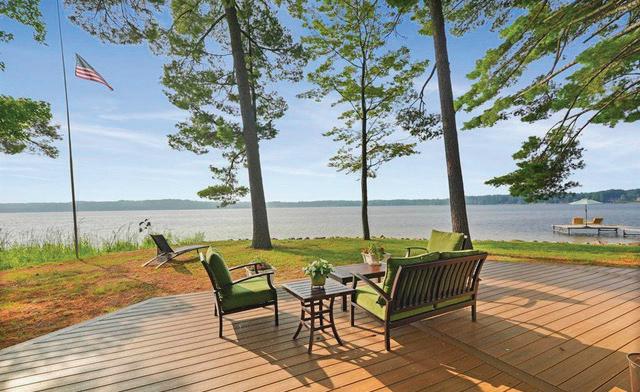
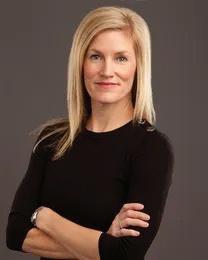

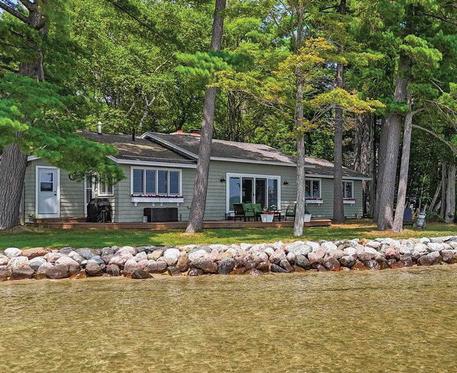

In a continued effort to support the education of local students, TBA Credit Union made its annual contribution to Traverse City Area Public Schools totaling $17,250 for the 2026–2027 school year. The donated funds support a multi-faceted initiative that connects athletics and education at Thirlby Field and throughout the district.
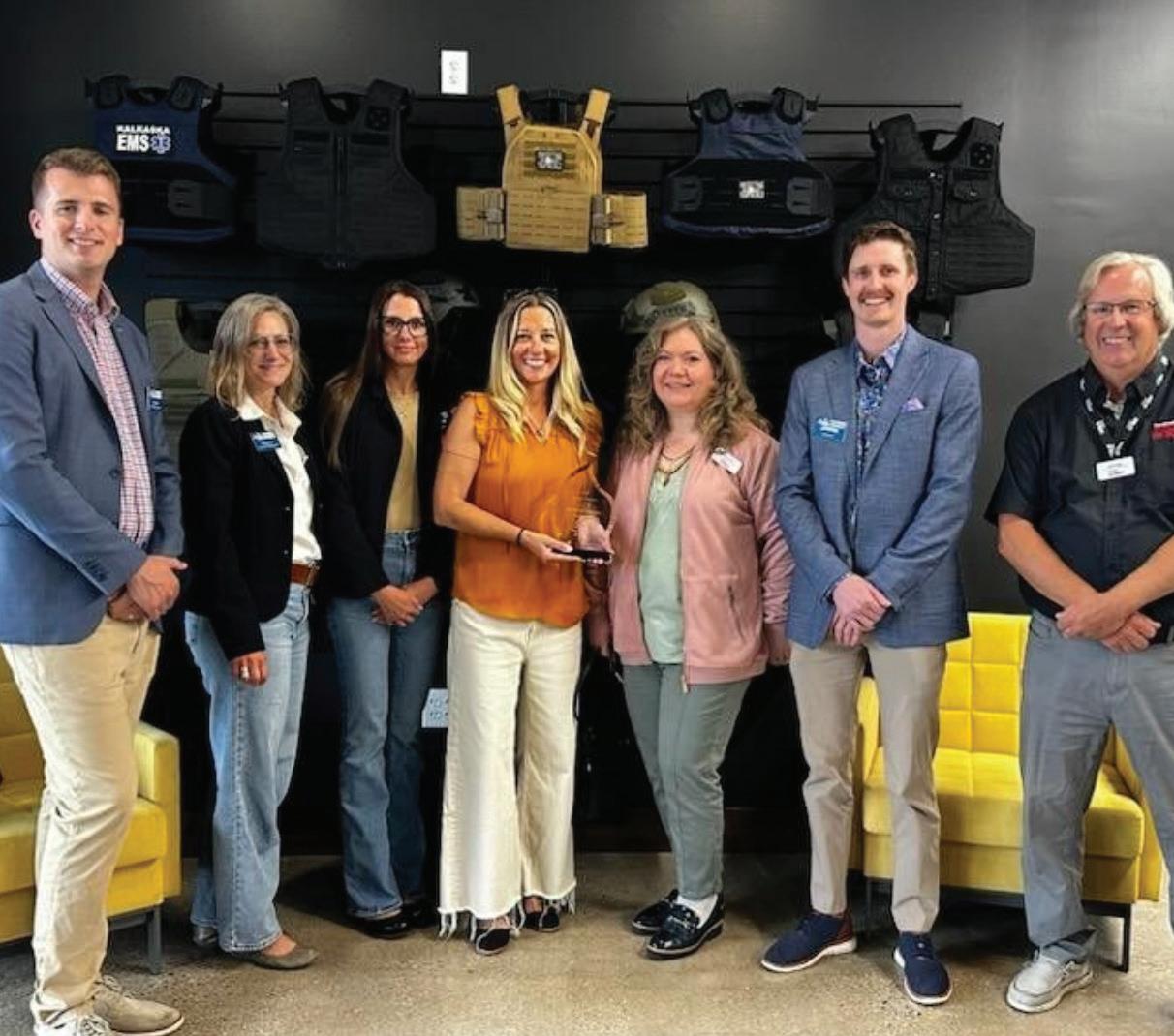
WarBird Protection Group was visited by representatives from the Michigan Economic Development Corporation (MEDC), Traverse Connect, and Michigan Works! when it received MEDC’s 2026 Impact Award. The recognition spotlights organizations actively driving state economic development across three critical pillars: People, Places, and Projects. CEO Mike Davis’ wife, Sarah, accepted the award.


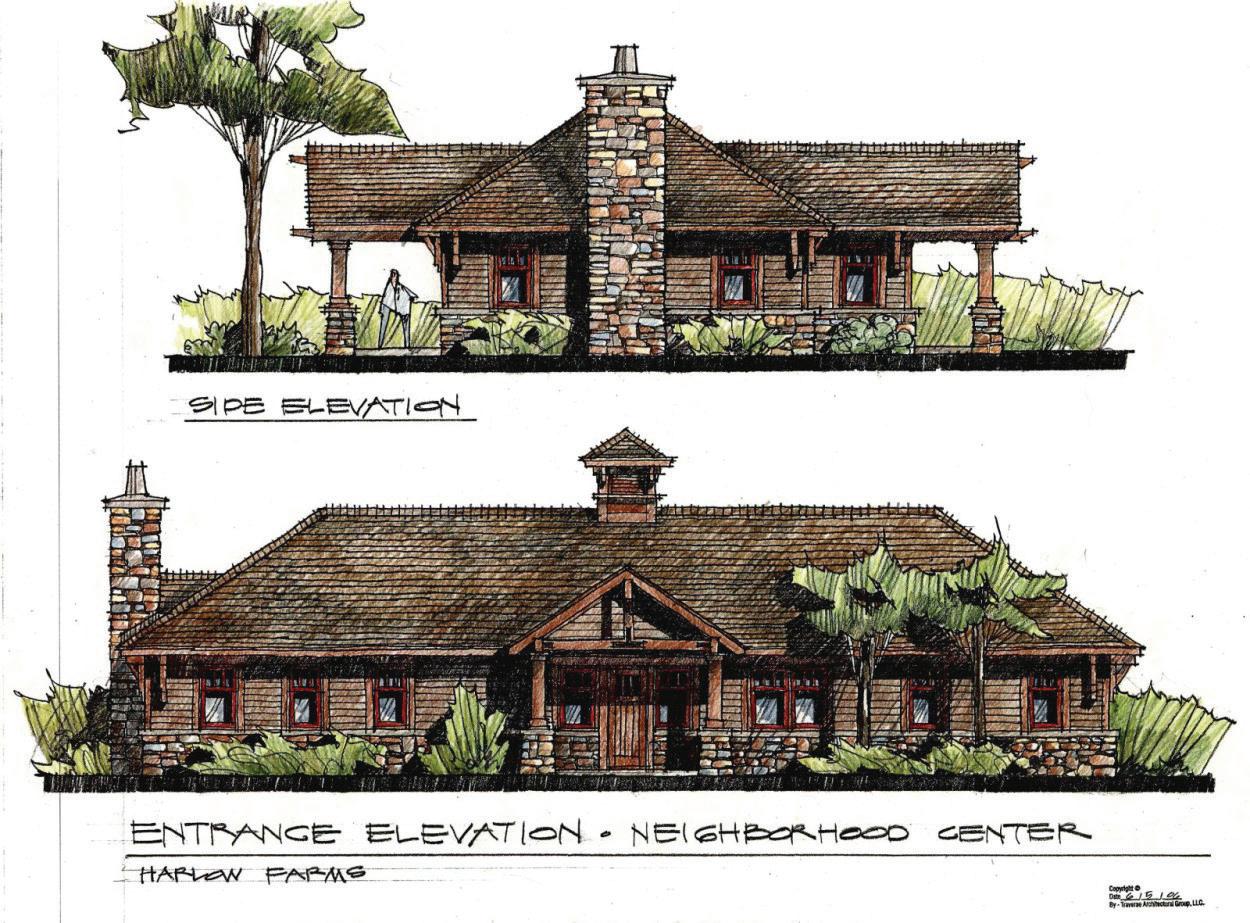



By Chris Wendel
For today’s leaders, managing people looks far different than it did even a decade ago.
The traditional top-down management style has steadily lost relevance, shaped by economic uncertainty, a global pandemic and the rise of remote and hybrid work environments. Employees are motivated differently, company loyalty is less predictable and job mobility in search of higher pay or greater fulfillment has become routine.
With this new normal, leaders face a difficult challenge: how to drive organizational performance while recognizing and responding to the human needs of their teams. Striking the right balance between assertiveness and compassion is essential.
This is the central premise of “Compassionate Leadership: How to Do Hard Things in a Human Way,” by Rasmus Hougaard and Jacqueline Carter. Drawing on extensive research and experience working with global corporations, the authors argue that compassion is not a “soft” leadership trait, but a critical skill for achieving strong business outcomes.
Rather than focusing heavily on interviews with individual executives, the authors use a broad range of company team examples that highlight different leadership behaviors. The book drives home in 10 interconnected chapters on how leaders can balance empathy with effectiveness. Within each chapter are useful management techniques that can help leaders, while also supporting the book’s premise. Also, with relatable examples from several companies, Hougaard and Carter illustrate how this compassionate leadership works in practice for both small and larger organizations.
At Netflix, leaders are encouraged to give candid, timely feedback instead of avoiding uncomfortable conversations. This introduces one of the book’s most memorable principles: Clarity is kindness. The authors argue that withholding honest feedback often causes more harm than delivering difficult news with respect and empathy.
Global consumer goods powerhouse Unilever offers another example, demonstrating how purpose-driven leadership can increase employee engagement. By considering the larger impact of decisions on employees and customers, not just quarterly results, the company shows how compassion can strengthen long-term organizational resilience.
Consulting firm Accenture highlights the idea that compassion is a skill that can be developed. Its investments in leadership training, mindfulness and coaching support the authors’ claim that compassionate leadership is not an innate personality trait, but something that can be learned and practiced.
Listening also plays a central role, as understanding different perspectives often leads to better outcomes.

How to Do Hard Things in a Human Way
By Rasmus Hougaard and Jacqueline Carter
when organizations face inevitable challenges such as restructuring or layoffs, the message is clear: Even the hardest decisions can be carried out in a way that respects and supports the people affected. I found that the book’s summary of listening skills somewhat rudimentary, but still useful to review.
Ultimately, Hougaard and Carter make a strong case that compassionate leadership is not only ethical, but effective. Organizations that are led with compassion tend to see increased collaboration, higher levels of trust and stronger employee loyalty. In a time when workforce expectations are evolving rapidly, these qualities are more valuable than ever.
Since publishing “Compassionate Leadership” in 2022, the authors have continued to expand on these ideas in subsequent work.
“More Human: How the Power of AI Can Transform the Way You Lead” echoes their overarching message that the most successful leaders of the future will not be defined by technical expertise alone, but by their ability to lead with empathy.
“Compassionate Leadership” is not relevant only to C-suite executives. In the book’s context, leaders also include managers and those aspiring to lead. Its emphasis on choosing courage over comfort and making difficult decisions when necessary applies beyond the workplace and can be viewed as a broader life skill. The book reinforces various ways to manage and care personally for employees while still acting decisively.
For those navigating today’s complex workplace, “Compassionate Leadership” offers both a timely perspective and a practical guide. It challenges the outdated notion that toughness and compassion are at odds. Instead, it shows that the most effective leaders are those who work to do hard things in a deeply human way.
Chris Wendel works for Venture North, a mission-based lending organization located in Traverse City, providing funding to small businesses throughout Northwest Lower Michigan. He lives and works in Traverse City.












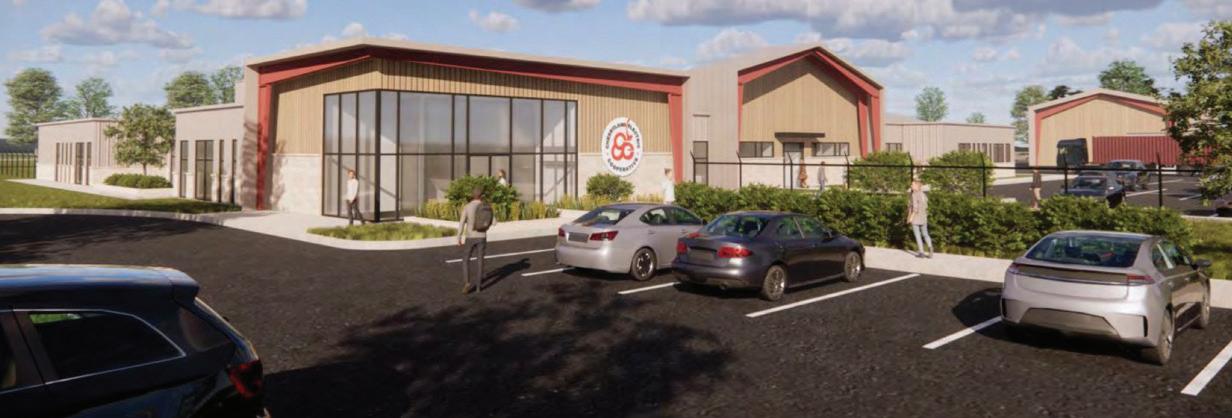
GRAWN - Cherryland Electric Cooperative broke ground July 27 on its new 115,000 square-foot headquarters at 57 Oleson Boulevard, off Rennie School Road in Garfield Township.
The facility is designed to support the cooperative’s continued growth and enhance service reliability for members across northwest Michigan.
Since moving into its current Grawn/ Blair Township headquarters in 1972, Cherryland has grown from serving less than 10,000 members to approximately 40,000 homes and businesses. Following extensive planning and evaluation, the cooperative determined that constructing
a new facility represents the best long-term investment to support operational needs and future growth.
Expected to be complete by spring of 2028, it will include expanded warehouse space, a secure and storm-hardened dispatch and control center, and dedicated spaces designed to better serve and connect with members.
“Our current facility has served our members well for more than 50 years, but the way we serve them has changed dramatically,” said Cherryland CEO Rachel Johnson. “This new facility isn’t about a building, it’s about ensuring we have the space, technology, and resources
to support our growing communities and deliver the level of service our members have come to expect for another 50 years.”
According to The Ticker, the project was the first major one to come forward after Garfield Township officials approved a request from the Oleson Foundation to rezone nearly 171 acres at the corner of US-31 and Rennie School Road to a mix of industrial, commercial, and multi-family residential uses. Cherryland Electric Cooperative, currently located in Blair Township, is a key part of that site redevelopment.
To learn more, visit cherrylandelectric.coop.
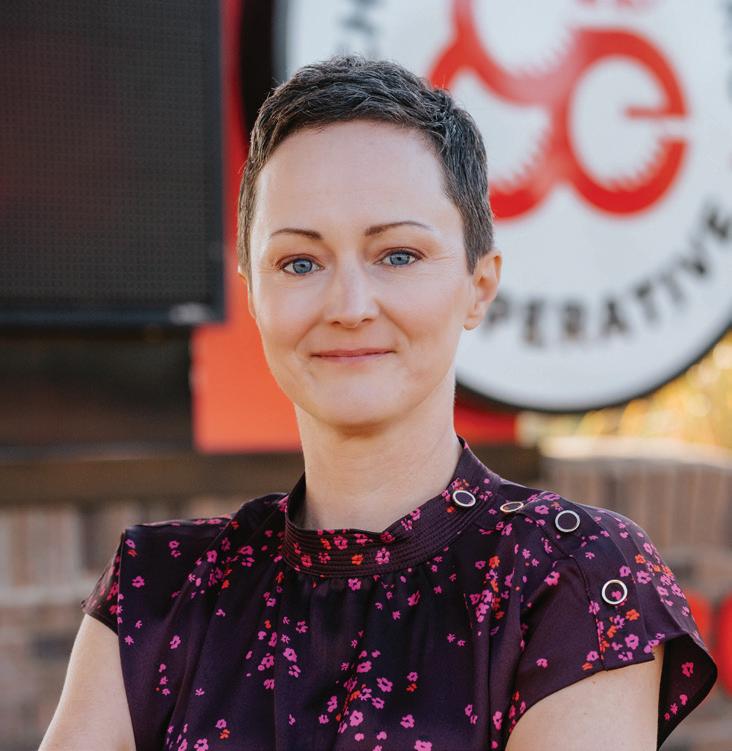

WEDNESDAY SEPT 2 • 5pm-7pm 4754 SCOUT CAMP RD. (take Hobbs HWY to Scout Camp Rd.)
Snacks, Beer, Wine, S’mores
Walking tours, cabin tours, campfires, disk golf, music, North Sky Raptors and more!
Amazing prizes! - $100 downtown TC shopping spree and 1 year annual TCBN subscription - Aloft Disk Golf gift package and more!
$15 cover charge for food and beverages
Recess is brought to you by




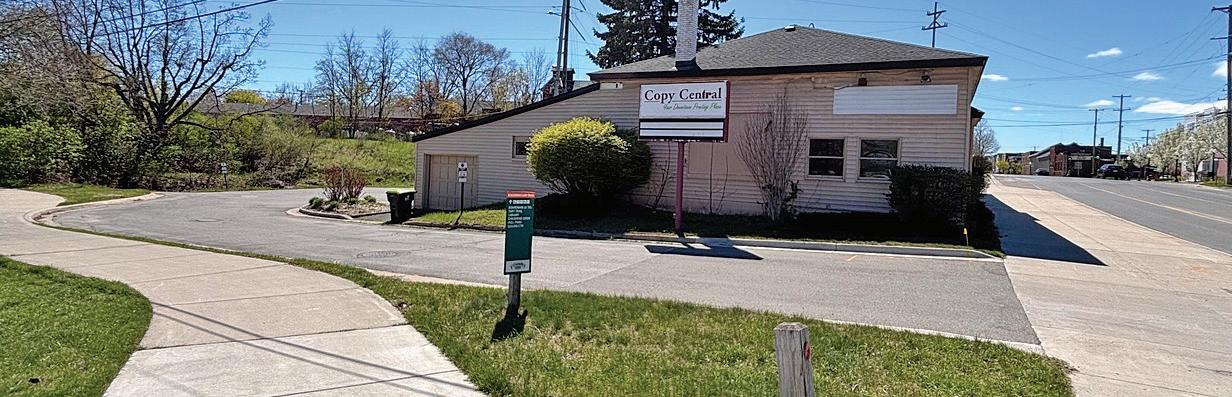
By Beth Milligan
Traverse City planning commissioners will hold a public hearing August 5 on rezoning the former Copy Central site on Eighth Steet, a key step in allowing a workforce housing project to proceed at the site.
Plans by the Traverse City Housing Commission (TCHC) to build a new workforce apartment complex at 314 Eighth Street could soon move forward if the city approves a rezoning request for the property.
Planning commissioners discussed the request at their most recent meeting
and agreed to set the public hearing. The Grand Traverse County Land Bank Authority – which has worked with TCHC, the former Copy Central owners, and the City of Traverse City to assemble multiple parcels for the housing project – has applied to rezone the property from C-2 (Neighborhood Central) to R-3 (Multiple Family Dwelling). Staff said the request is consistent with the city’s master plan, noting that surrounding parcels – some of which are part of the development – are already R-3.
“If this rezoning is approved, it will create an area south of Eighth Street and east of Lake Avenue that is all consistently
zoned R-3,” the staff memo states.
One notable aspect of the zoning change is that it would allow for a 45-foot instead of 30-foot building on the site. Currently, a 45-foot building can only be built if it’s commercial, not residential. The extra height would allow TCHC to maximize the apartments built there. Project documents submitted to the county’s Brownfield Redevelopment Authority (BRA) in May show a planned four-story building with 45 units and 47 parking spaces.
City View, as the project is called, received $1.4 million in brownfield funding from the BRA at the May meeting and has also received $656,000 in state grant
funding for demolition and clean-up work. TCHC plans to apply for Michigan State Housing Development Authority (MSHDA) funding and a city payment-inlieu-of-taxes (PILOT) agreement for the housing component.
Aside from the height change, City Deputy Planning Director/Sustainability Coordinator Leslie Sickterman said going from C-2 to R-3 is actually “more restrictive” and a voluntary form of down zoning from the project team, because the property is going from commercial to residential. If planning commissioners approve the rezoning request, it would next go to city commissioners for sign-off.

.

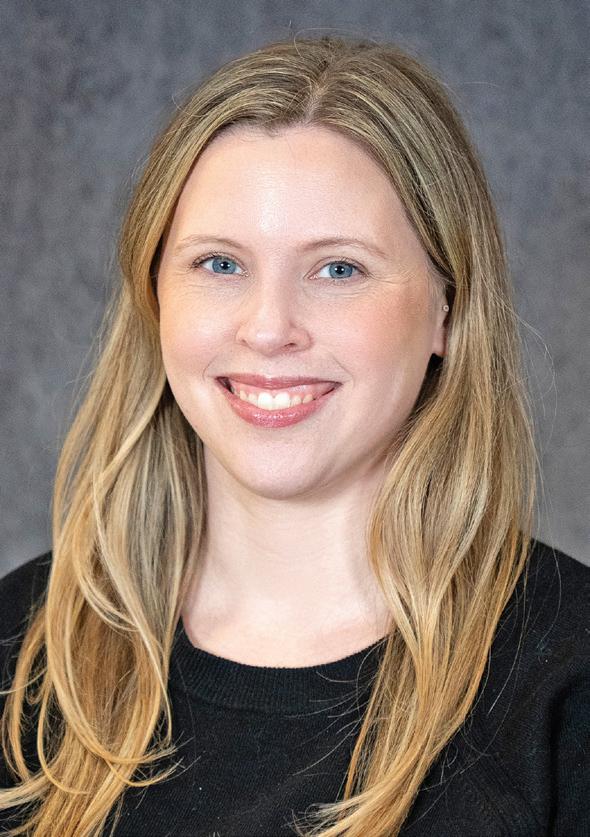
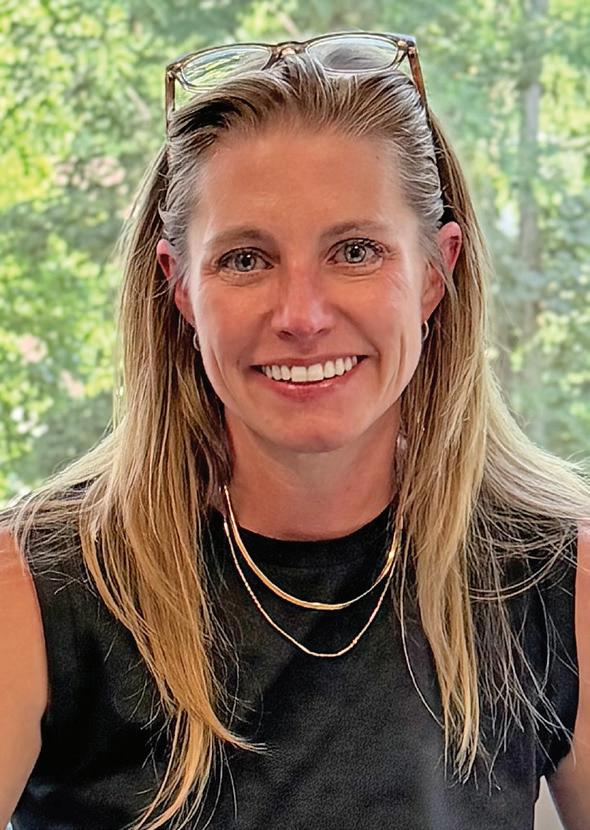
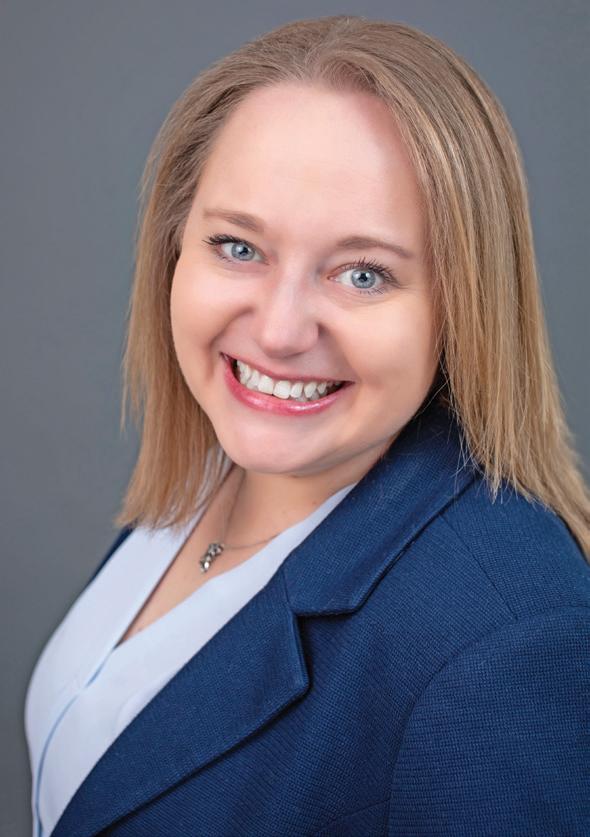

1 - Mike Kebler , a financial advisor and vice president with Morgan Stanley’s Wealth Management office in Traverse City, was recently awarded the CEPA® (Certified Exit Planning Advisor) certification. Kebler has been with the wealth management office since 2020.
2 - Laura Pond , DNP, has joined Munson Healthcare’s Outpatient Behavioral Health Services team in Traverse City.
3 - Stacey Feeley has joined 20Fathoms in Traverse City as its new executive director. Feeley, co-founder and CEO of the recently-shuttered GoSili, Inc., brings
more than 20 years of direct startup leadership experience to the startup incubator and co-working space.
4 - Valarie Handy has joined the City of Traverse City as deputy city manager. Handy brings extensive experience in public service, community investment, economic development, and organizational leadership to the city manager’s executive team. Most recently, Handy was with the U.S. Department of Agriculture Rural Development, where she served in leadership roles supporting communities throughout Michigan.
5 - Al Balko has joined CENTURY 21 Northland’s Elk Rapids office as a REALTOR®. Balko brings a background in military service and construction to his new position.
6 - Ted Schweitzer , Brad Bickle a nd Jacquelyn Olson of the Ted Schweitzer Group have joined @properties Christies International Real Estate in Traverse City.


Together they serve their clients’ real estate needs in Grand Traverse, Antrim, and Leelanau counties.
7 - Patrick Preusser is the new executive director of Bay Area Transportation Authority in Traverse City. Preusser most recently served as the COO for the Regional Transportation District in Denver. He also has held executive leadership positions with the Utah Transit Authority, the City and County of Honolulu Department of Transportation Services, TriMet in Portland, Oregon, and the Los Angeles County Metropolitan Transportation Authority.
8 - Cindy Mitchell has joined the sales team at Carpet Galleria in Traverse City. Mitchell brings more than 25 years of flooring sales and customer service experience to her new role.


9 - Emily Wilmot has joined W Talent Solutions, an executive search firm headquartered in Grand Rapids, as director of executive search & HR consulting. Based in Petoskey, Wilmot leads executive search and strategic HR consulting efforts for organizations throughout northern Michigan while connecting employers to W Talent Solutions’ national recruiting platform.
Springfield in Kingsley announces the following personnel news:
10 - Morgan Huegel has joined the company as business development manager.
11 - Kameron Molby has been promoted from roofing technician to estimator.
12 - Andy Nickerson has joined Springfield as transport export and Class A CDL driver.
Please send Newsmakers by the 10th of the month to news@tcbusinessnews.com

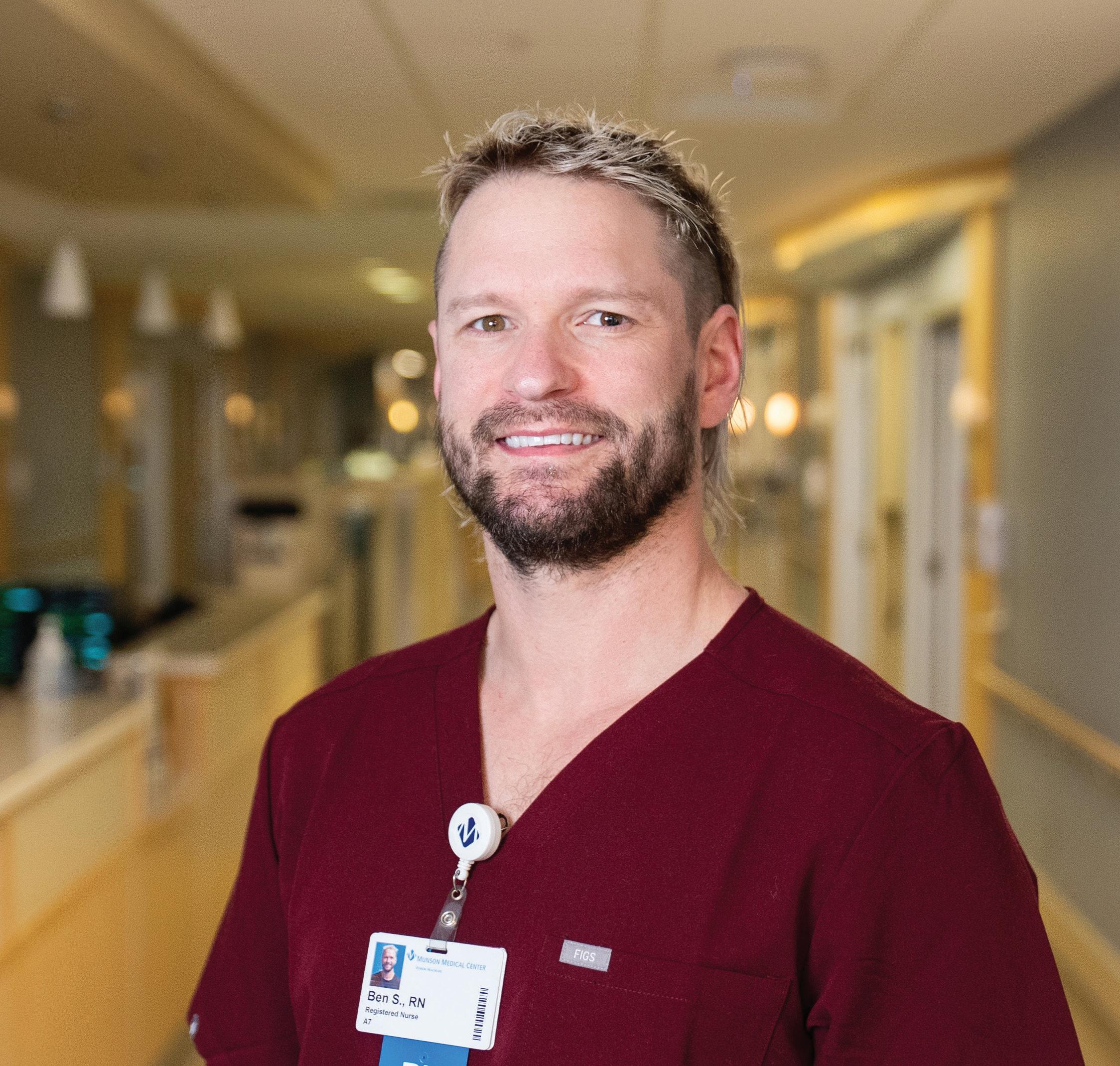
From prevention to intervention,
But no matter what brings you to us, attentive care is what you can expect. From a team that sees you through— where leading technology, expert hands, and caring hearts all work in sync. So you can feel better, heal stronger, and live your very best.
Learn more at: munsonhealthcare.org/commitment





















































Transform Your Home with Flooring from Carpet Galleria. Discover a fresh look for your home with our wide range of flooring options. Whether it ’ s carpet, luxury vinyl, hardwood, rugs or tile for flooring or backsplash, we ’ ve got what you need! Our design experts are here to guide you through the process and help you navigate all your options.

• Family-owned & operated
• Free in-home design consultation
• Free professional measuring services
• Certified installers
• Over 45 years experience