




TRAVERSE CITY BUSINESS NEWS OCTOBER 2023 1 PRSRT STD U.S. POSTAGE PAID TRAVERSE CITY, MI PERMIT NO. 7 $3 OCTO BER 2023 • VOLUME 28 • NUMBER 3 3 Steps To Shop & Save On Corporate & Group Gifts 1 Save 10% on your order and we will take care of the rest 2 3 Spend $500 on Gift Sets Submit shipping address and a custom greeting TRAVERSE CITY PETOSKEY ANN ARBOR HOLLAND FUSTINIS.COM Let’s Get Together and Cook! Save 20% through 10/31/23, and we will take care of the rest.
A Fee-Only Wealth Management Group
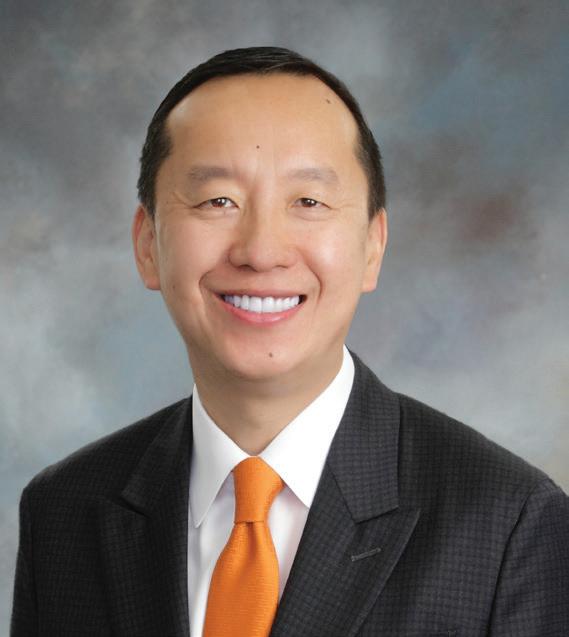
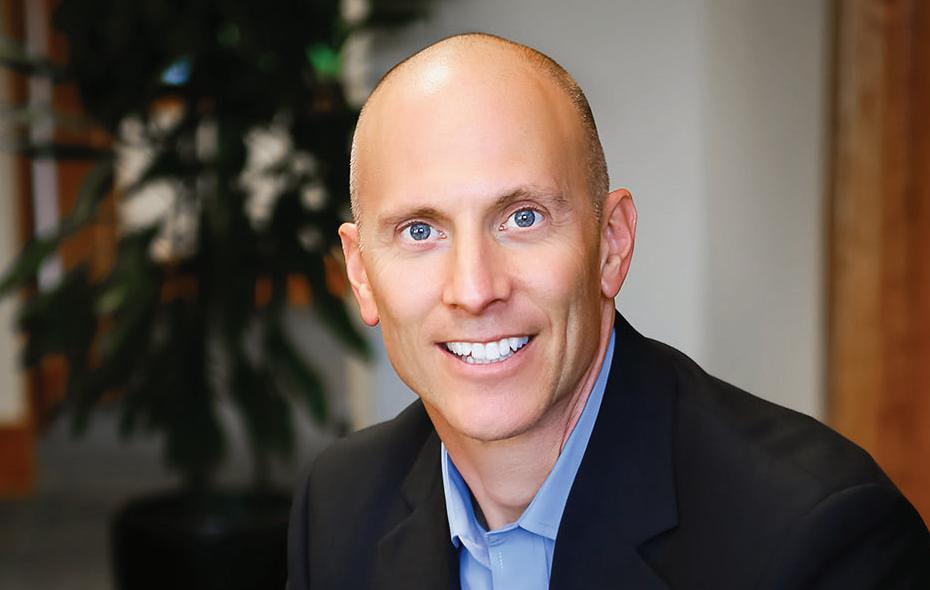
Charles Zhang - Michigan’s #1 Financial Advisor by both Barron’s* and Forbes**
Serving
Traverse City Office
236 1/2 E. Front Street, #26 Traverse City, MI 49684 231-943-6988
Main Office 5931 Oakland Drive
Portage, MI 49024 269-385-5888 or 888-777-0216
www.zhangfinancial.com
Fee-Only Unbiased Investment Advice
• We uphold a Fiduciary Standard and work with clients on a fee-only basis.
• We do not receive commissions, kick-backs, or soft dollars from product sales, eliminating inherent conflicts of interest.
Credibility & Professionalism
• Our team of professionals holds designations and degrees such as CFP®, CFA, CPA, MBA, and PhD.
• Charles received his MBA from the Kellogg School of Management - Northwestern University, his MA in Economics from WMU, and Executive Education from Harvard Business School and Columbia University.
Charles Zhang, CFP®, MBA, MSFS, ChFC
• Ranked #1 on Barron’s list of America’s TOP Independent Advisors and is the highest ranked NAPFA-Registered Fee-Only Advisor on the list.*
• Ranked #4 in the nation on Forbes’ list of TOP Wealth Advisors and is the ONLY Independent Advisor in the top 10.**
Minimum investment: $1,000,000 in Michigan/$2,000,000 outside of Michigan. Assets under custody of LPL Financial, TD Ameritrade, and Charles Schwab.
*As reported in Barron’s March 11, 2023 and September 17, 2021. Based on assets under management, revenue produced for the firm, regulatory record, quality of practices, and other factors. For fee-only status see NAPFA.org.
**As reported in Forbes April 4, 2023. The Forbes rankings, developed by SHOOK Research, are based on an algorithm of qualitative criteria, mostly gained through telephone and in-person due diligence interviews, and quantitative data. Those advisors that are considered have a minimum of seven years experience, and the algorithm weighs factors like revenue trends, assets under management, compliance records, industry experience and those that encompass best practices in their practices and approach to working with clients. See zhangfinancial.com/disclosure for full ranking criteria.
2 OCTOBER 2023 TRAVERSE CITY BUSINESS NEWS
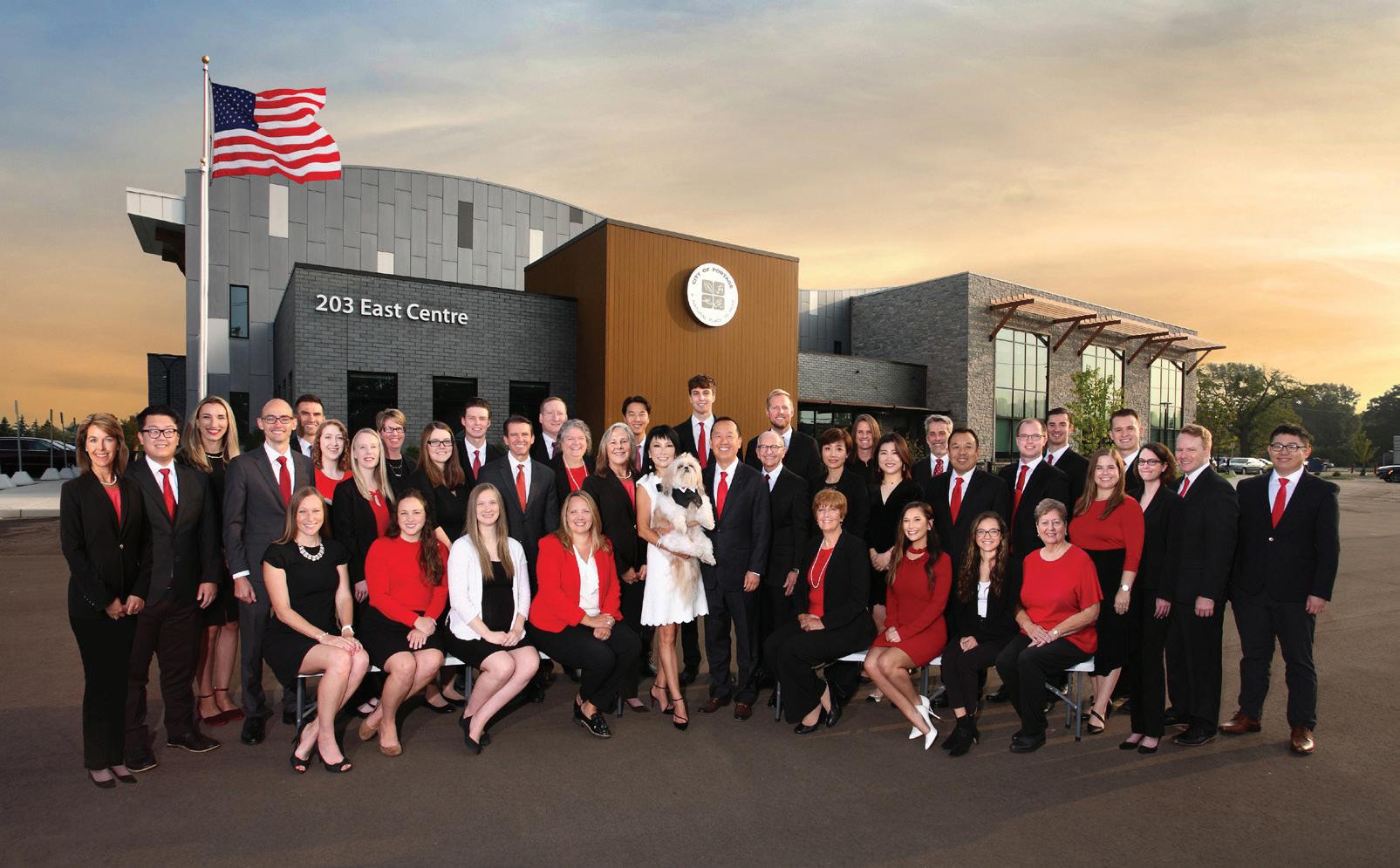
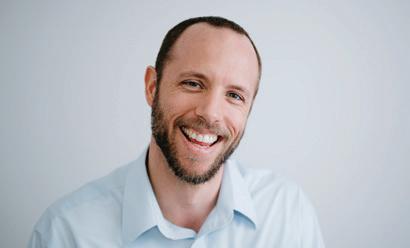
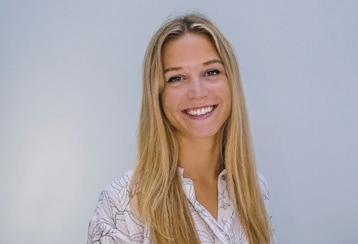
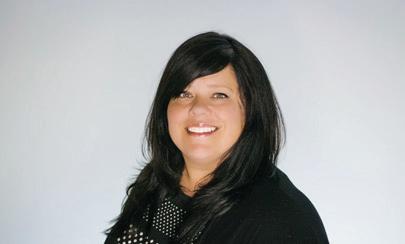
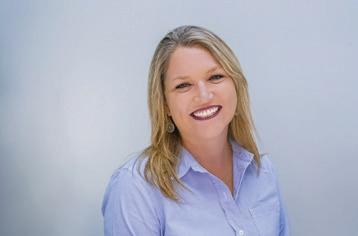
Our Zhang Financial Team
Founder and President
the Entire Traverse City Area
4FRONT ACQUIRES U.P. BANK
Traverse City-headquartered 4Front Credit Union has acquired Old Mission Bank, a local bank serving the eastern Upper Peninsula. The transaction grows 4Front’s assets to nearly $1.2 billion and 20 branches. “We are thrilled to welcome Old Mission’s valued customers and employees into the 4Front family,” said Andy Kempf, CEO of 4Front Credit Union. “This strategic acquisition aligns with our mission of providing exceptional financial services and strengthens our commitment to supporting the financial success of our members and the communities we serve.”
tial lawn care and landscape installation, maintenance, and design projects from around the nation.
MARKETING FIRM FOCUSES ON DIGITAL




Plamondon Marketing, a new Traverse City-based digital marketing firm, is now offering services to businesses throughout northern Michigan. Aiming to amplify the online presence of small businesses, founder Ian Plamondon said he recognized the necessity of social media promotion for business growth, broader awareness and engagement with customers, while also understanding the demands that coincide with operating the business itself; Plamondonmarketing.com.

THIRD COAST FEATURED AT APPLE EVENT
Products from Third Coast Bakery in Traverse City were featured at Apple Wonderlust 2023, last month’s event that debuted the new iPhone 15 and Apple Watch lineup at Apple headquarters in Cupertino, Calif. Bakery owner Heather Burson said she received an email from a senior manager at Apple requesting a large order of baked goods for a “special event” – specifically seeking out gluten-free, vegan options for staff and Wonderlust attendees.

NEW HOUSE CALLS-ONLY PRACTICE OPENS

Waterfront Wellness, a new house calls-only practice, is now open and offering service across the area. Its primary care model offers in-home assessments, diagnosis and treatment by local, licensed practitioners. There is a monthly membership model for residents and seasonal visitors, and one-time options for vacationers; Waterfront-wellness.net.

LOCAL LANDSCAPER AWARDED
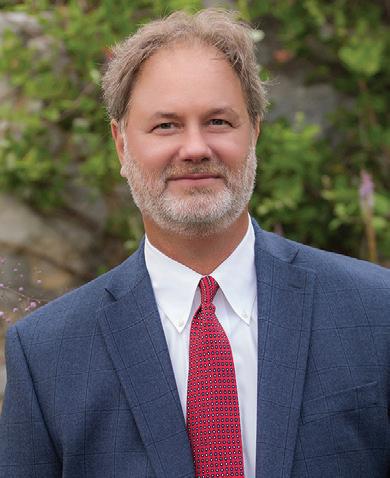
TruNorth Landscaping in Traverse City was recently recognized with two Award of Excellence gold awards by the National Association of Landscape Professionals - one in the lawn care category and a second in the design and build category. Each year, the Awards of Excellence recognize exceptional commercial and residen-
NOBO MRKT NOW OPEN IN COMMONGROUNDS
NoBo Mrkt, a cafe, restaurant and beverage bar, has opened in the Commongrounds Cooperative building at the corner of Eighth and Boardman in Traverse City, overlooking the Boardman River. Nobo Mrkt offers coffee from Higher Grounds, tea from Light of Day Organics and 9 Bean Row pastries. It also offers a breakfast and lunch menu, and grab-n-go food options. Future plans include evening beverage and food service, including dinner and a full cocktail bar, and the launch of an incubator kitchen space.
FOOD-FOCUSED WINERY OPENS IN SUTTONS BAY
Gilchrist Farm Winery is now open in downtown Suttons Bay, with a focus on food in addition to its estate-produced wines. The 86-acre estate on nearby S. French Road has 22 acres of grapes and a market garden that supplies most of the produce for the kitchen, with the chefs working with local farms to source other ingredients through the different seasons.
BRIEFLY State Farm Bloomington, IL 2001290 Right coverage. Right price. Right here in town. Here’s the deal. The right insurance should help you feel confident and comfortable. I’m the right good neighbor for that. Call me today. Like a good neighbor, State Farm is there.® Todd Hart Insurance Agency Inc Todd Hart CPCU ChFC CLU, Agent agent@toddhart.net www.toddhart.net Bus: 231-946-8790 Fax: 231-946-0822 Features include | State-of-the-art technology | | Unique event space and covered patio | | Inspiring conference room with connecting deck | Personalized service, attention to detail and just plain fun people to help coordinate and execute your event Book upcoming event Y o u r at Kristal Flateau Judy Harrison | 231 649 6347 | krista @high mpactnow com | 231 620 6246 | judy@high mpactnow com C o n t a c t u s t o d a y ! BUSINESS OR PERSONAL











4 OCTOBER 2023 TRAVERSE CITY BUSINESS NEWS 17 Fly non-stop from TVC Cherry Capital Airport to one of 17 popular U.S. destinations.Non�ops Cherry Capital Airport tvcairport.comNon�ops 17
The space also includes a private room for meetings and celebrations; Gilchristfarmwinery.com.

MORE KOMBUCHA ACROSS MICHIGAN
Traverse City-based Cultured Kombucha Co. is expanding its retail footprint in Michigan to include all 85 Spartan Nash stores – all D&W Fresh, Family Fare, VG’s Grocery, and assorted independent Spartan stores throughout Michigan. Each store will stock four flavors of the readyto-drink, certified organic kombucha tea. “This is an incredible opportunity to increase healthy food access in the state of Michigan with the help of Spartan stores,” said Courtney Lorenz, who founded the company in 2015 as the first microbrewery of kombucha tea in northern Michigan.
ATLAS’ SATELLITE COMMUNICATIONS GROWING

Freedom Space Technologies (DBA Freedom Space), a wholly-owned subsidiary of ATLAS Space Operations headquartered in Traverse City, is gaining momentum across the government sector of the space industry following its establishment earlier this year in Colorado Springs. The company supports unique requirements, including classified missions, of the U.S. Department of Defense and the National Security Space organizations by providing innovative and reliable ground-based satellite communications services. “Freedom Space isn’t just an extension of ATLAS Space Operations,” said ATLAS Space Operations CEO, John Williams. “It is a catalyst for growth to support key government space initiatives. With focus on targeted missions, Freedom Space enables ATLAS to diversify its offer ings further into the government sector.
FESTIVAL FOUNDATION ANNOUNCES OFFICERS
The Festival Foundation manages the National Cherry Festival, Iceman Cometh Challenge, Cherry-T Ball Drop, and the Leapin’ Leprechaun 5K Race - recently announced its 2023/2024 board of directors: Mike Meindertsma, president; Stacey Isles, past president; Max Anderson, president elect; Ian Hollands, treasurer; and Kelli Mengebier, secretary. Those continuing on the board include Brian Beauchamp, Kandace Chapple, Doug Dowdy, Nikki Schweitzer, Kevin Severt and Jessica Alpers. Also, Jeff Need ham and Kim White have departed the board after years of service.
FOUNDATION TARGETS FEMALE ENTREPRENEURS
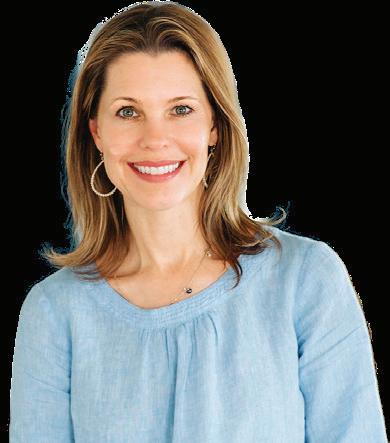
Wife-and-husband team Soon and McKeel Hagerty are launching a private foundation with the goal of providing “fi nancial support and leadership resources for aspiring female entrepreneurs starting

businesses that aim to solve social issues.”


The Boundless Futures Foundation will award grants up to $25,000 to individuals and mission-aligned nonprofits throughout the U.S. Soon is senior vice president of brand at Hagerty and also founder of The Good Bowl in downtown Traverse City. In addition to the financial component of the grants, recipients will also get access to “a supportive network that offers business answers and advice.” That “Advisory Circle” consists of local Traverse City area entrepreneurs including Soon, Jessica Sullivan (president of Legado Family Office), Stacey Feeley (co-founder of GoSili), Beth Melcher (CEO of MoneyFit), and Robyn Marcotte (founder of Aha! Leadership). Hagerty CEO McKeel Hagerty will bring a “male perspective” to the Advisory Circle and also advise grantees on the art of scaling a business.
NEW HEALTH PRACTICE SPECIALIZES IN CHRONIC PAIN Pathways Integrative and Lifestyle Medicine, founded by Dr. Brandon

TRAVERSE CITY BUSINESS NEWS OCTOBER 2023 5
BRIEFLY CUNNINGHAMLIMP.COM 231 778 0245 WWW.THESHAWNSCHMIDTGROUP.COM
NEW LUXURY LISTINGS
10292 FORT ROAD
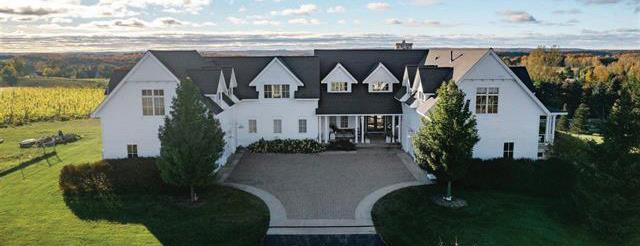
Spectacular, chic & artistic farmhouse in Leelanau county is surrounded by 17 acres of cherry orchards and vineyards.
Exquisite panoramic bay and vineyard views from this Old Mission Peninsula condo
231-499-1990
522 E Front St, Traverse City, MI 49686
shawn@shawnschmidtsmith.com
SHAWN SCHMIDT ASSOCIATE BROKER
380 WATER WATCH
Welcome Keri !











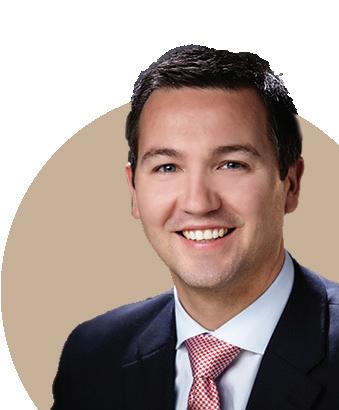
We are pleased to welcome Keri Lindman as Assistant Vice President of Treasury Management. Our Traverse City-based team can provide you the tools your business needs to effectively manage cash flow. For expert solutions from ACH services to ZBA accounts — contact Keri at (231) 486-6573 or klindman@ssbankmi.com.


6 OCTOBER 2023 TRAVERSE CITY BUSINESS NEWS DELAMAR.COM Whether you’re planning for a small group of eight or a larger gathering of up to 200, Delamar Traverse City has a variety of unique spaces and personalized options to make your holiday party unforgettable. We’d love to help you plan your perfect celebration. Start the conversation: dtc-sales@thedelamar.com | 231-421-2122 ELEVATE YOUR HOLIDAY PARTY (231) 271-3623 www.bonek.com Why choose Bonek? For over 85 years, Bonek Insurance has provided personal and commercial insurance protection. We form strong relationships with our clients – keeping their best interests in mind. Let us customize your coverage. Call us today! Business2018oftheYear–LeelanauCounty “RedHotBest” Winnerfor2020
Member FDIC tcbn
“A 10% decline? That is scary.”
That was my response to a demographic study we conducted in 2019 as part of our efforts to set a new economic development strategy for the Grand Traverse region.
As many readers will recall, the region lost 10% of our prime working-age population within the 35-49 age group from 2010-2017. This demographic shift served as a stark and alarming wake-up call for our employers and entrepreneurs, highlighting the pressing need for strategic actions to address the attraction of new workers and retention of our existing talented workforce.
Michigan received a similar wake-up call after the release of recent census figures, with the state losing approximately 65,000 residents from 2018 to 2022.
The decline has been building for decades. Since 1990, Michigan has ranked 49th out of 50 for population growth due to the aging of our current residents, a decline in births, and domestic and international immigration. The state’s sluggish population growth is likely to have disastrous long-term effects on our economy in the decades to come without significant policy engagement and investment.
These population concerns dominated this spring’s Mackinac Policy Conference on Mackinac Island, where Gov. Gretchen Whitmer announced the creation of the Growing Michigan Together Council
Declining population trend is a wake-up call for Michigan
and the appointment of the country’s first chief growth officer. Their goal is to develop a strategy to attract and retain talent, improve public education, and upgrade and modernize infrastructure and transportation.
The establishment of the state council presented a timely opportunity for the Traverse City region to showcase the impactful steps we have taken to address population growth. It is also imperative
author of “The Rise of the Creative Class,” shared his view that Michigan can be a model for the United States as a whole by focusing on education and place-making as key components of talent attraction. He highlighted the success of the Traverse City region in this regard and how we can be a model for the state to follow.
Council workgroup members received suggestions and reviewed successful
riculture and hospitality. We shared with the council an immigration reform policy adopted in July by the Northern Michigan Chamber Alliance, which urges federal officials to increase the availability of employment-based visas and create new visa options for entrepreneurs and other high-demand workers to help employers meet their critical workforce needs. Immigration reform will also be a focus of the panel discussion at the alliance’s upcoming Annual Economic Summit in November.
In 2019, our community responded to the local demographic alarm bells with a comprehensive plan to reverse the declining population trend and a focus on growing family-sustaining careers.
that we ensure that the needs of the Grand Traverse region and northern Michigan are included in the eventual policy recommendations that will come from the council.
In August, the newly appointed chief growth officer for the State of Michigan joined Traverse Connect’s board of directors’ meeting. The Growing Michigan Together Council hosted the second public engagement field hearing in Traverse City for its members of the Jobs, Talent & People workgroup to hear from national, state, and local experts on the topic.
Keynote speaker Richard Florida,
LETTERS TO THE EDITOR
EDITORIAL & BUSINESS OFFICE
P.O. Box 4020 Traverse City, MI 49685 231-947-8787
ON THE WEB tcbusinessnews.com
PUBLISHER
Luke W. Haase lhaase@tcbusinessnews.com
CONTRIBUTING EDITOR
Gayle Neu gneu@tcbusinessnews.com
HEAD WRITER
Craig Manning
COPY EDITOR
Becky Kalajian
CREATIVE DIRECTOR
Kyra Poehlman
CONTRIBUTING WRITERS
Ross Boissoneau
Art Bukowski
Christal Frost
Kierstin Gunsberg
Rick Haglund
Clark Miller
WEB PRODUCTION Byte Productions
MAILING/FULFILLMENT: Village Press
DISTRIBUTION
Gerald Morris
SERVING: Grand Traverse, Kalkaska, Leelanau and Benzie counties
initiatives from northern Michigan that can serve as a model for the state. Examples included Michigan’s Creative Coast, launched in 2020 as our regional talent attraction and recruiting platform, our area’s focus on entrepreneurship to create unique industry clusters such as freshwater and marine technology, and our leadership on important policy initiatives for rural development and immigration reform.
Lower U.S. federal visa quotas imposed since 2017 decreased legal immigration by 49% and have significantly impacted our local workforce across technical and professional fields, ag-
As Michigan’s natural population growth slows – and is expected to be negative by 2040 – we need the state to follow our lead with smart policies and a focused plan.
Michigan has a tremendous opportunity to address current population trends by leveraging our natural resources, quality of life, educational opportunities, and technology and mobility industries. Workforce-focused place-making, education, and immigration reform need to be priorities for the Growing Michigan Together Council’s recommendations and the state’s overall strategy for population growth.
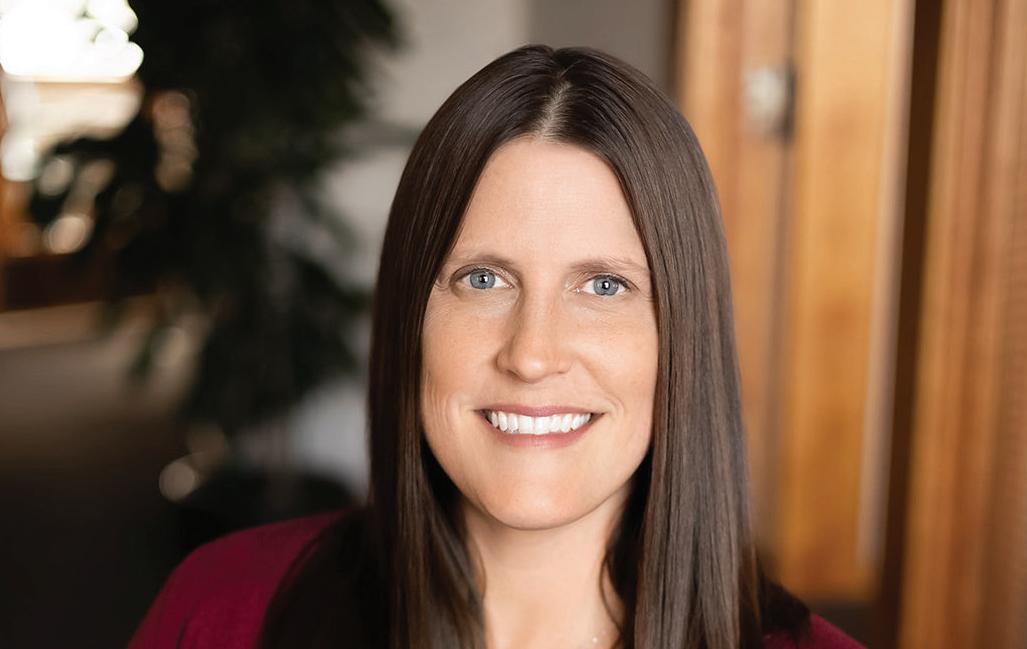
Warren Call is president and CEO of Traverse Connect.
AD SALES
Caroline Bloemer cbloemer@tcbusinessnews.com
Lisa Gillespie lisa@northernexpress.com
Abby Walton Porter aporter@northernexpress.com
Kaitlyn Nance knance@northernexpress.com
Todd Norris tnorris@tcbusinessnews.com
Michele Young myoung@tcbusinessnews.com
The Traverse City Business News
Published monthly by Eyes Only Media, LLC P.O. Box 4020 Traverse City, MI 49685 231-947-8787
Periodical postage qualification pending at Traverse City, MI.
POSTMASTER: Send address changes to The Traverse City Business News, PO Box 1810, Traverse City, MI 49685-1810.
The Traverse City Business News is not responsible for unsolicited contributions. Content ©2023 Eyes Only Media, LLC. All rights reserved.
EYES ONLY MEDIA, LLC
TRAVERSE CITY BUSINESS NEWS OCTOBER 2023 7 Have something to say? Send your letters to: news@tcbusinessnews.com We reserve the right to edit for space and clarity.
//
COMMENTARY BY WARREN CALL
theTCBN
As Michigan’s natural population growth slows – and is expected to be negative by 2040 – we need the state to follow our lead with smart policies and a focused plan.
BOOM ... OR BUST?
The pros and cons of Traverse City’s retirement allure
By Craig Manning
Is the Grand Traverse region really the best place to retire?
National publications say it is.
In August, Traverse City was featured in the opening paragraph of a Forbes magazine article, “25 Best Places to Enjoy Your Retirement in 2023,” which cited everything from good air quality to Traverse City’s fine dining as attributes that might attract retirees to the region.

A recent retiree echoes these sentiments. Amy Piper was a Lansing-based freelance travel writer who retired from a career in information technology last December. A month later, her husband retired from his IT career. Now, the two
are trying to answer the question of where they want to spend their retirement years.
In April, Piper wrote a piece for the website Travel Awaits, titled “I Just Retired, 9 Reasons I’m Considering a Move to This Modest Midwestern City.”
The article explored favorable attributes that Piper thought might sway her and her husband to move to Traverse City, including arts and culture, accessible healthcare, and farm-to-table dining.
“For me, the thing that really gives Traverse City a plus over where I currently live is the airport,” Piper said, adding that she’ll be continuing her travel writing work into her retirement years.
With her travel writing, Piper says it
doesn’t really matter where she lives as long as she can have a good airport to fly out of.
“(Cherry Capital Airport) has a lot more direct flights they offer ... (i)t’s interesting how far Cherry Capital reaches for such a small airport,” she said.
For now, Piper and her husband are still weighing their options. While she loves the outdoor recreation offerings and the foodie scene – particularly Amical and its famous cookbook series – she says she’s not so sure about the length and severity of the local winters.
“But I could see us getting a summer rental and spending the summer there,” she said. “And then I think we need to spend more time there in the winter,
to make sure that’s something I could handle.”
While Piper is on the fence, many other retirees have already put down new roots in northern Michigan. When asked whether the area’s oft-discussed “retirement boom” is on the horizon or already here, Michelle Krumm, who serves as director of the Grand Traverse County Senior Center Network, said 40plus new members join the 5,000-plus person roster each month.
“We’re growing, and fast,” Krumm said of the network, which serves Grand Traverse County seniors with locations and programming in Traverse City, Kingsley, Fife Lake and Interlochen.
Krumm said that the organization
8 OCTOBER 2023 TRAVERSE CITY BUSINESS NEWS RETIREMENT
now serves three different generations of older adults – all 50 and above.

“(It is) positioning itself for future growth as a fourth generational cohort ages into its service demographic,” she said, adding that they are developing new programs and opportunities for Generation X, a group that begins turning 60 in 2025.
Tastes in recreation are beginning to change, Krumm says. Even as recently as the last year or two, the network’s pickleball group has grown to more than 150 participants.
Technology education is another increasingly popular draw among Senior Center Network members. The network offers a tech club through partnerships with local school districts, where high school students are scheduled twice a month to offer beginning tech classes and mobile phone, computer, and booklet basics, says Krumm.
Studies suggest an upside to the region’s senior community becoming more active, engaged, connected, and tech-savvy. With these elements, older adults enjoy longer, happier, healthier, and more independent lives, even into their twilight years.
Still, Heidi Gustine, executive director of the Area Agency on Aging of Northwestern Michigan (AAA), is concerned that demographic trends are putting the region on a collision course with trouble. AAA serves older persons across the 10-county area that includes Antrim, Benzie, Charlevoix, Emmet, Grand Traverse, Kalkaska, Leelanau, Manistee, Missaukee and Wexford counties.
“Depending on what county you live in, it’s anywhere from 27-44% of people who are over the age of 60,” Gustine said.
With many in their 60s, there is increased pressure on in-home care, assisted living facilities, nursing homes, or other elder care resources. As de -
mographics shift, Gustine predicts a system-wide strain.
“What we’re feeling right now is only a microcosm of what we’re going to feel in three to five years as (the 60-year-olds turn 70),” Gustine said. “And then, all of a sudden, we will have an intense need for services and we’re going to be in severe crisis.”
Without a drastic increase in services to meet the needs of 70-and-older adults, Gustine predicts an emergency within the next decade. But the problem isn’t an easy one to solve, especially when the biggest determining factor to growing those services – staffing – is the same challenge that employers across every sector are facing.
and sometimes they’ll dip their toes into the water with caregiving to see if it’s a job they can see themselves doing,” she said. “I think that’s bringing some people our way.”
Still, Northway admits there is “not enough supply to meet the demand for services” in the world of home care, especially with northern Michigan’s shifting demographics and more people relocating here.
The problem with those relocators? Many of them are flocking to northern Michigan because of the things that CNN and Forbes are praising – the food, the natural beauty, the outdoor recreation, the arts scene – but aren’t thinking ahead to the kind of support
more child care options.
“The question we’re asking is, ‘How do we get into the advocacy space for more child care, so there’s more workers?’” she said. “I never would have expected that we’d be having those conversations five years ago.”
AAA is also getting more closely connected to what’s going on with housing efforts, both locally with organizations like Housing North and statewide with the Michigan State Housing Development Authority.
The latter, Gustine said, is currently working on a new plan that calls for a focus on older adult housing, a priority she believes is often overlooked in lieu of housing the missing middle and homelessness prevention.
“That stuff is really important, but it’s not just workforce housing that we need,” she said. “We also need more housing for older adults, because right now, there’s no place for seniors to downsize and have more ability to age at home. I can’t get that message heard, at least not yet.”
“We just have a huge caregiver shortage,” Gustine said. “Whether you’re talking about Munson, or you’re talking about senior facilities, or you’re talking about inhome care, it’s just across the board.”
The good news is there might be gains happening on that front, with some employers reporting more interest from prospective employees.
“I have had some younger people coming in the door – like, in their early 20s – which has been great to see,” said Amy Northway, president and CEO of the Traverse City-based Monarch Home Health Services.
Northways says that nursing, as a profession, is currently a strong field.
“So many people are pursuing that,
systems they’ll need as they age. When asked whether Monarch ever gets calls from retirees considering a move to the area, Northway says those types of pre-relocation conversations are rare.
“I really haven’t gotten calls from people saying, ‘Hey, we’re thinking of retiring to Traverse City and we want to know what types of services are available,’” she said.
Whether people are planning ahead or not, Gustine says the senior population in northern Michigan is going to continue to grow, and the local network of aged care services needs to grow with it. To assist on that front, AAA has started to engage in regional conversations that have little to do with senior care, such as advocacy for
For now, Gustine is content to support workforce housing endeavors, calling it an “immediate” crisis point.
“So, let’s work on workforce housing, because that’s where there’s energy and momentum right now,” she said. “But I still think we need to recognize that, five years from now, we’re going to have an aging housing crisis.”
Despite her concerns, Gustine insists that “it’s not all doom and gloom.”
Instead, she sees the demographic shift as an economic opportunity and urges leaders to engage the 50-plus group and their wealth, while utilizing the 65-plus population’s desire and/or need to continue working.
“It behooves us to think about this segment of the population and the economic viability they bring,” Gustine said.

TRAVERSE CITY BUSINESS NEWS OCTOBER 2023 9 RETIREMENT
“What we’re feeling right now is only a microcosm of what we’re going to feel in three to five years as (the 60-year-olds turn 70).”
Sounds of The Season Dec. 16 • 7:30 p.m. Dec. 17 • 2 p.m. Corson Auditorium “The Nutcracker” Dec. 7-9 • 7:30 p.m. Dec. 9 & 10 • 2 p.m. Corson Auditorium ARTS AC ADEMY Holidays At Interlochen Get in the holiday spirit with festive performances from Interlochen Arts Academy students! TICKETS ARE ON SALE NOW! interlochen.org/tickets
–Heidi Gustine, executive director, Area Agency on Aging of Northwestern Michigan


10 OCTOBER 2023 TRAVERSE CITY BUSINESS NEWS 866-929-9044 ComfortKeepersTC.com When your loved one’s needs change, lean on us. • Personal Care • Companionship & Housekeeping • Dementia & Alzheimer’s Care • Fresh, Nutritious Meals • Respite Care • Transportation • Safety Solutions In-home Senior Care Autumn is proof that change can be beautiful. FINANCIAL PLANNING WITH A PERSONAL TOUCH Retirement, Tax, and Estate Planning, Investment Management, and More. All investment advisory services are offered through Dynamic Wealth Advisors. BLACKWALNUTWM.COM 231.421.7711
TRAVERSE CITY BUSINESS NEWS OCTOBER 2023 11 231.946.1722 • www.dgncpa.com TRAVERSE CITY PETOSKEY It’s been our pleasure to serve our valued clients in northern Michigan since 1973. We look forward to many more years! CPAs BUSINESS ADVISORS DENNIS, GARTLAND & NIERGARTH 50TH ANNIVERSARY
FAMILY TREASURE OR GOLDEN HANDCUFFS?
Passing down the cottage for generations to come
 By Ross Boissoneau
Long before Sleeping Bear Dunes National Lakeshore was dubbed the most beautiful place in America or the pandemic sent many scurrying north, the region was known as a summer haven. People were buying vacation homes far back as the 1930s. As the years passed, their offspring would marry and have kids of their own, leading to questions as to how to pass the family cottage on to succeeding generations.
So, what happens when a home is split among three or four siblings, while a third generation of cousins double or triple that number waits in the wings? Potentially a lot of things ... few of them good. That’s why experts say it is important to consider what to do and how to do it before a family home becomes a source of bitter infighting rather than a site for summertime fun and frolic.
“It’s prevalent around here,” said Leland attorney Pete Miller of family cottages or homesteads being held by a family for generations. “No matter if it’s a little cabin in the woods or a cottage on a lake – either way they’re tying up a lot of money.”
That’s actually the first step, and it may be one that seems the hardest at the time. Spending a huge chunk of money to buy that vacation paradise often poses a challenge, whether in 1950 or today. But those summer days make it all worthwhile.
But with the passage of time and growth of families, the trek to the vacation home becomes less frequent. As the original owners age and circumstances change, the question of how or even if to pass it on becomes ever more present.
“Sometimes the family cottage can be a wonderful time of sharing. It can also become like golden handcuffs to a future family member who has a different need,” said Miller.
Longtime Leelanau Realtor Roger Schaub says he has dealt with that question over his career and tells those who ask him about it to consult with a knowledgeable attorney.
“We as a brokerage handle many (deals) with succession properties. I’m careful on
12 OCTOBER 2023 TRAVERSE CITY BUSINESS NEWS RETIREMENT
succession advice,” he said.
Suttons Bay attorney Stuart Hollander became known as a specialist in the field. So much so that he and his paralegal wife Rose wrote a book on it. “Saving the Family Cottage” became a go-to source for many, both in the legal field and those in real estate. He passed away shortly after its publication in 2007, but many of the principles he espoused are still important today, such as ensuring that all the options are discussed openly with all the family members.
“The most important thing is to be talking to the kids and family, and listening. If you’ve got a dream, share it, and make sure they have the same dream,” said Miller.
Which is not always the case, he says.
“You might learn that the kids would rather get money,” he said.
Attorney Scott Harvey of the firm Parker Harvey in Traverse City agreed that family discussion is the single most important thing.
“Have a conversation with the kids,” he said. “Goals, expectations, what do they want.”
It’s great if the next generation wants to buy into their parents’ vision, but it has to be discussed openly.
“Planning needs to be intentional,” he said.
Most planning centers on transfer of ownership, which affects property taxes.
Whether the home was purchased in the 1930s or this year, as long as there is no transfer of ownership, the tax valuation can only go up 5% or the rate of inflation. If transferred to another owner, that taxable amount is uncapped.
“So one concern is property taxes. A lot of cottages are held in the family, and the next generation is exempt from uncapping,” Harvey said, pointing to the creation of a family trust versus LLC.
“That (uncapping exemption) does not apply to a cottage owned in an LLC,” he said. “LLC used to be the vehicle of choice for transfers. Because of the change to maintain the cap in the last 10 years (people) have moved to a cottage trust from an LLC.”
So the next step is to talk with an attorney, one well-versed in cottage law. And the first question they should ask is whether the parties have discussed how to pass on the cottage.
Both Harvey and Miller said a good attorney will first ask, “Have you talked to your family?” If not, going back to that step is crucial.
Determining the scope of expenses is another issue. Taxes for sure, but there are also costs associated with maintenance, whoever does the necessary upkeep. For those properties that are rented as a means of recouping some of the costs, property management, cleaning and insurance also need to be considered.
“A flooded basement, a tree across the drive, a mouse in the dishwasher, you name it, it could happen. And unhandy things will happen,” said Miller. “A good caretaker is essential.”
The last step then may actually be the easiest: Put it all in writing. For those families that do embrace the idea of a family cottage passing down the line, Miller said drafting an agreement is necessary and easily doable.
“It’s not that complicated. The document should be clear and enforceable,” he said, while noting that things change over time.
By the third generation, the numbers
have likely increased and the relationships between numerous cousins are likely less close than those of siblings.
“If Mom and Dad shared their vision, the document can express flexibility,” he said.
Miller said working on real estate issues is one of the most enjoyable aspects of his practice. He said people typically think of lawyers in terms of conflict resolution or court proceedings, where someone wins and someone loses.
“I love real estate because when you’re working on a trust or transfer, whether a cottage or a farm, at the end of the day both (parties) are happy,” he said.
TRAVERSE CITY BUSINESS NEWS OCTOBER 2023 13 RETIREMENT
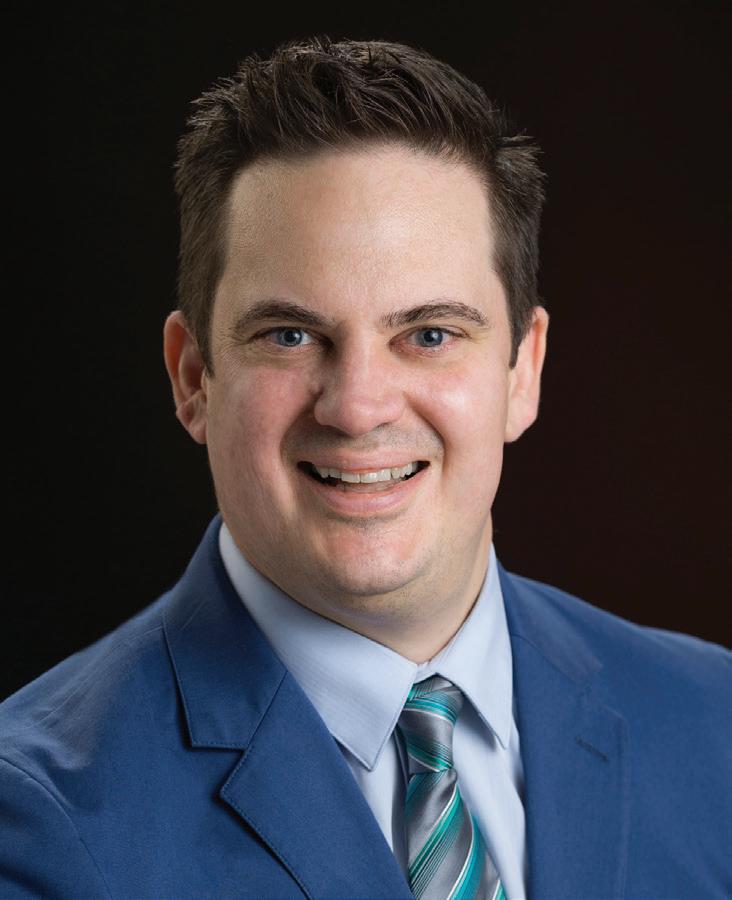
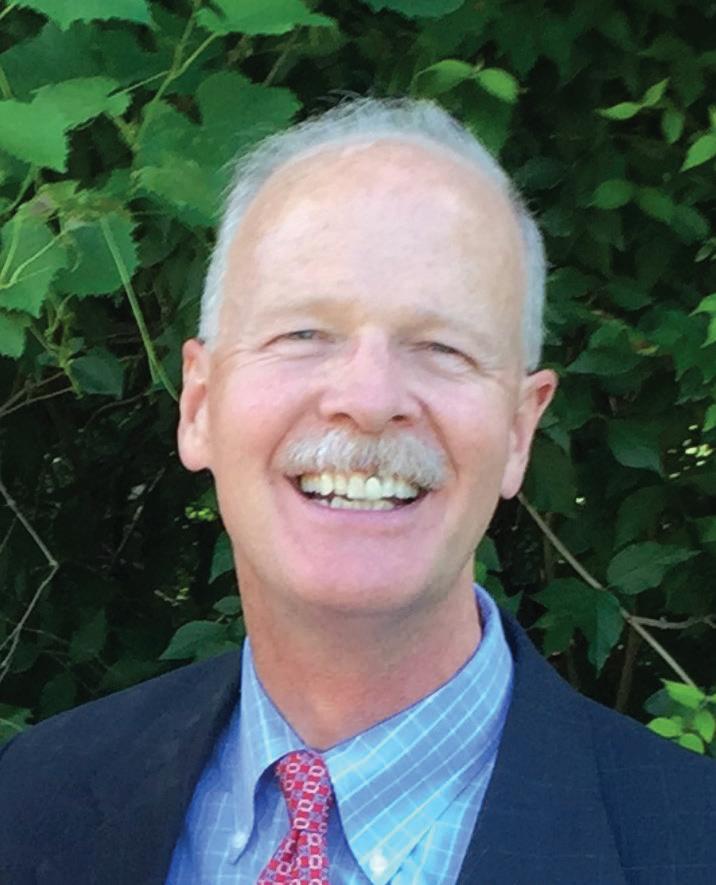
Miller
Harvey
By
CREATE YOUR LASTING
LEARN MORE AT GTRCF.ORG
ANTRIM . BENZIE . GRAND TRAVERSE . KALKASKA . LEELANAU
becoming a Community Guardian, you can support the future of our region.
IMPRESSION.


14 OCTOBER 2023 TRAVERSE CITY BUSINESS NEWS Unlock a world of freedom where you can explore your interests, forge lasting relationships, and relish every moment of independence. Our unique community is designed with you in mind, ensuring you experience a life filled with excitement! +Casual & fine dining +Movie theater +Exercise and fitness facilities +24/7 nursing & personal care assistance Embrace Freedom & Connection OPENING IN 2024 IN TRAVERSE CITY! Call 231.310.1999 MeadowValleyTraverseCity.com INDEPENDENT LIVING, ASSISTED LIVING & MEMORY CARE FOREVER YOURS 5143 North Long Lake Road Traverse City, MI 49685















TRAVERSE CITY BUSINESS NEWS OCTOBER 2023 15 Shannon Beia 522 E. Front St, Traverse City, MI 49686 231.883.9930 | shannonbeia.com 407 E. Chapin St • $859,900 HISTORIC CADILLAC, MI Dutch Neo Classical residence built by prominent lumber Baron Frank J. Cobbs in 1897. 5 bedrooms, 6 baths, occupies 3 city lots. • MLS #1913605 CELEBRATING 20 YEARS OF TART TRAILS’ SUSTAINERS CIRCLE SUPPORT





16 OCTOBER 2023 TRAVERSE CITY BUSINESS NEWS LUXURY VINYL PLANK WITH CUSTOM STAIR TREADS OVER 40 STYLES IN STOCK AND ON SALE NOW AT AMERICA’S CARPET BARN! ASK US ABOUT OUR CUSTOM ONE-PIECE VINYL STAIR TREADS Check out our Google reviews to see for yourself! 883 US Highway 31 S Traverse City 231-943-PIGS (7447) www.americascarpetbarn.com “Thanks Americas Carpet Barn!”







TRAVERSE CITY BUSINESS NEWS OCTOBER 2023 17 Louis A. Rodriguez 231.943.1326 ThirdCoastIns.com Proud partners with You know your business. We know your business insurance. Advisory & Tax \ Assurance \ Business Consulting \ Wealth Management \ Comprehensive Technology \ Accounting & Human Resource Solutions Securities offered through Rehmann Financial Network, LLC, member FINRA/SIPC. Investment advisory services offered through Rehmann Financial, a Registered Investment Advisor. Insurance services offered through Rehmann Insurance Group. YOUR PASSION YOUR PURPOSE Wealth management shouldn’t get in the way of doing what you love. With Rehmann’s multidimensional team on your side, you’ll have a customized, fully integrated financial plan that works toward providing for your present while setting the stage for a strong tomorrow. We’re more than just financial planners — we look at the whole picture to help you prioritize your personal growth and prosperity. Contact a Rehmann advisor today and put our experience to work for you. Visit rehmann.com or call 866.799.9580. be lasting 18 76 EST. bahles.net hours MON–SAT 10AM-530PM Downtown Suttons Bay LOCATED IN BEAUTIFUL SUNDAY- 11AM-5PM CLASSIC FINE CLOTHING WOMENS MENS KIDS BABY
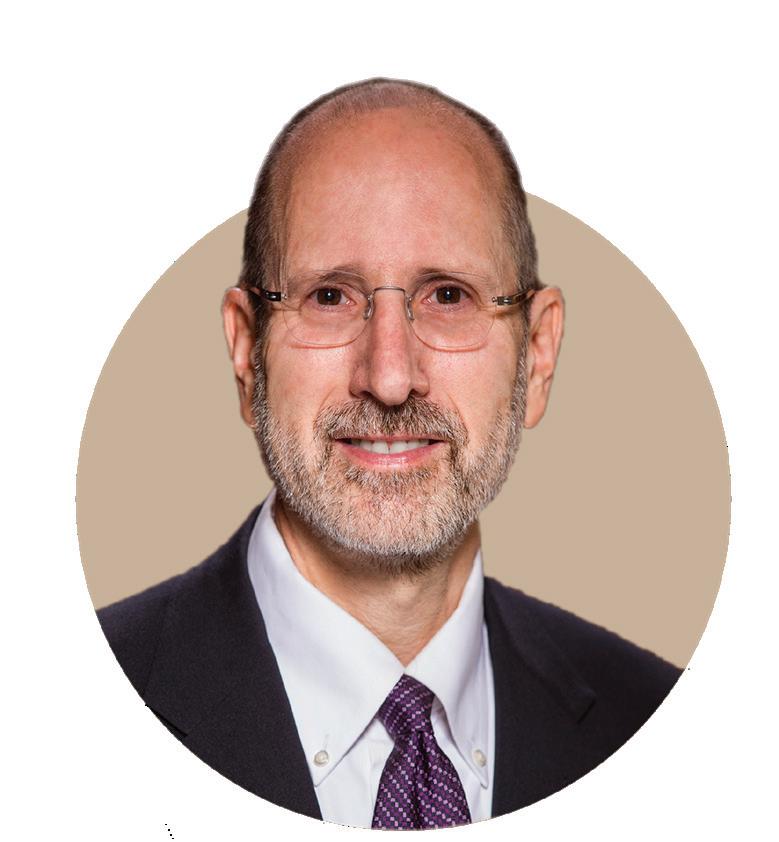
By Curtis Kuttnauer, columnist
The memory of embarking on your entrepreneurial journey might have faded, but the mixture of excitement and apprehension you felt at that time remains vivid.
Now, standing at the crossroads of selling your business to embrace retirement, be prepared for a transformational experience that will ripple through your life and the lives of your loved ones. With the right guidance, this transition can become one of life’s most remarkable chapters. However, like any significant endeavor, it requires facing fears and managing uncertainties.
When approached skillfully, this process can become a pivotal choice that enriches the tapestry of your life, marking the beginning of an era defined by leisure and personal fulfillment. Essentially, selling your business with retirement on the horizon presents a transformative opportunity to refine your skills and wisdom, cultivating personal growth and self-discovery.
Given the uncharted territory most business owners navigate when considering retirement, selecting the right advisors and representation is pivotal in making this transition a hallmark of your business journey.
Beyond the numerical aspects, businesses often carry hidden value of growth opportunities for a prospective acquirer. A
proficient advisor relies on a toolkit of financial tools and nationwide data on business acquisitions to arrive at a valuation that mirrors prevailing market dynamics. These tangible benchmarks, representing businesses similar to yours, serve as the foundation for determining the ideal price for your unique enterprise.
For those on the cusp of retirement, a financial advisor and an attorney with a specialization in business transactions are indispensable guides through various stages of the process. This aspect cannot be overstated. While friendly attorneys might be appealing, the wisest choice is a seasoned attorney immersed in the nuances of business transactions entailing the sale of an enterprise – especially relevant when retirement is the objective. Impartial advisors, including accountants, attorneys, and financial experts, will invariably underscore the importance of comprehensive guidance to shepherd you through every facet of this journey.
The pivotal question posed to a prospective seller should be, “Why do you believe this juncture, as retirement beckons, is the optimal time to sell?” Subsequent inquiries should delve into
NAVIGATING THE ROAD TO RETIREMENT:

Building a team to sell your business

the business dynamics and the emotional aspect of the sale, all within the context of your impending retirement. While advisors aren’t psychologists, their extensive experience equips them to serve as guides, especially for business owners navigating the profound transition of retirement.
Consider your business a surrogate set of mentors that have significantly influenced your accomplishments and personal development. As you gradually distance yourself from your business, both it and you undergo transformation. Ideally, this transformation equates to a more relaxed and fulfilled version of yourself, welcomed by your family and friends. With a stroke of luck, your professional identity will gradually recede, making way for a new chapter of retirement, replete with fulfillment that exceeds the heights of your career.
As you navigate this uncharted terrain, remember to curate a team of experts who understand the nuances of both business transactions and retirement aspirations. By embracing the process with strategic insights and comprehensive guidance, you can unlock the potential for this transformation to be among the most rewarding chapters of your life.
Curtis D. Kuttnauer is co-founder and senior partner of Golden Circle Advisors, Inc., with offices in both the Traverse City and the Plymouth areas. The business intermediary advisory firm specializes in working with smallto mid-sized privately-held businesses, focusing on positioning, and marketing their businesses for sale; goldencircleadvisors.com
PREPARING YOUR BUSINESS FOR YOUR RETIREMENT
• Maintain confidentiality in making this decision to avoid risk of losing employees and customers.
• Decide who may be a likely buyer of your business – family member/a key employee or a third party.
• Build your team of advisors with expertise in business transitions: attorney, CPA, financial advisor, and mergers & acquisitions advisor.
• Get your financial house in order with current and up-to-date financial records.
• Perform a business valuation and real estate appraisal, if applicable.
18 OCTOBER 2023 TRAVERSE CITY BUSINESS NEWS RETIREMENT
Monthly Marketing Tip From Plamondon Marketing Consistency is key! Your social posts don't need to go viral to make an impact Frequent and scheduled posting builds trust, presence, and engagement for your brand! Questions? (231)994-3794 Info@plamondonmarketing.com Where Consistency Meets Flexibility
KING
Sean McCardel is not your average real estate agent. When there’s a shortage of inventory...he just builds more!


Sean brings unparalleled knowledge to the table for his real estate clients through his builder background. He’s able to navigate buyers and sellers through the process using relevant contractor knowledge that adds value to every transaction. No one knows the true value of home like a builder does.


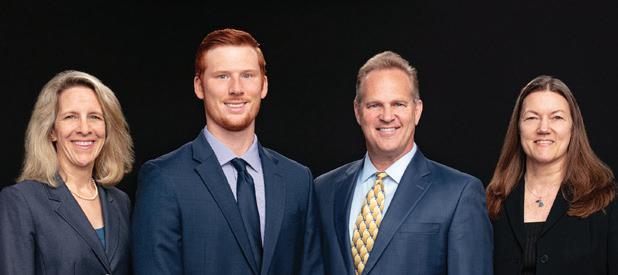
Forbes Top Wealth Management Teams


TRAVERSE CITY BUSINESS NEWS OCTOBER 2023 19 The Forbes Top Wealth Management Teams rating algorithm is based on the previous year’s industry experience, interviews, compliance records, assets under management, revenue and other criteria by SHOOK Research, LLC, which does not receive compensation from the advisors or their firms in exchange for placement on a rating. Investment performance is not a criterion. Self-completed survey was used for rating. This rating is not related to the quality of the investment advice and based solely on the disclosed criteria. Wells Fargo Advisors is a trade name used by Wells Fargo Clearing Services, LLC, Member SIPC, a registered broker-dealer and non-bank affiliate of Wells Fargo & Company. CAR 0123-04256 10850 E. Traverse Hwy., Suite 5575 • Traverse City, MI 49684 231-922-4213 • 800-782-0228 • www.JBWMG.com
We’re pleased to announce our team has been recognized on the 2023 Forbes “Best-in-State Wealth Management Teams” list. Investment and Insurance Products: Not FDIC-Insured No Bank Guarantee May Lose Value JULIAN | BLACK Wealth Management Group of Wells Fargo Advisors James R. Julian Senior Vice President – Investment Officer Ryan M. Black, CFP® Vice President – Investment Officer Renae A. Brown Senior Registered Client Associate Rachelle Flees Senior Registered Client Associate NEW INVENTORY
e V A L L E Y V I E W D U P L E X C n V n # C n V D F E B d 2 0 2 3 P 1 P D 3 N O R R I S L L C TRAVERSE CITY NewComingInventorySoon! SEANMCCARDEL.COM TRAVERSE CITY, MI
Call Sean to start the conversation today! 231.631.7111 | sean.smccardel@gmail.com 310 Water Watch Lane, TC, Mi 49686 Mental Health Care for the Whole Family PSYCHIATRY | THERAPY | COUNSELING PINEREST.ORG/TRAVERSE-CITY 866.852.4001
2ND GENERATION REAL ESTATE EXPERT DEDICATED, FULL-SERVICE REALTOR TAILOR-MADE, PERSONAL CUSTOMER SERVICE
By Eric Braund, columnist
It’s never too early (or late) to plan for retirement, but it can be overwhelming to know where to begin, so here’s a checklist to get you started.
1. Review assets and debts
The first step is evaluating where you stand financially. Create a net worth statement of what you own (assets) and what you owe (debts). Deduct debts from assets to determine your personal net worth:
• Assets: bank accounts, value of investment accounts, vehicles you own, market value of your home, valuable possessions (jewelry, art)
• Debt: mortgage, car and student loans, credit card balances
2. Begin paying off debt
Your income in retirement may be lower, so address debts now. Focus on those with the lowest balance or highest interest rates. Create a mortgage payoff plan, which may take a few years to complete. Certain types of debt – personal loans, credit cards, auto loans – have higher interest rates and lack potential tax benefits. Pay these off before you retire, since they cut into savings and reduce your standard of living.
3. Increase cash reserves
Ideally, have at least two years of living expenses in reserve by retirement, separate from your diversified portfolio. Cash on hand helps you sleep well at night, and if the market falls, you won’t have to liquidate securities at a loss.
4. Determine income needs
Consider your retirement housing, healthcare and lifestyle expectations. New hobbies? Extensive travel? A second home? Healthcare is unpredictable and expensive. Learn about Medicare Parts A, B and D, Medicare Advantage and Medigap supplemental insurance. Evaluate whether longterm care insurance is a good fit to help cover the costs of nursing home care, an assisted living facility or at-home assistance.
THE GOLDEN YEARS:
5. Review income sources
Familiarize yourself with Social Security and determine the right time to begin withdrawing. Monthly benefits depend on total earnings, birth year and the age you claim benefits. Minimum age is 62, but you may decide to wait in order to maximize your monthly benefit. At what Social Security considers your full retirement age (FRA), you may claim your full monthly benefit. This is reduced up to 30% if claimed before FRA. Conversely, waiting beyond FRA to claim increases your projected benefit by approximately 8% each year. The longer you wait, the higher your benefit, though you must claim it at 70.
If you have a pension, determine whether a lump sum distribution or monthly payments will work best for you and, if you’re married, your spouse. And finally, examine your investment portfolio. You’ll want a balanced, diversified mix of growth and income in order to keep up with inflation over the long term. The rule of thumb is to assume four percent annual earnings.
6. Account for tax planning
Review how tax-deferred accounts (401(k)s, IRAs, Roth accounts, taxable accounts, Social Security and pensions) will affect your overall tax picture. Examine how to best manage them to have the least
Checklist for a successful retirement
effect on your taxes.
Could a partial Roth conversion or other IRA withdrawal strategy save on taxes in lower-income years (post-retirement but prior to required minimum distribution age and/or claiming Social Security)? Look into health savings accounts. In addition to reducing taxable income, contributions grow tax free, and qualified withdrawals aren’t taxed. At 65, you can withdraw funds as with a traditional IRA.
health insurance, and what are the implications of starting with Medicare?
• Will working longer affect your pension?
• Can you make more contributions to your health savings account balance by working longer?
The importance of professional advice
Working with professional advisors during retirement helps you make informed decisions that could have a significant impact on your financial situation. Start with a fee-only certified financial planner™ (CFP) who is held to a fiduciary standard. A trusted professional who works in your best interest can prepare your family for the many joys of retirement.
7. Consider continued employment
You may need to work longer than you think or work part time after retirement. If this will hold off spending down your retirement account, it’s worth contemplating.

Things to consider:
• Will it allow you to delay claiming Social Security, resulting in a higher benefit?
• Are you still eligible for employer
Eric Braund, CFP®, CRPC®, is the founder and CFO at Black Walnut Wealth Management, a financial advisory firm providing counsel and fiduciary financial services to individuals, families and private foundations throughout the Traverse City and northern Michigan region. Contact him at (231)4217711 or visit BlackWalnutWM.com. Braund is an investment advisor representative with Dynamic Wealth Advisors, doing business as Black Walnut Wealth Management. All investment advisory services are offered through Dynamic Wealth Advisors.
20 OCTOBER 2023 TRAVERSE CITY BUSINESS NEWS RETIREMENT
Ideally, have at least two years of living expenses in reserve by retirement, separate from your diversified portfolio.


TRAVERSE CITY BUSINESS NEWS OCTOBER 2023 21 Life looks good on you. hemmingwm.com / 231.922.2900 financial planning & abundant perspectives hemming& Wealth Management, Inc. (“hemming& Wealth Management”) is a Registered Investment Advisor (“RIA”) with the U.S. Securities and Exchange Commission (“SEC”). Whether it’s the classic ride you’ve always wanted or a bucket list adventure, we help you make financial choices that allow you to live life fully — now and into the future. Start living today. YOU WEREN’T BORN TO JUST PAY BILLS AND DIE.







BUSINESS NEWS B o o k i n g N o w f o r 2 0 2 4 Award-Winning L A N D S C A P E S 231 922 0087 trunorthlandscaping com 2 0 2 3 N a t i o n a l G o l d M e d a l a n d S t a t e A w a r d W i n n e r s f o r b o t h L a n d s c a p e D e s i g n - B u i l d & M a i n t e n a n c e Your dream home deserves a dream landscape. HOME | AUTO | LIFE | HEALTH | COMMERCIAL | FARM | AGRIBUSINESS REAL AGENTS. ALWAYS THERE FOR YOU.
By Debbie Craig, columnist
I have always maintained that retirement is an under-appreciated life transition. Marriage and career – these transitions are heavily considered. But retirement? The cultural feeling is always an upbeat, giddy feeling of euphoria. I made it! I can do anything I want all day long! How cool is that?
Well, perhaps not so cool.
What do I want to do all day long, every day, 24/7, 365? That’s a lot of choices. Let’s look at the more sobering aspects of the retirement transition.
One aspect of leaving a successful career is the loss of accomplishment and acknowledgment that you were important. Your job was important. You made a difference. But how do you answer the question, “What do you do?” I’ve never read a business card that lists “retired” as a present occupation.
Several years ago, Neal and I attended his car club Christmas party. There were four couples at the table. I was the only one working. I asked the women what they were doing in retirement. One answered, “I can tell you what I thought I would be doing.” (Okay...) She continued, “I thought I would be volunteering and reading all day.” She never would elaborate on what she WAS doing. I poked for a while but let it go before appearing too rude.
Another aspect of retirement is determining how you will meet your social needs. Work provides endless opportunities to talk at the water cooler, attend business lunches, meet clients, or engage in team building. These times do not need to be planned but are provided to us every day we go to work.
Social outings need to be planned during retirement. Do you want to golf each week?
Attend a book club once a month? Call a friend on the phone? Will you socialize as part of a couple? Will you be more available to the family? How will you volunteer?
The most significant aspect to consider when moving from work to retirement is the lack of a regular paycheck.
By far, the concern I hear from clients the most frequently is, “Am I going to run out of money?” This insecurity is real. Someone once told me that most fatalities for climbers on Mt. Everest occur on the descent. Most plan the trip for the
RIGHT ON THE MONEY
Calculating the move from career to retirement
ascent but underestimate the consequences of the trip down.
Our careers can probably be characterized the same way. We investigate educational institutions, majors, available jobs, average compensation, shadowing…all kinds of things!
But what about retirement?
The amount necessary for retirement can be estimated. Financial planners will assume an inflation rate, life expectancy, return on investment. Given the current value of a nest egg and the withdrawal amount, we can project how long the money will last.
Let’s clarify this with an example:
• Current value of nest egg: $500,000
• Current age: 65 years
• Rate of investment return: 7%
• Inflation: 2.2%
• Annual withdrawal: $35,000
Put the numbers into an income calculator, such as bankrate.com’s retirement calculator, and it’s shown that the distributions can be sustained for 25 years. However, this quick calculation is meant to be a guide only; a quick starting point.
Does this information help? Most certainly. Is it definitive? No. What if inflation is 8%? What if healthcare expenses run amok? What if the stock
market only provides 5% average returns? What if Social Security payments are cut in half? None of these variables can be determined, only estimated.
What to do?
Try a three-step process to address this transition: visualize, consult and relax.
First, visualize how you intend to spend your retirement. Do you plan to take it easy? Garden at home? Learn a hobby? Volunteer locally? Visit your grandchildren? Or do you envision a no-holds-barred, pedal-to-
pension income, current assets, restricted stock options, expectations and concerns.
This discussion may also include your desire to leave a legacy or care for disabled survivors.
All the data will be put into a retirement calculator and summarized into an action plan. They will also be able to review tax implications, consider Roth conversions or the need for a life insurance policy.
Finally, relax. You will find that your consult gave you valuable information, and now you have a plan. You may also have contingency plans. Perhaps you want to work part-time for the first few years before quitting. Or, you may have a plan to utilize your guaranteed income sources (pensions, Social Security, annuities) to cover necessities like food, shelter, utilities, and health care. You can then spend investment earnings on non-essential items like travel or entertainment.
the-metal life filled with world-wide travel, numerous vacations, Michelin dining, and Australian scuba diving?
Visualizing how you anticipate spending your retirement years will guide your required level of spending. So, take this information and head to the next step.

Second, call a financial planner for a consultation. This professional will gather information like Social Security benefits,
The most important thing about retirement, whether your retirement vision has you taking a two-week African safari or staying home learning to play pickleball, is to enjoy every minute!
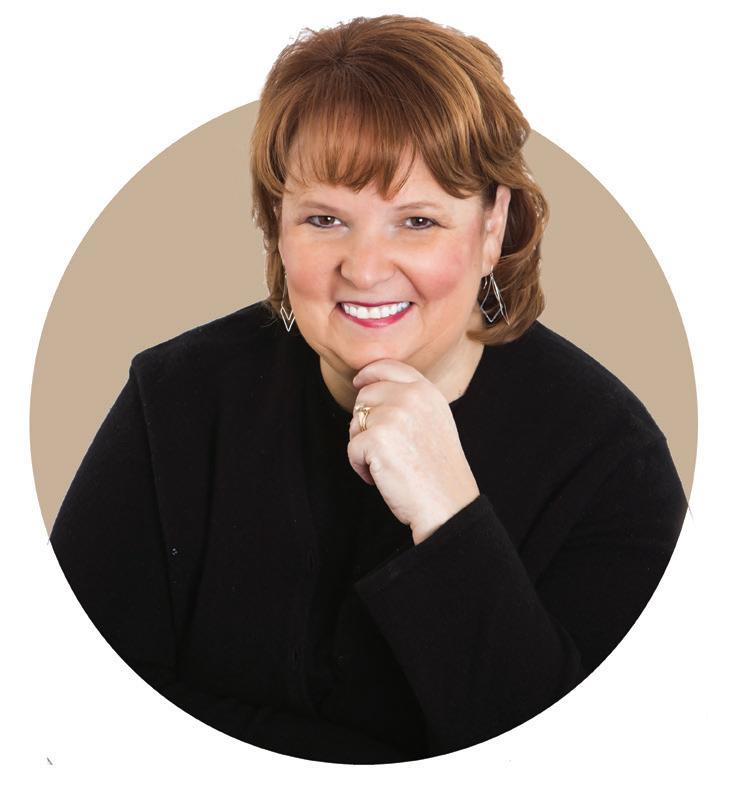
Debbie Craig, CFP®, MBA, CRPS®, is a Certified Financial Planner with Craig Wealth Advisors and branch manager of RJFS. Reach her at Debbie.Craig@RaymondJames.com
TRAVERSE CITY BUSINESS NEWS OCTOBER 2023 23 RETIREMENT
Try a three-step process to address this transition: visualize, consult and relax.
Low Down Payment Options



24 OCTOBER 2023 TRAVERSE CITY BUSINESS NEWS Eligible properties include primary residences; owner-occupied second homes; condos; modular homes; and one- to two-unit buildings (one- to four-unit buildings in MI) with owner occupancy in one of the units. Properties must be located in MI, AL, AZ, CO, FL, GA, IL, IN, KY, MN, MO, NC, OH, OR, PA, SC, TN, VA, WA, or WI. Federally insured by NCUA. Purchasing a home is one of the largest and most exciting decisions you’ll make. Whether you’re buying your dream home, refinancing, or remodeling, we’re here to help.
MSUFCU also offers a first-time homebuyer program that features down payments as low as 3% to help get you into your home for less money upfront. as Things Fall Into Place Experience the MSUFCU Difference. msufcu.org | 231-751-4016
Benjamin Franklin gave us a bit of advice stating, “In this world, nothing is certain except death and taxes.” Yet, here we stand over 200 years later, and we are still trying to avoid both. In fact, over 60% of Americans have no estate plan in place. The reason? Avoidance. The consequence? A mess. Procrastination and estate planning go hand in hand, and our hesitation to take action is typically fueled by common misconceptions about it.
My Family Knows My Wishes. This is usually followed by the statement, “and… my children all get along.” Unfortunately, an interesting thing happens when a loved one passes; especially in the midst of navigating grief while anticipating an inheritance. Everyone seems to recall history, events and conversations differently, so reliance on family members’ recollection of your wishes rarely results in your actual wishes being carried out. In fact, noncupative wills (oral wills) are only valid in very limited circumstances and in a handful of states, of which Michigan is not one.
I’ll Just Put My Child On My Accounts. Sometimes, things that sound great in theory simply are not a good idea. Adding a child to an account often results in numerous unintended consequences. Commonly, a client thinks they are simply adding a child to their account as a signatory. Instead many well-meaning financial institutions add the child as a joint owner, usually with rights of survivorship. Now, that child not only has full authority with respect to the assets in that account, that account is considered their asset as well. The risk? You have now exposed your assets to potential claims of your child’s creditors, and that asset could even become subject to division in the event of that child’s divorce. Additionally, the survivorship rights granted to that child mean that asset legally becomes theirs upon your passing, without any legal obligation to distribute it consistent with your wishes.
My Agent Can Use My Durable Power of Attorney To Transfer Assets When I Pass. If only it were that easy.
MISCONCEPTIONS THAT MUDDY YOUR ESTATE PLAN

Certainly, a comprehensive Durable Power of Attorney for financial matters is a critical part of your estate plan, but only while you are living. Your Durable Power of Attorney is only valid during your lifetime. Upon your death, your agent no longer has any of the power and authority granted under the terms of that document. Authority over your assets after your passing rests solely in the hands of your validly appointed Personal Representative or Successor Trustee.
My Spouse Automatically Gets Everything When I Pass. Again, sounds great in theory, right? It is true that certain titling with a surviving spouse may allow assets to transfer to that spouse by operation of law, outside of probate and your estate plan. However, a transfer of assets to a spouse upon death is not automatic. If you pass without a will, assets in your name individually would be subject to probate court proceedings and distributed in accordance with Michigan’s intestate succession statutes. Unfortunately, these statutes do not necessarily direct all of your assets to your surviving spouse. In fact, if you have children or living parents at the time of your passing, your spouse may only receive a portion of your estate.
I Don’t Have Enough Assets To Worry About Having An Estate Plan. There is no dollar threshold for estate planning. Estate planning is about protecting the assets that you do have, and ensuring those assets are distributed according to your wishes. Whether you have $40,000 or $40 million, without an estate plan you no longer control who receives your assets or who is in control of your estate. You also inadvertently place an otherwise avoidable financial and administrative burden on your family. Regardless of the amount of wealth you have, the fundamental goal of estate planning is the
same; to pass the greatest amount of your assets to the beneficiaries you choose, in the most efficient way possible.
I Have To Give My Omitted Child
Something In My Will. Historically, a parent would leave an omitted child a nominal amount in their estate plan, such as $10. This was intended to ensure that child was not entitled to a larger statutory share of the estate because their parent “failed to provide” for that child in their will. In doing so, no matter how large or small the amount left to that omitted child was, the omitted child became entitled to certain information about the estate. Information that the parent may or may not want that omitted child to be privy to. Additionally, even if a child was expressly omitted in a parent’s will, they were still entitled to certain statutory allowances of a specific value. However, the most recent revisions to Michigan’s statutes now clearly provide that if a parent expresses a clear intent to omit a child, that child shall not receive their statutory share nor any statutory allowances. Likewise, clearly expressing your intent to omit a child leaves little room for argument that the omission was unintentional or as a result of a mistake.
My Estate Plan Trumps any Joint Titling and Beneficiary Designations. Unfortunately, no. This is why it is so important to review the titling of your assets and the beneficiary designations as part of your estate planning. Your estate plan may direct that your assets are to be split equally between your four children, however, that beneficiary designation on the life insurance policy you took out 30 years ago only names your first born child. If the beneficiary designation is not updated, your first born child would receive all of the proceeds of the life insurance policy by operation of law,
outside of probate and your estate plan. While your first born child will be ecstatic, I guarantee your other three children will not be feeling so joyful.
Wills Avoid Probate. While it seems like this should be the case, your will is simply the document that directs the probate court who you want in charge of administering your estate (your personal representative) and how you want your estate distributed upon your passing. Assets in your individual name at death, with limited exceptions, are still subject to probate and the probate process. Therefore, even with a will, it is still necessary for the court to appoint and grant your personal representative authority to distribute your assets in accordance with the terms of your will.
I Have a Trust So I Don’t Need a Will. While a properly funded trust can avoid probate, an improperly funded trust does not. In the event you pass with an asset in your individual name, outside of your trust, it may be subject to the probate process. If so, to get that asset transferred into the name of your trust, you must have a will directing any assets subject to probate shall be distributed to your trust. Without a will, those probate assets would instead pass according to Michigan’s intestate succession statute. Having a will in conjunction with your trust ensures all of your assets, inside or outside of your trust, will be distributed consistent with your intent as expressed in your trust.
Cortney Danbrook is an attorney at Danbrook Adams Raymond PLC in Traverse City. She advises individuals, families and businesses in the areas of estate and succession planning, and provides specialized counsel to business clients on liquor licensing and regulatory compliance. She can be reached at (231) 714-0163 or cdanbrook@ darlawyers.com.
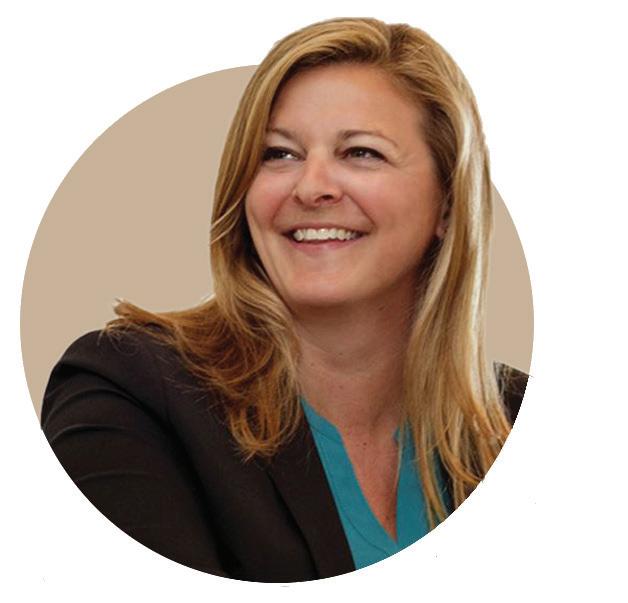
TRAVERSE CITY BUSINESS NEWS OCTOBER 2023 25
RETIREMENT
By Cortney Danbrook, columnist
SECOND ACT
Retirees discover fresh purpose in unexpected careers
By Kierstin Gunsberg
Retirement often marks the end of one chapter and the beginning of another. For four Traverse City retirees, winding down their careers wasn’t a conclusion – it was an opportunity for reinvention. From cultivating vibrant gardens to hitting the airwaves, they’ve redefined retirement, proving that a fulfilling second act is never out of reach.
Anyone who’s recently tuned into WCCW or WTCM has probably listened along to Tom Szafranski during the morning and afternoon commutes. And if his voice seems familiar, that’s because the now on-air radio host was a fixture of the Traverse Area District Library’s (TADL) sight and sound department for 20 years where he worked as a library aide before retiring in the fall of 2019.
With his library retirement lining up with shutdowns and stay-at-home orders, Szafranski settled into a few family-focused years. But, there was always an inkling to dip back into work when the time was right.
That time came in the spring of 2023, and since then, Szafranski can be heard filling in for weekday morning and afternoon hosts at sister stations WCCW and WTCM.

“I love doing the morning show at WCCW,” said the early bird, who’s up at 4am for his 6am call time.
While pivoting from a public-facing career at a quiet library desk to a behind-thescenes live radio personality might seem out of the blue, it’s just a welcome return to his old stomping grounds.
Szafranski says the studio has been his happy place since high school when he wrote a paper exploring a career that he thought would be interesting to pursue.
“I called one of the radio stations in Detroit to interview the (radio host) there,” said Szafranski of that assignment. “And the moment he picked up
the phone, there was laughter in the background; he was very friendly and positive and supportive.”
By the time Szafranski had turned the paper in, he was sold on the idea of being an on-air radio host, he says.
“I thought, ‘This is a job for me, that’s what I’m going to do,’” he said.
After graduating, Szafranski made good on that promise to himself and studied broadcasting in Southfield at the former Specs Howard School of Media and Arts before landing his first radio job at 19, hosting overnight at a station in Alpena.
Eventually, he moved to Traverse City where he continued working in radio while moonlighting at the library. In 1999, though, the father of two opted to put radio on the back burner after being offered a full-time position at TADL because he felt that the routine 9-5 job would provide stability for his children as they approached their own high school years.
Now that those two children are grown, Szafranski said they’re his biggest supporters in his return to radio, along with his wife, Laura.
Happy to be back on the airwaves, he says he feels he’s struck a balance. Working fewer hours than he did at the library has meant more quality time with his family, especially his grandson, and settling back in behind the mic has helped Szafranski dig back down to his roots, bringing a levity to his every day.
“It’s definitely what I need at this time of my life,” he said.
26 OCTOBER 2023 TRAVERSE CITY BUSINESS NEWS RETIREMENT
Tom Szafranski | WCCW and WTCM Radio Host
RETIREMENT
Tanya Berg | SCORE Mentor
Tanya Berg has retired a couple of times. The first time was from her corporate career when she served as vice president of marketing at Fifth Third Bank of Grand Rapids; the second at the nonprofit Heart of West Michigan United Way, where she retired in 2006.
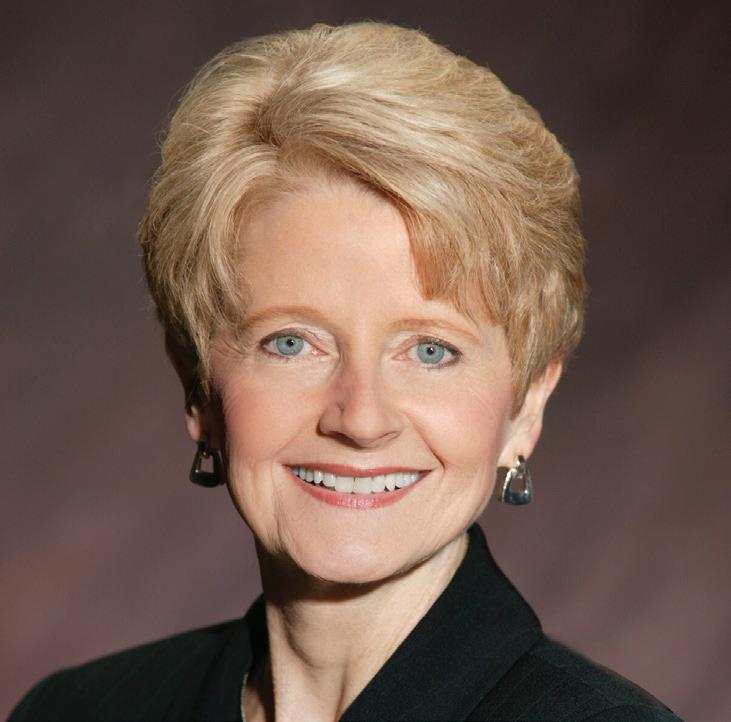
As she and her husband readied themselves for a move up north, she may have been looking forward to a slower pace, but she wasn’t ready to stop altogether. So, Berg channeled her energy and years of experience into opening her own marketing consulting firm, Smartmark Consulting, only a year later.
While preparing to launch Smartmark, Berg sought business guidance from the Service Corps of Retired Executives (SCORE), an organization made up of local chapters where retired business executives and entrepreneurs offer their
Chris Korbel | Tour Driver
Like many retirees, Chris Korbel loves to golf, kick back with a good book, or hop on a wine tour and take in the scenery. Unlike many retirees, however, Korbel is the one behind the wheel.

For seven seasons, he’s been driving Traverse City Wine and Beer Tours (TCWB) guests all over northern Michigan to visit breweries, cider houses and wineries most days of the week, including busy Saturdays.

“My kids would probably say that I work too much!” said Korbel. “My schedule is contrary to their more traditional Monday through Friday work schedule.”
Korbel isn’t unfamiliar with a more traditional work schedule though. Prior to his 2015 retirement, he was employed by Traverse Bay Intermediate School District, where he taught business education for
knowledge and guidance to others as they prepare to start or grow their businesses. They do this through mentorship, workshops and programming.
The expertise of their mentors left Berg impressed and the feeling must have been mutual.
“Shortly after I launched my consulting business, SCORE asked me if I would consider becoming a volunteer business mentor,” said Berg, who eagerly accepted the invitation.
Her prior careers, which she says honed her skills in communication, tech, budgeting, planning and project execution, had laid the groundwork for her new mentor role.
Over the next 10 years, Berg consulted through Smartmark while simultaneously volunteering with Traverse City’s SCORE chapter where she says she got to connect with her new northern Michigan
community.
Then, in 2017 she officially retired and closed up shop at Smartmark, ready to spend more time enjoying the water, woods, and arts culture that had originally drawn her to northern Michigan after her first retirement. She did not, however, leave her role of meeting with and guiding local business owners at SCORE.
Helping other entrepreneurs to build their businesses brought her such a “great sense of satisfaction” that she wasn’t willing to give it up in retirement, even if that meant consulting only for free now, something she admits might seem scary to some retirees.
“Some may fear that shifting to a simpler role in retirement, particularly a volunteer role where they are no longer compensated financially, will be less rewarding,” said Berg, who’s now been with the organization for 17 years. For those able to volunteer their time post-retirement, Berg says hesitation is often overcome by the act of making your
community a better place.
While she’s remained busy helping her own community by hopping on Zoom meetings and phone calls with Traverse City’s SCORE clients, Berg hasn’t totally written off the perks of retirement.
“I’m lucky,” she said. “I can do most of my work overlooking our lake and listening to the loons.”
most of his 39 years with the district before switching over to instructing students in computer maintenance, repair and networking.
Following his retirement, Korbel seemed to have every intention to relax into a new season of life, but after a wine excursion as a passenger, where he says he “peppered” the driver with questions about the job, he couldn’t get the idea of a retirement career out of his mind.
Even as he and his wife Nancy enjoyed their snowbird lifestyle at their winter residence in Florida, Korbel kept bringing up the idea of a tour driving job.
“She finally responded, ‘Either do something about it when we get back (to Michigan), or quit talking about it,’” he said.
Korbel says the job has afforded him the ability to stress less about retirement
Korbel pictured with his daughter Kelly.
finances while structuring his week around his grown children and grandchildren.
However, when he first dove into his new career, there were some adjustments, like learning how to make small talk with strangers.
“I was thrust into an environment with
just a small number of people around me,” said Korbel.
Now, as a tour driver, he’s happy to be back in the mix, whether chatting with guests or bumping into familiar faces at the wineries.
“I meet so many fascinating people from all walks of life,” he said.
231.929.4500 Mercer Advisors Traverse City Team Matthew Bohrer Renée Egelski, CFP® Kevin Russell, CPA, CFP®, AAMS®, CRPC® Merideth Gillis Becky Leslie 310 West Front Street, Suite 308 Traverse City, Michigan 49684
TRAVERSE CITY BUSINESS NEWS OCTOBER 2023 27 Welcome to a different kind of wealth management Mercer Advisors is one of the largest independent wealth management firms in the U.S., with $48Billion in assets under management. We’re built differently - to us helping you protect and grow your wealth is about more than just your investment portfolio. Unlike many firms, we have expertise across financial planning, investing strategy, tax and estate planning, trust services, insurance solutions, and more. Our specialists across each of these areas communicate with each other about you, and with you, so you can enjoy everything you’ve achieved. We’re here to help you connect all the dots of your financial life. © 2023 Mercer Global Advisors Inc. All rights reserved. Mercer Global Advisors Inc. is registered with the Securities and Exchange Commission and delivers all investment-related services. Mercer Advisors Inc. is the parent company of Mercer Global Advisors Inc. and is not involved with investment services. Company data as of May 31, 2023. Assets Under Management refers to client assets under management (AUM) and client assets under advisement (AUA) by both Mercer Global Advisors Inc. and Regis Management Company. Regis Management Company is a tradename used by Regis Acquisition, Inc. Mercer Global Advisors Inc. and Regis Acquisition, Inc. are affiliated SEC registered investment advisers and deliver investment advisory and family office related services. Mercer Global Advisors Inc. and Regis Acquisition, Inc., are subsidiaries of Mercer Advisors Inc., a parent company not involved with investment services. Mercer Advisors is not a law firm and does not provide legal advice to clients. All estate planning documentation preparation and other legal advice is provided through its Advanced Services Law Group, Inc. Tax preparation and tax filing are a separate fee from Mercer Advisors’ investment management and planning services. Trustee services are offered through select third parties with which a client would engage directly. Mercer Global Advisors has a related insurance agency. Mercer Advisors Insurance Services, LLC (MAIS) is a wholly owned subsidiary of Mercer Advisors Inc. Employees of Mercer Global Advisors serve as officers of MAIS. MAIS provides individual life, disability, long term care coverage, and property and casualty coverage through various
insurance companies. 20230914 l merceradvisors.com
When she retired from her desk job as housing administrator for Grand Traverse County in 2015, Virginia Coulter sought out a retirement where she could reconnect with nature. Instead of turning to a new hobby to keep her busy in northern Michigan’s great outdoors, Coulter, who studied horticulture in college, reimagined the one she’d already leaned on before she retired – gardening.
With the encouragement of her former coworkers and her husband, the home garden that she once thought of as a sometimes “frivolous expenditure” became Old Mission Flowers, a seasonal U-pick venture and her official post-retirement career.
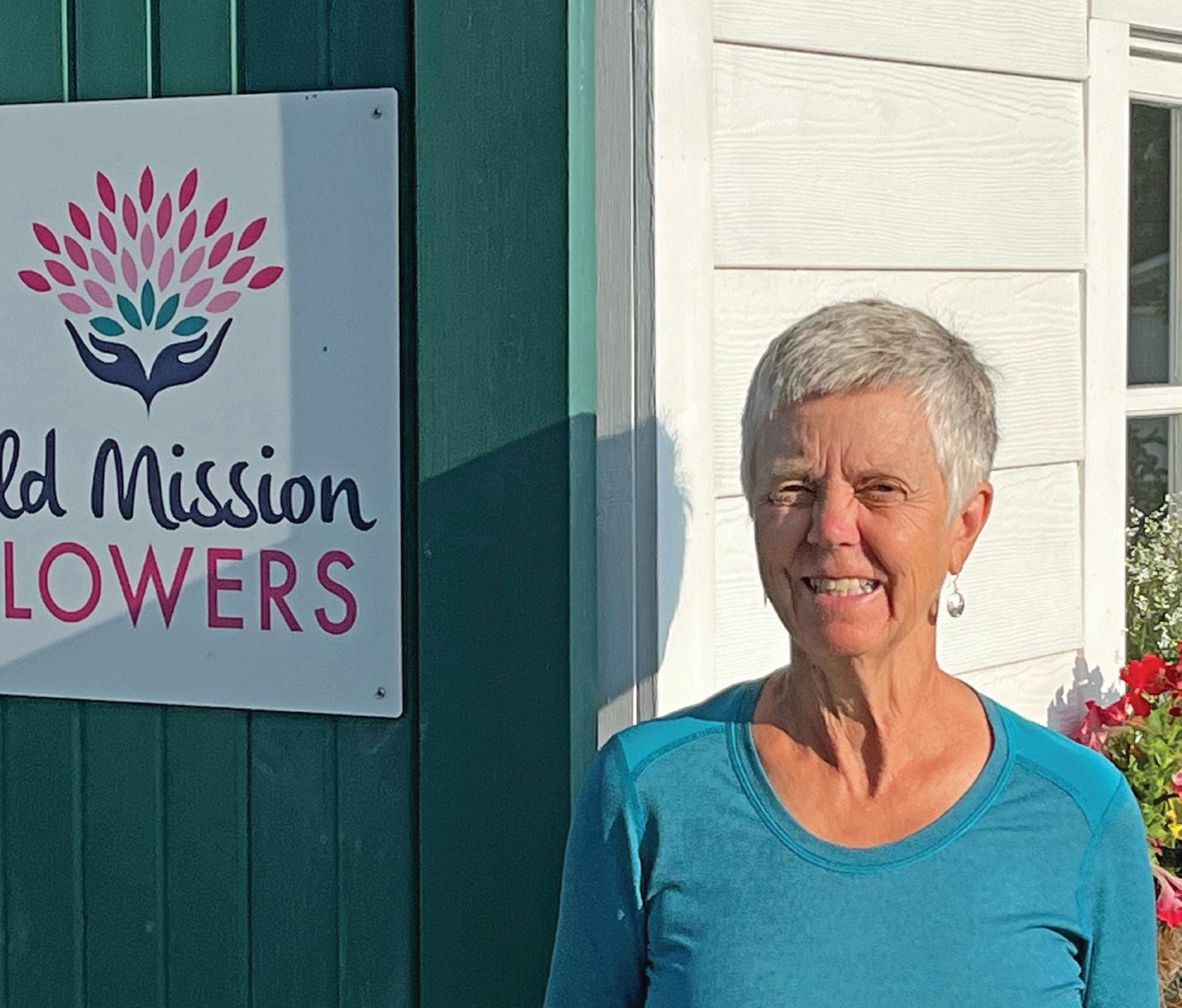
With more than an acre of daffodils, peonies, lilies and perennial blooms to explore, plus views of both bays, Old Mission Flowers draws bridal parties, families and repeat customers throughout the summer. There, Coulter can also be found, “happy as a lark, with a garden fork and an audiobook.”
Turning her favorite pastime into a job wasn’t all sunshine and rainbows, she says.
“I tend to procrastinate about the tasks I don’t particularly enjoy doing,” she said. “I’ve enlisted my husband and some friends and family but may consider a bona fide employee next year.”





Coulter is also using her garden and her retirement career to lend a helping hand. She’s donated both peony plants and fresh cut flowers for events to The Botanic Garden at Historic Barns Park where she said she’s thrilled to see the progress being made to the public gardens.
Spending the year plotting her own garden keeps Coulter’s spirits up during the winter months when, between skiing and traveling, she orders seeds, updates her website and whittles down her product lineup.
It’s a product she doesn’t really have to peddle, either, she says.
“I don’t actually spend much time selling, the flowers sell themselves,” she said.
Her business might not have come to fruition at all if it weren’t for her preretirement career where, looking to bring a little color to her workday, Coulter brought in a cheery homegrown bouquet to set in her office. She ended up having to relocate the flowers to the women’s restroom because of a coworker’s fragrance sensitivity but before long, she realized the bouquet was drawing women from all over the building to that particular restroom just to check the blooms out.
“It was such a small thing to bring joy,” said Coulter, who continued to decorate the bathroom countertop with bouquets

for her coworkers’ enjoyment. Her advice to fellow retirees who also want to monetize their hobby?
“Write a business plan,” she said.

That structure, along with attending a business class at NMC and seeking guidance from Traverse City’s Service Corps
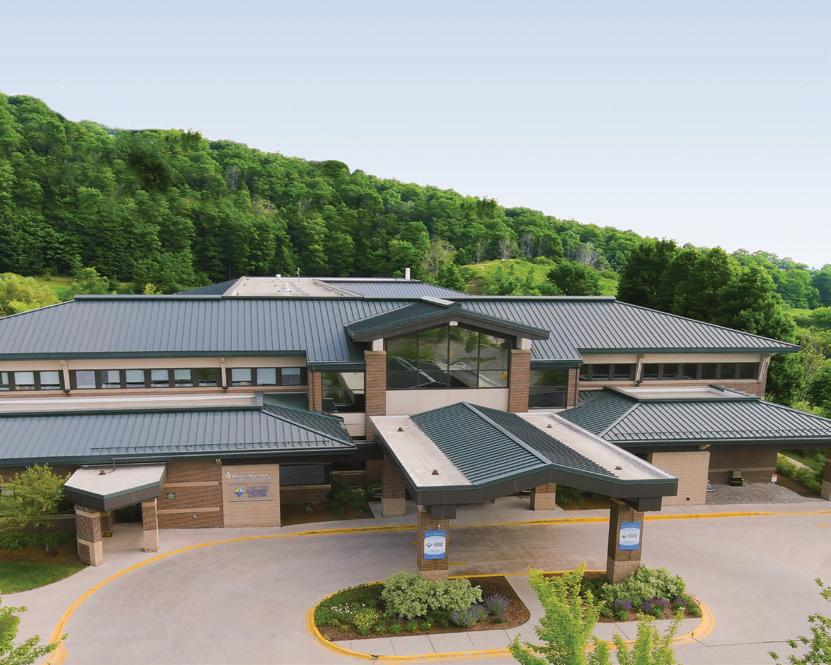
of Retired Executives (SCORE) chapter helped her transform her lifelong passion into a thriving business.

“The emotional reward has been tremendous,” said Coulter. “It’s profound that my flowers, which are totally ephemeral, touch so many lives.”

28 OCTOBER 2023 TRAVERSE CITY BUSINESS NEWS
RETIREMENT
Virginia Coulter | Old Mission Flowers

TRAVERSE CITY BUSINESS NEWS OCTOBER 2023 29
By Rick Garner, columnist
Actuaries at the Social Security Administration project that 65-year-old men and women have have a 34% and 45% chance to live to the age of 90, respectively. The prospect of a 20- or 30-year retirement is not only reasonable but should be expected, according to longevityIllustrator.org.
One approach to prepare for two to three decades of retirement is to segment expenses into three buckets:
• Basic living expenses
• Discretionary spending
• Legacy assets
Basic living, or non-discretionary expenses, are essential in our daily lives and include such things as food, rent, utilities, etc. – these expenses are commonly funded with income that is guaranteed. Social Security benefits, annuities, whole life insurance and pensions are examples of guaranteed inflows (high levels of certainty, minimal risk).
The Social Security Administration (SSA) is anticipating benefits to be reduced by 13% in the next 15 years, according to the latest figures from SSA.gov, making guaranteed income an even more important part of the planning process. Setting aside sufficient funds in this bucket to cover these necessary expenses will help individuals and couples navigate the uncertainties of retirement and put one’s fears to rest.
Further, isolating essential expenses has a powerful impact on the retirement outlook, reframing the mindset for the next two buckets of elective spending.
Vacations, dining out, home upgrades, entertainment, etc. are represented by the discretionary spending bucket. Discretionary spending often spikes just prior to or early in retirement. After all, you’ve worked hard to save. Spending on these items is new and exciting. As time passes, the amount of spending diminishes or transitions from voluntary spending to covering medical expenses.
To fund these costs, one can consider investments that pay a steady dividend with the potential for growth. Because this bucket is more variable in nature, investors may decide to take on more risk, trading off
The Bucket Approach to Retirement Spending
a bit of certainty. Investment withdrawals should be carefully orchestrated to avoid unintended consequences. The tax implications of which – if not closely monitored –can result in not only greater tax liability but also higher Medicare premiums. Withdrawals from taxable or retirement accounts are taxed as ordinary income whereas income from non-qualified or tax-free accounts may be more tax efficient.
Are you charitably inclined? Or do you wish to leave a nest egg to your heirs? Legacy planning – bucket #3 – can be achieved through qualified charitable distributions, establishing donor-advised funds, early gifting, utilizing a revocable trust during your lifetime or a complex combination of strategies. Leaving a retirement asset can result in a large tax bill for a non-spousal beneficiary who, due to the SECURE Act, is required to distribute inherited IRA funds within 10 years of the death of the grantor. The average age of a recipient of inherited retirement funds is 50. These are prime earnings years,
possibly the highest tax bracket of the beneficiary’s lifetime. Early gifting may be beneficial for all parties. The 2023 annual gift exclusion is $17,000 for an individual or $34,000 for couples.
into action. Find a tax-savvy financial professional to lay the groundwork, using the right investment solution to fund your bucket list.
Rick Garner, CFP® is the director of wealth management and a Certified Financial Professional™ at DGN Wealthcare, LLC. Contact him at RGarner@DGNCPA.com.
A bucket plan can help you prepare for a comfortable retirement. But don’t wait until your retirement date is set to put a plan
Securities offered through Avantax Investment ServicesSM, Member FINRA, SIPC. Investment advisory services offered through Avantax Advisory ServicesSM Avantax affiliated financial professionals may only conduct business with residents of the states for which they are properly registered. Please note that not all of the investments and services mentioned are available in every state. Certified Financial Planner Board of Standards, Inc. (CFP Board) owns the CFP® certification mark, the CERTIFIED FINANCIAL PLANNER™ certification mark, and the CFP® certification mark (with plaque design) logo in the United States, which it authorizes use of by individuals who successfully complete CFP Board’s initial and ongoing certification requirements.

30 OCTOBER 2023 TRAVERSE CITY BUSINESS NEWS
RETIREMENT
Leaving a retirement asset can result in a large tax bill for a non-spousal beneficiary who, due to the SECURE Act, is required to distribute inherited IRA funds within 10 years of the death of the grantor.




TRAVERSE CITY BUSINESS NEWS OCTOBER 2023 31 Huge addition!More great products! TRAVERSE CITY• 231-944-1944 • PetsNaturallyTC.com NOW OPEN!M5,000 ORE SQ. FT. • Premium Dog & Cat Food • House-Baked Dog Treats • Grooming Supplies We’ve Expanded! • Leashes, Beds, Collars • Knowledgeable Staff • Holistic Health Aids
PILLAR OF THE COMMUNITY:
The Grand Traverse Regional Community Foundation, by the numbers
By Craig Manning
Early childhood education. Housing. DEI initiatives. Local arts and culture. Environmental protection and preservation.
These are just a few of the areas in which the Grand Traverse Regional Community Foundation (GTRCF) uses its funds to drive growth, change and development in northern Michigan.
Founded in 1992, the organization has grown to become a force with a $1.4 million operating budget and tendrils that reach out all across the five-county Grand Traverse region.

But just how big is GTRCF’s impact, and how has that influence grown over the organization’s 31 years of existence?
The TCBN touched base with Dave Mengebier, GTRCF’s president and CEO, for a sprawling by-the-numbers breakdown of where the organization has been so far – and a sneak peek of where it might be going in the future.
The Numbers
GTRCF formed in 1992, with an early focus that skewed heavily toward youth causes and education. The organization’s first three grants were directed, respectively, toward supply needs at Traverse City elementary schools, scholarships for college students that were working to assist community members with disabilities, and the GTRCF Youth Endowment. By the end of the first year, the foundation had built up assets of $101,000, created eight funds, and given $12,000 in grants and scholarships.
Here’s the story the numbers have told in the years since.
$34 million: GTRCF’s total assets by the organization’s 15th year in operation, including the cash stowed away in its many endowments. That year (2007), the organization gave $2.4 million in grants and scholarships – a nearly 20,000% increase from year one.
$104 million: The organization’s assets under management at the start of its 30th year in 2022. Also last year, GTRCF awarded $3.4 million in grants or scholarships.
15,290: The total number of grants that GTRCF awarded in the five-county region between its establishment in 1992 and its 30-year anniversary milestone last year. Those grants were distributed among
of its endowed portfolio make up the grant money.
“We try not to dip into the principal or the corpus in these funds, because that impacts the long-term grant-making capacity of funds,” he said.
14.8%: The share of its endowed portfolio that GTRCF lost in 2022 due to substantial stock market decline, dropping to $86 million in 2022 from $104 million a year prior.
“Fortunately, since the end of last year, our portfolio has rebounded,” he said. “At the end of the second quarter of 2023, it was back up at about $90 million.”
12: The number of quarterly reporting periods that GTRCF looks at when
ments awarded a total of $805,317 in grants and scholarships, with the largest chunk of that (more than $227,500) going toward education.
88: The number of county-specific endowments that GTRCF manages across the other four counties (Antrim, Benzie, Kalkaska and Leelanau) in its service area. Of those, Benzie County has the most endowments (36) but Antrim County has by far the highest dollar value of both assets under management (more than $18.6 million) and grants and scholarships given (nearly $817,000 last year alone). Education is also the big winner in Antrim, with education-related causes getting more than $700,000 from GTRCF’s endowments in 2022.
1,921 different organizations and totaled $62.7 million.
$3.3 million: The amount of scholarship money awarded by GTRCF across the same 30-year 1992-to-2022 period.
4%: The percentage of its total assets that GTRCF distributes each year, between grants, gifts and scholarships.
“Every community foundation has a spending policy, which determines what percentage of the value of their endowment and assets they’re going to grant out each year,” explained Mengebier.
All the gifts that GTCF receives for its endowment funds are pooled together and invested, he says. And then at the end of the year, 4% of the overall market value
determining how much money to grant out annually. The foundation takes the average value of its market portfolio over that period of time, and applies it to its 4% spending policy.
“And that’s how we come up with the amount of money that we’re going to grant in the current year,” Mengebier said. “The idea is to take a lot of the market volatility out of the calculation, so those things don’t impact our grant-making capacity.”
94%: The percentage of GTRCF’s assets that are currently endowed.
70: The number of active endowments that GTRCF manages in Grand Traverse County specifically, worth more than $9 million in assets. Last year, those endow -
6x: The amount GTRCF’s county-specific endowment funds have grown since 2015/16, when the organization’s board recommitted to growing our county endowments, allocating unrestricted funds and offering a matching challenge to its donor partners. Beneficiaries of those growing assets have included grant partners like Green Elk Rapids in Antrim, Grow Benzie in Benzie County, Safe Harbor in Grand Traverse, Kalkaska County Library in Kalkaska, and 5Loaves2Fish in Leelanau.
$15 million: The amount that Cleo Purdy, a staunch education advocate from Central Lake, gave to GTRCF in 2008 –the single largest gift the foundation had ever received up to that point. The money allowed for the establishment of the Cleo M. Purdy Endowment, which is dedicated to supporting early childhood education efforts in Central Lake. Since 2013, the Purdy Endowment has awarded more than $3.4 million in grants.
1,319: The number of grants given from GTRCF’s Youth Endowment Fund
32 OCTOBER 2023 TRAVERSE CITY BUSINESS NEWS RETIREMENT
One factor in particular Mengebier expects will dominate GTRCF’s future grantmaking? Climate change.
between 1992 and 2022, spanning 254 organizations and totaling $1.9 million. The Youth Endowment was one of the first endowments in the organization’s history, and was formed by the same fundraising campaign that helped establish GTRCF overall. Since then, more than 660 students have participated in the GTRCF’s Youth Advisory Council, which helps direct the use of grant funds to youth-focused causes in the community.
The Narrative
While GTRCF’s numbers paint a clear picture of an organization that has grown substantially in its three-decade lifespan, Mengebier says that the raw statistics only tell a part of the story of how the foundation has evolved – and sometimes, changed course – in that same period. And any of the biggest changes, he notes, have occurred amidst the global upheaval of the last few years.


“Historically, the primary role that GTRCF had played was working with donors to help them achieve their philanthropic and charitable goals,” Mengebier said, referring to the individuals and organizations who approach GTRCF with hopes of directing their wealth toward specific aims. Cleo Purdy’s desire to create an endowment that could effect change in Central Lake’s educational scene is one example.

raising general and community funds that are not designated by donors, but are directed by the staff and board.

“What those allow us to do is to make grants to nonprofits, to municipal governments, to tribes, to schools, or other places where designated grant-making funds have gaps,” he said.
Per Mengebier, the average community foundation of GTRCF’s size does typically have undesignated funds that it can use to direct its own grant-making priorities. In most cases, though, other community foundations are still heavily skewed toward designated funds.
“Normally, it’s about 20% of the grants they award that come from undesignated assets, meaning they’re not dedicated to a specific cause or organization,” Mengebier explained.
In recent years, GTRCF has exceeded that 20% mark, making undesignated assets and the more flexible grant-making they enable an increasingly large part of its mission. The approach, Mengebier says, is helping make GTRCF more responsive to emergent or immediate needs in the community.
As part of that effort, GTRCF in 2020 launched the Community Development Coalition of Northwest Michigan, a group of 38 nonprofit, government, business leaders and organizations that in turn created a Regional Community Scorecard.
The scorecard identifies 13 key objec tives for northern Michigan across three
broad categories: economic, societal and environmental. It then tracks how the region is progressing toward those goals on a year-to-year basis. Specific objectives include things like increasing educational attainment of post-secondary credentials of value and improving access to housing. Each objective includes a specific measurable goal for the region to hit by 2030.
At any time, locals can check the scorecard for an at-a-glance impression of how northern Michigan is trending in different areas. And GTRCF uses the tool as well, often employing undesignated funds to move the needle in the right direction in different scorecard categories. Mengebier says the organization has $1 million to deploy in areas like housing, community mobility, infrastructure, food security and land preservation – all things being tracked on the community scorecard.
GTRCF’s county-specific community funds have another $240,000 to grant this year, and this summer received 106 applications totaling almost $2.7 million in grant requests for that money.

“So, what that demonstrated to us is, while a lot of the endowed funds that we have going to causes and organizations are really critically important to those organizations, there is also a lot of need that is forced the importance of us raising more of these undesignated community funds,


Of course, what those specific needs look like is changing all the time, and Mengebier is keeping an eye on the future in hopes of predicting when, why, and how the organization will need to evolve to suit changing community imperatives. One factor in particular Mengebier expects will dominate GTRCF’s future grant-making? Climate change.
“We’ll need to invest in long-term infrastructure – such as water, sewer, etc. – as well as housing, childcare, and preservation of farmland,” he said. “All of those things are going to be impacted as a result of climate, so thinking longer-term about how we can prepare for that – not just here in Traverse City, but regionally – is really, really going to be important.”
TRAVERSE CITY BUSINESS NEWS OCTOBER 2023 33 RETIREMENT
Nominated families should reside in the Five County area. Nominate a deserving family and tell us their story! Why do they need a new high efficiency Trane Comfort system? Nominate a Family Today!
Mengebier
Gregg Bigger wants to bring a new bank to Traverse City. Bigger has been quietly conducting presentations to potential investors about what will eventually become Grand Traverse State Bank, hoping to capitalize on an appetite for another locally-owned bank. With an already crowded banking scene in TC, high interest rates, and overall economic uncertainty, some say now might be among the worst times to be starting or bringing a new bank to town.
But Bigger sees things differently, pointing out that some 70 percent of the region’s bank market share is held by what he calls “regional and money center banks” — and some influential northern Michigan business people have already signed on as supporters.
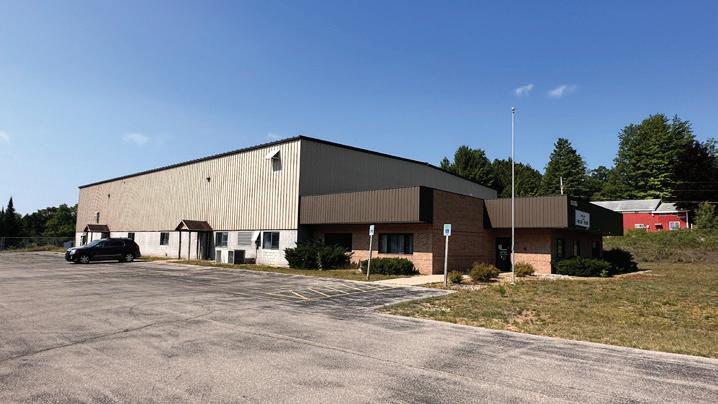
Bigger was born and raised in mid-Michigan and has family ties in Benzie County going back generations. After time in the U.S. Marines, he orchestrated the launch of the Bank of Santa Barbara in California, which was later sold to a private investment company.
Bigger’s journey to Traverse City began when an investment group asked if he’d be interested in starting a bank in Ohio, where significant tax breaks are available for startup banks. But he says “banks don’t make money for the first three years, so instead I called regulators in Lansing,” looking to a state that has seen the number of community banks shrink in the past decade. Bigger eventually targeted Traverse City, noting he had heard that on the heels of several bank mergers, people “don’t feel warm to their bankers or don’t even know their bankers anymore.”
He told The Ticker his first call was to Traverse Connect President Warren Call, hoping Call could introduce him to key community leaders as he launched a new locally-owned community bank.
“I had said that if the community would welcome it, I had an interest (in doing that) and would permanently reside here. So an organizing group put some money together and filed with regulators in June (2022).”
But within a month, things changed.
Grand Traverse State Bank To Be Traverse City’s Newest Bank

A former bank regulator called Bigger, saying a Michigan bank was soon coming up for sale. With that potential opportunity, along with rising interest rates and the recognition that, according to Bigger, “it takes a ton of money getting a bank started,” he pivoted.
“We did some long-range due diligence and discovered that First State Bank of Decatur has a strong balance sheet, it’s the oldest bank in Michigan, and has been profitable for decades with virtually zero non-performing assets,” he said. “So I said, ‘I really think we should buy it,’ and we voted and moved forward.”
In order to finalize the transaction, make First State Bank of Decatur a
Niergarth of DGN, and Kevin Bozung of SafetyNet. Eventually the bank will employ 15-20 individuals in the Traverse City area.
But with interest rates at their highest levels since 2001 and more banks and credit unions in Traverse City than ever before, is now a wise time for another bank in town?

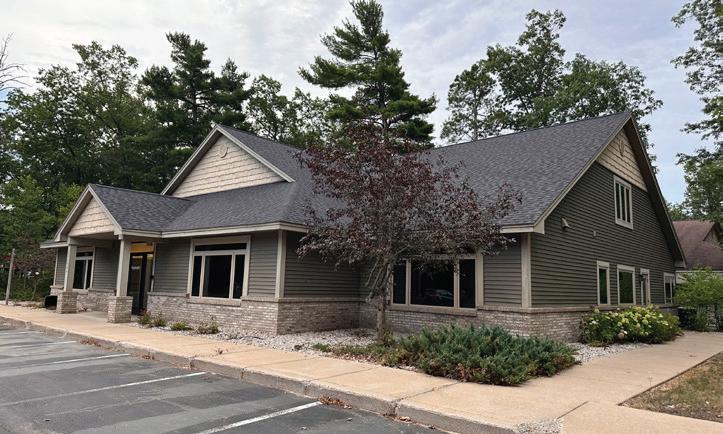
“You might think that. But it might actually be the greatest time, when (Decatur) has such a strong balance sheet and the bank hasn’t even been doing any SBA lending yet,” he countered.
Jim Perry, senior strategist at banking consulting firm Market Insights, tells The Ticker , “We are entering a phase in
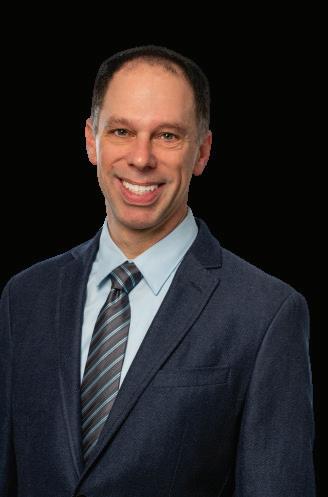
subsidiary of the new Grand Traverse State Bank and bring the institution to Traverse City, Bigger’s team must raise $14.5 million by early November. He says he’s making great progress and that “people are fascinated by the fact that I negotiated a really good value on this purchase [of Decatur]. And it gives us the ability to scale more quickly and improve the profit profile much earlier.”
So if all goes as planned, what will become Grand Traverse State Bank will open a loan office in Traverse City in the spring and a full-service bank branch and offices in late 2024. And Bigger’s not alone any longer: He’s already added Traverse City banking veteran Connie Deneweth as vice chair. Other board members include Mitchell Blue of Peterson McGregor Insurance, Bryan Taggart of Larkin Insurance, Dr. Nathan March of West Front Primary Care, Brad

retail banking where it will become increasingly difficult to justify the expense of both securing and operating brickand-mortar locations. Ongoing shifts in consumer digital behavior and increased competition from non-bank players makes deposit account acquisition and retention more challenging. It is easy to imagine that the Traverse City market area will experience consolidation in the near future.”
Traverse Connect’s Call says he’s “heard the ‘overbanked’ comments too. While we are lucky to have a number of outstanding financial services firms, the reality is that they are all profitable and busy. When you combine this demand with our observations that access to capital is regularly mentioned as one of the key concerns for regional businesses, I think it’s hard to argue that we are actually over-saturated with banks.”
34 OCTOBER 2023 TRAVERSE CITY BUSINESS NEWS
If all goes as planned, what will become Grand Traverse State Bank will open a loan office in Traverse City in the spring and a full-service bank branch and offices in late 2024.
155 GARLAND STREET #102 TRAVERSE CITY, MI 400 W FRONT STREET #206 TRAVERSE CITY, MI 1764 FOREST RIDGE DRIVE TRAVERSE CITY, MI 11455 US-31 INTERLOCHEN, MI 1,709 SF SUITE STREET RETAIL/OFFICE $3,418/MONTH NNN 2,515 SF OFFICE SUITE $3,990/MONTH + UTILITIES 5,300 SF OFFICE BUILDING $8,333/MONTH + UTILITIES 18,204 SF | 5.32 ACRES | 28’ CEILINGS INDUSTRIAL (WAREHOUSE & OFFICE) $1,500,000 WWW.REALESTATETC.COM DAN STIEBEL 231.633.0432 dan@realestatetc.com 522 E Front Street Traverse City, MI 49686 REALTOR®
Be Entrepreneurial
If you are on an entrepreneurial journey, let’s talk. We’ve been on ours for 22 years. “Be Entrepreneurial” is a core value at Nicolet Bank. Founded by entrepreneurs. Built by entrepreneurs. Supported by entrepreneurs. Come join us.

Michael Caruso
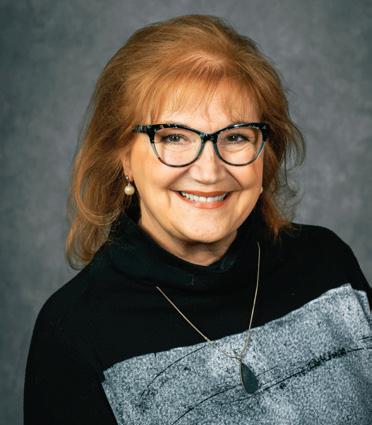
SVP Commercial Banking
231.941.6303
mcaruso@nicoletbank.com

John Galbraith
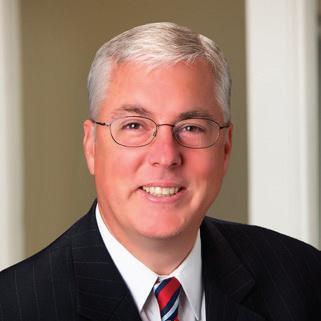
VP Commercial Banking
231.632.9331
jgalbraith@nicoletbank.com
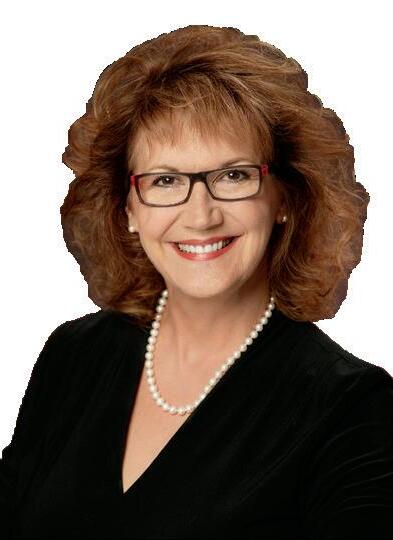
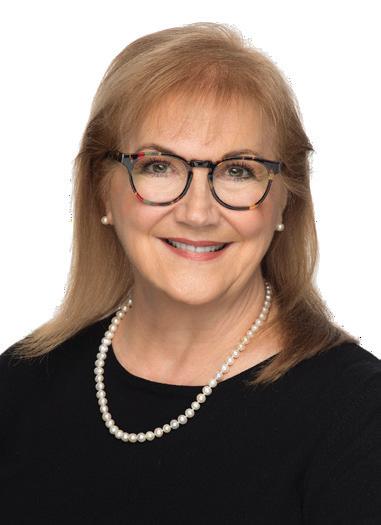
Jeremy Harnish
SVP Commercial Banking Manager
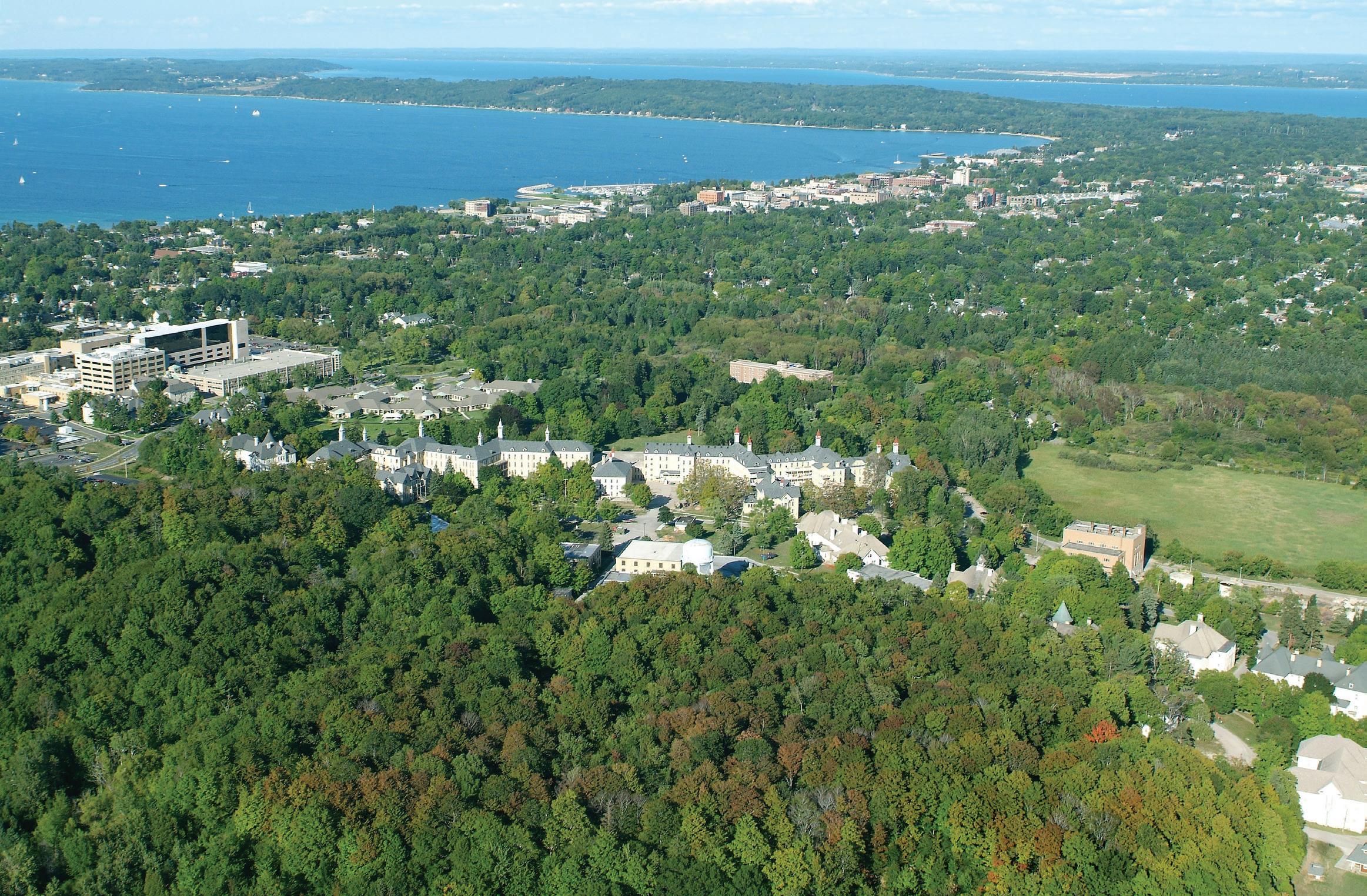
231.941.6306
jharnish@nicoletbank.com

Andrew Sabatine
SVP Commercial Banking

231.941.6301
asabatine@nicoletbank.com
NEWS OCTOBER 2023 35 Your Local Business Broker www.goldencircleadvisors.com info@goldencircleadvisors.com TRAVERSE CITY Curtis D. Kuttnauer (231) 922-9380 PLYMOUTH Fred Manuel (734) 320-6667 Are you a Baby Boomer business owner? Ready to move into retirement? We can help you sell your business at the highest price. Real People. Real Conversations. Traverse City NicoletBank.com 800.369.0226
FDIC
Member
“We design beautiful, functional places by solving architectural challenges with compassion, collaboration, and creativity. Old Mission Windows provides the quality products and professional service to help achieve our designs”
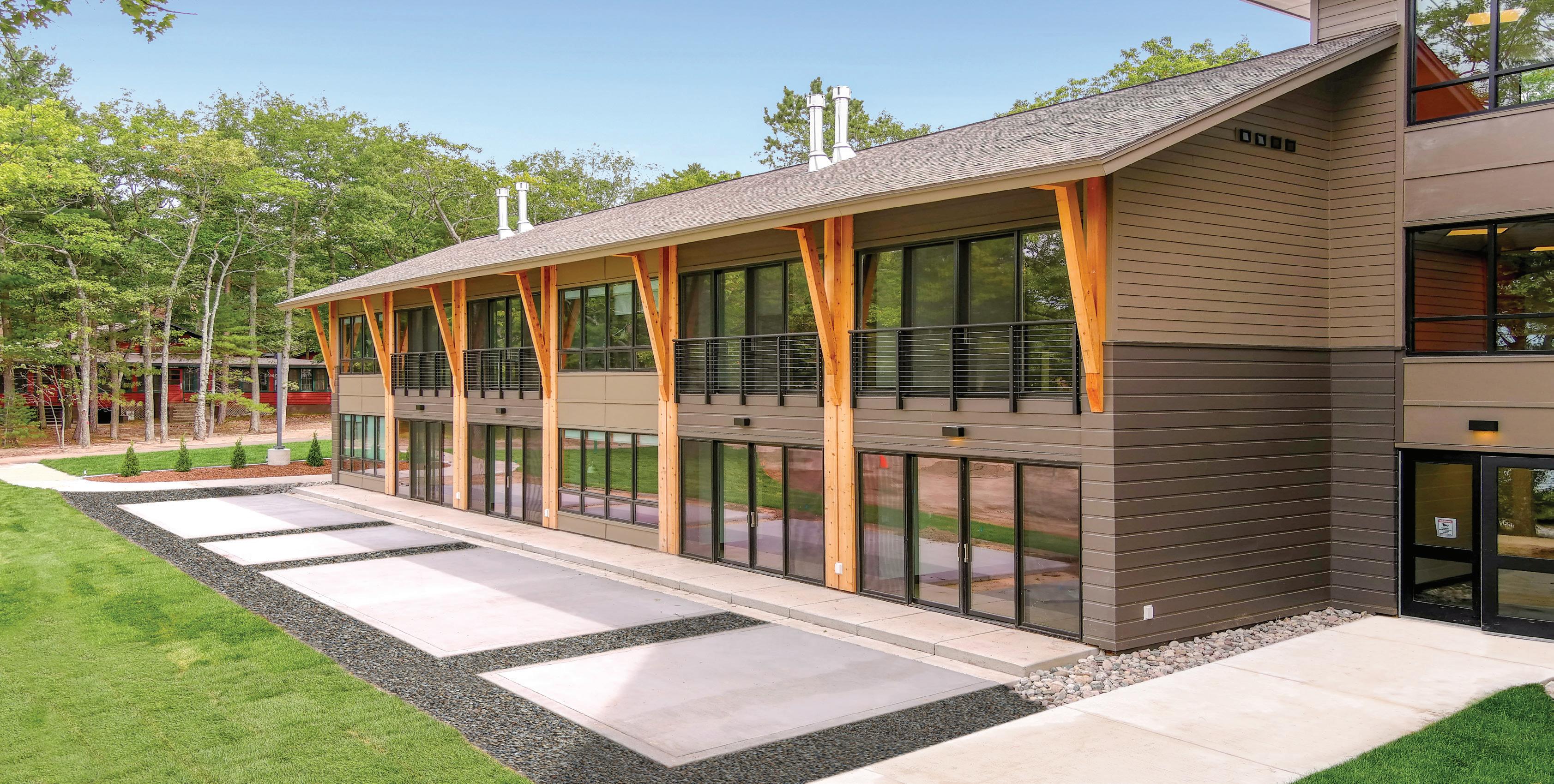
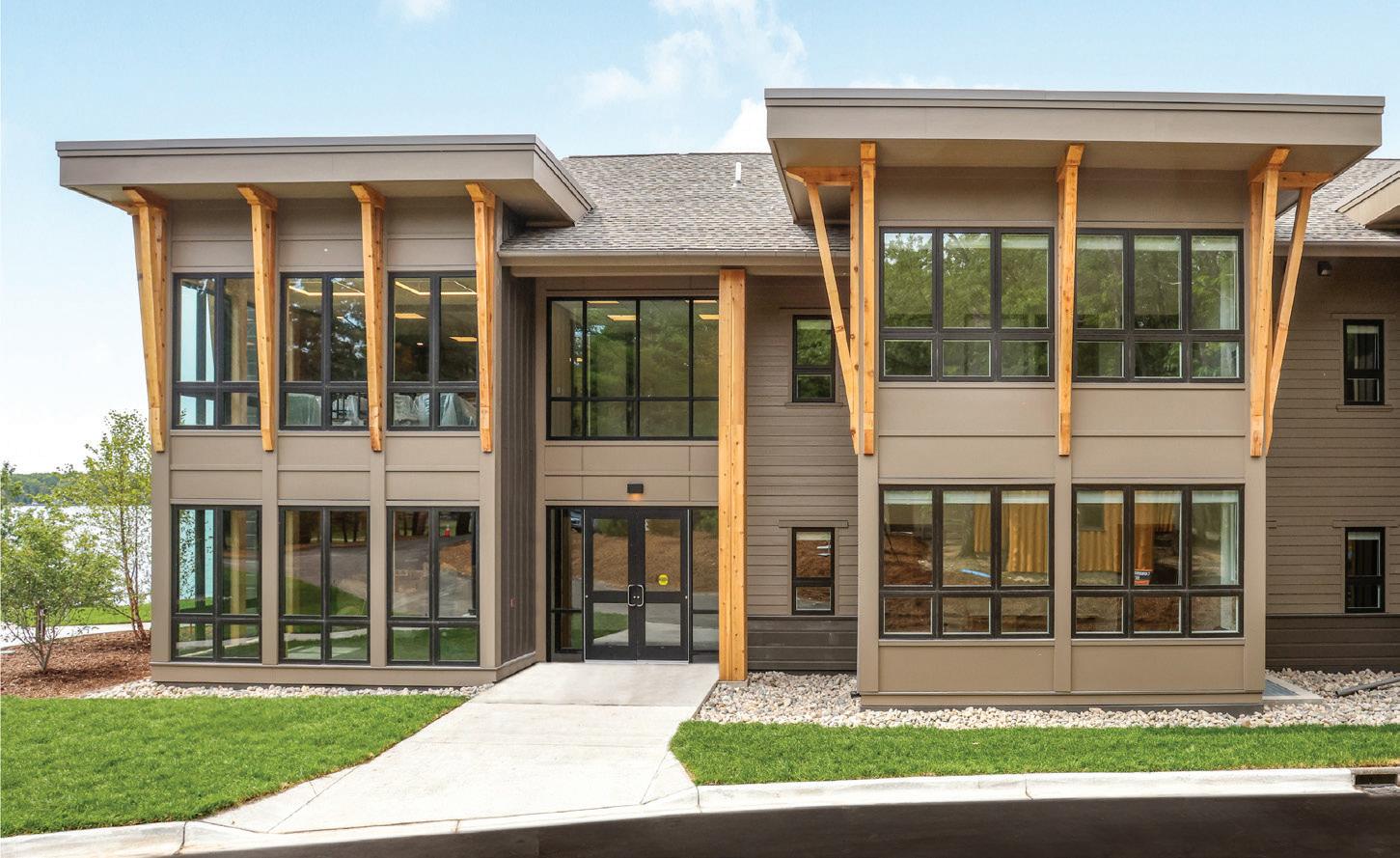
36 OCTOBER 2023 TRAVERSE CITY BUSINESS NEWS Kolbe Windows & Doors leads the industry with innovative products that push the boundaries and defy the limits of function, performance and style. Contact Old Mission Windows, northern Michigan’s premier window and door supplier since 1985, to schedule a personal design consultation today. www.oldmissionwindows.com 231.947.2120 395 Hughes Drive Traverse City, MI 49696
-John Dancer, Lead Architect












TRAVERSE CITY BUSINESS NEWS OCTOBER 2023 37 SCAN TO CALL raising the roof and moving mountains... springfieldroof.co | (231) 263-5300 | info@springfieldroof.co of equipment Springfield: northern Michigan’s preferred commercial roofing and transport company Your donations support food and housing programs for our Northern Michigan neighbors. Thank you! DONATE FOR GOOD Acme Alpena Cadillac Charlevoix Cheboygan Gaylord Petoskey Traverse City goodwillnmi.org/donate-things DRIVE-THRU DONATING ACROSS NORTHERN MICHIGAN GET A COUPON FOR 10% OFF EVERY TIME YOU DONATE
SMALL FORTUNE

Tiny State Savings Bank expands, competes against the big banks
 By Rick Haglund
For most of its 127-year history, Frankfort-based State Savings Bank limited itself to serving customers in tiny Benzie County, the state’s geographically smallest county with a population of 18,300 residents.

But about a decade ago the bank decided it needed to expand beyond the county’s borders to compete in an industry that was rapidly consolidating through bank mergers and acquisitions. Aiding that decision was its limited economic development prospects: more than a third of the county’s land mass is owned by the state and federal governments, including the Sleeping Bear Dunes National Lakeshore.
“We saw a niche we thought we could exploit,” said State Savings Bank Chief Executive Officer Blake Brooks, who has been with the bank since 1989.

38 OCTOBER 2023 TRAVERSE CITY BUSINESS NEWS BANKING & FINANCE
State Savings is building a three-story office at the corner of Garfield Avenue and Centre Street in TC.
Making switching banks less painful for 107 years.
The decision to grow the bank’s brand centered around highly personalized customer service.
In 2014, bank opened a loan production office on Front Street in downtown Traverse City. As its business accelerated there, State Savings received regulatory approval to open a full-service bank in 2018, next to its loan office.
State Savings’ foray into the competitive Traverse City market is paying off. While the bank’s deposit market share is tiny – it held just 1.8% of deposits in Grand Traverse County last year – that share has nearly tripled since 2019, State Savings’ first full year of operation in Traverse City.
Deposits in the county jumped from $15.9 million in June 2019 to $65 million in June 2022, according to the latest Federal Deposit Insurance Corp. data.
“We’ve had very good growth on deposits and loans,” said Dan Druskovich, State Savings’ regional president for Grand Traverse and Leelanau counties. “We’ve developed a lot of long-term relationships with customers and we have a very experienced staff.”
State Savings also is building a three-story, 17,575 square-foot office at the corner of Garfield Avenue and Centre Street that Brooks said might eventually become the bank’s legal headquarters. It comes as other competitors, including Honor Bank, West Shore Bank and 4Front Credit Union, also have built new offices in Traverse City in recent years.
The office, which will house as many as 60 employees and feature a drive-up ATM and two drive-through bank lanes, is expected to open next year. No decision has been made on the future of its Front Street offices, Druskovich said.

State Savings’ Traverse City strategy has been replicated in Suttons Bay and Gaylord, both of which had loan production offices that later become full-service branches. Meanwhile, the bank is spreading beyond the Grand Traverse region by opening loan offices in Big Rapids, Caro and Houghton Lake.
State Savings had a combined deposit market share of 6.72% in Benzie,
Grand Traverse, Leelanau and Otsego counties in 2022, the largest share of any Michigan-owned bank in those markets.
It trailed only Ohio-based Huntington Bank, Fifth Third Bank and Chase Bank in market share. State Savings had total assets of $350 million as of June 2023.
Brooks said State Savings targets areas where well-known local bankers are looking for new opportunities and hires these “key leaders” to start loan offices that could eventually grow into full-service branches. He calls it the bank’s “crawl, walk, run” strategy. Brooks doesn’t rule out further geographic expansions.
State Savings Bank was founded in 1896 and incorporated in 1901 under the name Benzie County State Bank. It changed its name to State Savings Bank in 1910. The bank and its sister bank, Central State Bank in Beulah, merged in 2018 under the State Savings name.
The two banks were long controlled by the Traverse City Calcutt family, which reportedly continues as the majority shareholder of State Savings. Harry “Scrub” Calcutt III is State Savings’ chairman. The bank also has an employee stock ownership plan but wouldn’t comment on how much stock the plan and Calcutt own.
State Savings’ leaders attribute the bank’s success to targeting customers frustrated with impersonal service from big banks that dominate the region, and its highly experienced staffers, many of whom came to State Savings from the former Northwestern Bank and other banks in the area.
“It’s hard to find a group of individuals with the experience and expertise we’ve amassed at State Savings Bank,” Druskovich said.
The bank markets to consumers who desire more personalized, local service. Bank employees wear pins exclaiming “Yes, I can!”
“Our products are competitively priced. We’re not the cheapest or most expensive,” Druskovich said. “The difference is how we deliver those services. We focus on the customer.”
The bank does not have a toll-free number; customers can call their local
branch directly. And the State Savings website does not have an impersonal digital assistant on its website. It also refunds a limited number of charges from other banks’ ATMs used by State Savings customers.
“We invest in our technology and do very well with that,” Druskovich said. “We want to be able to bank people from multiple generations. Some people want to walk into a branch, have a cup of coffee and be asked, ‘How are you doing today?’”
Druskovich started his career decades ago with National Bank of Detroit, now Chase Bank. He moved to Traverse City in 1992 and has worked at the former Empire Bank, Northwestern Bank and Traverse City State Bank, all of which were acquired by larger banks. He joined State Savings in 2015.
Calcutt was chairman of Northwestern Bank when it ran afoul of regulators more than a decade ago. The FDIC charged in 2012 that Calcutt and others at the bank mishandled more than $6 million in defaulted loans, putting the safety of the bank at risk.
It fined Calcutt $125,000 and banned him from banking. Calcutt, who never paid the fine and continued working in banking, sued the FDIC in federal court in 2013 to overturn the ruling. The case
made its way to the Supreme Court, which sent it back to the FDIC for reconsideration in May, saying the agency made several legal errors in its order against Calcutt.
The FDIC did not respond to an inquiry about the matter’s status. A State Savings spokesman insisted the Northwestern Bank case has no impact on State Savings, even though Calcutt is its chairman. Calcutt declined an interview request made through the spokesman.
TRAVERSE CITY BUSINESS NEWS OCTOBER 2023 39 BANKING & FINANCE
Switch today! myhonorbank.com/switch
Brooks
State Savings’ net income at the end of June 2023 was $1.97 million, up from $375,000 on the same date in 2020. Loans have grown from $203 million in the second quarter of 2020 to $259 million in this year’s second quarter.
Equity capital, a key measure of bank health, has jumped from $24.6 million in second quarter 2020 to $31.9 million in this year’s second quarter.
“We’re well-capitalized. Overall, we’re very pleased,” Brooks said.
Community banks overall have performed better in the post-COVID years than the big banks and have been more
buyers who don’t need a mortgage.
“What this really hurts is the young, entry-level buyer,” Nagy said. “The $165,000 house doesn’t exist anymore. The market is shutting out first-time buyers.”
In July, the average sale price of a home in the nine-county Aspire North Board of Realtors area was $575,769, up 23.2% from the same month a year ago. But the 1,383 homes sold so far this year through July in that area were down 13.7% from the same period last year. That territory includes Benzie, Grand Traverse, Leelanau and Kalkaska counties.
Nagy doesn’t see home mortgage
supportive of business lending in their communities, according to a new bank risk analysis by the FDIC.
But State Savings, like many others, has seen a slowdown in loan and deposit growth. Banks had been flooded with cash in the early days of the pandemic from federal stimulus payments that have since ended. Higher interest rates have slowed mortgage and commercial lending.
“Business owners are now taking a second look at things. ‘Do I really need to buy that building or add on to my existing facility?’” Druskovich said.
Residential lending has been similarly challenged as mortgage rates have climbed to near a 20-year high of 7% as the Federal Reserve boosted rates to tame inflation.
Mike Nagy, State Savings’ vice president of mortgage lending, says the region’s housing market has been constrained by the lack of inventory, as well as higher mortgage rates.
“Real estate is moving, but it’s a different market,” Nagy said. “When houses are listed, they sell very rapidly.”

Many of those homes are snatched up by high-income buyers, including an influx of new residents. Many are cash
interest rates falling to pre-COVID levels anytime soon.
“I don’t see a big drop coming. The Fed is not going to lower the rate climate immediately,” he said. “People are going to acclimate to it.”
Nagy, who retired as a vice president of Northwestern Bank in 2016 at age 70 as it was being acquired by Chemical Bank (now Huntington Bank), joined State Savings a year later. He said it was a rare opportunity to become engaged again in community banking.
“This was like 1983 all over again,” Nagy said about the start of his banking career. “You knew people in town. They were your people.”
Banking has radically changed since then with the dominance of large, super-regional banks, internet-based financial services companies and digital banking. Most banking services can be conducted through a home computer or smartphone.
But Nagy said he believe there is still room for a community bank that can offer the latest technologi=es and personal service from brick-and-mortar branches.
“My bank is in my pocket,” he said. “But we’re here when you need us.”
40 OCTOBER 2023 TRAVERSE CITY BUSINESS NEWS 4-PACK GIFT
Let’s Get Together and Cook! 141 E FRONT ST • TRAVERSE CITY 231-944-1145 PETOSKEY • ANN ARBOR • HOLLAND FUSTINIS.COM for all the foodies on your list Mix and match these classics for just about anything – marinades, sautés, dressings, and bread dipping. Stop by one of our locations or visit us online to order and ship with a gift message! SWEET ITALIAN GIFT SET
IDEAS
BANKING & FINANCE
Druskovich Nagy
“We’re well-capitalized. Overall, we’re very pleased.”
– Blake Brooks, CEO, State Savings Bank
Value-driven plans. More resources. Better business benefits.
At Blue Cross, we know you want the best for your employees. That’s why we’re ready to help with plans designed to fit any budget, and coverage you can use anywhere, thanks to one of the largest networks of doctors and hospitals in Michigan. From maternity and menopause to mental health and virtual care, we offer whole health coverage and solutions that you and your team can trust.
Attracting better talent starts with having better benefits, and we’re ready to help. bcbsm.com/employers

TRAVERSE CITY BUSINESS NEWS OCTOBER 2023 41 Blue Cross Blue Shield of Michigan and Blue Care Network are nonprofit corporations and independent licensees of the Blue Cross and Blue Shield Association.
BCBSM_MiBusiness_TraverseCity_BN_8-23-23_RESHIP_F1.indd 1 8/18/23 9:31 AM
FOR ORTHOPEDIC INJURIES THAT
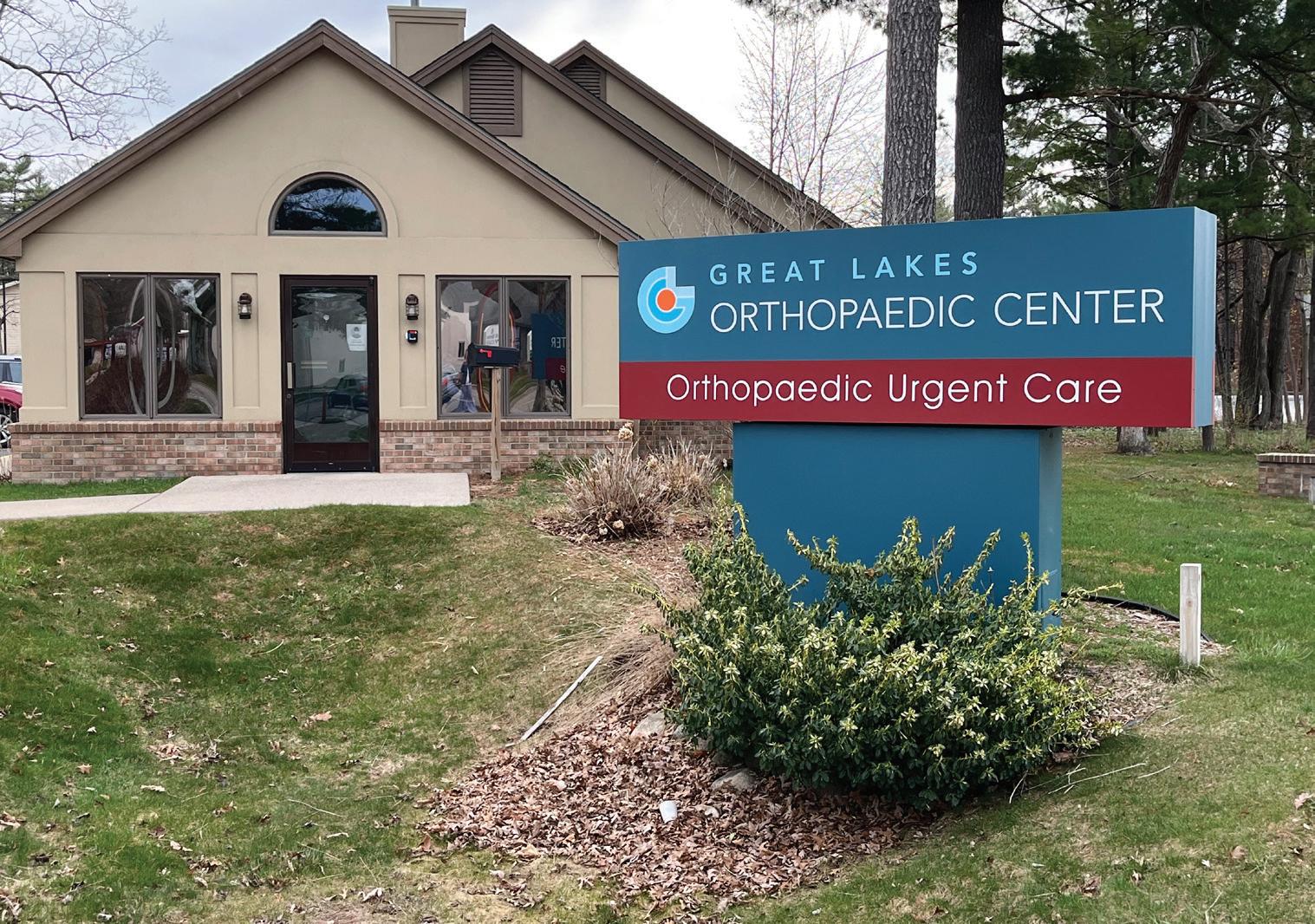
Are you looking for a payroll solution with faster ROI and a better experience for your employees? Mercantile Bank’s HCM is here.

Our Cloud-based technology combines time and attendance, payroll, HR and benefits into one world-class tool. And best of all, our locally based team will be there to assist you every step of the way – because Merc is here.
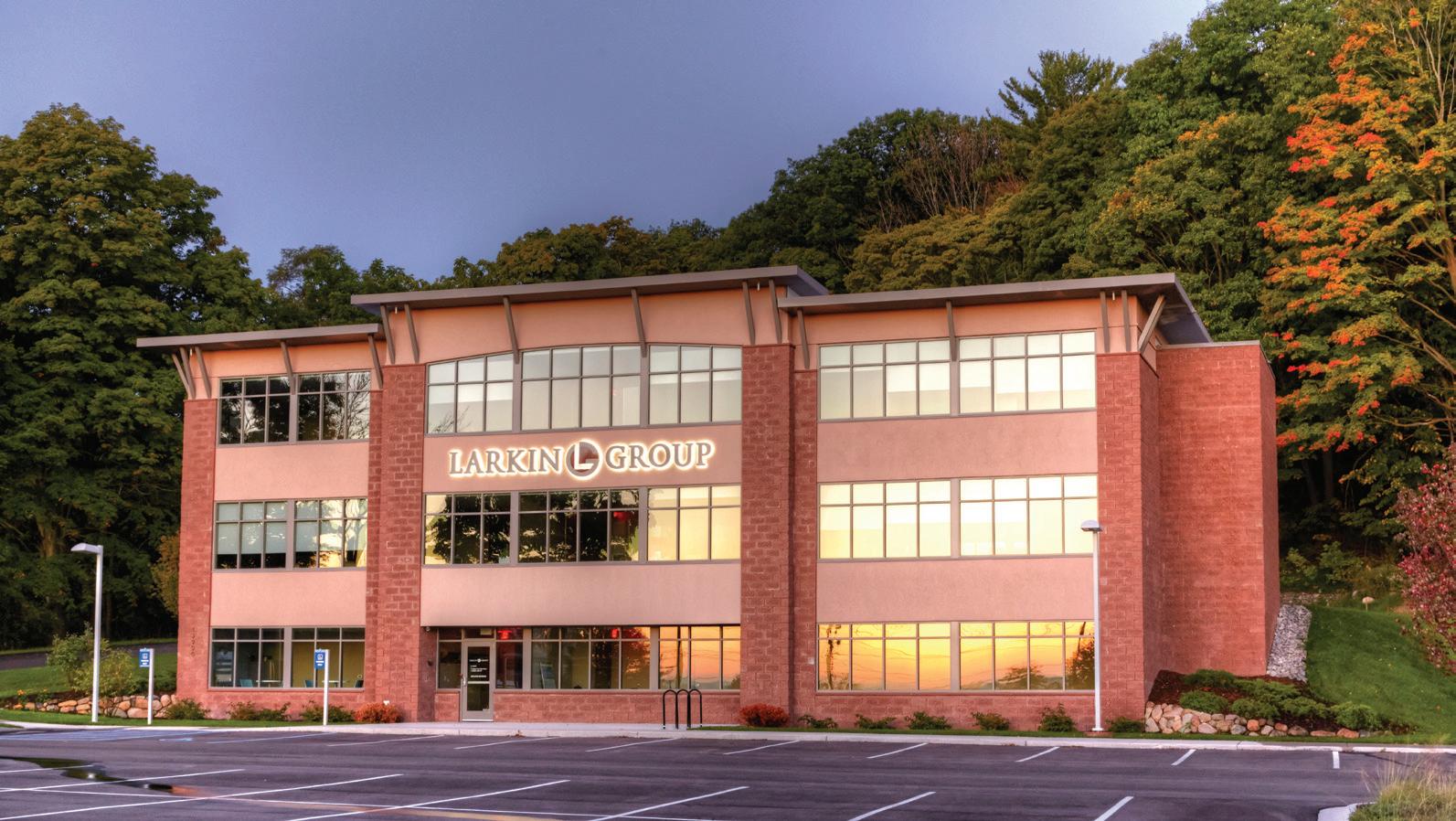
mercbank.com/payroll


42 OCTOBER 2023 TRAVERSE
Please call before coming in
When you need a payroll provider with cutting edge technology,
Charitable Giving Through Your IRA, Perhaps Beyond Your Expectations
 By Dennis Prout,
Does charity begin at home? Perhaps. Then you may wish to be even more charitable with the help of the IRS … legally of course. You may ask, “Do you know something I don’t, or are we just talking about a Qualified Charitable Deduction?”
In short, today’s tax laws allow you to give up to $100,000 per year, which can include your Required Minimum Distribution (RMD). This is a great strategy, especially for those who cannot itemize their returns. In essence, you can contribute never taxed dollars completely tax-free without declaring any income for yourself, letting you give the most efficient dollars in your taxable universe directly to charity. The best part is that, for those who must take an RMD anyway, starting
at age 70 ½, you can give any amount up to $100,000 each year to your favorite charity(ies) and leverage that money to help those in need as well as yourself. If, however, you’d rather be charitable upon your death, which of your assets (e.g., home, appreciated stocks, cottage, etc.) would be the most beneficial?
Well, the most tax-infested asset you have is your Traditional IRA, which will be taxable when drawn by you, your spouse or your children. Further, upon your death (if married), you could gift this IRA to charity if you named it as a contingent beneficiary; doing so would give your spouse, if applicable, complete freedom to give whatever amount they wish to this charity through what’s called a qualified disclaimer. The spouse could disclaim whatever portion of the IRA he or she wishes, and the charity would receive those funds immediately, 100 percent tax free. In essence, you deducted the amount contributed to the IRA, the sum grew tax-deferred, you never paid the tax on the portion given to charity, and you are giving in the most tax-efficient way possible. This strategy lets you avoid naming a charity(ies) in your will, trust or other vehicle unless, of course, there are other considerations beyond the scope of this article.
Another lesser-known strategy that I believe will get a lot of attention in the coming years is called “gifting to split interest entities.” If you are subject to RMDs and
over 70 ½, you can give up to $50,000 in a one-year period to a charitable gift annuity of your choice. While there are other charitable instruments available, the gift annuity appears to be the best choice currently. That simply means that for this gift directly from your IRA, the income from the annuity, which ranges in the area of 6%-7 ½%, will be paid to you for your lifetime, assuming the charity is viable for that time frame. The
tool allowing you and your spouse to gift outside of probate, avoiding all tax on the proceeds and helping the charity and yourself. As always, consult with your personal financial advisor or accountant before proceeding. As you can see, the way IRAs can be used for charitable purposes only continues to expand and can be a great way to increase your potential for gifting in ways you never dreamed possible.
amount transferred to the gift annuity up to $50,000 is deducted from the amount you are allowed to give in a single year to charity, currently $100,000. The amount you can give yearly will be adjusted for inflation starting in 2024.
In closing, some custodians will allow you to name a charity as either primary or contingent beneficiary. Generally, if you decide on this strategy, you should separate this IRA from your other IRAs for easier record keeping. This can be a very powerful
Dennis Prout, CFP®, CPWA®, has been in the financial retirement industry for more than 30 years. Securities offered through LPL Financial, Member FINRA/SIPC. Investment Advice offered through Capital Asset Advisory, LLC, dba CG Advisory Services, a registered investment advisor. Capital Asset Advisory Services, LLC., CG Advisory Services and Prout Financial Design are separate entities from LPL Financial. Intended for educational purposes only and not as investment advice.
TRAVERSE CITY BUSINESS NEWS OCTOBER 2023 43
Another lesser-known strategy that I believe will get a lot of attention in the coming years is called “gifting to split interest entities.”
columnist
THE LAND OF OPPORTUNITY
Hunt, fish, camp, or build on these rustic parcels
By Ross Boissoneau
Be brave. Take a big swing. Go big or go home.
Randy Mann has a better idea: Go big and go home. The owner and developer at Great Lakes Land Company sells estate-size parcels, perfect for those who want to build a home that provides them with some space and privacy, while remaining within hailing distance of the amenities and necessities of town.
Now, there’s nothing new about selling larger parcels, or about breaking up a piece of land into lots for homes. Mann’s approach is more far-reaching. He first purchases the large tracts of land, sometimes upwards of hundreds of acres. Then he works with engineers and other consultants to determine the best way to apportion the property, not into small lots, but into parcels of two, five, even 10 acres.
He also makes sure they boast prime building sites with access to utilities, privacy and lots of natural features. “I’m not the guy that takes down all the trees. I come from recreational land,” he says.
Yet it’s not like these tracts of lands are wilderness either. “Over time, people asked about utilities, paved roads. It morphed into something between a regular subdivision and recreational land.”
Mann was born and grew up in San Diego, a world away from northern Michigan. When an acquaintance offered him a chance to learn the real estate business, he joined up with Wildwood Land Company of Kalkaska. “He became a mentor. I’d been in radio and TV advertising and
entertainment,” Mann says.
Surprise! He found he enjoyed real estate, with its diversity of needs and clientele. After his mentor retired, he renamed the business the Great Lakes Land Company and expanded his target area to include Otsego, Antrim, Crawford, Wexford, and Grand Traverse counties.
Mann has gone back and forth between
San Diego and northern Michigan since discovering the region’s appeal. For example, as he says, during the Great Recession, nobody was buying homes or land. So he spent time back in his hometown and made a living selling cars.
As things improved, he returned to this area and looked at his endeavors with a fresh eye. That led to an epiphany. While
he had originally focused on recreational parcels suitable for hunting, fishing, and the like, he realized the potential of adding homesites to the equation. “I started again, worked with investors,” he says.
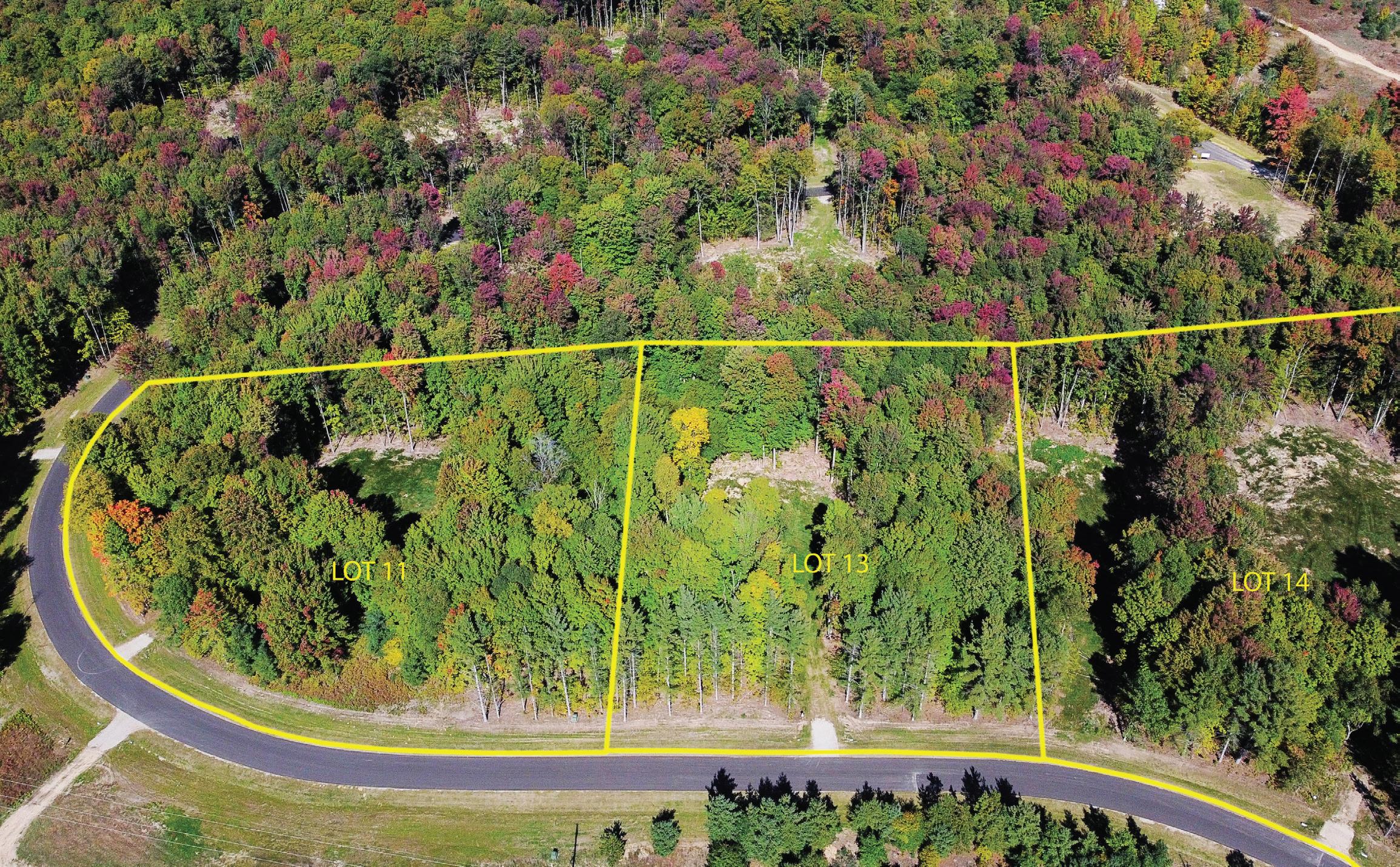
While Mann had no interest in building homes himself, he saw that including property improvements for buyers who wanted to someday build a home would
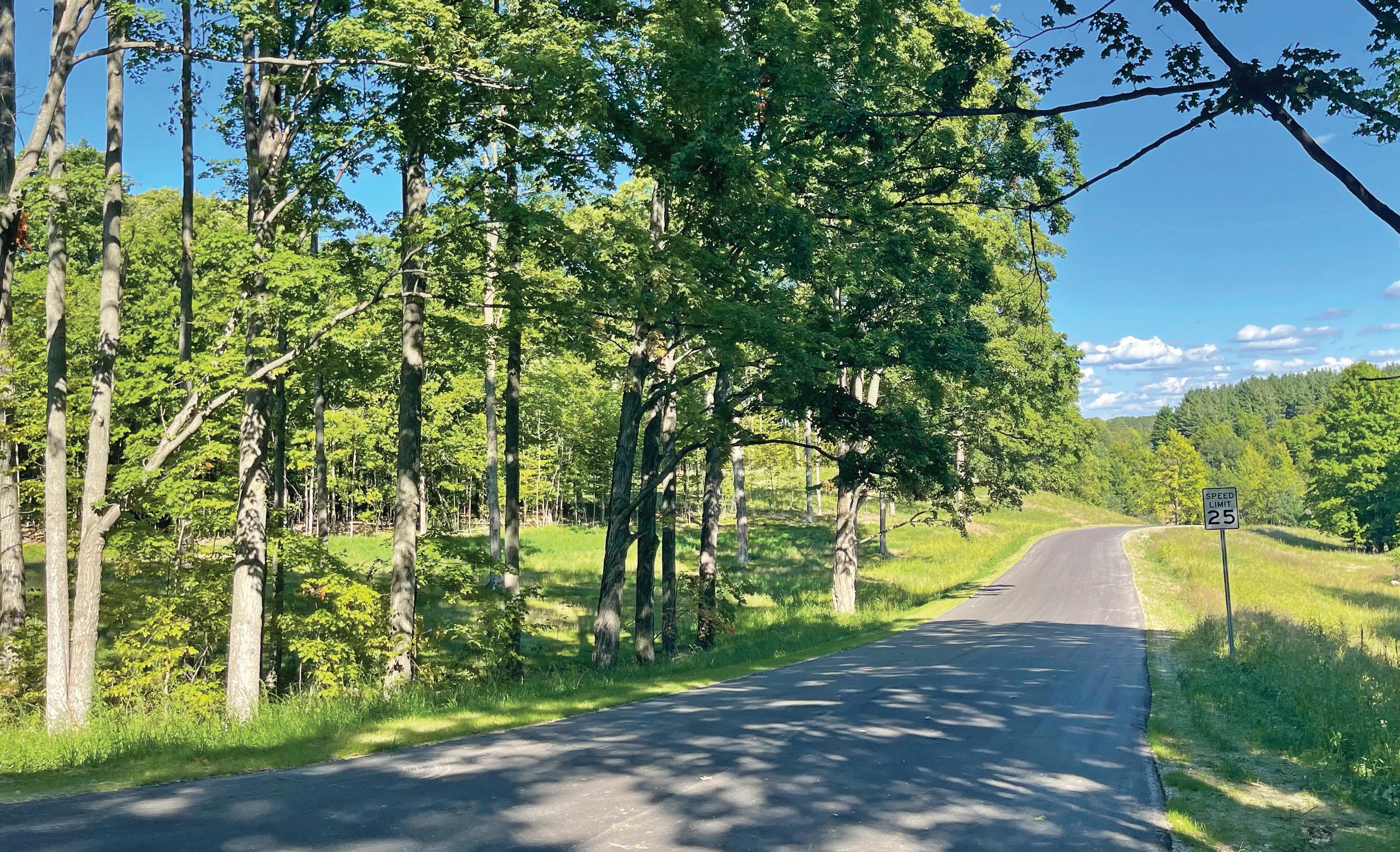
44 OCTOBER 2023 TRAVERSE CITY BUSINESS NEWS
Three lots on the Paradise Ranch parcel near Kingsley.



TRAVERSE CITY BUSINESS NEWS OCTOBER 2023 45 CUSTOM WINDOW TREATMENTS FREE Window Treatment Installation going on NOW! Shades • Blinds • Drapery • Shutters • Motorization FREE Window Treatment Installation going on NOW! Shades — Blinds — Drapery — Shutters — Motorization Check out our Google reviews to see for yourself! 883 US Highway 31 S Traverse City 231-943-PIGS (7447) www.americascarpetbarn.com “Thanks Americas Carpet Barn!”
improve the parcel’s sellability. “I found a niche in estate-size parcels,” Mann says.
That led to ensuring that buyers had access to amenities such as electricity, natural gas, and high speed internet. He also makes sure buyers aren’t pressured into building specific designs or sizes, nor is there a mandate to build immediately. “It’s a piece of property with infrastructure and minimal restrictions,” he says. If someone wants to camp on their property and enjoy the area for a couple years before deciding to build, he has no objection.
While the pandemic sent many people to the area to escape the crowded condi-
tions of locked-down urban areas, Mann says there are a significant number who want even more freedom. They’re the kind of buyers he’s looking for, wherever they’re from. “I’m selling to people from all over the country. Seattle, Ohio, Indiana, Maryland, Texas, Phoenix,” he says.
He credits improvements at Traverse City’s Cherry Capital Airport with helping pave the way, along with the accolades the region continues to receive as a Best Place to Retire or Most Beautiful Place in America.
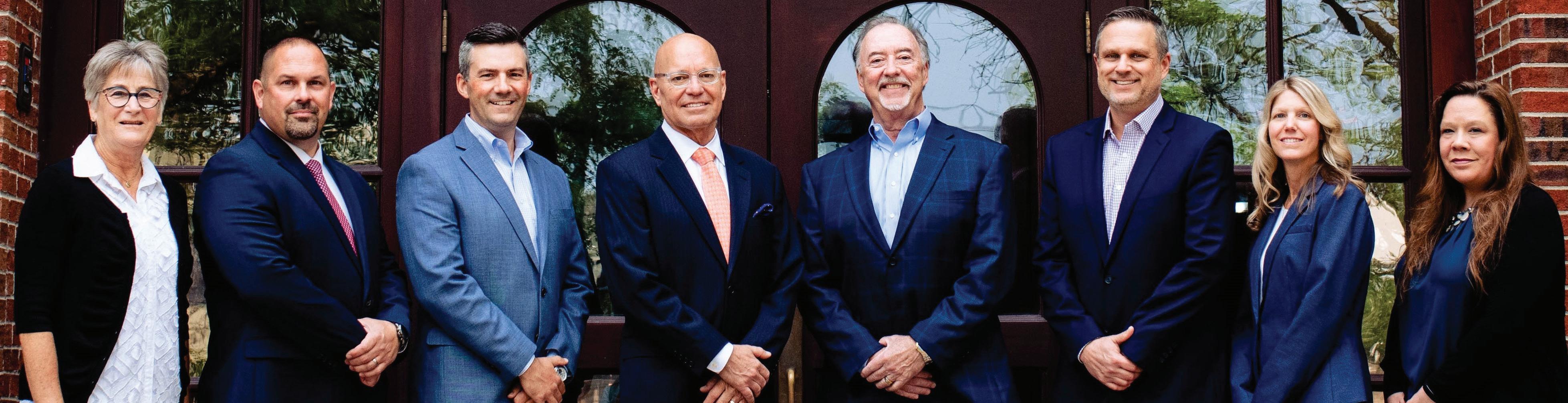
“The airlines have increased the volume and size of planes. The secret’s out,” says Mann. Must be. He’s sold out of all but five
of the 17 developments he has listed online. Take Paradise Ranch Estates as an example. A mile north of Kingsley and 15 minutes from Cherry Capital Airport and Costco (don’t forget about the importance of the airport), it offers two- to five-acre sites. As he says, that’s plenty of space to build, grow, or escape.
Plus there’s the added appeal of building on your own schedule. The property allows camping for up to 180 days per year. So, as he says, “Bring your RV or fifth wheel and soak up the summer vibes while building your dream home.”

He’s also bullish on Dockery Hills
near Kalkaska. Mann says the rolling hills, hardwoods, and easy access to nearby lakes provide great appeal to those who love the outdoors. At the same time, it’s just a short drive to Traverse City. “It took me 25 years to buy. It’s by thousands of acres of state land, [and] you look into the Pere Marquette National Forest,” he says.
Now 33 years into a career he never envisioned, Mann’s mantra might be best encapsulated by a phrase from his website: “Great Lakes Land Co. has been transforming raw land into premium, ready-tobuild property in Northern Michigan for adventurous homeowners since 1990.”
46 OCTOBER 2023 TRAVERSE CITY BUSINESS NEWS
The view from a Dockery Hills lot.
First
Deborah
Registered Client Service Associate
Cashier/Wire
Associate Vice President/ Investments
Administrative Assistant to
Stifel, Nicolaus & Company, Incorporated | Member SIPC & NYSE | www.stifel.com (231) 995-7000 202 E. State Street, Suite 300 | Traverse City, Michigan 49684 Call us for a complimentary consultation
New property owners enjoying the camper life at Dockery Hills. Buz E. Zamarrón
Vice President/Investments Branch Manager Robert J. Fenton Vice President/Investments Steven A. Yenshaw
Vice President/Investments
Alice
Kathryn Putney
Operator Jonathan B. Ricks, Jr.
Kevin Dunklow Financial Advisor Peggy Griffiths
the Branch Manager

TRAVERSE CITY BUSINESS NEWS OCTOBER 2023 47 Can efficient HVAC upgrades help your bottom line gain steam? Absolutely. Upgrades to HVAC hardware, boilers, heat recovery systems and building controls help optimize energy use in your workplace. You can cut energy waste and save on your annual energy costs while you contribute to a cleaner energy future for Michigan. Plus, get started for less with rebates that offset the incremental cost of efficiency projects up to 35%*. Schedule your free, no-obligation energy efficiency consultation today. Visit ConsumersEnergy.com/hvacsave or call 877-607-0737. Put Energy Savings into Action. * Savings will vary based on customer energy use and product specifications. Annual energy savings are estimated.
Building Peninsula Shores
The history of the Old Mission development, its successful sales record, and what lies ahead
By Al Parker and Jillian Manning
After almost a decade of planning and preparation, an exclusive enclave of luxury homes is becoming reality on Old Mission Peninsula…and the houses are selling fast.
Peninsula Shores is set on a pristine stretch of East Grand Traverse Bay, and the 41 home sites offer panoramas of the water from every home, according to Kyle O’Grady of O’Grady Development Company. The family business was launched some 30 years ago by veteran builder Kevin O’Grady senior and now includes sons Kyle and Kevin.
“Things are going well,” says O’Grady, who wears many hats at the company, including both developer and Realtor. “Thirteen homes have been sold. The property is just over 80 acres, with about 65 percent open space. No matter where your home is, you have a beautiful view.”
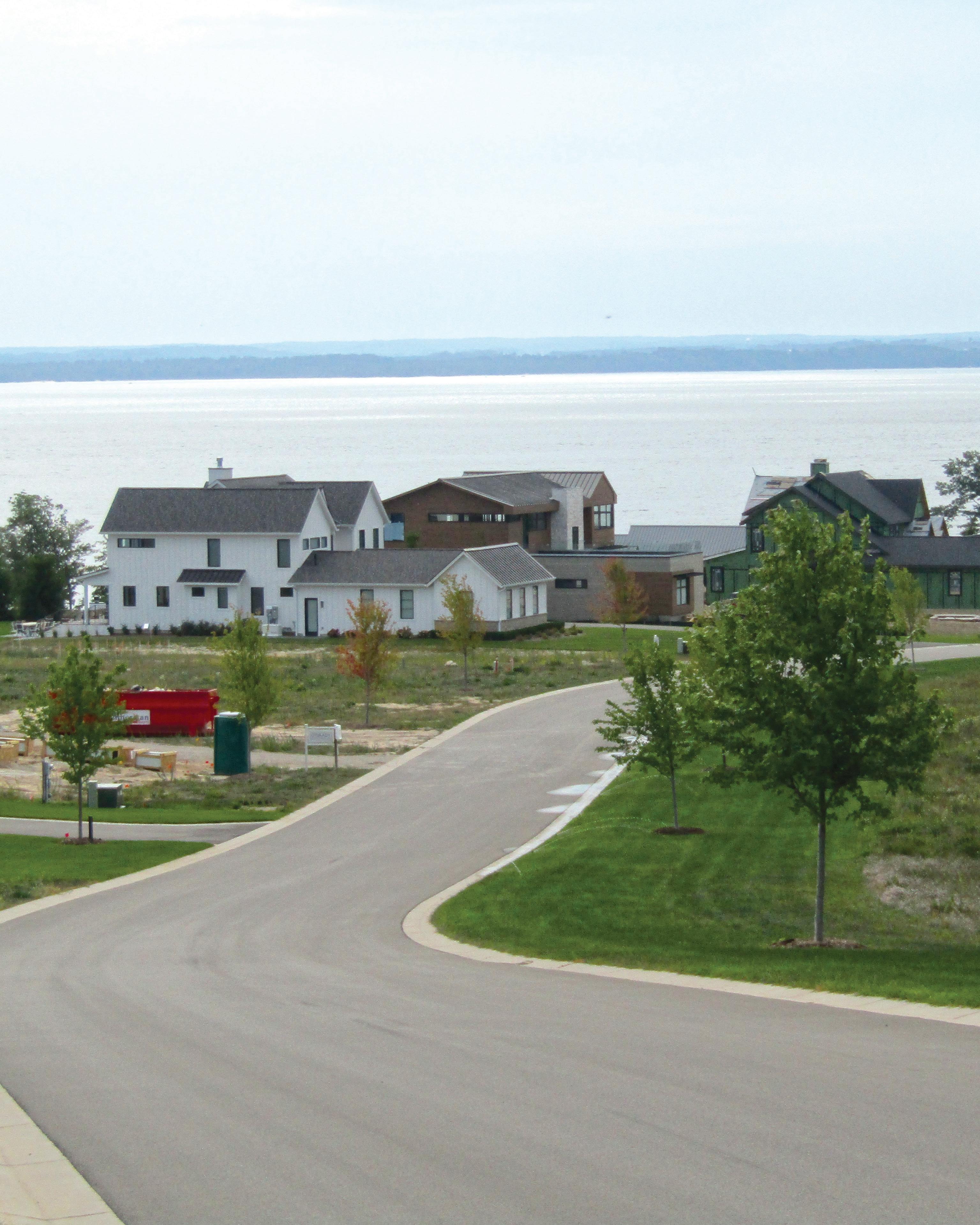
48 OCTOBER 2023 TRAVERSE CITY BUSINESS NEWS
A Rocky Start
The history of Peninsula Shores dates back to 2015 and is not without its ups and downs. Originally called 81 on East Bay, it’s located on the former Boursaw family farm about 12 miles from the base of the peninsula. The land was vacant woodland and not being actively farmed at the time the project was announced.


“The vision was clear from the begin -
ning,” O’Grady says. “It was simply to make a community with nice open space, great views, and a good atmosphere for residents.”
But some Old Mission residents were concerned about the project’s scale and its potential environmental impact, including erosion problems and loss of woodlands. Some also felt it just didn’t fit in the rural, laid-back atmosphere of the Old Mission community.

“Public meetings were so crowded, 200 to 300 people, that they had to move them from the township hall to St. Joseph’s church,” remembers Jim Komendera, whose home borders the north side of Peninsula Shores and who was so opposed to the project that he bought a full-page ad in the Traverse City Record-Eagle to voice his concerns. “One thing we were concerned about was the clear-cutting of all the trees; hundreds were taken out.”
A group of Old Mission residents got together to oppose the project, hiring an attorney who specializes in the protection of natural resources to put forth a lawsuit. For a few years, allegations and discussions continued, until the project was approved by a narrow vote of the township board in December 2017 and construction was allowed to move forward with conditions placed on the project regarding soil and erosion.
TRAVERSE CITY BUSINESS NEWS OCTOBER 2023 49
The O’Gradys challenged those conditions—claiming other developments weren’t subject to the same level of scrutiny—and also sued Peninsula Township for damages due to the project being held up for the better part of three years. The dispute was eventually settled in 2019, with the township paying out $81,000. Along the way, the development’s name was changed to Peninsula Shores and outward opposition diminished, though some residents say they are still not comfortable with the style and scope of the project.
O’Grady makes it clear he’s not interested in rehashing the controversy that stalled the project for several years but instead is firmly focused on what’s ahead at Peninsula Shores.

“We’ve got two more homes under contract, and … four more under construction,” he says. “We’ll have 18 done in three years.”
A Spec Strategy
Even once Peninsula Shores got the green light from the township and the lawsuits were behind them, there was another bump in the road.
“When COVID first hit, we were just about to build our first house,” recalls O’Grady. “The governor shut everything down, and we did a lot of head scratching. In May of 2020 things opened up, and we got back to it, dug our first basement, and have never looked back.”
The first house—the original model
home—was completed in spring 2021, six years after the project was first announced. The model home was used throughout the season as proof of concept of the new neighborhood and sold at the end of the summer
Each of the 41 homes will be distinctive, though the subdivision will have a cohesive overall look. But while every home has its own special touches, those touches almost always come from the developer rather than the future owners.
“We’re unique as a company,” explains O’Grady, “We construct spec houses. We pick out everything: the colors, the fixtures, all nine yards in the house.”
In a world where everything is customizable, is that strategy a deterrent to buyers who want control over the finished product? O’Grady says it’s the opposite—that their method provides a service people didn’t even know they wanted.
“[Homebuyers] don’t have to spend their time picking lighting fixtures, picking plumbing fixtures, picking paint colors,” O’Grady tells us. “Initially it’s ‘What do you mean I can’t customize my house?’ [and turns] into ‘Oh my gosh, you guys obviously have done this before. This is actually exactly what we’re looking for.’”
A Look Inside
One recently-sold home on Waters Edge Drive is a 3,458-square-foot, four-bedroom, ranch-style home featuring threeand-a-half bathrooms and a finished lower level walkout that looks out over the bay.
There’s plenty of room to park three cars, plus storage, in the attached garage. And as with every other home in Peninsula Shores, you get your own personal boat slip in the community’s private marina. It was priced at $2.35 million.
If you need a little more room, there’s a two-story, four-bedroom, four-and-a-half bath abode that comes in at 3,697 square feet. Along with its three-plus car garage, this model comes with 100 feet of direct access to East Bay, so water fun is only a few feet away at any time of the day or night. That bayside home carries a $4 million price tag.
O’Grady says each Peninsula Shores home has been designed to make the most of its unique location, with floor-to-ceiling windows, private balconies, and spacious decks. The gourmet kitchens feature topof-the-line appliances, and the primary suites come with spa-like bathrooms, designer touches, and roomy walk-in closets. Spacious garages are heated with epoxied floors and floor drains.
Outside is quality landscaping with hardscape spaces and irrigation, plus a Generac generator powerful enough to serve the entire home in an emergency.
A Growing Demand
The attention to detail and high-end finishes seem to be paying off when it comes to sales. O’Grady describes the turnaround from when a house hits the market to when it is sold as “quick.”
“Fortunately, we don’t have any linger-
ing inventory,” he says.
The houses are usually put on the market once the drywall is up, but they’ve been sold at all different stages of the building process. No matter when they are available for a Zillow search, one thing remains constant: The homes are selling at or near their list prices.
“Prices range from $2.2 million to $4 million, depending on size and location of the lot,” explains O’Grady. “They’re all about half-acre lots.”
Each homeowner is also responsible for $3,000 annual dues and an additional $500 a year for homes that are linked to the community septic system. Dues cover common area landscaping and upkeep, seasonal dock installation and removal, snow plowing, and more.
So who is moving into the new neighborhood? We asked O’Grady who he sees as the target market for Peninsula Shores and who has purchased a home so far.
“We’ve had a great combination of people locally, of people that have never been to Traverse City before, of people that have grown up in Traverse City and moved elsewhere and want to come back,” he says. “Our youngest homeowners are in their 20s. Our oldest homeowners are probably in their mid-60s.”
What ties all those different groups together, beyond the means to buy into the community? “At the end of the day everybody wants to enjoy a view and a boat on the water,” O’Grady says. “And that just happens to be what we’re able to provide at that subdivision.”
50 OCTOBER 2023 TRAVERSE CITY BUSINESS NEWS
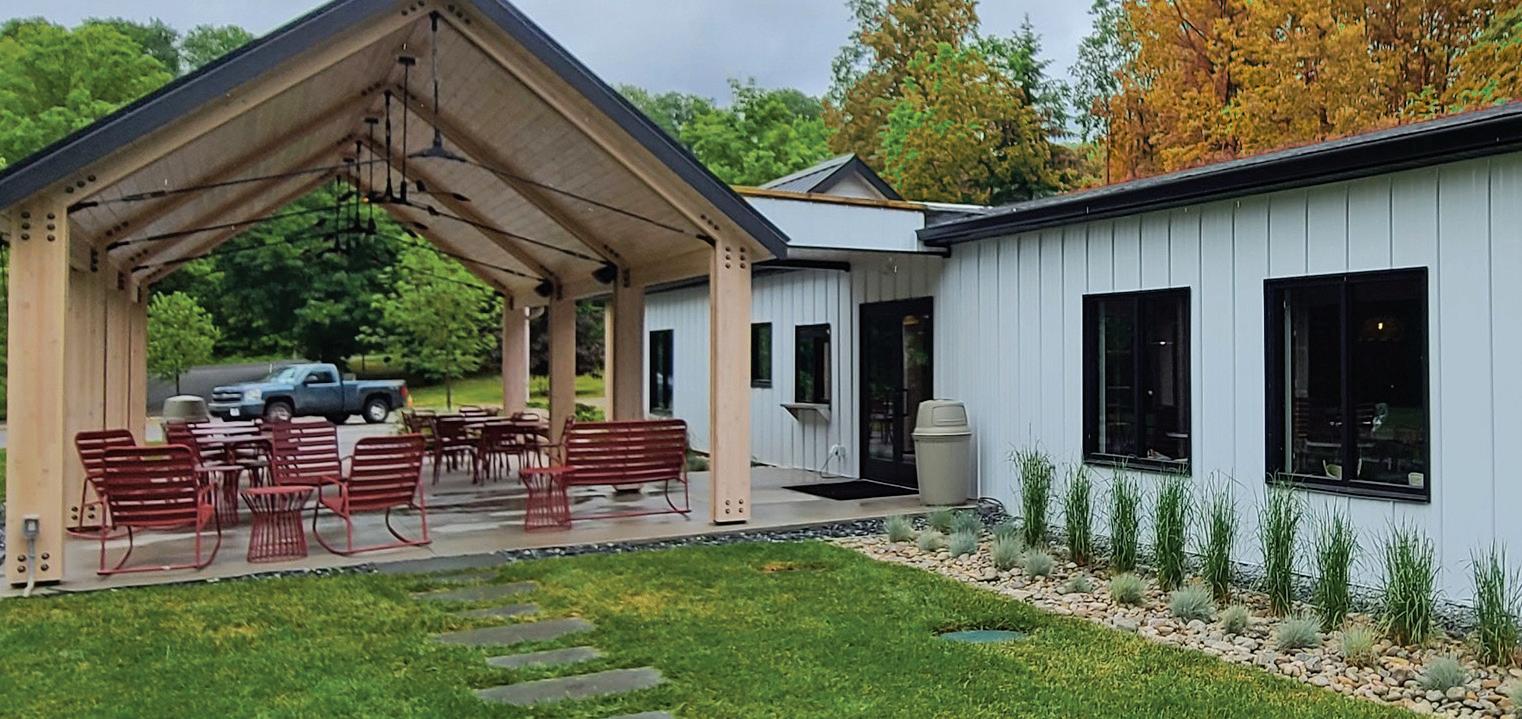





TRAVERSE CITY BUSINESS NEWS OCTOBER 2023 51 Appetizers provided by Mission Proper. Wine and craft cocktails provided by Old Mission Distilling. $10 entry ENTER TO WIN: $300 in gift cards to Tinker Studio, Old Mission Distilling and Mission Proper Recess is brought to you by COME ENJOY THE FALL COLORS ON WEDNESDAY OCT 4 - 5-7PM SEVEN HILLS ON OLD MISSION PENINSULA 13795 Seven Hills Road R ECESS ! HAPPYHOUR

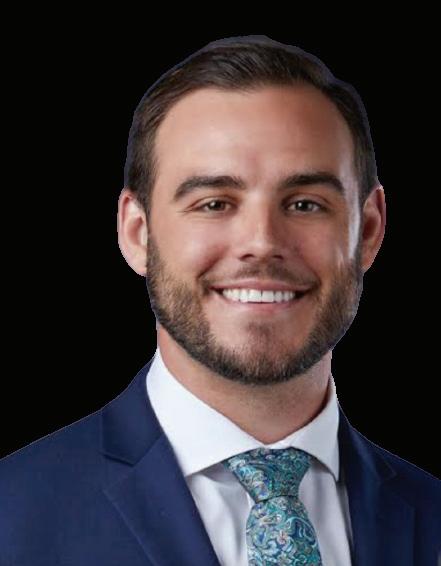





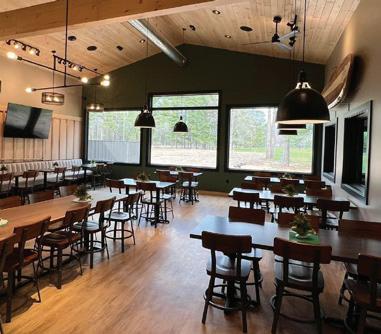








52 OCTOBER 2023 TRAVERSE CITY BUSINESS NEWS (231) 668-6999 Call Today NICK BALDWIN Financial Advisor Securities offered through Registered Representatives of Cambridge Investment Research, Inc., a Broker/Dealer, memberFINRA / SIPC. Advisory services offered through Cambridge Investment Research Advisors, Inc., a Registered Investment Advisor. Cambridge and Stonepath Wealth Management are not affiliated. EAT LOCAL DRINK LOCAL SHOP LOCAL PLAN LOCAL 10/01/23 update GROUP & COMPANY RATES JACK & JILL GOLF SCRAMBLES BIKE CART & GOLF CART RENTALS DAILY DRINK & FOOD SPECIALS WATCH SPORTS ON OUR BIG SCREENS • NEW FALL RATES • BRAND NEW CLUBHOUSE • RESTAURANT • PRO SHOP TWINBIRCHGOLF.COM • KALKASKA, MI Call Connie at 888-816-4040 connie@AllianceforSeniorHousing.com www.AllianceforSeniorHousing.com A Free Service One call for all your independent senior living information. Costs • Photos • Sq. Footage Confidential Consultations In-home or Zoom Connie Hintsala, Senior Housing Expert at Alliance for Senior Housing Knowledge + Experience + Guidance = Assurance Feeling free & Connecting Again
THE MARKET
6 steps toward your retirement goals
1. Have a plan
The better you can define precisely what your goals are and whic ant, the better your plan should be.
An asset allocation — how your investments are spread out acros (stocks, bonds, cash alternatives, etc.) — should be at the hea appropriate for you will vary depending on a variety of factors your investments to help you achieve (objectives), how comforta (risk tolerance), and how long it will be before you plan to retire (time horizon).
2. Use tax-advantaged accounts
Even if you don’t have a retirement plan as such, chances are y er-sponsored qualified retirement plans (QRPs), such as 401(k) o or Roth IRA.
These tax-advantaged accounts can be great ways to work toward your retirement goals because paying taxes each year on any growth, as you would with taxable accounts, can dramatically reduce the amount you end up with.
If you participate in a QRP and your employer offers a matching contribution, try to contribute at least as much as the match. If your employer doesn’t offer a QRP or you’re self-employed, look into opening an IRA.

3. Try to stay in the market
When the market takes a big hit, you may be tempted to sell your stocks with the intention of getting back in when the things turn around. This practice, known as market timing, may sound good, the market can be extremely unpredictable, making success with this strategy very difficult. If you get out when the market’s down, you could miss out on significant gains if it suddenly turns around before you get back in. And that can prove costly.
4. Clean up your accounts

Over the years, you may have accumulated a number of IRAs and QRP accounts with your current and past employers. Along with that, you may own taxable investments in different full-service and online accounts. Having a portfolio like this may make it more difficult for you to reach your retirement goals. Take time to figure out how many accounts you actually have, and consider the potential benefits of consolidating them.
5. Prepare for emergencies
Events like a sudden job loss or unanticipated home repair can quickly derail your retirement plans. To help protect you and your family, consider keeping an emergency fund with enough money in a savings to cover three to six months of living expenses.
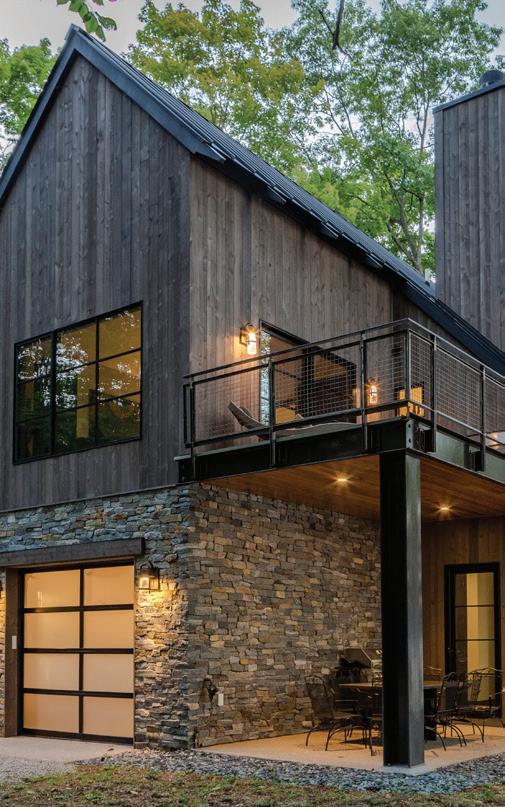
6. Consider an advisory account


If you’re not comfortable with or interested in managing your retirement savings, consider using an advisory account.
These accounts are run by professional money managers who choose the investments, make buy and sell decisions, and periodically readjust the holdings in the account to maintain your chosen asset allocation. Instead of paying commissions for trades in an advisory account, you are charged an annual management fee based on the value of the assets in your account.



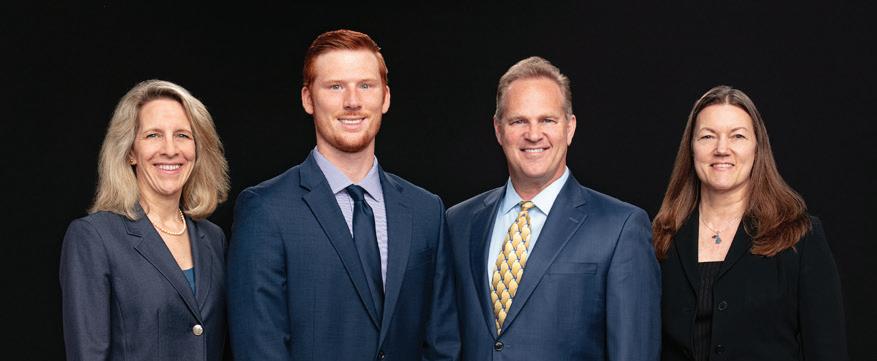
10850 East Traverse Highway Suite 5575 Traverse City, MI (231) 922-4213


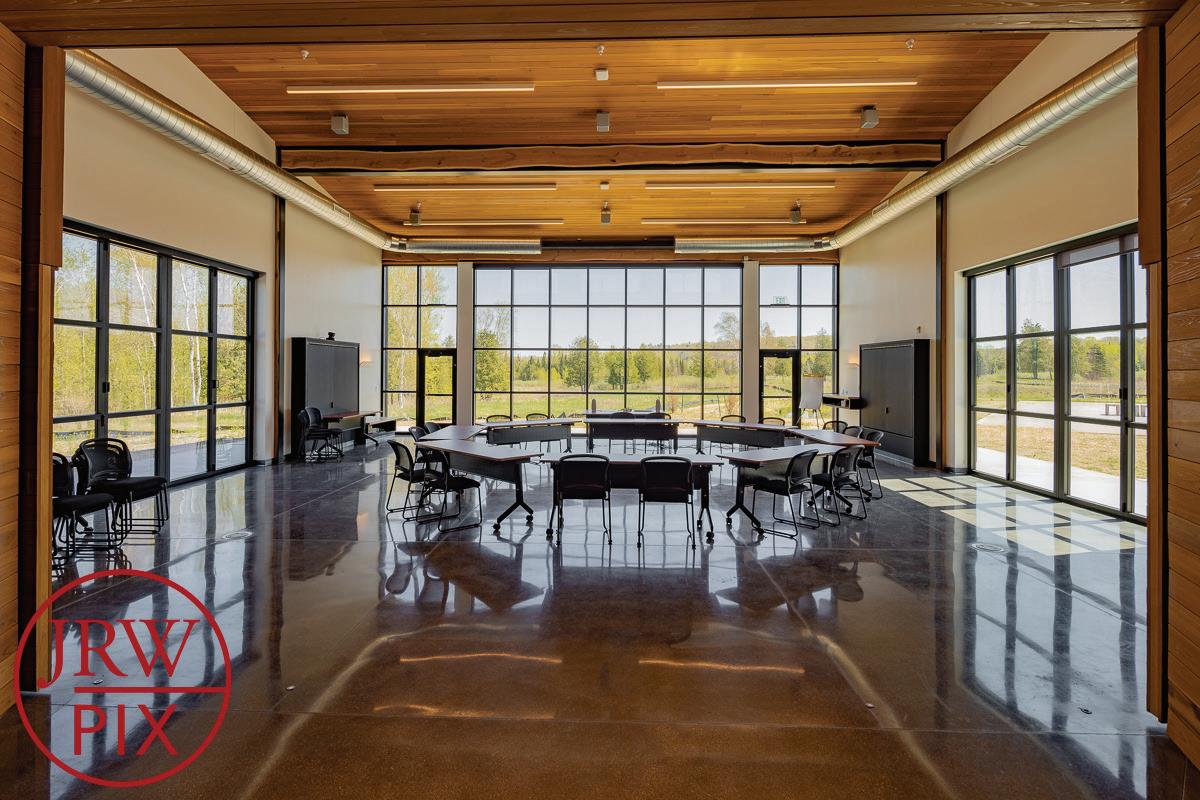


www.JBWMG.com

Investing involves risk, including the possible loss of principal. Asset allocation cannot eliminate the risk of fluctuating prices and uncertain returns. Advisory programs are not designed for excessively traded or inactive accounts and are not appropriate for all investors. Stocks offer long-term growth potential but may fluctuate more and provide less current income than other investments. An investment in the stock market should be made with an understanding of the risks associated with common stocks, including market fluctuations. Our firm does not offer tax or legal advice. This advertisement was written by Wells Fargo Advisors and provided to you by Julian | Black Wealth Management Group

TRAVERSE CITY BUSINESS NEWS OCTOBER 2023 53
INVESTMENT
PROS
INSIGHT FROM THE LOCAL
Investment
Insurance Products
• Not Insured by the FDIC or Any Federal Government Agency • Not a Deposit or Other Obligation of, or Guaranteed by, the Bank or Any Bank Affiliate • Subject to Investment Risks, Including Possible Loss of the Principal Amount Invested Wells Fargo Advisors is a trade name used by Wells Fargo Clearing Services, LLC, Member SIPC, a
broker-dealer and non-bank affiliate of Wells Fargo & Company. ©2017-2023 Wells Fargo Clearing Services, LLC. All rights reserved. CAR: 0723-00239
and
are:
registered
JULIAN | BLACK
Thursday, October 12 1 p.m. - 5 P.M. The Delamar 615 E Front Street Traverse City, MI SNetCON 2023 Registernow! LAST CHANCE! presents Register today: www.safetynet-inc.com/snetcon Protecting your data, and your clients’ Actual cyberattacks on businesses like yours The Dark Web - is your information compromised? Panel with Q&A Topics include: A CYBERSECURITY SYMPOSIUM FOR BUSINESS LEADERS MORE impact on people, LESS impact on the environment. env-arch.com 231.946.1234 10241 E. Cherry Bend Rd. Traverse City > We design the circumstances, objects and conditions that surround you. © Environment Achitects < live. > < work. > < play. > servprograndtraversearea.com
Wealth Management Group of Wells Fargo Advisors
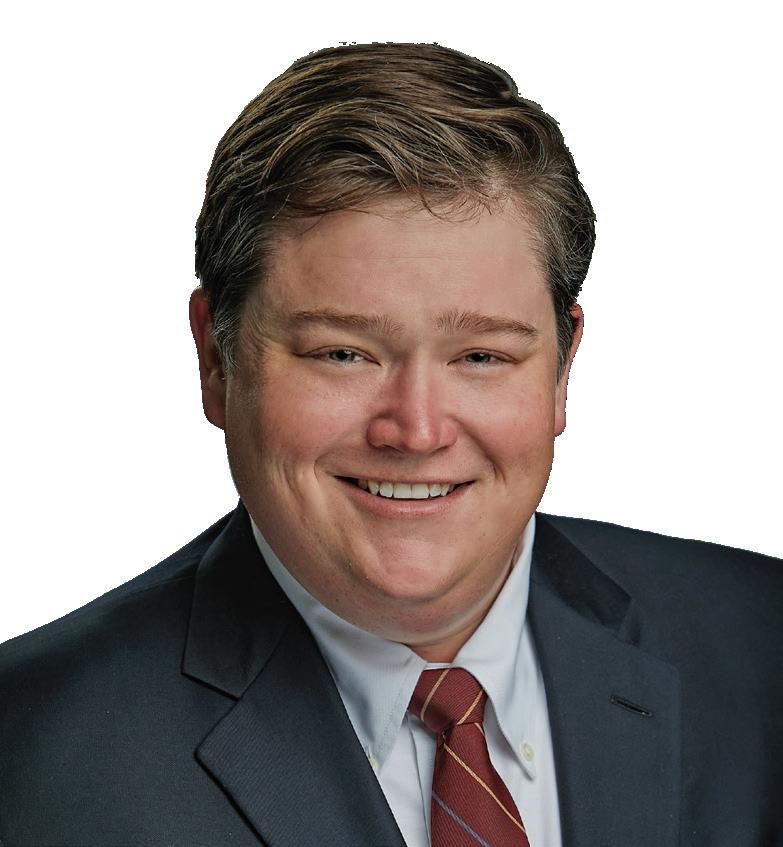


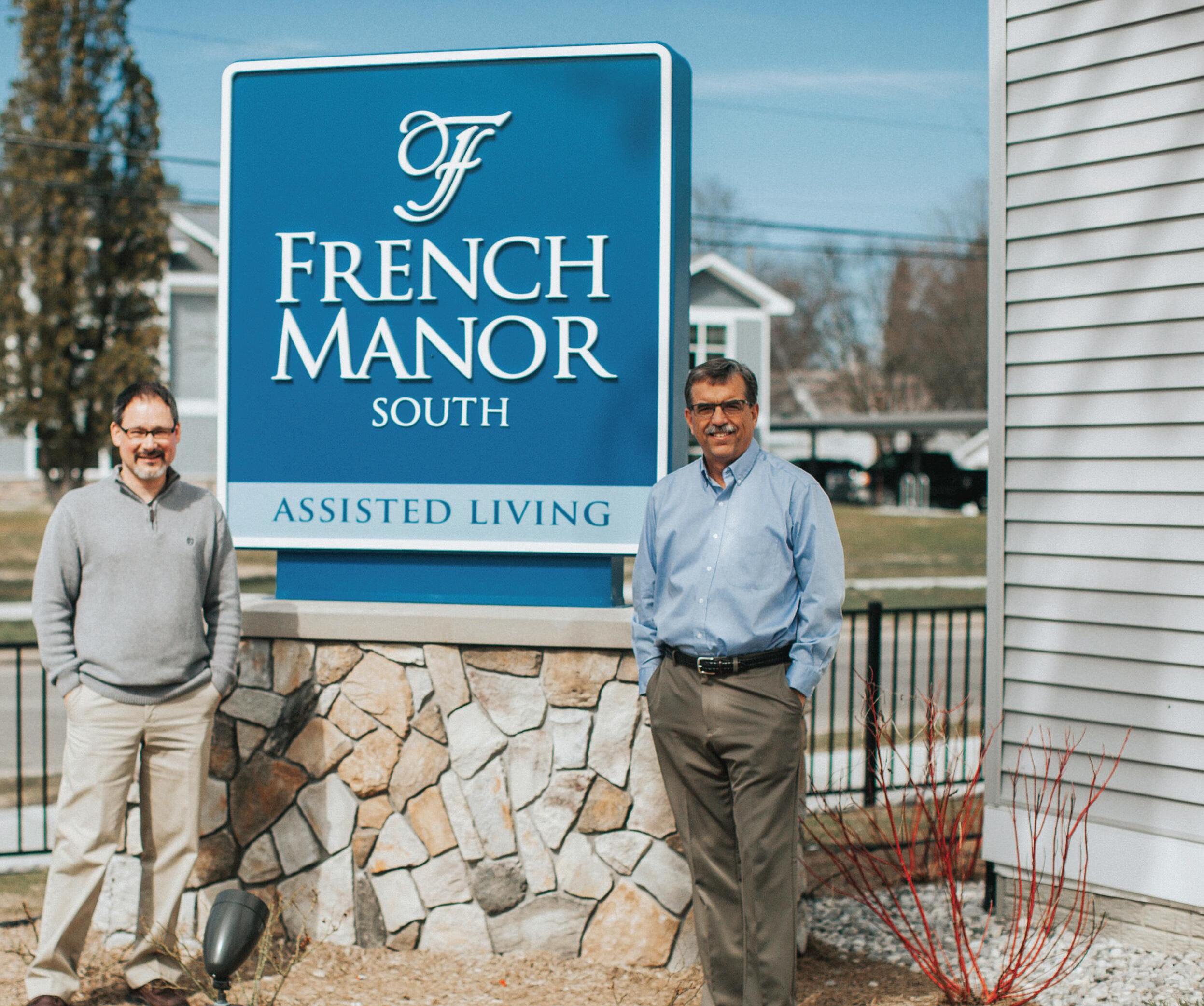

54 OCTOBER 2023 TRAVERSE CITY BUSINESS NEWS Experience Makes The Difference FIND DETAILED LISTING INFORMATION AT www.AnnPorterTC.com 914 E Front Street #2, Traverse City 2 bedrooms, 2 bathrooms Short-term rentable! Next to TART Trail Close to Bryant Park Beach Easy access to everything in downtown TC Main floor unit Rooftop deck with West Bay view! MLS 1915572 | $440,000 VISION Develop a new assisted living facility with formidable standards: homey, high-quality and affordable I wouldn’t work with anyone else. Burdco was a true partner–with us, the subcontractors and everyone involved. Mike and his crew take ownership every step of the construction process. There were no headaches–and they were always reachable and always accountable. BUILDING TRAVERSE CITY • GAYLORD • PETOSKEY BURDCO.COM • 231.941.9074 ” –Rusty Ackerman Owner/Manager, French Manor Assisted Living RELATIONSHIPS “ FRENCH MANOR SOUTH Rusty Ackerman French Manor Mike Brown Owner, Burdco DESIGN/BUILD MEDICAL OFFICES COMMERCIAL ASSISTED LIVING INDUSTRIAL
FROM THE SPARK OF AN IDEA TO FULLY CHARGED. ALL IN ONE STATE.





MICHIGAN

PURE OPPORTUNITY ®




Ready to change mobility? Michigan provides the complete ecosystem with talent support that high-tech startups need to move from ideation to manufacturing. Connect with MEDC for everything your business needs to succeed and seize your opportunity at MICHIGANBUSINESS.ORG
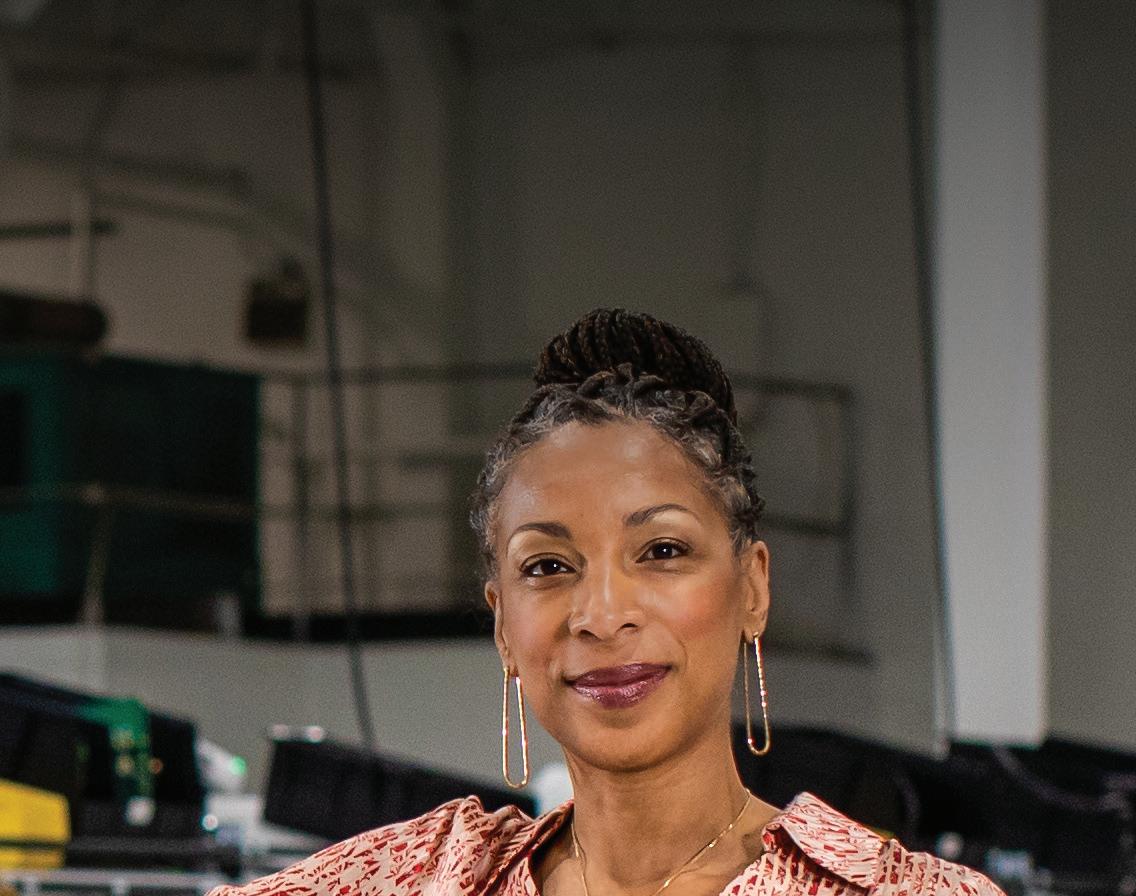



TRAVERSE CITY BUSINESS NEWS OCTOBER 2023 55
DUNAMIS CHARGE
T:10.25" T:12.875"
READY FOR TAKEOFF
Legacy Aviation to launch aircraft maintenance programs in Traverse City
By Craig Manning
The sole aircraft maintenance technician school north of Grand Rapids is about to take flight.
Pending Federal Aviation Administration (FAA) approval, Legacy Aviation Learning Center on Aero Park Drive is expected to open its doors to students in a partnership with Northwest Education Services (North Ed) Career Tech, a career and technical educational school that serves more than 20 high schools in the region.
The center’s engagement with North Ed’s Aviation Maintenance Program will provide approximately 50 students in grades 11 and 12 with the general prerequisite modules of the airframe and powerplant (A&P) certification.
Certified through the Federal Aviation Administration, mechanics with A&P licenses are the only people who are legally qualified to work on airplanes at airports, for aviation schools like NMC, or in other aircraft-driven settings.
“We’re part of the pandemic recovery,” said Peter Lane, the center’s executive director and CEO.
While the pilot shortage has gotten the lion’s share of media attention so far,
Lane said that the the shortfall of A&P professionals is actually projected to be even worse.
“Everybody talks about the pilot shortage; you don’t hear about the maintenance shortage,” Lane said, pointing to a study from the European aerospace company Airbus that says there will be a global need for 710,000 skilled aviation maintenance technicians in the next 20 years.
cargo transportation and how its disruption could put a damper on global commerce. That problem won’t go away even with more pilots, for the same reason that commercial flights don’t always leave on time even if they have a full crew on hand.
“Statistically, it takes over 26 hours of maintenance for one hour of flight time,” Lane noted. “So, think about the
side? There are currently fewer than 200 aviation schools nationwide that focus specifically on the A&P certificate, and in Michigan, the only schools that fit the bill are located downstate.
“And so, for people in this region or in the Upper Peninsula that want to do this work and want to learn how to leverage all of the avionics that go into an aircraft, we’re their best option,” Lane said. “And with the airport here growing, there is going to be an even bigger need for A&P people locally.”
Lane adds that the average age of someone working in aviation maintenance right now is 55 years, and that many of those workers took the same early retirement offers that their cockpit counterparts did.
Conversations around the pilot shortage have also so far focused mostly on how those issues are impacting commercial air travel. In Lane’s view, not enough of the discussion has touched upon air
scope of that on the consumer side, on the logistics side.”
Pointing to Amazon and its ubiquitous deliveries, Lane says maintenance is the key to maintaining that type of two- and three-day delivery model.
“You’ve got to have maintenance folks taking a look at those airplanes and making sure they’re safe, so that the pilot can get in and fly,” he said.
One glaring issue on the maintenance
Legacy Aviation occupies a facility that abuts Cherry Capital Airport (TVC). Currently, the building includes classroom space, various flight simulator rooms, a virtual reality setup to help students learn the fundamentals of aircraft maintenance, and a hangar stocked with a growing collection of planes and aircraft components, to give pupils handson experience fixing everything from jet engines to aircraft fuselages.
While the A&P program will be the bread and butter of what Legacy Aviation offers, it’s not the only piece of the puzzle. Another goal, Lane said, “is to expose youth to careers in aviation” through a variety of budding partnerships – including the Experimental

56 OCTOBER 2023 TRAVERSE CITY BUSINESS NEWS
“Everybody talks about the pilot shortage; you don’t hear about the maintenance shortage.”
TRANSPORTATION
– Peter Lane, executive director and CEO, Legacy Aviation Learning Center
Col. Randy McClure, USAF (retired), program director; Dan Jonkhoff, founder; Peter Lane, executive director & CEO; and Nolan Stiner, lead instructor.
Aircraft Association, Civil Air Patrol, and the Northwest Education Services Career-Tech Center (CTC).

This school year, the latter partnership has helped birth a brand-new program designed to give local high school students a runway into aviation maintenance. High school juniors and seniors in the program will attend the CTC to learn “some of the basics that they need to get their A&P license,” and will be well-positioned if they decide after graduation to attend Legacy Aviation for the proper professional certification program.
Per Lane, 117 regional students identified aviation maintenance as their first-choice program at CTC, despite the program’s 50-student cap.
“So the good news is that there is a huge interest (in this field) among young people,” he said.
Other opportunities for engaging young people could come in the future. In particular, Lane touted the possibility for both a Women in Aviation group and an explorer post for the Boy Scouts, based at Legacy Aviation.
That vision of youth engagement – as well as the idea of bringing an A&P certificate program to northern Michigan for the first time – comes from the mind of Daniel Jonkhoff, known locally for his longtime ties to the Reynolds-Jonkhoff Funeral Home. For more than 46 years, Jonkhoff served as CEO and funeral
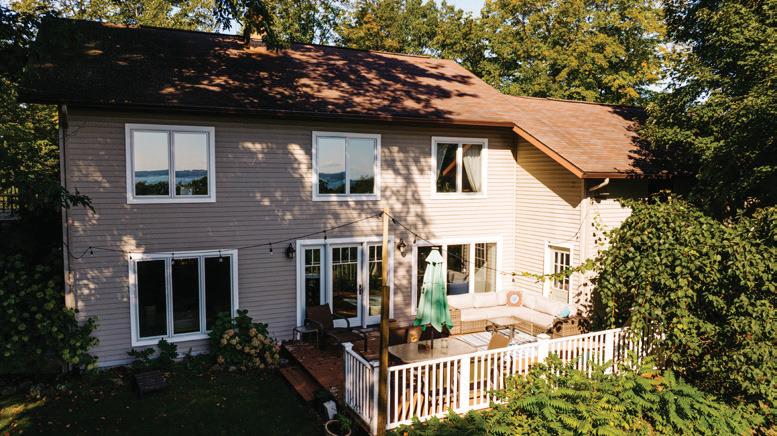



director for Reynolds-Jonkhoff. But he stepped down from that role last summer, moving into a president emeritus position. The change freed him up to do something new.
“I have been a pilot for about 40 years, and I’ve long felt that we lost our community around the airport after 9/11,” Jonkhoff said. “Airports became secure after that, and all of a sudden, our community of pilots, and mechanics, and just random people that used to come to the airport and talk about airplanes, that kind of went away. I’ve had a dream for years to bring that community back together.”
That dream led to a role on the board of the Northwest Regional Airport Authority, which oversees the operations at TVC. It also led Jonkhoff to the vacant hanger space on Aero Park that Legacy Aviation now occupies. He snapped up the building and decided it was “perfectly suited” to become an aviation school. Grand Traverse County helped bring the vision to life when it designated $500,000 of the county’s ARPA funds to Legacy Aviation last December.
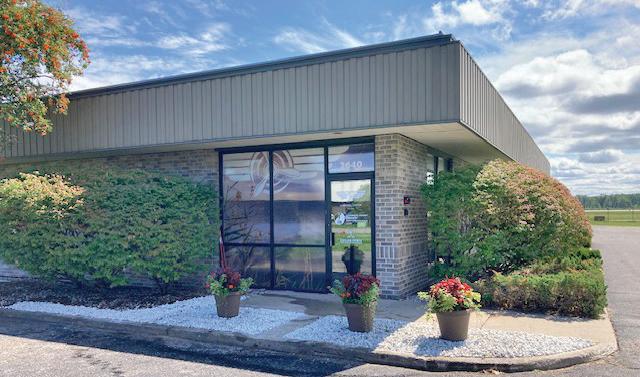
Once it’s up and running, the A&P program at Legacy will offer students a 12-month certificate program, taught across five 10-week terms with seven hours of instruction each day. The organization plans to launch the program with 10 students this year, grow to

support 25 enrollees next year, and have a 50-student class by year three. Lane said he’s received significant interest from prospective students so far, and is merely waiting for final FAA approvals to start getting those students enrolled.
While a big priority of Legacy Aviation is bringing more workers into a labor-strapped industry, Lane also emphasized that he and Jonkhoff see benefits for the students who decide to work toward A&P certification at the school.
“We’re building employer partnerships so that students can come here, get the education they need, and have immediate access to career opportunities,” Lane
stated, listing potential program allies that include commercial airlines like Delta and United, cargo air carriers like Kalitta Air, and more.
With tuition at $35,000 and salary ranging from $80,000 to $100,000, Lane says the earning potential can be “life-changing” for most people.
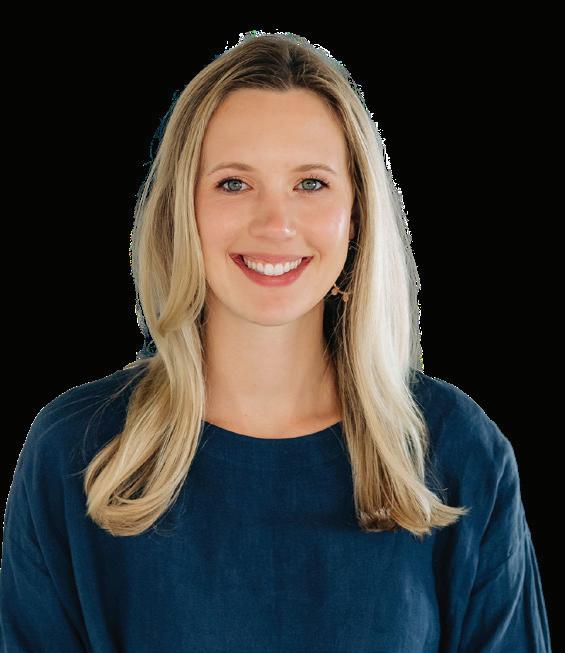
“Plus, a student comes here for a tuition cost of $35,000, which means they’re not going to go into an enormous amount of student debt, they’ll be able to make double (the tuition) their first year in the industry to pay that off, and they’ll have a career that they could spend 20-30 years in,” he said.

TRAVERSE CITY BUSINESS NEWS OCTOBER 2023 57
TRANSPORTATION
A beautifully updated home on 6.7 acres in Elmwood Township, with sunrise bay views, sandy shared frontage on East Bay and a 28x30 out building!
4 BED | 2 BATH | 2,440 SQFT.
A thoughtfully remodeled waterfront home, set on a private, wooded lot overlooking Chandler Lake on the east side of Traverse City!
4 BED | 2 BATH | 1,926 SQFT.
9895 E NORTHERN SITES DR. TRAVERSE CITY | $875,000
2559 CHAPERON DR. TRAVERSE CITY | $499,000
231.649.3137 Carly.CBRealtor@gmail.com | TheShawnSchmidtGroup.com
CARLY SMITH PETRUCCI REALTOR® 5th Generation Traverse City Schmidt Realtor® Chairman’s Circle Member
522
E FRONT ST, TRAVERSE CITY, MI 49686
KEEP ON ROLLING
Three local car dealers on the future of the auto industry
By Christal Frost
The business of selling cars in America has experienced a significant transformation over the past two decades. Car dealerships have been at the forefront of change – navigating shifting and sometimes rocky economies, interest rate hikes, supply chain issues, government mandates for fuel efficiency and electric vehicles, and varying consumer behaviors, to name a few.
The pandemic also accelerated the demand for digital, acting as a catalyst by intensifying the need for dealerships to adapt by investing in virtual showrooms and contactless transactions. Coexistent to the increased digital space, however, is an opportunity for car dealerships to examine their own internal practices, adding both products and services to their business portfolios. Three Northern Michigan car dealers sat down with the TCBN to discuss how their businesses have changed, and what they see for the future of the auto sales industry.
Fox Grand Traverse
Fox Motors is no stranger to embracing change. Representing the Ford product, Fox was an early adapter to the electric vehicle (EV) revolution.
“We are an elite certified EV dealer,” said Tom Gordon, general manager of Fox Grand Traverse. “We are selling all the (electric) inventory we are getting from Ford and, starting in 2024, we anticipate we’ll start to see more attractive EV leases coming that will make it easier for buyers to afford these vehicles.”
While Gordon admits there is room for improvement when it comes to building the infrastructure needed to accommodate electric vehicles, he points to the impending installation of Electric Avenue, or 14 charging stations in front of its dealership.
However, Gordon says that Fox Grand Traverse hasn’t gone completely electric.
“There’s still a demand for the combustible engine and I don’t see that going away anytime soon, so we will continue to have a large focus on selling and servicing traditional vehicles,” he said.
In addition to the forthcoming Electric Avenue, Fox has recently opened a Commercial Truck Center – an official Ford warranty repair facility – alleviating a major need for commercial vehicle repairs. The new division was years in the making, says Gordon.
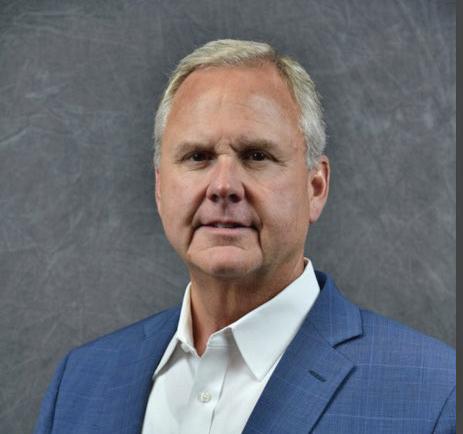
“Prior to our Center, buses needing repair in the U.P. had to be towed to Grand Rapids,” he said.
An added bonus has been helping motorists with motor home repairs in northern Michigan.
“It’s a niche we hadn’t thought about, but those break down and now we’re able to get people back on the road,” he said.
Gordon says the dealership offers the most crucial piece of the commercial vehicle puzzle: specialized skills to service the complex vehicles.
“We have four techs at the top of their game,” said Gordon, “and we designed the entire (service center) building around what it takes to work on these big trucks.”
As for the future, Gordon believes that online car shopping is here to stay. But he is quick to add that shopping on the lot isn’t going away, either.
“You can go online, appraise, get payment quotes,” he said. “But the lion’s share of our business is still traditional. People want to see the car (and) get behind the wheel.”
Serra Traverse City
Representing seven franchises – Subaru, Toyota, Cadillac, Audi, Volkswagen, Volvo and Nissan – Serra Traverse City has built a business that offers a diverse range of products. However, maintaining inventory has proven to be a challenge that persists even after the pandemic.
“As a result, we have a new grading point from the manufacturers. We’re graded on how quickly we can turn that inventory around,” said Serra Executive Officer Jerry Zezulka.
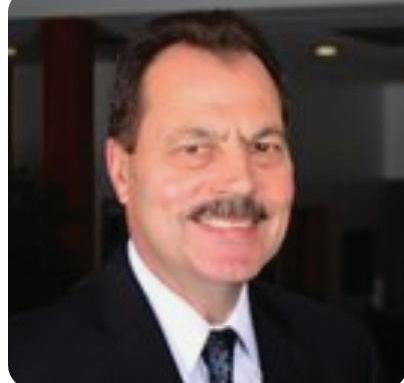
However, Zezulka says that change is a constant in the automotive business.
“Any other dealer will say that the one thing about the auto business is that we have to adapt quickly and make sure that we are taking care of customers on a daily basis in sales and service,” he said.
Another constant change, Zezulka says, is consumer behavior.
“Customers are holding on to cars longer,” he said, “which not only increases work in our service departments but increases the challenge of our used car inventory.”
He credits the sophistication of modern vehicles as a reason customers are keeping their cars longer.

“We are driving computers now, not cars. If you look at how many computers are in a car, it’s mind-boggling,” he said.
Zezulka says that the technological advancements of vehicles have added to the educational and training requirements for technicians, who are required to know mechanics and be computer technicians.
“They have to understand how to diagnose new cars because they are made differently than they were 10-15 years ago, but they also have to know how to fix older models,” he said.
As a result, Zezulka says Serra’s service centers are constantly busy, a predicament that places ongoing recruitment demands to attract skilled workers. As for electric vehicles, Zezulka says that while local interest has increased, a lacking infrastructure continues to cause consumers range anxiety – a fear of not being able to travel long distances to reach their desired destination.
He says this has resulted in many would-be customers holding off their purchases.
“The government is making the big push for electric vehicles, so the manufacturers are falling in line,” he said, “but the infrastructure is not keeping up with what the
58 OCTOBER 2023 TRAVERSE CITY BUSINESS NEWS
TRANSPORTATION
Gordon Zezulka
government wants to see as it relates to the number of vehicles on the road.”
The dealership has made large investments with EV chargers on site, but Zezulka says the region doesn’t have the infrastructure that other areas do.
As for the future, Serra’s largest and most valuable investment continues to rest on its customers and 200 staff members. He says that cultivating a culture of support has been a constant standard for Serra.
“We’ve been able to maintain our management team, which has been consistent over the years,” he said. “This has allowed for growth in our organization to be steady.”
Bill Marsh Auto
While the pandemic forced many industries and business to adapt to a changing sales environment, Bill Marsh Auto took the opportunity to not only reexamine but restructure their entire business.
“The pandemic took away the resistance to online learning,” said Bill Marsh Jr., co-owner of the Bill Marsh Auto. “We saw it in education, and many other areas. So, we took the pandemic experience as an opportunity to engage in our digital presence so we can offer it all.”
Marsh says that although they built up internal infrastructure and technologies to offer 100% online transactions, most of their business happens through a hybrid approach that involves some digital research but still includes the old fashioned way of doing business.
“We wanted to position ourselves to create an environment where we can deliver to all customers, no matter where they fall on the sales approach continuum,” he said. The shift to online, plus their negotiation-free sales tactic increased the importance of high-touch customer service.
“Ironically, there’s this idea that as transactions get more remote and more digital, the importance of high-touch customer service will come down,” he said. “But we find that you need to check in more often and offer even more service.”
Recent higher interest rates have impacted buying trends. Former lease customers became used car customers thanks to high interest rates that forced previously low monthly payments to rise.
“Most would prefer to lease; it’s a good way to drive an expensive vehicle,” he said. “But when the interest rates caused payments to go up, we lost a lot of our lease customers.”
In addition to battling interest rates, Marsh says that vehicles are simply becoming more expensive, leaving many out of the new car market entirely. He points to significant advancement in technology as one factor driving up prices, stating the entire new car industry has become “an affluent market.”
Marsh also believes that customer preferences have changed – with most preferring larger vehicles.
“We sell very few ‘cars’ now. I think we have one subcompact car and one mid-size car,” he said. “Instead, we’re selling highly equipped trucks and SUVs which also drives the price up.”
The used car business has always been an important part of the Marsh brand, and they continue to divert a “significant” number of resources to used car acquisition, he says.
“We use sophisticated technology to identify people looking to sell their cars and we reach out to them with an offer,” he said.
Last month, Bill Marsh Auto purchased 75 vehicles from sellers using a variety of online marketing resources, which is a “complete shift in our marketing,” he said.
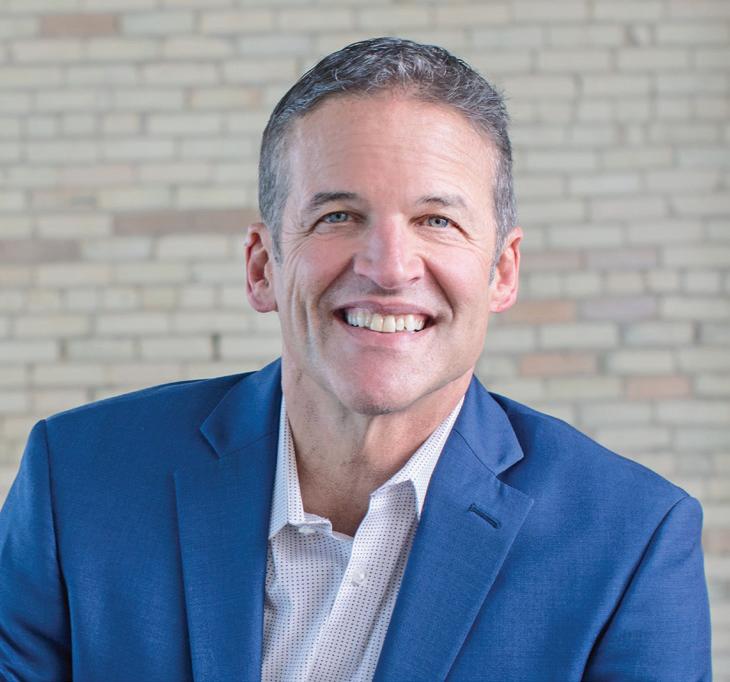
When it comes to electric vehicles, Marsh echoes some infrastructure concerns voiced by his peers, adding that the manufacturers are pushing electric vehicles.
“We’re like, ‘Don’t forget about the internal combustion engine just yet,’” he said.
While customers are interested in electric vehicles like the new Hummer, most customers remain uneasy. As car dealers, Marsh says they’re often in difficult situations since manufacturers consistently ask dealerships to make significant investments in electric vehicle technology – including charging stations and technicians certified to work on EVs – despite the demand for electric vehicles remaining soft.
As for the future, Marsh believes self-driving cars – a technology already available in the form of adaptive cruise assist and self-parking – is coming.
“I don’t know if it will be 10 or 20 years, but that will change things significantly.
First, self-driving cars don’t text and drive, they don’t drive distracted. Our body shop has never been busier and it’s all because of distracted drivers,” he said.
While change is inevitable, Marsh says one thing that has remained constant throughout the history of the company is their commitment to both their communities and their employees.

“People are what we most value,” he said.

TRAVERSE CITY BUSINESS NEWS OCTOBER 2023 59 231.995.5266 | cordiatc.com Current event discussions. Theatre and art classes. Music appreciation. Fitness classes. Outstanding food and service. Who would’ve thought a retirement community could be so engaging? Cordia. That’s who. Get engaged this winter.
TRANSPORTATION
Marsh
RISING TO THE CHALLENGE
VP Demand’s focus group leads to innovation, trust
By Art Bukowski
The company now known as VP Demand Creation Services was almost four decades old when a simple idea turned back the clock and ramped up growth.
Founded as Village Press in 1969, the Traverse City-based company specializes in high-end custom and commercial printing, publishing, marketing, fulfillment, rebate processing and more. Its client list is full of heavy hitters, particularly in the food service industry: Del Monte, J.M. Smucker, Unilever, Tyson Foods, T. Marzetti and other household names all rely on VP for a variety of services.
While the company was on solid footing in 2008, leadership wanted more. Bothered by an in-depth national study that showed older companies generally experience slower growth and add less to the economy, CEO Dave Moore felt a strong desire to behave like a “knowledge-starved start-up” instead of an established member of the old guard.
“We felt that innovation was going to be our sustainable competitive edge,” he said. “More than anything, we wanted to innovate.”
Moore and others in VP leadership
decided that the best way to genuinely innovate was to provide solutions to their clients’ toughest problems. But they couldn’t do that without hearing firsthand about their clients’ challenges.
“If we didn’t become very intimate with our customers, we weren’t going to be able to innovate and outpace our competitors,” Moore said. “We needed to understand our clients’ needs.”
“We were kind of scared to put our clients in the room together the first time around. What if someone is unhappy?” Moore said. “We didn’t want it to turn into some sort of therapy session where they just complained about things that were going wrong.”
What they instead experienced was something so dynamic, useful and impactful that it’s occurred every year
outcome has been the lifeblood of our business,” Moore said. “It’s an investment for us, and for our clients.”
Perhaps the biggest benefit was something that Moore and his team didn’t predict, and that’s the benefit of clients interacting and commiserating with other clients. It gives VP staffers a chance to identify problems that impact multiple clients, and it allows group discussions that get everyone much closer to real solutions.
“We’re not only sharing our pain points with VP as a vendor…but we’re also sharing knowledge, challenges and ideas with our peers in the industry,” said 2023 participant Chrissy Shea, the food service marketing manager for T. Marzetti. “Food service manufacturing is a little bit more complex…than retail, and having that space to talk through our challenges is very helpful.”
Rather than do a mundane survey or schedule a series of phone calls, VP held its first annual focus group in Traverse City that summer. They wanted face-toface conversations with their clients for maximum impact. And while everyone was mostly certain it was a good idea, there was some trepidation.
since, save for a Covid-induced break. The focus group returned this year for its 13th edition, with representatives of a dozen clients from across the country descending on the Cherry Capital in August to discuss what works, what doesn’t, and how to move forward.
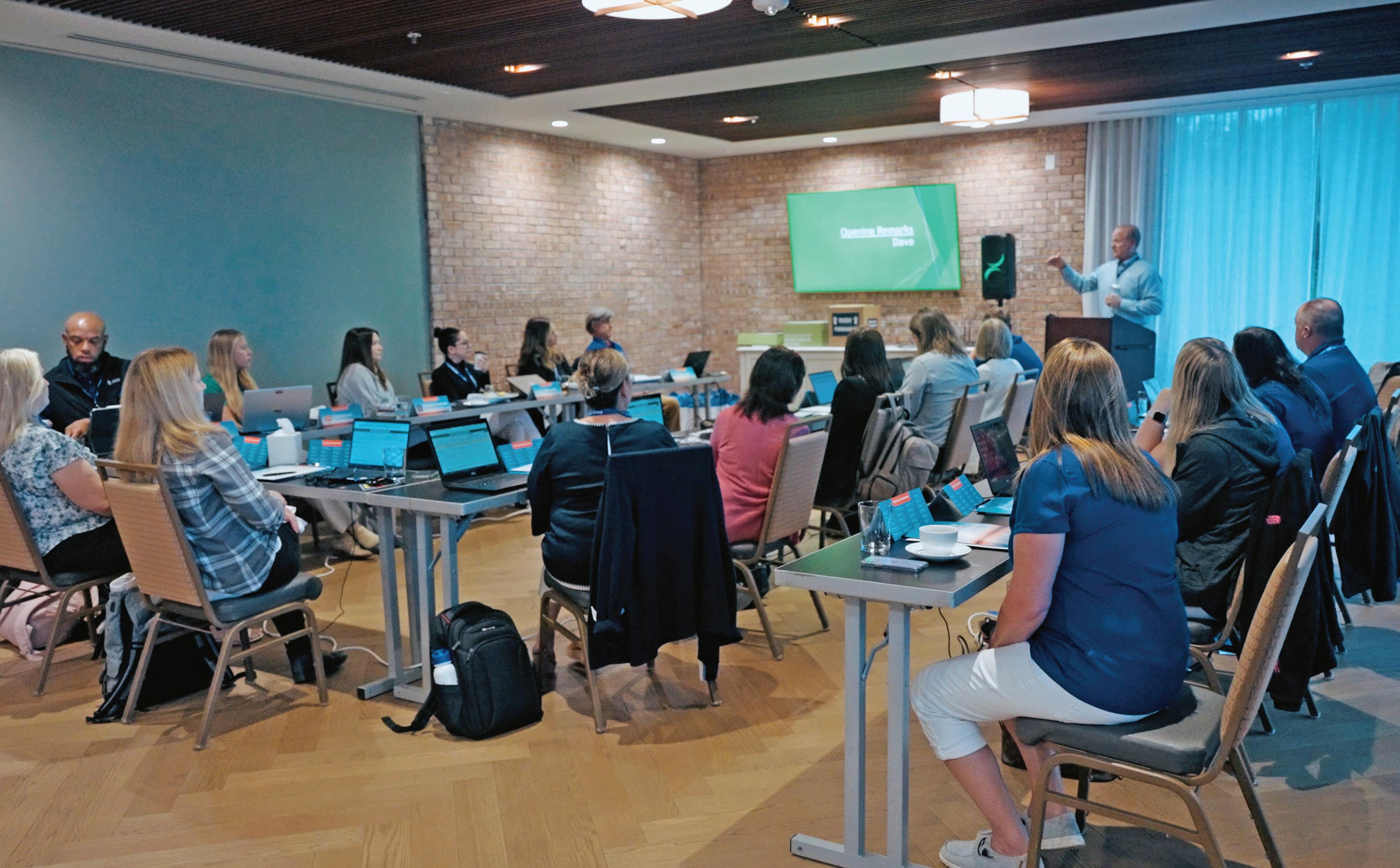
“It’s a seriously cool event, and the
Cheryl Zimmerman is director of marketing and communications for the food service branch of Ajinomoto Foods North America, Inc., a West Coast-based conglomerate.
“I really liked spending time with people just like me, in companies just like mine, hearing about what they’re struggling with and brainstorming solutions. It
60 OCTOBER 2023 TRAVERSE CITY BUSINESS NEWS
“It’s a seriously cool event, and the outcome has been the lifeblood of our business. It’s an investment for us, and for our clients.”
– Dave Moore, CEO, VP Demand Creation Services
Clients from across the country gather at Delamar in August for VP Demand Services’ annual focus group.
really allowed me to rethink my approach to many of the things I was doing…there were several ‘a-ha’ moments,” Zimmerman said. “This focus group is really going to help me deliver innovation at my company by teaching me things I would have not come up with on my own.”
VP, of course, comes out of these focus groups ready to tackle the problems discussed by its clients. In addition to producing an innovation report that is presented to all clients and revisited each year, VP then works to develop actual solutions. Depending on who’s experiencing what problems, sometimes multiple clients share the cost of developing these solutions.
“You’ve got to be committed to producing an outcome,” Moore said. “Clients need to know you are serious about it.”
An example of a VP-developed solution that was borne from these focus groups is an online system for trade show booth reservations used by brokers and salespeople. Food service giant Tyson, for example, has more than 40 booths nationwide dedicated to K-12 food service alone. In addition to helping the right people know which booths are available and where, it cuts down on the common problem of missing or damaged booths.
Additional examples include better end-user targeting through improved list management, waterproof promotions that can be used in food service packaging where paper won’t cut it, and a variety of on-demand promotional supplies and services that improve efficiency and cut costs. Moore is particularly excited about
solutions that also benefit other local businesses, citing a time VP worked with Alfie Logo Gear to set up an on-demand trade-show wearables system for Sara Lee.
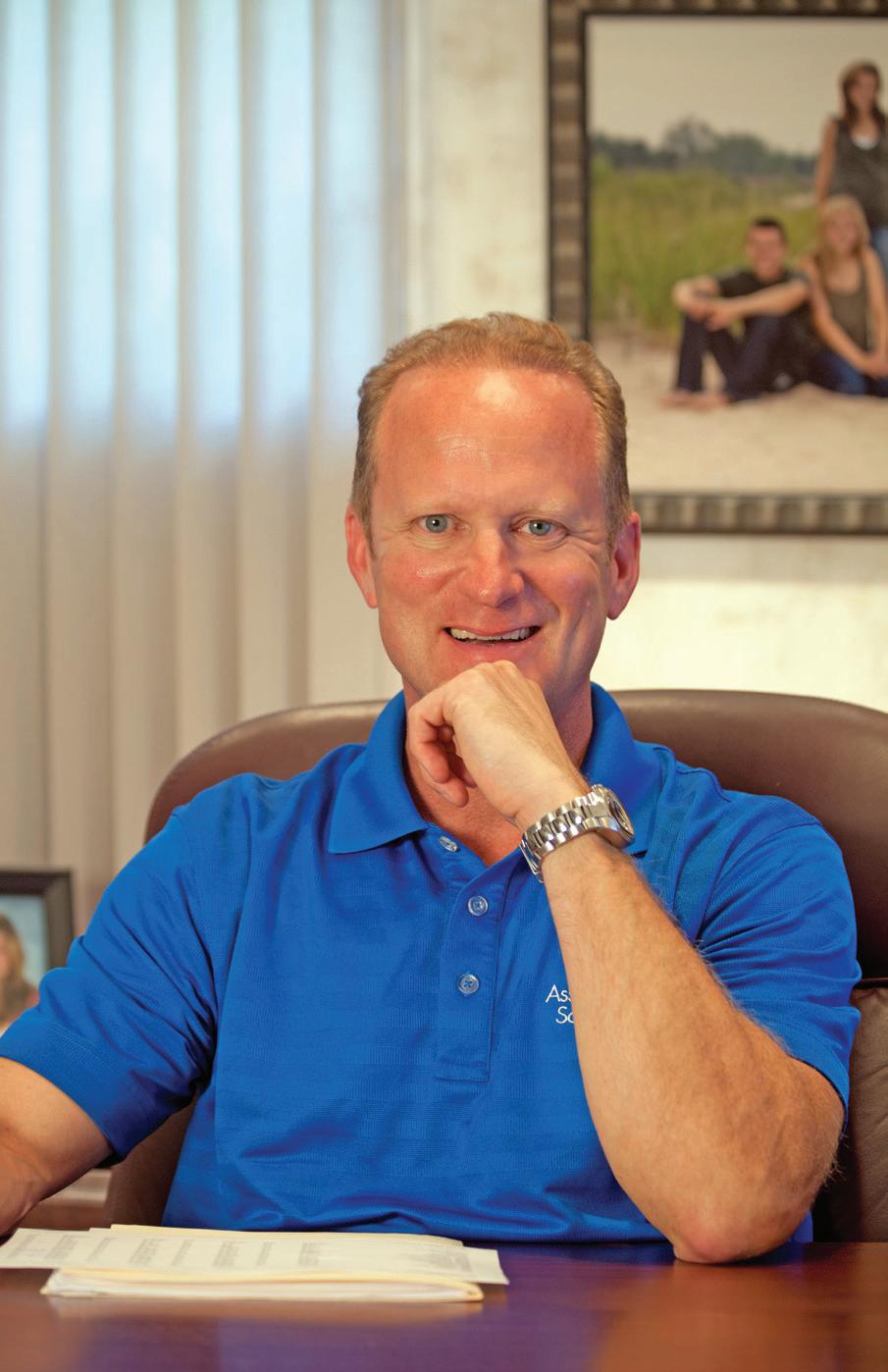
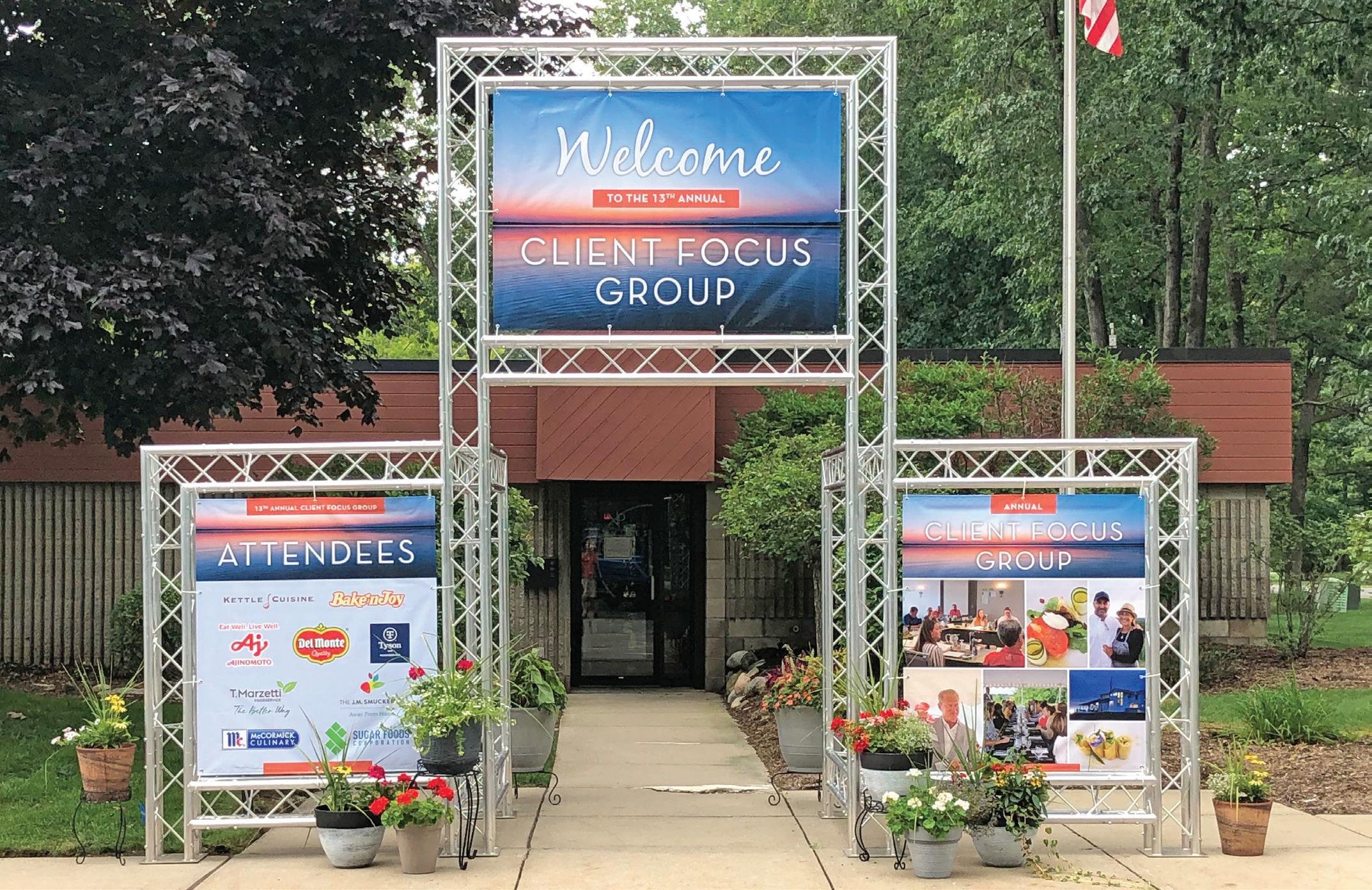
Client problems are a tough nut to crack from time to time. But that doesn’t mean they’re ignored.
“Sometimes there’s an idea that might be amazing, but technology might not be there, or we just don’t know how to do it quite yet. But we think we will know how,” Moore said. “So, we put that in the freezer, and we review the freezer with our clients too.”
Marzetti’s Shea said the focus group has strengthened her company’s relationship with VP.
“Their ability to listen, partner and push the limits on their capabilities by

having consistent and engaging conversations with their clients builds…a considerable amount of confidence,” she said. “I just don’t see that from anyone else.”
Zimmerman from Ajinomoto agrees.
“I’ve always been a big fan of the company and the people who work on my team. But this really made me see how much more they had to offer,” she said. “I really feel that they’re my most trusted vendor right now, and I’ve got some good ones.”
What started out with a pure desire for innovation has now led to a trusting relationship, Moore says.
“We see the trust side of it now, but it was something we really didn’t anticipate,” Moore said. “It’s been a wonderful byproduct.”
TRAVERSE CITY BUSINESS NEWS OCTOBER 2023 61
Moore
Your Insurance is Changing.

JOINT EFFORT:
Local practice hosts Korean docs learning surgical techniques
Great Lakes Orthopaedic Center in Traverse City recently played host to two surgeons from South Korea who came to learn about surgical techniques.
The arrangement happened after the American Shoulder and Elbow Surgeons, an international society, selected GLOC as one of only a few American locations to partially host a month-long tour by the Korean physicians.
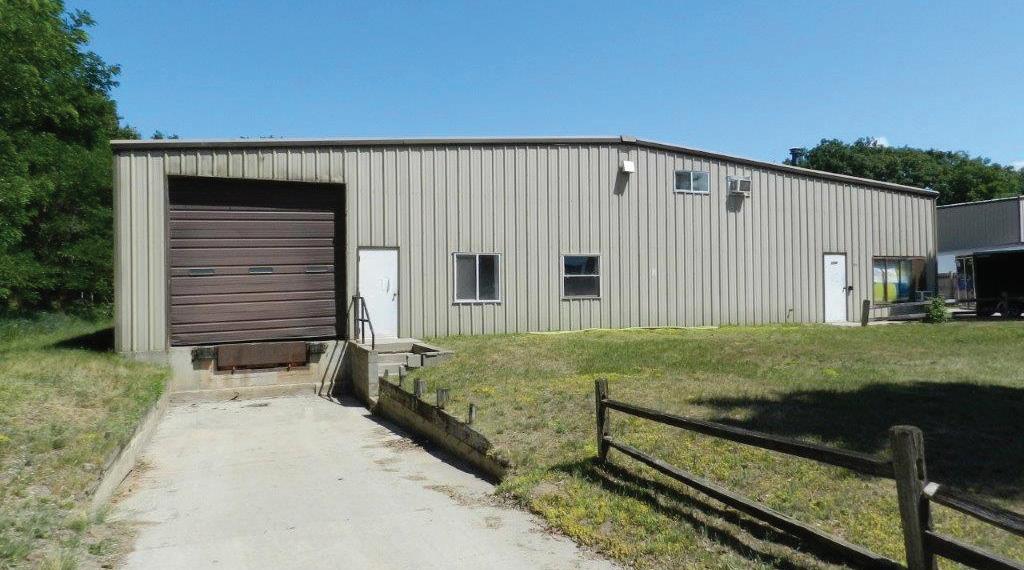
“Any time you interact with a peer, you exchange ideas. And it’s useful when they challenge you. On several occasions they were very specific in asking me why I was doing what I was doing,” Chuinard said.
Chuinard says that the questions meant critically analyzing his techniques along with the rationale.

“It has to be more than ‘That’s just how I do it,’” he said. “We need a real
-
“The main reason they’re doing this is for their own education and betterment, and to then take those techniques back to their own nation,” said Dr. Christopher R. Chuinard, who worked closely with the visiting docs. “We were lucky enough to be considered one of the venues that could provide a good educational opportunity for them and show them some things that they might not get to see elsewhere.”
Over the course of three days in September, the doctors – Jung Han Kim and Sung-il Wang – shadowed Chuinard and others for surgeries, pre- and post-operative patient care, cadaver training and more. The visitors then presented on techniques and technology used in South Korea.
What’s more, the interactions between doctors of different cultures created a situation in which the locals were encouraged to take a closer look at their own techniques.
critical insight into why we’re doing what we’re doing.”
Non-clinical time was spent driving along Sleeping Bear Dunes National Lakeshore’s Pierce Stocking Scenic Drive and playing nine holes with Chuinard at Traverse City Country Club.
“It was an opportunity where they could see the beauty of what Michigan has to offer,” Chuinard said. “We’re very honored that not only could they see the beautiful outdoors here, but also understand that in northern Michigan, we do things that are on par with almost anywhere else in the world.”
GLOC Chief Executive Officer Jim Stilley says he hopes the visit can be a point of pride for locals.
“I just thought the people of Traverse City would be interested and proud to know that surgeons are flying in from around the world to train in our little piece of heaven,” he said.
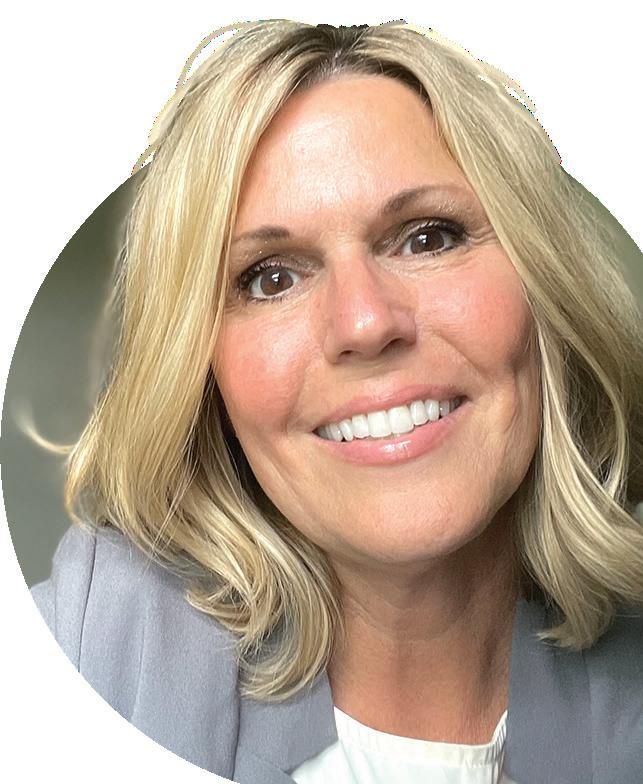
62 OCTOBER 2023 TRAVERSE CITY BUSINESS NEWS
Last month, doctors Jung Han Kim and Sung-il Wang shadowed GLOC doctors for surgeries, preand post-operative patient care, cadaver training and more.
“We’re very honored that not only could they see the beautiful outdoors here, but also understand that in northern Michigan, we do things that are on par with almost anywhere else in the world.”
Local.
Dr. Christopher Chuinard
Wise. Nimble.
Your needs are changing. GROUP BENEFITS • INDIVIDUAL COVERAGE • MEDICARE Here to Serve and Support Northern Michigan’s Business Community and Individuals with Tailored Insurance Solutions. When you live and work in Northern Michigan you should expect more from your locally owned insurance agency. Visit Us At: traversebenefits.com Call Today: 231.640.0022 Locally yours, Andi Dolan SAM ABOOD 231-218-5130 sam@samabood.com Grand Traverse Culinary Oils is moving. Food Processing Licensed Property. 9600 SF Building on a 1.25 Acre Parcel. 2940 SF Built Out for Food Processing. 14 Ft Sidewalls. Heated & Insulated Building has Loading Dock for Semi's. Three 12x12 Overhead Doors. Great Building for Multiple Uses such as Industrial, Warehouse, Automotive, Wood Working, Furniture, Storage, Wholesale, etc. Full Three Phase Electric. Some Office Space/Restrooms & Shower in Front. Natural Gas Overhead Heating Units. Cass Rd
w/Easement on Private Drive to Property next to Beacons Recycle. MLS# 1913177 PRICE REDUCED - $539,900!
OFFICE - 402 E. F ront Street - Traverse City, MI 49686
WAREHOUSE/OFFICE PRODUCTION FACILITY
Address
CBSR
COMMERCIAL










TRAVERSE CITY BUSINESS NEWS OCTOBER 2023 63 2779 Aero Park Drive Traverse City, MI 49686 marketing@vpdcs.com 800.773.7798 & SURROUNDING AREAS TraverseCity.com Traverse City FOR KEEPING YOUR PRINTING AND MAILING IN NORTHERN MICHIGAN Reducing your carbon footprint is important to all of us! THANK YOU
231-228-7499
BEHAVIORAL HEALTH CARE FOR ALL AGES


PLAYING WITH FIRE
SERVICES & SUPPORT FOR EVERYONE
Crisis Intervention Services
• 24/7 Crisis Line 833-295-0616
• Crisis Welcoming Center, 105 Hall Street, Traverse City, 6AM to Midnight
• Mobile Crisis Teams for Adults and Children

Integrated Health Services - Integrated Health Clinic
• Primary health care clinic for anyone in the community, all ages, all/no insurance. Accepting new patients. Call for appointment: 231-935-3062.
Kandu Island Drop-In Center – a safe place to be, for all, on South Garfield.
CMH SERVICES FOR ELIGIBLE PEOPLE
• Psychiatry
• Therapy
• Counseling
• Case Management
• Autism Applied Behavioral Analysis

• Specialized Residential Services


• Long-term Services and Support
• Traverse House & Club Cadillac Clubhouses
• See full list at northernlakescmh.org/services
WHEN IN DOUBT, CALL US!
24/7 Crisis Line: 833-295-0616
Access to Service: 800-492-5742
Customer Service: 800-337-8598
 By Clark Miller
Cat and Brad Richardson of Traverse City founded Ambush Candle Co. in 2018 after coming up with the idea during a road trip to the Grand Canyon.

They now produce candles, room sprays and reed fragrance oils from a workshop in Traverse City while operating Compass Rose Outpost store on East Front Street.
The Illinois natives met at a high school freshman dance, but went their separate ways. Cat went to San Francisco where she rose in the luxury clothing industry (think Chanel, Jimmy Choo, Gucci). Back in Illinois, Brad learned welding, web design and other skills. He also started making high-end cutlery.
When Cat ditched the world of high fashion to move back home to the Chicago area and take care of her ailing mother, she and Brad reconnected.
In 2017, while vacationing in Traverse City they mutually agreed that northern Michigan, where Brad had summered, was the place be. So, they returned to Chicagoland, packed their bags and two weeks later moved Up North.
They decided to start a candle company, a craft that Cat had learned from her mom. The couple say they are concentrating on growing Ambush Candles through expanding to a larger workshop and testing the market potential of several new products. The East Front Street store is filled with their candles, room sprays and reed fragrance oils (all of which use American ingredients). But it’s also packed with items that have nothing to do with candles. To attract customers and to build connections with local creative folks, they also sell all sorts of locally made products, everything
from leather goods, to paintings, to honey.
“When we first opened the store, we didn’t have a lot of funding,” Brad said. “We never took out a business loan, so instead we connected with artisans and started selling their products on consignment. That’s also helped us make a lot of connections.”
The couple say they have put in a lot of thought about how to grow their business.
“We do a lot of brainstorming,” Cat said. “I tend to make decisions from the head, and Brad relies on his heart. We feed off each other. I’m all about interior design, aesthetics, sales and marketing. He has the skills to make it all come to life. We love to work on projects together. He’s very encouraging. We work hard to listen to each other.”
Direct consumer sales currently account for just 5% of revenue. According to Brad, roughly 65% of Ambush’s income comes from business-to-business sales, with more than 150 retailers carrying Ambush candles. Private label sales account for about 30% of annual revenue, but Cat says she sees a strengthening trend in that market with the recent launch of an online private catalog.
The recent growth is a welcome change to the early days of being a new business, Brad says.
“We were a new business, and it was a struggle,” Brad said. “It was very tricky. We even started free deliveries and pickup locally every day.
“We’re past that now.”
The Grand Traverse Area Manufacturing Council (GTAMC) sponsors this column. The mission of GTAMC is to support a sustainable and globally competitive manufacturing sector for a stronger economy. Learn more about membership options at makegreatthings.org.

64 OCTOBER 2023 TRAVERSE CITY BUSINESS NEWS
THIS ARTICLE IS MADE POSSIBLE BY
GTAMC
MAKING IT IN NORTHERN MICHIGAN Much More than Pumping plumbing done Drain Line & Sewer Cleaning Line Repair& Replacement Sump Pump Services Camera Line Inspections right
Couple finds niche making and selling candles
williamspumping.com plumbing services











TRAVERSE CITY BUSINESS NEWS OCTOBER 2023 65 Financial Services for the Community! Personal • Business • Loans • Retirement -- -- Est 1950 3 convenient locations • tcfedcu.org • (231) 946-6655 FOLLOW ME! 630 E Front Street, Unit 200 Traverse City, MI 49686 231.883.3273 | shellykleinrealtor.com Team
a Trusted Advisor buyers and sellers to live life to the fullest in northern Michigan.
Up With
>> BANKING &
>> HEALTHCARE
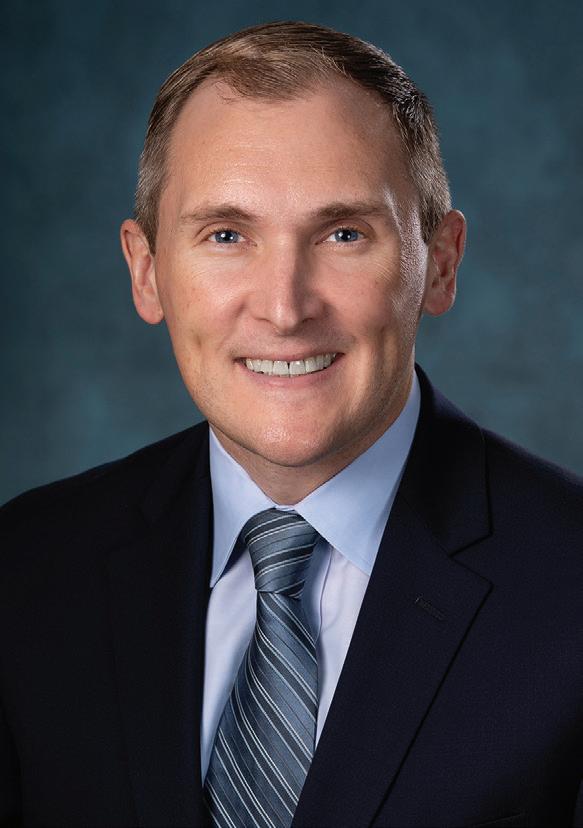
>> LAW

>> REAL ESTATE
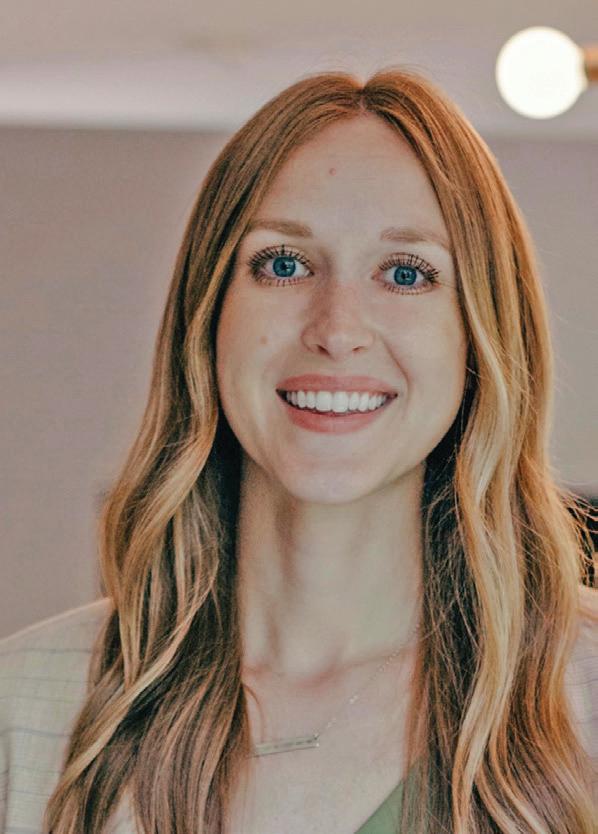
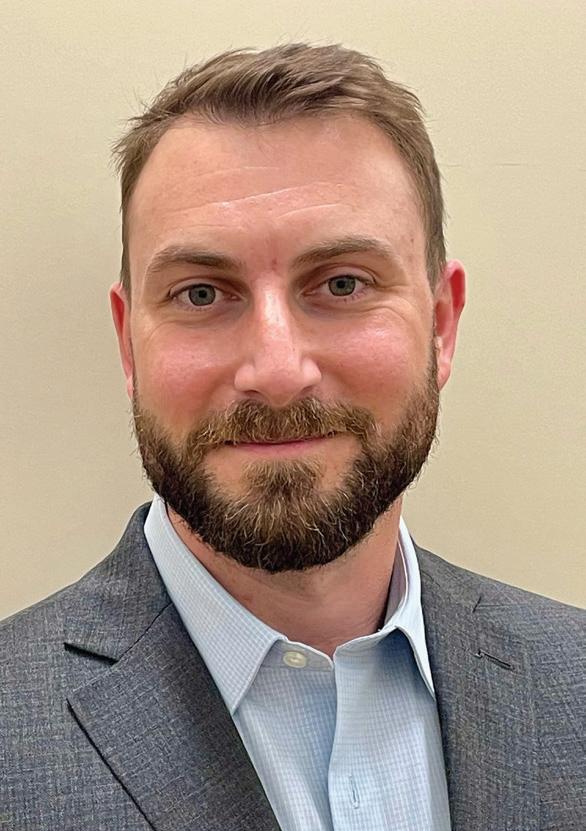
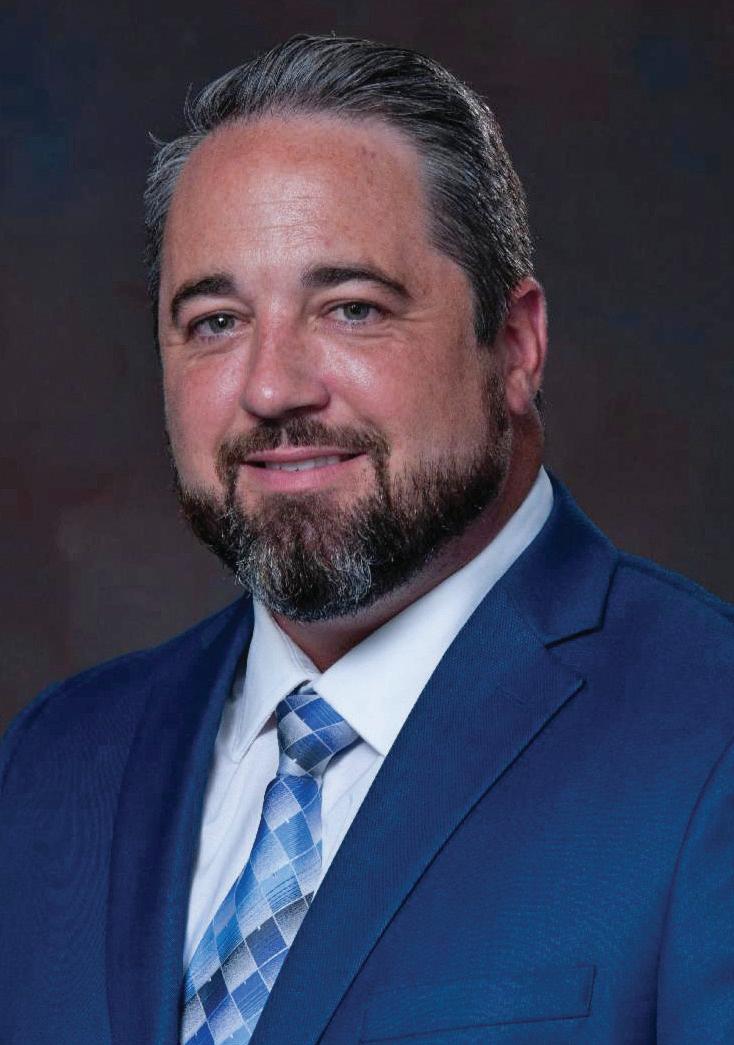
66 OCTOBER 2023 TRAVERSE CITY BUSINESS NEWS NEWSMAKERS
FINANCE
1 - Keri Lindman has joined State Savings Bank as assistant vice president of treasury management. Lindman brings more than 20 years of financial services experience to her new role.
2 - Jeff Mason has joined the Northwest Michigan Community Action Agency’s financial management services team in Traverse City. Mason is a HUD-certified budget/housing coach.
3 - Evan Rohrback has joined Versatile Mortgage in Traverse City as a mortgage processor.
4 - Jacob Fishbaugh, MSPA, PA-C, recently joined Munson Healthcare Kidney and Hypertension Specialists in Traverse City, treating patients with kidney-related disorders.
5 - Cornelius Robens, M.D., has joined Novello Specialty Clinic in Traverse City as a specialist in neurology, treating patients with Parkinson’s Disease, memory disorders, multiple sclerosis, ALS and more.
6 - Joseph Ward, M.D., has joined Munson Healthcare Orthopedic Institute in Traverse City. Dr. Ward practices orthopedic surgery with a subspecialty in hip and knee replacement.
7 - Attorney John Scheuerle has joined the Neumann Law Group in Traverse City. Scheuerle focuses his practice on personal injury litigation, criminal defense and family law.
8 - Attorney Warren Wahl has joined the Neumann Law Group in Traverse City.
9 - Travis Dilger recently joined CENTURY 21 Northland’s Elk Rapids office as a real estate agent.
2 // JEFF MASON 3 // EVAN ROHRBACK 4 // JACOB FISHBAUGH
1 // KERI LINDMAN
7 // JOHN SCHEUERLE 8 // WARREN WAHL
6 // JOSEPH WARD
5 // CORNELIUS ROBENS
10 // HEATHER BURGER
9 // TRAVIS DILGER
13 - Cori Fitzpatrick has joined Groundwork Center for Resilient Communities in Traverse City as a farm-to-institution specialist. Fitzpatrick helps build relationships among local farmers and producers, schools, other institutions, food pantries and meal sites. She will also guide the organization’s FoodCorps service members.
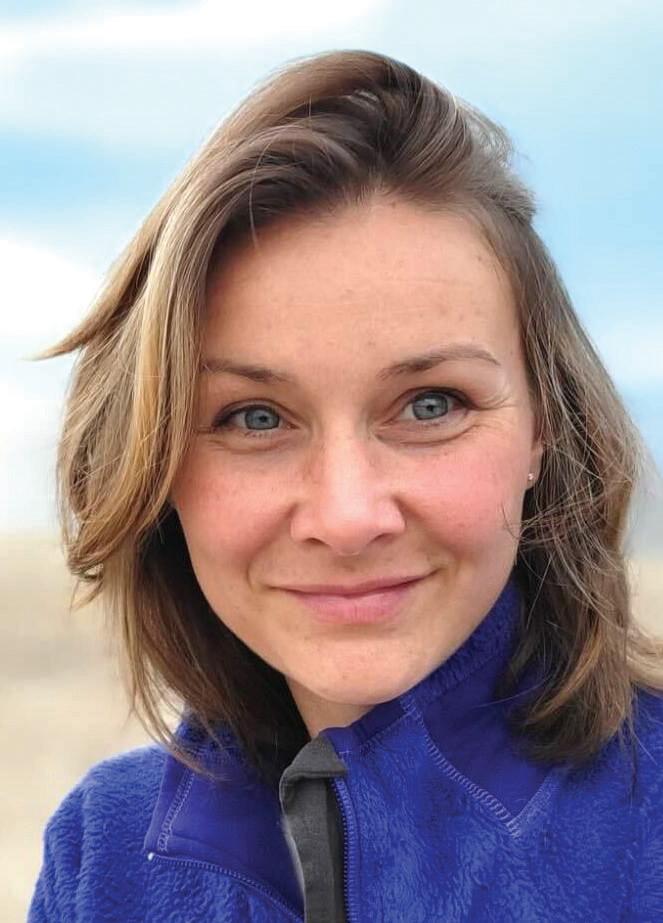
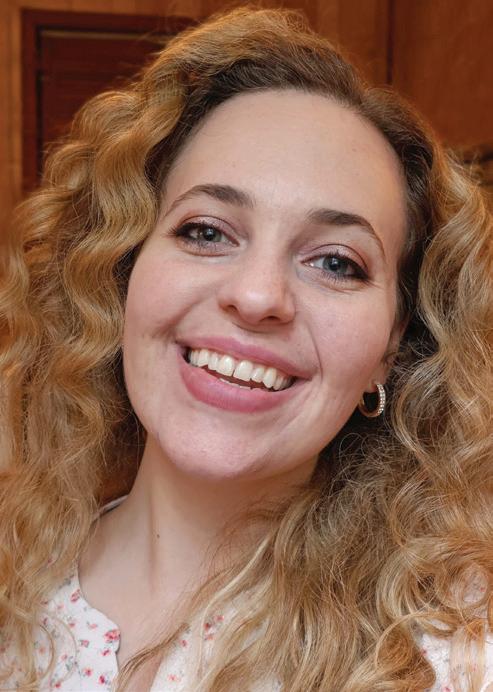

16
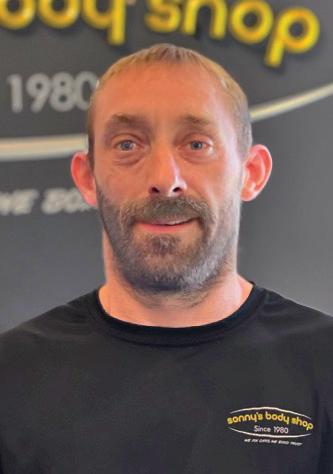
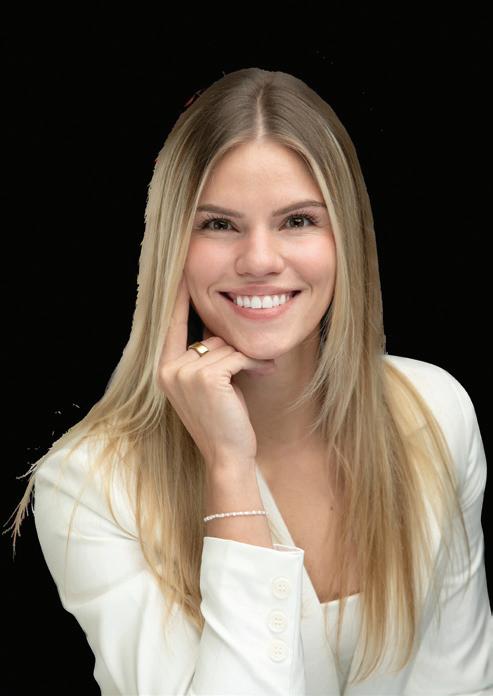
Please send Newsmakers by the 10th of the month to news@tcbusinessnews.com
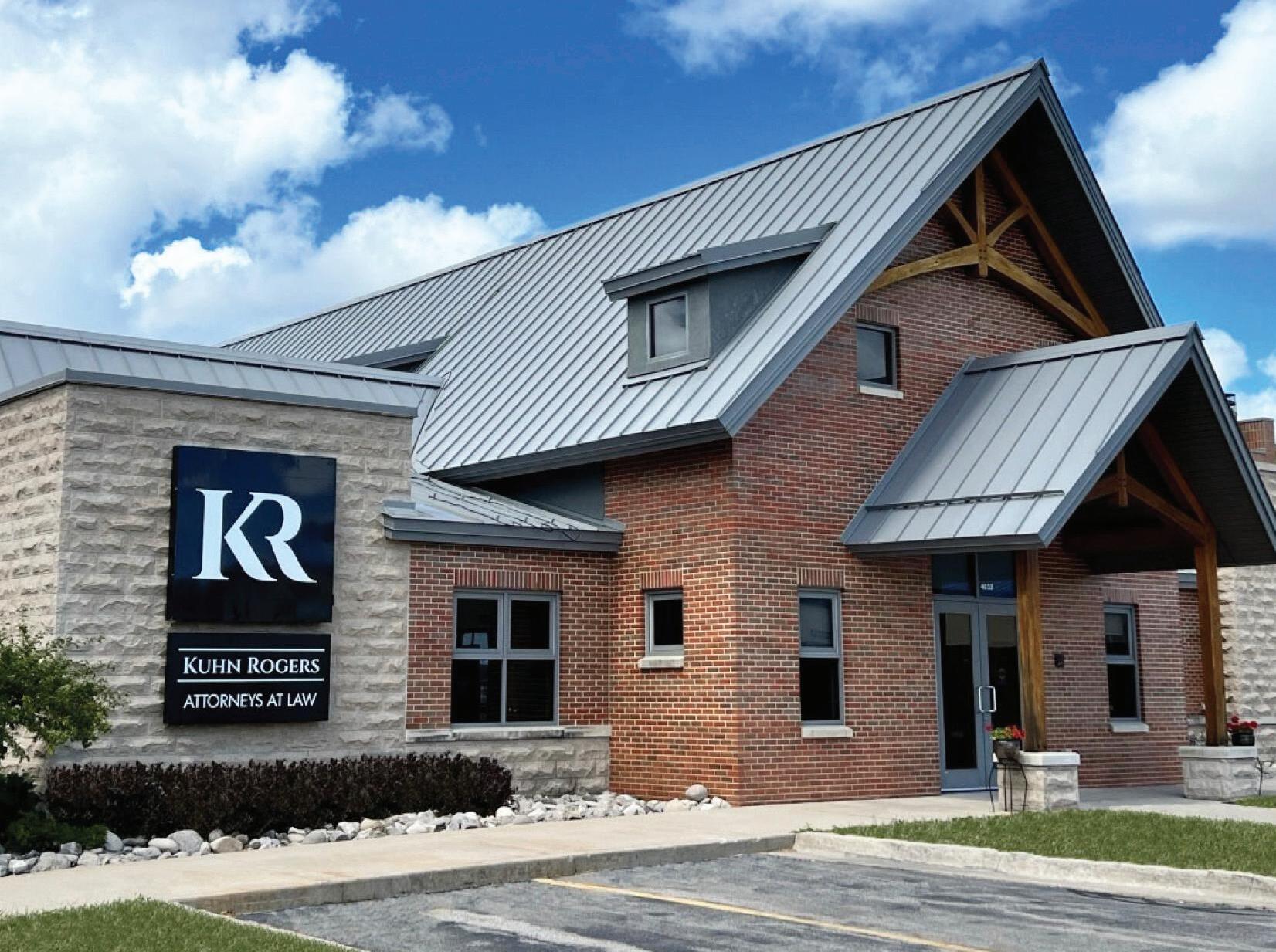

TRAVERSE CITY BUSINESS NEWS OCTOBER 2023 67 NEWSMAKERS
Coldwell Banker Schmidt Realtors’ Traverse City office announces the following:
10 - Heather Burger has joined the office as a real estate agent. Burger was previously an agent in both Chicago and Grand Rapids.
11 & 12 - Sarah Bailey and Gabby Tester have joined the office as new agents.
>> OTHER
14 - Brian Giddis has joined Machin Engineering in Traverse City as a project engineer.
15 - Karoline Griffard has joined Traverse Benefits in Traverse City as a client experience director.
- Kevin Hoffman has joined Sonny’s Body Shop in Traverse City as a body technician. Hoffman has more than nine years of experience in bodywork.
14
13
CORI
Results‐oriented legal services since 1891 Litigation Real Estate Environmental Probate Estate Planning & Administration Business Transactions 231.947.7900 KuhnRogers.com Insurance Banking Corporate Formation & Mergers Mediation Services Trademark All areas of Civil Practice Put our knowledge, experience, and reputation to work for you. WE’ VE MOVED ! Kuhn Rogers is now located at Copper Ridge 4033 Eastern Sky Drive, Traverse City
11 // SARAH BAILEY 12 // GABBY TESTER 15 // KAROLINE GRIFFARD 16 // KEVIN HOFFMAN
// BRIAN GIDDIS
//
FITZPATRICK
EXPOSURES





68 OCTOBER 2023 TRAVERSE CITY BUSINESS NEWS
40Under40 winners Byron Pettigrew, High Five Threads; Auston Minnich, GT Resort and Spa; and Lauren Harris, Advantage Benefits Group, alongside Kaitlyn Nance and Todd Norris, media consultants with the TCBN/TC Ticker/Northern Express/Leelanau Ticker, gathered with other winners at Left Foot Charley to toast the 2023 40Under40 class.
The Blue Cross Blue Shield of Michigan team of Kadin Patterson, Tim Town, Jackie Steele and Jeffry Galvez took to the greens at Traverse Connect’s Leadership Grand Traverse Golf Outing at Crystal Mountain Resort. (Cracker Jack Photography)
The Northern Michigan Angels fall social was held at Bonobo Winery in September. Pictured l-r: Jim Millar, CEO, Atterx BioTherapeutics; Corey Geer, CFO, Atlas Space Operations; Bill Myers, CEO, Promethient; and Jody Trietch, executive director, Northern Michigan Angels.
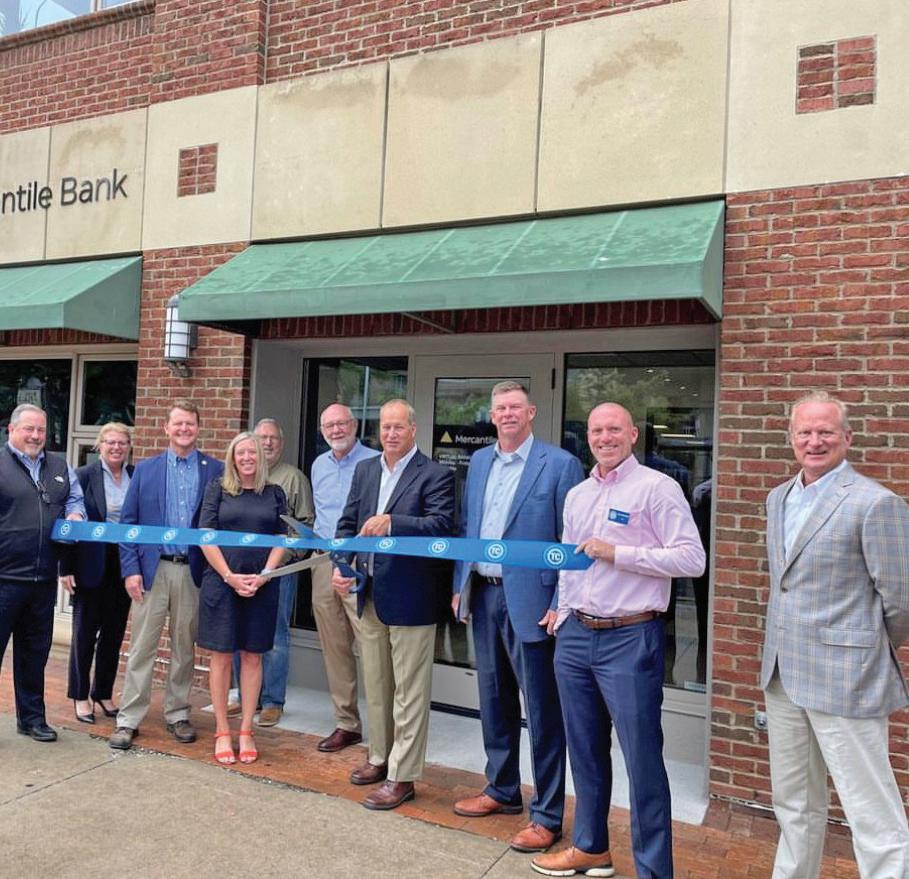


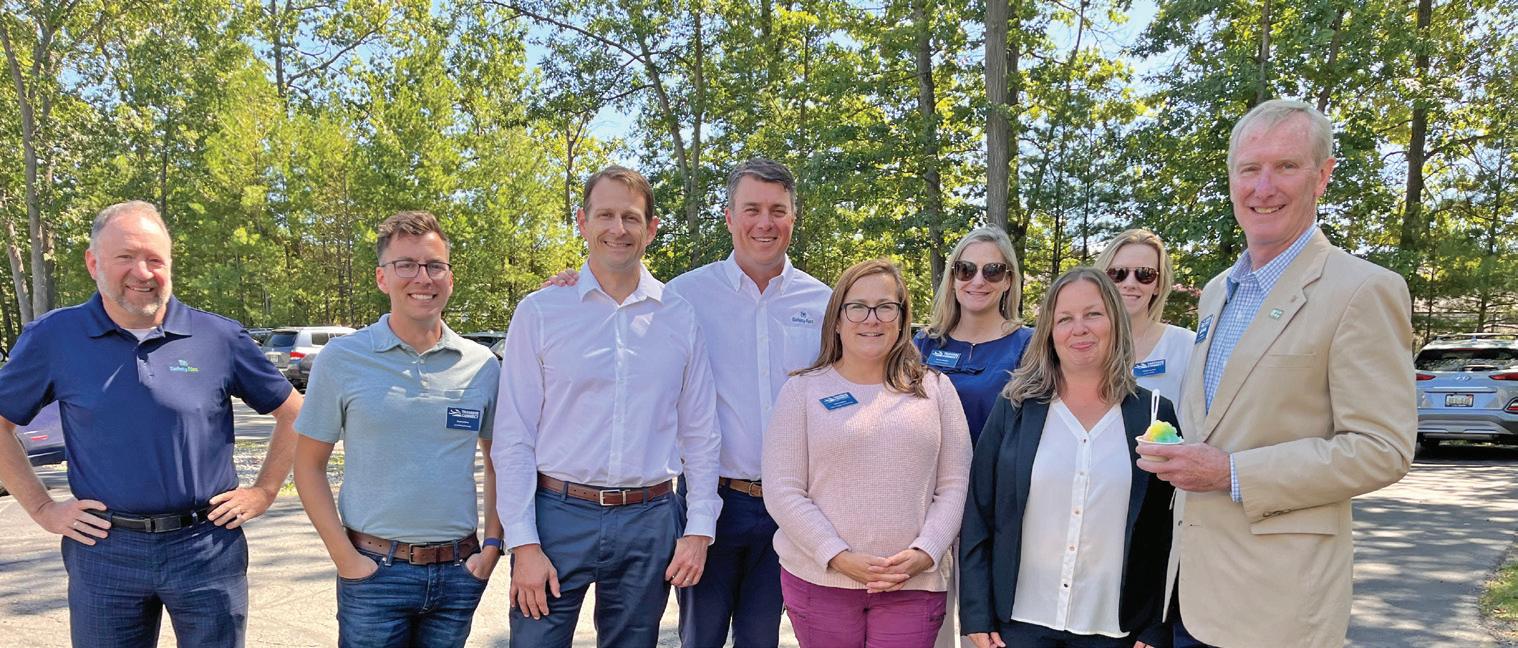
TRAVERSE CITY BUSINESS NEWS OCTOBER 2023 69
Bank leadership, customers, and friends gathered to help cut the ribbon at Mercantile Bank’s new office across from the Park Place Hotel. Pictured l-r: Doug Ouellette, Jean Derenzy (DDA), Rob Staley, Tara Randall, Doug Luciani (Cunningham-Limp), Randy DeRuiter (Cunningham-Limp), Scot Zimmerman, Ray Reitsma, Harry Burkholder (DDA) and Dave Moore (VP Demand Creation Services).
Having fun at the golf outing for the Home Builders Association (HBA) at Crystal Mountain Resort were Maribeth Kinsley, Exit Realty Paramount; Andrea Holcomb, Extreme Cleaning Solutions; Lauren Tucker, HBA and Caroline Haugen, HBA.
Tom Wyatt, Kevin Bozung, Tim Cerny and Jenni Peoples of Safety Net were joined by Traverse Connect ambassadors Brett Lirones, Krista Esckilsen, Laurie Lapp, Brenda McLellan, and John Roddy to celebrate Safety Net’s 20th anniversary.
The Ticker held a special Garden Party Recess at the Botanic Garden at Historic Barns Park Sept. 13. Attendees roamed the idyllic grounds of the Botanic Garden, with live blues music provided by Blair Miller, food by Anavery Fine Foods and drinks by the Roaming NoMi Bar Cart.
NMC Eyes Benzie County

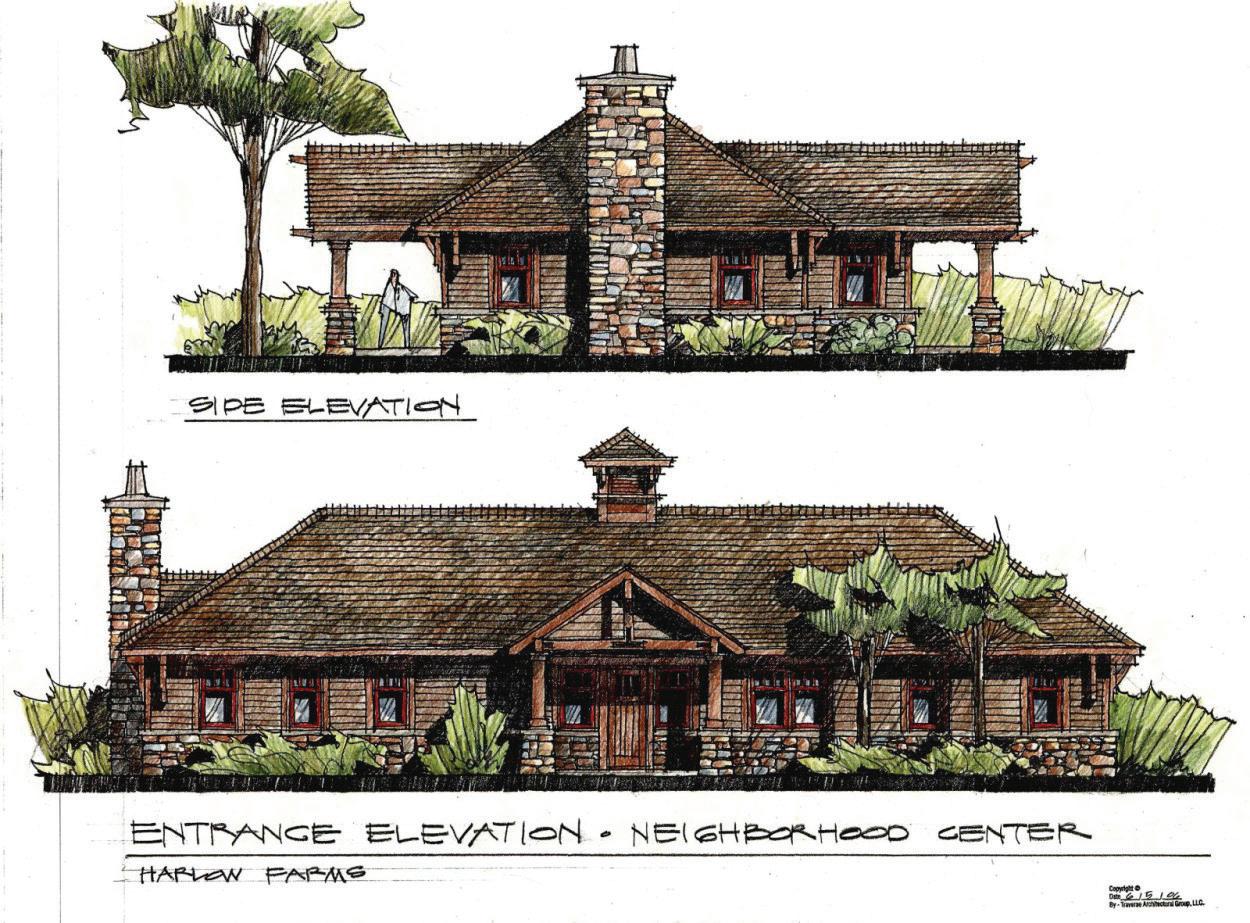
 By Art Bukowski
A Northwestern Michigan College education could become much cheaper for Benzie County residents if an initiative for the college to “annex” that county is successful. While students from across the greater Grand Traverse region and beyond attend NMC, only Grand Traverse County residents get in-district rates. That’s because
70 OCTOBER 2023 TRAVERSE CITY BUSINESS NEWS
Grand Traverse County is the only county with a millage that supports college operations. The in-district rate is $122 a contact hour, while others pay $261.
“You’re paying taxes, and in return, you’re getting a lower rate for college,” NMC President Nick Nissley tells The Ticker. “If you’re from Benzie, right now you’re not paying those taxes, and therefore you’re out-of-district.”
Two citizen groups in Benzie want NMC to formally add their county to the district, a move that would require approval from NMC trustees along with a successful millage election in Benzie County. Nissley says the proposed millage there would be the same as in Grand Traverse County, which currently sits at 2.057 mills.
Nissley and the citizen groups – Advocates for Benzie Couty and BEST Benzie County (Building Educational Success and Training) – point to a large group of citizens in the county who stand to benefit.
“Yes, Benzie Central and Frankfort produce a couple hundred graduates every year, but those folks in Benzie are also concerned about the 8,000 residents in their county who lack post-high school training,” Nissley said. “How do we assist those individuals so that they can take advantage of educational opportunities? Here’s a way that we can make it accessible by making it more affordable.”
In addition to several associate’s
degrees and a few bachelor’s degrees, NMC offers a host of training and continuing education programs that could benefit Benzie County residents.
“There’s going to be ways for us to engage with Benzie that go beyond the traditional 18-year-old student leaving high school and coming to college,” Nissley said. “What about those 8,000 adults who may want to upskill, and those employers that need them to upskill?”
NMC’s board of directors in a recent study session was warm to the idea of exploring adding Benzie to the district, Nissley says, particularly because people in Benzie initiated the talks. The two citizen groups hosted a community meeting Sept. 19 at the Mills Community House to explore the idea further.
“We recognize that this may be a really heavy lift for Benzie County, but we think it’s worth trying,” Maggie Bacon, BEST’s coordinator, told The Ticker.
The heavy lift lies in the fact that taxes can be unpopular, particularly in rural areas. Nissley says the millage will result in about $257 in taxes annually for a $250,000 home. Bacon says it will be critical to explain that NMC’s services and opportunities go far beyond that of a traditional college education.
“NMC is also about career building,” she said. “NMC calls itself a college, and they don’t have a choice, it’s their name, but that word itself can be a barrier in some parts of rural Michigan.”
NMC plans a series of listening
NMC plans a series of listening sessions throughout the county in the fall and into the winter. Depending on what officials hear, NMC trustees could officially approve moving forward with the process in the spring, with a millage election set for late 2024.

sessions throughout the county in the fall and into the winter. Depending on what officials hear, NMC trustees could officially approve moving forward with the process in the spring, with a millage election set for late 2024.
It’s too soon to say what adding Ben -

zie might look like for NMC’s staffing or locations, Nissley says, but he hopes the listening sessions will help iron out the details.
“We want to listen to the community and figure out what they need and what they desire,” he says.
TRAVERSE CITY BUSINESS NEWS OCTOBER 2023 71 High-five for Member FDIC. *Annual Percentage Yield (APY). Rate is accurate as of June 15, 2023. Rate based on monthly volume of debit card usage. Rate subject to change without notice. If eStatements are not selected, a $3/month fee will be assessed for paper statements. Fee is subject to change at any time. Fees may reduce earnings. $10 minimum deposit is required at account opening. Subject to standard account opening guidelines. Scan the QR Code or visit IndependentBank.com/5 to get started today!

72 OCTOBER 2023 TRAVERSE CITY BUSINESS NEWS
BOOK REVIEW
By Chris Wendel
Greg Harden has something to say about what’s holding you back ... and the answer is you.
A native of Detroit who trained as a social worker, Harden found his niche when he was hired by the University of Michigan football program to address players on substance abuse. His no-nonsense approach led him along a path to become a peak performance coach, executive trainer and motivational speaker.
Harden’s best-selling book, “Stay Sane in an Insane World,” leads with his work with high-achieving athletes at Michigan, including the recently retired pro football icon Tom Brady, Olympic swimmer and gold medalist Michael Phelps, and a host of world-class athletes, doctors and business leaders.

The book instills in readers the concept of becoming an expert on yourself. This includes the realization that each of us is the dominant creative force in our life, while blocking out the noise and voices that hold us back.
The chapters move from explaining a concept and reinforcing it with Harden’s client experiences and their testimonials. This sometimes creates the duplication of content, but overall this is a minor distraction.
Whether you like Tom Brady or not, the book’s account of the accomplished football player best demonstrates Harden’s approach. Entering the University of Michigan as one of many quarterbacks on the Michigan football team, Brady first met with Harden during his junior year. At that time Brady was clearly frustrated and was blaming coaches and outside circumstances for his lack of playing time. Harden’s no-nonsense approach challenged Brady to refocus his efforts with what he could control, how he could improve himself, and to ignore the outside forces he had no control over.
Harden recounts other athletes he has worked with who defined themselves solely with the sport they played. One chapter illustrates the process of defining a longer-term purpose that surpasses the limited shelf life of a youthful career. This carries over into other careers and situations where people find themselves working to fulfill the outside expectations of others and not necessarily their true selves.
Midway through the book, Harden includes a worksheet that readers can use to write down their purpose in life, as well as goals and what Harden terms self-supporting attitudes and behaviors. I personally struggled when distilling everything down for this assessment. At the same time, the timing of this exercise set the stage for the rest of the book and personalized the later chapters.
If one pays attention, self-doubt and fear are predictable behaviors that can be managed with your emotions and
STAY SANE IN AN


How to control the controllables and thrive

 By Greg Harden
reactions. Harden places a heavy emphasis on not letting the voices of others determine your self-image.
He also stresses the concept of creating the best version of one’s self. This includes giving “100%, 100% of the time,” which on the surface may seem unreasonable. What Harden is expressing is the ability to zone in on what matters, eliminating those negative thoughts, and working to excel. This includes Harden’s process of “commit, improve, and maintain” in order to build constructive, lasting habits.
“Stay Sane in an Insane World” is a culmination of accomplishments for Harden who has risen to national acclaim, including an appearance on the CBS news magazine show “60 Minutes,” major newspaper coverage, and guest spots on popular podcasts. For some, the overemphasis on the University of Michigan athletic program will seem over the top (especially for Michigan State alums and fans!) Yet, Harden’s work is timely if you’re looking to upgrade your personal performance while becoming an expert on yourself. To do so takes time and effort. As Harden says, “This is not a conventional how-to book, because it requires you to think.”
Chris Wendel works for Northern Initiatives, a mission-based lending organization based in Marquette, Michigan. Northern Initiatives provides funding to businesses throughout Michigan and online business resources through its Initiate program to small business owners throughout the United States. Wendel lives and works in Traverse City.
TRAVERSE CITY BUSINESS NEWS OCTOBER 2023 73
INSANE WORLD
231-276-9910 (call or text) LongLakeMarina.net 9685 US-31, Interlochen Fish
of winners In-Home Health Care with More. Our caregivers are skilled helpers with big hearts, dedicated to providing consistent care and companionship that feels right at home. Call for a free consultation. 231.932.0708 For life’s next transition, turn to MONARCH. monarch homehealth.com
with a couple





































74 OCTOBER 2023 TRAVERSE CITY BUSINESS NEWS www.traversecpa.com 231.947.9260 Small Business Consulting. Tax Preparation. Uncommon Clarity. We’re a different KIND of accountant. WE’RE IN THE BUSINESS OF HELPING GOOD BUSINESSES. (Like yours.) 26 JANUARY 2022 TRAVERSE CITY BUSINESS NEWS SUBSCRIBE TODAY! OUR BEST RATE POSTAGESTDPRSRT PAID CITY,TRAVERSE PERMIT $3 JUNE2021 VOLUME26 NUMBER9 GREENLIGHT FORSUMMER Localbusinessesprepareforwhatmightbethebesttourismseasonever. ssbankmi.com/yesican TCBNFrontCoverBanner Isyourbank Isonyourside? yourbank onyourside? orizontalones... PRSRT PAID TRAVERSE $3 MAY 2021 VOLUME 26 NUMBER RAKING IT IN Toprealtorsshineinourannualrankingof northernMichigan’stop-sellingrealestateagentsssbankmi.com/yesican Fedupwithyourbank? TCBNFrontCoverBanner DECEMBER 2020 VOLUME 26 NUMBER $3 begins vinegar. 3 STEPS TO SHOP & SAVE ON CORPORATE AND LARGE GROUP GIFTS Select your 2 Add will 3 valued Area nonprofit leaders reflect on an unprecedented giving season - page 20 Predicting a whole new tax year ahead - page 36 Even with offices closed,employees volunteering - page 8 New One-Year Subscription (12 issues) JUST $35 Renew my subscription for one year (12 issues) - $35 Payment Enclosed Bill Me Charge My Credit Card Visa MasterCard C.C No. Exp. Date Sec. Code Name Business Name Address City/State/Zip Email MAIL TO: TC Business News P.O. Box 1810 Traverse City, MI 49685-9965 theTCBN








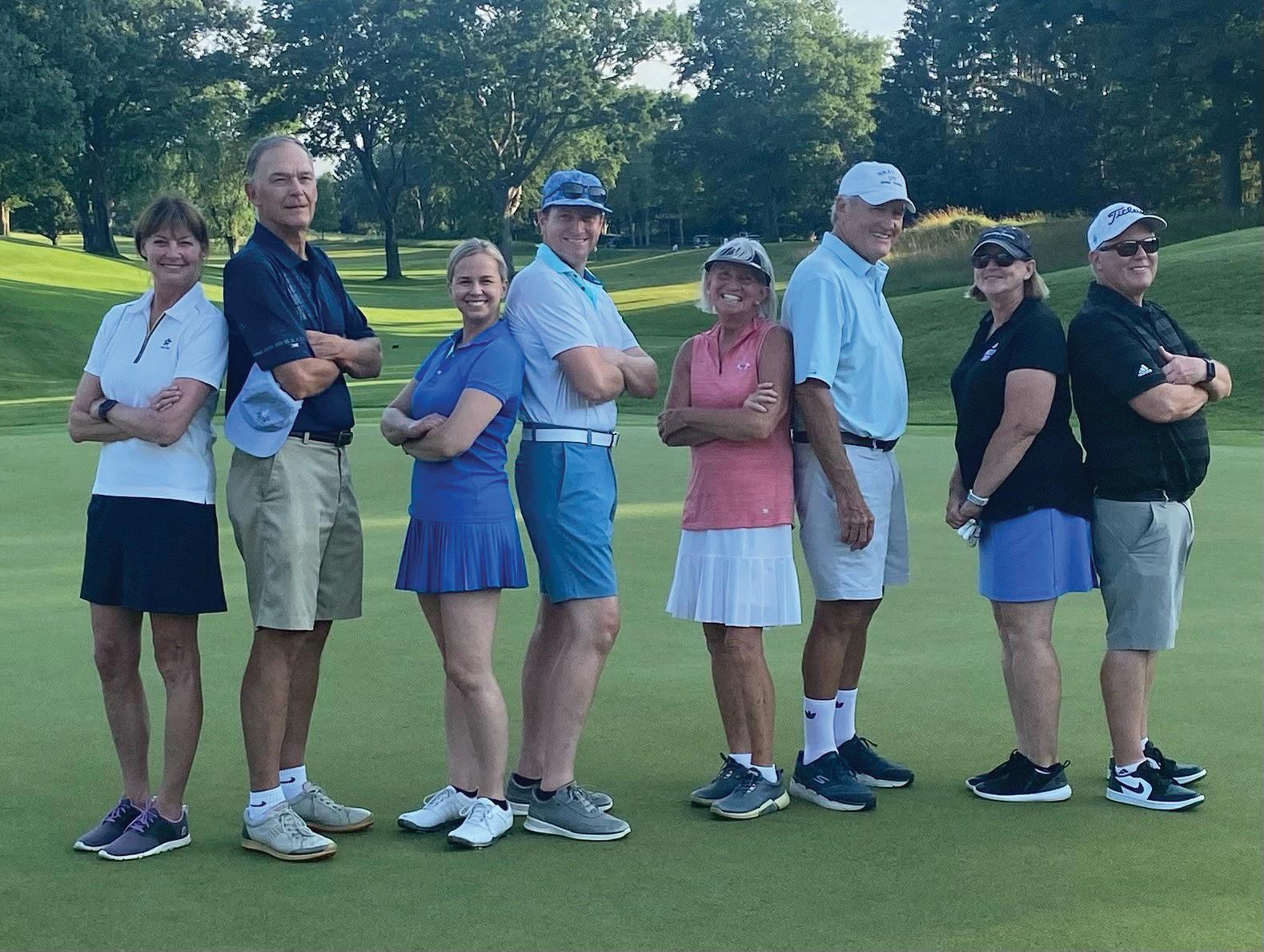
TRAVERSE CITY BUSINESS NEWS OCTOBER 2023 75 GOLF . SWIM . GATHER . DINE The time to JOIN is NOW! Contact our Membership Director Susan McElduff for information. susanl@tcgcc.com 231.947.0985 TCGCC.COM { Lifetime friendships made here. } Enjoy all the CLUB has to offer in a beautiful, private escape. •18-Hole Golf Course & Expanded Clubhouse •New Aquatics Complex •New Fitness Center • Tennis & Pickleball •Children’s Activities Center •Social Events, Dining & More Golf and Social Memberships are available. Looking for a great way to connect with other families and professionals? We offer individual and family memberships. Ask about our amenities and additional benefits. Reconnect with old friends. And meet some new ones too! Stuffiness not included!








· · MONTH NATIONAL Best Prices of the Season on Karastan Floors Sept 21 - Oct 31 Natural Hardwood Waterproof Luxury Vinyl