2025ANNUAL REPORT
By mail:
Coastal Sustainability Institute/ Marine Science Center 430 Nahant Road Nahant, MA, 01908
Department of Marine and Environmental Sciences 14 Holmes Hall 360 Huntington Avenue Boston, MA 02115
On the web: cos northeastern edu/marine-environmental-sciences/ cos.northeastern.edu/marinescience/ research.northeastern.edu/coastal-sustainability-institute/
PHOTO CREDITS: Matt Modoono/Northeastern University; Adam Glanzman/Northeastern University; Alyssa Stone/Northeastern University; Sierra Muñoz
This report was created by Sierra Muñoz and Elena Davis (MES ‘28), with gratitude to Liz Magee for content contributions.
Contact us by email at msc@northeastern edu for a printed copy of this report!
Dear Friends –
Greetings from the Nahant Campus and Holmes Hall serve as the home of the Department of Marin Environmental Sciences, the Marine Science Center and Coastal Sustainability Institute (CSI)! In 2025, our a faculty, staff and students continued their outstanding research, teaching and service to society. The scope an
impact of our community’s collective work is humbling to witness, and highlights the impressive talents of so many individuals seeking to make a difference to science and society. As is always the case, the achievements of the past year are too numerous for me to call out individually here. Nevertheless, I hope this Annual Report will enhance and broaden the appreciation of the amazing people in our community and their outstanding work!
It is my personal view that the quality of an academic unit is strongly shaped by its students and once again our undergraduate, masters and doctoral students were the tide that lifted all boats. For example, Marcella Heineke won a Grant-in-Aid of Research from the Phycological Society of America and Samina Soin-Voshell is participating in an NCEAS working group focused on organismal and community responses to climate change. I am also thrilled to highlight the six students that successfully defended their PhD this past year! And as is typical, you will also see that many of our students and postdoctoral scholars are authors on the numerous publications based on the innovative research taking place on the Nahant Campus Finally, undergraduates engaging in research experiences, which are supported by the MSC Summer Internship and the Barrett Internship programs, continued to thrive
Our collective efforts to engage with local communities and organizations are enhancing access to STEM and promoting advancement of students that have historically been marginalized from science Whether it is the outstanding community outreach and educational programs led by Sierra Muñoz and the Outreach Program or the MES Diversity, Equity and Inclusion Committee led by Loretta Fernandez and Gabriel Garcia, our colleagues are having impacts that extend beyond the immediate realm of science. These efforts have long been supremely important to our community, but they have now assumed even more importance given the current sociopolitical climate.
Our faculty continued to shine with their outstanding and impactful teaching and research as well community engagement in partnership with Sierra’s Outreach Program. The achievements are many but I would like to highlight Randall Hughes’ election as a Fellow of the American Association for the Advancement of Science. This is a great honor and signals the broad respect that the scientific community has for Randall’s cutting-edge research on the ecology and restoration of coastal ecosystems.
It is an honor to be part of this inspiring community and I am grateful to the wonderful donors that help make our critically important work possible!
Cheers,

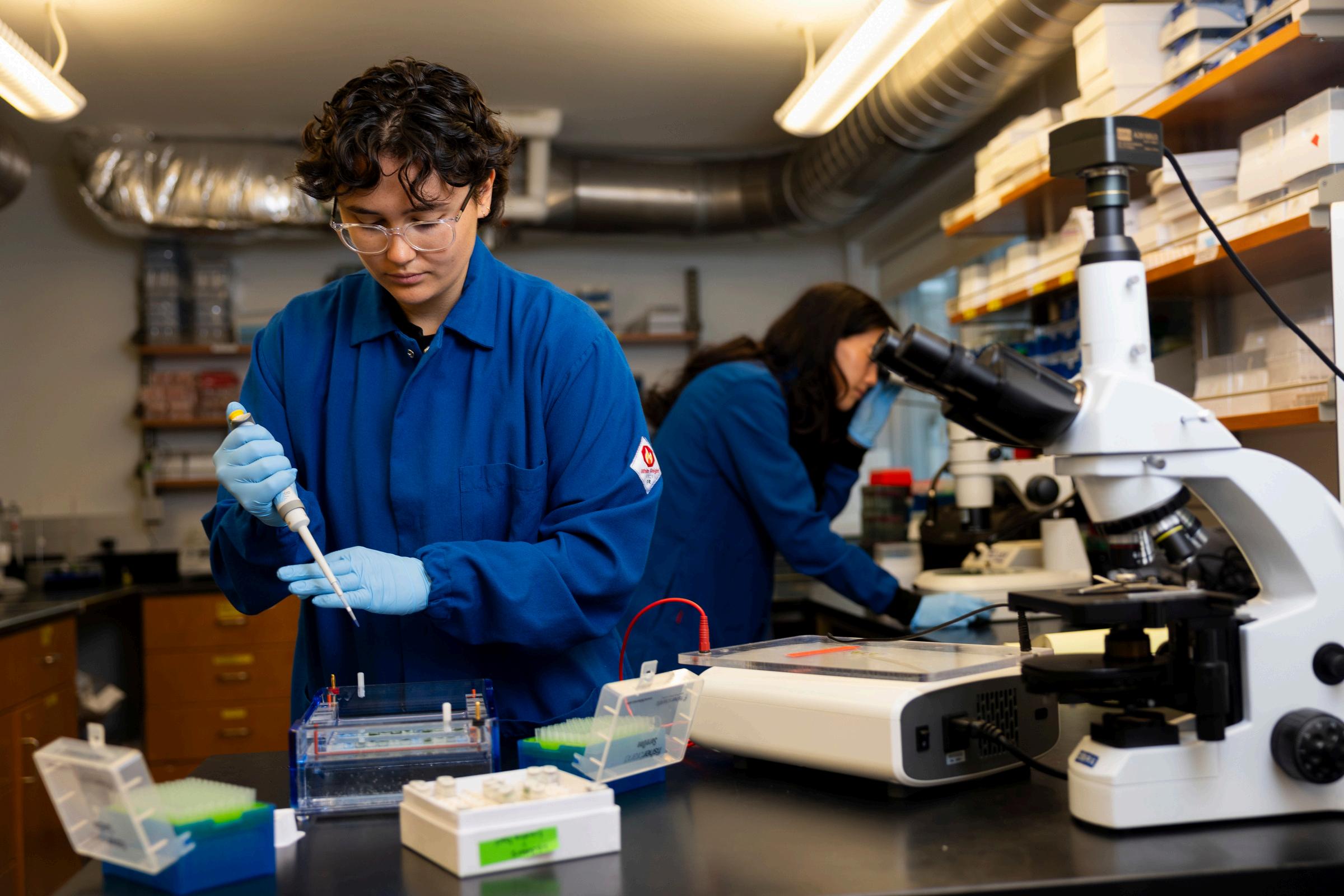
Over the past year, we engaged more than 500 undergraduate students with courses grounded in real-world challenges, and celebrated 6 doctoral graduates. Students across the Marine & Environmental Science (PhD), Human Behavior and Sustainability Science (PhD), Environmental Science & Policy (MS), and Marine Biology (MS) programs pursued cuttingedge research, earned prestigious awards, and strengthened our culture of mentorship in classrooms and labs alike.
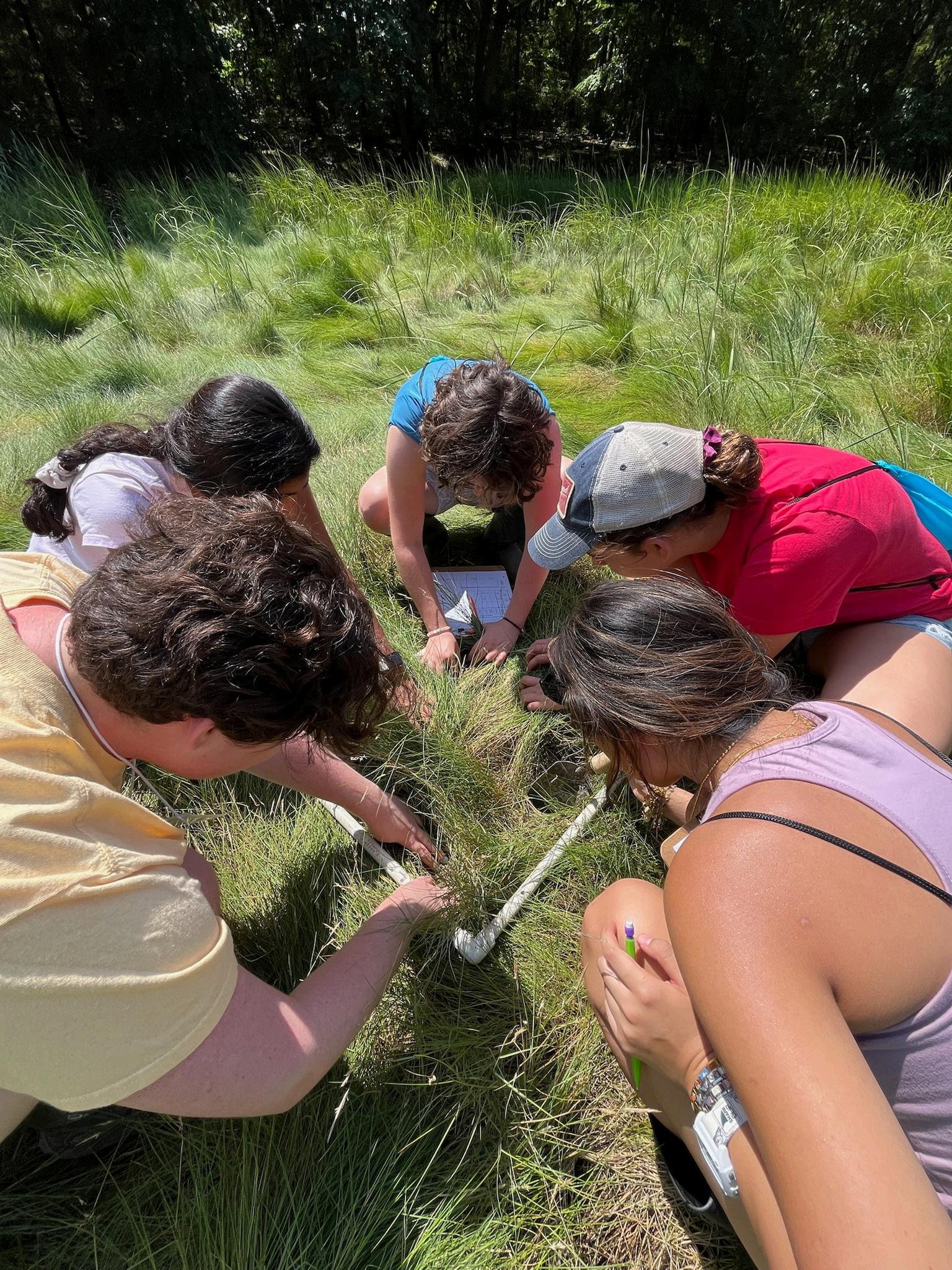
In 2025, our community expanded its interdisciplinary research portfolio, drawing on $3 4 million in research awards and a worldwide network of partners across academia, industry, and nonprofit and governmental organizations
We tackle fundamental questions in marine, environmental, and sustainability science generating new knowledge and practical solutions in support of humannatural systems
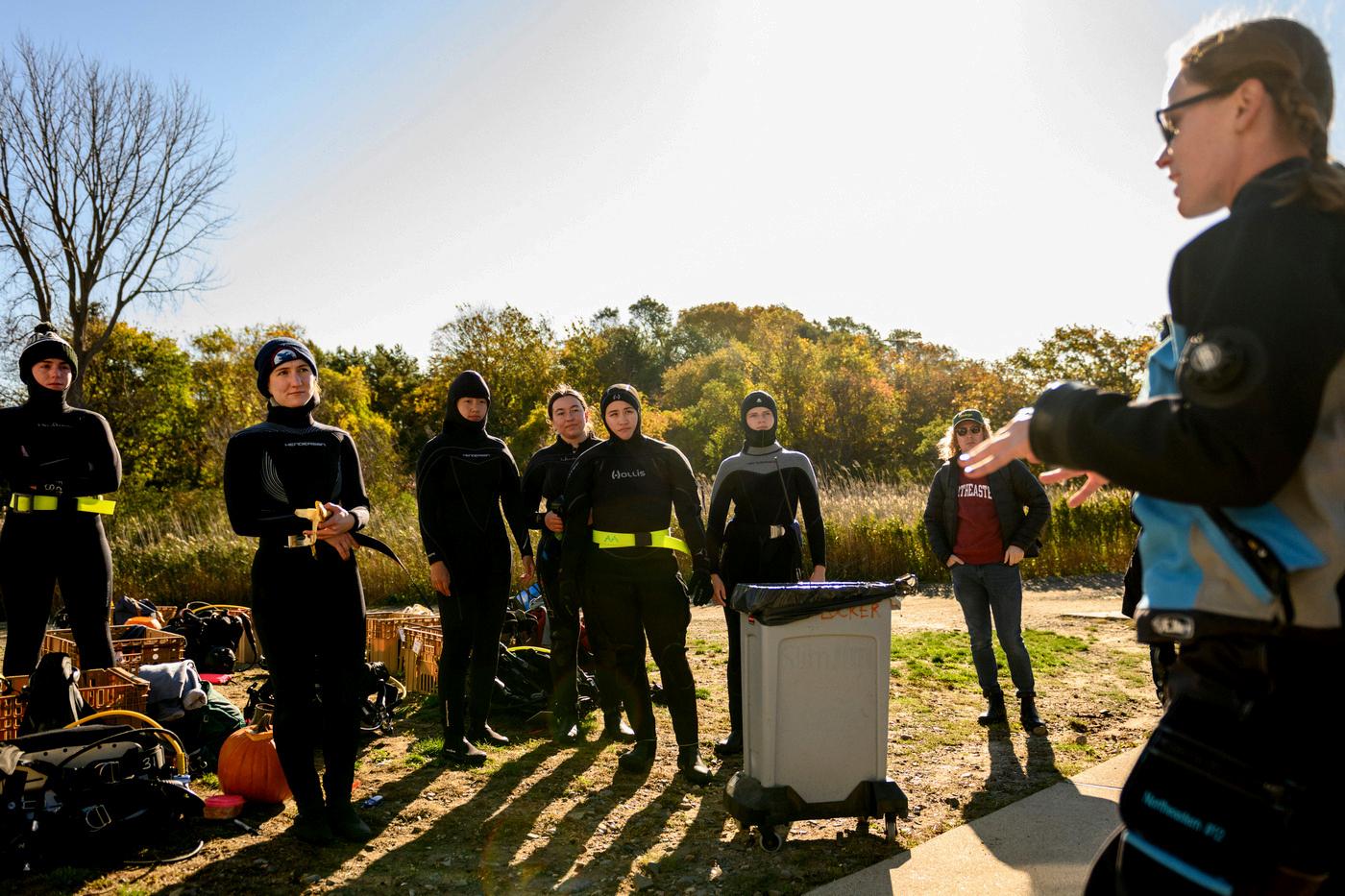
We brought meaningful environmental science experiences to more than 4,000 students, educators, and community members through K–12 outreach, graduate workshops, stakeholder partnerships, internships, and public science events.
Our work extends well beyond campus through field research and knowledge exchange, we invest in communities across New England and the nation, connecting residents with the science in their own backyards and supporting local economies.
Our dedicated, interdisciplinary faculty continued to bring creativity and innovation to their teaching and research. Indeed, more than half of our faculty are jointly appointed to facilitate collaborative research, education, and mentorship with other disciplines including psychology, civil and environmental engineering, environmental policy, and the humanities. Our curriculum addresses complex, evolving challenges facing our society, empowering our 500+ undergraduate majors to explore interdisciplinary approaches and solutions.
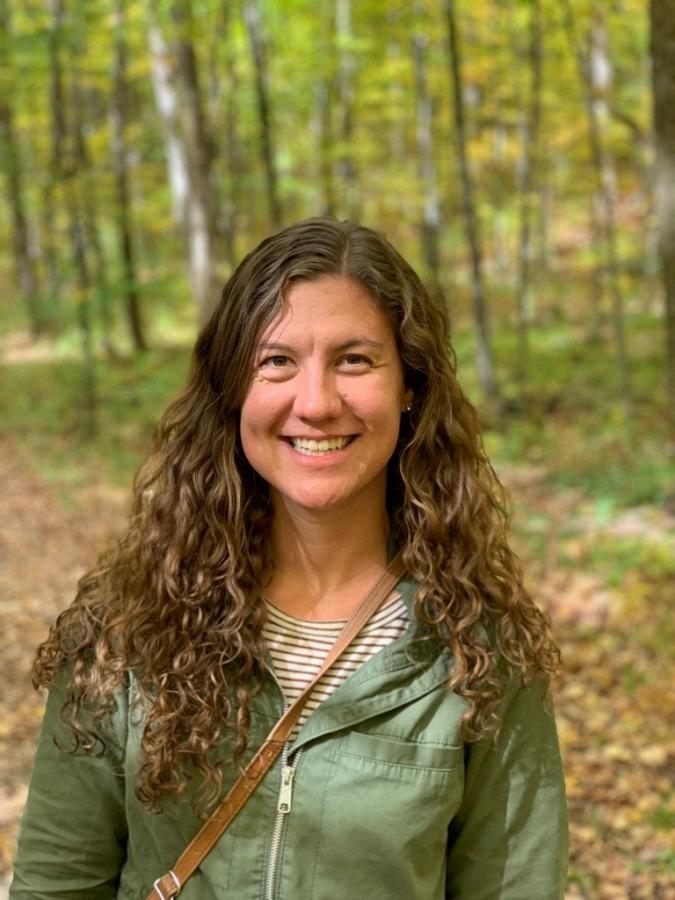
Dr Wiman will be joining the Department of Marine and Environmental Sciences next term as an Assistant Teaching Professor
Dr Wiman recently completed a postdoctoral fellowship in the Earth Surface Systems Lab studying paleofloods, paleohydrology, and climate reconstruction using lake sediments and geological records. Her arrival strengthens our geoscience teaching capacity, and her experience mentoring students will be an invaluable asset to our community of learners.
Students in our programs benefit from a rich network of faculty expertise that extends well beyond a single discipline. Professors Loretta Fernandez, Jim Chen, James Dennedy-Frank, Rain Miao, Samuel Muñoz, Amy Mueller, Mark Patterson, Cristina Schultz, and Aron Stubbins all hold joint appointments in the Department of Civil and Environmental Engineering, bringing applied engineering perspectives to environmental and sustainability sciences.
By bridging the natural sciences and engineering, we offer student exposure to a broad range of tools and approaches for understanding complex environmental challenges from watershed dynamics and coastal resilience to pollution remediation and climate adaptation.
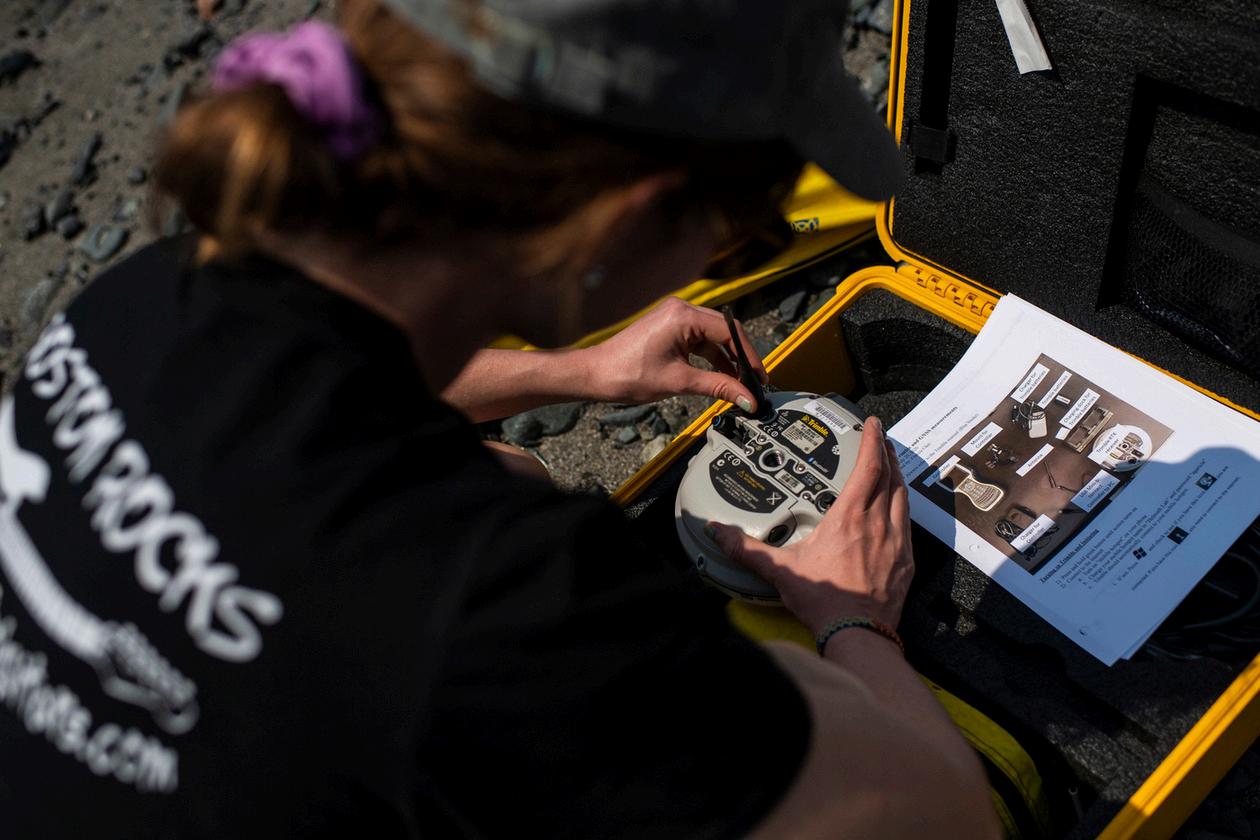
MES research focuses on understanding how coastal and marine systems are changing and ensuring that science drives real solutions, centered on the communities most affected.
In 2025, our efforts were supported by diverse entities including the National Science Foundation, The Nature Conservancy, the National Ocean and Atmospheric Administration, the US Army Corps of Engineers, and numerous foundations and research councils.
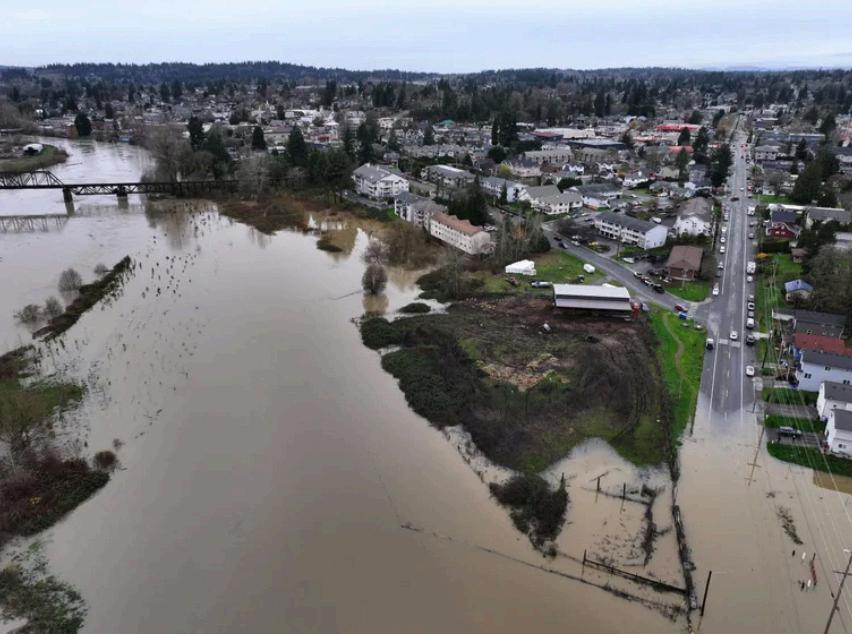
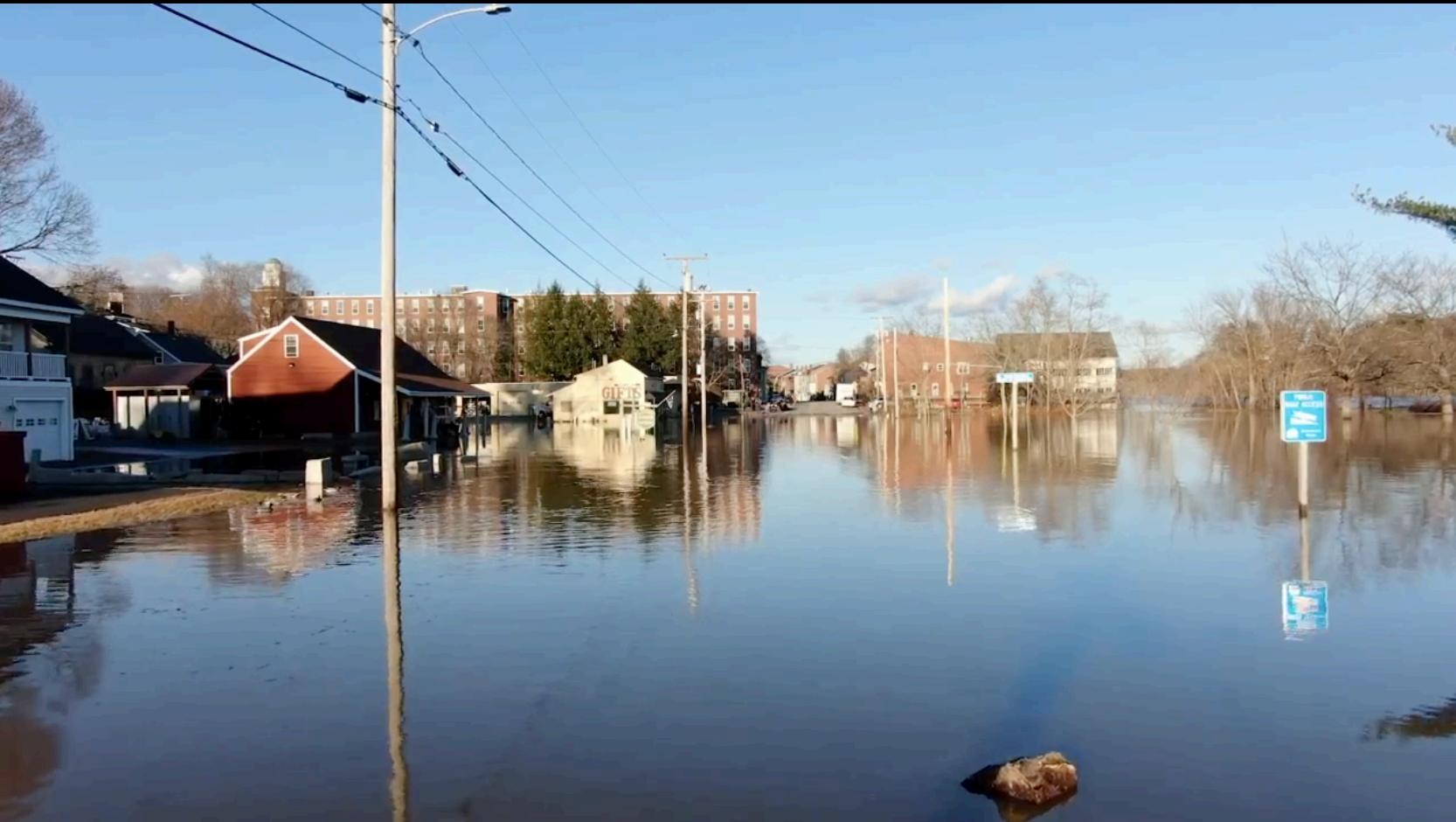
Professors Samuel Muñoz, James Dennedy-Frank, Geoffrey Trussell, and Damon Hall are leading an NSF-funded project addressing the $500 billion in annual flood damage facing U.S. communities. The project integrates scientific data with local knowledge to better predict, communicate, and plan for flood risks, developing decision-support tools and visualizations in a range of future conditions.
In the next phase, Dr. Hall will facilitate stakeholder engagement with communities in Maine, drawing on his experience in water resource and resilience issues The team seeks to ground both science and solutions in real priorities of the people most affected by flooding
We are proud to congratulate Professor Randall Hughes on her election as a 2024 lifetime Fellow of the American Association for the Advancement of Science (AAAS) She is recognized for developing a fundamental understanding of the role of genetic diversity in the conservation and restoration of species that define ecosystems, with research spanning multiple coastal habitats that she now applies to real-world conservation and restoration efforts.
Dr. Hughes was among 471 scientists, engineers, and innovators elected to the fellowship, a well-deserved honor reflecting the impact of her career and the contributions of the many students and colleagues she has worked with along the way.
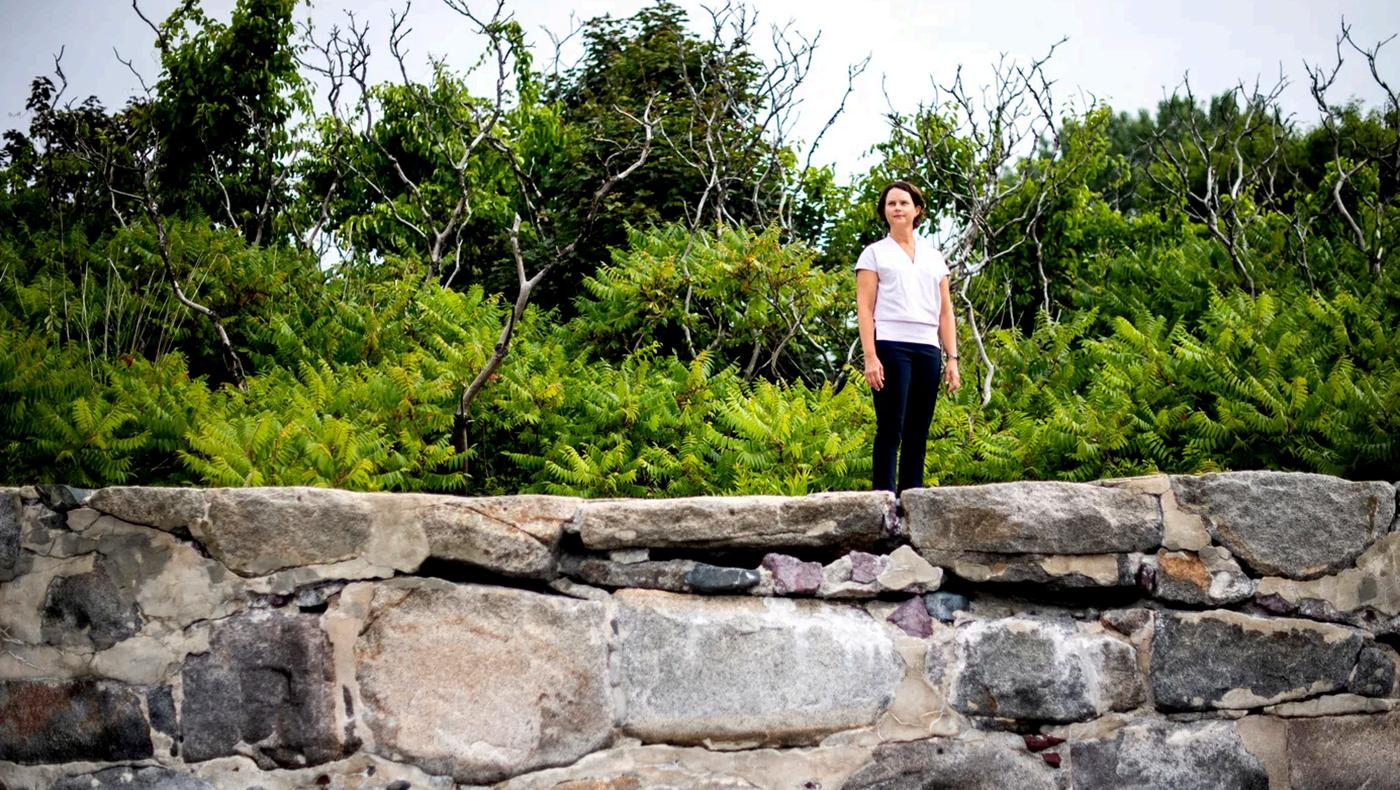
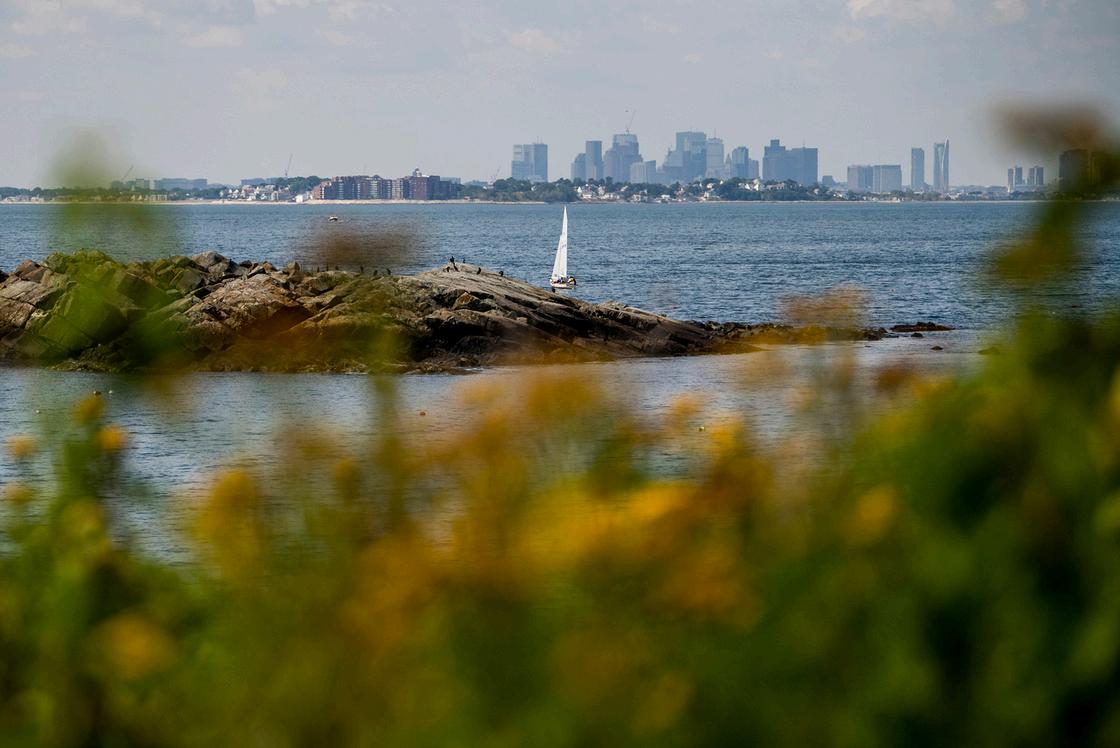
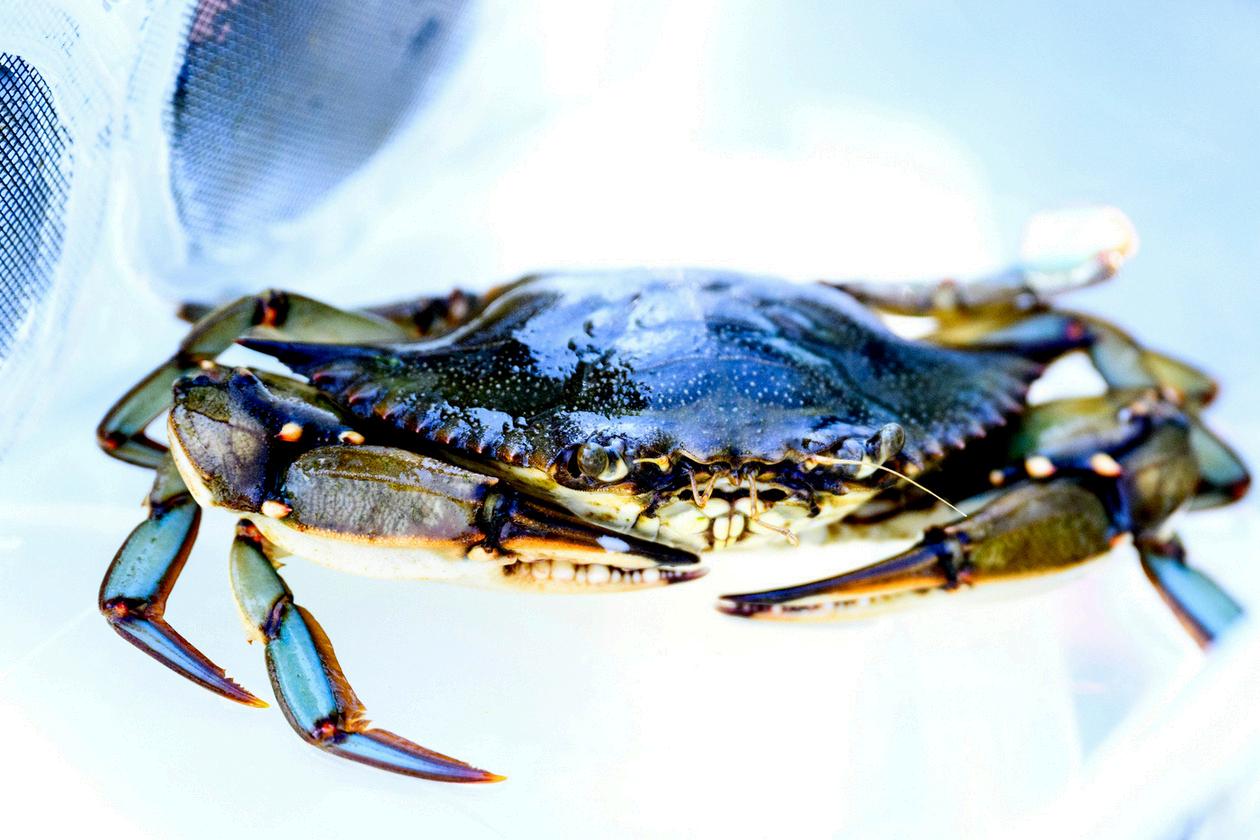
MES researchers investigate how coastal and marine ecosystems respond to environmental stress and change: from community-level stability and food web dynamics, to marsh plant resilience in shifting hydrological conditions, to the dynamics and repercussions of ecosystem tipping points.
This year, our work strengthened connections between ecological theory to conservation and management applications, including fisheries habitat mapping, salt marsh nutrient monitoring, and oyster aquaculture management
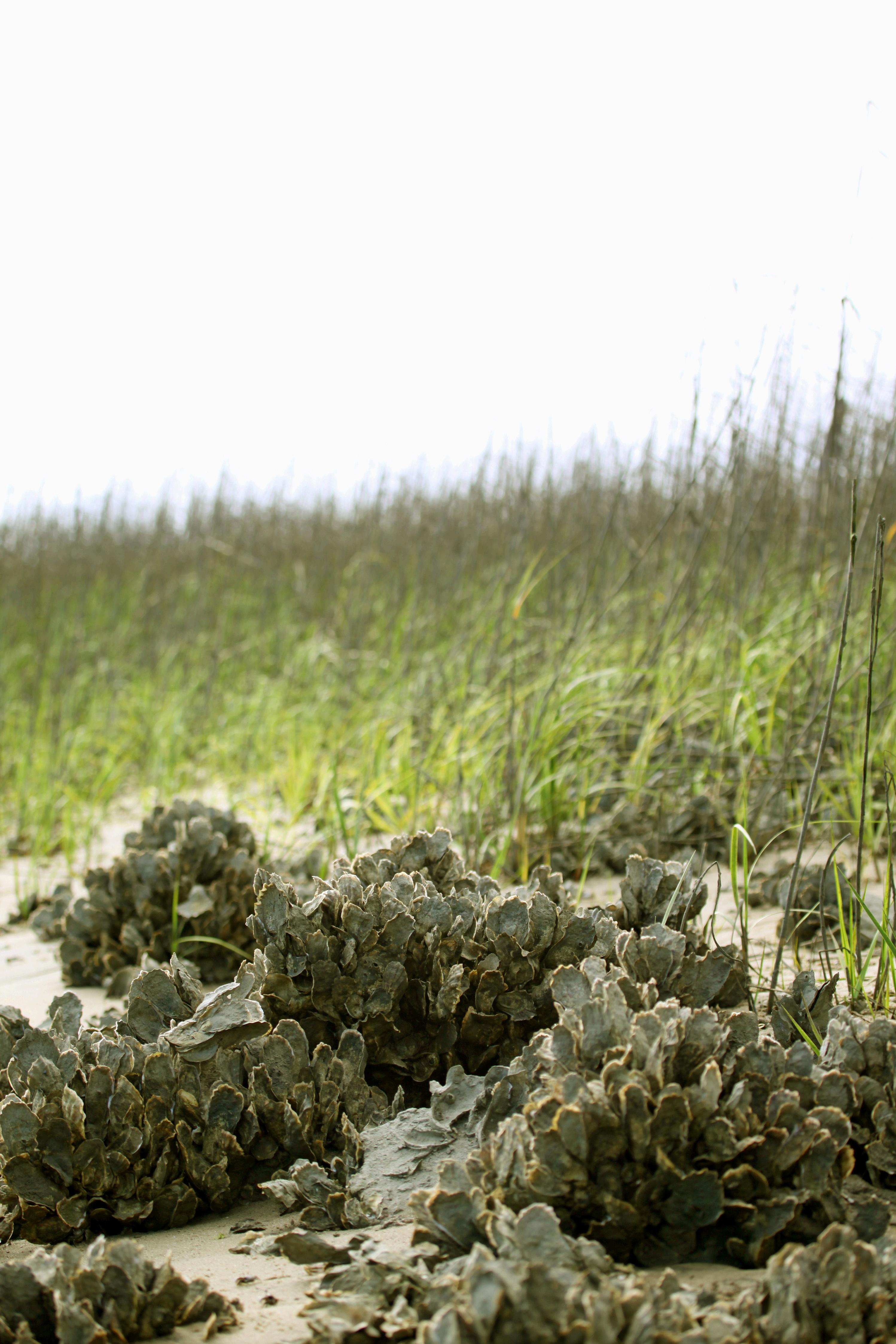
The Coastal Sustainability Institute continues to grow its productive partnership with The Nature Conservancy of Massachusetts
This year, joint CSI-TNC Coastal Sustainability Postdoctoral Fellow Jessica Griffin explored how oyster aquaculture and eelgrass habitats affect each other, with the goal of informing management practices that ensure mutual benefits for both. This work is grounded in MES and CSI researchers' deep expertise in coastal habitat restoration and supports broader efforts to develop critical coastal habitat restoration plans.
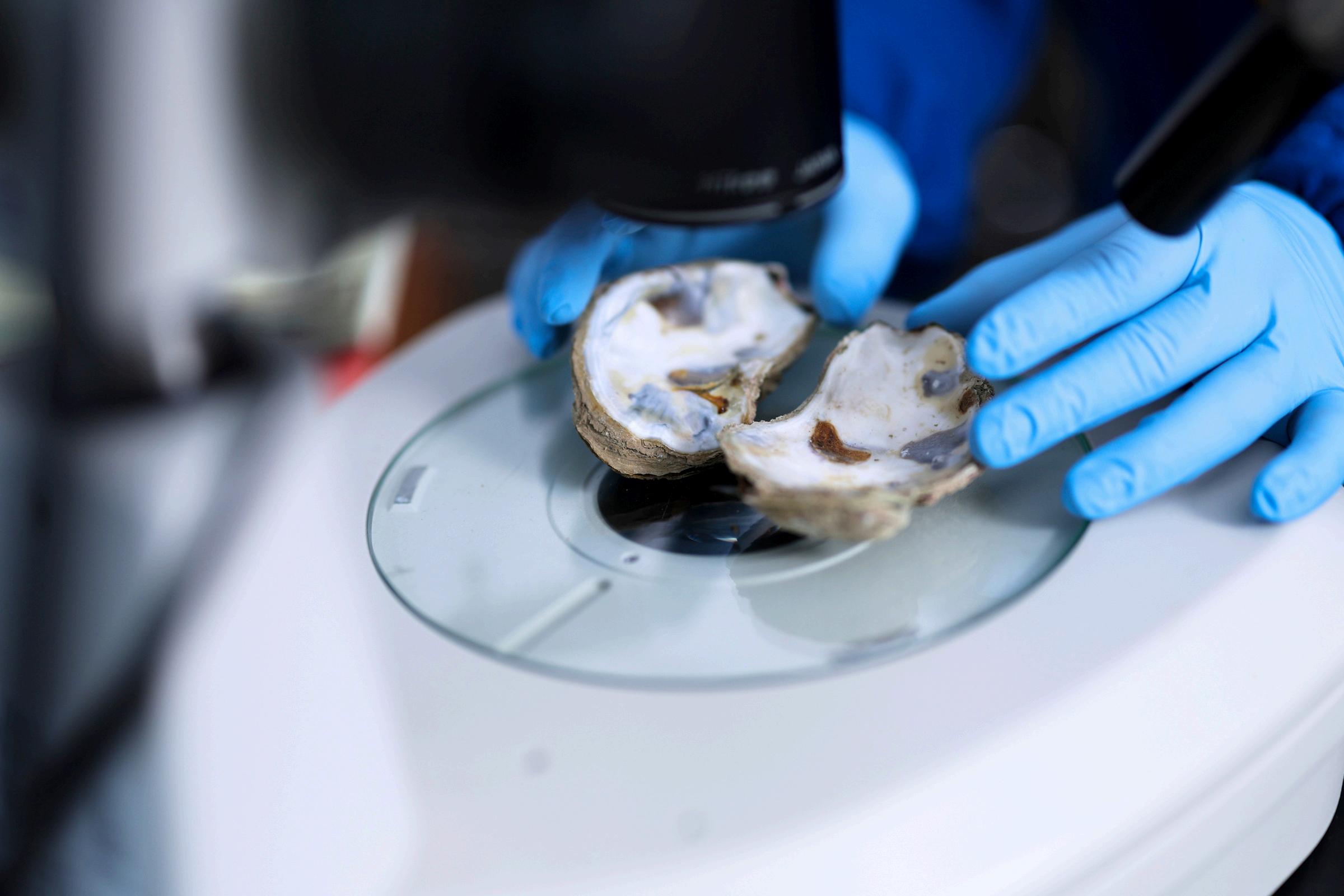
Garces, K., Hanley, T., Deckert, R , Noble, A., Richards, C , Gehring, C , & Hughes, A. R.
fluctuating environments. Methods in Ecology and Evolution, 16(12), 2873–2885. https://doi.org/10.1111/2041-210X.70192
Pillai, P., & Gouhier, T. C. (2025). Time-structured models of population growth in Sarà, G., Mangano, M. C., Helmuth, B., Wang, J., Berlino, M., Botero, A., & Dong, Y. (2025).
Schultz, K. M., Scyphers, S. B., Hughes, A. R., Kimbro, D. L., Kirk, S., & Grabowski, J. H.
Biodiversity integration drives sustainable and restorative aquaculture. Aquaculture, 612, 743165. https://doi.org/10.1016/j.aquaculture.2025.743165 (2026). Coastal residents' perceptions and attitudes of the visual impacts of oyster aquaculture cultivation methods along the Atlantic coast of the US. Ocean & Coastal Management, 271, https://doi.org/10.1016/j.ocecoaman.2025.107951
Sullivan, H. L., Holtzer, J., Deegan, L A , & Bowen, J. L. (2025) The effect of runnels on
salt marsh sediment dynamics, vegetation, and nitrogen cycling. Estuaries and Coasts, 48, 73. https://doi.org/10.1007/s12237-025-01511-6
Swinea, S. H., Smith, H , Grabowski, J. H., Powers, S P , Wylie, S , & Scyphers, S B (2025)
Yeager, M. E., & Hughes, A. R. (2025). Functional trait analysis reveals the hidden stability (2025). Bacterial and fungal root endophytes alter survival, growth, and resistance to grazing in a foundation plant species. Oecologia, 207, 9. https://doi.org/10.1007/s00442-024-05650-8
Subsistence fishing patterns near food deserts Proceedings of the National Academy of Sciences, 122, e2519112122 https://doi org/10 1073/pnas 2519112122
of multitrophic communities Ecology, 106(2) https://doi org/10 1002/ecy 70001
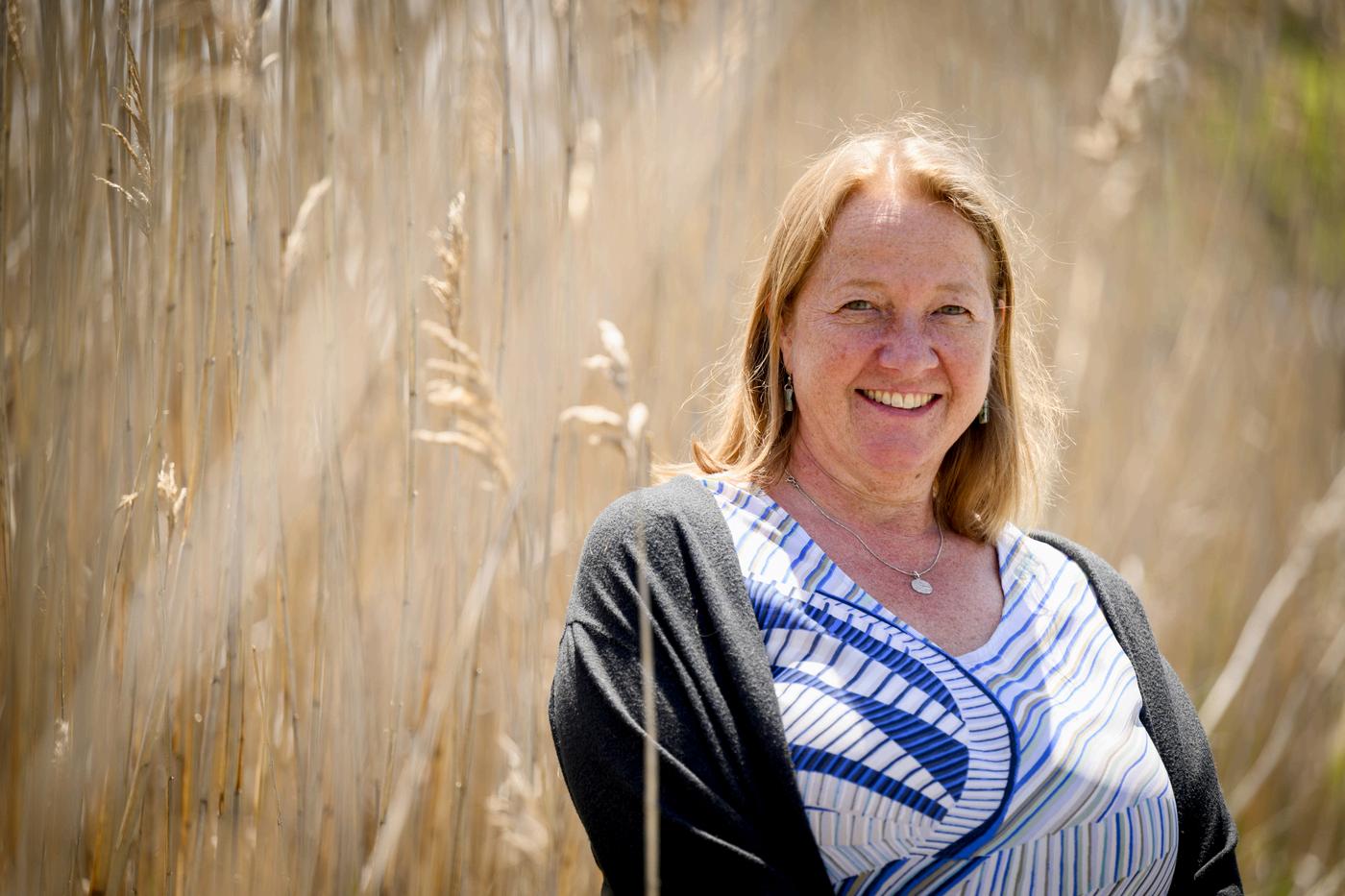
Jennifer Bowen
Simons Foundation
Ecosystem on the Edge: How Coastal Marsh Plants and Microbes Thrive in an Oscillating Environment
Jonathan Grabowski
Gulf of Maine Research Institute
Mapping the spatial footprints of key northeast groundfish stocks and their habitat use
Randall Hughes
The Nature Conservancy
Social Factors Influencing Coastal Habitat
Restoration Suitability in Massachusetts
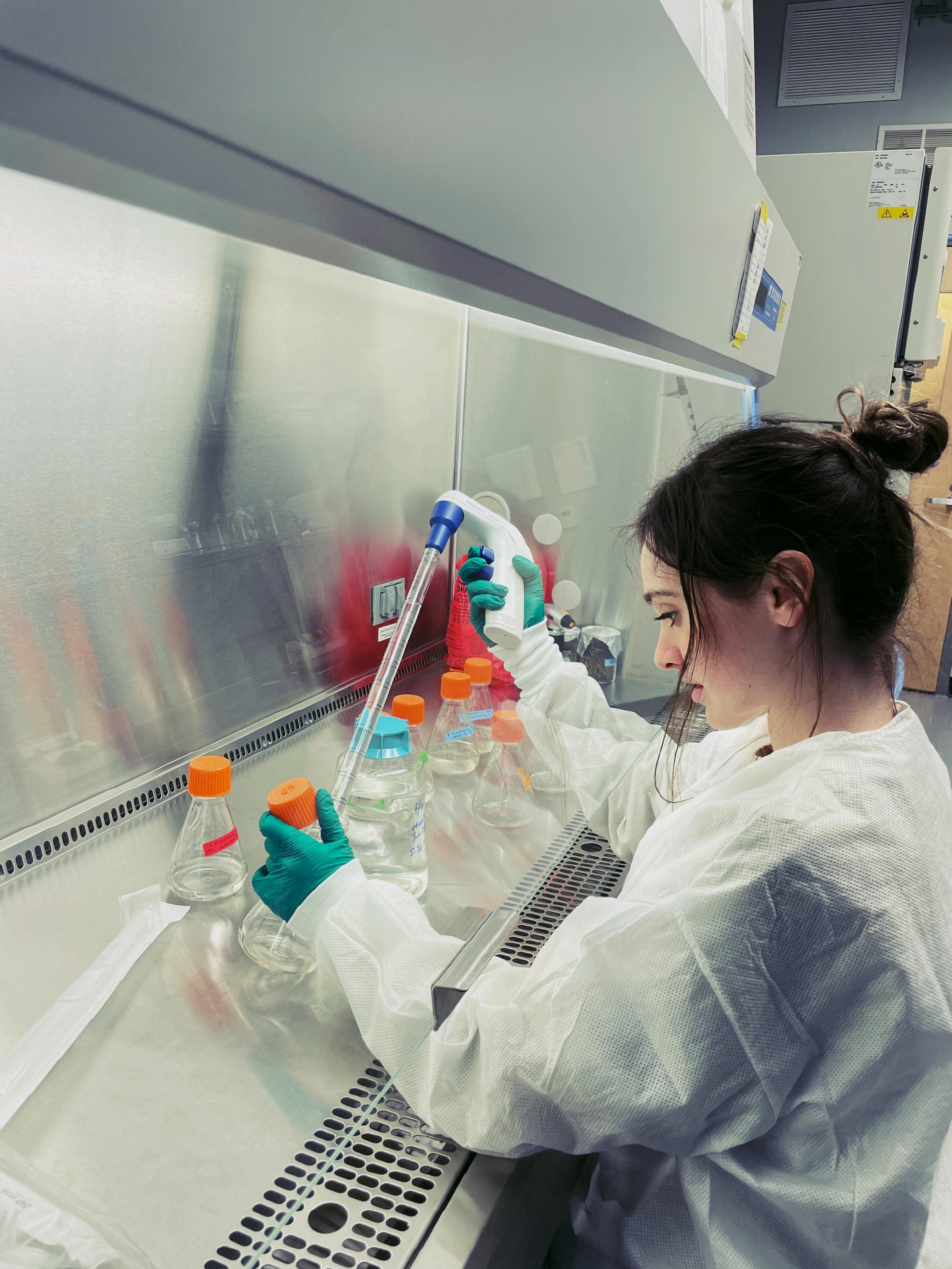
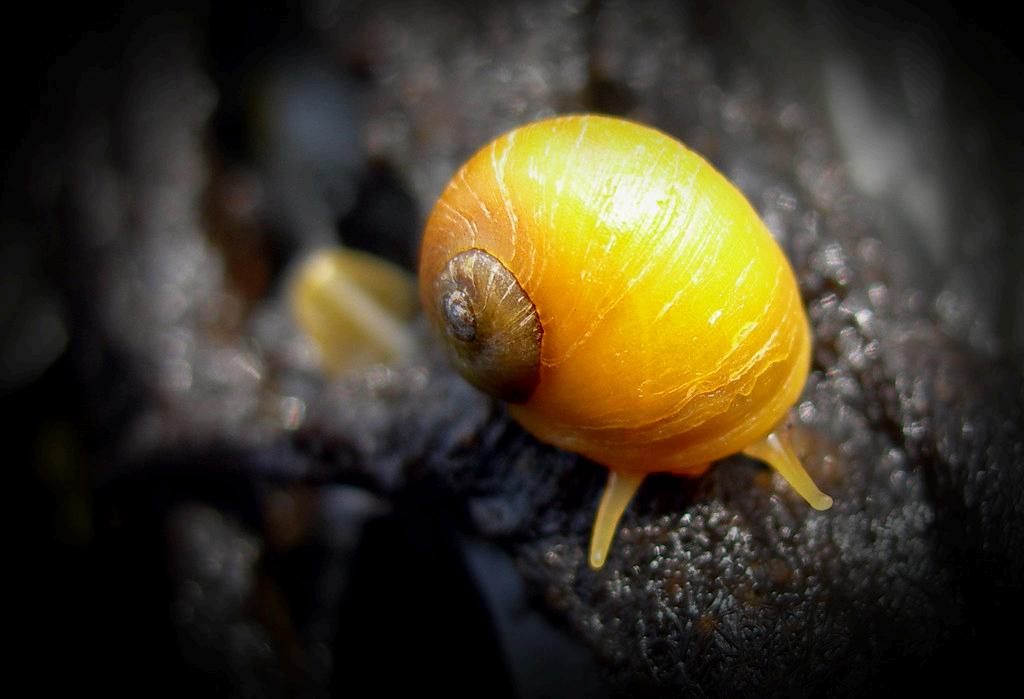
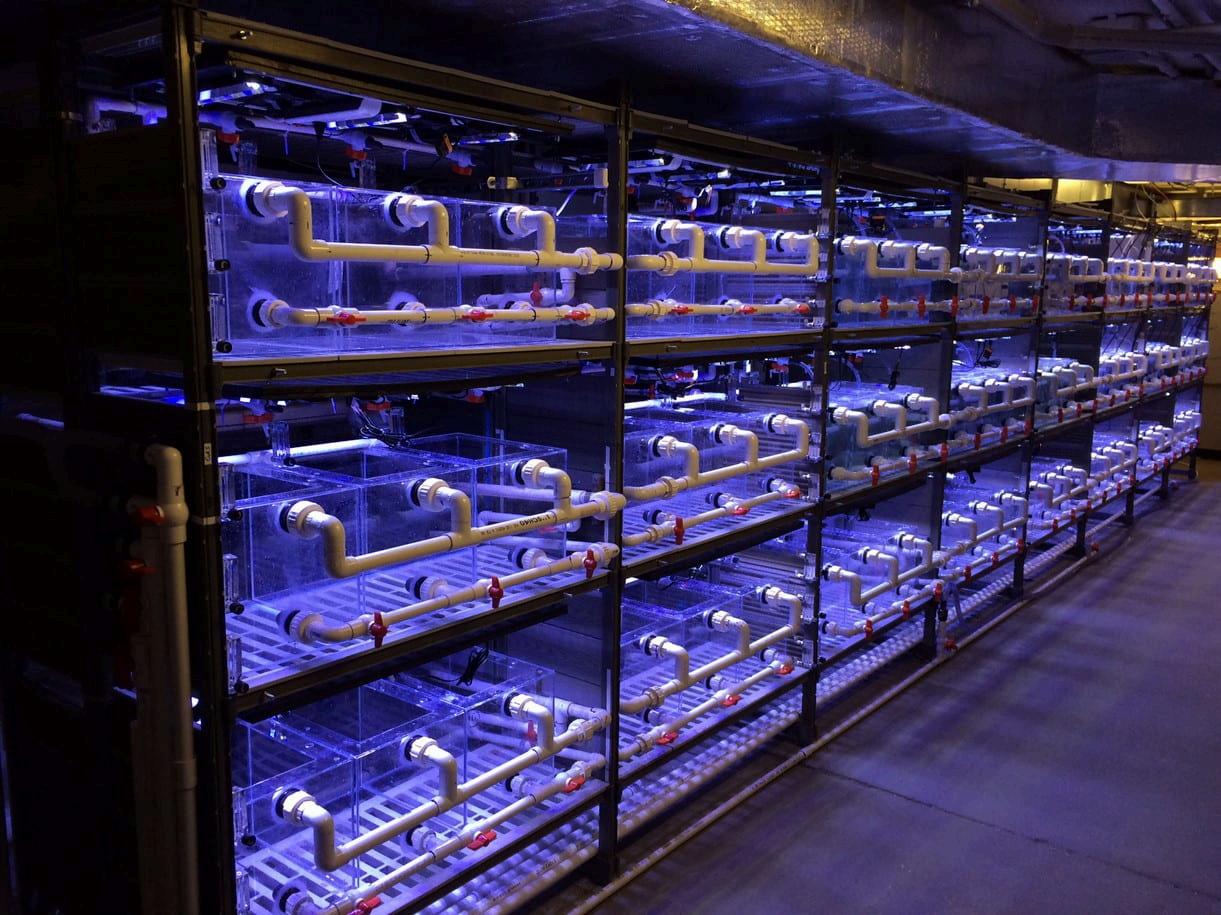
Our research teams are advancing genomic tools and discoveries including a newly sequenced dog whelk genome and machine learning methods for predicting maladaptation to understand how marine species, food webs, and populations adapt to warming oceans, predator invasion, and shifting environments.
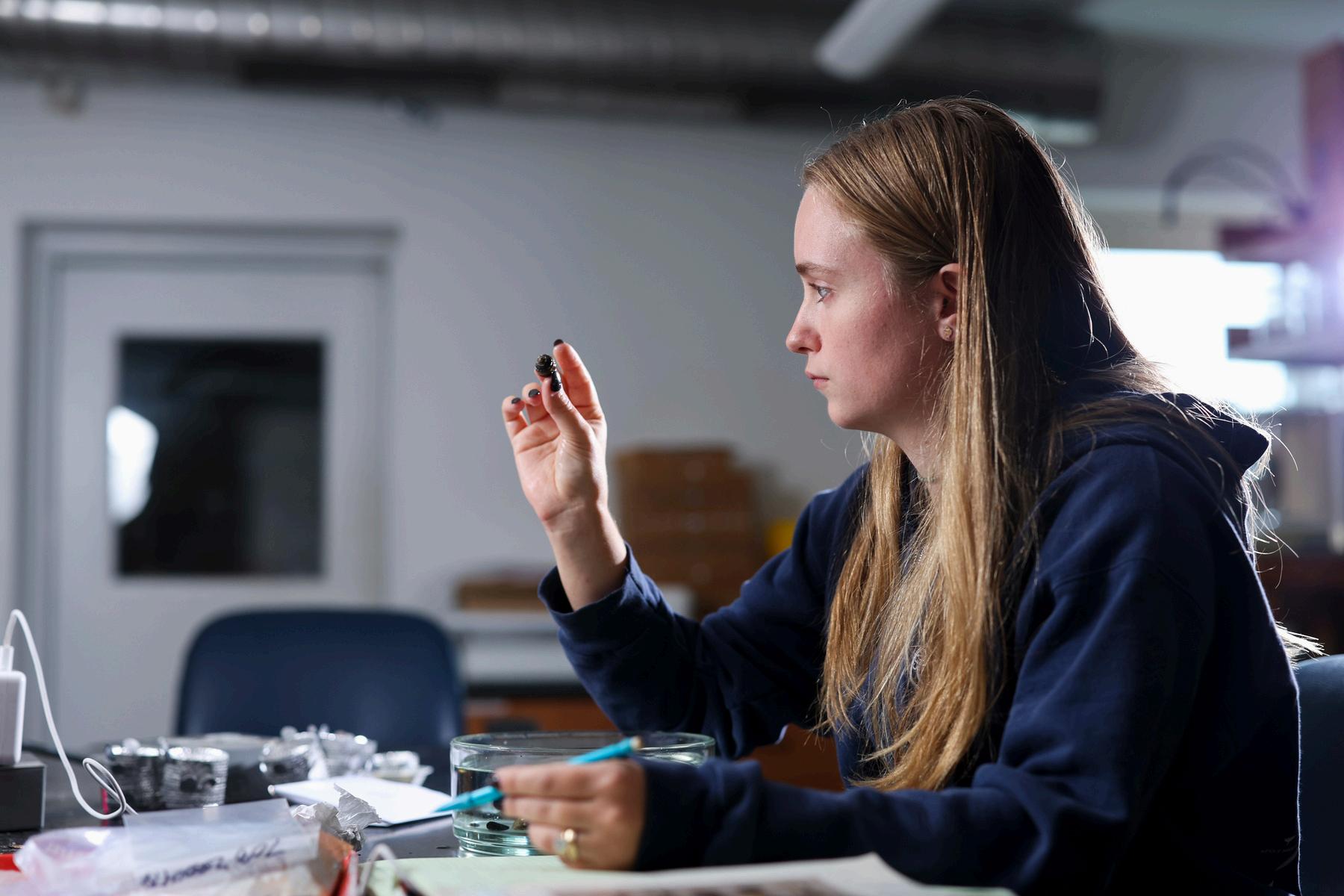
Our partnership with the Gloucester Marine Genomics Institute (GMGI) has established reciprocal faculty appointments resource sharing and joint research initiatives that are advancing marine partnership also creates educatio pportunities and mentorship progr oss institutionslike graduate stu MES as a co-op student with Oce e Seas research internship at GMG
Albecker, M. A., Bittar, T. B., Trussell, G. C., & Lotterhos, K. E. (2025) Meta-analysis
reveals patterns of cogradient and countergradient variation. American Naturalist. https://doi.org/10.1086/737682
Baker, M. S., Dobson, A M , Sommer, N R , Schmitz, O J , & Trussell, G. C. (2025) Local
thermal extremes shape the nature of herbivore plasticity that controls plant communities. Ecology Letters, 28(12), e70275. https://doi.org/10.1111/ele.70275
Corbett, J. J., & Trussell, G. C. (2025). Evolution in changing seas: The loss of plasticity
under predator invasion and warming oceans. Science Advances, 11, eadr6947. https://doi.org/10.1126/sciadv.adr6947
Ford, M., Vollmer, S. V., & Trussell, G. C. (2025). Annotated genome of the Atlantic dog
whelk, Nucella lapillus. G3: Genes, Genomes, Genetics. https://doi org/10 1093/g3journal/jkaf182
Lind, B., & Lotterhos, K. E. (2025). The accuracy of predicting maladaptation to new
environments with genomic data Molecular Ecology Resources, e14008
https://doi org/10 1111/1755-0998 14008
Townsend, D., Gouhier, T., & Guichard, F. (2025). Aggregated dispersal reduces
spatial synchrony but promotes instability and extinction risk Oikos, e11032
https://doi org/10 1111/oik 11032
Katie Lotterhos
National Science Foundation
CAREER: Evaluation of machine learning algorithms for understanding and predicting adaptation to multivariate environments with a Model Validation Program (MVP)
Dan Distel
University of Utah
Microbial Ecology-Guided Discovery of Antibacterial Drugs
Geoffrey Trussell
National Science Foundation
Collaborative Research: Adaptation and the resiliency of food web structure and functioning to climate change
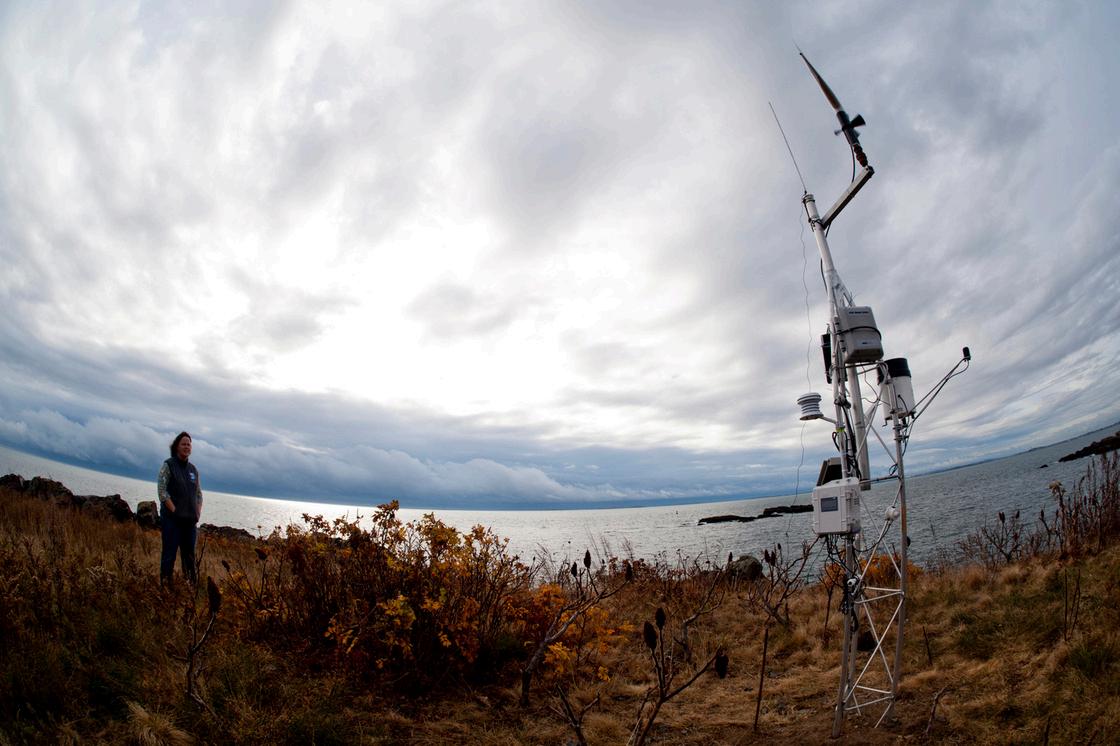
Our work spans paleoclimate reconstruction, hydrological and biogeochemical modeling, and carbon cycle dynamics to understand how Earth's systems have changed and will continue to change under warming conditions. Field and laboratory studies examine salt marsh biogeochemistry, seagrass blue carbon, hydroclimate ecords, and groundwater storage. Alongside this observational
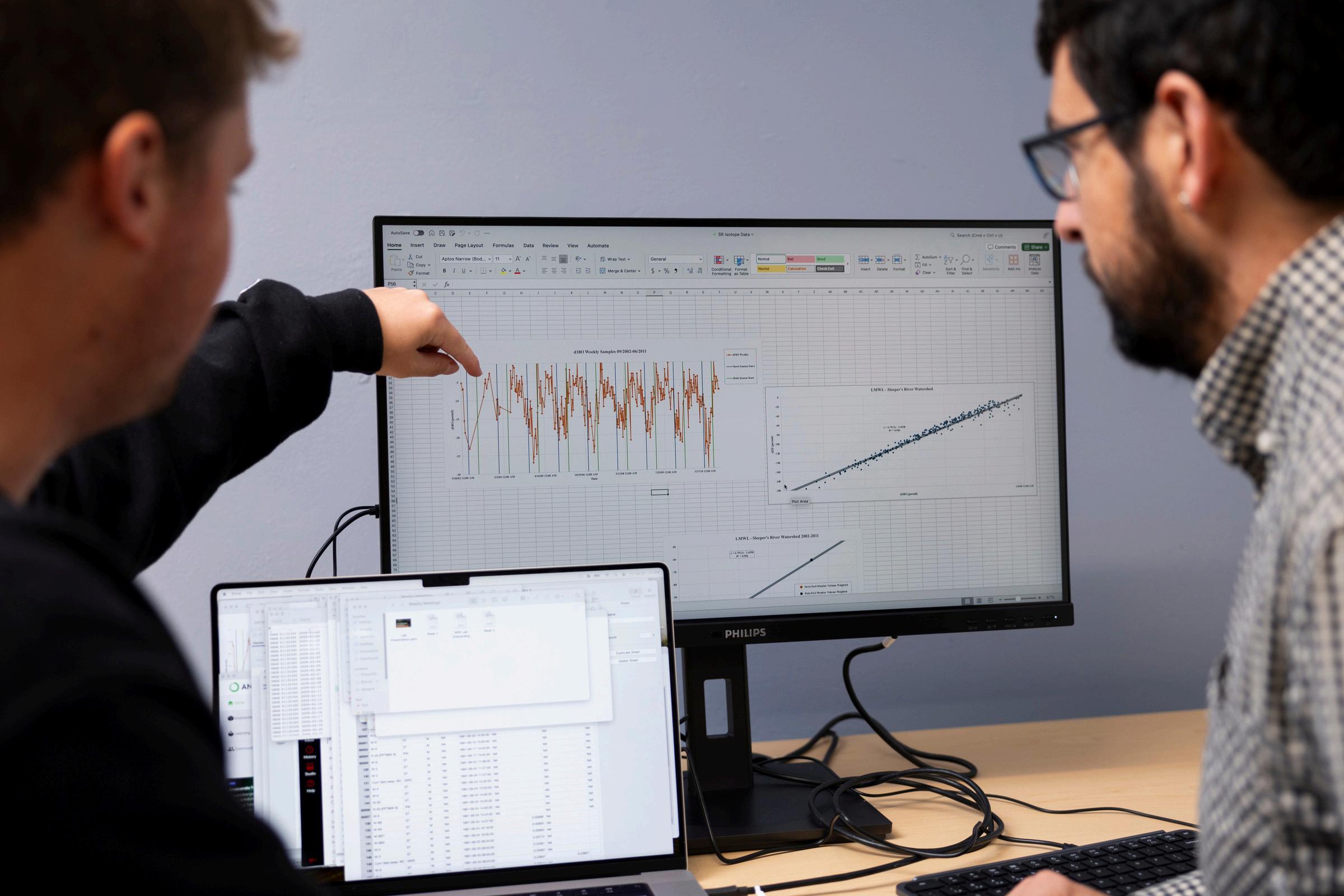
rscience, we are developing community-driven environmental sensing networks, AI-powered coastal risk assessments, and sedimentary flood archives that translate Earth system knowledge into actionable tools.
Donnelly, B. R., Nickel, H., & Bowen, J. L. (2025). Intact core mesocosms demonstrate effects
Muñoz, S. E., Lawrence, L., & Wang, S (2025) Drying of the Panama Canal in a warming
climate Geophysical Research Letters, 52(18), e2025GL117038
https://doi org/10 1029/2025GL117038
Schultz, C., Luo, J Y , Brady, D C , Fulweiler, R W , Long, M H , Petrik, C M , Stubbins, A., et al
(2025). Elucidating the role of marine benthic carbon in a changing world. Global Biogeochemical Cycles, 39, e2025GB008643. https://doi.org/10.1029/2025GB008643
(2025). Differing proteome responses to ocean acidification between two common pocilloporid corals. Coral Reefs, 1–16. https://doi.org/10.1007/s00338-025-02801-y
Stuhr, M., Kollipara, L., Reymond, C. E., de Beer, D., Ries, J. B., Sickmann, A., & Westphal, H. Stubbins, A. (2025). Plastics in the marine carbon cycle. Nature Sustainability.
https://doi.org/10.1038/s41893-025-01640-7
Thiros, N. E., Woodburn, E. R., Gardner, W. P., Dennedy-Frank, P. J., & Williams, K. H. (2025).
Matrix diffusion controls mountain hillslope groundwater ages and inferred storage dynamics. Groundwater, 63(3), 306–318. https://doi.org/10.1111/gwat.13475
Wendt, K A , Carolin, S , Buizert, C , Steidle, S , Edwards, R , Moseley, G E , He, C., et al (2025)
Controls on the southwest USA hydroclimate over the last six glacial-interglacial cycles. Nature Communications, 16(1), 10007. https://doi.org/10.1038/s41467-02564963-1
Zhao, S , Kvale, K F , Zhu, L , Zettler, E R , Egger, M , Mincer, T J , Amaral-Zettler, L A , temperature and salinity on nitrogen cycling and microbial community structure under pulse and press disturbances. Limnology and Oceanography, 70, S27–S42. https://doi.org/10.1002/lno.70249
Lebreton, L., Niemann, H., Nakajima, R., Thiel, M., Bos, R. P., Galgani, L., & Stubbins, A. (2025) The distribution of subsurface microplastics in the ocean Nature, 641(8061), 51–61 https://doi org/10 1038/s41586-025-08818-1
Jennifer Bowen, Randall Hughes
National Science Foundation
Collaborative Research: Quantifying the effects of different nitrogen forms on marsh resilience to environmental change
Jim Chen
National Science Foundation
Leveraging Generative AI for Updating Coastal Risk Assessments in New England
Amy Mueller
National Science Foundation
SCC-IRG Track 1: Common SENSES (Standards for ENacting Sensor networks for an Equitable Society): Community-Led, Science-Driven Climate Resilience in Boston, MA
Samuel Muñoz
National Science Foundation
CAREER: Sedimentary signatures of large riverine floods to constrain risk and build resiliency
Justin Ries
MIT Sea Grant
Investigating the Efficacy of Alkalinity Addition in Mitigating the Effects of Ocean Acidification on Commercial Shellfish
Cristina Schultz
National Science Foundation
Collaborative Research: ULTRA-Data: Synthesizing the role of shallow benthic fluxes in coastal carbon cycle along the East Coast of the United States
Aron Stubbins
National Science Foundation
Collaborative Research: Nutrient-mediated interactions between plastic-derived dissolved organic carbon and the biological carbon pump
Alemu, J. B., Hugh
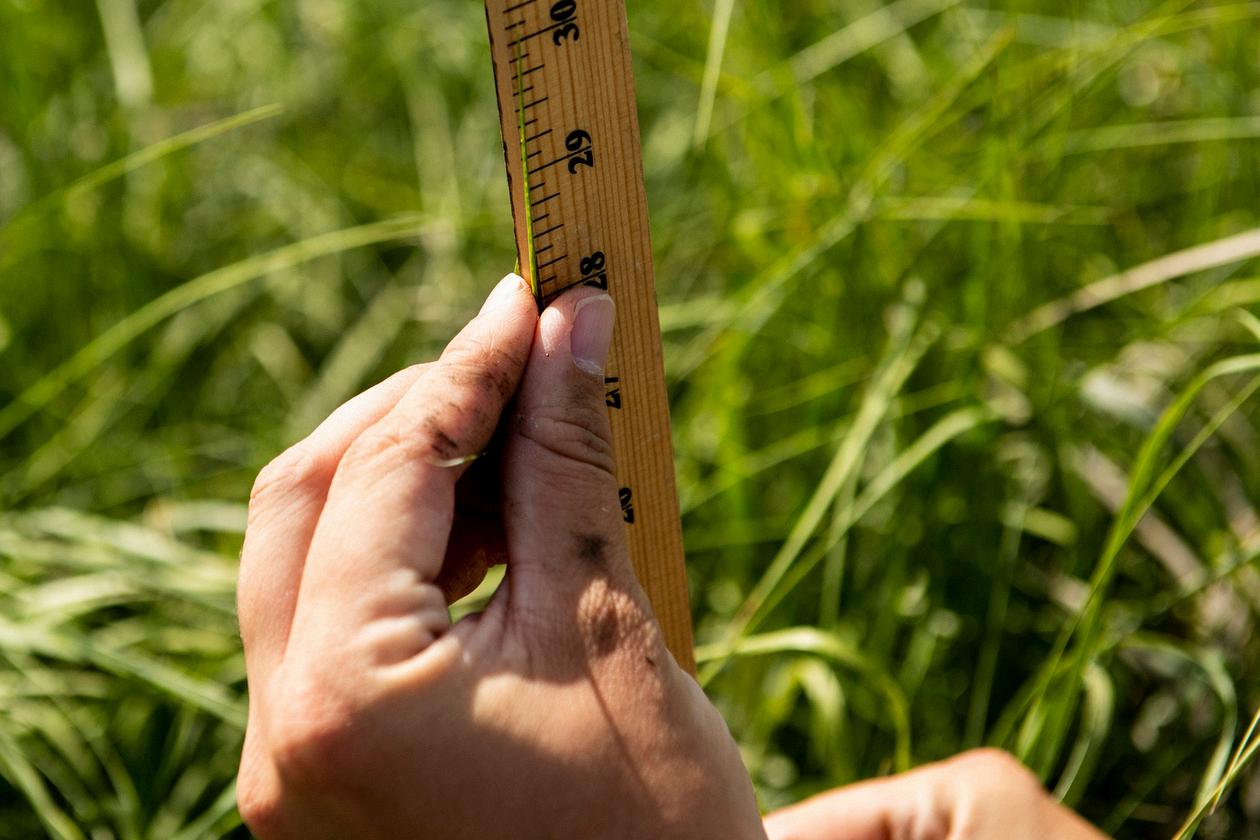
We explore how people perceive, understand, and interact with natural systems: from human exceptionalist thinking and environmental reasoning, to how residents perceive shifting wetland and river habitats, to how fishers and farmers cope with climate-driven change. Studies draw on surveys, cognitive frameworks, and local and indigenous knowledge to assess gaps between human perceptions and ecological realities across diverse communities. This work spans social dimensions of coastal habitat change including subsistence fishing, aquaculture attitudes, and property owner responses to shifting shorelines and broader socio-ecological synthesis
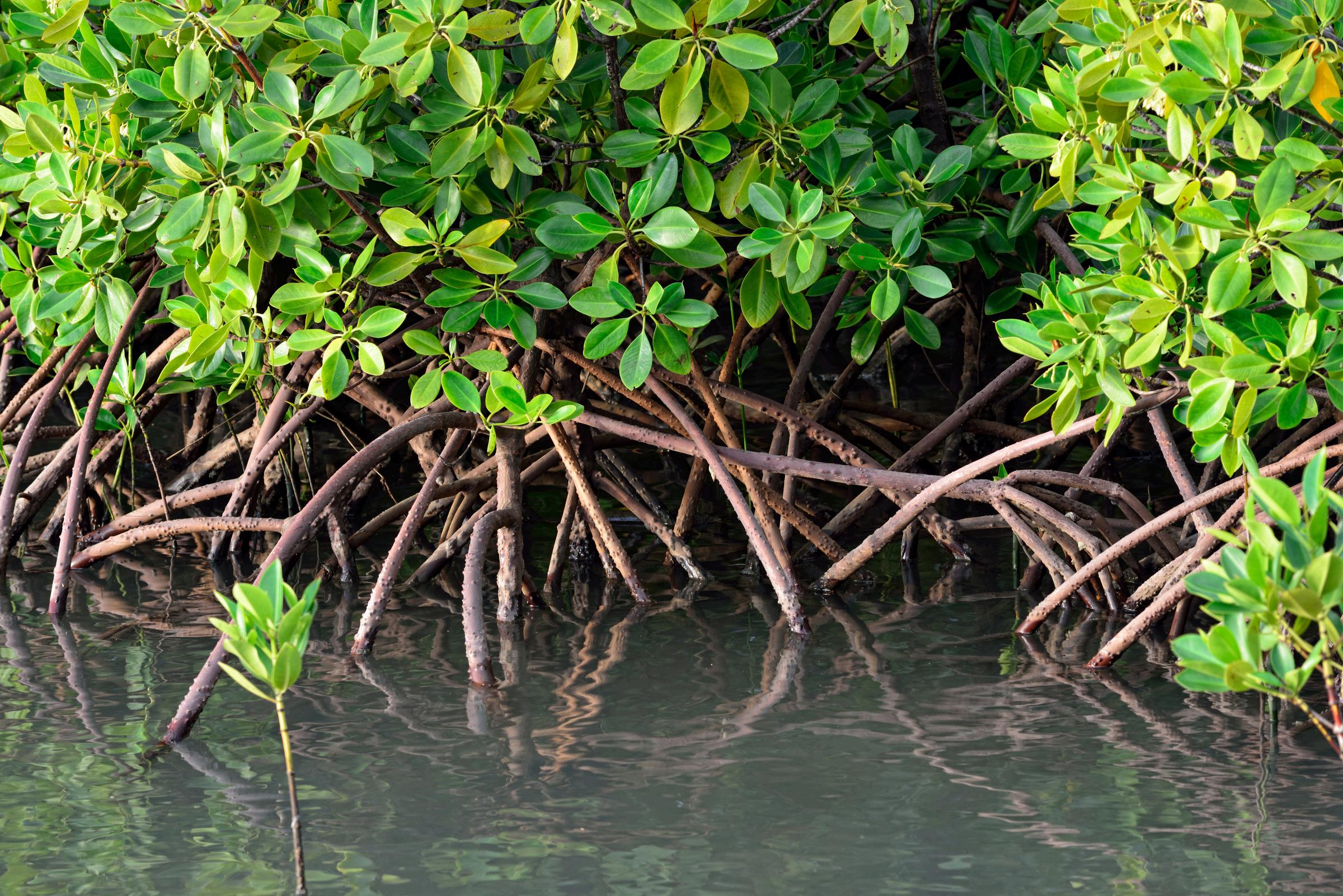
Thorne, K., Bardou, R., Shepard, C. C., & Scyphers, S. B. (2025). Waterfront property owners' shoreline preferences amid salt marsh to mangrove transitions. People and Nature, 7, 668–683. https://doi.org/10.1002/pan3.10794
Bowser, G , Akam
Diaz-Clark, E D , Funk, W C , Helmuth, B., Henriques, S , Grant-Hoffman, N , Osborne, T , Seshadri, A , Templer, P H , Urban, M C , & Waddell, K (2025) Assessing nature: perceptions, knowledge and gaps Frontiers in Ecology and the Environment https://doi org/10 1002/fee 2846
Catalano, A. J., Ha
local truth regimes on flooding and river management in the Lower Missouri River Basin, USA Environmental Management https://doi org/10 1007/s00267-025-02110-8
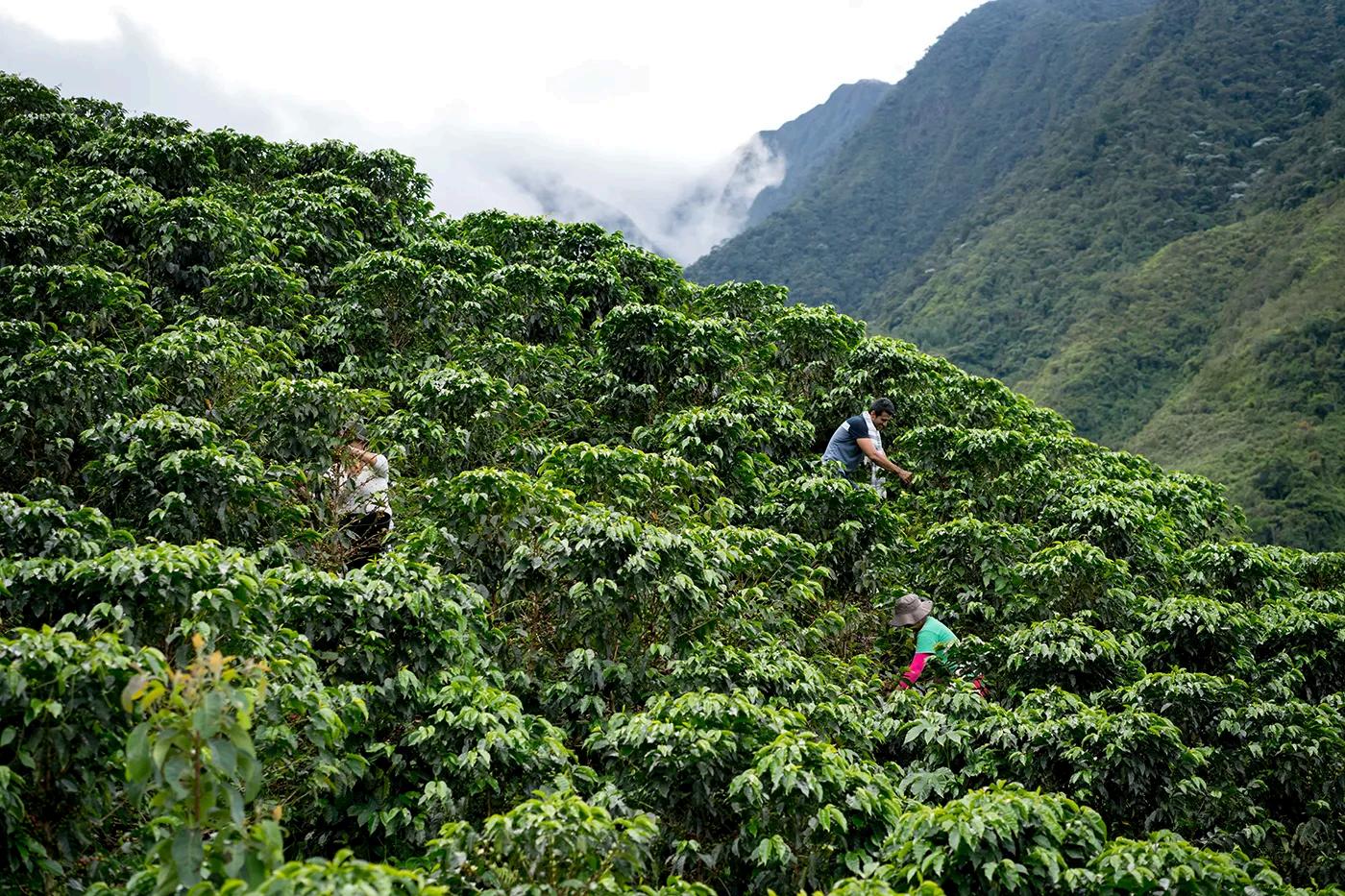
Garcia, G. M., Orians, C M , & Kuhl, L (2025) Confronting intrinsic yield variability: How coffee farmers understand, manage, and cope with crop alternate bearing Human Ecology: An Interdisciplinary Journal, 1–17 https://doi.org/10.1007/s10745-025-00638-1
John Coley, Brian Helmuth
National Science Foundation
Cognitive Foundations of Environmental Science Education: Exploring Impacts of Human Exceptionalism on Marine Social-Ecological Systems Thinking
Gabriela Garcia, Damon Hall
The Nature Conservancy Mill River Human Dimensions and Socio-ecological Synthesis
Samuel Muñoz, Damon Hall, Geoffrey Trussell, James Dennedy-Frank
National Science Foundation
RAISE: Working with communities to reduce flood risk and increase resilience
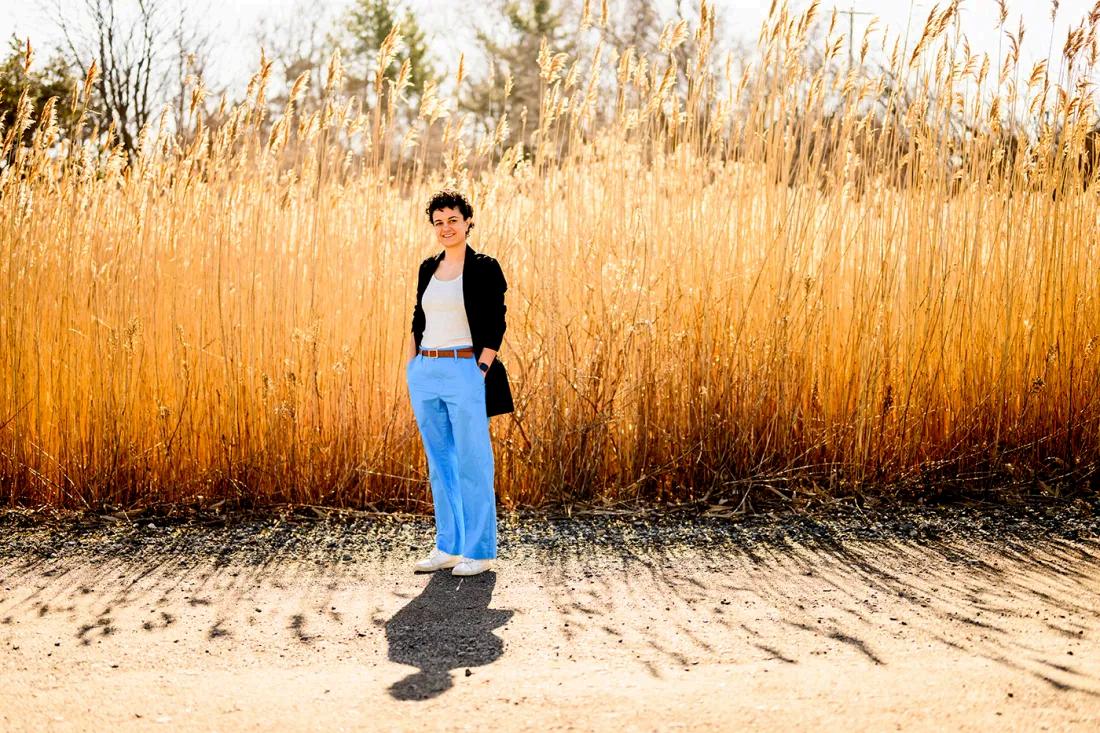
Our graduate students in continued to excel this year, co-authoring 20 publications, presenting at numerous US and international conferences, and contributing to STEM pathway and outreach programming for thousands of K-12 and undergraduate students.
Marcella Heineke was awarded a $2,000 Phycological Society of America Grant-in-Aid of Research, the maximum graduate student award in this competitive program, to investigate adaptive phenotypic differentiation in an intertidal seaweed across the Gulf of Maine.
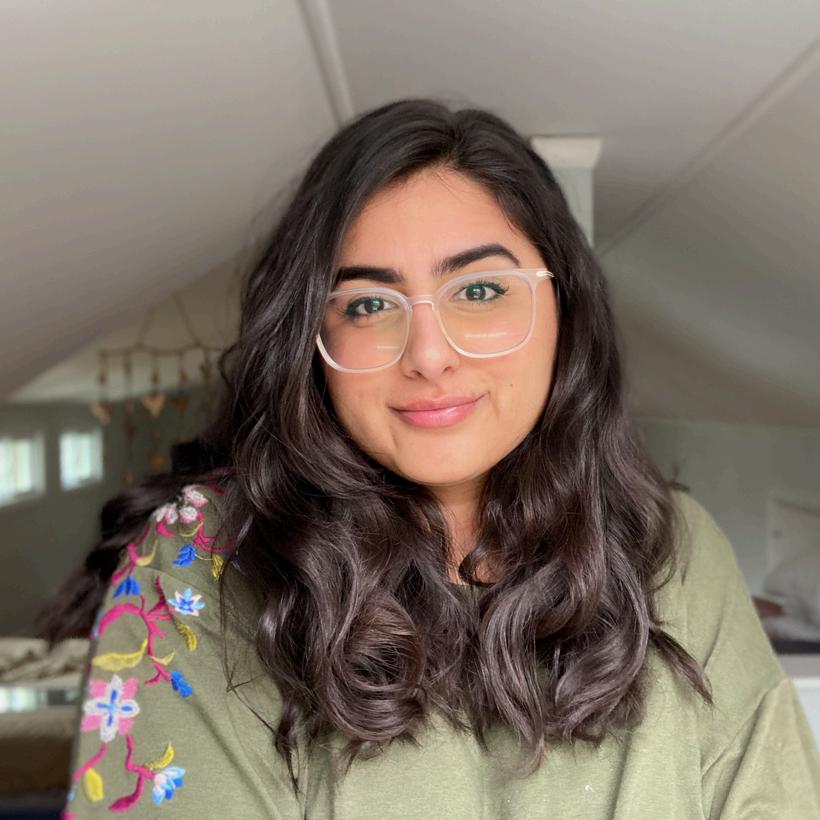
Matthew Baker
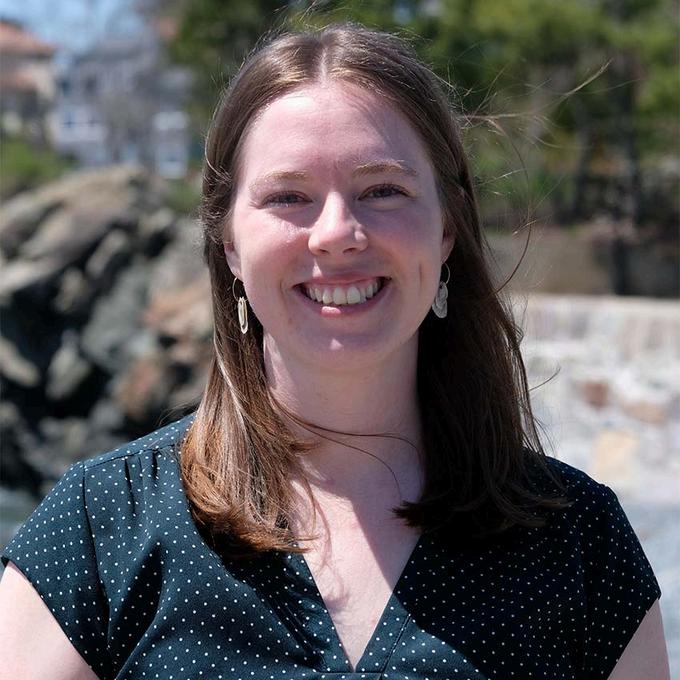
Samina Soin-Voshell was invited to represent Northeastern in ORCAS, a National Center for Ecological Analysis and Synthesis working group pairing early-career and senior researchers to use collaborative data science to investigate how physiology, evolution, and species interactions shape community responses to climate change
Geographic Variation in Plasticity and its Community Consequences in Terrestrial and Marine Ecosystems.
Advisor: Geoffrey Trussell
Angela Catalano
Examining Social Factors and Policy Implications of Flood Risk Management in Repetitive-Loss Communities
Advisor: Damon Hall
Brecia Douglas Despard
Understanding the Roles of RNAs in White Band Disease Challenged Staghorn Coral Acropora cervicornis and the Current State of microRNA Machinery in Cnidaria.
Advisor: Steven Vollmer
Hillary Sullivan Marchwinski
The influence of natural, altered, and restored hydrology on salt marsh biogeochemical processes.
Advisor: Jennifer Bowen
Katherine Sperry
Implications of intraspecific diversity for restoration practice in southern New England's salt marshes
Advisor: Randall Hughes
Sarit Truskey
Integrating experimental approaches and genetic assessments to evaluate the ecological importance of genetic diversity in the restoration of the eastern oyster, Crassostrea virginica
Advisor: Randall Hughes
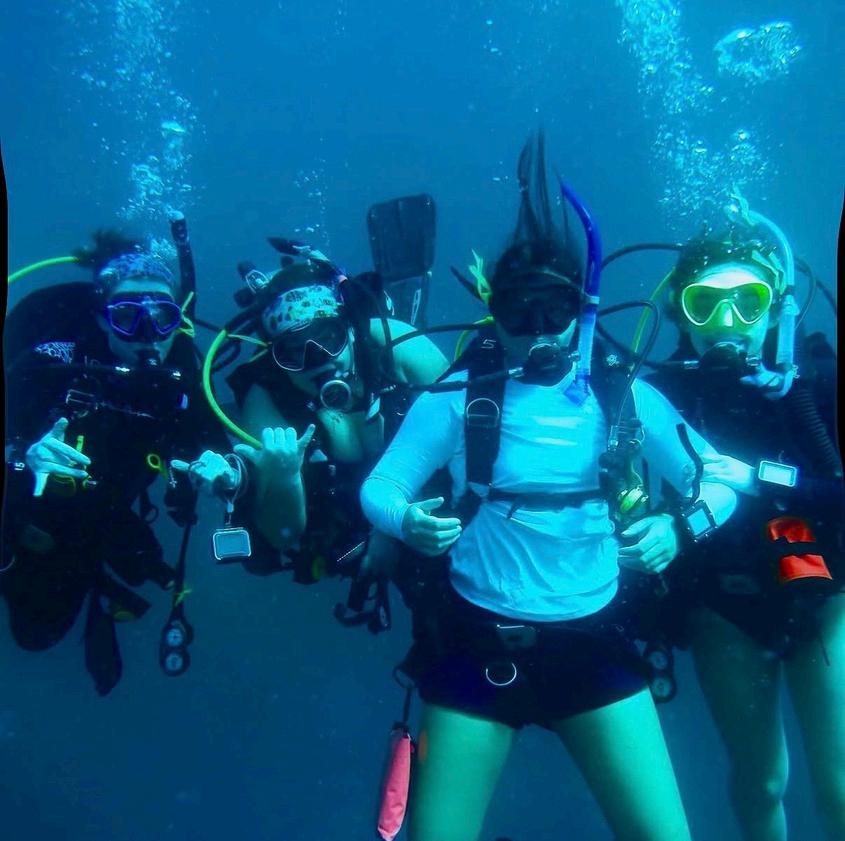
In this immersive, field-intensive marine biology prog students live, dive, and work at world-renowned faci the Northwest Atlantic, Central America, and the Nor
Three Seas cohort 45 (C45) graduated in Decem research projects. Research ranged from Megan Hil Louisiana oyster reefs, to Abigail Moulton's study presence in Bahía de los Ángeles, Mexico, to Hannah Bray s work with community partners on environmental drivers of Enterococcus contamination at Nahant’s Long Beach (pictured above)
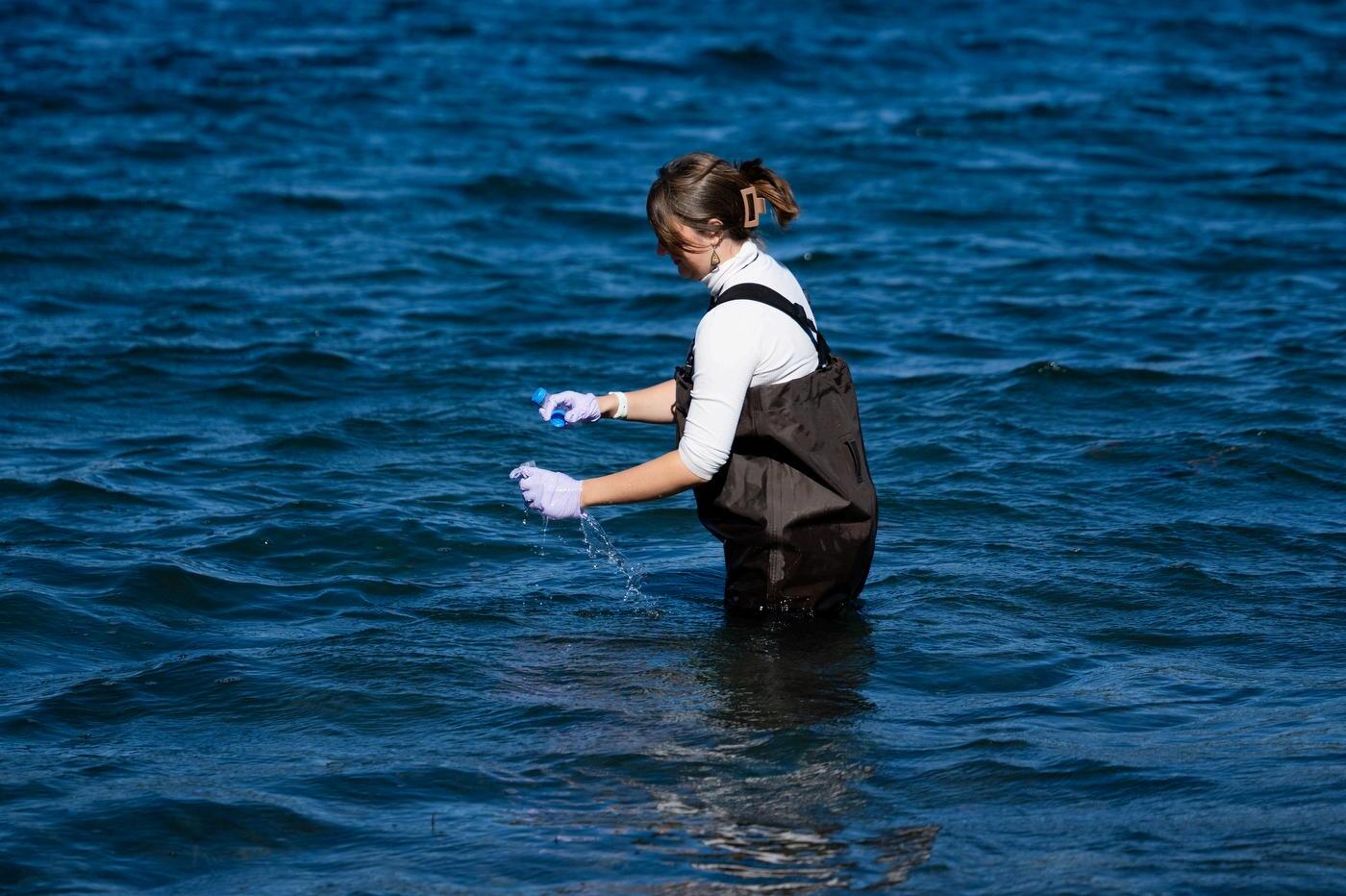
ESP engages students in a broadly interdisciplinary and synthetic approach that integrates environmental and social sciences This partnership between MES and the School of Public Policy and Urban Affairs, provides unique instruction and expertise
ESP matriculated 38 students this year, while student-led ESP LiFE group built community-building efforts including clean-ups with Charles River Watershed and a snowy owl hike An active alumni network helps ensure that current students are inspired and supported by grad successes (see news below)
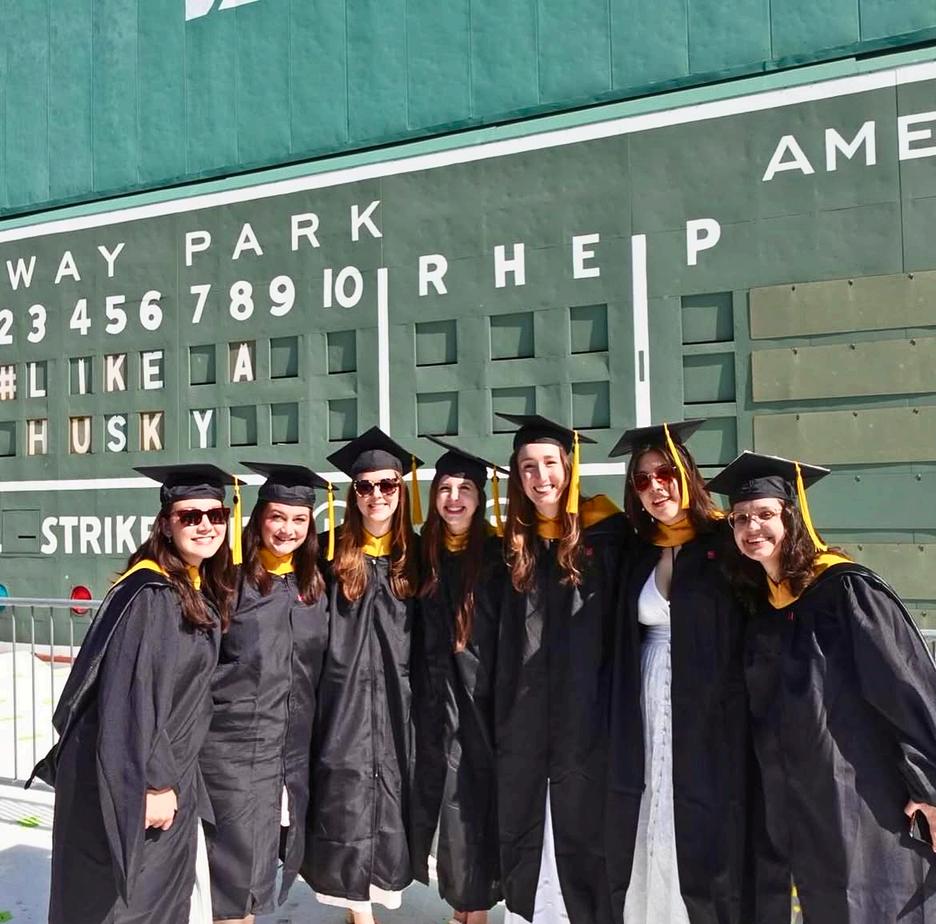
George Jarvis (C30) received the Whitman Fellowship for his research at Marine Biological Laboratory, Woods Hole.
Tim Briggs' (C33) documentary Women on the Water aired this past year on New England PBS
Stephanie Krueger (C40) received the NSF-GRFP for her work studying venom gland evolution at MBL/University of Chicago
Congratulations to MS alums completing doctorates this year:
Constance Tyler (C31); (U. New Hampshire)
Hollis Jones (C30) (UC Davis)
Natalie Kukshtel (C35) (MIT-WHOI)
Brendan Shea (C46) (Virginia Tech)
Aunjoli Das (ESP ‘25) is a Development & Community Specialist at Tree Boston, building urban tree community programs to advance climate resilience and tree equity
Tess Miller (ESP ‘25) converted her co-op at Lightstar Renewables into a full-time solar analyst role while completing her degree.
Undergraduate research is in the DNA of our department. Through co-ops, internships, and capstones in MES labs, hundreds of students are building practical expertise and intellectual passion This work is supported by NSF, College of Science funding, and the generous commitment of family foundations
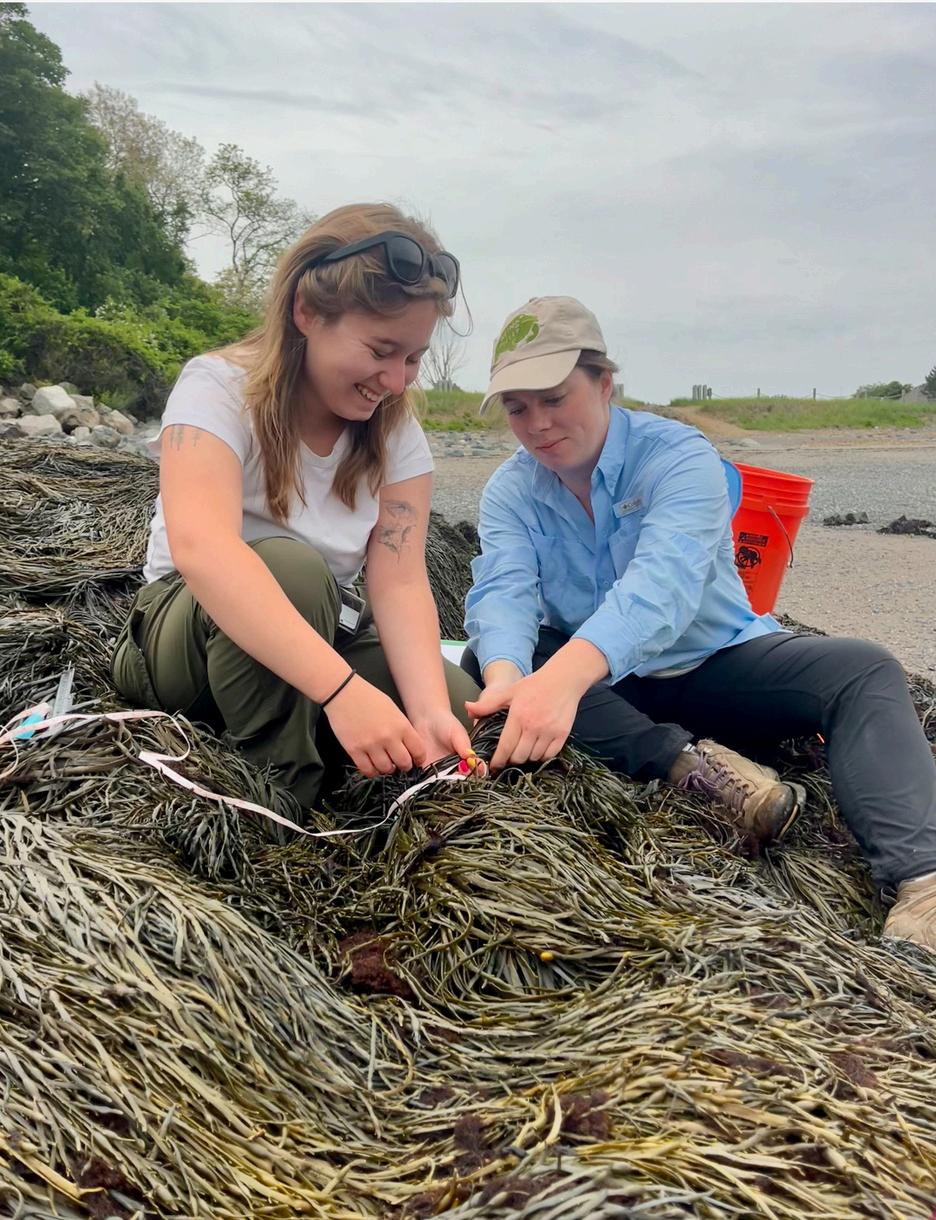
Student Spotlight: Lilly Light
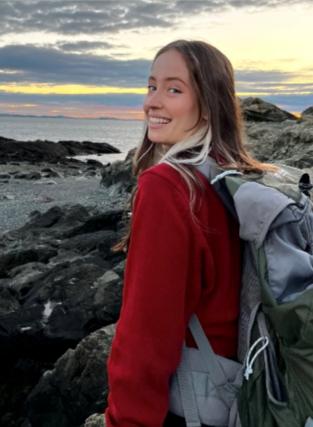
Lilly (at left) spent the summer studying how warming temperatures drive population variations of Ascophyllum nodosum, a foundation algae species on the Atlantic coast With PhD candidate Marcella Heineke (right) (Kimbro Lab), she designed a reciprocal transplant experiment using lab-spawned zygotes at sites in Lubec, ME and Nahant, MA. Despite an unusually warm summer, survivorship was comparable across locations findings that will help predict ecosystem response to climate change. This work was possible through a sustained, multi-campus partnership with the Richard W. and Elaine E. Barrett Foundation.
Student Spotlight: Eshna Kulshreshtha
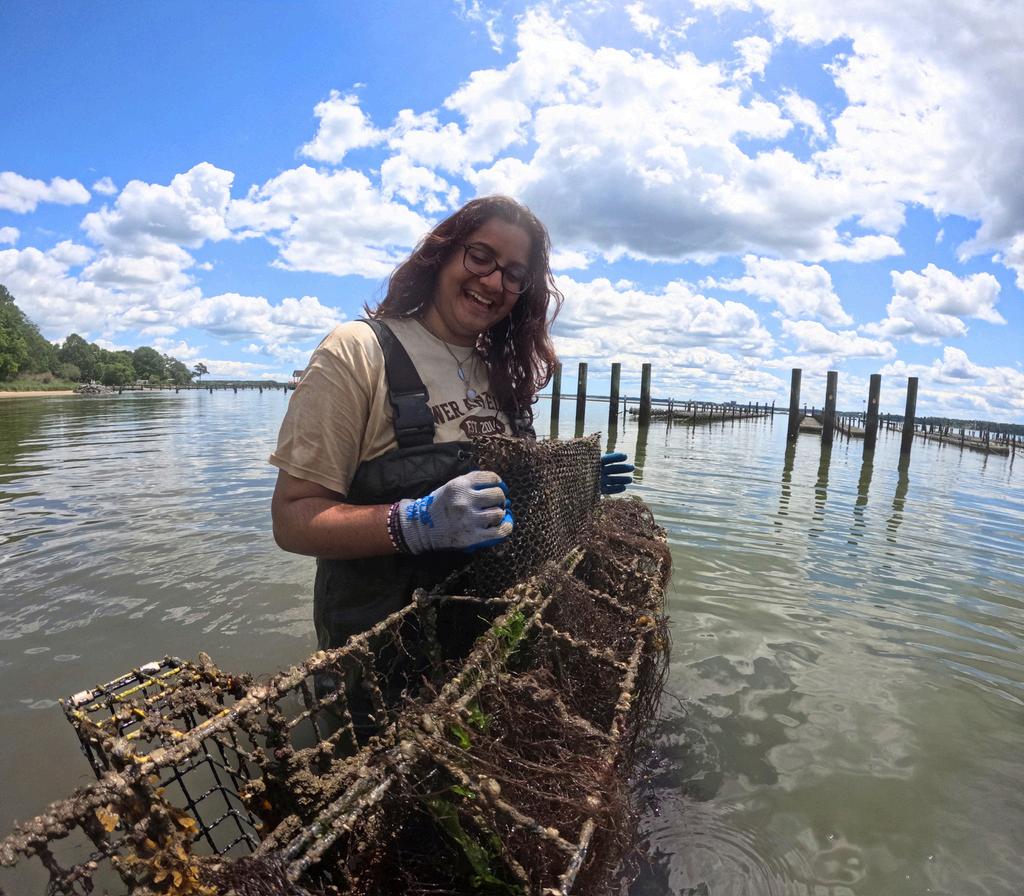
During a summer 2025 internship in the Lotterhos Lab, Eshna conducted field-based marine research at the Virginia Institute of Marine Science; under the mentorship of PhD student Madeline Eppley, Eshna livesampled and DNA sequenced thousands of oysters, Crassostrea virginica, for a seascape genomics project. This informed Eshna’s senior thesis analyzing population-level differences in the pea crab, an oyster parasite. Since 2016, a generous endowment from the Violet M. Johnson Family Foundation has supported over 100 undergraduates in transformative experiences like this one.
Student Spotlight: Grace Marnon
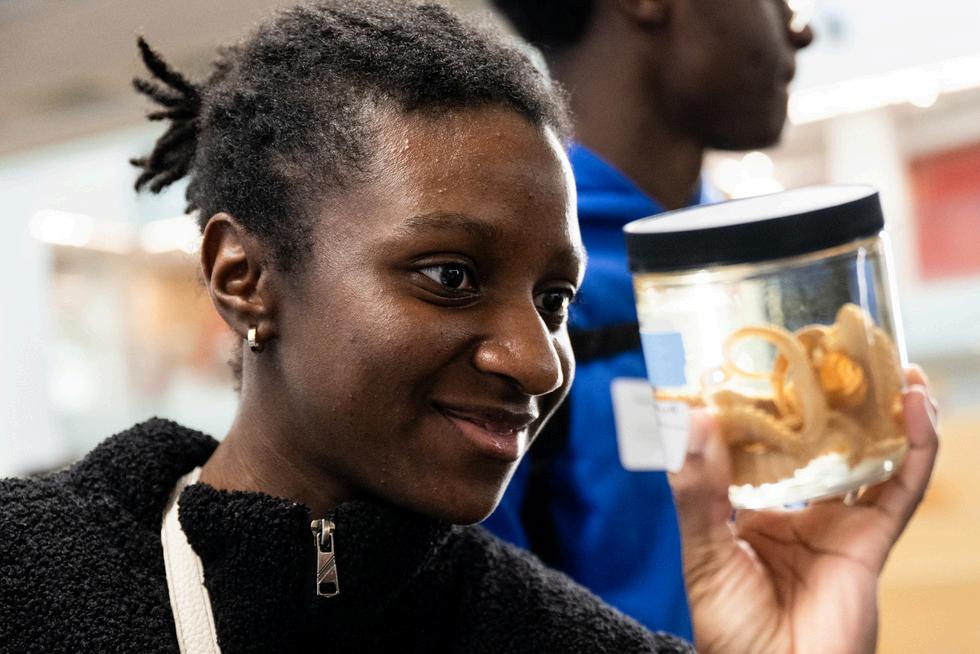
Grace Marnon (COS '26) received a PEAK Experiences Summit Award for her Honors Thesis research in the Kimbro Lab, examining how predatory crabs influence hostparasite dynamics in the marine snail L. littorea and the trematode C. lingua along the Gulf of Maine. Her work combining field and lab methods to investigate how invasive crabs (green versus Asian shore) affect parasite transmission was recognized during a record-breaking year for PEAK award applications.
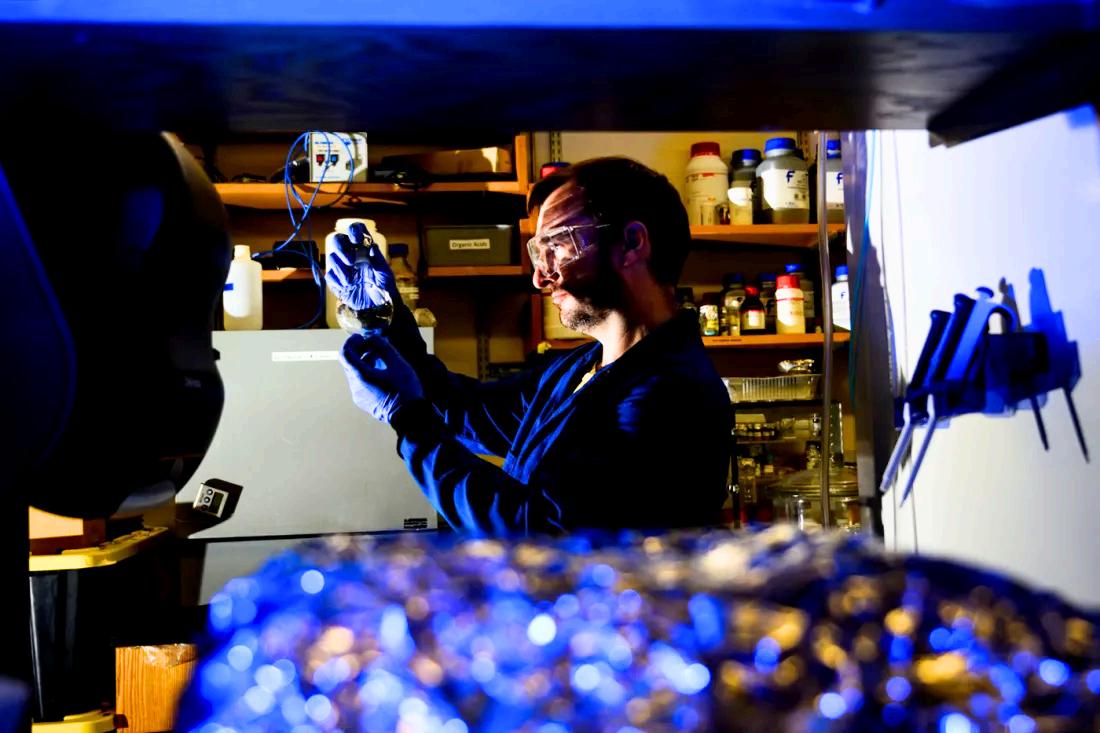
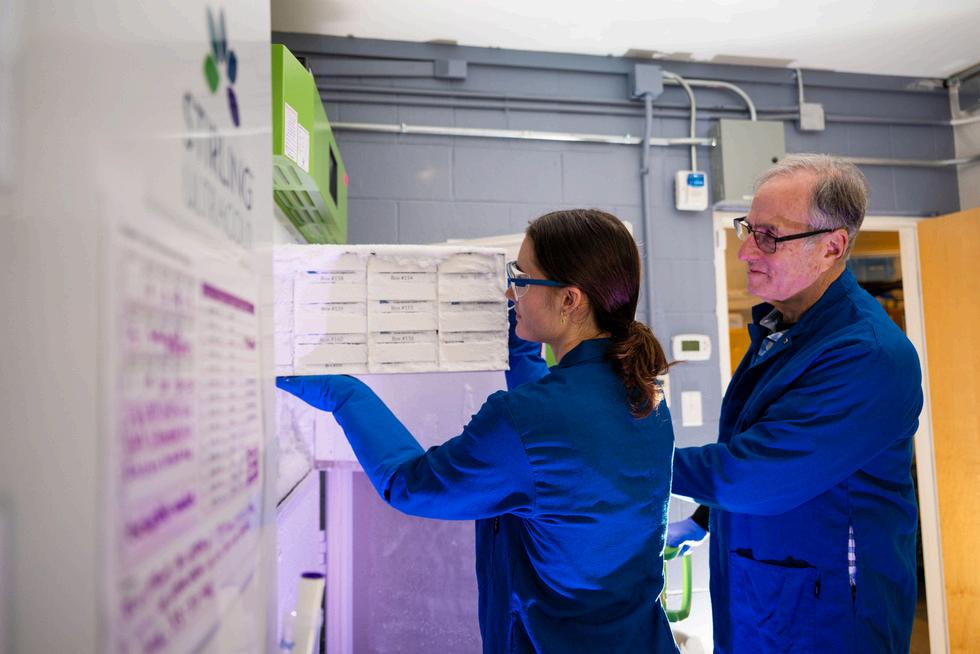
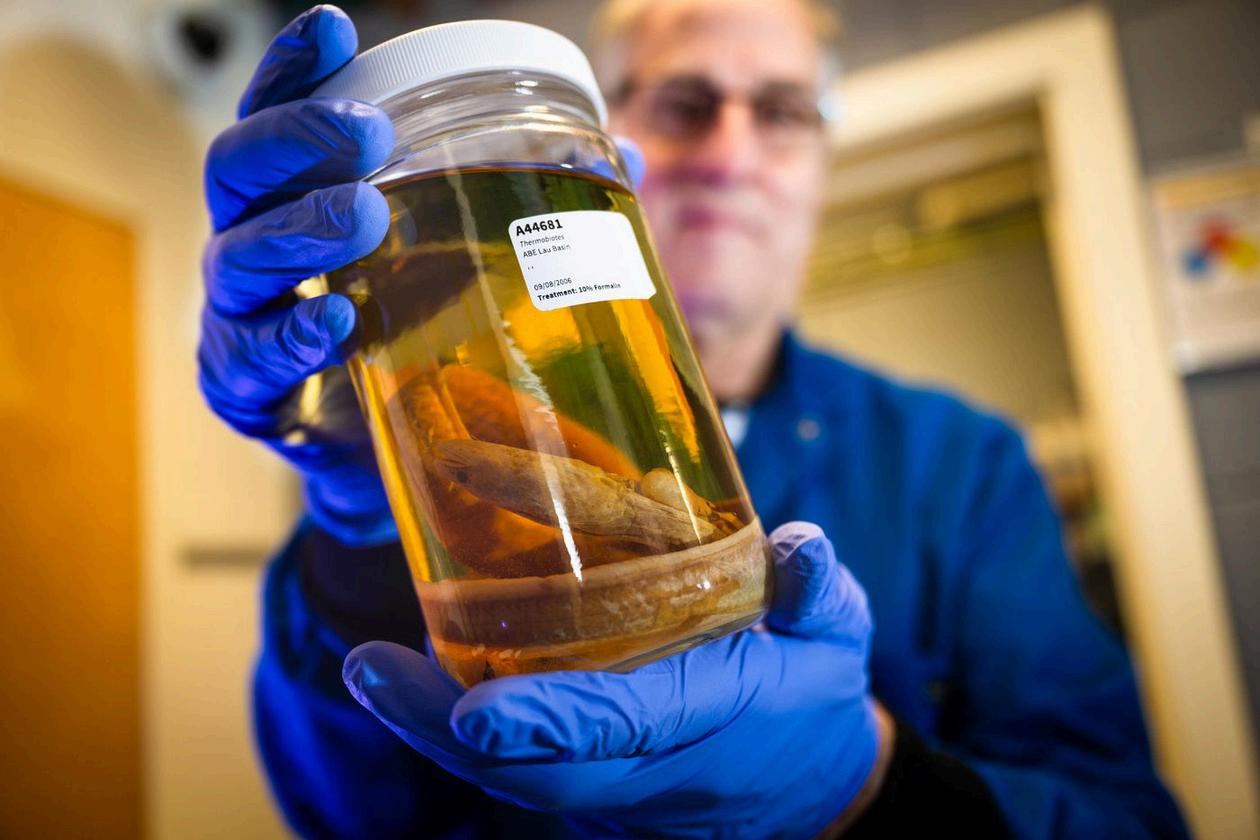
The Ocean Genome Legacy had a strong year in 2025, receiving materials from more than 300 organisms and loaning materials and data from 110 objects to researchers worldwide The collection now comprises 35,116 catalog records spanning 5,355 taxa and 5,348 localities, with 12,518 items on loan OGL was awarded US Patent US12480151B2 for a novel DNA preservation method using metal chelators, was welcomed as an affiliated project of the Earth BioGenome Project, and was featured in a front-page Globe story highlighting its mission to protect marine biodiversity in the face of global climate change
Gerton, M L , Altamia, M. A., Distel, D. L., Miller, B W , & Schmidt,
E. W. (2025). Production of high-value antibiotics by Teredinibacter turnerae using paper- and plant-based waste products ACS Sustainable Chemistry & Engineering, 13(23), 8515–8521 https://doi org/10 1021/acssuschemeng 5c02348
Messner, E., Becker, L., DeSanctis, M. L., Soranno, E. A.,
Pianka, R., Pierce, C., Johnson, M., Falco Poulin, R., Appiah-Madson, H. J., & Distel, D. L. (2025) Perish the thawed? EDTA reduces DNA degradation during extraction from frozen tissue. PLOS ONE, 20(6), e0321872. https://doi.org/10.1371/journal.pone.0321872
Gasser, M. T., Flatau, R., Altamia, M. A., Filone, C. M., & Distel, D. L.
(2025) Complete genome sequences of two shipworm endosymbiont strains, Teredinibacter turnerae SR01903 and SR02026 Microbiology Resource Announcements, 14(6), e00265-25 https://doi org/10 1128/mra 00265-25
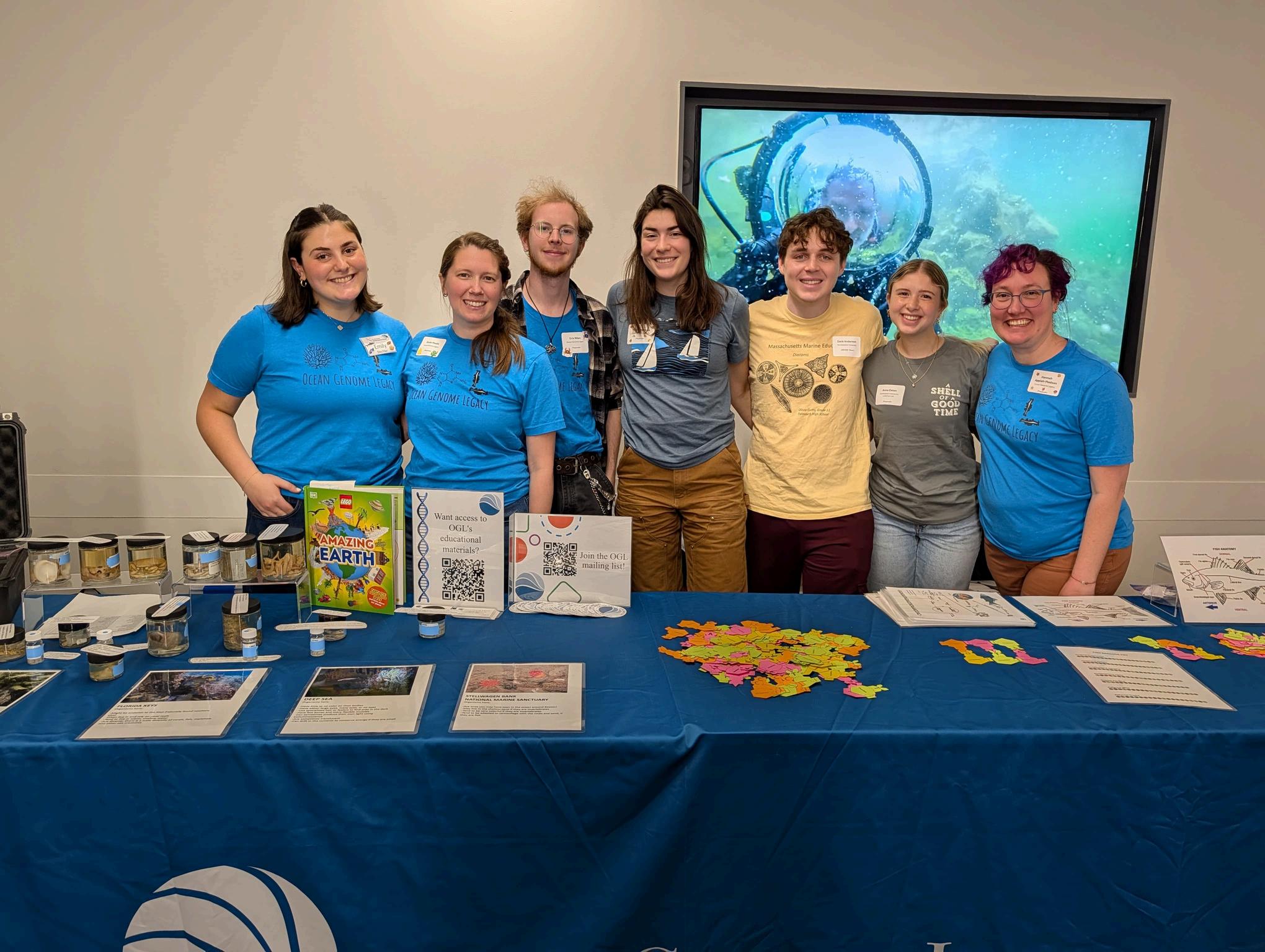
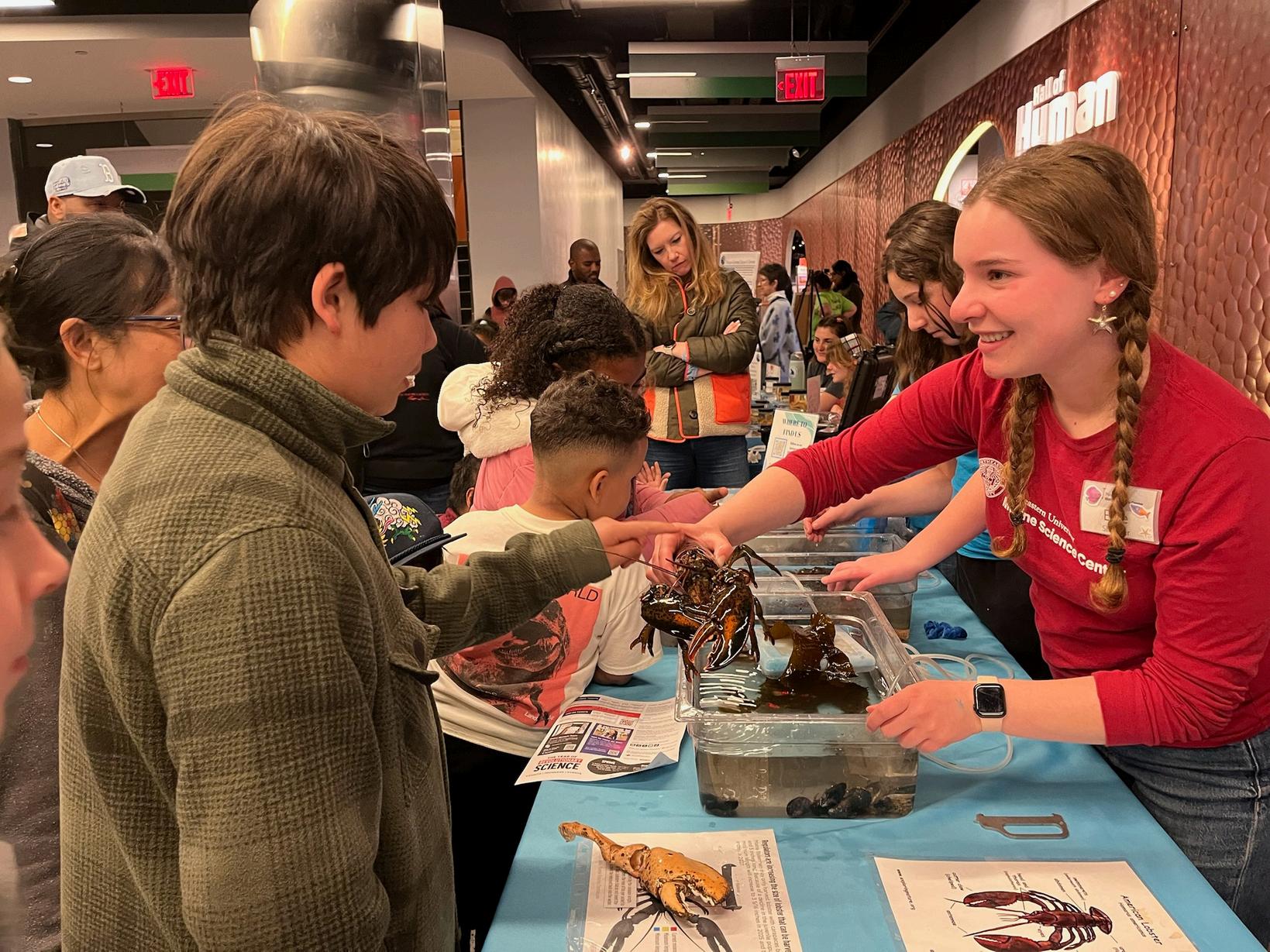
This past year, our Outreach Program reached over 4,000 students, educators, teachers, and community members through youth programs, public events, digital media, and partnerships with educator networks, the Museum of Science, LynnLab, and many regional school districts. These efforts supported numerous active grants and grant proposals and provided 50+ faculty and graduate students with valuable science communication and mentoring experience.
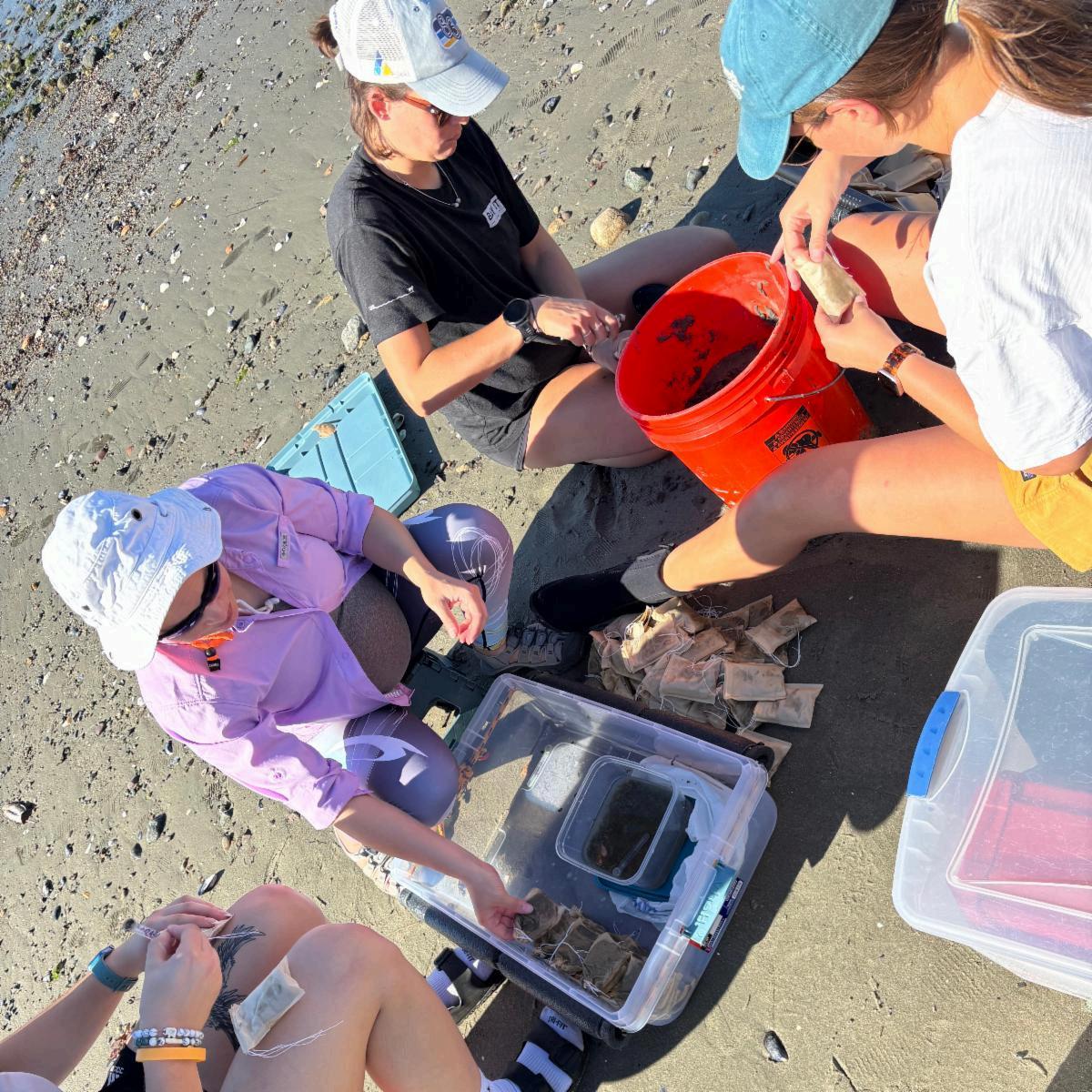
Bagging and deploying seeds for eelgrass restoration pilot (Photo: Jill Carr, MassBays)
The MSC hosts the Metro Boston Region (BHEN) of the Massachusetts Bays National Estuary Partnership, an EPA National Estuary Program that empowers 50 coastal communities to protect and restore coastal habitats
In 2025, BHEN, led by Coordinator Diana Chin and Interim Coordinator Kelsey Schultz,, convened partners for workshops and field trips exploring/science connections, living shorelines, and seagrass ecology
In the coming year, BHEN will collaborate with the MES Outreach Program and regional MassBays partners on a seagrass restoration and community engagement project funded through the Restore America’s Estuaries program.
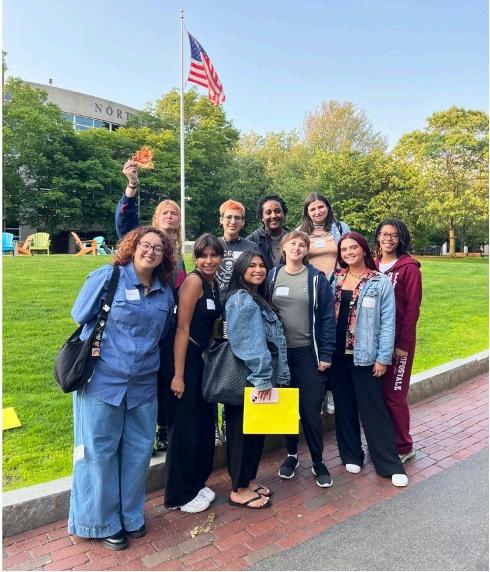
Our BEACHES program has emerged as a transformative three-day workshop for underrepresented students, first-generation college students, and those with limited access to graduate education pathways in marine and environmental sciences In 2025, we hosted a cohort of 11 students; participants reported feeling better prepared to compile application materials and value the ongoing relationships formed with mentors and peers.
We would like to take a moment to recognize and offer our profound gratitude to our donors of $250 or more:
The Richard W & Elaine E Barrett Foundation
Amy Blake and Garry L Crago
Joseph Bonventre
Cell Signaling Technology, Inc
Rita Colwell
David Comb and Coleen Fitzgibbon
Linda Comb
Marilyn J Comb
DAFgiving 360
Susan S Deitch
Frank Doll and Leonard F. McNally
Elysium Health, Inc.
Ernst & Young LLP
George R Feehery Jr
Fidelity Charitable Gift Fund
The Friends of Lynn & Nahant Beach
Elizabeth Furber
Ian H. Gardiner
Philip Goelet
John Greci and Sandra Cook
Anne Halverstadt '18, '26
Douglas and Kathleen Halversadt
Peter H Hartline and Rebecca A Kucera
Carol and Jeffrey Horvitz
Ann Innocenti
Madeline and William Jack
Solomon H Katz ''63
Ann Katz
Stacy Kelly
Kevin C King '77 and Susan Fairfield King
Dr. Alan M. Kuzirian '69 and Jeanne Kuzirian
Jean E Lifrieri and Matthew Bender
Timothy and Shea Malcolm Fana Mersha
Morgan Stanley
National Research Foundation Singapore
Peter Nathan
New England Biolabs, Inc
Ocean Genome Legacy, Inc
Oracle Corporation
Nancy L Paddol
Robert Parrot
Cherity and Jason Payne
Janos Posfai
George Putnam III
Karen I Bedrosian Richardson '70
Martin and Berta Riddle
Dr Richard J Roberts
Charles E Ryan
Suzannah and Pieter Van Schaick
SilRay Inc
Maurice Southworth
Takayasu Sugita
Amy Suslosky
Joyce Toher
University of Texas at San Antonio
Violet M. Johnson Family Foundation
Tanya Waldroup
Kenneth Wertz
XForest Therapeutics Co LTD
April Zhong 96
The following endowments provide vital support for our work:
Doherty Chair in Marine and Environmental Sciences
Foley Family Fund
Geology Memorial Fieldwork Fund
Halverstadt Family Summer Internship Program Fund
Lewbart Fund in Honor of Doc Riser
Ocean Genome Legacy Endowed Fund
Otto G. Bartels Memorial Fund
Professor Nathan W. Riser Lectureship
Raymond James Charitable Endowment Fund
Learn more about supporting our work at: www.giving.northeastern.edu/explore-funds