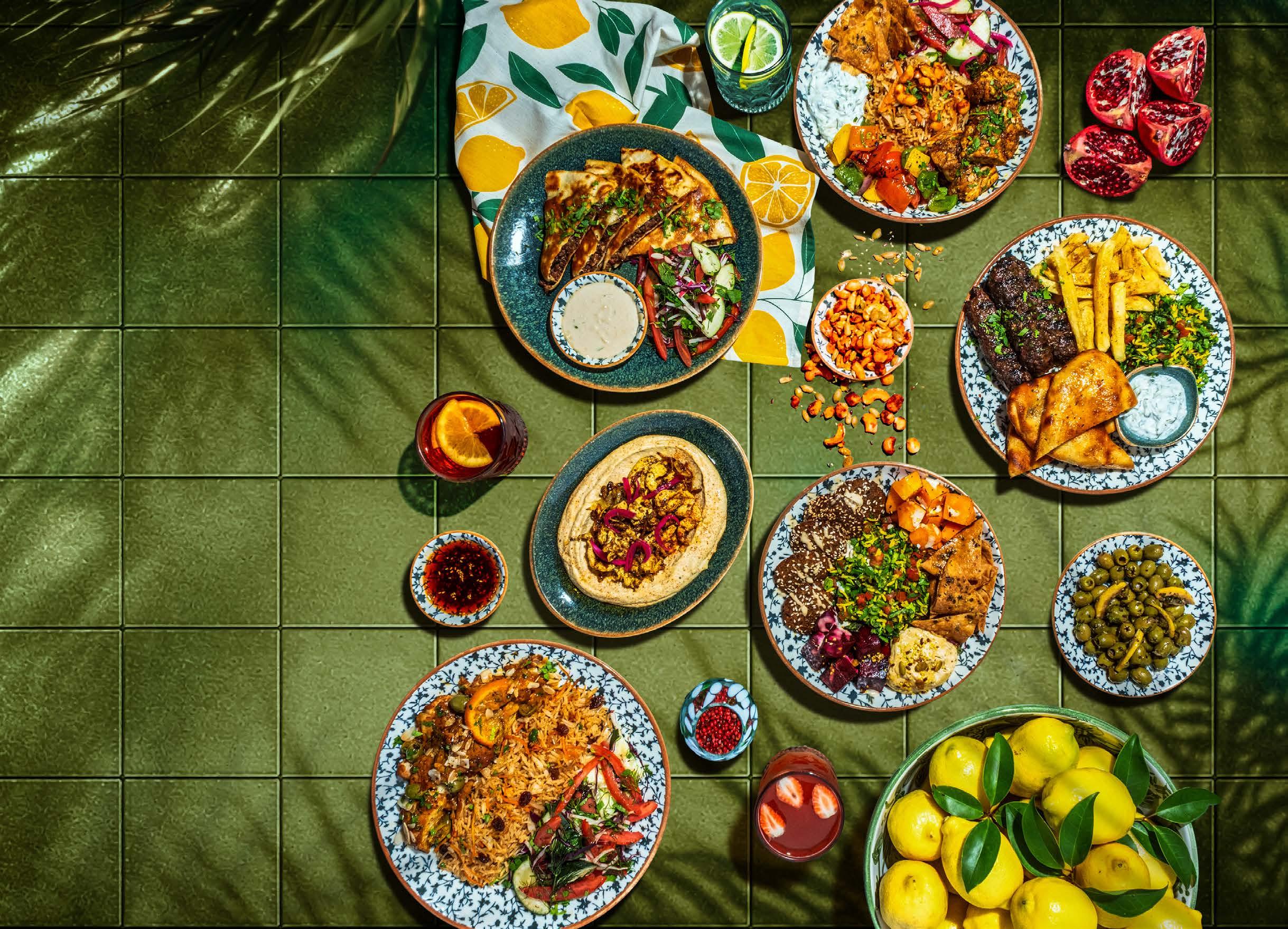

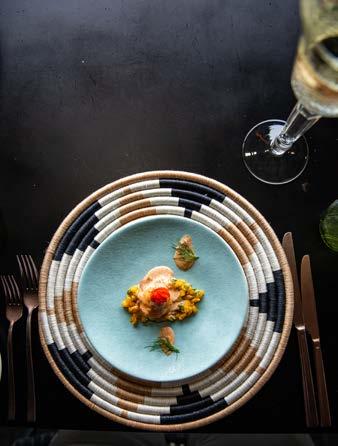
This season, discover a menu inspired by the vibrant culinary traditions of the Mediterranean, Middle East and North Africa.
From smoky open-fire grills and bright citrus notes to fragrant herbs and bold spices, every dish is crafted to bring warmth, flavour and comfort to the table.
Share colourful vegetable-forward plates, savour flame-grilled favourites, and explore rich, layered flavours featuring Harissa, Sumac and Tahini throughout the menu. Whether you're gathering with friends, enjoying a family meal or discovering something new, our Winter Menu is designed to be shared, savoured and remembered.
Visit your nearest Artcaffé and experience our Winter Menu.
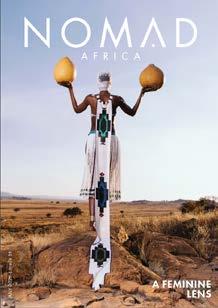
NOMAD AFRICA TRAVEL & MAGAZINE
Issue 51 | July 2026
PUBLISHED BY PURPLE NOMAD, ALL RIGHTS RESERVED
CEO
Thom Wallace
OPERATIONS & FINANCE
Wambui Everlyne, Linet Wangui
GUEST EDITOR
Paige McClanahan editor@nomad.africa
GRAPHIC DESIGN
Viola Kup
PARTNERSHIPS & MARKETING
Charlotte Breuking, Femke Gow, Ann Kiiru
TRAVEL - ADVISORY & EXPERIENCE
Sonja Schroeder, Michael Scott, Carol Soi, Ann Wambui
Send Us Feedback: editor@nomad.africa
To Advertise: advertise@nomad.africa
Inspired to travel?
Connect with our travel team at travel@nomad.africa

NomadAfricaTravel
Nomad Africa @nomadafricatravel nomad.africa
Dear readers,
I’m thrilled to be able to join the Nomad Africa team to serve as guest editor for this edition of the magazine (and the next one too). A longtime travel writer and nomad myself, I’ve called two African countries home over the years – Sierra Leone and Kenya. And though I live in Europe these days, my connections to the continent run deep.
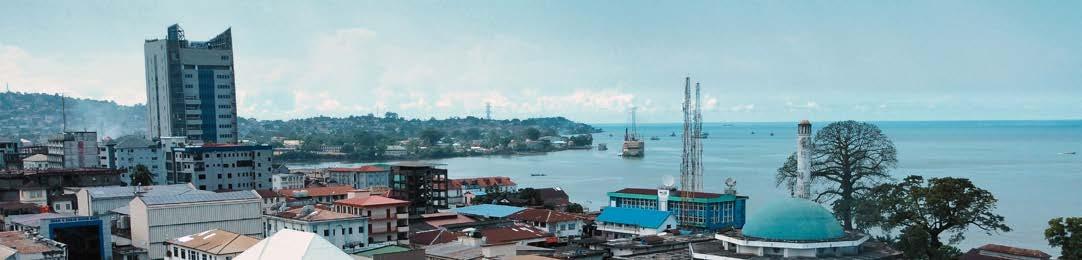
Sierra Leone in particular has stayed with me over the years. That’s where, more than 15 years ago, I got my first job as a travel writer, preparing the second edition of the country’s only dedicated travel guidebook. It was a gig that had me travelling all over the country – from the busy streets of Freetown to the palm-lined beaches of Banana Island to the chilly summit of Mount Bintumani, the highest peak in the region. It felt like such a privilege just to be able to visit those places, and an even greater privilege to have the chance to share their stories with readers.
I felt equally honored to be invited to help shape this issue of Nomad Africa, which traverses the continent in a beautiful celebration of the feminine lens. All as a result of our first open call for submissions as a magazine. I invite you to come along with me as we hang out with a real-life superhero; take an overland journey from Nairobi to Johannesburg; explore the vibrant art and fashion world of Dakar; and sit down with a conservation wunderkind from the Kenyan coast. It should be a fun and immersive ride. Finally, you’ll find new sections for books to read and places to aspire to travel to, as well as a new section for the young nomad in all of us.
Happy reading and happy nomad-ing.
Paige McClanahan
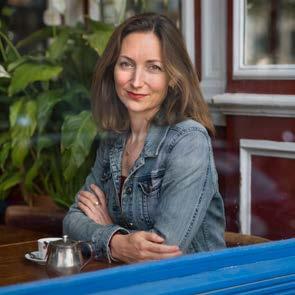
Paige McClanahan is a writer and author based in France. As a travel journalist, Paige has contributed to The New York Times, The Washington Post, and the BBC, among many other outlets. Her book, The New Tourist: Waking Up to the Power and Perils of Travel, was published in 2024.

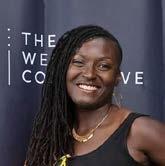
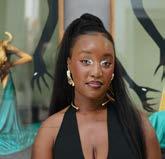

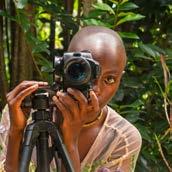
Ebony Walden is an author, filmmaker, and speaker who has traveled to 50 countries and all 50 US states. She is the author of the memoir Where I’m From: A Poetic Journey Across Five Continents and the creator of Black Beyond Borders, an award-winning documentary series exploring Black culture across the African diaspora. She also writes the Beyond Borders Substack and lives in Richmond, Virginia.
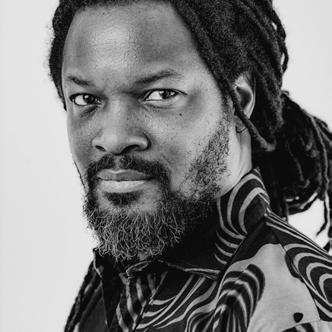
Kenyaa Mzee is a South African writer, filmmaker, and visual artist whose work explores visibility, perception, memory, and power across image and text. Working through a conceptual and research-led practice, she examines how bodies, gestures, and environments are shaped by social, cultural, and visual systems. Her work moves between artistic practice, cultural criticism, and narrative non-fiction writing.
Jean-Pierre Afadhali is an award-winning journalist and writer based in Nairobi, Kenya specializing in digital, print journalism and multimedia storytelling. He has built a strong reputation for producing compelling, in-depth reporting that bridges science, tech, public policy, and socio-economic development across Africa. His reporting focuses on science, with special emphasis on environmental issues, public health, and the economy.
Mwivanda Gloria is a photographer and writer from Nairobi, Kenya, currently backpacking across Africa. Through her photography and writing, she documents the people, places, and cultures she encounters, sharing stories shaped by firsthand experience and immersive travel across the continent.
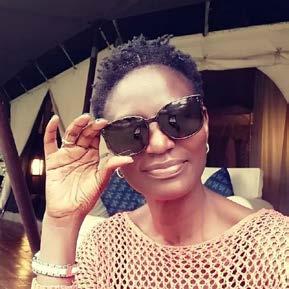
By Judy Kepher-Gona
When I started my journey in tourism, I believed, and still firmly believe, that sustainability holds the key to addressing challenges in the sector, including those related to women.
I have spent nearly three decades working at the intersection of sustainability and tourism, often advocating for more inclusive futures. Yet, as a woman in this space, I have also lived the very inequalities these frameworks claim to address.
One of the early statements I heard when I joined the sector was that tourism had potential to empower women and that women made a large percentage of the workforce. They were seen. I also heard about need for women empowerment so they can have more representation in leadership tables. They needed to be heard. This was a contradiction. Therein was my inspiration – find your way to the decision-making table!
Indeed, we are everywhere in tourism – from the front desks, kitchens, rooms, restaurants, craft markets, shops, marketing, guest relations, guiding and hosting, among other roles. But I have learnt that presence is not the same as power. I have watched, and encountered, how women remain clustered in the low- to middle-role jobs. Sometimes in my career, the language of empowerment has felt hollow when decision-making remains out of reach for many women. Are women really still growing into power roles?
I have learnt that there are many invisible layers to the women in tourism leadership. A critical invisible layer to this story, which discourse rarely acknowledges, is that women, who form a majority of the workforce, carry homes, care for families, and then step into tourism work – expected to do both excellently without recognition.
I have seen brilliant women abandon or shy away from opportunities simply because the system was never designed with their realities in mind. Another troubling issue is how often gender is still treated as an afterthought; a box to tick within sustainability frameworks that remain largely focused on inputs and not impact.
In my work as a sustainability assessor, I have also listened to countless women speak about safety and dignity, topics that are often sidestepped in mainstream discussions. That marketing narratives and working environments still quietly perpetuate harmful stereotypes – reducing women to images rather than acknowledging them as agents – should be a concern in the era of sustainability, but capital always seems to win over value. My take.
If there is one thing I would change to make tourism more gender-responsive, it would be the tendency to speak in a single, generalised narrative of “women in tourism.” That phrase, while well intentioned, hides deep inequalities between rural and urban women, between those with access to capital and those without, between global North and South, and among women themselves. Until we confront these layered realities, empowerment remains partial.
My message is simple: Women in tourism do not want to participate in tourism, they don’t want to be invited. They want a fair chance.
Judy Kepher-Gona is a global sustainable tourism leader from Kenya. As the founder of Sustainable Travel & Tourism Agenda, Judy has been instrumental in advancing responsible tourism practices in the continent.
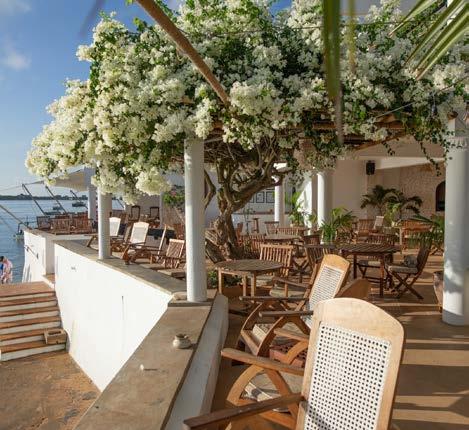
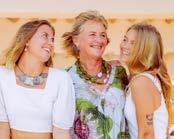
A globally known hidden gem, Peponi Hotel on the Kenyan coast, is the open secret that everyone knows about. Carol Korschen was the driving force behind Peponi for decades, and she recently handed over management to her two daughters, Elke Korschen Bertolli and Kaila Korschen. The hotel is active in conservation, supporting a community-led organization that works in sea turtle protection, environmental education, beach cleanups, and broader environmental stewardship across Lamu. Combined with local employment, local sourcing, lower-energy operations, and solar-heated water systems, Peponi represents a conservation approach built around protecting an entire place rather than a single species or project.
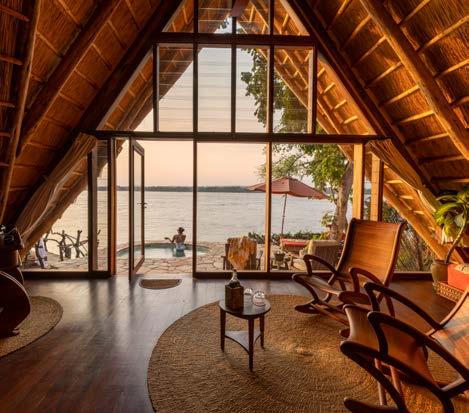
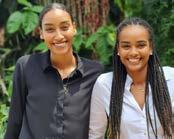
Sisters, Nathalie and Vanessa Van Pee were born in Uganda and have returned to their roots to create an award winning regenerative luxurious travel destination on the southern banks of the Nile River in Uganda. The lodge itself openly positions women as central to its identity — not only the founders, but female chefs, operational staff, artisans, and local craft partnerships. Their own messaging emphasizes that the lodge experience is shaped by women “at every level.”
Best Eco Lodge 2026 - Pearl of Africa Tourism Award Richard Bangs - Best Hotels in the world award
Atlas Mountain, Morocco
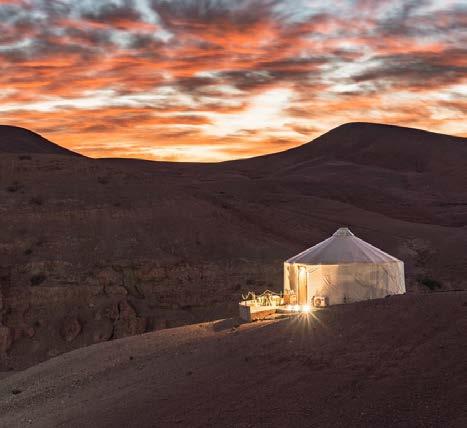
Nicole Billi, one of three owners of BE Travel Morocco, curates a deep set of cultural experiences across the company’s three destinations. BE Agafay is the company’s Atlas Mountain design-led retreat offering curated escapes that blend energy and relaxation. Guests can begin their day with yoga in the shala overlooking the landscape, unwind in the stunning spa, or lounge by one of two pool areas before venturing out for camel rides, quad biking, pottery or cooking workshops. Whether for a private getaway or a curated retreat combining city and desert, BE Agafay offers an immersive experience.
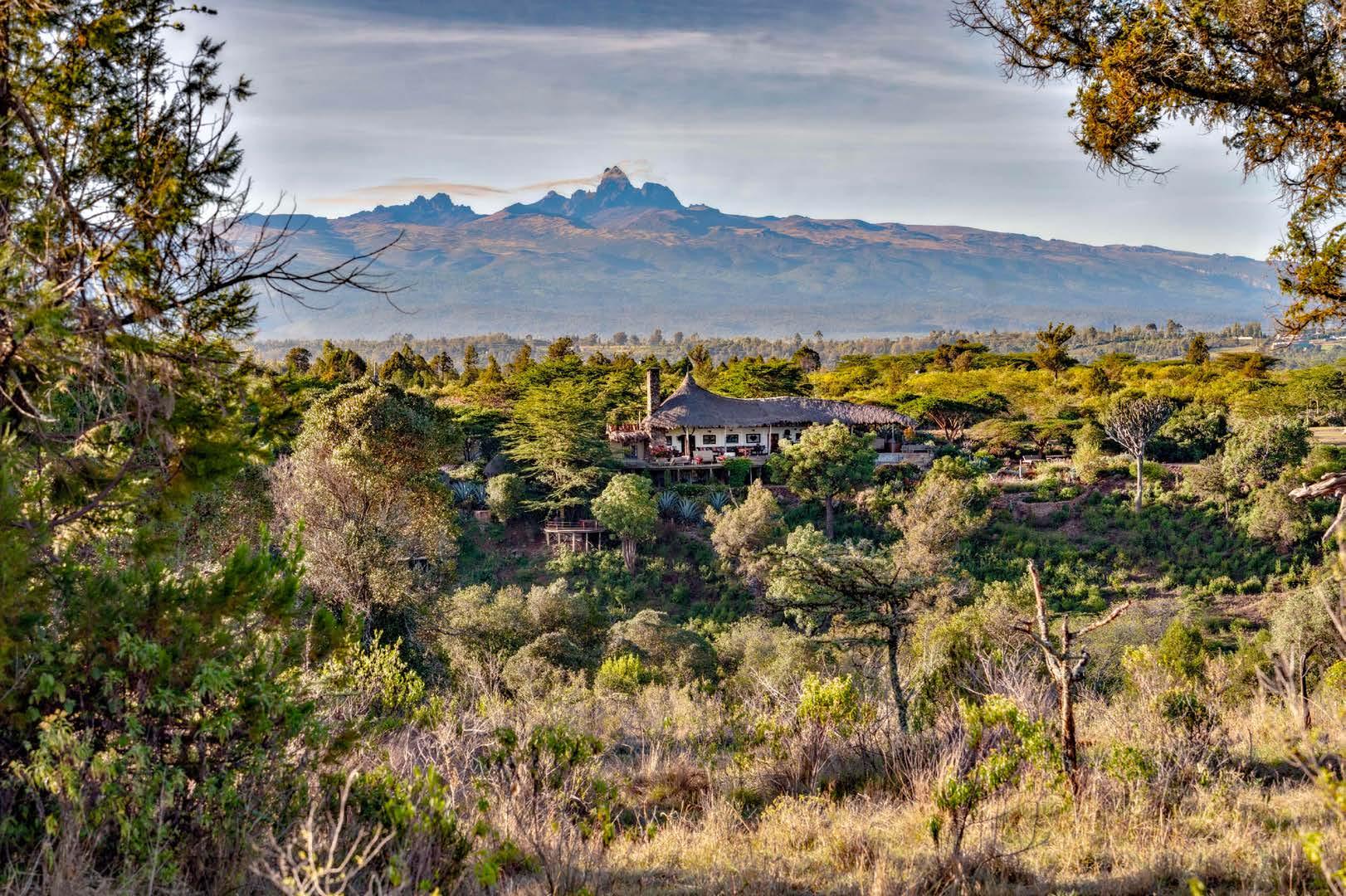
Laikipia, Kenya
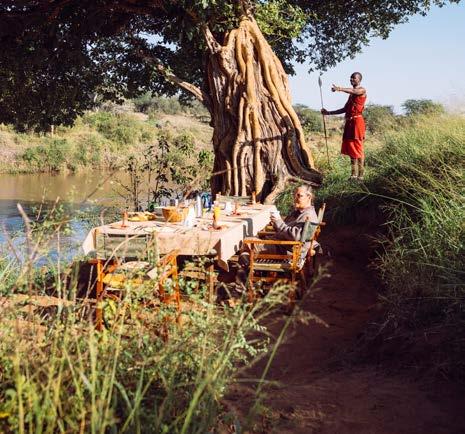
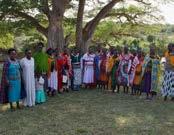
Ol Gaboli is found in Kenya’s Laikipia region, a mosaic of open land, rare wildlife, and deep-rooted communities living alongside nature. The only female and Maasai-owned safari lodge in Kenya, Ol Gaboli puts the local Ilmotiok Community right at the heart of the lodge’s operations. Funds from the lodge are distributed 70% to the Ol Gaboli Women's Group, which manages the lodge, and 30% to the community's land management committee. Meanwhile, guests get to experience luxury accommodations and safaris that are unhurried, respectful, and led by people who know this land best.

South Africa
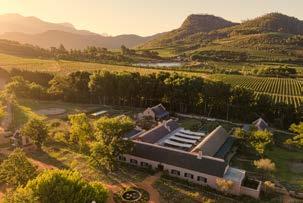
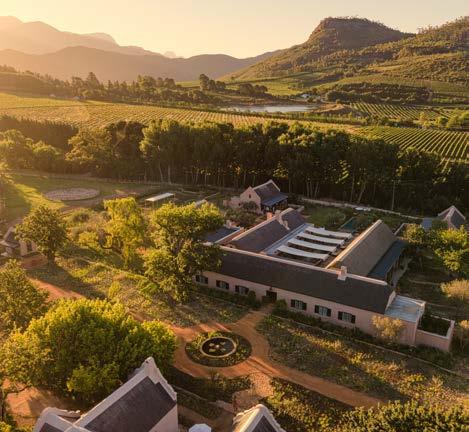
Nestled in the mountains of Franschhoek, a 90-minute drive outside of Cape Town, Sterrekopje was started in 2019 by partners Nicole Boekhoorn and Fleur Huijskens. More than a hotel or wine destination, Sterrekopje is a “healing farm” and the perfect place for a personal or couples retreat to disconnect from technology and reconnect with creativity, the land, and one’s own thoughts. The property sits on a historic farm dating back to the late 1600s and spans roughly 50 hectares of regenerative farmland, gardens, indigenous plants, animals, wellness spaces, and only a small number of suites. Instead of positioning itself as luxury accommodation first, Sterrekopje sells restoration, slowness, creativity, and connection to nature.



By Muthoni Muiruri of Soma Nami
African women’s writing explores the female experience through a a wide range of lenses – from domestic life to politics, migration to relationships. The recommendations that follow highlight a selection of contemporary African female voices and books that offer stories that capture women’s experiences in their many forms, offering a window into their strength, struggle, and everyday realities.
Founded in 2021, Soma Nami Books is a femaleowned, leading PanAfrican bookstore and literary platform, dedicated to making African stories more visible, accessible, and celebrated.
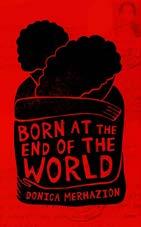
By Donica Merhazion
Born at the End of the World by Donica Merhazion is a powerful historical novel set during the Red Terror and Eritrean liberation struggle, following Elen and Girmai as they navigate survival, identity, and political upheaval in Asmara. Both characters begin their journeys shaped by personal trauma – Elen fleeing an arranged marriage and Girmai escaping abuse –before being drawn into a world of resistance, secrecy, and espionage. The novel blends coming-of-age storytelling with elements of romance and political thriller, showing how love and loyalty endure under authoritarian violence.
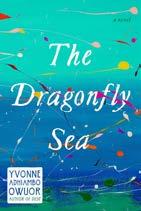

By Yvonne Adhiambo Owuor
The Dragonfly Sea is a bildungsroman following the story of Ayaana, a curious, explorative, free-spirited girl living on the tiny island of Pate off the Kenyan Coast. Ayaana is in a constant state of questioning and search for identity. She spends her days scanning the shore, wondering which one of the men getting off the docking boats is her father. Ayaana’s life changes when she is identified as a descendant of Zheng He, the legendary Chinese explorer. This revelation propels her into a global journey, crossing continents and cultures as she grapples with love, loss, and her place in a world of shifting traditions. Ayaana’s courage, determination, and emotional depth drive the narrative, making her a compelling and inspiring female protagonist.
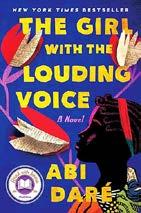
By Abi Daré
Nigerian author Abi Daré delivers a powerful comingof-age story in The Girl with the Louding Voice, highlighting the importance of African girls owning their voices in societies that often deny them choice, agency, and opportunity. Set in Nigeria, the novel follows Adunni, a young girl whose simple desire is to learn, be heard, and shape her own future. Her struggle is not only against poverty and circumstance, but also against systems that silence girls and limit their aspirations through tradition, inequality, and lack of education. The novel speaks to a wider shift in African literature, where women writers are foregrounding experiences of girlhood, gender inequality, and everyday female lives. Ultimately, the novel is a tribute to courage, showing how education and voice can transform not only individual lives but entire communities.
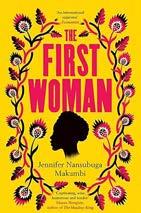
By Jennifer Nansubuga Makumbi
Steeped in oral storytelling, mythologies and folklore, The First Woman is a powerful story of an African girl discovering what it means to be a woman in a patriarchal society. The book offers a reimagining of girlhood and womanhood in patriarchal Uganda, exploring how identity and femininity evolve across time and experience, and how women shape one another’s lives. At its heart is Kirabo, a curious 12-year-old growing up in 1970s Nattetta Village. Loved by her grandparents and extended family, yet shaped by the absence of her mother, she embarks on a lifelong search for identity and belonging. Makumbi captures this emotional landscape with warmth and humour, creating a vivid, character-driven world filled with complex, familiar family dynamics.
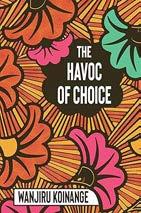
By Wanjiru Koinange
The Havoc of Choice by Koinange reflects on Kenya’s turbulent 2007 election period, when political tension escalated into nationwide violence after disputed results, leaving over 1,000 people dead. The novel tells this history through Ngugi’s family. Ngugi, a passionate student leader, and Kavata, an independent young woman struggling with her father’s corrupt legacy, find their relationship tested when Ngugi enters politics under his father-in-law’s influence. As the country unravels, so does their personal world. Koinange’s portrayal of violence forces the reader to confront uncomfortable truths about identity, power, and choice. Her use of Kenyan English and Swahili adds authenticity and grounding, making the narrative feel deeply familiar. This powerful and emotionally charged debut challenges perception and offers a stark lens on Kenya’s recent past.
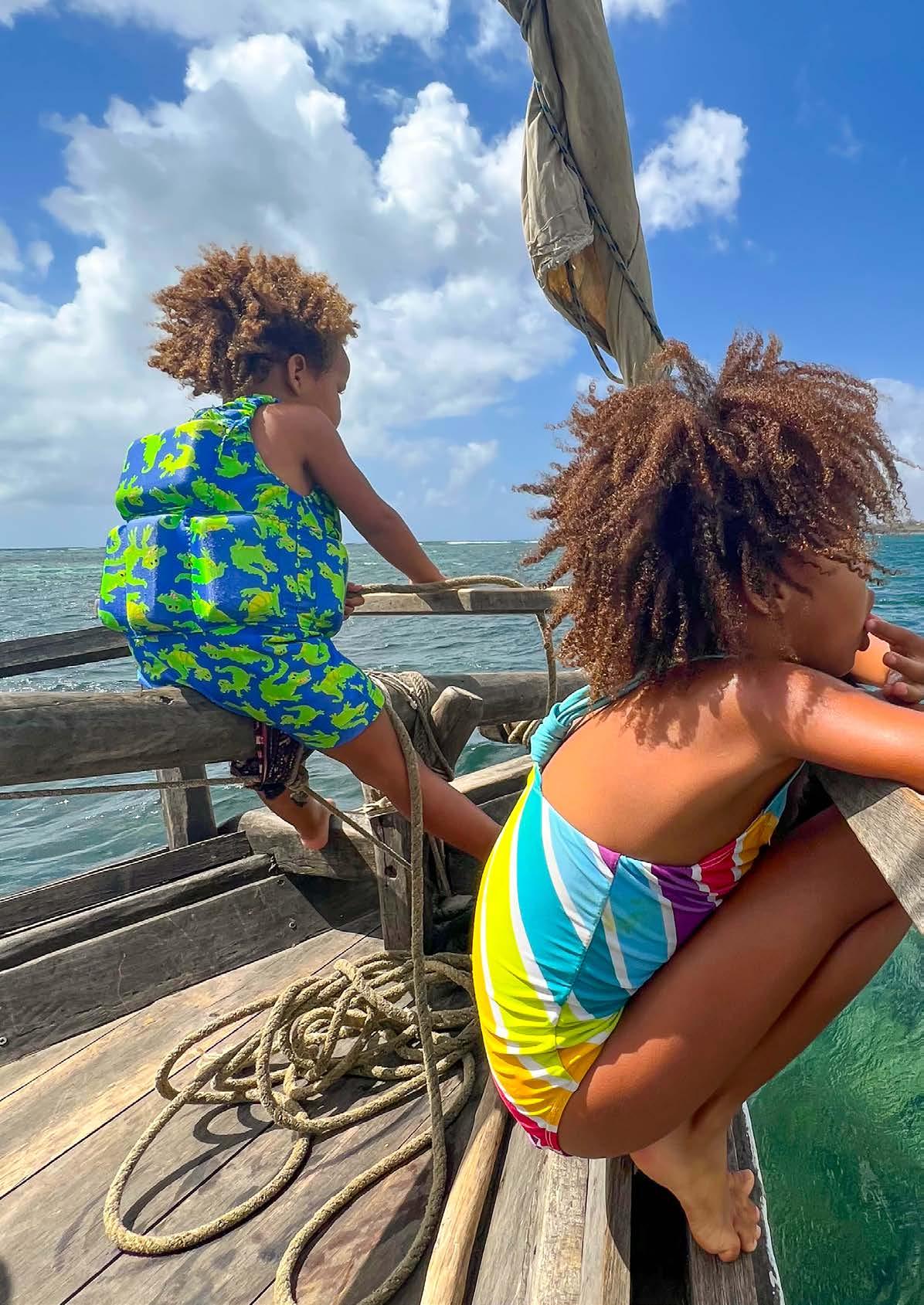
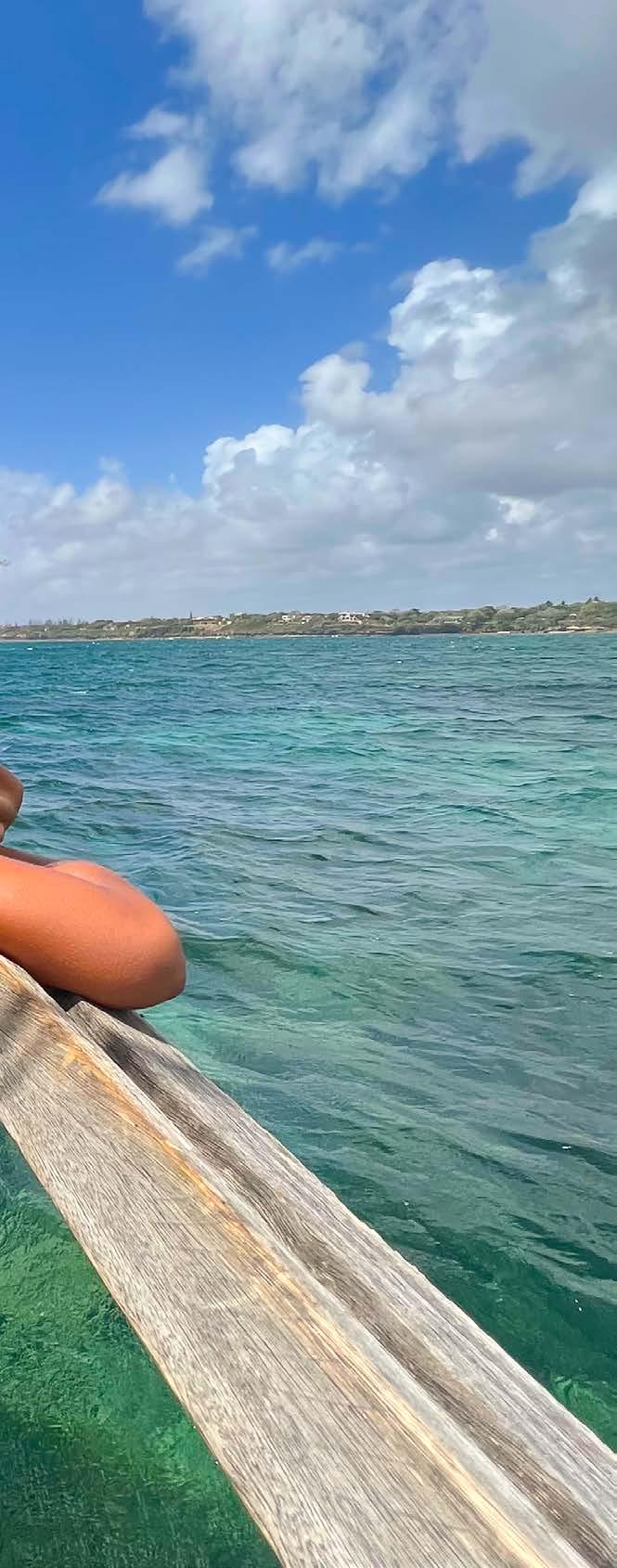
photo
This photograph was taken aboard a dhow in Kilifi during a family outing with her children. As the kids laughed, played, and took in the beauty of the Ocean, the image captured one of the simple moments of connection and adventure that Tatiana is most passionate about preserving through her photography and storytelling.
The artist
Tatiana Karanja is a mother of three, photographer, storyteller, and content creator who is passionate about documenting everyday family life and meaningful adventures. Through her work, she loves showcasing the beauty of Kenya and inspiring families to explore the incredible destinations and experiences the country has to offer.
Scan the QR code to view Tatiana’s photograhy

The photo
By Anna Songhurst
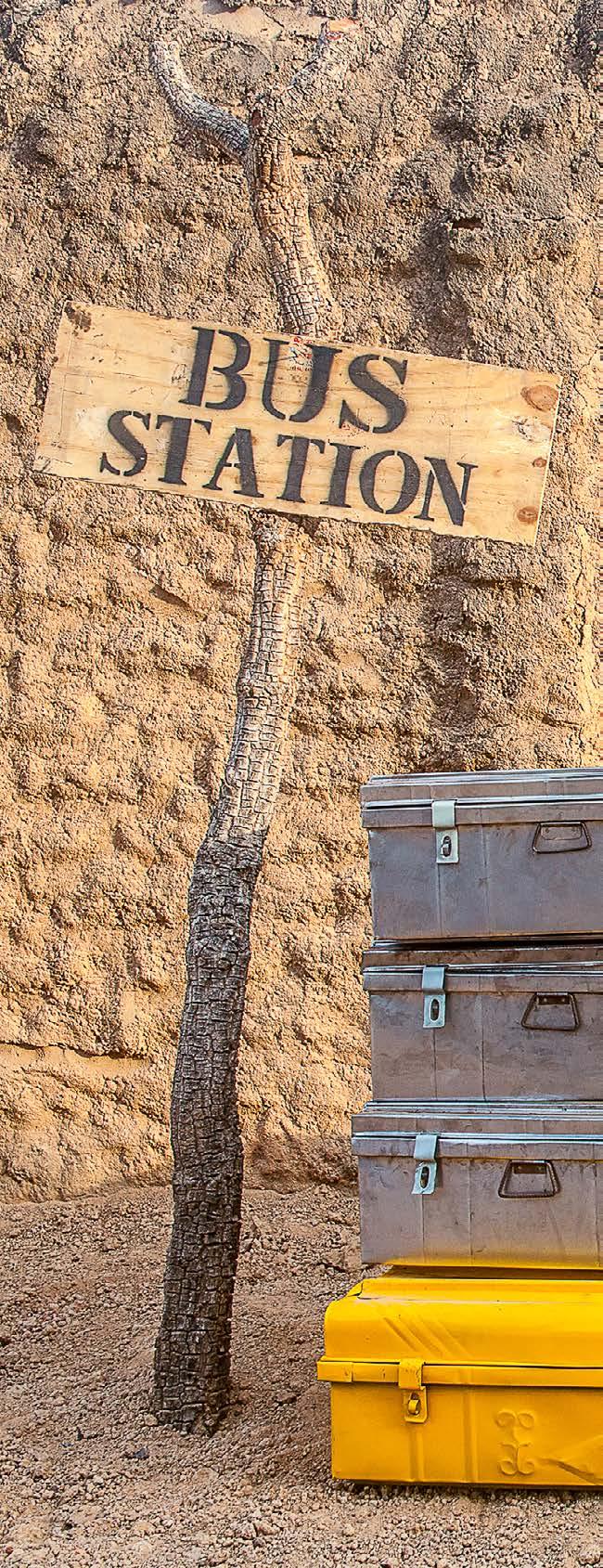
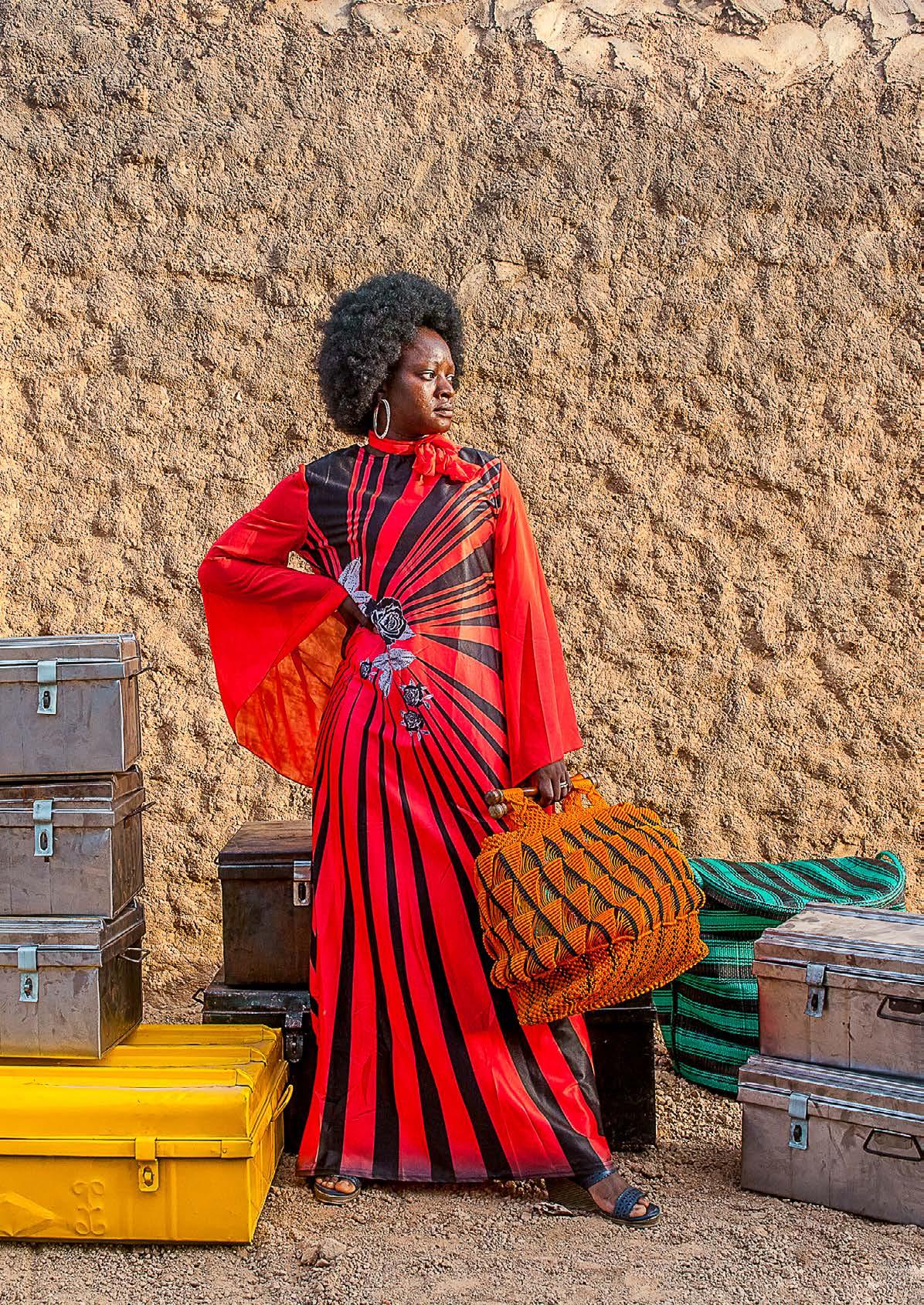
There is a Malian proverb that says as long as we are not dead, we are under construction. This image is a tribute to that: the spirit of lifelong journey.
The artist
King Massassy is a multidisciplinary artist from Mali with over 25 years of experience in photography and music, as one of the pioneers of Malian hip-hop and performing arts. Self-taught, his Berlin-toBamako roadtrips through the desert nurtured his passion for photography, which has been exhibited in France, the U.K, Canada, Haiti, Senegal and Mali. Through the portraits of his everyday heroes, King Massassy talks about the Africa he wants to see can “get to know and love herself, proving how dynamic, inventive and fertile Africa is.”

The photo
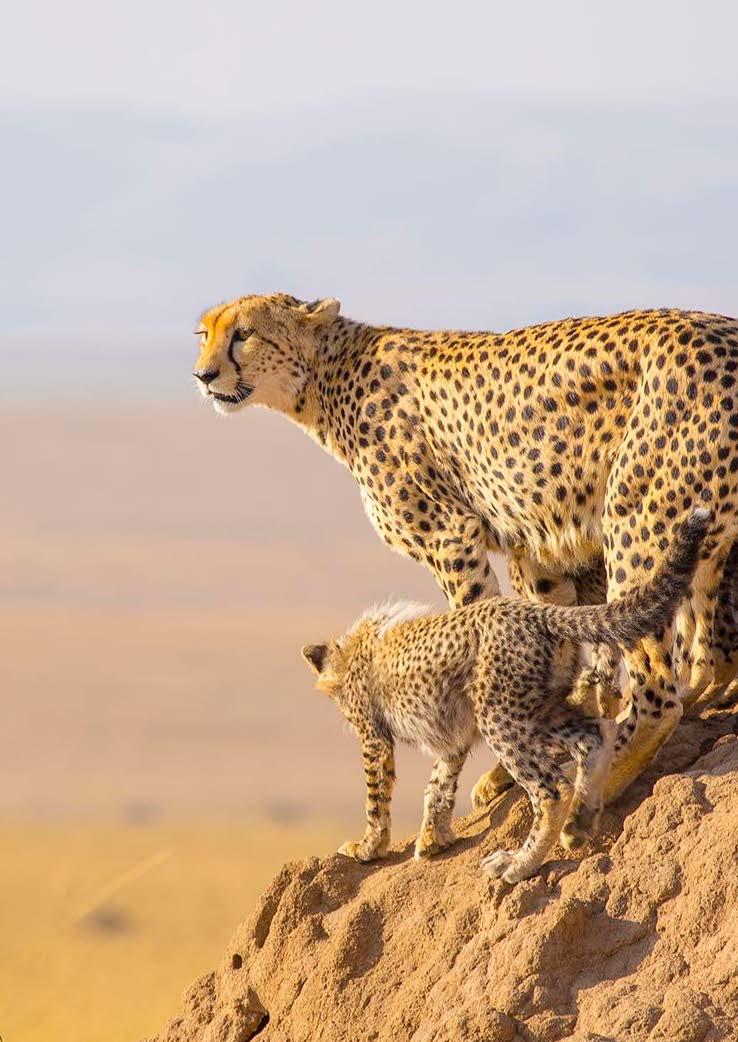
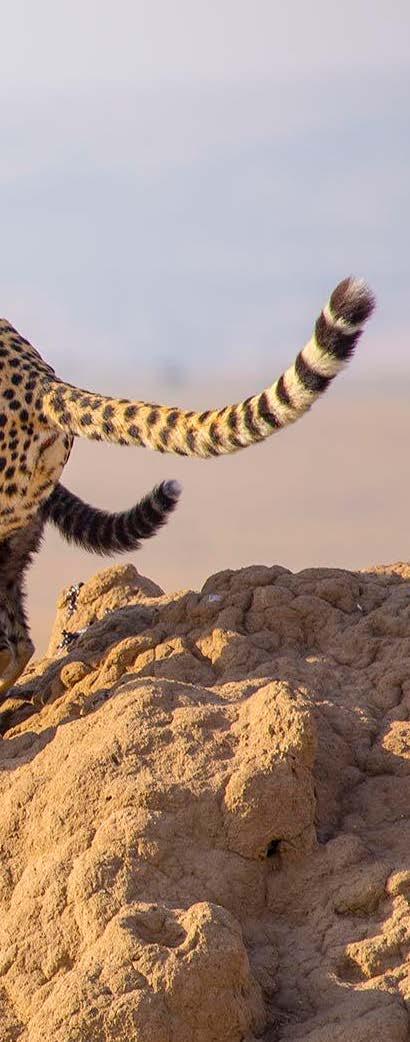
On a golden morning in the Maasai Mara, a cheetah surveys the plains from the top of an anthill with her three cubs pressed close to her side. She appears light and graceful, but carries the full weight of being sole provider and protector. This lookout presents her with a crucial elevated vantage point from which to spot prey or dangerous predators – which plays a crucial role in her cubs’ survival.
The artist
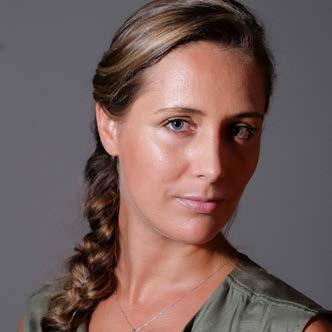
Aletta Harrison is a South African journalist, filmmaker and visual storyteller with a deep love of wildlife and over 17 years of experience across documentary, news and photography. Known for her award-winning environmental reporting, she founded Ripple Swift in 2025, a Johannesburg-based creative studio dedicated to the art of visual storytelling. Her wildlife photography is an extension of that same impulse: to document the extraordinary beauty found in everyday moments.
Scan the QR code to explore Aletta’s full portfolio

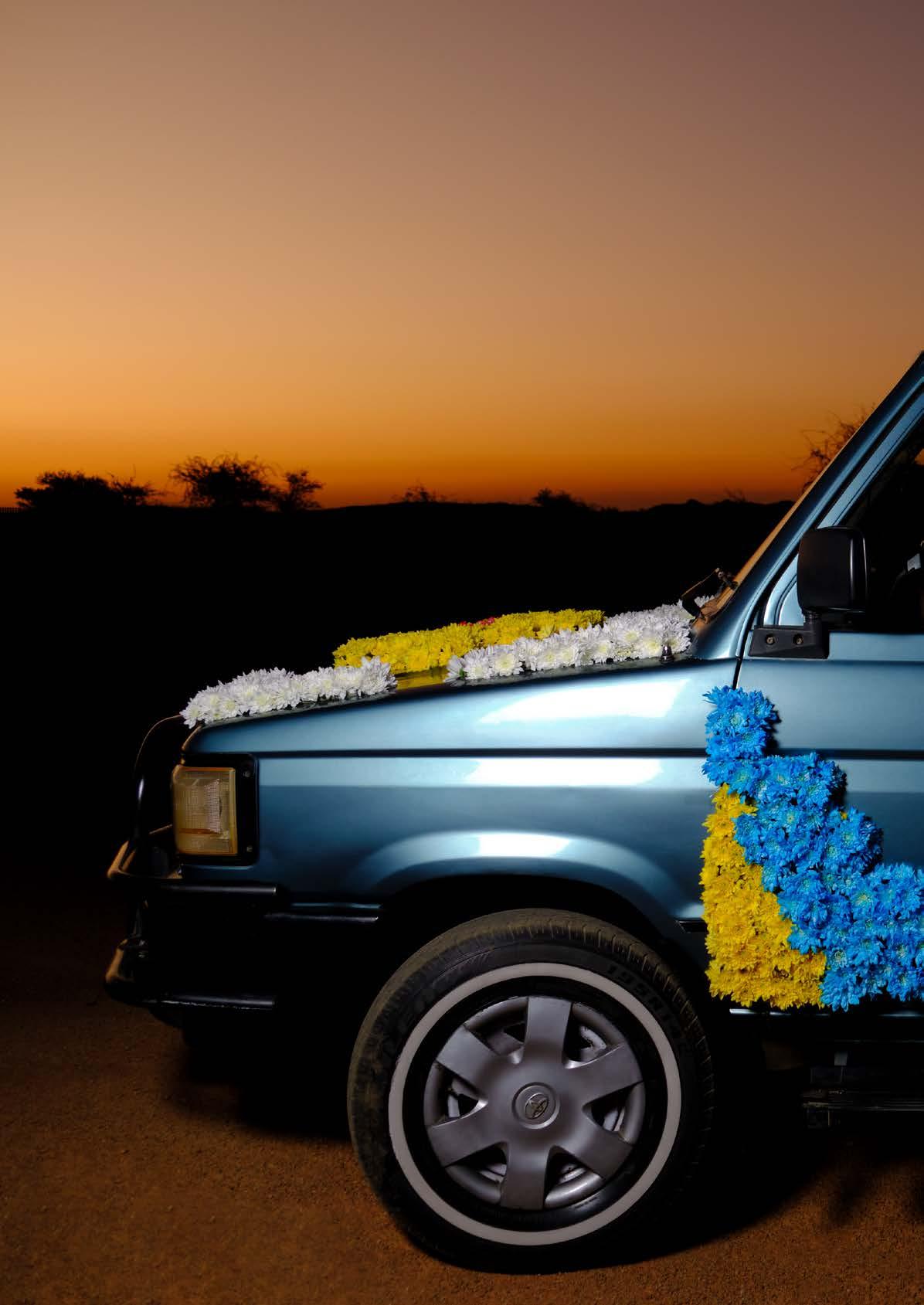
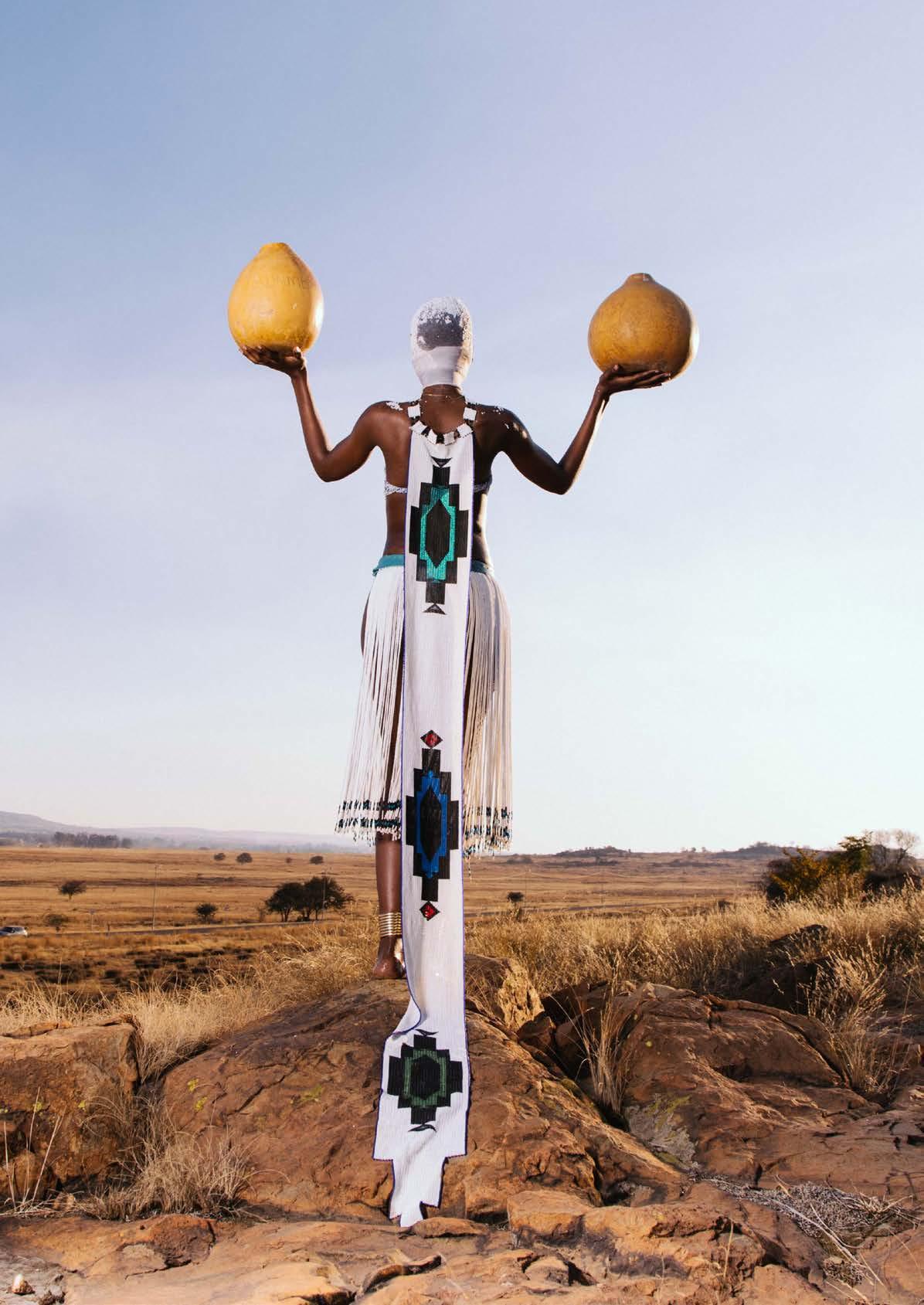
The work of South African visual artist Zana Masombuka weaves together ancestry, dreams, and imagination
By Kenyaa Mzee
Speaking with the artist Zana Masombuka, I notice how explanation, conclusion and resolution move into one another without clean separation – a sense of fluidity embodied in her art as well. I sit across from Masombuka surrounded by nature, and that same quality returns in conversation. She pauses, then continues without rushing toward closure. This rhythm of thought is not driven by a fear of finality or conclusion, but a deep respect for the process of ritual, for the practice – one sustained through constant unfolding, weaving, sifting and tracing. The work
she makes carries this charged energy, existing inside a practice that does not neatly settle into final forms.
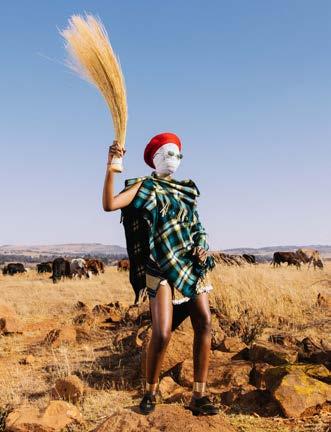
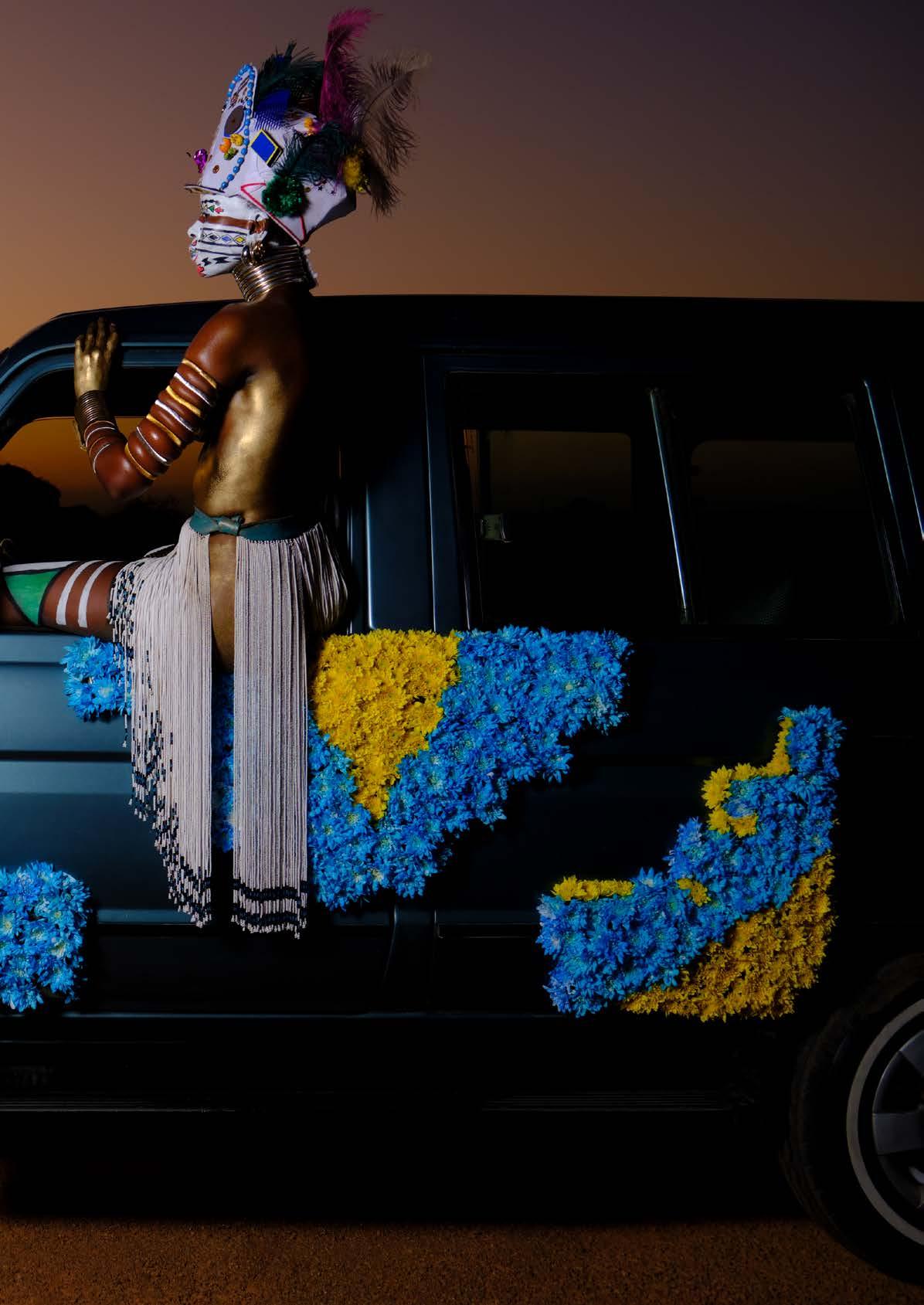
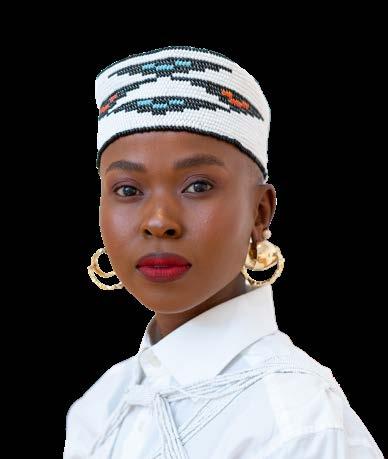
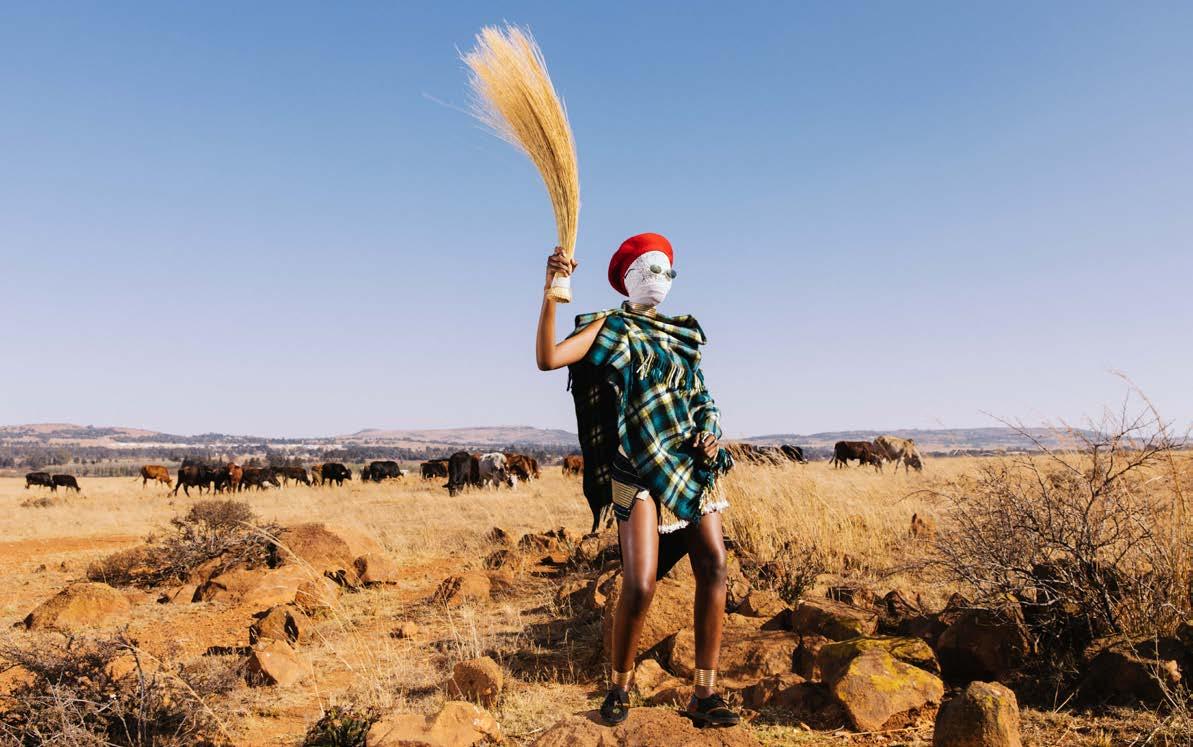
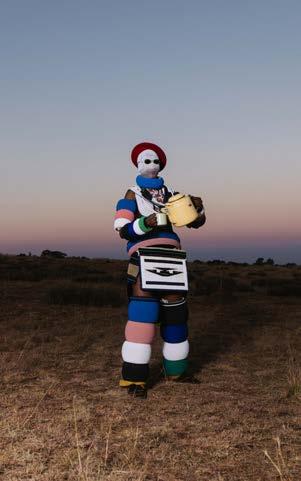
Zana Masombuka, also known as the Ndebele Superhero, is a South African visual artist whose work moves through ancestry, dreams, and imagination as a spiritual practice. Photography, installation, beadwork, sculpture and expanded image-making form the ground of her work, where storytelling becomes a way of holding futurity within the same field. Here, the visual culture of the Ndebele people is approached as something alive, carried forward through those who engage with it with intention, rather than as a closed reference.
Masombuka’s entry into image-making begins in her first year at South Africa’s Stellenbosch University. A shift comes during her first encounters with a professional set. Makeup, styling, camera, direction. The construction of image becomes active. She speaks about standing inside that environment and noticing the direction of gaze, and how quickly a body becomes source material for story, and how photography functions as a conduit. From there, early experiments emerge: campus life, friends, short films, and small screenings held in domestic spaces. One-night exhibitions. A camera passed between. A garden used for projection. The works carried agency, not formality. They
The act of making becomes tied to ritual, and not simply ideas.
were driven by making something visible in spaces where visibility often became solidified immediately.
Alongside this, the act of making becomes tied to ritual, and not simply ideas. A sense of guidance that does not follow static instruction. She pauses, then speaks into it: “Dreams carry information that doesn’t pass through rational thought.” In her framing, dreams hold encounters and signals that inform how she moves through story and visuals, almost like a cascading logic of image and meaning that does not sit in linear form. Her answers come through with conviction, softened by moments of laughter, steady in how she holds each idea. “It moves through guidance,” she says. Imagination holds a similar position. It becomes a method of engagement, not escape, a way of entering what is already present in another form.
Here ancestry moves through duality – inheritance and responsibility braided into the same field. She speaks about lineage as something carried through bodies, returning through memory. Cultural knowledge does not sit in a fixed position in her thinking. It shifts, transforming through those who carry it.
The figure of the Ndebele Superhero holds everything at once. It does not function as a persona in a conventional sense. It moves through her work as a dedicated form of storytelling, where symbols act as containers, portals, and language. She speaks about symbols as carriers of wisdom, making space for what cannot be contained in a single reading. Within this, dreaming and imagination sit alongside each other as guidance systems, carrying knowledge that bypasses analytical or rational thought. The Superhero becomes a composition of intuition, where Ndebele visual culture is reworked through futurity without breaking ancestral continuity.
During the conversation, nature moves alongside us. The hiking path becomes part of the thinking process. Animals pass through the same space without interruption. She continues speaking through these moments, holding attention across multiple directions at once. Nothing breaks the thread of thought as everything connects in an exchange between environment and speech. Zana’s practice holds the same deliberate attentiveness to what is present. Image-making does not separate from her surroundings. It moves with them.
When asked about the feminine lens within her work, she describes it as something that emerges without staging

or performance. It comes through a way of engaging that remains open and responsive. Her practice carries a demand for grounding in self, and trust in what is forming without force or excess control. She faithfully returns to the importance of whimsy with certainty. “You should never lose your whimsy,” she says. Not as frivolity, but as a way of remaining open to wonder, curiosity, and the unexpected possibilities that emerge through both living and creating.
For Masombuka, lineage can be honoured while still allowing movement and transformation.
Inheritance sits within all of this without the weight of obligation. For Masombuka, lineage can be honoured while still allowing movement and transformation. It is not rigid, but composed through how meaning is made in practice. Visual making, in this sense, feels less like choice and more like a path that extended toward her. She speaks to it as something she answered, allowing it to guide her into the work she continues to build.
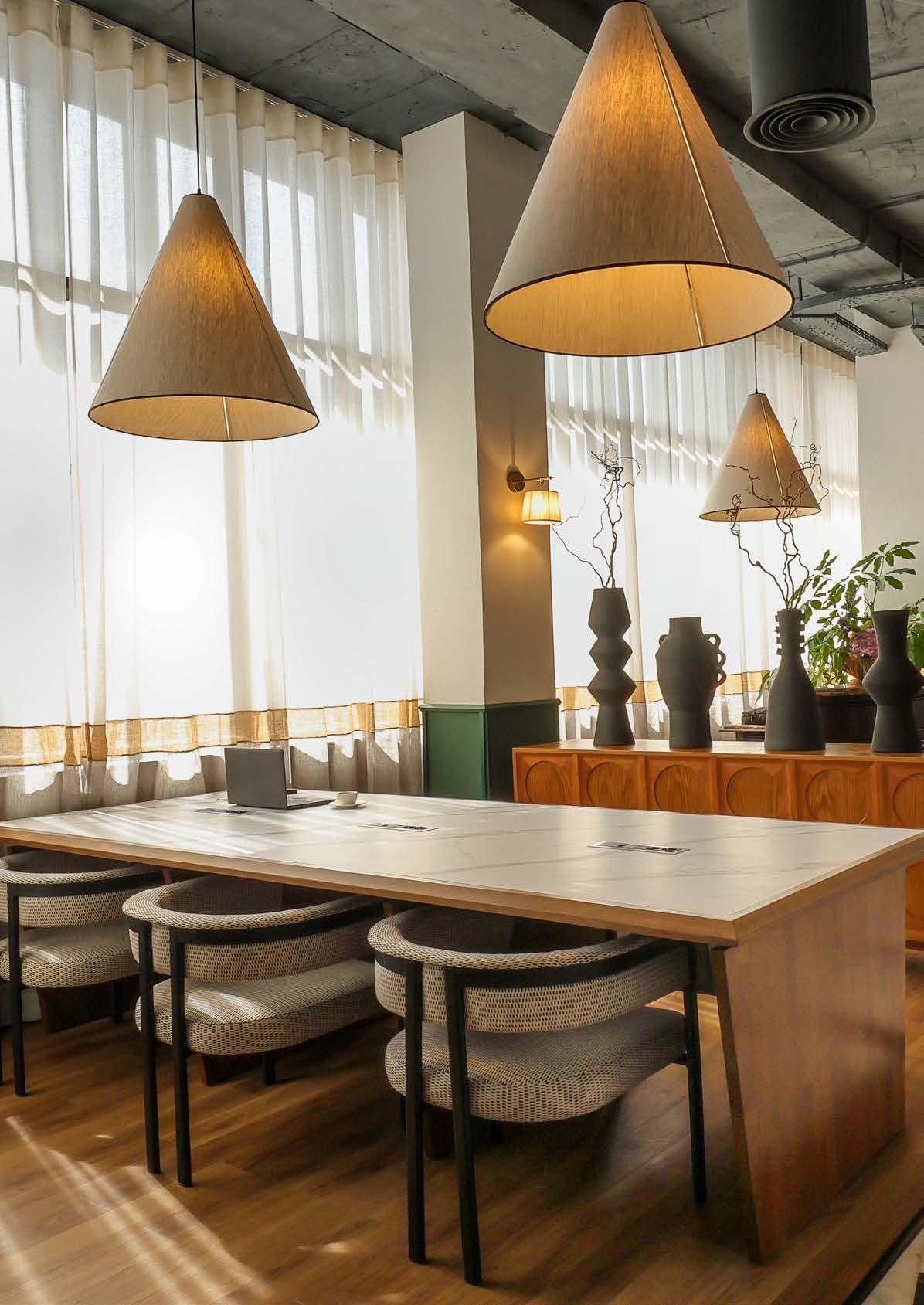

For generations, workplaces were designed around a simple premise: to maximise efficiency. Yet as the nature of work has evolved, so too has our understanding of what makes a workplace truly successful.Today, the most effective workplaces are not simply places where people work. They are places where people connect, create and collaborate.
At KOFISI Casa Anfa in Casablanca, we approached workplace design through a lens that values human experience as highly as operational performance. Led by two female designers, the project moves beyond function to create an environment that balances productivity with hospitality, wellbeing, culture and community.
The idea of a "feminine lens" in design is not about designing specifically for women. Rather, it reflects a broader way of thinking about space—one that prioritises empathy, flexibility, comfort, emotional connection and how people experience their surroundings. It recognises that productivity is often the outcome of great design, rather than the sole objective.
Located within Casablanca's thriving business district, Casa Anfa was conceived as a premium flexible workplace inspired by Morocco's rich architectural and cultural heritage. The design draws upon traditional craftsmanship and the city's Art Deco lega -
cy, reinterpreted through a contemporary hospitality-led workplace model.
Throughout the space, soft architectural arches, layered drapery, handcrafted tiles, hammered copper detailing, locally woven rugs, and curated Moroccan artwork create a rich sensory experience. Every piece of furniture was custom designed and manufactured locally, supporting Moroccan artisans while ensuring the space feels authentic to its context.
Casa Anfa is distinctive not simply in how it looks, but how it feels. Informal meeting spaces were designed to support both productive collaboration and traditional Moroccan afternoon tea rituals. Drapery provides privacy without creating barriers. Lounge spaces flow naturally onto an outdoor terrace, encouraging moments of pause and social connection.
These design decisions reflect a belief that workplaces should accommodate the full spectrum of human experience. Focus and collaboration. Energy and calm. Work and wellbeing.
At KOFISI Casa Anfa, function remains essential. But the layers of hospitality, cultural authenticity, craftsmanship and human-centred design transform the workplace into something more meaningful: a destination where people genuinely want to spend their time.
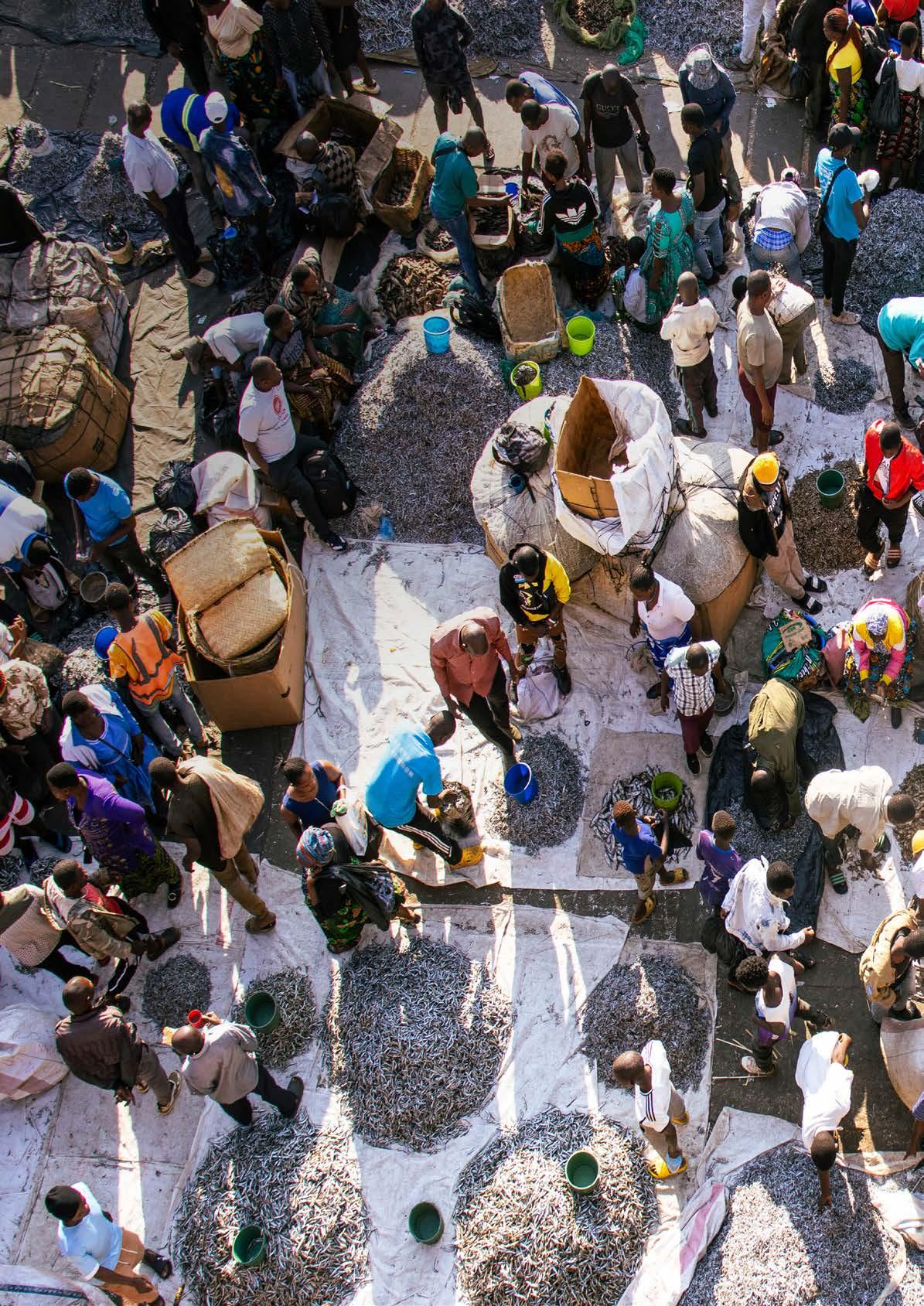
By Mwivanda Gloria
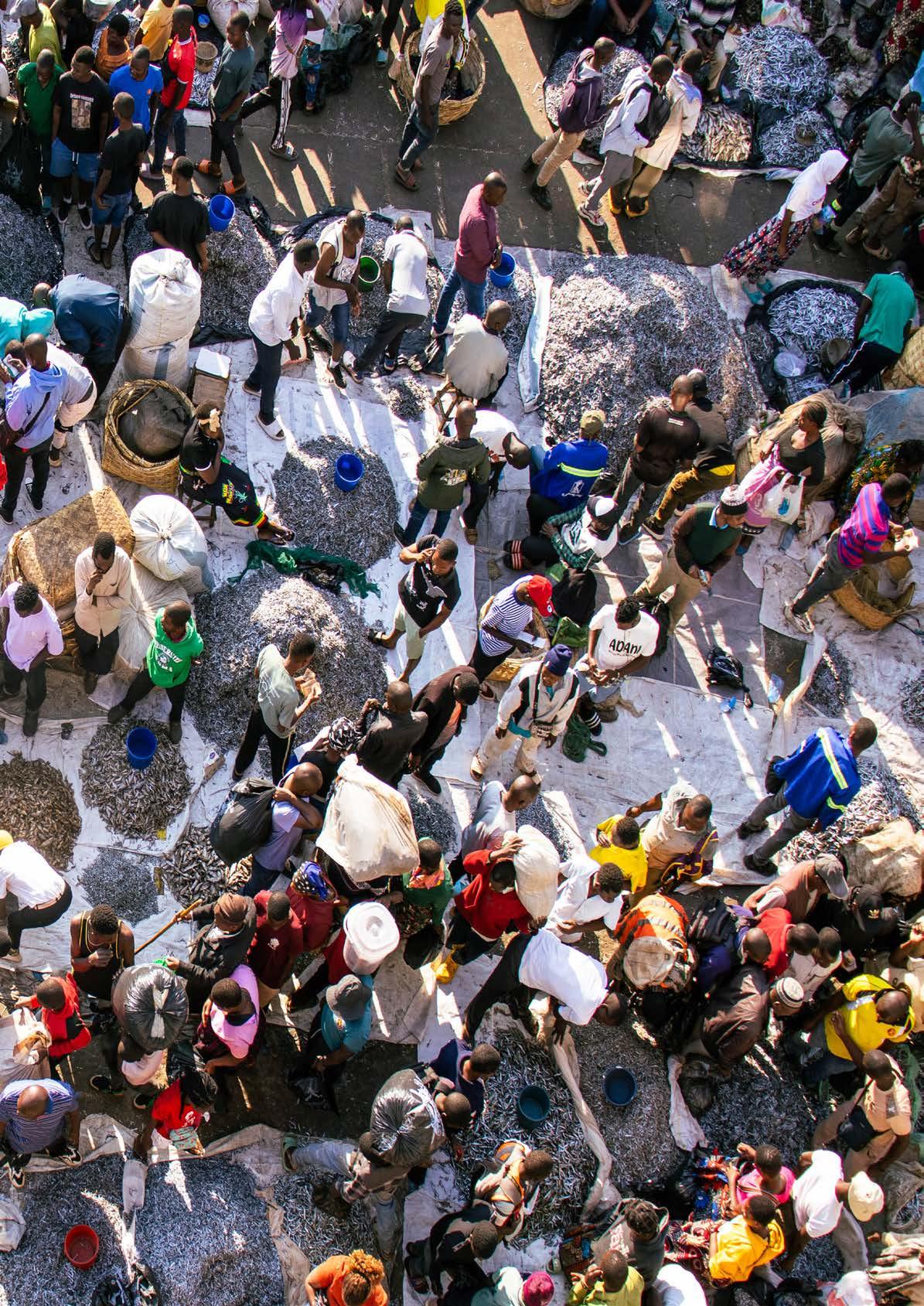
After eight months on the road, travelling across Africa, I find myself sitting with a question asked by many: If you had the opportunity, the time, the energy, the freedom to travel anywhere in the world, why Africa?
Beneath the question sits an unspoken hierarchy. What is there to see? What is there to experience that you haven’t already exhausted? Isn’t one safari enough? Aren’t the people more or less the same – Bantu, a shared history of colonialism and struggle, mud and stick huts, red dirt roads? The question presumes Africa as a finished idea.
Already seen, already documented, already known. It imagines the continent as a single image stretched thin, as if repetition has drained it of meaning. The question assumes Africa is static, that its stories belong to the past or to spectacle, that nothing new is unfolding here unless it fits a familiar frame of suffering, resilience, or wildlife.
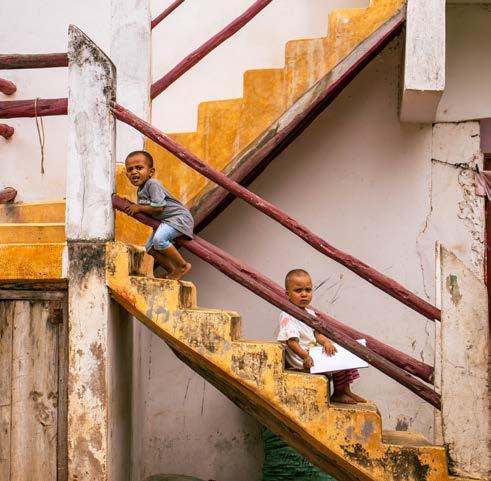
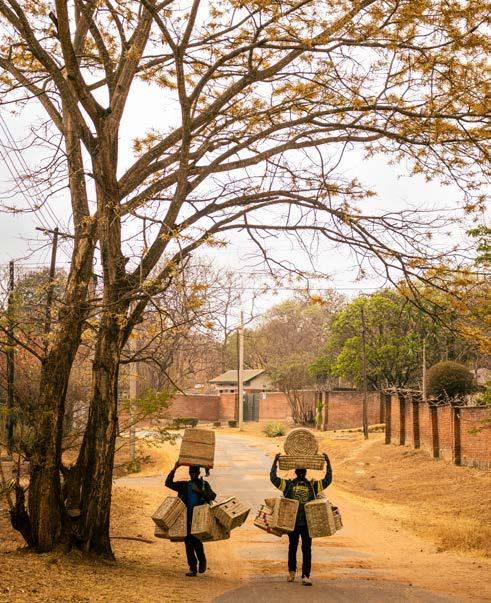
To answer, I could easily reach for nostalgia. I could speak of the motherland, of acacia sunsets and the long silhouettes of women walking home, balancing baskets and pots on their heads. I could talk about wildlife, culture, rhythm, and warmth.
But as a Kenyan, these things are not novelties. Zebras and antelopes graze alongside our livestock. The women balancing baskets are my aunts, my neighbours. These images belong to my everyday life. So if Africa is already home, known and lived, then why Africa?
The longer I travel, the more I realise the question itself is misdirected. It assumes that travel is always about novelty, about difference, about consumption. It assumes movement is always outward, in search of the unfamiliar. But my journey has been a movement inward, laterally, across familiar ground rendered distant by borders and time.
On my journey from Nairobi to Johannesburg, I did not set out to discover Africa. I set out to encounter my kinfolk, to see them, and to be seen by them.
Again and again, I was reminded of this distinction. When people asked my name, and I said Mwivanda, the response was never What nationality is that?. Instead, they asked, What family name is that? Where are your
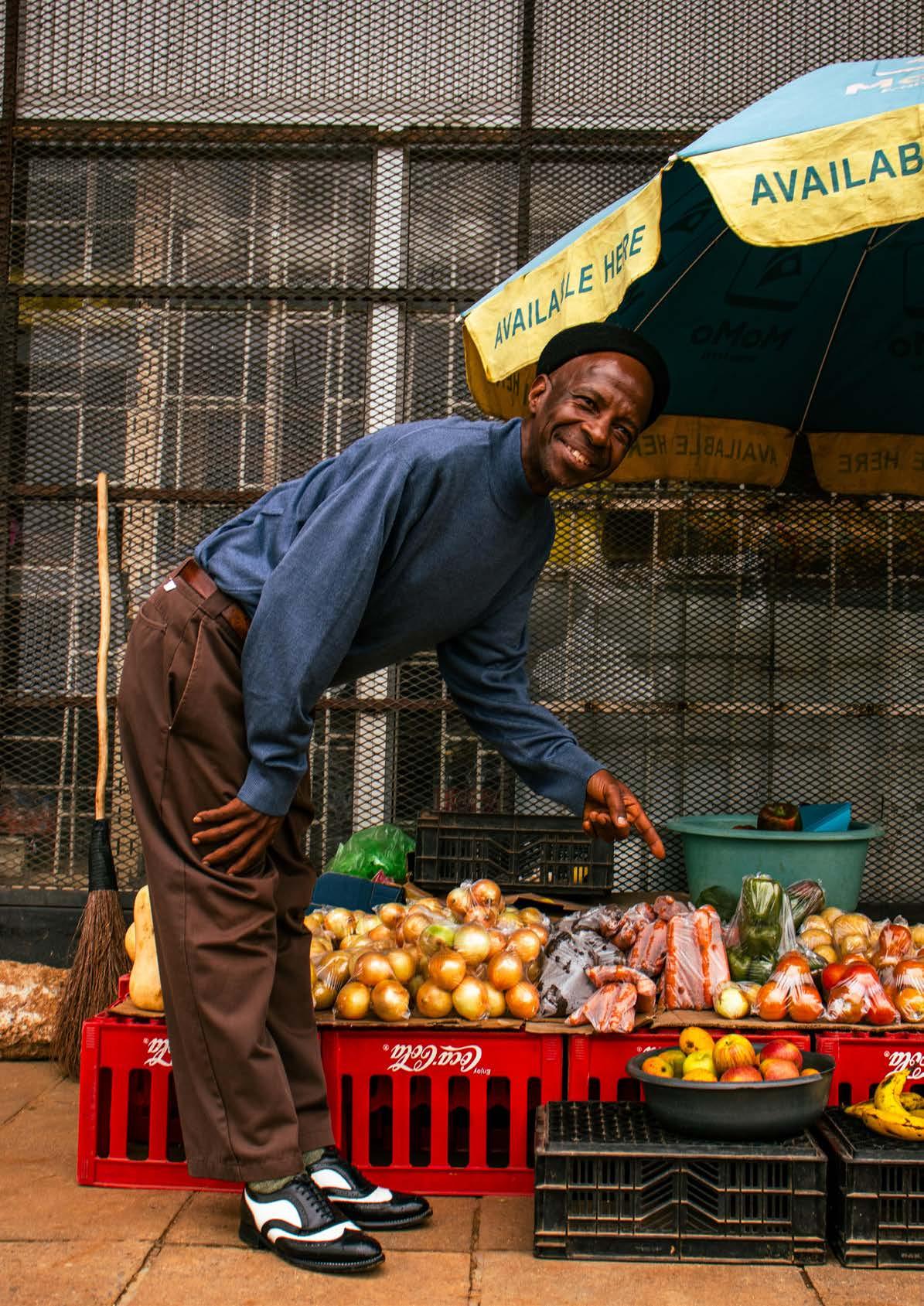
I did not set out to discover Africa. I set out to encounter my kinfolk, to see them, and to be seen by them.
people from? Who are you connected to? Identity here was not administrative. It was relational. It was assumed that a name carries lineage, that it belongs somewhere, that it ties you to others.
In the markets, women asked whether I had left the rains falling where I came from. In salons, my hair was cornrowed without commentary. My curls and shrinkage were not anomalies to be managed or explained. I was not an exception or an exhibit.
The further I travelled, the more fear I lost. The shedding of a particular anxiety, the one that comes from being watched, measured, and misunderstood.
And yet, even as this sense of belonging deepened, the question lingered: Why Africa? Not as something to answer outwardly, but as something to turn inward. Why did this movement feel so necessary?
Part of the answer lies in the way Africa is spoken about, and not spoken from. African stories are often archived, historicised, flattened into anthropology or nostalgia. They are treated as completed narratives, best preserved behind glass or footnotes. But on the road, I encountered stories unfolding in real time. Not curated, not explained. Simply lived.
On the road, I encountered stories unfolding in real time. Not curated, not explained. Simply lived.
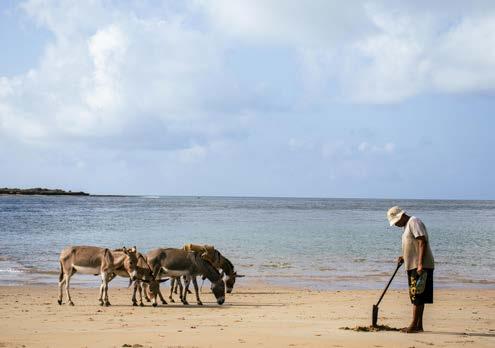
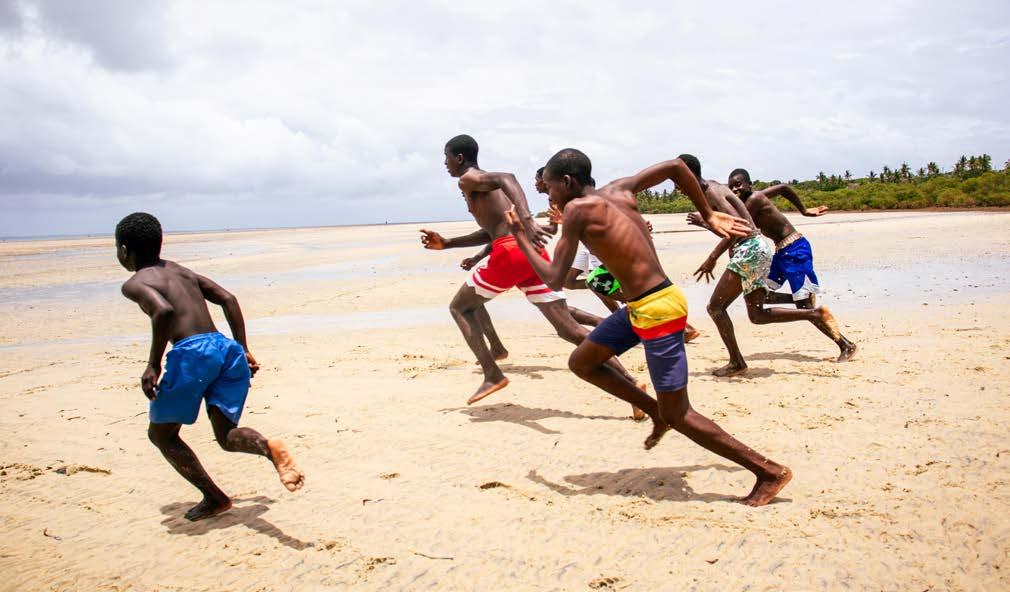
The dance was not staged. It was happening in the street. Masked Gule wa Mkulus raised dust into the air in Malawi, their movements sharp and joyful and precise. Women cooked Nshima with Kapulanas tied around their waist as storms gathered overhead, laughter punctuating the rhythm of labour in Mozambique. These were not performances for an audience. They were acts of continuity. Of presence. Africa is not suspended in the past. It is happening, now, loudly, quietly, unevenly, beautifully, contradictorily. So why Africa?
Because no matter how far I go, I am not required to become smaller here. I am not an ambassador. I am not a contradiction. I am not a story to be consumed.
Seeing, knowing, documenting, being seen – these are not separate acts here. They fold into each other. The gaze is mutual. Recognition moves both ways.
Ubuntu is often invoked as a soft philosophy, a comforting idea. I am because we are. But lived, it is more demanding than that. It asks you to be accountable. To be held in relation. It does not allow the illusion of total autonomy. It reminds you that identity is not selfauthored, but co-created.
Perhaps the better question is: Why is Africa always asked to justify itself? Why is movement toward kin framed as limitation rather than expansion and familiarity mistaken for lack of imagination?
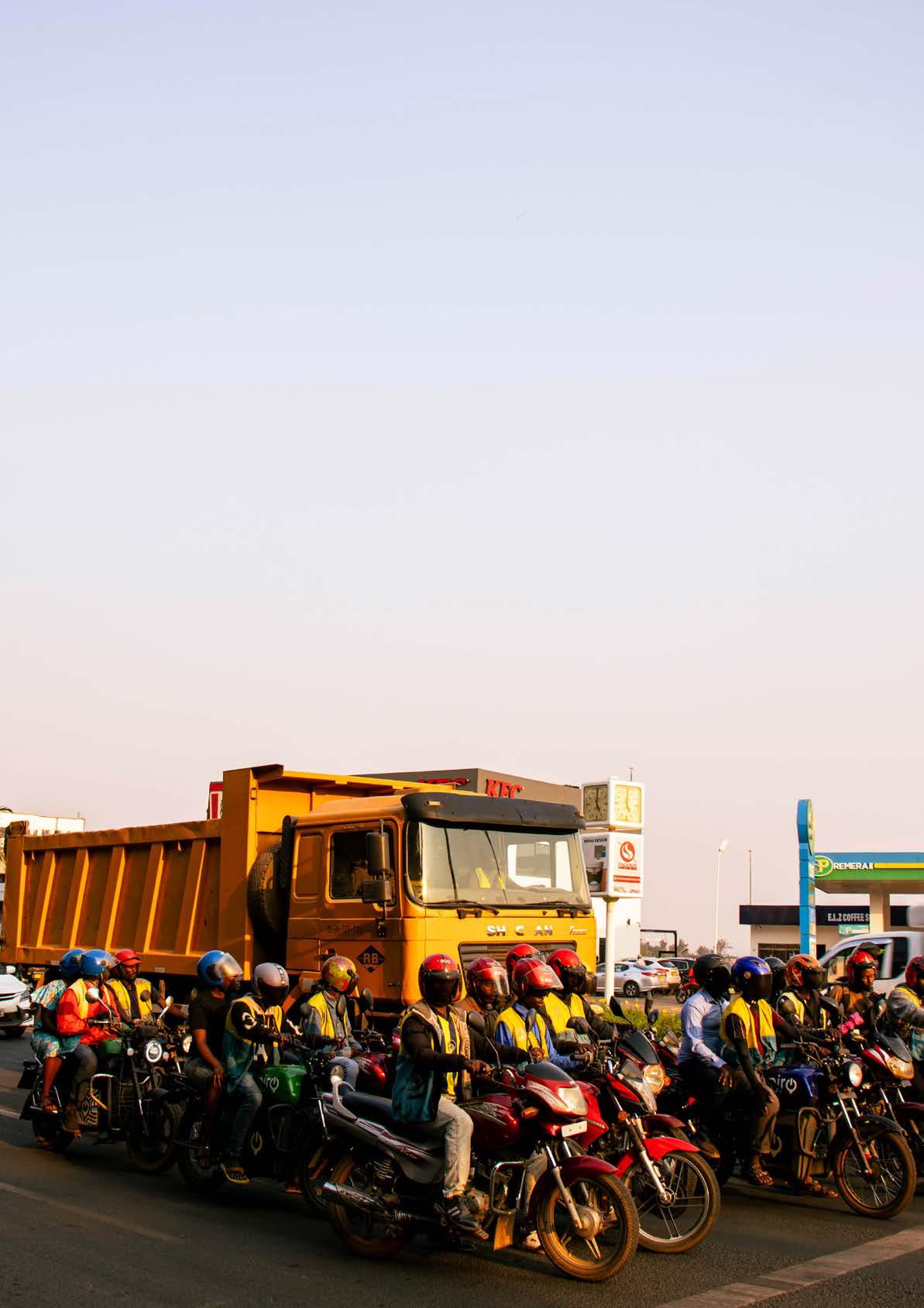
Identity is not self-authored, but co-created.
Why Africa? Because to be African is not an experience to exhaust. It is a relationship to enter, again and again, from different points along the road.
And because here, the question finally loosens its grip. It stops demanding an answer. It dissolves into something quieter;
Why anywhere else?
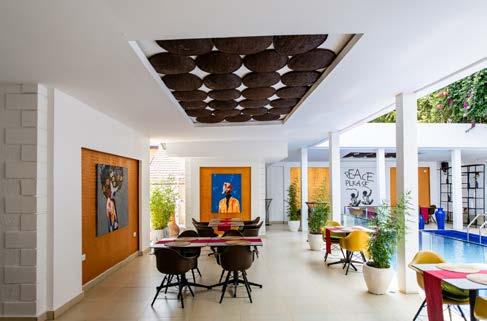
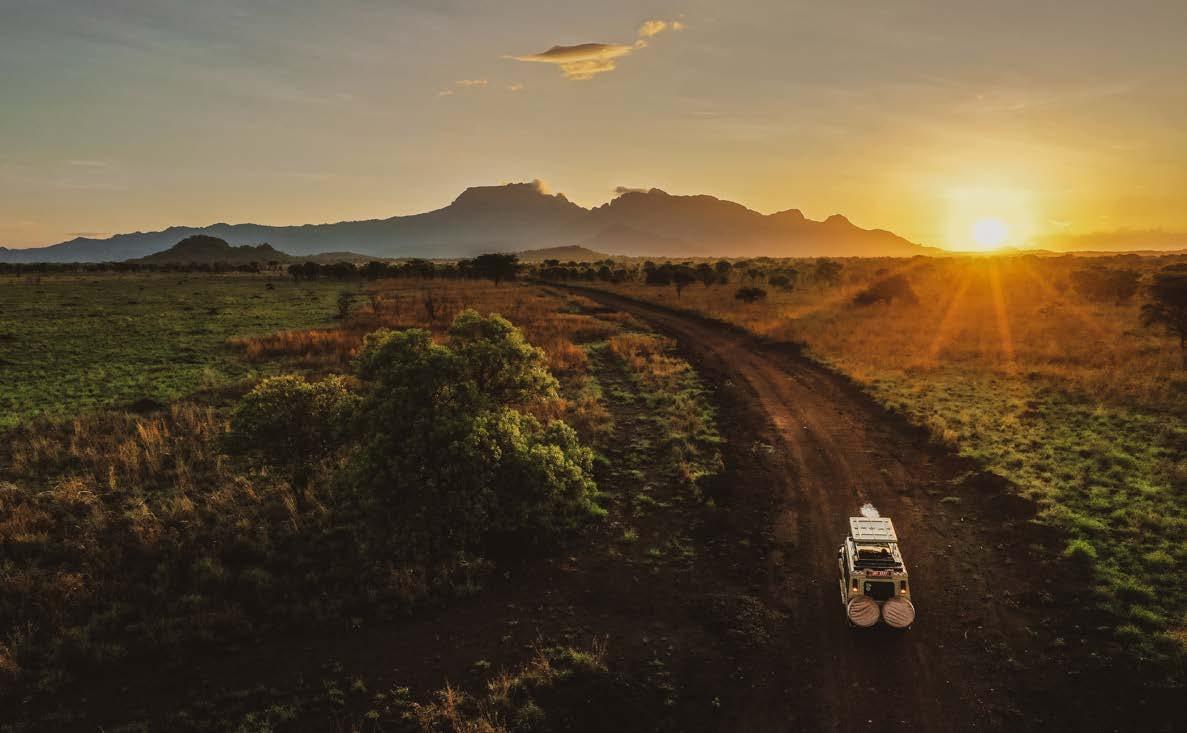

Travel inspired by the real travel exper ts, travelers, curated by Nomad Africa.
The best travel inspiration comes from people who've experienced it. Our team helps transform stories, perspectives, and local knowledge from the Nomad Africa community into thoughtfully curated journeys across the continent
Africa is more than a single experience, more than a single stor y. From iconic safaris and island escapes to cultural and culinar y adventures, family holidays and unforgettable celebrations, we design personalized travel that connects travelers with the continent ’ s many people, places, and communities.
Experience Africa's many stories. Come home with your own
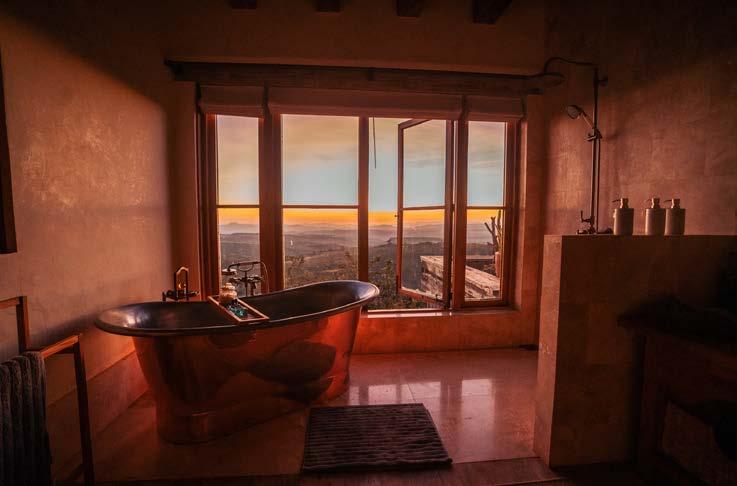

Experiences:
Wildlife Conservation & Safaris
Islands & Coastal Getaways
Culture & Heritage
Food, Art & Music
Wellness & Retreats
Adventure & Sport
Family & Group Travel
Celebrations & Special Occasions
Why Nomad Africa
Local expertise across Africa
Custom trip planning
Simplified logistics & payments
Community & environment focus
By Ebony Walden
I arrived in a black-and-yellow rickety taxi and step into the grandeur of the Ancien Palais de Justice, the former courthouse that serves as the main venue for the Dakar Biennale, one of the largest contemporary art festivals on the African continent. Within minutes, I was surrounded by artists, curators, and travelers from Barbados, the United Kingdom, Nigeria, Rwanda, South Africa, and the United States – all dressed in stylish garb, bold wax prints, and vibrant colors.
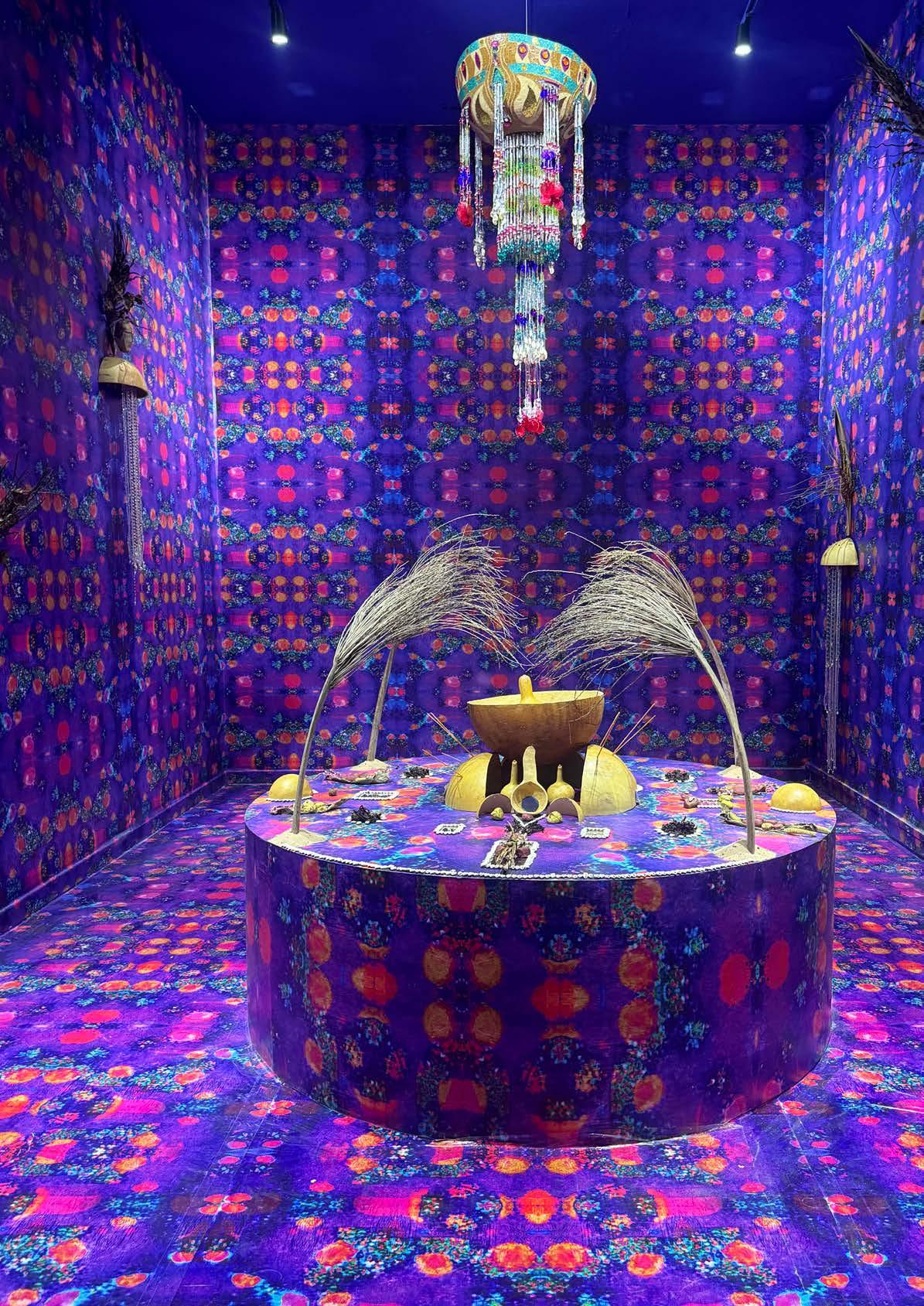
The work of more than 50 artists from across Africa and the diaspora was on display: paintings in vibrant blues, sculptures fashioned from welded iron, and entire rooms transformed into floor-to-ceiling mixed media installations. I had to visit three times during this month-long biennial extravaganza just to take it all in.
Two of the works stand out in my memory: colonial maps shredded and reconstructed into an act of resistance, Map-lective, by Jamaican-British artist Sonia Barrett. And Safa Saphela, by South African artist Siwa Mgoboza, a sculpture of a Black figure with hands raised, surrounded by whips, confronting police brutality.
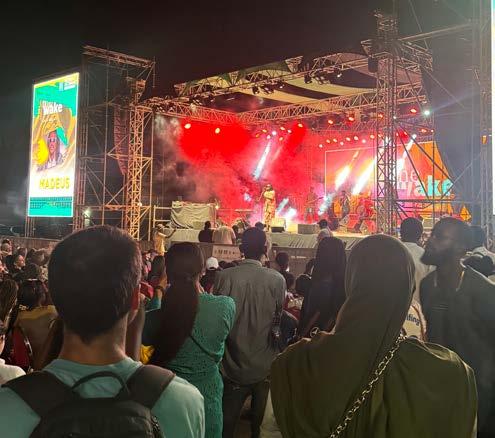
But the Biennale didn’t stay inside the Palais de Justice. The "Off" or community events were equally stunning. For the next month, concerts unfolded in front of the palace. Across Dakar, artists and visitors gathered around exhibits that wrestled with power, memory, and identity. Faces painted onto wood panels at Boma Hotel. A diasporic film screening at Loman Art. Nigerian artists displaying works that blurred the line between sculpture and landscape at the Village des Arts.
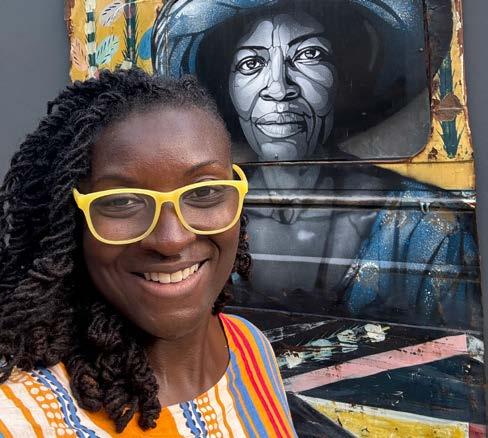
After a month of being baptised in this ocean of art in this coastal city, I realised that Dakar is a city where art, fashion, and culture are part of everyday life.
The Biennale may be the centerpiece, but creativity in Dakar extends far beyond gallery walls. In 2022, I first discovered the city's thriving fashion scene just by walking down the street. I saw women in custom boubous, men in tailored neutral tunics – everyone sleek, colorful, and confident. At Sandaga Market, I selected fabrics, had a tailor-made jacket and high-waisted dress sewn and delivered for less than $50.
In 2024, I attended fashion shows featuring designers Rama Diaw and Selly Raby Kane. Rama Diaw's collection was rooted in African tradition, featuring wax prints,
Dakar is a city where art, fashion, and culture are part of everyday life.
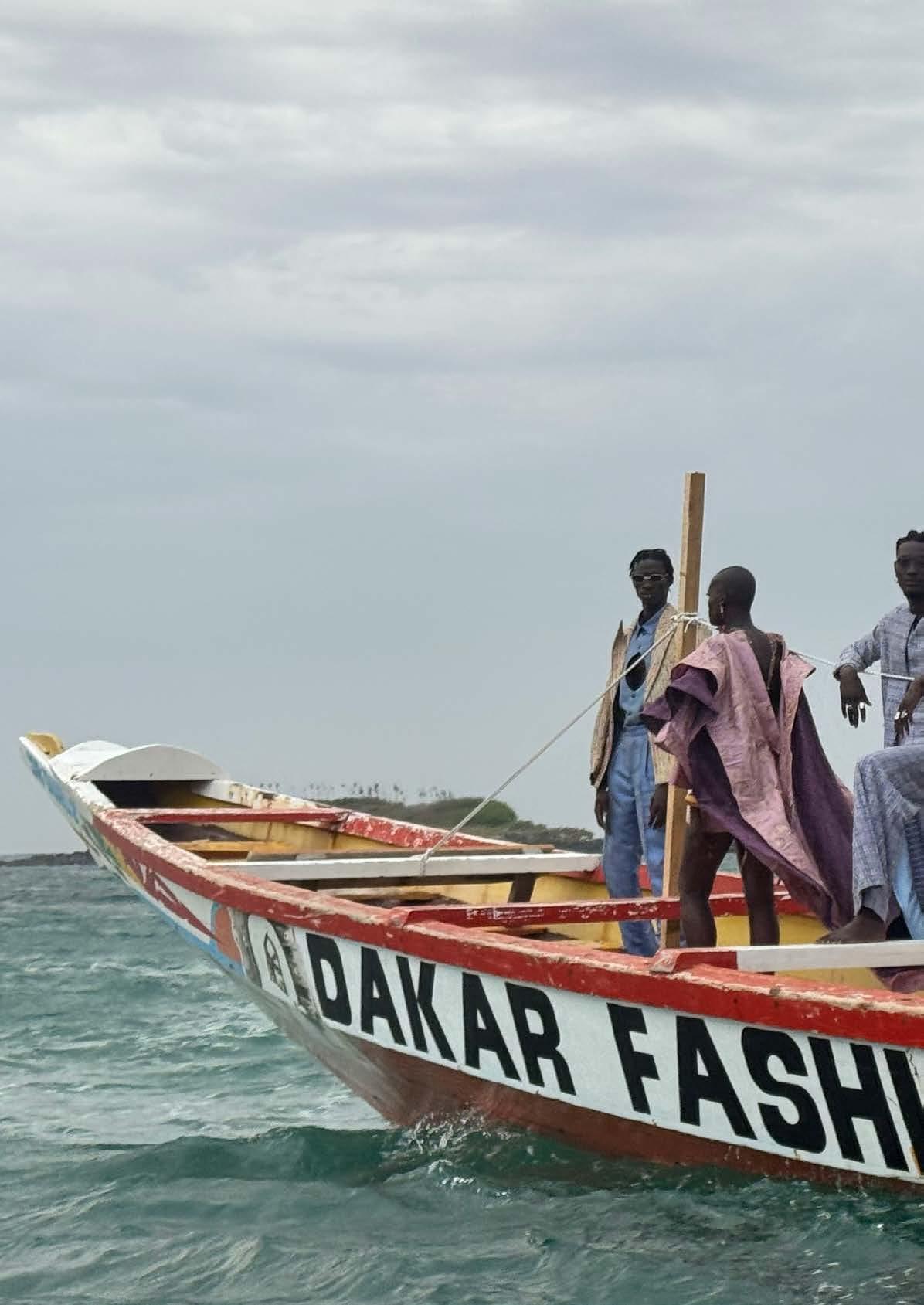
It is a place where artists and makers are shaping contemporary African culture in public.
bold color, flared silhouettes, and cinched waists.
Selly Raby Kane is the definition of Afro-futuristic, pushing boundaries that felt galactic: sheer and metallic fabrics, oversized jackets, and unexpected combinations of color and texture. The audience was just as stylish as the models. In Dakar, fashion is another form of cultural expression.
My 2025 visit was the crescendo. Dakar Fashion Week, Adama Paris's yearly event, featured models gliding across an oceanside runway against a cloudy sky. Statuesque and regal, they moved from flowing neutrals to a bold rainbow of colors while riding on waves. The scene left me awestruck.
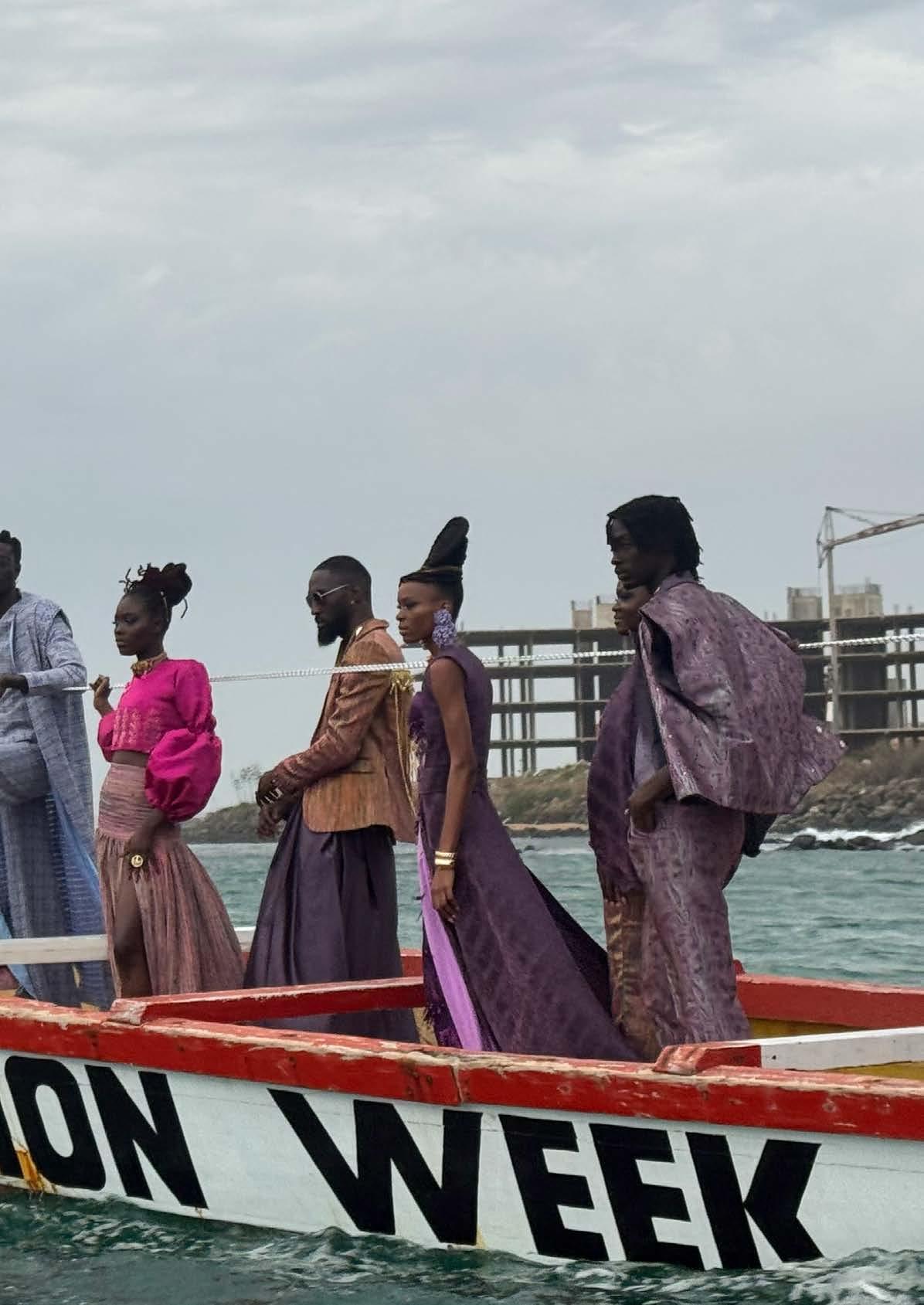
Taken together, the Biennale, the fashion shows, and the gallery openings revealed something larger. Dakar is not simply a destination known for its coastal vibes, its famous cuisine, or a history that touches the transatlantic slave trade and colonialism. It is a place where artists and makers are shaping contemporary African culture in public.
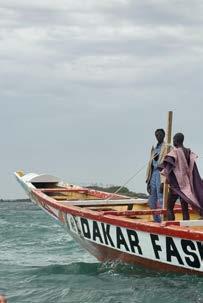
When I think about the unofficial fashion show that took place outside the Palais de Justice, the ebony models gliding along the Atlantic shoreline on white pirogues, and the custom-made jacket hanging in my closet, I am reminded that, in Dakar, art is both spectacle and woven into the life of the city.

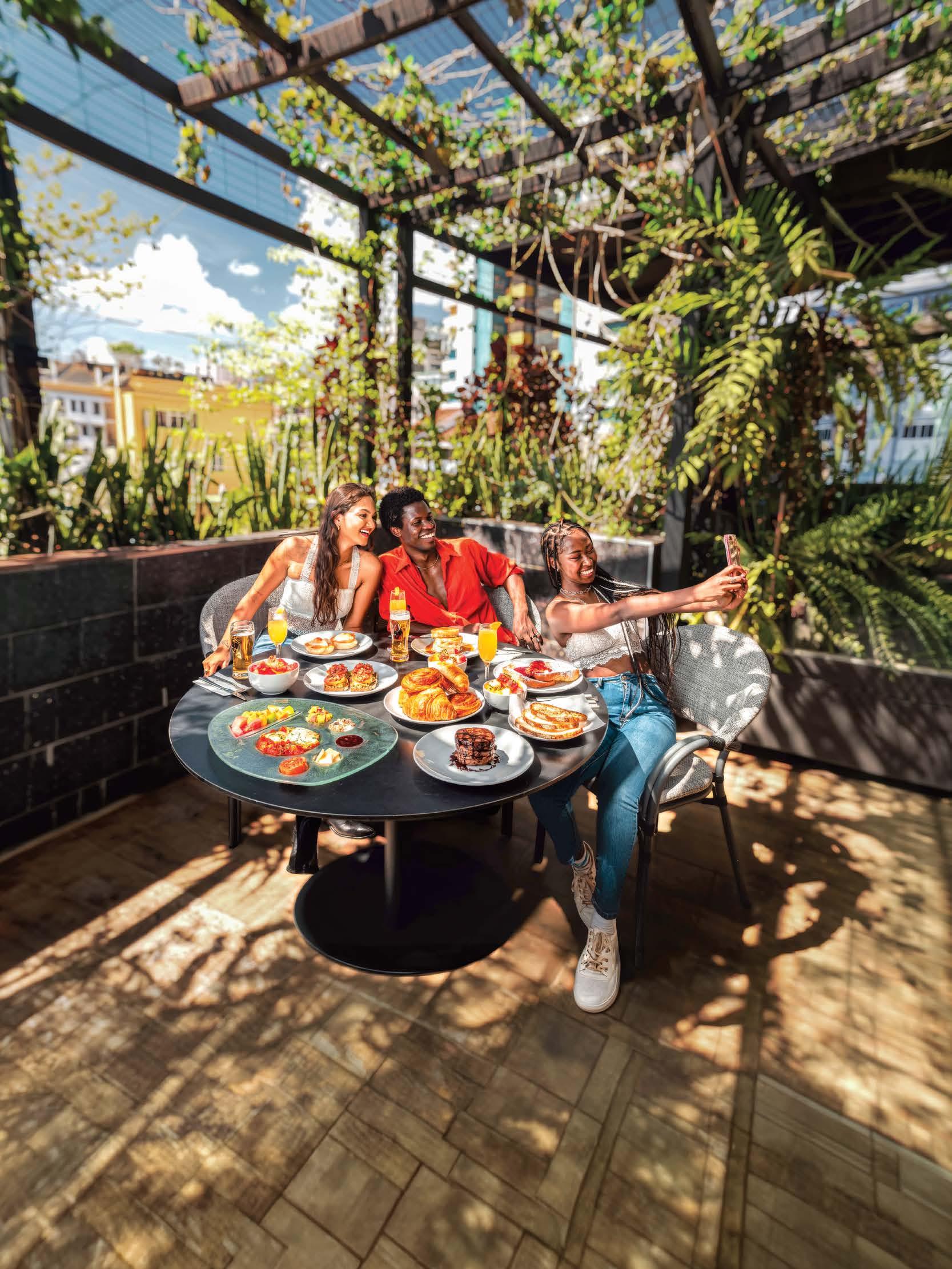

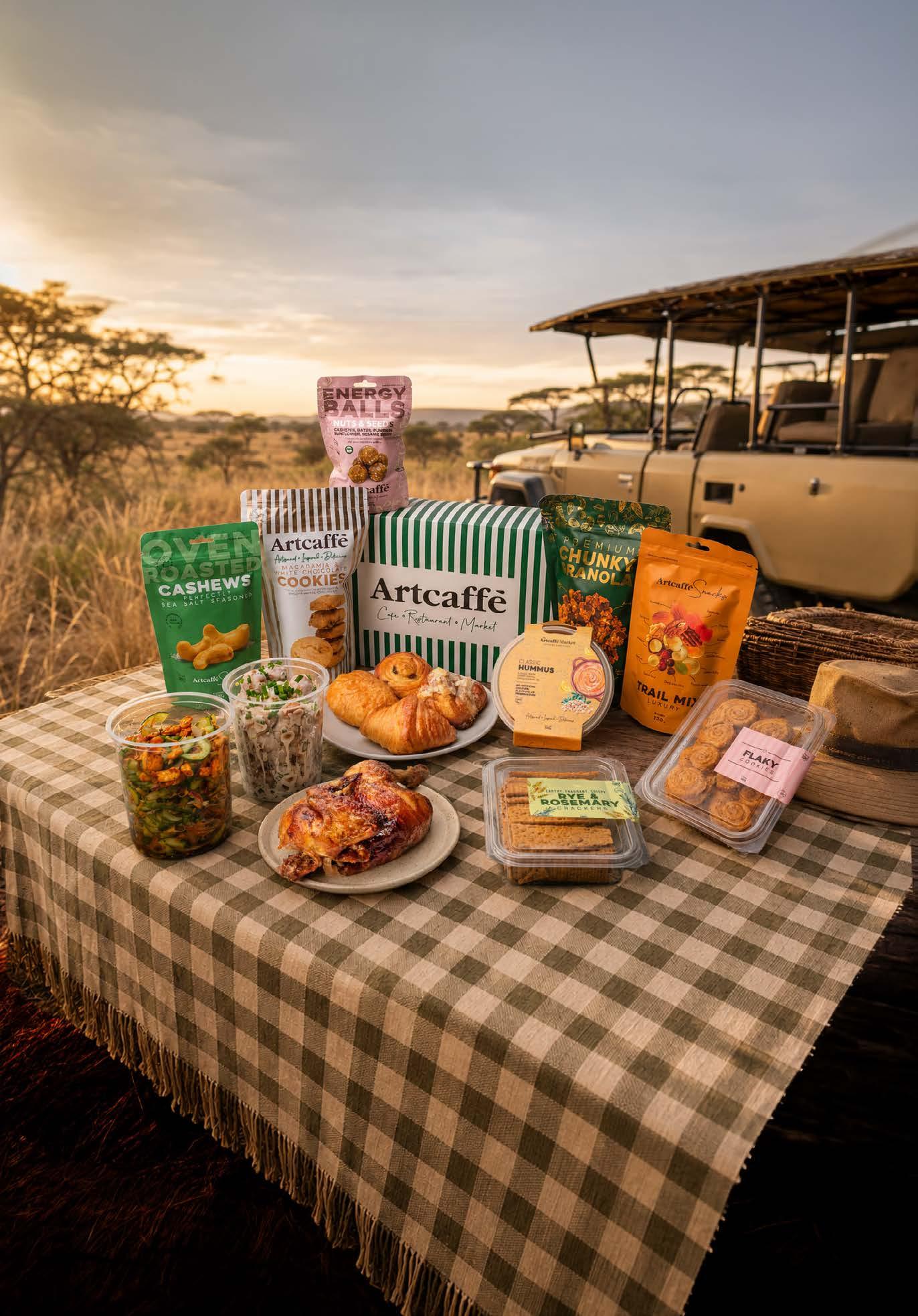
Artca é Market is your destination for fresh, travel-ready food and essentials. From handcrafted sandwiches and freshly baked pastries to premium snacks, salads, co ee and on-the-go favourites, you'll find everything you need for the road ahead. Whether you're heading on safari, taking a road trip, or catching a flight, stop by any Artca é and travel well. Stop by Artc
w w w.a r tcaffemarket . co.k e
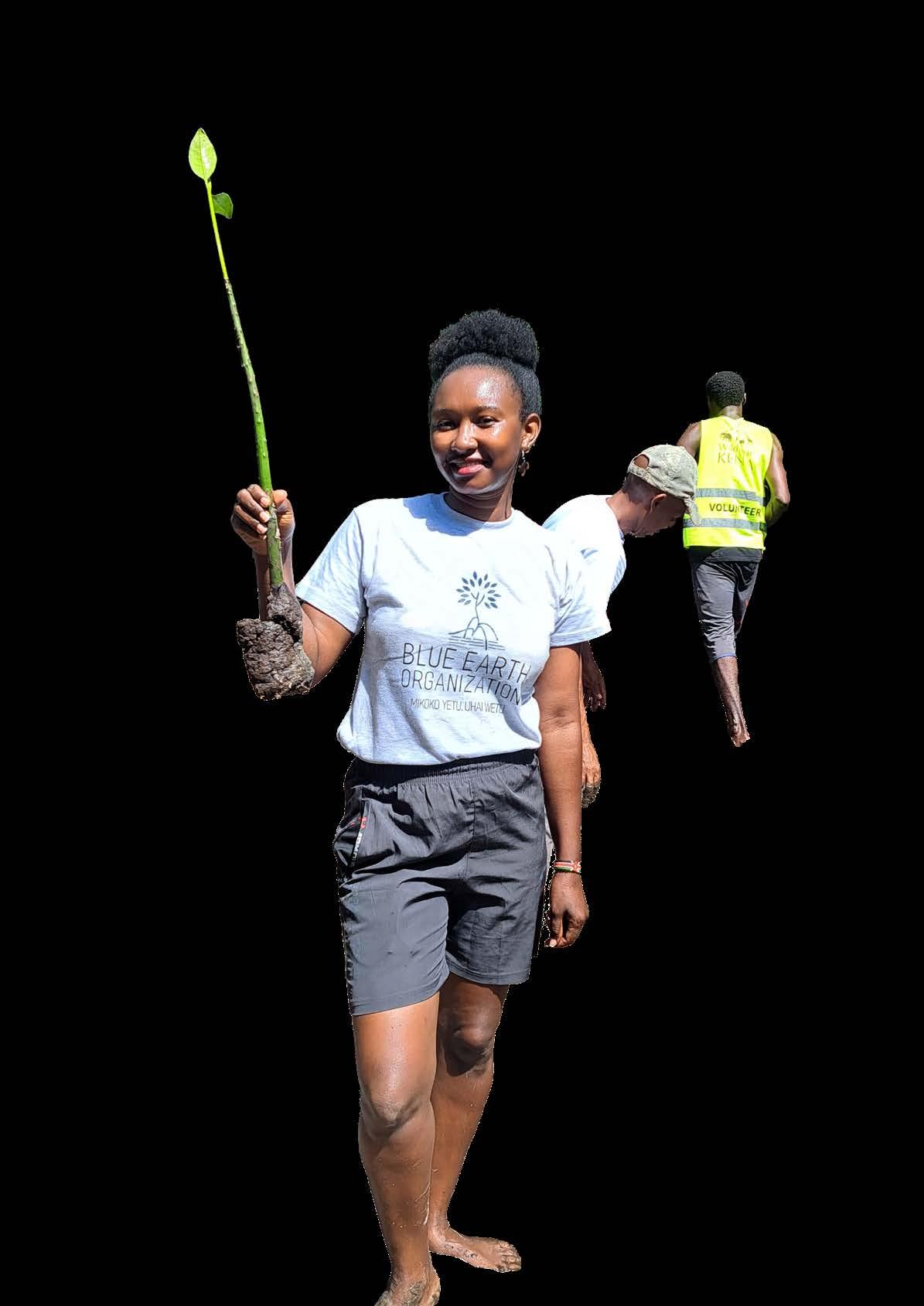
The Kenyan activist is restoring mangroves and calling for climate justice
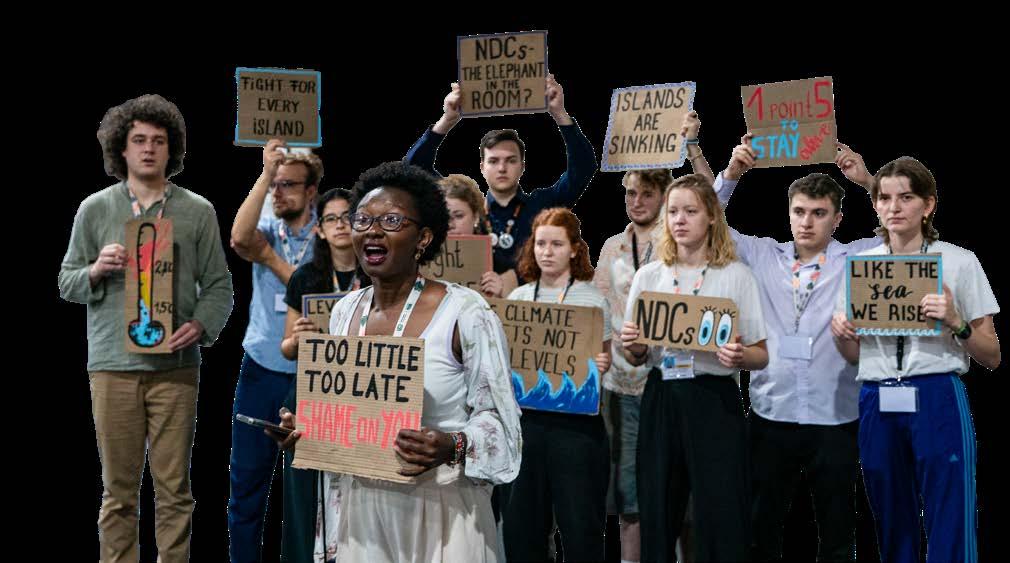
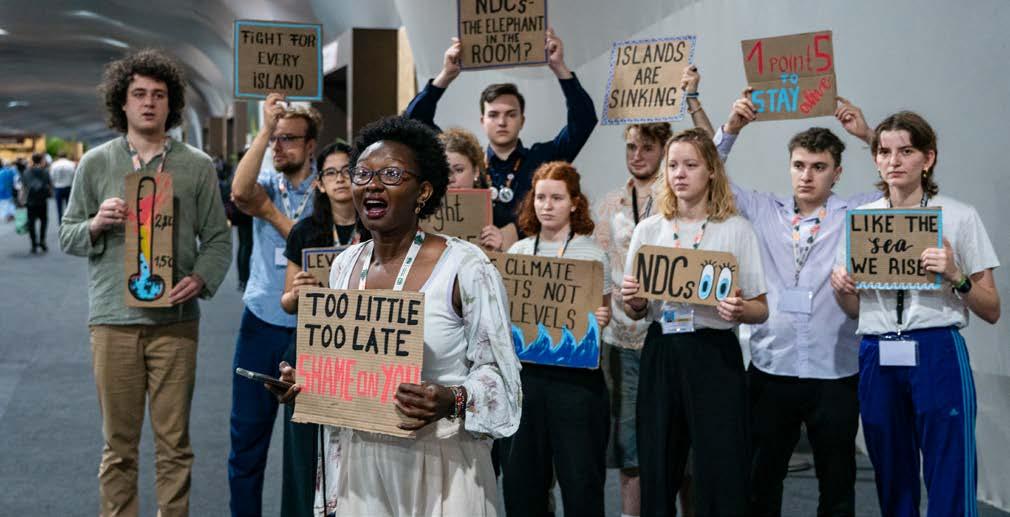
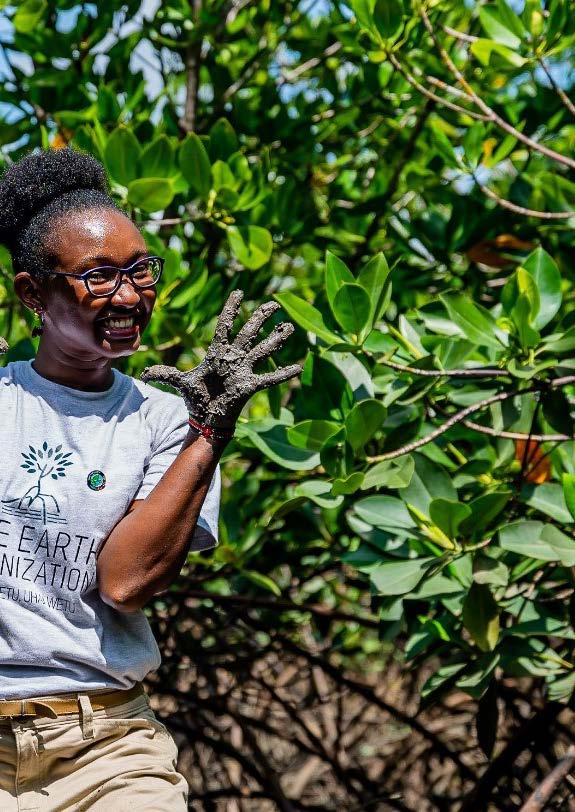
Joyce Koech needs no introduction in the climate justice community. In her home country of Kenya, Koech works to conserve mangroves along the coast – where the organisation she co-founded has planted more than 63,000 mangroves. Koech is also a pow erful climate advocate for Africa on the global stage. She recently spoke to reporter Jean-Pierre Afadhali about her journey into mangrove conservation and her role as an international climate justice activist.
Q: Please introduce yourself.
A: I am the founder of Blue Earth Organisation, a women- and youth-led organisation that is working in mangrove restoration on the Kenya coast. We mostly empower women because we know that women face the harshest impacts of climate change – but they also have a lot of solutions to give. Blue Earth Organisation also does climate awareness work, educating young people about what climate change is and teaching them that they’re part of the solution.
Q: When did you found the organisation?
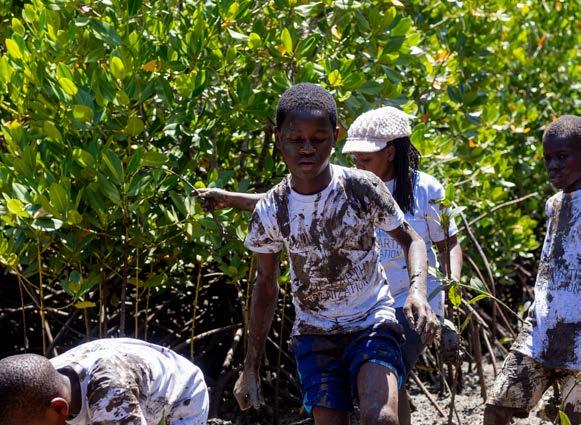
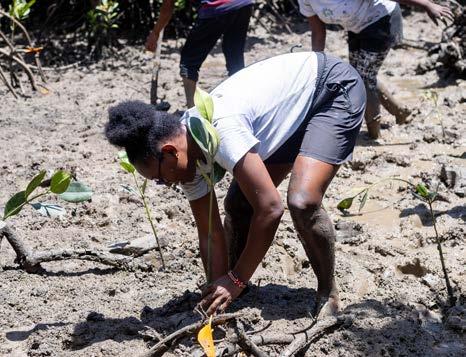
A: Blue Earth Organisation was founded in 2019 by a group of two other women, plus myself. Living at the coast, we saw the impacts of plastics in our ocean, and we started gathering
Women face the harshest impacts of climate change – but they also have a lot of solutions to give


2026 Equality in Tourism Award Winner TRAVEL & DESTINATIONS
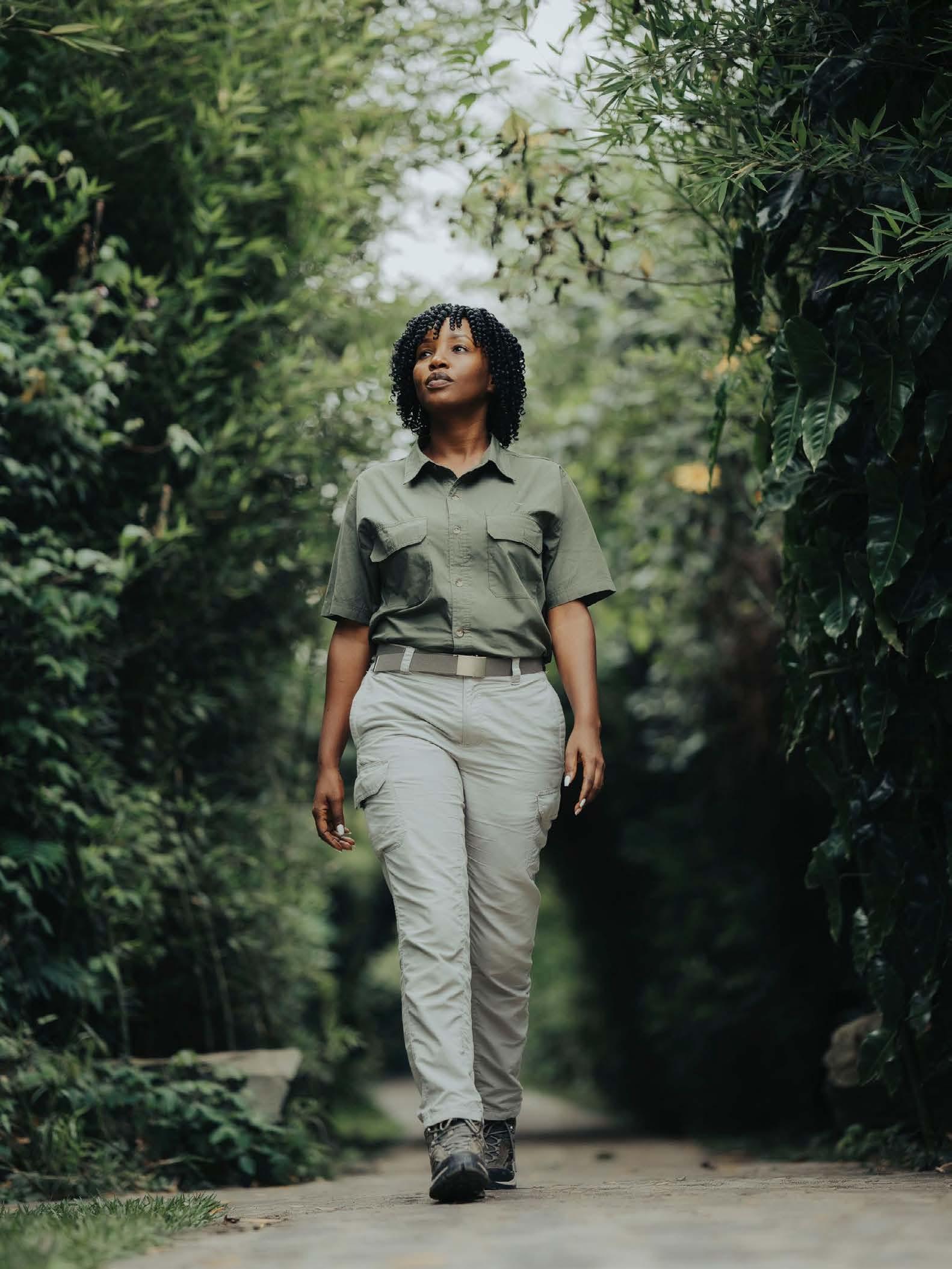
Nomad Africa Travel is an award-winning travel company that designs journeys connecting travelers with inspiring women like Jovia, a pioneering safari guide in Rwanda and Uganda helping redefine African tourism through conser vation, education, and leadership

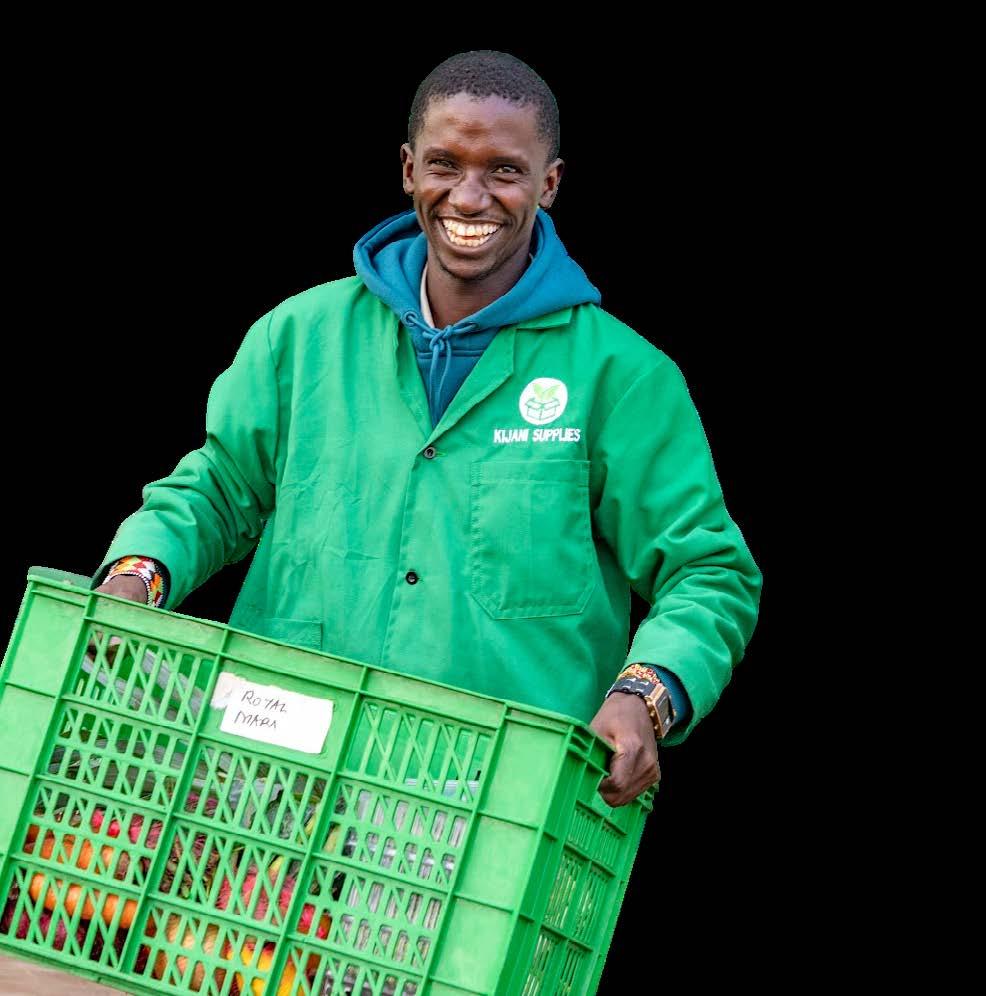
A new section dedicated to young writers, photographers, explorers and change makers across Africa and beyond. Send your photos, contributions or a note to editor@nomad.africa
You’ll need your Nomad compass to find all these amazing African travel destinations by searching for them up, down, left, right, diagonal, backwards and forward. A
Words to Find
SERENGETI
LAMU
ZANZIBAR
PYRAMIDS
SAHARA
KILIMANJARO
GORILLA
OKAVANGO
CAPE TOWN
MAASAI MARA
LALIBELA
SEYCHELLES
NGORONGORO
NAMIB
VICTORIA FALLS
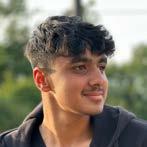
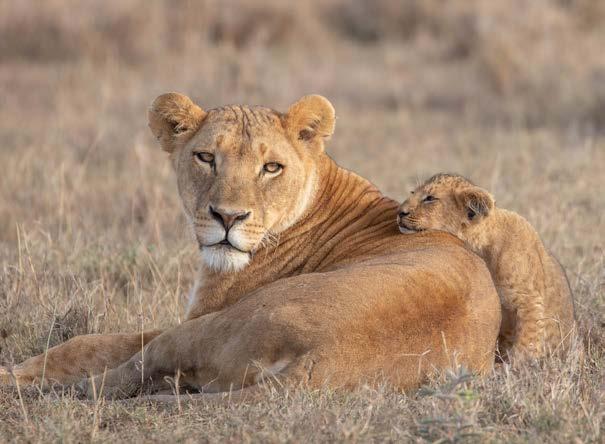
Veer Sikand Nairobi, Kenya Age 17
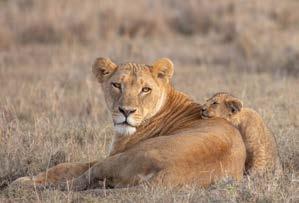
I’ve been a photographer for the past eight years, inspired by the beauty of the natural world and the opportunity to support conservation through my passion. While visiting Ol Pejeta Conservancy in Kenya, I captured this tender moment between a lioness and her cub, a reminder of the love and connection found in the wild that we can all relate to.
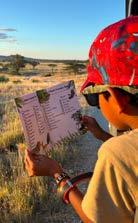
Nilpa Shah, a Kenyan travel blogger with a focus on family travel, mom of 2, and long-time friend of Nomad Africa was one of the inspirations for our new Nomad Jr. section (in addition to Nomad CEO’s daughter Maria).
Nilpa developed the Junior Ranger Journal as a fun activity for kids while on safari. Nomad Africa Travel provides them to each young traveler on trips we help with.


September - October
Hermanus Whale Festival
Hermanus, South Africa
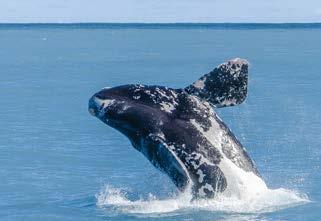
Perched on the cliffs of South Africa's Western Cape, Hermanus offers front-row seats to southern right whales breaching in the bay below, paired with live music, food, and a buzzing coastal atmosphere.
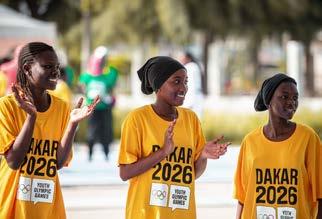
2026 Summer Youth Olympic Games (YOG)
Dakar is about to make history as the first African city to host the Youth Olympics. They are set to welcome the world's most promising young athletes for two weeks of competition.
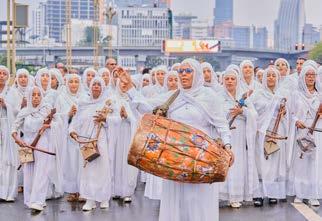
Meskel marks the discovery of the True Cross with towering bonfires, vibrant processions, and centuries of tradition spilling through the streets of Addis Ababa.
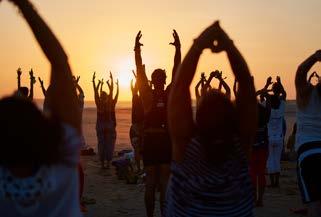
Yoga Festival
Set on the shores of Lamu Island, this intimate festival combines daily yoga and wellness sessions with the slow rhythm of one of Kenya's most magical towns.
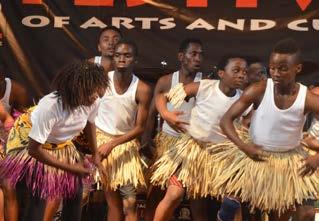
Held in one of East Africa's oldest port towns, this celebrated Tanzanian festival brings together music, dance, and theatre from across the continent in a setting rooted in Swahili history.
Rencontres de Bamako, the African Biennale of Photography
The African Biennale of Photography transforms Bamako into a continental showcase of lens-based art, spotlighting emerging and established photographers from across Africa and its diaspora.