Node
THE INTERSECTION OF INNOVATION
THE ORIGIN OF LIFE
How Stanford Researchers Think Life Began
VACCINES FOR CANCER
Latest Advancements in the Fight Against Cancer
BRINGING BACK THE ICE AGE
A Look Inside Colossal Biosciences
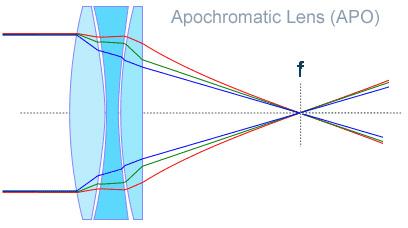
An introduction to how your camera works
COLOSSAL BIOSCIENCES MICE-TOMAMMOTH
By Leena Yiu and Alexa Noosaeng
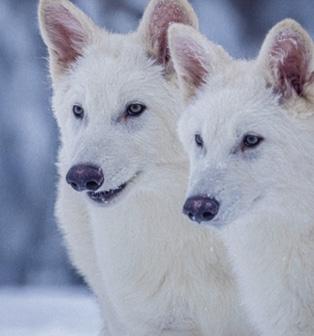
Colossal Biosciences is working to bring back the extinct dire wolf by editing the DNA of its closest living relative, the gray wolf. While gray wolves share about 99% of their DNA with dire wolves, they are still different species— more like cousins than twins. Using a gene-editing tool called CRISPR, scientists changed around 20 genes in gray wolves to give them traits seen in dire wolves, such as coat color, fur length, and body shape. Recently, they created three pups with these changes, named Remus, Romulus, and Khaleesi. But these pups are not true dire wolves—they’re gray wolves with some genetic edits that make them look like dire wolves. This project raises many questions: Where would these animals live today? How would they fit into current ecosystems? And who would care for them? While exciting, this work highlights the challenges and ethical questions of bringing extinct animals back.
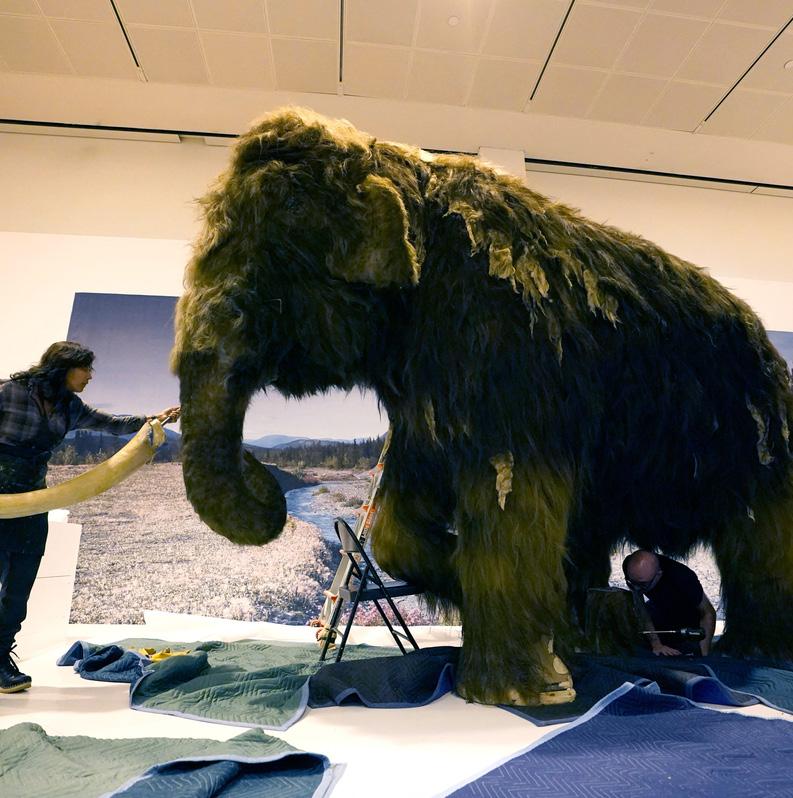
Colossal Biosciences is also working on bringing back traits of the woolly mammoth by editing the DNA of Asian elephants, their closest living relatives. Mammoths thrived in cold, harsh climates, thanks to thick fur, fat layers, and other special traits. To test their ideas, scientists first edited mouse embryos by adding mammoth genes. Some mice grew thick, woolly coats and longer hair, showing that the gene edits worked. These “woolly mice” help researchers understand how these genes affect fur and cold tolerance. The goal is to eventually create elephants with mammoth-like traits that could survive cold climates, possibly helping restore Arctic environments. Although these animals won’t be true mammoths, this research could teach us a lot about genetics, evolution, and protecting endangered species.
Editor-in-Chief: Rey Morin
Content Editor: William Liu
Art Directors: Rey Morin and William Liu
Contributors: Zapped Into Existence - William Liu Cancer Vaccines - Rey Morin
Mice-To-Mammoth - Leena Yiu and Alexa Noosaeng Quick, Take a Picture!: Naoya Mizui
Social Media Coordinator: Scott Johnsen
Treasurer: Minseo Sakong
Web Designer: Rey Morin
Advisor: Gideon Shakked
rbhs.scimagclub@gmail.com reymorin.wixsite.com/node-magazine
Instagram: @rb_scimag
The views and opinions expressed in this magazine are those of the individual authors and do not necessarily reflect the official policy or position of Rancho Bernardo High School. This publication is for educational and informational purposes only. While we strive to ensure the accuracy of the information presented in this magazine, we do not guarantee that all content is fully up to date, error-free, or reflective of current scientific consensus.