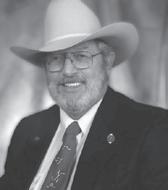
Physical Location 809 First Street, Moriarty NM 87035 President, Antonio Manzanares
n New Mexico Federal Lands Council newmexicofederallandscouncil@gmail.com 3417 Avenida Charada NW, Albuquerque, NM 87107
President, Ty Bays
EDITORIAL & ADVERTISING
Publisher: Caren Cowan
Publisher Emeritus: Chuck Stocks
Advertising Representatives: Chris Martinez Melinda Martinez
Contributing Editors: Carol Wilson Callie Gnatkowski-Gibson Howard Hutchinson Lee Pitts
PRODUCTION
Production Coordinator: Carol Pendleton
Editorial & Advertising Design: Kristy Hinds
ADVERTISING SALES
Chris Martinez at 505-243-9515 or chris@aaalivestock.com
New Mexico Stockman (USPS 381-580)
is published monthly by Caren Cowan, P.O. Box 7127 Albuquerque, NM 87194
Subscription price: 1 year hard copy and digital access $50, Digital access $30 Single issue price $10, Directory price $30 Subscriptions are non-refundable and may be purchased at www.aaalivestock.com
12 Just the Facts... & Then Some by Caren Cowan, publisher, New Mexico Stockman
16 New Mexico CowBelles Jingle Jangle
22 News Update / AgriFutures, Up to $3M Available for Processors
24 Food & Fodder by Deanna Dickinson McCall
36 New Mexico Federal Lands News by Jerry Schickendanz
40 Riding Herd by Lee Pitts
42 In Memoriam
44 Sand Hill Sheriffs And Shotgun Diplomacy by a Sandhills Vet in the Tradition of Baxter Black
46 View from the Backside by Barry Denton
47 Marketplace
48 Seedstock Guide
51 Real Estate Guide
60 From The Arena by Julie Carter
63 For the Love of Beef by Patty Waid
69 Advertisers’ Index
FEATURES
13 FDA Issues Emergency Authorization for Ointment to Prevent & Treat New World Screwworm in Multiple Species
14 10th Circuit Dismisses Landowner Challenge to New Mexico Supreme Court Stance on Streambed Ownership by Amanda Pampuro, Courthouse News
26 Ranchbot Monitoring Solutions Announces Appointment of Taylor Riggins as Business Development Manager in New Mexico
2026
32 New Mexico Landowner Tags: How E-Plus & UnitWide Authorizations Set the State Apart by Travis Driscoll, Beaverhead Outdoors Blog
37 Regulations Cost $2 Trillion Annually, But Only Congress Can Fix the Problem by Competitive Enterprise Institute
38 Youth, Nature, and Biodiversity: Healing Land and Community by Javier Vigil, President of Northern New Mexico Recreation & Outdoor Conservation Foundation
41 North American Limousin Jr. Assoc. & Limi Boosters Offer Four Scholarships for Junior Members Pursuing Higher Education.
58 Cow Nutrient Requirements by Salvetti D’Ascoli, KRIRM Graduate Student
57 Ranching Between Two Water Realities: Adapting to Climate in North-Central New Mexico and Southern Colorado by Juan Montoya, M3 Land & Cattle LLC
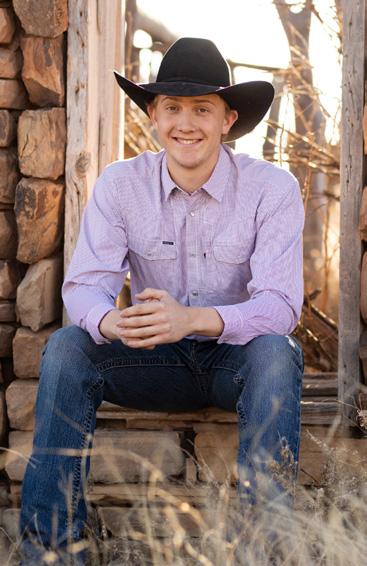
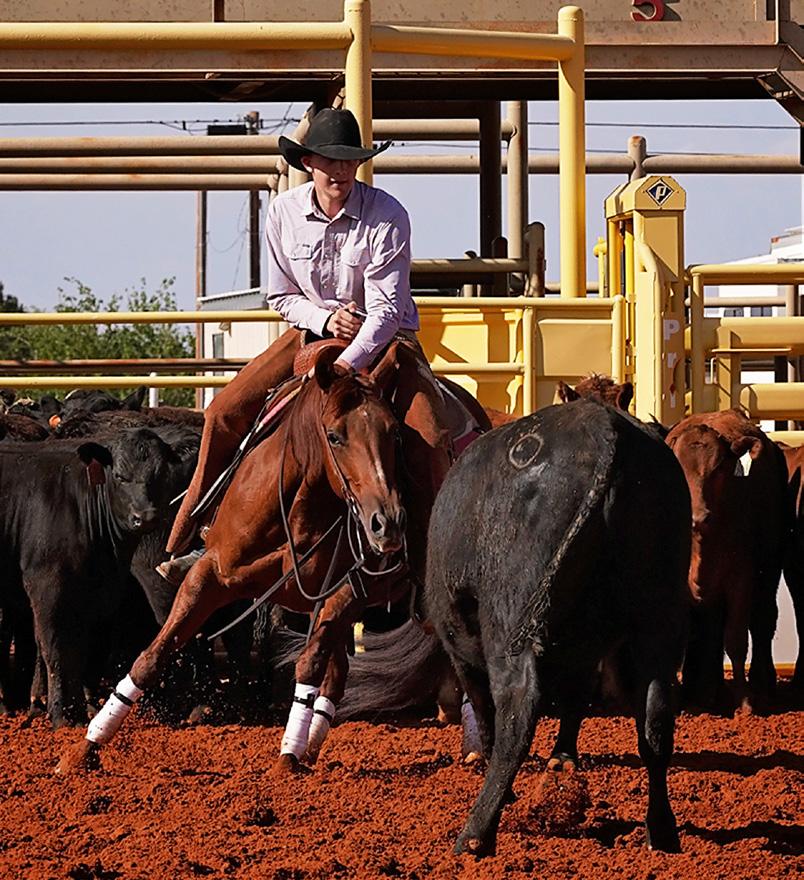
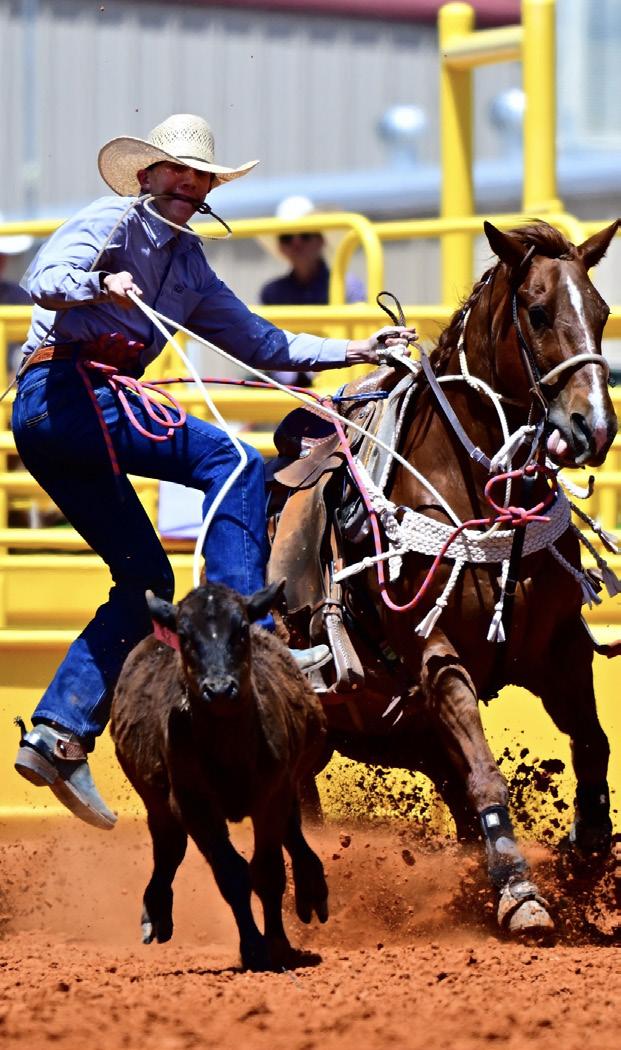
62 New Mexico High School Rodeo Assoc. – Tate White: Loving what he does and the people that made it happen by Julie Carter
65 Why Producers are Hesitating: Economics of Herd Rebuilding by Mason Dahl, KRIRM Graduate Student
67 Window Rock Rodeo Earns Spot as 2026 Qualifier for Cheyenne Frontier Days
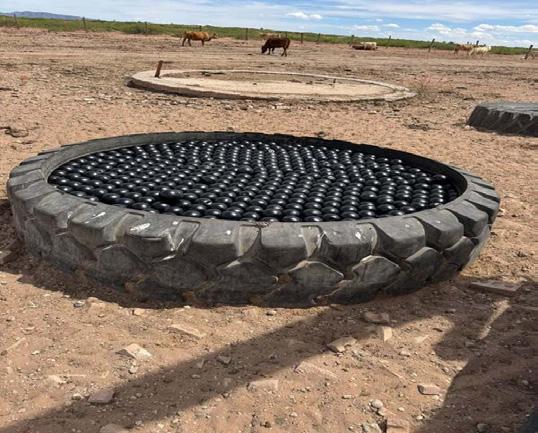
68 Saving Water During Drought: How Shade Balls Can Help Across New Mexico by the New Mexico Association of Conservation Districts
on the cover
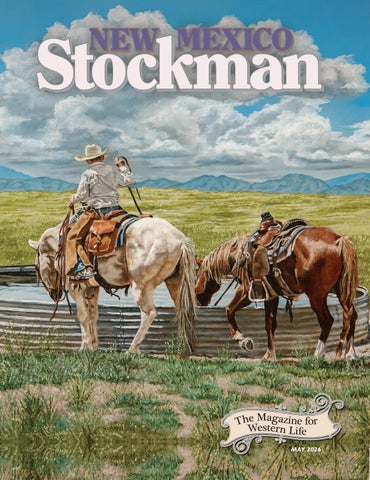
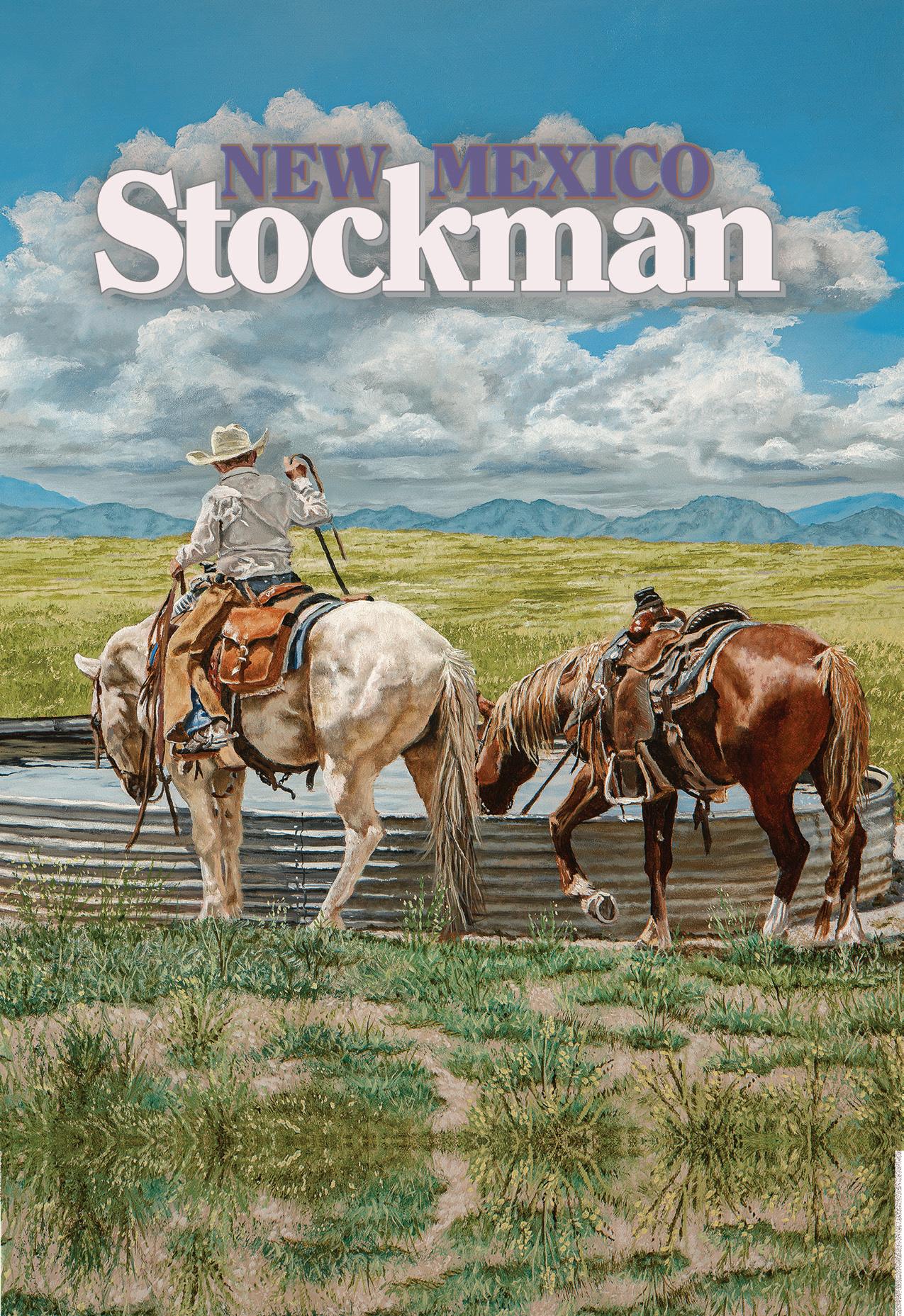
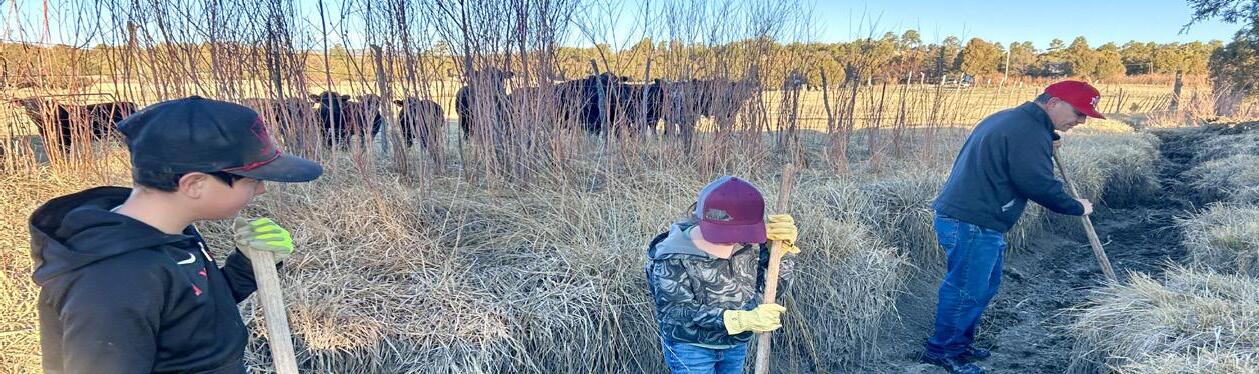
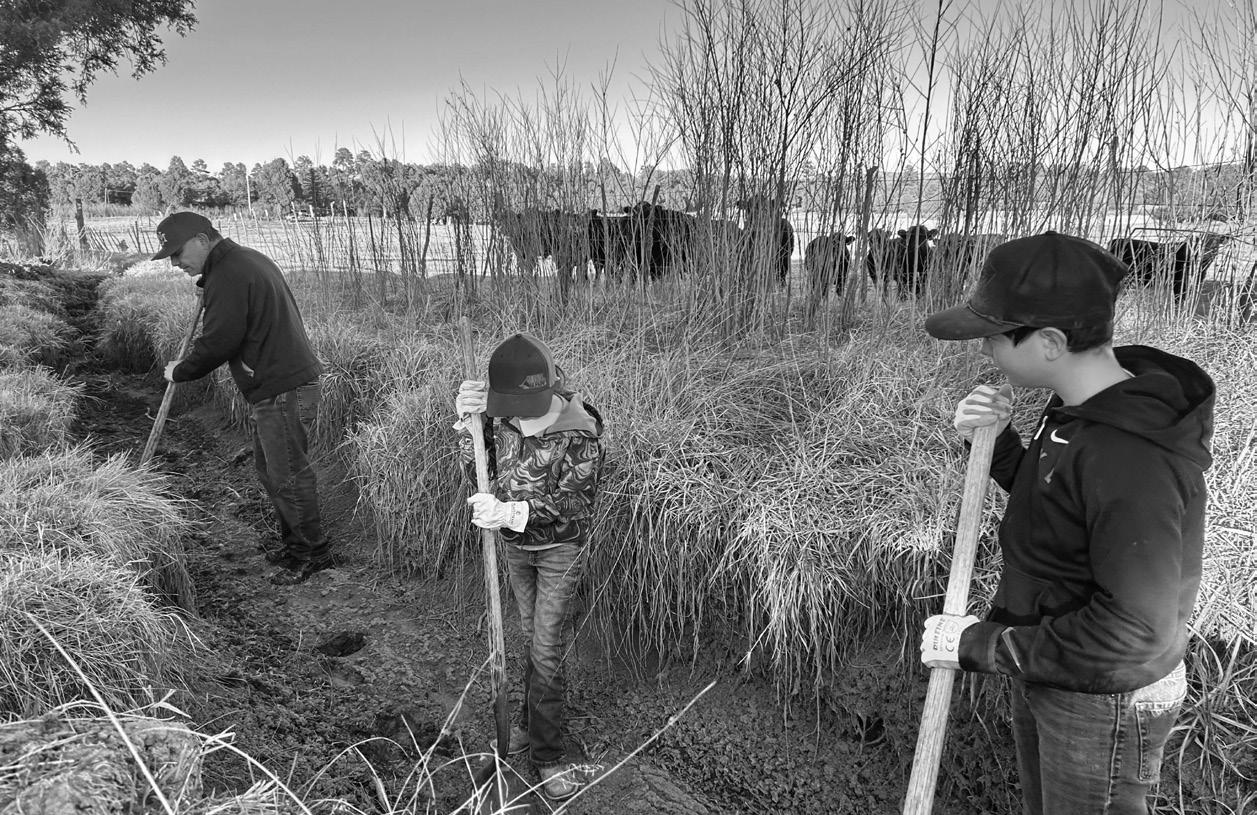
“Lead a Horse to Water” depicts the Spring time chores younsters learn at the ranch. Edna grew up in a world of cowboys, horses, western tack, and broad mountain vistas under a big sky. This is reflected in the images she paints and draws in her oils, watercolors, pastels, and pencil drawings. One of six daughters of a western New Mexico ranch family, Edna lived in Quemado, NM, as a child. There she absorbed the imagery of the West while she taught herself to draw and paint. Edna was encouraged by family and friends to enter her work in the local county fair. To her surprise, she won many awards including best of show. That was in 1980, she has been entering shows and winning awards ever since. Edna also learned the art of silversmithing from Frances Begay a noted silversmith. For this and Edna’s other work, contact her at PO Box 239, Elephant Butte, NM 87935 or 505-240-3891 or Email: Edna@ednaharper.com or visit www.ednaharper.com
GARNETT INSURANCE AGENCY
PRESIDENT’S MESSAGE
by Tom Paterson NMCGA President
Tom Paterson President Luna
Dan Estrada President Elect Trementina
Marshal Wilson Vice President at Large Mesilla Park
Tracy Drummond SW Vice President Reserve
Dave Kenneke NE Vice President Cimarron
Jeff Decker SW Vice President Lovington
Marjorie Lantana NE Vice President
Tamara Hurt Secretary/Treasurer Deming
Bronson Corn
Immediate Past President Roswell
Loren Patterson Past President Corona
Dear Cattle Growers,
As the dust settled on the 2026 legislative session, one question came through loud and clear: What’s next for 2027?
We didn’t guess—we went straight to the source. Through a series of listening roundtables held alongside our regional meetings, we’ve been hearing directly from you about where we should focus and how we can deliver the most value to our members.
Since early April, we’ve been on the road—covering miles across northeast, southwest, and southeast New Mexico, with stops in Albuquerque, Estancia, Las Vegas, Watrous, Mosquero, Cimarron, Lordsburg, the Bootheel, Deming, Carlsbad, and Lovington. Next, we head northwest for additional roundtables and our regional meeting in Farmington.
Every mile has been worth it.
Along the way, we’ve seen firsthand the issues you’re dealing with every day—from a significant prairie dog infestation in Harding County to a tour of the new border wall on the south side of the Bootheel. These are real-world challenges shaping ranching in New Mexico, and they reinforce why your voice is so critical to our work.
These conversations have been candid, constructive, and incredibly valuable. You’ve told us where you want us engaged—and where we need to push harder. We’ve heard clear direction on priorities like trich eradication, managing New World screwworm, and addressing the growing footprint of data centers and green energy on rural land, water, and grazing capacity. You’ve raised concerns about labor availability, the border, access to rural healthcare, and generational transfer—and you’ve shared ideas on strengthening Cattlemen’s College and Joint Stockmen’s.
We are listening—and we are acting.
We will bring what we’ve heard directly back to you at our Mid-Year Meeting in Ruidoso, June 7 through 9, along with a clear path forward shaped by your input.
There are two simple reasons you should plan to attend Mid-Year:
1. Your voice will shape the plan. This is where we turn what we’ve heard into action—and your input will help set priorities for the year and years ahead.
2. You’ll leave better equipped. With a strong lineup of producers, industry experts, and policymakers, you’ll gain practical insight you can take straight back to your operation.
At the same time, we’ve asked every member to weigh in through our strategic planning survey. Your feedback will directly guide our work in education, advocacy, and member engagement for the coming year and beyond. If you haven’t completed it yet, please take a few minutes to do so. Your voice matters—and it drives this organization. We’re building strong momentum. It’s driven by engaged members who care deeply about the future of our industry.
We’re working hard. We’re listening. And together, we’re moving this organization—and this industry—forward.
Adelante juntos,
Tom Paterson, President
by Caren Cowan, Publisher New Mexico Stockman
Decline to State Voting
New Mexico’s upcoming June 2 Primary Election will be a little different. For the first time there will be Decline to State Voting. This means that you do not have to be registered with a political party. You may register or re-register now as a Decline to State. This, along with the many other voting activities, like requesting an absentee ballot, sample ballots, finding early voting polling sites and so on.
Go to: www.sos.nm.gov/voting-andelections/voter-information-portal-nmvote.org
The Decline to State registration, for this primary, allows you to request any of the four recognized party ballots. After the primary you may go back and register with your selected party should you desire.
The primary season is just warming up with two Democratic candidates and three Republican candidates for Governor hitting the television waves. There are other contested state-wide races. Including the US Senate. There are two Democratic candidates on the ballot. There is a Republican write-in candidate.
There are three Democrats running for Lieutenant Governor, along with three Republicans. There are three Democrats running for Secretary of State, along with one Republican. There are also three Democrats running for Commissioner of Public Lands, and one Republican.
You have some studying to do but be sure and exercise your VOTE!
Cowboys on the move…
The PRCA Board of Directors and ProRodeo Hall of Fame Trustees have voted to move forward with the relocation of PRCA headquarters and the hall from Colorado Springs, Colorado to Cheyenne, Wyoming.
In January, the PRCA Board, ProRodeo Hall and Cheyenne LEADS—which is an economic development group that focuses on recruiting, retaining and expanding business opportunities that strengthen the
economy of Cheyenne and Laramie County— signed a non-binding memorandum of understanding to explore the possibility of this massive move.
The three parties formalized that partnership this morning with the signing of a development agreement, which has a project completion target date of early 2029.
“As the PRCA celebrates our 90th year as the premier sanctioning body in Western sports, this is an exciting evolution that will give our membership the best chance at success for the next 50 years,” PRCA CEO Tom Glause said.
Texas Gets Drought Disaster Designation
Secretarial natural disaster designation allows the United States Department of Agriculture (USDA) Farm Service Agency (FSA) to extend much-needed emergency credit to producers recovering from natural disasters through emergency loans. Emergency loans can be used to meet various recovery needs including the replacement of essential items such as equipment or livestock, reorganization of a farming operation, or to refinance certain debts. FSA will review the loans based on the extent of losses, security available, and repayment ability.
According to the U.S. Drought Monitor, these counties suffered from a drought inten-
NEW MEXICO PRIMARY ELECTION
The 2026 Primary is a semi-open primary. Decline to State Voters can select which party ballot they would like to receive.
Tuesday, May 05, 2026: First day that absentee ballots are mailed AND first day of Early Vote at County Clerk’s offices
Saturday, May 16, 2026: First day of expanded Early Voting
Tuesday, May 19, 2026: Last day to request an absentee ballot
Saturday, May 30, 2026: Last day for Early Voting
TUESDAY, JUNE 02, 2026: PRIMARY DAY. POLLS OPEN AT 7:00 AM
sity value during the growing season of 1) D2 Drought-Severe for eight or more consecutive weeks or 2) D3 Drought-Extreme or D4 Drought-Exceptional.
The New Mexico counties included in the Texas designation are Eddy, Lea, and Otero. New Mexico and Arizona may be seeking similar designations.
Farm Bill 2.0 Passes US House
In the wee hours of the morning on April 30 the US House of Representatives passed the Farm, Food, and National Security Act on a 224-200 vote after two days of debate and a final round of amendment fights that reshaped the bill. The vote showed leadership held together a narrow coalition, with 14 Democrats supporting the measure, while three Republicans voted no.
While there were numerous amendments among the most important to the Southwest was amendment #16 offered by Arizona’s Representative Paul Gosar which reads:
“SEC. ll. REVISION OF EVIDENCE STANDARDS FOR LIVESTOCK INDEMNITY PAYMENTS FOR LOSSES BY MEXICAN WOLVES. Not later than 180 days after the date of the enactment of this Act, the Secretary shall accept proof of death that does not rely predominantly on subcutaneous hemorrhaging when determining livestock depredation losses by Mexican wolves under paragraph (1)(A) of section 1501(b) of the Agricultural Act of 2014 (7 U.S.C. 9081(b)).”
This amendment, if passed in the Senate, will force the US Department of Agriculture’s Wildlife Services to utilize reasonable standards in determining Mexican wolf kills. The current standards are resulting in very few payments to ranchers suffering catastrophic livestock losses.
Other notable actions in the bill included stripping Congressman Glenn Grothman’s (OR) amendment to repeal the interstate EID ear tag rule. A late amendment was also added to include language to strengthen the domestic supply of fertilizer.
The House also adopted amendments to remove emissions mandates on farm equipment and to ban purchases of agricultural land by foreign adversaries and state sponsors of terrorism. The open field coursing language in the amendment that banned Greyhound racing was removed. The Greyhound ban remains.
There were many other amendments, but these are the ones we could quickly identify as impacting our readers. As we learn more, we will share it in future columns. ▫
FDA Issues Emergency Authorization
Ointment to Prevent/Treat New World Screwworm in Multiple Species
The U.S. Food and Drug Administration (FDA) has issued an Emergency Use Authorization (EUA) for F10 Antiseptic Barrier Ointment with Insecticide (benzalkonium chloride, polyhexanide and cypermethrin topical ointment) for the prevention and treatment of New World screwworm (NWS) infestations (myiasis).
The FDA has concluded that based on the scientific evidence available, it is reasonable to believe that F10 Antiseptic Barrier Ointment with Insecticide may be effective in the prevention and treatment of NWS myiasis in cattle, horses, minor species of hoof stock (e.g., sheep, goats, deer), raptors and other wild birds, pet birds, and captive wild, exotic, and zoo mammals, and the known and potential benefits of the product outweigh its known and potential risks. F10 Antiseptic Barrier Ointment with Insecticide may not be used in domestic dogs and cats.
Prior to this ointment formulation, the FDA authorized F10 Antiseptic Wound Spray with Insecticide on March 10, 2026.
The agency evaluated relevant human food safety information and concluded that the food products obtained from treated animals are safe for human consumption when the terms and conditions of use granted by the EUA are followed, including the withdrawal period and milk discard time. Important food safety information:
Ї Cattle, goats, and sheep must not be slaughtered for human consumption within 30 days of treatment.
Ї For non-domesticated minor species of hoof stock (e.g., deer, elk, antelope, and nilgai), use only when there is a reasonable certainty that the treated animal will not be slaughtered or harvested for human consumption within 30 days of treatment.
Ї Milk taken from cows, goats, or sheep during treatment and for 10 days after treatment must not be used for human consumption.
Ї A withdrawal period has not been established for this product in preruminating calves. Treated calves and calves born to treated cows must not be processed for veal.
Detailed product information can be found in the Fact Sheet: Emergency Use
Authorization of F10 Antiseptic Barrier Ointment with Insecticide (benzalkonium chloride, polyhexanide and cypermethrin topical ointment) for New World Screwworm (NWS).
F10 Antiseptic Barrier Ointment with Insecticide is available over the counter without a prescription. The FDA added F10 Antiseptic Barrier Ointment with Insecticide (Minor Species Index File (MIF) 900-011) to The Index of Legally Marketed Unapproved New Animal Drugs for Minor Species in 2015 for use as a topical antiseptic for surface wounds, to repel flies, and to treat infestations due to fly strike in raptors, pet birds, captive small mammals, captive reptiles, and captive exotic/zoo mammals. The product has not been through the FDA’s approval or conditional approval process.
This EUA will be effective until it is revoked, or the HHS Secretary terminates the declaration that the potential public health emergency presented by NWS justifies the emergency use authorization of animal drugs for NWS.
F10 Antiseptic Barrier Ointment with Insecticide is sponsored by Health and Hygiene (Pty) Ltd, based in South Africa.
10th Circuit Dismisses Landowner Challenge to New Mexico Supreme Court Stance on Streambed Ownership
by Amanda Pampuro, Courthouse News
The 10th Circuit has affirmed dismissal of landowners’ challenge to the New Mexico Supreme Court’s stance that streambeds have always belonged to the public, even if government agencies previously acted otherwise.
Oddly enough, the divided appellate court reached the decision after reversing the lower court’s findings on standing and sovereign immunity — which were raised on appeal — and then concluding the plaintiffs failed to adequately argue the state court’s actions had amounted to a Fifth Amendment taking.
“Even if judicial-taking claims exist, the landowners have failed to state a claim for a judicial taking as outlined in Stop the Beach Renourishment’s plurality opinion,” wrote U.S. Circuit Judge Carolyn McHugh in a 50-page opinion. “The landowners bear the burden of demonstrating that their rights were sufficiently established before A dobe Whitewater such that this decision amounted to a judicial taking.”
Landowners with property along the Pecos River and Rio Tusas in New Mexico have long understood their property rights included the ability to bar trespassers from streambeds, even though the water itself is public under New Mexico law.
But in 2022, the New Mexico Supreme Court ruled in Adobe Whitewater Club of New Mexico v. New Mexico State Gaming Commission that the state had misapplied its own law and that the public always had the right to access streambeds as well as streams.
While the court made it clear the public still can’t pass through private property to reach public streambeds, the move invalidated previous policies that had allowed landowners to post signs warning the public of their boundaries and even certify streambeds as private property.
In the state’s view, the streambeds had always been public, so the new stance did not change what the landowners owned.
“The court held that it had merely clarified the scope of that easement and that nothing had been taken from the landowners,” McHugh summarized.
But the landowners saw Adobe Whitewater as new law that opened the streambeds they’d called their own, stripping them of private property without compensation.
The landowners, two of whom have been prosecuted for restricting access to their property, filed a federal lawsuit in 2024. A judge dismissed the case in January 2026, finding the court lacked jurisdiction and that the plaintiffs lacked standing. The landowners appealed.
The lower court had found the state actors could not be held responsible for the landowners’ claim of lost property because it stemmed from a court ruling. Nevertheless, McHugh found the landowners had standing
to sue the state actors responsible for enforcing the court’s order.
“Although the landowners’ requested injunction would not return their lost property right or prevent enforcement by the public, it would redress the threat of prosecution by officials with special enforcement authority. Thus, partial redressability was available and, as we explain, is sufficient for standing,” McHugh wrote.
“The New Mexico officials’ argument that the claimed right to exclude never existed — while relevant to the merits of the land-
owners’ taking claims — does not undermine the landowners’ alleged injury,” the Barack Obama appointee added.
While the 10th Circuit found the landowners had standing to sue and that sovereign immunity did not protect the state from the claims, the majority panel affirmed dismissal after finding the plaintiffs did not adequately state a Fifth Amendment takings claim against the state high court — an issue even the U.S. Supreme Court has avoided addressing head on.
Obama-appointed U.S. Circuit Judge Gregory Phillips joined McHugh on the majority opinion. U.S. Circuit Judge Richard Fedrico penned a 10-page dissent to the majority’s decision to dismiss the case rather than remand.
“The law on judicial takings is unsettled, and even the most basic question — is there such a thing as a claim for judicial taking? — remains largely unanswered,” Federico wrote.
The Joe Biden appointee worried ending the case here would deprive the landowners of the opportunity to flesh out their argument and amend the complaint. In a footnote, McHugh noted the lower court had dismissed the suit without prejudice, leaving the landowners free to file anew. ▫
Happy Spring, Everyone!
It’s hard to believe that June and Mid-Year will be here before we know it. In the meantime, New Mexico CowBelles has a great opportunity to share with you.
Join us May 8–9 in Socorro at NM Tech for our District Workshop. Please register and book your rooms now; this is shaping up to be an amazing event. This workshop is open to everyone—not just the ladies—so please consider bringing a guest. We especially encourage the younger generation to attend and get involved.
You do not have to own livestock to be part of these events. We welcome anyone willing to support and stand up for our industry.
To register, please visit www.newmexicocowbelles.org. We hope to see you there!
Also, a reminder for Local Presidents: please email a complete list of your officers, along with the correct contact emails and phone numbers for where you would like communications sent, to president.nmcb@ gmail.com.
Thank you all for everything you do—we truly appreciate each of you.
Sincerely,
–Misti Orr NMCB President
Chamiza CowBelles March 5, 2026 The regular meeting of the Chamiza CowBelles was called to order by President Destiny Sanders at Johnny B’s Restaurant, T or C, NM at 12:00. Senator Crystal Brantley provided members with a summary of the updates for the 2026 Legislative Session and discussed next year’s 90 day session. The February meeting minutes were read and approved. Treasurer’s report was read and filed. Man of The Year application was delivered to the PO Box on March 2nd. Janet Franklin’s memorial service went well, the members served over 100 meals. Bob Cochran’s was well attended. Chamiza CowBelles donated paper goods, BBQ sauce, tea, lemonade and fruit punch. Beef raffle tickets were discussed and voted to give Marsha Runyan 25 tickets as a thank you for efforts
getting them ready to print AG Day will be May 14th. Group will combine efforts with Farm Bureau at their booth, plus serve ice cream. Scholarship committee was discussed. Pat Knowlin Scholarship deadline is April 15. An AI in Ag presentation April 16. Chamiza CowBelles will provide drinks and sweets. Next meeting will be April 9th. Meeting adjourned at 1:30. Submitted by Shonda Welty
Yucca CowBelles held their meeting Tuesday March 24, 2026, at CVE in Artesia at 10:00 a.m. Eleven members were in attendance. Tristie Metcalf led the pledge of Allegiance and Kyler Bowerman read the CowBelle Creed.The minutes from the last meeting were read and approved and Treasurers report was given. Tricia Monk gave a brief report on Artesia FFA. Riki Lopez reported on Carlsbad and Loving FFA. Group decided to continue donating the same amount to FFA Pardners program as in the past. It was also reported that interviews were conducted for a new 4-H agent, but no one has been hired yet.
Last month’s Quilt show was described as fabulous, there was lots of talent on display. The “Flea Market Flowers” quilt was everyone’s favorite. Meeting adjourned at 11:00.
The program was a trip to the used bookstore on First Street. The Book Nook is very nice, and pleasant with a large selection of books in lots of different subject areas, with chairs arranged in a comfortable reading area. There is a special corner with children’s books and a play area with a few toys. Books are all just $5 each and book and DVD donations are accepted. Respectfully submitted, Tina Kincaid Secretary
Mesilla Valley CowBelles were represented by Mary Esther Grider and Janelda Richardson to present at the NM Farm and Ranch Heritage Museum Cowboy Day April 10th. They presented “Have you eaten any Soil today?” Correlating the soils to the contents of their hamburger, from the Bun to the Meat. They entertained 21 classes from 6 schools totaling 394 2nd and 3rd graders. Thank you Janelda and Mary Esther! Submitted by Janet Witte
Hello New Mexico CowBelles! I am your Jingle Jangle editor. I received no other news from local CowBelles this month other than Yucca, Chamiza and MVC. I know all of you locals are doing amazing things. Hopefully more will begin sharing news. They do not always have to be in the form of minutes or formal newsletters. Please send via snail mail or email your happenings! Thank you again! janetwitte@msn.com ▫ JINGLE
Secretary of Agriculture Issues 2026 Wildfire Readiness Memorandum Ahead of Active Fire Season
U.S. Secretary of Agriculture Brooke L. Rollins has issued a new Secretarial Memorandum directing the U.S. Department of Agriculture’s Forest Service to heighten national wildfire readiness, accelerate community-focused risk reduction, and strengthen firefighter health and safety for the 2026 fire year.
“Under President Trump’s leadership, we have continuously implemented major reforms restoring active forest management, returning the Forest Service to a world-leading forestry and fire management organization, and modernizing wildfire response and improving coordination across federal agencies. This fire season we are prepared to continue our full suppression strategy to suppress fire starts quickly to protect our forests and rural communities,” said Secretary Rollins.
“This memorandum ensures the entire Department is aligned, prepared and focused on responding quickly and effectively to protect communities and the natural resources Americans depend on. Proper forest management remains central to this effort – reducing wildfire risk, strengthening rural economies, providing affordable, high-quality lumber for American homes, and preserving the nation’s landscapes for generations to come.”
The 2026 Secretarial Memorandum directs all USDA Mission Areas to maintain full qualification readiness, surge staffing capacity and streamlined contracting support for wildland fire operations. It also directs the Forest Service to modernize performance measures for hazardous fuels work and work with federal partners to remove barriers to prescribed fire and increase occupational health and safety for firefighters. The memo reaffirms that USDA is ready for the 2026 fire season and will continue to be driven by public and firefighter safety as the top priority..
The Darnells Continue a 133-Year-Old Family Tradition of Raising Good-Doin’ Hereford Cattle Jim, Sue, Jeep, Meghan & Jake Darnell
TEXAS/NEW MEXICO RANCH 5 Paseo De Paz Lane, El Paso, TX 79932 Jim 915-479-5299 Sue 915-549-2534
Email: barjbarherefords@aol.com
OKLAHOMA RANCH Woods County, Oklahoma
IT’S MORE THAN A BREAKTHROUGH.
A first-of-its-kind FDA conditionally approved pour-on for New World screwworm and cattle fever tick.
IMPORTANT SAFETY INFORMATION: Not for use in humans. Keep out of reach of children. Accidental exposure may cause skin and eye irritation. Highly flammable. Keep away from heat, sparks, open flame or other sources of ignition. Use only for the prevention and treatment of infestations caused by New World screwworm (Cochliomyia hominivorax) larvae (myiasis) and treatment and control of cattle fever tick (Rhipicephalus microplus) in beef cattle 2 months of age and older and replacement dairy heifers less than 20 months of age. Not for use in bulls intended for breeding 1 year of age and older, dairy calves, and veal calves. Cattle must not be slaughtered for human consumption within 98 days of treatment. If cattle are continuously exposed to temperatures at or above 60°F after product administration, then cattle may be slaughtered for human consumption 44 days after treatment. Violative residues may result if cattle are exposed to temperatures below 60°F after administration and are slaughtered at 44 days. For complete safety information and product dosing instructions, refer to the product label. This image contains content generated using artificial intelligence (AI).
Antiparasitic
50 mg of fluralaner/mL
CAUTION: Federal law restricts this drug to use by or on the order of a licensed veterinarian. Conditionally approved by FDA pending a full demonstration of effectiveness under application number 141-617. It is a violation of Federal law to use this product other than as directed in the labeling.
DESCRIPTION: Exzolt Cattle-CA1 (fluralaner topical solution) contains fluralaner, an antiparasitic of the isoxazoline class. Each mL of Exzolt Cattle-CA1 contains 50 mg of fluralaner. The chemical name of fluralaner is (±)-4-[5-(3,5-dichlorophenyl)-5-(trifluoromethyl)-4,5-dihydroisoxazol-3-yl]-2-methyl-N-[2-oxo-2-(2,2,2-trifluoroethylamino)ethyl] benzamide. Inactive Ingredients: pyrrolidone, isopropyl alcohol, l-menthol, propylene glycol dicaprylate/dicaprate, FD&C blue No. 1, FD&C yellow No. 5.
INDICATIONS FOR USE: Exzolt Cattle-CA1 is indicated for the prevention and treatment of infestations caused by New World screwworm (Cochliomyia hominivorax) larvae (myiasis) and treatment and control of cattle fever tick (Rhipicephalus microplus in beef cattle 2 months of age and older and replacement dairy heifers less than 20 months of age. Not for use in bulls intended for breeding 1 year of age and older, dairy calves, and veal calves.
DOSAGE AND ADMINISTRATION: Exzolt Cattle-CA1 is a ready-to-use topical formulation intended for direct application to the hair and skin in a narrow strip extending along the dorsal midline from the withers to the base of the tail (see Figure 1). The recommended rate of administration is 1 mL/44.1 lbs. (1 mL/20 kg) body weight, which is equivalent to 1.13 mg of fluralaner for each pound (2.5 mg/kg) body weight. Effectiveness has not been evaluated in cattle with wet hides.
Recommended site of administration:
Figure 1: Recommended location for the topical application in a narrow strip along the dorsal midline from the withers to the base of the tail.
Administration of the product with 250 mL and 1L bottles with built-in dosing chamber:
To ensure administration of a correct dose, body weight should be determined as accurately as possible, and accuracy of the dosing volume should be checked before administration. Round the dose up to the nearest volume increment on the dosing chamber, which goes up in 2.5 mL increments.
The table below can be consulted to assist in the calculation of the appropriate volume which must be applied based on the weight of animal being treated.
Administration of the product with 5L bottle with an applicator device: These bottles are designed for use with the Simcro Breaze Applicator Device (30 mL). This applicator device and delivery tubing (sold separately by Simcro as a kit) should be used with the 5L bottle. The 5L bottle is supplied with spigot cap attached to dip tube for its use with the applicator device. A strap is also included for use of the 5L bottle as a backpack.
To ensure administration of a correct dose, body weight should be determined as accurately as possible, and accuracy of the dosing volume should be checked before administration. Round the dose up to the nearest volume increment on the applicator device, which goes up in 1 mL increments. The table below can be consulted to assist in the calculation of the appropriate volume which must be applied based on the weight of animal being treated.
Body Weight (Pounds) Dose Volume (mL) 220 5
10
1320* 30
*Add1 mL for each 44 pounds above 1320 pounds of body weight.
Assembly, Disassembly and Cleaning Instructions for the 5L bottle with applicator device:
Step 1
Follow the applicator device manufacturer’s assembly directions. Connect one end of the delivery tubing to the connection point on the dosing applicator.
Step 2
Remove the transit cap and protection seal from the 5L bottle and replace with spigot cap attached to dip tube. Tighten spigot cap to bottle and attach other end of delivery tubing to the spigot cap. Do not discard the transit cap until the contents of the 5L bottle are completely used. Please refer to Figure 2 for the assembled 5L bottle with applicator device.
Step 3
Keeping the 5L bottle in an upright position, gently prime the applicator device per the included manufacturer’s instructions, checking for leaks. With the applicator device in an upward position, expel all visible air from the barrel and confirm that product is visibly expressed from the tip of the applicator device so that it is free of any residual air.
Step 4 Follow the applicator device manufacturer’s directions for adjusting the dose.
Step 5 When the interval between uses of the applicator device is expected to exceed 1 week, take off the entire spigot assembly (delivery tubing connected to the spigot cap with attached dip tube while still connected to the applicator device), from the 5L bottle. Return any unused product remaining in the applicator device and in the delivery tubing back into the 5L bottle. Raise the spigot cap with dip tube attached and place the tip of the applicator device into the 5L bottle. Discharge the remaining product from the spigot assembly into the bottle. Place the transit cap onto the 5L bottle to close it. Submerge the dip tube in warm, soapy water. Flush warm soapy water through the delivery tubing and through the applicator device, followed by flushing them with clean water and allowing them to dry. Once dry, store the entire dosing assembly (applicator device, delivery tubing, spigot cap with attached dip tube) in a safe, clean place until next use. Refer to the manufacturer’s directions for maintenance of the applicator.
Figure 2. 5L bottle and applicator device with tubing
WARNINGS: WITHDRAWAL PERIODS AND RESIDUE WARNINGS:
25 1320* 30
* Add 2.5 mL for each 110 pounds above 1320 pounds of body weight.
Practice the Administration and Overfill Reduction Instructions a few times to become familiar with operating the package before dosing animals.
Step 1 On first use remove cap and Do not remove cap from the bottle. peelable seal from the dosing chamber.
Step 2
Hold the bottle upright and at Dosing chamber eye level while slowly and gently squeezing the bottle to fill the dosing chamber to the selected mark.
Step 3
Pour the measured volume on the dorsal midline from withers to the base of the tail. Application to a small area should be avoided.
A small amount of liquid will remain on the walls of the chamber, but the chamber is calibrated to account for this.
Avoid squeezing the container section while the solution is poured from the dosing chamber.
If the dosing chamber is overfilled follow the Overfill Reduction Instructions below: Step 1 Re-apply Confirm the cap is tight. cap to dosing chamber and tighten.
Step 2 Transfer Tube
Air Pocket
Tilt the bottle to allow an air pocket to form at the beginning of the transfer tube inside the bottle.
Step 3 Transfer Tube
Hold the bottle horizontally to allow product to cover the end of the transfer tube inside the dosing chamber.
Step 4
Squeeze and release the bottle repeatedly.
Product will return to the bottle through the transfer tube.
Environmental temperature affects the withdrawal period. Cattle must not be slaughtered for human consumption within 98 days of treatment. If cattle are continuously exposed to temperatures at or above 60° F after product administration, then cattle may be slaughtered for human consumption 44 days after treatment. Violative residues may result if cattle are exposed to temperatures below 60° F after administration and are slaughtered at 44 days.
Not for use in female dairy cattle 20 months of age or older, including dry dairy cows; use in these cattle may cause drug residues in milk and/or in calves born to these cows or heifers. Not for use in beef calves less than 2 months of age, dairy calves, and veal calves. A withdrawal period has not been established for this product in pre-ruminating calves.
USER SAFETY WARNINGS:
Not for use in humans. Keep out of reach of children.
This drug product is a skin and eye irritant; special care should be taken to avoid contact. Personal protective equipment should be worn, such as gloves, long sleeve shirt and pants, as well as glasses or goggles to prevent skin, eye and mucous membrane contact and/or drug absorption, while handling the product. In case of skin contact, wash with soap and water. If contact with eyes occurs, immediately rinse thoroughly with water. In case of accidental spill, immediately remove affected clothing and wash contacted skin with soap and water. In case of accidental ingestion, immediately rinse the mouth with plenty of water and seek medical advice.
Do not eat, drink, or smoke while handling the product. Wash hands thoroughly with soap and water immediately after use of the product.
The product is highly flammable. Keep away from heat, sparks, open flame or other sources of ignition.
To obtain a Safety Data Sheet (SDS) or for technical assistance, call Merck Animal Health at 1-800-211-3573.
CONTACT INFORMATION: Contact Merck Animal Health at 1-800-211-3573 or https:// www.merck-animal-health-usa.com. To report suspected adverse drug experiences, contact Livestock Technical Service at 1-800-211-3573. For additional information about reporting adverse drug experiences for animal drugs, contact FDA at 1-888-FDA-VETS or https://www. fda.gov/reportanimalae.
CLINICAL PHARMACOLOGY
Mechanism of Action: Fluralaner belongs to the class of isoxazoline-substituted benzamide derivatives. Fluralaner is an inhibitor of the arthropod nervous system. The mode of action of fluralaner is the antagonism of the ligand-gated chloride channels (gamma-aminobutyric acid (GABA)-receptor and glutamate-receptor).
Pharmacokinetics: The pharmacokinetic properties of a single 2.5 mg/kg dose of Exzolt Cattle-CA1 administered topically along the dorsal midline from the withers to the base of the tail to cattle that were not restricted from grooming are presented in Table 1 (n = 12).
Table 1. Mean (± standard deviation) plasma pharmacokinetic parameters of total fluralanera after a single topical administration of Exzolt Cattle-CA1 in male and female cattle in warm conditions (54 – 98°F)
Parameter (units)
Cmax (ng/mL)
Tmaxb (day)
TARGET ANIMAL SAFETY
Margin of Safety: In a margin of safety study, Exzolt Cattle-CA1 was well tolerated in 32 six to seven month old healthy beef cattle (16 males and 16 females). Study animals were administered 3.7, 11.1, or 18.5 mg/kg body weight (1X, 3X, and 5X the maximum anticipated labeled dose) of Exzolt Cattle-CA1 by topical application three times 42 days apart (Days 0, 42, and 84). Cattle in the control group (0X) were treated with green dyed sterile saline at a dose volume similar to the 5X treated group. General health observations were conducted twice daily from acclimation to the end of the 98-day study. Variables measured periodically throughout the study for each animal were body weight; physical examinations; neurological examinations; analysis of blood for hematology, clinical chemistry, coagulation, and toxicokinetics; fecal and urine analysis; and feed and water consumption. All animals were necropsied at the end of the study for gross and histopathological examination and select organs were weighed.
Test article-related application site reactions, including skin flaking/scurfing and scabbing were observed. These findings were dose-dependent in both incidence and severity. Reactions in the 1X animals appeared after the second administration. These reactions in the 1X group were cosmetic in nature and did not require treatment.
Female Reproductive Safety: In a reproductive safety study, Exzolt Cattle-CA1 was well tolerated in 200 healthy beef cows between the ages of 3 to 11 years old. Study animals were administered 11.1 mg fluralaner/kg body weight (3X the maximum labeled dose) of Exzolt Cattle-CA1 by a single topical application once during breeding (estrus; before timed-artificial insemination), early in the 1st trimester of pregnancy, during the mid-1st trimester of pregnancy, or in the 3rd trimester of pregnancy. Cattle in the control group (0X) were treated with green dyed sterile saline at a dose volume similar to the treated groups (3X). General health observations were conducted twice daily from acclimation to the end of the study at 30±2 days postpartum. Variables measured at start of acclimation and at the end of the study for each animal were body weight (including prior to each dosing) and physical examinations (including at parturition for offspring). Reproductive safety parameters included conception rate, abortion rate, calving rate, live births, stillborn calves, perinatal death, premature deliveries, neonatal death, dystocia, ability of calf to stand, walk and suckle, and abnormalities. Three stillbirths and one premature delivery were observed in animals in the control group. One stillbirth associated with dystocia and one premature delivery were documented in cows treated with Exzolt Cattle-CA1. Six abortions occurred across three of the Exzolt Cattle-CA1 treated groups (2 out of 31 cows in the estrus-treated group; 2 out of 34 cows in the early first trimester-treated group; 2 out of 27 cows in the mid first trimester-treated group). One calf was found dead within 24 hours of birth in an Exzolt Cattle-CA1 treated cow. These events were considered to occur at rates typical for the source herd and unlikely to be test article related. Not for use in bulls intended for breeding over 1 year of age, as reproductive safety has not been evaluated.
Reasonable Expectation of Effectiveness: A reasonable expectation of effectiveness may be demonstrated based on evidence such as, but not limited to, pilot data in the target species or studies from published literature.
Exzolt Cattle-CA1 is conditionally approved pending a full demonstration of effectiveness. Additional information for Conditional Approvals can be found at www.fda.gov/animalca.
A reasonable expectation of effectiveness for Exzolt Cattle-CA1 for the prevention and treatment of infestations caused by New World screwworm (Cochliomyia hominivorax) larvae (myiasis) and treatment and control of cattle fever tick (Rhipicephalus microplus in beef cattle 2 months of age and older and replacement dairy heifers less than 20 months of age is based on results from the following foreign studies conducted in Australia, Brazil, and South Africa.
A. New World Screwworm (NWS) (Cochliomyia hominivorax)
Three effectiveness studies utilizing natural NWS infestations conducted in Brazil in 2018 are described below:
1. Support for a prevention indication: This study evaluated prevention of New World Screwworm (NWS) myiasis in a surgical wound created seven days after treatment administration. Animals received either a placebo (n=6) or Exzolt Cattle-CA1 (n=6) on Day -7. Seven days later, two surgical incisions were made on each side of the body at the shoulder. Animals were housed outside to facilitate natural infestation of the wounds with NWS. Cattle were monitored twice daily for 10 days post-incision to assess the presence of eggs and larvae. A single topical application of Exzolt Cattle-CA1 at the dose of 2.5 mg/kg provided 100% prevention against myiasis for the length of the study.
2. Support for a prevention indication: This study evaluated prevention of NWS myiasis in a castration wound created on the day of treatment with either a placebo (n=15) or Exzolt Cattle-CA1 (n=15). Animals were housed outside to facilitate natural infestation of the wounds with NWS. Cattle were monitored daily for 14 days post-surgery to assess the presence of eggs, larvae, and the progress of wound healing. A single topical administration of Exzolt Cattle-CA1 at the dose of 2.5 mg/kg provided 100% prevention against myiasis for up to 14 days following castration.
3. Support for a therapeutic indication: This study evaluated the effectiveness of the product to treat a wound already infested with NWS. A surgical wound was created and left exposed to facilitate natural infestation with NWS. Three days later, after confirming the presence of live larvae, animals were treated topically once with either a placebo (n=12) or Exzolt Cattle-CA1 (n=12). A single topical administration of Exzolt Cattle-CA1 at the dose of 2.5 mg/kg achieved 90.9% effectiveness by the second day post-treatment and reached 100% effectiveness by the third day. No myiasis in treated animals was observed up to day 5.
B. Cattle Fever Tick (Rhipicephalus microplus)
Three dose confirmation studies conducted in Brazil and South Africa and a rain exposure study conducted in Brazil utilizing induced infestations of R. microplus were evaluated. These studies were conducted between 2018 and 2021. In each study, animals were individually housed and randomly assigned to control and Exzolt Cattle-CA1-treated groups. Exzolt Cattle-CA1-treated groups received a single administration at the dose of 2.5 mg/kg. A total of thirty animals were treated with Exzolt Cattle-CA1 across these four studies. The product demonstrated 100% effectiveness within the first week after Exzolt Cattle-CA1 administration. Length of consistent 100% persistent effectiveness ranged from 39 days to approximately 110 days post-treatment.
Thirteen field effectiveness studies conducted in Brazil and Australia utilizing natural infestations of R. microplus were evaluated. These studies were conducted between 2017 and 2023. In each study, animals were grouped housed and randomly assigned to control and Exzolt Cattle-CA1-treated groups. Exzolt Cattle-CA1-treated groups received a single administration at the dose of 2.5 mg/kg. Approximately 220 animals were treated with Exzolt Cattle-CA1 across these thirteen studies. The product demonstrated 100% effectiveness within the first week after Exzolt Cattle-CA1 administration. Length of consistent 100% persistent effectiveness ranged from 28 days to 70 days post-treatment.
C. Rain exposure study
One study was conducted to evaluate the impact of simulated rainfall post-treatment on the effectiveness of Exzolt Cattle-CA1 with cattle artificially infested with R. microplus. A total of 30 cattle (cross-bred beef bulls) were randomized to one of five groups with six animals each: Groups A, B, C, and D were treated with Exzolt Cattle-CA1 (2.5 mg/kg) and Group E with saline (equivalent volume). Groups A, B, and C were exposed to simulated rainfall at the following post-treatment timepoints: 6 hr, 12 hr, and 24 hr, respectively. Groups D and E had no exposure to rain. Percent effectiveness of Exzolt Cattle-CA1 was 100% in Groups A, B, C, and D up to 77 days. Rain exposure as early as 6 hr post-treatment did not affect the therapeutic or persistent effectiveness of Exzolt Cattle-CA1 in beef cattle.
HOW SUPPLIED: Exzolt Cattle-CA1 is available in 250 mL, 1L, and 5L bottles.
STORAGE AND HANDLING: Store at or below 30°C (86°F), with excursions to 40°C (104°F). Use within 6 months after first opening. Store the dosing applicator when loaded with product at or below 30°C (86°F) and use within 1 week.
aAlthough total fluralaner (R+S) is reported, the S enantiomer is more abundant and active than the R
Median and range
Cmax = maximum plasma concentration
Tmax = time to maximum plasma concentration
AUC(0–56) represents the AUC from day 0 to day 56
AUCinf = area under the curve from the time of dosing extrapolated to infinity
t½ = half-life
ROSWELL LIVESTOCK AUCTION SALES, INC.
& ROSWELL LIVESTOCK AUCTION TRUCKING, INC.
900 North Garden · P.O. Box 2041
Roswell, New Mexico 88201 575-622-5580 www.roswelllivestockauction.com
CATTLE SALES: MONDAYS • HORSE SALES
BENNY WOOTON CELL 575-626-4754
SMILEY WOOTON CELL 575-626-6253
Producers hauling cattle to Roswell Livestock New Mexico Receiving Stations need to call our toll-free number for a Transportation Permit number before leaving home. The Hauling Permit number 1-800-748-1541 is answered 24 hours a day, 7 days a week.
Trucks are available 7 days a week / 24 hours a day
Roswell livestock Auction Receiving stAtions
ATTENTION RECEIVNG STATION CUSTOMERS,
To be able to schedule trucking, all cattle need to be permitted by 1:00 p.m.
LORDSBURG, NM
20 Bar Livestock Highway #90 at NM #3 – East side of highway. Receiving cattle for transport 2nd & 4th Sunday of each month. Smiley Wooton, 575622-5580 office, 575-626-6253 cell.
PECOS, TX
Jason Heritage is now receiving cattle every Sunday. For information to unload contact Jason Heritage 575-840-9544 or Smiley Wooton 575-6266253. Receiving cattle every Sunday.
VAN HORN, TX
800 West 2nd, 5 blocks west of Courthouse. Bob Kinford, 432-284-1553. Receiving cattle 1st & 3rd Sundays.
MORIARTY, NM
Two blocks east and one block south of Tillery Chevrolet. Smiley Wooton 575-622-5580 office, 575-626-6253 mobile. Receiving cattle every Sunday
SAN
ANTONIO,
NM
River Cattle Co. Nine miles east of San Antonio on U.S. 380. Receiving cattle for transport 2nd & 4th Sunday of each month. Smiley Wooton 575-626-6253.
Agrifuture Offers Hands-On Experiences, Industry Access
This June
Aspiring agricultural professionals, students and producers from across New Mexico will have a unique opportunity to connect with industry leaders and learn about real-world agriculture at the AgriFuture Educational Institute, set for June 15-17 at the Indian Pueblo Cultural Center in Albuquerque.
Hosted by the New Mexico Department of Agriculture (NMDA) in partnership with more than a dozen organizations, AgriFuture connects individuals interested in agriculture with experienced New Mexico producers and professionals. Attendees will gain insight into key topics such as international livestock trade, building an agribusiness, USDA program resources, financial management and agritourism.
The two-day conference will feature interactive panels, breakout sessions, networking opportunities and behind-the-scenes insights into New Mexico’s agricultural industry.
New Mexico Secretary of Agriculture Jeff Witte said AgriFuture is designed to provide meaningful, hands-on experiences and build connections throughout the industry.
“We are excited to continue hosting AgriFuture in interactive, hands-on ways,” said Witte. “I encourage anyone interested in agriculture to attend and learn from industry experts. New Mexico agriculture has a bright future, and this is a great way to be part of it.”
The registration fee for attendees is $75. Veteran and student scholarships are available, with applications due April 15. To register and for more information, visit the AgriFuture page on the NMDA website.
Starting April 13:
Up to $3M Available for NM Meat Processors
New Mexico meat processing businesses can apply for a share of approximately $3 million in state grant funding beginning April 13, the New Mexico Department of Agriculture (NMDA) recently announced.
The New Mexico Local Meat Processing Grant – funded by a one-time appropriation from the 2026 legislative session – is open to New Mexico-based slaughter, processing and value-added production facilities, including federally inspected, state-inspected and custom-exempt operations. Applications will be accepted April 13 through May 15, 2026, at 11:59 p.m. Mountain Time, through NMDA’s Submittable platform.
Eligible projects must focus on one of two categories: waste material equipment, such as wastewater systems, composting equipment, or byproduct processing tools; or technology investments that improve efficiency, safety and regulatory compliance.
“This investment strengthens New Mexico’s meat processing capacity from the ground up,” said Jeff Witte, New Mexico Secretary of Agriculture. “By helping processors modernize equipment and improve waste management, we’re supporting a more efficient, sustainable and resilient industry that benefits producers, businesses and communities across the state.”
Grant funds are non-recurring and must be fully expended by June 30, 2027. For questions, contact NMDA Marketing Specialist Nick Frazzini at nfrazzini@nmda.nmsu.edu.
Editor’s Note: This funding was part of the New Mexico Cattle Growers’ Association 2026 legislative agenda.
RANCH FOOD & FODDER
by Deanna Dickinson McCall
It is in the Bag
Iremember when they sold meals in a bag, frozen. You picked out your entrée, and you just had to drop the frozen pouch in boiling water until it was hot. My late mother-in-law had these for my husband, he could go grab one when he came in late from a rodeo. Bag cooking has been around for a while, especially since the invention of vacuum seal bags.
I’m pretty sure this breakfast recipe came from the idea of meals in a bag. If I have to cook breakfast for a lot of folks, I dread it. Whether it’s for a bunch of cowboys or hunters. Or just big family reunions, etc. Someone wants easy eggs, someone wants soft bacon, others want crisp. I usually end up scrambling the eggs. You can turn into a short order cook real quick! Standing there cooking for that many folks is not fun. It all has to do with the amount of food you want to turn out as close to perfect as you can.
I learned this recipe from a friend who
used to be partners with a guiding service. Cooking at extremely high elevations with limited foods is tricky. Some of the folks like to help cook, and you can sure set them up chopping and cooking with this recipe. We have even done this on Mother’s Day and Easter in the past. An added bonus is the boiling water is great for washing what dishes you do have. Especially if you are in a remote hunting or cow camp. This works well at lower elevations, too.
If you want to serve more than the omelets, you can have fried taters and biscuits or some kind of bread, too. If it is family and we have kids there, a nice bowl of fruit is always welcome, too.
You don’t have to have everything on the list, these are suggestions. Use what you have and what folks like.
Ingredients:
Quart freezer bags Eggs
Diced cooked ham
Cooked crumbled sausage
Cooked chopped bacon
Leftover cooked steak chopped Cooked diced or grated potatoes
Diced green onions
Diced green chiles or jalapenos
Grated cheeses
Salt and pepper
Directions:
This is a great thing to do outside on a porch, patio or just in the yard, or even in a camp, etc.
Fill a large pot, like a stockpot, with water and bring it to a rolling boil.
While the water is heating place each of your ingredients in a bowl or on a plate, buffet style on a table. Have the quart bags as the first thing in the line. Have a spoon for each ingredient.
Ask folks to form a line, the first thing they get is the quart bag. Have each person break 2 eggs into their bag. Then they need to gently squeeze the bag back and forth to mix the eggs. Once the eggs are to their satisfaction, they go down the line adding what they want for their omelet.
Once they have added everything they want, they need to seal the bag well, squeezing most of the air out as they seal it.
It is then dropped into the pot of boiling water and gently stirred around a minute or two. You can see through the bag to know when it is cooked.
The omelet can be eaten from the bag or emptied onto a plate, preferably a paper one.
This is a great way to feed a bunch of people and kids love doing it. Using paper plates and plastic utensils really makes an easy clean up. ▫
Ranchbot Monitoring Solutions Announces Appointment of Taylor Riggins as Business Development Manager in New Mexico
Ranchbot Monitoring Solutions, a leader in the RanchTech sector, has announced the addition of Taylor Riggins as New Mexico Business Development Manager. In her new role, Riggins will lead Ranchbot’s direct sales strategy across New Mexico region, strengthening relationships with ranchers and driving continued growth in key markets.
This addition reflects Ranchbot’s strategic focus on scaling its U.S. sales operations and deepening its commitment to delivering innovative water monitoring solutions to ranchers nationwide.
Taylor Riggins grew up on her family’s ranch near Santa Rosa, New Mexico. From an early age, she learned the rhythms of ranch life firsthand, developing a deep respect for the land, the livestock, and the people who dedicate their lives to working
both. That foundation drove her to pursue a bachelor’s degree in Agricultural Media and Communication, followed by a Master of Science in Agriculture from West Texas A&M University. Beyond her career, Taylor channels that same craftsmanship and pride into T-RIGG Brand Leather, where she handcrafts working leather and braided gear.
What sets Taylor apart is that she isn’t just familiar with the challenges ranchers face, she’s lived them. Before joining Ranchbot as New Mexico’s Business Development Manager, Taylor worked on the reseller side of the business, giving her an intimate, ground-level understanding of Ranchbot’s water monitoring technology and how it performs in real ranching conditions.
She has seen firsthand what these tools can mean for an operation, the time saved, the peace of mind gained, and the problems
solved before they become crises. Now, working directly with producers across New Mexico, Taylor brings not only her ranching roots but a depth of product knowledge that few can match. She is passionate about building lasting relationships with the people she serves, understanding that behind every operation is a family, a legacy, and a way of life worth protecting.
“We are excited to have Taylor become one of our business managers after demonstrating her success in sales at the ranch level.” Mr. Andrew Coppin went on to say “As we materially expand our Business Development Managers around the country this year, Taylor will play a key role in New Mexico as we seek to continue to educate Ranchers on the many positive benefits for productivity, profitability, peace of mind and sustainability that comes from the use of our technology.”
Managing Mosquito-Borne Diseases in Horses
As temperatures warm across the United States, mosquito activity increases, leading to a rise in mosquito-borne diseases for both people and animals. For horses, this can mean an uptick in rare but deadly conditions like West Nile virus and three forms of equine encephalitis: Eastern, Venezuelan or Western.
Dr. Kallie Hobbs, an assistant professor at the Texas A&M College of Veterinary Medicine and Biomedical Sciences, discusses the threat posed by these diseases as well as how owners can reduce the risk of mosquito-borne diseases by focusing on vaccination and other forms of prevention.
Signs to watch out for
“Mosquitoes tend to like the heat and they tend to like places where there are standing bodies of water,” Hobbs said. “Whenever we think about Texas, Florida and other southern states, mosquitos are, unfortunately, a year-round threat, though they are not as big of a threat in the winter as they are in the summer.”
In the summer, there is often an increase
in cases of West Nile virus and of Eastern Equine Encephalitis (EEE), Venezuelan Equine Encephalitis (VEE), and Western Equine Encephalitis (WEE) in horses across the U.S., with the majority of cases occurring in southern states.
For both West Nile virus and other causes of encephalitis, the first symptoms are fever, slow or dull behavior, and a lack of appetite. Because encephalitis causes swelling of the brain, it can also lead to neurological signs, including abnormal limb movements and head pressing.
“Unfortunately, mosquito-borne illnesses can be really expensive to treat,” Hobbs said. “Whenever we talk about Eastern Equine Encephalitis virus, it is also commonly fatal.”
If a horse has already lost its ability to stand up by the time it receives veterinary care for any of the mosquito-borne viruses, treatment can often cost up to $20,000.
“Often, you have a horse that’s very alert but doesn’t have the ability to stand,” Hobbs said. “It’s very hard for owners to watch their horses be this sick. Financial implications can also end up being prohibitive for us to be able to treat these patients.”
Stopping the spread
For mosquito-borne diseases, vaccinating
greatly reduces a horse’s susceptibility.
“We do recommend that you vaccinate annually for all of the mosquito-borne illnesses in areas where there are higher mosquito populations,” Hobbs said. “Biannual vaccinations can also be helpful.”
The best time to do annual vaccinations is about one month prior to the start of mosquito season, which occurs in early spring for warmer, southern states. A booster vaccine six months later can help protect horses’ health even further.
Beyond vaccination, controlling mosquito populations is the next best way to protect a horse against West Nile virus and other causes of encephalitis. This can include keeping water buckets clean and removing other nearby areas of standing water.
“Some people bathe their horses in vinegar, which can also help with prevention,” Hobbs said. “Flysheets and fly gear are also really helpful for mosquitoes.”
While mosquito-borne diseases can pose a serious threat, owners can vastly reduce their horses’ risk by keeping up to date on vaccinations and through mosquito management. While mosquitos will always be a nuisance, these simple steps can help ensure that they won’t be a real danger to our equine friends.
NEW MEXICO’S OLD TIMES & OLD TIMERS
by Don Bullis, New Mexico Author donbullis@msn.com
Drunk Cowboy Kills Two Peace Officers
Agroup of cowboys from the Victorio ranch rode into Silver City, New Mexico, on Saturday afternoon, August 27, 1904. Fall roundup was scheduled to begin the following week and there’d be no opportunity to get back to town until the work was done. Drinking in the Club House and Palace Saloons was the order of the day and two of the cowboys in particular, Howard Chenowth and Mart Kennedy, far over-did it.
At one point during the evening, the two engaged in a loud quarrel along a city street and Victorio ranch foreman Pat Nunn intervened. And before August 27th became August 28th, Chenowth tried to ride his
horse into the Palace Saloon, only to be stopped by Nunn and deputy sheriff Elmore Murray.
At about two o’clock on the morning of the 28th, Nunn and Murray encountered the two cowboys on the street. One version of the story goes that Chenowth and Kennedy were fighting and Nunn interceded. Another version holds that Nunn simply ordered the two men to return to the ranch. Chenowth agreed to go and mounted his horse. Kennedy, angered at being ordered to cease his revelry, refused to go; said he’d quit the Victorio and he took his saddle off the company horse. He called Nunn an “ugly” name. The ranch foreman resented the remark—whatever it was—dismounted, removed his gunbelt and placed it on the curb before he engaged Kennedy in a fistfight.
The fight didn’t last long. Nunn was a bigger man, physically, and he was sober. He knocked the cowboy to the ground and stood over him. Chenowth removed Nunn’s gun from its holster and announced that he would not allow anyone to harm his friend. Chenowth fired. The bullet hit Nunn in the chest, exactly where he carried his watch in a shirt pocket. The watch was ruined but Nunn was not injured. A second bullet grazed the foreman’s forehead and removed
both eyebrows.
As deputy Murray struggled to get the gun away from Chenowth, Precinct Constable Perfecto Rodriguez approached the scene.
“Get the gun!” He yelled at Murray.
“That is just what I am trying to do,” the deputy responded just as Chenowth shot constable Rodriguez in the chest, knocking him down.
In the confusion, Chenowth and Kennedy ran north on Texas Street with Deputy Murray close at hand still trying to take the gun away from Chenowth.
Sources at the time reported that Deputy Murray had been friendly with the two cowboys which may account for the fact that Chenowth didn’t shoot him.
Town Marshal William Kilburn, who lived only two blocks away, hurried to the scene. Before he could take any action, Chenowth shot him in the neck rendering him immediately unconscious.
The two cowboys broke away from Murray and fled the scene on foot. A crowd gathered.
Constable Rodriguez was dead from his wound and Marshal Kilburn was rushed to the hospital. He was not expected to survive.
Neither of the lawmen had been armed.
Officers and citizens began a search for
the killers. About then, Mart Kennedy walked into the Palace Saloon and ordered a drink. He announced that he’d done nothing wrong and shouldn’t be arrested. He was quickly taken into custody. A Justice of the Peace had already been summoned, and he had issued murder warrants for both cowboys.
A jailer named Gill and three deputies, Charles Williams, John Burnside and John Collier, escorted Kennedy to jail, keeping a careful lookout for Chenowth. As the party passed Samuel Lindaner’s dry goods store, Collier spotted Chenowth hiding behind some boxes on the sidewalk. He said nothing and walked on for some distance before he then told Burnside what he’d seen.
A citizen arrived at the scene and provided deputy Collier with a shotgun. The deputy moved back, carefully, along the street until he stood in front of Lindaner’s store. Collier ordered Chenowth to surrender, several times, and Chenowth refused every time. Collier took cover behind a tree in front of the Silver City Mercantile and again ordered Chenowth to give up. Chenowth refused again and advanced toward Collier, gun in hand. The cowboy stopped behind a signpost and started to take aim at the deputy, and as he did, Collier fired. Half
a load of number 6 birdshot splintered the post and the other half hit Chenowth on the side of the head. It didn’t kill him, but he went down immediately and was quickly captured.
Marshal Kilburn died of his wound a week later. He had served as a Grant County deputy sheriff before becoming Silver City Town Marshal in 1888. He served until 1891 and was reelected to the post in 1895 and again in 1903. The local paper said this about Marshal William Kilburn: “As a peace officer he was especially gifted. He was absolutely fearless in the discharge of his duties and at the same time exercised such good sense and judgment that even those whom he was compelled to exert his authority upon were his friends.”
Famed Grant County Sheriff Harvey Whitehill was his father-in-law.
Constable Rodriguez, 45, was well known in Grant County. He’d been active in politics for many years, and he’d served as deputy U.S. Marshal before he became constable. He left a wife and six children. A local newspaper reported, “… [his] remains were followed to their resting place by a large number of friends.”
Howard Chenowth was convicted of killing both lawmen and sentenced to 50
years in prison. His lawyer, however, appealed the conviction and Chenowth remained in the Grant County Jail in Silver City awaiting the appeals court decision. On Christmas day in 1905, he escaped from the lock-up, apparently with the help of his family. Never recaptured, he spent many years living in South America where he married and raised a family. In 1927, New Mexico Governor Richard C. Dillon pardoned Chenowth and the killer returned to the United States a free man.
One historian noted, “Except for that one voyage on a whiskey river many years ago, Chenowth’s life had been honorable and productive.”
Of course, peace officers Kilburn and Rodriguez had no opportunity to continue honorable and productive lives, thanks to the drunkenness and bad judgment of Howard Chenowth. ▫
2026 New Mexico Wool Growers Inc. Convention
Ruidoso Convention Center / Ruidoso, New Mexico
Sunday, June 7 (The Links Golf Course)
12:00 p.m. Bud Eppers & Les Davis Memorial Golf Tournament
New Mexico’s OLDEST Livestock Organization is Proud to Salute Sheep to Shawl, Past, Present & Future!
Representing the interests of the sheep industry for over 115 years ... at the Roundhouse, on Capitol Hill and everywhere between. Dues 3¢ per pound of Sheared Wool – Minimum $50
New Mexico Wool Growers, Inc. POB 2822, Moriarty, NM 87035
505.247.0584 • 505.842.1766 (fax) nmwgi@nmagriculture.org Follow us on the web at www.nmagriculture.org
Ruidoso Convention Center
Antonio & Molly Manzanares Shepherd’s Lamb • Tierra Wools
New Mexico Landowner Tags
How E-Plus & Unit-Wide
Authorizations Set the State Apart
by Travis Driscoll, Beaverhead Outdoors Blog
New Mexico’s approach to landowner hunting—especially for elk—leans harder into private -land incentives and transferable authorizations than most Western states, while still operating inside the familiar Western “public wildlife, private access” model. For an experienced hunter who already knows how draws, LOs, and preference systems work elsewhere, the key differences are where flexibility, markets, and unit-wide access intersect.
E‑PLUS elk authorizations
The center of gravity in New Mexico landowner hunting is E-PLUS (Elk Private Land Use System). Rather than just tossing a handful of generic LO tags at large, deeded acreages, E-PLUS ties authorizations to how elk actually use a property and the unit-level management goals.
Core dynamics:
Ї Enrollment and evaluation: Ranches enroll and are evaluated for habitat quality, elk use, and alignment with unit objectives. It’s not purely acreage-driven the way some 160 -/640 -acre thresholds work elsewhere.
Ї Authorizations vs. licenses:
Landowners receive a set number of authorizations, which can then be converted into licenses. That extra step is what makes the system function as a semi-market rather than a simple LO quota.
Ї Use or sale: Landowners can use authorizations themselves, hand them to family/guests, or sell them— commonly through outfitters—to residents or nonresidents. From a hunter’s perspective, they function like
premium private-land vouchers, often at significant cost but with high odds and controlled pressure.
For elk hunters used to states where LO tags are tightly family- bound or property - locked, New Mexico’s E - PLUS authorizations feel more like tradable instruments than static permits.
Ranch‑Only vs. Unit‑Wide authorizations
Where New Mexico really separates from neighboring models is the Ranch- Only vs. Unit-Wide split. That distinction changes not just where you can hunt, but how public hunters interact with private ground.
Ї Ranch- Only:
• License is valid only on the enrolled ranch (and any other private parcels where permission is granted).
• Pressure and opportunity are tightly focused on that private operation.
• From a hunter’s standpoint, it’s a classic private -ranch elk hunt: controlled access, often outfitted, little to no overlap with general public pressure.
Ї Unit-Wide:
• License becomes valid across all legally accessible public land in the unit, in addition
to the enrolled ranch.
• In return, the ranch must allow some level of public elk hunting under defined conditions.
• This creates an interesting hybrid: the landowner still benefits from authorizations, but the deal also increases functional public access in that unit.
Compared to other Western states, Unit-Wide is unusual. A lot of states stick to “property-only” LO tags or require separate access-program enrollment (e.g., block management, walk-in programs) to open private lands to the public. New Mexico bakes that access tradeoff directly into the elk authorization structure.
Private‑land‑only tags beyond elk
New Mexico extends the private -land focus to other species, notably pronghorn. While the mechanics differ from E -PLUS, the themes will feel familiar:
• Emphasis on private-land-only licenses in many pronghorn units.
• Use of tags as a lever to hit herd objectives—especially antlerless harvest—on large ag and grassland holdings.
• Continued reliance on landowner–hunter arrangements (often via outfitters) to turn those licenses into actual on-the-ground harvest.
If you’re used to pronghorn systems where LO tags are either very limited or rigidly confined to immediate family, New Mexico often offers more room for negotiated access and paid hunts on deeded private.
How it compares to other Western LO systems
Most Western states give landowners some form of tag advantage or compensation, but New Mexico pushes further in a few dimensions:
Ї Marketability:
• New Mexico: Authorizations are commonly marketed and sold; the system tacitly assumes a robust private tag market.
• Elsewhere: Many states restrict transfer to owner/family or narrow resale, limiting the open market feel.
Ї Valid hunting area:
• New Mexico: Ranch - Only (property- centered) plus Unit-Wide (property + public) options in elk units.
• Elsewhere: LO tags are often property- only or tightly constrained to deeded/ contiguous ground, with “unit-wide” functionality usually decoupled from LO status
Gordon Morris, Chairman of the Board/EVP
Langford, President/CCO
Colten Grau, Vice President
■ Homes, Mobile Homes
■ Scheduled Equipment, Hay, Cattle, Horses
■ Autos, Pickups, RVs, Motorcycles, Boats, Jet Skis, Four Wheelers
■ Personal/Commercial Liability, Umbrellas, Bonds
■ Corporate & Personal Ranches, and more!
and tied instead to public draws or separate access programs.
Ї Allocation logic:
• New Mexico: Elk authorizations tied to elk use and habitat in a programmatic way rather than purely an acreage threshold.
• Elsewhere: Acreage thresholds play a bigger gatekeeping role; the system may be less sensitive to actual wildlife utilization or fine -grained habitat quality on a specific ranch.
Ї Public access tradeoffs:
• New Mexico: Access tradeoffs for Unit-Wide are integrated into the same mechanism that delivers landowner value.
• Elsewhere: Access programs and LO tags often live in different silos—landowners can get tags without any meaningful public-access requirement unless they separately enroll in a public-access program.
From a seasoned Western hunter’s perspective, New Mexico feels like a state where landowners are deliberately given more leverage in the tag economy, and that leverage is used as a tool to manage elk distribution and access patterns at the unit level.
Practical implications for experienced hunters
If you already know your way around draws and LO rules in neighboring states, here’s how New Mexico’s landowner structure affects your strategy:
Ї If you’re buying:
• Expect E-PLUS and other private-land tags to be a primary path into high-demand elk and pronghorn hunts, especially as a nonresident.
• Pay attention to Ranch - Only vs. Unit-Wide; the latter can dramatically expand where you can hunt if you like to mix public and private.
Ї If you’re a landowner:
• Managing habitat and working within E-PLUS can turn elk from a net cost (fence damage, crop loss) into a structured revenue stream.
• You’ll have more room to tailor access— outfitted vs. DIY, Ranch-Only vs. Unit-Wide participation—than in many neighboring states, but you’re still operating under statewide herd and unit objectives.
Ї If you’re a public-land hunter:
• Unit-Wide authorizations can subtly change pressure distribution in a unit, sometimes relieving pressure on pure public “draw only” units and sometimes concentrating high-end pressure near E -PLUS ranch country.
• Understanding which ranches partici-
pate and how access is structured can help you anticipate where elk will actually be getting hunted and pushed.
For hunters who already speak the language of preference points, LO percentages, and access programs, New Mexico won’t feel alien—but it will feel like a state that’s consciously leaned into the private-land side of that equation, especially for elk, in ways that create both opportunity and complexity.
Rocker Contact Jeff Jasper, 2716 N Penn #38, Roswell, NM 88201
and LHH
Call: 214 218-1666
Cattlemens Livestock
NEW MEXICO FEDERAL LANDS NEWS
by Jerry Schickedanz
HEADS UP
The views and opinions expressed do not represent those of the Regents of New Mexico State University
We don’t live in isolation anymore with the instant communications we have through a smartphone or watching the weather forecast on our smart TV. Therefore, there are plenty of things for a Heads Up as we sit in our little piece of heaven on Brushy Mountain, or on a hidden bend of Clear Creek, or in the Shortgrass treeless plains or the Chihuahuan Desert.
Cattle prices are at record highs when compared to the last 100 years, with cattle and calf numbers at their lowest point for the same period. I just saw where a baloney bull weighing 2500 brought $2.43 for a total of $6075! Then we throw in the cost of production going up with the price of fuel, fertilizer and equipment along with the drought across much of the cattle country, the threat of wildfires in the grasslands and forests.
It makes one wonder where we are headed and do we want to keep on riding or step off and let things go on. I will attempt to give you a HEADS UP on some of the contradic-
tory issues facing production agriculture as you look out from your piece of heaven to the horizon.
The Trump administration is implementing a “Grazing Action Plan” to boost domestic beef production by expanding livestock grazing on federal lands, with a goal to reopen approximately 24 million acres of unused allotments managed by the BLM and Forest Service. This policy emphasizes cutting “red tape” in environmental reviews, reforming Endangered Species Act consultations, and increasing subsidies for drought/predator losses.
On the other hand, Non-Government Organizations (NGO) are pushing to close or retire vacant allotments by not issuing new permits. There has been legislation proposed to specifically close vacant allotments and to remove livestock from national parks, monuments and wilderness areas. This conflict centers on competing visions of multiple use for federal land.
The current Trump Policy is promoting increased livestock grazing for economic, cultural and fire reducing purposes, while conservation groups seek to retire permits to restore ecosystems, protect wildlife habitat in the name of climate change. This all creates legal, environmental, and economic clashes over land-use management priorities.
The previous administration promoted 30 percent of the nation’s land and water to be preserved by 2030. This in turn led to the BLM establishing the Public Lands Rule which elevated conservation (preservation) of land as an equal “use” to the congressio-
nally listed multiple uses. This new interpretation promoted conservation or preservation of land equal to timber, range, recreation, minerals, watershed and wildlife.
The current administration has proposed rescinding the Public Lands Rule and has held hearings and received written input from the public to implement the recission. As of today, the rule is described as “proposed for rescission”, and under review, but has not finally been rescinded by a final rule published in the Federal Register. The rescission will more than likely bring on litigation which will delay implementation.
I have just run across a publication in the Proceedings of the National Academy of Sciences authored by professors from Arizona State University questioning whether we know enough about reductions in livestock numbers on the ecological consequences. We study the impacts of overgrazing, but we don’t monitor the impacts when the grazing is removed long term.
My first thought was the impacts in the Gila Wilderness on biodiversity of plants and animals with long term absence of livestock grazing. Science has been telling the policy makers that overgrazing is bad, so that is what is studied. We should be researching for what happens long term when it is completely removed. Livestock numbers are decreasing in North America, do we know the impacts on water cycles, fire risk, climate change, carbon capture?
We need to keep our eyes on the horizon with these kinds of unknowns. ▫
Regulations Cost $2
Trillion
Annually, But Only Congress Can Fix the Problem
The Competitive Enterprise Institute released its annual report documenting the vast burden that federal regulations impose on American businesses and citizens.
“Government regulations continue to cost Americans more than $2 trillion annually, despite efforts by the Trump administration to find ways to deregulate,” said Wayne Crews, author of the annual Ten Thousand Commandments report. “Businesses and citizens spend too much time and money trying to comply with rules and edicts imposed by Washington, and those costs mean higher prices, lost jobs, and lower quality of life for us all.”
Key findings include:
Ї Regulations cost the US economy at least $2.153 trillion annually, averaging $15,859 cost per household.
Ї The federal government consumes the equivalent of a third of the US economy when the cost of regulations and taxes is combined.
Ї Nearly half of all federal rules are generated by five agencies: Transportation, Interior, Treasury, Commerce, and EPA.
Ї The Unconstitutionality Index: Congress, not the executive branch, is supposed to do most legislating. Instead, for every law Congress passed in 2025, executive agencies issued 22 regulations. This is in line with recent years.
The report also takes stock of the Trump record on regulation and spells out what Congress must do to achieve lasting reform.
The Trump record:
Ї Executive actions restored some
cost-conscious regulatory review principles, emphasized energy production and permitting, put an effective freeze on most major new regulatory undertakings, and imposed rescissions and delays of existing regulations.
Ї Trump signed 22 Congressional Review Act (CRA)-based resolutions of disapproval overturning late-term Biden-era regulations, more than all other resolutions prior to 2025 combined.
Ї However, the administration has simultaneously sought and imposed subsidies, tariffs, and interventions that threaten to eclipse deregulatory gains.
Reforms requiring Congress:
Ї Re-assert responsibility over federal regulations. For example, overturn vague/broad statutes, vote on costly/ controversial agency rules before they become binding, and enforce annual
cost assessment via the Regulatory Right-to-Know Act.
Ї Require an expiration (sunset) date on regulations.
Ї Impose a regulatory budget.
Ї Create a regulatory reduction commission to eliminate unneeded regulations.
Ї Require annual regulatory report cards and regular reporting on not just formal rules but unofficial, unaccountable “dark matter” like guidance documents.
The Ten Thousand Commandments report serves as a snapshot of the regulatory state, examining data like the Federal Register, guidance documents, public notices, the watchdog role of the White House Office of Management and Budget, rules affecting small businesses, and the “Unconstitutionality Index” of rules passed by regulators that dwarf the number of laws passed by Congress.
Why
Michael Perry brings unmatched experience and dedication to the mission of the State Land Office.
As a former Assistant Commissioner overseeing state lands, a career in wildlife and habitat professional, and an active County Commissioner, Michael has spent decades working on the front lines of land management. His background includes developing solutions for wildfire prevention, habitat restoration, and balancing the needs of agriculture, energy, and conservation. Michael understands that New Mexico’s diverse landscape requires tailored approaches for each community—not one-size-fits-all policies.
His proven leadership, deep knowledge of land stewardship, and commitment to collaboration make him the most experienced and capable candidate to continue and enhance the vital work of the State Land Office.
Youth, Nature, and Biodiversity: Healing Land and Community
Written by: Javier Vigil, President of Northern New Mexico Recreation & Outdoor Conservation Foundation
Backyard Biodiversity, educational articles brought to you in partnership with local conservationists, farmers, scientists, and biologists, thanks to Chama Peak Land Alliance.
In the mountains and valleys of Northern New Mexico, the relationship between people and the land has always been deeply connected. Our forests, rivers, and Acequia systems are not just landscapes, they are living systems that sustain biodiversity, culture, and community. Today, one of the most important opportunities we have is reconnecting young people with these natural systems.
When children spend time in nature, something remarkable happens. They begin to notice the small details many adults overlook: the insects moving through the grass, the birds nesting along riverbanks, the wildflowers blooming along the acequia banks in spring. These observations are not just
moments of curiosity—they are the beginning of ecological awareness.
Biodiversity refers to the variety of life in an ecosystem: plants, animals, insects, fungi, and microorganisms all working together to create balance. Healthy biodiversity strengthens ecosystems, making them more resilient to drought, disease, and environmental change. But biodiversity is not protected by science alone—it is protected by people who care about the land.
This is where youth play a vital role.
When young people are given the chance to plant native species, restore riverbanks, maintain acequias, or participate in watershed stewardship, they begin to see themselves as caretakers rather than observers. They understand that their actions—no matter how small—contribute to the health of the ecosystem around
Pictures are of author and local youth working on an acequia on a northern NM ranch
them.
animal & range sCienCes
ANIMAL & RANGE SCIENCES
The Department of Animal & Range Sciences is part of the College of Agricultural, Consumer & Environmental Sciences
The Department of Animal & Range Sciences is part of the College of Agricultural, Consumer & Environmental Sciences
Four on-campus animal facilities house:
In Northern New Mexico, these connections are also deeply cultural. For generations, families have worked the land, tended water systems, and passed down knowledge about the seasons, soil, and wildlife. When youth reconnect with these traditions, they are not only learning about biodiversity—they are rediscovering a sense of belonging.
Students can major in Animal or Rangeland Resources and are provided with the very best of “hands on” academic instruction by our faculty. Fully equipped labs allow students access to cutting-edge research in: LIVESTOCKNUTRITION / GENETICS / PHYSIOLOGY / ENDOCRINOLOGY / MEATSCIENCE / WOOL / TOXICOLOGY / WATERSHED & RANGELANDECOLOGY / WEED & BRUSHCONTROL / PLANTSYSTEMATICS / GRAZINGMANAGEMENT
The Department also offers pre-veterinary studies –our graduates have a high acceptance rate into veterinary medicine programs. We offer graduate degrees at the Master of Science and Doctor of Philosophy levels. The M.S. or Ph.D. in Animal Science can emphasize nutrition or physiology, and offers a Ph.D. in Range Science to study range management, range ecology and watershed management.
• The Chihuahuan Desert Rangeland Research Center (The College Ranch) –64,000 acre ranch just outside of Las Cruces
• The Corona Range & Livestock Research Center – 28,000 acre ranch & facilities in Corona, NM
• Student organizations, including a Block & Bridle Club, Pre-Vet Club, Range Club, Horsemen’s Association, Therapeutic Riding Club, & Judging Teams
• Clayton Research Center hosts research on shipping protocols, particularly evaluating the health and performance of newly received cattle, and nutrition and management from feedlot to slaughter
Dr. John Campbell –575/646-6180 / Dr. Dennis hallford –575-646-2515 http://aces.nmsu.edu/academics/anrs/
Scientific research increasingly confirms what many communities have long understood: spending time in nature has powerful effects on human well-being. Exposure to natural environments reduces stress, improves mental health, and strengthens emotional resilience. For young people especially, nature provides a sense of calm and grounding that is difficult to find in today’s fast-paced, technology-driven world.
In many ways, biodiversity heals people just as much as people help protect biodiversity.
When a child spends time along a river, they learn that clean water matters. When they see pollinators moving through flowers, they understand the importance of protecting habitat. When they help plant trees or remove trash from a watershed, they feel the satisfaction of contributing to something larger than themselves.
These experiences build stewardship.
And stewardship builds future leaders.
Across Northern New Mexico, programs that engage youth in outdoor education, watershed restoration, and ecological learning are helping create a new generation of land stewards. Whether through school programs, community initiatives, or volunteer efforts, these opportunities give young people the chance to reconnect with the land in meaningful ways.
The impact extends far beyond the individual child. Youth who develop a relationship with nature often carry that respect into adulthood, influencing how communities manage land, water, and wildlife for generations to come.
In a time when ecosystems around the world face increasing pressures, investing in youth and nature may be one of the most powerful conservation strategies we have.
By guiding young people back to the rivers, forests, and fields of our region, we are doing more than protecting biodiversity—we are nurturing the next generation of caretakers who will ensure that these landscapes continue to thrive.
And in that process, the land heals us just as we work to heal the land. ▫
by Lee Pitts
Long May They Rein
Icontinue on undaunted in my quest to have the horse replace the bald eagle as our national symbol. The horse, despite all it has done for us, is not even our national mammal. The bison is. Ask yourself, how many of our war wagons down through the ages have been pulled by either the bison or the bald eagle. How many of our plows and harvesters? It wasn’t bison or bald eagles who made Lewis and Clark’s history changing trek possible and as I recall, Paul Revere wasn’t riding a bison or a bald eagle when he warned that, “The British are coming, the British are coming.”
The bald eagle has been our national
symbol since 1782 and at the time it was a controversial choice. None other than one of the smartest and most well educated men of the times, Benjamin Franklin, objected vehemently to the pick. While it can’t be proven that his first choice was the turkey as has been claimed, it was proven in a letter he wrote to his daughter that he thought the choice of the bald eagle was stupid. He wrote, “For my own part I wish the bald eagle had not been chosen the representative of our country. He is a bird of bad moral character. He does not get his living honestly... besides he is a rank coward.”
Is that what you want to represent your country? It’s one of the few bad choices our founding fathers made. Our national symbol should be the horse, of course.
The horse is as perfect as a species could possibly be and there’s no existing mammal on earth that is older then the horse. The genus Equus has been a resident of our planet for 40 million years longer than man! Just consider, without the horse there would be no Kentucky Derby, no PRCA, no jackpot ropings, no Budweiser Clydesdales maybe even no cattle business.
Greek chariots were pulled by horses 1,500 years before the birth of Christ. For our own native Americans the words horse and power were synonymous and your status in
Aermotor Windmills & Parts • Sun Pump & Grundfos Solar Pumps
the tribe was determined by how many horses you owned. Some tribes called horses “God dogs” such was their importance to their daily life. The Pony Express, made possible by the horse, did a better job bringing the mail than our present day post office does. In the days of the missions a horse was worth 30 head of cattle which tells you a lot about their standing in the days of the Dons. For thousands of years the horse was the most precious and noble gift a person could bestow or receive.
In 1900 one hundred and thirty thousand horses worked in the streets of Manhattan which is ten times the number of yellow cabs there today. And I have a photo of 32 horses pulling one grain harvester and I counted at least 19 such harvesters working in one field at the same time. Horses fed our country and died in our wars, one and a half million of them dying in the Civil War alone! I could go on and on like this documenting what the horse did to build this nation.
Just name me one thing the bald eagle has done other than look good on our coins, flags and letterheads The eagle is supposed to represent freedom, strength, independence and authority while, in fact, it is a carrion that steals prey from other predators and eats several endangered species. It tears flesh with its razor sharp talons from seals, otters, mink, rabbits, foxes, birds, lambs, deer, turtles and over 400 other species. It also scavenges in garbage dumps, eats rotting whale meat and violently attacks dogs and cats from the sky.
My next door neighbor watched in terror as a bald eagle that haunts our skies swooped down, grabbed his cat Jessie and as Jessie fought for its life the eagle dropped the cat from the sky to kill it, then it flew down, picked up the beloved pet that wasn’t fighting any more and, no doubt, consumed it bit by bit.
The bald eagle is a smelly predatory opportunistic carnivore while the horse is a herbivore that while it may dislike dogs, cows and cowboys it doesn’t rip them apart limb by limb. Most of the time anyway. ▫
North American Limousin Jr. Assoc. & Limi Boosters ...
Offer Four Scholarships for Junior Members Pursuing Higher Education.
These NMLJA scholarships are presented at the National Junior Limousin Show & Congress. Applications are due May 15 and may be found at the links below.
Limi Boosters Donna Etherton National Scholarship
Sponsored by the Limi Boosters, selection for the Donna Etherton scholarships are based on scholastic excellence, demonstrated leadership, citizenship, financial need, and participation in 4-H, FFA, and Limousin junior activities.
The Leonard and Vi Wulf Scholarship is awarded to financially support the educational pursuits of young Limousin enthusiasts who possess upstanding character, perseverance, work ethic, ingenuity, and demonstrated scholastic achievement, consistent with the values endeared by the Wulf family. This scholarship is funded with income generated from the honorary fund established at the time of Leonard Wulf’s induction into the North American Limousin Foundation Hall of Fame. It’s further supported by the generosity of the Wulf family.
nalf.org/nalja/national-juniorlimousin-show-and-congress/scholarships/ NALJA Award of Excellence Scholarships
NALJA sponsors the Award of Excellence scholarships. These $750 scholarships are awarded to support Limousin enthusiasts who have proven excellence in Limousin activities as well as leadership skills demonstrated in NALJA, 4-H, FFA, and other endeavors. They are selected based on their hands-on experience shown by a detailed report of management practices used within the applicant’s own herd as well as their ability to set and achieve worthy goals.
Jason “JT” Turner, 53, Texico, passed away on March 27, 2026, at his home in Texico. Jason was born to Jim Turner and Sharon Blackford on November 1, 1972, in Pryor, Oklahoma. He married Mindy Denny, December 31, 2005, in Carlsbad. Jason loved spending time with family. He was an Extension Horse Specialist and teaching people about horses was his passion.
Survivors include his wife Mindy; two sons, Denny Turner, and John Turner all of Texico; father, Jim Turner and his wife Sandy of Chouteau, Oklahoma; mother, Sharon Blackford, Locust Grove, Oklahoma; brother, Jeff Turner and his wife Emily their children, Ellie, Phoebe of Monroe, Louisiana; sister, Judy Turner and her daughter, Kenly Bales and her husband Jessie, and great nephew; Arlo Bales, Locust Grove; uncle, Bob Turner, Pryor, Oklahoma and extended family.
Dwight Julian, 80, Fence Lake, passed away on March 21, 2026. Dwight found a deep sense of freedom in life away from the bustle of busy cities. He spent countless hours working on ranches, breaking horses, and team roping—often alongside his brothers. He built his life around the cowboy way, embracing its values and traditions.
Throughout the years, he was blessed with the opportunity to travel the country competing in team roping events, collecting many stories and memories along the way.
Dwight shared a strong and lasting bond with his siblings and many of his nieces and nephews. He was especially proud of his son and granddaughters, cherishing the time he spent visiting them at their home in Arizona.
Later in life, Dwight met Peggy, with whom he built a loving, warm, and fulfilling life. He spent the last two decades of his life with Peggy and her family in Fence Lake, New Mexico. Dwight will be deeply missed by many, but those closest to him find comfort in knowing that we will see him again someday in heaven.
He is lovingly survived by his son Colby, daughter-in-law, and cherished granddaughters. He is also survived by is beloved companion of many years Peggy Cox.
Jeffrey Scott Homack began his adventure on August 27, 1975. He was reunited with his angel brother, Peter Homack on Friday April 3, 2026 He is survived by his loving wife, Meaghan Homack, and the bright star of their lives, son Blake. Surviving family members include his parents, Carolyn
and Jeffrey Hamack, and siblings: Thomas Homack, Kelly Homack Parks (Jake), and Donald (Katie) Homack.
Growing up, Jeff and his family split time between Tucson and the family ranch. While at Salpointe High school, Jeff played soccer and baseball. For anyone lucky enough to meet Jeff, you instantly saw his passion and support for all things Arizona Red and Blue.
Jeff was a proud member of the University of Arizona. Besides attending many sporting events as he could show his support for his beloved university, Jeff was a member of Phi Gamma Delta (Fiji). His political science degree opened the world of finance for him, first in Phoenix and then in California. While in California, Jeff fell in love with surfing and anything beach-related. His favorite California spot was Newport Beach. Jeff eventually returned home to help manage the family cattle ranch as President of Bonita Ranch, Inc.
Jeff was proud to be a member of the Cochise/Graham Cattlemen’s Association. He was honored to help promote, protect, and advance the Arizona cattle industry during his term as President.Jeff was full of passion, believing in the love of his family,
the ranch, and all things U of A related. Bear Down! Please help celebrate his life with his family with a memorial service on Saturday, April 11 at 10:00 at Brings Broadway Chapel. In honor of his love please feel free to wear red and blue. Instead of flowers, please consider doing an act of kindness or donating to your favorite charity in Jeff Homack’s memory.
Edgar (Eddy Lee) Carpenter, 70, Roswell, was called home to be with the Lord at home, surrounded by his family and loved ones on April 11, 2026. He was a devoted husband, father, brother, grandfather, and friend. Throughout his life, he served in the Army and was a law enforcement officer for the Roswell Police Department and the Chaves County Sheriff’s Office. He was born March 31, 1956, to Billy and Nona Carpenter in Roswell.
He is survived by his loving wife Laura, two sisters Kim Webb (Tim) and Allyson McClain (Jim). He is also survived by his two daughters Brandy and Billie Carpenter, his daughter-in-law Jody, four sons Eddy Mac, Cody, Nigal, and Tony. He is also survived by eight grandkids, seven great-grandkids, nieces, nephews, and a multitude of cousins. He devoted his life to working with and helping children. He is remembered for his love of Jesus Christ, family, music, the outdoors, horses, and his community.
Laura and the family would like to thank everyone for their prayers and support.
Per Eddy’s request, we will not be having any services.
In lieu of flowers, the family requests donations be made to the American Cancer Society.
Everett Eugene Glover, 85, passed away on April 20, 2026. Everett was born and raised in Delta, Colorado, to George L. Glover and Nina L. Nelson Glover. He lived a life grounded in faith, family, and service to others.
He was proud to serve as a rodeo chaplain and as a rough stock director for the New Mexico High School Rodeo Association, where he made a lasting impact on many lives. His love for rodeo was matched by his deep love for Jesus and his unwavering devotion to his family.
He is survived by his spouse of 56 years, Mae Glover; his children, J.R. Glover (Jodine) and Kelly Glover (Arrin); nine grandchildren; fifteen great-grandchildren; his brother, Vernon Glover; and numerous nieces and nephews.
He was preceded in death by his parents, George and Nina Glover, as well as his brother Ted Glover and sister Joyce Cless.
Everett will be remembered for his strong faith and the love he gave so freely to those around him.
Services will be held in Montrose, Colorado, with the date to be announced at a later time.
In memory of Gordon Snidow (19362026) – His portrayal of the true American West will endure for years to come. Gordon was an early member of the Cowboy Artists of America (CA) who prioritized capturing images based on contemporary life in an honest and straightforward way.
He mentioned early on in his career that “A man who wore cowboy boots was a point of contention. In the CA were kindred spirits that found support in each other. Just to go out and be nurtured, experience the West and what cowboying is all about - that was our main purpose. Our trail ride is still the glue that binds. The art, our exhibit, and the part of the public now knows as the Cowboy Artists of America was just an afterthought. That founding spirit, that feeling of belonging, has endured. We are a family.” Thank you, Gordon, for your lasting contribution to the authentic story of American cowboys and the West.
Editor’s Note: Email caren@aaalivestock.com. Memorial donations may be sent to the Cattlegrowers’ Foundation, a 501(c)3, tax deductable charitable foundation serving the rights of ranch families and educating citizens on governmental actions, policies and practices. Cattlegrowers Foundation, Inc., P.O. Box 7517, Albuquerque, NM 87194. The New Mexico Stockman runs memorials as a courtesy to its readers. If families & friends would like to see more detail, verbatim pieces must be emailed to us, & may be printed at 10¢ per word. ▫
Worming Feedlot Horses:
A Tale of Tubin’, Tusslin’, & Trauma
Every feedlot worth its salt still leans heavy on horses. You can’t doctor cattle or sort fats from feeders with a four-wheeler and a prayer. Back in the Panhandle, your average 50,000-head yard might be runnin’ 200 head of horses—and come spring and fall, it’s wormin’ time.
We’d set a day, line ‘em up like a Ford factory line, and run tubes like a vet school rodeo. Most of ‘em took it fine—heads tied up, a little twitch, maybe an ear tug, worm paste in, done. But there’s always a few outlaws in the bunch. Like the horse you can’t ride, and the cowboy you can’t buck off, every yard’s got one or two that “ain’t never been tubed” and “most vets won’t even try.”
That’s where I come in—young dumb and full of cowboy pride.
At Nortex Feedyard, Roy was head hand over 30 horses, and we breezed through the
first 25 with no more drama than a Monday morning. But when we broke for coffee, nobody left. They just hung around grinnin’ like a bunch of buzzards at a branding fire.
Roy finally says, “Doc, four of these ain’t never been tubed. That sorrel mare’ll kill ya. One of the others is a green colt the new kid’s been ridin’. Might not be too bad.”
We’re working out front the saddle shed— nice cinder block setup, big ol’ window lookin’ out at the tie rail. We halter the colt, tie him up stout, twitch on, cowboy grabs an ear—and here comes Junior, petting and wisperin’ to his horse like he’s fixin’ to propose.
Roy growls, “Get the hell outta there!” but the kid just smiles and says, “Go ahead.”
So I do.
That colt flings his head, pops the kid on the side of his noggin with a crack like a bat on a fastball. Kid drops like a sack of oats. Two cowboys drag him out of the way while I finish tubin the horse—smooth as pudding from there.
I glance through the window. Kid’s slumped in an office chair, bleeding from his ears and nose like a busted pinata. I mutter, “Might wanna call the meat wagon. He don’t look great.”
We hobble the next three—front legs roped, dallied to the post, ear-grabbin’ and twitchin’—and they go like lambs. No rodeo, just routine.
The sorrel mare. She’s standin’ quiet,
saddle on. Roy lights a smoke. I tamp a bowl of pipe tobacco. We each have a beer like we’re about to go to war.
Roy says, “Let’s do it” and we repeated the process of tying her to the post, hobbles were a battle to get on, but we got it done, twitched her, grabbed an ear. She didn’t move or struggle; the quiet before the storm. Just as I started the tube up her nose, she exploded.
Roy and I go airborne, saddle horn punches through the tin roof, she somersaults over the rail, crashes through the big tack room window and lands upside down in the middle of the poker table. A cowboy quickly roped her forefeet and Roy was yelling, “Heel her!” Another cowboy got the rear legs and soon had three or four cowboys on each rope stretching her upside down on the poker table. I quickly tubed the crazy witch right there upside down in the middle of the poker table. Roy grins, lights another smoke, “There, now they can’t say she ain’t been tubed.”
Tommy, the feedlot manager is never going to believe your story about how the window got taken out. Someone finally called the hospital to check on the kid and was told he had a concussion and that they were keeping him overnight. Roy made the remark, “Maybe next time we tell him something, his hearing will be better.”
In the sixties and seventies, that kind of thing was commonplace. In this day of urban laws and ambulance chasing, this couldn’t happen? ▫
A Man’s Home Is His Castle, Inside and Out
by Kileen Lindgren, Pacific Legal Foundation
The Arizona State Legislature is currently considering SB 1431, a bill seeking to protect the rights and pocketbooks of homeowners by shielding them from purely aesthetic mandates that drive up the cost of housing and have no bearing on health or safety. The bill prohibits local governments in Arizona from imposing aesthetic design mandates on single-family homes and accessory dwelling units—such as requirements governing exterior materials, colors, roof pitch, window style, or façade design—leaving those choices to the homeowner and builder.
Over four hundred years ago, English judge Sir Edward Coke issued a decision perhaps best known for the declaration that a man’s home is his castle. The result, even centuries later, has been an understanding that a man’s home and property are a place of personal safety and refuge—especially from unauthorized government entrance— “[t]hat the house of every one is to him as his Castle and Fortress as well for defence [sic] against injury and violence, as for his repose.”
This last phrase often goes unnoticed, but it carries important weight. You’re not just protected in extreme situations—like trespassing or taking of your property—but also at rest. What happens when the government isn’t physically knocking down your door but is making it too costly to buy one? Your home isn’t really your castle if you can’t choose the door, paint color, siding, or lighting that suits your needs and preferences.
Yet, this happens every day in communities around the country. Americans’ dreams are supplanted by the preferences of a few in power. Local governments implement far-reaching and expensive requirements for houses that significantly increase costs—not to mention violating owners’ rights to the peaceful and productive use of their property.
Things like requiring certain types and percentages of siding, mandating front porches and steep roof pitches, or demanding wide window trims drive up costs and have no connection to health or safety. Based on a Minnesota study, the Housing Affordability Institute estimates that these costs combined can total over $25,000.
VIEW FROM THE BACKSIDE
by Barry Denton
Hauling A ––and Sucking Gas
That is the era that I come from. What is better than having a 1969 Dodge Charger with a 440 six pack under the hood? Couple that with a 4-speed manual transmission and you had yourself a pretty good muscle car. Put those Magnum 500, 5 spoke wheels on it, and add the super 44 Magna Flow mufflers for that great sound. You could run the 15x10 wide tires in the back with no rubbing. You could lay rubber a long way and it sounded good too. Every girl wanted to ride with you, so how could you have more fun with an automobile? If you could get a Corvette, you might, but most of those were out of reach for a ranch or farm kid. Then you got so used to your Charger that you wouldn’t take three
ROUND WATER TROUGHS
Corvettes for it. What a great time we all had with the muscle cars. The next thing is that we all worked hard to keep them going, as well as working on them.
However, we would sell whatever we had to maintain the car and do any kind of work for gas money. Getting your own car was the first sign that you could be independent and more freedom was just around the corner. Speeding down the freeway was fun. If nothing else it taught me to decide what I wanted out of life, pay the price, and take it.
The only guys I see driving muscle cars today are old guys. The left influence in our schools and government has so brainwashed our children in school that they drive cars that look like cracker boxes, they couldn’t speed if they wanted to, and they think getting 40 miles to the gallon is a good thing. I have met so many young people that cannot change a flat tire on the vehicle that they are driving. If you are a 16-year-old boy, driving a car, and you can’t change a tire, then you are pretty damn helpless.
If you are a 16-year-old girl that can’t change your own tire, then you need to know how to convince a boy to change it for you. So many of our young people have been taught to only follow the rules and to not
think for themselves.
If you need evidence of this look at how many are addicted to their phones and fentanyl. They are missing out on such a good part of life. If you are a lucky kid with good parents that promote strong values, then you probably don’t fall into this category. That type of parent is getting harder to find in today’s world.
If you are a farmer or rancher, you know exactly what the price of fuel is because you have several pieces of equipment that depend on it. Yes, right now, for the greater good, we are paying the high price of the war in Iran with our fuel dollars. None of us like it, but we are all in it together. Besides, if we are independent businessmen we know how to pass that cost along to the people that buy our products.
The high price of fuel will likely subside in the near future. There is no point in being upset about it. It’s just another expense that we have to overcome.
My best suggestion for the near future is to fire up that 1969 Dodge Charger and rip down the highway with it. Make sure you have your fuzz-buster on so you don’t get caught by Smokey The Bear. You never realized that you could afford $6 fuel before! Haul A_ _ & Suck Gas! ▫
► Plate Steel Construction
► Plate Steel Floors
► Pipeline Compatible
We also build NRCSprojecttanks (5k-12K) Call for available sizes
Bradley 3 Ranch Ltd.
200 Angus Bulls Fancy Angus Females
Annual Bull Sale
February 13, 2027 at the Ranch NE of Estelline, TX www.bradley3ranch.com
M.L. Bradley, Cell: 940-585-6471
McPHERSON HEIFER BULLS
CATTLE
Salvo — 575.642.0962 bbs.yranch@gmail.com
PARKER BRANGUS
P.O. Box 146, 1700 N. Parker Rd., San Simon, AZ 85632 Diane’s Cell: 520-403-1967 • Bus: 520-845-2411 Email: jddiane@vtc.net Jacob Brown - Cell: 520-780-7937
James Sammons III
Texas, New Mexico, Arkansas, Oklahoma & Missouri Broker 214.701.1970
ANTELOPE RUN RANCH, ROSWELL, NM Discover the perfect blend of ranch life, recreation, and investment opportunity with this 737 acre property nestled in the heart of New Mexico ranch country. With 2,800 feet of Hwy 70 road frontage, rolling terrain, and breathtaking views of Capitan Mountain, this property is an ideal candidate for your dream retreat and outdoor living. Excellent new water well producing approximately 40 gallons per minute. New electric line ready for home build and development. Antelope Creek runs through the property enhancing both wildlife habitat and scenic value. Rolling hills and native grasses, perfect for grazing and outdoor recreation. Prime wildlife area, ideal for outdoor enthusiasts.
Proudly Serving for 50 Years!
Chip Cole
Petroleum Building 14 e. Beauregard Ave., Suit e 201 San Angelo, texas 76903-5831
ofc.: 325/655-3555
Milky Ranch – Apache County, Arizona: 450 AU including 37,518 deeded acres with an additional 7,680 acres of Arizona State grazing lease located between Holbrook and Saint Johns, Arizona. The ranch is located directly off of US Highway 180 including seven miles of highway frontage. All access to the ranch is via private property and is contained behind locked gates and provides one-of-a-kind privacy with vast views of the National Park. Also included is an additional 7,270 deeded acres located outside the ranch fence. Price: $14,000,000 — Contact Traegen Knight.
Hay Hollow Property – Navajo County, Arizona: 19,458 deeded acres located between Holbrook and Snowflake, Arizona along the Little Colorado River. Stunning views of painted desert scenery accessible by County roads yet great privacy and the feeling of seclusion. This could be a great investment or development property for solar, wind or residential use. Price: $6,500,000 Contact Traegen Knight.
SOLD – Burro Springs Ranch – Grant County, New Mexico: 423 AU with 1,073 deeded acres, state and blm leases located north of Lordsburg. Abundant old feed as ranch has been rested for two years. Livestock water supplied by four wells serving over twelve miles of pipeline. Nice set of shipping corrals located just off the improved county road with great access.
Price $3,100,000 Contact Traegen Knight
RIVER ROAD FARM, GILA NM
100 acres w/85 acres irrigated in permanent pasture. Secure, grandfathered water rights. Fence and Crossed fenced. Price $1,720,000
UNDER CONTRACT
THE COTTONWOOD RANCH
— West of Deming NM. 31,093 total acres consisting of 7529 deeded acres, 16,635 NM State Land lease acres, and 6929 BLM lease acres 480 head yearlong, great water and improvements
Price $5,300,000
I have many qualified Buyers looking for Ranches. Give me a call
If you are looking to Buy or Sell a Ranch or Farm in Southwestern NM or Southern AZ give us a call ... Sam
Riding for the brand... is our time-honored tradition.
REDUCED 160 +/- Acre, San Simon Pistachio Orchard
50 Acres of third leaf Pistachio trees and 110 acres of second leaf trees. Planted and developed with best farming practices. USDA compliant. Irrigation well capable of producing 1,000+ gpm. Well currently equipped with an 8” submersible producing 625 gpm from 350’. $2,295,000. Call Harry Owens.
SOLD Prime 39.81+/- Acre Parcel
In the rolling grasslands of Elgin, AZ, a celebrated wine-growing region. Mild year-round climate at an elevation of 4,800’ ideal for homesteading, winery, equestrian pursuits or the peace and quiet of country living. Just 30 minutes from major services. $378,195.00
PENDING 8+/- Ac, Equestrian Estate, Sonoita, AZ
3,472+/- s.f. home, 5-BR, 3-BA, vaulted ceilings, 3 fireplaces, private office with custom cabinetry, 6-stall horse stable with tack and feed rooms, round pen, outdoor pens, turnout area, fully fenced, 2 pastures, arena panels ready to go, shop 36’ x 36’; totally solar powered, grid tied as backup.
$1,175,000. Owner/Broker.
Prime 275± Acre Investment Opportunity, McNeal, AZ
Positioned along the U.S.-Mexico border, the property benefits from proximity to a major $328 M expansion of the Douglas Commercial Port of Entry. Acreage is located on Hwy 191 directly across from the Bisbee–Douglas International Airport. $1,650,000
RECENTLY SOLD
Ranches/Farms
Hale Ranch, Patagonia, AZ 218+/- Acres and 60 Head USFS Grazing Allotment. Sold prior to auction.
472± Acre Organic Apple Orchard (5 Tracts)
Horse Properties/Land
10± Acre Country Estate –Sonoita, AZ
Hilltop home with mountain views, stable, shop, orchard, water features. Sold at auction.
Includes processing facilities, retail center, two homes, wells, and apple trees. Sold at auction.
305± Acres – Ash Creek, Pearce, AZ
Organic potential, cleared of mesquites, FAA landing strip, two wells, fenced/cross-fenced.
Pearce, AZ – Four Offerings at the Foot of Dragoon Mountains
Lot 1: 3BR/2BA custom territorial-style home on 5.5± acres. Lots 3 & 4: Three vacant 1± acre land parcels. Sold prior to auction.
Auctions are gaining momentum like never before—delivering faster results, competitive prices, and real-time excitement. We’re seeing more buyers, more sellers and more success with every auction! Feel free to call us if we can help you accelerate the selling process.
Nancy Belt, Broker
520-221-0807
Harry Owens
602-526-4965
Paul Ramirez 520-241-3333
NEW LISTING! Mimbres River Farm and Ranch in Silver City, NM. This well improved 47 head ranch provides a unique, turn-key opportunity to own a picturesque and remarkable farm/cattle ranch coupled with a developed investment property nestled in the Mimbres Valley. Consisting of 1,566 total acres the ranch is well watered and improved with good strong feed and irrigated farmland. Offered at $3,400,000
Uncle Bill’sBar inReserve, NM
Situated within the vast Gila National Forest,UncleBill’sis ideally located toservea steady flowofhunters, hikers, campers, and travelers with seasonalincomeincreases. Withapproximately 4,100 sq ftunder roof, you will findtwo fullbars, booths, pool tables, stage, karaoke machine,numerousstorageareas, an upstairs and multiplecoolers. The buildingitself sits onan.19+/acreparcelthatistiedtoa commercialareaconvenientlylocated inReserveand atthe junctionofNM StateRoads 12ND 435. Offered at$1,700,000
River's Edge Farm in Glenwood, NM
Tucked away at the end of the road and bordering thousands of acres of National Forest, the property offers everything today’s homesteader or retiree could want: privacy, selfsufficiency, and natural beauty. With approximately 36 acres and irrigation rights dating back to the 1880s, this rare property combines historic water security with modern comfort.
If you are looking for the perfect homesteader property, the River’s Edge offers reliable water rights with San Francisco River frontage, featuring nearly ¼ mile of cool, year-round flowing water, fertile soil, regenerative pastures, and infrastructure ready for ranching, farming, or gardening.
With its peaceful seclusion, breathtaking views, and a comfortable, low-maintenance 1,700 square foot home, the barns and corrals create the perfect place to settle – all while being just an hour from Silver City’s conveniences. Offered at $995,000
REDUCED!! Leist Homestead in Seligman, AZ is a 626-acre, all-deeded gentleman's ranch located 22 miles north of Seligman on Route 66. It features an immaculately kept 4-bedroom, 2bathroom home, hay barn, saddle house and corrals. It has amazing views and meticulous landscaping. Multiple RV hookups offer potential additional income. There is enough grass for 10-20 head of cattle. Private with highway frontage and great amenities. Offered at $1,489,000
McKeen Ranch and Farm in Alma, NM
OFFERED FOR THE FIRST TIME IN OVER 100 YEARS
-Located on the banks of the San Francisco River, the ranch offers a rare opportunity to own one of the finest small cattle ranches in western New Mexico. Consisting of almost 500 acres of deeded land and the USFS Cedar Breaks grazing allotment, the McKeen Farm & Ranch is easily accessible The property has been operated as a cattle ranch and hay farm but offers multifaceted opportunities. With secured irrigation rights out of the San Francisco River, the fertile soil can support a multitude of crops or a preppers paradise. Its location is ideal for a corporate retreat, dude ranch, summer camp, wedding venue or a base for big game hunting in the Gila Wilderness. The 145 head USFS forest allotment is contiguous to the Ranch and the current owners supplement cattle income with the sale of hay. The ranch is enrolled in the E-Plus elk tag program providing additional recreational opportunity and potential income streams.
Offered at $6,500,000
Woodruff Farm in Woodruff, AZ
Turnkey farm located in the beautiful small town of Woodruff, Arizona. The farm includes a newly constructed 4500 sq ft. masonry barn with electric and water, large enough to store yearly hay production. Attached is a newer two-bedroom home which is well-constructed, insulated, quiet and comfortable with all the modern amenities. Above the home, two unfinished, rough framed 750 sq. ft studio apartments are located which can be finished with minimal expense. Seller has established 54 acres of alfalfa/grass watered by historic Woodruff Irrigation District. Tractors and attachments may be included with the right offer. Offered at $1,450,000
REDUCED!!
Bourdon Ranch Farm in Snow Lake, AZ
Amazing opportunity in a growing area of the White Mountains! Approximately 180 acres including 45 acres planted in permanent pasture. Bring your animals and create your own ranch or farm or invest in a great piece of property to subdivide. Fantastic water area, great soil and welcoming neighborhood. Parcel features amazing views, and is located above the Coconino Aquifer for abundant, clean water. Just off a paved road and close to Show Low. Offered at $1,500,000
Vacant Land For Sale:
APACHE MESA, HWY 84, LAS VEGAS, NM – 140 deeded acres has incredible rim rock views. Mesa top grassland parcel is partially fenced. Has a new private well, power, fiber optics and live-in sheds at a view campsite. Great private get away location & owner will finance. Price is $325,000
TIERRA DE DIOS, ROWE, NM – We have 1 parcel left for sale, 10 acre residential parcel w/electric meter loop on site, community line water stubbed out and ready to use. Fiber optics on the property line. Horses allowed... Priced at $124,900
COUNTY ROAD B29A, VILLANUEVA, NM – This 38 deeded acre parcel north of Villanueva is partially fenced and shares a 100 gpm and some nice views. No restrictions on a couple of great home sites and its ready for your mfg. home, horses, llamas, goats, cows or kids. County Road maintained access road year round! Asking $174,900
VILLANUEVA, NM – We have 8.82 acres ready to start farming. Plant alfalfa, sweet grass, punkins, beans, squash or okra! Whatever is your fancy, irrigation water rights come with the sale. Overhead power is on the property and community water on both sides. Asking $224,200
MIAMI 80+/- ACRES, 3 bedroom, 2 bathroom home with water shares, roping arena, steel barn with shop. Other historic barns, Pipe corrals. Far enough off road to be private. Includes 80 shares of irrigation 2350 SHW 21, Miami NM 87729. $569,999
MIAMI PRIVATE 80, Located ¼ mile off blacktop with dedicated easement, 80 +/deeded acres, large barn, small sleep out, buried utilities, domestic water meter, 80 shares of irrigation and septic able to handle a 3 bedroom home. Some of the best views in Miami. 2050 HWY 21, Miami NM 87729.$559,000
BAR LAZY 7 RANCH, Colfax County, Moreno Valley 594.38 +/- deeded acres, accessed off blacktop between Eagle Nest and Angel Fire. Historic headquarters. Currently used as summer grazing, pond and trees accessed off county road on rear of property as well. Presented “ASIS” New Survey, $3,629,000 $3,564,500
Ranching Between Two Water Realities:
Adapting to Climate in North-Central NM and Southern CO
by Juan Montoya, M3 Land & Cattle LLC
In north-central New Mexico and into the San Luis Valley of southern Colorado, ranching has always depended on one thing: water. Not just how much you have— but how you manage it.
Across this region, that reality looks very different depending on where you stand.
From the acequia-fed valleys of Mora, Taos, and Peñasco to the dryland rangelands of eastern Santa Fe County near Stanley and extending into areas of southern Colorado such as Alamosa and San Luis, ranchers operate under two distinct systems. One allows for controlled water distribution. The other depends entirely on rainfall. Today, both are being pushed to their limits.
Two Landscapes, One Challenge
In traditional acequia communities, water is shared and distributed through systems that have existed for generations. These ditches allow producers to irrigate
pasture, recharge soil moisture, and extend forage production when conditions allow.
Just miles away—across parts of eastern Santa Fe County near Stanley and into areas of southern Colorado around Alamosa and San Luis—ranchers operate under very different conditions. In the San Luis Valley, producers often rely on a combination of regulated surface water from the Rio Grande and groundwater wells, while eastern New Mexico rangelands depend almost entirely on rainfall.
Despite these differences, both systems now face the same issue: water is becoming less predictable.
Water Is No Longer Guaranteed
What used to be seasonal patterns— snowpack in winter, moisture in spring, and monsoons in summer—are no longer consistent.
A strong snow year does not always translate into usable water. Monsoons can arrive late or fail entirely. In dryland systems, one bad year can take multiple seasons to recover from.
Water is no longer something ranchers can rely on. It is something they have to actively manage.
Water as a Management Tool
In acequia systems, water is not just used when grass is growing. In some areas, fields are intentionally flooded during late winter or early spring, allowing moisture to soak deep into the soil.
While this practice has existed for generations, it aligns closely with modern regenerative principles. By recharging soil moisture and supporting groundwater systems, winter irrigation helps create more resilient pastures.
In dryland systems, where irrigation is not an option, the focus shifts entirely to soil health. Every inch of rainfall must be captured, held, and used efficiently.
Two different approaches—one shared goal: keeping water in the ground longer.
Regenerative Ranching in a Variable Climate
Regenerative practices are becoming a requirement in this region.
• Rotational grazing to reduce pressure on pasture
• Allowing adequate recovery time for native grasses
• Managing herd size based on available forage
• Building soil health to improve water
Healthy soil becomes a reservoir. In a place where drought cycles are part of life, that can be the difference between maintaining a pasture and losing it.
Adapting to Drought and Uncertainty
Drought intensity is increasing across the Southwest.
• Reducing herd size when forage declines
• Adjusting grazing timing based on real conditions
• Using available land, including allotments, strategically
• Avoiding overgrazing during recovery periods
In dryland environments especially, poor decisions carry long-term consequences.
Matching Management to the Land
Success in this region is not just about what land you have—it is about how you manage it.
At M3 Land & Cattle, we’ve had to make these adjustments ourselves. Conditions don’t stay consistent, and the land doesn’t respond the same way year to year. What works one season may not work the next.
That reality forces you to pay attention. It means adjusting grazing when conditions change, being honest about what the land can support, and making decisions early instead of waiting until it’s too late.
In this region, good management is not optional—it is what keeps an operation going.
Looking Forward
Ranching in north-central New Mexico and southern Colorado is not disappearing— but it is changing.
The future will belong to producers who understand both the land and the systems that support it. That includes managing water through acequias where available, conserving moisture in dryland systems, and building soil health across both.
At M3 Land & Cattle, we believe the path forward is clear:
Manage water intentionally. Build soil. Adapt early.
Because in this region, success has never been guaranteed—it has always been earned.
Mon da y, June 15 - Wednesda y, June 17
IN DI A N P U EB L O C U L T U RA L CENTER A L BUQ UERQ UE , NE W ME X ICO
Do you want to learn about the agriculture industry and how you can become more involved?
SAVE THE DATE for the 2026 AgriFuture Educational Institute. Scholarships are available! Apply by April 15. College-age students are especially encouraged to attend.
Cost of attendance is just $75. Includes ag tours and all meals.
Some of the topics you can expect to learn about include:
-Financial management
-Marketing and agribusiness
-Opportunities for getting started
-Utilizing agencies
Your time at AgriFuture will be rewarding, as you will have the chance to learn from and network and interact with experts in multiple agriculture-related fields.
For more information, contact NMDA Public Affairs Specialist Jane Steele Heitz at (575) 646-1864 or jheitz@nmda.nmsu. edu.
About the Author: Juan Montoya is the founder of M3 Land & Cattle LLC, a ranching and land management operation focused on regenerative agriculture and adaptive grazing practices in the Southwest United States. He comes from a multi-generation ranching family in New Mexico and has been around cattle and land management his entire life. Most of his experience has been hands-on, working directly with livestock, water systems, and general land stewardship. He is currently pursuing my degree through Unity Environmental University, focused on wildlife conservation and environmental management. He has also completed coursework through the University of Illinois Urbana-Champaign and the University of Florida in areas such as agribusiness, agricultural risk, supply chains, land management, and sustainable food production.
Cow Nutrient Requirements
by Salvetti D’Ascoli, KRIRM Graduate Student
With spring calving just around the corner, it is essential to focus on the cowherd’s nutrition as they approach their greatest nutrient requirements. One of the first steps in developing a feeding plan is to know exactly what you are feeding. This could include knowing the differences in nutritional requirements for various stages and classes of cattle, or the nutrient content of the feedstuffs fed. The crucial factor is knowing exactly how much the cattle weigh to accurately feed and prevent wasting money by overfeeding. An article from Oklahoma State University
Extension states that between 42-52 percent of cow-calf enterprise costs can be attributed to grazing and feeding/supplementation (Lalman, Holder, 2024). Recognizing that this is a large cost center, producers should design the most economically cost-effective and nutrient-dense nutrition strategy possible, especially during calving and lactation.
As spring calving approaches, it’s important to consider how dry matter intake relative to body weight varies by stage of lactation—late gestation, early lactation, and late lactation—whether cattle are grazing or fed hay. For a diet consisting of low-quality forage, the expected values would be 1.5 percent of body weight (BW) during late gestation, 2.5 percent BW during early lactation, and 2.25 percent BW during late lactation. Growing heifers should gain 1.0-1.5 lbs. per day to achieve a higher percentage of mature bodyweight before their first calf. One effective strategy to support this growth is to increase protein supplementation to encourage dry matter intake of low-quality forages.
Protein requirements for running-age cows become important as they get into the final trimester, when two-thirds of fetal growth occurs. Increasing a cow’s protein intake at this stage will help ensure she is in optimal condition as she approaches calving and lactation. It is essential to meet both energy and protein requirements during the last trimester to prevent any loss of body condition. Lactating cows will require nearly double the amount of protein as a dry cow, which is understandable given the milk she produces – averaging around 25 lbs./d – contains a significant amount of protein. Ensuring the nutritional needs are met during lactation is just as important as in the third trimester, as it helps maintain the cow’s body condition and supports successful rebreeding. Additionally, vitamin and mineral supplementation is a key component of nutrition to consider. Various informative charts, including those from the Beef Cattle NRC, detail the nutrient requirements for beef cattle.
In conclusion, prioritizing cow nutrition is essential, particularly during the final third of pregnancy and throughout lactation. This can be achieved through informed management decisions tailored to the cow’s specific environment. ▫
Rodeo Roundup
FROM THE ARENA
by Julie Carter
All Those “Lasts”
May 2026 is sending another crop of tomorrow’s adults out into the world. Senioritis has been running rampant for a few months already, but reality is knocking, no, pounding at every camper/ trailer door as the “lasts” for high school rodeo start piling up. Every location, every loop, every chute latch cracking, every loudspeaker announcement of a name, time or score becomes a last for this phase of high school senior competitors. And harder yet, a last for their mommas with tear jerking moments and even those tough dads sucking up the reality without wanting to make a scene.
With about 40 seniors on the NMHSRA roster, there are some families sewing up the last of their high school rodeo years while others will be back in the fall, with their trailer a little emptier. If this is the first one to go, it’s horribly hard, as Mom makes her way through unfamiliar territory, dreading what she can’t see or plan for ahead. If this is the last one to go, it’s also horribly hard as Mom knows the road, but also knows how it drops off at the end.
Every senior’s mom is sorting clothes, sorting hours in the day, making lists and more lists. She is filling every corner of her heart with busy in an effort to make those last high school memories great ones. And maybe, if she stuffs and pokes and pushes down hard enough, she can ignore, for a little longer, the tug of loneliness that is trying to take over.
Graduation seems to signify some rite of passage for a teen that says, “Okay Mom, I’ve got it handled now.”
Wasn’t it just last week he was checking daily in the mirror to see if he had enough facial hair to justify shaving, almost willing it go grow overnight, like that would mean he was a little tougher and more “mature.”
And daughters? She has her own car and spends every spare minute planning her own apartment and a life completely free from her perceptions of her mother’s suggestions. It will be many years before she realizes how much she is like her mom.
However it goes, some really great kids
are soon to be scattered to the world, many of them signing to college rodeo teams and a new level of excitement building up. Not a single one so far has answered anything except how very excited they are about it. And as much as we will miss them, we know they are ready. We helped make them that way.
The remaining spring rodeo schedule is as follows:
May 1-3, 2026 - Farmington, NM
May 21-24, 2026 - State Finals – Lovington, NM
Lovington Average Results:
HS Girls All Around: Caydence Roberts
JH Girls All Around: Reagan Barba
HS Boys All Around: Kyon Hatley
JH Boys All Around: Jace Wild Green
Boys Cutting: Barrett Shiver
Girls Cutting: Caydence Roberts
Reined Cow Horse: Caydence Roberts
HS Steer Wrestling: Pike Ketcham
JH Chute Dogging: Riggs Mack
HS Pole Bending: Nevaeh Pacheco
JH Pole Bending: Madalee Aragon
HS Barrel Racing: Channing Robinson
JH Barrel Racing: Kenley Lewis
HS Breakaway: Macklee Cain
JH Girls Breakaway: Maycee Ware
JH Boys Breakaway: JJ Renteria
HS Tie Down: Reno Scribner
JH Tie Down: Bryce McCutcheon
JH Ribbon Roping: Shanley Thompson & Jace Wild Green
HS Goat Tying: Wacey Trujillo
JH Girls Goat Tying: Kenley Lewis
JH Boys Goat Tying: Reiner McConnel
HS Team Roping: Kyon Hatley & Joe Cortese
JH Team Roping: Bryce McCutcheon & Taylor McCutcheon
HS Saddle Bronc: Daniel Jackson
JH Steer Saddle Bronc: Brody Bisetti
JH Steer Bareback: Jace Wild Green
HS Bull Riding; Noah Gonzales
JH Bull Riding: Jace Wild Green
Addison Tixier
Caydence Roberts
Chisum Benjamin
Bradley Burris
Bonnie Montoya
Villanueva
Jace Wild Green
Barrett Shiver
Neveah Pacheco
New Mexico High School Rodeo Assoc. – Tate White
Loving what he does and the people that made it happen
by Julie Carter
Tate White is an 18-year-old senior at Moriarty High where he takes a welding class and then home schools the academics. He is headed to New Mexico Junior College in Hobbs this fall to be part of the Ranch Management program and compete on the Rodeo Team in tie down and team roping.
The Ranch Management program is a two-year certification with focus on Animal Science, Ag Business and Ag Mechanics Tate explained. “It’s the kind of things I really enjoy.”
“I’m super excited,” he said about the rodeo program. “I love the amazing facility; the team and I really like the coach. Tate is happy he will be competing in the Caprock Region along with a number of his former and current NMHSRA members.
Tate is riding a nice cutter for High School competition he got through a family connection. “Her name is Bend and Snap, we call her Bendy. She’s 15 and has been a cutter since she was old enough to start. I’ve just been on her this spring semester, but she’s been a real step up for me,” Tate said. He’s learned to ride better through the four different horses he’s used during his high school cutting, Tate added.
He didn’t start to rodeo until the 7th grade at youth and 4-H events. As an 8th grader, he joined the NMJHRA and his entire goal was to make Junior High Nationals. He fell short of that, but as a freshman, he qualified in Cutting and again the next two years. His sophomore year, he ended up a respectable 19th in the nation with the NHSRA Cutting marked as the largest youth cutting in the country. He’s working hard to hold his spot in the top four to make it a clean sweep for his senior year. At press time, Tate was sitting 10th in the Tie Down standings and top 15 in the Team Roping with six more runs to finish the year out.
Johnny Salvo was Tate’s first “professor of roping” giving him a solid foundation in the
sport. Tate says the people and the friends he’s made are his favorite part about high school rodeoing and what he will miss the most.
“There are so many people that helped me along the way. I’d love to thank the Scribner family for all their support over the years. They’ve aways been there for whatever I needed. I rope there almost every night –from tying calves from the post to team roping every other day.” Tate said. “And Lonnie Wright. He helped me so much when I first started, let me use a horse when I didn’t have one. And I lost my horse this year, so I’m borrowing Ace Whitson’s, so again, people just step up and help when needed. I can’t say thank you enough for all of it.”
And not leaving the most important out, “My mom,” he said. “She has made sure I get to every single one. And she tells me now,
Tate White cutting on Bendy
Tate White.
she’s going to be at every college rodeo.”
“Because of so many willing to help me get where I am,” Tate said, “every time I can, I try to help a younger competitor. I want to give back the help I was given.”
Summer will find Tate at some open rodeos and competing in some Oiler Circuit cuttings in Amarillo. “I really do love the cutting. It helps my horsemanship so much.” For some “hobby” fun, Tate plays a little golf with his buddies Macen Segura and Reno Scribner.
Tate says his best memory of his high school years is winning the 2023 Rookie of the Year as a freshman. If you notice, that’s the buckle Tate is still wearing today. ▫
Ingredients
Potatoes
What could be better than mouthwatering meat and potatoes?
When I ask my husband or kids what they want to eat it is always meat and potatoes. So for May I am going to share an easy, fast recipe, that will satisfy everyone!
Steak Bites, etc.
1 pound gold creamer potatoes
1 tablespoon extra-virgin olive oil
½ teaspoon salt
½ teaspoon black pepper
1 teaspoon ground thyme
2 teaspoons dried oregano (divided)
Prep Instructions
1 pound beef filets, cubed
1 tablespoon butter
3 cloves garlic & 1 onion
½ teaspoon smoked paprika
½ teaspoon ground coriander
½ teaspoon mustard powder
1 teaspoon salt (divided)
½ teaspoon black pepper (divided)
1 medium green bell pepper
3 tablespoons fresh italian parsley, chopped
Chop parsley, mince garlic, slice onion, then chop up bell pepper, after discarding inside seeds
Cut petite beef filet into bit-size cubes and then season with 1 teaspoon salt and 1 teaspoon black pepper.
Dice the creamer potatoes, approximately ½ inch x 1 inch pieces. If you are doing this in advance, place the potatoes in cold water to prevent them from turning brown Dry them off before cooking
Let’s Get Cookin’
Heat a large skillet over medium heat and add olive oil , potatoes, ½ tsp salt , ½ tsp black pepper, thyme, and oregano Cook for 4-5 minutes, stir and cook for another 3-4 minutes until fork tender and crispy Remove and set aside on a plate
Turn the skillet to high heat and add 1 Tbs of butter, along with the steak bites Sear the steak for a minute, then add in the garlic, onion and sweet pepper. Stir everything and continue to cook for another 4-5 minutes.
Add the potatoes and cook for another 2-3 minutes, just to warm it all together
Top with chopped parsley and serve!
Other cuts of beef that you can use include tri-tip steak, strip steak, or round steak. Beef is versatile so just plan ahead. For example if you are preparing a tri-tip roast, save a portion to use when cooking this recipe for another meal.
Also consider using your left-over cooked beef from steaks and roasts ... always easy!
Russet potatoes can be substituted for the creamer potatoes. Both work well.
Patty s Pointers
Tie Down roping is Tate’s favorite event
Why Producers are Hesitating: Economics of Herd Rebuilding
by Mason Dahl, KRIRM Graduate Student
As many of you well know, we are living through one of the most fascinating periods in beef production history. The US National beef herd is at its lowest level in over 70 years. Extreme market volatility, unpredictable weather, and rising costs have many producers wondering what is next.
Historically, the cattle cycle moves in waves; expansion when prices and forage are favorable, followed by contraction as supply grows and prices fall. But this time, things are a little different. Record-high feeder cattle prices make selling heifers more attractive than retaining them for breeding, especially when interest rates have jumped considerably, creating both financial barriers to entry as well as increasing the cost of money for current producers. Add in drought concerns, the threat of new world screwworm, and thin margins, and it’s no wonder herd rebuilding is on hold.
The numbers tell the story: from a peak of 132 million head (nationally) in 1975 to now only 94.2 million (as of July 2025) as published by USDA NASS. Efficiency gains mean we are producing more beef with fewer animals, but that doesn’t fully explain the sharp decline.
Looking ahead, expect this trough to linger for several years, before national herd rebuilding gains any momentum. Tight supplies will likely support continued high beef prices through at least 2027. Eventually, demand for breeding females will increase, and expansion will return more gradually than experienced in past cycles.
For producers, the challenge revolves around managing uncertainty today while preparing for tomorrow’s opportunities.
(Data derived from USDA Economics, Statistics, and Market Information System historical data (https:// esmis.nal.usda.gov/publication/cattle) ▫
New Mexico Can’t Wait: Pass the SPEED Act Now
by Carla J. Sonntag, New Mexico Business Coalition
New Mexico has always been a state that builds. From the energy resources that power our nation to the infrastructure that connects our communities across vast distances, our economic strength depends on our ability to get projects done. Manufacturing alone supports tens of thousands of jobs and contributes billions to the state’s economy each year. Yet too many of these projects are stalled—not because of a lack of investment, but because of America’s broken permitting system.
The SunZia Transmission Line, one of the largest renewable energy projects in American history, is a prime example. It faced years of regulatory delays, overlapping reviews, and litigation before finally moving forward. SunZia will create jobs, strengthen the grid, and help build an all-of-the-above energy portfolio. But it is only one of many critical projects—oil and gas pipelines, wind farms, and additional transmission lines—now nav-
igating a maze of duplicative federal reviews, unclear timelines, and endless legal risks.
Across industries and political parties, there is broad agreement that the permitting system is too slow, unpredictable, and complex. Poor coordination between agencies, duplicative requirements, and excessive litigation drive up costs and stall projects essential to economic growth and national security.
For New Mexico, the consequences are immediate and tangible. Energy is the cornerstone of our economy—supporting jobs, funding schools, and sustaining communities. When projects are delayed, we lose jobs, tax revenue, and opportunities to lead in both traditional and emerging energy sectors. Every stalled transmission line keeps renewable energy from reaching consumers. Every delayed oil and gas development constrains supply and raises costs.
That is why Congress must act now and pass H.R. 4776, the SPEED Act. This bipartisan legislation addresses a core failure in the current system: the broken National Environmental Policy Act (NEPA) process. It would streamline approvals, set clear and enforceable timelines, reduce duplicative
reviews, and limit excessive litigation that creates costly uncertainty for manufacturers.
The SPEED Act means more than faster paperwork in New Mexico. It means unlocking our full energy potential. It would accelerate projects like SunZia and ensure future wind, solar, and transmission investments do not face the same years-long delays. It would allow responsible oil and gas development to continue supporting jobs and communities. And it would give manufacturers the certainty they need to invest confidently, knowing there is a predictable path forward.
The SPEED Act does not seek shortcuts. It creates an efficient, transparent, and predictable system while preserving strong environmental protections. Manufacturers simply want a process that works—one that keeps pace with global competition.
We rarely see strong bipartisanship in Washington, but there is growing agreement across the aisle that permitting reform is long overdue. The House of Representatives already passed the SPEED Act in December. Now is the time for the Senate to act in 2026 and send comprehensive, bipartisan permitting reform to the president’s desk. ▫
Window Rock Rodeo Earns Spot as 2026 Qualifier for Cheyenne Frontier Days
The Home of the Navajo PRCA Rodeo has been officially selected as a 2026 qualifier for Cheyenne Frontier Days, widely known as the “Daddy of ’em All” and one of the most prestigious rodeos in the world.
This recognition places Window Rock among an elite group of rodeos on the Professional Rodeo Cowboys Association and Women’s Professional Rodeo Association circuit, giving cowboys and cowgirls from across the country a direct path to compete on one of the sport’s biggest stages.
Navajo Nation President Buu Nygren welcomed the announcement, noting the continued rise of the rodeo’s reputation.
“Having attended this rodeo over the years, it’s exciting to see it reach this level,” said President Nygren. “This opportunity brings more visibility to Window Rock, creates momentum for our local riders, and highlights the strength of rodeo across the Navajo Nation.”
The impact of Cheyenne’s stage is already reflected in Navajo excellence, with two of the most recent 2025 CFD champions, Danielle Lowman in breakaway roping and Aaron Tsinigine in team roping, showing what’s possible for the next generation of riders.
The selection reflects the growth, professionalism, and unique spirit that define the Window Rock rodeo as it continues gaining national attention.
The Home of the Navajo PRCA Rodeo returns May 29–31, inviting fans and competitors alike to experience the energy, talent, and pride that make this event one to watch. ▫
Saving Water During Drought: How Shade Balls Can Help Across New Mexico
by
the New Mexico Association of Conservation Districts
Drought is not new to New Mexico, but the severity we’re seeing today is pushing ranchers, farmers, and water managers to embrace new ideas alongside traditional conservation tools. One simple yet effective tool gaining attention is the use of shade balls to reduce water loss due to evaporation.
Across New Mexico’s arid climate, a surprising amount of valuable water disappears simply because it sits in tanks, ponds, or open reservoirs under the sun. Producers in parts of the state have already begun using shade balls with measurable success— demonstrating a practical solution that can be applied far more broadly.
What Are Shade Balls and How Do They Work?
Shade balls are roughly 4-inch diameter hollow plastic spheres that float on the surface of water. By blocking direct sunlight and reducing surface exposure, they significantly lower the rate at which water evaporates into the dry air.
This concept has been used in largescale water systems as well. In California, for example, shade balls have been deployed in reservoirs to reduce evaporation and improve water quality by limiting sunlight-driven chemical reactions. The same principle translates effectively to agricultural settings like stock tanks and small reservoirs across New Mexico.
In southeastern New Mexico, local Soil and Water Conservation District efforts have demonstrated just how effective this tool can be. Producers monitoring water tanks with shade balls have seen dramatically less water loss compared to unprotected tanks.
Proven Results from New Mexico
In one example, a 7.5-foot water tank without shade balls lost more than 10,700 gallons of water over a three-year period due to evaporation. A comparable tank using shade balls lost only about 2,600 gallons under similar conditions.
These results show that shade balls are not just theoretical—they are a tested, working solution that can be scaled and implemented statewide.
Additional Benefits for Producers
Beyond reducing evaporation, shade balls offer several practical advantages:
Ї Help reduce ice formation during winter months
Ї Limit debris contamination in water sources
Ї Improve overall water quality for livestock
Ї Reduce maintenance needs for tanks and troughs
A Practical Tool—Not a Silver Bullet
Shade balls are not a one-size-fits-all solution to New Mexico’s water challenges. Like any conservation practice, their effectiveness depends on how and where they are used. However, when applied strategically—espe-
A-F
A Lazy 6 Angus Ranch . . . . 48, 61
Ag Lands Southwest .
55
American Heritage Bank / Colten Grau 33
American Int’l Charolais . . . . . 48
Antonio & Molly Manzanares . . 31
Bar G Feedyard 23
Bar J Bar Herefords 17, 49
Bar M Real Estate 52
Beaverhead Outdoors
. 53
Bill King Ranch 2
BJM Sales & Service Inc. 47
Border Tank Resources 46
Bradley 3 Ranch, Ltd.
Brand / Jeff Jasper .
cially in stock tanks and smaller water storage systems—they offer a cost-effective way to conserve water where losses are often greatest.
How to Get Started
Many Soil and Water Conservation Districts across New Mexico offer conservation programs, including cost-share opportunities and technical assistance for practices like shade ball installation.
Producers, landowners, and community members interested in reducing water loss are encouraged to:
Ї Contact their local Soil and Water Conservation District
Ї Reach out to their county extension office or NRCS representative
Ї Ask about available cost-share programs and conservation planning support
Local districts can also provide guidance on sizing, coverage, and installation to ensure the best results.
Pairing Shade Balls with Other Conservation Practices
Shade balls work best as part of a broader water conservation strategy. Additional
David & Joan Kincaid 31
Denton Photography .
43
Dexter Livestock Commission . 68
Diamond Seven Angus 49
Domenici Law Firm, PC 25
Express Scales Services 14
Farmway Feed Mill .
29
FBFS / Larry Marshall 21, 42
Five States Livestock Auction, 39 Fort Sumner Processing 46
4 Rivers Equipment
8
49
35
Brinks Brangus / Westall Ranch, 11, 50
Brownfield Ranch & Farm Properties .
G-M
Gallup Lion’s Club Rodeo 67
Garnett Insurance Agency .
Genex / Candy Trujillo
52
C Bar Ranch 49
Carter Brangus 49
Carter’s Custom Cuts 65
Casey Beefmasters
49
Cattlemen’s LS Auction Co 35
Cauthorn & Griffin Insurance 3
Caviness Packing Co., Inc 24
Chas S. Middleton & Son
52
Chip Cole Ranch Real Estate 52
Clark Anvil Ranch 50
Clovis Livestock Auction 25
Conniff Cattle Co., LLC
Cooper Brothers
. 49
31
Cornerstone Ranch 64
5
48
Grau Charolais 48
Grau Ranch 48, 71
Hall-Gnatkowski
. . 31
Harrison Quarter Horses . . . . . 47
Hartzog Angus Ranch 20, 49
Headquarters West / Traegen Knight 52
Headquarters West Ltd. / Sam Hubbell 52
Henard Ranch 25
Hi-Pro Feeds / Sendero 7
High Plains Ranchers & Breeders 27
Hubbell Ranch 48
Hudson Livestock Supplements 28
Hutchison Western .
Insurance Services of NM
practices include:
Ї Adding shade structures over water sources
Ї Repairing leaks in tanks and delivery systems
Ї Using solar-powered pumps for efficient water movement
Ї Placing tanks in naturally shaded areas
For gardeners and small-scale producers, traditional methods like ollas—buried clay pots that slowly release water directly to plant roots—can also significantly reduce evaporation and water waste.
A Statewide Opportunity for Water Resilience
No single solution will solve drought, but proven tools like shade balls provide an opportunity to extend and protect New Mexico’s limited water supplies. What has already worked in parts of the state can—and should—be expanded statewide.
By combining innovation with local leadership through conservation districts, New Mexico can continue building practical, community-driven solutions that protect water, sustain agriculture, and strengthen resilience for the future.
J & J Auctioneers 57
James Sammons III 51
Kaddatz Auctioneering & Farm Equipment 47
Ken Ahler Real Estate Co., Inc 56
L & H Manufacturing 47
Landmark Mercantile LS . . . . . 59
Lavender Brangus 42
Lazy D Ranch Red Angus 48
Lazy J&G Sales 47
Lonestar Stockyards, LLC
Lyssy & Eckel Feeds
45
70
Manzano Angus 49
McKenzie Land & Livestock 66
McPherson Heifer Bulls
Merck Animal Health
49
18, 19
Mesa Tractor, Inc. 26, 47
Michael Perry For Land Commissioner 37
Michelet Homestead Realty .
. 51
Mike Casabonne Family 31
Monfette Construction Co. 25, 47
New Mexico Farm & LS 13
. . 70
34
ENHANCE INTAKE AND UTILIZATION OF AVAILABLE FORAGE
Purina® RangeLand® Protein Tubs enhance intake and utilization of low-quality forages and ensure your cattle receive the nutrition they need for optimal performance. As an added benefit, ClearView tubs allow you to save time and check the supplement level from a distance.