Saying things that need to be said.
Is This An Emergency?
LEE PITTS
Have you ever had a heifer trying to calve and you know it’s going to require a C-section and you probably should have called the vet hours ago? But when you finally call you get a recording: “If this is an emergency leave your number and the Doc will get back to you as soon as possible.”
There’s no one else to call, the heifer dies and it will cost $3,500 to replace her all because your vet is busier than a one-armed-paperhanger and is so stressed out he or she is working themselves into an early grave. Yes, we have an emergency on our hands and if something doesn’t change you may not even have a vet to call at all.
War II.
■ A survey found that 728 counties in the U.S. had potential large animal vet shortages.
■ About 50 percent of rural veterinarians, large and mixed animal vets, currently in practice are with-

The best sermons are lived, not preached.
in five years of retirement.
A Bad Prognosis
If you are a livestock producer here are a few facts that should send a chill up your back.
■ Only five percent of practicing veterinarians in the United States today are food animal veterinarians (large animal vets) working on food/fiber/ milk-producing animals.
■ The number of large animal vets has decreased by 90 percent since World
■ Three percent to four percent of graduating vets enter livestock practice. However, only 50 percent of rural veterinarians are still in rural veterinary practice within five years of graduation.
■ Upon graduation, the average vet faces an average
of $200,000 in student debt. Large animal vets typically make less money than small animal vets. Graduating veterinarians acquire debt at twice the starting annual income, and a fifth of students have a debt-to-income ratio as high as 4:1. The time and costs of going through veterinary school are similar to those of medical school; both require four years of higher education. However, a veterinarian’s mean starting salary for full-time employment is drastically less than the starting salary range for a human physician.
■ Building a practice in a rural community is financially impossible for many graduating veterinarians.
■ Since at least 2014, 20 to 30 percent of US veterinarians every year have expressed a desire to work
USDA Moves FS Headquarters to Salt Lake City
The U.S. Department of Agriculture’s (USDA) Forest Service (FS) has announced it will move its headquarters to Salt Lake City, Utah, and begin a sweeping restructuring of the agency to move leadership closer to the forests and communities it serves.
For an agency whose lands, partners, and operational challenges are overwhelmingly concentrated in the West, the shift represents a structural reset and a common-sense approach to improve mission delivery.
Alongside the relocation of its headquarters, the FS will begin transitioning to a state-based organizational model designed to shift authority closer to the field by organizing leadership around state-level accountability, supported by shared operational service centers and a unified national research enterprise.
Under the new model, 15 state directors will be distributed throughout the country to oversee FS operations within one or more states. State directors will serve as national leaders with primary oversight of forest supervisors, operational priorities, and relationships with states, tribes, and other partners. Each state office will include a small leadership support team responsible for functions such as legislative affairs, communications, and intergovernmental coordination.
This approach is intended to simplify the chain of command, strengthen local partnerships, and give field leaders greater ability to respond to conditions on the ground.
As the agency transitions to the state-based
fewer hours, even if it meant lower compensation. Vets are feeling overworked and overwhelmed and burn-out is high. It would require 4,500 to 6,000 additional full time large animal vets to allow existing large animal vets to get a little time off.
You tell me, does this sound like a healthy state of affairs?
Preexisting Conditions
According to the American Association of Veterinary Medical Colleges (AAVMC), “Significant shortages of veterinarians exist across all sectors of professional activity and at all levels of specialization. The available evidence indicates that these shortages are a result of systemic, long-term trends in pet ownership and demand for veterinary services, along with limited capacity for training veterinary professionals, and are expected to continue unless the veterinary medical profession takes action.”
“Over the past 10 years,
continued on page 2
Mexico-US Talks Advance Toward Gradual Cattle Trade Reopening
BY FERNANDO MARES | MEXICO BUSINESS NEWS
Mexico and the United States are reviewing technical indicators to determine the feasibility of a gradual reopening of the border to Mexican cattle exports, says President Claudia Sheinbaum. The reopening of the border would mark a significant step in the fight against the New World Screwworm (NWS), a pest that re-surged in the country two years ago.
During her morning press conference, President Sheinbaum noted that the process follows a series of bilateral efforts led by the Ministry of Agriculture and Rural Development (SADER) and the US Department of Agriculture (USDA) to control the NWS pest through biological and community-based interventions. While Sheinbaum acknowledged recent statements from the US Secretary of Agriculture regarding a potential opening in the coming months, she emphasized that a formal agreement depends on continued progress in pest containment.
The strategy involves the coordination of federal institutions and the Sembrando Vida (Sowing Life) program to distribute information and manage the infestation across the country. Current negotiations focus on a permanent review of health indicators between both nations to ensure safe trade conditions. “There is a permanent review of indicators in both countries, and the possibility that it is not yet a certainty,
Riding Herd
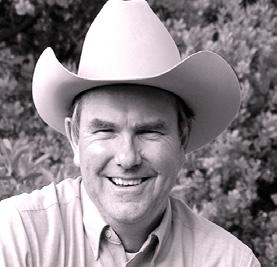
by LEE PITTS
Stay In Your Lane
Iadmit I am prejudiced and don’t believe in intergenerational marriage. For example, I don’t believe a Baby Boomer should EVER consider marrying a member of Generation Alpha, who are currently 1 to 14 years old. Don’t laugh, in 1880, 37 states set the legal marrying age at 10 years with parental consent, and in Delaware you could marry at seven years of age! These days you can legally get married at 16 in many states. If you’re like me you are having trouble knowing who’s who when it comes to the generations. Currently there are members of eight generations living at the same time and they include: The Greatest Generation, The Silent Generation, Baby Boomers, Generation X, Y and Z, Generation Alpha and Generation Beta. That’s how in America today we can have a 100-year-old bereaved widow who can remember her husband’s first kiss who has a monogomously-challenged great-granddaughter who can’t remember her third husband’s last name. Baby Boomers were born between 1946 and 1964 and currently there are 73 million of us but we’re dying like flies. The only reason a member of the X, Y and Z generations should EVER consider marrying a Baby Boomer is for resource extraction purposes only as Boomers are the wealthiest generation on the planet. If you see a human standing in line at the bank it’s probably a Boomer because all the other younger generations either have no money to put in the bank, or they bank online.
Baby Boomers have their own way of talking which younger generations don’t understand. We use words like far out man, bummer and groovy while Gen Zer’s, also called Zoomers, use words like rad, wazzup and awesome. Members of Generation Alpha say things like “mad lit” and “mad drip” which I have no idea what they mean. How would an intergenerational couple even communicate?
Generally speaking, boomers are self-centered and spoiled. We still read newspapers and magazines while millennials and all the rest only read their phones. Boomers have old fashioned names like Leland, Farn-
News with a View...

overall demand for veterinary services in the U.S. pet healthcare market has been increasing at an inflation-adjusted rate of over six percent per year. Since 2007, the number of U.S. veterinarians has been increasing at a rate of only 2.7 percent each year, and a substantial shortage exists today,” says the AAVMC.
“Because about 75 percent of U.S. veterinarians are engaged in pet healthcare, a shortage in this sector has dramatic effects on the rest of the profession. As a result of the shortage, compensation packages in companion animal practice have increased substantially in recent years. Anecdotal evidence suggests that these compensation packages have effectively made other career pathways comparatively less attractive, likely tipping the career-choice scales for many candidates. Although a shortage of veterinarians stemming from several complex factors has already been recognized for years in the food animal and public health sectors, increasing compensation in companion animal practice is exacerbating this pre-existing situation.”
According to the AAVMC, “Recent analysis revealed that the number of open positions for specialists exceeds the number of anticipated candidates available in the current employment market by as much as four times. This situation is of particular concern for academic veterinary medicine, where as many as 50 percent of the faculty are trained in a recognized clinical specialty. Because of specialists’ critical roles in this segment of the market – teaching and research – a prolonged shortage could have a disproportionate negative impact across the industry for years to come on access to care and scientific discovery.”
For advertising, subscription and editorial inquiries write or call:
Livestock Market Digest (1SSN 0024-5208) (USPS NO. 712320) is published monthly except semi-monthly in September in Albuquerque, N.M. 87104 by Livestock Market Digest, Inc. Periodicals Postage Paid at Albuquerque, N.M. POSTMASTER-Send change of address to: Livestock Market Digest, P.O. Box 7458, Albuquerque, N.M. 87194
(FAV’s), play a crucial role in America’s food supply chain. By caring for the health and welfare of livestock, they promote the consumption of animal-based products in a safe, sustainable, and ethical way. They also serve on the frontlines for infectious disease surveillance, including for emerging zoonotic diseases, and through this, contribute to national and global health security.”
The Centers for Disease Control and Prevention estimates, “Two-thirds of emerging and reemerging infectious diseases are zoonotic in origin (they can jump from animals to humans), and most of these infections are associated with animals raised for food production.”
The Johns Hopkins study said, “The safety of animal-origin foods depends heavily on access to adequate veterinary care. For animal diseases and emergencies of major economic importance, such as African Swine Fever and Avian Influenza, veterinarians are our first line of defense for biosecurity, emergency preparedness and response. A veterinary workforce with inadequate capacity places our food systems and food security at risk.”
The Johns Hopkins study concluded, “Over the last several decades, the number of food animal veterinarians has DECREASED dramatically in the United States. This trend endangers public health by increasing our vulnerability to zoonoses, compromising food safety, and threatening food security. Poor preventive care and infection control in livestock also leads to the misuse and overuse of antibiotics. The problem is projected to worsen in the coming years, especially in rural communities.”
No Takers
One Year: $35 Two Years: $45 Single copy: $10
Clip & mail to: Livestock Market Digest, P.O. Box 7458, Albuquerque, N.M. 87194
Livestock Market Digest P.O. Box 7458 Albuquerque, N.M. 87194 Telephone: 505-243-9515 www.aaalivestock.com
EDITORIAL and ADVERTISING STAFF
CAREN COWAN Publisher
LEE PITTS Executive Editor
CHUCK STOCKS Publisher Emeritus
RANDY SUMMERS Sales
FALL MARKETING EDITION AD SALES
RANDY SUMMERS, 505-850-8544 email: rjsauctioneer@aol.com
FIELD EDITOR
DELVIN HELDERMON, 580/622-5754 1094 Koller Rd, Sulpher, OK
ADMINISTRATIVE and PRODUCTION STAFF
KRISTY HINDS Graphic Designer
All subscriptions non-refundable.
“One commonly suggested remedy for the veterinarian shortage is expanded and more effective use of non-veterinary staff, especially credentialed veterinary nurses/technicians. However, analysis of this U.S. market indicates that over 50,000 additional nurses/technicians are needed to maximize productivity in companion animal practice today. Further, it would take 30 years of these graduates at current training capacity to meet projected needs in 2030. Clearly, this is not an immediate solution,” concluded the AAVMC.
On The Frontlines
Perhaps the best study on the subject of the shortage of vets has been done by a human hospital two years ago... Johns Hopkins, of Baltimore, Maryland. Since then, the vet shortage has only gotten worse. But why would a human hospital be worried about livestock vets? Because the spread of zoonotic diseases – those that can be transmitted from animals to humans – are on the rise and if past is prologue, they can only be expected to rise dramatically. According to the Johns Hopkins study, “Veterinarians involved in food supply veterinary medicine, commonly referred to as food animal veterinarians
Needless to say, vet students aren’t stupid. They can readily see that it will take eight years of education to become an accredited large animal vet in the U.S in the same time they could become a medical doctor and make at least three times more money. And even if they do want to specialize in large animal medicine there are all sorts of jobs that will pay them substantially more money than being a large animal vet.
They can work in the pharmaceutical industry, diagnostics, academia, or working for government agencies like the Food and Drug Administration, the Centers for Disease Control and Prevention, and the USDA. For example, the expertise of large animal vets in managing large disease outbreaks was extremely valuable during the COVID-19 pandemic. Speaking of which, the COVID-19 epidemic further exacerbated the shortage of large animal vets because it increased the demand for small animal and companion animal veterinarians to work in small animal medicine. This further limited the pool of food animal veterinarians.
According to Johns Hopkins, “The aging of the population also contributes to the shortage. Retiring food animal veterinarians are trying to find a replacement before leaving the profession. However, replacements are difficult to secure given the lack of graduating veterinarians interested in food animals. Some states have searched for several years with little luck.
Unable to fill this gap, State Animal Health Officials expressed that many large animal private clinics have shut down. The remaining clinics, many of which are also understaffed, are now seeing unsustainable surges in clients and patients.”
In at least one instance, one retiring large animal vet publicly offered to give away his rural practice, equipment, furniture, and his pickup if someone would take over his clinic so he wouldn’t leave his customers in a lurch. He found no takers.
Unsustainable
According to Scott Leibsle, State Veterinarian/ Administrator at the Idaho State Department of Agriculture, “In Nez Perce county (central Idaho), the only mixed clinic has lost two vets to retirement in the last 10 years and has been unable to replace them. The saleyard in Nez Perce county has had to bring a veterinarian out of retirement to service the market on sale days to meet regulatory requirements for marketed livestock. There is a tremendous need for emergency work with dystocias, prolapses etc... but, the existing practices cannot meet the demand. Vets in the area all agree the current workload is unsustainable.”
There’s also a big difference in the attitude towards hard work amongst the generations. According to the Johns Hopkins study, “Younger veterinarians may prioritize work-life balance and be reluctant to take on-call-shifts or work more than 40 hours a week.”
“Gender may also play a role. Food animal medicine has traditionally been a male-dominated profession, but the number of men enrolling in veterinary schools has decreased by 80 percent since the 1970s. A female veterinarian may feel intimidated by gender-biased farmers who may not accept
a “girl vet” or refuse to provide fair compensation.”
“Male veterinarians still make up a large portion of bovine practitioners, especially when compared to the overall number of U.S veterinarians by gender. The male practitioners are older and getting ready to retire,” said Johns Hopkins.
Most vet students today come from urban backgrounds and have a lack of familiarity with livestock. “Veterinary schools today primarily focus on companion animal medicine rather than food animal medicine,” according to Johns Hopkins. “With limited budgets and extramural funding to support ongoing programs and facility needs, veterinary schools are inclined to invest in small animal veterinary medical teaching hospitals that generate higher revenue. Schools fall short of providing students with adequate exposure to large animals. If students lack exposure to large animals during veterinary school, they are less likely to pursue a career in food animal medicine.”
PETA Power
There’s also another factor at play here: the animal rights movement. Washington State University recently cancelled the equine portion of its large-animal surgical course due to what it calls the “burgeoning power of online activism.”
The College of Veterinary Medicine at WSU announced on March 16 that it would not proceed with the spring equine surgery lab, citing a high volume of threatening and hostile communications directed at students, faculty, and staff. “The safety of our students, faculty, staff, and animals is our highest priority,” the university said in a statement. Animal-rights groups credited 36,000 emails from PETA supporters for driv-
ing this decision. “PETA applauds WSU for listening to the public and canceling the laboratory that would have killed eight healthy and adoptable horses.” According to WSU, “Just last year, WSU was forced to close its veterinary hospital to large animal emergencies after-hours due to understaffing. The cancellation comes at a time when the veterinary profession is already facing a shortage of large animal practitioners, especially in rural areas. Limited access to training opportunities has long been cited as a barrier to students entering food animal and equine practice.”
The Disappearing Vet
Leave it to our government to make matters worse. Remember when the feds announced The Veterinary Feed Directive (VFD)? Prior to implementation of the VFD, producers had access to over-the-counter antibiotics at their local farm animal supply store and over the Internet to treat their animals. But then the VFD came along which required producers to obtain veterinary oversight for all therapeutic antibiotics used on the ranch and producers had to form “a working relationship with their vet”, whatever that is. But what happens if there is no vet to have a working relationship with?
So, what was the result?
Many ranchers performed their own medical treatments without the guidance of a veterinarian. They self-diagnosed, illegally obtained antibiotics, and administered medications on their own. Johns Hopkins predicted this would happen.
“The shortage of food animal veterinarians may lead to the adulteration of antibiotics. The lack of veterinarians will lead to compromised monitoring of herd health, lack of data and record-keeping and insufficient knowledge of how antibiotics
are being used on farms.” The fact is large animal vets are on the verge of disappearing in this country. So next time your vet is a little late remember the Johns Hopkins study: “Compassion fatigue and burnout are serious concerns for veterinarians; 66 percent feel overworked, 38 percent desire to leave the profession, and only 30 percent would recommend a career in veterinary medicine.”
We conclude on a very sad note: a recent study showed that “female veterinarians are
3.5 times and male veterinarians were 2.1 times more likely to commit suicide compared to the general American population. In fact, one in every six veterinarians has contemplated suicide since leaving veterinary school.”
If you’re a food animal producer, horse owner or backyard cowboy, YOU DEFINITELY HAVE AN EMERGENCY on your hands. ▫
sworth and Winston while millennials are called things like Moon Unit, Cyanide, Phelony, Jacquell and Zooey. Can you imagine the fight an intergenerational couple would have in naming their children?
Members of Generation X are often referred to as the MTV Generation or Latchkey Kids because they largely raised themselves because both parents were working. Currently they are broke but interestingly, they are the highest spending of any Generation, spending 15 TRILLION dollars a year! On average they’re $142,000 in the hole, most of it student debt. A member of Generation X should never even consider marrying a member of Generation Z because they are financially conservative. Can you imagine the fights they’d have over money?
The Millennials, also called Generation Y are currently 45 to 60 years old and are licking their chops because it’s estimated they’ll inherit 68 trillion dollars which is why many of them are still living at home and have never had a job. It’s been said (not by me) that Millennials are lazy, entitled, delusional, narcissistic, unreliable and financially
insecure. They are also referred to as Generation Me and Echo Boomers.
The men of this generation wear their hair in a bun, are covered with tattoos and have more piercings than a seamstress’ fingers. They have no kids and no place to live other than with their parents. They cut the cord, don’t watch much TV, are addicted to their phones, have no brand loyalty, no patience and have never been inside a bank except to rob one. Females be warned... many males of this generation NEVER reach a marital age. Sounds like a real catch matrimonially speaking don’t they?
Members of Gen Z got their first smart phone at age 8 which means they don’t have to think and they spend four to five hours on social media. They carry no cash and pay for everything with their phone.
The Alpha and Beta Generations are below the legal age for marrying and we wouldn’t touch them with a ten foot pole and neither should you. Our number one rule is you should never marry anyone who is younger than your oldest daughter.
One final piece of advice when it comes to matters of matrimony: STAY IN YOUR OWN LANE! ▫

HERD cont. from page 1
model, the FS will shift many functions currently housed in regional offices to a network of operational service centers that will be established in Albuquerque, NM; Athens, GA; Fort Collins, CO; Madison, WI; Missoula, MT; and Placerville, CA. Additional service center locations may be added as the transition progresses.
Locations were selected based on existing USDA workforce and infrastructure presence, operational needs and efficiency, and proximity to agricultural and natural resource stakeholders.
Together, these centers will provide shared administrative, technical, and enabling support to forests and state offices nationwide, allowing field leadership to focus more directly on actions that improve the health, productivity, and resilience of our nation’s forests.
The FS will also consolidate leadership of its research enterprise. The agency currently operates multiple geographically dispersed research stations, each with its own leadership structure. Under the reorganization, the FS will bring those stations together under a single FS research organization, located in Fort Collins, CO. These changes are designed to unify research priorities, accelerate the application of science to management decisions, and reduce administrative duplication.
Under this reorganization, the agency’s Fire and Aviation Management program will retain its existing Geographic Area Coordination Center structure, which remains the backbone of national incident coordination. There will be no interruption or change to our field-based operational firefighters or their positions.
The program will continue

reporting to the Deputy Chief for Fire and Aviation Management at the National Interagency Fire Center in Boise, Idaho. This structure ensures the agency’s ongoing, close coordination with the Department of the Interior and interagency partners. It will reinforce the unified, national approach essential to effective wildland fire response until the FS’s wildland fire management operations are unified into the U.S. Wildland Fire Service (USWFS) within the Department of the Interior (DOI).
The restructuring will also drive a review and consolidation of facilities nationwide. As part of this transition, all regional offices will close; however, several facilities will be retained to support ongoing mission needs. Additional phases of the reorganization, including the formal elimination of regional and station office structures and the full transition to a state-based model, will be implemented over the coming year.

Y RANCH BULLS
Black angus Bulls - Private Treaty
The agency’s retained facilities will support essential functions during and after the transition, with the facility in Juneau, Alaska serving as a state office, the facility in Vallejo, California repurposed as a national training center, and the facility in Albuquerque, New Mexico retained as a business support service center and state office.
The FS will provide employees and partners with detailed transition guidance as different milestones approach. Throughout the transition, the agency emphasizes frontline operations, including active forest management, wildfire response, forest restoration, recreation management, and partnerships with states and communities, will continue uninterrupted. ▫
that in the coming months the border could be opening. But until we have much more information and a formal agreement,” she said, stressing that this is just a possibility, as the conditions for a formal reopening have not been met.
What are the Bilateral Efforts to Fight the NWS Pest?
The resurgence of screwworm, which started in November 2024, has had significant agricultural and trade implications. In May 2025, the United States halted imports of live Mexican livestock, including cattle, horses, and bison, due to concerns that the pest could spread across the border and threaten domestic herds. The USDA estimated that an outbreak in Texas alone, the largest cattle-producing state in the United States, could inflict up to US$1.8 billion in economic losses if the screwworm were to become established there.
This has urged the authorities of both countries to work together to eradicate this pest. Following a meeting between Minister of Agriculture Julio Berdegué and US Secretary of Agriculture Brooke Collins, both nations agreed on a medium-term plan to resume exports in a stable and predictable way. This strategy follows the reinstatement of a border closure on July 9, 2025, after a case was confirmed in Veracruz, just two days after exports had briefly resumed.
As part of the national containment strategy, SADER launched a 10-week Pilot Plan for the Suppression of the NWS in Yucatan. The program operates across three polygons covering more than 1,500 km.
The plan involves the deployment of 42 field technicians, including 16 from SENASICA. These teams operate seven Internal Verification and Inspection Points (PVI), nine Verification and Inspection Sites (SI), and seven Itinerant Routes (ITI). Field communication is being conducted in Indigenous languages and through the distribution of materials at veterinary pharmacies and slaughterhouses to prepare the ground for the future release of sterile flies produced in Mexico.
The strategy also relies on coordination with the private sector to protect the sanitary status of exporting regions. Berdegué highlighted a voluntary decision by SuKarne to suspend beef imports from Nicaragua to Durango and other exporting states.
over a shipment of 4,000 head of cattle in Tlahualilo. Rogelio Soto, President of the Cattle Ranchers’ Association of Durango, stated that redirecting imported cattle ensures that negotiations with US authorities are not jeopardized. President Sheinbaum defended the administration’s response, stating that Mexico has acted in accordance with scientific protocols to contain the pest, particularly in the Isthmus of Tehuantepec where immediate livestock movement controls were deployed.
As for the United States, on March 9, 2026, USDA and the US Army Corps of Engineers (USACE) announced a construction contract with Mortenson Construction to build a new sterile fly production facility at Moore Air Base in Edinburg, Texas. This facility, the first of its kind in the United States, aims to eliminate reliance on other countries for sterile flies. The new facility is expected to produce 100 million sterile flies per week by November 2027, with a long-term goal of 300 million per week.
USDA’s Sterile Fly Production Facilities in the Americas
Currently, USDA produces 100 million sterile flies per week at the operational COPEG facility in Panama. To expand this capacity, USDA has invested US$21 million to renovate a facility in Metapa, Mexico. This site is currently under construction and is expected to produce an additional 60 million to 100 million sterile flies per week once complete, with production expected to begin in summer 2026. Together with the future Texas plant, these facilities aim to provide a total regional output of 500 million flies per week.
To complement these production efforts, a network of dispersal facilities is already operational. In April 2025, APHIS and SENASICA partnered to establish a permanent dispersal facility in Tuxtla Gutiérrez, Chiapas, with the capacity to distribute 100 million flies per week. This was followed in November 2025 by the opening of a dispersal facility in Tampico, Mexico, to facilitate aerial releases across northeastern Mexico. Additionally, construction is complete on the dispersal facility at Moore Air Base in Texas, which is now operational and capable of dispersing 100 million flies per week along the US-Mexico border.
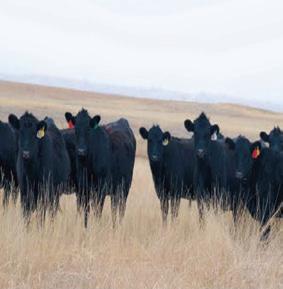
This measure aims to protect northern regions following local rancher concerns
Trump Has Opportunity to Make Water Great Again
BY ARIZONA STATE REPRESENTATIVE GAIL GRIFFIN AND U.S. REPRESENTATIVE ANDY BIGGS | ARIZONA FREE NEWS
After decades of finger pointing and failed negotiations over the rights and distribution of the Colorado River, the future of the West stands at a crossroads. The stalemate over water scarcity between seven western states threatens America’s economy and national security. It’s the kind of stalemate that only a grand deal and a major investment can break through to save our region.
With the Colorado River under strain, and time running out, America needs a visionary, a builder and a deal maker. Thankfully, we have all three of those in President Donald J. Trump.
For over half a century, the construction of large dams and canals was the mark of a truly great president. Beginning with Teddy Roosevelt, the first major water reclamation project in the West—the Roosevelt Dam—was authorized to provide Arizona with water that expanded our country’s agricultural, industrial, and military base.
That achievement proved Washington could turn big ideas into reality. Following Roosevelt, nearly every U.S. President across the political spectrum championed large-scale water infrastructure projects in the West, building the dams, canals, and reservoirs that allowed western states to grow. In fact, the West would not be what it is today had it not been for great presidents building great water infrastructure.
Calvin Coolidge authorized the Hoover Dam and All-American Canal; Franklin D. Roosevelt approved the Colorado—Big Thompson Project; Dwight D. Eisenhower authorized the Glen Canyon Dam, Central Utah Project, and initial storage units in the Upper Basin; Lyndon B. Johnson authorized the Central Arizona Project; and John F. Kennedy authorized the San Juan—Chama Project.
Our nation’s greatest modern presidents have left their mark through building major water infrastructure projects, and the time is right for the next wave of investment to begin. Americans want their leaders to put America first, refocusing federal spending at home.
By building something big and meaningful, President Trump could save the West and leave a lasting legacy for the next 250 years in America. President Trump could “Make American Water Great Again.”
Few political figures have had President Trump’s instinct for sensing when a looming issue is about to explode into a defining national moment—spotting opportunities before others see them and acting decisively when others freeze. That instinct, combined with his willingness to act, has led some to speculate that Trump may already be eyeing a major water play in the West. Trump also understands the value of strategic federal assets—such as the Panama Canal—which advance the nation’s interests on a grand scale.
As a builder, constructing a new water resource would fit perfectly with Trump’s identity. A new dam or canal would be the crown jewel of his American portfolio, a monumental project built not for private business but for the American people, turning big ideas into physical steel, concrete, and—most importantly—water that can sustain America for generations.
And he wouldn’t have to start from scratch. Long-shelved proposals—intended to be built but killed by environmental activists—still loom in the background. Big projects like the Marble Canyon Dam (Arizona), Echo Park Dam (Colorado), and Temperance Flat Dam (California) assumed to be dead—could be revived at any time. President Trump would have the opportunity to succeed where others have failed.
At the same time, numerous new projects have been proposed that could increase water supplies in the West.
Large-scale desalination projects, interstate water pipelines, storage facilities, reservoirs, and advanced water reuse systems have all been proposed and are ready to go. Arizona has taken the lead on developing these projects, but multiple western states would benefit from them if any were constructed. With President Trump’s support and blessing, these projects could be moved from a hope to a real revitalization of American infrastructure.
Building any one of these would make a difference. Building all of them would define an era. All President Trump would need to do is pick one, announce it, and build—instantly taking credit and moving us closer to saving the Colorado River for our nation’s economy and national security. Perhaps one could even be named after him: the Donald J. Trump Imperial Dam.
Such a project would not only grant the President unprecedented negotiating power in the West but also provide thousands of blue-collar jobs that would help to reinvigorate America’s working class. Over 21,000 workers were employed during the construction of Hoover Dam, which created critical jobs at a time when many Americans felt uncertain about the economy.
America remembers its greatest presidents because of what they built—big, bold projects constructed at a scale worthy of a great nation. President Trump can do the same. If President Trump wants to build a lasting legacy, the path forward is clear: solve the Colorado River crisis by building big, bringing new water resources to the West, and increasing the supply for everyone.
BY TOM JOHNSTON / MEATINGPLACE.COM
Agriculture Secretary Brooke Rollins said USDA is mulling a phased reopening of the border to allow Mexican cattle back in the US.
Speaking in late March at the Texas & Southwestern Cattle Raisers Association convention in Fort Worth, Rollins said she expects a decision within the “next two to four weeks,” according to the Fort Worth Report.
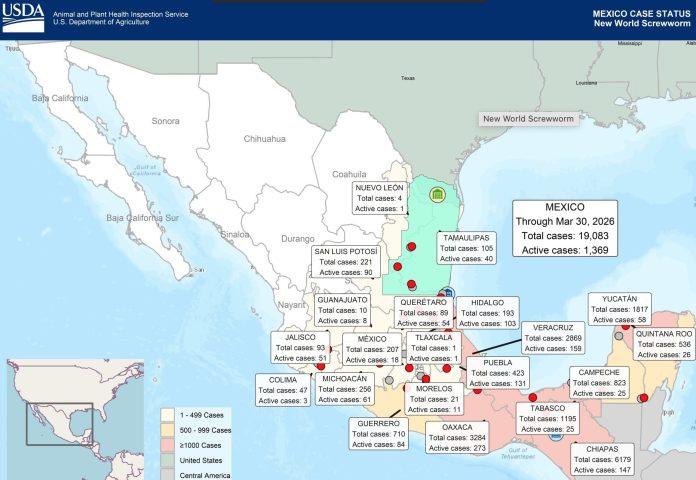
Rollins said the process would begin in Arizona. The westernmost of four ports along the border, the Arizona facility is at least 800 miles from the nearest New World screwworm detection in Mexico.
“We obviously will not be opening all four ports anytime soon,” she is quoted as saying.
Through March 30, Mexico had reported more nearly 19,100 cases of screwworm, with nearly 1,400 of them active. Four cases in Nuevo Leon, one of them active, are
the closest to the border, at about 200 miles.
USDA plans to open in mid-April a new sterile fly production facility in South Texas to protect US cattle from screwworm.
The outbreak in Mexico prompted USDA to effectively shut off the border in May 2025, blocking the annual import of about one million head of Mexican cattle at a time when the US herd is at historic lows. ▫



USDA, DOI Move to Boost Support for American
Ranchers, Help Lower Prices for Consumers
U.S. Secretary of Agriculture Secretary Brooke L. Rollins and U.S. Secretary of the Interior Doug Burgum announced new actions aimed at boosting the supply of American born, raised, and harvested beef by supporting American ranchers with the signing of a new Memorandum of Understanding (MOU) that will strengthen coordination, cut bureaucratic red tape, and deliver immediate, tangible support for America’s farmers and ranchers who rely on public lands.
Building on the USDA’s recently released Grazing Action Plan, the agreement formalizes collaboration between the U.S. Department of Agriculture (USDA) Forest Service (FS) and the Bureau of Land Management (BLM) to ensure more efficient, transparent and responsive grazing management across federal lands.
For generations, ranchers have played a vital role in feeding the nat ion, supporting rural economies, and stewarding public lands. The MOU recognizes permittees as essential partners and directs federal agencies to engage directly with those who live and work on the land.
Key actions under the agreement
■ Cutting red tape and improving efficiency –The MOU streamlines permitting and processes and encourages agencies to use existing authorities more effectively – reducing delays for grazing permits, infrastructure improvements, and emergency response actions.
■ Strengthening rancher partnerships – Agencies will expand collaboration with permittees through structured engagement, including learning round-
tables and enhanced communication channels.
■ Ranch immersion programs for federal employees – New initiatives will place agency staff on working ranches to build firsthand understanding of operational challenges and realities on the ground.
■ Enhancing transparency and data access – Improved data systems will make grazing allotment information more accessible and predictable, giving producers greater certainty to plan and invest.
■ Expanding practical land management tools – The agreement promotes targeted grazing to reduce wildfire risk, supports reopening vacant allotments, and encourages adoption of innovative technologies such as virtual fencing.
■ Wildfire coordination and response – The creation of Grazing Permittee Wildfire Liaisons will ensure ranchers have clear points of contact and a voice during wildfire response and recovery efforts.
■ Maintaining grazing capacity – The MOU affirms a goal of maintaining grazing capacity wherever possible, including no net loss of Animal Unit Months within allotments, consistent with applicable law.
Officials emphasized the agreement supports not only producers, but also American families by strengthening the domestic food supply chain. By lowering costs and improving efficiency for ranchers, the initiative helps keep food affordable and reduces reliance on

your subscription
Market Digest!
foreign imports. Today’s signing marks an important step forward in modernizing federal grazing management and reflects a broader commitment to rural prosperity by fortifying the American beef industry as directed by President Trump’s order Ensuring Affordable Beef for the American Consumer.
More than 20,000 ranchers and farmers across 28 states graze on federal lands. The FS and the BLM are responsible for a total of 240 million acres of federal rangelands. The two agencies together administer more than 23,000 permits and leases held by ranchers who graze their livestock on approximately 29,000 allotments. About 10 percent of grazing allotments, or roughly 24 million acres, are not under permit but are targeted as opportunities to allow more grazing on federal lands. The FS collects an average of $6 million annually in grazing fees.
Livestock grazing on national forests and grasslands contributes about 14,200 jobs and $645 million to the nation’s gross domestic product annually, supporting agriculture-related sectors and private operations. Across Western rangelands, livestock grazing on BLM lands generate $2.7 billion in total economic output, supporting 35,000 jobs and $700 million in total labor income. ▫
Reduced Holiday, OT Inspection Fees Now Available to Small Processors
BY FRANK FUHRIG / MEATINGPLACE.COM
Inspection fee reductions for small and very small establishments retroactive to the fourth quarter of 2025 are now available from the USDA’s Food Safety and Inspection Service (FSIS).
Paid for by $20 million taken from the Meat and Poultry
Wolf bites woman in face near Hamburg IKEA during first attack in decades
BY MILENA WÄLDE / POLITICO
Awoman was attacked by a wolf in central Hamburg in late March, in what authorities say is the first such incident since the endangered predator was reintroduced to Germany nearly three decades ago.
The attack took place near an IKEA store in the Altona district. According to local media, the woman was attempting to guide the animal — which appeared disoriented and had repeatedly run into a glass wall — out of the area when it bit her in the face.
NACD & BLM Sign MOU to
Strengthen Conservation Efforts
The National Association of Conservation Districts (NACD) and the U.S. Department of the Interior’s Bureau of Land Management (BLM) signed a Memorandum of Understanding (MOU), formalizing a strengthened partnership to advance conservation and shared stewardship across America’s public and private lands.
The agreement was signed by NACD President Gary Blair and Acting BLM Director Bill Groffy, underscoring a shared commitment to collaborative, locally led conservation efforts that support sustainable land management, natural resource protection, and community resilience.
“This MOU represents an important step forward in aligning federal and local conservation priorities,” said NACD President Gary Blair. “By working together, our nation’s conservation districts, NACD, and BLM can leverage our respective strengths to deliver practical, on-the-ground conservation solutions that benefit producers, communities, and the landscapes we all depend on.”
This partnership aims to enhance and encourage coordination between local conservation districts and BLM field offices, promoting initiatives in line with the multiple-use mandate, such as soil health improvement, water resource management, wildfire mitigation, and habitat restoration. Through this collaboration, NACD and BLM will also work to expand outreach, share technical expertise, and support voluntary conservation practices nationwide.
“BLM values strong partnerships with local organizations like NACD,” said Acting Director Bill Groffy. “This agreement helps ensure that we are effectively engaging with conservation districts to better serve the public and responsibly manage our shared natural resources.”
The MOU reflects a mutual commitment to fostering innovation, strengthening communication, and advancing conservation strategies that are responsive to local needs while addressing national priorities.
Processing Expansion Program, which was allocated for grants to processors, the federal fiscal year 2026 policy was announced in October with the USDA’s beef rebuild plans last autumn. Fees can be reduced for overtime and holiday inspection by 30 percent for small processors and 75 percent for establishments classified as very small processors, through September 30 at the latest.
Establishments should apply for inspection fee reductions using Form 5200-16, which FSIS will use to determine eligibility.
USDA officials had said that the fee reductions were intended to give cattle growers more processing options while increasing supply to consumers, though it applies to red meat, poultry, and egg product establishments.
After receiving medical assistance at the scene, the victim was transported to a local hospital where she was given stitches prior to being discharged. The wolf, meanwhile, fled the scene and roamed the city until its capture on the shores of Lake Binnenalster. Authorities said the case remains under investigation.
“It is the first such case since wolves were reintroduced in 1998,” a spokesperson for Germany’s Federal Agency for Nature Conservation said.
Germany’s native wolf population was essentially driven to extinction during the 19th century, but the predators have made a dramatic comeback following their reintroduction in the late 1990s. More than 200 packs have been recorded in the country in recent years, matching a larger resurgence across Europe. More than 21,500 wolves are believed to be roaming the continent at present, a 58 percent increase compared to the population recorded a
“By incentivizing small processors to operate longer hours and expand their processing capacity, these establishments can help address the backlog that producers often face in bringing their livestock to slaughter, particularly in regions without large-scale processing establishments,” the beef plan stated.
Implementation of the policy follows publication in the Federal Register after a 60-day comment period, which closed January 20, and a 30-day notice required under federal law before a policy change can be implemented. ▫
decade ago.
Wolves are typically shy and avoid people, making attacks extremely rare. But as their packs have resettled across an increasingly urbanized continent, the carnivores come into greater contact with human settlements. Even though the predators have steered clear of humans until now, there are plenty of reports of attacks on livestock and other animals.
One notable victim was European Commission President Ursula von der Leyen’s prized pony, Dolly, that was killed by a gray wolf in Germany in 2022. In the aftermath of the incident, the Commission chief pushed for the EU to downgrade wolves’ protected status to allow for more culling.
At the national level, Germany, France and Austria have also moved to loosen conservation rules. But the EU’s top court in Luxembourg has issued rulings warning member countries that the relaxation of hunting rules for wolves cannot come at the expense of the carnivore’s longterm conservation. ▫

SOME OF OUR OFFERINGS
• Custom Home on 36+ acre estate in Dragoon Mountain Ranch
• 36+ acre homesites in St David, AZ
• 80 Acre Farm land with 16” Irrigation Well in Willcox, AZ
• Custom Home on 4+ acres in Cochise, AZ
• 40 acre off grid land in Portal, AZ


O’NEILL LAND, llc

P.O. Box 145, Cimarron, NM 87714 • 575-376-2341 • Fax: 575-376-2347 land@swranches.com • www.swranches.com
MIAMI 80+/- ACRES, 3 bedroom, 2 bathroom home with water shares, roping arena, steel barn with shop. Other historic barns, Pipe corrals. Far enough off road to be private. Includes 80 shares of irrigation 2350 SHW 21, Miami NM 87729. $569,999
MIAMI PRIVATE 80, Located ¼ mile off blacktop with dedicated easement, 80 +/deeded acres, large barn, small sleep out, buried utilities, domestic water meter, 80 shares of irrigation and septic able to handle a 3 bedroom home. Some of the best views in Miami. 2050 HWY 21, Miami NM 87729.$559,000
BAR LAZY 7 RANCH, Colfax County, Moreno Valley 594.38 +/- deeded acres, accessed off blacktop between Eagle Nest and Angel Fire. Historic headquarters. Currently used as summer grazing, pond and trees accessed off county road on rear of property as well. Presented “ASIS” New Survey, $3,800,000 $3,629,000
REAL ESTATE GUIDE



MCNALLY www ranchesnm com
575/622-5867 575/420-1237



Eyes on Oregon: Measure
Criminalizing Animal Agriculture Could Make
November Ballot
BY HANNAH THOMPSON-WEEMAN
As ballot-driven animal rights activism continues to evolve, Oregon’s Initiative Petition 28 (dubbed the “People for the Elimination of Animal Cruelty Exemptions”, or PEACE, Act) stands out as one of the most far-reaching proposals the animal agriculture community has seen in recent years.
At a glance, IP 28 is framed by proponents as an effort to strengthen animal abuse laws and “end animal cruelty.” In practice, it would criminalize animal agriculture (and activities such as hunting, fishing, and trapping and pest control) because it involves killing animals.
Current animal welfare laws across the country, including in Oregon, recognize long-standing exemptions for agriculture, hunting, veterinary care, and other necessary activities that could involve death or injury of an animal. IP 28 would remove those exemptions, fundamentally altering Oregon’s animal abuse statutes in a way that criminalizes lawful and necessary activities across agriculture, natural resource management, and daily life.
Friesen’s Inc.
For livestock production, that raises immediate concern. IP 28 would redefine “sexual assault” to include routine breeding practices, potentially applying this classification to livestock, equine operations, and even domestic pets. This would expose farmers, ranchers, veterinarians, breeders, and animal owners to criminal liability for standard, humane practic-
es that are essential to animal health, food production, and genetic management.
The implications extend well beyond the farm.
If the legal standard underpinning IP 28 were applied as written, meat, dairy, and poultry production in Oregon would face significant disruption. Oregon citizens would be forced to adopt a vegan lifestyle (what we would contend is the true intention of the proponents) or would become increasingly dependent on out-of-state or imported animal protein. That shift carries consequences not only for producers, but for processors, distributors, retailers, restaurants, and the broader rural economy that supports them.
There are also downstream considerations for consumers. Reductions in local supply can contribute to higher costs and increased reliance on longer supply chains, raising questions about affordability, consistency, and food system resilience.
At the same time, IP 28 is not limited to agriculture. By removing exemptions tied to hunting, fishing, and pest control, the measure would intersect with wildlife management and land stewardship practices that are currently grounded in science and already overseen by existing regulations.
IP 28 is currently in the signature-gathering phase, with proponents working to collect 117,173 valid signatures by July 2. As of March 30, more than 105,000 signatures had already been submitted, indicating the measure is on a viable path to qualification. If the threshold is met and the initiative is certified, it will receive an official
ballot title and number ahead of the November 2026 election.
Whether or not it ultimately passes, the proposal itself is instructive.
Ballot initiatives like this allow complex legal changes to be presented to voters in simplified terms. They also provide activist groups an opportunity to test concepts that may later be introduced in other states or through different policy pathways. Extreme measures like IP 28 also allow activities to present alternatives that they can position as more “moderate” in comparison.
From our vantage point at the Animal Agriculture Alliance, this is where the conversation needs to stay grounded. The question is not only whether IP 28 becomes law in Oregon (which we hope is unlikely), it’s what the measure represents and the broader implications for the meat and agriculture communities nationwide. By their own admission on the campaign website, supporters “hope to bring similar initiatives to every date until the killing of animals is against the law nationwide.”
As this effort moves forward, early awareness and clear communication will be critical. Once an issue reaches the ballot, the ability to shape understanding becomes more limited. At the same time, this moment presents an opportunity not only to defeat the measure, but to elevate the role of animal agriculture in Oregon and reinforce its importance to the state’s economy, food system, and communities.
The stakes are not limited to one state or one ballot. How this conversation unfolds will help shape how animal agriculture is understood, valued, and governed moving forward. If you’d like to get more information or support local efforts in Oregon, visit www.oregonfb. org/ip28. ▫
Lifestock Launches Calf Start & Calf Recover to Improve Herd Health
Maintaining livestock health is essential to profitability, and two of the most critical windows occur at birth and during periods of high stress. Lifestock has developed two targeted products designed to help cattle producers manage these challenges and set their herds on a path to long-
term success.
Both products focus on supporting digestive health, an often overlooked but vital component of overall performance.
Founder and developer Robo Hendrickson explains, “The gut is the engine of an animal’s productivity, and we’ve developed tools to keep that engine running at peak performance.”

Wildfires Burn Nebraska’s Beef Herd Rebuilding Efforts
BY TOM JOHNSTON / MEATINGPLACE.COM
It’s been difficult enough to move producers to rebuild the nation’s historically low cattle inventory in current conditions. Natural disasters, as the wildfires in Nebraska demonstrate, are adding another hurdle.
Home to the nation’s fourth-largest inventory of beef cows and some of the nation’s largest beef packing plants, Nebraska suffered its worst wildfire in history in March. Grazing land losses have been estimated to be as high as 900,000 acres, and about 50,000 cows were displaced.
Mark McHargue, president of the Nebraska Farm Bureau, told Meatingplace the number of cows displaced is “probably not a lot” in “the grand scheme of things,” and actual cattle losses were “miraculously” minimal.
But the loss of so much grazing land — and of hay reserves — could push rebuilding efforts back by a good year, he said.
“And before these fires, I had mentioned to people, ‘The best way to incentivize growth is profitability,’” McHargue said. “And so, there’s profitability certainly in the cow-calf sector, but now you throw this wrinkle in there and the availability of grass is going to be very, very limited because those 50,000 cows are either going to go to [slaughter] or they’re going to have to find new grass.”
Unlike other regions of the country, where they can burn every year and a month later put cows on pasture, the grasses in Nebraska’s sensitive sand hills take far longer to regrow. It could be anywhere from a year to two years, McHargue said.
Nebraska’s herd is already down 20 percent (381,000 cows) since 2019. The wildfires are one impediment to rebuilding, but drought in Nebraska and throughout the nation’s key beef-producing states could compound the problem.
“And that just puts pressure on anybody that’s wanting to build their herd,” he said. “It just makes it a lot more difficult because it’s just less grass in the state. It’s going to be competitive to get it. And then some of those cows aren’t going to be visible because they’re going to get sold probably to slaughter. I think there’s probably going to be a real hard look at [any cattle] that has any age on them, any problems. They’re going to be culling those cows pretty hard.”
The toll will possibly extend to calves, as well. Trauma so early in life, including smoke inhalation, could manifest in health issues, especially as the heat of summer arrives, and possibly death. That’s why federal indemnity funds are available to producers. Trauma to the farmers themselves, meanwhile, could result in mental health issues that McHargue said need close attention.
For its part, NFB has set up a disaster relief fund to help farmers recover. Fellow farmers, meanwhile, are rallying with hay donations, which “has been pretty incredible,” McHargue said, though he adds the perspective that it would take 500 semi loads of hay to feed 50,000 cows for just one month.
McHargue is confident there’ll be cows going back on those Nebraska grasslands sometime “down the road,” but the current situation isn’t exactly inspiring to those new to the game nor those nearing retirement.
“Maybe someone on the really young side of the scale, they’re just trying to get started and they lose everything, or you have those folks getting that close to retirement and they’re like, ‘You know what, I’m thinking about selling in the next couple years and I don’t have any grass now, so I think we’ll just sell them now.’” ▫
Newborn calves are particularly vulnerable, entering the world with naïve immune systems and underdeveloped digestive tracts. Calf Start is a product formulated to support immune function, strengthen gut defenses, and promote a healthy microbiome.
It is the only product of its kind to combine egg-derived
natural antibodies, probiotics that help establish the microbiome, and fat-soluble vitamins A, D, and E. Calf Start also delivers seven targeted antibodies that help defend against common pathogens, including E. coli. For added flexibility, it is available as a single-dose tube administered at birth or in a powder form for use with milk replacer.
Lifestock’s second product, Calf Recover, is designed to support calves during highstress periods such as digestive disease, sickness, weaning, and transportation. Stress can suppress appetite and compromise immune function, often leading to illness and reduced performance. Calf Recover is formulated with a whopping 25 billion CFUs of probiotic combined with prebiotic, digestive enzymes, amino acids, and targeted antibodies that help restore gut health faster. The product is available in both paste and powder forms for convenience. Hendrickson brings a diverse background in ranching, rodeo, and animal healthcare. His father Dale was a mixed animal practitioner for over 50 years. He has been involved in the pioneering development of digestive healthcare products for animals since 2011, primarily in the equine sector with FullBucket and 6666 Equine Supplements. With this new focus on cattle, Lifestock expands its commitment to improving animal health and producer profitability.