Since our last update, your New Mexico Cattle Growers’ Association has been hard at work across New Mexico, in Washington, D.C., and in the policy arenas that directly affect your operation.
Tom Paterson
President
832-640-1152
Dan Estrada
President - Elect
505-652-0195
Marshal Wilson
Vice President at Large 575-543-7838
Dave Kenneke
NE Vice President 575-447-2366
Jeff Decker
SE Vice President
575-399-4464
Tracy Drummond
SW Vice President
575-313-1606
Marjorie Lantana
NW Vice President
505-860-5859
Tamara Hurt Secretary Treasurer
575-546-7775
Bronson Corn
Immediate Past President 575-420-1375
Loren Patterson Past President
575-937-5458
This spring, we completed listening roundtables and regional meetings across the state From the Bootheel to Farmington and Abiquiu and from the Estancia Valley and Philmont to Carlsbad and Lovington, we met producers where they live and work We heard concerns about water, property rights, wolves, elk, public lands, animal health, labor shortages, succession planning, energy development, and the economic pressures facing family ranches. Just as importantly, we heard that producers want a stronger voice and a more connected ranching community
In April, NMCGA represented New Mexico producers at the NCBA and Public Lands Council Legislative Conference in Washington, D C We met with federal agency leaders and policymakers on grazing regulations, vacant allotments, predator management, New World Screwworm preparedness, range improvements, energy corridors and public lands stewardship. We continue pressing for practical solutions that keep ranchers on the land.
At home, we have been actively engaged on regulatory and policy issues that matter to producers, including New Mexico Environment Department surface water regulations, State Land Office bonding proposals, right-of-way protections for landowners, E-Plus, public access issues, and ongoing efforts to improve Mexican wolf management and compensation programs
We have also been focused on the future. Through extensive member and non-member surveys, producers are helping identify the priorities that will guide our strategic plan: strong d i f l d d i h d i l i i



ACCESS ALL YOUR MEMBER BENEFITS IN YOUR MEMBER PORTAL ONLINE. WWW NMAGRICULTURE ORG

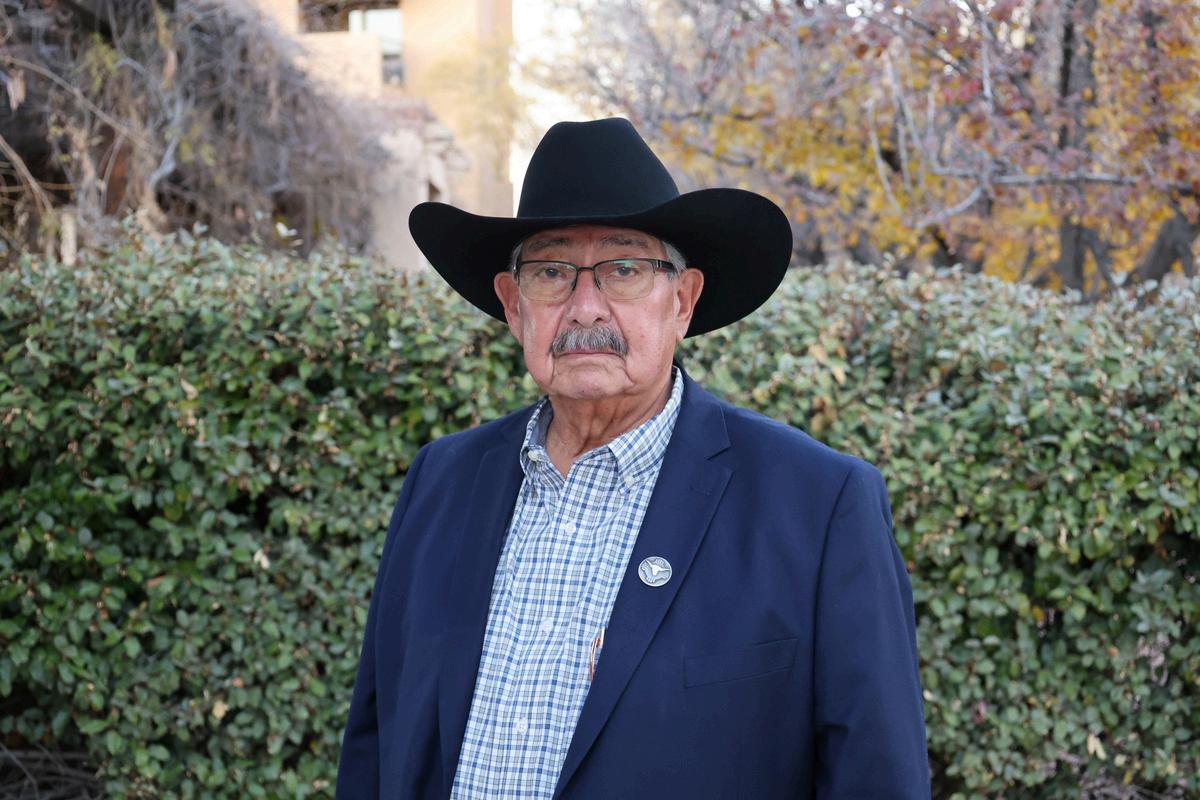
Dear Cattle Growers,
In April, I attended the National Cattlemen's Beef Association and Public Lands Council Legislative Conference in Washington, D.C. The conference provided valuable opportunities to hear directly from federal agencies on issues affecting livestock producers During the latter part of the week, we met with members of New Mexico's congressional delegation and their staff, including Senator Ben Ray Luján, Senator Martin Heinrich's office, Representatives Paul Gosar, Gabe Vasquez, Melanie Stansbury, and Teresa Leger Fernández Discussions focused on screwworm preparedness, Mexican gray wolf management, trich, and improving the timeliness and effectiveness of federal assistance programs. Senator Luján also expressed interest in visiting a New Mexico meat processing facility
In early May, I attended meetings in Datil, New Mexico and Springerville, Arizona, with USDA officials and federal and state agency representatives regarding Mexican gray wolf management Discussions focused on depredation investigations, compensation standards, wolf population management, and improving communication between agencies and ranchers Producers emphasized the need for timely notification of wolf activity, access to GPS collar data, and more responsive assistance for affected operations.
Additional meetings were held regarding the ongoing threat of screwworm Discussions with USDA representatives and State Veterinarian Dr Samantha Holeck reinforced the need to prepare treatment protocols and ensure the availability of products necessary to respond should screwworm reach New Mexico
The New Mexico Cattle Growers Northwest Regional Meeting in Farmington included updates on federal issues, screwworm preparedness, and ranch management. From there, I attended a Public Lands Council roundtable in Abiquiú with producers, BLM, and U S Forest Service representatives, where discussions centered on federal allotments and the need for improved communication between agencies and permittees
The month concluded with a meeting in Nara Visa following the Line Fire Producers shared losses involving fencing, livestock, structures, and wells. While assistance programs are available, producers stressed the need for faster delivery of aid so rebuilding efforts can begin immediately rather than months later. I provided information regarding the NMCGA Producer Relief Program
Warm Regards,

TAMARA HURT- SECRETARY/TREASURER

I am happy to report that New Mexico Cattlegrowers is financially sound We are showing less income at this point in the year compared to last year and that stems from the additional expenses we incurred from having such a wonderful turnout at the Annual Convention in December. That is good problem to have! We are all hoping that parlays into more partnerships with sponsors to bring value to you, our members Keep praying for rain!

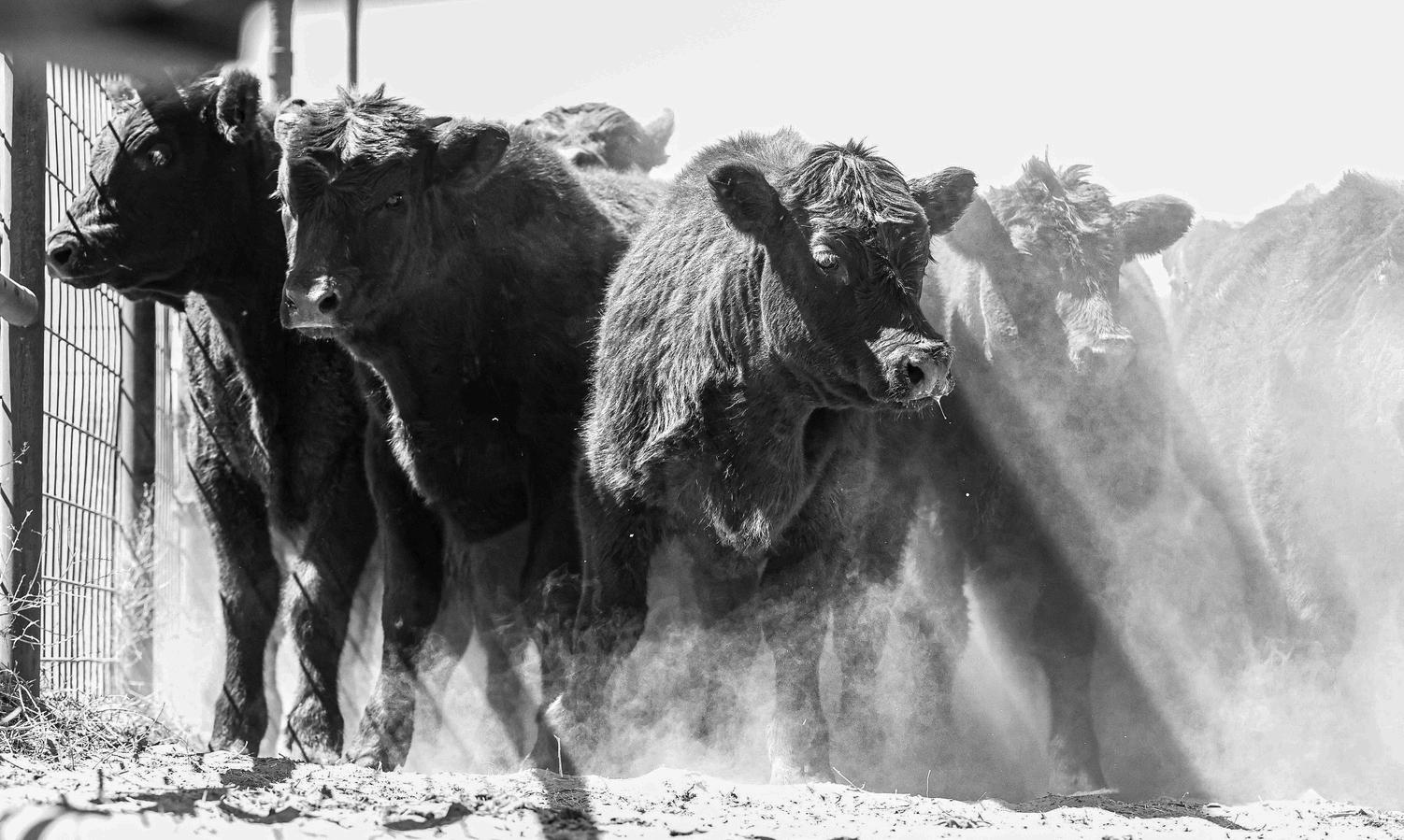
TheUSDACattle-on-FeedreportforMay1,reported116 millionheadofcattleandthatwasup2%comparedto theyearprior.PlacementsduringthemonthofApril wereup89,000heador6%.
Thefedcattlesuppliesremainverytightthroughoutthe summercomparedtoayearprior,butthatwillchange duringthefourthquarterastherewillbeasignificant narrowingofthegapwithfedsupplycomparedtothe yearprior.
TheborderremainsclosedtofeedercattlefromMexico, anditstillappearstobetowardlatefallbeforea reopening
ThedroughthasspreadacrossmuchoftheUnited States,with77%ofthebeefcowherdthatwere experiencingsomelevelofdroughtconditionsasofMay
Thedryconditionsacrossthewheatbeltforcedcattle tomoveearlythisyear,asveryfewwereabletohave beenongrazeoutwhichtypicallycarriesintothemonth ofMay.
DuringthemonthofMayChinarelistedthelicensesfor USpackingoperationstoexportbeeftoChinaThisisa positive,howeveritmaybeaslowrecoveryintermsof howmuchproductisexportedtoChina
CATTLEPRICES
Allclassesofcattleachievedrecordhighpricesduring thespringof2026Specifically,forfedcattlepricesare projectedtomovelower,onaverage,throughthe summerandintothefall.Increasingbeefproduction intothelatesummer/earlyfallwilldrivewholesalebeef priceslowerandthatwillbeamajordriverinthefed cattlemarketmovinglower
Thereismountingevidencethattheconsumeris showingresistancetocontinuedhigherbeefpricesin the retail sector This resistance is not shocking, knowingthateverydayretailbeefpriceshaveincreased nearly$150/lbinthepasteighteenmonths
Fedcattlepriceswillmovelowerfromthelow$260’s andhaveriskbacktotheupper$220’satthelowsthis fall
Assumingoilpricesmovelowerthroughthesummerand fall,demandwillberesisted,butthereisnotalotof
concern that demand will be significantly weaker If oil .......stays at the high end of the recent range from the spring of 2026 into the fall, consumers are likely going to adjust Feeder cattle prices will be volatile and will track the deferred live cattle futures But we should find strong support near $3.45/cwt. with resistance near $3.80/cwt. in the summer and fall window
The calf market will be solid this summer and into the fall, but they are expected to have a softer tone compared to what they peaked at this spring, which was on top of $500/cwt. for a 550-lb. average. The biggest impact to both feeder cattle and calf prices would be the re-opening of the Mexican border However, corn is something that can’t be ignored as its impact could be significant.
The seasonal of the cull cow market is for it to move lower from the summer to the fall Those who can market their cull cows early are encouraged to do so
New world screwworm will be in the United States this summer
An extension to the war in Iran into the fall could have a negative impact on demand for beef
Carcass weights in some regions this fall could be a concern, and the additional weight of the cattle will be something that could have an adverse impact on the fed cattle market.

By Angie Stump Denton
In a sweeping move to restore the federal government’s commitment to multiple-use management, the Trump administration Tuesday finalized the rescission of the Biden-era Conservation and Landscape Health Rule (the Public Lands Rule) while simultaneously unveiling a landmark proposal to modernize the Bureau of Land Management’s (BLM) aging grazing regulations According to the Public Lands Council (PLC), individually, these actions are consequential to cattle and sheep producers across the West; together, they are a clear signal of BLM’s commitment to restoring effective multiple-use management and the agency’s investment in promoting strong rangeland resilience.
“From day one, public lands ranchers were clear with the Trump administration: we needed them to remove policies that illegally picked winners and losers in public land management, and we needed them to deliver on their commitment to bring important reforms to the agency’s 35-year-old grazing regulations,” says PLC President and Colorado permittee Tim Canterbury “Today, they have delivered repeal of the Public Lands Rule that would have resulted in removal of grazing under the guise of ‘conservation’ principles, even though science demonstrates the benefits of our highly managed grazing on these landscapes ”
He adds, “For far too long, BLM has been operating under a set of rules that were developed in response to the ‘cattle free by [19]93’ campaign The resulting regulations all but ensured ranchers did not have the flexibility to take full advantage of the scientific and management advances that the industry has made over the last 35 years PLC called on the administration early in their term to incorporate principles of adaptive management into these regulations. Cattle and sheep producers – and the agency line officers they work with – should have the flexibility to make the best possible management decisions for the land, water and permit conditions, unconstrained by antiquated regulations Today’s announcement is a massive step forward ”
Restoring Multiple-Use: The repeal removes “conservation leases” that critics argued illegally prioritized nonuse over livestock production and energy development
Wildfire Risk Reduction: Managed grazing is now formally recognized as a primary tool for reducing fuel loads and preventing catastrophic wildfires
Regulatory Flexibility: Updated regulations provide “adaptive management” power, allowing ranchers to respond to weather and forage changes without waiting for lengthy federal approvals
According to the Associated Press, the 2024 rule adopted under former President Joe Biden was meant to refocus the BLM, which oversees about 10% of land in the U S It allowed public property to be leased for restoration in the same way that oil companies lease land for drilling
AP reports, “Interior Secretary Doug Burgum said the rule could have blocked access to hundreds of thousands of acres (hectares) of land preventing energy and timber production and hurting ranchers who graze on public lands.” Supporters argue conservation had long been a secondary consideration at the land bureau, neglecting its mission under the 1976 Federal Land Policy and Management Act While the bureau previously issued leases for conservation purposes in limited cases, it never had a dedicated program prior to the Biden administration
PLC led industry efforts to repeal the Public Lands Rule since it was initially finalized in 2024, including through congressional resolutions of disapproval and seeking legal remedies for the harm that would have been done to public lands ranchers and the resources they manage.
According to PLC, “Not only was this rule illegal, but it would also have enabled the federal government to remove family owned livestock operations from working lands and increase the risk for catastrophic wildfires by leaving countless acres of rangeland unmanaged ”
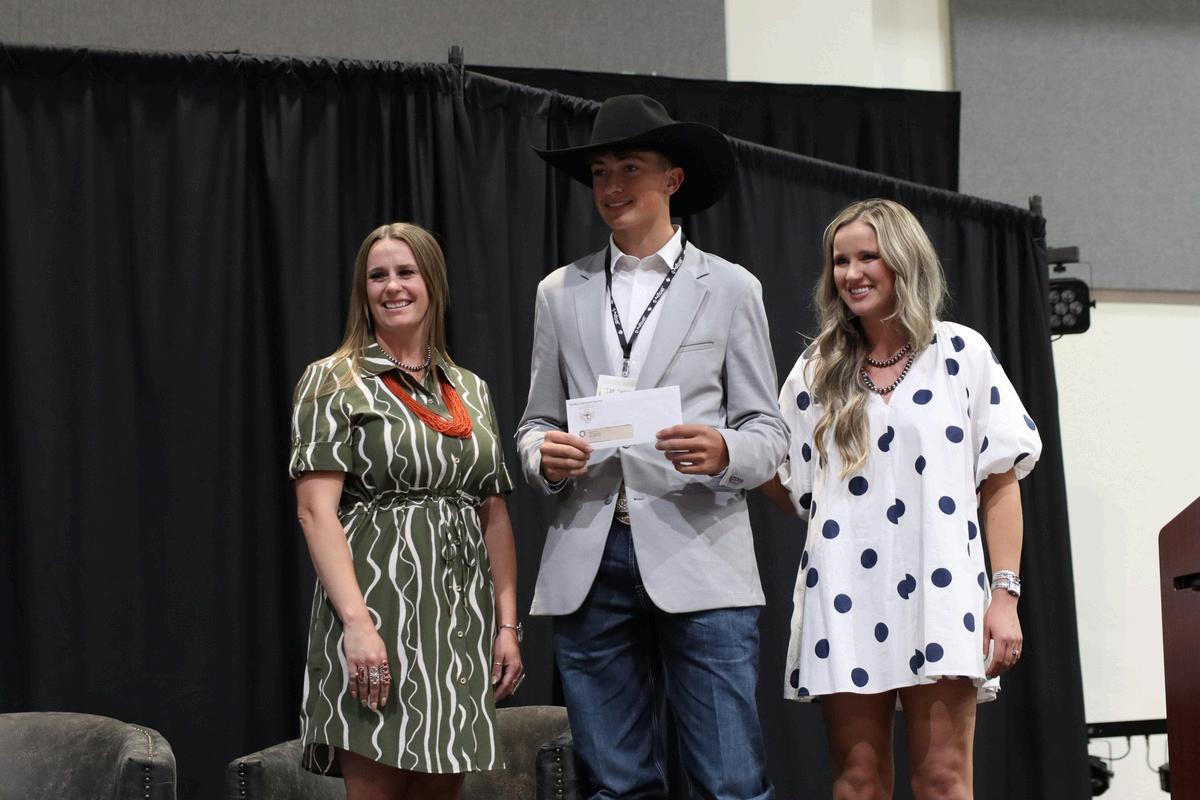
Hello All, What a great start to May! New Mexico CowBelles hosted their Annual District Workshop May 8–9, 2026, in Socorro, New Mexico, and if you were not there, you missed some awesome presentations. I would like to give a great big THANK YOU to everyone who helped put it together from the organizers, speakers, and sponsors, to those who provided the binders for notes, the NMSU bags, pens, food, and beautiful table decorations Without our sponsors, this event would not have been possible Your hard work and dedication made this event a huge success, and I am already looking forward to doing it again Mid-Year has come and gone!! Wow what a great time in Ruidoso as always The ladies in the Cattle Growers office that put this on are amazing! A BIG Thank you Congratulations to all our Scholarship, Beef Ambassadors and Man of the Year winners May was also National Beef Month, and many of you helped spread the word to youngsters all across the state about where their beef and food comes from Thank you, ladies, for all you do to keep this industry alive through your presentations, education, and outreach efforts. Hope to see you all soon.
God Bless you all.
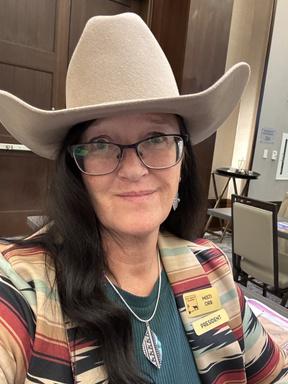
Misti Orr President New Mexico CowBelles
2 0 2 6



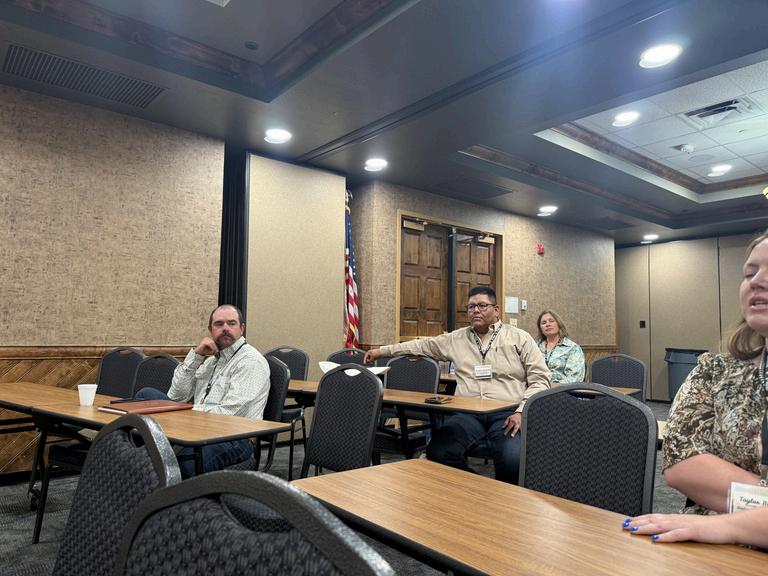
Participants in the Linda Davis Young Cattlemen's Leadership Academy (YCLA) took full advantage of the opportunities available during the NMCGA Mid-Year Meeting in Ruidoso. The event provided a unique setting for young producers to expand their industry knowledge, build professional relationships, and strengthen their leadership skills.
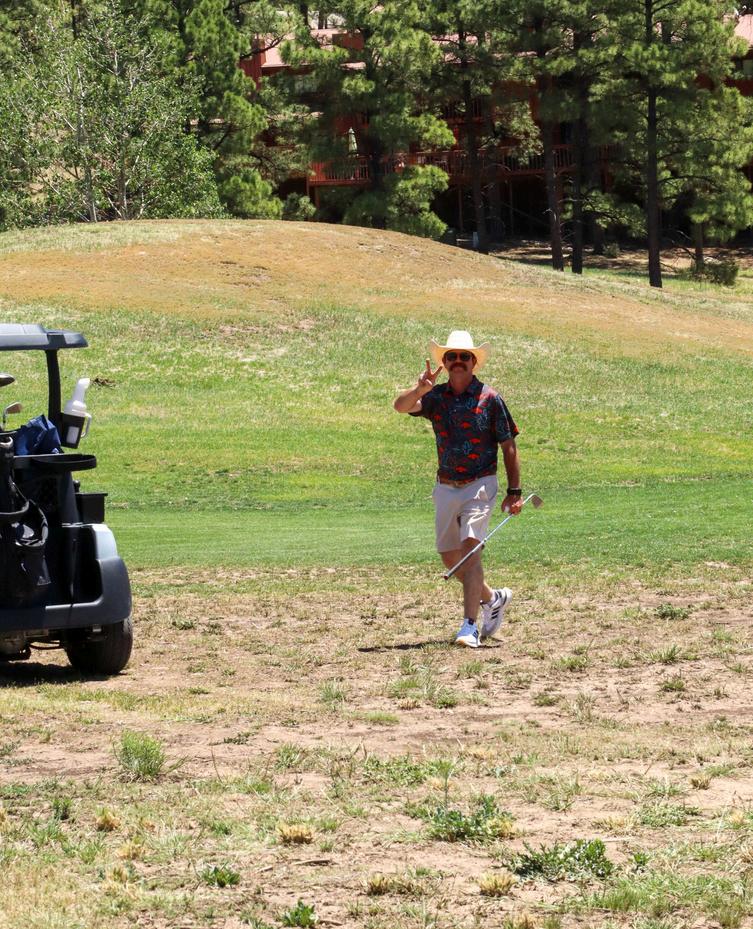
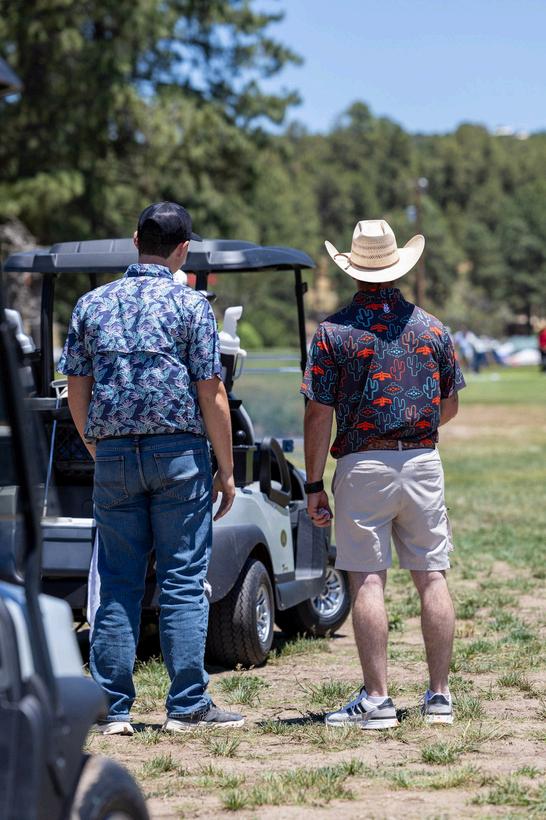
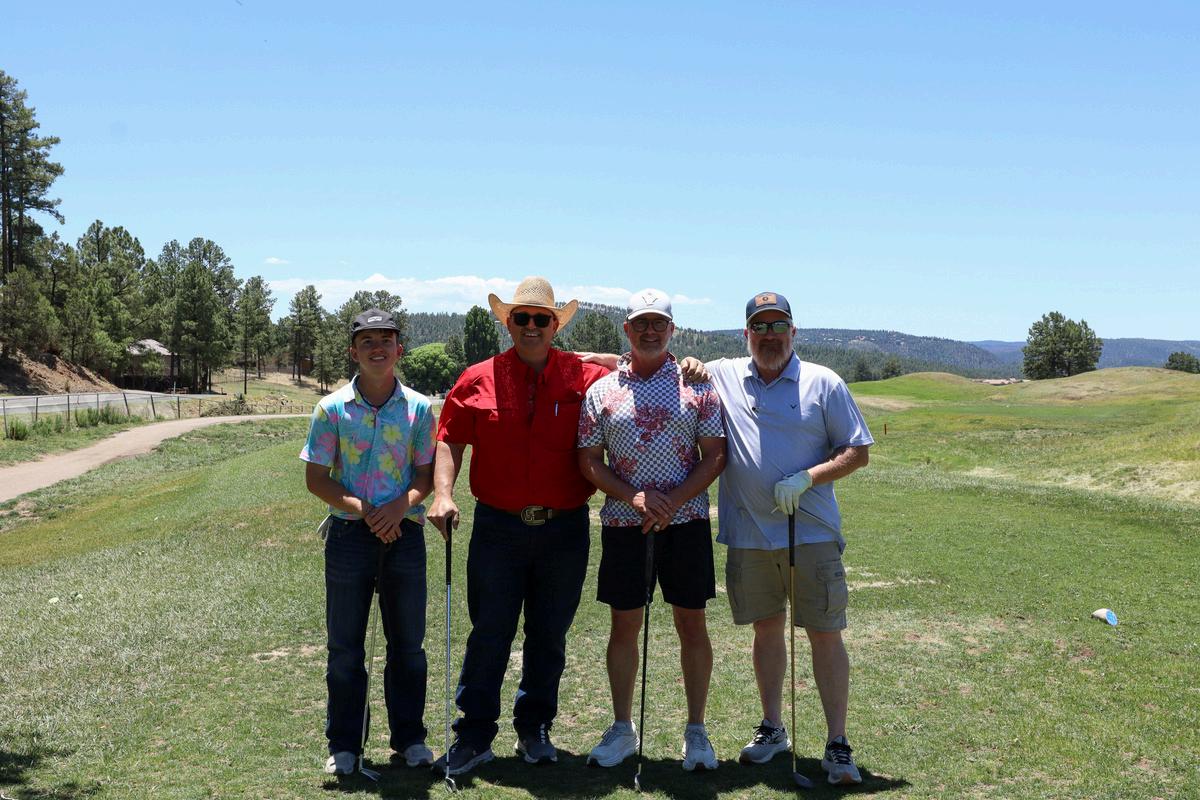
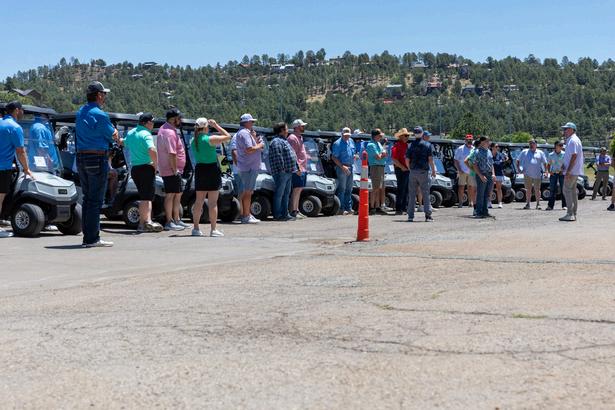
Throughout the meeting, YCLA participants networked with cattle producers, industry partners, and association leaders from across New Mexico. They also enjoyed participating in the Bud Eppers and Les Davis Memorial golf tournament.
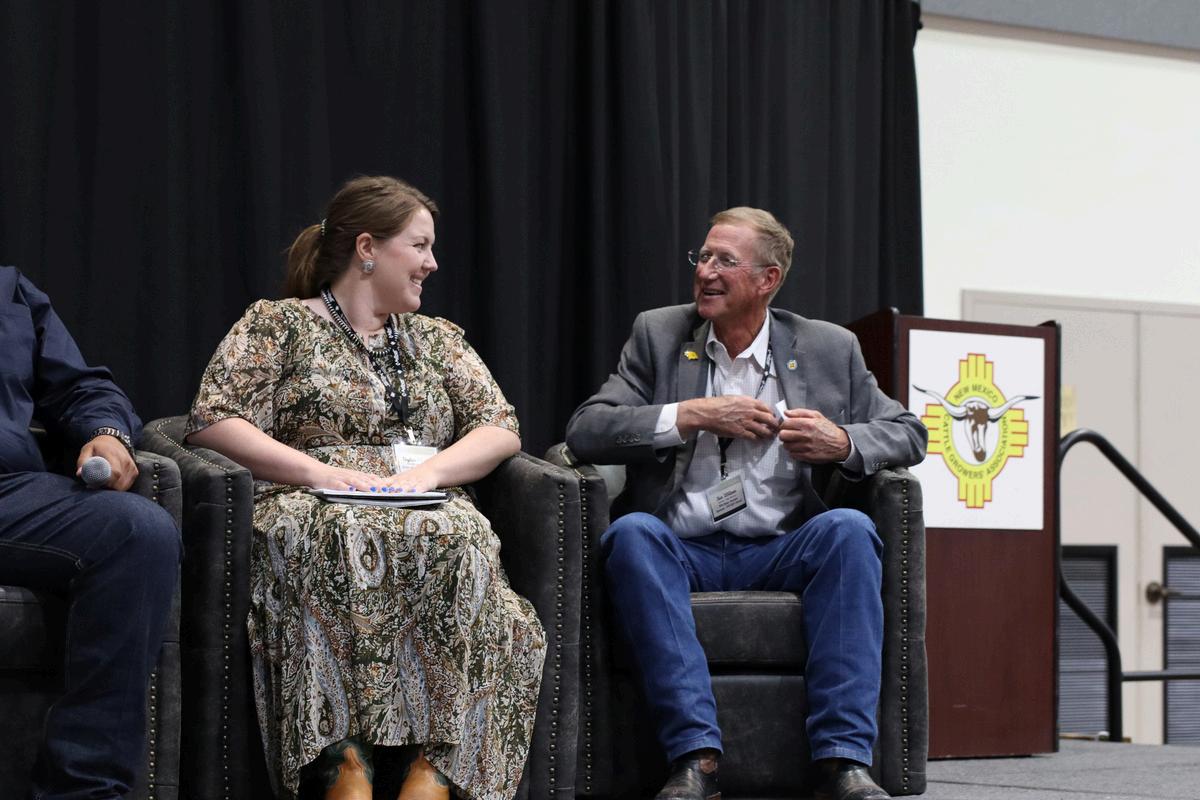
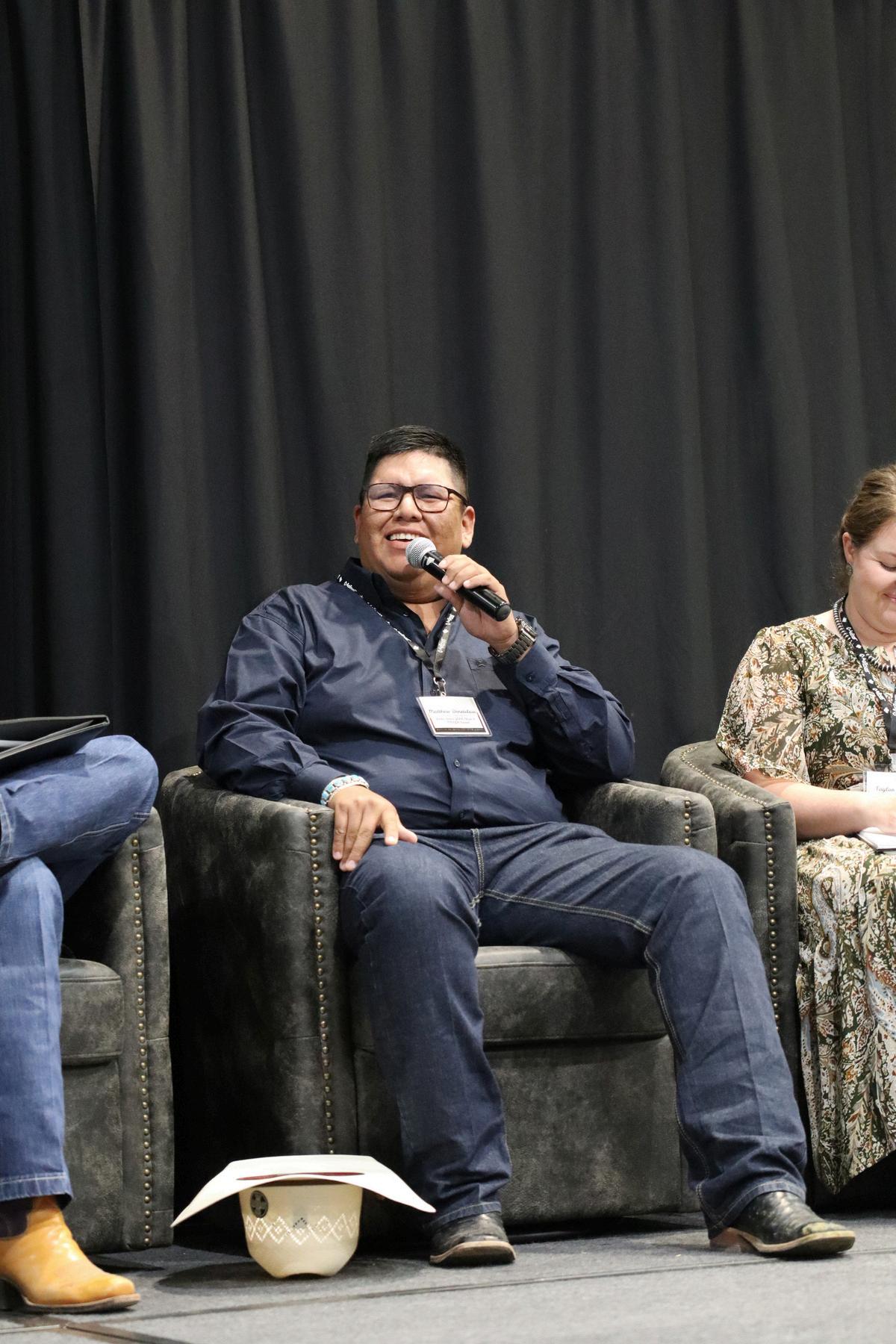
A highlight of the meeting was attending the YCLA producer panel session, where participants heard firsthand perspectives on the challenges and opportunities facing New Mexico ranchers. Matthew Denetclaw and Taylor Riggins also were keynote speakers at the Awards Dinner speaking on a panel about mentorship.
In addition to educational sessions and networking opportunities, participants attended committee meetings, industry presentations, and social events that provided a deeper understanding of the work being done on behalf of New Mexico's cattle producers.
The Mid-Year Meeting continues to be an important component of the YCLA experience, helping develop the next generation of leaders who will serve and advocate for New Mexico's cattle industry.
Greetings friends,
As the New Mexico FFA Convention comes to a close, I’m reminded of the opening lines of the FFA Creed words many of us know by heart: “I believe in the future of
agriculture, with a faith born not of words but of deeds ” That belief is alive and evident in the work of NMCGA members, whose actions, innovation, and grit continue to shape our industry.
Across New Mexico, producers of all sizes are proving that progress comes from pairing innovation with practical experience Whether through improved water stewardship or thoughtful land management, our members are finding ways to do more with less while maintaining productivity and resilience
At the same time, we remain focused on protecting our ability to produce. Challenges persist from the threat of
The Northeast has held true to weather in New Mexico – An unusually warm, mild winter, hot dry winds, late killing-frosts and out of nowhere some pretty good soaking rains scattered across the region
p y ore of that moisture on the horizon for everyone!
A regional meeting held on April 2nd at the Philmont in Cimarron was well attended, and covered subjects from knowledge of EPD’s to New World Screwworm to being prepared for wildfire.
As many of us feared, we had a rough Spring fire season. Many of our members suffered losses of livestock and infrastructure Fortunately, at least at this time of writing there was no loss of human life The Association was at the forefront of trying to get assistance for ALL and ANY
Dear Cattle Growers,
I hope everyone’s spring works have gone well and some of you have gotten some moisture. Our Southeast Regional Meeting was held in Lovington in April and was
d. We gained several new members and had some great conversations I would like to thank everyone who attended Mid-Year and trust that you had a good
New World screwworm along our southern border to devastating wildfires and increasing pressures from those who oppose our way of life Yet, there are also meaningful wins A strong example is the trichomoniasis reduction program championed by NMCGA this legislative session, which provides additional resources to NMDA and NMLB to further reduce trich in our state. Another positive step is ongoing work to bring greater clarity and flexibility to grazing regulations, helping producers continue responsible land stewardship without unnecessary burdens
The road ahead will not be without difficulty, but our commitment remains strong I look forward to working alongside of you to continue advancing the mission of NMCGA and ensuring a lasting future for New Mexico ranchers.
cattle growers that were affected regardless of membership. That reflects highly on all of us that are members, and further bears witness that every producer should be a member.
There are several big items that we all need to be concerned with including talk of thousands of acres of range land into solar fields, attacks on the E-Plus and Antelope Programs, and the advent of wolves coming from the north in the not-so-distant future I bring these things to light not to speak of doom and gloom, but to let you know the Staff, Officers and Committee Members of the Association are working hard to protect all our interests and way of life Please consider lending your help by serving on one of our committees a few hours of your time, may be what makes all the difference!
time with friends and neighbors On top of transmission line talk, there has also been chatter about “data” centers and solar projects looking into the Southeast region as well as other parts of the state. I encourage anyone that is approached to do their homework so you can make the best decision for your outfit. Please know that my door is always open Have a great rest of your summer Adios!
Brian Bledsoe, Meteorologist
First of all, it was great getting to speak to many of you at the Mid-Year Meeting in Ruidoso It is always a pleasure to sit down with good people and talk about weather So, thank you very much for having me
Since we last spoke, here is the precipitation anomaly that has occurred over the past 90 days.
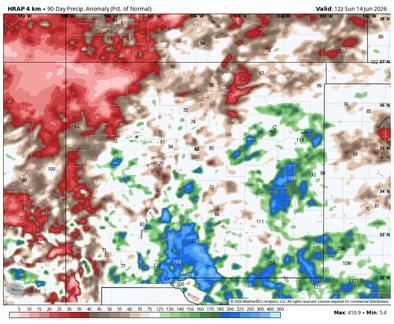
While many of us have been blessed by some decent moisture, there are still a lot of us that haven’t had much at all. This is especially true for the north-central, and west/northwest parts of the state In fact, there are some areas of northwest New Mexico that have had only 10-15% of “normal” precipitation during that 90 day period This comes on the heels of what was a very dry winter too… The upcoming monsoon season is a very important one for the entire region, so let’s see what is most likely to happen over the next few months
We are firmly in El Niño territory and have been that way for over a month. The map below shows the current sea surface temperature anomaly.
Sea Surface Temperature Anomaly June 15th, 2026
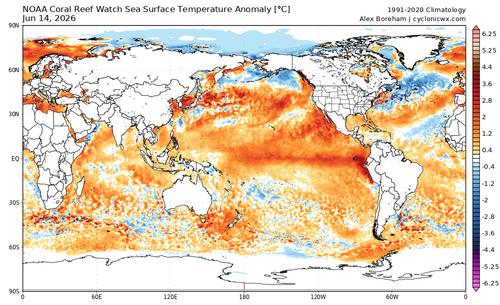
All that orange/red shading that you see along the equator west of South America represents warmer than average sea surface temperatures In some cases, it is quite a bit warmer than average this is El Niño The graphic below shows the forecast for those same sea surface temperatures over the next several months
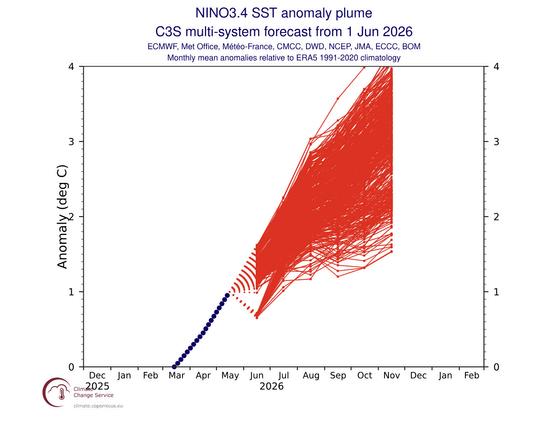
All of those red lines are different forecast members from different models. Even if take out the high members and the low members, the average forecast temperature anomaly is roughly 3 degrees C above average That would be a record setting El Niño event But before we talk about the fall/winter, we have the rest of summer to get through. Let’s see what the models and analog years have to say about it…
EURO Seasonal Model Forecast Precipitation Anomaly July/ Aug/Sept
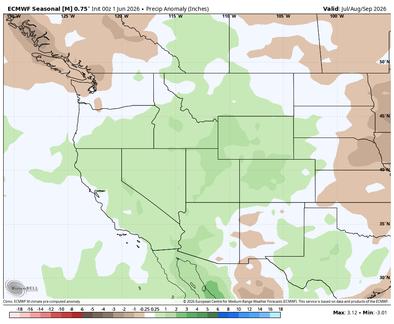
2026
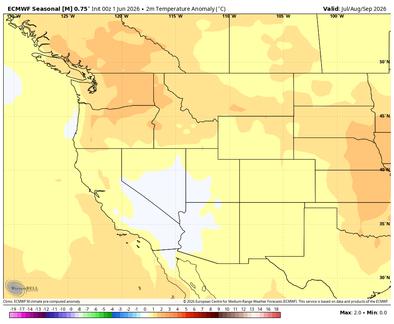
EURO Seasonal Model Forecast Temperature Anomaly
July/Aug/Sept
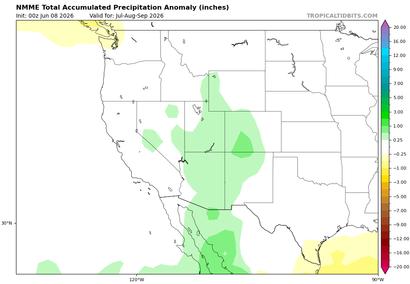
NMME Seasonal Model Forecast Precipitation Anomaly
July/Aug/Sept
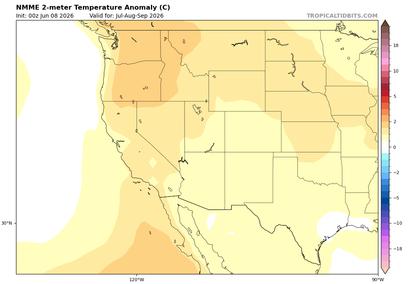
NMME Seasonal Model Forecast Precipitation Anomaly July/ Aug/Sept
Analog Years Precipitation and Temperature Anomaly July
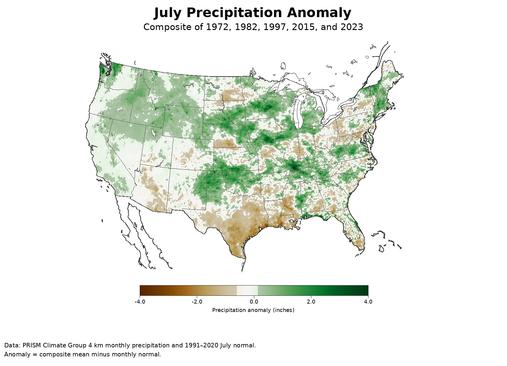
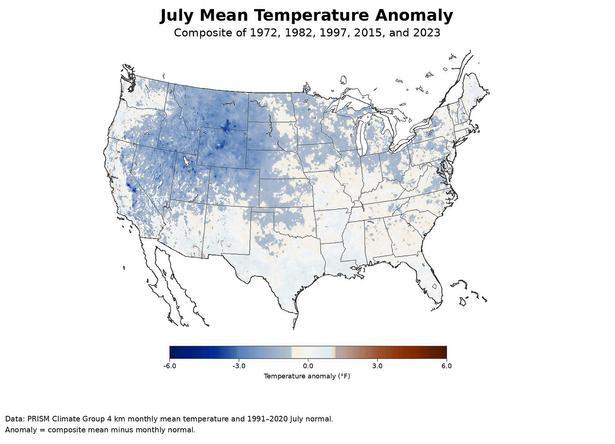
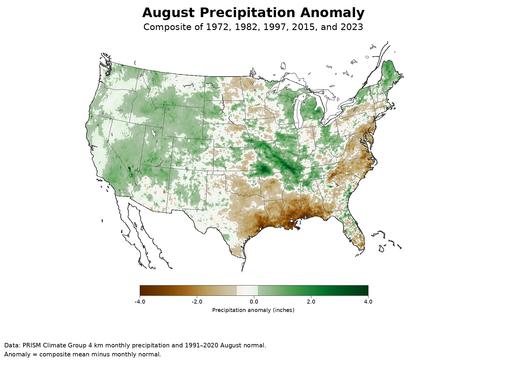
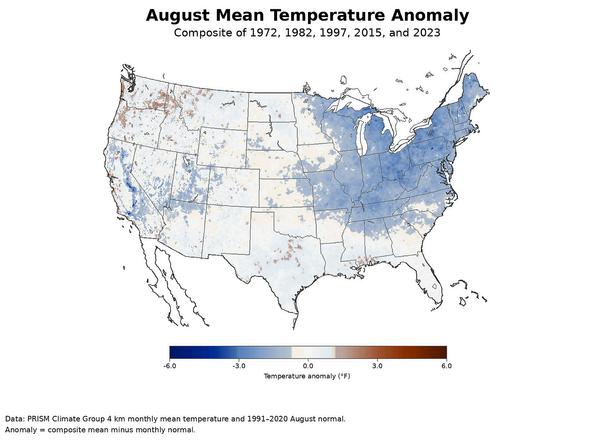
Analog Years Precipitation and Temperature Anomaly August
Analog Years Precipitation Anomaly and Temperature September
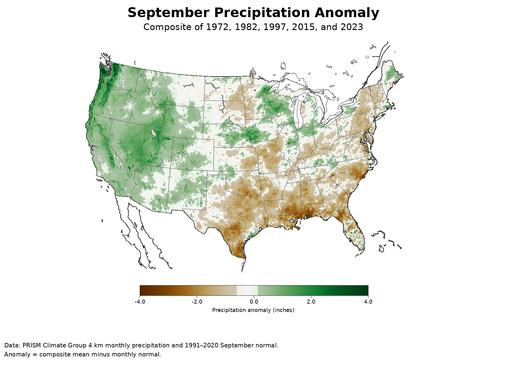
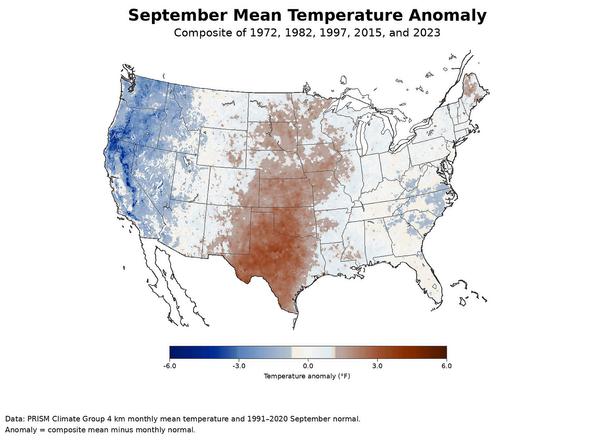
While it is always good to use the seasonal models to get an idea of what may happen, it also pays to look at history Using past years with similar El Niño intensities can be useful in providing a projection of what might occur The years 1972, 1982, 1997, 2015, and 2023 are the most similar recent years that had a strong El Niño event during the summer You can see the average precipitation and temperature anomalies that occurred with those years.
The main takeaway from the modeling and the analog years would suggest that the monsoon should be a pretty good one for most of the state and region The EURO seasonal model is a little less robust with the monsoon, but that could simply be due to a little later onset. And even if there is a little later onset, the main signal should be strong enough to produce a pretty significant monsoon once it does develop So, if you’ve been getting shorted on moisture so far, there are pretty strong indications that you will make that up. That can come with a price too… flash flooding I know that is a part of our weather whenever we have a good monsoon season, but we always have to be mindful of it, especially if you live close to a burn scar The next time we chat, I will be talking about the fall/winter forecast. Be safe and we’ll chat again soon…
Since basing at the COVID-19 low, the cattle market has done nothing but climb a continuous, but healthy, Wall of Worry The current trend of the market has been in place for just under six years and rallied just short of $150/hundredweight (cwt), driven by ever-tightening cattle supplies and, more importantly, a surge in demand as consumer diets have become more protein-driven Meanwhile, the market has faced a slew of challenges a ecting supplies, exports and prices.
We are now facing another challenge with the Iran war, which will likely cause another volatility speed bump on this historic rally How long that volatility will last depends on how long the e ect lasts for consumers’ gas budgets. But recent history suggests that the rally will prevail.
So, what is a Wall of Worry? It’s a bull market that has plenty of challenges weighing against it and therefore buyers willing to take the risk of buying what others want to sell
In no particular order, the challenges that this rally has already faced include:
• The effect of cattle on feed extra days and delayed marketings, creating additional tonnage as a defense for contracting fed cattle supplies
A challenging export situation over the last year and a half, partly due to escalating prices but mostly due to cutoff exports to China as a result of expired export inspection approvals by China
• • White House intervention to increase beef imports by raising Argentine import quotas
• Continuous increases in retail beef prices that were feared to drive away consumer demand
• The closure of the Mexican border to cattle imports because of the spread of New World screwworm south of the border The additional contracting supplies as a result of the closure not only drove up cattle and beef prices further but also forced a regional imbalance in supplies.

terrainag.com
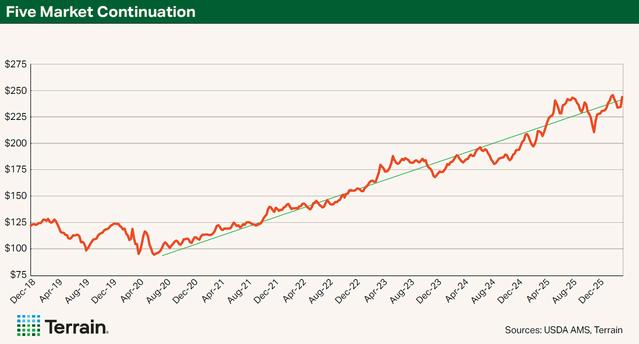
The current market trend has been in place for just under six years, driven by tightening cattle supplies and a surge in consumer demand.
•
Changes in packing capacity, including the January closure of the Tyson beef plant in Lexington, Nebraska; reduced capacity at Tyson’s Amarillo, Texas, plant to a single shift; and the March labor strike at the JBS plant in Greeley, Colorado
Since the start of the Iran war in late February, access to the Strait of Hormuz has been restricted As a result, crude oil prices have surged to over $100 a barrel, while U S domestic gasoline prices have surpassed $4 a gallon and diesel prices have topped $5 a gallon as of early April
There is no question that this additional strain on consumers’ disposable income will impact consumer spending At this time, there is just too much uncertainty regarding the war’s duration and the reopening of the strait to determine if the war will be the event to put an end to the current rally in cattle and beef prices.
The current rally in cattle and beef prices has had a multitude of challenges Given the obstacles this market has already encountered, will war-driven energy prices be able to stop the rally, just as the market faces the tightest supply and peak seasonal demand? No doubt there will be more to follow
.com
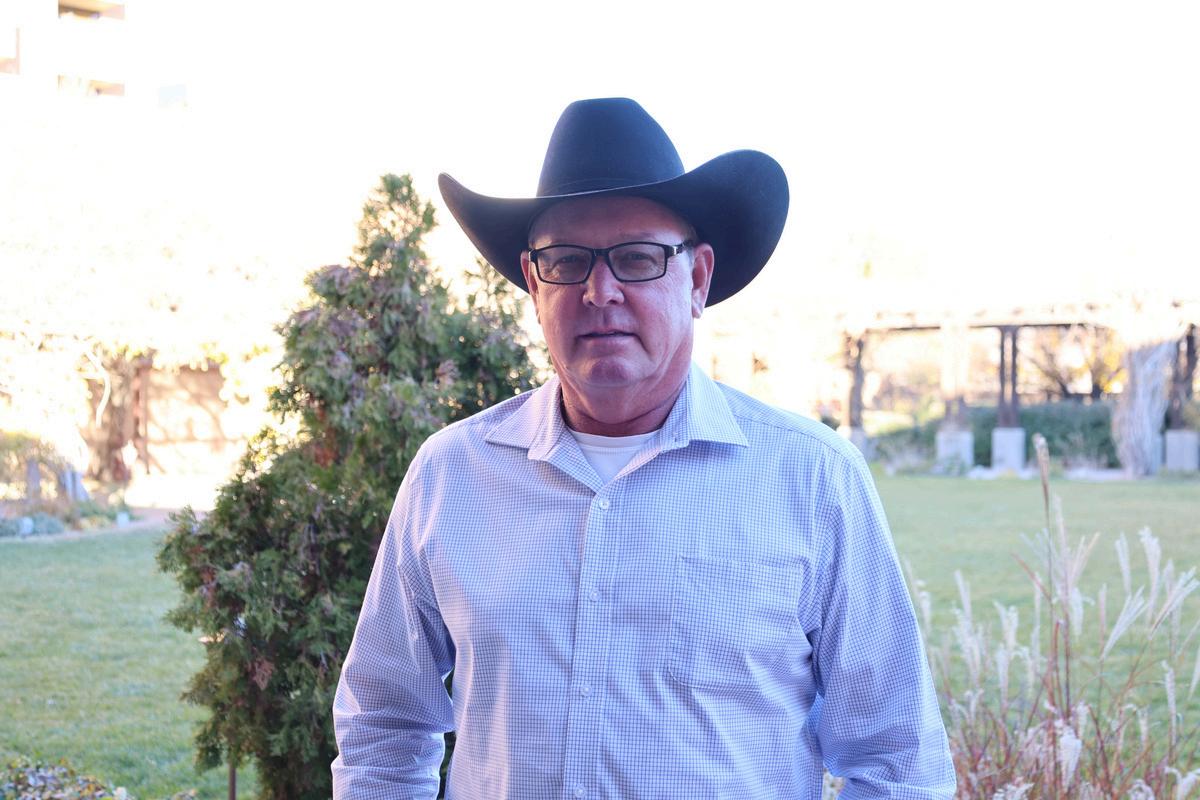
Screwworms, wolves, and elk continue to some of the most prominent issues ecting the Southwest e Southwest Regional meeting in Deming s well attended. The program included p sentation on ranch-level planning for screwworm preparedness, along with productive discussions on legislative priorities and actions
The New Mexico Cattle Growers’ Association also hosted a meeting with ranchers and federal agency personnel to address the more than 80 confirmed livestock depredations attributed to Mexican gray wolves since January 1. More than 120 individuals attended and requested that the agencies reconsider recent changes to the procedures used to determine confirmed depredations Additionally, participants asked for realtime location data and a more responsive approach to depredation events
On a positive note, the U S Fish and Wildlife Service and Wildlife Services are working together to develop management plans that will better serve public safety, livelihoods, and other species.
Elk management and the future of the EPLUS system remain significant concerns Hunters who were unsuccessful in the recent draw have expressed frustration with the current system and are attributing their inability to draw a tag to both the draw process and EPLUS Several legislators have submitted a letter to the Attorney General requesting a review of the legality of outfitter allocations within the current system. As of early June, no official response has been issued.
These issues underscore the importance of continuing to educate both legislators and the public about the highquality habitat that ranchers provide for wildlife across the state
As always, please do not hesitate to contact me regarding these or any other issues you may have
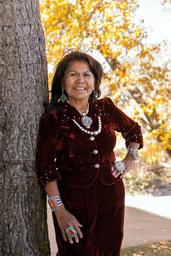
Thank you for your membership and for taking the time to read the NMCGA Journal.
This publication helps keep members informed on issues affecting ranchers across our state
s quickly by, drought conditions continue to chers throughout the Northwest Region
y p rs are making difficult decisions to reduce herd numbers in order to preserve forage resources and protect rangeland While these decisions are never easy, they are necessary to sustain healthy cattle and rangeland conditions for the future. Ranchers are also busy branding calves, administering vaccinations, and completing herd health programs while cooler weather allows for productive cattle work
A highlight of May was the 2026 Indian Livestock Days and NCBA Stockmanship and Stewardship Event held in Farmington Approximately 177 participants attended educational sessions covering livestock handling, Beef
Quality Assurance, biosecurity, New World screwworm preparedness, drought management, and USDA programs. Following the event, NMCGA hosted its Northwest Regional Meeting with more than 100 participants Discussions focused on issues including feral horses, feral dogs, New World screwworm preparedness, and confirmed gray wolf predation in McKinley County Presenters provided updates on wolf management, predation investigations, and producer assistance programs
Membership growth remains a priority. The Northwest Region currently has 118 active members, and we welcomed several new and renewing members during the NW regional meeting Listen out for our Fall NW Regional meeting
Thank you for your continued support of New Mexico agriculture Together, we can strengthen our voice by going to your election polls, protect our ranching heritage, and advocate for policies that support cattle producers. Please continue to pray for rain.
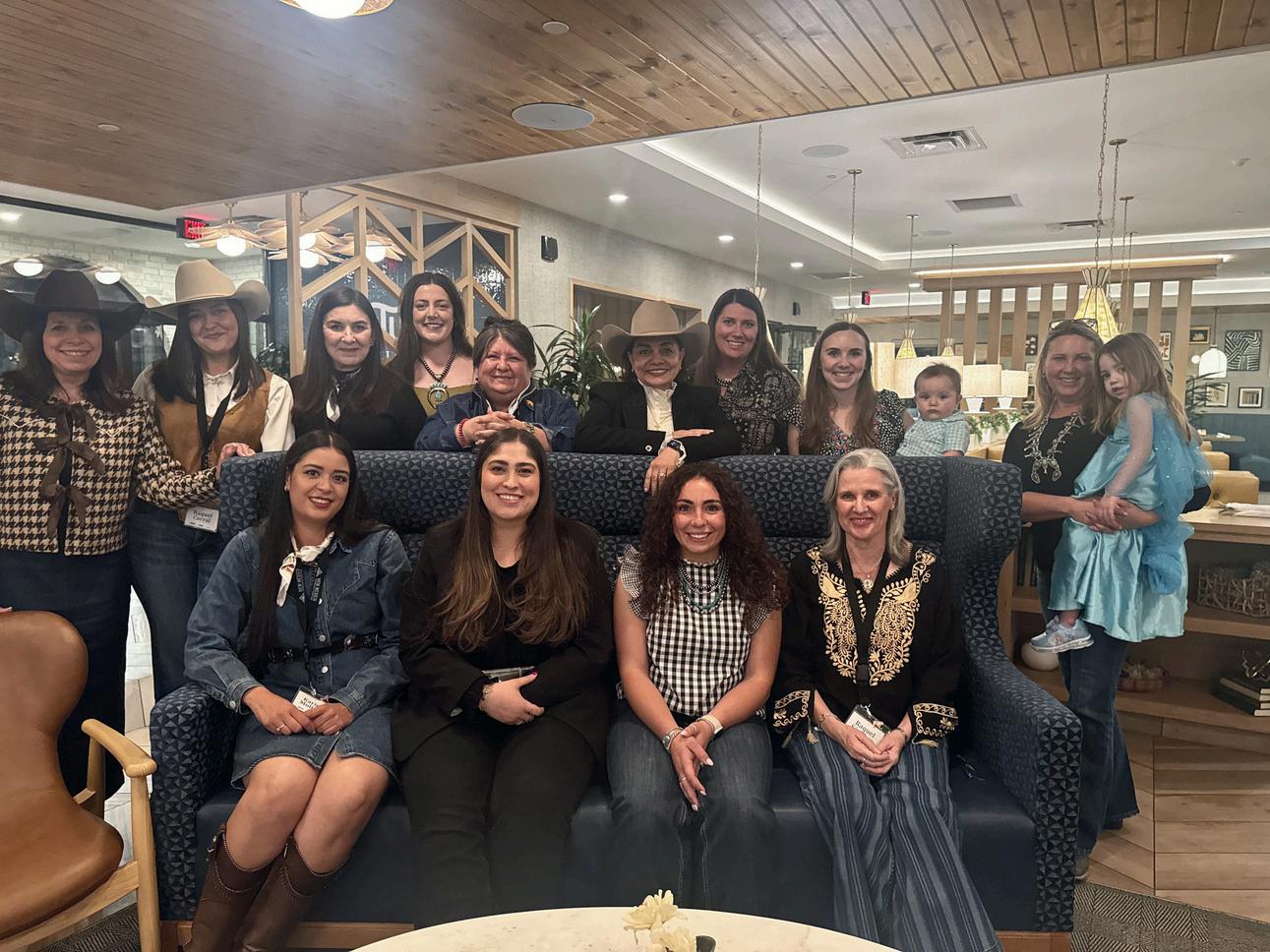
To celebrate the International Year of the Woman Farmer, the New Mexico Beef Council partnered with the New Mexico Department of Agriculture to host cattlewomen from Chihuahua for a special dinner with New Mexican cattlewomen in Albuquerque The event strengthened relationships between cattlewomen and highlighted the global importance of beef production and leadership 1209
Dinnerguestsafter enjoyinganeveningof networking andconnecting
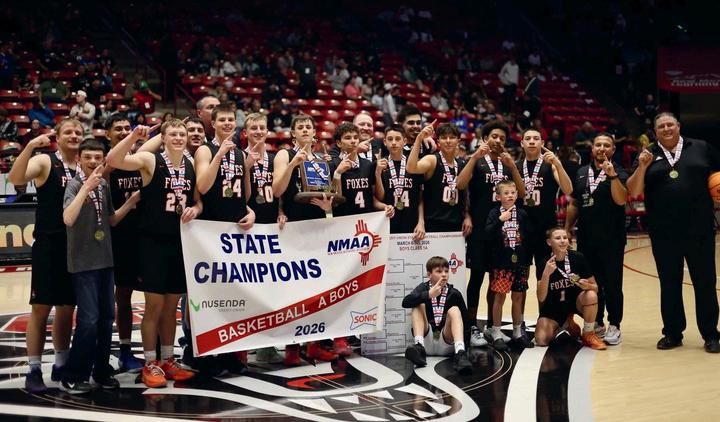
The 2026 NMAA High School Basketball Tournament gave NMBC an opportunity to put beef in front of thousands of New Mexico families during one of the state’s largest annual sporting events. NMBC was proud to be part of the exciting atmosphere and congratulates all high school students in our state for a great year
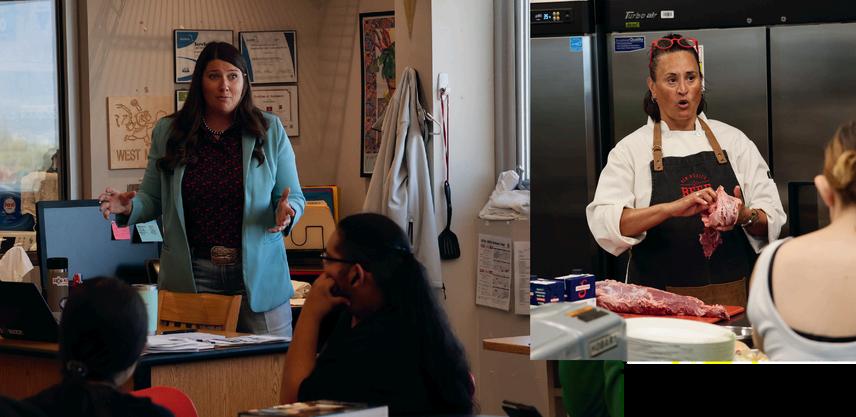
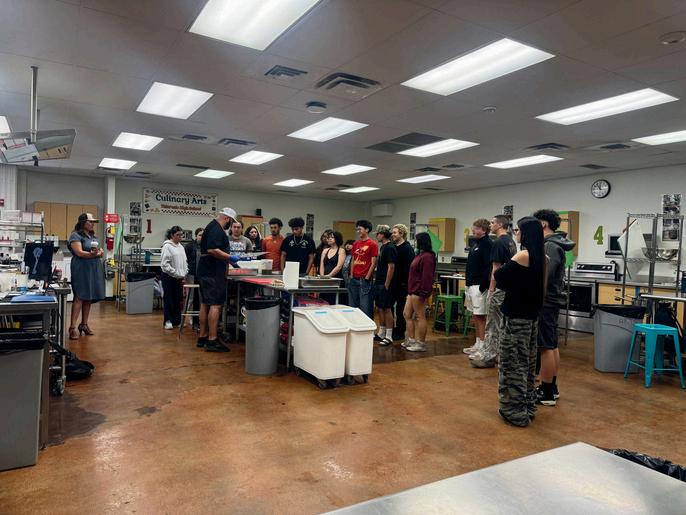
The New Mexico Beef Council visited several high school culinary classrooms to help build the next generation of beef consumers and increase understanding of modern ranching. NMBC also reached more than 470 elementary students at Alameda Elementary School and Gil Sanchez Elementary School through hands-on demonstrations of essential ranching equipment and technology.
Scan here to see our Report Card:


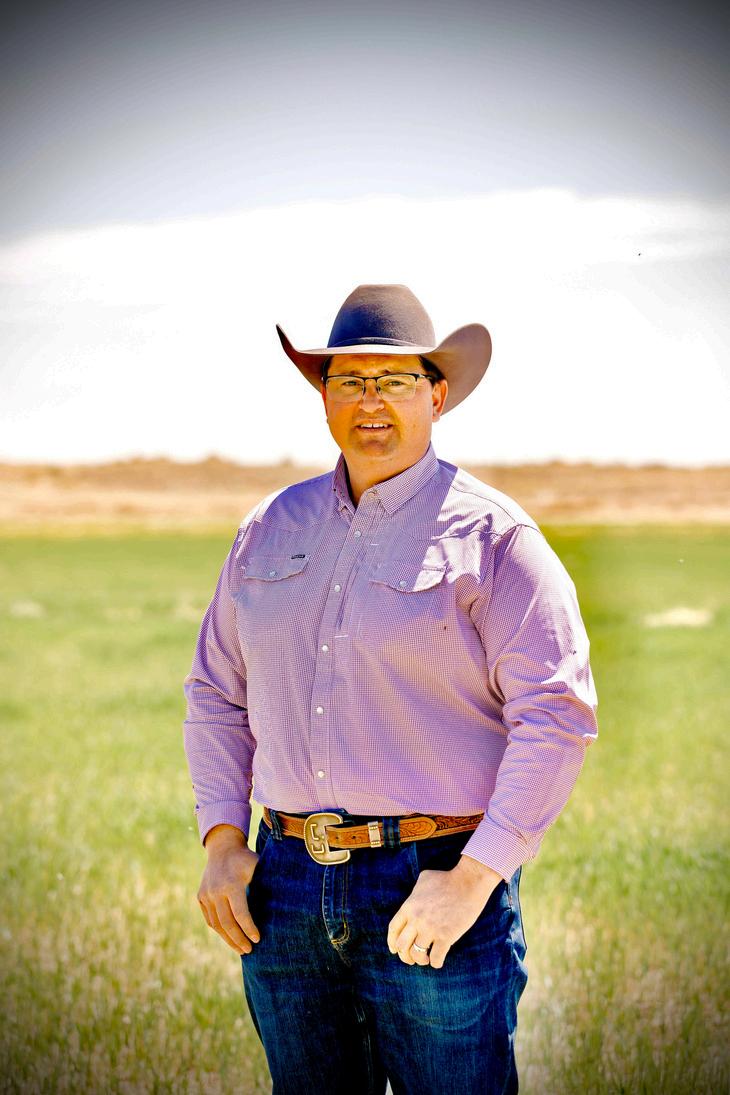
thought things were supposed to slow own once my presidency ended in December, boy was I wrong! The drought as hit hard and branding season is in full wing in SE New Mexico, hopefully we will
th of July An update for you as finance ces are healthy, we are blessed with a hip and stout sponsors to help support That being said we still have things
Fund Much of the land was State Land and others privately held I’m all for property rights, but some things to consider are, a conservation easement can function as a tradable asset because it is a legally recognized property interest that may, under certain circumstances, be assigned, transferred, purchased, or held by different qualified organizations When a landowner grants a conservation easement, specific development rights are permanently restricted while ownership of the land remains private or under state trust In many states, conservation easements may be transferred from one qualified holder, such as a
coming down the pipeline where we will continue needing support, for example our producer relief fund has been busy! Between the different fires floating around the state, and the looming threat from the New World screwworm fly, we need to be prepared! Thank you to our partners who are willing to step up and help bolster our ability to help those affected by whatever storm is coming! I Pray God Has Blessed Each and Everyone Of You!
“Y’all Have A Good’en”
This last month I was disappointed to learn that over 1.4 million acres of New Mexico has been placed in conservation easements with much of the funding coming from tax payers in the Land of Enchantment Legacy land trust, to another, such as a governmental entity or conservation organization, provided the transfer complies with applicable law and the easement’s terms Financial value may also arise through tax benefits, mitigation banking, or transactions involving associated conservation credits Although conservation easements are not typically bought and sold like ordinary real estate, the legal interest they create can be exchanged, assigned, or managed between qualified entities, giving them characteristics of a specialized, regulated commodity within conservation markets With that all in mind, I question if counties shouldn’t levy a tax on that asset annually as it does create financial incentives and limits to a particular parcel Once again New Mexico seems to jump into situations that directly affect the future of our counties and communities based on ideology and not long-term repercussions
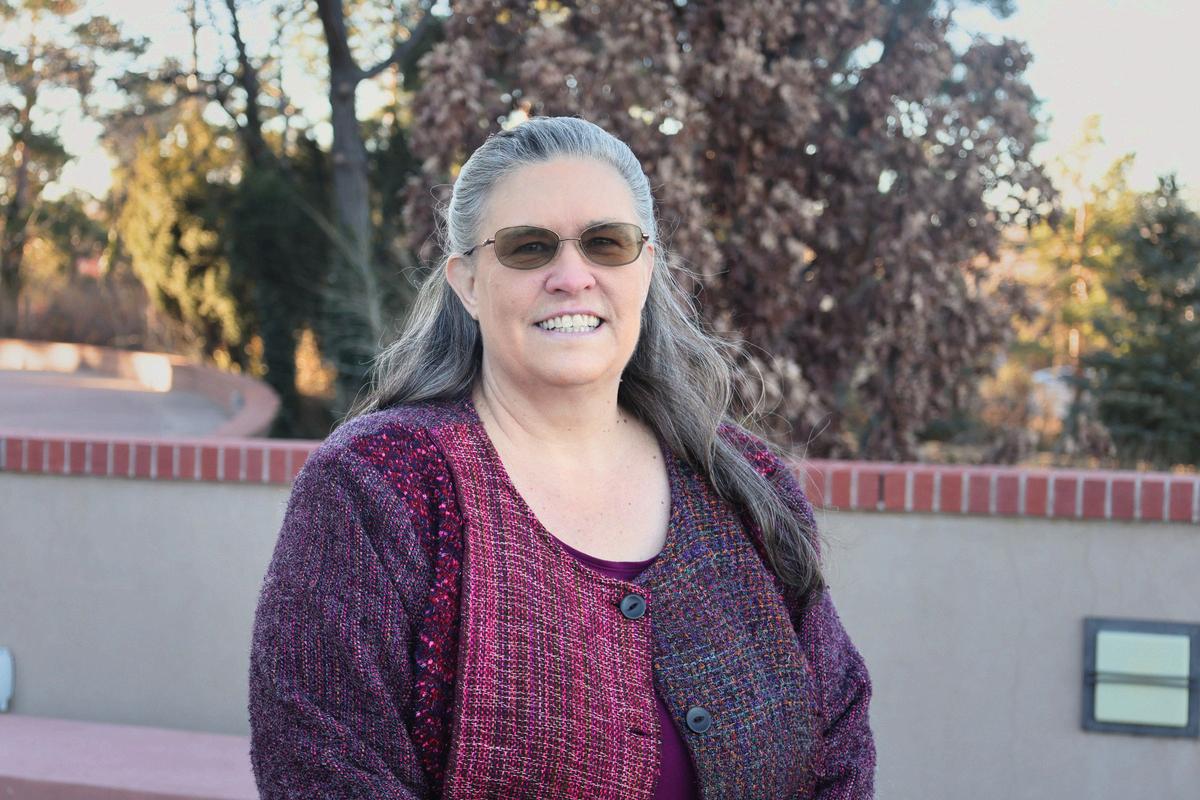
and early summer have kept NMCGA busy traveling across New Mexico.
Cimarron to Deming and Lovington to gton, we hosted regional meetings in r regions of the state These meetings
provided opportunities to discuss issues affecting producers, share legislative and regulatory updates, and gather valuable input from our members.
Another highlight this season was attending the New Mexico State FFA Convention NMCGA remains proud to support FFA, 4-H, and agricultural education programs that help strengthen the future of agriculture
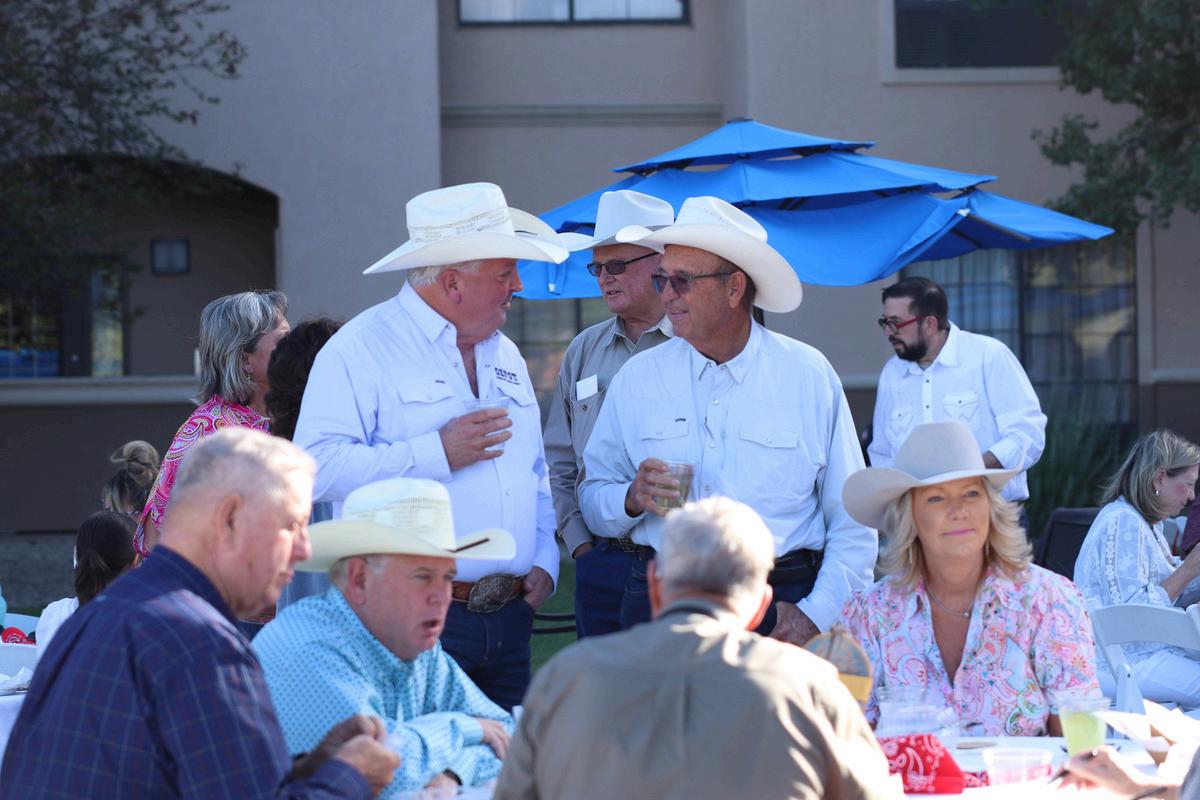
Thank you to everyone who attended the Mid-Year Meeting in Ruidoso. This year provided an excellent opportunity to reconnect with fellow producers, welcome new members, and discuss important industry issues We
also extend our sincere appreciation to our sponsors, whose support helps keep our programs and events affordable and impactful.
The 2026 interim committees are now underway, and we encourage members to stay engaged throughout the process Looking ahead to the 2027 legislative session, we anticipate continued discussions surrounding wildlife, water, and energy policy With a new Governor taking office, the coming session will be especially significant for agriculture, making producer involvement more important than ever
Planning is also underway for Joint Stockmen’s and Cattlemen’s College, and we look forward to sharing more details soon In the meantime, be sure to visit the NMCGA store and check out the latest apparel and gift items available for members and supporters.
2026

Each new calf crop is one of excitement and suspense You have worked through your cow herd each year picking the best maternal and physical traits You have chosen which heifers have earned the right to become replacement heifers, and you combed through pages and pages of sale catalogues, ranches sales, developed your own or continued the legacy of the perfect bull(s) to complement your herd Each year, each pairing is carefully planned to be better than previous years.
As the preparations are meticulously combed through for each pairing, there is another puzzle piece that is constantly at play that maximizes the gestational development and helps to ensure the calf is off to the right start at birth: Fetal Programming.
Fetal programming describes how the cow's nutritional status and stress load during important windows of gestation can shape the calf after birth (Funston et al , 2010; Moriel, 2016) That process starts before conception The oocyte that ovulates at heat has already been developing inside the follicle, and its quality is influenced by the cow's energy balance, body condition, health, and mineral status When nutrients are limited, reproductive performance is often one of the first losses producers see Controlled studies show how large that loss can be. Mature Hereford cows maintained on high energy before and after calving achieved 95% pregnancy, compared with only 20% pregnancy in cows restricted to low energy during both periods (Wiltbank et al , 1962) In two-year-old heifers, pregnancy rate 120 days after calving was 87% with high postpartum energy and 64% with low postpartum energy (Dunn et al , 1969) Body condition score reflects the same biology: cows calving below BCS 5 usually need more time to resume cycling and have fewer females ready to breed early in the season (Selk et al., 1988; Moriel, 2016).
Gestational nutrition matters beyond getting the cow pregnant Although most fetal weight gain occurs late in pregnancy, the foundation for placental function, blood supply, organ development, muscle, fat, and reproductive tissue is laid across early, mid, and late gestation (Du et al., 2010; Funston et al , 2010; Moriel, 2016) Studies summarized by NC State Extension show that nutrient restriction can reduce lung and trachea weight, while improved midgestation pasture increased weaning weight, slaughter
weight, hot carcass weight, and tenderness The University of Nebraska late-gestation protein work gives producers a dollars-and-cents example: cows receiving 1 lb/day of a 42% crude protein supplement produced steers with heavier weaning weights in all three trials (441 to 463 lb; 465 to 480 lb; 518 to 531 lb), heavier carcasses in two trials (764 to 804 lb; 802 to 819 lb), and, in the Larson trial, more carcasses grading Choice (71% to 86%) with higher marbling scores (444 to 493) (Stalker et al., 2006, 2007; Larson et al., 2009). Daughter performance followed the same pattern, with lategestation supplementation improving adjusted 205-day weight, lowering age at puberty, or increasing pregnancy rate in Nebraska heifer-progeny studies (Martin et al , 2007; Funston et al., 2010; Moriel, 2016).
Trace minerals are a critical part of turning a nutrition plan into fetal-programming results Copper, zinc, and manganese support enzyme systems involved in antioxidant protection, immune response, collagen and bone formation, hoof integrity, reproductive tissue function, and normal fetal growth (Suttle, 2010; NASEM, 2016) For New Mexico herds, forage and water testing often makes sulfur and iron more than background numbers Elevated sulfur and iron can antagonize copper status, and that pressure makes the whole trace-mineral program, including zinc and manganese delivery, worth closer attention In those conditions, the mineral tag may look adequate while actual absorption is less dependable
For that reason, mineral source and delivery deserve attention. Zinpro amino acid complex trace minerals and IntelliBond hydroxychloride trace minerals can be used as tools in a targeted program designed for antagonist pressure Amino acid-complexed minerals are intended to support mineral delivery through organic complexes, while hydroxychloride sources have been studied as alternatives to more soluble sulfate forms that may interact more readily in the rumen (Spears, 1996; Arthington and Spears, 2007) The goal is not simply to add more mineral; it is to deliver available copper, zinc, and manganese to the cow, placenta, fetus, and future replacement female. The next best generation is built before breeding and throughout gestation with forage management, energy, protein, and a tracemineral program matched to real ranch conditions
When NCBA releases policy priorities each year, usually “keep working lands in working hands” or some similar iteration of that phrase is included on the list On the surface it means what it says, keep range and pastureland open to cattle production but digging deeper, it really means protecting and expanding grazing access Much more goes into this work than that simple phrase suggests, it is a multi-faceted approach involving all three branches of government and significant advocacy work by NCBA
One of the most recent grazing access victories is the Bureau of Land Management (BLM) “Public Lands” rule, that threatened the future of western cattle grazing and NCBA fought in federal court as well as worked with the Trump administration to repeal This was a huge, highly publicized win for all producers, but NCBA is constantly working on advancing incremental policy changes to achieve this goal Further expanding grazing access not only helps increase the amount of cattle on the landscape but also helps to maintain millions of acres of open rangeland and prevent the catastrophic wildfires that have raged across the country over the last several years Last month, the rule rescinding the “Public Lands” rule was finalized and goes into effect on June 11, 2026 This full recission is great news for public lands management across the West and NCBA will l continue to defending grazing access and the multiple use mandate from those that want to see cattle removed from the landscape Earlier this year, two grazing bills that are backed by NCBA, advanced from the Senate Committee on Energy and Natural Resources with bipartisan support The first bill is the Strategic Grazing to Reduce the Risk of Wildfire Act, sponsored by Senators John Curtis (UT) and Catherine Cortez Masto (NV) This legislation would grant temporary grazing permits to ranchers, utilizing cattle to reduce the amount of grass on rangeland, especially near populated areas, to help prevent catastrophic
A NMCGA MEMBERSHIP PROGRAM
fires. NCBA has been working to get this bill passed because not only is cattle grazing proven to reduce the risk of catastrophic wildfire, but grazing also reduces the intensity and speed of fire if one breaks out
The second bill that recently passed out of the Senate ENR Committee with bipartisan support is the Fix Our Forests Act This legislation will help unleash the conservation prowess of producers by cutting removing regulatory barriers that have historically limited the ability to use grazing as a tool to prevent catastrophic wildfire on federal lands This effort has support across the political spectrum and the companion bill, sponsored by House Natural Resources Chairman Bruce Westerman (AR)
and Rep. Scott Peters (CA), passed out of the House earlier this year NCBA Vice President and Oregon rancher Skye Krebs recently discussed the benefits of the Fix Our Forests Act, saying: “Cattle producers need timely access to rangeland to manage their herd and reduce fuel loads that contribute to out-ofcontrol wildfires This bipartisan effort will help prevent catastrophic wildfires by expanding grazing, limiting frivolous lawsuits and giving local stakeholders a larger voice in land management NCBA thanks Chairman John Boozman and Ranking Member Amy Klobuchar for working to advance legislation that gives more grazing access to ranchers and prevents wildfires ”
NCBA has been working to build a bipartisan coalition in Congress to expand grazing access for years and within the last several months there has been significant progress made Even though the established science is clear that grazing can reduce wildfire risk by up to 80 percent, it has taken time to educate Congress on this topic and bridge the partisan divide that has stopped grazing legislation in the past Due to the relentless work of NCBA to promote the benefits of grazing, the tides are turning and increased grazing access is now within reach
The Roundup Club is the New Mexico Cattle Growers’ Association member recruitment program that recognizes the work of members that show diligence and commitment to building a stronger organization.
Grand Prizes
Grand prize drawing will be held once a year at the Joint Stockmen’s Convention. For every new member you recruit, an additional entry will be put into the drawing.
NMCGA Store Discounts
1-4

How do you become a member?
By recruiting a new NMCGA Member by December 1, 2025. New Member must mention your name when paying dues.
2026 Roundup Club Members
Nelson Shirley - 1, Shonda Welty - 1, Danny Fish - 1, Tom Paterson - 4, Marjorie Lantana - 2, Daniel Tenorio - 1, Marty Lavender - 1, Ashley Thompson -1, Casey Spradley -1, Dan Estrada -4, Draper Brantly - 1, Dustin Johnson -2, Jeff Decker -2, Shane Altizer -1, Sterling Hendricks -1, WC Sibley -1, Jim Thorpe -1

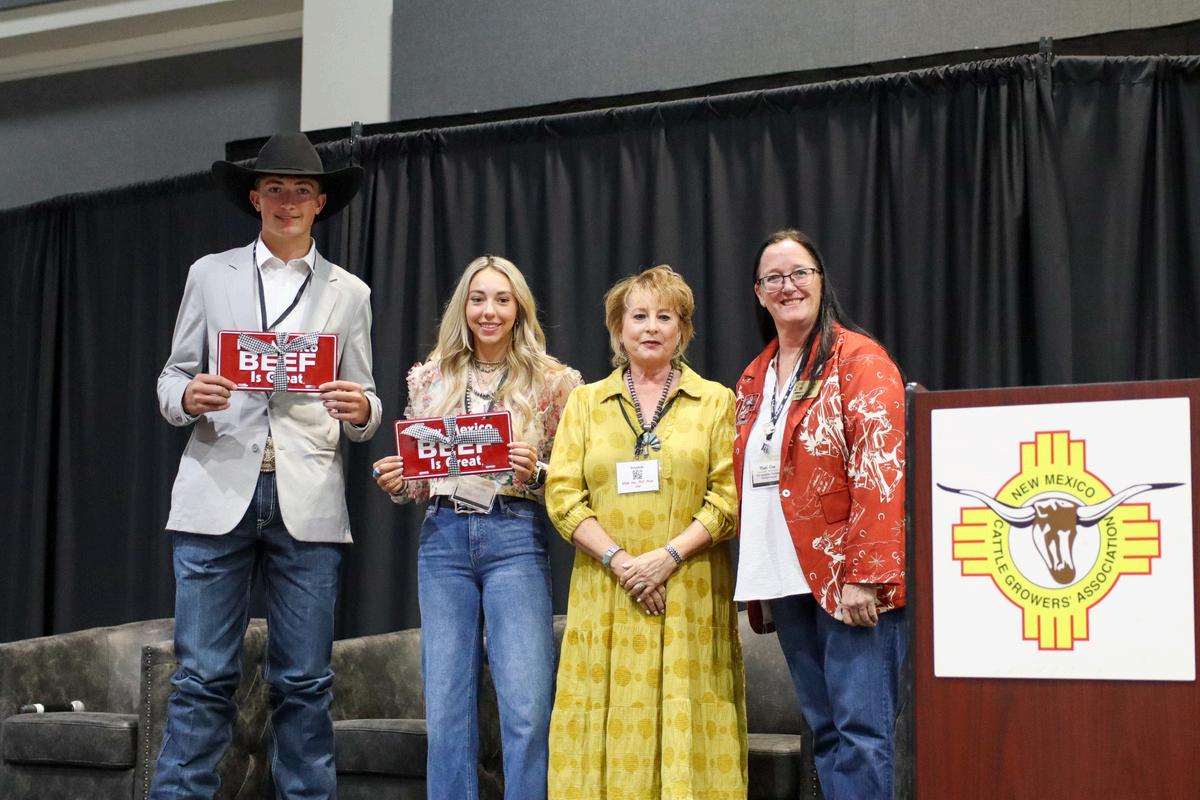
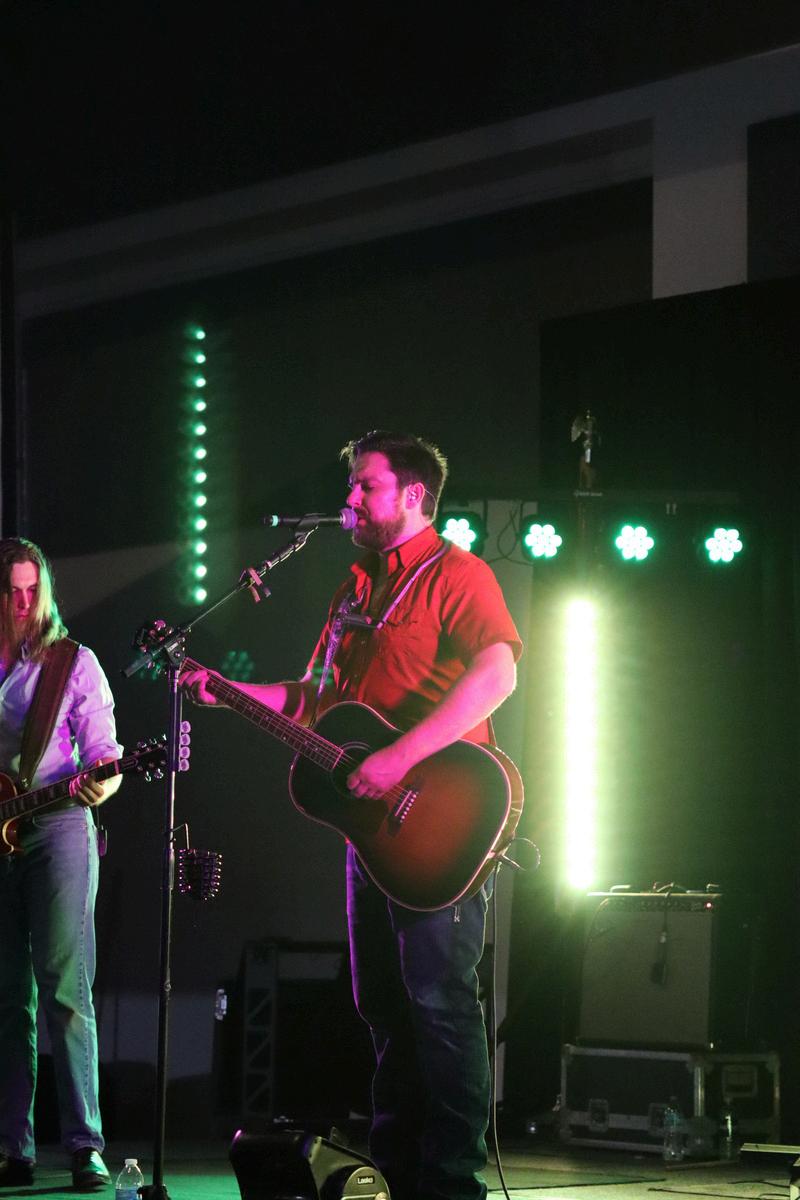
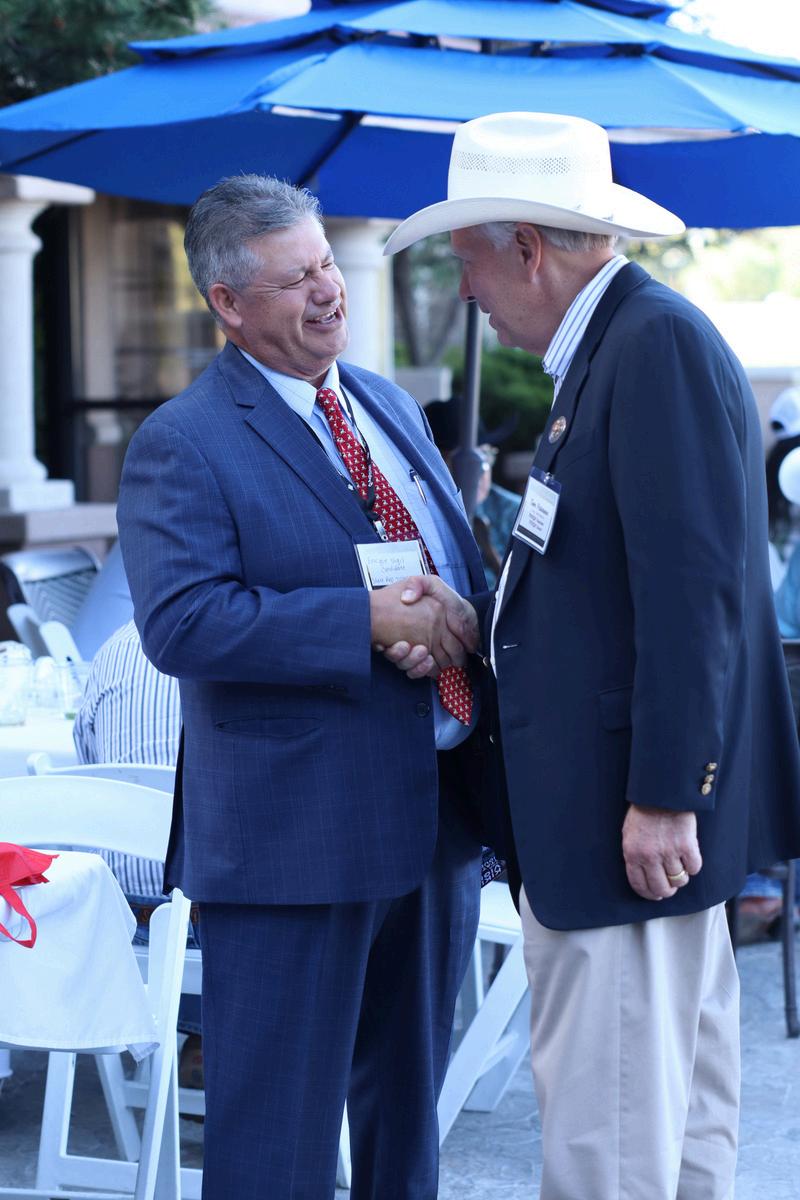
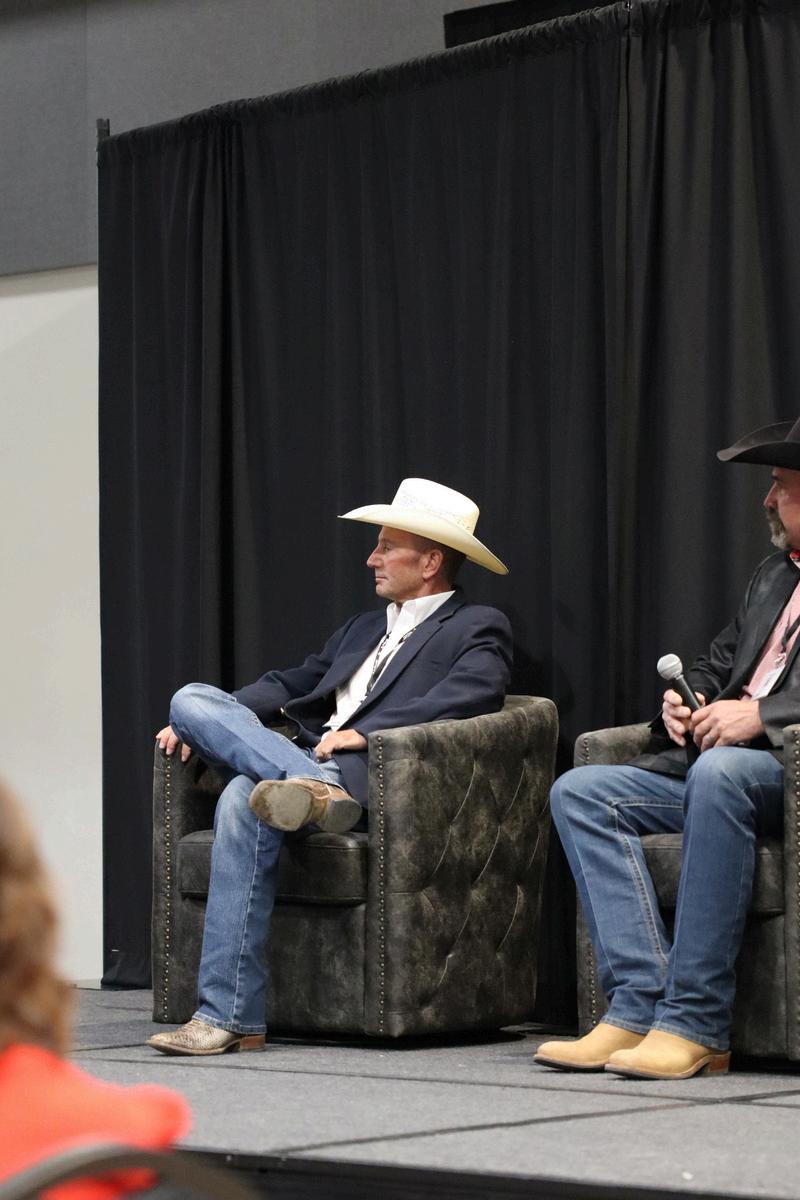
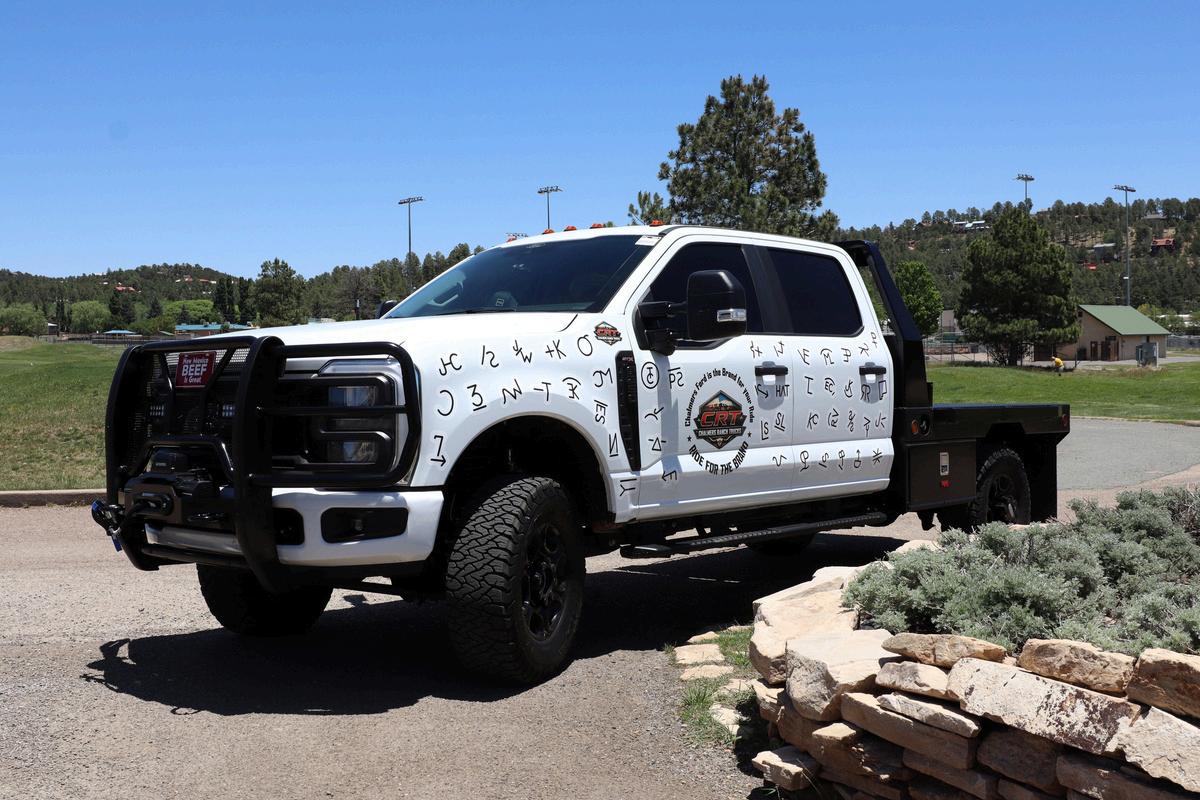
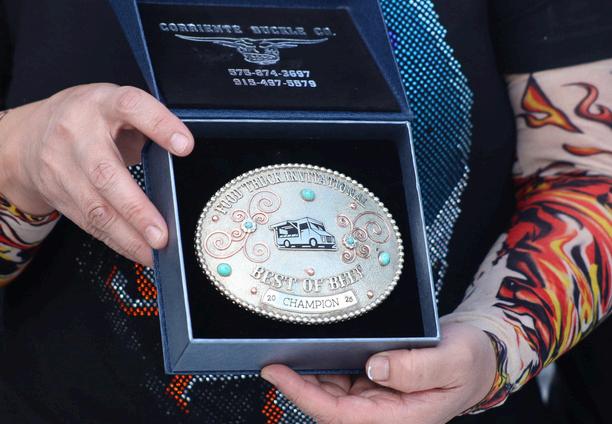

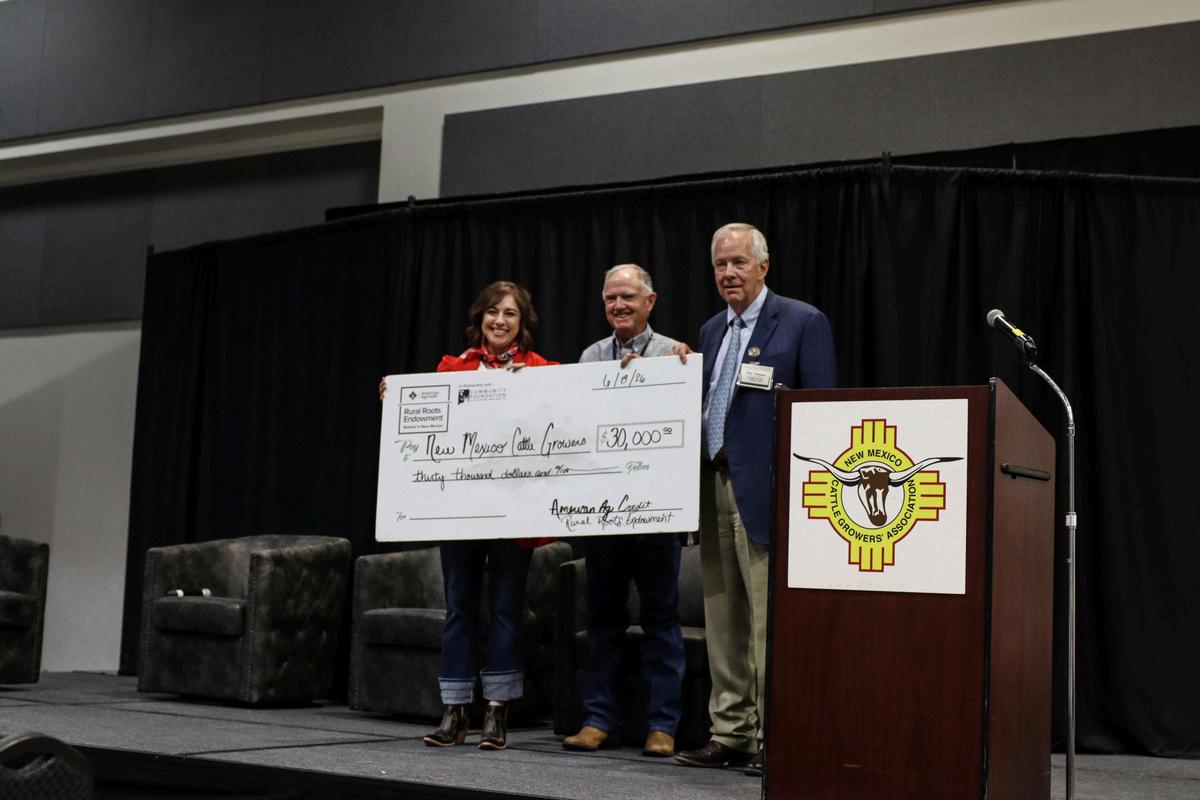
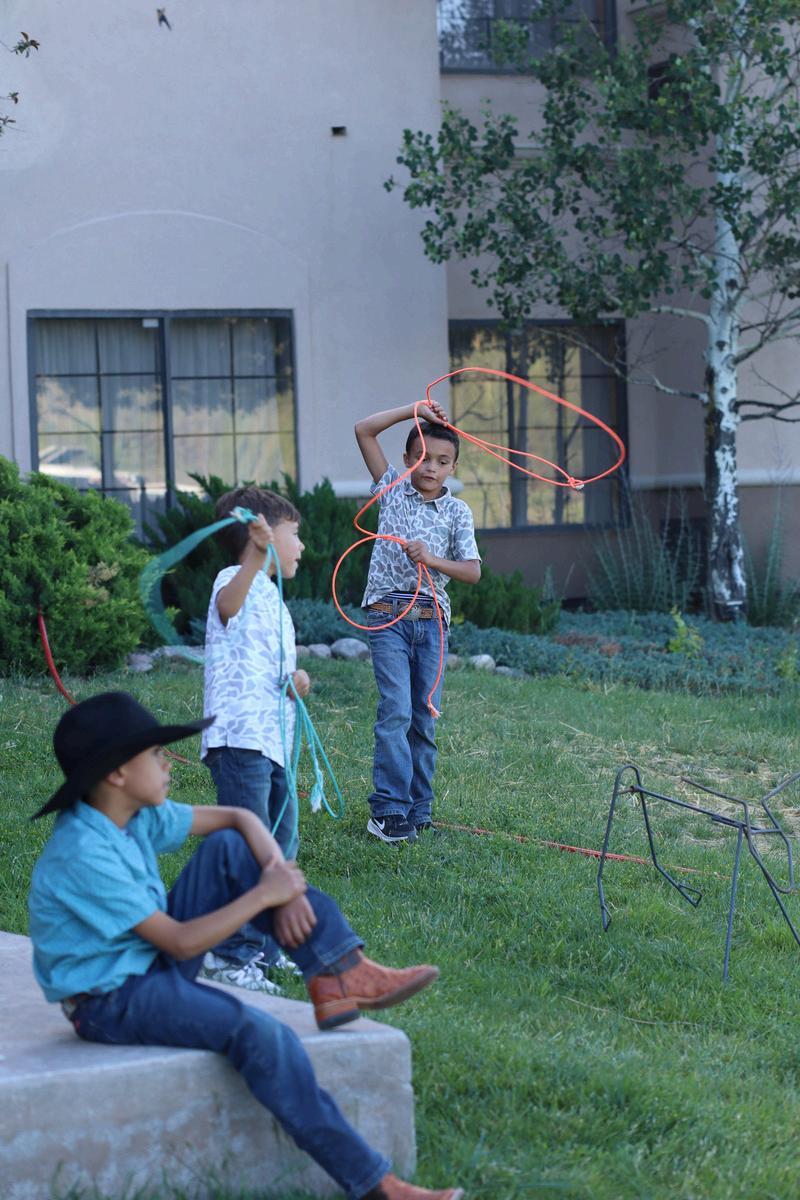

Supporting farmers’ markets means investing directly in New Mexico’s farmers, ranchers, and food producers Every dollar spent stays closer to home, strengthening rural economies and helping multi-generational farms continue their work. Local producers rely on community support to offset rising costs of water, feed, fuel, and supplies When you buy directly from growers, you help sustain farmland, preserve open spaces, and protect the traditions that define agriculture in our state

Storm season has arrived in New Mexico, bringing the majority of the state's annual rainfall between May and October During this time, severe weather events such as high winds, hailstorms, and lightning can cause significant damage to homes, barns, outbuildings, vehicles, and other property
Lightning strikes can also spark grass fires that may damage landscaping, fences, and structures Now is a good time to review your agribusiness insurance policy and make sure your valuable assets are properly protected
Covered property should be specifically listed, or "scheduled," on your insurance policy This may include your home, barns, outbuildings, fencing, solar panels, livestock, equipment, and other assets If you have questions about your coverage or need assistance filing a claim after a storm, our team is here to help guide you through the process
Autos & Trailers
If you purchase a new vehicle or trailer, please contact our office as soon as possible to have it added to your auto insurance policy
Comprehensive and Collision (Physical Damage) coverage is not automatically provided unless the vehicle or trailer is reported and added to the policy
Trailers with a Gross Vehicle Weight (GVW) exceeding 2,000 pounds must be listed on your policy for liability coverage Physical damage coverage is available as an optional addition. To add a vehicle or trailer, we will need the year, make, model, Vehicle Identification Number (VIN), and current value If the unit is financed, we will also
need the full name and address of the finance company
Trailer liability coverage can start at approximately $75 per year, depending on the unit. Premiums vary based on factors such as the year, make, model, value, and intended use Semi-trucks and commercial trailers generally carry higher premiums due to their size, weight, operating radius, and replacement cost
Don't forget to ask about liability coverage for your ATVs and other recreational vehicles
Since 1980, Insurance Services of New Mexico has proudly served the state's ranching and farming communities Our experienced team is dedicated to providing reliable insurance solutions and personalized service Through our commitment to our customers, we have earned the trust of agricultural producers across New Mexico, including members of the New Mexico Cattle Growers Association
We work for you.
www insurancenm com
Sincerely,
Jim Lyssy President Insurance Services of
New Mexico, Inc
DO YOU HAVE A SALE COMING UP?
Send in your sale dates to be included in next NMCGA Journal sale calendar by the 1 of the month prior to abby@nmagriculture org st
NMCGA will only include sales made known to them by the first of the month prior to the issue submitted by members of the association
FALL BOARD MEETING SEPT. 22, 2026 JOINT STOCKMEN’S DEC 9-12, 2026
4G Mountain Angus
A Lazy 6 Ranch
B&H Herefords
Bar J Bar Hereford Ranch
Bill King Ranch
Bradley 3 Ranch
Brennand Ranch
Clavel Ranch LLC
Copeland & Sons
Corn Herefords
Cornerstone Ranch
Cox Ranch Herefords
Grau Ranch
Henard Partnership
Hubbell Livestock Co.
Int Brangus Breeders Assn
Hartzog Angus Cattle
J-C Angus Ranch
Lack Morrison Brangus
Las Madres Ranch
Lavender Brangus
Manzano Angus McKenzie Angus
Miller Angus Perez Cattle Co
Red Doc Farm
Slash 3C Ranch
T-4 Cattle Co
Tequesquite Ranch
Townsend Brangus
USA Ranch
Westall Ranches
NEW MEXICO SALE BARNS
Roswell Livestock Auction
Cattlemen’s Livestock Auction
Valley Livestock Auction
Santa Teresa Livestock Auction
Clovis Livestock Auction
Five States Livestock
Cow House Auction
Dexter Livestock Commission
Landmark Livestock Auction
Las Vegas, NM
Ribera, NM
Mesilla, NM
El Paso, TX
Moriarty, NM
Memphis, TX
Pinon, NM
Roy, NM
Nara Visa, NM
Roswell, NM
Fort Sumner, NM
Winston, NM
Grady, NM
Tatum, NM
Quemado, NM
Adkin, TX
915-490-1817
575-421-1809
575-644-6925
915-549-2534
505-220-9909
806-888-1062
575-687-2185
505-485-2591
575-403-8123
575-420-3630
575-355-2803
575-743-6904
575-760-7304
575-649-5268
505-469-1215
210-696-8231
806-825-2711 Farwell, TX
Moriarty, NM
505-379-8212
575-482-3254 Clovis, NM
Santa Rosa, NM
Melrose, NM
Estancia, NM
Ft Stockton, TX
Floyd, NM
Nara Visa, NM
Belen, NM
Las Cruces, NM
Tucumcari, NM
Albert, NM
Milburn, OK
Albq, NM
Carlsbad, NM
575-472-5864
575-714-3094
505-705-2856
915-637-3845
575-478-2398
575-633-2222
505-980-5093
575-649-5268
575-868-2475
575-673-2208
505-347-2550
575-638-5435
575-316-2071
Roswell, NM
575-622-5580
Belen, NM 505-864-7451
Albuquerque, NM 505-877-0723
Santa Teresa, NM 915-843-0132
Clovis, NM 575-762-4422
Clayton, NM 575-374-2505
Kirkland, NM 505-801-8393
Dexter, NM 575-624-2697
Mesquite, NM 575-635-4173
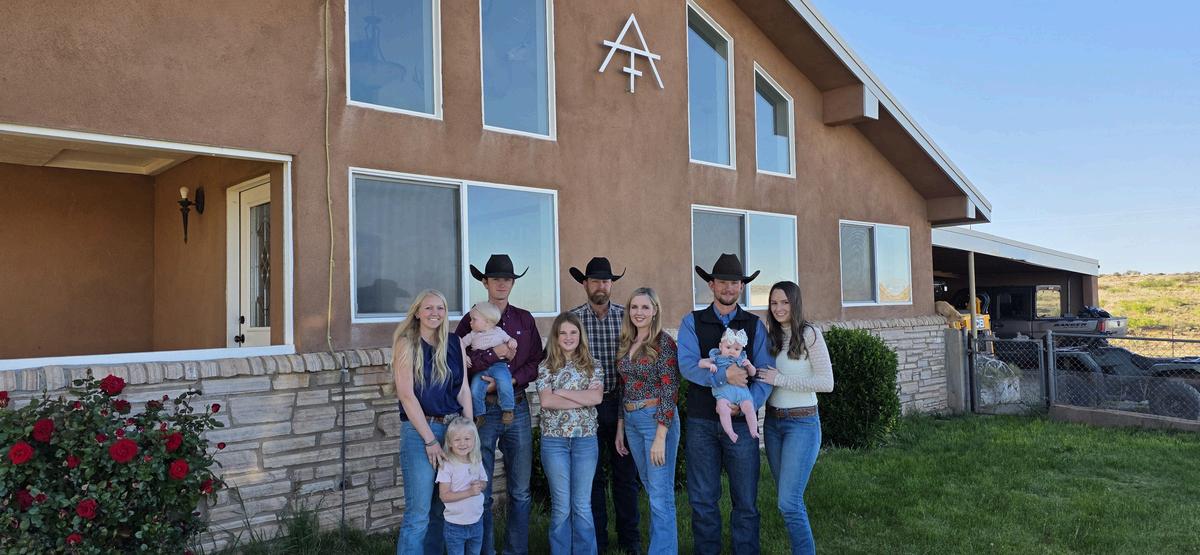
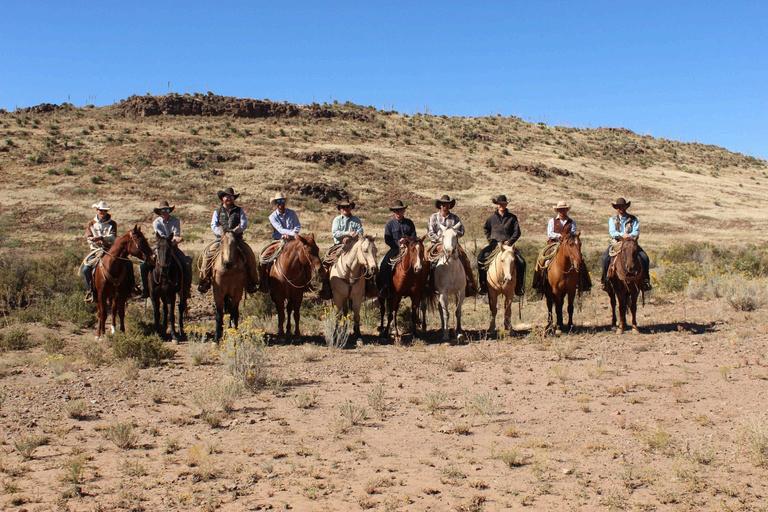
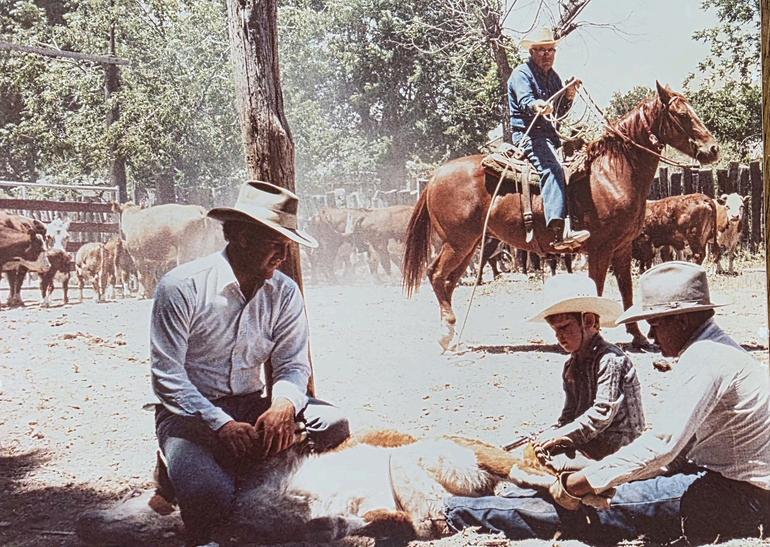
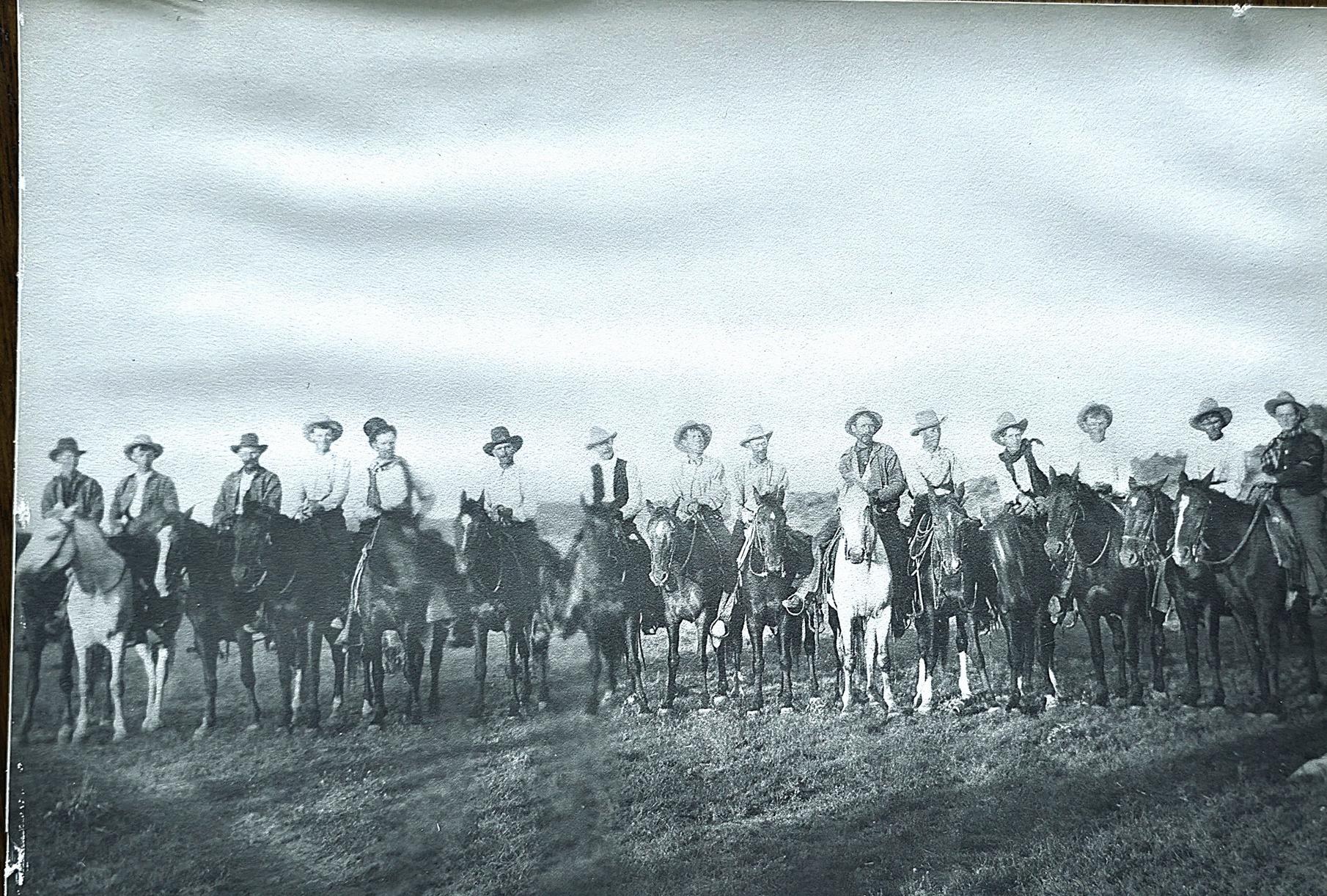
The A T Cross Cattle Company is a 7th generation commercial cow calf operation located near Silver City, NM The ranch was started by Dan McMillen In the spring of 1878, he and several partners drove a herd of purchased cattle out of Chihuahua, Mexico to the Mule Creek area In 1884, he settled in the Mangus Valley and started using the A T Cross Brand. In that era, Apache raids, rustlers and outlaws were common. Dan lost a brother, and at least one other family member was killed by gunshot wounds. Since that early time period, four generations of McMillens have passed. Each had their own very interesting and unique challenges ranching in different eras. Their land holdings fluctuated in size and locations within Grant County. Elmo McMillen (1884-1958 ) was the 2 generation, followed by Bill McMillen (1914-2003). In 1959, Bill’s daughter Darlene McMillen (19411998) married Gerry Billings (1942-2020). Today, the ranch is owned by Billy (wife Rhonda) his sister Judy, and his son Wayne (wife Lucinda) Billings
nd Wayne and Lucinda as well as their children: Justin age 23 (wife Cameryn) , Carson age 21 (wife Hailey), and Jennifer age 11 currently manage the A T Cross In addition, they lease the 2C Ranch east of Hurley, and the L S Spires ranch east of Mule Creek The full time crew also consists of Steele McDonald and Brandon Brown Both of these men’s families have been friends for decades Over the years the McMillen and Billings families have been blessed with so many good neighbors
The outfit runs Angus and Angus/Hereford cross cattle Most calves are branded in spring and sold right off the cow in the fall through private treaty buyers or video auctions. The outfit is operated as traditionally as possible. Justin and Carson are both married with children of their own now. Their kids will most likely become the 8th generation to put the A T Cross brand on a calf!