
Dear Cattle Growers,
The first two months of 2026 were busy and productive for your New Mexico Cattle Growers’ Association
During the 30-day legislative session, our team was on the ground in Santa Fe every day,
testifying in multiple committees, meeting with lawmakers, and working hard to protect New Mexico ranching Dan Estrada did outstanding work in the halls, and we are deeply grateful to the many members who called, emailed, and showed up to make your voices heard
Tom Paterson
President
832-640-1152
Dan Estrada
President - Elect
505-652-0195
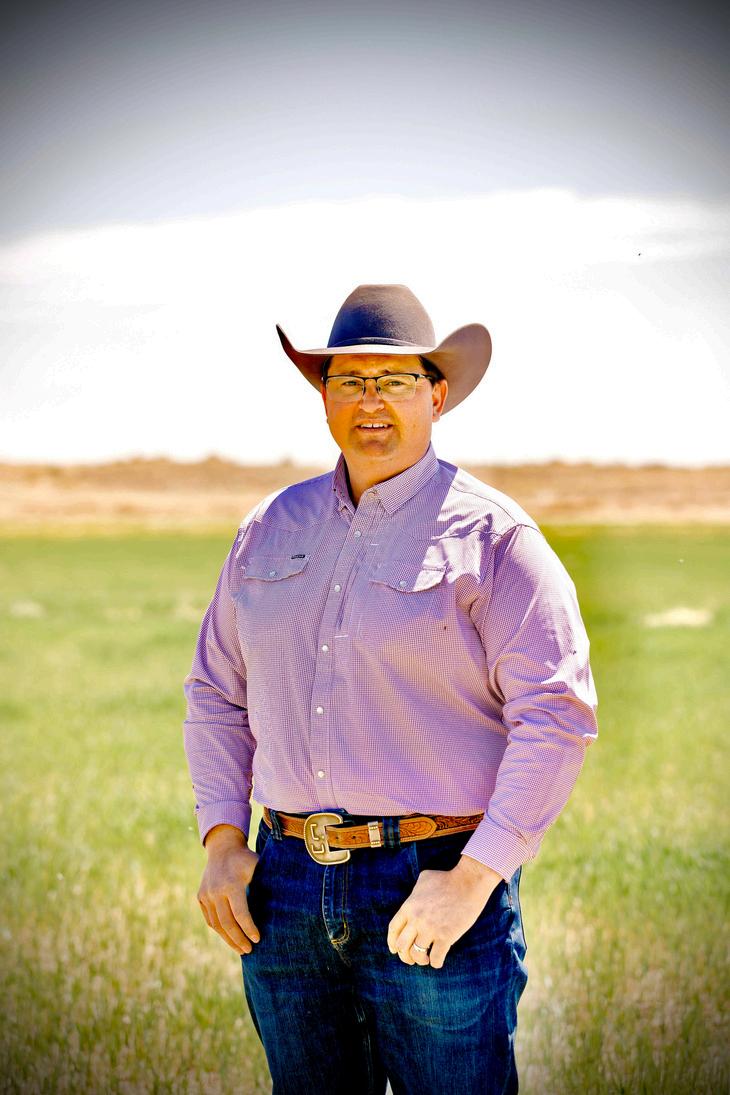
Marshal Wilson
Vice President at Large
575-543-7838
Dave Kenneke
NE Vice President
575-447-2366
Jeff Decker
SE Vice President
575-399-4464
Tracy Drummond
SW Vice President
575-313-1606
Marjorie Lantana
NW Vice President
505-860-5859
Tamara Hurt Secretary Treasurer
575-546-7775
Bronson Corn
Immediate Past President
575-420-1375
Mid-session, Abby and I represented you at NCBA’s convention in Nashville, meeting with cattle leaders nationwide and senior officials from the BLM and Forest Service on grazing regulations, public-lands issues, and on-going litigation We also gathered new ideas to strengthen our programs ahead of Joint Stockmen’s this December
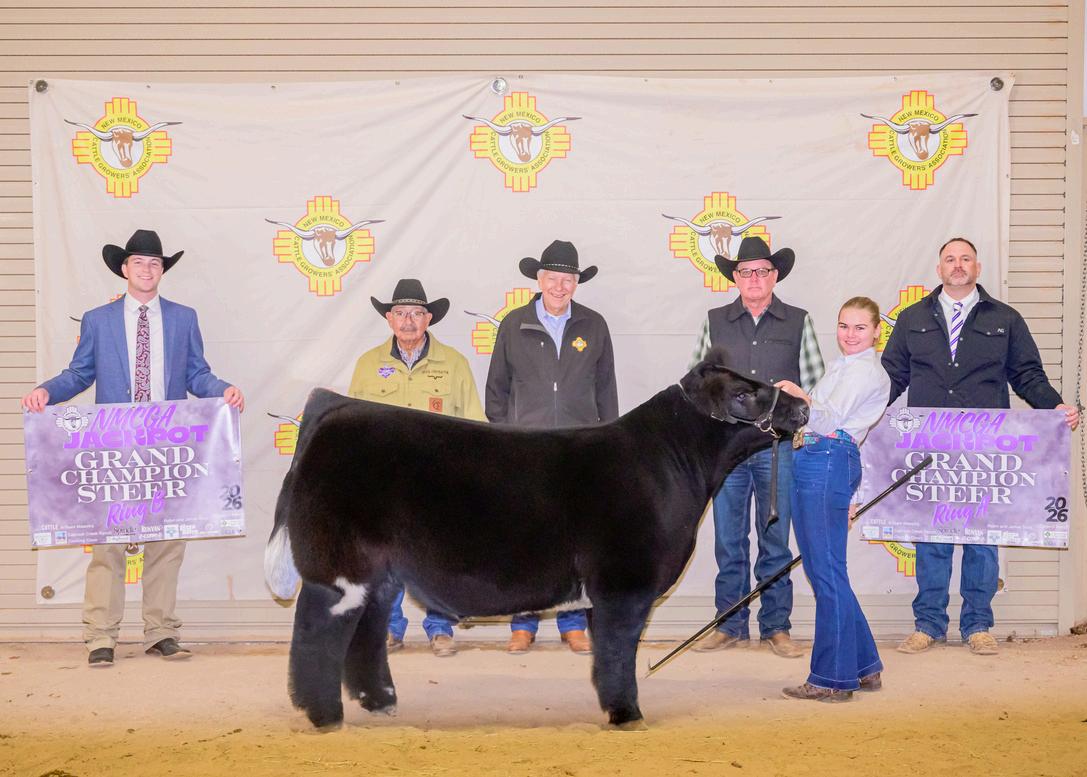
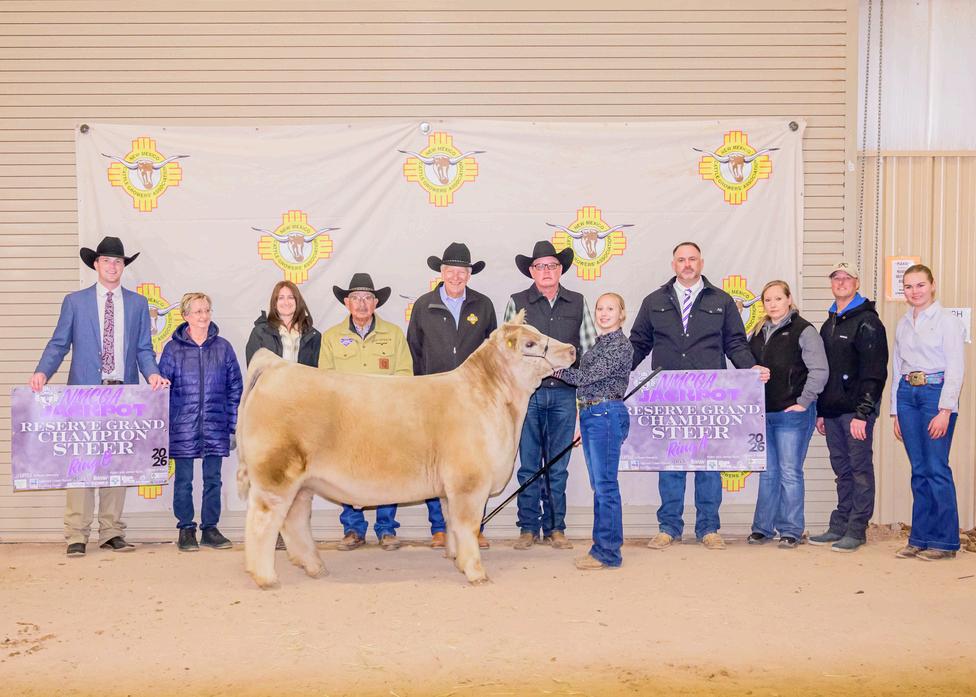
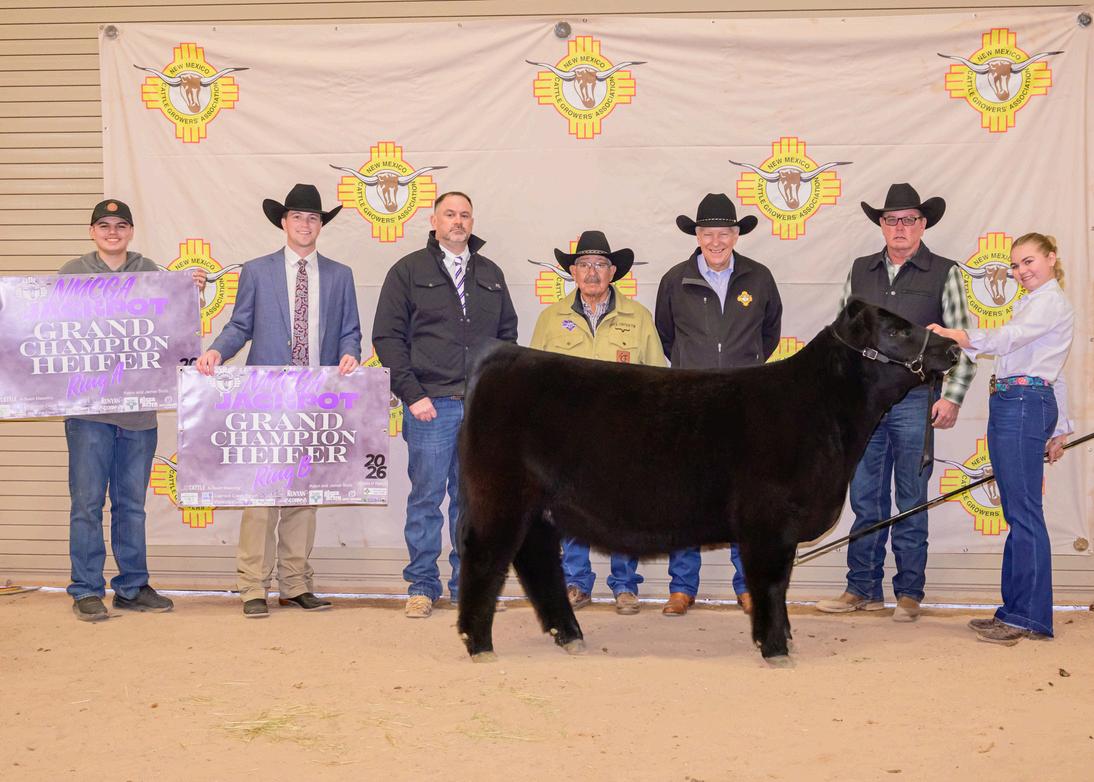
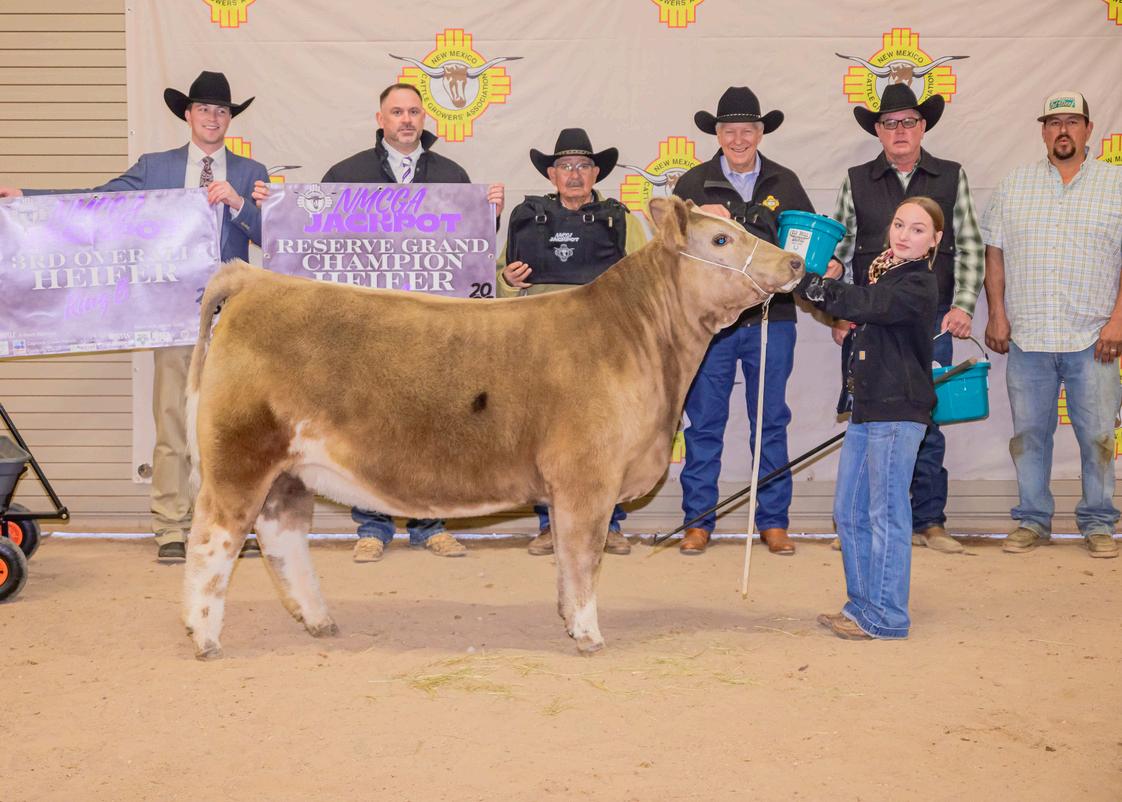
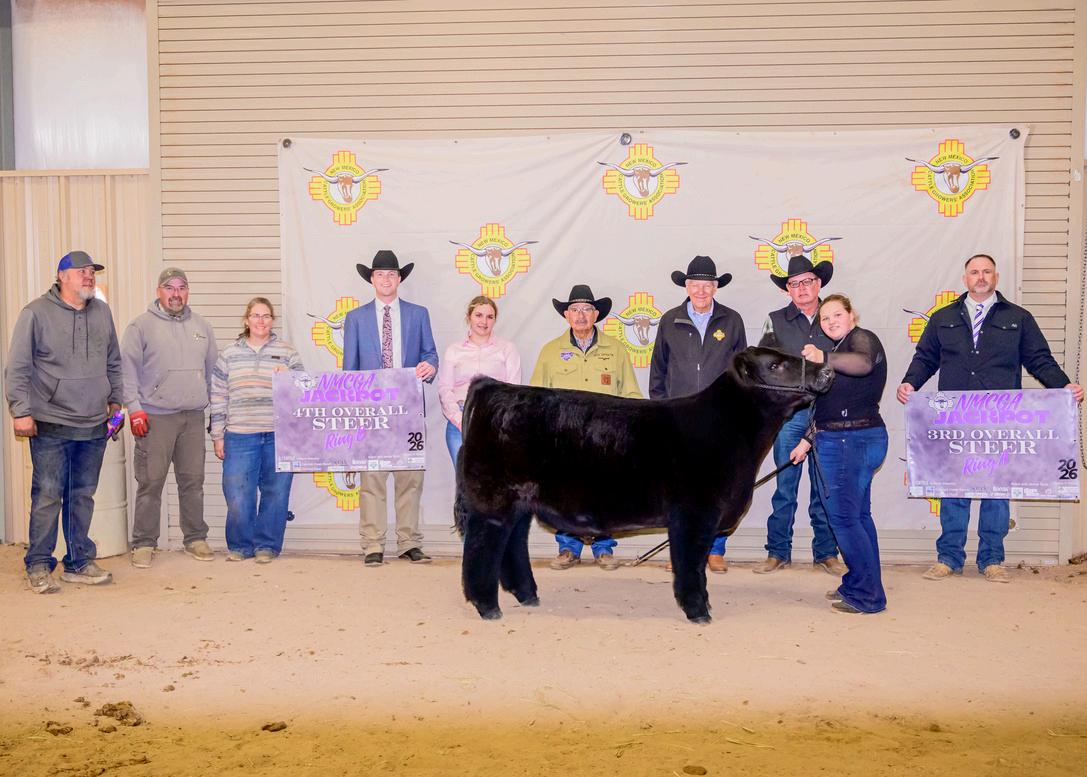
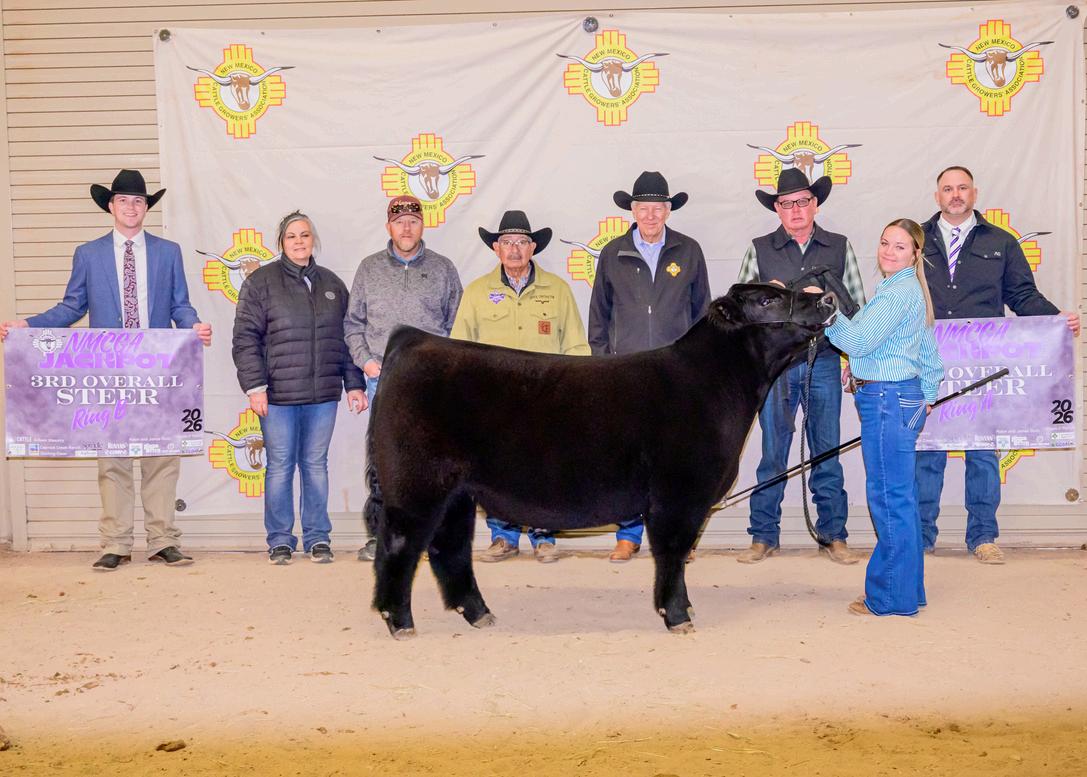
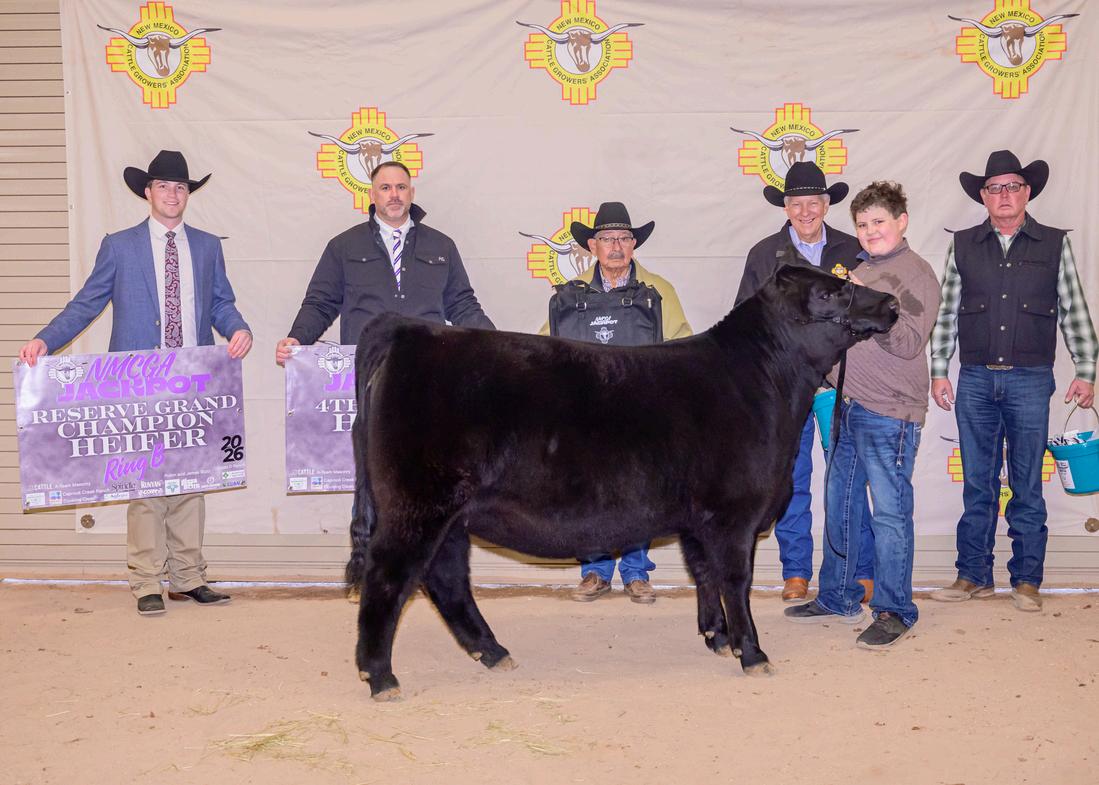
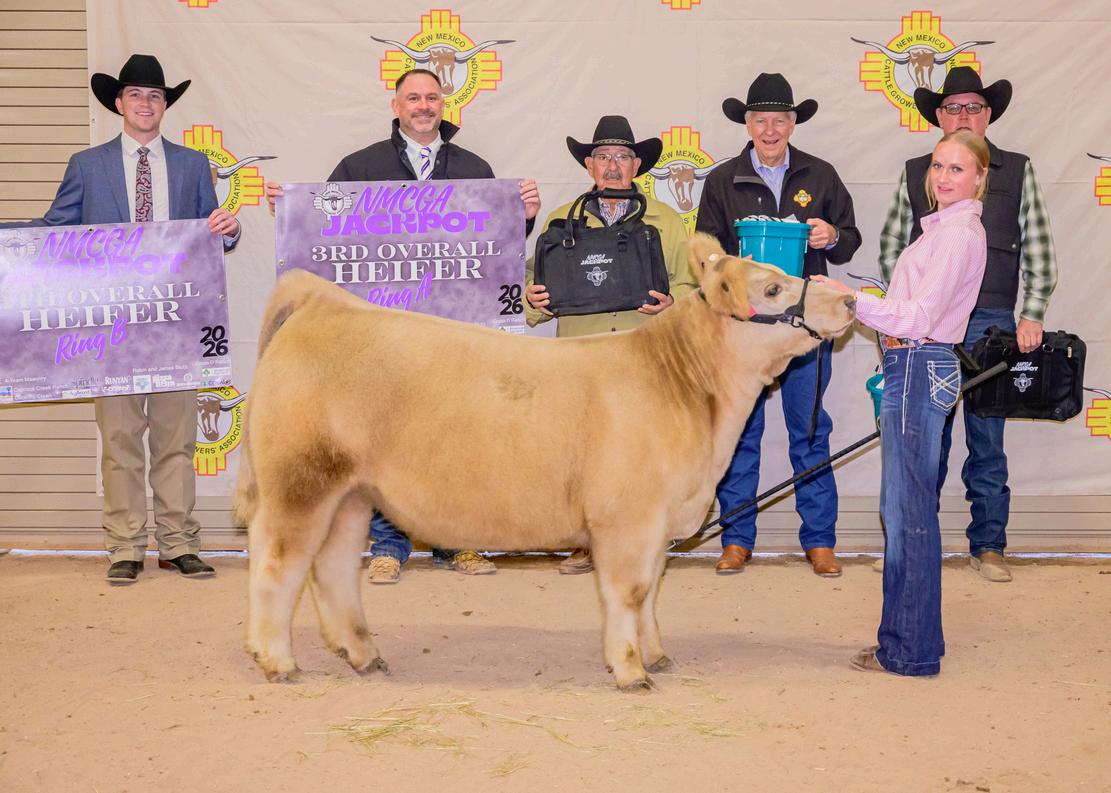
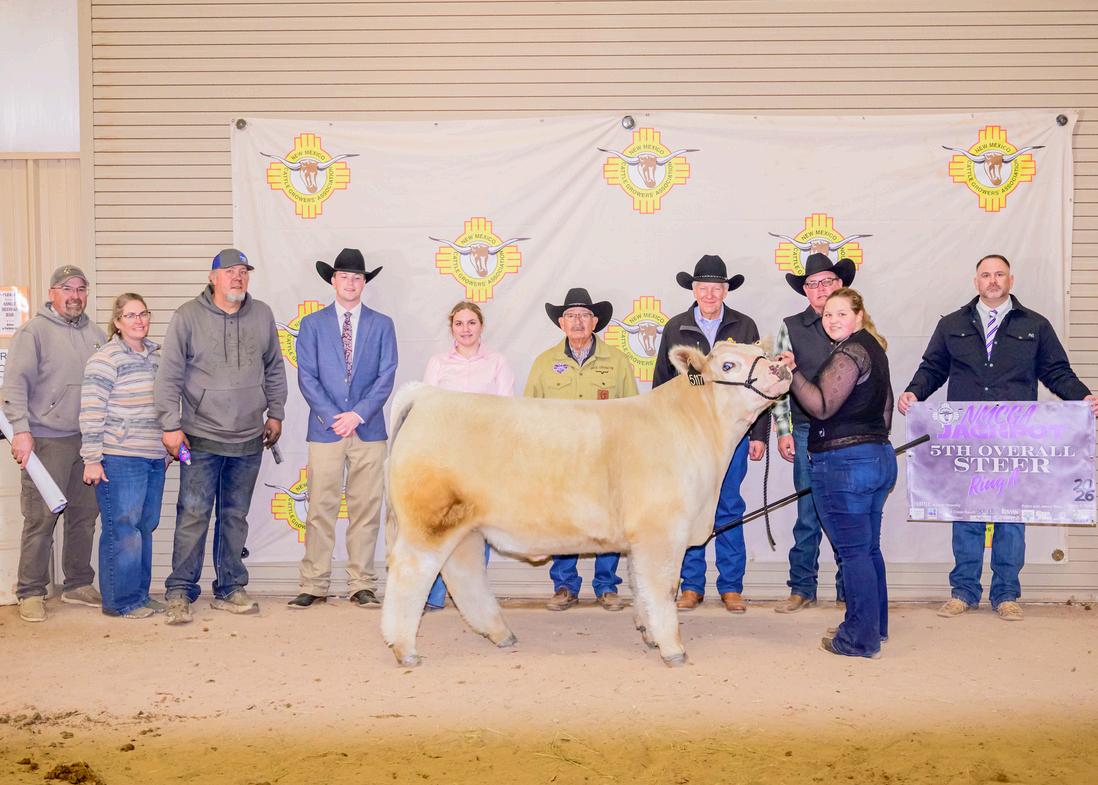
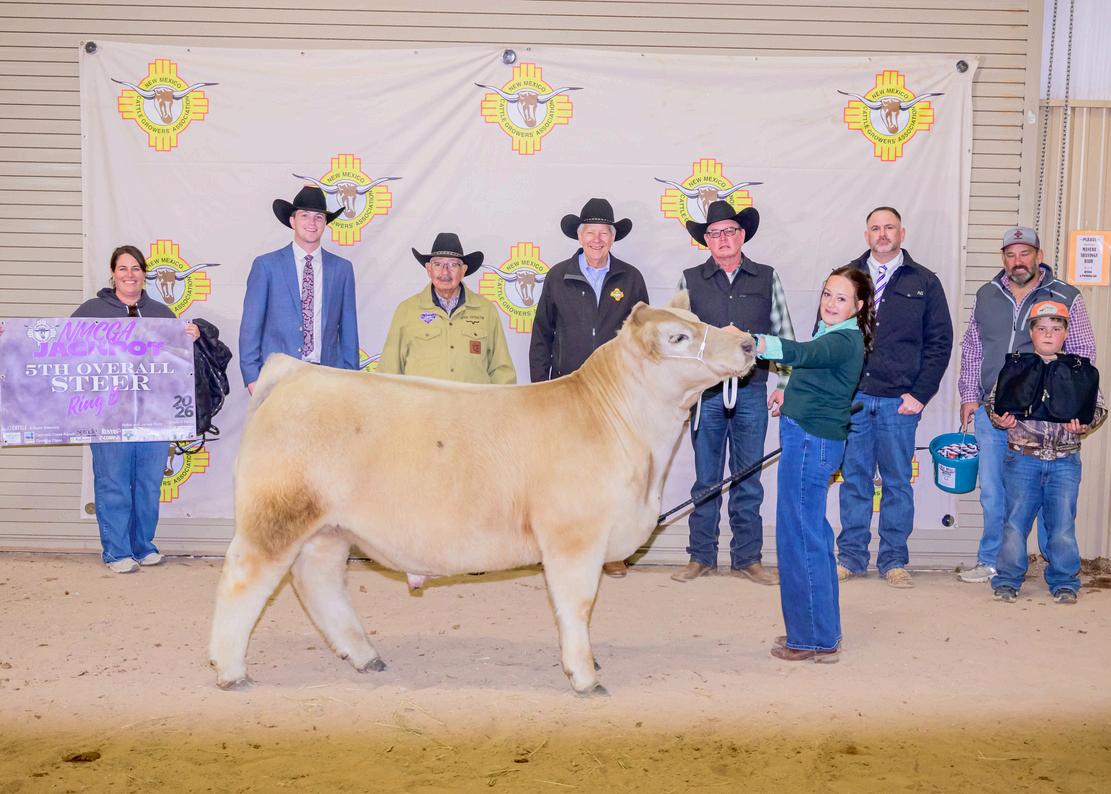
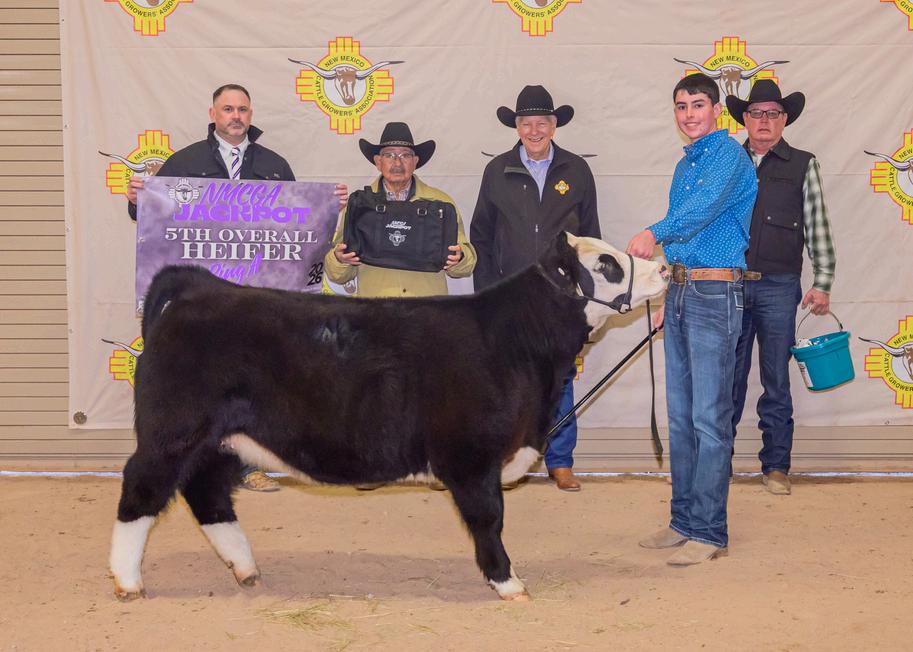
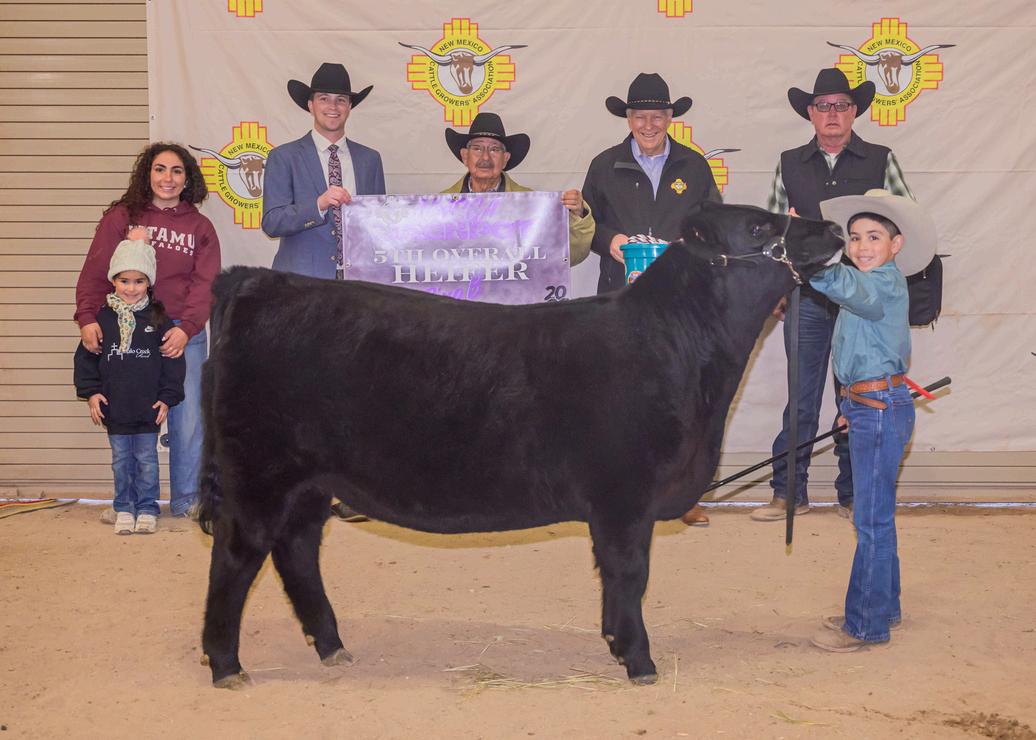
Back home, we hosted the Linda Davis Leadership Academy meeting, committee training, our legislative dinner, a Santa Fe board meeting, and Roundhouse visits We also celebrated a tremendous success at the Cattle Grower Jackpot in Stanley 72 entries and 37 new members The event ran flawlessly
Looking ahead, regional meetings begin in April, culminating in our Mid-Year Meeting in Ruidoso, June 7–9. At Mid-Year, you’ll hear long-range weather outlooks, beef-cycle and market projections, policy updates, and briefings on new grazing regulations practical tools you can use on your operation
Fire danger this spring may be high We are working with partners on prevention measures and strengthening relief resources should they be needed. Please remain cautious on the road and on the range. Your Association is advocating, educating, developing leaders, and preparing producers for the challenges ahead With your continued support and by encouraging others to join we will keep moving New Mexico’s cattle industry forward, together
Thank you for the privilege of serving you.
Adelante juntos,
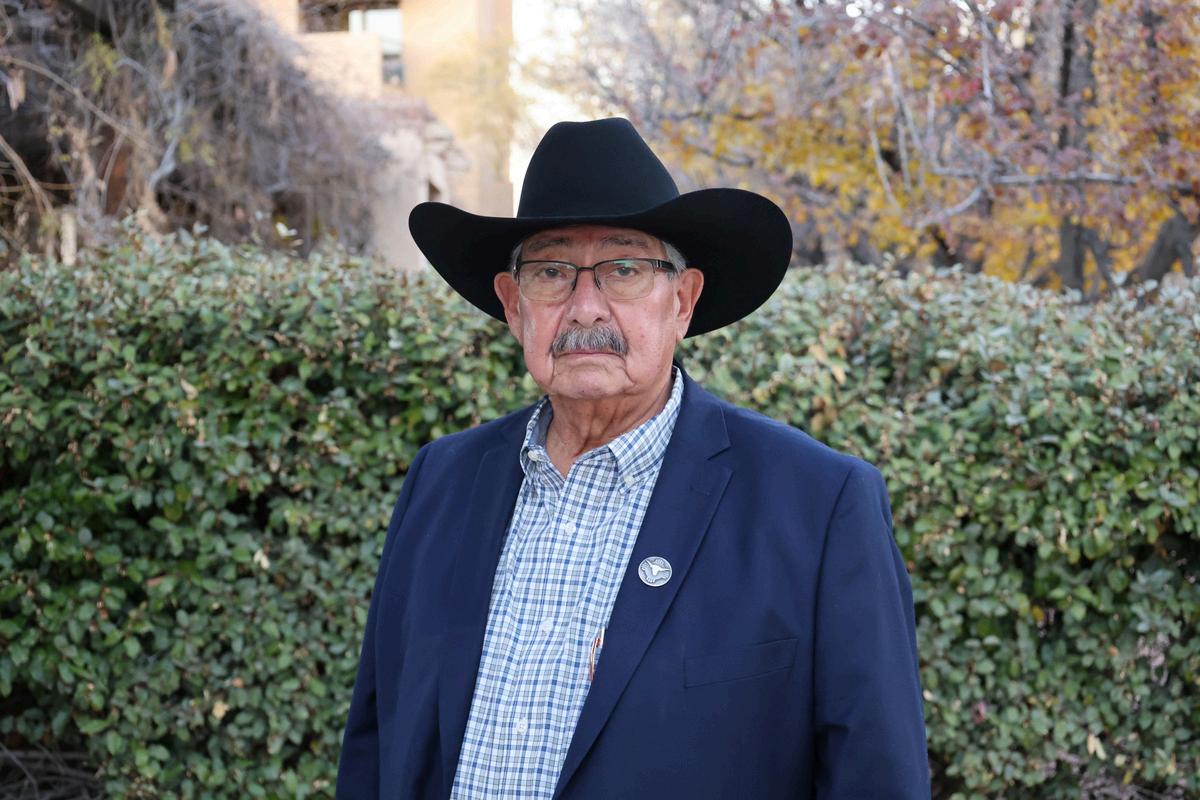
During the 2026 session of the New Mexico Legislature, I attended hearings, committee meetings, and floor sessions on behalf of NMCGA to advocate policies impacting livestock producers across the state Our focus was on legislation affecting agricultural funding, risk management, regulatory policy, and sustainable practices for ranching and farming communities Throughout the session, we met with legislators and other stakeholders to ensure that the voice of New Mexico cattle producers was present and considered These efforts strengthened relationships at the Capital and reinforced the NMCGA commitment to sustainable, responsible, and practical agricultural policy
One of the highlights during the legislative session was meeting the participants of the Linda Davis Young Cattlemen’s Leadership Academy These impressive individuals brought enthusiasm, professionalism, and a genuine commitment to the future of agriculture. They expressed sincere appreciation for the opportunity to observe the legislative process firsthand, engage with policy makers and gain a deeper understanding of the issues affecting cattle producers and farmers across New Mexico Their presence was both encouraging and inspiring, reinforcing confidence in the next generation of agricultural leadership
Loren Patterson Past President
575-937-5458
I have been exploring new ideas to grow our membership. NMCGA has set up booths at the Manzano Angus Bull Sale in Estancia, the Demand the Brand Copeland and Sons Annual Bull Sale in Clayton, and the Tucumcari Bull Sale The booths featured membership applications and NMCGA merchandise, providing a great opportunity to connect with producers and share the benefits of joining our organization
The 2026 legislative session provided invaluable opportunities to represent New Mexico producers, create and strengthen relationships with policymakers, and engage with the next generation of agricultural leaders I am committed to continuing these efforts and supporting the growth and engagement of the NMCGA for the benefit of all producers across the state

The USDA cattle inventory report stated that the beef cow herd declined 280,000 head as of January 1, 2026, compared to the year prior It also reported that the dairy cow herd increased 190,000 head The combination of these two will lead to a smaller calf crop for 2026. The Mexican border remains closed for cattle to be imported into the USA It looks more likely that the border will not reopen until later in 2026
There has been concerns that the fed cattle packing operation in Greeley Colorado operated by JBS, the employees would go on strike As both the employees and JBS have been negotiating since last summer to come to terms with a new contract.
The fed cattle slaughter is now projected to be down 900,000 head for the year The market will need to continue to ration the usage of the fed cattle supply If a prolonged event, like a strike at JBS, further reductions in slaughter would likely develop
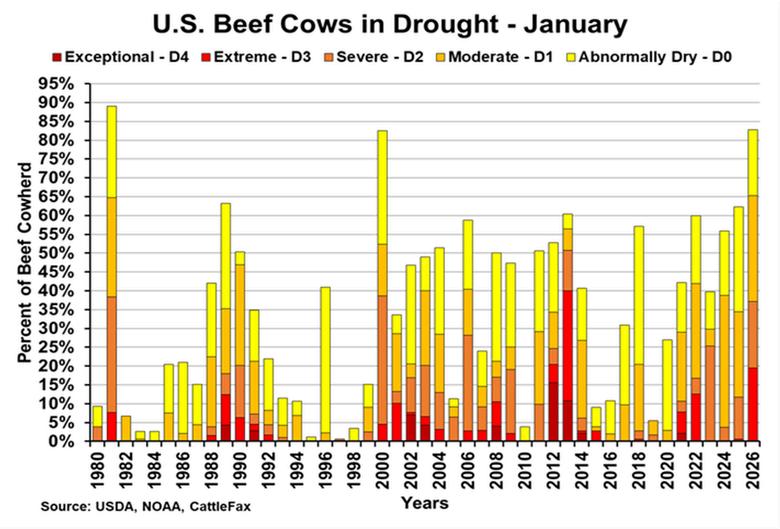
There is about 65% of the beef cow herd that is exposed to drought in the USA today The forecast does call for a shift in the weather pattern from La Nina to El Nino, which would bring better than average precipitation across much of the central plains during the spring and summer
Record corn production has kept ration costs at the feedyard being at or below year ago levels and that is expected to continue into the spring period
All classes of cattle achieved record high prices during February of 2026 There are many variables that could adversely impact the market looking forward to the spring of 2026
The demand for beef shows signs of hitting resistance but is still very strong and stable The resistance will spill over into the value of the wholesale market and then ultimately the fed market Fed prices are not projected to spend much time above the low $250’s/cwt. for highs this spring
Feeder cattle prices will be volatile and will track the deferred live cattle futures But we should find strong support near $3.30/cwt. with resistance near $3.80/cwt. in the spring and summer window.
Calf prices, basis a 550/lb. steer traded near $500/cwt. for the seasonal spring high Those prices will follow a seasonal decline into the summer/fall period There are just a handful of years, prices would endure more than a 20% price decline from the first half high to the second half during the last 45-years Cow-calf producers should feel comfortable that calves will trade above $400/cwt on the summer video season and in the spot market this fall. The biggest impact to both feeder cattle and calf prices would be the re-opening of the Mexican border The cull cow market is expected to trade firm all spring, as supplies are still projected to be tight Utility cows will continue to garner over $2000/head. Bred stock will have a softer tone in the spring, if El Nino is slow to return
JBS Greeley fed slaughter plant is working without a contract and employees could strike New world screwworm in Mexico, continues to keep the border closed of cattle entering the US, and that closure is looking more likely to be in place into the fall. The war in Iran could result in higher energy prices that might impact consumer spending on other items, like beef


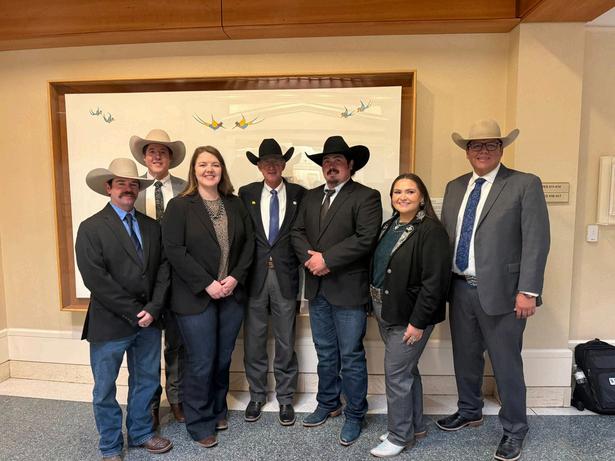
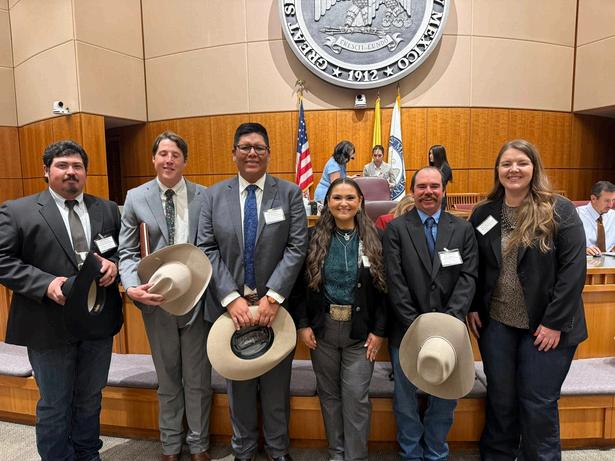

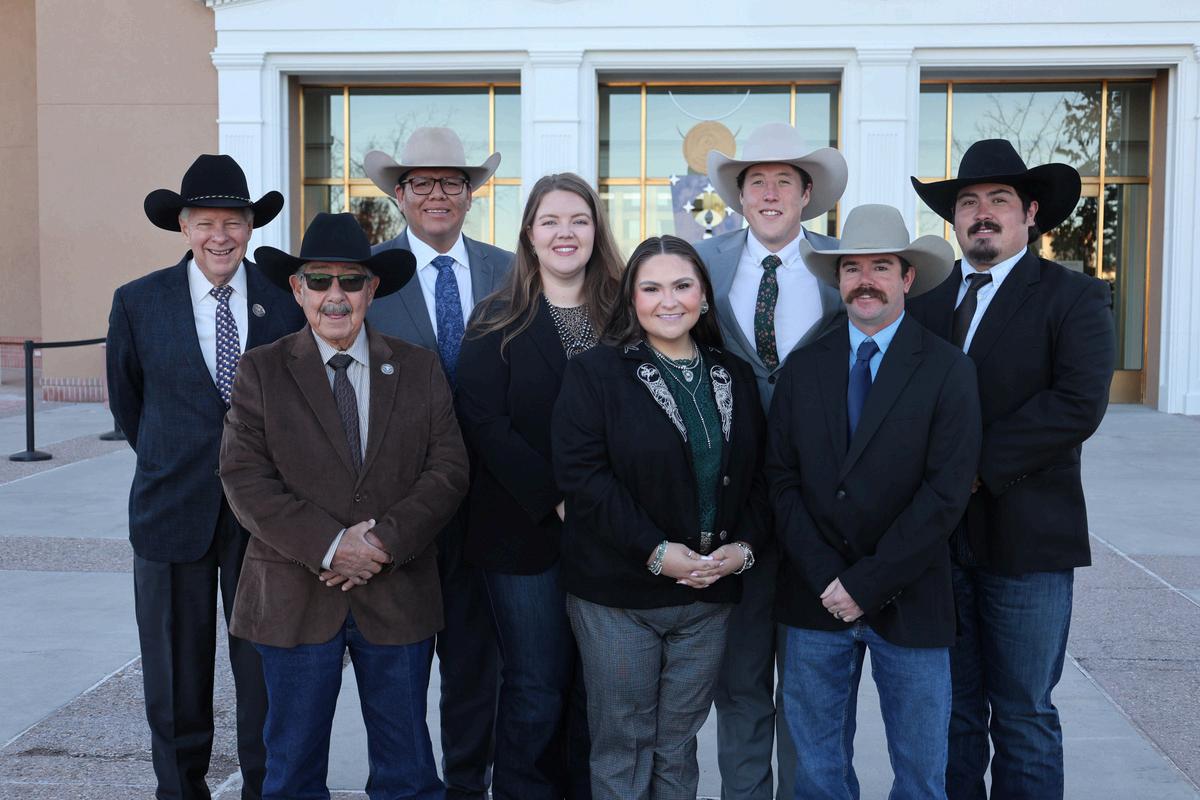
The Linda Davis Young Cattlemen’s Leadership Academy traveled to the New Mexico State Capitol the Roundhouse in February to gain firsthand experience with the legislative process.
Participants joined staff and leadership from the New Mexico Cattle Growers’ Association (NMCGA) to learn how legislation moves through the statehouse and practiced presenting mock committee testimony on key issues affecting the ranching industry.
During their visit, the group was introduced on the Senate floor by Senator Pat Boone, a past NMCGA president, and attended the NMCGA Legislative Reception to connect with lawmakers and agricultural leaders.
The trip concluded with academy members meeting with legislators and advocating alongside NMCGA leadership on industry priorities, gaining valuable insight into how policy and grassroots advocacy shape the future of New Mexico agriculture.
Dear CowBelles and Friends,
I hope this message finds you well and that you are receiving some much-needed moisture in your part of the state I wanted to share a brief update on what has taken place over the past three months with New Mexico CowBelles and across our industry Earlier this year, I had the opportunity to attend the American National CattleWomen (ANCW) Annual Meeting and CattleCon 2026 in Nashville, Tennessee It was a productive and encouraging event where we connected with beef advocates from across the country
We heard from leadership with the National Cattlemen’s Beef Association, including CEO Colin Woodall, Senior Vice President of Government Affairs Ethan Lane, and President Buck Wehrbein They shared updates on important industry topics such as legislative priorities and the screwworm issue. One exciting piece of news was that meat has officially been placed back at the top of the food pyramid a big win for our industry I would also like to thank those who have been working hard in Santa Fe to protect our rights and represent agriculture. Your dedication and commitment are truly appreciated Our New Mexico CowBelles district workshop plans are currently
in the works, and more information will be shared soon If your local association is planning an Ag Day event, I would love the opportunity to attend and visit with you
Please remember to submit your dues if you have not already done so Upcoming deadlines include the Pat Nowlin Scholarship application, due April 15, 2026, and Man of the Year nominations, due March 15, 2026
If you are not receiving emails with updates, monthly Zoom meetings, or Calls to Action, please email president nmcb@gmail com so we can update our records
I would also like to recognize my leadership team: Past President Corina Casler, President-Elect Shelly Frost, Vice President Shonda Welty, Treasurer Terri Knight, and Secretary Amalia Montoya I appreciate their dedication and look forward to working together this year.
Thank you for your continued support of New Mexico CowBelles and the beef industry
Misti Orr President New Mexico CowBelles

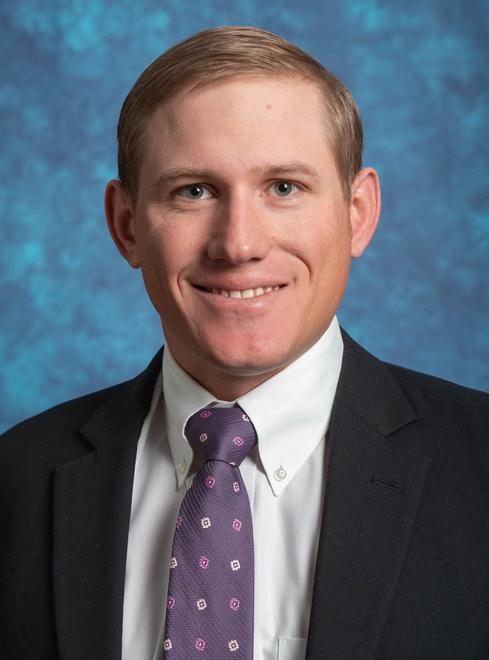
WILSON
Dear NMCGA Members,
Our association has long stood as a strong voice for New Mexico’s ranching families, grounded in stewardship, resilience, and a deep respect for the land and livestock
entrusted to our care
Today, our industry faces serious and evolving challenges Among the most pressing is the renewed threat of the New World screwworm While many remember its devastating impact decades ago, any reemergence or northward movement of this pest poses significant risks to animal health, wildlife, and our economic stability. Vigilance, early detection, and strong coordination with state and federal animal health officials are critical As producers, we must remain informed and prepared to
Association leadership has been carrying the torch in Santa Fe for our industry and rural ideals. Special thanks to all of you who have been supporting these efforts in person, and by contacting our elected
We have set a date of Thursday, April 2, 2026, for our Northeast Regional Meeting It will be held at the Philmont Training Center, located 4 miles south of Cimarron on Hwy 21
Topics will include a New World Screwworm update, Wildfire Preparedness and Mitigation, Legislative Updates, EPD’s and using them in purchasing bulls, NIETC Update as
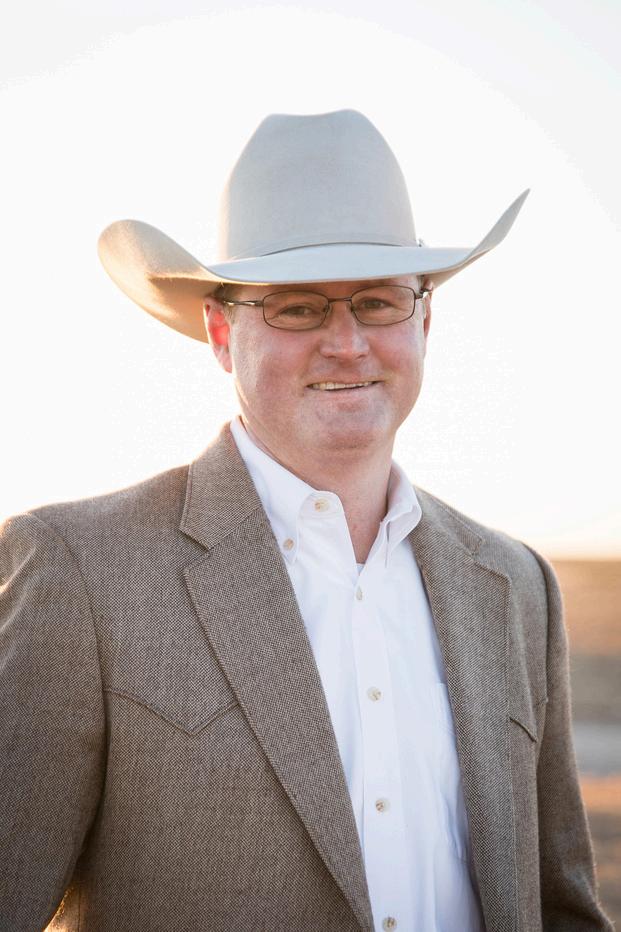
Dear friends and neighbors,
Well, it’s the time of year here in the Southwest when we seem to get all four seasons of weather in one day The winds have been blowing here and we have
some fires Spring works are around the corner, and I hope everyone’s calves are coming easily The Southeast Regional Meeting has been scheduled for April 16 in Lovington We have switched from fall to th
respond swiftly to protect our herds and our livelihoods BE ALERT, NOT ALARMED
At the same time, we continue navigating regulatory pressures, water concerns, market volatility, and generational transition The strength of this association lies in our consistent engagement When we stand together, we safeguard not only our operations but also our heritage and way of life
I encourage every member to stay involved attend meetings, participate in committees, and bring the next generation into the fold. Our future depends on active leadership, individual commitment and shared responsibility
Thank you for your commitment to New Mexico beef production I look forward to seeing many of you at the upcoming regional meetings
well as other current issues Lunch will be provided Please reach out to your neighbors who aren’t members of NM Cattle Growers’ and bring them along. These are topics that affect everyone in the industry. We have invited our elected officials from throughout the region I am sure we will see some of them at the meeting This will also be an opportunity for you to hopefully have some “face time” with them
For those that are traveling long distances, think about spending the night and spend a day visiting the museums around Cimarron. Nothing is finalized, but we hope to have door prizes for whoever brings the most rain and snow to the meeting!
spring this year Please, bring your neighbors and friends along I look forward to seeing everyone and catching up on the issues we are facing. We will be discussing various topic from Screwworm to infrastructure projects that are headed to our area. I appreciate each and every one of our members If any of you need anything at all, please know my door is always open Adios amigos, Jeff
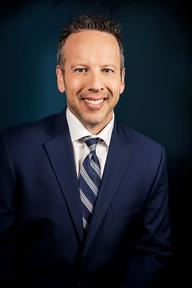
Brian Bledsoe, Meteorologist
Since we last spoke, here is the precipitation anomaly that has occurred over the past 90 days.
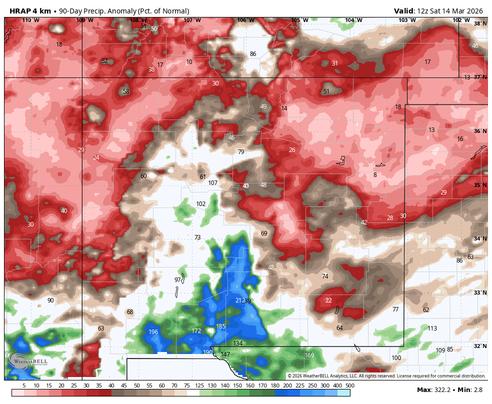
You can see that parts of the state have done ok this winter, but much of the state has been very dry This is especially true in the west and in the northeast corner In fact, some of these areas have received less than 10% of average. This is quite typical of La Niña and I’m glad that at least some areas picked up some moisture and that the entire state didn’t strike out
So, where are we heading? Again, the last time we chatted I talked a lot about the likely transition from La Niña to El Niño that we would see in 2026 To say that we are well on our way to that would be an understatement. Let’s look at the sea surface temperature anomaly from mid December versus what we have now.
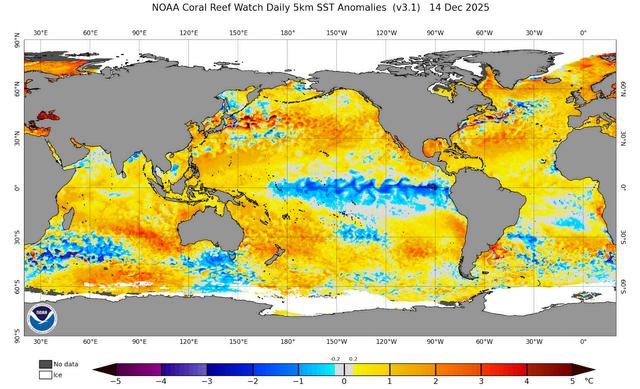
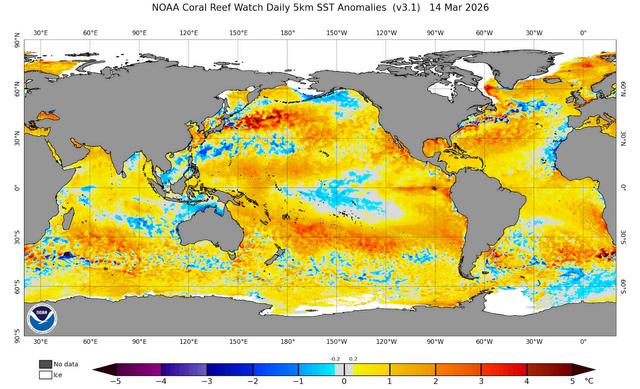
BIG changes have taken place in the equatorial Pacific Ocean La Niña peaked in late December and has rapidly weakened But not only has it rapidly weakened, we’ve warmed the ocean temperatures considerably off the west coast of South America. Basically, we’ve been making a huge push toward developing an El Niño and I don’t see that stopping All of the seasonal forecast models develop a rather strong El Niño by mid to late summer The graphic below is a forecast from the EURO seasonal model It is forecasting the sea surface temperature anomaly in a key part of the equatorial Pacific through September
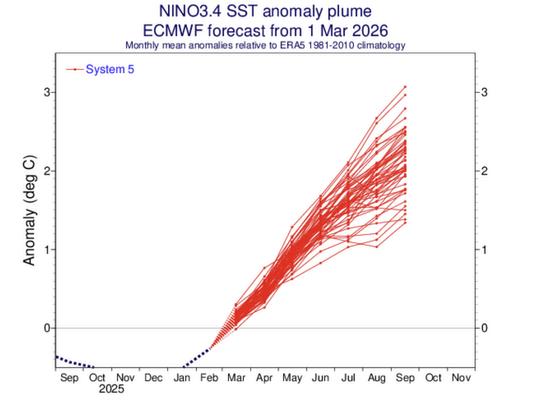
While many are focused on how strong this event could become, I am more focused on the trend through June All
of those red lines are different members of the model. The closer together those lines are, the more confidence the model has in its forecast Plus, the rate at which we change things from now through June is quite impressive So while a strong El Niño certainly seems to be on the table, it also appears that we will move into an El Niño in a pretty rapid fashion
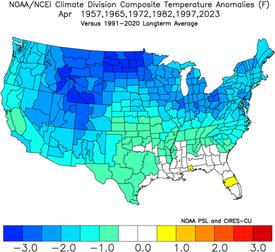
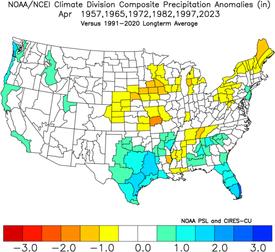
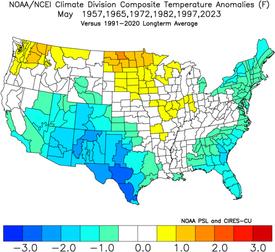
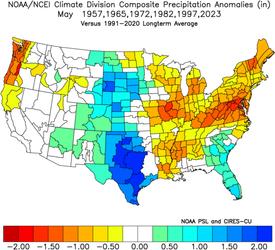
I really don’t want to focus on the latest computer model information, as it will be dated by the time you read this However, let’s look at the some past years that fit the analog package when we moved into an El Niño episode I am only looking at the temperature and precipitation anomalies from April, May, June, July, and August
April Temperature & Precipitation Anomaly
May Temperature & Precipitation Anomaly
June Temperature & Precipitation Anomaly
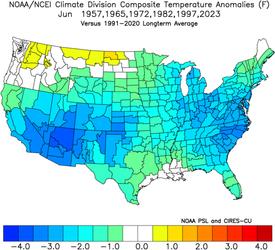
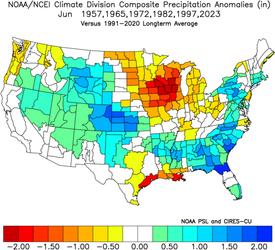
July Temperature & Precipitation Anomaly
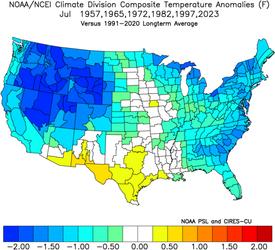
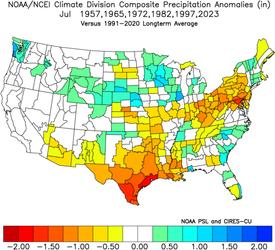
August Temperature & Precipitation Anomaly
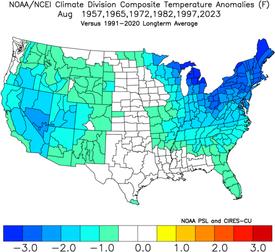
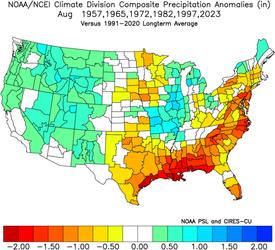
While there are other years that we could throw into the mix, the years 1957, 1965, 1972, 1982, 1997, and 2023 seem to mimic where we are now and where we are going. I have also looked at 2015, but we did not move from La Niña to El Niño in 2015 We actually were almost in El Niño by this time in 2015 For that reason, I don’t want to include it for now However, it still had some of the same tendencies With that in mind, what can we take away from the temperature and precipitation anomalies that occurred 1) We had to shake off some early spring dryness 2) May and June ended up being pretty active 3) The monsoon was a little delayed, before ramping up big time in August 4) There was no overwhelming heat signal That being said, I do have 2023 in the analog package, and we know that summer was very hot for most of the state So, it is possible that we do see some heat, but it doesn’t stand out in those other years In fact, it is actually the opposite as many of those years had a cooler than average spring and summer.
This is obviously a long range projection Inevitably, there will be changes and nuances that arise in the forecast That is why is behooves anyone that consumes this information to stay current with the seasonal forecast trend History is a great teacher, but there are always locations that can buck that historical narrative I’ll stay on top of it for you and see you all at the Mid-Year Meeting in June!
University of Arkansas’ James Mitchell explains the cost of price risk in 2026 could be no different than last fall.
By Angie Stump Denton February 20, 2026
While cattle prices remain historically high, the 2025 market proved volatility can quickly erode margins
“Given that the cattle cycle is set for a slow rebuilding phase, there is a reasonable expectation that the market will remain supported for the next few years,” says James Mitchell, University of Arkansas agricultural economist in the Cattle Market Notes Weekly “But as fall 2025 showed us, cattle markets are not immune to volatility ” Livestock Risk Protection (LRP) and option premiums are not cheap because cattle prices are high, Mitchell explains. “This reality has led some to question whether price risk management is worth it at today’s price levels,” he says
To demonstrate the impact of price risk management, Mitchell shares this real-world scenario from Arkansas in late August 2025:
The Setup: A producer planned to sell 550 lb. steers in November
The Policy: Purchased LRP at a $394/cwt coverage price (100% level)
The Cost: $12/cwt premium
The Market Shift: By Nov. 24, the actual ending value dropped to $365/cwt.
Indemnity Triggered: $29/cwt
Net Return: $17/cwt (after premium)
Per Head Value: $94/head added value
Total Per Load: $8,500 in protection
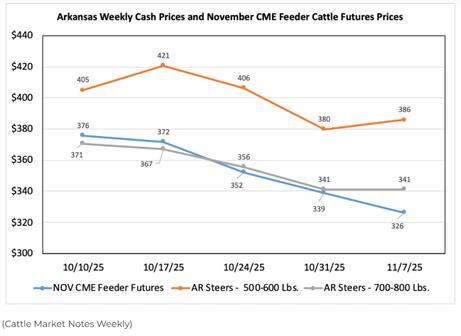
Without LRP, the cash price for a 550 lb. steer was $378/cwt. for the week ending Nov. 21. With LRP, the realized price rose to $395/cwt Fall 2025 was a reminder of how sensitive the cattle market is to news and surprises A look at the November 2025 Feeder Cattle futures contract and weekly cash prices (see below) in Arkansas highlight just how quickly prices can move.
Mitchell admits the example in this article perfectly times the purchase of LRP with the fall 2025 downturn in cattle prices
“Buying LRP earlier last year would not have triggered an indemnity because the market rallied leading up to the fall,” he says
While the cattle cycle suggests a slow rebuilding phase with supported prices, structural risks remain Mitchell explains how the math of risk has shifted:
1 More Dollars at Risk: A $20/cwt drop is the same percentage loss regardless of the market, but at today’s record prices, the total dollar loss per operation is significantly higher
2 Limited Flexibility: With high interest rates and debt obligations from herd expansion, many producers cannot afford to absorb a $30/cwt swing
3 Volatility is the New Normal: Market shocks from policy changes, trade shifts or weather events happen faster than in previous cycles.
“LRP is not about increasing the odds of an indemnity payment or maximizing profit,” Mitchell says “It establishes a price floor and reduces downside risk.”
LRP is not designed to beat the market or guarantee a profit every year Its primary function is to establish a price floor Using LRP to cover your breakeven point or secure a target return is a more sustainable strategy than attempting to time market peaks
DRUMMOND
The year started with a bang. With nificant activity across several critical eas I have been actively engaged in ucational outreach on the New World rewworm, as well as participating in unding the new four-year management rules for elk, deer, pronghorn, and of course wolves
New World Screwworms continue to move northward from Mexico toward the Texas border, though they remain more than 800 miles from New Mexico. I am working closely with the New Mexico Department of Agriculture, Cooperative Extension Service, and the State Veterinarian’s Office to develop practical educational materials to help ranchers prepare effective on-ranch management plans
The Game Commission has begun discussions on the fouryear elk management rule. The Department intends to roll
out species-specific proposals beginning with elk, with adoption expected by fall and implementation in 2027 Producers should review these proposals carefully, as rules will vary by region
The 2026 wolf count was also released, at minimum of 319 wolves in New Mexico and Arizona near the delisting threshold Depredations rose 49% in 2025, with significant losses already reported in 2026. Gray wolves are moving into Northern New Mexico ranchers will now be pressured from them as well The game department has yet to propose a plan to address wolves Folks, we need a balanced, sustainable management plan that protects both wildlife and people The plan needs to include tools for communities to protect livestock and property as well as clear management goals, measured against whether people can safely live and work in our communities not just more wolves.
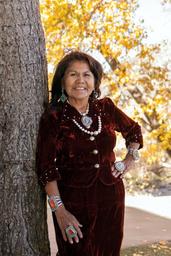
Northwest New Mexico entered the year with welcome moisture, including January rainfall followed by colder temperaturesan important boost as the region remains in moderate to severe drought While
e still challenging, this moisture offers hope season ahead
eam has been hard at work on issues that matter most to producers We continue addressing gray wolf impacts near the Colorado border, expanding outreach to ranchers on livestock protection and available resources, and coordinating with tribal partners and agencies A major step forward came with approval to broaden compensation coverage for grey wolf depredation losses - an important win for affected
Membership engagement is growing across the region, and we look forward to building even stronger connections in the months ahead Planning is underway for Indian Livestock Days and the NCBA Stockmanship & Stewardship event Farmington at McGee Park on May 21-22, where NMCGA will share practical information for producers During the legislative session, we actively advocated for ranchers and helped stop costly proposals that would have harmed operations.
Wishing you a safe calving season, timely rains, and strong grass Thank you for all you do to keep New Mexico agriculture strong

The Roundup Club is the New Mexico Cattle Growers’ Association member recruitment program that recognizes the work of members that show diligence and commitment to building a stronger organization
Grand prize drawing will be held once a year at the Joint Stockmen’s Convention. For every new member you recruit, an additional entry will be put into the drawing.
NMCGA Store Discounts
How do you become a member?
By recruiting a new NMCGA Member by December 1, 2025. New Member must mention your name when paying dues.
2026 Roundup Club Members Nelson Shirley - 1, Shonda Welty - 1, Danny Fish - 1, Tom Paterson - 2, Marjorie Lantana - 1, Daniel Tenorio - 1, Marty Lavender - 1

By Jordan Lamb February 13, 2026
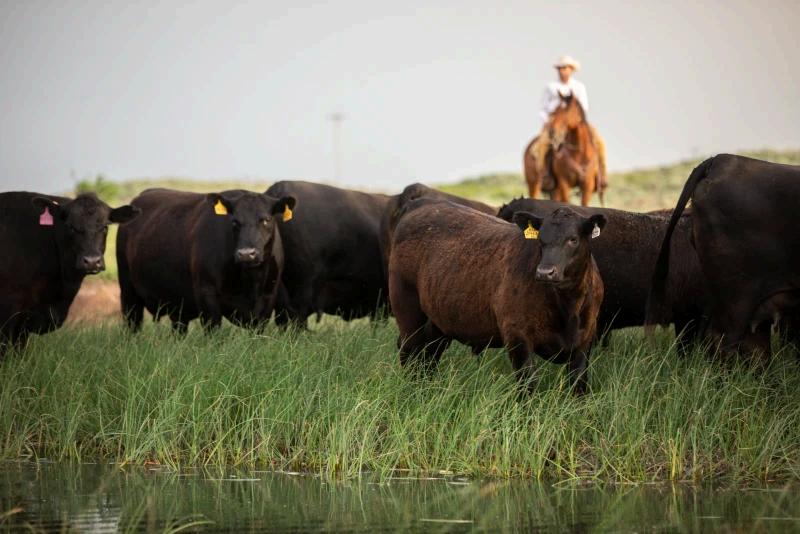

“Start early and start now.” It’s a simple but powerful message Tanner Pickett of 5 Rivers Cattle shared during a National Cattlemen’s Beef Association (NCBA) biosecurity webinar
As the New World screwworm continues to move closer to the U.S., the need for strong biosecurity practices has never been greater.
There is no better time than now for producers to evaluate and strengthen biosecurity procedures on their operations Here are four biosecurity strategies to consider implementing:
According to the Kansas Department of Agriculture, the Secure Beef Supply (SBS) Plan is a voluntary tool designed to help cattle producers move animals from uninfected operations during a disease outbreak Without a plan, a “stop movement” order could freeze your business Following SBS protocols helps sustain the economic viability of the cattle industry while limiting disease spread
How to start: Complete the 11-question questionnaire and provide an operation map
Next step: Meet with a state representative to validate the plan for your specific geography
Once established, it is critical to keep the SBS plan current, especially in an ever-changing industry.
2. Participate
You don’t know where your gaps are until you test them
recommends participating in a one-day simulation. The Benefit: Walking through a simulated shutdown reveals if your SBS Plan actually functions during a crisis
The Goal: Identify weaknesses and adjust protocols before a real event occurs.
If an outbreak occurs, do you know which pastures your herd can be moved to safely? Kelly Oliver-Halbleib with the Kansas Department of Agriculture emphasizes the importance of having a plan in place, even without an SBS Plan
Knowing where cattle can and cannot be moved during an outbreak is a foundational step in protecting herd health and preventing further disease spread
During the chaos of an outbreak, it is easy for employees or delivery drivers to cross into “dirty” zones Visual cues act as a physical reminder of biosecurity boundaries. Examples of Barriers: Use round bales, traffic cones, fencing or parked vehicles
Alignment: These lines should match the “Line of Separation” (LOS) designated in your SBS Plan
While the threat of a disease outbreak can feel overwhelming, producers are not alone Resources and professionals are available to help guide the process. More information on the SBS Plan can be found at securebeef org, and species-specific biosecurity resources are available at cfsph iastate edu
pring has Sprung in the SE side of the tate! Wind has been wild and it hit 90 egrees in February, what a wild start to he year! Since I passed the reigns over in December I kinda thought everything
n, boy was I wrong! Now I have 4 years catch up, maybe I’ll get there in the next a lot going on that I’ve still been working ETC proposed plan by the Department Of Energy I firmly believe that the current administration is not going to pursue this project, problem is that we still can’t get the department to put it in writing for some reason We are still working on trying to ensure this never
Mandatory Country of Origin Labeling (COOL) for beef in the United States has been a debated agricultural policy for more than two decades. COOL requirements were established in the 2002 and 2008
comes to fruition! If you remember here a couple years ago we were fighting against the Land of Encroachment Legacy Fund, what was scary about that bill is they would not make any amendments to ensure that the state or the beneficiaries of this bill would not be able to purchase private property. They all said that wasn’t the intention of the bill, yet come to find out there’s a large portion of those funds are being used to purchase Conservation Easements, those are permanent folks so if it’s something that you’ve considered doing then please be Careful what and how you do
“Yall Have A Good’en”
However, opponents including meatpackers and trade partners argued that the policy increased processing costs and disrupted cross-border livestock trade, particularly with Canada and Mexico. Both countries challenged the U S law at the World Trade Organization (WTO), claiming it unfairly discriminated against imported livestock In 2015, after adverse WTO rulings and the threat of retaliatory tariffs, Congress repealed mandatory COOL for beef and pork
Today, beef labeling in the U S remains voluntary in many cases, though “Product of USA” claims are regulated and often inaccurate. Now might be the time to revisit the topic and demand our product be accurately labeled and represented in the marketplace Farm Bills and implemented by the United States Department of Agriculture (USDA) The policy required retailers to inform consumers where beef cattle were born, raised, and slaughtered Supporters argued that mandatory labeling promotes transparency, strengthens consumer confidence, and allows Americans to support domestic ranchers. Many U.S. cattle producers believed COOL created a marketing advantage by distinguishing American-raised beef from imported products
ould like to extend a warm welcome to our new members We look forward to ng you and working alongside you in onths ahead To our dedicated ers, thank you for your continued
membership and unwavering support throughout the year. Our organization would not thrive without your commitment and involvement
We have been busy during the 30-day legislative session and are currently planning our regional meetings and our Mid-Year Meeting slated for June 7–9 in Ruidoso Please visit our website and Facebook page for additional information and registration materials. We are also in the
early stages of planning Joint Stockmen’s. If there are topics or issues you would like to see addressed, please call the office to share your ideas
We are excited to partner with the New Mexico Beef Council on several upcoming initiatives, including podcasts and blogs for our NMCGA website and the Mesas to Mesa platform. If you have not yet explored it, we encourage you to visit mesastomesa com
On a personal note, I would like to sincerely thank each of you for your prayers, calls, and cards following the passing of my father Your kindness and support have meant so much to me and my family He was incredibly proud to be a member of NMCGA and held this organization and its members close to his heart.






$160/personx__________persons=_________ Includesallmeetings,meals&attendeegift.OfferexpiresMay31,2026. On-siteregistrationis$190 MeetingsOnly
$50/personx
$50/memberx
$85/non-memberx
$40/personx
$40/personx
$60/personx
TuesdayLuncheon
Children(ages4-12)
Children’sName(s)
$40/personx
$20/personx persons = persons = persons = persons = persons = persons
Please return registration by May 31, 2026 to NMCGA / PO Box 850 / Moriarty, NM 87035 or register online at https://www.nmagriculture.org/mid-year-meeting.html
The 2026 tax season marks the first year under the updated tax code enacted through the One Big Beautiful Bill (OBBB), passed last July. This legislation represents one of the most significant tax reform efforts in recent years, delivering meaningful relief and long‑term certainty for cattle producers and family-owned operations Tax reform has been a central focus for NCBA, and the final package ensures producers can continue planning, investing and transferring operations to the next generation without unexpected tax burdens. When the OBBB was signed into law, many of the important 2017 Tax Cuts & Jobs Act provisions were not only extended but strengthened, some even made permanent Among the most impactful changes are the permanently increased Death Tax exemptions, now set at$15 million for individuals and $30 million for married l Th OBBB l i d th S ti 179 i t
tax liability for the next generation of producers. This tax relief was the result of extensive, sustained advocacy and grassroots member engagement NCBA spent years working with Congress to secure these wins for cattle producers, especially critical given that more than half of the House members and many Senators were not in Congress during the passage of the 2017 tax bill. NCBA’s tax survey that featured anonymous submissions from U S cattle producers proved to be the most important part of the advocacy process The results served two essential purposes: they helped NCBA identify which provisions mattered most to producers, and they provided powerful firsthand accounts that helped lawmakers understand the real-world tax burdens facing family operations Tax policy can be extremely complicated, and it is the l t i th t k th i l f





Sometimes political progress comes incrementally, with long-term success achieved by compiling a series of positive steps This is especially true when it comes to the Endangered Species Act (ESA) and moving species toward a durable, delisted posture. The updated population figures for Mexican wolves make clear that the population is robust and Representative Gosar’s Enhancing Safety for Animals Act (H R 4255) should pass without delay Often, when Washington, D C has the conversation about species-specific delisting legislation, opposition to passage of these kinds of bills centers around the posture that Congress should not interfere in a scientific process. The time for that rhetoric has passed: for Mexican wolves, the listing rule fails to recognize science and political realities For other species like gray wolves, lesser prairie chickens, and grizzly bears, the need for Congressional action often hinges on the sad reality that U S Fish and Wildlife Service (USFWS) is unable to write a delisting rule that can withstand the onslaught of radical environmental challenges in the courts The need is clear: Congress must step in and fix regulatory inefficiencies if the existing law is insufficient For robust populations of Mexican wolves that continue to devastate ranchers across New Mexico and Arizona, the charge to Congress is to act, and act now. PLC, NCBA, and our state and national partners have set the stage for H R 4255 to move through the House, and continue to build support across the Capitol Complex We were glad to see USFWS act last month to officially delist the two Distinct Population Segments of lesser prairie chicken after the court ruled favorably in our lawsuit to challenge the 2023 USFWS decision to list the birds as threatened and endangered across Colorado, Kansas, New Mexico, Oklahoma, and Texas The decision 3

years ago was fundamentally flawed, and we sued to vacate the rule to ensure livestock producers across the region didn’t face unreasonable restrictions on their normal operations
Federal agency decisions have an outsized impact on livestock producers’ daily lives, which is why it’s crucial for agency leadership to know and understand our issues –and listen to us about how to fix problems We were so pleased to see President Trump nominate New Mexico’s own Steve Pearce to lead the Bureau of Land Management. He has long been a friend of cattle producers, grazing permittees, and rural America. The Senate committee voted to advance his nomination at the beginning of March, and as I sit to write this article, we await full Senate consideration of his nomination I hope that by the time you have this magazine in hand, Director Pearce’s work will be well underway
And there’s no shortage of things to do– from rewriting BLM grazing regulations, to addressing permitting delays, to defending the agency’s greater sage grouse plans, Pearce will have his work cut out for him Thankfully he has a good team, and good partners like NMCGA, PLC, NCBA, ASI, and our wide coalition of western stakeholders to help him get the job done.
As always, we appreciate the work you do every day to keep rangelands healthy, wildlife thriving, and high-quality protein on the table of millions of Americans and people around the globe Wishing you (timely) rain and high prices, and hope to see you at our spring Legislative Conference or Annual Meeting in September.
Kaitlynn Glover
PLC Executive Director
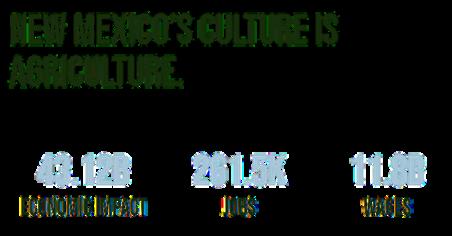
In 2022, New Mexico’s total value of agriculture production was slightly higher at $3.71 billion, 17 percent above 2021.
New Mexico chile and pecan production ranked in the top two spots in the nation in 2022. Also contributing to the state’s value of production, onions ranked 5th in the nation at $153 million, milk ranked 9th in the nation at $1 67 billion, and cattle and calves ranked 21st at $1 16 billion

That’s what a smoke alarm says beeping loudly in the event of a fire in your home Remember to change your smoke alarm batteries every six months (or sooner) to ensure they are working properly. We are in a dry and windy time of year, and we all need to be mindful of fire both inside and especially outside Always have a fire prevention plan in place
Property insurance rates on dwellings, barns, and commercial buildings are beginning to stabilize compared to the past few years. However, I recently heard of another self-insured company whose rates increased 185% due to losses across New Mexico from fire, wind, hail, and flooding
To put that into perspective: members paying $10,000 in premiums were assessed an additional $185,000 to help cover claims within their self-insured property pool They are now facing challenges securing property coverage moving forward. It’s important to understand the difference:
Self-Insured (Self-Funded)
Members pay claims directly This can offer flexibility and potential savings, but it also carries significantly higher risk Traditional Insurance Carrier (Fully Insured)
A traditional insurance company charges fixed premiums, assumes the risk, handles administration, and provides predictable budgeting. Most reputable carriers are A M Best rated For catastrophic claims, a fully insured carrier provides the strongest protection
Please call us or your insurance company whenever you purchase property, vehicles, trailers, ATVs, equipment, or other assets
We are not automatically notified of purchases, and a quick phone call or email ensures your new property is properly covered We’ll gather the necessary information and take care of the rest
If you allow hunting or fishing guides on your property:
Obtain a Certificate of Insurance (COI) from each guide
Have your operation listed as Additional Insured on the policy.
Request an updated COI annually and keep a copy on file Handshakes are good but paperwork is better.
Since 1980, Insurance Services of New Mexico has proudly served New Mexico’s ranching and farming community. Our experienced staff, combined with a commitment to providing top-tier insurance coverage, has earned the trust of our customers and the New Mexico Cattle Growers Association We work for you Call us today and let us show you the difference Come by our booth at Mid-Year meeting!
Sincerely,
Jim Lyssy President
Insurance Services of New Mexico, Inc
Copeland and Sons Herefords Bull Sale
March 30, Five States Livestock Auction, Clayton, NM
DO YOU HAVE A SALE COMING UP?
Send in your sale dates to be included in next NMCGA Journal sale calendar by the 1 of the month prior to abby@nmagriculture org st
NMCGA will only include sales made known to them by the first of the month prior to the issue submitted by members of the association
NE REGIONAL MEETING APR 2, 2026
SW REGIONAL MEETING APR. 9, 2026
SE REGIONAL MEETING APR. 16, 2026
NW REGIONAL MEETING MAY 22, 2026
MID-YEAR MEETING JUN. 7-9, 2026
4G Mountain Angus
A Lazy 6 Ranch
B&H Herefords
Bar J Bar Hereford Ranch
Bill King Ranch
Bradley 3 Ranch
Brennand Ranch
Clavel Ranch LLC
Copeland & Sons
Corn Herefords
Cornerstone Ranch
Cox Ranch Herefords
Grau Ranch
Henard Partnership
Hubbell Livestock Co.
Int Brangus Breeders Assn
Hartzog Angus Cattle
J-C Angus Ranch
Lack Morrison Brangus
Las Madres Ranch
Lavender Brangus
Manzano Angus
McKenzie Angus
Miller Angus
Perez Cattle Co
Red Doc Farm
Slash 3C Ranch
T-4 Cattle Co
Tequesquite Ranch
Townsend Brangus
USA Ranch
Westall Ranches
Wesley Grau Ranch
NEW MEXICO SALE BARNS
Roswell Livestock Auction
Cattlemen’s Livestock Auction
Valley Livestock Auction
Santa Teresa Livestock Auction
Clovis Livestock Auction
Five States Livestock
Cow House Auction
Dexter Livestock Commission
Landmark Livestock Auction
Las Vegas, NM
Ribera, NM
Mesilla, NM
El Paso, TX
Moriarty, NM
Memphis, TX
Pinon, NM
Roy, NM
Nara Visa, NM
Roswell, NM
Fort Sumner, NM
Winston, NM
Grady, NM
915-490-1817
575-421-1809
575-644-6925
915-549-2534
505-220-9909
806-888-1062
575-687-2185
505-485-2591
575-403-8123
575-420-3630
575-355-2803
575-743-6904
575-760-7304
575-649-5268 Tatum, NM
Quemado, NM
Adkin, TX
505-469-1215
210-696-8231
806-825-2711 Farwell, TX
Moriarty, NM
505-379-8212
575-482-3254 Clovis, NM
Santa Rosa, NM
Melrose, NM
Estancia, NM
Ft Stockton, TX
Floyd, NM
Nara Visa, NM
Belen, NM
Las Cruces, NM
Tucumcari, NM
Albert, NM
Milburn, OK
Albq, NM
Carlsbad, NM
575-472-5864
575-714-3094
505-705-2856
915-637-3845
575-478-2398
575-633-2222
505-980-5093
575-649-5268
575-868-2475
575-673-2208
505-347-2550
575-638-5435
575-316-2071
575-357-8265 Grady, NM
Roswell, NM
575-622-5580
Belen, NM 505-864-7451
Albuquerque, NM 505-877-0723
Santa Teresa, NM 915-843-0132
Clovis, NM 575-762-4422
Clayton, NM 575-374-2505
Kirkland, NM 505-801-8393
Dexter, NM 575-624-2697
Mesquite, NM 575-635-4173
In 1948, as a driving snowstorm rattled a pre-war automobile on the long road to Clayton, New Mexico, John Moore questioned whether he should leave his only daughter in such a remote place But Owaissa Moore was resolute She had accepted a position as a 4-H Home Economics Agent with the Cooperative Extension Service in Union County and she intended to stay
That decision shaped the next 39 years of her life and left an imprint on generations of New Mexicans Born February 18, 1926, on the Caprock ranch to John and Myrtle Moore, Owaissa was raised in the traditions of livestock, hard work, and service. In 1947, she became Eastern New Mexico University’s first four-year graduate in Home Economics Education. Though she knew little about Clayton beyond its location on a map, ranching was in her blood, and she proved a perfect fit for northeastern New Mexico
Union County spanned 50 miles wide and 100 miles long bordering Texas Oklahoma and Colorado With




18 women’s clubs and 12 4-H clubs to serve, Owaissa often attended more than 30 meetings a month, driving rural dirt roads with two spare tires in tow She quickly became known for excellence Her standard was simple: “We go to win ”
Under her leadership, Union County 4-H became a statewide powerhouse, earning district, state, and national honors She trained judging teams, coached demonstrations, elevated Fashion Revues, and instituted a Banner Club system that raised expectations for every member. Her philosophy rooted in the 4-H creed, “To Make the Best Better” focused on developing young people to strengthen entire families.
A trailblazer throughout her career, Owaissa became New Mexico’s first County Extension Home Economist appointed as County Director and later served as the first and only New Mexican president of the National Association of Extension Home Economists Impeccably dressed and unwaveringly professional, she was as recognized for her high standards as for her integrity
After retiring, she dedicated three decades to the New Mexico CowBelles, serving 20 years as state treasurer with flawless financial records and working tirelessly at the state fair’s Beef Council booth.
Today, her legacy lives not in the many awards lining her walls, but in the lives she shaped families who still measure their work by “the Owaissa way.”