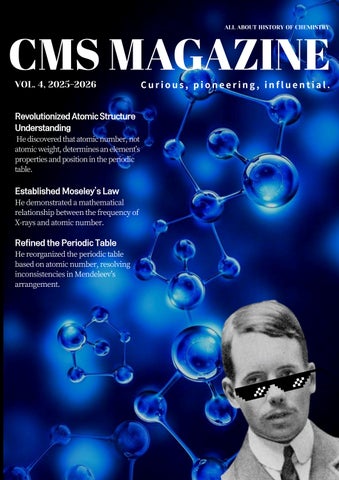
He discovered that atomic number, not atomic weight, determines an element’s properties and position in the periodic table.
Established Moseley’s Law
He demonstrated a mathematical relationship between the frequency of X-rays and atomic number.
Refined the Periodic Table
He reorganized the periodic table based on atomic number, resolving inconsistencies in Mendeleev’s arrangement.
CMS MAGAZINE - FOURTH SCIENTIST:
HENRY MOSELEY HENRY MOSELEY
OCTOBER 2025
INTRODUCTION
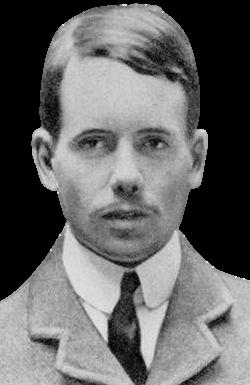
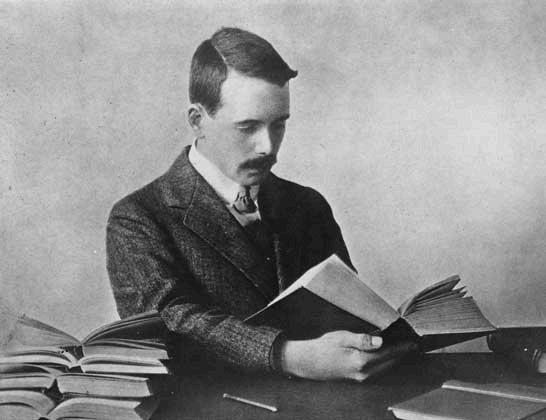
Henry Gwyn Jeffreys Moseley was born on November 23, 1887, in Weymouth, England, into a family steeped in science his father, Henry Nottidge Moseley, was a noted naturalist from the Challenger expedition, and his mother came from the scientific Jeffreys line Educated at Eton and Trinity College, Oxford, he showed early brilliance in practical physics and a disciplined curiosity about how matter is organized at the atomic level After graduating, he joined Ernest Rutherford’s laboratory at the University of Manchester, where cutting-edge work on radioactivity and atomic structure was reshaping chemistry and physics. Surrounded by this ferment, Moseley fixated on a deceptively simple question: what is the most fundamental way to order the elements? Drawing on the new techniques of X-ray spectroscopy and the Braggs’ crystal diffraction methods, he set out to probe atomic interiors directly an ambition that would redefine the periodic table.
Moseley’s experiments provided the decisive proof that atomic number (Z) the positive charge of the nucleus rather than atomic mass is the correct organizing principle of the periodic table. By measuring the characteristic X-ray spectra of elements and uncovering a simple quantitative law (now called Moseley’s law) that linked X-ray frequency to Z, he identified a linear relationship showing that each element’s identity is fixed by its nuclear charge This immediately resolved long-standing anomalies (for example, argon/potassium and cobalt/nickel) that could not be reconciled by atomic weights alone. Even more powerfully, Moseley’s sequence exposed “missing numbers,” predicting undiscovered elements such as 43 (technetium), 61 (promethium), 72 (hafnium), and 75 (rhenium), which were later found and slotted precisely where he indicated
His results validated the Bohr model’s claim that Z determines electronic structure, anchored quantum ideas in hard measurement, and set the upper bound of known natural elements up to uranium for his time Practically, his work launched modern X-ray fluorescence analysis, giving chemists and materials scientists a tool to identify elements by their spectral fingerprints
In one stroke, Moseley transformed the periodic table from a brilliant but partly empirical arrangement into a rigorously numbered map of matter an achievement whose clarity and predictive power still underpin chemistry and materials science today
A T
Henry Gwyn Jeffreys Moseley (1887–1915) was an English physicist whose groundbreaking work revolutionized our understanding of the periodic table and atomic structure Before his discoveries, the periodic table was arranged by atomic weight, which often led to inconsistencies For instance, certain elements like iodine and tellurium appeared out of order when compared to their chemical properties Moseley set out to resolve this issue by investigating the relationship between an element’s structure and its characteristic X-rays
In 1913, Moseley conducted a series of experiments using X-ray spectroscopy He bombarded different elements with high-energy electrons, which knocked out inner-shell electrons When electrons from higher energy levels fell back into these vacancies, they emitted X-rays. By carefully measuring the frequencies of these X-rays using crystal diffraction techniques, Moseley observed a clear, predictable pattern This pattern led him to formulate Moseley’s Law, which established a direct mathematical relationship between the square root of the X-ray frequency and the atomic number of the element This showed that the frequency of emitted X-rays increased systematically with the atomic number
WWMoseley’s work provided the first physical meaning for the atomic number, showing that it directly corresponds to the number of protons in the nucleus This was a monumental shift in scientific understanding With this insight, the periodic table could now be arranged correctly according to atomic number instead of atomic weight For example, Moseley confirmed that cobalt, with atomic number 27, should come before nickel, which has atomic number 28, even though cobalt has a slightly higher atomic weight This solved long-standing ambiguities in the periodic table and provided a more reliable organizational system for the elements
Moseley’s work provided the first physical meaning for the atomic number, showing that it directly corresponds to the number of protons in the nucleus This was a monumental shift in scientific understanding. With this insight, the periodic table could now be arranged correctly according to atomic number instead of atomic weight. For example, Moseley confirmed that cobalt, with atomic number 27, should come before nickel, which has atomic number 28, even though cobalt has a slightly higher atomic weight. This solved long-standing ambiguities in the periodic table and provided a more reliable organizational system for the elements.
Another significant outcome of Moseley’s research was his ability to predict the existence of undiscovered elements By plotting his data, he found gaps where certain atomic numbers were missing He correctly predicted the existence of elements with atomic numbers 43, 61, 72, and 75. These elements were later discovered and named technetium, promethium, hafnium, and rhenium. This demonstrated the predictive power of his law and reinforced the periodic table as a robust scientific model.
Moseley’s findings also supported the emerging Bohr’s model of the atom The mathematical relationship he discovered matched the theoretical predictions of electron transitions between energy levels. This provided strong evidence for the idea of quantized energy levels and inner electron shells, further bridging experimental data with atomic theory Tragically, Moseley’s career was cut short when he volunteered for military service during World War I and he died at the age of 27 during the Gallipoli campaign. Despite his brief life, his contributions were immense His discovery not only reshaped the periodic table but also laid the foundation for modern atomic physics and chemistry. Today, Moseley is remembered as one of the key figures who gave atomic numbers its physical meaning and advanced our understanding of the structure of matter
Why
Henry Moseley’s motivation for his groundbreaking experiments in 1913 lay in solving one of the lingering mysteries of early atomic theory: how to correctly organize the periodic table and define the true identity of each element. At the time, Dmitri Mendeleev’s periodic table was arranged primarily by atomic mass. While this arrangement successfully predicted some yet-undiscovered elements, there were puzzling inconsistencies certain elements, such as argon and potassium or cobalt and nickel, did not fit neatly in order of increasing mass but clearly belonged in specific chemical families. Moseley, a young English physicist trained under Ernest Rutherford, was inspired by recent advances in X-ray spectroscopy and by Rutherford’s nuclear model of the atom, which suggested that the nucleus might determine elemental identity.
He set out to test whether an element’s properties correlate not with atomic mass but with the number of positive charges in its nucleus what we now call the atomic number Using the new technique of X-ray spectroscopy, Moseley bombarded elements with high-energy electrons and measured the frequency of the Xrays emitted. He discovered a simple, regular relationship between the square root of the X-ray frequency and the integer that is now known as the atomic number. This revealed that each element is defined by the number of protons in its nucleus
Moseley’s motivation was both scientific and practical: to bring clarity and order to the periodic table and to provide an unambiguous method to identify elements. His work not only resolved the irregularities left by Mendeleev’s system but also predicted the existence of several missing elements In doing so, he permanently shifted the basis of chemical classification from atomic mass to atomic number a cornerstone of modern chemistry and physics.
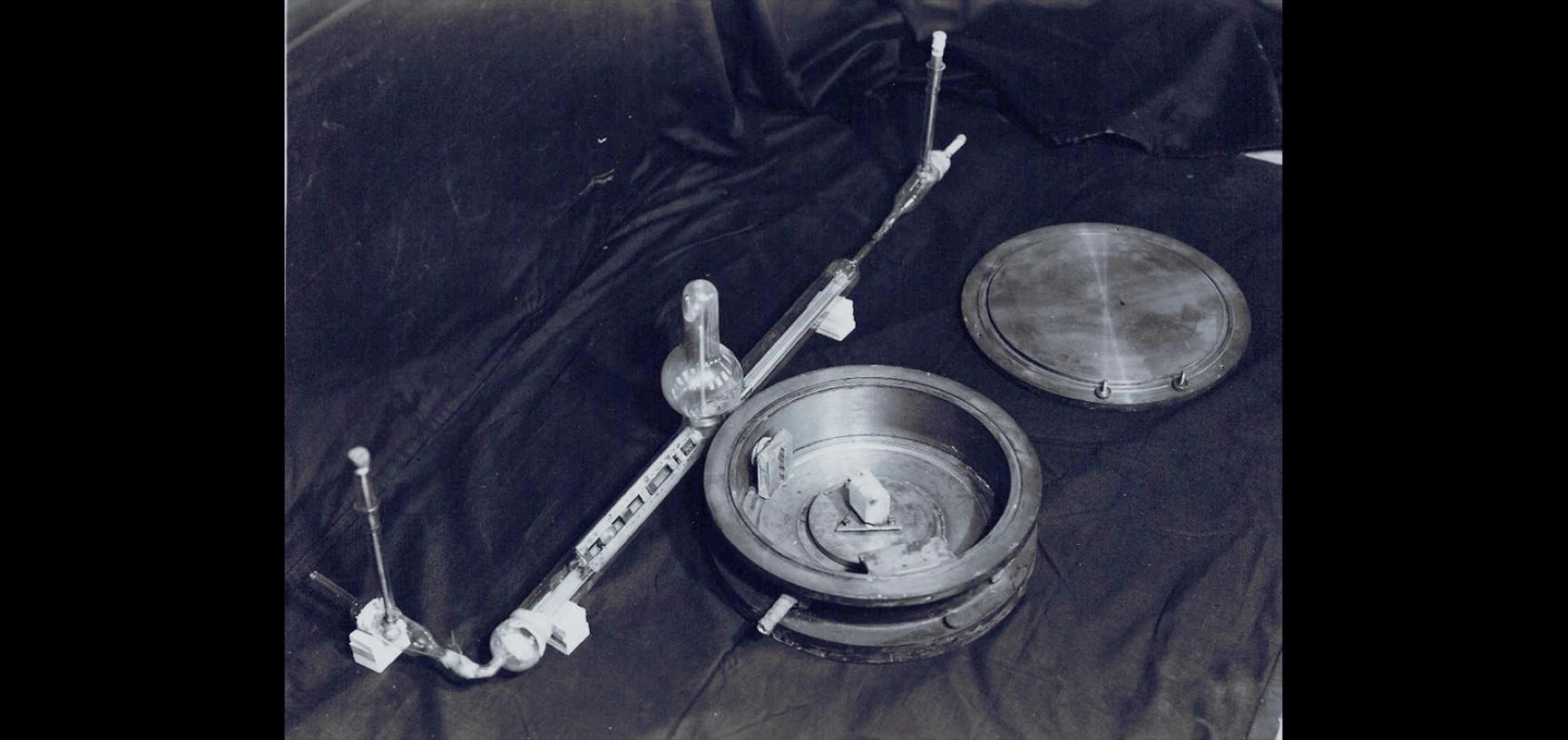
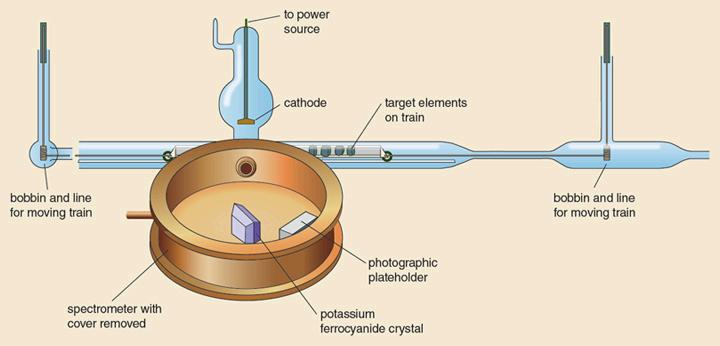
Moseleypreparedmultiplesamplesoftheelementsthathetested, whichwasmadeinto theshapeofacube. Achargedcathodereleasedabeamofhighenergyelectrons, which wereshootedagainstthenucleusofthedifferentelements. Whentheelectronbeams bombarded on the target element, the cubes emitted x-ray which was then dispersed throughapieceofcrystalintodifferentwavelengths.Thesewavelengthswerereflectedon thephotographicplateholdertobeanalysed.(Egdell&Bruton,2020)
AppreciatingtheearlierdiscoveryofBragg’slaw, whichwasanequationusedtocalculate thevalueofx-raywavelength, Moseleywasabletoquantifythewavelengthsofdetected x-raysforeachexperiment. Initially, theexperimentwaslimitedtowell-knownmetallic elementsofwhichthepropertieswerediscovered. Subsequently, Moseleyexpandedthe experimenttotestmoreelements. Whenheplottedagraphofenergywhichthex-rays correspondedtoagainsttheatomicnumberofelements, hesoonrealisedthatthetwo values had a linear relationship. As the atomic number increased, the wavelength of emittedx-raysdecreased.
In the future years, Moseley concluded that the atomic number was directly proportional to the number of protons within the atom with further research. Since the number of protons were all unique, Moseley’s research served as a fingerprint of different elements along withtheemissionspectrumuntilthisday.
ENTERTAINMENT COER:
FUNFACT
Did you know that if you removed all of the empty space from the atoms that make up every human on Earth, the entire human race would fit inside the volume of a sugar cube? The nucleus is very small compared to the total size of an atom and electrons are very far apart from it This creates a lot of empty space in between the nucleus and electrons This empty space is a vacuum.
PROTONNUMBER
The proton number is the number of protons in an atom This determines what element the atom is Henry Moseley proved that the proton number defines the element not its atomic weight
ATOMSTRUCTURE
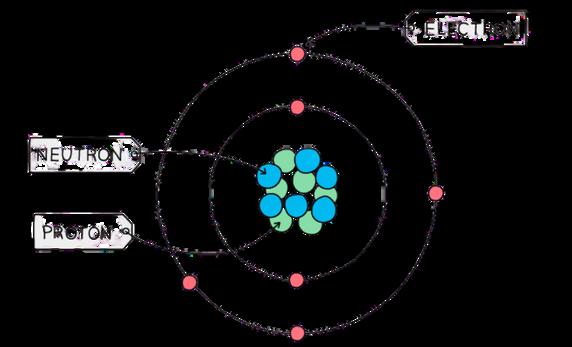
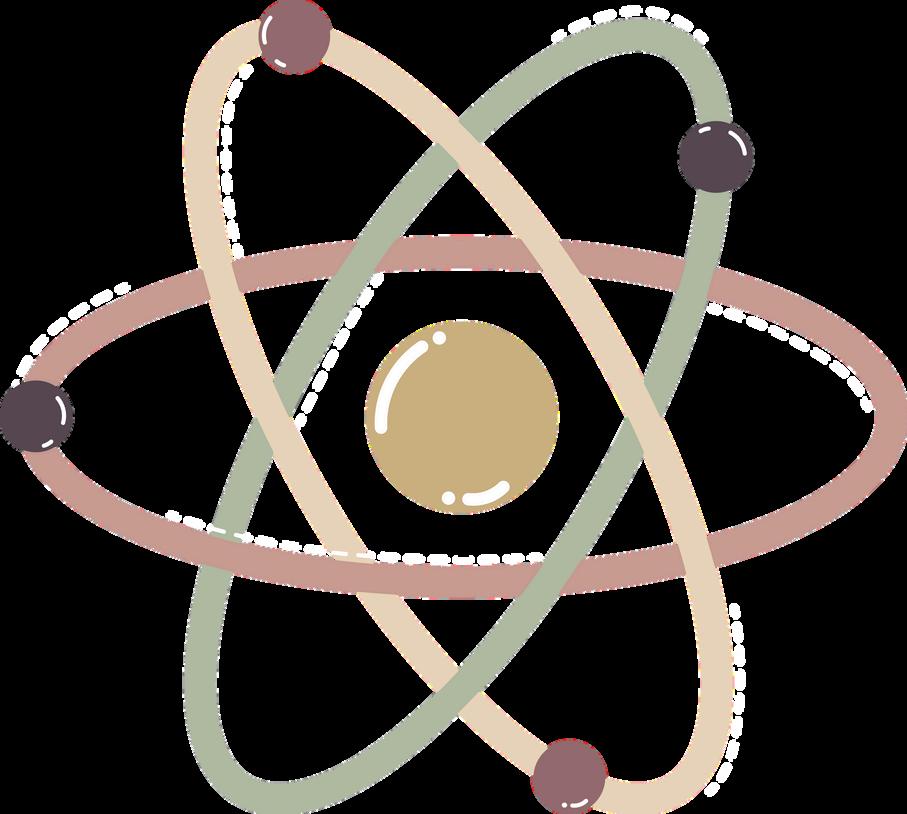
Each atom is made out of subatomic particles called protons, neutrons, and electrons The nucleus contains protons and neutrons Meanwhile, electrons orbit the nucleus in orbital paths, though they take more complex paths than the diagram below The electrons on the outermost shell called valence electrons form chemical bonds with other elements
MASSNUMBER
The mass number is the total number of protons and neutrons Isotopes are atoms of the same element that contain the same number of protons but different number of neutrons This creates a variety of mass numbers. Relative atomic mass is the average of all isotopes of an element
It is unclear whether electrons actually move in orbital paths Heisenberg discovered the Uncertainty Principle which states that you cannot simultaneously know the exact position and momentum of an electron. Also, when an electron changes energy levels it disappears from one shell and instantly reappears in another This makes electron movement more complicated impossible to have certainty
CONCLUSION
Starting from Henry Moseley’s discovery on proton number, many people have contributed to the understanding of atomic structure Understanding atomic structure has paved the way for numerous other discoveries such as chemical bonding and most importantly, the arrangement of atoms in the periodic table
THE PERIODICTABLE CONTAINS ATOTAL OF 118 ELEMENTS. ALMOST ALL OFTHEM HAVETHEIR OWN USES, BUT SOME HAVE BEEN CONSIDERED MORE PRECIOUSTHAN OTHERS. ASTHEIR NAME SUGGESTS,THEIR CREATION AND HISTORY ARE OUT OFTHIS WORLD.
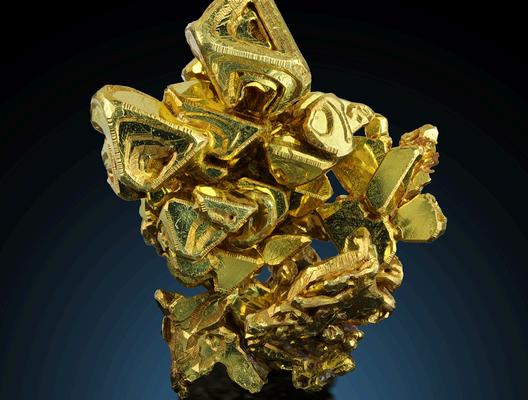
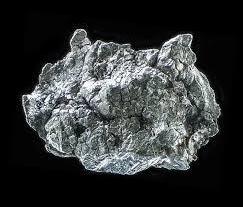
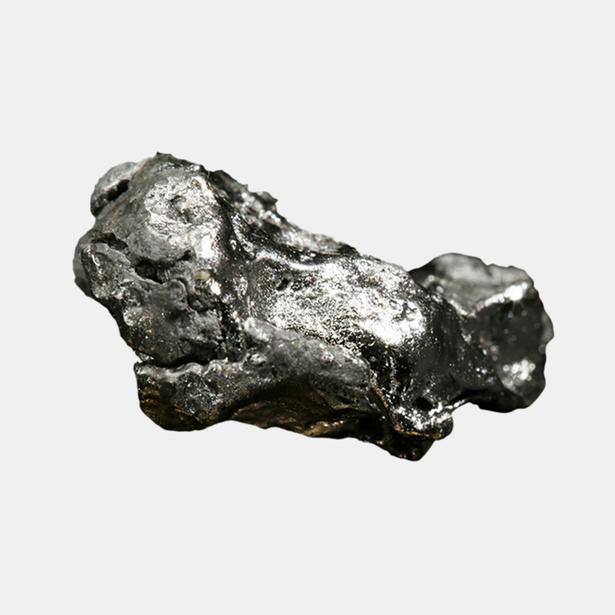
Silver is the often disregarded cheap brother of gold , as the metal can easily tarnish with contact from sulfur, but it serves a very importnat feature
Not only does it have countless industrial applications in electronics, catalysts, and medical devices, but it was also the backbone of most monetary systems for thousands of years, Goldisman’smostpreciousmetal Since nearlythebeginningofhistory,ithad applicationsasjewelryandmoney It protectedtheelitesoftheancientworldfrom inflation,anditsqualitiesofstayinginertalso makesitideal forjewelryandelectronics. Goldisalsoone oftherarestmetalstofind,andfindingaoneouncegoldnuggetisharderthanadiamond of5carats.
Gold and silver are probably one of the oldest materials that were ever used by humanity, dating back to 6000 BCE. They are also the only precious elements that are not part of the Platinum Group
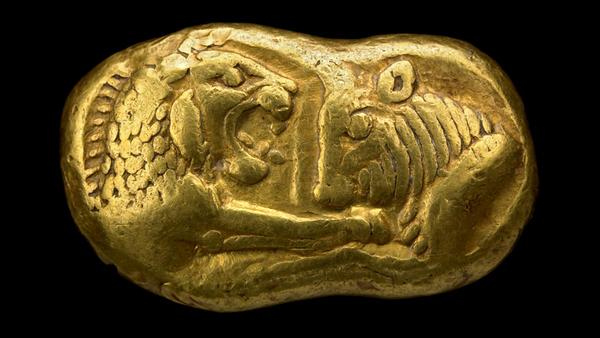
PIECES LIKE THIS STATER OF ionia(modern day turkey) WOULD BE ONE OF THE FIRST COINS THAT WERE EVER MINTED They were made from a natural alloy of gold and silver, called electrum, which occured in nearby rivers
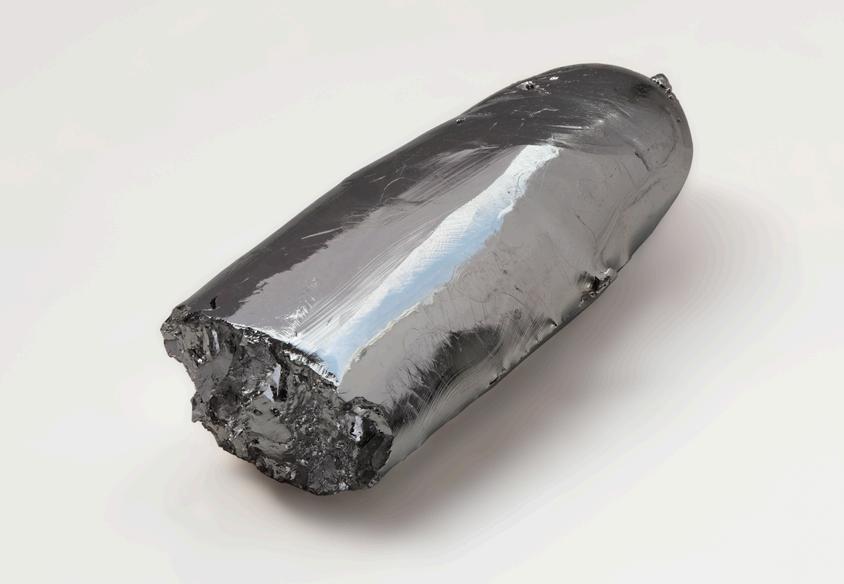
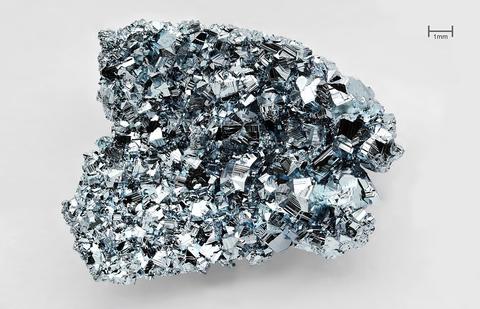
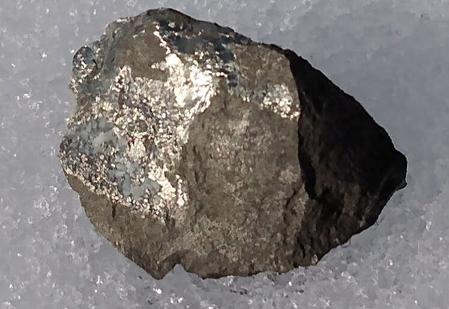
THE PLATINUM GROUP OF ELEMENTS.
PLATINUM
Science Buddies. (n.d.). Milk into plastic. Retrieved from Donovan and L, A. (2025) Antoine Lavoisier | Biography, Discoveries, & Facts.
Lagowski, J. (n.d.). Lothar Meyer. In Encyclopædia Britannica. Retrieved from Science History Institute (2024) Antoine-Laurent Lavoisier | Science History Institute.
Lagowiski,J.“LotharMeyer.”Encyclopædia Britannica,EncyclopædiaBritannica,inc , www britannica com/biography/Lothar-Meyer