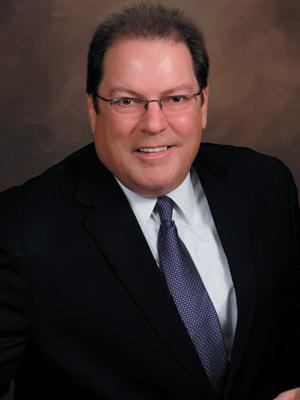
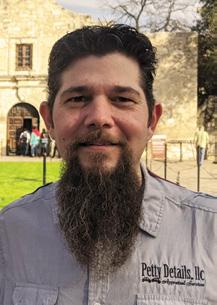
Manuel Rubio Miracle Body & Paint manuelr@miraclebp.com (210) 843-9564 Darrell Smith McDaniel’s Quality Body Works Inc. darrell-mcdaniels@sbcglobal.net (903) 753-5391
Published by: Thomas Greco Publishing, Inc. 244 Chestnut Street, Suite 202, Nutley, NJ 07110
Corporate: (973) 667-6922 / FAX: (973) 235-1963
PRESIDENT/PUBLISHER
Thomas Greco / thomas@grecopublishing.com
VICE PRESIDENT/SALES DIRECTOR Alicia Figurelli / alicia@grecopublishing.com
EDITORIAL DIRECTOR Alana Quartuccio / alana@grecopublishing.com
SR. CONTRIBUTING EDITOR Chasidy Rae Sisk / chasidy@grecopublishing.com
PRODUCTION COORDINATOR Joe Greco / joe@grecopublishing.com
OFFICE MANAGER
Donna Greco / donna@grecopublishing.com
SPECIAL CONTRIBUTORS: Burl Richards / Jill Tuggle
Robert L. McDorman / Mike Anderson
www.grecopublishing.com
PROUDLY SERVING NORTHEAST PROUDLY SERVING NORTHEAST SURROUNDING AREAS SURROUNDING AREAS
Our local team of auto electronics brings the right expertise and collision repair shop’s efficiency, following OE procedures, every
Executive Director’s Message
Houston, Lubbock and Dallas –We Are Coming Your Way!
AAs we head into the next few months, ABAT is proud to bring you three standout events designed to support, educate and celebrate our members during a time when connection and efficiency matter more than ever.
First up is one of our most meaningful and highly anticipated events of the year: the Ladies Night of Honor. This special evening is dedicated to recognizing the women who keep our shops, teams and industry moving forward every single day. Nominated by their peers and managers, each honoree is celebrated individually and treated to an unforgettable night of gifts, great food, an open bar, entertainment and incredible company. This year’s event will take place in the historic Baker Building in Lubbock, and it truly is the event for women in the collision industry. I strongly encourage shop owners and managers to nominate the women in their shops and sponsor their attendance as a powerful way to say “thank you” to those who do so much behind the scenes.
On March 5, we’re bringing hands-on education to Houston with a one-day, in-person training on “Unleashing the Full Power of CCC ONE.” This course will be led by two of the most respected invoices in the industry: Mike Anderson (Collision Advice), and CCC’s Solutions Delivery Director, Craig Stevens. This session has consistently drawn packed rooms across the country, so we fully expect this event to sell out.
pre, post and in-repair processes with handson instruction covering estimating, repair tracking, parts management, invoicing, customer communications and more. The goal is simple: help shops improve efficiency, reduce cycle time and increase profitability by fully leveraging the tools you already have.
In April, we will host our Ninth Annual Dean Griffin Memorial Skeet Shoot, a beloved ABAT tradition honoring the memory of our late board member and friend, Dean Griffin. This event supports both the ongoing efforts of ABAT and the college fund established for his daughter, Natalie Griffin. As always, it promises to be a fantastic day with great company, exciting prizes, gun giveaways and plenty of friendly competition. And we’ll be wrapping it all up with a crawfish boil for lunch! It’s always a great time, so grab your team and come out and shoot with us.
Between celebrating the people who make this industry great and equipping our members with real, actionable education, these events represent exactly what ABAT is focused on – showing up, delivering value and supporting our members where it counts.
I hope to see you at one of these events. Secure your spots early, and let’s keep moving forward
Jill Tuggle ABAT Executive Director
Russell & Smith Logging Big Paint Hours with USI Booths & Prep Station
Buying a paint booth is a huge investment, and there are many factors to carefully consider before selecting one Will the booth work well in a region where there’s a ton of humidity and with drastic changes in the weather? How long do you think the booth will last and will it require a lot of maintenance? Will your painters be comfortable using it ever y day and finally, will the company making the booth provide solid training and reliable customer ser vice?
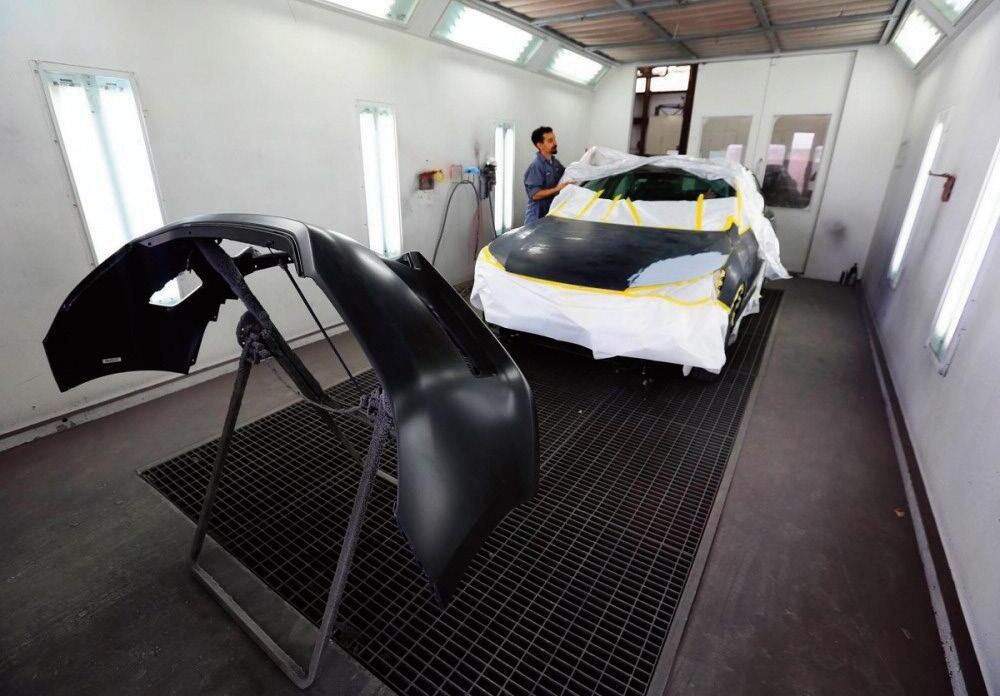
To answer these questions before acquiring two Chronotech spray booths and a prep deck from USI ITALIA back in 2004, Collision Center Manager Kevin McIllveen at Russell & Smith Body Shop in Houston, TX spent six months studying the market He was looking for the best booths that matched his needs to use in a brand-new 36,000 sq ft facility that the company built from the ground up
Mcllveen, age 56, entered the industr y more than three decades ago as an estimator and has worked for Russell & Smith Body Shop since 1993 His goal with his new spray booths was to improve the efficiencies in his paint department and to accommodate his production, he said, while simultaneously saving time and energy if possible
The vetting process was arduous but worth it in the end. "We did our research so that we could make an educated decision," he said "I went to NACE two years in a row and talked to literally ever yone and asked a lot of questions We knew that this was going to be a ver y significant investment, so we took the time to perform our due diligence to cover all our bases We invested in their prep stations as well, which was another good decision, because my guys can work so much faster and effectively with five different places where we can spray We put a curtain up in the prep booth that provides us two additional spaces that are heated and properly ventilated So, when we are really jammed, we can handle the workload and maintain our cycle time without interrupting or slowing down our production "
After using them for a ver y short time, Mcllveen could clearly see that his Chronotechs were more than capable as they quickly became a centerpiece in his new, high-end, modern shop
"We have four paint teams here, consisting of a painter and a painter’s helper and we consistently log approximately 600-700 paint hours weekly,” he said “We switched to waterborne paint when we opened this facility because we want to provide a healthier climate for our employees and the community as a whole ”
we push these booths and they never let us down ”
Any issues that Russell & Smith Body Shop have encountered with their USI ITALIA booths have been rare and far between But Mcllveen feels good knowing that if called upon, the company will respond and find solutions promptly “If you do your scheduled maintenance and keep ever ything clean, these booths will last you 30 years and maybe even longer The issues that we have encountered with the Chronotechs have been minor and quickly solved, which is impressive when you think that we have been using these booths daily for the last 16 years. I tell people that these booths will be here long after I’ve retired!”
Why was Mcllveen able to improve his numbers by simply adding two USI booths? “In the end, it all comes down to their airflow because we never need blowers or additional air to cure these vehicles The fans in these Chronotechs are exceptional because they feature variable speeds, so we can switch depending on the parameters of each job. Our painters are producing an impressive product day after day, so these booths are saving us both time and money We paint an average of 400 cars ever y month, so
After training provided by USI ITALIA, Mcllveen’s painters were able to start spraying after one day, he said "The Chronotechs are designed to work with waterborne paint, which makes it easier for our painters to do their work After a ver y short time, all of our guys were comfortable and the results were consistently exceptional.”
Mcllveen is also impressed by the Chronotech's sturdy construction and durability "Some booths are just a box, but these are wellbuilt," he said “I know, because I've seen them all and there isn't anything like a USI ITALIA booth "
His career in collision repair industr y has been a great experience and products like his USI ITALIA spray booths and prep station are a part of that, he said “We haven’t had to furlough anybody here and that’s because we value our people and, in the end, our Chronotechs are part of the team ”
Ladies in Collision
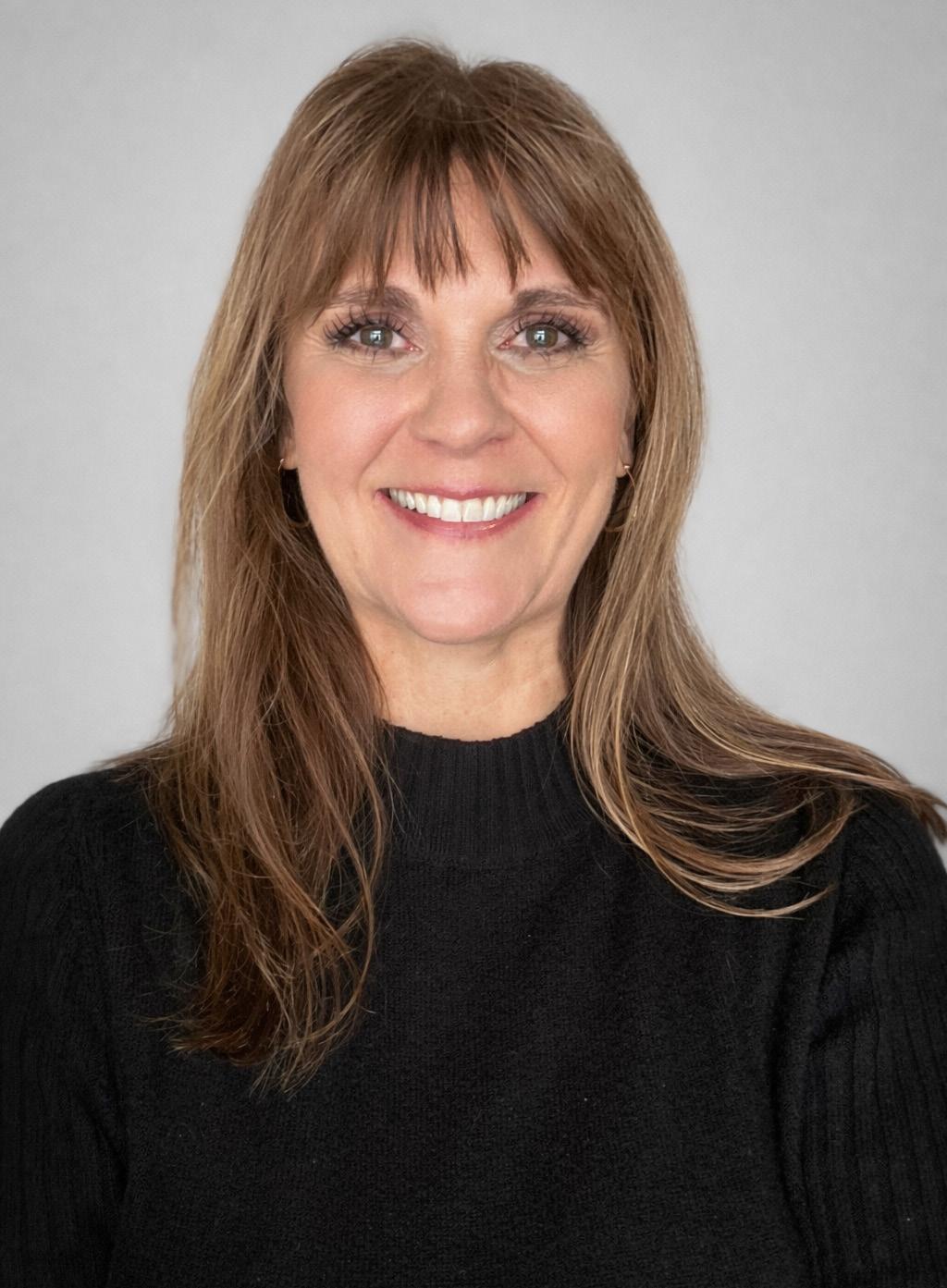
Shauna Davis, Kaizen Glass Solutions
Some of this industry’s most successful leaders are female. As this feature continues to prove time and time again, the ladies in collision are all over the map – fixing cars, mastering automotive technology and making waves here in the Lone Star State and all over the country. This month, Texas Automotive sat down with Shauna Davis, president and founder of Kaizen Glass Solutions. She has over two decades of experience in the automotive world and is super passionate about quality auto-glass education. Read on to learn all about how Shauna got her start at being a leading auto glass expert.
Texas Automotive: Let’s start off getting to know you better! What role do you currently play in the industry?
Shauna Davis: I own Kaizen Glass Solutions. We’re a training center focused primarily on auto glass training, helping shops bring auto glass in-house or expand their service offerings. We also train new employees for existing glass shops, as well as individuals looking for a career change or wanting to add new skills.
We also provide hands-on training in ADAS calibration, windshield repair, wheel restoration and flat glass – because these services all connect to one another.
I’m really passionate about offering education that's accessible and raising awareness around these career paths that are often overlooked as career or entrepreneurial options. We make it easy for anyone interested in learning these trades by meeting them at the level that they are at, guiding them step by step, and supporting them beyond the classroom. I’m especially proud of how we take care of people – helping them get started, building their confidence and connecting them with the tools and resources they need to succeed.
TXA: What led you to an automotive career?
SD: I’ve been in the auto glass industry since 2002, so it’s been 24 years now. sometimes it just feels like yesterday. I kind of just landed in it by fault. I started as a receptionist with an auto glass tool company right here in Texas. Within a few months, I worked my way up and ultimately became the global sales and marketing director and travelled the
world doing demonstrations at trade shows, networking and building relationships and sharing knowledge early on in my career. I was put through a training program that is similar to the program I offer people now. Through that experience, I learned how critical the windshield is. Everyone might think it’s just there to keep the wind and bugs out. I realized then that it’s my responsibility to educate people on the safety factor that your windshield plays and how essential it is for someone to be qualified and properly trained to do this work. It’s been my mission since then. I am a self-proclaimed auto glass expert/ educator and safety advocate. I believe in doing the job the right way, staying connected to what’s new and up and coming so people are aware of what they need to know in order to do the job properly and what challenges may come their way.
TXA: When did your work with auto glass begin to expand into the collision repair industry?
SD: Body shops did their own glass until adhesives and windshield technology began to change that. Then body shops started to realize they didn’t want the liability involved with the advanced auto glass work, so they began to sublet. Before I started Kaizen, when more ADAS features were rolled out somewhere around 2015-2016, I started to see a trend of body shops coming to me asking about how they can learn about auto glass. That trend continued to grow and grow. Through my travels and networking, I began to connect with more people on the collision side of the industry and started to really pay attention to what works for them. I then began working to bridge the gap between auto glass and collision. Now, it’s the biggest trend in the industry. I am proud I listened to my instincts. Today, we see so much technology in these windshields and glass in general, plus there is so much liability that anyone who works on a vehicle needs to be aware of how to properly replace or be educated about who they sublet the work to to make sure it’s a company that is qualified and will follow proper procedures.
TXA: What led you to start working with ABAT?
SD: I wanted to stay as connected and close as possible to the collision industry to keep on top of what was happening in the industry. So, early on as I began to launch Kaizen Glass Solutions, I signed up to be a member of ABAT to stay informed of what Texas shops are dealing with. Jill Tuggle is definitely an industry leader. I’m very excited about everything she and ABAT have done on the legislative side here in Texas. It’s super exciting to work with her as she is so passionate about similar things that resonate with me. My passion is educating people about auto glass safety and the proper procedures involved. In Texas, there is no regulation or licensing to do this kind of work, and it’s unfortunate because it’s one of the largest safety pieces in your vehicle. If a non-qualified person were to perform this work, it could cause a huge problem for the passengers of that vehicle. It’s inspiring to work closely with Jill and take her lead on some of the things we could do on the auto glass side.
TXA: What would you say are some of the challenges that you've seen women encounter, and if you have experienced any yourself, how did you combat them?
SD: I'm seeing a big shift in a positive way that the industry treats women. Early on in
Shauna Davis, president and founder of Kaizen Glass Solutions
my career, it was as though you had to prove that you were knowledgeable, like where someone may bypass you to speak to the male boss or they might tend to gravitate toward the male representative at the company to ask the technical questions. One of my great stories – and I have many of them – is that if people went to the men I worked with instead of me with questions, those male co-workers would ultimately wind up literally leading them back to me for the answers. Today, there’s still just a little bit of that, but I see a big difference. I think women are much more well-respected than in the past. I love that women are really coming into more leadership roles in the industry. They stay connected and they do things – not to prove themselves – but to really have people take note, and it makes people realize this is someone I want to work with and learn from. I can share stories for days (laughs), but I thankfully don't really see women being overlooked that much anymore.
TXA: What do you love most about the industry?
SD: I would say it’s the people and the ever-changing technology, the processes, the procedures, the new cars that are coming out, the new technology that's going into them. It’s really great because for someone like me who doesn’t like to do mundane repetitive things all the time, this industry keeps you learning and connected. There’s always updates about procedures, especially with vehicle manufacturers. There’s always a need to keep people educated and connected. People all across the country have the same mission to want to do things the right way. I think one of the biggest things is finding solutions to what is coming our way next and to be able to come together on that. I can’t stress the relationship factor enough. I don’t think I’d be where I’m at today without some of the people I’ve met along the way and realizing that they are here to help you as much as you are there to help them.
TXA: What’s life like outside of work?
SD: I'm pretty much a workaholic (laughs), but when I do get a few minutes or hours, my two teenage children, ages 17 and 14, keep me busy with their activities. My daughter is a cheerleader, so her practices and competition keep me busy, and my son is active with football and golf. I am a bowler,
by Alana Quartuccio
and I am in a bowling league with my sister and cousin that meets once a week – this ensures all three of us can spend some time together.. I don’t have a lot of personal time outside of that and when I do I try to get a workout in and some quality time with my closest friends.
TXA: What encouraging words do you have for any women interested in pursuing a career in this field?
SD: Knowledge is power. Educate yourself as much as you can, not just in what you are working in, but on all the things connected to that. It’ll help you grow tremendously to know how, if you stay connected to anything that relates to the work you are in. Stay on top of what is happening in the world as it relates to the industry as a whole. And definitely network. Your network is your biggest asset. A great network will have you surrounded by people that will help you grow. And in turn, you will inspire others and the next generation of people as well.
TXA
continued from pg. 4
experience, we all recognize the value of relationships, but what about developing relationships with like-minded businesses? If you’re going to continue subletting your work, make sure you’re connecting with those business owners to find out how the relationship can be mutually beneficial. You’re already sending work their way, but maybe they’d be willing to refer you to their clients who need body work.
Or maybe none of this sounds appealing to you…or you’re not having workload issues at all. Perhaps you’ve found a niche that I haven’t considered. We’ve already got the first month of 2026 under our belts, but it’s valuable to learn from others’ perspectives, and I’d love to hear what other shops are doing to diversify and keep the business rolling along. Please reach out and let me know what ideas your shop has implemented and how it’s going!
burl.richards@proton.me
www.raeservice.com
In collision repair, the best relationships are built on trust, reliability, and long-term commitment. The right equipment does more than perform on day one. It supports OEM repair procedures, delivers consistent results, and stands by your shop year after year.
At RAE, we help shops invest in OEM-approved tools, expert training, and dependable service that lasts well beyond Valentine’s Day. Because when the honeymoon phase is over, you need a partner you can count on.
ABAT Webinar Addresses RTA, Copays and Labor Rate Reductions
When it comes to guiding the Texas collision repair community through daily trials and tribulations, ABAT never fails to hear the call.
Setting the tone for the upcoming new year with fresh goals, ABAT held one final webinar for 2025 at the end of December to address the growing concerns surrounding labor rate reductions, informing the ABAT community about how invoking the Appraisal Clause and implementing copays can help shops in the fight. They also set out to update the membership on the rulemaking behind the mandatory Right to Appraisal (RTA) legislation, which was a huge victory for the association in 2025.
“Over the past several months, I’ve received several emails and phone calls from shops across the state about labor rate reductions,” shared ABAT Executive Director Jill Tuggle, who explained, as an association, it isn’t always easy to figure out the best way to address this in a way that abides by the law and equips shops with the proper tools to fight this issue. She said a “resounding response” from the Board centered on customer copay and RTA. While those who have been implementing customer copays are not feeling the effects of labor rate reductions and those who have not are, Tuggle suggested, “The good news is it’s not too late to consider these avenues, so you and your customer can be made right by the insurance company.”
“ABAT is focusing on our members, and we do what we can as an association to help shops be successful and be more profitable,” offered ABAT President Burl Richards. He stressed that RTA is a tool that has worked very well for his business but understands every shop is different. “It’s not cookie cutter. Every shop is in a different market. Every shop has to decide how to run and manage their business. That’s the reason we have ABAT. We don’t have all the answers. We get the answers from our members when you tell us your success. I always say it’s not bragging if you can back it up.
“We’d love to hear your success stories,” he encouraged members. “More than ever, insurance companies are fighting back, not just on the labor rate, but with parts, and it’s going deeper down the hole.”
ABAT welcomed Robert McDorman (Auto Claim Specialists), a licensed public insurance adjuster who was instrumental in
the fight for mandatory RTA, to update the ABAT community on what is to be expected from the newly passed law and how the RTA process works.
“It’s always been my position to educate customers as it goes a long way,” suggested McDorman. “The shop is owed what it is owed. The better job we do at giving customers information, the better they can handle the situation when there is a short pay."
RTA sets out to “level the playing field” when a dispute over the loss arises. McDorman reminded all that once it’s invoked and an agreement is reached, it’s binding so “when a customer invokes RTA, it’s best to wait until the repairs are completed before agreeing to anything.”
He shared his involvement with the rulemaking process as he was invited to submit suggestions to TDI which included adding time-triggers to reduce the length of the process. In his experience, the RTA process has taken as many as 280 days, “which is absolutely crazy.”
Although the final draft of the rules were not in at the time of the webinar, McDorman was hopeful that TDI would reconsider reducing the maximum time frame of 180 days down to his preferred suggestion of 90 days.
He stressed what an important win this was for the Texas consumers and the collision repair industry as both sides of the aisle passed the bill in the legislature. “I think we can all agree that both sides of the aisles don’t agree on anything, but they unanimously agreed on this. It took many years of proving and fact finding to get everyone at the Capitol to see the problem.
“It’s my position that the appraisal process is the insured’s best tool to be properly indemnified. The best thing a shop can do for their client is to let them know about it. If handled properly, all the customer should have to pay is their deductible.”
Shops base their repair methodology on OEM requirements, while insurance companies base theirs on cost savings and will go into “defense mode,” so it’s crucial to have a transparent and upfront conversation about this so customers know what to expect.
“We start right on the front end to let them know what is going to happen,” shared Richards. “We’ll show them the OEM
requirements and prepare them to expect the insurance company to come back offering typically 50, 60 or 70 percent less than what the repair plan says. Because we already set the stage with the customer, they see the situation, and then we let them know of their options –that they can take it somewhere else and repair it the way the insurance company wants… or we can repair it the way the manufacturer recommends. I am going to say 99 percent, even though I can’t think of one percent that didn’t do it, so we’re probably batting 100 percent of every customer who invoked their Right to Appraisal.”
It’s been his business model to continue on with the repairs if a customer invokes the RTA.
“Educating the customer upfront and proving to them during the process that what you said is true is proven by documentation. That overwhelmingly trumps anything the insurance company may say.”
Basically, Richards finances these customers’ repairs upfront by paying his technicians and ordering the parts. “Getting reimbursed for everything you did is a great feeling. Profitability takes care of itself on the backend, but you will get reimbursed for everything you did,” he said, adding that he is sure to include everything that was required in the repair like test driving and pre-washing the vehicle. He realized he didn’t even have to fix as many cars in order to be profitable.
McDorman stressed what drives him in the fight for RTA is safety. “I testified that we won’t charge every client that comes to our door,” he noted of waiving his firm’s fee if someone in need of safe repairs truly can’t afford it. “My heart is so committed to this.”
The new appraisal law that requires all insurance companies to include the Appraisal Clause went into effect January 1; however, McDorman pointed out that insureds won’t see it in their policy until July 1.
Tuggle shared details about upcoming events, including the return of ABAT’s Ladies Night of Honor Event, taking place in Lubbock on February 12, and an “Unleashing the Power of CCC One” seminar featuring Mike Anderson (Collision Advice) in Houston on March 5.
More information on ABAT events can be found by visiting abat.us. TXA
TOTAL LOSS:
If your vehicle was totaled following an accident, we’ll examine the market value comparison report, collision repair estimate and settlement offer prior to settlement.
DIMINISHED VALUE:
We have been helping people with Diminished Value claims since 1999. Do you qualify for a diminished value assessment? Contact us!
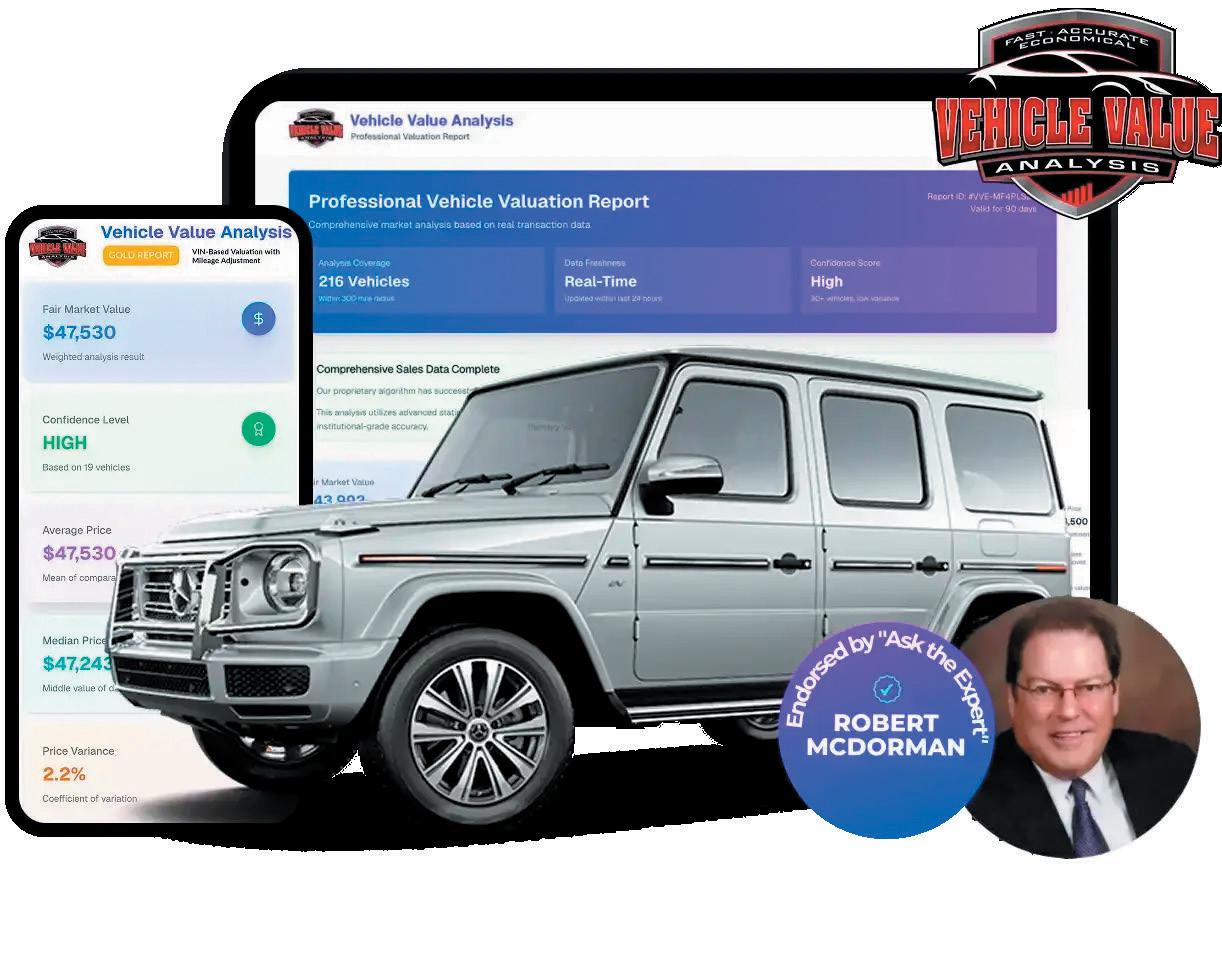
Our comprehensive auto appraisal reports offer a documented value assessment based on the subject vehicle’s condition at the time of the incident or loss.
If you need a recognized and qualified expert to provide testimony for you or your client, make sure you select one who’s certified! Choose The Vehicle Value Experts!
When you see the VVEverified™ seal, you can rest assured that the accompanying valuation comes from an expert auto appraiser, not from a faceless black box pricing algorithm. That is our promise!
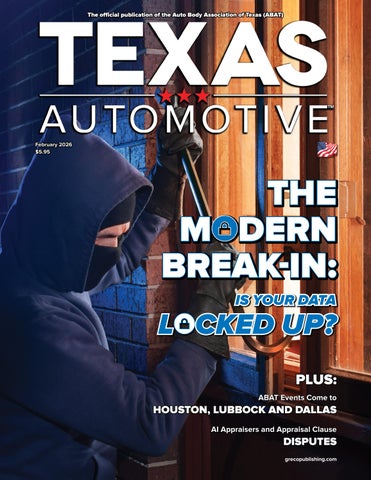
THE MCDERN BREAK-IN: IS YOUR
DATA
LCCKED UP?
You wouldn’t close up shop for the day and leave your doors and windows unlocked, but are you protecting your accounts and data with the same diligence?
Cybersecurity threats are on the rise. CDK’s “State of Dealership Cybersecurity 2025” study indicated that 21 percent of dealerships were the victim of a cyberattack in the preceding year with ransomware and email phishing making up the majority of incidents. According to eSentire’s “2025 Year in Review and 2026 Threat Landscape Outlook Report,” published January 15, phishing and malware attacks continue to be a threat, but account compromise rose 389 percent in 2025 over the previous year, comprising over half of the cybersecurity attacks observed by the firm.
Evidence of this rising concern was experienced firsthand late last year by over 200 auto repair shops when a hacker breached a Google Ads agency manager account (MCC) and comprised thousands of accounts. Targeted businesses reported various losses; in fact, one shop’s account initiated a $500,000 withdrawal, but fortunately, the bank flagged and prevented the activity.
But Google uses advanced techniques to stay ahead of advancing hacking and phishing techniques, so if even THEY could get hacked, what does that mean for small businesses looking to fortify their data defenses?
The first step is recognizing that cybersecurity is a concern. “Don’t be naive; many people believe this can never happen to them, but it CAN happen,” insists Mike Anderson (Collision Advice). “It has happened to large shops, and it has happened to small shops. You have to be prepared.”
Brandon Laur (CCi Global Technologies) recommends “implementing robust security measures, including regular
software updates, firewalls and advanced threat detection systems to protect sensitive data. Employee training is equally vital, with regular sessions on recognizing and responding to threats like phishing and social engineering.”
David Willett (SPARK Underwriters) notes that shops need to review requests for information with increased diligence since cybercriminals are apt to play on people’s emotions by hiding attacks within clickbait links. “You and your employees should be scrutinizing emails now more than ever. It’s better to receive multiple requests instead of clicking on something suspicious.
“One thing that shops often overlook is the use of personal devices on their shop’s private Wi-Fi,” he adds. “Shops may feel protected because they set up a separate network for customers, but when they allow their employees to use personal devices on the private network, they’re opening themselves up to attack. The shop’s Wi-Fi should be used only for shop devices to keep it secure. Phones are typically our least protected personal devices, so I suggest installing a VPN to enhance phone security.”
Additional steps that shops should implement include “maintaining comprehensive and regular backups of all critical data. Collision shops should develop and routinely test disaster recovery plans to ensure they’re able to quickly restore business operations in case of an attack,” Laur explains, noting, “Recent incidents highlight the need to assess and monitor the cybersecurity practices of vendors and partners. Collision shops should require their partners to adhere to stringent security standards to prevent vulnerabilities from being exploited through third-party connections.”
Willett examines what would happen if an information provider, like CCC or Mitchell, suffered a cyberattack: “The
relationship is not identical to the one between dealerships and CDK, though the reliance on them to operate plus the size of the relationship are both significant.”
Maintaining regulatory compliance is imperative. “Collision shops should stay informed about legal requirements related to data protection and ensure timely reporting of breaches to relevant authorities,” Laur stresses. “Having a detailed and tested incident response plan in place is vital. This plan should outline steps for identifying, containing and mitigating the impact of a breach. It should also include communication strategies for informing customers and stakeholders about the incident.”
Anderson agrees, likening it to a fire drill. “We have fire drills to make sure everyone knows the protocol to follow in case of an emergency. Likewise, you should have a conversation with your IT department to determine how to handle a potential attack. You need to know what to do in advance. Is your server in the building? Should everyone shut down their devices immediately? Who is responsible for performing which actions? Knowing the protocol in advance just might help you act quickly enough to avoid having to pay a ransom. Of all the shops I know that have been hacked, all except one had to pay the ransom; one paid out $13,000 in bitcoin!”
He urges shops to verify that their backup servers are working properly on a regular basis, to educate staff on safety precautions and to implement dual authentication, using two methods to verify that someone is who they claim to be before accessing sensitive information and systems. “It’s also important to make sure that shops have the proper insurance coverage to protect their business if something does happen,” Anderson advises.
While Willett agrees that having the right business insurance is a key component to protecting one’s business from any type of tragedy, including a cybersecurity attack, he cautions, “Having a larger policy doesn’t mean you won’t be attacked; in fact, it may make you a larger target! Shops should certainly ensure they have adequate coverage – and I encourage all business owners to conduct a review of potential exposures and how their policies protect them annually at a minimum – but insurance is not on an island by itself; it should work cohesively with your risk management plan.”
Engaging in an open discussion with one’s IT resource and insurance carrier can highlight areas of exposure and help identify gaps that need to be filled. “You should be relying on experts in these matters to service your shop’s needs,” Willett suggests.
Although shops should lean on cybersecurity professionals to ensure their ramparts are secure, it’s beneficial to understand where an attack may come from. “Collision shops should be aware of several common forms of cyberattacks that could target their operations,” Laur says. “Understanding these threats can help in implementing effective security measures.
“Phishing is one of the most prevalent forms of cyberattacks, where attackers use fraudulent emails or messages to trick employees into revealing sensitive information, such as login credentials or financial information,” he stresses the importance of training staff to recognize and report suspicious email.
Shops should also be on the lookout for ransomware and malware attacks. “Ransomware attacks involve malicious software that encrypts the victim's data, rendering it inaccessible until a
ransom is paid. Regular backups and having a robust incident response plan can mitigate the impact of such attacks,” Laur offers. “Malware encompasses various types of malicious software, including viruses, worms and spyware. These programs can disrupt operations, steal data or give attackers control over the shop's systems. Installing and updating antivirus software and conducting regular scans can help protect against malware.”
He also shares some thoughts on other common types of cyberattack: “Denial-of-Service (DoS) and Distributed Denialof-Service (DDoS) attacks, aimed at overwhelming networks, can be mitigated with firewalls and traffic monitoring. Insider threats, whether intentional or unintentional, can be controlled through strict access controls and user activity monitoring. SQL injection attacks, which exploit database vulnerabilities, can be prevented by securely coding web applications. Credential stuffing, where attackers use stolen credentials, can be reduced with strong, unique passwords and multi-factor authentication (MFA). Social engineering attacks manipulate individuals into divulging confidential information and can include pretexting, baiting and tailgating. Regular employee training on security awareness is crucial to prevent these attacks.”
Anderson also mentions how social engineering can be used via phone call or even social media. “Cybercriminals can hack your information without accessing your computer as well. You might receive a call asking you to transfer funds from one account to another, or hackers may use your image to create a fake Facebook account with nefarious intentions. There are many ways they can fake your voice and your image to gain access to your information, so we have to be wary anytime someone asks us for sensitive data, especially financial information.”
What are some signs that shops can look out for that may indicate a cyberattack? “Signs of a cyberattack include unusual account activity, such as unexpected login attempts or multiple failed logins indicating brute force attacks,” Laur warns. “Strange network traffic, like high traffic from unknown IPs or unexpected data flows, may signal data exfiltration. Slow system performance can indicate malware or a DoS attack. Unexpected pop-ups or ransom messages suggest adware or ransomware infections. Unauthorized software installations or system changes without user consent are red flags. Unusual file changes, disabled security software and phishing indicators like suspicious emails are also signs. Additionally, strange program behavior, unusual account actions, access log anomalies and alerts from monitoring tools can all indicate a potential cyber threat.
“Collision shops can safeguard against cyberattacks through comprehensive measures,” he adds. “These include ensuring robust software and systems security by regularly updating antivirus software, deploying firewalls, using intrusion detection systems and maintaining software patches. Network and infrastructure security involves segmenting networks, securing Wi-Fi with strong encryption, regularly backing up data and encrypting sensitive information. Employee training is critical with regular cybersecurity sessions, phishing simulations and clear policies on passwords and sensitive data handling. Implementing multi-factor authentication, role-based access controls and conducting regular access audits enhance access controls and authentication. Cyber continued on pg. 18
continued from pg. 17
insurance provides financial protection against incidents like data breaches and ransomware attacks. Incident response planning is vital, involving the development of detailed response plans, regular drills and establishing response teams. Lastly, ensuring vendor and partner security by assessing their cybersecurity practices and monitoring third-party access helps prevent unauthorized breaches through external connections.”
Of course, no one can safeguard against every scenario, and as businesses become more adept at protecting against common cybersecurity risks, cybercriminals grow more innovative in their
attacks. If a shop suspects that they are under attack, “immediate actions are crucial,” Laur emphasizes. “They should contain the breach by disconnecting affected systems and disabling compromised accounts to prevent further damage. Preserve evidence by documenting details like the attack time and affected systems. Activate their incident response plan promptly, notifying their response team and relevant stakeholders. Next, assessing the attack's scope helps determine affected systems and the attack type. Mitigating the threat involves removing malware, applying patches and enhancing access controls.
“Communication is key,” he reiterates. “Notifying affected parties and authorities and complying with breach notification requirements is necessary. During recovery, restoring systems from backups and monitoring for residual threats with Intrusion Detection and Prevention Systems is critical. Post-incident, conducting a thorough analysis, updating security measures and enhancing employee training on cybersecurity will ensure readiness for future incidents.”
The very prospect of dealing with a cyberattack may feel overwhelming, but preparation is essential, Willett insists. “It’s not going away.”
It’s imperative that shops invest in keeping their data under lock and key, just as they keep their physical assets. After all, that data is probably more valuable than even your tools and equipment! TXA
Ask The Expert
by Justin Petty
Do You Think Companies Are Using AI Appraisers in Appraisal Clause Disputes?
Dear Readers,
This month, instead of answering one person’s question, I’m going to address a question I’ve been getting from more than one person – sometimes from collision professionals, sometimes from policyholders and occasionally from claims personnel themselves. And it’s usually asked with a mix of curiosity and unease:
Do you think companies are using AI to act as appraisers in Appraisal Clause disputes?
On its face, the question makes sense. Artificial intelligence is now embedded in nearly every part of the insurance claims ecosystem. Estimates, valuation tools, fraud detection, document review –automation is everywhere. So, it’s natural to wonder whether appraisal, too, is being handed off to machines.
But when you look closely at what the Appraisal Clause is designed to do, the question becomes less about technology and more about process integrity.
What the Appraisal Clause Is Supposed to Be
The Appraisal Clause is not a shortcut. It’s not a pricing algorithm. And it’s not a claims workflow.
It is a contractual dispute-resolution mechanism, intended to resolve disagreements over the amount of loss by substituting professional judgment for litigation. In most auto policies, that mechanism is deliberately simple:
• Each side selects a competent, disinterested appraiser
• Those appraisers independently evaluate the loss.
• If they disagree, an umpire resolves the difference.
That structure only works because the appraisers are assumed to be human beings – capable of judgment, discretion, communication and accountability. Appraisal exists precisely because not every dispute can be resolved by formulas or averages.
Where AI Changes the Conversation
There has never been a problem with appraisers using tools. Market databases, guides, regression models and valuation software have long been part of competent appraisal work. Heck, I use plenty of tools, including AI.
The emerging issue is different.
Some vendors now publicly market AI-driven “agents” as appraisers themselves – not as tools used by appraisers, but as the appraiser. In some cases, these agents are presented under a person’s name, complete with contact information, even though the underlying work is largely automated.
That raises a legitimate question: If the “appraiser” is an autonomous system, is the Appraisal Clause really being honored?
Why This Isn’t a Technicality
It’s tempting to dismiss this concern as academic, especially when an appraisal produces a number that appears reasonable. But appraisal isn’t binding because the number looks right – it’s
binding because the process is right.
An Appraisal Clause assumes the appraisers:
• Exercise independent judgment
• Weigh competing evidence
• Communicate and negotiate with one another
• Can certify their conclusions
• Can be questioned or examined if the process is later challenged
An AI system cannot do those things in any meaningful legal sense. It cannot hold a license, if required. It cannot be disciplined. It cannot testify. And it cannot attest to its independence or lack of bias.
Once the human element is removed, appraisal starts to look less like a substitute for litigation and more like a disguised extension of claims handling or a tactic to “game the system.”
The Complication of Third-Party Appraisal Invocations
This issue becomes even more complex when appraisal is invoked by a third party – such as a lienholder acting under a Power of Attorney from the insured.
In those situations, the insurance carrier may be required to participate in appraisal based on representations made by the invoking party about who the appraiser is and how the process will work. If the named appraiser is presented as a licensed individual but is an automated agent in reality, the carrier may unknowingly be pulled into a procedurally defective appraisal.
That creates risk for everyone involved – even if no one is acting with bad intent.
This Is Not an Argument Against Technology
To be clear, this is not an argument against AI or automation. Used properly, technology can improve appraisal by:
Ask The Expert
continued from pg. 20
• Expanding market visibility
• Improving consistency
• Reducing clerical error
But technology must remain assistive, not substitutive. The Appraisal Clause does not contemplate outsourcing judgment itself to software. It contemplates two people applying their expertise to a disputed loss.
Calling an automated system an “appraiser” does not make it one.
The Simple Question That Protects the Process
As appraisal becomes more common – particularly in states that have adopted, or are adopting mandatory Right to Appraisal provisions – there is one question that everyone should be comfortable asking at the outset:
“Is the appointed appraiser a human individual who personally exercises independent judgment in this appraisal?”
Justin is a former All Lines and Public Adjuster who is now President and Co-Owner of Petty Details, LLC. He is a recognized subject matter expert/auto property damage claim consultant nationwide. He can be reached at (214) 227-2154 or at admin@pettydetailsllc.com.
That question isn’t hostile.
It isn’t accusatory.
It’s about compliance.
And it protects policyholders, carriers and the appraisal process itself.
Closing Thoughts
So, do I think companies are using AI appraisers in Appraisal Clause disputes?
In some cases, yes – or at least pushing the boundary between using AI as a tool and using it as a replacement for human judgment. That boundary matters more than it may seem.
Appraisal works because it is human, independent and accountable. As technology advances, preserving those qualities isn’t a step backward – it’s how we ensure appraisal remains a fair and enforceable remedy, rather than just another automated outcome.
Used responsibly, AI can strengthen appraisal.
Used improperly, it can quietly undermine it.
As the industry moves forward, that distinction deserves careful attention.
Sincerely,
Justin Petty Petty Details, LLC TXA
An Investment in Success: Wieländer+Schill Welding Equipment Provides Precision, Peace of Mind
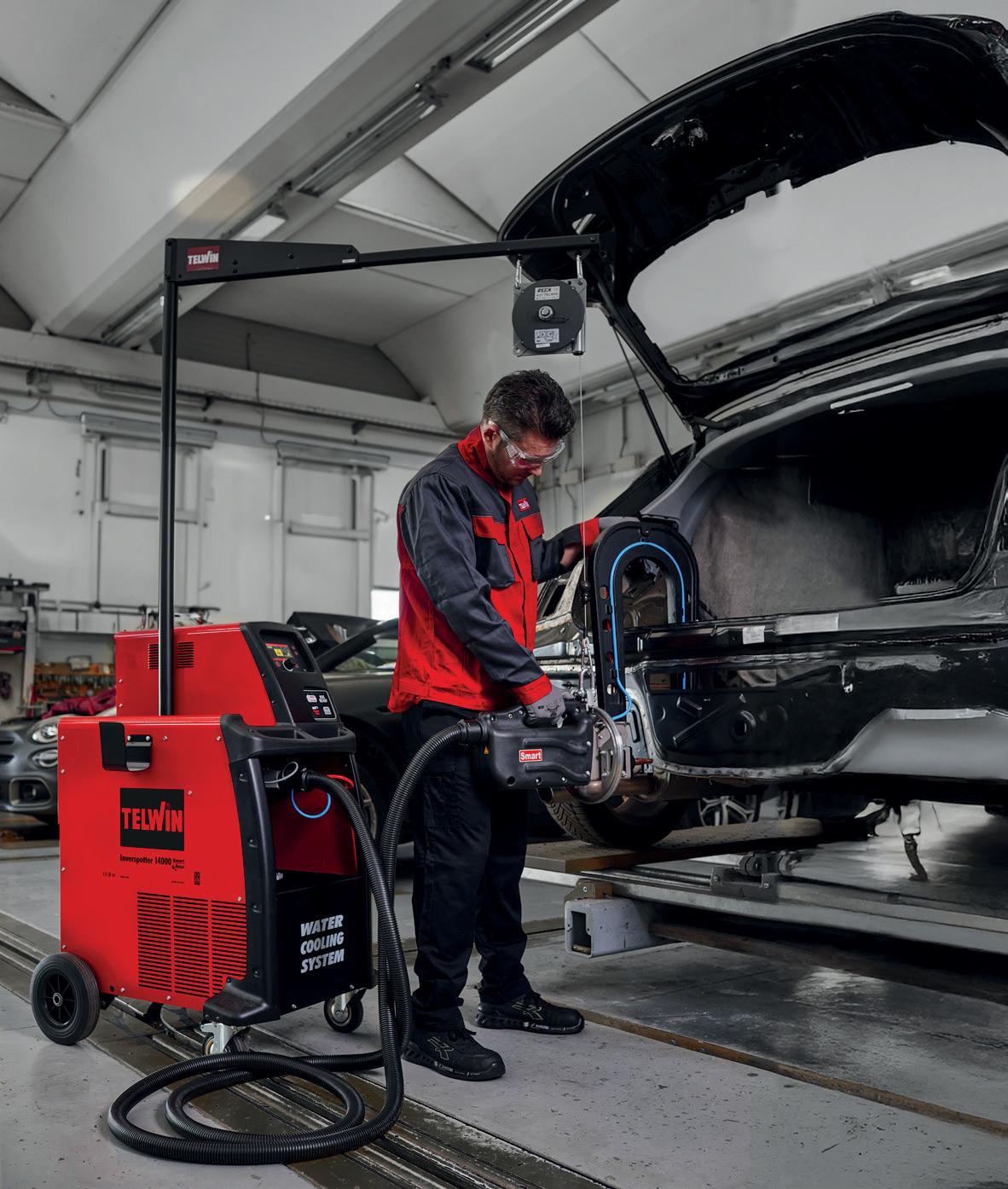
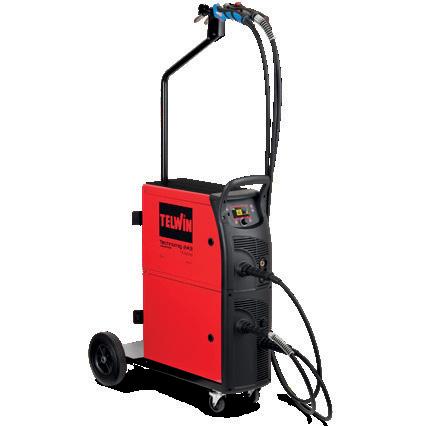
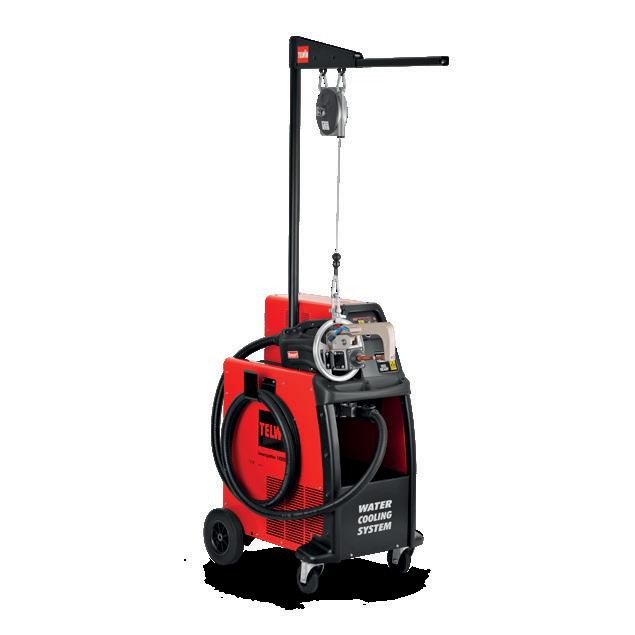
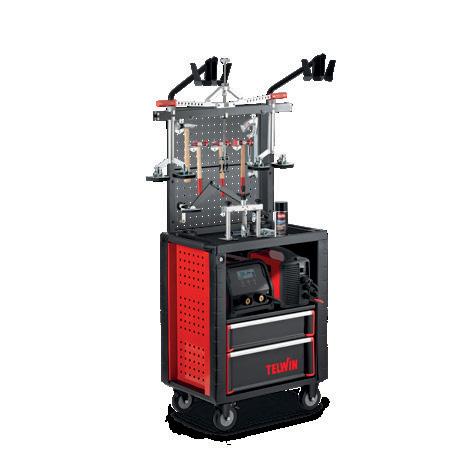
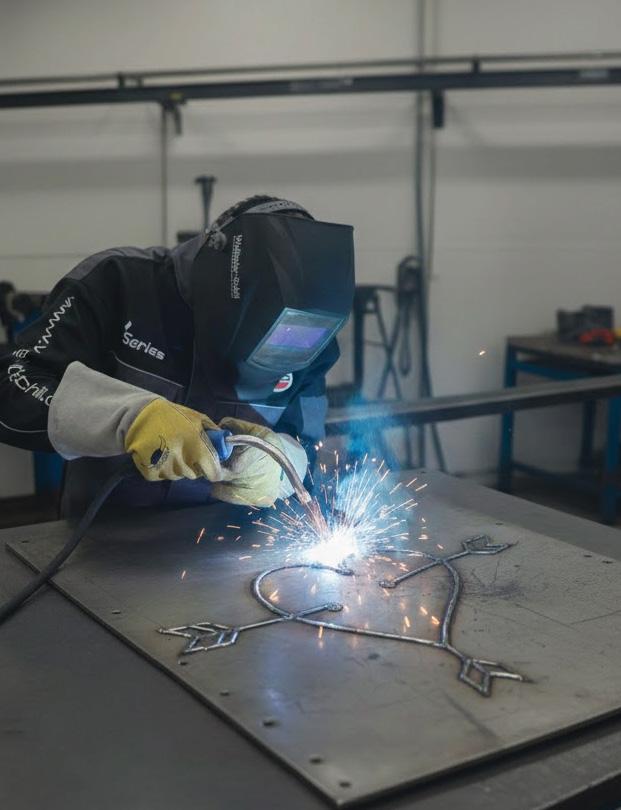
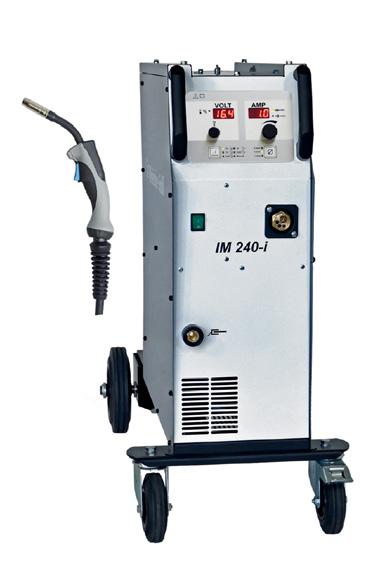
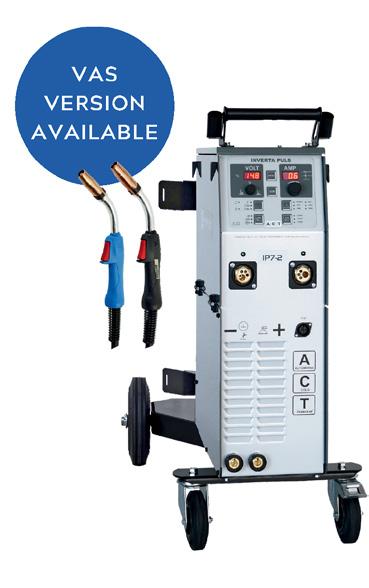
What makes an elite collision repair facility? Expert technicians, impeccable attention to detail, unwavering adherence to OEM repair procedures and top-notch customer service. Just as important is the facility’s investment in cutting-edge, quality equipment. Wieländer+Schill’s full range of welders available through Reliable Automotive Equipment (RAE) helps leverage a shop’s investment into efficient, accurate repairs, elevating the overall customer experience while ensuring the vehicle is restored as close to pre-accident condition as possible.
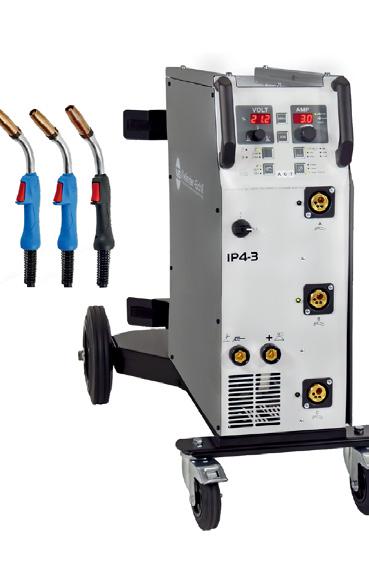
W+S welders help repairers performing a wide variety of welding repairs with simple, self-explanatory, intuitive operation and the highest safety standards. The InvertaPuls IP7-2 offers 2-button handling, dual 3G torches, ergonomic torch removal and narrow housing construction for ease of use in any size shop performing steel and aluminum welding.
The InvertaPuls IP4-3 is your go-to for steel, brazing and aluminum welding with automatic torch recognition, parameter retention and a 4-roller wire feed for seamless results. With 90 memory spots and 240A current, pulse and double-pulse welding procedures can be performed effortlessly. And shops looking for inverter technology need look no further than the MIG/MAG IM240-I, a powerhouse featuring a 4-roller
drive with trim adjustment and D300 wire spool compatibility for ensured precision. Dynamic pulse adjustment guarantees impeccable results on thin sheet metal as thin as 0.6mm.
For more information on the full line of Wieländer+Schill welders and all available equipment, service, training and support through Reliable Automotive Equipment, visit raeservice.com
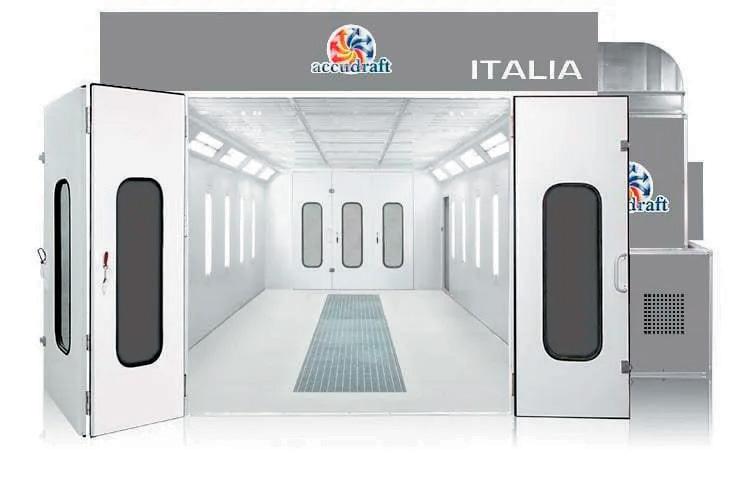
THE ITALIA
Designed for high production, the Italia comes with the Timeless Series Direct Drive Air Make Up Unit, completely integrated intake,
system.
The Italia includes (2) 10hp VFDs, digital PLC control panel, full lower LED lighting package (every wall), and SmartPad digital control panel with EnergySmart Package, which automatically drops to idle when no spraying is detected.
The exterior of Accudraft’s Dual Skin Finishing Equipment is available in FOUR colors: