

From CCI Consultants From CCI Consultants









From CCI Consultants From CCI Consultants
Greetings from the NIOA,
January is an exciting time for GNC. Historically we see a nice jump in customer count with consumers focused on their health in the new year. As times change, we are not seeing the “diet” rush anymore. Fortunately, we are seeing increased customer counts compared to Q4 2024, however we are still struggling to make comps compared to last year. Let’s focus on the small wins and embrace the increased customer count. Your team is excited as more customers are coming in compared to Q4. The more we keep our teams motivated and excited, the more success we will have. Success is contagious.
I truly embrace the words from our exiting board member Rob Wiet. “I am working as hard as I can to do everything I can to drive sales for my stores for 2025.” This is one of the best statements a GNC franchisee can make. Despite all the challenges we face, hard work does translate to incremental gains.
Our business is a game of small wins. Rob has six stores and is super committed to making each one a success. He is in his stores leading his team by example, and creating selling plans that motivate his team to be their best. He is on top of his inventory, sourcing all the brands his consumers want. He sets margin goals and sales goals to provide expectations and guidance
for his team. Rob is in his community creating excitement about his stores and the products he believes will build loyalty and margin. Rob will be successful.
The NIOA continues to work toward change at Corporate to further facilitate your success. Refining promotions, including BOGO and B2G1Free is a top priority. GNC is well aware that BOGO and B2G1Free do not work for the franchise system. The NIOA board is working with GNC to create promos that drive sales while protecting margins. To assist in this, SVP Cheri Mullen has told us we will soon have an NIOA member included in GNC’s marketing meetings and future planning to help build and protect the franchise business. This is a major accomplishment.
The NIOA and the franchise system have many wins for 2024. Full SFS is our biggest win to date. Franchisees are seeing significant increases in SFS sales to help their business. These are our customers from our trade area. SFS is key to the future success of our business. The NIOA is working with GNC on guardrails and expectations including:
• More detailed reporting for SFS. This will protect our profits.
• Suppress negative margin sales.
• Display funding of coupons and promos on order acceptance screen for orders.

There is a lot of work to do as we work to build and protect our business into the future. We are currently working on our next NIOA in-person meeting with Michael, Cheri and other senior leaders. Please continue to be vocal with the NIOA and GNC so our voices are heard from all sides.
Let’s follow Rob’s lead for 2025 and make this year a success, remembering the more we put into our business the more we get out of it.
Thank you for your continued support.
Eric Miller NIOA President

Supplements - page 2
Judah - page 3
Omega Blu- page 9 FLOW - page 5
- page 7
Protea - page 1 Taylor-ed Formulations - page 9
CCi - page 13
Project #1 Nutrition - page 18
SDC Nutrition - page 19 MuscleSport - page 19
Sponsors - page 20-21
NutraBio - back cover Our Mission Statement The Association will respect, aid and empower the franchisor while pursuing initiatives to
Dear Franchise Partners,
Happy 2025! 2025 is the year of execution for our strategy.
Our strategic plans have been rolled out, and together, we are set to deliver meaningful results that will strengthen our brand. Below, I would like to share updates on key initiatives and insights into the strategy that will drive our success this year:
We are continuing to improve the franchise experience through initiatives like Ship from Store, online BOGO funding, and the evolution of Subscribe to Save. Here are some highlights:
• BOPIS and SFS BOGO funding went live November 1, 2024, and we have seen $163,000 in payments to the franchise system to support the online promos.
• Routines is now Subscribe to Save – and we are seeing a significant increase in in-store sign-ups in corporate stores. We see this as a way to interact with our customer between visits. Our average customer visits us 3 times a year, so signing up someone to receive multi-vitamins every month should increase the frequency of purchase. I encourage all franchise stores to do the same as the order naturally flows back to your store (90%) and we are going to update the system in the near future so that the store that signed up the customer is the first store it is routed to 100 % of the time (if you have inventory).
• Franchise and Corporate are equal priority on Ship from Store for GNC. com orders. Effective January 5, 2025, when a customer orders online, the closest store to the customer (assuming there is inventory on hand to fulfill the order) will receive the order. We have seen an increase in orders going to the franchise by 146% in the first 3 weeks of 2025. Franchise Ship from Store went from 8.6% in December to 21.1% of gnc.com orders since January 5, 2025.
Our Strategy: The 5 Cs
We continue our transformation to a consumer-led company. The strategy has been approved, and as I mentioned above, 2025 is the year of execution.
As a reminder the 5 Cs are:
1. Growth Culture
2. Consumer Experience to drive “Why GNC”
3. Key Category Demand Spaces
4. Countries and Channels
5. Cost
I wanted to go a little deeper into two of these today- Consumer and Cost.
• Consumer Experience / Why GNC
Why GNC is what makes GNC different and why they should come to GNC. We have the products, the scientific studies, and the testing for quality assurance. We are a trusted authority. You, the franchisee and your team are how we deliver on our promises to our
customers to become their trusted advisor. Customers will come to us if we give them an experience that makes them feel heard, informed, and assisted in their purchase.
My ask of you - Continue to use GNC University training for you and your team. We are updating training modules so that we can arm you with the most recent and accurate information. If there are topics you want more information on, please ask your DFO and we will use this input as we formulate what to update.




Strategic Partnerships - As we seek to drive a better consumer experience, we will also be looking for partners who can help our customers. Jenny Craig® and F45 are examples of the types of partnerships that we want to pursue.
• Jenny Craig®, in partnership with GNC Total Lean®, offers a meal solution for those looking to lose weight with a proven system. The franchisee makes a commission for every meal they purchase without having to hold any inventory.
• In the gym space, F45 is a gym that speaks to our target, and we see this partnership as a way to acquire new customers.
Loyalty - The GNC rewards loyalty program is a differentiator for many of our consumers. The advantage for GNC is it gives us permission to engage with our customers, whether it is about promotions or new products. It also allows us to see who our best customers are and use the data to find other consumers who look like these customers but are not GNC customers and then market to them in a more efficient manner (look-a-likes in marketing terminology). We have seen a slight increase in loyalty coming from the franchisees and we hope to see much more.
I know there has been a lack of trust about how loyalty data is used when someone signs up in a franchise store and whether corporate “steals my customer”. If someone signs up for the first time in a franchise store, this customer is marketed to as a franchise customer (there are also corporate customers and Omni customers).
A customer stays in the franchise communication group for the first 12 months, regardless of where they shop, as long as the store remains open. After 12 months, customer assignment is determined by the customers’ shopping preference and is designated to where 51% of their purchases occur. The goal is to keep them a franchise customer unless their purchasing behavior changes after 12 months. The good news with the Ship from Store being equal now, you will receive a majority of the Omni customers’ orders if they live close to the store, and you have the inventory to fulfill the order. In addition, stores that enroll customers in our Subscribe to Save program receive credit for future subscription fulfillments for loyalty categorization purposes, regardless of where it is fulfilled. This helps the store retain the customer that they enrolled in Subscribe to Save strengthening the relationship between the customer and the store.
A reminder that the only way we know where customers are shopping for store assignment is by looking up every customer’s loyalty account with every order and encouraging your customers to sign up for the program.
Additionally, the loyalty data, plus using Sageflo to market to your customers, allows you to talk to your best customers in a meaningful way to keep them coming back to your store.
• Cost Whey Protein - Unfortunately, inflation remains, and one key ingredient that is suffering from
an increase is whey. The whey market has been hitting new highs with WPI at almost $10/pound. We have seen some brands already take pricing up and many others are evaluating similar actions. We have created a plan to recover the margin, which includes increases in both wholesale and consumer pricing. Updated retail pricing was effective January 23, 2025.
- In alignment with an ongoing corporate initiative, our CFO recently sent a letter as part of our efforts to optimize lease agreements. In August, we partnered with A&G Realty Partners to assist in restructuring certain leases. Recently, A&G sent this letter to approximately 200 landlords where they identified the greatest potential for success. This is a short-term initiative aimed at strengthening our balance sheet while enabling us to reinvest in our business for long-term growth.
I look forward to continuing to work with the franchise community as we build back GNC into the brand it deserves to be.

Live Well, Michael Costello CEO, GNC







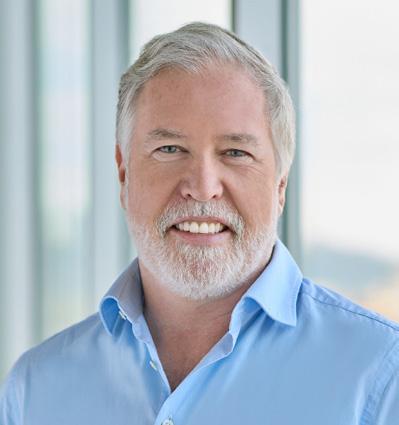
Eric Miller, President
Eric has served on the NIOA Board for 6 years and is serving in the role of President in 2025. He has been a GNC franchisee since 1991 and currently operates 20 stores. He has sold or closed 7 others over his career. Eric’s area of expertise is operating great stores focused on customer service and experience, with great team members who enjoy the mission, while helping customers with their fitness goals or healthy lifestyles.
vitamanagement@yahoo.com • (215) 896-7575
Benny Farzad
Benny is a multi-unit, multi-franchise operator with 13 years of experience as a GNC franchisee. Currently, he manages 8 stores. His expertise lies in operations, financials, and multi-store operations and efficiency, with a strong background in both retail and restaurant industries.
gncbenny23@gmail.com • (817) 718-0849
Laura Dalton
Laura is a seasoned franchisee with nearly 22 years of experience. She currently manages 11 stores in North Carolina. Her strengths include local marketing, event planning, and building strong brand relationships.
daltongnc@gmail.com • (919) 608-2639
Chris McCoy
Chris is an experienced franchisee with 18 years in the business. He currently operates 11 locations, having previously expanded to 16 and now focusing on optimizing his portfolio. Chris entered the system with 8 locations and has a strong passion for customer service. He also brings extensive experience from a long-term career in real estate.
cmccoy.gnc@hotmail.com • (757) 286-5143
Kirk Irvin
Kirk has been involved with GNC since 2004 and a franchisee since 2012. Currently has 5 stores in Jacksonville, FL. Kirk’s passion is to deliver the highest quality customer service while improving the overall operation of GNC’s across the country.
kirk.irvin@gmail.com • (904) 424-7524
Matt Bannecker
Matt has been a GNC franchisee for over 15 years and owns six stores in North Texas. As a GNC franchise operator, he excels in developing and training the sales staff, fostering a family-owned and operated mentality within the team, and ensuring a best-in-class in-store experience for customers.
bannecker@att.net • (210) 413-2225
Katie McKay
Katie, with her husband Dan, is in her 11th year of franchising with GNC. Based in Kansas City, they operate 20 stores in 7 Midwest states. Her background is in marketing with a concentration in copywriting, community events and networking. She uses these skills to build strong store teams and tightly knit communities in each of their markets.
gncparkville@gmail.com • (816) 896-0179
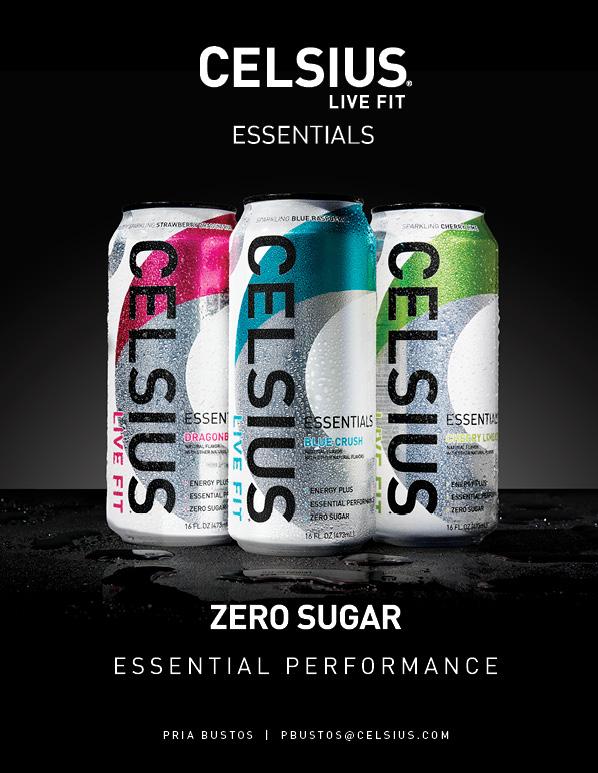
In the age of the health-conscious consumer and the rising popularity of a wellness-minded lifestyle, the need for an energy drink that supports physical and mental performance, by way of mindful ingredients and balanced flavor, is critical. It’s the culmination of premium ingredients, refreshing flavors and functional properties that make for a well-crafted energy drink.
Physical and cognitive health are of higher priority today than ever before. Individuals are considering the shortand long-term effects of the food and drinks they are ingesting, meaning functional energy beverages are key in this space. So– where do energy drinks and brands like CELSIUS fit into the picture?
It’s no secret that energy drinks are relevant and actively sought out by gym-goers, working professionals and individuals looking for an extra boost during the day. It’s a crowded market of brands aiming to be the best and provide the kick consumers need in the flavors consumers crave. The key is providing an energy option that’s created with health-conscious
ingredients but still tastes good. CELSIUS products were created with ingredients that aim to service the health-conscious consumer without sacrificing a delicious, refreshing taste. As a brand founded in fitness, it continues to carve out a space in this category, alongside shaping and disrupting the hyper-competitive performance energy space. The brand aims to meet and market to consumers where they are, particularly in a time where fitness and the benefits of physical activity are reaching and impacting individuals everywhere.
To make an energy drink “betterfor-you,” it’s important consider ingredients that will be functional and beneficial to the consumer. It’s also important to know which ingredients should be left out of the mix.
Vitamins are nutrients that support and strengthen varying parts and functions of the human body. As for functional ingredients in an energy drink, CELSIUS products contain a mix of vitamins that help with the normal functioning of the immune
system (B6, B12, Vitamin C) and help reduce tiredness and fatigue (B2, B3, B5, B6, B12, Vitamin C).
Knowing that CELSIUS products contain functional ingredients like essential vitamins, what other ingredients, or lack thereof, makes it a better-for-you alternative to traditional sugary energy drinks? The energy drink market is full of high sugar beverages that momentarily boost energy levels, only to be followed by an aggressive “crash.” With that in mind, CELSIUS created a beverage that’s zero sugar to provide a betterfor-you alternative.
Modern fitness is no longer just strength training, heavy lifting, and bouts of cardio, but also includes a walk around the park, morning yoga, and any action that puts the body and mind in motion. Every individual creates routine, eating and drinking habits based off their own needs. In talks of energy, the same rules apply. You may reach for a beverage with a higher caffeine content knowing you have an intense training session on the schedule, or the opposite should you
have a low-intensity workout planned for the afternoon. CELSIUS aims to meet consumers where they are with varying delivery formats of their beverages available on the market.
Created to support your daily goals and inspire you to LIVE FIT, CELSIUS 12oz energy drinks are the perfect pick-me-up to help power you through the day. With a wide variety of unique and familiar fruit-forward flavors, CELSIUS is ESSENTIAL ENERGYTM to support your fitness journey and promote everyday wellness.
When you’re looking to get a little bit more out of your energy or are needing an extra boost for your busiest days and most intense workouts, CELSIUS
ESSENTIALS is a 16oz energy plus drink with three aminos added to the formula to help boost endurance and improve focus, supporting the enhancement of physical ability overall. CELSIUS ESSENTIALS was created for the individuals who want to elevate their performance to a new level.
If you’re looking for a bit more flexibility and control over your caffeine consumption or find yourself needing an energy boost on the go, CELSIUS On The Go powders contain the same ingredients as CELSIUS ready-to-drink cans, but are compact, easy to take with you and customizable depending on your energy needs that day. Just add water and go!











CCI Retail Consultants is ‘a team of passionate and experienced individuals that utilize their talents in sales, analytics, product development, packaging design, and marketing to take our clients brands to the next level.’ Founded by brothers Nathan & Riley Judd, they launched in 2006. With 75+ years of combined retail experience, they ‘take the lessons learned and apply them to (their vendors’) unique roadmap and guide (them) to winning strategies.’ David Stockhamer partnered up with Riley and CCi just over 8 years ago making them one of GNC’s Top Brokers.

Riley Judd Husband, father of three, and a motivator to many! With over 25 years of experience working with GNC, Riley has been instrumental in the success of some of the industry’s biggest brand launches
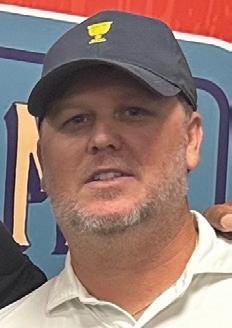
Katie McKay
David Stockhamer Husband and proud Girl-Dad of two. He’s been a driving force behind CCI’s recent growth and diversification. He’s also been an enthusiastic supporter of the NIOA and our efforts to make brand education, sampling and marketing support more accessible to all franchisees.
The evolving retail landscape-including changes to consumer purchasing behavior, supply chain issues and rising wholesale costs-presents unique challenges to GNC franchisees. And as we attempt to ‘mind the gap’, to not get swallowed up in the push-pull of retail-to-consumer uncertainty, I sat down with David Stockhamer and Riley Judd of CCI Retail Consultants to discuss these important topics.
Both are seasoned experts (who you’ve probably known for years) with over 25 years of experience in brand management, marketing and retail sales. Their insights offer actionable strategies for franchise owners to grow their business, overcome supply chain obstacles, and better connect with the customers within their communities.
Brand Distinction and Trust
Question: When choosing brands to take on, what most influences your decision to represent a brand? What makes you excited?
Riley: Marketing. Differentiation. Founder story.
Founder storis is becoming really critical. “Why are they doing this? Why are they building it? Who are they?” In the age of social media, brand founders are becoming mini celebrities.
And it’s not just us, but - the retailers are all looking at the founder story as well. And then, how is that marketing message going to be told? Every brand that you talk to has the ‘best product’ in the world. But if they can’t tell the story, then it won’t move off the shelf.
David: At CCi, it may seem like we have a lot of brands. We actually say more ‘no’ to brands unfortunately than we do ‘yes’. Because we want all those things that Riley said.
And the next step is, GNC, especially the franchise community, trust us to bring them successful brands. There’s a trust factor that we’re not just throwing brands at the wall and hoping one of them will be successful.
We coach them along the way. We teach them. We help them write the great presentations, get their founder story a little more organized, and ready to win at GNC and with Franchisees.
GNC’s franchisees are the second largest specialty retailer in the marketplace. When you guys come together, you guys are the second most powerful specialty retailer out there! Another reason why the NIOA is so important to be united.
Question: For years, the Franchise system model placed a high, often sole focus on sales margins. Both in customer interactions and when incentivizing employees with PMs to encourage margin-based sales. In this new purchasing climate of online instant gratification, influencers and hashtags, retail sales have required a shift in thought process if we want to retain market share. What advice do you have for franchisees for how to best navigate this shuffle?
Riley: So, the problem with the margin-based model is you’re handicapping the sale. Marginbased takes the marketers out of the equation. You have a bunch of brands that go in and spend a ton of money on driving traffic to your stores. But if the margin’s not there, then the coach spends the interaction trying to pitch them a different brand. You’re spending way too much time ‘selling’ a customer, possibly not what they wanted, or what they came in looking for.
And then two, you’re de-incentivizing the brands that are spending all that money marketing and driving traffic to your stores, but then they’re not seeing those purchases. And so, eventually it comes to the point where they turn it off.
And so, I always say that GNC is an M&M model - margin and marketing. If you only have one, it de-incentivizes everyone. If a brand is driving that traffic, work on the basket and build for the margin, rather than using a bait-and-switch model.
David: I think it is spot-on because there needs to be a little bit of a mind reset on what margins can be achieved
these days and how we get there. You have CCi’s commitment to try to achieve both Margin & Marketing from our brand. If you want to make the most of the customers coming in, add on something else that that brand probably doesn’t offer or that is margin-friendly for you. And that’s how you make it up.
At the same time, not every brand is for every franchisee. I get it. And it can’t be. We do our best to find the balance. Help Franchisees make the margins and receive marketing to drive in customer traffic and help brands understand why they need to fund both.
At the end of the day, the most important thing is that customer experience. When they walk in the store and how they walk out, and how they continue to perceive GNC. Because, this day and age, that voice will be 3x for a negative experience and half an x for a positive.
Question: Moving from a marginbased to revenue-based model means driving traffic in store. What advice do you have for new franchisees who are navigating this new retail environment without a clear roadmap? And also, 20–30-year franchisees who have seen an industry shift and are working to adjust.
David: Be open-minded in the beginning. Take advice from all. Learn from everybody. Be a sponge. And then apply it to your market, your customer base. What’s the shopper that’s coming in your store? Shift your walls to the reality of who your customer base is.
If I was a new operator, I’d lean into knowing who’s actually driving customers in my door. I would hedge my bet on that.
Riley: To piggyback on what David said, I think the biggest thing is the community outreach too. And getting with the vendors. There’s community races and events and concerts and trade shows. If you really make the effort to become active with the calls to brands and saying, “Okay, what’s happening that we can piggyback on or what can we can partner up on?”
All these brands that go to GNC have some pretty cool marketing story behind them, and oftentimes you guys don’t get to see what that marketing hierarchy is. GNC is not just going to bring on a brand because they like the label or the founder story was cool. There’s a lot of marketing and details that go into the push-pull effort.
And then I think too, what David is doing on the NIOA calls, taking an active approach. Making sure that the franchisees do know that they have those resources and awareness. And we’re trying to communicate as much as we possibly can with all of the events, sample opportunities and basket building ideas.
Question: What do you believe to be the prime challenge facing our industry right now? What’s our biggest problem?
Riley: Convenience. The obvious being TikTok Shop and Amazon.
Everybody thought during COVID that retail was going to go away but people loved the experience of going back in the stores after it and then retail sales boomed.
So, it’s just creating that in-store experience. And that’s why I think that you guys have such a competitive advantage over the other guys, the big box that are trying to sell supplements. It’s not one-on-one, they don’t have that customer engagement.
David: Yeah. And I’d extend that too…I think retail is going to be work, but the customers are coming back to retail and GNC specifically for credible advice about how to live healthier. It takes a collaborative effort by all parties. So, for franchisees to get it into the customer’s hands, to make it a good experience, to make the customer like it. And then they want to come back! All those things take work and, that’s how we’re going to be successful for retail.
You’re talking to two guys that work pretty much 18-hour days, just like you. And so, for us, our nice thing is, at least we balance each other out. I’m the guy that starts at 4:00am. Riley comes in and his joke is that half the stuff is done by the time he gets in the office. But the truth is, it never ends. And that’s what makes this a lot of fun too. There’s a new challenge every day.
Question: Last question, if you were a GNC franchisee, what would your prime focus be right now?
David: Any CCi brand.
Obviously, a joke. But, look, I do think my focus would be this. I’d listen to what our GNC customers got going on. Build the brand assortment to the customer base in your market. And then, start learning about building systems for that customer.
Focus on solutions. Not just trying to sell a product, but helping them solve
the problem. It may not always be the problem they currently have. It may be the one that they’re starting to think about or they’re not even thinking about yet. Learn and be the best in your game and craft.
Riley: Create their own founder story. With their communities. Why are they a franchise? Let the community know who they are.
That’s what we tell the brands all the time. The days of the CEO being behind the curtain are gone. People want to know that founder story and why they’re buying from that brand.
But I think it’s the same thing with the community stores. Being out in the community. Look at the store owners on social media explaining why they do it, the passion that they have and then letting the community know them. I think it’s critical.
Riley and David’s message is clear: success as a GNC franchisee lies in adaptability, collaboration and a strong focus on our communities. But their message isn’t a sound bite. They’re dedicated industry professionals who’ve spent their careers championing the small business owners that they represent within their brand families and helping them find the same successes in retail that we’re also seeking.
Their focus on balancing margins and marketing, embracing community engagement and leveraging vendor partnerships is both simple and timely.
Their advice serves as a good reminder that brands and franchise owners can thrive in an ever-changing retail environment when we keep customer experience as our prime initiative.
Reprinted from Market.us Media*
Dietary Supplements Statistics: Dietary supplements have grown increasingly popular with individuals looking to enhance their overall well-being and address specific health concerns.

Dietary supplements cover an expansive array of products including vitamins, minerals, herbal extracts, amino acids, and various other substances meant to complement or supplement one’s diet.
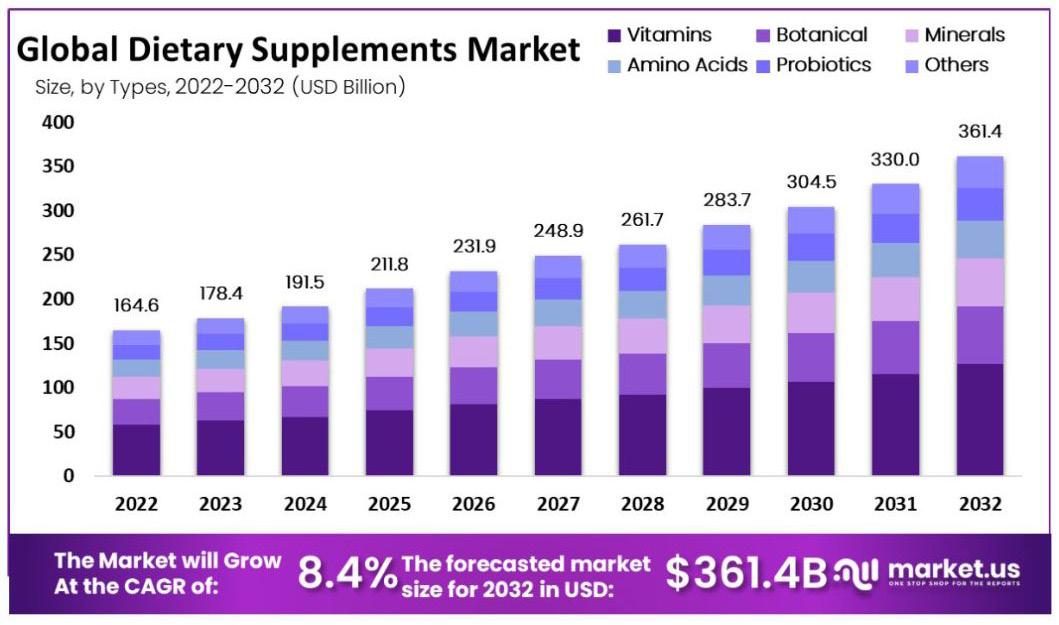
• In 2022, the global dietary supplements market size was USD 164.6 billion and is expected to reach around USD 361.4 billion by 2032. Between 2022 and 2032, this market is estimated to register the highest CAGR of 8.4%.
• Vitamins and minerals are the most commonly consumed dietary supplements, accounting for over 40% of the total market share.
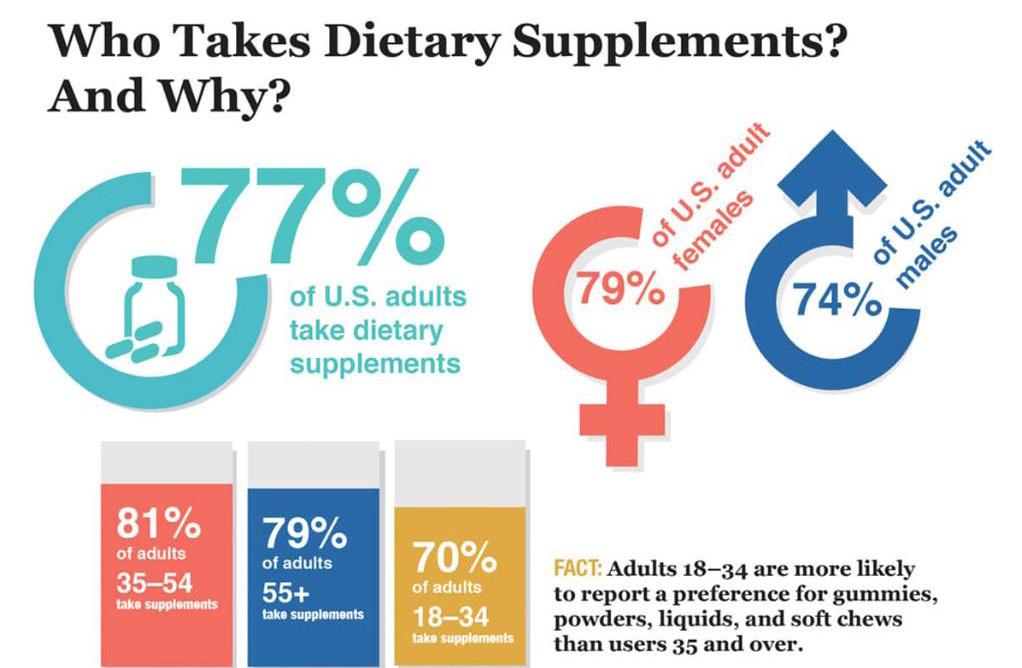
• In the United States, about 77% of adults aged 55 and older take dietary supplements regularly.
• Omega-3 fatty acids are among the most popular supplements, with nearly 19 million Americans using them for various health benefits.
• The Asia-Pacific region is expected to witness the highest growth in the dietary supplements market due to rising health awareness and disposable incomes.
• Online retail channels have experienced significant growth in dietary supplement sales, with a 23% increase in online purchases globally.
• Among supplement users, 75% believe that dietary supplements play a crucial role in overall health and wellness.
(Source: Market.us, Council for Responsible Nutrition, National Center for Complementary and Integrative Health, Statista, Nutritional Outlook, CRN Consumer Survey on Dietary Supplements)
Vitamins
• Over 50% of the U.S. population takes a daily multivitamin, with vitamin D being the most commonly consumed individual supplement.
• Vitamin C is the second most popular vitamin supplement worldwide, with an estimated global market value of over $1 billion.
• Approximately 17% of adults in the United States use vitamin E supplements, often for antioxidant and skin health benefits.

• Vitamin B12 deficiency affects around 15% of the elderly population, leading to increased supplementation usage.
Pregnant women often take folic acid supplements to reduce the risk of neural tube defects, with about 70% compliance in the U.S.
(Source: NIH, CDC)
• Calcium supplements are widely used, especially among older adults, with an estimated 43% of U.S. women over 60 taking them regularly.
• Iron deficiency affects about 25% of the global population, driving the demand for iron supplements.
• Magnesium supplements have seen a 15% increase in sales in recent years, attributed to their potential role in supporting sleep and relaxation.
• Zinc supplementation is common during cold and flu seasons, with around 12% of the U.S. population using these supplements.
• Selenium supplements are taken by about 9% of adults in the U.S., primarily for their antioxidant properties.
(Source: World Health Organization – WHO, NIH)
• Sales of herbal and botanical supplements reached $9.6 billion in the United States in 2020, making them the most popular type of dietary supplement.
• Echinacea is among the top-selling herbal supplements, with sales surpassing $100 million annually.
• Turmeric and curcumin supplements have experienced a 30% growth in sales, driven by their anti-inflammatory properties.
• Garlic supplements are widely used for cardiovascular health, with an estimated 8% of U.S. adults taking them regularly.
• Ginkgo biloba supplements are popular among older adults, with approximately 2% of the U.S. population using them for cognitive support.
(Source: Nutrition Business Journal, New Hope Network, NIH)
• Lactobacillus and Bifidobacterium are the two most common probiotic strains found in supplements, with numerous health benefits.
• Digestive enzyme supplements are commonly used by individuals with pancreatic insufficiency or digestive disorders.
• Probiotic use among children increased by 65% in the past decade, driven by interest in supporting the immune system and gut health.
(Source: Statista, Frontiers in Microbiology, NIH)
• Protein supplements, such as whey and plant-based powders, account for over 60% of the global sports nutrition market.
• Branched-chain amino acids (BCAAs) are commonly used by athletes to improve exercise performance and reduce muscle soreness.
• Glutamine is one of the most abundant amino acid supplements, with sales reaching $107 million in the U.S. in 2021.
• Lysine supplements are sought after for their potential to manage and prevent herpes simplex virus infections.
• Creatine is a popular supplement among strength athletes, with an estimated 40% of athletes using it for improved performance.
(Source: Frontiers in Physiology, Nutrition Business Journal, NIH, International Society of Sports Nutrition)
• The global digestive enzyme supplements market is expected to exceed $1 billion by 2027, driven by rising digestive health concerns.
• Probiotic supplements had a market value of $4.5 billion in the United States in 2020, with a strong emphasis on gut health.
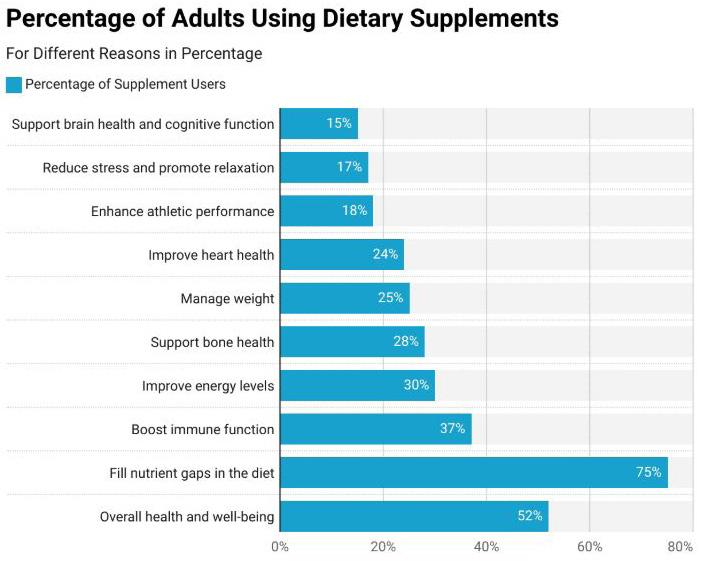
• To support overall health and well-being – 52% of adults in the United States use dietary supplements for general health purposes.
• To fill nutrient gaps in the diet – Approximately 75% of supplement users cite filling nutritional gaps as a key reason for supplementation.
• To boost immune function – 37% of supplement users take supplements to strengthen their immune system.
• To improve energy levels – About 30% of supplement consumers use supplements for increased energy and vitality.
• To support bone health – 28% of supplement users take supplements for bone health and to prevent osteoporosis.
• To manage weight – Roughly 25% of supplement users rely on supplements for weight management purposes.
• To improve heart health – Approximately 24% of supplement users use supplements to support cardiovascular health.
• To enhance athletic performance – 18% of supplement users take supplements to improve exercise or athletic performance.
• To reduce stress and promote relaxation –About 17% of supplement consumers use supplements to alleviate stress and induce relaxation.
• To support brain health and cognitive function – 15% of supplement users take supplements for improved memory and mental clarity.
(Source: NCCIH, CRN)
• Adults aged 50 and above are more likely to use dietary supplements, with around 74% reporting regular usage.
• Among young adults aged 18-29, approximately 41% take dietary supplements regularly for various health purposes.
• Children and adolescents’ dietary supplement usage stands at about 32%, primarily for vitamins and minerals supplementation.
• The age group with the highest increase in dietary supplement usage in recent years is adults between 30 and 49, showing a growth rate of 15%.
• Older adults over the age of 65 have a supplement usage rate of around 70%, focusing mainly on vitamins, minerals, and joint health supplements.
• Teenagers between 14 and 18 years old have seen a rise in supplement usage, with approximately 25% reporting regular consumption.
• Prevalence of dietary supplement usage declines among adults over 70 years old, with a usage rate of around 50%.
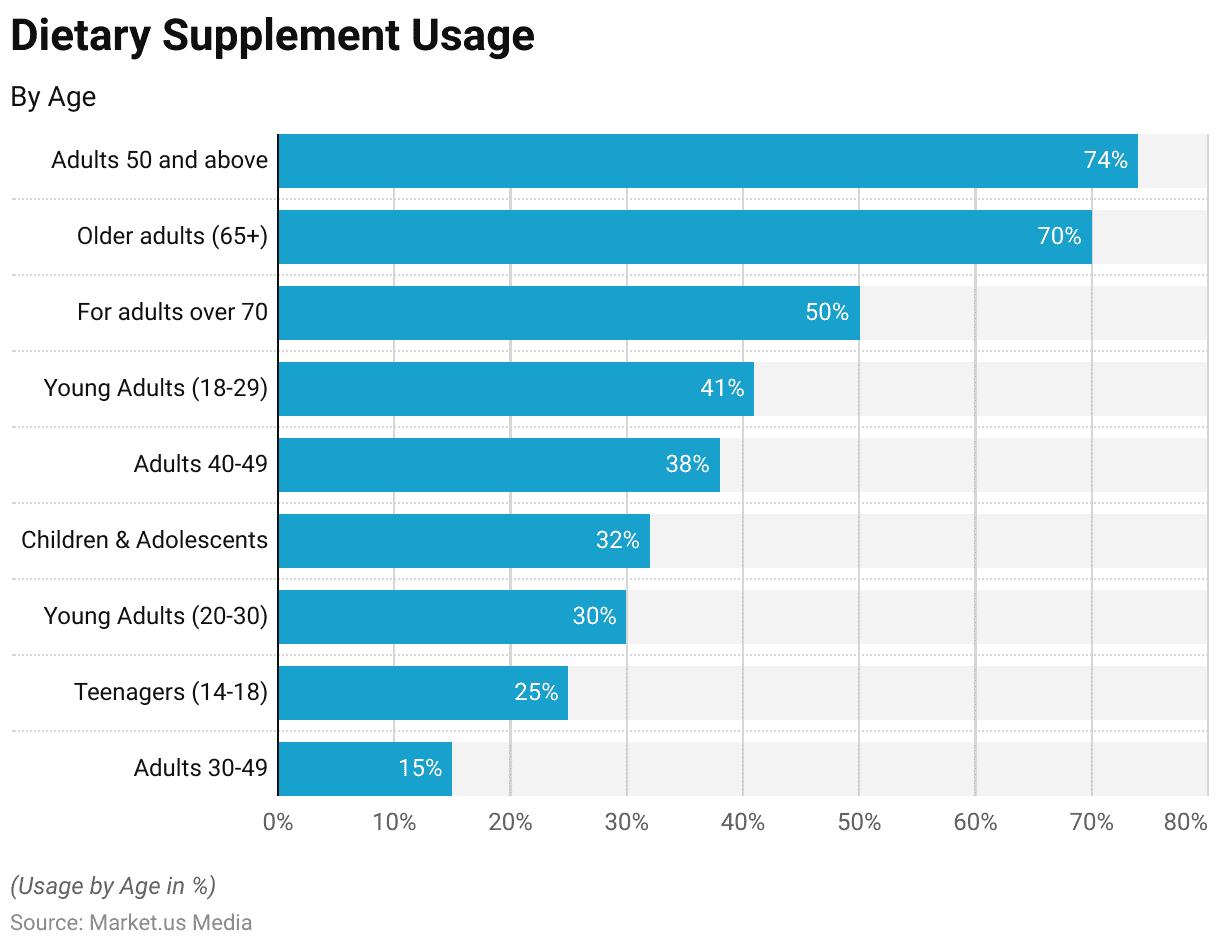
• Young adults in their 20s and early 30s primarily use dietary supplements for sports nutrition and weight management, with a usage rate of 30%.
• Adults aged 40-49 are more likely to take supplements for heart health and stress management, representing around 38% of this age group.
• The most common types of dietary supplements used across all age groups are multivitamins, with a prevalence rate of approximately 52%.
(Source: National Center for Health Statistics – NCHS, NIH, Journal of the American Dietetic Association, Nutrition Business Journal, AARP, Pediatrics Journal, National Institute on Aging – NIA, Nutrients Journal, Council for Responsible Nutrition – CRN, ConsumerLab)
* Article abridged, read the rest of the article here: https://media.market.us/dietary-supplements-statistics/



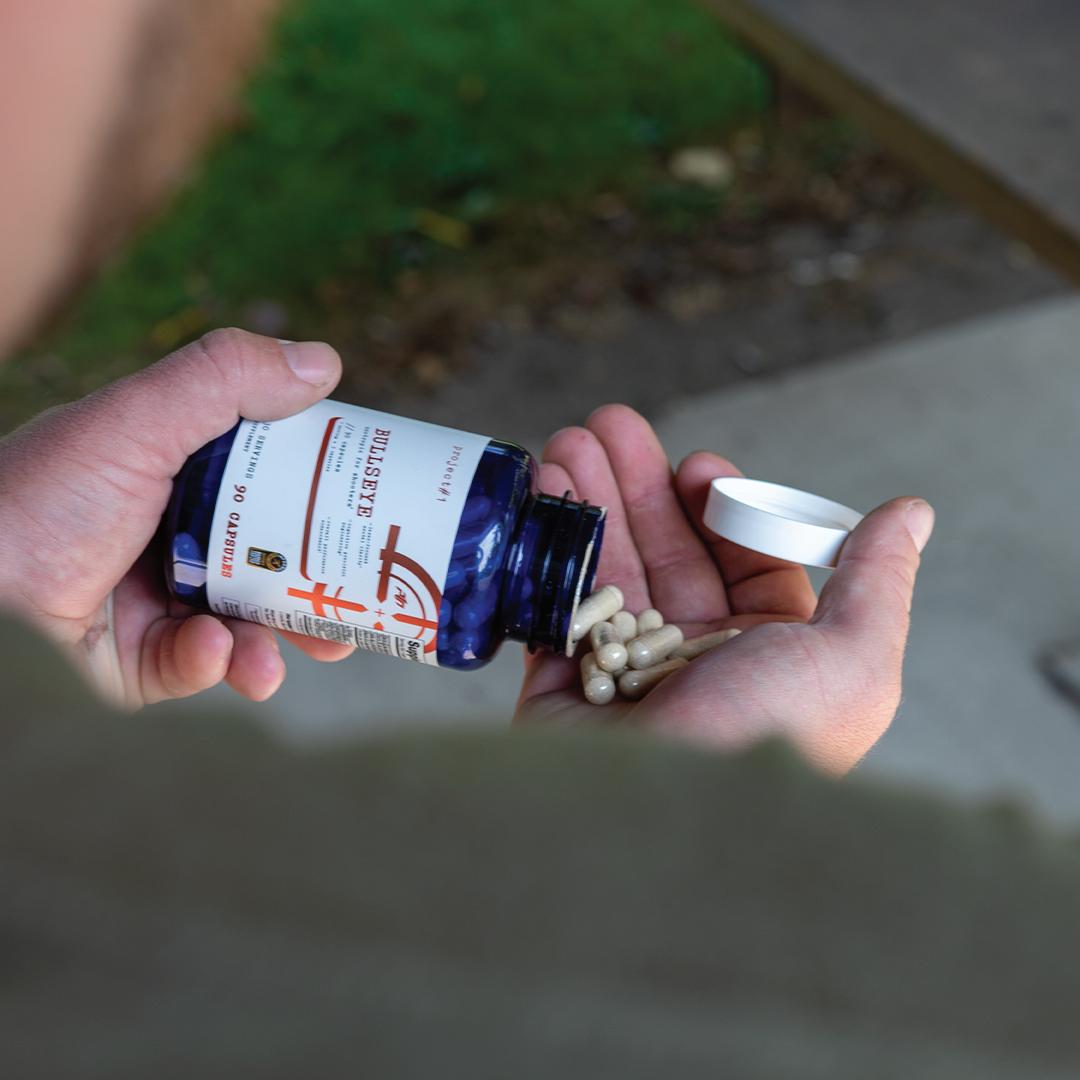

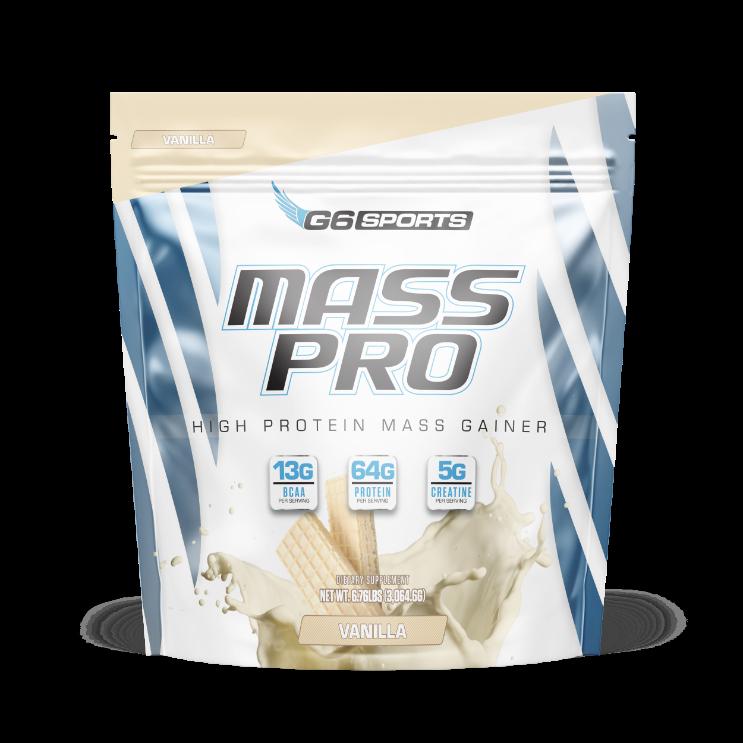
























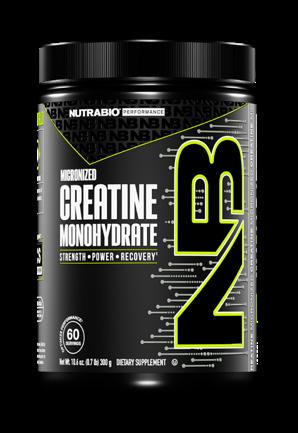
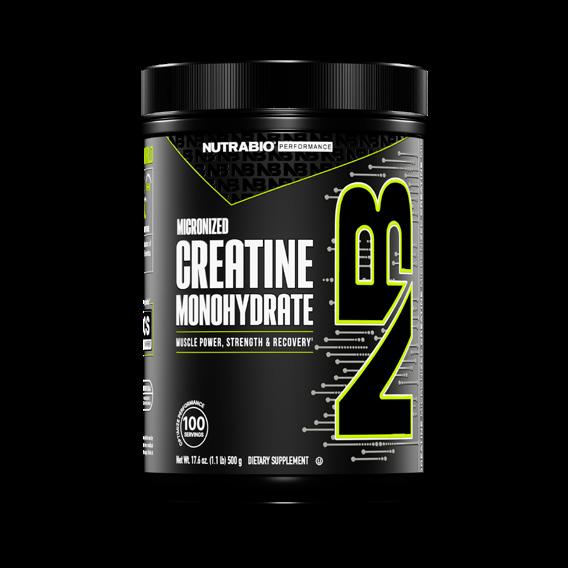
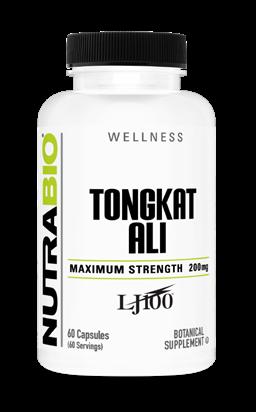

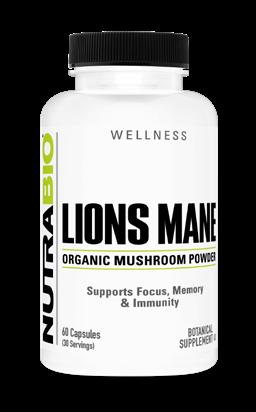
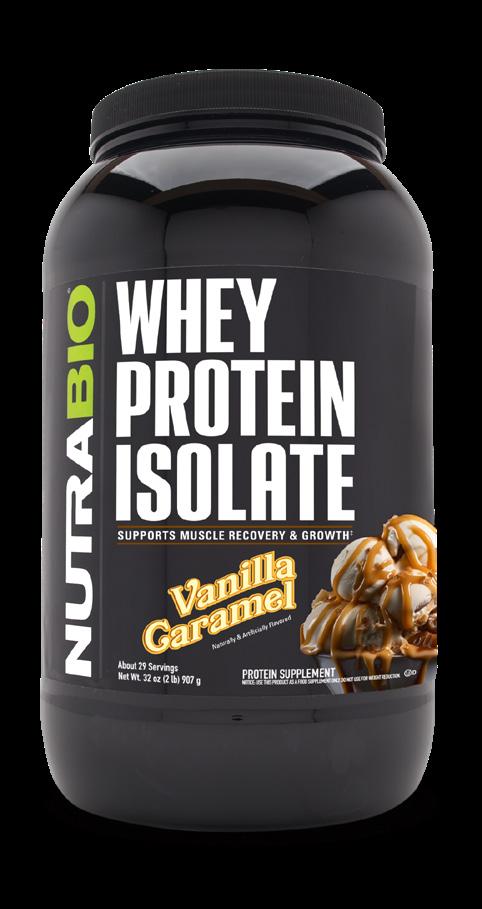






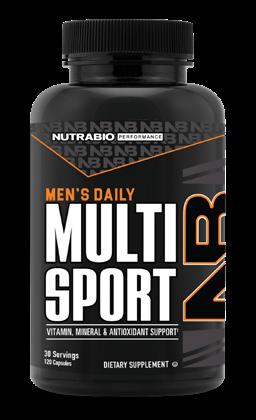

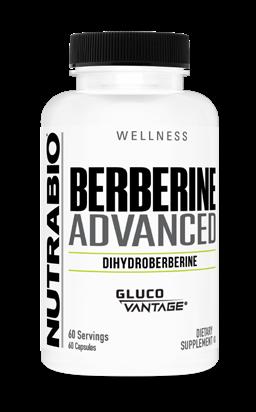
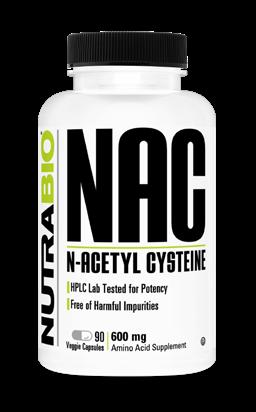















Three decades ago, we didn’t just enter the supplement industry; we transformed it. In your pursuit of health and transparency, we stood by your side, leading the charge against proprietary blends, fillers, and excipients, and setting a new standard by sharing independent lab tests online. Our commitment to making each supplement in our own cGMP-certified facility, strictly adhering to FDA regulations, ensures you’re equipped with the best for your performance and wellness journey. At NutraBio ® , you’re at the heart of our mission. We’re here to empower you, guiding you to become the true hero in your transformation.

