Flow Form Collective
4-storey home
SEMI-D
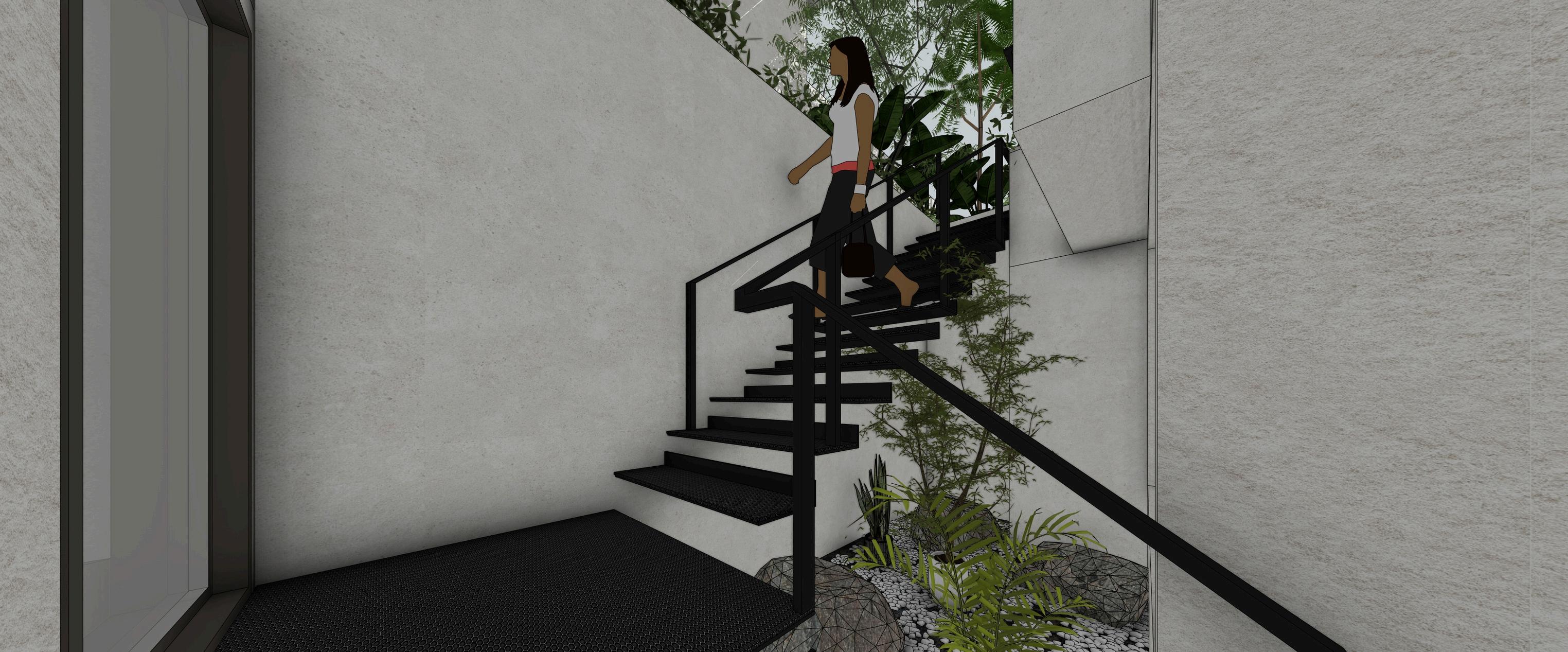
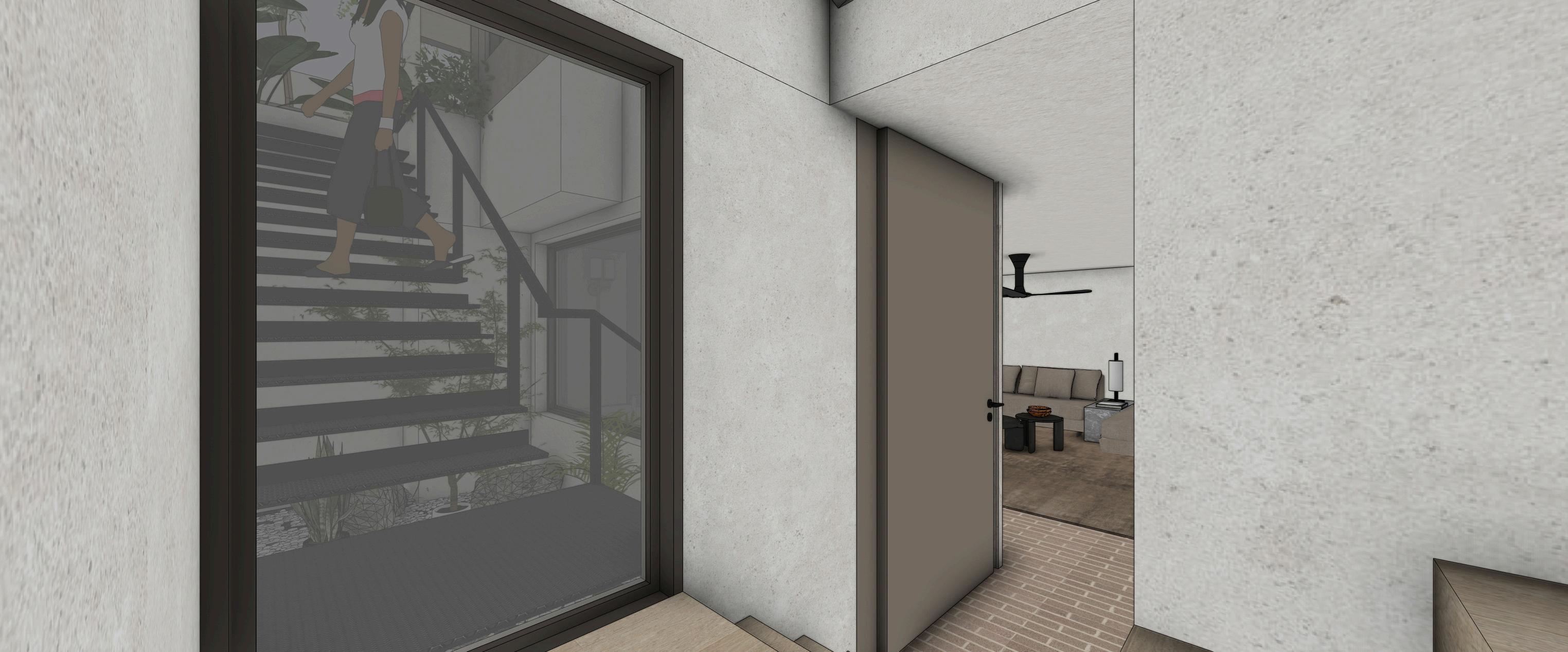
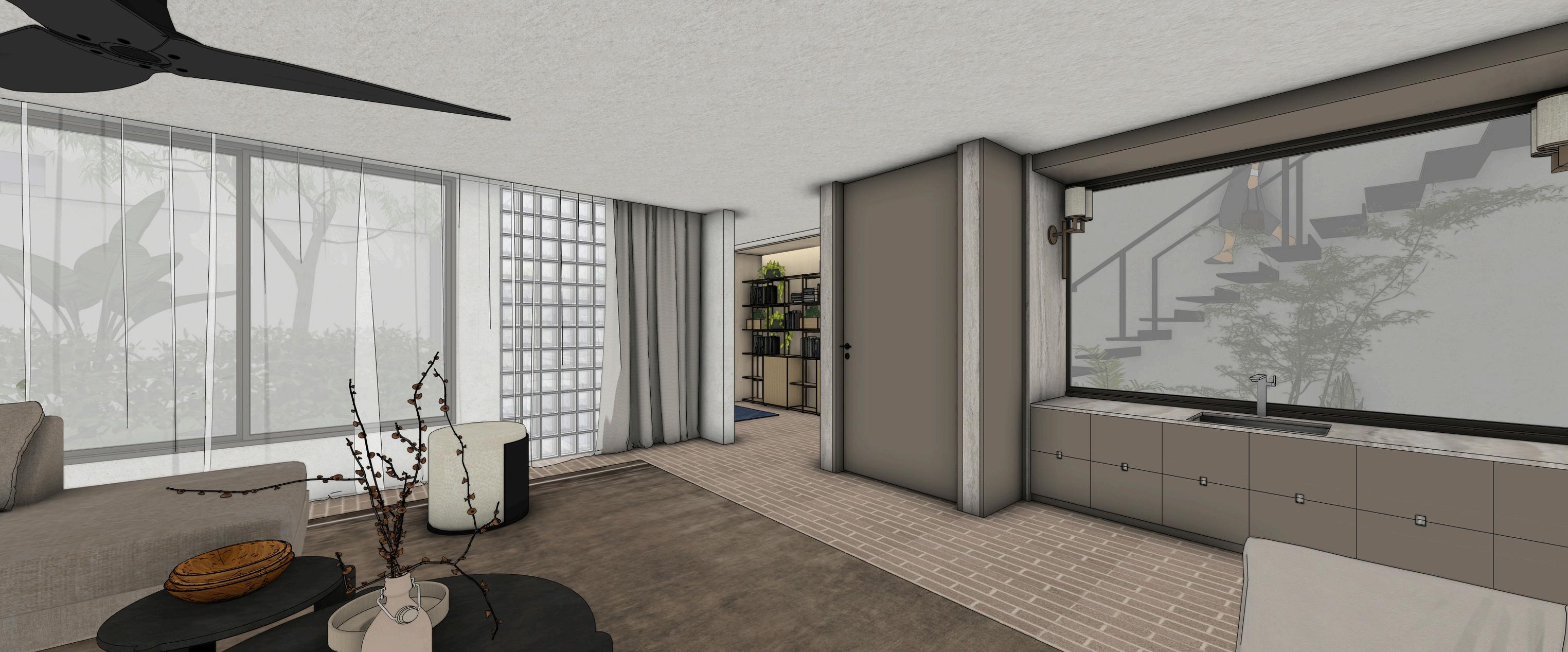
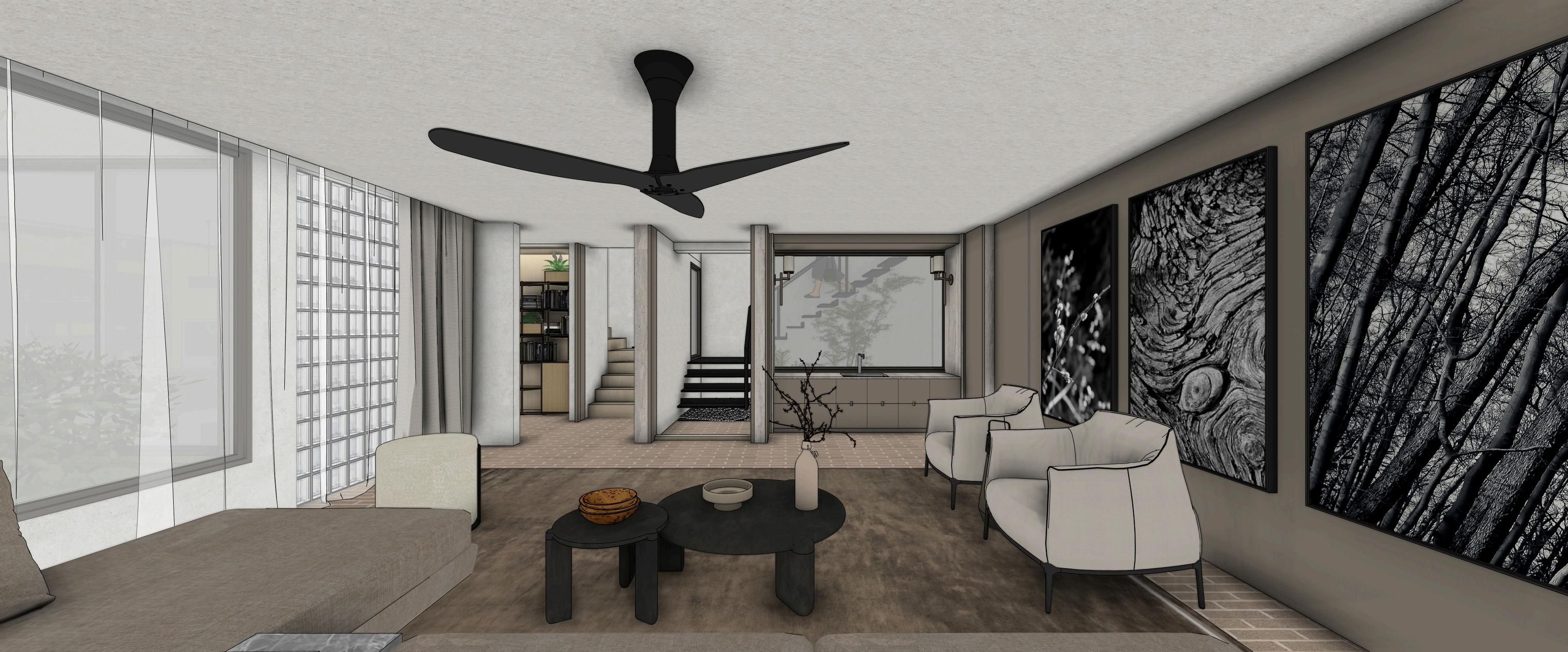
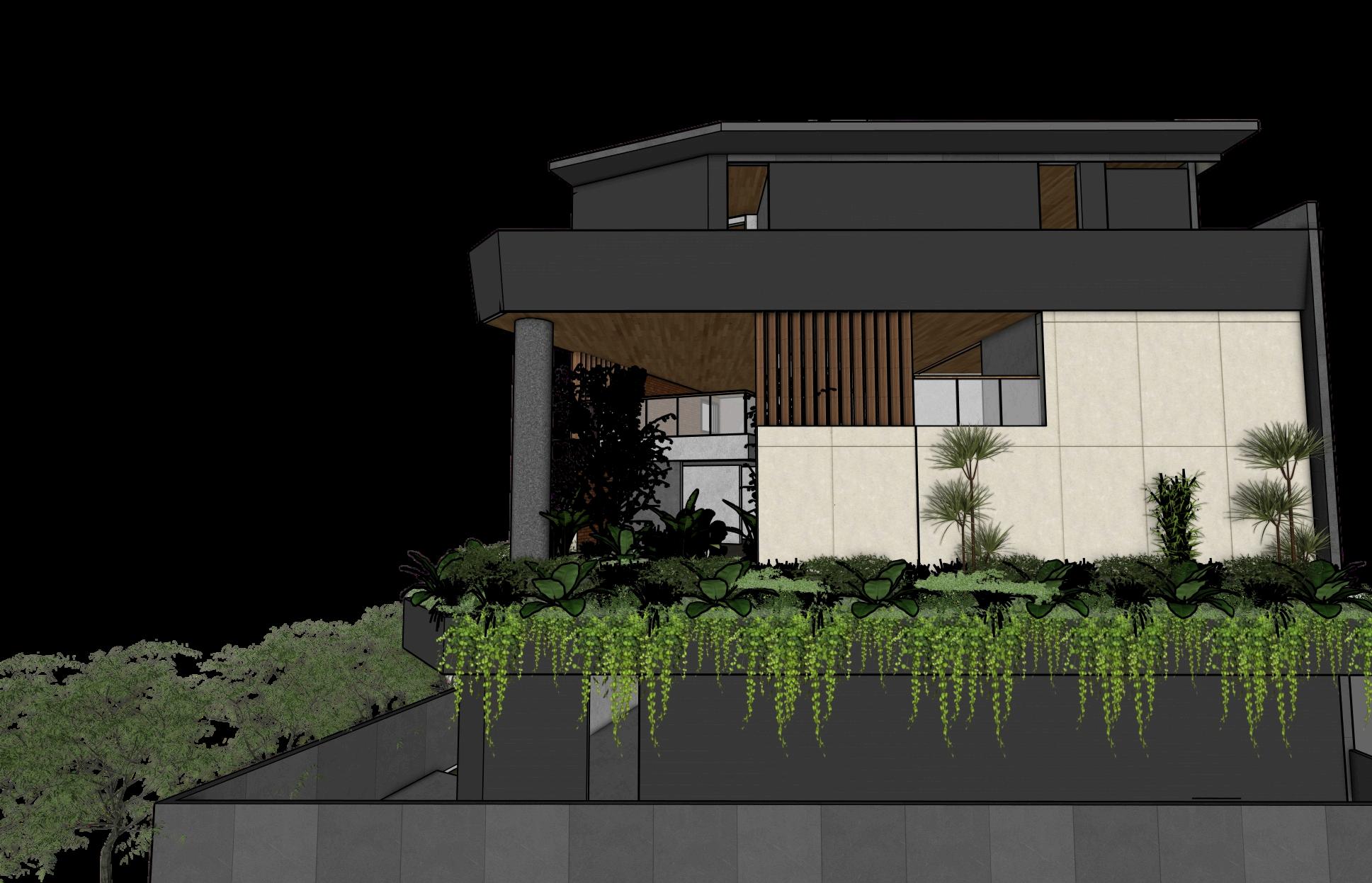
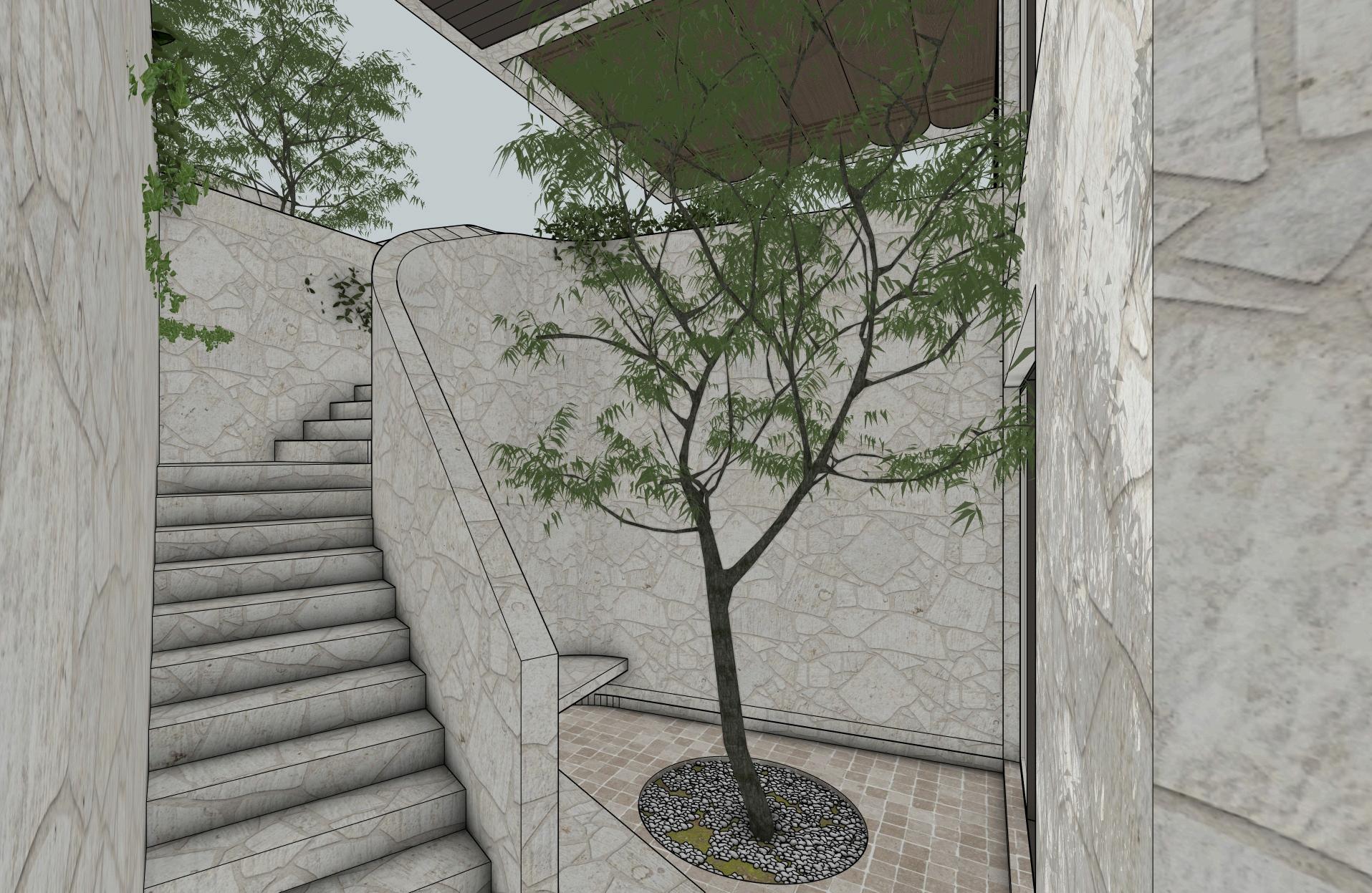
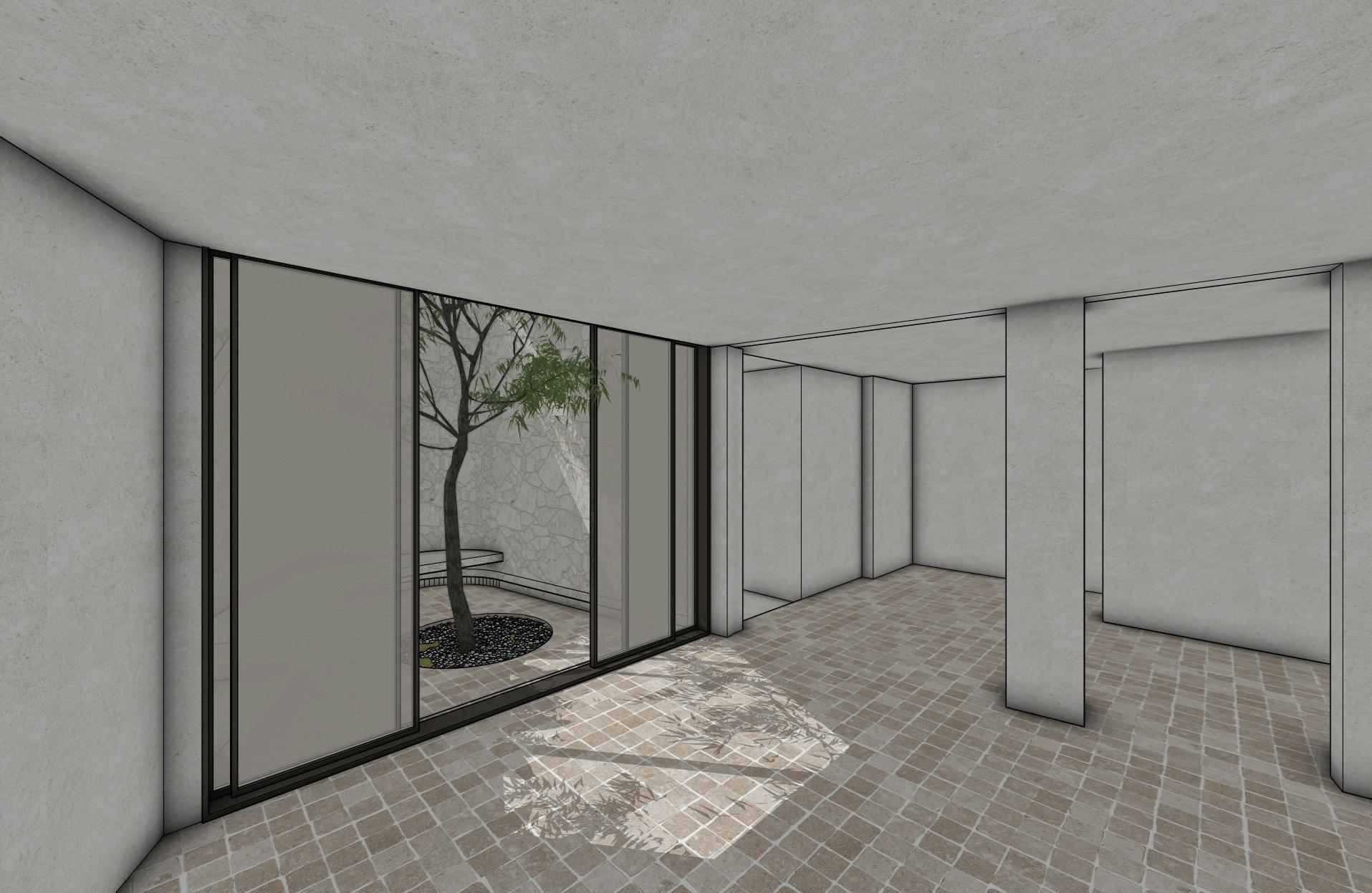
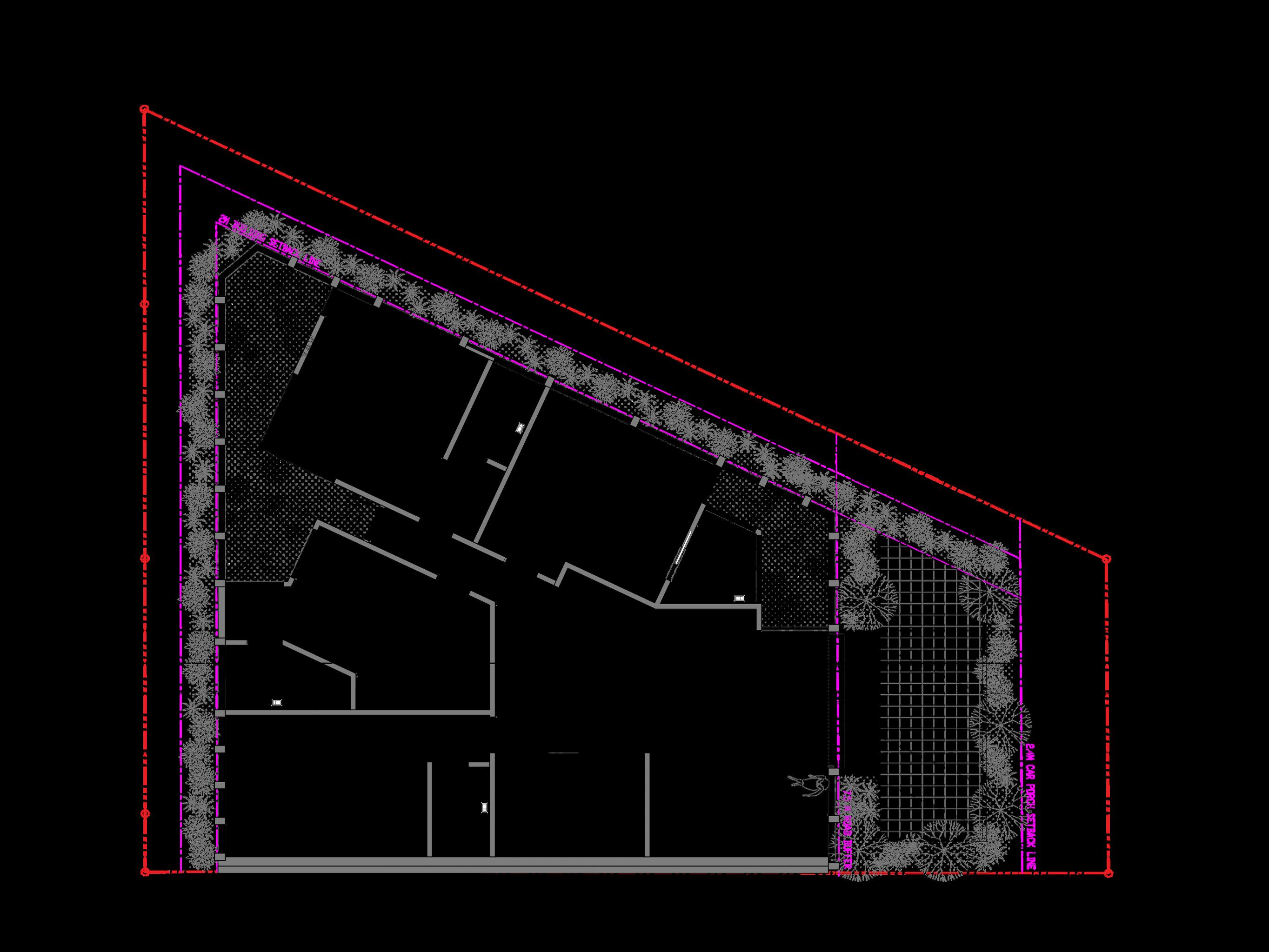
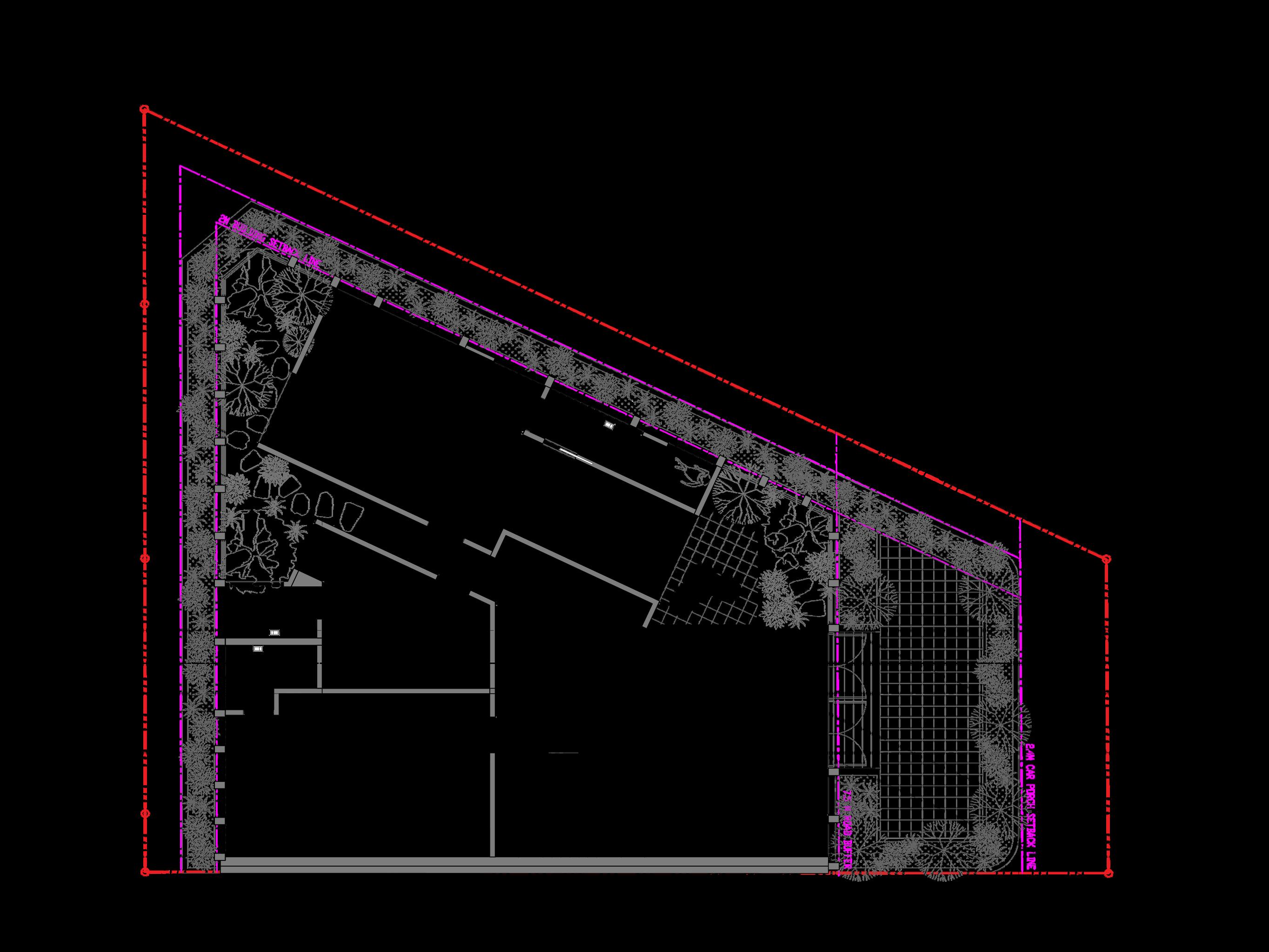
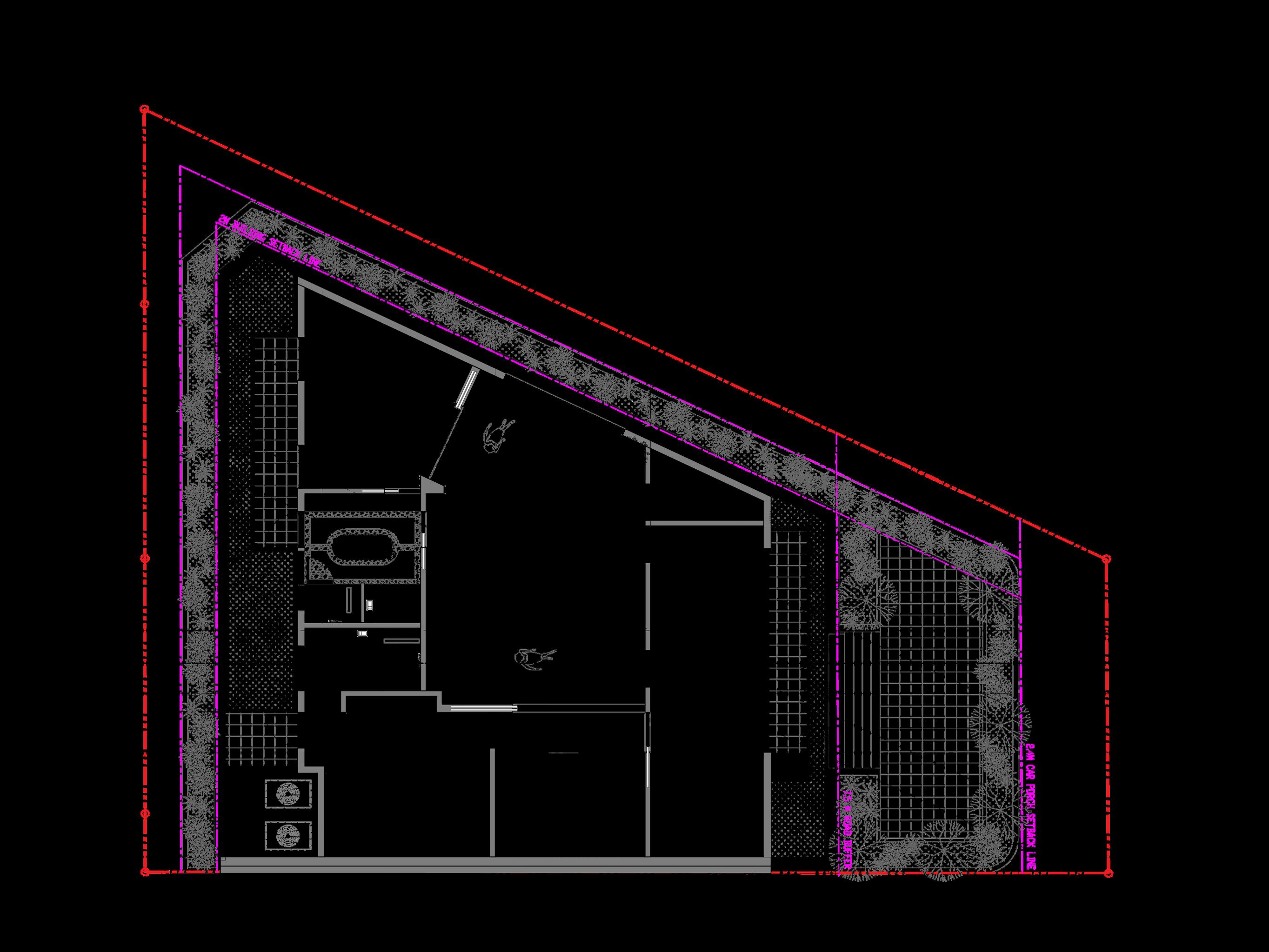
This 4-storey semi-detached home integrates a redesigned basement with a landscaped rock garden and improved access to natural light.
The focus of the design development centred on refining the basement entry experience and circulation, enhancing spatial comfort and usability at the lowest level of the house.
Role: Basement redesign, 3D modelling edits, client presentation deck
Tools: SketchUp, AutoCAD
Stage: Design Development
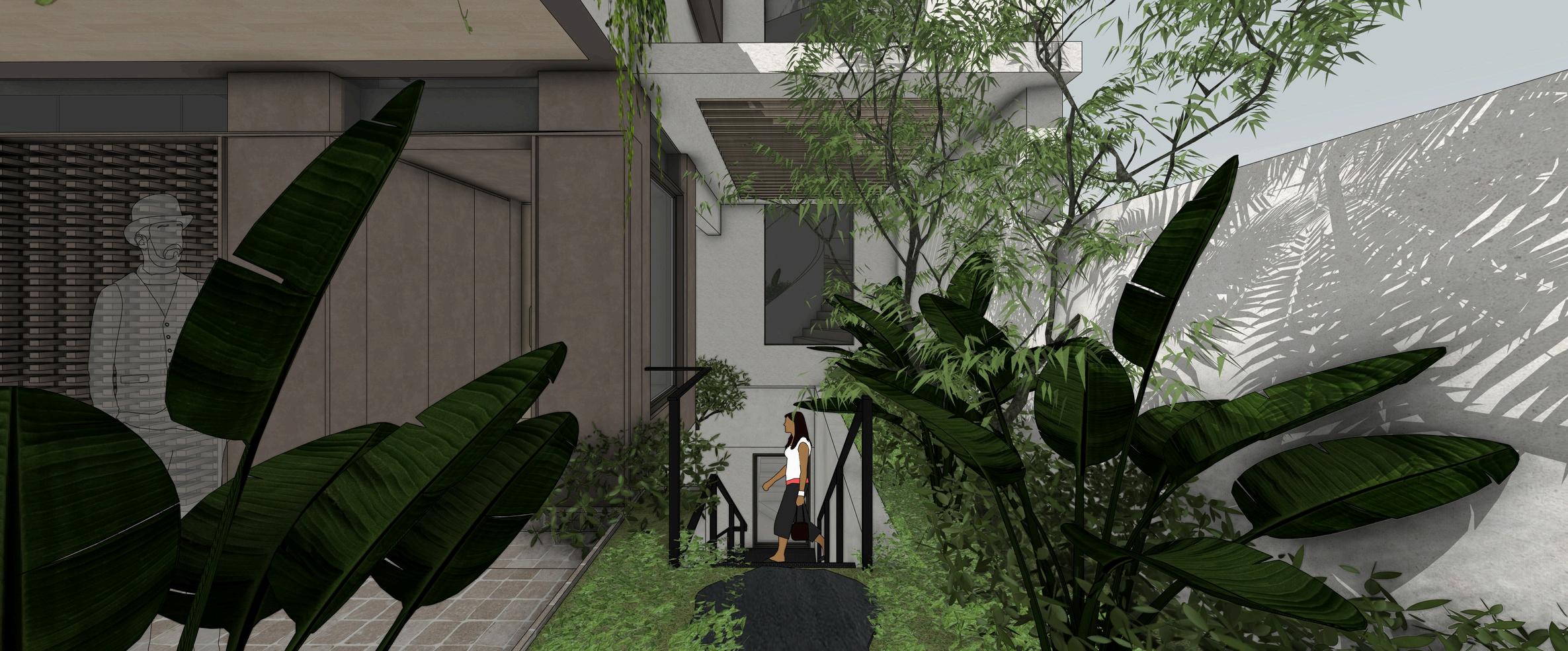
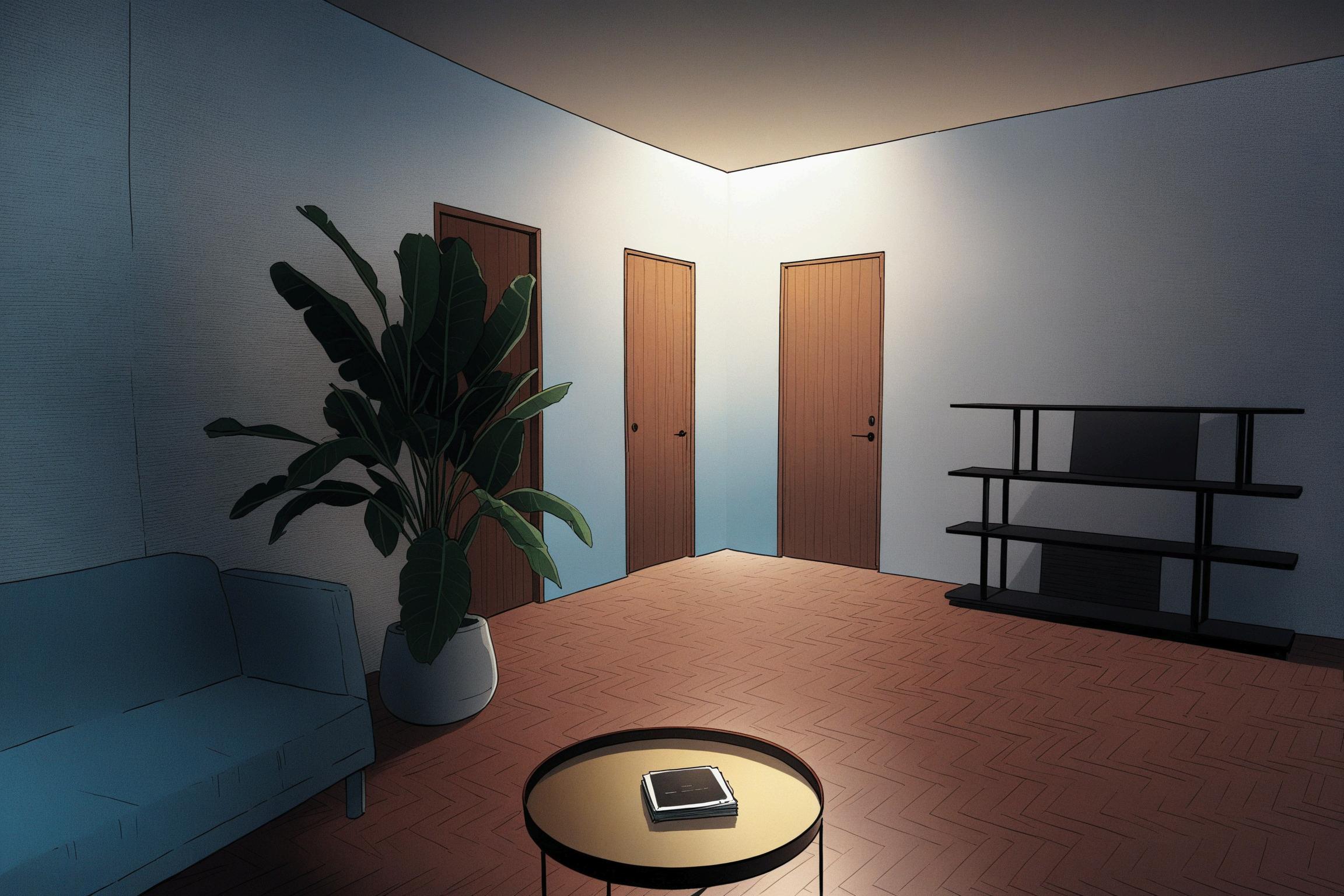
Basement Entrance View
Flow Form Collective
3-storey home
Interterrace
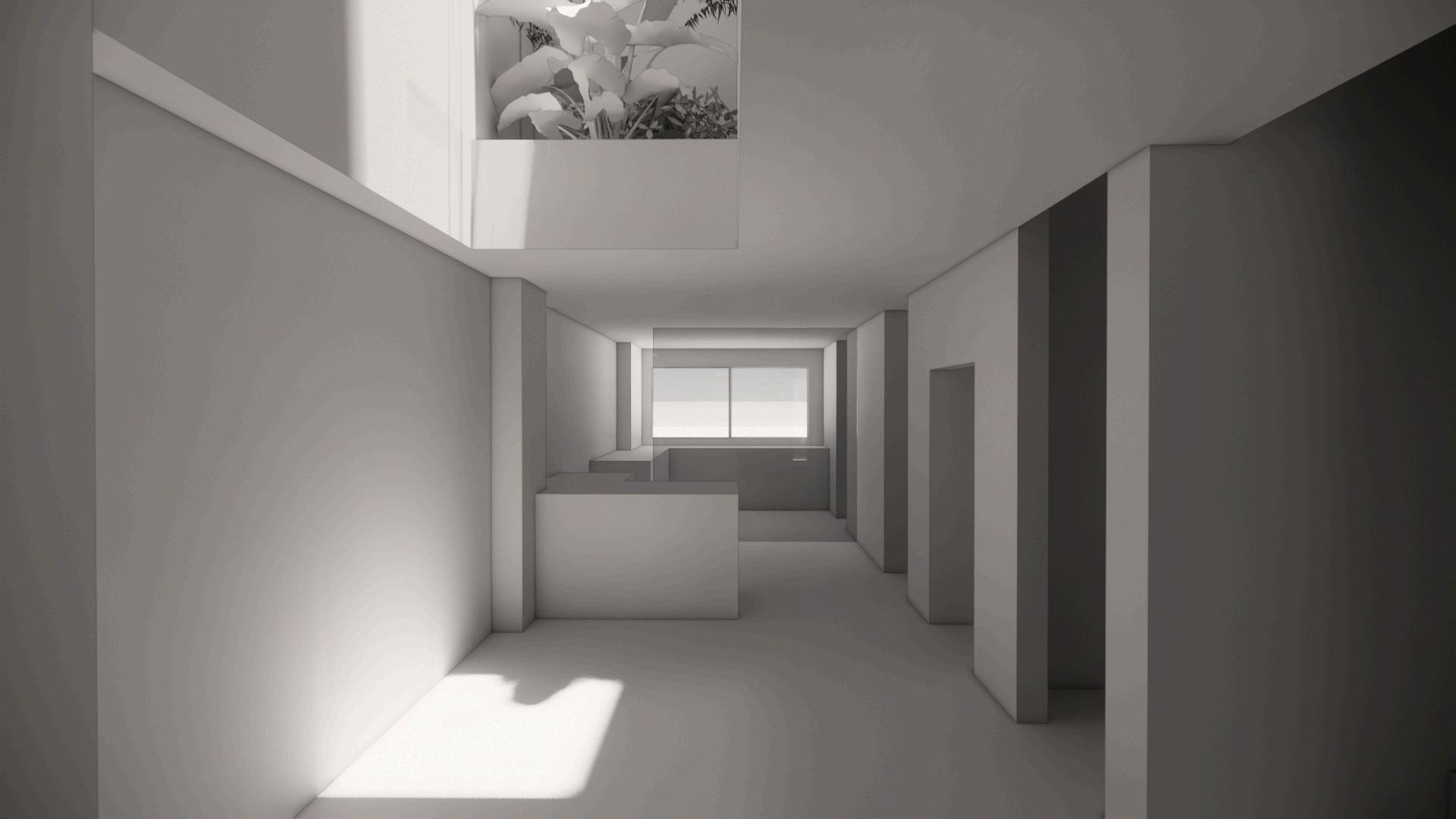
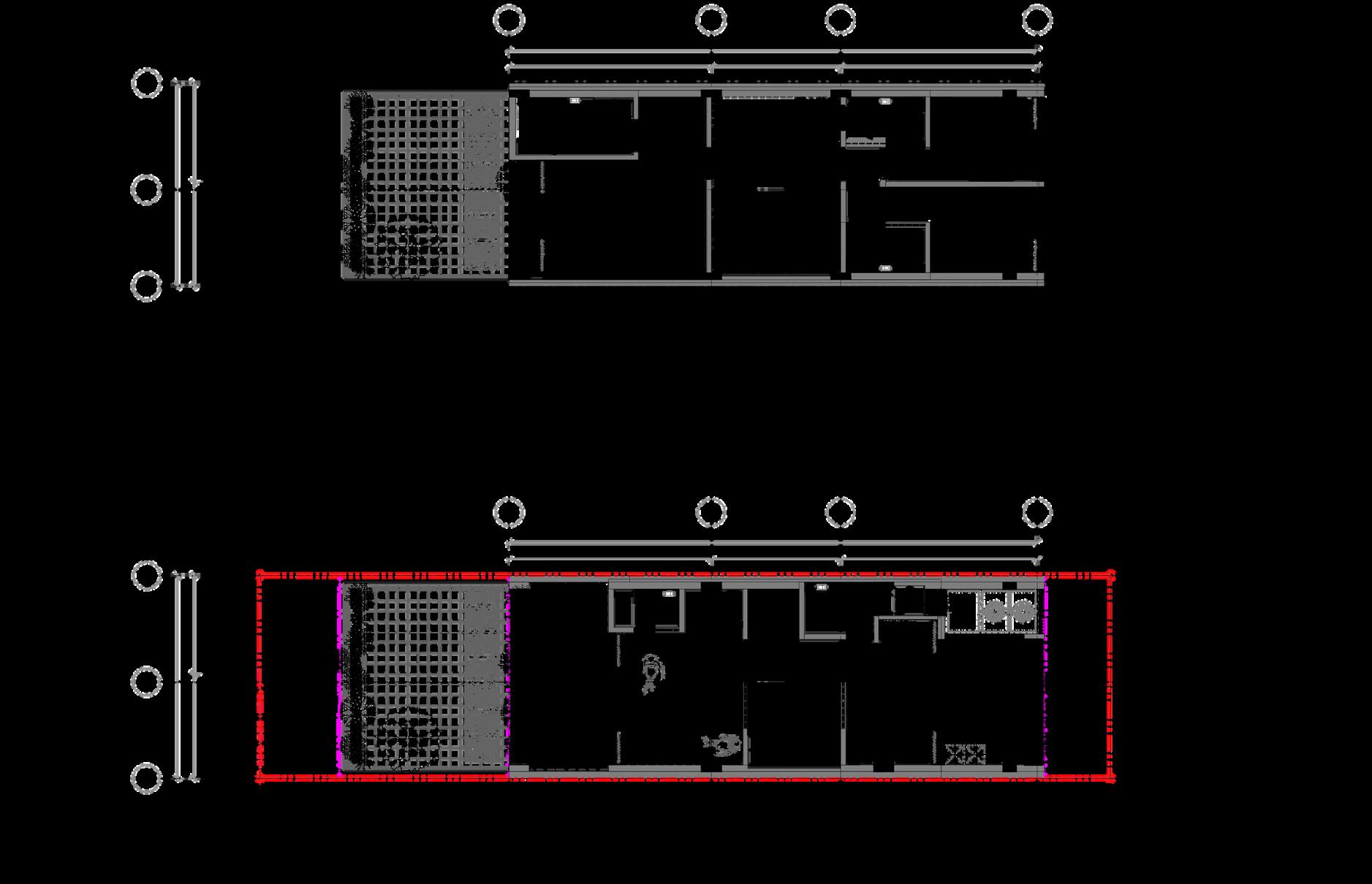
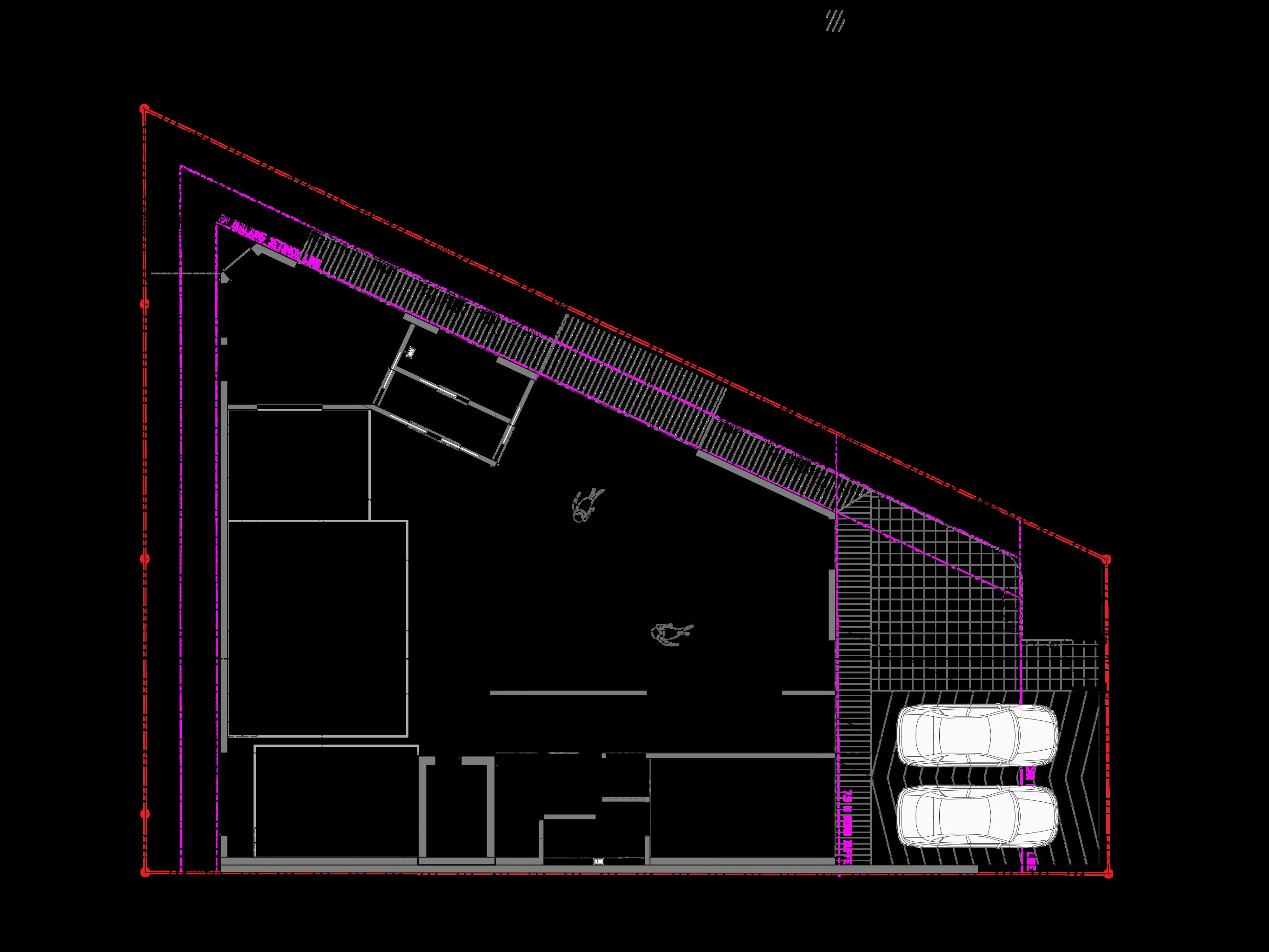
Designed for a private developer, 96PT explores the interterrace typology through layering of voids, light, and façade rhythm.
Currently in development, the project seeks to maximise openness and spatial depth within a compact footprint, translating conceptual studies into schematic design proposals through ongoing 3D and spatial development.
Role: 3D design, conceptual planning, plan development
Tools: AutoCAD, SketchUp
Stage: Conceptual → Schematic Design (Ongoing)
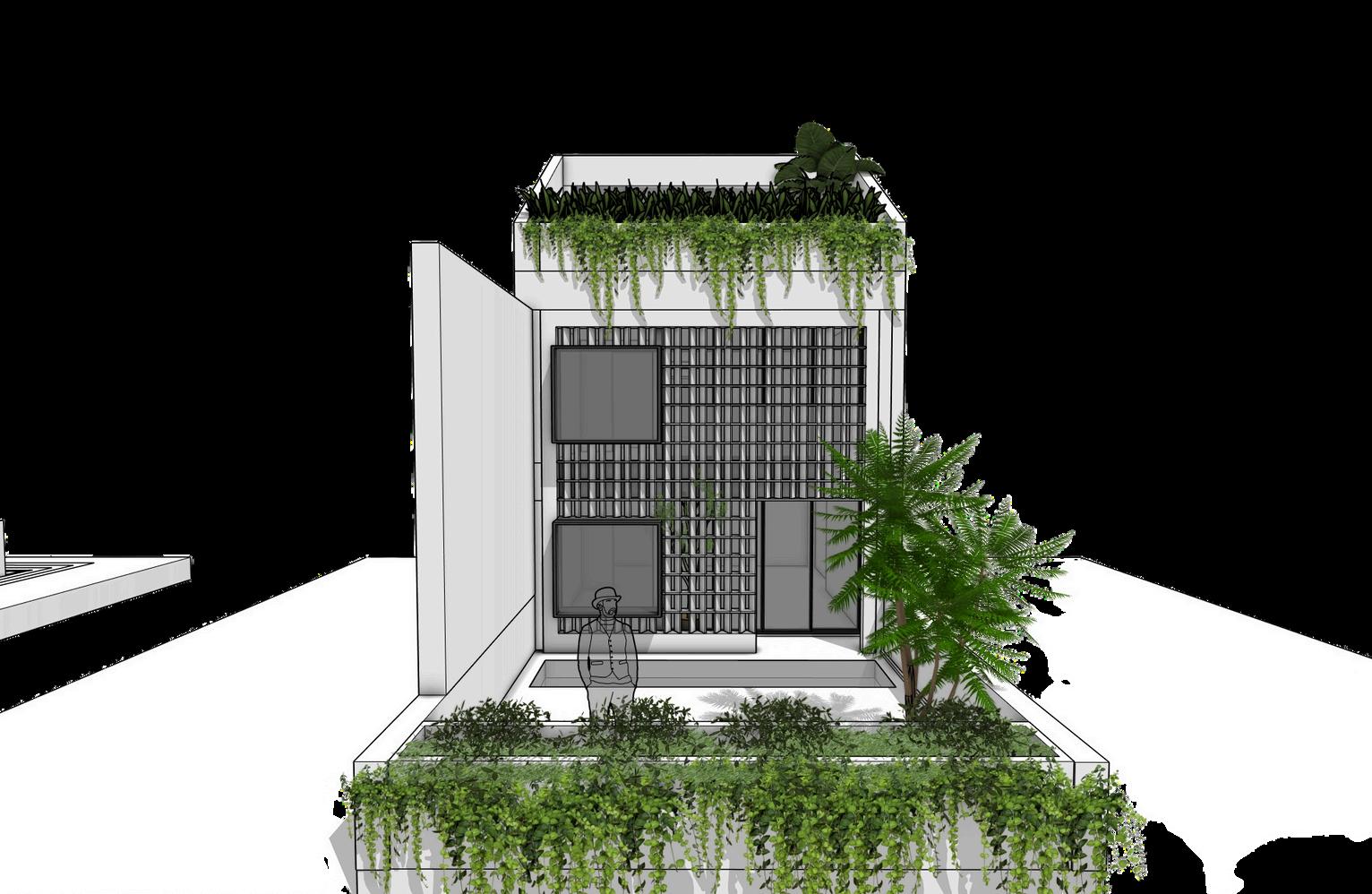

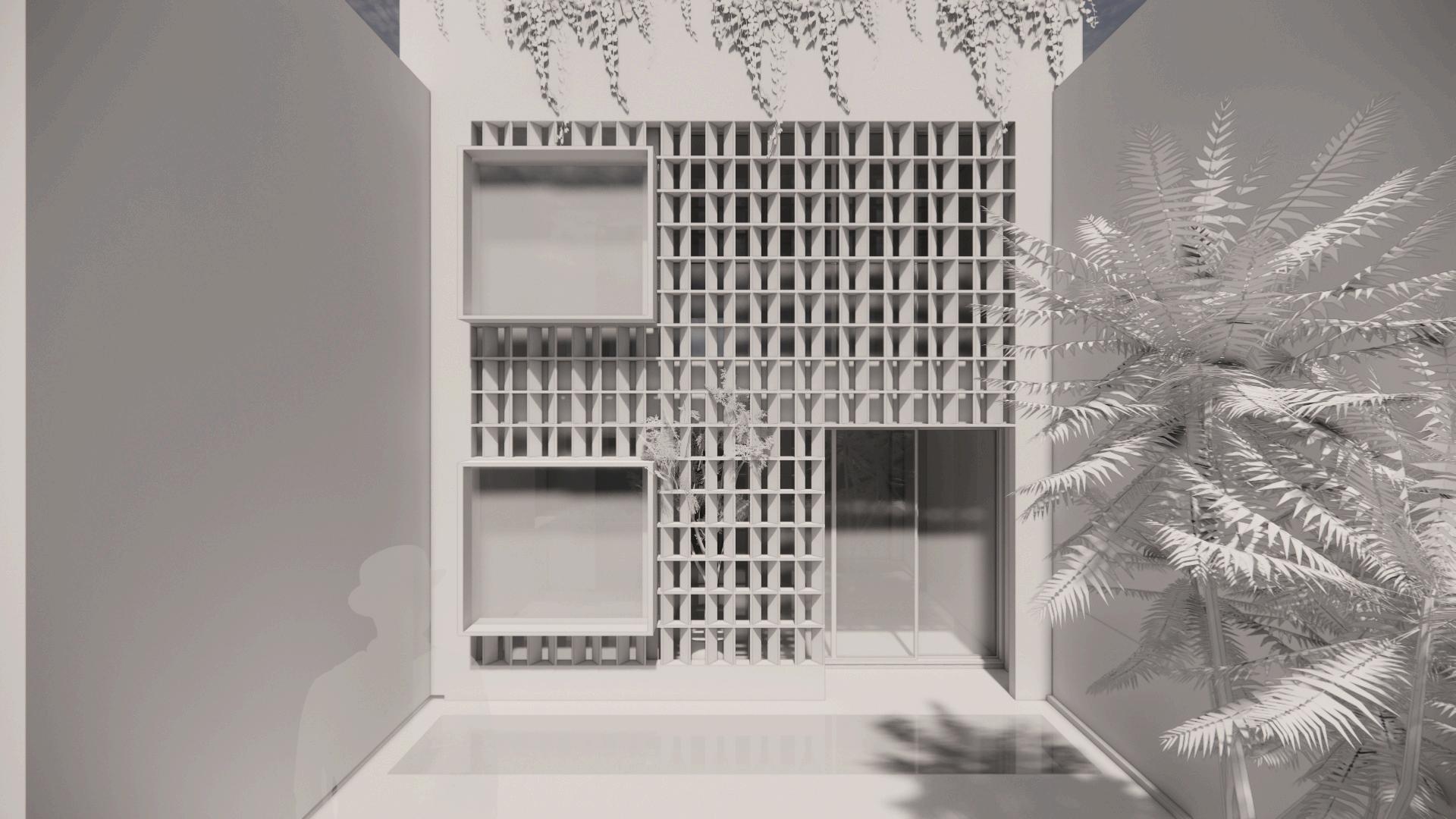
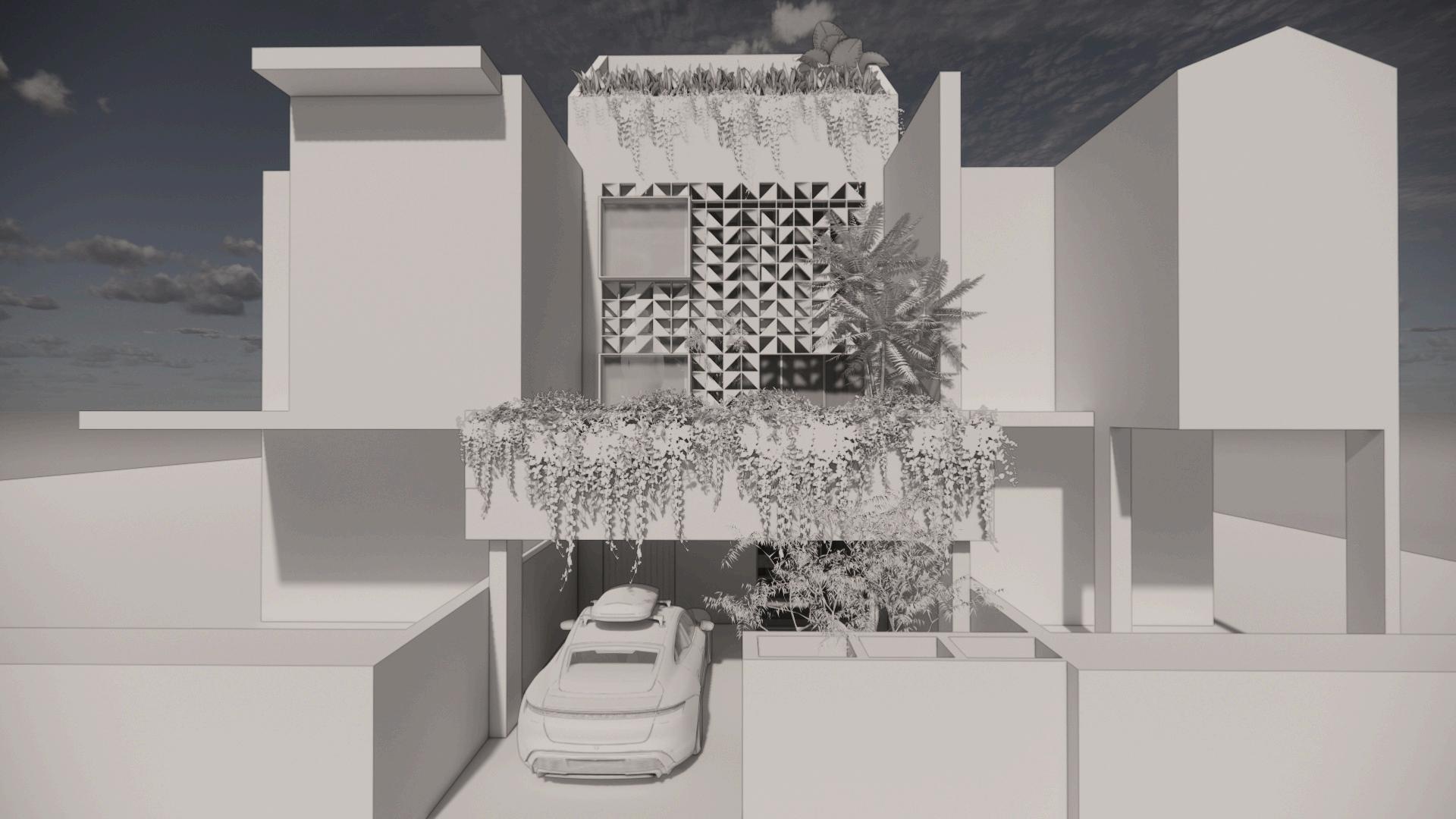
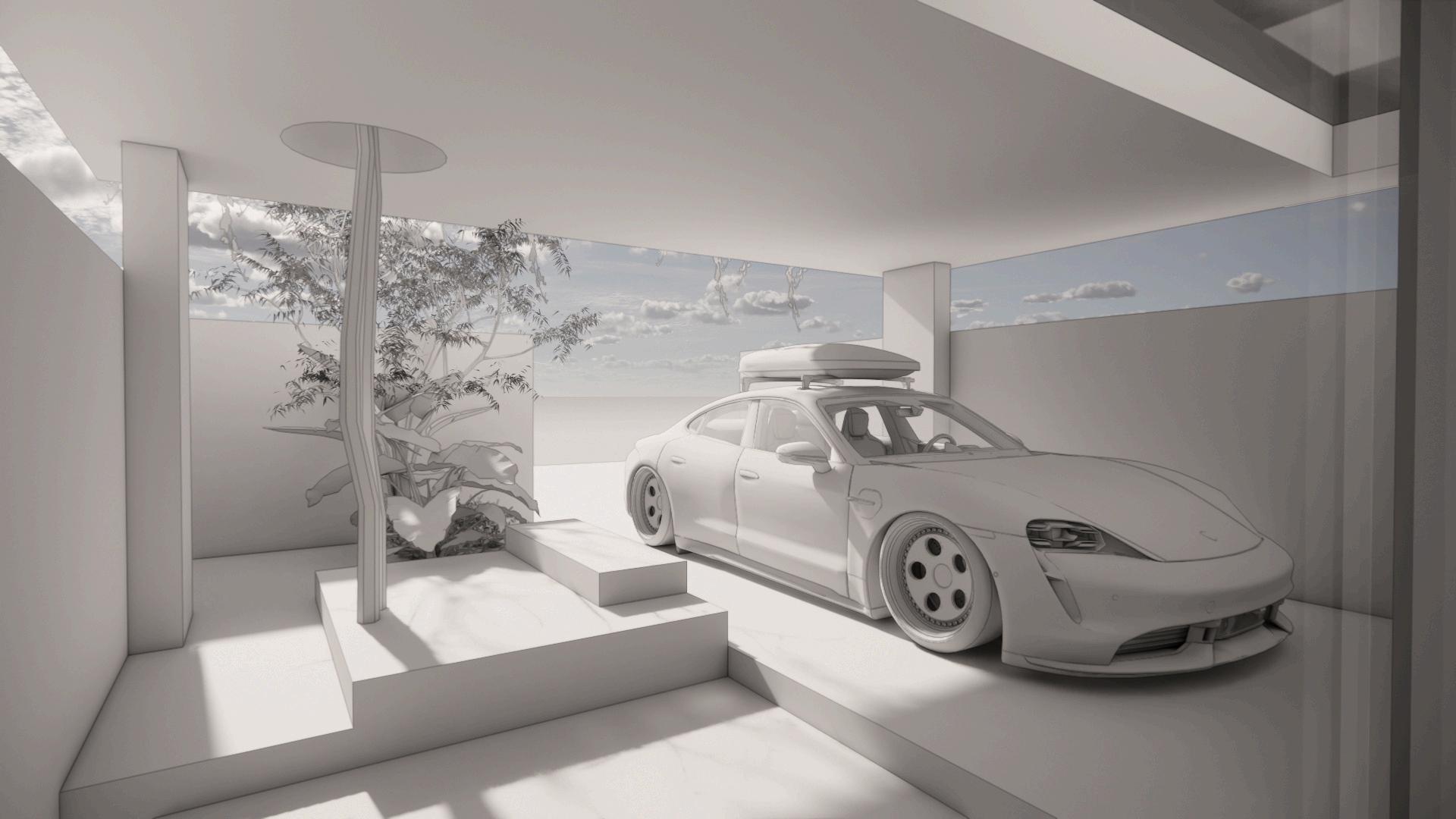
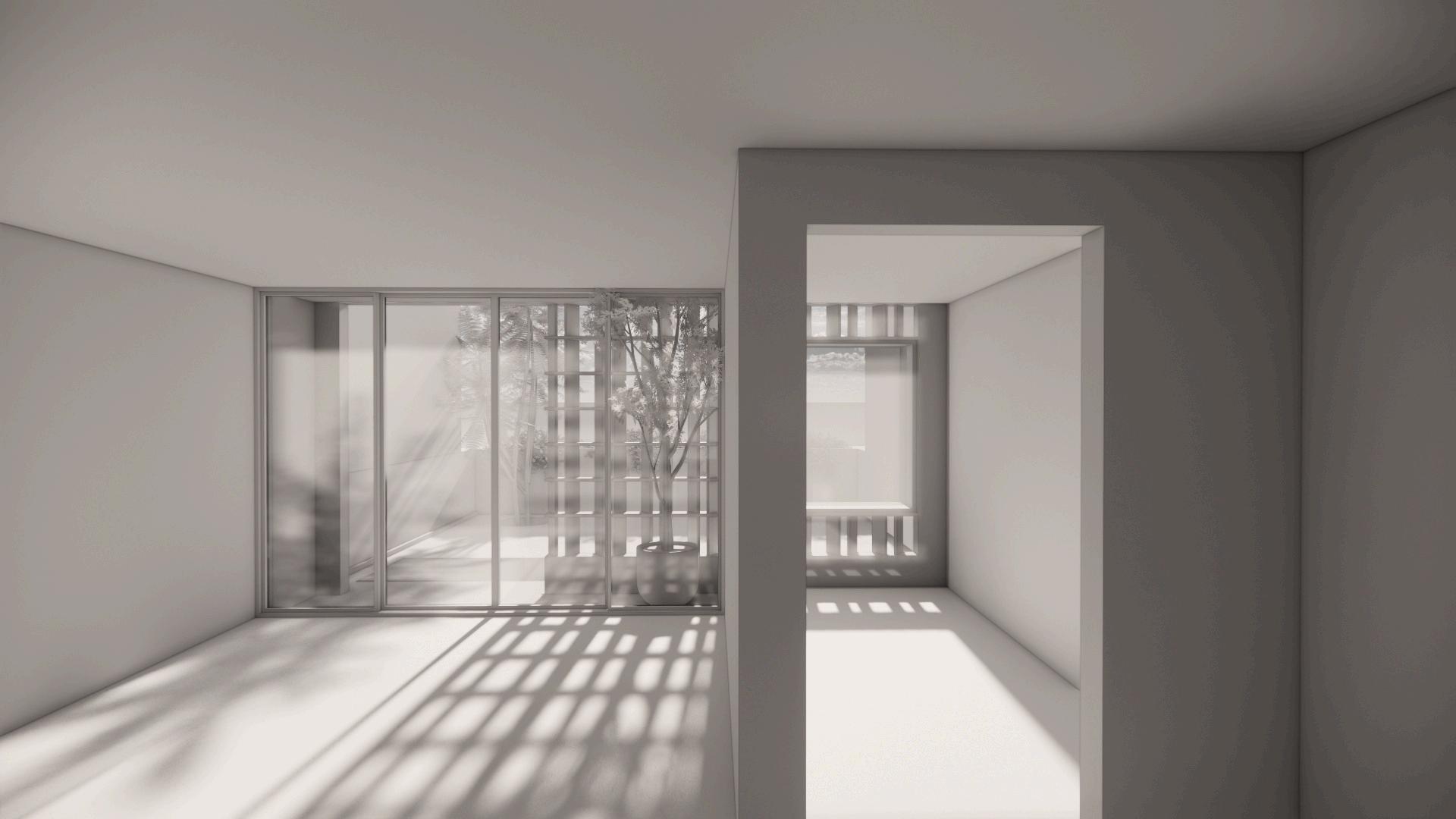
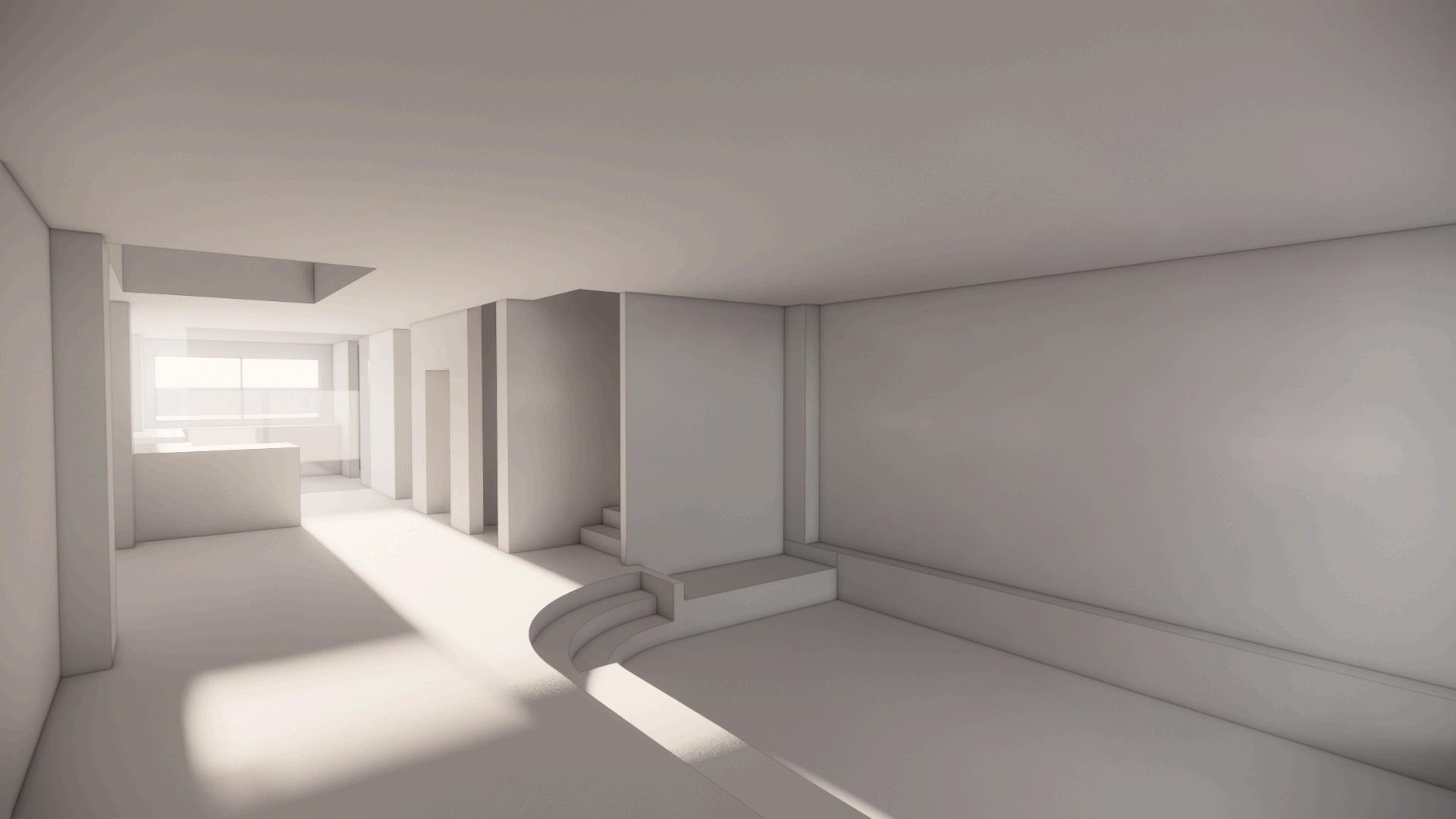
pit living internal view of facade

Flow Form Collective
4-storey home SEMI-D
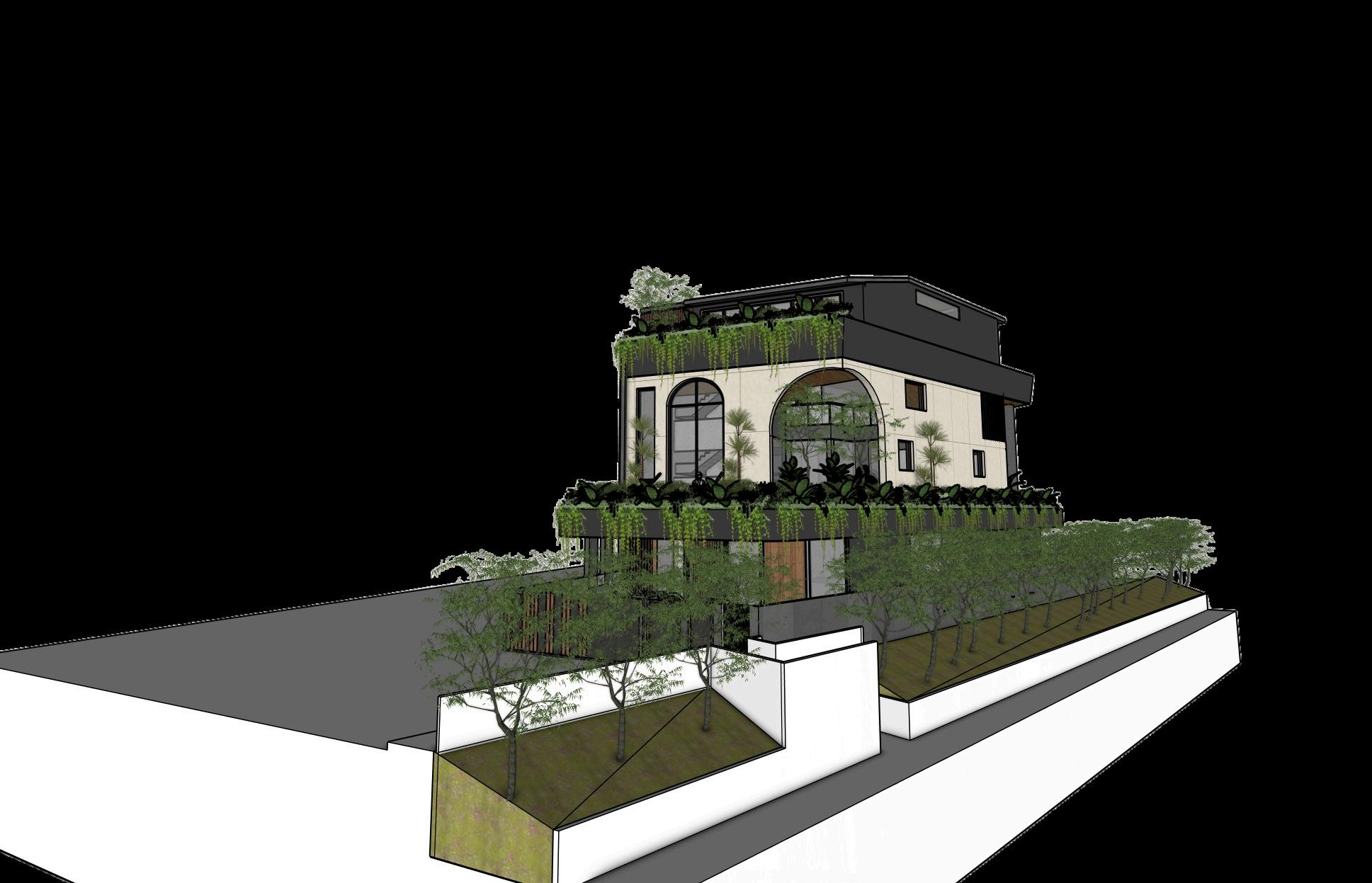
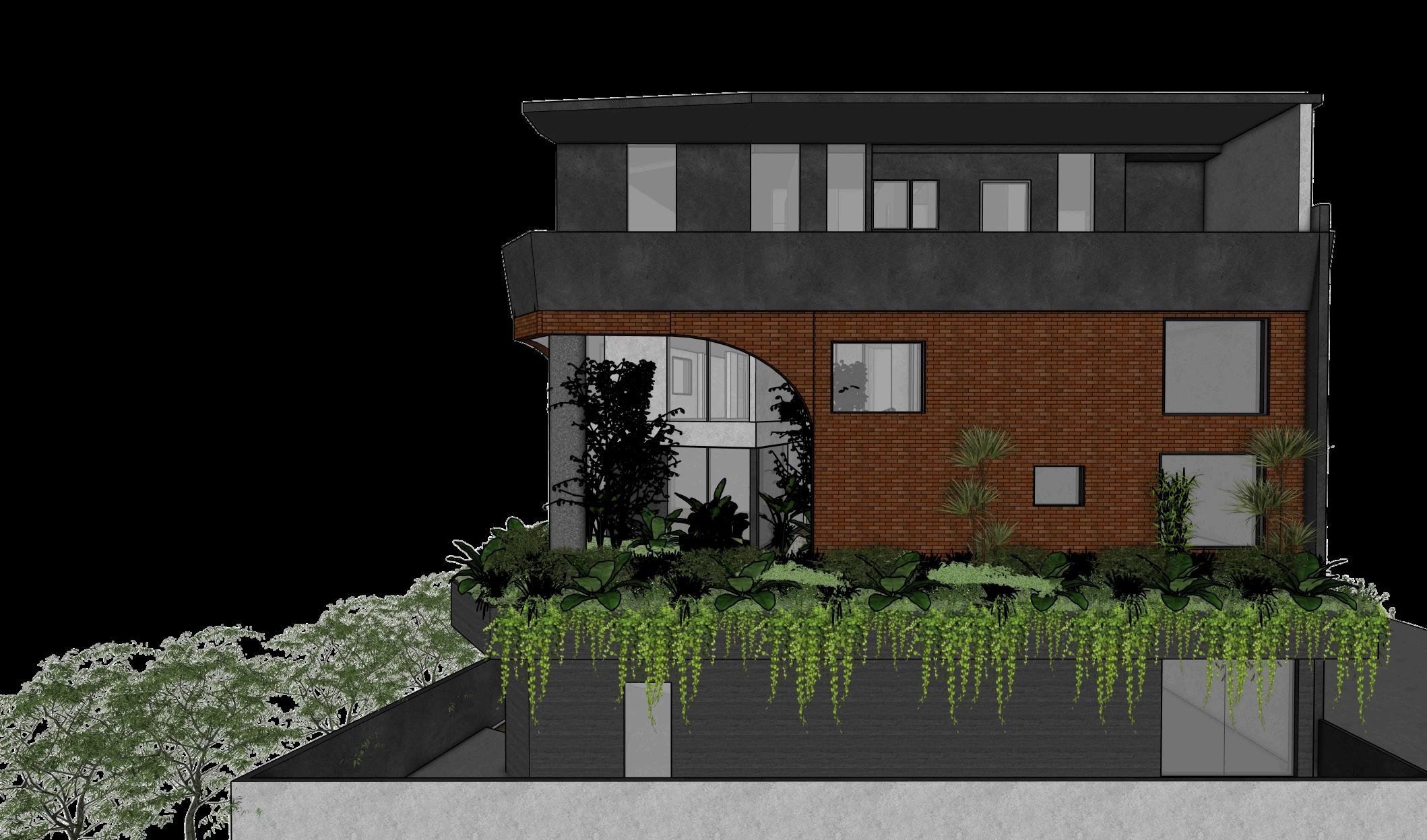
Conceived as a multigenerational home, 41 Meragi Terrace embraces openness and connection through a doublevolume living space and expansive internal gardens. The design explores how vertical circulation and greenery can create visual continuity across floors while offering privacy for each generation.
Role: Façade and design development, schematic design options, client presentations, and visualisation
Tools: SketchUp, Enscape, AutoCAD
Stage: Design Development → Construction
2024/Fall
Module: Social Architecture
Chong Keng Hua
Led by a professor in collaboration with a social architecture firm, this project was developed as a master plan for an NGO in Cambodia.
The primary goal was to reimagine and optimize the use of the existing site to provide educational opportunities for local children. In addition, the master plan explored ways to generate sustainable income for the community through homestay accommodations and community-led cooking classes.
Throughout the design process, particular emphasis was placed on maximizing the potential of limited space and working within strict budgetary constraints. The project prioritizes practical, adaptable solutions that support the dual aims of fostering education and empowering the local community through economic opportunities.
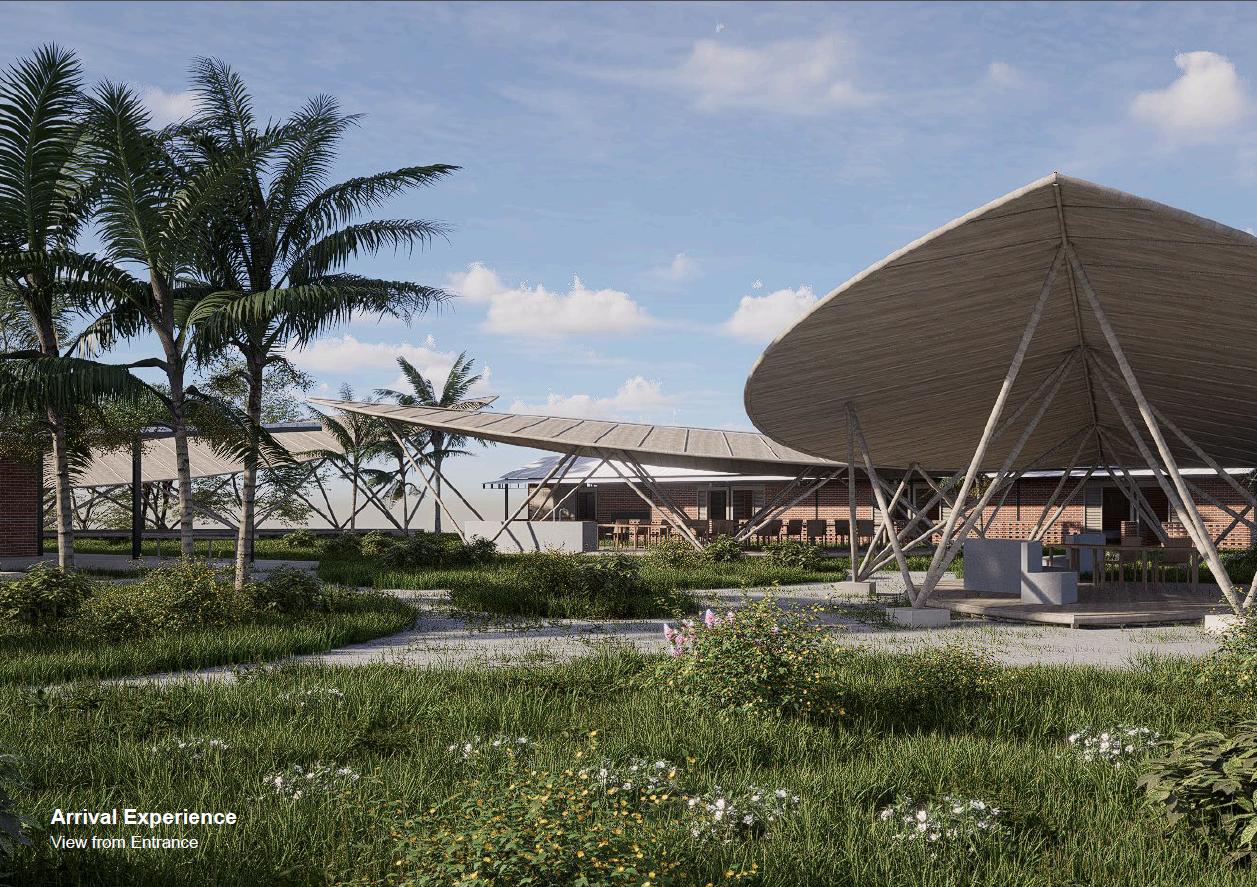
Overall Master plan of the existing plot with allocated spaces based on required programmes.
Roots Cambodia Proposed Site Plan

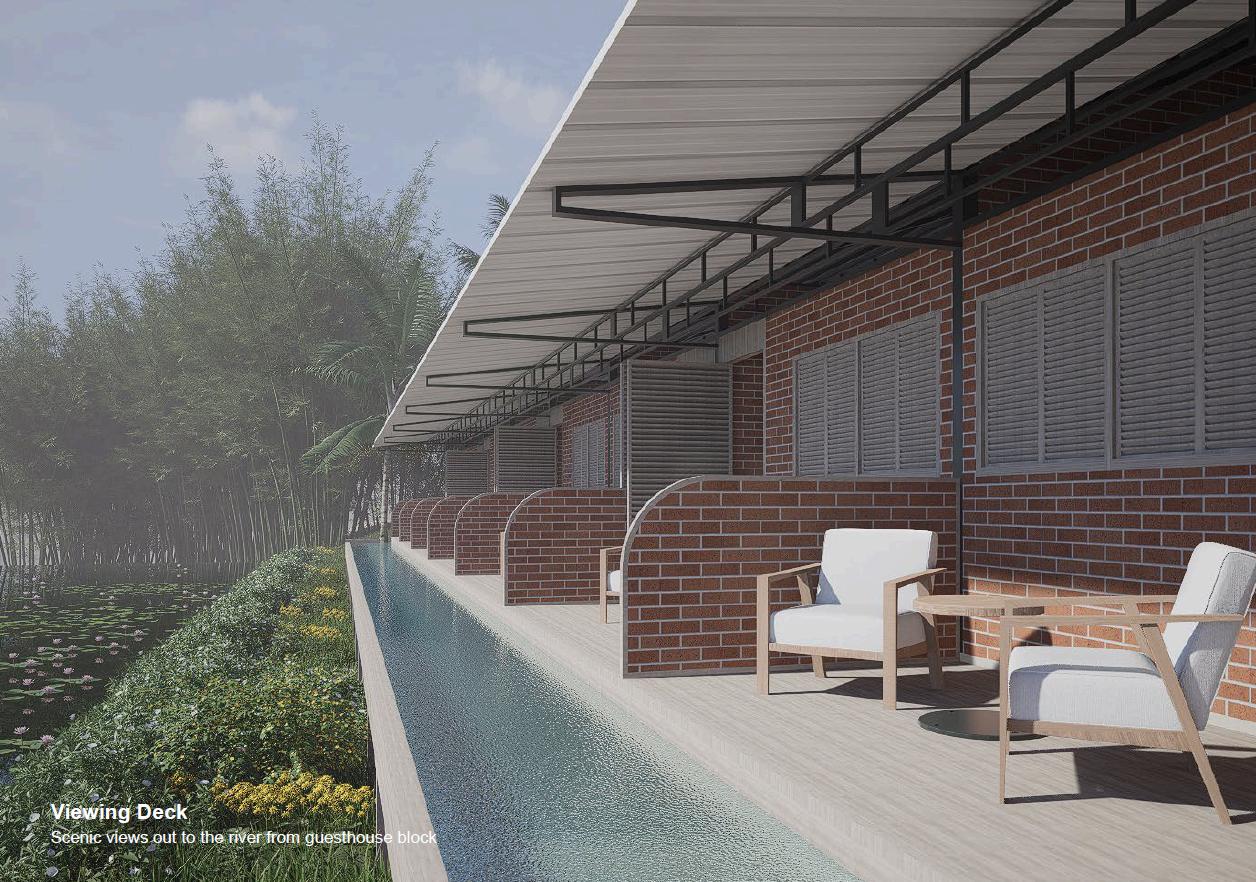
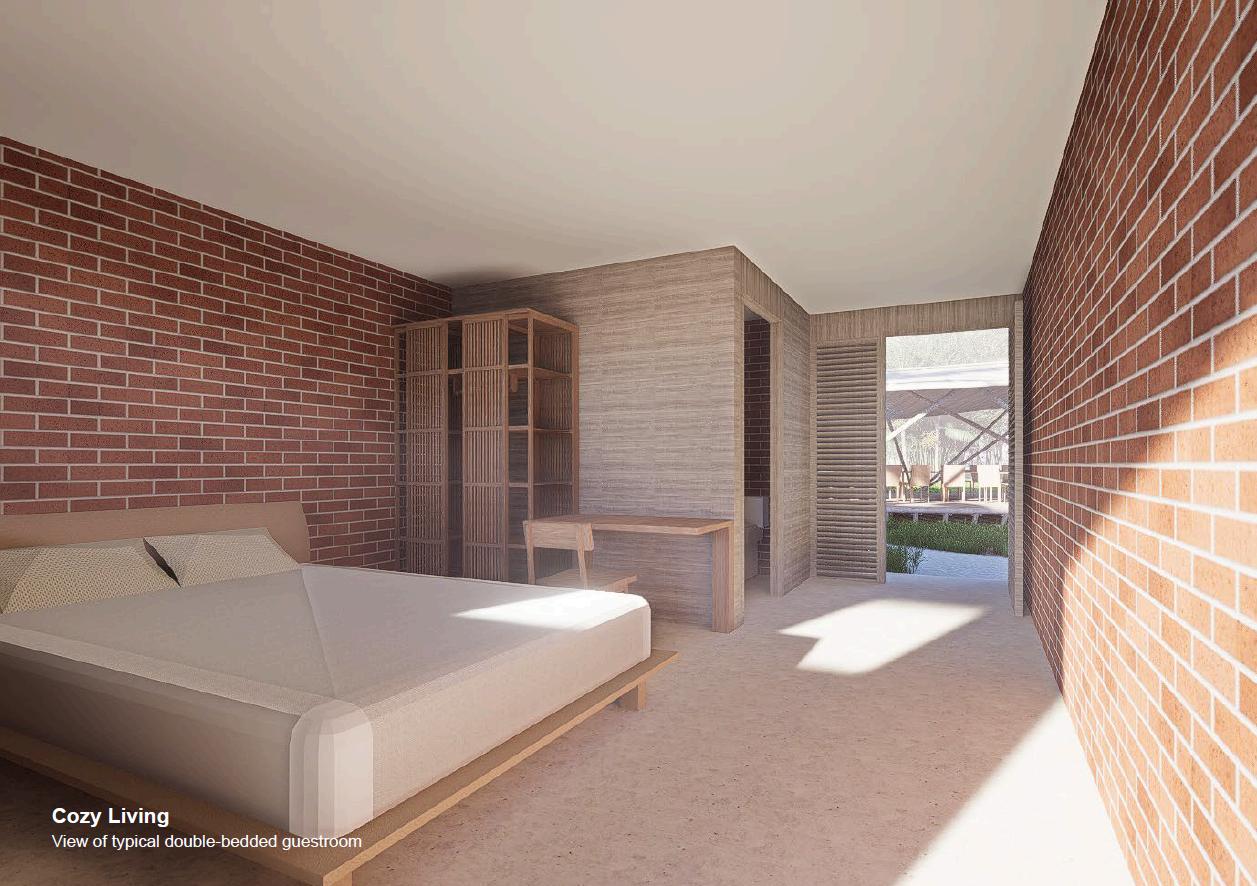
Proposed guesthouse plans and sections: for visitors and to serve as a form of income to fund school expenses.
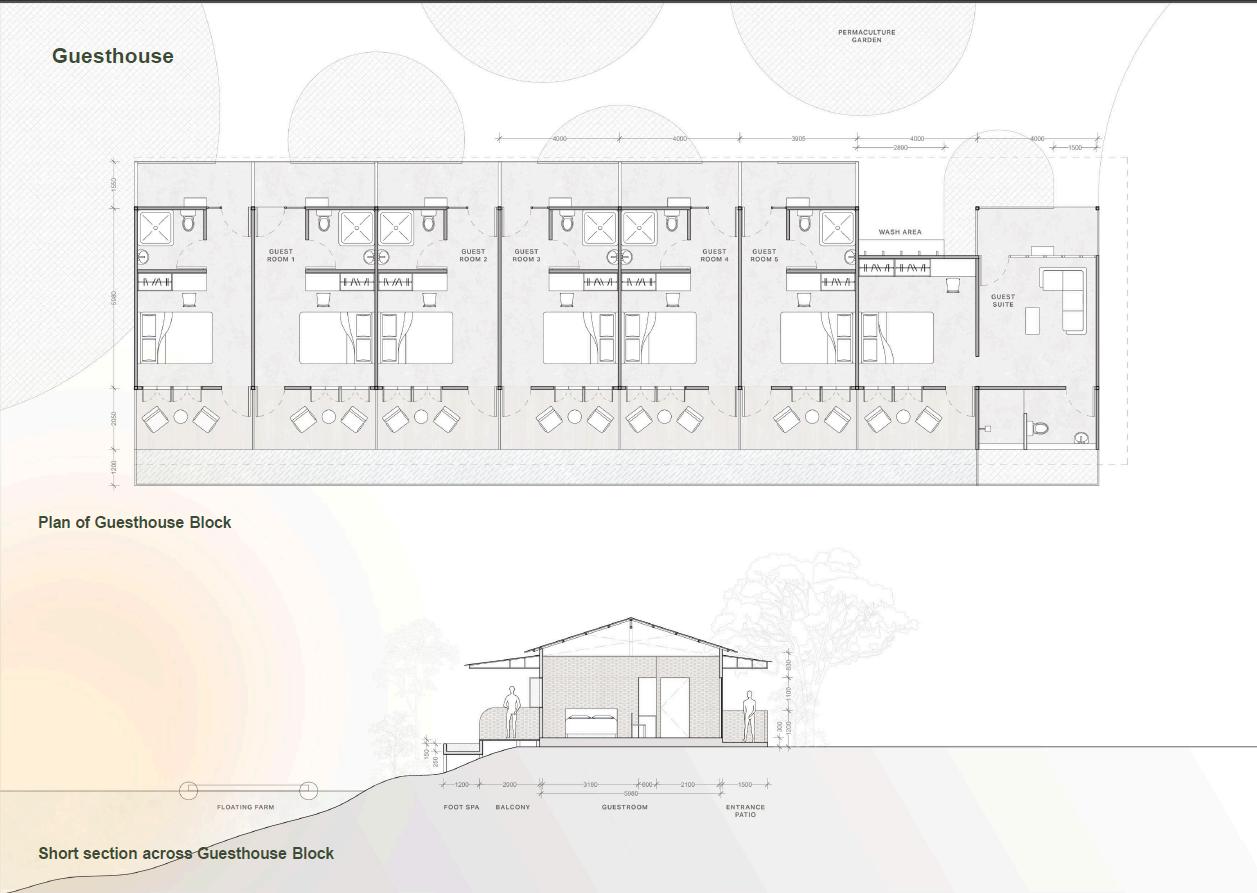
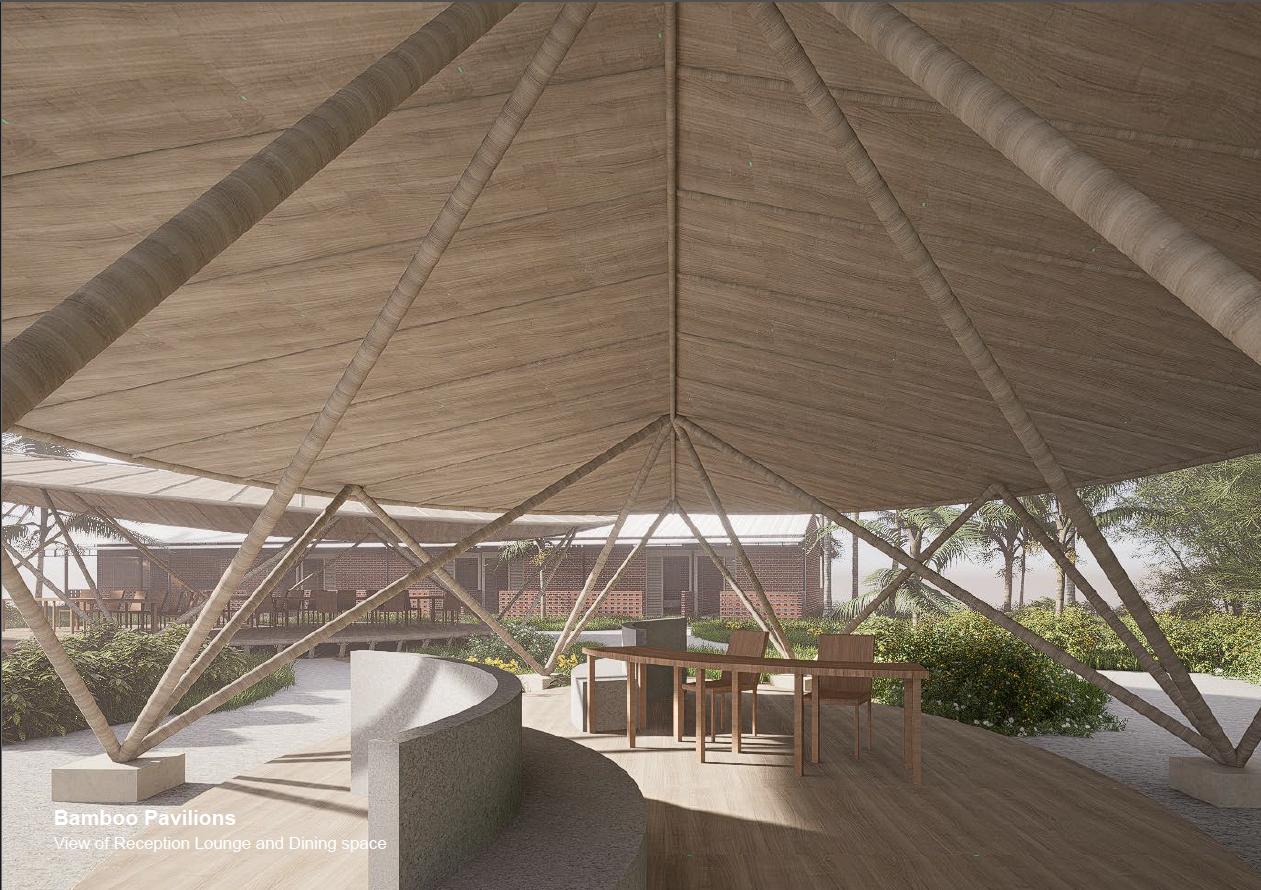
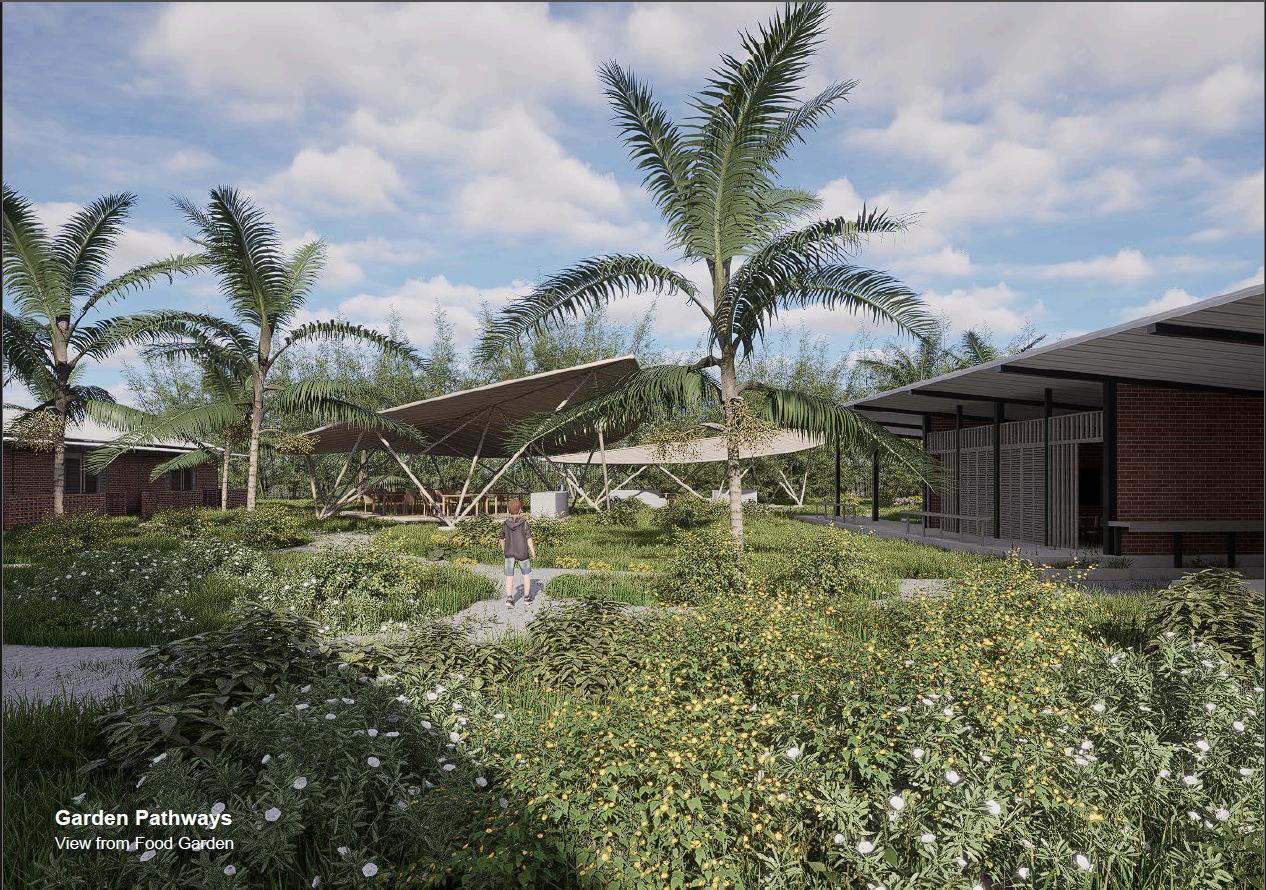
Guesthouse Block Elevations and Section Views.
A row of guest homes, that are built along the edge of the plot to capitalize views of the land owners lotus pond and vegetation area.
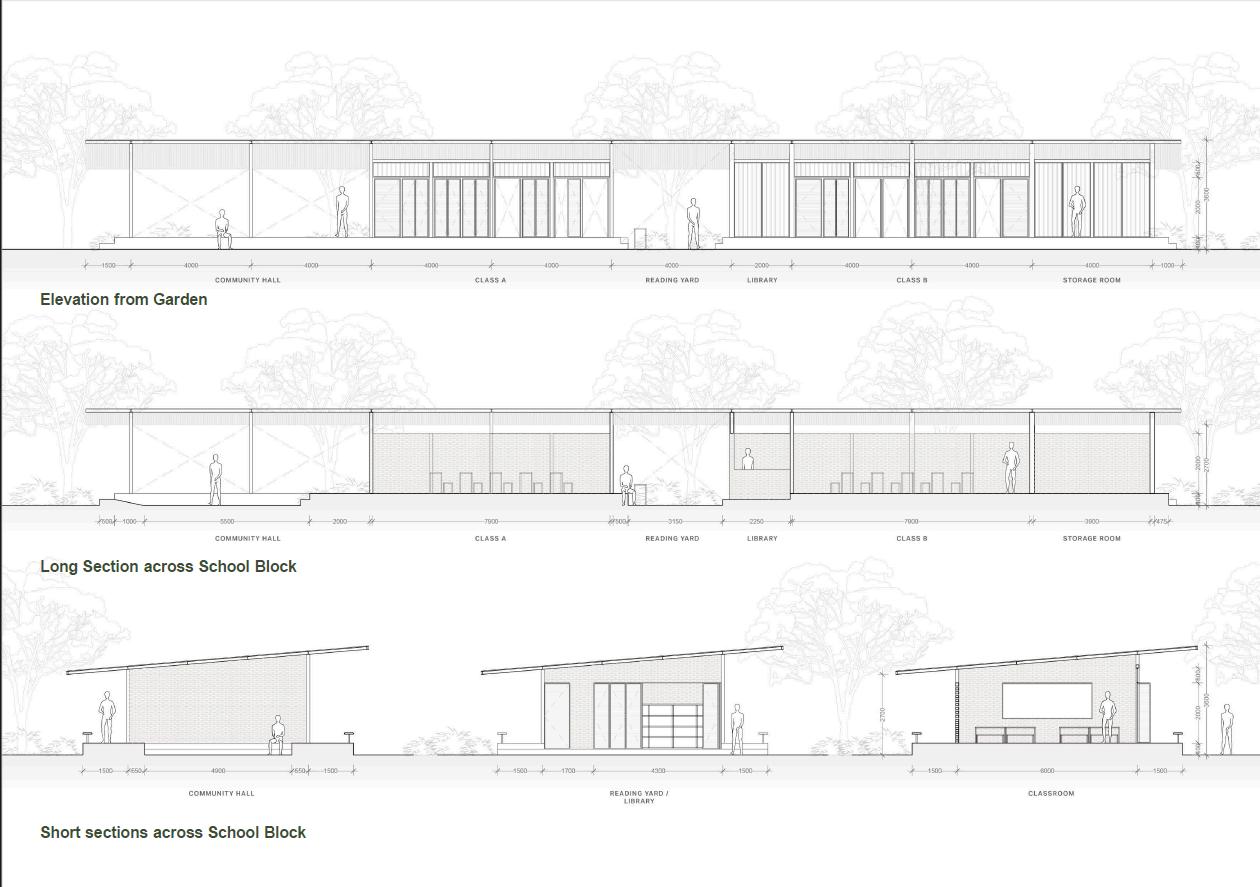
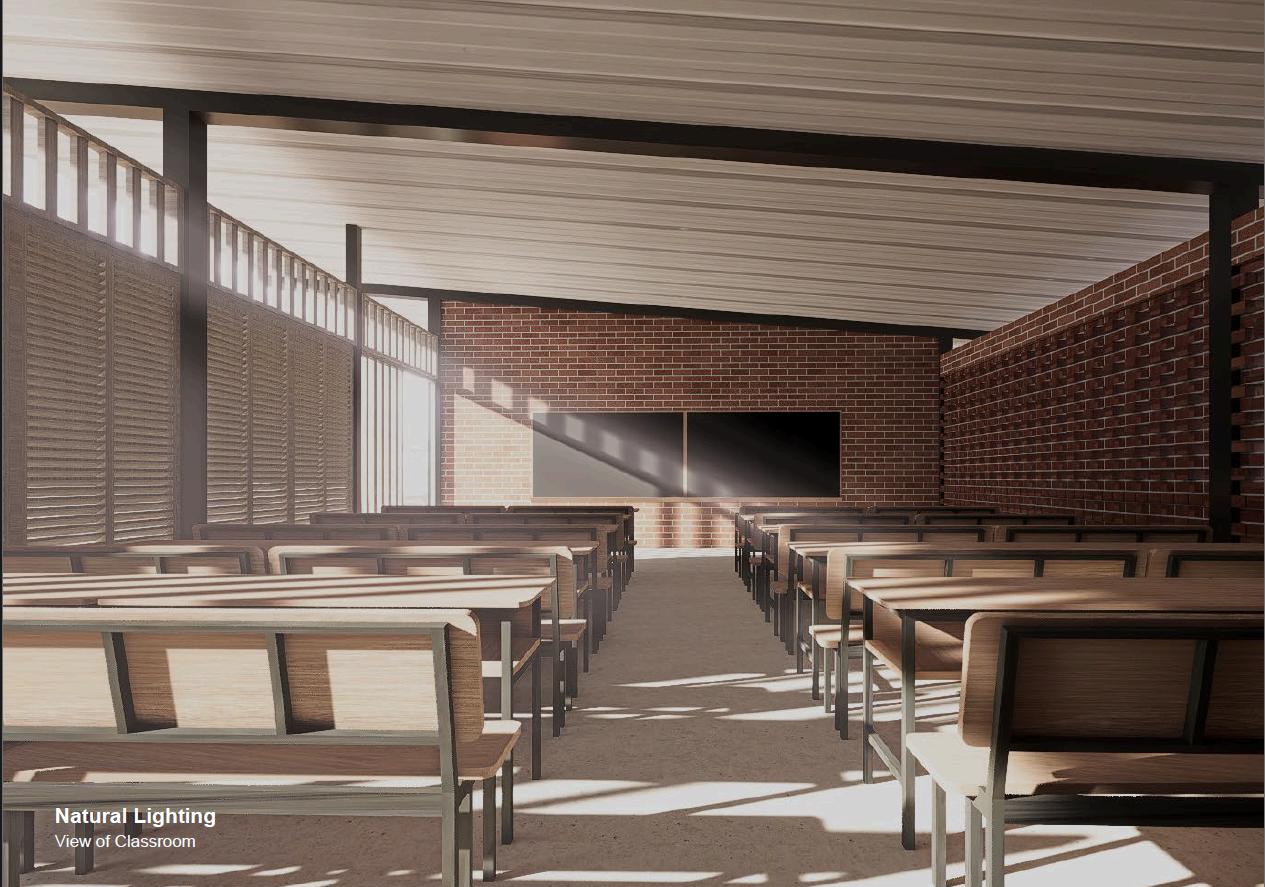
Plan & Section of School Blocks on Site
2025/Spring
Studio 2 x ARCHIFEST 2025
Khoo Teik Rong
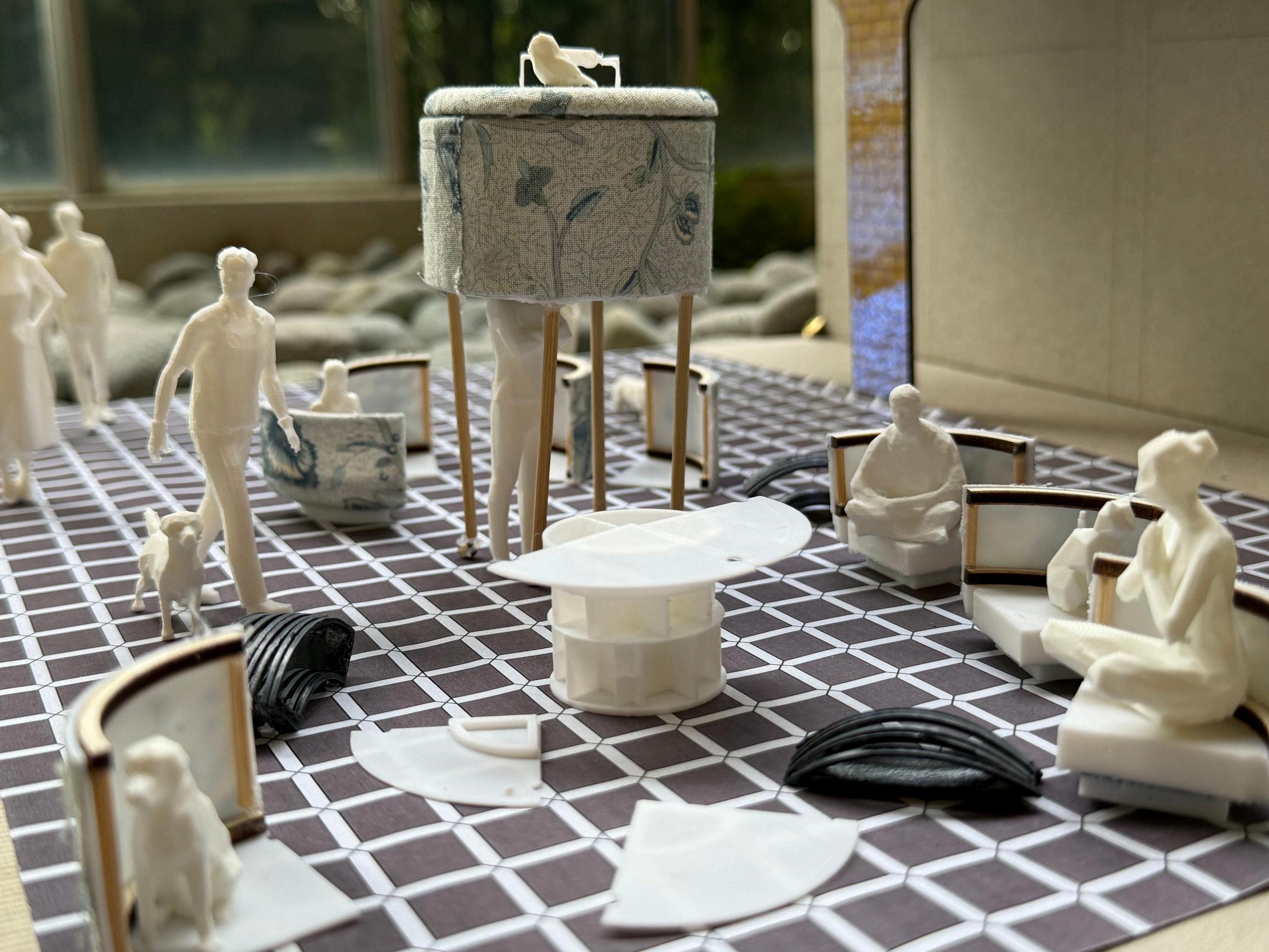
Curated as part of Option Studio 2 in partnership with ARCHIFEST 2025, this project responds to the festival theme, "Strangely Familiar: Wild Katong." The project seeks to investigate the contrasts and layered identities present within the Katong district, an area known for its blend of heritage and evolving urban character.
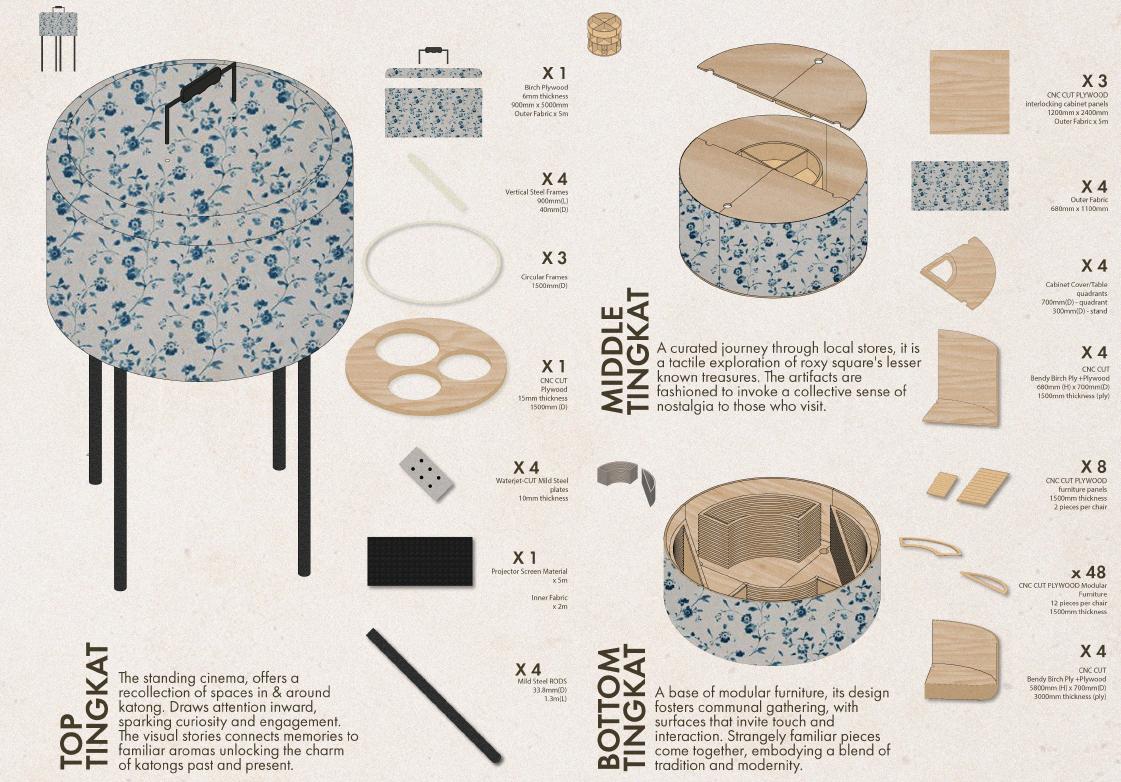
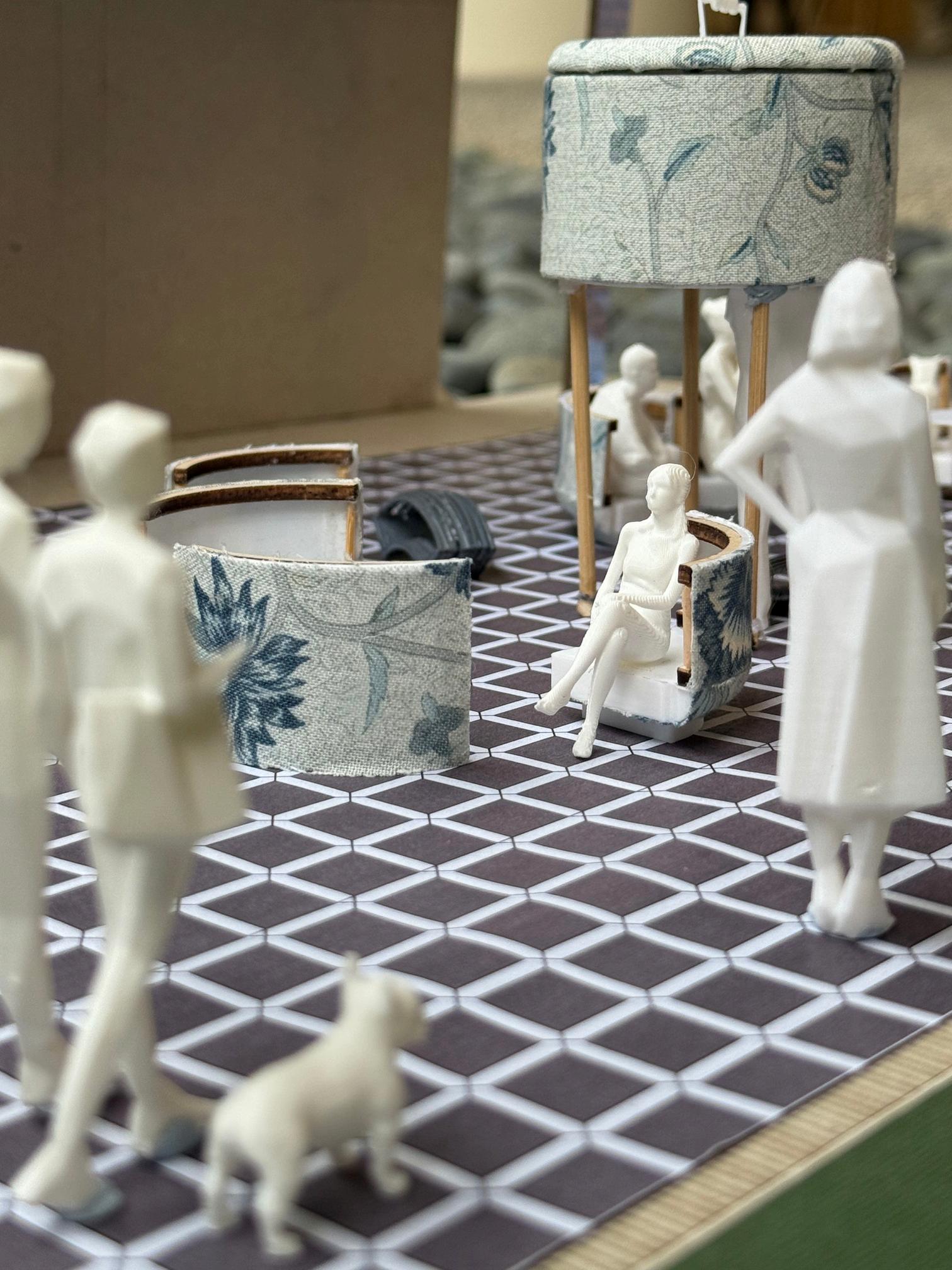
The installation takes the form of a life-sized tingkat, chosen for its relevance as a symbol of layers and shared experiences. Inspired by observations made during site visits, the work is conceived as a multi-sensory journey.
Each layer of the tingkat represents a distinct facet of Katong’s cultural and social history, offering visitors a tangible and experiential way to engage with the site's unique atmosphere and narratives.
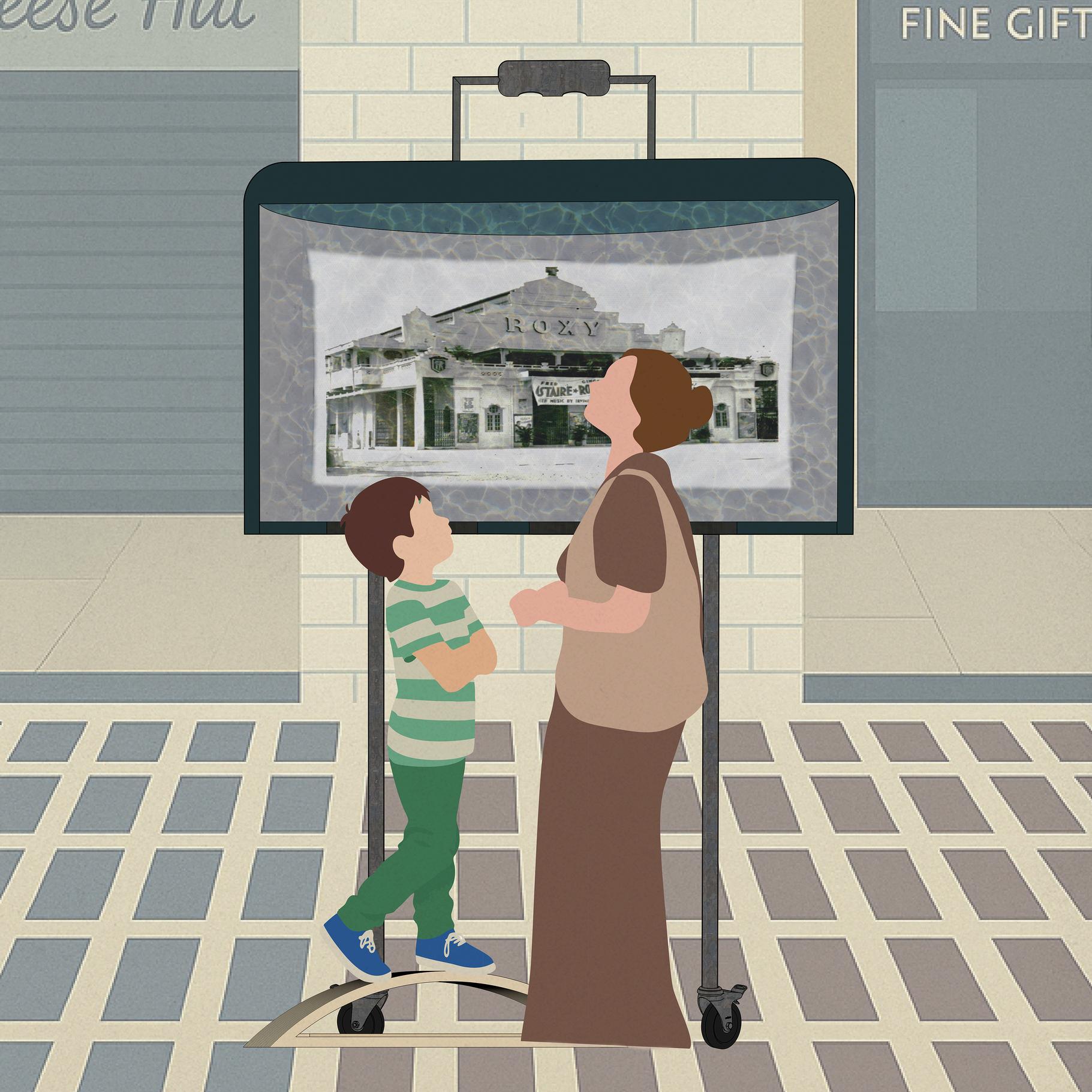
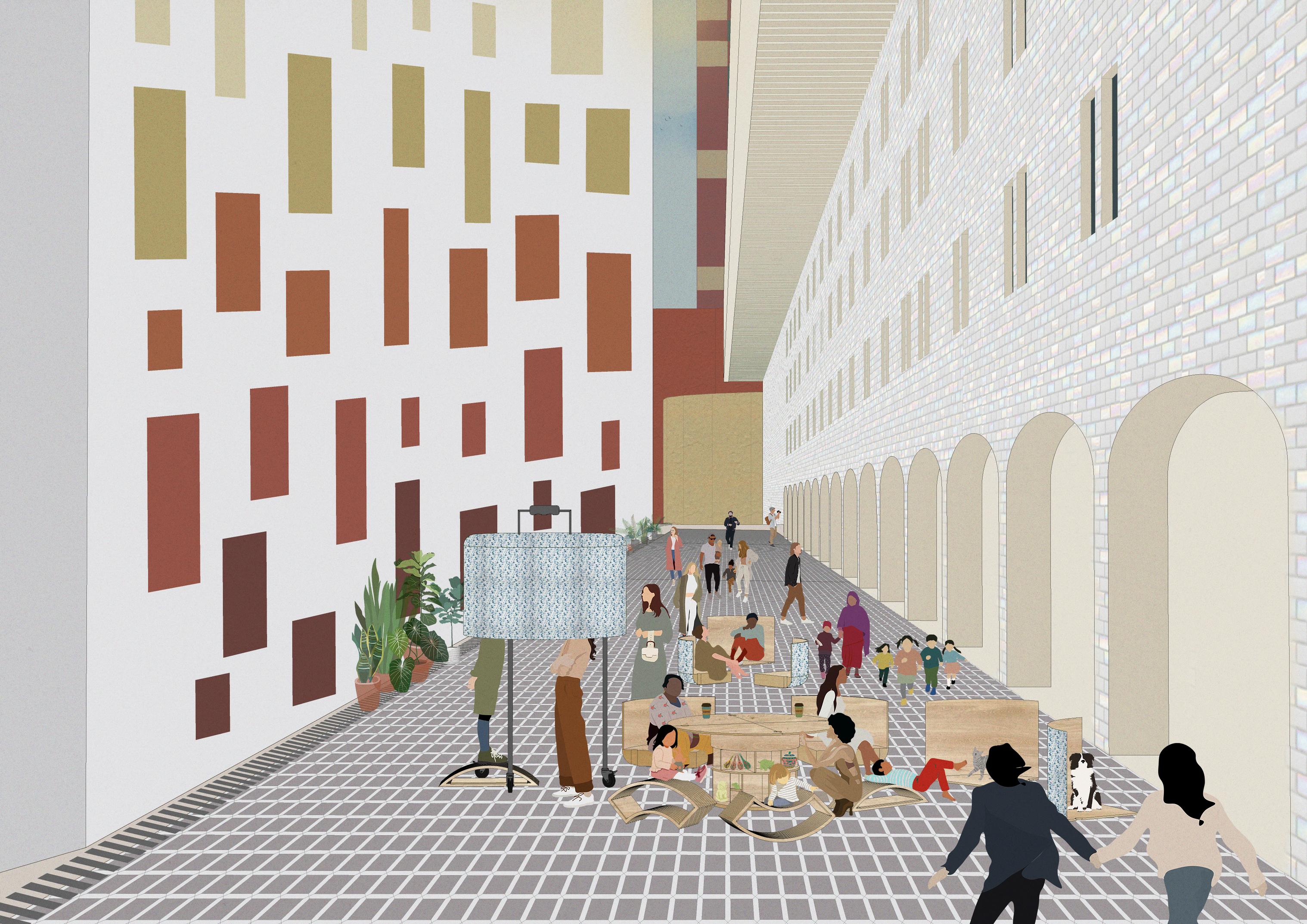
Visual of Installation along existing transitionary space at Roxy Square.
Activates an otherwise only-transitionary space by implementing a layered experience that spills out into the pathway & offers third spaces for users.
Kit of Parts and breakdown of layered parts. Sit in with Tiffin
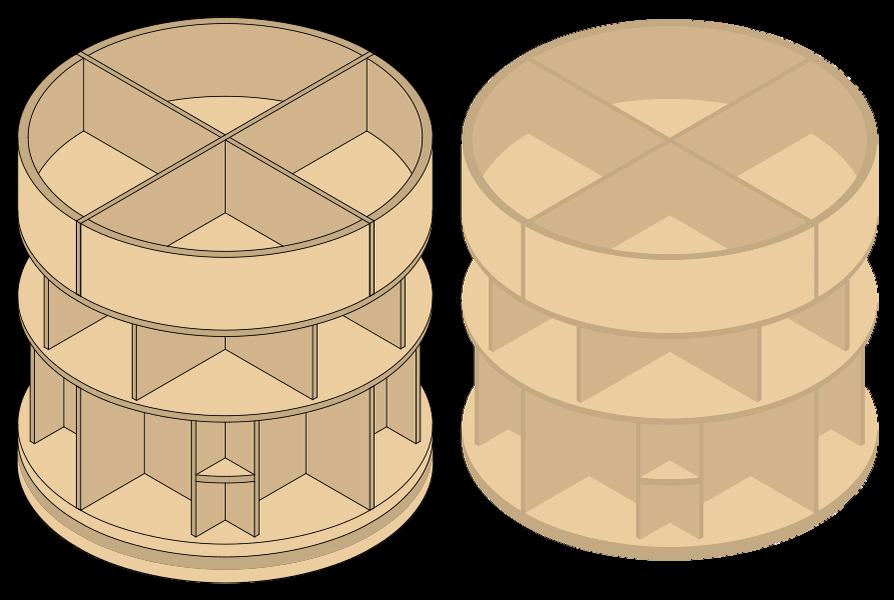
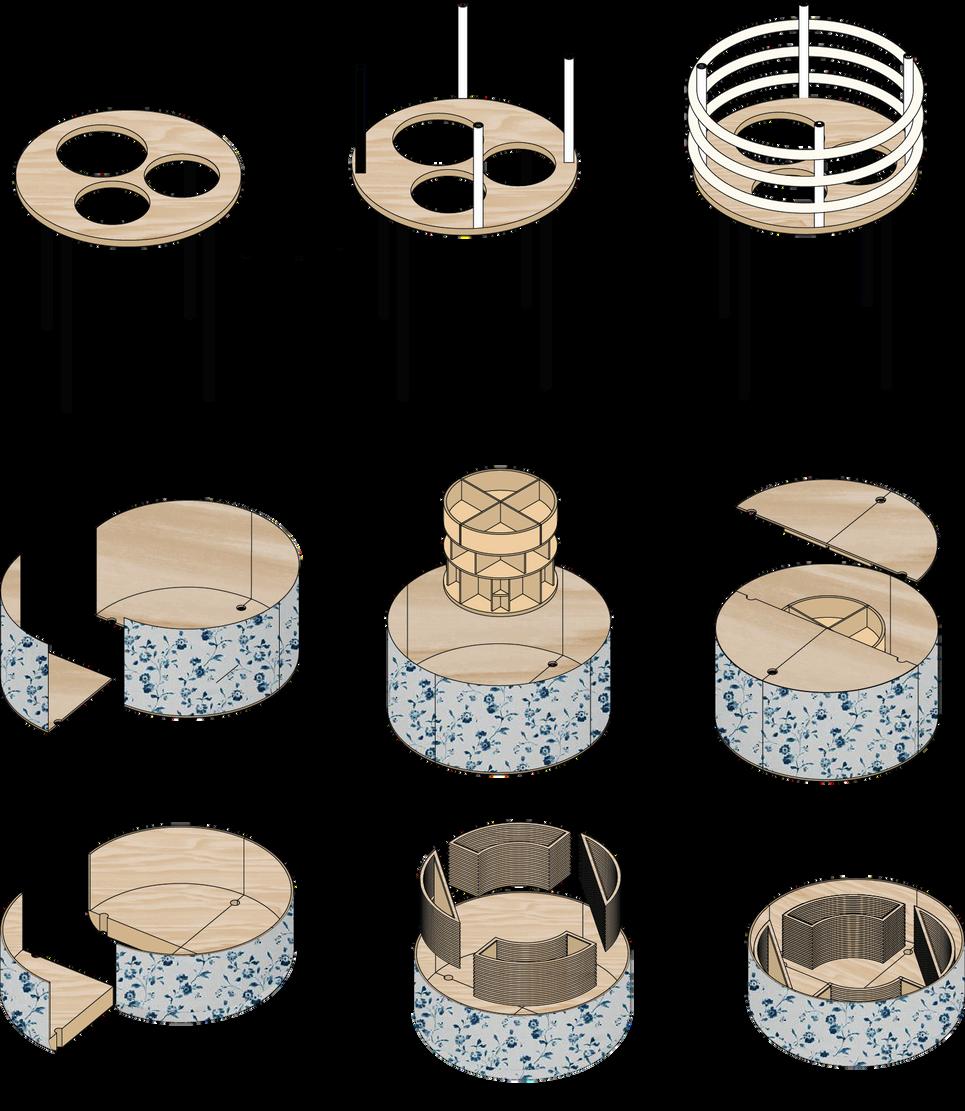
All aspects of material sourcing were managed independently, including liaising directly with suppliers to obtain appropriate materials for the installation.
The entire structure was fabricated personally at the SUTD Fablab, without additional support, over the course of seven weeks. This hands-on approach informed both the design and execution, ensuring a high level of craftsmanship and a strong personal connection to the final piece.

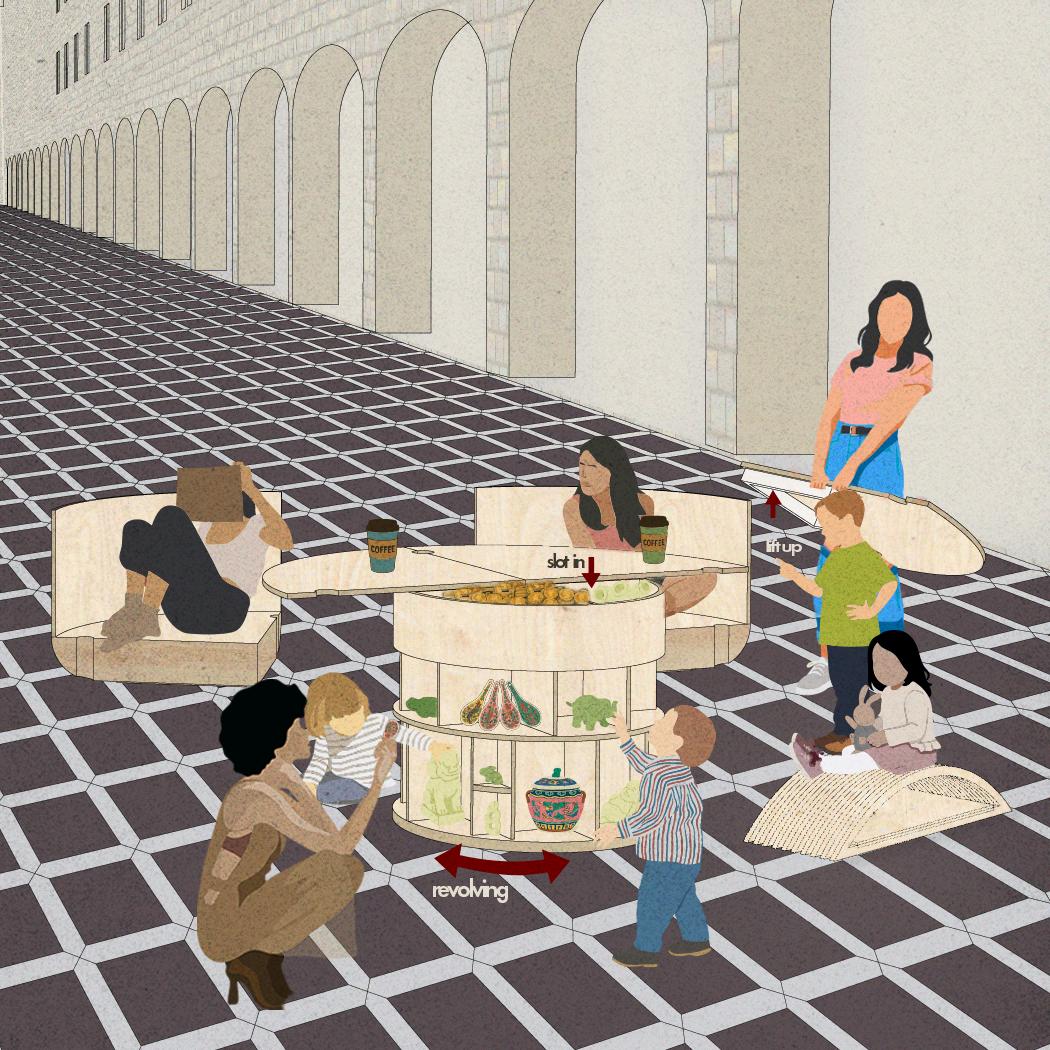
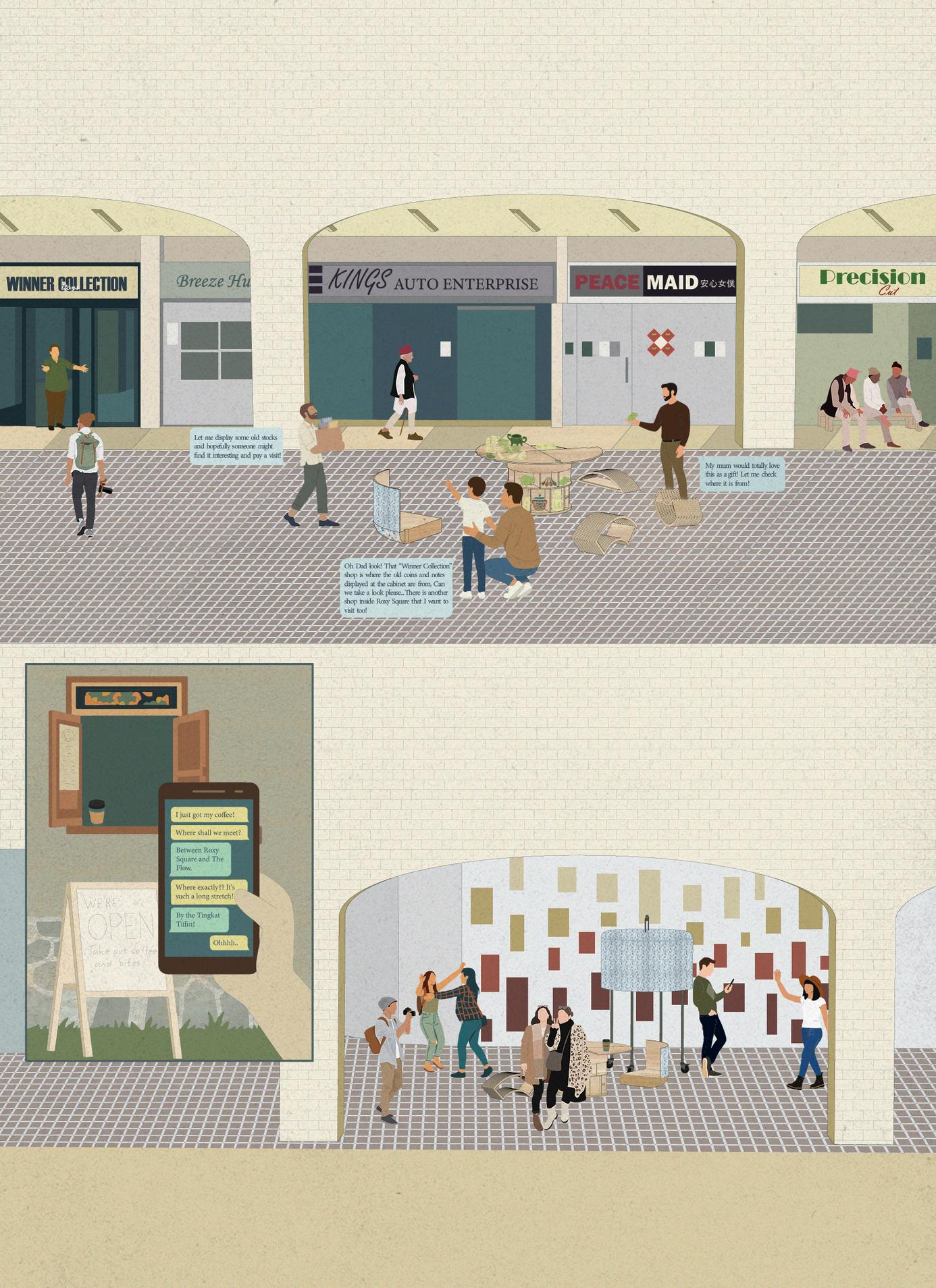
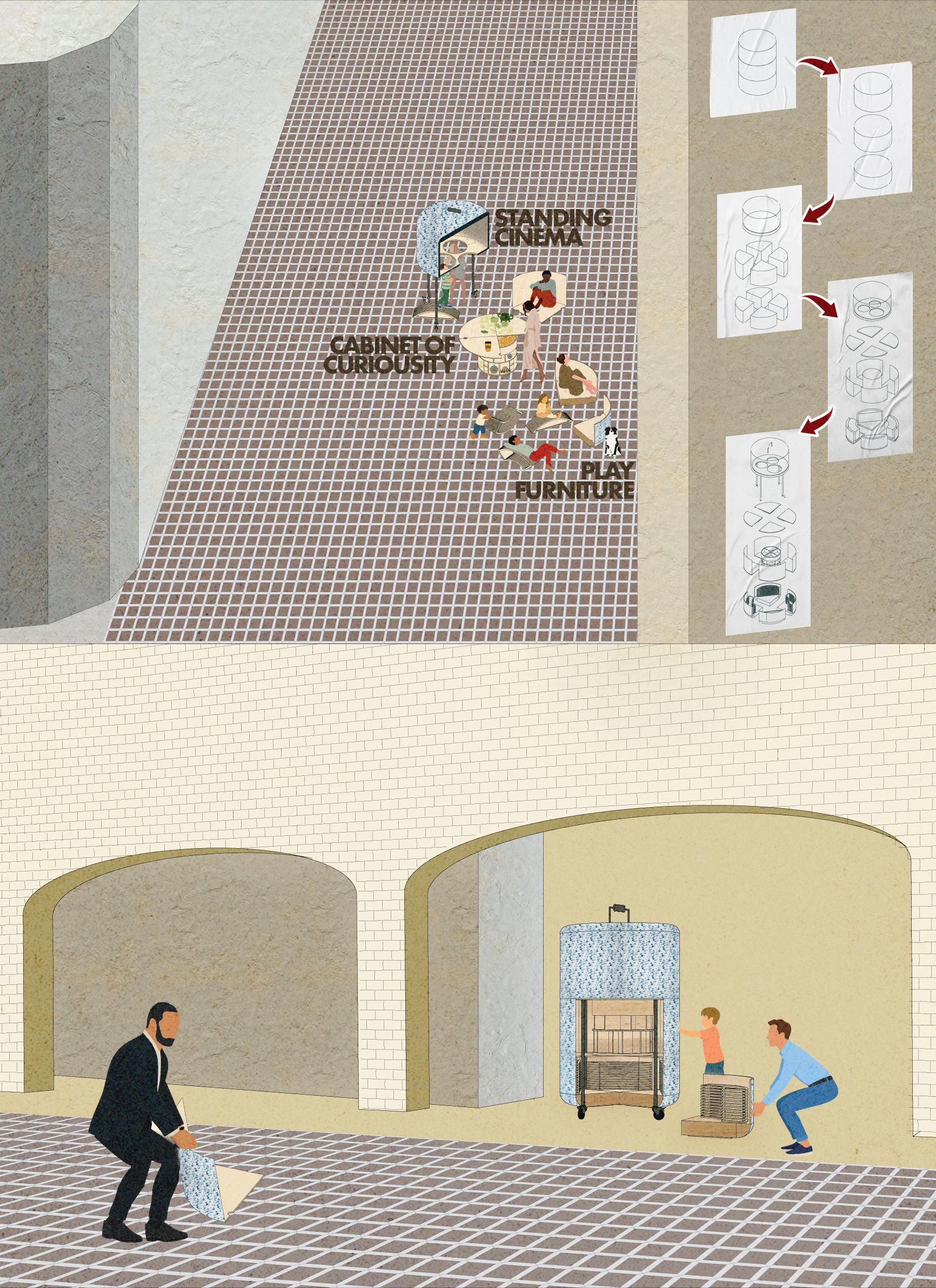
Sit in with Tiffin
The entire structure was fabricated personally at the SUTD Fablab, without additional support, over the course of seven weeks
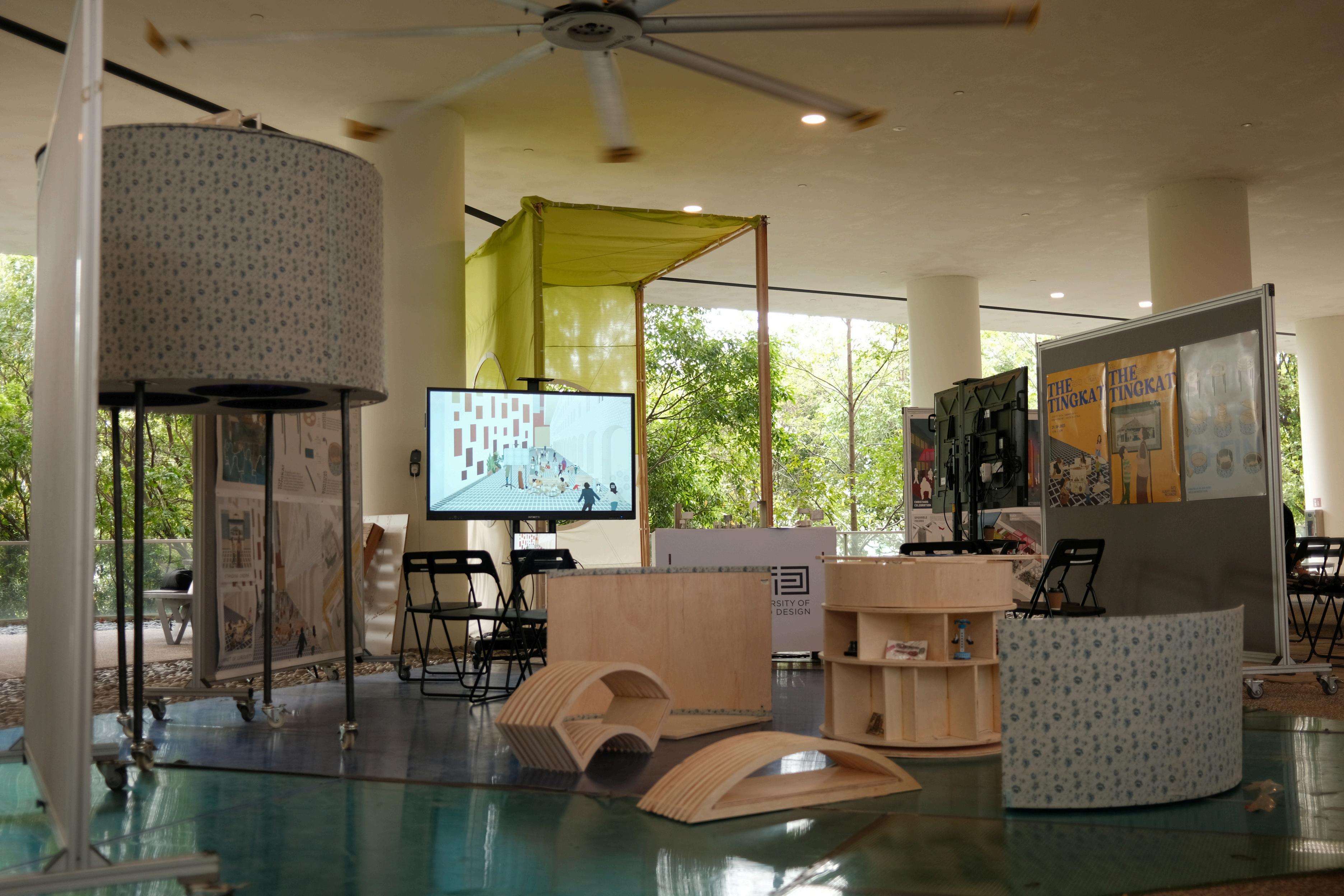
Final Built Prototype /Mockup for display @ SUTD : 3 parts
a. standing cinema featuring student films of katong - joo chiat - roxy
b. stackable/movable light furniture
c. cabinet of curios - collections curated with roxy sq shopowners vintage items.
Lee Wai Fong
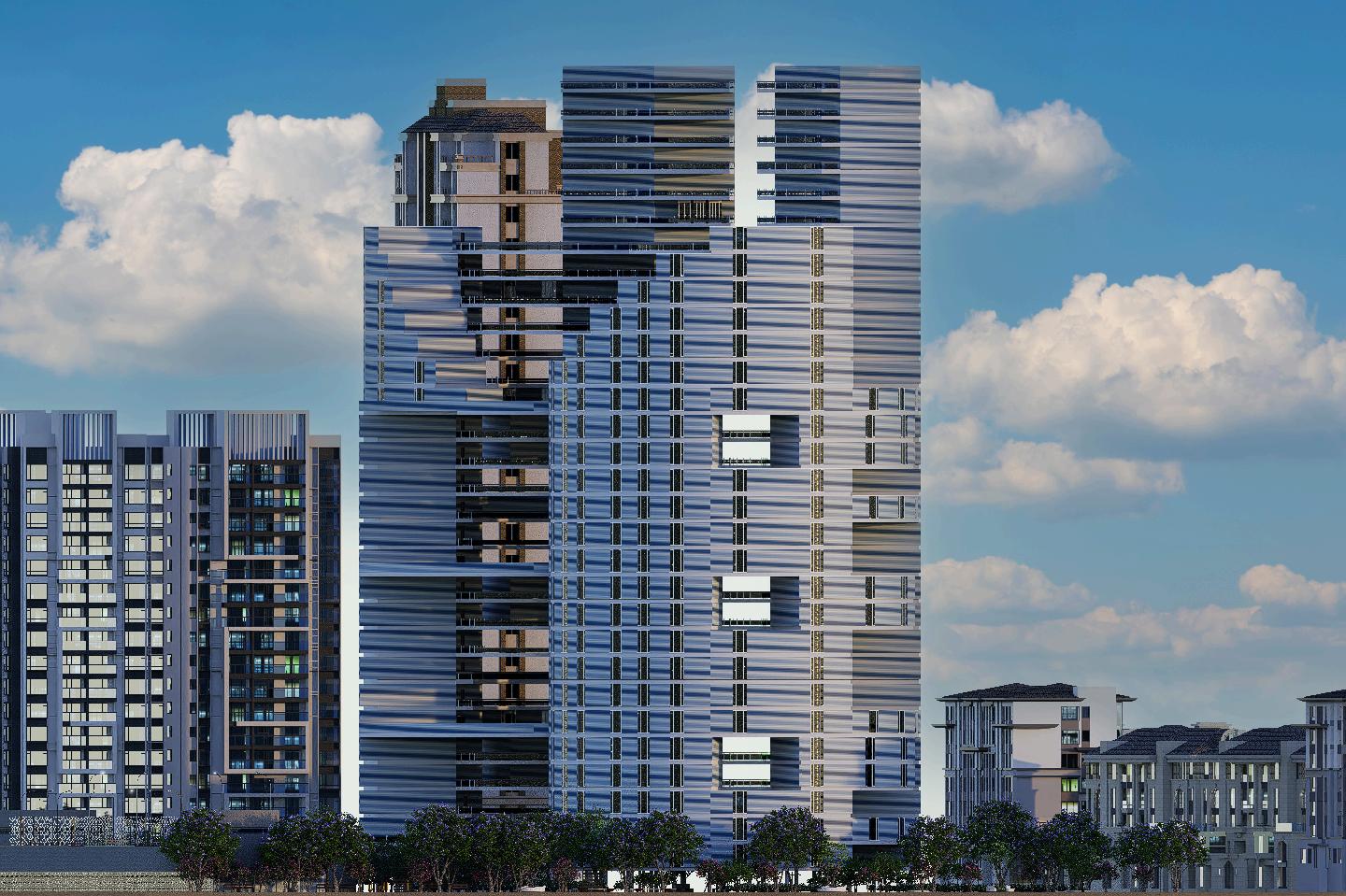
This project explores the design and masterplan of a highdensity, high-rise waterfront housing development situated along Bayshore Drive. The proposal aims to address the diverse housing needs of foreign immigrants, students, and lower-income families by introducing a new public rental housing model.
Central to the design is the integration of co-living principles, which seek to foster community engagement and support networks among residents while also ensuring each household retains adequate private living space. Through careful spatial planning and communitydriven design strategies, the project strives to achieve an optimal balance between urban density and overall liveability, creating a vibrant and inclusive environment along the waterfront.
First 6 weeks focused on drafting a cohesive narrative for the plot assigned along bayshore drive : 13 unique housing plots.
Contextualised using existing TPC (transit priority corridor) plans and linear parks as per HDB’s existing plans.
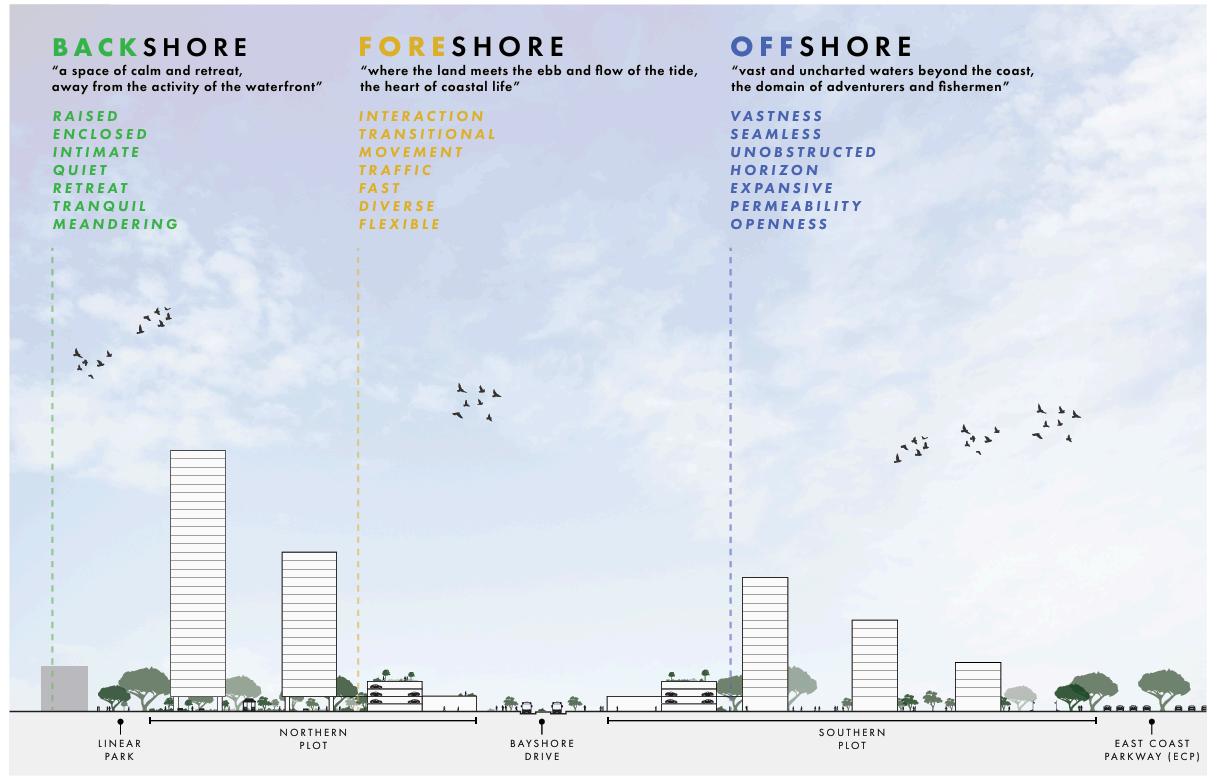
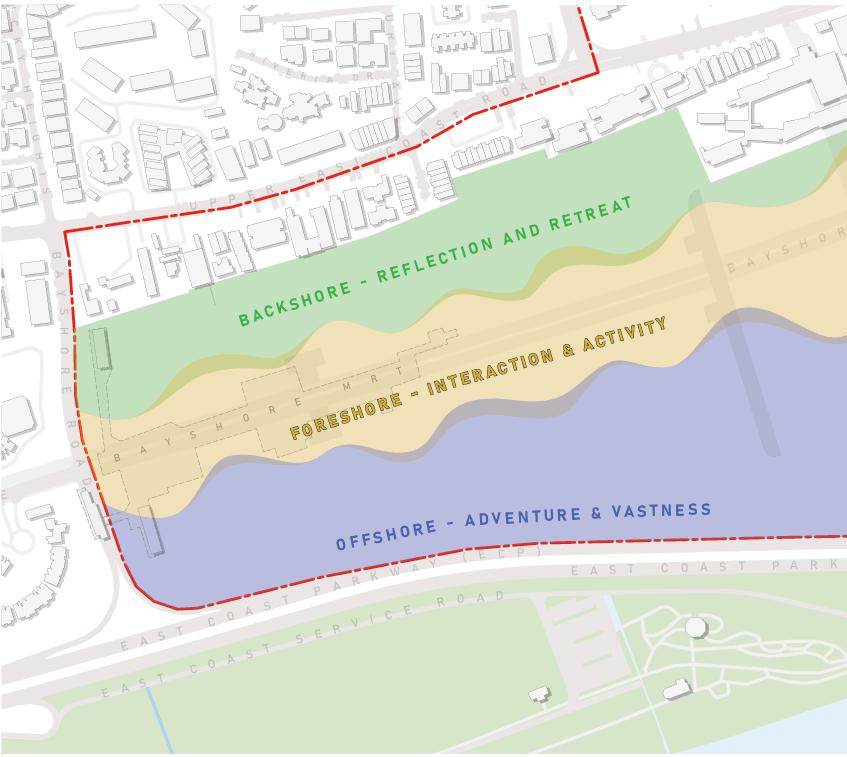
Masterplan Zoning
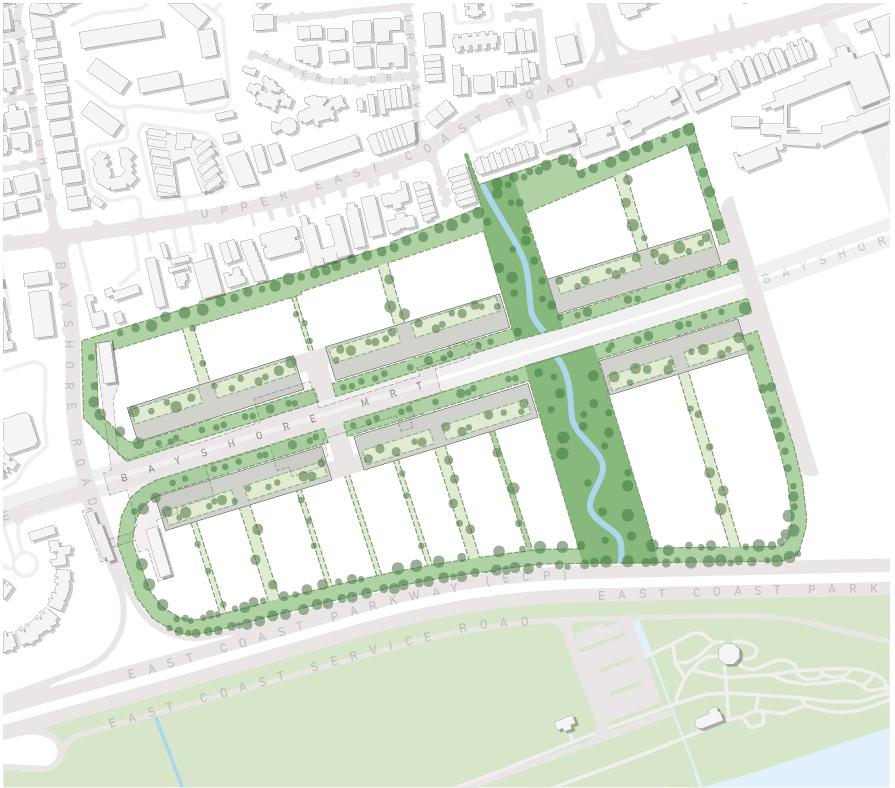
Masterplan : Green Zones & Transit Priority Corridor blocks
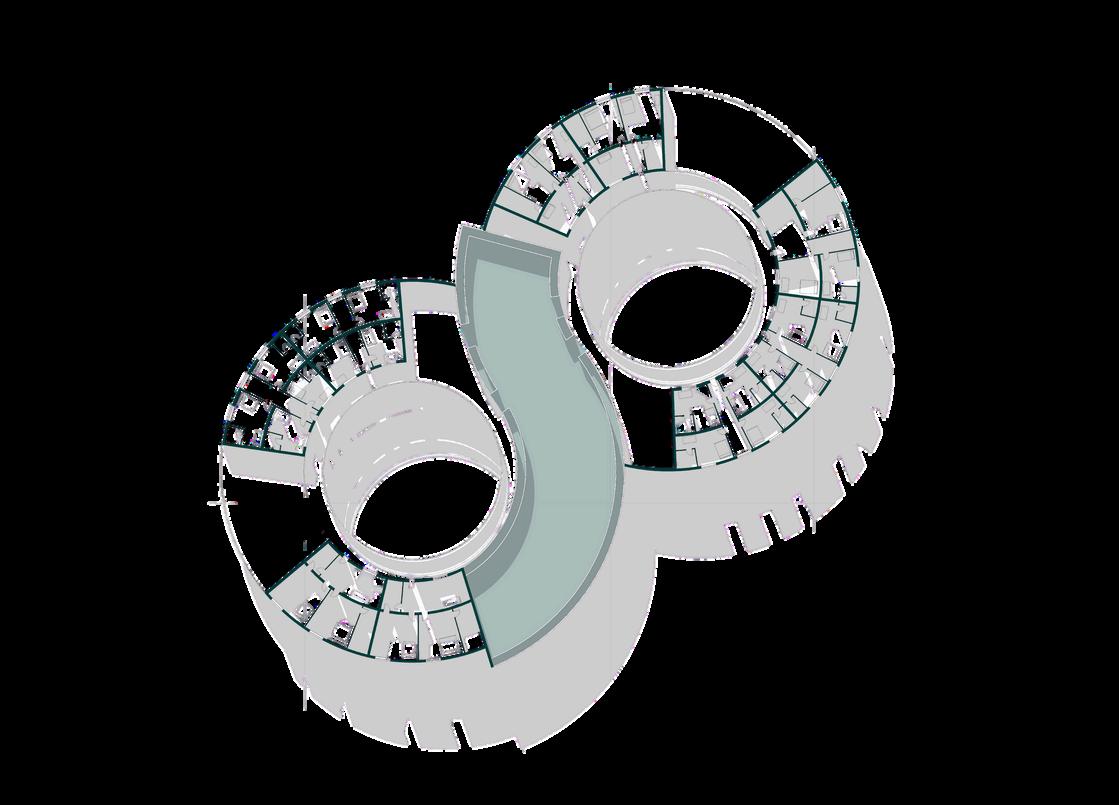
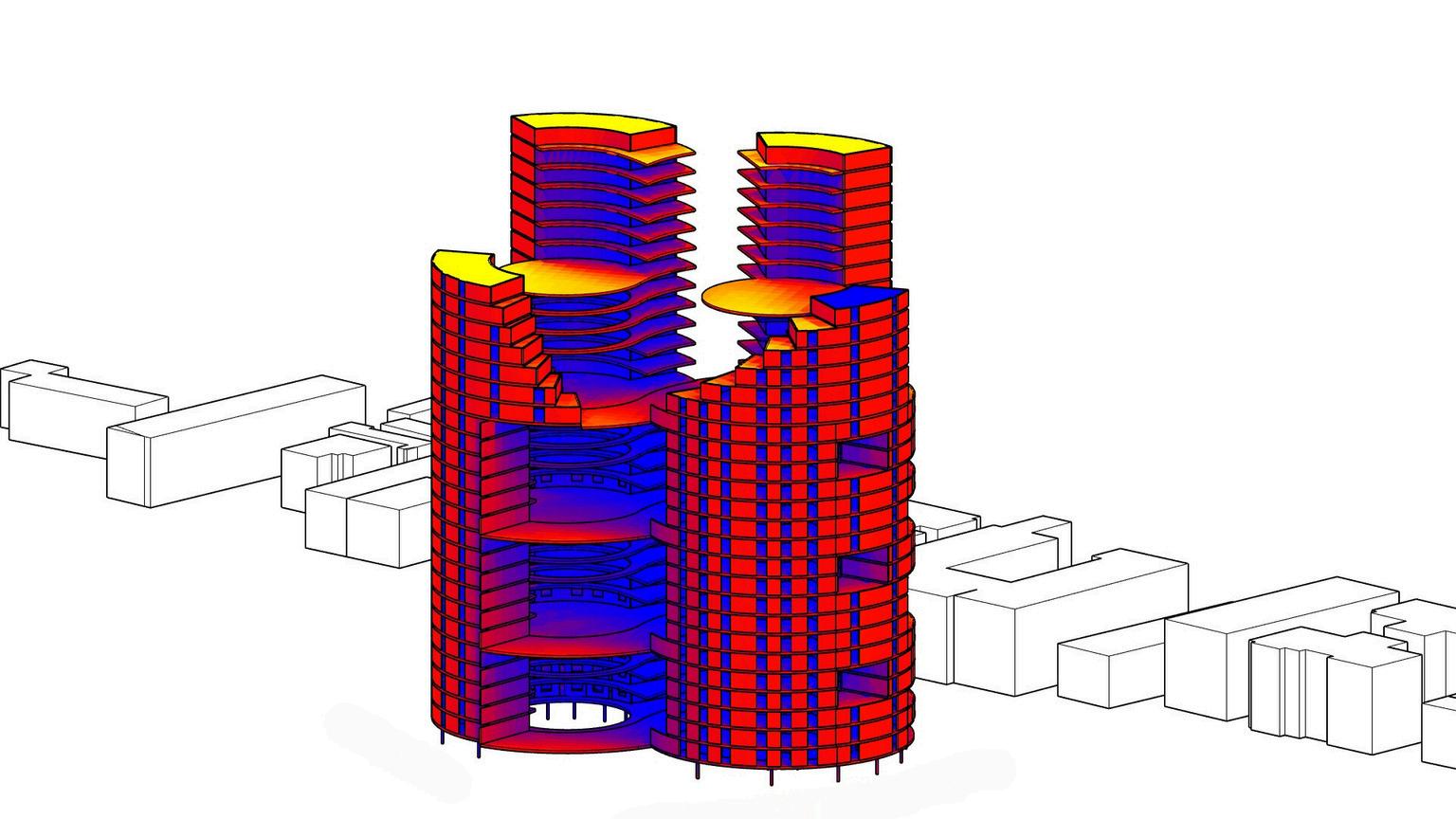
The Meridian Main Housing Block, based on a new possible public rental model while prioritizing waterfront views and ventilation. The proposal aims to address the diverse housing needs of foreign immigrants, students, and lowerincome families by co-sharing amenities and still provide private living quarters for families, and shared homes for students.


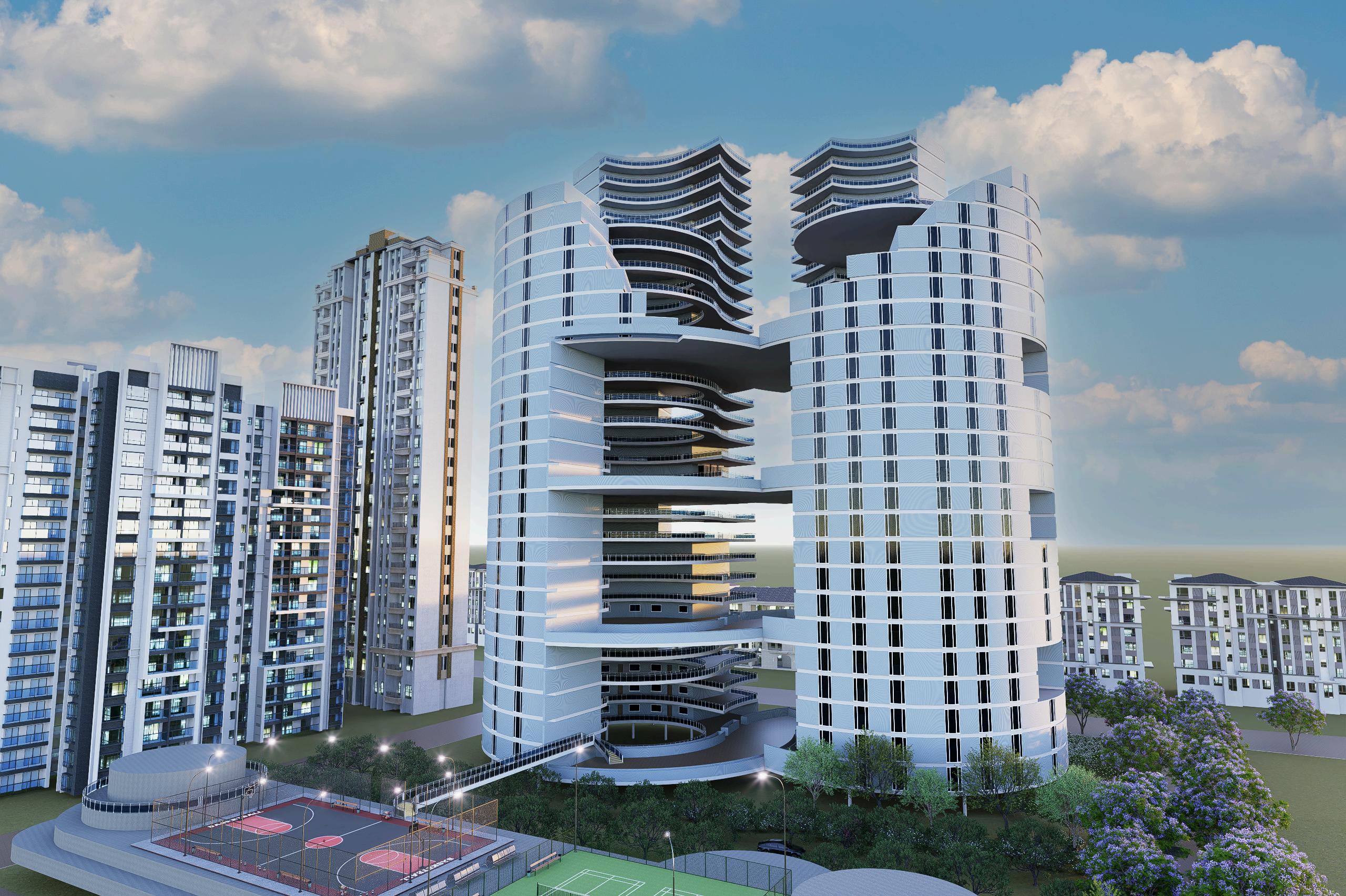
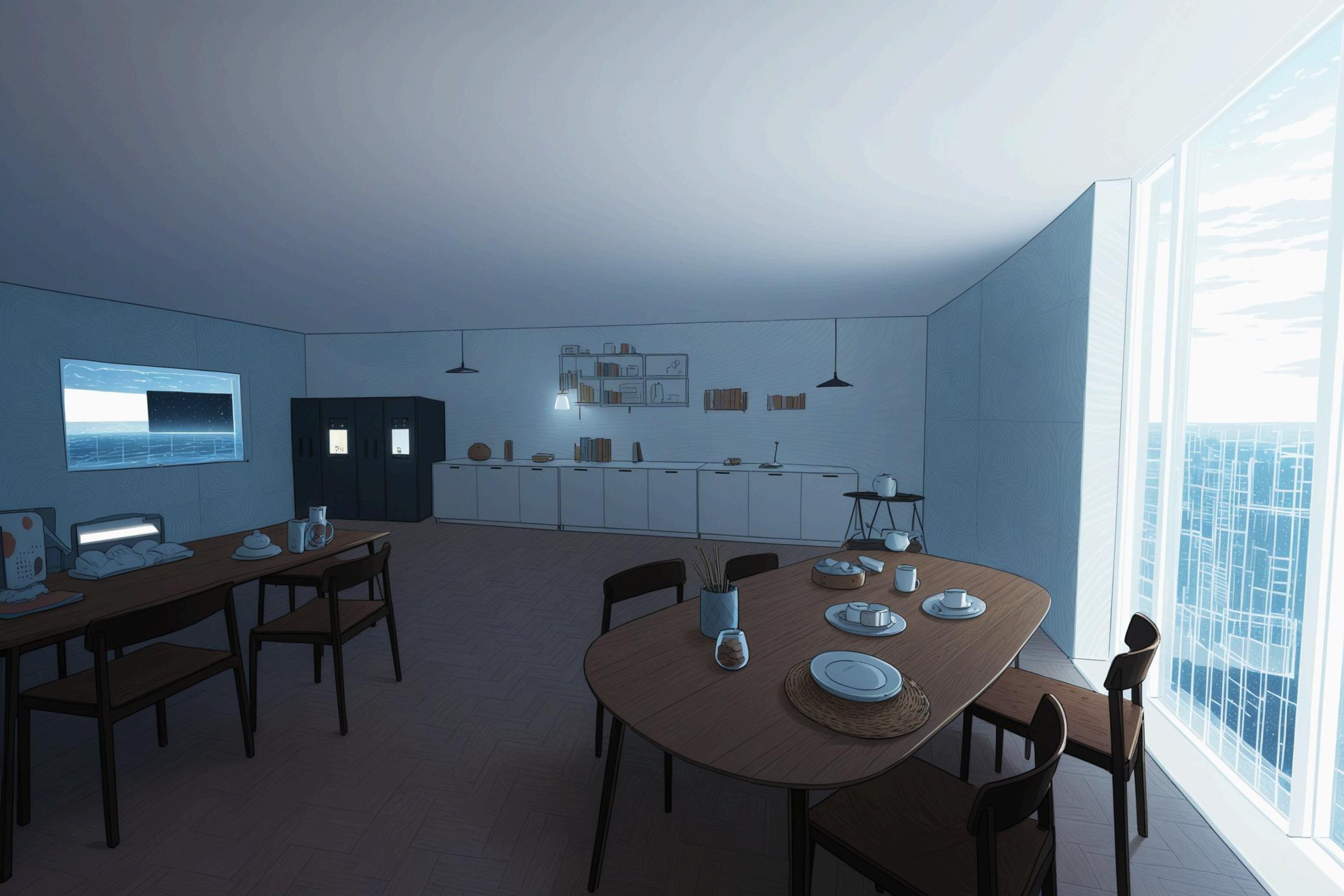
Aims to address the diverse housing needs of foreign immigrants, students, and lowerincome families by co-sharing amenities and still provide private living quarters for families, and shared homes for students.
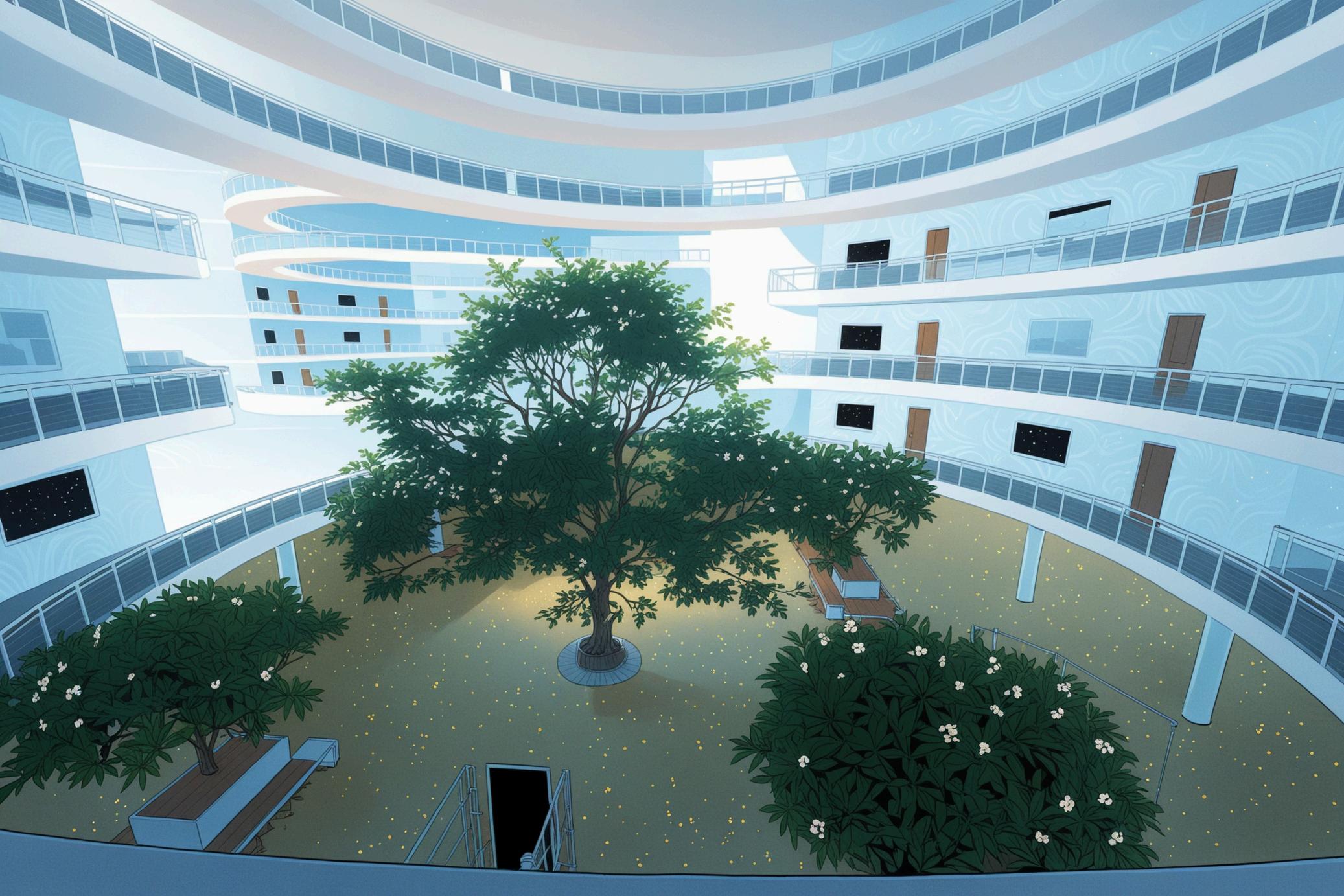
Shared Courtyards across every 6 floors for residents to use/exercise and access the other block via a sky pathway.
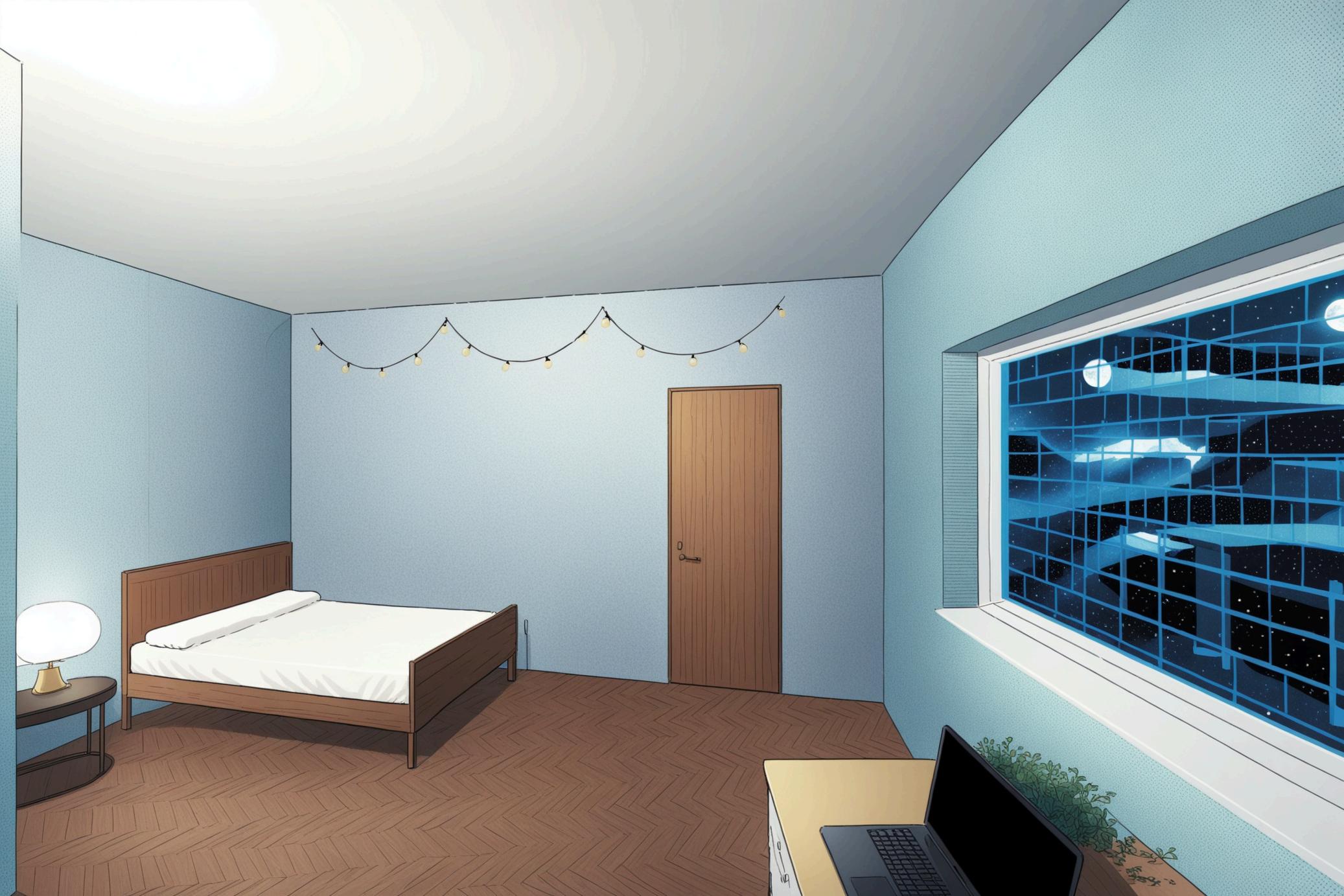

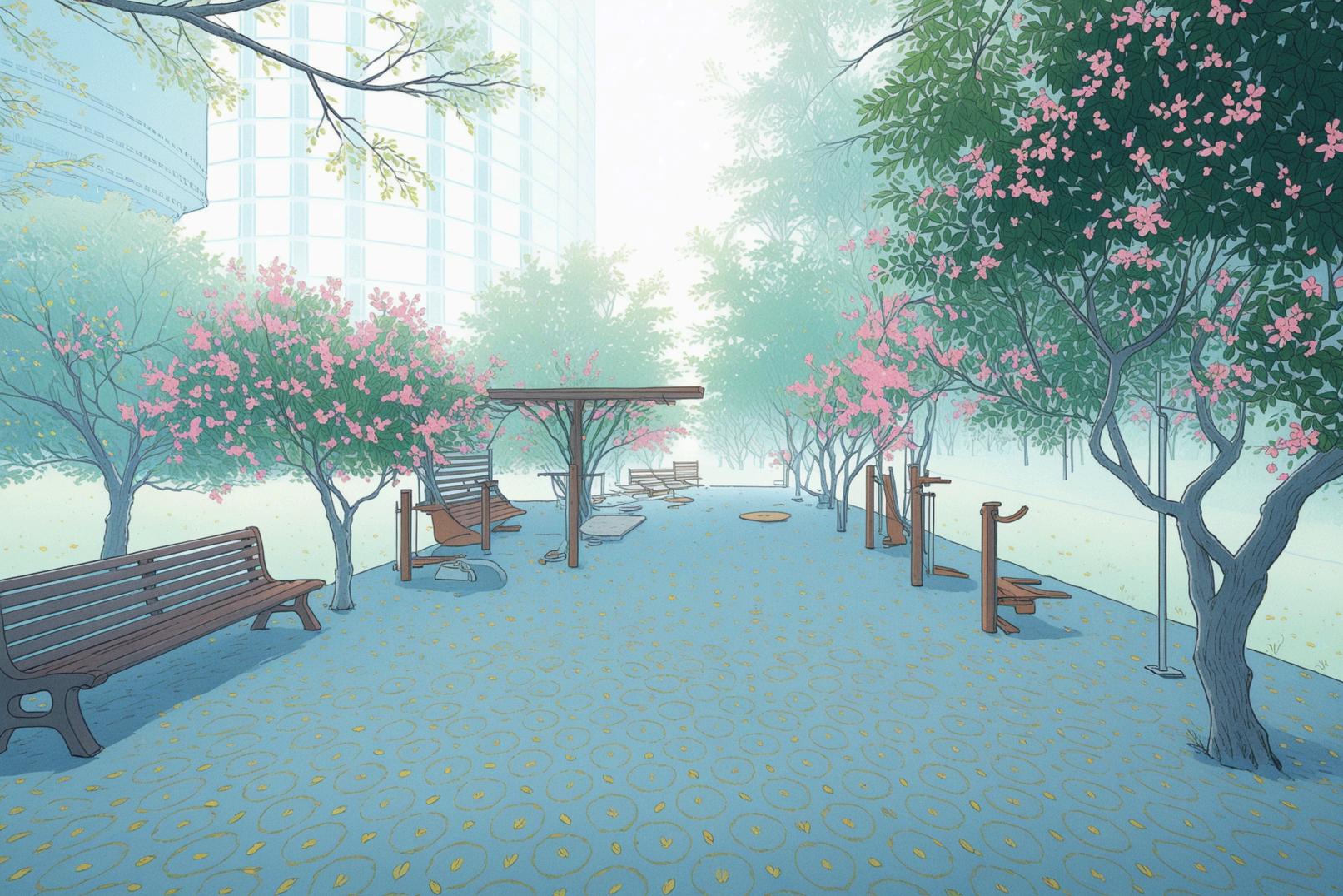
Diverse home sizes to house foreign immigrants, students, and lowerincome families - grouped yet spread out to inculcate community spirit for the residents as a form of support.
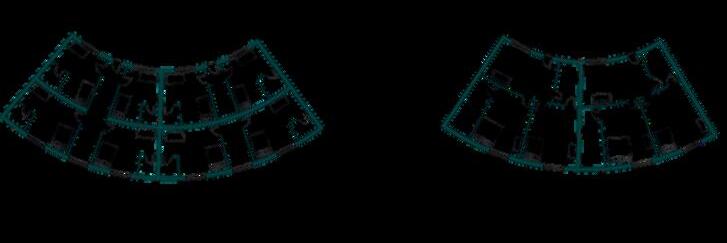

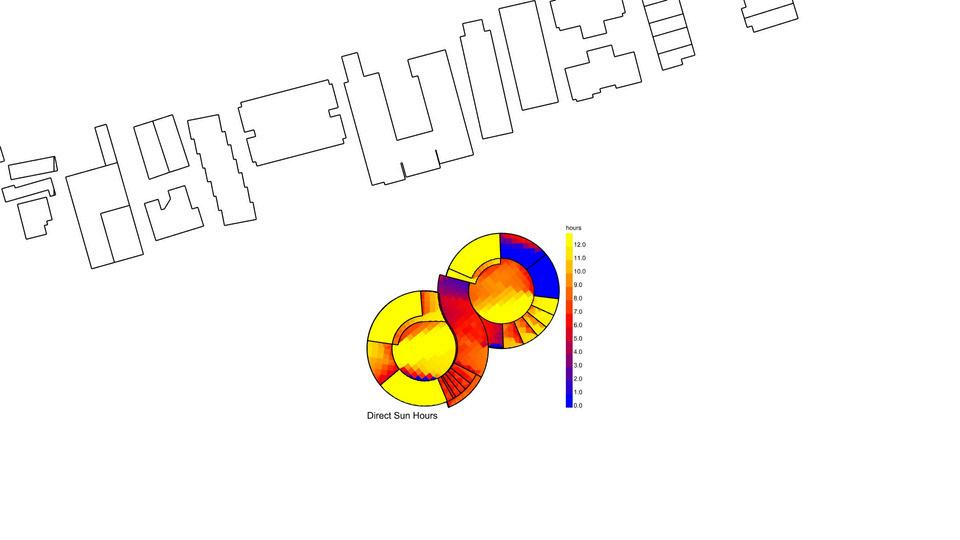
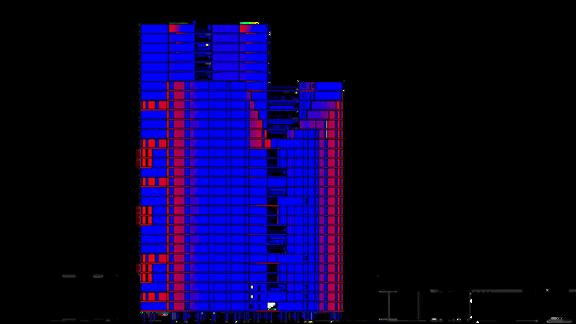
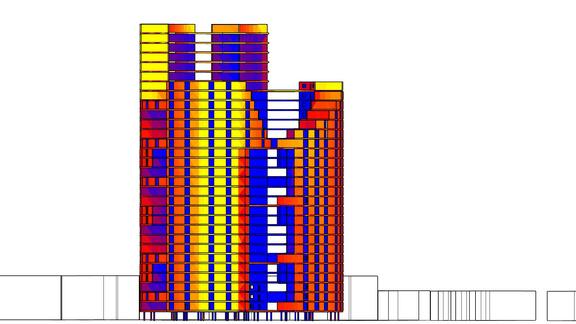
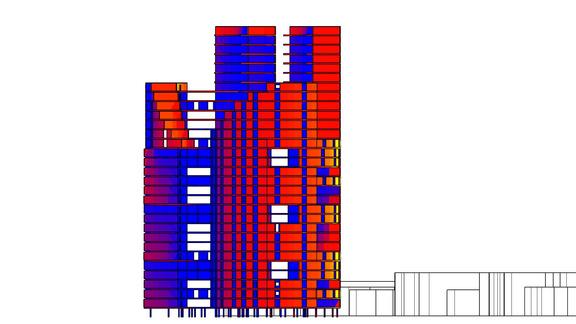
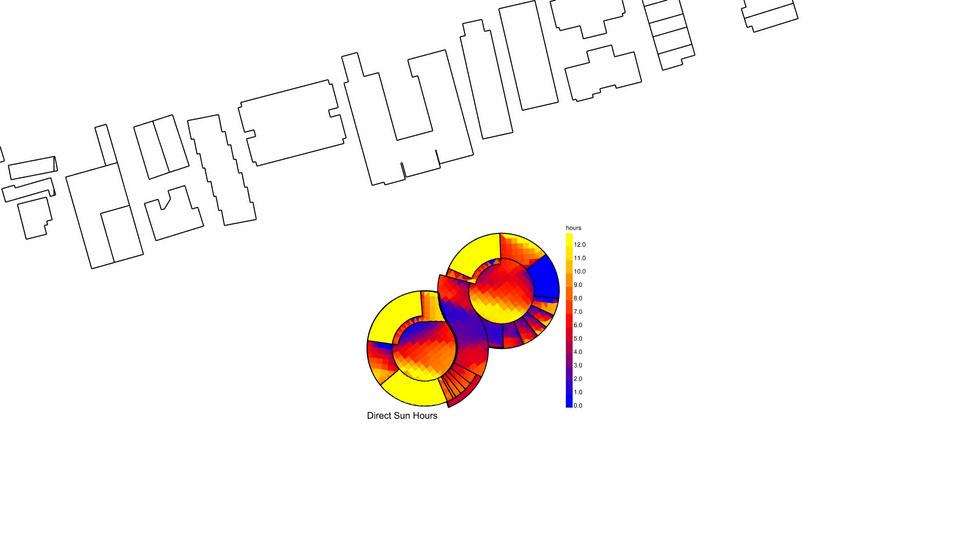
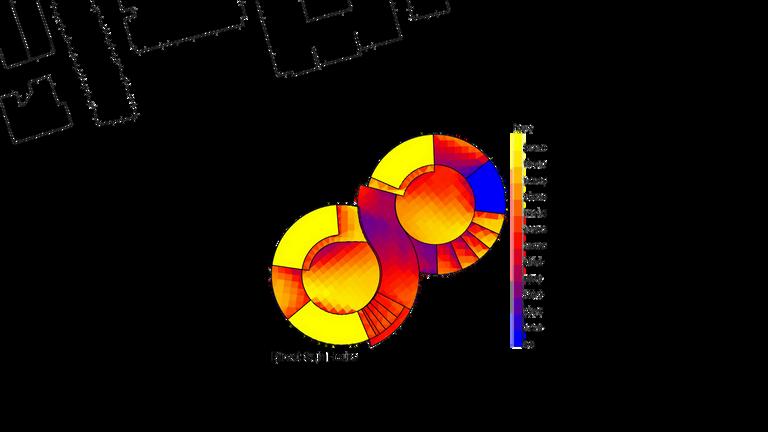
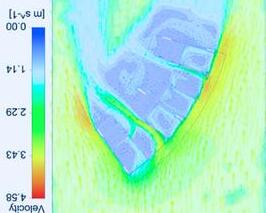
The Meridian Energy Analysis : wind analysis, solar analysis, irradiance and comfort.
Energy Analysis informed design changes and additions to the housing block to ensure adequate ventilation and directional orientation to maximise comfort & views.

2022/Fall
Spatial Design Studio
Hunn Wai
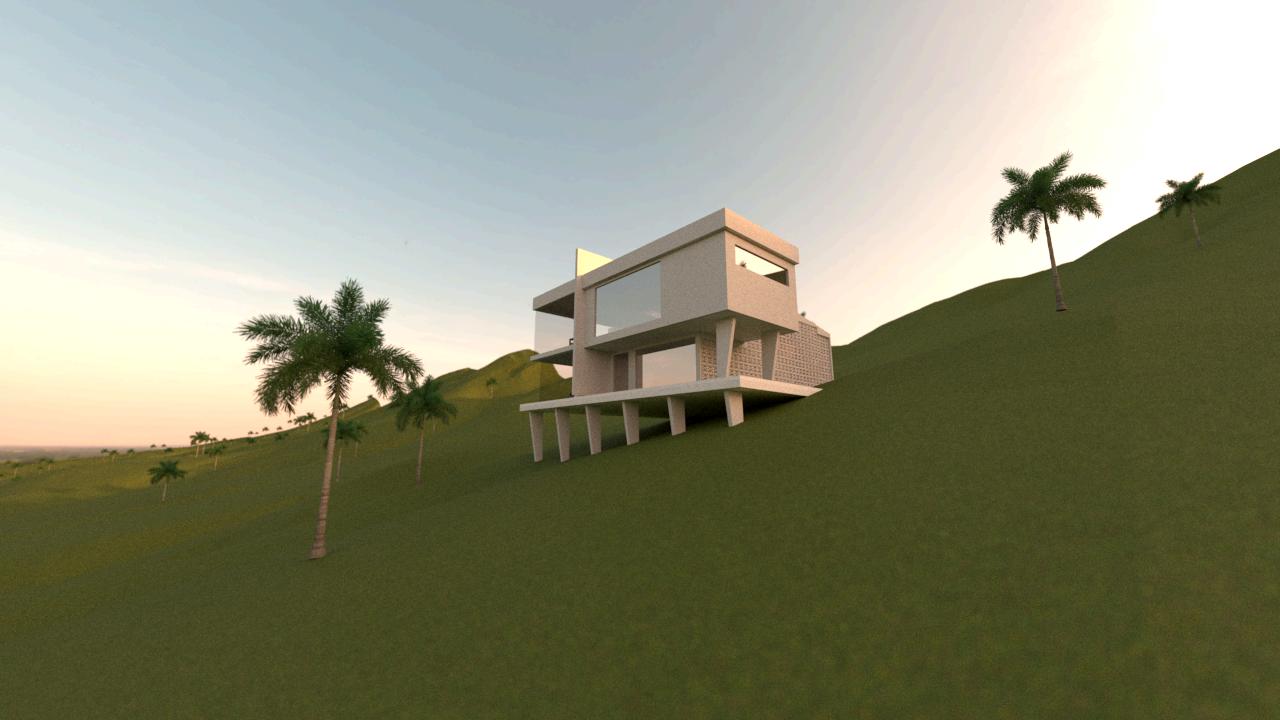
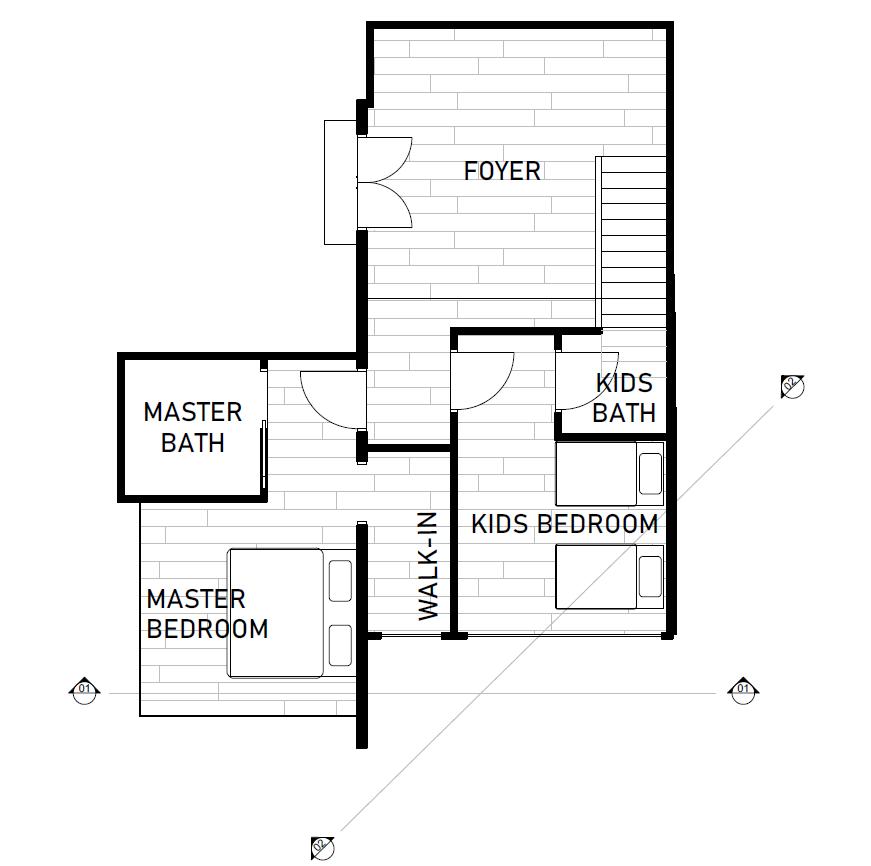
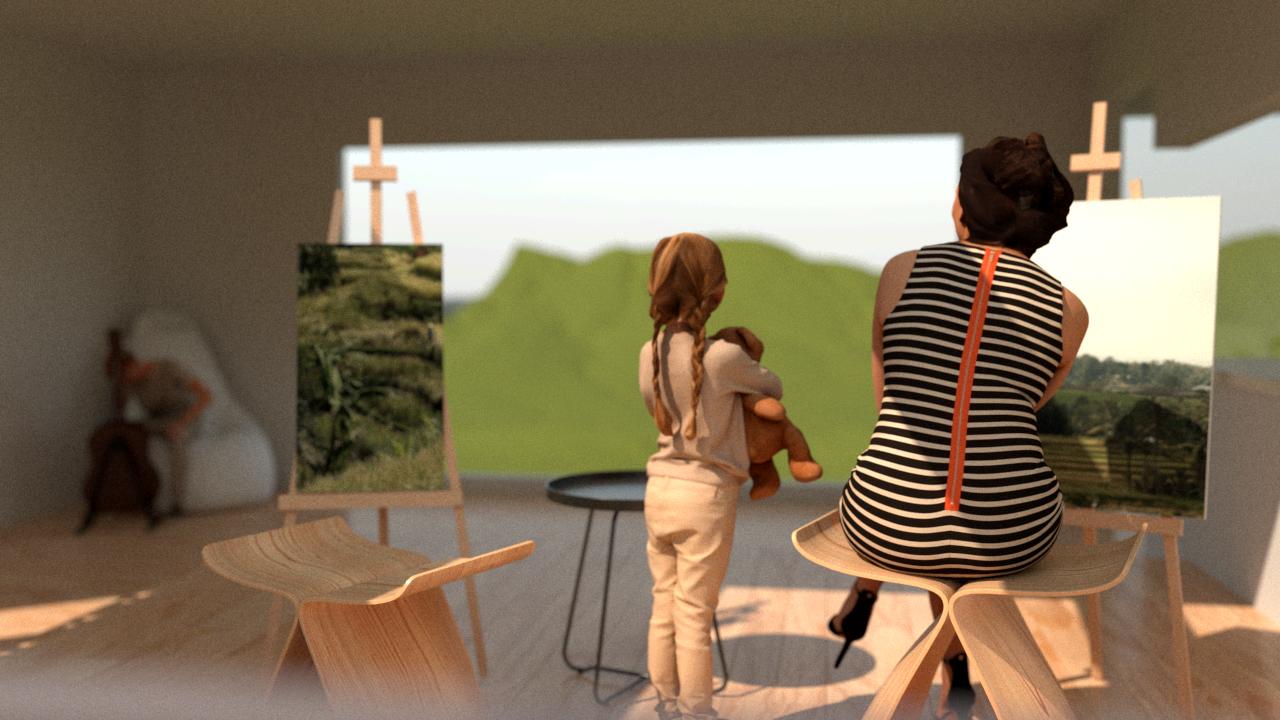
Nestled in the hills of Vietnam, the retreat is shaped by its unique site conditions and specific design constraints, including topography, climate, and local context. Each decision, from orientation to material palette, was carefully considered to enhance views, optimize natural ventilation, and integrate local elements seamlessly with the surrounding landscape.
The architectural concept focuses on creating a harmonious balance between personal spaces and communal areas, allowing the home to adapt to the evolving lifestyle needs of its occupants.
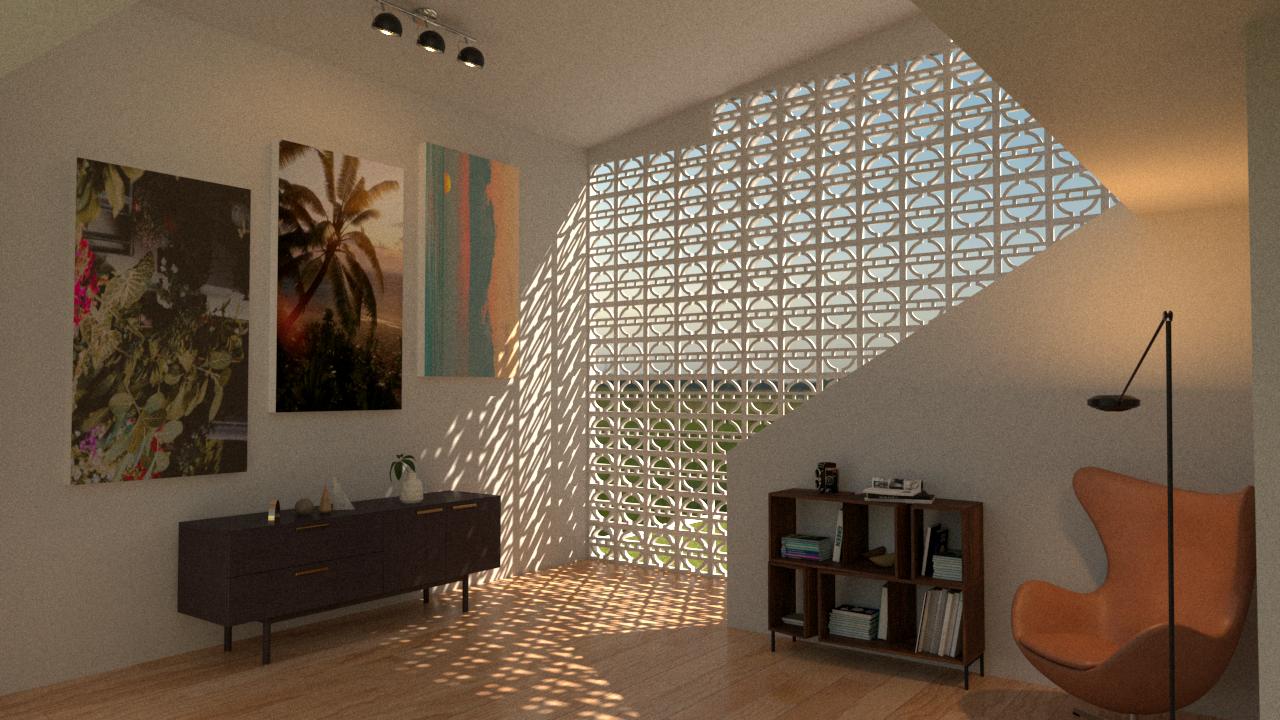
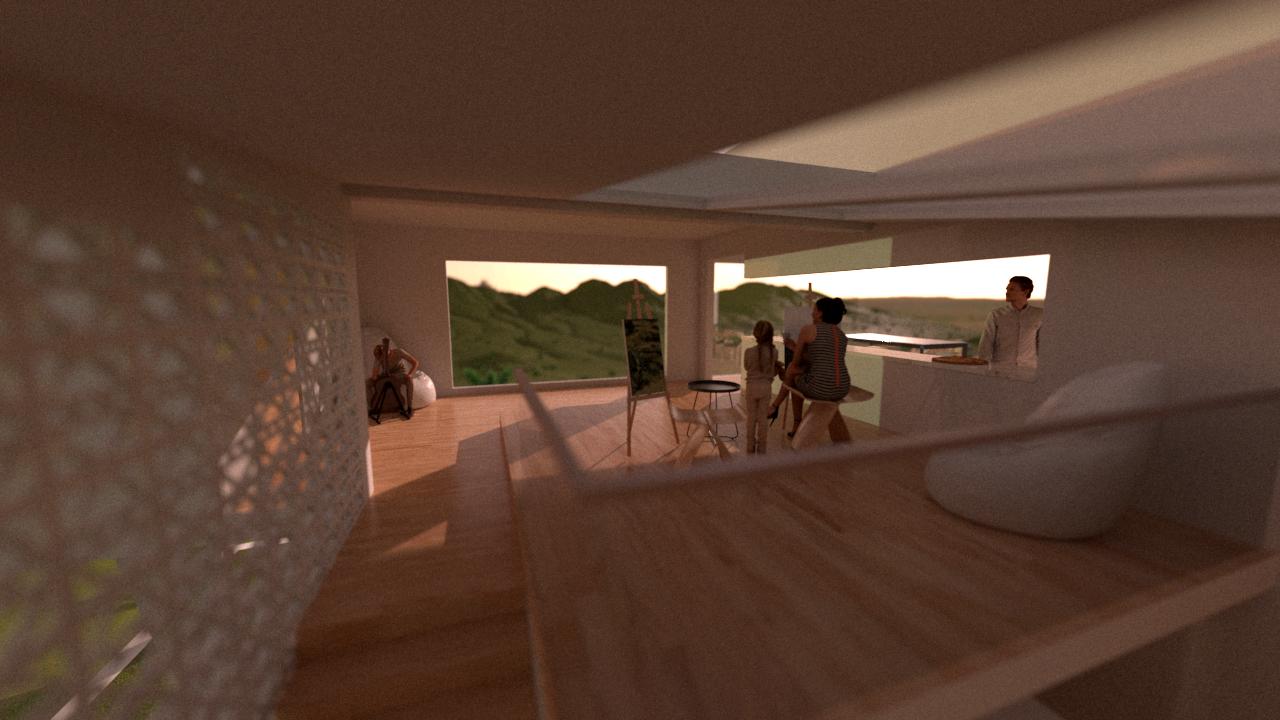
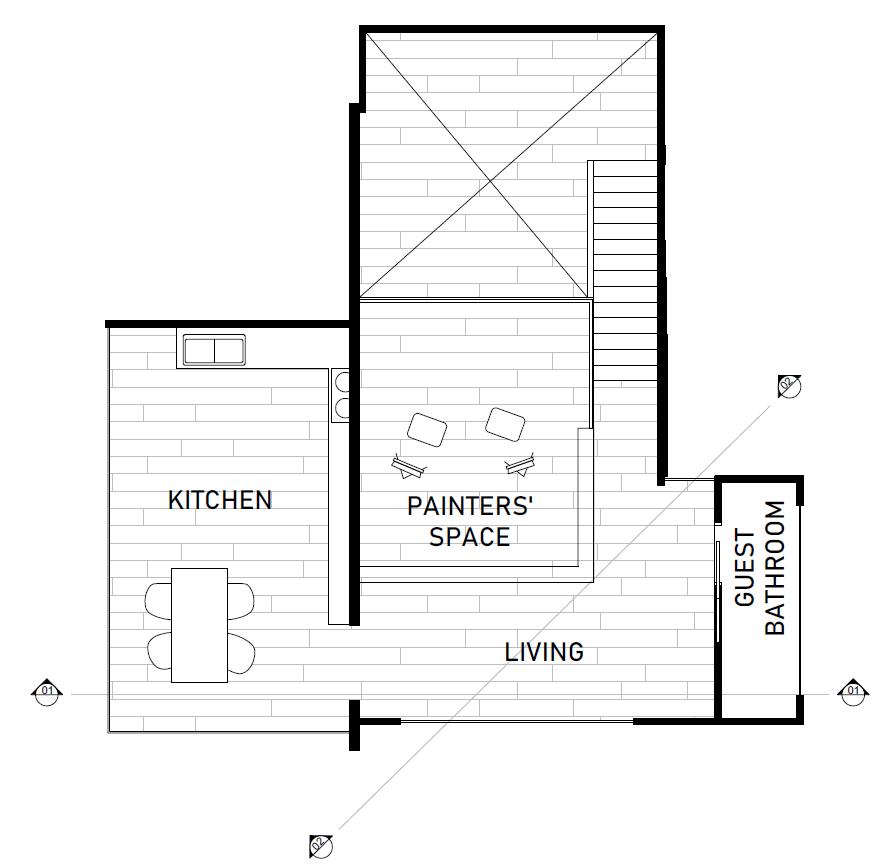
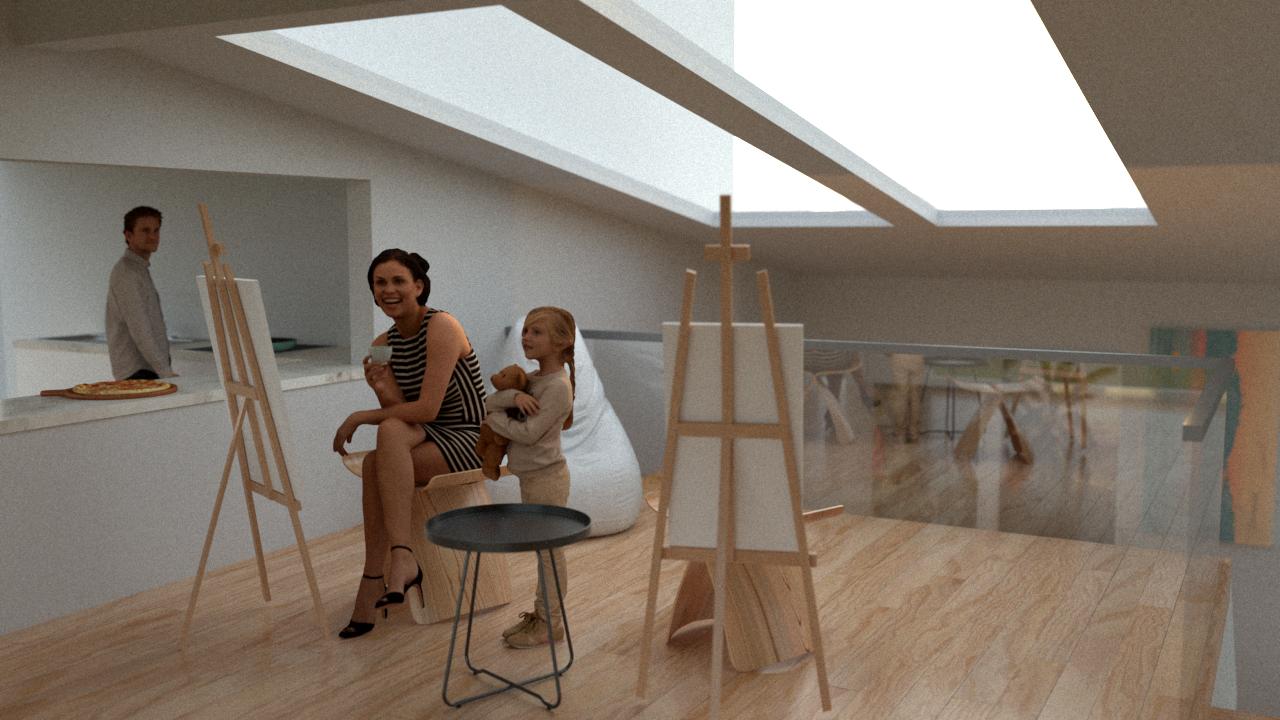
2024-2025
Capstone x Alexandra Hospital (healthcare redesign)
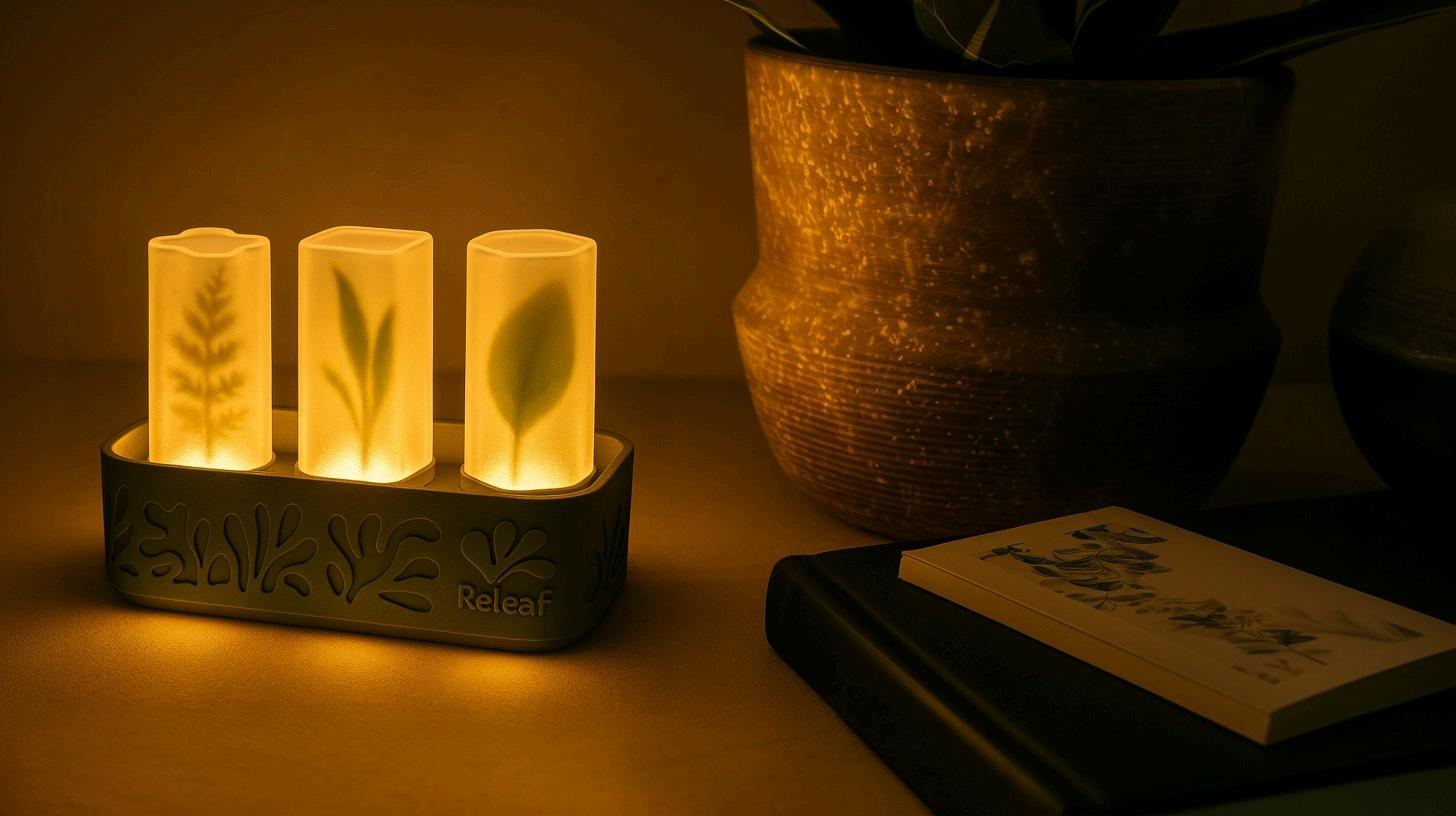
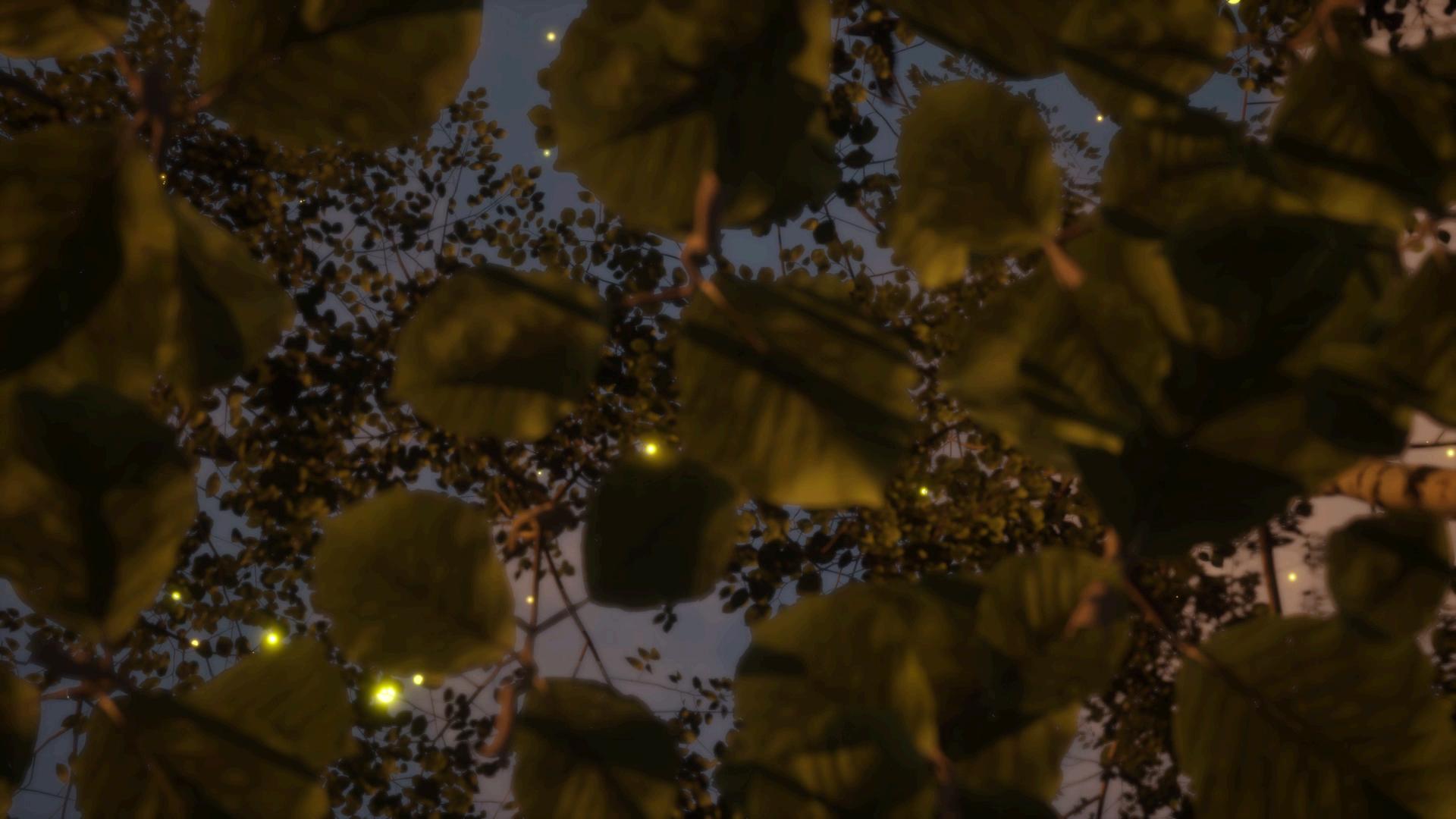
Developed in partnership with Alexandra Hospital as part of healthcare redesign initiatives, this project focuses on supporting geriatric and mentally delirious patients within a hospital setting. The design features a biophilic projection system that also mimics natural circadian rhythms, aiming to create a therapeutic environment that fosters patient well-being and aids in mental regulation and sleep cycles.
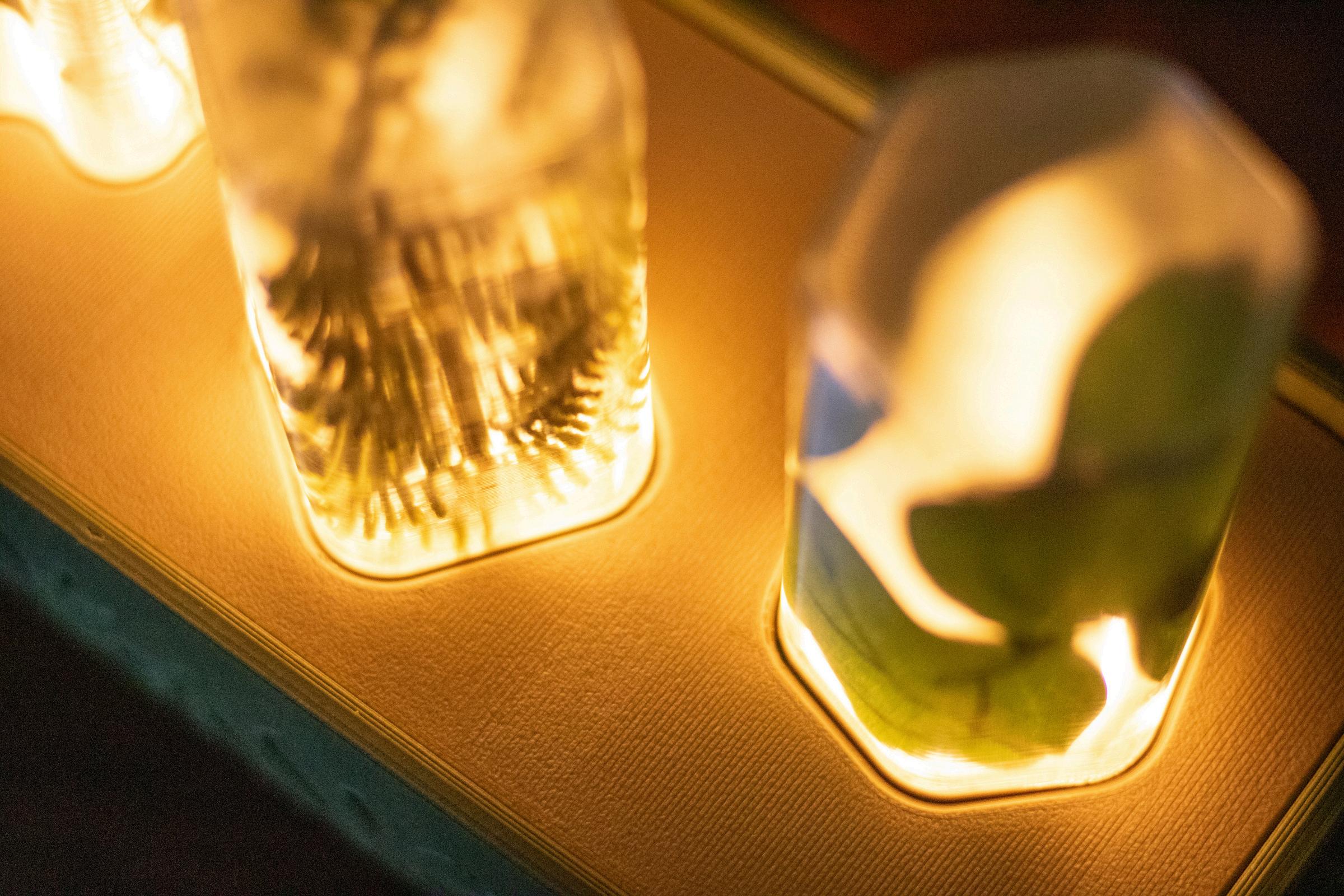
At the heart of the project is an interactive pegboard inspired by the form of a planter box. This installation responds to patient input during occupational therapy exercises, encouraging engagement and promoting sensory stimulation.
By integrating elements of nature with personalized patient interaction, the project seeks to create a calming, restorative space that enhances the hospital experience for vulnerable patient groups.

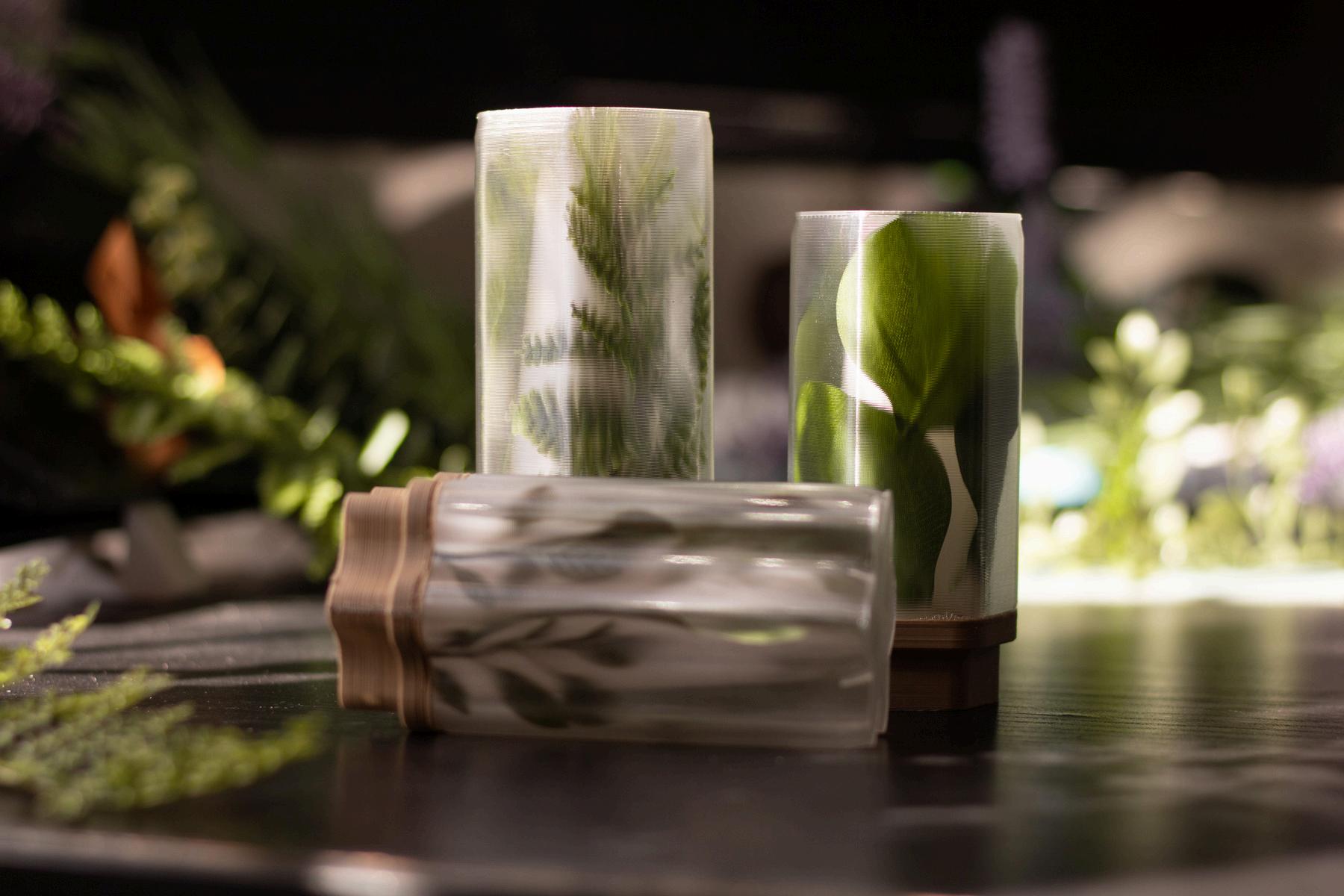
Each of the pegs is tagged to a unique plant species that is reflected in the biophilic projection.
Adding multiple pegs layers the plant species adding more dense tree canopy like settings.