Vaishali Gargg Jain 6 days ago 4 min read
Vaishali Gargg Jain 6 days ago 4 min read
Updated: 4 days ago
I didnt enter the social sector thinking sports could be one of the strongest teachers Like many others I associated development work with classrooms, community meetings, long discussions, and carefully designed training modules
Sports at best felt like an add-on-useful but not central That assumption didnt last very long
Over the years through evaluations eld visits and conversations with practitioners far more rooted than me sports quietly but rmly reshaped how I understand change Not as a metaphor- but as a method
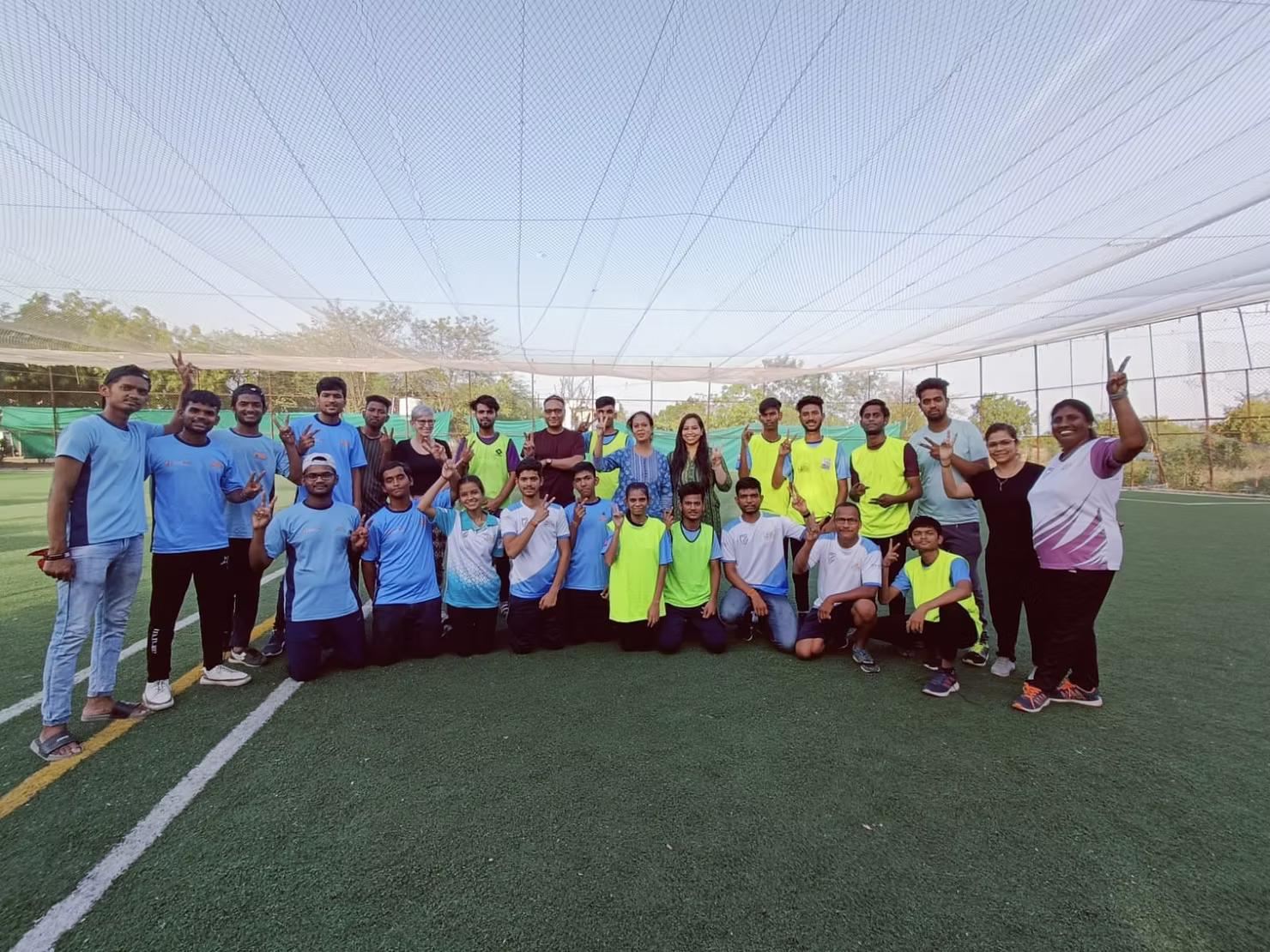
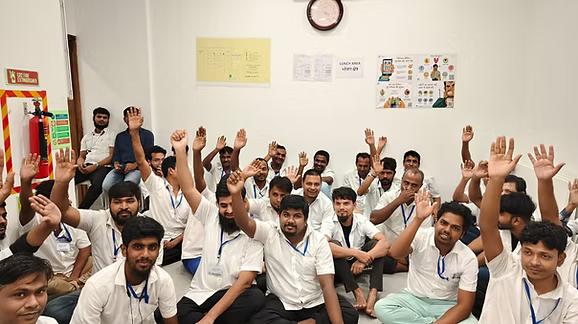
Friendlygrouppicture after footballdemonstrationby Deafchildrenwithrepresentatives from
My rst real window: sports beyond theory
My earliest deep engagement with sports in the social sector came through an interview with Akshai Abraham which later became a blog Until then I had theoretical clarity-sports break hierarchies build condence faster and bypass resistance that lecture-based interventions often face
But hearing Akshai articulate how play can normalize equality especially among children made something click On a football eld gender language caste or academic ability matter far less than instinct teamwork and trust It was my rst real glimpse into how sports compress timelines of change- what might take months of dialogue can emerge organically in a few games
However I got a few opportunities to witness the impact sports can have in-person As a Research Associate I generated insights from the eld through interactions and observations My conversations with the teenage girls from Delhi’s semi-urban areas or with deaf children of Nagpur, went far beyond program indicators, they revealed shifts in condence aspirations mobility and self-perception that numbers alone could never fully capture
Football and freedom: watching girls breathe
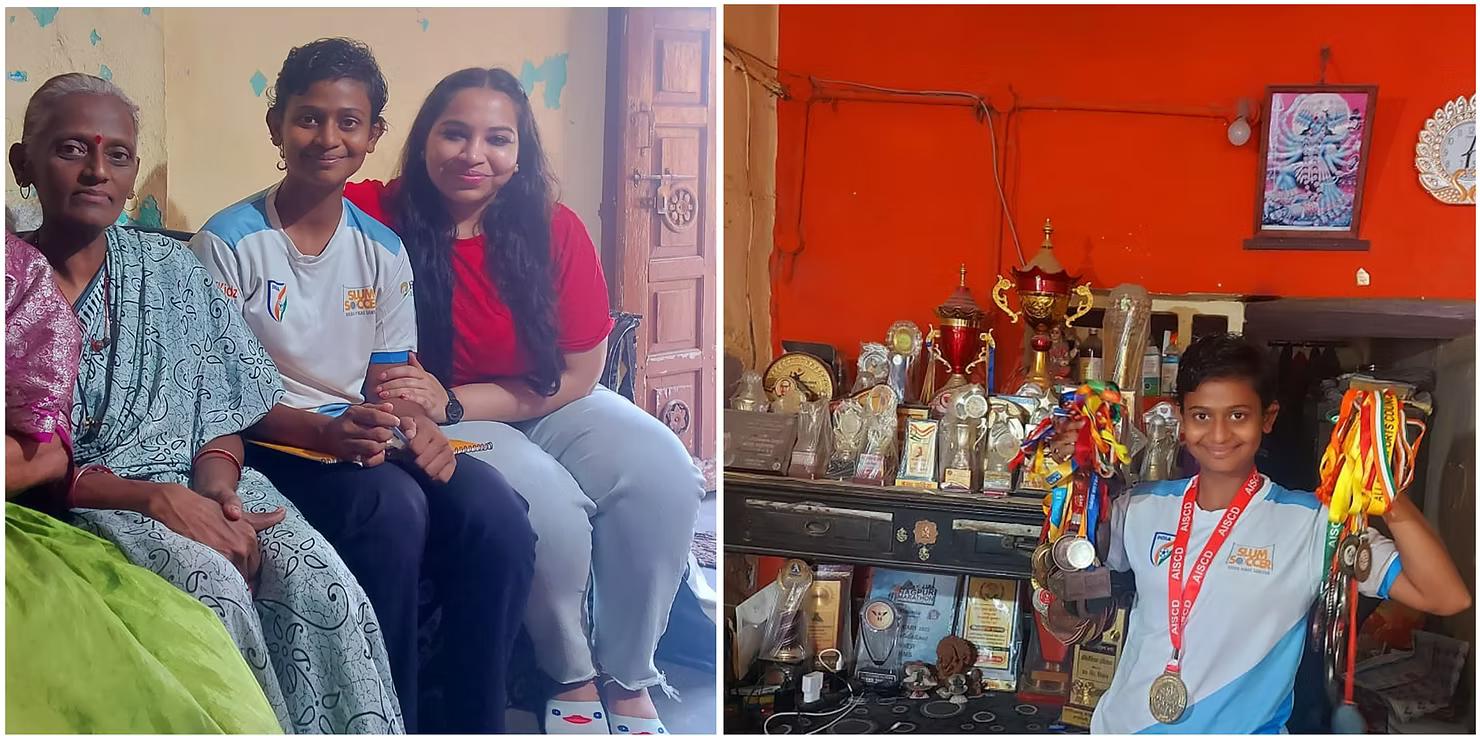
During an impact evaluation of a football-based empowerment programme for semi-urban minority girls run by CEQUIN what I observed stayed with me
There were broadly two kinds of girls in the programme Some were visibly talented-focused disciplined and committed Football became their pathway into professional opportunities, as players and later as coaches within similar organisations
But the second group mattered just as much During one of the interviews, a girl broke down while recalling how hard it had been for her to step out regularly for football practice because of her father’s refusal These were girls for whom the biggest achievement wasnt a career in sports-it was permission Permission to step out of the house regularly Permission to meet peers their age Permission to run shout fall laugh and try again
Many came from conservative Muslim households Seeing girls who usually wore burkhas or modest clothing step onto a eld in football gear-sometimes in front of an audience-was quietly radical The football eld became a rare space where they could breathe both guratively and literally
Through sport they absorbed lessons no classroom could teach as effectively: team spirit, condence, leadership, discipline, handling wins and losses, and being seen Even occasional local matches-with spectators cheering-shifted how they saw themselves, and how others saw them That is empowerment you dont need to over-explain You just have to witness it
When football met deafness: learning how inclusion is built
Another project took me to a completely different intersection-football and deafness-through an endline evaluation of a programme by Deaf Kidz International in partnership with Slum Soccer
On paper it already sounded complex In practice it was even more layered
Slum Soccer was known for taking football into the slums of Maharashtra building communities of young people who had fallen into substance abuse or crime, and using sport as a way back into dignity and structure Their work had a strong geographic anchor
Deaf children however were not geography-bound Kids travelled from across Nagpur-often long distances-to reach the football ground Initially, this felt like a logistical weakness
It turned out to be a strength
Regular travel prepared these children for the mainstream world Some began navigating the city independently for the rst time That alone boosted condence, problem-solving, and self-reliance-outcomes no workshop could have delivered so naturally
The bigger challenge lay elsewhere: teaching football itself
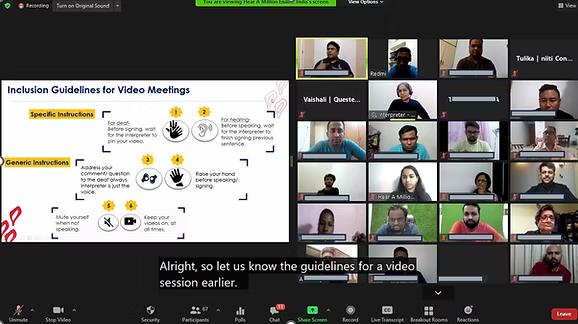
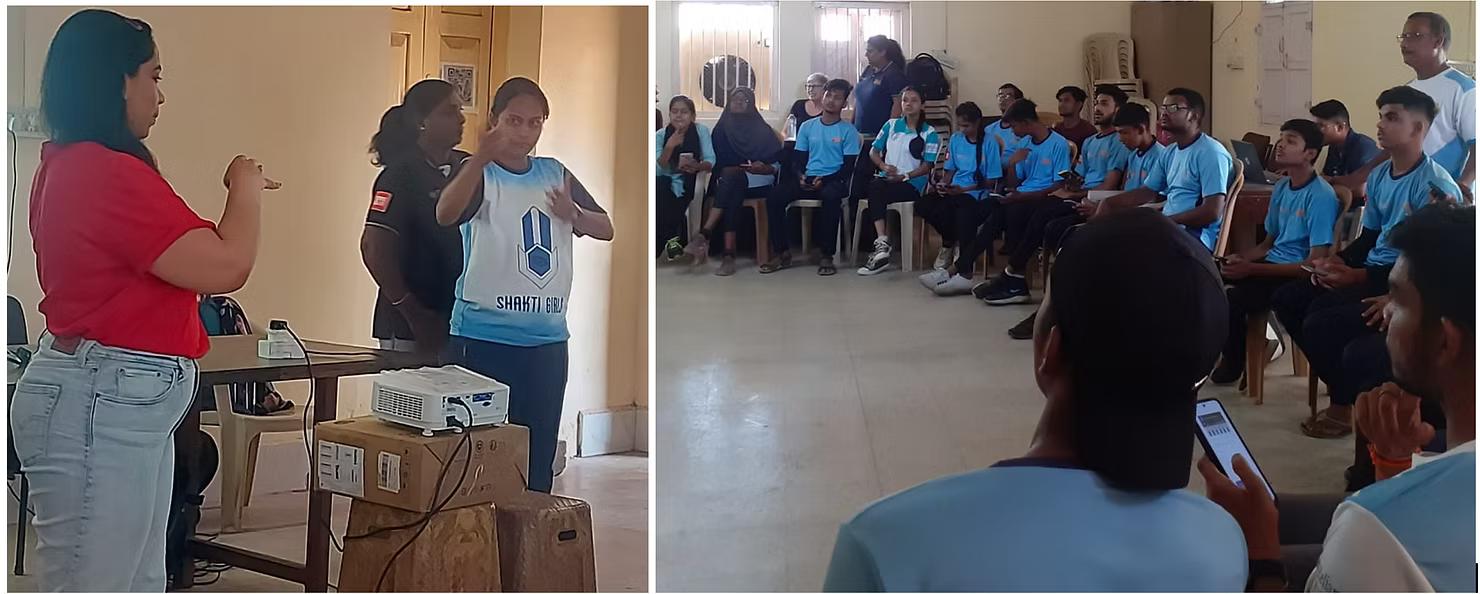
Explaining rules to children is hard enough Explaining them to deaf children is harder-especially when sports vocabulary in Indian Sign Language is still limited Interpreters helped, but only up to a point
What followed was one of the most thoughtful capacity-building journeys Ive seen
One hearing coach committed to learning Indian Sign Language-for an entire year
Two deaf adults were trained in football, with interpreter support
After a year something powerful emerged:
a coaching team where one side knew football deeply, and the other knew deafness from lived experience
Together they created a learning environment that worked
The result wasn’t just better football skills Deaf children showed improved condence peer bonding discipline and a strong sense of belonging More importantly, it demonstrated what real inclusion looks like-not accommodation as an afterthought, but redesigning systems around people
Interacting with deaf children learning football (I had intermediate-level of Sign Language skills)
A closing hope As the social sector continues to search for scalable meaningful and humane interventions my hope is simple: that we look beyond conventional silos and embrace all forms of sports (not just football) as legitimate
Because
Just a eld, and people discovering what they’re capable of-together