
28-30 September 2026






























28-30 September 2026
EDITORIAL TEAM
Ahmed A. Omah Editor in chief
Folashade Oba Deputy Editor in chief Hilary Damisa Associate Editor
info@nigeriapackaging.com
+234 903 000 1903 +234 903 000 2903 +234 903 000 3903
Marketing & Circulation
Stella A. Omah
Marketing Director
Marketing@nigeriapackaging.com +234 903 000 7903
subscription@nigeriapackaging.com +234 903 000 4903
Production
Taofeek Hassan Art Director
Femi Solomon Web Manager
George Obaido Web Manager
production@nigeriapackaging.com +234 903 000 5903
Videography/Photography
Ola Oluwale
Chris Ayo
Abubakar Egbeweli
Bayonle Olamide +234 903 000 6903
Legal Advisor
Ogbemudje, Omezi & Co
PUBLISHED BY
GRAPHICS PACKAGING COMMUNICATIONS LIMITED. RC1368874
Office: 3 Jaiyeoba Road, Shasha, Lagos Nigeria, 100281
Telephone: 234(0) 903 000 1903, 0903 000 2903, 0903 000 2903
Mobile: 234(0) 903 000 3903, 0903 000 89,03
Email: media@nigeriapackaging.com website: www.nigeriapackaging.com

igeria Packaging Magazine is a specialised publication serving Nigeria’s packaging, manufacturing, FMCG, pharmaceutical, food and beverage, cosmetics, and logistics sectors. It provides multinational brands, suppliers, and service providers with access to senior decision-makers and technical stakeholders across the country’s six geopolitical zones.
Its circulation model supports brand visibility and market relevance through sector-focused editorial coverage, industry affiliations, and multi-channel distribution across key commercial and industrial centres, including Lagos, Abuja, Kaduna, Enugu, Port Harcourt, Ibadan, Otta, Agbara, Benin, and Asaba.
NPJ’s standing is reinforced by affiliations with the International Packaging Press Organisation, the African Packaging Organisation, and the World Packaging Organisation, together with recognised trade fairs and sector bodies.
The readership includes CEOs and Managing Directors, Packaging Managers and Technologists, Brand and Marketing Managers, R&D, QC and QA Managers, Procurement and Supply Chain Directors, Production Managers and Plant Engineers, SMEs, exporters, agro-processors, government agencies, and academic institutions.
Circulation Strengths: sector relevance, established affiliations, decision-maker readership, and national distribution across print and digital channels. Distribution includes print circulation to corporate offices, manufacturing sites, institutions, and agencies; digital magazine access; email distribution; social media platforms; trade fairs and exhibitions; and selected international channels through WPO and APO networks.






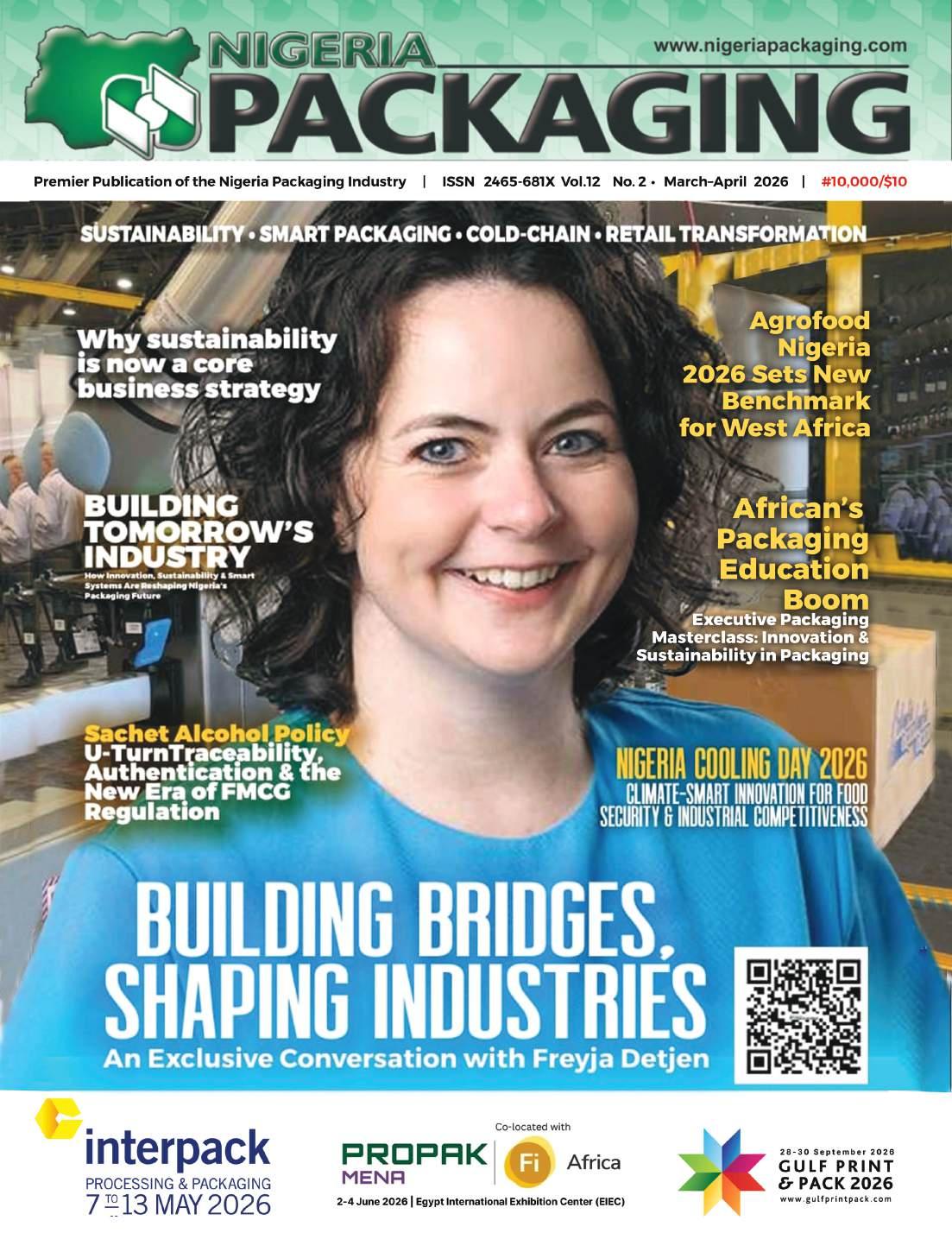
The March–April 2026 edition focuses on four forces reshaping Nigeriaʼs packaging and processing landscape: sustainability, smart packaging, cold‑chain modernisation, and the evolution of retail formats. Together, these themes are redefining how products are protected, preserved, authenticated, and delivered nationwide.
Sustainability is no longer an optional aspiration; it is a regulatory, commercial, and environmental necessity. Nigerian manufacturers are increasingly adopting recyclable materials, lightweighting strategies, and circular‑economy models that align with global standards and emerging national policies.
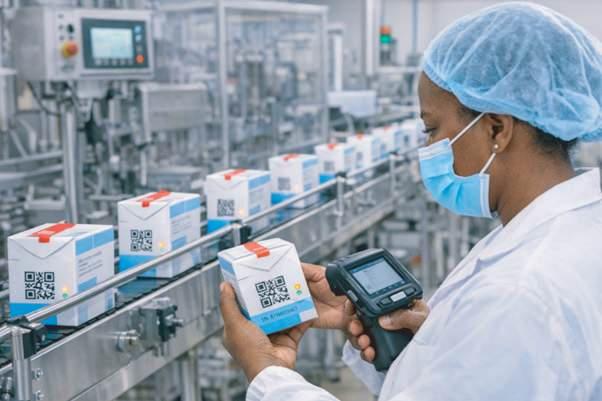
Smart packaging is accelerating this shift. Digital identifiers, QR‑enabled traceability, anti‑counterfeiting markers, and data‑driven quality‑control systems are enhancing product integrity while strengthening consumer trust. These technologies are also enabling more efficient supply‑chain management and compliance monitoring.
Cold‑chain development remains central to reducing post‑harvest losses and improving food safety. As Nigeria expands its agro‑processing capacity, investments in temperature‑controlled logistics, insulated packaging, and energy‑efficient cooling systems are becoming critical enablers of national food‑security goals.
Meanwhile, retail transformation—driven by e‑commerce, modern trade, and last‑mile delivery—is reshaping packaging requirements. Durability, convenience, tamper‑evidence, and sustainability now sit at the core of consumer‑facing packaging design.
This edition brings these themes together to provide a comprehensive view of the innovations, policies, and partnerships shaping the future of Nigeriaʼs packaging industry. As always, our mission is to inform, connect, and empower stakeholders across the value chain.
Amb. Ahmed Alex Omah Editorial Director/Publisher















A record breaking edition strengthens Nigeriaʼs position as a regional hub for agro processing, packaging innovation, and international trade.
By Ahmed Alex Omah

he 11th edition of agrofood Nigeria, held from 24–26 March 2026 at the Landmark Centre in Lagos, delivered its most successful outing yet. With 137 exhibitors from 17 countries and thousands of visitors from 33 nations, the event reaffirmed its status as West Africaʼs leading platform for agro processing, packaging, and food technology.
International Spotlight: Netherlands as Guest of Honour
The Netherlandsʼ role as Guest of Honour added a strong international dimension to the 2026 edition. The Dutch pavilion showcased advanced agricultural and food processing technologies, while facilitating high value matchmaking sessions. Their presence underscored the growing partnership between both countries and highlighted opportunities for technology transfer and capacity building.

“ “
The 2026 edition was a resounding success for exhibitors and visitors alike.
Exhibitors expressed strong confidence in the eventʼs organisation and business outcomes. Overall show quality was rated at 95%, while 91% praised the organisersʼ service. Visitor quality received a 79% approval rating, and 81% of exhibitors indicated they intend to participate again in 2027.
Visitor interests revealed clear market priorities. Food and beverage technology led with 32.7%, followed by food ingredients at 16.9%, food and hospitality at 17.7%, agriculture at 16.8%, and packaging at 15.9%. These insights highlight the growing demand for modern packaging solutions, food grade materials, and efficient processing systems.
The 2026 edition underscored several trends shaping Nigeriaʼs packaging landscape. Technology adoption is accelerating as processors seek automation and compliance with global standards. Sustainability is gaining traction, with more exhibitors showcasing recyclable and lightweight materials. Regional trade is also strengthening, positioning Nigeria as a key West African hub.
Overall show quality: 95% Organiser service: 91% Stand construction: 88% Visitor quality: 79% Return intention: 81%
With record satisfaction levels and strong international participation, agrofood Nigeria is poised for an even more impactful 2027 edition. For Nigeriaʼs packaging industry, the event remains a vital platform for sourcing technology, building partnerships, and staying aligned with global trends.
Nigeriaʼs packaging sector is entering a defining era. The momentum seen at agrofood Nigeria 2026 reflects a market hungry for innovation, efficiency, and global competitiveness. As sustainability and food safety rise in importance, the industry must continue investing in modern technologies and materials. The opportunities ahead are significant — and Nigeria is ready to seize them.



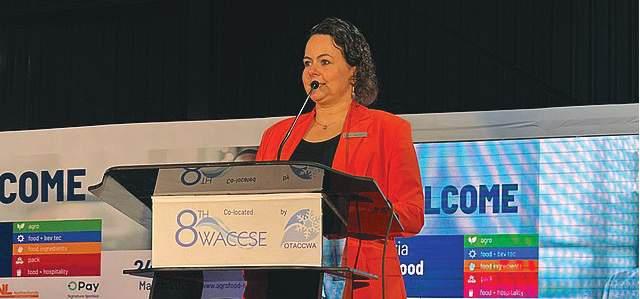
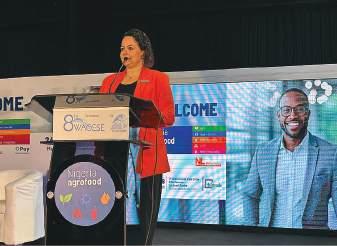
Fairtrade Messe's global project leader on innovation collaboration, and the future of Nigeria's agroprocessing and packaging sectors.
By NPM Editorial Team | Nigeria Packaging Magazine

ew individuals have inuened Nigeria's agro-processing and packaging landscape as profoundly as Freyja Detjen. As a senior leader at Fairtrade Messe, the organisers of Agrofood Nigeria, she has helped transform the exhibition into a powerful platform for technology transfer, international collaboration, and industrial growth. In this exclusive interview, she speaks with Nigeria Packaging Magazine about her journey, her vision, and the opportunities ahead for Nigeria's manufacturing ecosystem.
NPJ 1: Can you describe your role at Fairtrade Messe and your involvement with agrofood Nigeria?
Freyja: Fairtrade Messe is a specialised trade-show organiser in Africa and the Middle East, with more than 30 years of experience. I have been with the company for 14 years and currently serve as Exhibition Director, leading project delivery and strategic implementation across our trade shows, including international and local stakeholder engagement. I have been involved with agrofood Nigeria since 2015, when the event launched, and have participated in all 11 editions. It has been exciting to see the project continue to grow.
NPJ 2: What makes Nigeria a strategic market for agro-processing and packaging technology?
Freyja: Nigeria is Africaʼs most populous country and one of its largest economies, with rapidly growing demand for processed food and beverages. The need to reduce post-harvest losses, improve food security, and add value locally makes agro-processing and packaging technologies increasingly important. According to VDMA, Nigeria imported food and packaging technology worth €265 million in 2024, making it West Africaʼs largest importer of such technologies. importer of such technologies. This creates opportunities for international suppliers and investors, while supporting efforts to expand local production and jobs
NPJ 3: How has agrofood Nigeria evolvedin terms of scale, exhibitors,and international participation?
Freyja: Since its inception in 2015, agrofood Nigeria has grown significantly in both scale and quality. Weʼve seen steady increases in exhibitor numbers, including rising participation from Nigerian companies and institutions—about 30% of exhibitors were registered from
• Role: Senior Project Manager / Exhibition Director, Fairtrade Messe
• Focus Regions: West Africa, Middle East, Europe
• Focus Regions: West Africa, Middle East, Europe
• Focus Regions: West Africa, Middle East, Europe
Nigeria this year. With exhibitors from 17 countries, the event also has a strong international footprint. The conference programme features keynote speakers and panel discussions that support knowledge exchange—for example, contributions from former President Olusegun Obasanjo and economist Bismarck Rewane. Overall, the event has developed into a major industry platform in West Africa.
NPJ 4: What trends are you observing in Nigeriaʼs food, beverage, and packaging industries?
Freyja: We see increasing investment in local production and a shift toward modern retail formats. Growth in supermarkets and delivery services, for example, is driving demand for new packaging solutions. In packaging, interest is rising in sustainable materials, improved shelf-life performance, and automation. Lightweighting—using less material while maintaining performance—also remains a strong trend. On the processing and packaging line, hygiene-focused automation and better handling systems are becoming more common.
Nigeria is one of the most dynamic industrial markets in Africa. — Freyja Detjen
NPJ 5: How does Fairtrade Messe support technology transfer and capacity building in West Africa?
Freyja: We provide a platform where international and Nigerian technology providers meet local businesses, policymakers, and industry professionals. By enabling business connections and knowledge exchange, this can support local production and, over time, help reduce reliance on imports. Through direct engagement, conference sessions, and workshops, we facilitate knowledge transfer and skills development across the value chain. This year, sessions such as “Nigeria Solar Marketplace Platform (NSMP): how to use solar in agribusinessˮ and a plenary on “achieving competitive world-class food securityˮ took place alongside the trade show.
Freyja: Key opportunities lie in import substitution, local value addition, and export potential within the African Continental Free Trade Area (AfCFTA). There is also strong potential in improving logistics (infrastructure), storage, and packaging quality.
NPJ 8: How can Nigeria attract more international investment into its agro-industrial value chain?
Freyja: By ensuring policy consistency, improving infrastructure, and creating investment-friendly frameworks. Public-private partnerships and incentives for technology adoption can also play a crucial role. Industry platforms such as agrofood Nigeria can support this by convening stakeholders and helping to initiate or continue dialogue around practical solutions.

“ “ “ “
NPJ 6: What innovations or solutions are global exhibitors most eager to introduce to Nigeria?
Freyja: Exhibitors are particularly interested in introducing processing machinery, packaging automation, cold-chain solutions, and sustainable packaging technologies—fromstand-alone machines to complete lines, and from production through to recycling. There is also growing interest in digital tools, including sensing and inspection technologies, that help improve quality and efficiency.
INDUSTRY INSIGHTS
NPJ 7: What are the biggest opportunities for Nigeriaʼs packaging and food-processing sectors in the nex five years?
NPJ 9: Sustainability is becoming central globally. How is this reflected in agrofood Nigeria?
Freyja: Sustainability is a growing focus at the exhibition. We see increasing interest in recyclable materials, energy-efficient machinery, and waste-reduction solutions. Reducing post-harvest losses and improving food security are also recurring themes. With post-harvest losses—e.g., reported to be as high as around 50% for some fruit and vegetables—the potential and need for solutions is significant. agrofood Nigeria highlights best practices and innovations in this area.
The future of Nigeriaʼs agroprocessing sectoris bright — and collaboration will be the key driver.ˮ
Industry Trends to Watch
• Smart packaging & automation
• Eco-friendly materials
• Energy-efficient processing equipment
• Digital quality-control systems
• Export-ready packaging standards
NPJ 10: What role do trade fairs play in shaping industrial growth in emerging markets?
Freyja: Trade fairs act as catalysts for business development. They connect stakeholders, showcase innovations, and create opportunities for partnerships. In emerging markets, they are especially important for accelerating industrialisation and knowledge exchange. They also improve time efficiency by enabling many meetings in a short period and by bringing partners to a single venue. Beyond planned meetings, trade fairs can spark unexpected, productive conversations that lead to new ideas and collaborations.

NPJ 11: What inspired your career in international trade-fair management?
Freyja: Exhibitors are particularly interested in introducing processing machinery, packaging automation, cold-chain solutions, and sustainable packaging technologies—from stand-alone machines to complete lines, and from production through to recycling. There is also growing interest in digital tools, including sensing and inspection technologies, that help improve quality and efficiency.
NPJ 12: What has been your most rewarding experience working with the Nigerian market?
Freyja: Seeing the growth of agrofood Nigeria and the increasing professionalism of the local industry has been very rewarding. Over time, the benefits of trade fairs as industry platforms have become clearer to more stakeholders. Visits and engagements across the
country—from meetings with senior public figures to conversations with local agribusiness start-ups—have reinforced my appreciation for Nigeriaʼs entrepreneurial drive and the ambition to solve practical challenges with available resources. I have also come to understand the local expression “Nigeria wahalaˮ as shorthand for the complex, real-world obstacles many businesses navigate daily—and the resilience required to keep moving forward.
NPJ 13: How do you approach leadership in a multicultural, global environment?
Freyja: With openness and adaptability. Understanding cultural differences and fostering collaboration are key to successful leadership in an international context.
NPJ 14: What advice would you give young women pursuing careers in international business or agribusiness?
Freyja: Be confident, stay curious, and build strong networks. The industry offers many opportunities, and diversity is a strength. Donʼt hesitate to take on challenges.
NPJ 15: What is your long-term vision for agrofood Nigeria?
Freyja: My vision is for agrofood Nigeria to grow further as a leading platform for agriculture, food processing and packaging, as well as food and hospitality, in West Africa—driving valuable business contacts, innovation, investment, and sustainable growth in the region. As an annual platform, it is already a meeting place for the industry, and we hope to engage even more stakeholders. We will be happy to welcome participants to the next edition, 16–18 March 2027, at Landmark. More information: www.agrofood-nigeria.com
As Nigeria advances its industrial modernisation agenda, platforms that connect technology providers, investors, and local manufacturers are expected to play an increasingly important role. Detjenʼs perspective highlights the practical priorities shaping the sector—from reducing post-harvest losses to improving processing capacity and packaging standards—and the value of sustained collaboration across the ecosystem.



AMB. AHMED ALEX OMAH Global Amb, WPO/UNIDO Strategic Partner / Pres, African Packaging Organisation
Topics: Nigeria

PROF. (Dr) TANWEER ALAM Additional Director & Research Off. Indian Institute of Packaging(IIP), Delhi
Organised by Advanced Institute of Packaging Professionals Nigeria (AIOPPN); Supported by World Packaging Organisation (WPO)
• Advances in E-commerce & Logistics in Packaging
• Food Packaging Safety and Management
• Safe, Secure, Sustainable, Standardised and Smart Packaging
• E-Commerce Logistics and Export Packaging Standards
• Packaging Entrepreneurship Development
• Industrial Visit /Factory Visit
Date:
14-21 June, 2026
Time: 9:00 am - 5:00 pm
Place:
Radison Blu Hotel, 38-40 Isaac John St.Ikeja GRA, Lagos 100271
+3903 000 0903(0)234
+234(0)903 000 3903
+234(0)906 000 3903
+3903 000 0906(0)234
ahmed.omah@africanpackaging.org ahmed.omah@iopnigeria.org
PARTNERS:

18–20

A New Milestone for Packaging Education in Africa

he World Packaging Organisation (WPO), African Packaging Organisation (APO), and the Tanzan Industries of Printing and Packaging Association (TIPPA) jointly delivered a transformative three day Executive Packaging Masterclass focused on Innovation & Sustainability in Packaging.
This programme marked the first WPO supported training initiative in Tanzania, reinforcing APOʼs mission to expand packaging education across Africa and WPOʼs global commitment to “Better quality of life through better packaging for more people.ˮ The Masterclass was facilitated by:
• Prof. (Dr.) Tanweer Alam, Additional Director, Indian Institute of Packaging (IIP)
• Ambassador Ahmed Alex Omah, President, APO & Global Ambassador, WPO
• Eng. Cunbert Kapilima, Tanzania Bureau of Standards
Strengthening Africa–Asia Collaboration
The programme was delivered with full institutional endorsement from the Indian Institute of Packaging (IIP), whose logo featured on certificates and event materials. This collaboration elevated IIPʼs visibility as a
global knowledge partner and strengthened Africa–Asia cooperation in packaging capacity building. Industry leaders, including Security Printers (EA) Ltd and East Africa Packaging Printing Industries Ltd, expressed strong support for future APO–WPO initiatives in Tanzania.
A total of 57 professionals joined the waiting list, with 27 delegates participating in person. Attendees represented SMEs, regulators, packaging converters, logistics operators, and export oriented enterprises. The Masterclass delivered 26 hours of structured learning, combining lectures, case studies, demonstrations, and hands on engagement with emerging technologies.
The training was designed to:
• Strengthen understanding of modern packaging technologies
• Promote sustainable, circular, and eco friendly packaging solutions
• Improve export packaging capabilities aligned with global standards
• Address e-commerce packaging challenges and cross border logistics
• Build packaging training capacity within Tanzaniaʼs SME ecosystem
• Equip participants to transfer knowledge within their organisations
Technical Highlights of the Three Day Programme
• Tanzania packaging landscape and SME competitiveness
• Principles and challenges of modern packaging technology
• Materials for e commerce and logistics
• Anti counterfeiting strategieszt
• Packaging material applications and performance
• QR Codes, NFC, RFID and AI enabled smart packaging
• Biodegradable, recyclable, and compostable materials
• Circular economy and waste management in Tanzania
• DHL GoTrade session on e commerce logistics and export documentation
• Global packaging standards (ISO, ASTM, FDA, EU directives)
• Export compliance (ISPM 15, customs, labelling)
• Sustainable design for cross border e commerce
• Innovations in packaging for online trade
• Printing processes for e commerce and logistics
• Labelling standards and regulatory compliance
• Transport packaging testing and performance evaluation
• SME financing and cost planning
• Delegate presentations and closing ceremony
Certificates of Achievement were awarded to 26 delegates, recognising their commitment to professional growth.
Prof. (Dr.) Tanweer Alam also confirmed plans for a WPO training programme in Nigeria (March–April 2026), with a deeper focus on sustainable packaging, cold chain systems, and food loss minimisation.
The Executive Packaging Masterclass stands as a landmark achievement in Africaʼs packaging education landscape. It successfully positioned packaging as a strategic enabler for economic growth, sustainability, and global trade integration.
As summarised by Dr Alam, the initiative “positioned packaging as a strategic enabler for economic growth, sustainability, and global trade integration in Africa.ˮ
The Masterclass delivered measurable value to Tanzaniaʼs packaging ecosystem:-
• Enhanced technical capabilities of SMEs and packaging professionals
• Improved understanding of export packaging and e-commerce requirements
• Strengthened Africa–Asia knowledge exchange
• Increased adoption of sustainable packaging practices
• Reinforced APO and WPOʼs leadership in packaging education










By Stella A. Omah | Contributing Editor
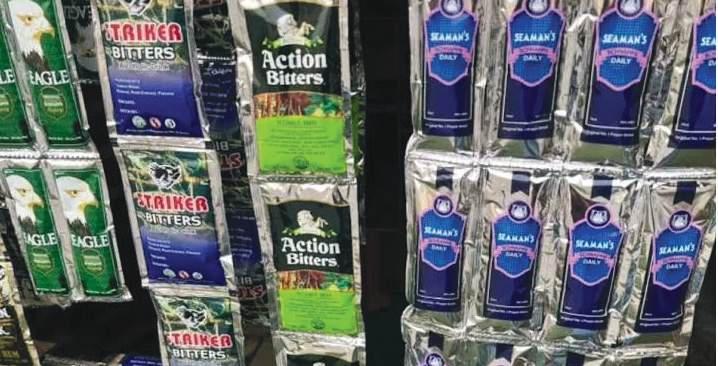
The suspension of the sachet and small PET alcohol ban shifts the debate from pack formats to veri ablecontrols, traceability, authentication, channel restrictions, and EPR-linked recovery performance.

he Federal Governmentʼs instruction to NAFDAC to suspend enforcement of the sachet and small PET alcohol ban is not merely a pause in compliance; it is a real-time stress test of Nigeriaʼs regulatory design for fast-moving consumer goods (FMCG) and the packaging formats that enable them. For converters, brand owners and recyclers, the lesson is technical as much as political: policy outcomes will increasingly be shaped by enforceability, traceability and measurable risk controls—not only by stated intent. In that sense, packaging is being pulled out of the “neutral containerˮ category and into the core of public health, security and circular-economy governance.
NAFDACʼs original public-health rationale—reducing underage access and harmful consumption patterns—remains relevant. However, format-specific bans (targeting sachets and 200 ml PET) expose a familiar implementation gap: where demand remains high, and price elasticity is strong, supply reorganises. If enforcement focuses on pack type without simultaneously hardening the distribution and retail environment, the market can migrate towards unregistered products, repackaging and cross-border inflows. The involvement of the Office of the National Security Adviser (NSA) in the suspension is therefore a significant signal. Once policy generates incentives for smuggling, counterfeiting or diversion, the problem shifts from a health and standards question to a security and fiscal-leakage issue—one that can degrade product safety because informal channels reduce visibility, auditability and recall effectiveness.
What should replace a blunt prohibition is a risk-based control framework that regulators can audit, and industry can
engineer into specifications. The National Alcohol Policy review offers that opening. At minimum, the framework should define
(1) channel controls (where low-unit packs can be sold),
(2) identity and traceability requirements (what information and security features must be present), and
(3) sanctions that target diversion and non-compliance. Packaging is central to all three. Low-unit formats are often
The next advantage is not resisting bans, but proving compliance, traceability, pack integrity and measurable recovery.
criticised because they are portable and affordable; that portability can be managed by tightening sales points and by making each unit easier to identify, authenticate and trace back to registered facilities.
From a technical standpoint, the baseline is pack communication integrity: legible mandatory warnings; ingredient and ABV declarations; manufacturer/importer identity; and batch/lot coding that survives handling. For sachets, this means
specifying ink rub-resistance, minimum font sizes, and layout rules that prevent critical text from collapsing into seal areas. For small PET, it means aligning label stock, adhesive performance and print durability with the realities of cold-chain or high-humidity environments. Beyond the basics, regulators and brands can consider graduated authentication—overt features (holographic elements, colour-shift inks), covert markers for enforcement teams, and digital verification via unique codes. Full unit-level serialisation is possible but may be cost-intensive for sachets; a pragmatic compromise is strong master-data discipline (consistent GTIN/SKU data), robust lot/batch coding, and case-level traceability that can be reconciled during inspections and recalls.
These requirements also imply a higher bar for quality assurance (QA) across the packaging supply chain. Converters supplying regulated alcohol packs should anticipate tighter vendor qualification, documented change control (artwork, substrates, inks, additives) and retention samples that support investigations.
Where anti-counterfeit features are used, governance matters: who controls the security artwork layers; how plates/cylinders are stored; how waste is destroyed; and how access is audited. If policy moves towards enforcement through identification and proof of origin, packaging plants will need compliance documentation as routine—certificates of conformity, incoming-material inspection records, and traceability from resin to finished packs.Sustainability pressures will also shape the end state of this debate, because sachets and small PET bottles sit at the intersection of affordability and weak post-consumer recovery. If the policy conversation focuses only on alcohol harms and ignores packaging externalities, the sector could face a second wave of constraints driven by environmental regulators, state sanitation authoritiescould face a second wave of constraints driven by environmental regulators, state sanitation authorities and EPR performance scrutiny. Technically, the problem differs by format. Small PET bottles have relatively mature recycling pathways where collection economics can work—especially when bottles are clear, labels are compatible, and caps/liners do not contaminate regrind. Sachets, by contrast, are often multilayer structures that are difficult to mechanically recycle at scale without dedicated infrastructure. This is why EPR and design-for-recycling cannot be treated as side issues: they are the basis on which the “social licenceˮ for flexible packaging is increasingly judged. In practical terms, a credible compromise pairs harm-reduction controls with measurable recovery actions. For PET, that means pushing towards higher collection rates through buy-back/aggregation partnerships, improving label and sleeve specifications for recyclability, and publishing recycled-content or design-compliance commitments
that can be audited. For sachets, the levers are more operational: supporting collection at scale (community agents, collection hubs, reverse logistics), investing in sorting/compounding where feasible, and exploring end-use outlets such as co-processing or chemical-recycling pilots where the economics and safeguards are sound. Converters can also accelerate R&D on structures that reduce material complexity (for example, fewer layers or compatible Fpolymers) without sacrificing barrier performance—while being candid about current limitations and timelines.
Ultimately, the sachet alcohol episode reinforces a technical policy truth: durable regulation is the kind that can be verified. For Nigeriaʼs packaging value chain—resin suppliers, converters, printers, brand owners, distributors and recyclers—the near-term task is to move the conversation from rhetoric to controls that can be inspected and measured. That means offering regulators implementable options: pack-level communication standards; auditable batch coding and traceability practices; tamper evidence and authentication where risk warrants it; and EPR-linked recovery commitments with transparent reporting.
If stakeholders can demonstrate these controls at scale, the industry can help shift the debate from “ban or no banˮ to a more technical question: how to reduce harm, protect young people, and improve environmental outcomes while maintaining compliance, competitiveness and jobs.
• Policy: Risk-based, auditable controls replace format bans.
• Enforcement: Clear, joint protocols and sanctions for diversion/illicit supply.
• Packs: Tamper evidence, legible warnings, durablecoding, proportionate authentication.
• EPR: Measurable collection and recovery, with transparent reporting
In summary, the suspension creates a narrow but practical window for the packaging value chain to help define standards that are both enforceable and investable. If industry inputs translate policy goals into clear technical requirements—labelling durability, traceability discipline, proportionate authentication, and transparent EPR performance—regulators gain tools they can inspect, and manufacturers gain certainty they can plan around. The outcome will depend less on arguments about pack size and more on whether stakeholders can demonstrate controls that reduce harm, deter illicit trade, and improve end-of-life outcomes at scale. .
• Short-term relief: Fewer cancellations for sachet and 200 ml PET SKUs.
• Less stranded stock: Lower risk of obsolete packaging, but expect SKU rationalisation.
• Higher compliance bar: Stronger warnings, coding/traceability and authentication features.
• Control over format: More focus on channels and enforcement than pack size alone.
• Illicit trade risk: Increased demand for anti-counterfeit and track-and-trace.
• Sustainability scrutiny: EPR targets and recovery investments remain unavoidable.
• Engage early: Participate in consultations with data and workable standards.
When
Smart packaging is moving from innovation showcase to business infrastructure. From QR codes and NFC taps to temperature alerts and tamper indicators, it is turning the pack into a working tool for product integrity, traceability and consumer confidence. For Nigerian manufacturers, distributors and brand owners, the shift is no longer only about presentation. It is increasingly about proof: proving origin, proving condition, proving authenticity and proving that the product arriving at the shelf is the same product that left the line.
By Folashade Oba Adeniyi

pack that cannot be trusted is a risk to both brand and market. A pack that can verify authenticity, show handling conditions and signal tampering becomes a business asset. That is the value proposition of smart packaging: using QR codes, NFC, RFID and sensors to make the pack an active part of the product journey and the wider supply chain. In Nigeria, where counterfeiting, product diversion, refill culture and cold-chain failure continue to erode value, the issue is no longer whether packaging should communicate, but whether it can do so reliably, at scale and in a way the market will trust. For packaging suppliers and converters, this means the pack is increasingly expected to do more than contain and protect; it must also carry data, support verification and strengthen confidence at the point of sale.
“Proof now matters more.”
The most compelling applications are practical rather than decorative. In pharmaceuticals and dairy, connected packs can strengthen anti-counterfeit measures, improve traceability and support faster, more targeted recalls. NAFDAC’s
Mobile Authentication Service remains a useful precedent: the agency deployed the scheme in 2010 and expanded it nationally in January 2012 for selected anti-malarial and antibiotic medicines, demonstrating that consumers will verify products when the process is simple, credible and easy to access. The same principle now applies to temperature indicators for chilled products, serialised labels for export assurance and on-pack verification journeys that allow consumers to confirm, learn or report concerns.
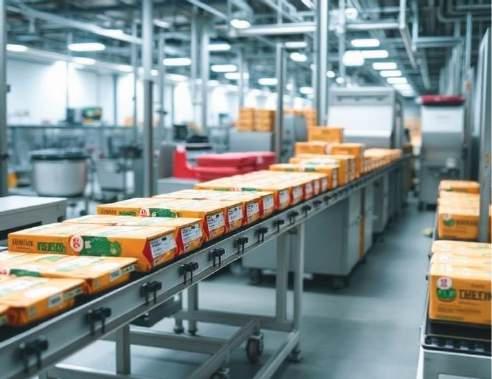
For the wider packaging market, the implications extend well beyond pharmaceuticals. In FMCG, on-pack codes can support promotion, loyalty, and product verification in one move, giving brand owners a clearer view of where goods are purchased and how consumers engage. In food and beverage, smart labels can reinforce best-before communication, track batch movement and support quality assurance across multiple distribution points
“The pack is evidence.”becoming
For export-oriented sectors, especially where buyers expect stronger documentation and traceability, serialisation and digital pack identities can add credibility. They also matter in Nigeria’s informal retail environment, where product authenticity is often judged quickly and visually, and where simple verification can make a measurable difference to trust.
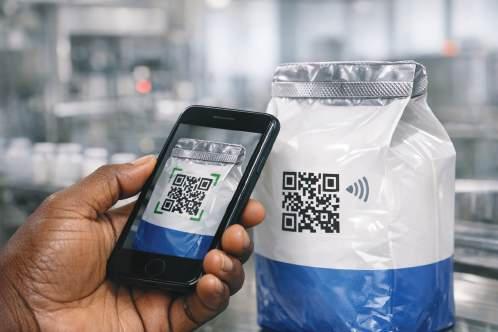
Cold-chain sectors have a particularly strong case. In dairy, beverages and selected healthcare products, packaging that captures temperature exposure or signals handling breaches can reduce waste, sharpen accountability and protect both consumers and margins. But adoption is not simply a matter of adding technology to artwork. Manufacturers must think through substrate compatibility, print quality, scan reliability, conversion capability, warehouse workflows and the role of distributors and retailers in the verification chain. If the code does not scan quickly, if the indicator fails too easily, or if the response journey is slow, the promise of smart packaging turns into friction.
Yet the model is only as strong as its execution and governance. Dead QR links, weak verification journeys and fragile sensor labels can undermine confidence faster than no technology at all. There are also operational realities to address: unstable power, uneven connectivity, imported component costs, line-speed implications and the responsible disposal of electronic elements. Where brands collect personal data through verification or loyalty journeys, compliance must be built in from the outset. The Nigeria Data Protection Regulation 2019 established the core framework for lawful processing, while the Nigeria Data Protection Act 2023 provides the broader legal basis and regulatory structure for personal data protection in Nigeria. Where connected devices interface with telecom networks, Nigerian Communications Commission requirements, including the current framework for type approval, may also be relevant.
“Smart Packaging is now
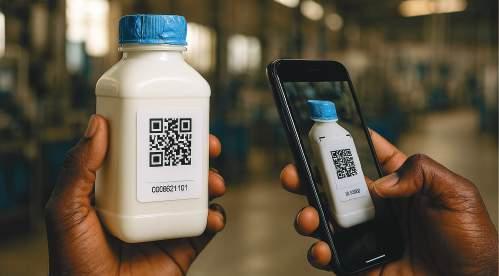
The opportunity is significant, but progress will favour disciplined operators. The prudent approach is to begin with one high-value problem, pilot it against measurable outcomes, and then build the wider system around the pack itself, from serialisation andscan points to converter readiness, partner capability, and data governance. For Nigeria’s packaging sector, this is an opportunity to move upstream in value: not only by supplying containers and labels, but by enabling trust, visibility and product intelligence. In a premium market, appearance still matters, but proof now matters more. Increasingly, the most valuable function of a pack is not presentation alone, but evidence.










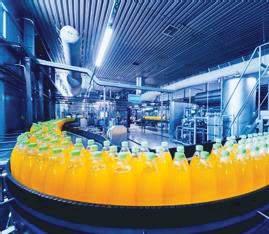























The global processing and packaging trade fair runs from 7 to 13 May 2026 in Düsseldorf, where organisers expect about 2,800 exhibitors from 67 countries, with a focus on AI-enabled production, automation, materials innovation and workforce development.
Sources: interpack (Messe Düsseldorf, Germany) press and programme updates published in spring 2026; World Packaging Organisation (WPO) and WorldStar Awards programme information.

n a March update issued eight weeks before the opening, interpack 2026 was positioned as a practical benchmark for investment decisions—especially around data-driven production, recyclability by design and the industrial skills challenge.
Event snapshot: 7–13 May 2026, Messe Düsseldorf, bringing together equipment makers, packaging-material suppliers, brand owners and converters across food, beverage, confectionery/bakery, pharma, cosmetics, non-food and industrial segments. Interpack Director Thomas Dohse said the 2026 edition was intended to provide “dialogue and orientationˮ as manufacturers and brand owners weighed investments amid volatile costs and rising sustainability expectations.
Whatʼs shaping the 2026 agenda
Organisers cite population growth, urbanisation and shifting consumption as demand drivers, while raw-material constraints, supply-chain risk, regulation and skills gaps continue to pressure operations.
• Smart Manufacturing — data-driven, resource-efficient production, including AI, robotics, sensors and automation.
• Innovative Materials — new packaging materials and functionalities, plus design-for-recycling approaches.
• Future Skills — workforce capabilities needed for increasingly digitalised and automated production environments.
Whoʼs exhibiting (highlights)
• Confectionery & bakery (Halls 1, 3, 4): Aasted; Sollich; Theegarten-Pactec; SACMI Packaging & Chocolate.
• Pharma & cosmetics (Halls 15–17): IMA Industria Macchine; Marchesini; OPTIMA.
• Food, beverage & industrial (Halls 5, 6, 11–14): COESIA; Duravant; Gerhard Schubert; Ishida; KHS; Krones; MULTIVAC; Syntegon; ULMA.
• Packaging materials & end products (Halls 7–10): listed at more than 1,000 exhibitors; examples include BERICAP; Jokey; Metsä; Sappi Europe; SCHÜTZ.
• Labelling/marking (Halls 8a, 8b): Bluhm Systeme; Domino Printing Sciences; Totani.
International pavilions: organisers point to group stands from India, China, Taiwan, Korea, Turkey and Malaysia, alongside European joint participations.
Programme highlights (selected)
• SPOTLIGHT Forum (North Entrance): daily sessions on regulation, resource efficiency, automation and AI, and skills, plus a Start-up Zone.
• components (supplier showcase): drives, controls, sensors, robotics, machine parts and industrial software supporting packaging lines.
• Key dates: WorldStar Packaging Awards ceremony (8 May 2026); SAVE FOOD Expert Talks (12 May 2026).
Why it matters for Nigeria: The 2026 themes align with Nigerian priorities, including improving line efficiency under energy and cost pressure, strengthening quality control and traceability, and moving towards packaging designed for circularity. With many OEMs and material suppliers in one place, interpack also offers local decision-makers a useful benchmark for equipment upgrades and total cost of ownership.

By Ahmed A. Omah

mart manufacturing is changing the way packaging lines are run. For manufacturers, the appeal is straightforward: tighter control, less waste and more consistent output. When automation, sensors, data analysis and intelligent control work together, packaging operations can react more quickly to changing production needs and keep performance steadier across the line.
That matters in Nigeria, where packaging businesses are balancing rising energy costs, pressure on margins and growing demand from food, beverage, pharmaceutical and fast-moving consumer goods markets. In that context, smarter production is not simply about adopting new technology for its own sake. It is about keeping lines moving, improving quality and making better production decisions with fewer delays. In practice, smart manufacturing
connects machines, sensors and operators in real time. A packaging line can be monitored more closely, adjustments can be made faster and small problems can be spotted before they become costly interruptions. Whether the issue is speed, temperature, pressure or product changeover, better visibility helps manufacturers reduce material loss, limit errors and maintain consistency from one run to the next.
“Smart manufacturing is likely to move from a competitive advantage to a basic operating requirement.”
For packaging manufacturers, the real value lies in seeing more of what is happening on the line and responding before inefficiencies turn into losses. That is especially important in sectors where accuracy, hygiene and reliability are critical, including food, beverage, cosmetics and pharmaceuticals. As investment in modern equipment and digital capability grows, smart manufacturing is likely to move from a competitive advantage to a basic operating requirement. The companies that adapt early will be better placed to protect margins, improve quality and stay competitive in a tougher market.






Mono PET bottles are redefining recyclability and packaging efficiency across Africa
By Stella A. Omah

lastics remain the backbone of modern packaging, but in 2026 the conversation has shifted from whether plastics should exist to how they must evolve. Across Africa—and especially in Nigeriaʼs fast growing FMCG and beverage sectors—the pressure to deliver packaging that is secure, affordable, and truly recyclable has never been greater.
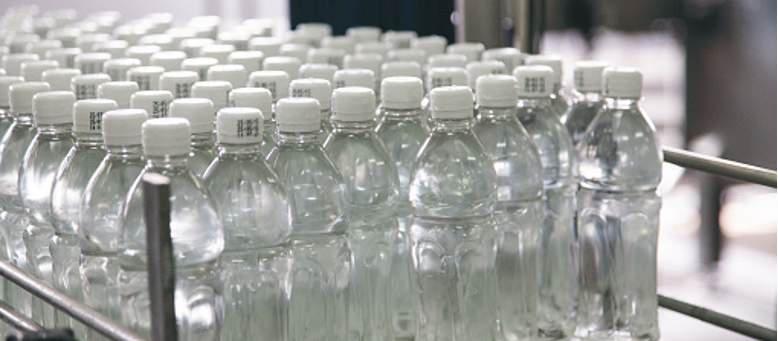
One of the clearest signals of this shift is the rise of mono material PET systems, which promise higher recyclate yield and simpler circularity. Husky Technologiesʼ newly launched HyCAP SecuRE+ mono PET tamper-evident bottle and closure is a prime example. By replacing traditional HDPE or PP caps with PET closures, the system eliminates mixed polymer contamination—one of the biggest barriers to high quality PET production in Africa.
The future of plastics in Africa isnʼt about using less — itʼs about using smarter.ˮ — Senior Packaging Engineer, Lagos “ ”
Scaling circularity: design, recycled-content targets, and recoverability
As regulatory frameworks tighten and brand owners commit to recycled content targets, the industry is moving toward packaging that is not only functional but also recoverable at scale. PET remains the most
valuable and widely recycled plastic in Nigeria, and innovations like mono PET closures, lightweight preforms, and improved sorting technologies are accelerating the shift toward a circular plastics economy.

PET preforms offer unmatched clarity and recyclate yield in circular packaging systems.
Line performance contamination control
PETʼs rigidity allows lightweighting at the dispensing level, while its molecular structure enhances barrier performance—critical for oxygen sensitive and carbonated drinks in hot climates. The tamper-evident band, formed directly during moulding, eliminates the need for post-mould slitting, reducing dust and contamination risks on high-speed lines. Taken together, these design choices move mono PET packaging from a sustainability concept to an operationally viable specification for high volume bottlers.
Collection economics and recovery infrastructure
Still, challenges persist. Collection systems remain fragmented, informal waste pickers lack adequate support, and the economics of rPET fluctuate with global oil prices. But the momentum is unmistakable. With investments flowing into local recycling plants and multinational brands redesigning packaging for recyclability, Nigeria is positioning itself as a regional leader in sustainable plastics.
What comes next: collaboration cross the value chain
The next chapter of plastics in packaging will be defined by collaboration—between converters, recyclers, brand owners, and policymakers. And as 2026 unfolds, one truth is clear: plastics are not disappearing, but they are being reinvented.


High quality rPET is becoming central to Nigeriaʼs circular economy.
• PET accounts for over 70% of plastic collected for recycling in Nigeria
• New and expanding rPET plants in Lagos and Ogun are increasing local processing capacity
• Beverage brands are targeting 25–50% PET content in bottles (where supply and regulation allow)
• Extended Producer Responsibility (EPR) enforcement is strengthening under NESREA
• Informal collectors remain the backbone of PET recovery and aggregation


lastic packaging remains the workhorse of Nigerian FMCG—light, protective and affordable. Yet public pressure, tightening regulation and the economics of waste are forcing a reset. The opportunity is real: redesign, collection and recycling can turn todayʼs liability into an engine for industrial growth.
From sachets and shrink films to caps, closures and rigid containers, plastics deliver what brand owners pay for: barrier, convenience and distribution efficiency. In a market where product losses from heat, moisture, and handling can erode margins, lightweight packs reduce breakage and lower transport costs per unit. For many categories—water, edible oils, home care, snacks and personal care—plastic is not simply “cheapˮ; it is the technology that makes modern retail and wider geographic reach possible.
“In Nigeria, plastic is not simply ‘cheap’; it is the packaging technology that makes modern retail and wider geographic reach possible.”
Most of the backlash against plastics is not about material science—it is about litter, blocked drains and visible pollution. Nigeriaʼs challenge is collection and value recovery. Where the informal sector can earn from PET bottles, material moves. Where films and multi-layer laminates have little resale value, they end up in the environment. The lesson is blunt: if a pack cannot be collected at scale and processed profitably, it will not be recycled—no matter how recyclable it appears on paper.
Policy signals are becoming clearer—from restrictions in specific categories to emerging conversations on extended producer responsibility. But policy alone will not deliver circularity. What will: predictable rules, fair enforcement, and investment that makes collection and processing commercially attractive. If Nigeria gets that right, plastic packaging can shift
from a reputational risk to a platform for jobs—recycling, compounding, tooling, converting and brand-led innovation. The future is “no plasticsˮ; it is smarter plastics, kept in the economy and out of the streets.
“The pack is rarely the real problem; it’s the collection and value-recovery system that decides whether plastic is recycled or leaked.”
WHAT “BETTER PLASTIC PACKAGINGˮ LOOKS LIKE NOW
• Design for collection: prioritise mono-material structures where possible; avoid unnecessary fullsleeves, dark pigments and incompatible labels that reduce bale value.
• Design for recycling: specify polymers and additives that match available recycling streams; simplify laminates; use clear identification and consistent resin choices.
• Invest in take-back: support EPR-style recovery through PROs, buy-back centres and aggregation—especially for films and sachet formats.
• Create demand: commit to recycled-content targets where technically feasible, and develop local offtake for rPET, rHDPE and recycled films.
• Be honest with claims: avoid vague “eco-friendlyˮ language; communicate what can actually be collected and where.

Source: WPO/WorldStar official releases and ceremony information

he WorldStar Awards serve as an important global benchmark for packaging excellence, highlighting the solutions that are setting the pace in performance, sustainability, and market relevance across materials, categories, and regions. The World Packaging Organisation (WPO) announced the winners of the WorldStar Global Packaging Awards 2026 on 9 January 2026, with 234 winning projects selected from 481 entries submitted by 36 countries.
Beyond the headline figures, the story is the direction of travel. Industry commentary around the 2026 results points to solutions shaped by material efficiency, circular-economy thinking, smart/connected packaging and consumer-centric design—alongside the fundamentals of convenience and robust pack performance. WPO President Luciana Pellegrino also underlined the role of award-winning packaging in addressing practical challenges such as reducing food waste, ensuring food safety, and preserving food.
For Nigeria’s packaging value chain, the implications are immediate. The same pressures shaping global winners—cost control, lightweighting, recyclability, improved barrier performance and better supply-chain traceability—are increasingly present locally. For brand owners and converters, WorldStar offers a short list of globally validated design patterns worth benchmarking: right-sizing, mono-material strategies where feasible, improved sealing integrity, clearer on-pack communication, and design choices that make post-use handling easier within real-world collection systems. The awards move from announcement to celebration at the
WorldStar Award Ceremony on 8 May 2026 in Düsseldorf, Germany, held during interpack (7–13 May 2026), widely regarded as the leading global trade fair for processing and packaging. During the ceremony, WPO will also reveal the Special Category winners—often the most instructive case studies for teams looking to combine technical excellence with sustainability impact and standout communication.
Announced: 9 Jan 2026
• Entries: 481
• Countries: 36
• Winners: 234
Top winner counts:
• Japan (24)
• Austria (21)
• China (18)
• Germany (18)
• Brazil (17)
• Czech Republic & Slovakia (12)
Ceremony: 8 May 2026, Düsseldorf (during interpack, 7–13 May)
Special Categories:
• President’s Award
• Sustainability Award
• Marketing Award
• Packaging that Saves Food Award
Editorial note: WorldStar entries come from winners of recognised national/regional competitions—useful for benchmarking “proven” solutions, not just concepts.

Click In Sealing Lid
By: Greiner Packaging International Gmbh
Country: Austria
Category: President Award President Award


Campo Belo Double-layer Label Preserves
By: Nacom Goya Ind. E Com. De Alimentos Ltd, Brazil, President Award
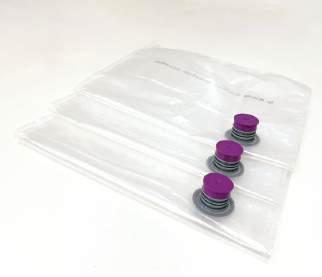
Mono Pe Bag For Bib By: Aran Group, Israel SPECIAL AWARD - Packaging that Saves Food


Deca Food Waste Disposer By: Dexco Deca, Brazil SPECIAL AWARDMarketing



From Box To Theatre: A Sustainable Thai Craft Chocolate Gift Set Full Of Play By: Siam Toppan Packaging Co., Ltd., Thailand, President Award

Koala Display By: Mondi Corrugated Turkey, Türkiye SPECIAL AWARD - Marketing Fiber BoxBeyond The Catch By: PAPACKS® - Germany SPECIAL AWARDPackaging that Saves Food



Rekeepeat By: Grupo Lantero - Spain SPECIAL AWARD - Packaging that Saves Food
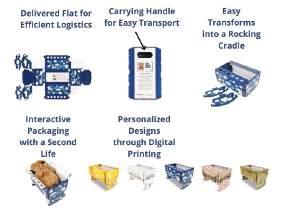
Sleep Well By: THIMM, Czech Republic and Slovakia SPECIAL AWARD - Marketing


By Ahmed A. Omah, Editor-in-chief
AB InBevʼs decision to reacquire a 49.9% stake in its U.S. metal container plants for $3 billion marks a strategic shift back toward vertical integration. The move reflects rising concerns over aluminum price volatility, supply‑chain resilience, and long‑term cost control. This article examines the implications for global packaging and highlights lessons for Nigeriaʼs fast‑growing beverage sector.
In a significant move for the global packaging industry, Anheuser‑Busch InBev (AB InBev) is buying back a 49.9% stake in its U.S. metal can‑plant operations for approximately $3 billion. The stake was originally sold in 2020 to an investor group led by Apollo Global Management, during a period when the brewer sought liquidity amid pandemic‑driven disruptions.
The reacquisition covers seven aluminum container plants across six U.S. states, all dedicated to supplying cans for AB InBevʼs beverage brands. The company will fund the transaction entirely from cash reserves, signaling a renewed commitment to operational control and long‑term supply stability.
Aluminum cans remain in the dominant packaging format for beer and carbonated beverages due to their recyclability, lightweight profile, and consumer acceptance. By regaining full ownership of its can‑making facilities, AB InBev strengthens its ability to manage raw material sourcing, production scheduling, quality assurance, and long‑term capacity planning.
Packaging is one of the largest cost components in beverage production. With aluminum prices experiencing multi‑year volatility, integrated can‑making capacity allows AB InBev to reduce exposure to third‑party converters, improve cost predictability, capture manufacturing efficiencies, and enhance margin stability.
3.
Global brands are increasingly prioritizing supply‑chain redundancy and local production. By internalizing packaging operations, AB InBev reduces risk associated with logistics disruptions, supplier bottlenecks, capacity shortages, and sustainability compliance.
The transaction signals a broader shift toward re‑verticalization. After years of outsourcing, major FMCG and beverage companies are reconsidering in‑house packaging capabilities to protect margins and ensure supply continuity.
Aluminum remains the preferred substrate for beer and many RTD beverages, despite the rise of PET and paper‑based alternatives. Meanwhile, private equityʼs role in packaging infrastructure may evolve as brand owners prioritize long‑term operational control over short‑term capital optimization.

By Ahmed A. Omah, Editor-in-chief
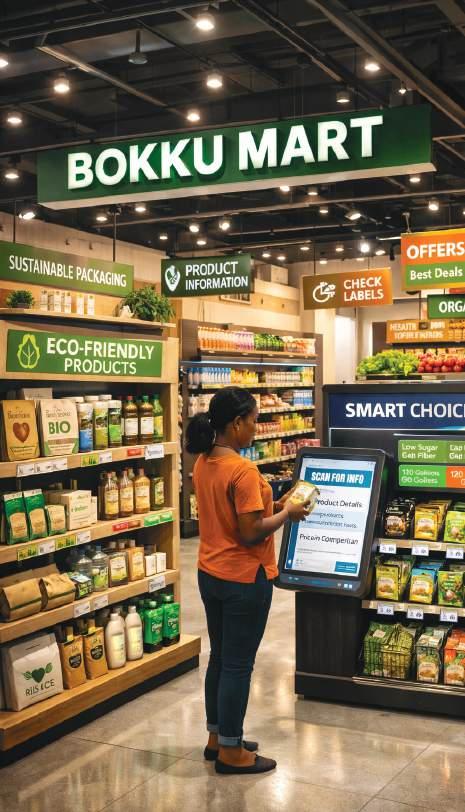
Nigeriaʼs retail sector is undergoing a dynamic transformation, driven by urbanisation, shifting consumer expectations, and digital innovation. One of the brands riding this wave is Bokku Mart, a fast-growing grocery chain owned by Atreos Limited, a retail investment holding platform based in Nigeria. Founded by Adewale Adeyemi, Bokku Mart offers a useful case study in how modern retail is reshaping shopping habits—and what that means for packaging.
The future of Nigerian shopping is being shaped by convenience, affordability, and digital integration. Bokku Mart exemplifies this transformation through:
• Strategic store expansion: With over 124 outlets nationwide, Bokku ensures retail access across both urban centres and underserved communities.
• Competitive pricing and product diversity: Bokkuʼs pricing strategy offers value without compromising quality, challenging legacy retail models.
• Digital retail integration: As mobile payments and e-commerce platforms gain traction, Bokku is poised to expand its digital footprint by introducing online ordering, loyalty programmes, and personalised shopping experiences.
Retail packaging in Nigeria is no longer just functional—it’s becoming a strategic tool for brand storytelling, sustainability, and consumer engagement. Bokku Mart is leading this shift by:
• Embracing eco-conscious materials: With growing awareness of environmental impact, Bokku is adopting biodegradable and recyclable packaging to align with global sustainability goals.
• Elevating shelf appeal: Bokku’s packaging reflects a modern, vibrant aesthetic that resonates with Nigeria’s youthful and design-savvy population.
• Championing local producers: By showcasing locally sourced goods with culturally rich packaging, Bokku supports domestic industries and celebrates Nigerian Identity
Adewale Adeyemiʼs leadership has been central to Bokkuʼs rapid growth, with an emphasis on scalable infrastructure, consumer-focused execution, and partnerships that improve sourcing and distribution. For packaging stakeholders, Bokkuʼs expansion underscores a broader point: as organised retail grows, expectations rise around pack consistency, on-shelf communication, and supply-chain reliability.
Bokku Mart is not just adapting to change; it is helping to shape it. As Nigeriaʼs middle class expands and consumer expectations evolve, Bokkuʼs approach highlights practical opportunities for packaging—sustainability messaging, better shelf navigation, and improved product information—within a retail environment that is becoming more structured and data-led.
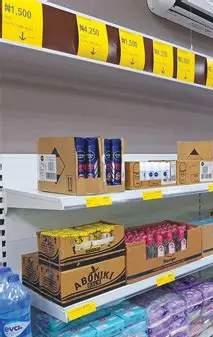
Looking forward, Nigeria’s retail and packaging industries will be shaped by:
• Smart packaging: QR codes for traceability and product information.
• Omnichannel retailing: Blending physical stores with digital platforms.
• Community-driven retail: Stores serving as hubs for education, engagement, and empowerment.

How Packaging Signals Are Misread — And Why Nigeria Must Lead a New Era of Packaging Literacy A quick guide for consumers, brand owners, and printers on the tiny square that launched a thousand rumours. Feature | By Ahmed A. Omah IN THIS FEATURE
• Inside the machines: what eye marks (registration marks) actually do
• Why the myth spreads—and why it sticks
• What compliance and labelling really cover (and what they donʼt)
• How to build trust with clearer packaging communication
THE COLOURED SQUARE AT THE END OF A TOOTHPASTE TUBE IS NOT A SECRET INGREDIENT CODE.
machine-readable registration mark used to keep print, cutting, and sealing perfectly aligned at production speed. Hereʼs what eye marks are, why their colours vary, and how Nigeriaʼs packaging ecosystem can reduce consumer misinformation through better literacy and smarter on-pack communication.
QUICK TAKE
An eye mark (registration mark): a printed reference point that packaging machines and sensors use to keep printing, cutting, and sealing aligned on fast-moving film/tube material.
A contrast target chosen to be easy for sensors/cameras to detect on a specific substrate.
A code for whether a toothpaste is natural, medicinal, chemical, or toxic.
A regulatory label, ingredient disclosure, or SON/NAFDAC safety marker.
“Packaging is engineered for machines — but interpreted by humans. That gap is where myths are born.ˮ
WHY THIS MYTH WONʼT DIE
Packaging is a sophisticated engineering discipline, yet it is often interpreted through a consumer lens shaped by assumptions rather than technical understanding. The viral misconception about toothpaste colour marks is a neat example: a small production cue gets recast as a hidden message about formulation and safety.
For Nigeria—one of Africaʼs fastest-growing packaging markets—the stakes are rising. As automation, digital print, and smart-packaging technologies accelerate, the gap between how packaging works and how packaging is read can widen unless communication keeps pace.
THE MACHINE: WHAT EYE MARKS DO
Eye marks (registration marks) are standard visual cues printed on flexible packaging substrates—such as laminated tubes, pouches, and flow-wrap films. Their job is simple: help the line run fast without drifting off target.
• Registration control: keeps artwork aligned with machine timing
• Cutting & sealing accuracy ensures the crimp/cut happens at the right point
• Machine synchronisation: coordinates sensors, rollers, and sealing jaws
• Print-to-pack alignment prevents skew, drift, and off-centre branding
2.1 The sensor moment: how eye marks are read
On the line, a photoelectric sensor or a small camera (often CCD-based) watches for a sharp contrast block printed near the edge of the material. Once detected, the signal triggers the machine controller to time the next action—cut, seal, crimp, or fold—so every unit lands exactly where it should.
What people think the colour square means


Polysmartʼs ₦13 billion commercial paper raise highlights a shift from informal PET recovery to industrial-scale rPET supply for bottle-to-bottle (where approved) and other packaging applications—putting renewed focus on feedstock quality, decontamination performance, and converter-grade specification control in Nigeria.
By Ahmed Alex Omah | Lagos, Nigeria |

olysmartʼs reported oversubscription of its ₦13 billion commercial paper programme matters less for the headline figure than for what it enables: throughput expansion, tighter quality control, and supply consistency in Nigeriaʼs emerging rPET market. For packaging converters and brand owners, the real signal is that rPET is moving from opportunistic sourcing to a financeable, specification-driven input—especially for applications where odour, colour, and food-contact risk profiles are non-negotiable.
Capital deployment: from collection scale to converter-grade output
In practical terms, raising capital at this level typically translates into equipment, utilities, and operating discipline: improved sorting and washing capacity, better contamination removal, more stable power solutions, and stronger laboratory/QC capability. For plastics packaging, these investments determine whether rPET is supplied as variable-grade flake for down-gauged
applications or as pellet with tighter control of colour (L*a*b*), intrinsic viscosity (IV), moisture, acetaldehyde/odour, and contaminant thresholds.aliquam erat volutpat. Ut wisi enim ad minim veniam, quis nostrud exerci tation ullamcorper suscipit lobortis nisl ut aliquip ex ea commodo consequat. Duis autem vel eum iriure dolor in hendrerit in vulputate
Equally important is supply-chain integration. A recyclerʼs ability to secure consistent feedstock—through structured collection, aggregation, baling standards, and traceability—has a direct impact on yield, downtime, and final-spec compliance. In that sense, investor confidence is being extended to a model that treats waste as a managed raw-material stream, not a sporadic input.
Capital deployment: from collection scale to converter-grade output
For PET bottles and thermoformed packaging, rPET is increasingly treated like any other resin input—qualified against a specification, audited for
consistency, and evaluated against total cost of ownership. Drivers include multinational recycled-content commitments (post-consumer recycled (PCR) targets), supply risk and FX exposure tied to imported virgin PET, and the growing need for documented compliance (especially where food-contact or export-adjacent requirements apply).
Terminology notes: In this feature, PCR refers to the recycled-content target set by a brand or regulation, while rPET refers to the material (flakes or pellets) that must meet an agreed specification for a given packaging application.
In Nigeria, the market is also segmenting from fibre-grade and strapping-grade material to packaging grades where odour, haze, and black specs become limiting factors. The decisive capability is not “recyclingˮ in the generic sense, but repeatable decontamination performance, process control, and QA documentation that can support
food-contact risk assessments and brand-owner approvals.
What is changing is the industrial backbone: better-organised collection and baling, upgrades in sorting and hot-wash capability, and (where pursued) moves toward pelletising and higher-end purification steps. For converters, the practical question becomes whether local supply can meet agreed specification windows—colour, IV, moisture, particulates, PVC/PO contamination, and odour—at volumes that support line stability.
Polysmartʼs expansion and financing indicate that packaging-grade rPET capacity is being built at a commercially meaningful scale. If output consistency holds, this improves local qualification pathways (trial lots → extended runs → approval), reduces lead-time variability, and provides an alternative to virgin PET for selected bottle and sheet structures—subject to application, brand specifications, and regulatory positioning.
Key technical implications for converters and brand owners
• Specification discipline: tighter incoming inspection on rPET (e.g., IV window, dryer-outlet moisture, colour, black specs, PO/PVC contamination) to protect extrusion and injection stretch blow moulding (ISBM) stability.
• Food-contact approval pathway: stronger documentation on decontamination performance, traceability, and QA records to support customer/brand risk assessments and approvals.
• Cost and yield economics: resin substitution benefits must be evaluated against yield losses from contamination, filtration load, and downtime risk.
• Design-for-recycling alignment: label/adhesive choices, colourants, and barrier layers increasingly affect recyclate quality and long-term rPET availability.
On the demand side, beverage and FMCG players drive the highest-value requirements because their packaging lines require stable rheology and clean aesthetics. Beyond bottles, sheet and thermoforming applications can absorb meaningful volumes of rPET, while non-packaging outlets (textiles, strapping) continue to compete for feedstock. This multi-sector pull tightens the market for high-quality, clear PET bales and raises the premium on contamination control upstream.
and bottlenecks
Key constraints remain: contamination (PVC, polyolefins, multilayer labels), colour drift from mixed streams, and odour carryover that is unacceptable for many packaging SKUs. In production, issues typically surface first as elevated filtration load, gels/black specs, haze, and odour complaints. Energy and water costs—and effluent treatment discipline—materially affect operating cost per kilogram. Finally, the sector still needs stronger shared standards for bale specification, testing methods, and documentation so that “rPETˮ means a predictable input rather than a broad category.
What changes for brands, converters, and designers
For plastics packaging operations—ISBM bottle blowing, sheet extrusion, and thermoforming—the next phase is operational: how rPET is qualified, blended, dried, filtered, and monitored in production. Procurement and sustainability teams may set the target, but engineering teams will carry the implementation risk unless specifications, trials, and QC routines are aligned.
Local material, local advantage
Local rPET supply can reduce exposure to FX volatility and imported resin lead times, but the advantage depends on delivered consistency. Converters will increasingly evaluate suppliers on specification compliance, certificate of analysis (COA) integrity, lot traceability, and responsiveness during line trials. Where rPET is blended with virgin PET, the economics should be modelled against filtration load, scrap rates, and any incremental additives required to maintain performance.
Design will follow the material— and the market may follow Nigeria
Design-for-recycling will become less optional: sleeve coverage, adhesive selection, ink systems, and colourants directly affect recyclate yield and pellet quality. For PET trays and bottles, simplifying structures (mono-material where possible) and avoiding problematic components can protect the future availability of packaging-grade recyclate. Over time, the organisations that align design decisions with local recycling realities will have an easier pathway to stable rPET inclusion.
Conclusion: the market will reward specification, not slogans
Polysmartʼs financing is best read as a capacity-and-control story: more throughput, more process discipline, and the potential for tighter specification control in locally supplied rPET. For Nigeriaʼs plastics packaging sector, the next step is to translate this momentum into measurable performance—consistent lots, defensible QA records, and repeatable outcomes on converter lines.to stable rPET inclusion.
Stakeholder Recommended actions
Converters
Brand owners
Define rPET specifications by application (bottle vs sheet), run structured trials, and tighten drying/filtration/QC routines for PCR blends.
Publish certificate of analysis (COA) with each lot, strengthen traceability, and drive bale-spec agreements upstream to reduce contamination at source.
Align procurement, design, and sustainability requirements so packaging formats remain compatible with local recycling systems and supplier capability.
Ultimately, rPET adoption in Nigeria will scale on process control, documentation, and line performance—not on ambition alone.
By Amb. Ahmed Alex Omah, Global Ambassador for World Packaging

keja, Lagos — Monday, 26 January The Marriott Hotel on Joel Ogunnaike Street became a hub of climate innovation discourse as stakeholders from government, industry, and development institutions convened for Nigeria Cooling Day, a landmark event spotlighting the future of sustainable cooling solutions in the country.
The gathering, organised by the International Finance Corporation (IFC), part of the World Bank Group, and supported by the UK Government and the National Council on Climate Change, underscored Nigeriaʼs growing commitment to climate-smart technologies—an area increasingly relevant to the packaging, cold chain, and FMCG sectors. With rising temperatures and expanding logistics networks, efficient cooling is no longer optional; it is a strategic necessity for national competitiveness.
Rusmir Musić, Global Cooling Lead and Senior Operations Officer at the World Bank Groupʼs Climate Change Department, expressed deep appreciation for the strong turnout. In his message to participants, he commended the “great numberˮ of colleagues and partners who joined the sessions and engaged with the innovative solutions presented.
Despite a minor transportation challenge at the close of the event, Musić emphasised that the enthusiasm and quality of discussions remained undiminished. He also shared slide decks from IFC and the presenting innovators to support continued collaboration.
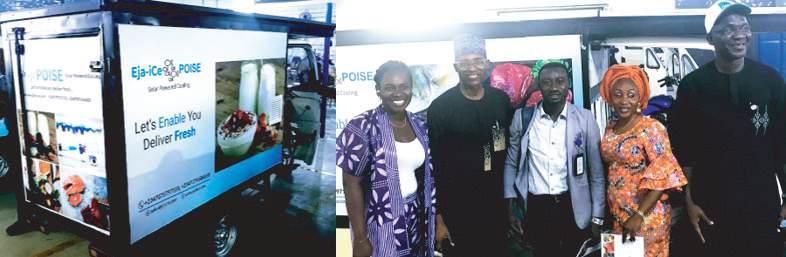
Two standout Nigerian innovators—Koolboks and Eja Ice—captured the audienceʼs attention with compelling demonstrations of their energy-efficient cooling technologies. Their solutions hold significant promise for cold chain packaging, food preservation, and off-grid storage—areas critical to Nigeriaʼs manufacturing and agricultural value chains.
Although retail giant Spar was unable to attend in person, organisers confirmed that the company will be featured in an upcoming video highlighting the event.
Participants were encouraged to share their photos and testimonials on social media using the hashtag #NigeriaCoolingDay, amplifying public awareness of sustainable cooling and its economic benefits.
Musić closed his remarks with a forward-looking message, reaffirming the World Bank Groupʼs commitment to continued engagement through its Nigeria-based teams. His sign off— “Stay coolˮ—captured both the spirit of the event and the urgency of the mission.
“Nigeriaʼs future is cool — and getting cooler.ˮ
For Nigeriaʼs packaging and manufacturing professionals, the innovations showcased at Nigeria Cooling Day offer a glimpse into a future where sustainability, efficiency, and economic growth move in tandem.

How UNIDOʼs Montreal Protocol works is reshaping Nigeriaʼs agro-industrial future.
By Alex A. Omah, Editor-in-Chief

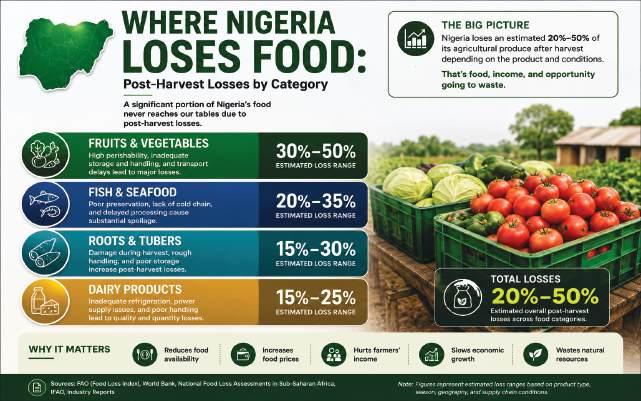
igeria loses up to half of its perishable produce before it reaches consumers — not because farmers lack skill, but because the country lacks cold. Today, a global environmental treaty and its implementing agency, UNIDO, are quietly rewriting the rules of agro processing, packaging, and food logistics across Africa.
The United Nations Industrial Development Organisation (UNIDO), as a key implementing agency of the Montreal Protocol, is driving a transition toward climate friendly, energy efficient cooling systems. While the Protocol is famous for protecting the ozone layer, its modern impact reaches deep into Nigeriaʼs food economy — from farmgate cooling to export grade packaging.
“Cooling is no longer a luxury— it is infrastructure.ˮ
UNIDOʼs interventions help countries adopt natural refrigerants, upgrade cold rooms, modernise processing plants, and train refrigeration technicians. These improvements directly strengthen Nigeriaʼs agro processing and packaging industries.
Packaging protects products; cooling preserves them. Together, they determine shelf life, quality, and market value. Sustainable cooling enhances packaging performance, reduces spoilage, and ensures compliance with export standards.
For Nigeriaʼs agro processing sector, efficient cooling enables:
• Longer storage windows
• Improved packaging integrity
• Higher value processing
• Export compliant temperature control
WHAT THE MONTREAL PROTOCOL MEANS FOR NIGERIAʼS FOOD SYSTEM
• Transition to natural refrigerants
• Energy efficient cold rooms and chillers
• Reduced post harvest losses
• Export compliant temperature control
• Access to global financing for cold chain upgrades
UNIDOʼs sustainable cooling initiatives are unlocking new value across Nigeriaʼs agro industrial landscape.
BUILDING A MODERN COLD CHAIN FOR A MODERN ECONOMY
UNIDOʼs sustainable cooling initiatives are unlocking new value across Nigeriaʼs agro industrial landscape. Solar powered cold rooms, efficient refrigerated transport, community cooling hubs, and thermal innovative packaging are reshaping how food moves from farm to market.
“Sustainable cooling is the bridge between agriculture and packaging— and the foundation of a competitive food economy.ˮ
AGRIBUSINESS CEOs
WHAT THIS MEANS FOR AGRIBUSINESS LEADERS
• Improved cooling reduces raw material volatility
• Better temperature control enhances packaging performance
• Cold chain ready packaging is a competitive advantage
• Compliance with refrigerant standards protects export access
• Efficient cooling lowers production costs
CEO Takeaway:
Cooling is now a strategic asset — not an operational afterthought Without cooling, even the best packaging materials fail. With it, Nigeria can unlock new
WHAT THIS MEANS FOR POLICYMAKERS
• Integrate cold chain development into the national food security strategy
• Incentivise natural refrigerant adoption
• Expand rural energy access for cold storage
• Support technician training and certification
• Align export standards with global temperature control requirements
Policy Impact: A national cold chain strategy can reduce food loss, stabilise prices, and strengthen Nigeriaʼs non oil export base.
WHAT THIS MEANS FOR INVESTORS
• Cold chain is a high growth, recession resistant sector
• Solar powered cold rooms offer a strong ROI
• Demand for reefer trucks and cold warehouses is rising
• Export oriented agribusinesses require compliant cooling
• UNIDO supported transitions reduce technology risk
nvestor Impact: Nigeriaʼs cold chain market is poised for rapid expansion as food demand, urbanisation, and export ambitions rise.
If Nigeria wants to feed itself — and the world — it must learn to keep its cool.
OPPORTUNITIES FOR NIGERIAN BUSINESSES
Manufacturers:
• Insulated packaging
• Refrigeration components
• Natural refrigerant systems
Logistics Providers:
• Reefer fleets
• Temperature controlled delivery
• Agro processors:
• Cold chain compliant facilities
• Export ready packaging lines
Startups:
• Pay as you store cold hubs
• IoT temperature monitoring

PROPAK AFRICA 2026
Dates: 08–11 March
Location: Johannesburg, South Africa
Website: https://www.propakafrica.co.za

PROPAK MENA / FI AFRICA 2026
Dates: 02–04 June
Location: Cairo, Egypt
Website: https://www.propakmena.com/
PROPAK WEST AFRICA 2026
Dates: 08–10 September
Location: Lagos, Nigeria
Website: https://www.propakwestafrica.com
AGROFOOD NIGERIA 2026
Dates: 22–24 March
Location: Lagos, Nigeria
Website: https://www.agrofood-nigeria.com/
HISPACK 2026
Dates: May (TBC)
Location: Barcelona, Spain
Website: https://www.hispack.com/
KOREA PACK 2026

Dates: April (TBC)
Location: Seoul, South Korea
Website: https://www.koreapack.org/

WORLDSTAR GLOBAL P ACKAGING AWARDS 2026
Dates: 08 May
Location: Düsseldorf, Germany
Website: https://www.worldstar.org
TOKYO PACK 2026
Date: October 14-16, 2026
Location: Tokyo Big Sight, Japan
Website: www.tokyo-pack.jp

agrofood, plastprintpack & AfrikʼEmbal
Date: 08-10 October 2026
Location: Abidjan, Côte d‘Ivoire
Website: www.agrofood-westafrica.com

PACK EXPO INTERNATIONAL 2026
Dates: 08–11 November
Location: Chicago, USA
Website: https://www.packexpointernational.com/

ALLFORPACK EMBALLAGE PARIS 2026
Date: 24-26 NOV 2026
Location: PARIS NORD VILLEPINTE
Website: www.all-for-pack.com/en



Parc des Expositions • Abidjan www.agrofood-westafrica com • #agrofoodWA www.ppp-westafrica.com • #pppWA