



Here’s what you and your community can do…
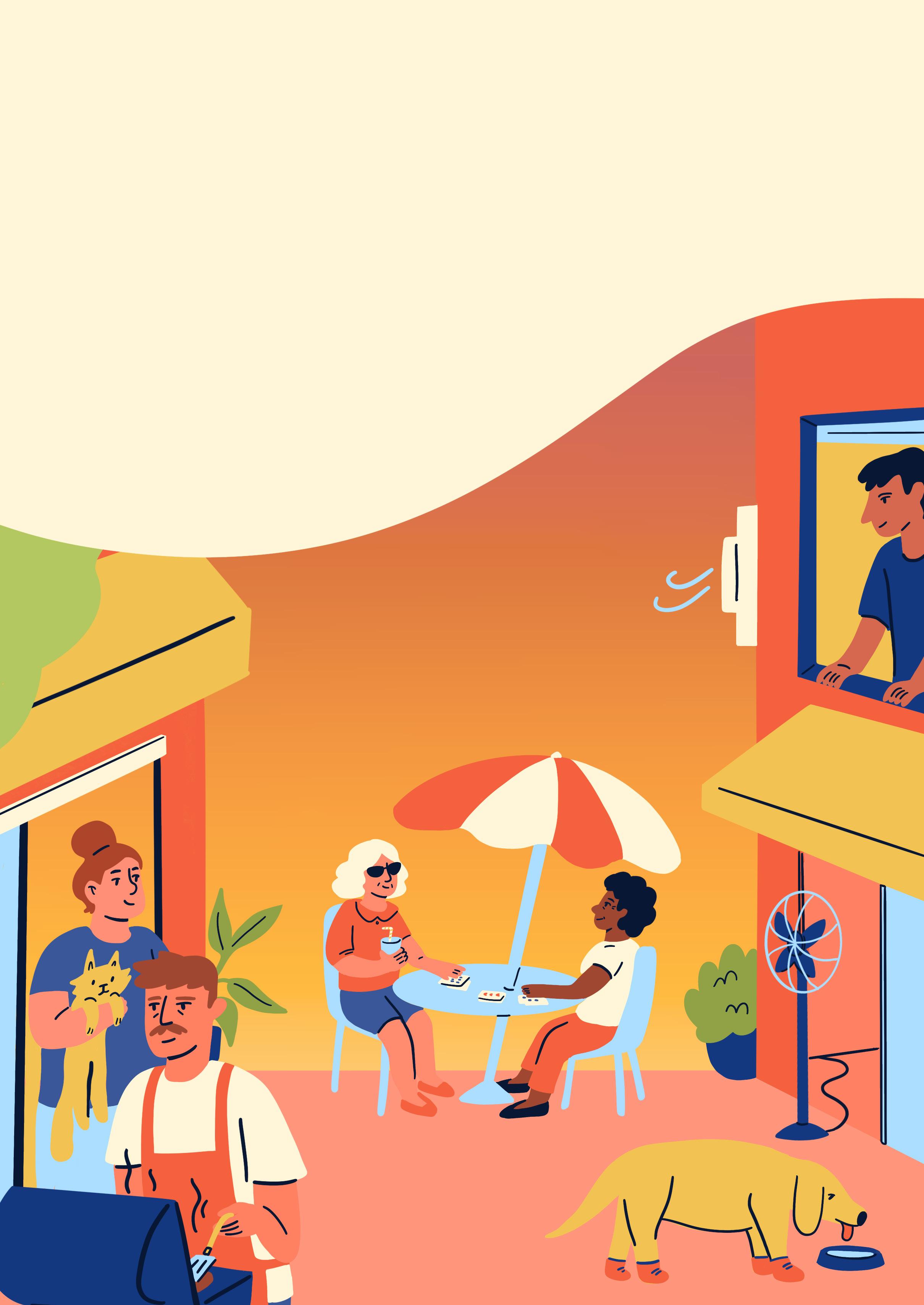
Heatwaves are becoming more common and the risk to health is rising too. In the summer of 2022, nearly 3,000 people in the UK died during very hot weather. Many people struggle to access and enjoy their neighbourhoods when it’s too warm.
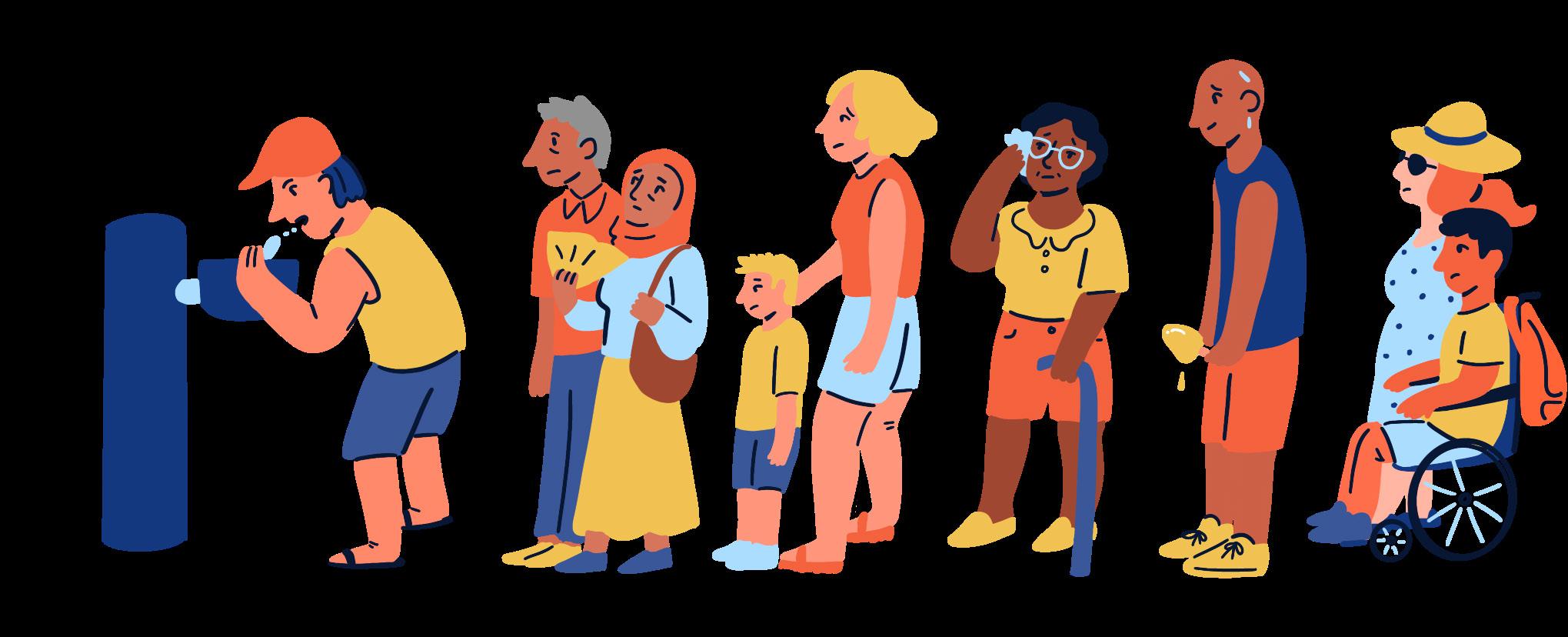
Cities are the worst-affected areas. Concrete, traffic and tall buildings trap warmth, making inner-city areas hotter than nearby suburbs. Heat also affects people unequally. It is worse for people with limited mobility or low income, and for those who can’t get to cooler outdoor or indoor spaces to cool down.
Some local authorities are starting to think about heat, but they need help to understand which solutions work best for which neighbourhoods. British cities have lost a lot of the infrastructure that people once used to keep cool, such as lidos and public drinking fountains. ‘Cooling Centre’ schemes may help, but they are not accessible for everyone. And tree planting can’t always create shade where it is most needed.
We’re researchers from the Melting Metropolis project. We’ve been looking at heat using a human-centred approach. We look beyond temperature charts. Through archives, oral histories and community stories across London, Paris and New York, we explore heat as a lived experience across time and place.
We found that heat challenges are not new. But they are getting worse. And they are deeply unequal.
There are things you can do. We share four key actions you can take, and stories from our research about what helps.
Not every part of a neighbourhood, or everyone, will be affected by heat in the same way. A community ‘drawing heat walk’ can help you work out together where is hot and where is not. In hot spots, use chalk to draw around your shadows. Talk about what it feels like to experience the heat. Record what you find on a map.
Talk to people about their experiences of heat, both good and bad. See if there are patterns - are older people in certain places more affected than younger people in others? How might people who have different living situations - like people who are experiencing homelessness, or don’t have outdoor space at home - be affected? Does mobility or money make a difference? What about working outside?
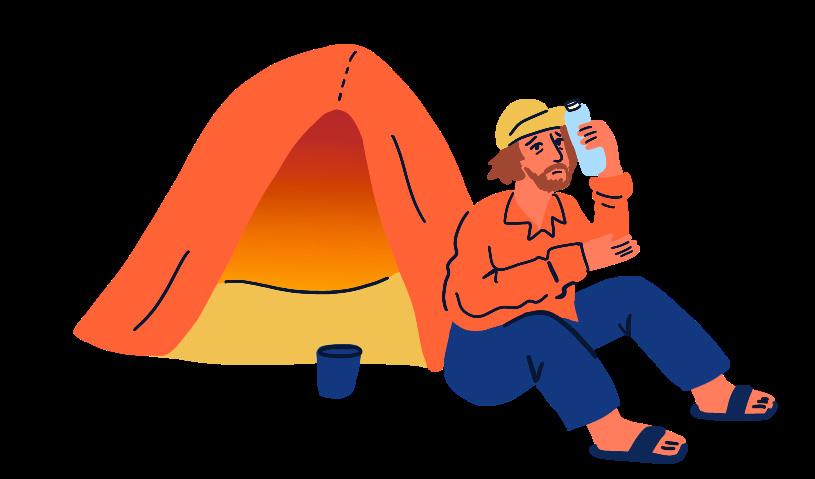
‘You can’t sit in a tent when it’s hot. I woke up the other morning I was like, I unzipped the tent, I couldn’t breathe, you know...’ Person experiencing homelessness.
Not everyone will be used to talking about heat. Creative methods can help explore the topic in accessible and engaging ways.
Through Melting Metropolis, we’ve explored heat through poetry, photography, drawing and storytelling.
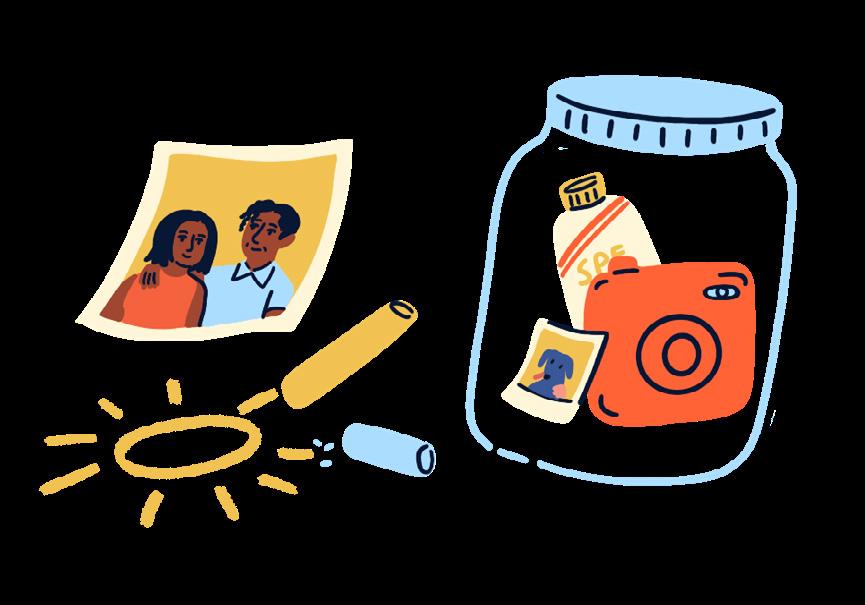
You could ask residents to:
• Share a positive and negative story about their experience of heat
• Take photographs of their local neighbourhood to show where it’s hot and cool
• Create a ‘memory jar’ to think through what heat meant to them in the past
• Take part in a drawing heat walk, using chalk to highlight hot and cold spots in public spaces
• Write poetry about their experiences of heat
This could be done individually and submitted online, or in a group in person. Find more information on the Melting Metropolis website.
Identify where there are places to keep cool. This might be formal measures, like parks, cooling centres and water fountains. Or informal measures like airconditioned supermarkets or water features in public spaces. Ask your community what they do to keep cool in public spaces in your neighbourhood.
‘If there was one shop, maybe, in the building that during heatwaves was air conditioned like a supermarket… you could escape in the extreme heat.’ Local Resident.
‘I use the Citymapper app to plan my tube journey as it gives you options for routes with air con all the way.’ City Traveller
ACTION THREE: Encourage people to sign up for heat-health alerts
The Met Office and UK Health Security Agency issue alerts when very hot weather is forecast. Sign up for the alerts and think about the support that people in our community might need. Lobby your local authority to help provide this support.
https://ukhsa-dashboard.data.gov.uk/weather-health-alerts
Share your findings for heat and cool. Record experiences, tips and tricks. Share this in local community forums to see what’s working well, and what’s not, in your local area. What does a cool, livable neighbourhood look like for you?
‘Having trees around made a big difference — the shaded streets and local parks were a huge relief.’ Local Resident.
Check out Shade the UK and the Red Cross for advice on managing heat in your neighbourhood. Create an action plan for what could be done in your area to ensure everyone can cope with and enjoy the heat equitably. Share this with your local authority to lobby for change.
Find your local council here
Let’s tackle heat together.
Explore our interactive infographic on the Melting Metropolis website to learn more about our research and get more information about tackling heat in your community.
Find out more:
https://www.meltingmetropolis.com
https://www.shadetheuk.com
https://www.redcross.org.uk/get-help/prepare-for-emergencies/heatwaves-uk
https://embodiedecology.substack.com/p/drawing-heat