

of contents 1 2
3
4
5
6
7
gardenway terminal
bronzeville elementary
riverdrift ecolounge
annex precedent study
light pavillion
miller house study
beach house community
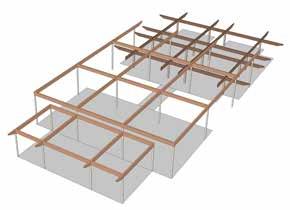

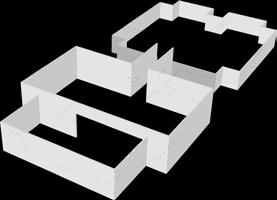
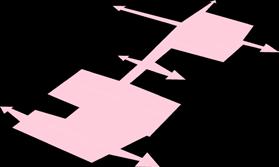
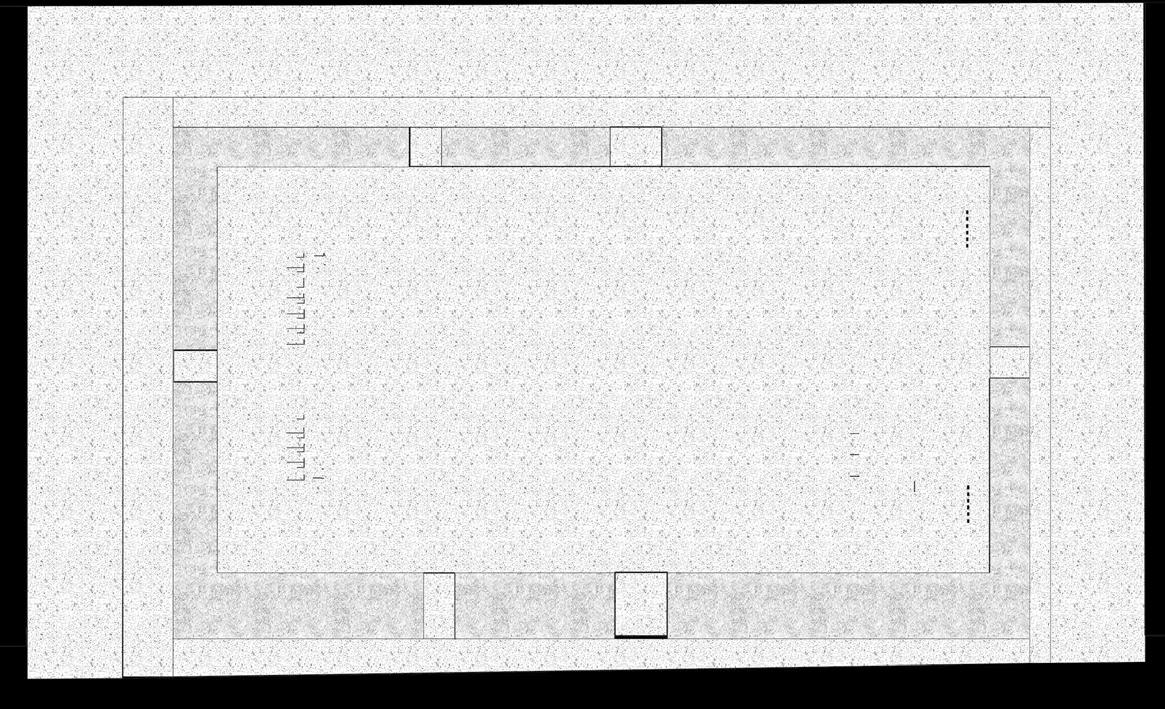



Located in the heart of Urbana, the former civic center once served generations of residents before closing due to the high cost of renovations. As transit use increased, the city of Urbana needed a bus station, particularly for college students. It is critical to recognize adaptive reuse as a sustainable and essential alternative to demolition.
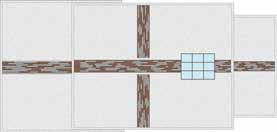











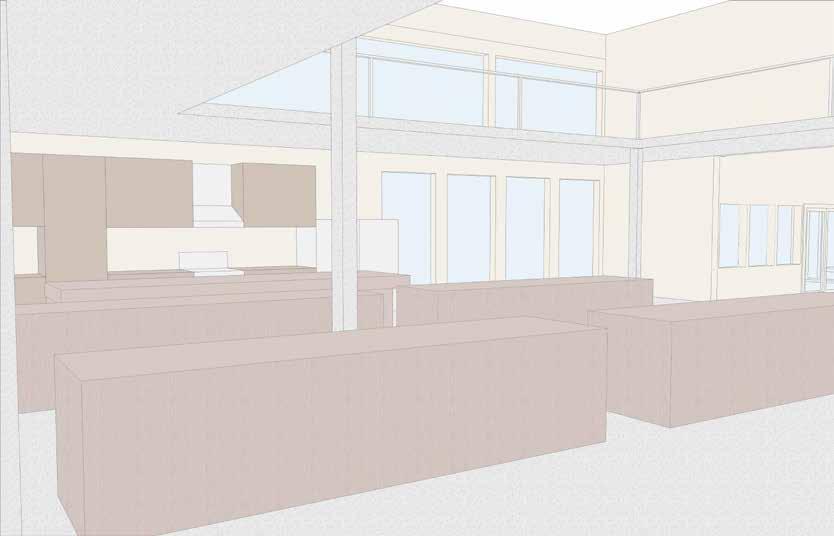
Community research revealed a wide variety of ethnic restaurants and stores in the area. This research informed the concept for Gardenway Terminal, a space that brings the community together through a shared cultural experience centered on food. A place designed to be open year-round, the community can take cooking classes, use a community garden, or simply grab a coffee from the cafe and wait for their bus.












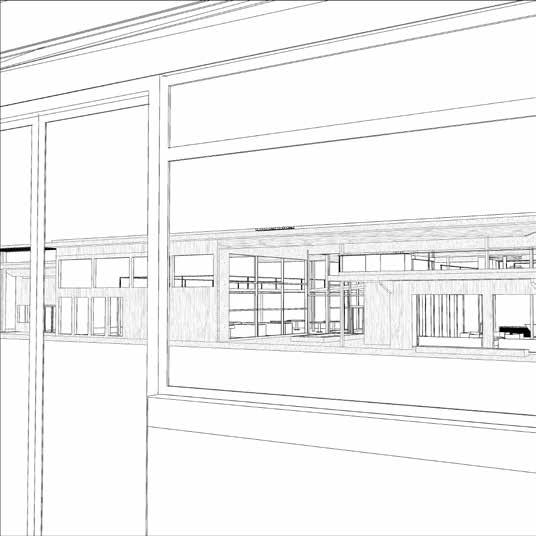







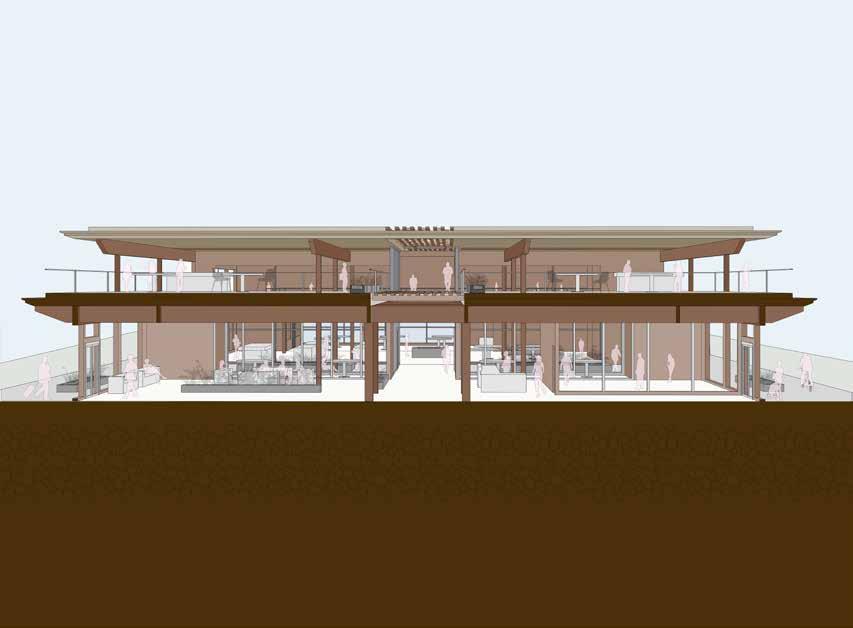


Located Bronzeville, signed engagement serving as a shared porting farmer's spaces. strategies encourages children, ther strengthen a space
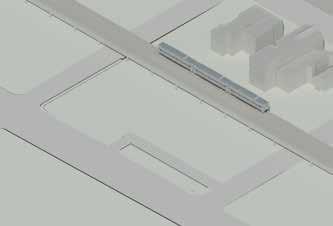


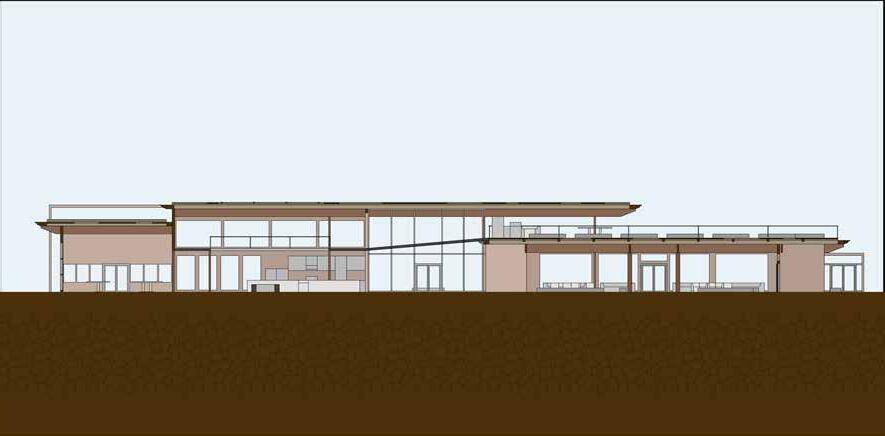
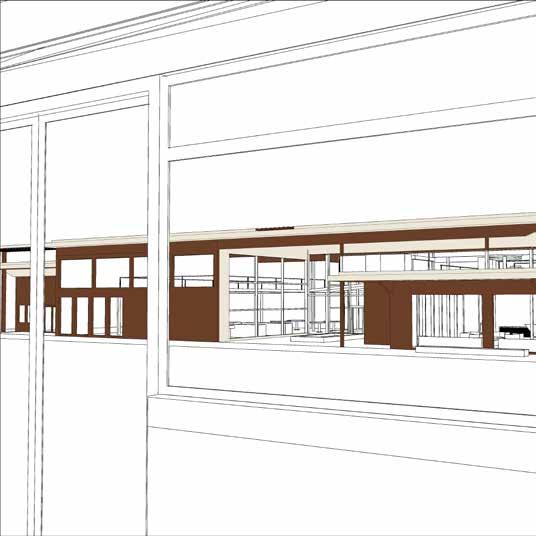
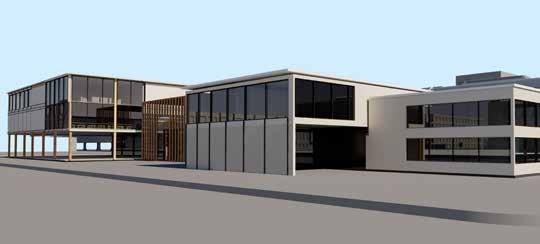
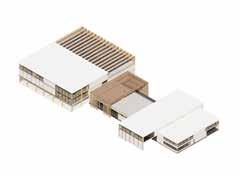
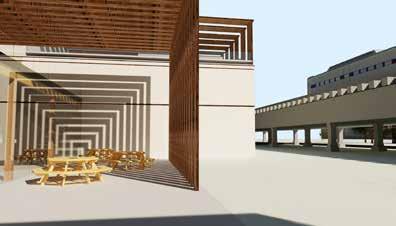
Located on South State Street in Bronzeville, Illinois, this project was designed with a strong focus on community engagement and sustainability. Beyond serving students, the building functions shared neighborhood resource, supporting after-school programs, summer farmer's markets, and flexible multipurpose spaces. Sustainable and adaptable design strategies ensure long-term usability. It encourages interactions among families, children, and community members to furstrengthen the community and provide space for everyone to use.






fall 2024, Collaboration: A. Bollero
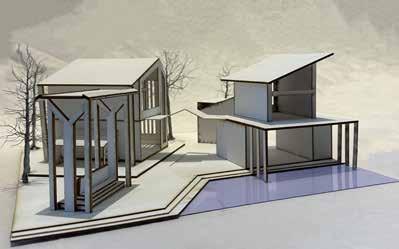
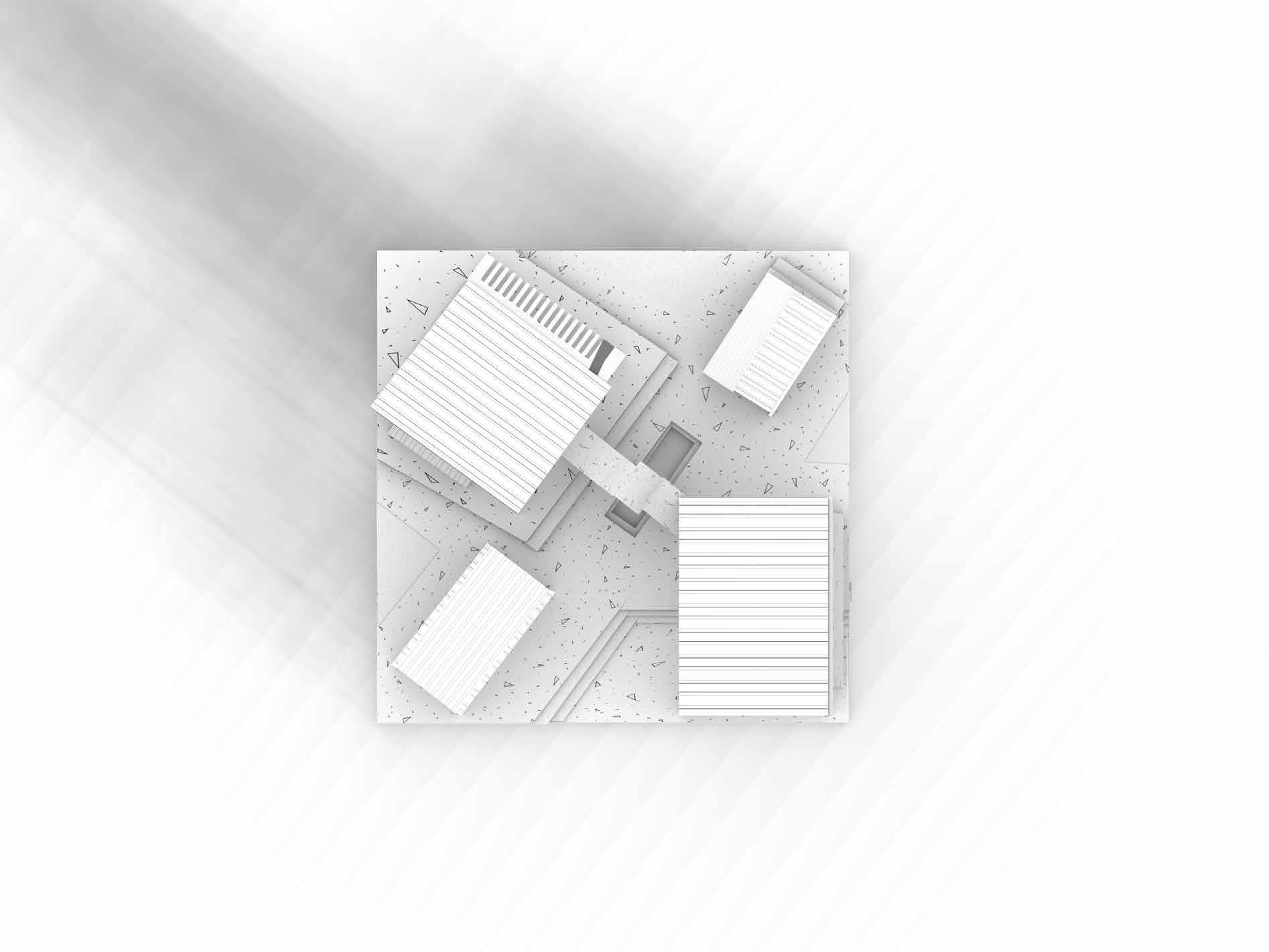
Situated along Seattle's Duwamish Waterway, this project responds to the river's environmental degradation and cultural history. Today, the river is polluted with toxins and PCBs that were dumped into it over time. Before the river was misused, the Duwamish Waterway was home to many Native Americans from the Duwamish Tribe. This river once had homes, native trees and plants growing along its banks, and was used for fishing.
A
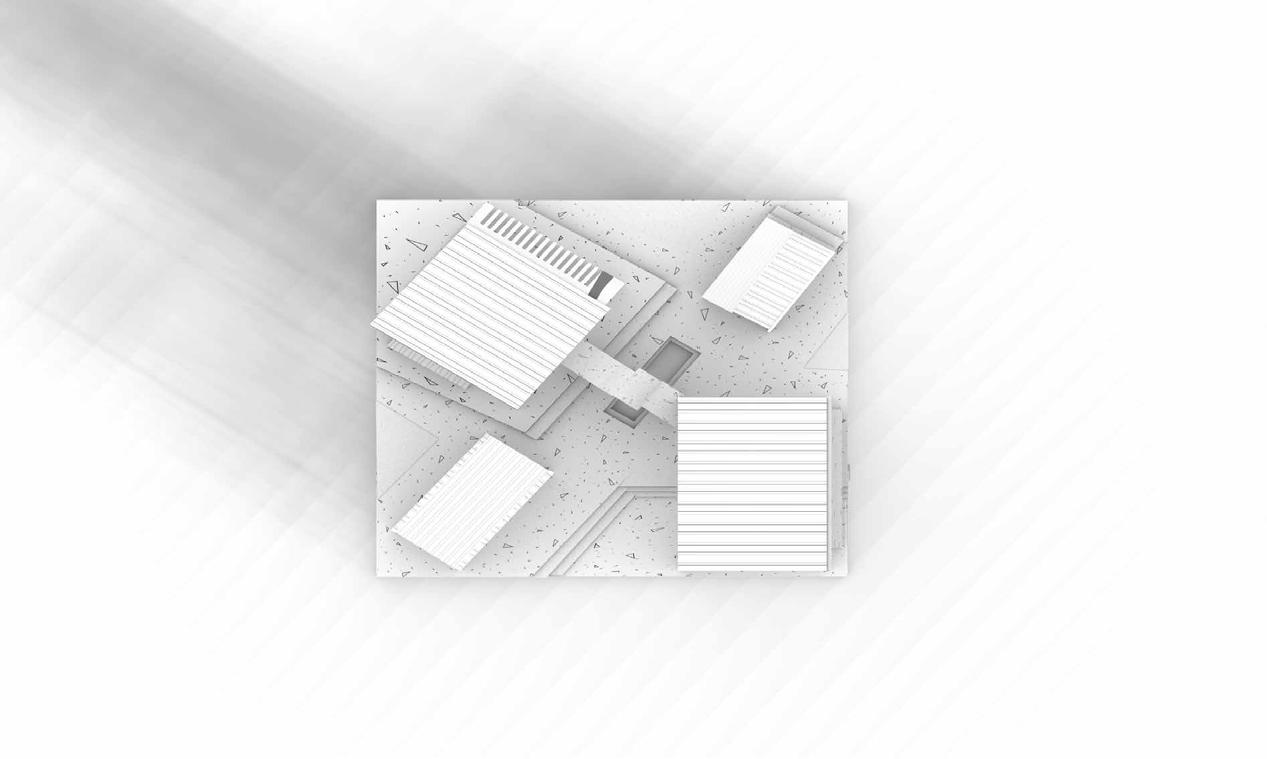
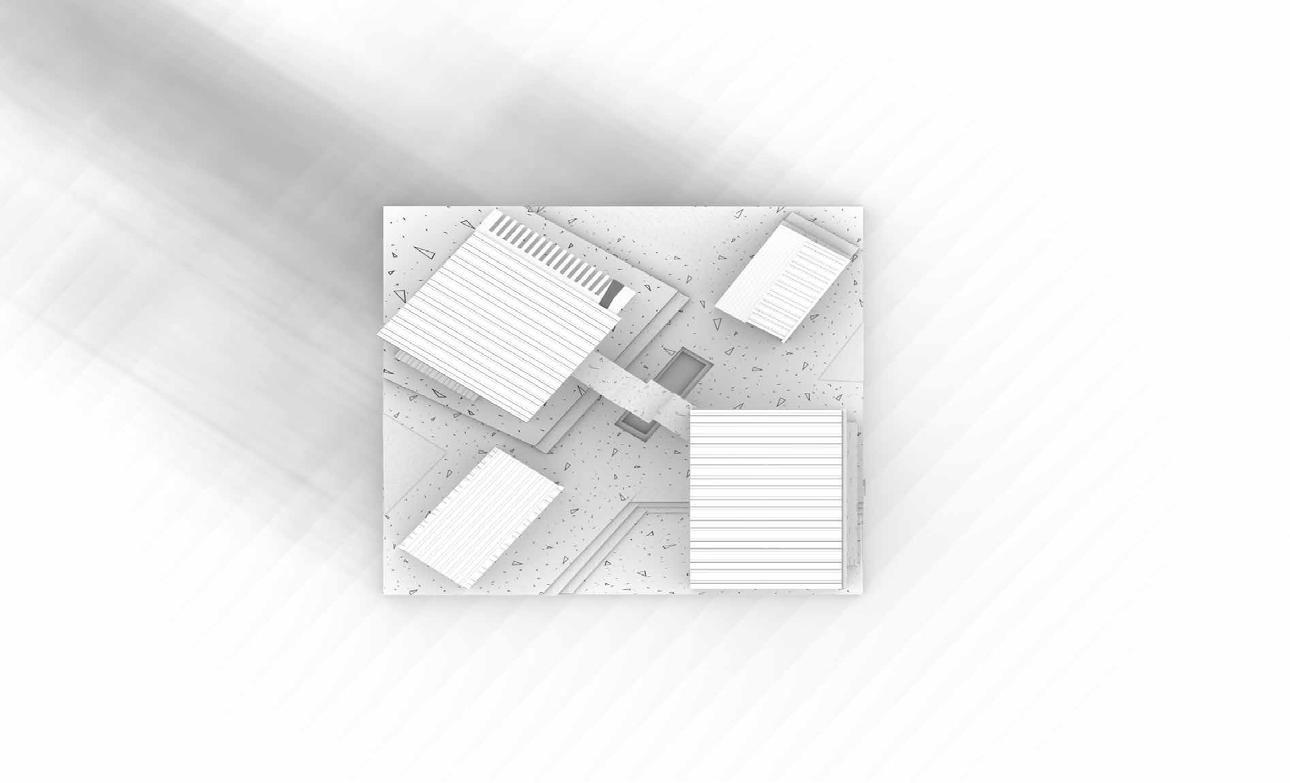


In the event of a flood caused by chanelization over the years, the river drift lounge is on a raised plinth. If the space were to flood, it was designed with a drainage system that discharges to the surrounding forest, where floodwater can nourish new native trees. A public deck area is included to ensure that community members have a place to fish again. This project is a space that prioritizes openness, restoration, and community in a meaningful way that does not degrade the environment.
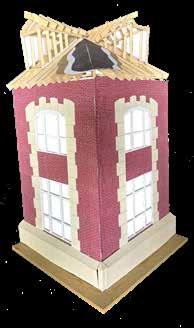
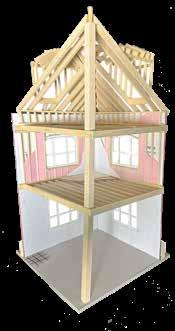
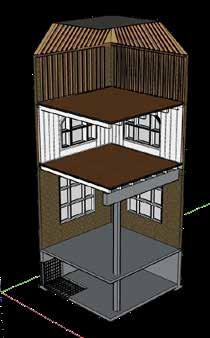
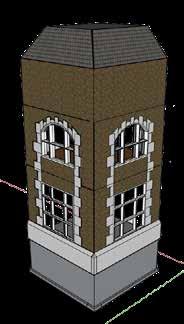
The Freshman Annex, located at the south of the University of Illinois campus, is the home base for freshmen studying architecture. The analytical study explored the building through sections, plans, elevations, and both physical and digital models. This project examined the spatial relationships, materials, and architectural potential for future intervention design.
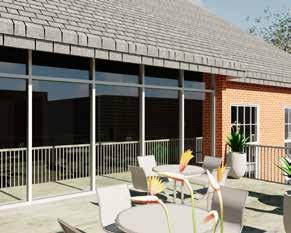
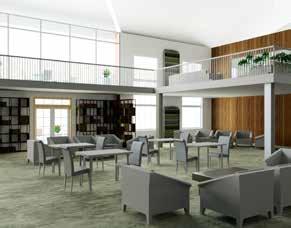
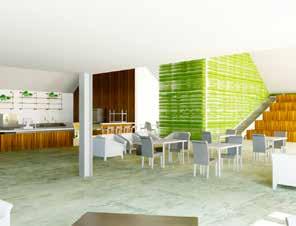
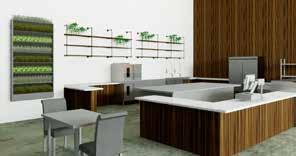
Building on the previous study, this project proposes a wellness-focused interior intervention. Recognizing the demanding nature of architectural education, this intervention introduces spaces for students to support their physical and mental health. The intervention included numerous windows to maximize daylight, enabling the building to reduce its use of artificial lighting. A green wall was incorporated to recirculate indoor air, improving energy efficiency and occupant comfort
spring 2024
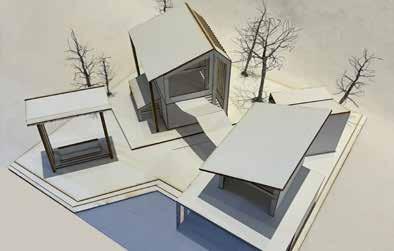
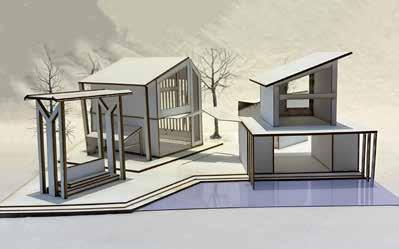
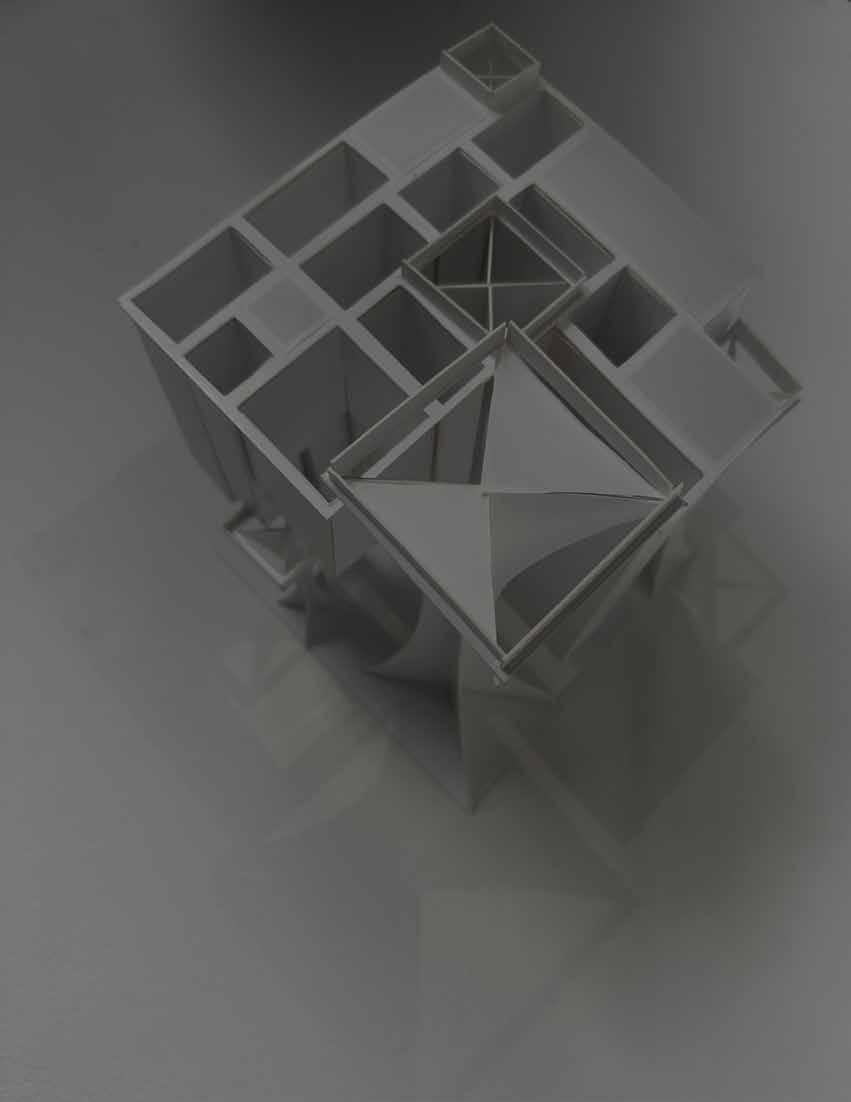
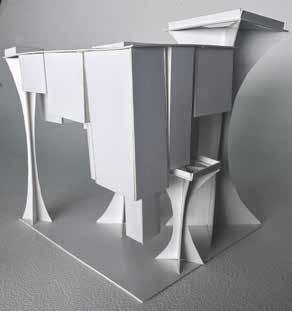
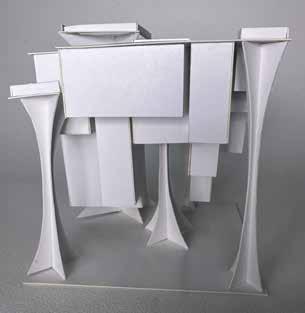
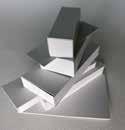
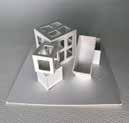
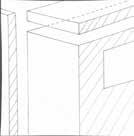
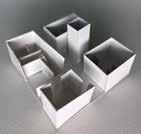
This project was introduced as an exercise to explore how light can affect a space. Research on Eero Saarinen's Miller House indicates that perspective can enable an inhabitant to experience the structure differently. Creating a tall space emits a more powerful and dramatic impression. The introduction of deep and shallow extended cubes allows light to move throughout the space, creating a sense of tranquility and security.
miller house study
spring 2024
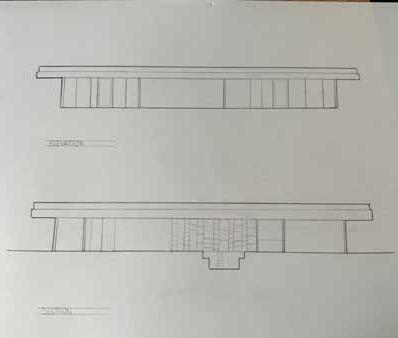
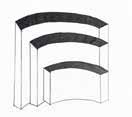
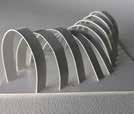
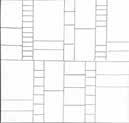
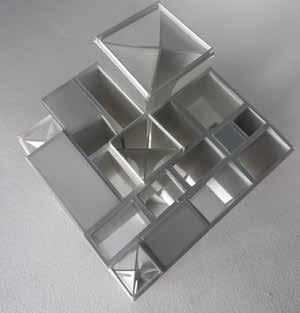
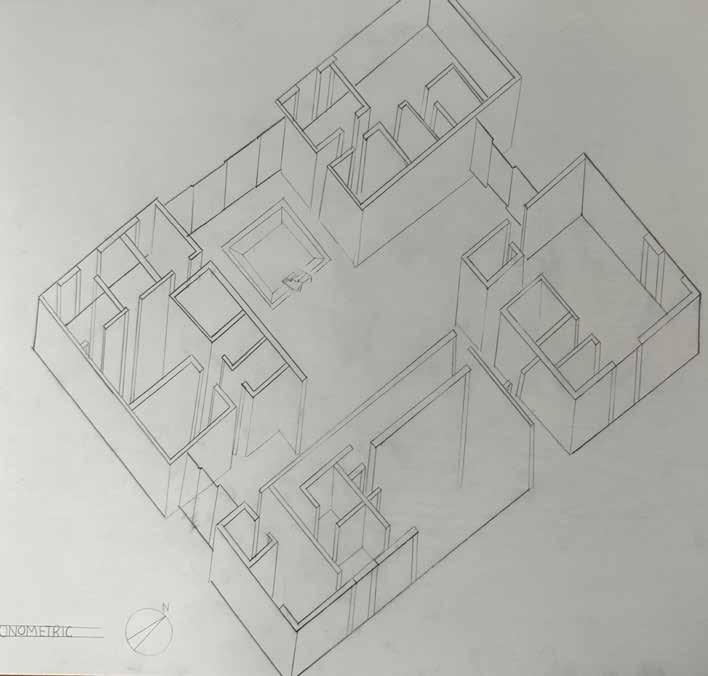
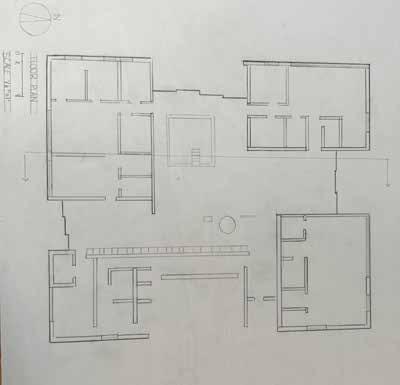
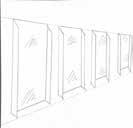
The Miller House, designed by architect Eero Saarinen in Columbus, Indiana, is a mid-century modern home for the Millers. This study was primarily conducted through research and drawing, demonstrating how structure and architecture can come together to create a social and welcoming environment. At the core of this research was Saarinen's sunken conversation pit located centrally to its axis. Due to its sunken nature, it allowed for the landscape and architecture to blend internally. Through proportion and volume, Saarinen creates four flanking spaces that surround the conversation pit, thereby enlarging its scale and importance as the home's centerpiece.
fall 2021
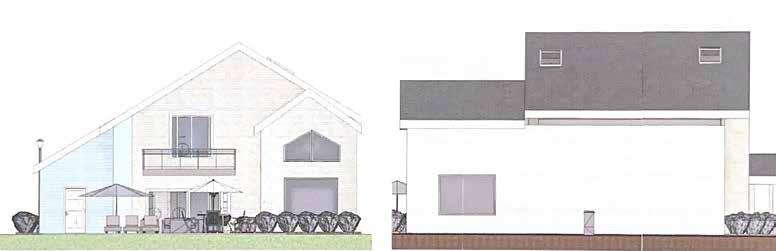
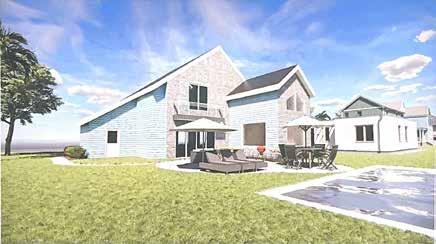
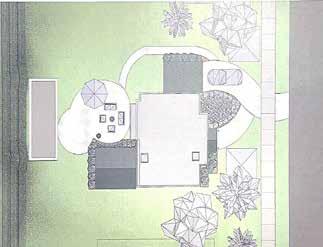
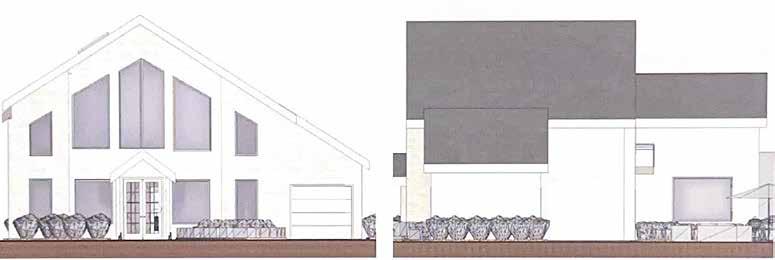
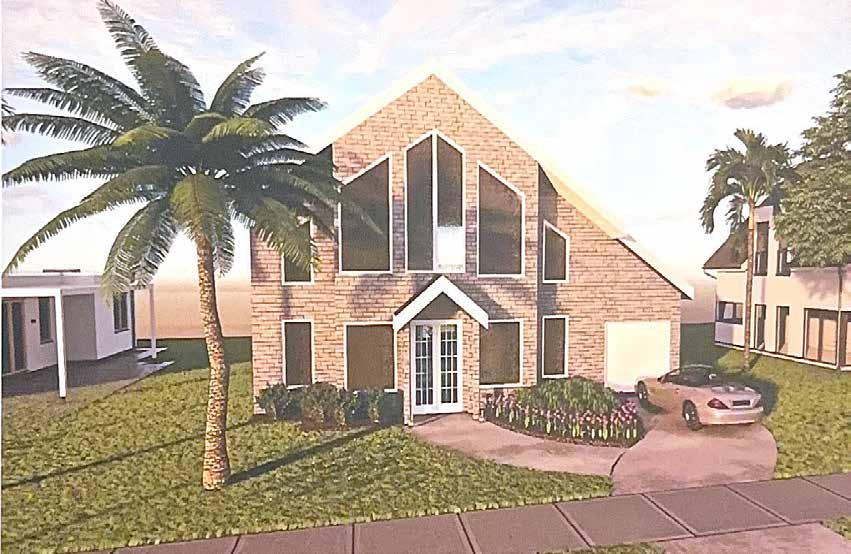
Located at the end of Marco Island, Florida, this community beach home was designed for a family. Due to the state's tropical temperatures, air conditioning costs run high. Thus, the project's main focus was on sustainability. Using sun studies, trees were planted to prevent direct sunlight from striking the home at its harshest hours, reducing potential energy costs.