ACADEMIC STUDYA LEARNING HUB OF MULTISENSORIAL THRESHOLDS
EDUCATION
02
ACADEMIC STUDYAN INHABITATION OF MACAU PALIMPSEST
03
PERSONAL PROJECTA SERENE SANCTUARY FOR MATERNAL CARE
The University of Hong Kong
Bachelor of Arts in Architectural Studies | 2021 - 2025
EXPERIENCE
P&T Group
04
Architectural Assistant (Year-Out) | Aug 2025 - Present FeasibilityStudy,SchematicDesign,DesignDevelopment,ConstructionAdministration
05
TECHNICAL STUDIESHABITABLE HONG KONG
06
EXHIBITION PROJECTINVESTIGATING LOCAL ARTIFICIAL GEOLOGIES PRACTICE EXPERIENCEHEALTHCARE PROJECT
V Design Architects Tony Ip Green Architects
Architectural Intern | Jun - Aug 2024 InteriorDesign,InstallationWorks
Architectural Intern | Jul - Aug 2022 Sustainability
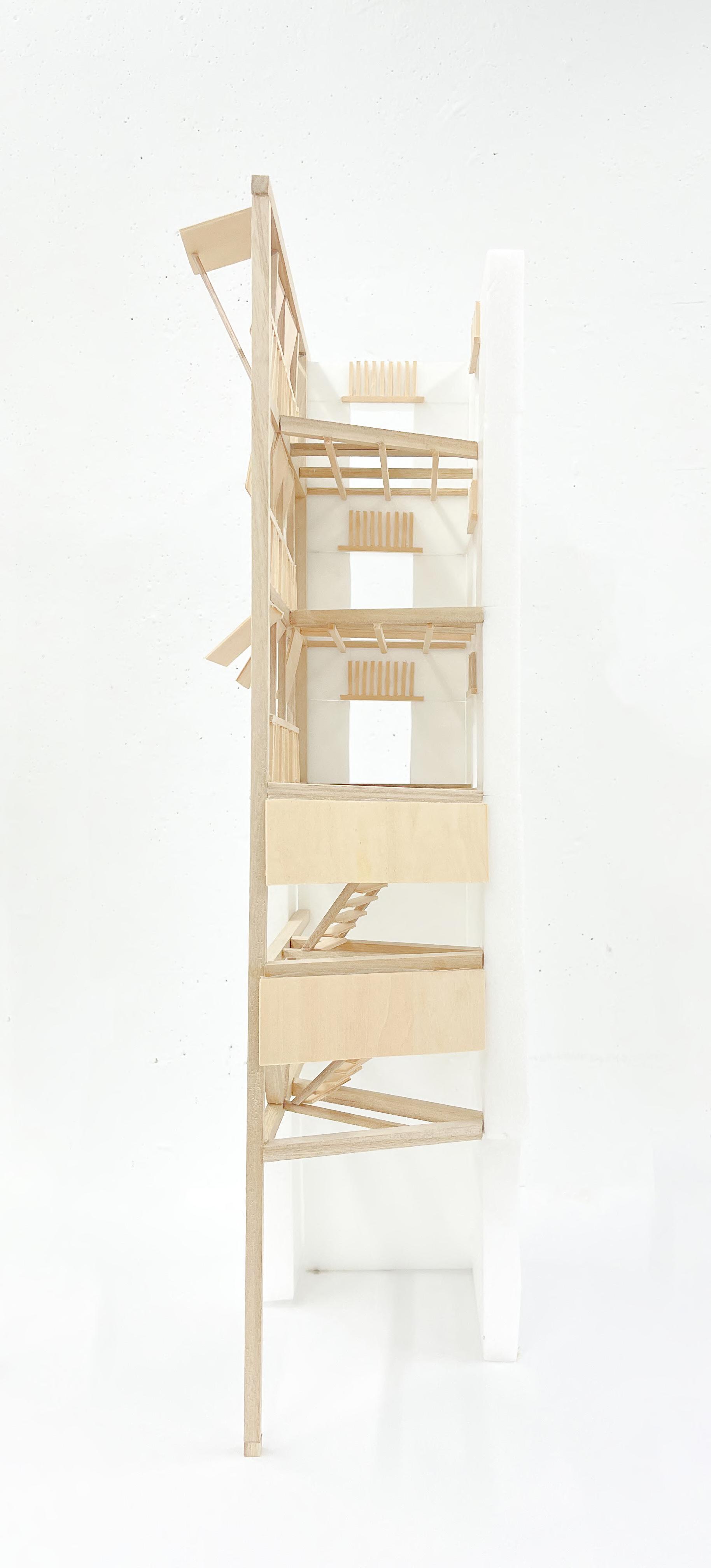
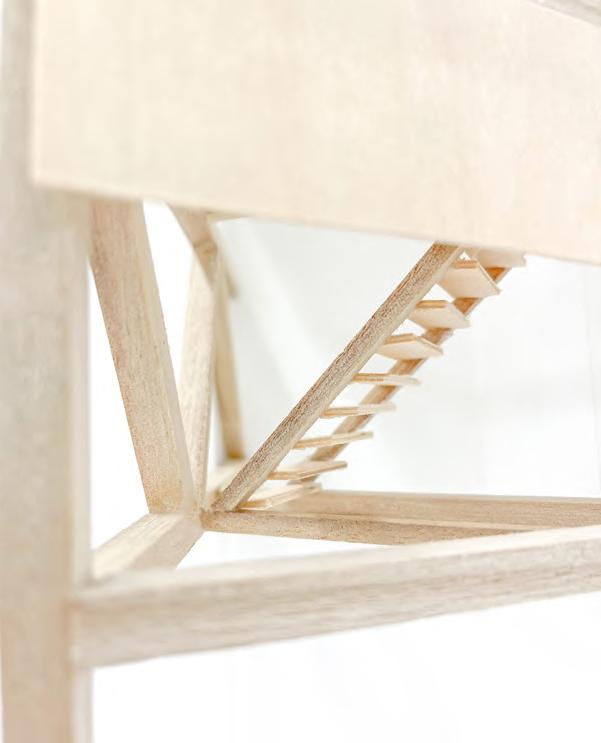
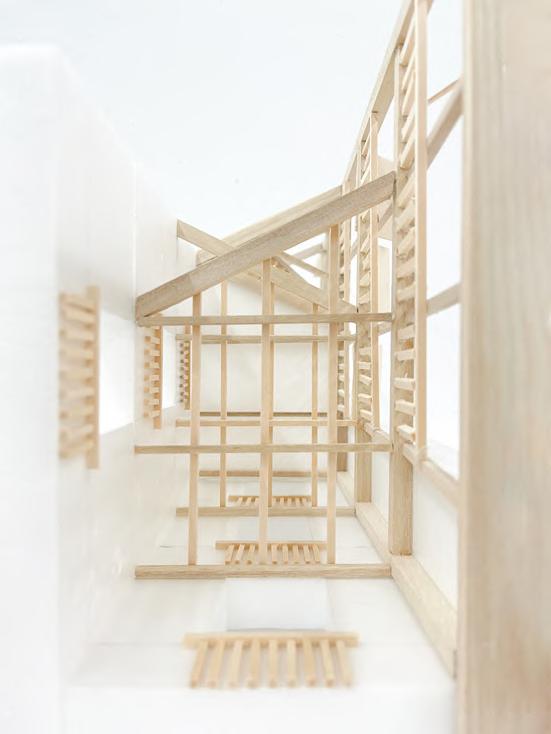
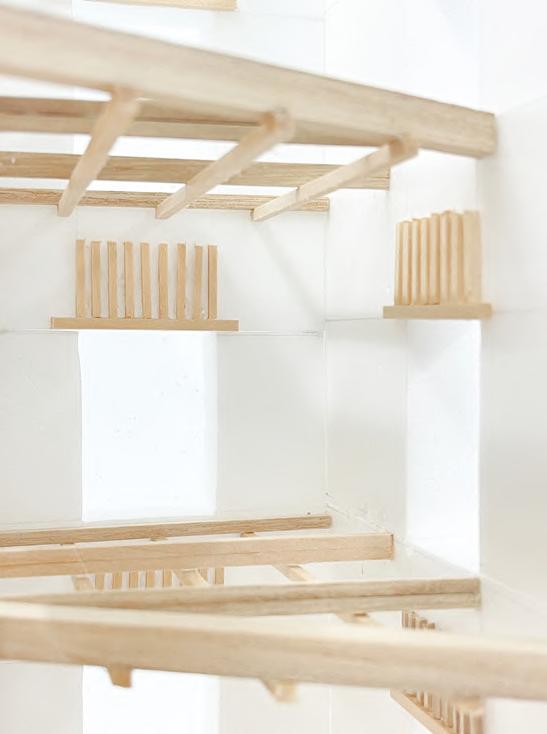
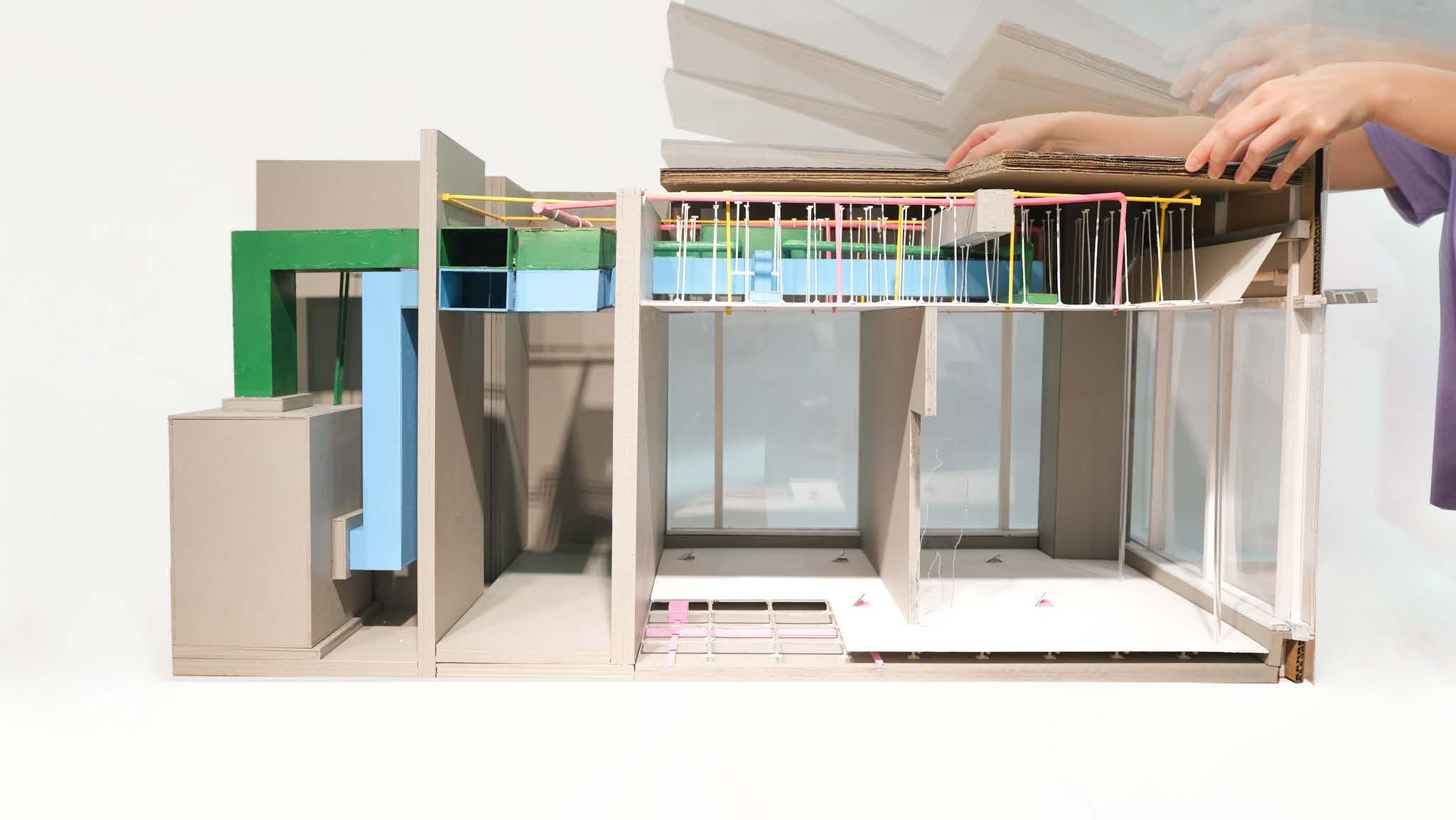
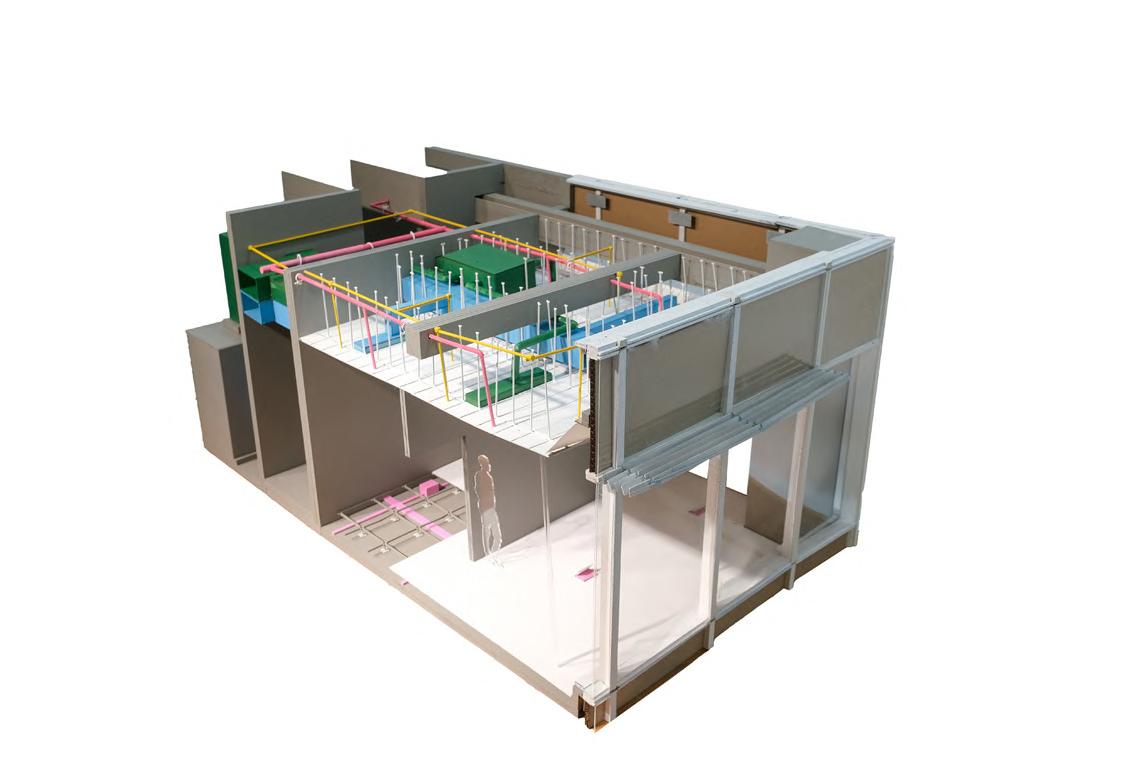
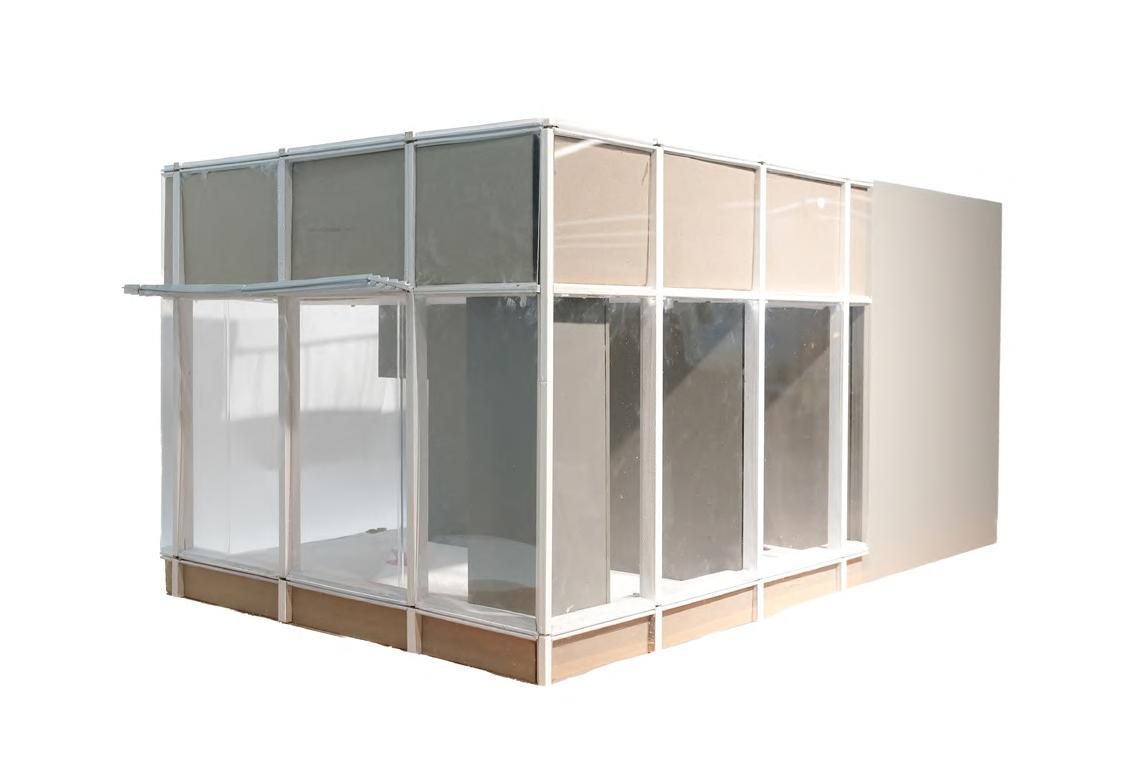
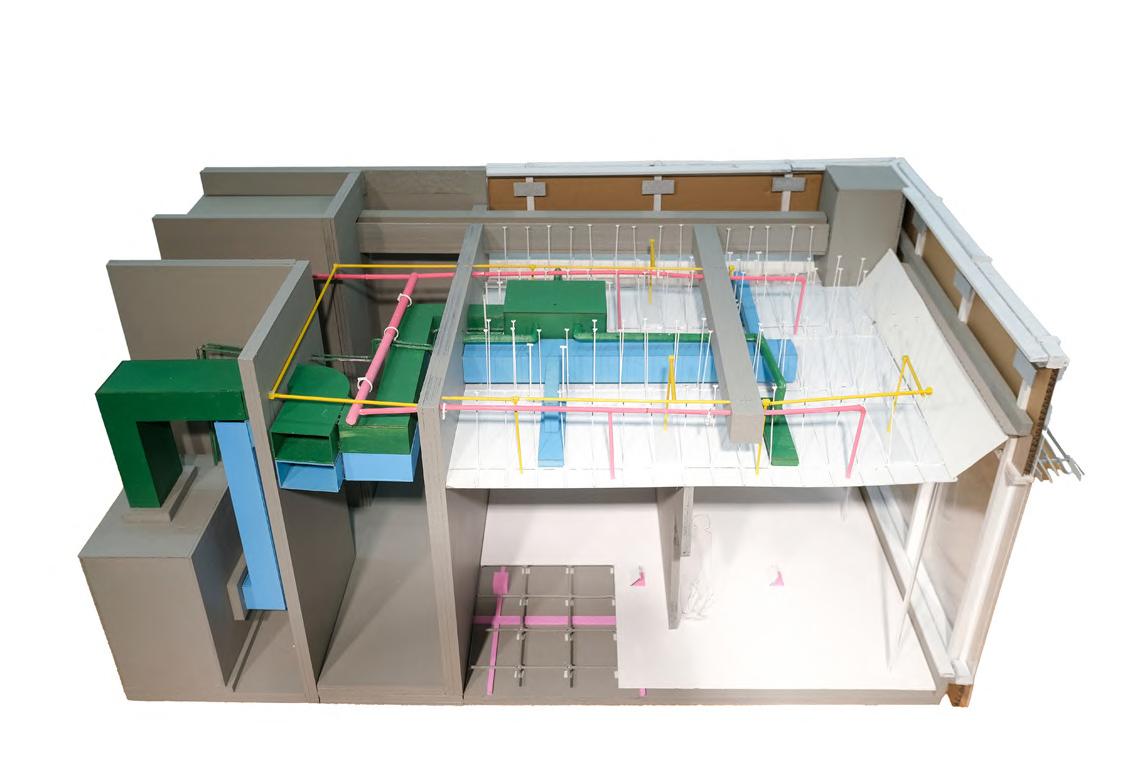
A LEARNING HUB OF MULTISENSORIAL THRESHOLDS
This is (Not) a School. Architecture as Connector between Children and Nature.
Site: Tai O, Hong Kong Academic Study - Spring 2025 ARCH4080 - 1/2 Semester Project
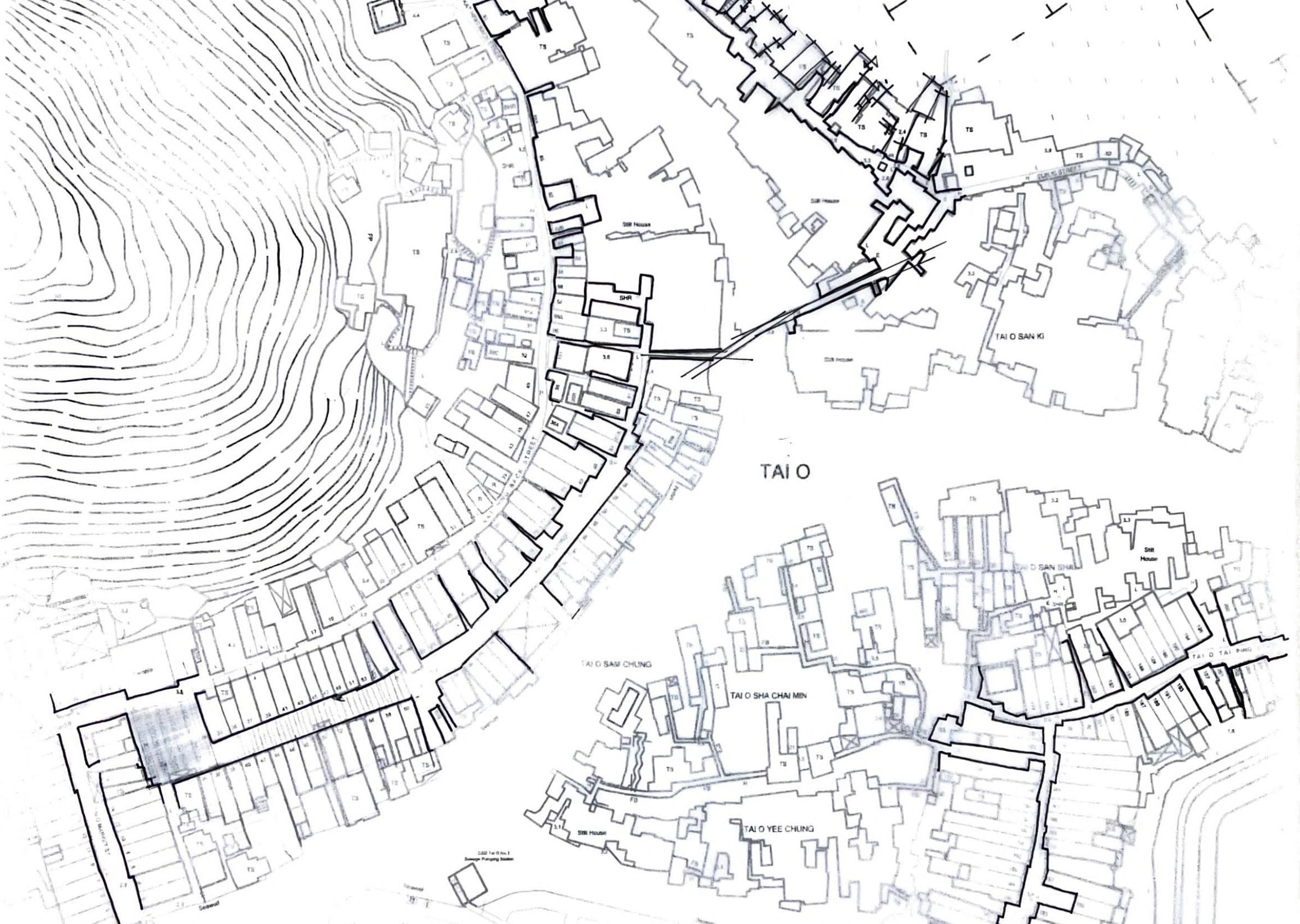
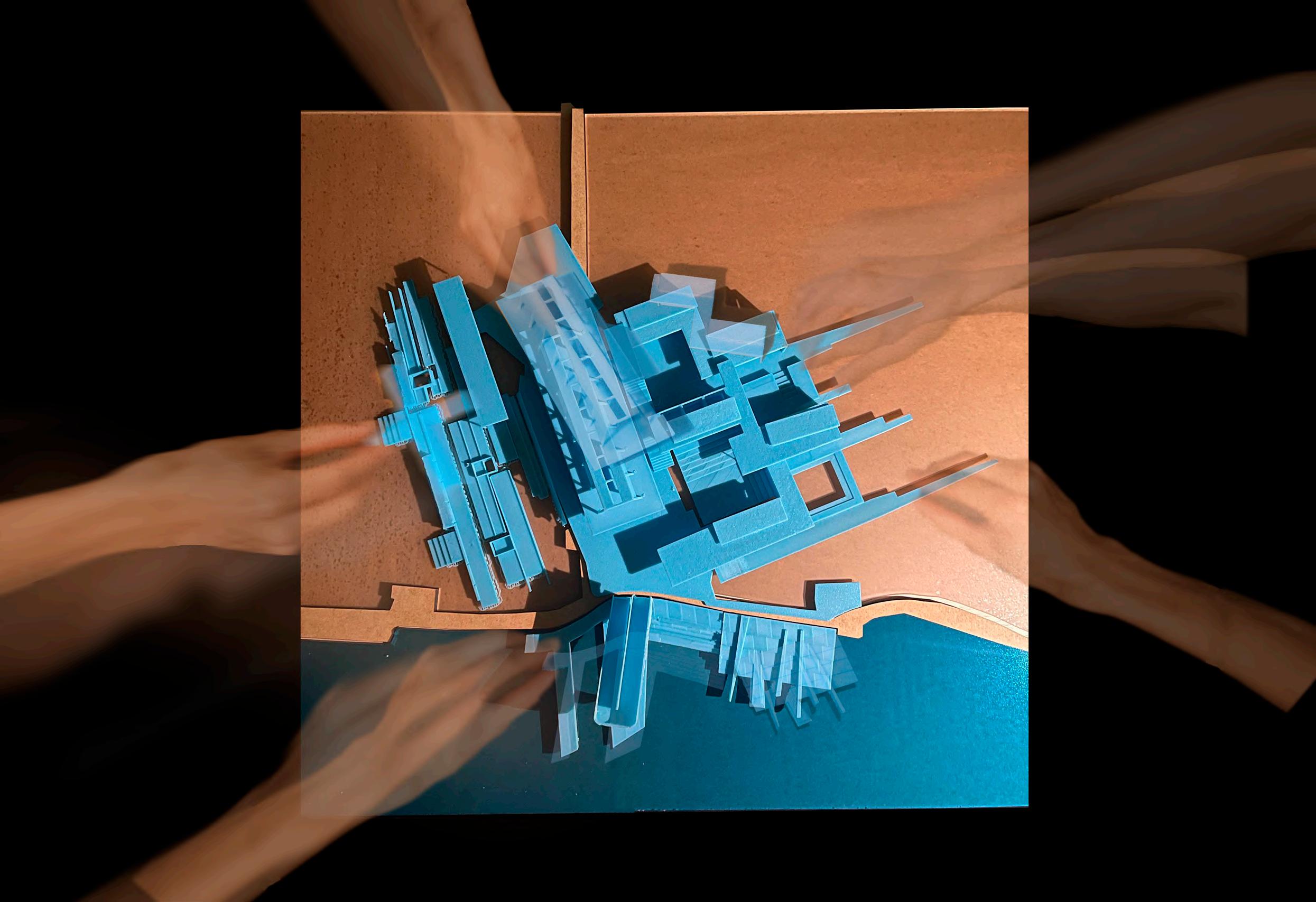
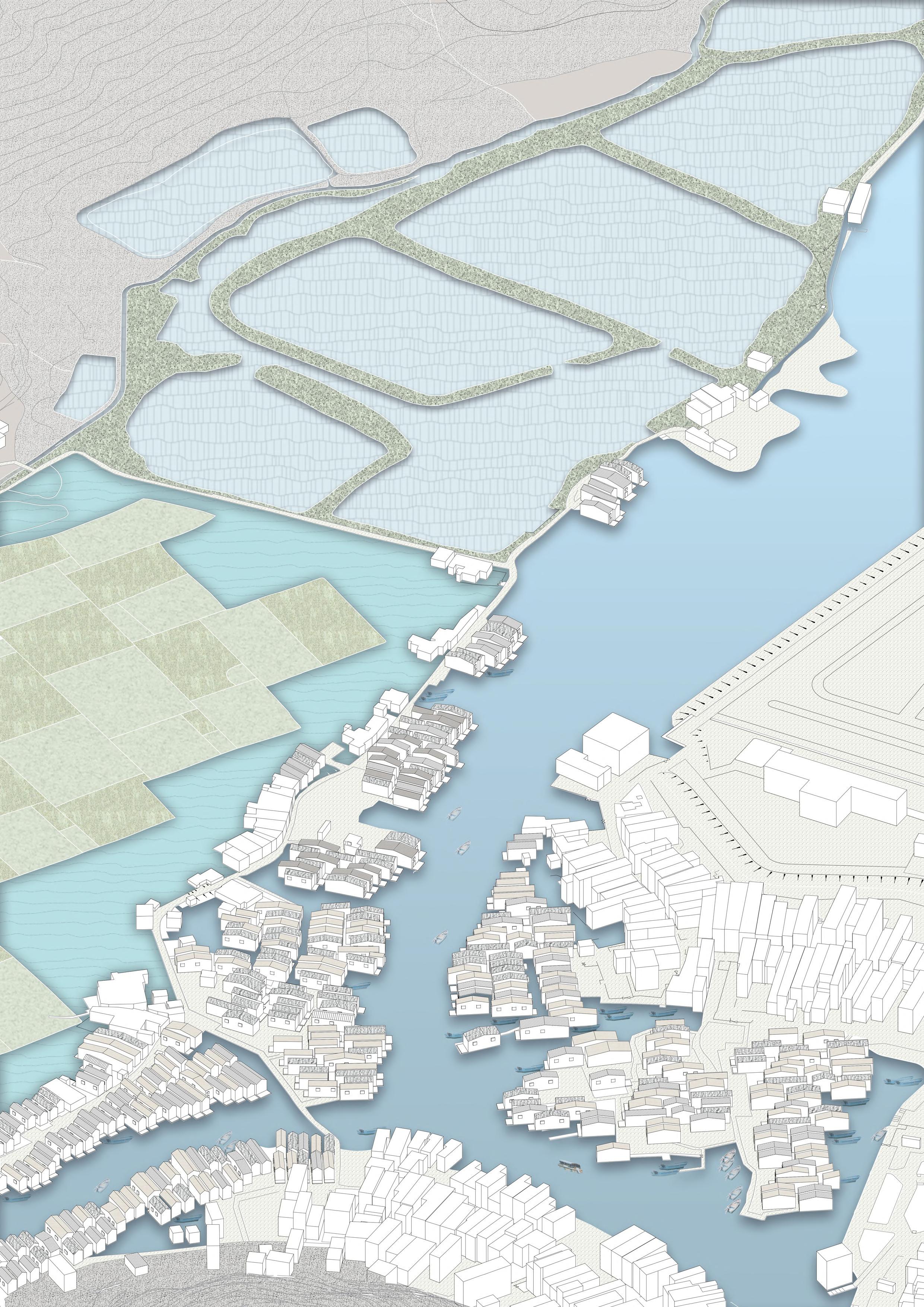
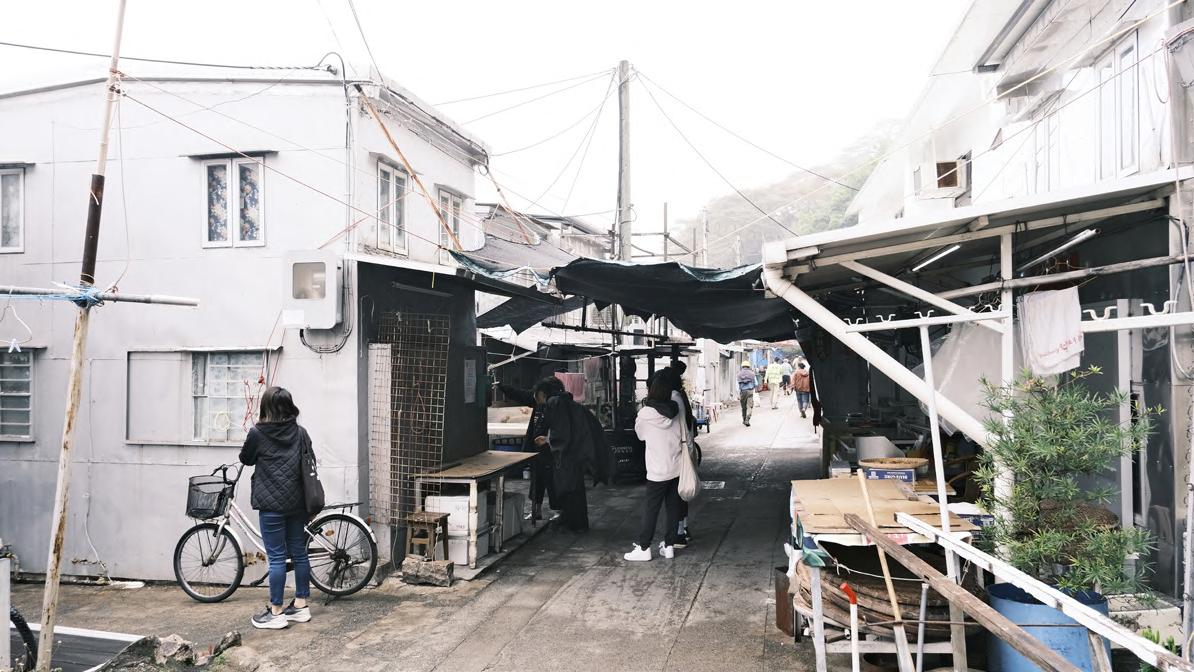
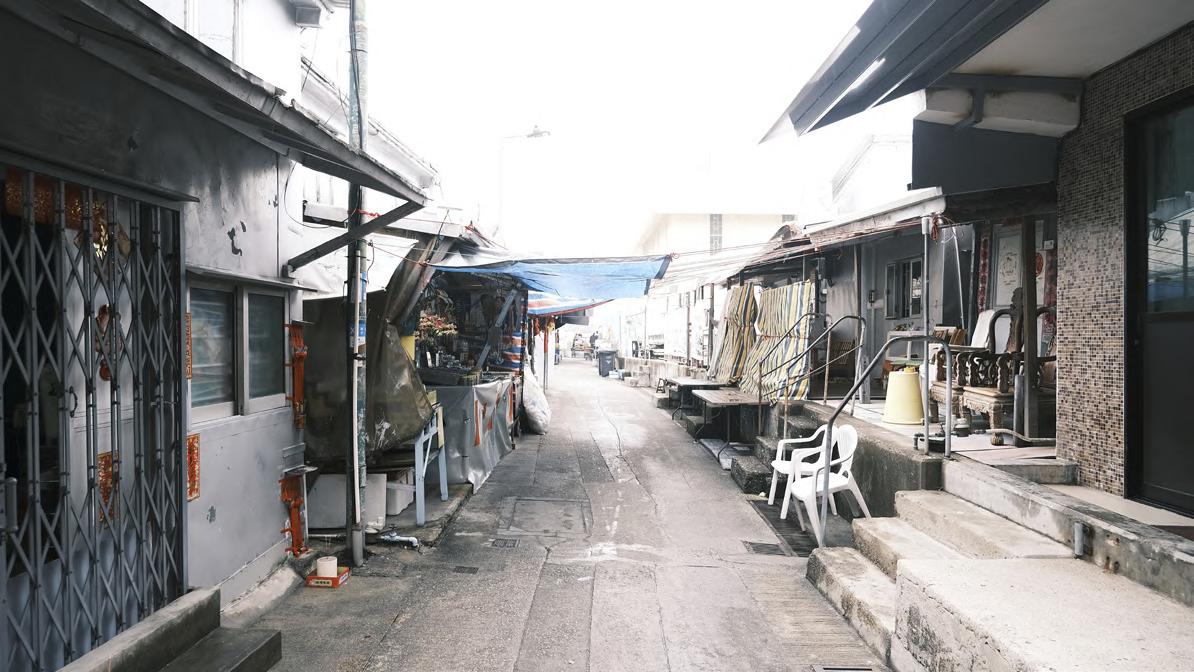
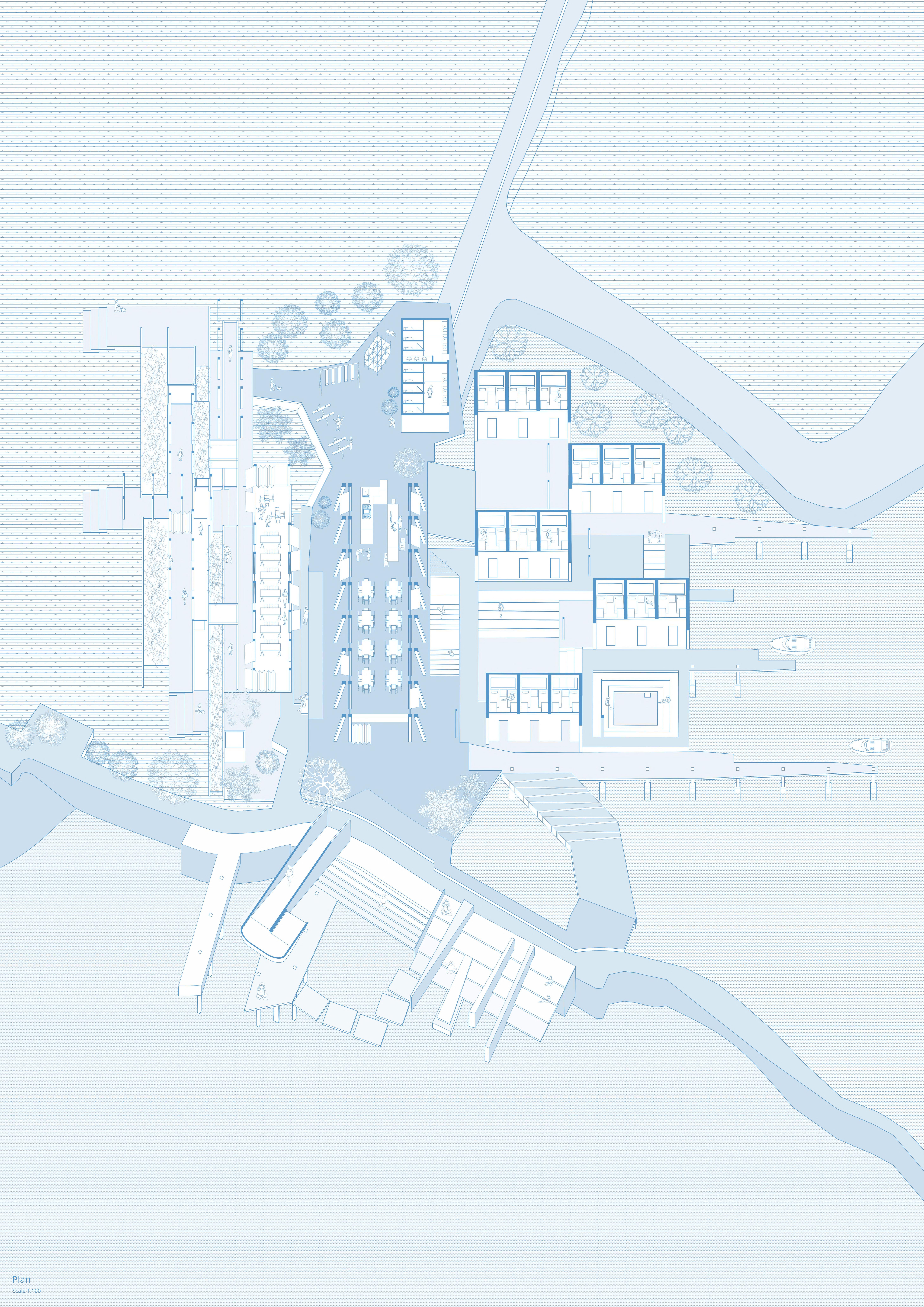
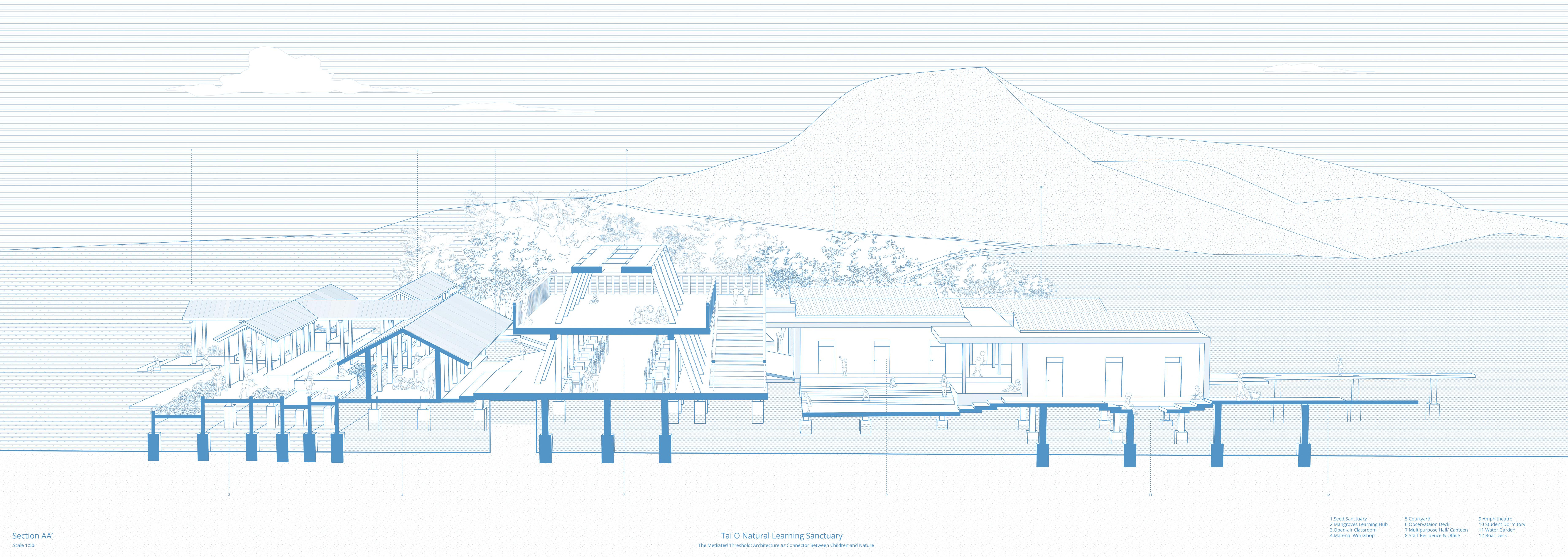
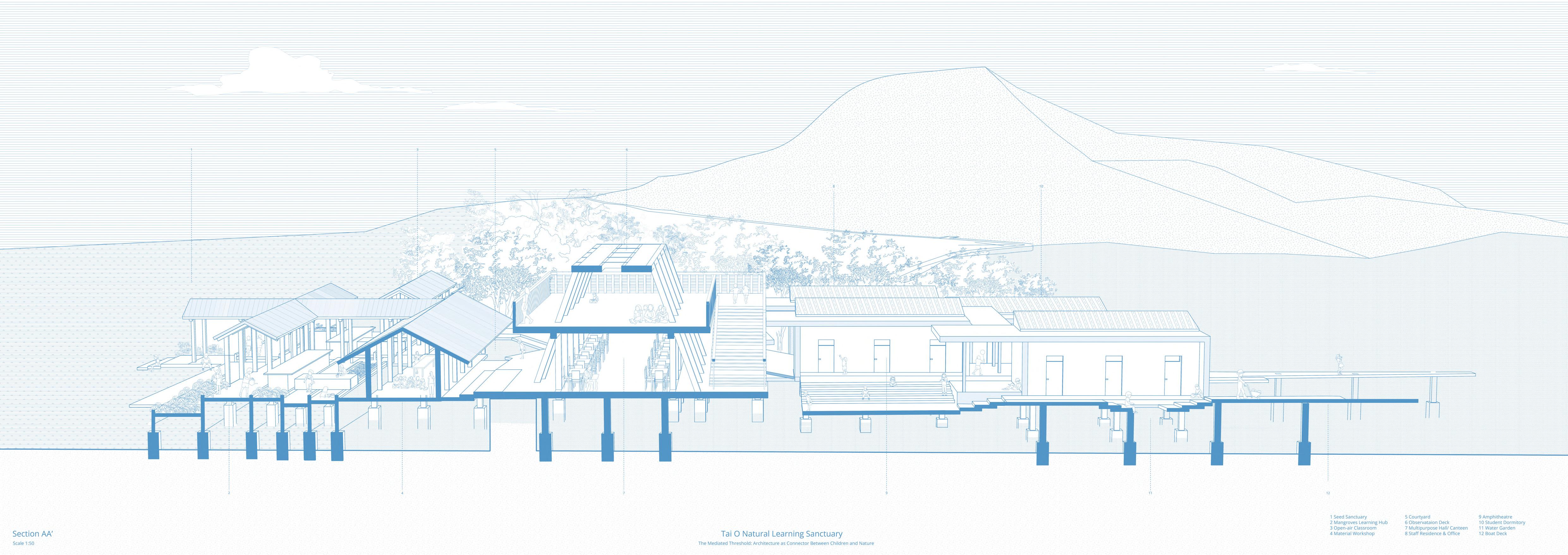
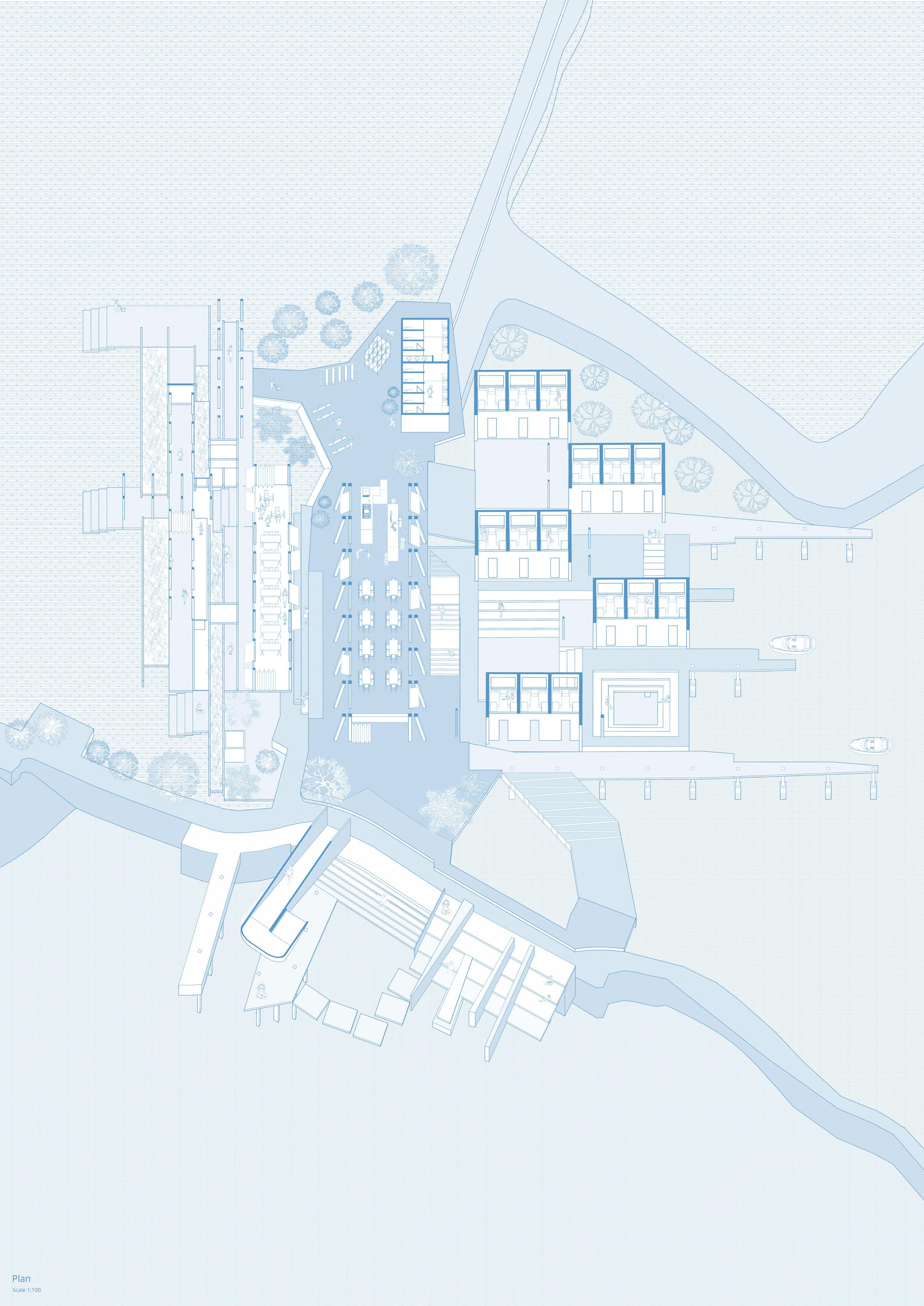
Nestled within the rich ecological tapestry of Tai O—a village defined by its mangroves, marshes, mountains, rivers and more—this project reimagines education as an inclusive, immersive experience that harmonizes with its natural context. This project envisions a school that transcends traditional boundaries, offering a holistic, inclusive, and immersive learning experience. By embracing Tai O’s natural and cultural heritage, the design inspires students to become empathetic, environmentally conscious, and lifelong learners, rooted in the wonders of their surroundings. The school is designed to be a sanctuary for all learners, who often struggle in conventional educational settings. By integrating sensory-rich spaces, the design fosters environmental awareness, emotional intelligence, and a lifelong connection to nature.
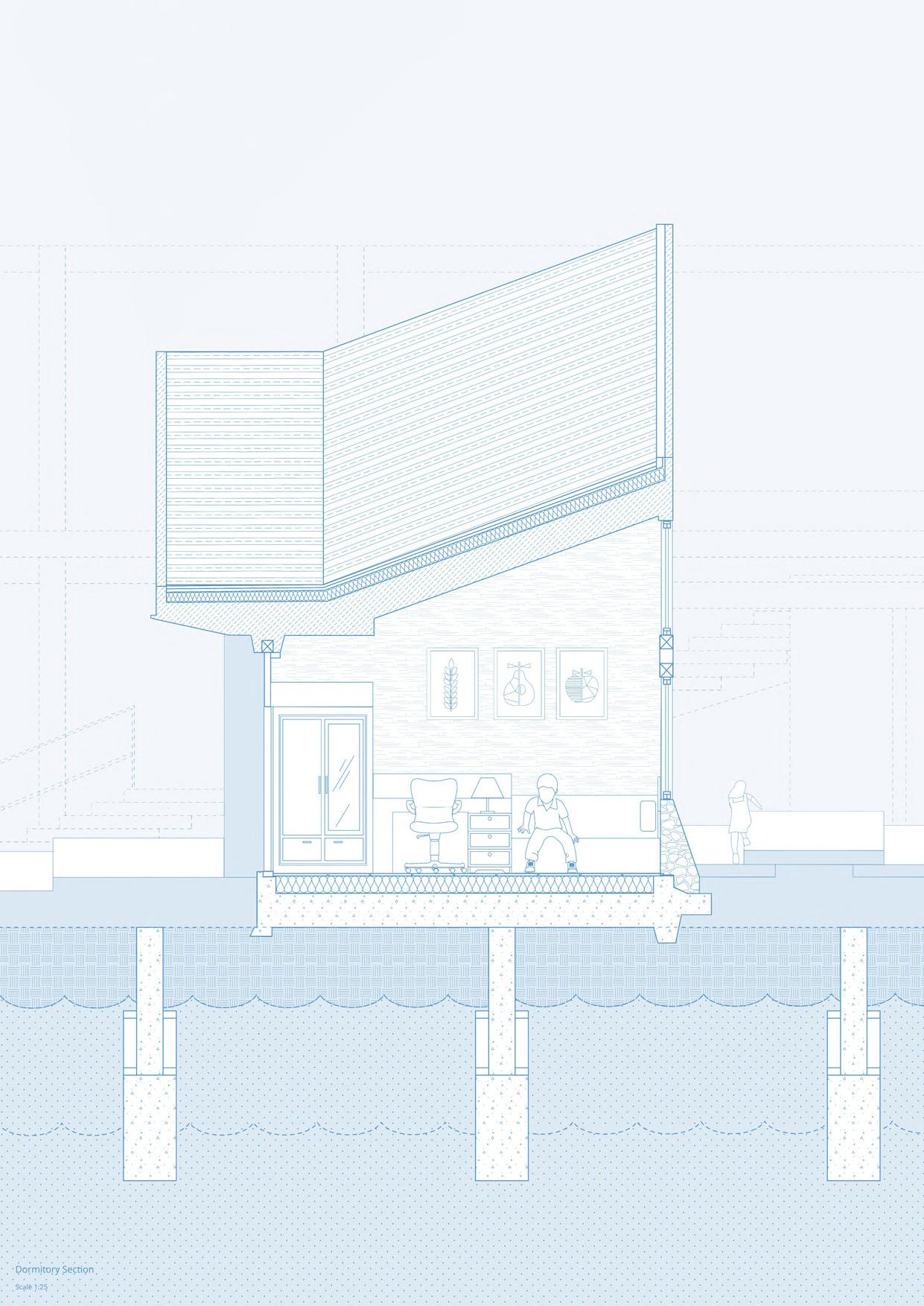
The programs are deeply rooted in Tai O’s landscape, with open-air classrooms, student dormitory, elevated walkways through mangroves, and observation decks overlooking the river. Sensory gardens, tactile pathways, and interactive water features engage students with ADHD, providing calming yet stimulating environments that cater to their unique needs. The design emphasizes inclusivity, with flexible, multi-sensory spaces that adapt to diverse learning styles and abilities. The mangrove walkways and water platforms threading through the Tai O school aren’t just circulation paths; they’re social condensers where chance encounters between students, fishermen, and conservationists spark unexpected lessons.
The programs are deeply rooted in Tai O’s landscape, with openair classrooms, student dormitory, elevated walkways through mangroves, and observation decks overlooking the river. Sensory gardens, tactile pathways, and interactive water features engage students with various needs, providing calming yet stimulating environments that cater to their unique needs. The design emphasizes inclusivity, with flexible, multi-sensory spaces that adapt to diverse learning styles and abilities. The mangrove walkways and water platforms threading through the Tai O school aren’t just circulation paths; they’re social condensers where chance encounters between students, fishermen, and conservationists spark unexpected lessons.
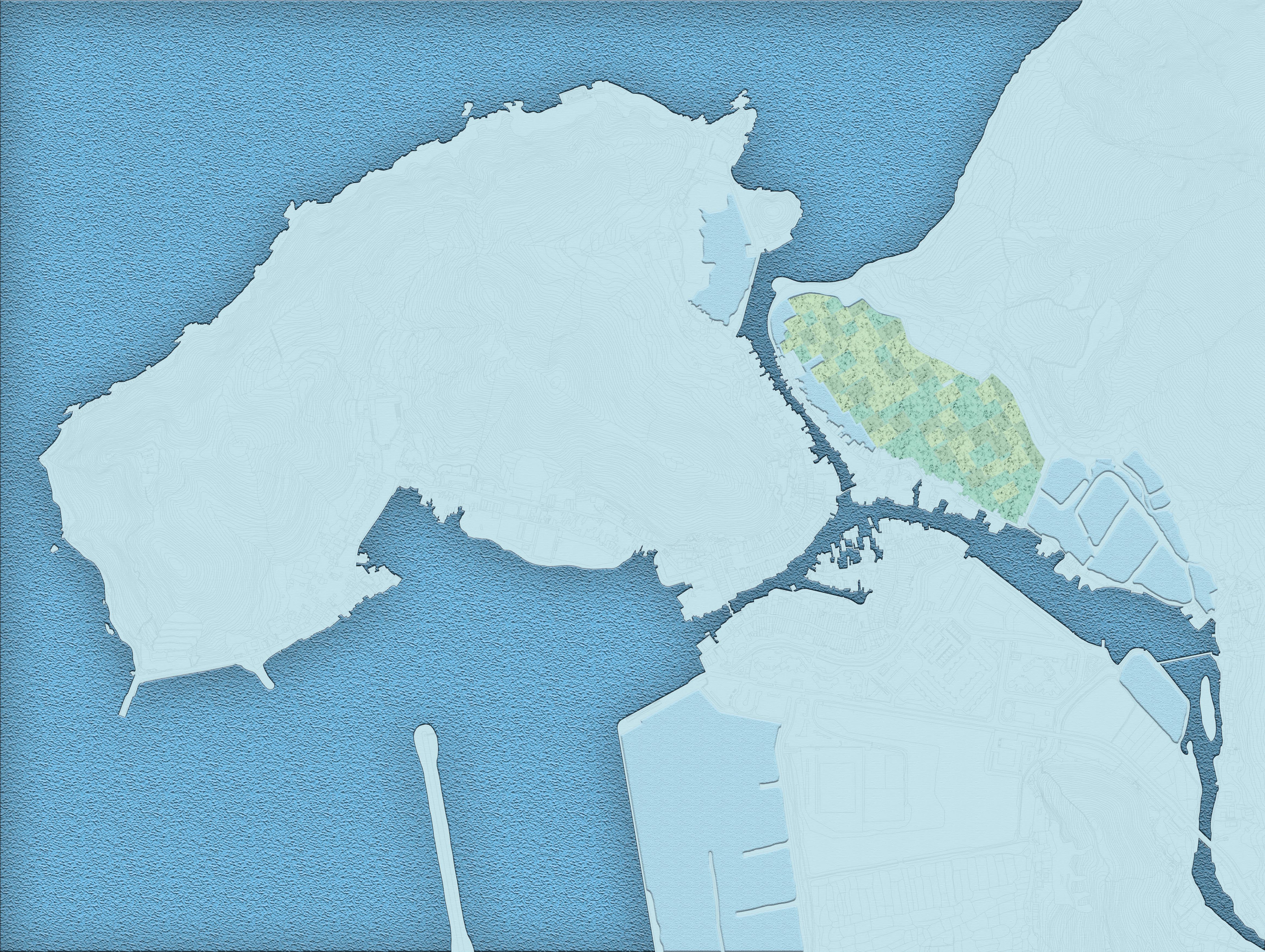
Selected Site
Mangroves
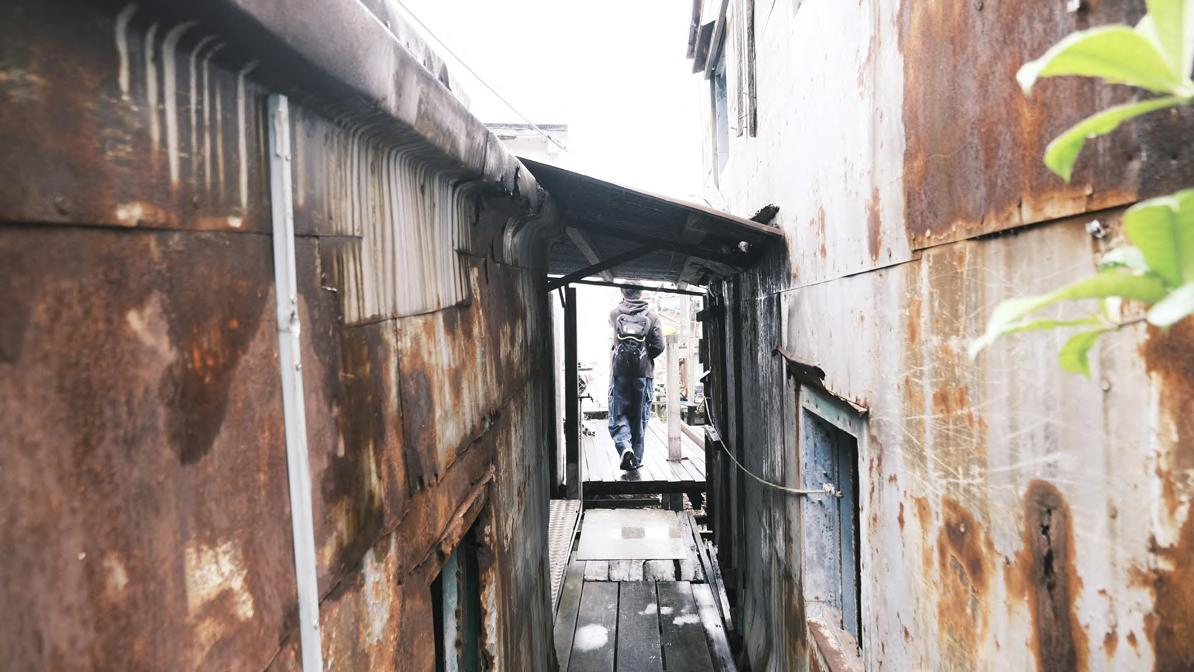
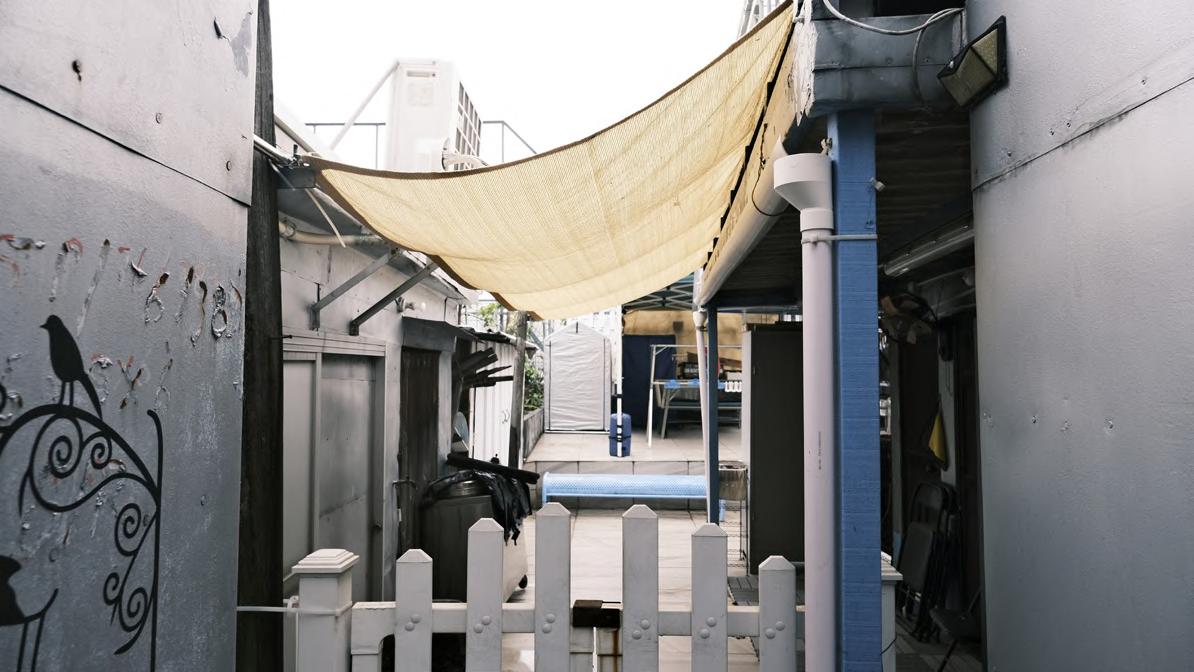
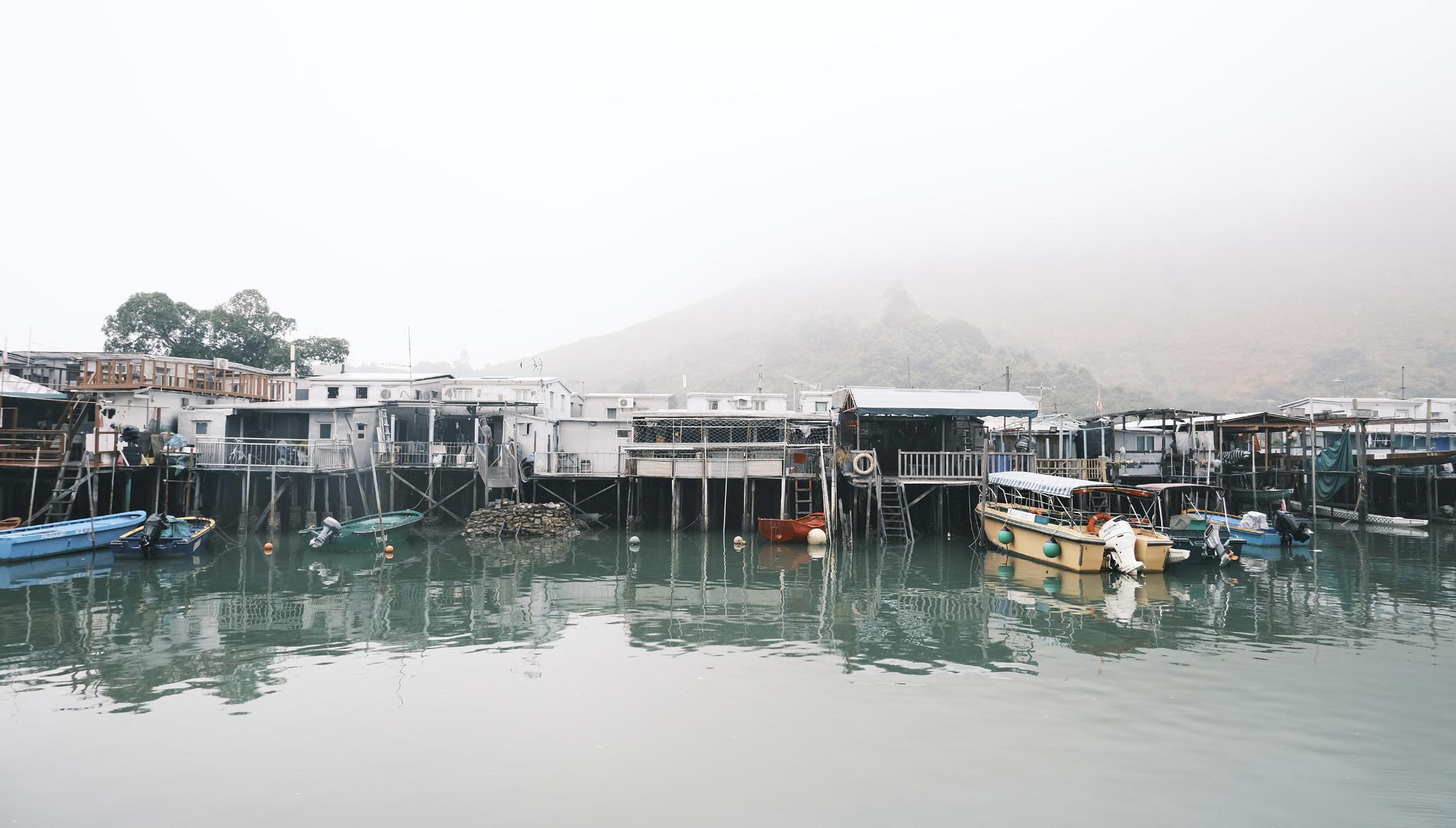
Stilt Houses
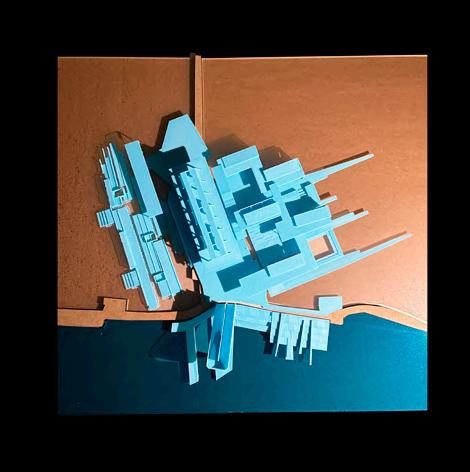
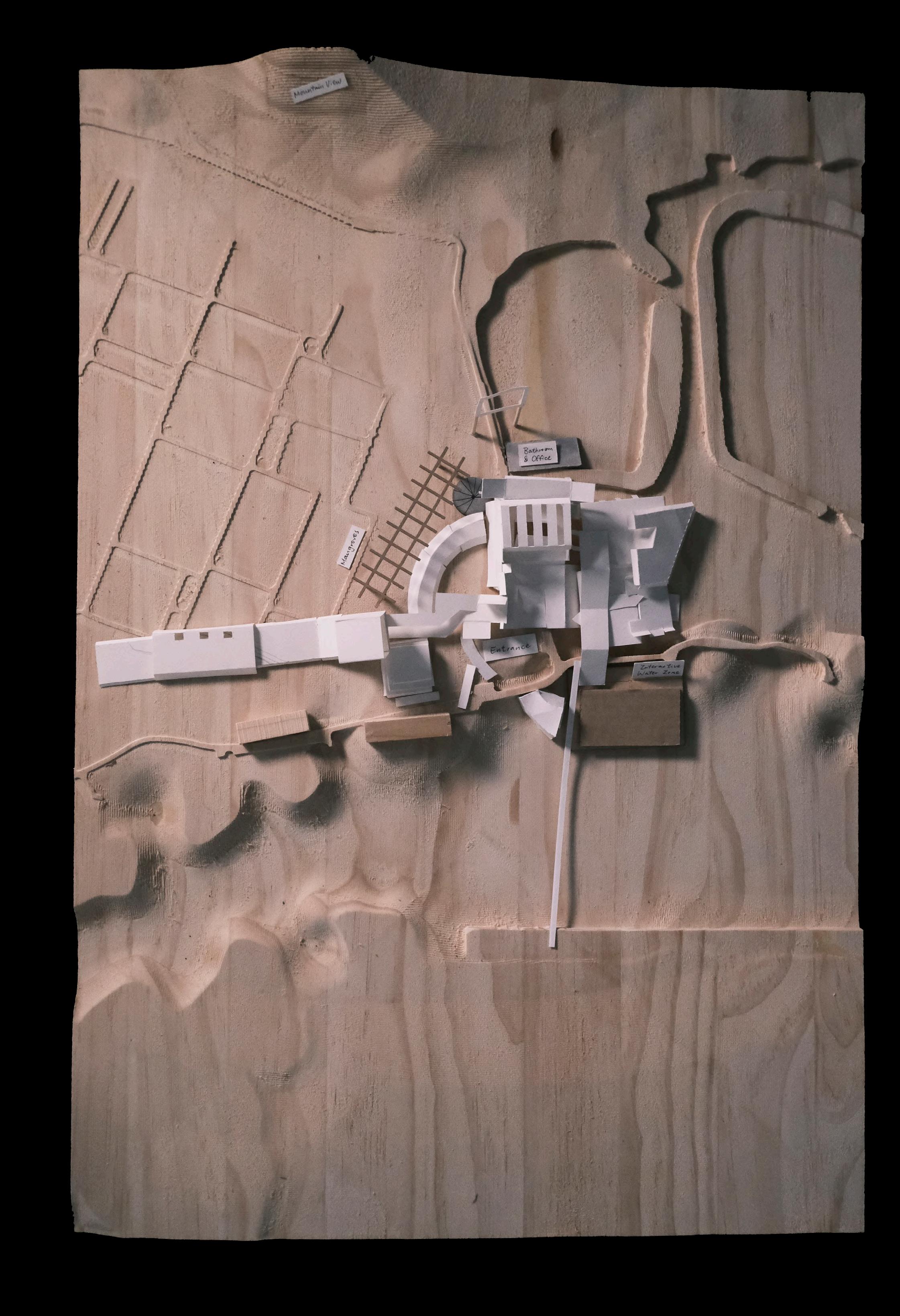
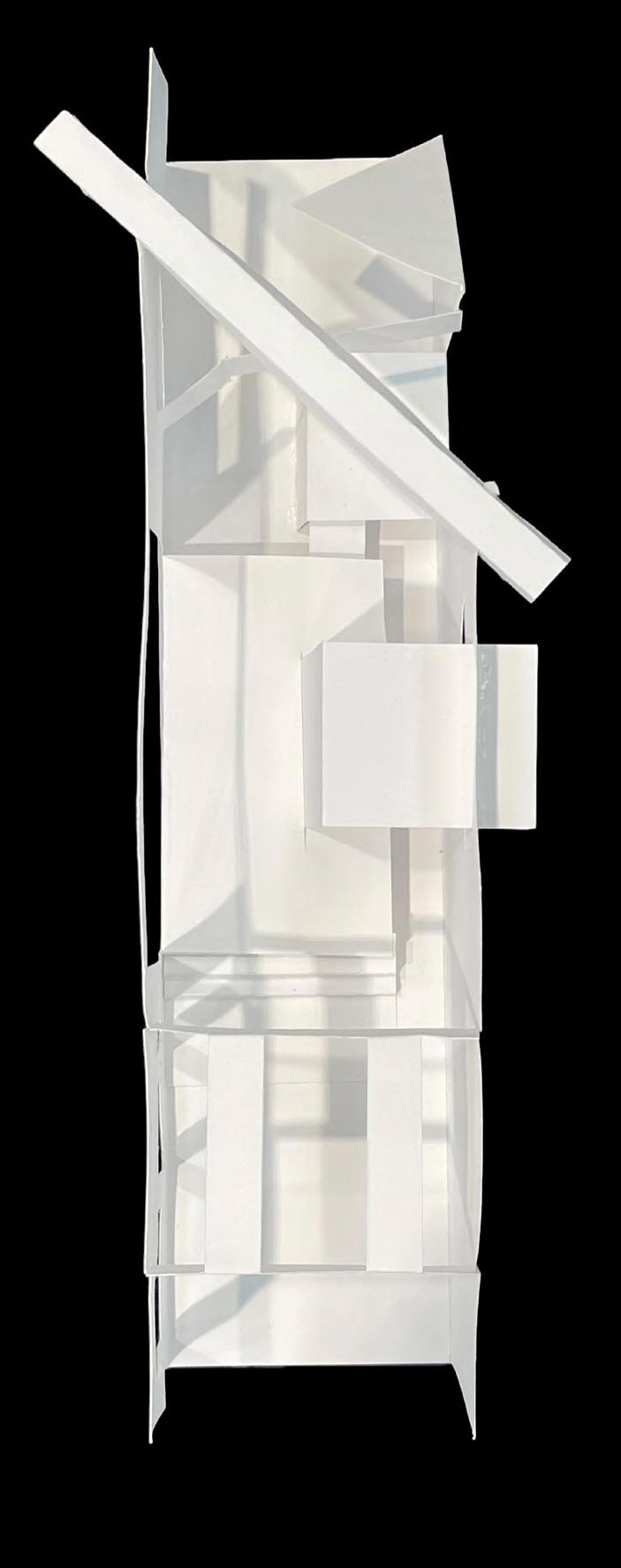
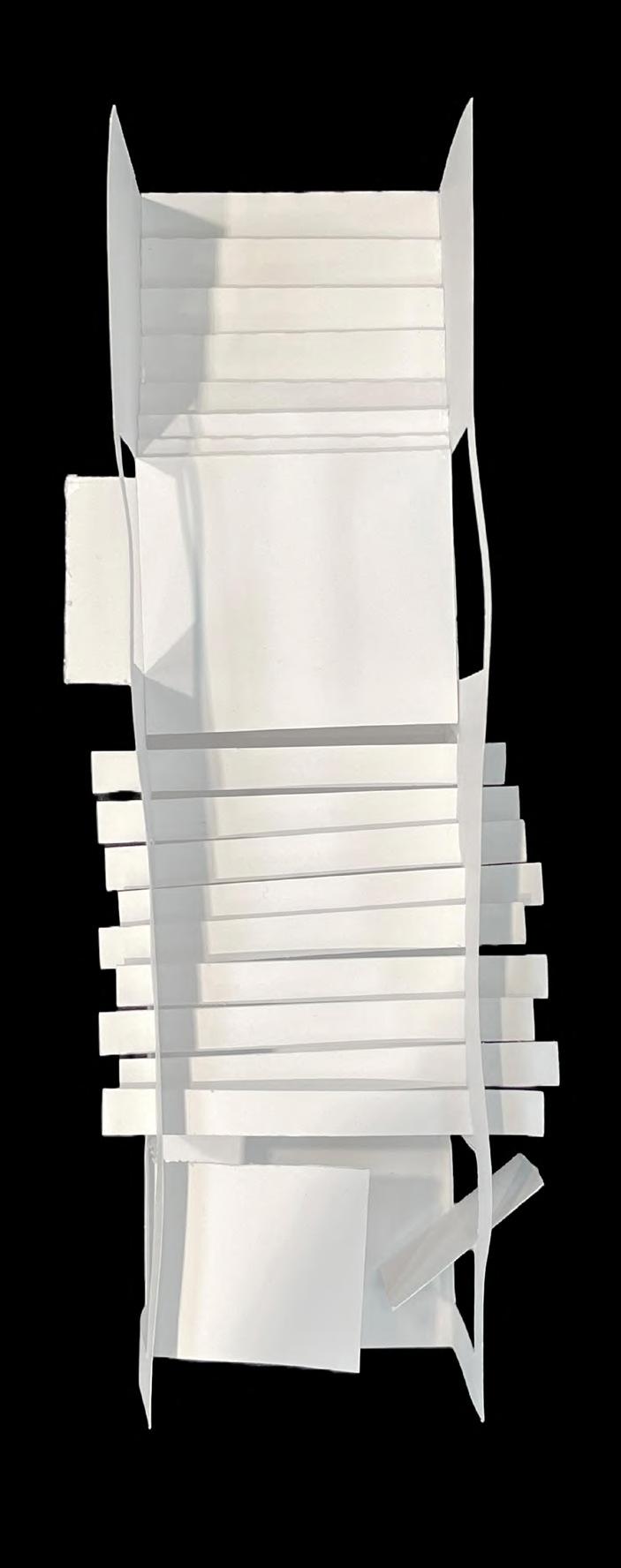
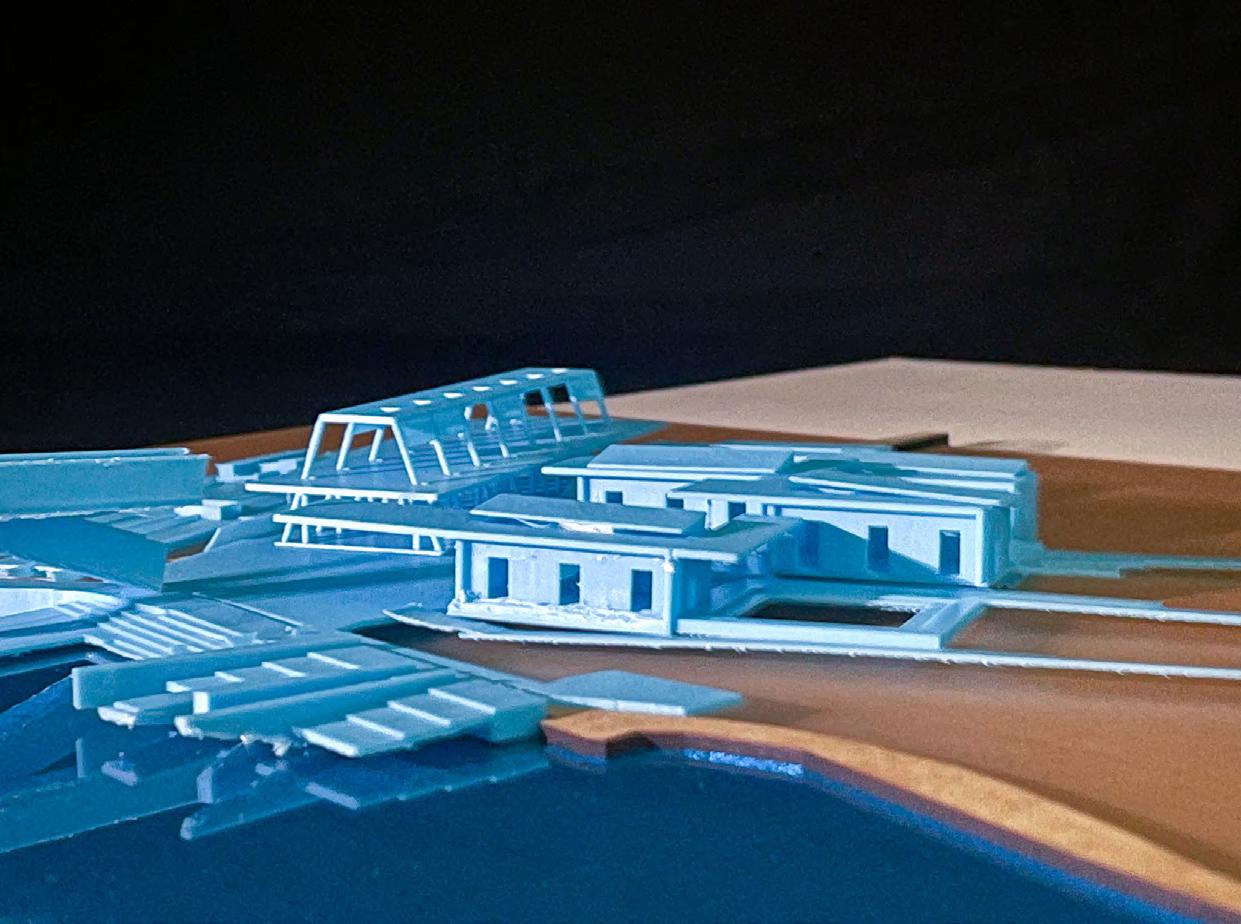
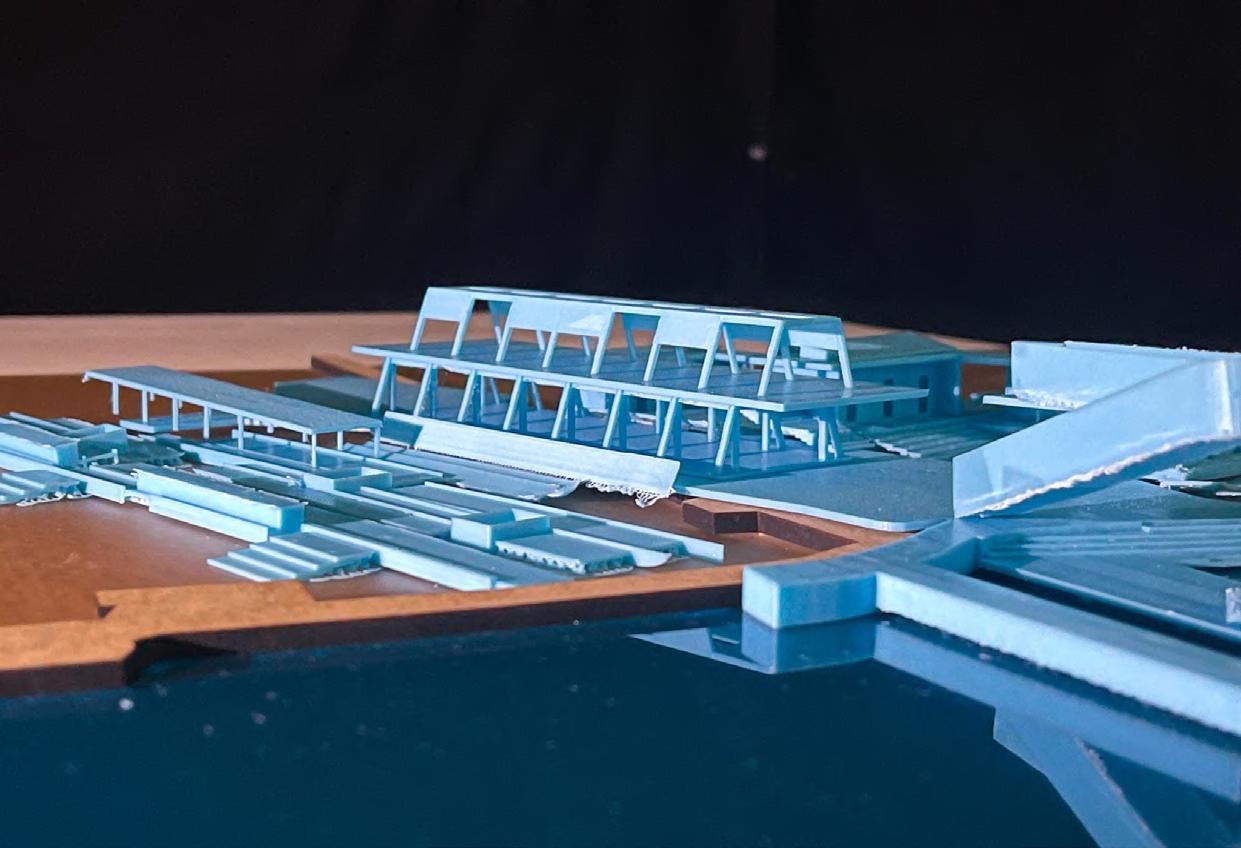
Progress Model
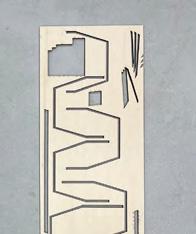
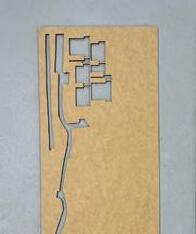
Experimenting with paper-cut pieces on CNC wood base
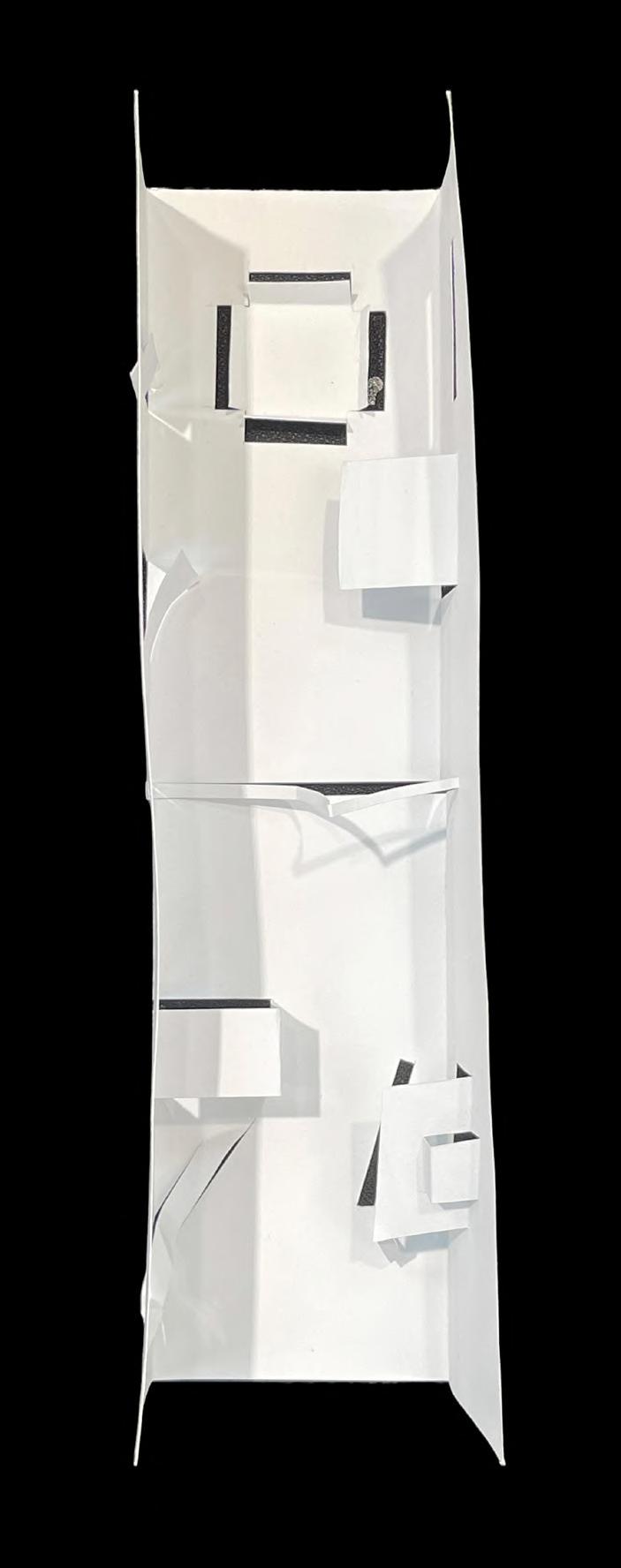
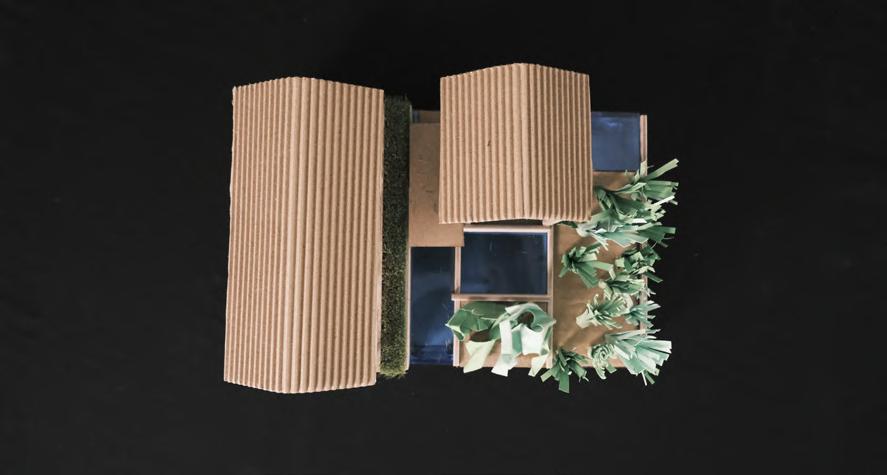
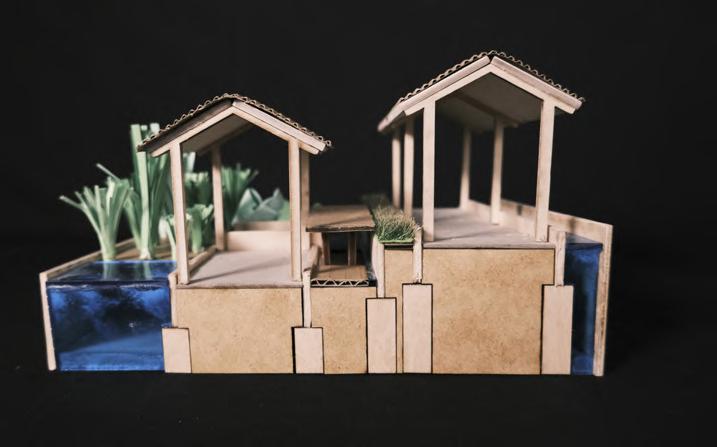
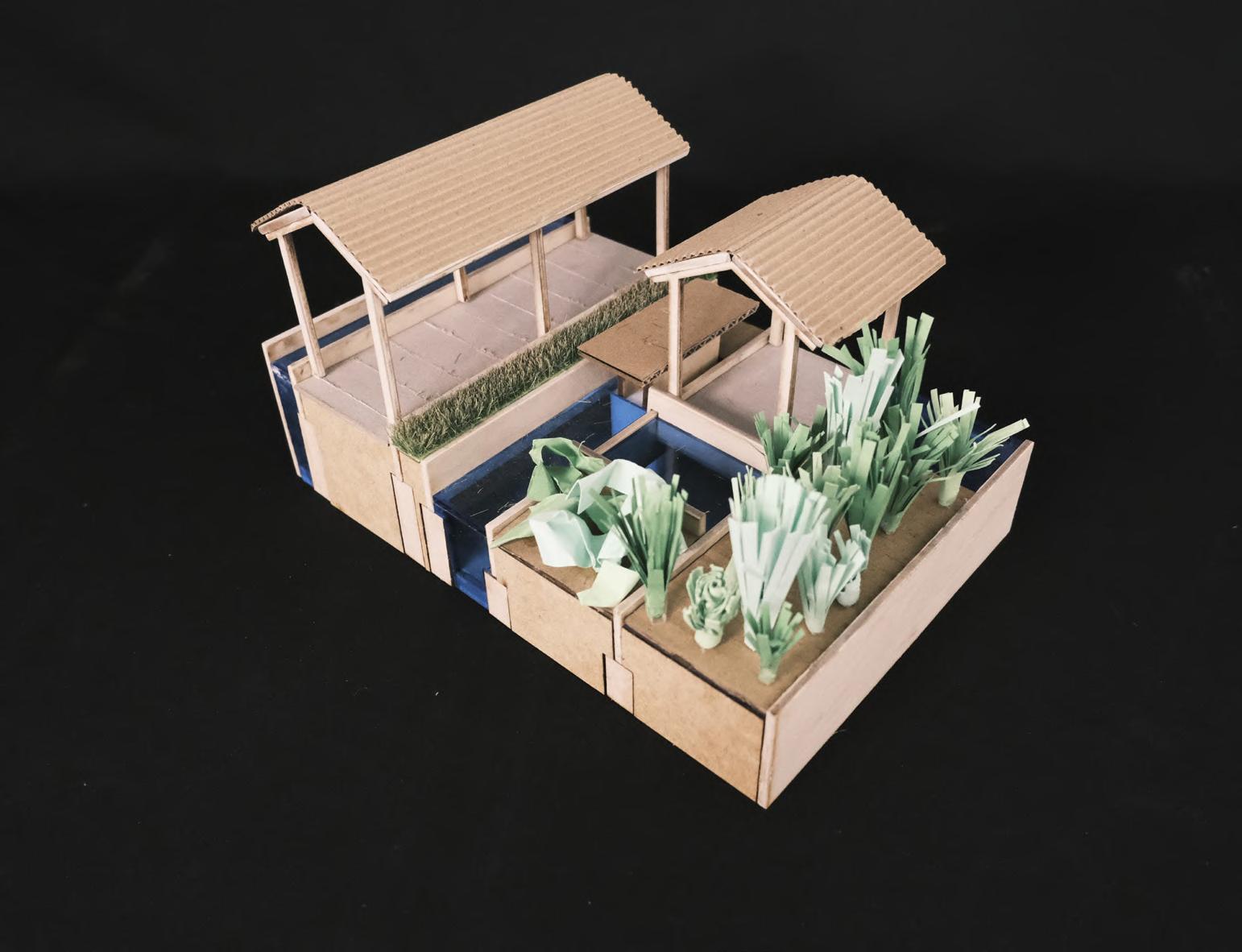
Conceptual models showing thredholds 1) through apertures; 2) through zones; 3) through levels
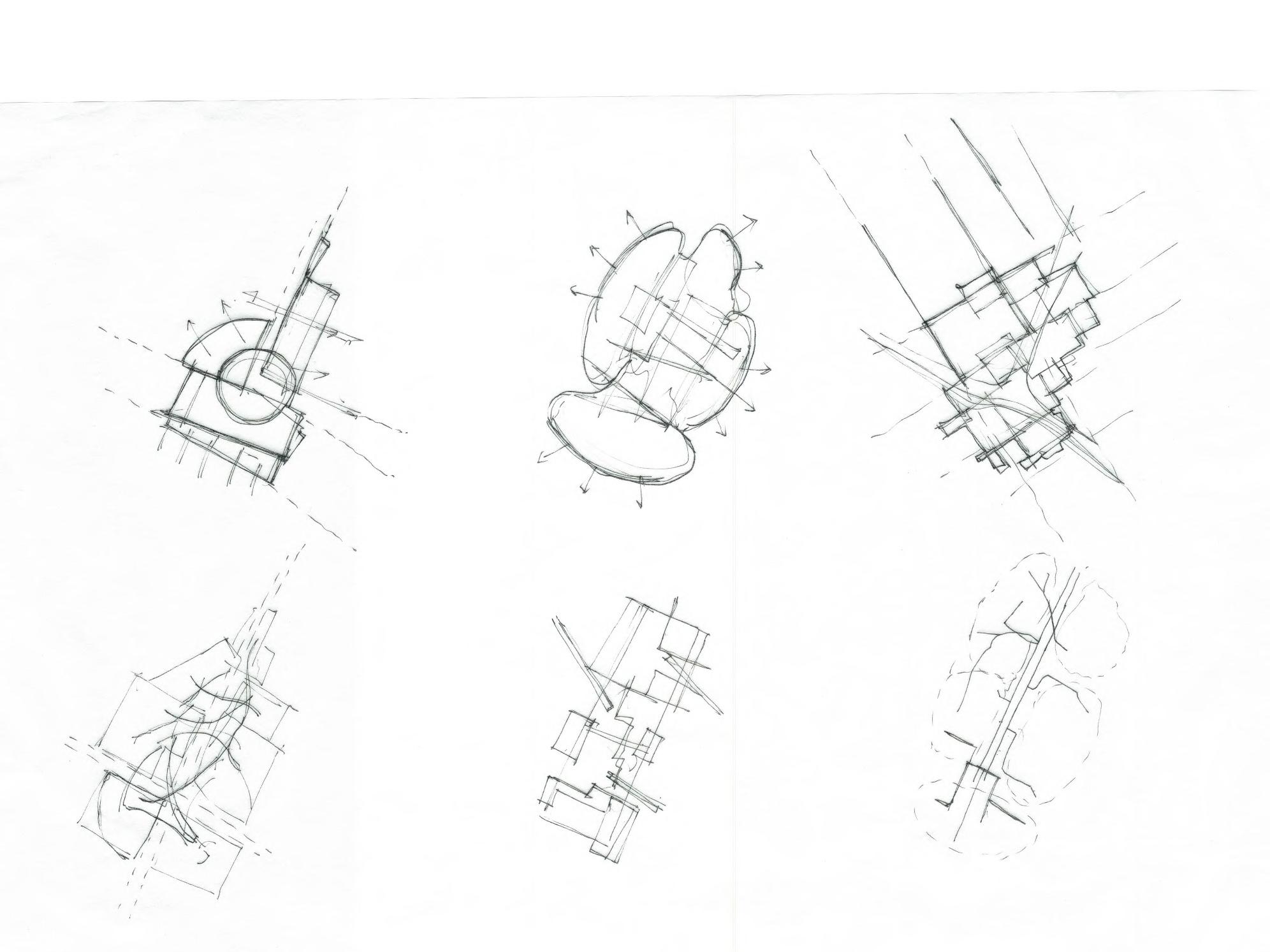
Concept Explorations: Thresholds and Apertures
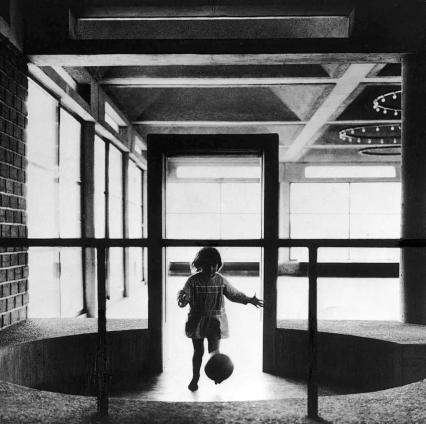
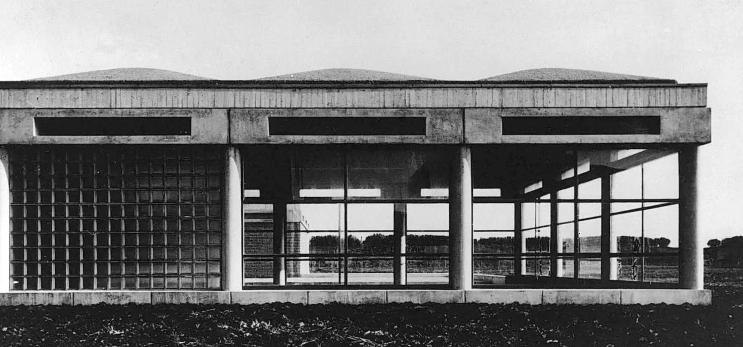
Human Structures and Architectural Archetypes: Aldo Van Eyck’s Playgrounds (1947 – 1978)
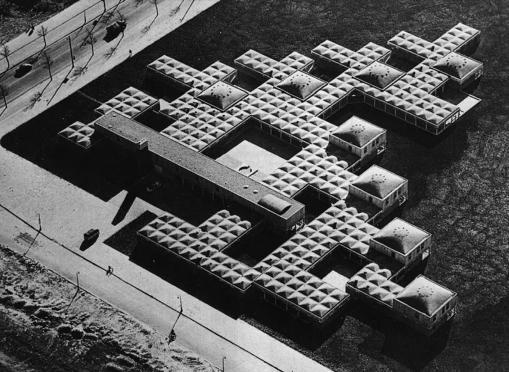
The vocabulary of the playgrounds is based on geometric concrete sandpits, which appear like small archipelagos and groups of stepping stones, both massive and anchored in the ground, and lighter structures, arches, domes and frames made of tube steel resonating with archetypes of architecture. The arrangement of the elements in the playgrounds is always non-hierarchical and based on a careful compositional balance which is able to create tension and intensity between the objects while allowing a multiplicity of paths around the forms.
Amsterdam Municipal Orphanage, Amsterdam, the Netherlands
Aldo van Eyck
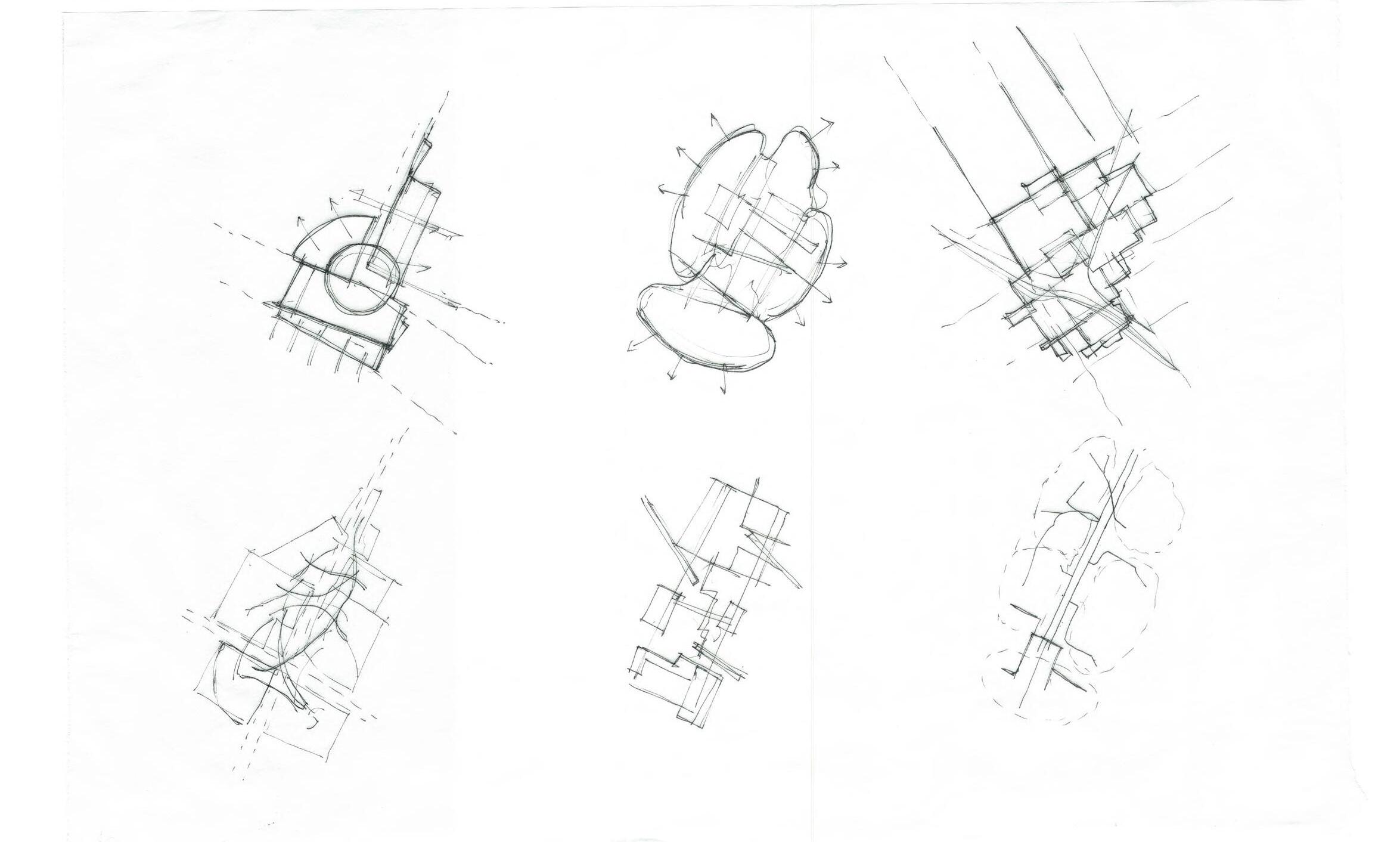
Programmatic Sketches Layers and layers of iterations
Aerial View of the Orphanage Interior
Mangroves Learning Hub
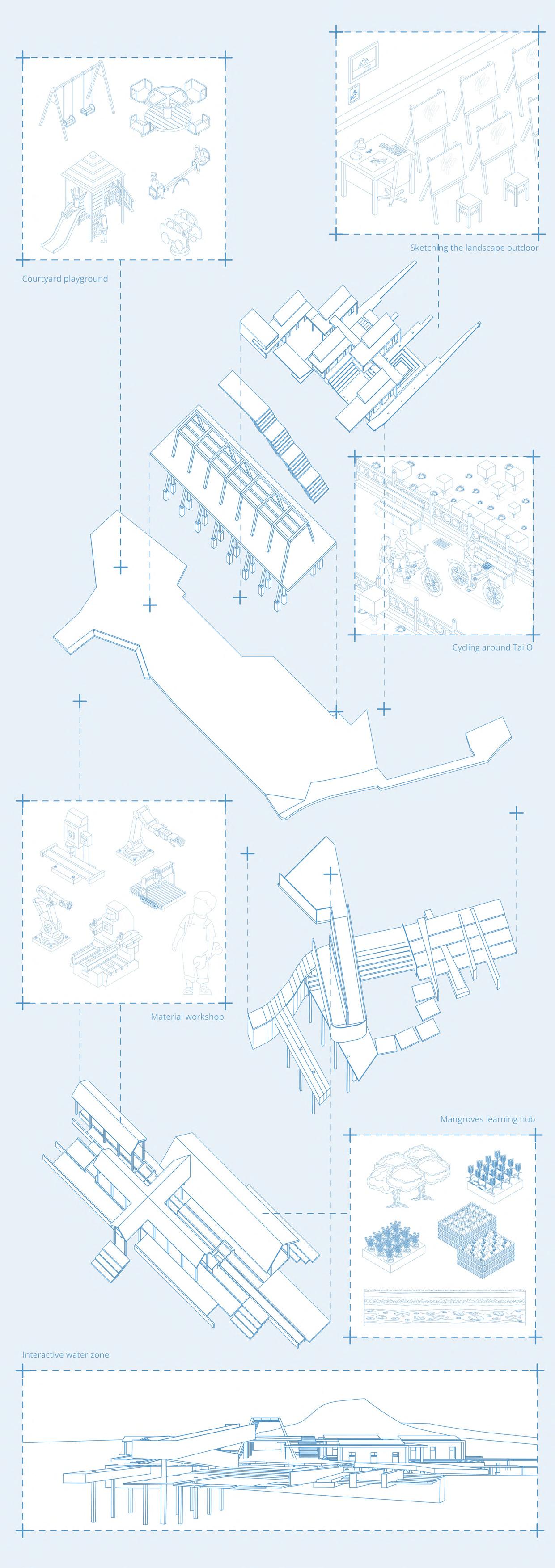
Suspended above the tidal wetlands on elevated walkways, the hub immerses students in the rhythms of the mangrove ecosystem, transforming the forest itself into a living classroom. Here, open-air laboratories and observation decks invite learners to monitor water quality, tend to mangrove nurseries, and study biodiversity through recessed microscopes embedded in the pathways.
Tactile boardwalks ripple with textures mimicking root systems, while interactive water features simulate tidal patterns, engaging neurodivergent students through multi-sensory exploration.
The design draws inspiration from Tai O’s stilt-house heritage, creating porous thresholds where lessons spill into the landscape. By threading the hub through the mangroves, the architecture not only protects the fragile habitat but also becomes a social catalyst—bridging students, scientists, and local fishermen in collaborative conservation.
Top
Courtyard playground
Sketching the landscape outdoor
Cycling around Tai O
Mangroves learning Hub
AN INHABITATION OF MACAU PALIMPSEST
Urban Regeneration in the Greater Bay Area
Site: Sao Lourenco, Macau Peninsula Academic Study - Fall 2024 ARCH4079 - 1/2 Semester Project
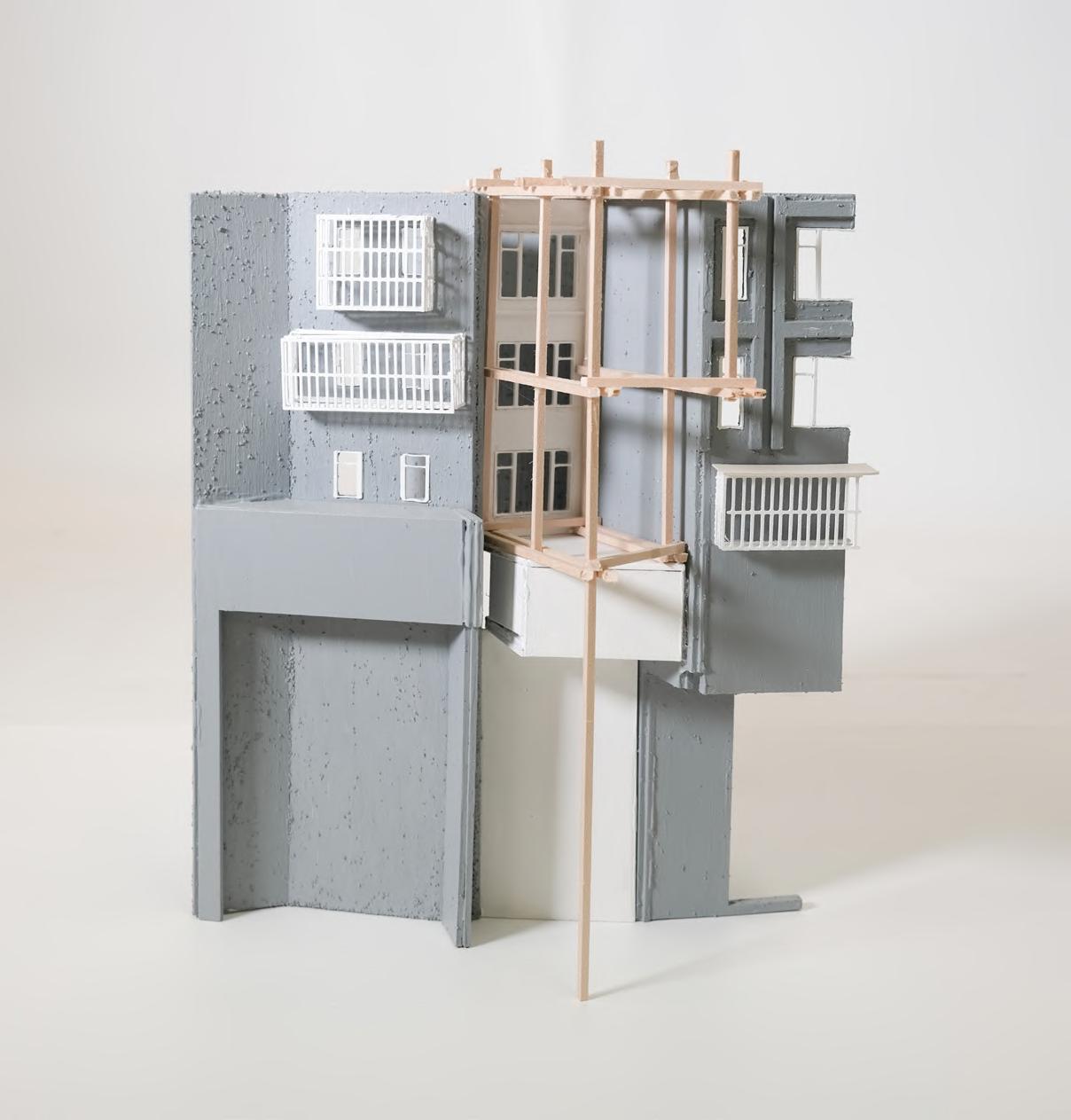
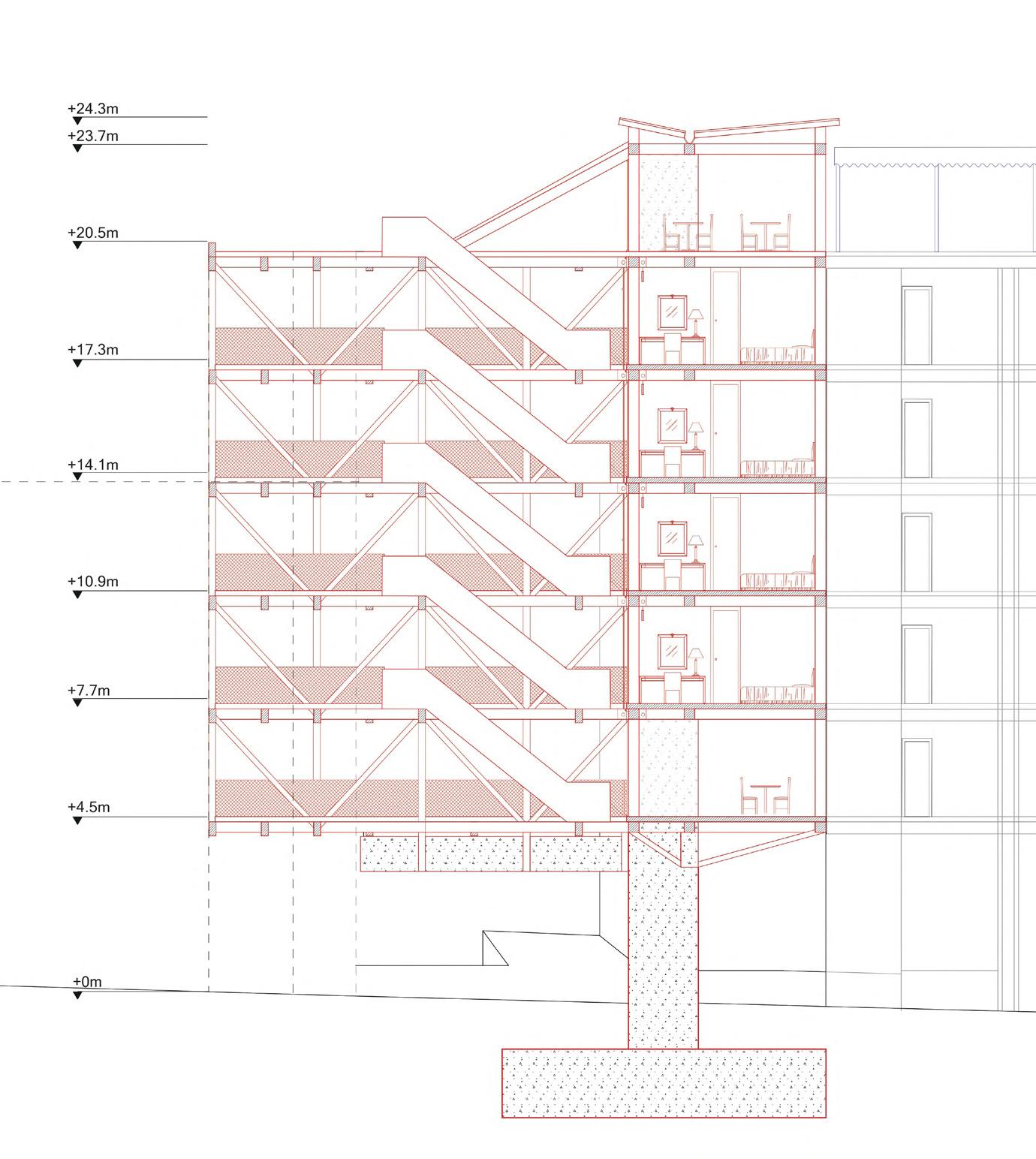
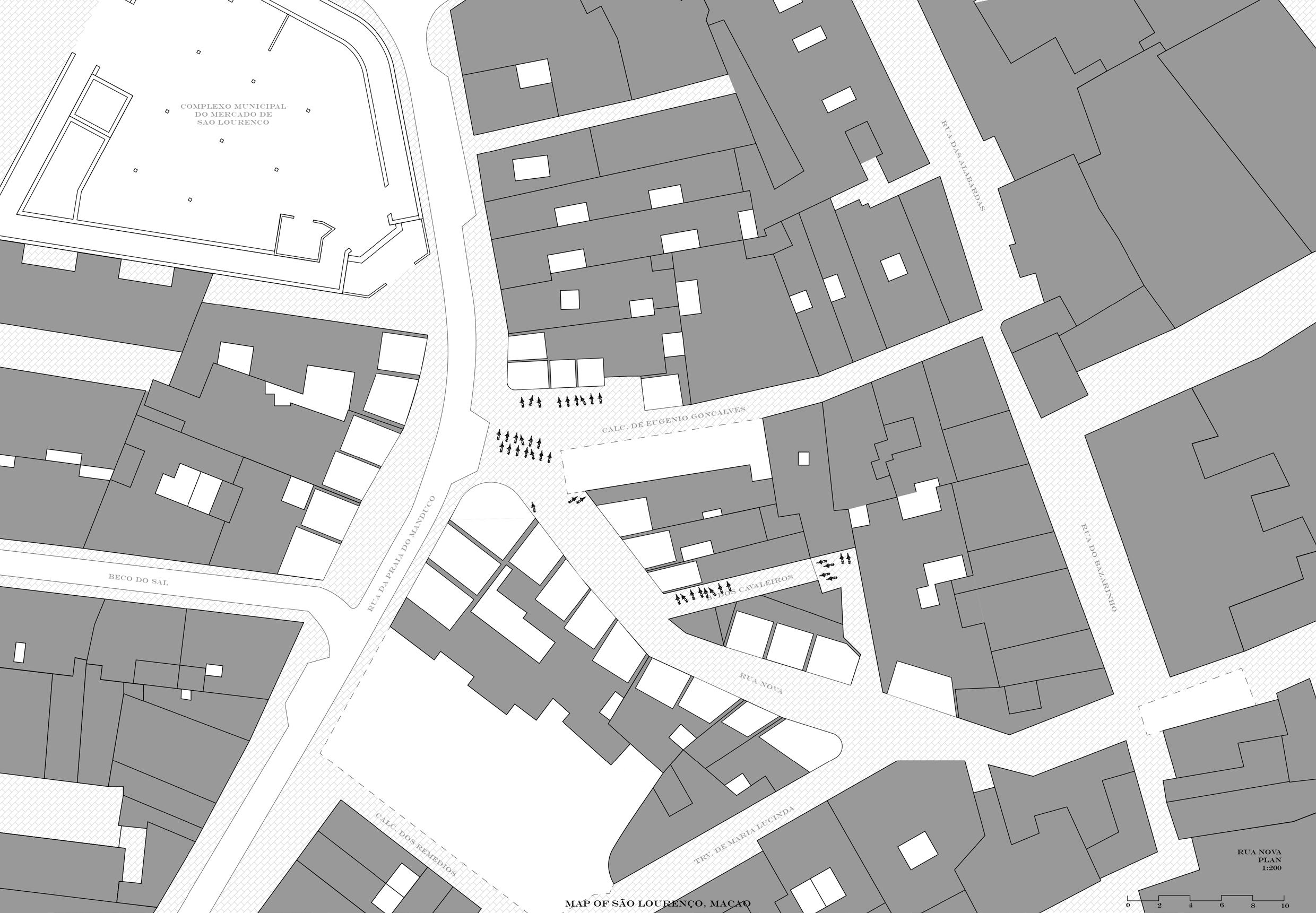
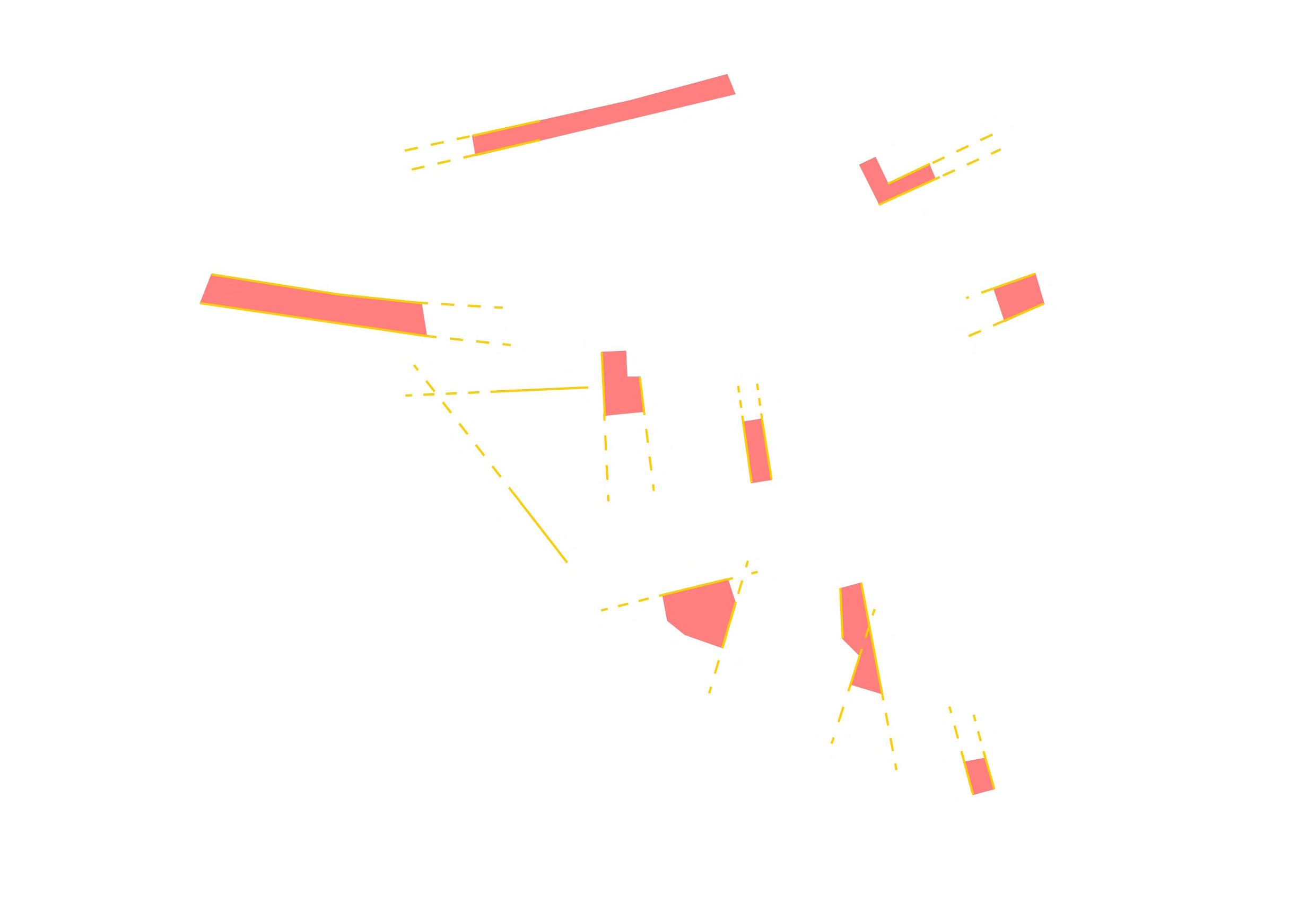
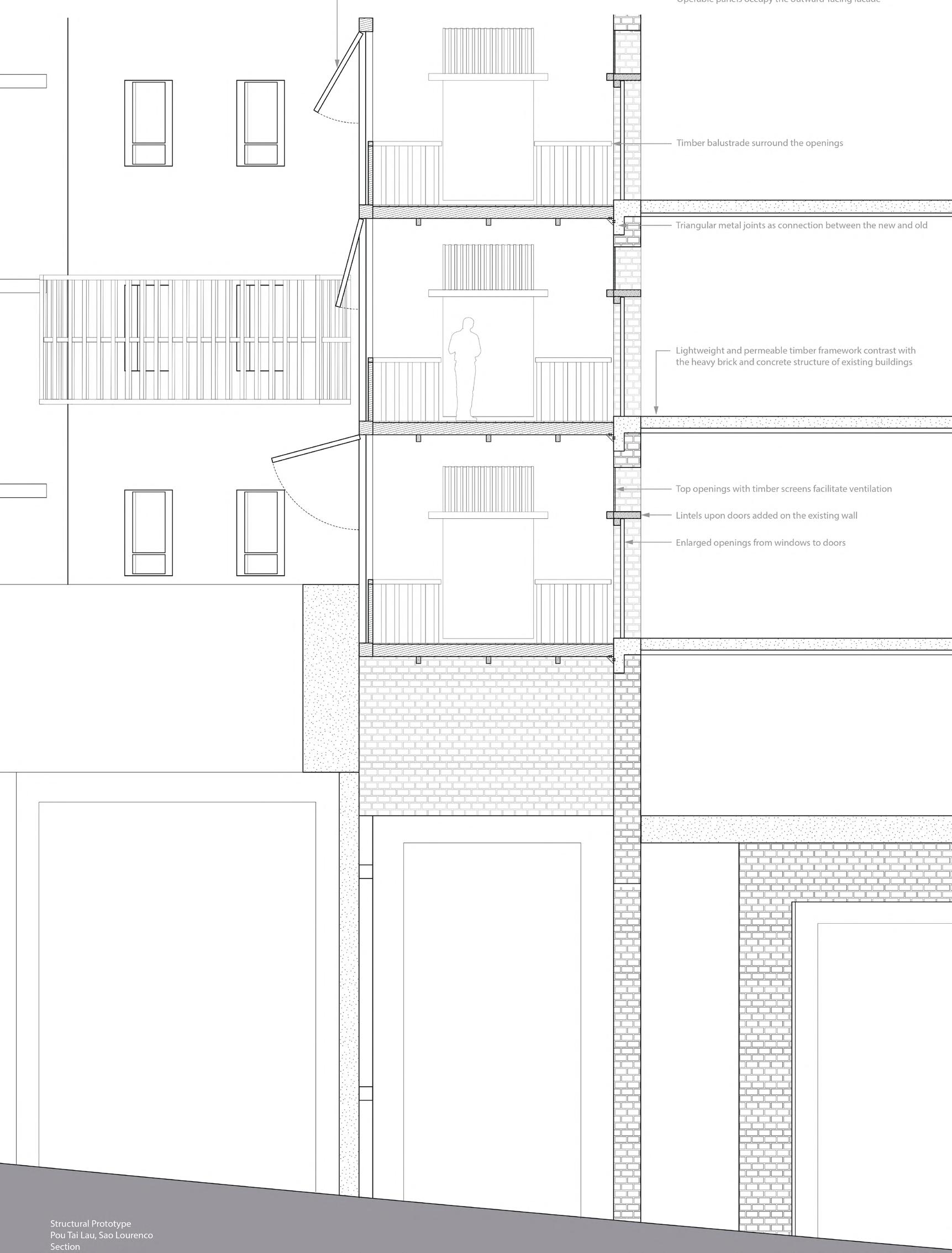
This studio agrees with Siza’s sentiment that “Architect’s don’t invent anything, they transform reality”; we understand our work as a continuation, another layer to the palimpsest of the city. The haphazard configuration in Sao Lourenco, Macau, must be revolutionized. Leftover spaces must be taken full advantage of, the relationship between the buildings and the streets must be negotiated in order, public interest must be considered in the redevelopment. Let us call a halt to urban decay and unleash the potential of the edges and nodes in this district.
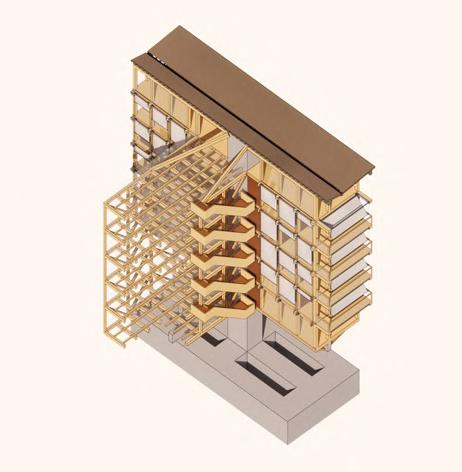
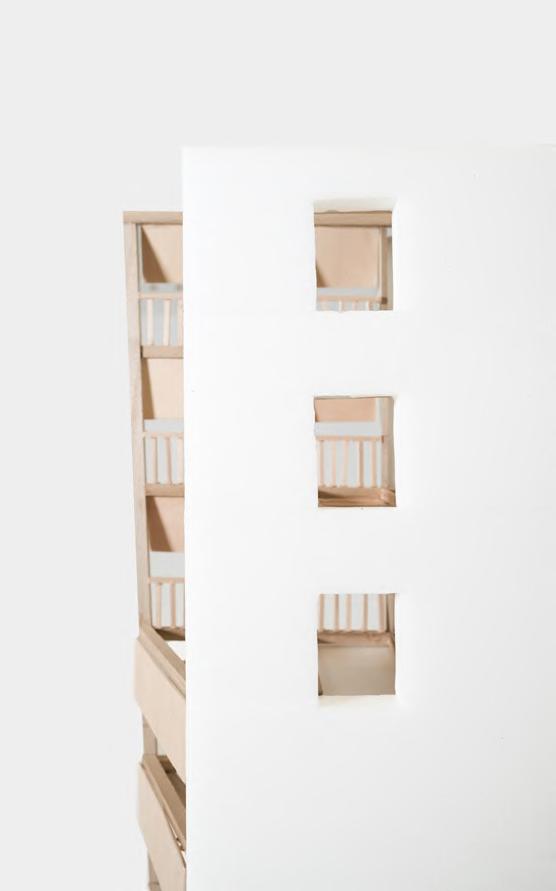
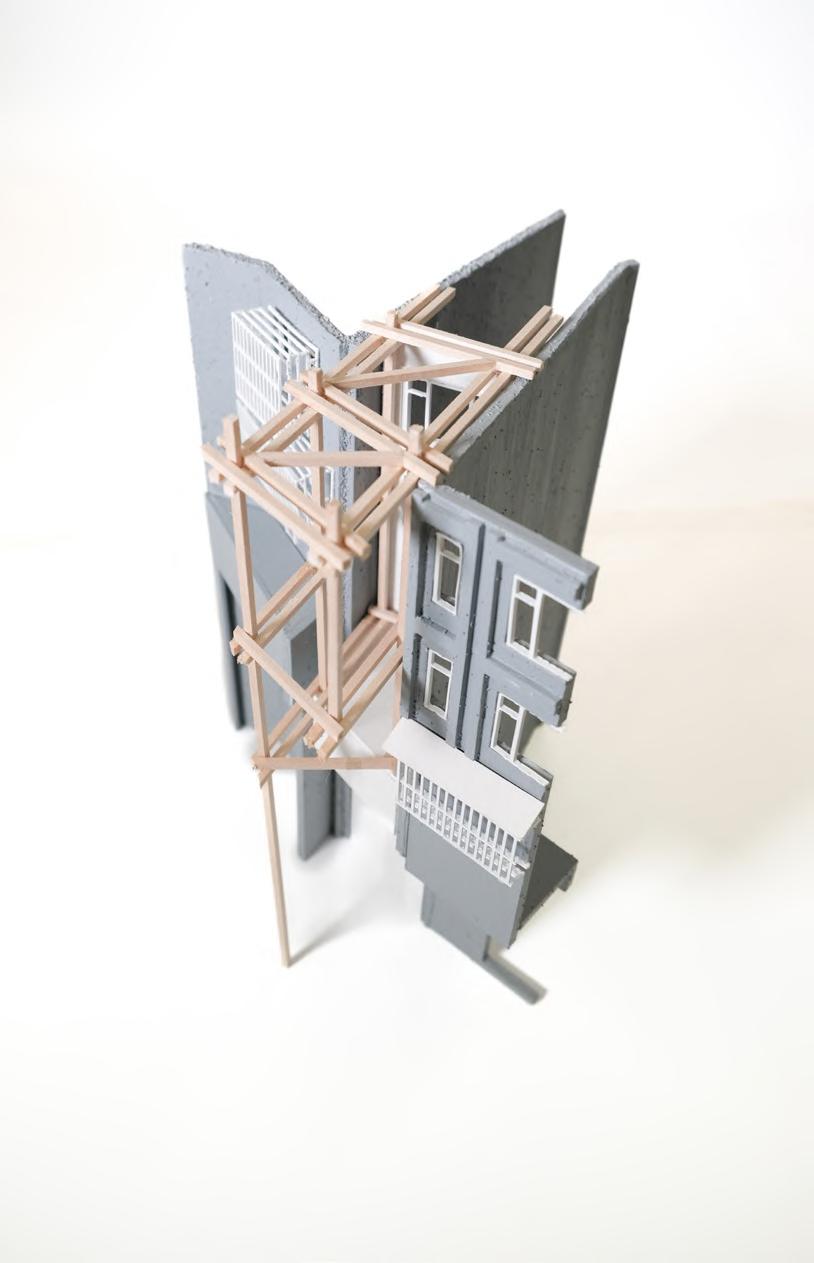
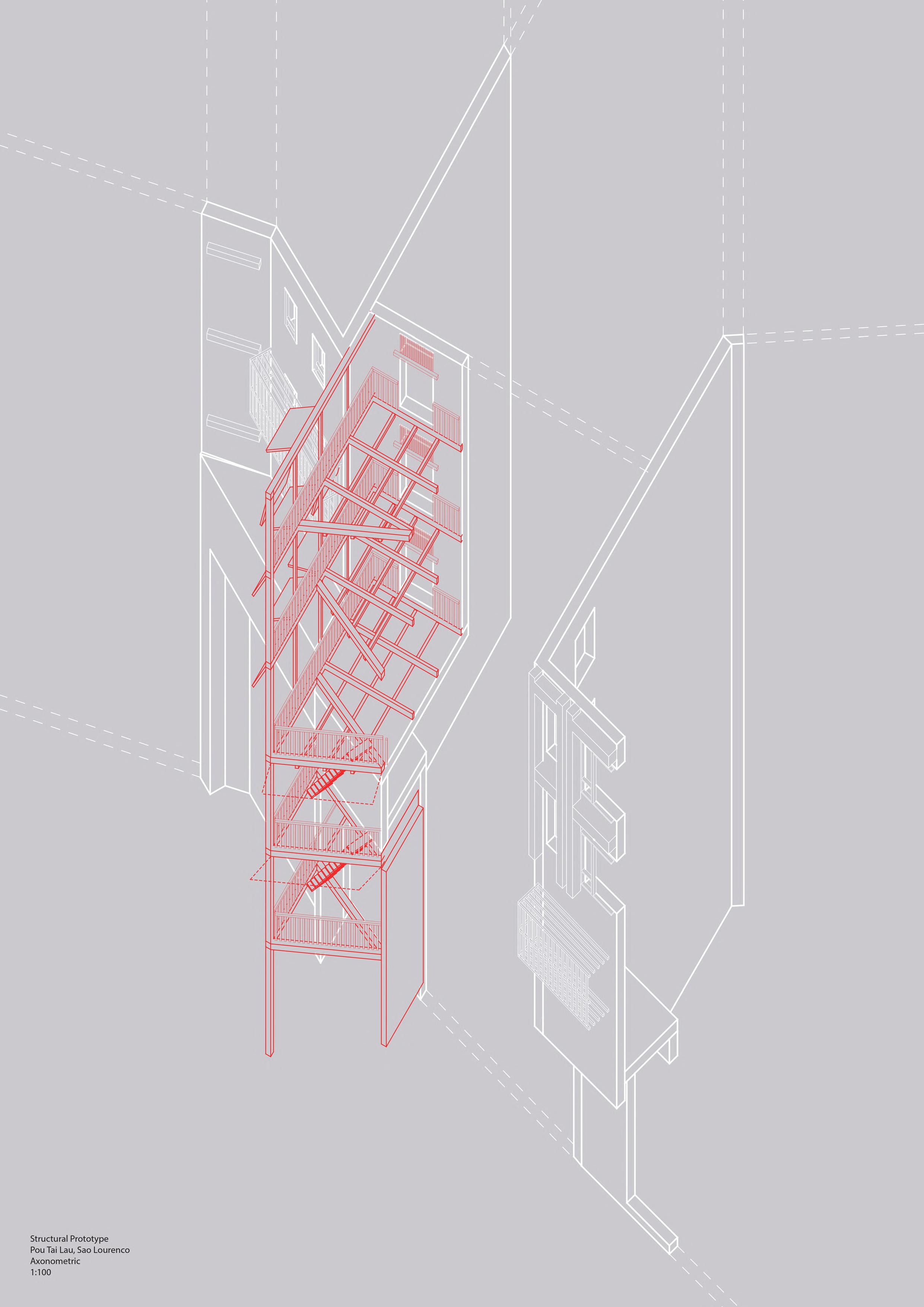
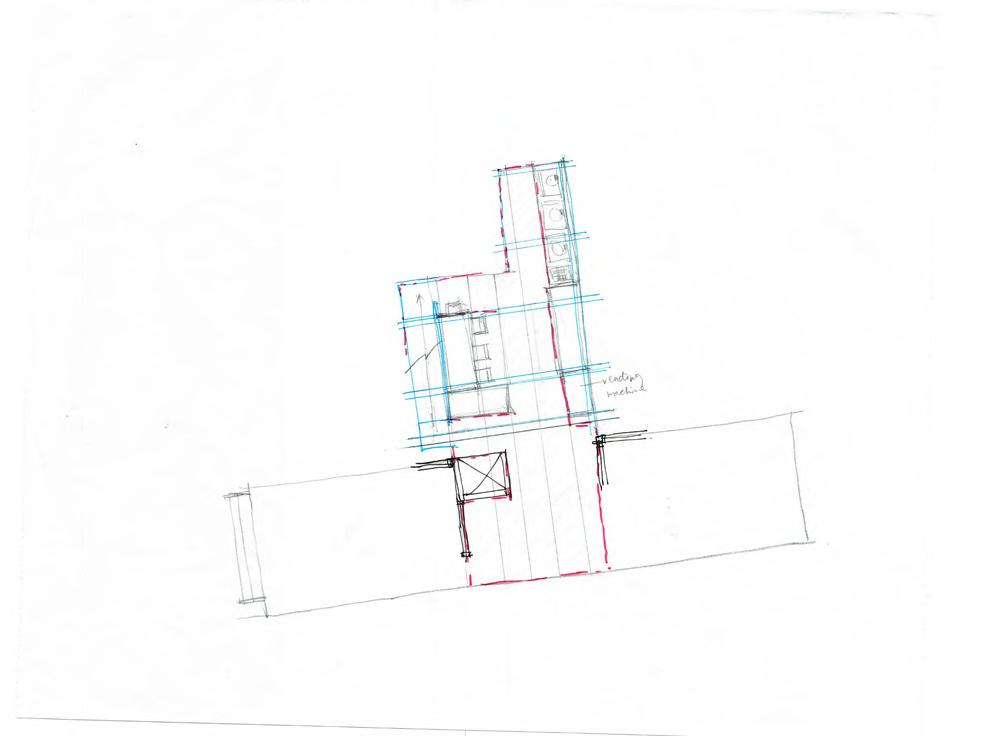
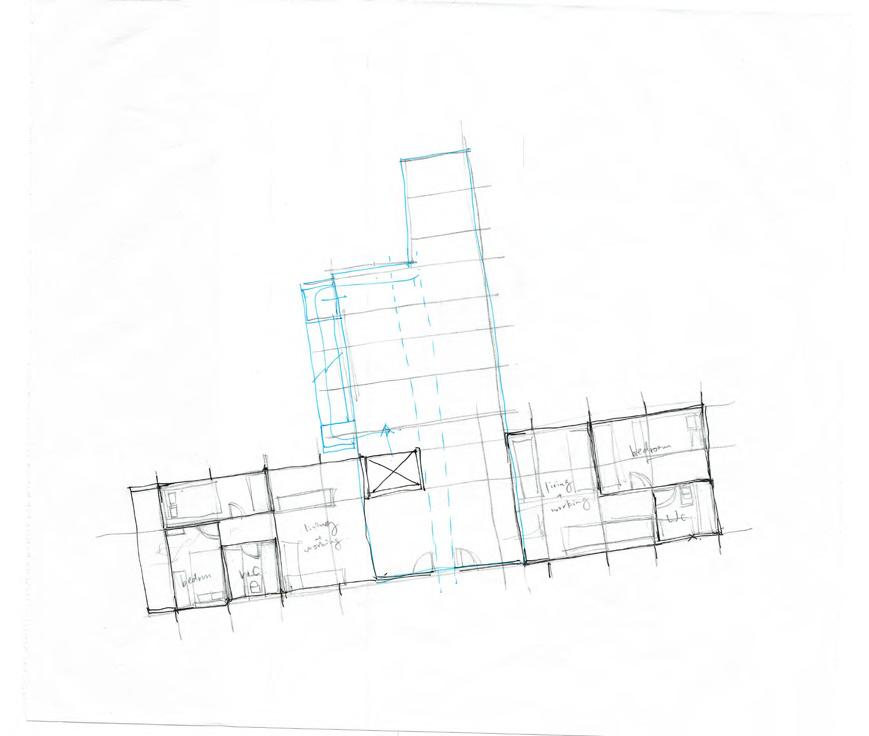
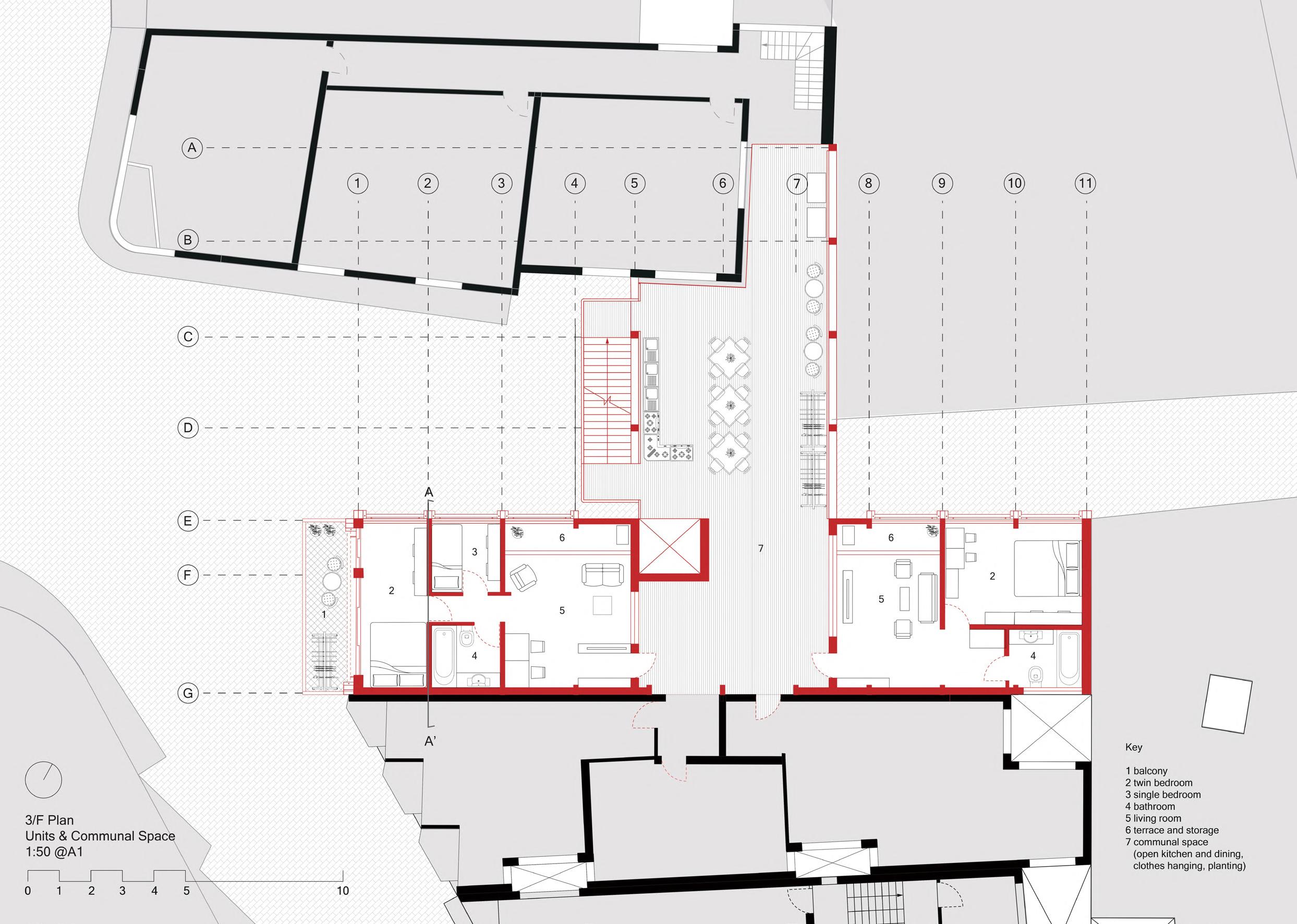
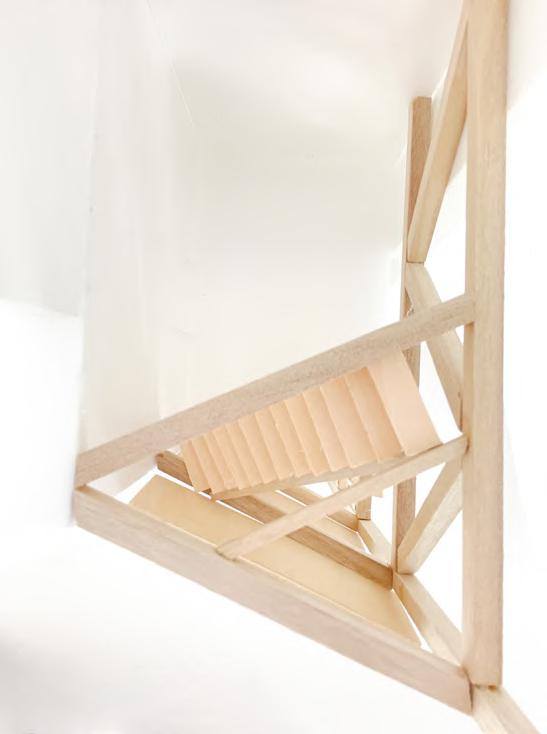
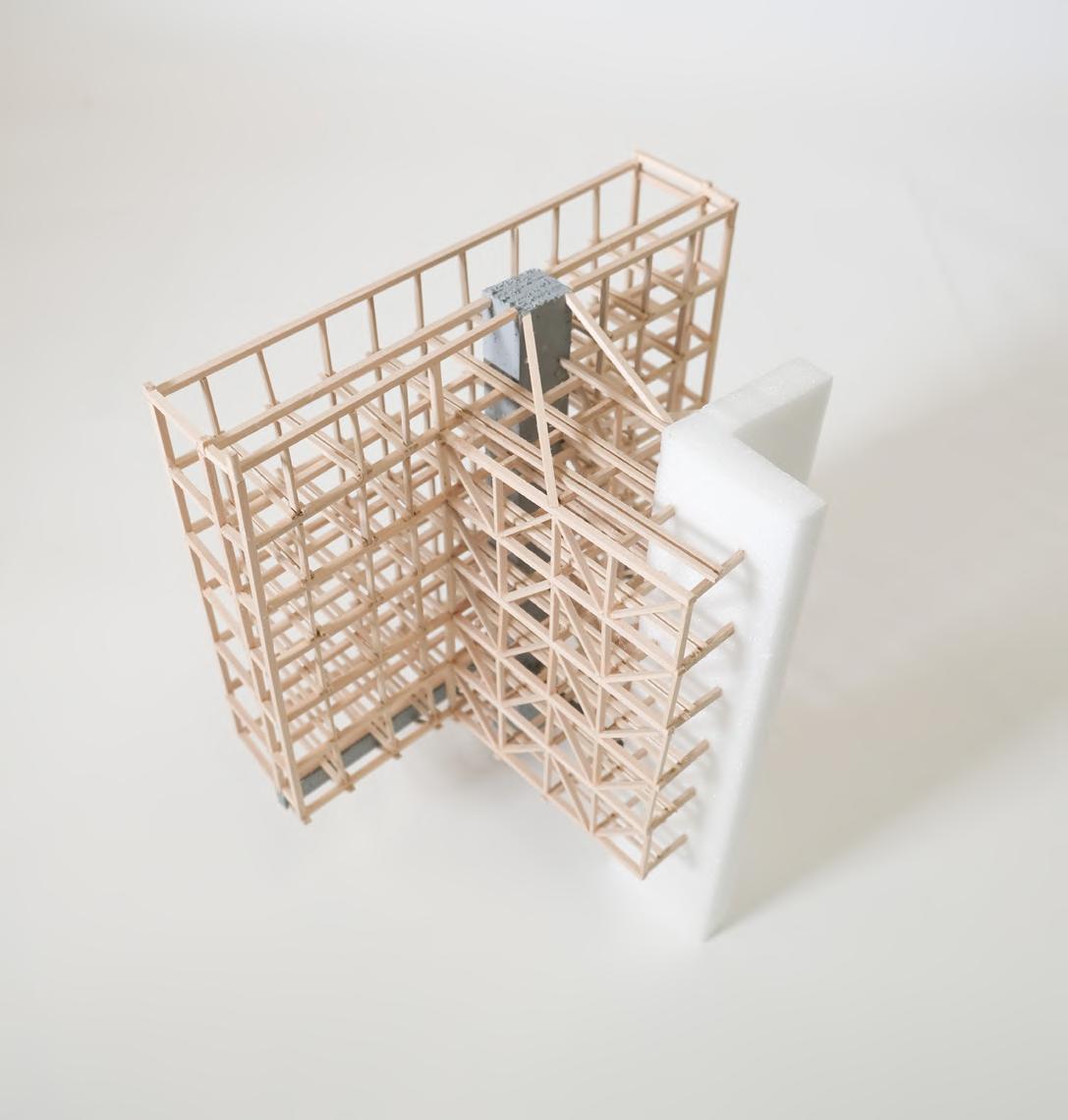
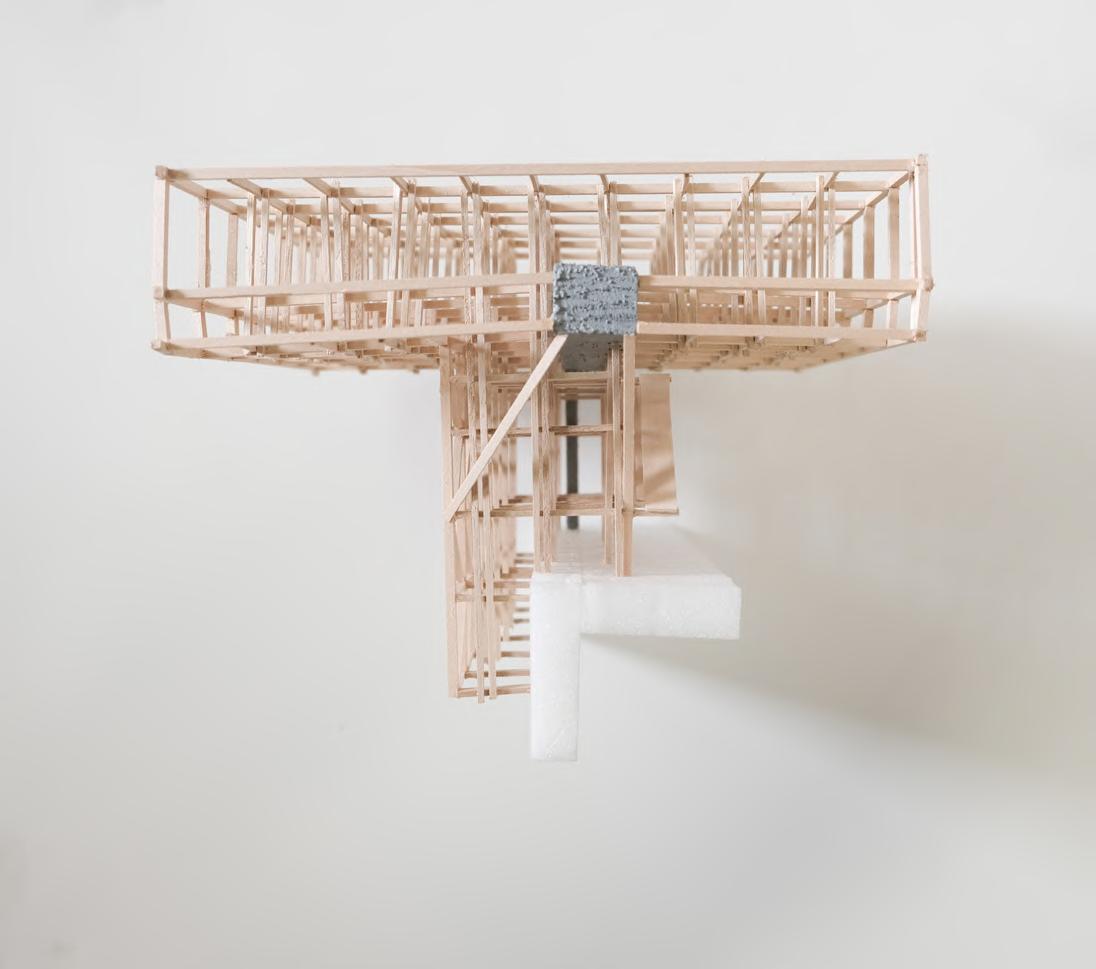
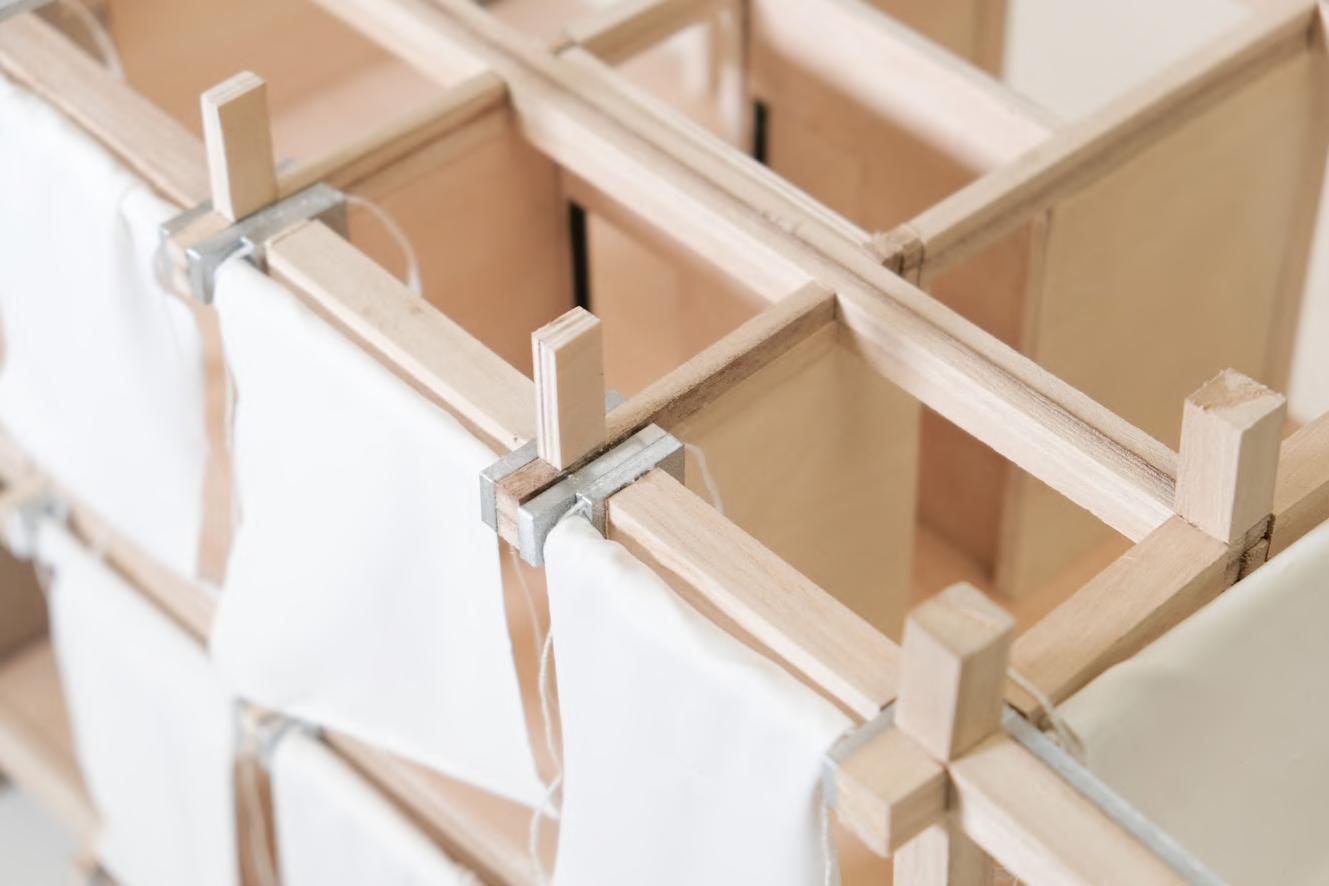
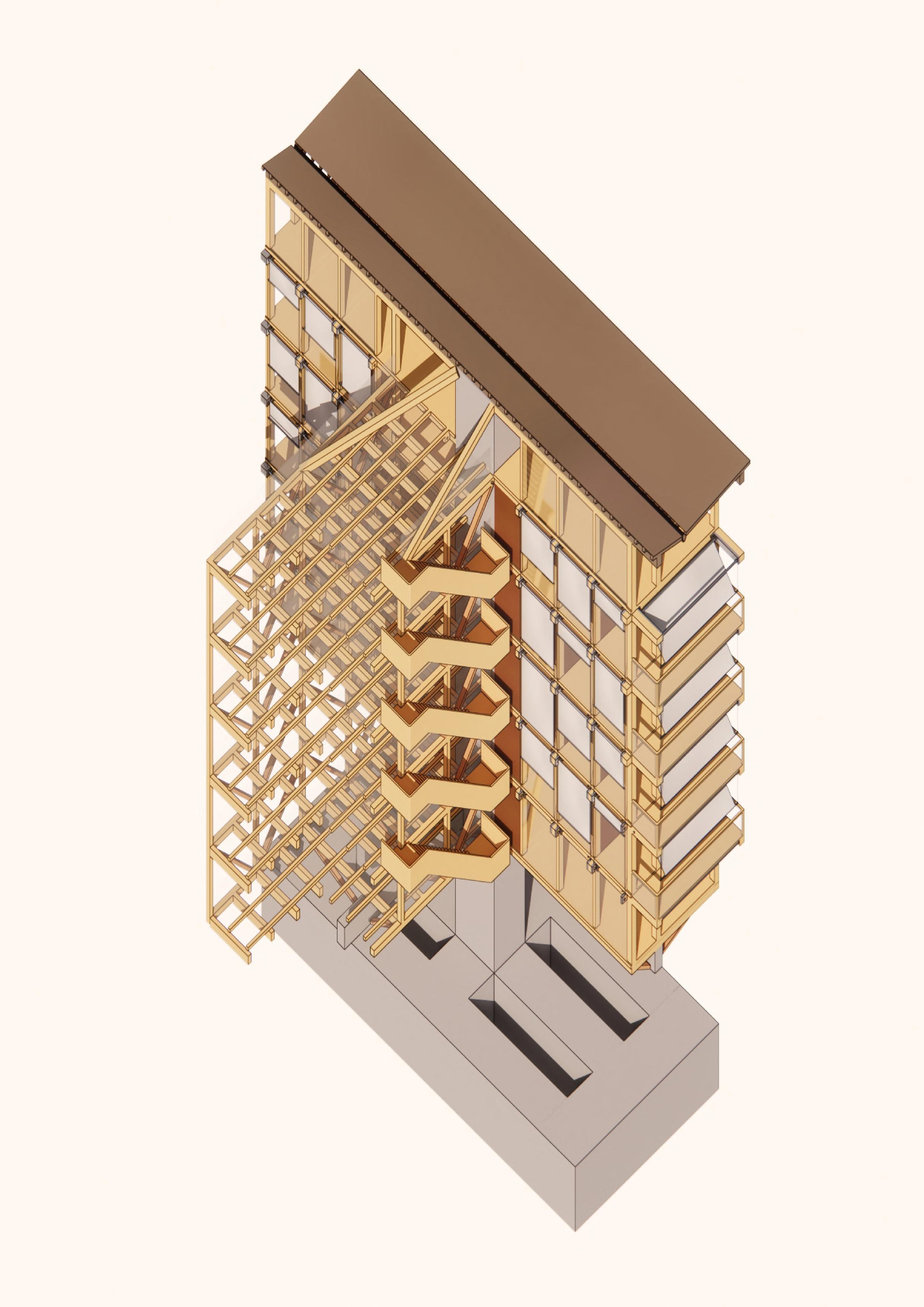
With the plugged-in timber interfaces constructed, an array of shared communal spaces could be arranged within those unchartered, undefined, and unparalleled leftover spaces. These structural prototypes, adapt to diverse site conditions, raises queries about the utilization of space and make room for the community amidst the overcrowded living environment. It is expected that new interventions of the devices are incorporated and blended with the rest, and look as if they had already existed, rooted and thrived.
Structural Prototype 1:100
Palimpsest “something reused or altered but still bearing visible traces of its earlier form.”
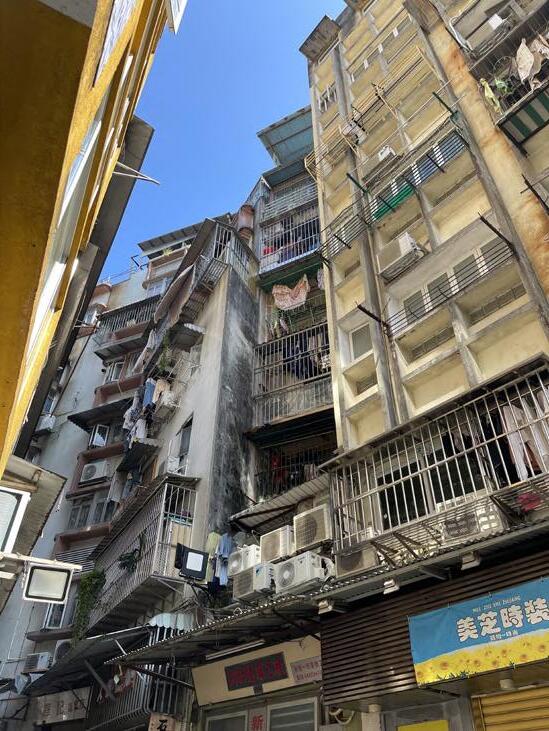
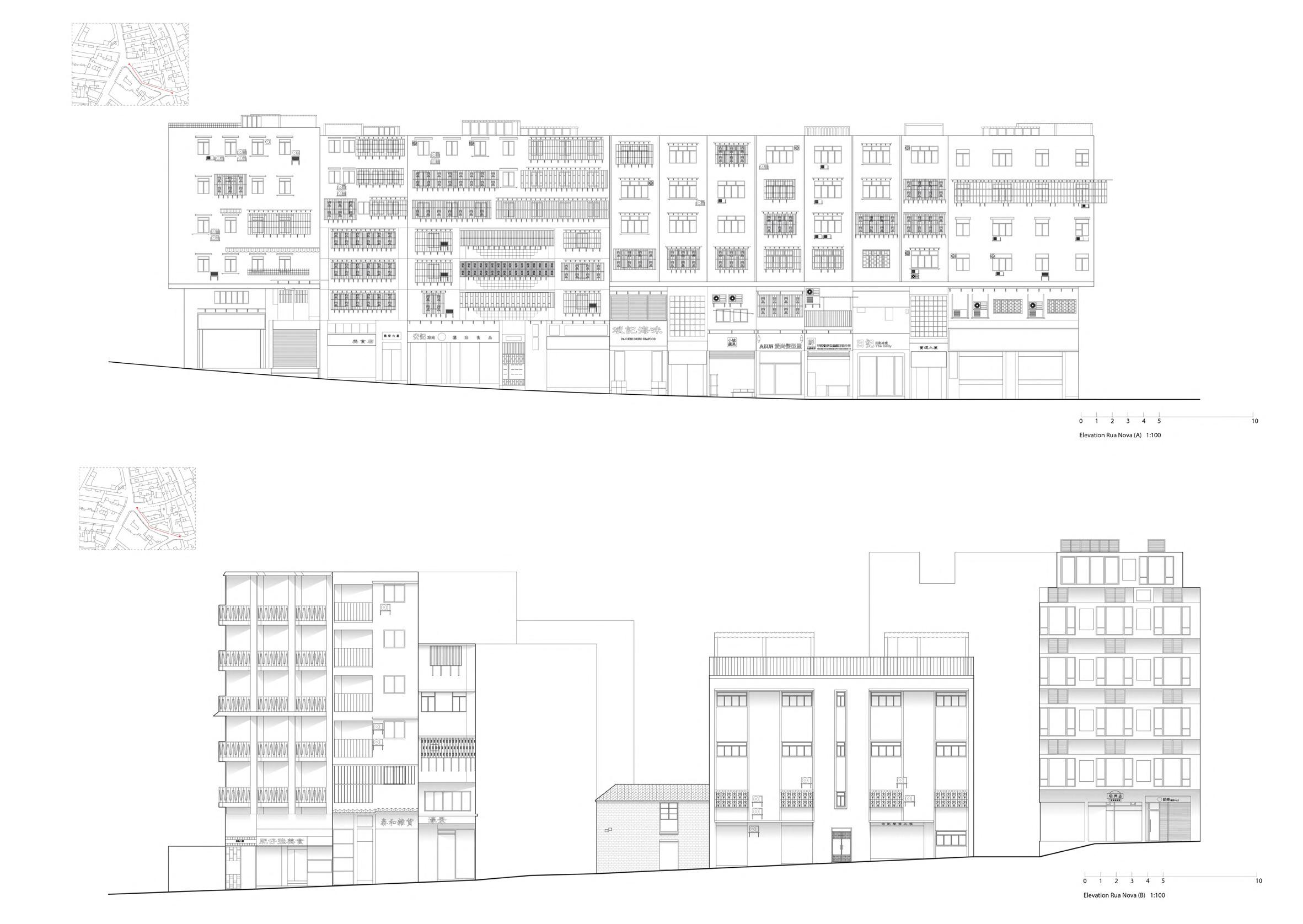
Across the junction of the boulevard Rua da Praia do Manduco, and Rua Nova; A lack of green and open space for the public; Obstructed views and circulation pathway along the serpentine streetscape; Full of angular, rounded corner and diagonally-faced facades; Boundary between the public and private is non-linear, Shaping the streetscape with a messy visual perception.
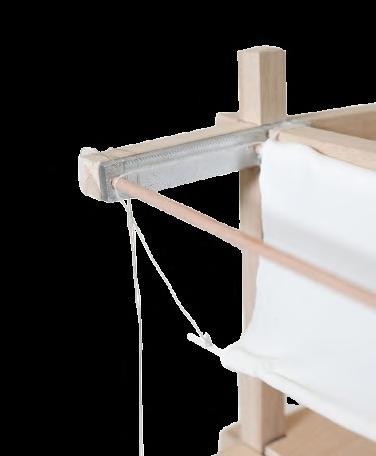
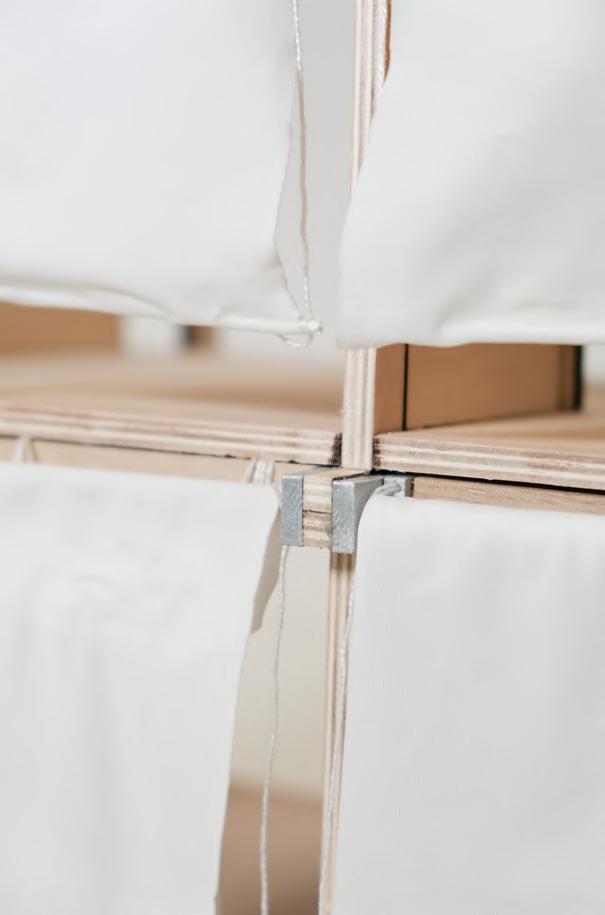
1:25 Device Prototype Model
1:100
Structural Model
Structural Prototype 1:50
Pou Tai Lau, Sao Lourenco
A SERENE SANCTUARY FOR MATERNAL CARE
Maternity Centre in Rural Area of Sub-Saharan Africa
Site: Sub-Saharan Africa
Personal Architectural Project - Spring 2024
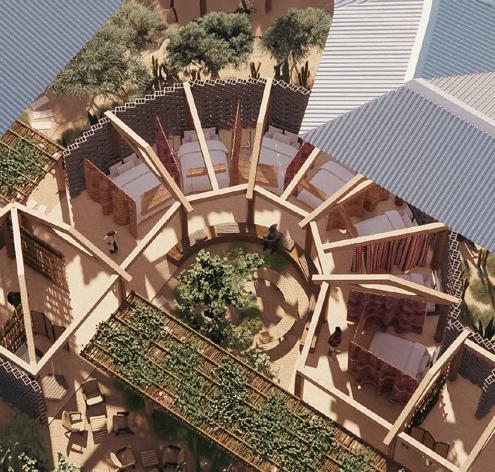
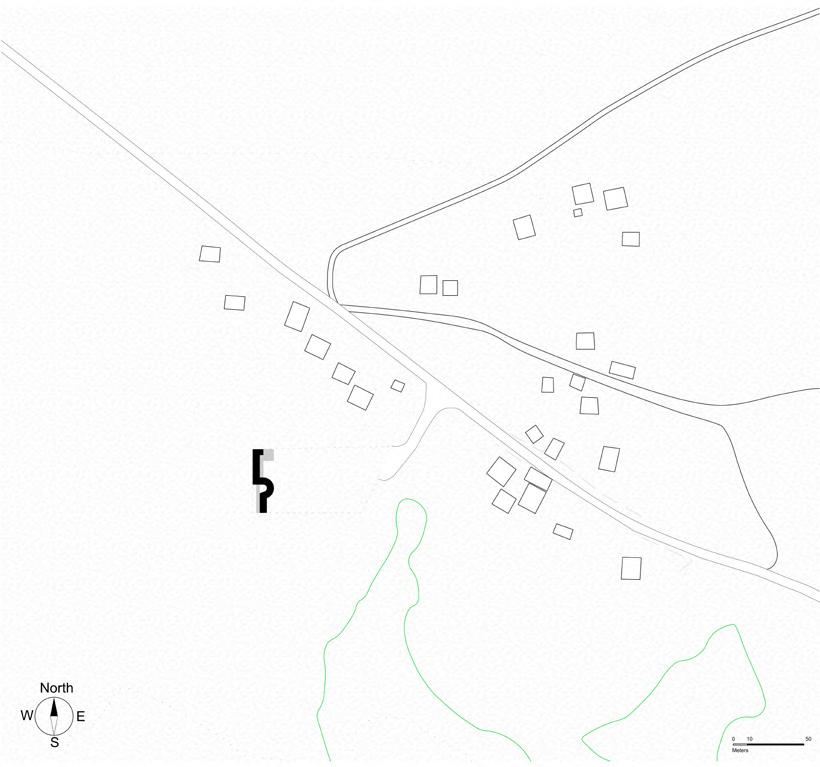
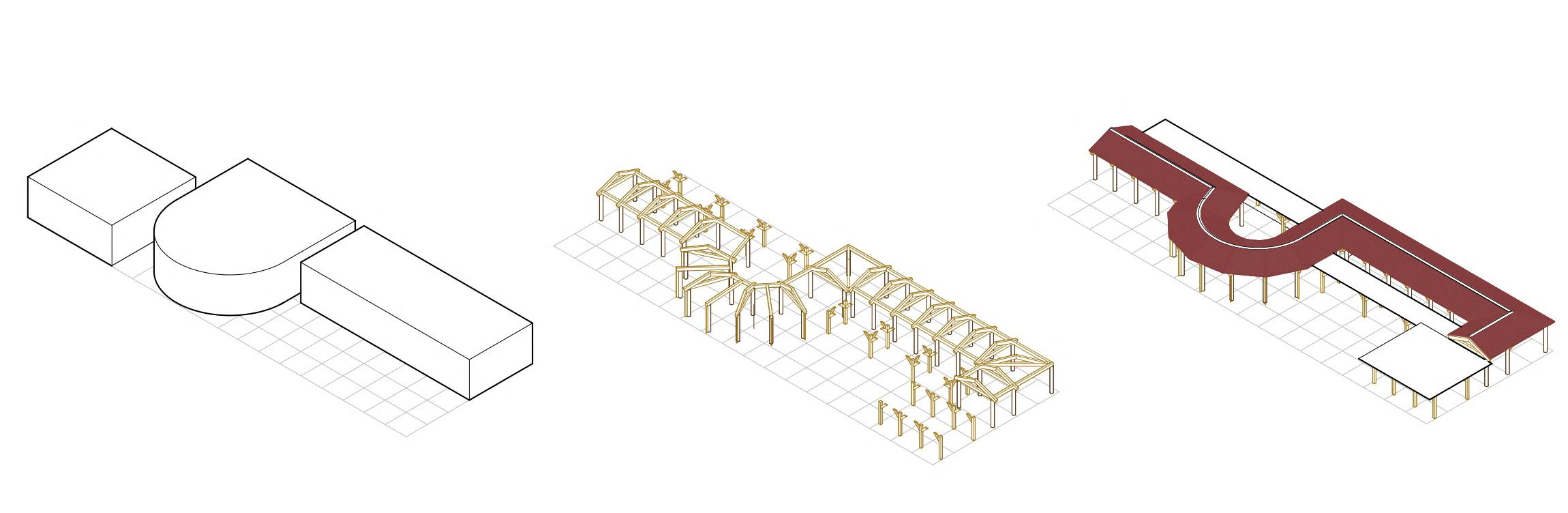
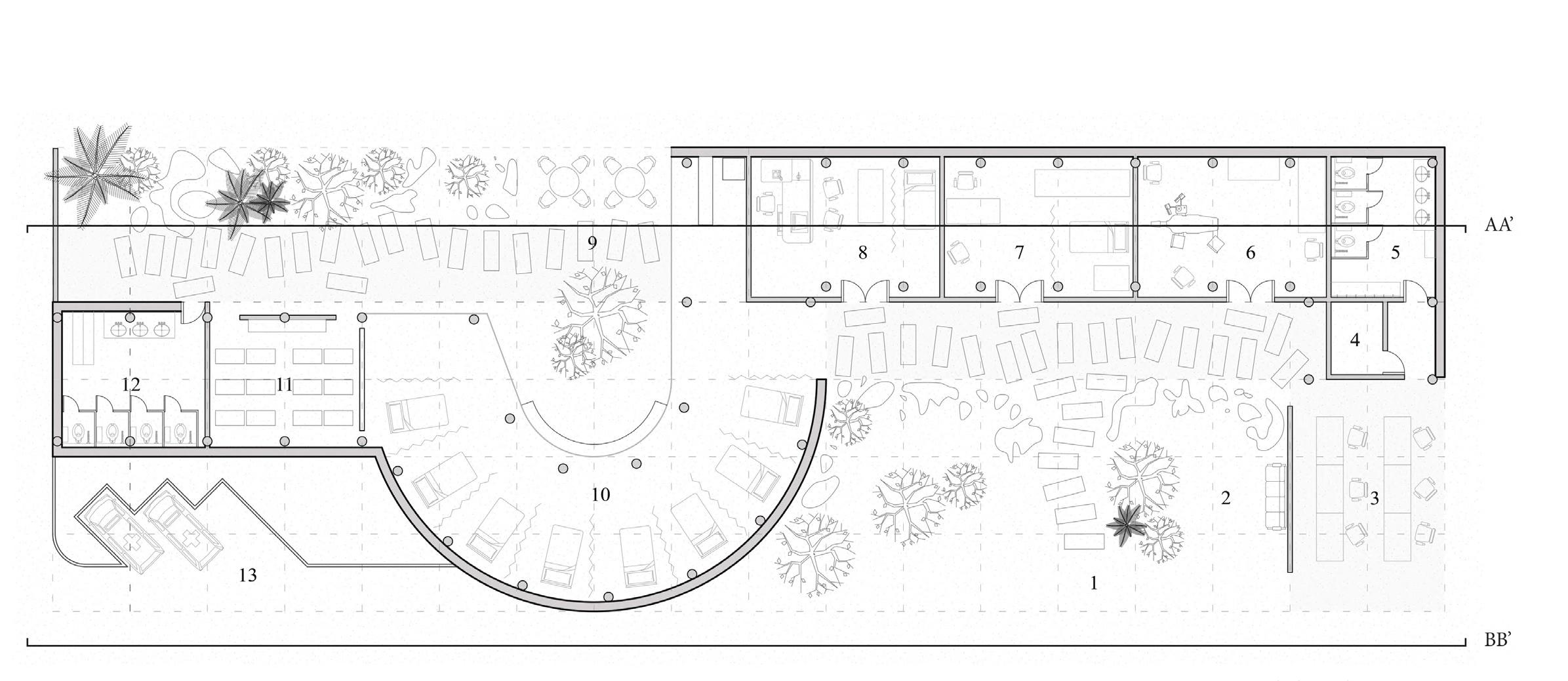
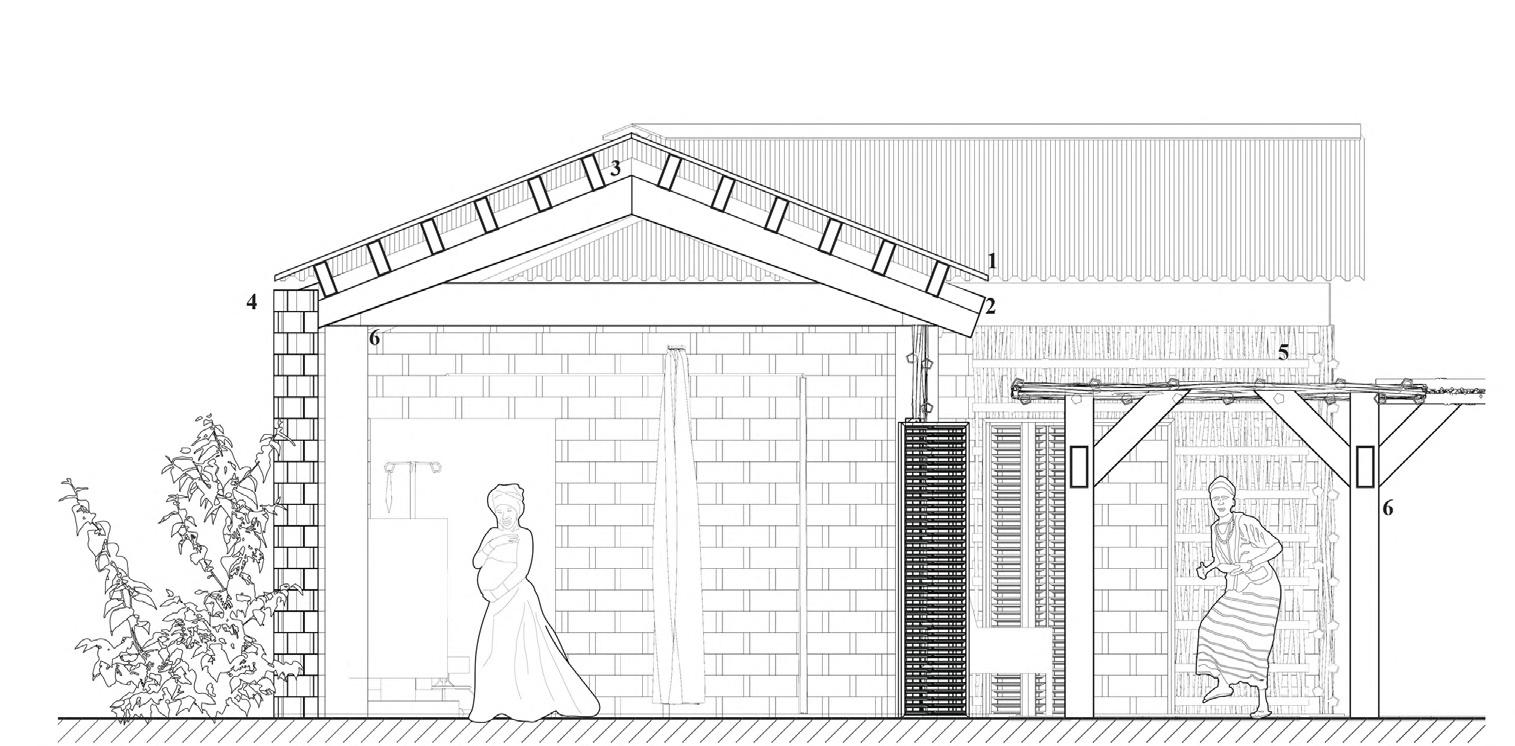
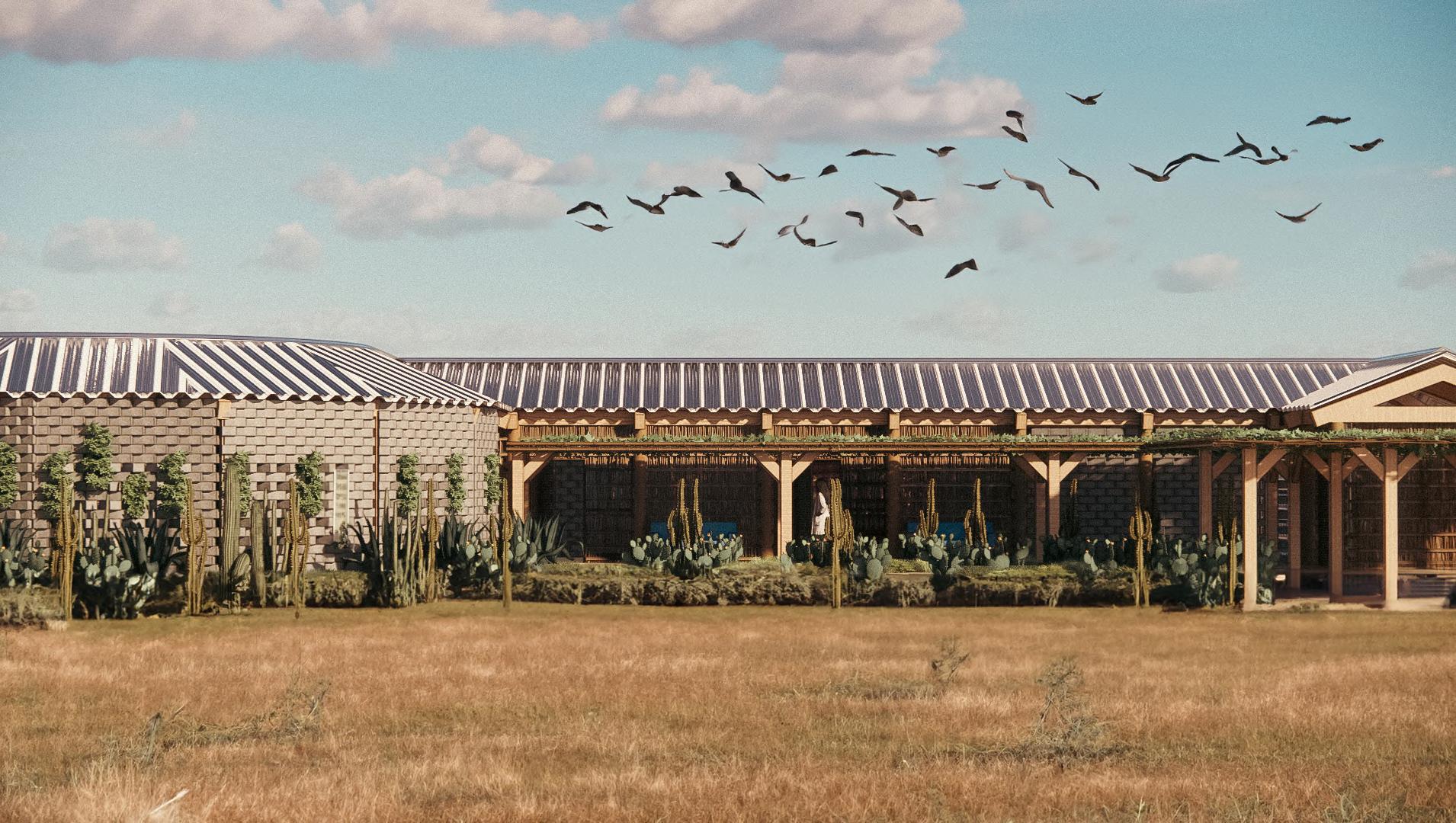
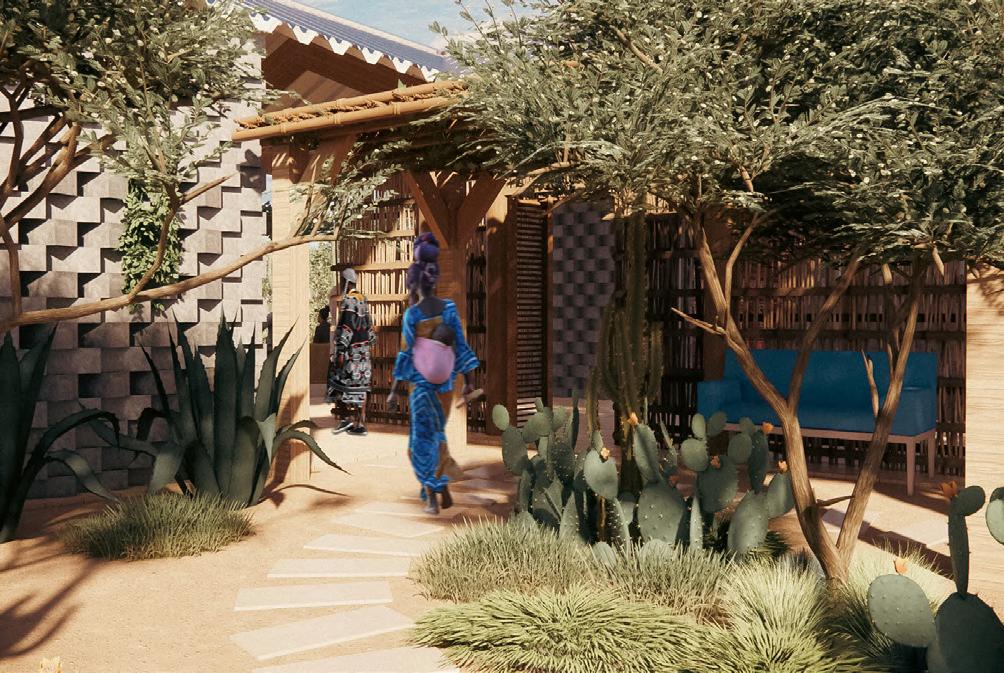
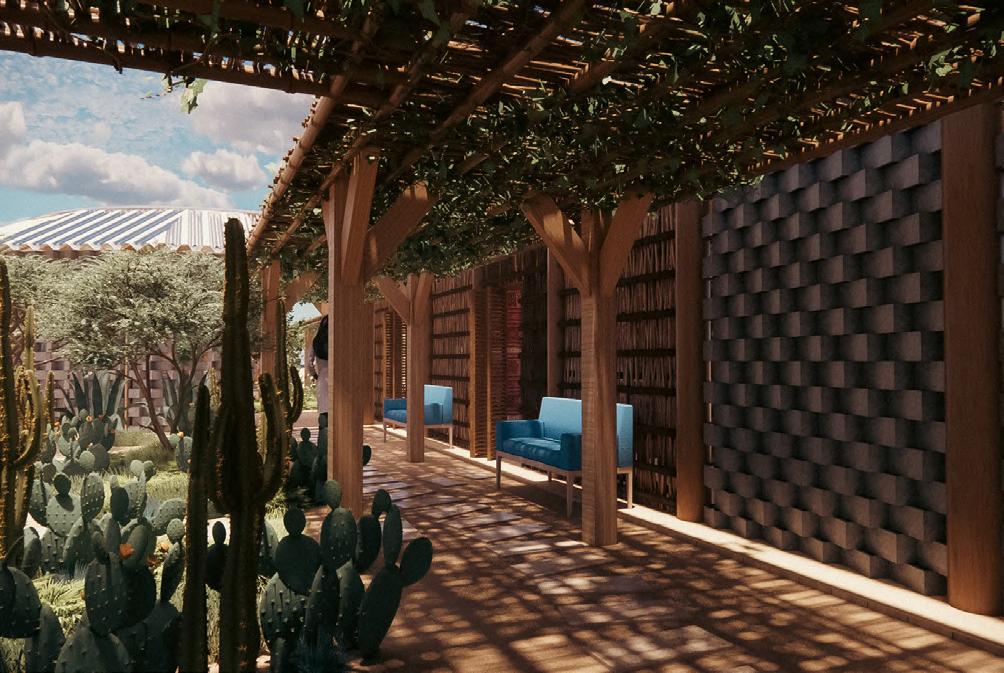
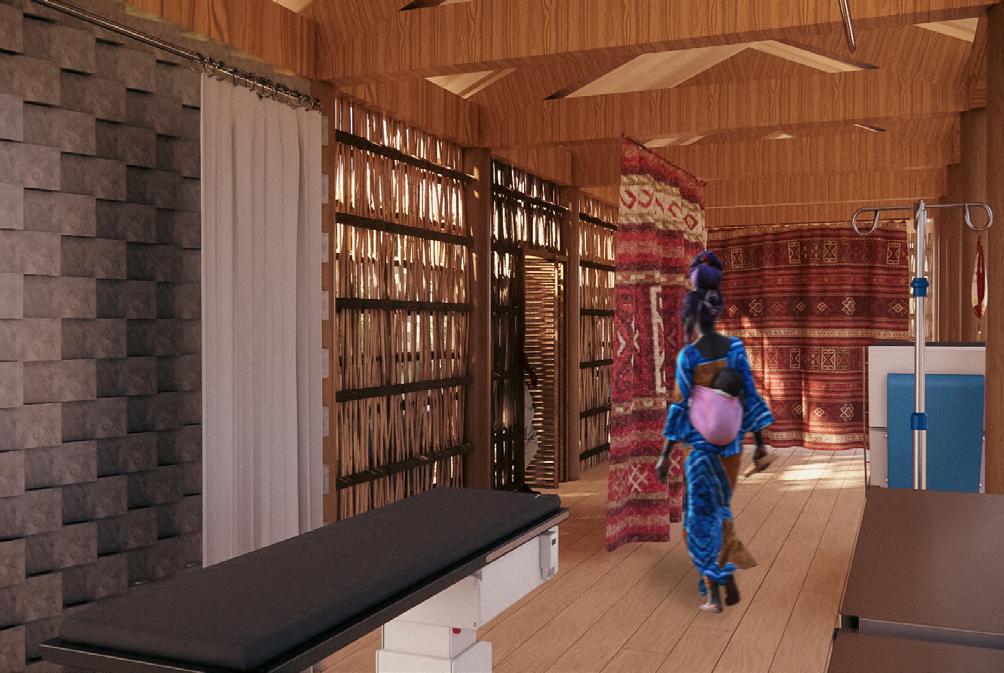
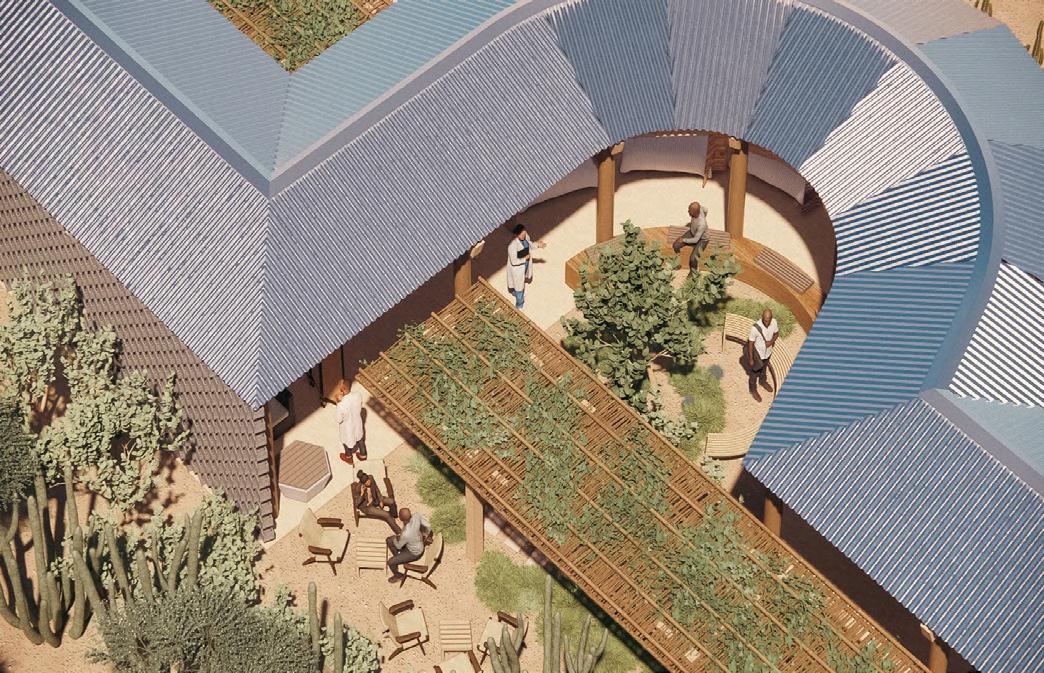
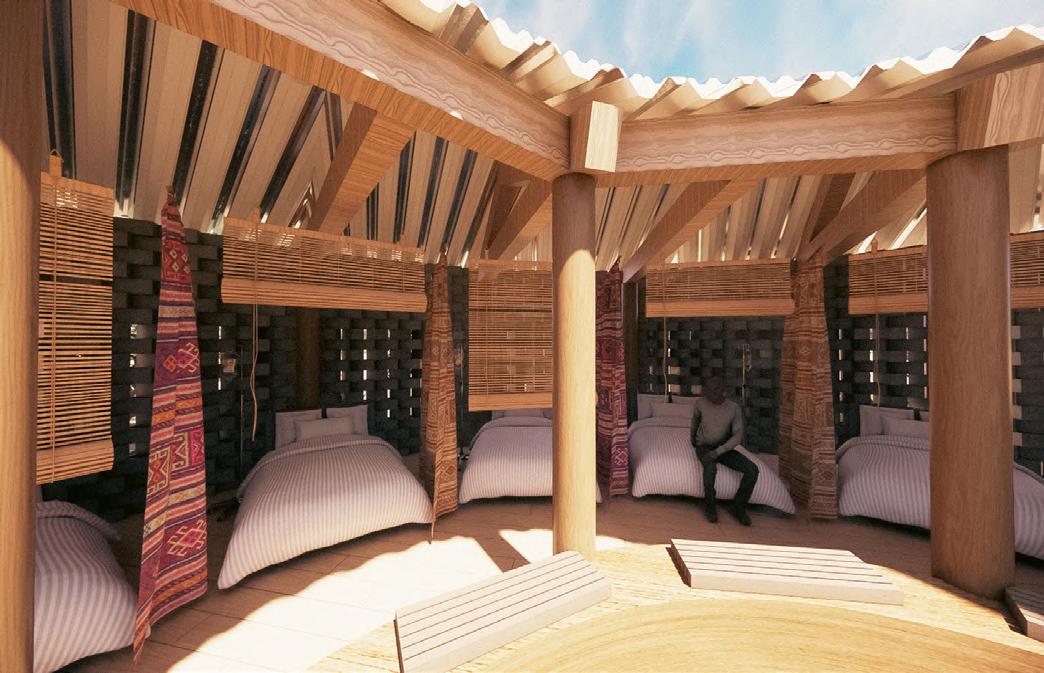
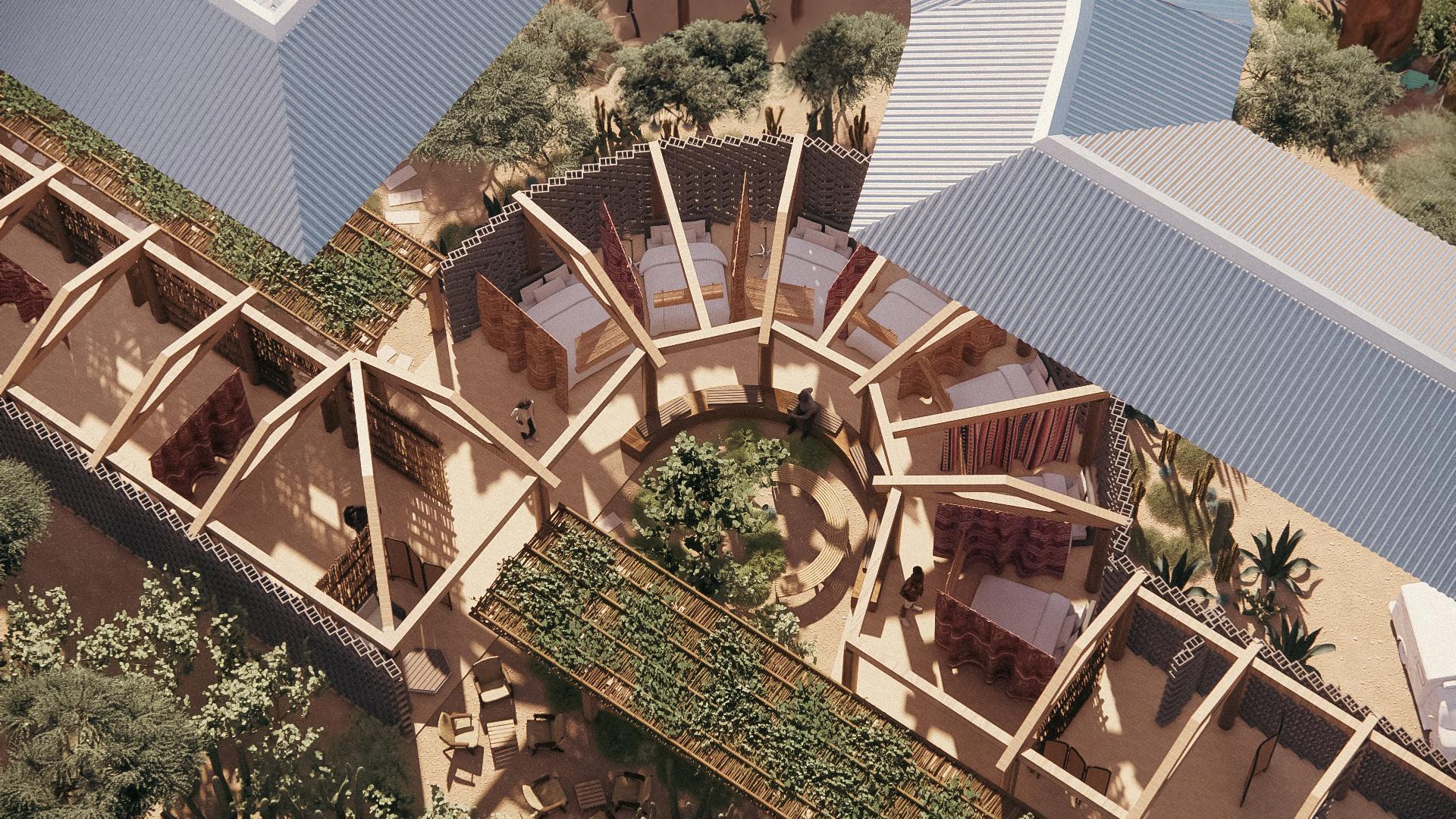
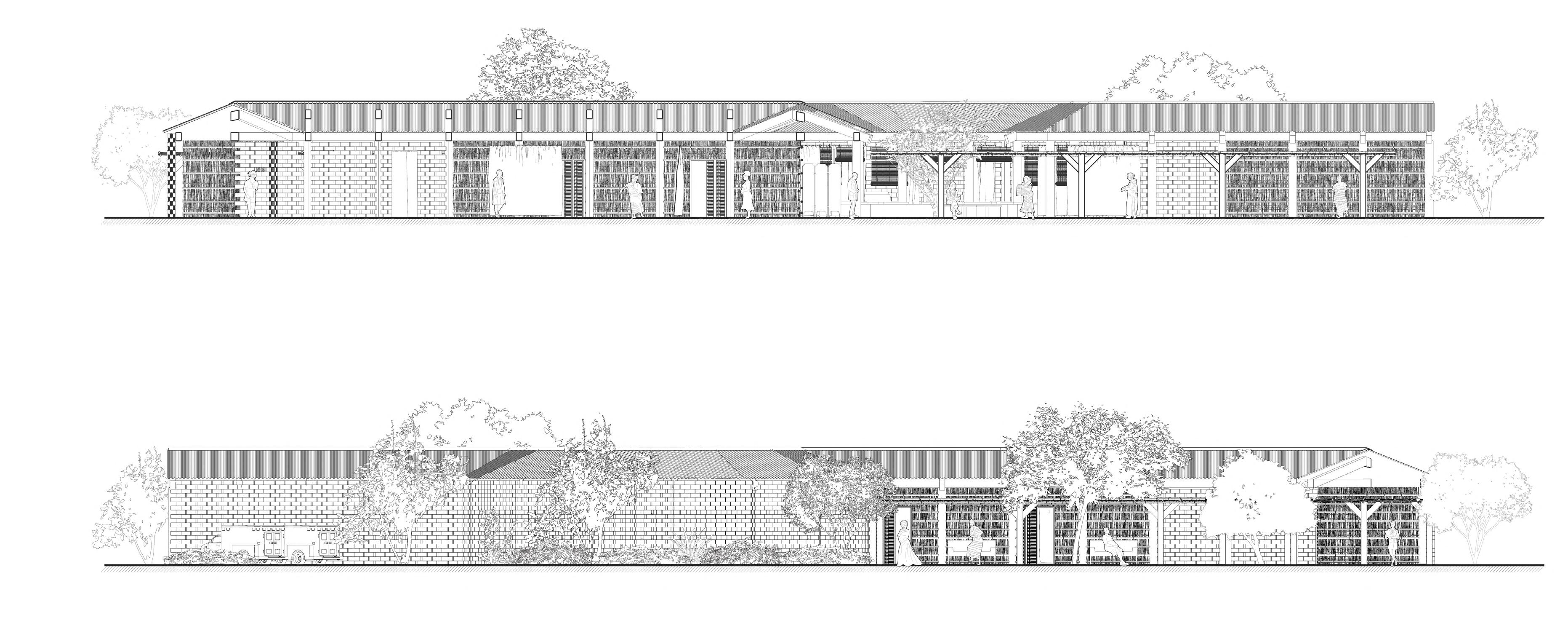
Situated in a village nestled within the underdeveloped regions of Southern Senegal, the maternity centre serves as a beacon of progress and optimism amid impoverishment, which derives from forming a balance between openness and enclosure. With an inviting instance toward the village, the design also aims to create several distinct spatial interactions between private and publicness. Three main programs, namely public exposure, staff and operation, and patient and monitoring, form the linear configuration.
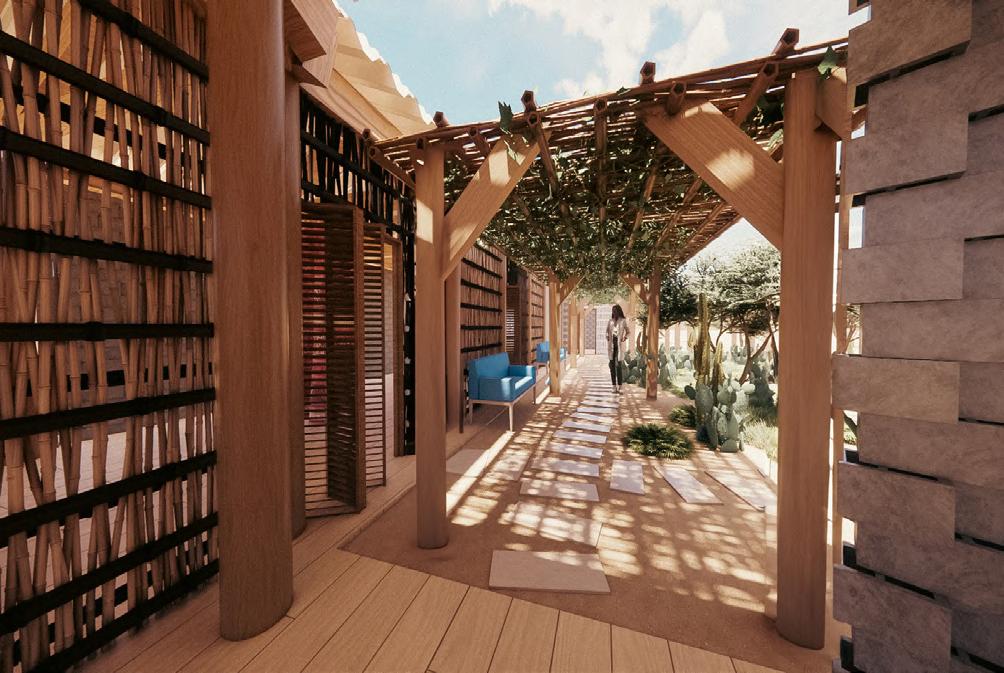
Prioritizing sanitation and safety while fostering an organic ambience conducive to childbirth, the architectural layout facilitates seamless navigation through administrative procedures and ensures the maintenance of pristine hygiene standards at every stage of childbirth. The structure is composed using clean, elegant lines and graceful curves, elevated by expansive open spaces at the entrance and rear. Far from confining individuals within four walls, this innovative concept fosters an environment that encourages free movement and harmoniously integrates natural elements into defined sections of the maternity centre.The sweeping slanted roof spans the entirety of the structure, providing formidable protection against inclement weather. Intertwining the journey from the open outdoor experience to the enclosed hygienic centre reflects the harmonious coexistence between nature and modern infrastructure, encapsulating the essence of the maternity centre’s vision.
The design takes into account several factors to streamline the installation process. The site is prepared by leveling the ground with tamped earth and compacted gravel. The modular frames and columns, present throughout the entire structure and open space, adhere to a consistent design, simplifying the assembly process. Although reorienting certain bricks within the center’s walls to enhance air circulation may be time-consuming, employing only two materials significantly reduces construction time. Distinct indoor and outdoor flooring materials prolong the process. The roofing is installed over all support beams and frames, and the use of overhanging corrugated metal sheets minimizes the need for extensive trimming. The pergola’s open area is covered with interwoven bamboo. Overall, the construction and assembly process of the maternity center is straightforward and does not require heavy machinery, making it feasible for assembly within the village with the assistance of volunteers.
Renderings (Collaborate with Matthew Ng)
PRACTICE EXPERIENCE - HEALTHCARE PROJECTS
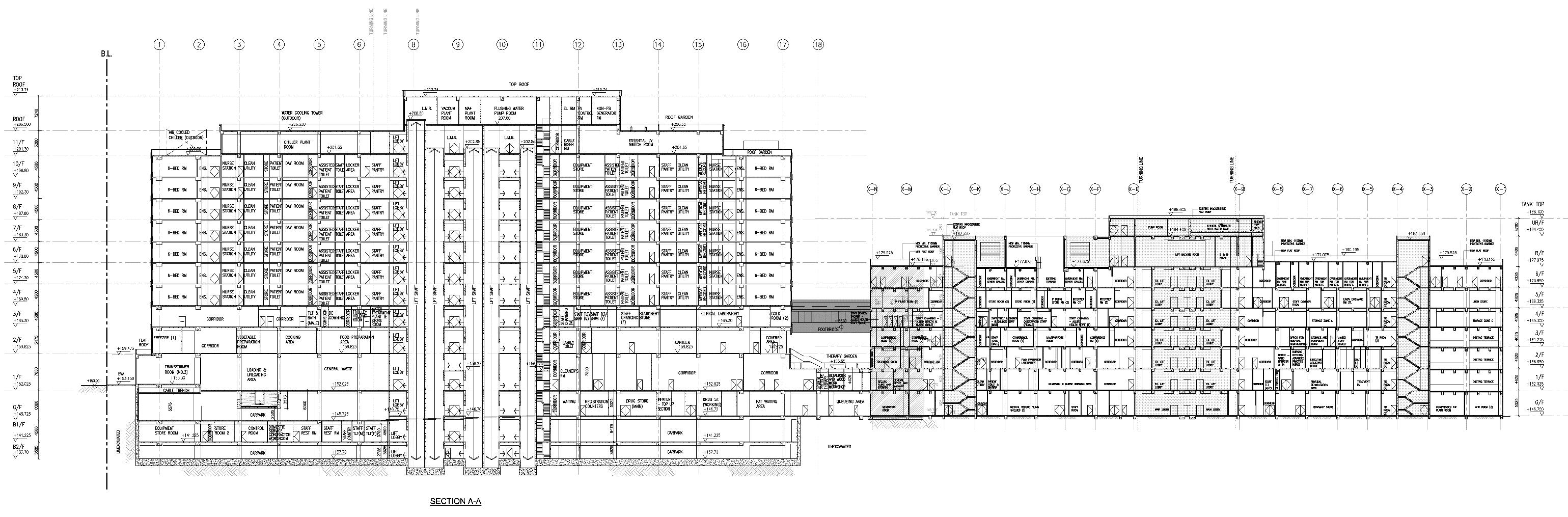
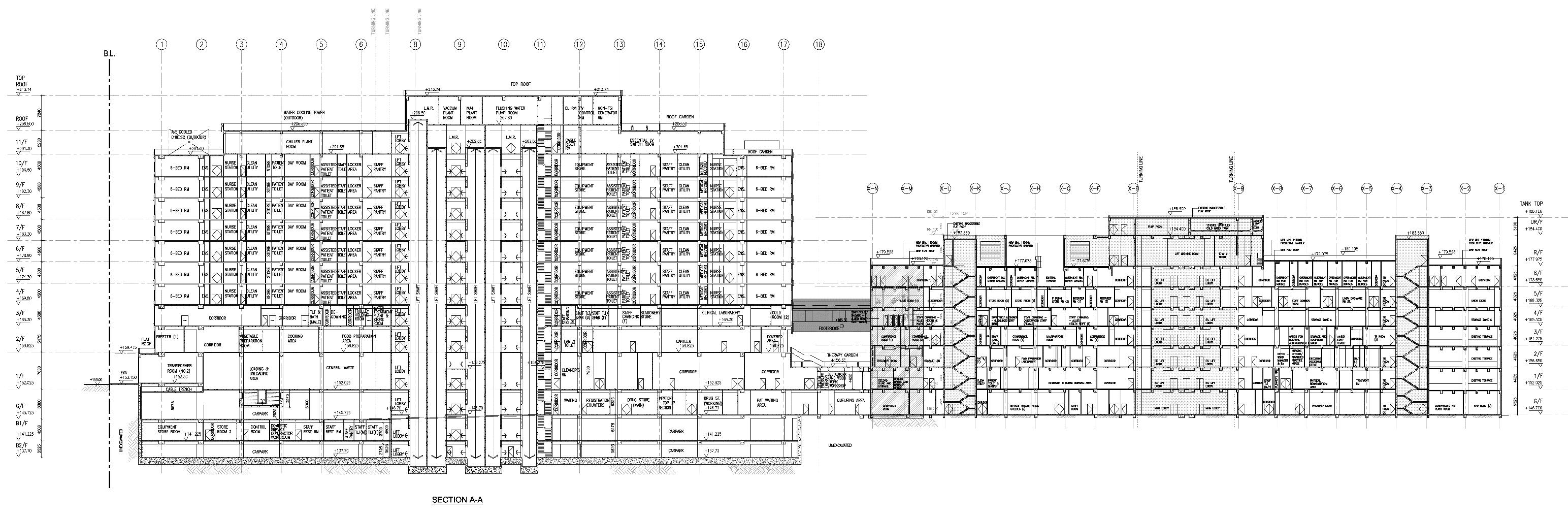
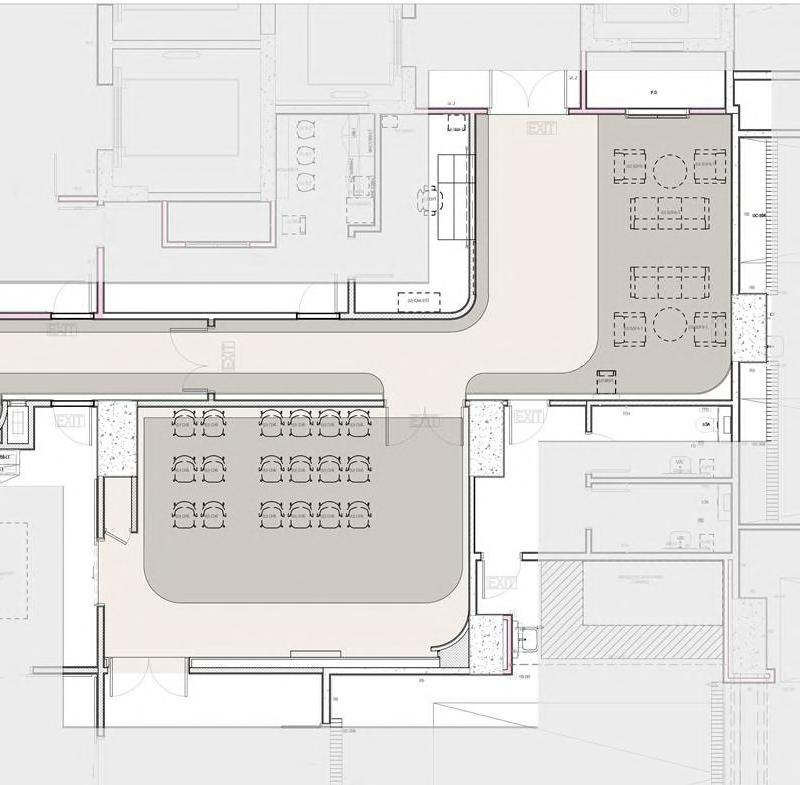
Main Project: Expansion of Lai King Building (New Block) cum Alteration & Addition Design for Existing Block in Princess Margaret Hospital
Site: Kwai Chung, Hong Kong
Company: P&T Group (P&T Architects Limited)
Project Team: VM Team | Date: Fall 2025 - 2026
Responsibilities: 3D Modelling with Revit BIM, Rendering, Post-editing, Project Management, Tender Drawing and Statutory Submissions, Coordination with client, contractors & sub-consultants. All works produced by author of the portfolio and teammates together unless specified.
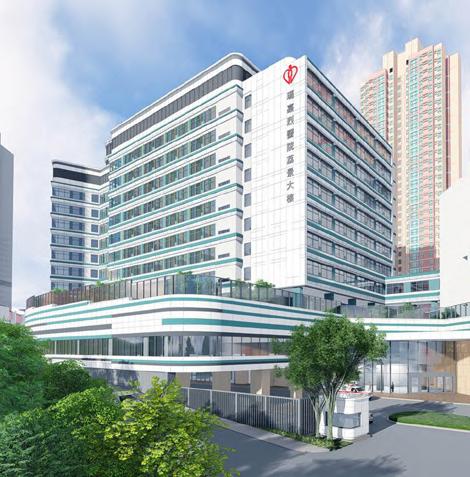
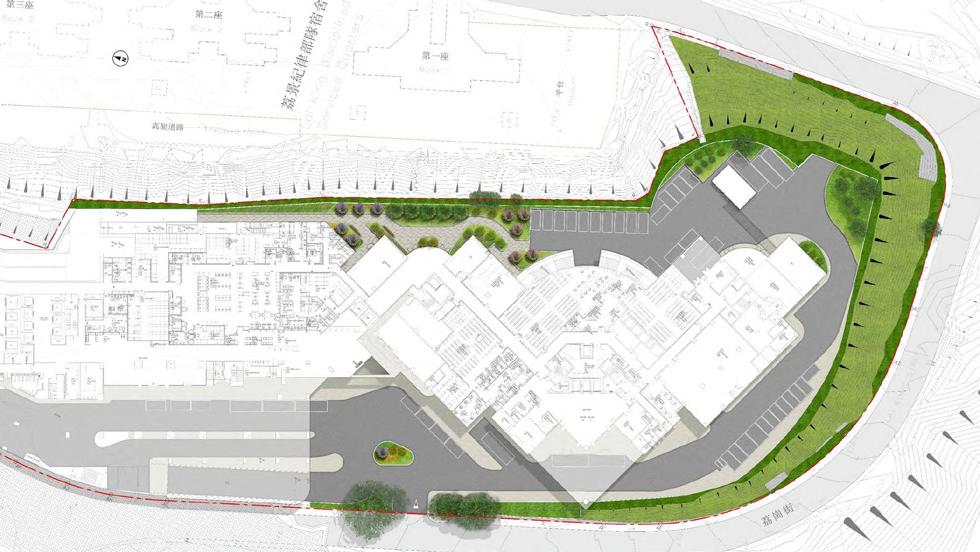
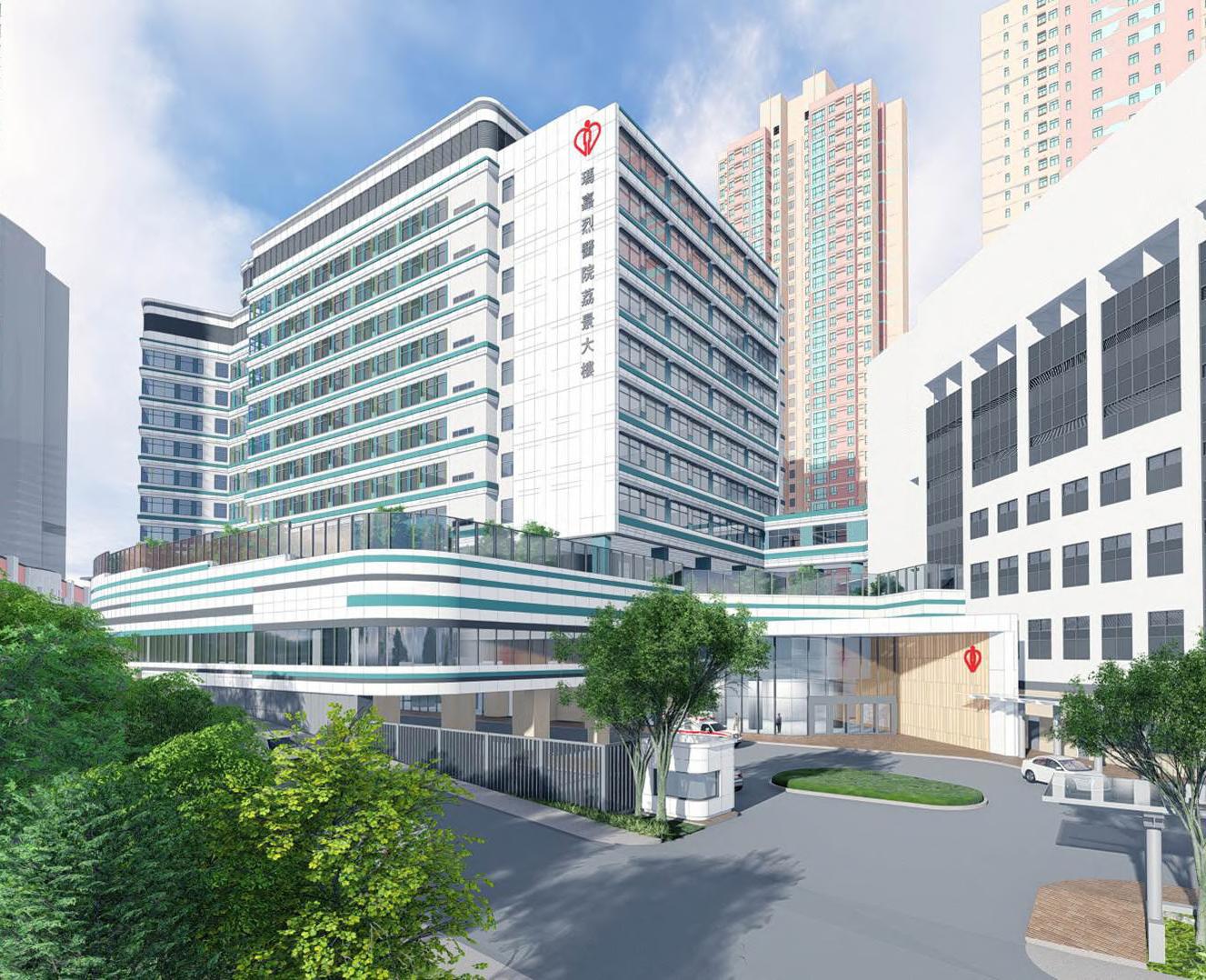
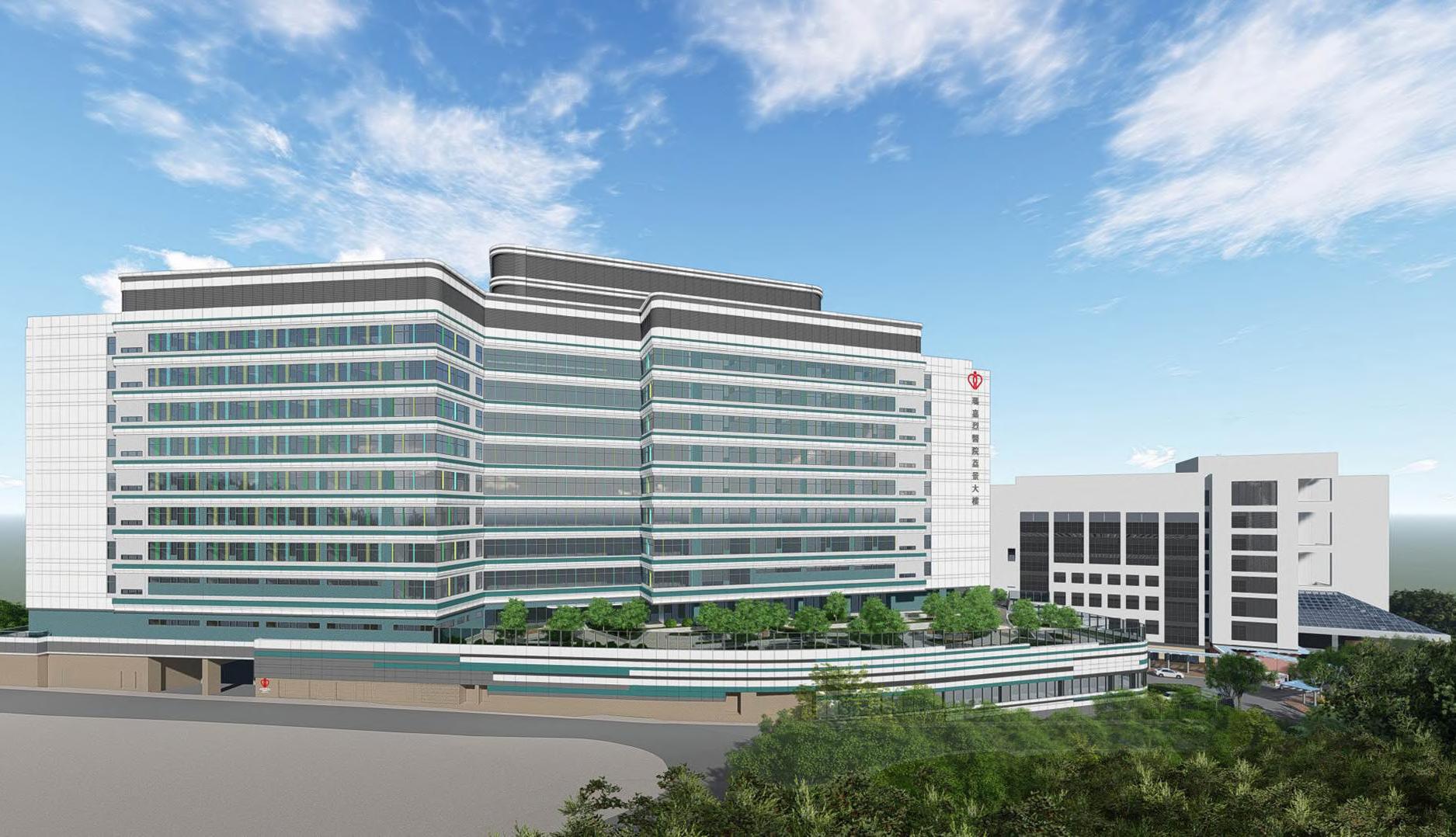
This large-scale hospital project make use of the site of existing rehabilitation garden to construct a new extension block which accommodates wards, associated medical and rehabilitation services, offices and dormitories for medical practitioners, additional vehicular access, together with the renovation of the ajacent existing block with rearranged layouts of in- and out-patient services and clinical departments.
Situated on a quiet hill, the architecture is thoughtfully planned to blend in with its surroundings, enveloped by lush greenery that promotes tranquility away from the city’s bustle. The bold modernist façade of the current Lai King Building acts as a guiding architectural feature, incorporating the natural setting into the design.
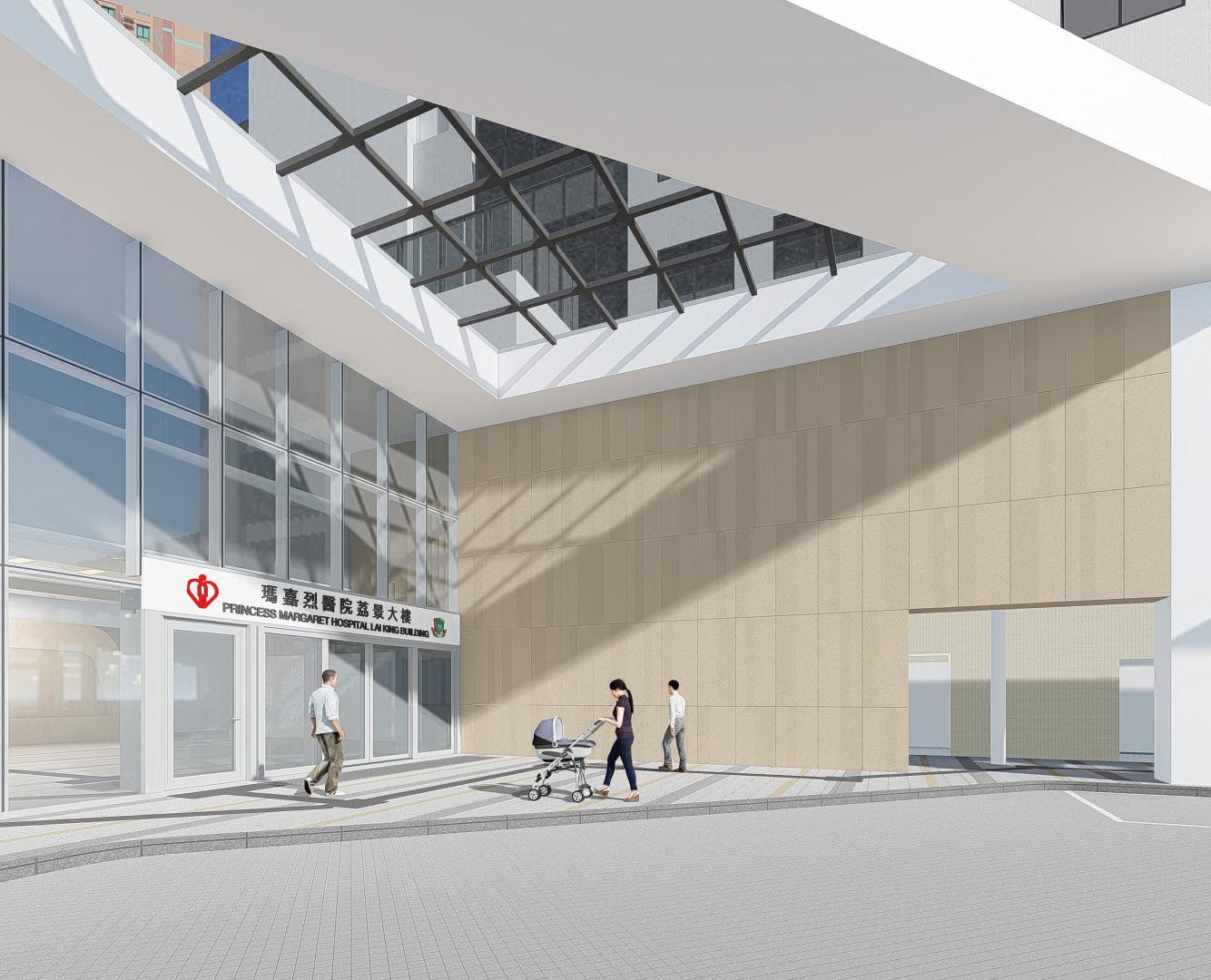
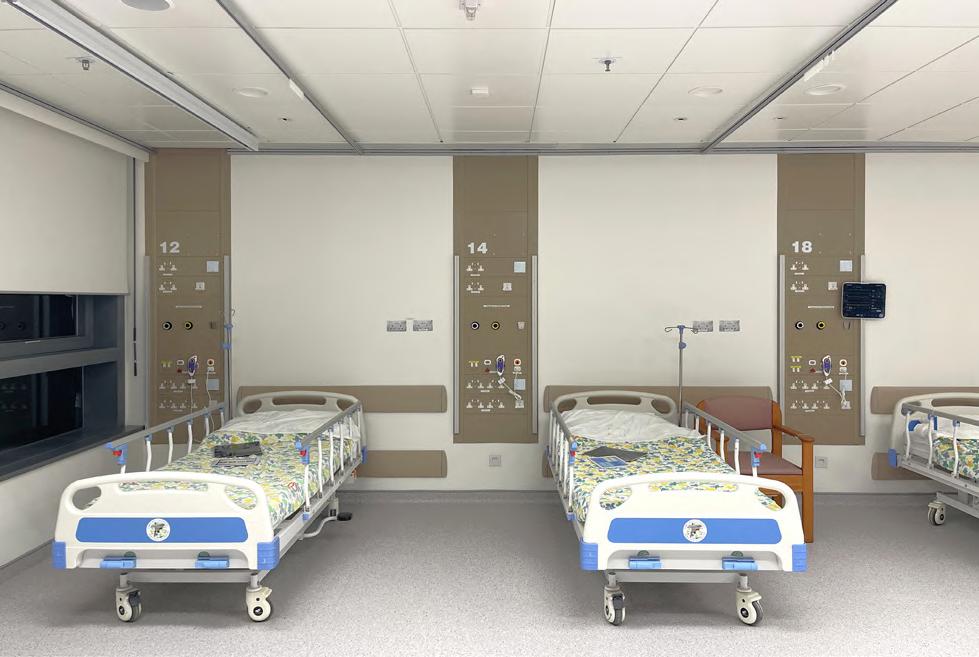
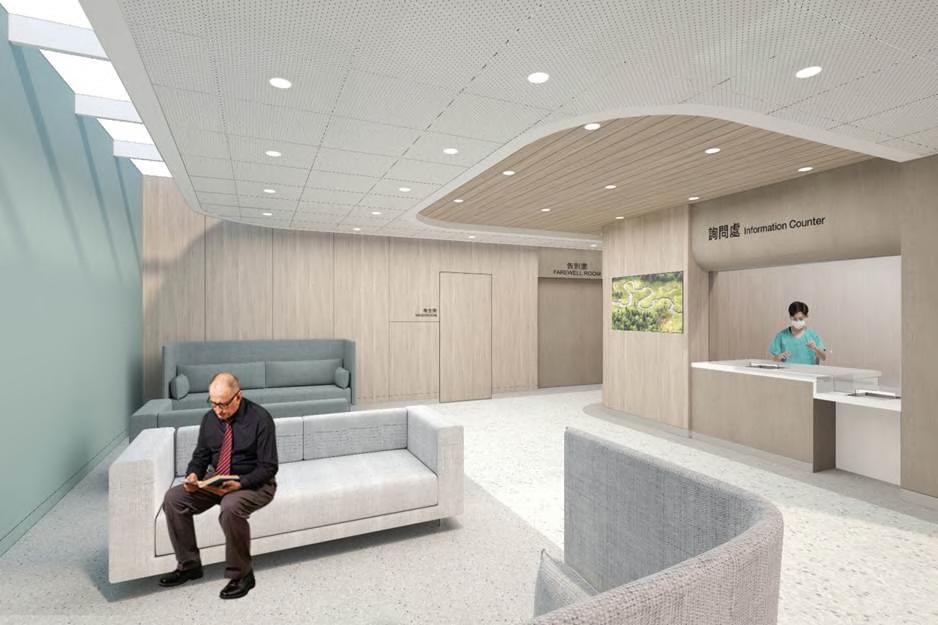
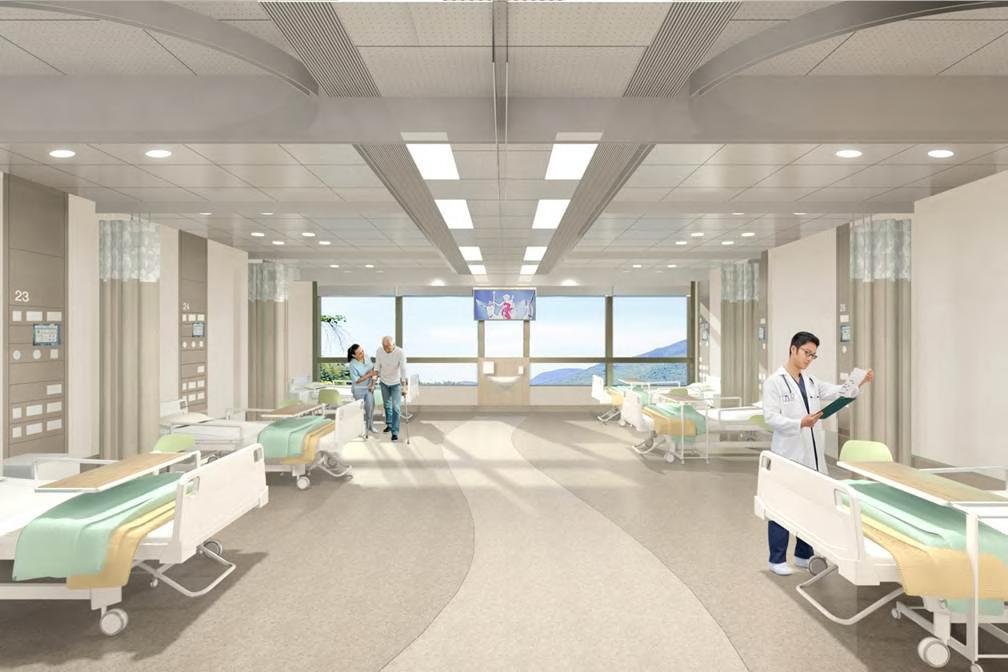
Design of the hospital wards in the new block of the Lai King Building emphasizes a natural and healing ambience that reflects the hillside location of the project. Large windows admit ample daylight, while warm wood-toned flooring and soft beige walls promote the calm and serenity of a forest environment.
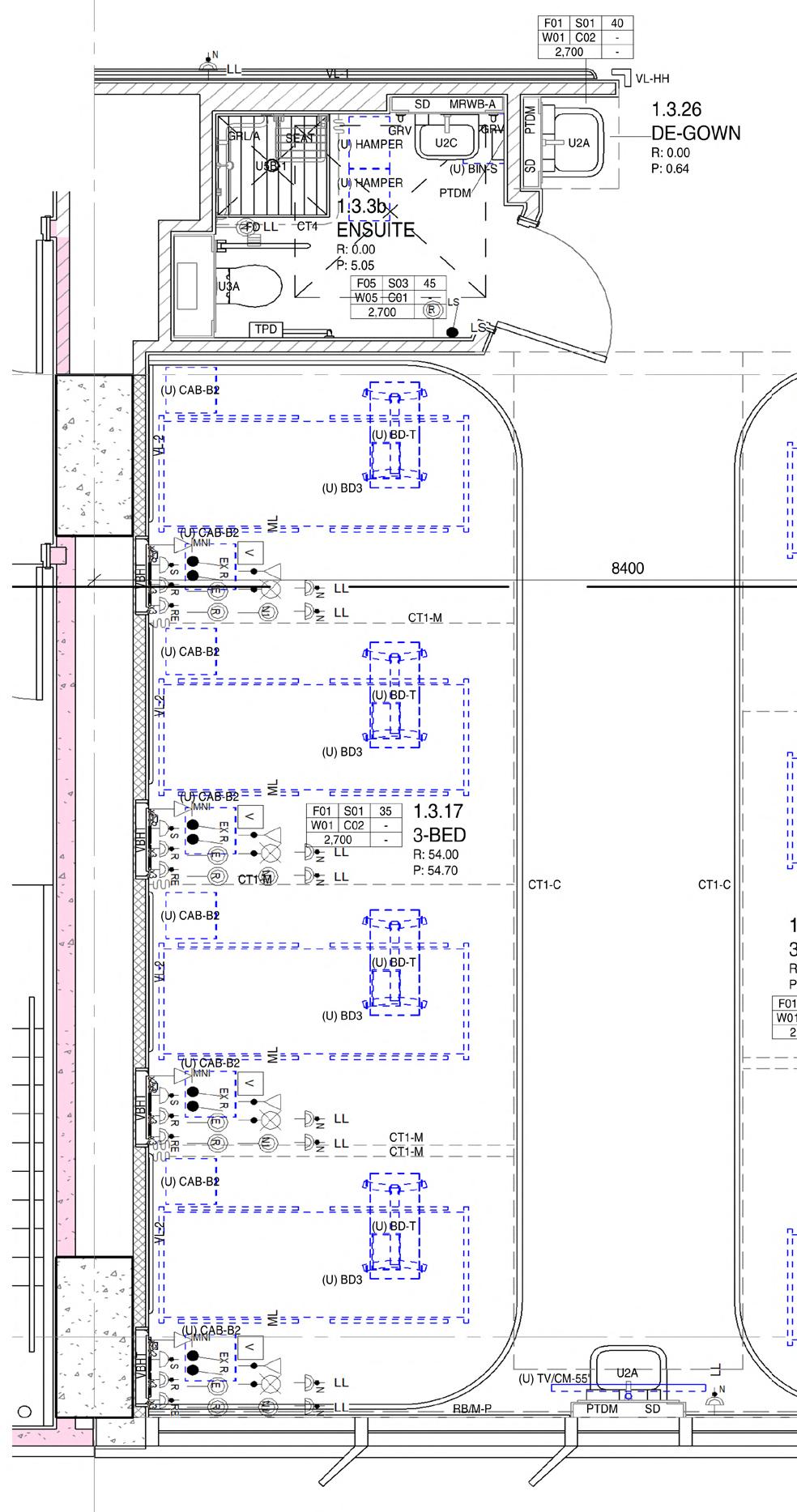
Technical drawing (Collaborate with structural and building services engineering consultant)
Site Photo
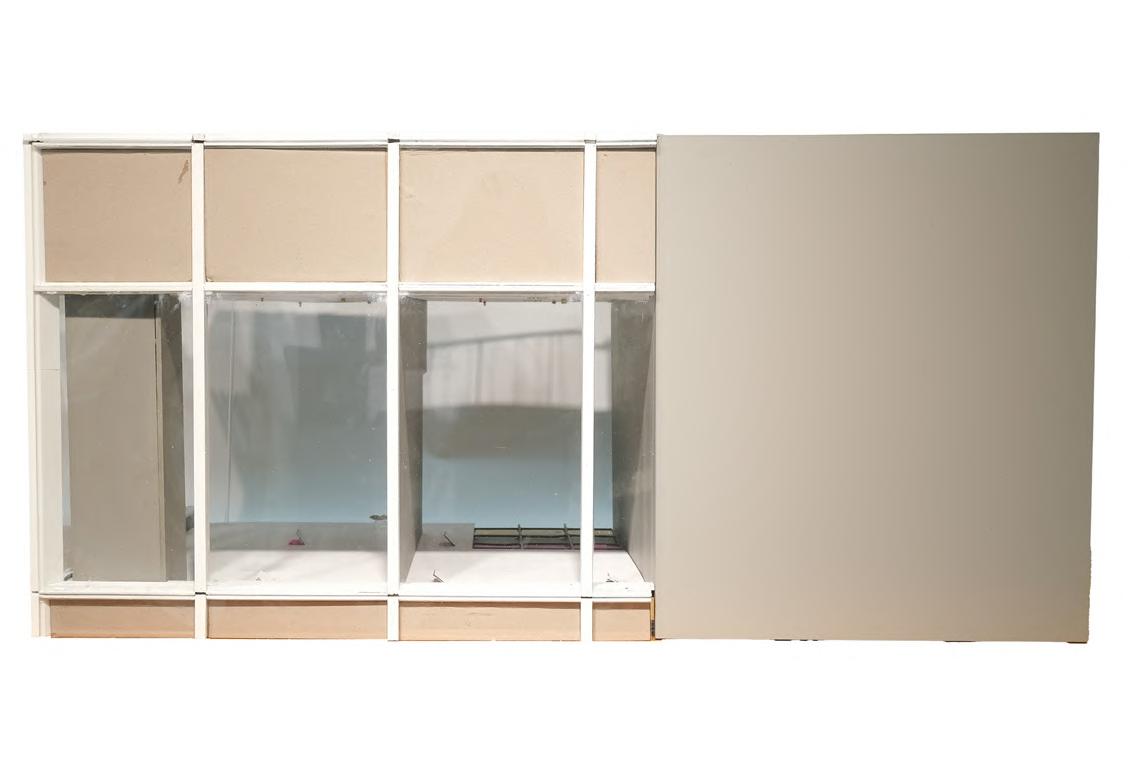
Off-site Mock-up Visit of Clinical Wards
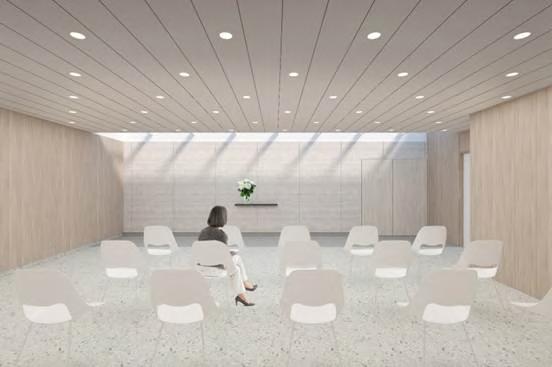
Interior rendering (Collaborate with interior design consultant)
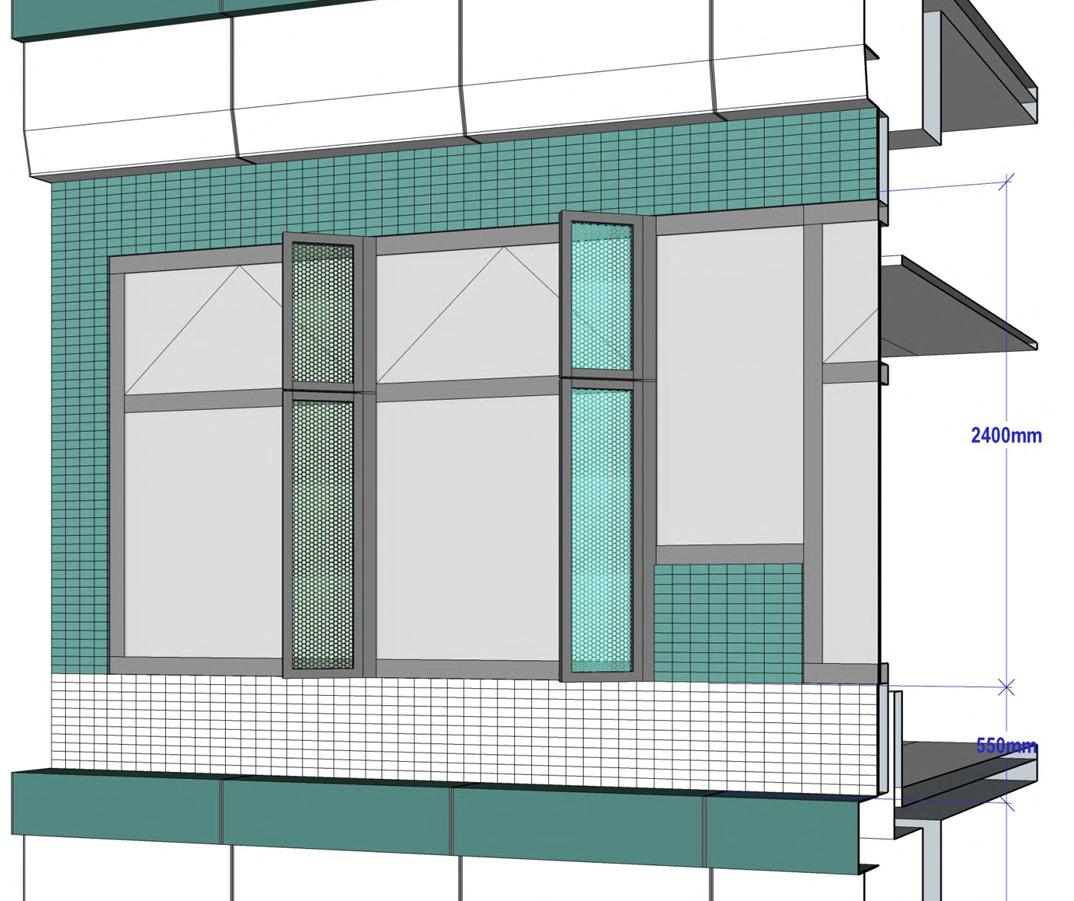
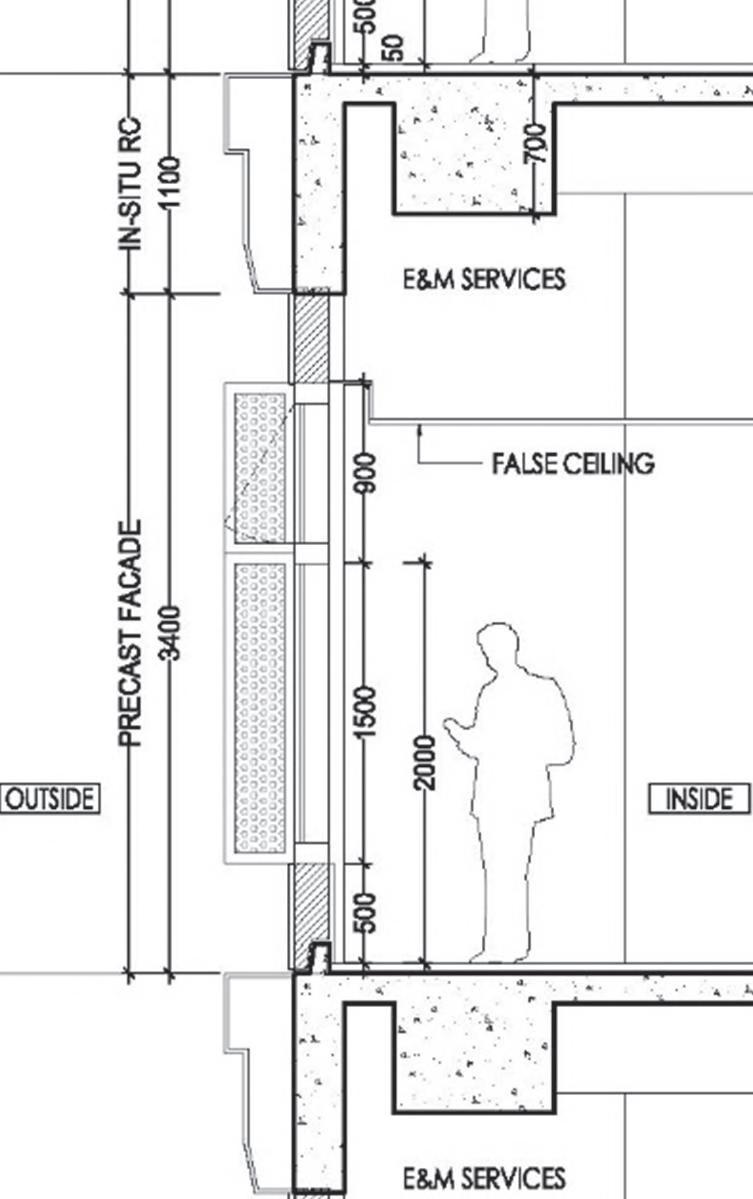
Typical Drywall Detail
HABITABLE HONG KONG
EXHIBITION PROJECT - MATERIAL IMPACT
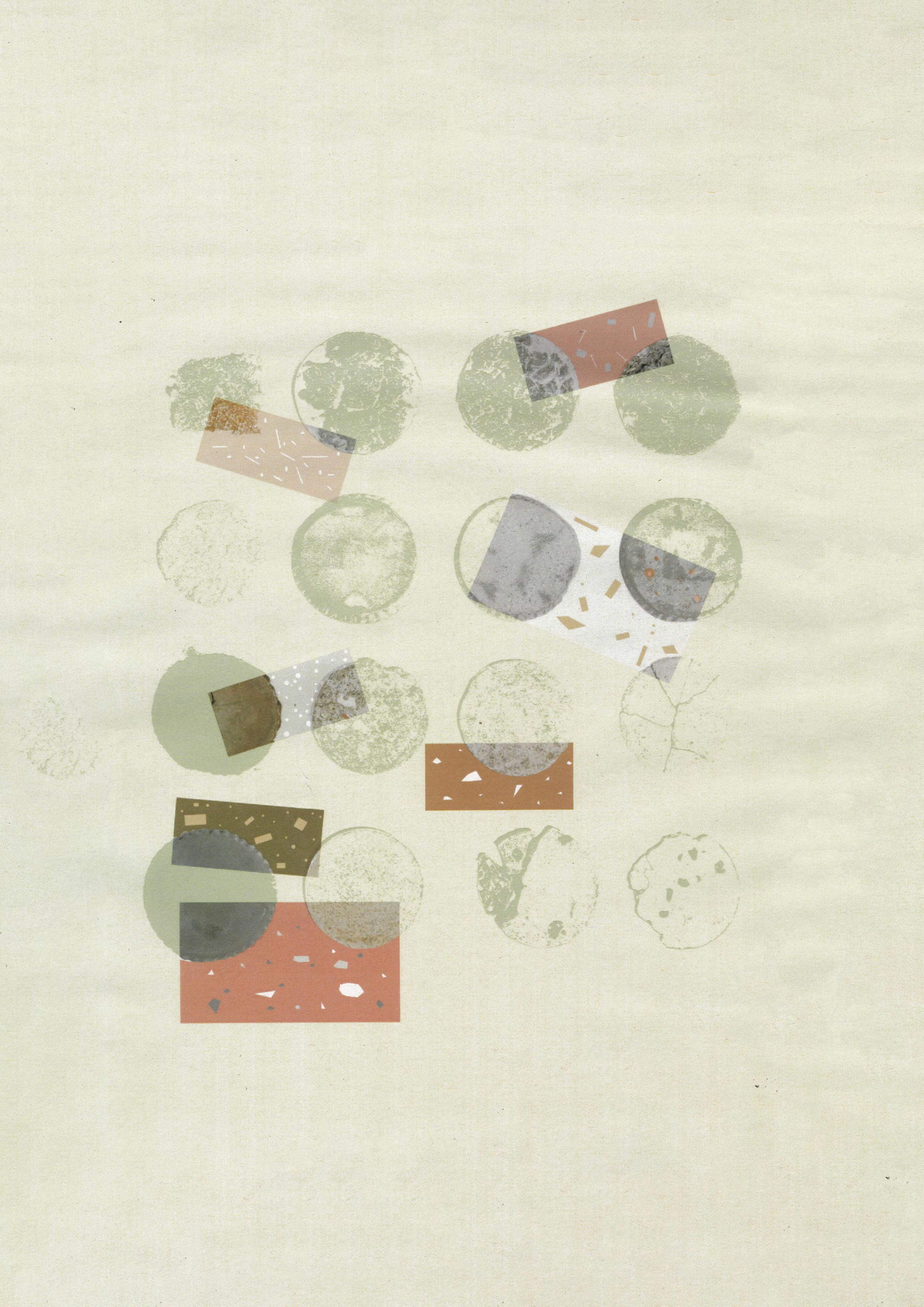
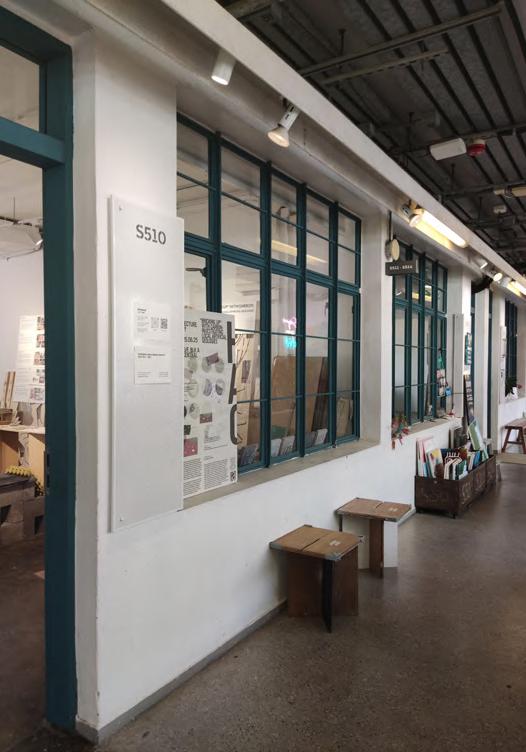
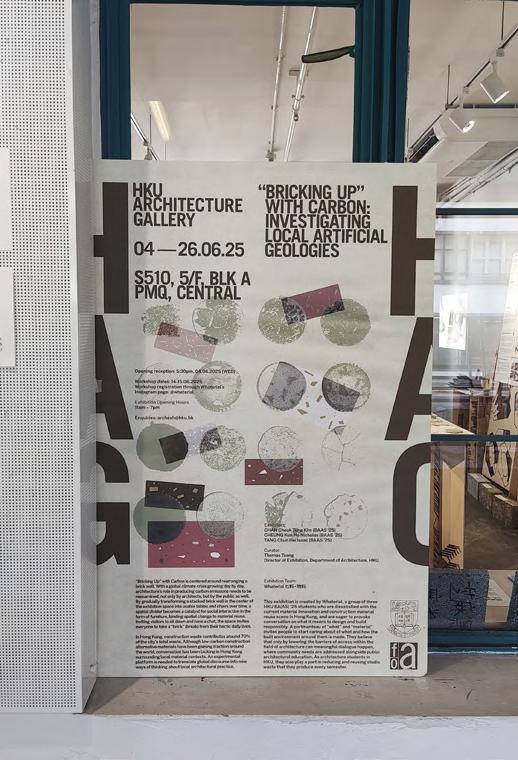
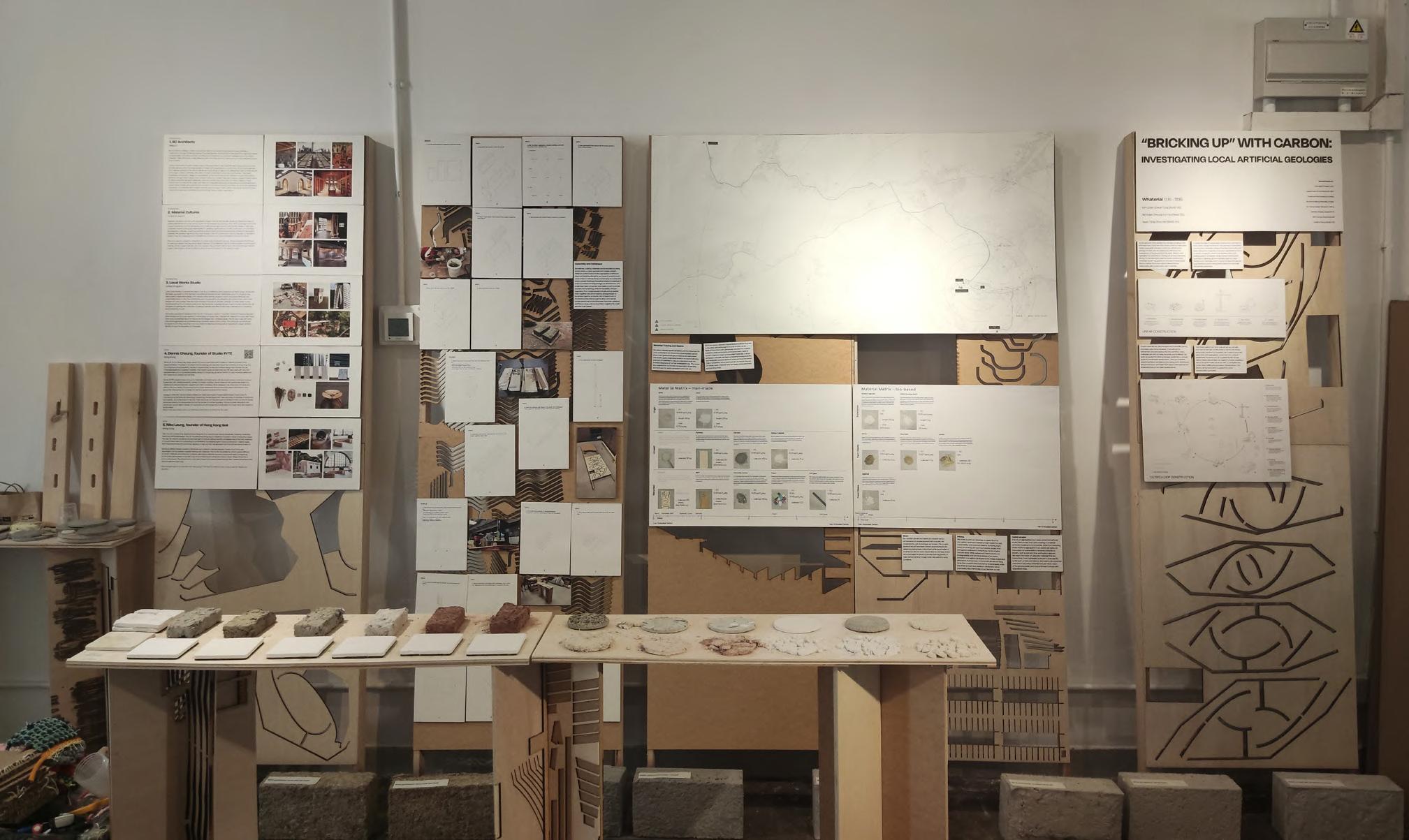
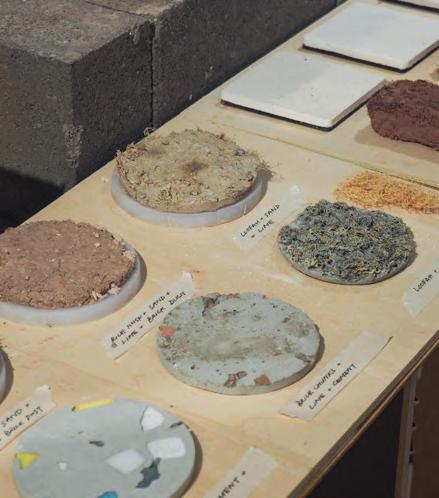
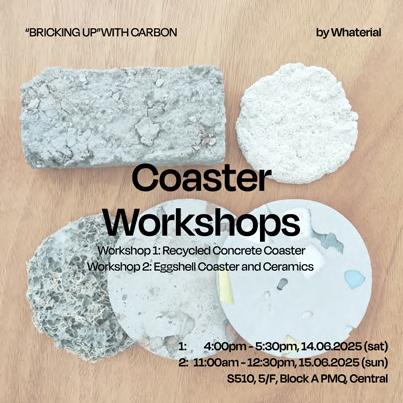
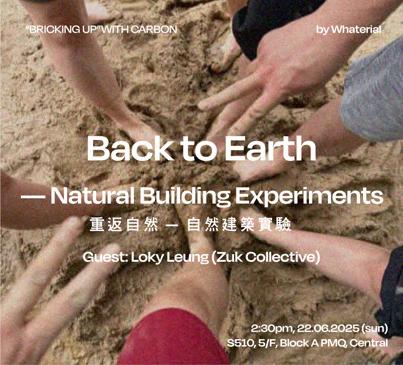
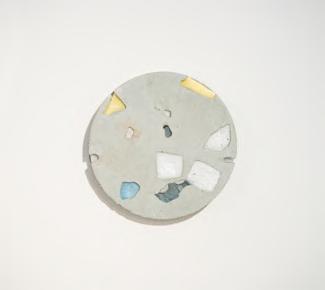
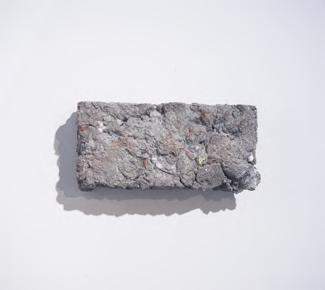
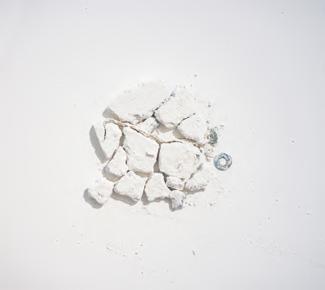
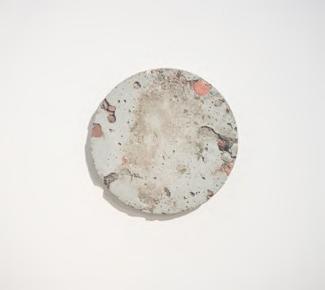
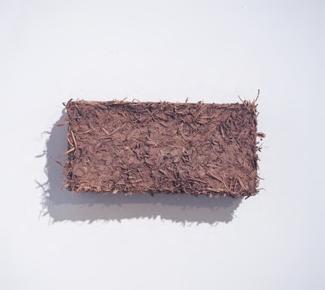
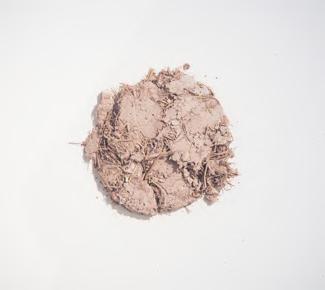
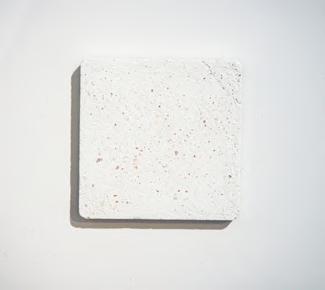
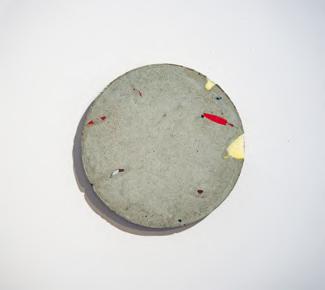
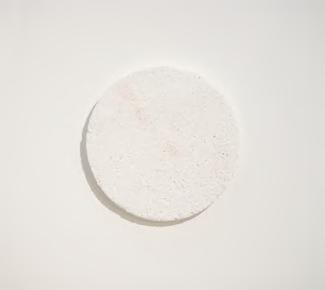
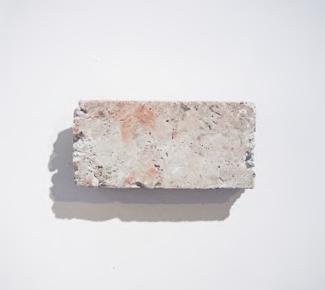
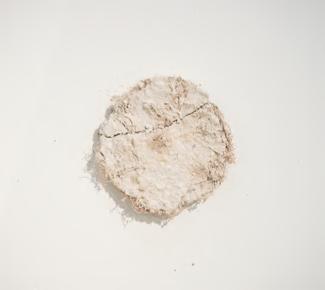
“Bricking Up” With Carbon - Investigating Local Artificial Geologies
Location: Central, Hong Kong
Collaborated with Team Whaterial, Supported by HKU Department of Architecture Awardee & Exhibition Co-curator of HKU Architecture Residency Program - Summer 2026
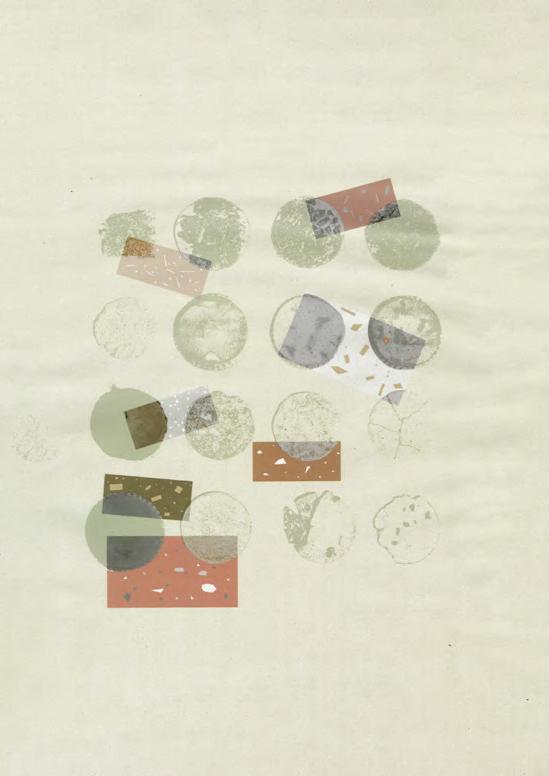
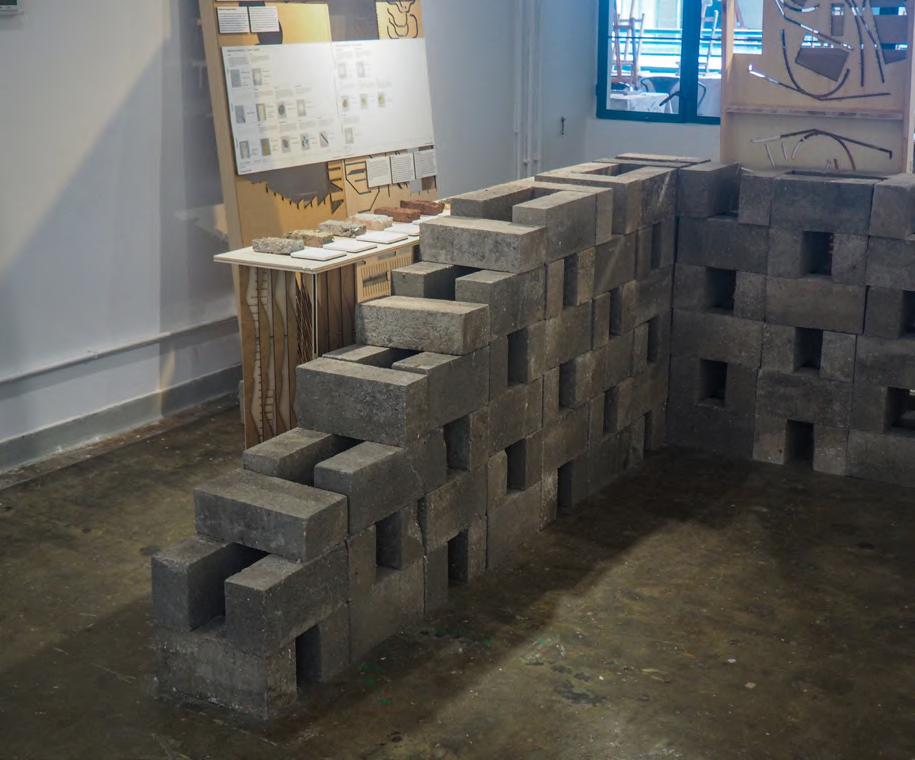
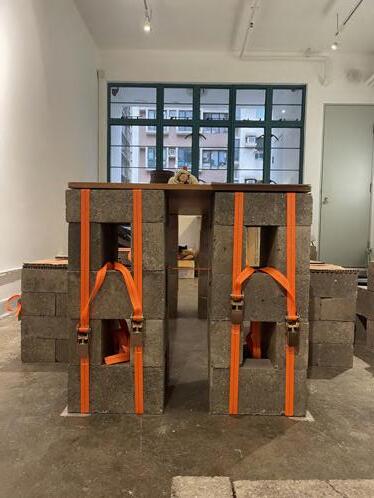
The exhibition was centered around rearranging a brick wall. By gradually transforming a stacked brick wall in the center of the exhibition space into usable tables and chairs over time, a spatial divider became a catalyst for social interaction in the form of furniture, binding spatial change to material reuse. Inviting visitors to sit down and have a chat, the space invited everyone to take a “brick/break” from their hectic daily lives.
As architectural graduate from HKU, I played a part in producing waste related to construction every semester. Thus, it is just as important that we inspect and discuss about said waste in our studio culture as well, first and foremost by reducing and reusing waste in our model-making.