
Participatory Digital Archiving as a Conservation Strategy
The Palestinian Archive Platform
By Youssef Elreweny, Omar Khatib, Mariam Hany and Dr Rasha Shaheen
The preservation of cultural heritage in contexts of conflict and displacement increasingly requires approaches that extend beyond institutional frameworks. In such settings, archives are not only physically vulnerable but also socially fragmented, often with materials dispersed across individuals and communities rather than in centralized repositories. These issues
were discussed during a meeting of the Archive Collective of Palestine, where those in attendance recognized the need for Palestinians to save and preserve their own archives.
The Palestinian Archive Platform was then established in collaboration with the ACP as a response to these challenges, adopting a participatory digital archiving model that enables individuals to actively contribute to the preservation of their own heritage. Rather than functioning solely as a repository, the platform operates as a community -driven archival system, integrating digital preservation, storytelling, and spatial
documentation. The platform is currently in development and not yet publicly available, but once launched (expected date in 2027), it will be open for registrants.
This article examines the platform as a conservation strategy, focusing on its methodological framework, technical structure, and its implications for the evolving role of archives in safeguarding intangible and community -held heritage. This shift reflects broader transformations in archival theory that emphasize community participation and shared authority ( Flinn et al., 2009).
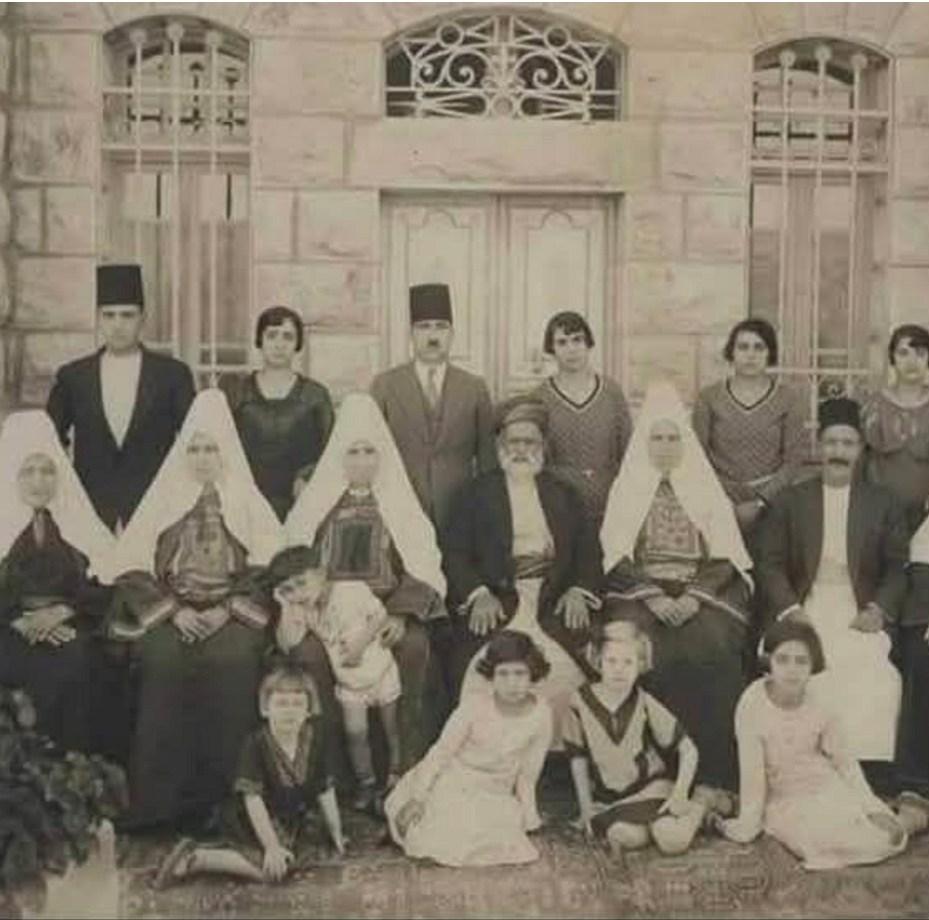
Example of personal archival material accompanied by narrative storytelling. Image courtesy of the authors.
The submission process includes uploading the image, adding descriptive metadata, and narrating the historical and emotional context of the scene before review by the scientific committee. Image courtesy of the authors.
FROM CENTRALIZED ARC HIVES TO PARTICIPATORY MODELS
Traditional archival practice has historically relied on institutional control where selection, documentation, and access are managed by professionals. However, in the Palestinian context, such centralized systems are often inaccessible or incomplete due to geopolitical and historical factors.
The Palestinian Archive Platform addresses this limitation by shifting toward a participatory model in which individuals act as custodians of their own archival materials; content is contributed directly by community members, and archival narratives are constructed through personal storytelling. This approach aligns with emerging practices in conservation and digital humanities that recognize the importance of community engagement and distributed knowledge systems.
PLATFORM CONCEPT, STRUCTURE, AND CONTRIBUTION SYSTEM
At its core, the Palestinian Archive Platform is designed as a global digital portal that connects Palestinians worldwide within a unified archival environment. Registered users (members of the Palestinian diaspora and community) are able to upload archival materials (photographs, documents, personal records); provide accompanying narratives through structured storytelling, and contribute contextual and historical information.
Each submission undergoes a review and validation process by a scientific committee, ensuring the credibility, relevance, and ethical compliance of the content before publication. For example, a usersubmitted photograph of a pre1948 Palestinian village accompanied by a personal narrative not
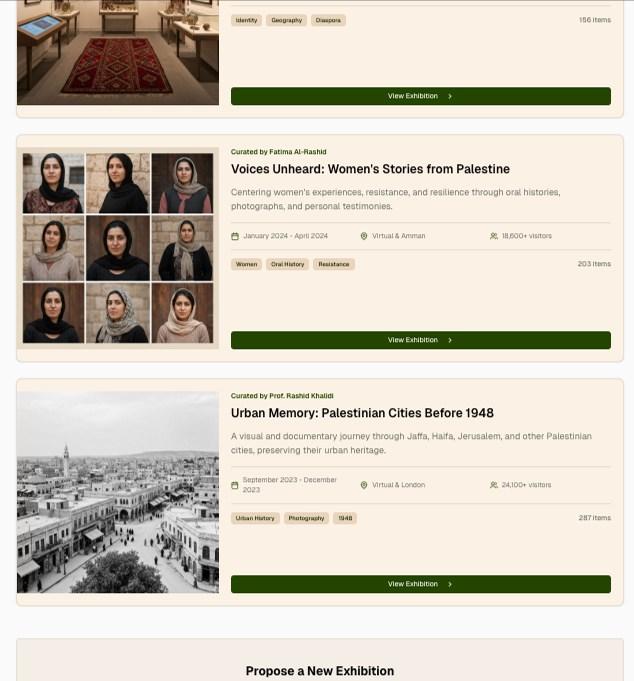
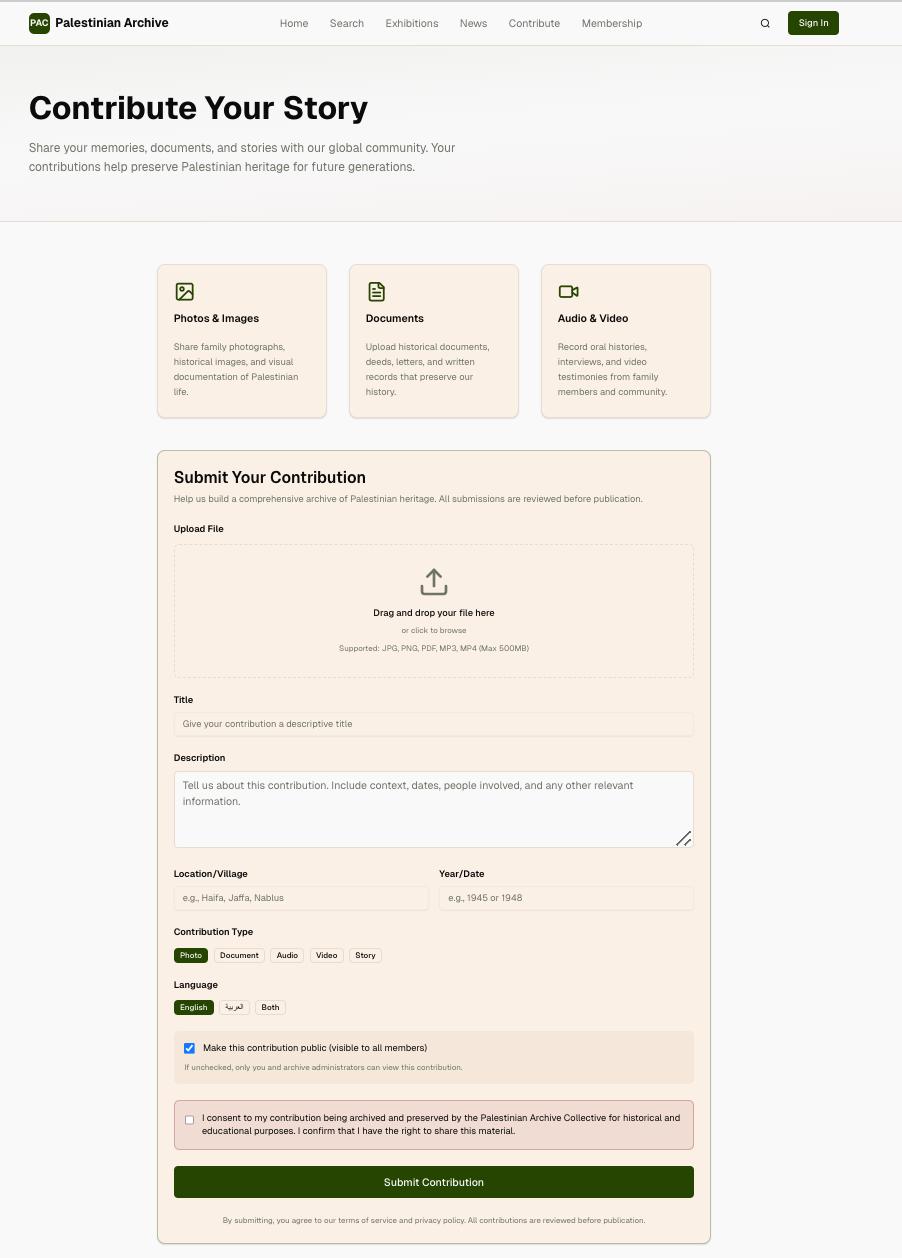
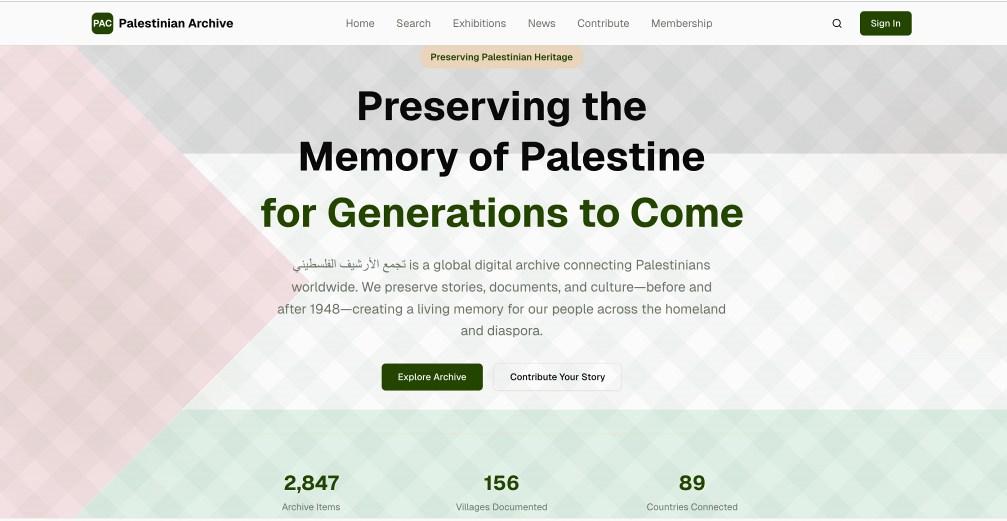
Exhibitions and collections interface of the Palestinian Archive Platform, presenting curated archival materials and communitycontributed content within a structured digital environment that supports research, interpretation, and public engagement. Image courtesy of the authors.
only preserves the visual record but also reconstructs social memory and lived experience. This dual structure open contribution with expert validation creates a balance between accessibility and scholarly rigor a critical consideration in dig ital archiving projects
ARCHIVAL STORYTELLIN G AS DOCUMENTATION
A defining feature of the platform is its emphasis on storytelling as an archival tool ( Portelli, 1997 ; Frisch, 1990). This aligns with oral history practices that treat narrative as a form of knowledge production rather than mere documentation. Rather than presenting materials as isolated objects, each item is embedded within a narrative framework that reflects personal, social, and historical experiences. This approach expands traditional documentation by incorporating
oral history -like narratives, personal testimonies, and contextual interpretations from contributors.
From a conservation perspective, this method supports the preservation of intangible heritage including memory, identity, and lived experience elements that are often absent from conventional archival records.
SPATIAL DOCUMENTATIO N: THE DIGITAL MAP INTE RFACE
In addition to object -based archiving, the platform integrates a geospatial component through an interactive digital map. Key features of the map include:
· Identification of Palestinian cities and locations
· Historical descriptions of urban and rural environments
· Comparative perspectives (past and present conditions)
· Integration of communitycontributed content linked to specific locations
This spatial layer transforms the archive into a geo -referenced knowledge system, allowing users to explore heritage through both material and geographical dimensions. Moreover, the map functions as a form of digital reconstruction of place, particularly significant in contexts where access to physical sites is restricted or where landscapes have undergone significant change.
DIGITIZATION AND DAT A STANDARDIZATION
All submitted materials are processed within a structured framework to ensure consistency and long -term usability. This includes standardized metadata fields, controlled vocabulary for
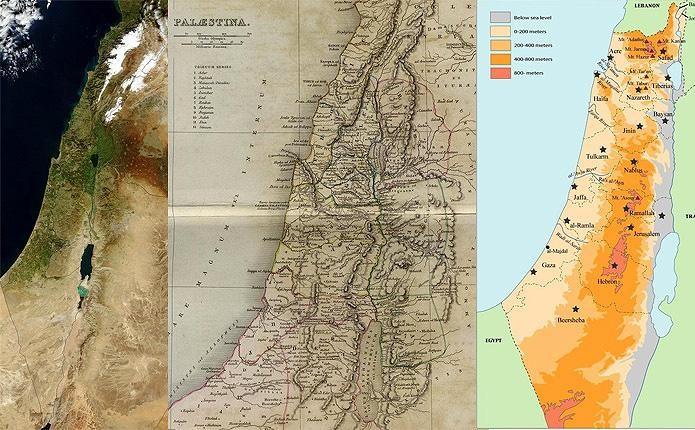
Interactive digital map linking archival materials to geographic locations. Image courtesy of the authors.
“By enabling individuals to act as contributors rather than passive subjects, the project redefines the relationship between archives and their users.”
descriptions, and documentation of source and provenance Where applicable, dig itization protocols are applied to enhance image quality and ensure accurate representation of materials.
PREVENTIVE CONSERVAT ION THROUGH DIGITAL SURROGATES
By digitizing and disseminating archival materials, the platform contributes to preventive conservation by reducing the handling of fragile originals; providing alternative access pathways; and creating distributed backups of vulnerable content. This is particularly critical for privately held materials that may not benefit from institutional conservation environments.
QUALITY CONTROL AND ETHICAL OVERSIGHT
The involvement of a scientific committee introduces an additional layer of quality assurance. This includes:
· Verification of historical accuracy
· Review of metadata and contextual information
· Assessment of ethical considerations (ownership, sensitivity, representation)
Such oversight ensures that the platform maintains professional standards while remaining inclusive.
CHALLENGES
User-contributed content varies significantly in format, quality, and documentation level. This requires adaptable workflows for standardization and integ ration
While participatory models promote inclusivity, they also necessitate mechanisms to maintain accuracy and reliability. The review system is essential but may introduce delays or resource demands.
As with all digital platforms, long -term sustainability depends on data management strategies. platform maintenance, and continued institutional or organizational support. Participatory models may also introduce issues related to subjectivity, bias, and uneven access to digital tools, particularly in marginalized communities.
DISCUSSION
The Palestinian Archive Platform reflects a broader shift in conservation practice toward decentralized
Right: Exhibitions and collections interface of the Palestinian Archive Platform, presenting curated archival materials and community-contributed content within a structured digital environment that supports research, interpretation, and public engagement.
Below: User-contributed archival photograph submitted through the platform, accompanied by personal storytelling. Images courtesy of the authors.
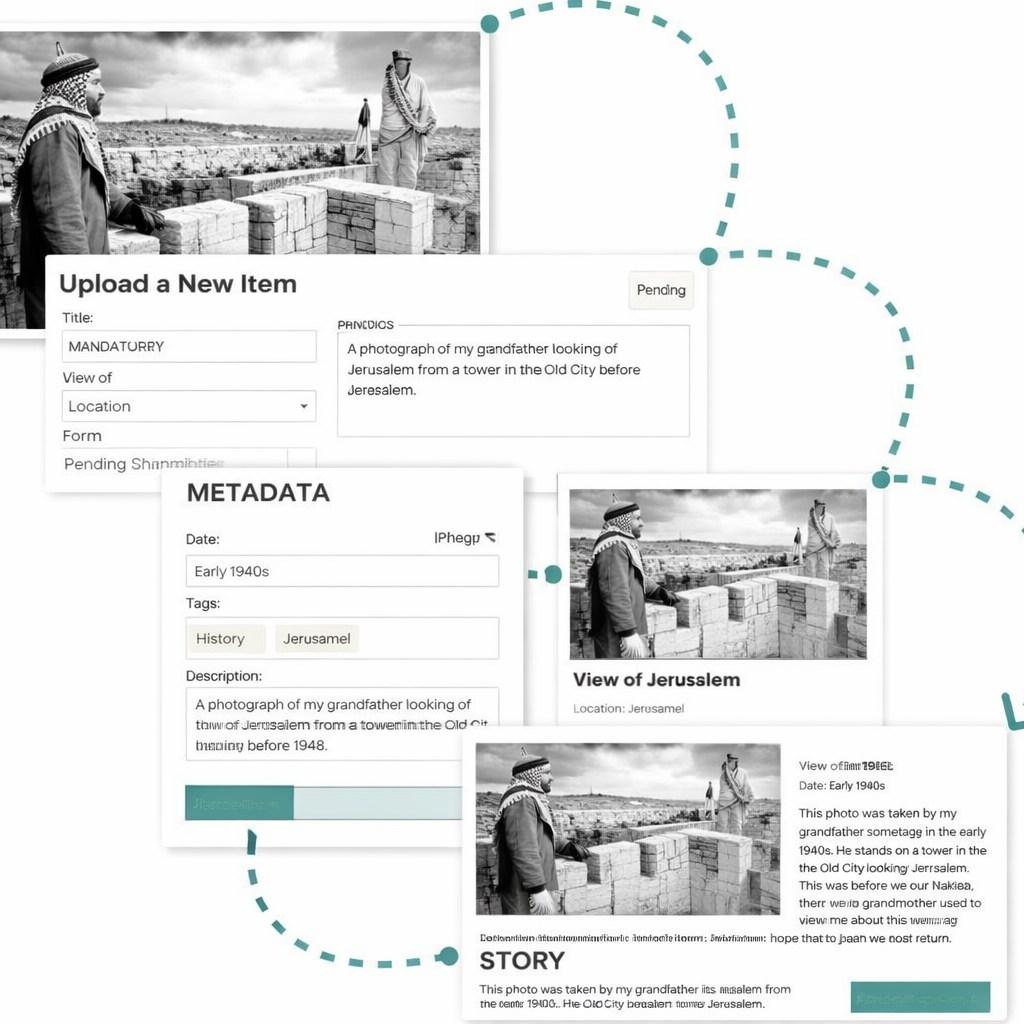
and community -engaged models ( Stoler, 2002 ; Mbembe, 2002 ). In the Palestinian context, such approaches can also be understood within decolonial archival practices that challenge authority over knowledge production and narrative formation. By enabling individuals to act as contributors rather than passive subjects, the project redefines the relationship between archives and their users.
Importantly, the platform does not attempt to replace traditional archives but instead complements them by capturing materials and narratives that might otherwise remain undocumented.
Its integration of storytelling and spatial mapping further demonstrates how digital tools can expand the scope of conservation to include both tangible and intangible heritage within a unified framework.
In contexts where heritage is fragmented, vulnerable, or inaccessible, participatory digital archiving offers a viable and innovative conservation strategy. The Palestinian Archive Platform illustrates how digital infrastructures can support not only the preservation of materials but also the continuity of cultural identity and collective memory. By combining community participation, technical rigor, and spatial documentation, the project demonstrates a more inclusive and resilient model for heritage preservation. As conservation practice continues to evolve, such approaches highlight the importance of integrating technological tools with socially responsive methodologies to address the complexities of heritage in the modern world.
Youssef Elreweny is an engineering student at Ain Shams University, Cairo, with a focus on modern technology in cultural heritage preservation. He has presented research at international conferences, including CIPA 2023 in Florence, AIC 2026 in Montreal, CRE 2026 in Tokyo, ISPRS and the University of Basel, Switzerland, and has received grants from the Organization Committee in each conference.
Omar Khatib is a lead archivist at the Archival Community Palestine (ACP) with over 30 years of expertise in document management and archival standards, including ISO 15589 and ISAD -G. His work focuses on preserving Palestinian cultural heritage through digitization, with contributions to the Fighting Erasure project safeguarding records from conflict zones.
Mariam Hany is an undergraduate computer science student at Ain Shams University, Cairo (2024–2028), with a strong interest in technology and innovation. She has participated in the Digital Egypt Cubs Initiative and the Techsplore program, developing skills in C++ and iOS development, and has contributed to environmental tech initiatives. She has presented research at international conferences, including CRE 2026 in Tokyo, and has received grants from the Organization Committee of the conference.
A Harsh Winter in Kyiv
Update on the Anglo-Ukrainian Dictionary Project
By Christine Sitwell, Katya Belaia -Selzer and Dr Marharyta Khrebtenko
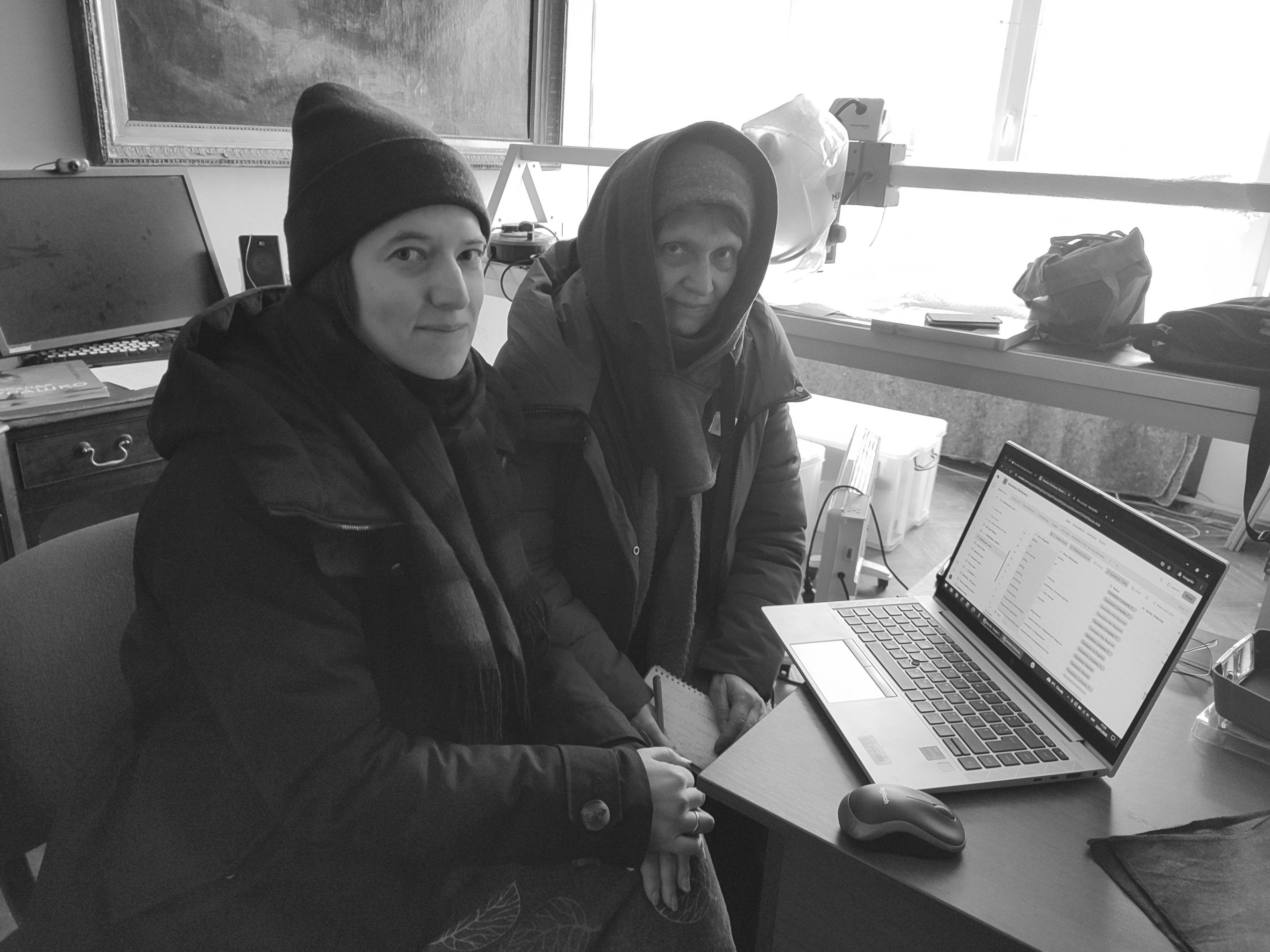
Marharyta and Tetiana at work at the Academy, Kyiv, despite freezing conditions. © Marharyta Khrebtenko
Since the beginning of the full-scale invasion of Ukraine on 24 February 2022 by Russian forces, many Ukrainian conservators have become refugees across Europe and America seeking safety. As the horrors of war continued and the realities of displacement became more prolonged, the need grew for conservators to find work, continue their professional development, and feel part of the wider conservation community. In the UK, the government ’s Homes for Ukraine Scheme has provided vital support by helping to find sponsors and enabling work visas for Ukrainian refugees. Many UK colleagues have responded generously by offering homes, employment and training placements,
networking opportunities, practical assistance, and friendship.
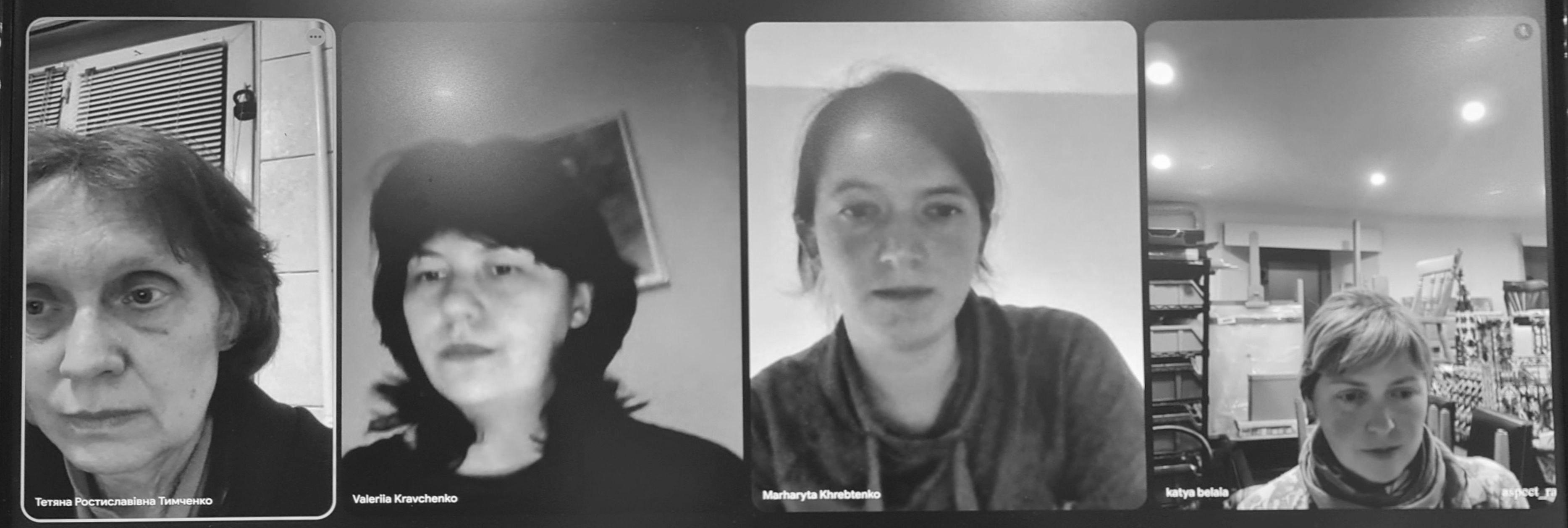
Katya Belaia -Selzer, a Ukrainianborn British paintings conservator, helped to bring Ukrainian refugees together and created a group where information, training and work opportunities were shared. It became apparent that the lack of a reliable dictionary of conservation terminology was a barrier to successful collaboration. Katya and her colleagues started collating English terminology and translating it into Ukrainian, which they uploaded to Katya ’s studio website for refugees to use. It was then necessary to find a platform with greater reach and which would be more readily accessible. The
The team regularly meet up online to iron out specific translation queries and to boost morale during bleak winter days. © Katya Belaia -Selzer
It became apparent that the lack of a reliable English-Ukrainian dictionary of conservation terminology was a barrier to successful collaboration
American Institute for Conservation (AIC) Wiki lexicon seemed like an obvious platform since it is a go -to site for other language translations. Katya and her team therefore approached International Institute for Conservation (IIC) Executive Director Sarah Stannag e and AIC E -editor Rachael Arenstein proposing a partnership in developing the project scope: adding a Ukrainian translation to the already existing Wiki lexicon. The Wiki platform would allow conservation terms to be searchable in English and Ukrainian thus enabling Ukrainian conservators working in Europe to communicate more effectively with their Englishspeaking colleagues and in the future would assist English -
Despite these extraordinary challenges, the project team has made considerable progress
speaking conservators aiding efforts to restore the cultural heritage of Ukraine.
In 2023 the project received an IIC Opportunities Seed Funding grant which enabled Katya ’s team to receive necessary training from Rachael in using the Airtable software a great tool for international collaboration. The grant also allowed the team to undertake necessary research, identify key partners and draw out the project proposal. The project received full funding from the British Council Arts Grant, and work began in December of last year.
During this past winter, Marharyta Khrebtenko, a professional paintings conservator from the National Centre for Restoration and Research in Kyiv, has been working on the translation together with Dr Tetiana Tymchenko, head of the Department of Technology and Restoration of Works of Art at the National Academy of Fine Arts and Architecture in Kyiv. In spite of daily air raids on the capital, power cuts, sleepless nights and extreme working conditions, Marharyta and Tetiana set aside time to meet in person at the Academy to continue the project. Most of the students continued their learning online during the freezing winter. The Academy also has an underground air raid shelter where students and staff hide during daytime attacks as the bombings are indiscriminate and civilians may have only a few minutes to seek shelter.
The conditions at the Academy were severe this winter; there was no heating for two months as the temperature outside dropped to -20°C. This eventually caused the pipes to burst. Across the city, the situation was desperate; while some residents had sporadic heating, others had none at all. Electricity and internet access were (and remain) unpredictable, often available for only a few hours at random intervals, rationed across city districts.
This has been the harshest winter of the war so far. Over the past four years, Ukrainian civilian and industrial infrastructure has faced repeated attacks by Russian forces, involving ballistic missiles, cruise missiles, and drones. Alongside the devastation of countless cultural and civilian buildings, there has also been severe damage to power stations, leaving much of the country dependent on generators. Despite these extraordinary challenges, the project team has made considerable progress. The Ukrainian translation has now been proofread and will soon be uploaded to the Wiki.
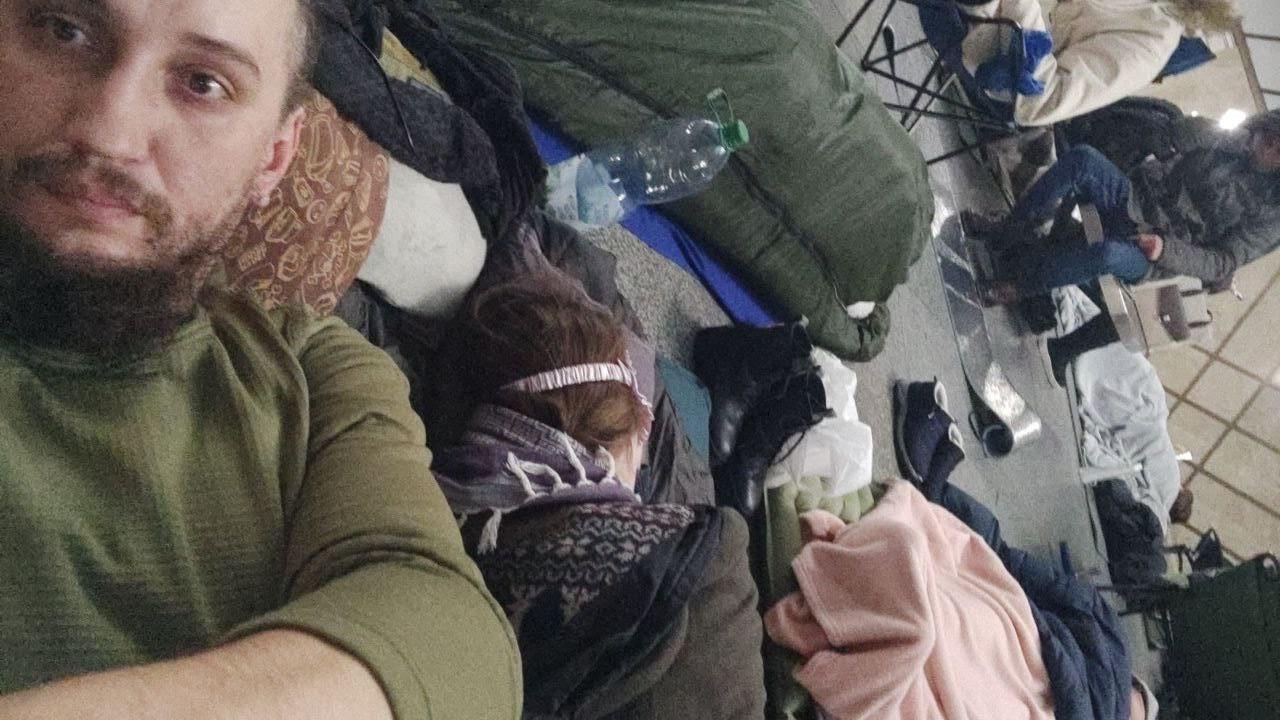
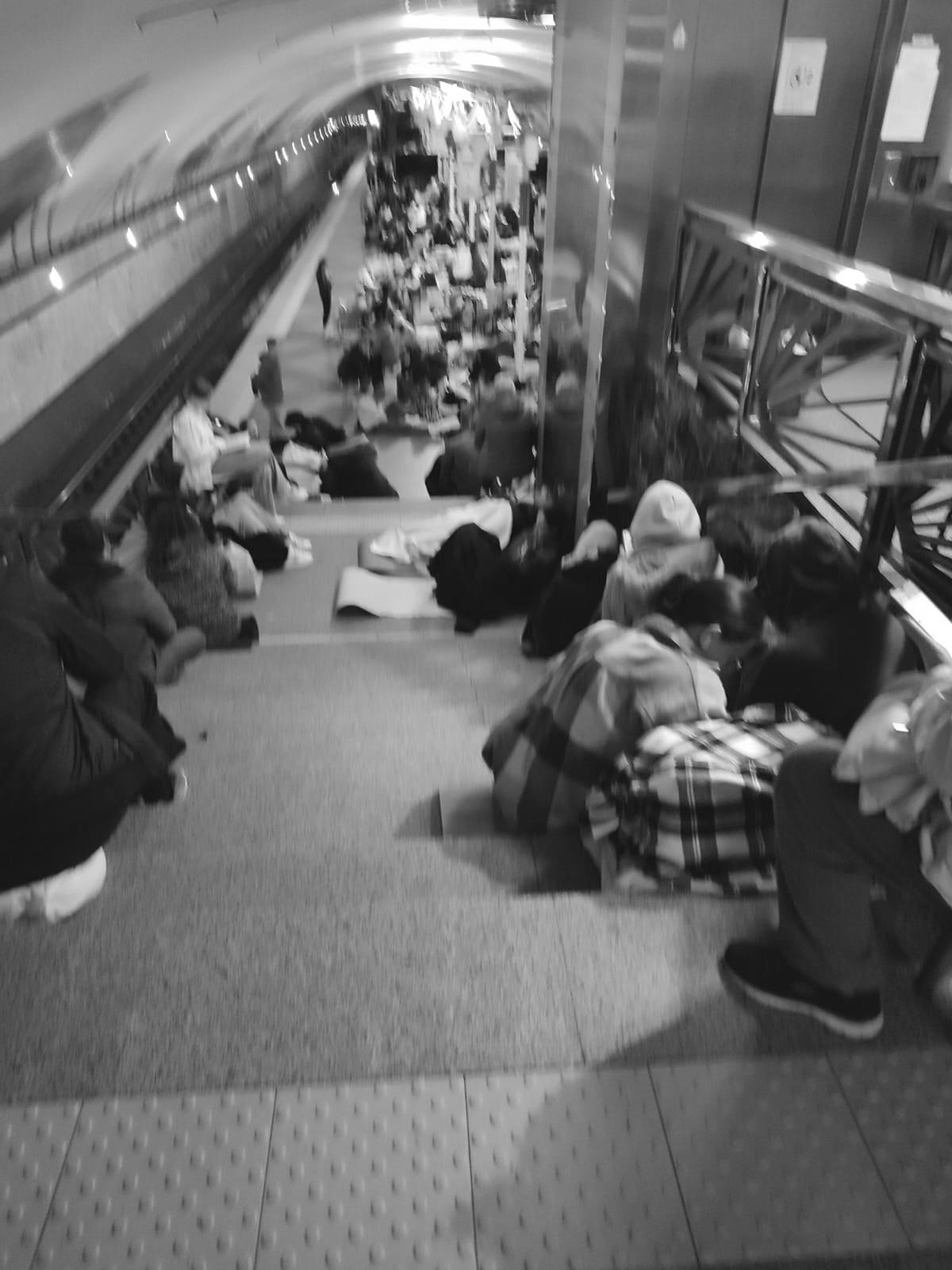
Marharyta and her husband Danylo, a fellow paintings conservator, spending countless nights in the underground metro tunnels, sleeping in a tent, during Russian attacks on the capital. © Marharyta Khrebtenko
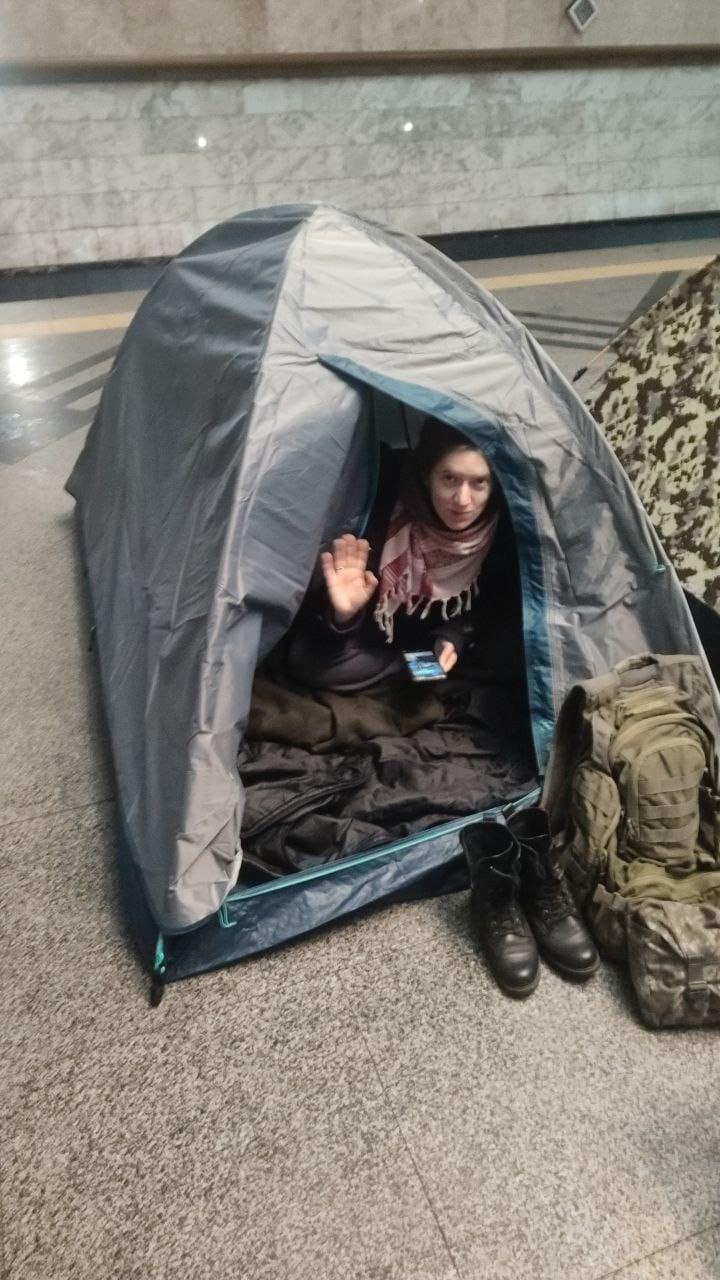
Marharyta and her husband Danylo, a fellow paintings conservator, spending countless nights in the underground metro tunnels, sleeping in a tent, during Russian attacks on the capital. © Marharyta Khrebtenko
The current crisis in Ukraine highlights the importance of effective international partnership
The current crisis in Ukraine highlights the importance of effective international partnership to preserve Ukraine ’s cultural heritage. Due to Ukraine ’s long history behind the Iron Curtain, there has been a lack of access and opportunity to collaborate with Western colleag ues the language barrier being another significant factor. Today there is a huge push in Ukraine to modernise its cultural heritage institutions. There are also international efforts and desire to help Ukraine resist, re -build and thrive.
A standardised translation of specialist terminology will benefit the entire Ukrainian conservation and museum community, from conservation students to registrars, academics and policy makers, in their response to crisis and during post -war reconstruction. This project will contribute to helping Ukraine become a global player in setting high standards for the management and preservation of cultural heritage. Breaking down language barriers means greater collaboration, networking, research, employment and advocacy.
This project is supported by the British Council ’s Connections Through Culture programme.
#ConnectionsthroughCulture

Christine Sitwell graduated from the Winterthur/University of Delaware Art Conservation Programme followed by an internship in the conservation department at the Tate Gallery, London. She joined the National Trust in 1990 advising on the conservation of paintings and historic interiors until her retirement in 2020. She is an accredited member of Icon, an IIC Fellow and chairman, and a member of the Icon Historic Interiors Group.
Katya Belaia -Selzer is a professional paintings conservator. She received formal conservation training from the Courtauld Institute of Art (2007–2010) where she was a National Association of Decorative and Fine Arts Society (NADFAS) scholar. She acted as national specialist assistant adviser on paintings conservation for the National Trust between 2017 and 2020. In 2014 Katya founded the UA -UK Cultural Heritage Initiative which, in 2016, received the Creative Europe Collaboration Development Award from the British Council for its work to provide CPD opportunities for Ukrainian conservators.
Dr Marharyta Khrebtenko is a qualified and accredited Ukrainian paintings conservator. She holds a master ’s degree in conservation and restoration of easel paintings from the National Academy of Fine Arts and Architecture, Kyiv (2012 -2014). Marharyta ’s specialist area is in 17 th - and 18 th-century Ukrainian paintings and icons. She has a PhD from the National Academy of Fine Arts and Architecture, Kyiv. In 2014 Marharyta was appointed conservator -restorer of the Department of Conservation of Icons National Research and Conservation Centre of Ukraine in Kyiv.
Spotlight on Studies in Conservation Latest Articles
By Lucy Wrapson Deputy Editor, Studies in Conservation
Pieter Cristus (traditionally also called Petrus Christus) was the best known Early Netherlandish painter to emerge from van Eyck ’s workshop. He was the leading painter in Bruges from 1444 until around 1465. In “The Portrait of Elisabeth Braderic by Pieter Cristus: A Holistic Multidisciplinary Study ”, Jan Vermeyen, David Lainé and Peter Vandenabeele have used a range of non -invasive analytical methods coupled with art historical investigations to determine the dating and attribution of the portrait painting. Prior to the article, uncertainty surrounded the portrait which depicts an elite woman in 15th-century dress. It had been attributed to the artist since first being published in 1907 but had been long out of the public eye in a private collection, and the sitter was, at that time, identified as Margaret of York. The key questions behind the study were whether the painting was a 15th -century original, a copy or a 19th -century picture, and the route to determining the answer is meticulously laid out in this engaging article.
Evidence from a 17th -century engraving positively identified the sitter as Elisabeth Braderic, an inhabitant of Bruges who was married to the wealthy patrician Pieter Adornes. The portraits were paired together, at least until the 1920s, but the location of Adornes is not known. What has also not been certain, until this technical study, was when the Braderic painting was done whether it was before or after the engraving in date. As the portrait has been transferred from panel to canvas, dendrochronology could not be undertaken. Dating therefore had to focus on costume style and pigment identification.
Macro -X-ray fluorescence scanning was used to make elemental maps and determine the pigments used, both in the original and in later overpaints. The original paint layers were found to comprise many historical pigments consistent with an early date for the painting for example, vermilion, smalt, azurite, lead white and lead -tin yellow. Coupled with the costume
evidence of the hennin (the sitter ’s headwear) and the presence of a change of mind between the underdrawing and painting stages by the artist, the authors were able to narrow the painting to between 1444 and 1452 in date the latter being the date of Braderic ’s death. As well as focussing the date, analyses also strengthened the attribution to Pieter Cristus; retouching had hidden Cristus ’ characteristic ‘spot of light ’ highlighting on the wall.
This paper shows the strength of collaborative work between heritage scientists, conservators and art historians, and the complementary evidence is carefully woven together to make a compelling case for this being a 15th -century portrait by Christus.
The paper is published in Studies in Conservation , Issue 3, volume 71 and is accessible to IIC members HERE
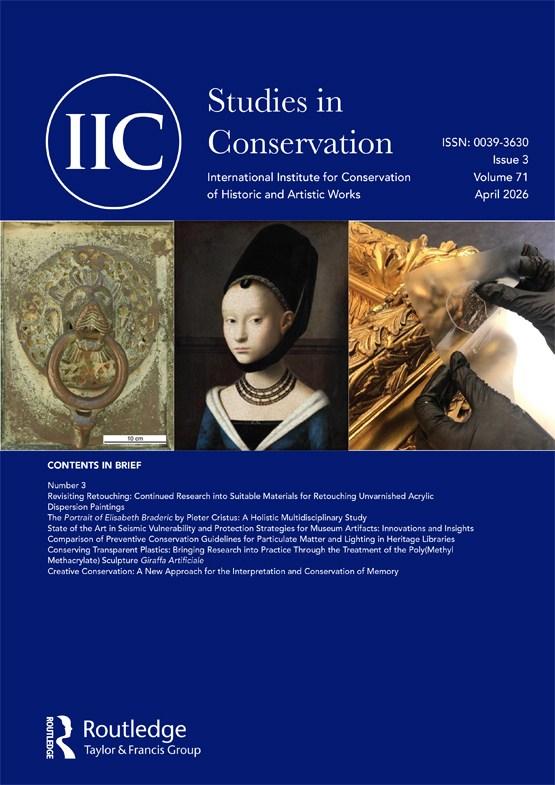
Studies in Conservation cover © International Institute for Conservation of Historic and Artistic Works
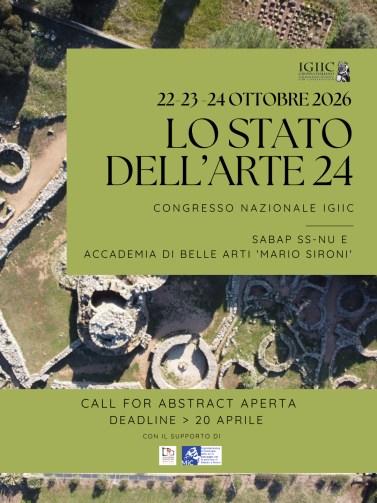
Lo Stato Dell ’Arte 24: Sardinia
Mario Sironi Academy of Fine Arts, Sassari
October 22–23–24, 2026
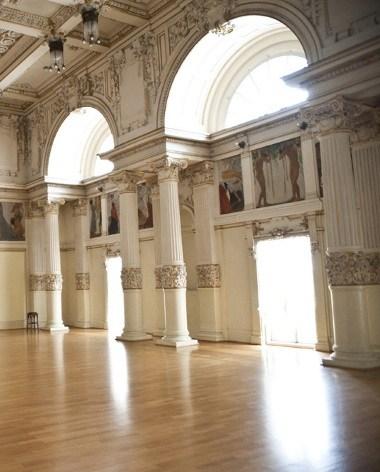
Sardinia will be the next region to host State of the Art 24 , at the Academy of Fine Arts in Sassari from October 22 to 24, 2026! The congress is focused on the following topics: archeological conservation of waterlogged materials and sites, issues related to project planning and intervention; diagnostics, research and applied studies; preventive conservation; and ethics and sustainability in the conservation of cultural heritage.
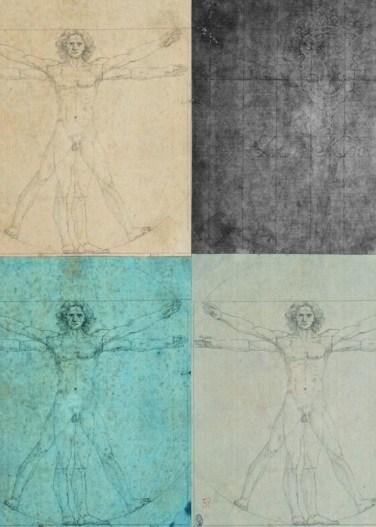
The 19th Century in the Arts: Images on Paper, from Drawing to Print Media Techniques, Collections, and Conservation
Brera Academy of Fine Arts, Milan 23 November 2026
Also in 2026, we renew our collaboration dedicated to the 19th century together with the Brera Academy of Fine Arts. The third edition of the study day, The 19th Century in the Arts. Research and Dialogues on Conservation, aims to open an interdisciplinary discussion dedicated to 19th -century paper materials, with the objective of fostering dialogue between technical and scientific studies, diagnostic investigations, and conservation treatments, as well as with other institutions involved in training and research.
Stage Restoration: Conference on the Conservation and Reuse of Historic Stage Equipment
Teatro Caio Melisso, Spoleto 15 October 2026
On the occasion of the nomination of the historic theaters of the Marche and Umbria regions for UNESCO World Heritage status, "Stage Restoration: Conference on the Conservation and Reuse of Historic Stage Equipment" opens. This opportunity for various experts in the field to discuss the state of the art of historic theaters in their capacity as dynamic monuments in civic culture.
CALL FOR ABSTRACT OPEN UNTIL 30 JUNE
Cleaning Ceramic Materials: Methodologies, Innovation, and Ethics of Intervention. 5th edition of the biennial study days
Mic, Faenza 10 June 2027
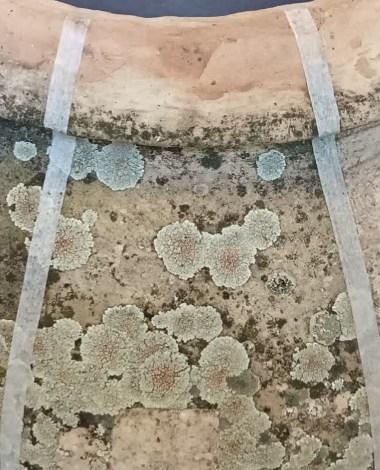
This new event is open to proposals that address the cleaning of ceramic materials based on the following thematic areas: cleaning of archaeological and collection-related artifacts, methodologies and products for cleaning contemporary works of art, the boundaries of cleaning (when to stop), innovation, tools, and new technologies.
CALL FOR ABSTRACT OPEN UNTIL 31 OCTOBER
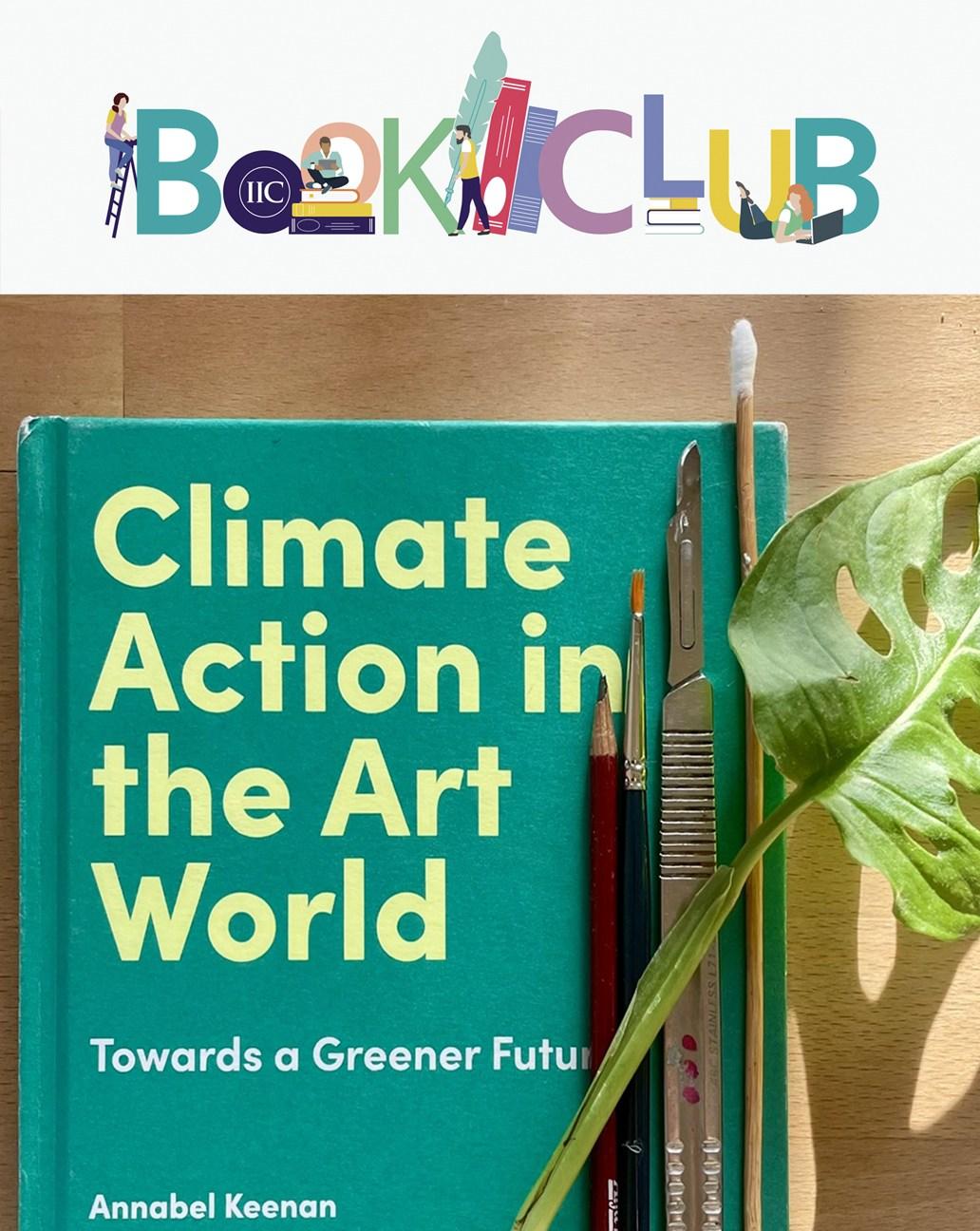
The IIC Book Club
invites you to our exploration of
Climate Action in the Art World: Towards a Greener Future, by Annabel Keenan. Starting in early June, you will get a welcome email before we officially begin reading the text on 6th July.
Participants will meet three times with Annabel Keenan and specialist guest Gwendoline Fife, with discussions on the complexities and challenges of protecting our cultural heritage in relation to the climate crisis. The program will run for four months, concluding with a final panel discussion on the 3rd of November.
Weekly emails will keep Club members engaged with key chapter insights and additional reading materials. The following key events will be hosted online via Zoom:
Introduction and Dialogue with Annabel Keenan, author of Climate Action in the Art World: Towards a Greener Future – 13th October 18:00 UK Time UK Time.
Guest Presentation by Gwendoline Fife, Director of the Greener Solvents project (Amsterdam, Netherland) – 27th October 18:00 UK Time.
Final Panel Discussion – The programme will conclude on with a panel session on 4th November 18:00 UK Time.
For those interested in joining, you are encouraged to purchase or borrow the book and engage with the weekly materials. Updates and recordings will be available to IIC members.
You can register for the IIC Book Club 2026, via this form here .
Annabel Keenan is a New York -based writer covering contemporary art and environmental sustainability for publications including The New York Times, Financial Times , and The Art Newspaper. She is the author of Climate Action in the Art World: Towards a Greener Future , published in 2025 by Lund Humphries and Sotheby's Institute. Annabel has held roles in museums worldwide, including The Morgan Library and the Victoria & Albert Museum. She holds a BA in art history and Italian language from Emory University and an MA in decorative arts, design history, and material culture from Bard Graduate Center.
Gwendoline Fife received her chemistry degree from York University and completed her postgraduate training in easel painting conservation at the Courtauld Institute of Art, London. Following a Mellon Fellowship at the Walters Museum in Baltimore, she has worked as a paintings conservator and researcher for over 25 years in various museums and institutions in the USA, Ireland, and The Netherlands. Regularly publishing her research, she has been providing international lectures and workshops on sustainable solvent approaches in conservation practice since 2009. She is currently working as researcher for the Rijksmuseum on GOGREEN (Horizon Europe) and is also the director of Sustainability in Conservation ’s Greener Solvent Project.

T
31 st Biennial Congress
Ghent 2026
Q&A with IIC Forbes Prize Lecturer Thea B. van Oosten
he International Institute for Conservation of Historic and Artistic Works (IIC) Council is delighted to announce that the prestigious Forbes Prize Lecture at the IIC Ghent Congress 2026 will be delivered by Thea B. van Oosten.
The Forbes Prize Lecture is one of the highest honours awarded by IIC, recognising outstanding contributions to the conservation profession and the advancement of knowledge in the field. Thea ’s selection reflects her exceptional impact on the study and preservation of modern and contemporary materials, particularly plastics.
Over a remarkable 36 -year career as a senior conservation scientist at the Cultural Heritage Agency of the Netherlands (RCE, formerly ICN) in Amsterdam, she became a driving force in advancing the conservation of plastic, modern and contemporary materials, receiving the Ridder in de Orde van Oranje -Nassau by the King in recognition of her work for Dutch modern art museums. Through her leadership, teaching, and dedication, she has significantly expanded the global understanding of plastics conservation, sharing her expertise and advanced knowledge at international workshops, inspiring professionals across the field.
To allow our readership to get to know her a bit more, in preparation for Congress this September, Thea has kindly answered some questions from Editor -in-Chief Sharra Grow. Here are her delightful responses.
Q
: Perhaps you have been asked this question too many times, but just to get us started with something that I hope is fun and easy, what is your favorite type of plastic, and why?
A: That ’s a great question actually, not many people have asked me this before. There are several plastics I really like, such as polymethyl methacrylate (Perspex) and unsaturated polyesters. These are both durable materials with strong design applications, which is why they are often used by artists and designers.
However, my favourite plastic is polyurethane. I have to admit that I both love it and hate it. It is one of the most versatile plastics available today and is used to produce thermoplastics, flexible and rigid foams, textiles, coatings, adhesives, cast elastomers and millable gums.
Polyurethane is also known for not being particularly durable in some applications, which makes it especially interesting and challenging to study. In addition, the industry is constantly developing new
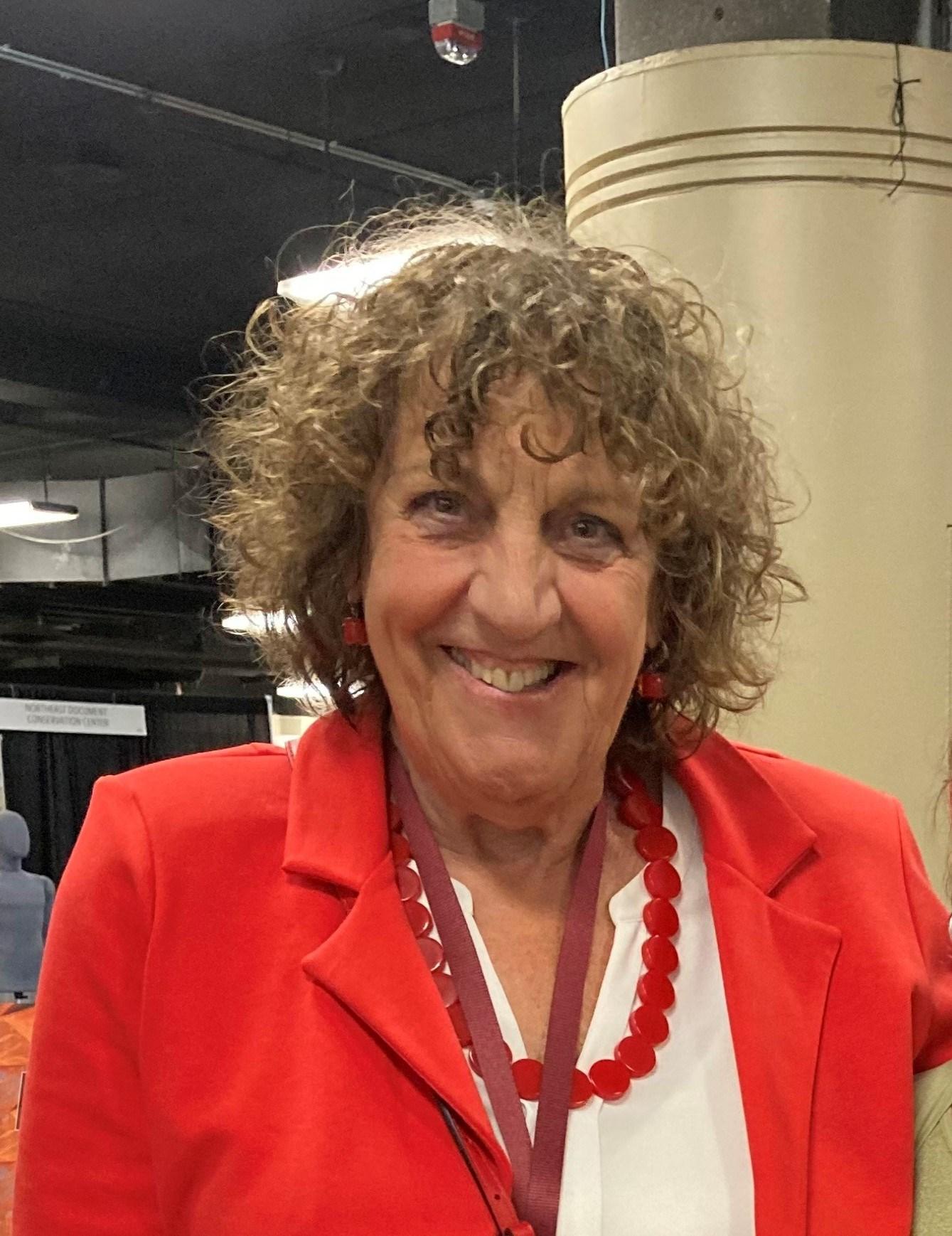
Image of Thea (courtesy of Thea B. van Oosten)
“my relationship with
plastics
is complex... they help keep us
healthy, safe, and mobile. However … they degrade poorly when they enter the environment. I will explore this complexity further in my Forbes Prize lecture …”
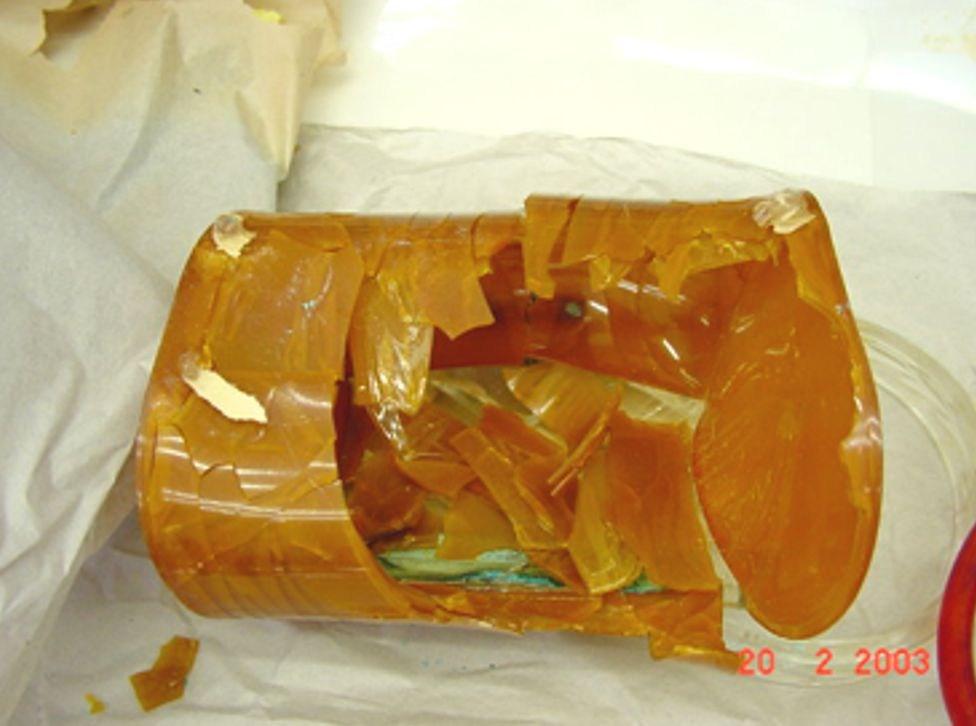
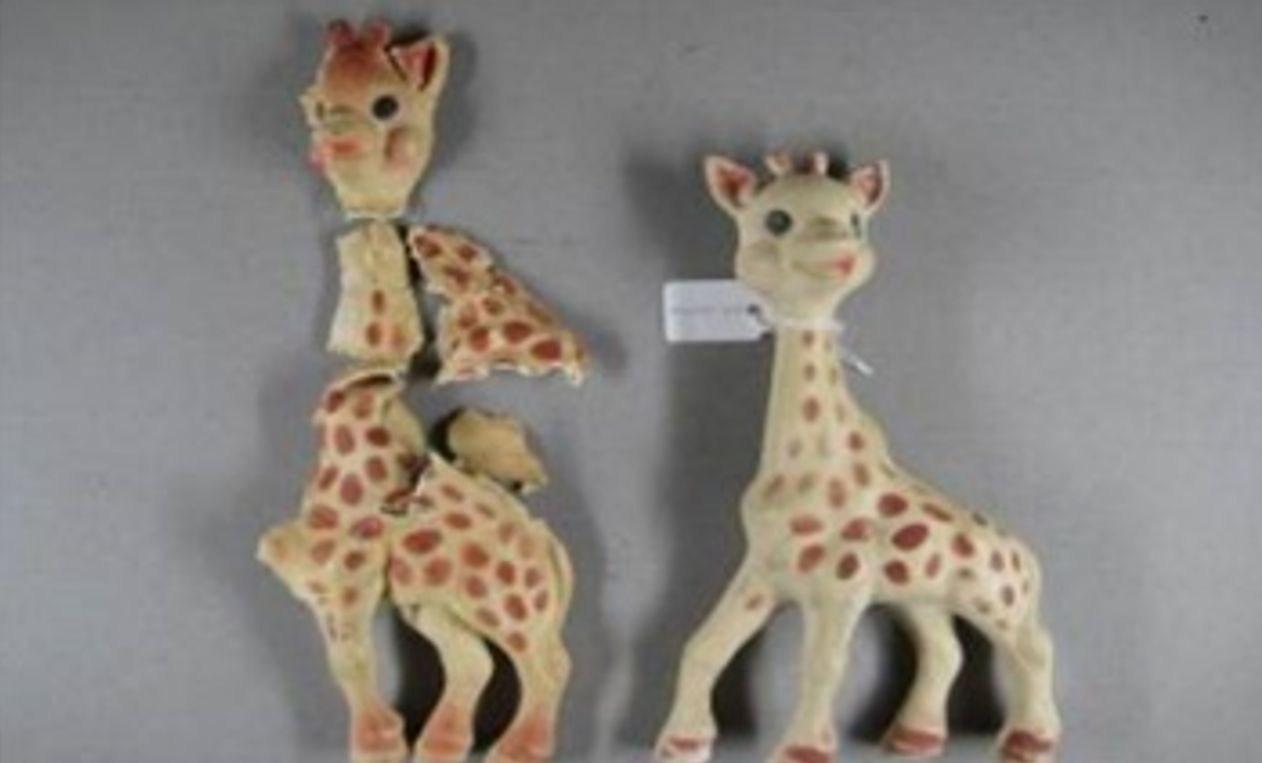
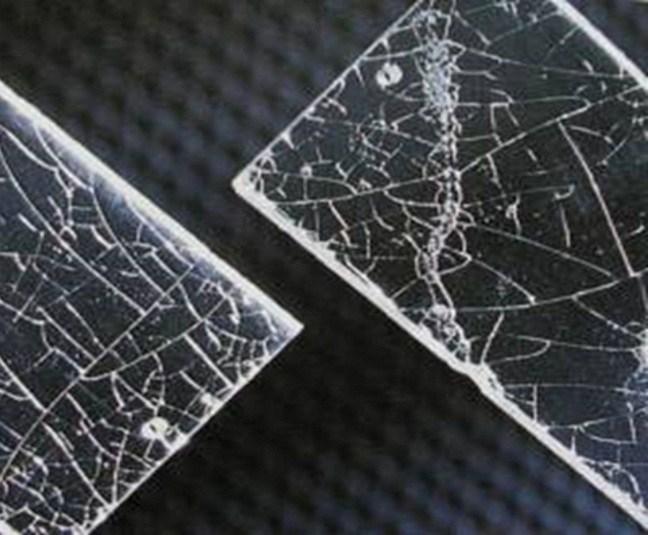
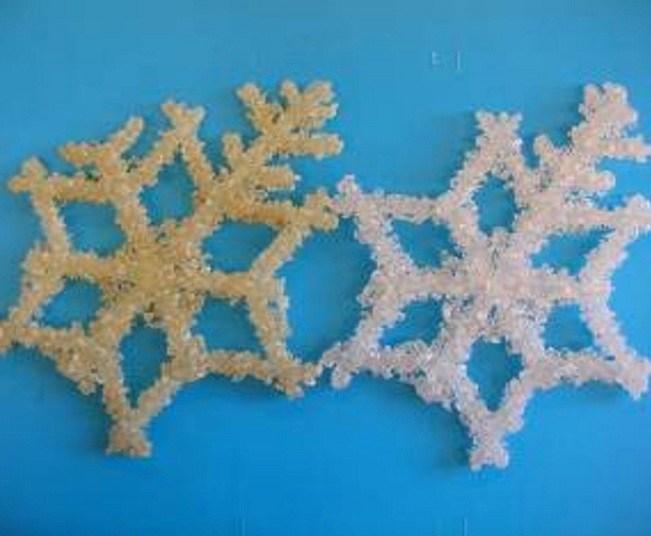
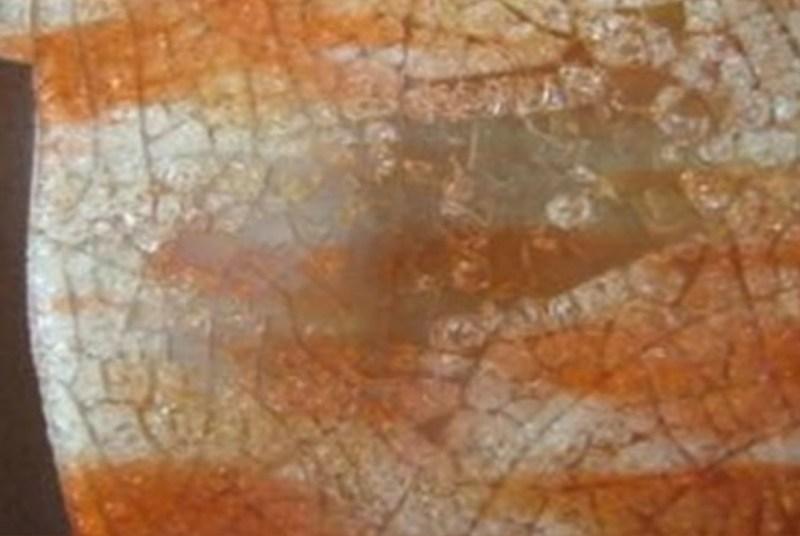
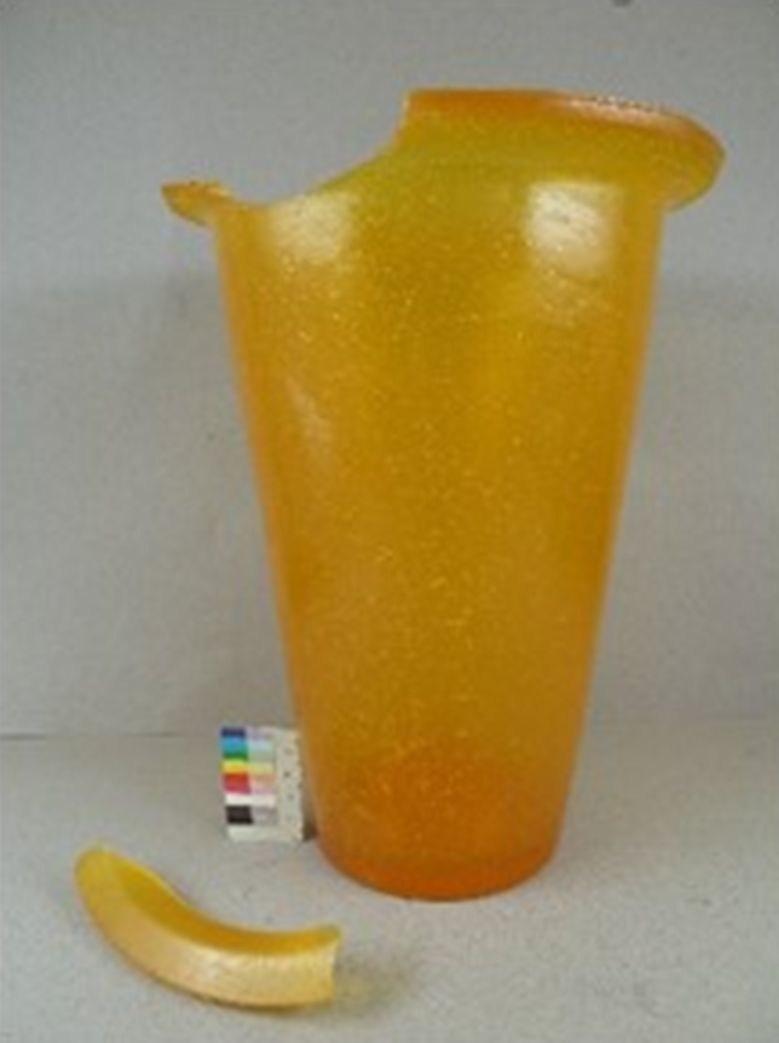
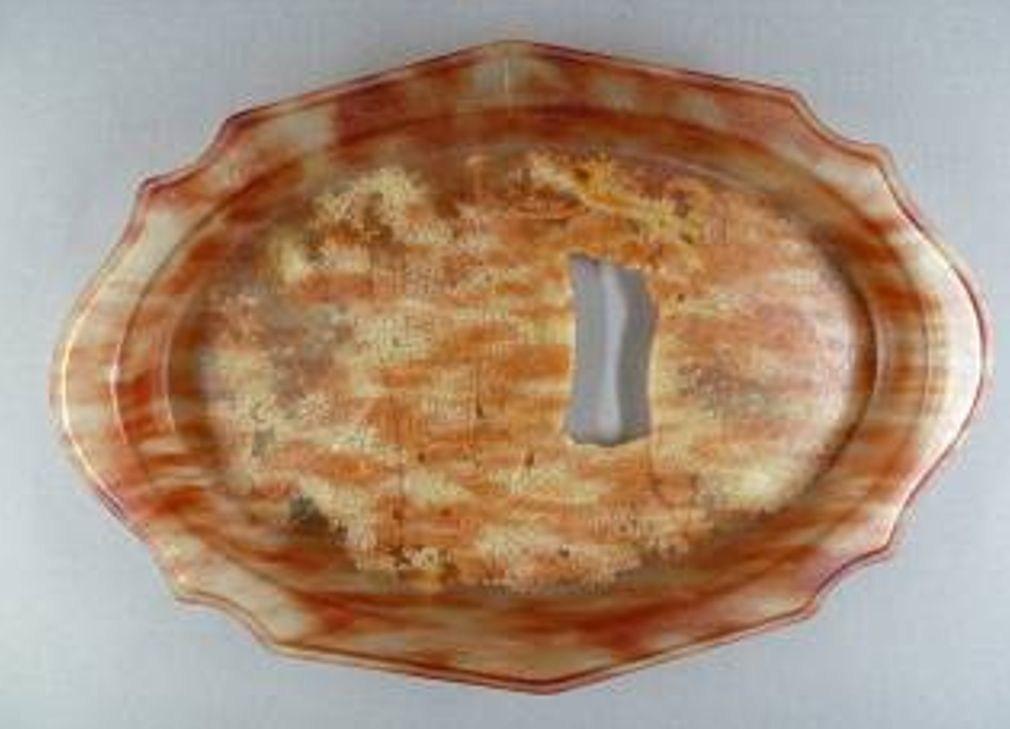
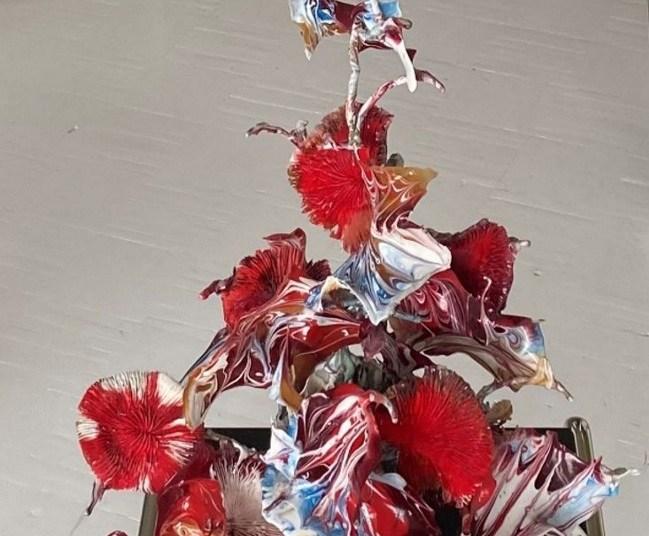
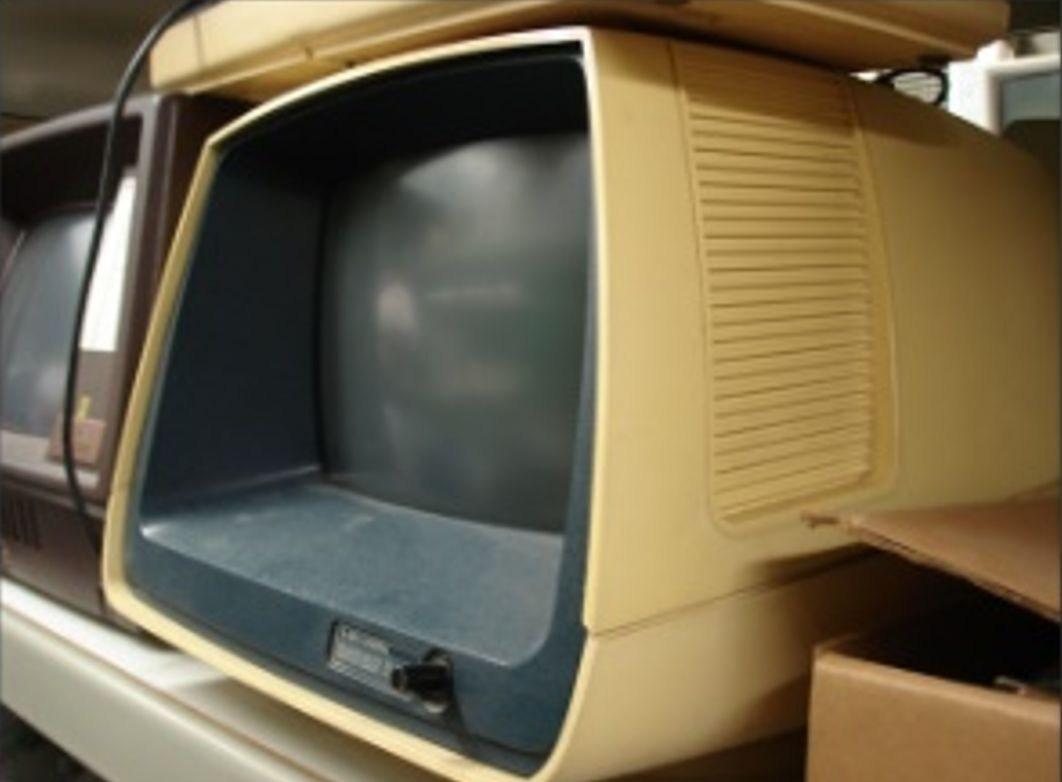
Above and right: all images showing degradation in different types of plastics. Images courtesy of Thea B. van Oosten
monomers for polyurethanes either more durable, biodegradable or more cost -effective so researching which type of polyurethane is being used can be quite complex. To keep up, you really need to stay up to date with the chemistry behind these materials.
Q: Was anyone seriously studying plastics when you began in the field 50 years ago? What drew you to focus on these synthetic materials, and did you have any mentors to guide you?
A: In the 1980s, there was a conference on research into modern materials. My former boss, Judith Hofenk de Graaff, asked me if I would be interested in studying the modern materials specifically plastics discussed at the conference Saving the Twentieth Century in Ottawa, Canada (1991).
I read the abstract for this conference and was immediately fascinated by plastics research. I was especially drawn to the wide variety of objects artworks as well as everyday items made from plastics.
I began my plastics research in 1990. At that time, there were no mentors to guide me, but I got in contact with Anita Quye from the National Museums Scotland in Edinburgh (kindly introduced by Norman Tennant). Anita later established the Historical Plastics Research Scientist Working Group, which brought together scientists working on and researching plastic objects. Members included Colin Williamson, Yvonne Shashoua, Howell Edwards, Susan Mossman, Brenda Keneghan, and Sylvia Katz to name some. We met twice a year from 1991 -1996 and discussed the challenges associated with plastics, and each scientist had their own plastic of particular interest. Mine were flexible polyurethane foams and polyethylene.
perspective do you have that might quell the fear of our colleagues for these materials?
A: The fear of plastics is often a fear of the unknown. In some cases, the chemistry can be quite simple for example, polyethylene has a relatively straightforward structure, and its degradation is easier to understand than that of many other plastics. However, for most plastics, the chemistry is complex and can be difficult for conservators to grasp. That is why I always try to make this complexity more accessible by using simple explanations and examples from everyday life to illustrate how plastics degrade. At the same time, chemistry is only part of the story. Physical properties are equally important when it comes to understanding degradation phenomena of plastics.
Q
: After decades of studying plastics, what are your thoughts regarding the lifespan of an object?
Should we ever consider an object to be “dead ”, unexhibitable, or disposable? Is there always something to be gained from keeping a deteriorating object even if deemed unexhibitable?
A: The lifespan of plastic objects can vary widely, from relatively short (around 20–40 year, or even less) to very long (up to 120 years, since the beginning of synthetic polymers ), depending on the type of plastic used. For example, phenol formaldehyde (Bakelite) and casein formaldehyde are among the earliest plastics developed and are still in good condition.
So, to answer your question, we became each other ’s mentors.
Q: I have heard so many conservators say they dread the thought of caring for plastics and synthetic materials (with all their unknowns and complexities) and stay as far away from them as possible. This has clearly not been your approach. What
As with cultural heritage objects made from other materials, degraded objects may be considered a total loss, no longer suitable for display, or even disposable. This depends on factors such as whether they have passed the point of repair, their uniqueness, their value, or whether they are no longer readable or interpretable. As one curator at the Cultural Heritage Agency of the Netherlands has said, an object may reach a stage where it no longer performs its intended function.
In contrast to many traditional materials, degradation in plastics is often recognized earlier in their lifespan due to their relatively short service life. However, plastics in museum collections can have a much longer

lifespan because they are kept under controlled environmental conditions. In everyday life, we are more likely to observe plastic degradation in consumer products, as well as plastic debris in oceans and the wider environment.
At the Cultural Heritage Agency of the Netherlands (RCE), deteriorated plastic objects and artworks are retained as study objects. A great deal can be learned from the remains of a plastic object. For example, it is important to determine whether an object has reached a stable state or whether it will continue to degrade into fragments.
I have observed objects in the early stages of degradation that, after simply being stored in a laboratory storage room for several years, broke into pieces without any apparent external cause. In contrast, other objects at a similar stage of
degradation have remained stable over time or have only gradually yellowed even when kept in the dark.
Q: There have been precious few books published on the chemical and physical understanding of plastics to inform preservation and care. Before your recent book Properties of Plastics: A guide for conservators , I remember, as a student, purchasing Yvonne Shashoua ’s book (published almost 20 years ago now) for which you wrote the forward. Since the early 2000s, what advancements have been made in understanding and caring for plastics, and what led you to publish a new book on the subject?
A: This lack of information (books) of chemical and physical understanding of plastics regarding conservation/restoration has been widely recognized. While relatively few books have been published, a substantial number of conference proceedings are available. In particular, the Future Talks series published in connection with the biennial conferences of the same name should be highlighted, as they provide a wealth of practical information on the conservation and restoration of plastics.
Other books and conference proceedings are mentioned in my book; however, that overview covers literature only up to 2021. Since then, additional research has been published, and fortunately
this development is ongoing. This is especially important as industry continues to produce new types of plastic materials, including biobased and biodegradable plastics from various sources like algae, fungi and the like.
Q: In our world today, plastics are ubiquitous and integral to daily life while increasingly controversial and detrimental to the stability and future of our planet. As someone who has spent a lifetime focused on these materials, I imagine you have developed a complex relationship with them, especially in light of our current reality.
A: This question is not easy to answer. As I have already mentioned, my relationship with plastics is complex: I both love them and hate them. Plastics are highly useful materials: they help keep us healthy, safe, and mobile. However, they also have significant drawbacks. Most plastics are made from finite fossil resources, and they degrade poorly when they enter the environment. I will explore this complexity further in my Forbes Prize lecture, from an article titled “People, Planet and Polymer ”.
Recently, I read the inaugural lecture “Plastics: Not a Curse but a Blessing ” by Vincent Voet, lecturer in circular plastics at NHL Stenden University of Applied Sciences (2024). Voet focuses on the transition toward a future -proof plastics economy and argues that the negative impacts of plastics can be mitigated or even reversed.
Q: While I know you are officially retired, you are still quite active and influential in the conservation profession worldwide. So, what is on your horizon? What are you looking forward to in the next few years?
A: I enjoy attending conferences and presentations on plastics research, particularly online via Zoom. At the same time, I am also interested in conferences on other polymer -based materials, such as textiles and even paper, since these materials are also composed of polymers (chains) albeit of lower molecular weight (shorter polymer chains).
In my role as an adviser, I contribute to a range of conservation research projects. In addition, I review books and articles in the field, and perhaps as a guilty
pleasure I continue to follow the Future Talks conferences. The keynote lectures are inspiring and offer a glimpse into the future of plastics in art and design, where new applications are constantly emerging.
One particularly exciting development is a new development in additive manufacturing (3D printing), which allows objects to be produced in virtually any direction using different polymers. These materials can be tailored to provide strength or flexibility in specific parts of a single object. I look forward to seeing how these technolog ies evolve
I also remain curious about new analytical techniques and research initiatives, such as the MOXY project, to name one, which contribute to advancing the conservation of cultural heritage.
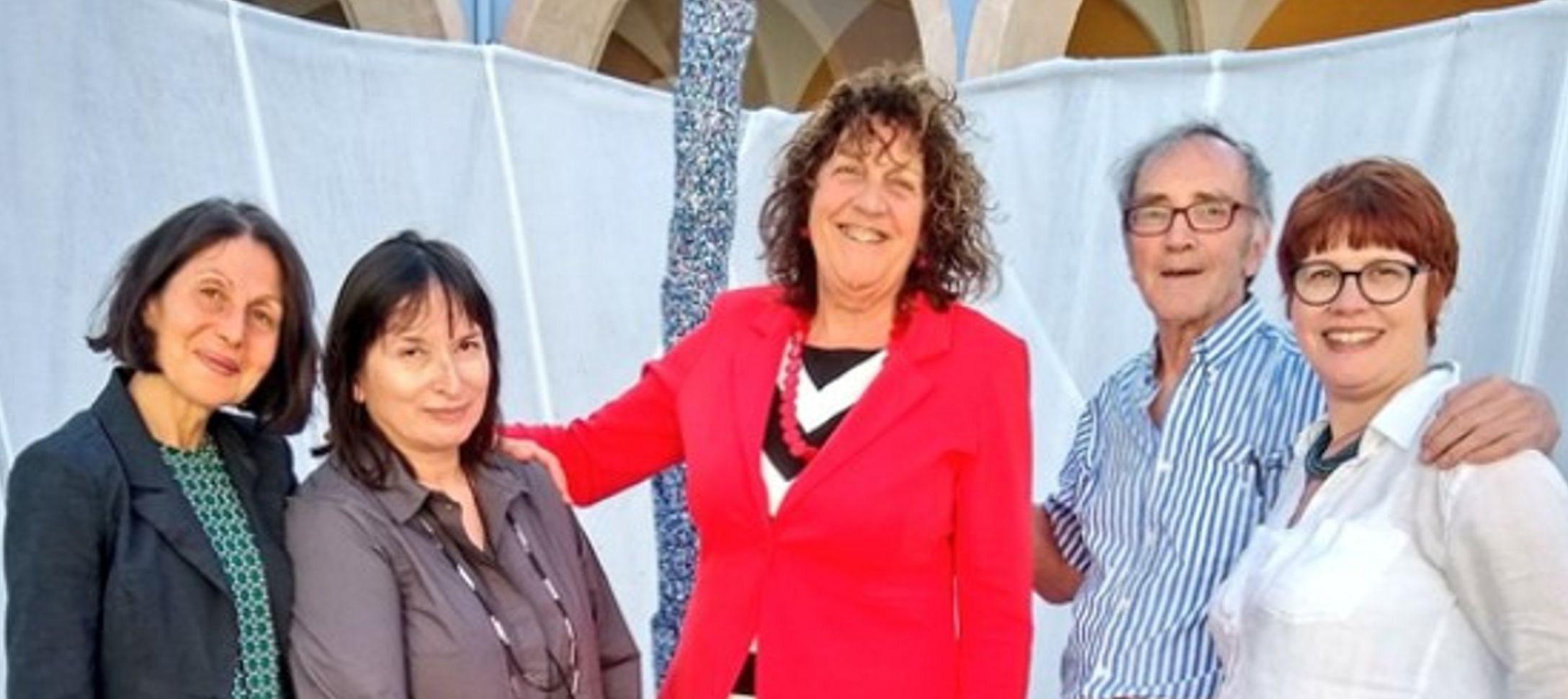
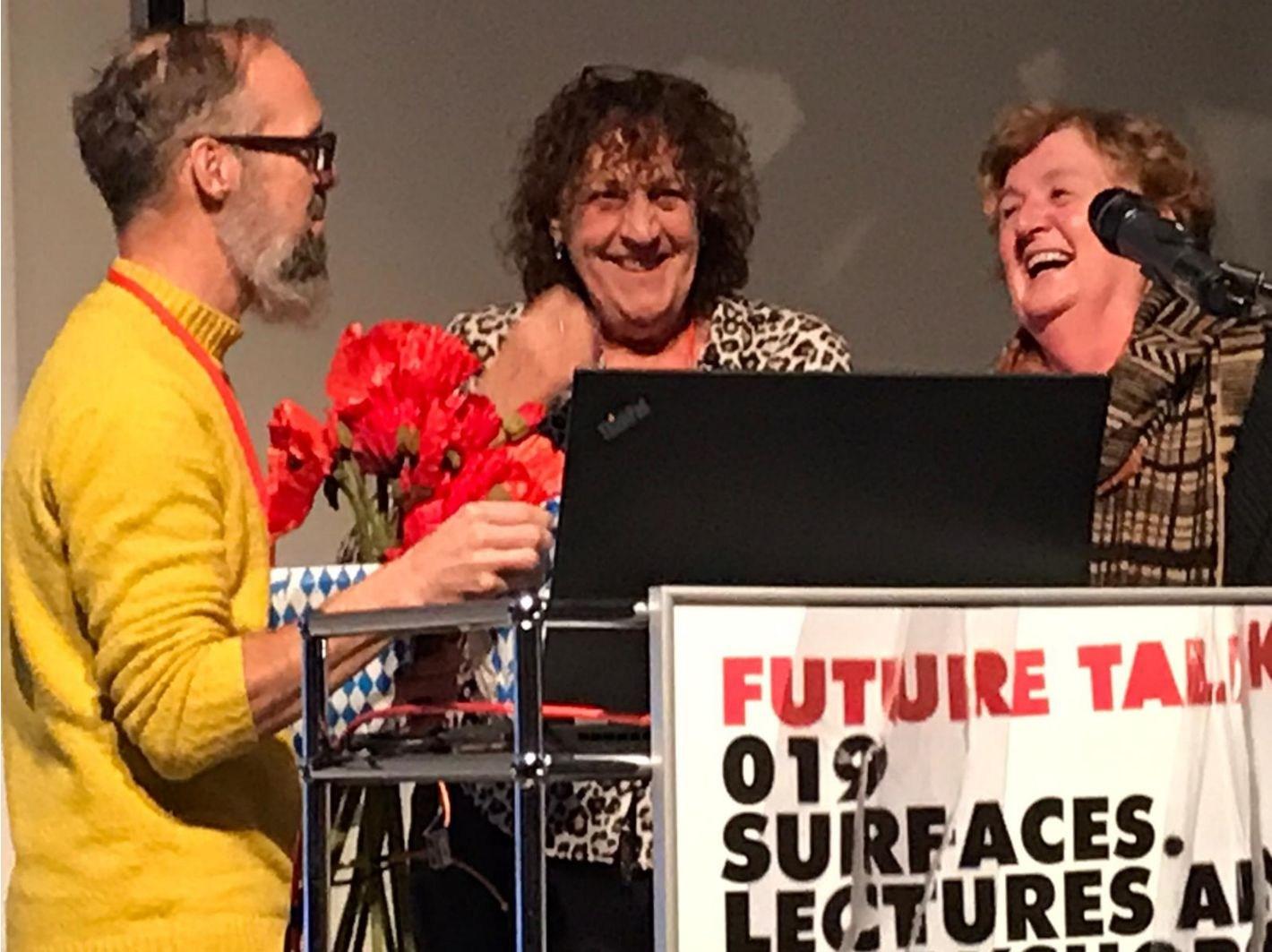
Top left: Example of plastic deterioration. Top right: Thea at a Future Talks event. Bottom left: Thea with colleagues
All images courtesy of Thea B. van Oosten
Fellowship Corner
Ann Brysbaert is a professor in ancient technologies, materials, and crafts (Faculty of Archaeology, Leiden University) and was director of the Netherlands Institute (Athens, Greece) until 2025. In 2026, she became a research professor (KUL, Leuven, Belgium) where she is PI of the FWO -funded ODYSSEIA project. She was PI of the ERC -CoG SETinSTONE project (Leiden) and co -PI of the Leverhulme -funded Tracing Networks Project (Leicester). As the result of her archaeology (KUL) and conservation training (Royal Academy, Antwerp; BSc[Hons], IoA, UCL, London). Her interests lie in archaeological, anthropological, scientific, textual, ethnographic and conservation approaches to crafting in the Aegean and East Mediterranean Bronze Ages. She has published widely on archaeology, collections, and conservation (in Studies, in J.Arch.Sci), presented at international conferences, and has supervised over 60 MA students in museum studies. Ann has worked on excavations across the Mediterranean and regularly supervises/mentors PhD students and PDRs. Once published in full, her SETinSTONE project will provide OA accurate 3D data for site conservation for 100+ monuments in Greece.
Dr. Anjaneya Sharma is an architect, landscape historian, and academician working in the domain of landscape and heritage conservation. Born and raised in Bundelkhand, Central India, he has extensively researched the region ’s 18th -century gardens, establishing their typology through his doctoral work at IIT Roorkee. He worked for the conservation of these historical gardens in collaboration with Dharatal and ITRHD Belgium. He is presently working as an assistant professor at Faculty of Architecture and Planning, AKTU, Lucknow. He has presented on several forums, published in peer -reviewed journals, and advised academic & conservation initiatives. He is an alumnus of Leon Levy Documentation and Imaging Program and has been working for an extensive period on heritage documentation using photogrammetry. Dr. Sharma ’s current interests explore intersections of heritage, ecology, and contemporary urban challenges, with a commitment to international dialogue and crossdisciplinary partnerships.
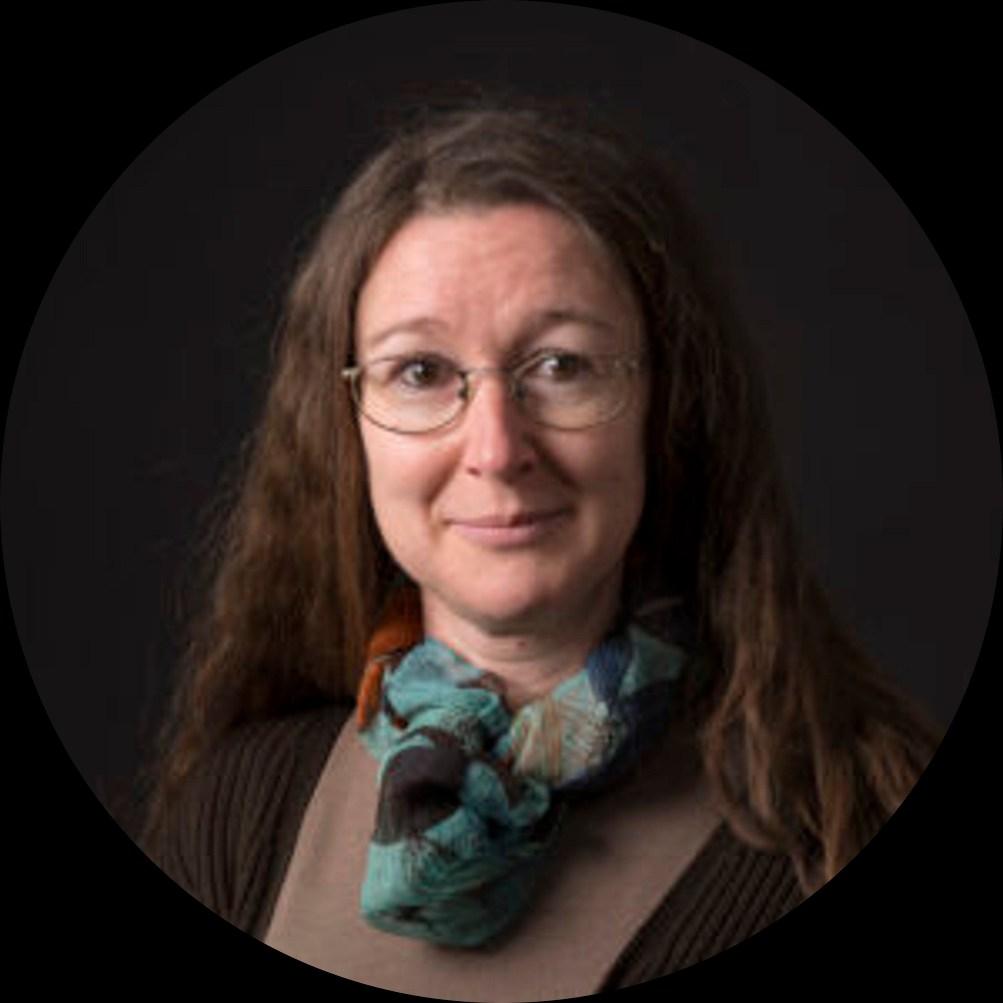
IIC Fellow Ann Brysbaert is a professor of ancient technologies, materials, and crafts (Leiden). Image curtesy of Ann Brysbaert.
Anjaneya, FIIC, works in landscape and heritage conservation in India. Image courtesy of Dr. Anjaneya Sharma
Damasia Gallegos is a paintings conservator. She specialises in easel and mural painting conservation. She holds a master's degree in the history of Argentine and Latin American art. She is currently director of the TAREA Centre and a full professor and researcher at the National University of San Martín. She is the author of articles in national and international conservation journals and publications.
Camilla H. M. Camargos is an assistant professor and the current coordinator of the Undergraduate Program in Conservation and Restoration of Movable Cultural Heritage at the School of Fine Arts, Federal University of Minas Gerais (UFMG), Brazil. She holds a Ph.D. in science (chemistry) from the University of Campinas (UNICAMP), including a research internship at the University of Florence (Italy), as well as a master’s in physical chemistry and a bachelor ’s in conservation and restoration, both from UFMG. Her work bridges chemistry and cultural heritage, with a focus on the conservation of paper -based materials and other cellulosic substrates. Over the past decade, Camilla has been dedicated to the development and evaluation of sustainable nanotechnologies for cultural heritage applications.
IIC Fellow Damasia Gallegos, specialises in easel and mural painting conservation. Image courtesy of Damasia Gallegos.
Camilla Camargos, FIIC, is an assistant professor at the Federal University of Minas Gerais. Image courtesy of Camilla Camargos
Learning Across Traditions An International Conservation Experience
By Costanza Benini
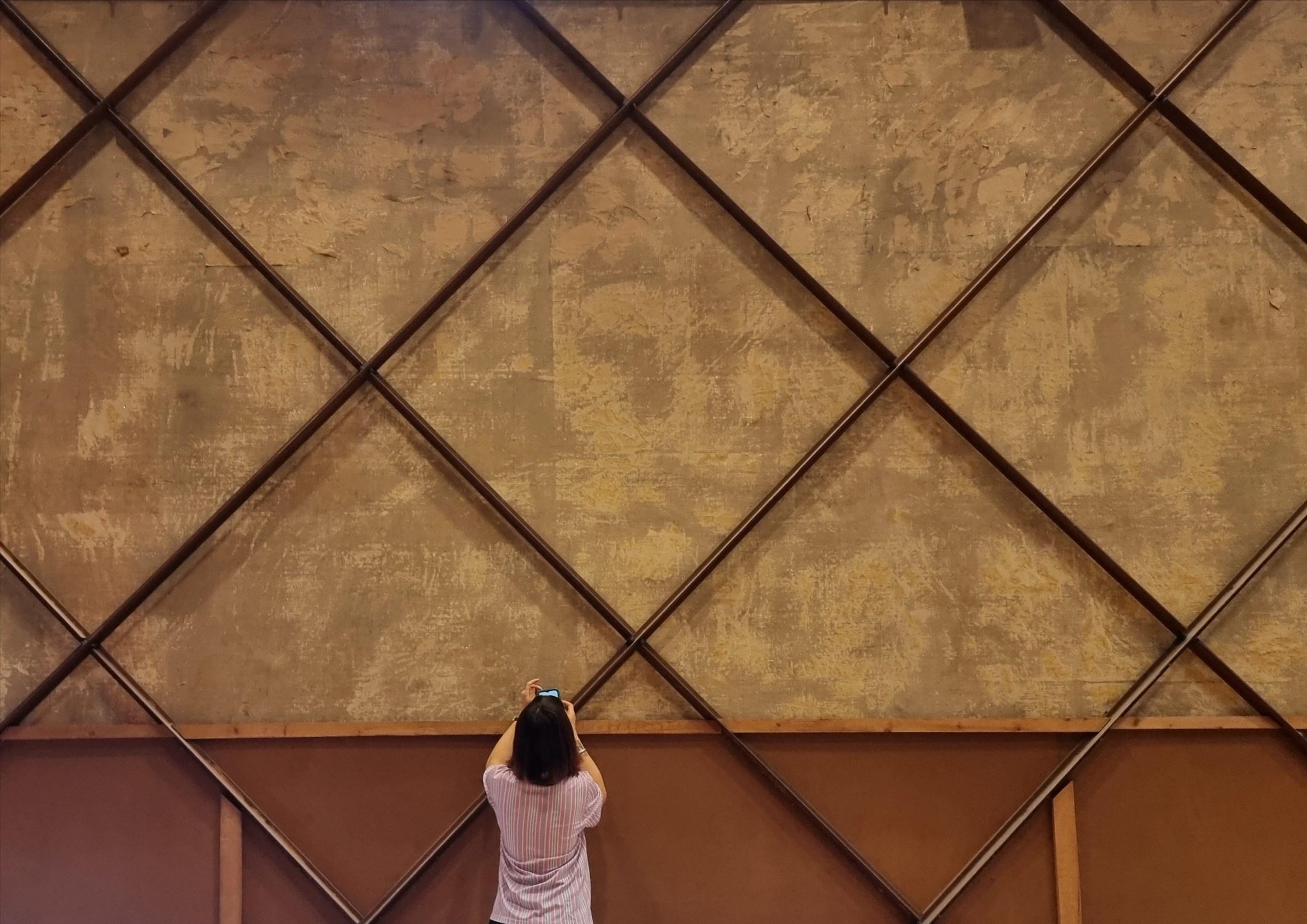
Taking a photograph of the back of the canvas by Carlo Wognsen. Copenhagen, Denmark, September 2025. Image courtesy of Costanza Benini.
Across Traditions
ENCOUNTERING THE UNF AMILIAR
As conservators, when we first engage with an artwork we also begin to explore the world it inhabits something outside of ourselves, something we do not yet know. Inevitably, the conservation process modifies the work of art and, inevitably, transforms us as well. This is something each of us has experienced throughout our professional careers, and it finds its parallel in international professional experiences: indeed, encountering different contexts, methods and cultures transforms how we understand our field and ourselves within it.
My journey through conservation education and early professional practice has been shaped by this conviction and by the idea that artworks are witnesses of time, messengers from the past that deserve preservation for future generations. This understanding guided me through five years of study at the Academy of Fine Arts in Verona, Italy, and the experiences that followed.
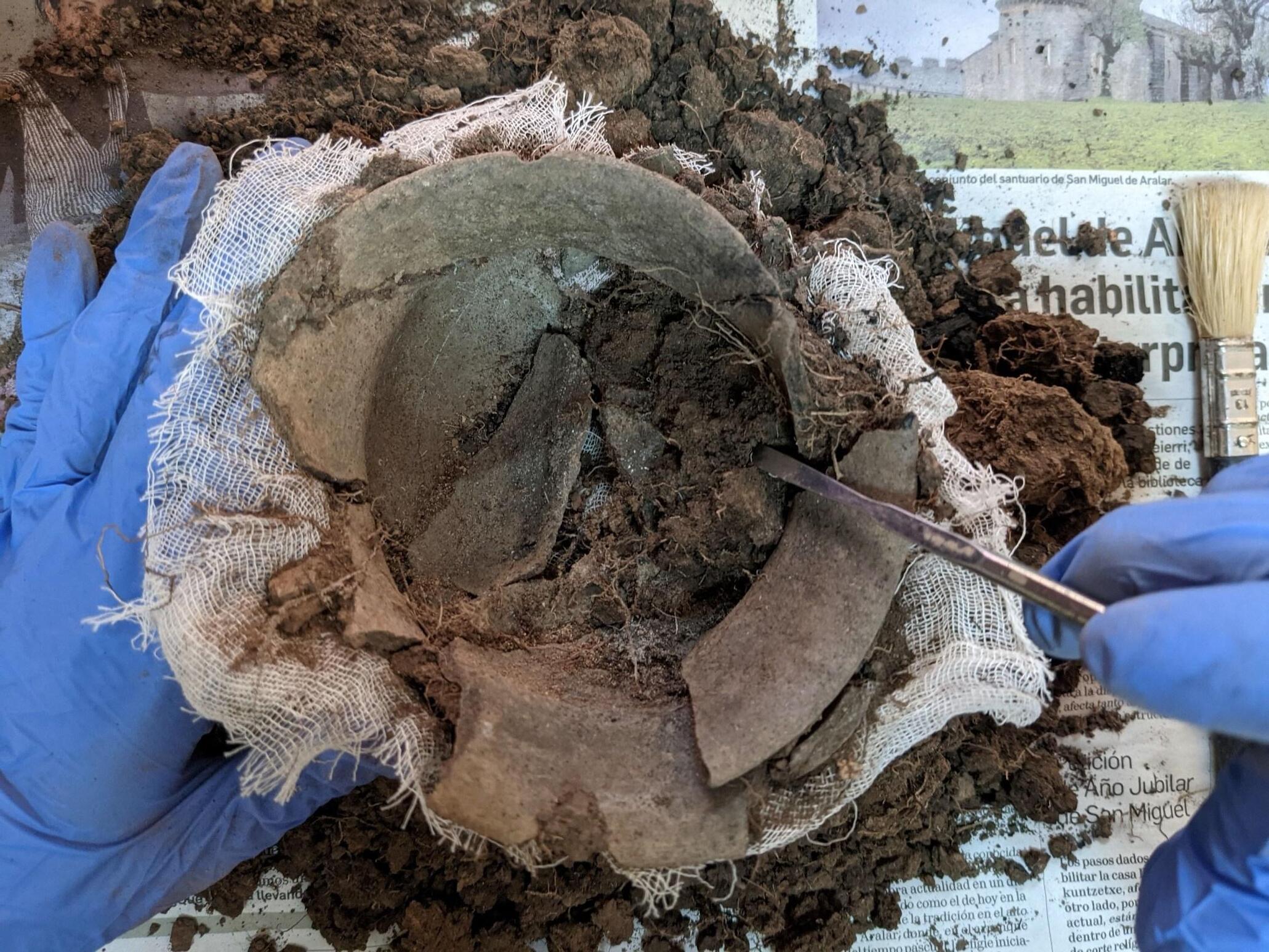
My first encounter with conservation beyond the classroom and school laboratories came in 2021, when I spent part of my summer at an archaeological excavation in Navarra, Spain, working on Bronze Age materials. This period offered my first opportunity to engage with a conservation tradition different from the one with which I was familiar and to collaborate with colleagues of various nationalities and training backgrounds. This diversity opened dialogue not only about diverse techniques and materials, but also about widely shared challenges versus regionally specific concerns. This experience has helped me identify the distinctive characteristics of Italian conservation practices and better understand that art conservation is not a single practice, but a constellation of approaches, each crafted to suit specific objects and contexts.
That experience instilled in me the idea that personal and professional growth come through experiences beyond my comfort zone. As a consequence, when the time came to choose where to develop my thesis project, I selected Naples, moving from northern to southern Italy. Indeed, each Italian region is characterised by significant historical, linguistic and cultural differences, and the cultural leap from Verona to Naples would be considerable and enriching, in some ways almost equivalent to experiencing another country.
At Plart Museum, dedicated to design and plastic materials, I undertook the conservation of Tony Cragg's Crown Jewels (1981), a challenging artwork composed of 184 plastic objects. Beyond the conservation work itself, my nine -month traineeship was a window into how museums function behind the scenes exhibition, installations, guided tours, collaborative projects and preventive conservation.
I experienced the weight of real professional responsibility for the first time, and, not surprisingly, the stress was considerable and there were moments of discouragement. Yet it was precisely while navigating these difficulties that a seed of awareness was planted. Indeed, a colleague and friend had completed an Erasmus+ traineeship in Denmark, and her stories opened
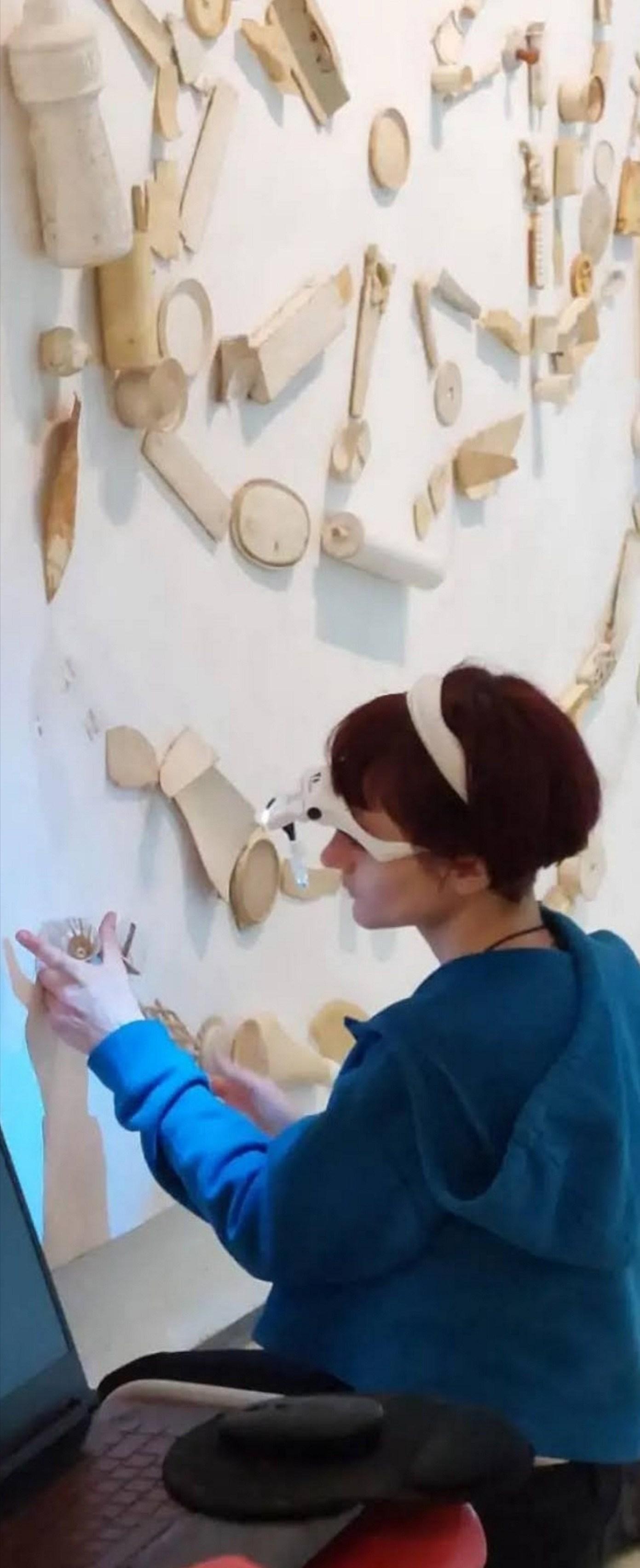
Conservation intervention on Crown Jewels (1981) by Tony Cragg at Plart Museum. Naples, Italy, May 2023. Image courtesy of Costanza Benini.
“art conservation is not a single practice, but a constellation of approaches”
my eyes to new international possibilities. Additionally, my growing passion for plastics conservation deepened through studying Yvonne Shashoua's ground -breaking work at the National Museum of Denmark gave me a clear path forward.
BETWEEN TWO APPROACH ES
My encounter with Danish conservation and the private studio perspective revealed differences between the environment I came from and the one I was approaching. Italian conservation education emphasizes deep theoretical foundations, lengthy study phases, meticulous documentation and adherence to established principles. Every intervention is weighed against decades of debate about authenticity, reversibility and minimal intervention. The academic environment carries an intensity and a competitiveness that demands excellence but can also feel constraining: innovation is valued, but within the framework of established theory.
At the private conservation studio where I carried out my six -month Erasmus+ traineeship in Aarhus, the approach was more oriented toward practical efficiency and creative problem -solving. While research, documentation and theoretical considerations remained valued and central, there was less emphasis on extensive theoretical grounding and greater focus on hands -on engagement with materials and techniques. The atmosphere allowed me to feel more open to experimentation and less bound by the weight of tradition.
At the end of the Aarhus experience, I found myself enriched by the contrasts in my training. The experiences in Italy had given me a solid scientific foundation and a deep respect for conservation theory, while Denmark and the private studio work offered me practical agility and the confidence to try novel solutions, reflecting a strong problem -solving tradition.
The shift from a museum environment to the private studio also brought new perspectives. Museums operate with a different rhythm: objects carry institutional weight, decisions involve multiple stakeholders, timelines accommodate scholarly research, and at the centre lies a defined and stable institutional mission. Private practice moves faster, responds directly to clients and balances conservation ideals with practical constraints.

Further confirmation of the Danish characteristic of professional openness came when the owner of the conservation studio where I had my traineeship asked me to collaborate on a major project in Copenhagen. She and a colleague had secured a bid to conserve a monumental canvas painting measuring 18.6 x 5.5 meters by Danish painter Carlo Wognsen (1916 -1979) but had only five and a half months to complete the needed work.
COMPARING CONSERVATI ON TRADITIONS
The limited timeframe made finding the optimal balance between operational requirements, invasiveness, methodological correctness and aesthetic result even more critical. Perhaps it was precisely this pressure that brought certain differences between Danish and Italian conservation practice into sharper focus. The two traditions share similar theoretical foundations, but each favours different materials and techniques. For example, Italian conservators still employ rabbit skin glue and modern acrylic -based adhesives, while their Danish counterparts generally favour BEVA and sturgeon glue. Thickeners and
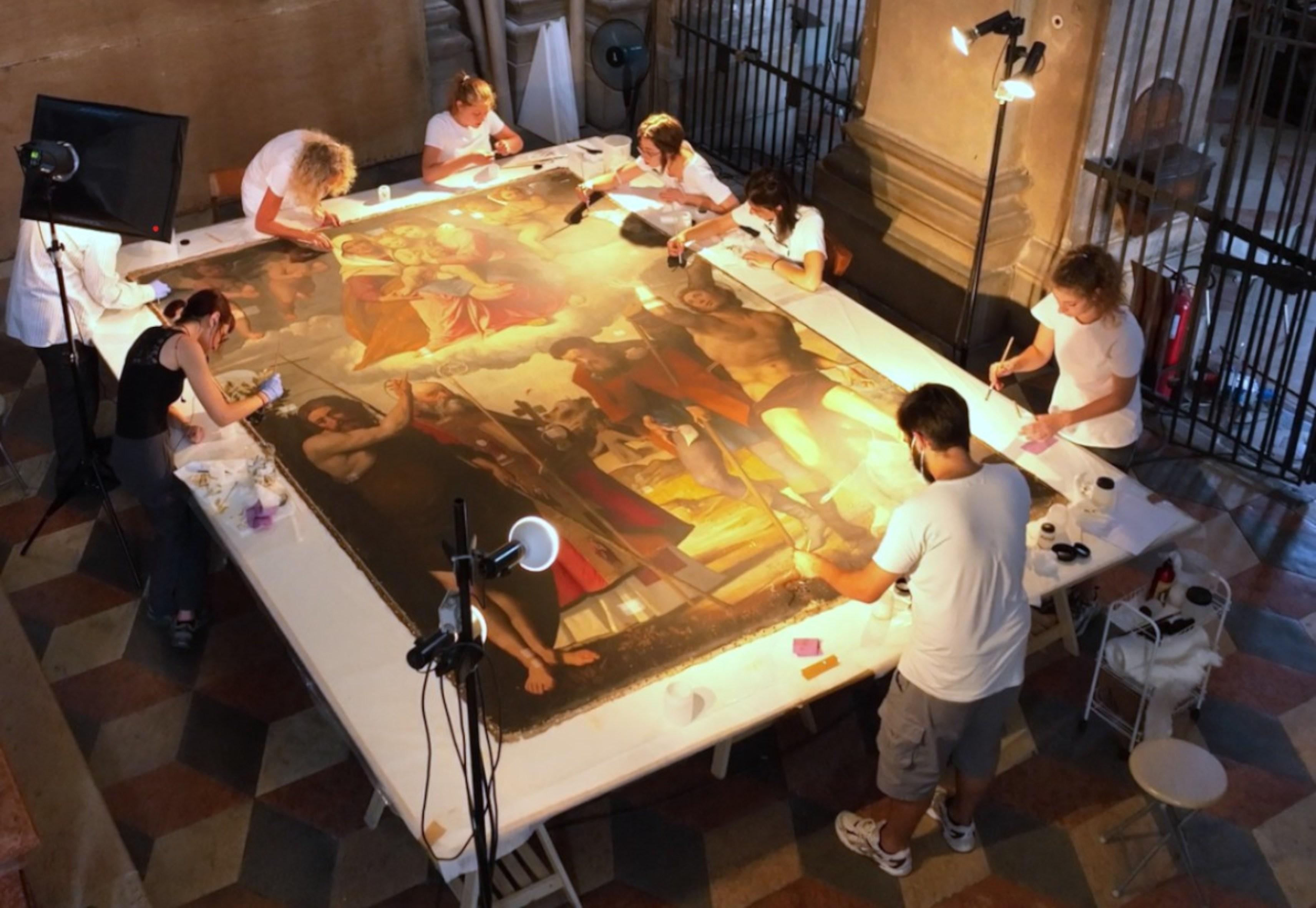
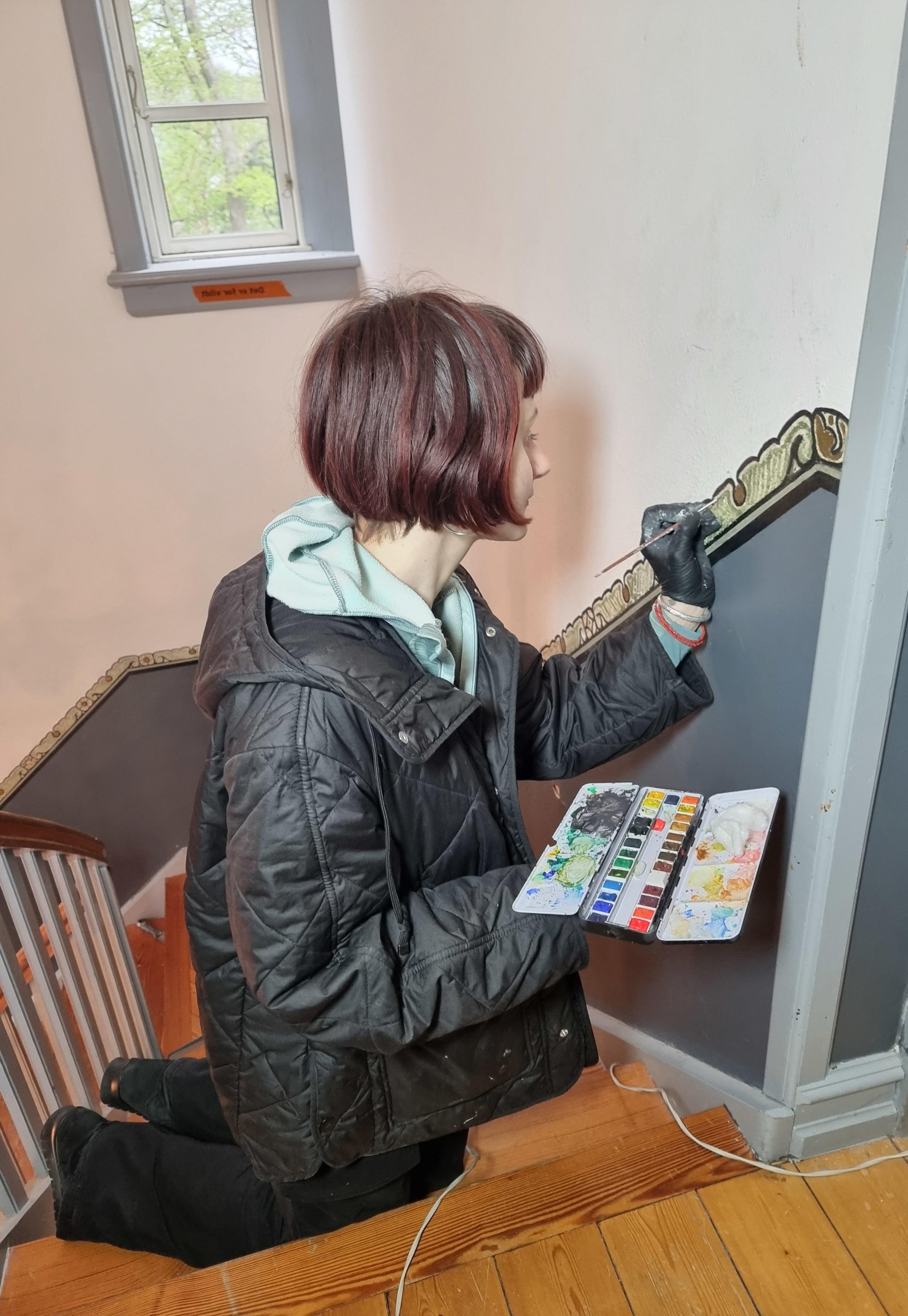
gelling agents, commonplace in Italian practice, find less use in Denmark. For retouching, the Italian tradition relies mostly on watercolours, whereas Denmark more often employs varnishbased colours.
These differences build upon others that I experienced. In terms of structural interventions, Danish conservators typically back canvas paintings with Plexiglass panels for protection, while Italian practice prioritises ventilation to the reverse of the canvas. Retouching philosophies also differ; Italian tradition generally favours recognisable pictorial integration techniques (of which there are many) including chromatic selection, chromatic abstraction, rigatino romano , stippling, undertone or neutral toning, which maintain a visible distinction between original and intervention. Danish practice, instead, tends more towards mimetic retouching that integrates seamlessly with the original.
The differences in these two geographies and histories are also reflected in their differing professional landscapes: Italy has numerous large conservation firms and an extensive network of suppliers providing specialised conservation materials to local practices. In contrast, Denmark's infrastructure is organised into several major conservation centres, such as the Konserveringscenter, which work alongside many smaller private studios, with conservation materials predominantly sourced internationally from German and British suppliers.
There are differences also in the educational systems. In Italy, the title of art conservator requires a five -year master's degree from one of a limited number of authorised academies or conservation centres, each offering similar, but not identical, curricula. A separate three -year qualification exists for conservation technicians. Denmark has no equivalent technician qualification, and all conservation training is centralised at the Royal Danish Academy of Fine Arts, Schools of Architecture, Design and Conservation in Copenhagen, structured as a three -year bachelor's degree followed by a two -year master's programme. Italian conservation education is divided into six professional profiles (PFP) organized by material type: stone materials and decorated architectural surfaces (PFP 1); paintings on wood and textile, wooden sculpture and structures and synthetic materials (PFP 2); textiles and leather (PFP 3); ceramics, glass, organic materials and metals (PFP 4); books, archives, paper, parchment and photographic materials (PFP 5); and musical, scientific and technical instruments (PFP 6). Danish training, in contrast, offers four bachelor's specialisations based on object categories: graphics conservation, natural history conservation, objects conservation and painting conservation.
Conservation work on the canvas Sant ’Anna con la Madonna e Gesù Bambino in gloria, San Giovanni Battista, San Pietro Vescovo, San Rocco e San Sebastiano (1528) by Giovan Francesco Caroto (Verona, c. 1480 – Verona, 1555). Project carried out by the Academy of Fine Art of Verona. Verona, Italy, July 2022. Image courtesy of Stefano Marziali.
BRIDGES BETWEEN WORL DS
These different models of conservation practice Italian and Danish, academic and practical, public and private are not contradictory but complementary. The question isn't which approach is right, but how to synthesise insights from multiple traditions into a personal practice that is both rigorous and flexible, historically informed yet open to innovation.
Conservation is fundamentally an act of continuity across time, positioning us as momentary caretakers between the past and future, ensuring objects created decades or centuries ago remain available for generations not yet born. We also act as translators of what is visible on the surface and what lies behind it: execution techniques, chemical physical processes and the artwork's history and meaning. This requires open -mindedness and flexibility, both for understanding artworks and for adapting methodology to each object's particular needs. Conservators must make decisions based on established rules and traditions while also being sure to not follow them blindly or be unnecessarily limited by them.
To young conservators like me beginning their journeys, I say, seek experiences that challenge you. Every context encountered, every method learned, every challenge overcome becomes part of your professional toolkit. The conservation profession thrives on cross -pollination with other countries, institutions and private studios. Conservators who can move between these worlds become bridges, enriching the field as a whole. In fact, in a discipline as diverse and complex as ours, versatility may be our most valuable asset; growing as a conservator means not just learning techniques and continuing professional development, but also developing a professional identity capacious enough to hold multiple perspectives, flexible enough to adapt to varied contexts and grounded enough to maintain core values.
Working on a mural painting. Aarhus, Denmark, February 2025. Image courtesy of Costanza Benini.
“different models of conservation practice…are not contradictory but complementary. The question isn't which approach is right, but how to synthesise insights from multiple traditions into a personal practice... ”

Costanza Benini is a conservator specialised in the conservation of canvas, wood and modern and contemporary artworks. Following an internship at a museum in Naples and graduating with honours in November 2024, she undertook an internship in Aarhus, Denmark, and was a speaker at the Future Talks 025 conference in November 2025. She is currently working as a conservator in Copenhagen
Stabilization intervention on an object found in the archaeological excavation at El Castillar site in Mendavia. Navarra, Spain, July 2021. Image courtesy of Costanza Benini.
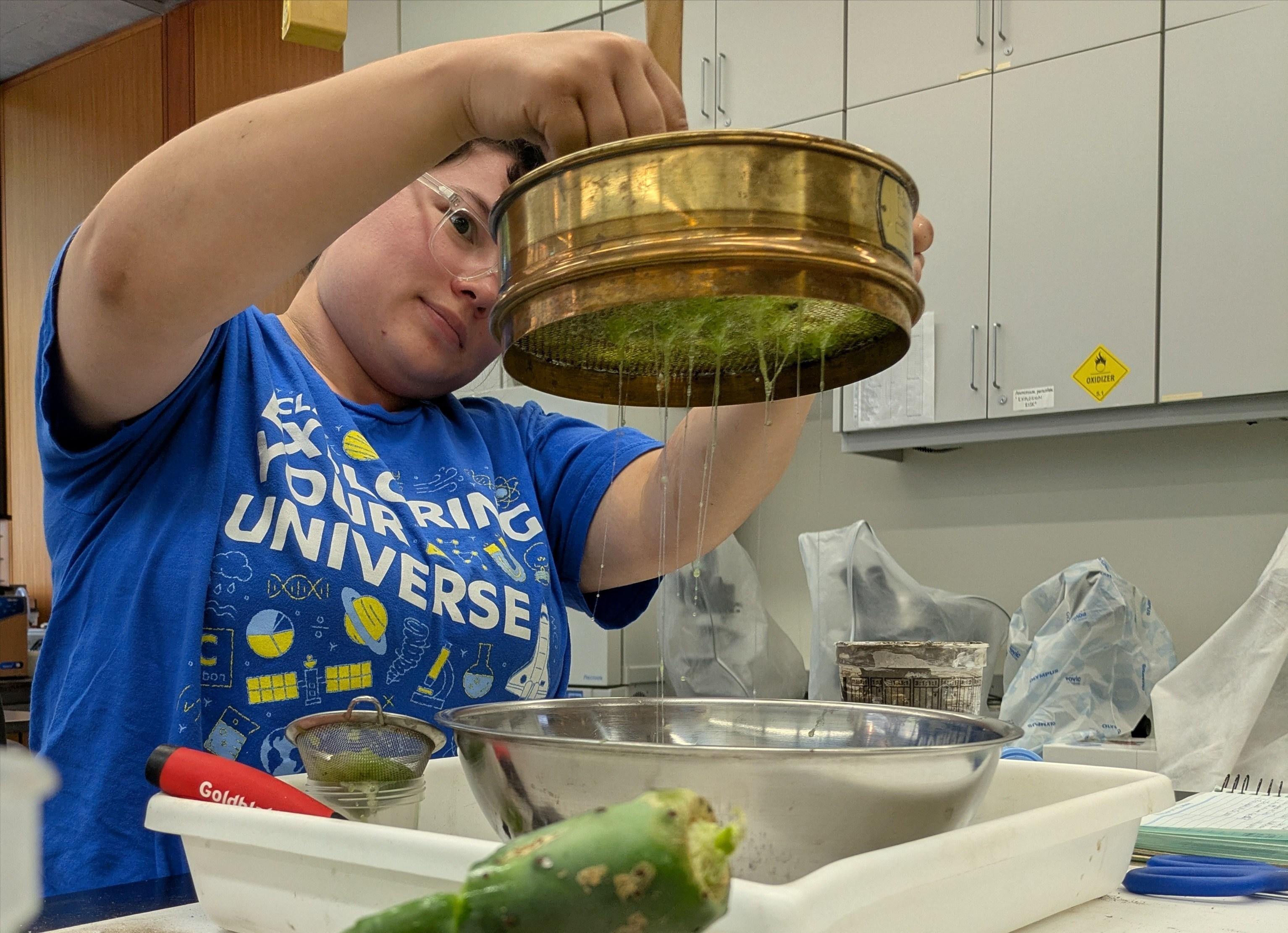
Paige Hilman Preparing Nopal Musilage for Replica. Image by Naomi Rosenkranz
INCORPORATING SUSTAINABILITY IN CONSERVATION EDUCATION
By Justine Wuebold, Ellen Pearlstein, and Glenn Wharton
From 2021 to 2025, the UCLA/ Getty Interdepartmental Program in the Conservation of Cultural Heritage engaged in a research initiative, funded by the National Endowment for the Humanities (NEH), to integrate sustainability theory and practice into course offerings. The Embedding Sustainability in Cultural Heritage Conservation Education initiative included research, analysis, and
dissemination of data on barriers preventing the integration of sustainability in conservation training programs and associated institutions Established in 2003, the UCLA/Getty Interdepartmental Program in the Conservation of Cultural Heritage focuses on archaeological and Indigenous cultural materials. It offers a three-year MA degree and a PhD degree.
Based on our literature review and survey of the field, UCLA/Getty researchers identified a major gap in sustainability pedagogy. Our aim, therefore, was to design, field test, and produce curricular materials to incorporate into our own program and to share with educators internationally in cultural heritage conservation, including those within graduate programs, undergraduate programs, short courses, and workshops. We included foundational competencies of sustainability education, including systems thinking, future thinking, and traditional knowledge, as part of the interactive exercises and assignments in conservation courses. We also drew on new research for sustainability, such as carbon calculator tools and greener alternatives to solvents and pesticides, to promote student research on these important topics.
Following this preliminary phase, the project entered a second phase focused on understanding the barriers that conservators face in practice and in educational settings. Results from the initial survey suggested that educators face significant barriers to incorporating sustainability concepts into the curriculum they are teaching, which informed our interview protocol. We reviewed the literature in conservation and adjacent disciplines and interviewed conservation educators and practitioners about the barriers they encounter in their work. Chedeya Brown, a doctoral student in UCLA ’s Institute for the Environment and Sustainability, assisted us by locating journal articles that focus on barriers and successes to embedding sustainability. We also worked with a sustainability coach, educational evaluators, peer reviewers, and other advisors who assisted with our research to better understand these barriers and how to mitigate them. The articles that have informed our research discuss techniques for engaging students using modular and adaptable exercises and provide conceptual frameworks for future-thinking and transformative cultural heritage preservation
practices in the face of climate change and cultural sustainability. People we interviewed included geographically dispersed professionals at different stages of their careers working in different types and sizes of institutions as well as private practice.
MAIN MOTIVES AND FIN DINGS
Conservators play an essential role in making positive change toward climate and social justice issues. Their training in both scientific analysis and the humanities is instrumental for building bridges between disciplines and fostering dialogue between communities. This multidisciplinary focus in the classroom presented us with the opportunity to rethink our systems and meet new challenges the field is facing.
Currently it is common for modulebased courses taught at UCLA/ Getty to include a separate module or discussion period on sustainability, so our challenge was to seek out ways that sustainability pertains to other modules by considering environmental, social, or economic sustainability concerns, with the goal of integrating sustainability education into all aspects of course work.
In the first phase of our research, we learned that barriers exist to integrating sustainability not only in teaching curricula but in all forms of conservation practice. The survey from our preliminary research served to better understand the extent to which sustainability is embedded throughout conservation curricula versus as a standalone course, which kinds of sustainability are addressed, and what types of assignments and activities are being utilized ( Wuebold et al. 2022). A significant finding of the survey was that conservation educators need more sustainability resources to incorporate into current curricula.
We then expanded our research to explore the problem of
“Educators face significant barriers to incorporating sustainability concepts into the curriculum they are teaching,”
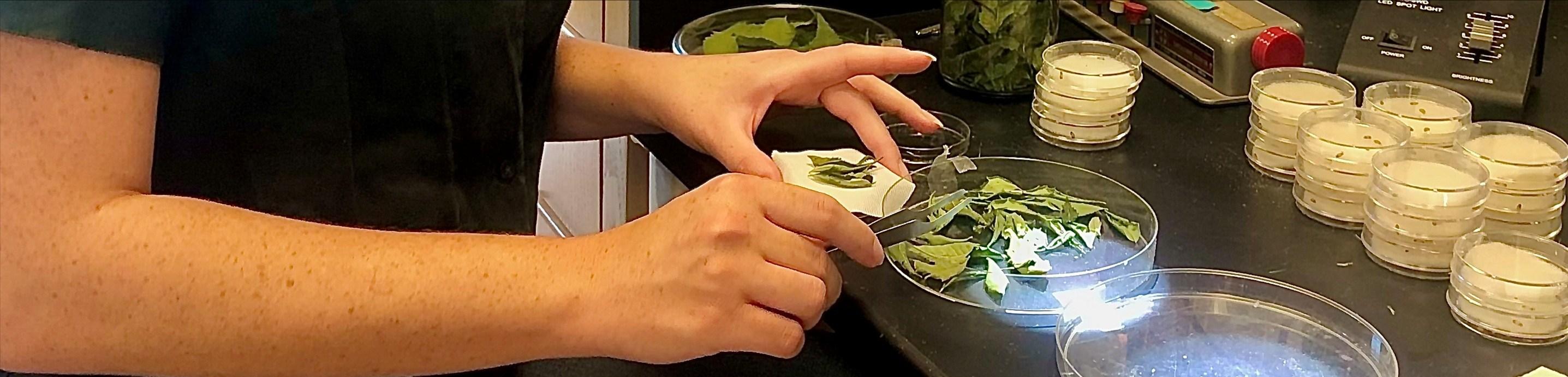
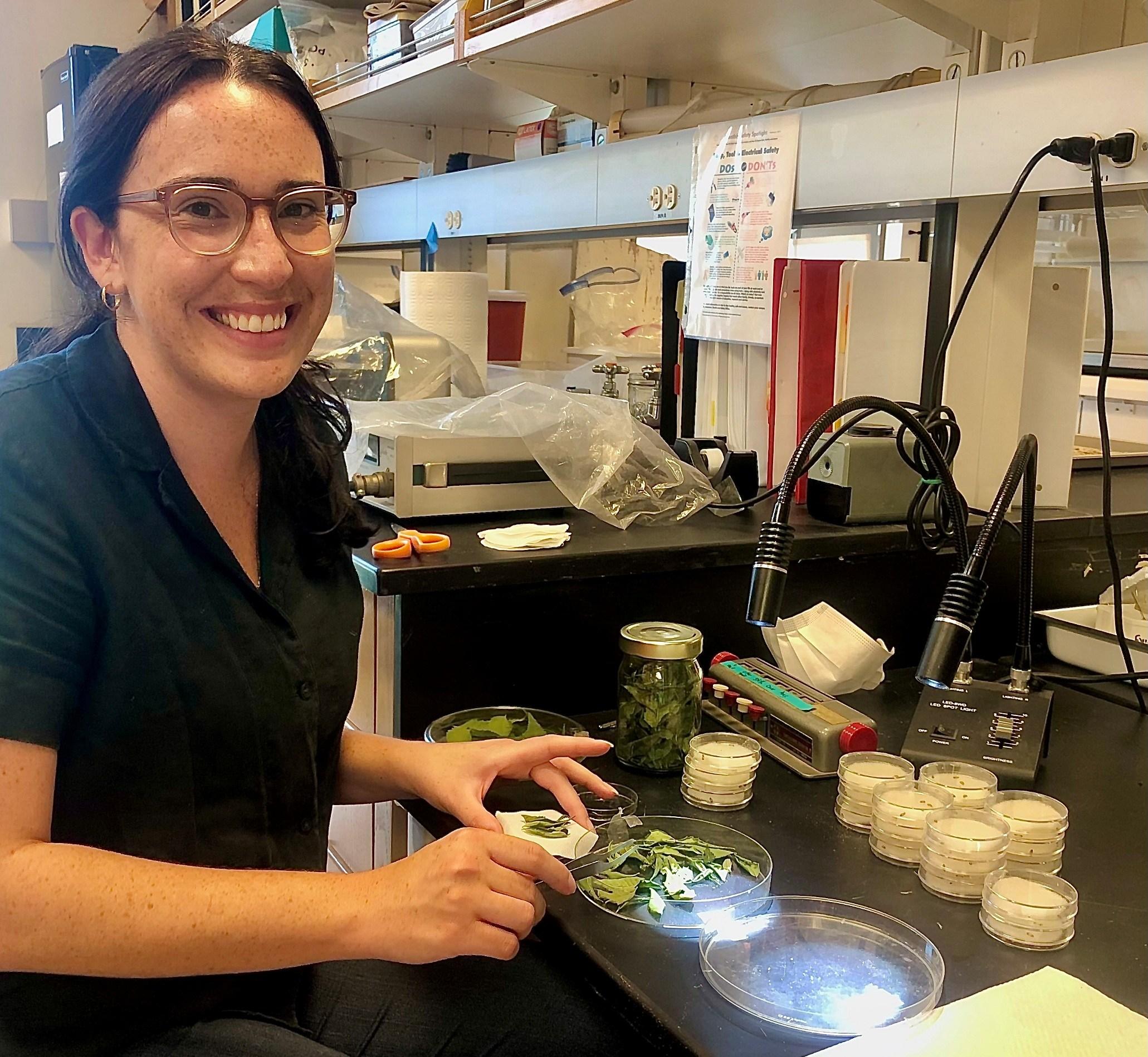
Elizabeth Salmon researching the efficacy of neem leaves as a sustainable pest deterrent in museums.
Photo Credit: Tom Perring.
institutional resistance that many educators and practitioners experience and identified further barriers including resistance to change, time constraints, and financial barriers to sustainable practices. Through this research we formulated strategies for breaking down the barriers in both practice and in teaching that prevent our sector from fully embracing a more thoughtful, balanced, safe, and ultimately carbon -neutral approach to conserving cultural heritage collections (Pearlstein et al. 2024 ). Our interviewees discussed a paradigm shift that requires training and new practices that anticipate these real -world changes and that will prepare students for the increasingly complex problems they will face within a changing world.
In an upcoming publication, we discuss how our faculty and staff utilized results from this research to develop and run courses designed to teach conservation competencies through the lens of sustainability principles. Exercises within the courses are geared toward sustainable conservation practice; examples include the comparison of alternative plant -based or recycled leather for use as infills, lab testing less toxic corrosion inhibitors, evaluating greener solvents, and
consensus -building exercises for developing exhibitions in museums. After each course exercise, students and faculty were asked to document their thoughts through discussion and written evaluation. Student feedback was valuable for planning future iterations of courses, ensuring that worksheets and rubrics were useful toward exercises and that the sustainability language was comprehensible.
Some of the UCLA/Getty students were inspired to incorporate sustainability principles into their thesis and dissertation work. MA graduate Makayla Rawlins' work centered on evaluating the use of juncus, a traditional California basketweaving plant, for repairs and loss compensation in historical basketry. Elizabeth Salmon ’s doctoral dissertation investigated the traditional use of neem leaves to protect textiles in India from varied carpet beetles as a sustainable alternative to pesticide use. Additionally, undergraduate student Fiona Dunlap, who showed interest in sustainability, helped develop guidance documentation for the UCLA/Getty training labs and then focused her undergraduate honors thesis on challenges of implementing sustainable practices within our conservation lab.
Faculty and staff found that many exercises can be altered to teach conservation techniques while also weaving sustainable methods throughout courses and projects. By integrating sustainability into our courses during this initial phase of our initiative, we enhanced the way these topics were taught while developing future deliverables. Our final publication will point to individuals across the conservation field working as change agents in their organizations to advance sustainability.
INITIATIVES CONTINUI NG FROM PROJECT
A key deliverable for this grant was to build strategies for mitigating barriers to including sustainability principles within graduate conservation education. The project team was thrilled to see that momentum across the field continued through our initiatives supporting this goal, some of which continued beyond the initial timeline.
One example of this continued momentum came out of a community of practice (CoP) group that we
organized, consisting of graduate conservation educators who discussed methods for teaching sustainability principles and strategies. Faculty from most member programs of the Association of North American Graduate Programs in the Conservation of Cultural Property (ANAGPIC) joined our monthly sessions. These community members also willingly participated in a focus group exercise to gauge barriers and successes they've seen in their experiences, which added anecdotal evidence. While this CoP group discontinued at the end of our initiative, a separate group then formed as a collaboration between the Sustainability Committee of the American Institute of Conservation (AIC) and the Institute of Conservation (Icon) to offer an open forum discussing challenges and innovations in conservation labs in North America and the UK.
Also out of the CoP discussions came the concept of a competency guide as a tool for curricular planning and syllabus revision. In consultation with Jaimie Cloud, president of the Cloud Institute for Sustainability Education, the UCLA/Getty team worked on building a guide to align conservation and sustainability education competency frameworks. Jaimie Cloud, Justine Wuebold, and Marlene Sámano (Escuela Nacional de Conservación, Restauración y Museografía ENCRYM) collaborated to align the Education for Sustainability (EfS) frameworks (developed by The Cloud Institute for Sustainability Education) with AIC ’s “Essential Competencies For Conservation, Preservation, And Scientific Analysis ” The working document titled Integrating Conservation and Sustainability Competencies is available for feedback (Wuebold, Cloud, and Samano Chong 2026).
A project that developed out of the first phase of this NEH research was The Global Mapping working group. In this initiative members of the Heritage Management Organization, Evangelos Kyriakidis and Panteliana Papamichali, have teamed up with Justine Wuebold to continue mapping activities focused on sustainable cultural heritage management and conservation in hopes that this resource will spur new partnerships. Disseminating new sustainability -focused work along with the outcomes from this NEH project will help future projects build on what has already been done rather than reinventing the wheel. To that end, doctoral students, Naomi Rosenkranz and Chongwen Liu, are helping to update the UCLA/Getty website to showcase our focus on sustainable practice and teaching.
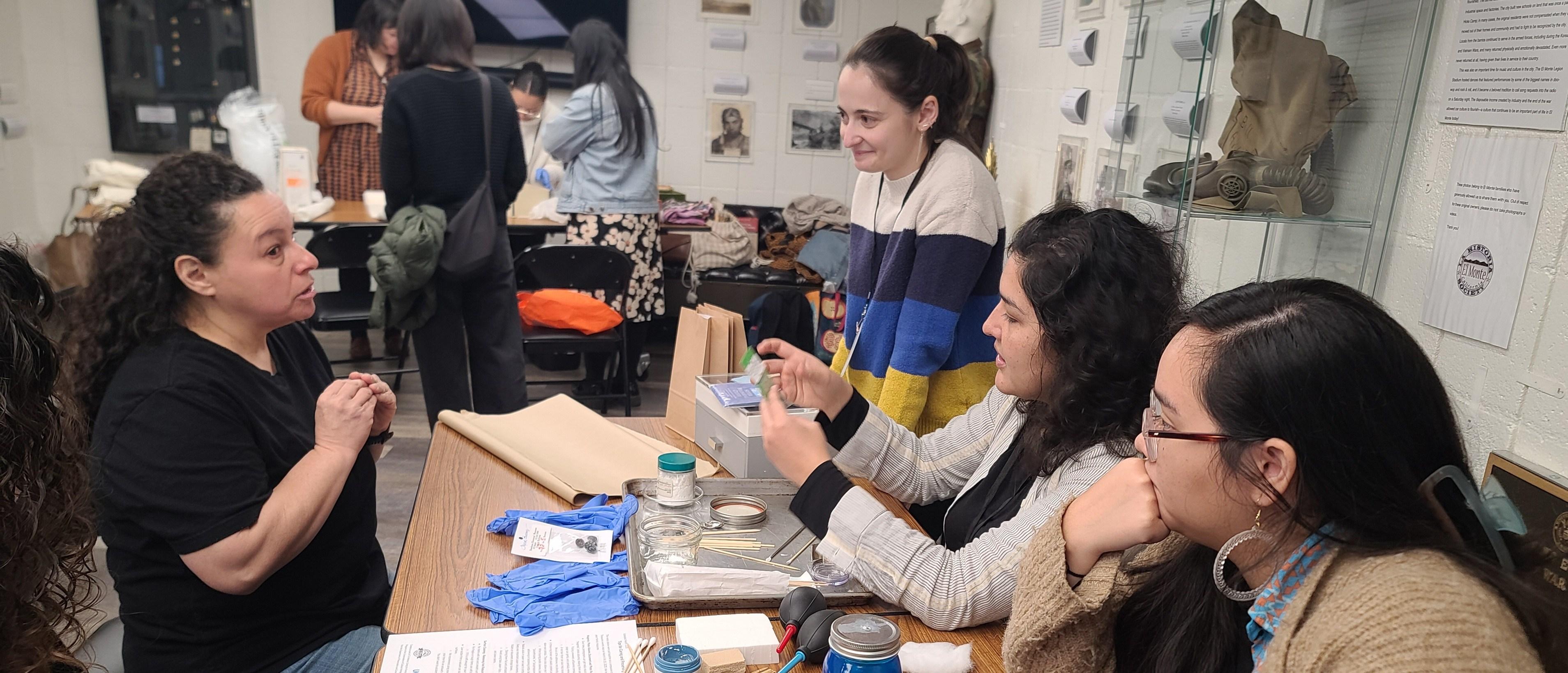
MA Students Consulting with Community at Conservation Clinic.
Photo Credit: Justine Wuebold
“Conservators’… training in both scientific analysis and the humanities is instrumental for building bridges between disciplines and fostering dialogue between communities.”
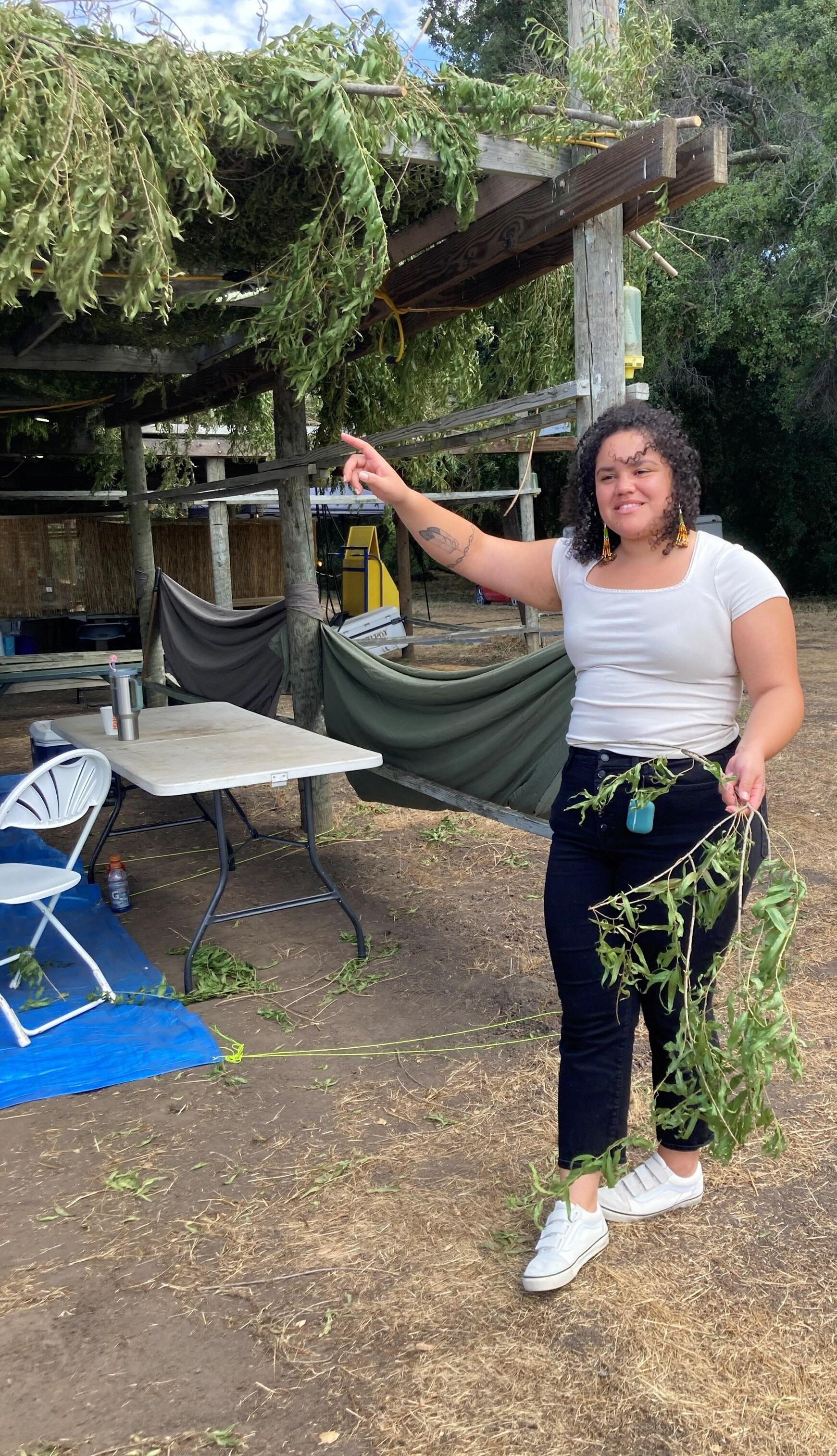
UCLA/Getty student Makayla Rawlins ('25) pointing to willow branches she helped collect for
2025
Barona Days, working with th e B arona
Cultural center and Museum. Image by Ellen Pearlstein
CLOSING THOUGHTS
In sharing our research through many different venues, we hope the findings and the tools developed can help provide a model for other programs. We at UCLA/ Getty Conservation Program found that teaching can be enhanced through integrative methods that consider principles such as systems thinking and multiple perspectives as foundational to our current conservation concepts. We are happy to see the many projects that have emerged since our research began, and especially those that inspire new pedagogical strategies in conservation education. If you would like to get involved with the Sustainability Committee's Community of Practice, the Competencies project, or the Global Mapping working group, please reach out to Justine Wuebold ( jwuebold@proton.me ) for more information.
We want to recognize our forthcoming publication of research results, which is projected to be published in 2027. (Wuebold, Justine, Ellen Pearlstein, Glenn Wharton, and Gisela Cebrián. “Embedding Sustainability in Conservation Education. ” Chapter. In Learning and Teaching Heritage Conservation: From Theory to Practice. London: UCL Press, in press).

Justine Wuebold has worked in museums and cultural heritage for over ten years, with specialized knowledge in collections care, conservation, and green museum practices. She holds a museum studies MA -MBA from John F. Kennedy University where she penned her thesis on sustainable materials in collections care. Justine currently volunteers for the AIC Sustainability Committee and the AIC Materials Working Group.
Ellen Pearlstein is a founding faculty member and professor emerita in the UCLA/Getty Conservation Program; she invited Indigenous instruction for California basketry and featherwork. Her research includes feather regalia coloration, Peruvian qeros colorants, Indigenous basketry materials, and conservation pedagogy. Her book devoted to Indigenous collections conservation and care is in press in the Getty Readings in Conservation series.
Glenn Wharton is a professor of art history at UCLA and chair of the UCLA/Getty Interdepartmental Program in the Conservation of Cultural Heritage. His publications cover a range of initiatives in contemporary art conservation, the anthropology of public monuments, artwork identity, and enhancing sustainability and social justice through conservation research and intervention.
A Book Review of Rachel Rivenc’s Cai Guo-Qiang: The Artist’s Materials
Review by Iwona Szmelter
THE PARADOX OF CREAT IVE DESTRUCTION
In the latest instalment of the prestigious The Artist ’s Materials series published by Getty, Rachel Rivenc addresses one of the most compelling paradoxes in contemporary art history: the transformation of gunpowder a medium historically synonymous with violence and ruin into a sophisticated tool of aesthetic creation. The subject of this comprehensive study, Cai Guo -Qiang (b. 1957), has spent decades harnessing the volatile energy of explosions to produce monumental drawings and ephemeral events.
Rivenc ’s scholarly task was formidable. She interviewed the artist, documented, analysed, and proposed preservation strategies for a body of work that is, by its very nature, born of destruction and defined by its inherent transience. Rachel Rivenc, together with Tom Learner and Andrew Perchuk of the Getty Research Institute, also curated the exhibition Cai Guo -Qiang: A Material Odyssey at the USC Pacific Asia Museum (2024), which offers a unique insight into Cai's fusion of art and science, exploring his 40 -year dialogue with gunpowder.
THE METHODOLOGY
Rachel Rivenc ’s scholarship is characterised by exemplary interdisciplinary rigor, successfully bridging the gap between nuanced art -historical inquiry and highlevel analytical chemistry. Drawing upon her extensive experience at the Getty Conservation Institute, she employed advanced diagnostic techniques to map the chemical topography of post -combustion residues.
Through the application of scanning electron microscopy (SEM -EDX) and Fourier -transform infrared (FTIR) spectroscopy, she revealed the microscopic landscape of scorched surfaces, providing a scientific foundation for understanding how carbonised particles adhere to diverse substrates. A primary strength of the volume lies in the unprecedented access Rivenc gained to the artist ’s studio in New York, where she conducted a series of in -depth interviews exploring the "intent of the ephemeral".
These dialogues establish a vital ethical framework for conservators, addressing whether Cai perceives the
Cai Guo -Qiang: The Artist ’s Materials
By Rachel Rivenc, PhD
Getty Publications: Los Angeles (2025)
Paperback / 160 pages / 146 color & 10 b/w illustrations
ISBN 9781606069493
natural ageing and potential degradation of his scorched substrates as an intentional continuation of the artistic process or as a form of physical decline requiring intervention.
The volume is meticulously structured, moving from the historical context of gunpowder in Chinese traditions to its contemporary application on varied supports such as Japanese hemp paper, silk, and porcelain. Rivenc offers an intricate analysis of how sulphur, nitrates, and carbonised particles interact with cellulosic fibres at a molecular level.
A particularly insightful section examines the evolution of Cai ’s practice as he transitioned from monochromatic black powder to more complex, coloured pyrotechnics. In this context, Rivenc investigated the lightfastness and chemical stability of organic dyes used in these mixtures, providing essential data to institutions responsible for displaying these visually striking yet chemically fragile works. This transition represents not only an aesthetic shift but also a significant increase in conservation complexity.
PRO FUTURO DOCUMENTATION
True to the high editorial standards of Getty Publications, the volume is visually exceptional. The inclusion of highresolution macrophotography enables the reader to perceive the threedimensional topography of scorched edges and micro -blisters in charred silk details that are often invisible to the naked eye in standard museum observation. These images function not merely as illustrations; they are vital diagnostic tools that document the physical reality of the explosion's aftermath.
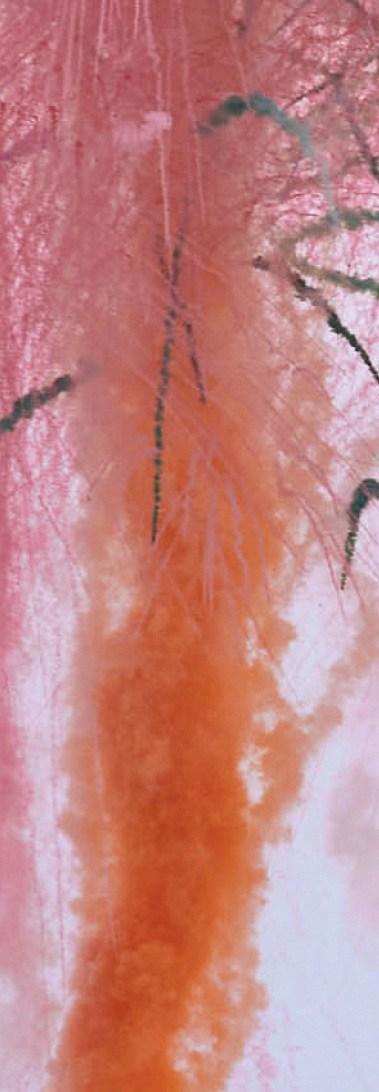
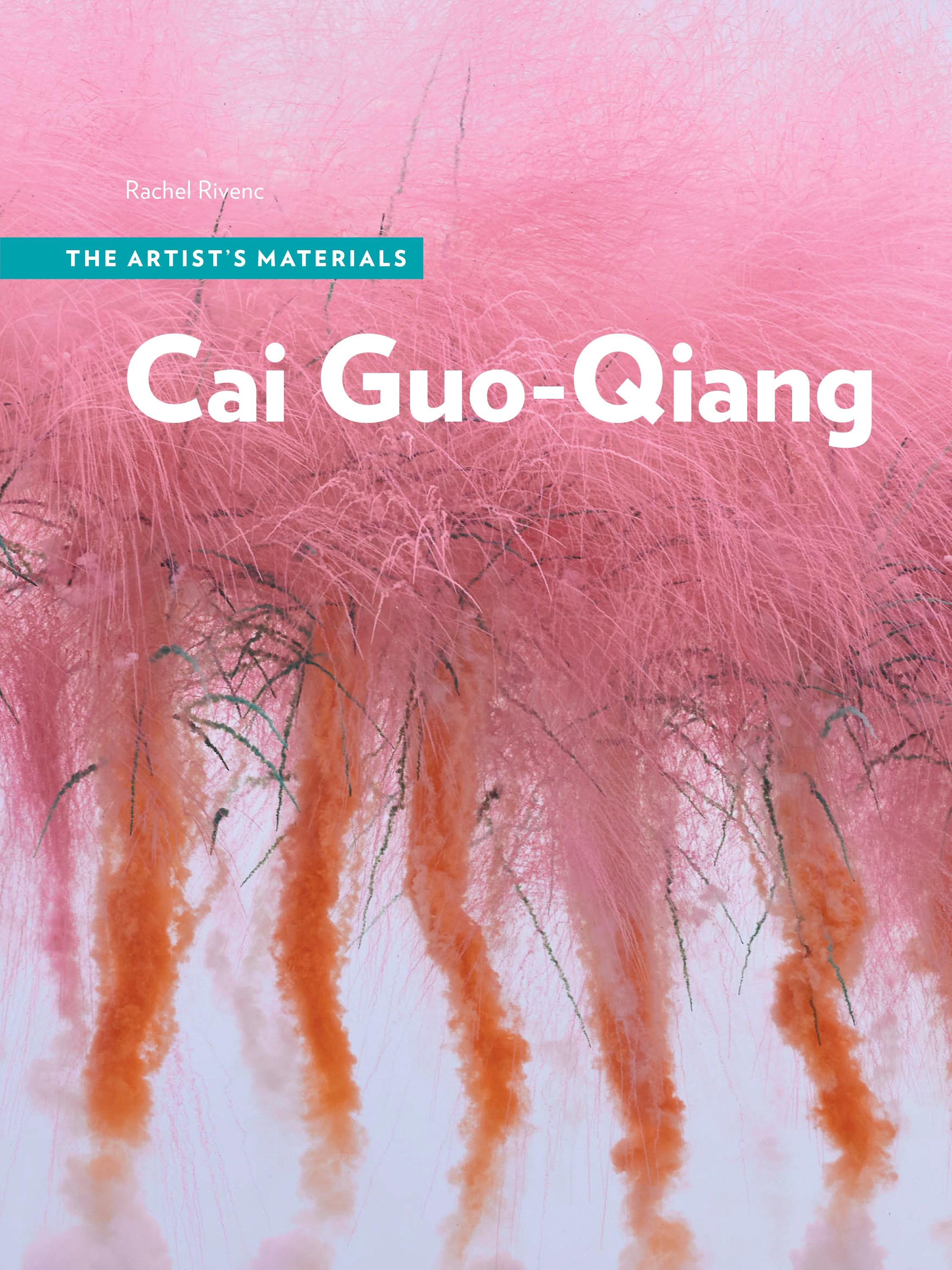
Image of book cover (and detail on previous page) courtesy of Getty Publications.
INSIGHTS AND REFLECT IONS
Rachel Rivenc ’s book Cai GuoQiang: The Artist ’s Materials represents a significant contribution to the field of heritage science. The book emphasises the importance of establishing a correct sequence of actions and undertaking a multifaceted assessment of values in order to intentionally define what we preserve.
The following quotation from an interview with Cai Guo -Qiang is particularly significant:
“Even if something is eternal, you can’t own it forever. Eternity and permanence are different in China. Eternity transcends the existence of time, whereas permanence remains in the realm of time. So, when we have dialogues with an associate with eternity throughout art, we don ’t attempt to tackle it from the permanence point of view, rather, we use the instantaneous way to grasp it. It feels like the
myth of eternity, you could only taste it at the fleeting moment of chaos. ” (p. 114)
By prioritising the artist ’s materials, Rachel Rivenc arguably omits a broader preservation strategy. Ethical practice requires an individualised approach to works of art, situated within the overarching framework of heritage science. In decision making processes, external socio -economic factors are also of critical importance. The increasingly frequent occurrence of irreversible instability in heritage objects makes conservation through documentation the only viable procedure. This concept, initially used to describe approaches to disappearing architecture within the urban fabric, entered the vocabulary of visual arts conservation several decades ago. However, it is not yet widely acknowledged. In the context of the dematerialisation of Cai ’s art, no other procedure can be effectively implemented. Rachel Rivenc ’s book presents a
comprehensive study of Cai GuoQiang ’s catalogue and the materiality of his explosive artistic practice and the volume represents the first major technical investigation into gunpowder remnants as a fine art medium. The book highlights important practical contributions to conservation of gunpowder remnants, particularly regarding the stabilisation of soot and the mitigation of chemical degradation.
Ultimately, the publication serves as a crucial scholarly resource, bridging the gap between the ephemeral nature of Cai ’s "explosion events" and the requirements for identification and long -term institutional care for contemporary art. The scholarly value of this volume lies in its ability to reconcile the inherent contradictions of the artist ’s practice. This volume is an indispensable reference for conservators, curators, and scholars engaged with the complex material challenges of 21st-century art.
The scholarly value of this volume lies in its ability to reconcile the inherent contradictions of the artist’s practice.
Iwona Szmelter is a full professor PhD (Ordinarius) in heritage science and a conservator of historical and contemporary artworks. She is the author of six monographs on the preservation of visual arts heritage and has published over one hundred scholarly articles.
CONSERVATION AS A SUSTAINABILITY ENABLER
The Green Cluster’s Policy
Agenda for Cultural Heritage
Review of the Strategic Policy Meeting on Advancing Sustainability in Cultural Heritage Conservation, KIK -IRPA, Brussels, 26 February 2026
By Tomas Markevičius and Nina Olsson
The future of conservation is green, both as a driver of sustainability and as a field that must itself become greener through safer materials, cleaner technologies, responsible practices, and new professional attitudes and mindsets. However, heritage and conservation do not exist in isolation. Real transformation is difficult to achieve through fragmented individual practice alone. It requires supportive frameworks, funding mechanisms, standards, training systems, and policy instruments. These instruments become powerful enablers when co -developed with heritage scientists, conservators, cultural institutions, and industry partners. Such structured collaboration has often been missing in the heritage field, where policy has too frequently been designed for conservation rather than with it.
In this context, the Green Cluster Strategic Policy Meeting marked an important milestone. The meeting did not simply present the results of three Horizon Europe projects; it translated the accumulated scientific, professional, and institutional expertise into a structured green conservation policy agenda for Europe, summarized in a White Paper . It recognized that sustainable conservation requires not only innovation in laboratories and studios, but also policy instruments capable of carrying that innovation into practice, education, procurement, regulation, and long -term institutional planning.
The Green Cluster is a panEuropean alliance uniting the three Horizon Europe projects
MOXY , GOGREEN , and GREENART selected under HORIZON -CL2 -2021-HERITAGE -01 -01, “ Green technologies and materials for cultural heritage, ” and collectively mobilizing 48 European organizations active in heritage science and conservation. It serves as a coordinated platform linking policy, research, professional practice, and innovation among EU and Member State policymakers, heritage institutions, research organizations, industry partners, professional bodies, and civil society. At its core are three shared principles: cultural heritage is the cultural dimension of the environment; preserving its materiality is inherently a green action; and conservation must be recognized as a scientific domain supported by materials
science, interdisciplinary research, and professional expertise. This framing broadens the meaning of green conservation. Greener conservation is not only about reducing environmental impact. Interventions must also be effective, validated, compatible with heritage materials, safe for operators, and sustainable over time. The Green Cluster advances this agenda by translating research outputs into implementable guidance, standards, validation approaches, innovation pathways, and long -term support mechanisms that can be adopted across Europe. In doing so, it positions conservation not as a passive recipient of sustainability policy but as an active contributor to Europe ’s green transition, resilience, and cultural continuity. This
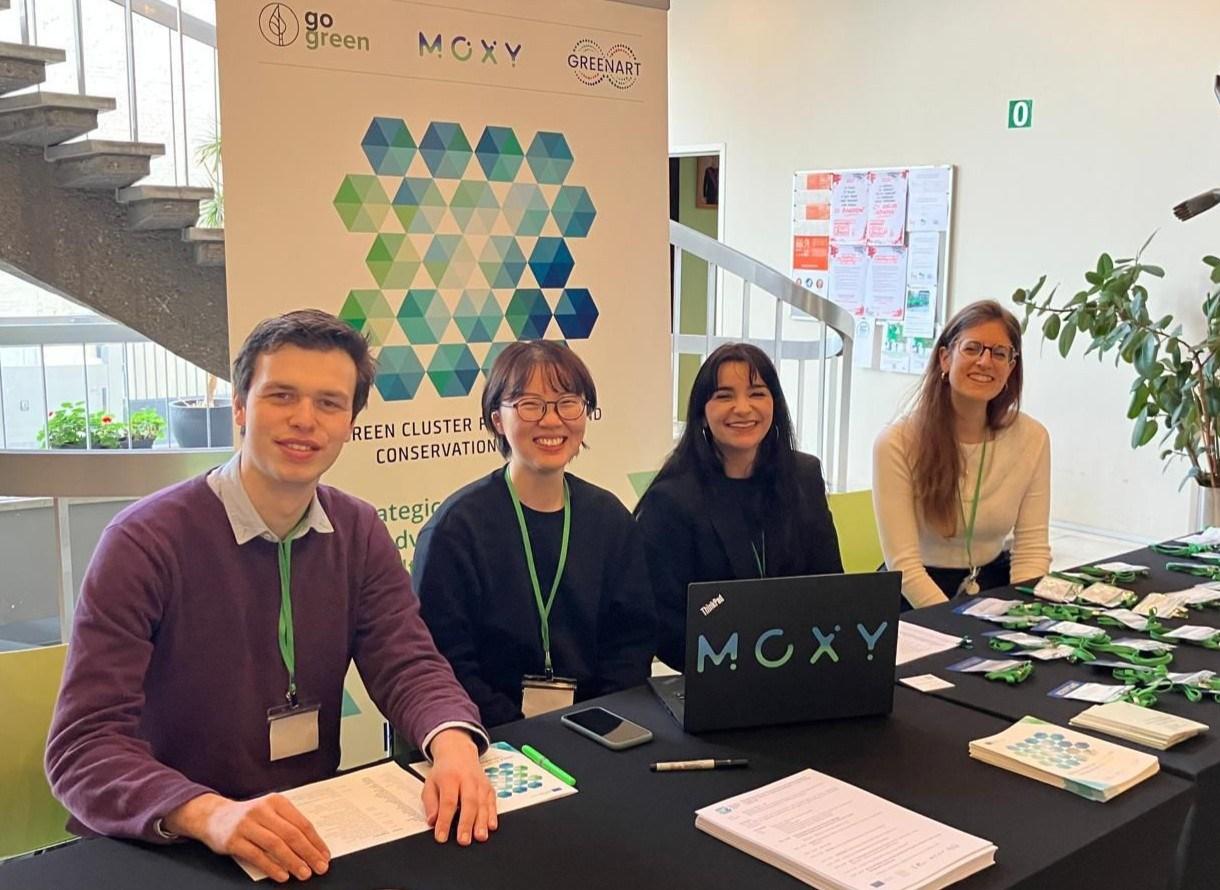
Below: MOXY and GoGreen PhD students at the Green Cluster Policy Meeting reception. Left to right: Sander van Lith, Nan Yang, Catarina Rochas Pires, Marta Cremonesi. Image courtesy of Nina Olsson.
Left: Interior of the Royal Institute for Cultural Heritage, KIK -IRPA, Brussels. Image courtesy of Nina Olsson
“SUCH STRUCTURED COLLABORATION HAS OFTEN BEEN MISSING IN THE HERITAGE FIELD, WHERE POLICY HAS TOO FREQUENTLY BEEN DESIGNED FOR CONSERVATION RATHER THAN WITH IT.”
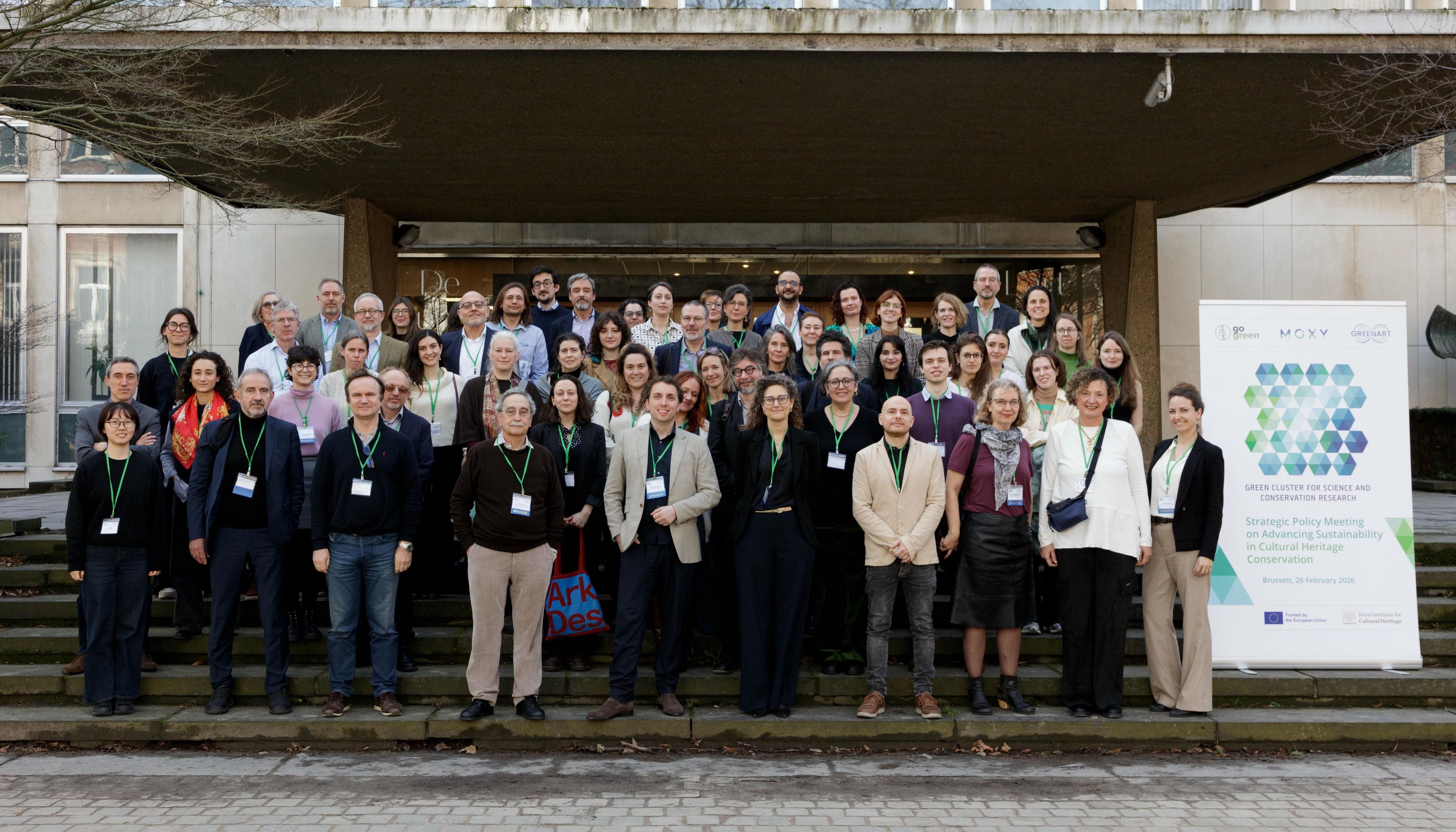
joint agenda has been built progressively through workshops, webinars, conferences, and roundtable meetings across the three projects. In 2024 the Cluster presented its first joint findings at the Vilnius Symposium on Green and Sustainable Approaches to Cleaning Sensitive Works of Art, followed by a roundtable at the Academy of Sciences in Vilnius, organized by ICOMOS Lithuania. These exchanges, reported in a previous NiC review, Issue 106, February -March 2025 , helped consolidate a shared understanding of green conservation and laid the groundwork for the policy recommendations later developed in Brussels.
On 26 February 2026, the Green Cluster convened its third roundtable, which drew about 400 participants, both in person and online, including representatives from the European Commission and Member States, heritage institutions, scientists, conservation professionals, and industry innovators. Its policy message was clear: Europe must move from recognizing the importance of cultural heritage to actively integrating
it into concrete policy instruments and coordinated funding mechanisms.
MORNING SESSION: GRE EN CONSERVATION PROJECT HIGHLIGHTS
Dr. Francisco Mederos -Henry (KIK -IRPA), Dr. Athanasios Gerakis (REA), and Dr. Ana -Maria Stan (EC DG Research & Innovation) delivered opening remarks, highlighting the newly launched Cultural Compass for
Europe as a strategic framework that places culture at the heart of EU policymaking. Prof. Katrien Keune (GoGreen -Rijksmuseum -UvA) outlined the day's agenda, and Prof. Klaas Jan van den Berg (MOXY -RCEUvA) moderated the morning session.
MOXY, presented by Prof. Ilaria Bonaduce (UNIPI), Prof. Geert Van der Snickt (UAntwerp -Arches), and Noura Rahbani (WeLoop), described a novel lowkinetic -energy atomic oxygen (AO) cleaning system inspired by research from space agencies. Designed to address climate -related damage events, including fires, floods, and mold outbreaks, the contactless system converts carbon -based contaminants, such as soot, into CO 2, CO, and water, leaving no toxic residues. Testing on heritage substrates paints, silk, paper, plaster, feathers, and other fragile, sensitive materials demonstrated effective, selective soot removal with negligible impact on aged materials. A full lifecycle sustainability assessment benchmarked the technology against conventional and non -contact cleaning methods. A patent has been filed; the technology is at TRL 6–7.
GOGREEN, presented by Prof. Silvia Prati (UNIBO) and Prof. Loïc Bertrand (ENS Paris -Saclay), took a
Green Cluster Policy
Meeting participants in front of KIKIRPA, Brussels, 26 February 2026.
Image by Katrien van Acker ©KIKIRPA
holistic approach spanning the full chain from the object to the operator to the environment. Highlights included the definition of parameters for what constitutes green conservation, development of preventive practices and decision making utilizing green thinking; damage functions for glass, stone, ceramics, and paintings; introduction of greener cleaning agents, including historically inspired recipes based on yeast and essential oils; electrospun nanofiber substrates that significantly reduce solvent use; biostabilization methodologies for copper and iron, consolidation of glass with an associated patent and spin -offs; a digital decision -support web -app; and educational modules embedded in partner institutions ’ curricula.
GREENART, presented by Dr. David Chelazzi (CSGI -UNIFI) and Dr. Bronwyn Ormsby (Tate), applied the EU Safe and Sustainable by Design (SSbD) framework to guide the selection and development of green solvents and surfactants for art conservation. The project developed nanostructured cleaning fluids, hydrogels, organogels, consolidants, coatings, packaging, and monitoring sensors. Bringing together 30 international partners among them Tate, the Peggy Guggenheim Collection, MFAH, The Met, LACMA, and Shiseido the project produced compelling case studies showcasing innovative cleaning solutions for cultural heritage. A key outcome was the development of hydrogel cleaning systems for sensitive modern and contemporary paintings. A new startup will bring the gel products to market in 2026, and a collaboration with Shiseido has revealed significant promise for technology transfer to the cosmetics industry.
A guest presentation by Prof. Matija Strlič (ULjubljana, UCL) introduced GreenHer , selected in HORIZON -WIDERA -2023-ACCESS -01 call that establishes a Heritage
Science Center of Excellence in Slovenia, with €13.5M in funding and a six -year mandate to advance green and digital innovation across the heritage value chain. The morning Q&A covered social lifecycle assessment methodology, hazardous materials in LCA, conservator involvement in project design, accessibility of new technologies for private practitioners, and the need for standardized treatment protocols alongside materials development.
AFTERNOON SESSION: P OLICY INSTRUMENTS AND THE WHITE PAPER
One of the strongest themes from the meeting was the Green Cluster’s evolution into an ecosystem. European Commission representatives emphasized that the
Stolberg floods, melting permafrost archaeological sites, and hurricane -damaged museum collections, Dr. Parzinger argued that cultural heritage requires stable infrastructure, permanent funding beyond project cycles, and structural integration into climate policy at the national and European levels. He cited the Europa Nostra/ICOMOS Green Paper (2022) and the Cultural Compass for Europe (2025) and closed by referencing Russia's deliberate
collaboration among GOGREEN, MOXY, and GREENART exceeded Horizon Europe ’s original expectations and served as a demonstration of openness, commitment, and scientific excellence capable of influencing both policy and practice. As Prof. Katrien Keune noted, the final stage of the projects required translating their vision and key findings into concrete policy recommendations.
The afternoon opened with a powerful keynote by Prof. Dr. Hermann Parzinger, executive president of Europa Nostra, on the systemic threat climate change poses to cultural heritage. Drawing on examples from the Venice and
targeting of Ukrainian cultural heritage as a reminder of what is ultimately at stake. Four focused presentations articulated the Green Cluster's core policy positions. Caitlin Southwick (GOGREEN, Rijksmuseum) opened with Policy Recommendation I, proposing an operational definition of green conservation practice for adoption across EU programs. Gwendoline Fife presented Recommendation II, making the case for conservation science, research, education, and training as a driver of green transformation. Piero Baglioni (GREENART, CSGI) addressed Recommendation III on the impact of heritage science
Dr. Athanasios Gerakis, European Commission, speaking at the Green Cluster Policy Meeting. Image courtesy of Nina Olsson
Green Cluster panel discussion with Dr. Angela Atzori, European Commission DG Education and Culture; Dr. Alexandre Caussé, Fondation des sciences du patrimoine; Dr. Eleonore Kissel, ECCO; Cecil Krarup Andersen, Royal Danish Academy of Arts; Prof. Hermann Parzinger, Europa Nostra; Dr. Andrea Porcari, AIRI; and Dr. Vania Virgili, E -RIHS/ERIC. Image courtesy of Nina Olsson
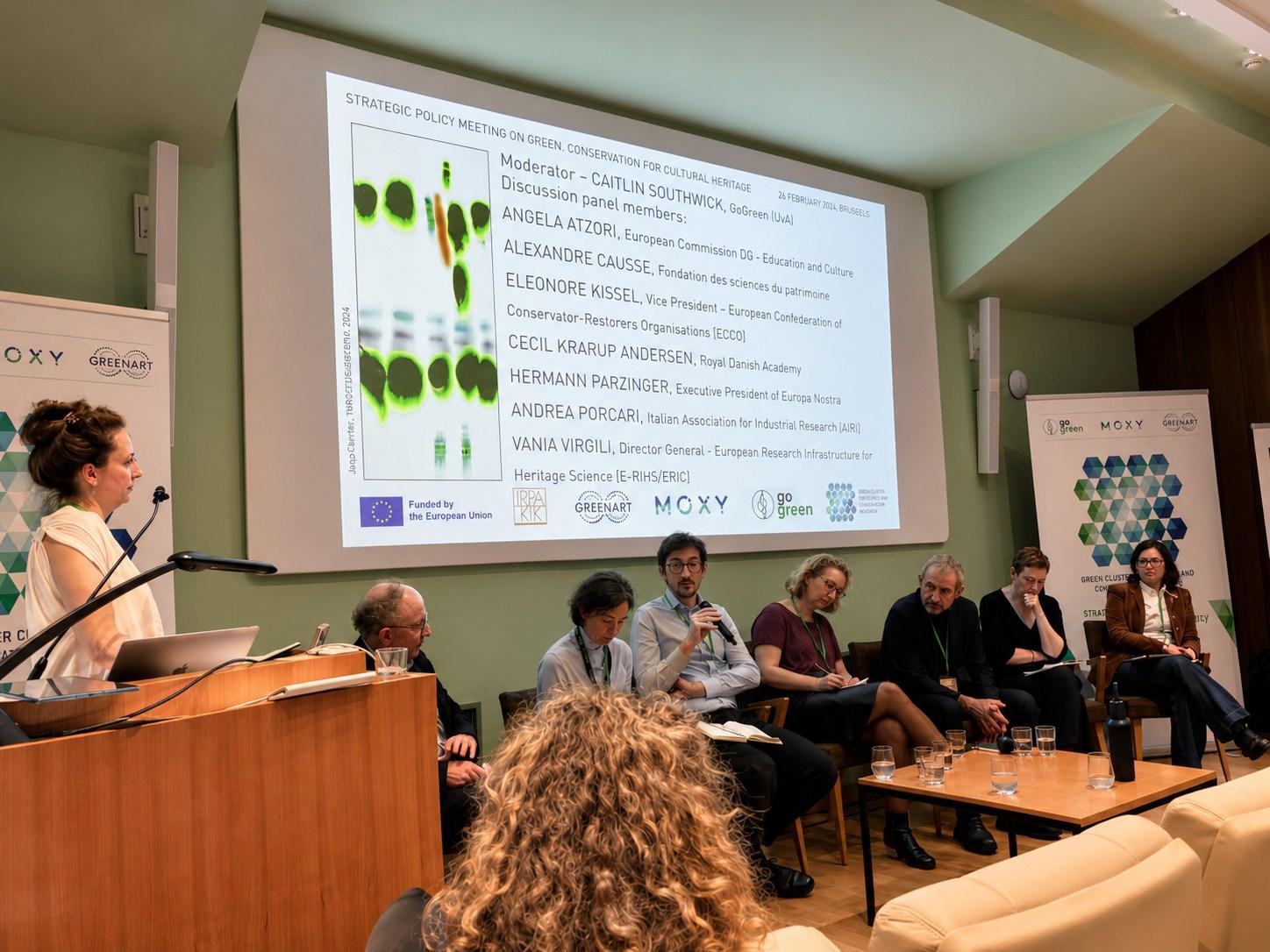
innovation beyond the conservation sector. Tomas Markevičius (MOXY, University of Amsterdam, Ghent University, and ICOMOS Lithuania) closed the policy recommendation session with Recommendation IV on cultural heritage initiatives relating to responsibility, resilience, and sustainability. Recommendation IV expanded the meeting ’s scope from green conservation to the deeper question of what cultural heritage does for society. The presentation argued that cultural heritage sustains societal and civilizational survival just as nature sustains biological survival.
Markevičius framed heritage as the cultural dimension of the environment, providing identity, memory, meaning, and cohesion. This was arguably one of the meeting ’s most important conceptual moves, because it made heritage relevant not only to cultural policy, but also to environmental policy, resilience planning, civil protection, and European security. He developed this argument by presenting cultural heritage as critical infrastructure: a sector that sustains memory,
identity, education, legal and archival continuity, social cohesion, place -based livelihoods, and resilience in times of crisis. This is not merely rhetorical. If a sector delivers essential societal services whose disruption would have significant consequences, then heritage belongs within resilience policy. Drawing on Viktor Frankl ’s work as a psychiatrist and Holocaust survivor (which showed that meaning can be more decisive for human endurance than physical strength) and on Russia ’s war of aggression against Ukraine (where cultural heritage has been deliberately targeted because of its power to sustain identity, continuity, and civilizational resilience), Recommendation IV calls for cultural heritage to be treated as an infrastructure of meaning, with the same seriousness as the environment, health, and defense. The recommendation explicitly links this argument to the Critical Entities Resilience Directive (C ER) 2022/2557, and proposes that cultural heritage be recognised as a 12th critical sector, reflecting both its cross -border importance and its role as societal resilience infrastructure.
Below: Prof. Dr. Hermann Parzinger delivering the keynote presentation at the Green Cluster Strategic Policy Meeting. Image courtesy of Nina Olsson Right: Detail of Turquoise/Violet (2024) by Jaq Chartier, licensed to promote the Strategic Policy Meeting on Advancing Sustainability in Cultural Heritage Conservation, KIK -IRPA, Brussels, 26 February 2026. Image Courtesy of Jaq Chartier.
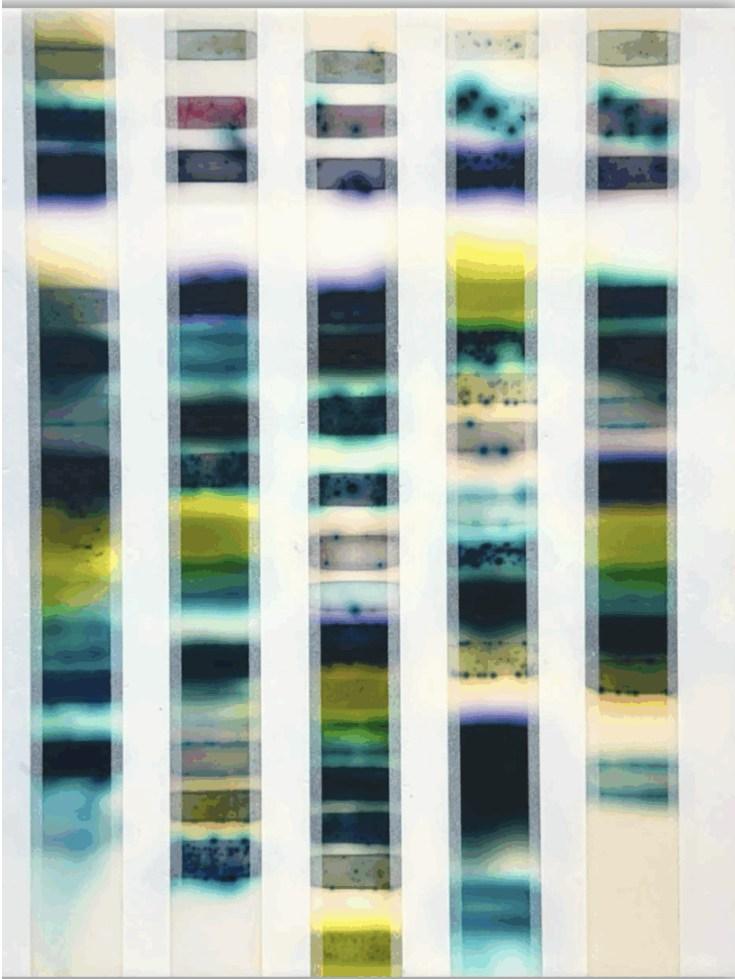
Following the meeting, ten recommendations were adopted to strengthen European heritage policy (DOI: https://doi.org/10.5281/zenodo.20252484 ).
1. Amend the Safe and Sustainable by Design framework to include a sector -specific adaptation for heritage conservation and adopt an operational definition of green conservation practice as a reference across relevant EU programs
2. Formally acknowledge cultural heritage as a critical sector and designate it as the 12th sector under the CER Directive (2022/2557)
3. Support long -term projects of at least seven years, structured in two phases: development to TRL 4–5, followed by scale -up to TRL 9 and market uptake
4. Recognize cultural heritage as the cultural dimension of the environment and fully integrate it into sustainability and environmental policy frameworks
5. Require transparent sustainability evaluation for newly developed materials and methods in cultural heritage
6. Support the development and implementation of training and knowledge transfer mechanisms for all stakeholders within EU -funded research and innovation programs
7. Require balanced partnerships in future EU calls to ensure equal participation among conservation professionals, industry, and research institutions
8. Launch dedicated calls for high -risk or unexplored areas, with typical funding durations of five years
9. Prioritize cooperation with heritage institutions, professionals, and Cultural and Creative Sectors and Industries (CCSIs) as living labs in future EU projects
10. Mobilize EU instruments to establish longterm heritage science and operational capacity at a level comparable to environmental protection, civil protection, and defense
The most convincing aspect of the meeting was that it avoided a false opposition between sustainability and conservation. Instead, it argued that cultural heritage is the cultural dimension of the environment and that conservation is itself a form of sustainability when it responsibly protects non -renewable material heritage. It also went beyond a narrow technical definition of green practice by insisting that sustainable conservation must include validation, compatibility, safety, training, professional uptake, and long -term support. The recommendations on longer heritage science project durations, balanced consortia with greater integration of conservators, living labs, and last -mile market uptake are particularly important because many heritage innovations fail not in the laboratory but in the difficult transition from proof of concept to operational adoption. At the same time, the meeting ’s agenda implies a challenge for the next phase. The Green Cluster ’s recommendations are strong, but their continuity now requires institutional ownership and implementation. A working group or structured follow -up mechanism would be necessary to translate the White Paper into operational criteria, EU call text, training frameworks, sustainability assessment methods, and resilience obligations.
The day closed with an expert panel discussion moderated by Caitlin Southwick (GOGREEN, University
of Amsterdam, KiCulture). Panelists represented policymaking, heritage advocacy, conservation practice, research infrastructure, and industry; panelists included Dr. Angela Atzori (European Commission DG Education and Culture); Dr. Alexandre Caussé (Fondation des sciences du patrimoine); Dr. Eleonore Kissel (ECCO); Cecil Krarup Andersen (Royal Danish Academy of Arts); Prof. Hermann Parzinger (Europa Nostra); Dr. Andrea Porcari (AIRI); and Dr. Vania Virgili (E -RIHS/ERIC). The discussion reinforced the need to sustain the Green Cluster ecosystem beyond individual projects. Key themes included the fragmentation of existing initiatives; the potential of the new European Partnership for Resilient Cultural Heritage to bridge research, practice, and policy; the role of E -RIHS in sustaining project outputs as longterm community services; and the need to treat conservators as codesigners rather than end users. The panel also highlighted equity for under -resourced institutions and the importance of communication strategies that reach politicians, the public, and schools.
Overall, the 2026 Brussels Strategic Policy Round Table Meeting should be regarded as a milestone in the European sustainability and green conservation agenda. It brought together scientific innovation, conservation expertise, industrial relevance, cultural policy, environmental thinking, and resilience planning. Its most important contribution was not only the adoption of 10 recommendations but also the articulation of a new policy paradigm; cultural heritage is not a passive object of protection but an active infrastructure of memory, identity, continuity, and resilience. In a climate -stressed and hybridthreat century, safeguarding heritage must move from recognition to integration. The Green Cluster meeting provided a credible and actionable roadmap for that shift.
The Green Cluster policy meeting was developed and coordinated by a Scientific Organizing Committee comprising representatives from all three Green Cluster projects: Piero Baglioni and David Chelazzi (GREENART); Gwendoline Fife, Katrien Keune, and Caitlin Southwick (GOGREEN); and Tomas Markevičius and Nina Olsson (MOXY), with invaluable support from Francisco Mederos -Henry (KIK -IRPA).
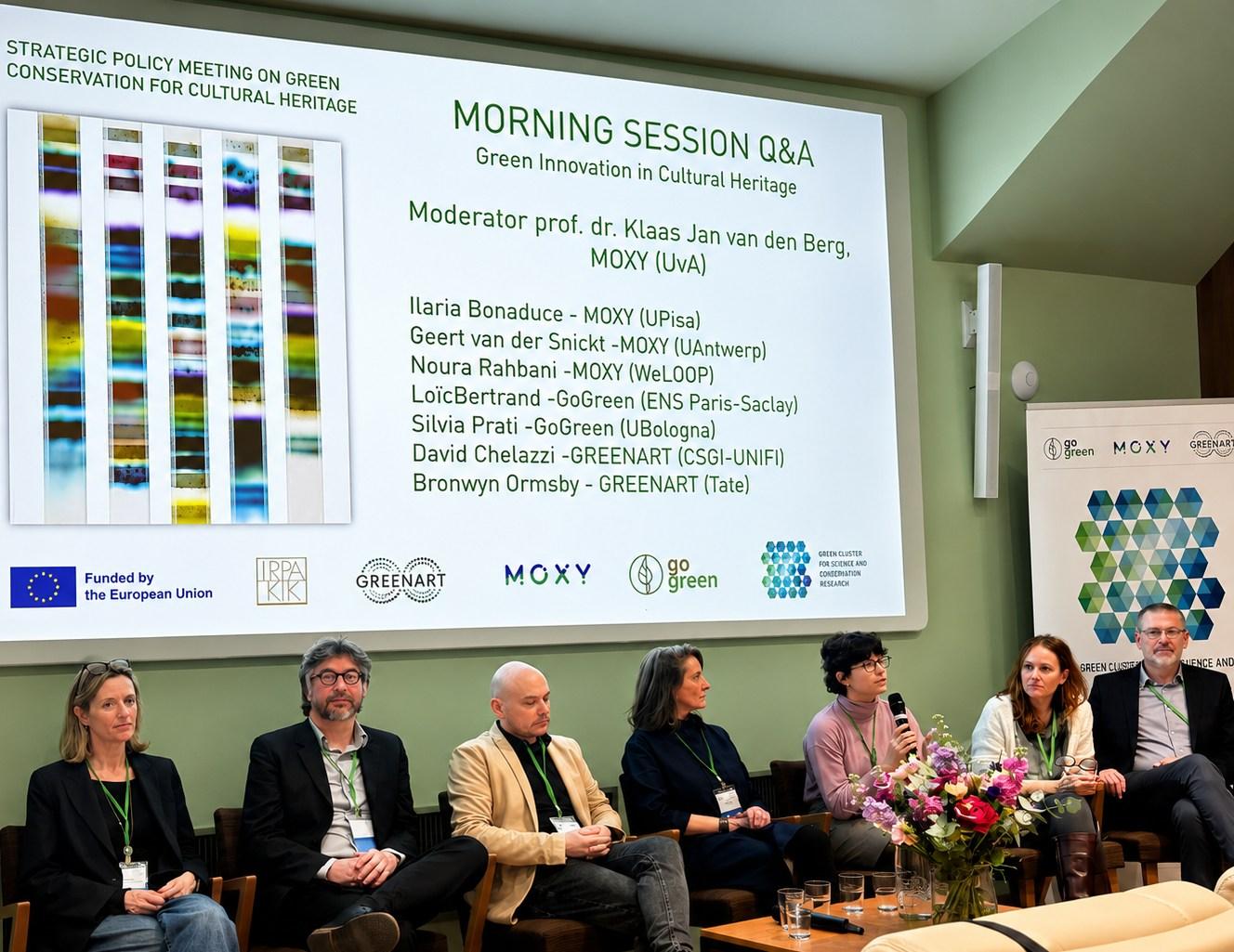
Tomas Markevičius is a heritage scientist, paintings conservator, and science communicator working across heritage science, physics, green conservation, conservation theory, and policy. A Fulbright Fellow, former Getty intern, MSCA fellow, and former paintings conservator at the Munch Museum and the National Gallery of Canada, he is completing a PhD at the University of Amsterdam on sustainabilitydriven conservation, including atomic oxygen treatments for sensitive materials, from painted surfaces to plaster, paper, textiles, silver, and plastics.
Nina Olsson is a paintings conservator and researcher. She co -led the European FP7 IMAT Project (2011–2014) to develop nanotechnology -integrated heat -transfer solutions and later co -founded Precision Mat, a conservation technology startup. She currently serves as a Senior Researcher at ICOMOS -Lietuva on the MOXY Project, a Horizon Europe initiative developing atomic -oxygen -based non -contact cleaning for sensitive heritage surfaces.
Morning Q&A session. From left to right: Prof. Silvia Prati, Prof. Loïc Bertrand, Dr. David Chelazzi, Dr. Bronwyn Ormsby, Dr. No ura Rahbani, Prof. Ilaria Bonaduce, and Prof. Geert Van der Snickt. Image courtesy of Nina Olsson
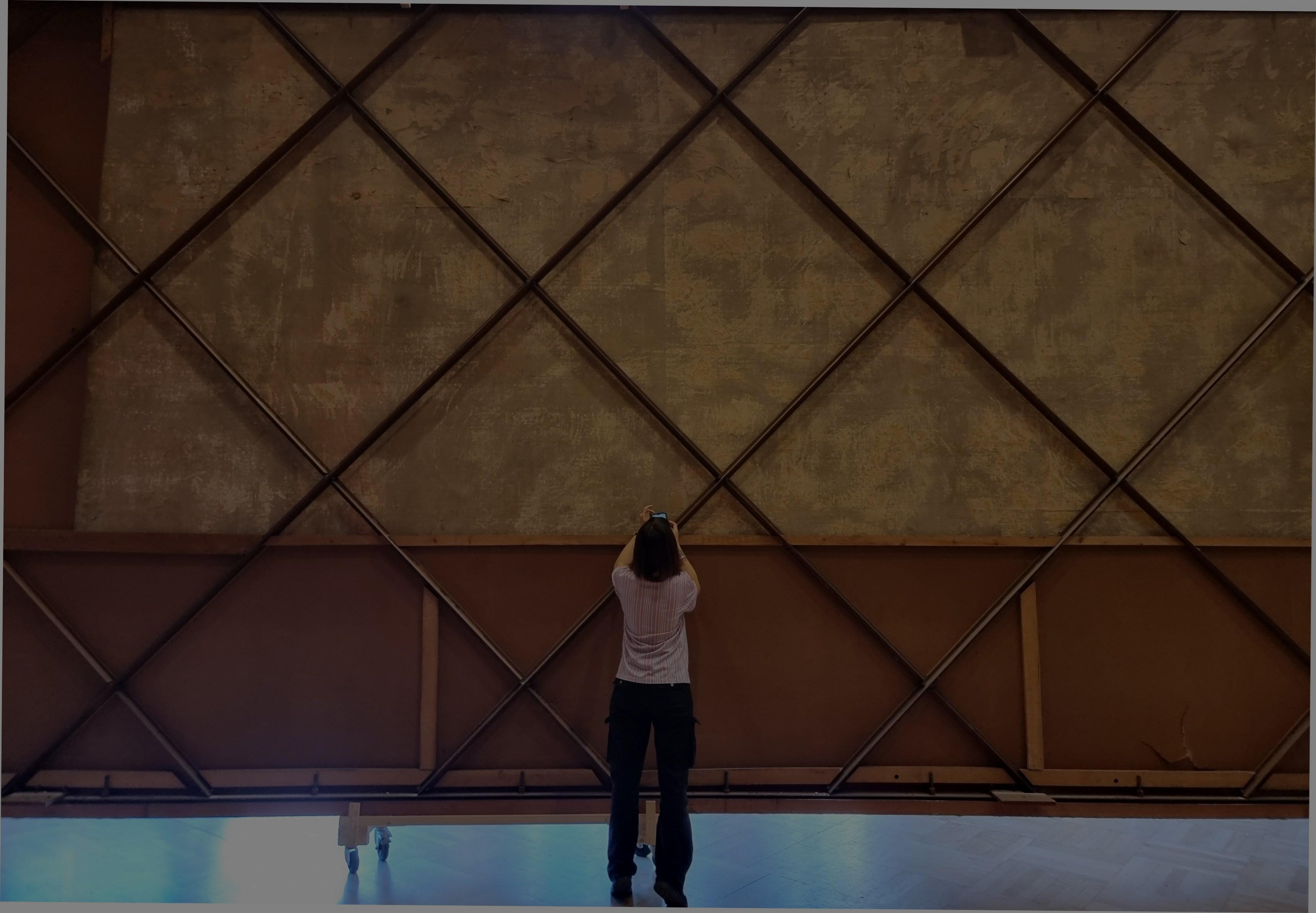
Conservation
NewsinConservationis published by The International Institute for Conservation of Historic and Artistic Works, 3 Birdcage Walk, London SW1H 3JJ
Website: iiconservation.org
Email: iic@iiconservation.org
ISSN 1995-2635

The International Institute for Conservation of Historic and Artistic Works (IIC) is a learned society, a registered charity and a company limited by guarantee with no share capital. Charity No 209677. Company No 481522.