
in Conservation
Issue 112, FEBRUARY -MARCH 2026
FEATURES
Preserving Europe ’s Spa Towns
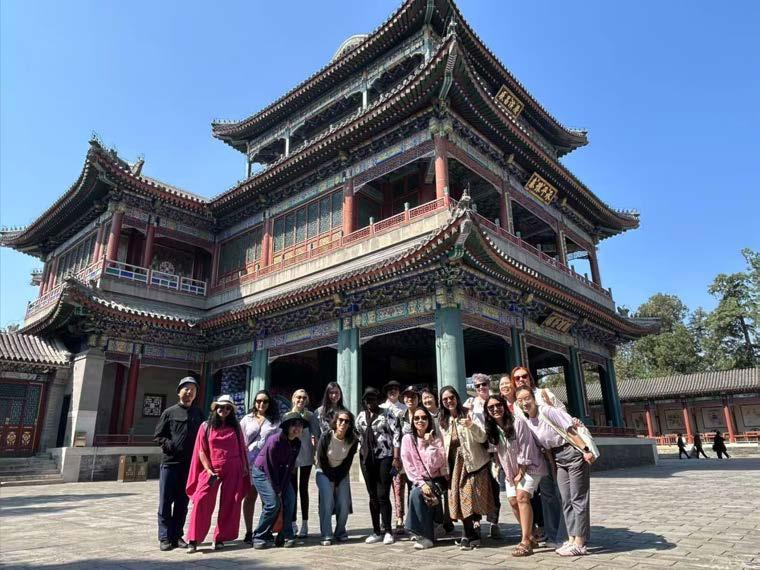
REVIEWS Adventures in Beijing at IIC -ITCC
STUDENTS
The story of a museum -loving child becoming a chemist in Peru
NiCContributing Staff
Sharra Grow, Editor in Chief news@iiconservation.org
Marina Herriges, Editor for Reframing Conservation Through Sustainability marina.herriges@iiconservation.org
Alexandra Taylor, Book Reviews Coordinator and Associate Editor alexandra.taylor2@outlook.com
Ellie Sweetnam, Fellowship and Membership Programme Manager Ellie.Sweetnam@iiconservation.org
About NiC
Published six times a year, NewsinConservation(NiC) provides a platform for members of the conservation community to share the latest research, interviews, and reviews; to promote new events, products, and opportunities; and to call for papers, ideas, and involvement. NiCalso provides updates from the IIC Council and Regional Groups. NiCcontinues to evolve to better fit the needs and interests of our increasingly global conservation profession.
Join IIC Today!
Submissions
For the April-May 2026 issue, editorial submissions due 1 March 2026
Submissions and queries to news@iiconservation.org
Click for more on article GUIDELINES and the NiC sponsor RATE CARD
Get in Touch
NewsinConservationis published by The International Institute for Conservation of Historic and Artistic Works, 3 Birdcage Walk, London SW1H 3JJ
Website: iiconservation.org
Email: iic@iiconservation.org
ISSN 1995-2635

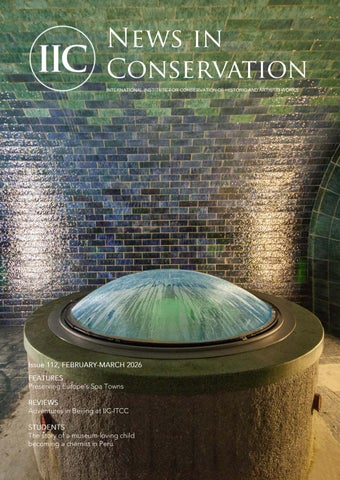
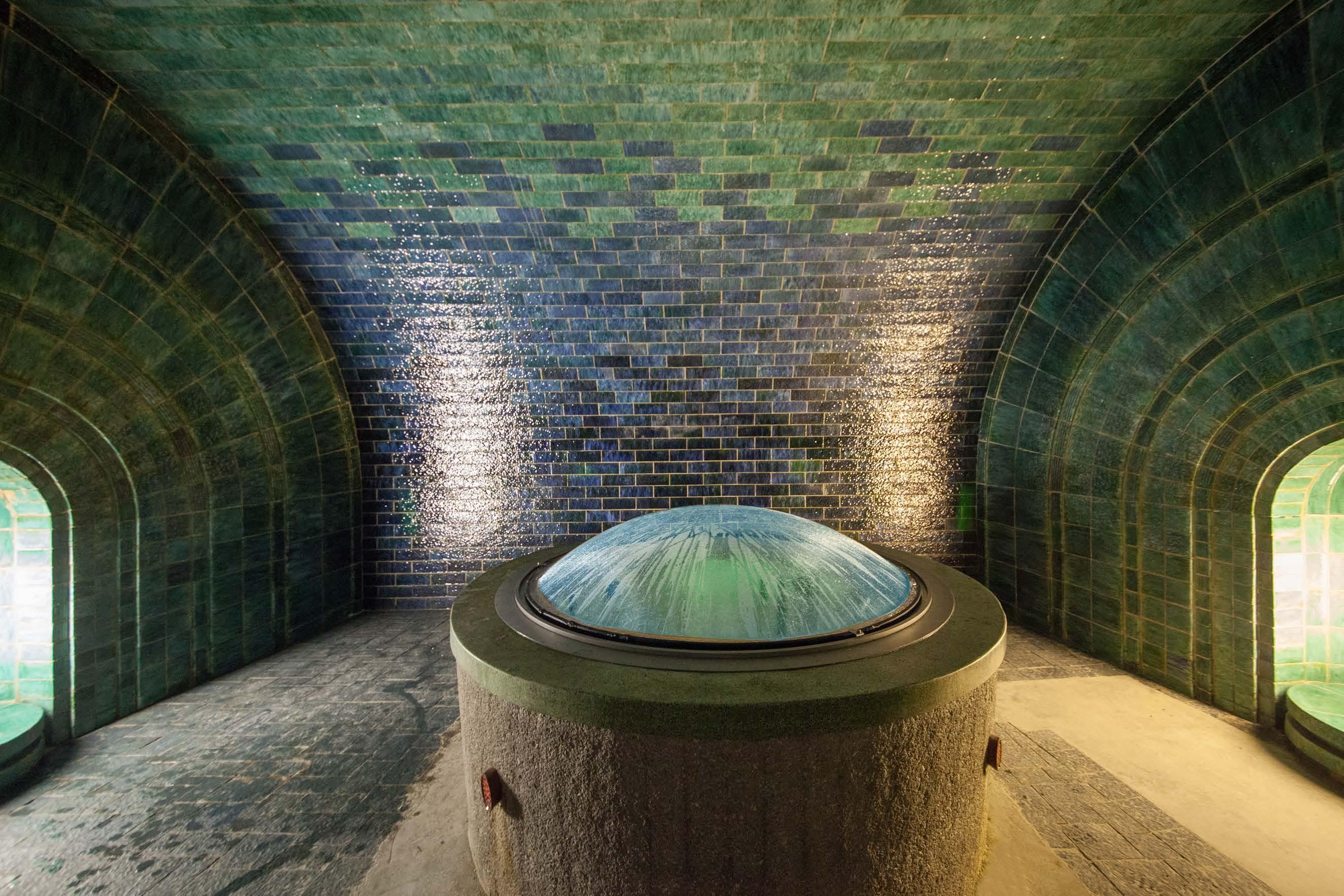
Cover Image
and back covers: Ursprungsquelle in
Disclaimer
Whilst every effort is made to ensure the accuracy, sufficiency and completeness of information contained in this publication, neither the IIC nor its Editors shall be liable to any party for any loss and/or damage arising from (i) any errors or omissions in such information and (ii) the use of, or reliance on, any method, product, instructions or ideas in this publication, in each case to the fullest extent permitted by law. The opinions stated in individual articles belong to the author(s) and do not necessarily reflect those of the IIC, its officers or Council. Information contained in this publication is strictly for educational purposes and aims to provide helpful information on the topics discussed. Any information relating to a product, method or treatment is not meant to be, nor should it be taken to be, an endorsement of such product, method or treatment.
© The International Institute for Conservation of Historic and Artistic Works, 2026
The Editor ’s Sounding Board
4
News in Brief
Xerophilic molds: a growing threat
Celebrating 75 years: IIC Sweden (NKF -S)
The restoration of Dundee ’s RRS Discovery
Sak -da: the Korean poetics of decomposition
10
Feature Articles
Conservation in Dialogue: Collaborative Preventive Conservation Practices at the National Visual Arts Salon –National Museum Palais de Glace, Secretariat of Culture of Argentina, by Vilma Pérez -Casalet, Diana Saarva and Ayelén Arruzzo
Testing the Waters: How ‘The Great Spa Towns of Europe ’ is Buidling Resilience Against Climate Change, by Alexandra Harrer, Scott Heron, Chiara Ronchini, Jon Day and Gerfried Koch
Front
Baden bei Wien © Romana Fürnkranz. (Story on p. 18)
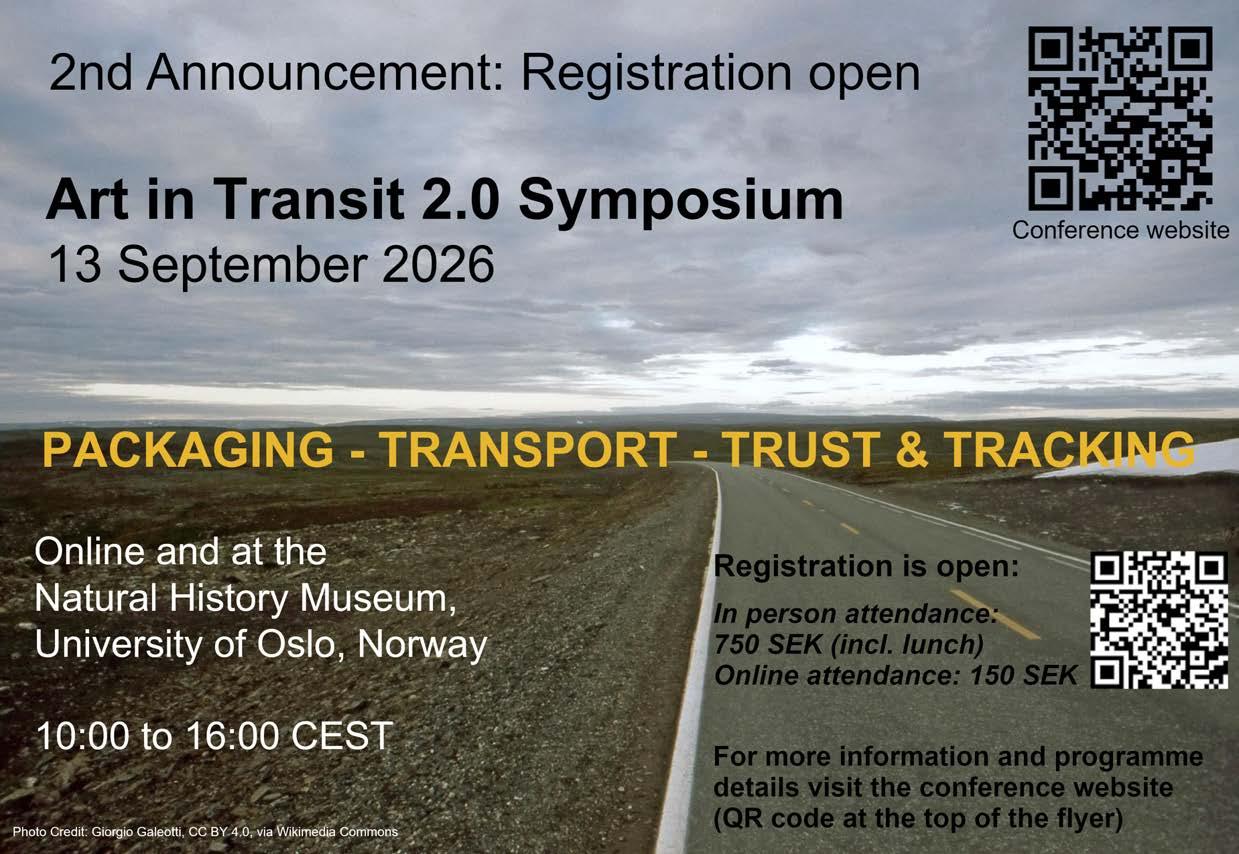
Art in Transit 2.0 Symposium: Registration is Open!
One Year Later: Reflections on a Conservation and Social Transfer Project, Salvem les fotos UPV/Recuperar las memorias, by Esther Nebot Díaz and Mª Pilar Soriano Sancho
Spotlight on Studies in Conservation Latest Articles, by Lucy Wrapson, Deputy Editor, Studies in Conservation
Fellowship Corner


Small But Mighty: A Review of review by Dee
The Interplay of Tradition and Innovation in Terra 2022, review by Ana Martínez Tirado
The Art World as a Tool for Education and Activism: A Review of Climate Action in the review by Bianca
Student & Emerging Conservator
Where Chemistry Meets Museums: My Journey Through Textile Analysis, by Paola Castro
Reframing Conservation Through Sustainability
Ki Visions: Shaping Sustainable Futures , by Caitlin Southwick, Kim Kraczon, and Bianca Gonçalves
ITCC Symposium and by Kosara
IIC -S&ECC Brazil in Review, by Ana Carolina Marques de Souza, Katharine Miná, Leticia Duarte França Viana, Maria Duarte, and The C Word

A Editor ’s Sounding Board
t least six of the stories in this issue, in some form, touch or focus on the effects of the climate crisis on cultural heritage. In the following pages you will learn about a new exhibition at the MMCA in Korea which addresses head -on the inevitable decay of objects over time as well as the vast amount of waste produced postexhibition. There is a report from the spa town of Baden bei Wien (Austria) which launched an innovative climate -change risk assessment, sharing their success with the other ‘Great Spa Towns of Europe ’ partners. The Valencia -based Salvem les Fotos project reflects after a year of triage and treatment, saving countless family albums from the climate -caused floods of DANA. We also have a review of Climate Action in the Art World: Towards a Greener Future and hear from Ki Culture.
This issue ’s collection of climate -focused stories was not a purposeful gathering on the theme, but evidence of our profession swiftly interweaving it into our practices as an integral part of how we must function going forward. I also observe that so many in our profession have embraced climatebased decisions into collection preservation not merely because they think it is the right thing to do, but because they MUST do so to properly care for the objects and sites under their care. Indeed, we are learning that we must conserve our world if we hope to preserve what we have built on it.
Sharra Grow Editor -in-Chief, News in Conservation
News in Brief
XEROPHILIC MOLDS: A GROWING THREAT
Scientific American just put out an article on a terrifying mold that has become the focus of collections around the world with the horrifying discovery that it thrives in dry conditions. Museums have long battled mold, a perennial threat that can disfigure and destroy artworks and historical objects. For decades, conservators focused on familiar fungi that flourish in humid conditions and tailored humidity and temperature controls to keep them at bay. But a surprising new adversary has emerged: xerophilic (“dry-loving ”) molds that thrive in environments previously considered safe, including climate -controlled storage.
These extremophile molds can survive and even prosper in dry, nutrient -poor settings places as hostile as deserts and volcanic fields. To the alarm of museum professionals worldwide, they are increasingly infesting cultural treasures made of organic materials like canvas, wood, textiles and even microscopic dust on stone and glass. Rising global temperatures and climate change seem to be aiding their spread.
Part of the challenge in confronting these organisms is their stealthy nature. Xerophiles don ’t show up on conventional lab tests that use nutrient -rich, high -moisture media designed for typical molds. Instead, they require specialized low -water-activity culture techniques and such media are rare and hard to obtain. As a result, many institutions have unknowingly observed these molds without detecting them in lab tests.
One of the first major discoveries came from the Roskilde Museum in Denmark. Conservator Camilla Jul Bastholm noticed faint white patches on artifacts in a climate -controlled warehouse, which didn ’t grow on standard fungal tests. With the help of a mycologist and unusual culture media, she isolated xerophilic species in the Aspergillus section restricti group. Similar infestations have since been recognized at libraries and archives in Italy and other countries.
These molds don ’t just eat dust. Some can directly consume organic components of artifacts, and others can chemically alter inorganic substrates in harmful ways. For example, at St. Sophia ’s Cathedral in Kyiv, Aspergillus halophilicus was found tunneling between layers of fresco plaster, weakening and flaking the surface.
Stopping xerophilic infestations is difficult. Traditional biocides and fumigation can harm both objects and people and sometimes make problems worse by eliminating benign competitors. Modern options are limited mostly to quarantining, vacuuming, and
careful ethanol treatments. Conservation teams are pushing for better detection methods, improved understanding of these molds ’ biology, and more strategic environmental controls that balance humidity manag ement with resistance ag ainst xerophiles.
Despite the stigma museums attach to mold outbreaks many incidents go unreported researchers are now connecting the dots on a widespread and previously invisible threat to cultural heritage.
Read the original Scientific American article here .

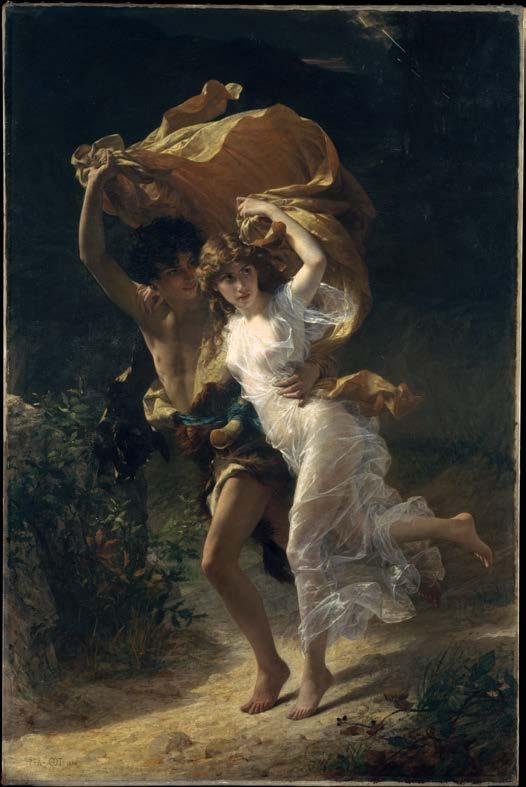
Image created by Sharra Grow using “The Storm ” by Pierre -Auguste Cot (1880), Metropolitan Museum of Art (Public Domain) and image of mold growth (2023) by Chiara.marraccini/ Wikimedia Commons (CC BY -SA 4.0)
CELEBRATING 75 YEARS – IIC SWEDEN (NKF -S)
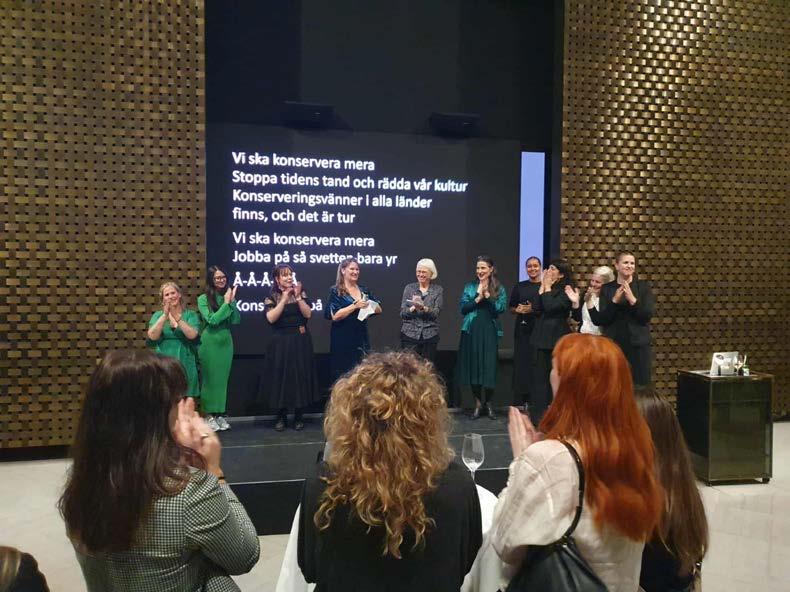
In 2025, the IIC Nordic group Sweden (NKF -S), organised a big party to celebrate, with the rest of the IIC community, 75 years since the whole of IIC and our section were created. The venue was the Nationalmuseum in Stockholm, and the evening was eventful with a greeting from the Minister of Culture, a wonderful stand -up comedian (“Lots of women here must mean that conservation is badly paid …”), an award ceremony for our own conservation prize (winners were the Konserveringspodden, a really good podcast made by conservators and a journalist), a conservation quiz and finally a singalong to Sweden´s contribution to the Eurovision song contest, but re -written with special conservation-related lyrics, with the board as enthusiastic conductors.
At present, the board of NKF -S is very energetic, focussing on challenges for the conservation profession in our country with the aim of doing more lobbying towards regional authorities and the Church of Sweden to increase the understanding of what conservation really is, and why it is important that trained conservators conduct the condition reports, the proposals and the actual conservation work.
Lisa Nilsen, NKF -S Board Member
THE RESTORATION OF DUNDEE ’S RRS DISCOVERY
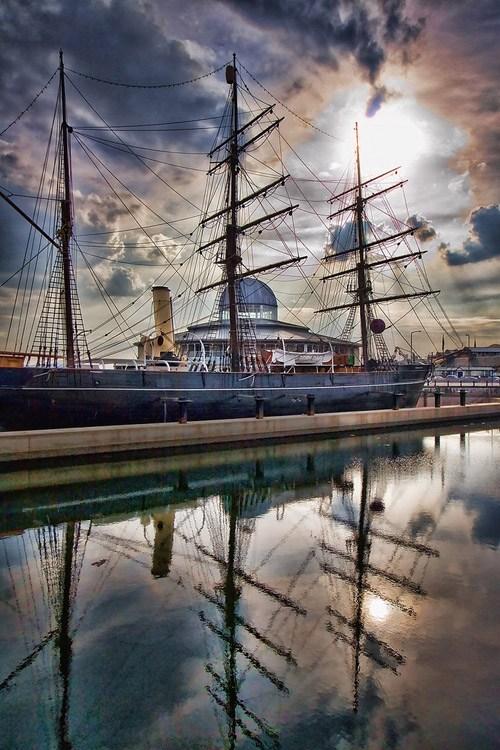
Dundee ’s historic polar research ship RRS Discovery has begun the second phase of a major conservation project aimed at securing the vessel for future generations in its 125th anniversary year. The Dundee Heritage Trust has announced that this next stage will focus on restoring the ship ’s weather -beaten bulwarks and stanchions and creating a fully supportive protective environment for the vessel a project expected to cost over £2 million. Despite these extensive works, Discovery Point and the ship remain open to visitors, offering a rare opportunity to observe, up close, traditional shipwrighting skills in tandem with modern conservation techniques.
The restoration team, including maritime engineers Beckett Rankine and heritage specialists JPS Restoration & Consultancy, are continuing from Phase 1 (2023–2025), which tackled urgent structural repairs to the ship ’s stern and helped address the wider challenge of preserving traditional shipbuilding skills like caulking, blacking, and steam bending. The century -old Dundee -built vessel famous for carrying Captain Robert Falcon Scott in 1901 on his first Antarctic expedition and later serving as a Royal Research Ship is central to Discovery Point ’s transformation, ensuring it continues to inspire and educate future generations.
RRS Discovery docked at Dun-
Scotland (2009). Image by Mactographer /Wikimedia Commons. Licensed under CC BY -SA 3.0
Left: The NKF -S board bidding farewell after the sing -along. Image courtesy of NKF -S.
Right:
dee,
SAK -DA: THE POETICS OF DECOMPOSITION
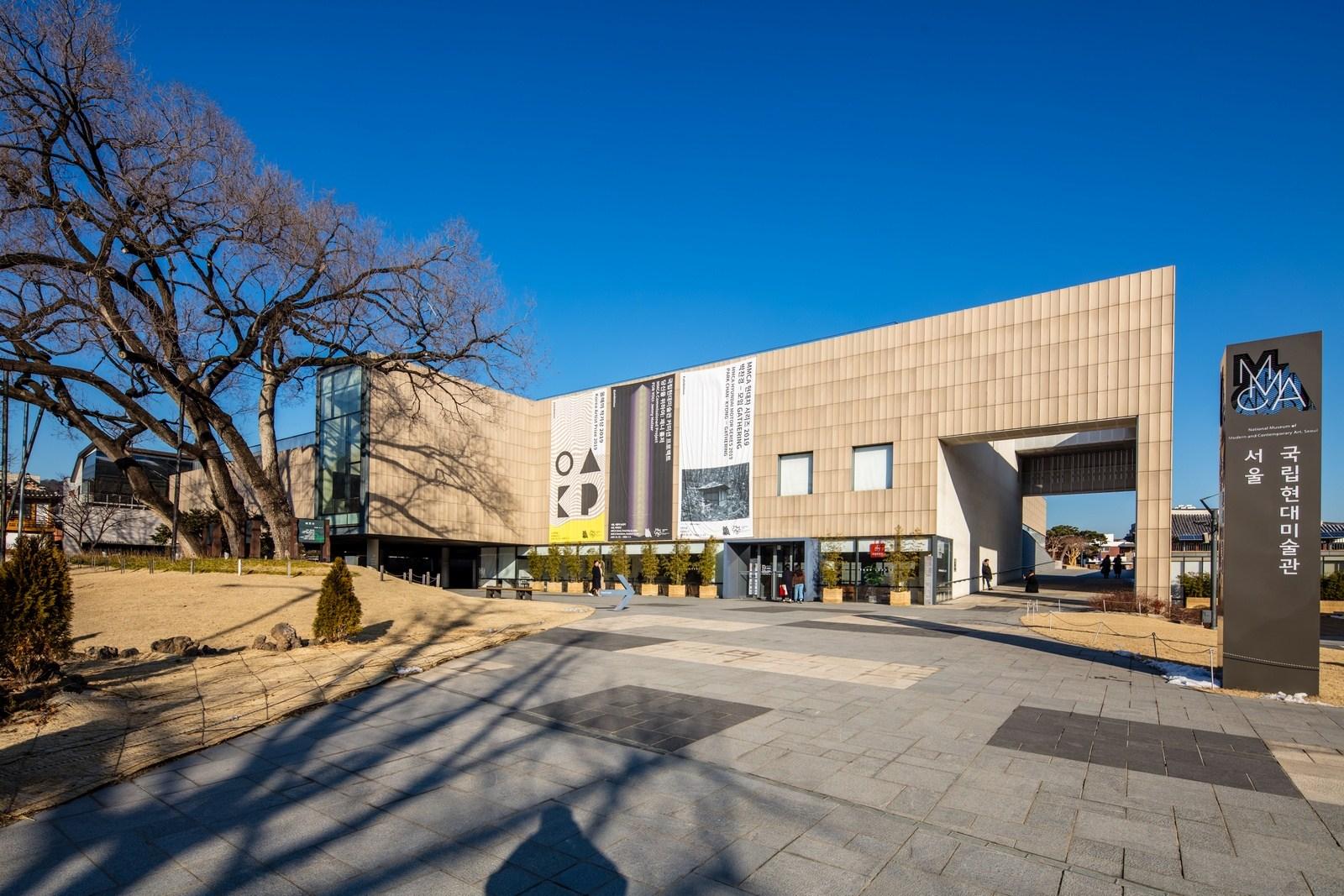
A new exhibition in Korea explores a lesser -noticed but urgent issue in the museum world: what happens to artworks, materials and exhibition elements once an exhibition ends. While museums are often evaluated on the quality of exhibitions they present, there is much less awareness among the public and often within the art world about how institutions handle the afterlife of exhibitions, including storage, reuse, and disposal.
The National Museum of Modern and Contemporary Art (MMCA) in Korea is highlighted as an institution attempting to rethink and challenge conventional preservation practices. The Museum is confronting questions such as where objects are stored, how they’re catalogued, and what ultimately becomes of materials that are no longer on display. Many exhibitions generate large amounts of temporary signage, mounts, crates and other items that can end up as waste, raising concerns about sustainability and longterm stewardship.
The exhibition also engages with the philosophical challenge posed by artworks that resist the idea of
permanence. Sak -da: The Poetics of Decomposition examines contemporary works that are intentionally designed to decay, disappear or transform over time.
The Korean concept “Sak -da” encompasses not only rotting and loss, but also fermentation, digestion and qualitative transformation. This reframing of decay challenges anthropocentric and capitalist assumptions that value artworks only when they remain unchanged. The practice asks whether museums long dedicated to preserving “timeless masterpieces ” can accommodate works that co -exist with nonhuman forces and embrace decomposition as a meaningful artistic and ethical act.
MMCA ’s exhibition displays evidence supporting the need for museums worldwide to adopt more transparent, systematic, and environmentally responsible approaches to post -exhibition management. This includes better documentation practices, clearer policies on what is retained versus discarded, and strategies to reduce waste and preserve cultural assets more effectively for future research or display.
Check out the exhibition details HERE .
More News
Click on the images below for more information on the heritage headlines below.
SPAIN IN ACTION TO S AVE HERITAGE
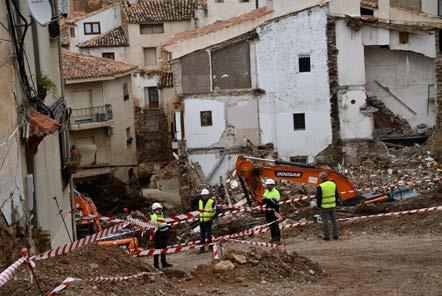
Read more about what Spain is doing to protect cultural heritage in the face of natural disasters such as the DANA flooding.
(DANA damage November 2024 by
)
CLIMATE AND HERITAGE IN JORDAN
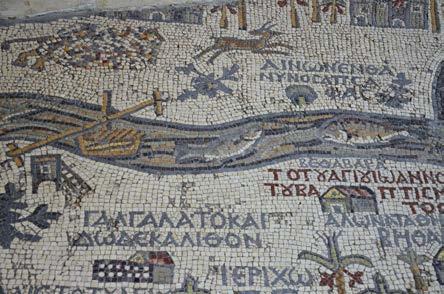
A “Climate and Heritage ” event was just hosted in Jordan to explore heritage -led approaches that build climate resilience.
(Madaba map: early Byzantine mosaic. By Carole Raddato/ Wikimedia Commons (2017). Licensed under CC BY -SA 2.0)
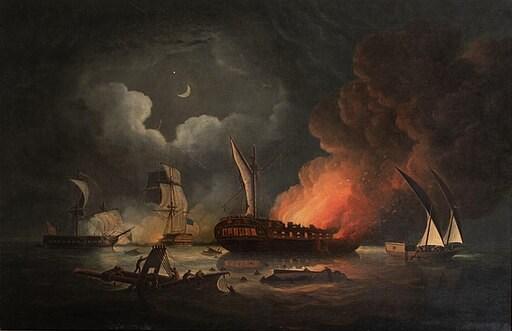
REVOLUTION ERA BOAT RESTORED AT SMITHSON IAN
To mark the 250 th anniversary of the United States, The Smithsonian Institution is restoring the USS Philadelphia.
(“Burning of the USS Philadelphia ” by Thomas Buttersworth. Wikimedia Commons . Public Domain)
Gobierno de Castilla -La Mancha / Wikimedia Commons ( CC BY -SA 2.0)
MMCA in Seoul, Korea (2020) by 서울연구원/Wikimedia Commons Licensed under CC BY 4.0

Conservation in Dialogue
Collaborative Preventive Conservation Practices at the National Visual Arts Salon – National Museum Palais de Glace, Secretariat of Culture of Argentina
By Vilma Pérez -Casalet, Diana Saarva and Ayelén Arruzzo
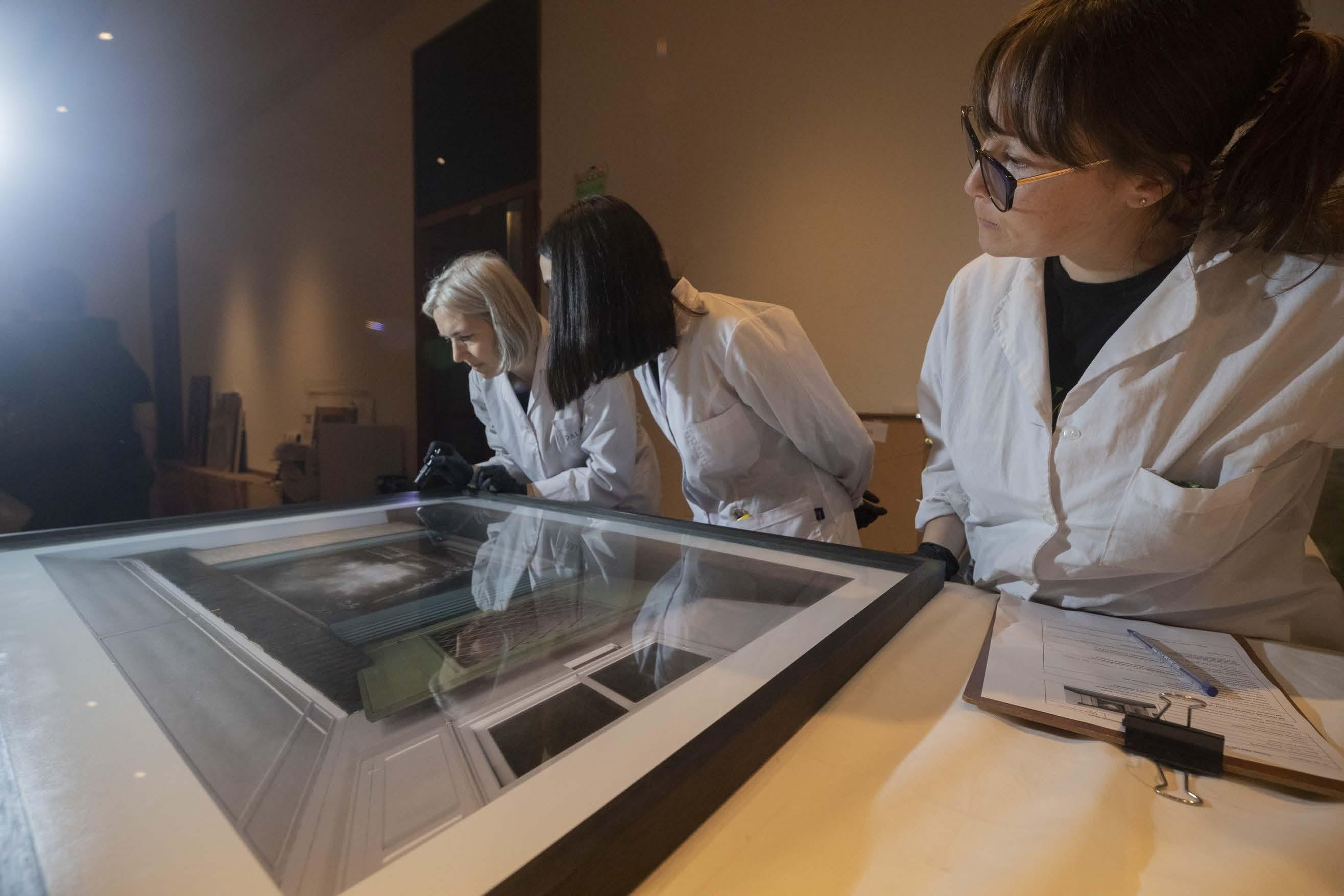
Examination with professional interns. Image by Diana Hoffmann/National Museum Palais de Glace.
For more than a decade
the National Museum Palais de Glace, Secretariat of Culture of Argentina, (Palacio Nacional de las Artes, Secretaría de Cultura de la Nación Argentina) has assumed an active and strategic role in the incorporation of preventive conservation policies within the framework of the National Visual Arts Salon (SNAV), one of the longest -standing and most significant art competitions in the Argentine artistic landscape.
This process has involved not only the application of specific technical criteria for the preservation of artworks but also the consolidation of a comprehensive approach that articulates conservation, institutional management, and contemporary artistic production.
The experience accumulated in each edition of the SNAV has driven the Conservation and Restoration Department of the Palais de Glace to develop systematic protocols for the reception, handling, packing, transport, and installation of the selected works. These tools not only ensure improved preservation conditions for heritage assets but also contribute to the training of artists and other involved stakeholders fostering responsible, sustainable, and inclusive practices and promoting greater awareness of material care.
PREVENTIVE CONSERVAT ION AS AN INSTITUTIONAL POLICY
The incorporation of preventive conservation criteria into the regulations used for the SNAV “call for submissions ” constitutes one of the fundamental pillars of this policy. Through the definition of clear parameters such as maximum dimensions, weight, constituent materials, and technical exhibition requirements the aim is to ensure that selected works can be adequately preserved not only during exhibition, but also in the future, should they be awarded and consequently incorporated into the national heritage.
This perspective proposes an anticipatory approach to risk management in which the evaluation of
mounting systems, safe handling practices, and the selection of appropriate packing materials play a key role, while also taking into account the diversity of techniques, supports, and languages present in contemporary artistic production.
ARTWORK RECEPTION PR OTOCOLS: SYSTEMATIZATION AND COLLABORATIVE PRACTICE
One of the central axes of this policy is the Protocol for the Reception of Selected Artworks, implemented annually by the Conservation and Restoration Department of the Palais de Glace. This procedure is carried out in coordination with the SNAV coordination and production teams, and in collaboration with advanced students in conservation –restoration programs who participate in supervised professional practice.
The reception of artworks follows a previously established sequence of actions: prior administrative registration; controlled unpacking in the presence of the artist or shipping representative; meticulous visual assessment of the state of conservation; preparation of a concise yet rigorous conservation condition report; analysis of the packing used; and advice for its improvement when necessary.
All relevant observations whether deterioration, damage, or inherent vice are recorded in the SNAV Conservation Condition Report, a document signed by both parties as proof of agreement. In cases where a work presents damage at the time of direct delivery by the artist, repair prior to exhibition is agreed upon (completed either by the artist or by the Museum ’s conservator), with timelines and modalities coordinated through the corresponding institutional management channels.


Left: Reception of the artworks. Image by Diana Hoffmann/National Museum Palais de Glace.
Right: Facility report. Image by Diana Hoffmann/National Museum Palais de Glace.
When artworks arrive via transport or postal services from other regions of the country, the protocol suggests the immediate activation of communication channels with the artist and a formal authorization request for any potential intervention, thus reinforcing traceability and transparency in the management of the works.
SAFE HANDLING: TECHNICAL CRITERIA AND SHARED RESPONSIBILITY
The handling of artworks constitutes a critical moment within the preservation circuit. The specific SNAV protocol establishes clear guidelines aimed at minimizing physical and environmental risks; prioritizing the use of appropriate gloves; individualized handling; and the use of supports and auxiliary devices according to the weight, size, and morphology of each work.
Two -dimensional works are always handled with both hands, held by their perimeter and kept facing forward, while three -dimensional works must be grasped by their most structurally solid components, avoiding projections or fragile elements. In all cases, direct contact with the floor and exposure to air currents or intense light radiation are avoided.
The conservator ’s role is not limited to direct handling but also includes
providing technical guidance to the installation team, ensuring that preventive criteria are maintained throughout the entire exhibition process (installation and display).
PACKING AS A PREVENT IVE CONSERVATION TOOL
The SNAV Protocol for the Packing and Handling of Artistic Works is a key document that translates theoretical principles of preventive conservation into concrete and accessible practices for participating artists.
Packing is understood as a comprehensive protection system, capable of absorbing vibrations, isolating works from environmental fluctuations and factors, and facilitating safe handling during transport. To this end, the use of neutral, flexible, and acid -free materials is prioritized, while reuse and/or recycling are also encouraged. Artists are therefore requested to retain the wrapping or packing materials used for their works at the time of reception.
The protocol distinguishes specific criteria according to the typology of the work: easel paintings, documentary and graphic materials, textiles, large -format works, and threedimensional pieces. Precise recommendations are established for each case, such as vertical transport of paintings, rear protection
“One of the most significant aspects of these policies is their impact on the training of new generations of artists. ”
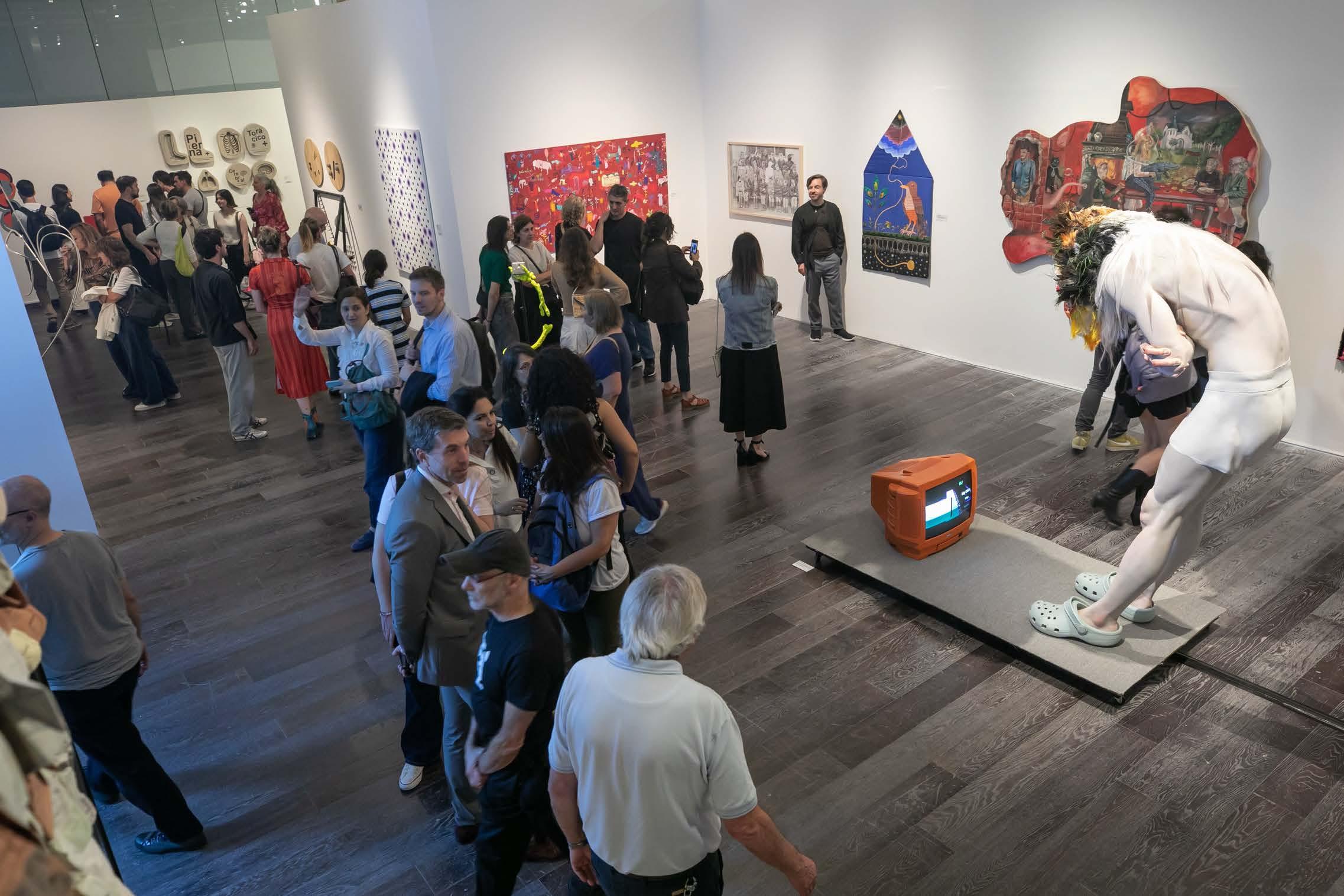
Opening day SNAV 2025. Image by Diana Hoffmann/National Museum
Palais de Glace.
of stretchers, the use of rigid supports for works on paper, and the controlled rolling of textiles on largediameter tubes.
Likewise, the use of invasive fastening systems such as double -sided tapes, adhesives, staples, or nails is explicitly discouraged, promoting reversible alternatives such as neodymium magnets or Velcro, depending on the nature of the artwork.
INCLUSIVE AND SUSTAI NABLE CONSERVATION: EDUCATIONAL AND SOCI AL IMPACT
One of the most significant aspects of these policies is their impact on the training of new generations of artists. Direct interaction with conservator -restorers during artwork reception, personalized advice on packing, and the annual dissemination of guideline documents foster greater awareness of the materiality of artworks and their long -term projection.

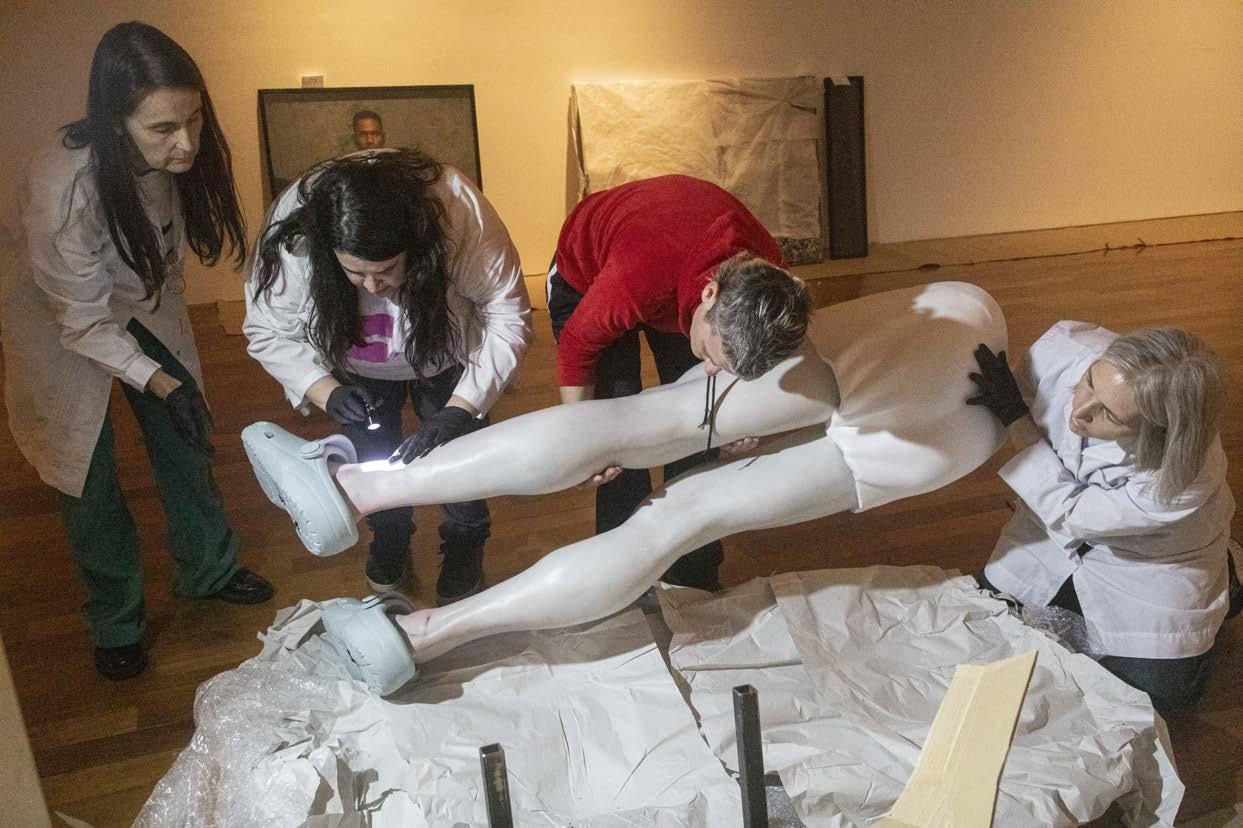
Top: Conservation, production and mounting team. Image by Diana Hoffmann/National Museum Palais de Glace. Bottom: Artwork examination. Image by Diana Hoffmann/National Museum Palais de Glace.

This approach promotes inclusive conservation, recognizing the diversity of artistic practices and supporting creators in making responsible technical decisions without imposing a single or highly restrictive model.
At the same time, it aligns with principles of sustainable conservation encouraging resource optimization; reuse of packing materials; and the prioritization of durable, low -impact solutions.
A NATIONAL MODEL FOR PREVENTIVE CONSERVAT ION AND AWARENESS
The experience of the National Museum Palais de Glace within the framework of the National Visual Arts Salon
demonstrates that preventive conservation is inseparable from contemporary cultural management. The active participation of the Conservation and Restoration Department in the organization of the competition has strengthened the institutional recognition of the discipline, consolidating it as an essential axis in the preservation of national artistic heritage.
These protocols, subject to continuous review and improvement, now constitute a reference model for other calls and cultural institutions, demonstrating that the communication between conservation, management and production is not only possible but also necessary to ensure the preservation and transmission of Argentine cultural heritage.
Vilma Pérez -Casalet is the head of the Conservation Department at the National Museum Palais de Glace, Secretariat of Culture of Argentina. She has a master ’s degree in conservation of cultural and bibliographic heritage (UNSAM) and is completing her Ph.D. in Arts (UNA). She is a full professor at the University of the Argentine Social Museum and recipient of the 2018 Investigate Culture Award from the Ministry of Culture of Argentina.
Diana Saarva holds a degree in cultural heritage conservation from the Universidad del Museo Social Argentino (UMSA). She is a member of the Conservation Department at the National Museum Palais de Glace, where she specializes in works on paper. She coordinates the rescue project of the Buenos Aires Underground plan archive and teaches at UMSA. Her professional experience spans both national and international contexts.
Ayelén Arruzzo has a background in fine arts and photography and is currently pursuing her degree in cultural heritage conservation at the Universidad Nacional de San Martín (EAyP -UNSAM). She serves as a member of the Conservation Department at the National Museum Palais de Glace.
Testing the Waters
How 'The Great Spa Towns of Europe' is Building Resilience Against Climate Change

By Alexandra Harrer, Scott Heron, Chiara Ronchini, Jon Day and Gerfried Koch
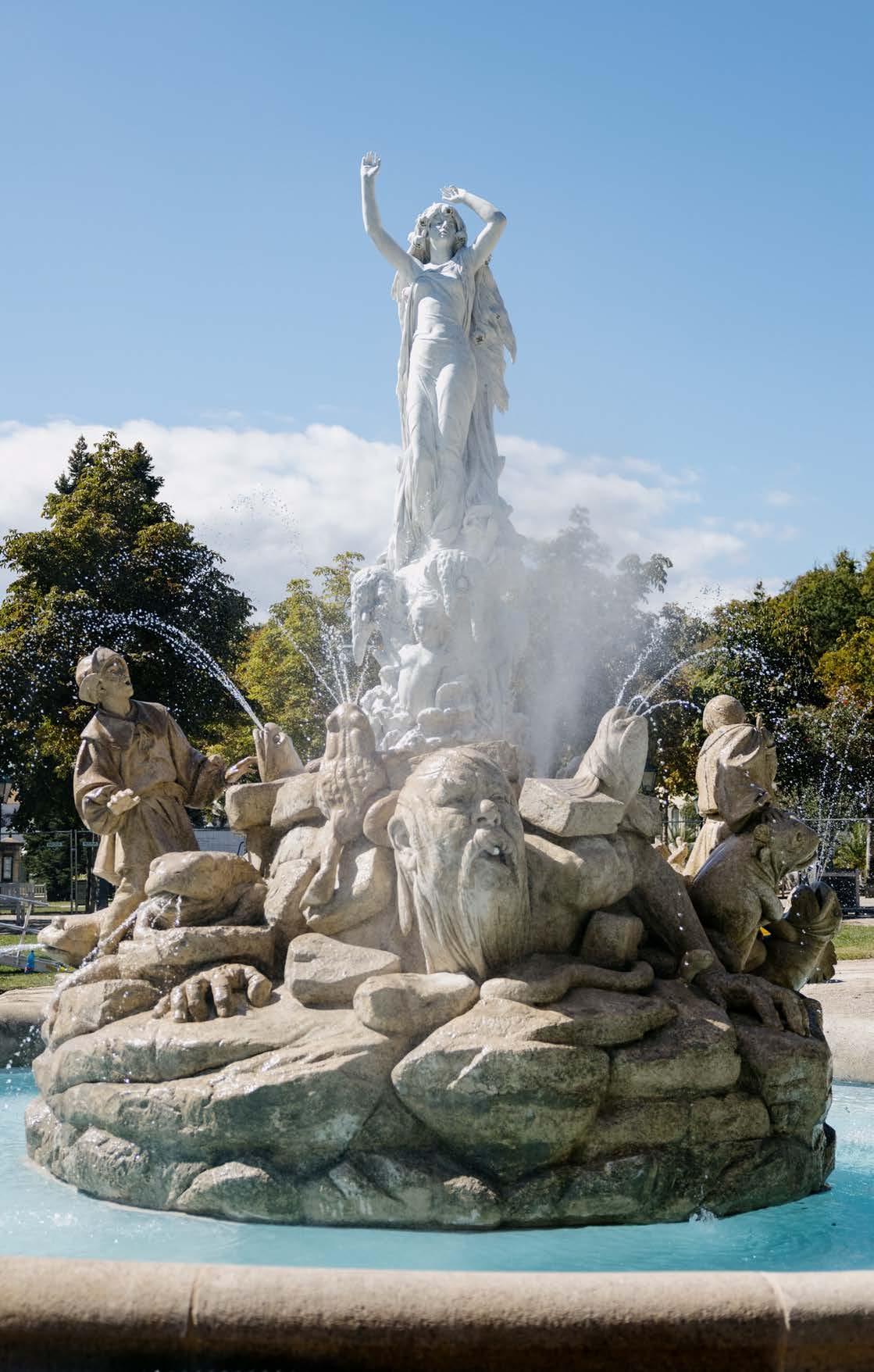
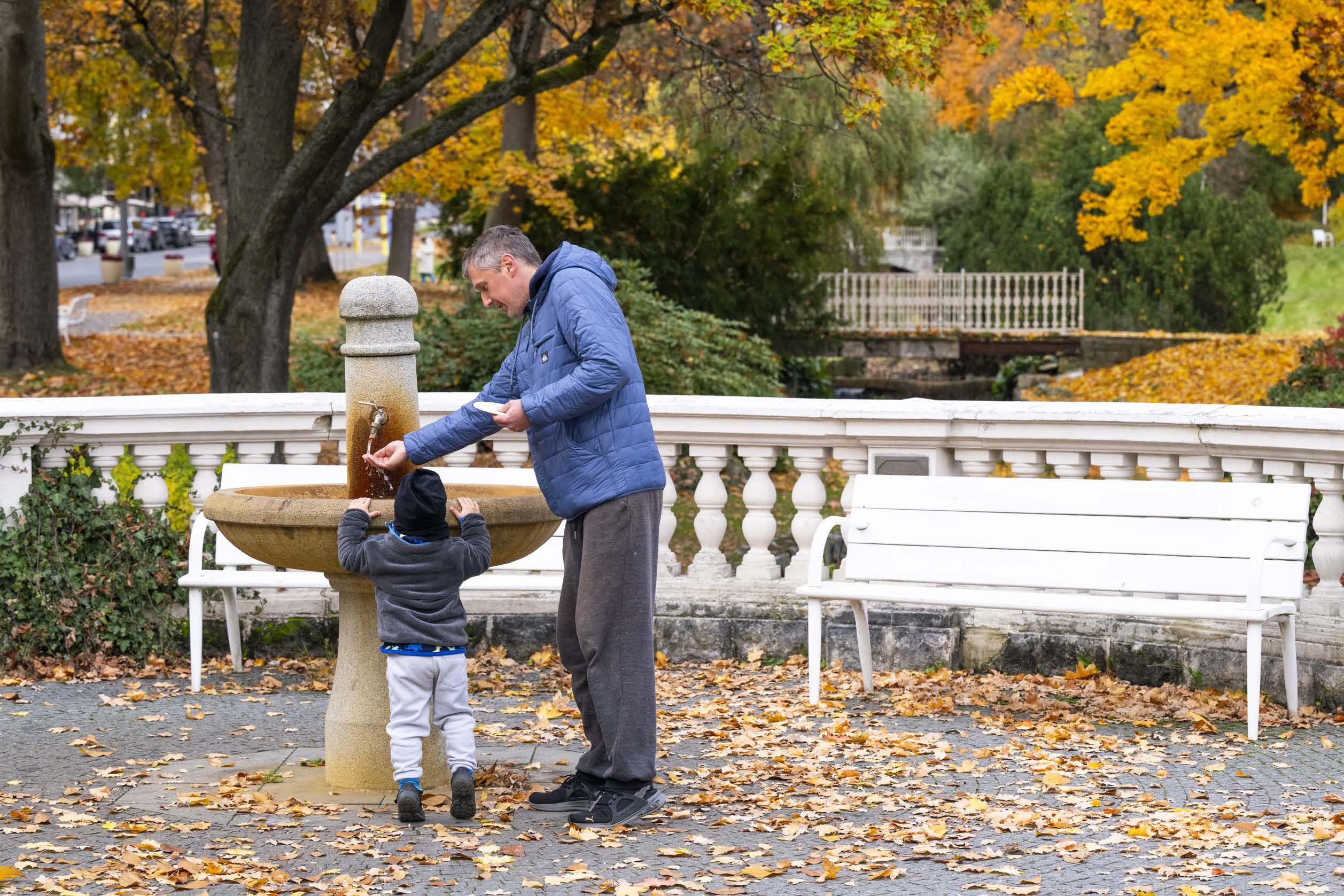
Undinebrunnen in Baden bei Wien © c.kollerics
Heritage sites across the world are threatened by climate change, but when heritage is water itself, it complicates the crossover of protecting a traditional way of life with preserving natural resources.
The Great Spa Towns of Europe (GSTE) is a serial, transnational UNESCO World Heritage Site; one property, comprising 11 spa towns from seven European countries. At the heart of each town are springs of mineral and thermal water, used for their curative effects. Among bathhouses, promenades and cafés, these spa towns birthed the European spa phenomenon and the practice of ‘taking the cure ’. The property is shaped by longstanding interactions between natural resources and built heritage. Centuries later, increased weathering on historic façades is eroding

spa architecture like spring pavilions, bathhouses and fountain halls. Flash flooding and drought are damaging the urban fabric and may be impacting springs at ground level while parks and gardens are harmed by more frequent and sudden rainfalls and new pests. Such long -term environmental shifts may alter the places and practices that underpin the property ’s Outstanding Universal Value (OUV).
In 2023, UNESCO adopted the Policy Document on Climate Action for World Heritage, explicitly framing climate action as a core obligation under the World Heritage Convention. Nations that host heritage are now called upon to move beyond awareness and develop concrete, site -based solutions.
BADEN BEI WIEN: A MO DEL FOR TRANSLATING GLOBAL P OLICY INTO LOCAL ACTION
Against this backdrop, one of the GSTE ’s component towns, Baden bei Wien (Austria), launched an innovative climate change risk assessment in 2024, developing a practice -oriented tool for other heritage sites to employ.
As well as being the only Austrian town within the GSTE, Baden bei Wien is the first Austrian World Heritage Site within a certified Climate & Energy Model Region, a regional climate governance framework that integrates renewable energy and climate adaptation strategies. This dual positioning, at the intersection of heritage protection and climate policy, enables Baden bei Wien to explore what climate action means in practice.
The assessment was guided by experts from James Cook University (Australia), who have developed and applied internationally the Climate Vulnerability Index (CVI) a globally recognised methodology for assessing climate risks to OUV and their associated communities. The project is funded through Austria ’s Climate & Energy Model Region Programme, highlighting the growing
integration of climate governance and heritage management.
DESIGNED TO SUPPORT
The CVI was developed to support managers and other stakeholders of World Heritage properties in planning the future protection of their sites. Starting from the documented values and attributes of significance, the CVI process intersects these with potential climate threats to identify the greatest risks to heritage. It uses the best available climate science, both historical and projected, to help understand impacts to the values that have already occurred and those that might arise.
Many aspects of heritage have an intrinsic capacity to absorb threats through natural adaptive processes. This can be complemented by management strategies that respond directly to the identified climate risks. The CVI process also considers how communities are impacted. A climate change -related decline in the heritage values may affect individual and shared identity, societal fabric and business activities. Many CVI participants have commented on the important perspective this assessment provides, including how it helps community members to understand and support management actions.
NO ONE -SIZE -FITS -ALL
The CVI is typically applied through intensive multi-day workshops that bring together diverse stakeholders. Heritage managers, climate scientists, business operators, conservationists, community members and other local experts assess climate threats collaboratively and identify priority actions.
Applications in over twenty heritage locations around the world have demonstrated there is no one -size -fits-all solution to climate change. Different places with different heritage values are being (and will be) affected in various ways by climate
Nations that host heritage are now called upon to move beyond awareness of climate action and develop concrete, site -based solutions.
change. The CVI enables heritage managers to identify adaptive strategies tailored to their properties.
APPLYING THE CVI IN BADEN BEI WIEN
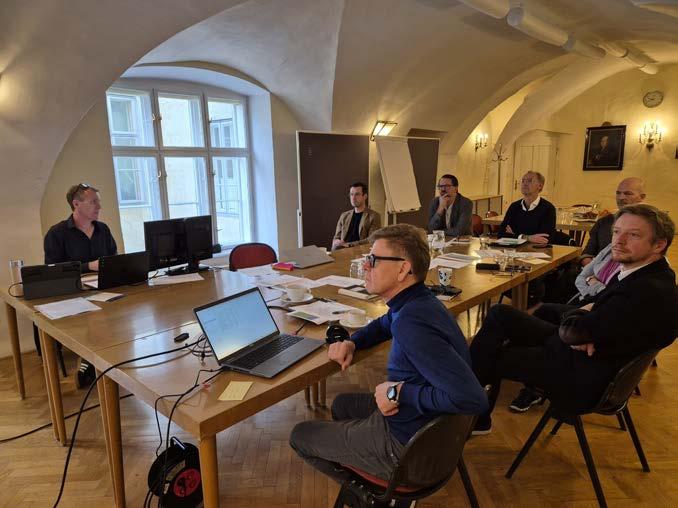
In Baden bei Wien, twenty climate and heritage experts from Australia, Belgium, Germany, Italy, Scotland and, of course, Austria! came together in October 2025 for a three -day workshop. Most convened in person in the Baden City Hall while others participated online. This hybrid workshop was a central element of the climate change risk assessment, conducted in cooperation with the Austrian Climate and Energy Fund, GeoSphere Austria and the Austrian UNESCO Commission.
Rather than focusing solely on outcomes, the workshop was designed as a structured, participatory process that connected scientific expertise, local knowledge and institutional perspectives. Using multiple future scenarios, climate change projections were used to indicate anticipated conditions in the coming decades and identify key threats to heritage. Increased temperature, changing rainfall patterns, drought and flooding were noted as potential
threats to some World Heritage attributes. Participants observed that some climate -associated changes were already apparent, including surface water movement during heavy rain events and changing species in the surrounding forest landscape.
For the anticipated and alreadyoccurring climate impacts, preventative strategies were identified and corresponding actions discussed. These included the management of surface water during heavy rain (also taking into account parking areas where groundwater transfer is important); the key role of trees in both urban and forest landscapes (both facing effects of droughts, wildfires and changes in biodiversity); and retrofitting of spa buildings to improve their energy efficiency (potentially using traditional techniques, such as locally -sourced, breathable, limebased finishes for thermal regulation, or traditional paving materials for more effective rain absorption).
At this stage, Baden ’s experience should be understood not as a completed model but as a work in progress, highlighting the opportunities, challenges and learning potential inherent in embedding climate risk assessment within World Heritage site management. Its results will inform the final
project report, including a consolidated assessment of risks and response capacity, for publication in June 2026.
GREATER IMPLICATIONS: CONNECTING CLIMATE ACTION ACROSS THE GR EAT SPA TOWNS OF EUROPE
Baden's climate vulnerability assessment represents more than a local initiative. It's a testing ground for tackling shared challenges across all 11 towns comprising the GSTE property, which faces unique complexities. Each town operates under different national legislation and local management systems, yet all are united through shared governance structures designed for collective action. While each town contributes its unique character to the series, they must be protected as one cohesive heritage with shared values and attributes that tell the story of European spa culture.
This shared heritage, for example, the spa architecture, therapeutic landscapes and the natural springs themselves, means the GSTE towns function as an interconnected whole. If something happens to one component, such as significant damage to its heritage values and attributes, this can have
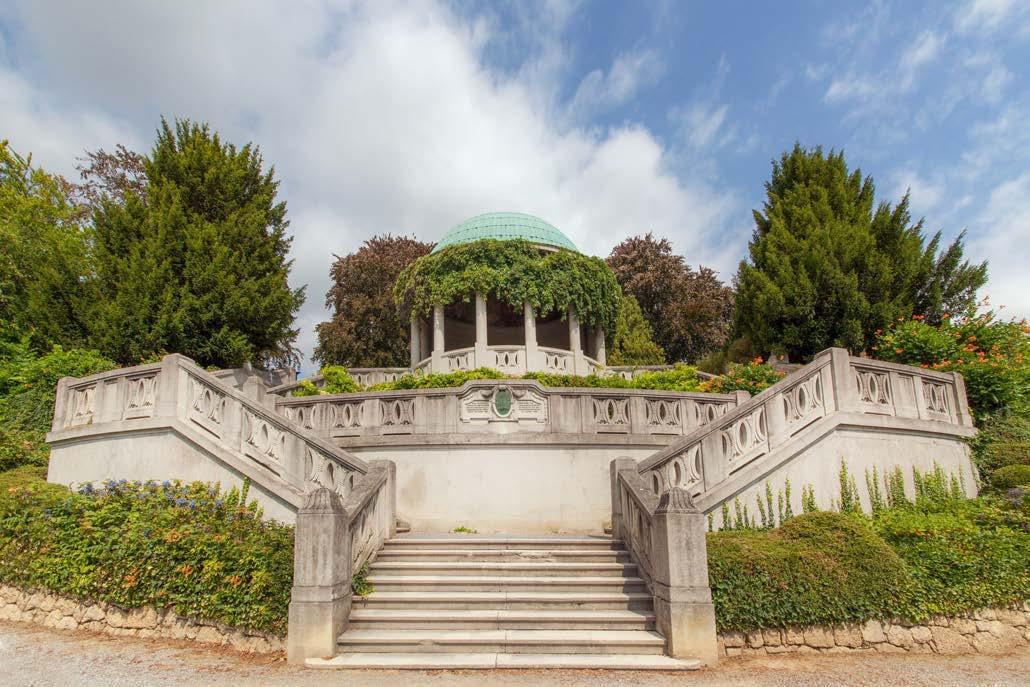
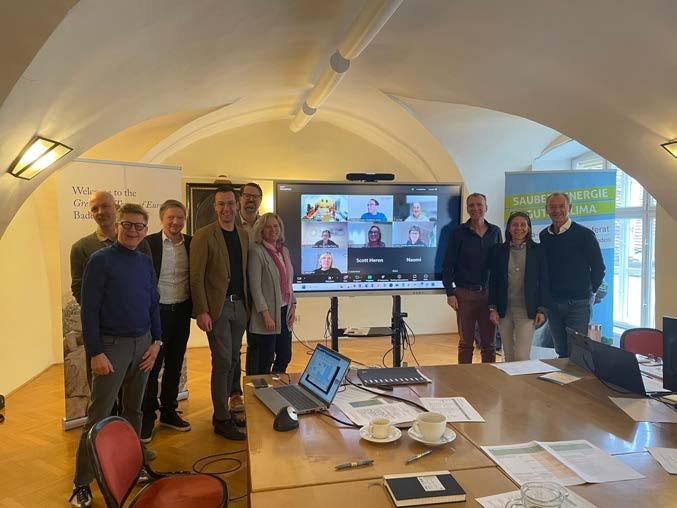
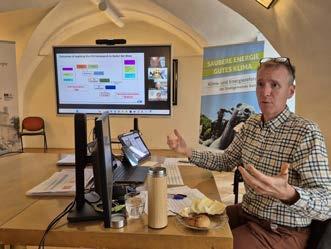
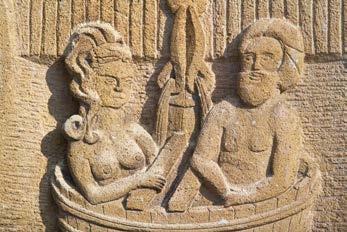
Clockwise from top: Beethoventempel in the Kurpark Baden bei Wien © Romana Fürnkranz / Scott Heron presenting at the CVI workshop in Baden bei Wien © Alexandra Harrer / Coat of arms of Baden bei Wien © Lois Lammerhuber / Group photo with workshop participants in Baden bei Wien © Sophie Natter
consequences for the entire series, undermining the coherence of the World Heritage property.
This interdependence carries significant implications for climate risk. If climate change degrades key spa buildings in one town, this impact doesn't just affect that individual component; it threatens the integrity of the
entire property. This is why coordinated climate action across the GSTE is both logical and essential.
CORE INSIGHTS IN BAD EN AND BEYOND
In essence, the CVI analysis confirms a high vulnerability of the
OUV, alongside a substantial but not yet fully activated adaptive capacity. This capacity can counteract identified risks only if it is systematically translated into tangible, sustained action.
Future effects on the community were assessed at the upper limit of moderate risk (close to high risk). In practice, while the
workshop demonstrated that cli-
highlighted the current limits of conceptual exchange.
While climate -related dialogue is well established, the process has not yet been formally integrated into Baden ’s official response to UNESCO ’s climate policy requirements. Moving from dialogue to implementation will require further, targeted work.
The workshop reinforced lessons seen from other CVI applications
across 20+ heritage sites worldwide; effective facilitation has been invaluable when integrating aspects of heritage and climate, and climate change requires responses that are customised to individual heritage places. Baden's specific risks from surface water management to spa building efficiency differ from other GSTE spa towns, just as each
Ursprungsquelle in Baden bei Wien © Romana Fürnkranz
town's adaptive capacity reflects its unique local context, resources and stakeholder networks. This diversity underscores why site specific, participatory assessment processes like the CVI are essential!
CONTEXTUAL AND COMPLEMENTARY
For the GSTE, Baden ’s CVI process runs alongside the Preserving Legacies programme, another climate adaptation methodology being tested in three other GSTE towns: Bath, Spa and Vichy. Together, these dual approaches offer a pathway for capacity building across the network. Both methodologies harness rigorous science
while prioritising community engagement, providing complementary tools that other towns can adapt to their circumstances. At a time where funding comes at a premium and heritage properties face mounting climate pressures, sharing effective, tested
approaches is vital for protecting these outstanding places for future generations. Through the CVI, Baden is now positioned to undertake identified next steps and lead efforts within the GSTE and beyond to safeguard European spa heritage.

Alexandra Harrer is an architectural historian trained in Europe, the United States, China, and Japan. She holds a master ’s degree from the Vienna University of Technology and a doctorate from the University of Pennsylvania. Until 2023, she was associate professor at Tsinghua University in Beijing. Now a UNESCO World Heritage Site Manager in Austria, she works to protect the serial transnational property of the Great Spa Towns of Europe in Baden bei Wien.
Scott Heron is UNESCO Chair on Climate Change Vulnerability of Natural and Cultural Heritage and professor of physics at James Cook University, Australia. Scott's research group focuses on climate vulnerability of heritage (through the CVI, co -developed with Jon Day) and impacts on marine and coastal ecosystems. He was named on Reuters Hot List 2021 of the world ’s top climate scientists.
Chiara Ronchini is an independent heritage expert and Secretary General of The Great Spa Towns of Europe. An architect and urbanist with 17 years' experience in cultural heritage, she champions participatory approaches to management, climate action and responsible tourism. Chiara serves as an ICCROM consultant and on ICOMOS committees addressing energy sustainability and human rights. Her career spans Historic Environment Scotland, Edinburgh World Heritage and UNESCO across four continents.
CVI workshop in Baden bei Wien © Alexandra

One Year
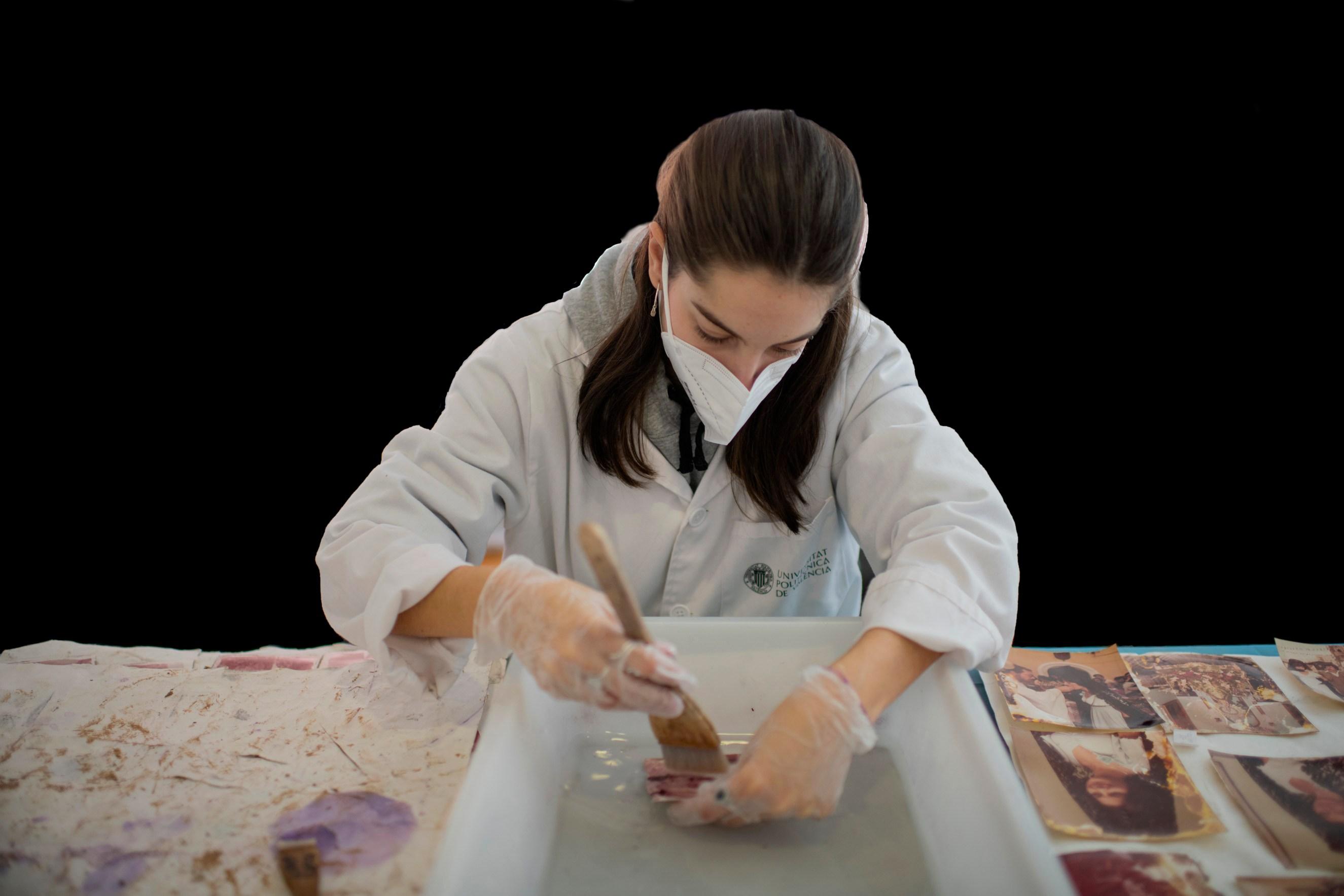
Controlled washing of a family
to remove mud resi-
photograph
dues after the floods in Valencia. Image by Salvem les fotos UPV/ Recuperar las Memorias
Reflections on a Conservation and Social -Transfer Project, Salvem les fotos UPV/ Recuperar las memorias
By Esther Nebot Díaz and Mª Pilar Soriano Sancho
More than 12 months have passed since the torrential floods caused by DANA on 29 October 2024 devastated over 100 towns and villages surrounding the city of Valencia.
In the midst of the disaster among mud, water and irreplaceable loss a movement of resilience emerged and took shape as the project Salvem les fotos UPV / Recuperar las memorias, led by the Universitat Politècnica de València (UPV).
Today, after a year dedicated to the recovery of photographs, we find ourselves in the final stage of returning the restored materials to the 400 families who placed their trust, their memories, and their family histories in the hands of UPV students, graduates, researchers, faculty members, and staff. This is, therefore, an ideal moment to
pause and reflect on what this experience has meant in terms of social impact, knowledge transfer, and collective learning.
The project has been, above all, an example of how a public university together with foundations, banks, companies, NGOs, private citizens, and other generous contributors who we highlight as active collaborators and continuous supporters of GEIIC can become an agent of direct action in the lives of citizens. The Faculty of Fine Arts and the University Institute for Heritage Restoration (IRP), with the involvement of the Department of Conservation and
Restoration of Cultural Heritage at the UPV, mobilized knowledge, material resources, and human teams to respond to an unprecedented cultural emergency.
This was not simply about saving material objects but about rescuing fragments of memory, identity, and family bonds. The affected heritage was not housed in museums or official archives but in drawers, frames, and domestic photo albums. The value of this heritage is held in its intimacy and capacity to connect generations, reinforcing the idea that conservation can and must also operate within private spaces when risk threatens to
erase these quiet, deeply personal memories.
The transfer of knowledge and impact took shape on multiple levels: intervention protocols specifically developed and applied in a real emergency context; an emergency laboratory that operated according to the needs and demands of society; and, above all, the tang ible return of materials to the affected families, who can now recover images that might otherwise have been lost forever.
On the technical front, thousands of photographs were stabilized, cleaned, disinfected, digitized, and
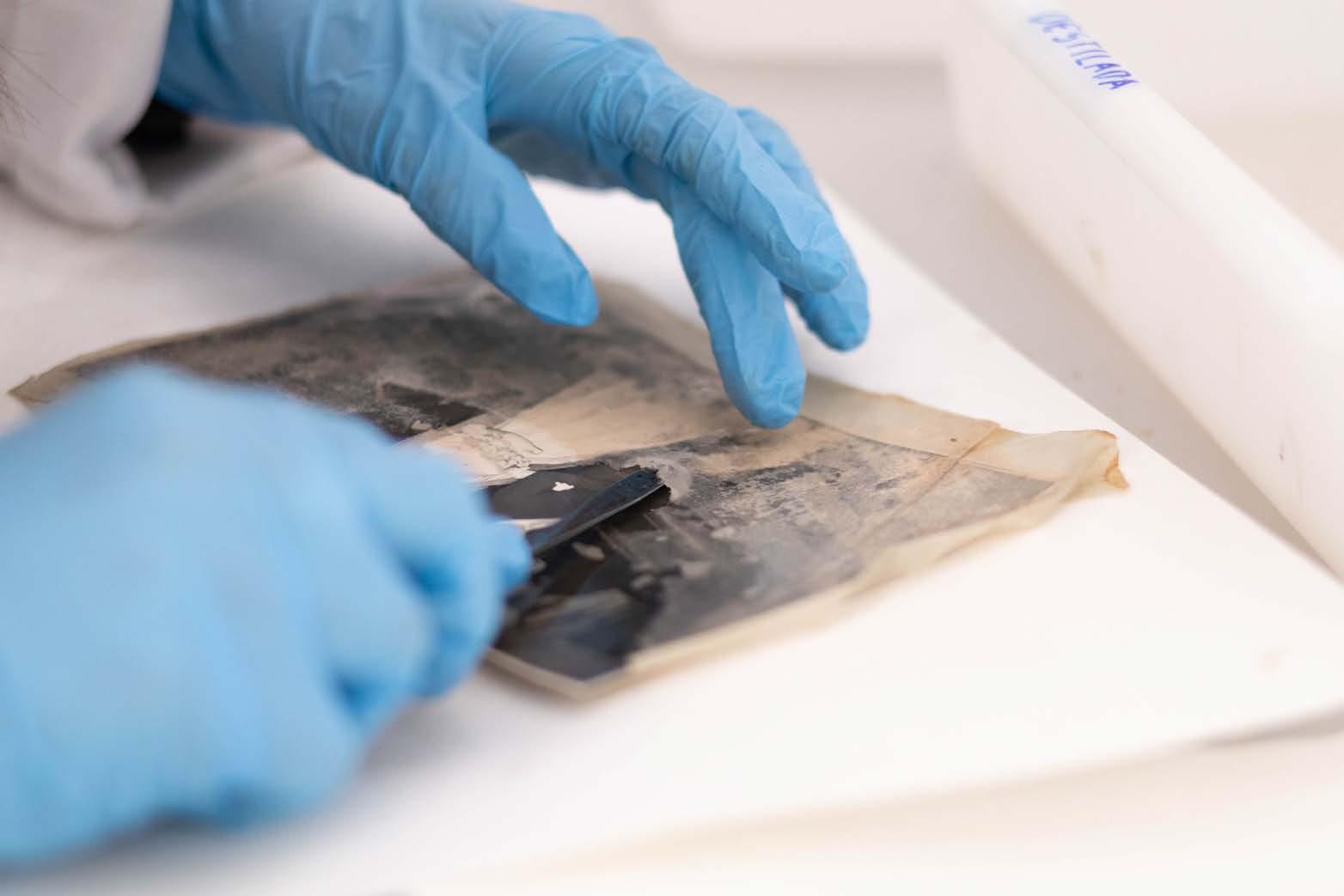
Conservator removing interleaving materials adhered to family photographs. Image by Salvem les fotos UPV/Recuperar las Memorias
returned to their owners. The project confronted challenges such as separating photographs that had fused into solid blocks, treating framed images adhered to glass, disinfecting materials affected by fungal growth, and reconstructing fragmented albums. Each procedure required specialized expertise and the methodological rigor that defines the discipline of conservation and restoration.
But perhaps the greatest achievement goes beyond the technical. Each meeting to return restored photo collections to their families was a profoundly emotional moment. Treating and reconstructing an album meant restoring the continuity of a family narrative the possibility of transmitting stories and affections to future generations. Tears, embraces, and shared gratitude have been the most human face of this project, and the clearest proof that conservation is not limited to material interventions: it is also a form of symbolic repair and emotional support.
The project was also an exercise in collective resilience. For the affected families, it meant reconnecting with their memories at a time of deep vulnerability. For the students, alumni, volunteers, and all participants involved, it offered direct experience of what professional practice entails in crisis situations. And for the teaching, research, and technical teams, it was an opportunity to reaffirm the social value of the conservation -restoration profession.
The students completing practical training lived an experience they will never forget. They were able to witness firsthand the social impact of their future profession and understand that conservation is not only about applying techniques with precision it also means assuming the ethical responsibility of safeguarding the things that give meaning to people ’s lives. The laboratory became a dynamic space of commitment, and training itself became an act of knowledge transfer.
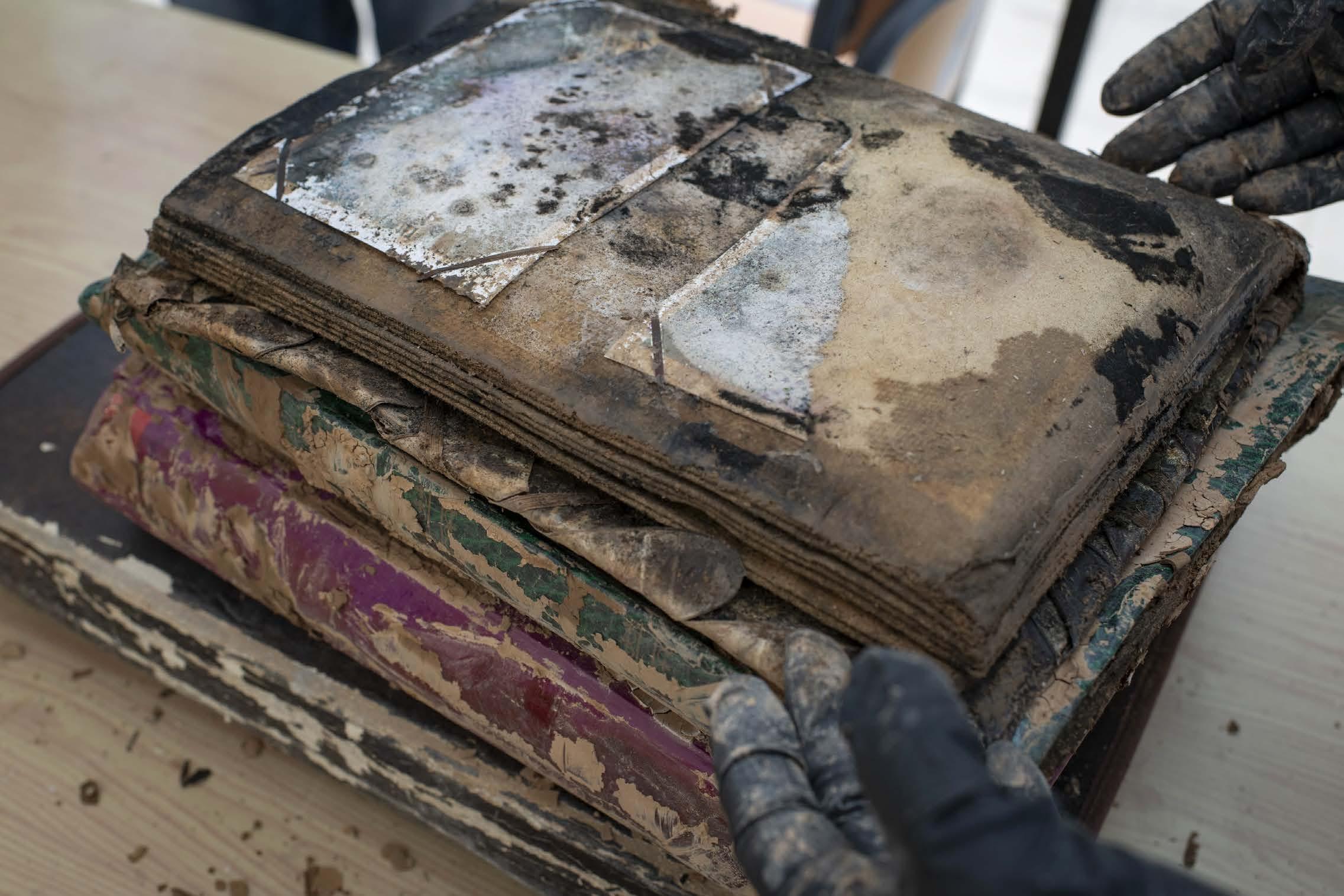
Family photo album damaged in the floods in Valencia. Image by Salvem les fotos UPV/Recuperar las memorias
With this emergency -driven initiative, the current situation of the profession has also been brought to the forefront. Conservation and restoration have here revealed themselves as essential professions in this case, photographic conservation in particular. The fragility of the materials and the complexity of the technical procedures clearly demonstrate that only trained and accredited conservation and restoration professionals can guarantee proper intervention. This experience reinforces the need to assert that only restorers
who have received specific training, with officially recognized and accredited degrees, should intervene in cultural heritage. Improvisation, well -intentioned amateurs, or confusion with related professions can lead to irreversible damage.
As we approach the conclusion of the UPV project, with most returns already completed, we are left with the conviction that conservation and restoration must continue to play a proactive role in crisis
situations. We are also left with the certainty that intimate heritage, the kind preserved in homes and cherished objects, holds cultural value fully comparable to monumental heritage. And above all, what remains is a collaborative network between the University and society that will not easily dissolve.
The path has not been simple: the emotional weight, continuous effort, and technical challenges have demanded much from all participants. But it has also been a transformative experience,
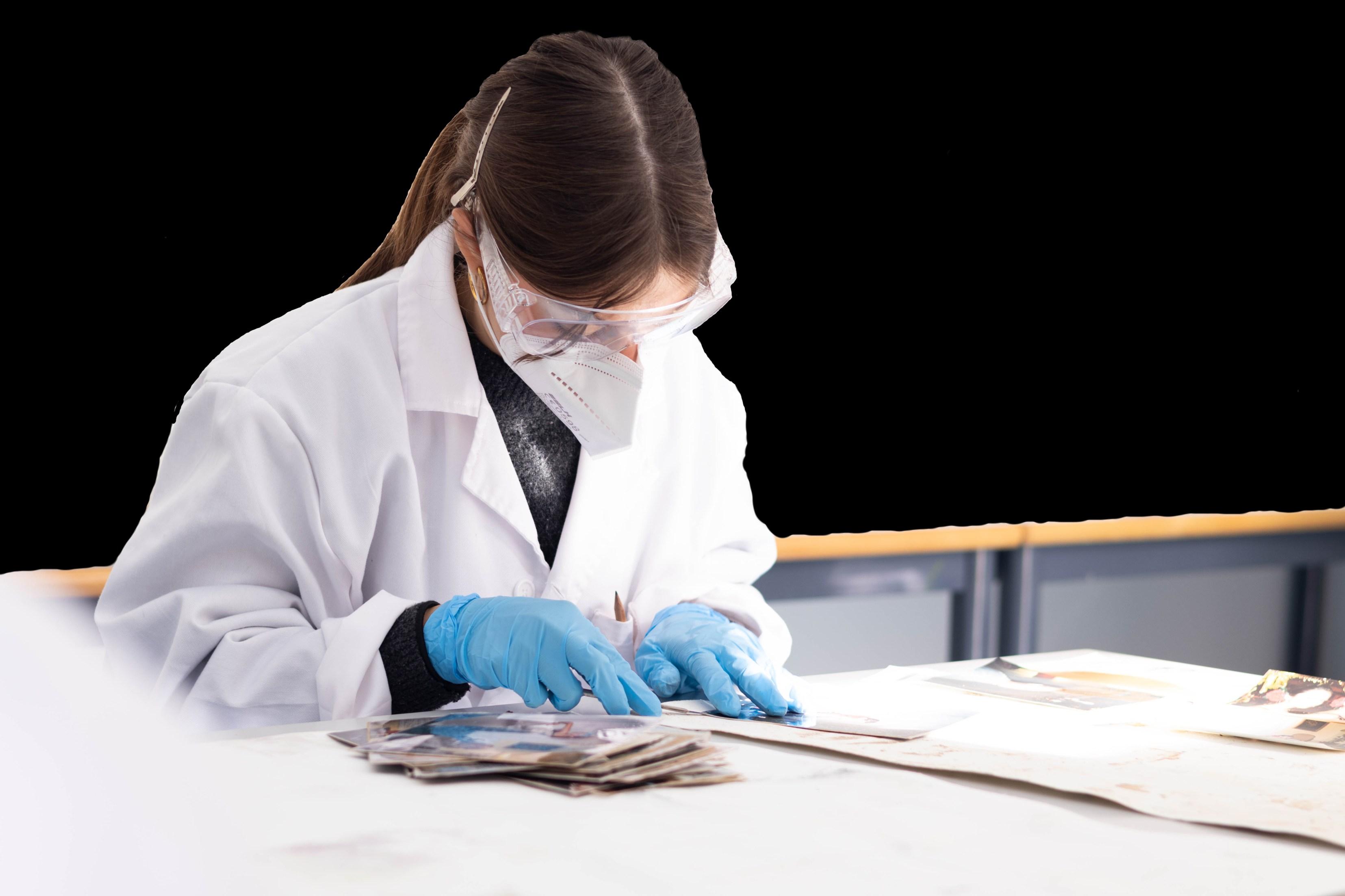
Rescue and careful removal of photographs from a damaged album prior to conservation treatment. Image by Salvem les fotos UPV/Re cuperar las memorias
demonstrating that cultural heritage is defended through knowledge, solidarity, and collective commitment.
Salvem les fotos UPV / Recuperar las memorias is not merely a conservation project; it is an example of how the conservation -restoration profession, the public university, and civil society can unite to resist oblivion, rebuild narratives, and return to people what they thought was lost. One year later, what has been recovered is not only photographs, but also the confidence that culture, memory, and shared resilience can serve as engines for the future.
“intimate heritage, the kind preserved in homes and cherished objects, holds cultural value fully comparable to monumental heritage. ”
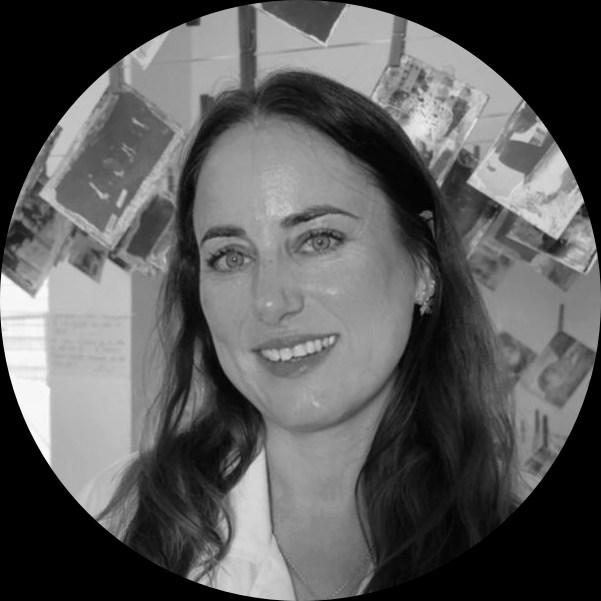
Esther Nebot Díaz has a PhD in conservation and restoration of cultural heritage from the Polytechnic University of Valencia where she is a senior laboratory technician, researcher and associate professor as well as a member of the Fotolab research group: Research Laboratory in C onservation, Restoration, Thoug ht, and N arratives of Photography. Esther is co -director of the "Salvem les fotos UPV / Recuperar las memorias" (Save the photos / Recover the memories) project.
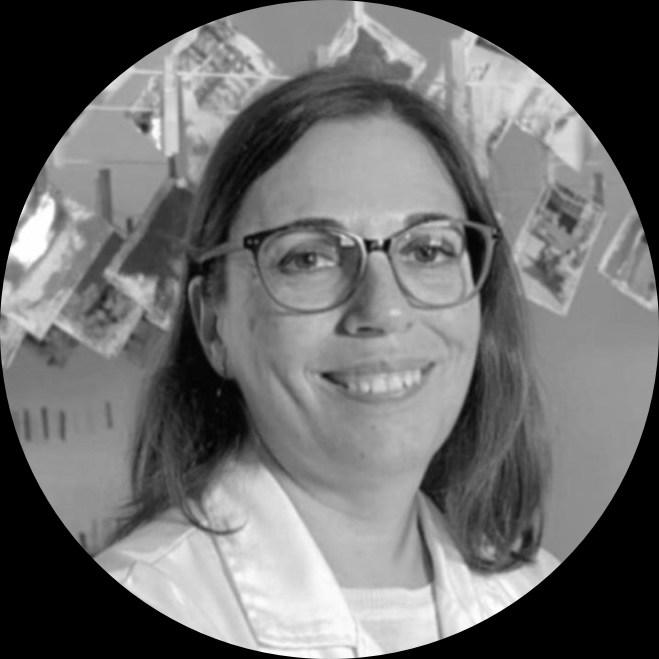
Pilar Soriano Sancho has a PhD in conservation and restoration of cultural heritage from the Polytechnic University of Valencia where she is researcher, professor and deputy director of teaching in the Department of Conservation and Restoration of Cultural Property. Pilar is a member of the Fotolab research group: Research Laboratory in Conservation, Restoration, Thought, and Narratives of Photography and co -director of the "Salvem les fotos UPV/ Recuperar las memorias" (Save the photos / Recover the memories) project.
Spotlight on Studies in Conservation Latest Articles
By Lucy Wrapson Deputy Editor, Studies in Conservation
In Umberto Eco ’s Name of the Rose , the villain, a Benedictine monk, has poisoned the pages of the sole surviving copy of Aristotle ’s lost second book of Poetics, On Comedy .
Anyone who licks their fingers after turning the page is poisoned and dies. Poisonous books do not, however, solely reside in the realms of fiction. Volume 70, Issue 7 -8 of Studies in Conservation is a collection dedicated to bibliotoxicology, a term coined in 2020 to describe toxic books from the 19 th century in European and American collections and an area of research dedicated to working with them safely. The whole collection is well worth reading, but my focus here is on the open access article, It’s Not Easy Being Green –The Challenge of Having Poisonous Arsenic Containing Books in a National Library Collection
Lead -authored by Foekje Boersma with a large team of colleagues from the KB National Library of the Netherlands, the paper introduces us to the challenges presented by poisonous colorants in library collections in this case, arsenic. The library is in the painstaking and daunting process of moving its entire collection of 121 linear kilometres to robotized storage, a process which requires the handling of every object in the collection and which has been slowed by the presence of toxic materials. The article explains two strands of research undertaken at the library. One of these concerns the practicalities of how to identify arsenic -containing books in collections, something which is a great challenge to the KB without X -ray

fluorescence spectroscopy (XRF) and a trained user. For the purposes of the study, they used both XRF and the MQuandt arsenic test kit. Looking ahead to a need potentially to test more than half a million objects, the article considers the need to identify other toxic materials such as chrome, mercury and lead, both from manufacture and pesticide residues. In a limited timeframe, the research team managed to assess an impressive 1,520 books of which 542 tested positive for arsenic. The article identifies a longer timeframe for the use of arsenic containing materials, with some books dating from as late as the 1950s.
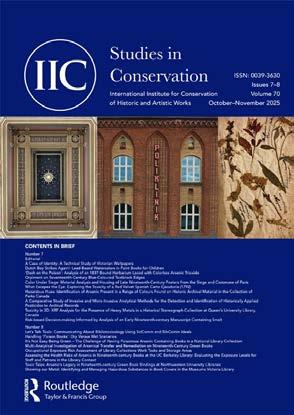
The other research addressed possible exposure to arsenic in object handling and whether that posed a risk to the health of staff and readers. This aspect of the research was undertaken voluntarily by members of staff with exposure to the poisonous materials. Although the exposure research did not show a direct link between increased arsenic levels which were found in biomonitoring and the workplace, during the time of the study, arsenic was detected on tools and work surfaces used during the handling of arsenic -containing books. The authors hope that the presence of toxic materials within their collection can be thoroughly understood so that a knowledge of these poisonous materials will feed into appropriate disaster and salvage planning.
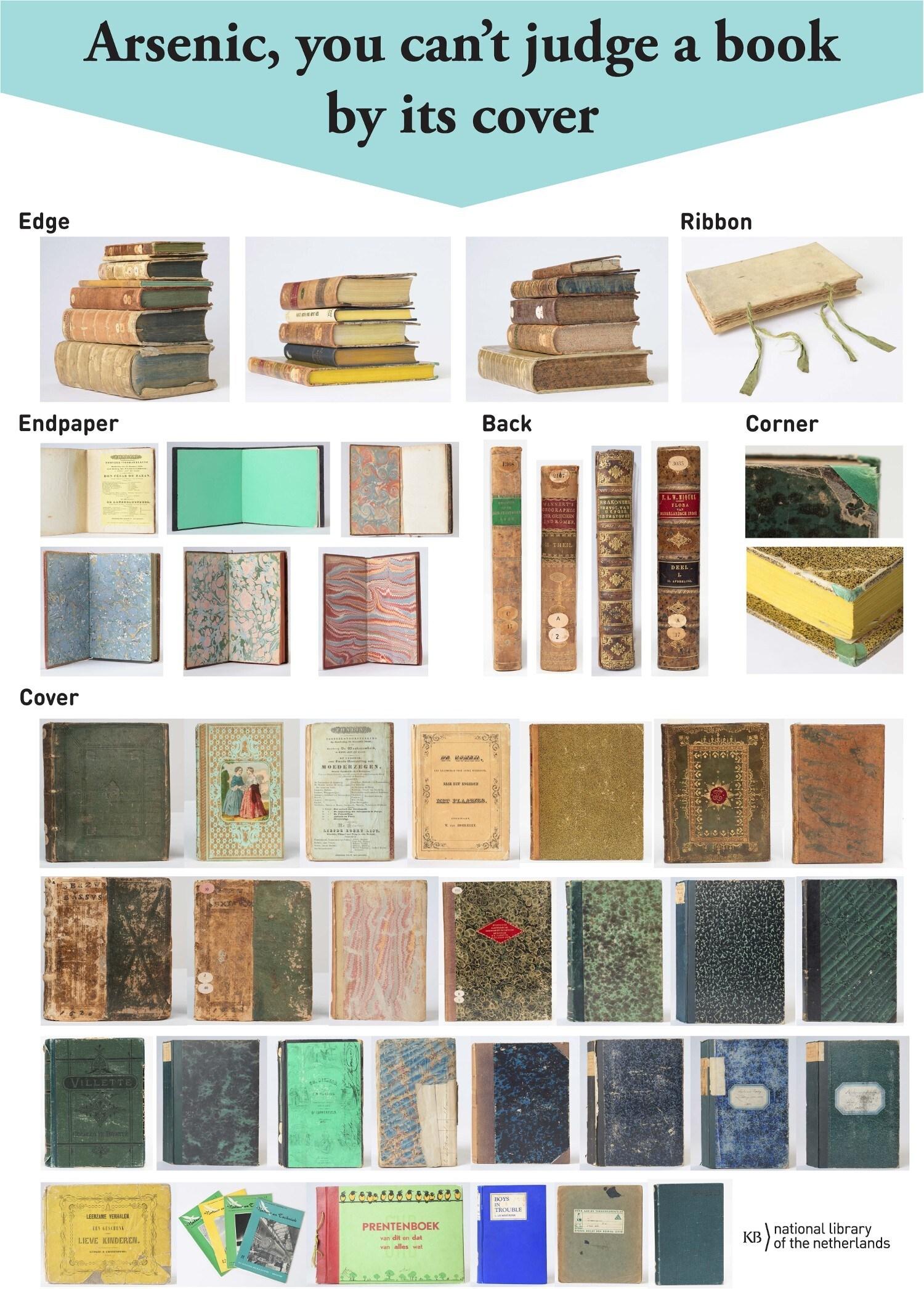
Visual tool to help staff identify suspected items. (Photos: KB Beeldstudio). Figure
Collection
By Foekje Boersma, et al.
Fellowship Corner

Jacqueline Riddle is a conservator at Ingenium: Canada ’s Museums of Science and Innovation and is currently on a temporary assignment as Assistant Curator, Transportation and Access. Her career so far has focused on technological objects conservation, and practical, solutions -focused research in collections hazard management. She was previously a conservator at the Smithsonian National Air and Space Museum. She holds an M.Sc. in conservation studies from University College London campus in Doha, Qatar, and a B.Sc. with majors in chemistry and art history from McGill University. She has held advanced internships and temporary positions in conservation and scientific research at the Synchrotron SOLEIL particle accelerator in France, the Canadian Conservation Institute, the UCL Qatar Archaeological Materials Science Laboratory, the Department of Chemistry at McGill University, and Conservation Solutions Inc. at the West Block of Canadian Parliament. She is an accredited objects conservator with the Canadian Association of Professional Conservators (CAPC).

Muirne Lydon is senior paintings conservator at the National Gallery of Ireland, where she combines the treatment and technical study of historic paintings with the broader stewardship of the national collection. Her work is centred on Old Master painting, with a particular focus on material histories, workshop practice, and the role of scientific and archival research in guiding interpretation and display.
She plays a leading role in shaping conservation strateg y and research direction within the N ational G allery of Ireland. Lydon has directed major multi -year conservation and research projects, which have resulted in significant exhibitions, publications, and international scholarly exchange.
As chair of the Irish Conservators and Restorers Institute, she contributes to sector -wide advocacy, professional development, and public engagement with conservation. Her work reflects a commitment to research -led cultural stewardship and to expanding the visibility and understanding of the conservation discipline within museum and academic contexts.
IIC Fellow Jacqueline Riddle is a conservator at Ingenium: Canada ’s Museums of Science and Innovation. Image courtesy of Jacqueline.
Muirne, FIIC, is senior paintings conservator at the National Gallery Ireland. Image courtesy of Muirne Lydon.

Sylvia Sumira is an independent conservator who has specialised in globes for many years. After graduating in history of art from Leicester University, she gained a post -graduate diploma in paper conservation. She went on to work in globe conservation at the National Maritime Museum, Greenwich, for several years and spent a period of study at the Austrian National Library in Vienna. Since setting up her own studio she has carried out extensive work for numerous clients including museums, libraries and other public institutions in Britain and abroad, as well as for many private owners of globes. Sylvia has led several workshops on globe conservation and has many publications to her name, including her book, The Art and History of Globes , published by the British Library. She is an accredited member of the UK Institute of Conservation.

Amarilli Rava is a wall paintings conservator with expertise in research, teaching, and site -based practice. She holds a Ph.D. from The Courtauld Institute of Art, where her research focused on the behaviour of organic adhesives in wall painting conservation. She also earned an MA in conservation of wall paintings from The Courtauld, receiving the William M. Dietel Prize for Research in the Conservation of Wall Paintings, and a BA in oriental art and archaeology from the University of Naples “L’Orientale. ”
Her professional experience spans the conservation of wall paintings and architectural surfaces across Europe, the Middle East, and Asia, with a focus on condition assessment, material analysis, and intervention methodologies. She has taught at The Courtauld Institute of Art and the University of Amsterdam., and has been involved in organizing events for the Icon Stone and Wall Paintings Group.
In January 2025, she joined the Getty Conservation Institute as a project specialist in the Buildings and Sites Department.
Sylvia, FIIC, specializes in the conservation of globes. Image courtesy of Sylvia Sumira.
Amarilli, FIIC, works at the Getty Conservation Institute. Image courtesy of Amarilli Rava.
XRF analysis of a ceramic object. (Image by Paola Castro. Image of collection object released by museum director.)
Where Chemistry Meets Museums
My Journey Through Textile Analysis
By Paola Castro
When I was a child, I always loved visiting museums. I did not live close to any, so my mother could only take me once a year to the museums near our city.
Those visits were short, but I remember walking slowly through the galleries, stopping in front of every object even if I did not fully understand what I was looking at. Years later, when I started studying chemistry at the Pontificia Universidad Católica del Perú, I found a research group that focused on the study of cultural heritage objects, including those from our university´s museum, the Museo de Arqueología Josefina Ramos de Cox (MAJRC) of the Instituto Riva -Agüero. Because of that early fascination, I decided to join the group and combine two things I have always enjoyed chemistry and museums.
Being part of this research group meant learning to look at archaeological objects not just as pieces of history, but as materials with physical and chemical properties that could reveal how they were made, used, and preserved over time. Throughout my experience, I had the opportunity to study ceramic, metal, and textile pieces from different Peruvian cultures using various analytical techniques. The goal was to answer questions about their manufacture and production, contribute to the MAJRC ’s museographic design, and support the conservation of these objects. Working directly with cultural heritage gave me a new appreciation for the complexity behind each object, how much knowledge is required to interpret them, and how every detail contributes to understanding ancient technologies.
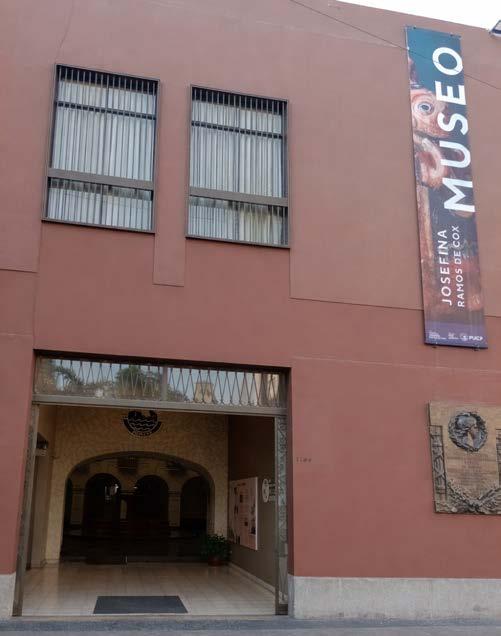
Entrance of the MAJRC. (Image by Paola Castro)
“XRF could be used as a quick screening tool to differentiate animal fibers from plant fibers in our museum ’s collection. ”
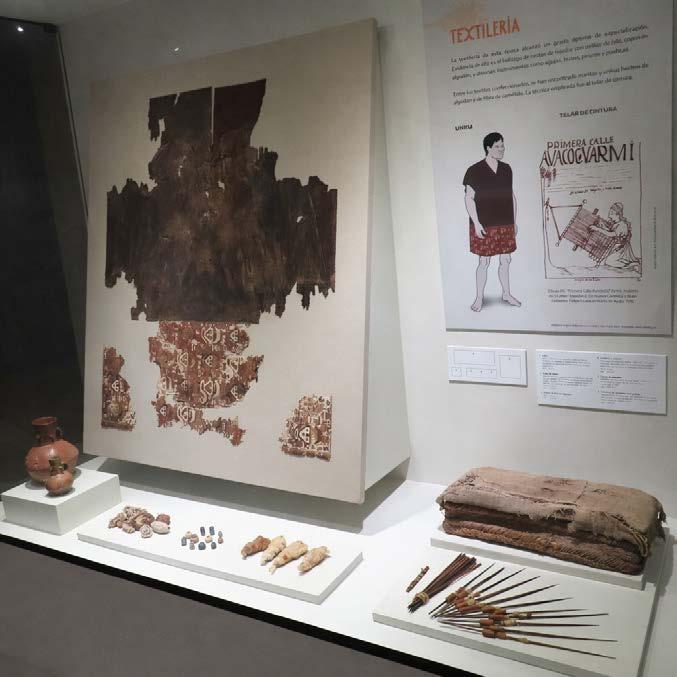
One of the projects I worked on focused on the dyes used in textile pieces from the Central Coast and Southern Coast of Peru. I began with elemental analysis using X -ray fluorescence spectroscopy (XRF) to identify which elements were present in the fibers. The first interesting pattern I observed was the presence of zinc in some dyed textiles, whereas painted textiles showed no trace of this metal. This difference suggested that zinc may have played a role in the dyeing process, possibly as part of a mordant or a treatment used during preparation of the fibers. Another notable finding came from comparing camelid -fiber threads with cotton threads. Wool or camelid fibers consistently presented higher amounts of sulfur, while cotton had significantly lower levels. This correlation is not surprising chemically, but seeing it clearly in archaeological samples highlighted how XRF could be used as a quick screening tool to differentiate animal fibers from plant fibers in our museum ’s collection.
One piece that especially caught our attention was a small textile tool a canuto that is currently on display in the museum. It
includes a blue thread, and we wanted to know whether it was naturally blue cotton or if it had been dyed. Peru is known to have had naturally colored cottons, including a seemingly now -extinct blue variety, so the question was particularly intriguing. I analyzed the thread using Raman spectroscopy, because indigo is one of the few natural organic dyes that can be easily detected with this technique. The results confirmed the presence of indigo, which aligns with the long history of indigo dyeing in Peru since pre -Hispanic times.
Raman spectroscopy was also useful for analyzing other darkcolored threads in objects from the collection provided by the Museum´s conservator. I found indigo not only in blue threads but also in purple threads and in various shades of green. This makes sense, as indigo has historically been used as a base to create a wide range of colors by combining it with other dyes.
Since I was interested in gaining more experience in the use of chromatographic techniques, I also analyzed the canuto threads
Textile objects in the current permanent exhibition at the MAJRC. (Image by Paola Castro. Image of collection objects released by museum director.)
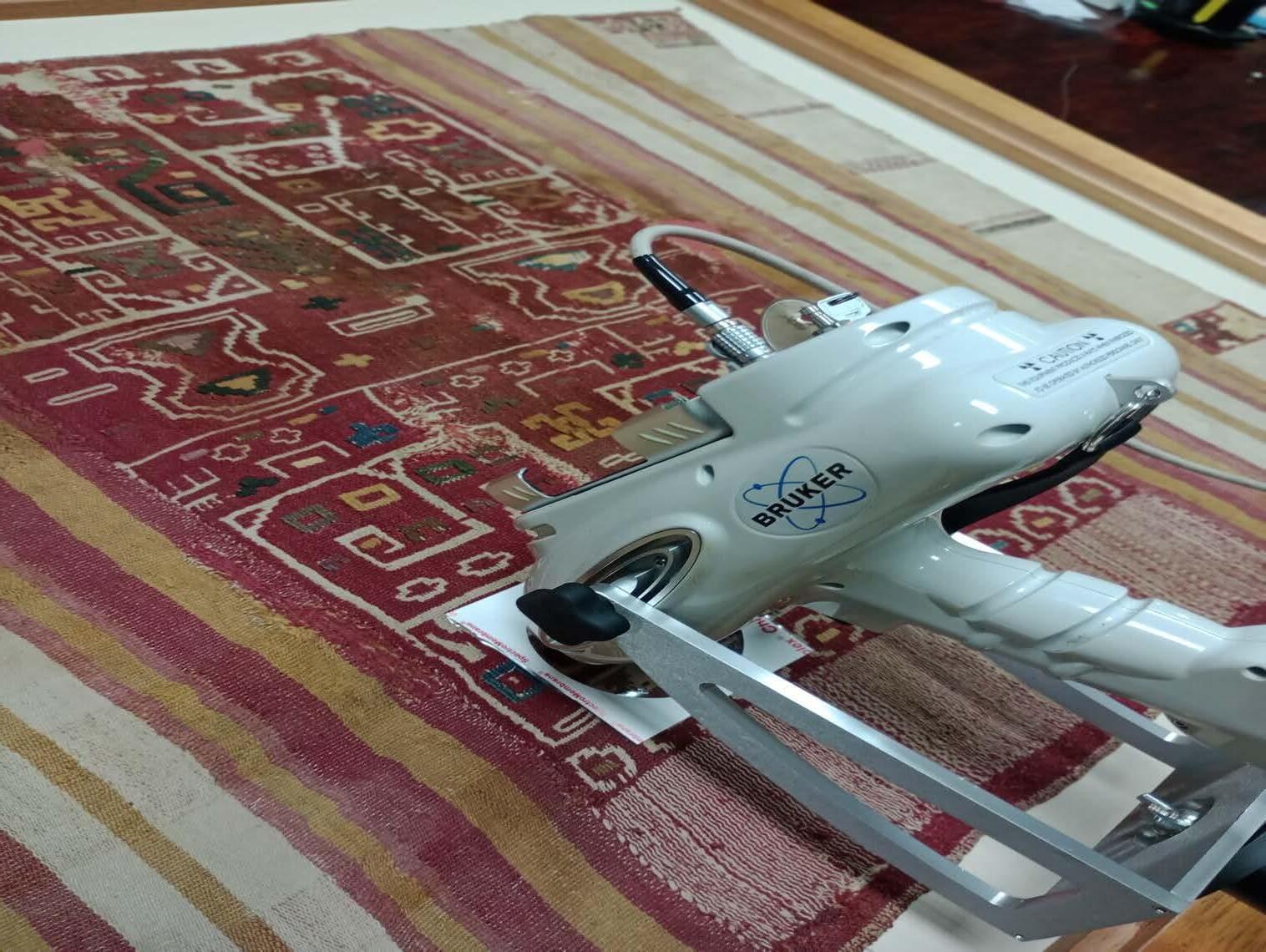
XRF analysis of
textile. (Image by Paola Castro. Image of collection object released by museum director.)

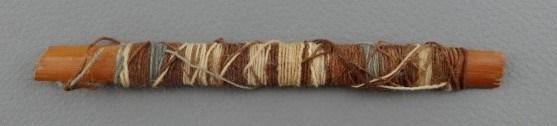

Top: A canuto in the current permanent exhibition at the MAJRC. Image provided by the MAJRC with permission from museum director. Bottom: Inside the MAJRC. (Image by Paola Castro)
using high -performance liquid chromatography (HPLC -DAD). Developing the method involved several steps. I began by analyzing pure standards of dyes known to have been used in archaeological textiles. Then I prepared simulated samples by dyeing alpaca wool threads with cochineal and several Peruvian plants, both with and without mordants. These tests allowed me to improve the extraction and separation processes before applying them to the museum samples which, due to the limited number of thread samples available, could only be analyzed once. Once I had established reliable extraction and separation
“... behind every thread, pigment, or ceramic fragment lies a connection between scientific analysis and the human creativity of the past. ”

methods, I applied them to the museum samples. As expected, the painted samples showed no compounds in HPLC, since they had not undergone a dyeing process. In contrast, several dyes could be identified in the dyed samples. Yellow, orange, red, and brown threads showed the presence of luteolin, genistein, quercetin and apigenin. Red threads also showed carminic acid and purpurin. These findings point to the use of plants and cochineal in the dying process, a practice that is very much alive in our country. I also detected indigo in blue and dark threads, which was significant given how difficult it is to extract indigo using the method employed due to its low solubility in water –methanol mixtures.
The textiles I studied come from the Central Coast and Southern Coast of Peru and correspond to periods ranging from the Early Intermediate to the Late Horizon (ca. 200 BCE –1534 CE). The results I obtained show the availability of a wide variety of dyes throughout several archaeological periods. I consulted historical sources on the insects and plants used in Peru for dyeing to explore possible origins of the dyes found in our samples.
However, it is not yet possible to determine which exact species were used. To do so, I would need a broader library of reference materials, especially from species historically used for dyeing. Additionally, exploring milder extraction techniques would aid to preserve and detect more fragile compounds that may degrade under the strong extraction conditions. This would provide a more complete profile of the detected dyes and allow for more precise identification of their sources.
Even though this is only a preliminary study of our museum ’s collection, it deepens our understanding of the materials and techniques used in the production of textiles in pre -Hispanic Peru. And, importantly, these findings will support a future exhibition focused on the museum ’s textile collection, bringing this information to the public. For me personally, contributing to this work has shown how chemistry can play a key role in uncovering the stories behind cultural heritage. It has also reinforced my belief that behind every thread, pigment, or ceramic fragment lies a connection between scientific analysis and the human creativity of the past.
Paola Castro is a Peruvian chemist who focused on the analytical study of museum objects during her undergraduate studies. Her interest in instrumental analysis and cultural heritage led her to participate in research projects supporting her university ’s museum, contributing to the characterization and understanding of materials present in its collections.
Shaping Sustainable Futures
By Caitlin Southwick, Kim Kraczon, and Bianca Gonçalves
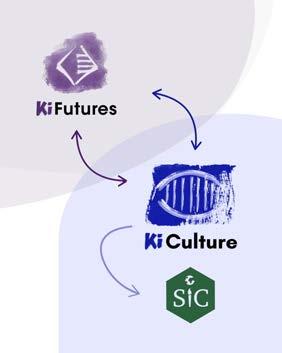
Ki Culture is a non -profit that emerged from a growing recognition among cultural professionals that, although the sector was eager to embrace sustainability, many felt overwhelmed and unsure where to begin, prompting the founding of a global, community -driven organization in 2019 to make sustainability simple, practical, and empowering. Building on earlier grassroots initiatives such as Sustainability in Conservation, Ki Culture offers hands -on tools like the Ki Books and tailored programs that help translate sustainable thinking into everyday action across cultural heritage institutions. Ki Futures is the action arm of Ki Culture, providing a coaching and training network that supports museums, galleries, and cultural heritage professionals in turning sustainability goals into concrete, trackable practice through education, oneto-one coaching, live trainings, mentoring from sustainability coaches, and a global peer community that ensures institutions are consistently supported in their climate action efforts.
At Ki Culture, sustainability is not a set of check boxes to tick or guidelines to follow, but a lens through which we live our lives. Our understanding of sustainability is holistic, so rather than concentrating on a single aspect, we promote responsible decision -making in the cultural heritage sector that sustains the
livelihood of all people, non -human beings, and the natural environment. In 2026, Ki Culture is deepening its commitment to redefining sustainability within the cultural heritage sector by cultivating system change that supports people, communities, and culture in balance with the planet. Our vision is to see museums, galleries, and heritage sites leading as examples of responsible stewardship, embedding social justice, climate action, and cultural resilience into their daily practice. By empowering cultural heritage professionals with practical training and resources, we hope to shape a cultural heritage sector where sustainability is not an initiative but a shared way of being.
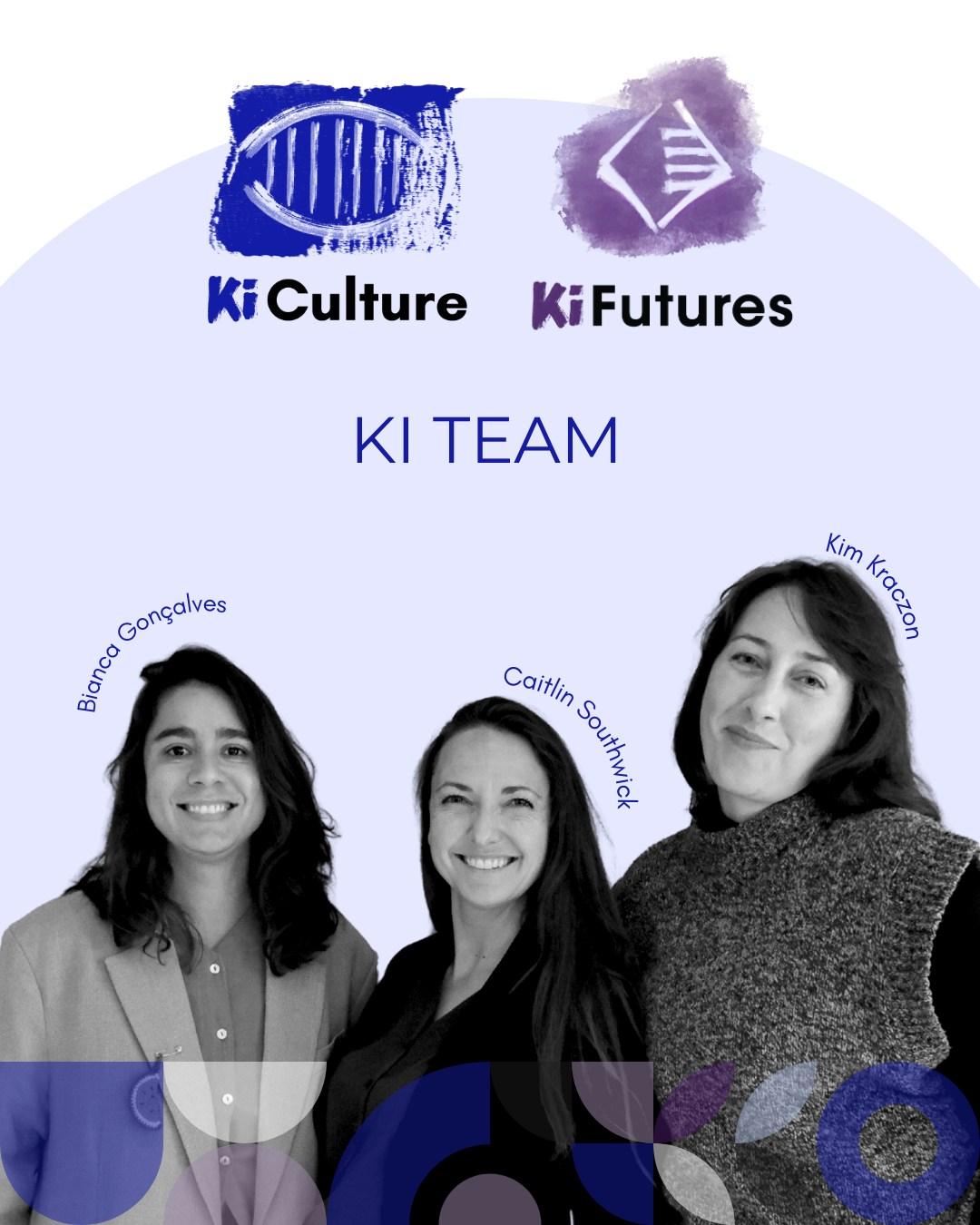
The core Ki Team is made up of conservators Bianca Gonçalves, Kim Kraczon, and Caitlin Southwick, who bring together expertise in sustainability, conservation, and cultural heritage practice to support institutions, create resources, and
Left:
Ki Futures, Ki Culture and SiC.
Right: Bubble wrap around branch
(All images created by Bianca Gonçalves © Ki Culture)
Ki Visions
empower action worldwide. In this article, Bianca, Kim, and Caitlin share their current work and reflect on where they believe sustainability in the sector needs to go in regard to environmental justice, material choices, and collections care practices.
SUSTAINABILITY BEYON D ENVIRONMENTAL IMPACT
Over recent years, sustainability has shifted from being a side concern to a core part of conservation practice. This shift has been supported by initiatives such as Go Green, where the definition of green conservation * helps
frame sustainability as an ethical responsibility that includes environmental care, material awareness, and long -term thinking. Still, technical solutions alone are not enough if the profession itself remains inaccessible. When sustainability is discussed in art conservation, the focus is often placed on environmental impact, energy use, materials, and climate control, yet sustainability is also about people. It involves questions of access, equality, and whose voices are heard. Without addressing these issues, conservation cannot be truly sustainable.
Art conservation is a profession largely made up of women, many of whom are underpaid and hold limited power within museum structures. Despite being responsible for the long -term care of collections, conservators are often excluded from institutional decision -making and are not treated as equal voices within cultural organizations. These gendered inequalities overlap with broader barriers linked to class, geography, and race, making it difficult for many professionals to enter, or remain in, the field.
These barriers are especially visible in the Global South. For decades,
Ki Team: Bianca Gonçalves, Caitlin Southwick, Kim Kraczon (Created by Bianca Gonçalves © Ki Culture)
*Green Conservation is a sustainable approach that involves holistic, balanced decision -making to reduce health, climate and environmental hazards while adhering to professional ethics. Green Conservation aspires to protect cultural heritage while minimizing harmful impacts on climate, human health, environment and resources.
museums and conservators working with limited resources have developed practical and sustainable solutions out of necessity. Flexible climate control, material reuse, adaptation, and repairbased approaches were already common long before sustainability became a formal agenda in the Global North. Many of these practices align with what later became known as the Bizot Group Green Protocol, adopted not as a choice, but because strict environmental standards established after the Second World War were simply impossible to maintain. These standards, largely developed in Western contexts, continue to disadvantage institutions in developing countries, a dynamic often described as climate colonialism, where rigid climate demands create dependency rather than collaboration . Despite decades of experience managing collections under complex conditions, knowledge from these contexts is still rarely recognized as expertise.
Bridging these gaps requires structural change. Programs such as the Ki Futures Accessible Loans Program demonstrate how institutional models can prioritize access, shared stewardship, and public engagement. Similar
approaches should be applied to education and professional training. Exchange programs and internships linked only to elite universities and museums tend to circulate opportunities among the same groups, limiting rather than expanding diversity; lasting changes start in the education sector.
EXPANDING SUSTAINABL E MATERIAL CHOICES IN CONSERVATION AND COLLECTIONS CARE
Our relationship to materials in the cultural heritage sector is inherently complex. Stewardship of tangible cultural heritage often depends on petrochemical plastics whose properties are crucial for protecting objects in transit, exhibitions, storage, and treatment, but these same materials, such as Tyvek, Ethafoam, Darktek, polyester batting, and plastic barrier films are derived from fossil fuels that damage ecosystems and endanger human health in their extraction, processing, manufacture, use, and disposal.
How can we, as cultural heritage professionals, resolve the paradox of dedicating our time and expertise to safeguarding cultural
heritage for future generations while simultaneously depleting resources, relying on materials and products that harm people and the planet, and ultimately endangering our own future?
Investigative studies, such as The Hard Truth About Soft Plastic, by Everyday Plastic and the Environmental Investigation Agency (EIA UK) along with ethically attuned journalism in recent years, have publicly highlighted the misleading and ineffective nature of recycling for the soft plastics commonly used by cultural heritage practitioners, including many of the materials listed above. Rather than relying on materials and products marketed as “theoretically recyclable ” that in practice are frequently incinerated, landfilled, or leaked into ecosystems causing further environmental harm, it is best to understand their entire life cycle to make an informed decision about which materials are best suited for which application. This means examining each stage, from raw material extraction and the processing of those resources into products, to where the materials actually end up at the end of their working life, rather than where we would like to imagine they go.
“How can we, as cultural heritage professionals, resolve the paradox of... safeguarding cultural heritage for future generations while simultaneously … relying on materials and products that... ultimately endanger our own future? ”
Although many petrochemical plastics are essential in protecting tangible cultural heritage, we need to move away from blanket standards for the materials we use in conservation, collections care, and exhibition making and instead adopt a risk -based approach to material choice. By evaluating the specific risks and requirements of each context and selecting the most appropriate material for that particular application, practitioners can reduce unnecessary consumption, extend the useful life of what is already in use, choose materials with reduced socio -environmental burden (such a reuseable, reclaimed, or naturally derived materials), and minimize overall socioenvironmental impact. Navigating sustainability claims for materials can be difficult, especially given the prevalence of greenwashing, but understanding the fundamentals of material evaluation alongside risk assessment leads to the most informed decision -making in cultural heritage.
HOW WE COLLECTIVELY GET CLIMATE CONTROL UNDE R CONTROL
Around 60–70% of a museum ’s energy consumption is attributed to climate control, making it one of the major sources of carbon emissions in the cultural sector. At the same time, climate control presents significant opportunities for reducing both energy use and costs through more flexible and efficient environmental management strategies. Ki Futures ’ Getting Climate Control Under Control program targets one of the sector ’s largest contributors to carbon emissions: energy -intensive climate control in collections environments. The program helps museums and galleries adopt more flexible environmental parameters, revise loan agreements, and implement smarter HVAC strategies that lower energy use,
costs, and emissions while safeguarding collections. Participating institutions collaborate internationally, sharing data and case studies to show how rethinking climate control can simultaneously expand access to collections and significantly reduce carbon footprints.
Looking forward, Ki Culture advocates for the widespread adoption of updated climate control parameters within the cultural heritag e sector, parameters that are informed by empirical evidence regarding the actual resilience of collections. Extensive risk -based research, alongside international frameworks such as the Bizot Green Protocol, demonstrates that many materials can be safely preserved within broader temperature and relative humidity ranges, particularly when an object ’s historical exposure to environmental fluctuations is taken into account. The Guggenheim Bilbao reportedly saved approximately €20,000 per month by adjusting its climate control parameters from ±2°C to ±5°C. This demonstrates that expanding environmental set points can significantly reduce energy use and operational costs without compromising collection care. The integration of microclimate strategies such as well -designed display cases, protective enclosures, and local buffering systems further supports the feasibility of maintaining stable conditions for artworks while operating under more flexible climate standards.
Crucially, this shift also requires the modernization of loan agreements, which often perpetuate outdated environmental requirements. By revising these agreements to reflect current research and best practices and embracing emerging technologies, institutions can facilitate the safe transport of collections under more sustainable conditions. Drawing on international case studies that illustrate successful implementation,

by Bianca Gonçalves
Ki Futures and Art Bridges Accessible Loans Program
(Created by Bianca Gonçalves © Ki Culture)
museums can transition away from rigid, energyintensive standards and toward more adaptive, environmentally responsible approaches to collections care, ensuring preservation, accessibility, and sustainability.
SUSTAINABLE FUTURES ARE HOLISTIC, COLLABORATIVE, AND J UST
Embedding holistic sustainability in every aspect of the cultural heritage sector relies on collaboration: no single individual or institution can solve these challenges alone. In this sense, the most impactful ways to ensure future resilience are to continually learn, stay informed, engage with current conservation and sustainability research, and openly share both successes and failures so that all cultural heritage professionals can make informed, responsible decisions that benefit people, culture, and the planet.
It is important to recognize that climate justice cannot be achieved without social justice. Building a
sustainable future for conservation requires addressing the barriers that limit access and opportunities for individuals from underrepresented communities. By reforming educational systems, diversifying perspectives, and challenging the status quo, we can create a more inclusive and sustainable conservation profession. It is only through collective action that we can bridge the gap and pave the way for a more equitable and diverse conservation community.
To learn more about the Ki Culture -related training and educational course and programs, subscribe to the Ki Newsletter or follow our socials. In 2026, we will be full -steam ahead with launching the Accessible Loans and Apprenticeship Programs for the Art Bridges Cohort Program , a seven -month initiative aimed at enhancing art accessibility in museums through equitable loan practices. If you are in the US and interested in getting involved, check out the Art Bridges website the next Cohort applications open 1st March! Are you outside the US but still want to update your loan agreements? Get in contact, and we can tell you how.
Caitlin Southwick is the founder and executive director of Ki Culture and SiC and the CEO of Ki Futures. With global experience in leading museums and cultural institutions, she is an internationally recognized sustainability speaker and trainer. At the University of Amsterdam, she leads Communication and Dissemination for the GoGreen project and contributes to the Green Definition. @caitlinsouthwick
Kim Kraczon is a conservator of modern materials and contemporary art, specializing in sustainable practices within the art sector and the material ’s specialist at Ki Culture. Her primary focus in sustainability involves providing training and learning resources to reduce the socio -environmental impact of materials and methods used in museum and visual art practices. @kkraczon
Bianca Gonçalves is a Netherlands -based paintings conservator with a passion for modern & contemporary art and for making conservation more sustainable. She works between Amsterdam and Brazil, contributes to the Rijksmuseum ’s GoGreen project, and advocates for greener practices across the field. With a background in graphic design, she ’s also the creative mind behind Ki Culture & Ki Futures visuals and social media! @curartegreen
Small but Mighty A Review of Art as Asset
Review by Dee Stubbs -Lee CAPC, FIIC
Written by a knowledgeable, professionally accredited Canadian paintings conservator in private practice, this new book helps to bridge the knowledge gap between private (or corporate) art collectors and professionally trained institutional collections care professionals. It does so in clear, no -nonsense English, without being encumbered by confusing technical or academic jargon.
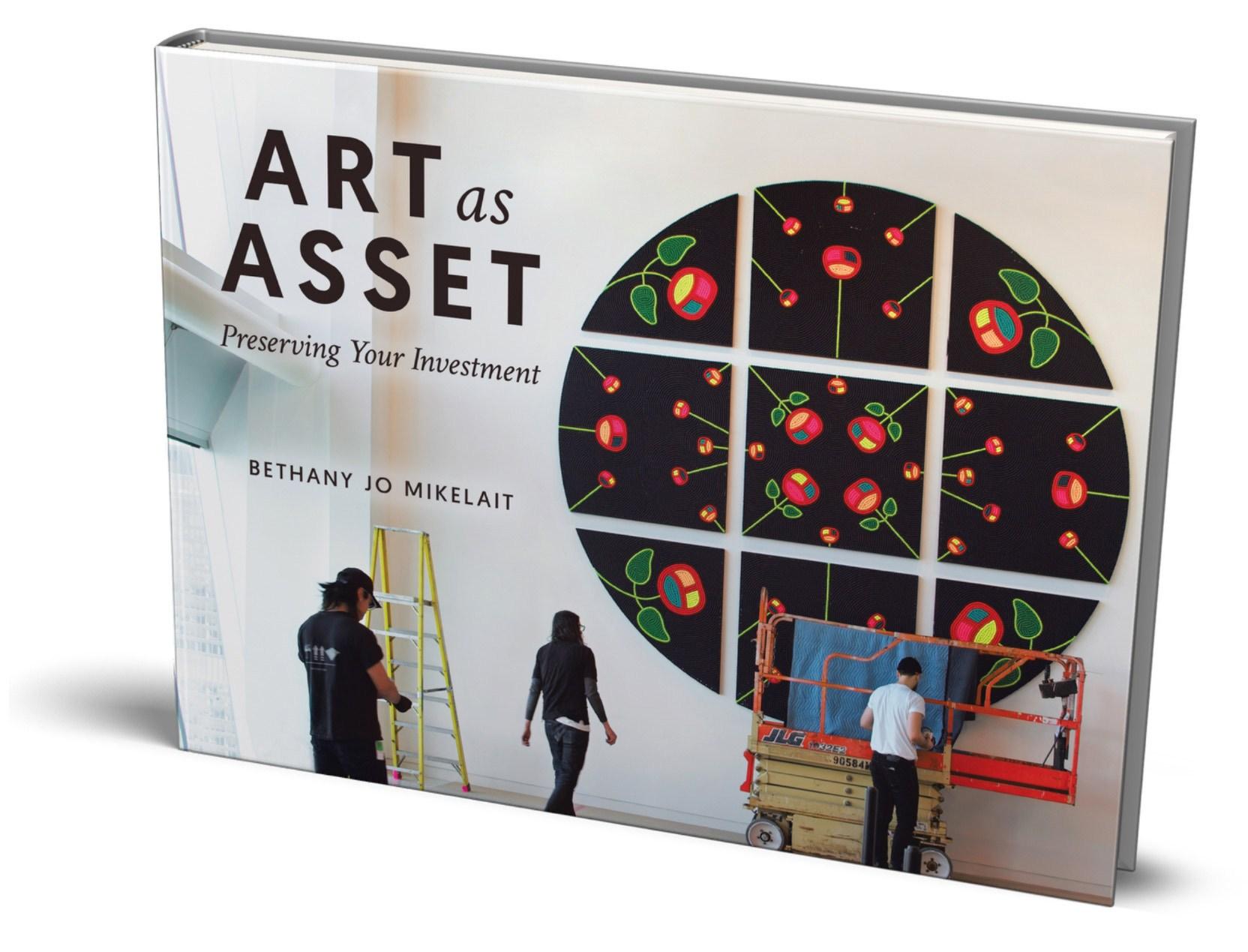
Straightforward and concise at 38 pages, this book is designed to be easily understood by the nonspecialist private art collector. Despite its compact form, the volume contains a wealth of useful information explaining the most common causes of deterioration of artworks, along side practical mitig ation methods to reduce the risk of damage. This advice will help to maintain both the historical integrity and monetary value of art collections of all sizes for the long term.
Art as Asset: Preserving Your Investment By Bethany Jo Mikelait Tellwell Publishing (2025)

The book begins by discussing the various agents of deterioration before moving on to highly practical, accessible advice for mitigating this potential damage through preventive care practices. This includes recommendations for lighting, display, storage, framing, handling, and transportation. There are also sections outlining what to do in the event of a disaster as well as practical guidance on how and when to work with salvage companies and conservators.
What particularly stand out and fill an important gap in the current non -academic literature are the clear explanations of the benefits of working with an accredited professional conservator: when to call one, what to expect, and the importance of documentation.
The book demonstrates how appropriate conservation measures can add lasting value to artworks, whether they represent a major financial investment or an inherited object of primarily sentimental value. While the advice and recommended informational resources are written from a Canadian perspective, they would be of value anywhere artworks are collected. The book will also be of
interest to IIC members and other institutional collections care professionals, serving as an example of how to communicate simple preventive conservation measures and emphasise the importance of using an accredited professional when responding to public enquiries and providing referrals.
The content is geared primarily towards paintings, reflecting the author ’s own specialism, but much of the information is equally applicable to other forms of artwork, artefact, and ephemera. While the book might have benefitted from further exploration of other forms of artistic expression such as sculpture, textiles, family silver, or furniture this would likely have come at the expense of the brevity and conciseness that are among the book ’s key strengths.
Beautifully illustrated with photographs of the conservator at work, examples of different types of damage, and simple mitigation methods used by leading museums and private collectors alike, Art as Asset has the appeal of a coffeetable book as well as a practical how -to guide. It would make a lovely gift or recommendation to art collectors and enthusiasts. The book is available now in both hardback and paperback editions through major book stores and online.
Dee Stubbs -Lee is a conservator based in New Brunswick, Canada. She holds an MA in preventive conservation, is accredited as an objects conservator (CAPC), and is a Fellow of the International Institute for Conservation.
Terra 2022: Proceedings of the 13th World Congress on Earthen Architectural Heritage, Santa Fe, New Mexico, USA, June 7 -10, 2022
Edited by Leslie Rainer, Luis Fernando Guerrero Baca, Frank Matero, and Lauren Meyer
Getty Publications (2025)
592 Pages
The I nterplay of tradition and innovation in Terra 2022
Review by Ana Martínez Tirado
It is the nature of congress proceedings to resist total synthesis; no single review can do justice to the full range of ideas they contain. Still, in the case of Terra 2022. Proceedings of the 13th World Congress on Earthen Architectural Heritage , one cannot help but notice that the gathering of contributors was nothing short of masterful a kind of curatorial casting in which every voice adds intention, depth, and balance to the whole.
The congress brought together participants from 52 countries, and that diversity is mirrored in the proceedings which guide readers
across a vast geography of earthen heritage: from prehistoric settlements and archaeological complexes to historic temples, stillinhabited vernacular homes, and modern earthen buildings places shaped by ancient hands and safeguarded today by those more contemporary.
As an exercise in systematisation, the content of the volume can be broadly grouped into two overarching themes: the social and intangible dimensions of earthen architecture and its tangible, technical, and material aspects. Chapter 1: Keynote Addresses, 2:
Plenary Presentations, 5: Care by and for Communities, 6: Cultural Landscapes and Cultural Routes, and 10: History of Conservation articulate Terra ’s holistic perspective, reinforcing the understanding of conservation as a multidisciplinary activity rooted not only in professional expertise but also in the full social fabric.
These chapters reveal the interconnected conservation networks that make projects possible networks extending across laboratories, universities, organisations, institutions, governments, communities, and the living fabric of sites themselves.
A recurring assertion throughout these contributions is that the conservation of earthen heritage cannot occur without the active participation of those who inhabit, use, or spiritually relate to these structures. Many papers echo the statement made by Chilean presenters, Cristian Heisen and Magdalena Pereira (Fundación Altiplano), that “conservation activity is a human necessity ” a reflection that resonates strongly in projects where earthen architecture serves as a source of resilience. Monuments with spiritual or religious significance offer emotional, symbolic, and communal stability; they become anchors during periods of conflict, displacement, or natural disaster. As I have witnessed personally during and after the 2017 earthquakes in Mexico, the presence and preservation of these places provide a profound sense of orientation and continuity in moments when daily life is fractured. In this light, conservation becomes not merely a professional task but a vital social function.
The Chileans complement their political focus with another statement, “Heritage is us ”, expanding the discussion toward the democratization of conservation. Heritage is not external to communities; it is carried, interpreted, and sustained by them. This calls for conservation processes that recognise local people not merely as users but as decisionmakers, bearers of knowledge, and interpreters of meaning. Many papers reflect this by preserving native terminology for materials, techniques, and architectural components
throughout their content. One great example is presented in the paper “La importancia de ser el señor Cárdenas: el rol de la comunidad en la conservación y mantenimiento del templo de Kuñotambo, Perú, ” in which Mr. Cárdenas, a leader of a Kuñotambo farming community, is presented as the main stakeholder an essential role for the implementation of the project, working alongside the architects of the Getty Conservation Institute and the Peruvian Cultural Department. These contributions reinforce the idea that conservation succeeds only when it is rooted in collective agency and shared authority.
In parallel, the proceedings also highlight the pressures exerted by contemporary tourism. In the opening keynote, Michael T. Reynolds (National Park Service, USA) notes that “in this very troubled world right now, people are flocking to understand traditional culture. They are flocking to places that connect them to the earth. ” Yet this impulse sometimes manifests as “instagrammable ” sites, where visitors pursue images rather than genuine connection, creating a new symbolic conquest that threatens the authenticity and integrity of these sites.
The dialogue between traditional knowledge and cutting -edge methodologies becomes
particularly clear in Chapter 3: Advances in Research, 4: Archaeological Sites, 7: Decorated Surfaces, 9: Historic Buildings, 11: Modern Buildings, 12: Risk and Vulnerability, 13: Seismic Risk, 14: Traditional Materials, and 15: Traditional Practices. Together, they present the hands -on, technical, and rational dimensions of conservation. The spectrum ranges from foundational practices such as environmental monitoring to the use of LiDAR, magnetometry, and advanced diagnostic and localisation systems. These chapters trace a central narrative: how to preserve and adapt the world ’s accumulated knowledge of earth use at a time defined by climate change, armed conflict, environmental vulnerability, and rapid socio -territorial transformation.
Alongside these challenges the volume presents recent scientific and technical innovations: micro -scale interventions within wall pores, enzymatic consolidations, bacterial biomineralization, natural water repellents, and analytical methods such as soil micromorphology. In so doing the book illuminates the underlying decision -making processes. Several papers return to core conservation principles; advocate for reflection and discussion prior to intervention; and reexamine debates on reburial and reconstruction, highlighting the need to evaluate each strategy ethically and contextually in every scenario.
Another striking contribution to the congress is the recognition of an often -overlooked dimension of US
earthen architectural heritage. American authors present extraordinary case studies from multi -room structures carved into the mountains of the Colorado Plateau and the monumental earthworks of the Ohio Valley, to vernacular adobe communities of the Southwest. These examples reveal a richness rarely associated with American heritage in global discourse; indeed, they are not widely recognised even within the American cultural identity. In this light, it is especially meaningful that the congress took place in New Mexico, a region shaped by centuries of earthen construction.
As a conservator who has worked inside earthen buildings, I find it particularly moving that the proceedings capture the sensory experience these structures generate. To be inside an earthen building feels entirely different from standing within concrete. There is a warmth and softness that no contemporary material can truly replicate. This intimacy is a reminder that many of these structures were, first and foremost, homes and spiritual containers spaces of daily life long before they became heritage.
In sum, Terra 2022 is an essential volume for understanding where the conservation of earthen heritage is headed: a profoundly interdisciplinary, communitycentred, and ethically grounded field sustained by the interplay of tradition and innovation and by the recognition that heritage, in its deepest sense, is fundamentally human.
Ana Martínez is a Mexican conservator currently working at L ’Atelier 2 Restauration in La Colle -sur-Loup, in South of France and previously spent six years at the Instituto Nacional de Antropología e Historia in Chiapas. She holds a bachelor ’s degree in conservation and restoration of movable cultural heritage from the Escuela de Conservation y Restauración de Occidente in Guadalajara, Mexico (2012–2017).
The art world as a tool for education and activism
A Review of Climate Action in the Art World
Review by Bianca Gonçalves tool
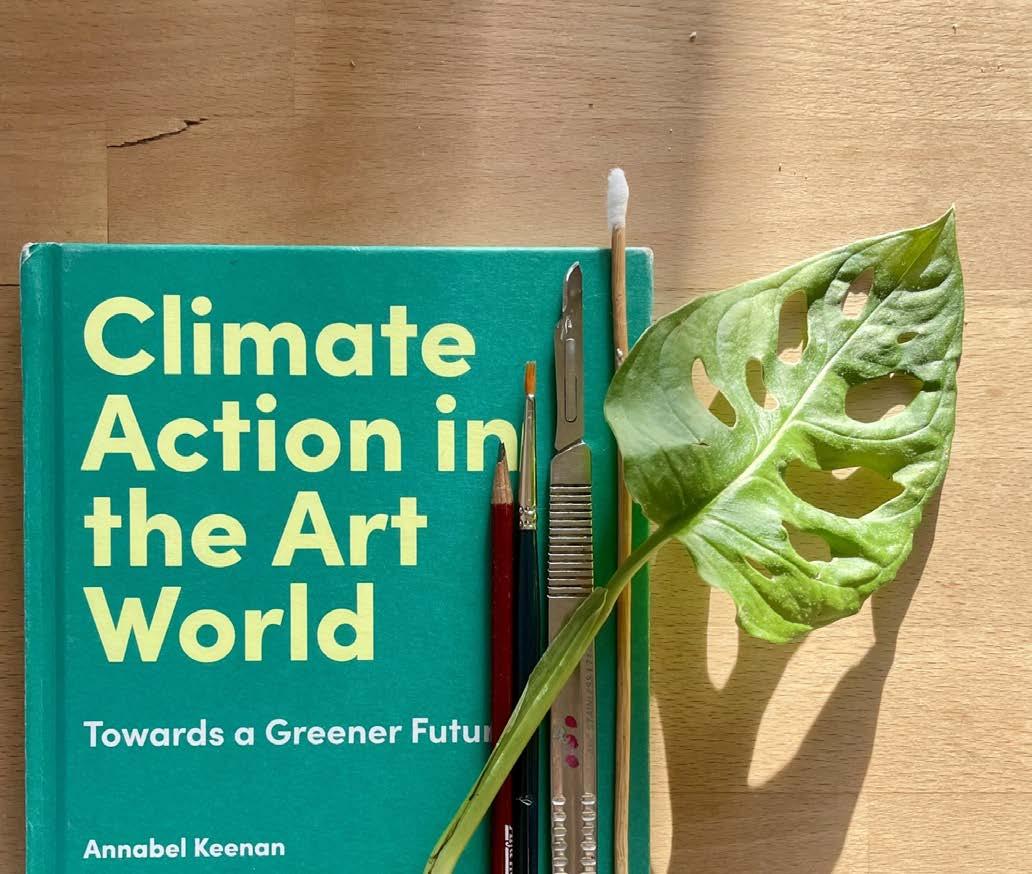
Book cover image courtesy of Bianca Gonçalves
“The art world can amplify climate issues and serve as a tool for education and activism ”
Keenan p.13
And with amplification comes responsibility. The art world is not neutral. We are custodians of history, storytellers, and makers of meaning. So, what is our role in the climate crisis: spectator, denier, or actor?
Climate Action in the Art World: Towards a Greener Future is a concise yet urgent call to action, examining how the global art industry is responding to climate change and where it is still falling critically short. The book is part of the Hot Topics in the Art World series, published in association with Sotheby ’s Institute of Art and known for short, thoughtprovoking, and sometimes deliberately uncomfortable interventions aimed at professionals working across both public and private art sectors.
Annabel Keenan writer, editor, curator, New York Times climate contributor, and journalist for The Art Newspaper offers a sharp,
well-researched overview of climate action in the art world up to 2024, focusing primarily on New York, Los Angeles, and London. While geographically limited, her scope is internationally ambitious, spanning museums, galleries, art fairs, artists, and crucially the supporting industries of shipping, insurance, and logistics that underpin the global art ecosystem.
Importantly, Keenan does not frame sustainability as a recent trend. She acknowledges the groundwork laid long before 2020 by organizations such as Julie ’s Bicycle, Ki Culture, and Culture Declares Emergency, while emphasizing how the COVID -19 pandemic marked a turning point, forcing the industry to confront its excesses and vulnerabilities.
She grounds the discussion in undeniable climate facts. In 2023, the world experienced its hottest summer on record, and in September of that year, UN Secretary -General António Guterres declared that “the era of global warming has ended; the era of global boiling has arrived ”. Keenan is direct: climate action is still not being taken seriously across the entire art industry.
I am writing this at the end of 2025 December 29, to be precise this being my third review for NiC focused on environmental issues. Yesterday, parts of Rio de Janeiro reached 45°C, and it is not yet Rio ’s hottest time of year; January and February will be worse. These are not abstract warnings; they are lived realities. As Keenan states, and as I have repeated in conferences, panels, and publications, what more evidence do we need to accept that climate change is real, urgent, and everyone ’s responsibility?
MAPPING THE ENVIRONMENTAL IMPACT OF THE ART SECTOR
Keenan clearly maps the main sources of environmental impact across the art world which include international travel and freight for exhibitions and fairs; energyintensive climate control in museums, galleries, and storage facilities; and the material waste generated through production, display, and packaging. These are not isolated issues but systemic ones.
Artists, as Keenan rightly notes, are the lifeblood of the art world, and many have responded forcefully to the climate crisis. At the same time, institutions have begun to calculate carbon footprints, identify wasteful practices, and reassess long -standing norms, particularly around climate control. The work of the Gallery Climate Coalition and Ki Culture is cited as foundational here, especially in challenging rigid environmental standards.
Climate Action in the Art World: Towards a Greener Future
By Annabel Keenan
Lund
Humphries
Publishers Ltd (2025) 104 pages ISBN: 9781848227033
Keenan references Tate Director Maria Balshaw, who states that as climate change worsens, institutions must be open to re -evaluating their operations. This includes scrutinizing superfluous practices such as flying artworks and people across the world for private viewings and fairs. Art fairs, which Keenan calls the “elephant in the room, ” remain particularly difficult to regulate, especially when visitor behavior and private wealth lie beyond institutional control.
While reading this section, I was reminded of an interview with Heitor Martins, director of MASP (Museu de Arte de São Paulo Assis Chateaubriand), on the Brazilian television prog ram, Roda Viva . Martins explained that while art must be accessible to all, public institutions and artists themselves cannot survive without the private market. Artists still need to pay rent, and museums rarely purchase works, relying instead on donations. According to Martins, without the private sector, the cultural ecosystem would struggle to survive.
Keenan closes this chapter with a phrase that has become a rallying cry: “there is no art on a dead planet ”. She then poses a question that should unsettle us all: if the sources funding cultural institutions are contributing to climate collapse, does institutional survival outweigh environmental survival?
ARTISTS AND ACTIVISM: LEADING THE CONVERSATION
However, it is essential to acknowledge that all artists cited occupy positions of relative privilege. Art is already underfunded, and sustainability often comes at a cost. Those who can act sustainably carry a responsibility to do so, precisely because many cannot.
One particularly compelling example that caught my eye is PPOW Gallery ’s exhibition model in New York, which held collectors accountable by prioritizing local placements and delaying shipments for non -local buyers. This resonates strongly with initiatives such as the Sustainability Rider developed by UK paper conservator Loraine Finch a practical tool enabling freelancers and institutions to negotiate lower -carbon working conditions.
“When I speak about sustainability to my peers, I am often met with skepticism; aren ’t we already saving art? Do we really have to save the world as well? “
Keenan highlights artists who have centered climate and regeneration in their work, including Tomás Saraceno and Olafur Eliasson, as well as initiatives like Artists Commit which promotes sustainable materials and mentorship.
Keenan also addresses museum protests by groups such as Just Stop Oil. Whether welcomed or criticized, these actions reinforce her argument: museums have become unavoidable stages for climate activism. I find it particularly interesting how she positions these “artivisms ” as both art and artist.
SUSTAINABILITY COMMITMENTS ACROSS THE SECTOR
The book surveys a wide network of pledges and coalitions, including the Partners for Arts Climate Targets bringing together the Gallery Climate Coalition, Ki Culture, Art + Climate Coalition , Art to Acres, and Galleries Commit as well as the Art Charter for Climate Action (ACCA) , supported by organizations such as Julie ’s Bicycle and CIMAM (International Committee for Museums and Collections of Modern Art). Notably, ACCA has become the visual arts pillar of the UN Entertainment & Culture for Climate Action Alliance, signaling international recognition of the role art and culture can play in climate advocacy.
Would you like to join the IIC Book Club for 2026?
The IIC Book Club offers an opportunity to read conservation literature in a distinct, direct, and diverse way.

We will begin reading the text together on the week commencing July 6th . Readers will receive weekly updates detailing chapter overviews and links to further reading material. We will meet three times with the author and a specialist guest over the span of four months.
Our chosen text is Climate Action in the Art World: Towards a Greener Future , by Annabel Keenan.
Those who are interested in joining the Club will be encouraged to purchase or borrow the text and “read along ” with their peers. The group will be regularly updated on a weekly basis with set -goals for chapter progression, themes to consider in relation to the reading material, and reminders to attend and participate in the presentation, discussion, and final author panel. Recordings of the lectures will be made available to IIC members.
Book Club participants will officially be introduced to the author, Annabel Keenan, through the dialogue taking place on Tuesday 13th October at 18:00 UK time. At this
point in the programme, Annabel Keenan will briefly present about the background to writing the book and its reflections on climate action in the art world. The conversation will then open to audience discussion, exploring the complexities and challenges of protecting our cultural heritage.
On Tuesday 27th October at 18:00 UK time , members are invited to join a presentation by Gwendoline Fife, Director of the Greener Solvents project, who will share her perspectives on this season's chosen book.
The programme will conclude with a discussion panel hosted via Zoom (date and time TBD). The author, Annabel Keenan, and specialist guest Gwendoline Fife will deepdive into the text and its broader themes.
If interested in the event, please click the button to register.
c lick here
Decisions about art travel are often dictated not by necessity, but by convention, risk aversion, and a fear of departing from established norms.
Through Keenan ’s lens, we can acknowledge genuine progress: carbon accounting, wastereduction plans, and increasing alignment with the Paris Agreement. It is remarkable how much has been achieved in just four years within the art -and -climate sphere. Yet Keenan consistently emphasizes the persistent gap between commitment and implementation. This leads to a striking paradox; parts of the private sector often assumed to be least concerned with environmental responsibility are, in some cases, moving faster than public institutions. Their relative freedom from bureaucratic constraints allows for quicker decision -making and experimentation an uncomfortable but important observation in a moment of climate emergency.
I witnessed another manifestation of this tension during the Venice Biennale in 2024, where some artworks were shipped at the last minute due to production delays and national bureaucratic obstacles.
Emergency flights inevitably followed, not because the Biennale failed to plan its logistics, but because not all actors within the system were equally prepared. Several artworks, however, arrived from New Zealand by sea freight, demonstrating that low -carbon alternatives are possible when planning, timelines, and institutional support align.
Responsibility, as Keenan makes clear, is therefore shared by artists, institutions, governments, funders, and crucially audiences and consumers as well. Even when venues are deeply committed to reducing their environmental footprint, meaningful change cannot occur without collective participation. As reiterated throughout the book, everyone has a role to play.
TOWARDS
A GREENER FU TURE WHAT ’S NEXT?
Keenan ’s final chapter asks the necessary question, “what’s next? ”
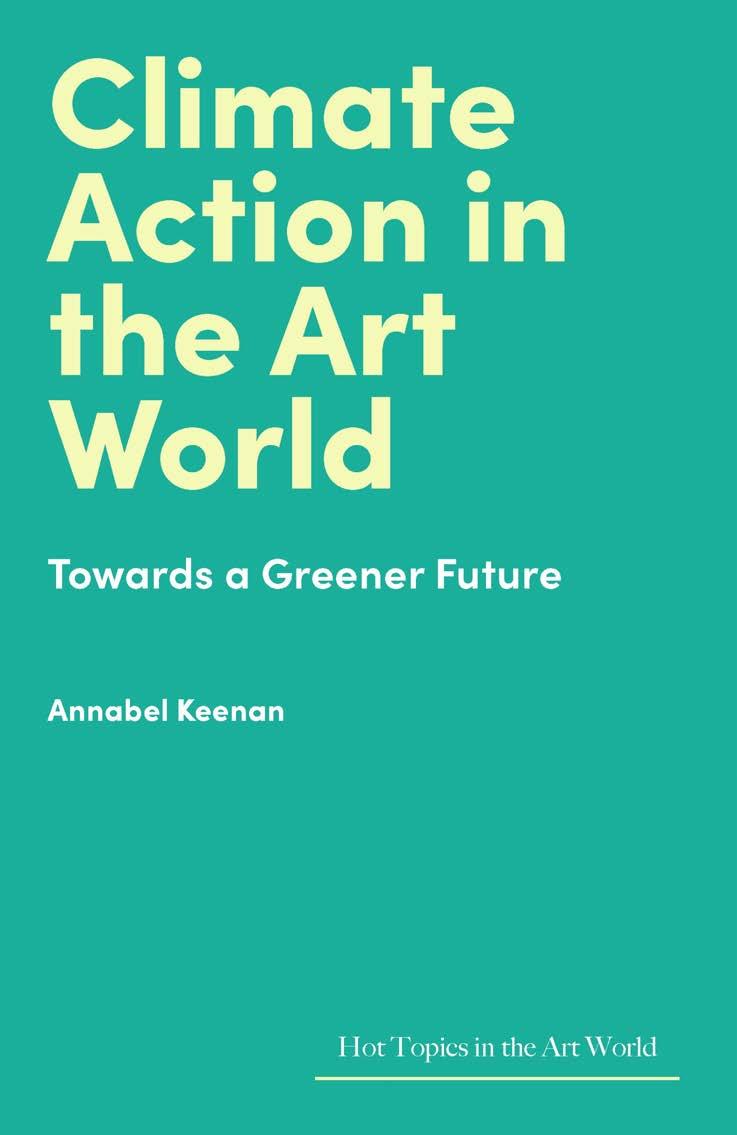
Book cover courtesy of Lund Humphries Publishers Ltd
She outlines practical pathways forward hybrid working models, sustainable exhibition design, greener logistics, increased funding, governmental responsibility, and public engagement. Sustainability, she argues, must become central to institutional missions, not a peripheral concern. From her conclusion I will lead into my own.
Her reflections on working within a bubble resonate deeply with me as a conservator. When I speak about sustainability to my peers, I am often met with skepticism; aren’t we already saving art? Do we really have to save the world as well? The number of times I have heard this response is astonishing. Even more discouraging is how often I have raised this point in presentations, only to be met with laughter rather than discomfort or reflection. In those moments, I feel exactly what Keenan describes a sense of speaking from within a bubble.
For me, art conservation without climate consciousness is a contradiction. There is no artwork without a planet, and there will be no one to admire a perfectly restored painting if the conditions for life itself no longer exist.
Here, I must note a significant gap in the book: the role of the art conservator. Conservators influence
nearly every decision discussed shipping methods, climate requirements, packing materials, courier travel, and insurance conditions yet this influence often remains invisible. I have personally couriered a single painting across Europe in an enormous, fully climatecontrolled truck used exclusively for that one object. Upon arrival in Frankfurt, the same painting was then flown to the other side of the world. These decisions were dictated not by necessity, but by convention, risk aversion, and a fear of departing from established norms.
This is why Keenan ’s insistence on collective responsibility matters. In the Netherlands, while some institutions have embraced the Bizot Green Protocol, others most notably the Boijmans Van Beuningen Depot have not. As documented in Disegno , the museum acknowledged that sustainability was not prioritized during planning in 2012, citing bureaucratic inertia and dispersed accountability. This reasoning is troubling, particularly given that global climate agreements date back to 1992.
As Jane Goodall reminds us, every individual matters. Every day, we choose the kind of impact we make. As conservators of objects, histories, and futures we cannot afford not to choose wisely.
Bianca Gonçalves is a Netherlands -based paintings conservator with a strong focus on modern and contemporary art and on making conservation more sustainable. She works between Amsterdam and Brazil, contributes to the Rijksmuseum ’s GoGreen project, and actively advocates for greener practices across the field. Alongside conservation, she brings her graphic design skills to Ki Culture and Ki Futures, creating visuals and social content that make sustainability accessible and engaging. She also actively supports social sustainability and Indigenous rights in Brazil ’s Amazon region.
IIC -ITCC Symposium and Training in Beijing
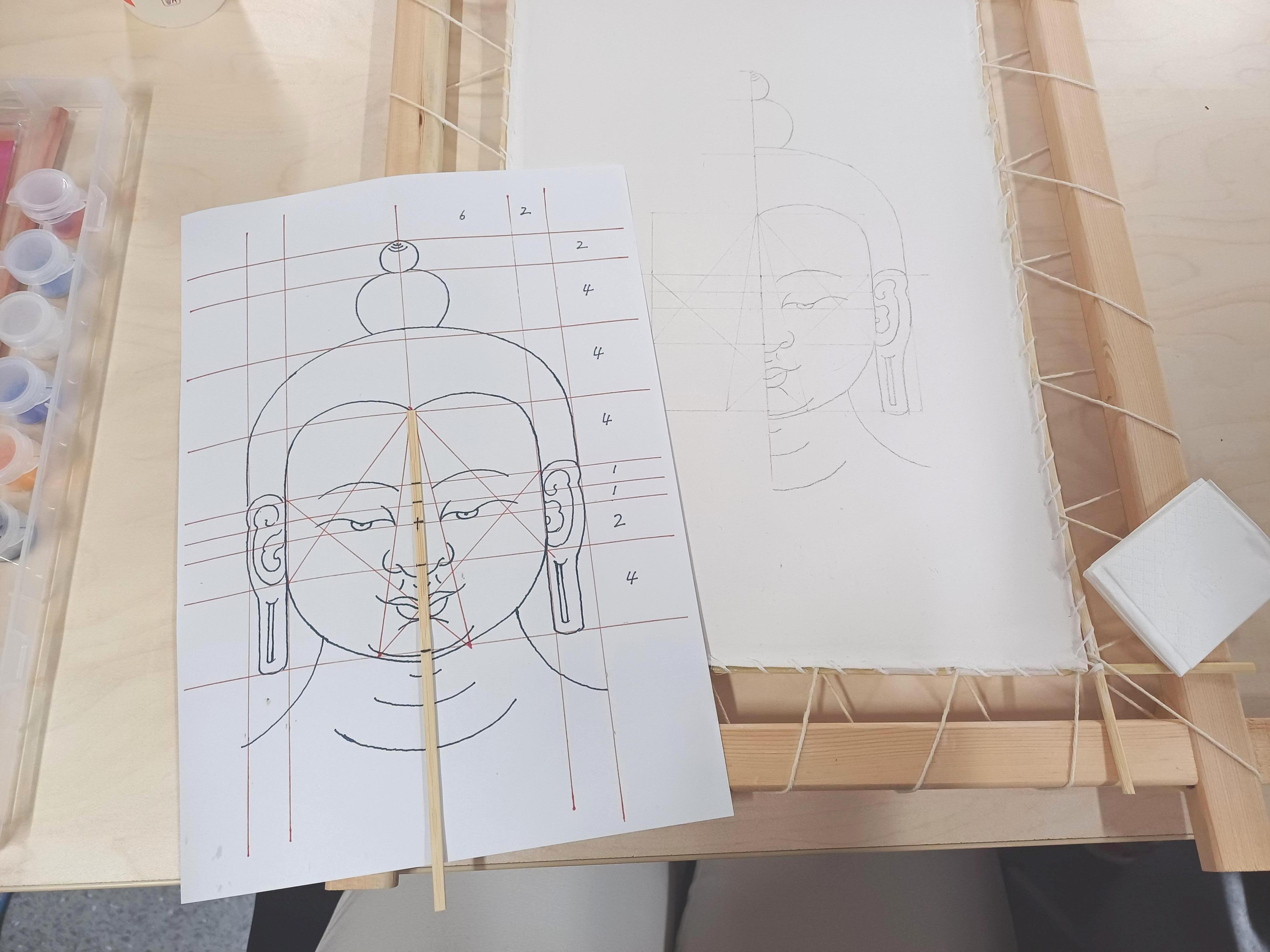
Above: Practical session on thangka paintings. Picture provided by Kosara Yovcheva Right: First day of the Symposium, second Q&A session. Picture provided by Kosara Yovcheva
By Kosara Yovcheva
With the approaching winter season, I can ’t help but remember where and how I welcomed the spring. It was early May 2025 when I made the exciting journey from Sliven, Bulgaria to Beijing, China for a symposium and training course at the IIC -International Training Centre for Conservation. This edition was devoted to the conservation and restoration of paintings, a topic dear to my heart.
Marking its seventh edition in 10 years, with a short pause during the Covid -19 pandemic, the program comprised a two -day international symposium and a 10day thematic training workshop. This two -week event was the product of a long -time friendship and a successful collaboration between the International Institute for Conservation of Historic and Artistic Works and the Palace Museum.

I knew that such an event would attract many specialists and professionals from around the world, but I didn ’t really grasp the true scale of it until the first day of the symposium. The event started on the 12th of May and continued for two days, during which we marked the 100 -year anniversary of the Imperial Palace becoming a museum and sharing its enormous collection with the world. The symposium was held in the Palace Museum ’s lecture hall, located in the outer ring. The program was diverse and rich, delving deeply into technical approaches and philosophical aspects of the conservation and restoration of various painted supports. There were four main panels: “Mural Conservation and Restoration ”, “ Oil Painting Conservation and Restoration ”, “ Thangka Conservation and Restoration, ” and “Traditional Chinese Paintings Conservation and Restoration ”. The symposium brought together more than 120 experts and scholars from around the world, aiming to share the latest developments from their respective fields either on stage or during the open discussions. We observed different aspects of the craftsmanship processes around calligraphy paper and heard about investigations of wall paintings from Malta and AlUla (Saudi Arabia) to Dunhuang (China) and Ladakh (India). An interesting common theme that made an impression on me was the standardization of conservation practices.
After the symposium ended, it came time for the thematic training program, the moment which all 24 participants had awaited. The list of attendees comprised 12 Chinese participants (including those from Taiwan, Hong Kong, and the Macao region) and 12 international participants (from the United States, Argentina, Ecuador, Tunisia, Bulgaria, Ukraine, Kenya, India, Indonesia, the Philippines, Thailand, and Japan). The training was held in the conservation departments of the Palace and took place from the 14th to 23rd of May. The curriculum design was oriented towards the conservation and restoration of painted cultural heritage, again covering units similar to those in the symposium: wall paintings, oil paintings, thangkas, and traditional Chinese paintings. The course was delivered through a combination of remote and in -person teaching, with the first week being devoted mainly to Western and modern techniques of conservation. The detailed presentations about structural issues of wooden supports and cleaning systems for painted surfaces made a great impression on us students and sparked long discussions.
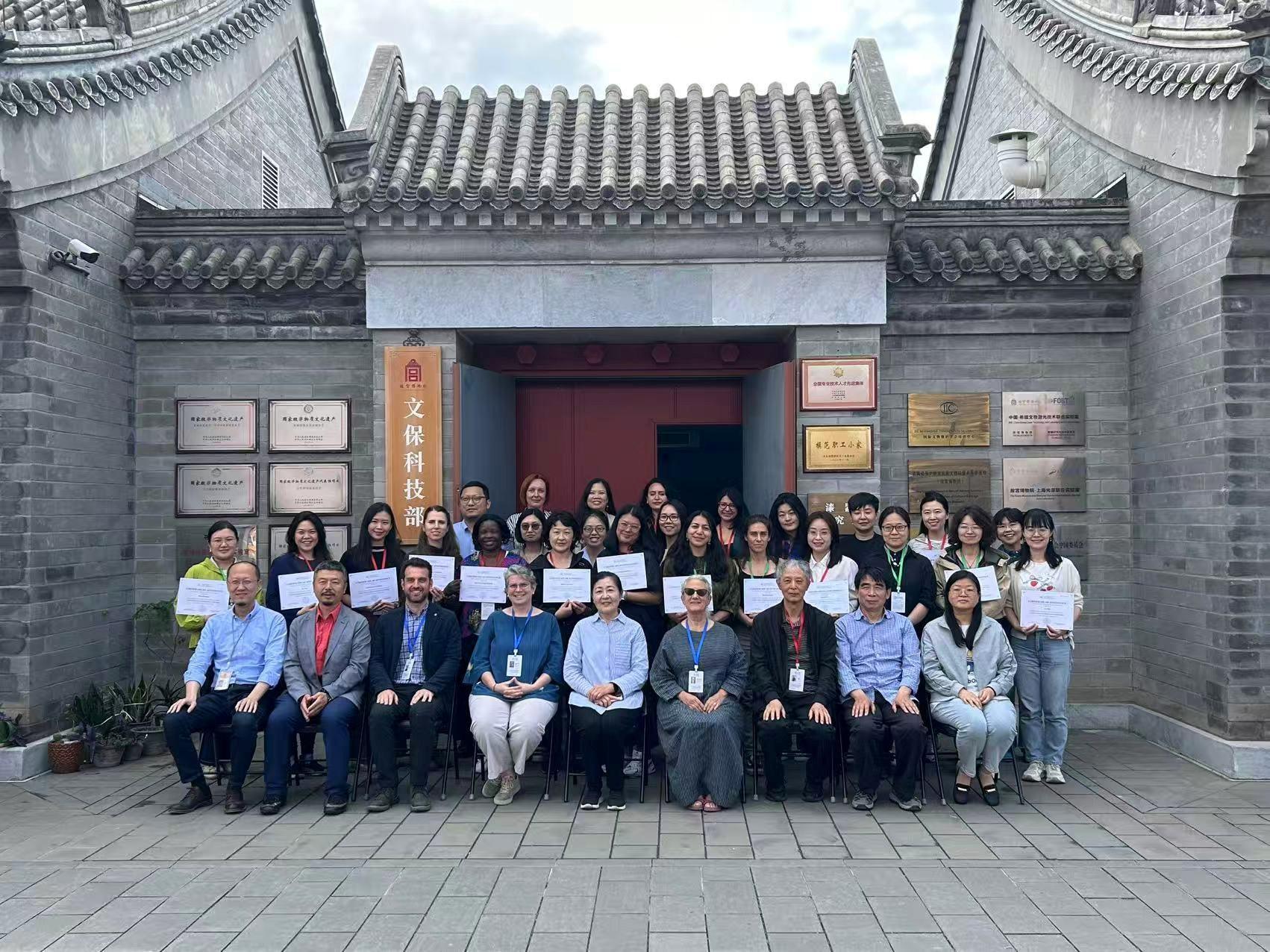
“We came to understand that thangkas … are often carried around by monks on long journeys. This must be taken into account while evaluating and working on these objects, as well as when planning for the life of the objects after conservation. ”
Group
photo with the certificates.
Picture provided by the Palace Museum
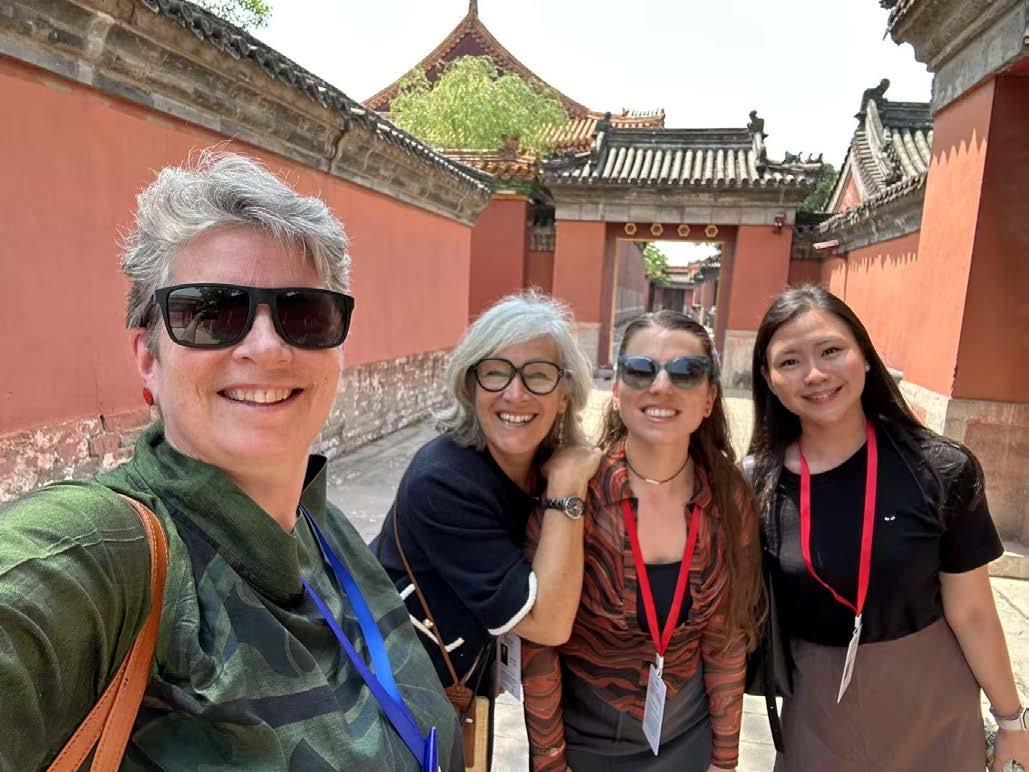
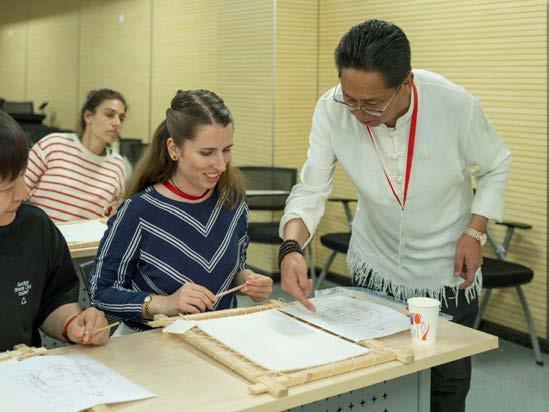
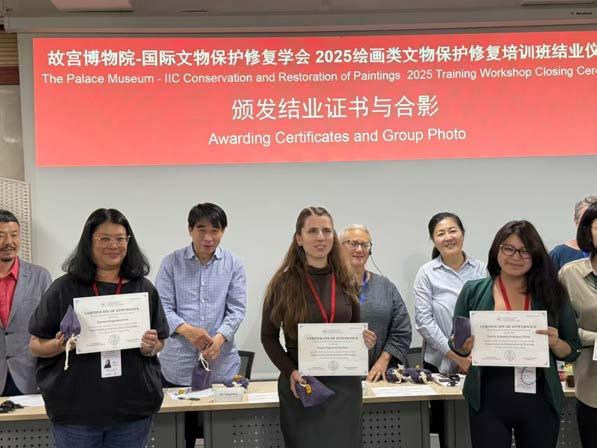
The second week comprised thangkas and traditional Chinese techniques which were an interesting novelty to most of us internationals. Each lecturer had a different approach; some showed us case studies and analysis while others discussed practical operations or gave out group assignments. We even tried each step of painting a traditional Miantang thangka, all guided by a generational master from Tibet. We also learned about the use of Japanese mounting techniques in the restoration of Chinese paintings as well as cultural aspects of thangkas.
As the participants, we came to understand that thangkas are a roadmap to enlightenment and that, being portable sacred objects, they are used for meditation and teaching and are often carried around by monks on long
journeys. This must be taken into account while evaluating and working on these objects, as well as when planning for the life of the objects after conservation.
The days of the training workshop slipped by quickly because each one was packed with something new and exciting; our time was also filled with organized traditional dinners and visits to iconic sites such as the Summer Palace and the Great Wall; these events outside of the workshop gave us time for learning and reflection, which brought us together not only as conservators, but as individuals. Although the time was limited, we all tried to make the most of it by visiting temples and historic houses or just by trying different Beijing hot pot restaurants, which differ in style from the rest of Mainland China. A piece of advice for future
attendees: don ’t be intimidated by the traditional soup called Douzhi, which is a breakfast of fermented mung beans. Just try it, It ’s worth it.
Now, after some months have passed, gaining perspective on my experiences, I can gladly say that I will always be appreciative of the opportunity granted by IIC and the Palace Museum. It was more than beneficial for all of us; we made friends and valuable professional connections that can evolve into future collaborations, we exchanged opinions and views, and above all we extended our horizons both professionally and culturally. It was invaluable to spend two weeks learning about the latest developments in the conservation and restoration of painted surfaces, all while being immersed in the fascinating Chinese culture.

Kosara Yovcheva holds an MA with honors in conservation & restoration from the National Academy of Arts in Sofia, Bulgaria. She is the 2022 winner of the annual thesis prize of the Institute of Art Studies, Bulgarian Academy of Science. Currently she works in the Dimitar Dobrovich - City Gallery of Sliven as a lead conservator. Kosara ’s interests lie in the areas of canvas paintings and textile conservation.
Top: Trip to the Summer palace. Picture provided by Kosara Yovcheva Center: A walk in the Palace Museum. Picture provided by Kate Saymour
Bottom left: Practical session on thangka paintings with guidance. Picture provided by the Palace Museum
Bottom right: Final day of the Training Workshop. Picture provided by Lia Sumichan
In late October of 2025, the biennial IIC -Student & Emerging Conservator Conference was held in Brazil, making this the first in the series to be held in Latin America.
The Conference was led by a dynamite local committee of students and recent graduates into the field who, with guidance from IIC and Latin American mentors, organized an event surely to be remembered and cherished by all who participated.
Here we share perspectives from four attendees as well as from The C Word podcast team who shaped a recent episode around the conference.
IIC -S&ECC

Participation in the organization of the IIC Students & Emerging Conservator Conference (S&ECC) in Brazil constituted, for me, a highly relevant and formative experience, marked by significant challenges and learning outcomes in both academic and professional contexts. My involvement on the communications team entailed responsibility for producing graphic materials and social media content for the event, a strategic activity for scientific dissemination and for reaching audiences interested in the field of conservation and restoration. An additional aspect I found particularly valuable was the degree of autonomy afforded during the creation of these publications, albeit always in accordance with the criteria established by the IIC and the event ’s organizing committee.
My integration into the organizing committee occurred at a later stage than that of most of its members, which required a rapid process of adaptation to an already established workflow. Despite this initial challenge, the collaborative environment characterized by collegiality and mutual respect among team members facilitated my integration and contributed to the smoother execution of tasks. This experience underscored the importance of collective work and interdisciplinary dialogue in the organization of academic events, particularly in contexts that involve multiple areas of responsibility.
With regard to the congress itself, the event proved to be extremely productive from several perspectives. The opportunity to attend presentations by
Ana Carolina Marques de Souza Conservation Graduate Student at the Federal University of Minas Gerais
S&ECC in Review
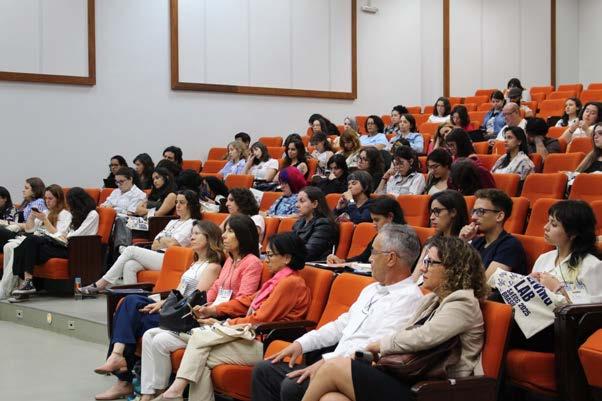
leading researchers in the field of conservation and restoration strengthened my academic interests and expanded my theoretical repertoire. Direct contact with these professionals enabled a deeper understanding of the dynamics of scientific research and of the multiple career paths available within the field, serving as a source of inspiration for students and early career professionals.
Furthermore, the geographical diversity of the research presented, originating from different regions of the world, offered a broader perspective on the importance of conservation and restoration across varied contexts. Exposure to diverse theoretical and practical approaches reinforced my understanding of the field as a global practice in which professional decisions must take into account cultural, social, environmental, and ethical factors specific to each context.
In the Brazilian context, the organization of an event of this nature is particularly significant, given the lack of formal recognition of the conservation -restoration profession in the country. Initiatives such as the IIC S&ECC therefore play a fundamental role in strengthening the field by promoting the circulation of scientific knowledge, valuing students and future professionals, and consolidating a critical and technical foundation. In this sense, my experience participating in the organization of the conference highlights the importance of academic and institutional engagement as a strategy for the affirmation and recognition of conservation and restoration in Brazil.
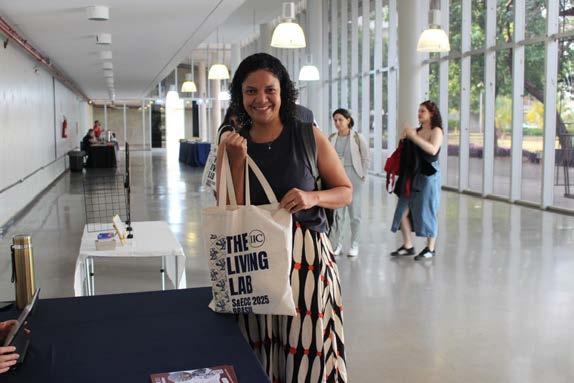
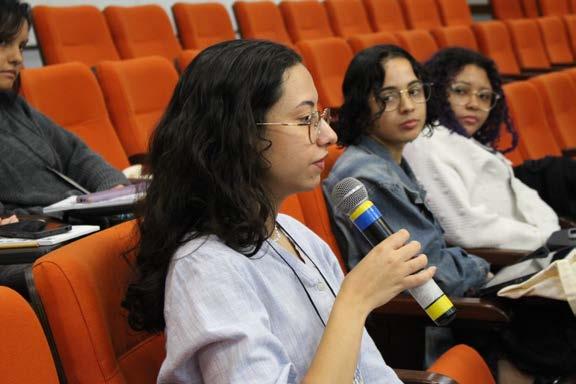
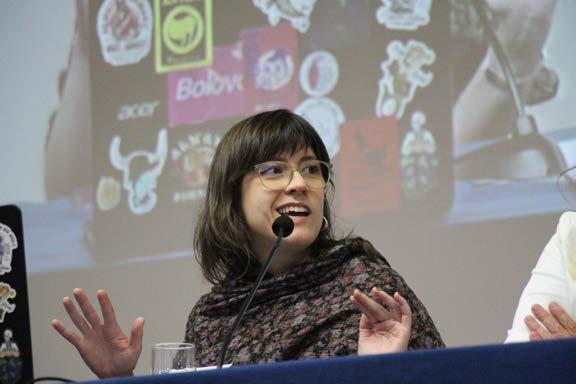
All images courtesy of IICS&ECC organizers
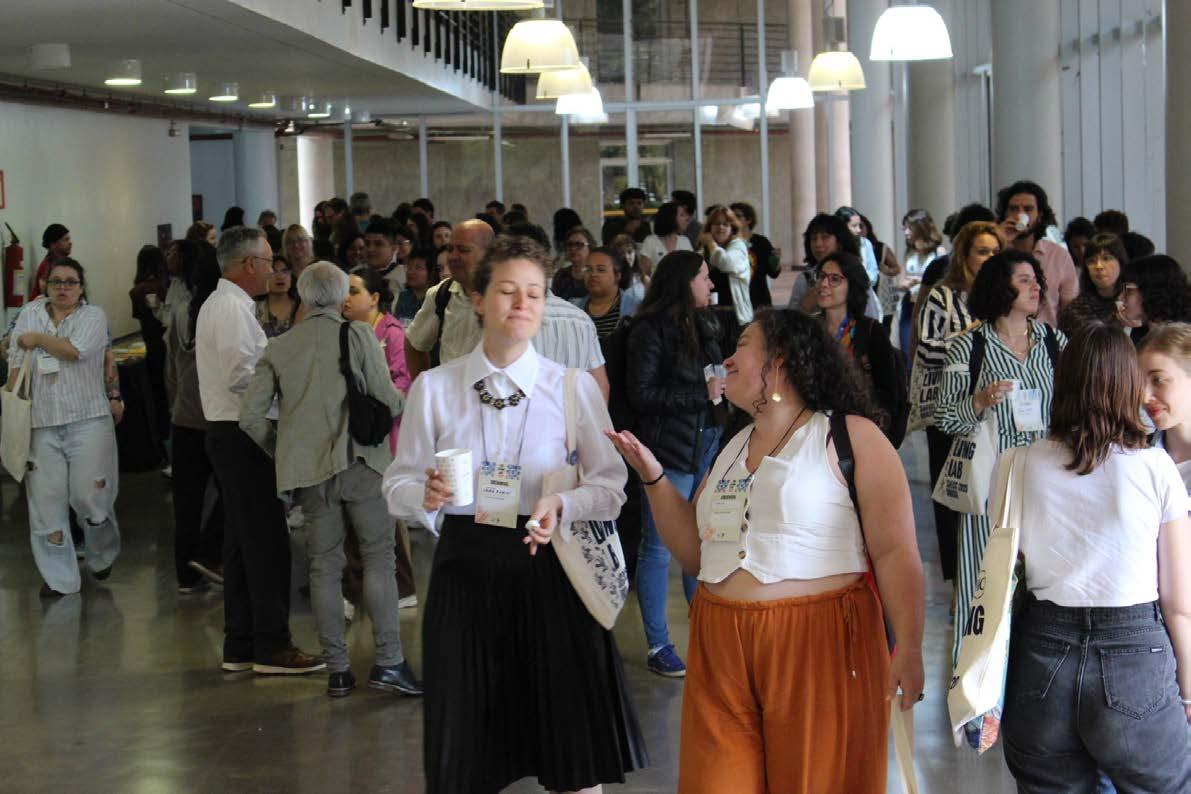
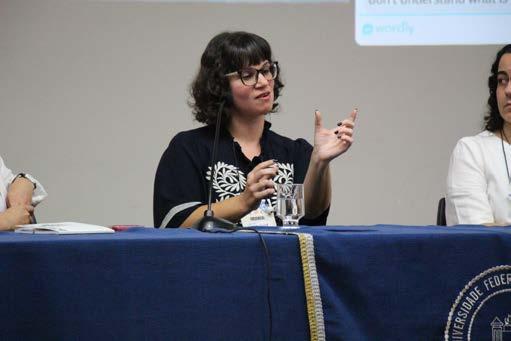
“Our professional practice should not be reduced to the pursuit of absolute control or permanent stability, but rather understood as a continuous exercise of responsibility, decision making, and adaptation.
”

Katharine Miná Conservator -Restorer of Cultural Heritage working at the Archaeology Laboratory of the Universidade Federal do Oeste do Pará (UFOPA), Brazil
Participating in the IIC -S&ECC Brazil 2025 was a meaningful and enriching experience, even as an online participant. The realization of an event of this scale on Brazilian soil, specifically focused on our field, holds particular significance, especially as it acknowledges and values the field of conservation and restoration within our context. The hybrid format proved to be an important and inclusive strategy, enabling professionals and students from different regions to take part in discussions relevant to the present and future of conservation and restoration in Brazil and in other contexts, fostering exchanges based on multiple perspectives on the profession and its challenges.
I took part in a roundtable dedicated to the role of the conservator-restorer in heritage education projects, alongside professionals whom I deeply admire and with whom I had not previously had the opportunity to exchange experiences. The discussion was especially meaningful as it allowed for the sharing of lived experiences and challenges faced by colleagues in the profession, with whom I strongly identified. The exchange of different perspectives proved to be fundamental, not only for expanding my professional repertoire, but also as a factor of collective strengthening within the practice of the profession.
Throughout the debate, we emphasized the social role we play, alongside other professionals involved in heritage education, as mediators between cultural heritage and the public. This reflection reinforced the understanding that conservation is not limited to material preservation but also involves accessible communication, sensitivity, and an understanding of the symbols and values present in projects, as well as the ethical responsibility to promote public awareness and engagement with heritage.
One of the most impactful moments of the conference for me was attending the lecture by Salvador Muñoz -Viñas, one of the contemporary thinkers in our field who I admire most. Listening to him was, without a doubt, inspiring and intellectually stimulating. His reflections of encouragement directed toward emerging professionals were both timely and necessary, particularly in recognizing the challenges faced by those at the beginning of their professional paths within a society that has become so digitally stimulated.
Muñoz -Viñas introduced an idea that deeply resonated with me; we, as conservators, work against a certain entropy a struggle that cannot be definitively won, but that
is nevertheless worth pursuing. This reflection reinforced my understanding that our professional practice should not be reduced to the pursuit of absolute control or permanent stability, but rather understood as a continuous exercise of responsibility, decision -making, and adaptation.
Overall, having a conference such as this take place in Brazil was an exciting experience. The event highlighted the strength and diversity of the conservation field in Latin America. Although we are still relatively few, the gathering of professionals from different specializations, institutions, and regions was both significant and powerful.
For me and I believe for many colleagues who experienced the IIC -S&ECC Brazil Conference the event was not only an opportunity to share knowledge, but also a moment of professional reaffirmation. Participating in discussions on education, ethics, and the future of the profession, with Brazil as the host country, reinforced my commitment to conservation and restoration as a field that is both technically rigorous and socially engaged. Experiences such as this contribute decisively to the strengthening of active professional networks and to the collective growth of the field.


Leticia Duarte
Viana Recently graduated student from the Federal University of Minas Gerais
When I first heard of IIC -S&ECC, I was about to graduate, and thus, as the living definition of an emerging professional, couldn ’t pass up this once -in-a-life-time opportunity. The first IIC -S&ECC outside of Europe was in my city, with renowned professionals giving talks and sharing their experiences, but they were also in the audience, open to conversation and forming meaningful connections with young professionals.
The first day was filled with exciting chats and getting to know each other. The organizing team welcomed the in -person attendees with kits consisting of an ecobag with the event logo, filled with a notepad, a pencil and a pin. The opening speeches by Professor Luiz Souza in the morning and by Professor Salvador Muñoz -Viñas were inspiring and set the mood for the rest of the event.
The roundtables were very well thought out for those just entering the job market, not shying away from some potentially sour subjects such as the difficulties of entering the job market, how to negotiate with
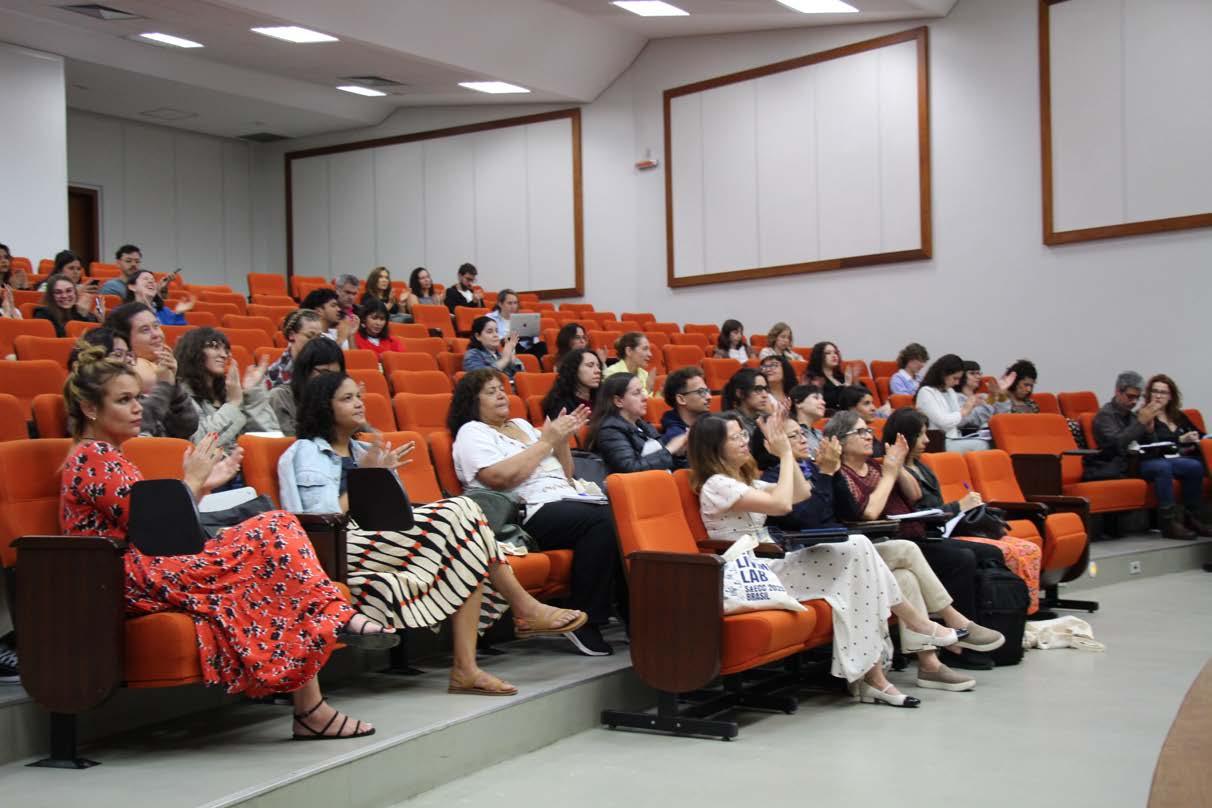
clients, and calculating costs in a Latin American reality for those who plan on private work right out of university. Those interested in a more academically oriented path were not short on content either, with panels on publishing, on building your academic name and space, and on contacting publishers to encourage new perspectives and voices in the scientific field.
The talks also helped me recognize the space I occupy when talking about cultural heritage, the importance of educating adults and children on this subject, and how I can overcome this gap acting as a bridge between heritage and the public.
The career lab was a delightful moment to talk to conference members in a more casual environment asking for tips, for reassurance in our paths, and clearing up doubts. Personally, this was one of the event highlights; it helped me reach out of my comfort zone and professional slump and motivated me to put needed work into some projects, now having the reassurance of great minds that my efforts will pay out in the future
França
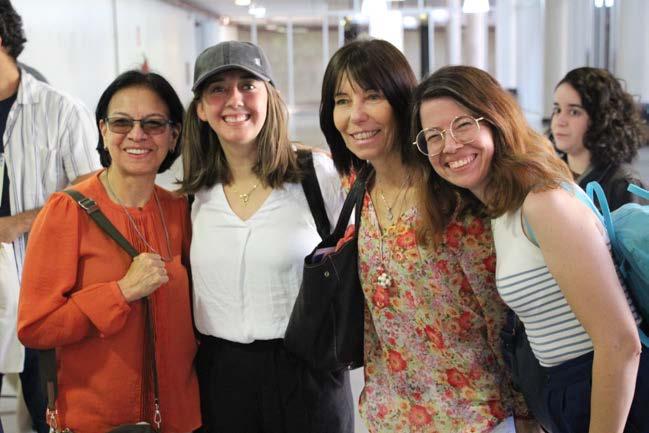
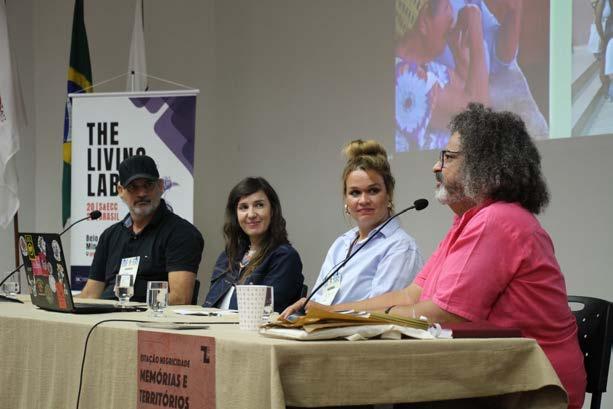
To see so many colleagues from different parts of the globe reassured me, and my other young colleagues and friends, that we are not alone. We are each facing our own challenges from getting expensive supplies shipped to our home countries to campaigning for government recognition of our profession conference made us feel seen and comforted. This event motivated me to reach out to early career colleagues to better understand our different realities and to help each other overcome these problems; I hope my new connections become a strong and reliable network of friends sharing a common passion and goal.
I believe the IIC -S&ECC Brazil tackled the most poignant problem for young professionals in all career paths: “Where to begin? ” And this question, which seems almost too big to handle, was answered in a very sensible way explaining and reassuring that, while difficulties may arise, we are stronger than our challenges, and no mountain is so high no challenge is so great that we cannot overcome it together.
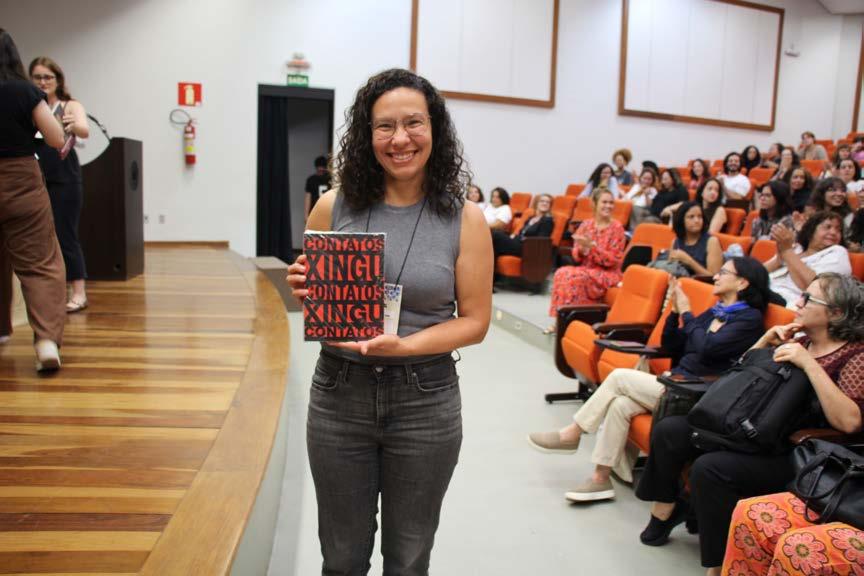
All images courtesy of IIC -S&ECC organizers

My experience at the IIC -S&ECC Living Lab 2025 was invaluable, broadening my horizons regarding the many paths my career as a conservator of cultural heritage can take. During the conference, the importance of connection and openness between peers was consistently emphasized. Our network should be wide -reaching and diverse; the conservation of cultural heritage requires many different professionals to work together, articulating their expertise. I think it was during the first roundtable that someone said the conservator often serves as a translator or
interpreter, bridging the gap between fields, coordinating collaborative efforts. This resonated deeply with many unique experiences that were shared including Valentina Castillo ’s practice in the archeological field and Marcus Andrade ’s in art forensics within the police force, both niches in the industry I had never even thought of.
In parallel with these discussions was the rich intercultural exchange that took place; most attendees who were not from Brazil were from elsewhere in Latin America, which fostered a strong feeling of belonging and understanding. Lack of continuity continuity being vital for the success of conservation efforts was a commonly reported difficulty caused by political and institutional instability as well as a lack of formal regulation and heritage education. Many attendees shared stories of resourcefulness rising from these limitations, finding solutions, often taking advantage of native materials and knowledge. These shared experiences cultivated a sense of community between those working on similar research topics or students and emerging professionals facing the same hurdles.
Personally, I was excited to discover many opportunities for furthering my research abroad and connected with numerous people, some just like me or a few steps ahead in their careers as well as seasoned, respected experts in their fields. For the first time, I saw that while the career path can be windy, following one often lead to finding one place in the industry. I was inspired by Maria Julia Fores her time working at the Gawain Weaver Art Conservation Studio resulted because she wasn to seek it out. Jussara Freitas talked about how her childhood fascination with her father sion as a street photographer
developed and led her throughout her career. The best friend I made at the conference was Mariana Gaete Venegas, a Chilean right around my age. Mariana works at the Museo Histórico Puerto Montt and is part of Colectiva Tramando, a textile art collective both things she values. I saw myself in her, which calmed my insecurities, because I also admired her work deeply. It made me value my knowledge and thus believe I can also find ways to work on things I believe in.
The feeling I ’m left with after the conference is one of fresh ambition a will to go after what truly interests and captivates me and a trust that if I only reach out, anywhere I go in the world there will be peers to accompany and aid my journey.
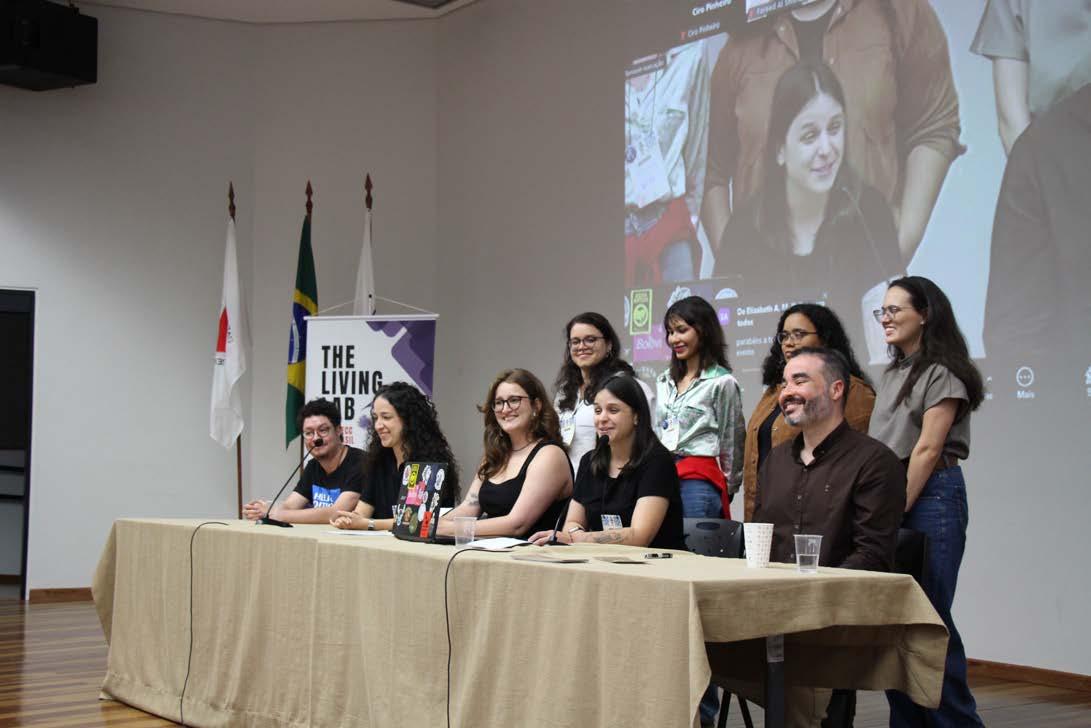
Maria Duarte Conservation and Restoration of Cultural Heritage Student at Fundação de Arte de Ouro Preto (FAOP)
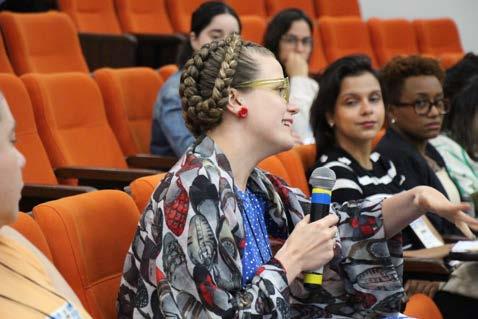
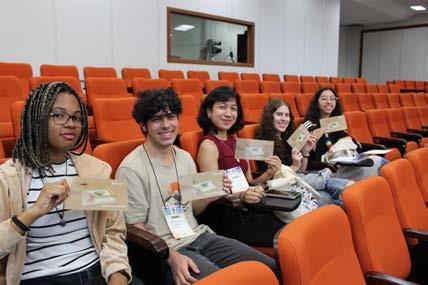
Season 17 of The C Word - The Conservators Podcast has just come to an end. Among a number of season specials, we were lucky enough to take part in the 2025 IIC -Student and Emerging Conservator Conference. Fans of the podcast will know that we like to focus some of our episodes on early career conservators specifically, and this instalment boasts the furthest reach globally, held, as it was, in Brazil!
Now, in 2025, nearly all of the C Word team members were either having babies or moving house/businesses, so there was no way we could get one of us there in person. Instead we have been extremely lucky, honoured, and grateful to welcome guest hosts Ayan Rabelo Guimarães Rios and Valentina Castillo Pinaud, who also attended and hosted sessions during the event.
During the episode they discuss the talks and give us a view into the topics and issues presented by participants. They also allow us to listen in on panels, meetings, and a site visit, as well as interviews in both English and Spanish.
Thank you to Ayan and Valentina and everyone who contributed by speaking to them. Thank you to the IIC -S&ECC and Mariana Onofri for having us, and thank you to Phedra, who ’s language skills in Portuguese and Spanish facilitated much of this episode!
All images courtesy of IIC -S&ECC organizers
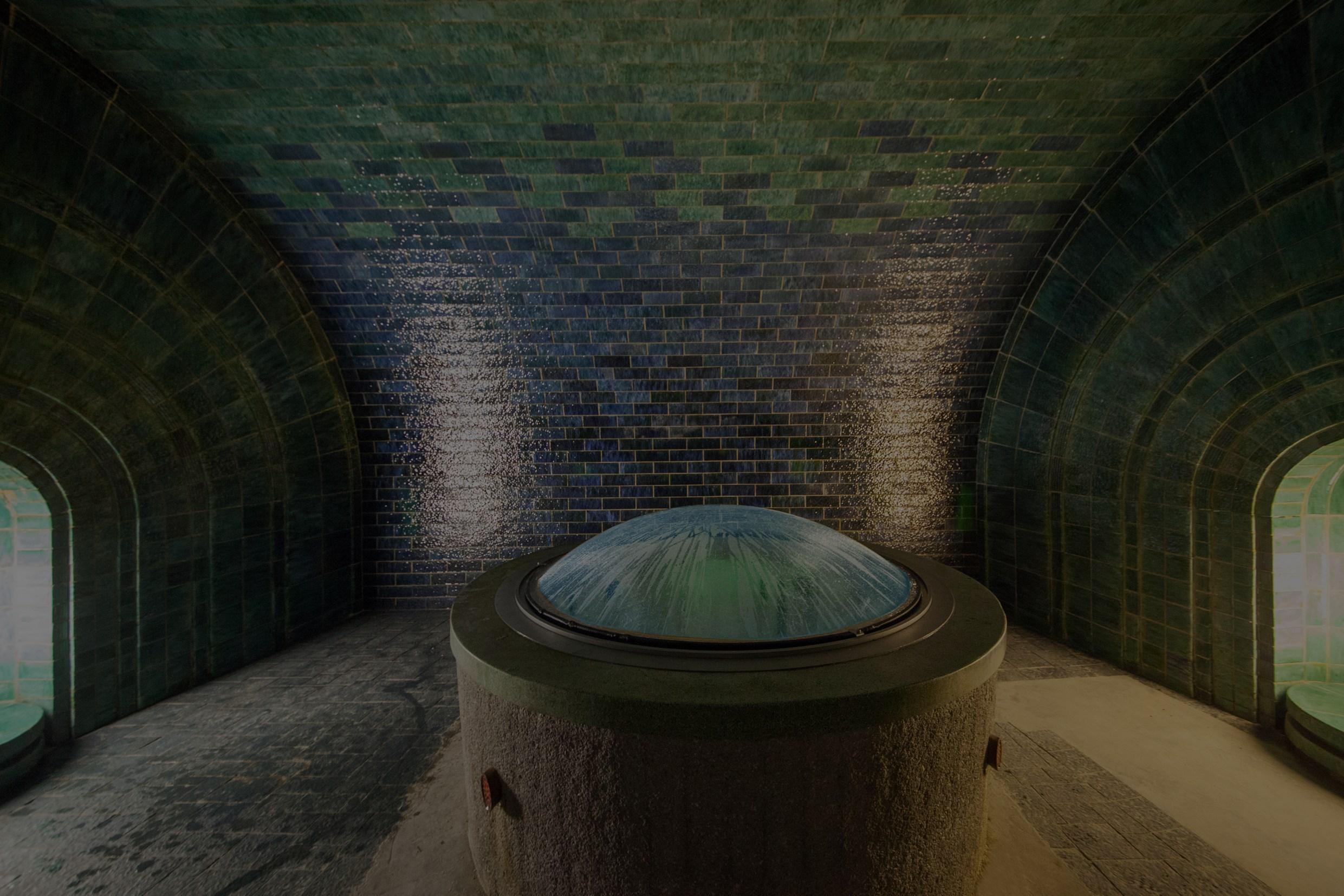
News in Conservation
NewsinConservationis published by The International Institute for Conservation of Historic and Artistic Works, 3 Birdcage Walk, London SW1H 3JJ
Website: iiconservation.org
Email: iic@iiconservation.org
ISSN 1995-2635
The International Institute for Conservation of Historic and Artistic Works (IIC) is a learned society, a registered charity and a company limited by guarantee with no share capital. Charity No 209677. Company No 481522.