WELCOME TO NIAGARA HEALTH
We understand that coming to the hospital can feel uncertain, whether your stay is planned or unexpected. Our commitment is to provide you and your family and caregivers with care that is compassionate, respectful and safe.
At Niagara Health, we believe that patient and family-centred care means more than treating illness. It means caring for you as a person, understanding what matters most to you and supporting you throughout your entire care journey.
From the moment you arrive, our teams are here to listen, to guide you and to partner with you in your care.

OUR COMMITMENT to Patient Experience
At Niagara Health, patient experience is how the process of receiving care feels and is shaped by all the interactions throughout the care journey. It is about being known, respected, listened to, involved, supported and provided with the best care. This definition reflects what patients, families and caregivers told us matters most. It is the foundation of how we provide care and how we work together with you. Every interaction you have with physicians, nurses, staff, volunteers and support teams contributes to your experience. We are committed to ensuring those interactions are grounded in respect, compassion, communication and safety.
The Six Key Elements of Your Experience
The six key elements below represent what matters most to patients and families. They guide how we deliver care, how we communicate and how we partner with you throughout your journey.


Know Me
We take the time to understand you as a person, including your preferences, your needs, your background and what matters most to you.
Respect Me
We treat you with dignity, compassion and respect and honour your identity, values, culture and privacy in every interaction.
Listen to Me
We value your voice. We listen to your questions, concerns and perspectives and respond with openness, honesty and care.
Involve Me
You are an important part of your care team. We work with you in decisions about your care, ensuring you understand your options and feel confident in your care plan.

Support Me
We support your emotional, cultural, spiritual and practical needs, recognizing that care goes beyond your medical condition.
Best Care for Me
We are committed to providing safe, high-quality care, using best practices and continuously improving to meet your needs.
Compassionate, Safe and HighQuality Care
Your safety and well-being are our top priorities.
We are committed to providing care that is not only clinically excellent, but also compassionate and responsive to your needs. This includes:
• Taking steps to prevent harm and keep you safe
• Using evidence-based practices to guide your care
• Creating an environment where you feel comfortable, informed and supported
You will see this in the way we care for you every day, in how we communicate, how we involve you and your family and caregivers and how we work together to ensure your safety. We recognize that not everyone experiences care in the same way. Some people face barriers due to language, culture, income, disability, or past experiences with the healthcare system. We are committed to identifying and reducing these barriers to ensure equitable care for all.

Indigenous Land Acknowledgment
As part of our continued commitment to diversity, equity and inclusion, we would like to share our updated organizational Indigenous Land Acknowledgment that was developed in partnership with local Indigenous partners:
Niagara Health is honoured to provide care on lands where Indigenous Peoples have lived for thousands of years with their own unique cultures, identities, traditions and languages. These lands are steeped in the rich history of the First Nations such as the Hatiwendaronk, the Haudenosaunee, the Anishinaabe and the Mississaugas of the Credit First Nation. There are many First Nations, Métis and Inuit peoples from across Turtle Island who live and work in Niagara today.
We are committed to listening and learning more about the history and current experiences of Indigenous Peoples and acknowledge our responsibility to take meaningful action towards reconciliation in the healthcare system.

Message from Niagara Health’s President and Chief Executive Officer, Lynn Guerriero
I would like to personally welcome you to Niagara Health.
Our teams are dedicated to making you and your family and caregivers feel as comfortable as possible. We are committed to working in partnership with you to meet your care needs in a safe, compassionate and respectful environment, where you feel known, listened to, involved, supported and provided with the best care.
We have prepared this handbook to help answer questions you may have during your stay at Niagara Health. Why do care providers wear different-coloured uniforms? What is the Niagara Health Engagement Network? How do patients and visitors access Wi-Fi? You’ll learn about the importance of hand washing and sharing your medication history with your care team, as well as details on our work to
prevent falls. It’s all here in a simple guide that is yours to keep when you leave.
Depending on your needs and wishes, you may be seen and cared for by several different team members during your stay with us. Each member of our team is committed to providing care that is respectful, responsive and centred around what matters most to you.
Please speak with your care team or a manager in your care area if you have any questions, compliments, concerns, or suggestions about how we can improve your experience. Your voice matters and your feedback helps us continue to learn and improve.
Our caring and compassionate team of professionals is here to support you every step of the way.


09 KNOW ME
At Niagara Health, we take the time to understand you as a person, your preferences, your needs, your background and what matters most to you.
Getting to know you helps us provide care that is more personalized, respectful and responsive. It also helps us partner with you and your family and caregivers in a meaningful way throughout your stay.
Essential Care Partners (ECP)
A patient may be eligible to have an Essential Care Partner (ECP) oriented to be part of their care team if they are admitted to an inpatient bed for longer than seven days or they have a preplanned surgery. Patients or families can designate someone to be an Essential Care Partner by speaking with their care team.
The ECP program allows patients to designate up to two loved ones who can provide emotional, cognitive and/ or physical care as part of their overall healthcare team. An ECP is someone who is considered essential to the safety and well-being of a patient while they are in the hospital. Support can include assisting in decisionmaking, helping patients with eating or other tasks and communicating with hospital staff and physicians when they notice changes in behaviour.
If you have questions, please speak with your care team directly or call the Essential Care Partners Program directly, at 905-378-4647 x44427.
Interpreter Services
Interpreter services are available upon request, including video and phone interpretation. Please tell any member of your care team if you would like an interpreter—this service is free.
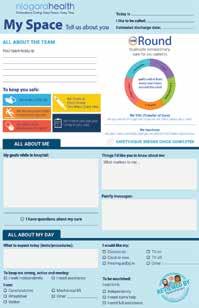
Whiteboards: My Space
The My Space boards are available in every inpatient room to support meaningful engagement between you and your healthcare team. They offer a place for you to share what matters most to you, to express your goals and to help us understand how we can best support your care experience. We encourage you to use these boards as a communication tool so that information can be easily shared with the team throughout your stay.
Your healthcare team will update the My Space boards each shift. These updates will help you recognize who is involved in your care and will outline the important actions and plans that guide your treatment. The boards are designed to promote open conversation and to remind patients and families that they are valued partners in care and safety.


At Niagara Health, we are committed to treating you with dignity, compassion and respect. This includes respecting your privacy, your identity, your values and your right to feel safe while receiving care.
We are dedicated to creating an environment where patients, families and caregivers, staff, physicians, volunteers and visitors feel respected, included and supported.
Patient Privacy
At Niagara Health, we protect your personal health information and follow Ontario privacy law.
We collect, use, and share your information to:
• Provide you with safe and effective care
• Manage and improve our services
• Meet legal requirements
Only staff and health care providers who need your information to do their job are allowed to see it.
Who we may share it with
We may share your information with:
• Members of your care team
• Other health care providers involved in your care
• Organizations that must receive it by law
• Your family or substitute decisionmaker, where allowed
Your choices
Unless you tell us not to, we may also:
• Confirm that you are a patient to visitors or callers
• Share visit details with your family doctor
• Help arrange spiritual or religious support
• Share limited contact information with the Niagara Health Foundation for fundraising
Your rights
You have the right to:
• See and get a copy of your health record
• Ask us to correct your health record
• Withdraw consent to share your information, unless the law requires it
• Limit who can access your record
To access your health record, contact Health Records – Release of information
More Information
For more information, please visit niagarahealth.on.ca/HealthRecords or contact the Privacy Office at PrivacyFOI@ niagarahealth.on.ca or 905-3784647 x44475.
If you have a privacy concern, you may also contact the Information and Privacy Commissioner of Ontario.
Photography and Videography
As a public hospital, Niagara Health is responsible for protecting the privacy of all patients, visitors, staff, physicians and volunteers. The use of audio or video recording devices and the taking of photographs are not permitted on Niagara Health premises without the advance consent of the individuals in question. Family and friends often bring mobile devices containing built-in cameras with them into the hospital while visiting patients. It is not practical to forbid the carrying of such devices. However, our staff, physicians and volunteers are obliged to remind patients and visitors that taking photographs, videotaping, etc., without the advance consent of the individuals in question is not permitted.
Please talk to a member of our care team or call our Security Manager at 905-3784647, x44303, if you have questions.
Security and Surveillance
Hospital premises and parking at all Niagara Health sites are monitored by electronic surveillance equipment for the protection and safety of our patients, staff and visitors.
Scent-Free Policy
Niagara Health aims to provide a safe, healthy and accessible environment for all. Some fragrances can cause an adverse reaction or make people sick. Respecting this, Niagara Health has adopted a scentfree policy. Staff, patients and visitors are requested to avoid wearing perfume, aftershave and other scented products when they come to Niagara Health. No strongly scented flowers, please.
Patient and Family Bill of Rights
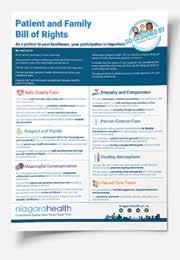
We worked with patients, community members and members of our team to develop the Bill of Rights, aimed at establishing a caring relationship built on mutual respect and understanding with our patients, their family members and alternative decision makers. Scan the QR Code to read the bill of rights.
Smoke-Free Hospital Properties
Smoking is not allowed anywhere on hospital property (indoors and outdoors) in accordance with the Smoke-free Ontario Act and Niagara Health’s workplace policy. This includes the exterior grounds, parking lots and vehicles. Vaping, using electronic cigarette products and smoking cannabis are also not allowed. Niagara Health is committed to providing a safe, healthy environment for patients, visitors, staff, physicians and volunteers and has a responsibility to ensure compliance under the Smoke-free Ontario Act.
We have resources available to support you to quit smoking (i.e. nicotine replacement therapy). Please ask a member of your healthcare team for further information.
Workplace respect
All of our team members expect and deserve a respectful, safe, caring and inclusive environment. Disruptive behaviour in the hospital is not acceptable and will not be tolerated. Please be kind to one another.
Additionally, everyone deserves to work in an environment free from abuse. Niagara Health has NO TOLERANCE for abuse of any kind.
• No verbal abuse
• No violence
• No harassment
• No racism
• No discrimination

If you do have a concern, please speak with a member of your healthcare team, charge nurse and/or clinical managers.
If you require additional support please reach out to the Office of Patient Experience (see section on page 15).



At Niagara Health, we value your voice and your experience.
Being listened to means that your questions, concerns and feedback are taken seriously and responded to in a timely and meaningful way. We are committed to creating an environment where you feel comfortable speaking up, sharing your experience and asking questions about your care. Your feedback helps us understand what is working well and where we can improve. It also helps us recognize the individuals and teams who make a positive difference in your care.
Office of Patient Experience
The Office of Patient Experience supports patients, families and caregivers by listening to feedback, addressing concerns and helping strengthen care experiences across Niagara Health.
Guided by Niagara Health’s commitment to patient- and family-centred care, our team works alongside patients, families and care teams to support open communication, understanding and continuous improvement.
In April 2025, Niagara Health launched the Reimagining Patient Experience Plan , aligned with our strategic plan and CORE values. This work reflects our ongoing commitment to listening, learning and improving the care experience for the people we serve.

How we can support you
The Office of Patient Experience is here to help if you have:
• Questions about your care experience
• Concerns that need additional support
• Compliments or positive feedback you would like to share Our goal is to enhance your overall experience while fostering a culture of inclusion, equity, safety and learning. We work closely with care teams to support respectful, compassionate communication and care.
Sharing feedback during your stay
If you have questions, concerns, or feedback during your hospital stay or visit, we encourage you to first speak directly with a member of your healthcare team, such as your nurse, charge nurse, unit manager, or treating physician. Your care team is here to support you.
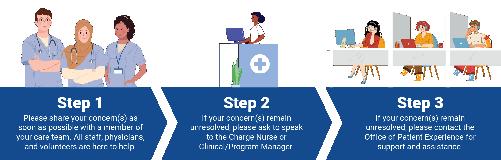
Sharing your questions or concerns will not negatively affect or change your care in any way.
If you feel your concern needs further attention, or if you would like additional support, the Office of Patient Experience is here to help.
Patient
Experience: Survey
If you’ve recently visited our Emergency or Urgent Care departments or had a recent stay in one of our Inpatient units, or visited one of our Outpatient clinics, you may have provided your email to receive a patient experience survey. If you declined to provide us with your email or were not asked to provide your email, you still have the opportunity to receive the survey. To participate, please email NHPXSURVEY@ niagarahealth.on.ca or scan here

Your feedback helps us understand what matters most to you and allows us to respond quickly to your needs. Hearing from our patients and families is an important part of our commitment to continuously improving the quality, safety and experience of care we provide.

Star Recognition Program
Niagara Health’s STAR program recognizes staff, physicians and volunteers for providing extraordinary patient experiences. Recipients are presented with a Gold STAR pin and a certificate of honour.
Please contact the Office of Patient Experience to share your positive stories and celebrate the care provided by our staff, physicians and volunteers.
What you can expect from us
When you contact the Office of Patient Experience, we will:
• Listen to your feedback in a respectful and supportive way
• Acknowledge your experience and explain our process
• Work with you and the appropriate care team to review concerns or share compliments
• Support open, transparent and compassionate communication
• Share feedback only with those involved in your care, as appropriate
Our goal is to help strengthen partnerships between patients, families and care teams and to support meaningful improvements in care.
Your voice matters
Niagara Health is committed to listening and learning from the people we serve. We welcome compliments, concerns and suggestions to help guide ongoing improvements in care, communication and services.
How to contact us
Hours
Monday - Friday 8 a.m. to 4 p.m. (with exception of statutory holidays)
Phone
905- 378-4647 x44423
NHPatientExperience@niagarahealth.on.ca
By Mail
Office of Patient Experience
1200 Fourth Ave., St. Catharines, ON L2S 0A9

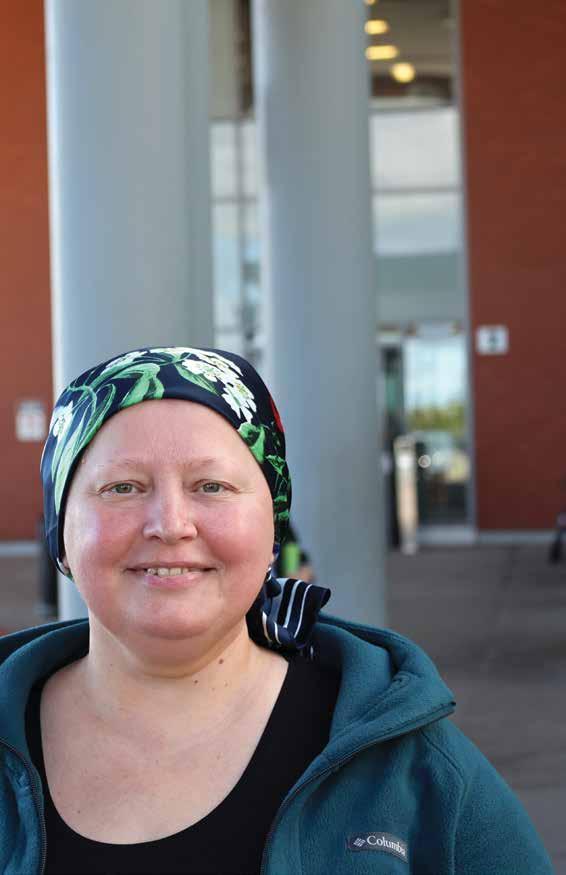
At Niagara Health, you are an important part of your care team.
Being involved means that you are included in decisions about your care, understand your treatment and care plan and feel confident asking questions and sharing your preferences. We are committed to working in partnership with you and your family and caregivers to support informed decisionmaking and ensure your care reflects what matters most to you.
We encourage you to ask questions, share your thoughts and take an active role in your care throughout your stay.
Communicating about your care
We understand how important it is for families to feel informed and involved and we value the essential role they play in a patient’s treatment plan. We welcome your participation and encourage open communication.
When possible, providing consent for the healthcare team to speak with a designated primary contact or family spokesperson can be very helpful. Selecting a spokesperson streamlines communication by reducing the number of incoming calls to the unit, which makes it easier for families to connect with staff when needed. It also ensures that everyone receives consistent information, supporting clarity and shared understanding during what can be a stressful time.
Substitute Decision Maker (SDM) and Power of Attorney (POA)
In the event that your healthcare team determines you are incapable of making a specific treatment or personal care decision, the Health Care Consent Act requires healthcare providers to obtain consent from a Substitute Decision Maker. If you have legally appointed an SDM—such as through a Power of Attorney for Personal Care—that person will be contacted. If no SDM has been legally appointed, the Act sets out a specific legal order of individuals who may provide or refuse consent on your behalf.
Identifying a ‘next of kin,’ ‘emergency contact,’ or ‘person to notify’ does not give that person legal authority to make healthcare decisions or access your personal health information, unless they are your legally authorized Substitute Decision Maker or you have provided consent. If you wish to choose who will make decisions on your behalf should you become incapable, you must appoint an SDM through a Power of Attorney for Personal Care and identify them at the time of registration.
Who is my SDM?
A Substitute Decision Maker (SDM) is a person who is legally authorized under the Health Care Consent Act to make healthcare decisions on your behalf if you are incapable of doing so.
Examples of legally appointed SDMs
• Court Appointed Guardian
• Power of Attorney for Personal Care (POA)
• Representative Appointed by Consent and Capacity Board
What if I don’t have a legally appointed SDM?
The Health Care Consent Act sets out the following hierarchy of Substitute Decision Makers (SDMs), in order of priority:
1. Guardian of the person (if appointed by the court)
2. Attorney for personal care (Power of Attorney for Personal Care)
3. Representative appointed by the Consent and Capacity Board
4. Spouse or partner
5. Child or parent (or Children’s Aid Society with lawful authority)
6. Parent with right of access only
7. Brother or sister
8. Any other relative
9. Office of the Public Guardian and Trustee (as a last resort)
The SDM must be capable, available, willing to act and at least 16 years of age (unless they are a parent).
To discuss this procedure and other concerns related to decision-making, please ask to speak with a social worker at Niagara Health.
PLEASE NOTE: Social Workers are not lawyers and cannot provide legal advice.

Discharge Planning
Our focus is not only on the care and treatment you receive while in hospital, but also on helping you prepare for going home. Niagara Health follows a Home First philosophy, which means we begin planning for your return home as early as possible to ensure the right services and supports are in place.
Your healthcare team will talk with you about your expected discharge date ahead of time and will ask for your help with planning. We ask that you or your family member or caregiver arrange transportation so you can be picked up by 10:00 a.m. on the day you are scheduled to leave. Please ensure you have personal items such as clothing and footwear so you are comfortable when you go home.
While every effort is made to determine an accurate discharge date, changes in your condition or care needs may mean that your discharge date changes. We encourage you to ask questions at any time so you feel prepared and confident about leaving the hospital.
Before you go home, we will review the care you received, explain any updates to your care plan and discuss new medications or changes to your current medications. Before discharge, please ask a member of your healthcare team any questions you may have, including what to do and who to contact if you have concerns once you are home. Our goal is for you to feel informed, prepared and supported during your transition home.
Tips to ensure you are discharged smoothly
Planning ahead can help ensure a smooth and timely discharge from the hospital. We encourage you to arrange your ride home with family or friends whenever possible, as transportation services are not covered.
If you are unable to arrange a ride, your care team can help you explore private transportation options, which are available at your own cost. Please note that some transportation services may require approximately 24 hours’ notice, so early planning is important.
Patients are responsible for covering the cost of transportation home. If arranging transportation, additional support, or covering costs is challenging, please let your care team know. We will work with you to explore available options whenever possible.
If you are transitioning to another hospital, Niagara Health will arrange and cover the cost of your transfer. Please be aware that hospital beds cannot be held for delayed pickup, which is why having transportation organized in advance is very helpful.
We Transfer of Care (TOC)
Patients and their loved ones play an essential role in care transitions at Niagara Health. Throughout your care journey, you may be supported by multiple teams in different locations and it is important that each team has the information needed to provide safe and coordinated care.
We TOC stands for “Transfer of Care”. It is a standardized approach that guides how healthcare teams share information during transitions, such as movement between units, departments, or facilities. This process ensures that every member
of your care team understands your needs, your goals and any important safety considerations. Clear communication during transitions reduces the risk of errors, supports continuity of care and helps each team provide the safest possible experience.
We encourage patients and their loved ones to take part in We TOC conversations. Your involvement helps your team understand what matters most to you, which strengthens both your care plan and your overall safety.
Niagara Health Engagement Network
The Niagara Health Engagement Network (NHEN) is deeply rooted in our commitment to create meaningful and authentic partnerships with patients, families and community members to enhance the quality of care and overall experience of those we serve.
Patient Partners are individuals with lived experience as patients, family members, or caregivers within the health care system. They volunteer their time to share their perspectives, insights and experiences to help shape, improve and influence care and services at Niagara Health. Their voices help ensure decisions are informed by what matters most to patients and families.
The NHEN provides opportunities for Patient Partners to contribute in ways that are meaningful to them. Participation is flexible — Patient Partners can choose what, when and how they wish to be involved based on their interests, availability and lived experience. Patient
Partners work alongside Niagara Health staff and physicians on committees, working groups, special projects, codesign initiatives and other improvement efforts focused on quality and safety as we continue on our path to a healthier Niagara.
For more information about the Niagara Health Engagement Network, please call 905 378 4647, x44427, or email NHPatientPartners@niagarahealth.on.ca

Niagara Health Knowledge Institute
The Niagara Health Knowledge Institute (NHKI), established in 2023 with a generous donation by the McCall MacBain Foundation, strives to improve patient care and experience by embedding research into clinical practice and transform healthcare through leading community hospital-based research.
NHKI is advancing six strategic initiatives:
1. RICH-Canada
a. The RICH-Canada Program supports sustainable research in community hospitals across Canada by advancing research, promoting knowledge translation, strengthening advocacy and building a national community of practice.
2.
Clinical Research
a. The Clinical Research Portfolio drives high-quality, multidisciplinary research by enabling a broad portfolio of investigator-led, industry-supported and multi-centre clinical studies.
3. Patient Experience & Engagement in Research
a. The Patient Experience & Engagement in Research Program promotes equity and system-aligned care at NH by ensuring research reflects community needs through collaboration with patients and families.
4. Care for Older Persons
a. The Care for Older Persons Research Program aims to improve health and care for older adults in Niagara by advancing research and translating evidence into personcentred, system-wide practice.
5. Research Training and Mentorship
a. The Research Training & Mentorship Program supports research skill development through accessible learning opportunities for students, trainees and healthcare professionals.
6. Learning Health System
a. This initiative aims to develop and evaluate a Learning Health System (LHS) framework that fosters a culture of continuous improvement, where research, data and clinical practice are seamlessly integrated to drive evidenceinformed care, optimize patient outcomes and support system-wide innovation at NH.
Each initiative is anchored in the three Guiding Principles of NHKI: Knowledge Generation, Knowledge Mobilization and Capacity Building, which collectively guide and shape all aspects of our work. Read more about the NHKI in our Annual Report.
To learn more about opportunities to participate in clinical research or in the NHKI’s Patient and Family Engagement Committee (PFEC), please contact NHKI@niagarahealth.on.ca or call us at 905-378-4647 x29788.


At Niagara Health, we recognize that your needs go beyond your medical care.
Being supported means that your emotional, cultural, spiritual and practical needs are acknowledged and cared for throughout your stay. We are committed to supporting you and your family and caregivers by connecting you with the right services, resources and people to help you feel comfortable, informed and cared for.
Support may look different for each person. Our teams are here to listen, respond and ensure you have the support you need during your care journey.
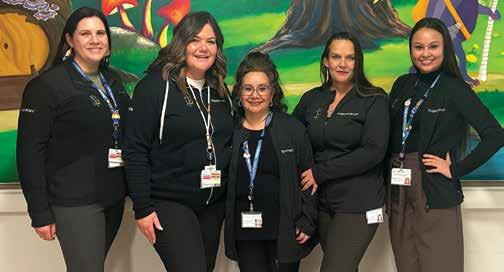
Indigenous Health Services and Reconciliation (IHSR) Team
The Indigenous Health Services and Reconciliation team supports First Nation, Metis and Inuit community members (both status and non-status) and their families. Dedicated to improving access to Indigenous led, culturally safe care, the IHSR team is integrated across all Niagara Health sites. As an interdisciplinary team, they work closely with clinical teams, allied health professionals and community organizations. Through relationship building and trust, the Indigenous Health Services team can support diverse, culturally responsive patient care. This includes the following services:
• Spiritual Care (Smudging, Traditional Medicines, Elder Services)
• Emotional one-on-one support for patients
• Advocacy
• Case management
• Community referrals
• Community engagement
• In-patient follow up, case conferencing, referrals (internal/ external)

Enhancing spaces throughout Niagara Health to incorporate Indigenous art, support cultural practices, increase community participation and collaboration while integrating a comprehensive staff education program are all ways the Indigenous Health Services team is working to improve the health care experience for Indigenous peoples.
Listening and learning from patients and families is important to us, to find out more about the work the team does, see the “Journey to Reconciliation Plan”.

If you have any questions or wish to speak to a team member from Indigenous Health Services and Reconciliation, please call 905-378-4647 x43211 or email Indigenoushealthservices@ niagarahealth.on.ca
Indigenous Health Services and Reconciliation team.
Spiritual and Religious Care
Niagara Health’s Spiritual Care team is an important part of the healthcare team. They support patients, families, caregivers, staff and volunteers across all Niagara Health sites.
Spiritual Care is available 24 hours a day, 7 days a week and offers compassionate, respectful support to all.
How Spiritual Care Can Support You
Spiritual Care staff can help you:
• Explore meaning and purpose
• Connect with spiritual or religious resources
• Face anxiety, fear, or uncertainty
• Express thoughts and emotions
• Think through healthcare decisions
• Participate in prayers, rituals, or spiritual practices, if desired
Faith Community Support
Spiritual Care staff also work closely with local faith communities and congregations. This allows approved community faith visitors—both ordained and lay—to provide spiritual and emotional support to their members while they are in hospital.
Spiritual Centres
Spiritual Centres are quiet, multi faith spaces located at all Niagara Health sites. These spaces are:
• Open to people of all religious traditions and spiritual expressions
• Available for reflection, prayer, meditation, or quiet time
How to Contact Spiritual Care
• Speak with any member of your care team, who can arrange a visit for you or
• Call the hospital switchboard at 905 378 4647, press 0 and ask for Spiritual Care
Spiritual Care support is always voluntary and available whenever you feel it would be helpful.

Palliative Care
Palliative Care is supportive management for people who have a serious illness. It can be offered at any point from diagnosis to near the end-of-life and may be in addition to the treatment a person is receiving for their illness. This holistic approach to care focuses on improving quality of life and emotional wellbeing for patients and families. The Niagara Health Palliative Care Consultation Service offers support with managing symptoms, providing social and emotional support, organizing home or hospice care and providing end of life care. This service is available to all Niagara Health patients. Palliative care is provided by Nurse Practitioners and Physicians with specialty training. Please speak to your physician or care team member if you would like a referral to the Palliative Care Consultation Service.
Volunteer Resources
Niagara Health volunteers are an integral part of our hospitals, dedicating their time to support extraordinary, patient centred care across many areas. Volunteers contribute across programs and services including Cardiac Rehabilitation, Critical Care, the Emergency Department, Medical Imaging, Mental Health, Outpatient Clinics, Palliative Care, Surgical Services, Women and Babies and the Walker Family Cancer Centre.
Volunteers also support patients and families through valued community partnerships, including Wellspring Niagara at the Walker Family Cancer Centre and a partnership with Ronald McDonald House to support families of patients in the Neonatal Intensive Care Unit and the Children’s Health Unit.
Volunteer roles include, but are not limited to:
• Welcome Desks – greeting patients and visitors, offering directions and helping people feel oriented and supported as they arrive
• Emergency Department Waiting Rooms – providing comfort, information and reassurance to patients and families during wait times
• Comfort Carts at the Walker Family Cancer Centre – offering refreshments, comfort items and a caring presence to patients and caregivers
• Program and Unit Support –assisting staff or supporting patients in clinics, inpatient units and specialized programs
Through their compassion, commitment and dedication, volunteers help contribute to safe, high quality care and a positive experience for patients, families and visitors. Volunteering at Niagara Health offers meaningful opportunities to connect with others, develop new skills, gain valuable experience in a health care environment and make a difference in people’s lives.

Scan the QR code to learn more about joining our volunteer team

Accommodations
Niagara Health offers private, semi-private and ward accommodation to our patients.
Ward – up to four patients to a room (covered by your provincial healthcare plan)
Semi-private – two patients to a room (additional charge)
Private – one patient to a room (additional charge)
Please indicate your room preference on the payment agreement when you register with the hospital. Every effort will be made to provide you with the room type that you request, but room assignments are based on bed availability and medical necessity of our patients.
Provincial health insurance (OHIP) covers the costs of a ward room only. Some insurance policies cover semiprivate or private room charges, or you may wish to pay personally for additional room costs. Unfortunately, the hospital cannot check your insurance coverage, so please verify your coverage in advance with your employer or insurance provider because any remaining balance is your responsibility.
If you have any questions on semi-private and private room charges, you may call the Billing Office at 905-378-4647 x32234 or dial 32234 directly from your room's phone.
Housekeeping
Our Housekeeping (Environmental Services) team thoroughly cleans all rooms using the most effective disinfectants and latest technologies. Every room and all washrooms are cleaned a minimum of once daily to ensure the safest, cleanest environment possible for our patients, their families, visitors and staff. If you have any additional cleaning needs during your stay, please speak to your care team or call 905378-4647 x33500.
Patient Food Services
Patients are provided with three nutritious meals daily – breakfast, lunch and dinner. If you have nutritional concerns or special dietary needs, please ask a member of your healthcare team to arrange for a Dietitian to visit you. The hospital does not provide meals to visitors on patient units. To learn more about Retail Food Services, turn to page 37.
Pharmacy
For your convenience you can get your discharge prescriptions filled at the independently owned and operated pharmacies located in our Niagara Falls and Marotta Family hospitals or at your usual community pharmacy of choice.
Telephones and TVs
Marotta Family, Niagara Falls and Welland Hospitals
In-room entertainment
Connect with our service provider through an easy-to-use device for patients in-room entertainment, information and services at your bedside. Service include TV, video calling, Pluto TV and more. Ask your healthcare team for more information
Fort Erie and Port
Colborne
Complex Care and Urgent Care Centres
A telephone providing free local calling is located at most patient bedsides. Pay phones are also available throughout the hospital. Please ask a member of your healthcare team for information on how to access television service in your room.

Wi-Fi
A guest wireless Internet service is accessible to our patients, visitors and guests on a pay-for-use basis. This system, called iVisitor, is provided in partnership with Cogeco Cable Canada LP and is similar to guest Internet services offered at other hospitals. iVisitor is available across all of our sites and revenue generated from the service is directed to patient care. iVisitor rates are as follows:
• Four hours: $ 5.95 + HST
• One day: $ 9.95 + HST
• Three days: $18.95 + HST
• Weekly (7 days): $28.95 + HST
• Monthly (31 days): $47.95 + HST
QUICK STEPS
1. From your device, check the Wireless & Networks Status and Signal Availability
2. Select “iVisitor” as the Wireless provider/Service Set Identification (SSID)
3. Open up your Internet browser and follow the instructions on the login page
4. Click on “Read the FAQ Document” for pertinent information to the guest wireless service
5. Click on “Purchase an Access Code” to proceed to the purchase screen. If you already have a code enter it in the current users access code box, review and agree to the Acceptable Use Policy and click on “Login”
6. Choose the Prepaid Plan
7. Enter your information; note that an email address is important as a copy of your code will be sent to you
8. Review and agree to the Acceptable Use Policy
9. Select either “Credit Card” or “PayPal” for payment. If Credit Card is selected, you will have an option between paying with MasterCard or Visa
10. Once your payment is accepted you will be provided with an access code; this is the code you can use to access the Internet during your plan time
*Note: utilizing the iVisitor service assumes acceptance of the Acceptable Use Policy
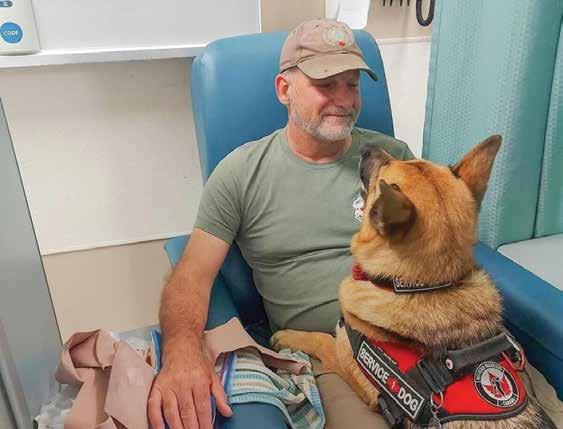
Service Animal and Pet Visitation Guidelines
Service animals are welcomed at Niagara Health, provided that all Infection Prevention and Control (IPAC) requirements are followed. Handlers may be asked to provide up to date immunization records for the animal and must be prepared to present them upon request.
In accordance with the Accessibility for Ontarians with Disabilities Act (AODA), an animal qualifies as a service animal if:
1. It is readily identifiable as a service animal through visual indicators (e.g., a guide dog, or an animal wearing a vest or harness), or
2. The handler can provide documentation from a regulated health professional confirming that the animal is required due to a disability.
Pet visitation for compassionate reasons may be permitted on a caseby-case basis. These requests will be reviewed and approved by the Unit Manager and may involve consultation with the IPAC and Risk teams.
Please note that no animal, service or pet, will be permitted to stay overnight in the hospital.

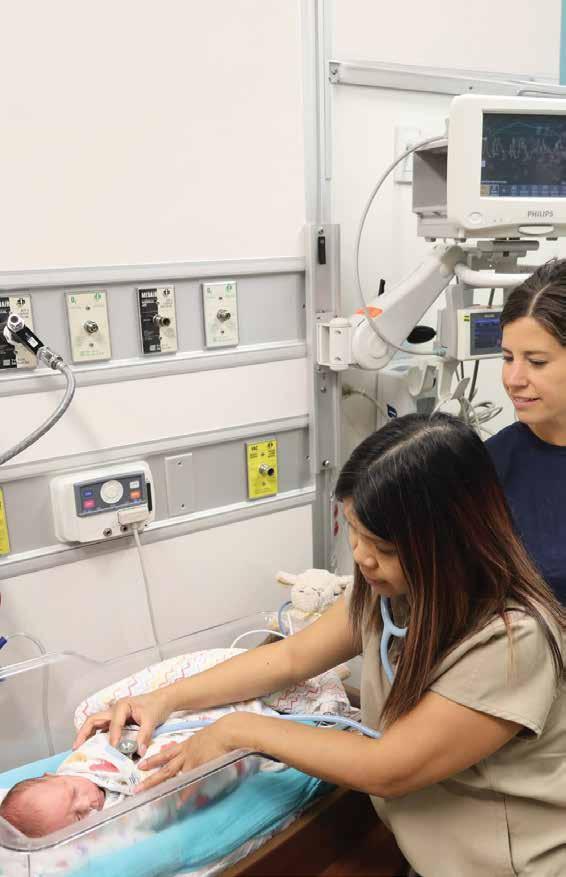
BEST CARE FOR ME
At Niagara Health, we are committed to providing safe, highquality care using best practices and continuous improvement.
Best care means that your care is guided by evidence, focused on safety and delivered by skilled and compassionate teams who are working together to meet your needs. It also means taking steps to prevent harm, reduce risks and ensure you feel confident and informed throughout your care.
We are committed to continuously improving how we deliver care by learning from patient experiences, following best practices and working as a team to provide the best possible outcomes for you.
Hand Hygiene to Prevent the Spread of Germs
Stopping the spread of infection can be as simple as thoroughly cleaning your hands. Hand Hygiene remains the single most effective way to control infections.
Here are some tips on how to clean your hands properly:
Using soap and water:
• Use warm running water and soap
• Rub hands together briskly for 20 seconds
• Rinse hands thoroughly and
• Dry hands with a clean paper towel
• Use paper towel to turn off the tap
Using alcohol-based hand rub (ABHR):
• Use a toonie size amount of ABHR and cover both of your hands
• Thoroughly rub the product into the top and back of your hands, wrists, between your fingers and under your nails
• Rub for 15 seconds and let dry
Make sure you clean your hands:
• When you enter the Hospital
• Before and after visiting a patient
• After being in touch with a patient environment
• After coughing or blowing your nose
• After using the washroom
• Before and after eating
We take hand hygiene very seriously. The four most important times for healthcare workers to clean their hands are:
• Before contact with a patient or their environment
• Before doing a procedure
• After contact with body fluid
• After contact with a patient or their environment
If you are not sure whether a member of your healthcare team has cleaned their hands, please feel free to ask. It is in your hands!

We Check ID
Correct patient identification is essential to ensure that you receive safe and accurate care. Throughout your care journey, we will check your identification many times. Before any treatment or procedure begins, your healthcare providers will ask for at least two identifiers and will also scan your armband. These identifiers include your full name, your date of birth and the scan of your patient identification armband.
In addition to confirming two patient identifiers, staff rely on your hospital armband to verify your identity before providing any care. Before medications are given or specimens are collected, your care team will scan your armband to make sure you are the correct person and that you are receiving the right treatment at the right time. This important step protects your safety, helps prevent errors and ensures your medications and results are accurate.
It is very important to keep your armband on at all times. If your armband is missing, damaged, or difficult to read, please tell a staff member right away so it can be replaced. Your safety is always our priority.
To partner with us in providing safe care, feel free to ask your care provider if they have checked your identification and confirmed that you are the right person for the planned treatment or care.
Preventing Falls
Your safety is our top priority at Niagara Health. We partner with you and your loved ones to help reduce the risk of falls during your hospital stay.
It’s important to know that all patients are at risk for falls in hospital, even if you feel steady or have never fallen before. Illness, surgery, unfamiliar surroundings, medications, IV lines and changes in strength or balance can increase fall risk unexpectedly.
How We Help Keep You Safe
A member of your care team will complete a falls risk assessment when you are admitted and at regular intervals during your stay, as your condition, strength, or medications may change.
Your care team will work with you to develop a personalized mobility and safety plan to help you move as safely as possible.
What You Can Do to Reduce Your Risk of Falling
You play an important role in keeping yourself safe—even if you don’t think you are at risk.
Share important information
• Tell your care team if you have fallen recently, or if you feel dizzy, weak, or unsteady.
• Speak up if you notice changes in your balance, strength, or confidence when moving.
Use assistive devices and supports
• Bring and use your eyeglasses, hearing aids, canes, walkers, or other mobility aids.
• Wear non slip socks or well fitting shoes with closed backs when out of bed.
• Use grab bars and handrails in bathrooms and hallways whenever they are available.
• Always lock wheelchair or walker brakes before standing up or sitting down.
Move safely
• Move slowly when first getting up from bed or a chair—do not rush.
• Sit at the bedside for a moment before standing to make sure you feel steady.
• If you feel dizzy or light headed, sit or lie down right away and use your call bell to ask for help.
Ask for help and reduce hazards
• If you feel unsteady or unsure, use the call bell and wait for assistance—even if you think you “should” be able to do it yourself.
• Ask staff to clean up spills or remove loose items or clutter from the floor that could cause tripping.
• Keep personal items such as your call bell, phone, glasses and water within arm’s reach.
Helpful Tips
Many people who fall in hospital did not expect it to happen. Falls can occur quickly, but many can be prevented. Using your call bell, moving slowly, using safety supports and speaking up about concerns are important ways you can protect yourself.
If you have questions or concerns about fall prevention, please speak with a member of your care team at any time. We are here to help keep you safe.

Preventing Hospital Acquired Pressure
Injuries (Bed Sores/ Ulcers)
Your caregiver will complete a skin assessment at the time of admission and at regular intervals during your stay to check the health of your skin and to identify any areas of pain or redness. We will assess your risk for developing a pressure injury and ensure that you receive any additional care needed to keep your skin as healthy as possible. Please inform your healthcare team if you have previously experienced a pressure injury.
Keeping your skin clean and dry is also an important part of preventing pressure injuries. If you notice moisture, damp clothing, or bedding that needs to be changed, please let a member of the healthcare team know so that we can help keep your skin protected.
We encourage you to speak with your care providers about any concerns you may have regarding the health of your skin during your hospital stay.
We Move
Did you know that staying in bed could be a health risk? You can lose up to five per cent of your muscle strength for each day you stay in bed in the hospital. We Move helps patients to maintain functional mobility. Members of your care team will assess you to determine how to move safely during your hospital stay. Your care team will help you to get up or sit in a chair for meals and integrate movement into your daily care in a way that is safe and supportive of your goals. If you have questions about how you can move safely, please speak to a member of your care team.
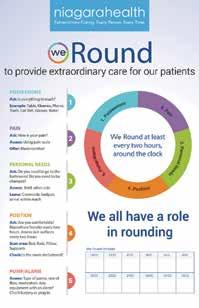
We Round
We Round is one of the ways our team members ensure the safety of our patients on inpatient units. During We Round, nurses and interprofessional team members will check-in with you to assess your personal needs, position/mobility and pain, as well as ensure that your possessions are within reach and that pumps are operating correctly.
Medications
To provide the best possible care when you come to the hospital, your healthcare team needs to know all the medications you take at home. This includes prescribed medications as well as non prescribed products such as natural health products, vitamins and herbal supplements. Always keep your home medication list updated and bring it with you to every hospital visit, including visits to the Emergency Department.
Before you go home, you will receive a prescription for any new medications along with a medication discharge summary that explains which medications to continue, which to change and which to stop taking. If you have any questions about your medications, please speak with your healthcare team before leaving the hospital so you feel confident and informed about your plan.
Fire Alarm Procedures
Niagara Health team members are trained in fire safety and evacuation procedures. In the event of a fire alarm, stay in your room with the door closed and await instruction. Please follow these instructions carefully. Do not use the elevators until the 'All Clear' announcement has been made.
Staff Identification
Hospital staff and physicians can be identified by their photo badge worn while on duty. Many staff who provide direct patient care also wear coloured uniforms to help you more easily identify the role of each person involved in your care. Here is a full list of our uniformed staff:
HELPFUL INFORMATION DURING YOUR STAY
This section includes important practical information to help guide you during your stay at Niagara Health.
Here, you will find details about our hospital sites, parking, visiting hours, amenities and services, what you may need while in the hospital and other important information related to your stay, including billing, ambulance fees and insurance.
We hope this information helps you and your family and caregivers feel more informed, prepared and supported during your time with us.
Know Your Healthcare Options
Where to go to access the care you need
There are different types of care available in the community based on how immediately you need to see a healthcare provider.
Knowing which option is right for your situation can save you time and possibly save your life.

Our Sites and Contact Information
Fort Erie Complex Care & Urgent Care Centre
230 Bertie Street
Fort Erie, ON L2A 1Z2
Niagara Falls Hospital
5546 Portage Road
Niagara Falls, ON L2E 6X2
Port Colborne Complex Care & Urgent Care Centre
260 Sugarloaf Street
Port Colborne, ON L3K 2N7
Marotta Family Hospital
1200 Fourth Avenue
St. Catharines, ON L2S 0A9
Welland Hospital
65 Third Street
Welland, ON L3B 4W6
Niagara Health also offers several programs in the community such as:
New Port Centre (residential addiction treatment program)
260 Sugarloaf St.
Port Colborne, ON L3K 2N7
Niagara Falls Satellite Dialysis Centre 450, 4342 Queen Street
Niagara Falls, ON L2E 7J7
Withdrawal Management Services
264 Welland Avenue
St. Catharines, ON L2R 2P8
To learn more about the services provided at each of our sites please visit NiagaraHealth.on.ca/Services

Lake Ontario
Lake Erie
Marotta Family Hospital
Niagara Falls Hospital
Welland Hospital
Fort Erie Complex Care & Urgent Care Centre
Port Colborne Complex Care & Urgent Care Centre
Parking
On-site parking is available at all Niagara Health sites. Signage at each location will direct you to park in the lots designated for patients and visitors. At the Marotta Family Hospital, we have added signs to indicate how many spaces are left in our parking lots to better meet the needs of our patients and visitors during peak times.
Anyone entering our sites is reminded to clean their hands upon entrance and throughout their stay, including before and after using parking kiosks.
Gated System: Marotta Family, Niagara Falls and Welland Hospitals
How to use our gated parking systems:
• Please take a ticket upon entry into the parking lot. Bring the ticket into the hospital with you – do not leave it in your vehicle.
• There are kiosks at the entrances and you are encouraged to pay using VISA or MasterCard before leaving the building.
• You can also insert or tap your debit or credit card (VISA or MasterCard) to pay at the exit gate
• Insert your ticket into the machine, followed by your debit or credit card (VISA or MasterCard).
• Parking lots have three payment options at the kiosk in the hospital - cash, debit, credit card (VISA or MasterCard).
Pay and Display: Port Colborne and Fort Erie Complex Care and Urgent Care
Please purchase a ticket at the machine and display it on your dashboard.
Did you know? Parking dollars help maintain our parking lots through repairs, upgrades, as well as salting and snow removal in the winter. This helps keep them safe for patients and visitors coming to our sites. Niagara Health appreciates your support.
Visiting Hours
For visiting hours please visit the Niagara Health website. Scan the QR code to see visiting hours

Balloon Policy
Latex balloons may cause an allergic reaction in patients and hospital staff. Please inform your visitors that they cannot bring latex balloons into the hospital. Mylar balloons are permitted.
Lost and Found
If you leave anything behind, immediately contact the unit where you were staying. Call the main number at 905-378-4647 and press 0 for Switchboard.
Bank Machines
Bank machines can be found in the main lobbies of our Marotta Family, Niagara Falls and Welland hospitals.
Gift shops
As a primary fundraising program, most of our sites feature gift shops maintained by hospital Auxiliary Members. In the gift shops, you can buy personal items such as soap, toothpaste and shampoo. Some locations also sell a variety of gift items such as fresh and silk flower arrangements. Our Auxiliary members also help the Niagara Health Foundation by raising funds for patientcare equipment through gift shops, lottery ticket sales and other revenuegenerating activities.
Retail Food Services
Marotta Family Hospital
• Cafeteria
• Tim Hortons
Welland Hospital
• Cafeteria
Niagara Falls Hospital
• Tim Hortons
Vending Machines
Available 24 hours a day, vending machines are located adjacent to the Emergency Departments and/or cafeterias and offer hot and cold beverages and snacks.
What you will need while in the hospital
If you have been admitted to stay overnight, you should have the following:
�
Identification that will clearly show your name, address and date of birth, as well as your Ontario Health Card.
�Dentures and/or hearing aid if you require them.
�Please send your valuables home with a relative or friend. If you cannot do so, cash and valuables will be placed in a locked cabinet for safekeeping until you are discharged.
�Updated home medications list, this includes prescribed and non-prescribed medications, such as natural health products, vitamins and herbals.
����
Personal hygiene items such as toothbrush, toothpaste, mouthwash, comb/brush, deodorant, shampoo and tissues.
BABY
If you are in hospital to deliver a baby, please have an outfit for your baby, diapers and a car seat with you in order to be discharged smoothly.
�If you received patient education from your doctor or the hospital clinic, please bring it with you.
�Clothing (pajamas/nightgown, robe/ housecoat, slippers).
�Books/magazines, stationery, knitting, etc., or a favourite toy for young patients.
Some departments may require you to have personal items not included here. These departments can provide you with this information directly. For safety reasons, we restrict the use of privately owned electrical appliances. If you brought items like hair dryers, curling irons, or electric shavers, they must be checked and safety certified by our Engineering Department before you use them. Please discuss this with your nurse. The hospital does not accept any responsibility for the loss or damage of any personal items, including money, eyeglasses or dentures.
Ambulances
There is a fee for ambulance services. Patients are responsible for paying $45 per ambulance trip, with OHIP covering the rest. You can pay prior to leaving, at the Cashier at the Marotta Family, Niagara Falls and Welland hospitals. Alternatively, you will receive a bill at your home address.
Personal Belongings
Patients are advised not to bring personal belongings/ cash into the hospital and do so at their own risk. Arrangements should be made by the patient to have all non-essential clothing and belongings sent home. The hospital does not accept any responsibility for the loss or damage of any personal items.
Emergency Information Card
Wheelchair Accessibility
Wheelchair-accessible entrances are available at all hospitals. Please follow hospital directional signage for drop-off and pick-up areas.
Health emergencies can occur unexpectedly and having essential information readily available can make a meaningful difference in the care you receive. Completing a Personal Emergency Information Card and carrying it with you can help ensure that important details about your health are available when you need them most. The card can be folded to fit easily in a wallet.
Accurate personal information is vital in an emergency, especially when someone is unable to speak for themselves. By filling out a Personal Emergency Information Card, you help emergency responders and hospital staff provide timely and appropriate care and you ensure that your preferences and needs are clearly understood.
It is important to keep this card updated whenever any information changes. Please also let your family members and caregivers know where the card is kept so they can help support your care in an emergency.
Fill out the form below, cut along the dotted line, fold it in half and keep it in your wallet!
First Name:
Last Name:
Phone #:
Date of Birth:
Health Card #:
Family Doctor:
Phone #:
Person to be notified:
Phone #:
Advanced Directives/Living will: Yes/No
If you answered yes, please list under “Other” Power of Attorney:
Circle Yes or No
Allergies: Yes/No Medications: Yes/No
Religious Considerations: Yes/No
If you answered yes, please list below
Pharmacy Name: Phone #:
Allergies: Medications (name & dosage):
Other:
Payment of accounts
Niagara Health offers many ways to make payment on your account.
In person: Payments can be made during regular business hours from Monday to Friday (excluding holidays). Payment for crutches, canes, splints, ambulances, etc. can be made at time of discharge to the hospital’s Cashier Office at the Niagara Falls, Marotta Family and Welland hospitals. At the Fort Erie and Port Colborne complex care and urgent care centres, payments can be made at Patient Registration. On weekends and holidays, payments are accepted at Patient Registration desks.
Pay at the bank or pay via online banking: Payments can be made in person or online with the 5 major Canadian Financial Institutions as well as select Credit Unions locations. Please inquire with your Financial Institution for more information. Payee Name: Niagara Health System. Please note: You will be required to enter your account number found on your Niagara Health invoice or statement. Please enter account numbers without the slash “/”
Phone: Payments can be made by calling the Niagara Health Cashier Office at 905378-4647 x44260. Please have your credit card information with you.
Online: You may also pay your hospital bill on the Niagara Health website, 24 hours a day/seven days a week using your credit card. You will need to refer to your account number on your patient bill or statement to pay online.
Please note there is a $2 service fee to make an online payment. This fee goes directly to the provider of this service, not the hospital.
Insurance
If you hold a supplementary insurance policy, i.e. Manulife Financial, Sun Life, Green Shield, etc., the hospital can bill your insurer on your behalf for costs that are not paid for by OHIP but are covered
by your insurance policy. Please note that if you request Preferred Accommodation (a semi-private or private room) and your supplementary insurance only pays a portion of the charge, you are responsible for the balance. Please check your insurance policy carefully and make sure you are covered before requesting a semi-private or private room and signing a preferred accommodation payment agreement.
The same responsibility applies to all other charges, such as those for splints, crutches and canes.
To make sure you have all of the information you need regarding your insurance coverage, please ask your insurer to answer the following questions:
• What is your insurance policy number?
• What is the effective date and expiry date of your coverage?
• What benefits are covered? (e.g. Semiprivate or private accommodations)
• Do you have a deductible? (e.g. You must pay the first $50 of charges incurred)
• Do you have a cap? (e.g. The insurance will only pay a maximum of $100/day of your semiprivate coverage) Is the cap a daily, yearly, or lifetime limit?
• Are you covered for the services you are receiving?
If you wish to change your accommodations, you must contact Patient Registration directly in order for your request to be processed. Please call 905-378-4647 and ask for Patient Registration. (Discussions with other members of your care team cannot be considered notification of your request.) A new payment agreement will be prepared and you will be responsible for all charges incurred before the new agreement is signed. Payment for services not covered by your insurer should be paid when you are discharged. Payments can be made by cash, cheque, debit or major credit card at the Cashier Desk or outside of regular business hours at Patient Registration.
ABOUT NIAGARA HEALTH

Niagara Health is a regional healthcare provider with multiple sites and a growing network of communitybased and virtual services. We believe that every person in our region deserves to live every day of their life in the best health possible. As a community-based academic centre, our focus on teaching and learning, research, innovation and partnership propels us to continually improve care and make a difference in people's lives. Our team includes over 7,300 staff, physicians and volunteers who we rely on to deliver compassionate, high-quality care. Our Accreditation with Exemplary Standing is a clear demonstration of the team's commitment to the highest safety and quality standards. We provide a full range of acute care hospital services to the 450,000 residents across the Niagara region and we are one of the few hospitals in Ontario that own and operate a long-term care facility.
Strategic Plan
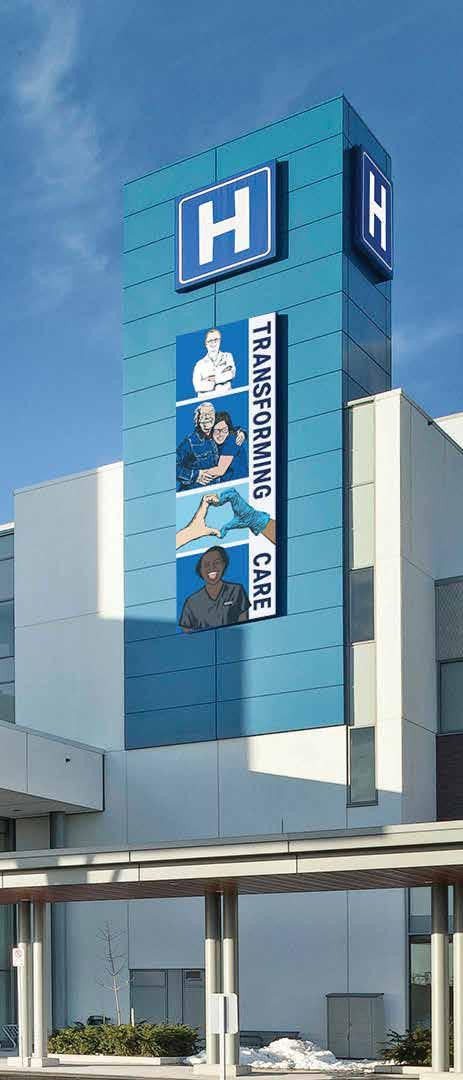
Our ambitious and realistic plan is uniting us in focusing our efforts on key areas and initiatives that strengthen the care we provide our community. Our Transforming Care plan keeps patients and our team members at the centre of everything we do at Niagara Health.

Niagara Health Foundation
At the Niagara Health Foundation, we raise and steward funds to support high-quality patient care, education, and research at Niagara Health. We fundraise exclusively for Niagara Health and bring people across the region together for a single purpose— to help our local hospitals and their healthcare teams deliver the best possible care, right here in Niagara.
If you’re grateful for the care you received, you can be the reason that same care continues for others. The equipment used in our hospitals is not funded by the government—our community makes it possible. When you make a donation to the Niagara Health Foundation or participate in one of our fundraising events, you help ensure that Niagara Health has the essential, up-to-date equipment needed to provide life-saving care.
Every year, Niagara Health provides a list of its most urgently needed medical equipment. These tools allow doctors, nurses, and care teams to deliver the highest level of care to thousands of patients across Niagara. With your support, we can purchase this vital equipment and help patients receive the care they need, when they need it.
Your generosity has an immediate and lasting impact. Every single day, we see the difference donors make in how care is delivered at Niagara Health. Thank you for helping to build a healthier Niagara - for yourself, your loved ones, and your community.
To learn more or make a donation, please visit NiagaraHealthFoundation.com today.
43 DEFINING TYPES OF CARE
Here you will find more information on the types of care you or your loved ones may receive both inside and outside of a hospital setting.
Acute Care Short-term:
Medical care provided to people with serious or urgent health concerns, including acute illness, injury, or recovery following surgery. Care is focused on assessment, treatment and stabilization.
Alternate Level of Care (ALC):
Patients who no longer require acute hospital services but are unable to return home safely may need to wait for the most appropriate supports or services to become available in the community. During this transition, patients continue to receive care and support as teams work with patients, families and partners to plan next steps.
Ambulatory Care:
Health care consultations, treatments, or interventions provided without an overnight hospital stay, often delivered in outpatient clinics or community settings.
Complex Care:
Care for people with ongoing health needs who require continuous nursing support and coordinated access to medical and therapeutic services, often across multiple providers or settings.
Long-Term Care:
Care for individuals who are no longer able to live independently and need support with daily activities. This includes access to 24 hour nursing care or supervision in a supportive and safe environment tailored to individual needs.
End of Life or Palliative Care:
An approach to care that focuses on improving quality of life for individuals and their families facing life limiting illness. Palliative care addresses physical, emotional, spiritual and practical needs and can be provided alongside other treatments.
Home Support:
Services provided by community agencies to support people of all ages in their homes and communities. Supports may include personal care, therapies, or assistance with daily activities following hospital discharge, helping people remain safely at home and reducing the need for hospital admission.
Primary Care:
The first point of contact with the health care system, where health needs and concerns are assessed and addressed over time. Primary care is provided in the community by family physicians, nurse practitioners and other providers and includes prevention, diagnosis, chronic disease management, rehabilitation, counselling and wellness support.
Rehabilitation:
Care and therapies that support recovery and help individuals regain, maintain, or improve abilities following illness, injury, or health changes, with a focus on maximizing independence and quality of life.
Community Supporters






Located inside Marotta Family Hospital across from Tim Hortons









http://patientdirectory.ca











•
•

•